WO2024253203A1 - ポリイソシアネート組成物及びイソシアネート化合物の製造方法 - Google Patents
ポリイソシアネート組成物及びイソシアネート化合物の製造方法 Download PDFInfo
- Publication number
- WO2024253203A1 WO2024253203A1 PCT/JP2024/020945 JP2024020945W WO2024253203A1 WO 2024253203 A1 WO2024253203 A1 WO 2024253203A1 JP 2024020945 W JP2024020945 W JP 2024020945W WO 2024253203 A1 WO2024253203 A1 WO 2024253203A1
- Authority
- WO
- WIPO (PCT)
- Prior art keywords
- group
- compound
- carbon
- carbon atoms
- general formula
- Prior art date
- Legal status (The legal status is an assumption and is not a legal conclusion. Google has not performed a legal analysis and makes no representation as to the accuracy of the status listed.)
- Ceased
Links
Classifications
-
- C—CHEMISTRY; METALLURGY
- C07—ORGANIC CHEMISTRY
- C07C—ACYCLIC OR CARBOCYCLIC COMPOUNDS
- C07C263/00—Preparation of derivatives of isocyanic acid
- C07C263/04—Preparation of derivatives of isocyanic acid from or via carbamates or carbamoyl halides
-
- C—CHEMISTRY; METALLURGY
- C07—ORGANIC CHEMISTRY
- C07C—ACYCLIC OR CARBOCYCLIC COMPOUNDS
- C07C263/00—Preparation of derivatives of isocyanic acid
- C07C263/18—Separation; Purification; Stabilisation; Use of additives
-
- C—CHEMISTRY; METALLURGY
- C08—ORGANIC MACROMOLECULAR COMPOUNDS; THEIR PREPARATION OR CHEMICAL WORKING-UP; COMPOSITIONS BASED THEREON
- C08G—MACROMOLECULAR COMPOUNDS OBTAINED OTHERWISE THAN BY REACTIONS ONLY INVOLVING UNSATURATED CARBON-TO-CARBON BONDS
- C08G18/00—Polymeric products of isocyanates or isothiocyanates
- C08G18/06—Polymeric products of isocyanates or isothiocyanates with compounds having active hydrogen
- C08G18/70—Polymeric products of isocyanates or isothiocyanates with compounds having active hydrogen characterised by the isocyanates or isothiocyanates used
- C08G18/72—Polyisocyanates or polyisothiocyanates
- C08G18/73—Polyisocyanates or polyisothiocyanates acyclic
-
- C—CHEMISTRY; METALLURGY
- C08—ORGANIC MACROMOLECULAR COMPOUNDS; THEIR PREPARATION OR CHEMICAL WORKING-UP; COMPOSITIONS BASED THEREON
- C08G—MACROMOLECULAR COMPOUNDS OBTAINED OTHERWISE THAN BY REACTIONS ONLY INVOLVING UNSATURATED CARBON-TO-CARBON BONDS
- C08G18/00—Polymeric products of isocyanates or isothiocyanates
- C08G18/06—Polymeric products of isocyanates or isothiocyanates with compounds having active hydrogen
- C08G18/70—Polymeric products of isocyanates or isothiocyanates with compounds having active hydrogen characterised by the isocyanates or isothiocyanates used
- C08G18/72—Polyisocyanates or polyisothiocyanates
- C08G18/74—Polyisocyanates or polyisothiocyanates cyclic
- C08G18/75—Polyisocyanates or polyisothiocyanates cyclic cycloaliphatic
- C08G18/751—Polyisocyanates or polyisothiocyanates cyclic cycloaliphatic containing only one cycloaliphatic ring
- C08G18/752—Polyisocyanates or polyisothiocyanates cyclic cycloaliphatic containing only one cycloaliphatic ring containing at least one isocyanate or isothiocyanate group linked to the cycloaliphatic ring by means of an aliphatic group
- C08G18/753—Polyisocyanates or polyisothiocyanates cyclic cycloaliphatic containing only one cycloaliphatic ring containing at least one isocyanate or isothiocyanate group linked to the cycloaliphatic ring by means of an aliphatic group containing one isocyanate or isothiocyanate group linked to the cycloaliphatic ring by means of an aliphatic group having a primary carbon atom next to the isocyanate or isothiocyanate group
- C08G18/755—Polyisocyanates or polyisothiocyanates cyclic cycloaliphatic containing only one cycloaliphatic ring containing at least one isocyanate or isothiocyanate group linked to the cycloaliphatic ring by means of an aliphatic group containing one isocyanate or isothiocyanate group linked to the cycloaliphatic ring by means of an aliphatic group having a primary carbon atom next to the isocyanate or isothiocyanate group and at least one isocyanate or isothiocyanate group linked to a secondary carbon atom of the cycloaliphatic ring, e.g. isophorone diisocyanate
-
- C—CHEMISTRY; METALLURGY
- C08—ORGANIC MACROMOLECULAR COMPOUNDS; THEIR PREPARATION OR CHEMICAL WORKING-UP; COMPOSITIONS BASED THEREON
- C08G—MACROMOLECULAR COMPOUNDS OBTAINED OTHERWISE THAN BY REACTIONS ONLY INVOLVING UNSATURATED CARBON-TO-CARBON BONDS
- C08G18/00—Polymeric products of isocyanates or isothiocyanates
- C08G18/06—Polymeric products of isocyanates or isothiocyanates with compounds having active hydrogen
- C08G18/70—Polymeric products of isocyanates or isothiocyanates with compounds having active hydrogen characterised by the isocyanates or isothiocyanates used
- C08G18/72—Polyisocyanates or polyisothiocyanates
- C08G18/74—Polyisocyanates or polyisothiocyanates cyclic
- C08G18/76—Polyisocyanates or polyisothiocyanates cyclic aromatic
- C08G18/7614—Polyisocyanates or polyisothiocyanates cyclic aromatic containing only one aromatic ring
- C08G18/7621—Polyisocyanates or polyisothiocyanates cyclic aromatic containing only one aromatic ring being toluene diisocyanate including isomer mixtures
-
- C—CHEMISTRY; METALLURGY
- C08—ORGANIC MACROMOLECULAR COMPOUNDS; THEIR PREPARATION OR CHEMICAL WORKING-UP; COMPOSITIONS BASED THEREON
- C08G—MACROMOLECULAR COMPOUNDS OBTAINED OTHERWISE THAN BY REACTIONS ONLY INVOLVING UNSATURATED CARBON-TO-CARBON BONDS
- C08G18/00—Polymeric products of isocyanates or isothiocyanates
- C08G18/06—Polymeric products of isocyanates or isothiocyanates with compounds having active hydrogen
- C08G18/70—Polymeric products of isocyanates or isothiocyanates with compounds having active hydrogen characterised by the isocyanates or isothiocyanates used
- C08G18/72—Polyisocyanates or polyisothiocyanates
- C08G18/74—Polyisocyanates or polyisothiocyanates cyclic
- C08G18/76—Polyisocyanates or polyisothiocyanates cyclic aromatic
- C08G18/7657—Polyisocyanates or polyisothiocyanates cyclic aromatic containing two or more aromatic rings
- C08G18/7664—Polyisocyanates or polyisothiocyanates cyclic aromatic containing two or more aromatic rings containing alkylene polyphenyl groups
- C08G18/7671—Polyisocyanates or polyisothiocyanates cyclic aromatic containing two or more aromatic rings containing alkylene polyphenyl groups containing only one alkylene bisphenyl group
-
- C—CHEMISTRY; METALLURGY
- C08—ORGANIC MACROMOLECULAR COMPOUNDS; THEIR PREPARATION OR CHEMICAL WORKING-UP; COMPOSITIONS BASED THEREON
- C08G—MACROMOLECULAR COMPOUNDS OBTAINED OTHERWISE THAN BY REACTIONS ONLY INVOLVING UNSATURATED CARBON-TO-CARBON BONDS
- C08G18/00—Polymeric products of isocyanates or isothiocyanates
- C08G18/06—Polymeric products of isocyanates or isothiocyanates with compounds having active hydrogen
- C08G18/70—Polymeric products of isocyanates or isothiocyanates with compounds having active hydrogen characterised by the isocyanates or isothiocyanates used
- C08G18/72—Polyisocyanates or polyisothiocyanates
- C08G18/77—Polyisocyanates or polyisothiocyanates having heteroatoms in addition to the isocyanate or isothiocyanate nitrogen and oxygen or sulfur
- C08G18/771—Polyisocyanates or polyisothiocyanates having heteroatoms in addition to the isocyanate or isothiocyanate nitrogen and oxygen or sulfur oxygen
-
- C—CHEMISTRY; METALLURGY
- C08—ORGANIC MACROMOLECULAR COMPOUNDS; THEIR PREPARATION OR CHEMICAL WORKING-UP; COMPOSITIONS BASED THEREON
- C08G—MACROMOLECULAR COMPOUNDS OBTAINED OTHERWISE THAN BY REACTIONS ONLY INVOLVING UNSATURATED CARBON-TO-CARBON BONDS
- C08G18/00—Polymeric products of isocyanates or isothiocyanates
- C08G18/06—Polymeric products of isocyanates or isothiocyanates with compounds having active hydrogen
- C08G18/70—Polymeric products of isocyanates or isothiocyanates with compounds having active hydrogen characterised by the isocyanates or isothiocyanates used
- C08G18/72—Polyisocyanates or polyisothiocyanates
- C08G18/80—Masked polyisocyanates
-
- C—CHEMISTRY; METALLURGY
- C08—ORGANIC MACROMOLECULAR COMPOUNDS; THEIR PREPARATION OR CHEMICAL WORKING-UP; COMPOSITIONS BASED THEREON
- C08G—MACROMOLECULAR COMPOUNDS OBTAINED OTHERWISE THAN BY REACTIONS ONLY INVOLVING UNSATURATED CARBON-TO-CARBON BONDS
- C08G18/00—Polymeric products of isocyanates or isothiocyanates
- C08G18/06—Polymeric products of isocyanates or isothiocyanates with compounds having active hydrogen
- C08G18/70—Polymeric products of isocyanates or isothiocyanates with compounds having active hydrogen characterised by the isocyanates or isothiocyanates used
- C08G18/72—Polyisocyanates or polyisothiocyanates
- C08G18/80—Masked polyisocyanates
- C08G18/8061—Masked polyisocyanates masked with compounds having only one group containing active hydrogen
- C08G18/8064—Masked polyisocyanates masked with compounds having only one group containing active hydrogen with monohydroxy compounds
-
- C—CHEMISTRY; METALLURGY
- C08—ORGANIC MACROMOLECULAR COMPOUNDS; THEIR PREPARATION OR CHEMICAL WORKING-UP; COMPOSITIONS BASED THEREON
- C08G—MACROMOLECULAR COMPOUNDS OBTAINED OTHERWISE THAN BY REACTIONS ONLY INVOLVING UNSATURATED CARBON-TO-CARBON BONDS
- C08G18/00—Polymeric products of isocyanates or isothiocyanates
- C08G18/06—Polymeric products of isocyanates or isothiocyanates with compounds having active hydrogen
- C08G18/70—Polymeric products of isocyanates or isothiocyanates with compounds having active hydrogen characterised by the isocyanates or isothiocyanates used
- C08G18/72—Polyisocyanates or polyisothiocyanates
- C08G18/80—Masked polyisocyanates
- C08G18/8061—Masked polyisocyanates masked with compounds having only one group containing active hydrogen
- C08G18/8064—Masked polyisocyanates masked with compounds having only one group containing active hydrogen with monohydroxy compounds
- C08G18/8067—Masked polyisocyanates masked with compounds having only one group containing active hydrogen with monohydroxy compounds phenolic compounds
-
- C—CHEMISTRY; METALLURGY
- C08—ORGANIC MACROMOLECULAR COMPOUNDS; THEIR PREPARATION OR CHEMICAL WORKING-UP; COMPOSITIONS BASED THEREON
- C08G—MACROMOLECULAR COMPOUNDS OBTAINED OTHERWISE THAN BY REACTIONS ONLY INVOLVING UNSATURATED CARBON-TO-CARBON BONDS
- C08G18/00—Polymeric products of isocyanates or isothiocyanates
- C08G18/06—Polymeric products of isocyanates or isothiocyanates with compounds having active hydrogen
- C08G18/70—Polymeric products of isocyanates or isothiocyanates with compounds having active hydrogen characterised by the isocyanates or isothiocyanates used
- C08G18/72—Polyisocyanates or polyisothiocyanates
- C08G18/80—Masked polyisocyanates
- C08G18/8061—Masked polyisocyanates masked with compounds having only one group containing active hydrogen
- C08G18/807—Masked polyisocyanates masked with compounds having only one group containing active hydrogen with nitrogen containing compounds
-
- C—CHEMISTRY; METALLURGY
- C08—ORGANIC MACROMOLECULAR COMPOUNDS; THEIR PREPARATION OR CHEMICAL WORKING-UP; COMPOSITIONS BASED THEREON
- C08G—MACROMOLECULAR COMPOUNDS OBTAINED OTHERWISE THAN BY REACTIONS ONLY INVOLVING UNSATURATED CARBON-TO-CARBON BONDS
- C08G18/00—Polymeric products of isocyanates or isothiocyanates
- C08G18/06—Polymeric products of isocyanates or isothiocyanates with compounds having active hydrogen
- C08G18/70—Polymeric products of isocyanates or isothiocyanates with compounds having active hydrogen characterised by the isocyanates or isothiocyanates used
- C08G18/72—Polyisocyanates or polyisothiocyanates
- C08G18/80—Masked polyisocyanates
- C08G18/8061—Masked polyisocyanates masked with compounds having only one group containing active hydrogen
- C08G18/807—Masked polyisocyanates masked with compounds having only one group containing active hydrogen with nitrogen containing compounds
- C08G18/808—Monoamines
-
- C—CHEMISTRY; METALLURGY
- C07—ORGANIC CHEMISTRY
- C07C—ACYCLIC OR CARBOCYCLIC COMPOUNDS
- C07C2601/00—Systems containing only non-condensed rings
- C07C2601/12—Systems containing only non-condensed rings with a six-membered ring
- C07C2601/14—The ring being saturated
Definitions
- the present invention relates to a polyisocyanate composition and a method for producing an isocyanate compound.
- This application claims priority based on Japanese Patent Application Nos. 2023-094942, 2023-094699, 2023-094710, 2023-094723, and 2023-094958 filed in Japan on June 8, 2023, the contents of which are incorporated herein by reference.
- Polyisocyanate compounds are used in polyurethane synthesis and as curing agents, and are used in a wide range of fields, including flexible and rigid foams, elastomers, adhesives, paints, and binders.
- Patent Document 1 describes an isocyanate composition that contains a trifunctional or higher isocyanate compound and a compound that has at least one unsaturated bond other than the unsaturated bond that constitutes an aromatic ring.
- Patent Document 2 describes a polyisocyanate composition containing a polyisocyanate and at least one inactive compound selected from the group consisting of a compound having an unsaturated bond, a hydrocarbon compound, an ether compound, a sulfide compound, a halogenated hydrocarbon compound, a silicon-containing hydrocarbon compound, a silicon-containing ether compound, and a silicon-containing sulfide compound.
- Isocyanates are also widely used as raw materials in the manufacture of polyurethane foams, paints, adhesives, etc.
- the main industrial method for producing isocyanates is the reaction between an amine compound and phosgene (the phosgene process), and almost all of the world's production is by the phosgene process.
- the phosgene process has many problems with the raw material phosgene and the by-product hydrogen chloride.
- Patent Document 3 describes a method for producing 1,6-hexamethylene diisocyanate by thermally decomposing 1,6-hexamethylene dicarbamic acid ester in the presence of a specific catalyst.
- Patent Document 4 describes a method for producing a diisocyanate compound by reacting a diamine with dimethyl carbonate in the presence of an alkali catalyst to synthesize a urethane compound, and then thermally decomposing the urethane compound in the presence of a catalyst.
- isocyanates are highly reactive and react easily with compounds such as water. For this reason, in order to improve stability, they are sometimes converted into blocked isocyanates, and when used, the blocking agent is dissociated by heating to regenerate the isocyanate. Blocked isocyanates have low reactivity with active hydrogen compounds, can be stored stably, and are less toxic than isocyanates, making them useful as one-component paints, adhesives, and molding compounds.
- blocked isocyanates have the property of dissociating into an isocyanate and a blocking agent through thermal decomposition. Therefore, blocked isocyanates can be decomposed into an isocyanate and a blocking agent through thermal decomposition, and the resulting isocyanate and blocking agent can be separated after or simultaneously with thermal decomposition. The separated isocyanate and blocking agent are useful because they can also be used as raw materials when producing isocyanates.
- blocked isocyanates there are a method of producing blocked isocyanates by directly reacting an isocyanate with a blocking agent, a method of producing blocked isocyanates by reacting a carbamic acid chloride obtained by reacting an amine with phosgene with a blocking agent, a method of producing blocked isocyanates by reacting carbamic acid with a blocking agent and a condensing agent, a method of producing blocked isocyanates containing a compound derived from a carbonic acid derivative by reacting an amine with a carbonic acid derivative, and a method of producing blocked isocyanates by reacting an amine with a carbonic acid derivative and a blocking agent.
- isocyanate When isocyanate is produced by decomposing a blocked isocyanate composition containing such ureylene groups into an isocyanate and a blocking agent through thermal decomposition, and then separating the resulting isocyanate and blocking agent after or simultaneously with the thermal decomposition, the resulting isocyanate may react with the ureylene groups to form a biuret, which may lead to an increase in the amount of by-products produced.
- polyisocyanate compounds When polyisocyanate compounds are used in fields where appearance quality is required, such as as raw materials for polyurethane, it is important that the polyisocyanate compounds are minimally discolored.
- isocyanates generally tend to be easily oxidized by oxygen in the air, and to deteriorate or become discolored.
- the isocyanates when producing isocyanate polymers by polymerization of diisocyanates, the isocyanates tend to easily become discolored due to the catalyst or solvent used in the polymerization reaction.
- One aspect of the present invention was made in consideration of the above circumstances, and aims to provide a polyisocyanate composition that has excellent storage stability and coloration inhibition.
- One aspect of the present invention has been made in consideration of the above circumstances, and aims to provide a method for producing an isocyanate compound that can improve the thermal decomposition rate of a blocked isocyanate compound without increasing the amount of by-products produced.
- R1 and R2 are each independently a monovalent organic group.
- R1 and R2 may each independently form a ring structure via a carbon-carbon bond, a carbon-oxygen-carbon bond, or a carbon-nitrogen-carbon bond.
- R3 is an aliphatic hydrocarbon group or a hydrocarbon group having an aromatic group.
- R 210 is a monovalent organic group
- R 220 , R 230 , R 240 and R 250 are each independently a monovalent organic group or hydrogen.
- R 210 and R 220 may be bonded to each other to form a ring structure via a carbon-carbon bond, a carbon-oxygen-carbon bond or a carbon-nitrogen-carbon bond.
- R 310 is an (n+m)-valent organic group
- n is an integer of 0 or more and 12 or less
- m is an integer of 1 or more and 12 or less
- n+m is an integer of 13 or less
- R 320 and R 330 are each independently a monovalent organic group.
- R 320 and R 330 may be bonded to each other to form a ring structure via a carbon-carbon bond, a carbon-oxygen-carbon bond, or a carbon-nitrogen-carbon bond.
- At least one of R 320 and R 330 has an aromatic group.
- a method for producing an isocyanate compound comprising a reaction step of decomposing a blocked isocyanate compound into a blocking agent and an isocyanate compound by heat treatment in the presence of a compound having a structure represented by any one or both of the following general formulas (I) and (II), thereby obtaining the isocyanate compound.
- R1 and R2 are each independently a monovalent organic group.
- R1 and R2 may each independently form a ring structure via a carbon-carbon bond, a carbon-oxygen-carbon bond, or a carbon-nitrogen-carbon bond.
- R3 is an aliphatic hydrocarbon group or a hydrocarbon group having an aromatic group.
- R 210 is a monovalent organic group
- R 220 , R 230 , R 240 and R 250 are each independently a monovalent organic group or hydrogen.
- R 210 and R 220 may be bonded to each other to form a ring structure via a carbon-carbon bond, a carbon-oxygen-carbon bond or a carbon-nitrogen-carbon bond.
- n21 is an integer of 1 or more and 12 or less.
- R 31 is a hydrogen atom, a halogen atom, a carboxy group, an alkyl group having 1 to 20 carbon atoms, an alkoxy group having 1 to 20 carbon atoms, an alkyloxycarbonyl group having 1 to 20 carbon atoms, an alkylcarbonyloxy group having 1 to 20 carbon atoms, an aryl group having 6 to 20 carbon atoms, an aryloxy group having 6 to 20 carbon atoms, an aralkyl group having 7 to 20 carbon atoms, or an aralkyloxy group having 7 to 20 carbon atoms.
- R 31 may be bonded to ring A 31 to form a ring structure.
- n31 is an integer of 1 to 10.
- R 51 and R 52 may be bonded to each other to form a ring structure via a carbon-carbon bond, a carbon-oxygen-carbon bond, or a carbon-nitrogen-carbon bond.
- polyisocyanate composition of the above embodiment it is possible to provide a polyisocyanate composition having excellent storage stability and coloration inhibition.
- the method for producing an isocyanate compound of the above aspect it is possible to provide a method for producing an isocyanate compound that can improve the thermal decomposition rate of a blocked isocyanate compound without increasing the amount of by-products produced.
- present embodiment a form for carrying out the present invention
- present embodiment is an example for explaining the present invention, and the present invention is not limited to the present embodiment.
- present invention can be carried out with appropriate modifications within the scope of its gist.
- the polyisocyanate composition of the present embodiment contains at least one compound represented by any one of general formulas (I), (II), and (III) and a polyisocyanate compound.
- the polyisocyanate composition of this embodiment may contain optional components other than compounds (I), (II), and (III) and the polyisocyanate compound, depending on the application, purpose, etc.
- the polyisocyanate composition of the present embodiment can be used as a polyurethane synthesis material, a curing agent, or the like.
- the polyisocyanate composition of the present embodiment can be used in a wide range of fields, such as flexible foams, rigid foams, elastomers, adhesives, paints, and binders.
- the polyisocyanate composition 1 of this embodiment contains a compound represented by general formula (I) and a polyisocyanate compound.
- a compound represented by general formula (I) may be referred to as “compound (I).”
- the polyisocyanate composition 2 of this embodiment contains a compound represented by general formula (II) and a polyisocyanate compound.
- a compound represented by general formula (II) may be referred to as “compound (II).”
- the polyisocyanate composition 3 of this embodiment contains a compound represented by general formula (III) and a polyisocyanate compound.
- a compound represented by general formula (III) may be referred to as “compound (III).”
- the polyisocyanate composition 4 of the present embodiment contains two or more compounds selected from the compounds represented by general formulas (I), (II), and (III), and a polyisocyanate compound.
- One embodiment of the polyisocyanate composition 4 contains the compounds represented by the general formulas (I), (II), and (III) and a polyisocyanate compound.
- the polyisocyanate composition 1 of the present embodiment contains the compound (I) and a polyisocyanate compound.
- R1 and R2 are each independently a monovalent organic group.
- R1 and R2 may each independently form a ring structure via a carbon-carbon bond, a carbon-oxygen-carbon bond, or a carbon-nitrogen-carbon bond.
- R3 is an aliphatic hydrocarbon group or a hydrocarbon group having an aromatic group.
- R1 and R2 are each independently a monovalent organic group.
- R1 and R2 may each independently form a ring structure via a carbon-carbon bond, a carbon-oxygen-carbon bond, or a carbon-nitrogen-carbon bond.
- R1 and R2 each independently represent a monovalent aliphatic hydrocarbon group having 1 to 70 carbon atoms, which may have a substituent, or a monovalent aromatic hydrocarbon group having 6 to 70 carbon atoms, which may have a substituent.
- the number of carbon atoms is preferably 1 or more and 70 or less, more preferably 1 or more and 20 or less, even more preferably 1 or more and 12 or less, and particularly preferably 1 or more and 10 or less.
- the aliphatic hydrocarbon group in R1 and R2 may be a straight-chain alkyl group, a branched alkyl group, a cycloalkyl group, etc., which may be unsubstituted or substituted.
- substituent of these aliphatic hydrocarbon groups include a hydroxyl group, a cyano group, a halogen atom, etc.
- the halogen atom of the substituent include a fluorine atom, a chlorine atom, a bromine atom, an iodine atom, etc.
- aliphatic hydrocarbon group in R1 and R2 include methyl, ethyl, n-propyl, isopropyl, n-butyl, isobutyl, sec-butyl, tert-butyl, each isomer of pentyl, each isomer of hexyl, each isomer of heptyl, each isomer of octyl, each isomer of nonyl, each isomer of decyl, cyclopentyl, cyclohexyl, etc.
- unsubstituted aliphatic hydrocarbon groups having 1 to 12 carbon atoms are preferred, and methyl, ethyl, n-propyl, isopropyl, n-butyl, or isobutyl are preferred.
- the number of carbon atoms is preferably 6 or more and 70 or less, more preferably 6 or more and 20 or less, even more preferably 6 or more and 12 or less, and particularly preferably 6 or more and 10 or less.
- the aromatic hydrocarbon group in R1 and R2 include an aryl group, an aralkyl group, etc., which may be unsubstituted or substituted.
- the substituent of these aromatic hydrocarbon groups include an aliphatic hydrocarbon group, a hydroxyl group, a cyano group, a halogen atom, etc.
- Examples of the aliphatic hydrocarbon group selected as the substituent of the aromatic hydrocarbon group in R1 and R2 include the same groups as those exemplified as the aliphatic hydrocarbon group in R1 and R2 .
- Examples of the halogen atom of the substituent include a fluorine atom, a chlorine atom, a bromine atom, an iodine atom, etc.
- aromatic hydrocarbon group in R1 and R2 include a phenyl group, a naphthyl group, an anthryl group, a pyrenyl group, a phenanthryl group, an o-tolyl group, a m-tolyl group, a p-tolyl group, a benzyl group, and a phenethyl group.
- the group formed by bonding R1 and R2 to each other is a divalent organic group.
- the group formed by bonding R1 and R2 to each other is preferably a divalent aliphatic hydrocarbon group having 1 to 70 carbon atoms or a divalent aromatic hydrocarbon group having 6 to 70 carbon atoms, which may have a substituted or unsubstituted ether group, carbonyl group, ester group, imino group (-NH-), amide group or imide group.
- R3 is an aliphatic hydrocarbon group or a hydrocarbon group having an aromatic group.
- Specific examples of the aliphatic hydrocarbon group in R3 include methyl, ethyl, n-propyl, isopropyl, n-butyl, isobutyl, sec-butyl, tert-butyl, each isomer of pentyl, each isomer of hexyl, each isomer of heptyl, each isomer of octyl, each isomer of nonyl, each isomer of decyl, cyclopentyl, cyclohexyl, etc.
- unsubstituted aliphatic hydrocarbon groups having 1 to 12 carbon atoms are preferred, and methyl, ethyl, n-propyl, isopropyl, n-butyl, or isobutyl are preferred.
- an aromatic hydrocarbon group When an aromatic hydrocarbon group is selected for R3 , it preferably has 6 or more and 70 or less carbon atoms, more preferably 6 or more and 20 or less, even more preferably 6 or more and 12 or less, and particularly preferably 6 or more and 10 or less carbon atoms.
- the aromatic hydrocarbon group in R3 include aryl groups and aralkyl groups, which may be unsubstituted or substituted.
- the substituents of these aromatic hydrocarbon groups include aliphatic hydrocarbon groups, hydroxyl groups, cyano groups, and halogen atoms.
- Examples of the aliphatic hydrocarbon groups selected as the substituents of the aromatic hydrocarbon group in R3 include the same groups as those exemplified as the aliphatic hydrocarbon groups in R3 .
- Examples of the halogen atoms of the substituents include fluorine atoms, chlorine atoms, bromine atoms, and iodine atoms.
- aromatic hydrocarbon group for R3 examples include a phenyl group, a naphthyl group, an anthryl group, a pyrenyl group, a phenanthryl group, an o-tolyl group, a m-tolyl group, a p-tolyl group, a benzyl group, and a phenethyl group.
- the compound (I) is preferably a compound represented by the following general formula (I-1):
- R 11 is a substituted or unsubstituted monovalent aliphatic hydrocarbon group having from 1 to 70 carbon atoms, or a substituted or unsubstituted monovalent aromatic hydrocarbon group having from 6 to 70 carbon atoms
- R 12 is a substituted or unsubstituted monovalent aliphatic hydrocarbon group having from 1 to 20 carbon atoms, or a substituted or unsubstituted monovalent aromatic hydrocarbon group having from 6 to 70 carbon atoms
- R 13 is a substituted or unsubstituted monovalent aliphatic hydrocarbon group having from 1 to 20 carbon atoms, or a substituted or unsubstituted monovalent aromatic hydrocarbon group having from 6 to 70 carbon atoms.
- R 11 is a substituted or unsubstituted monovalent aliphatic hydrocarbon group having 1 to 70 carbon atoms, or a substituted or unsubstituted monovalent aromatic hydrocarbon group having 6 to 70 carbon atoms.
- R 11 examples include methyl, ethyl, n-propyl, isopropyl, n-butyl, isobutyl, sec-butyl, tert-butyl, each isomer of pentyl, each isomer of hexyl, each isomer of heptyl, each isomer of octyl, each isomer of nonyl, each isomer of decyl, cyclopentyl, cyclohexyl, phenyl, benzyl, o-tolyl, m-tolyl, and p-tolyl.
- an unsubstituted aliphatic hydrocarbon group having 1 to 12 carbon atoms is preferred, and a methyl, ethyl, n-propyl, isopropyl, n-butyl, or isobutyl group is preferred.
- R 12 is a substituted or unsubstituted monovalent aliphatic hydrocarbon group having 1 to 20 carbon atoms, or a substituted or unsubstituted monovalent aromatic hydrocarbon group having 6 to 70 carbon atoms.
- R 12 include a hydrogen atom, a methyl group, an ethyl group, an n-propyl group, an isopropyl group, an n-butyl group, an isobutyl group, a sec-butyl group, a tert-butyl group, each isomer of a pentyl group, each isomer of a hexyl group, each isomer of a heptyl group, each isomer of an octyl group, each isomer of a nonyl group, each isomer of a decyl group, a cyclopentyl group, a cyclohexyl group, a phenyl group, a benzyl group, an o-tolyl group, an m-tolyl group, a p-tolyl group, and the like.
- an unsubstituted aliphatic hydrocarbon group having 1 to 12 carbon atoms is preferred, and a methyl group, an ethyl group, an n-propyl group, an isopropyl group, an n-butyl group, or an isobutyl group is preferred.
- R 13 is a substituted or unsubstituted monovalent aliphatic hydrocarbon group having 1 to 20 carbon atoms, or a substituted or unsubstituted monovalent aromatic hydrocarbon group having 6 to 70 carbon atoms.
- R 13 include substituted or unsubstituted monovalent aliphatic hydrocarbon groups having 1 to 12 carbon atoms, and monovalent aromatic hydrocarbon groups having 6 to 12 carbon atoms.
- R 13 examples include a methyl group, an ethyl group, an n-propyl group, an isopropyl group, an n-butyl group, an isobutyl group, a sec-butyl group, a tert-butyl group, each isomer of a pentyl group, each isomer of a hexyl group, each isomer of a heptyl group, each isomer of an octyl group, each isomer of a nonyl group, each isomer of a decyl group, a cyclopentyl group, a cyclohexyl group, a phenyl group, a benzyl group, an o-tolyl group, an m-tolyl group, and a p-tolyl group.
- unsubstituted aliphatic hydrocarbon groups having from 1 to 12 carbon atoms are preferred, with a methyl group, an ethyl group, an n-propyl group, an isopropyl group, an n-butyl group or an isobutyl group being more preferred.
- R 13 when R 13 is a monovalent aromatic hydrocarbon group having from 6 to 12 carbon atoms, it is preferably a phenyl group which may have a substituent.
- substituent which the phenyl group of R 13 may have include an aliphatic hydrocarbon group or an aromatic hydrocarbon group, such as an alkyl group having from 1 to 12 carbon atoms, an aryl group having from 6 to 12 carbon atoms, or an aralkyl group having from 7 to 12 carbon atoms.
- examples of the substituent include an alkoxy group having from 1 to 12 carbon atoms, an aryloxy group having from 6 to 12 carbon atoms, and an aralkyloxy group having from 7 to 12 carbon atoms.
- examples of the substituent on the benzene ring include an alkylcarbonyl group having from 1 to 12 carbon atoms, an arylcarbonyl group having from 6 to 12 carbon atoms, and an aralkylcarbonyl group having from 7 to 12 carbon atoms.
- examples include an alkoxycarbonyl group or an alkylcarbonyloxy group having 1 to 12 carbon atoms, an aryloxycarbonyl group or an arylcarbonyloxy group having 6 to 12 carbon atoms, or an aralkyloxycarbonyl group or an aralkylcarbonyloxy group having 7 to 12 carbon atoms.
- substituents on the benzene ring include methyl, ethyl, n-propyl, isopropyl, n-butyl, isobutyl, sec-butyl, tert-butyl, isomers of pentyl, isomers of hexyl, isomers of heptyl, isomers of octyl, isomers of nonyl, isomers of decyl, cyclopentyl, cyclohexyl, phenyl, benzyl, o-tolyl, m-tolyl, p-tolyl, and cumyl.
- unsubstituted aliphatic hydrocarbon groups having 1 to 12 carbon atoms are preferred, and methyl, ethyl, n-propyl, isopropyl, n-butyl, or isobutyl are preferred.
- the compound (I) is preferably a compound represented by the following general formula (I-2):
- R 22 is a substituted or unsubstituted monovalent aliphatic hydrocarbon group having 1 to 20 carbon atoms, or a substituted or unsubstituted monovalent aromatic hydrocarbon group having 6 to 70 carbon atoms.
- R 23 is a substituted or unsubstituted monovalent aliphatic hydrocarbon group having 1 to 20 carbon atoms, or a substituted or unsubstituted monovalent aromatic hydrocarbon group having 6 to 70 carbon atoms.
- R 22 is a substituted or unsubstituted monovalent aliphatic hydrocarbon group having 1 to 20 carbon atoms, or a substituted or unsubstituted monovalent aromatic hydrocarbon group having 6 to 70 carbon atoms, and specific descriptions are the same as those for R 12 .
- R 22 is preferably a linear or branched alkyl group having 1 to 10 carbon atoms, or an unsubstituted phenyl group.
- R 23 is a substituted or unsubstituted monovalent aliphatic hydrocarbon group having 1 to 20 carbon atoms, or a substituted or unsubstituted monovalent aromatic hydrocarbon group having 6 to 70 carbon atoms, and specific descriptions are the same as those for R 13 .
- R 23 is preferably a linear or branched alkyl group having 1 to 10 carbon atoms, or a substituted or unsubstituted phenyl group.
- R 23 is a phenyl group having a substituent
- examples of the substituent include a linear or branched alkyl group having 1 to 10 carbon atoms.
- Compound (I) acts as an ultraviolet absorber. Therefore, a polyisocyanate composition containing compound (I) can reduce the discoloration and denaturation of the polyisocyanate compound caused by ultraviolet light, even when stored outdoors.
- Compound (I) suppresses the excitation of chromophores by light, so radicals are less likely to be generated when exposed to light.
- Compound (I) acts as a stabilizer during storage, so polyisocyanate compositions containing compound (I) have excellent storage stability.
- the polyisocyanate composition 1 preferably contains 1.0 ppm by mass or more and 5.0 ⁇ 10 4 ppm by mass or less of the compound (I), and more preferably contains 1.0 ppm by mass or more and 1.0 ⁇ 10 4 ppm by mass or less of the compound (I), based on the total mass of the polyisocyanate compounds.
- Compound (I) may be a commercially available product, or a compound synthesized by a known production method.
- An example of a commercially available product of Compound (I) is Angene International Limited, product number: AG00AJDF, product name: N-methylcarbanilic acid phenyl ester 95%, CAS number: 13599-69-4.
- the method for synthesizing compound (I) is to stir the corresponding chloroformate and the corresponding amine in a suitable solvent in the presence of a neutralizer for the by-produced hydrochloric acid, such as triethylamine, at room temperature to reflux.
- a neutralizer for the by-produced hydrochloric acid such as triethylamine
- the corresponding carbamoyl chloride and the corresponding alcohol are stirred in a suitable solvent in the presence of a neutralizer for the by-produced hydrochloric acid, such as triethylamine, at room temperature to reflux.
- a catalyst such as N,N-dimethyl-4-aminopyridine (DMAP) may be used.
- DMAP N,N-dimethyl-4-aminopyridine
- the polyisocyanate composition 2 of the present embodiment contains the compound (II) and a polyisocyanate compound.
- Compound (II) is represented by the following general formula (II): Compound (II) may be referred to as "quinazolinedione compound (II)".
- R 210 is a monovalent organic group
- R 220 , R 230 , R 240 and R 250 are each independently a monovalent organic group or hydrogen.
- R 210 and R 220 may be bonded to each other to form a ring structure via a carbon-carbon bond, a carbon-oxygen-carbon bond or a carbon-nitrogen-carbon bond.
- Quinazolinedione compound (II) has a quinazoline-2,4(1H,3H)-dione structure (hereinafter sometimes referred to as the "quinazolinedione structure").
- the inventors discovered that the problems of thermal denaturation and coloration can be solved by producing a blocked isocyanate in the presence of a specific amine compound having an aromatic group, which led to the completion of the present invention.
- polyisocyanate composition 2 of this embodiment even when a specific amine compound having an aromatic group is used, far from causing the problem of coloration, exhibits an exceptionally remarkable effect of improving (suppressing) thermal denaturation and coloration.
- R210 is a monovalent organic group
- R 220 , R 230 , R 240 and R 250 are each independently a monovalent organic group or hydrogen.
- R 210 and R 220 may be bonded to each other to form a ring structure via a carbon-carbon bond, a carbon-oxygen-carbon bond or a carbon-nitrogen-carbon bond.
- R 210 is preferably a monovalent aliphatic hydrocarbon group having 1 to 70 carbon atoms, or a monovalent aromatic hydrocarbon group having 6 to 70 carbon atoms, which may have a substituted or unsubstituted ether group, a carbonyl group, an ester group, an imino group (—NH—), an amide group, or an imide group.
- R 220 , R 230 , R 240 and R 250 each independently represent a monovalent aliphatic hydrocarbon group having 1 to 70 carbon atoms, a monovalent aromatic hydrocarbon group having 6 to 70 carbon atoms, or hydrogen, which may have a substituted or unsubstituted ether group, a carbonyl group, an ester group, an imino group (—NH—), an amide group or an imide group.
- the number of carbon atoms is preferably 1 or more and 70 or less, more preferably 1 or more and 20 or less, even more preferably 1 or more and 12 or less, and particularly preferably 1 or more and 10 or less.
- the aliphatic hydrocarbon groups in R210 , R220 , R230 , R240 and R250 include linear alkyl groups, branched alkyl groups, cycloalkyl groups, etc., which may be unsubstituted or substituted.
- substituents of these aliphatic hydrocarbon groups include hydroxyl groups, cyano groups, halogen atoms, etc.
- halogen atoms of the substituents include fluorine atoms, chlorine atoms, bromine atoms, iodine atoms, etc.
- R 210 , R 220 , R 230 , R 240 and R 250 include methyl, ethyl, n-propyl, isopropyl, n-butyl, isobutyl, sec-butyl, tert-butyl, each isomer of pentyl, each isomer of hexyl, each isomer of heptyl, each isomer of octyl, each isomer of nonyl, each isomer of decyl, cyclopentyl, cyclohexyl, etc.
- unsubstituted aliphatic hydrocarbon groups having 1 to 12 carbon atoms are preferred, and methyl, ethyl, n-propyl, isopropyl, n-butyl or isobutyl are preferred.
- the number of carbon atoms is preferably 6 or more and 70 or less, more preferably 6 or more and 20 or less, even more preferably 6 or more and 12 or less, and particularly preferably 6 or more and 10 or less.
- the aromatic hydrocarbon group in R 210 , R 220 , R 230 , R 240 and R 250 may be unsubstituted or substituted, and may include aryl groups, aralkyl groups, etc. Substituents of these aromatic hydrocarbon groups include, for example, aliphatic hydrocarbon groups, hydroxyl groups, cyano groups, halogen atoms, etc.
- the aliphatic hydrocarbon groups selected as the substituents of the aromatic hydrocarbon groups in R 210 , R 220 , R 230 , R 240 and R 250 include the same as those exemplified as the aliphatic hydrocarbon groups in R 210 , R 220 , R 230 , R 240 and R 250.
- the halogen atoms of the substituents include fluorine atoms, chlorine atoms, bromine atoms, iodine atoms, etc.
- aromatic hydrocarbon group for R 210 , R 220 , R 230 , R 240 and R 250 include a phenyl group, a naphthyl group, an anthryl group, a pyrenyl group, a phenanthryl group, an o-tolyl group, a m-tolyl group, a p-tolyl group, a benzyl group and a phenethyl group.
- the group formed by R 210 and R 220 being bonded to each other is a divalent organic group.
- the group formed by R 210 and R 220 being bonded to each other is preferably a divalent aliphatic hydrocarbon group having 1 to 70 carbon atoms or a divalent aromatic hydrocarbon group having 6 to 70 carbon atoms, which may have a substituted or unsubstituted ether group, carbonyl group, ester group, imino group (-NH-), amide group or imide group.
- examples of the divalent aliphatic hydrocarbon group include alkylene groups such as a methylene group, an ethylene group, a propylene group, and a trimethylene group.
- examples of the divalent aromatic hydrocarbon group include arylene groups such as a phenylene group and a naphthylene group.
- R 210 preferably has a carbon atom at a position where it bonds to a nitrogen atom of the quinazolinedione structure, regardless of whether R 210 and R 220 are bonded to each other to form a ring structure.
- the carbon atom of R 210 at the position where R 210 bonds to a nitrogen atom of the quinazolinedione structure is preferably a primary carbon atom, a secondary carbon atom, a tertiary carbon atom, a carbon atom having aromaticity, or a carbonyl carbon atom.
- Preferred quinazolinedione compounds (II) include the following (II-1), (II-2), and (II-3).
- R 210 is a monovalent organic group
- R 220 , R 230 , R 240 and R 250 each independently is a monovalent organic group or hydrogen.
- R 210 may be a substituted or unsubstituted monovalent aliphatic hydrocarbon group having 1 to 12 carbon atoms, or a monovalent aromatic hydrocarbon group having 6 to 12 carbon atoms.
- R 210 include a methyl group, an ethyl group, an n-propyl group, an isopropyl group, an n-butyl group, an isobutyl group, a sec-butyl group, a tert-butyl group, each isomer of a pentyl group, each isomer of a hexyl group, each isomer of a heptyl group, each isomer of an octyl group, each isomer of a nonyl group, each isomer of a decyl group, a cyclopentyl group, a cyclohexyl group, a phenyl group, a benzyl group, an o-to
- an unsubstituted aliphatic hydrocarbon group having 1 to 12 carbon atoms is preferred, and a methyl group, an ethyl group, an n-propyl group, an isopropyl group, an n-butyl group, or an isobutyl group is preferred.
- the number of R 220 , R 230 , R 240 and R 250 which are monovalent organic groups is an integer of 0 or more and 4 or less, preferably 0 or 1, and more preferably 0.
- any one or more of R 220 , R 230 , R 240 and R 250 is a monovalent organic group, it becomes a substituent of the benzene ring in the quinazolinedione structure (hereinafter, may be referred to as "benzene ring substituent").
- the substituent of the benzene ring include substituted or unsubstituted aliphatic hydrocarbon groups having 1 to 12 carbon atoms or aromatic hydrocarbon groups having 6 to 12 carbon atoms.
- the substituent of the benzene ring may have an ether group, a carbonyl group or an ester group.
- substituent on the benzene ring is an aliphatic hydrocarbon group or an aromatic hydrocarbon group
- substituent on the benzene ring examples include an alkyl group having 1 to 12 carbon atoms, an aryl group having 6 to 12 carbon atoms, and an aralkyl group having 7 to 12 carbon atoms.
- the substituent on the benzene ring has an ether group
- examples of the ether group include an alkoxy group having 1 to 12 carbon atoms, an aryloxy group having 6 to 12 carbon atoms, and an aralkyloxy group having 7 to 12 carbon atoms.
- examples of the carbonyl group include an alkylcarbonyl group having 1 to 12 carbon atoms, an arylcarbonyl group having 6 to 12 carbon atoms, and an aralkylcarbonyl group having 7 to 12 carbon atoms.
- ester group examples include an alkoxycarbonyl group or an alkylcarbonyloxy group having 1 to 12 carbon atoms, an aryloxycarbonyl group or an arylcarbonyloxy group having 6 to 12 carbon atoms, or an aralkyloxycarbonyl group or an aralkylcarbonyloxy group having 7 to 12 carbon atoms.
- substituents on the benzene ring include methyl, ethyl, n-propyl, isopropyl, n-butyl, isobutyl, sec-butyl, tert-butyl, isomers of pentyl, isomers of hexyl, isomers of heptyl, isomers of octyl, isomers of nonyl, isomers of decyl, cyclopentyl, cyclohexyl, phenyl, benzyl, o-tolyl, m-tolyl, p-tolyl, etc.
- unsubstituted aliphatic hydrocarbon groups having 1 to 12 carbon atoms are preferred, and methyl, ethyl, n-propyl, isopropyl, n-butyl, or isobutyl are preferred.
- R 210 and R 220 are bonded to each other to form a ring structure via a carbon-carbon bond, and R 230 , R 240 and R 250 are each independently a monovalent organic group or hydrogen.
- the group formed by bonding R 210 and R 220 to each other is a substituted or unsubstituted divalent aliphatic hydrocarbon group having 1 to 12 carbon atoms or a divalent aromatic hydrocarbon group having 6 to 12 carbon atoms.
- R 210 and R 220 Specific examples of the group formed by bonding R 210 and R 220 to each other include a methylene group, an ethylene group, a propylene group, a trimethylene group, and a phenylene group.
- the number of R 230 , R 240 and R 250 which serve as substituents on a benzene ring is an integer of 0 or more and 3 or less, more preferably 0 or 1, and even more preferably 0.
- R 230 , R 240 and R 250 which serve as substituents on a benzene ring in (II-2) include the same as those exemplified as substituents on a benzene ring in (II-1).
- R 210 and R 220 are bonded to each other to form a ring structure via a carbon-carbon bond, a carbon-oxygen-carbon bond or a carbon-nitrogen-carbon bond, and R 230 , R 240 and R 250 are each independently a monovalent organic group or hydrogen.
- the group formed by bonding R 210 and R 220 to each other is a divalent organic group represented by the general formula -R 311 -Z 311 -.
- R 311 is bonded to the same nitrogen atom to which R 210 is bonded
- Z 311 is bonded to the same carbon atom to which R 220 is bonded.
- R 311 is a substituted or unsubstituted divalent aliphatic hydrocarbon group having 1 to 12 carbon atoms or a divalent aromatic hydrocarbon group having 6 to 12 carbon atoms.
- R 311 examples include a methylene group, an ethylene group, a propylene group, a trimethylene group, and a phenylene group.
- the number of R 230 , R 240 and R 250 which serve as substituents on a benzene ring is an integer of 0 or more and 3 or less, more preferably 0 or 1, and even more preferably 0.
- Specific examples of R 230 , R 240 and R 250 which serve as substituents on a benzene ring in (II-3) include the same as those exemplified as substituents on a benzene ring in (II-1).
- R 210 , R 220 , R 230 , R 240 and R 250 , and the group formed by R 210 and R 220 bonding to each other do not contain an olefinic or acetylenic unsaturated carbon-carbon bond, since this will result in a higher coloration reducing effect.
- the hydrocarbon group contained in R 210 , R 220 , R 230 , R 240 and R 250, and the group formed by R 210 and R 220 bonding to each other is a saturated aliphatic hydrocarbon group or an aromatic hydrocarbon group.
- R 210 , R 220 , R 230 , R 240 and R 250, and the group formed by bonding R 210 and R 220 together preferably have a structure constituted only by carbon atoms and hydrogen atoms, except for Z 311 in (II-3).
- R 210 is a monovalent aliphatic hydrocarbon group
- three or more of R 220 , R 230 , R 240 and R 250 are hydrogen
- one or less of R 220 , R 230 , R 240 and R 250 is an unsubstituted aliphatic hydrocarbon group having 1 to 12 carbon atoms or an aromatic hydrocarbon group having 6 to 12 carbon atoms.
- R 210 is a monovalent aliphatic hydrocarbon group having 1 to 12 carbon atoms, three or more of R 220 , R 230 , R 240 and R 250 are hydrogen, and one or less of R 220 , R 230 , R 240 and R 250 is a methyl group or an ethyl group.
- the group formed by bonding R 210 and R 220 to each other is a divalent aliphatic hydrocarbon group, two or more of R 230 , R 240 and R 250 are hydrogen, and one or less of R 230 , R 240 and R 250 is an unsubstituted aliphatic hydrocarbon group having from 1 to 12 carbon atoms or an aromatic hydrocarbon group having from 6 to 12 carbon atoms.
- (II-2) is one in which R 210 and R 220 bonded together form a divalent aliphatic hydrocarbon group having 1 to 12 carbon atoms, two or more of R 230 , R 240 and R 250 are hydrogen, and one or less of R 230 , R 240 and R 250 is a methyl group or an ethyl group.
- R 310 is a divalent aliphatic hydrocarbon group, two or more of R 230 , R 240 and R 250 are hydrogen, and one or less of R 230 , R 240 and R 250 is an unsubstituted aliphatic hydrocarbon group having 1 to 12 carbon atoms or an aromatic hydrocarbon group having 6 to 12 carbon atoms. More preferably, (II-3) is one in which R 310 is a divalent aliphatic hydrocarbon group having 1 to 12 carbon atoms, two or more of R 230 , R 240 and R 250 are hydrogen, and one or less of R 230 , R 240 and R 250 is a methyl group or an ethyl group.
- the quinazolinedione compound (II) can be synthesized by a known manufacturing method.
- a method for synthesizing the quinazolinedione compound (II) a method of reacting an aniline compound with a carbonic acid derivative can be mentioned.
- the carbonic acid derivative used for synthesizing the quinazolinedione compound (II) may be one kind or two or more kinds.
- the aniline compound used in the synthesis of quinazolinedione compound (II) has an unsubstituted or monosubstituted nitrogen atom, and at least one of the carbon atoms in the ortho position relative to the nitrogen atom of the benzene ring is unsubstituted.
- the aniline compound includes unsubstituted aniline or substituted aniline having as a substituent the same organic group as at least one of R 210 , R 220 , R 230 , R 240 and R 250 of the quinazolinedione compound (II).
- R 210 and R 220 may be bonded to each other to form a ring structure via a carbon-carbon bond, a carbon-oxygen-carbon bond or a carbon-nitrogen-carbon bond.
- the carbonic acid derivative is not particularly limited, but due to its ease of availability, a compound represented by the following general formula (A) (hereinafter, sometimes referred to as "carbonic acid derivative (A)”) is preferably used.
- R 61 and R 62 are each independently an amino group, a substituted or unsubstituted alkoxy group having 1 to 20 carbon atoms, an aryloxy group having 6 to 20 carbon atoms, or a substituted or unsubstituted alkylamino group having 1 to 20 carbon atoms, or an arylamino group having 6 to 20 carbon atoms.
- R 61 and R 62 may be the same or different.
- the alkylamino group may be a monoalkylamino group or a dialkylamino group.
- the arylamino group may be a monoarylamino group, a diarylamino group, or an alkyl(aryl)amino group.
- Examples of the alkoxy group having 1 to 20 carbon atoms for R 61 and R 62 include a methoxy group, an ethoxy group, each isomer of a propoxy group, each isomer of a butoxy group, and each isomer of a hexyloxy group.
- Examples of the aryloxy group having 6 to 20 carbon atoms for R 61 and R 62 include a phenoxy group and a naphthyloxy group.
- Examples of the alkylamino group having 1 to 20 carbon atoms for R 61 and R 62 include a methylamino group, an ethylamino group, each isomer of a propylamino group, each isomer of a butylamino group, and each isomer of a hexylamino group.
- Examples of the arylamino group having 6 to 20 carbon atoms for R 61 and R 62 include a phenylamino group and a naphthylamino group.
- R 61 and R 62 are each independently an amino group, a substituted or unsubstituted aryloxy group having 6 to 20 carbon atoms, or a substituted or unsubstituted arylamino group having 6 to 20 carbon atoms.
- Preferred carbonic acid derivatives (A) include, for example, urea compounds, carbamic acid esters, and carbonic acid esters.
- the urea compound may be a compound represented by the above general formula (A) in which R 61 and R 62 are each independently a substituted or unsubstituted alkylamino group or arylamino group.
- R 61 and R 62 are each independently a substituted or unsubstituted alkylamino group or arylamino group.
- a compound represented by the following general formula (A-1) is preferred.
- R 611 , R 612 , R 613 and R 614 are each independently an alkyl group having 1 to 20 carbon atoms, an aralkyl group having 7 to 20 carbon atoms, an aryl group having 6 to 20 carbon atoms, or a hydrogen atom.
- the total number of carbon atoms constituting R 611 and R 612 is an integer of 0 to 20, and the total number of carbon atoms constituting R 613 and R 614 is an integer of 0 to 20.
- Urea compounds include unsubstituted urea compounds, monosubstituted urea compounds, N,N-disubstituted urea compounds, N,N'-disubstituted urea compounds, trisubstituted urea compounds, and tetrasubstituted urea compounds.
- carbamic acid esters examples include compounds represented by the above general formula (A) in which one of R 61 and R 62 is an amino group, or a substituted or unsubstituted alkylamino group or arylamino group, and the other of R 61 and R 62 is a substituted or unsubstituted alkoxy group or aryloxy group.
- compounds represented by the following general formula (A-2) are preferred.
- R 621 is an alkyl group having 1 to 20 carbon atoms, an aralkyl group having 7 to 20 carbon atoms, or an aryl group having 6 to 20 carbon atoms.
- R 622 and R 623 are each independently a hydrogen atom, an alkyl group having 1 to 20 carbon atoms, an aralkyl group having 7 to 20 carbon atoms, or an aryl group having 6 to 20 carbon atoms.
- Carbamic acid esters include N-unsubstituted carbamic acid esters, N-monosubstituted carbamic acid esters, and N,N-disubstituted carbamic acid esters.
- Carbonate ester examples include a compound represented by the above general formula (A) in which R 61 and R 62 are each independently a substituted or unsubstituted alkoxy group or aryloxy group.
- R 61 and R 62 are each independently a substituted or unsubstituted alkoxy group or aryloxy group.
- a compound represented by the following general formula (A-3) is preferred.
- R 631 and R 632 each independently represent an aralkyl group having 7 to 20 carbon atoms, an alkyl group having 1 to 20 carbon atoms, or an aryl group having 6 to 20 carbon atoms.
- Quinazolinedione compound (II) has active hydrogen and is excellent in the storage stability and coloration inhibition of polyisocyanate composition 2.
- Quinazolinedione compound (II) inhibits the formation of 1-nylon structures, which are "compounds that have UV absorption in the region of isocyanate 10-mer or more in GPC" described below, and acts as a stabilizer during storage.
- the quinazolinedione compound (II) has a benzene ring in the quinazolinedione structure, the active hydrogen contained in the quinazolinedione structure is bulky, and addition reactions with isocyanate groups do not occur or occur only slightly.
- the benzene ring has electron-withdrawing properties, the anion generated when the active hydrogen contained in the quinazolinedione structure is extracted by a base is stabilized, making it possible to suppress the generation of 1-nylon structures.
- the content of the quinazolinedione compound (II) In order to improve the storage stability and coloration inhibition of the polyisocyanate composition 2, it is preferable to increase the content of the quinazolinedione compound (II); however, if the content of the quinazolinedione compound (II) is too high, this may affect the production costs, applications, etc. of the polyisocyanate composition 2.
- the polyisocyanate composition 2 preferably contains 1.0 ppm by mass or more and 5.0 ⁇ 10 4 ppm by mass or less of the quinazolinedione compound (II), and more preferably contains 1.0 ppm by mass or more and 1.0 ⁇ 10 4 ppm by mass or less of the quinazolinedione compound (II), based on the total mass of the polyisocyanate compound.
- the polyisocyanate composition 2 of this embodiment can contain optional components other than the quinazolinedione compound (II) and the polyisocyanate compound depending on the application, purpose, etc.
- the polyisocyanate composition 2 of the present embodiment can be used as a polyurethane synthesis material, a curing agent, or the like.
- the polyisocyanate composition 2 of the present embodiment can be used in a wide range of fields, such as flexible foams, rigid foams, elastomers, adhesives, paints, and binders.
- a compound having UV absorption in a region of isocyanate decamer or more in GPC is preferably a compound having a 1-nylon structure represented by the following general formula (W) as a main skeleton.
- R W represents a residue obtained by removing one isocyanate group from a polyisocyanate compound, and W represents an integer of 1 or more.
- a terminal group is not described.
- the isocyanate constituting the compound having UV absorption in the region of isocyanate 10-mer or more may be the same type of isocyanate as the isocyanate compound constituting the isocyanate composition of the present embodiment, or may be a different isocyanate.
- the compound is defined by GPC measurement. Specifically, when polystyrene is used as a molecular weight standard substance in GPC using tetrahydrofuran as a developing solvent, the compound exhibits a peak having UV absorption at a wavelength of 254 nm in the region of 10 or more isocyanate monomers.
- the concentration of the compound having UV absorption in the region of isocyanate decamer or higher can be determined from a value calculated from (B)/(A), which is the area (A) of the peak corresponding to a difunctional or higher isocyanate in UV absorption (wavelength 210 nm) measured by a PDA detector and the area (B) of the peak corresponding to a compound having UV absorption (wavelength 254 nm) in the region of isocyanate decamer or higher.
- the polyisocyanate composition 3 of the present embodiment contains a tri-substituted urea compound (III) and a polyisocyanate compound.
- Compound (III) is represented by the following general formula (III):
- the compound represented by the following general formula (III) may be hereinafter referred to as "tri-substituted urea compound (III)".
- R 310 is an (n+m)-valent organic group
- n is an integer of 0 or more and 12 or less
- m is an integer of 1 or more and 12 or less
- n+m is an integer of 13 or less
- R 320 and R 330 are each independently a monovalent organic group.
- R 320 and R 330 may be bonded to each other to form a ring structure via a carbon-carbon bond, a carbon-oxygen-carbon bond, or a carbon-nitrogen-carbon bond. At least one of R 320 and R 330 has an aromatic group.
- the tri-substituted urea compound (III) has a structure in which an (OCN) n -R 310 - group, an R 320 group, and an R 330 group are bonded as substituents to a urea molecule represented by H 2 N- CO -NH 2 (hereinafter, this may be referred to as a "tri-substituted urea structure").
- the inventors discovered that the problems of thermal denaturation and coloration can be solved by producing a blocked isocyanate in the presence of a specific amine compound having an aromatic group, which led to the completion of the present invention.
- the polyisocyanate composition of this embodiment surprisingly exhibits an exceptionally remarkable effect of improving (suppressing) thermal denaturation and coloring, far from causing coloring problems, even when a specific amine compound having an aromatic group is used.
- R 310 is an organic group having a valence of (n+m), n is an integer of 0 or more and 12 or less, m is an integer of 1 or more and 12 or less, and n+m is an integer of 13 or less.
- n represents the number of isocyanate groups (OCN-) bonded to R 310.
- m represents the number of tri-substituted urea structures bonded to R 310. Since n is an integer of 0 or more and m is an integer of 1 or more, n+m is an integer of 1 or more.
- the tri-substituted urea compound (III) is a compound having n isocyanate groups. Therefore, R 310 is an organic group that does not contain an isocyanate group.
- the tri-substituted urea compound (III) is a compound having m tri-substituted urea structures. Therefore, R 310 is an organic group that does not contain a tri-substituted urea structure.
- the tri-substituted urea compound (III) may be a compound not having a blocked isocyanate group, except when the tri-substituted urea structure corresponds to a blocked isocyanate group.
- R 310 is an organic group not having a blocked isocyanate group.
- the blocked isocyanate group is the group shown on the left side of the following reaction formula (K), and is a group that can be thermally dissociated into an isocyanate group and a blocking agent represented by the general formula BL-H, as shown on the right side of reaction formula (K).
- the blocking agent represented by BL-H is a compound having active hydrogen.
- blocking agents include phenol-based blocking agents, alcohol-based blocking agents, thiol-based blocking agents, amine-based blocking agents, ammonia-based blocking agents, oxime-based blocking agents, hydroxylamine-based blocking agents, and active methylene-based blocking agents.
- Phenolic blocking agents include organic compounds having an --OH group bonded to a carbon atom that has aromatic character.
- Alcohol-based blocking agents include organic compounds having an --OH group bonded to a non-aromatic carbon atom.
- the thiol blocking agent includes an organic compound having a --SH group.
- the amine-based blocking agent includes an organic compound having an -NH2 group or an -NH- group.
- Triazole-based compounds, pyrazole-based compounds, etc. are also included in the amine-based blocking agent having an -NH- group.
- An example of an ammonia-based blocking agent is ammonia.
- Hydroxylamine blocking agents include organic compounds having a >N-OH group attached to two carbon atoms.
- the tri-substituted urea compound (III) may be a compound having no units constituting an isocyanate polymer.
- R 310 is an organic group having no units constituting an isocyanate polymer.
- R 310 is preferably an aliphatic hydrocarbon group having 1 to 70 carbon atoms (n+m) valence or an aromatic hydrocarbon group having 6 to 70 carbon atoms (n+m) valence, which may have a substituted or unsubstituted ether group, a carbonyl group, an ester group, an imino group (-NH-), an amide group, or an imide group.
- the monovalent aliphatic hydrocarbon group for R 310 includes a substituted or unsubstituted alkyl group, cycloalkyl group, and the like.
- the divalent aliphatic hydrocarbon group for R 310 includes a substituted or unsubstituted alkylene group, cycloalkylene group, and the like.
- the trivalent aliphatic hydrocarbon group for R 310 includes a substituted or unsubstituted alkanetriyl group, a cycloalkanetriyl group, and the like.
- the tetravalent aliphatic hydrocarbon group for R 310 includes, for example, a substituted or unsubstituted alkanetetrayl group or cycloalkanetetrayl group.
- the pentavalent aliphatic hydrocarbon group for R 310 includes substituted or unsubstituted alkanpentyl groups and cycloalkanpentyl groups.
- Examples of the hexavalent aliphatic hydrocarbon group for R 310 include a substituted or unsubstituted alkanehexyl group, a cycloalkanehexyl group, and the like.
- the heptavalent aliphatic hydrocarbon group for R 310 includes a substituted or unsubstituted alkaneheptyl group, a cycloalkaneheptyl group, and the like.
- the octavalent aliphatic hydrocarbon group for R 310 includes a substituted or unsubstituted alkane octyl group, a cycloalkane octyl group, and the like.
- the nonavalent aliphatic hydrocarbon group for R 310 includes a substituted or unsubstituted alkanenonyl group, a cycloalkanenonyl group, and the like.
- the decavalent aliphatic hydrocarbon group for R 310 may be a substituted or unsubstituted alkanedecyl group, cycloalkanedecyl group, or the like.
- Examples of the 11-valent aliphatic hydrocarbon group for R 310 include a substituted or unsubstituted alkane undecyl group, a cycloalkane undecyl group, and the like.
- Examples of the divalent aliphatic hydrocarbon group for R 310 include a substituted or unsubstituted alkane dodecyl group, a cycloalkane dodecyl group, and the like.
- Examples of the 13-valent aliphatic hydrocarbon group for R 310 include a substituted or unsubstituted alkane tridecyl group, a cycloalkane tridecyl group, and the like.
- an aliphatic hydrocarbon group When an aliphatic hydrocarbon group is selected for R 310 , it preferably has 1 or more and 70 or less carbon atoms, more preferably 1 or more and 20 or less carbon atoms, further preferably 1 or more and 12 or less carbon atoms, and particularly preferably 1 or more and 10 or less carbon atoms.
- the substituent of the aliphatic hydrocarbon group in R 310 include a hydroxyl group, a cyano group, a halogen atom, etc.
- the halogen atom of the substituent include a fluorine atom, a chlorine atom, a bromine atom, an iodine atom, etc.
- the number of the substituents is not particularly limited, but is preferably 0 to 10.
- aliphatic hydrocarbon group for R 310 examples include methyl, ethyl, n-propyl, isopropyl, n-butyl, isobutyl, sec-butyl, tert-butyl, each isomer of pentyl, each isomer of hexyl, each isomer of heptyl, each isomer of octyl, each isomer of nonyl, each isomer of decyl, cyclopentyl, cyclohexyl, etc.
- unsubstituted aliphatic hydrocarbon groups having 1 to 12 carbon atoms are preferred, and methyl, ethyl, n-propyl, isopropyl, n-butyl, or isobutyl are preferred.
- the monovalent aromatic hydrocarbon group for R 310 includes, for example, a substituted or unsubstituted aryl group.
- the divalent aromatic hydrocarbon group for R 310 includes a substituted or unsubstituted arylene group.
- the trivalent aromatic hydrocarbon group for R 310 may be a substituted or unsubstituted arenetriyl group.
- the tetravalent aromatic hydrocarbon group for R 310 may be a substituted or unsubstituted arenetetrayl group.
- the pentavalent aromatic hydrocarbon group for R 310 may be a substituted or unsubstituted arenepentayl group.
- the hexavalent aromatic hydrocarbon group for R 310 may be a substituted or unsubstituted arenehexyl group.
- the heptavalent aromatic hydrocarbon group for R 310 includes a substituted or unsubstituted areneheptyl group.
- the octavalent aromatic hydrocarbon group for R 310 includes a substituted or unsubstituted arene octyl group.
- the nonavalent aromatic hydrocarbon group for R 310 includes a substituted or unsubstituted arenonyl group.
- the decavalent aromatic hydrocarbon group for R 310 may be a substituted or unsubstituted arenedecyl group.
- the 11-valent aromatic hydrocarbon group for R 310 includes a substituted or unsubstituted arene undecyl group.
- the divalent aromatic hydrocarbon group for R 310 may be a substituted or unsubstituted arendodecayl group.
- the 13-valent aromatic hydrocarbon group for R 310 includes a substituted or unsubstituted arenetridecayl group.
- an aromatic hydrocarbon group When an aromatic hydrocarbon group is selected for R 310 , it preferably has 6 or more and 70 or less carbon atoms, more preferably 6 or more and 20 or less, even more preferably 6 or more and 12 or less, and particularly preferably 6 or more and 10 or less carbon atoms.
- the aryl group for R 310 include a phenyl group, a naphthyl group, an anthryl group, a pyrenyl group, and a phenanthryl group.
- Examples of the arylene group for R 310 include a phenylene group, a naphthylene group, an anthrylene group, a pyrenylene group, and a phenanthrylene group.
- Examples of the arene ring contained in the aromatic hydrocarbon group having a valence of 3 to 13 inclusive for R 310 include aromatic hydrocarbon rings such as a benzene ring, a naphthalene ring, an anthracene ring, a pyrene ring, and a phenanthrene ring.
- Examples of the substituent of the aromatic hydrocarbon group in R 310 include an aliphatic hydrocarbon group, a hydroxyl group, a cyano group, a halogen atom, etc.
- Examples of the aliphatic hydrocarbon group selected as the substituent of the aromatic hydrocarbon group in R 310 include the same as those exemplified as the aliphatic hydrocarbon group in R 310.
- Examples of the halogen atom of the substituent include a fluorine atom, a chlorine atom, a bromine atom, an iodine atom, etc.
- the number of the substituent is not particularly limited, but is preferably 0 to 10.
- R 310 preferably has a carbon atom at a position where it bonds to an isocyanate group or a nitrogen atom of a trisubstituted urea structure.
- the carbon atom of R 310 at the position where it bonds to an isocyanate group or a nitrogen atom of a trisubstituted urea structure is preferably a primary carbon atom, a secondary carbon atom, a tertiary carbon atom, a carbon atom having aromaticity, or a carbonyl carbon atom.
- the tri-substituted urea compound (III) may be a compound represented by the following general formula (III-a):
- R 410 is a (k1+1)-valent cyclic aliphatic hydrocarbon group or aromatic hydrocarbon group
- L 311 is a single bond or a divalent acyclic aliphatic hydrocarbon group
- R 420 is a (k2+1)-valent cyclic aliphatic hydrocarbon group or aromatic hydrocarbon group
- Z 311 and Z 312 are each independently an isocyanate group or a tri-substituted urea structure.
- the number of Z 311 and Z 312 that are isocyanate groups is within the range of n in general formula (III)
- the number of Z 311 and Z 312 that are tri-substituted urea structures is within the range of m in general formula (III)
- k1+k2 is within the range of n+m
- k1 and k2 are each an integer of 1 or more.
- the -R 410 -L 311 -R 420 - group in general formula (III-a) corresponds to R 310 in general formula (III).
- Examples of the cyclic or acyclic aliphatic hydrocarbon group or aromatic hydrocarbon group in R 410 , R 420 and L 311 include the same as those exemplified as the aliphatic hydrocarbon group or aromatic hydrocarbon group for R 310 in general formula (III).
- the trisubstituted urea compound (III) may be a compound represented by the following general formula (III-b):
- R 313 is an aliphatic hydrocarbon group or aromatic hydrocarbon group having a valence of (k3+1)
- L 313 is an ether group, a carbonyl group, an ester group, an imino group (-NH-), an amide group or an imide group
- R 314 is an aliphatic hydrocarbon group or aromatic hydrocarbon group having a valence of (k4+1).
- Z 313 and Z 314 are each independently an isocyanate group or a tri-substituted urea structure.
- the number of Z 313 and Z 314 that are isocyanate groups is within the range of n in general formula (III)
- the number of Z 313 and Z 314 that are tri-substituted urea structures is within the range of m in general formula (III)
- k3+k4 is within the range of n+m
- k3 and k4 are each an integer of 0 or more.
- the -R 313 -L 313 -R 314 - group in general formula (III-b) corresponds to R 310 in general formula (III).
- Examples of the aliphatic hydrocarbon group or aromatic hydrocarbon group in R 313 and R 314 include the same as those exemplified as the aliphatic hydrocarbon group or aromatic hydrocarbon group for R 310 in general formula (III).
- examples in which R 310 is specifically specified include the compounds represented by the following general formulae (1) to (10).
- Z 1a and Z 1b are each independently an isocyanate group or a tri-substituted urea structure.
- the number of Z 1a and Z 1b that are isocyanate groups is 0 or 1
- the number of Z 1a and Z 1b that are tri-substituted urea structures is 1 or 2
- the total number of Z 1a and Z 1b that are isocyanate groups or tri-substituted urea structures is 2.
- Z2a and Z2b are each independently an isocyanate group or a tri-substituted urea structure.
- the number of Z2a and Z2b that are isocyanate groups is 0 or 1
- the number of Z2a and Z2b that are tri-substituted urea structures is 1 or 2
- the total number of Z2a and Z2b that are isocyanate groups or tri-substituted urea structures is 2.
- Z3a and Z3b are each independently an isocyanate group or a tri-substituted urea structure.
- the number of Z3a and Z3b that are isocyanate groups is 0 or 1
- the number of Z3a and Z3b that are tri-substituted urea structures is 1 or 2
- the total number of Z3a and Z3b that are isocyanate groups or tri-substituted urea structures is 2.
- Z 4a and Z 4b are each independently an isocyanate group or a tri-substituted urea structure.
- the number of Z 4a and Z 4b that are isocyanate groups is 0 or 1
- the number of Z 4a and Z 4b that are tri-substituted urea structures is 1 or 2
- the total number of Z 4a and Z 4b that are isocyanate groups or tri-substituted urea structures is 2.
- the compound represented by general formula (4) may be an isomer mixture.
- Z5a and Z5b are each independently an isocyanate group or a tri-substituted urea structure.
- the number of Z5a and Z5b that are isocyanate groups is 0 or 1
- the number of Z5a and Z5b that are tri-substituted urea structures is 1 or 2
- the total number of Z5a and Z5b that are isocyanate groups or tri-substituted urea structures is 2.
- Z6a and Z6b are each independently an isocyanate group or a tri-substituted urea structure.
- the number of Z6a and Z6b that are isocyanate groups is 0 or 1
- the number of Z6a and Z6b that are tri-substituted urea structures is 1 or 2
- the total number of Z6a and Z6b that are isocyanate groups or tri-substituted urea structures is 2.
- Z7a and Z7b are each independently an isocyanate group or a tri-substituted urea structure.
- the number of Z7a and Z7b that are isocyanate groups is 0 or 1
- the number of Z7a and Z7b that are tri-substituted urea structures is 1 or 2
- the total number of Z7a and Z7b that are isocyanate groups or tri-substituted urea structures is 2.
- Z 8a , Z 8b and Z 8c are each independently an isocyanate group or a tri-substituted urea structure.
- the number of Z 8a , Z 8b and Z 8c that are isocyanate groups is 0, 1 or 2
- the number of Z 8a , Z 8b and Z 8c that are tri-substituted urea structures is 1, 2 or 3
- the total number of Z 8a , Z 8b and Z 8c that are isocyanate groups or tri-substituted urea structures is 3.
- Z 9a , Z 9b and Z 9c are each independently an isocyanate group or a tri-substituted urea structure.
- the number of Z 9a , Z 9b and Z 9c that are isocyanate groups is 0, 1 or 2
- the number of Z 9a , Z 9b and Z 9c that are tri-substituted urea structures is 1, 2 or 3
- the total number of Z 9a , Z 9b and Z 9c that are isocyanate groups or tri-substituted urea structures is 3.
- Z 10a and Z 10b are each independently an isocyanate group or a tri-substituted urea structure.
- the number of Z 10a and Z 10b that are isocyanate groups is 0 or 1
- the number of Z 10a and Z 10b that are tri-substituted urea structures is 1 or 2
- the total number of Z 10a and Z 10b that are isocyanate groups or tri-substituted urea structures is 2.
- R320 and R330 are each independently a monovalent organic group.
- R 320 and R 330 may be bonded to each other to form a ring structure via a carbon-carbon bond, a carbon-oxygen-carbon bond, or a carbon-nitrogen-carbon bond.
- At least one of R 320 and R 330 has an aromatic group.
- R 320 and R 330 are each preferably independently a monovalent aliphatic hydrocarbon group having 1 to 70 carbon atoms or a monovalent aromatic hydrocarbon group having 6 to 70 carbon atoms, which may have a substituted or unsubstituted ether group, a carbonyl group, an ester group, an imino group (—NH—), an amide group, or an imide group.
- an aliphatic hydrocarbon group When an aliphatic hydrocarbon group is selected for at least one of R 320 and R 330 , it preferably has 1 or more and 70 or less carbon atoms, more preferably 1 or more and 20 or less, even more preferably 1 or more and 12 or less, and particularly preferably 1 or more and 10 or less.
- the aliphatic hydrocarbon group in R 320 and R 330 may be a straight-chain alkyl group, a branched alkyl group, a cycloalkyl group, etc., which may be unsubstituted or substituted.
- substituent of these aliphatic hydrocarbon groups include a hydroxyl group, a cyano group, a halogen atom, etc.
- the halogen atom of the substituent include a fluorine atom, a chlorine atom, a bromine atom, an iodine atom, etc.
- aliphatic hydrocarbon group in R 320 and R 330 examples include methyl, ethyl, n-propyl, isopropyl, n-butyl, isobutyl, sec-butyl, tert-butyl, each isomer of pentyl, each isomer of hexyl, each isomer of heptyl, each isomer of octyl, each isomer of nonyl, each isomer of decyl, cyclopentyl, cyclohexyl, etc.
- unsubstituted aliphatic hydrocarbon groups having 1 to 12 carbon atoms are preferred, and methyl, ethyl, n-propyl, isopropyl, n-butyl, or isobutyl are preferred.
- the number of carbon atoms is preferably 6 or more and 70 or less, more preferably 6 or more and 20 or less, still more preferably 6 or more and 12 or less, and particularly preferably 6 or more and 10 or less.
- the aromatic hydrocarbon group in R 320 and R 330 include an aryl group, an aralkyl group, etc., which may be unsubstituted or substituted.
- the substituent of these aromatic hydrocarbon groups include an aliphatic hydrocarbon group, a hydroxyl group, a cyano group, a halogen atom, etc.
- Examples of the aliphatic hydrocarbon group selected as the substituent of the aromatic hydrocarbon group in R 320 and R 330 include the same as those exemplified as the aliphatic hydrocarbon group in R 320 and R 330.
- Examples of the halogen atom of the substituent include a fluorine atom, a chlorine atom, a bromine atom, an iodine atom, etc.
- aromatic hydrocarbon group in R 320 and R 330 examples include a phenyl group, a naphthyl group, an anthryl group, a pyrenyl group, a phenanthryl group, an o-tolyl group, a m-tolyl group, a p-tolyl group, a benzyl group, and a phenethyl group.
- the group formed by R 320 and R 330 being bonded to each other is a divalent organic group.
- the group formed by R 320 and R 330 being bonded to each other is a divalent group having from 7 to 70 carbon atoms which may have a substituted or unsubstituted ether group, carbonyl group, ester group, imino group (-NH-), amide group or imide group, and preferably contains a divalent aliphatic hydrocarbon group and a divalent aromatic hydrocarbon group.
- examples of the divalent aliphatic hydrocarbon group include alkylene groups such as a methylene group, an ethylene group, a propylene group, and a trimethylene group.
- examples of the divalent aromatic hydrocarbon group include arylene groups such as a phenylene group and a naphthylene group.
- R 320 and R 330 preferably have a carbon atom at a position where they bond to a nitrogen atom of the trisubstituted urea structure, regardless of whether R 320 and R 330 bond to each other to form a ring structure.
- the carbon atom of R 320 and R 330 at the position where R 320 and R 330 bond to a nitrogen atom of the trisubstituted urea structure is preferably a primary carbon atom, a secondary carbon atom, a tertiary carbon atom, a carbon atom having aromaticity, or a carbonyl carbon atom.
- the aromatic group contained in at least one of R 320 and R 330 preferably has a carbon atom having aromaticity at a position bonding to the nitrogen atom of the trisubstituted urea structure.
- the carbon atom having aromaticity is, for example, a carbon atom contained in a benzene ring.
- Examples of the aromatic group having a carbon atom having aromaticity at a position bonding to the outside include aryl groups such as a phenyl group and arylene groups such as a phenylene group.
- Preferred trisubstituted urea compounds (III) include the following (III-1), (III-2) and (III-3).
- R 320 and R 330 in the above general formula (III), one or less of R 320 and R 330 is a monovalent organic group having no aromatic group, and at least one is a substituted or unsubstituted phenyl group.
- One of R 320 and R 330 may be a substituted or unsubstituted phenyl group, and the other may be a monovalent aliphatic hydrocarbon group.
- R 320 and R 330 may each independently be a substituted or unsubstituted phenyl group.
- the monovalent organic group having no aromatic group which is at most one of R 320 and R 330 , may be a substituted or unsubstituted monovalent aliphatic hydrocarbon group having 1 to 12 carbon atoms.
- Specific examples of the monovalent organic group having no aromatic group include methyl, ethyl, n-propyl, isopropyl, n-butyl, isobutyl, sec-butyl, tert-butyl, each isomer of pentyl, each isomer of hexyl, each isomer of heptyl, each isomer of octyl, each isomer of nonyl, each isomer of decyl, cyclopentyl, and cyclohexyl.
- an unsubstituted aliphatic hydrocarbon group having 1 to 12 carbon atoms is preferred, and a methyl, ethyl, n-propyl, isopropyl, n-butyl, or isobutyl group is preferred.
- the number of substituents of the phenyl group which is at least one of R 320 and R 330 is an integer of 0 or more and 5 or less, preferably 0 or 1, and more preferably 0.
- examples of the substituent include a substituted or unsubstituted aliphatic hydrocarbon group having from 1 to 12 carbon atoms or an aromatic hydrocarbon group having from 6 to 12 carbon atoms.
- the substituent of the benzene ring may have an ether group, a carbonyl group, or an ester group.
- substituent on the benzene ring is an aliphatic hydrocarbon group or an aromatic hydrocarbon group
- substituent on the benzene ring examples include an alkyl group having 1 to 12 carbon atoms, an aryl group having 6 to 12 carbon atoms, and an aralkyl group having 7 to 12 carbon atoms.
- the substituent on the benzene ring has an ether group
- examples of the ether group include an alkoxy group having 1 to 12 carbon atoms, an aryloxy group having 6 to 12 carbon atoms, and an aralkyloxy group having 7 to 12 carbon atoms.
- examples of the carbonyl group include an alkylcarbonyl group having 1 to 12 carbon atoms, an arylcarbonyl group having 6 to 12 carbon atoms, and an aralkylcarbonyl group having 7 to 12 carbon atoms.
- ester group examples include an alkoxycarbonyl group or an alkylcarbonyloxy group having 1 to 12 carbon atoms, an aryloxycarbonyl group or an arylcarbonyloxy group having 6 to 12 carbon atoms, or an aralkyloxycarbonyl group or an aralkylcarbonyloxy group having 7 to 12 carbon atoms.
- substituents on the benzene ring include methyl, ethyl, n-propyl, isopropyl, n-butyl, isobutyl, sec-butyl, tert-butyl, isomers of pentyl, isomers of hexyl, isomers of heptyl, isomers of octyl, isomers of nonyl, isomers of decyl, cyclopentyl, cyclohexyl, phenyl, benzyl, o-tolyl, m-tolyl, p-tolyl, etc.
- unsubstituted aliphatic hydrocarbon groups having 1 to 12 carbon atoms are preferred, and methyl, ethyl, n-propyl, isopropyl, n-butyl, or isobutyl are preferred.
- (III-2) is a divalent organic group represented by the general formula -R 321 -R 322 - in which R 320 and R 330 in the above general formula (III) are bonded to each other to form a ring structure via a carbon-carbon bond.
- At most one of R 321 and R 322 is a substituted or unsubstituted divalent aliphatic hydrocarbon group having 1 to 12 carbon atoms, and at least one of R 321 and R 322 is a substituted or unsubstituted o-phenylene group.
- One of R 321 and R 322 may be a substituted or unsubstituted o-phenylene group, and the other may be a divalent aliphatic hydrocarbon group.
- R 321 and R 322 may each independently be a substituted or unsubstituted o-phenylene group.
- the number of substituents of the o-phenylene group which is at least one of R 321 and R 322 is an integer of 0 to 4, more preferably 0 or 1, and still more preferably 0.
- Examples of the substituent of the o-phenylene group which is at least one of R 321 and R 322 include the same as those exemplified as the substituent of the benzene ring in (III-1).
- (III-3) is a divalent organic group represented by the general formula -R 331 -Z 331 -R 332 - in which R 320 and R 330 in the above general formula (III) are bonded to each other to form a ring structure via a carbon-carbon bond, a carbon-oxygen-carbon bond, or a carbon-nitrogen-carbon bond.
- Up to one of R 331 and R 332 is a substituted or unsubstituted divalent aliphatic hydrocarbon group having 1 to 12 carbon atoms, and at least one of R 331 and R 332 is a substituted or unsubstituted o-phenylene group.
- R 331 and R 332 may be a substituted or unsubstituted o-phenylene group, and the other may be a divalent aliphatic hydrocarbon group.
- R 331 and R 332 may each independently be a substituted or unsubstituted o-phenylene group.
- the number of substituents of the o-phenylene group which is at least one of R 331 and R 332 is an integer of 0 to 4, more preferably 0 or 1, and still more preferably 0.
- Examples of the substituent of the o-phenylene group which is at least one of R 331 and R 332 include the same as those exemplified as the substituent of the benzene ring in (III-1).
- R 320 and R 330 as well as R 321 , R 322 , R 331 and R 332 do not contain an olefinic or acetylenic unsaturated carbon-carbon bond, since this will result in a higher coloration reducing effect.
- the hydrocarbon groups contained in R 320 and R 330 , as well as R 321 , R 322 , R 331 and R 332 are preferably saturated aliphatic hydrocarbon groups or aromatic hydrocarbon groups.
- R 320 and R 330 as well as R 321 , R 322 , R 331 and R 332 , except for Z 331 in (III-3), preferably have a structure constituted only by carbon atoms and hydrogen atoms.
- R 320 and R 330 is a monovalent aliphatic hydrocarbon group
- at least one of R 320 and R 330 is an unsubstituted or monosubstituted phenyl group
- the substituent of the phenyl group is an unsubstituted aliphatic hydrocarbon group having 1 to 12 carbon atoms or an aromatic hydrocarbon group having 6 to 12 carbon atoms.
- (III-1) is one in which at most one of R 320 and R 330 is a monovalent aliphatic hydrocarbon group having 1 to 12 carbon atoms, at least one of R 320 and R 330 is an unsubstituted or monosubstituted phenyl group, and the substituent of the phenyl group is preferably a methyl group or an ethyl group.
- R 321 and R 322 are a divalent aliphatic hydrocarbon group, at least one of R 321 and R 322 is an unsubstituted or monosubstituted o-phenylene group, and the substituent of the o-phenylene group is an unsubstituted aliphatic hydrocarbon group having from 1 to 12 carbon atoms or an aromatic hydrocarbon group having from 6 to 12 carbon atoms.
- (III-2) is one in which at most one of R 321 and R 322 is a divalent aliphatic hydrocarbon group having from 1 to 12 carbon atoms, at least one of R 321 and R 322 is an unsubstituted or monosubstituted o-phenylene group, and the substituent of the o-phenylene group is preferably a methyl group or an ethyl group.
- R 331 and R 332 are a divalent aliphatic hydrocarbon group, at least one of R 331 and R 332 is an unsubstituted or monosubstituted o-phenylene group, and the substituent of the o-phenylene group is an unsubstituted aliphatic hydrocarbon group having from 1 to 12 carbon atoms or an aromatic hydrocarbon group having from 6 to 12 carbon atoms.
- (III-3) is one in which at most one of R 331 and R 332 is a divalent aliphatic hydrocarbon group having from 1 to 12 carbon atoms, at least one of R 331 and R 332 is an unsubstituted or monosubstituted o-phenylene group, and the substituent of the o-phenylene group is preferably a methyl group or an ethyl group.
- the tri-substituted urea compound (III) can be synthesized by a known production method, for example, a method of producing an isocyanate group blocked with a secondary amine compound in a production process of a blocked isocyanate compound.
- the secondary amine compound used in the synthesis of the trisubstituted urea compound (III) is, for example, a compound represented by the following general formula (B).
- R 352 and R 353 are the same as those exemplified as R 320 and R 330 in the above general formula (III), respectively.
- the tri-substituted urea compound (III) has active hydrogen and is excellent in the storage stability and coloration inhibition of the polyisocyanate composition.
- the tri-substituted urea compound (III) inhibits the formation of the 1-nylon structure, which is the aforementioned compound that has UV absorption in the region of isocyanate 10-mer or more in GPC, and acts as a stabilizer during storage.
- the tri-substituted urea compound (III) has an aromatic group in at least one of R 320 and R 330 , so that the active hydrogen contained in the tri-substituted urea structure is bulky and does not undergo an addition reaction with an isocyanate group.
- the aromatic group since the aromatic group has electron-withdrawing properties, the anion generated when the active hydrogen contained in the tri-substituted urea structure is abstracted by a base is stabilized, and the generation of a 1-nylon structure can be suppressed.
- the content of the tri-substituted urea compound (III) In order to improve the storage stability and coloration inhibition of the polyisocyanate composition 3, it is preferable to increase the content of the tri-substituted urea compound (III); however, if the content of the tri-substituted urea compound (III) is too high, this may affect the production cost, applications, etc. of the polyisocyanate composition.
- the polyisocyanate composition 3 preferably contains the tri-substituted urea compound (III) in an amount of 1.0 ppm by mass or more and 1.0 ⁇ 10 4 ppm by mass or less, based on the total mass of the polyisocyanate compound.
- the polyisocyanate composition 3 of this embodiment can contain optional components other than the tri-substituted urea compound (III) and the polyisocyanate compound depending on the application, purpose, etc.
- the polyisocyanate composition 3 of the present embodiment can be used as a polyurethane synthesis material, a curing agent, or the like.
- the polyisocyanate composition of the present embodiment can be used in a wide range of fields, such as flexible foams, rigid foams, elastomers, adhesives, paints, and binders.
- the polyisocyanate composition 4 of the present embodiment contains two or more compounds selected from the compounds represented by the general formulas (I), (II), and (III) and a polyisocyanate compound.
- the forms of the compounds represented by the general formulas (I), (II), and (III) are the same as those of the polyisocyanate compositions 1 to 3 described above.
- Polyisocyanate composition 4 is more preferred because it can provide a polyisocyanate with better storage stability and coloration inhibition than the above polyisocyanate compositions 1 to 3.
- polyisocyanate compositions 4 when the compositions contain compounds represented by general formulas (I), (II), and (III) and a polyisocyanate compound, it is even more preferred because it can provide a polyisocyanate with even better storage stability and coloration inhibition.
- the content of compound (I), compound (II) or compound (III) based on the total mass of the polyisocyanate compound is preferably 1.0 mass ppm or more and 5.0 x 10 4 mass ppm or less, and more preferably 1.0 mass ppm or more and 1.0 x 10 4 mass ppm or less.
- the total amount of the compounds represented by general formulas (I), (II) and (III) based on the total mass of the polyisocyanate compound is preferably 1.0 mass ppm or more and 15.0 x 10 4 mass ppm or less, and more preferably 1.0 mass ppm or more and 3.0 x 10 4 mass ppm or less.
- polyisocyanate compound contained in the polyisocyanate compositions 1 to 4 are not particularly limited as long as they are different from the compounds represented by the above general formulas (I), (II) and (III), but may be compounds having two or more isocyanate groups (-NCO).
- examples of the polyisocyanate compounds include compounds represented by the following general formula (P) (hereinafter, sometimes referred to as "polyisocyanate compound (P)").
- R 70 is an organic group having a valence of p that does not contain an isocyanate group, and p is an integer of 2 or more and 12 or less.
- R 70 is preferably an aliphatic hydrocarbon group having a p-valent of 1 to 70 carbon atoms or an aromatic hydrocarbon group having a p-valent of 6 to 70 carbon atoms, which may have a substituted or unsubstituted ether group, a carbonyl group, an ester group, an imino group (—NH—), an amide group or an imide group.
- p is preferably 2 or 3.
- R 70 When an aliphatic hydrocarbon group is selected for R 70 , it preferably has 1 or more and 70 or less carbon atoms, more preferably 1 or more and 20 or less carbon atoms, further preferably 1 or more and 12 or less carbon atoms, and particularly preferably 1 or more and 10 or less carbon atoms.
- R 70 When an aromatic hydrocarbon group is selected for R 70 , it preferably has 6 or more and 70 or less carbon atoms, more preferably 6 or more and 20 or less, even more preferably 6 or more and 12 or less, and particularly preferably 6 or more and 10 or less carbon atoms.
- the polyisocyanate compound (P) may be a compound having no blocked isocyanate group.
- R 70 is an organic group having no blocked isocyanate group.
- a blocked isocyanate group is a group that can be thermally dissociated into an isocyanate group and a blocking agent represented by the general formula BL-H.
- the blocking agent is a compound that has active hydrogen.
- blocking agents include phenol-based blocking agents, alcohol-based blocking agents, thiol-based blocking agents, amine-based blocking agents, ammonia-based blocking agents, oxime-based blocking agents, hydroxylamine-based blocking agents, and active methylene-based blocking agents.
- the polyisocyanate compound (P) may or may not contain a unit constituting an isocyanate polymer in R 70.
- the unit constituting an isocyanate polymer refers to an isocyanurate group, a biuret group, an iminooxadiazinedione group, a ureylene group, an allophanate group, a uretdione group, and a urethane group, among units containing a nitrogen atom derived from one or more isocyanate groups.
- the polyisocyanate compound (P) may be a compound represented by the following general formula (P-a):
- R 71 is a (p1+1)-valent cyclic aliphatic hydrocarbon group or aromatic hydrocarbon group
- L 71 is a single bond or a divalent acyclic aliphatic hydrocarbon group
- R 72 is a (p2+1)-valent cyclic aliphatic hydrocarbon group or aromatic hydrocarbon group.
- p1 and p2 are each an integer of 1 or more, provided that p1+p2 is an integer of 2 or more and 12 or less.
- the polyisocyanate compound (P) may be a compound represented by the following general formula (P-b):
- R 73 is a (p3+1)-valent aliphatic or aromatic hydrocarbon group
- L 73 is an ether group, a carbonyl group, an ester group, an imino group (-NH-), an amide group or an imide group
- R 74 is a (p4+1)-valent aliphatic or aromatic hydrocarbon group.
- p3 and p4 are each an integer of 0 or greater, provided that p3+p4 is an integer of 2 or greater and 12 or less.
- Examples of the aliphatic hydrocarbon group or aromatic hydrocarbon group in R 71 , R 72 , R 73 , R 74 and L 71 include the same groups as those exemplified as the aliphatic hydrocarbon group or aromatic hydrocarbon group for R 70 .
- polyisocyanate compounds include pentamethylene diisocyanate (hereinafter sometimes referred to as "PDI”), hexamethylene diisocyanate (hereinafter sometimes referred to as “HDI”), isophorone diisocyanate (hereinafter sometimes referred to as “IPDI”), 4,4'-methylenebis(cyclohexane isocyanate) (hereinafter sometimes referred to as “MBCI”), diisocyanatotoluene (hereinafter sometimes referred to as "TDI”), 4,4'-diphenylmethane diisocyanate (hereinafter sometimes referred to as "MDI”), 4-isocyanatomethyl-1,8-octamethylene diisocyanate (hereinafter sometimes referred to as "TTI”), lysine triisocyanate (hereinafter sometimes referred to as "LTI”), and lysine diisocyanate (hereinafter sometimes referred to as "LDI”), etc.
- the method for producing an isocyanate compound according to the present embodiment includes a reaction step of decomposing a blocked isocyanate compound into a blocking agent and an isocyanate compound by heat treatment in the presence of a compound having a structure represented by any one or both of the following general formulas (I) and (II), thereby obtaining the isocyanate compound.
- R1 and R2 are each independently a monovalent organic group.
- R1 and R2 may each independently form a ring structure via a carbon-carbon bond, a carbon-oxygen-carbon bond, or a carbon-nitrogen-carbon bond.
- R3 is an aliphatic hydrocarbon group or a hydrocarbon group having an aromatic group.
- R 210 is a monovalent organic group
- R 220 , R 230 , R 240 and R 250 are each independently a monovalent organic group or hydrogen.
- R 210 and R 220 may be bonded to each other to form a ring structure via a carbon-carbon bond, a carbon-oxygen-carbon bond or a carbon-nitrogen-carbon bond.
- the method 1 for producing an isocyanate compound includes a reaction step of decomposing a blocked isocyanate compound into a blocking agent and an isocyanate compound by heat treatment in the presence of a compound having a structure represented by general formula (I) above, to obtain the isocyanate compound.
- the present inventors have found that a method for producing an isocyanate compound in high yield without increasing the amount of by-products produced can be achieved by decomposing a blocked isocyanate compound into a blocking agent and an isocyanate compound by heat treatment in the presence of compound (I), and have thus completed the present invention.
- the production method of the present invention will now be described.
- the blocked isocyanate compound is decomposed into a blocking agent and an isocyanate compound by heat treatment in the presence of compound (I), to obtain the isocyanate compound.
- the compound (I) is represented by the above general formula (I).
- R3 in the general formula (I) is an aromatic hydrocarbon group, the reactivity between the organic amine generated by decomposition of the ureylene group and the compound (I) is improved, and the ureylene group can be efficiently reduced, which is more preferable.
- the number of carbon atoms is preferably 6 or more and 70 or less, more preferably 6 or more and 20 or less, even more preferably 6 or more and 12 or less, and particularly preferably 6 or more and 10 or less.
- the aromatic hydrocarbon group in R3 include aryl groups and aralkyl groups, which may be unsubstituted or substituted.
- the substituents of these aromatic hydrocarbon groups include aliphatic hydrocarbon groups, hydroxyl groups, cyano groups, and halogen atoms.
- Examples of the aliphatic hydrocarbon groups selected as the substituents of the aromatic hydrocarbon group in R3 include the same groups as those exemplified as the aliphatic hydrocarbon groups in R3 .
- Examples of the halogen atoms of the substituents include fluorine atoms, chlorine atoms, bromine atoms, and iodine atoms.
- aromatic hydrocarbon group for R3 examples include a phenyl group, a naphthyl group, an anthryl group, a pyrenyl group, a phenanthryl group, an o-tolyl group, a m-tolyl group, a p-tolyl group, a benzyl group, and a phenethyl group.
- Ureylene groups react with isocyanates to produce by-products, for example, according to the reactions shown in the following formulas (70), (71), and (72).
- Compound (I) reacts with a ureylene group to suppress the generation of by-products due to the ureylene group.
- the reaction between compound (I) and a ureylene group is represented by either or both of the following general formula A and the following general formula B.
- the ureylene group decomposes into an amino group and an isocyanate group by thermal dissociation, and the generated amino group reacts with compound (I), thereby proceeding with one or both of the reactions of the following general formula A and the following general formula B.
- the reaction of general formula A or the reaction of general formula B is dominant depends on the leaving ability of the group bonded to the carbonyl, and therefore the reaction of general formula A is dominant.
- the amount of compound (I) present is preferably large from the viewpoint of improving the thermal decomposition rate.
- the amount of compound (I) present is preferably 1 ppm by mass or more relative to the blocked isocyanate compound, more preferably 100 ppm by mass or more, even more preferably 1000 ppm by mass or more, and even more preferably 10,000 ppm by mass or more.
- the amount of compound (I) present is preferably 0.1 mol% or more relative to the ureylene groups, more preferably 1 mol% or more, even more preferably 10 mol% or more, and even more preferably 100 mol% or more.
- the reaction temperature in the reaction step is not particularly limited, and is appropriately selected depending on the rate at which the blocked isocyanate compound decomposes into a blocking agent and an isocyanate compound, and the degree of thermal denaturation and coloration. From the viewpoint of suppressing the denaturation of the isocyanate compound, the reaction temperature is preferably 350°C or lower, more preferably 300°C or lower, and even more preferably 260°C or lower. On the other hand, if the reaction temperature is low, it may become necessary to set the condenser temperature at a low temperature, which may require new equipment. From this viewpoint, the reaction temperature is preferably 50°C or higher, more preferably 80°C or higher, and even more preferably 100°C or higher.
- the reaction pressure in the reaction step varies depending on the type of compound used and the reaction temperature, but may be reduced pressure, normal pressure, or increased pressure.
- the reaction is usually carried out at an absolute pressure of 20 Pa or more and 2 ⁇ 10 7 Pa or less.
- the reaction step may be carried out in the presence of oxygen.
- the amount of oxygen present in the pyrolysis device for blocked isocyanate compounds is preferably reduced, since thermal denaturation and coloration of the isocyanate compounds are caused.
- any solvent may be used in any ratio.
- the solvent an inert solvent that does not have reactivity with the blocked isocyanate compound, etc. is preferable.
- an ester solvent, an ether solvent, a phosphate ester solvent, a hydrocarbon solvent, an aromatic hydrocarbon solvent, or a carbonic acid derivative solvent is preferable.
- the reaction solution may contain any metal in any ratio.
- the form of the metal may be a complex or a solid.
- the metal reduces the thermal decomposition temperature of the blocked isocyanate compound, but may cause thermal denaturation, deterioration, and coloration.
- the metal content is preferably less than 10 mass%, more preferably less than 1 mass%, and even more preferably less than 0.1 mass ppm, relative to the mass of the blocked isocyanate compound.
- the reaction solution may contain an organic acid, an inorganic acid, an organic base, or an inorganic base.
- these acids and bases act as catalysts in the thermal decomposition of the blocked isocyanate, and can reduce the temperature required for the thermal decomposition.
- these acids and bases also act as catalysts for side reactions in the thermal decomposition of the blocked isocyanate.
- the content of these organic acids, inorganic acids, organic bases, and inorganic bases is preferably less than 10% by mass, more preferably less than 1% by mass, even more preferably less than 0.1% by mass, and particularly preferably less than 1 ppb by mass, relative to the mass of the blocked isocyanate compound.
- the thermal decomposition device for the blocked isocyanate compound is not particularly limited, and any known thermal decomposition device can be used.
- the material of the parts that come into contact with the composition containing the blocked isocyanate compound and the blocking agent, isocyanate compound, and other components generated during thermal decomposition may be any known material as long as it does not adversely affect the denaturation of the blocked isocyanate compound, blocking agent, isocyanate compound, and other components.
- Specific examples of materials include steel, stainless steel, ceramic, carbon, and materials lined with these materials.
- the blocked isocyanate compound is a compound that can be dissociated by heat into a blocking agent and an isocyanate compound, as shown in the following reaction formula.
- BL-H is a blocking agent having active hydrogen.
- R a is an organic group having a valence of n a, where n a is an integer of 1 or more.
- BL- is a residue obtained by removing active hydrogen from a blocking agent.
- isocyanate compound As the isocyanate compound in the reaction step, an isocyanate compound represented by the following general formula (IV) (hereinafter, sometimes referred to as “isocyanate compound (IV)”) is preferably used.
- R21 is an organic group having a valence of n21.
- n21 is an integer of 1 or more and 12 or less.
- R 21 is not particularly limited as long as it is an organic group having a valence of 1 to 12, but is preferably an organic group (hydrocarbon group) consisting of carbon and hydrogen atoms or an organic group consisting of carbon, oxygen and hydrogen atoms, and more preferably an organic group having no active hydrogen.
- the oxygen atom possessed by R 21 preferably constitutes an ether group or an ester group.
- the aliphatic hydrocarbon group for R 21 is preferably an alkyl group, an alkylene group, an alkanetriyl group, a cycloalkyl group, a cycloalkylene group or a cycloalkanetriyl group, or a group composed of two or more of these.
- the aromatic hydrocarbon group for R21 is preferably a substituted or unsubstituted group having an aromatic ring with a carbon number of 6 to 13.
- substituents include an alkyl group, an aralkyl group, an aryl group, an alkoxy group, an alkoxycarbonyl group, and an alkylcarbonyloxy group.
- Examples of the isocyanate compound (IV) include monofunctional isocyanate compounds, bifunctional isocyanate compounds, and polyfunctional isocyanate compounds.
- examples of the monovalent organic group that is R21 include a substituted or unsubstituted alkyl group, cycloalkyl group, aralkyl group, and aryl group.
- examples of the divalent organic group that is R 21 include a substituted or unsubstituted alkylene group, a cycloalkylene group, an arylene group, an arylene dialkylene group, an alkylenediarylene group, an alkylenedicycloalkylene group, etc.
- the bifunctional isocyanate compound may be a compound having an isocyanatoalkyl group such as isophorone diisocyanate, a compound having an isocyanatocycloalkyl group such as dicyclohexylmethane 4,4'-diisocyanate, a compound having an isocyanatoaryl group such as diphenylmethane diisocyanate, or a compound having a carbonyl group such as lysine diisocyanate.
- an isocyanatoalkyl group such as isophorone diisocyanate
- a compound having an isocyanatocycloalkyl group such as dicyclohexylmethane 4,4'-diisocyanate
- a compound having an isocyanatoaryl group such as diphenylmethane diisocyanate
- a compound having a carbonyl group such as lysine diisocyanate.
- examples of the polyvalent organic group that is R 21 include a substituted or unsubstituted alkanetriyl group, a cycloalkanetriyl group, an arenetriyl group, etc.
- the polyfunctional isocyanate compound may be a compound having an isocyanatoalkyl group, such as 4-isocyanatomethyl-1,8-octamethylene diisocyanate, or a compound having a carbonyl group, such as lysine triisocyanate.
- the blocking agent is a compound having active hydrogen.
- the blocking agent in the reaction step preferably contains one or more compounds selected from the group consisting of hydroxy compounds, amine compounds, and ammonia.
- the hydroxy compound may be one or more compounds selected from the group consisting of aromatic hydroxy compounds and aliphatic hydroxy compounds.
- the aromatic hydroxy compound preferably used as a blocking agent is an aromatic hydroxy compound represented by the following general formula (V).
- ring A 31 is an aromatic hydrocarbon ring having 6 to 20 carbon atoms.
- R 31 is a hydrogen atom, a halogen atom, a carboxy group, an alkyl group having 1 to 20 carbon atoms, an alkoxy group having 1 to 20 carbon atoms, an alkyloxycarbonyl group having 1 to 20 carbon atoms, an alkylcarbonyloxy group having 1 to 20 carbon atoms, an aryl group having 6 to 20 carbon atoms, an aryloxy group having 6 to 20 carbon atoms, an aralkyl group having 7 to 20 carbon atoms, or an aralkyloxy group having 7 to 20 carbon atoms.
- R 31 may be bonded to ring A 31 to form a ring structure.
- n31 is an integer of 1 to 10.
- Ring A 31 may be a single ring or a polycyclic ring such as a condensed ring.
- ring A 31 include a benzene ring, a naphthalene ring, an anthracene ring, a phenanthrene ring, a naphthacene ring, a chrysene ring, a pyrene ring, a triphenylene ring, a pentalene ring, an azulene ring, a heptalene ring, an indacene ring, a biphenylene ring, an acenaphthylene ring, an aceanthrylene ring, and an acephenanthrylene ring.
- ring A 31 is preferably a benzene ring, a naphthalene ring, or an anthracene ring, and more preferably a benzene ring.
- the hydroxy group shown in general formula (V) has phenolic properties by bonding to a carbon atom having aromaticity in ring A 31.
- the aromatic hydrocarbon group having ring A 31 and n31 R 31 may be a substituted or unsubstituted monovalent aromatic hydrocarbon group such as an aryl group.
- R 31 is a substituent of ring A 31 , excluding hydrogen atoms. As shown in general formula (V), ring A 31 has one hydroxy group and n31 R 31. The n31 R 31 may be independently selected from the group exemplified in R 31 , or may be the same as or more than one. In addition to the above R 31 , ring A 31 may have a hydrogen atom and/or a substituent bonded to a carbon atom constituting ring A 31. The hydrogen atom, the substituent and the functional group bonded to a carbon atom constituting ring A 31 may be only one hydroxy group and n31 R 31 shown in general formula (V).
- aliphatic hydroxy compounds preferred as blocking agents include aliphatic hydroxy compounds represented by the following general formula (VI).
- R 41 is a substituted or unsubstituted aliphatic hydrocarbon group having 1 to 24 carbon atoms, which may have an ether group, a carbonyl group, or an ester group.
- R 41 is a monovalent aliphatic hydrocarbon group.
- the carbon number of the aliphatic hydrocarbon group in R 41 is 1 to 24, preferably 1 to 20, and more preferably 1 to 12.
- the aliphatic hydrocarbon group in R 41 may be saturated or unsaturated.
- One hydroxy group shown in general formula (VI) is bonded to a saturated carbon atom in R 41 to have alcoholic properties.
- a secondary amine compound preferred as a blocking agent is represented by the following general formula (VII):
- R 51 and R 52 are each independently a monovalent organic group. R 51 and R 52 may be bonded to each other to form a ring structure via a carbon-carbon bond, a carbon-oxygen-carbon bond, or a carbon-nitrogen-carbon bond.
- R 51 and R 52 are preferably a monovalent aliphatic hydrocarbon group having from 1 to 70 carbon atoms or a monovalent aromatic hydrocarbon group having from 6 to 70 carbon atoms, which may have a substituted or unsubstituted ether group, carbonyl group, or ester group.
- R 51 and R 52 are preferably an organic group not containing active hydrogen, and more preferably a substituted or unsubstituted organic group not containing an amino group.
- Examples of the aliphatic hydrocarbon group in R 51 and R 52 include an alkyl group and a cycloalkyl group.
- the number of carbon atoms in the aliphatic hydrocarbon group in R 51 and R 52 is preferably 1 to 70, more preferably 1 to 20, even more preferably 1 to 12, and particularly preferably 1 to 10.
- Examples of the substituent of the aliphatic hydrocarbon group in R 51 and R 52 include a hydroxyl group, a cyano group, and a halogen atom.
- Examples of the aromatic hydrocarbon group in R 51 and R 52 include an aryl group and an aralkyl group.
- the number of carbon atoms in the aromatic hydrocarbon group in R 51 and R 52 is preferably 6 to 70, more preferably 6 to 20, even more preferably 6 to 12, and particularly preferably 6 to 10.
- Examples of the substituent of the aromatic hydrocarbon group in R 51 and R 52 include an aliphatic hydrocarbon group, a hydroxyl group, a cyano group, and a halogen atom.
- the group formed by R 51 and R 52 being bonded to each other is a divalent organic group.
- R 53 , R 54 and R 55 include monovalent aliphatic hydrocarbon groups or aromatic hydrocarbon groups.
- the method for producing an isocyanate compound according to the present embodiment includes a reaction step of decomposing a blocked isocyanate compound into a blocking agent and an isocyanate compound by heat treatment in the presence of a compound having a structure represented by general formula (II) above (hereinafter, may be referred to as a "quinazolinedione structure (II)"), thereby obtaining the isocyanate compound.
- a reaction step of decomposing a blocked isocyanate compound into a blocking agent and an isocyanate compound by heat treatment in the presence of a compound having a structure represented by general formula (II) above hereinafter, may be referred to as a "quinazolinedione structure (II)"
- the inventors discovered that by decomposing a blocked isocyanate compound into a blocking agent and an isocyanate compound by heat treatment in the presence of a compound having a quinazolinedione structure (II) to produce an isocyanate compound, it is possible to solve the problem of the thermal decomposition rate without increasing the amount of by-products produced, and thus completed the present invention.
- reaction step In the reaction step in the method for producing an isocyanate compound according to the present embodiment, a blocked isocyanate compound is decomposed into a blocking agent and an isocyanate compound by heat treatment in the presence of a compound having a quinazolinedione structure (II) to obtain an isocyanate compound.
- the amount of the compound having the quinazolinedione structure (II) present is preferably large from the viewpoint of improving the thermal decomposition rate.
- the amount of the compound having the quinazolinedione structure (II) present is preferably 1 ppm by mass or more relative to the blocked isocyanate compound, more preferably 100 ppm by mass or more, even more preferably 1000 ppm by mass or more, and even more preferably 10,000 ppm by mass or more.
- the explanations regarding the blocked isocyanate compound, isocyanate compound, and blocking agent in the method for producing an isocyanate compound 2 are the same as the explanations regarding the blocked isocyanate compound, isocyanate compound, and blocking agent in the method for producing an isocyanate compound 1 described above.
- the reaction temperature in the reaction step is not particularly limited, and is appropriately selected depending on the rate at which the blocked isocyanate compound decomposes into a blocking agent and an isocyanate compound, and the degree of thermal denaturation and coloration. From the viewpoint of suppressing the denaturation of the isocyanate compound, the reaction temperature is preferably 350°C or lower, more preferably 300°C or lower, and even more preferably 260°C or lower. On the other hand, if the reaction temperature is low, it may become necessary to set the condenser temperature at a low temperature, which may require new equipment. From this viewpoint, the reaction temperature is preferably 50°C or higher, more preferably 80°C or higher, and even more preferably 100°C or higher.
- the reaction pressure in the reaction step varies depending on the type of compound used and the reaction temperature, but may be reduced pressure, normal pressure, or increased pressure.
- the reaction is usually carried out at an absolute pressure of 20 Pa or more and 2 ⁇ 10 7 Pa or less.
- any solvent may be used in any ratio.
- the solvent an inert solvent that does not have reactivity with the blocked isocyanate compound, etc. is preferable.
- an ester solvent, an ether solvent, a phosphate ester solvent, a hydrocarbon solvent, an aromatic hydrocarbon solvent, or a carbonic acid derivative solvent is preferable.
- the reaction solution may contain any metal in any ratio.
- the form of the metal may be a complex or a solid.
- the metal reduces the thermal decomposition temperature of the blocked isocyanate compound, but may cause thermal denaturation, deterioration, and coloration.
- the metal content is preferably less than 10 mass%, more preferably less than 1 mass%, and even more preferably less than 0.1 mass ppm, relative to the mass of the blocked isocyanate compound.
- the reaction solution may contain an organic acid, an inorganic acid, an organic base, or an inorganic base.
- these acids and bases act as catalysts in the thermal decomposition of the blocked isocyanate, and can reduce the temperature required for the thermal decomposition.
- these acids and bases also act as catalysts for side reactions in the thermal decomposition of the blocked isocyanate.
- the content of these organic acids, inorganic acids, organic bases, and inorganic bases is preferably less than 10% by mass, more preferably less than 1% by mass, even more preferably less than 0.1% by mass, and particularly preferably less than 1 ppb by mass, relative to the mass of the blocked isocyanate compound.
- the thermal decomposition device for the blocked isocyanate compound is not particularly limited, and any known thermal decomposition device can be used.
- the material of the parts that come into contact with the composition containing the blocked isocyanate compound and the blocking agent, isocyanate compound, and other components generated during thermal decomposition may be any known material as long as it does not adversely affect the denaturation of the blocked isocyanate compound, blocking agent, isocyanate compound, and other components.
- Specific examples of materials include steel, stainless steel, ceramic, carbon, and materials lined with these materials.
- the method for producing an isocyanate compound 3 of the present embodiment includes a reaction step of decomposing a blocked isocyanate compound into a blocking agent and an isocyanate compound by heat treatment in the presence of a compound having a structure represented by both of the general formulas (I) and (II) above, to obtain the isocyanate compound.
- the amount of compound (I) or (II) present is preferably 1 ppm by mass or more relative to the blocked isocyanate compound, more preferably 100 ppm by mass or more, even more preferably 1000 ppm by mass or more, and even more preferably 10000 ppm by mass or more.
- the amount of compound (I) present is preferably 0.1 mol% or more relative to the ureylene groups, more preferably 1 mol% or more, even more preferably 10 mol% or more, and even more preferably 100 mol% or more.
- the explanations regarding the blocked isocyanate compound, isocyanate compound, and blocking agent in the method for producing an isocyanate compound 3 are the same as the explanations regarding the blocked isocyanate compound, isocyanate compound, and blocking agent in the method for producing an isocyanate compound 1 described above.
- Polyisocyanate compositions of Examples 1 to 26 and Comparative Examples 1 and 2 were produced by mixing a polyisocyanate compound, compound (I) and a reaction terminator. The mixing amounts of each component and specific materials are shown in Tables 1 and 2.
- polyisocyanate compounds One of the following polyisocyanate compounds was used: HDI, IPDI, PDI, MBCI, TDI, MDI, TTI, LTI, or LDI.
- DBP Dibutyl phosphate
- each symbol represents the following group.
- Me methyl group
- Et ethyl group
- n-Bu n-butyl group
- i-Pr isopropyl group
- Oc octyl group
- Cumyl cumyl group
- the polyisocyanate compositions before and after storage were subjected to a color test using Hazen color scale (APHA rank) to evaluate the inhibition of coloring.
- APHA rank before storage was measured using a sample prepared by dissolving 1 g of the obtained polyisocyanate composition in 2 g of benzyltoluene. Based on the value measured by a Hazen meter, the sample was ranked according to the following evaluation criteria.
- Rank 1 APHA 0 or more and less than 5
- Rank 2 APHA 5 or more and less than 10
- Rank 3 APHA 10 or more and less than 15
- Rank 4 APHA 15 or more and less than 20
- Rank 5 APHA 20 or more and less than 25
- Rank 6 APHA 25 or more and less than 30
- Rank 7 APHA 30 or more and less than 35
- Rank 8 APHA 35 or more and less than 40
- Rank 9 APHA 40 or more and less than 45
- Rank 10 APHA 45 or more and less than 50
- the APHA rank after 300 days of storage was measured using a sample prepared by dissolving 1 g of the polyisocyanate composition after 300 days of storage in 2 g of benzyltoluene. Based on the value measured with a Hazen meter, the ranking was performed using the same evaluation criteria as in Evaluation 1.
- the storage stability was evaluated by measuring the polyisocyanate composition sample after the 300-day storage period by GPC and using the following area ratio.
- Area ratio...(B)/(A) In the above area ratio, (A) is the area of the peak corresponding to difunctional or higher isocyanates in UV absorption (210 nm), and (B) is the area of the peak corresponding to a compound having UV absorption (wavelength 254 nm) in the region of isocyanate decamers or more.)
- the peak area ratio (%) after storage for 300 days was measured by GPC using the polyisocyanate composition after the storage period as a sample.
- the storage method was a method in which 300 g of the polyisocyanate composition obtained above was placed in a 500 mL SUS storage container, substituted with nitrogen, and stored in a storage environment in Kojima district, Kurashiki city, Okayama prefecture, Japan for 300 days.
- the storage container was changed to a glass bottle, and the storage location was changed to outdoors.
- polyisocyanate composition 1 containing a compound selected from the group consisting of compounds (I) had excellent storage stability and coloration inhibition.
- Polyisocyanate composition 2 containing a quinazolinedione compound and a polyisocyanate compound was produced. Specifically, as shown in Table 3, polyisocyanate composition 2 was prepared using any one of HDI, IPDI, PDI, MBCI, TDI, MDI, TTI, LTI, and LDI as the polyisocyanate compound.
- the quinazolinedione compound used was a compound obtained by reacting a secondary amine compound with a carbonic acid derivative, and was one of the following: a compound derived from N-methylaniline (NMA), a compound derived from N-ethylaniline (NEA), a compound derived from N-butylaniline (NBA), or a compound derived from N-isopropylaniline (NiPA).
- NMA N-methylaniline
- NDA N-ethylaniline
- NBA N-butylaniline
- NiPA N-isopropylaniline
- R 210 is a methyl group, and R 220 , R 230 , R 240 and R 250 are hydrogen.
- R 210 is an ethyl group, and R 220 , R 230 , R 240 and R 250 are hydrogen.
- R 210 is an n-butyl group, and R 220 , R 230 , R 240 and R 250 are hydrogen.
- R 210 is an isopropyl group, and R 220 , R 230 , R 240 and R 250 are hydrogen.
- the APHA rank after 300 days of storage was measured using a sample prepared by dissolving 1 g of the polyisocyanate composition after 300 days of storage in 2 g of benzyltoluene, according to the method described above in ⁇ Evaluation of coloring inhibition>. Based on the value measured with a Hazen meter, the APHA rank was determined according to the same evaluation criteria as in the above ⁇ Evaluation of coloring inhibition>.
- polyisocyanate composition 2 containing a compound selected from the group consisting of quinazolinedione compounds (II) had excellent storage stability and coloration inhibition.
- the polyisocyanate composition that did not contain the quinazolinedione compound (II) gelled during the 300-day storage period, making GPC measurement impossible.
- Polyisocyanate composition 3 containing a tri-substituted urea compound and a polyisocyanate compound was produced. Specifically, as shown in Table 4, polyisocyanate composition 3 was prepared using any one of HDI, IPDI, PDI, MBCI, TDI, MDI, TTI, LTI, and LDI as the polyisocyanate compound.
- the tri-substituted urea compound used was a compound obtained by reacting at least one of the isocyanate groups of a polyisocyanate compound with a secondary amine compound.
- a secondary amine compound one of the following was used: N-methylaniline (NMA), N-ethylaniline (NEA), N-butylaniline (NBA), N-isopropylaniline (NiPA), diethylamine (DEA), or diphenylamine (DPA).
- the tri-substituted urea compound obtained using HDI is represented by the above general formula (1).
- the tri-substituted urea compound obtained using IPDI is represented by the above general formula (2).
- the tri-substituted urea compound obtained using PDI is represented by the above general formula (3).
- the tri-substituted urea compound obtained using MBCI is represented by the above general formula (4).
- the tri-substituted urea compounds obtained using TDI are represented by the above general formulas (5) and (6).
- the tri-substituted urea compound obtained using MDI is represented by the above general formula (7).
- the tri-substituted urea compound obtained using TTI is represented by the above general formula (8).
- the tri-substituted urea compound obtained using LTI is represented by the above general formula (9).
- the tri-substituted urea compound obtained using LDI is represented by the above general formula (10).
- the tri-substituted urea compound obtained by reacting a polyisocyanate compound with NMA has, in the above general formula (III), one of R 320 and R 330 is a methyl group, and the other is a phenyl group.
- the tri-substituted urea compound obtained by reacting a polyisocyanate compound with NEA has, in the above general formula (III), one of R 320 and R 330 is an ethyl group, and the other is a phenyl group.
- the tri-substituted urea compound obtained by reacting a polyisocyanate compound with NBA has the above general formula (III) in which one of R 320 and R 330 is an n-butyl group, and the other is a phenyl group.
- the tri-substituted urea compound obtained by reacting a polyisocyanate compound with NiPA has the above general formula (III) in which one of R 320 and R 330 is an isopropyl group, and the other is a phenyl group.
- R 320 and R 330 in the above general formula (III) are both ethyl groups.
- R 320 and R 330 in the above general formula (III) are both phenyl groups.
- the APHA rank after 300 days of storage was measured using a sample prepared by dissolving 1 g of the polyisocyanate composition after 300 days of storage in 2 g of benzyltoluene, according to the method described above in ⁇ Evaluation of coloring inhibition>. Based on the value measured with a Hazen meter, the APHA rank was determined according to the same evaluation criteria as in the above ⁇ Evaluation of coloring inhibition>.
- polyisocyanate composition 3 containing a compound selected from the group consisting of tri-substituted urea compounds (III) in which at least one of R 320 and R 330 has an aromatic group was excellent in storage stability and color inhibition.
- the polyisocyanate composition that did not contain the tri-substituted urea compound (III) gelled during the 300-day storage period, making GPC measurement impossible.
- Polyisocyanate composition 4 containing two or more of compound (I), quinazolinedione compound (II) and tri-substituted urea compound (III) was produced.
- polyisocyanate composition 4 was prepared using one of HDI, IPDI, PDI, MBCI, TDI, MDI, TTI, LTI, and LDI as the polyisocyanate compound.
- Compound (I), the quinazolinedione compound, and the tri-substituted urea compound were prepared in the same manner as in the production of polyisocyanate compositions 1 to 3.
- the APHA rank after 300 days of storage was measured using a sample prepared by dissolving 1 g of the polyisocyanate composition after 300 days of storage in 2 g of benzyltoluene, according to the method described above in ⁇ Evaluation of coloring inhibition>. Based on the value measured with a Hazen meter, the APHA rank was determined according to the same evaluation criteria as in the above ⁇ Evaluation of coloring inhibition>.
- polyisocyanate composition 4 containing two or more of compound (I), quinazolinedione compound (II), and tri-substituted urea compound (III) was excellent in storage stability and coloration inhibition.
- Examples 4-IV to 10-IV containing compound (I), quinazolinedione compound (II), and tri-substituted urea compound (III) had a peak area ratio (%) of 3 or less and an APHA rank of 2 or less, and were particularly excellent in storage stability and coloration inhibition.
- the polyisocyanate composition (Comparative Example 19-IV) that did not contain any of the compound (I), the quinazolinedione compound (II), and the tri-substituted urea compound (III) gelled during the 300-day storage period, making GPC measurement impossible.
- Table 6 shows the abbreviations of the obtained blocked isocyanate compounds, the content of ureylene (-NHCONH-) groups, and the content of blocked isocyanate (BL-NCO) groups.
- PhOH Phenol o-cresol: o-cresol m-cresol: m-cresol p-cresol: p-cresol n-BuOH: normal butanol
- DBA dibutylamine
- NMA N-methylaniline (solvent)
- Naphthene naphthenic solvent (EXXOL TM D80)
- Table 8 shows that when the blocked isocyanate compound was thermally decomposed without the presence of compound (I), the residual rate of ureylene groups did not change, and the yield of isocyanate groups decreased.
- Table 9 shows the abbreviations of the resulting blocked isocyanate compounds and the content of blocked isocyanate (BL-NCO) groups.
- Examples 1B to 17B Into a 300 mL glass vessel equipped with a pressure reducing device at the end of condenser tube 1 (structured so that the condensate from condenser tube 1 enters the 300 mL glass vessel) and condenser tube 2 (condensate from condenser tube 2 does not enter the 300 mL glass vessel but is recovered as the TOP liquid) filled with a filler, the blocked isocyanate compound of the above-mentioned Production Example, a catalyst corresponding to compound (II), and a solvent were added as shown in Table 10. Next, the internal temperature (reaction temperature), degree of vacuum, temperature of condenser tube 1, and temperature of condenser tube 2 were set as shown in the reaction conditions in Table 2, and the reaction was allowed to proceed for 3 hours.
- reaction temperature reaction temperature
- degree of vacuum temperature of condenser tube 1
- temperature of condenser tube 2 were set as shown in the reaction conditions in Table 2, and the reaction was allowed to proceed for 3 hours.
- the yield of isocyanate groups (NCO groups, mol%) and the remaining percentage of blocked isocyanate groups (BL-NCO groups, mol%) contained in the resulting reaction solution were determined.
- the sum of the yield of isocyanate groups and the remaining percentage of blocked isocyanate groups was calculated as the mass balance (MB, mol%).
- PhOH Phenol o-cresol: o-cresol m-cresol: m-cresol p-cresol: p-cresol n-BuOH: normal butanol
- DBA dibutylamine
- NMA N-methylaniline
- Polyisocyanate compositions 1 to 4 of this embodiment can provide polyisocyanate compositions with excellent storage stability and coloration inhibition.
- the methods 1 and 2 for producing an isocyanate compound according to this embodiment can provide a method for producing an isocyanate compound that can improve the thermal decomposition rate of a blocked isocyanate compound without increasing the amount of by-products produced.
Landscapes
- Chemical & Material Sciences (AREA)
- Organic Chemistry (AREA)
- Health & Medical Sciences (AREA)
- Chemical Kinetics & Catalysis (AREA)
- Medicinal Chemistry (AREA)
- Polymers & Plastics (AREA)
- Emergency Medicine (AREA)
- Organic Low-Molecular-Weight Compounds And Preparation Thereof (AREA)
Abstract
Description
本願は、2023年6月8日に、日本に出願された特願2023-094942号、特願2023-094699号、特願2023-094710号、特願2023-094723号及び特願2023-094958号に基づき優先権を主張し、その内容をここに援用する。
[1]下記一般式(I)、(II)、(III)のいずれかで表される少なくとも1つ以上の化合物と、ポリイソシアネート化合物と、を含有するポリイソシアネート組成物。


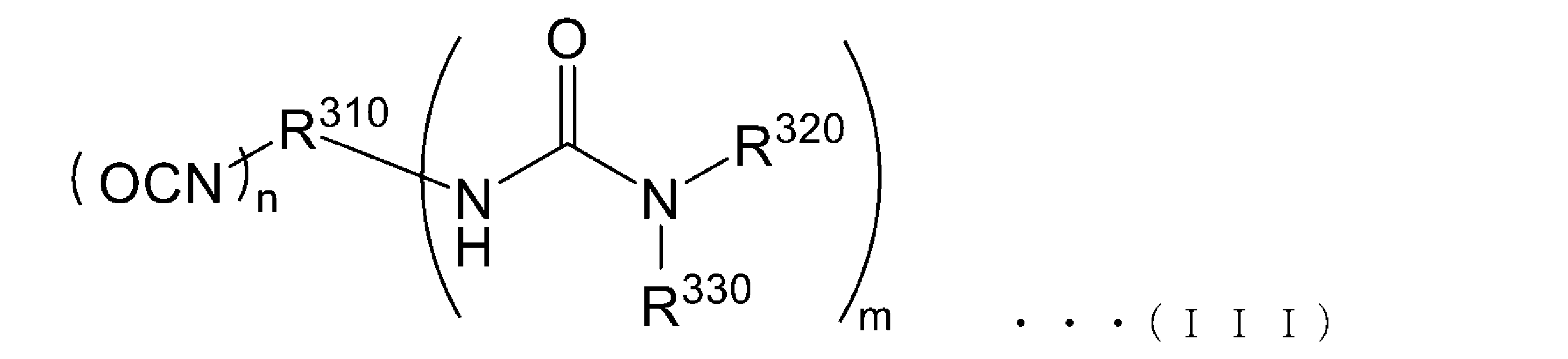
[2]前記ポリイソシアネート化合物の全質量を基準として、1.0質量ppm以上1.0×10⁴質量ppm以下の前記一般式(I)、(II)、(III)のいずれかで表される少なくとも1つ以上の化合物を含有する、[1]に記載のポリイソシアネート組成物。
[3]下記一般式(I)及び(II)のいずれか一方又は両方で表される構造を有する化合物の存在下で、ブロックイソシアネート化合物を熱処理によって、ブロック剤とイソシアネート化合物とに分解し、イソシアネート化合物を得る反応工程を含む、イソシアネート化合物の製造方法。
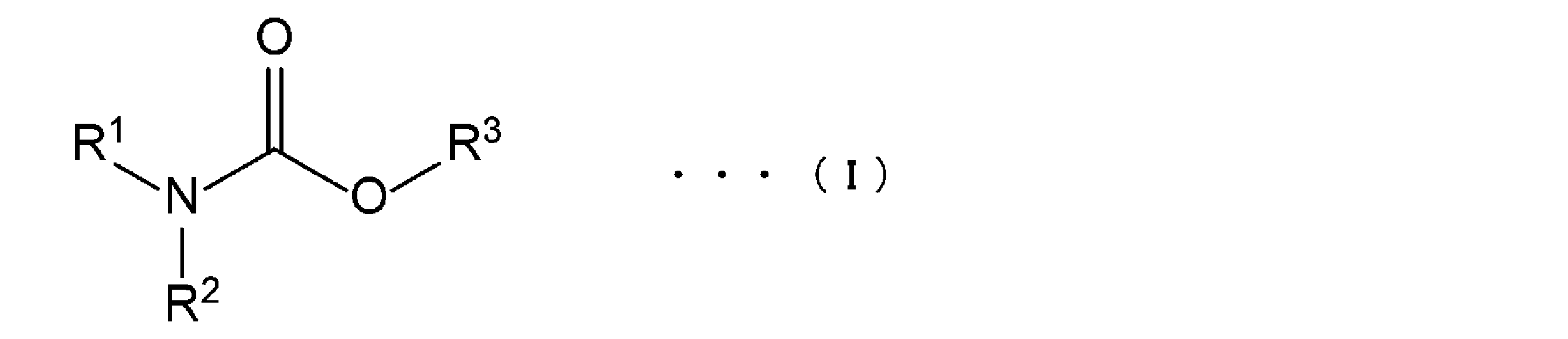

[4]前記ブロック剤が、ヒドロキシ化合物、アミン化合物及びアンモニアからなる群より選ばれる1種類以上の化合物を含む、[3]に記載のイソシアネート化合物の製造方法。
[5]前記イソシアネート化合物が、下記一般式(IV)で表されるイソシアネート化合物である、[3]又は[4]に記載のイソシアネート化合物の製造方法。

[6]前記ブロック剤が、下記一般式(V)で表される芳香族ヒドロキシ化合物である、[3]又は[4]に記載のイソシアネート化合物の製造方法。
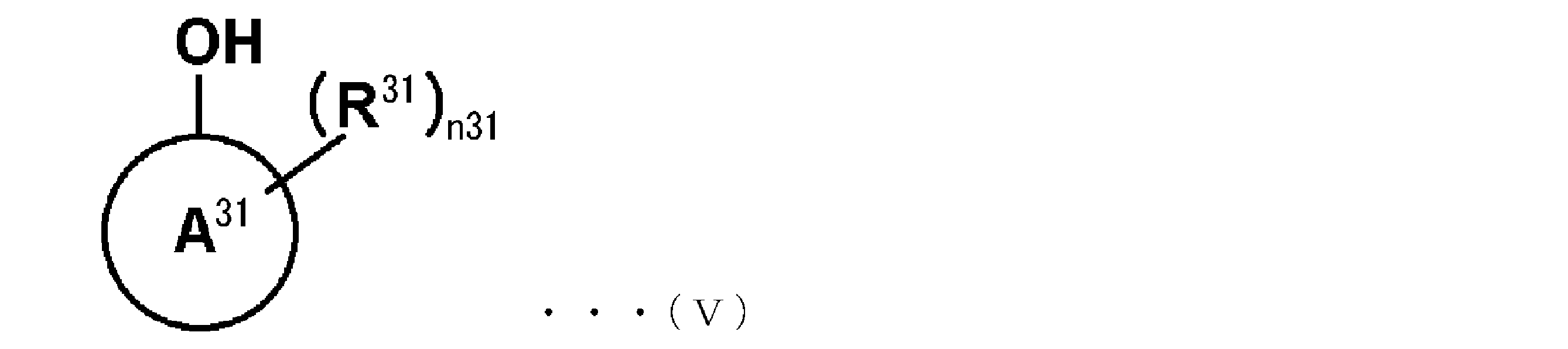
[7]前記ブロック剤が、下記一般式(VI)で表される脂肪族ヒドロキシ化合物である、[3]又は[4]に記載のイソシアネート化合物の製造方法。

[8]前記ブロック剤が、下記一般式(VII)で表される第二級アミン化合物である、[3]又は[4]に記載のイソシアネート化合物の製造方法。

[9]前記反応工程において、前記一般式(I)及び(II)のいずれか一方又は両方で表される構造を有する化合物の存在量が前記ブロックイソシアネート化合物に対して1質量ppm以上である、[3]又は[4]に記載のイソシアネート化合物の製造方法。
上記態様のイソシアネート化合物の製造方法によれば、副生成物の生成量増加を伴うことなく、ブロックイソシアネート化合物の熱分解速度を向上することが可能なイソシアネート化合物の製造方法を提供することができる。
本実施形態のポリイソシアネート組成物は、一般式(I)、(II)、(III)のいずれかで表される少なくとも1つ以上の化合物と、ポリイソシアネート化合物と、を含有する。
本実施形態のポリイソシアネート組成物は、軟質フォーム、硬質フォーム、エラストマー、接着剤、塗料、バインダー等の幅広い分野で利用することができる。
ポリイソシアネート組成物4の一態様は、一般式(I)、(II)及び(III)で表される化合物と、ポリイソシアネート化合物と、を含有する。
本実施形態のポリイソシアネート組成物1は、化合物(I)とポリイソシアネート化合物とを含有してなる。
化合物(I)は、下記一般式(I)で表される。

上記一般式(I)中、R1及びR2はそれぞれ独立に、1価の有機基である。R1及びR2は互いに独立して、炭素-炭素結合、炭素-酸素-炭素結合又は炭素-窒素-炭素結合により環構造を形成していてもよい。
R1及びR2における脂肪族炭化水素基としては、無置換又は置換基を有してもよい、直鎖のアルキル基、分岐のアルキル基、シクロアルキル基等が挙げられる。これらの脂肪族炭化水素基の置換基としては、例えば、水酸基、シアノ基、ハロゲン原子等が挙げられる。置換基のハロゲン原子としては、フッ素原子、塩素原子、臭素原子、ヨウ素原子等が挙げられる。
R1及びR2における芳香族炭化水素基としては、無置換でも置換基を有してもよい、アリール基、アラルキル基等が挙げられる。これらの芳香族炭化水素基の置換基としては、例えば、脂肪族炭化水素基、水酸基、シアノ基、ハロゲン原子等が挙げられる。R1及びR2における芳香族炭化水素基の置換基として選択される脂肪族炭化水素基としては、R1及びR2における脂肪族炭化水素基として例示された基と同じ基が挙げられる。置換基のハロゲン原子としては、フッ素原子、塩素原子、臭素原子、ヨウ素原子等が挙げられる。
一般式(I)中、R3は脂肪族炭化水素基又は芳香族基を有する炭化水素基である。
R3における脂肪族炭化水素基として具体的には、メチル基、エチル基、n-プロピル基、イソプロピル基、n-ブチル基、イソブチル基、sec-ブチル基、tert-ブチル基、ペンチル基の各異性体、ヘキシル基の各異性体、ヘプチル基の各異性体、オクチル基の各異性体、ノニル基の各異性体、デシル基の各異性体、シクロペンチル基、シクロヘキシル基等が挙げられる。中でも、無置換の、炭素数1以上12以下の脂肪族炭化水素基が好ましく、メチル基、エチル基、n-プロピル基、イソプロピル基、n-ブチル基又はイソブチル基が好ましい。
R3における芳香族炭化水素基としては、無置換でも置換基を有してもよい、アリール基、アラルキル基等が挙げられる。これらの芳香族炭化水素基の置換基としては、例えば、脂肪族炭化水素基、水酸基、シアノ基、ハロゲン原子等が挙げられる。R3における芳香族炭化水素基の置換基として選択される脂肪族炭化水素基としては、R3における脂肪族炭化水素基として例示された基と同じ基が挙げられる。置換基のハロゲン原子としては、フッ素原子、塩素原子、臭素原子、ヨウ素原子等が挙げられる。
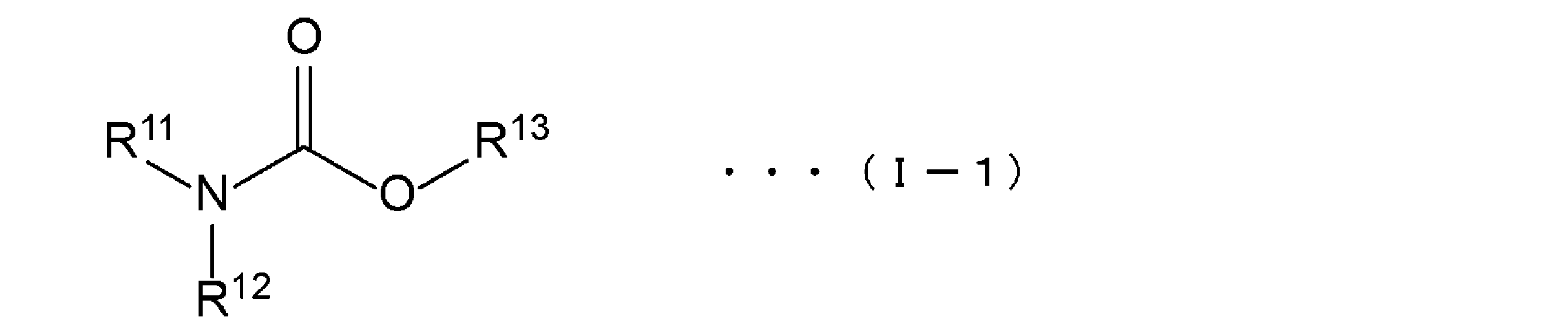
一般式(I-1)中、R11は、置換又は無置換の炭素数1以上70以下の1価の脂肪族炭化水素基、置換又は無置換の炭素数6以上70以下の1価の芳香族炭化水素基である。R11として具体的には、メチル基、エチル基、n-プロピル基、イソプロピル基、n-ブチル基、イソブチル基、sec-ブチル基、tert-ブチル基、ペンチル基の各異性体、ヘキシル基の各異性体、ヘプチル基の各異性体、オクチル基の各異性体、ノニル基の各異性体、デシル基の各異性体、シクロペンチル基、シクロヘキシル基、フェニル基、ベンジル基、o-トリル基、m-トリル基、p-トリル基等が挙げられる。中でも、無置換の、炭素数1以上12以下の脂肪族炭化水素基が好ましく、メチル基、エチル基、n-プロピル基、イソプロピル基、n-ブチル基又はイソブチル基が好ましい。
一般式(I-1)中、R12は置換又は無置換の炭素数1~20の1価の脂肪族炭化水素基、又は置換又は無置換の炭素数6以上70以下の1価の芳香族炭化水素基である。R12として具体的には、水素原子、メチル基、エチル基、n-プロピル基、イソプロピル基、n-ブチル基、イソブチル基、sec-ブチル基、tert-ブチル基、ペンチル基の各異性体、ヘキシル基の各異性体、ヘプチル基の各異性体、オクチル基の各異性体、ノニル基の各異性体、デシル基の各異性体、シクロペンチル基、シクロヘキシル基、フェニル基、ベンジル基、o-トリル基、m-トリル基、p-トリル基等が挙げられる。中でも、無置換の、炭素数1以上12以下の脂肪族炭化水素基が好ましく、メチル基、エチル基、n-プロピル基、イソプロピル基、n-ブチル基又はイソブチル基が好ましい。
一般式(I-1)中、R13は、置換又は無置換の炭素数1~20の1価の脂肪族炭化水素基、又は置換又は無置換の炭素数6以上70以下の1価の芳香族炭化水素基である。R13としては、置換又は無置換の、炭素数1以上12以下の1価の脂肪族炭化水素基、炭素数6以上12以下の1価の芳香族炭化水素基が挙げられる。R13として具体的には、メチル基、エチル基、n-プロピル基、イソプロピル基、n-ブチル基、イソブチル基、sec-ブチル基、tert-ブチル基、ペンチル基の各異性体、ヘキシル基の各異性体、ヘプチル基の各異性体、オクチル基の各異性体、ノニル基の各異性体、デシル基の各異性体、シクロペンチル基、シクロヘキシル基、フェニル基、ベンジル基、o-トリル基、m-トリル基、p-トリル基等が挙げられる。中でも、無置換の、炭素数1以上12以下の脂肪族炭化水素基が好ましく、メチル基、エチル基、n-プロピル基、イソプロピル基、n-ブチル基又はイソブチル基が好ましい。
ベンゼン環の置換基がエーテル基を有する場合としては、炭素数1以上12以下のアルコキシ基、炭素数6以上12以下のアリールオキシ基又は炭素数7以上12以下のアラルキルオキシ基が挙げられる。ベンゼン環の置換基がカルボニル基を有する場合としては、炭素数1以上12以下のアルキルカルボニル基、炭素数6以上12以下のアリールカルボニル基又は炭素数7以上12以下のアラルキルカルボニル基が挙げられる。

一般式(I-2)中、R22は置換又は無置換の炭素数1~20の1価の脂肪族炭化水素基、又は置換又は無置換の炭素数6以上70以下の1価の芳香族炭化水素基であり、具体的な説明は前記R12における説明と同様である。
一般式(I-2)中、R22は炭素数1~10の直鎖状又は分岐鎖状のアルキル基、又は無置換のフェニル基が好ましい。
一般式(I-2)中、R23は置換又は無置換の炭素数1~20の1価の脂肪族炭化水素基、又は置換又は無置換の炭素数6以上70以下の1価の芳香族炭化水素基であり、具体的な説明は前記R13における説明と同様である。
一般式(I-2)中、R23は炭素数1~10の直鎖状又は分岐鎖状のアルキル基、置換又は無置換のフェニル基が好ましい。R23が置換基を有するフェニル基である場合、置換基としては、炭素数1~10の直鎖状又は分岐鎖状のアルキル基が挙げられる。
化合物(I)の市販品としては、例えばAngene International Limited社製、品番:AG00AJDF、品名:N-Methylcarbanilic acid phenyl ester 95%、CAS番号:13599-69-4が挙げられる。
本実施形態のポリイソシアネート組成物2は、化合物(II)と、ポリイソシアネート化合物とを含有してなる。
化合物(II)は、下記一般式(II)で表される。化合物(II)は、「キナゾリンジオン化合物(II)」と称する場合がある。
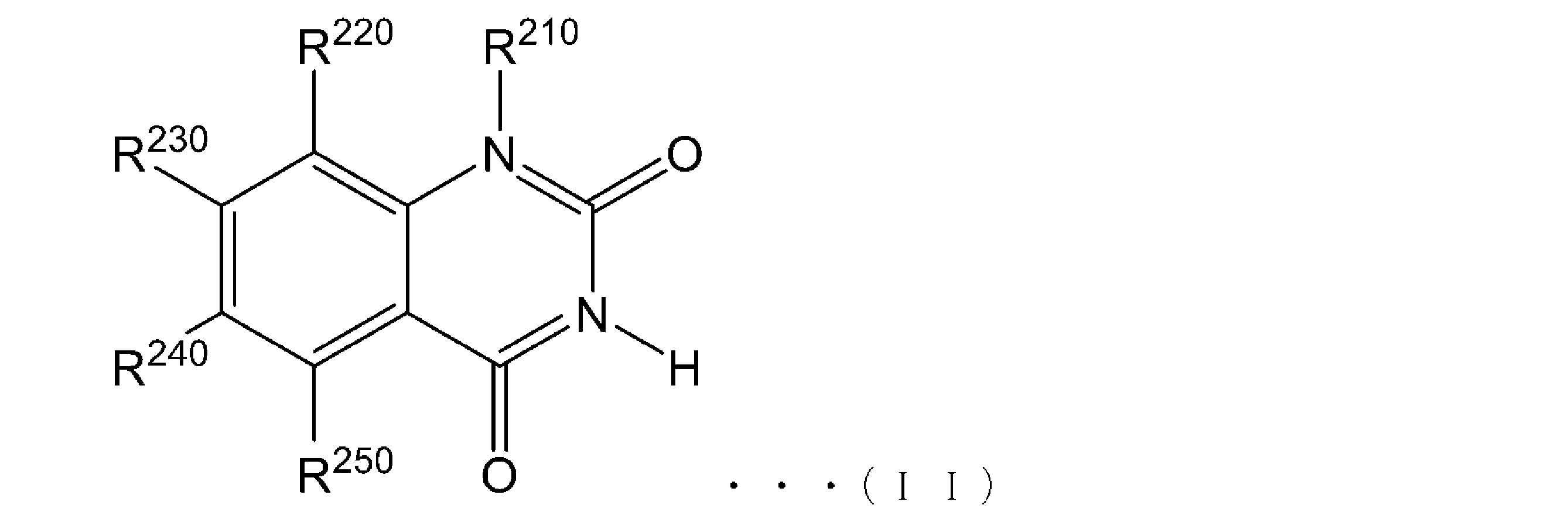
上記一般式(II)中、R210は1価の有機基であり、R220、R230、R240及びR250はそれぞれ独立に、1価の有機基又は水素である。R210及びR220は互いに結合して、炭素-炭素結合、炭素-酸素-炭素結合又は炭素-窒素-炭素結合により環構造を形成していてもよい。
また、R220、R230、R240及びR250はそれぞれ独立に、置換又は無置換の、エーテル基、カルボニル基、エステル基、イミノ基(-NH-)、アミド基又はイミド基を有してもよい、炭素数1以上70以下の1価の脂肪族炭化水素基、炭素数6以上70以下の1価の芳香族炭化水素基又は水素であることが好ましい。
R210、R220、R230、R240及びR250における脂肪族炭化水素基としては、無置換でも置換基を有してもよい、直鎖のアルキル基、分岐のアルキル基、シクロアルキル基等が挙げられる。これらの脂肪族炭化水素基の置換基としては、例えば、水酸基、シアノ基、ハロゲン原子等が挙げられる。置換基のハロゲン原子としては、フッ素原子、塩素原子、臭素原子、ヨウ素原子等が挙げられる。
R210、R220、R230、R240及びR250における芳香族炭化水素基としては、無置換でも置換基を有してもよい、アリール基、アラルキル基等が挙げられる。これらの芳香族炭化水素基の置換基としては、例えば、脂肪族炭化水素基、水酸基、シアノ基、ハロゲン原子等が挙げられる。R210、R220、R230、R240及びR250における芳香族炭化水素基の置換基として選択される脂肪族炭化水素基としては、R210、R220、R230、R240及びR250における脂肪族炭化水素基として例示されたものと同じものが挙げられる。置換基のハロゲン原子としては、フッ素原子、塩素原子、臭素原子、ヨウ素原子等が挙げられる。
R210及びR220が互いに結合してなる基において、2価の芳香族炭化水素基としては、フェニレン基、ナフチレン基等のアリーレン基が挙げられる。
R220、R230、R240及びR250のいずれか1つ以上が1価の有機基である場合は、キナゾリンジオン構造におけるベンゼン環の置換基(以下、「ベンゼン環の置換基」と称する場合がある)となる。ベンゼン環の置換基としては、置換又は無置換の、炭素数1以上12以下の脂肪族炭化水素基又は炭素数6以上12以下の芳香族炭化水素基が挙げられる。ベンゼン環の置換基は、エーテル基、カルボニル基、エステル基を有してもよい。
ベンゼン環の置換基がエーテル基を有する場合としては、炭素数1以上12以下のアルコキシ基、炭素数6以上12以下のアリールオキシ基又は炭素数7以上12以下のアラルキルオキシ基が挙げられる。
ベンゼン環の置換基がカルボニル基を有する場合としては、炭素数1以上12以下のアルキルカルボニル基、炭素数6以上12以下のアリールカルボニル基又は炭素数7以上12以下のアラルキルカルボニル基が挙げられる。
ベンゼン環の置換基がエステル基を有する場合としては、炭素数1以上12以下のアルコキシカルボニル基若しくはアルキルカルボニルオキシ基、炭素数6以上12以下のアリールオキシカルボニル基若しくはアリールカルボニルオキシ基又は炭素数7以上12以下のアラルキルオキシカルボニル基若しくはアラルキルカルボニルオキシ基が挙げられる。
R230、R240及びR250がベンゼン環の置換基となる数は、0以上3以下の整数であり、0又は1がより好ましく、0がさらに好ましい。(II-2)におけるR230、R240及びR250がベンゼン環の置換基となる場合の具体例としては、(II-1)において、ベンゼン環の置換基として例示されたものと同じものが挙げられる。
R230、R240及びR250がベンゼン環の置換基となる数は、0以上3以下の整数であり、0又は1がより好ましく、0がさらに好ましい。(II-3)におけるR230、R240及びR250がベンゼン環の置換基となる場合の具体例としては、(II-1)において、ベンゼン環の置換基として例示されたものと同じものが挙げられる。
より好ましい(II-1)としては、R210が炭素数1以上12以下の1価の脂肪族炭化水素基であり、R220、R230、R240及びR250のうち3つ以上が水素であり、R220、R230、R240及びR250のうち1つ以下がメチル基又はエチル基であることが好ましい。
より好ましい(II-2)としては、R210及びR220が互いに結合してなる基が炭素数1以上12以下の2価の脂肪族炭化水素基であり、R230、R240及びR250のうち2つ以上が水素であり、R230、R240及びR250のうち1つ以下がメチル基又はエチル基であることが好ましい。
より好ましい(II-3)としては、R310が炭素数1以上12以下の2価の脂肪族炭化水素基であり、R230、R240及びR250のうち2つ以上が水素であり、R230、R240及びR250のうち1つ以下がメチル基又はエチル基であることが好ましい。
キナゾリンジオン化合物(II)は、公知の製造方法で合成することができる。キナゾリンジオン化合物(II)の合成方法として、アニリン化合物と、炭酸誘導体とを反応させる方法が挙げられる。キナゾリンジオン化合物(II)の合成に用いられる炭酸誘導体は、1種でも2種以上でもよい。
R61及びR62における炭素数6以上20以下のアリールオキシ基としては、例えば、フェノキシ基、ナフチルオキシ基等が挙げられる。
R61及びR62における炭素数1以上20以下のアルキルアミノ基としては、例えば、メチルアミノ基、エチルアミノ基、プロピルアミノ基の各異性体、ブチルアミノ基の各異性体、ヘキシルアミノ基の各異性体等が挙げられる。
R61及びR62における炭素数6以上20以下のアリールアミノ基としては、例えば、フェニルアミノ基、ナフチルアミノ基等が挙げられる。
中でも、R61及びR62としては、それぞれ独立に、アミノ基、置換若しくは無置換の、炭素数6以上20以下のアリールオキシ基、又は、置換若しくは無置換の、炭素数6以上20以下のアリールアミノ基であることが好ましい。
尿素化合物としては、上記一般式(A)において、R61及びR62がそれぞれ独立に、置換又は無置換の、アルキルアミノ基又はアリールアミノ基である化合物が挙げられる。尿素化合物の中でも、下記一般式(A-1)で表される化合物が好ましい。
カルバミン酸エステルとしては、上記一般式(A)において、R61及びR62の1つが、アミノ基、又は、置換若しくは無置換の、アルキルアミノ基若しくはアリールアミノ基であり、R61及びR62の他の1つが、置換又は無置換の、アルコキシ基又はアリールオキシ基である化合物が挙げられる。カルバミン酸エステルの中でも、下記一般式(A-2)で表される化合物が好ましい。
炭酸エステルとしては、上記一般式(A)において、R61及びR62がそれぞれ独立に、置換又は無置換の、アルコキシ基又はアリールオキシ基である化合物が挙げられる。炭酸エステルの中でも、下記一般式(A-3)で表される化合物が好ましい。
本実施形態のポリイソシアネート組成物2は、軟質フォーム、硬質フォーム、エラストマー、接着剤、塗料、バインダー等の幅広い分野で利用することができる。
ゲル浸透クロマトグラフィー(以下、「GPC」と称する場合がある)において、GPCにおいてイソシアネート10量体以上の領域にUV吸収を持つ化合物は、下記一般式(W)で表される1-ナイロン体構造を主骨格とする化合物であることが好ましい。
当該化合物はGPC測定によって定義される。具体的には、展開溶媒をテトラヒドロフランとしたGPCにおいて、分子量の標準物質としてポリスチレンを用いた場合に、イソシアネートの10量体以上の領域に、波長254nmのUV吸収を有するピークを呈する。
GPCによる測定スペクトルにおいて、イソシアネート10量体以上の領域にUV吸収を持つ化合物の濃度は、PDA検出器によるUV吸収(波長210nm)での2官能以上のイソシアネートに相当するピークの面積(A)と、イソシアネート10量体以上の領域にUV吸収(波長254nm)を持つ化合物に相当するピークの面積(B)から、(B)/(A)によって算出される値から決定することができる。
本実施形態のポリイソシアネート組成物3は、三置換尿素化合物(III)と、ポリイソシアネート化合物とを含有してなる。
化合物(III)は、下記一般式(III)で表される。下記一般式(III)で表される化合物は、以下、「三置換尿素化合物(III)」と称する場合がある。

上記一般式(III)中、R310は(n+m)価の有機基であり、nは0以上12以下の整数であり、mは1以上12以下の整数であり、n+mが13以下の整数である。
三置換尿素化合物(III)は、m個の三置換尿素構造を有する化合物である。このため、R310は、三置換尿素構造を含まない有機基である。
アルコール系ブロック剤としては、芳香族性を有しない炭素原子に結合した-OH基を有する有機化合物が挙げられる。
チオール系ブロック剤としては、-SH基を有する有機化合物が挙げられる。
アミン系ブロック剤としては、-NH2基又は-NH-基を有する有機化合物が挙げられる。トリアゾール系化合物、ピラゾール系化合物等も、-NH-基を有するアミン系ブロック剤に含まれる。
アンモニア系ブロック剤としては、アンモニアが挙げられる。
オキシム系ブロック剤としては、1つの炭素原子に結合した=N-OH基を有する有機化合物が挙げられる。
ヒドロキシルアミン系ブロック剤としては、2つの炭素原子に結合した>N-OH基を有する有機化合物が挙げられる。
活性メチレン系ブロック剤としては、-C(=O)-C(-H)2-C(=O)-基等の原子団を含む有機化合物であって、アセト酢酸エステル系化合物、マロン酸ジエステル系化合物、アセチルアセトン等が挙げられる。
R310における2価の脂肪族炭化水素基としては、置換又は無置換の、アルキレン基、シクロアルキレン基等が挙げられる。
R310における3価の脂肪族炭化水素基としては、置換又は無置換の、アルカントリイル基、シクロアルカントリイル基等が挙げられる。
R310における4価の脂肪族炭化水素基としては、置換又は無置換の、アルカンテトライル基、シクロアルカンテトライル基等が挙げられる。
R310における5価の脂肪族炭化水素基としては、置換又は無置換の、アルカンペンタイル基、シクロアルカンペンタイル基等が挙げられる。
R310における6価の脂肪族炭化水素基としては、置換又は無置換の、アルカンヘキサイル基、シクロアルカンヘキサイル基等が挙げられる。
R310における7価の脂肪族炭化水素基としては、置換又は無置換の、アルカンヘプタイル基、シクロアルカンヘプタイル基等が挙げられる。
R310における8価の脂肪族炭化水素基としては、置換又は無置換の、アルカンオクタイル基、シクロアルカンオクタイル基等が挙げられる。
R310における9価の脂肪族炭化水素基としては、置換又は無置換の、アルカンノナイル基、シクロアルカンノナイル基等が挙げられる。
R310における10価の脂肪族炭化水素基としては、置換又は無置換の、アルカンデカイル基、シクロアルカンデカイル基等が挙げられる。
R310における11価の脂肪族炭化水素基としては、置換又は無置換の、アルカンウンデカイル基、シクロアルカンウンデカイル基等が挙げられる。
R310における12価の脂肪族炭化水素基としては、置換又は無置換の、アルカンドデカイル基、シクロアルカンドデカイル基等が挙げられる。
R310における13価の脂肪族炭化水素基としては、置換又は無置換の、アルカントリデカイル基、シクロアルカントリデカイル基等が挙げられる。
R310における脂肪族炭化水素基の置換基としては、例えば、水酸基、シアノ基、ハロゲン原子等が挙げられる。置換基のハロゲン原子としては、フッ素原子、塩素原子、臭素原子、ヨウ素原子等が挙げられる。置換基の個数は特に限定されないが、0以上10以下が好ましい。
R310における2価の芳香族炭化水素基としては、置換又は無置換の、アリーレン基等が挙げられる。
R310における3価の芳香族炭化水素基としては、置換又は無置換の、アレーントリイル基等が挙げられる。
R310における4価の芳香族炭化水素基としては、置換又は無置換の、アレーンテトライル基等が挙げられる。
R310における5価の芳香族炭化水素基としては、置換又は無置換の、アレーンペンタイル基等が挙げられる。
R310における6価の芳香族炭化水素基としては、置換又は無置換の、アレーンヘキサイル基等が挙げられる。
R310における7価の芳香族炭化水素基としては、置換又は無置換の、アレーンヘプタイル基等が挙げられる。
R310における8価の芳香族炭化水素基としては、置換又は無置換の、アレーンオクタイル基等が挙げられる。
R310における9価の芳香族炭化水素基としては、置換又は無置換の、アレーンノナイル基等が挙げられる。
R310における10価の芳香族炭化水素基としては、置換又は無置換の、アレーンデカイル基等が挙げられる。
R310における11価の芳香族炭化水素基としては、置換又は無置換の、アレーンウンデカイル基等が挙げられる。
R310における12価の芳香族炭化水素基としては、置換又は無置換の、アレーンドデカイル基等が挙げられる。
R310における13価の芳香族炭化水素基としては、置換又は無置換の、アレーントリデカイル基等が挙げられる。
R310におけるアリール基としては、フェニル基、ナフチル基、アントリル基、ピレニル基、フェナントリル基等が挙げられる。
R310におけるアリーレン基としては、フェニレン基、ナフチレン基、アントリレン基、ピレニレン基、フェナントリレン基等が挙げられる。
R310における3価以上13価以下の芳香族炭化水素基に含まれるアレーン環としては、ベンゼン環、ナフタレン環、アントラセン環、ピレン環、フェナントレン環等の芳香族炭化水素環が挙げられる。
・・・(III-a)
・・・(III-b)






上記一般式(III)中、R2及びR3はそれぞれ独立に、1価の有機基である。R320及びR330は互いに結合して、炭素-炭素結合、炭素-酸素-炭素結合又は炭素-窒素-炭素結合により環構造を形成していてもよい。R320及びR330のうち少なくとも1つは芳香族基を有する。
R320及びR330における脂肪族炭化水素基としては、無置換でも置換基を有してもよい、直鎖のアルキル基、分岐のアルキル基、シクロアルキル基等が挙げられる。これらの脂肪族炭化水素基の置換基としては、例えば、水酸基、シアノ基、ハロゲン原子等が挙げられる。置換基のハロゲン原子としては、フッ素原子、塩素原子、臭素原子、ヨウ素原子等が挙げられる。
R320及びR330における芳香族炭化水素基としては、無置換でも置換基を有してもよい、アリール基、アラルキル基等が挙げられる。これらの芳香族炭化水素基の置換基としては、例えば、脂肪族炭化水素基、水酸基、シアノ基、ハロゲン原子等が挙げられる。R320及びR330における芳香族炭化水素基の置換基として選択される脂肪族炭化水素基としては、R320及びR330における脂肪族炭化水素基として例示されたものと同じものが挙げられる。置換基のハロゲン原子としては、フッ素原子、塩素原子、臭素原子、ヨウ素原子等が挙げられる。
R320及びR330が互いに結合してなる基において、2価の芳香族炭化水素基としては、フェニレン基、ナフチレン基等のアリーレン基が挙げられる。
R320及びR330のうち少なくとも1つが置換フェニル基である場合の置換基(以下、「ベンゼン環の置換基」と称する場合がある)としては、置換又は無置換の、炭素数1以上12以下の脂肪族炭化水素基又は炭素数6以上12以下の芳香族炭化水素基が挙げられる。ベンゼン環の置換基は、エーテル基、カルボニル基、エステル基を有してもよい。
ベンゼン環の置換基がエーテル基を有する場合としては、炭素数1以上12以下のアルコキシ基、炭素数6以上12以下のアリールオキシ基又は炭素数7以上12以下のアラルキルオキシ基が挙げられる。
ベンゼン環の置換基がカルボニル基を有する場合としては、炭素数1以上12以下のアルキルカルボニル基、炭素数6以上12以下のアリールカルボニル基又は炭素数7以上12以下のアラルキルカルボニル基が挙げられる。
ベンゼン環の置換基がエステル基を有する場合としては、炭素数1以上12以下のアルコキシカルボニル基若しくはアルキルカルボニルオキシ基、炭素数6以上12以下のアリールオキシカルボニル基若しくはアリールカルボニルオキシ基又は炭素数7以上12以下のアラルキルオキシカルボニル基若しくはアラルキルカルボニルオキシ基が挙げられる。
R321及びR322のうち少なくとも1つであるo-フェニレン基の置換基の数は、0以上4以下の整数であり、0又は1がより好ましく、0がさらに好ましい。R321及びR322のうち少なくとも1つであるo-フェニレン基の置換基としては、(III-1)において、ベンゼン環の置換基として例示されたものと同じものが挙げられる。
R331及びR332のうち少なくとも1つであるo-フェニレン基の置換基の数は、0以上4以下の整数であり、0又は1がより好ましく、0がさらに好ましい。R331及びR332のうち少なくとも1つであるo-フェニレン基の置換基としては、(III-1)において、ベンゼン環の置換基として例示されたものと同じものが挙げられる。
より好ましい(III-1)としては、R320及びR330のうち1つ以下が炭素数1以上12以下の1価の脂肪族炭化水素基であり、R320及びR330のうち少なくとも1つが無置換又は一置換のフェニル基であり、フェニル基の置換基がメチル基又はエチル基であることが好ましい。
より好ましい(III-2)としては、R321及びR322のうち1つ以下が炭素数1以上12以下の2価の脂肪族炭化水素基であり、R321及びR322のうち少なくとも1つが無置換又は一置換のo-フェニレン基であり、o-フェニレン基の置換基がメチル基又はエチル基であることが好ましい。
より好ましい(III-3)としては、R331及びR332のうち1つ以下が炭素数1以上12以下の2価の脂肪族炭化水素基であり、R331及びR332のうち少なくとも1つが無置換又は一置換のo-フェニレン基であり、o-フェニレン基の置換基がメチル基又はエチル基であることが好ましい。
三置換尿素化合物(III)は、公知の製造方法で合成することができる。三置換尿素化合物(III)の合成方法として、例えば、ブロックイソシアネート化合物の製造工程において、第二級アミン化合物でブロックされたイソシアネート基を生成させる方法が挙げられる。
本実施形態のポリイソシアネート組成物は、軟質フォーム、硬質フォーム、エラストマー、接着剤、塗料、バインダー等の幅広い分野で利用することができる。
本実施形態のポリイソシアネート組成物4は、一般式(I)、(II)、(III)で表される化合物のうち2以上の化合物と、ポリイソシアネート化合物と、を含有する。一般式(I)、(II)、(III)で表される化合物の形態は前述したポリイソシアネート組成物1~3と同様である。
ポリイソシアネート組成物1~4が含むポリイソシアネート化合物としては、上記一般式(I)、(II)及び(III)で表される化合物と異なる化合物である限り特に限定されないが、2つ以上のイソシアネート基(-NCO)を有する化合物であればよい。ポリイソシアネート化合物としては、下記一般式(P)で表される化合物(以下、「ポリイソシアネート化合物(P)」と称する場合がある)が挙げられる。
本実施形態のイソシアネート化合物の製造方法は、下記一般式(I)及び(II)のいずれか一方又は両方で表される構造を有する化合物の存在下で、ブロックイソシアネート化合物を熱処理によって、ブロック剤とイソシアネート化合物とに分解し、イソシアネート化合物を得る反応工程を含む。

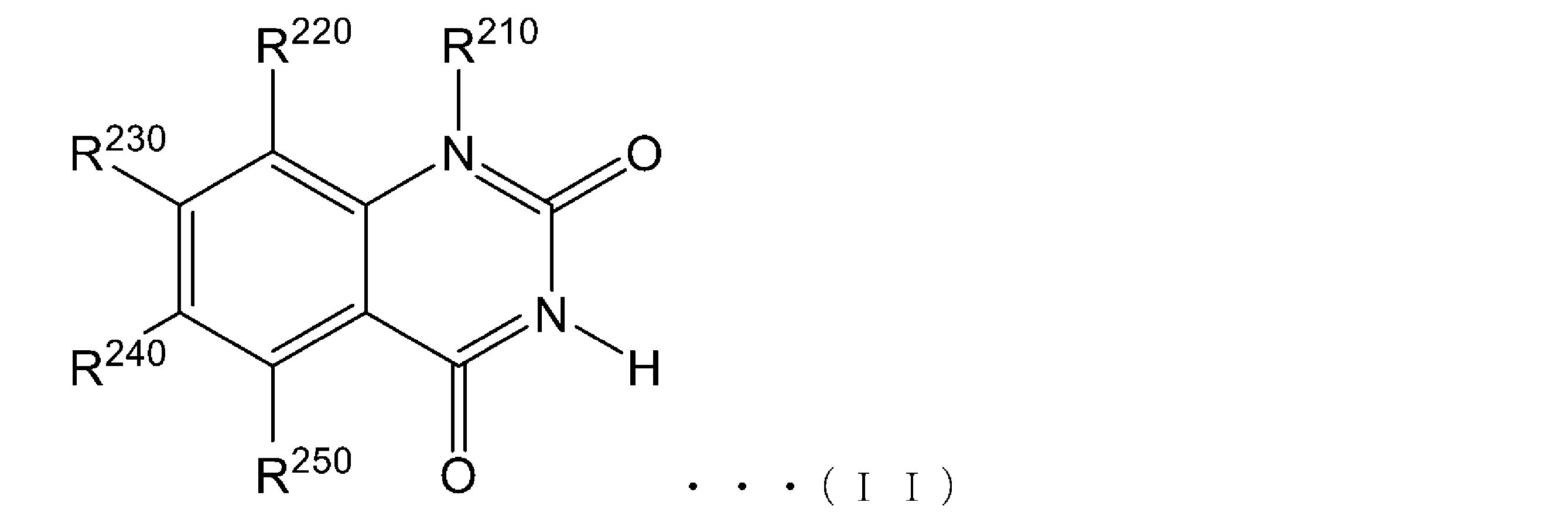
イソシアネート化合物の製造方法1は、上記一般式(I)で表される構造を有する化合物の存在下で、ブロックイソシアネート化合物を熱処理によって、ブロック剤とイソシアネート化合物とに分解し、イソシアネート化合物を得る反応工程を含む。
以下、本発明の製造方法について説明する。
R3における芳香族炭化水素基としては、無置換でも置換基を有してもよい、アリール基、アラルキル基等が挙げられる。これらの芳香族炭化水素基の置換基としては、例えば、脂肪族炭化水素基、水酸基、シアノ基、ハロゲン原子等が挙げられる。R3における芳香族炭化水素基の置換基として選択される脂肪族炭化水素基としては、R3における脂肪族炭化水素基として例示された基と同じ基が挙げられる。置換基のハロゲン原子としては、フッ素原子、塩素原子、臭素原子、ヨウ素原子等が挙げられる。
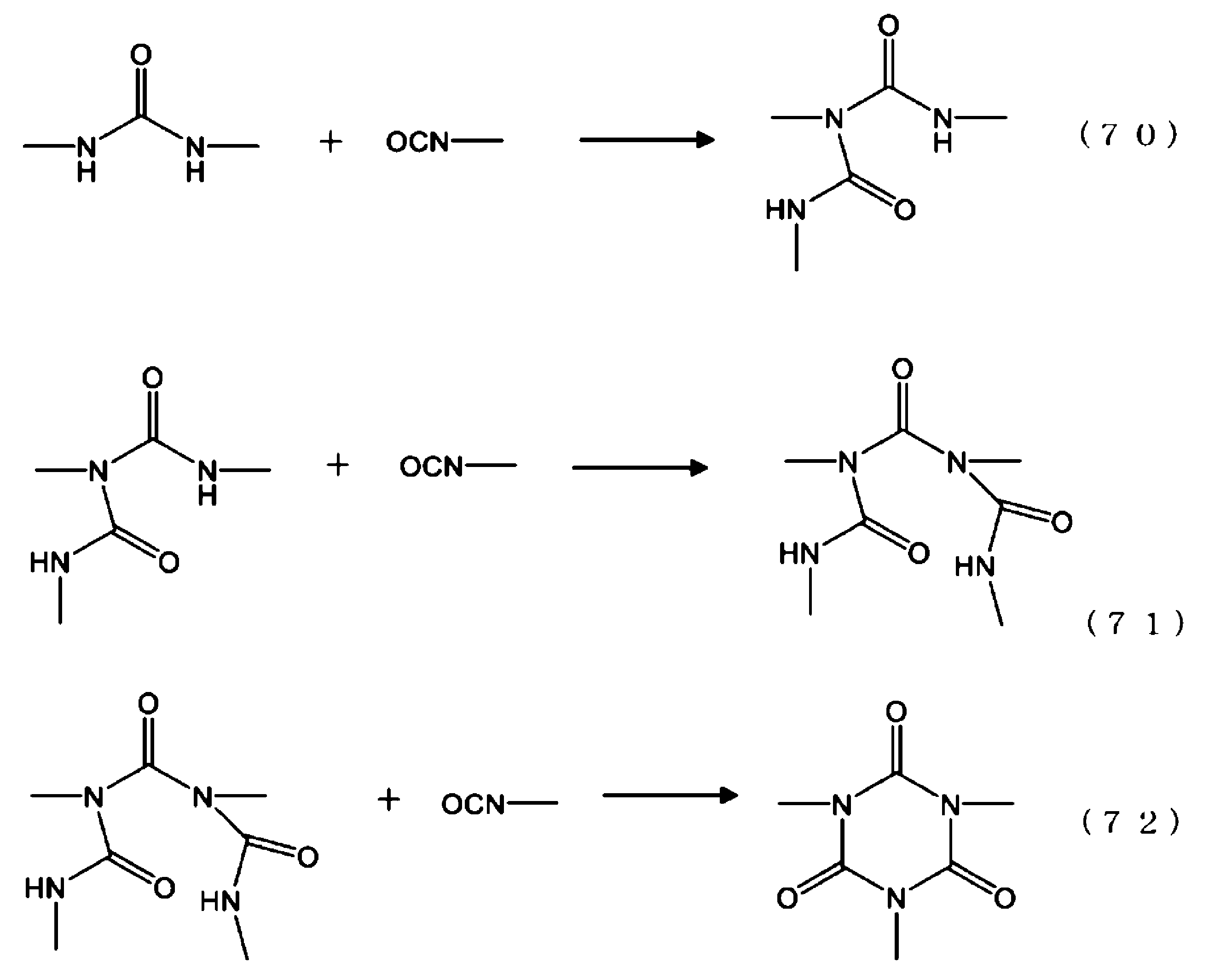
ここで、ウレイレン基は熱解離によりアミノ基とイソシアネート基に分解し、生成したアミノ基が化合物(I)と反応することで下記一般式A及び下記一般式Bのいずれか一方又は両方の反応が進行するものと推定される。一般式Aの反応と一般式Bの反応のいずれが優位であるかは、カルボニルと結合した基の脱離能に依存することから、一般式Aの反応が優位である。
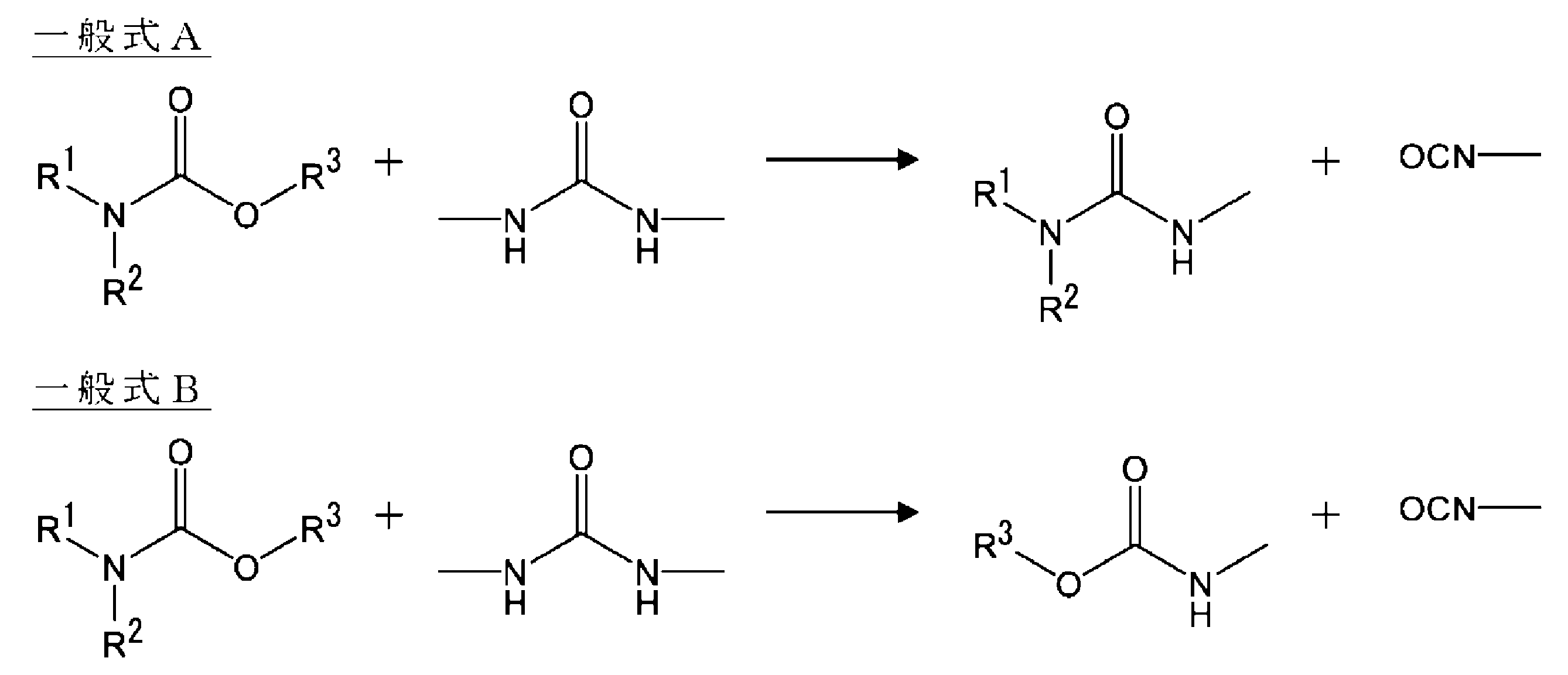

ブロックイソシアネート化合物は、下記反応式に示すように、熱によりブロック剤とイソシアネート化合物とに解離し得る化合物である。
反応工程におけるイソシアネート化合物としては、下記一般式(IV)で表されるイソシアネート化合物(以下、「イソシアネート化合物(IV)」と称する場合がある)が好ましく用いられる。

ブロック剤は、活性水素を有する化合物である。反応工程におけるブロック剤が、ヒドロキシ化合物、アミン化合物及びアンモニアからなる群より選ばれる1種類以上の化合物を含むことが好ましい。また、ヒドロキシ化合物としては、芳香族ヒドロキシ化合物及び脂肪族ヒドロキシ化合物からなる群より選ばれる1種類以上の化合物が挙げられる。
ブロック剤として好ましい芳香族ヒドロキシ化合物としては、下記一般式(V)で表される芳香族ヒドロキシ化合物が挙げられる。

ブロック剤として好ましい脂肪族ヒドロキシ化合物としては、下記一般式(VI)で表される脂肪族ヒドロキシ化合物が挙げられる。

ブロック剤として好ましい第二級アミン化合物としては、下記一般式(VII)で表される第二級アミン化合物が挙げられる。

本実施形態に係るイソシアネート化合物の製造方法は、上記一般式(II)で表される構造(以下、「キナゾリンジオン構造(II)」と称する場合がある)を有する化合物の存在下で、ブロックイソシアネート化合物を熱処理によって、ブロック剤とイソシアネート化合物とに分解し、イソシアネート化合物を得る反応工程を含む。
本実施形態に係るイソシアネート化合物の製造方法における反応工程では、キナゾリンジオン構造(II)を有する化合物の存在下で、ブロックイソシアネート化合物を熱処理によって、ブロック剤とイソシアネート化合物とに分解し、イソシアネート化合物を得る。
本実施形態のイソシアネート化合物の製造方法3は、上記一般式(I)及び(II)の両方で表される構造を有する化合物の存在下で、ブロックイソシアネート化合物を熱処理によって、ブロック剤とイソシアネート化合物とに分解し、イソシアネート化合物を得る反応工程を含む。
ポリイソシアネート化合物、化合物(I)及び反応停止剤を混合し、実施例1~26、比較例1~2のポリイソシアネート組成物を製造した。
各成分の混合量、及び具体的な材料については、表1~2に記載する。
以下の化学式中、各符号は以下の基を意味する。
・Me:メチル基
・Et:エチル基
・n-Bu:n-ブチル基
・i-Pr:イソプロピル基
・Oc:オクチル基
・Cumyl:クミル基


貯蔵前後のポリイソシアネート組成物について、ハーゼン単位色数(APHAランク)による色試験を行い、着色抑制について評価した。
具体的には、貯蔵前のAPHAランクは、得られたポリイソシアネート組成物1gをベンジルトルエン2gに溶解した試料を用いて測定した。ハーゼンメーターにて測定した値を元に、以下の評価基準でランク付けを行った。
ランク1:APHA 0以上5未満
ランク2:APHA 5以上10未満
ランク3:APHA 10以上15未満
ランク4:APHA 15以上20未満
ランク5:APHA 20以上25未満
ランク6:APHA 25以上30未満
ランク7:APHA 30以上35未満
ランク8:APHA 35以上40未満
ランク9:APHA 40以上45未満
ランク10:APHA 45以上50未満
貯蔵安定性は、300日間貯蔵期間終了後のポリイソシアネート組成物を試料として、GPCにて測定し、以下の面積比を用いて評価した。
面積比・・・(B)/(A)
(上記面積比において、(A)はUV吸収(210nm)での2官能以上のイソシアネートに相当するピークの面積であり、(B)はイソシアネート10量体以上の領域にUV吸収(波長254nm)を持つ化合物に相当するピークの面積である。)
実施例18と比較例2は、貯蔵容器をガラス瓶に変更し、貯蔵場所を屋外に変更して実施した。
使用機器:HLC-8120(東ソー社製)
使用カラム:TSK GEL SuperH1000、TSK GEL SuperH2000、TSK GEL SuperH3000(いずれも東ソー社製)
試料濃度:5wt/vol%(試料50mgを1mLのテトラヒドロフラン(THF)に溶解させた)
キャリア:THF
検出方法:PDA検出器
流出量:0.6mL/分
カラム温度:30℃
検量線の作成には、分子量1,000~20,000のポリスチレンを用いた。


キナゾリンジオン化合物と、ポリイソシアネート化合物とを含むポリイソシアネート組成物2を製造した。
具体的には、表3に示すように、ポリイソシアネート化合物として、HDI、IPDI、PDI、MBCI、TDI、MDI、TTI、LTI、LDIのいずれか1つを用いて、ポリイソシアネート組成物2を調製した。
NEA由来の化合物は、上記一般式(II)において、R210がエチル基であり、R220、R230、R240及びR250が水素である。
NBA由来の化合物は、上記一般式(II)において、R210がn-ブチル基であり、R220、R230、R240及びR250が水素である。
NiPA由来の化合物は、上記一般式(II)において、R210がイソプロピル基であり、R220、R230、R240及びR250が水素である。
上記<貯蔵安定性の評価>に記載の方法と同様の方法により、貯蔵安定性を評価した。
300日間貯蔵後のAPHAランクは、上記<着色抑制の評価>に記載の方法により300日間貯蔵後のポリイソシアネート組成物1gをベンジルトルエン2gに溶解した試料を用いて測定した。ハーゼンメーターにて測定した値を元に、上記<着色抑制の評価>と同一の評価基準でランク付けを行った。

三置換尿素化合物と、ポリイソシアネート化合物とを含むポリイソシアネート組成物3を製造した。
具体的には、表4に示すように、ポリイソシアネート化合物として、HDI、IPDI、PDI、MBCI、TDI、MDI、TTI、LTI、LDIのいずれか1つを用いて、ポリイソシアネート組成物3を調製した。
IPDIを用いて得られる三置換尿素化合物は、上記一般式(2)で表される。
PDIを用いて得られる三置換尿素化合物は、上記一般式(3)で表される。
MBCIを用いて得られる三置換尿素化合物は、上記一般式(4)で表される。
TDIを用いて得られる三置換尿素化合物は、上記一般式(5)及び(6)で表される。
MDIを用いて得られる三置換尿素化合物は、上記一般式(7)で表される。
TTIを用いて得られる三置換尿素化合物は、上記一般式(8)で表される。
LTIを用いて得られる三置換尿素化合物は、上記一般式(9)で表される。
LDIを用いて得られる三置換尿素化合物は、上記一般式(10)で表される。
ポリイソシアネート化合物をNEAと反応させて得られる三置換尿素化合物は、上記一般式(III)において、R320及びR330の1つがエチル基、他の1つがフェニル基である。
ポリイソシアネート化合物をNBAと反応させて得られる三置換尿素化合物は、上記一般式(III)において、R320及びR330の1つがn-ブチル基、他の1つがフェニル基である。
ポリイソシアネート化合物をNiPAと反応させて得られる三置換尿素化合物は、上記一般式(III)において、R320及びR330の1つがイソプロピル基、他の1つがフェニル基である。
ポリイソシアネート化合物をDEAと反応させて得られる三置換尿素化合物は、上記一般式(III)において、R320及びR330がいずれもエチル基である。
ポリイソシアネート化合物をDPAと反応させて得られる三置換尿素化合物は、上記一般式(III)において、R320及びR330がいずれもフェニル基である。
上記<貯蔵安定性の評価>に記載の方法と同様の方法により、貯蔵安定性を評価した。
300日間貯蔵後のAPHAランクは、上記<着色抑制の評価>に記載の方法により300日間貯蔵後のポリイソシアネート組成物1gをベンジルトルエン2gに溶解した試料を用いて測定した。ハーゼンメーターにて測定した値を元に、上記<着色抑制の評価>と同一の評価基準でランク付けを行った。

化合物(I)、キナゾリンジオン化合物(II)及び三置換尿素化合物(III)の内、2以上を含むポリイソシアネート組成物4を製造した。
上記<貯蔵安定性の評価>に記載の方法と同様の方法により、貯蔵安定性を評価した。
300日間貯蔵後のAPHAランクは、上記<着色抑制の評価>に記載の方法により300日間貯蔵後のポリイソシアネート組成物1gをベンジルトルエン2gに溶解した試料を用いて測定した。ハーゼンメーターにて測定した値を元に、上記<着色抑制の評価>と同一の評価基準でランク付けを行った。

化合物(I)の存在下で、イソシアネート化合物を製造した。
ヘキサメチレンジイソシアネート20質量部、フェノール80質量部水0.1質量部を混合し、150℃で20時間反応させ、diphenylhexane-1,6-diyldicarbamateを合成した。続いて、100℃、1Paで過剰量存在するフェノールを減圧留去した。1HNMR分析の結果、ウレイレン基5mol%、ブロックイソシアネート基95mol%含むブロックイソシアネート組成物BL-1を得た。
充填剤の充填された凝縮管1(凝縮管1の凝縮液は300mLガラス容器中に入る構造)及び凝縮管2(凝縮管2の凝縮液は300mLガラス容器中には入らずTOP液として回収される)の先に減圧装置を備える300mLガラス容器中に、先述した製造例のブロックイソシアネート化合物、化合物(I)及び溶媒を表7に示すように加えた。次いで、300mLガラス容器内温(反応温度)、減圧度、凝縮管1の温度、凝縮管2の温度を表2の反応条件に示すように設定した。減圧装置で反応容器内を絶対圧で380mmHgに調整し、その後3時間反応させた。
表8に示すように、化合物(I)を加えることなく、ブロックイソシアネート化合物及び溶媒をガラス容器中に加え、反応条件を設定したことを除き、実施例1A~15Aと同様の方法で、ブロックイソシアネート化合物を熱処理した。
HDI:1,6-ヘキサメチレンジイソシアネート
IPDI:イソホロンジイソシアネート(異性体混合物)
TDI:ジイソシアナトトルエン(異性体混合物)
MDI:ジフェニルメタンジイソシアネート(異性体混合物)
HMDI:ジシクロヘキシルメタン4,4’-ジイソシアネート
PhOH:フェノール
o-cresol:o-クレゾール
m-cresol:m-クレゾール
p-cresol:p-クレゾール
n-BuOH:ノルマルブタノール
DBA:ジブチルアミン
NMA:N-メチルアニリン
(溶媒)
ナフテン:ナフテン系溶剤(EXXOLTMD80)


化合物(II)の存在下で、イソシアネート化合物を製造した。
SUS製耐圧容器中にイソシアネート化合物を1質量部、ブロック剤を9質量部加え、150℃で20時間反応させた。得られた反応液中に含まれる遊離のブロック剤を減圧留去し、ブロックイソシアネート組成物を得た。
充填剤の充填された凝縮管1(凝縮管1の凝縮液は300mLガラス容器中に入る構造)及び凝縮管2(凝縮管2の凝縮液は300mLガラス容器中には入らずTOP液として回収される)の先に減圧装置を備える300mLガラス容器中に、先述した製造例のブロックイソシアネート化合物、化合物(II)に相当する触媒及び溶媒を表10に示すように加えた。次いで、300mLガラス容器内温(反応温度)、減圧度、凝縮管1の温度、凝縮管2の温度を表2の反応条件に示すように設定し、その後3時間反応させた。
表11に示すように、触媒を加えることなく、ブロックイソシアネート化合物及び溶媒をガラス容器中に加え、反応条件を設定したことを除き、実施例1B~17Bと同様の方法で、ブロックイソシアネート化合物を熱処理した。
表11に示すように、ブロックイソシアネート化合物、触媒及び溶媒をガラス容器中に加え、反応条件を設定したことを除き、実施例1B~17Bと同様の方法で、ブロックイソシアネート化合物を熱処理した。
HDI:1,6-ヘキサメチレンジイソシアネート
IPDI:イソホロンジイソシアネート(異性体混合物)
TDI:ジイソシアナトトルエン(異性体混合物)
MDI:ジフェニルメタンジイソシアネート(異性体混合物)
HMDI:ジシクロヘキシルメタン4,4’-ジイソシアネート
PhOH:フェノール
o-cresol:o-クレゾール
m-cresol:m-クレゾール
p-cresol:p-クレゾール
n-BuOH:ノルマルブタノール
DBA:ジブチルアミン
NMA:N-メチルアニリン
MQD:1-メチル-2,4(1H,3H)-キナゾリンジオン
BQD:1-ブチル-2,4(1H,3H)-キナゾリンジオン
PQD:1-フェニル-2,4(1H,3H)-キナゾリンジオン
DBT:ジベンジルトルエン
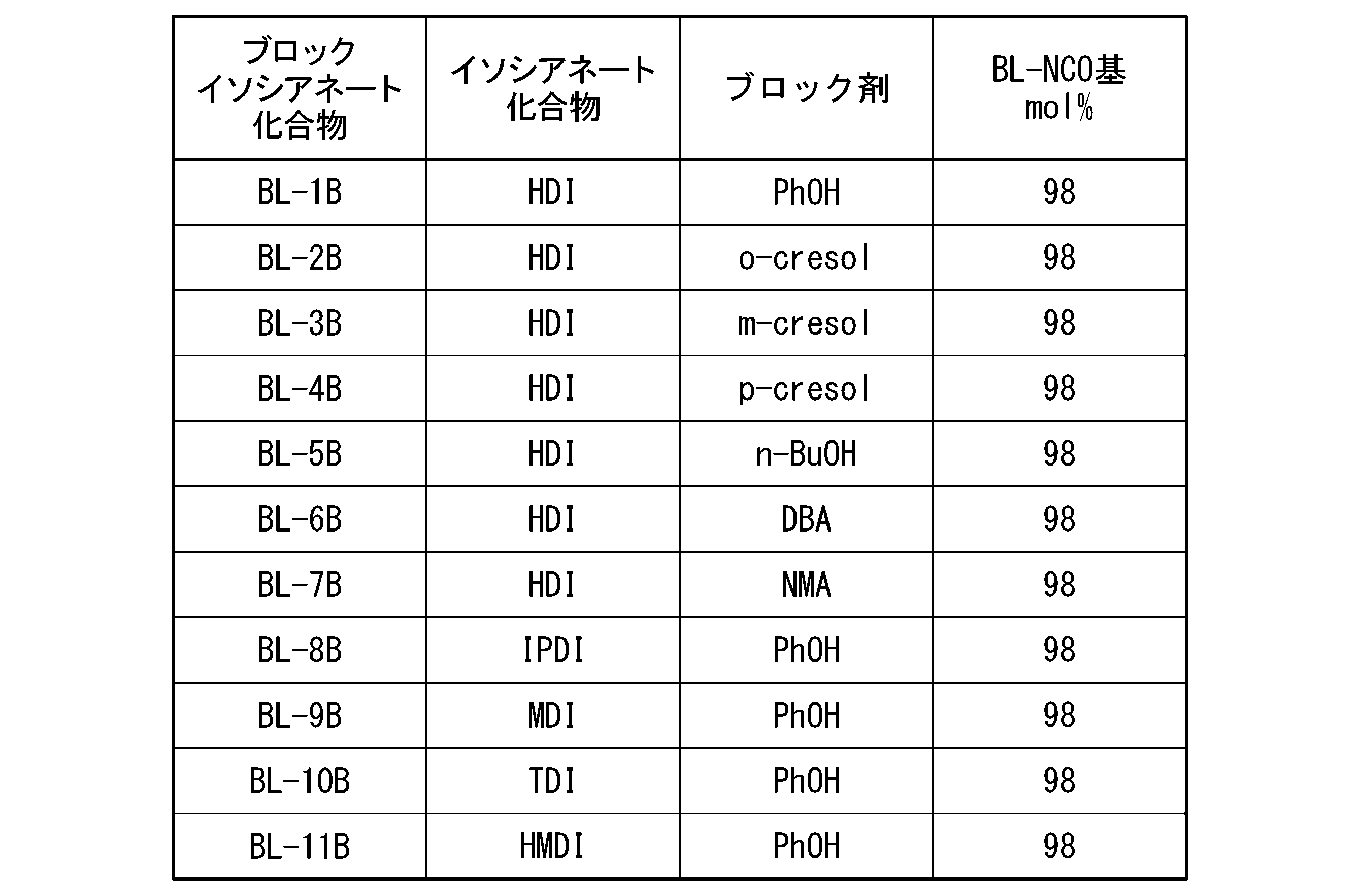


Claims (9)
- 下記一般式(I)、(II)、(III)のいずれかで表される少なくとも1つ以上の化合物と、ポリイソシアネート化合物と、を含有するポリイソシアネート組成物。
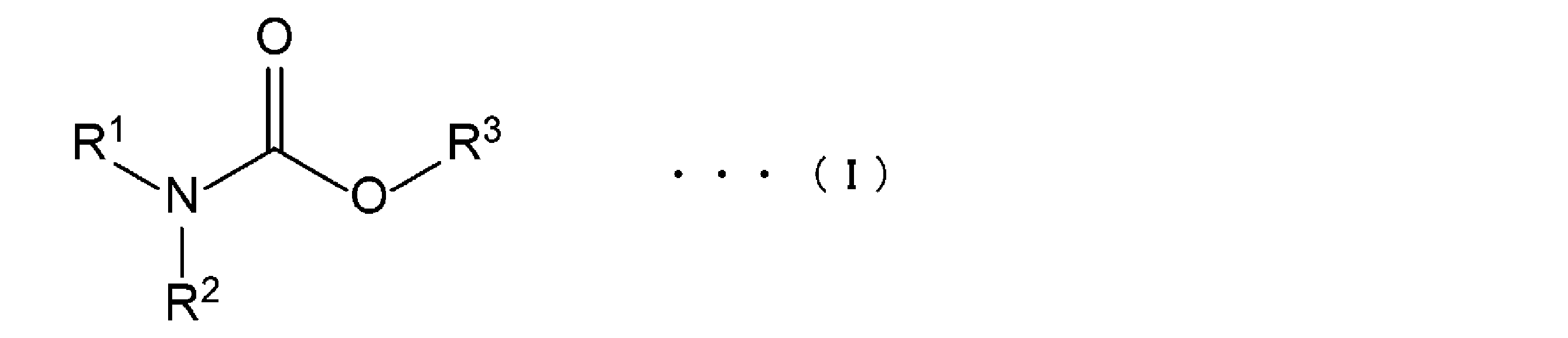
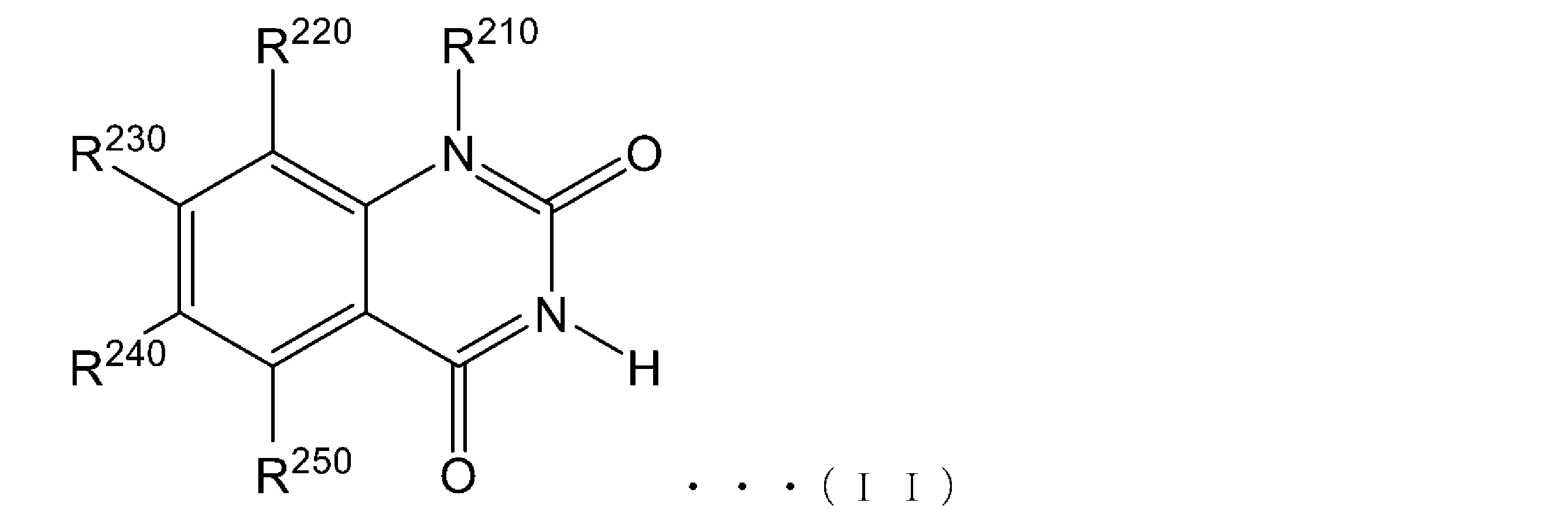

- 前記ポリイソシアネート化合物の全質量を基準として、1.0質量ppm以上1.0×10⁴質量ppm以下の前記一般式(I)、(II)、(III)のいずれかで表される少なくとも1つ以上の化合物を含有する、請求項1に記載のポリイソシアネート組成物。
- 下記一般式(I)及び(II)のいずれか一方又は両方で表される構造を有する化合物の存在下で、ブロックイソシアネート化合物を熱処理によって、ブロック剤とイソシアネート化合物とに分解し、イソシアネート化合物を得る反応工程を含む、イソシアネート化合物の製造方法。


- 前記ブロック剤が、ヒドロキシ化合物、アミン化合物及びアンモニアからなる群より選ばれる1種類以上の化合物を含む、請求項3に記載のイソシアネート化合物の製造方法。
- 前記イソシアネート化合物が、下記一般式(IV)で表されるイソシアネート化合物である、請求項3又は4に記載のイソシアネート化合物の製造方法。

- 前記ブロック剤が、下記一般式(V)で表される芳香族ヒドロキシ化合物である、請求項3又は4に記載のイソシアネート化合物の製造方法。

- 前記ブロック剤が、下記一般式(VI)で表される脂肪族ヒドロキシ化合物である、請求項3又は4に記載のイソシアネート化合物の製造方法。

- 前記ブロック剤が、下記一般式(VII)で表される第二級アミン化合物である、請求項3又は4に記載のイソシアネート化合物の製造方法。

- 前記反応工程において、前記一般式(I)及び(II)のいずれか一方又は両方で表される構造を有する化合物の存在量が前記ブロックイソシアネート化合物に対して1質量ppm以上である、請求項3又は4に記載のイソシアネート化合物の製造方法。
Priority Applications (3)
| Application Number | Priority Date | Filing Date | Title |
|---|---|---|---|
| EP24819430.0A EP4725972A1 (en) | 2023-06-08 | 2024-06-07 | Polyisocyanate composition and method for producing isocyanate compound |
| JP2025526173A JPWO2024253203A1 (ja) | 2023-06-08 | 2024-06-07 | |
| CN202480026133.8A CN120958048A (zh) | 2023-06-08 | 2024-06-07 | 多异氰酸酯组合物和异氰酸酯化合物的制造方法 |
Applications Claiming Priority (10)
| Application Number | Priority Date | Filing Date | Title |
|---|---|---|---|
| JP2023-094699 | 2023-06-08 | ||
| JP2023-094710 | 2023-06-08 | ||
| JP2023-094942 | 2023-06-08 | ||
| JP2023094958 | 2023-06-08 | ||
| JP2023094710 | 2023-06-08 | ||
| JP2023094942 | 2023-06-08 | ||
| JP2023-094723 | 2023-06-08 | ||
| JP2023-094958 | 2023-06-08 | ||
| JP2023094723 | 2023-06-08 | ||
| JP2023094699 | 2023-06-08 |
Publications (1)
| Publication Number | Publication Date |
|---|---|
| WO2024253203A1 true WO2024253203A1 (ja) | 2024-12-12 |
Family
ID=93795499
Family Applications (1)
| Application Number | Title | Priority Date | Filing Date |
|---|---|---|---|
| PCT/JP2024/020945 Ceased WO2024253203A1 (ja) | 2023-06-08 | 2024-06-07 | ポリイソシアネート組成物及びイソシアネート化合物の製造方法 |
Country Status (4)
| Country | Link |
|---|---|
| EP (1) | EP4725972A1 (ja) |
| JP (1) | JPWO2024253203A1 (ja) |
| CN (1) | CN120958048A (ja) |
| WO (1) | WO2024253203A1 (ja) |
Cited By (1)
| Publication number | Priority date | Publication date | Assignee | Title |
|---|---|---|---|---|
| CN120647886A (zh) * | 2025-08-18 | 2025-09-16 | 淄博恒久聚氨酯科技股份有限公司 | 一种耐溶剂聚氨酯复合材料及其制备方法 |
Citations (13)
| Publication number | Priority date | Publication date | Assignee | Title |
|---|---|---|---|---|
| JPS6485956A (en) | 1987-01-13 | 1989-03-30 | Daicel Chem | Production of isocyanate compound |
| JPH06239826A (ja) | 1993-02-19 | 1994-08-30 | Denki Kagaku Kogyo Kk | 脂肪族イソシアネートの製造方法 |
| WO2014069605A1 (ja) | 2012-11-01 | 2014-05-08 | 旭化成ケミカルズ株式会社 | ポリイソシアネート組成物及びイソシアネート重合体組成物 |
| WO2018070539A1 (ja) | 2016-10-14 | 2018-04-19 | 旭化成株式会社 | イソシアネート組成物及びイソシアネート重合体の製造方法 |
| CN109021281A (zh) * | 2018-07-04 | 2018-12-18 | 北京京大律业知识产权代理有限公司 | 一种复合发泡剂及其制备聚氨酯泡沫的用途 |
| WO2019065953A1 (ja) * | 2017-09-29 | 2019-04-04 | 広栄化学工業株式会社 | ブロックイソシアネート用ブロック剤解離触媒及び該ブロック剤解離触媒を含有する熱硬化性組成物 |
| JP2022013710A (ja) * | 2020-06-30 | 2022-01-18 | 株式会社イノアック技術研究所 | 樹脂組成物及び発泡体 |
| JP2022180170A (ja) | 2021-05-24 | 2022-12-06 | 旭化成株式会社 | カルバメートの製造方法 |
| JP2023094958A (ja) | 2021-12-24 | 2023-07-06 | 花王株式会社 | 吸収性パッド |
| JP2023094942A (ja) | 2021-12-24 | 2023-07-06 | 花王株式会社 | 伸縮性積層体の製造方法 |
| JP2023094723A (ja) | 2021-12-24 | 2023-07-06 | 株式会社荏原製作所 | 膜厚測定方法および膜厚測定装置 |
| JP2023094710A (ja) | 2021-12-24 | 2023-07-06 | 株式会社日立製作所 | エレベーターシステム及び通信エラー解析方法 |
| JP2023094699A (ja) | 2021-12-24 | 2023-07-06 | 株式会社ディスコ | 治具、装着方法及び取り外し方法 |
-
2024
- 2024-06-07 JP JP2025526173A patent/JPWO2024253203A1/ja active Pending
- 2024-06-07 CN CN202480026133.8A patent/CN120958048A/zh active Pending
- 2024-06-07 EP EP24819430.0A patent/EP4725972A1/en active Pending
- 2024-06-07 WO PCT/JP2024/020945 patent/WO2024253203A1/ja not_active Ceased
Patent Citations (13)
| Publication number | Priority date | Publication date | Assignee | Title |
|---|---|---|---|---|
| JPS6485956A (en) | 1987-01-13 | 1989-03-30 | Daicel Chem | Production of isocyanate compound |
| JPH06239826A (ja) | 1993-02-19 | 1994-08-30 | Denki Kagaku Kogyo Kk | 脂肪族イソシアネートの製造方法 |
| WO2014069605A1 (ja) | 2012-11-01 | 2014-05-08 | 旭化成ケミカルズ株式会社 | ポリイソシアネート組成物及びイソシアネート重合体組成物 |
| WO2018070539A1 (ja) | 2016-10-14 | 2018-04-19 | 旭化成株式会社 | イソシアネート組成物及びイソシアネート重合体の製造方法 |
| WO2019065953A1 (ja) * | 2017-09-29 | 2019-04-04 | 広栄化学工業株式会社 | ブロックイソシアネート用ブロック剤解離触媒及び該ブロック剤解離触媒を含有する熱硬化性組成物 |
| CN109021281A (zh) * | 2018-07-04 | 2018-12-18 | 北京京大律业知识产权代理有限公司 | 一种复合发泡剂及其制备聚氨酯泡沫的用途 |
| JP2022013710A (ja) * | 2020-06-30 | 2022-01-18 | 株式会社イノアック技術研究所 | 樹脂組成物及び発泡体 |
| JP2022180170A (ja) | 2021-05-24 | 2022-12-06 | 旭化成株式会社 | カルバメートの製造方法 |
| JP2023094958A (ja) | 2021-12-24 | 2023-07-06 | 花王株式会社 | 吸収性パッド |
| JP2023094942A (ja) | 2021-12-24 | 2023-07-06 | 花王株式会社 | 伸縮性積層体の製造方法 |
| JP2023094723A (ja) | 2021-12-24 | 2023-07-06 | 株式会社荏原製作所 | 膜厚測定方法および膜厚測定装置 |
| JP2023094710A (ja) | 2021-12-24 | 2023-07-06 | 株式会社日立製作所 | エレベーターシステム及び通信エラー解析方法 |
| JP2023094699A (ja) | 2021-12-24 | 2023-07-06 | 株式会社ディスコ | 治具、装着方法及び取り外し方法 |
Non-Patent Citations (5)
| Title |
|---|
| NASAR A. SULTAN, LIBNI G.: "Forward and reverse reactions of N-methylaniline-blocked polyisocyanates: a clear step into double Arrhenius plots and equilibrium temperature of thermally reversible reactions", RSC ADVANCES, ROYAL SOCIETY OF CHEMISTRY, GB, vol. 7, no. 54, 1 January 2017 (2017-01-01), GB , pages 34149 - 34159, XP093247829, ISSN: 2046-2069, DOI: 10.1039/C7RA03734A * |
| no. 13599-69-4 |
| SANKAR GOVINDARAJAN, NASAR A. SULTAN: "Amine‐blocked polyisocyanates. I. Synthesis of novel N ‐methylaniline‐blocked polyisocyanates and deblocking studies using hot‐stage fourier transform infrared spectroscopy", JOURNAL OF POLYMER SCIENCE PART A: POLYMER CHEMISTRY, JOHN WILEY & SONS, INC., US, vol. 45, no. 8, 15 April 2007 (2007-04-15), US , pages 1557 - 1570, XP093247830, ISSN: 0887-624X, DOI: 10.1002/pola.21924 * |
| SANKAR, G. ; SULTAN NASAR, A.: "Effect of isocyanate structure on deblocking and cure reaction of N-methylaniline-blocked diisocyanates and polyisocyanates", EUROPEAN POLYMER JOURNAL, PERGAMON PRESS LTD OXFORD, GB, vol. 45, no. 3, 1 March 2009 (2009-03-01), GB , pages 911 - 922, XP025939898, ISSN: 0014-3057, DOI: 10.1016/j.eurpolymj.2008.11.025 * |
| See also references of EP4725972A1 |
Cited By (1)
| Publication number | Priority date | Publication date | Assignee | Title |
|---|---|---|---|---|
| CN120647886A (zh) * | 2025-08-18 | 2025-09-16 | 淄博恒久聚氨酯科技股份有限公司 | 一种耐溶剂聚氨酯复合材料及其制备方法 |
Also Published As
| Publication number | Publication date |
|---|---|
| CN120958048A (zh) | 2025-11-14 |
| JPWO2024253203A1 (ja) | 2024-12-12 |
| EP4725972A1 (en) | 2026-04-15 |
Similar Documents
| Publication | Publication Date | Title |
|---|---|---|
| KR100216934B1 (ko) | 카보디이미드 및/ 또는 우레톤 이민 그룹을 함유하는 액체 저장성 유기이소시아네이트의 제조방법 및 폴리우레탄 플라스틱을 제조하기 위한 이의 용도 | |
| JP6666459B2 (ja) | イソシアネート組成物、イソシアネート組成物の製造方法、及びイソシアネート重合体の製造方法 | |
| JPS6197265A (ja) | ウレトジオン基含有化合物の製造方法 | |
| US6121406A (en) | Mixture of hydrophilic dicyclohexylmethanecarbodiimide | |
| JP7582800B2 (ja) | ポリイソシアネート組成物および変性体組成物 | |
| WO2018070541A1 (ja) | イソシアネート組成物、イソシアネート重合体の製造方法およびイソシアネート重合体 | |
| CN104583222A (zh) | 具有硫代氨基甲酸酯结构的异氰酸根合硅烷 | |
| JPH09124657A (ja) | 多環式イミノオキサジアジンジオン、その調製方法、並びにその用途 | |
| WO2024253203A1 (ja) | ポリイソシアネート組成物及びイソシアネート化合物の製造方法 | |
| DE4238046A1 (de) | Neue Bis-(4-substituierte-2,6-diisopropyl-phenyl)-carbodiimide, ein Verfahren zu ihrer Herstellung und ihre Verwendung sowie die zu ihrer Herstellung verwendbaren 4-substituierten 2,6-Diisopropyl-phenylisocyanate | |
| JPH02283710A (ja) | ポリアルジミン誘導体 | |
| BR112021008046A2 (pt) | método para remover monoisocianatos orgânicos de um solvente orgânico, e, processo de fabricação de mdi e/ou mdi polimérico. | |
| US4786751A (en) | Dissocyanates, diisocyanate mixtures and a process for their production | |
| CN110872238B (zh) | 一种异氰酸酯稳定剂及其制备方法 | |
| US4879410A (en) | Preparation of primary aralkyl urethanes and ureas and isocyanates derived therefrom | |
| US3939200A (en) | Aliphatic acyl-containing amine hydrochlorides | |
| US6127514A (en) | One-component thermoset coating compositions | |
| US4870198A (en) | Process for the preparation of isocyanates and their use for the preparation of polyisocyanates containing ester | |
| KR20250047805A (ko) | 이소포론 디이소시아네이트 조성물 및 이의 블록킹된 제품 | |
| JP7680560B2 (ja) | カルボニル化合物、イソシアネート化合物の製造方法、及びイソシアネート組成物 | |
| JP2024176422A (ja) | ブロックイソシアネート組成物の製造方法 | |
| KR20210054794A (ko) | 폴리이소시아네이트의 품질 개선 방법 및 이를 통해 품질이 개선된 폴리이소시아네이트 | |
| JP7825046B2 (ja) | 芳香族ポリマー性カルボジイミドを製造するためのプロセス | |
| US4079073A (en) | Meta-isocyanatobenzylisocyanate | |
| JP2025144058A (ja) | イソシアネート化合物の製造方法 |
Legal Events
| Date | Code | Title | Description |
|---|---|---|---|
| 121 | Ep: the epo has been informed by wipo that ep was designated in this application |
Ref document number: 24819430 Country of ref document: EP Kind code of ref document: A1 |
|
| ENP | Entry into the national phase |
Ref document number: 2025526173 Country of ref document: JP Kind code of ref document: A |
|
| WWE | Wipo information: entry into national phase |
Ref document number: 2025526173 Country of ref document: JP |
|
| WWE | Wipo information: entry into national phase |
Ref document number: 2024819430 Country of ref document: EP |
|
| NENP | Non-entry into the national phase |
Ref country code: DE |
|
| ENP | Entry into the national phase |
Ref document number: 2024819430 Country of ref document: EP Effective date: 20260108 |
|
| ENP | Entry into the national phase |
Ref document number: 2024819430 Country of ref document: EP Effective date: 20260108 |
|
| ENP | Entry into the national phase |
Ref document number: 2024819430 Country of ref document: EP Effective date: 20260108 |
|
| ENP | Entry into the national phase |
Ref document number: 2024819430 Country of ref document: EP Effective date: 20260108 |
|
| ENP | Entry into the national phase |
Ref document number: 2024819430 Country of ref document: EP Effective date: 20260108 |
|
| WWP | Wipo information: published in national office |
Ref document number: 2024819430 Country of ref document: EP |