EP0130142A1 - Neue Prostacyclinderivate, Verfahren zu ihrer Herstellung und ihre Verwendung als Arzneimittel - Google Patents
Neue Prostacyclinderivate, Verfahren zu ihrer Herstellung und ihre Verwendung als Arzneimittel Download PDFInfo
- Publication number
- EP0130142A1 EP0130142A1 EP84730071A EP84730071A EP0130142A1 EP 0130142 A1 EP0130142 A1 EP 0130142A1 EP 84730071 A EP84730071 A EP 84730071A EP 84730071 A EP84730071 A EP 84730071A EP 0130142 A1 EP0130142 A1 EP 0130142A1
- Authority
- EP
- European Patent Office
- Prior art keywords
- oder
- group
- dimethyl
- eine
- cyano
- Prior art date
- Legal status (The legal status is an assumption and is not a legal conclusion. Google has not performed a legal analysis and makes no representation as to the accuracy of the status listed.)
- Granted
Links
- 238000000034 method Methods 0.000 title claims abstract description 11
- 230000008569 process Effects 0.000 title claims abstract description 8
- 239000003814 drug Substances 0.000 title claims description 4
- 238000002360 preparation method Methods 0.000 title claims description 4
- KAQKFAOMNZTLHT-VVUHWYTRSA-N epoprostenol Chemical class O1C(=CCCCC(O)=O)C[C@@H]2[C@@H](/C=C/[C@@H](O)CCCCC)[C@H](O)C[C@@H]21 KAQKFAOMNZTLHT-VVUHWYTRSA-N 0.000 title claims 2
- 229940079593 drug Drugs 0.000 title 1
- -1 Hydroxymethylen Chemical class 0.000 claims abstract description 83
- 125000004432 carbon atom Chemical group C* 0.000 claims abstract description 20
- 125000000217 alkyl group Chemical group 0.000 claims abstract description 18
- 125000002887 hydroxy group Chemical group [H]O* 0.000 claims abstract description 16
- 125000002947 alkylene group Chemical group 0.000 claims abstract description 7
- 229920006395 saturated elastomer Polymers 0.000 claims abstract description 7
- NINIDFKCEFEMDL-UHFFFAOYSA-N Sulfur Chemical compound [S] NINIDFKCEFEMDL-UHFFFAOYSA-N 0.000 claims abstract description 6
- 229910052736 halogen Inorganic materials 0.000 claims abstract description 6
- 150000002367 halogens Chemical class 0.000 claims abstract description 6
- 125000004435 hydrogen atom Chemical group [H]* 0.000 claims abstract description 6
- 239000001301 oxygen Substances 0.000 claims abstract description 6
- 229910052760 oxygen Inorganic materials 0.000 claims abstract description 6
- 125000003718 tetrahydrofuranyl group Chemical group 0.000 claims abstract description 6
- 125000001412 tetrahydropyranyl group Chemical group 0.000 claims abstract description 6
- 125000000026 trimethylsilyl group Chemical group [H]C([H])([H])[Si]([*])(C([H])([H])[H])C([H])([H])[H] 0.000 claims abstract description 6
- 125000000623 heterocyclic group Chemical group 0.000 claims abstract description 5
- 125000005913 (C3-C6) cycloalkyl group Chemical group 0.000 claims abstract description 4
- 125000002252 acyl group Chemical group 0.000 claims abstract description 4
- QVGXLLKOCUKJST-UHFFFAOYSA-N atomic oxygen Chemical compound [O] QVGXLLKOCUKJST-UHFFFAOYSA-N 0.000 claims abstract description 4
- 125000001153 fluoro group Chemical group F* 0.000 claims abstract description 4
- 125000003107 substituted aryl group Chemical group 0.000 claims abstract description 4
- 229910052717 sulfur Inorganic materials 0.000 claims abstract description 4
- 239000011593 sulfur Substances 0.000 claims abstract description 4
- CIUQDSCDWFSTQR-UHFFFAOYSA-N [C]1=CC=CC=C1 Chemical class [C]1=CC=CC=C1 CIUQDSCDWFSTQR-UHFFFAOYSA-N 0.000 claims abstract description 3
- 125000002777 acetyl group Chemical group [H]C([H])([H])C(*)=O 0.000 claims abstract description 3
- 125000000325 methylidene group Chemical group [H]C([H])=* 0.000 claims abstract description 3
- XLYOFNOQVPJJNP-UHFFFAOYSA-N water Substances O XLYOFNOQVPJJNP-UHFFFAOYSA-N 0.000 claims description 29
- 229960001123 epoprostenol Drugs 0.000 claims description 28
- 150000001875 compounds Chemical class 0.000 claims description 26
- 238000006243 chemical reaction Methods 0.000 claims description 9
- 230000008030 elimination Effects 0.000 claims description 7
- 238000003379 elimination reaction Methods 0.000 claims description 7
- ZCSHNCUQKCANBX-UHFFFAOYSA-N lithium diisopropylamide Chemical compound [Li+].CC(C)[N-]C(C)C ZCSHNCUQKCANBX-UHFFFAOYSA-N 0.000 claims description 6
- 150000002825 nitriles Chemical class 0.000 claims description 5
- 150000001735 carboxylic acids Chemical class 0.000 claims description 2
- 239000000969 carrier Substances 0.000 claims description 2
- BDHFUVZGWQCTTF-UHFFFAOYSA-N sulfonic acid Chemical compound OS(=O)=O BDHFUVZGWQCTTF-UHFFFAOYSA-N 0.000 claims 1
- 125000003118 aryl group Chemical group 0.000 abstract description 3
- 150000001732 carboxylic acid derivatives Chemical class 0.000 abstract description 3
- 125000000008 (C1-C10) alkyl group Chemical group 0.000 abstract description 2
- LSNNMFCWUKXFEE-UHFFFAOYSA-M Bisulfite Chemical compound OS([O-])=O LSNNMFCWUKXFEE-UHFFFAOYSA-M 0.000 abstract description 2
- MYMOFIZGZYHOMD-UHFFFAOYSA-N Dioxygen Chemical compound O=O MYMOFIZGZYHOMD-UHFFFAOYSA-N 0.000 abstract description 2
- 238000004519 manufacturing process Methods 0.000 abstract description 2
- VLKZOEOYAKHREP-UHFFFAOYSA-N n-Hexane Chemical compound CCCCCC VLKZOEOYAKHREP-UHFFFAOYSA-N 0.000 description 63
- RTZKZFJDLAIYFH-UHFFFAOYSA-N Diethyl ether Chemical compound CCOCC RTZKZFJDLAIYFH-UHFFFAOYSA-N 0.000 description 61
- YXFVVABEGXRONW-UHFFFAOYSA-N Toluene Chemical compound CC1=CC=CC=C1 YXFVVABEGXRONW-UHFFFAOYSA-N 0.000 description 57
- WYURNTSHIVDZCO-UHFFFAOYSA-N Tetrahydrofuran Chemical compound C1CCOC1 WYURNTSHIVDZCO-UHFFFAOYSA-N 0.000 description 30
- 239000000203 mixture Substances 0.000 description 30
- 239000000243 solution Substances 0.000 description 29
- CSNNHWWHGAXBCP-UHFFFAOYSA-L Magnesium sulfate Chemical compound [Mg+2].[O-][S+2]([O-])([O-])[O-] CSNNHWWHGAXBCP-UHFFFAOYSA-L 0.000 description 26
- XEKOWRVHYACXOJ-UHFFFAOYSA-N Ethyl acetate Chemical compound CCOC(C)=O XEKOWRVHYACXOJ-UHFFFAOYSA-N 0.000 description 21
- OKKJLVBELUTLKV-UHFFFAOYSA-N Methanol Chemical compound OC OKKJLVBELUTLKV-UHFFFAOYSA-N 0.000 description 18
- KRKNYBCHXYNGOX-UHFFFAOYSA-N citric acid Chemical compound OC(=O)CC(O)(C(O)=O)CC(O)=O KRKNYBCHXYNGOX-UHFFFAOYSA-N 0.000 description 15
- YLQBMQCUIZJEEH-UHFFFAOYSA-N tetrahydrofuran Natural products C=1C=COC=1 YLQBMQCUIZJEEH-UHFFFAOYSA-N 0.000 description 15
- QTBSBXVTEAMEQO-UHFFFAOYSA-N Acetic acid Chemical compound CC(O)=O QTBSBXVTEAMEQO-UHFFFAOYSA-N 0.000 description 14
- 239000012230 colorless oil Substances 0.000 description 14
- JOXIMZWYDAKGHI-UHFFFAOYSA-N toluene-4-sulfonic acid Chemical compound CC1=CC=C(S(O)(=O)=O)C=C1 JOXIMZWYDAKGHI-UHFFFAOYSA-N 0.000 description 14
- VYPSYNLAJGMNEJ-UHFFFAOYSA-N Silicium dioxide Chemical compound O=[Si]=O VYPSYNLAJGMNEJ-UHFFFAOYSA-N 0.000 description 13
- 229910052943 magnesium sulfate Inorganic materials 0.000 description 13
- 235000019341 magnesium sulphate Nutrition 0.000 description 13
- 239000000741 silica gel Substances 0.000 description 13
- 229910002027 silica gel Inorganic materials 0.000 description 13
- UAOMVDZJSHZZME-UHFFFAOYSA-N diisopropylamine Chemical compound CC(C)NC(C)C UAOMVDZJSHZZME-UHFFFAOYSA-N 0.000 description 12
- WFDIJRYMOXRFFG-UHFFFAOYSA-N Acetic anhydride Chemical compound CC(=O)OC(C)=O WFDIJRYMOXRFFG-UHFFFAOYSA-N 0.000 description 9
- YMWUJEATGCHHMB-UHFFFAOYSA-N Dichloromethane Chemical compound ClCCl YMWUJEATGCHHMB-UHFFFAOYSA-N 0.000 description 9
- RHLVCLIPMVJYKS-UHFFFAOYSA-N 3-octanone Chemical compound CCCCCC(=O)CC RHLVCLIPMVJYKS-UHFFFAOYSA-N 0.000 description 8
- LFQSCWFLJHTTHZ-UHFFFAOYSA-N Ethanol Chemical compound CCO LFQSCWFLJHTTHZ-UHFFFAOYSA-N 0.000 description 8
- MZRVEZGGRBJDDB-UHFFFAOYSA-N N-Butyllithium Chemical compound [Li]CCCC MZRVEZGGRBJDDB-UHFFFAOYSA-N 0.000 description 8
- LEJSXHLXJUILMI-UHFFFAOYSA-N 5-bromopentanal Chemical compound BrCCCCC=O LEJSXHLXJUILMI-UHFFFAOYSA-N 0.000 description 6
- XKRFYHLGVUSROY-UHFFFAOYSA-N Argon Chemical compound [Ar] XKRFYHLGVUSROY-UHFFFAOYSA-N 0.000 description 6
- UHOVQNZJYSORNB-UHFFFAOYSA-N Benzene Chemical compound C1=CC=CC=C1 UHOVQNZJYSORNB-UHFFFAOYSA-N 0.000 description 6
- JUJWROOIHBZHMG-UHFFFAOYSA-N Pyridine Chemical compound C1=CC=NC=C1 JUJWROOIHBZHMG-UHFFFAOYSA-N 0.000 description 6
- UIIMBOGNXHQVGW-UHFFFAOYSA-M Sodium bicarbonate Chemical compound [Na+].OC([O-])=O UIIMBOGNXHQVGW-UHFFFAOYSA-M 0.000 description 6
- DHKHKXVYLBGOIT-UHFFFAOYSA-N acetaldehyde Diethyl Acetal Natural products CCOC(C)OCC DHKHKXVYLBGOIT-UHFFFAOYSA-N 0.000 description 6
- 239000012267 brine Substances 0.000 description 6
- BWHMMNNQKKPAPP-UHFFFAOYSA-L potassium carbonate Chemical compound [K+].[K+].[O-]C([O-])=O BWHMMNNQKKPAPP-UHFFFAOYSA-L 0.000 description 6
- HPALAKNZSZLMCH-UHFFFAOYSA-M sodium;chloride;hydrate Chemical compound O.[Na+].[Cl-] HPALAKNZSZLMCH-UHFFFAOYSA-M 0.000 description 6
- KFZMGEQAYNKOFK-UHFFFAOYSA-N Isopropanol Chemical compound CC(C)O KFZMGEQAYNKOFK-UHFFFAOYSA-N 0.000 description 5
- 238000013375 chromatographic separation Methods 0.000 description 5
- 239000003921 oil Substances 0.000 description 5
- 239000002904 solvent Substances 0.000 description 5
- NLXLAEXVIDQMFP-UHFFFAOYSA-N Ammonia chloride Chemical class [NH4+].[Cl-] NLXLAEXVIDQMFP-UHFFFAOYSA-N 0.000 description 4
- HEDRZPFGACZZDS-UHFFFAOYSA-N Chloroform Chemical compound ClC(Cl)Cl HEDRZPFGACZZDS-UHFFFAOYSA-N 0.000 description 4
- IAZDPXIOMUYVGZ-UHFFFAOYSA-N Dimethylsulphoxide Chemical compound CS(C)=O IAZDPXIOMUYVGZ-UHFFFAOYSA-N 0.000 description 4
- VEXZGXHMUGYJMC-UHFFFAOYSA-N Hydrochloric acid Chemical compound Cl VEXZGXHMUGYJMC-UHFFFAOYSA-N 0.000 description 4
- 230000009471 action Effects 0.000 description 4
- 238000004587 chromatography analysis Methods 0.000 description 4
- 238000001816 cooling Methods 0.000 description 4
- 229940043279 diisopropylamine Drugs 0.000 description 4
- 238000010653 organometallic reaction Methods 0.000 description 4
- 125000001997 phenyl group Chemical group [H]C1=C([H])C([H])=C(*)C([H])=C1[H] 0.000 description 4
- 239000000047 product Substances 0.000 description 4
- 150000003815 prostacyclins Chemical class 0.000 description 4
- 238000011282 treatment Methods 0.000 description 4
- XZFRIPGNUQRGPI-WLPVIMDJSA-N Carbacyclin Chemical class C1\C(=C\CCCC(O)=O)C[C@@H]2[C@@H](/C=C/[C@@H](O)CCCCC)[C@H](O)C[C@@H]21 XZFRIPGNUQRGPI-WLPVIMDJSA-N 0.000 description 3
- ZAMOUSCENKQFHK-UHFFFAOYSA-N Chlorine atom Chemical compound [Cl] ZAMOUSCENKQFHK-UHFFFAOYSA-N 0.000 description 3
- LYCAIKOWRPUZTN-UHFFFAOYSA-N Ethylene glycol Chemical compound OCCO LYCAIKOWRPUZTN-UHFFFAOYSA-N 0.000 description 3
- 239000002253 acid Substances 0.000 description 3
- 239000007864 aqueous solution Substances 0.000 description 3
- 229910052786 argon Inorganic materials 0.000 description 3
- 230000015572 biosynthetic process Effects 0.000 description 3
- SIPUZPBQZHNSDW-UHFFFAOYSA-N bis(2-methylpropyl)aluminum Chemical compound CC(C)C[Al]CC(C)C SIPUZPBQZHNSDW-UHFFFAOYSA-N 0.000 description 3
- 230000036772 blood pressure Effects 0.000 description 3
- KXZJHVJKXJLBKO-UHFFFAOYSA-N chembl1408157 Chemical compound N=1C2=CC=CC=C2C(C(=O)O)=CC=1C1=CC=C(O)C=C1 KXZJHVJKXJLBKO-UHFFFAOYSA-N 0.000 description 3
- 239000000460 chlorine Substances 0.000 description 3
- 229910052801 chlorine Inorganic materials 0.000 description 3
- 125000001033 ether group Chemical group 0.000 description 3
- 230000027119 gastric acid secretion Effects 0.000 description 3
- 150000004679 hydroxides Chemical class 0.000 description 3
- 230000002401 inhibitory effect Effects 0.000 description 3
- 230000005764 inhibitory process Effects 0.000 description 3
- 210000000056 organ Anatomy 0.000 description 3
- 229940094443 oxytocics prostaglandins Drugs 0.000 description 3
- 239000012071 phase Substances 0.000 description 3
- 229910000027 potassium carbonate Inorganic materials 0.000 description 3
- KAQKFAOMNZTLHT-OZUDYXHBSA-N prostaglandin I2 Chemical compound O1\C(=C/CCCC(O)=O)C[C@@H]2[C@@H](/C=C/[C@@H](O)CCCCC)[C@H](O)C[C@@H]21 KAQKFAOMNZTLHT-OZUDYXHBSA-N 0.000 description 3
- 150000003180 prostaglandins Chemical class 0.000 description 3
- UMJSCPRVCHMLSP-UHFFFAOYSA-N pyridine Natural products COC1=CC=CN=C1 UMJSCPRVCHMLSP-UHFFFAOYSA-N 0.000 description 3
- 229910000030 sodium bicarbonate Inorganic materials 0.000 description 3
- 235000017557 sodium bicarbonate Nutrition 0.000 description 3
- 238000003786 synthesis reaction Methods 0.000 description 3
- 238000002560 therapeutic procedure Methods 0.000 description 3
- RYHBNJHYFVUHQT-UHFFFAOYSA-N 1,4-Dioxane Chemical compound C1COCCO1 RYHBNJHYFVUHQT-UHFFFAOYSA-N 0.000 description 2
- LBFUFZGESLWTFP-UHFFFAOYSA-N 6,6-diethoxyhexanenitrile Chemical compound CCOC(OCC)CCCCC#N LBFUFZGESLWTFP-UHFFFAOYSA-N 0.000 description 2
- ROLXEZSIIQQWRL-UHFFFAOYSA-N 6-oxohexanenitrile Chemical compound O=CCCCCC#N ROLXEZSIIQQWRL-UHFFFAOYSA-N 0.000 description 2
- IJGRMHOSHXDMSA-UHFFFAOYSA-N Atomic nitrogen Chemical compound N#N IJGRMHOSHXDMSA-UHFFFAOYSA-N 0.000 description 2
- 0 CCC(*C)C(C)CN Chemical compound CCC(*C)C(C)CN 0.000 description 2
- VTYYLEPIZMXCLO-UHFFFAOYSA-L Calcium carbonate Chemical compound [Ca+2].[O-]C([O-])=O VTYYLEPIZMXCLO-UHFFFAOYSA-L 0.000 description 2
- BUDQDWGNQVEFAC-UHFFFAOYSA-N Dihydropyran Chemical compound C1COC=CC1 BUDQDWGNQVEFAC-UHFFFAOYSA-N 0.000 description 2
- LRHPLDYGYMQRHN-UHFFFAOYSA-N N-Butanol Chemical compound CCCCO LRHPLDYGYMQRHN-UHFFFAOYSA-N 0.000 description 2
- 241000283973 Oryctolagus cuniculus Species 0.000 description 2
- PMZURENOXWZQFD-UHFFFAOYSA-L Sodium Sulfate Chemical compound [Na+].[Na+].[O-]S([O-])(=O)=O PMZURENOXWZQFD-UHFFFAOYSA-L 0.000 description 2
- QAOWNCQODCNURD-UHFFFAOYSA-N Sulfuric acid Chemical compound OS(O)(=O)=O QAOWNCQODCNURD-UHFFFAOYSA-N 0.000 description 2
- 150000001241 acetals Chemical group 0.000 description 2
- 230000021736 acetylation Effects 0.000 description 2
- 238000006640 acetylation reaction Methods 0.000 description 2
- 150000007513 acids Chemical class 0.000 description 2
- 150000001298 alcohols Chemical class 0.000 description 2
- AYJRCSIUFZENHW-UHFFFAOYSA-L barium carbonate Chemical compound [Ba+2].[O-]C([O-])=O AYJRCSIUFZENHW-UHFFFAOYSA-L 0.000 description 2
- 239000002585 base Substances 0.000 description 2
- 230000017531 blood circulation Effects 0.000 description 2
- 210000001772 blood platelet Anatomy 0.000 description 2
- 150000004649 carbonic acid derivatives Chemical class 0.000 description 2
- 238000003776 cleavage reaction Methods 0.000 description 2
- XBDQKXXYIPTUBI-UHFFFAOYSA-N dimethylselenoniopropionate Natural products CCC(O)=O XBDQKXXYIPTUBI-UHFFFAOYSA-N 0.000 description 2
- 230000000694 effects Effects 0.000 description 2
- FJKIXWOMBXYWOQ-UHFFFAOYSA-N ethenoxyethane Chemical compound CCOC=C FJKIXWOMBXYWOQ-UHFFFAOYSA-N 0.000 description 2
- 239000007788 liquid Substances 0.000 description 2
- 210000004185 liver Anatomy 0.000 description 2
- 230000007935 neutral effect Effects 0.000 description 2
- 239000003960 organic solvent Substances 0.000 description 2
- 239000002244 precipitate Substances 0.000 description 2
- 238000011321 prophylaxis Methods 0.000 description 2
- 150000003254 radicals Chemical class 0.000 description 2
- 230000009467 reduction Effects 0.000 description 2
- 238000010992 reflux Methods 0.000 description 2
- 230000007017 scission Effects 0.000 description 2
- 238000000926 separation method Methods 0.000 description 2
- 229910052938 sodium sulfate Inorganic materials 0.000 description 2
- 235000011152 sodium sulphate Nutrition 0.000 description 2
- FPGGTKZVZWFYPV-UHFFFAOYSA-M tetrabutylammonium fluoride Chemical compound [F-].CCCC[N+](CCCC)(CCCC)CCCC FPGGTKZVZWFYPV-UHFFFAOYSA-M 0.000 description 2
- VZGDMQKNWNREIO-UHFFFAOYSA-N tetrachloromethane Chemical compound ClC(Cl)(Cl)Cl VZGDMQKNWNREIO-UHFFFAOYSA-N 0.000 description 2
- 125000002023 trifluoromethyl group Chemical group FC(F)(F)* 0.000 description 2
- OQIINYYSXYDPEA-CADBMRNUSA-N (3ar,4r,5r,6as)-5-(oxan-2-yloxy)-4-[(e,3r)-3-(oxan-2-yloxy)-4-phenoxybut-1-enyl]-3,3a,4,5,6,6a-hexahydrocyclopenta[b]furan-2-one Chemical compound O([C@@H]1C[C@H]2[C@@H]([C@H]1\C=C\[C@H](COC=1C=CC=CC=1)OC1OCCCC1)CC(O2)=O)C1CCCCO1 OQIINYYSXYDPEA-CADBMRNUSA-N 0.000 description 1
- 125000001637 1-naphthyl group Chemical group [H]C1=C([H])C([H])=C2C(*)=C([H])C([H])=C([H])C2=C1[H] 0.000 description 1
- HUHXLHLWASNVDB-UHFFFAOYSA-N 2-(oxan-2-yloxy)oxane Chemical group O1CCCCC1OC1OCCCC1 HUHXLHLWASNVDB-UHFFFAOYSA-N 0.000 description 1
- NGNBDVOYPDDBFK-UHFFFAOYSA-N 2-[2,4-di(pentan-2-yl)phenoxy]acetyl chloride Chemical compound CCCC(C)C1=CC=C(OCC(Cl)=O)C(C(C)CCC)=C1 NGNBDVOYPDDBFK-UHFFFAOYSA-N 0.000 description 1
- YBARNBUFPMPLHH-UHFFFAOYSA-N 2-bromo-2-methylpentanoic acid Chemical compound CCCC(C)(Br)C(O)=O YBARNBUFPMPLHH-UHFFFAOYSA-N 0.000 description 1
- 125000002941 2-furyl group Chemical group O1C([*])=C([H])C([H])=C1[H] 0.000 description 1
- 125000001622 2-naphthyl group Chemical group [H]C1=C([H])C([H])=C2C([H])=C(*)C([H])=C([H])C2=C1[H] 0.000 description 1
- 125000004105 2-pyridyl group Chemical group N1=C([*])C([H])=C([H])C([H])=C1[H] 0.000 description 1
- 125000000175 2-thienyl group Chemical group S1C([*])=C([H])C([H])=C1[H] 0.000 description 1
- 125000003682 3-furyl group Chemical group O1C([H])=C([*])C([H])=C1[H] 0.000 description 1
- 125000003349 3-pyridyl group Chemical group N1=C([H])C([*])=C([H])C([H])=C1[H] 0.000 description 1
- 125000001541 3-thienyl group Chemical group S1C([H])=C([*])C([H])=C1[H] 0.000 description 1
- 125000006283 4-chlorobenzyl group Chemical group [H]C1=C([H])C(=C([H])C([H])=C1Cl)C([H])([H])* 0.000 description 1
- 125000000339 4-pyridyl group Chemical group N1=C([H])C([H])=C([*])C([H])=C1[H] 0.000 description 1
- HYOOMULOWIAJAA-UHFFFAOYSA-N 5-(oxan-2-yloxy)-3,3a,4,5,6,6a-hexahydrocyclopenta[b]furan-2-one Chemical compound C1C2OC(=O)CC2CC1OC1CCCCO1 HYOOMULOWIAJAA-UHFFFAOYSA-N 0.000 description 1
- ANJUQQJZGJLRNF-UHFFFAOYSA-N 5-bromo-1,1-diethoxypentane Chemical compound CCOC(OCC)CCCCBr ANJUQQJZGJLRNF-UHFFFAOYSA-N 0.000 description 1
- QTBSBXVTEAMEQO-UHFFFAOYSA-M Acetate Chemical compound CC([O-])=O QTBSBXVTEAMEQO-UHFFFAOYSA-M 0.000 description 1
- WKBOTKDWSSQWDR-UHFFFAOYSA-N Bromine atom Chemical compound [Br] WKBOTKDWSSQWDR-UHFFFAOYSA-N 0.000 description 1
- 206010006482 Bronchospasm Diseases 0.000 description 1
- 241000700199 Cavia porcellus Species 0.000 description 1
- 101000862089 Clarkia lewisii Glucose-6-phosphate isomerase, cytosolic 1A Proteins 0.000 description 1
- 206010011091 Coronary artery thrombosis Diseases 0.000 description 1
- 206010012735 Diarrhoea Diseases 0.000 description 1
- XTHFKEDIFFGKHM-UHFFFAOYSA-N Dimethoxyethane Chemical compound COCCOC XTHFKEDIFFGKHM-UHFFFAOYSA-N 0.000 description 1
- PXGOKWXKJXAPGV-UHFFFAOYSA-N Fluorine Chemical compound FF PXGOKWXKJXAPGV-UHFFFAOYSA-N 0.000 description 1
- HTTJABKRGRZYRN-UHFFFAOYSA-N Heparin Chemical compound OC1C(NC(=O)C)C(O)OC(COS(O)(=O)=O)C1OC1C(OS(O)(=O)=O)C(O)C(OC2C(C(OS(O)(=O)=O)C(OC3C(C(O)C(O)C(O3)C(O)=O)OS(O)(=O)=O)C(CO)O2)NS(O)(=O)=O)C(C(O)=O)O1 HTTJABKRGRZYRN-UHFFFAOYSA-N 0.000 description 1
- 206010020772 Hypertension Diseases 0.000 description 1
- 208000001953 Hypotension Diseases 0.000 description 1
- 208000007914 Labor Pain Diseases 0.000 description 1
- 208000035945 Labour pain Diseases 0.000 description 1
- 241000124008 Mammalia Species 0.000 description 1
- 208000005764 Peripheral Arterial Disease Diseases 0.000 description 1
- 208000030831 Peripheral arterial occlusive disease Diseases 0.000 description 1
- ZLMJMSJWJFRBEC-UHFFFAOYSA-N Potassium Chemical compound [K] ZLMJMSJWJFRBEC-UHFFFAOYSA-N 0.000 description 1
- 241000700159 Rattus Species 0.000 description 1
- 208000007536 Thrombosis Diseases 0.000 description 1
- 125000004036 acetal group Chemical group 0.000 description 1
- 238000006359 acetalization reaction Methods 0.000 description 1
- 150000008065 acid anhydrides Chemical class 0.000 description 1
- 230000002378 acidificating effect Effects 0.000 description 1
- 239000004480 active ingredient Substances 0.000 description 1
- 125000005073 adamantyl group Chemical group C12(CC3CC(CC(C1)C3)C2)* 0.000 description 1
- 239000002671 adjuvant Substances 0.000 description 1
- 239000003513 alkali Substances 0.000 description 1
- 229910052783 alkali metal Inorganic materials 0.000 description 1
- 150000001340 alkali metals Chemical class 0.000 description 1
- 229910052784 alkaline earth metal Inorganic materials 0.000 description 1
- 230000003266 anti-allergic effect Effects 0.000 description 1
- 230000001142 anti-diarrhea Effects 0.000 description 1
- 230000001028 anti-proliverative effect Effects 0.000 description 1
- 229940030600 antihypertensive agent Drugs 0.000 description 1
- 239000002220 antihypertensive agent Substances 0.000 description 1
- 206010003119 arrhythmia Diseases 0.000 description 1
- 125000003236 benzoyl group Chemical group [H]C1=C([H])C([H])=C(C([H])=C1[H])C(*)=O 0.000 description 1
- 125000001797 benzyl group Chemical group [H]C1=C([H])C([H])=C(C([H])=C1[H])C([H])([H])* 0.000 description 1
- 239000002876 beta blocker Substances 0.000 description 1
- 229940097320 beta blocking agent Drugs 0.000 description 1
- 230000037396 body weight Effects 0.000 description 1
- GDTBXPJZTBHREO-UHFFFAOYSA-N bromine Substances BrBr GDTBXPJZTBHREO-UHFFFAOYSA-N 0.000 description 1
- 229910052794 bromium Inorganic materials 0.000 description 1
- 230000007885 bronchoconstriction Effects 0.000 description 1
- 230000003182 bronchodilatating effect Effects 0.000 description 1
- 244000309464 bull Species 0.000 description 1
- 125000004369 butenyl group Chemical group C(=CCC)* 0.000 description 1
- 125000000484 butyl group Chemical group [H]C([*])([H])C([H])([H])C([H])([H])C([H])([H])[H] 0.000 description 1
- 125000004063 butyryl group Chemical group O=C([*])C([H])([H])C([H])([H])C([H])([H])[H] 0.000 description 1
- 229910000019 calcium carbonate Inorganic materials 0.000 description 1
- AXCZMVOFGPJBDE-UHFFFAOYSA-L calcium dihydroxide Chemical compound [OH-].[OH-].[Ca+2] AXCZMVOFGPJBDE-UHFFFAOYSA-L 0.000 description 1
- 239000000920 calcium hydroxide Substances 0.000 description 1
- 229910001861 calcium hydroxide Inorganic materials 0.000 description 1
- 239000002775 capsule Substances 0.000 description 1
- 229910052799 carbon Inorganic materials 0.000 description 1
- 125000003178 carboxy group Chemical group [H]OC(*)=O 0.000 description 1
- 229940082638 cardiac stimulant phosphodiesterase inhibitors Drugs 0.000 description 1
- 239000003054 catalyst Substances 0.000 description 1
- 230000003197 catalytic effect Effects 0.000 description 1
- 230000003727 cerebral blood flow Effects 0.000 description 1
- 125000004218 chloromethyl group Chemical group [H]C([H])(Cl)* 0.000 description 1
- 238000004440 column chromatography Methods 0.000 description 1
- 208000029078 coronary artery disease Diseases 0.000 description 1
- 208000002528 coronary thrombosis Diseases 0.000 description 1
- 150000003983 crown ethers Chemical class 0.000 description 1
- 125000004093 cyano group Chemical group *C#N 0.000 description 1
- 125000000753 cycloalkyl group Chemical group 0.000 description 1
- 125000001995 cyclobutyl group Chemical group [H]C1([H])C([H])([H])C([H])(*)C1([H])[H] 0.000 description 1
- 125000000113 cyclohexyl group Chemical group [H]C1([H])C([H])([H])C([H])([H])C([H])(*)C([H])([H])C1([H])[H] 0.000 description 1
- 125000001511 cyclopentyl group Chemical group [H]C1([H])C([H])([H])C([H])([H])C([H])(*)C1([H])[H] 0.000 description 1
- 125000001559 cyclopropyl group Chemical group [H]C1([H])C([H])([H])C1([H])* 0.000 description 1
- 230000001120 cytoprotective effect Effects 0.000 description 1
- 238000000502 dialysis Methods 0.000 description 1
- 150000002009 diols Chemical class 0.000 description 1
- KPUWHANPEXNPJT-UHFFFAOYSA-N disiloxane Chemical group [SiH3]O[SiH3] KPUWHANPEXNPJT-UHFFFAOYSA-N 0.000 description 1
- 239000002934 diuretic Substances 0.000 description 1
- 229940030606 diuretics Drugs 0.000 description 1
- 239000003937 drug carrier Substances 0.000 description 1
- 239000003480 eluent Substances 0.000 description 1
- 230000032050 esterification Effects 0.000 description 1
- 238000005886 esterification reaction Methods 0.000 description 1
- 238000006266 etherification reaction Methods 0.000 description 1
- 150000002170 ethers Chemical class 0.000 description 1
- ZKQFHRVKCYFVCN-UHFFFAOYSA-N ethoxyethane;hexane Chemical compound CCOCC.CCCCCC ZKQFHRVKCYFVCN-UHFFFAOYSA-N 0.000 description 1
- 125000001495 ethyl group Chemical group [H]C([H])([H])C([H])([H])* 0.000 description 1
- 230000007717 exclusion Effects 0.000 description 1
- 239000011737 fluorine Substances 0.000 description 1
- 229910052731 fluorine Inorganic materials 0.000 description 1
- 125000004216 fluoromethyl group Chemical group [H]C([H])(F)* 0.000 description 1
- 230000002496 gastric effect Effects 0.000 description 1
- 210000001156 gastric mucosa Anatomy 0.000 description 1
- 125000005843 halogen group Chemical group 0.000 description 1
- 210000002216 heart Anatomy 0.000 description 1
- 238000002615 hemofiltration Methods 0.000 description 1
- 229960002897 heparin Drugs 0.000 description 1
- 229920000669 heparin Polymers 0.000 description 1
- 125000003187 heptyl group Chemical group [H]C([*])([H])C([H])([H])C([H])([H])C([H])([H])C([H])([H])C([H])([H])C([H])([H])[H] 0.000 description 1
- 125000005842 heteroatom Chemical group 0.000 description 1
- GNOIPBMMFNIUFM-UHFFFAOYSA-N hexamethylphosphoric triamide Chemical compound CN(C)P(=O)(N(C)C)N(C)C GNOIPBMMFNIUFM-UHFFFAOYSA-N 0.000 description 1
- 125000006038 hexenyl group Chemical group 0.000 description 1
- 125000004051 hexyl group Chemical group [H]C([H])([H])C([H])([H])C([H])([H])C([H])([H])C([H])([H])C([H])([H])* 0.000 description 1
- 230000001631 hypertensive effect Effects 0.000 description 1
- 208000021822 hypotensive Diseases 0.000 description 1
- 230000001077 hypotensive effect Effects 0.000 description 1
- 210000003405 ileum Anatomy 0.000 description 1
- 229910052500 inorganic mineral Inorganic materials 0.000 description 1
- 210000004347 intestinal mucosa Anatomy 0.000 description 1
- 230000000302 ischemic effect Effects 0.000 description 1
- 125000000959 isobutyl group Chemical group [H]C([H])([H])C([H])(C([H])([H])[H])C([H])([H])* 0.000 description 1
- 210000003734 kidney Anatomy 0.000 description 1
- 230000002045 lasting effect Effects 0.000 description 1
- RAVVJKCSZXAIQP-UHFFFAOYSA-N methyl 5-bromopentanoate Chemical compound COC(=O)CCCCBr RAVVJKCSZXAIQP-UHFFFAOYSA-N 0.000 description 1
- 125000002496 methyl group Chemical group [H]C([H])([H])* 0.000 description 1
- 235000010755 mineral Nutrition 0.000 description 1
- 239000011707 mineral Substances 0.000 description 1
- 150000007522 mineralic acids Chemical class 0.000 description 1
- 230000004048 modification Effects 0.000 description 1
- 238000012986 modification Methods 0.000 description 1
- 230000003387 muscular Effects 0.000 description 1
- 230000002107 myocardial effect Effects 0.000 description 1
- 208000010125 myocardial infarction Diseases 0.000 description 1
- PSHKMPUSSFXUIA-UHFFFAOYSA-N n,n-dimethylpyridin-2-amine Chemical compound CN(C)C1=CC=CC=N1 PSHKMPUSSFXUIA-UHFFFAOYSA-N 0.000 description 1
- SYSQUGFVNFXIIT-UHFFFAOYSA-N n-[4-(1,3-benzoxazol-2-yl)phenyl]-4-nitrobenzenesulfonamide Chemical class C1=CC([N+](=O)[O-])=CC=C1S(=O)(=O)NC1=CC=C(C=2OC3=CC=CC=C3N=2)C=C1 SYSQUGFVNFXIIT-UHFFFAOYSA-N 0.000 description 1
- SLCVBVWXLSEKPL-UHFFFAOYSA-N neopentyl glycol Chemical compound OCC(C)(C)CO SLCVBVWXLSEKPL-UHFFFAOYSA-N 0.000 description 1
- 125000002560 nitrile group Chemical group 0.000 description 1
- 229910052757 nitrogen Inorganic materials 0.000 description 1
- 125000002347 octyl group Chemical group [H]C([*])([H])C([H])([H])C([H])([H])C([H])([H])C([H])([H])C([H])([H])C([H])([H])C([H])([H])[H] 0.000 description 1
- 150000007524 organic acids Chemical class 0.000 description 1
- 239000012074 organic phase Substances 0.000 description 1
- 150000002902 organometallic compounds Chemical class 0.000 description 1
- KJIFKLIQANRMOU-UHFFFAOYSA-N oxidanium;4-methylbenzenesulfonate Chemical compound O.CC1=CC=C(S(O)(=O)=O)C=C1 KJIFKLIQANRMOU-UHFFFAOYSA-N 0.000 description 1
- 210000000496 pancreas Anatomy 0.000 description 1
- 238000007911 parenteral administration Methods 0.000 description 1
- 125000002255 pentenyl group Chemical group C(=CCCC)* 0.000 description 1
- 125000001147 pentyl group Chemical group C(CCCC)* 0.000 description 1
- 230000002093 peripheral effect Effects 0.000 description 1
- 230000000144 pharmacologic effect Effects 0.000 description 1
- RLOWWWKZYUNIDI-UHFFFAOYSA-N phosphinic chloride Chemical compound ClP=O RLOWWWKZYUNIDI-UHFFFAOYSA-N 0.000 description 1
- 239000002571 phosphodiesterase inhibitor Substances 0.000 description 1
- 210000002381 plasma Anatomy 0.000 description 1
- 229920000642 polymer Polymers 0.000 description 1
- 239000011591 potassium Substances 0.000 description 1
- 229910052700 potassium Inorganic materials 0.000 description 1
- NNFCIKHAZHQZJG-UHFFFAOYSA-N potassium cyanide Chemical compound [K+].N#[C-] NNFCIKHAZHQZJG-UHFFFAOYSA-N 0.000 description 1
- 230000035935 pregnancy Effects 0.000 description 1
- 238000004321 preservation Methods 0.000 description 1
- 230000001737 promoting effect Effects 0.000 description 1
- 125000004368 propenyl group Chemical group C(=CC)* 0.000 description 1
- 235000019260 propionic acid Nutrition 0.000 description 1
- 125000001501 propionyl group Chemical group O=C([*])C([H])([H])C([H])([H])[H] 0.000 description 1
- 125000001436 propyl group Chemical group [H]C([*])([H])C([H])([H])C([H])([H])[H] 0.000 description 1
- 125000006239 protecting group Chemical group 0.000 description 1
- 230000002685 pulmonary effect Effects 0.000 description 1
- 230000036593 pulmonary vascular resistance Effects 0.000 description 1
- 238000000746 purification Methods 0.000 description 1
- IUVKMZGDUIUOCP-BTNSXGMBSA-N quinbolone Chemical compound O([C@H]1CC[C@H]2[C@H]3[C@@H]([C@]4(C=CC(=O)C=C4CC3)C)CC[C@@]21C)C1=CCCC1 IUVKMZGDUIUOCP-BTNSXGMBSA-N 0.000 description 1
- 238000007127 saponification reaction Methods 0.000 description 1
- 230000035939 shock Effects 0.000 description 1
- 210000002460 smooth muscle Anatomy 0.000 description 1
- 159000000000 sodium salts Chemical class 0.000 description 1
- 239000011877 solvent mixture Substances 0.000 description 1
- 238000001228 spectrum Methods 0.000 description 1
- 208000010110 spontaneous platelet aggregation Diseases 0.000 description 1
- 230000000638 stimulation Effects 0.000 description 1
- 238000003756 stirring Methods 0.000 description 1
- 210000002784 stomach Anatomy 0.000 description 1
- 239000000126 substance Substances 0.000 description 1
- 238000006467 substitution reaction Methods 0.000 description 1
- 150000003460 sulfonic acids Chemical class 0.000 description 1
- 230000009885 systemic effect Effects 0.000 description 1
- 125000000999 tert-butyl group Chemical group [H]C([H])([H])C(*)(C([H])([H])[H])C([H])([H])[H] 0.000 description 1
- 150000003512 tertiary amines Chemical class 0.000 description 1
- 230000001225 therapeutic effect Effects 0.000 description 1
- 210000001519 tissue Anatomy 0.000 description 1
- 230000008359 toxicosis Effects 0.000 description 1
- 210000003437 trachea Anatomy 0.000 description 1
- 230000002792 vascular Effects 0.000 description 1
Classifications
-
- C—CHEMISTRY; METALLURGY
- C07—ORGANIC CHEMISTRY
- C07D—HETEROCYCLIC COMPOUNDS
- C07D307/00—Heterocyclic compounds containing five-membered rings having one oxygen atom as the only ring hetero atom
- C07D307/77—Heterocyclic compounds containing five-membered rings having one oxygen atom as the only ring hetero atom ortho- or peri-condensed with carbocyclic rings or ring systems
- C07D307/93—Heterocyclic compounds containing five-membered rings having one oxygen atom as the only ring hetero atom ortho- or peri-condensed with carbocyclic rings or ring systems condensed with a ring other than six-membered
- C07D307/935—Not further condensed cyclopenta [b] furans or hydrogenated cyclopenta [b] furans
- C07D307/937—Not further condensed cyclopenta [b] furans or hydrogenated cyclopenta [b] furans with hydrocarbon or substituted hydrocarbon radicals directly attached in position 2, e.g. prostacyclins
-
- A—HUMAN NECESSITIES
- A61—MEDICAL OR VETERINARY SCIENCE; HYGIENE
- A61P—SPECIFIC THERAPEUTIC ACTIVITY OF CHEMICAL COMPOUNDS OR MEDICINAL PREPARATIONS
- A61P43/00—Drugs for specific purposes, not provided for in groups A61P1/00-A61P41/00
-
- C—CHEMISTRY; METALLURGY
- C07—ORGANIC CHEMISTRY
- C07C—ACYCLIC OR CARBOCYCLIC COMPOUNDS
- C07C45/00—Preparation of compounds having >C = O groups bound only to carbon or hydrogen atoms; Preparation of chelates of such compounds
- C07C45/41—Preparation of compounds having >C = O groups bound only to carbon or hydrogen atoms; Preparation of chelates of such compounds by hydrogenolysis or reduction of carboxylic groups or functional derivatives thereof
-
- C—CHEMISTRY; METALLURGY
- C07—ORGANIC CHEMISTRY
- C07D—HETEROCYCLIC COMPOUNDS
- C07D317/00—Heterocyclic compounds containing five-membered rings having two oxygen atoms as the only ring hetero atoms
- C07D317/02—Heterocyclic compounds containing five-membered rings having two oxygen atoms as the only ring hetero atoms having the hetero atoms in positions 1 and 2
- C07D317/06—Heterocyclic compounds containing five-membered rings having two oxygen atoms as the only ring hetero atoms having the hetero atoms in positions 1 and 2 condensed with carbocyclic rings or ring systems
-
- C—CHEMISTRY; METALLURGY
- C07—ORGANIC CHEMISTRY
- C07D—HETEROCYCLIC COMPOUNDS
- C07D317/00—Heterocyclic compounds containing five-membered rings having two oxygen atoms as the only ring hetero atoms
- C07D317/08—Heterocyclic compounds containing five-membered rings having two oxygen atoms as the only ring hetero atoms having the hetero atoms in positions 1 and 3
- C07D317/10—Heterocyclic compounds containing five-membered rings having two oxygen atoms as the only ring hetero atoms having the hetero atoms in positions 1 and 3 not condensed with other rings
- C07D317/14—Heterocyclic compounds containing five-membered rings having two oxygen atoms as the only ring hetero atoms having the hetero atoms in positions 1 and 3 not condensed with other rings with substituted hydrocarbon radicals attached to ring carbon atoms
- C07D317/30—Radicals substituted by carbon atoms having three bonds to hetero atoms with at the most one bond to halogen, e.g. ester or nitrile radicals
-
- C—CHEMISTRY; METALLURGY
- C07—ORGANIC CHEMISTRY
- C07D—HETEROCYCLIC COMPOUNDS
- C07D319/00—Heterocyclic compounds containing six-membered rings having two oxygen atoms as the only ring hetero atoms
- C07D319/04—1,3-Dioxanes; Hydrogenated 1,3-dioxanes
- C07D319/06—1,3-Dioxanes; Hydrogenated 1,3-dioxanes not condensed with other rings
-
- C—CHEMISTRY; METALLURGY
- C07—ORGANIC CHEMISTRY
- C07D—HETEROCYCLIC COMPOUNDS
- C07D407/00—Heterocyclic compounds containing two or more hetero rings, at least one ring having oxygen atoms as the only ring hetero atoms, not provided for by group C07D405/00
- C07D407/02—Heterocyclic compounds containing two or more hetero rings, at least one ring having oxygen atoms as the only ring hetero atoms, not provided for by group C07D405/00 containing two hetero rings
- C07D407/06—Heterocyclic compounds containing two or more hetero rings, at least one ring having oxygen atoms as the only ring hetero atoms, not provided for by group C07D405/00 containing two hetero rings linked by a carbon chain containing only aliphatic carbon atoms
Definitions
- the invention relates to new prostacyclin derivatives, processes for their preparation and their use as medicaments.
- German Offenlegungsschrift DE-OS 27 53 244 describes prostacyclin derivatives which are stabilized by a nitrile group on the enol ether double bond.
- the compounds according to the invention are particularly suitable for inhibiting gastric acid secretion and for cytoprotection on the stomach, heart and liver.
- the compounds of the formula I are both (5E) and (5Z) isomers.
- the hydroxyl groups R 1 and in W can be functionally modified, for example by etherification and / or esterification, it being possible for the free or modified hydroxyl groups in W to be ⁇ or ⁇ , with free hydroxyl groups being preferred.
- ether and acyl radicals are suitable as ether and acyl radicals.
- ether residues such as, for example, the tetrahydropyranyl, tetrahydrofuranyl, ⁇ -ethoxyethyl, trimethylsilyl, dimethyl-tert-butyl-silyl and tri-benzyl-silyl residue are preferred.
- suitable acyl radicals are acetyl, propionyl, butyryl, benzoyl or generally acyl radicals of C 1-15 carboxylic acids or sulfonic acids.
- Suitable alkyl groups R 2 are straight-chain and branched-chain, saturated and unsaturated alkyl radicals, preferably saturated, with 1-10, in particular 1-7, carbon atoms, which may optionally be substituted by optionally substituted aryl. Examples include methyl, ethyl, propyl, butyl, isobutyl, tert-butyl, pentyl, hexyl, heptyl, octyl, butenyl, isobutenyl, propenyl, pentenyl, hexenyl , Benzyl and p-chlorobenzyl.
- the cycloalkyl group R 2 can contain 3-10, preferably 3-6 carbon atoms in the ring.
- the rings can be substituted by alkyl groups with 1-4 carbon atoms. Examples include cyclopropyl, cyclobutyl, cyclopentyl, cyclohexyl, methylcyclohexyl and adamantyl.
- Suitable substituted or unsubstituted aryl groups R 2 are: phenyl, 1-naphthyl and 2-naphthyl, which can each be substituted by 1-3 halogen atoms, one phenyl group, 1-3 alkyl groups each having 1-4 C atoms, a chloromethyl, fluoromethyl, trifluoromethyl, carboxyl, C 1 -C 4 alkoxy or hydroxy group.
- the substitution in the 3- and 4-position on the phenyl ring is preferred, for example by fluorine, chlorine, C 1 -C 4 -alkoxy or trifluoromethyl or in the 4-position by hydroxy.
- Suitable heterocyclic groups R 2 are 5- and 6-membered heterocycles which contain at least 1 heteroatom, preferably nitrogen, oxygen or sulfur. Examples include 2-furyl, 2-thienyl, 2-pyridyl, 3-pyridyl, 4-pyridyl, 3-furyl, 3-thienyl and others
- Suitable alkylene groups D are straight-chain with 1-10 C atoms or branched, saturated and unsaturated alkylene radicals with 2-10 C atoms, preferably with 1-5 C atoms or 2-5 C atoms, which may be by Fluorine atoms can be substituted. Examples include: methylene, fluoromethylene, ethylene, 1,2-propylene, ethyl ethylene, trimethylene, tetramethylene, pentamethylene, 1-methyltetramethylene, 1-methyltrimethylene.
- the alkyl groups R 4 and R 5 represent straight-chain or branched saturated alkyl groups with 1-4 C atoms, as have already been mentioned for R 2 as the alkyl group.
- R 4 and R 5 as halogen can be chlorine and bromine, preferably chlorine.
- the alkyl groups R 6 ' R 72 R 8 , R 9 , R 10 and R 11 represent straight-chain or branched saturated alkyl groups with 1-5 C atoms, as already mentioned for R 2 as the alkyl group.
- Suitable substituted phenyl radicals R 6 to R 11 are the substituted phenyl radicals already mentioned for R 2 .
- the invention further relates to a process for the preparation of the 5-cyanoprostacyclins of the general formula I according to the invention, characterized in that a compound of the general formula II wherein R 1 , R 21 A, W, D, E have the meanings given above, optionally after protection of free hydroxyl groups present after reaction with one of the nitrile of the general formula III and a base such as lithium diisopropylamide prepared carbanion, where R 3 has the meaning given above, optionally after the release of protected hydroxy groups, is subject to elimination of water.
- isomers can be separated in any order, protected hydroxyl groups released and / or free hydroxyl groups esterified, etherified.
- reaction of the compound of general formula II with the organometallic compound which is prepared from the nitrile of general formula III with lithium diisopropylamide in ether / tetrahydrofuran mixtures, optionally in the presence of hexamethylphosphoric acid triamide, is preferably carried out at -50 ° C. to -78 ° C, in a solvent or solvent mixture suitable for organometallic reactions, preferably diethyl ether or tetrahydrofuran.
- the functional modification of the free OH groups takes place according to the methods known to the person skilled in the art.
- the reaction is carried out, for example, with dihydropyran or ethyl vinyl ether in methylene chloride, benzene or chloroform using an acidic catalyst such as, for example, POCl 3 , p-toluenesulfonic acid or anhydrous mineral acids.
- the dihydropyran is used in excess, preferably in 2 to 10 times the theoretical amount.
- the reaction is usually complete at 0 ° C to 30 ° C after 15 to 30 minutes.
- the acyl protective groups are introduced by combining a compound of the general formula I in a manner known per se with a carboxylic acid derivative, such as, for example, acid chloride, acid anhydride and the like. in the presence of a tertiary amine base, e.g. Pyridine, dimethylaminopyridine, etc.
- a carboxylic acid derivative such as, for example, acid chloride, acid anhydride and the like.
- a tertiary amine base e.g. Pyridine, dimethylaminopyridine, etc.
- a functionally modified OH group is released to give the compounds of the general formula I or the primary products of the organometallic reaction by known methods.
- an organic acid such as acetic acid, propionic acid, etc.
- an inorganic acid e.g. Hydrochloric acid.
- a water-miscible inert organic solvent is advantageously added.
- Suitable organic solvents are, for example, alcohols, such as methanol and ethanol, and ethers, such as dimethoxyethane, dioxane and tetrahydrofuran. Tetrahydrofuran is preferred.
- the cleavage is preferably carried out at temperatures between 20 ° C and 80 ° C.
- the silyl ether protecting groups are split off, for example, with tetrabutylammonium fluoride or with KF in the presence of a crown ether.
- Suitable solvents are, for example, tetrahydrofuran, diethyl ether, dioxane, methylene chloride, etc.
- the cleavage is preferably carried out at temperatures between 0 ° C. and 80 ° C.
- the saponification of the acyl groups takes place, for example, with alkali metal or alkaline earth metal carbonates or hydroxides in an alcohol or the aqueous solution of an alcohol.
- Aliphatic alcohols such as, for example, methanol, ethanol, butanol, etc., preferably methanol, are suitable as alcohols.
- Potassium and sodium salts may be mentioned as alkali carbonates and hydroxides.
- Suitable alkaline earth carbonates and hydroxides are, for example Calcium carbonate, calcium hydroxide and barium carbonate.
- the reaction takes place at -10 ° C to 70 ° C, preferably at 25 ° C.
- nitriles of the formula I prepared by the process represent, with respect to the double bond adjacent to the cyano group, mixtures of isomers which can be separated by customary separation methods, such as, for example, column chromatography or layer chromatography.
- nitriles of the general formula III used for the process can be prepared, for example, from 5-bromovaleric acid ester by reduction with diisobutylaluminum hydride to 5-bromo-valeraldehyde, acetalization with an alcohol or diol corresponding to the desired meaning of R 3 and subsequent reaction with potassium cyanide.
- the compounds of this invention are cytoprotective and bronchodilatory. They are also suitable for inhibiting gastric acid secretion.
- the new carbacyclin derivatives of the formula I are valuable pharmaceutical active ingredients.
- they have a higher specificity and, above all, a substantially longer activity compared to corresponding prostaglandins.
- they are characterized by greater stability.
- the high level of tissue specificity of the new prostaglandins can be seen when examining smooth muscle organs, such as the guinea pig ileum or the isolated rabbit trachea, where a significantly lower stimulation is observed than when applying natural prostaglandins of E, A or F type .
- the new carbacyclin analogs have the properties typical of prostacyclins, such as, for example, lowering peripheral arterial and coronary vascular resistance, inhibiting platelet aggregation and dissolving platelet thrombi, myocardial cytoprotection; Decrease in systemic blood pressure without simultaneously reducing stroke volume and coronary blood flow; Treatment of stroke, prophylaxis and therapy of coronary heart disease, coronary thrombosis, myocardial infarction; Treatment of peripheral arterial diseases, arteriosclerosis and thrombosis; Prophylaxis and therapy of ischemic attacks of the CNS system; Therapy of shock; Inhibition of bronchoconstriction; Inhibition of gastric acid secretion and cytoprotection of the gastric and intestinal mucosa; Cytoprotection in the liver and pancreas; anti-allergic properties; Lowering pulmonary vascular resistance and pulmonary blood pressure; Promoting kidney blood flow; Use instead of heparin or as an adjuvant in dialysis or hemofiltration; Preservation
- the new carbacyclin derivatives have antiproliferative and antidiarrheal properties.
- the carbacyclins of this invention can also be used in combination, for example with ⁇ -blockers, diuretics or phosphodiesterase inhibitors.
- the unit dose for the pharmaceutically acceptable carrier is 0.01-100 mg.
- the compounds according to the invention show a greater hypotensive and longer-lasting effect than PGE 2 and PGA 2 , without auazulös like PGE 2 diarrhea and PGA 2 cardiac arrhythmias.
- the compounds according to the invention show a stronger and considerably longer lasting reduction in blood pressure compared to PGE 2 and PGA 2 , without affecting other smooth muscular organs or organ functions.
- Sterile, injectable, aqueous or oily solutions are used for parenteral administration.
- Tablets, coated tablets or capsules, for example, are suitable for oral administration.
- the invention thus also relates to medicaments based on the compounds of the general formula I and customary auxiliaries and carriers.
- the active compounds according to the invention are intended to be used in conjunction with the auxiliaries known and customary in galenics, for example for the production of antihypertensives.
- the compound prepared above is dissolved in 150 ml of toluene and 36 ml of acetic anhydride, 90 mg of p-toluenesulfonic acid are added and the mixture is stirred at 20 ° C. for 2.5 hours. 130 ml of pyridine are then added and the mixture is stirred at 20 for 6 hours ° C, diluted with water, extracted with toluene, washed with 10% citric acid solution and water, dried with magnesium sulfate and evaporated in vacuo. The residue is chromatographed on silica gel using ether / hexane mixtures.
- the 5-cyano-valeraldehyde-neopentylacetal used in the synthesis is produced as follows:
- the toluene solution of 5-bromo-valeraldehyde obtained is made up to 1.28 l with toluene, 120.8 g of 2,2-dimethylpropane-1,3-diol and 1.28 g of p-toluenesulfonic acid hydrate are added and heated to reflux on the water separator until water separation is complete (1.5 hours). The mixture is allowed to cool, saturated in 435 ml. NaHC0 3 solution and separates the phases. The toluene phase is washed three times with 400 ml of water, dried with sodium sulfate, concentrated in vacuo and then distilled in an oil pump vacuum. 154 g of bp 67 ° C. (0.7 mbar) are obtained.
- IR 3600, 3420 (wide), 2958, 2860, 2200, 1650, 970 / cm.
- Example 1 Analogously to Example 1, 3 g of (1S, 5R, 6R, 7R) -b - [(E) - (3R) -4,4-dimethyl-3- (tetrahydropyran-2-yloxy) -1-octenyl are obtained ] -7- (tetrahydropyran-2-yloxy) -2-oxabicyclo [3.3.0] octane-3-one after chromatographic separation according to Example 1 800 mg of the desired (5E) -5-cyano-2-descarboxy-16, 16-dimethyl-2- (5,5-dimethyl-1,3-dioxan-2-yl) -prostacyclin-11,15-diacetate and, as a more polar component, 650 mg of the corresponding isomeric (5Z) -5-cyano-2- descarboxy-16,16-dimethyl-2- (5,5-dimethyl-1,3-dioxan-2-yl) prostacyclin-11
- IR 3610, 3420 (wide), 2958, 2860, 2200, 1649, 970 / cm.
- IR 2955, 2858, 2200, 1738, 1652, 1245, 976 / cm.
- the mixture is stirred at -76 ° C. for 30 minutes, the cooling bath is removed, saturated ammonium chloride solution is added and the mixture is acidified to pH 6 with 10% citric acid solution. It is extracted with a mixture of diethyl ether / hexane (1 + 1), washed with water, dried with magnesium sulfate and evaporated in vacuo. The residue is chromatographed on silica gel using hexane / diethyl ether (1/9).
- the 5-cyano-valeraldehyde-diethylene acetal used for the synthesis is produced as follows:
- the mixture is stirred for 24 hours with 400 ml of a mixture of acetic acid / water / tetrahydrofuran (65 / 35/10), evaporated in vacuo and the residue is filtered through silica gel with hexane / ethyl acetate (2 + 8). 6 g of the 11,15-diol are obtained as a colorless oil.
- the oil is dissolved in 100 ml of toluene and 23 ml of acetic anhydride, 60 mg of p-toluenesulfonic acid are added and the mixture is stirred at 20 ° C. for 3 hours. Then 85 ml of pyridine are added. After a further 6 hours, the mixture is diluted with water, extracted with toluene, washed with 10% citric acid solution and water, dried with magnesium sulfate and evaporated in vacuo. The residue is chromatographed on silica gel with ether / hexane (1 + 1).
- IR 3600, 3420 (wide), 2959, 2861, 2202, 1650, 974 / cm.
Landscapes
- Chemical & Material Sciences (AREA)
- Organic Chemistry (AREA)
- Health & Medical Sciences (AREA)
- Veterinary Medicine (AREA)
- Chemical Kinetics & Catalysis (AREA)
- General Chemical & Material Sciences (AREA)
- Medicinal Chemistry (AREA)
- Nuclear Medicine, Radiotherapy & Molecular Imaging (AREA)
- Bioinformatics & Cheminformatics (AREA)
- Pharmacology & Pharmacy (AREA)
- Life Sciences & Earth Sciences (AREA)
- Animal Behavior & Ethology (AREA)
- General Health & Medical Sciences (AREA)
- Public Health (AREA)
- Engineering & Computer Science (AREA)
- Pharmaceuticals Containing Other Organic And Inorganic Compounds (AREA)
- Organic Low-Molecular-Weight Compounds And Preparation Thereof (AREA)
- Acyclic And Carbocyclic Compounds In Medicinal Compositions (AREA)
- Heterocyclic Carbon Compounds Containing A Hetero Ring Having Oxygen Or Sulfur (AREA)
- Medicines That Contain Protein Lipid Enzymes And Other Medicines (AREA)
- Materials For Photolithography (AREA)
- Cosmetics (AREA)
- Epoxy Compounds (AREA)
- Fats And Perfumes (AREA)
- Liquid Developers In Electrophotography (AREA)
- Control Of Transmission Device (AREA)
- Furan Compounds (AREA)
- Plural Heterocyclic Compounds (AREA)
Abstract

- A eine-CH2-CH2-,trans-CH=CH-oder-C≡C-Gruppe,
- W eine Hydroxymethylen, RO-Methylen,
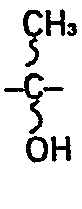

- R Tetrahydropyranyl, Tetrahydrofuranyl, a-Äthoxyäthyl, Trimethylsilyl, Dimethyl-tert.-butylsilyl, Tribenzylsilyl oder eine Acylgruppe einer Ci-15-Carbonsäure oder -Sulfonsäure,
- D und E gemeinsam eine direkte Bindung oder
- D die Gruppe
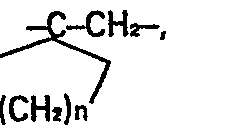
- n die Zahl 1, 2 oder 3,
- E Sauerstoff, Schwefel, eine -C≡C-Bindung, eine direkte Bindung oder eine-CR4=CR5-Gruppe darstellen kann, wobei R4 und R5 sich unterscheiden und ein Wasserstoffatom, Halogen oder eine Alkylgruppe mit 1 bis 4-C-Atomen bedeuten können,
- R2 eine C1-C10-Alkyl-, C3-C6-Clycloalkyl, eine gegebenenfalls substituierte Arylgruppe oder eine heterocyclische Gruppe,
- R1 eine Hydroxygruppe oder RO-Gruppe bedeuten und
- R3 die Bedeutung der Acetalreste

Description
- Die Erfindung betrifft neue Prostacyclin-Derivate, Verfahren zu ihrer Herstellung sowie ihre Verwendung als Arzneimittel.
- Aus dem sehr umfangreichen Stand der Technik der Prostacycline und deren Analoga weiß man, daß diese Stoffklasse aufgrund ihrer biologischen und pharmakologischen Eigenschaften zur Behandlung von Säugetieren, einschließlich Menschen geeignet ist. Ihre Verwendung stößt aber auf Schwierigkeiten, da sie chemisch instabil sind und für therapeutische Zwecke eine zu kurze Wirkungsdauer besitzen. Alle Strukturveränderungen haben das Ziel, die Wirkungsdauer sowie die Selektivität der Wirksamkeit zu steigern.
- In der Deutschen Offenlegungsschrift DE-OS 27 53 244 werden Prostacyclinderivate, die durch eine Nitrilgruppe an der Enolätherdoppelbindung stabilisiert sind, beschrieben.
- Es wurde nun gefunden, daß durch Ersatz der 1-Carboxylgruppe in den 5-Cyano-prostacyclinen durch eine Acetalgruppe eine längere Wirkungsdauer und größere Selektivität erzielt werden kann.
- Die erfindungsgemäßen Verbindungen sind besonders zur Inhibierung der Magensäuresekretion und zur Cytoprotektion am Magen, Herzen und an der Leber geeignet.
- Die Erfindung betrifft 5-Cyanoprostacycline der allgemeinen Formel I worin

- A eine -CH2-CH2-, trans-CH=CH- oder -C≡C-Gruppe,
- W eine Hydroxymethylen, RO-Methylen,

- R Tetrahydropyranyl, Tetrahydrofuranyl, α-Äthoxyäthyl, Trimethylsilyl, Dimethyl-tert.-butylsilyl, Tribenzylsilyl oder eine AcYlgruppe einer C1-15-Carbonsäure oder -Sulfonsäure,
- D und E gemeinsam eine direkte Bindung oder
- D die Gruppe

- n die Zahl 1, 2 oder 3,
- E Sauerstoff, Schwefel, eine -C≡C-Bindung, eine direkte Bindung oder eine -CR4=CR5-Gruppe darstellen kann, wobei R4 und R5 sich unterscheiden und ein Wasserstoffatom, Halogen oder eine Alkylgruppe mit 1 bis 4-C-Atomen bedeuten können,
- R2 eine C1-C10-Alkyl-, C3-C6-Cycloalkyl-, eine gegebenenfalls substituierte Arylgruppe oder eine heterocyclische Gruppe,
- R1 eine Hydroxygruppe oder RO-Gruppe bedeuten und
- R 3 die Bedeutung der Acetalreste

- Die Verbindungen der Formel I stellen sowohl (5E)- als auch (5Z)- Isomere dar.
- Die Hydroxygruppen R1 und in W können funktionell abgewandelt sein, beispielsweise durch Verätherung und/oder Veresterung, wobei die freien oder abgewandelten Hydroxygruppen in W α-oder ß-ständig sein können, wobei freie Hydroxygruppen bevorzugt sind.
- Als Äther- und Acylreste kommen die dem Fachmann bekannten Reste in Betracht. Bevorzugt sind leicht abspaltbare Ätherreste wie beispielsweise der Tetrahydropyranyl-, Tetrahydrofuranyl-, α-Äthoxyäthyl-, Trimethylsilyl-, Dimethyl-tert.-butyl-silyl- und Tri-benzyl-silylrest. Als Acylreste kommen beispielsweise Acetyl, Propionyl, Butyryl, Benzoyl oder allgemein Acylreste von C1-15-Carbonsäuren oder -Sulfonsäuren in Frage.
- Als Alkylgruppe R2 kommen gerad- und verzweigtkettige, gesättigte und ungesättigte Alkylreste, vorzugsweise gesättigte, mit 1-10, insbesondere 1-7 C-Atomen in Frage, die gegebenenfalls durch gegebenenfalls substituiertes Aryl substituiert sein können. Beispielsweise genannt seien Methyl-, Äthyl-, Propyl-, Butyl-, Isobutyl-, tert.-Butyl-, Pentyl-, Hexyl-, Heptyl-, Octyl-, Butenyl-, Isobutenyl-, Propenyl-, Pentenyl-, Hexenyl-, Benzyl- und p-Chlorbenzyl.
- Die Cycloalkylgruppe R2 kann im Ring 3-10, vorzugsweise 3-6 Kohlenstoffatome enthalten. Die Ringe können durch Alkylgruppen mit 1-4 Kohlenstoffatomen substituiert sein. Beispielsweise seien genannt Cyclopropyl, Cyclobutyl, Cyclopentyl, Cyclohexyl, Methyl-cyclohexyl und Adamantyl.
- Als substituierte bzw. unsubstituierte Arylgruppen R2 kommen beispielsweise in Betracht: Phenyl, 1-Naphthyl und 2-Naphthyl, die jeweils substituiert sein können durch 1-3 Halogenatome, eine Phenylgruppe, 1-3 Alkylgruppen mit jeweils 1-4 C-Atomen, eine Chlormethyl-, Fluormethyl-, Trifluormethyl-, Carboxyl-, C1-C4-Alkoxy- oder Hydroxygruppe. Bevorzugt ist die Substitution in 3- und 4-Stellung am Phenylring zum Beispiel durch Fluor, Chlor, C1-C4-Alkoxy oder Trifluormethyl oder in 4-Stellung durch Hydroxy.
- Als heterocyclische Gruppen R2 kommen 5- und 6-gliedrige Heterocyclen in Frage, die wenigstens 1 Heteroatom, vorzugsweise Stickstoff, Sauerstoff oder Schwefel enthalten. Beispielsweise seien genannt 2-Furyl, 2-Thienyl, 2-Pyridyl, 3-Pyridyl, 4-Pyridyl, 3-Furyl, 3-Thienyl u.a.
- Als Alkylengruppe D kommen geradkettige mit 1-10 C-Atomen oder verzweigtkettige, gesättigte und ungesättigte Alkylenreste mit 2-10 C-Atomen, vorzugsweise mit 1-5 C-Atomen bzw. 2-5 C-Atomen,in Frage, die gegebenenfalls durch Fluoratome substituiert sein können. Beispielsweise seien genannt: Methylen, Fluormethylen, Äthylen, 1,2-Propylen, Äthyläthylen, Trimethylen, Tetramethylen, Pentamethylen, 1-Methyltetramethylen, 1-Methyltrimethylen.
- Die Alkylgruppen R4 und R5 stellen geradkettige oder verzweigte gesättigte Alkylgruppen mit 1-4 C-Atomen dar, wie sie bereits für R2 als Alkylgruppe genannt wurden. R4 und R5 als Halogen können Chlor und Brom, vorzugsweise Chlor, sein.
- Die Alkylgruppen R6' R72 R8, R9, R10 und R11 stellen geradkettige oder verzweigte gesättigte Alkylgruppen mit 1-5 C-Atomen dar, wie sie bereits für R2 als Alkylgruppe genannt wurden.
- Als substituierte Phenylreste R6 bis R11 kommen die für R2 bereits genannten substituierten Phenylreste in Betracht.
- Die Erfindung betrifft ferner ein Verfahren zur Herstellung der erfindungsgemäßen 5-Cyanoprostacycline der allgemeinen Formel I, dadurch gekennzeichnet, daß man in an sich bekannter Weise eine Verbindung der allgemeinen Formel II


- Gegebenenfalls kann man in den erhaltenen Verfahrensprodukten oder in den Primärprodukten der metallorganischen Umsetzung in beliebiger Reihenfolge Isomere trennen, geschützte Hydroxygruppen freisetzen und/oder freie Hydroxygruppen verestern, veräthern.
- Die Umsetzung der Verbindung der allgemeinen Formel II mit der metallorganischen Verbindung, die man aus dem Nitril der allgemeinen Formel III mit Lithiumdiisopropylamid in Äther-Tetrahydrofuran-Gemischen, gegebenenfalls in Gegenwart von Hexamethylphosphorsäuretriamid, herstellt, wird vorzugsweise bei -50° C bis -78° C, in einem für metallorganische Reaktionen geeigneten Lösungsmittel oder Lösungsmittelgemisch, vorzugsweise Diäthyläther oder Tetrahydrofuran, vorgenommen.
- Die Wasserabspaltung erfolgt nach den dem Fachmann bekannten Methoden,beispielsweise durch Umsetzung der Produkte der metallorganischen Umsetzung mit einer katalytischen Menge einer Säure in einem mit Wasser nicht mischbaren Lösungsmittel wie Toluol, Benzol, Methylenchlorid, Chloroform, Tetrachlorkohlensto-ff-, Diäthyläther usw., vorzugsweise in Toluol oder in einem wasserbindenden Lösungsmittel, beispielsweise Essigsäureanhydrid bei Temperaturen zwischen -20° C und 100° C, vorzugsweise 0° C bis 30° C. Als Säuren kommen beispielsweise in Frage p-Toluolsulfonsäure, Schwefelsäure, Salzsäure, Bortifluorid usw.
- Die funktionelle Abwandlung der freien OH-Gruppen erfolgt nach den dem Fachmann bekannten Methoden. Zur Einführung der Ätherschutzgruppen wird beispielsweise mit Dihydropyran oder Äthylvinyläther in Methylenchlorid, Benzol oder Chloroform unter Verwendung eines sauren Katalysators, wie zum Beispiel POCl3, p-Toluolsulfonsäure oder wasserfreier Mineralsäuren umgesetzt. Das Dihydropyran wird im Überschuß angewandt, vorzugsweise in der 2- bis 10-fachen Menge des theoretischen Bedarfs. Die Umsetzung ist normalerweise bei 0° C bis 30° C nach 15 bis 30 Minuten beendet.
- Die Einführung der Acylschutzgruppen erfolgt, indem man eine Verbindung der allgemeinen Formelll in an sich bekannter Weise mit einem Carbonsäurederivat, wie zum Beispiel Säurechlorid, Säureanhydrid u.a. in Gegenwart einer tertiären Aminbase, wie z.B. Pyridin, Dimethylaminopyridin etc. umsetzt.
- Die Freisetzung einer funktionell abgewandelten OH-Gruppe zu den Verbindungen der allgemeinen Formel I oder den Primärprodukten der metallorganischen Umsetzung erfolgt nach bekannten Methoden. Beispielsweise wird die Abspaltung von Ätherschutzgruppen in einer wäßrigen Lösung einer organischen Säure, wie zum Beispiel Essigsäure, Propionsäure u.a. oder in einer wäßrigen Lösung einer anorganischen Säure, wie z.B. Salzsäure, durchgeführt. Zur Verbesserung der Löslichkeit wird zweckmäßigerweise ein mit Wasser mischbares inertes organisches Lösungsmittel zugesetzt. Geeignete organische Lösungsmittel sind zum Beispiel Alkohole, wie Methanol und Äthanol, und Äther, wie Dimethoxyäthan, Dioxan und Tetrahydrofuran. Tetrahydrofuran wird bevorzugt angewendet. Die Abspaltung wird vorzugsweise bei Temperaturen zwischen 20° C und 80° C durchgeführt.
- Die Abspaltung der Silylätherschutzgruppen erfolgt beispielsweise mit Tetrabutylammoniumfluorid oder mit KF in Gegenwart eines Kronenäthers. Als Lösungsmittel sind beispielsweise geeignet Tetrahydrofuran, Diäthyläther, Dioxan, Methylenchlorid usw. Die Abspaltung wird vorzugsweise bei Temperaturen zwischen 0° C und 80° C durchgeführt.
- Die Verseifung der Acylgruppen erfolgt beispielsweise mit Alkali- oder Erdalkali-carbonaten oder -hydroxyden in einem Alkohol oder der wäßrigen Lösung eines Alkohols. Als Alkohole kommen aliphatische Alkohole in Betracht, wie zum Beispiel Methanol, Äthanol, Butanol usw., vorzugsweise Methanol. Als Alkalicarbonate und -hydroxyde seien Kalium- und Natriumsalze genannt. Als Erdalkalicarbonate und -hydroxyde sind beispielsweise geeignet Calciumcarbonat, Calciumhydroxyd und Bariumcarbonat. Die Umsetzung erfolgt bei -10° C bis 70° C, vorzugsweise bei 25° C.
- Die nach idem Verfahren hergestellten Nitrile der Formel I stellen in Bezug auf die der Cyanogruppe benachbarten Doppelbindung Isomerengemische dar, die durch übliche Trennmethcden, wie beispielsweise Säulenchormatographie oder Schichtchromatographie getrennt werden können.
- Die für das Verfahren verwendeten Nitrile der allgemeinen Formel III können beispielsweise aus 5-Bromvaleriansäureester durch Reduktion mit Diisobutylaluminiumhydrid zum 5-Brom- valeraldehyd, Acetalisierung mit einem der gewünschten Bedeutung von R3 entsprechenden Alkohol oder Diol und anschließende Umsetzung mit Kaliumcyanid hergestellt werden.
- Die Verbindungen dieser Erfindung wirken cytoprotektiv und bronchodilatorisch. Sie sind weiterhin geeignet zur Hemmung der Magensäuresekretion. Folglich stellen die neuen Carbacyclin-Derivate der Formel I wertvolle pharmazeutische Wirkstoffe dar. Darüber hinaus weisen sie bei ähnlichem Wirkungsspektrum, verglichen mit entsprechenden Prostaglandinen, eine höhere Spezifität und vor allem eine vesentlich längere Wirksamkeit auf. Im Vergleich zu PGI2 zeichnen sie sich durch größere Stabilität aus. Die hohe Cewebsspezifität der neuen Prostaglandine zeigt sich bei der Untersuchung an glattmuskulären Organen, wie zum Beispiel am Meerschweinchenileum oder an der isolierten Kaninchentrachea, wo eine wesentlich geringere Stimulation zu beobachten ist als bei der Applikation natürlicher Prostaglandine von E-, A- oder F-Typ.
- Die neuen Carbacyclin-Analoga besitzen die für Prostacycline typischen Eigenschaften, wie zum Beispiel Senkung des peripheren arteriellen und koronaren vaskulären Widerstandes, Inhibierung der Thrombozytenaggregation und Auflösung von Plättchenthromben, myocardiale Zytoprotektion; Senkung des systemischen Blutdruckes, ohne zugleich Schlagvolumen und koronare Durchblutung zu senken; Behandlung von Schlaganfall, Prophylaxe und Therapie koronarer Herzerkrankungen, koronarer Thrombosen, des Herzinfarktes; Behandlung peripherer Arterienerkrankungen, Arteriosklerose und Thrombose; Prophylaxe und Therapie ischaemischer Attacken des ZNS-Systems; Therapie des Schocks; Inhibierung der Bronchokonstriktion; Inhibierung der Magensäuresekretion und Zytoprotektion der Magen- und Darmschleimhaut; Zytoprotektion in der Leber und im Pankreas; antiallergische Eigenschaften; Senkung des pulmonalen vaskulären Widerstandes und des pulmonalen Blutdruckes; Förderung der Nierendurchblutung; Anwendung anstelle von Heparin oder als Adjuvans bei der Dialyse oder Hämofiltration; Konservierung von Blutplasmakonserven, besonders von Blutplättchenkonserven; Inhibierung von Geburtswehen, Behandlung von Schwangerschaftstoxikose; Erhöhung der zerebralen Durchblutung etc. Außerdem besitzen die neuen Carbacyclin-Derivate antiproliferative und antidiarrhoegene Eigenschaften. Die Carbacycline dieser Erfindung können auch in Kombination, zum Beispiel mit β-Blockern, Diuretika oder Phosphodiesterasehemmern verwendet werden.
- lichen Patienten verabreicht werden. Die Einheitsdosis für den pharmazeutischen akzeptablen Träger beträgt 0,01 - 100 mg.
- Bei intravenöser Injektion an wachen, hypertonen Ratten in Dosen von 5, 20 und 100 µg/kg Körpergewicht zeigen die erfindungsgeäßen Verbindungen eine stärkere blutdrucksenkende und länger anhaltende Wirkung als PGE2 und PGA2, ohne wie PGE2 Durchfälle und PGA2 kardiale Arrhythmien auazulösen.
- Bei intravenöser Injektion an narkotisierten Kaninchen zeigen die erfindungsgemäßen Verbindungen im Vergleich zu PGE2 und PGA2 eine stärkere und erheblich länger anhaltende Blutdrucksenkung, ohne daß andere glattmuskuläre Organe oder Organfunktionen beeinflußt werden.
- Für die parenterale Verabreichung werden sterile, injizierbare, wäßrige oder ölige Lösungen benutzt. Für die orale Applikation sind beispielsweise Tabletten, Dragees oder Kapseln geeignet.
- Die Erfindung betrifft damit auch Arzneimittel auf Basis der Verbindungen der allgemeinen Formel I und üblicher Hilfs-und Trägerstoffe.
- Die erfindungsgemäßen Wirkstoffe sollen in Verbindung mit den in der Galenik bekannten und üblichen Hilfsstoffen, zum Beispiel zur Herstellung von Blutdrucksenkern, dienen.
- 13,47 g Diisopropylamin versetzt man bei -25° C innerhalb von 15 Minuten mit 56,86 g einer 15 %igen Lösung von Butyllithium in Hexan und rührt 1 Stunde bei - 25° C. Anschließend tropft man bei -76° C eine Lösung von 26,27 g 5-Cyano-valeraldehydneopentylacetal in 13,5 ml Tetrahydrofuran zu, rührt 20 Minuten und tropft dann eine Lösung von 15 g (1S, 5R, 6R, 7R)-6- /TE)-(3S, 4RS)-4-methyl-3-(tetrahydropyran-2-yloxy)-1-octenyl] 7-(tetrahydro-pyran-2-yloxy)-2-oxabicyclo [3.3.0]-octan-3-on in 11,3 ml Tetrahydrofuran und 11,3 ml Diäthyläther zu. Man rührt 30 Minuten bei -76° C, entfernt das Kühlbad, versetzt mit gesättigter Ammoniumchloridlösung und säuert die Mischung mit 10 %iger Zitronensäurelösung auf pH 6 an. Man extrahiert mit einer Mischung aus Äther/Hexan (1+1), wäscht mit Wasser, trocknet mit Magnesiumsulfat und dampft im Vakuum ein. Den Rückstand chromatographiert man mit Hexan/Äther (2+3) an Kieselgel. Dabei erhält man 18,05 g des Hydroxynitrils als farbloses öl, das man 20 Stunden mit 600 ml einer Mischung aus Essigsäure /Wasser/ Tetrahydrofuran bei 22° C rührt. Man dampft unter Zusatz von Toluol bei 30° C ein und filtriert den Rückstand mit Essigester an Kieselgel. Dabei erhält man 9,5 g des 11,15-Diols als farbloses öl.
- Zur Wasserabspaltung und Acetylierung löst man die vorstehend hergestellte Verbindung in 150 ml Toluol und 36 ml Essigsäureanhydrid, fügt 90 mg p-Toluolsulfonsäure zu und rührt 2,5 Stunden bei 20° C. Anschließend fügt man 130 ml Pyridin zu, rührt 6 Stunden bei 20° C, verdünnt mit Wasser, extrahiert mit Toluol, wäscht mit 10 %iger Zitronensäurelösung und Wasser, trocknet mit Magnesiumsulfat und dampft im Vakuum ein. Den Rückstand chromatographiert man mit Äther-Hexan-Gemischen an Kieselgel. Dabei erhält man 4,1 g des gewünschten (5E)-5-Cyano-2-descar- boxy-2-(5,5-dimethyl-1,3-dioxan-2-yl)-16-methyl-prostacyclin-11,15-dacetats sowie als polarere Komponente 3,5 g des entsprechenden isomeren (5Z)-5-Cyano-2-descarboxy-2-(5,5-dimethyl-1,3-dioxan-2-yl)-16-methyl-prostacyclin-11,15-diacetats. IR (CHCL3): 2959, 2860, 2202, 1732, 1654, 1240, 972/cm
- Zur Acetatabspaltung rührt man 4,1 g des vorstehend hergestellten Diacetats in 220 ml Methanol mit 5,3 g Kaliumcarbonat 16 Stunden bei 23° C. Anschließend engt man im Vakuum ein, verdünnt mit Äther, wäscht mit Sole neutral, trocknet über Magnesiumsulfat und dampft im Vakuum ein. Den Rückstand reinigt man durch Chromatographie an Kieselgel. Mit Essigester/Hexan (7+3) als Fließmittel erhält man 3,4 g der Titelverbindung als farbloses öl.
- IR: 3600, 3430 (breit), 2957, 2860, 2200, 1649, 970/cm
- Das bei der Synthese verwendete 5-Cyano-valeraldehyd-neopentylacetal wird wie folgt hergestellt:
- 151,0 g 5-Bromvaleriansäuremethylester in 2500 ml Toluol werden unter Argon und Wasserausschluß bei -65 bis -70° C tropfenweise mit 840 ml DIBAH-Lösung (20 % in Toluol) versetzt und 20 Minuten gerührt. Nacheinander werden 420 ml Isopropanol und 420 ml Wasser bei -70 bis -60° C zugetropft. Man läßt auf 20° C erwärmen und rührt, bis der Niederschlag gut filtrierbar ist. Man filtriert, wäscht mit Toluol und konzentriert im Vakuum auf ca. 1000 ml.
- Die erhaltene Toluol-Lösung von 5-Brom-valeraldehyd wird auf 1,28 1 mit Toluol aufgefüllt, mit 120,8 g 2,2-Dimethylpropan-1,3-diol und 1,28 g p-Toluolsulfon-säure-hydrat versetzt und am Wasserabscheider unter Rückfluß erhitzt, bis die Wasserabscheidung beendet ist (1,5 Stunden). Man läßt abkühlen, gibt in 435 ml ges. NaHC03-Lösung und trennt die Phasen. Die Toluolphase wird dreimal mit je 400 ml Wasser gewaschen, mit Natriumsulfat getrocknet, im Vakuum konzentriert und dann im ölpumpenvakuum destiliert. Man erhält 154 g vom Kp 67° C (0,7 mbar).
- 150,0 g 5-Bromvaleraldehyd-neopentylacetal werden in 600 m1 wasserfreiem Dimethylsulfoxid mit 32,2 g Natriumcyanid unter Argon 3,5 Stunden bei 90° C gerührt. Man gießt die Reaktionslösung in 1300 ml Wasser und extrahiert dreimal mit je 500 ml Äther-Hexan 1:1. Die organischen Phasen werden fünfmal mit 120 ml Wasser gewaschen, mit Natriumsulfat getrocknet, im Vakuum konzentriert und im ölpumpenvakuum destilliert. Man erhält 100,1 g vom Kp 90° C (0,6 mbar).
- 3,5 (5Z)-5-Cyano-2-descarboxy-2-(5,5-dimethyl-1,3-dioxan-2-yl)-16-methyl-prostacyclin-11,15-diacetat (hergestellt nach Beispiel 1) in 180 ml Methanol rührt man mit 4,5 g Kaliumcarbonat 16 Stunden bei 23° C. Anschließend engt man im Vakuum ein, verdünnt mit Äther, wäscht mit Sole neutral, trocknet über Magnesiumsulfat und dampft im Vakuum ein. Den Rückstand reinigt man durch Chromatographie an Kieselgel. Mit Essigester/ Hexan (7+3) als Fließmittel erhält man 2,8 g der Titelverbindung als farbloses öl.
- IR: 3600, 3420 (breit), 2958, 2860, 2200, 1650, 970/cm.
- In Analogie zu Beispiel 1 erhält man aus 3 g (1S, 5R, 6R, 7R)-b-[(E)-(3R)-4,4-dimethyl-3-(tetrahydropyran-2-yloxy)-1-octenyl]-7-(tetrahydropyran-2-yloxy)-2-oxabicyclo [3.3.0]-octan-3-on nach chromatographischer Trennung gemäß Beispiel 1 800 mg des gewünschten (5E)-5-Cyano-2-descarboxy-16,16-dimethyl-2-(5,5-dimethyl-1,3-dioxan-2-yl)-prostacyclin-11,15-diacetats und als polarere Komponente 650 mg des entsprechenden isomeren (5Z)-5-Cyano-2-descarboxy-16,16-dimethyl-2-(5,5-dimethyl-1,3-dioxan-2-yl)-prostacyclin-11,15-diacetats.
- IR: 2960, 2860, 2201, 1732, 1655, 1240, 972/cm
- Nach Abspaltung der Acetatreste gemäß Beispiel 1 erhält man 620 mg der Titelverbindung als farbloses öl.
- IR: 3610, 3420 (breit), 2958, 2860, 2200, 1649, 970/cm.
- In Analogie zu Beispiel 1 erhält man aus 4 g (1S, 5R, 6R, 7R)-6-[(E)-(3R)-4-phenoxy-3-(tetrahydropyran-2-yloxy)-1-butenyl ]-7-(tetrahydropyran-2-yloxy)-2-oxabicyclo-[3.3.0]-octan-3-on nach chromatographischer Trennung (gemäß Beispiel 1) 995 mg des gewünschten (5E)-5-Cyano-2-descarboxy-2-(5,5-dimethyl-1,3-dioxan-2-yl)-16-phenoxy-17,18,19,20-tetranor-prostacyclin-11,15-diacetats und als polarere Komponente 780 mg des entsprechenden isomeren (5Z)-5-Cyano-2-descarboxy-2-(5,5-dimethyl-1,3-dioxan-2-yl)-16-phenoxy-17,18,19,20-tetranor-prostacyclin-11,15-diacetats.
- IR: 2958, 2850, 2205, 1735, 1658, 1601, 1588, 1245, 976/cm. Nach Abspaltung der Acetatreste aus dem E-Iscmeren gemäß Beispiel 1 erhält man 710 mg der Titelverbindung als farbloses öl.
- IR: 3610, 3405 (br.), 2958, 2851, 2203, 1651, 1601, 1588, 974/cm
- In Analogie zu Beispiel 1 erhält man aus 2 g (1S, 5R, 6R, 7R)-6-[(E)-(3RS)-3-methyl-3-(tetrahydropyran-2-yloxy-1-octenyl]-7-(tetrahydropyran-2-yloxy)-2-oxabieyclo[3.3.0]-octan-3-on nach chromatographischer Trennung gemäß Beispiel 1 530 mg des gewünschten (5E)-5-Cyano-2-descarboxy-(5,5-dimethyl-1,3-dioxan-2-yl)-(15RS)-15-methyl-prostacyclin-11,15-diacetats und als polarere Komponente 432 mg des entsprechenden isomeren (5Z)-5-Cyano-2-descarboxy-2-(5,5-dimethyl-1,3-dioxan-2-yl)-(15RS)-15-methyl-prostacyciin-11,15-diacetats.
- IR: 2955, 2858, 2200, 1738, 1652, 1245, 976/cm.
- Nach Abspaltung der Acetatreste aus dem E-Isomeren gemäß Beispiel 1 erhält man 395 mg der Titelverbindung als farbloses öl.
- IR: 3605, 3410 (br.), 2957, 2860, 2201, 1651, 974/cm
- In Analogie zu Beispiel 1 erhält man aus 2,85 g (1S, 5R, 6R, 7R)-6-[(E)-(3S,4RS)-4-methyl-3-(tetrahydropyran-2-yloxy)-1- octen-6-inyl7-7-(tetrahydropyran-2-yloxy)-2-oxa-bicyclo/3.3.o7 octan-3-on nach chromatographischer Trennung gemäß Beispiel 1 760 mg des gewünschten (5E)-5-Cyano-2-descarboxy-2-(5,5-dimethyl-1,3-dioxan-2-yl)-(16RS)-16-methyl-18,18,19,19-tetrade- hydro-prostacyclin-11,15-diacetats und als polarere Komponente 625 mg des entsprechenden isomeren (5Z)-5-Cyano-2-descarboxy-2-(5,5-dimethyl-1,3-dioxan-2-yl)-(16RS)-16-methyl-18,18,19,19-tetradehydro-prostacyclin-11,15diacetats.
- IR: 2962, 2858, 2206, 1735, 1651, 1248, 976/cm
- Nach Abspaltung der Acetatreste aus dem E-Isomeren gemäß Beispiel 1 erhält man 585 mg der Titelverbindung als farbloses Öl.
- IR: 3604, 3410 (br.), 2959, 2857, 2204, 1652, 974/cm
- In Analogie zu Beispiel 1 erhält man aus 3 g (1S, 5R, 6R, 7R)-6-[(E)-(3S,4RS)-4-methyl-3-(tetrahydropyran-2-yloxy)-1-nonen-6-inyl7-7-(tetrahydropyran-2-yloxy )-2-oxabicyclo[3.3.o]octan-3-on nach chromatographischer Trennung gemäß Beispiel 1 775 mg des gewünschten (5E)-5-Cyano-2-desearboxy-2-(5,5-dimethyl-1,3-dioxan-2-yl)-(16RS)-16,20-dimethyl-18,18,19,19-tetradehydro- prostacyclin-11,15-diacetats und als polarere Komponente 630 mg des entsprechenden isomeren (5Z)-5-Cyano-2-descarboxy-2-(5,5-dimethyl-1,3-dioxan-2-yl)-(16RS)-16,20-dimethyl-18,18,19,19-tetradehydro-prostacyclin-11,15-diacetats.
- Nach Abspaltung der Acetatreste aus dem E-Isomeren gemäß Beispiel 1 erhält man 590 mg der Titelverbindung als farbloses öl.
- IR: 3600, 3420 (br.), 2960, 2858, 2202, 1655, 974/cm
- 13,47 g Diisopropylamin versetzt man bei -25° C innerhalb von 15 Minuten mit 56,86 g einer 15 %igen Lösung von Butyllithium in Hexan. Nach 1 Stunde tropft man bei -76° C eine Lösung von 20,67 g 5-Cyano-valeraldehyd-diäthylenacetal in 12 ml Tetrahydrofuran zu, rührt 20 Minuten und tropft dann eine Lösung von 6,26 g (1S, 5R, 6R, 7R)-6-[(E)-(3S, 4RS)-3-hydroxy-4-methyl-1-octenyl]-7-hydroxy-2-oxabicyclo[3·3.0]octan-3-on in 12 ml Tetrahydrofuran und 12 ml Diäthyläther zu. Man rührt 30 Minuten bei -76° C, entfernt das Kühlbad, versetzt mit gesättigter Ammoniumchloridlösung und säuert die Mischung mit 10 %iger Zitronensäurelösung auf pH 6 an. Man extrahiert mit einer Mischung aus Diäthyläther/Hexan (1+1), wäscht mit Wasser, trocknet mit Magnesiumsulfat und dampft im Vakuum ein. Den Rückstand chromatographiert man mit Hexan/Diäthyläther (1/9) an Kieselgel. Man erhält 7 g des Hydroxynitrils als farbloses öl, das man zur Wasserabspaltung in 120 ml Toluol löst, mit 70 mg p-Toluolsulfonsäure versetzt und 2 Stunden bei 20° C rührt. Anschließend wäscht man mit Natriumhydrogencarbonat und Wasser, trocknet über Magnesiumsulfat und dampft im Vakuum ein. Den Rückstand chromatographiert man an Kieselgel mit Hexan und steigendem Essigesteranteil. Dabei erhält man als polarere Komponente 2,30 g (5Z)-5-Cyano-2-descarboxy-2-(1,3-dioxolan-2-yl)-(16RS)-16-methyl-prostacyclin und 3,01 g der Titelverbindung (5E-Isomeres) als farbloses 01.
- IR: 3600, 3420 (br.), 2955, 2858, 2207, 1653, 974, 948/cm
- Das zur Synthese verwendete 5-Cyano-valeraldehyd-diäthylenacetal wird wie folgt hergestellt:
- Zu einer Lösung von 48,7% Brom-valeriansäuremethylester in 2,5 1 Toluol tropft man bei -70° C unter Rühren 271 ml einer 1,2 M-Lösung von Diisobutylaluminiumhydrid in Toluol, rührt 30 Minuten nach und tropft nacheinander 50 ml Isopropylalkohol und 135 ml Wasser zu, rührt 2 Stunden bei Raumtemperatur, filtriert vom Niederschlag und dampft im Vakuum ein. Man erhält 43 g 5-Brom-valeraldehyd, die ohne Reinigung weiter umgesetzt werden.
- 43 g 5-Brom-valeraldehyd, 51 ml Äthylenglykol, 500 mg p-Toluolsulfonsäure und 1 1 Toluol werden 6 Stunden unter Rückfluß mit Wasserabscheider erhitzt. Nach dem Abkühlen wird mit Natriumhydrogencarbonatlösung und Sole geschüttelt, unter Magnesiumsulfat getrocknet und das Toluol im Vakuum abdestilliert. Der flüssige Rückstand wird bei 0,2 mbar destilliert. Man erhält 25,06 g vom Kp 64° C.
- 32,7 g 5-Brom-valeraldehyl-diäthylenacetal werden in 140 ml Dimethylsulfoxid mit 16,24 g Natriumcyanid 6 Stunden unter Argon bei 90° C gerührt. Man kühlt ab, verdünnt mit 300 ml Wasser, extrahiert mehrmals mit Diäthyläther/ Hexan (1:1), wäscht den Extrakt mit Sole, trocknet über Magnesiumsulfat und dampft im Vakuum das Lösungsmittel ab. Den flüssigen Rückstand destilliert man bei 0,8 mbar. Man erhält 16,6 g vom Kp 87° C.
- In Analogie zu Beispiel 8 erhält man aus 700 mg (1S, 5R, 6R, 7R)-6-[(E)-(3S)-4,4-dimethyl-3-(tetrahydropyran-2-yloxy)-1- oetenyL]-7-(tetrahydropyran-2-yloxy)-2-oxabicyclo[3.3.0]octan-3-on 310 mg der Titelverbindung als farbloses öl.
- IR: 3600, 3410 (br.), 2960, 2861, 2203, 1649, 975, 948/cm
- 1,347 g Diisopropylamin versetzt man bei -25° C innerhalb von 15 Minuten mit 5,686 g einer 15 %igen Lösung von Butyllithium in Hexan. Nach 1 Stunde tropft man bei -76° C eine Lösung von 2,47 g 5-Cyano-valeraldehyd-diäthylacetal in 15 ml Tetrahydrofuran zu, rührt 20 Minuten und tropft dann eine Lösung von 630 mg (1S, 5R, 6R, 7R)-6-/TE)-(3S, 4RS)-3-hydroxy-4-methyl-1-octenyl]7-7-hydroxy-2-oxabicyclo[5.3.0]oetan-3-on in 3 ml Tetrahydrofuran und 3 ml Diäthyläther zu. Man rührt 30 Minuten bei -76° C, entfernt das Kühlbad, versetzt mit gesättigter Ammoniumchloridlösung und extrahiert mit Diäthyläther/Hexan (1:1), wäscht mit Sole, trocknet über Magnesiumsulfat und dampft im Vakuum ein. Den Rückstand chromatographiert man an Kieselgel mit Hexan/Diäthyläther (1/9) und erhält 720 mg des Hydroxynitrils als farbloses öl, das man zur Wasserabspaltung in 15 ml Toluol löst und mit 10 mg p-Toluolsulfonsäure 2 Stunden bei 20° C rührt. Anschließend verdünnt man mit Diäthyläther, schüttelt mit Natriumhydrogencarbonatlösung und Wasser, trocknet über Magnesiumsulfat und dampft im Vakuum ein. Den Rückstand chromatographiert man an Kieselgel mit Hexan/Essigester (1/4) und erhält als polarere Komponente 200 mg (5Z)-5-Cyano-2-descarboxy-2-diäthoxymethyl-(16RS)-16-methyl-prostacyclin und 305 mg der Titelverbindung (5E-Isomeres) als farbloses δl.
- IR: 3605, 3410 (br.), 2959, 2860, 2201, 1650, 976/cm Das zur Synthese verwendete 5-Cyanovaleraldehyd-diäthylacetal erhält man in Analogie zu Beispiel 8c) aus 5-Bromvaleraldehyddiäthylacetal [Bull. Chem. Soc. Jp. 49, 1989 (1976)] durch Umsetzung mit Natriumcyanid:
- Kp 82° C bei 0,7 mbar.
- Man versetzt 8,76 g Diisopropylamin bei -25°C mit 73ml einer 1,2 M Lösung von Butyllithium in Hexan. Nach 1 Stunde tropft man bei -78°C eine Lösung von 17,08 g 5-Cyano-valeraldehydneapentylacetal in 8 ml Tetrahydrofuran zu. Nach 20 Minuten tropft man eine Lösung von 9,75 g (15,5R,6R,7R)-6-[(E)-(3S,4S)-4-methyl-3-(tetrahydropyran-2-yloxy)-1-octenyl]-7-(tetrahydropyran-2-yloxy)-2-oxabieyclol[3.3.0]octan-3-on (s.J.Org.Chem.38, 1250[1979]) in 8 ml Tetrahydrofuran und 8 ml Diäthyläther zu. Naen weiteren 30 Minuten bei -78°c versetzt man mit gesättigter Ammoniumchloridlösung und säuert mit Zitronensäure auf pH 6 an. Man extrahiert mit Äther/Hexan (1+1), wäscht mit Wasser, trocknet über Magnesiumsulfat und dampft im Vakuum ein. Den Rückstand chromatographiert man mit Hexan/Äther (2+3) an Kieselgel und erhält 12g des Hydroxynitrils als Öl. Zur Abspaltung der Tetrahydropyranylätherschutzgruppen rührt man 24 Stunden mit 400 ml einer Mischung aus Essigsäure/Wasser/Tetrahydrofuran (65/ 35/10), dampft im Vakuum ein und filtriert den Rückstand mit Hexan/Essigester (2+8) über Kieselgel. Man erhält 6g des 11,15-Diols als farbloses öl.
- Zur Wasserabspaltung und Acetylierung löst man das Öl in 100 ml Toluol und 23 ml Essigsäureanhydrid, fügt 60 mg p-Toluolsulfonsäure zu und rührt 3 Stunden bei 20°C. Danach versetzt man mit 85 ml Pyridin. Nach weiteren 6 Stunden verdünnt man mit Wasser, extrahiert mit Toluol, wäscht mit 10%iger Zitronensäurelösung und Wasser, trocknet mit Magnesiumsulfat und dampft im Vakuum ein. Der Rückstand wird an Kieselgel mit Äther/Hexan (1+1) chromatographiert. Man erhält 2,60 g des gewünschten (5E)-5-Cyano-2-descarb- oxy-2-(5,5-dimethyl-1,9-dioxan-2-yl)-(16S)-16-methyl- prostacyclin-11,15-diacetats sowie als polarere Komponente 2,20 g des entsprechenden isomeren (5Z)-5-Cyano-2-descarb- oxy-2-(5,5-dimethyl-1,3-dioxan-2-yl)-(16S)-16-methyl-prostacyclin-11,15-diacetats.
- IR (5E-Isomeren): 2960, 2361, 2202, 1735, 1655, 976/cm.
- Zur Acetatabspaltung rührt man 2,60 g des vorstehend hergestellten (5E)-11,15-Diacetats in 140 ml Methanol mit 3,45 g Kaliumcarbonat 16 Stunden bei 200. Zur Aufarbeitung engt man im Vakuum ein, verdünnt mit Äthwr, wäscht mit Sole, trocknet über Magnesiumsulfat und dampft im Vakuum ein. Den Rückstand reinigt man durch Chromatographie an Kieselgel mit Hexan/Essigester (3+7) und erhält 2,19 g der Titelverbindung als farbloses Öl. IR: 3600, 3420 (breit), 2958, 2861, 2203, 1651, 974/cm.
- In Analogie zu Beispiel 11, aber unter Verwendung des anderen 16-Lpimeren, erhält man aus 5 g (1S,5R,6R,7R)-6-[(E)-(3S,4R)-4-methyl-3-(tetrahydropyran-2-yloxy)-1-octe- ayl]-7-(tetrahydropyran-2-yloxy)-2-oxabicyclo[3.3.0]octan-3-on (s.J.Org.Chem. 38, 1250 [1973]) 1,15 g der Titelverbindung als öl.
- IR: 3600, 3420 (breit), 2959, 2861, 2202, 1650, 974/cm.
Claims (15)


Priority Applications (1)
| Application Number | Priority Date | Filing Date | Title |
|---|---|---|---|
| AT84730071T ATE43589T1 (de) | 1983-06-23 | 1984-06-22 | Neue prostacyclinderivate, verfahren zu ihrer herstellung und ihre verwendung als arzneimittel. |
Applications Claiming Priority (2)
| Application Number | Priority Date | Filing Date | Title |
|---|---|---|---|
| DE3322893 | 1983-06-23 | ||
| DE3322893A DE3322893A1 (de) | 1983-06-23 | 1983-06-23 | Neue prostacyclinderivate, verfahren zu ihrer herstellung und ihre verwendung als arzneimittel |
Publications (2)
| Publication Number | Publication Date |
|---|---|
| EP0130142A1 true EP0130142A1 (de) | 1985-01-02 |
| EP0130142B1 EP0130142B1 (de) | 1989-05-31 |
Family
ID=6202360
Family Applications (1)
| Application Number | Title | Priority Date | Filing Date |
|---|---|---|---|
| EP84730071A Expired EP0130142B1 (de) | 1983-06-23 | 1984-06-22 | Neue Prostacyclinderivate, Verfahren zu ihrer Herstellung und ihre Verwendung als Arzneimittel |
Country Status (20)
| Country | Link |
|---|---|
| US (1) | US4894391A (de) |
| EP (1) | EP0130142B1 (de) |
| JP (1) | JPS6036477A (de) |
| AT (1) | ATE43589T1 (de) |
| AU (1) | AU562506B2 (de) |
| CA (1) | CA1252088A (de) |
| CS (1) | CS243491B2 (de) |
| DD (1) | DD220204A5 (de) |
| DE (2) | DE3322893A1 (de) |
| DK (1) | DK299584A (de) |
| ES (1) | ES8503348A1 (de) |
| FI (1) | FI82040C (de) |
| GR (1) | GR82122B (de) |
| HU (1) | HU191150B (de) |
| IL (1) | IL72198A (de) |
| NO (1) | NO158874C (de) |
| NZ (1) | NZ208623A (de) |
| PH (1) | PH22431A (de) |
| SU (1) | SU1450739A3 (de) |
| ZA (1) | ZA844766B (de) |
Cited By (2)
| Publication number | Priority date | Publication date | Assignee | Title |
|---|---|---|---|---|
| EP1975163A1 (de) * | 2007-03-28 | 2008-10-01 | Bayer Schering Pharma Aktiengesellschaft | Neue 5-Cyano-Prostacyclin-Derivate und ihre Verwendung als Wirkstoffe zur Behandlung von Influenza und Virusinfektionen |
| WO2008116670A1 (en) * | 2007-03-28 | 2008-10-02 | Bayer Schering Pharma Aktiengesellschaft | Novel 5-cyano-prostacyclin derivatives and their use as agents for the treatment of autoimmune diseases |
Families Citing this family (6)
| Publication number | Priority date | Publication date | Assignee | Title |
|---|---|---|---|---|
| JPS63174984A (ja) * | 1987-01-16 | 1988-07-19 | Nissan Chem Ind Ltd | シアノプロスタサイクリン類の合成法 |
| ATE122563T1 (de) * | 1989-07-27 | 1995-06-15 | Ueno Seiyaku Oyo Kenkyujo Kk | Verwendung von 15-keto-prostansäure-derivaten zur herstellung eines medikaments für die verbesserung der ausscheidung des kaliumions. |
| EP0925787A4 (de) * | 1997-02-27 | 1999-12-01 | Toray Industries | Arzneimittel zur verbesserung des lungkreislaufs |
| US7008307B2 (en) * | 2003-09-02 | 2006-03-07 | Wolff Industries | Apparatus for sharpening a circular blade |
| US20080242713A1 (en) * | 2007-03-28 | 2008-10-02 | Bayer Schering Pharma Aktiengesellschaft | Novel 5-cyano-prostacyclin derivatives as agents for the treatment of autoimmune diseases |
| US7776896B2 (en) * | 2007-03-28 | 2010-08-17 | Bayer Schering Pharma Aktiengesellschaft | 5-cyano-prostacyclin derivatives as agents for the treatment of influenza a viral infection |
Citations (3)
| Publication number | Priority date | Publication date | Assignee | Title |
|---|---|---|---|---|
| DE2500451A1 (de) * | 1974-01-10 | 1975-07-17 | Ono Pharmaceutical Co | Prostaglandinanaloge, verfahren zu ihrer herstellung und diese enthaltende arzneimittel |
| EP0002234A1 (de) * | 1977-11-25 | 1979-06-13 | Schering Aktiengesellschaft | Neue Prostacyclinderivate, ihre Herstellung und Anwendung |
| EP0051558A1 (de) * | 1980-10-31 | 1982-05-12 | Schering Aktiengesellschaft | Prostacyclinderivate, Verfahren zu ihrer Herstellung und ihre Verwendung als Arzneimittel |
Family Cites Families (2)
| Publication number | Priority date | Publication date | Assignee | Title |
|---|---|---|---|---|
| US4565827A (en) * | 1980-10-27 | 1986-01-21 | Chinoin Gyogyszer Es Vegyeszeti Termekek Gyara R.T. | 7-Substituted PGI2 -derivatives and pharmaceutical compositions containing them |
| US4475681A (en) * | 1982-05-24 | 1984-10-09 | The Micromanipulator Co., Inc. | Bonder apparatus |
-
1983
- 1983-06-23 DE DE3322893A patent/DE3322893A1/de not_active Withdrawn
-
1984
- 1984-06-07 SU SU843748000A patent/SU1450739A3/ru active
- 1984-06-19 DK DK299584A patent/DK299584A/da not_active Application Discontinuation
- 1984-06-21 DD DD84264392A patent/DD220204A5/de unknown
- 1984-06-21 CS CS844741A patent/CS243491B2/cs unknown
- 1984-06-21 FI FI842524A patent/FI82040C/fi not_active IP Right Cessation
- 1984-06-21 GR GR75072A patent/GR82122B/el unknown
- 1984-06-22 DE DE8484730071T patent/DE3478435D1/de not_active Expired
- 1984-06-22 JP JP59127679A patent/JPS6036477A/ja active Pending
- 1984-06-22 NZ NZ208623A patent/NZ208623A/en unknown
- 1984-06-22 AT AT84730071T patent/ATE43589T1/de not_active IP Right Cessation
- 1984-06-22 ES ES533642A patent/ES8503348A1/es not_active Expired
- 1984-06-22 ZA ZA844766A patent/ZA844766B/xx unknown
- 1984-06-22 AU AU29786/84A patent/AU562506B2/en not_active Ceased
- 1984-06-22 IL IL72198A patent/IL72198A/xx unknown
- 1984-06-22 NO NO842534A patent/NO158874C/no unknown
- 1984-06-22 HU HU842434A patent/HU191150B/hu unknown
- 1984-06-22 PH PH30871A patent/PH22431A/en unknown
- 1984-06-22 EP EP84730071A patent/EP0130142B1/de not_active Expired
- 1984-06-22 CA CA000457210A patent/CA1252088A/en not_active Expired
- 1984-06-25 US US06/623,869 patent/US4894391A/en not_active Expired - Fee Related
Patent Citations (3)
| Publication number | Priority date | Publication date | Assignee | Title |
|---|---|---|---|---|
| DE2500451A1 (de) * | 1974-01-10 | 1975-07-17 | Ono Pharmaceutical Co | Prostaglandinanaloge, verfahren zu ihrer herstellung und diese enthaltende arzneimittel |
| EP0002234A1 (de) * | 1977-11-25 | 1979-06-13 | Schering Aktiengesellschaft | Neue Prostacyclinderivate, ihre Herstellung und Anwendung |
| EP0051558A1 (de) * | 1980-10-31 | 1982-05-12 | Schering Aktiengesellschaft | Prostacyclinderivate, Verfahren zu ihrer Herstellung und ihre Verwendung als Arzneimittel |
Cited By (4)
| Publication number | Priority date | Publication date | Assignee | Title |
|---|---|---|---|---|
| EP1975163A1 (de) * | 2007-03-28 | 2008-10-01 | Bayer Schering Pharma Aktiengesellschaft | Neue 5-Cyano-Prostacyclin-Derivate und ihre Verwendung als Wirkstoffe zur Behandlung von Influenza und Virusinfektionen |
| WO2008116670A1 (en) * | 2007-03-28 | 2008-10-02 | Bayer Schering Pharma Aktiengesellschaft | Novel 5-cyano-prostacyclin derivatives and their use as agents for the treatment of autoimmune diseases |
| WO2008116669A1 (en) * | 2007-03-28 | 2008-10-02 | Bayer Schering Pharma Aktiengesellschaft | Novel 5-cyano-prostacyclin derivatives and their use as agents for the treatment of influenza a viral infection |
| EP1988087A1 (de) * | 2007-03-28 | 2008-11-05 | Bayer Schering Pharma Aktiengesellschaft | Neue 5-Cyano-Prostacyclin-Derivate und ihre Verwendung als Wirkstoffe zur Behandlung von Autoimmunerkrankungen |
Also Published As
| Publication number | Publication date |
|---|---|
| ATE43589T1 (de) | 1989-06-15 |
| IL72198A0 (en) | 1984-10-31 |
| FI842524A7 (fi) | 1984-12-24 |
| NO842534L (no) | 1984-12-27 |
| ES533642A0 (es) | 1985-03-01 |
| FI842524A0 (fi) | 1984-06-21 |
| AU562506B2 (en) | 1987-06-11 |
| JPS6036477A (ja) | 1985-02-25 |
| DE3478435D1 (en) | 1989-07-06 |
| FI82040C (fi) | 1991-01-10 |
| NO158874B (no) | 1988-08-01 |
| HUT34180A (en) | 1985-02-28 |
| GR82122B (de) | 1984-12-13 |
| FI82040B (fi) | 1990-09-28 |
| DD220204A5 (de) | 1985-03-27 |
| CS474184A2 (en) | 1985-08-15 |
| EP0130142B1 (de) | 1989-05-31 |
| CA1252088A (en) | 1989-04-04 |
| NZ208623A (en) | 1987-11-27 |
| CS243491B2 (en) | 1986-06-12 |
| DE3322893A1 (de) | 1985-01-03 |
| SU1450739A3 (ru) | 1989-01-07 |
| US4894391A (en) | 1990-01-16 |
| AU2978684A (en) | 1985-01-03 |
| NO158874C (no) | 1988-11-09 |
| IL72198A (en) | 1987-09-16 |
| ES8503348A1 (es) | 1985-03-01 |
| HU191150B (en) | 1987-01-28 |
| ZA844766B (en) | 1985-02-27 |
| DK299584D0 (da) | 1984-06-19 |
| DK299584A (da) | 1984-12-24 |
| PH22431A (en) | 1988-09-12 |
Similar Documents
| Publication | Publication Date | Title |
|---|---|---|
| EP0011591B1 (de) | Neue Prostanderivate, ihre Herstellung und sie enthaltende Arzneimittel | |
| EP0055208B1 (de) | Neue Carbacycline, Verfahren zu ihrer Herstellung und ihre Verwendung als Arzneimittel | |
| EP0119949B1 (de) | Neue Carbacycline, Verfahren zu ihrer Herstellung und ihre Verwendung als Arzneimittel | |
| EP0051558B1 (de) | Prostacyclinderivate, Verfahren zu ihrer Herstellung und ihre Verwendung als Arzneimittel | |
| EP0099538B1 (de) | Neue Carbacycline, Verfahren zu ihrer Herstellung und ihre Verwendung als Arzneimittel | |
| EP0069692B1 (de) | Neue Carbacycline, Verfahren zu ihrer Herstellung und ihre Verwendung als Arzneimittel | |
| EP0130142B1 (de) | Neue Prostacyclinderivate, Verfahren zu ihrer Herstellung und ihre Verwendung als Arzneimittel | |
| EP0105288B1 (de) | Carbacycline, herstellung und verwendung | |
| EP0057660A2 (de) | Neue Prostacyclin-Derivate, Verfahren zu ihrer Herstellung sowie ihre Verwendung als Arzneimittel | |
| EP0051557B1 (de) | 5-Cyan-prostacyclinderivate, Verfahren zu ihrer Herstellung und ihrer Verwendung als Arzneimittel | |
| EP0153274B1 (de) | Neue Carbacycline, Verfahren zu ihrer Herstellung und ihre Verwendung als Arzneimittel | |
| EP0086404A1 (de) | Neue Carbacycline, Verfahren zu ihrer Herstellung und ihre Verwendung als Arzneimittel | |
| EP0098794B1 (de) | Neue Carbacycline, Verfahren zu ihrer Herstellung und ihre Verwendung als Arzneimittel | |
| DE3221193A1 (de) | Neue carbacyclinester, verfahren zu ihrer herstellung und ihre verwendung als arzneimittel | |
| DE3428266A1 (de) | Neue carbacycline, verfahren zu ihrer herstellung und ihre verwendung als arzneimittel | |
| EP0113311B1 (de) | 5-Fluorcarbacycline, Verfahren zu ihrer Herstellung und ihre Verwendung als Arzneimittel | |
| DE3209702A1 (de) | Neue carbacycline, verfahren zu ihrer herstellung und ihre verwendung als arzneimittel | |
| EP0224275A1 (de) | Neue Carbacycline, Verfahren zu ihrer Herstellung und ihre Verwendung als Arzneimittel | |
| DE3408699A1 (de) | Neue carbacycline, verfahren zu ihrer herstellung und ihre verwendung als arzneimittel | |
| DE3340988A1 (de) | 20-alkyl-7-oxoprostacyclinderivate und verfahren zu ihrer herstellung | |
| DE3306125A1 (de) | Neue carbacycline, verfahren zu ihrer herstellung und ihre verwendung als arzneimittel | |
| DE3308561A1 (de) | 19,20-methylenprostacyclinderivate und verfahren zu ihrer herstellung | |
| EP0261185A1 (de) | 7-oxoprostacyclinderivate und verfahren zu ihrer herstellung. | |
| WO1984004307A1 (fr) | 5-ethinyl-prostacycline, son procede de fabrication et son utilisation pharmaceutique | |
| DD202010A5 (de) | Verfahren zur herstellung neuer carbacycline |
Legal Events
| Date | Code | Title | Description |
|---|---|---|---|
| PUAI | Public reference made under article 153(3) epc to a published international application that has entered the european phase |
Free format text: ORIGINAL CODE: 0009012 |
|
| 17P | Request for examination filed |
Effective date: 19840712 |
|
| AK | Designated contracting states |
Designated state(s): AT BE CH DE FR GB IT LI LU NL SE |
|
| 17Q | First examination report despatched |
Effective date: 19861103 |
|
| ITF | It: translation for a ep patent filed | ||
| GRAA | (expected) grant |
Free format text: ORIGINAL CODE: 0009210 |
|
| AK | Designated contracting states |
Kind code of ref document: B1 Designated state(s): AT BE CH DE FR GB IT LI LU NL SE |
|
| REF | Corresponds to: |
Ref document number: 43589 Country of ref document: AT Date of ref document: 19890615 Kind code of ref document: T |
|
| REF | Corresponds to: |
Ref document number: 3478435 Country of ref document: DE Date of ref document: 19890706 |
|
| ET | Fr: translation filed | ||
| GBT | Gb: translation of ep patent filed (gb section 77(6)(a)/1977) | ||
| PLBE | No opposition filed within time limit |
Free format text: ORIGINAL CODE: 0009261 |
|
| STAA | Information on the status of an ep patent application or granted ep patent |
Free format text: STATUS: NO OPPOSITION FILED WITHIN TIME LIMIT |
|
| 26N | No opposition filed | ||
| PGFP | Annual fee paid to national office [announced via postgrant information from national office to epo] |
Ref country code: FR Payment date: 19910513 Year of fee payment: 8 Ref country code: AT Payment date: 19910513 Year of fee payment: 8 |
|
| PGFP | Annual fee paid to national office [announced via postgrant information from national office to epo] |
Ref country code: GB Payment date: 19910515 Year of fee payment: 8 |
|
| PGFP | Annual fee paid to national office [announced via postgrant information from national office to epo] |
Ref country code: DE Payment date: 19910518 Year of fee payment: 8 |
|
| PGFP | Annual fee paid to national office [announced via postgrant information from national office to epo] |
Ref country code: SE Payment date: 19910521 Year of fee payment: 8 |
|
| PGFP | Annual fee paid to national office [announced via postgrant information from national office to epo] |
Ref country code: CH Payment date: 19910524 Year of fee payment: 8 |
|
| PGFP | Annual fee paid to national office [announced via postgrant information from national office to epo] |
Ref country code: BE Payment date: 19910528 Year of fee payment: 8 |
|
| PGFP | Annual fee paid to national office [announced via postgrant information from national office to epo] |
Ref country code: LU Payment date: 19910529 Year of fee payment: 8 |
|
| ITTA | It: last paid annual fee | ||
| PGFP | Annual fee paid to national office [announced via postgrant information from national office to epo] |
Ref country code: NL Payment date: 19910630 Year of fee payment: 8 |
|
| EPTA | Lu: last paid annual fee | ||
| PG25 | Lapsed in a contracting state [announced via postgrant information from national office to epo] |
Ref country code: LU Free format text: LAPSE BECAUSE OF NON-PAYMENT OF DUE FEES Effective date: 19920622 Ref country code: GB Effective date: 19920622 Ref country code: AT Effective date: 19920622 |
|
| PG25 | Lapsed in a contracting state [announced via postgrant information from national office to epo] |
Ref country code: SE Effective date: 19920623 |
|
| PG25 | Lapsed in a contracting state [announced via postgrant information from national office to epo] |
Ref country code: LI Effective date: 19920630 Ref country code: CH Effective date: 19920630 Ref country code: BE Effective date: 19920630 |
|
| BERE | Be: lapsed |
Owner name: SCHERING A.G. BERLIN UND BERGKAMEN Effective date: 19920630 |
|
| PG25 | Lapsed in a contracting state [announced via postgrant information from national office to epo] |
Ref country code: NL Effective date: 19930101 |
|
| NLV4 | Nl: lapsed or anulled due to non-payment of the annual fee | ||
| GBPC | Gb: european patent ceased through non-payment of renewal fee |
Effective date: 19920622 |
|
| PG25 | Lapsed in a contracting state [announced via postgrant information from national office to epo] |
Ref country code: FR Effective date: 19930226 |
|
| REG | Reference to a national code |
Ref country code: CH Ref legal event code: PL |
|
| PG25 | Lapsed in a contracting state [announced via postgrant information from national office to epo] |
Ref country code: DE Effective date: 19930302 |
|
| REG | Reference to a national code |
Ref country code: FR Ref legal event code: ST |
|
| EUG | Se: european patent has lapsed |
Ref document number: 84730071.2 Effective date: 19930109 |