EP0182634A2 - Méthodes diagnostiques utilisant les anticorps - Google Patents
Méthodes diagnostiques utilisant les anticorps Download PDFInfo
- Publication number
- EP0182634A2 EP0182634A2 EP85308358A EP85308358A EP0182634A2 EP 0182634 A2 EP0182634 A2 EP 0182634A2 EP 85308358 A EP85308358 A EP 85308358A EP 85308358 A EP85308358 A EP 85308358A EP 0182634 A2 EP0182634 A2 EP 0182634A2
- Authority
- EP
- European Patent Office
- Prior art keywords
- platelets
- antibody
- activated
- antibody according
- further characterised
- Prior art date
- Legal status (The legal status is an assumption and is not a legal conclusion. Google has not performed a legal analysis and makes no representation as to the accuracy of the status listed.)
- Granted
Links
Images

Classifications
-
- G—PHYSICS
- G01—MEASURING; TESTING
- G01N—INVESTIGATING OR ANALYSING MATERIALS BY DETERMINING THEIR CHEMICAL OR PHYSICAL PROPERTIES
- G01N33/00—Investigating or analysing materials by specific methods not covered by groups G01N1/00 - G01N31/00
- G01N33/48—Biological material, e.g. blood, urine; Haemocytometers
- G01N33/50—Chemical analysis of biological material, e.g. blood, urine; Testing involving biospecific ligand binding methods; Immunological testing
- G01N33/53—Immunoassay; Biospecific binding assay; Materials therefor
- G01N33/569—Immunoassay; Biospecific binding assay; Materials therefor for microorganisms, e.g. protozoa, bacteria, viruses
- G01N33/56966—Animal cells
-
- A—HUMAN NECESSITIES
- A61—MEDICAL OR VETERINARY SCIENCE; HYGIENE
- A61K—PREPARATIONS FOR MEDICAL, DENTAL OR TOILETRY PURPOSES
- A61K49/00—Preparations for testing in vivo
- A61K49/06—Nuclear magnetic resonance [NMR] contrast preparations; Magnetic resonance imaging [MRI] contrast preparations
- A61K49/08—Nuclear magnetic resonance [NMR] contrast preparations; Magnetic resonance imaging [MRI] contrast preparations characterised by the carrier
- A61K49/10—Organic compounds
- A61K49/14—Peptides, e.g. proteins
- A61K49/16—Antibodies; Immunoglobulins; Fragments thereof
-
- A—HUMAN NECESSITIES
- A61—MEDICAL OR VETERINARY SCIENCE; HYGIENE
- A61K—PREPARATIONS FOR MEDICAL, DENTAL OR TOILETRY PURPOSES
- A61K51/00—Preparations containing radioactive substances for use in therapy or testing in vivo
- A61K51/02—Preparations containing radioactive substances for use in therapy or testing in vivo characterised by the carrier, i.e. characterised by the agent or material covalently linked or complexing the radioactive nucleus
- A61K51/04—Organic compounds
- A61K51/08—Peptides, e.g. proteins, carriers being peptides, polyamino acids, proteins
- A61K51/10—Antibodies or immunoglobulins; Fragments thereof, the carrier being an antibody, an immunoglobulin or a fragment thereof, e.g. a camelised human single domain antibody or the Fc fragment of an antibody
- A61K51/1093—Antibodies or immunoglobulins; Fragments thereof, the carrier being an antibody, an immunoglobulin or a fragment thereof, e.g. a camelised human single domain antibody or the Fc fragment of an antibody conjugates with carriers being antibodies
-
- C—CHEMISTRY; METALLURGY
- C07—ORGANIC CHEMISTRY
- C07K—PEPTIDES
- C07K14/00—Peptides having more than 20 amino acids; Gastrins; Somatostatins; Melanotropins; Derivatives thereof
- C07K14/435—Peptides having more than 20 amino acids; Gastrins; Somatostatins; Melanotropins; Derivatives thereof from animals; from humans
- C07K14/705—Receptors; Cell surface antigens; Cell surface determinants
-
- C—CHEMISTRY; METALLURGY
- C07—ORGANIC CHEMISTRY
- C07K—PEPTIDES
- C07K16/00—Immunoglobulins [IG], e.g. monoclonal or polyclonal antibodies
- C07K16/18—Immunoglobulins [IG], e.g. monoclonal or polyclonal antibodies against material from animals or humans
- C07K16/28—Immunoglobulins [IG], e.g. monoclonal or polyclonal antibodies against material from animals or humans against receptors, cell surface antigens or cell surface determinants
-
- A—HUMAN NECESSITIES
- A61—MEDICAL OR VETERINARY SCIENCE; HYGIENE
- A61K—PREPARATIONS FOR MEDICAL, DENTAL OR TOILETRY PURPOSES
- A61K2123/00—Preparations for testing in vivo
-
- A—HUMAN NECESSITIES
- A61—MEDICAL OR VETERINARY SCIENCE; HYGIENE
- A61K—PREPARATIONS FOR MEDICAL, DENTAL OR TOILETRY PURPOSES
- A61K38/00—Medicinal preparations containing peptides
-
- A—HUMAN NECESSITIES
- A61—MEDICAL OR VETERINARY SCIENCE; HYGIENE
- A61K—PREPARATIONS FOR MEDICAL, DENTAL OR TOILETRY PURPOSES
- A61K39/00—Medicinal preparations containing antigens or antibodies
-
- Y—GENERAL TAGGING OF NEW TECHNOLOGICAL DEVELOPMENTS; GENERAL TAGGING OF CROSS-SECTIONAL TECHNOLOGIES SPANNING OVER SEVERAL SECTIONS OF THE IPC; TECHNICAL SUBJECTS COVERED BY FORMER USPC CROSS-REFERENCE ART COLLECTIONS [XRACs] AND DIGESTS
- Y10—TECHNICAL SUBJECTS COVERED BY FORMER USPC
- Y10S—TECHNICAL SUBJECTS COVERED BY FORMER USPC CROSS-REFERENCE ART COLLECTIONS [XRACs] AND DIGESTS
- Y10S435/00—Chemistry: molecular biology and microbiology
- Y10S435/8215—Microorganisms
- Y10S435/948—Microorganisms using viruses or cell lines
-
- Y—GENERAL TAGGING OF NEW TECHNOLOGICAL DEVELOPMENTS; GENERAL TAGGING OF CROSS-SECTIONAL TECHNOLOGIES SPANNING OVER SEVERAL SECTIONS OF THE IPC; TECHNICAL SUBJECTS COVERED BY FORMER USPC CROSS-REFERENCE ART COLLECTIONS [XRACs] AND DIGESTS
- Y10—TECHNICAL SUBJECTS COVERED BY FORMER USPC
- Y10S—TECHNICAL SUBJECTS COVERED BY FORMER USPC CROSS-REFERENCE ART COLLECTIONS [XRACs] AND DIGESTS
- Y10S530/00—Chemistry: natural resins or derivatives; peptides or proteins; lignins or reaction products thereof
- Y10S530/808—Materials and products related to genetic engineering or hybrid or fused cell technology, e.g. hybridoma, monoclonal products
-
- Y—GENERAL TAGGING OF NEW TECHNOLOGICAL DEVELOPMENTS; GENERAL TAGGING OF CROSS-SECTIONAL TECHNOLOGIES SPANNING OVER SEVERAL SECTIONS OF THE IPC; TECHNICAL SUBJECTS COVERED BY FORMER USPC CROSS-REFERENCE ART COLLECTIONS [XRACs] AND DIGESTS
- Y10—TECHNICAL SUBJECTS COVERED BY FORMER USPC
- Y10T—TECHNICAL SUBJECTS COVERED BY FORMER US CLASSIFICATION
- Y10T436/00—Chemistry: analytical and immunological testing
- Y10T436/24—Nuclear magnetic resonance, electron spin resonance or other spin effects or mass spectrometry
Definitions
- This invention relates to antibodies and their production, to diagnostic methods employing antibodies, and to glycoproteins.
- Platelets are anucleate cells which circulate in the blood in a resting, inactive form. During the initiation of hemostasis these cells are activated and undergo major functional changes which can be observed biochemically and morphologically. Studies comparing surface structures on resting and activated platelets have identified actin and an additional high molecular weight protein expressed on activated platelets. (George et al. (1980) J. Clin. Invest. 66, 1-9).
- Thromb. Haemostasis 50, 100 describes a monoclonal antibody said to react with activated human platelets, azurophilic granules of granulocytes, and monocytes.
- the antibody recognises an antigenic determinant on activated human platelets, the antigenic determinant being a glycoprotein distinct from glycoprotein IIa (glycoprotein IIa is a platelet surface antigen described, e.g., in Phillips et al. [1977] J. Biol. Chem. 252(6): 2121-2126).
- glycoprotein IIa is a platelet surface antigen described, e.g., in Phillips et al. [1977] J. Biol. Chem. 252(6): 2121-2126).
- the antibody is preferably of the IgG, most preferably IgG l . isotype and recognizes an approximately 140,000 molecular weight glycoprotein antigenic determinant on the surface of activated platelets.
- the antibody can be labelled with a detectable label, e.g. a radioactive label, a fluorophore, or a paramagnetic ion to form an NMR contrast agent, and used to detect activated platelet-containing sites in a human patient, in a method involving administering labelled antibody to the patient and detecting labelled immune complexes.
- a detectable label e.g. a radioactive label, a fluorophore, or a paramagnetic ion to form an NMR contrast agent
- the antibody because of its specificity for an antigenic determinant expressed only on activated, but not resting, platelets, can provide highly accurate information regarding the location of activated platelet-containing sites (e.g., thrombi) with very little background from resting platelets or other biological particles such as monocytes and granulocytes.
- activated platelet-containing sites e.g., thrombi
- the antibody can also be used to assay a human blood sample for activated platelets, to yield diagnostically useful information.
- Monoclonal antibodies in accordance with the invention may be produced by hybrid cells made using conventional hybridization and screening techniques. As is well known in the monoclonal antibody field, each independently- produced hybrid cell line which produces a monoclonal antibody specific for the same antigenic determinant is nonetheless different from all others, as is each of the monoclonal antibodies so produced. Thus, while repetition of the procedure described herein will result in the production of a hybrid cell line which produces useful monoclonal antibody in accordance with the invention specific for the described antigenic determinant on activated platelets, it is highly unlikely that it will yield a cell line which produces a monoclonal antibody which is chemically an exact copy of the particular monoclonal antibodies described below.
- the invention encompasses polyclonal antibodies, particularly polyclonal antibodies raised by immunization of an animal with the purified 140,000 molecular weight glycoprotein antigenic determinant, above.
- a substantially pure glycoprotein characterised in that it has a molecular weight of approximately 140,000, as determined by gel electrophoresis, it is capable of being stained with periodic acid-Schiff reagent, and it is exposed on the surface of human platelets during activation and secretion.
- a monoclonal antibody of the invention was made as follows, beginning with the isolation of activated platelets.
- Plasma samples were obtained from normal human donors and anticoagulated with Ware's solution (0.1M citrate buffer) at a 9:1 (v/v) ratio.
- Platelet-rich plasma (PRP) prepared by centrifugation of the citrated blood at 160 X g for 15 min., was applied to a BSA discontinuous gradient, and the platelet concentrates were isolated. The platelets were further purified by gel filtration on a Sepharose 2B column equilibrated with HEPES buffer, pH 7.35.
- Thrombin-activated platelets were prepared by the addition of thrombin to a final concentration of 0.15 unit/ml to the gel-filtered platelet suspension and incubated without stirring for 2 min. Thrombin-activated platelets were fixed by the addition of 3% glutaraldehyde. The suspension was stirred slowly for 30 min., washed twice with TBS (20 mM Tris-HCl, 0.15M NaCl, pH 7.5), and stored at -70°C in 60% (v/v) glycerol.
- TBS 20 mM Tris-HCl, 0.15M NaCl, pH 7.5
- mice were immunized intraperitoneally with 1-5 x 10 9 thrombin-activated aggregated platelets suspended in 250 ul of HEPES buffer, pH 7.35. These mice were boosted with a similar platelet preparation from different donors biweekly for two months. The mice were rested for three months and a final boost was performed three days before cell fusion. The fusion was performed by the method described in Kohler and Milstein, Nature (1975) 256:495-497, using sp2/0 cells as a fusion partner. The supernatant medium from fused cells was assayed for anti-platelet antibody production.
- Glutaraldehyde-fixed thrombin-activated platelets or acetylsalicylate-treated resting platelets were suspended in TBS, pH 7.5, at a concentration of 1 x 10" platelets/ml.
- the platelet suspension 100 ul was added to each microtiter well (Immulon II, Dynatech Laboratories, Inc.) and centrifuged at 1000 g for 5 min. After the plates were washed with TBS, 200 ul of TBS with 0.5% gelatin and 50 ug/ml of human IgG were added and the plates incubated at 37°C for 30 min.
- microtiter wells were washed three times with TBS, and 100 ul of hybridoma culture supernatant were added and incubated at 37°C for 1 hour.
- the microtiter wells were washed three times with TBS, 2 mM B-mercaptoethanol, 1.5 mM MgCl z , and then 50 ul of sheep antimouse immunoglobulin conjugated with B-galactosidase (Bethesda Research Laboratories) were added and incubated at 22°C for 2 hours.
- Hybrid cells of the KC4 clone, which produced anti-platelet antibody (“KC4 antibody”) were injected intraperitoneally into Balb/c mice.
- the ascites which developed was recovered and the KC4 antibody was isolated using protein A-Sepharose affinity chromatography.
- the bound immunoglobulin was eluted by 0.1M sodium citrate, pH 6.0.
- This antibody preparation yielded a single band in SDS gels under nonreducing conditions and two bands, corresponding to the heavy and light chain, in SDS gels under reducing conditions.
- the purified antibody was IgG,k, as determined by Ouchterlony immunodiffusion using type-specific antisera.
- KC4 monoclonal antibody was labeled with 125 I using chloramine-T.
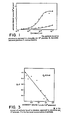
- the interactions of this antibody with unfixed gel-filtered thrombin-activated platelets and unfixed gel-filtered resting platelets were studied in a solution phase radioimmunoassay.
- the monoclonal antibody displayed marked preference for the activated platelets.
- the interaction of KC4 antibody with thrombin-activated platelets was saturable. However, the binding of the KC4 antibody to resting platelets was minimal. Untreated platelets as well as platelets treated with adenosine and acetylsalicylate yielded equivalent results.
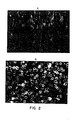
- KC4 antibody Binding of KC4 antibody to resting and thrombin activated platelets was detected using a fluorescence-labeled second antibody. As shown in Fig. 2, there was virtually no binding to resting platelets (panel A), compared to the binding to activated platelets (panel B).
- the binding of KC4 antibody to thrombin-activated platelets was also evaluated using a Scatchard analysis. Using representative data from experiment 4 in Table I, below, a plot of the bound antibody concentration divided by the free antibody concentration versus the concentration of bound antibody yielded a straight line (Fig. 3). These results indicate a single class .of antibody-binding sites on the platelet surface. Based on the analysis of this experiment, the binding constant, Kd, for the interaction of antibody with thrombin-activated platelets was 6.9 nM. Each platelet contained about 10,000-17,000 (in the case of this donor, 10,000) binding sites recognized by the KC4 antibody. These results further confirm the monoclonality of the antibody, manifested by homogeneity of the apparent binding constant measured.
- KC4 antibody The interactions of KC4 antibody with thrombin-activated platelets and platelets activated with other agonists were compared.
- the KC4 antibody bound to platelets that were activated and aggregated with collagen, ADP, epinephrine, or thrombin (Table II). This interaction was also observed in unstirred thrombin-activated gel-filtered platelets which did not aggregate. Therefore, the binding of KC4 antibody to platelets appeared to be substantially independent of agonist and platelet aggregation.
- platelets were loaded with [ 14 C] serotonin.
- the release of .[ 14 C] serotonin from platelets upon activation by various agonists was compared to the binding of 125 I-labeled KC4 antibody to these platelets.
- antibody binding to the activated platelets correlated directly with secretion.
- Thrombin-activated platelets demonstrated maximal antibody binding and maximal secretion. Stimulation with ADP, epinephrine, or collagen resulted in lower levels of secretion and antibody binding.
- the activation-specific antigen is designated the "PADGEM” glycoprotein (for Platelet Activation-Dependent Granule to External Membrane). It is believed that the PADGEM glycoprotein exists as a part of an internal granule membrane in resting platelets, and that the PADGEM glycoprotein is exposed when, during activation and secretion, the granule membrane fuses with the external plasma membrane.
- PADGEM Platelet Activation-Dependent Granule to External Membrane
- the antigenic specificity of the KC4 antibody for a platelet antigen was determined using the Western blot method. Platelet proteins from platelets were solubilized in SDS and analyzed. The KC4 antibody bound to a single band in the solubilized platelets. This band migrated with an apparent molecular weight of 139,000. Platelets, surface-labeled with 125 I using the lactoperoxidase method, were run for comparison. The characteristic band pattern of the 125 I-labeled platelets showed GPIIb, GPIIa, and GPIII. The glycoprotein antigen of the KC4 antibody migrated between glycoproteins IIb and IIa and was distinct from them as well as distinct from glycoprotein III.
- Red blood cells, neutrophils, monocytes, lymphocytes, GM4672 (a lymphocytoid cell line), and Alexander PLC/PRF/5 (a human hepatoma cell line) were solubilized in SDS and their proteins similarly examined for binding to the KC4 antibody using the Western blot method. None of these cells contained proteins which bound to this antibody.
- the PADGEM glycoprotein was purified from crude platelet membranes by affinity chromatography.
- the proteins were extracted from the membranes using Triton X-100, and these proteins applied to an affinity column containing the KC4 antibody covalently coupled to agarose.
- the material applied to the column was heterogeneous, and most of these, proteins failed to bind to the KC4-agarose.
- the dominant protein band corresponded to an apparent molecular weight of 140,000. The character of this band was unchanged in the presence of Ca .. or EDTA.
- the purified PADGEM glycoprotein migrated as a single narrow band, also with a molecular weight of 140,000. These results indicate that the PADGEM glycoprotein is composed of a single polypeptide chain.
- the protein is stained with periodic acid-Schiff reagent, indicating that it is a glycoprotein.
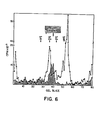
- the distinctiveness of the PADGEM glycoprotein from GPIIb and GPIIa was demonstrated using gel electrophoresis, as follows. Purified PADGEM glycoprotein was labeled with 125 I to give 125 I-labeled PADGEM glycoprotein. Resting platelets were labeled with 131 I using the lactoperoxidase method to surface-label the platelet membrane proteins, including GPIIb, GPIIa, and GPIII, with 131 I. After treatment with sodium dodecyl sulfate, the 131 I-labelled platelet glycoproteins (o) and the 125 I-labelled PADGEM glycoprotein (o) were co-analyzed by gel electrophoresis. Padgem glycoprotein migrated between GPIIb and GPIIa, demonstrating its physical distinctiveness from GPIIa.
- the PADGEM glycoprotein can be used as an immunogen to produce monoclonal antibodies in accordance with this invention. Production of antibodies using the PADGEM glycoprotein has the advantage, compared to the use of activated platelets as the immunogen, of producing only antibodies to the PADGEM glycoprotein, and not to antigens expressed on the surface of both activated and resting platelets.
- the PADGEM glycoprotein can also be used as an immunogen to produce polyclonal antibodies, which can be used in the in vitro assay described below.
- the PADGEM glycoprotein has been used to immunize mice to produce monoclonal antibody-producing hybridoma cells with functional properties similar to those of KC4 antibody.
- a Balb/C mouse was immunized intraperitoneally once with 25 ⁇ g of PADGEM glycoprotein in complete Freund's adjuvant, and then twice, at two-week intervals, with 20 ⁇ g of PADGEM glycoprotein in saline. After an additional six-week period, mice were given a final boost with 20 pg PADGEM glycoprotein in saline, administered intravenously.
- a primary culture of these monoclonal antibody-producing cells has been deposited in the American Type Culture Collection, Rockville, MD, and given ATCC Accession No. HB 8670.
- the PADGEM glycoprotein can also be used as an immunogen to produce monospecific polyclonal antibodies in accordance with this invention.
- Polyclonal anti-PADGEM protein antiserum was produced by immunization of a New Zealand white rabbit with 50 ⁇ g of purified PADGEM protein at monthly intervals.
- Antibodies specific for PADGEM protein were purified on the PADGEM protein-Sepharase 4B column.
- the monospecificity of the purified anti-PADGEM protein polyclonal antibodies was established by the Western blot technique.
- the anti-PADGEM protein antibodies reacted with only a single protein in SDS-treated platelets and were also found to react with purified PADGEM protein._
- the antibodies of the invention because of their specificity for activated platelets, can be used to detect and localize activated platelets in vivo, particularly aggregates of immobilized activated platelets known to accumulate in thrombi resulting from vascular injury and disease, e.g., thrombosis, ischemic heart disease, gastric intestinal bleeding, and peripheral and cerebral vascular disease. Background and false positive results are avoided because the antibody not only fails to react with resting platelets, but also with other blood components such as granulocytes. The high binding affinity of the antibody provides good sensitivity.
- the antibodies can be labeled using any conventional label, e.g., a radiolabel or a fluorophore.
- a preferred radiolabel is 111 Indium, which has a half-life appropriate for defining platelet dynamics in humans.
- 111 In-labeled antibodies can be prepared by modifying the antibody with diethylenediamine penta-acetic acid (DTPA) anhydride and subsequent chelation of 111 Indium, according to the method described in Eckelman et al., 1975) Pharm. Sci., 64:704. It has been shown that 111 Indium-labeled monoclonal and polyclonal antibodies bind to activated platelets in vitro.
- DTPA diethylenediamine penta-acetic acid
- a patient can be given an intravenous injection of approximately 500 uCi of sterile, pyrogen-free 111 In-antibody in physiologi-cal saline.
- Whole body scan scinitigrams can then be taken using a gamma camera interfaced with a computer and fitted with a medium energy, parallel hole collimator and 111 Indium images obtained about the 111 Indium photopeaks.
- the antibodies of the invention can also be labeled with a paramagnetic ion, e.g. Gd +++ or Mn ++ , to provide a targeted NMR contrast agent.
- a paramagnetic ion e.g. Gd +++ or Mn ++
- the paramagnetic ion can be complexed with the antibody via a chelating agent such as DTPA using conventional techniques, e.g., the method described in Khaw et al. (1982) J. Nucl. Med. 23(11): 1011-1019.
- the contrast agent can be administered to a patient and NMR imaging carried out; the agents will provide NMR contrast between activated platelets, to which the targeted agents are bound, and other areas of the circulatory system.
- a radiolabeled antibody of the invention can also be used to assay blood samples (preferably PRP) in vitro for activated platelets, as follows. Whole blood is collected in Ware's solution (described above) and centrifuged at 160 X g for 12 minutes if derived from a female patient, 15 minutes if from a male, to obtain PRP. To 400 ul PRP in plastic tubes (in duplicate) is added 100 ⁇ l 125 I-labeled KC4 antibody; to one tube, thrombin is simultaneously added to activate the platelets. The tubes are incubated at 23°C for 15-20 minutes, and tube contents are then transferred to 1.5 ml microfuge tubes, with 400 ⁇ l Apiezon oil (9.3 parts n-butyl phthalate: 0.7 parts Apiezon).
- the tubes are centrifuged in a Beckman ultracentrifuge for 3 minutes and then placed in a mixture of dry ice and acetone to freeze the pellets.
- the platelet-containing pellets are then cut off into plastic counting tubes and labeled immune complexes measured by counting the tubes in a gamma scintillation counter; a control sample of 100 ⁇ l ' 25 I -labeled antibody is counted simultaneously.
- the above procedure provides a quantitative measure of activated platelets in blood samples. This information is diagnostically useful, circulating activated platelets being an indication that the patients blood is hypercoagulable (i.e., has an abnormally high tendency to clot) and the patient is in a potentially dangerous prethrombotic state.
- in vivo imaging using labeled antibody of the invention can provide a sensitive means for evaluating the efficacy of thrombolytic agents, e.g., urokinase, streptokinase, and tissue plasminogen activator, in reducing the degree of myocardial necrosis following acute coronary thrombosis.
- thrombolytic agents e.g., urokinase, streptokinase, and tissue plasminogen activator
- the antibody of the invention can be covalently bonded to a compound capable of dissolving an activated platelet-containing clot in a human patient.
- the compound can be one of the fibrin-lysing enzymes tissue plasminogen activator, streptokinase, urokinase, or plasmin.
- the specificty of the antibody targets the enzyme to the clot, increasing the specificity of the enzyme and thus reducing the dosage required, and reducing the risk of generalized fibrinolysis
- the antibody of the invention can be covalently bonded to a fibrinolytic enzyme such as urokinase generally as described in Bode et al. (1985) "Antibody-Directed Urokinase: A Specific Fibrinolytic Agent," Science 229,765, as follows.
- urokinase generally as described in Bode et al. (1985) "Antibody-Directed Urokinase: A Specific Fibrinolytic Agent," Science 229,765, as follows.
- Reduced urokinase is coupled to the antibody by means of its intrinsic sulfhydryl groups, with N-succinimidyl 3-(2-pyridyldithio)propionate (SPDP) as a cross-linking agent.
- SPDP N-succinimidyl 3-(2-pyridyldithio)propionate
- the cross-linking agent (20 mM in 0.05 ml of absolute ethanol) is added to the antibody [6.3 mg in 3.0 ml of phosphate-buffered saline (PBS) consisting of 0.1M sodium phosphate and 0.1M NaCl,pH7.4], and the mixture allowed to react for 30 minutes at room temperature. The solution is subsequently dialyzed three times against 1 liter of PBS.
- PBS phosphate-buffered saline
- the antibody-enzyme conjugate is injected, in a physiologically compatible carrier (such as saline) into a patient in need of blood clot lysis, in a dosage comparable to or lower than dosages ordinarily used for the unconjugated enzyme.
- a physiologically compatible carrier such as saline
Landscapes
- Health & Medical Sciences (AREA)
- Life Sciences & Earth Sciences (AREA)
- Chemical & Material Sciences (AREA)
- Immunology (AREA)
- Medicinal Chemistry (AREA)
- General Health & Medical Sciences (AREA)
- Proteomics, Peptides & Aminoacids (AREA)
- Organic Chemistry (AREA)
- Molecular Biology (AREA)
- Biochemistry (AREA)
- Engineering & Computer Science (AREA)
- Cell Biology (AREA)
- Animal Behavior & Ethology (AREA)
- Physics & Mathematics (AREA)
- Urology & Nephrology (AREA)
- Hematology (AREA)
- Public Health (AREA)
- Biophysics (AREA)
- Genetics & Genomics (AREA)
- Epidemiology (AREA)
- Veterinary Medicine (AREA)
- Biomedical Technology (AREA)
- Zoology (AREA)
- Biotechnology (AREA)
- Analytical Chemistry (AREA)
- Tropical Medicine & Parasitology (AREA)
- Optics & Photonics (AREA)
- Pharmacology & Pharmacy (AREA)
- Radiology & Medical Imaging (AREA)
- Microbiology (AREA)
- Nuclear Medicine, Radiotherapy & Molecular Imaging (AREA)
- Food Science & Technology (AREA)
- Virology (AREA)
- General Physics & Mathematics (AREA)
- Pathology (AREA)
- Toxicology (AREA)
- Gastroenterology & Hepatology (AREA)
- Preparation Of Compounds By Using Micro-Organisms (AREA)
- Peptides Or Proteins (AREA)
- Medicines Containing Antibodies Or Antigens For Use As Internal Diagnostic Agents (AREA)
Priority Applications (1)
| Application Number | Priority Date | Filing Date | Title |
|---|---|---|---|
| AT85308358T ATE100209T1 (de) | 1984-11-15 | 1985-11-15 | Antikoerper verwendende diagnostische methoden. |
Applications Claiming Priority (2)
| Application Number | Priority Date | Filing Date | Title |
|---|---|---|---|
| US67175984A | 1984-11-15 | 1984-11-15 | |
| US671759 | 1984-11-15 |
Publications (3)
| Publication Number | Publication Date |
|---|---|
| EP0182634A2 true EP0182634A2 (fr) | 1986-05-28 |
| EP0182634A3 EP0182634A3 (en) | 1987-06-03 |
| EP0182634B1 EP0182634B1 (fr) | 1994-01-12 |
Family
ID=24695771
Family Applications (1)
| Application Number | Title | Priority Date | Filing Date |
|---|---|---|---|
| EP85308358A Expired - Lifetime EP0182634B1 (fr) | 1984-11-15 | 1985-11-15 | Méthodes diagnostiques utilisant les anticorps |
Country Status (6)
| Country | Link |
|---|---|
| US (1) | US4783330A (fr) |
| EP (1) | EP0182634B1 (fr) |
| JP (1) | JPS61192285A (fr) |
| AT (1) | ATE100209T1 (fr) |
| CA (1) | CA1276574C (fr) |
| DE (1) | DE3587724T2 (fr) |
Cited By (9)
| Publication number | Priority date | Publication date | Assignee | Title |
|---|---|---|---|---|
| EP0216864A4 (fr) * | 1985-04-04 | 1989-09-26 | Scripps Clinic Res | Detection de plaquettes activees a l'aide d'anticorps reagissant aux antigenes a la surface des cellules. |
| FR2650186A1 (fr) * | 1989-07-25 | 1991-02-01 | Inst Nat Sante Rech Med | Anticorps monoclonaux diriges contre des proteines impliquees dans les fonctions plaquettaires. leur application en tant qu'agent diagnostique et therapeutique |
| FR2650185A1 (fr) * | 1989-07-25 | 1991-02-01 | Inst Nat Sante Rech Med | Anticorps monoclonaux diriges contre la glycoproteine gmp140, leur production et leurs applications |
| WO1991001380A1 (fr) * | 1989-07-25 | 1991-02-07 | Institut National De La Sante Et De La Recherche Medicale | Anticorps monoclonaux diriges contre des proteines impliquees dans les fonctions plaquettaires, leur application en tant qu'agent diagnostique et therapeutique |
| US5217870A (en) * | 1989-04-28 | 1993-06-08 | Biogen, Inc. | Monoclonal antibodies against CDX |
| US5367056A (en) * | 1989-04-28 | 1994-11-22 | Biogen, Inc. | Endothelial cell-leukocyte adhesion molecules (ELAMs) and molecules involved in leukocyte adhesion (MILAs) |
| US5446132A (en) * | 1992-10-01 | 1995-08-29 | The General Hospital Corporation | Thrombin-activated platelet protein-2 (TAPP-2) |
| US5773228A (en) * | 1991-10-01 | 1998-06-30 | The General Hospital Corporation | Activation-dependent protein expressed on the surface of activated platelets and antibodies thereto |
| USRE43568E1 (en) | 2004-04-13 | 2012-08-07 | Hoffmann-La Roche Inc. | Anti-P-selectin antibodies |
Families Citing this family (36)
| Publication number | Priority date | Publication date | Assignee | Title |
|---|---|---|---|---|
| US4957939A (en) * | 1981-07-24 | 1990-09-18 | Schering Aktiengesellschaft | Sterile pharmaceutical compositions of gadolinium chelates useful enhancing NMR imaging |
| US5225181A (en) * | 1985-06-07 | 1993-07-06 | The Research Foundation Of State University Of New York | Radiolabeled antiplatelet monoclonal antibody for imaging in-vivo thrombi |
| US5811265A (en) * | 1988-08-19 | 1998-09-22 | The General Hospital Corporation | Hybrid immunoglobulin-thrombolytic enzyme molecules which specifically bind a thrombus, and methods of their production and use |
| US5609869A (en) * | 1988-08-19 | 1997-03-11 | The General Hospital Corporation | Hybrid immunoglobulin-thrombolytic enzyme molecules which specifically bind a thrombus, and methods of their production and use |
| US5024829A (en) * | 1988-11-21 | 1991-06-18 | Centocor, Inc. | Method of imaging coronary thrombi |
| WO1990006133A1 (fr) * | 1988-11-25 | 1990-06-14 | Centocor, Inc. | Anticorps heterobifonctionnels se liant specifiquement a des plaquettes et a des agents thrombolytiques |
| CA2010321C (fr) * | 1989-02-21 | 2004-04-06 | Thomas F. Tedder | Proteine de surface de cellules associees aux lymphocytes |
| US5378464A (en) * | 1989-03-08 | 1995-01-03 | Board Of Regents Of The University Of Oklahoma | Modulation of inflammatory responses by administration of GMP-140 or antibody to GMP-140 |
| US5605821A (en) * | 1989-03-08 | 1997-02-25 | Board Of Regents Of The University Of Oklahoma | Expression control sequences of the P-selectin gene |
| US5464778A (en) * | 1989-03-08 | 1995-11-07 | Board Of Regents Of The University Of Oklahoma | Glycoprotein ligand for P-selectin and methods of use thereof |
| WO1991006858A1 (fr) * | 1989-11-03 | 1991-05-16 | The United States Of America, As Represented By The Secretary, U.S. Department Of Commerce | Nouvel anticorps monoclonal contre les plaquettes sanguines humaines |
| US5200397A (en) * | 1990-02-22 | 1993-04-06 | W. R. Grace & Co.-Conn. | Use of peptide analogs of thrombospondin for the inhibition of angiogenic activity |
| AU8490891A (en) * | 1990-07-02 | 1992-01-23 | United States of America, as represented by the Secretary, U.S. Department of Commerce, The | Platelet fibrinogen-specific monoclonal antibody |
| DK0714912T3 (da) * | 1990-07-17 | 2003-02-03 | Univ Oklahoma | Funktionelt aktive selektin-deriverede peptider og ligander for GMP-140 |
| US5196309A (en) * | 1990-11-15 | 1993-03-23 | The Scripps Research Institute | Characterization of platelet aggregation disorders |
| US6309639B1 (en) | 1991-02-05 | 2001-10-30 | The Board Of Regents Of The University Of Oklahoma | Method for inhibiting an inflammatory response using antibodies to P-selectin glycoprotein ligand |
| US6124267A (en) * | 1991-02-05 | 2000-09-26 | Southpac Trust Internationals, Inc. | O-glycan inhibitors of selectin mediated inflammation derived from PSGL-1 |
| US7119182B1 (en) | 1991-02-19 | 2006-10-10 | The Regents Of The University Of California | Recombinant thrombin receptor and related pharmaceuticals |
| US5688768A (en) * | 1991-02-19 | 1997-11-18 | Cor Therapeutics, Inc. | Recombinant thrombin receptor and related pharmaceuticals |
| US5807745A (en) * | 1991-03-11 | 1998-09-15 | New England Medical Center Hospitals, Inc. | Method of inhibiting PADGEM-mediated or ELAM-1-mediated leukocyte adhesion using an inhibitor comprising a Lex core component |
| DE4114131C2 (de) * | 1991-04-30 | 1994-04-07 | Bernhard Dr Koch | Die Azur B - Eosin - APAAP Färbung, ein Verfahren zur simultanen hämatologischen und immunologischen Charakterisierung von Zellen |
| US5364612A (en) * | 1991-05-06 | 1994-11-15 | Immunomedics, Inc. | Detection of cardiovascular lesions |
| US5334369A (en) * | 1991-06-11 | 1994-08-02 | Medical University Of South Carolina | Platelet receptor antagonists useful in detecting intravascular platelet aggregation |
| JPH07507040A (ja) | 1991-09-10 | 1995-08-03 | セントコー,インコーポレイテッド | セレクチンによって介在される炎症のペプチド阻害剤 |
| CA2104099A1 (fr) * | 1991-12-18 | 1993-06-19 | George A. Heavner | Inhibiteurs a base de peptides pour les inflammations, via les selectines |
| US6033667A (en) * | 1992-05-05 | 2000-03-07 | Cytel Corporation | Method for detecting the presence of P-selectin |
| ATE237353T1 (de) * | 1992-05-05 | 2003-05-15 | Aeres Biomedical Ltd | Antikörper gegen p-selectin und ihre verwendung |
| DE69415154T2 (de) * | 1993-01-25 | 1999-07-29 | Dana-Farber Cancer Institute, Inc., Boston, Mass. | Chimäre selektine erhältlich durch domänenaustauch und ihre verwendungen |
| WO1995012125A1 (fr) * | 1993-10-26 | 1995-05-04 | Mayo Foundation For Medical Education And Research | Dosage immunologique conjugue a une technique fluorimetrique directe pour mesurer l'activation des plaquettes |
| BR9507579A (pt) * | 1994-10-25 | 1997-09-09 | Watson Clinic Foundation | Processo fluorométrico para medir ativaçao de plaqueta endógena em amostra de plaquetas |
| US20020040008A1 (en) * | 1995-01-24 | 2002-04-04 | Wagner Denisa D. | Method for treating and preventing atherosclerosis |
| US7396917B2 (en) * | 2000-12-05 | 2008-07-08 | Alexion Pharmaceuticals, Inc. | Rationally designed antibodies |
| US20040253242A1 (en) * | 2000-12-05 | 2004-12-16 | Bowdish Katherine S. | Rationally designed antibodies |
| EP1370589B1 (fr) | 2000-12-05 | 2006-03-15 | Alexion Pharmaceuticals, Inc. | Anticorps concus de maniere rationnelle |
| US20060104969A1 (en) * | 2004-08-16 | 2006-05-18 | Massachusetts Institute Of Technology | Compositions and methods for enhancing structural and functional nervous system reorganization and recovery |
| KR20080031383A (ko) | 2005-07-05 | 2008-04-08 | 베이커 메디컬 리서치 인스티튜트 | 항응고제 및 그의 용도 |
Family Cites Families (4)
| Publication number | Priority date | Publication date | Assignee | Title |
|---|---|---|---|---|
| US4486538A (en) * | 1978-07-07 | 1984-12-04 | Samuel Bogoch | Detection of malignant tumor cells |
| US4536391A (en) * | 1982-11-17 | 1985-08-20 | Otsuka Pharmaceutical Co. | Process for preparing urokinase complex |
| SU1128601A1 (ru) * | 1983-05-10 | 1985-07-15 | Всесоюзный кардиологический научный центр АМН СССР | Урокиназа,иммобилизированна на фибриногене |
| EP0146050B1 (fr) * | 1983-12-16 | 1990-07-04 | Denis M. Callewaert | Activateur de plasminogène à site sélectif et son procédé de préparation et d'application |
-
1985
- 1985-11-08 US US06/796,621 patent/US4783330A/en not_active Expired - Lifetime
- 1985-11-14 CA CA000495302A patent/CA1276574C/fr not_active Expired - Lifetime
- 1985-11-15 EP EP85308358A patent/EP0182634B1/fr not_active Expired - Lifetime
- 1985-11-15 DE DE3587724T patent/DE3587724T2/de not_active Expired - Fee Related
- 1985-11-15 AT AT85308358T patent/ATE100209T1/de not_active IP Right Cessation
- 1985-11-15 JP JP60256453A patent/JPS61192285A/ja active Pending
Cited By (11)
| Publication number | Priority date | Publication date | Assignee | Title |
|---|---|---|---|---|
| EP0216864A4 (fr) * | 1985-04-04 | 1989-09-26 | Scripps Clinic Res | Detection de plaquettes activees a l'aide d'anticorps reagissant aux antigenes a la surface des cellules. |
| US5217870A (en) * | 1989-04-28 | 1993-06-08 | Biogen, Inc. | Monoclonal antibodies against CDX |
| US5367056A (en) * | 1989-04-28 | 1994-11-22 | Biogen, Inc. | Endothelial cell-leukocyte adhesion molecules (ELAMs) and molecules involved in leukocyte adhesion (MILAs) |
| FR2650186A1 (fr) * | 1989-07-25 | 1991-02-01 | Inst Nat Sante Rech Med | Anticorps monoclonaux diriges contre des proteines impliquees dans les fonctions plaquettaires. leur application en tant qu'agent diagnostique et therapeutique |
| FR2650185A1 (fr) * | 1989-07-25 | 1991-02-01 | Inst Nat Sante Rech Med | Anticorps monoclonaux diriges contre la glycoproteine gmp140, leur production et leurs applications |
| WO1991001380A1 (fr) * | 1989-07-25 | 1991-02-07 | Institut National De La Sante Et De La Recherche Medicale | Anticorps monoclonaux diriges contre des proteines impliquees dans les fonctions plaquettaires, leur application en tant qu'agent diagnostique et therapeutique |
| US5773228A (en) * | 1991-10-01 | 1998-06-30 | The General Hospital Corporation | Activation-dependent protein expressed on the surface of activated platelets and antibodies thereto |
| US5446132A (en) * | 1992-10-01 | 1995-08-29 | The General Hospital Corporation | Thrombin-activated platelet protein-2 (TAPP-2) |
| USRE43568E1 (en) | 2004-04-13 | 2012-08-07 | Hoffmann-La Roche Inc. | Anti-P-selectin antibodies |
| USRE44359E1 (en) | 2004-04-13 | 2013-07-09 | Hoffmann-La Roche Inc | Nucleic acid molecules encoding anti-P-selectin antibodies |
| USRE44389E1 (en) | 2004-04-13 | 2013-07-23 | Hoffman-La Roche Inc. | Methods of inhibiting the binding of P-selectin to PSGL-1 with anti-P-selectin antibodies |
Also Published As
| Publication number | Publication date |
|---|---|
| EP0182634B1 (fr) | 1994-01-12 |
| ATE100209T1 (de) | 1994-01-15 |
| CA1276574C (fr) | 1990-11-20 |
| DE3587724T2 (de) | 1994-05-19 |
| US4783330A (en) | 1988-11-08 |
| EP0182634A3 (en) | 1987-06-03 |
| DE3587724D1 (de) | 1994-02-24 |
| JPS61192285A (ja) | 1986-08-26 |
Similar Documents
| Publication | Publication Date | Title |
|---|---|---|
| US4783330A (en) | Monoclonal antibodies to activated platelets | |
| CA1248472A (fr) | Anticorps monoclonaux specifiques contre des fragments in vivo derives de fibrinogene | |
| Kaplan et al. | Radioimmunoassay of platelet factor 4 and β‐thromboglobulin: development and application to studies of platelet release in relation to fibrinopeptide A generation | |
| McKenzie et al. | Human thy-1: unusual localization and possible functional significance in lymphoid tissues. | |
| JP3315405B2 (ja) | レセプター誘発結合部位に対するモノクローナル抗体 | |
| EP0202975B1 (fr) | Récepteur soluble de l'interleukine-2 comme indicateur d'une tumeur maligne et procédé pour sa détection | |
| JPH0669390B2 (ja) | ヒト−レニンに対するモノクロ−ナル抗体及びその使用 | |
| IE62439B1 (en) | Novel antibodies | |
| WO1986005693A1 (fr) | Detection de plaquettes activees a l'aide d'anticorps reagissant aux antigenes a la surface des cellules | |
| Koistinen et al. | Common binding region of complement factors B, H and CR1 on C3b revealed by monoclonal anti-C3d | |
| Connaghan et al. | Specific identification of fibrin polymers, fibrinogen degradation products, and crosslinked fibrin degradation products in plasma and serum with a new sensitive technique | |
| US4954436A (en) | Dihydropyridine-sensitive calcium channel as a tumor associated marker | |
| JP3517754B2 (ja) | 抗ヒト可溶性フィブリン抗体,ハイブリドーマ及び免疫学的測定法 | |
| US5030559A (en) | Methods and compositions for the identification of metastatic human tumors | |
| Kinoshita et al. | Regulatory proteins for the activated third and fourth components of complement (C3b and C4b) in mice. II. Identification and properties of complement receptor type 1 (CR1). | |
| JPH06504842A (ja) | 血小板凝集疾患の特徴付け | |
| Kieffer et al. | Identification of platelet membrane thrombospondin binding molecules using an anti-thrombospondin antibody | |
| US4851334A (en) | Monoclonal antibodies specific to in vivo fragments derived from human fibrinogen, human fibrin I or human fibrin II | |
| CA1286238C (fr) | Anticorps monoclonaux anti-epiglycanin | |
| KR960002740B1 (ko) | 안티-트롬빈-결합물질 모노클로날 항체, 이를 생산하는 하이브리도마 및 모노클로날 항체를 이용한 트롬빈-결합물질의 정제법 및 측정법 | |
| AU664838B2 (en) | Monoclonal antibodies against the plasmin-antiplasmin complex, a method for the preparation thereof and the use thereof | |
| Chen et al. | Radioimmunoassay of fibrinogen-fibrin degradation products: assay for fragment E-related neoantigen-methodological aspects | |
| EP0437547B1 (fr) | Anticorps monoclonaux contre des sites de liaison induits par recepteurs de la famille des cytoadhesines | |
| US20030003515A1 (en) | Monocloral antibody-based diagnostic assay for gamma fibrinogen | |
| CA2048244A1 (fr) | Anticorps monoclonaux liant la proteine proto-oncogene de trk |
Legal Events
| Date | Code | Title | Description |
|---|---|---|---|
| PUAI | Public reference made under article 153(3) epc to a published international application that has entered the european phase |
Free format text: ORIGINAL CODE: 0009012 |
|
| AK | Designated contracting states |
Kind code of ref document: A2 Designated state(s): AT BE CH DE FR GB IT LI LU NL SE |
|
| PUAL | Search report despatched |
Free format text: ORIGINAL CODE: 0009013 |
|
| AK | Designated contracting states |
Kind code of ref document: A3 Designated state(s): AT BE CH DE FR GB IT LI LU NL SE |
|
| 17P | Request for examination filed |
Effective date: 19871012 |
|
| 17Q | First examination report despatched |
Effective date: 19890418 |
|
| GRAA | (expected) grant |
Free format text: ORIGINAL CODE: 0009210 |
|
| AK | Designated contracting states |
Kind code of ref document: B1 Designated state(s): AT BE CH DE FR GB IT LI LU NL SE |
|
| REF | Corresponds to: |
Ref document number: 100209 Country of ref document: AT Date of ref document: 19940115 Kind code of ref document: T |
|
| REF | Corresponds to: |
Ref document number: 3587724 Country of ref document: DE Date of ref document: 19940224 |
|
| ITF | It: translation for a ep patent filed | ||
| ET | Fr: translation filed | ||
| PLBE | No opposition filed within time limit |
Free format text: ORIGINAL CODE: 0009261 |
|
| STAA | Information on the status of an ep patent application or granted ep patent |
Free format text: STATUS: NO OPPOSITION FILED WITHIN TIME LIMIT |
|
| 26N | No opposition filed | ||
| EAL | Se: european patent in force in sweden |
Ref document number: 85308358.2 |
|
| REG | Reference to a national code |
Ref country code: GB Ref legal event code: IF02 |
|
| PGFP | Annual fee paid to national office [announced via postgrant information from national office to epo] |
Ref country code: FR Payment date: 20021017 Year of fee payment: 18 |
|
| PGFP | Annual fee paid to national office [announced via postgrant information from national office to epo] |
Ref country code: SE Payment date: 20021018 Year of fee payment: 18 Ref country code: AT Payment date: 20021018 Year of fee payment: 18 |
|
| PGFP | Annual fee paid to national office [announced via postgrant information from national office to epo] |
Ref country code: NL Payment date: 20021021 Year of fee payment: 18 |
|
| PGFP | Annual fee paid to national office [announced via postgrant information from national office to epo] |
Ref country code: LU Payment date: 20021029 Year of fee payment: 18 |
|
| PGFP | Annual fee paid to national office [announced via postgrant information from national office to epo] |
Ref country code: DE Payment date: 20021202 Year of fee payment: 18 Ref country code: BE Payment date: 20021202 Year of fee payment: 18 |
|
| PG25 | Lapsed in a contracting state [announced via postgrant information from national office to epo] |
Ref country code: LU Free format text: LAPSE BECAUSE OF NON-PAYMENT OF DUE FEES Effective date: 20031115 Ref country code: AT Free format text: LAPSE BECAUSE OF NON-PAYMENT OF DUE FEES Effective date: 20031115 |
|
| PG25 | Lapsed in a contracting state [announced via postgrant information from national office to epo] |
Ref country code: SE Free format text: LAPSE BECAUSE OF NON-PAYMENT OF DUE FEES Effective date: 20031116 |
|
| PG25 | Lapsed in a contracting state [announced via postgrant information from national office to epo] |
Ref country code: BE Free format text: LAPSE BECAUSE OF NON-PAYMENT OF DUE FEES Effective date: 20031130 |
|
| BERE | Be: lapsed |
Owner name: NEW ENGLAND *MEDICAL CENTER HOSPITALS INC. Effective date: 20031130 |
|
| PG25 | Lapsed in a contracting state [announced via postgrant information from national office to epo] |
Ref country code: NL Free format text: LAPSE BECAUSE OF NON-PAYMENT OF DUE FEES Effective date: 20040601 |
|
| PG25 | Lapsed in a contracting state [announced via postgrant information from national office to epo] |
Ref country code: DE Free format text: LAPSE BECAUSE OF NON-PAYMENT OF DUE FEES Effective date: 20040602 |
|
| EUG | Se: european patent has lapsed | ||
| PG25 | Lapsed in a contracting state [announced via postgrant information from national office to epo] |
Ref country code: FR Free format text: LAPSE BECAUSE OF NON-PAYMENT OF DUE FEES Effective date: 20040730 |
|
| NLV4 | Nl: lapsed or anulled due to non-payment of the annual fee |
Effective date: 20040601 |
|
| REG | Reference to a national code |
Ref country code: FR Ref legal event code: ST |
|
| PGFP | Annual fee paid to national office [announced via postgrant information from national office to epo] |
Ref country code: GB Payment date: 20041110 Year of fee payment: 20 |
|
| PGFP | Annual fee paid to national office [announced via postgrant information from national office to epo] |
Ref country code: CH Payment date: 20041125 Year of fee payment: 20 |
|
| PG25 | Lapsed in a contracting state [announced via postgrant information from national office to epo] |
Ref country code: GB Free format text: LAPSE BECAUSE OF EXPIRATION OF PROTECTION Effective date: 20051114 |
|
| REG | Reference to a national code |
Ref country code: GB Ref legal event code: PE20 |
|
| REG | Reference to a national code |
Ref country code: CH Ref legal event code: PL |