EP0244189A2 - Elastase I pancréatique humaine - Google Patents
Elastase I pancréatique humaine Download PDFInfo
- Publication number
- EP0244189A2 EP0244189A2 EP87303711A EP87303711A EP0244189A2 EP 0244189 A2 EP0244189 A2 EP 0244189A2 EP 87303711 A EP87303711 A EP 87303711A EP 87303711 A EP87303711 A EP 87303711A EP 0244189 A2 EP0244189 A2 EP 0244189A2
- Authority
- EP
- European Patent Office
- Prior art keywords
- elastase
- dna
- human pancreatic
- human
- pancreatic elastase
- Prior art date
- Legal status (The legal status is an assumption and is not a legal conclusion. Google has not performed a legal analysis and makes no representation as to the accuracy of the status listed.)
- Granted
Links
- 0 CCCC1=CCCC1C(C)*C Chemical compound CCCC1=CCCC1C(C)*C 0.000 description 3
- MDJPQJBJEXXHBV-LURJTMIESA-N C=CC[C@@H]1NCC1 Chemical compound C=CC[C@@H]1NCC1 MDJPQJBJEXXHBV-LURJTMIESA-N 0.000 description 1
Images


Classifications
-
- C—CHEMISTRY; METALLURGY
- C12—BIOCHEMISTRY; BEER; SPIRITS; WINE; VINEGAR; MICROBIOLOGY; ENZYMOLOGY; MUTATION OR GENETIC ENGINEERING
- C12N—MICROORGANISMS OR ENZYMES; COMPOSITIONS THEREOF; PROPAGATING, PRESERVING, OR MAINTAINING MICROORGANISMS; MUTATION OR GENETIC ENGINEERING; CULTURE MEDIA
- C12N15/00—Mutation or genetic engineering; DNA or RNA concerning genetic engineering, vectors, e.g. plasmids, or their isolation, preparation or purification; Use of hosts therefor
-
- C—CHEMISTRY; METALLURGY
- C12—BIOCHEMISTRY; BEER; SPIRITS; WINE; VINEGAR; MICROBIOLOGY; ENZYMOLOGY; MUTATION OR GENETIC ENGINEERING
- C12N—MICROORGANISMS OR ENZYMES; COMPOSITIONS THEREOF; PROPAGATING, PRESERVING, OR MAINTAINING MICROORGANISMS; MUTATION OR GENETIC ENGINEERING; CULTURE MEDIA
- C12N9/00—Enzymes; Proenzymes; Compositions thereof; Processes for preparing, activating, inhibiting, separating or purifying enzymes
- C12N9/14—Hydrolases (3)
- C12N9/48—Hydrolases (3) acting on peptide bonds (3.4)
- C12N9/50—Proteinases, e.g. Endopeptidases (3.4.21-3.4.25)
- C12N9/64—Proteinases, e.g. Endopeptidases (3.4.21-3.4.25) derived from animal tissue
- C12N9/6421—Proteinases, e.g. Endopeptidases (3.4.21-3.4.25) derived from animal tissue from mammals
- C12N9/6424—Serine endopeptidases (3.4.21)
- C12N9/6448—Elastases, e.g. pancreatic elastase (3.4.21.36); leukocyte elastase (3.4.31.37)
-
- C—CHEMISTRY; METALLURGY
- C12—BIOCHEMISTRY; BEER; SPIRITS; WINE; VINEGAR; MICROBIOLOGY; ENZYMOLOGY; MUTATION OR GENETIC ENGINEERING
- C12N—MICROORGANISMS OR ENZYMES; COMPOSITIONS THEREOF; PROPAGATING, PRESERVING, OR MAINTAINING MICROORGANISMS; MUTATION OR GENETIC ENGINEERING; CULTURE MEDIA
- C12N1/00—Microorganisms; Compositions thereof; Processes of propagating, maintaining or preserving microorganisms or compositions thereof; Processes of preparing or isolating a composition containing a microorganism; Culture media therefor
Definitions
- This invention relates to human pancreatic elastase. More particularly, but not exclusively, this invention relates to human pancreatic elastase I, to DNA containing a base sequence coding for this elastase, to a host transformed by this DNA and to a process for -preparing the elastase using the host.
- Elastase is a serine protease, capable of hydrolyzing the fibrous insoluble protein known as elastin.
- Elastin is a scleroprotein forming connective tissues, tendons, aortic integuments and cervical bundles of higher animals. Elastin is only slightly degraded by other proteases such as pepsin and trypsin.
- Elastase has been confirmed to exist in the pancreas of most mammals, including humans, monkeys, cats, rabbits, etc.
- a correlation is recognized between elastase activity and the age of a human being: a marked lowering in elastase activity in the pancreas and plasma of males over 40 and of females over 60 years has been reported by Loeven and Baldwin (Gerontologia, 17, 170 (1971)).
- Elastase extracted and purified from porcine pancreas was used for the above studies.
- Two types of elastase (“elastase I” and "elastase II") exist in the porcine pancreas (Front Matrix Biol, 6, 1 (1978)).
- the elastase used in the studies was a mixture of elastase I and elastase II, with the former as the main component.
- porcine elastase With the administration of porcine elastase to human beings, there is the risk of antibody formation due to the antigenic effect of the foreign protein. There is then the danger of anaphylaxis with repeated administration. Accordingly, human elastase is preferable for human use. However, it is extremely difficult to procure human elastase in sufficient quantities from the traditional source, the human pancreas.
- human pancreatic elastase At present, four kinds of human pancreatic elastase are known, human elastases IIA and IIB and human elastases I IIA and IIIB. It has been established that an elastase corresponding to porcine elastase I is little expressed in the human pancreas.
- the complementary DNA (cDNA) of the mRNA of the desired protein is synthesized and then transferred into the host.
- cDNA complementary DNA
- the mRNA for human elastase I is so little expressed in human pancreas that the corresponding cDNA is difficult to obtain.
- This invention embraces the use of cDNA probes, chromosomal genes and synthesized cDNAs in genetic engineering for the production of human pancreatic elastase I.
- a cDNA is obtained for the corresponding protein freely expressed in an available animal tissue.
- a chromosomal gene of the desired human protein can be isolated from a human gene library.
- the sequence of the chromosomal gene can be determined, from which the amino acid sequence of the desired protein can be determined.
- the cDNA in a general sense, or a coding sequence designed and synthesized by chemical means, can be inserted into a suitable host for expression.
- human pancreatic elastase I and functionally similar molecules now become readily available for the first time. Indeed, novel elastases have been discovered and are part of this invention.
- any substantially similar protein effective as human pancreatic elastase I including compounds corresponding to human pancreatic elastase I with one or more deleted, replaced or altered amino acids, and compounds corresponding to human pancreatic elastase I with one or more extra amino - acids, are also included. More especially, precursor compounds such as proelastases and preproelastases, especially when expressed by a recombinant DNA sequence, as well as elastases obtained by activation of such precursor compounds, represents a human pancreatic elastase of this invention.
- precursor compounds within this invention include fusion proteins comprising the elastase (optionally in the form of a proelastase or preproelastase) and an amino acid sequence derived from another protein.
- fusion proteins can be obtained when the DNA coding for the elastase is inserted into an expression vector downstream of a promoter.
- a feature of the invention is the ability to synthesise molecules having the capability to act as human pancreatic elastase I. Such ability is principally a function of the active site of the enzyme. Any enzymatic molecule possessing the requisite catalytically available active site will suffice.
- the basis of the present invention is that the human pancreatic elastase I gene existing in the human genome was cloned by using as a DNA probe a porcine elastase I cDNA (prepared from porcine pancreas, Japanese Patent Kokai ("Laid-Open") 207583 (1985), which corresponds to EP157604A published 9 October 1985 and further corresponds to USSN 716,189 filed March 26, 1985).
- the human elastase I chromosomal gene had introns and could not be expressed when transferred in its original form into a host such as E. coli.
- the present invention further provides a DNA sequence with or without introns and containing a base sequence that codes for human pancreatic elastase I, a process for preparing this DNA and a process for producing human pancreatic elastase I by culturing a host transformed by this DNA.
- the present invention provides human pancreatic elastase I having an amino acid sequence represented by the general formula (I).
- the amino acid sequence for the elastase it is to be borne in mind that the present invention embraces any substantially similar protein effective as a human pancreatic elastase I, including compounds with one or more deleted, replaced, altered or extra amino acids.
- human pancreatic elastase I itself, the N-terminal is simply a hydrogen atom.
- Derivatives of human pancreatic elastase I may have an extra N-terminal amino acid sequence such as Met or all or part of (N)-Thr Gln Asp Leu Pro Glu Thr Asn Ala Arg-(C).
- the invention provides a DNA coding for human pancreatic elastase I.
- a DNA can have a base sequence represented by the following formula (II): wherein X represents a stop codon, that is TAA, TGA or TAG.
- the amino acid sequence of formula (I) can be encoded by a different DNA base sequence to that of formula (II), and such a modified DNA sequence is also part of this invention.
- the DNA of this invention may optionally have ATG at its 5'-end, which will then code for an additional Met at the N-terminal end of the amino acid sequence.
- the DNA may have at its 5'-end a part or all of the sequence (5')-ACC CAG GAC CTT CCG GAA ACC AAT GCC CGC-(3'), which will then code for an extra sequence at the N-terminal end of the amino acid sequence comprising a part or all of (N)-Thr Gln Asp Leu Pro Glu Thr Asn Ala Arg-(C).
- the DNA of this invention including the base sequences represented by the formula (II), with optional extensions, can be produced for example in accordance with the steps (a) to (e). It can be also prepared by steps (a), (b), (c), and (f):
- the corresponding protein can then be prepared, for example by the steps of:
- porcine elastase I cDNA Japanese Patent Kokai 207583 (1985)
- 32 P 32 P
- Sequencing of the gene in the selected clone may be by any suitable method.
- the dideoxy sequence method (Proc Natl Acad Sci USA, 74, 5463 (1977)) is preferred, and the Maxam-Gilbert method (Proc Natl Acad Sci USA, 74, 560 (1977)) is also applicable.
- Such sequencing gives the base sequence of a human elastase I chromosomal gene with introns.
- the amino acid sequence of human elastase I is readily established.
- a human elastase I gene without introns can then be synthesized. Such synthesis can be achieved for example by the solid phase/phosphoamidite method, for instance by using the DNA synthesizer Model 380B of Applied Biosystems Co.
- the synthesized human elastase I gene can be expressed by ligation with a suitable expression vector followed by introduction in to a suitable host.
- suitable hosts include not only bacteria such as E. coli and B. subtilis and microorganisms such as yeast, but also animal cells.
- Preferred promoters for expression in E. coli include tryptophan (trp) promoter, lactose (lac) promoter, tryptophan/lactose (tac) promoter, outer membrane principal protein (Lpp) promoter, X-PL promoter of bacteriophage origin and protein chain elongating factor Tu (tufB) promoter.
- the DNA of the present invention may be introduced into the host using any of several methods, including the Hanahan method (J Mol Biol, 166, 557 (1983)), the calcium chloride method (Gene, 6, 23 (1979)), the low pH method (page 49 of the Manual of Genetic Manipulation, edited by Yasuyuki Takagi, Kodansha Scientific (1982)), etc.
- the Hanahan method is currently preferred.
- the host thus obtained (the recombinant host) can be cultured in a suitable medium to produce and accumulate the human elastase I or a substance having the same effect, followed by recovery thereof.
- Typical media for culturing the transformed host include those comprising glucose, casamino acids, and other known components, for example, M9 medium (Experiments in Molecular Genetics, 431 to 433, Cold Spring Harbor Lab, New York (1972)).
- the transformed host is generally cultured at 15 to 43°C for 3 to 24 hours, with aeration or stirring, if necessary. However, when mammalian cells are used as the host, it is usually necessary to carry out the culture for 3 to 10 days.
- the transformed host can be harvested in a conventional manner, for example by centrifugation or other known techniques.
- B. subtilis, yeast or mammalians cells are employed as the host, the elastase produced is generally secreted from the cell to the culture broth.
- the elastase is mainly present as an undissolved protein in inclusion bodies within the cells..
- the elastase may be obtained by disruption of the cells.
- the elastase can be obtained as a precipitate after suspending the cells in a buffer, rupturing the cells and centrifugation.
- the cells may be ruptured by conventional procedures, including sonification treatment, lysozyme treatment or freeze-thaw treatment.
- Isolation of elastase from the supernatant or the precipitate may be practised according to the conventional methods known in the art for the purification of proteins.
- the typical human elastase I produced by the present invention include proelastases and other elastase derivatives. After any appropriate activation, the elastases generally exhibit comparable biological activity to those purified from human pancreatic fluid. They can be used for the same purposes and in the same ways as the extracted elastases.
- the present invention further provides pharmaceutical compositions which comprise an elastase of this invention, together with a pharmaceutically acceptable carrier or diluent.
- DNA was extracted according to the method of Gross-Bellard et al. (Eur J Biochem, 36, 32 (1973)) to give 2.7 mg of high molecular weight DNA.
- 84 mcg of the DNA was partially digested with the restriction enzyme Sau3Al and the partially digested DNA was fractionated by electrophoresis using 0.4% agarose gel -to give DNA fragments from 15 Kb to 20 Kb.
- T4 DNA ligase the DNA fragments obtained in this way were ligated to the vector EMBL4 (Seikagaku Kogyo Co.) digested with Bam H1.
- DNA fragments prepared by partial digestion with Hae3 were connected to the known vector Charon 4A.
- in vitro packaging was effected to give two kinds of human gene libraries.
- a commercially available in vitro packaging kit from Seikagaku-Kogyo Co was used.
- the next step was to isolate a phage clone containing the elastase I gene from the human gene library which had been prepared from the DNA fragments partially digested with Sau3Al or Hae3. Phage screening was carried out according to the method of Benton and Davis (Science 196, 180 (1977)). Porcine elastase I cDNA (see Japanese Patent Kokai 207583 (1985)) labelled with 32 P according to the nick-translation method was employed as a DNA probe.
- each library gave a single phage clone which hybridized with the probe.
- the particular clone isolated from the human gene library of the DNA fragments partially digested with Hae 3 was named ⁇ H44-3, and that for Sau 3A1 was named ⁇ EL1-16.
- Figure 1A shows the map when cleaved with ⁇ H44-3 and ⁇ EL1-16, where the broad lines and the fine lines respectively indicate the vector regions and the inserted human DNA regions.
- Figure 1B shows the map determined with ⁇ H44-3 and ⁇ EL1-16, where the broad solid lines and the fine lines respectively indicate the exon regions and intron regions.
- E, H, B and K indicate EcoRl, Hind 3, BamHl and Kpnl, respectively.
- human elastase I contained 240 amino acids, as does porcine elastase I.
- the amino acid sequences of human elastase I, porcine elastase I and rat elastase I exhibited sequential similarity with one another at a figure as high as about 90%.
- the human elastase I chromosomal gene contained intron regions, and thus it was not possible to produce human elastase I in E. coli and B. subtilis when the intact gene was introduced in to such bacterial cells.
- a cDNA is generally prepared from mature mRNA, without introns.
- a gene without introns was designed so as to code for human elastase I on the basis of the exon sequences of the human elastase I chromosomal gene, as established by the structural analysis.
- the total synthesis of the gene was achieved by enzymatic ligation in the appropriate sequence of 32 oligonucleotides of from 30 to 57 bases.
- three parts of the gene namely the amino-terminal section, middle section and carboxy-terminal section, were synthesized independently, and after confirmation of the desired base sequence of each section by sequence determination, the three sections were ligated to make a human elastase I gene, as illustrated in Figure 2.
- oligonucleotides The chemical synthesis of the oligonucleotides was carried out using a Model 380 B DNA synthesizer (Applied Biosystems Co), and the resulting oligonucleotides were purified by electrophoresis using 10 to 15% polyacrylamide gel containing urea. Annealing and oligonucleotide ligation reactions with T4 DNA ligase were performed according to the method of Ikehara et al. (Proc Natl Acad Sci USA 81, 5956 (1984)).
- the amino-terminal section was synthesized as follows: oligonucleotides 1 to 6' shown in the above table were, after annealing, ligated using T4 DNA ligase. The resulting DNA fragment of 170 base pairs was inserted into known plasmid pUC19 which had been digested with Hind3 and Pstl. The sequence of the synthesized oligonucleotide was confirmed by the dideoxy method. Subsequently, into the Pstl-digested site of the resultant plasmid, a DNA fragment was inserted of 138 base pairs which had been prepared from oligonuclotides 7 to 1 2 . The S'-terminal base at the N-terminal end of the DNA fragment of 138 base pairs is C, so that Pstl can not digest this site after insertion. The correct orientation of the inserted DNA was confirmed by determination of the sequence.
- the middle section was synthesized as follows: oligonucleotides 21 to 28 after annealing were ligated to form a DNA fragment of 220 base pairs which was then inserted into plasmid pUC19 previously digested with P stl and with Xbal, and then the base sequence was confirmed by the dideoxy method.
- a DNA fragment was inserted of 163 base pairs which had been prepared from oligonucleotides 13 to 20.
- the 3'-terminal bases at the C -terminal end of the DNA of 163 base pairs is TTGCA, so that Pstl can not digest this site after insertion.
- the carboxy-terminal section was synthesized as follows: oligonucleotides 29 to 32 were, after annealing, ligated with T4 ligase. The resulting DNA fragment of 81 base pairs was inserted into plasmid pUC19 which had been digested with Xbal and BamHl, and then the base sequence was confirmed by the dideoxy method.
- the DNA fragment for the middle section was excised using Pstl and Xbal, and was inserted into the plasmid containing the amino-terminal section, after digestion with Pstl and with Xbal.
- the DNA fragment for the carboxy-terminal section excised from the relevant plasmid using Xbal and BamHl was inserted in order to obtain a plasmid pSYELl which contained the 772 base pairs of the human elastase I gene.
- the synthesized human elastase I gene can be expressed by insertion into a suitable expression vector followed by introduction into a host, which can bring about production of human elastase I in large amounts.
- the synthesized human elastase I gene was inserted in an expression vector according to the procedures shown in Figure 3.
- the known plasmid pSV2-PEL1 with inserted porcine elastase I cDNA was digested with the restriction enzymes Smal and Bgl2, and a DNA fragment containing the promoter was separated by electrophoresis using agarose gel.
- the enzymatic reactions can be carried out according as described in "Molecular Cloning” (Maniatis, T. et al. (ed): Molecular Cloning (1982), Cold Spring Harbor Lab.).
- the broad and fine arrows respectively indicate the promoters from SV40 and the transcription direction of elastase.
- the plasmid pSYELl of Example 1 was digested with Smal and with Bgl2 to obtain a DNA fragment of 730 base pairs which codes for the mature elastase part of the synthesized human elastase I gene.
- This DNA fragment and the isolated pSV2 fragment containing the promoter were ligated with ligase.
- a plasmid pSV2-HELl was constructed in which the pSV2 vector and the elastase gene were , ligated in the correct orientation for transcription.
- Transfection of plasmid pSV2-HELl into COS1 animal cells was carried out according to the calcium phosphate method of Graham and Van Der Eb (Virology, 52, 456 (1973)).
- the COS1 cells were seeded at a density of 1 x 10 6 cells per dish of 10 cm diameter, and incubated overnight on Dulbecco's modified Eagle medium containing 10% bovine fetal serum.
- 300 mcg of plasmid pSV2-HEL1 was suspended in 12.55 ml of sterile distilled water, 0.75 ml of 2.5 M CaCl 2 solution was added and mixed well.
- guanidine thiocyanate solution 4M guanidine thiocyanate, 1% sarcosyl, 20 mM ethylenediamine tetraacetate, 25 mM sodium citrate (pH 7.0), 100 mM 2-mercaptoethanol, 0.1% Antifoam A
- guanidine thiocyanate solution 4M guanidine thiocyanate, 1% sarcosyl, 20 mM ethylenediamine tetraacetate, 25 mM sodium citrate (pH 7.0), 100 mM 2-mercaptoethanol, 0.1% Antifoam A
- the solution was passed several times through a 21-gauge injection needle.
- Northern blot hybridization was carried out using half the purified mRNA, according to Thomas's method (Proc Natl Acad Sci USA 77, 5201 (1980)).
- an mRNA of 1.8 Kb which hybridized with the probe was detected among the mRNA of COS1 cells transfected with pSV2-HELl. Transcription of pSV2-HELl is terminated by the poly(A) signal contained in the vector, and accordingly an mRNA of 1.8 Kb is expected.
- Human elastase I gene inserted into the plasmid pSV2 according to the procedure shown in the Figure 3 contains the regions coding for the signal peptide and propeptide of porcine elastase I, and therefore it is to be expected that the expressed human elastase I will be secreted in the medium in the form of a proelastase I containing a propeptide part of porcine elastase I.
- the elastase activity in the culture medium was measured after 48 hours cultivation. This analysis of elastase activity was carried out according to the method of Bieth et al. using a synthetic substrate (Front Matrix Biol. 6, 1 (1978)).
- reaction mixture was then admixed with 10.4 mcl of N-methylpyrrolidone in which had been dissolved 125 mM of succinyl-L-alanyl-L-alanyl-L-alanine-p-nitroanilide (Suc-Ala-Ala-Ala-pNA). After 1 hour of incubation at 25°C, the absorbance at 410 nm was determined.
- a-l-antitrypsin or elastatinal a specific elastase inhibitor
- elastatinal or a-1-antitrypsin - was added to the culture medium showing elastase activity, whether the activity was inhibited or not.
- elastatinal or a-1-antitrypsin - was added to the sample solution activated with trypsin, the ability to hydrolyze the synthetic substrate was strongly inhibited.
- This finding shows that the expressed human elastase I is similar to natural porcine elastase I in the mode of inhibition.
- secreted elastase is activated by trypsin treatment suggests that it is largely in the form of a proelastase.
- human elastase I in this instance is of short duration (transient expression) because the plasmid pSV2-HELl is transfected into COS1 cells, it may be possible to obtain cell lines capable of extended production of human elastase I if a suitable selection marker (for instance, neo gene, dihydrofolate reductase gene or the like) is connected to pSV2-HEL1 and then introduced in to CHO cells, etc.
- a suitable selection marker for instance, neo gene, dihydrofolate reductase gene or the like
- the known plasmid pTUB256 of B. subtilis containing the promoter and signal peptide for a-amylase was employed.
- the broad and fine arrows indicate respectively the promoters from a-amylase and the transcription direction of elastase.
- pTUB256 was digested with restriction enzymes Hind 3 and Bcll, and a DNA fragment of 428 base pairs containing the promoter and a part of the signal sequence for ⁇ -amylase, and a DNA fragment of 4173 base pairs containing the origin of replication, were isolated by agarose gel electrophoresis.
- the DNA fragment of 428 base pairs was further digested with restriction enzyme Hpa II and then a DNA fragment of 385 base pairs was obtained after purification by agarose gel electrophoresis.
- a synthetic DNA which codes for a part of the signal sequence for ⁇ -amylase of B. subtilis was ligated with T4 ligase. After agarose gel electrophoresis, a DNA of 402 base pairs was isolated.
- Plasmid pSYFL1 was digested with Seal and Bgl2 to obtain a DNA fragment of 758 base pairs containing the synthetic human elastase I gene which can code for the mature elastase.
- the three DNA fragments were ligated with T4 ligase, and transfected into protoplasts of B. subtilis, strain 207-25 (m 168 hsrM recE4 AmyE07 aro 1906 leuA48 lys21: Marburg strain). After regeneration, incubation on a medium containing 10 mcg/ml of kanamycin afforded a transformed strain capable of growing on this medium.
- the desired recombinant plasmid pHEL001 was selected from among the plasmids isolated from the transformed strain.
- B. subtilis transformed with the expression plasmid pHEL001 was expected to produce a proelastase containing a propeptide region and secrete it in to the culture medium.
- B. subtilis strain 207-25 transfected with pHEL001 was incubated with shaking at 35°C in LG medium (Bacto Tryptone (Difco) 10 g, Bacto yeast extract (Difco) 5 g, NaCl 5 g, glucose 2 g per litre; pH 7.0) containing 50 mcg/ml of kanamycin.
- LG medium Bostreptone (Difco) 10 g, Bacto yeast extract (Difco) 5 g, NaCl 5 g, glucose 2 g per litre; pH 7.0
- To 1 ml of the supernatant of this culture medium were added 200 mcl of 1M Tris-HC1 buffer solution (pH 8.5) and 50 mcl of trypsin solution (10 mg/ml).
- ⁇ -1-antitrypsin or elastatinal was added to the culture medium where elastase activity was observed, whether the activity was inhibited or not.
- elastatinal or ⁇ -1-antitrypsin was added to the sample solution activated with trypsin, the hydrolyzing activity for the synthetic substrate was strongly inhibited, as in the case of elastase produced in animal cells.
- the fact that the enzyme required trypsin treatment for its activation suggested strongly that the produced elastase was in the form of a proelastase.
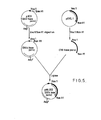
- Figure 5 shows the procedure which was adopted for constructing the expression vector pHEL002 using E. coli as host.
- plasmid pUC8 (Pharmacia Co) containing the lactose promoter was employed.
- the broad and fine arrows indicate respectively lactose promoters and transcription direction of elastase.
- the plasmid pUC8 was digested with XmaI and BamHI and a DNA fragment of 2644 base pairs was obtained by agarose gel electrophoresis.
- the plasmid pSYELl was digested with Xbal and with BamHl to obtain a DNA fragment of 730 base pairs, capable of coding for the mature elastase moiety in the synthetic human elastase I gene.
- Strain YA21 transformed with expression plasmid pHEL002 is expected to produce an elastase fusion protein in which 7 amino acids originating from the ß-galactosidase of pUC8 were fused to elastase at its N-terminal end.
- Strain YA21 transformed with pHEL002 was incubated at 37°C for 16 hours in the LB medium. Since the elastase fusion protein existed in the bacterial cells in the form of inclusion bodies, its purification was not complicated.
- bacterial cells with inclusion bodies were obtained from 1 1 of the culture medium.
- the bacterial cells were lysed with a 50 mM Tris-HC1 buffer solution (pH 8.0) containing 0.2 mg/ml of lysozyme and 1 mg/ml of deoxycholic acid. Unruptured cells were removed by low velocity centrifugation (1500 x g, 20 min) and the inclusion bodies were obtained as a pellet by high velocity centrifugation (11000 x g, 20 min).
- the pellet was re-suspended in a 50 mM Tris-HC1 buffer solution containing 5 mg/ml of Triton X-100 and subjected to high velocity centrifugation (11000 x g, 20 min).
- the inclusion body pellet was re-suspended in a small amount of Tris-HCI buffer solution and preserved at 4°C.
- E. coli strain YA21 transformed with elastase I expression plasmid was cultivated in 1 1 of the ampicilin medium at 37°C for 15 hours with shaking. After completion of the cultivation, the bacterial cells were collected by centrifugation at 3000 x g for 5 minutes, suspended in 20 ml of buffer solution A (50 mM Tris-HCI buffer solution, 1 mM EDTA, 50 mM NaCl; pH 8.0), 10 mg of lysozyme was added, and the mix kept at 5°C for 20 minutes.
- buffer solution A 50 mM Tris-HCI buffer solution, 1 mM EDTA, 50 mM NaCl; pH 8.0
- Deoxycholic acid was then added to the suspension to a final concentration of 1 mg/ml, the suspension warmed at 20°C and deoxyribonuclease added to a final concentration of 0.1 mg/ml.
- the mixture was then treated in a polytron homogenizer to rupture the bacterial cells.
- the lysate was centrifuged at 80000 x g for 40 minutes to remove bacterial cell debris, and subjected to Sephadex G-75 column chromatography. A fraction containing elastase activity was further purified by antibody affinity chromatography to give an elastase I sample for the analysis below.
- Elastase activity of the samples was determined as follows. 250 mcl of 100 mM Suc-Ala-Ala-ala-pNA was added to the elastase sample solution, the solution kept warm at 25 ° for 1 hour and the absorbance at 410 nm was measured. Elastase activity was detected only in the strain YA 21 containing the expression plasmid pHEL002. It was also confirmed at the same time that addition of elastatinal to a final concentration of 0.1 mg/ml inhibited the enzymatic activity.
- yeast When yeast was used as a host, in a similar manner to the procedure for animal cells, B. subtilis or E. coli, the DNA of human elastase I was ligated with a suitable expression vector, introduced in to host cells for expression by conventional methods and elastase activity was detected in the culture medium.
- S. cerevisiae described in "Japanese Guidelines for Recombinant DNA Experiment” was employable for the host, and a strain such as S288C was practically preferable.
- ADH1 gene coding for alcohol dehydrogenase gene was preferably employable for the promoter.
Landscapes
- Health & Medical Sciences (AREA)
- Life Sciences & Earth Sciences (AREA)
- Engineering & Computer Science (AREA)
- Chemical & Material Sciences (AREA)
- Genetics & Genomics (AREA)
- Wood Science & Technology (AREA)
- Organic Chemistry (AREA)
- Bioinformatics & Cheminformatics (AREA)
- Zoology (AREA)
- Biomedical Technology (AREA)
- Biotechnology (AREA)
- General Engineering & Computer Science (AREA)
- General Health & Medical Sciences (AREA)
- Microbiology (AREA)
- Biochemistry (AREA)
- Molecular Biology (AREA)
- Medicinal Chemistry (AREA)
- Tropical Medicine & Parasitology (AREA)
- Virology (AREA)
- Physics & Mathematics (AREA)
- Biophysics (AREA)
- Plant Pathology (AREA)
- Enzymes And Modification Thereof (AREA)
- Micro-Organisms Or Cultivation Processes Thereof (AREA)
- Medicines That Contain Protein Lipid Enzymes And Other Medicines (AREA)
- Medicines Containing Material From Animals Or Micro-Organisms (AREA)
- Peptides Or Proteins (AREA)
Priority Applications (1)
| Application Number | Priority Date | Filing Date | Title |
|---|---|---|---|
| AT87303711T ATE93540T1 (de) | 1986-04-26 | 1987-04-27 | Menschliche pankreaselastase i. |
Applications Claiming Priority (2)
| Application Number | Priority Date | Filing Date | Title |
|---|---|---|---|
| JP61097259A JPH0673456B2 (ja) | 1986-04-26 | 1986-04-26 | ヒト・膵臓エラスタ−ゼ▲i▼ |
| JP97259/86 | 1986-04-26 |
Publications (3)
| Publication Number | Publication Date |
|---|---|
| EP0244189A2 true EP0244189A2 (fr) | 1987-11-04 |
| EP0244189A3 EP0244189A3 (en) | 1989-02-08 |
| EP0244189B1 EP0244189B1 (fr) | 1993-08-25 |
Family
ID=14187548
Family Applications (1)
| Application Number | Title | Priority Date | Filing Date |
|---|---|---|---|
| EP87303711A Expired - Lifetime EP0244189B1 (fr) | 1986-04-26 | 1987-04-27 | Elastase I pancréatique humaine |
Country Status (8)
| Country | Link |
|---|---|
| US (1) | US4968614A (fr) |
| EP (1) | EP0244189B1 (fr) |
| JP (1) | JPH0673456B2 (fr) |
| KR (1) | KR950012972B1 (fr) |
| AT (1) | ATE93540T1 (fr) |
| CA (1) | CA1299508C (fr) |
| DE (1) | DE3787112T2 (fr) |
| ES (1) | ES2059371T3 (fr) |
Cited By (3)
| Publication number | Priority date | Publication date | Assignee | Title |
|---|---|---|---|---|
| WO1996028543A1 (fr) * | 1995-03-16 | 1996-09-19 | Knoll Aktiengesellschaft | Nouveaux melanges enzymatiques definis pour l'obtention de cellules et pour le traitement de blessures |
| WO2000061728A3 (fr) * | 1999-04-13 | 2001-02-01 | Queen Mary & Westfield College | Enzyme |
| WO2009079220A3 (fr) * | 2007-12-04 | 2009-08-06 | Proteon Therapeutics Inc | Protéines élastases recombinantes et procédés de fabrication et d'utilisation de celles-ci |
Families Citing this family (10)
| Publication number | Priority date | Publication date | Assignee | Title |
|---|---|---|---|---|
| US6586222B1 (en) | 1989-08-16 | 2003-07-01 | Chiron Corporation | Recombinant PR-3 and compositions thereof |
| US5998378A (en) * | 1989-08-16 | 1999-12-07 | Chiron Corporation | Compositions for the inhibition of TNF hormone formation and uses thereof |
| US5843693A (en) * | 1989-08-16 | 1998-12-01 | Chiron Corporation | Assay method for screening for inhibitors of proTNF conversion |
| JPH10504441A (ja) | 1994-03-07 | 1998-05-06 | カイロン コーポレイション | Tnf形成阻害のための組成物およびその使用 |
| US5710035A (en) * | 1994-07-05 | 1998-01-20 | Human Genome Sciences, Inc. | Human elastase IV |
| US7034132B2 (en) * | 2001-06-04 | 2006-04-25 | Anderson David W | Therapeutic polypeptides, nucleic acids encoding same, and methods of use |
| US7632494B2 (en) * | 1999-09-24 | 2009-12-15 | Proteon Therapeutics, Inc. | Methods for enlarging the diameter of a biological conduit in a human subject |
| US7063838B1 (en) * | 1999-09-24 | 2006-06-20 | Proteon Therapeutics Llc | Methods for treating an artery or vein in a human subject |
| EP1401858A4 (fr) * | 2001-06-04 | 2005-12-21 | Curagen Corp | Polypeptides therapeutiques, acides nucleiques codant ces polypeptides et procedes d'utilisation |
| AU2013204017B2 (en) * | 2007-12-04 | 2016-06-02 | Proteon Therapeutics, Inc. | Recombinant elastase proteins and methods of manufacturing and use thereof |
Family Cites Families (5)
| Publication number | Priority date | Publication date | Assignee | Title |
|---|---|---|---|---|
| US4666847A (en) * | 1981-01-16 | 1987-05-19 | Collaborative Research, Inc. | Recombinant DNA means and method |
| JPS58101693A (ja) * | 1981-12-15 | 1983-06-16 | Eisai Co Ltd | エラスタ−ゼの精製法 |
| JPS60186284A (ja) * | 1984-03-07 | 1985-09-21 | Kirin Brewery Co Ltd | ブタエラスタ−ゼ1の生物工学的製造 |
| JPS60207583A (ja) * | 1984-03-29 | 1985-10-19 | Sankyo Co Ltd | ブタ・膵臓エラスタ−ゼ |
| ES8800352A1 (es) * | 1985-04-05 | 1987-10-16 | Sankyo Co | Un procedimiento para producir un compuesto capaz de funcionar como una elastasa pancreatica humana |
-
1986
- 1986-04-26 JP JP61097259A patent/JPH0673456B2/ja not_active Expired - Fee Related
-
1987
- 1987-04-21 US US07/040,631 patent/US4968614A/en not_active Expired - Fee Related
- 1987-04-24 CA CA000535510A patent/CA1299508C/fr not_active Expired - Fee Related
- 1987-04-25 KR KR1019870004020A patent/KR950012972B1/ko not_active Expired - Fee Related
- 1987-04-27 ES ES87303711T patent/ES2059371T3/es not_active Expired - Lifetime
- 1987-04-27 EP EP87303711A patent/EP0244189B1/fr not_active Expired - Lifetime
- 1987-04-27 DE DE87303711T patent/DE3787112T2/de not_active Expired - Fee Related
- 1987-04-27 AT AT87303711T patent/ATE93540T1/de not_active IP Right Cessation
Cited By (12)
| Publication number | Priority date | Publication date | Assignee | Title |
|---|---|---|---|---|
| WO1996028543A1 (fr) * | 1995-03-16 | 1996-09-19 | Knoll Aktiengesellschaft | Nouveaux melanges enzymatiques definis pour l'obtention de cellules et pour le traitement de blessures |
| EA000583B1 (ru) * | 1995-03-16 | 1999-12-29 | Кноль Аг | СМЕСЬ ФЕРМЕНТОВ, ВЫДЕЛЕННЫХ ИЗ БАКТЕРИЙ Clostridium histolyticum |
| US6146626A (en) * | 1995-03-16 | 2000-11-14 | Knoll Aktiengesellschaft | Defined enzyme mixtures for obtaining cells and treating wounds |
| WO2000061728A3 (fr) * | 1999-04-13 | 2001-02-01 | Queen Mary & Westfield College | Enzyme |
| WO2009079220A3 (fr) * | 2007-12-04 | 2009-08-06 | Proteon Therapeutics Inc | Protéines élastases recombinantes et procédés de fabrication et d'utilisation de celles-ci |
| US8501449B2 (en) | 2007-12-04 | 2013-08-06 | Proteon Therapeutics, Inc. | Recombinant elastase proteins and methods of manufacturing and use thereof |
| EP2666854A1 (fr) * | 2007-12-04 | 2013-11-27 | Proteon Therapeutics, Inc. | Protéines élastases recombinantes, procédés de fabrication et leur utilisation |
| US9057060B2 (en) | 2007-12-04 | 2015-06-16 | Proteon Therapeutics, Inc. | Recombinant elastase proteins and methods of manufacturing and use thereof |
| RU2611200C2 (ru) * | 2007-12-04 | 2017-02-21 | Протеон Терапьютикс, Инк. | Рекомбинантные белки эластазы и способы их получения и применения |
| EP3176262A1 (fr) * | 2007-12-04 | 2017-06-07 | Proteon Therapeutics, Inc. | Protéines élastases recombinantes, procédés de fabrication et leur utilisation |
| US10301612B2 (en) | 2007-12-04 | 2019-05-28 | Proteon Therapeutics, Inc. | Recombinant elastase proteins and methods of manufacturing and use thereof |
| US10308924B2 (en) | 2007-12-04 | 2019-06-04 | Proteon Therapeutics, Inc. | Nucleic acid molecules encoding autoactivating type I pancreatic proelastase proteins |
Also Published As
| Publication number | Publication date |
|---|---|
| CA1299508C (fr) | 1992-04-28 |
| JPH0673456B2 (ja) | 1994-09-21 |
| JPS62253381A (ja) | 1987-11-05 |
| ATE93540T1 (de) | 1993-09-15 |
| US4968614A (en) | 1990-11-06 |
| EP0244189B1 (fr) | 1993-08-25 |
| ES2059371T3 (es) | 1994-11-16 |
| KR870010193A (ko) | 1987-11-30 |
| EP0244189A3 (en) | 1989-02-08 |
| DE3787112T2 (de) | 1994-04-07 |
| KR950012972B1 (ko) | 1995-10-24 |
| DE3787112D1 (de) | 1993-09-30 |
Similar Documents
| Publication | Publication Date | Title |
|---|---|---|
| DK175183B1 (da) | DNA-sekvens, der koder for et protein med i alt væsentligt samme biologiske aktivitet som humanprotein C, ekspressionsvektor og pattedyrsceller indeholdende DNA-sekvensen, samt fremgangsmåde til fremstilling af proteinet | |
| JP2634193B2 (ja) | ヒトプロアポリポタンパク質a−1の発現 | |
| FI89723B (fi) | Foerfarande foer framstaellning av vaevnadsplasminogenaktivator, kodande rekombinant-dna daerav och en transformanscell | |
| US4968614A (en) | Human pancreatic elastase I | |
| JPH09173081A (ja) | ヒト第ix因子ポリペプチド前駆体をコードする人工dna | |
| JP2533869B2 (ja) | Husi―i型インヒビタ―の生物学的活性を有するタンパク質をコ―ドするdna配列、前記dna配列を含む組換え体クロ―ニングベクタ―及び前記ベクタ―により形質転換された細菌 | |
| US5215909A (en) | Human cholinesterase genes | |
| US5162205A (en) | Human pancreatic elastase I | |
| EP0198645B1 (fr) | Elastase pancréatique humaine | |
| EP0157604B1 (fr) | Elastase pancréatique du porc | |
| Mason et al. | Thyroids from siblings with Pendred's syndrome contain thyroglobulin messenger ribonucleic acid variants | |
| US5212068A (en) | Human pancreatic elastase | |
| US5045471A (en) | Cloned DNA for P450scc and expression thereof | |
| CA1312028C (fr) | Vecteurs d'expression contenant des sequences d'adn protegeant contare le choc thermique, provenant d'un gene (hsp 83), et expression de ce gene pouvant etre induite par ces vecteurs | |
| CA2176507A1 (fr) | Enzyme de conversion de l'endotheline | |
| JPS6196998A (ja) | ヒトアポリポプロテインa−i様蛋白の産生方法 | |
| JPH0286777A (ja) | サル膵臓エラスターゼi | |
| JPH0736754B2 (ja) | ヒト・膵臓エラスターゼiiib | |
| JPH06253837A (ja) | ヒト・膵臓エラスターゼiiia | |
| JPS6229977A (ja) | ヒト・膵臓エラスタ−ゼ−2b | |
| JPH0675508B2 (ja) | ヒト・膵臓エラスタ−ゼ▲iii▼a | |
| JPH0675509B2 (ja) | ヒト・膵臓エラスタ−ゼ▲iii▼b | |
| JPH06102023B2 (ja) | ブタ・膵臓エラスタ−ゼ−2 | |
| WO1991005794A1 (fr) | Lignees cellulaires mammiferes stables exprimant de l'aromatase | |
| AU619803B2 (en) | Rearranged tissue plasminogen activators and method for producing same |
Legal Events
| Date | Code | Title | Description |
|---|---|---|---|
| PUAI | Public reference made under article 153(3) epc to a published international application that has entered the european phase |
Free format text: ORIGINAL CODE: 0009012 |
|
| AK | Designated contracting states |
Kind code of ref document: A2 Designated state(s): AT BE CH DE ES FR GB IT LI LU NL SE |
|
| PUAL | Search report despatched |
Free format text: ORIGINAL CODE: 0009013 |
|
| RHK1 | Main classification (correction) |
Ipc: C12N 15/00 |
|
| AK | Designated contracting states |
Kind code of ref document: A3 Designated state(s): AT BE CH DE ES FR GB IT LI LU NL SE |
|
| 17P | Request for examination filed |
Effective date: 19890801 |
|
| 17Q | First examination report despatched |
Effective date: 19920318 |
|
| GRAA | (expected) grant |
Free format text: ORIGINAL CODE: 0009210 |
|
| AK | Designated contracting states |
Kind code of ref document: B1 Designated state(s): AT BE CH DE ES FR GB IT LI LU NL SE |
|
| REF | Corresponds to: |
Ref document number: 93540 Country of ref document: AT Date of ref document: 19930915 Kind code of ref document: T |
|
| REF | Corresponds to: |
Ref document number: 3787112 Country of ref document: DE Date of ref document: 19930930 |
|
| ET | Fr: translation filed | ||
| ITF | It: translation for a ep patent filed | ||
| PLBE | No opposition filed within time limit |
Free format text: ORIGINAL CODE: 0009261 |
|
| STAA | Information on the status of an ep patent application or granted ep patent |
Free format text: STATUS: NO OPPOSITION FILED WITHIN TIME LIMIT |
|
| EPTA | Lu: last paid annual fee | ||
| 26N | No opposition filed | ||
| REG | Reference to a national code |
Ref country code: ES Ref legal event code: FG2A Ref document number: 2059371 Country of ref document: ES Kind code of ref document: T3 |
|
| EAL | Se: european patent in force in sweden |
Ref document number: 87303711.3 |
|
| PGFP | Annual fee paid to national office [announced via postgrant information from national office to epo] |
Ref country code: FR Payment date: 19970409 Year of fee payment: 11 |
|
| PGFP | Annual fee paid to national office [announced via postgrant information from national office to epo] |
Ref country code: AT Payment date: 19970414 Year of fee payment: 11 |
|
| PGFP | Annual fee paid to national office [announced via postgrant information from national office to epo] |
Ref country code: SE Payment date: 19970418 Year of fee payment: 11 Ref country code: GB Payment date: 19970418 Year of fee payment: 11 |
|
| PGFP | Annual fee paid to national office [announced via postgrant information from national office to epo] |
Ref country code: NL Payment date: 19970428 Year of fee payment: 11 Ref country code: ES Payment date: 19970428 Year of fee payment: 11 |
|
| PGFP | Annual fee paid to national office [announced via postgrant information from national office to epo] |
Ref country code: DE Payment date: 19970505 Year of fee payment: 11 |
|
| PGFP | Annual fee paid to national office [announced via postgrant information from national office to epo] |
Ref country code: CH Payment date: 19970513 Year of fee payment: 11 |
|
| PGFP | Annual fee paid to national office [announced via postgrant information from national office to epo] |
Ref country code: LU Payment date: 19970516 Year of fee payment: 11 |
|
| PGFP | Annual fee paid to national office [announced via postgrant information from national office to epo] |
Ref country code: BE Payment date: 19970612 Year of fee payment: 11 |
|
| PG25 | Lapsed in a contracting state [announced via postgrant information from national office to epo] |
Ref country code: LU Free format text: LAPSE BECAUSE OF NON-PAYMENT OF DUE FEES Effective date: 19980427 Ref country code: GB Free format text: LAPSE BECAUSE OF NON-PAYMENT OF DUE FEES Effective date: 19980427 Ref country code: AT Free format text: LAPSE BECAUSE OF NON-PAYMENT OF DUE FEES Effective date: 19980427 |
|
| PG25 | Lapsed in a contracting state [announced via postgrant information from national office to epo] |
Ref country code: SE Free format text: LAPSE BECAUSE OF NON-PAYMENT OF DUE FEES Effective date: 19980428 Ref country code: ES Free format text: LAPSE BECAUSE OF NON-PAYMENT OF DUE FEES Effective date: 19980428 |
|
| PG25 | Lapsed in a contracting state [announced via postgrant information from national office to epo] |
Ref country code: LI Free format text: LAPSE BECAUSE OF NON-PAYMENT OF DUE FEES Effective date: 19980430 Ref country code: FR Free format text: THE PATENT HAS BEEN ANNULLED BY A DECISION OF A NATIONAL AUTHORITY Effective date: 19980430 Ref country code: CH Free format text: LAPSE BECAUSE OF NON-PAYMENT OF DUE FEES Effective date: 19980430 Ref country code: BE Free format text: LAPSE BECAUSE OF NON-PAYMENT OF DUE FEES Effective date: 19980430 |
|
| BERE | Be: lapsed |
Owner name: SANKYO CY LTD Effective date: 19980430 |
|
| PG25 | Lapsed in a contracting state [announced via postgrant information from national office to epo] |
Ref country code: NL Free format text: LAPSE BECAUSE OF NON-PAYMENT OF DUE FEES Effective date: 19981101 |
|
| REG | Reference to a national code |
Ref country code: CH Ref legal event code: PL |
|
| GBPC | Gb: european patent ceased through non-payment of renewal fee |
Effective date: 19980427 |
|
| NLV4 | Nl: lapsed or anulled due to non-payment of the annual fee |
Effective date: 19981101 |
|
| EUG | Se: european patent has lapsed |
Ref document number: 87303711.3 |
|
| PG25 | Lapsed in a contracting state [announced via postgrant information from national office to epo] |
Ref country code: DE Free format text: LAPSE BECAUSE OF NON-PAYMENT OF DUE FEES Effective date: 19990202 |
|
| REG | Reference to a national code |
Ref country code: FR Ref legal event code: ST |
|
| REG | Reference to a national code |
Ref country code: ES Ref legal event code: FD2A Effective date: 20000403 |
|
| PG25 | Lapsed in a contracting state [announced via postgrant information from national office to epo] |
Ref country code: IT Free format text: LAPSE BECAUSE OF NON-PAYMENT OF DUE FEES;WARNING: LAPSES OF ITALIAN PATENTS WITH EFFECTIVE DATE BEFORE 2007 MAY HAVE OCCURRED AT ANY TIME BEFORE 2007. THE CORRECT EFFECTIVE DATE MAY BE DIFFERENT FROM THE ONE RECORDED. Effective date: 20050427 |