EP0311100A2 - Neue Dideoxycytidin-Derivate, ihre Herstellung und Verwendung für Pharmazeutika - Google Patents
Neue Dideoxycytidin-Derivate, ihre Herstellung und Verwendung für Pharmazeutika Download PDFInfo
- Publication number
- EP0311100A2 EP0311100A2 EP88116655A EP88116655A EP0311100A2 EP 0311100 A2 EP0311100 A2 EP 0311100A2 EP 88116655 A EP88116655 A EP 88116655A EP 88116655 A EP88116655 A EP 88116655A EP 0311100 A2 EP0311100 A2 EP 0311100A2
- Authority
- EP
- European Patent Office
- Prior art keywords
- dideoxycytidine
- didehydro
- methylene
- cytidine
- dideoxy
- Prior art date
- Legal status (The legal status is an assumption and is not a legal conclusion. Google has not performed a legal analysis and makes no representation as to the accuracy of the status listed.)
- Withdrawn
Links
Images


Classifications
-
- C—CHEMISTRY; METALLURGY
- C07—ORGANIC CHEMISTRY
- C07D—HETEROCYCLIC COMPOUNDS
- C07D405/00—Heterocyclic compounds containing both one or more hetero rings having oxygen atoms as the only ring hetero atoms, and one or more rings having nitrogen as the only ring hetero atom
- C07D405/02—Heterocyclic compounds containing both one or more hetero rings having oxygen atoms as the only ring hetero atoms, and one or more rings having nitrogen as the only ring hetero atom containing two hetero rings
- C07D405/04—Heterocyclic compounds containing both one or more hetero rings having oxygen atoms as the only ring hetero atoms, and one or more rings having nitrogen as the only ring hetero atom containing two hetero rings directly linked by a ring-member-to-ring-member bond
-
- A—HUMAN NECESSITIES
- A61—MEDICAL OR VETERINARY SCIENCE; HYGIENE
- A61P—SPECIFIC THERAPEUTIC ACTIVITY OF CHEMICAL COMPOUNDS OR MEDICINAL PREPARATIONS
- A61P31/00—Antiinfectives, i.e. antibiotics, antiseptics, chemotherapeutics
- A61P31/12—Antivirals
Definitions
- the present invention relates to new dideoxycytidine derivatives. These compounds have greater stability and lipophilicity than known nucleoside derivatives and penetrate the blood-brain barrier more effectively.
- the present invention further relates to all new intermediates which are used in the synthesis of the compounds according to the invention; a process for the preparation of the above-mentioned dideoxycytidine derivatives and the use of the compounds according to the invention for the production of pharmaceutical preparations for the treatment of retroviral infections, in particular AIDS (HIV).
- HIV retroviral infections
- Alkyl means in particular alkyl groups with 1-7 C atoms.
- Preferred compounds of formula I are those in which the dotted bond is absent.
- Compounds of the formula I are also preferred in which B OC (O) R and R represent methyl, ethyl, propyl, isopropyl, n-pentadecyl, n-heptadecyl, phenyl or benzyl.
- C NHC (O) R 1 and R 1 are methyl, ethyl, propyl, isopropyl, n-pentadecyl, n-heptadecyl, phenyl or benzyl.
- anhydrides of the formula (RCO) 2O are aromatic anhydrides such as benzoic anhydride, aralkanecarboxylic anhydrides such as phenylacetic anhydride and alkanecarboxylic anhydrides such as acetic anhydride, propionic anhydride, 2-methylpropionic anhydride, butanoic anhydride, palmitic anhydride and stearic anhydride.
- halo genides of the formula RCOX are aromatic acid halides such as benzoyl chloride, aralkanoyl halides such as phenylacetyl chloride and alkanoyl halides such as acetyl chloride.
- a compound of the formula II is preferably reacted with an anhydride of the formula (RCO) 2O.
- a condensing agent for example an organic base such as pyridine, dimethylaminopyridine or trimethylamine.
- an organic solvent for example dimethylformamide, may be present.
- the base for example pyridine, can be used as a solvent.
- a starting compound of the formula II is used in which C ′ is NH2
- a compound of the formula I is obtained in which B is -O (CO) R1 and C -NH (CO) R1, ie the acylation occurs both at the 5 ′ -Hydroxysky as well as on the amino group.
- the acylation is carried out in the presence of an alcoholic solvent such as ethanol, only the NH2 group is acylated, so that compounds of the formula I are obtained in which B is OH and C is -NH (CO) R1.
- the compounds according to the invention show greater stability and lipophilicity than known nucleotide derivatives.
- Table I gives the measured distribution coefficients for selected compounds according to the invention, which in turn is an indication of the lipophilicity of the compound.
- Table I Apparent distribution coefficient between n-octanol and phosphate buffer pH 7.4 * connection Partition coefficient N-acetyl 2 ′, 3′-didehydro-2 ′, 3′-dideoxycytidine 5′-acetate 0.39 N-acetyl 2 ', 3'-dideoxycytidine 5'-acetate 0.62 N-acetyl 2 ', 3'-dideoxycytidine 0.22 2 ', 3'-dideoxycytidine 5'-acetate 0.14 N-propanoyl 2 ', 3'-dideoxycytidine 5'-propanoate 6.8 N-propanoyl 2 ', 3'-dideoxycytidine 0.83 N- (2-
- HPLC conditions for sample measurement were determined, i.e. a reverse phase C-18 column with a solvent system with varying ratios of methanol: 0.0001M sodium phosphate, pH 6.8.
- the human plasma used in the experiment was frozen until use.
- the HPLC apparatus was a gradient system consisting of a Model 1601 Gradient Master, a Constametric I pump and a Constametric III pump.
- An LDC Spectromometer III was also used as a detector and a Waters 712B Wisp auto-injector.
- An ODS-3 RAC II, 5 ⁇ , 15 cm ⁇ 4.0 mm ID column (Whatmann, Clifton, NJ) was used for all samples.
- the solvent system consisted of methanol: 0.001M NaH2PO4 (pH 6.8) in the following proportions: 1b, 2b - 50:50; 1a, 2a - 43:57; 1c, 2c - 50:50.
- the samples were diluted with plasma (0.07 ml --- 7 ml), 0.4 ml portions were removed, filtered (0.22 ⁇ , Gelman) and the times were noted (0, 0.5, 1, 2, 4 and 24 hours).
- the compounds of the invention can be administered in any suitable manner, e.g. orally or intravenously.
- An alternating dosing schedule can also be used.
- the dosage can also be used in combination with other antiviral therapeutic agents, e.g. with 3'-azido-3-deoxythymidine (AZT) together.
- AZA 3'-azido-3-deoxythymidine
- the preparations according to the invention contain at least one compound of the formula I with one or more acceptable carriers or, if desired, other therapeutic agents.
- Formulations according to the invention suitable for oral administration can be present as discrete units such as capsules or tablets which contain a certain amount of the compound of the formula I, or as powders or granules or as a solution or suspension in an aqueous or non-aqueous liquid or as an oil in Water emulsion or water in oil emulsion.
- the compounds of the formula I can also be in the form of a bolus or paste.
- Preparations suitable for intravenous administration are aqueous or non-aqueous isotonic sterile injection solutions, which can contain antioxidants, buffers, bacteriostatics and substances that keep the formulation isotonic with the patient's blood.
- aqueous and non-aqueous sterile suspensions which can contain suspending and thickening agents.
- N-propanoyl 2 ′, 3′-dideoxycytidine 5′-propanoate can be obtained from N-propanoyl 2 ′, 3′-didehydro-2 ′, 3′-dideoxycytidine 5′-propanoate.
- N- (2-methylpropanoyl) 2 ′, 3′-didehydro-2 ′, 3′-dideoxycytidine 5 ′ - (2-methylpropanoate) can be converted into N- (2-methylpropanoyl) 2 ′, 3 ′ -dideoxycytidine 5 '- (2-methylpropanoate) can be obtained.
- N-butanoyl 2 ′, 3′-dideoxycytidine 5′-butanoate can be obtained from N-butanoyl 2 ′, 3′-didehydro-2 ′, 3′-dideoxycytidine 5′-butanoate.
- N-palmitoyl 2 ′, 3′-dideoxycytidine 5′-palmitoate can be obtained from N-palmitoyl 2 ′, 3′-didehydro-2 ′, 3′-dideoxycytidine 5′-palmitoate.
- N-stearoyl 2 ′, 3′-dideoxycytidine 5′-stearate can be obtained from N-stearoyl 2 ′, 3′-didehydro-2 ′, 3′-dideoxycytidine 5′-stearate.
- N-benzoyl 2 ′, 3′-dideoxycytidine 5′-benzoate can be obtained from N-benzoyl 2 ′, 3′-didehydro-2 ′, 3′-dideoxycytidine 5′-benzoate.
- N- (phenylacetyl) 2 ′, 3′-didehydro-2 ′, 3′-dideoxycytidine 5 ′ - (phenylacetate) can be converted to N- (phenylacetyl) 2 ′, 3′-didehydro-2 ′, 3'-dideoxycytidine 5 '- (phenylacetate) can be obtained.
- the 2-stearoyl 2 ′, 3′-dideoxycytidine 5′-stearate can be obtained from 2 ′, 3′-dideoxycytidine and stearoyl chloride in pyridine.
- the 2-stearoyl 2 ′, 3′-dideoxycytidine can be obtained from 2 ′, 3′-dideoxycytidine and stearic anhydride in absolute ethanol.
- N- (phenylacetyl) 2 ′, 3′-dideoxycytidine can be obtained from 2 ′, 3′-dideoxycytidine and phenylacetic anhydride in absolute ethanol.
- N-propanoyl 2 ′, 3′-dideoxycytidine and 2 ′, 3′-dideoxycytidine 5′-propanoate can be obtained from N-propanoyl 2 ′, 3′-dideoxycytidine 5′-propionate.
- N-palmitoyl 2 ′, 3′-dideoxycytidine and 2 ′, 3′-dideoxycytidine 5′-palmitoate can be obtained from N-palmitoyl 2 ′, 3′-dideoxycytidine 5′-palmitoate.
- N-stearoyl 2 ′, 3′-dideoxycytidine and 2 ′, 3′-dideoxycytidine 5′-stearate can be obtained from N-stearoyl 2 ′, 3′-dideoxycytidine 5′-stearate.
- N-benzoyl 2 ′, 3′-dideoxycytidine and 2 ′, 3′-dideoxycytidine 5′-benzoate can be obtained from N-benzoyl 2 ′, 3′-dideoxycytidine 5′-benzoate.
- N- (phenylacetyl) 2 ′, 3′-dideoxycytidine 5 ′ - (phenylacetate) can be used to obtain N- (phenylacetyl) 2 ′, 3′-dideoxycytidine and 2 ′, 3′-dideoxycytidine 5′- (phenylacetate) can be obtained.
- 2 ′, 3′-dideoxy-N - [(dimethylamino) methylene] cytidine and propanoic anhydride can be used to give 2 ′, 3′-dideoxy-N - [(dimethylamino) methylene] cytidine 5′-propionate and from this the 2 ', 3'-dideoxycytidine 5'-propionate can be obtained.
- 2 ′, 3′-dideoxy-N - [(dimethylamino) methylene] cytidine and 2-methylpropionic anhydride can be converted into 2 ′, 3′-dideoxy-N - [(dimethlamino) methylene] cytidine 5 ′ - ( 2-methylpropionate) and therefrom the 2 ', 3'-dideoxycytidine 5' - (2-methylpropionate) can be obtained.
- 2 ′, 3′-dideoxy-N - [(dimethylamino) methylene] cytidine and butanoic anhydride can be 2 ′, 3′-dideoxy-N - [(dimethylamino) methylene] cytidine 5′-butanoate and therefrom the 2 ', 3'-dideoxycytidine will be 5'-butanoate.
- 2 ′, 3′-dideoxy-N - [(dimethylamino) methylene] cytidine and palmitoyl hydride can be 2 ′, 3′-dideoxy-N - [(dimethylamino) methylene] cytidine 5′-palmitate and the 2 ', 3'-dideoxycytidine 5'-palmitate can be obtained therefrom.
- 2 ′, 3′-dideoxy-N - [(dimethlamino) methylene] cytidine and stearoyl anhydride can be used to obtain the 2 ′, 3′-dideoxy-N - [(dimethylamino) methylene] cytidine 5′-stearate and therefrom the 2 ', 3'-dideoxycytidine 5'-stearate can be obtained.
- 2 ′, 3′-dideoxy-N - [(dimethylamino) methylene] cytidine and benzoic anhydride can be used to obtain the 2 ′, 3′-dideoxy-N - [(dimethylamino) methylene] cytidine 5′-benzoate and from them the 2 ', 3'-dideoxycytidine 5'-benzoate can be obtained.
- 2 ′, 3′-dideoxycytidine-N - [(dimethylamino) methylene] cytidine and phenylacetic anhydride can be converted into 2 ′, 3′-dideoxy-N - [(dimethylamino) methylene] cytidine 5 ′ - (phenyl acetate) and from it the 2 ', 3'-dideoxycytidine 5' - (phenylacetate) can be obtained.
- N-palmitoyl 2 ′, 3′-didehydro-2 ′, 3′-dideoxycytidine can be obtained from 2 ′, 3′-didehydro-2 ′, 3′-dideoxycytidine and palmitic anhydride.
- the 2-stearoyl 2 ′, 3′-didehydro-2 ′, 3′-dideoxycytidine can be obtained from 2 ′, 3′-didehydro-2 ′, 3′-dideoxycytidine and stearic anhydride.
- N-benzoyl 2 ′, 3′-didehydro-2 ′, 3′-dideoxycytidine can be obtained from 2 ′, 3′-didehydro-2 ′, 3′-dideoxycytidine and phenylacetic anhydride.
- Tablets can be made from the following ingredients using conventional methods: A. Part mg / tablet 1. Compound of formula I. 0.10 2. Lactose, anhydrous 149.25 3. Iron oxide, red 0.15 4. Microcrystalline cellulose (Avicel PH-102) 40.0 5. Croscarmellose sodium, type A 8.40 6. Magnesium stearate 2.10 Total 200.00 mg B. component mg / tablet 1. Compound of formula I. 5.00 2. Lactose, anhydrous 144.20 3. FD&C Blue # 1 Lake 0.10 4. Microcrystalline cellulose (Avicel PH-102) 40.0 5. Croscarmellose sodium, type A 8.40 6. Magnesium stearate 2.30 Total 200.00 mg
- Sterile powders for injections can be made from the following ingredients using conventional lyophilization techniques: component mg / ampoule 1. Compound of formula I. 10.00 2. Mannitol 50.00 3. Hydrochloric acid (1% v / v) 4. Water for injections 1. The pH of the basic solution is adjusted with HCl. 2. The solution is lyophilized.
Landscapes
- Chemical & Material Sciences (AREA)
- Organic Chemistry (AREA)
- Health & Medical Sciences (AREA)
- Life Sciences & Earth Sciences (AREA)
- Medicinal Chemistry (AREA)
- Pharmacology & Pharmacy (AREA)
- Chemical Kinetics & Catalysis (AREA)
- General Chemical & Material Sciences (AREA)
- Communicable Diseases (AREA)
- Nuclear Medicine, Radiotherapy & Molecular Imaging (AREA)
- Virology (AREA)
- Oncology (AREA)
- Animal Behavior & Ethology (AREA)
- General Health & Medical Sciences (AREA)
- Public Health (AREA)
- Veterinary Medicine (AREA)
- Pharmaceuticals Containing Other Organic And Inorganic Compounds (AREA)
- Saccharide Compounds (AREA)
Abstract

Description
- Die vorliegende Erfindung betrifft neue Dideoxycytidin-Derivate. Diese Verbindungen weisen grössere Stabilität und Lipophilität als bekannte Nucleosidderivate auf und durchdringen die Blut-Hirnschranke wirksamer.
- Die vorliegende Erfindung betrifft weiterhin alle neuen Zwischenprodukte, die in der Synthese der erfindungsgemässen Verbindungen verwendet werden; ein Verfahren zur Herstellung der genannten Dideoxycytidin-Derivate und die Anwendung der erfindungsgemässen Verbindungen zur Herstellung von pharmazeutischen Präparaten zur Behandlung retroviraler Infektionen, insbesondere Aids (HIV).
- Insbesondere betrifft die vorliegende Erfindung Verbindungen der Formel

- Bevorzugte Verbindungen der Formel I sind diejenigen, in denen die punktierte Bindung abwesend ist. Weiterhin sind Verbindungen der Formel I bevorzugt, in denen B OC(O)R und R Methyl, Aethyl, Propyl, Isopropyl, n-Pentadecyl, n-Heptadecyl, Phenyl oder Benzyl darstellt.
- Weiterhin sind Verbindungen der Formel I bevorzugt, in denen C NHC(O)R¹ und R¹ Methyl, Aethyl, Propyl, Isopropyl, n-Pentadecyl, n-Heptadecyl, Phenyl oder Benzyl darstellen.
- Besonderes bevozugt sind Verbindungen der Formel I, in denen B OH ist, wie N-Butanoyl-2′,3′-dideoxycytidin.
- Das erfindungsgemässe Verfahren zur Herstellung der Verbindung der Formel I ist dadurch gekennzeichnet, dass man
- a) eine Verbindung der Formel

mit einem Anhydrid der Formel (RCO)₂O oder einem Halogenid der Formel RCOX, worin R die obige Bedeutung hat und X Halogen ist, umsetzt oder - b) eine Verbindung der Formel II, worin C′ NH₂ ist, mit einer Verbindung der Formel

- Beispiele von Anhydriden der Formel (RCO)₂O sind aromatische Anhydride wie Benzoesäureanhydrid, Aralkancarbonsäureanhydride wie Phenylessigsäureanhydrid und Alkancarbonsäureanhydride wie Acetanhydrid, Propionsäureanhydrid, 2-Methylpropionsäureanhydrid, Butansäureanhydrid, Palmitinsäureanhydrid und Stearinsäureanhydrid. Beispiele von Halo geniden der Formel RCOX sind aromatische Säurehalogenide wie Benzoylchlorid, Aralkanoylhalogenide wie Phenylacetylchlorid und Alkanoylhalogenide wie Acetylchlorid. Vorzugsweise wird eine Verbindung der Formel II mit einem Anhydrid der Formel (RCO)₂O umgesetzt. Gewünschtenfalls wird die Umsetzung einer Verbindung der Formel II mit einem Anhydrid (RCO)₂O oder einem Halogenid RCOX in Gegenwart eines Kondensationsmittels, z.B. einer organischen Base wie Pyridin, Dimethylaminopyridin oder Trimethylamin durchgeführt. Erforderlichenfalls kann ein organisches Lösungsmittel, z.B. Dimethylformamid anwesend sein. Alternativ kann die Base, z.B. Pyridin, als Lösungsmittel verwendet werden. Wenn eine Ausgangsverbindung der Formel II verwendet wird, worin C′ NH₂ ist, wird eine Verbindung der Formel I erhalten, worin B -O(CO)R¹ und C -NH(CO)R¹ ist, d.h. die Acylierung tritt sowohl an der 5′-Hydroxygruppe als auch an der Aminogruppe ein. Wenn die Acylierung in Gegenwart eines alkoholischen Lösungsmittels wie Aethanol vorgenommen wird, wird nur die NH₂-Gruppe acyliert, sodass Verbindungen der Formel I erhalten werden, worin B OH und C -NH(CO)R¹ ist. Verbindungen der Formel I, worin B -O(CO)R und C NH₂ ist, können durch Hydrolyse einer Verbindung der Formel I erhalten werden, worin B -O(CO)R und C -N=CH-NR²R³ ist. Die letzteren Verbindungen können wiederum durch Umsetzung von 2′,3′-Didehydro-2′,3′-dideoxycytidin oder 2′,3′-Dideoxycytidin (d.h. eine Verbindung der Formel II, worin C′ NH₂ ist) mit einer Verbindung der Formel (R⁴O)₂CHNR²R³, z.B. N,N-Dimethylformamid-dimethylacetal erhalten werden.
- Verbindungen der Formel I, worin die punktiere Bindung anwesent ist, können mittels bekannter Methoden hydriert werden, z.B. durch katalytische Hydrierung mit Edelmetallkatalysatoren, wobei entsprechende Verbindungen der Formel I erhalten werden, in denen die punktierte Bindung abwesend ist.
- Schliesslich werden annähernd gleiche Mengen des 5′-Hydroxyesters und der N-Amidderivate erhalten, wenn eine 5′-Hydroxyester-N-amidverbindung mit Ammoniak/Wasser/Methanol oder Methanol/Wasser/Triäthylamin behandelt wird.
- Wie oben erwähnt, zeigen die erfindungsgemässen Verbindungen grössere Stabilität und Lipophilität als bekannte Nucleotidderivate. In der nachstehenden Tabelle I sind für ausgewählte erfindungsgemässe Verbindungen die gemessenen Verteilungskoeffizienten angegeben, die wiederum ein Anzeichen für die Lipophilität der Verbindung darstellt.
Tabelle I Scheinbarer Verteilungskoeffizient zwischen n-Octanol und Phosphatpuffer pH 7,4* Verbindung Verteilungskoeffizient N-Acetyl 2′,3′-didehydro-2′,3′-dideoxycytidin 5′-acetat 0.39 N-Acetyl 2′,3′-dideoxycytidin 5′-acetat 0.62 N-Acetyl 2′,3′-dideoxycytidin 0.22 2′,3′-Dideoxycytidin 5′-acetat 0.14 N-Propanoyl 2′,3′-dideoxycytidin 5′-propanoat 6.8 N-Propanoyl 2′,3′-dideoxycytidin 0.83 N-(2-Methylpropanoyl) 2′,3′-dideoxycytidin 5′-(2-methylpropanoat) 58.0 N-(2-Methylpropanoyl) 2′,3′-dideoxycytidin 2.38 N-Butanoyl 2′,3′-dideoxycytidin 5′-butanoat 70.0 N-Butanoyl 2′,3′-dideoxycytidin 2.67 N-Palmitoyl 2′,3′-dideoxycytidin 5′-palmitoat > 1000 N-Benzoyl 2′,3′-dideoxycytidin 15.0 2′,3′-Didehydro-2′,3′-dideoxycytidin 0.03 2′,3′-Dideoxycytidin 0.05 * Der scheinbare Verteilungskoeffizient zwischen n-Octanol und wässrigem Phosphatpuffer pH 7,4 (pH des menschlichen Bluts) wurde nach der Methode von Hansch et al., Chem. Rev. 71, 525 (1971) bestimmt. - Die Stabilität ausgewählter erfindungsgemässer Verbindungen in Methanol/Wasser oder menschlichem Blutplasma wurde wie nachstehend angegeben geprüft:
- Die folgenden Verbindungen wurden auf Stabilität im menschlichen Plasma geprüft:
Verbindung Nr. N-Propanoyl 2′,3′-dideoxycytidin 5′-propanoat 1a N-(2-Methylpropanoyl) 2′,3′-dideoxycytidin 5′-(2-methylpropanoat) 1b N-Butanoyl 2′,3′-dideoxycytidin 5′-butanoat 1c N-Propanoyl 2′,3′-dideoxycytidin 2a N-(2-Methylpropanoyl) 2′,3′-dideoxycytidin 2b N-Butanoyl 2′,3′-dideoxycytidin 2c 2′,3′-Dideoxycytidin 4 - Zunächst wurden die HPLC-Bedingungen für die Probenmessung bestimmt, d.h. eine Revers-Phasen C-18-Säule mit einem Lösungsmittelsystem mit variierenden Verhältnissen von Methanol: 0,0001M Natriumphosphat, pH 6,8.
- Danach wurde die maximale UV-Absorption für jede Probe und die grösste Stabilität unter Laborbedingungen für jede Probe in Methanol:Wasser bestimmt. Danach wurde die Stabilität im menschlichen Plasma untersucht.
- Das im Experiment verwendete menschliche Plasma wurde bis zur Verwendung eingefroren.
- Die HPLC-Apparatur war ein Gradientsystem bestehend aus einem Modell 1601 Gradient Master, einer Constametric I Pumpe und einer Constametric III Pumpe. Weiterhin wurden ein LDC-Spectromometer III als Detektor und ein Waters 712B Wisp Autoinjektor verwendet. Allen Proben wurde eine ODS-3 RAC II, 5 µ, 15 cm x 4,0 mm ID-Säule (Whatmann, Clifton, N.J.) verwendet. Das Lösungsmittelsystem bestand aus Methanol: 0,001M NaH₂PO₄ (pH 6,8) in den folgenden Proportionen:
1b, 2b - 50:50;
1a, 2a - 43:57;
1c, 2c - 50:50. - Jede Verbindung wurde in ein konisches 15 ml Teströhrchen eingewogen und in DMSO gelöst, so dass eine Vorratslösung von 10 mg/ml erhalten wurde. Die Proben für die Standardkurve wurden durch Verdünnen der DMSO-Vorratslösung mit der mobilen Phasen wie folgt hergestellt:
Für 100 µg/ml Verdünnen von 0,04 ml Grundlösung auf 4 ml (Lösung 1) 50 µg/ml Verdünnen von 2 ml Lösung 1 auf 4 ml (Lösung 2) 10 µg/ml Verdünnen von 0,8 ml Lösung 2 auf 4 ml (Lösung 3) - Für die Untersuchungen wurden die Proben mit Plasma verdünnt (0,07 ml --- 7 ml), 0,4 ml Portionen wurden entnommen, filtriert (0,22 µ, Gelman) und die Zeiten wurden notiert (0, 0,5, 1, 2, 4 und 24 Stunden).
- Die chromatographischen Daten wurden mit einem Nelson 3000 Datasystem gesammelt. Peakhöhen der Kalibrierungs-Standards jeder Verbindung wurden gemessen und gegen bekannte Konzentrationen aufgetragen. Eine lineare Kurve der kleinsten Quadrate (ungewichtet) wurde berechnet und alle Probenkonzentrationen wurden aus dieser Kurve rückgerechnet. Die Resultate sind in den Tabellen II-VIII zusammengestellt.
Tabelle II Stabilität in Methanol/Wasser Verbindung Nr. Zeit (Tage) % N, O-Diacyl (1a,1b,1c) % N-Acyl (2a,2b, 2c) % O-Acyl- (3a,3b,3c) % ddC 4 1a 0 100 - - - 14 43 18 27 - 2a 0 - 100 - - 14 - 56 - 28 1b 0 100 - - - 14 73 8 17 2 2b 0 - 100 - - 14 - 83 17 2 1c 0 100 - - - 14 43 20 32 25 2c 0 - 100 - - 14 - 76 - 20 Tabelle III Stabilität in Humanplasma bei 37°C (µg/ml) Verbindung Nr. Zeit (Tage) % N, O-Diacyl (1a) % N-Acyl (2a) % O-Acyl % ddC (4) 1a 0 86 6 - 1 0,5 70 22 - 2 1 40 42 - 1 2 17 79 - 1 4 10 91 - 1 24 1 81 - 3 Tabelle IV Stabilität in Humanplasma bei 37°C (µg/ml) Verbindung Nr. Zeit (Tage) % N-Acyl (2a) % ddC (4) 2a 0 97 1 0,5 87 1 1 85 2 2 96 - 4 99 - 24 80 3 Tabelle V Stabilität in Humanplasma bei 37°C (µg/ml) Verbindung Nr. Zeit (Tage) % N, O-Diacyl (1b) % N-Acyl (2b) % O-Acyl (3b) % ddC (4) 1b 0 95 3 - - 0,5 83 8 - - 1 38 49 - - 2 9 60 - - 4 4 72 - - 24 3 88 - 5 Tabelle VI Stabilität in Humanplasma bei 37°C (µg/ml) Verbindung Nr. Zeit (Tage) % N-Acyl (2b) % ddC (4) 2b 0 83 - 0,5 88 - 1 61 - 2 78 - 4 89 - 24 92 - Tabelle VII Stabilität in Humanplasma bei 37°C (µg/ml) Verbindung Nr. Zeit (Tage) % N, O-Diacyl (1c) % N-Acyl (2c) % O-Acyl (3c) % ddC (4) 1c 0 64 4 - - 0,5 23 7 - - 1 10 71 - - 2 7 74 - - 4 6 72 - - 24 6 68 - 5 Tabelle VIII Stabilität in Humanplasma bei 37°C (µg/ml) Verbindung Nr. Zeit (Tage) % N-Acyl (2c) % ddC (4) 2c 0 101 - 0,5 95 - 1 92 - 2 90 - 4 85 - 24 77 - - Ausgewählte erfindungsgemässe Verbindungen wurden in dem von Mitsuya et al., Science, Vol. 226, pp. 172-174 (1984) beschriebenen Test auf Hemmung des HIV-cytopathischen Effekts geprüft.
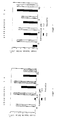
Konzentration der verwendeten Verbindung: 0,1, 1, 10, 20, 100 µM Verwendetes Verdünnungsmittel: Phosphat gepuffterte Kochsalzlösung Verwendete Zellen: ATH8 Zellen (2x10⁵ pro Probe) Verwendetes Viruspräparat: HTLV-IIIB (2000 Viruspartikel/Zelle) - Die Resultate sind in den Figuren 1-5 dargestellt. Schwarze Säulen stellen die mit der Verbindung behandelten überlebenden Zellen nach Zusatz von HTLV-III dar. Helle Säulen stellen mit der Verbindung behandelten Zellen in Abwesenheit des Virus dar.
- Die erfindungsgemässen Verbindungen können in jeder geeigneten Weise verabreicht werden, z.B. oral oder intravenös. Es kann auch ein alternierendes Dosierungsschema angewandt werden. Die Dosierung kann auch in Kombination mit anderen antiviralen Therapeutika, z.B. mit 3′-Azido-3-deoxythymidin (AZT) zusammen erfolgen.
- Obwohl es möglich ist, die Verbindungen der Formel I als solche zu verabreichen, werden sie vorzugsweise in Form pharmazeutischer Präparate angewandt. Die erfindungsgemässen Präparate enthalten mindestens eine Verbindung der Formel I mit einem oder mehreren annehmbaren Trägern oder gewünschtenfalls anderen Therapeutika.
- Für die orale Verabreichung geeignete erfindungsgemässe Formulierungen können als diskrete Einheiten wie Kapseln oder Tabletten, die eine bestimmte Menge der Verbindung der Formel I enthalten, vorliegen oder als Pulver oder Granulate oder als Lösung oder Suspension in einer wässrigen oder nicht-wässrigen Flüssigkeit oder als Oel in Wasser-Emulsion oder Wasser in Oel-Emulsion. Die Verbindungen der Formel I können auch als Bolus oder Paste liegen.
- Präparate die für die intravenöse Verabreichung geeignet sind, sind wässrige oder nicht-wässrige isotonische sterile Injektionslösungen, die Antioxidantien, Puffer, Bakteriostatika und Stoffe enthalten können, die die Formulierung mit dem Blut des Patienten isotonisch halten. Weitere Beispiele sind wässrige und nicht-wässrige sterile Suspensionen, die Suspendierungs- und Verdickungsmittel enthalten können.
- Die nachstehenden Beispiele erläutern die Erfindung weiter. Alle Temperaturen sind in Celsiusgraden angegeben.
- Ein Gemisch von 0,021 g 2′,3′-Didehydro-2′,3′-dideoxycytidin, 0,25 ml Acetanhydrid und 1,0 ml Pyridin wurde über Nacht bei Raumtemperatur gerührt. Das Gemisch wurde unter vermindertem Druck zur Trockene eingedampft. Der Feststoff wurde mit 1 ml Tetrahydrofuran bei 0° behandelt, dann aus 20 ml heissem Tetrahydrofuran umkristallisiert. Man erhielt N-Acetyl 2′,3′-didehydro-2′,3′-dideoxycytidin 5′-acetat, Smp. >350°, [α]

- In Analogie zu Beispiel 1 kann aus 2′,3′-Didehydro-2′,3′-dideoxycytidin mit Propionsäureanhydrid in Pyridin das N-Propanoyl 2′,3′-Didehydro-2′,3′-dideoxycytidin 5′-propanoat erhalten werden.
- In Analogie zu Beispiel 1 kann aus 2′,3′-Didehydro-2′,3′-dideoxycytidin und 2-Methylpropionsäureanhydrid in Pyridin das N-(2-Methylpropanoyl) 2′,3′-didehydro-2′,3′-dideoxycytidin 5′-(2-methylpropanoat) erhalten werden.
- In Analogie zu Beispiel 1 kann aus 2′,3′-Didehydro-2′,3′-dideoxycytidin mit Butansäureanhydrid in Pyridin das N-Butanoyl 2′,3′-didehydro-2′,3′-dideoxycytidin 5′-butanoat erhalten werden.
- In Analogie zu Beispiel 1 kann aus 2′,3′-Didehydro-2′,3′-dideoxycytidin und Palmitinsäureanhydrid in Pyridin das N-Palmitoyl 2′,3′-didehydro-2′,3′-dideoxycytidin 5′-palmitoat erhalten werden.
- In Analogie zu Beispiel 1 kann aus 2′,3′-Didehydro-2′,3′-dideoxycytidin und Stearinsäureanhydrid in Pyridin das N-Stearoyl 2′,3′-didehydro-2′,3′-dideoxycytidin 5′-stearat erhalten werden.
- In Analogie zu Beispiel 1 kann aus 2′,3′-Didehydro-2′,3′-dideoxycytidin und Benzoesäureanhydrid in Pyridin das N-Benzoyl 2′,3′-didehydro-2′,3′-dideoxycytidin 5′-benzoat erhalten werden.
- In Analogie zu Beispiel 1 kann aus 2′,3′-Didehydro-2′,3′-dideoxycytidin und Phenylessigsäureanhydrid in Pyridin das N-(Phenylacetyl) 2′,3′-didehydro-2′,3′-dideoxycytidin 5′-(phenylacetat) erhalten werden.
- Eine Lösung von 8,00 g N-Acetyl 2′,3′-didehydro-2′,3′-dideoxycytidin 5′-acetat in 500 ml Methanol-Tetrahydrofuran (1:1) wurde über 0,10 g 10% Palladium/Kohle bei einer Atmosphäre Wasserstoffdruck hydriert. Die Lösung wurde durch Diatomeenerde filtriert und unter vermindertem Druck zur Trockene eingedampft. Der Rückstand wurde in 600 ml heissem Acetonitril gelöst, filtriert und auf 200 ml eingeengt. Das Gemisch wurde 1 Stunde auf o° gekühlt und filtriert. In zwei Fraktionen wurden insgesamt 6,50 g N-Acetyl 2′,3′-dideoxycytidin 5′-acetat, Smp. 210-211°, [α]

- In Analogie zu Beispiel 9 kann aus N-Propanoyl 2′,3′-didehydro-2′,3′-dideoxycytidin 5′-propanoat das N-Propanoyl 2′,3′-dideoxycytidin 5′-propanoat erhalten werden.
- In Analogie zu Beispiel 9 kann aus N-(2-Methylpropanoyl)2′,3′-didehydro-2′,3′-dideoxycytidin 5′-(2-methylpropanoat) das N-(2-Methylpropanoyl) 2′,3′-dideoxycytidin 5′-(2-methylpropanoat) erhalten werden.
- In Analogie zu Beispiel 9 kann aus N-Butanoyl 2′,3′-didehydro-2′,3′-dideoxycytidin 5′-butanoat das N-Butanoyl 2′,3′-dideoxycytidin 5′-butanoat erhalten werden.
- In Analogie zu Beispiel 9 kann aus N-Palmitoyl 2′,3′-didehydro-2′,3′-dideoxycytidin 5′-palmitoat das N-Palmitoyl 2′,3′-dideoxycytidin 5′-palmitoat erhalten werden.
- In Analogie zu Beispiel 9 kann aus N-Stearoyl 2′,3′-didehydro-2′,3′-dideoxycytidin 5′-stearat das N-Stearoyl 2′,3′-dideoxycytidin 5′-stearat erhalten werden.
- In Analogie zu Beispiel 9 kann aus N-Benzoyl 2′,3′-didehydro-2′,3′-dideoxycytidin 5′-benzoat das N-Benzoyl 2′,3′-dideoxycytidin 5′-benzoat erhalten werden.
- In Analogie zu Beispiel 9 kann aus N-(Phenylacetyl) 2′,3′-didehydro-2′,3′-dideoxycytidin 5′-(phenylacetat) das N-(Phenylacetyl) 2′,3′-didehydro-2′,3′-dideoxycytidin 5′-(phenylacetat) erhalten werden.
- Ein Gemisch von 0,021 g 2′,3′-Dideoxycytidin, 0,25 ml Acetanhydrid und 1,0 ml trockenem Pyridin wurde 3 Stunden bei 25° gerührt. Das homogene Gemische wurde dann mit 5 ml Methanol verdünnt und eine halbe Stunde bei 25° gerührt. Das Gemisch wurde unter vermindertem Druck zur Trockene eingedampft und der Rückstand aus 1,0 ml Acetonitril umkristallisiert, wobei 0,024 g N-Acetyl 2′,3′-dideoxycytidin 5′-acetat, Smp. 210-211°, [α]

- Ein Gemisch von 10,0 g 2′,3′-Dideoxycytidin, 25,0 g Propionsäureanhydrid und 50 ml trockenem Pyridin wurde 18 Stunden bei Raumtemperatur gerührt. Die homogene Lösung wurde dann unter vermindertem Druck zur Trockene eingedampft. Der Rückstand wurde in 100 ml Aethylacetat gelöst, durch Diatomeenerde filtriert und das Filtrat unter vermindertem Druck zur Trockene eingedampft. Der Feststoff wurde mit vier 100 ml Portionen Hexan behandelt und getrocknet und lieferte 8,8 g N-Propanoyl 2′,3′-dideoxycytidin 5′-propionat, Smp. 110-112°, [α]

- Ein Gemisch von 9,50 g 2′,3′-Dideoxycytidin, 30,0 g 2-Methylpropionsäureanhydrid und 60 ml trockenem Pyridin wurde 18 Stunden bei Raumtemperatur gerührt. Die homogene Lösung wurde unter vermindertem Druck zur Trockene eingedampft. Der Rückstand wurde in 300 ml heissem Aether gelöst, filtriert und unter vermindertem Druck zur Trockene eingedampft. Der Rückstand wurde in 150 ml heissem Aether gelöst und mit 150 ml Hexan versetzt. Nach Kühlen auf Raumtemperatur bildete sich ein dickes Gel. Das Gel wurde abfiltriert und unter vermindertem Druck getrocknet und lieferte 6,60 g N-(2-Methylpropanoyl) 2′,3′-dideoxycytidin 5′-(2-methylpropanoat), Smp. 120-122°, [α]

- Ein Gemisch von 10,5 g 2′,3′-Dideoxycytidin, 35,0 g Butansäureanhydrid und 70 ml trockenes Pyridin wurde 18 Stunden bei Raumtemperatur gerührt. Die homogene Lösung wurde dann unter vermindertem Druck zur Trockene eingedampft. Der Rückstand wurde in 350 ml heissem Aethylacetat gelöst, filtriert und unter vermindertem Druck zur Trockene eingedampft. Der Rückstand wurde dann mit 200 ml heissem Aether und 200 ml heissem Hexan verrieben und getrocknet und lieferte 8,55 g N-Butanoyl 2′,3′-dideoxcycytidin 5′-butanoat, Smp. 98-99°, [α]

- Ein Gemisch von 0,021 g 2′,3′-Dideoxycytidin, 0,25 ml Palmitoylchlorid und 1 ml Pyridin wurde 2 Stunden bei 0° gerührt. Das Gemisch wurde mit einigen Eisstücken versetzt und 10 Minuten weitergerührt. Das Gemisch wurde dann mit 75 ml Methylenchlorid verdünnt, die Lösung mit zwei 25 ml-Portionen gesättigter wässriger Natriumbicarbonatlösung gewaschen, die wässrigen Phasen mit 25 ml Methylenchlorid rückextrahiert und die vereinigten organischen Phasen über Magnesiumsulfat getrocknet, filtriert und unter vermindertem Druck zur Trockene eingedampft. Der Rückstand wurde aus einer minimalen Menge heissem Methanol umkristallisiert und lieferte 0,058 g N-Palmitoyl 2′,3′-dideoxycytidin 5′-palmitat, Smp. 86-89°, [α]

- In Analogie zu Beispiel 20 kann aus 2′,3′-Dideoxycytidin und Stearoylchlorid in Pyridin das N-Stearoyl 2′,3′-dideoxycytidin 5′-stearat erhalten werden.
- In Analogie zu Beispiel 21 kann aus 2′,3′-Dideoxycytidin und Benzoesäureanhydrid in Pyridin das N-Benzoyl 2′,3′-dideoxycytidin 5′-benzoat erhalten werden.
- In Analogie zu Beispiel 20 oder 21 kann aus 2′,3′-Dideoxycytidin und Phenylacetylchlorid oder Phenylacetanhydrid in Pyridin das N-(Phenylacetyl) 2′,3′-dideoxycytidin 5′-(phenylacetat) erhalten werden.
- Ein Gemisch von 21,1 g 2′,3′-Dideoxycytidin, 30,0 g Acetanhydrid und 1 l absolutem Aethanol wurde 1 Stunde bei 70-75° gerührt. Die homogene Lösung wurde unter vermindertem Druck zur Trockene eingedampft und der Rückstand mit 100 ml Toluol versetzt und unter vermindertem Druck zur Trockene abgedampft. Man erhielt 25,3 g N-Acetyl 2′,3′-dideoxycytidin, Smp. 140°, [α]

- Ein Gemisch von 10 g 2′,3′-Dideoxycytidin, 1,36 g Propionsäureanhydrid und 500 ml absolutem Aethanol wurde 2 Stunden bei 65-70° gerührt. Die homogene Lösung wurde unter vermindertem Druck zur Trockene eingedampft. Der Rückstand wurde in 200 ml absolutem Aethanol gelöst, filtriert und unter vermindertem Druck zur Trockene eingedampft. Der Rückstand wurde dann aus 100 ml heissem absoluten Aethanol umkristallisiert und lieferte in zwei Fraktionen 5 g N-Propanoyl 2′,3′-dideoxycytidin, Smp.167-169°, [α]

- Ein Gemisch von 9,50 g 2′,3′-Dideoxycytidin, 15,8 g 2-Methylpropionsäureanhydrid und 500 ml absolutem Aethanol wurde 1 Stunde bei 76-70° gerührt. Die homogene Lösung wurde unter vermindertem Druck zur Trockene eingedampft. Der Rückstand wurde in 200 ml Aethanol gelöst, die Lösung filtriert und zur Trockene eingedampft. Der Feststoff wurde aus 100 ml heissem absolutem Aethanol umkristallisiert und lieferte in zwei Fraktionen 8,50 g eines 1:1-Gemischs von N-(2-Methylpropanoyl) 2′,3′-dideoxycytidin und 2-Methylpropionsäure, Smp. 112-113°, [α]

- Eine Probe von 3 g wurden in 500 ml heissem Aethylacetat gelöst und die Lösung mit 200 ml gesättigter wässriger Natriumbicarbonatlösung gewaschen. Die wässrige Phase wurde mit 200 ml Aethylacetat rückextrahiert. Die vereinigten organischen Phasen wurden über Magnesiumsulfat getrocknet, filtriert und eingedampft. Man erhielt 1,50 g N-(2-Methylpropanoyl) 2′,3′-dideoxycytidin, Smp. 58-62°, [α]

- Ein Gemisch von 9,50 g 2′,3′-Dideoxycytidin, 15,8 g Butansäureanhydrid und 500 ml absolutem Aethanol wurde 1 Stunde bei 65-70° gerührt. Die homogene Lösung wurde unter vermindertem Druck zur Trockene eingedampft, der Feststoff in 200 ml absolutem Aethanol gelöst, filtriert und auf 100 ml zur Kristallisation eingeengt. Eine erste Fraktion bestand aus 6,80 g eines 2:1-Gemisches von N-Butanoyl 2′,3′-dideoxycytidin und Butansäure, Smp. 146-147°, [α]

- Eine 6,60 g-Probe wurde in 500 ml heissem Aethylacetat gelöst und die Lösung mit 100 ml gesättigter wässriger Natriumbicarbonatlösung gewaschen. Die wässrige Phase wurde mit 100 ml Aethylacetat rückextrahiert. Die vereinigten organischen Phasen wurden über Magnesiumsulfat getrocknet, filtriert und eingedampft und lieferten 4,50 g N-Butanoyl 2′,3′-dideoxycytidin, Smp. 154-156°, [α]

- In Analogie zu Beispiel 28 kann aus 2′,3′-Dideoxycytidin und Palmitinsäure in absolutem Aethanol N-Palmitoyl 2′,3′-dideoxycytidin erhalten werden.
- In Analogie zu Beispiel 28 kann aus 2′,3′-Dideoxycytidin und Stearinsäureanhydrid in absolutem Aethanol das N-Stearoyl 2′,3′-dideoxycytidin erhalten werden.
- Ein Gemisch von 1 g 2′,3′-Dideoxycytidin, 2,3 g Benzoesäureanhydrid und 100 ml absolutem Aethanol wurde 18 Stunden zum Rückfluss erhitzt. Das Gemisch wurde gekühlt und unter vermindertem Druck zur Trockene eingedampft. Der Rückstand wurde mit 100 ml Aether behandelt, um Aethylbenzoat-Verunreinigungen zu entfernen. Der Rückstand wurde aus 140 ml Aethylacetat umkristallisiert und lieferte N-Benzoyl 2′,3′-dideoxycytidin, Smp. 174-175°, [α]

- In Analogie zu Beispiel 28 kann aus 2′,3′-Dideoxycytidin und Phenylessigsäureanhydrid in absolutem Aethanol das N-(Phenylacetyl) 2′,3′-dideoxycytidin erhalten werden.
- Ein Gemisch von 0,5 g N-Acetyl 2′,3′-dideoxycytidin 5′-acetat und 100 ml 16%igem methanolischem Ammoniak wurde 1 Stunde bei Raumtemperatur gerührt. Das Gemisch wurde zur Trockene eingedampft. Der Rückstand wurde durch Silicagelchromatographie gereinigt. Elution mit Methylenchlorid-Methanol (10:1) lieferte in den ersten Fraktionen 0,06 g N-Acetyl 2′,3′-dideoxycytidin, Smp. 140°, [α]


- In Analogie zu Beispiel 33 kann aus N-Propanoyl 2′,3′-dideoxycytidin 5′-propionat das N-Propanoyl 2′,3′-dideoxycytidin und das 2′,3′-Dideoxycytidin 5′-propanoat erhalten werden.
- Ein Gemisch von 3,4 g N-(2-Methylpropanoyl) 2′,3′-dideoxycytidin 5′-(2-methylpropanoat) und 150 ml 15%igem methanolischem Ammoniak wurde 1 Stunde bei Raumtemperatur gerührt und dann unter vermindertem Druck zur Trockene eingedampft. Der Rückstand wurde durch Säulenchromatogrpahie an Silicagel gereinigt. Elution mit Methylenchlorid-Methanol (25:1) lieferte N-(2-Methylpropanoyl) 2′,3′-dideoxycytidin, [α]


- Ein Gemisch von 3,4 g N-Butanoyl 2′,3′-dideoxycytidin 5′-butanoat und 150 ml 15%igem methanolischem Ammoniak wurde 1 Stunde bei Raumtemperatur gerührt und dann unter vermindertem Druck zur Trockene eingedampft. Der Rückstand wurde durch Chromatographie an Silicagel gereinigt. Elution mit Methylenchlorid-Methanol (25:1) lieferte N-Butanoyl 2′,3′-dideoxycytidin. Elution mit Methylenchlorid-Methanol (15:1) lieferte 2′,3′-Dideoxycytidin 5′-butanoat, Smp. 99-103°, [α]

- In Analogie zu Beispiel 36 kann aus N-Palmitoyl 2′,3′-dideoxycytidin 5′-palmitoat das N-Palmitoyl 2′,3′-dideoxycytidin und das 2′,3′-Dideoxycytidin 5′-palmitoat erhalten werden.
- In Analogie zu Beispiel 36 kann aus N-Stearoyl 2′,3′-dideoxycytidin 5′-stearat das N-Stearoyl 2′,3′-dideoxycytidin und das 2′,3′-Dideoxycytidin 5′-stearat erhalten werden.
- In Analogie zu Beispiel 36 kann aus N-Benzoyl 2′,3′-dideoxycytidin 5′-benzoat das N-Benzoyl 2′,3′-dideoxycytidin und das 2′,3′-Dideoxycytidin 5′-benzoat erhalten werden.
- In Analogie zu Beispiel 36 kann aus N-(Phenylacetyl) 2′,3′-dideoxycytidin 5′-(phenylacetat) das N-(Phenylacetyl) 2′,3′-dideoxycytidin und das 2′,3′-Dideoxycytidin 5′-(phenylacetat) erhalten werden.
- Zu einer Lösung von 1,05 g 2′,3′-Dideoxycytidin in 5 ml Dimethylformamid wurden 2 ml N,N-Dimethylformamid-dimethylacetal gegeben. Nach 15 Stunden Rühren bei Raumtemperatur wurde das Reaktionsgemisch unter vermindertem Druck eingedampft und liefert 1,2 g 2′,3′-Dideoxy-N-[(dimethylamino)-methylen]cytidin als hellgelben Feststoff.
- Ein Gemisch von 0,532 g 2′,3′-Dideoxy-N-[(dimethylamino)-methylen]cytidin, 3,0 ml Acetanhydrid und 4 ml Pyridin wurden 1 Stunde bei Raumtemperatur gerührt und lieferte 2′,3′-Dideoxy-N-[(dimethylamino)methylen]cytidin 5′-acetat. Zu dieser Lösung wurden 5,0 ml Methanol gegeben und das Gemisch wurde unter vermindertem Druck zur Trockene eingedampft. Der Rückstand wurde mit 5 ml Toluol versetzt und unter vermindertem Druck zur Trockene eingedampft. Der Rückstand wurde dann hydrolysiert und durch Silicagelchromatographie gereinigt. Elution mit Methylenchlorid-Methanol (10:1) lieferte 1,05 g 2′,3′-Dideoxycytidin 5′-acetat, Smp. 154-156°, [α]

- In Analogie zu Beispiel 42 kann aus 2′,3′-Dideoxy-N-[(dimethylamino)methylen]cytidin und Propansäureanhydrid das 2′,3′-Dideoxy-N-[(dimethylamino)methylen]cytidin 5′-propionat und daraus das 2′,3′-Dideoxycytidin 5′-propionat erhalten werden.
- In Analogie zu Beispiel 42 kann aus 2′,3′-Dideoxy-N-[(dimethylamino)methylen]cytidin und 2-Methylpropionsäureanhydrid das 2′,3′-Dideoxy-N-[(dimethlamino)methylen]cytidin 5′-(2-methylpropionat) und daraus das 2′,3′-Dideoxycytidin 5′-(2-methylpropionat) erhalten werden.
- In Analogie zu Beispiel 42 kann aus 2′,3′-Dideoxy-N-[(dimethylamino)methylen]cytidin und Butansäureanhydrid das 2′,3′-Dideoxy-N-[(dimethylamino)methylen]cytidin 5′-butanoat und daraus das 2′,3′-Dideoxycytidin 5′-butanoat werden werden.
- In Analogie zu Beispiel 42 kann aus 2′,3′-Dideoxy-N-[(dimethylamino)-methylen]cytidin und Palmitoylanhydrid das 2′,3′-Dideoxy-N-[(dimethylamino)methylen]cytidin 5′-palmitat und daraus das 2′,3′-Dideoxycytidin 5′-palmitat erhalten werden.
- In Analogie zu Beispiel 42 kann aus 2′,3′-Dideoxy-N-[(dimethlamino)methylen]cytidin und Stearoylanhydrid das 2′,3′-Dideoxy-N-[(dimethylamino)methylen]cytidin 5′-stearat und daraus das 2′,3′-Dideoxycytidin 5′-stearat erhalten werden.
- In Analogie zu Beispiel 42 kann aus 2′,3′-Dideoxy-N-[(dimethylamino)methylen]cytidin und Benzoesäureanhydrid das 2′,3′-Dideoxy-N-[(dimethylamino)methylen]cytidin 5′-benzoat und daraus das 2′,3′-Dideoxycytidin 5′-benzoat erhalten werden.
- In Analogie zu Beispiel 42 kann aus 2′,3′-Dideoxycytidin-N-[(dimethylamino)methylen]cytidin und Phenylessigsäureanhydrid das 2′,3′-Dideoxy-N-[(dimethylamino)methylen]cytidin 5′-(phenylacetat) und daraus das 2′,3′-Dideoxycytidin 5′-(phenylacetat) erhalten werden.
- Ein Gemisch von 2,09 g 2′,3′Didehydro-2′,3′-dideoxycytidin, 2,38 g N,N-Dimethylformamid-dimethylacetal und 4 ml N,N-Dimethylformamid wurde 18 Stunden bei Raumtemperatur gerührt. Das Gemisch wurde bei 40-45°/0,6 mbar zur Trockene eingedampft. Der Rückstand kristallisierte beim Stehen. Umkristallisation aus Methylenchlorid-Hexan lieferte 2′,3′-Didehydro-2′,3′-dideoxy -N-[(dimethylamino)methylen]cytidin, Smp. 150-151°, [α]

- Bei Behandlung der Substanz mit einem Anhydrid in Pyridin können in Analogie zu Beispiel 42 die folgenden Verbindungen hergestellt werden:
Acetanhydrid 2′,3′-Didehydro-2′,3′dideoxy-N-[(dimethylamino)methylen]cytidin 5′-acetat Propionsäureanhydrid 2′,3′-Didehydro-2′,3′-dideoxy-N-[(dimethylamino)methylen]cytidin 5′-propanoat 2-Methylpropionsäureanhydrid 2′,3′-Didehydro-2′,3′-dideoxy-N-[(dimethylamino)methylen]cytidin 5′-(2-methylpropanoat) Buttersäureanhydrid 2′,3′-Didehydro-2′,3′-dideoxy-N-[(dimethylamino)methylen]cytidin 5′-butanoat Palmitinsäureanhydrid 2′,3′-Didehydro-2′,3′-dideoxy-N-[(dimethylamino)methylen]cytidin 5′-palmitoat Stearinsäureanhydrid 2′,3′-Didehydro-2′,3′-dideoxy-N-[(dimethylamino)methylen]cytidin 5′-stearat Benzoesäureanhydrid 2′,3′-Didehydro-2′,3′-dideoxy-N-[(dimethylamino)methylen]cytidin 5′-benzoat Phenylessigsäureanhydrid 2′,3′-Didehydro-2′,3′-dideoxy-N-[(dimethylamino)methylen]cytidin 5′-(phenylacetat) - Durch Behandlung dieser Verbindungen mit Silicagel erhält man die entsprechenden 2′,3′-Didehydro-2′,3′-dideoxycytidin 5′-ester.
- Ein Gemisch von 2,09 g 2′,3′-didehydro-2′,3′-dideoxycytidin, 5,1 g Acetanhydrid und 50 ml absolutem Aethanol wurde über Nacht bei Raumtemperatur gerührt. Die homogene Lösung wurde unter vermindertem Druck zur Trockene eingedampft. Der Feststoff wurde mit Aether verrieben und lieferte 2,2 g N-Acetyl 2′,3′-didehydro-2′,3′-dideoxycytidin, Smp. >350°.
- Ein Gemisch von 2,09 g 2′,3′-Didehydro-2′,3′-dideoxycytidin, 6,5 g Propionsäureanhydrid und 50 ml absolutem Aethanol wurde über Nacht bei Raumtemperatur gerührt. Die homogene Lösung wurde dann unter vermindertem Druck zur Trockene eingeengt. Der Feststoff wurde mit Aether-Hexan verrieben und lieferte 2,2 g N-Propanoyl 2′,3′-didehydro-2′,3′-dideoxycytidin, Smp. 168-170° (Erweichung), 300° (Zersetzung), [α]

- Eine Gemisch von 2,09 g 2′,3′-Didehydro-2′,3′-dideoxycytidin, 7,91 g 2-Methylpropionsäureanhydrid und 50 ml absolutem Aethanol wurde über Nacht bei Raumtemperatur gerührt. Die homogene Lösung wurde zur Trockene eingedampft. Der Rückstand wurde mit Aether verrieben und lieferte 2,1 g N-(2-Methylpropanoyl) 2′,3′-didehydro-2′,3′-dideoxycytidin, Smp. 68-70° (Erweichung), 285° (Zersetzung), [α]

- Ein Gemisch von 2,09 g 2′,3′-Didehydro-2′,3′-dideoxycytidin, 7,91 g Butansäureanhydrid und 50 ml absolutem Aethanol wurde über Nacht bei Raumtemperatur gerührt. Die homogene Lösung wurde zur Trockene eingedampft. Der Rückstand wurde mit Aether verrieben und lieferte 2,4 g N-Butanoyl 2′,3′-didehydro-2′,3′-dideoxycytidin, Smp. 112-115° (Erweichung), 320° (Zersetzung), [α]

- In Analogie zu Beispiel 54 kann aus 2′,3′-Didehydro-2′,3′-dideoxycytidin und Palmitinsäureanhydrid das N-Palmitoyl 2′,3′-didehydro-2′,3′-dideoxycytidin erhalten werden.
- In Analogie zu Beispiel 54 kann aus 2′,3′-Didehydro-2′,3′-dideoxycytidin und Stearinsäureanhydrid das N-Stearoyl 2′,3′-didehydro-2′,3′-dideoxycytidin erhalten werden.
- In Analogie zu Beispiel 54 kann aus 2′,3′-Didehydro-2′,3′-dideoxycytidin und Benzoesäureanhydrid das N-Benzoyl 2′,3′-didehydro-2′,3′-dideoxycytidin erhalten werden.
- In Analogie zu Beispiel 54 kann aus 2′,3′-Didehydro-2′,3′-dideoxycytidin und Phenylessigsäureanhydrid das N-Benzoyl 2′,3′-didehydro-2′,3′-dideoxycytidin erhalten werden.
- Tabletten können mit konventionellen Verfahren aus folgenden Bestandteilen hergestellt werden:
A. Bestandteil mg/Tablette 1. Verbindung der Formel I 0.10 2. Lactose, wasserfrei 149.25 3. Eisenoxid, rot 0.15 4. Mikrokristalline Cellulose (Avicel PH-102) 40.0 5. Croscarmellose Natrium, Typ A 8.40 6. Magnesiumstearat 2.10 Total 200.00 mg B. Bestandteil mg/Tablette 1. Verbindung der Formel I 5.00 2. Lactose, wasserfrei 144.20 3. FD&C Blue #1 Lake 0.10 4. Mikrokristalline Cellulose (Avicel PH-102) 40.0 5. Croscarmellose Natrium, Typ A 8.40 6. Magnesiumstearat 2.30 Total 200.00 mg - Sterile Pulver für Injektionszwecke können mit konventionellen Lyophilisationsverfahren aus folgenden Bestandteilen hergestellt werden:
Bestandteil mg/Ampulle 1. Verbindung der Formel I 10.00 2. Mannit 50.00 3. Salzsäure (1% v/v) 4. Wasser für Injektionszwecke 1. Das pH der Grundlösung wird mit HCl eingestellt. 2. Die Lösung wird lyophilisiert.
Claims (12)

N-Propanoyl 2′,3′-dideoxycytidin;
N-(2-Methylpropanoyl) 2′,3′-dideoxycytidin;
N-Palmitoyl 2′,3′-dideoxycytidin;
N-Stearoyl 2′,3′-dideoxycytidin;
N-Benzoyl 2′,3′-dideoxycytidin;
N-(Phenylacetyl) 2′,3′-dideoxycytidin;
2′,3′-Dideoxy-N-[(dimethylamino)methylen]cytidin;
N-Acetyl 2′,3′-dideoxycytidin 5′-acetat;
N-Propanoyl 2′,3′-dideoxycytidin 5′-propanoat;
N-(2-Methylpropanoyl) 2′,3′-dideoxycytidin 5′-(2-methylpropanoat);
N-Butanoyl 2′,3′-dideoxycytidin 5′-butanoat;
N-Palmitoyl 2′,3′-dideoxycytidin 5′-palmitoat;
N-Stearoyl 2′,3′-dideoxycytidin 5′-stearat;
N-Benzoyl 2′,3′-dideoxycytidine 5′-benzoate;
N-(Phenylacetyl) 2′,3′-dideoxycytidin 5′-(phenylacetat);
2′,3′-Dideoxy-N-[(dimethylamino)methylen]cytidin 5′-butanoat;
2′,3′-Dideoxy-N-[(dimethylamino)methylen]cytidin 5′-palmitat;
2′,3′-Dideoxy-N-[(dimethylamino)methylen]cytidin 5′-stearat;
2′,3′-Dideoxy-N-[(dimethylamino)methylen]cytidin 5′-benzoat;
2′,3′-Dideoxy-N-[(dimethylamino)methylen]cytidin 5′-acetat;
2′,3′-Dideoxy-N-[(dimethylamino)methylen]cytidin 5′-propanoat;
2′,3′-Dideoxy-N-[(dimethylamino)methylen]cytidin 5′-(2-methylpropanoat);
2′,3′-Dideoxy-N-[(dimethylamino)methylen]cytidin 5′-(phenylacetat).
N-(2-Methylpropanoyl) 2′,3′-didehydro-2′,3′-dideoxycytidin;
N-Propanoyl 2′,3′-didehydro-2′,3′-dideoxycytidin;
N-Palmitoyl 2′,3′-didehydro-2′,3′-dideoxycytidin;
N-Stearoyl 2′,3′-didehydro-2′,3′-dideoxycytidin;
N-Butanoyl 2′,3′-didehydro-2′,3′-dideoxycytidin;
N-Benzoyl 2′,3′-didehydro-2′,3′-dideoxycytidin;
N-(Phenylacetyl) 2′,3′-didehydro-2′,3′-dideoxycytidin;
N-Acetyl-2′,3′-didehydro-2′,3′-dideoxycytidin 5′-acetat;
N-Propanoyl 2′,3′-didehydro-2′,3′-dideoxycytidin 5′-propanoat;
N-(2-Methylpropanoyl) 2′,3′-didehydro-2′,3′-dideoxycytidin 5′-(2-methylpropanoat);
N-Butanoyl2′,3′-didehydro-2′,3′-dideoxycyidin 5′-butanoat;
N-Palmitoyl 2′,3′-didehydro-2′,3′-dideoxycytidin 5′-palmitoat;
N-Stearoyl 2′,3′-didehydro-2′,3′-dideoxycytidin 5′-stearat;
N-Benzoyl 2′,3′-didehydro-2′,3′-dideoxycytidin 5′-benzoat;
N-(Phenylacetyl) 2′,3′-didehydro-2′,3′-dideoxycytidin 5′-(phenylacetat);
2′,3′-Didehydro-2′,3′-dideoxy-N-[(dimethylamino)methylen]cytidin;
2′,3′-Didehydro-2′,3′-dideoxy-N-[(dimethylamino)methylen]cytidin 5′-acetat;
2′,3′-Didehydro-2′,3′-dideoxy-N-[(dimethylamino)methylen]cytidin 5′-propanoat;
2′,3′-Didehydro-2′,3′-dideoxy-N-[(dimethylamino)methylen]cytidin 5′-(2-methylpropanoat);
2′,3′-Didehydro-2′,3′-dideoxy-N-[(dimethylamino)methylen]cytidin 5′-butanoat;
2′,3′-Didehydro-2′,3′-dideoxy-N-[(dimethylamino)methylen]cytidin 5′-(phenylacetat);
2′,3′-Didehydro-2′,3′-dideoxy-N-[(dimethylamino)methylen]cytidin 5′-palmitat;
2′,3′-Didehydro-2′,3′-dideoxy-N-[(dimethylamino)methylen]cytidin 5′-stearat;
2′,3′-Didehydro-2′,3′-dideoxy-N-[(dimethylamino)methylen]cytidin 5′-benzoat.
a) eine Verbindung der Formel

mit einem Anhydrid der Formel (RCO)₂O oder einem Halogenid der Formel RCOX, worin R die obige Bedeutung hat und X Halogen ist, umsetzt oder
b) eine Verbindung der Formel II, worin C′ NH₂ ist, mit einer Verbindung der Formel

umsetzt und gewünschtenfalls die in einer erhaltenen Verbindung der Formel I vorhandene punktierte Bindung hydriert und/oder eine Estergruppe B oder eine Acylamido oder Schiff-Base-Gruppe C in einer erhaltenen Verbindung der Formel I selektiv hydrolysiert.
Applications Claiming Priority (2)
| Application Number | Priority Date | Filing Date | Title |
|---|---|---|---|
| US10722187A | 1987-10-09 | 1987-10-09 | |
| US107221 | 1987-10-09 |
Publications (2)
| Publication Number | Publication Date |
|---|---|
| EP0311100A2 true EP0311100A2 (de) | 1989-04-12 |
| EP0311100A3 EP0311100A3 (de) | 1990-10-31 |
Family
ID=22315505
Family Applications (1)
| Application Number | Title | Priority Date | Filing Date |
|---|---|---|---|
| EP19880116655 Withdrawn EP0311100A3 (de) | 1987-10-09 | 1988-10-07 | Neue Dideoxycytidin-Derivate, ihre Herstellung und Verwendung für Pharmazeutika |
Country Status (14)
| Country | Link |
|---|---|
| EP (1) | EP0311100A3 (de) |
| JP (1) | JPH01132597A (de) |
| KR (1) | KR890006624A (de) |
| AU (1) | AU2355488A (de) |
| DK (1) | DK564088A (de) |
| FI (1) | FI884627A7 (de) |
| HU (1) | HU201090B (de) |
| IL (1) | IL87949A0 (de) |
| MC (1) | MC1982A1 (de) |
| NO (1) | NO884497L (de) |
| NZ (1) | NZ226481A (de) |
| PT (1) | PT88716B (de) |
| YU (1) | YU187788A (de) |
| ZA (1) | ZA886890B (de) |
Cited By (19)
| Publication number | Priority date | Publication date | Assignee | Title |
|---|---|---|---|---|
| EP0362967A1 (de) * | 1988-10-05 | 1990-04-11 | Nycomed Imaging As | Nukleosid-Derivate |
| EP0350287A3 (de) * | 1988-07-07 | 1990-08-01 | NeXstar Pharmaceuticals, Inc. | Lipid-Derivate von antiviralen Nukleosiden, liposomale Inkorporation und Verwendungsverfahren |
| WO1991006554A1 (en) * | 1989-11-06 | 1991-05-16 | Nycomed As | Nucleoside derivatives |
| US5192764A (en) * | 1991-05-30 | 1993-03-09 | Research Foundation Of State Of N.Y. | Pyrazinone n-oxide nucleosides and analogs thereof |
| JPH05194497A (ja) * | 1991-09-30 | 1993-08-03 | Sankyo Co Ltd | ピリミジンヌクレオシド誘導体 |
| US5763607A (en) * | 1988-01-20 | 1998-06-09 | Regents Of The University Of Minnesota | Preparation of optically-active isomers of dideoxycarbocyclic nucleosides |
| US5817638A (en) * | 1988-07-07 | 1998-10-06 | Nexstar Pharmaceuticals, Inc. | Antiviral liponucleosides: treatment of hepatitis B |
| WO1999026958A1 (en) * | 1997-11-25 | 1999-06-03 | Protarga, Inc. | Nucleoside analog compositions and uses thereof |
| US6252060B1 (en) | 1988-07-07 | 2001-06-26 | Nexstar Pharmaceuticals, Inc. | Antiviral liponucleosides: treatment of hepatitis B |
| US6448392B1 (en) | 1985-03-06 | 2002-09-10 | Chimerix, Inc. | Lipid derivatives of antiviral nucleosides: liposomal incorporation and method of use |
| US6576636B2 (en) | 1996-05-22 | 2003-06-10 | Protarga, Inc. | Method of treating a liver disorder with fatty acid-antiviral agent conjugates |
| US6599887B2 (en) | 1988-07-07 | 2003-07-29 | Chimerix, Inc. | Methods of treating viral infections using antiviral liponucleotides |
| US7105527B2 (en) * | 2001-12-14 | 2006-09-12 | Otto Michael J | N4-acylcytosine nucleosides for treatment of viral infections |
| US7199151B2 (en) | 1996-05-22 | 2007-04-03 | Luitpold Pharmaceuticals, Inc. | DHA-pharmaceutical agent conjugates of taxanes |
| US7816398B2 (en) | 2001-03-23 | 2010-10-19 | Luitpold Pharmaceuticals, Inc. | Fatty alcohol drug conjugates |
| US8552054B2 (en) | 2001-03-23 | 2013-10-08 | Luitpold Pharmaceuticals, Inc. | Fatty amine drug conjugates |
| WO2016138425A1 (en) * | 2015-02-26 | 2016-09-01 | University Of Kentucky Research Foundation | Compositions and methods for treating retinal degradation |
| US10864212B2 (en) | 2013-08-01 | 2020-12-15 | University Of Kentucky Research Foundation | Compositions and methods for treating retinal degradation |
| US11219623B2 (en) | 2015-02-26 | 2022-01-11 | University Of Kentucky Research Foundation | Inflammasome inhibition for the treatment of Parkinson's disease, Alzheimer's disease and multiple sclerosis |
Families Citing this family (1)
| Publication number | Priority date | Publication date | Assignee | Title |
|---|---|---|---|---|
| NZ223910A (en) * | 1987-03-20 | 1991-02-26 | Bristol Myers Co | 2',3'-dideoxynucleosides, process for their production and intermediates therefor |
Family Cites Families (4)
| Publication number | Priority date | Publication date | Assignee | Title |
|---|---|---|---|---|
| ES8801303A1 (es) * | 1985-05-15 | 1987-12-16 | Wellcome Found | Un procedimiento para preparar una formulacion farmaceutica que contiene un 2'3'-didesoxi-nucleosido. |
| AU613026B2 (en) * | 1987-03-24 | 1991-07-25 | Nycomed As | 2',3' dideoxyribofuranoxide derivatives |
| EP0294113A1 (de) * | 1987-05-29 | 1988-12-07 | The Wellcome Foundation Limited | Therapeutische Nucleoside |
| US4837311A (en) * | 1987-06-22 | 1989-06-06 | Hoffman-La Roche Inc. | Anti-retroviral compounds |
-
1988
- 1988-09-15 ZA ZA886890A patent/ZA886890B/xx unknown
- 1988-10-06 NZ NZ226481A patent/NZ226481A/xx unknown
- 1988-10-06 IL IL87949A patent/IL87949A0/xx unknown
- 1988-10-07 AU AU23554/88A patent/AU2355488A/en not_active Abandoned
- 1988-10-07 HU HU885191A patent/HU201090B/hu not_active IP Right Cessation
- 1988-10-07 FI FI884627A patent/FI884627A7/fi not_active IP Right Cessation
- 1988-10-07 DK DK564088A patent/DK564088A/da not_active Application Discontinuation
- 1988-10-07 YU YU01877/88A patent/YU187788A/xx unknown
- 1988-10-07 KR KR1019880013065A patent/KR890006624A/ko not_active Withdrawn
- 1988-10-07 NO NO88884497A patent/NO884497L/no unknown
- 1988-10-07 PT PT88716A patent/PT88716B/pt not_active IP Right Cessation
- 1988-10-07 MC MC882009A patent/MC1982A1/fr unknown
- 1988-10-07 EP EP19880116655 patent/EP0311100A3/de not_active Withdrawn
- 1988-10-08 JP JP63254668A patent/JPH01132597A/ja active Pending
Cited By (37)
| Publication number | Priority date | Publication date | Assignee | Title |
|---|---|---|---|---|
| US6448392B1 (en) | 1985-03-06 | 2002-09-10 | Chimerix, Inc. | Lipid derivatives of antiviral nucleosides: liposomal incorporation and method of use |
| US6534512B1 (en) | 1988-01-20 | 2003-03-18 | Regents Of The University Of Minnesota | Dideoxycarbocyclic nucleosides |
| US6072053A (en) * | 1988-01-20 | 2000-06-06 | Univ Minnesota | Dideoxycarbocyclic nucleosides |
| US5962684A (en) * | 1988-01-20 | 1999-10-05 | Regents Of The University Of Minnesota | Method of preparation of dideoxycarbocyclic nucleosides |
| US5922694A (en) * | 1988-01-20 | 1999-07-13 | Regents Of The University Of Minnesota | Optically-active isomers of dideoxycarbocyclic nucleosides |
| US5763607A (en) * | 1988-01-20 | 1998-06-09 | Regents Of The University Of Minnesota | Preparation of optically-active isomers of dideoxycarbocyclic nucleosides |
| US6599887B2 (en) | 1988-07-07 | 2003-07-29 | Chimerix, Inc. | Methods of treating viral infections using antiviral liponucleotides |
| EP0350287A3 (de) * | 1988-07-07 | 1990-08-01 | NeXstar Pharmaceuticals, Inc. | Lipid-Derivate von antiviralen Nukleosiden, liposomale Inkorporation und Verwendungsverfahren |
| US6252060B1 (en) | 1988-07-07 | 2001-06-26 | Nexstar Pharmaceuticals, Inc. | Antiviral liponucleosides: treatment of hepatitis B |
| US5223263A (en) * | 1988-07-07 | 1993-06-29 | Vical, Inc. | Liponucleotide-containing liposomes |
| US5817638A (en) * | 1988-07-07 | 1998-10-06 | Nexstar Pharmaceuticals, Inc. | Antiviral liponucleosides: treatment of hepatitis B |
| AU617543B2 (en) * | 1988-10-05 | 1991-11-28 | Nycomed As | Nucleoside derivatives |
| EP0362967A1 (de) * | 1988-10-05 | 1990-04-11 | Nycomed Imaging As | Nukleosid-Derivate |
| WO1990004602A1 (en) * | 1988-10-05 | 1990-05-03 | Nycomed As | Nucleoside derivatives |
| AU636678B2 (en) * | 1989-11-06 | 1993-05-06 | Nycomed Imaging As | Nucleoside derivatives |
| WO1991006554A1 (en) * | 1989-11-06 | 1991-05-16 | Nycomed As | Nucleoside derivatives |
| US5192764A (en) * | 1991-05-30 | 1993-03-09 | Research Foundation Of State Of N.Y. | Pyrazinone n-oxide nucleosides and analogs thereof |
| JPH05194497A (ja) * | 1991-09-30 | 1993-08-03 | Sankyo Co Ltd | ピリミジンヌクレオシド誘導体 |
| US6576636B2 (en) | 1996-05-22 | 2003-06-10 | Protarga, Inc. | Method of treating a liver disorder with fatty acid-antiviral agent conjugates |
| US7199151B2 (en) | 1996-05-22 | 2007-04-03 | Luitpold Pharmaceuticals, Inc. | DHA-pharmaceutical agent conjugates of taxanes |
| US8314077B2 (en) | 1996-05-22 | 2012-11-20 | Luitpold Pharmaceuticals, Inc. | Fatty acid-pharmaceutical agent conjugates |
| WO1999026958A1 (en) * | 1997-11-25 | 1999-06-03 | Protarga, Inc. | Nucleoside analog compositions and uses thereof |
| US7816398B2 (en) | 2001-03-23 | 2010-10-19 | Luitpold Pharmaceuticals, Inc. | Fatty alcohol drug conjugates |
| US8552054B2 (en) | 2001-03-23 | 2013-10-08 | Luitpold Pharmaceuticals, Inc. | Fatty amine drug conjugates |
| US7105527B2 (en) * | 2001-12-14 | 2006-09-12 | Otto Michael J | N4-acylcytosine nucleosides for treatment of viral infections |
| AU2002365234B2 (en) * | 2001-12-14 | 2009-01-29 | Pharmasset Inc | N4-acylcytosine nucleosides for treatment of viral infections |
| US8114997B2 (en) | 2001-12-14 | 2012-02-14 | Pharmasset, Inc. | N4-acylcytosine nucleosides for treatment of viral infections |
| US11602535B2 (en) | 2013-08-01 | 2023-03-14 | University Of Kentucky Research Foundation | Compositions and methods for treating retinal degradation |
| US10864212B2 (en) | 2013-08-01 | 2020-12-15 | University Of Kentucky Research Foundation | Compositions and methods for treating retinal degradation |
| US12274701B2 (en) | 2013-08-01 | 2025-04-15 | University Of Kentucky Research Foundation | Compositions and methods for treating retinal degradation |
| US10294220B2 (en) | 2015-02-26 | 2019-05-21 | University Of Kentucky Research Foundation | Compositions and methods for treating retinal degradation |
| US11219623B2 (en) | 2015-02-26 | 2022-01-11 | University Of Kentucky Research Foundation | Inflammasome inhibition for the treatment of Parkinson's disease, Alzheimer's disease and multiple sclerosis |
| WO2016138425A1 (en) * | 2015-02-26 | 2016-09-01 | University Of Kentucky Research Foundation | Compositions and methods for treating retinal degradation |
| EP4215527A1 (de) * | 2015-02-26 | 2023-07-26 | University Of Kentucky Research Foundation | Zusammensetzungen und verfahren zur behandlung von netzhautabbau |
| US11717520B2 (en) | 2015-02-26 | 2023-08-08 | University Of Kentucky Research Foundation | Compositions and methods for treating retinal degradation |
| US11998547B2 (en) | 2015-02-26 | 2024-06-04 | University Of Kentucky Research Foundation | Compositions and methods for treating multiple sclerosis |
| US12097201B2 (en) | 2015-02-26 | 2024-09-24 | University Of Kentucky Research Foundation | Compositions and methods for treating retinal degradation |
Also Published As
| Publication number | Publication date |
|---|---|
| MC1982A1 (fr) | 1989-11-23 |
| HU201090B (en) | 1990-09-28 |
| ZA886890B (en) | 1989-05-30 |
| FI884627A0 (fi) | 1988-10-07 |
| AU2355488A (en) | 1989-04-13 |
| PT88716B (pt) | 1992-12-31 |
| DK564088D0 (da) | 1988-10-07 |
| EP0311100A3 (de) | 1990-10-31 |
| FI884627L (fi) | 1989-04-10 |
| YU187788A (en) | 1990-04-30 |
| NO884497D0 (no) | 1988-10-07 |
| IL87949A0 (en) | 1989-03-31 |
| DK564088A (da) | 1989-04-10 |
| NZ226481A (en) | 1992-01-29 |
| JPH01132597A (ja) | 1989-05-25 |
| FI884627A7 (fi) | 1989-04-10 |
| HUT47592A (en) | 1989-03-28 |
| KR890006624A (ko) | 1989-06-14 |
| NO884497L (no) | 1989-04-10 |
Similar Documents
| Publication | Publication Date | Title |
|---|---|---|
| EP0311100A2 (de) | Neue Dideoxycytidin-Derivate, ihre Herstellung und Verwendung für Pharmazeutika | |
| DE3785651T2 (de) | Antivirale Verbindungen. | |
| EP0538194B1 (de) | Bicyclische Nukleoside, Oligonukleotide, Verfahren zu deren Herstellung und Zwischenprodukte | |
| DE69012840T2 (de) | Adenosin-Derivate, die eine Aktivität gegen Bluthochdruck haben. | |
| DE69122867T2 (de) | Verfahren zur herstellung von s-acylderivaten des glutathion, und damit hergestellte verbindungen | |
| EP0316704A2 (de) | Fluorcytidinderivate, deren Herstellung und Arzneimittel, die diese Derivate enthalten | |
| EP0254268A2 (de) | Fluorierte Nucleoside, ihre Herstellung und ihre pharmazeutische Verwendung gegen AIDS | |
| DE3887793T2 (de) | 5-Amino- oder substituierte Amino-1,2,3-Triazole, verwendbar als Antiproliferativa. | |
| DE3013631C2 (de) | Amide von Polyen-Macroliden sowie ein Verfahren zu deren Herstellung | |
| DE3044740C2 (de) | ||
| EP0355031A2 (de) | Substituierte Pyrimidinnucleoside, Verfahren zu ihrer Herstellung und sie enthaltende pharmazeutische Mittel | |
| DE3521303A1 (de) | 4,5,6,7-tetrahydroimidazo(4,5- c)pyridinderivate, verfahren zu deren herstellung und arzneimittel, welche diese enthalten | |
| EP1001799A1 (de) | Pharmazeutische zusammensetzung enthaltend peptichemio | |
| DE69128626T2 (de) | Enzyminaktivatoren | |
| CH503037A (de) | Verfahren zur Herstellung von Pyrimidin-nucleosiden und -nucleotiden | |
| DE68918036T2 (de) | Nukleosid-Derivate. | |
| US5166328A (en) | S-adenosylmethionine derivatives | |
| US6242429B1 (en) | Arabinosyladenine derivatives | |
| EP0300960B1 (de) | Neue pharmazeutische Präparate sowie neue Lactosylverbindungen und ihre Herstellung | |
| US4954485A (en) | 2',3'-dideoxy-4-thio-uridine derivatives, process for their preparation and antivirus agents using them | |
| DE2817923C2 (de) | Septacidinverbindungen und diese enthaltende Arzneimittel | |
| US4594350A (en) | (3-ethoxypropionate) esters of cyclaradine | |
| EP0507188A1 (de) | Substituierte 2',3'-Didesoxy-5-trifluormethyluridine, Verfahren zu ihrer Herstellung und ihre Verwendung in Arzneimitteln | |
| EP2497765B1 (de) | Verfahren zur herstellung von kreatinamiden | |
| EP0530614A1 (de) | Neuartige Antisense-Oligonukleotide mit durchgängiger Phosphoramidat-Internukleotidbindung |
Legal Events
| Date | Code | Title | Description |
|---|---|---|---|
| PUAI | Public reference made under article 153(3) epc to a published international application that has entered the european phase |
Free format text: ORIGINAL CODE: 0009012 |
|
| 17P | Request for examination filed |
Effective date: 19881007 |
|
| AK | Designated contracting states |
Kind code of ref document: A2 Designated state(s): AT BE CH DE ES FR GB GR IT LI LU NL SE |
|
| RAP1 | Party data changed (applicant data changed or rights of an application transferred) |
Owner name: F. HOFFMANN-LA ROCHE AG |
|
| PUAL | Search report despatched |
Free format text: ORIGINAL CODE: 0009013 |
|
| AK | Designated contracting states |
Kind code of ref document: A3 Designated state(s): AT BE CH DE ES FR GB GR IT LI LU NL SE |
|
| 17Q | First examination report despatched |
Effective date: 19911016 |
|
| STAA | Information on the status of an ep patent application or granted ep patent |
Free format text: STATUS: THE APPLICATION IS DEEMED TO BE WITHDRAWN |
|
| 18D | Application deemed to be withdrawn |
Effective date: 19920227 |