EP0406732A2 - Niedrig-viskose, hochkonzentrierte Surfactant-Suspension - Google Patents
Niedrig-viskose, hochkonzentrierte Surfactant-Suspension Download PDFInfo
- Publication number
- EP0406732A2 EP0406732A2 EP90112513A EP90112513A EP0406732A2 EP 0406732 A2 EP0406732 A2 EP 0406732A2 EP 90112513 A EP90112513 A EP 90112513A EP 90112513 A EP90112513 A EP 90112513A EP 0406732 A2 EP0406732 A2 EP 0406732A2
- Authority
- EP
- European Patent Office
- Prior art keywords
- mmol
- surfactant
- ions
- calcium
- suspensions
- Prior art date
- Legal status (The legal status is an assumption and is not a legal conclusion. Google has not performed a legal analysis and makes no representation as to the accuracy of the status listed.)
- Granted
Links
Images


Classifications
-
- A—HUMAN NECESSITIES
- A61—MEDICAL OR VETERINARY SCIENCE; HYGIENE
- A61K—PREPARATIONS FOR MEDICAL, DENTAL OR TOILETRY PURPOSES
- A61K35/00—Medicinal preparations containing materials or reaction products thereof with undetermined constitution
- A61K35/12—Materials from mammals; Compositions comprising non-specified tissues or cells; Compositions comprising non-embryonic stem cells; Genetically modified cells
- A61K35/42—Respiratory system, e.g. lungs, bronchi or lung cells
-
- C—CHEMISTRY; METALLURGY
- C07—ORGANIC CHEMISTRY
- C07K—PEPTIDES
- C07K14/00—Peptides having more than 20 amino acids; Gastrins; Somatostatins; Melanotropins; Derivatives thereof
- C07K14/435—Peptides having more than 20 amino acids; Gastrins; Somatostatins; Melanotropins; Derivatives thereof from animals; from humans
- C07K14/785—Alveolar surfactant peptides; Pulmonary surfactant peptides
-
- A—HUMAN NECESSITIES
- A61—MEDICAL OR VETERINARY SCIENCE; HYGIENE
- A61P—SPECIFIC THERAPEUTIC ACTIVITY OF CHEMICAL COMPOUNDS OR MEDICINAL PREPARATIONS
- A61P11/00—Drugs for disorders of the respiratory system
-
- A—HUMAN NECESSITIES
- A61—MEDICAL OR VETERINARY SCIENCE; HYGIENE
- A61K—PREPARATIONS FOR MEDICAL, DENTAL OR TOILETRY PURPOSES
- A61K38/00—Medicinal preparations containing peptides
Definitions
- the invention relates to low-viscosity, highly concentrated surfactant suspensions for substitution therapy for respiratory diseases and to processes for their preparation.
- the surfactant is a surface-active aggregate of phospholipids, neutral lipids and surfactant-associated hydrophobic proteins, obtained from isolated, natural pulmonary surfactant;
- the surfactant can also come from synthetic sources, in this case it is composed of synthetic lipids and, if appropriate, recombinant proteins.
- a deficiency in pulmonary surfactant has been identified as the primary cause of respiratory distress syndrome in immature premature babies (Avery ME, Mead J. Surface properties in relation to atelectasis and hyaline membrane disease. Amer J Dis Child 97 : 517-523 (1959)).
- the benefit of substitution therapy with natural surfactant is known from experimental and clinical studies (Van Golde, LMG, Batenburg JJ, Robertson B. The pulmonary surfactant system: biochemical aspects and functional significance. Physiol Rev 68 : 374-455 (1988), Robertson B , Lachmann B. Experimental evaluation of surfactants for replacement therapy. Experimental Lung Research 14 : 279-310 (1988)).
- Lachmann ed . Surfactant replacement therapy in neonatal and adult respiratory distress syndrome. Verlag, Berlin 1988 PF 212-223; Spragg RG, Richmann P, Gillard N, Merritt TA.The future for surfactant therapy of the adult respiratory distress syndrome, in B. Lachmann ed .: Surfactant replacement therapy in neonatal and adult respiratory distress syndrome Springer-Verlag, Berlin 1988 pp 203-211).
- Robertson has administered single doses of 200 mg / kg of a relatively highly concentrated suspension of 80 mg / ml (Noack G, Bergren P, Curstedt T, Grossmann G, Herin P, Mortensson W, Nilsson R, Robertson B, Severe neonatal respiratory distress syndrome treated with the isolated phospholipid fraction of natural surfactant. Acta Pediatr Scand 76: 697-705 (1987)). This means the administration of 2.5 ml / kg. Morley used the highest concentrations with synthetic surfactant (Ten center study group. Ten center trial of artificial surfactant (artificial lung expanding compound) in very premature babies. British Med J 294: 991-996 (1987)).
- SF-RI 1 a surfactant from a surface-active aggregate of phospholipids, neutral lipids and surfactant-associated hydrophobic proteins, obtained from isolated, natural surfactant from bovine lungs.
- 50 mg / kg were given as a 40 mg / ml suspension. This means that the patient has a volume of 1.2 ml / kg.
- a dose of 200 mg / kg given as 40 mg / ml suspension could mean that 350 ml intratracheally should be instilled in a patient of 70 kg body weight.
- This calculation shows that it is desirable to choose the concentration of the surfactant as high as possible. This desire is limited by the high viscosity of surfactant suspensions above 60 mg / ml. A high viscosity leads to problems with the application and distribution of the surfactant and leads to an increase in airway resistance.
- Robertson reached 80 mg / ml by separating the neutral lipids from a surfactant obtained from pig lungs (Noack G, Bergren P, Curstedt T, Grossmann G, Herin P, Mortensson W, Nilsson R, Robertson B, Severe neonatal respiratory distress syndrome treated with the isolated phospholipid fraction of natural surfactant. Acta Pediatr Scand 76: 697-705 (1987)). Morley used 100 mg / ml crystallite suspension of synthetic lipids. British Med J 294: 991-996 (1987)). He bought the high concentration with the compulsion to use ice-cooled suspending agents.
- Water is generally used as the suspending agent. If only one of these factors is missing or if only one of these factors is present with a concentration that is too low, the viscosity of the suspensions thus obtained increases dramatically at room temperature. If all three factors are complied with, even a vesicle lyophilisate can be used to produce a low-viscosity surfactant of high concentration, which is stable for more than 12 hours even at room temperature. Such a surfactant suspension shows no dangerous increase in airway resistance even with a very high surfactant content and is ideally suited for use or substitution therapy for respiratory diseases.
- Such a surfactant suspension allows the intratracheal supply of the surfactant in high doses without the lungs being overloaded with water or other negative impairments, e.g. B. by increasing the viscosity. While the surfactant suspensions known hitherto are very viscous even from 60 mg surfactant per ml, it is now possible by the procedure according to the invention to prepare suspensions in concentrations of 200 mg / ml; are very suitable for therapeutic use such. B. Surfactant Konzentra ions around 150 mg / ml suspension. If desired, lower viscosity surfactant suspensions can easily be obtained by diluting the suspensions of the invention with suspending agents of the invention as desired.
- the loading of the organically extractable phospholipids after their isolation from the lavages of the lungs of, for example, beef or pork with Ca2+ and / or Mg2+ ions takes place in that in the extraction of the aqueous phase with z.
- the aqueous phase is provided with a Ca2+ or Mg 22+ ion excess.
- there is an upper limit of the Ca2+ or Mg2+ ions of about 70 mmol Ca2+ or Mg2+ / mol phospholipid.
- the calcium and magnesium ions are supplied in the form of soluble calcium and magnesium salts.
- Calcium chloride or magnesium chloride is preferably used for this; but you can also use other physiologically compatible, water-soluble calcium and / or magnesium salts for this, such.
- the production of the surfactant material as a starting product for the low-viscosity, highly concentrated surfactant suspensions takes place in accordance with the method described by Yu et al. (Lipids 18 : 522-529 (1983)).
- An essential deviation from this method is the use of calcium or magnesium-containing solvents or suspending agents during the whole process.
- Beef lungs are washed out with a saline solution containing 3 mmol / l Ca2+ and / or Mg2+ ions.
- the surfactant is centrifuged off from a solution which contains 6 to 12 mmol / l Ca2+ and / or Mg2+ ions, preferably Ca2+ ions.
- the purification is followed by purification by distribution in the chloroform-methanol-water system according to Bligh and Dyer (cf. Can. J. Biochem. Physiol. 37 : 911-917 (1959)) using an aqueous phase with 3 to 10 mmol / l Ca2+ and / or Mg2+ ions, preferably 6 mmol / l.
- the organic phase is then evaporated in vacuo at room temperature and the residue is dried and finally comminuted.
- the organic phase can also be freeze-dried.
- the product obtained has a long shelf life (at least 3 years at refrigerator temperature).
- the fine powdered dry lipid thus obtained is suspended in an aqueous solution which contains the amounts of sodium chloride and Ca 2 O 2 and / or Mg 2 O salts according to the invention by shaking vigorously until the desired lipid concentration is reached.
- a suspension obtained in this way can also be stored for a few days at refrigerator temperatures and can be applied intratracheally if necessary.
- the suspending agent should be more than 1 mmol / l, preferably 2.5 to 3.5 mmol / l, Ca2+ and / or Mg2+ ions and more than 33 mmol / l, preferably 75 mmol / l and at most 150 mmol / l , Table salt included.
- SF-RI 1 An extracted surfactant from lavage of bovine lung (hereinafter referred to as SF-RI 1) was used as the starting material for the subsequent investigations.
- the basic features of the method are a modification and optimization of the method by Yu et. al dar (Yu S, Harding PGR, Schmith N, Possmayer F. Bovine pulmonary surfactant: chemical composition and physical properties. Lipids 18 : 522-529 (1983)).
- Significant deviations from this work were the use of solvents containing calcium during the whole process: The lungs were washed out with a saline solution, the lavage liquid was adjusted to a calcium content of 6 mmol / l (with CaCl2).
- the surfactant was centrifuged off from a solution containing 9 mmol / l calcium. Purification via a glucose density gradient was carried out in the presence of 6 mmol / l calcium. The most important step was that the purification by distribution in the chloroform-methanol-water system according to Bligh and Dyer (Can. J. Biochem. Physiol. 37 : 911-913 (1959)) also using an aqueous phase containing 6 mmol / l Contained calcium chloride was made.
- the organic phase was spun in at room temperature to dry and then dried in vacuo. According to Karl Fischer, the water content should be below 3% if possible.
- the material was reduced to a particle size of approx. 160 ⁇ m by sieving.
- this fine powdered dry lipid was suspended in aqueous solutions with different levels of calcium chloride and sodium chloride in ampoule water by shaking vigorously.
- the concentration of the suspensions was between 60 and 250 mg / ml.
- the viscosity of these suspensions was determined after storage at room temperature in certain time periods using a capillary viscometer. It is a modified capillary viscometric measurement method, described by Weller et al. in Viennese medical weekly suppl. 33: 7-12 (1975) and by Weiler in Viscometry of Inhomogeneous Liquids, Dustri Verlag Kunststoff, pp 21-41. It is briefly explained below.
- the sample in an injection syringe is pressed through a measuring capillary at a defined constant speed. Inhomogeneities can also be identified.
- the shear rate is known and constant.
- the calibration is done with calibration oils.
- the pressure in front of the capillary is a measure of the viscosity and is continuously recorded with a pen.
- Suspensions which had been prepared by shaking freeze-dried solutions or vesicle dispersions were also investigated.
- surfactant was dispersed, if necessary, by introducing ultrasonic energy into ampoule water in concentrations of approx. 40 mg / ml or, in other suitable solvents, such as, for. B. tert-butanol, dissolved in concentrations of about 40 to 250 mg / ml.
- the suspensions or solutions were then freeze-dried. The cake formed was crushed and the resulting powder was processed further.
- Calcium was determined by atomic absorption photometry after burning suitable dilute suspensions of surfactant in an acetylene flame at about 3000 ° C (Zeiss FL6). At these temperatures, calcium bound in a protein matrix is also released and correctly recorded.
- the relative effectiveness of the surfactant suspensions on immature rabbit fetuses was determined by comparison with a reference standard. A dose-response curve with 3 doses is created for the batch to be tested and for the reference standard (see FIG. 2). With the help of generally known statistical criteria (covariance analysis), it was demonstrated that the highly concentrated suspension according to the invention with Ca2+ ions was not significantly different in effect from the low-concentration Vesicel dispersion at the same dosage.
- Table 1 Viscosity of a suspension of 150 mg surfactant per ml suspension preparation Ca2+ content [mmol / mol] Suspension medium Storage at room temperature until (between preparation of the suspension and measurement of the viscosity) CaCl2 [mmol / l] NaCl [mmol / l] 5 min 10 min 15 minutes 30 min 45 min 60 min 90 min 120 min 16 h [mPas] A 48 3rd 0 304 295 A 48 0 75 11 20th 20th 34 37 118 148 A 48 1 75 9 15 22 113 A 48 3rd 75 7 7 8th 9 13 A ′ 58 3rd 75 21st 22 24th 22 24th B 13 3rd 75 40 56 160 177 176 B 13 12 75 13 25th 40 60 C.
- A Powdery surfactant, 160 ⁇ m particle size, preparation as described in the text by modification of the method by Yu et al., Lipids 18, 522-528 (1983), A ′: powdered surfactant, undefined particle size, production as for A, B: Powdery surfactant, undefined particle size Production as for A, but without addition of Ca2+ during the work-up process, C: lyophilized surfactant, preparation of the lipid-protein mixture as in A.
- Table 1 and Figure 1 also contain the results of the investigations of the viscosity of freshly prepared surfactant suspensions over time. If a "calcium-poor" surfactant (B) customary in the literature was suspended in a solution of 75 mmol / l sodium chloride and 3 mmol / l calcium chloride, the viscosity rose rapidly at room temperature and exceeded 150 mPas after only 30 minutes. This means that the surfactant suspension had a creamy consistency. This suspension cannot be used clinically for intratracheal instillation.
- the surfactant lipid / protein preparation used must have a high content of bound calcium, preferably more than 25 mmol / mol of organically extractable phospholipids .
- the suspending agent must contain both NaCl and CaCl2 in solution, preferably in a concentration of 75 mmol / l or 3 mmol / l.
- FIG. 1 again shows the course of the viscosity of a suspension with 150 mg of surfactant per ml as a function of the Ca 2 + concentration bound to surfactant and dissolved in the suspending agent with and without addition of sodium chloride.
- the respiratory physiological effectiveness of surfactant can be investigated on immature rabbit fetuses (Robertson B, Lachmann B. Experimental evaluation of surfactants for replacement therapy. Experimental Lung Research 14 , 279-310 (1988)). These lung-immature animals can only be ventilated after substitution with surfactant. By comparing two batches of animals of the same litter directly, the relative potency is determined, that is the amount that has the same effectiveness. In this animal model, it was found that the calcium addition in the concentration range of 3 mmol / l in the suspending agent had no effect on the effectiveness (FIG. 2). The relative potency was not changed.
- the individual curves show the course of the change in viscosity [mPas] in minutes.
- the individual curves belong to the following test series: highly concentrated bound Ca2+, suspension medium contains 3 mmol Ca2+, but no NaCl highly concentrated bound Ca2+, suspension medium contains 75 mmol NaCl, but no Ca2+ highly concentrated bound Ca2+, suspension medium contains 1 mmol Ca2+ and 75 mmol NaCl highly concentrated bound Ca2+, suspension medium contains 3 mmol Ca2+ and 75 mmol NaCl concentrate down bound Ca2+, suspension medium contains 3 mmol Ca2+ and 75 mmol NaCl concentrate down bound Ca2+, suspension medium contains 12 mmol Ca2+ with 75 mmol NaCl
- FIG. 2 shows that the addition of calcium in the concentration range of 3 mmol / l in the suspending agent has no effect on the activity in immature rabbit fetuses.
- the solid line indicates the conditions in the absence of calcium chloride, the dashed line in the presence of 3 mmol Ca2+ ions (as CaCl2) per liter; the measured potency is plotted as the tidal volume that is reached at 3 KPa ventilation pressure, depending on the log dose.
- a surfactant which has been obtained by extraction from bovine lung with organic solvents. It consists of approximately 88% phospholipids, 4% cholesterol, 1% surfactant-associated hydrophobic proteins, 0.6% free fatty acids, as well as triglycerides and bound calcium. The average molecular weight of the phosphorus lipids is rounded 760 D.
- the substance is a yellow amorphous powder, insoluble in water, readily soluble in non-polar solvents, such as chloroform; in water it can easily be suspended by shaking or applying ultrasonic energy. From a concentration of 5% by weight, the suspensions become visibly viscous.
- the preparation, isolation and workup is carried out in accordance with the method described in Lipids 18: 522-529 (1983) with the additional supply of Ca2+ ions.
- the calcium content can also be subsequently corrected to the desired extent, e.g. B. by adding calcium chloride dissolved in methanol in the calculated amount to that in organic solvent, e.g. B. chloroform, dissolved surfactant.
- a suspending agent preferably saline solution, which contains 75 mmol / l sodium chloride and 3 mmol / l calcium chloride , preferably in an injection bottle.
- the injection bottle is now shaken and the surfactant is suspended.
- the suspension is drawn up using a size 1 (20 G) injection cannula in an injection syringe and then injected back into the injection bottle through a size 18 (26 G) cannula. Pushing back into the injection bottle the thin cannula is only used for safety reasons; this ensures that the suspension is free of lumps.
- the suspension is applied, for example, via an umbilical vein catheter into the tracheal tube of the ventilated patient.
Landscapes
- Health & Medical Sciences (AREA)
- Life Sciences & Earth Sciences (AREA)
- Chemical & Material Sciences (AREA)
- Organic Chemistry (AREA)
- General Health & Medical Sciences (AREA)
- Pulmonology (AREA)
- Medicinal Chemistry (AREA)
- Zoology (AREA)
- Pharmacology & Pharmacy (AREA)
- Animal Behavior & Ethology (AREA)
- Genetics & Genomics (AREA)
- Biochemistry (AREA)
- Molecular Biology (AREA)
- Proteomics, Peptides & Aminoacids (AREA)
- Gastroenterology & Hepatology (AREA)
- Engineering & Computer Science (AREA)
- Biophysics (AREA)
- Cell Biology (AREA)
- Veterinary Medicine (AREA)
- Public Health (AREA)
- Toxicology (AREA)
- Physiology (AREA)
- Nuclear Medicine, Radiotherapy & Molecular Imaging (AREA)
- General Chemical & Material Sciences (AREA)
- Chemical Kinetics & Catalysis (AREA)
- Bioinformatics & Cheminformatics (AREA)
- Biomedical Technology (AREA)
- Biotechnology (AREA)
- Developmental Biology & Embryology (AREA)
- Immunology (AREA)
- Virology (AREA)
- Epidemiology (AREA)
- Medicinal Preparation (AREA)
- Pharmaceuticals Containing Other Organic And Inorganic Compounds (AREA)
- Medicines Containing Material From Animals Or Micro-Organisms (AREA)
- Detergent Compositions (AREA)
- Medicines That Contain Protein Lipid Enzymes And Other Medicines (AREA)
- Acyclic And Carbocyclic Compounds In Medicinal Compositions (AREA)
- Colloid Chemistry (AREA)
- Artificial Filaments (AREA)
Abstract
Description
- Die Erfindung betrifft niedrig-viskose, hochkonzentrierte Surfactant-Suspensionen zur Substitutionstherapie bei Atemwegserkrankungen und Verfahren zu ihrer Herstellung. Bei dem Surfactant handelt es sich um ein oberflächenaktives Aggregat aus Phospholipiden, Neutrallipiden und Surfactant-assoziierten hydrophoben Proteinen, gewonnen aus isoliertem, natürlichem pulmonalem Surfactant; das Surfactant kann aber auch aus synthetischen Quellen stammen, hierbei setzt es sich zusammen aus synthetischen Lipiden und, gegebenenfalls, rekombinanten Proteinen.
- Ein Mangel an pulmonalem Surfactant ist als primäre Ursache des Atemnotsyndroms unreifer Frühgeborener erkannt worden (Avery ME, Mead J. Surface properties in relation to atelectasis and hyaline membrane disease. Amer J Dis Child 97: 517-523 (1959)). Der Nutzen einer Substitutionstherapie mit natürlichem Surfactant ist aus experimentellen und klinischen Studien bekannt (Van Golde, LMG, Batenburg JJ, Robertson B. The pulmonary surfactant system: biochemical aspects and functional significance. Physiol Rev 68: 374-455 (1988), Robertson B, Lachmann B. Experimental evaluation of surfactants for replacement therapy. Experimental Lung Research 14: 279-310 (1988)). Abhängig von der Aktivität des verwendeten Surfactants oder von der Einschätzung der Autoren wur den Einzeldosen zwischen 50 und 200 mg/kg intratracheal instilliert. Das Atemnotsyndrom erwachsener Patienten besitzt gewisse Parallelen zum Atemnotsyndrom unreifer Frühgeborener. Nach Meinung zahlreicher Wissenschaftler bietet Surfactantsubstitution bei diesem Krankheitsbild mit hoher Mortalität eine therapeutische Chance (Lachmann B, Surfactant replacement in acute respiratory failure: Animal studies and first clinical trials, in B. Lachmann ed.: Surfactant replacement therapy in neonatal and adult respiratory distress syndrome. Springer-Verlag, Berlin 1988 PF 212-223). Für diesen Therapieansatz werden hohe Dosierungen bis 400 mg/kg vorgeschlagen (Lachmann B, Surfactant replacement in acute respiratory failure: Animal studies and first clinical trials, in B. Lachmann ed.: Surfactant replacement therapy in neonatal and adult respiratory distress syndrome. Springer-Verlag, Berlin 1988 PF 212-223; Spragg RG, Richmann P, Gillard N, Merritt TA. The future for surfactant therapy of the adult respiratory distress syndrome, in B. Lachmann ed.: Surfactant replacement therapy in neonatal and adult respiratory distress syndrome. Springer-Verlag, Berlin 1988 pp 203-211).
- Bei allen Anwendungen stellt die Belastung der Lunge des Patienten mit hohen Flüssigkeitsmengen ein Problem dar. Enhorning hat seine frühgeborenen Patienten mit 100 mg/kg Surfactant als 25 mg/ml Suspension therapiert. Dies bedeutet immerhin die Gabe von 4 ml Flüssigkeit pro kg Körpergewicht (Enhorning G. Shennan A, Possmayer F, Dunn M, Chen CP, Milligan J. Prevention of neonatal respiratory distress syndrome by tracheal instillation of surfactant: A randomized clinical trial. Pediatrics 76: 145-153 (1985)). Robertson hat Einzeldosen von 200 mg/kg relativ hochkonzentrierter Suspension von 80 mg/ml verabreicht (Noack G, Bergren P, Curstedt T, Grossmann G, Herin P, Mortensson W, Nilsson R, Robertson B, Severe neonatal respiratory distress syndrome treated with the isolated phospholipid fraction of natural surfactant. Acta Paediatr Scand 76: 697-705 (1987)). Dies bedeutet die Gabe von 2,5 ml/kg. Die höchsten Konzentrationen verwendete Morley mit synthetischem Surfactant (Ten centre study group. Ten centre trial of artificial surfactant (artificial lung expanding compound) in very premature babies. British Med J 294: 991-996 (1987)). Hier wurden 100 mg/kg als 100 mg/ml Kristallsuspension gegeben. Allerdings waren bis zu 400 mg/kg in 24 Stunden notwendig. Relativ günstige Verhältnisse wurden mit einem Surfactant aus einem oberflächenaktiven Aggregat aus Phospholipiden, Neutrallipiden und Surfactant-assoziierten hydrophoben Proteinen, gewonnen aus isoliertem, natürlichem Surfactant aus Rinderlungen, im folgenden SF-RI 1 genannt, erreicht. Es wurden 50 mg/kg als 40 mg/ml Suspension gegeben. Dies bedeutet eine Belastung der Patienten mit einem Volumen von 1,2 ml/kg.
- Transferiert man die Verhältnisse auf die Therapie des Erwachsenen, so könnte eine Dosis von 200 mg/kg, gegeben als 40 mg/ml Suspension immerhin bedeuten, daß einem Patienten von 70 kg Körpergewicht 350 ml intratracheal instilliert werden müßten. Diese Berechnung zeigt, daß es wünschenswert ist, die Konzentration des Surfactant möglichst hoch zu wählen. Begrenzt wird dieser Wunsch durch die hohe Viskosität von Surfactantsuspensionen über 60 mg/ml. Eine hohe Viskosität führt zu Problemen bei der Applikation und Verteilung des Surfactant und führt zum Anstieg der Atemwegsresistance. Robertson erreichte 80 mg/ml, imdem er aus einem aus Schweinelungen gewonnenen Surfactant die Neutrallipide abtrennte (Noack G, Bergren P, Curstedt T, Grossmann G, Herin P, Mortensson W, Nilsson R, Robertson B, Severe neonatal respiratory distress syndrome treated with the isolated phospholipid fraction of natural surfactant. Acta Paediatr Scand 76: 697-705 (1987)). Morley verwendete 100 mg/ml Kristallit-Suspension von synthetischen Lipiden. British Med J 294: 991-996 (1987)). Er erkaufte die hohe Konzentration mit dem Zwang zur Verwendung eisgekühlter Suspendiermittel.
- Überraschenderweise wurde nun gefunden, daß auch bei Surfactant-Einwaagen von >60 mg/ml und Lagerung bei Raumtemperatur über Stunden die Viskosität der Suspensionen unter 30 mPas bleibt, sofern
- a.) das verwendete Surfactant-Lipid/Protein-Präparat einen Gehalt an gebundenen Ca²⁺ und/oder Mg²⁺ -Ionen von mehr als 25 mmol/mol, vorzugsweise mehr als 40 mmol/mol organisch extrahierbarer Phospholipide enthält,
- b.) das Suspendiermittel mindestens 1 mmol/l, vorzugsweise 2,5 bis 3,5 mmol/1 Ca²⁺ und/oder Mg²⁺-Ionen und
- c.) das Suspendiermittel gleichzeitig mindestens 33 mmol/l, vorzugsweise 60 bis 150 mmol/l Natriumchlorid enthält.
- Als Suspendiermittel wird im allgemeinen Wasser verwendet. Fehlt nur einer dieser Faktoren oder ist nur einer dieser Faktoren mit einer zu geringen Konzentration vorhanden, so steigt die Viskosität der so gewonnenen Suspensionen bei Raumtemperatur dramatisch an. Bei Einhaltung aller drei Faktoren kann selbst aus einem Vesikel-Lyophilisat ein niedrig viskoses Surfactant von hoher Konzentration hergestellt werden, das auch bei Raumtemperatur mehr als 12 Stunden stabil ist. Eine derartige Surfactantsuspension zeigt auch bei sehr hohem Surfactantgehalt keinen gefährlich werdenden Anstieg der Atemwegsresistance und eignet sich bestens zur Anwendung oder Substititutionstherapie bei Atemwegserkrankungen. Eine derartige Surfactantsuspension gestattet die intratracheale Zufuhr des Surfactants in hoher Dosierung, ohne daß die Lunge mit Wasser überlastet ist oder sonstige negative Beeinträchtigungen, z. B. durch Anstieg der Viskosität, erfährt. Während die bisher bekannten Surfactant-Suspensionen bereits ab 60 mg Surfactant pro ml sehr viskos sind, ist es jetzt durch das erfindungsgemäße Vorgehen möglich, Suspensionen in Konzentrationen von 200 mg/ml anzufertigen; für den therapeutischen Einsatz sehr geeignet sind z. B. Surfactant Konzentra tionen um 150 mg/ml Suspension. Surfactant-Suspensionen geringerer Viskosität können, falls dies gewünscht wird, leicht dadurch erhalten werden, daß die erfindungsgemäßen Suspensionen mit erfindungsgemäßen Suspendiermitteln nach Belieben verdünnt werden.
- Die Beladung der organisch extrahierbaren Phospholipide nach ihrer Isolierung aus den Lavagen der Lungen von beispielsweise Rind oder Schwein mit Ca²⁺ und/oder Mg²⁺-Ionen erfolgt dadurch, daß bei der Extraktion der wässrigen Phase mit z. B. Chloroform die wässrige Phase mit einem Ca²⁺ bzw. Mg 2²⁺-Ionenüberschuß versehen wird. In Abhängigkeit von der Art der Aufarbeitung ergibt sich eine Obergrenze der Ca²⁺ bzw. Mg²⁺-Ionen von zirka 70 mmol Ca²⁺ bzw. Mg²⁺/mol Phospholipid. Hat ein Phospholipidgemisch oder Phospolipid-Proteingemisch eine zu geringe Beladung mit Ca²⁺ bzw. Mg²⁺-Ionen wie z. B. das 13 mmol Ca²⁺/mol Phospholipid-Proteingemisch in der Charge B (Tabelle 1), so kann diese Charge nachträglich in organischen Lösungen mit den fehlenden Ca²⁺ bzw. Mg²⁺-Ionen beladen werden. Dies geschieht z. B. durch Zugabe von CaCl₂, welches in Methanol gelöst ist. Generell läßt sich sagen, daß sich alle bekannten Trockenlipide mit Ca²⁺ und/oder Mg²⁺-Ionen beladen und zu Suspensionen mit geringer Viscosität verarbeiten lassen.
- Die Calcium- und Magnesiumionen werden in Form löslicher Calcium- und Magnesiumsalze zugeführt. Man verwendet hierzu vorzugsweise Calciumchlorid bzw. Magnesiumchlorid; man kann aber auch andere physiologisch verträgliche, wasserlösliche Calcium- und/oder Magnesiumsalze hierzu verwenden, so z. B. Calcium- oder Magnesiumsulfat, Calciumnitrat, Calciumlactat, Calciumsorbat, Caliciumascorbat, Calciumgluconat, Calciumlactogluconat, Magnesiumhydrogencitrat, Magnesiumdihydrogenglutamat, Magnesiumcitrat.
- Die Herstellung des Surfactant-Materials als Ausgangsprodukt für die niedrig-viskosen, hochkonzentrierten Surfactant-Suspensionen erfolgt in Anlehnung an die von Yu et al. (Lipids 18: 522-529 (1983)) beschriebene Methode. Eine wesentliche Abweichung von dieser Methode ist die Verwendung von Calcium- bzw. Magnesium-haltigen Lösungsmitteln oder Suspendiermitteln während des ganzen Prozesses. Rinderlungen werden mit einer Kochsalzlösung, die 3 mmol/l Ca²⁺ und/oder Mg²⁺ -Ionen enthält, ausgewaschen. Die Abzentrifugation des Surfactants erfolgt aus einer Lösung, die 6 bis 12 mmol/l Ca²⁺ und/oder Mg²⁺-Ionen vorzugsweise Ca²⁺-Ionen enthält. Die Aufreingiung über eine Dichtegradientenzentrifugation mit Glucose bei einer Dichte zwischen 1,05 und 1,15 g/ml erfolgt wiederum in Gegenwart von 3 bis 8 mmol/l Ca²⁺ und/oder Mg²⁺-Ionen. Der Aufreinigung schließt sich eine Reinigung durch Verteilung im System Chloroform-Methanol-Wasser nach Bligh und Dyer (vgl. Can. J. Biochem. Physiol. 37: 911-917 (1959)) unter Verwendung einer wässrigen Phase mit 3 bis 10 mmol/l Ca²⁺ und/oder Mg²⁺-Ionen, vorzugsweise 6 mmol/l, an. Die organische Phase wird anschließend bei Raumtemperatur im Vakuum eingedampft und der Rückstand getrocknet und schließlich zerkleinert. Alternativ kann die organische Phase auch gefriergetrocknet werden. In jedem Fall ist das gewonnene Produkt über längere Zeit (mindestens 3 Jahre bei Kühlschranktemperatur) lagerstabil. Das so erhaltene feinpulvrige trockene Lipid wird in einer wässrigen Lösung, die die erfindungsgemäßen Mengen an Kochsalz und an Ca²⁺ und/oder Mg²⁺-Salzen enthält, durch kräftiges Schütteln bis zur Erreichung der gewünschten Lipidkonzentration suspendiert. Auch eine so erhaltene Suspension ist für einige Tage Kühlschranktemperaturen lagerfähig und kann bei Bedarf intratracheal appliziert werden.
- Das Suspendiermittel soll mehr als 1 mmol/l, vorzugweise 2,5 bis 3,5 mmol/l, Ca²⁺ und/oder Mg²⁺-Ionen und mehr als 33 mmol/l, vorzugsweise 75 mmol/l und höchstens 150 mmol/l, Kochsalz enthalten.
- Viskositätsuntersuchungen mit verschiedenen Surfactant-Zubereitungen.
- Für die nachfolgenden Untersuchungen wurde als Ausgangsmaterial ein extrahiertes Surfactant aus Lavage von Rinderlungen verwendet (im folgenden SF-RI 1 genannt). Das Verfahren stellt in den Grundzügen eine Modifikation und Optimierung des Verfahrens von Yu et. al dar (Yu S, Harding PGR, Schmith N, Possmayer F. Bovine pulmonary surfactant: chemical composition and physical properties. Lipids 18: 522-529 (1983)). Wesentliche Abweichungen von dieser Arbeit waren die Verwendung von calcium-haltigen Lösemitteln während des ganzen Prozesses: Die Auswaschung von Rinderlungen wurde mit einer Kochsalzlösung vorgenommen, die Lavage-Flüssigkeit wurde auf einen Calciumgehalt von 6 mmol/l eingestellt (mit CaCl₂). Die Abzentrifugation von Surfactant erfolgte aus einer Lösung, die 9 mmol/l Calcium enthielt. Die Aufreinigung über einen Glukose-Dichtegradienten erfolgte bei Anwesenheit von 6 mmol/l Calcium. Der wichtigste Schritt war, daß die Reinigung durch Verteilung im System Chloroform-Methanol-Wasser nach Bligh and Dyer (Can. J. Biochem. Physiol. 37: 911-913 (1959)) ebenfalls unter Verwendung einer wässrigen Phase, die 6 mmol/l Calciumchlorid enthielt, vorgenommen wurde.
- Nach erfolgter Phasentrennung wurde die organische Phase bei Raumtemperatur zur Trocknung einrotiert und anschließend im Vakuum getrocknet. Der Wassergehalt nach Karl Fischer sollte möglichst unter 3 % liegen. Durch Sieben wurde das Material auf eine Partikelgröße von ca. 160 µm verkleinert.
- Für die Untersuchungen wurde dieses feinpulvrige trockene Lipid in wässrigen Lösungen mit unterschiedlichen Gehalten an Calciumchlorid und Natriumchlorid in Ampullenwasser durch kräftiges Schütteln suspendiert. Die Konzentration der Suspensionen lag zwischen 60 und 250 mg/ml.
- Die Viskosität dieser Suspensionen wurde nach Lagerung bei Raumtemperatur in bestimmten Zeitabschnitten mit Hilfe eines Kapillarviskosimeters bestimmt. Es handelt sich hierbei um ein modifiziertes kapillarviskosimetrisches Messverfahren, beschrieben von Weller et al. in Wiener Medizinische Wochenschrift suppl. 33: 7-12 (1975) und von Weiler in Viskosimetrie inhomogener Flüssigkeiten, Dustri Verlag München, pp 21-41. Es wird nachfolgend kurz erläutert. Die in einer Injektionsspritze befindliche Probe wird mit definierter konstanter Geschwindigkeit durch eine Meßkapillare gedrückt. Auch Inhomogenitäten sind feststellbar. Die Schergeschwindigkeit ist bekannt und konstant. Die Kalibration erfolgt mit Eichölen. Der Druck vor der Kapillare ist ein Maß für die Viskosität und wird mit einem Schreiber fortlaufend registriert.
- Gegen Ende des Untersuchungszeitraumes wurden einige Suspensionen durch Eintrag von Ultraschallenergie auch in Vesikelsuspensionen umgewandelt (Branson-Ultraschallgerät, Mikrospitze, 20 Watt, 2 min/ml, Kühlung mit Eiswasser).
- Ebenfalls untersucht wurden Suspensionen, die durch Aufschütteln von gefriergetrockneten Lösungen oder Vesikel-Dispersionen hergestellt worden waren. Hierzu wurde Surfactant soweit notwendig durch Eintrag von Ultraschallenergie in Ampullenwasser in Konzentrationen von ca. 40 mg/ml dispergiert oder, in anderen geeigneten Lösungsmitteln, wie z. B. tert.-Butanol, in Konzentrationen von ca. 40 bis 250 mg/ml gelöst. Die Suspensionen bzw. Lösungen wurden anschließend gefriergetrocknet. Der sich bildende Kuchen wurde zerstoßen und das resultierende Pulver weiter verarbeitet.
- Auch Varianten des Herstellungsprozesses für SF-RI I wurden in die Untersuchungen einbezogen. Die Surfactantcharge B (siehe Tabelle 1) wurde ohne Zusatz von Calciumchlorid in den Auswasch- und Reinigungsmedien hergestellt.
- Die Bestimmung von Calcium erfolgte durch Atomabsorptionsphotometrie nach Verbrennung geeigneter verdünnter Suspensionen von Surfactant in einer Acetylenflamme bei etwa 3000°C (Zeiss FL6). Bei diesen Temperaturen wird auch in einer Proteinmatrix gebundenes Calcium freigesetzt und richtig erfaßt.
- Die Bestimmung der relativen Wirksamkeit der Surfactant-Suspensionen an unreifen Kaninchenfeten erfolgte über den Vergleich mit einem Bezugsstandard. Dabei wird für die zu prüfende Charge und für den Bezugstandard je eine Dosis-Wirkungs-Kurve mit 3 Dosierungen erstellt (vgl. Figur 2). Mit Hilfe allgemein bekannter statistischer Kriterien (Kovarianzanalyse) wurde nachgewiesen, daß die erfindungsgemäße hochkonzentrierte Suspenion mit Ca²⁺-Ionen von der niedrigkonzentrierten Vesicel-Dispersion bei gleicher Dosierung in ihrer Wirkung nicht signifikant verschieden war.
- Der Calciumgehalt repräsentativer Chargen von SF-RI 1 ist in Tabelle 1 wiedergegeben.
Tabelle 1 Viskosität einer Suspension von 150 mg Surfactant pro ml Suspension Zubereitung Ca²⁺-Gehalt [mmol/mol] Suspensionsmedium Lagerung bei Raumtemperatur bis (zwischen Zubereitung der Suspension und Messung der Viskosität) CaCl₂[mmol/l] NaCl [mmol/l] 5 min 10 min 15 min 30 min 45 min 60 min 90 min 120 min 16 h [mPas] A 48 3 0 304 295 A 48 0 75 11 20 20 34 37 118 148 A 48 1 75 9 15 22 113 A 48 3 75 7 7 8 9 13 A′ 58 3 75 21 22 24 22 24 B 13 3 75 40 56 160 177 176 B 13 12 75 13 25 40 60 C 42 0 75 181 184 202 219 C 42 3 75 6 8 9 14 16 21 C 42 3 75 Viskosität nach Beschallung 2 min/ml, 20 Watt Branson Beschaller mit Mikrospitze: 222 mPas A : pulverförmiges Surfactant, 160 µm Teilchengröße, Herstellung wie im Text beschrieben durch Modifikation des Verfahrens von Yu et al., Lipids 18, 522-528 (1983), A′: pulverförmiges Surfactant, nicht definierte Teilchengröße, Herstellung wie bei A, B : pulverförmiges Surfactant, nicht definierte Teilchengröße Herstellung wie bei A, jedoch ohne Ca²⁺-Zusatz während des Aufarbeitungsverfahrens, C : lyophilisiertes Surfactant, Herstellung des Lipid-Proteingemisches wie bei A. - Die Ergebnisse zeigen, daß alle Chargen, die dem geschilderten Produktionsverfahren entsprechen, Gehalte an gebundenem Calcium von mehr als 40 mmol/mol lipidextrahierbaren Phosphats enthalten. Die ohne Zusatz von Calcium aufgearbeitete Charge (B) enthält hingegen nur 13 mmol/mol. Sie liegt damit im Bereich publizierter Werte für Calciumgehalte in extrahiertem pulmonalem Surfactant, die 16 mmol/mol nicht überschreiten (Weber MJ, Possmayer F. Calcium interactions in pulmonary surfactant. Biochim Biophys Acta 796: 83-91 (1984)). Wie sich nachfolgend zeigt, sind diese hohen Gehalte an gebundenem Calcium für die Eigenschaften von SF-RI 1 sehr wichtig.
- Tabelle 1 und Figur 1 enthält auch die Ergebnisse der Untersuchungen der Viskosität von frisch hergestellten Surfactant-Suspensionen im Zeitverlauf. Wenn ein "calcium-armes", also literaturübliches Surfactant (B), in einer Lösung aus 75 mmol/l Kochsalz und 3 mmol/l Calciumchlorid suspendiert wurde, dann stieg bei Raumtemperatur die Viskosität rasch an und überschritt bereits nach 30 Minuten 150 mPas. Dies bedeutet, daß die Surfactantsuspension eine sahneförmige Konsistenz angenommen hatte. Diese Suspension ist klinisch nicht für intratracheale Instillationen verwendbar.
- Wenn ein Surfactant mit hohem gebundenem Calciumgehalt (A, A′ und C) in einer Lösung suspendiert wurde, die 3 mmol/l Calciumchlorid enthielt, so stieg die Viskosität ebenfalls sehr rasch an. Auch wenn in einer Kochsalzlösung von 75 mmol/l suspendiert wurde, so erreichte die Viskosität nach 90 Minuten Lagerung bei Raumtemperatur annähernd 150 mPas. Suspendierung in einer Lösung von 75 mmol/l Kochsalz plus 1 mmol/l Calciumchlorid führte zu einer langsamen und verminderten viskositätszunahme.
- Sehr befriedigende Ergebnisse wurden durch Suspendierung von "calcium-reichem" Surfactant in einer Lösung von 75 mmol/l Kochsalz plus 3 mmol/l Calciumchlorid erreicht: Hier über stieg die Viskosität auch nach langer Lagerung nicht 25 mPas. Vergleichbare Ergebnisse wurden durch Suspendierung von "calcium-reichen" Surfactant-Lyophilisaten in einer Lösung von 75 mmol/l Kochsalz plus 3 mmol/l Calciumchlorid erzielt (Charge C). Auch hier überstieg die Viskosität sogar nach langer Lagerung bei Raumtemperatur für 16 Stunden 25 mPas nicht. Erst nach Eintrag von Ultraschallenergie stieg die Viskosität auf 220 mPas an.
- Suspendierung des "Ca-armen" Lipids (B) in einer Lösung mit einer unphysiologisch hohen Ca-Konzentration von 12 mmol/l plus 75 mmol/l NaCl bewirkten eine verlangsamte und verminderte Viskositätszunahme. Jedoch wurde nach 120 Minuten immer noch ein Wert von 60 mPas erreicht. Die Konzentration 12 mmol/l war so berechnet, daß die eingestellte Endkonzentration (Summe aus Ca²⁺-Gehalten im Suspendiermittel und im Lipid) auf denselben Wert kommt wie bei Suspendierung von A, A′ oder C in 3 mmol/l Ca-haltiger Lösung. Diese Variante, hohe Ca-Gehalte im Suspendiermittel vorzusehen, ist im Ergebnis weniger günstig und bei vorgesehener in vivo Anwendung nicht anwendbar, weil unphysiologisch hohe Ca-Konzentrationen im Suspendiermittel zur Anwendung kommen, die eine Bronchokonstriktion auslösen können.
- Die Ergebnisse zeigen, daß überraschenderweise für die Erzielung hochkonzentrierter und trotzdem gering visköser Surfactant-Suspensionen drei Faktoren unentbehrlich sind: Das verwendete Surfactant-Lipid/Protein-Präparat muß einen hohen Gehalt an gebundenem Calcium aufweisen, vorzugsweise mehr als 25 mmol/mol organisch extrahierbarer Phospholipide. Das Suspendiermittel muß sowohl NaCl als auch CaCl₂ gelöst enthalten, vorzugsweise in einer Konzentration von 75 mmol/l, bzw. 3 mmol/l. Die Untersuchungen in Tabelle 1 zeigen, daß bei Fehlen auch nur einer dieser Faktoren die Viskosität der Suspensionen bei Raumtemperatur nach kurzer Zeit drastisch anstieg. Bei Einhaltung aller drei Faktoren jedoch konnte selbst aus einem Vesikel-Lyophilisat ein niedrigvisköses Surfactant von hoher Konzentration hergestellt werden, das auch bei Raumtemperatur mehr als 12 Stunden stabil war. Diese Art von Surfactantsuspension ist für therapeutische Anwendungen geeignet. Die Figur 1 zeigt nochmals den Verlauf der Viskosität einer Suspension mit 150 mg Surfactant pro ml in Abhängigkeit der Ca²⁺-Konzentration gebunden an Surfactant und gelöst im Suspendiermittel mit und ohne Kochsalzzusatz.
- Die atemphysiologische Wirksamkeit von Surfactant kann an unreifen Kaninchenfeten untersucht werden (Robertson B, Lachmann B. Experimental evaluation of surfactants for replacement therapy. Experimental Lung Research 14, 279-310 (1988)). Nur nach Substitution mit Surfactant können diese lungenunreifen Tiere beatmet werden. Durch direkten Vergleich zweier Chargen an Tieren derselben Wurfe wird die relative Potenz bestimmt, das ist die Menge, die die gleiche Wirksamkeit besitzt. In diesem tierexperimentellen Modell zeigte sich, daß der Calciumzusatz im Konzentrationsbereich von 3 mmol/l im Suspendiermittel auf die Wirksamkeit keinen Einfluß hatte (Figur 2). Die relative Potenz war nicht verändert.
- In der Figur 1 zeigen die einzelnen Kurven den Verlauf der Viskositätsänderung [mPas] in der Zeit Minuten. Hierbei gehören die einzelnen Kurven zu folgenden Versuchsreihen:
hoch konzentr. gebundenes Ca²⁺, Suspensionsmedium enthält 3 mmol Ca²⁺, jedoch kein NaCl
hoch konzentr. gebundenes Ca²⁺, Suspensionsmedium enthält 75 mmol NaCl, jedoch kein Ca²⁺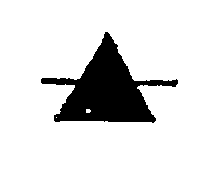
hoch konzentr. gebundenes Ca²⁺, Suspensionsmedium enthält 1 mmol Ca²⁺ und 75 mmol NaCl
hoch konzentr. gebundenes Ca²⁺, Suspensionsmedium enthält 3 mmol Ca²⁺ und 75 mmol NaCl
nieder konzentr. gebundenes Ca²⁺, Suspensionsmedium enthält 3 mmol Ca²⁺ und 75 mmol NaCl
nieder konzentr. gebundenes Ca²⁺, Suspensionsmedium enthält 12 mmol Ca²⁺ mit 75 mmol NaCl
- Die Figur 2 zeigt, daß der Calciumzusatz im Konzentrationsbereich von 3 mmol/l im Suspendiermittel auf die Wirksamkeit bei unreifen Kaninchenfeten keinen Einfluß hat. Die durchgezogene Gerade gibt die Verhältnisse bei Abwesenheit von Calciumchlorid, die gestrichelt gezeichnete Gerade bei Anwesenheit von 3 mmol Ca²⁺-Ionen (als CaCl₂) pro Liter an; aufgetragen ist die gemessene Potenz als Atemzugvolumen, das bei 3 KPa Beatmungsdruck erreicht wird, in Abhängigkeit von log Dosis.
- Die nachfolgenden Beispiele beschreiben die Herstellung einiger erfindungsgemäßer Suspensionen:
- Verwendet wird ein Surfactant, das durch Extraktion aus Rinderlunge mit organischen Lösungsmitteln gewonnen wurde. Es besteht aus etwa 88 % Phospholipiden, 4 % Cholesterol, 1 % Surfactant-assoziierten hydrophoben Proteinen, 0,6 % freien Fettsäuren, sowie Triglyceriden und gebundenem Calcium. Die mittlere relative Molekülmasse der Phosphorlipide beträgt gerundet 760 D. Die Substanz ist ein gelbes amorphes Pulver unlöslich in Wasser, gut löslich in unpolaren Lösungsmitteln, wie Chloroform; in Wasser kann sie leicht durch Schütteln oder Eintrag von Ultraschallenergie suspendiert werden. Ab einer Konzentration von 5 Gew.-% werden die Suspensionen sichtbar viskos. Die Herstellung, Isolierung und Aufarbeitung erfolgt in Anlehnung an die in Lipids 18: 522-529 (1983) beschriebene Methode unter zusätzlicher Zuführung von Ca²⁺-Ionen. Falls erforderlich, kann der Calciumgehalt auch nachträglich noch im gewünschten Ausmaß korrigiert werden, z. B. durch Zugabe von in Methanol gelöstem Calciumchlorid in der berechneten Menge zu dem in organischem Lösungsmittel, z. B. Chloroform, gelöstem Surfactant.
- 1,5 g des vorbeschriebenen, feinpulvrig gesiebten Surfactants, oder einer durch Gefriertrocknung eines in Tertiärbutanol oder Cyclohexan gelösten Surfactants gewonnenen Substanz werden mit 8,5 ml eines Suspendiermittels, vorzugsweise Kochsalzlösung, versetzt das 75 mmol/l Kochsalz und 3 mmol/l Calciumchlorid enthält, am besten in einer Injektionsflasche. Die Injektionsflasche wird jetzt geschüttelt und das Surfactant dadurch suspendiert. Die Suspension wird mit einer Injektionskanüle Größe 1 (20 G) in einer Injektionsspritze aufgezogen und anschließend durch eine Kanüle der Größe 18 (26 G) in die Injektionsflasche zurückgespritzt. Das Zurückdrücken in die Injektionsflasche durch die dünne Kanüle erfolgt nur aus Sicherheitsgründen; damit ist sichergestellt, daß die Suspension klumpenfrei ist. Die Applikation der Suspension erfolgt beispielsweise über einen Nabelvenenkatheter in den Trachealtubus des beatmeten Patienten.
- 2,5 g des feinpulvrigen gesiebten Surfactants werden mit 7,5 ml Suspendiermittel (Kochsalzlösung) versetzt, welches 150 mmol/l Kochsalz und 3,5 mmol/l Calciumchlorid enthält. Die weitere Verarbeitung erfolgt wie in Beispiel 1 beschrieben.
Claims (10)
Applications Claiming Priority (2)
| Application Number | Priority Date | Filing Date | Title |
|---|---|---|---|
| DE3921954 | 1989-07-04 | ||
| DE3921954A DE3921954A1 (de) | 1989-07-04 | 1989-07-04 | Niedrig-viskose, hochkonzentrierte surfactant-suspension |
Publications (3)
| Publication Number | Publication Date |
|---|---|
| EP0406732A2 true EP0406732A2 (de) | 1991-01-09 |
| EP0406732A3 EP0406732A3 (en) | 1991-02-27 |
| EP0406732B1 EP0406732B1 (de) | 1995-05-24 |
Family
ID=6384269
Family Applications (1)
| Application Number | Title | Priority Date | Filing Date |
|---|---|---|---|
| EP90112513A Expired - Lifetime EP0406732B1 (de) | 1989-07-04 | 1990-06-30 | Niedrig-viskose, hochkonzentrierte Surfactant-Suspension |
Country Status (24)
| Country | Link |
|---|---|
| US (1) | US5552161A (de) |
| EP (1) | EP0406732B1 (de) |
| JP (1) | JP3103582B2 (de) |
| KR (1) | KR0162642B1 (de) |
| AT (1) | ATE122891T1 (de) |
| AU (1) | AU623538B2 (de) |
| CA (1) | CA2020209C (de) |
| DD (1) | DD297916A5 (de) |
| DE (2) | DE3921954A1 (de) |
| DK (1) | DK0406732T3 (de) |
| ES (1) | ES2072940T3 (de) |
| FI (1) | FI95655C (de) |
| HK (1) | HK1000277A1 (de) |
| HU (1) | HU205004B (de) |
| IE (1) | IE68448B1 (de) |
| IL (1) | IL94961A (de) |
| NO (1) | NO180620C (de) |
| NZ (2) | NZ234341A (de) |
| PH (1) | PH30232A (de) |
| PL (1) | PL164434B1 (de) |
| PT (1) | PT94574B (de) |
| RU (1) | RU2077880C1 (de) |
| UA (1) | UA26313A (de) |
| ZA (1) | ZA905182B (de) |
Cited By (2)
| Publication number | Priority date | Publication date | Assignee | Title |
|---|---|---|---|---|
| WO2002083167A3 (en) * | 2001-04-13 | 2003-01-30 | Univ Gent | Therapeutic compositions for the treatment of a respiratory tract disease |
| US7053176B1 (en) | 1999-09-16 | 2006-05-30 | Altana Pharma Ag | Combination of C1-INH and lung surfactant for the treatment of respiratory disorders |
Families Citing this family (7)
| Publication number | Priority date | Publication date | Assignee | Title |
|---|---|---|---|---|
| DE4418936A1 (de) * | 1994-05-31 | 1996-02-08 | Byk Gulden Lomberg Chem Fab | Polypeptid |
| US6129934A (en) * | 1995-06-07 | 2000-10-10 | Ony, Inc. | Modification of animal lung surfactant for treating respiratory disease due to lung surfactant deficiency or dysfunction |
| US6172203B1 (en) * | 1996-02-07 | 2001-01-09 | Alfredo Adolfo Hager | Method for extracting and purifying pulmonary surfactant |
| DE50214446D1 (de) | 2001-10-11 | 2010-07-01 | Nycomed Gmbh | Neue verwendung von lungensurfactant |
| US8337815B2 (en) * | 2004-12-23 | 2012-12-25 | Discovery Laboratories, Inc. | Pulmonary surfactant formulations |
| JP4734328B2 (ja) * | 2005-05-11 | 2011-07-27 | ヤマサ醤油株式会社 | 肺サーファクタント蛋白質の安定化法 |
| US8048043B2 (en) * | 2007-06-08 | 2011-11-01 | Chiesi Farmaceutici S. P. A. | Method of administration of a pulmonary surfactant |
Family Cites Families (5)
| Publication number | Priority date | Publication date | Assignee | Title |
|---|---|---|---|---|
| JPS55160721A (en) * | 1979-06-02 | 1980-12-13 | Tokyo Tanabe Co Ltd | Pulmonary surfactant ta-546, its preparation, and remedy for pulmonary hyaline membrane syndrome comprising it as active constituent |
| EP0110498B2 (de) * | 1982-11-22 | 1991-09-18 | Teijin Limited | Künstliches Lungensurfaktans und dieses als aktives Prinzip enthaltendes Arzneimittel für das Syndrom der Atmungsinsuffizienz |
| JPS59164724A (ja) * | 1983-03-10 | 1984-09-17 | Tokyo Tanabe Co Ltd | サ−フアクタント及びそれを含有する呼吸窮迫症候群治療剤 |
| CS938384A1 (en) * | 1983-12-08 | 1990-08-14 | Lachmann Burkhardt | Pharmaceutical agent for breathlesness therapy and method of its production |
| IT1203873B (it) * | 1987-04-08 | 1989-02-23 | Chiesi Farma Spa | Composizioni farmaceutiche che lo surfattante polmonare naturale, contengono. metodo di preparazione e |
-
1989
- 1989-07-04 DE DE3921954A patent/DE3921954A1/de not_active Withdrawn
-
1990
- 1990-06-29 CA CA002020209A patent/CA2020209C/en not_active Expired - Fee Related
- 1990-06-30 ES ES90112513T patent/ES2072940T3/es not_active Expired - Lifetime
- 1990-06-30 DE DE59009113T patent/DE59009113D1/de not_active Expired - Lifetime
- 1990-06-30 DK DK90112513.8T patent/DK0406732T3/da active
- 1990-06-30 EP EP90112513A patent/EP0406732B1/de not_active Expired - Lifetime
- 1990-06-30 AT AT90112513T patent/ATE122891T1/de not_active IP Right Cessation
- 1990-07-02 DD DD90342432A patent/DD297916A5/de not_active IP Right Cessation
- 1990-07-02 PL PL90285904A patent/PL164434B1/pl not_active IP Right Cessation
- 1990-07-03 NZ NZ234341A patent/NZ234341A/en unknown
- 1990-07-03 IL IL9496190A patent/IL94961A/en not_active IP Right Cessation
- 1990-07-03 ZA ZA905182A patent/ZA905182B/xx unknown
- 1990-07-03 IE IE240890A patent/IE68448B1/en not_active IP Right Cessation
- 1990-07-03 NZ NZ242869A patent/NZ242869A/en unknown
- 1990-07-03 PT PT94574A patent/PT94574B/pt not_active IP Right Cessation
- 1990-07-03 PH PH40776A patent/PH30232A/en unknown
- 1990-07-03 NO NO902961A patent/NO180620C/no unknown
- 1990-07-03 UA UA5010226A patent/UA26313A/uk unknown
- 1990-07-03 JP JP02176092A patent/JP3103582B2/ja not_active Expired - Fee Related
- 1990-07-03 FI FI903341A patent/FI95655C/fi active IP Right Grant
- 1990-07-03 HU HU904077A patent/HU205004B/hu not_active IP Right Cessation
- 1990-07-04 KR KR1019900010052A patent/KR0162642B1/ko not_active Expired - Fee Related
- 1990-07-04 AU AU58676/90A patent/AU623538B2/en not_active Ceased
-
1991
- 1991-12-09 RU SU915010226A patent/RU2077880C1/ru not_active IP Right Cessation
-
1995
- 1995-05-01 US US08/432,386 patent/US5552161A/en not_active Expired - Lifetime
-
1997
- 1997-09-26 HK HK97101844A patent/HK1000277A1/xx unknown
Cited By (3)
| Publication number | Priority date | Publication date | Assignee | Title |
|---|---|---|---|---|
| US7053176B1 (en) | 1999-09-16 | 2006-05-30 | Altana Pharma Ag | Combination of C1-INH and lung surfactant for the treatment of respiratory disorders |
| WO2002083167A3 (en) * | 2001-04-13 | 2003-01-30 | Univ Gent | Therapeutic compositions for the treatment of a respiratory tract disease |
| US7432308B2 (en) | 2001-04-13 | 2008-10-07 | Universiteit Gent | Therapeutic compositions for the treatment of a respiratory tract disease |
Also Published As
Similar Documents
| Publication | Publication Date | Title |
|---|---|---|
| DE3886970T2 (de) | Natürliches oberflächenwirksames Lungenpräparat, Verfahren zu seiner Herstellung und pharmazeutische Zusammensetzungen. | |
| DE3021006C2 (de) | Oberflächenaktives Material und dieses Material enthaltendes pharmazeutisches Mittel gegen Hyalin-Membran-Erkrankung | |
| DE3008082C2 (de) | ||
| DE2938807C2 (de) | Intravenös verabreichbare Fettemulsion | |
| DE3752112T2 (de) | Verwendung von Inositoltriphosphat zur Behandlung von Entzündungen | |
| DE3877595T2 (de) | Haltbare waesserige emulsionen aus fluorkohlenwasserstoffen. | |
| DE69103755T2 (de) | Wachstumshormonkristalle und verfahren zu deren herstellung. | |
| DE3027105A1 (de) | Verfahren zur herstellung eines die proliferation und differenzierung menschlicher granulopoetischer stammzellen stimulierenden faktors | |
| DE3512926A1 (de) | Verbesserung in oder bezueglich der therapie mit interleukin | |
| DE2601207A1 (de) | Verfahren zur herstellung einer fluessigen zubereitung mit gesteuertem abgabevermoegen | |
| EP0100910A2 (de) | Lungensurfactant | |
| CH657049A5 (de) | Kuenstliches oberflaechenaktives mittel fuer die lunge und heilmittel fuer syndrome von atemnot, die dieses als aktive komponente enthalten. | |
| EP0406732B1 (de) | Niedrig-viskose, hochkonzentrierte Surfactant-Suspension | |
| EP0145005B1 (de) | Lungen-Surfactant, Verfahren zu seiner Herstellung und seine pharmazeutische Verwendung | |
| DE2602997A1 (de) | Loesliches kollagen und verfahren zu seiner herstellung | |
| DE69928279T2 (de) | Lungensurfactant zubereitungen enthaltendes behandlungset | |
| DE3115080A1 (de) | Arzneimittel fuer die orale verabreichung und verfahren zu seiner herstellung | |
| DE69131553T2 (de) | Arzneimittel enthaltend Mischungen von höheren primären aliphatischen Alkoholen zur Behandlung von Hypercholesterolämie und Hyperlipoproteinämie Typ II und zur Stimulation des sexuellen Verhaltens bei Tieren und Menschen | |
| EP0181287A2 (de) | Trockensubstanzen und stabile Suspensionen | |
| DE4310935A1 (de) | Mikroemulsionen, deren Herstellung sowie Verwendung bei der Behandlung von Krebserkrankungen | |
| EP0001104B1 (de) | Modifizierte intakte Erythrozyten, sie enthaltendes Blut bzw. Blutkonserven, und Verfahren zu deren Herstellung | |
| EP0470437B1 (de) | Wässriges Liposomensystem | |
| DE68903736T2 (de) | Stabilisierte 2-phenyl-1,2-benzisoselenazol-3(2h)-on enthaltende, parenteral anzuwendende loesung und verfahren zu deren herstellung. | |
| DE2234832C2 (de) | Proteinfreies Hormonkonzentrat von Säugetier-Nebenschilddrüsen, dessen Herstellung und dieses Hormonkonzentrat enthaltende pharmazeutische Präparate | |
| DE68903670T2 (de) | Physiologisch aktive, fluessige, allergenische zusammensetzungen aus biologischen rohmaterialien. |
Legal Events
| Date | Code | Title | Description |
|---|---|---|---|
| PUAI | Public reference made under article 153(3) epc to a published international application that has entered the european phase |
Free format text: ORIGINAL CODE: 0009012 |
|
| AK | Designated contracting states |
Kind code of ref document: A2 Designated state(s): AT BE CH DE DK ES FR GB GR IT LI LU NL SE |
|
| PUAL | Search report despatched |
Free format text: ORIGINAL CODE: 0009013 |
|
| AK | Designated contracting states |
Kind code of ref document: A3 Designated state(s): AT BE CH DE DK ES FR GB GR IT LI LU NL SE |
|
| 17P | Request for examination filed |
Effective date: 19910313 |
|
| 17Q | First examination report despatched |
Effective date: 19930820 |
|
| GRAA | (expected) grant |
Free format text: ORIGINAL CODE: 0009210 |
|
| AK | Designated contracting states |
Kind code of ref document: B1 Designated state(s): AT BE CH DE DK ES FR GB GR IT LI LU NL SE |
|
| REF | Corresponds to: |
Ref document number: 122891 Country of ref document: AT Date of ref document: 19950615 Kind code of ref document: T |
|
| REF | Corresponds to: |
Ref document number: 59009113 Country of ref document: DE Date of ref document: 19950629 |
|
| ITF | It: translation for a ep patent filed | ||
| GBT | Gb: translation of ep patent filed (gb section 77(6)(a)/1977) |
Effective date: 19950616 |
|
| REG | Reference to a national code |
Ref country code: ES Ref legal event code: FG2A Ref document number: 2072940 Country of ref document: ES Kind code of ref document: T3 |
|
| ET | Fr: translation filed | ||
| REG | Reference to a national code |
Ref country code: GR Ref legal event code: FG4A Free format text: 3016924 |
|
| REG | Reference to a national code |
Ref country code: DK Ref legal event code: T3 |
|
| PLBE | No opposition filed within time limit |
Free format text: ORIGINAL CODE: 0009261 |
|
| STAA | Information on the status of an ep patent application or granted ep patent |
Free format text: STATUS: NO OPPOSITION FILED WITHIN TIME LIMIT |
|
| 26N | No opposition filed | ||
| REG | Reference to a national code |
Ref country code: GB Ref legal event code: IF02 |
|
| PGFP | Annual fee paid to national office [announced via postgrant information from national office to epo] |
Ref country code: NL Payment date: 20071227 Year of fee payment: 18 Ref country code: DK Payment date: 20071220 Year of fee payment: 18 Ref country code: LU Payment date: 20071221 Year of fee payment: 18 |
|
| PGFP | Annual fee paid to national office [announced via postgrant information from national office to epo] |
Ref country code: CH Payment date: 20071220 Year of fee payment: 18 Ref country code: AT Payment date: 20071221 Year of fee payment: 18 Ref country code: IT Payment date: 20071224 Year of fee payment: 18 |
|
| PGFP | Annual fee paid to national office [announced via postgrant information from national office to epo] |
Ref country code: BE Payment date: 20071231 Year of fee payment: 18 Ref country code: SE Payment date: 20071220 Year of fee payment: 18 |
|
| PGFP | Annual fee paid to national office [announced via postgrant information from national office to epo] |
Ref country code: GB Payment date: 20071220 Year of fee payment: 18 Ref country code: ES Payment date: 20071228 Year of fee payment: 18 |
|
| PGFP | Annual fee paid to national office [announced via postgrant information from national office to epo] |
Ref country code: GR Payment date: 20070514 Year of fee payment: 18 |
|
| PGFP | Annual fee paid to national office [announced via postgrant information from national office to epo] |
Ref country code: FR Payment date: 20071228 Year of fee payment: 18 |
|
| BERE | Be: lapsed |
Owner name: KARL *THOMAE G.M.B.H. Effective date: 20080630 |
|
| REG | Reference to a national code |
Ref country code: CH Ref legal event code: PL |
|
| REG | Reference to a national code |
Ref country code: DK Ref legal event code: EBP |
|
| GBPC | Gb: european patent ceased through non-payment of renewal fee |
Effective date: 20080630 |
|
| NLV4 | Nl: lapsed or anulled due to non-payment of the annual fee |
Effective date: 20090101 |
|
| EUG | Se: european patent has lapsed | ||
| PG25 | Lapsed in a contracting state [announced via postgrant information from national office to epo] |
Ref country code: BE Free format text: LAPSE BECAUSE OF NON-PAYMENT OF DUE FEES Effective date: 20080630 |
|
| REG | Reference to a national code |
Ref country code: FR Ref legal event code: ST Effective date: 20090228 |
|
| PG25 | Lapsed in a contracting state [announced via postgrant information from national office to epo] |
Ref country code: AT Free format text: LAPSE BECAUSE OF NON-PAYMENT OF DUE FEES Effective date: 20080630 |
|
| PG25 | Lapsed in a contracting state [announced via postgrant information from national office to epo] |
Ref country code: NL Free format text: LAPSE BECAUSE OF NON-PAYMENT OF DUE FEES Effective date: 20090101 |
|
| PG25 | Lapsed in a contracting state [announced via postgrant information from national office to epo] |
Ref country code: CH Free format text: LAPSE BECAUSE OF NON-PAYMENT OF DUE FEES Effective date: 20080630 Ref country code: GB Free format text: LAPSE BECAUSE OF NON-PAYMENT OF DUE FEES Effective date: 20080630 Ref country code: GR Free format text: LAPSE BECAUSE OF NON-PAYMENT OF DUE FEES Effective date: 20090107 Ref country code: LI Free format text: LAPSE BECAUSE OF NON-PAYMENT OF DUE FEES Effective date: 20080630 |
|
| REG | Reference to a national code |
Ref country code: ES Ref legal event code: FD2A Effective date: 20080701 |
|
| PG25 | Lapsed in a contracting state [announced via postgrant information from national office to epo] |
Ref country code: IT Free format text: LAPSE BECAUSE OF NON-PAYMENT OF DUE FEES Effective date: 20080630 Ref country code: FR Free format text: LAPSE BECAUSE OF NON-PAYMENT OF DUE FEES Effective date: 20080630 |
|
| PG25 | Lapsed in a contracting state [announced via postgrant information from national office to epo] |
Ref country code: ES Free format text: LAPSE BECAUSE OF NON-PAYMENT OF DUE FEES Effective date: 20080701 |
|
| PGFP | Annual fee paid to national office [announced via postgrant information from national office to epo] |
Ref country code: DE Payment date: 20090811 Year of fee payment: 20 |
|
| PG25 | Lapsed in a contracting state [announced via postgrant information from national office to epo] |
Ref country code: DK Free format text: LAPSE BECAUSE OF NON-PAYMENT OF DUE FEES Effective date: 20090106 |
|
| PG25 | Lapsed in a contracting state [announced via postgrant information from national office to epo] |
Ref country code: DK Free format text: LAPSE BECAUSE OF NON-PAYMENT OF DUE FEES Effective date: 20080630 |
|
| PG25 | Lapsed in a contracting state [announced via postgrant information from national office to epo] |
Ref country code: LU Free format text: LAPSE BECAUSE OF NON-PAYMENT OF DUE FEES Effective date: 20080630 |
|
| PG25 | Lapsed in a contracting state [announced via postgrant information from national office to epo] |
Ref country code: SE Free format text: LAPSE BECAUSE OF NON-PAYMENT OF DUE FEES Effective date: 20080701 |
|
| PG25 | Lapsed in a contracting state [announced via postgrant information from national office to epo] |
Ref country code: DE Free format text: LAPSE BECAUSE OF EXPIRATION OF PROTECTION Effective date: 20100630 |