EP0469060B1 - Autoantikörper zur steigerung der chemischen reaktionsgeschwindigkeit - Google Patents
Autoantikörper zur steigerung der chemischen reaktionsgeschwindigkeit Download PDFInfo
- Publication number
- EP0469060B1 EP0469060B1 EP90907540A EP90907540A EP0469060B1 EP 0469060 B1 EP0469060 B1 EP 0469060B1 EP 90907540 A EP90907540 A EP 90907540A EP 90907540 A EP90907540 A EP 90907540A EP 0469060 B1 EP0469060 B1 EP 0469060B1
- Authority
- EP
- European Patent Office
- Prior art keywords
- vip
- igg
- autoantibody
- rate
- antibodies
- Prior art date
- Legal status (The legal status is an assumption and is not a legal conclusion. Google has not performed a legal analysis and makes no representation as to the accuracy of the status listed.)
- Expired - Lifetime
Links
- 0 C*(C)C(C)(C)C(C)(C)*C(C)(C(C)(C)*)N=O Chemical compound C*(C)C(C)(C)C(C)(C)*C(C)(C(C)(C)*)N=O 0.000 description 1
Images









Classifications
-
- C—CHEMISTRY; METALLURGY
- C07—ORGANIC CHEMISTRY
- C07K—PEPTIDES
- C07K14/00—Peptides having more than 20 amino acids; Gastrins; Somatostatins; Melanotropins; Derivatives thereof
- C07K14/435—Peptides having more than 20 amino acids; Gastrins; Somatostatins; Melanotropins; Derivatives thereof from animals; from humans
- C07K14/575—Hormones
- C07K14/57563—Vasoactive intestinal peptide [VIP]; Related peptides
-
- A—HUMAN NECESSITIES
- A61—MEDICAL OR VETERINARY SCIENCE; HYGIENE
- A61P—SPECIFIC THERAPEUTIC ACTIVITY OF CHEMICAL COMPOUNDS OR MEDICINAL PREPARATIONS
- A61P31/00—Antiinfectives, i.e. antibiotics, antiseptics, chemotherapeutics
- A61P31/04—Antibacterial agents
-
- A—HUMAN NECESSITIES
- A61—MEDICAL OR VETERINARY SCIENCE; HYGIENE
- A61P—SPECIFIC THERAPEUTIC ACTIVITY OF CHEMICAL COMPOUNDS OR MEDICINAL PREPARATIONS
- A61P35/00—Antineoplastic agents
-
- C—CHEMISTRY; METALLURGY
- C07—ORGANIC CHEMISTRY
- C07K—PEPTIDES
- C07K16/00—Immunoglobulins [IG], e.g. monoclonal or polyclonal antibodies
- C07K16/06—Immunoglobulins [IG], e.g. monoclonal or polyclonal antibodies from serum
-
- C—CHEMISTRY; METALLURGY
- C07—ORGANIC CHEMISTRY
- C07K—PEPTIDES
- C07K16/00—Immunoglobulins [IG], e.g. monoclonal or polyclonal antibodies
- C07K16/18—Immunoglobulins [IG], e.g. monoclonal or polyclonal antibodies against material from animals or humans
- C07K16/26—Immunoglobulins [IG], e.g. monoclonal or polyclonal antibodies against material from animals or humans against hormones ; against hormone releasing or inhibiting factors
-
- C—CHEMISTRY; METALLURGY
- C12—BIOCHEMISTRY; BEER; SPIRITS; WINE; VINEGAR; MICROBIOLOGY; ENZYMOLOGY; MUTATION OR GENETIC ENGINEERING
- C12N—MICROORGANISMS OR ENZYMES; COMPOSITIONS THEREOF; PROPAGATING, PRESERVING, OR MAINTAINING MICROORGANISMS; MUTATION OR GENETIC ENGINEERING; CULTURE MEDIA
- C12N9/00—Enzymes; Proenzymes; Compositions thereof; Processes for preparing, activating, inhibiting, separating or purifying enzymes
- C12N9/0002—Antibodies with enzymatic activity, e.g. abzymes
-
- C—CHEMISTRY; METALLURGY
- C12—BIOCHEMISTRY; BEER; SPIRITS; WINE; VINEGAR; MICROBIOLOGY; ENZYMOLOGY; MUTATION OR GENETIC ENGINEERING
- C12N—MICROORGANISMS OR ENZYMES; COMPOSITIONS THEREOF; PROPAGATING, PRESERVING, OR MAINTAINING MICROORGANISMS; MUTATION OR GENETIC ENGINEERING; CULTURE MEDIA
- C12N9/00—Enzymes; Proenzymes; Compositions thereof; Processes for preparing, activating, inhibiting, separating or purifying enzymes
- C12N9/14—Hydrolases (3)
- C12N9/48—Hydrolases (3) acting on peptide bonds (3.4)
-
- C—CHEMISTRY; METALLURGY
- C07—ORGANIC CHEMISTRY
- C07K—PEPTIDES
- C07K2317/00—Immunoglobulins specific features
- C07K2317/30—Immunoglobulins specific features characterized by aspects of specificity or valency
- C07K2317/34—Identification of a linear epitope shorter than 20 amino acid residues or of a conformational epitope defined by amino acid residues
Definitions
- This invention relates to autoantibodies that cleave a peptide bond in vasoactive intestinal polypeptide (VIP), to methods of preparing autoantibodies that cleave a peptide bond in VIP, to compositions containing such autoantibodies and to pharmaceutical compositions that contain such autoantibodies.
- VIP vasoactive intestinal polypeptide
- Antibodies with enzymatic activity offer the possibility of specific, high efficiency catalytic chemical conversion of ligands.
- Many biological mediators are peptides or proteins, including the antigens of pathogenic organisms, hormones, neurotransmitters and tumor specific antigens. It should be possible to utilize the vast repertoire of specificities that the immune system encompasses to catalyze chemical reactions not within the scope of naturally occurring enzymes.
- the combination of antibody specificity with the catalytic power of enzymes has the potential of generating potent therapeutic agents, e.g., catalytic antibodies capable of specifically hydrolyzing key viral coat proteins, tumor specific proteins, or endogenous proteins involved in disease. Hitherto, antibody mediated cleavage of peptide bonds has not been demonstrated and, thus, the search for antibodies capable of cleaving specific peptide bonds is of considerable interest. Compared to the type of antibody-mediated chemical transformations achieved thus far, the cleavage of peptide bonds is more energy-demanding.
- potent therapeutic agents e.g., catalytic antibodies capable of specifically hydrolyzing key viral coat proteins, tumor specific proteins, or endogenous proteins involved in disease.
- Other objects are to provide compositions containing such antibodies, methods for preparing the autoantibodies and pharmaceutical and other uses thereof.
- a first aspect of the invention provides an autoantibody which enhances the rate of cleavage of a peptide bond between amino acid residues 16 and 17 in vasoactive intestinal peptide (VIP).
- the rate enhancement can be catalytic.
- a second aspect of the invention provides an extract of blood serum comprising an autoantibody of the first aspect.
- a third aspect provides a composition comprising an autoantibody of the first aspect, or an extract of blood serum of the second aspect, and an inert carrier.
- a fourth aspect of the invention provides a method for preparing an autoantibody which enhances the rate of cleavage of a peptide bond in VIP, comprising the steps of:-
- the screening is by ultrafiltering.
- the method further comprises the steps of:
- the autoantibody is a monoclonal antibody and said method further comprising the steps of:
- the method of the invention is suitable, in an embodiment thereof, for preparation of an autoantibody that catalytically enhances the rate of cleavage of a peptide bond in VIP.
- the invention provides a method for enhancing the rate of hydrolysis of VIP in vitro which comprises contacting said VIP with an autoantibody which enhances the rate of cleavage of a peptide bond in VIP.
- the invention provides a pharmaceutical composition
- a pharmaceutical composition comprising an autoantibody that enhances the rate of cleavage of a peptide bond in VIP and a pharmaceutically acceptable carrier.
- the invention is broadly directed to an extract of blood serum comprising an autoantibody which enhances the rate of a chemical reaction of a substrate.
- the autoantibody is prepared by identifying an animal with autoantibodies to a self-antigen of the animal, isolating the autoantibodies and screening the autoantibodies to identify an autoantibody which enhances the rate of the chemical reaction.
- the extract can be blood plasma, purified immunoglobulins (IgG, IgM, IgA, IgD or IgE) or antibody fragments, such as, Fab, F(ab') 2 , Fv, etc., of immunoglobulins.
- Chemical reaction refers to a reaction wherein at least one reactant is converted to at least one product.
- Such chemical reactions include chemical reactions which can be catalyzed by enzymes such as, for example, oxoreductases, transferases, hydrolases, lyases, isomerases and ligases as well as chemical reactions for which no catalytic enzymes are known, such as, for example, oxidations, reductions, additions, condensations, eliminations, substitutions, cleavages and rearrangements.
- enzymes such as, for example, oxoreductases, transferases, hydrolases, lyases, isomerases and ligases as well as chemical reactions for which no catalytic enzymes are known, such as, for example, oxidations, reductions, additions, condensations, eliminations, substitutions, cleavages and rearrangements.
- animal refers to any organism with an immune system and includes mammalian and non-mammalian animals.
- substrate is synonymous with the reactant in the chemical reaction and can be any of a number of molecules and biomolecules including but not limited to proteins, phospholipids, carbohydrates (e.g., glycogen, glucose, etc.), drugs (including abused substances and drugs from exogenous sources).
- Autoantibodies in accordance with the invention are naturally occurring antibodies produced by the immune system of an animal which bind to the animal's own cellular components and which are not elicited by specific immunization against a target antigen.
- Autoantibodies recognize a self-antigen, i.e., any antigen which the body makes using its own genetic code.
- self-antigens are distinguished from foreign antigens (e.g., bacterial, viral antigens).
- substrate as defined herein can be the same as or different from the self-antigen.
- the chemical reaction is the cleavage of a peptide bond.
- Peptide bond refers to an amide bond linking two adjacent amino acid residues and is generically represented by the following formula wherein the peptide bond is shown within the box:
- An amino acid consists of a carbon atom to which is bonded an amino group, a carboxyl group, a hydrogen atom and a distinctive group referred to as a "side chain" (R 1 and R 2 in the formula above).
- Amino acid as used herein includes the twenty naturally occurring amino acids which comprise the building blocks of proteins. It is understood by those skilled in the art that when either of the adjacent amino acids is proline, the respective side chains R 1 or R 2 are bonded to the adjacent nitrogen atoms to form the characteristic 5-membered proline ring.
- the substrate containing the peptide bond or bonds to be cleaved can be any proteinaceous molecule such as, for example, a regulatory protein or a structural protein, and includes, but is not limited to, peptide hormones (e.g., insulin, growth hormone, secretin, etc.), peptide neurotransmitters and neuromodulators (e.g., vasoactive intestinal peptide, endorphins, enkephlins, bradykinins, substance P etc.) tumor proteins (e.g., oncogene products, carcinoembryonic antigens, etc.), bacterial proteins and viral proteins (e.g., human immunodeficiency viral(HIV) gp 120, influenza glycoproteins, etc.).
- peptide hormones e.g., insulin, growth hormone, secretin, etc.
- peptide neurotransmitters and neuromodulators e.g., vasoactive intestinal peptide, endorphins, enkephlins, bra
- An animal with autoantibodies to a target self-antigen of the animal is identified by measuring, in plasma samples or purified IgG from the animal, the saturable binding of the autoantibodies to the self-antigen of the animal itself, to a self-antigen of a different animal species which is identical or substantially identical to the self-antigen of the animal or to a synthetic self-antigen which is identical or substantially identical to the self-antigen of the animal, using methods well known in the art.
- Autoantibodies which bind to the self-antigen are isolated by standard methods.
- Catalytic activity can be induced in the purified autoantibodies by separating from the gamma globulin fraction, derived from serum of an animal identified as having the autoantibodies, molecule(s) which bind to the gamma globulin fraction. Separation of these molecule(s) can be achieved by ultrafiltration, dialysis, washing after immobilization on a non-specific protein support or affinity chromatography on a specific protein support.
- ultrafiltration refers to a filtering process employing a membrane having pores with an average cut off molecular weight ranging from 1,000 to 10,000 Daltons.
- ultrafiltering an immunoglobulin with a molecular weight of 150,000 Daltons on a membrane with pores having an average cut off molecular weight of 10,000 Daltons will cause molecules with molecular weights smaller than 10,000 Daltons to pass through the membrane while the immunoglobulin will remain on the membrane.
- dialysis refers to a process for separating globular proteins in solution from low-molecular weight solutes which utilizes a semipermeable membrane to retain protein molecules and allow small solute molecules and water to pass through. Dialysis membranes with molecular weight cut-offs ranging from 12,000-15,000 Daltons are advantageously used.
- the isolated autoantibodies are then screened for rate enhancement activity. Screening can be conveniently accomplished by treating a standardized solution of the reactant/substrate with an aliquot of medium containing the autoantibodies and measuring the presence of the desired product by conventional instrumental methods. This measurement can be readily conducted, for example, by spectrophotometric methods or by gas-liquid or high pressure liquid chromatography. By comparison with standardized samples of the desired product or reactant/substrate, rates of reaction can be quantified.
- the rate enhancement achieved by the antibodies according to the invention is either catalytic or stoichiometric.
- antibodies in accordance with the invention which catalytically enhance the rate of the reaction are “catalytic antibodies” and antibodies which stoichiometrically enhance the rate of the chemical reaction are “stoichiometric antibodies”.
- a catalytic antibody in accordance with the invention is a substance which is capable of changing the rate of a chemical reaction, all other conditions (e.g., temperature, reactant/substrate concentration, etc.) being the same and which does not enter into the chemical reaction and therefore is not consumed in the reaction. It is also a substance which exhibits the capability of converting multiple moles of reactant/substrate per mole of catalytic antibody; which, from a mechanistic viewpoint, binds the reactant/substrate, effects the accelerated conversion of the reactant/substrate to the product and then releases the product; and which changes the rate of the chemical reaction without shifting the position of the equilibrium.
- the aforementioned definitions are characteristics of ideal catalysts.
- a stoichiometric antibody in accordance with the invention enhances the rate of the chemical reaction stoichiometrically. In other words, it enhances the rate of the reaction but, unlike a catalytic antibody, is stoichiometrically consumed during the reaction.
- the term "stoichiometric enhancement" implies that the antibody causing the observed rate enhancement enters into the reaction as a reactant and is consumed in the process.
- the rate enhancement factor is a dimensionless number which expresses the rate of reaction in the presence of catalyst to the rate of reaction in the absence of catalyst, all other reaction conditions (e.g., reactant concentration, temperature, etc.) being equal.
- the invention is also directed to a method for preparing an autoantibody which enhances the rate of a chemical reaction of a substrate.
- the method comprises identifying an animal with autoantibodies to a self-antigen of the animal, isolating the autoantibodies and screening the autoantibodies to identify one or more antibodies which enhance the rate of the chemical reaction.
- autoantibodies are isolated by separating the gamma globulin fraction from serum collected from the animal and separating from the gamma globulin fraction molecule(s) which bind to the gamma globulin fraction.
- these molecules can be separated by ultrafiltration, dialysis, washing after immobilization on a non-specific protein support or affinity chromatography on a specific protein support. Screening in order to detect antibodies with the desired rate enhancement activity can be achieved by, for example, high performance liquid chromatography (HPLC), immunoassays (e.g., radioimmunoassay and nonisotopic immunoassays) or electrophoresis.
- HPLC high performance liquid chromatography
- immunoassays e.g., radioimmunoassay and nonisotopic immunoassays
- electrophoresis electrophoresis.
- the antibodies in accordance with the invention can be monoclonal or polyclonal. If monoclonal antibodies are desired, they can be prepared by isolating lymphocytes from animals identified as having autoantibodies to a particular self-antigen, producing a plurality of hybridomas from the isolated lymphocytes and then screening the monoclonal antibodies produced by the hybridomas to identify monoclonal antibodies which enhance the rate of the chemical reaction.
- the antibody-producing lymphocytes are hybridized with myeloma cells, such as, for example SP2/0 or NS1-cells, to produce hybridoma cells. These hybridoma cells are then plated in the wells of microtiter plates.
- the series of monoclonal antibodies being produced by the hybridoma cells is screened under appropriate conditions to identify monoclonal antibodies which enhance the rate of the reaction under appropriate conditions.
- the identification can be made by treating a standardized solution of the reactant/substrate with an aliquot withdrawn from a microtiter well and screening for the presence of the desired product, as described above. By comparison with standardized samples of the desired product or reactant/substrate, rates of reaction can be quantified. In this manner, wells containing hybridoma cells producing rate enhancing monoclonal antibodies are identified. The selected hybridoma cells are then cultured to yield colonies.
- mice such as syngeneic BALB/C mice are inoculated intraperitoneally with the selected hybridoma cells and produce tumors, generally within two or three weeks. These tumors are accompanied by the production of ascites fluid which contains the desired monoclonal antibodies. The monoclonal antibodies are then separately recovered from the ascites fluid by conventional methods such as ultrafiltration, ultracentrifugation, dialysis and immunoaffinity chromatography.
- Peripheral blood lymphocytes of an animal identified as having rate enhancing autoantibodies for a particular substrate can be stimulated to grow in culture and, therefore, can be immortalized using methodologies well known in the art.
- the lymphocytes can be so stimulated using a virus, a chemical agent or a nucleic acid (e.g., an oncogene).
- a particularly advantageous virus for immortalization is Epstein Barr virus (EBV).
- EBV Epstein Barr virus
- rate enhancing autoantibodies can be produced by the transformed cells.
- the so transformed cells can then be cloned using known methods to provide a reliable source of large amounts of monoclonal antibodies having rate enhancing activity for a given substrate.
- genes, or fragments thereof, coding for the variable region of the autoantibody can be expressed in prokaryotic and eucaryotic cells using recombinant DNA methodologies well known in the art.
- the prokaryotic and eucaryotic cells are used to propagate the variable region of the autoantibody.
- the separately recovered antibodies are contacted with a molecule (e.g., a substrate, self-antigen, etc.) under suitable conditions permitting the formation of a complex between the antibody and the molecule in order to achieve rate enhancement of a chemical reaction of the molecule.
- a molecule e.g., a substrate, self-antigen, etc.
- concentration of the stoichiometric antibodies is equivalent to the concentration of the target molecules.
- suitable conditions for complex formation encompass solution phase and emulsion reaction systems including a variety of solvents and solvent systems, maintained at a pH value between about 6.0 and about 9.0, preferably between about 6.0 and about 8.5 and at a temperature from about 4°C to about 50°C, preferably from about 20°C to about 45°C.
- solvent will depend on the type of reaction. For example, aqueous solvents are desirable for peptide bond cleavage while non-aqueous solvents can be used to achieve peptide bond formation.
- the ionic strength should be maintained at a value below about 2.0 (ionic strength units), preferably between 0.1 and 1.5.
- the method of this invention can be carried out at reduced or elevated pressure, but advantageously is practiced at ambient pressure.
- suitable conditions also include the use of solid support materials to which the antibody is attached. Such solid support materials are well-known to those of ordinary skill in the art as are methods for attaching antibodies to them.
- a specific embodiment of the invention is directed to an extract of blood serum comprising an autoantibody to vasoactive intestinal peptide (VIP).
- VIP is a 28 amino acid peptide originally isolated from the intestine but now recognized to be a neuropeptide widely distributed in the central and peripheral nervous systems. There is evidence that VIP is a neurotransmitter in its own right. In addition, VIP may modulate neurotransmission by classical transmitters and has been implicated in regulation of blood pressure, bronchial tone, neuroendocrine activity and exocrine secretion. VIP appears to be the major neurobronchodilator in humans and a diminished influence of VIP on the airways may permit a dominance of constrictor influences, and may underlie airway hyperactivity in asthma.
- VIP belongs to a family of structurally related peptides, other prominent members of which are peptide histidine isolucine (PHI), growth hormone releasing factor (GRF) and secretin. Like the peptides themselves, there is evidence that the receptors for VIP, GRF, PHI and secretin are related. Receptors for VIP are found in lung, vascular smooth muscle, brain, pancreas, skin, intestine and other tissues.
- the amino acid sequence of VIP is as follows:
- Antibodies specific to VIP were sought in human subjects. These subjects were 98 healthy humans evaluated by a negative history for illnesses likely to interfere with the studies, who were divided into groups of those diagnosed as having asthma, and those not having asthma. The subjects were identified by code number, and specific antibodies of interest purified from the blood of these subjects are identified herein by the code number of the subject from whom the antibody was purified (e.g. subject 39, subject 5960 and so forth).
- VIP binding antibodies exist in human circulation (6-8). Immunoprecipitation with anti-human IgG as well as chromatography on DEAE-cellulose, gel filtration columns and immobilized protein-G indicate that the plasma VIP binding activity is largely due to IgG antibodies.
- the antibodies to VIP are present in the blood of 18% of asthma patients and 30% of healthy subjects with a history of habitual muscular exercise, compared to only 2% of healthy subjects with no such history.
- the antibodies are highly specific for VIP, judged by their poor reaction with peptides related to VIP (i.e., porcine peptide histidine isoleucine (PHI), rat growth hormone releasing factor (GRF), and secretin).
- PHI porcine peptide histidine isoleucine
- GRF rat growth hormone releasing factor
- Candidate stimuli include exposure to viral determinants similar in sequence to VIP [e.g., Peptide-T, an epitope found on the human immunodeficiency virus (21)] and dietary ingestion of avian, fish and turtle VIP known to be structurally different from human VIP (22). Muscular exercise, which results in increased plasma VIP immunoreactivity (7, 23), could also be a potential stimulus for VIP autoantibody formation. Indeed, asthma and muscular exercise appear to be associated with an increased incidence of autoantibodies directed against VIP.
- VIP e.g., Peptide-T, an epitope found on the human immunodeficiency virus (21)
- Muscular exercise which results in increased plasma VIP immunoreactivity (7, 23), could also be a potential stimulus for VIP autoantibody formation. Indeed, asthma and muscular exercise appear to be associated with an increased incidence of autoantibodies directed against VIP.
- these antibodies may produce important biologic changes.
- the range of K a values observed for the autoantibodies of asthma patients is similar to that reported for VIP receptors present in the lung and other tissues (11), and these antibodies neutralize VIP receptor binding. It is possible that VIP-autoantibodies found in asthmatics neutralize the effect of VIP in the airways.
- the k cat and k cat /k m values for the hydrolysis were 0.26 sec -1 and 6.9 x 10 6 M -1 sec -1 , indicating that anti-VIP acts catalytically to hydrolyse VIP.
- the VIP hydrolytic activity in the IgG fraction is precipitated by ammonium sulfate, is inhibited by antiserum against human IgG, and exhibits the characteristic of authentic IgG when chromatographed on DEAE-cellulose, immobilized protein-G and high performance gel filtration columns.
- the hydrolytic activity of anti-VIP catalytic autoantibody 39 is latent because of the presence of a tightly bound, relatively small sized molecule. This latency was based on the discovery that little or no VIP hydrolytic activity was present in the IgG fraction of serum isolated from individuals having the anti-VIP catalytic autoantibody when the IgG was tested for hydrolytic activity directly after purification on immobilized protein G (27). However, VIP hydrolytic activity was observed when the IgG was subjected to any of the following treatments: (a) extensive dialysis; (b) two cycles of ultrafiltration; (c) prolonged washing of the IgG at neutral pH when bound on protein G-Sepharose; or (d) affinity chromatography on a VIP-Sepharose column.
- the binding of an antigen (or an inhibitor) to an antibody is an equilibrium reaction as follows: Treatments (a)-(d) remove unbound inhibitor forcing the equilibrium to the left (k unbind ) and facilitating further removal of inhibitor, and thereby leaving behind hydrolytically active antibody.
- a second human subject (“subject #5960”) has been identified as producing a catalytic anti-VIP autoantibody capable of cleaving seven different VIP peptide bonds.
- the 5960 catalytic autoantibody was purified by the methods described above for the number 39 catalytic autoantibody.
- the bonds cleaved by the number 5960 catalytic autoantibody are between the residues: Arg 14 -Lys 15 , Gln 16 -Met 17 , Met 17 -Ala 18 , Ala 18 -Val 19 , Lys 20 -Lys 21 , Lys 21 -Tyr 22 and Thr 7 -Asp 8 as illustrated by Fig. 13B.
- a third human subject (“subject #80) has been identified as producing a catalytic autoantibody capable of cleaving 5 different bonds.
- the bonds cleaved by the #80 catalytic autoantibody are between the residues: Gln 16 and Met 17 , Met 17 and Ala 18 , Ala 18 and Val 19 , Lys 20 and Lys 21 and Lys 21 and Tyr 22 as illustrated in Fig. 13.
- Peripheral blood lymphocytes from a subject positive for hydrolytic anti-VIP antibodies can be transformed with Epstein-Barr Virus (EBV).
- EBV transformed lymphoblastoid cells cause hydrolysis of VIP that may be greater than that by supernatants obtained from a control cell line.
- the hydrolytic VIP antibodies may be produced by the transformed cells.
- the autoimmune diseases may be caused by catalytic autoantibodies directed against nucleic acids, key regulatory peptides and proteins (e.g., insulin, glucagon, prolactin, VIP, substance P, blood clotting factors) and the cell surface receptors for these agents.
- the methods of the invention provide diagnostic tests which may be used to evaluate whether autoimmune diseases are associated with catalytic autoantibodies directed against specific proteins. For example, asthma may be caused by a deficiency of VIP. Catalytic anti-VIP antibodies could bring about this deficiency. If the presence of catalytic anti-VIP antibodies is detected and established, using the methodologies described herein, in individual asthma subjects, this would help determine the best way to treat the asthma in such subjects.
- Autoimmune diseases can be treated in accordance with the invention by administering to an afflicted animal an inhibitor capable of binding to the autoantibody, thereby preventing the autoantibody from catalyzing a chemical reaction of the self-antigen, in particular, cleavage of a peptide bond.
- the inhibitor can be the self-antigen, an analog of the self-antigen, a small peptide containing an epitope of the self-antigen at which epitope the chemical reaction takes place, an analog of a small peptide containing the epitope, or a small peptide containing an analog of the epitope.
- the inhibitor is administered, in combination with a suitable pharmaceutical carrier, either orally or by injection (I.V. or I.M.).
- catalytic autoantibody based therapies in accordance with the invention.
- target proteins include molecules that are found in or stimulate the growth of cancer cells (oncogene products, growth factors, carcinoembryonic antigens).
- target proteins include molecules that are found in or stimulate the growth of cancer cells (oncogene products, growth factors, carcinoembryonic antigens).
- Many tumors produce VIP and this peptide stimulates growth of some tumors.
- Catalytic anti-VIP autoantibodies may provide a cure for these tumors.
- a segment of the gp120 coat protein of HIV shares structural similarity with VIP(7-11) (Peptide-T).
- Catalytic anti-VIP antibodies directed against Peptide-T may be effective in treating HIV infections.
- Purified porcine VIP (Bachem) was labeled with 125 iodine by the chloramine-T method (21).
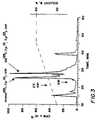
- the resulting mono ( 125 I-Tyr 10 )-VIP was purified on a Seppak C18 cartridge followed by reverse phase HPLC with a gradient of acetonitrile in trifluoroacetic acid(12). Two major peaks of radioactivity were obtained (Fig. 3), corresponding to compounds that reacted with rabbit anti-VIP antiserum in radioimmunoassay.
- VIP was iodinated with 125 I diluted with 127 I to reduce the specific activity, and purification performed as before.
- the antibodies were measured in plasma samples from asthma patients and healthy subjects, subdivided into high exercise (Hx) and low exercise (Lx) subgroups (7). Asthma was diagnosed on the basis of patient history and typical clinical indicators. The healthy Hx subjects had a history of habitual muscular exercise, and the healthy Lx subjects did not.
- Human blood samples were collected in a mixture of peptide hydrolase inhibitors (aprotinin, phenylmethylsulfonyl fluoride, pepstatin, ethylene diamine tetracetic acid) (7,8).
- the immunoglobulin G (IgG) fraction from blood was prepared by sequential -chromatography (6,8) on DEAE-cellulose (Whatman, Inc.
- IgG 4 mg/ml was ultrafiltered on a YM-10 membrane having an average cut off molecular weight of 10,000 Daltons using an Amicon Model 8 MC apparatus to 27 mg/ml, diluted back to 0.8 mg/ml and then subjected to a second cycle of ultrafiltration.
- the final concentration of IgG prepared in this manner was about 20 mg/ml. Electrophoretic analysis and staining of nitrocellulose blots with anti-human IgG conjugated to peroxidase did not reveal presence of non-immunoglobulin material in this preparation (Example 8).
- the presence of VIP-antibodies was established by measuring saturable binding of mono( 125 I-Tyr 10 )-VIP (binding inhibited by excess unlabelled VIP) in plasma samples or purified IgG (7,8).
- the monoiodinated form of VIP was used because it is more likely to reproduce the interactions of native VIP with the antibodies.
- Plasma samples with %B/T values (where B and T are cpm saturable binding and total 125 I-VIP, respectively) greater than %5 (approximately 1500 cpm) were considered positive for the VIP-binding antibody.
- Bound and free VIP were separated by precipitation with polyethylene glycol (7) or specific sheep antibodies against human IgG (8).
- Plasma samples from some asthma patients and-healthy subjects were observed to exhibit saturable 125 I-VIP binding activity (up to 67.5% of total 125 I-VIP) (8).
- the mean 125 I-VIP binding values (calculated as the bound 125 I-VIP divided by the total 125 I-VIP multiplied times 100 ("% B/T") with SEM in parenthesis) in the antibody positive asthma and Hx subjects were 23.4 (5.3) and 20.4 (3.2).
- the lone antibody positive subject in the Lx group showed a % B/T-value of 12.1%.
- Goat anti-human IgM antibodies did not precipitate the VIP-binding activity in any of the plasma samples tested (N 16).
- Binding affinities of the antibodies present in seven asthma patients and eight non-asthmatic subjects were determined (7,8).
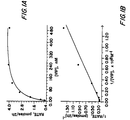
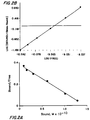
- Apparent K a (affinity constant) of the antibodies and binding capacities were obtained by computer assisted analysis of the displacement of (Tyr 10-125 I)VIP binding by increasing unlabeled VIP concentrations. Scatchard plots were linear, or were resolved into two linear components, suggesting the presence of one or two classes of antibodies, respectively.
- the VIP-binding capacities (mean) for the low affinity antibodies of asthmatic and non-asthmatic subjects were 24.7 and 152.6 pmol/ml, respectively. These data indicated that the affinity of VIP- antibodies present in asthma patients (mean K a 7.8 x 10 9 M -1 ) was substantially greater (by 60-fold) than that of the antibodies in healthy subjects.
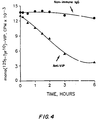
- monol( 125 I-Tyr 10 )-VIP was incubated with (i) immune and (ii) nonimmune IgG for increasing lengths of time.
- IgG from a nonimmune human subject and a VIP antibody positive subject was prepared by chromatography on DEAE cellulose followed by ultrafiltration as described in Example 2.
- the IgG or assay diluent (final volume of 200 ⁇ l in 50 mM Tris-HCl, 100 mM glycine, 0.025% Tween-20 and 0.1% bovine serum albumin, pH 8.0) was incubated with mono ( 125 I,Tyr 10 )-VIP (approximately 30 p) for increasing lengths of time at 38°C.
- mono ( 125 I,Tyr 10 )-VIP (approximately 30 p) for increasing lengths of time at 38°C.
- Bovine serum albumin and Tween-20 were included in these incubations to prevent adsorptive loss of the mono ( 125 I,Tyr 10 )-VIP on glass and plastic surfaces.
- TCA trichloroacetic acid
- the ability of the IgG to hydrolyze mono-( 125 I,Tyr 10 )-VIP was not lost by precipitation with 50% saturated ammonium sulfate or ultrafiltration on a 100 kDa membrane filter.
- Treatment of the IgG with rabbit anti-human IgG or treatment at 100°C (10 min) prior to incubation with monol( 125 I,Tyr 10 )-VIP destroyed the hydrolytic activity of the IgG as indicated by a reduction in the amount of radioactivity in the peak with RT of 10 min.
- Reverse phase HPLC of mono ( 125 I-Tyr 10 )-VIP treated with the immune IgG from subject #39 revealed a reduction in the amount of intact mono ( 125 I, Tyr 10 )-VIP (retention time (RT):25 min.) , and the appearance of an early eluting peak of radioactivity (RT:10.0 min) that was well separated from intact mono ( 125 I-Tyr 10 )-VIP and free 125 I (RT:65-7.0 min) (Fig. 5).
- Heat treatment of the IgG prior to incubation with mono(Tyr 10 , 125 I)-VIP resulted in a reduction in the amount of radioactivity in the peak with RT 10 min.
- the absorbance of the eluate was monitored at 214 nM.
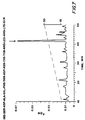
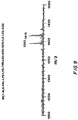
- Two A 214 nm absorbing peaks (labeled 1 and 2 in Fig. 6), noted after treatment of the VIP with immune IgG, were absent in peptide preparations treated with nonimmune IgG or assay buffer. These peaks were purified by a second round of reverse phase HPLC using shallower gradients for elution (Fig. 7 and 8).
- the peptide fractions purified by reverse phase HPLC were dried, and sequenced using an Applied Biosystems pulsed liquid phase sequenator (model 477A) with on-line phenylthiohydantoin-amino acid detection.
- Overloaded IgG (50 ⁇ g) was subjected to electrophoresis in 12-20% polyacrylamide gels. Silver staining revealed one major IgG band and a minor light chain band with molecular mass 150 kDa and 25 kDa, respectively. A nitrocellulose blot of the gel was treated with rabbit anti-human IgG conjugated to peroxidase (Accurate) and stained with diaminobenzidine and hydrogen peroxide. Both bands were reactive with the anti-human IgG, indicating that the IgG did not contain non-immunoglobulin material.
- the IgG (10 mg in 0.5 ml) was treated with papain conjugated to agarose (Pierce) (1.5 ml in 20 mM sodium phosphate, pH 7.0, 10 mM EDTA and 20 mM cysteine) for 5 h at 38°C with vigorous shaking.
- the mixture was centrifuged, and Fab in the supernatant was purified by chromatography on protein A conjugated to agarose (2.2 ml gel; Pierce).
- the column was washed with 10 mM Tris-HCl, pH 7.5 to recover unretained Fab. This fraction was concentrated by ultrafiltration on an Amicon YM-10 filter.
- the Fab fragment prepared in this manner exhibited a molecular mass of 50 kDa.
- the retentate, the parent IgG fraction and marker proteins (right lane) were electrophoresed on a 8-25% gradient polyacrylamide gel using a Phast system (Pharmacia) and the gel was stained with Coomassie blue, as shown in Fig. 10A.
- Increasing concentrations of the Fab preparation were incubated with mono ( 125 I, Tyr 10 )-VIP in 0.05 M Tris-HCl, 0.1 M glycine, pH 8.0, containing 0.025% Tween 20 (assay diluent) for 3 h at 38°C.
- Trichloroacetic acid was added to 10% (v/v), the tubes centrifuged (5800 x g; 20 min), the supernatants aspirated and radioactivity in the pellets determined as described in Example 5 above.
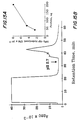
- Fig. 10B indicated that the Fab fragment caused dose dependent cleavage of VIP.
- the catalytic activity resided in the Fab fragment.
- IgG purified on a DEAE-cellulose column was chromatographed on protein G conjugated to Sepharose (Pharmacia) in 50 mM Tris-HCl, pH 7.3.
- Protein G is an agent which binds immunoglobulin at its F c region. All of the A 280 was retained by the protein G, and then released upon application of a low pH buffer (0.1 M glycine-HCl, pH 2.7). The eluate fractions were made to pH 8 with 1 M Tris-HCl, pH 9, pooled and assayed for VIP hydrolytic activity (inset) as in Fig. 11.
- the protein G purified IgG was gel filtered on a Superose-12 column (Pharmacia) in 50 m Tris-HCl, pH 8 buffer at a rate of 0.5 ml/min.
- Marker proteins used for comparative molecular mass determination were ferritin, catalose, bovine serum albumia and chymotrypsinogen. Gel filtration chromatography indicated a single peak of hydrolytic activity with a molecular mass close to 150 kDa, determined by comparison with the marker proteins.
- the IgG was diluted to 0.1 mg/ml and ultrafiltered on an Amicon YM-100 filter to 2.2 mg/ml. IgG precipitated with 50% saturated ammonium sulfate was centrifuged, redissolved in assay diluent, dialyzed and then assayed for hydrolytic activity as described in Example 5. Of the original VIP hydrolytic activity present in IgG purified by DEAE-cellulose chromatography, 78% and 80% was preserved in the retentate after ultrafiltration on a 100 kDa cutoff filter and in the ammonium sulfate precipitable fraction, respectively.
- Goat anti-human IgG (Antibodies Inc.) was purified further by chromatography on immobilized protein G as above.
- the human IgG 450 ⁇ g; 100 ⁇ l was incubated with 700 ⁇ l of the anti-human IgG (diluted 13.5-fold) or assay diluent for 45 min at 4°C, the precipitate removed by centrifugation and the supernatants tested for VIP hydrolytic activity.
- Treatment of the IgG preparation with anti-human IgG and removal of the immunoprecipitate decreased the hydrolytic activity by 75%. The retention of a small proportion (25%) of the starting VIP hydrolytic activity in the supernatant was likely due to incomplete IgG precipitation.
- IgG was prepared by chromatography on (i) protein G conjugated to Sepharose or (ii) DEAE-cellulose.
- the IgG (4 mg/ml) was ultrafiltered on a YM-10 membrane having an average cut off molecular weight of 10,000 Daltons using an Amicon Model 8 MC apparatus to 27 mg/ml, diluted back to 0.8 mg/ml and then subjected to a second cycle of ultrafiltration.
- the final concentration of IgG prepared in this manner was 20 mg/ml.
- IgG purified as above but without ultrafiltration and IgG purified with ultrafiltration as above were each incubated with mono( 125 I-Tyr 10 )-VIP in radioimmunoassay buffer at 4°C for two hours in the presence of increasing unlabeled VIP concentrations and the TCA soluble radioactivity was determined as described in Example 7.
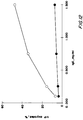
- Fig. 12 indicates that treatment of mono( 125 I, Tyr 10 )-VIP with IgG that had not been subjected to ultrafiltration resulted in a dose-dependent, but low-level degradation of the peptide, judged by the increase in TCA-soluble radioactivity over the value obtained with assay buffer. IgG subjected to ultrafiltration degraded VIP better than IgG which had not been ultrafiltered.
- buffer 50 mM Tris-HCl, 100 mM glycine, pH 8.0, containing 0.025% Tween-20
- IgG (1 mg in 0.5 ml of buffer (50 mM Tris-HCl, 100 mM glycine, pH 8.0, containing 0.025% Tween-20)), prepared by chromatography as described in A above, was applied to a Protein G-Sepharose column (settled volume, 3.3 ml) in order to immobilize the IgG on the Protein G.
- the immobilized IgG was then washed with 135 ml of neutral pH buffer (50 mM Tris-HCl, pH 7.3) followed by elution with a low pH buffer (100 mM glycine-HCl, pH 2.7). The acidic eluent was then neutralized immediately and the IgG isolated.
- IgG subjected to neutral buffer washes degraded VIP better than IgG which had not been subjected to such treatment.
- IgG fractions containing VIP hydrolytic autoantibodies exhibit relatively tight binding of VIP. This property was used to purify specific catalytic VIP hydrolytic autoantibodies on a VIP-Sepharose column.
- IgG was purified from the plasma of a human subject by ammonium sulfate precipitation and DEAE-cellulose chromatography (8). The IgG was free of detectable non-immunoglobulin materials (27).
- a low level of saturable VIP binding activity (about CPM/100 ⁇ l) was detected in the supernatant from EBV transformed cells of the VIP antibody positive subject, but not from the irrelevant cell line.
- Lymphocytes are isolated by density gradient centrifugation on Ficoll-Hypaque.
- VIP-specific B lymphocytes are enriched by attachment to Petri dishes containing immobilized producing cell line) for 2 hours, washed and then cultured at 1 x 10 6 /ml in RPMI-1640 supplemented with 10% fetal bovine serum, L-glutamine and antibiotics.
- the cultures of transformed cells are examined daily and fed twice weekly. After about two weeks immunoglobulins from the culture supernatants are examined for VIP binding and hydrolytic activity by the methods described above.
- EBV cell lines are cloned in 96 well cell culture plates by limiting dilution using 0.5 cells/well with 10% ORIGEN cloning factor (IGEN) in place of feeder layers. Positive growing clones are assayed for immunoglobulin production and screened for VIP hydrolytic activity. The cells producing the hydrolytic antibodies are recloned to ensure their monoclonal status. The positive cell cultures are expanded for immunoglobulin production and for hybridization with human or mouse myeloma cell lines. Since EBV transformed cell lines are often low immunoglobulin producers, transformed cells are hybridized with either mouse myelomas or a mouse-human heteromyeloma in order to obtain stable hybrids which produce the unique catalytic antibodies.
- IGEN ORIGEN cloning factor
- mouse myeloma SP2/0-Ag14
- human plasmacytoma SKO-007
- mouse x human heteromyeloma SHM-D33 grown in the presence of the antibiotic G-418 to stabilize the human chromosomes.
- the fusion is done in the same way as mouse x mouse fusions (20).
- IgG prepared by DEAE-cellulose chromatography was assayed for saturable (Tyr 10 - 125 I)-VIP binding (8), in the absence and presence of increasing concentrations of unlabeled VIP.
- Apparent K D for VIP was determined using EBDA and LIGAND programs (Elsevier) assuming (i) the binding had reached equilibrium, and (ii) the K D of (Tyr 10 - 125 I)-VIP and unlabeled VIP were identical.
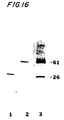
- proteins were transferred to nitrocellulose (BA85, Schleicher and Schuell) by diffusion blotting (30 min), the membrane was treated with blocking buffer (0.02 M Tris-HCl, pH 7.4, 0.5 M NaCl, 3% BSA, 0.05% Tween-20), then with rabbit anti-human H-chain (IgG) (1:1000) or anti-human L-chain (1:2,500) (Accurate) for 60 min, washed with buffer, treated with peroxidase conjugated goat anti-rabbit IgG (1:1000; Accurate), washed again and finally incubated with 0.5 mg diaminobenzidine/ml (Sigma) and 0.03% hydrogen peroxide for 10-30 min.
- IEF was on Phast IEF gels using a pH gradient of 3-10 constructed with Pharmalytes.
- the IEF profile of the affinity-fractionated preparation revealed a restricted range of antibody species (approximately 12 closely spaced bands focused at pH 6.9-8.4), compared to unfractionated IgG (innumerable bands focused mainly at pH 7.1-9.5).
- the IgG preparation used here hydrolyzed the Gln 16 -Met 17 bond in VIP (29).
- (Tyr 10 - 125 I)VIP is used as substrate, one radioactive fragment, (Tyr 10 - 125 I)VIP(1-16), is generated.
- 100 ⁇ g of unfractionated IgG and 0.3 ⁇ g of affinity-purified antibody were incubated with 210 pg (Tyr 10 - 125 I)VIP, and the reaction product characterized by reverse phase HPLC (Fig. 17).
- Treatment with both types of antibody preparations generated a single radioactive peptide with retention time identical to that of synthetic 125 I-VIP[1-16] (8.2 min).
- the IEF profile of the affinity-fractionated VIP antibodies revealed a restricted range of antibodies, it remains possible that the preparation may not be a homogeneous one.
- the k cat measured for the affinity-fractionated antibody preparation (0.11 min -1 ) is a minimal value.
- the theoretical k cat value of the VIP antibody present in unfractionated IgG (V max /amount of antibody, estimated from as the x-intercept of the Scatchard plot) was 6.5 min -1 .
- the k cat and k cat /k m values reported for an amidase antibody raised against a presumed transition state analog are 0.08 min -1 and 1.4 x 10 2 M -1 min -1 , respectively (32).
- An antibody capable of Gly-Phe bond cleavage with metal co-factor assistance is purported to be a true catalyst with k cat 0.04 min -1 , but its saturation kinetics are not described (33).
- Human VIP(1-28) (Bachem) was labeled with 125 I and Tyr 10 - 125 I)VIP was purified by reverse phase HPLC and identified by amino acid sequencing (27).
- the fragment VIP(15-28) was prepared by solid phase synthesis (University of Florida Core Facility, Gainesville) and its identity confirmed by amino acid analysis.
- Reverse phase HPLC on a C-18 column revealed a single A 214 absorbing peptide in this preparation.
- Iodination and purification of ( 125 I)VIP(15-28) was by the method used for preparation of (Tyr 10 - 125 I)VIP, except that a gradient of 16 to 40% acetonitrile in 0.1% trifluoroacetic acid (60 min) was used in the HPLC step.
- the ( 125 I)VIP(15-28) was recovered in the major radioactive peak with retention time 41.4 min. This peptide was subjected to 15 cycles of Edman's degradation using an Applied Biosystems 477A sequenator with online PTH-amino acid detection. The bulk of the radioactivity was recovered in cycle 8, and the radioactivity was observed to coelute with the PTH derivative of authentic mono 127 I-tyrosine (Calbiochem). Thus, the VIP(15-28) was labeled with 125 I at Tyr 22 (Tyr 22 - 125 I)VIP(15-28).
- Antibody concentrations were estimated by scans (A 562 ) of silver-stained non-reducing SDS-gels (see below), using authentic IgG as standard (Gilford Response II spectrophotometer). Increasing IgG concentrations (2-20 ng per lane) showed a linear increase in A 562 values.
- a fixed concentration of (Tyr 10 - 125 I)-VIP (about 30 pM) mixed with increasing VIP concentrations was treated with the IgG, Fab or affinity-purified antibodies for 3 h at 38°C in 200 ⁇ l 0.05 M Tris-HCl, 0.1 M glycine, pH 8, containing 0.025% Tween-20 and 0.1% BSA.
- the IgG and affinity-purified antibodies tested for hydrolytic activity were previously dialyzed against 500-volumes of buffer for 4 days, with daily buffer changes. Hydrolysis of VIP was computed by measuring the radioactivity rendered soluble in TCA, corrected for the radioactivity observed after incubation in assay diluent (27).
- VIP 50 ⁇ g was treated with IgG (588 ⁇ g; subject #5960) or antibodies purified by affinity chromatography on VIP-Sepharose (88 ⁇ g; subject #80), except that BSA was absent in the reaction mixture.
- the VIP antibody fractions were purified from the blood of the human subjects (#5960 and #80) by affinity chromatography on immobilized protein G and VIP-Sepharose. Increasing amounts of IgG (0.5-100 ⁇ g) from both individuals caused progressively increasing hydrolysis of (Tyr 10 - 125 I)VIP (3-40%), judged by the amount of radioactivity rendered soluble in trichloroacetic acid (27). The pH optima for antibodies were 8.0 and 8.5 (not shown). Reverse phase HPLC profiles indicated that multiple radioactive fragments of VIP with retention times distinct from that of intact (Tyr 10 - 125 I)VIP (34.6 min) were present in the reaction mixtures.
- the deduced sequence of the peptides present in the nine fractions was found to align with subsequences found in full-length VIP.
- the scissile bonds were identified based on detection of peptide fragments that: (i) contained an N-terminal residue other than the N-terminal His of full-length VIP, (ii) had an amino acid sequence at least 5 residues in length identical to an internal subsequence of VIP, and (iii) sequenced at the level of 10 pmoles or more.
- Five VIP fragments satisfying the criteria defined above were generated by antibodies from subject #80.
- the peptide bonds in VIP located on the N-terminal side of these fragments were identified as the scissile bonds (Table 1).
Landscapes
- Health & Medical Sciences (AREA)
- Chemical & Material Sciences (AREA)
- Organic Chemistry (AREA)
- Life Sciences & Earth Sciences (AREA)
- Genetics & Genomics (AREA)
- General Health & Medical Sciences (AREA)
- Medicinal Chemistry (AREA)
- Molecular Biology (AREA)
- Zoology (AREA)
- Biochemistry (AREA)
- Wood Science & Technology (AREA)
- Engineering & Computer Science (AREA)
- Bioinformatics & Cheminformatics (AREA)
- Proteomics, Peptides & Aminoacids (AREA)
- Biophysics (AREA)
- Immunology (AREA)
- General Engineering & Computer Science (AREA)
- Microbiology (AREA)
- Biotechnology (AREA)
- Biomedical Technology (AREA)
- Endocrinology (AREA)
- General Chemical & Material Sciences (AREA)
- Animal Behavior & Ethology (AREA)
- Gastroenterology & Hepatology (AREA)
- Veterinary Medicine (AREA)
- Public Health (AREA)
- Chemical Kinetics & Catalysis (AREA)
- Vascular Medicine (AREA)
- Nuclear Medicine, Radiotherapy & Molecular Imaging (AREA)
- Pharmacology & Pharmacy (AREA)
- Toxicology (AREA)
- Oncology (AREA)
- Communicable Diseases (AREA)
- Peptides Or Proteins (AREA)
- Transition And Organic Metals Composition Catalysts For Addition Polymerization (AREA)
- Road Signs Or Road Markings (AREA)
- Preparation Of Compounds By Using Micro-Organisms (AREA)
- Enzymes And Modification Thereof (AREA)
- Medicines Containing Antibodies Or Antigens For Use As Internal Diagnostic Agents (AREA)
- Medicines That Contain Protein Lipid Enzymes And Other Medicines (AREA)
Claims (19)
- Autoimmunantikörper, der die Geschwindigkeit der Spaltung einer Peptidbindung zwischen den Aminosäureresten 16 und 17 im vasoaktiven intestinalen Peptid (VIP) erhöht.
- Autoimmunantikörper gemäß Anspruch 1, bei dem die Geschwindigkeitsteigerung katalytisch erfolgt.
- Blutserumextrakt, enthaltend einen Autoimmunantikörper gemäß Anspruch 1.
- Zubereitung, enthaltend einen Autoimmunantikörper gemäß den Ansprüchen 1 oder 2 oder einen Blutserumextrakt gemäß Anspruch 3 sowie einen inerten Träger.
- Verfahren zur Herstellung eines Autoimmunantikörpers, der die Geschwindigkeit der Spaltung einer Peptidbindung im VIP erhöht, bei dem man(a) ein Tier mit gegen das VIP gerichteten Autoimmunantikörpern identifiziert,(b) die Autoimmunantikörper isoliert und(c) die Autoimmunantikörper durchtestet, um einen Autoimmunantikörper zu identifizieren, der die Hydrolysegeschwindigkeit eine Peptidbindung im VIP erhöht.
- Verfahren gemäß Anspruch 5, bei dem das Durchtesten mittels Ultrafiltration erfolgt.
- Verfahren gemäß einem der Ansprüche 5 oder 6, bei dem man zusätzlich(a) die Gammaglobulinfraktion vom Serum des Tieres abtrennt und(b) aus dieser Gammaglobulinfraktion ein Molekül bzw. Moleküle abtrennt, die diese Gammaglobulinfraktion binden.
- Verfahren gemäß Anspruch 7, bei dem das bzw. die Gammaglobulinfraktion bindende(n) Molekül(e) mittels Ultrafiltration vom Gammaglobulin abgetrennt werden.
- Verfahren gemäß Anspruch 7, bei dem das bzw. die Gammaglobulinfraktion bindende(n) Molekül(e) mittels Dialyse vom Gammaglobulin abgetrennt werden.
- Verfahren gemäß Anspruch 7, bei dem das bzw. die Gammaglobulinfraktion bindende(n) Molekül(e) mittels Affinitätschromatographie auf Protein G-Sepharose vom Gammaglobulin abgetrennt werden.
- Verfahren gemäß Anspruch 7, bei dem das bzw. die Gammaglobulinfraktion bindende(n) Molekül(e) mittels Affinitätschromatographie auf VIP-Sepharose vom Gammaglobulin abgetrennt werden.
- Verfahren gemäß einem der Ansprüche 5 - 11, bei dem der Autoimmunantikörper ein monoklonaler Antikörper ist und das Verfahren außerdem folgende Schritte aufweist:(a) Isolierung von Lymphozyten aus dem besagten Tier,(b) Erzeugen einer Vielzahl von Hybridomen aus diesen Lymphozyten und(c) Durchtesten der von diesen Hybridomen erzeugten monoklonalen Antikörper zur Identifikation solcher monoklonaler Antikörper, die die Hydrolysegeschwindigkeit einer Peptidbindung im VIP erhöhen.
- Verfahren gemäß einem der Ansprüche 5 - 11, welches zusätzlich folgende Schritte aufweist:(a) Isolierung von Lymphozyten aus dem identifizierten Tier,(b) Transformation der Lymphozyten mit einem Virus,(c) Stimulierung der Lymphozyten zum Wachstum in Kultur und(d) Durchtesten der von diesen transformierten Lymphozyten erzeugten monoklonalen Antikörper zur Identifikation solcher monoklonaler Antikörper, die die Hydrolysegeschwindigkeit einer Peptidbindung im VIP erhöhen.
- Verfahren gemäß Anspruch 13, bei dem die Lymphozyten durch Transformation mit dem Epstein-Barr-Virus stimuliert werden.
- Verfahren gemäß einem der Ansprüche 5 - 14 zur Herstellung eines Autoimmunantikörpers, der die Spaltungsgeschwindigkeit einer Peptidbindung im VIP katalytisch erhöht.
- Verfahren zum Steigern der Geschwindigkeit der VIP-Hydrolyse in vitro, bei dem man das VIP mit einem Autoimmunantikörper in Kontakt bringt, der die Geschwindigkeit der Spaltung einer Peptidbindung im VIP erhöht.
- Pharmazeutische Zubereitung, enthaltend einen Autoimmunantikörper, der die Geschwindigkeit der Spaltung einer Peptidbindung im VIP erhöht, sowie einen pharmazeutisch geeigneten Träger.
- Verwendung eines Autoimmunantikörpers, der die Geschwindigkeit der Spaltung einer Peptidbindung im VIP erhöht, zur Herstellung eines Medikaments zur Krebstherapie.
- Verwendung eines Autoimmunantikörpers, der die Geschwindigkeit der Spaltung einer Peptidbindung im VIP erhöht, zur Herstellung eines Medikaments zur Behandlung von HIV-Infektionen.
Applications Claiming Priority (3)
| Application Number | Priority Date | Filing Date | Title |
|---|---|---|---|
| US07/343,081 US5236836A (en) | 1989-04-25 | 1989-04-25 | Autoantibodies which enhance the rate of a chemical reaction |
| PCT/US1990/002274 WO1990013661A1 (en) | 1989-04-25 | 1990-04-25 | Autoantibodies which enhance the rate of a chemical reaction |
| US343081 | 1994-11-21 |
Publications (3)
| Publication Number | Publication Date |
|---|---|
| EP0469060A1 EP0469060A1 (de) | 1992-02-05 |
| EP0469060A4 EP0469060A4 (en) | 1992-06-03 |
| EP0469060B1 true EP0469060B1 (de) | 1996-07-31 |
Family
ID=23344622
Family Applications (1)
| Application Number | Title | Priority Date | Filing Date |
|---|---|---|---|
| EP90907540A Expired - Lifetime EP0469060B1 (de) | 1989-04-25 | 1990-04-25 | Autoantikörper zur steigerung der chemischen reaktionsgeschwindigkeit |
Country Status (12)
| Country | Link |
|---|---|
| US (1) | US5236836A (de) |
| EP (1) | EP0469060B1 (de) |
| JP (1) | JPH04504664A (de) |
| AT (1) | ATE140958T1 (de) |
| AU (1) | AU643437B2 (de) |
| CA (1) | CA2015377C (de) |
| DE (1) | DE69027988T2 (de) |
| DK (1) | DK0469060T3 (de) |
| ES (1) | ES2092508T3 (de) |
| IL (1) | IL94201A (de) |
| WO (1) | WO1990013661A1 (de) |
| ZA (1) | ZA903109B (de) |
Families Citing this family (12)
| Publication number | Priority date | Publication date | Assignee | Title |
|---|---|---|---|---|
| US5229272A (en) * | 1989-04-25 | 1993-07-20 | Igen, Inc. | Catalytic antibody components |
| ZA893284B (en) * | 1988-05-04 | 1990-03-28 | Igen Inc | Peptide analogs and their use as haptens to elicit catalytic antibodies |
| US5318897A (en) * | 1989-04-25 | 1994-06-07 | Igen, Inc. | Monoclonal antibody and antibody components elicited to a polypeptide antigen ground state |
| US5194585A (en) * | 1989-04-25 | 1993-03-16 | Igen, Inc. | Inhibitors of catalytic antibodies |
| EP1477558A1 (de) * | 1992-03-16 | 2004-11-17 | WOHLSTADTER, Jacob Nathaniel | Selektionsmethoden |
| US20030099945A1 (en) * | 1994-09-20 | 2003-05-29 | Invenux, Inc. | Parallel selex |
| US20030044420A1 (en) * | 1999-09-24 | 2003-03-06 | Mccormick Alison A. | Self antigen vaccines for treating B cell lymphomas and other cancers |
| US7084256B2 (en) * | 1999-09-24 | 2006-08-01 | Large Scale Biology Corporation | Self antigen vaccines for treating B cell lymphomas and other cancers |
| US20050084488A1 (en) * | 2003-04-10 | 2005-04-21 | Mulkerrin Michael G. | Asparagine deaminase catalytic antibodies |
| GB2420850A (en) * | 2004-12-03 | 2006-06-07 | Orion Diagnostica Oy | Particle based binding assay |
| JP6488520B2 (ja) | 2013-08-20 | 2019-03-27 | 国立研究開発法人科学技術振興機構 | ヒト抗体κ型軽鎖複合体含有組成物及びその製造方法 |
| WO2019175767A1 (en) * | 2018-03-12 | 2019-09-19 | Smartfreez, Lda | Apparatus and method for measuring degradation kinetics of a biomaterial in aqueous solution below the normal freezing temperature |
Family Cites Families (18)
| Publication number | Priority date | Publication date | Assignee | Title |
|---|---|---|---|---|
| US4196265A (en) * | 1977-06-15 | 1980-04-01 | The Wistar Institute | Method of producing antibodies |
| US4492751A (en) * | 1978-04-10 | 1985-01-08 | Miles Laboratories, Inc. | Heterogenous specific binding assay employing an enzyme substrate as label |
| US4376110A (en) * | 1980-08-04 | 1983-03-08 | Hybritech, Incorporated | Immunometric assays using monoclonal antibodies |
| US4493890A (en) * | 1981-03-23 | 1985-01-15 | Miles Laboratories, Inc. | Activated apoglucose oxidase and its use in specific binding assays |
| US4661586A (en) * | 1981-11-17 | 1987-04-28 | The Board Of Trustees Of The Leland Stanford Junior University | Monoclonal anti-idiotype antibodies |
| US4816567A (en) * | 1983-04-08 | 1989-03-28 | Genentech, Inc. | Recombinant immunoglobin preparations |
| WO1985002414A1 (en) * | 1983-11-29 | 1985-06-06 | Igen, Inc. | Method of catalyzing chemical reactions |
| US4659567A (en) * | 1984-09-07 | 1987-04-21 | Scripps Clinic & Research Foundation | Molecules with antibody combining sites that bind to hydrolytic transition states |
| US5030717A (en) * | 1986-09-17 | 1991-07-09 | Scripps Clinic And Research Foundation | Antibodies which catalyze hydrolysis of ester bonds |
| WO1986006742A1 (en) * | 1985-05-07 | 1986-11-20 | California Biotechnology Inc. | Fused proteine for enzyme immunoassay system |
| US4792446A (en) * | 1986-06-23 | 1988-12-20 | Igen, Inc. | Production of antibody catalysts |
| US4963355A (en) * | 1986-06-23 | 1990-10-16 | Igen, Inc. | Production of antibody catalysts |
| US4900674A (en) * | 1987-05-28 | 1990-02-13 | Scripps Clinic And Research Foundation | Antibody combining sites that exhibit amide or ester synthase activity |
| ZA893284B (en) * | 1988-05-04 | 1990-03-28 | Igen Inc | Peptide analogs and their use as haptens to elicit catalytic antibodies |
| ZA896408B (en) * | 1988-08-26 | 1991-05-29 | Igen Inc | Method of catalyzing stereochemical reactions |
| FI903489A7 (fi) * | 1988-11-11 | 1990-07-10 | Medical Res Council | Yhden osan sisältävät ligandit, näitä ligandeja sisältävät reseptorit, menetelmiä niiden valmistamiseksi sekä ligandien ja reseptorien käytt ö |
| US5215889A (en) * | 1988-11-18 | 1993-06-01 | The Regents Of The University Of California | Catalytic and reactive polypeptides and methods for their preparation and use |
| US5194585A (en) * | 1989-04-25 | 1993-03-16 | Igen, Inc. | Inhibitors of catalytic antibodies |
-
1989
- 1989-04-25 US US07/343,081 patent/US5236836A/en not_active Expired - Lifetime
-
1990
- 1990-04-24 ZA ZA903109A patent/ZA903109B/xx unknown
- 1990-04-25 ES ES90907540T patent/ES2092508T3/es not_active Expired - Lifetime
- 1990-04-25 AT AT90907540T patent/ATE140958T1/de not_active IP Right Cessation
- 1990-04-25 DE DE69027988T patent/DE69027988T2/de not_active Expired - Fee Related
- 1990-04-25 AU AU56468/90A patent/AU643437B2/en not_active Ceased
- 1990-04-25 IL IL9420190A patent/IL94201A/en not_active IP Right Cessation
- 1990-04-25 EP EP90907540A patent/EP0469060B1/de not_active Expired - Lifetime
- 1990-04-25 DK DK90907540.0T patent/DK0469060T3/da active
- 1990-04-25 WO PCT/US1990/002274 patent/WO1990013661A1/en not_active Ceased
- 1990-04-25 CA CA002015377A patent/CA2015377C/en not_active Expired - Fee Related
- 1990-04-25 JP JP2507523A patent/JPH04504664A/ja active Pending
Also Published As
| Publication number | Publication date |
|---|---|
| EP0469060A4 (en) | 1992-06-03 |
| IL94201A0 (en) | 1991-01-31 |
| US5236836A (en) | 1993-08-17 |
| AU5646890A (en) | 1990-11-29 |
| DK0469060T3 (da) | 1996-12-23 |
| CA2015377C (en) | 2000-07-25 |
| AU643437B2 (en) | 1993-11-18 |
| WO1990013661A1 (en) | 1990-11-15 |
| ZA903109B (en) | 1991-11-27 |
| JPH04504664A (ja) | 1992-08-20 |
| DE69027988T2 (de) | 1997-01-09 |
| ATE140958T1 (de) | 1996-08-15 |
| ES2092508T3 (es) | 1996-12-01 |
| DE69027988D1 (de) | 1996-09-05 |
| EP0469060A1 (de) | 1992-02-05 |
| IL94201A (en) | 1995-07-31 |
| CA2015377A1 (en) | 1990-10-25 |
Similar Documents
| Publication | Publication Date | Title |
|---|---|---|
| Paul et al. | Catalytic hydrolysis of vasoactive intestinal peptide by human autoantibody | |
| AU643776B2 (en) | Catalytic antibody components | |
| AU643437B2 (en) | Autoantibodies which enhance the rate of a chemical reaction | |
| US5602015A (en) | Autoantibodies which enhance the rate of a chemical reaction | |
| US5194585A (en) | Inhibitors of catalytic antibodies | |
| KR100270981B1 (ko) | 폴리펩티드 항원 바닥상태에 대해 도출된 모노클로날 항체 및 항체 성분 | |
| US5658753A (en) | Catalytic antibody components | |
| US5599538A (en) | Autoantibodies which enhance the rate of a chemical reaction | |
| CA1337050C (en) | Monoclonal antibody selectively binding to novel g-csf derivative | |
| EP0594879A1 (de) | Cathepsin-L-spezifische, monoklonale Antikörper, Hybridomen zur deren Herstellung und ein Verfahren zur deren Verwendung | |
| US6048717A (en) | Inhibitors of catalytic antibodies | |
| Paul et al. | Binding and multiple hydrolytic sites in epitopes recognized by catalytic anti‐peptide antibodies | |
| EP0358468B1 (de) | Monoklonale Antikörper gegen den menschlichen Epidermal-Wachstumsfaktor mit hohem Molekulargewicht | |
| JPH1180195A (ja) | 準安定結合の修飾速度を上昇させる方法 | |
| JPH0372873A (ja) | ネコ×マウスヘテロハイブリドーマおよびネコ免疫グロブリンλ鎖の定常領域をコードする遺伝子断片 | |
| JPH05317087A (ja) | 抗ヒトオルニチン脱炭酸酵素抗体及びそれを用いたヒトオルニチン脱炭酸酵素の測定方法 | |
| WO2000012561A1 (fr) | Anticorps monoclonaux de synthase de thymidylate antihumains et hybridomes produisant ces anticorps | |
| JP2004151112A (ja) | 抗ヒトチミジル酸シンターゼモノクローナル抗体及びこれを産生するハイブリドーマ |
Legal Events
| Date | Code | Title | Description |
|---|---|---|---|
| PUAI | Public reference made under article 153(3) epc to a published international application that has entered the european phase |
Free format text: ORIGINAL CODE: 0009012 |
|
| 17P | Request for examination filed |
Effective date: 19911017 |
|
| AK | Designated contracting states |
Kind code of ref document: A1 Designated state(s): AT BE CH DE DK ES FR GB IT LI LU NL SE |
|
| A4 | Supplementary search report drawn up and despatched |
Effective date: 19920414 |
|
| AK | Designated contracting states |
Kind code of ref document: A4 Designated state(s): AT BE CH DE DK ES FR GB IT LI LU NL SE |
|
| 17Q | First examination report despatched |
Effective date: 19940107 |
|
| GRAH | Despatch of communication of intention to grant a patent |
Free format text: ORIGINAL CODE: EPIDOS IGRA |
|
| RAP1 | Party data changed (applicant data changed or rights of an application transferred) |
Owner name: IGEN, INC. |
|
| GRAH | Despatch of communication of intention to grant a patent |
Free format text: ORIGINAL CODE: EPIDOS IGRA |
|
| GRAA | (expected) grant |
Free format text: ORIGINAL CODE: 0009210 |
|
| AK | Designated contracting states |
Kind code of ref document: B1 Designated state(s): AT BE CH DE DK ES FR GB IT LI LU NL SE |
|
| REF | Corresponds to: |
Ref document number: 140958 Country of ref document: AT Date of ref document: 19960815 Kind code of ref document: T |
|
| REG | Reference to a national code |
Ref country code: CH Ref legal event code: NV Representative=s name: ISLER & PEDRAZZINI AG |
|
| ITF | It: translation for a ep patent filed | ||
| REF | Corresponds to: |
Ref document number: 69027988 Country of ref document: DE Date of ref document: 19960905 |
|
| ET | Fr: translation filed | ||
| REG | Reference to a national code |
Ref country code: ES Ref legal event code: FG2A Ref document number: 2092508 Country of ref document: ES Kind code of ref document: T3 |
|
| REG | Reference to a national code |
Ref country code: DK Ref legal event code: T3 |
|
| PLBE | No opposition filed within time limit |
Free format text: ORIGINAL CODE: 0009261 |
|
| STAA | Information on the status of an ep patent application or granted ep patent |
Free format text: STATUS: NO OPPOSITION FILED WITHIN TIME LIMIT |
|
| 26N | No opposition filed | ||
| REG | Reference to a national code |
Ref country code: CH Ref legal event code: PFA Free format text: IGEN, INC. TRANSFER- IGEN INTERNATIONAL, INC. |
|
| REG | Reference to a national code |
Ref country code: GB Ref legal event code: 732E |
|
| NLS | Nl: assignments of ep-patents |
Owner name: IGEN INTERNATIONAL, INC A DELAWARE CORPORATION |
|
| REG | Reference to a national code |
Ref country code: FR Ref legal event code: TP |
|
| REG | Reference to a national code |
Ref country code: ES Ref legal event code: PC2A |
|
| REG | Reference to a national code |
Ref country code: GB Ref legal event code: IF02 |
|
| PGFP | Annual fee paid to national office [announced via postgrant information from national office to epo] |
Ref country code: DE Payment date: 20060531 Year of fee payment: 17 |
|
| PGFP | Annual fee paid to national office [announced via postgrant information from national office to epo] |
Ref country code: NL Payment date: 20070524 Year of fee payment: 18 |
|
| PGFP | Annual fee paid to national office [announced via postgrant information from national office to epo] |
Ref country code: ES Payment date: 20070528 Year of fee payment: 18 |
|
| PGFP | Annual fee paid to national office [announced via postgrant information from national office to epo] |
Ref country code: SE Payment date: 20070529 Year of fee payment: 18 |
|
| PGFP | Annual fee paid to national office [announced via postgrant information from national office to epo] |
Ref country code: CH Payment date: 20070530 Year of fee payment: 18 |
|
| PGFP | Annual fee paid to national office [announced via postgrant information from national office to epo] |
Ref country code: DK Payment date: 20070531 Year of fee payment: 18 |
|
| PGFP | Annual fee paid to national office [announced via postgrant information from national office to epo] |
Ref country code: AT Payment date: 20070601 Year of fee payment: 18 |
|
| PGFP | Annual fee paid to national office [announced via postgrant information from national office to epo] |
Ref country code: LU Payment date: 20070605 Year of fee payment: 18 |
|
| PGFP | Annual fee paid to national office [announced via postgrant information from national office to epo] |
Ref country code: BE Payment date: 20070615 Year of fee payment: 18 |
|
| REG | Reference to a national code |
Ref country code: CH Ref legal event code: PCAR Free format text: ISLER & PEDRAZZINI AG;POSTFACH 1772;8027 ZUERICH (CH) |
|
| PGFP | Annual fee paid to national office [announced via postgrant information from national office to epo] |
Ref country code: GB Payment date: 20070525 Year of fee payment: 18 |
|
| PGFP | Annual fee paid to national office [announced via postgrant information from national office to epo] |
Ref country code: IT Payment date: 20070523 Year of fee payment: 18 |
|
| PG25 | Lapsed in a contracting state [announced via postgrant information from national office to epo] |
Ref country code: DE Free format text: LAPSE BECAUSE OF NON-PAYMENT OF DUE FEES Effective date: 20071101 |
|
| PGFP | Annual fee paid to national office [announced via postgrant information from national office to epo] |
Ref country code: FR Payment date: 20070530 Year of fee payment: 18 |
|
| BERE | Be: lapsed |
Owner name: *IGEN INTERNATIONAL INC. Effective date: 20080430 |
|
| REG | Reference to a national code |
Ref country code: CH Ref legal event code: PL |
|
| REG | Reference to a national code |
Ref country code: DK Ref legal event code: EBP |
|
| EUG | Se: european patent has lapsed | ||
| GBPC | Gb: european patent ceased through non-payment of renewal fee |
Effective date: 20080425 |
|
| NLV4 | Nl: lapsed or anulled due to non-payment of the annual fee |
Effective date: 20081101 |
|
| PG25 | Lapsed in a contracting state [announced via postgrant information from national office to epo] |
Ref country code: NL Free format text: LAPSE BECAUSE OF NON-PAYMENT OF DUE FEES Effective date: 20081101 Ref country code: LI Free format text: LAPSE BECAUSE OF NON-PAYMENT OF DUE FEES Effective date: 20080430 Ref country code: CH Free format text: LAPSE BECAUSE OF NON-PAYMENT OF DUE FEES Effective date: 20080430 |
|
| REG | Reference to a national code |
Ref country code: FR Ref legal event code: ST Effective date: 20081231 |
|
| PG25 | Lapsed in a contracting state [announced via postgrant information from national office to epo] |
Ref country code: AT Free format text: LAPSE BECAUSE OF NON-PAYMENT OF DUE FEES Effective date: 20080425 |
|
| PG25 | Lapsed in a contracting state [announced via postgrant information from national office to epo] |
Ref country code: BE Free format text: LAPSE BECAUSE OF NON-PAYMENT OF DUE FEES Effective date: 20080430 |
|
| PG25 | Lapsed in a contracting state [announced via postgrant information from national office to epo] |
Ref country code: FR Free format text: LAPSE BECAUSE OF NON-PAYMENT OF DUE FEES Effective date: 20080430 Ref country code: DK Free format text: LAPSE BECAUSE OF NON-PAYMENT OF DUE FEES Effective date: 20080430 |
|
| REG | Reference to a national code |
Ref country code: ES Ref legal event code: FD2A Effective date: 20080426 |
|
| PG25 | Lapsed in a contracting state [announced via postgrant information from national office to epo] |
Ref country code: GB Free format text: LAPSE BECAUSE OF NON-PAYMENT OF DUE FEES Effective date: 20080425 |
|
| PG25 | Lapsed in a contracting state [announced via postgrant information from national office to epo] |
Ref country code: ES Free format text: LAPSE BECAUSE OF NON-PAYMENT OF DUE FEES Effective date: 20080426 |
|
| PG25 | Lapsed in a contracting state [announced via postgrant information from national office to epo] |
Ref country code: IT Free format text: LAPSE BECAUSE OF NON-PAYMENT OF DUE FEES Effective date: 20080425 |
|
| PG25 | Lapsed in a contracting state [announced via postgrant information from national office to epo] |
Ref country code: LU Free format text: LAPSE BECAUSE OF NON-PAYMENT OF DUE FEES Effective date: 20080425 |
|
| PG25 | Lapsed in a contracting state [announced via postgrant information from national office to epo] |
Ref country code: SE Free format text: LAPSE BECAUSE OF NON-PAYMENT OF DUE FEES Effective date: 20080426 |