EP0492964A2 - Klonierung und Expression von Borrelia Lipoproteinen - Google Patents
Klonierung und Expression von Borrelia Lipoproteinen Download PDFInfo
- Publication number
- EP0492964A2 EP0492964A2 EP91311758A EP91311758A EP0492964A2 EP 0492964 A2 EP0492964 A2 EP 0492964A2 EP 91311758 A EP91311758 A EP 91311758A EP 91311758 A EP91311758 A EP 91311758A EP 0492964 A2 EP0492964 A2 EP 0492964A2
- Authority
- EP
- European Patent Office
- Prior art keywords
- ospa
- primer
- dna
- borrelia
- seq
- Prior art date
- Legal status (The legal status is an assumption and is not a legal conclusion. Google has not performed a legal analysis and makes no representation as to the accuracy of the status listed.)
- Granted
Links
Images




Classifications
-
- C—CHEMISTRY; METALLURGY
- C12—BIOCHEMISTRY; BEER; SPIRITS; WINE; VINEGAR; MICROBIOLOGY; ENZYMOLOGY; MUTATION OR GENETIC ENGINEERING
- C12N—MICROORGANISMS OR ENZYMES; COMPOSITIONS THEREOF; PROPAGATING, PRESERVING, OR MAINTAINING MICROORGANISMS; MUTATION OR GENETIC ENGINEERING; CULTURE MEDIA
- C12N15/00—Mutation or genetic engineering; DNA or RNA concerning genetic engineering, vectors, e.g. plasmids, or their isolation, preparation or purification; Use of hosts therefor
- C12N15/09—Recombinant DNA-technology
- C12N15/63—Introduction of foreign genetic material using vectors; Vectors; Use of hosts therefor; Regulation of expression
- C12N15/67—General methods for enhancing the expression
-
- C—CHEMISTRY; METALLURGY
- C07—ORGANIC CHEMISTRY
- C07K—PEPTIDES
- C07K14/00—Peptides having more than 20 amino acids; Gastrins; Somatostatins; Melanotropins; Derivatives thereof
- C07K14/195—Peptides having more than 20 amino acids; Gastrins; Somatostatins; Melanotropins; Derivatives thereof from bacteria
- C07K14/20—Peptides having more than 20 amino acids; Gastrins; Somatostatins; Melanotropins; Derivatives thereof from bacteria from Spirochaetales (O), e.g. Treponema, Leptospira
-
- A—HUMAN NECESSITIES
- A61—MEDICAL OR VETERINARY SCIENCE; HYGIENE
- A61K—PREPARATIONS FOR MEDICAL, DENTAL OR TOILETRY PURPOSES
- A61K38/00—Medicinal preparations containing peptides
-
- A—HUMAN NECESSITIES
- A61—MEDICAL OR VETERINARY SCIENCE; HYGIENE
- A61K—PREPARATIONS FOR MEDICAL, DENTAL OR TOILETRY PURPOSES
- A61K39/00—Medicinal preparations containing antigens or antibodies
-
- Y—GENERAL TAGGING OF NEW TECHNOLOGICAL DEVELOPMENTS; GENERAL TAGGING OF CROSS-SECTIONAL TECHNOLOGIES SPANNING OVER SEVERAL SECTIONS OF THE IPC; TECHNICAL SUBJECTS COVERED BY FORMER USPC CROSS-REFERENCE ART COLLECTIONS [XRACs] AND DIGESTS
- Y02—TECHNOLOGIES OR APPLICATIONS FOR MITIGATION OR ADAPTATION AGAINST CLIMATE CHANGE
- Y02A—TECHNOLOGIES FOR ADAPTATION TO CLIMATE CHANGE
- Y02A50/00—TECHNOLOGIES FOR ADAPTATION TO CLIMATE CHANGE in human health protection, e.g. against extreme weather
- Y02A50/30—Against vector-borne diseases, e.g. mosquito-borne, fly-borne, tick-borne or waterborne diseases whose impact is exacerbated by climate change
Definitions
- the present invention relates to recombinant variations of outer surface proteins of pathological agents and recombinant methods of reconstructing these variations.
- the present invention concerns a method for producing recombinant variations of wild-type Borrelia lipoproteins. More particularly, the present invention involves a recombinant variation of the outer surface protein A of Borrelia burgdorferi , the spirochete responsible for Lyme disease, and a method of producing the same.
- Lyme disease is an infection caused by the spirochete, Borrelia burgdorferi , which is carried by ticks. The spirochete is transmitted to humans and animals through the bite of a tick and can cause a serious dermatological, arthritic, neurological, and other pathological disorders in an infected host. Recently, Lyme disease has become a serious epidemiological concern in North America, as well as Europe, Asia and the Soviet Union.
- OspA outer surface protein A
- the nucleotide sequence coding for the full-length, wild-type OspA has been previously determined for B31, the North American strain of B. burgdorferi .
- nucleotide sequence or gene which can be expressed to very high levels (hyperexpression) in a recombinant host/vector expression system to yield large quantities of the resulting recombinant protein while retaining the desired specific reactivity.
- certain recombinant DNA techniques can be utilized to express Borrelia genes using a host/vector expression system such as E. coli containing recombinant cloning vectors known in the art.
- a suitable recombinant cloning vector would be a plasmid having a nucleotide sequence that could be modified to accept an insertion of wild-type Borrelia DNA. While these recombinant techniques avoid the need for live Borrelia cultures, they have several shortcomings.
- the present invention in one aspect, is directed towards the provision of a method for producing recombinant variations of wild-type Borrelia lipoproteins which are soluble without exposure to detergents and are highly expressed in a host organism such as E. coli while retaining specific reactivity to antibodies against their corresponding wild-type Borrelia lipoprotein analogs.
- the present invention is also directed towards the provision of a method for producing a recombinant variation of B. burgdorferi outer surface protein A (OspA) which is soluble without exposure to detergents while retaining specific reactivity to antibodies against wild-type B. burgdorferi OspA.
- OspA outer surface protein A
- the present invention in a further aspect is directed towards the provision of a recombinant variation of B. burgdorferi outer surface protein A (OspA) which is soluble without exposure to detergents but retains specific reactivity to antibodies against wild-type B. burgdorferi OspA, and which is not associated with the host cell membrane during expression but retains specific reactivity to antibodies against wild-type B. burgdorferi OspA.
- OspA B. burgdorferi outer surface protein A
- the present invention in addition, is directed towards the provision of a nucleotide sequence that is highly expressed in a host organism such as E. coli and which codes for a recombinant variation of B. burgdorferi OspA which is soluble without exposure to detergents while retaining specific reactivity to antibodies against wild-type B. burgdorferi OspA.
- the present invention provides a soluble, highly expressed recombinant variation of the outer surface protein A (OspA) of Borrelia burgdorferi and a method of producing the same.
- OspA outer surface protein A
- the amino acid sequence coding for the recombinant variation of OspA is shown in SEQ ID NO: 4, as set forth below.
- the method for providing the protein of the present invention involved producing a truncated version of the wild-type B. burgdorferi ospA gene which could be highly expressed in a recombinant host to yield a soluble product.
- a DNA template containing B. burgdorferi DNA specially designed oligonucleotide primers were utilized in a polymerase chain reaction to amplify a segment of the wild-type ospA gene which excluded the first 17 codons that contain a signal peptidase II signal sequence.
- the resulting amplification product was expressed in a T7 bacteriophage expression system using recombinant DNA techniques known in the art.
- a DNA plasmid, pET9-OspA, harboring the nucleotide sequence coding for the protein of the present invention is also provided, in addition to a strain of E. coli transformed by the same.
- the method of the present invention is equally applicable for the production of recombinant variations of other Borrelia lipoproteins, provided that the lipoprotein contains the requisite signal sequence for signal peptidase II.
- the protein of the present invention is highly advantageous in that it retains reactivity to antibodies against wild-type B. burgdorferi OspA while maintaining improved solubility properties over OspA derived from live cultures or other recombinant techniques.
- This improved solubility is particularly advantageous in immunodiagnostic assays as well as laboratory manipulations because the protein is soluble in the absence of detergents which can impair or destroy reactivity.
- Another advantage of the protein of the present invention is that it is not associated with the host cell membrane during expression unlike wild-type OspA that is expressed recombinantly. Consequently, the protein of the present invention can be expressed to high levels using recombinant techniques because it is not as toxic to the host organism as wild-type OspA. Improved recombinant expression affords high yields of the target protein while obviating the risks and expenses of live Borrelia cell cultures.
- a further advantage of the present invention is that it provides a method of producing a recombinant variation of highly expressed Borrelia lipoproteins having improved solubility in the absence of detergents while retaining specific reactivity to antibodies against their wild-type, lipoprotein analogs.
- detergents Prior to the method of the present invention, detergents were required to solubilize these lipoproteins for use in immunoassays and other laboratory manipulations, thereby exposing reactive epitopic sites to the potentially damaging effects of the detergents.
- a protein encoded by an amino acid sequence comprising a first and a second portion, wherein the second portion has a 5′ and a 3′ end and comprises SEQ ID NO: 10 and wherein the first portion is positioned at the 5′ end of the second portion and consists of the amino acid residues selected from at least one of alanine and methionine, as well as a nucleotide sequence coding for the amino acid sequence.
- the amino acid sequence may comprise SEQ ID NO: 4, SEQ ID NO: 6 or SEQ ID NO: 8, as set forth below and the nucleotide sequence may comprise SEQ ID NO: 3, SEQ ID NO: 5 or SEQ ID NO: 7, as set forth below.
- a pET9 plasmid for transforming a host organism comprising pET-OspA; a transformed strain of E. coli containing plasmid pET9-OspA, wherein the strain is BL21(DE3)/pLysS, pET9-OspA; and an oligonucleotide primer useful for an amplification of a portion of a nucleotide sequence coding for a Borrelia lipoprotein wherein the primer is SEQ ID NO: 11.
- Another aspect of the invention provides a truncated version of a nucleotide sequence coding for a Borrelia lipoprotein, comprising: (a) providing a DNA template comprising the nucleotide sequence coding for the Borrelia lipoprotein, the template containing a potential signal peptidase II signal sequence, wherein the signal sequence has a 5′ end and a 3′ end, the 3′ end terminating in a codon coding for a cysteine residue; and (b) synthesizing a set of oligonucleotide primers comprising a first and a second primer, the first primer comprising a region which is sufficiently complementary to a first DNA strand of the DNA template for effectively priming amplification of the first DNA strand in a 5′ to 3′ direction and a second primer comprising a region which is sufficiently complementary to a second DNA strand of the DNA template for effectively priming amplification of the second DNA strand in a 5′ to 3′ direction, wherein the first primer initiate
- An additional aspect of the invention provides a recombinant variation of a Borrelia lipoprotein comprising: (a) providing a DNA template comprising a nucleotide sequence coding for said Borrelia lipoprotein, the template containing a potential signal peptidase II signal sequence, wherein the signal sequence has a 5′ end and a 3′ end, the 3′ end terminating in a codon coding for a cysteine residue; (b) synthesizing a set of oligonucleotide primers comprising a first and a second primer, the first primer comprising a region which is sufficiently complementary to a first DNA strand of the DNA template for effectively priming amplification of the first DNA strand in a 5′ to 3′ direction and a second primer comprising a region which is sufficiently complementary to a second DNA strand of the DNA template for effectively priming amplification of the second DNA strand in a 5′ to 3′ direction, wherein the first primer initiates a DNA polymerization at a nu
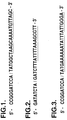
- Fig. 1 depicts the nucleotide sequence of oligonucleotide primer 201->216 schematically.
- Fig. 2 depicts the nucleotide sequence of oligonucleotide primer 958 ⁇ -972 schematically.
- Fig. 3 depicts the nucleotide sequence of oligonucleotide primer 151->171 schematically.
- Fig. 4 depicts the wild-type ospA gene schematically, highlighting the positions where primers 201->216 and 958 ⁇ -972 anneal.
- Fig. 5 depicts the wild-type ospA , gene schematically, highlighting the positions where primers 151->171 and 958 ⁇ -972 anneal.
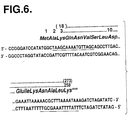
- Fig. 6 depicts the product resulting from the amplification of the wild-type ospA gene by primer 201->216 and primer 958 ⁇ -972.
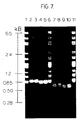
- Fig. 7 is a photograph of a one percent agarose gel stained with ethidium bromide upon which amplification products were run.
- Fig. 8 is a schematic representation of plasmid pET9.
- Fig. 9 is a schematic representation of plasmid pET9-OspA.
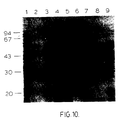
- Fig. 10 is a photograph of a SDS-12.5% PAGE gel stained with Coomassie blue upon which various cellular protein samples were run subsequent to removal from induction at specified time intervals.
- Fig. 11 is a photograph of a SDS-PAGE gel upon which uninduced cells were compared with induced cells sampled at one hour intervals after induction.
- Fig. 12 is a photograph of a SDS-PAGE gel upon which OspA samples were run. The samples were taken at different stages of purification.
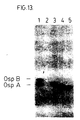
- Fig. 13 is an autoradiogram of a Western blot immunochemical analysis of OspA and OspB proteins from whole B. burgdorferi cells as well as OspA and preOspA.
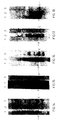
- Fig. 14 is a photograph of a SDS-12.5% PAGE gel stained with Coomassie blue upon which cells carrying pET9 -preOspA and cells carrying pET9-OspA were compared to whole B. burgdorferi cells.
- Fig. 15 is an autoradiogram of the gel photographed in Fig. 14.
- Fig. 16 is an autoradiogram of the nitrocellulose blot of the gel photographed in Fig. 14 before further Western analysis.
- Fig. 17 is an autoradiogram of the nitrocellulose blot of the gel photographed in Fig. 14 after probing with antibodies.
- Fig. 18 is a photograph of the completed Western blot of the gel photographed in Fig. 14 after treatment with alkaline phosphatase color developing reagents.
- Bacteria are prokaryotic organisms that possess a tough protective coat known as a cell wall beneath which a cell membrane encloses a single cytoplasmic compartment containing DNA, RNA, proteins and small molecules. Examples include spirochetes and Escherichia coli .
- “Hyperexpression” is a high level expression of cloned genes. Bacteriophage T7 RNA polymerase can direct high level transcription from a T7 promoter on a multicopy plasmid, efficiently transcribing almost any DNA linked to a T7 promoter. This results in high level expression of the linked DNA.
- a "plasmid” is a double-stranded, closed, circular DNA molecule independent of the chromosome and comprising an intact replicon such that the plasmid is replicated in a host cell. when the plasmid is placed within a cell of a unicellular organism, the characteristics of the organism may be transformed. Among the phenotypes conferred by plasmids are resistance to antibiotics and production of restriction and modification enzymes.
- Primer refers to an oligonucleotide (a short nucleic acid chain), which is capable of acting as a point of initiation of synthesis when placed under conditions in which synthesis of a primer extension product, which is complementary to a nucleic acid strand, is induced.
- the primer may occur naturally, as in a purified restriction digest or be produced synthetically.
- a region of nucleotides appears within the leader sequence (the first 17 codons in the wild-type, B. burgdorferi ospA gene) coding for a signal which triggers lipidation of the resulting protein, thereby impairing both solubility as well as expression during processing within a recombinant host such as E. coli .
- DNA containing the full-length, wild-type B. burgdorferi (B31 strain) ospA gene was isolated and purified.
- a set of oligonucleotide primers (see SEQ ID NO: 11/Fig. 1 and SEQ ID NO: 12/Fig. 2) was synthesized for use in the polymerase chain reaction allowing for the specified amplification of a truncated version of the ospA gene lacking the first 17 codons as well as providing restriction sites before and after the coding sequence of the amplified product.
- a second set of oligonucleotide primers was also synthesized for use in the polymerase chain reaction to allow for the specified amplification of the entire wild-type ospA gene as a control mechanism.
- the resulting nucleotide fragments produced by the polymerase chain reaction were purified and selected by restriction site analysis and subsequently subcloned into an appropriate plasmid expression vector that was compatible from the standpoint of restriction sites. The resulting plasmids were then transferred to a host expression strain for protein production.
- starting material for recombinant DNA manipulations can be DNA isolated from cultures of the wild-type organism of interest or recombinant vehicles, such as plasmids, that have been genetically engineered to contain cloned copies of the target DNA.
- the latter approach is advantageous in that it promotes homogeneity and reduces the frequency of mutation in the DNA fragment of interest.
- the initial source of template DNA containing the full-length, wild-type ospA gene was a recombinant clone of the ospA gene obtained from a previously engineered plasmid, pTRH44.
- the plasmid pTRH44 having a 1.6-kb restriction fragment containing the full-length, wild type B. burgdorferi ospA gene cloned into pUC9, has been previously described.
- total Borrelia Burgdorferi DNA could have been isolated and purified by phenol extraction or lysozyme-proteinase K-SDS extract of cells harvested from stationary phase cultures for use as template DNA.
- Techniques for isolation and purification of template DNA are generally well known in the art. For example, see Howe, T.R., Mayer, L.W., & Barbour, A.G., "A single recombinant plasmid expressing two major outer surface proteins of the Lyme disease spirochete," Science 227: 645-646, (1985).
- Barbour, A.G. "Isolation and cultivation of Lyme disease spirochetes," Yale J. Biol. Med ., 57: 521-525 (1984).
- a first and second set of oligonucleotide primers were synthesized in a Microsyn 1450 DNA synthesizer (available from Systec, Minneapolis, Minnesota). The resulting products were subsequently purified using Poly-Pak R purification cartridges (obtained from Glen Research Corporation, Herndon, Virginia) according to the manufacturer's specifications. DNA synthesis and subsequent purification techniques are well known in the art of recombinant DNA technology. Any suitable techniques for achieving these steps would be acceptable.
- the first set of oligonucleotide primers was designed for the amplification of a nucleotide sequence coding for a recombinant variation of B. burgdorferi OspA while the second set of primers was designed for the amplification of the entire wild-type B. burgdorferi ospA gene.
- Each primer contained a 5′ end and a 3′ end.
- the 3′ end of each primer contained a region having a nucleotide sequence complementary to a specific sequence of nucleotides appearing at a particular segment of the wild-type B. burgdorferi ospA gene present within the B. burgdorferi genome. It was this region of the primer that annealed to the B.
- each primer contained a nucleotide sequence that was non-complementary to the B. burgdorferi DNA template while introducing restriction sites in the fragments produced during amplification. It was the presence of the restriction sites which facilitated the cloning of the resulting fragments into an expression vector.
- restriction sites to facilitate cloning is well known in recombinant DNA technology.
- the first set of oligonucleotide primers included a first and a second primer.
- the first primer was denoted as primer 201->216 and was synthesized to yield the nucleotide sequence (SEQ ID NO: 11) shown in Fig. 1.
- the numbers 201-216 indicate the specific nucleotide positions on the full-length, wild-type ospA gene to which the primer was complementary.
- the underlined region indicates the segment of the primer which was complementary to the full-length, wild-type ospA gene at nucleotide positions 201 through 216.
- the nucleotides appearing in boldface print indicate a restriction site recognized by restriction enzyme NdeI.
- the slash mark represents the site where the NdeI enzyme later cleaved the strand to facilitate cloning into the expression vector.
- Primer 201->216 was used to redesign a 5′ end for the truncated ospA gene (the nucleotide sequence coding for the recombinant variation of OspA) providing a NdeI restriction site and priming the amplification from the full-length, wild-type ospA gene by initiating polymerization at the 18 th codon.
- a potential recognition site for lipoprotein signal peptidase II occurs between the 16 th and 17 th codon.
- SEQ ID NO: 2 illustrates the predicted amino acid of sequence of the full-length, wild-type B. burgdorferi OspA as previously deduced.
- the leader portion or the predicted amino acid sequence contains a segment having the consecutive amino acid residues Leu-Ile-Ala-Cys (see SEQ ID NO: 15). These residues conform to the format of the processing signal for signal peptidase II in E. coli , as mentioned above.
- a potential recognition site for lipoprotein signal peptidase II occurs between the 16 th and 17 th codon due to the sequence homology between the known signal sequence format for signal peptidase II and the potential signal sequence appearing in the predicted amino acid sequence of the full-length, wild-type B. burgdorferi OspA.
- the complementary segment of primer 201->216 was designed to exclude the cysteine residue and to initiate amplification at the portion of the B. burgdorferi wild-type ospA gene beginning at the 18 th codon in order to completely eliminate the potential recognition site for lipidation. It was hoped that the elimination of this potential recognition site would increase solubility and improve expression of the resulting protein without impairing specific reactivity to antibodies against wild-type B. Burgdorferi OspA.
- primer 201->216 called for a non-complementary segment (GCT), coding for an alanine residue, to be positioned between the complementary segment of the primer and the NdeI restriction site.
- the NdeI restriction site positioned within primer 201->216 included a triplicate (ATG) coding for methionine, a terminal amino acid residue which functions as an initiation site during protein production.
- ATG triplicate
- the triplicate coding for alanine was added because alanine is one of the amino acids which facilitates the removal of methionine from the final protein product. Other amino acids suitable for facilitating the removal of methionine would also be acceptable.
- the amino acid sequence resulting from the truncated ospA gene had an additional alanine residue at the amino terminal end. Since the first 17 codons were eliminated from the truncated version of the ospA gene, the nucleotide triplicate coding for the alanine residue was positioned to precede the nucleotide triplicate coding for a lysine residue at what would be the 18 th codon in the wild-type ospA gene. Methionine was removed in the mature form of the expressed protein. The resulting amino acid sequence with methionine removed is illustrated in SEQ ID NO: 6. The corresponding nucleotide sequence is shown in SEQ ID NO: 5.
- the resulting amino acid sequence including the initiating methionine is illustrated in SEQ ID NO: 8.
- the corresponding nucleotide sequence is shown in SEQ ID NO: 7.
- Removal of methionine results in amino acid sequence SEQ ID NO: 10.
- the corresponding nucleotide sequence is shown in SEQ ID NO: 9.
- the second primer was denoted as primer 958 ⁇ -972 and was synthesized to yield the sequence (see SEQ ID NO: 12) shown in Fig. 2.
- the underlined region of the primer indicates the segment which was complementary to the wild-type ospA gene at positions 958 through 972 while the nucleotides appearing in boldface print indicate a restriction site recognized by restriction enzyme BglII.
- the slash mark represents the site where the BglII enzyme later cleaved the product strand to facilitate cloning into the expression vector.
- SEQ ID NO: 12 it can be seen that the entire sequence is shown in a noncoding format as contrasted with the format presented in SEQ ID NOS: 11 and 13, which correspond to primer 201->216 and primer 151->171, respectively.
- the noncoding format was used because the sequence of primer 958 ⁇ -972 is actually designed to prime the amplification of the non-sense strand of the ospA gene rather than the sense strand.
- Primer 958 ⁇ -972 was common to both sets of oligonucleotide primers. Insofar as the first set of primers was concerned, primer 958 ⁇ -972 was used to redesign a 3′ end for the truncated ospA gene providing a BglII restriction site and priming the amplification in a direction antiparallel to the direction of amplification directed by primer 201->216.
- the wild-type ospA gene is depicted schematically.
- the two regions of nucleotides underlined highlight the positions where primer 201->216 and primer 958 ⁇ -972 annealed to the template DNA to promote amplification.
- the arrowheads denote the direction of polymerization initiated by the primer which annealed at the position indicated.
- the second set of oligonucleotide primers designed for the amplification of the entire wild-type B. burgdorferi ospA gene as a control, also included a first and a second primer.
- the first primer was denoted as primer 151->171 and was synthesized to yield the nucleotide sequence (see SEQ ID NO: 13) shown in Fig. 3.
- the underlined region indicates the segment of the primer which was complementary to the wild-type ospA gene at nucleotide positions 151 through 171.
- the nucleotides appearing in boldface print indicate a restriction site recognized by restriction enzyme NdeI.
- the slash mark indicates the site where the NdeI enzyme later cleaved the product strand to facilitate cloning into the expression vector.
- primer 958 ⁇ -972 was common to both sets of oligonucleotides as previously mentioned. Insofar as the second set of primers was concerned, primer 958 ⁇ -972 introduced a BglII restriction site and primed the amplification of the wild-type ospA gene in a direction antiparallel to the direction of amplification directed by primer 151->171.
- the wild-type ospA gene is depicted schematically.
- the two regions of nucleotides underlined highlight the positions where primer 151->171 and primer 958 ⁇ -972 annealed to promote amplification.
- the arrowheads denote the direction of polymerization initiated by the primer which annealed at the position indicated.
- Fig. 6 is a schematic illustration of the product resulting from the amplification of the truncated version of the ospA gene from the wild-type ospA gene by primer 201->216 and primer 958 ⁇ -972.
- the boldface print denotes the restriction sites provided by the primers while the underlined regions indicate the section of the primer which annealed to the wild-type ospA gene prior to amplification.
- polymerase reaction amplifications were carried out in 50 ⁇ l reaction volumes containing 1 unit AmpliTaq DNA polymerase (obtained from Perkin-Elmer Cetus, Norwalk, CT), each primer at 1 ⁇ M an ⁇ 0.1 ⁇ g template DNA.
- the reaction mix also contained 10 mM Tris-HCl (pH 8.0), 50 mM KCl, 1.5 mM MgCl2, 0.05% Tween 20, 0.05% Nonedet P-40, 0.26 mM dATP, 0.26 mM dTTP, 0.14 mM dCTP and 0.14 mM dGTP.
- the dNTP concentration used reflected the known DNA base content of 29% G + C for B. burgdorferi to eliminate the possibility or undesirable mutations. See Schmid, G.P., Steigerwalt, A.G., Johnson, S., Barboug, A.G., Steere, A.C., Robinson, I.M. and Brenner, D.J., "DNA characterization of Lyme disease spirochetes," Yale J. Biol. Med. , 57:539-542 (1984).
- the reaction was overlaid with mineral oil and amplification was carried out for 25 cycles in a DNA Thermal Cycler (obtained from Perkin-Elmer Cetus, Minneapolis, MN.) with each cycle consisting of 1 min at 94°C, 1 min at 47°C and 3 min at 72 °C. Amplification was completed by a final incubation at 72°C for 10 min.
- the amplified products were extracted with phenol, ethanol precipitated, cleaved with the appropriate restriction enzymes and then purified by electrophoresis on 1% low melting point agarose gels (obtained from Bethesda Research Laboratories, Gaithersburg, MD).
- amplified DNA products such as electrophoresis on acrylamide gels, would be acceptable. It is well known in the art that the amplified products must be purified and treated with the appropriate restriction enzymes (NdeI and BglII for present example) before expression can be initiated.
- restriction enzymes NdeI and BglII for present example
- Lanes 1, 6 and 11 contain HaeII digested T7 DNA as molecular length markers. Sizes are in kilobase pairs (kB). Lanes 2, 4, 7 and 9 contain 1/5 vol of the products of the reactions with total B. burgdorferi DNA while lanes 3, 5, 8 and 10 contain 1/50 volume of the reaction mix resulting from amplification using plasmid pTRH44 as a template.
- the samples applied were generated using primers that amplify the entire ospA coding sequence (Lanes 2, 3, 7 and 8) or the region beginning at Lys18 (Lanes 4, 5, 9 and 10). As shown in Lanes 7-10, the amplified DNA can be cut with EcoRI to give products with the mobilities expected from cutting at the single EcoRI site in ospA (662 + 182, and 623 + 182 bps, respectively).
- the DNA fragments resulting from amplification by the polymerase chain reaction were ultimately cloned into a plasmid vector for protein production.
- the preferred plasmid vector for protein production in the present invention was pET9 in which the ospA gene is placed under control of a T7 promoter and efficient translation initiation signals from bacteriophage T7.
- the pET9 and pLysS expression vectors, the bacterial hosts for cloning, growth media and the methods used to direct expression of cloned genes by T7 RNA polymerase have previously been described.
- the resulting plasmids were designated as pET9-preOspA, denoting the plasmids which received the amplified DNA fragment coding for the full-length, wild-type OspA used as a control, and pET9-OspA, denoting the plasmids which received the amplified DNA product coding for the recombinant variation of OspA.
- the pET9 vector was used since it has a kan gene as its selective marker instead of a bla gene. Consequently, ampicillin is not used during cell growth and, therefore, there is no possibility that an immunogenic ampicilloyl/OspA target protein conjugate can be formed. Conjugates of this type are believed to be major antigenic determinants in penicillin allergy and their presence could complicate projected immunological studies. See Yvon. M., Anglade, P., & Wal, J-M., "Identification of the binding sites of benzyl penicilloyl, the allergenic metabolite of penicillin, on the serum albumin molecule," FEBS , 263: 237-240 (1990). A schematic representation of pET9 and pET9-OspA plasmids are shown in Figs. 8 and 9, respectively.
- Plasmids pET9-preOspA and pET9-OspA were initially cloned into DH5 ⁇ , a host that lacks T7 RNA polymerase. Background expression is minimal in this host since the bacterial RNA polymerase does not initiate from the T7 promoter. In principle, stable recombinant plasmids can be established in this host even though the target gene product is toxic to E. coli . The correctness of the resulting plasmids was confirmed by extensive restriction site analysis and standard dideoxy sequencing of the entire ospA coding sequences.
- the primers used here were specifically designed to amplify certain segments of the wild-type ospA sequence from total B. burgdorferi DNA, for practical reasons and because the mutation probability increases with the number of amplification cycles, the plasmids used in the present invention were constructed using NdeI/BglII fragments obtained from reactions containing the ospA plasmid, pTRH44, as a DNA template.
- pET9-preOspA and pET9-OspA which are 5127 and 5082 bps, respectively.
- 0 ⁇ 10-S10 represents 0 ⁇ 10 promoter for bacteriophage T7 RNA polymerase and the ribosome binding and translational start site for T7 gene 10.
- T0 ⁇ is the transcriptional termination signal for T7 RNA polymerase.
- the plasmids were transferred to the expression strain BL21(DE3)/pLysS, a host strain containing a chromosomal copy of the gene for T7 RNA polymerase under control of the inducible lac UV5 promoter and a pACYC184 based plasmid, pLysS, which specifies low levels of T7 lysozyme, a natural inhibitor of T7 RNA polymerase.
- T7 Lysozyme inhibits transcription by T7 RNA polymerase
- cell, 49: 221-227 (1987 see Moffatt, B.A., & Studier, F.W., "T7 Lysozyme inhibits transcription by T7 RNA polymerase," cell, 49: 221-227 (1987).
- lysozyme reduces the basal activity of the T7 RNA polymerase and increases the range of target genes that can be stably maintained in the expression host.
- lanes 2, 3 and 4 correspond to pET9-preOspA induced for 1, 3 or 18 hrs.
- Lanes 6, 7 and 8 correspond to pET9-OspA induced for 1, 3 or 18 hrs.
- the position of molecular weight markers (94, 67, 43, 30 and 20) are shown. Molecular masses of proteins are in kilodaltons.
- Pulse-chase experiments were performed to demonstrate that synthesis or the preOspA protein caused one to two hours after induction, a result which implied that the protein was toxic to E. coli . In contrast, a much higher and sustained rate of expression was observed when pET9-OspA was induced.
- Fig. 11 shows the induction of the recombinant variation of OspA followed by SDS-PAGE.
- Lane 1 was loaded with whole cells of uninduced BL21(DE3)/pLysS, pET9-OspA.
- Lanes 2-7 were loaded with whole cells sampled at one hour intervals after induction.
- Lane 8 contained molecular weight markers.
- Fig. 12 shows SDS-PAGE of the recombinant version of OspA at different stages of purification as follows: Lane 1, molecular weight markers; Lane 2, crude extract prior to centrifugation; Lane 3, crude extract after centrifugation; Lane 4, Q Sepharose flow through; Lane 5, S Sepharose gradient fraction; and Lane 6, hydroxylapatite fraction.
- Lanes 2-6 each contain 0.01% of the total protein present in each fraction. Proteins were analyzed on a 10-20% acrylamide gradient gel. Western blot analysis with two monoclonal antibodies, H5332 and H3TS, known to recognize different epitopes within wild-type OspA, was also performed to verify that these bands contained authentic OspA sequences. See Brandt, M.E., Riley, B.S., Radolf, J.D., and Norgard, M.V., "Immunogenic integral membrane proteins of Borrelia burgdorferi are lipoproteins," Infect. Immun. , 58: 983-991 (1990).
- the protein directed to pET9-OspA was noticeably smaller than that produced by pET9-preOspA, even though both proteins were expected to contain approximately the same number of amino-acid residues after processing to remove either the 17 residue long sequence in the case of wild-type OspA or just the initiating methionine from the recombinant variation of OspA.
- the most likely explanation for the difference was that the presence of covalently attached N-terminal lipid decreased the mobility of the processed pET9-preOspA product. on some gels (see Fig. 13 for example) the preOspA product migrated as two closely spaced bands, which may have represented processing intermediates. This result suggested that the processed and precursor forms of this protein have similar mobilities on one dimensional SDS-PAGE.
- a 20mL culture of BL21(DE3)/pLysS, pET9-preOspA was harvested 31 ⁇ 2 hours after IPTG induction by centrifugation at 8,000 rpm.
- the pellet was suspended in a 10 mL mixture containing 20 mM Tris-HCl (pH 8.0), 20 mM NaCl and 2 mM EDTA.
- the cells were subsequently lysed by freezing and thawing.
- the lysate was treated with DNase and Mg++, then sedimentated for 90 minutes at 33,000 rpm.
- the pellet fraction was resuspended in a 5 mL mixture containing 0.25 M sucrose, 3.3 mM Tris-HCl (pH 8.0), 1 mM DTT and 1 mM EDTA.
- the resuspension was re-pelleted by centrifugation for 1 hour at 50,000 rpm.
- the pellet was resuspended in 1 mL 25% (w/w) sucrose, 5 mM EDTA and 1 mM DTT and subsequently layered onto a discontinuous sucrose gradient. Centrifugation was performed at 30,000 rpm for 16 hours at 4°C.
- the product of pET9-OspA is soluble in the absence of any detergent ( ⁇ 50 mg/mL) and significant amounts of this recombinant variation of OspA ( ⁇ 50% of the total cellular protein) can be produced from this plasmid several hours after induction with IPTG (see Fig. 11).
- induction of pET9-OspA was continued longer than 6 hours, the cells began to lyse and eventually all the product was found in the culture supernatant.
- the cells were collected by centrifugation and resuspended in 25-30 mL of 20 mM sodium phosphate buffer (pH 7.7) and stored at -20°C.
- the crude extract was prepared by thawing the resuspended cells at 4°C, which allows the lysozyme encoded by pLysS to efficiently lyse the cells. This was followed by the addition of MgCl2 and DNase (final concentrations of 2.5 mM and 5 ⁇ g/mL, respectively). After 30 minutes at 4°C, cell debris was removed by centrifugation (15 min, 15,000g).
- the resulting pellet was extracted with 10 mL of 10 mM sodium phosphate buffer (pH 7.7) containing 10 mM NaCl (buffer A). After recentrifugation, the supernatants were combined to yield approximately 40 mL of crude extract.
- the crude extract was applied at room temperature to a prepacked 25-mL bed of Q Sepharose fast flow which had been equilibrated with a buffer A.
- the column was eluted with 50 mL of buffer A. Essentially all of the target protein was recovered in the flow through buffer.
- the fractions containing target protein were dialyzed overnight at 4°C versus 2 x 2-liter changes of 10 mM sodium phosphate buffer (pH 6.0) containing 5 mM NaCl (buffer B), clarified by centrifugation at 10,000g, and then applied at room temperature to a 20 X 1.5 cm column of S Sepharose Fast Flow equilibrated with buffer B. After washing the column with 100 mL of buffer B to remove unbound proteins and contaminants that absorb strongly at 260 nm, the bound target protein was eluted with a linear 300-mL gradient of 0-100 mM NaCl in buffer B, the elution of the target protein occurring at about 35 mM NaCl.
- Q Sepharose fast flow and S Sepharose fast flow were obtained from Pharmacia, Piscataway, NJ.
- the pooled fractions of the target protein resulting from the S Sepharose step were loaded onto a 20 mL bed of Bio-Gel HTP hydroxylapatite previously equilibrated with buffer B.
- the column was run at room temperature and washed with 50 mL of buffer B.
- the protein was eluted with a linear 300-mL gradient of 100-400 mM sodium phosphate (pH 6.0).
- Fractions containing the target protein, which elutes as a broad peak between 150-300 mM sodium phosphate were pooled and concentrated in an ultrafiltration cell to a final volume of 5 mL.
- the concentrated protein solution was dialyzed against 10 mM sodium phosphate (pH 6.0), 50 mM NaCl (buffer D) and stored at 4°C.
- Bio-Gel HTP hydroxyapatite was purchased from Bio-Rad Laboratories, Richmond, CA.
- the foregoing method for purification of the recombinant protein product is merely illustrative of a suitable approach for purifying the protein of the present invention.
- Other suitable techniques known in the art could alternatively be employed for purification.
- the S Sepharose fraction can be concentrated and applied to a column of Sephacryl S-200 (obtained from Pharmacia, Piscataway, NJ) or other suitable gel filtration matrices.
- the resulting yield was 60-70 mg of the recombinant variation of OspA as produced from a 500 mL starting culture. Referring to Fig. 11, this overall yield is approximately 50% as judged from the SDS-PAGE of individual fractions, indicating good hyperexpression of the truncated version of the ospA gene in E. coli .
- Protein samples of the recombinant variation of OspA were analyzed by polyacrylamide gel electrophoresis under denaturing conditions.
- F.W. "Analysis of bacteriophage T7 early RNAs and proteins on slab gels," J. Mol. Biol. , 79: 237-248 (1973).
- Gels were fixed and stained with Coomassie blue or the separated proteins were electro-phoretically transferred to nitrocellulose membranes and probed with [125I]-labeled protein A for bound immunoglobulin.
- [125I]-labeled protein A (5 x 10⁵ cpm/mL) was obtained from DuPont-New England Nuclear.
- the nitrocellulose membranes were blocked with 3% gelatin in 20 mM Tris-HCl (pH 7.5), 500 mM NaCl (TBS) for a minimum of 1 hour and then washed with TBS containing 0.05% Tween 20 (TTBS) before reaction with antibody. After removal of unbound antibody by several washes in TTBS, reactive proteins were detected by using affinity purified alkaline phosphatase conjugated goat anti-mouse antibody and alkaline phosphatase color development reagents.
- the native molecular weight of OspA was determined by chromatography or the purified protein in buffer A containing 200 mM NaCl at a flow rate of 1.5 mL/min on a calibrated 2.5 x 120 cm Sephacryl S-200 column at 4°C. Twenty amino acid residues corresponding to the N-terminal nucleotide sequence were determined using the Edman degradation procedure on a Applied Biosystems 470A Microsequencer. Amino terminal sequencing of the first 20 residues of the recombinant variation of OspA gave a sequence identical with that predicted from the DNA sequence after processing to remove the first methionine residue.
- OspA The reactivity of the recombinant variation of OspA was tested against human antibodies to the wild-type OspA.
- Sera from patients with Lyme disease contains antibodies to several B. burgdorferi outer membrane proteins including OspA.
- Reactive synovial fluid from patients with chronic Lyme disease-related arthritis and OspA-specific antibody H3TS have been previously described. See Barbour, A.G., Burgdorfer, W., Grunwaldt, E., and Steere, A.C., "Antibodies of patients with Lyme disease to components of the Ixodes dammini spirochete," J. Clin. Invest ., 72: 504-515 (1983).
- Lane 1 contained whole cell lysates (2 x 10⁶ cells) of B. burgdorferi (B31) spirochetes while Lanes 2-4 contained induced E. coli cells. Lane 5 contained the purified recombinant variation of OspA (0.5 ⁇ g). Samples applied to Lanes 2-5 were derived from cells (6 ⁇ L) carrying the pET9 vector plasmid, pET9-preOspA or pET9-OspA, respectively, 3 hours after induction. SDS-12.5% PAGE separated proteins were transferred to nitrocellulose, blocked overnight in 2% bovine serum albumin and then reacted with synovial fluid from a patient with Lyme disease. The blots were washed, incubated with [125I]-labeled protein A and then exposed to film for autoradiography. The positions of wild-type B. burgdorferi OspA and OspB are indicated.
- Proteins were visualized by staining with Coomassie blue as shown in Fig. 14 and by autoradiography of the gel as shown in Fig. 15.
- the proteins are visualized after electrophoretic transfer to nitrocellulose paper.
- Fig. 16 shows an autoradiogram of the nitrocellulose before further Western analysis.
- Fig. 17 shows an autoradiogram after probing with antibodies.
- Fig. 18 shows a photograph of the completed Western blot after treatment with alkaline phosphatase color development reagents.
- the solid arrows point to the recombinant variation or OspA as well as pET9-preOspA proteins shown in Lanes 1 and 2, respectively.
- the dashed arrows indicate the position of the pET9-OspA protein product which appears in Lane 3.
- the truncated version of the ospA gene was an excellent overproducer due to its lack of association with the host organism cell membrane.
- the resulting recombinant variation of OspA accounted for more than 50% of the total cellular protein after a few hours of induction. See examples 4, 5 and 6.
- the recombinant variation of OspA is not lipidated and is highly soluble ( ⁇ 50mg/ml) in the absence of detergents. See example 4.
- 60-70 mg of pure protein is available from as little as 0.5 liters of starting culture after a simple purification procedure due to good hyperexpression in the host organism. See examples 5 and 6.
Landscapes
- Health & Medical Sciences (AREA)
- Genetics & Genomics (AREA)
- Chemical & Material Sciences (AREA)
- Life Sciences & Earth Sciences (AREA)
- Organic Chemistry (AREA)
- Engineering & Computer Science (AREA)
- Biochemistry (AREA)
- General Health & Medical Sciences (AREA)
- Biophysics (AREA)
- Molecular Biology (AREA)
- Wood Science & Technology (AREA)
- General Engineering & Computer Science (AREA)
- Bioinformatics & Cheminformatics (AREA)
- Zoology (AREA)
- Biomedical Technology (AREA)
- Biotechnology (AREA)
- Medicinal Chemistry (AREA)
- Plant Pathology (AREA)
- Physics & Mathematics (AREA)
- Microbiology (AREA)
- Proteomics, Peptides & Aminoacids (AREA)
- Gastroenterology & Hepatology (AREA)
- Preparation Of Compounds By Using Micro-Organisms (AREA)
- Peptides Or Proteins (AREA)
- Micro-Organisms Or Cultivation Processes Thereof (AREA)
- Medicines Containing Material From Animals Or Micro-Organisms (AREA)
- Compounds Of Unknown Constitution (AREA)
- Saccharide Compounds (AREA)
- Steroid Compounds (AREA)
- External Artificial Organs (AREA)
- Polysaccharides And Polysaccharide Derivatives (AREA)
- Medicines That Contain Protein Lipid Enzymes And Other Medicines (AREA)
Applications Claiming Priority (2)
| Application Number | Priority Date | Filing Date | Title |
|---|---|---|---|
| US63207290A | 1990-12-21 | 1990-12-21 | |
| US632072 | 1990-12-21 |
Publications (3)
| Publication Number | Publication Date |
|---|---|
| EP0492964A2 true EP0492964A2 (de) | 1992-07-01 |
| EP0492964A3 EP0492964A3 (en) | 1993-02-24 |
| EP0492964B1 EP0492964B1 (de) | 2001-08-08 |
Family
ID=24533958
Family Applications (1)
| Application Number | Title | Priority Date | Filing Date |
|---|---|---|---|
| EP91311758A Expired - Lifetime EP0492964B1 (de) | 1990-12-21 | 1991-12-18 | Klonierung und Expression von Borrelia Lipoproteinen |
Country Status (14)
| Country | Link |
|---|---|
| US (1) | US5571718A (de) |
| EP (1) | EP0492964B1 (de) |
| JP (1) | JP2706397B2 (de) |
| AT (1) | ATE204020T1 (de) |
| AU (1) | AU656159B2 (de) |
| CA (1) | CA2057536C (de) |
| DE (1) | DE69132681T2 (de) |
| DK (1) | DK0492964T3 (de) |
| FI (1) | FI105924B (de) |
| IE (1) | IE66473B1 (de) |
| IL (1) | IL100422A0 (de) |
| NO (1) | NO303453B1 (de) |
| PT (1) | PT99918B (de) |
| ZA (1) | ZA919965B (de) |
Cited By (8)
| Publication number | Priority date | Publication date | Assignee | Title |
|---|---|---|---|---|
| EP0536335A4 (en) * | 1990-06-15 | 1993-07-14 | Yale University | Compositions and methods for the prevention and diagnosis of lyme disease |
| WO1995003413A1 (en) * | 1993-07-23 | 1995-02-02 | The Rockefeller University | High level expression, purification and refolding of the neisseria meningitidis outer membrane group b porin proteins |
| US5434077A (en) * | 1989-09-19 | 1995-07-18 | Max-Planck-Gesellschaft Zur Forderung Der Wissenschaften E.V. | Borrelia burgdorferi strain 257 |
| US5747287A (en) * | 1995-04-28 | 1998-05-05 | North American Vaccine, Inc. | Method for the high level expression, purification and refolding of the outer membrane group B porin proteins from Neisseria meningitidis |
| US6248562B1 (en) | 1993-11-01 | 2001-06-19 | Research Foundation State University Of New York | Chimeric proteins comprising borrelia polypeptides and uses therefor |
| EP0984065A4 (de) * | 1997-02-14 | 2002-07-24 | Higeta Shoyu Kk | Modifiziertes, von treponema palladium stammendes proteinantigen. |
| US7008625B2 (en) | 1993-11-01 | 2006-03-07 | Research Foundation Of The State University Of New York | Recombinant constructs of Borrelia burgdorferi |
| US8680236B2 (en) | 2000-08-18 | 2014-03-25 | Brookhaven Sciences Associates, Llc | Altered OspA of borrelia burgdorferi |
Families Citing this family (14)
| Publication number | Priority date | Publication date | Assignee | Title |
|---|---|---|---|---|
| US6113914A (en) * | 1991-08-15 | 2000-09-05 | Smithkline Beecham Biologicals (S.A.) | Osp A proteins of Borrelia burgdorferi subgroups, encoding genes and vaccines |
| US6676942B1 (en) * | 1991-08-15 | 2004-01-13 | Smithkline Beecham Biologicals (S.A.) | Osp a proteins of Borrelia burgdorferi subgroups, encoding genes and vaccines |
| CA2121121C (en) * | 1991-10-18 | 2003-06-10 | Lorne F. Erdile | Preparation of recombinant borrelia proteins |
| BE1006728A3 (fr) * | 1993-02-19 | 1994-11-29 | Wallone Region | Sondes d'acides nucleiques specifiques au spirochete borrelia burgdorferi. |
| US6004534A (en) * | 1993-07-23 | 1999-12-21 | Massachusetts Institute Of Technology | Targeted polymerized liposomes for improved drug delivery |
| DE69733944T3 (de) * | 1996-02-21 | 2012-07-26 | The Board Of Regents, The University Of Texas System | Vmp-ähnliche sequenzen von pathogener borrelia |
| US5846946A (en) * | 1996-06-14 | 1998-12-08 | Pasteur Merieux Serums Et Vaccins | Compositions and methods for administering Borrelia DNA |
| US6060082A (en) * | 1997-04-18 | 2000-05-09 | Massachusetts Institute Of Technology | Polymerized liposomes targeted to M cells and useful for oral or mucosal drug delivery |
| US6689573B1 (en) * | 1999-05-24 | 2004-02-10 | New England Biolabs, Inc. | Method for screening restriction endonucleases |
| US7729322B2 (en) * | 2002-02-28 | 2010-06-01 | Qualcomm Incorporated | HDLC hardware accelerator |
| AU2003299872A1 (en) | 2002-12-20 | 2004-07-22 | Board Of Regents, The University Of Texas System | Vmp-like sequences of pathogenic borrelia species and strains |
| WO2009135118A2 (en) * | 2008-05-02 | 2009-11-05 | Virginia Commonwealth University | Lyme disease vaccine |
| CN112584858A (zh) * | 2018-04-03 | 2021-03-30 | 赛诺菲 | 抗原性ospa多肽 |
| US12631635B2 (en) * | 2021-01-15 | 2026-05-19 | Id-Fish Technology, Inc. | Species-specific antigen sequences for tick-borne relapsing fever (TBRF) and methods of use |
Family Cites Families (4)
| Publication number | Priority date | Publication date | Assignee | Title |
|---|---|---|---|---|
| DK590288D0 (da) * | 1988-10-24 | 1988-10-24 | Symbicom Ab | Kemiske forbindelser |
| DE4015911A1 (de) * | 1989-09-19 | 1991-03-28 | Max Planck Gesellschaft | Impfstoff gegen die lyme-krankheit |
| SG122738A1 (en) * | 1990-06-15 | 2006-06-29 | Univ Yale | Compositions and methods for the prevention and diagnosis of lyme disease |
| IE912303A1 (en) * | 1990-07-06 | 1992-01-15 | American Home Prod | Vaccine against lyme disease and a challenge model for¹evaluating vaccine efficiency |
-
1991
- 1991-12-12 CA CA002057536A patent/CA2057536C/en not_active Expired - Fee Related
- 1991-12-18 ZA ZA919965A patent/ZA919965B/xx unknown
- 1991-12-18 DK DK91311758T patent/DK0492964T3/da active
- 1991-12-18 AU AU89834/91A patent/AU656159B2/en not_active Ceased
- 1991-12-18 DE DE69132681T patent/DE69132681T2/de not_active Expired - Lifetime
- 1991-12-18 AT AT91311758T patent/ATE204020T1/de not_active IP Right Cessation
- 1991-12-18 EP EP91311758A patent/EP0492964B1/de not_active Expired - Lifetime
- 1991-12-19 IL IL100422A patent/IL100422A0/xx unknown
- 1991-12-19 IE IE444991A patent/IE66473B1/en not_active IP Right Cessation
- 1991-12-19 FI FI916023A patent/FI105924B/fi not_active IP Right Cessation
- 1991-12-20 NO NO915051A patent/NO303453B1/no unknown
- 1991-12-20 PT PT99918A patent/PT99918B/pt not_active IP Right Cessation
- 1991-12-21 JP JP3361129A patent/JP2706397B2/ja not_active Expired - Fee Related
-
1992
- 1992-09-08 US US07/941,523 patent/US5571718A/en not_active Expired - Lifetime
Non-Patent Citations (4)
| Title |
|---|
| Infect. Immun. (1990) 58: 983-991 * |
| Mol. Microbiol. (1989) 3: 479-486 * |
| NUCLEIC ACIDS RESEARCH. vol. 17, no. 21, 11 November 1989, ARLINGTON, VIRGINIA US page 8864 R. WALLICH ET AL. 'Cloning and sequencing of the gene encoding the outer surface protein A (OspA) of a European Borrelia burgdorferi isolate' * |
| PROTEIN EXPRESSION AND PURIFICATION vol. 1, no. 2, November 1990, pages 159 - 168 JOHN J. DUNN ET AL. 'Outer surface protein A (OspA) from the Lyme disease spirochete, Borrelia burgdorferi: High level expression and purification of a soluble recombinant form of OspA' * |
Cited By (19)
| Publication number | Priority date | Publication date | Assignee | Title |
|---|---|---|---|---|
| US5780030A (en) * | 1989-09-19 | 1998-07-14 | Max-Planck-Gesellschaft Zur Forderung Der Wissenschaften E.V. | Passive vaccine against Lyme disease |
| US6613331B1 (en) | 1989-09-19 | 2003-09-02 | Max-Planck-Gessellschaft zur förderung der Wissenschaften e.V. | Vaccine against Lyme disease |
| US5434077A (en) * | 1989-09-19 | 1995-07-18 | Max-Planck-Gesellschaft Zur Forderung Der Wissenschaften E.V. | Borrelia burgdorferi strain 257 |
| US5686267A (en) * | 1989-09-19 | 1997-11-11 | Max-Planck-Gesellschaft Zur Forderung Der Wissenscaften E.V. | Nucleic acid molecule encoding antigen associated with lyme disease |
| US6344552B1 (en) | 1990-06-15 | 2002-02-05 | Yale University | Compositions and methods comprising DNA sequences encoding B. burgdorferi polypeptides |
| US5747294A (en) * | 1990-06-15 | 1998-05-05 | Yale University | Compositions and methods for the prevention and diagnosis of lyme disease |
| EP0536335A4 (en) * | 1990-06-15 | 1993-07-14 | Yale University | Compositions and methods for the prevention and diagnosis of lyme disease |
| US5879686A (en) * | 1993-07-23 | 1999-03-09 | North American Vaccine, Inc. | Method for the high level expression, purification and refolding of the outer membrane group B porin proteins from Neisseria meningitidis |
| US6013267A (en) * | 1993-07-23 | 2000-01-11 | North American Vaccine, Inc. | Method for the high level expression, purification and refolding of the outer membrane group B porin proteins from Neisseria meningitidis |
| US5439808A (en) | 1993-07-23 | 1995-08-08 | North American Vaccine, Inc. | Method for the high level expression, purification and refolding of the outer membrane group B porin proteins from Neisseria meningitidis |
| WO1995003413A1 (en) * | 1993-07-23 | 1995-02-02 | The Rockefeller University | High level expression, purification and refolding of the neisseria meningitidis outer membrane group b porin proteins |
| US6248562B1 (en) | 1993-11-01 | 2001-06-19 | Research Foundation State University Of New York | Chimeric proteins comprising borrelia polypeptides and uses therefor |
| US7008625B2 (en) | 1993-11-01 | 2006-03-07 | Research Foundation Of The State University Of New York | Recombinant constructs of Borrelia burgdorferi |
| US7179448B2 (en) | 1993-11-01 | 2007-02-20 | Research Foundation Of The State Of New York | Recombinant constructs of Borrelia burgdorferi |
| US7605248B2 (en) | 1993-11-01 | 2009-10-20 | Research Foundation Of The State University Of New York | Recombinant constructs of Borrelia burgdorferi |
| US5747287A (en) * | 1995-04-28 | 1998-05-05 | North American Vaccine, Inc. | Method for the high level expression, purification and refolding of the outer membrane group B porin proteins from Neisseria meningitidis |
| EP0984065A4 (de) * | 1997-02-14 | 2002-07-24 | Higeta Shoyu Kk | Modifiziertes, von treponema palladium stammendes proteinantigen. |
| US8680236B2 (en) | 2000-08-18 | 2014-03-25 | Brookhaven Sciences Associates, Llc | Altered OspA of borrelia burgdorferi |
| US8992936B2 (en) | 2000-08-18 | 2015-03-31 | Research Foundation Of The State University Of New York | Altered OspA of Borrelia burgdorferi |
Also Published As
| Publication number | Publication date |
|---|---|
| CA2057536C (en) | 1999-10-26 |
| IE66473B1 (en) | 1995-12-27 |
| AU8983491A (en) | 1992-06-25 |
| FI105924B (fi) | 2000-10-31 |
| JP2706397B2 (ja) | 1998-01-28 |
| DE69132681D1 (de) | 2001-09-13 |
| IL100422A0 (en) | 1992-09-06 |
| JPH0641195A (ja) | 1994-02-15 |
| PT99918A (pt) | 1992-12-31 |
| EP0492964A3 (en) | 1993-02-24 |
| FI916023A0 (fi) | 1991-12-19 |
| DE69132681T2 (de) | 2001-11-22 |
| IE914449A1 (en) | 1992-07-01 |
| DK0492964T3 (da) | 2001-10-08 |
| NO915051L (no) | 1992-06-22 |
| AU656159B2 (en) | 1995-01-27 |
| NO915051D0 (no) | 1991-12-20 |
| PT99918B (pt) | 1999-08-31 |
| ZA919965B (en) | 1992-11-25 |
| US5571718A (en) | 1996-11-05 |
| FI916023L (fi) | 1992-06-22 |
| CA2057536A1 (en) | 1992-06-22 |
| NO303453B1 (no) | 1998-07-13 |
| EP0492964B1 (de) | 2001-08-08 |
| ATE204020T1 (de) | 2001-08-15 |
Similar Documents
| Publication | Publication Date | Title |
|---|---|---|
| EP0492964B1 (de) | Klonierung und Expression von Borrelia Lipoproteinen | |
| Dunn et al. | Outer surface protein A (OspA) from the Lyme disease spirochete, Borrelia burgdorferi: high level expression and purification of a soluble recombinant form of OspA | |
| Suk et al. | Borrelia burgdorferi genes selectively expressed in the infected host. | |
| Covacci et al. | Molecular characterization of the 128-kDa immunodominant antigen of Helicobacter pylori associated with cytotoxicity and duodenal ulcer. | |
| Chang et al. | Cloning and characterization of a hemolysin gene from Actinobacillus (Haemophilus) pleuropneumoniae | |
| EP0232229B1 (de) | Klonierung und Expression einer Bordetella pertussis-Toxin-kodierenden DNS | |
| EP0571420B1 (de) | Mycobakterium polypeptide und dafür kodierende nukleinsäuren zur diagnose und kontrolle von tuberkulose | |
| JP2857105B2 (ja) | 免疫活性ポリペプチド及びその製法 | |
| EP0649435A1 (de) | Membran-assoziierte immunogene proteine des mycobakterien | |
| JPH09500538A (ja) | ナイセリア・メニンギチジス外膜グループbポーリンタンパク質の高レベル発現、精製および再生 | |
| JP2005097311A (ja) | 抗原 | |
| JP2004337170A (ja) | ヘリコバクター感染に対する免疫原性組成物、該組成物に用いられるポリぺプチドおよび該ポリぺプチドをコードする核酸配列 | |
| KR20010005893A (ko) | 헬리코박터 게놈내의 신규한 헬리코박터 폴리펩타이드를 코드화하는 폴리뉴클레오티드의 동정 | |
| CA2121121C (en) | Preparation of recombinant borrelia proteins | |
| EP0617128A1 (de) | Rekombinanter Impfstoff gegen Schweinepleuropneumonie | |
| JP2001504329A (ja) | ヘリコバクター・ピロリに関連する核酸およびアミノ酸配列ならびにそのワクチン組成物 | |
| Cullen et al. | Construction and evaluation of a plasmid vector for the expression of recombinant lipoproteins in Escherichia coli | |
| CA2123675A1 (en) | Membrane expression of heterologous genes | |
| KR100425884B1 (ko) | 살모넬라 타이피의 특정 항원성 외부막 단백질을 코딩하는 디엔에이 서열 | |
| AU624667B2 (en) | Plasmids with a translation start-stop-start codon configuration for the expression of proteins in e. coli | |
| JPH10504455A (ja) | ボレリア・ブルグドルフェリのOspGを含有するワクチン | |
| CA1340712C (en) | Leukotoxin gene of pasturella haemolytica | |
| WO1997008322A1 (en) | Mpt83 gene from mycobacterium tuberculosis | |
| MXPA97001224A (en) | Vaccines against borrelia burgdorferi o |
Legal Events
| Date | Code | Title | Description |
|---|---|---|---|
| PUAI | Public reference made under article 153(3) epc to a published international application that has entered the european phase |
Free format text: ORIGINAL CODE: 0009012 |
|
| AK | Designated contracting states |
Kind code of ref document: A2 Designated state(s): AT BE CH DE DK ES FR GB GR IT LI LU NL SE |
|
| PUAL | Search report despatched |
Free format text: ORIGINAL CODE: 0009013 |
|
| AK | Designated contracting states |
Kind code of ref document: A3 Designated state(s): AT BE CH DE DK ES FR GB GR IT LI LU NL SE |
|
| 17P | Request for examination filed |
Effective date: 19930817 |
|
| 17Q | First examination report despatched |
Effective date: 19951123 |
|
| RAP1 | Party data changed (applicant data changed or rights of an application transferred) |
Owner name: BROOKHAVEN SCIENCE ASSOCIATES LLC |
|
| GRAG | Despatch of communication of intention to grant |
Free format text: ORIGINAL CODE: EPIDOS AGRA |
|
| RIC1 | Information provided on ipc code assigned before grant |
Free format text: 7C 12N 15/31 A, 7C 07K 14/20 B, 7C 12N 15/62 B, 7C 12N 1/21 B, 7C 07H 21/04 B |
|
| GRAG | Despatch of communication of intention to grant |
Free format text: ORIGINAL CODE: EPIDOS AGRA |
|
| GRAH | Despatch of communication of intention to grant a patent |
Free format text: ORIGINAL CODE: EPIDOS IGRA |
|
| GRAH | Despatch of communication of intention to grant a patent |
Free format text: ORIGINAL CODE: EPIDOS IGRA |
|
| GRAA | (expected) grant |
Free format text: ORIGINAL CODE: 0009210 |
|
| AK | Designated contracting states |
Kind code of ref document: B1 Designated state(s): AT BE CH DE DK ES FR GB GR IT LI LU NL SE |
|
| PG25 | Lapsed in a contracting state [announced via postgrant information from national office to epo] |
Ref country code: IT Free format text: LAPSE BECAUSE OF FAILURE TO SUBMIT A TRANSLATION OF THE DESCRIPTION OR TO PAY THE FEE WITHIN THE PRE;WARNING: LAPSES OF ITALIAN PATENTS WITH EFFECTIVE DATE BEFORE 2007 MAY HAVE OCCURRED AT ANY TIME BEFORE 2007. THE CORRECT EFFECTIVE DATE MAY BE DIFFERENT FROM THE ONE RECORDED.SCRIBED TIME-LIMIT Effective date: 20010808 Ref country code: GR Free format text: LAPSE BECAUSE OF NON-PAYMENT OF DUE FEES Effective date: 20010808 |
|
| REF | Corresponds to: |
Ref document number: 204020 Country of ref document: AT Date of ref document: 20010815 Kind code of ref document: T |
|
| REG | Reference to a national code |
Ref country code: CH Ref legal event code: EP |
|
| REF | Corresponds to: |
Ref document number: 69132681 Country of ref document: DE Date of ref document: 20010913 |
|
| REG | Reference to a national code |
Ref country code: CH Ref legal event code: NV Representative=s name: KATZAROV S.A. |
|
| REG | Reference to a national code |
Ref country code: DK Ref legal event code: T3 |
|
| REG | Reference to a national code |
Ref country code: GB Ref legal event code: IF02 |
|
| ET | Fr: translation filed | ||
| PG25 | Lapsed in a contracting state [announced via postgrant information from national office to epo] |
Ref country code: ES Free format text: LAPSE BECAUSE OF FAILURE TO SUBMIT A TRANSLATION OF THE DESCRIPTION OR TO PAY THE FEE WITHIN THE PRESCRIBED TIME-LIMIT Effective date: 20020228 |
|
| PLBE | No opposition filed within time limit |
Free format text: ORIGINAL CODE: 0009261 |
|
| STAA | Information on the status of an ep patent application or granted ep patent |
Free format text: STATUS: NO OPPOSITION FILED WITHIN TIME LIMIT |
|
| 26N | No opposition filed | ||
| PGFP | Annual fee paid to national office [announced via postgrant information from national office to epo] |
Ref country code: GB Payment date: 20021211 Year of fee payment: 12 |
|
| PGFP | Annual fee paid to national office [announced via postgrant information from national office to epo] |
Ref country code: LU Payment date: 20021230 Year of fee payment: 12 |
|
| PG25 | Lapsed in a contracting state [announced via postgrant information from national office to epo] |
Ref country code: GB Free format text: LAPSE BECAUSE OF NON-PAYMENT OF DUE FEES Effective date: 20031218 Ref country code: LU Free format text: LAPSE BECAUSE OF NON-PAYMENT OF DUE FEES Effective date: 20031218 |
|
| GBPC | Gb: european patent ceased through non-payment of renewal fee |
Effective date: 20031218 |
|
| PGFP | Annual fee paid to national office [announced via postgrant information from national office to epo] |
Ref country code: FR Payment date: 20081219 Year of fee payment: 19 |
|
| PGFP | Annual fee paid to national office [announced via postgrant information from national office to epo] |
Ref country code: SE Payment date: 20091217 Year of fee payment: 19 Ref country code: DK Payment date: 20091214 Year of fee payment: 19 Ref country code: AT Payment date: 20091230 Year of fee payment: 19 |
|
| PGFP | Annual fee paid to national office [announced via postgrant information from national office to epo] |
Ref country code: NL Payment date: 20091230 Year of fee payment: 19 |
|
| PGFP | Annual fee paid to national office [announced via postgrant information from national office to epo] |
Ref country code: CH Payment date: 20100324 Year of fee payment: 19 |
|
| PGFP | Annual fee paid to national office [announced via postgrant information from national office to epo] |
Ref country code: DE Payment date: 20091230 Year of fee payment: 19 Ref country code: BE Payment date: 20091221 Year of fee payment: 19 |
|
| BERE | Be: lapsed |
Owner name: *BROOKHAVEN SCIENCE ASSOCIATES LLC Effective date: 20101231 |
|
| REG | Reference to a national code |
Ref country code: NL Ref legal event code: V1 Effective date: 20110701 |
|
| REG | Reference to a national code |
Ref country code: CH Ref legal event code: PL |
|
| REG | Reference to a national code |
Ref country code: DK Ref legal event code: EBP |
|
| PG25 | Lapsed in a contracting state [announced via postgrant information from national office to epo] |
Ref country code: AT Free format text: LAPSE BECAUSE OF NON-PAYMENT OF DUE FEES Effective date: 20101218 |
|
| REG | Reference to a national code |
Ref country code: FR Ref legal event code: ST Effective date: 20110831 |
|
| REG | Reference to a national code |
Ref country code: SE Ref legal event code: EUG |
|
| PG25 | Lapsed in a contracting state [announced via postgrant information from national office to epo] |
Ref country code: BE Free format text: LAPSE BECAUSE OF NON-PAYMENT OF DUE FEES Effective date: 20101231 Ref country code: SE Free format text: LAPSE BECAUSE OF NON-PAYMENT OF DUE FEES Effective date: 20101219 |
|
| PG25 | Lapsed in a contracting state [announced via postgrant information from national office to epo] |
Ref country code: FR Free format text: LAPSE BECAUSE OF NON-PAYMENT OF DUE FEES Effective date: 20110103 Ref country code: CH Free format text: LAPSE BECAUSE OF NON-PAYMENT OF DUE FEES Effective date: 20101231 Ref country code: LI Free format text: LAPSE BECAUSE OF NON-PAYMENT OF DUE FEES Effective date: 20101231 |
|
| PG25 | Lapsed in a contracting state [announced via postgrant information from national office to epo] |
Ref country code: DE Free format text: LAPSE BECAUSE OF NON-PAYMENT OF DUE FEES Effective date: 20110701 |
|
| PG25 | Lapsed in a contracting state [announced via postgrant information from national office to epo] |
Ref country code: NL Free format text: LAPSE BECAUSE OF NON-PAYMENT OF DUE FEES Effective date: 20110701 |
|
| REG | Reference to a national code |
Ref country code: DE Ref legal event code: R119 Ref document number: 69132681 Country of ref document: DE Effective date: 20110701 |