EP0497784B2 - Quantification d'acides nucleiques a l'aide de la reaction en chaine de la polymerase - Google Patents
Quantification d'acides nucleiques a l'aide de la reaction en chaine de la polymerase Download PDFInfo
- Publication number
- EP0497784B2 EP0497784B2 EP90913621A EP90913621A EP0497784B2 EP 0497784 B2 EP0497784 B2 EP 0497784B2 EP 90913621 A EP90913621 A EP 90913621A EP 90913621 A EP90913621 A EP 90913621A EP 0497784 B2 EP0497784 B2 EP 0497784B2
- Authority
- EP
- European Patent Office
- Prior art keywords
- nucleic acid
- internal standard
- acid segment
- target nucleic
- kit
- Prior art date
- Legal status (The legal status is an assumption and is not a legal conclusion. Google has not performed a legal analysis and makes no representation as to the accuracy of the status listed.)
- Expired - Lifetime
Links
Images



Classifications
-
- C—CHEMISTRY; METALLURGY
- C12—BIOCHEMISTRY; BEER; SPIRITS; WINE; VINEGAR; MICROBIOLOGY; ENZYMOLOGY; MUTATION OR GENETIC ENGINEERING
- C12Q—MEASURING OR TESTING PROCESSES INVOLVING ENZYMES, NUCLEIC ACIDS OR MICROORGANISMS; COMPOSITIONS OR TEST PAPERS THEREFOR; PROCESSES OF PREPARING SUCH COMPOSITIONS; CONDITION-RESPONSIVE CONTROL IN MICROBIOLOGICAL OR ENZYMOLOGICAL PROCESSES
- C12Q1/00—Measuring or testing processes involving enzymes, nucleic acids or microorganisms; Compositions therefor; Processes of preparing such compositions
- C12Q1/70—Measuring or testing processes involving enzymes, nucleic acids or microorganisms; Compositions therefor; Processes of preparing such compositions involving virus or bacteriophage
- C12Q1/701—Specific hybridization probes
- C12Q1/702—Specific hybridization probes for retroviruses
- C12Q1/703—Viruses associated with AIDS
-
- C—CHEMISTRY; METALLURGY
- C12—BIOCHEMISTRY; BEER; SPIRITS; WINE; VINEGAR; MICROBIOLOGY; ENZYMOLOGY; MUTATION OR GENETIC ENGINEERING
- C12Q—MEASURING OR TESTING PROCESSES INVOLVING ENZYMES, NUCLEIC ACIDS OR MICROORGANISMS; COMPOSITIONS OR TEST PAPERS THEREFOR; PROCESSES OF PREPARING SUCH COMPOSITIONS; CONDITION-RESPONSIVE CONTROL IN MICROBIOLOGICAL OR ENZYMOLOGICAL PROCESSES
- C12Q1/00—Measuring or testing processes involving enzymes, nucleic acids or microorganisms; Compositions therefor; Processes of preparing such compositions
- C12Q1/68—Measuring or testing processes involving enzymes, nucleic acids or microorganisms; Compositions therefor; Processes of preparing such compositions involving nucleic acids
- C12Q1/6844—Nucleic acid amplification reactions
- C12Q1/6851—Quantitative amplification
-
- C—CHEMISTRY; METALLURGY
- C12—BIOCHEMISTRY; BEER; SPIRITS; WINE; VINEGAR; MICROBIOLOGY; ENZYMOLOGY; MUTATION OR GENETIC ENGINEERING
- C12Q—MEASURING OR TESTING PROCESSES INVOLVING ENZYMES, NUCLEIC ACIDS OR MICROORGANISMS; COMPOSITIONS OR TEST PAPERS THEREFOR; PROCESSES OF PREPARING SUCH COMPOSITIONS; CONDITION-RESPONSIVE CONTROL IN MICROBIOLOGICAL OR ENZYMOLOGICAL PROCESSES
- C12Q1/00—Measuring or testing processes involving enzymes, nucleic acids or microorganisms; Compositions therefor; Processes of preparing such compositions
- C12Q1/68—Measuring or testing processes involving enzymes, nucleic acids or microorganisms; Compositions therefor; Processes of preparing such compositions involving nucleic acids
- C12Q1/6876—Nucleic acid products used in the analysis of nucleic acids, e.g. primers or probes
-
- C—CHEMISTRY; METALLURGY
- C12—BIOCHEMISTRY; BEER; SPIRITS; WINE; VINEGAR; MICROBIOLOGY; ENZYMOLOGY; MUTATION OR GENETIC ENGINEERING
- C12Q—MEASURING OR TESTING PROCESSES INVOLVING ENZYMES, NUCLEIC ACIDS OR MICROORGANISMS; COMPOSITIONS OR TEST PAPERS THEREFOR; PROCESSES OF PREPARING SUCH COMPOSITIONS; CONDITION-RESPONSIVE CONTROL IN MICROBIOLOGICAL OR ENZYMOLOGICAL PROCESSES
- C12Q1/00—Measuring or testing processes involving enzymes, nucleic acids or microorganisms; Compositions therefor; Processes of preparing such compositions
- C12Q1/68—Measuring or testing processes involving enzymes, nucleic acids or microorganisms; Compositions therefor; Processes of preparing such compositions involving nucleic acids
- C12Q1/6876—Nucleic acid products used in the analysis of nucleic acids, e.g. primers or probes
- C12Q1/6883—Nucleic acid products used in the analysis of nucleic acids, e.g. primers or probes for diseases caused by alterations of genetic material
- C12Q1/6886—Nucleic acid products used in the analysis of nucleic acids, e.g. primers or probes for diseases caused by alterations of genetic material for cancer
-
- C—CHEMISTRY; METALLURGY
- C12—BIOCHEMISTRY; BEER; SPIRITS; WINE; VINEGAR; MICROBIOLOGY; ENZYMOLOGY; MUTATION OR GENETIC ENGINEERING
- C12Q—MEASURING OR TESTING PROCESSES INVOLVING ENZYMES, NUCLEIC ACIDS OR MICROORGANISMS; COMPOSITIONS OR TEST PAPERS THEREFOR; PROCESSES OF PREPARING SUCH COMPOSITIONS; CONDITION-RESPONSIVE CONTROL IN MICROBIOLOGICAL OR ENZYMOLOGICAL PROCESSES
- C12Q2600/00—Oligonucleotides characterized by their use
- C12Q2600/158—Expression markers
-
- C—CHEMISTRY; METALLURGY
- C12—BIOCHEMISTRY; BEER; SPIRITS; WINE; VINEGAR; MICROBIOLOGY; ENZYMOLOGY; MUTATION OR GENETIC ENGINEERING
- C12Q—MEASURING OR TESTING PROCESSES INVOLVING ENZYMES, NUCLEIC ACIDS OR MICROORGANISMS; COMPOSITIONS OR TEST PAPERS THEREFOR; PROCESSES OF PREPARING SUCH COMPOSITIONS; CONDITION-RESPONSIVE CONTROL IN MICROBIOLOGICAL OR ENZYMOLOGICAL PROCESSES
- C12Q2600/00—Oligonucleotides characterized by their use
- C12Q2600/166—Oligonucleotides used as internal standards, controls or normalisation probes
Definitions
- the present invention relates to the quantitative determination of a particular nucleic acid segment in a sample.
- the invention is particularly useful for determining the quantity of specific mRNA molecules in a biological sample.
- the method is therefore especially applicable in the field of medical diagnostics but can also be applied in the fields of genetics, molecular biology, and biochemistry.
- the invention also relates to the use of internal standards in nucleic acid amplification methods and to kits containing them as well as oligonucleotide primers allowing their co-amplfication together with target nucleic acid segments.
- U.S. Patent Nos. 4,683,195 and 4,683,202 disclose methods for carrying out the polymerase chain reaction (PCR), a nucleic acid amplification method and for using PCR in the detection of specific nucleotide sequences.
- European Patent Office Publication (EPO) No. 258,017 describes Taq polymerase, a preferred DNA polymerase for use in PCR.
- PCR methods have widespread applications in genetic disease diagnosis (see Wu et al., 1989, Proc. Natl. Acad. Sci. USA 86:2757-2760 and Myerswitz, 1988, Proc. Natl. Acad. Sci. USA 85:3955-3959 ), as well as disease susceptibility and cancer diagnosis (see Hom et al., _ 1988, Proc. Natl. Acad. Sci. USA 85:6012-6016 ; Todd et al.,1987, Nature 329:599-604 ; Kawasaki, 1988, Proc. Natl. Acad. Sci. USA 85:5698-5702 , and Neri et al., 1988, Proc. Natl. Acad. Sci. USA B5:9268-9272 ).
- these uses have provided only, qualitative results by, for example, detecting unique mRNA transcripts from abnormal cells in a background of normal cells.
- RNA dot blot assay to assess quantitatively the expression level of the two IL-1 mRNAS in human macrophages.
- Smith et al . reported that the level of sensitivity for IL-1 ⁇ mRNA was approximately 10 7 molecules by his method, and IL-1 ⁇ mRNA was undetected in uninduced macrophages.
- the present invention provides a quantitation method which can readily measure 10 4 molecules and readily detects IL-1 ⁇ mRNA in uninduced as well as induced macrophages in a sample assay. This 1000 fold increase in sensitivity represents an important advance in quantitative analysis for clinical and research purposes.
- the invention provides critical information in disease diagnosis and cancer therapy. For example, a reliable, sensitive, quantitative analysis can be critical in determining the extent of induction of mRNA synthesis in response to exogenous stimuli.
- the present invention overcomes the numerous limitations inherent in the attempts of others in this field, and thus provides means for accurately quantifying the amount of a nucleic acid segment in a biological sample.
- the present invention provides uses, kits and methods for quantifying a target nucleic acid segment in a sample.
- Figure 1 shows the positions of the 5' primers and 3' primers of Table I as they are arranged in plasmids AW108 and AW109. Other features are shown as they relate to the present invention.
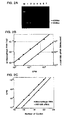
- Figure 2A depicts an ethidium bromide stained acrylamide gel wherein the amplified standard and target DNA segments are visible.
- Figure 2B plots the amounts of standard and target IL-1 ⁇ PCR product DNA produced against template concentrations.
- Figure 2C shows a plot of the amounts of standard and template IL-1 ⁇ PCR product DNA produced versus the number of amplification cycles.
- Figure 3 shows the results of a Northern blot containing samples of AW108 cRNA; and RNA isolated from LPS induced macrophages. The blot was probed with the IL-1 a 3' primer.
- Figure 4 shows the efficiency of amplification for different primer sets using the same cRNA template under the same conditions.
- the present invention provides a method for determining the absolute amount of a nucleic acid segment in a sample.
- the method involves amplification, by a polymerase chain reaction, of two different segments of nucleic acid combined in one reaction mix.
- the two segments include a target segment and an internal standard segment.
- the internal standard is amplified using the same oligonucleotide primer pair as the target nucleic acid; however, the two nucleic acid segments yield amplified products which are distinguishable by size.
- the standard segment is present in a known amount. Following amplification, the amount of each of the two polymerase chain reaction products is measured, and the amount of the target segment present in the original sample is quantitated by extrapolating against a standard curve.
- the internal standard described herein contains primer sequences for multiple genes, so that the same standard can be used to quantitate a number of different nucleic acid segments of interest
- the present invention has particular utility in providing a rapid, sensitive, and reliable method for accurately determining the quantity of low abundance, specific mRNAS present in a sample containing less than 0.1 ng of total RNA.
- the method provides an approach powerful enough to enable a measurement of heterogeneity of expression levels of specific mRNAS within particular subpopulations even at the single cell level.
- variable effects are internally controlled and affect the yield of PCR product equally for target and standard nucleic acidsö5Nbmerous variables influence the rate of the PCR reaction.
- variables may include the concentrations of polymerase, dNTPs, MgCl 2 , nucleic acid templates, and primers, as well as the rate of "primor-dimer' formation and tube-to-tube variations.
- the amount of the target nucleic acid segment present in the sample prior to amplification is determined using a standard curve.
- the standard curve is generated by plotting the amount of the standard segment produced in a polymerase chain reaction against varying, but known, amounts of the RNA present before amplification. For accuracy, the amount of standard segment present before amplification is varied by serial dilution of the co-amplification reaction mix. The amount of target segment produced in the polymerase chain reaction is then compared to the standard curve to determine the amount of target segment present in the sample prior to amplification.
- the standard curve may be generated by plotting the amount of standard and target segments produced against the number of amplification cycles. To ensure accuracy, it is preferred that the number of amplification cycles is varied by removing aliquots from one co-amplification reaction mixture after different numbers of amplification cycles have been completed.
- the method of the invention is far superior to determinations of the amount of a nucleic acid segment in a sample as a relative, rather than absolute, amount. Further, the method is far more accurate than when an absolute amount is derived by employing a second set of oligonucleotide primers to amplify the standard, wherein that set of primers is different from the set used to amplify the target segment.
- the method of the present invention is useful for quantifying a target RNA or DNA molecule.
- amplification methods described herein can be applied directly.
- the present invention is also useful in determining the amount of a specific mRNA in a sample of total RNA.
- the internal standard nucleic acid segment is provided on a DNA plasmid.
- the presence of an appropriately placed T7 polymerase promoter or another suitable promoter, such as the SP6 promoter, allows the plasmid to be used as a template for cRNA synthesis.
- cRNA refers to a ribonucleic acid segment synthesized from a DNA template by an RNA polymerase.
- the plasmid may contain a polyadenylation sequence at the 3' end to facilitate purification and subsequently quantitation of the in vitro synthesized cRNA.
- the DNA template is either plasmid AW108 or AW109, and the RNA polymerase is T7 polymerase.
- AW108 cRNA is synthesized as a sense strand from pAW108 by T7 polymerase. The structure of pAW108 is shown in Figure 1 .
- the primer array as shown in Figure 1 is identical for both pAW1 08 and pAW109.
- the cRNA molecule then serves as the internal standard template for reverse transcription by the DNA polymerase, reverse transcriptase.
- Reverse transcriptase generates a cDNA transcript from an RNA template.
- the preferred embodiment of the invention, the internal standard C RNA is synthesized as a sense strand. Following reverse transcription of the target mRNA and the standard cRNA, PCR is then performed.
- plasmids useful in the method of the present invention.
- Higuchi, 1988, Nucleic Acids Research 16:7351-7367 and Ho, 1989, Gene 77: 51-59 describe two methods for engineering novel plasmids which incorporate desired synthetic DNA sequences.
- synthetic DNA segments can be inserted via restriction enzyme digestion and ligation with an appropriately treated parent plasmid or phage vector.
- the internal standard of the preferred embodiment, pAW108 contains multiple primer sets which allow a single cRNA standard to be used to quantitate a number of different mRNAs.
- the presence of unique restriction enzyme sites in the pAW108 plasmid provides the flexibility to add new primer sets to the plasmid.
- the unique Bam HI site is used to linearize the plasmid to produce a linear template for reverse transcription.
- a deposit of E. coli containing plasmid AW108 has been deposited with the American Type Culture Collection (ATCC) at 12301 Parklawn Drive, Rockville, Maryland according to the terms of the Budapest Treaty under accession number 68094.
- a deposit of E . coli containing plasmid AW109 has also been deposited with the American Type Culture Collection (ATCC) at 12301 Parklawn Drive, Rockville, Maryland according to the terms of the Budapest Treaty under accession number 68152.
- Plasmid AW108 is derived from pCDV1 and pL1 which are disclosed in Okayama and Berg, 1983, Mol. Cell Biol. 3:280-289 .
- the SV40 promotor region from pLI was insened into pcDV1 as directed in the referenced article.
- the T7 promoter, synthetic oligonucleotide sequences, and a polyadenylation region from the IL-1 ⁇ gene were then inserted to provide the AW108 plasmid as an internal standard for the quantitation of twelve specific mRNAs.
- the plasmid was transformed into E . coli and grown in Luria Broth with ampicillin at 50 ⁇ l/ml added.
- Plasmid AW108 was subsequently used as the starring material to construct pAW109.
- a culture of E . coli containing pAW108 was grown, and plasmid DNA was purified by standard means.
- the plasmid was digested with Bam HI and BgIII restriction endonucleases, and the 1 kb fragment was purified. This fragment contained the 5' and 3' primer arrays shown in Figure 1 as well as the polyadenylation sequence.
- Plasmid pSP72 (Promega Biotec, Madison, Wisconsin) contains a T7 promoter adjacent to a polylinker to facilitate cloning.
- the plasmid also contains the ampicillin resistance gene.
- the Bg III- Bam HI fragment from pAW108 was ligated into Bg III and Bam HI cleaved pSP72. Both of these are unique restriction sites within the polylinker region.
- the ligation mixture was used to transform E. coli DHS5a, and resultant ampicillin resistant colonies were selected.
- the plasmid was assayed for the correct orientation of the Bg III Bam HI insert.
- the resulting plasmid, pAW109 is suitable as an internal standard for mRNA quantitation.
- plasmids are available for insertion of desired DNA sequence to provide an internal standard useful in the present invention.
- the methods for transformation of such plasmids into a suitable host strain, propagation of the transformed host, and preparation of plasmid DNA as required for practice of the invention can be found in Maniatis et al ., Molecular Cloning -A Laboratory Manual, Cold Spring Harbor Laboratory, Cold Spring Harbor, New York, 1985.
- the term "5' primer” refers to an oligonucleotide comprising a sequence identical to the sequence contained within the sense strand of a target nucleotide segment.
- the term “3' primer” refers to an oligonucleotide comprising a sequence complementary to a sequence contained within the sense strand of the same target nucleotide segment.
- a 3' primer useful in the method of the present invention will hybridize to an mRNA, cRNA, or DNA template. It is further descriptive of the 3' and 5' primers that for both the internal standard C RNA and the target mRNA segment, the region of 3' primer hybridization is located 3' to the region of 5' primer hybridization.
- the 3' and 5' primers function in the method of the present invention as follows: the 3' primer primes DNA synthesis in a PCR reaction to produce an antisense DNA strand, which provides a template for second strand DNA synthesis when the 5' primer is included in the PCR reaction. Such a 5' and 3' primer are referred to herein as a "primer pair.” "
- most members of a primer pair are designed to span two exon-intron junctions within the gene encoding each target mRNA. In this way the primers will only hybridize effectively to the desired target mRNA. Thus, small amounts of contaminating genomic DNA in a biological sample will not effect accurate quantitation of the target mRNA.
- a primer pair will function in a PCR reaction to amplify a segment of nucleic acid having a primer sequence identical to a DNA segment contained within the standard nucleic acid, i.e., as illustrated here, plasmids AW108 and AW109.
- both plasmids contain a DNA sequence which comprises the DNA sequence of twelve primer pairs arranged as follows: DNA identical in sequence to the 5' primers of twelve target mRNAS is followed by the complementary DNA sequence of the 3' primers for the same twelve target mRNAS ( Figure 1 ).
- the primer pair DNA sequence within pAW108 and pAW109 corresponds to mRNAS encoding tumor necrosis factor (TNF), macrophage-colony stimulating factor (M-CSF), platelet-derived growth factor A (PDGF-A), platelet-derived growth factor B (PDGF-B), low density lipoprotein receptor (LDL-R), 3-hydroxy-3-methylglutaryl coenzyme A reductase (HMG), interleukin-1 ⁇ (IL-1 ⁇ ), interleukin-1 ⁇ (IL-1 ⁇ ), interleukin-2 (IL-2), type beta platelet-derived growth factor receptor (PDGF- ⁇ R), and lipoprotein lipase (LPL).
- TNF tumor necrosis factor
- M-CSF macrophage-colony stimulating factor
- PDGF-A platelet-derived growth factor A
- PDGF-B platelet-derived growth factor B
- LDL-R low density lipoprotein receptor
- HMG 3-hydroxy-3-methylglutaryl coenzyme A reductase
- the primer pairs useful for amplifying the internal standard provided by AW108 or AW109 cRNA in the practice of the method of the invention are depicted in Table I.
- Table I Oligonucleotides of 12 Target Genes' 5' Primers and 3' Primers mRNA Species 5' Primers 3' Primers Size of PCR Product (bp) mRNa cRNA TNF 5'-CAGAGGGAAGAGTTCCCCAG-3' 5'-CCTTGGTCTGGTAGGAGACG-3' 325 301 M-CSF 5'-GAACAGTTGAAAGATCCAGTG-3' 5'-TCGGACGCAGGCCTTGTCATG-3' 171 302 PDGF-A 5'-CCTGCCCATTCGGAGGAAGAG-3' 5'-TTGGCCACCTTGACGCTGCG-3' 225 301 PDGF-B 5'-GAAGGAGCCTGGGTTCCCTG-3' 5'-TTTCTCACCTGGACAGGTCG-3' 217 300 apo-E 5'
- G-CSF granulocyte-colony stimulating factor
- GM-CSF granulocyte crophage-colony stimulating factor
- aFGF acidic-fibroblast growth factor
- bFGF basic-fibroblast growth factor
- c-McDonough feline sarcoma c-fms
- TGF- ⁇ transforming growth factor- ⁇
- LFA-1 leukocyte adhesion protein-1
- IL-2Ra interleukin-2 receptor-a
- IL-2Ra alpha-actin, desmin, ⁇ -actin, interleukin-6 (IL-6), interferon- ⁇ (IFN- ⁇ ), interferon- ⁇ (IFN- ⁇ ), interleukin-6 receptor (IL-6R), platelet derived growth factor- ⁇ receptor (PDGF- ⁇ R), interleukin-2 receptor- ⁇ (IL-2R ⁇ ), interleukin-3 (IL-3), and interleukin-4 (IL-4) as well as human
- RNAs examples include primer pairs useful for the detection and measurement of expression of these RNAs.
- Table II G-CSF 5' GGTGAGTGAGTGTGCCACCT 3'. 5' GTTCTTCCATCTGCTGCCAG 3'; GM-CSF 5' CACTGCTGCTGAGATGAATGAAACAG 3', 5' GCACAGGAAGTTTCCGGGGTTGG 3'; aFGF 5' TCCTTCCGGATGGCACAGTG 3', 5' CATTTGGTGTCTGTGAGCCG 3'; bFGF 5' GACCCTCACATCAAGCTACAAC 3', 5' GGAAGAAAAGTATAGCTTTCTGC 3'; c-fms 5' CAAGTATAAGCAGAAGCCCAAGTAC 3', 5' GAGGGTCTTACCAAACTGCAGG 3'; TNF- ⁇ 5' CATCAACGGGTTCACTACCG 3', 5' TCCGTGGAGCT
- the PCR product from each primer set within pAW108 and pAW109 is 300-308 base pairs (bp), depending on the particular primer pair used.
- the 300-308 bp segment length of the illustrated example does not impose a limitation to the design of any internal standard. It is only necessary that the standard segment length is designed to be different in size from the PCR products of the target mRNAS and that the segment lengths be within the detection limits inherent in the analytical system preferred (for example, acrylamide gel electrophoresis, agarose gel electrophoreses, or other chromatographic means).
- the size difference between the PCR amplification products permits easy separation of the internal standard cRNA amplification product from the target mRNA amplification product by, for example, gel electrophoresis.
- the unique Bam HI site is used to linearize the AW108 or AW109 plasmid to produce cRNA transcripts. Such transcripts are useful for quantitation of a number of different specific mRNAS in, for example, treated and untreated samples. This method can be used to provide a transcriptional phenotype of a treated or untreated cell or tissue and thus provides for numerous clinical and research applications.
- the cRNA and the target mRNA are reverse transcribed in the same reaction.
- the cRNA serves not only as a standard for mRNA quantitation, but also provides an internal mRNA control for the reverse transcription reaction.
- Reverse transcriptase requires a primer to initiate cDNA synthesis using an RNA template. In the practice of the present invention, this will be an oligonucleotide primer which hybridizes to both the standard cRNA and the target mRNA.
- the primer may be identical in sequence to the 3' primer used for PCR amplification of that target mRNA.
- the primer for the reverse transcription reaction may be an oligonucleotide which hybridizes to the mRNA and cRNA at a position distal to the sequence of the 3' amplification primer, for example, oligo (dT).
- the resultant cDNA contains within it a sequence identical to the sequence of the 3' amplification primer.
- AW108 cRNA, as well as AW109 cRNA contain a polyadenylation sequence at the 3'end, and oligo (dT) is used as a primer for reverse transcription of the cRNA and mRNA templates. Additionally, oligo (dT) permits amplification of more than one target sequence from the same reverse transcriptase reaction mix.
- the same primers are used in the PCR amplification of both the standard and target templates; therefore, there are no primer efficiency differences between amplification of the standard and the target RNAs.
- the amount of target mRNA that was present in the sample prior to amplification can be determined by extrapolating against the internal standard cRNA standard curve.
- the amount of DNA produced is plotted against the amount of starting material for both the standard and the target.
- the standard curve allows extrapolation of the target data to determine the amount of target in the starting material. This value may be expressed as molecules of target mRNA/ng total RNA. Alternatively, it may be determined as of percentage or an amount by weight, or as a copy number.
- a method for determining the amount of target mRNA by varying the number of amplification cycles.
- the amount of amplified products produced is plotted against the number of amplification cycles for both the standard and target segments.
- a third primer array is inserted into the internal standard plasmid between the 5' primer array and the 3' primer array.
- the third oligonucleotide array is comprised of a series of synthetic sequences wherein there is one sequence corresponding to each RNA for which the plasmid contains a 5' and 3' primer pair.
- both the amplified target and amplified standard DNA segments contain an identical internal segment providing a probe hybridization site, whereby for each primer pair, an oligonucleotide probe is useful to detect the amplified target as well as the amplified standard DNA.
- the PCR reaction can be carried out without the use of label. It is preferred that the reverse transcription and amplification reactions are carried out in separate tubes for each of the standard and target templates, rather than as a co-amplification. Following amplification, amount of product is quantitated by use of a dot blot format employing a single-stranded oligonucleotide probe which has a sequence corresponding to the internal sequence provided by the third primer array
- the AW108 internal standard was used to determine the amount of several lymphokine mRNAS, including IL-1 ⁇ mRNA, isolated from lipopolysaccharide (LPS)-induced and control cultures of human macrophages. Lymphokine mRNA levels were also measured in human atherosclerotic plaque tissue.
- LPS lipopolysaccharide
- the present invention requires that the amplification of the standard and target segments of nucleic acid be carried out in the same reaction.
- the reverse transcriptase reaction of the standard cRNA and target mRNA is also carried out in the same reaction.
- Those skilled in the art will recognize from the foregoing that one could quantitate a target nucleic acid by performing the standard and target reverse transcriptase and amplification reactions separately.
- the accuracy of such a method is dependent on the degree to which the reverse transcription and amplification steps proceed with similar efficiency for both amplifications. By performing both reverse transcriptase reactions in the same tube and both amplification reactions in the same reaction tube, one ensures excellent accuracy.
- the amount of an amplified DNA fragment in a given sample can influence amplification efficiency.
- phenomena can occur which are limiting factors for efficient amplification. Such phenomena include substrate saturation of enzyme, product inhibition of enzyme, incomplete product strand separation, and product strand reannealing.
- the reaction conditions described make use of 50 ng 1 ⁇ g of total cellular RNA combined with approximately 2 x 10 2 - 2 x 10 7 molecules of cRNA.
- As little as 50 pg cellular RNA is also suitable for purposes of the present invention.
- As few as 1 x 10 4 molecules of IL-1 ⁇ are detected. It is not necessary that mRNA be purified from a total RNA preparation in order to employ the method of the invention.
- Samples suitable for analysis by this method may be of human or non-human origin; they may be derived from cultured samples, or isolated from dissected tissue or from cells of immunologically defined phenotype. The latter can be obtained by monoclonal antibody staining and fluorescence-activated cell sorter (FACS) isolation of enzyme-dissociated cells or by removal of specific areas from immunohistochemically stained slides. This will permit definitive identification of the cell types producing specific mRNAs.
- FACS fluorescence-activated cell sorter
- the amount of amplified DNA generated in the method of the present invention can be measured in different ways.
- labeled primers wherein one or both members of any primer pair is labeled, or labeled nucleotides, can be used in PCR, and the incorporation of the label can be measured to determine the amount of amplified DNA.
- the label can be isotopic or non-isotopic.
- the amount of amplified product can be determined by electrophoresis and visualization of the amplified product by staining or by hybridization with a labeled probe. Densitometry can be used to calculate the amount of product on a stained gel, or by extrapolation from an autoradiograph when labeled probe is used.
- the probe When a labeled probe is used, the probe should be present in excess of the amplified product.
- primers are isotopically labeled and the resultant amplified products are electrophoresed on an acrylamide gel. The region where the product is expected to migrate is excised, and the amount of label present is determined by Cerenkov counting. The amount of label present is plotted versus the amount of known starting material.
- the method of the invention requires that the amplified amounts of a template and standard segment produced in a single polymerase chain reaction be determined.
- the method requires that the amplified template segment be distinguishable from the amplified standard segment. If the segments are of different sizes, then it is relatively simple to distinguish one amplified segment from the other, i.e., the amplified products can be readily separated by gel electrophoresis.
- the present invention does not require that the amplified product be of different sizes, however, for other methods can be utilized to distinguish one amplified segment from another. For instance, the internal probe specific for one segment can be labeled differently than the internal probe specific for the other segment.
- the quantitative method described herein is useful for analyses of in vivo biological samples.
- quantitative PCR analysis of PDGF-A and B chain mRNA in a human atherosclerotic lesion versus a normal blood vessel emphasizes the sensitivity of this approach in investigating the biology of cells and tissues in vivo .
- the present method was used to measure IL-1 ⁇ and IL-1 ⁇ mRNAs in atherosclerotic tissue, the results suggested that there may be inflammatory or immunological components in the pathogenesis of the disease.
- the present quantitative PCR method can be used to study gene expression in a more extensive way than has been possible to date, allowing quantitative measurements of gene expression in a very small number of cells and from small amounts of tissue samples available from in vivo sources, such as biopsies.
- This technique can also provide information on changes in expression level of specific RNA molecules which may be valuable in the diagnosis and analysis of, for example, infectious disease states, cancer, metabolic disorders, and autoimmune diseases.
- kits for the quantitation of one or more nucleic acids in a sample are amenable to commercialization as a kit for the quantitation of one or more nucleic acids in a sample.
- a kit may contain an internal standard, an appropriate oligonucleotide primer pairs, a DNA polymerase, a RNA polymerase, a reverse transcriptase, nucleotide triphosphates, restriction enzymes, buffers for carrying out cRNA and cDNA synthesis, restriction enzyme digests, and amplification by PCR.
- the kits may contain a thermostable DNA polymerase; for example, the thermostable DNA polymerase Taq isolated from Thermus aquaticus as an agent of polymerization.
- a synthetic gene was constructed using a technique of oligonucleotide overlap extension and amplification by PCR. The procedure used was similar to that described by Ho et al., for use in site-directed mutagenesis ( Ho et al. 1989, Gene 77: 51-59 ). After construction, the synthetic gene was subcloned into an Okayama-Berg vector containing the T7 polymerase promoter and a polyadenylated sequence. The resulting plasmid, AW108, is shown in Figure 1 .
- This plasmid was used as a template for transcription by T7 polymerase according to the transcription protocol of the manufacturer (Promega Biotec, Madison, Wisconsin).
- the resulting AW108 cRNA product was purified by oligo(dT) chromatography and gel electrophoresis.
- pAW109 was used to prepare a cRNA standard.
- the C RNA product was purified by selective elution using the Qiagen-tip system (Qiagen Inc., Studio City, California) followed by oligo(dT) chromatography.
- the Qiagen-tip was used according to manufacturer's instructions for purification of RNA and run off RNA transcripts.
- the purified cRNA was quantitated by determining absorbance at 260 nm. The number of molecules present was determined based on the molecular weight of the transcript.
- 3.386 x 10 5 gm contains 6 x10 23 cRNA molecules.
- Total cellular RNA was isolated from macrophages and tissues by the method of acid guanidium thiocyanate-phenol-chloroform extraction according to Chomczynski et al., 1987, Analyt. Biochem. 162:156-159 .
- the cRNA prepared from pAW108 was electrophoresed in 1 % low melt agarose, ultra pure grade, in TBE buffer. The region of the gel corresponding to 1 kb was cut out of the gel and melted in 0.2-0.4 ml of 0.1 M NETS buffer (0.1 M NaCl, 0.01 M EDTA; 0.01 M Tris-HCl, pH 7.4; 0.2% SDS) containing 1 mM 2-ME, in a water bath at 95°C for 3-5 minutes and solidified quickly in an ice bucket. The samples were then frozen at -70°C for at least two hours.
- 0.1 M NETS buffer 0.1 M NaCl, 0.01 M EDTA; 0.01 M Tris-HCl, pH 7.4; 0.2% SDS
- the frozen samples of melted agarose were thawed at 37°C and centrifuged at top speed in an eppendorf centrifuge kept in the cold room.
- the agarose was pelleted out.
- the supernatant liquid was transferred to another eppendorf tube and extracted with a mixture of 100 ⁇ l phenol chloroform containing 1 % isoamyl alcohol.
- the phenol was saturated with 0.1 M NETS buffer.
- the aqueous phase was collected, and the RNA was ethanol precipitated.
- the RNA pellet was washed with 0.1 ml of 2 M LiCl and then with 0.1 ml ethanol.
- the RNA was dried and then dissolved in an appropriate amount of sterile distilled water (2-100 ⁇ l) and was ready for reverse transcription.
- Oligonucleotides were synthesized on a Biosearch (San Rafael, California) DNA synthesizer. Most of the primers are RNA-specific primers. The 5' primers spanned the junction of the first two exons and the 3' primers spanned the junction of the next two exons. Alternatively, the 5' primers spanned the junction of the first and second exons and the 3' primers spanned the junction of the second and third exons. These sequences, the genes to which they correspond, and the sizes of amplified products obtained using the primers are shown in Table I.
- RNA was reverse transcribed into cDNA as previously described (see Gerard, 1987, Focus (Bethesda Research Labs) 9 :5).
- a 10 ⁇ l reverse transcription reaction containing 1 ⁇ g of total cellular RNA, 1.77 x 10 2 - 1.77 x 10 6 molecules of AW108 cRNA, 1 x PCR buffer (20 mM Tris-HCl, pH 8.3, 50 mM KCI, 2 mM MgCl 2 , 100 ⁇ g/ml BSA), 1 mM DTT, 0.5 mM dNTP, 10 units RNasin (Promega Biotec, Madison, Wisconsin), 0.1 ⁇ g oligo (dT) 12-18 , and 100 units of BRL Moloney MuLV reverse transcriptase (Bethesda Research Laboratories, Bethesda, Maryland) was prepared. The reaction was incubated at 37°C for 60 minutes, heated to 95°C for 5-10 minutes, then quickly chilled on ice.
- One tenth of the cDNA reaction mixture was diluted in a three-fold dilution series with 0.1 ⁇ g/ ⁇ l tRNA, followed by adjustment to a final concentration of 1 x PCR buffer, 50 ⁇ M dNTPs, 0.1 ⁇ M each of 5' and 3' primers, 1 x 10 6 cpm of 32 P end-labeled primer and 1 unit of Taq DNA polymerase (Perkin-Elmer Cetus, Norwalk, Connecticut) in a total volume of 50 ⁇ l.
- the mixture was overlaid with 100 ⁇ l mineral oil to prevent evaporation and then amplified for 25 cycles with the Perkin-Elmer Cetus Thermal Cycler.
- one tenth of the cDNA reaction mixture was amplified using the same conditions as above with varying numbers of cycles.
- the amplification profile involved denaturation at 95°C for 30 seconds, primer annealing at 55°C for 30 seconds, and extension at 72°C for 1 minute.
- Oligonucleotides were labeled with ⁇ - 32 P-ATP by using polynucleotide kinase and unincorporated nucleotides were removed on a BioGel P-4® column.
- Human peripheral blood monocytes were isolated from buffy coat preparations by Ficol/Hypaque® gradient centrifugation followed by adherence to plastic for one hour. Adherent cells were then removed and replated at 10 6 cells/well onto 6 well plates in RPMI 1640 medium supplemented with 2% fetal calf serum and 2000 units/ml recombinant macrophage-colony stimulating factor (Cetus Corporation, Emeryville, California). After ten days, half of the cultures were treated with 5 ⁇ g/ml LPS (Sigma). All the cultures were harvested for nucleic acid isolation 5 hours later.
- the carotid endarterectomy sample was obtained during the course of a surgical operation with the informed consent of the patient.
- the RNA preparation of a histologically normal coronary artery was recovered from a heart transplant recipient.
- the AW108 internal standard was used to determine the amount of IL-1 a mRNA isolated from LPS-induced cultures of human macrophages. Two different protocols were used to conduct this analysis. In the first case, the amount of template and standard RNAs was varied by serial dilution to generate a standard curve. In the second case, the number of amplification cycles was varied and plotted against the amount of PCR product.
- N o is the initial amount of material
- N is the extent of amplification.
- the amount of IL-1 ⁇ mRNA in 1 ng of LPS-induced macrophage total RNA calculated by this method was 1.1 x 10 4 molecules.
- the amount of IL-1 ⁇ mRNA in LPS-induced macrophages determined by the quantitative PCR method was verified by Northern blot analysis.
- the PCR analysis demonstrated that 1 ng of macrophage RNA and 1 x 10 4 molecules of AW108 cRNA produced the same amount IL-1 ⁇ PCR product.
- 5 ⁇ g of macrophage RNA and 5 x 10 7 molecules of AW108 cRNA should give similar signal intensities by Northern analysis.
- Two-fold serial dilutions of macrophage RNA and AW108 cRNA were subjected to Northern blot analysis by probing with the IL-1 ⁇ 3' primer.
- the sizes of the target RNA molecules were estimated to be ⁇ 2,200 nucleotides for IL-1 ⁇ mRNA in macrophages and 1026 nucleotides for AW108 cRNA. Hybridization signals of equal intensity were detected at all the dilutions of macrophage RNA and AW108 cRNA, as shown in Figure 3 . This result demonstrates that the amount of mRNA estimated by the quantitative PCR method correlates with the results of Northern analysis.
- AW108 cRNA was used as the template for PCR amplification of seven different primer sets: IL-1 ⁇ , PDGF-A, PDGF-B, PDGF-R, IL-2, LPL, and apo-E. As indicated in Figure 4 , the efficiency of amplification by these different primer sets under the same PCR amplification conditions varied over a range of several orders of magnitude.
- the IL-1 ⁇ primers are 10 5 -fold more efficient than the apo-E primers.
- a major advantage of the present PCR quantitative technique is that the method enables one to analyze several target mRNA species in parallel.
- Table III shows the results from quantitation of the expression levels of six cytokine mRNAs in human macrophages in response to LPS treatment.
- the levels of mRNAs for PDGF-A, M-CSF, and TNF increased 5 to 10-fold.
- the PDGF-B mRNA level remained constant for control and LPS-treated cells.
- Table IV depicts the comparison of the results of quantitation of six different mRNA species from a human, atherosclerotic carotid artery and from a normal coronary artery.
- the data shows a 3-to 5-fold enhancement in the level of PDGF-A and PDGF-B mRNAS, no change in the type ⁇ PDGF receptor (PDGF-R) and a 3-fold decrease in the LDL receptor in the atherosclerotic vessel.
Landscapes
- Chemical & Material Sciences (AREA)
- Life Sciences & Earth Sciences (AREA)
- Health & Medical Sciences (AREA)
- Organic Chemistry (AREA)
- Proteomics, Peptides & Aminoacids (AREA)
- Zoology (AREA)
- Wood Science & Technology (AREA)
- Engineering & Computer Science (AREA)
- Immunology (AREA)
- Analytical Chemistry (AREA)
- Genetics & Genomics (AREA)
- Bioinformatics & Cheminformatics (AREA)
- Molecular Biology (AREA)
- Microbiology (AREA)
- Biochemistry (AREA)
- Biophysics (AREA)
- General Engineering & Computer Science (AREA)
- General Health & Medical Sciences (AREA)
- Biotechnology (AREA)
- Physics & Mathematics (AREA)
- Virology (AREA)
- Pathology (AREA)
- Chemical Kinetics & Catalysis (AREA)
- Oncology (AREA)
- AIDS & HIV (AREA)
- Hospice & Palliative Care (AREA)
- Measuring Or Testing Involving Enzymes Or Micro-Organisms (AREA)
- Saccharide Compounds (AREA)
- Enzymes And Modification Thereof (AREA)
Claims (88)
- Utilisation d'un étalon interne pour la détermination quantitative d'un segment d'acide nucléique cible contenu dans un échantillon dans un procédé d'amplification par réaction de polymérisation en chaîne, ledit étalon interne comprenant sur un brin un 'segment d'acide nucléique comprenant une séquence en 5' et une séquence en 3', lesquelles séquences fournissent un site d'hybridation d'amorce en amont et le complément d'un site d'hybridation d'amorce en aval qui sont identiques à un site d'hybridation d'amorce en amont et au complément d'un site d'hybridation d'amorce en aval dans ledit segment d'acide nucléique cible, dans laquelle ledit segment d'acide nucléique étalon interne et ledit segment d'acide nucléique cible sont amplifiés simultanément à l'aide de la même série d'amorces et dans laquelle, après amplification, ledit segment d'acide nucléique étalon interne et ledit segment d'acide nucléique cible sont distingués par des sondes spécifiques à chaque segment qui sont marquées de façon différentielle.
- Utilisation selon la revendication 1, dans laquelle ledit étalon interne est approprié à la détermination quantitative d'entre 2 et 32 segments d'acide nucléique cible.
- Utilisation selon la revendication 1 ou 2, dans laquelle ledit étalon interne est approprié à la détermination quantitative d'un segment d'acide nucléique codant pour une lymphokine.
- Utilisation selon la revendication 1 ou 2, dans laquelle ladite séquence d'acide nucléique cible est contenue dans une séquence d'acide nucléique qui code pour une protéine choisie dans l'ensemble constitué par TNF, M-CSF, PDGF-A, PDGF-B, PDGF-R, apo-E, LDL-R, HMG, IL-1a, IL-1P, I1-2, LPL, G-CSF, GM-CSF, aFGF, bFGF, c-fms, TGF-β, LFA-1, IL-2Rα, l'α-actine, la desmine, la β-actine, IL-6, IFN-α, IFN-γ, IL-6R, PDGF-αR, IL-2Rβ, IL-3, IL-1 et les protéines de VIH.
- Utilisation selon la revendication 4, dans laquelle l'étalon interne comprend les séquences d'ADN suivantes :5'-CAGAGGGAAGAGTTCCCCAG-3'5'-CCTTGGTCTGGTAGGAGACG-3'5'-GAACAGTTGAAAGATCCAGTG-3'5'-TCGGACGCAGGCCTTGTCATG-3'5'-CCTGCCCATTCGGAGGAAGAG-3'5'-TTGGCCACCTTGACGCTGCG-3'5'-GAAGGA.GCCTGGGTTCCCTG-3'5'-TTTCTCACCTGGACAGGTCG-3'5'-TTCCTGGCAGGATGCCAGGC-3'5'-GGTCAGTTGTTCCTCCAGTTC-3'5'-CAATGTCTCACCAAGCTCTG-3'5'-TCTGTCTCGAGGGGTAGCTG-3'5'-TACCATGTCAGGGGTACGTC-3'5'-CAAGCCTAGAGACATAATCATC-3'5'-GTCTCTGAATCAGAAATCCTTCTATC-3'5'-CATGTCAAATTTCACTGCTTCATCC-3'5'-AAACAGATGAAGTGCTCCTTCCAGG-3'5'-TGGAGAACACCACTTGTTGCTCCA-3'5'-GAATGGAATTAATAATTACAAGAATCCC-3'5'-TGTTTCAGATCCCTTTAGTTCCAG-3'5'-TGACCACCCAGCCATCCTTC-3'5'-GAGGAGGTGTTGACTTCATTC-3' et5'-GAGATTTCTCTGTATGGCACC-3'5'-CTGCAAATGAGACACTTTCTC-3'
- Utilisation selon l'une quelconque des revendications 1 à 5, dans laquelle ledit étalon interne est une molécule d'ARNc.
- Utilisation selon l'une quelconque des revendications 1 à 6, dans laquelle ledit étalon interne est fourni sous forme d'un plasmide.
- Utilisation selon l'une quelconque des revendications 1 à 7, dans laquelle ledit étalon interne comprend en outre un promoteur de polymérase de T7, ce par quoi on produit une molécule d'ARNc en utilisant commue matrice ledit segment d'acide nucléique étalon.
- Utilisation selon la revendication 8, dans laquelle ledit étalon interne comprend en outre une séquence de polyadénylation, ce par quoi ladite molécule d'ARNc est utilisée comme matrice dans une réaction de transcriptase inverse amorcée par oligo(dT).
- Nécessaire pour la détermination quantitative d'un segment d'acide nucléique cible dans un échantillon biologique dans un procédé d'amplification par réaction de polymérisation en chaîne, comprenant des récipients individuels qui fournissent :(a) une quantité initiale préétablie d'un étalon interne comprenant un segment d'acide nucléique comprenant une séquence en 5' et une séquence en 3', lesquelles séquences fournissent un site d'hybridation d'amorce en amont et le complément d'un site d'hybridation d'amorce en aval qui sont identiques à un site d'hybridation d'amorce en amont et au complément d'un site d'hybridation d'amorce en aval dans ledit segment d'acide nucléique cible, dans laquelle après amplification ledit segment d'acide nucléique étalon interne et ledit segment d'acide nucléique cible peuvent être distingués par des sondes spécifiques à chaque segment,(b) au moins une paire d'amorces oligonucléotidiques pour l'amplification simultanée dudit étalon interne et dudit segment d'acide nucléique cible,(c) des sondes spécifiques à chaque segment qui sont marquées de façon différentielle pour détecter ledit segment d'acide nucléique étalon interne et ledit segment d'acide nucléique cible.
- Nécessaire selon la revendication 10, dans lequel ledit étalon interne est approprié à la détermination quantitative d'entre 2 et 32 segments d'acide nucléique cible.
- Nécessaire selon la revendication 10 ou 11, dans lequel ledit étalon interne est approprié à la détermination quantitative d'un segment d'acide nucléique codant pour une lymphokine.
- Nécessaire selon la revendication 10 ou 11, dans lequel ladite séquence d'acide nucléique cible est contenue dans une séquence d'acide nucléique qui code pour une protéine choisie dans l'ensemble constitué par TNF, M-CSF, PDGF-A, PDGF-B, PDGF-R, apo-E, LDL-R, HMG, IL-1α, IL-1β IL-2, LPL, G-CSF, GM-CSF, aFGF, bFGF, c-fms, TGF-β, LFA-1, IL-2Rα, l'α-actine, la desmine, la β-actine, IL-6, IFN-α, IFN-γ, IL-6R, PDGF-αR, IL-2Rβ, IL-3, IL-1 et les protéines de VIH.
- Nécessaire selon la revendication 13, dans lequel l'étalon interne comprend les séquences d'ADN suivantes :5'-CAGAGGGAAGAGTTCCCCAG-3'5'-CCTTGGTCTGGTAGGAGACG-3'5'-GAACAGTTGAAAGATCCAGTG-3'5'-TCGGACGCAGGCCTTGTCATG-3'5'-CCTGCCCATTCGGAGGAAGAG-3'5'-TTGGCCACCTTGACGCTGCG-3'5'-GAAGGAGCCTGGGTTCCCTG-3'5'-TTTCTCACCTGGACAGGTCG-3'5'-TTCCTGGCAGGATGCCAGGC-3'5'-GGTCAGTTGTTCCTCCAGTTC-3'5'-CAATGTCTCACCAAGCTCTG-3'5'-TCTGTCTCGAGGGGTAGCTG-3'5'-TACCATGTCAGGGGTACGTC-3'5'-CAAGCCTAGAGACATAATCATC-3'5'-GTCTCTGAATCAGAAATCCTTCTATC-3'5'-CATGTCAAATTTCACTGCTTCATCC-3'5'-AAACAGATGAAGTGCTCCTTCCAGG-3'5'-TGGAGAACACCACTTGTTGCTCCA-3'5'-GAATGGAATTAATAATTACAAGAATCCC-3'5'-TGTTTCAGATCCCTTTAGTTCCAG-3'5'-TGACCACCCAGCCATCCTTC-3'5'-GAGGAGGTGTTGACTTCATTC-3' et5'-GAGATTTCTCTGTATGGCACC-3'5'-CTGCAAATGAGACACTTTCTC-3'
- Nécessaire selon l'une quelconque des revendications 10 à 14, dans lequel ledit étalon interne est une molécule d'ARNc.
- Nécessaire selon l'une quelconque des revendications 10 à 15, dans lequel ledit étalon interne est fourni sous forme d'un plasmide.
- Nécessaire selon l'une quelconque des revendications 10 à 16, dans lequel ledit étalon interne comprend en outre un promoteur de polymérase de T7, ce par quoi on produit une molécule d'ARNc en utilisant comme matrice ledit segment d'acide nucléique étalon.
- Nécessaire selon la revendication 17, dans lequel ledit étalon interne comprend en outre une séquence de polyadénylation, ce par quoi ladite molécule d'ARNc est utilisée comme matrice dans une réaction de transcription inverse amorcée par oligo(dT).
- Nécessaire selon l'une quelconque des revendications 10 à 18, .comprenant en outre une transcriptase inverse.
- Nécessaire selon l'une quelconque des revendications 10 à 19, comprenant en outre une polymérase thermostable et éventuellement des tampons appropriés pour une réaction de polymérisation en chaîne et des nucléoside triphosphates.
- Nécessaire selon l'une quelconque des revendications 10 à 20, comprenant en outre une ADN polymérase.
- Nécessaire selon l'une quelconque des revendications 10 à 21, dans lequel ledit acide nucléique cible est un ARN.
- Nécessaire selon l'une quelconque des revendications 10 à 22, dans lequel ledit acide nucléique cible est indicateur d'une maladie génétique, de cancer ou de la présence de VIH.
- Procédé pour la détermination quantitative d'un segment d'acide nucléique cible dans un échantillon dans un procédé d'amplification par réaction de polymérisation en chaîne, lequel procédé comprend les étapes suivantes :(a) addition audit échantillon d'une quantité initiale préétablie d'un étalon interne tel que caractérisé dans l'une quelconque des revendications 1 à 9, ledit étalon interne comprenant un segment d'acide nucléique qui se lie aux mêmes amorces que celles liées par ledit segment d'acide nucléique cible ;(b) traitement dudit échantillon dans des conditions appropriées à l'exécution d'une réaction de polymérisation en chaîne, dans lequel lesdits acides nucléiques sont rendus simple brin et exposés à un agent pour la polymérisation, des désoxynucléoside 5'-triphosphates et une paire d'amorces oligonucléotidiques, ladite paire d'amorces pouvant s'hybrider à la fois avec le segment d'acide nucléique cible et le segment d'acide nucléique étalon, de sorte que chaque amorce peut servir pour amorcer la synthèse d'un produit d'extension sur un brin d'ADN de chacun des segments d'acide nucléique cible et étalon, de sorte que le produit d'extension d'une amorce, lorsqu'il est séparé du brin matrice, sert de matrice pour la synthèse du produit d'extension de l'autre amorce de ladite paire, lesdits segments d'acide nucléique cible et étalon amplifiés pouvant être distingués par des sondes spécifiques à chaque segment ;(c) séparation des produits d'extension d'amorce d'avec la matrice sur laquelle ils ont été synthétisés, pour l'obtention de molécules simple brin;(d) répétition au moins une fois des étapes (b) et (c) sur les molécules simple brin produites dans l'étape (c), chaque répétition des étapes (b) et (c) étant un cycle d'amplification ;(e) mesure des quantités des segments cible et étalon amplifiés produits dans l'étape (d) avec des sondes spécifiques à chaque segment qui sont marquées de façon différentielle ; et(f) calcul, d'après les segments cible et étalon amplifiés produits dans l'étape (d), de la quantité dudit segment d'acide nucléique cible présent dans l'échantillon avant l'amplification.
- Procédé selon la revendication 24, dans lequel ledit segment d'acide nucléique cible est une molécule d'ARNm, ledit étalon interne est une molécule d'ARNc et lesdits ARN sont transcrits par transcription inverse en molécules d'ADNc après l'étape (a) et avant l'étape (b).
- Procédé selon la revendication 25, dans lequel ledit segment d'acide nucléique cible est contenu dans une séquence d'ARNm, ladite séquence d'ARNm codant pour une lymphokine.
- Procédé selon la revendication 24 ou 25, dans lequel ledit segment d'acide nucléique cible est contenu dans une séquence d'acide nucléique qui code pour une protéine choisie dans l'ensemble constitué par TNF, M-CSF, PDGF-A, PDGF-B, PDGF-R, apo-E, LDL-R, HMG, IL-1α, IL-1β, Il-2, LPL, G-CSF, GM-CSF, aFGF, bFGF, c-fms, TGF-β, LFA-1, IL-2Rα, l'α-actine, la desmine, la β-actine, IL-6, IFN-α, IFN-γ, IL-6R, PDGF-αR, IL-2Rβ, IL-3, IL-1 et les protéines de VIH.
- Procédé selon l'une quelconque des revendications 24 à 27, comprenant en outre l'étape de préparation d'au moins une dilution du mélange de l'étape (a) avant l'étape (b), ce par quoi les quantités des segments d'acide nucléique cible et étalon interne avant ladite réaction d'amplification sont modifiées.
- Procédé selon l'une quelconque des revendications 24 à 28, dans lequel on exécute de 10 à 28 cycles d'amplification, et dans lequel on prélève des échantillons dudit mélange réactionnel et on les utilise pour déterminer dans quels cycles la réaction est en phase exponentielle.
- Procédé selon l'une quelconque des revendications 24 à 29, dans lequel la paire d'amorces oligonucléotidiques de l'étape (b) est marquée, et les quantités des segments cible et étalon interne amplifiés produits sont mesurées conformément à l'étape (e), par détermination de la quantité de marqueur incorporé dans chacun desdits segments d'acide nucléique amplifiés.
- Procédé selon l'une quelconque des revendications 27 à 30, dans lequel ladite paire d'amorces oligonucléotidiques est choisie dans l'ensemble constitué par :5'-CAGAGGGAAGAGTTCCCCAG-3'5'-CCTTGGTCTGGTAGGAGACG-3'5'-GAACAGTTGAAAGATCCAGTG-3''5'-TCGGACGCAGGCCTTGTCATG-3'5'-CCTGCCCATTCGGAGGAAGAG-3'5'-TTGGCCACCTTGACGCTGCG-3'5'-GAAGGAGCCTGGGTTCCCTG-3'5'-TTTCTCACCTGGACAGGTCG-3'5'-TTCCTGGCAGGATGCCAGGC-3'5'-GGTCAGTTGTTCCTCCAGTTC-3'5'-CAATGTCTCACCAAGCTCTG-3'5'-TCTGTCTCGAGGGGTAGCTG-3'5'-TACCATGTCAGGGGTACGTC-3'5'-CAAGCCTAGAGACATAATCATC-3'5'-GTCTCTGAATCAGAAATCCTTCTATC-3'5'-CATGTCAAATTTCACTGCTTCATCC-3'5'-AAACAGATGAAGTGCTCCTTCCAGG-3'.5'-TGGAGAACACCACTTGTTGCTCCA-3'5'-GAATGGAATTAATAATTACAAGAATCCC-3'5'-TGTTTCAGATCCCTTTAGTTCCAG-3'5'-TGACCACCCAGCCATCCTTC-3'5'-GAGGAGGTGTTGACTTCATTC-3' et5'-GAGATTTCTCTGTATGGCACC-3'5'-CTGCAAATGAGACACTTTCTC-3'
- Procédé selon l'une quelconque des revendications 24 à 31, dans lequel ledit échantillon est un échantillon de cellules sanguines humaines ou un échantillon de vaisseau artériel humain.
- Utilisation d'un étalon interne d'ARNc pour la détermination quantitative d'au moins un segment d'acide nucléique cible d'ARN contenu dans un échantillon dans un procédé d'amplification par réaction de polymérisation en chaîne, ledit étalon interne comprenant sur un brin un segment d'acide nucléique comprenant une séquence en 5' et une séquence en 3', lesquelles séquences fournissent un site d'hybridation d'amorce en amont et le complément d'un site d'hybridation d'amorce en aval qui sont identiques à un site d'hybridation d'amorce en amont et au complément d'un site d'hybridation d'amorce en aval dans ledit segment d'acide nucléique cible, dans laquelle ledit segment d'acide nucléique étalon interne et ledit segment d'acide nucléique cible sont amplifiés simultanément à l'aide de la même série d'amorces, dans laquelle les réactions de transcription inverse de l'ARNc étalon et de l'ARN cible sont effectuées dans la même réaction, et dans laquelle, après amplification, ledit segment d'acide nucléique étalon interne et ledit segment d'acide nucléique cible peuvent être distingués.
- Utilisation selon la revendication 33, dans lequel ledit étalon interne est approprié à la détermination quantitative d'entre 2 et 32 segments d'acide nucléique cible.
- Utilisation selon la revendication 33 ou 34, dans laquelle ledit étalon interne est approprié à la détermination quantitative d'un segment d'acide nucléique codant pour une lymphokine.
- Utilisation selon la revendication 33 ou 35, dans laquelle ladite séquence d'acide nucléique cible est contenue dans une séquence d'acide nucléique qui code pour une protéine choisie dans l'ensemble constitué par TNF, M-CSF, PDGF-A, PDGF-B, PDGF-R, apo-E, LDL-R, HMG, IL-1a, IL-1P, IL-2, LPL, G-CSF, GM-CSF, aFGF, bFGF, c-fms, TGF-β, LFA-1, IL-2Rα, l'α-actine, la desmine, la β-actine, IL-6, IFN-α, IFN-γ, IL-6R, PDGF-αR, IL-2Rβ, IL-3, IL-1 et les protéines de VIH.
- Utilisation selon l'une quelconque des revendications 33 à 36, dans laquelle ladite molécule d'ARNc étalon interne est synthétisée en utilisant comme matrice un plasmide.
- Utilisation selon la revendication 37, dans laquelle ledit plasmide comprend en outre un promoteur de polymérase de T7, ce par quoi on produit une molécule d'ARNc en utilisant comme matrice ledit segment d'acide nucléique étalon.
- Utilisation selon la revendication 38, dans laquelle ledit plasmide comprend en outre une séquence de polyadénylation, ce par quoi ladite molécule d'ARNc est utilisée comme matrice dans une réaction de transcriptase inverse amorcée par oligo(dT).
- Nécessaire pour la détermination quantitative d'un segment d'acide nucléique cible d'ARN dans un échantillon biologique dans un procédé d'amplification par réaction de polymérisation en chaîne, comprenant des récipients individuels qui fournissent :(a) une quantité initiale préétablie d'un étalon interne d'ARNc comprenant un segment d'acide nucléique comprenant une séquence en 5' et une séquence en 3', lesquelles séquences fournissent un site d'hybridation d'amorce en amont et le complément d'un site d'hybridation d'amorce en aval qui sont identiques à un site d'hybridation d'amorce en amont et au complément d'un site d'hybridation d'amorce en aval dans ledit segment d'acide nucléique cible, après amplification ledit segment d'acide nucléique étalon interne et ledit segment d'acide nucléique cible pouvant être distingués ;(b) au moins une paire d'amorces oligonucléotidiques pour l'amplification simultanée dudit segment d'acide nucléique étalon interne et dudit segment d'acide nucléique cible,(c) une polymérase thermostable ; et(d) éventuellement des tampons appropriés pour une réaction de polymérisation en chaîne et des nucléoside triphosphates.
- Nécessaire selon la revendication 40, dans lequel ledit étalon interne est approprié à la détermination quantitative d'entre 2 et 32 segments d'acide nucléique cible.
- Nécessaire selon la revendication 40 ou 41, dans lequel ledit étalon interne est approprié à la détermination quantitative d'un segment d'acide nucléique codant pour une lymphokine.
- Nécessaire selon la revendication 40 ou 41, dans lequel ladite séquence d'acide nucléique cible est contenue dans une séquence d'acide nucléique qui code pour une protéine choisie dans l'ensemble constitué par TNF, M-CSF, PDGF-A, PDGF-B, PDGF-R, apo-E, LDL-R, HMG, IL-1α, IL-1β, IL-2, LPL, G-CSF, GM-CSF, aFGF, bFGF, c-fms, TGF-β, LFA-1, IL-2Rα, l'α-actine, la desmine, la β-actinie, IL-6, IFN-α, IFN-γ, IL-6R, PDGF-αR, IL-2Rβ, IL-3, IL-1 et les protéines de VIH.
- Nécessaire selon la revendication 43, dans lequel ledit étalon interne comprend en outre une séquence de polyadénylation, ce par quoi ladite molécule d'ARNc est utilisée comme matricé dans une réaction de transcription inverse amorcée par oligo (dT), et dans lequel ledit ARNc est produit en utilisant un promoteur de polymérase de T7.
- Nécessaire selon l'une quelconque des revendications 40 à 44, comprenant en outre une transcriptase inverse.
- Nécessaire selon l'une quelconque des revendications 40 à 45, comprenant en outre une sonde pour détecter le segment d'acide nucléique cible.
- Nécessaire selon l'une quelconque des revendications 40 à 46, comprenant en outre une sonde pour détecter le segment d'acide nucléique étalon interne.
- Nécessaire,selon l'une quelconque des revendications 40 à 47, comprenant en outre une ADN polymérase.
- Nécessaire selon l'une quelconque des revendications 40 à 48, dans lequel ledit acide nucléique cible est indicateur d'une maladie génétique, de cancer ou de la présence de VIH.
- Procédé pour la détermination quantitative d'un segment d'acide nucléique cible d'ARN dans un échantillon dans un procédé d'amplification par réaction de polymérisation en chaîne, lequel procédé comprend les étapes suivantes :(a) addition audit échantillon d'une quantité initiale préétablie d'un étalon interne d'ARNc tel que caractérisé dans l'une quelconque des revendications 33 à 39, ledit étalon interne comprenant un segment d'acide nucléique qui se lie aux mêmes amorces que celles liées par ledit segment d'acide nucléique cible et ledit segment d'acide nucléique étalon interne et ledit segment d'acide nucléique cible étant amplifiés simultanément à l'aide de la même série d'amorces ;(b) transcription inverse dudit segment d'acide nucléique cible et dudit segment d'acide nucléique étalon interne en molécules d'ADNc ;(c) traitement dudit échantillon dans des conditions appropriées à l'exécution d'une réaction de polymérisation en chaîne, dans lequel lesdites molécules d'ADNc sont rendues simple brin et exposées à un agent pour la polymérisation, des désoxynucléoside 5'-triphosphates, et une paire d'amorces oligonucléotidiques, ladite paire d'amorces pouvant s'hybrider à la fois avec le segment d'acide nucléique cible et le segment d'acide nucléique étalon, de sorte que chaque amorce peut servir pour amorcer la synthèse d'un produit d'extension sur un brin d'ADN de chacun des segments d'acide nucléique cible et étalon, de sorte que le produit d'extension d'une amorce, lorsqu'il est séparé du brin matrice, sert de matrice pour la synthèse du produit d'extension de l'autre amorce de ladite paire, lesdits segments d'acide nucléique cible et étalon amplifiés pouvant être distingués(d) séparation des produits d'extension d'amorce d'avec la matrice sur laquelle ils ont été synthétisés, pour l'obtention de molécules simple brin ;(e) répétition au moins une fois des étapes (c) et (d) sur les molécules simple brin produites dans l'étape (d), chaque répétition des étapes (c) et (d) étant un cycle d'amplification ;(f) mesure des quantités des segments cible et étalon amplifiés produits dans l'étape (e) ; et(g) calcul, d'après les segments cible et étalon amplifiés produits dans l'étape (e), de la quantité dudit segment d'acide nucléique cible présent dans l'échantillon avant l'amplification.
- Procédé selon la revendication 50, dans lequel ledit segment d'acide nucléique cible est contenu dans une séquence d'ARNm, ladite séquence d'ARNm codant pour une lymphokine.
- Procédé selon la revendication 50 ou 51, dans lequel ledit segment d'acide nucléique cible est contenu dans une séquence d'acide nucléique qui code pour une protéine choisie parmi TNF, M-CSF, PDGF-A, PDGF-B, PDGF-R, apo-E, LDL-R, HMG, IL-1α, IL-1β, IL-2, LPL, G-CSF, GM-CSF, aFGF, bFGF, c-fms, TGF-β, LFA-1, IL-2Rα, l'α-actine, la desmine, la β-actine, IL-6, IFN-α, IFN-γ, IL-6R, PDGF-αR, IL-2Rβ, IL-3, IL-1 et les protéines de VIH.
- Procédé selon l'une quelconque des revendications 50 à 52, comprenant en outre l'étape de préparation d'au moins une dilution du mélange de l'étape (a) avant l'étape (b), ce par quoi les quantités des segments d'acide nucléique cible et étalon interne avant ladite réaction d'amplification sont modifiées.
- Procédé selon l'une quelconque des revendications 50 à 53, dans lequel on exécute de 10 à 28 cycles d'amplification, et dans lequel on prélève des échantillons dudit mélange réactionnel et on les utilise pour déterminer dans quels cycles la réaction est en phase exponentielle.
- Procédé selon l'une quelconque des revendications 50 à 54, dans lequel la paire d'amorces oligonucléotidiques de l'étape (c) est marquée, et les quantités des segments cible et étalon interne amplifiés produits sont mesurées conformément à l'étape (f), par détermination de la quantité de marqueur incorporé dans chacun desdits segments d'acide nucléique amplifiés.
- Procédé selon l'une quelconque des revendications 50 à 55, dans lequel ledit échantillon est un échantillon de cellules sanguines humaines ou un échantillon de vaisseau artériel humain.
- Utilisation d'un étalon interne pour la détermination quantitative d'au moins un segment d'acide nucléique cible contenu dans un échantillon dans un procédé d'amplification par réaction de polymérisation en chaîne, ledit étalon interne comprenant sur un brin un segment d'acide nucléique comprenant une séquence en 5' et une séquence en 3', lesquelles séquences fournissent un site d'hybridation d'amorce en amont et le complément d'un site d'hybridation d'amorce en aval qui sont identiques à un site d'hybridation d'amorce en amont et au complément d'un site d'hybridation d'amorce en aval dans ledit segment d'acide nucléique cible, dans laquelle ledit segment d'acide nucléique étalon interne et ledit segment d'acide nucléique cible sont amplifiés simultanément à l'aide de la même série d'amorces, et dans laquelle, après amplification, ledit segment d'acide nucléique étalon interne et ledit segment d'acide nucléique cible peuvent être distingués, ledit étalon standard étant approprié à la détermination quantitative d'entre 2 et 32 segments d'acide nucléique cible.
- Utilisation selon la revendication 57, dans laquelle ledit étalon standard est approprié à la détermination quantitative d'un segment d'acide nucléique codant pour une lymphokine.
- Utilisation selon la revendication 57, dans laquelle ladite séquence d'acide nucléique cible code pour une protéine choisie parmi l'ensemble constitué par TNF, M-CSF, PDGF-A, PDGF-B, PDGF-R, apo-E, LDL-R, HMG, IL-1a, IL-1P, IL-2, LPL, G-CSF, GM-CSF, aFGF, bFGF, c-fms, TGF-β, LFA-1, IL-2Rα, l'α-actine, la desmine, la β-actinie, IL-6, IFN-α, IFN-γ, IL-6R, PDGF-αR, IL-2Rβ, IL-3, IL-1 et les protéines de VIH.
- Utilisation selon la revendication 59, dans laquelle l'étalon interne comprend les séquences d'ADN suivantes :5'-CAGAGGGAAGAGTTCCCCAG-3'5'-CCTTGGTCTGGTAGGAGACG-3'5'-GAACAGTTGAAAGATCCAGTG-3'5'-TCGGACGCAGGCCTTGTCATG-3'5'-CCTGCCCATTCGGAGGAAGAG-3'5'-TTGGCCACCTTGACGCTGCG-3'5'-GAAGGAGCCTGGGTTCCCTG-3'5'-TTTCTCACCTGGACAGGTCG-3'.5'-TTCCTGGCAGGATGCCAGGC-3'5'-GGTCAGTTGTTCCTCCAGTTC-3'5'-CAATGTCTCACCAAGCTCTG-3'5'-TCTGTCTCGAGGGGTAGCTG-3'5'-TACCATGTCAGGGGTACGTC-3'5'-CAAGCCTAGAGACATAATCATC-3'5'-GTCTCTGAATCAGAAATCCTTCTATC-3'5'-CATGTCAAATTTCACTGCTTCATCC-3'5'-AAACAGATGAAGTGCTCCTTCCAGG-3'5'-TGGAGAACACCACTTGTTGCTCCA-3'5'-GAATGGAATTAATAATTACAAGAATCCC-3'5'-TGTTTCAGATCCCTTTAGTTCCAG-3'5'-TGACCACCCAGCCATCCTTC-3'5'-GAGGAGGTGTTGACTTCATTC-3' et5'-GAGATTTCTCTGTATGGCACC-3'5'-CTGCAAATGAGACACTTTCTC-3'
- Utilisation selon l'une quelconque des revendications 57 à 60, dans laquelle ledit étalon interne est une molécule d'ARNc.
- Utilisation selon l'une quelconque des revendications 57 à 61, dans laquelle ledit étalon interne est fourni sous forme d'un plasmide.
- Utilisation selon l'une quelconque des revendications 57 à 62, dans laquelle ledit étalon interne comprend en outre un promoteur de polymérase de T7, ce par quoi on produit une molécule d'ARNc en utilisant comme matrice ledit segment d'acide nucléique étalon.
- Utilisation selon la revendication 63, dans laquelle ledit étalon interne comprend en outre une séquence de polyadénylation, ce par quoi ladite molécule d'ARNc est utilisée comme matrice dans une réaction de transcription inverse amorcée par oligo(dT).
- Nécessaire pour la détermination quantitative d'un segment d'acide nucléique cible dans un échantillon biologique dans un procédé d'amplification par réaction de polymérisation en chaîne, comprenant des récipients individuels qui fournissent :(a) une quantité initiale préétablie d'un étalon interne comprenant un segment d'acide nucléique comprenant une séquence en 5' et une séquence en 3', lesquelles séquences fournissent un site d'hybridation d'amorce en amont et le complément d'un site d'hybridation d'amorce en aval qui sont identiques à un site d'hybridation d'amorce en amont et au complément d'un site d'hybridation d'amorce en aval dans ledit segment d'acide nucléique cible, après amplification ledit segment d'acide nucléique étalon interne et ledit segment d'acide nucléique cible pouvant être distingués par des sondes spécifiques à chaque segment, ledit étalon interne étant approprié à la détermination quantitative d'entre 2 et 32 segments d'acide nucléique cible ;(b) au moins une paire d'amorces oligonucléotidiques pour l'amplification simultanée dudit segment d'acide nucléique étalon interne et dudit segment d'acide nucléique cible.
- Nécessaire selon la revendication 65, dans lequel ledit étalon interne est approprié à la détermination quantitative d'un segment d'acide nucléique codant pour une lymphokine.
- Nécessaire selon la revendication 65, dans lequel ladite séquence d'acide nucléique cible est contenue dans une séquence d'acide nucléique qui code pour une protéine choisie parmi le groupe constitué par TNF, M-CSF, PDGF-A, PDGF-B, PDGF-R, apo-E, LDL-R, HMG, IL-1α, IL-1β, IL-2, LPL, G-CSF, GM-CSF, aFGF; bFGF, c-fms, TGF-β, LFA-1, IL-2Rα, l'α-actine, la desmine, la β-actine, IL-6, IFN-α, IFN-γ, IL-6R, PDGF-αR, IL-2Rβ; IL-3, IL-1 et les protéines de VIH.
- Nécessaire selon la revendication 67, dans lequel l'étalon interne comprend les séquences d'ADN suivantes :5'-CAGAGGGAAGAGTTCCCCAG-3'5'-CCTTGGTCTGGTAGGAGACG-3'5'-GAACAGTTGAAAGATCCAGTG-3'5'-TCGGACGCAGGCCTTGTCATG-3'5'-CCTGCCCATTCGGAGGAAGAG-3'5'-TTGGCCACCTTGACGCTGCG-3'5'-GAAGGAGCCTGGGTTCCCTG-3'5'-TTTCTCACCTGGACAGGTCG-3'5'-TTCCTGGCAGGATGCCAGGC-3'5'-GGTCAGTTGTTCCTCCAGTTC-3'5'-CAATGTCTCACCAAGCTCTG-3'5'-TCTGTCTCGAGGGGTAGC.TG-3'5'-TACCATGTCAGGGGTACGTC-3'5'-CAAGCCTAGAGACATAATCATC-3'5'-GTCTCTGAATCAGAAATCCTTCTATC-3'5'-CATGTCAAATTTCACTGCTTCATCC-3'5'-AAACAGATGAAGTGCTCCTTCCAGG-3'5'-TGGAGAACACCACTTGTTGCTCCA-3'5'-GAATGGAATTAATAATTACAAGAATCCC-3'5'-TGTTTCAGATCCCTTTAGTTCCAG-3'5'-TGACCACCCAGCCATCCTTC-3'5'-GAGGAGGTGTTGACTTCATTC-3' et5'-GAGATTTCTCTGTATGGCACC-3'5'-CTGCAAATGAGACACTTTCTC-3'
- Nécessaire selon l'une quelconque des revendications 65 à 68, dans lequel ledit étalon interne est une molécule d'ARNc.
- Nécessaire selon l'une quelconque des revendications 65 à 69, dans lequel ledit étalon interne est fourni sous forme d'un plasmide.
- Nécessaire selon l'une quelconque des revendications 65 à 70, dans lequel ledit étalon interne comprend en outre un promoteur de polymérase de T7, ce par quoi on produit une molécule d'ARNc en utilisant comme matrice ledit segment d'acide nucléique étalon.
- Nécessaire selon la revendication 71, dans lequel ledit étalon interne comprend en outre une séquence de polyadénylation, ce par quoi ladite molécule d'ARNc est utilisée comme matrice dans une réaction de transcription inverse amorcée par oligo(dT).
- Nécessaire selon l'une quelconque des revendications 65 à 72, comprenant en outre une transcriptase inverse.
- Nécessaire selon l'une quelconque des revendications 65 à 73, comprenant en outre une polymérase thermostable et éventuellement des tampons appropriés pour une réaction de polymérisation en chaîne et des nucléoside triphosphates.
- Nécessaire selon l'une quelconque des revendications 65 à 74, comprenant en outre une sonde pour détecter le segment d'acide nucléique cible.
- Nécessaire selon l'une quelconque des revendications 65 à 75, comprenant en outre une sonde pour détecter le segment d'acide nucléique étalon interne.
- Nécessaire selon l'une quelconque des revendications 65 à 76, comprenant en outre une ADN polymérase.
- Nécessaire selon l'une quelconque des revendications 65 à 77, dans lequel ledit acide nucléique cible est un ARN.
- Nécessaire selon l'une quelconque des revendications 65 à 78, dans lequel ledit acide nucléique cible est indicateur d'une maladie génétique, de cancer ou de la présence de VIH.
- Procédé pour la détermination quantitative d'un segment d'acide nucléique cible dans un échantillon dans un procédé d'amplification par réaction de polymérisation en chaîne, lequel procédé comprend les étapes suivantes :(a) addition audit échantillon d'une quantité initiale préétablie d'un étalon interne tel que caractérisé dans l'une quelconque des revendications 57 à 64, ledit étalon interne comprenant un segment d'acide nucléique qui se lie aux mêmes amorces que celles liées par ledit segment d'acide nucléique cible ;(b) traitement dudit échantillon dans des conditions appropriées à l'exécution d'une réaction de polymérisation en chaîne, dans lequel lesdits acides nucléiques sont rendus simple brin et exposés à un agent pour la polymérisation, des désoxynucléoside 5'-triphosphates et une paire d'amorces oligonucléotidiques, ladite paire d'amorces pouvant s'hybrider à la fois avec le segment d'acide nucléique cible et le segment d'acide nucléique étalon, de sorte que chaque amorce peut servir pour amorcer la synthèse d'un produit d'extension sur un brin d'ADN de chacun des segments d'acide nucléique cible et étalon, de sorte que le produit d'extension d'une amorce, lorsqu'il est séparé du brin matrice, sert de matrice pour la synthèse du produit d'extension de l'autre amorce de ladite paire, lesdits segments d'acide nucléique cible et étalon amplifiés pouvant être distingués ;(c) séparation des produits d'extension d'amorce d'avec la matrice sur laquelle ils ont été synthétisés, pour l'obtention de molécules simple brin ;(d) répétition au moins une fois des étapes (b) et (c) sur les molécules simple brin produites dans l'étape (c), chaque répétition des étapes (b) et (c) étant un cycle d'amplification ;(e) mesure des quantités des segments cible et étalon amplifiés produits dans l'étape (d) ; et(f) calcul, d'après les segments cible et étalon amplifiés produits dans l'étape (d), de la quantité dudit segment d'acide nucléique cible présent dans l'échantillon avant l'amplification.
- Procédé selon la revendication 80, dans lequel ledit segment d'acide nucléique cible est une molécule d'ARNm, ledit étalon interne étant une molécule d'ARNc et lesdits ARN étant transcrits par transcription inverse en molécules d'ADNc après l'étape (a) et avant l'étape (b).
- Procédé selon la revendication 81, dans lequel ledit segment d'acide nucléique cible est contenu dans une séquence d'ARNm, ladite séquence d'ARNm codant pour une lymphokine.
- Procédé selon la revendication 80 ou 81, dans lequel ledit segment d'acide nucléique cible est contenu dans une séquence d'acide nucléique qui code pour une protéine choisie parmi TNF, M-CSF, PDGF-A, PDGF-B, PDGF-R, apo-E, LDL-R, HMG, IL-1α, IL-1β, IL-2, LPL, G-CSF, GM-CSF, aFGF, bFGF, c-fms, TGF-β, LFA-1, IL-2Rα, l'α-a-ctine, la desmine, la β-actine, IL-6, IFN-α, IFN-γ, IL-6R, PDGF-αR, IL-2Rβ, IL-3, IL-1 et les protéines de VIH.
- Procédé selon l'une quelconque des revendications 80 à 83, comprenant en outre l'étape de préparation d'au moins une dilution du mélange de l'étape (a) avant l'étape (b), ce par quoi les quantités des segments d'acide nucléique cible et étalon interne avant ladite réaction d'amplification sont modifiées.
- Procédé selon l'une quelconque des revendications 80 à 84, dans lequel on exécute de 10 à 28 cycles d'amplification, et dans lequel on prélève des échantillons dudit mélange réactionnel et on les utilise pour déterminer dans quels cycles la réaction est en phase exponentielle.
- Procédé selon l'une quelconque des revendications 80 à 85, dans lequel la paire d'amorces oligonucléotidiques de l'étape (b) est marquée, et les quantités des segments cible et étalon interne amplifiés produits sont mesurées conformément à l'étape (e), par détermination de la quantité de marqueur incorporé dans chacun desdits segments d'acide nucléique amplifiés.
- Procédé selon l'une quelconque des revendications 83 à 86, dans lequel ladite paire d'amorces oligonucléotidiques est choisie parmi le groupe constitué par :5'-CAGAGGGAAGAGTTCCCCAG-3'5'-CCTTGGTCTGGTAGGAGACG-3'5'-GAACAGTTGAAAGATCCAGTG-3'5'-TCGGACGCAGGCCTTGTCATG-3'5'-CCTGCCCATTCGGAGGAAGAG-3'5'-TTGGCCACCTTGACGCTGCG-3'5'-GAAGGAGCCTGGGTTCCCTG-3'5'-TT.TCTCACCTGGACAGGTCG-3'5'-TTCCTGGCAGGATGCCAGGC-3'5'-GGTCAGTTGTTCCTCCAGTTC-3'5'-CAATGTCTCACCAAGCTCTG-3'5'-TCTGTCTCGAGGGGTAGCTG-3'5'-TACCATGTCAGGGGTACGTC-3'5'-CAAGCCTAGAGACATAATCATC-3'5'-GTCTCTGAATCAGAAATCCTTCTATC-3'5'-CATGTCAAATTTCACTGCTTCATCC-3'5'-AAACAGATGAAGTGCTCCTTCCAGG-3'5'-TGGAGAACACCACTTGTTGCTCCA-3'5'-GAATGGAATTAATAATTACAAGAATCCC-3'5'-TGTTTCAGATCCCTTTAGTTCCAG-3'5'-TGACCACCCAGCCATCCTTC-3'5'-GAGGAGGTGTTGACTTCATTC-3' et5'-GAGATTTCTCTGTATGGCACC-3'5'-CTGCAAATGAGACACTTTCTC-3'
- Procédé selon l'une quelconque des revendications 80 à 87, dans lequel ledit échantillon est un échantillon de cellules sanguines humaines ou un échantillon de vaisseau artériel humain.
Applications Claiming Priority (5)
| Application Number | Priority Date | Filing Date | Title |
|---|---|---|---|
| US39698689A | 1989-08-21 | 1989-08-21 | |
| US396986 | 1989-08-21 | ||
| US413623 | 1989-09-28 | ||
| US07/413,623 US5219727A (en) | 1989-08-21 | 1989-09-28 | Quantitation of nucleic acids using the polymerase chain reaction |
| PCT/US1990/004707 WO1991002817A1 (fr) | 1989-08-21 | 1990-08-20 | Quantification d'acides nucleiques a l'aide de la reaction en chaine de la polymerase |
Publications (3)
| Publication Number | Publication Date |
|---|---|
| EP0497784A1 EP0497784A1 (fr) | 1992-08-12 |
| EP0497784B1 EP0497784B1 (fr) | 1999-04-07 |
| EP0497784B2 true EP0497784B2 (fr) | 2010-01-20 |
Family
ID=27015717
Family Applications (1)
| Application Number | Title | Priority Date | Filing Date |
|---|---|---|---|
| EP90913621A Expired - Lifetime EP0497784B2 (fr) | 1989-08-21 | 1990-08-20 | Quantification d'acides nucleiques a l'aide de la reaction en chaine de la polymerase |
Country Status (10)
| Country | Link |
|---|---|
| US (2) | US5219727A (fr) |
| EP (1) | EP0497784B2 (fr) |
| JP (2) | JP2878453B2 (fr) |
| AT (1) | ATE178656T1 (fr) |
| AU (1) | AU653920B2 (fr) |
| CA (1) | CA2064906C (fr) |
| DE (1) | DE69033044T2 (fr) |
| DK (1) | DK0497784T5 (fr) |
| ES (1) | ES2132069T5 (fr) |
| WO (1) | WO1991002817A1 (fr) |
Families Citing this family (240)
| Publication number | Priority date | Publication date | Assignee | Title |
|---|---|---|---|---|
| US8227191B1 (en) * | 1986-12-15 | 2012-07-24 | City Of Hope | Method for amplification and detection of RNA sequences |
| US6228600B1 (en) | 1992-07-20 | 2001-05-08 | The United States Of America As Represented By The Department Of Health And Human Services | Immunoassays for the alpha platelet-derived growth factor receptor |
| US7252929B2 (en) | 1989-02-09 | 2007-08-07 | United States Of America, As Represented By The Secretary, Dept Of Health & Human Services | Methods for identifying alpha PDGFR agonists and antagonists |
| AU629920B2 (en) * | 1989-02-09 | 1992-10-15 | United States of America, as represented by the Secretary, U.S. Department of Commerce, The | Type oc platelet-derived growth factor receptor gene |
| US5712125A (en) * | 1990-07-24 | 1998-01-27 | Cemv Bioteknik Ab | Competitive PCR for quantitation of DNA |
| GB9016163D0 (en) * | 1990-07-24 | 1990-09-05 | Cemu Bioteknik | Chemical method |
| US5994056A (en) | 1991-05-02 | 1999-11-30 | Roche Molecular Systems, Inc. | Homogeneous methods for nucleic acid amplification and detection |
| GB9112251D0 (en) * | 1991-06-07 | 1991-07-24 | Amersham Int Plc | Quantitative detection of nucleic acid amplification products |
| GB9116042D0 (en) * | 1991-07-24 | 1991-09-11 | Royal Free Hosp School Med | Diagnostic method |
| ATE257860T1 (de) * | 1991-08-02 | 2004-01-15 | Biomerieux Bv | Quantifikation von nukleinsäuren |
| EP0534640B1 (fr) * | 1991-09-23 | 1996-10-02 | Pfizer Inc. | Procédé pour détecter ARNm et ADN spécifiques dans les cellules |
| FR2683827B1 (fr) * | 1991-11-15 | 1994-03-04 | Institut Nal Sante Recherc Medic | Procede de determination de la quantite d'un fragment d'adn d'interet par une methode d'amplification enzymatique. |
| US6197556B1 (en) | 1991-12-20 | 2001-03-06 | The University Of Chicago | Nucleic acid amplification using modular branched primers |
| USH1985H1 (en) | 1992-01-09 | 2001-08-07 | The United States Of America As Represented By The Secretary Of The Navy | Method for detecting biological toxins |
| US5589333A (en) * | 1992-02-03 | 1996-12-31 | Thomas Jefferson University | In situ polymerase chain reaction |
| DE4234086A1 (de) * | 1992-02-05 | 1993-08-12 | Diagen Inst Molekularbio | Verfahren zur bestimmung von in vitro amplifizierten nukleinsaeuresequenzen |
| US6027887A (en) * | 1992-03-11 | 2000-02-22 | Institute Of Virology, Solvak Academy Of Sciences | MN gene and protein |
| USRE39031E1 (en) * | 1992-04-29 | 2006-03-21 | Biomerieux | RNA amplification method requiring only one manipulation step |
| FR2690691B1 (fr) * | 1992-04-29 | 1999-02-12 | Bio Merieux | Procede d'amplification d'arn necessitant une seule etape de manipulation. |
| FR2691162B1 (fr) * | 1992-05-12 | 1994-07-08 | Aremas | Moyen pour le dosage quantitatif de retrovirus, procede pour sa preparation et kit de diagnostic comportant ledit moyen. |
| AU4248193A (en) * | 1992-05-15 | 1993-12-13 | New England Deaconess Hospital | Quantitation of viral rna by competitive polymerase chain reaction |
| US5612200A (en) * | 1992-06-24 | 1997-03-18 | Gen-Probe Incorporated | Method and kit for destroying ability of nucleic acid to be amplified |
| WO1994003624A1 (fr) * | 1992-08-04 | 1994-02-17 | Auerbach Jeffrey I | Procedes d'amplification isothermique de molecules d'acide nucleique |
| US6261808B1 (en) * | 1992-08-04 | 2001-07-17 | Replicon, Inc. | Amplification of nucleic acid molecules via circular replicons |
| EP0586112A3 (en) * | 1992-08-14 | 1994-09-14 | Pharma Gen S A | Control of pcr mediated detection of micro-organisms |
| ZA936015B (en) * | 1992-08-24 | 1994-03-10 | Akzo Nv | Elimination of false negatives in nuleic acid detection. |
| US6277606B1 (en) * | 1993-11-09 | 2001-08-21 | Cold Spring Harbor Laboratory | Representational approach to DNA analysis |
| US20040197774A1 (en) * | 1992-11-12 | 2004-10-07 | Michael Wigler | Representational approach to DNA analysis |
| US5639606A (en) * | 1993-04-06 | 1997-06-17 | The University Of Rochester | Method for quantitative measurement of gene expression using multiplex competitive reverse transcriptase-polymerase chain reaction |
| US5457027A (en) * | 1993-05-05 | 1995-10-10 | Becton, Dickinson And Company | Internal controls for isothermal nucleic acid amplification reactions |
| US5403707A (en) * | 1993-05-14 | 1995-04-04 | Eastman Kodak Company | Diagnostic compositions, elements, methods and test kits for amplification and detection of retroviral DNA using primers having matched melting temperatures |
| GB9311386D0 (en) * | 1993-06-02 | 1993-07-21 | Pna Diagnostics As | Nucleic acid analogue assay procedures |
| US5837501A (en) * | 1993-07-09 | 1998-11-17 | Akzo Nobel N.V. | Nucleic acid quantitation by co-amplification of target with multiple internal controls |
| WO1995006137A1 (fr) * | 1993-08-27 | 1995-03-02 | Australian Red Cross Society | Detection de genes |
| AU7640494A (en) * | 1993-09-03 | 1995-03-22 | Cellpro, Incorporated | Methods for quantifying the number of cells containing a selected nucleic acid sequence in a heterogenous population of cells |
| US5840573A (en) * | 1994-02-01 | 1998-11-24 | Fields; Robert E. | Molecular analyzer and method of use |
| PH31414A (en) * | 1994-02-24 | 1998-10-29 | Boehringer Ingelheim Int | Method of diagnosing cancer precancerous state, orsusceptibility to other forms of diseases by anal ysis of irf-1 specific rna in biopsy samples. |
| ATE220424T1 (de) * | 1994-05-28 | 2002-07-15 | Tepnel Medical Ltd | Herstellung von nukleinsaeurekopien |
| US5766889A (en) * | 1994-06-08 | 1998-06-16 | The Perkin-Elmer Corporation | Method for determining the characteristics of the concentration growth of target nucleic acid molecules in polymerase chain reaction sample |
| US6214980B1 (en) * | 1994-06-20 | 2001-04-10 | University Of Florida | Materials and methods for detection of Oxalobacte formigenes |
| US6379897B1 (en) * | 2000-11-09 | 2002-04-30 | Nanogen, Inc. | Methods for gene expression monitoring on electronic microarrays |
| US5891629A (en) * | 1995-09-28 | 1999-04-06 | Ambion, Inc. | Compositions for improving RNase cleavage of base pair mismatches in double-stranded nucleic acids |
| ATE215993T1 (de) * | 1995-05-19 | 2002-04-15 | Abbott Lab | Nachweis von nukleinsäuren mit breitem dynamikbereich unter verwendung von aggregat- primer-reihen |
| US5710029A (en) * | 1995-06-07 | 1998-01-20 | Gen-Probe Incorporated | Methods for determining pre-amplification levels of a nucleic acid target sequence from post-amplification levels of product |
| US5705365A (en) * | 1995-06-07 | 1998-01-06 | Gen-Probe Incorporated | Kits for determining pre-amplification levels of a nucleic acid target sequence from post-amplification levels of product |
| US5667974A (en) * | 1995-06-07 | 1997-09-16 | Abbott Laboratories | Method for detecting nucleic acid sequences using competitive amplification |
| CA2188713A1 (fr) * | 1995-10-27 | 1997-04-28 | Robert Collu | Etalons internes pour rcp competitive quantitative |
| FR2740781B1 (fr) * | 1995-11-06 | 1998-03-20 | Aremas Ass Pour La Rech L Etud | Procede et kit pour la quantification et la detection des micro-organismes |
| DE19544332C2 (de) * | 1995-11-28 | 1999-07-08 | Deutsches Krebsforsch | Verfahren zum Nachweis der Expression von CD95 Ligand in Zellen |
| US6007983A (en) * | 1995-12-22 | 1999-12-28 | Visible Genetics Inc. | Method and kit for evaluation of HIV mutations |
| US6265152B1 (en) | 1995-12-22 | 2001-07-24 | Visible Genetics Inc. | Method and kit for evaluation of HIV mutations |
| US5795722A (en) * | 1997-03-18 | 1998-08-18 | Visible Genetics Inc. | Method and kit for quantitation and nucleic acid sequencing of nucleic acid analytes in a sample |
| EP0910666B1 (fr) * | 1996-05-02 | 2006-08-09 | Applera Corporation | Quantification des transcrits d'arn utilisant l'adn genomique comme competiteur d'amplification interne |
| IT1286829B1 (it) * | 1996-09-05 | 1998-07-17 | Claudio Orlando | Plasmidi contenenti due o piu' competitori disposti in successione e loro uso in tecniche di pcr-competitiva |
| US6361940B1 (en) | 1996-09-24 | 2002-03-26 | Qiagen Genomics, Inc. | Compositions and methods for enhancing hybridization and priming specificity |
| WO1998033942A1 (fr) | 1997-01-30 | 1998-08-06 | University Technology Corporation | Diagnostic et traitement de defaillance myocardique |
| US6830887B2 (en) | 1997-03-18 | 2004-12-14 | Bayer Healthcare Llc | Method and kit for quantitation and nucleic acid sequencing of nucleic acid analytes in a sample |
| US6558901B1 (en) * | 1997-05-02 | 2003-05-06 | Biomerieux Vitek | Nucleic acid assays |
| IL124275A (en) * | 1997-05-02 | 2002-03-10 | Bio Merieux Vitek Inc | A method to produce sequences of nucleic acids |
| US5863736A (en) * | 1997-05-23 | 1999-01-26 | Becton, Dickinson And Company | Method, apparatus and computer program products for determining quantities of nucleic acid sequences in samples |
| ES2129365B1 (es) * | 1997-07-18 | 2000-04-01 | Pharmagen S A | Metodo para la deteccion de secuencias especificas de acidos nucleicos en presencia de un vector util como control positivo interno. |
| AU8694598A (en) * | 1997-08-06 | 1999-03-01 | Ludwig Institute For Cancer Research | Methods for quantifying nucleic acid molecules |
| US5888740A (en) * | 1997-09-19 | 1999-03-30 | Genaco Biomedical Products, Inc. | Detection of aneuploidy and gene deletion by PCR-based gene- dose co-amplification of chromosome specific sequences with synthetic sequences with synthetic internal controls |
| WO1999024619A1 (fr) * | 1997-11-07 | 1999-05-20 | Ixion Biotechnology, Inc. | Materiaux et procedes quantitatifs pour acp |
| US6893877B2 (en) | 1998-01-12 | 2005-05-17 | Massachusetts Institute Of Technology | Methods for screening substances in a microwell array |
| US6289229B1 (en) | 1998-01-20 | 2001-09-11 | Scimed Life Systems, Inc. | Readable probe array for in vivo use |
| US6365346B1 (en) * | 1998-02-18 | 2002-04-02 | Dade Behring Inc. | Quantitative determination of nucleic acid amplification products |
| US5952202A (en) * | 1998-03-26 | 1999-09-14 | The Perkin Elmer Corporation | Methods using exogenous, internal controls and analogue blocks during nucleic acid amplification |
| US6232065B1 (en) | 1998-05-06 | 2001-05-15 | Case Western Reserve University | Analysis of gene family expression |
| US20030068635A1 (en) * | 1999-02-16 | 2003-04-10 | Boehringer Mannheim Gmbh | Determination of an analyte using two labels |
| AU756982B2 (en) * | 1999-03-19 | 2003-01-30 | Life Technologies Corporation | Multi-through hole testing plate for high throughput screening |
| US6573047B1 (en) | 1999-04-13 | 2003-06-03 | Dna Sciences, Inc. | Detection of nucleotide sequence variation through fluorescence resonance energy transfer label generation |
| US7655443B1 (en) * | 1999-05-07 | 2010-02-02 | Siemens Healthcare Diagnostics, Inc. | Nucleic acid sequencing with simultaneous quantitation |
| US6180349B1 (en) | 1999-05-18 | 2001-01-30 | The Regents Of The University Of California | Quantitative PCR method to enumerate DNA copy number |
| AU781570B2 (en) | 1999-07-23 | 2005-06-02 | Gen-Probe Incorporated | Polynucleotide amplification method |
| IL149676A0 (en) | 1999-12-02 | 2002-11-10 | Dna Sciences Inc | Methods and kits for determining nucleotide variations |
| US20030022318A1 (en) * | 2000-01-25 | 2003-01-30 | Epiclone, Inc. | Method for thermocycling amplification of nucleic acid sequences and the generation of related peptides thereof |
| US20020151040A1 (en) | 2000-02-18 | 2002-10-17 | Matthew O' Keefe | Apparatus and methods for parallel processing of microvolume liquid reactions |
| US6248567B1 (en) | 2000-04-24 | 2001-06-19 | Wisconsin Alumni Research Foundation | Template-specific termination in a polymerase chain reaction |
| US6783934B1 (en) | 2000-05-01 | 2004-08-31 | Cepheid, Inc. | Methods for quantitative analysis of nucleic acid amplification reaction |
| US6355433B1 (en) | 2000-06-02 | 2002-03-12 | Dna Sciences, Inc. | Determination of nucleotide sequence variations through limited primer extension |
| GB0021303D0 (en) * | 2000-08-30 | 2000-10-18 | Medinnova Sf | Use |
| EP1334113A4 (fr) * | 2000-10-20 | 2007-08-08 | Expression Diagnostics Inc | Evaluation du niveau d'expression leucocytaire |
| MXPA03003731A (es) * | 2000-10-26 | 2004-10-15 | Nat Food Res | Metodos de deteccion cuantitativa de recombinantes geneticos y moleculas estandard para los metodos. |
| JP2002159295A (ja) * | 2000-11-27 | 2002-06-04 | Keio Gijuku | Hiv−1rna−dnaハイブリッドの定量法および診断キット |
| GB2370351A (en) * | 2000-12-22 | 2002-06-26 | Secr Defence Brit | Nucleic acid quantitation |
| JP2002221520A (ja) * | 2001-01-29 | 2002-08-09 | Sumitomo Chem Co Ltd | 免疫型の予測方法 |
| WO2004060278A2 (fr) | 2002-12-06 | 2004-07-22 | Isis Pharmaceuticals, Inc. | Procedes d'identification rapide de pathogenes chez l'homme et les betes |
| US20030027135A1 (en) | 2001-03-02 | 2003-02-06 | Ecker David J. | Method for rapid detection and identification of bioagents |
| US20040121309A1 (en) | 2002-12-06 | 2004-06-24 | Ecker David J. | Methods for rapid detection and identification of bioagents in blood, bodily fluids, and bodily tissues |
| US7718354B2 (en) | 2001-03-02 | 2010-05-18 | Ibis Biosciences, Inc. | Methods for rapid identification of pathogens in humans and animals |
| US7666588B2 (en) | 2001-03-02 | 2010-02-23 | Ibis Biosciences, Inc. | Methods for rapid forensic analysis of mitochondrial DNA and characterization of mitochondrial DNA heteroplasmy |
| US7226739B2 (en) | 2001-03-02 | 2007-06-05 | Isis Pharmaceuticals, Inc | Methods for rapid detection and identification of bioagents in epidemiological and forensic investigations |
| US7235358B2 (en) | 2001-06-08 | 2007-06-26 | Expression Diagnostics, Inc. | Methods and compositions for diagnosing and monitoring transplant rejection |
| US7026121B1 (en) | 2001-06-08 | 2006-04-11 | Expression Diagnostics, Inc. | Methods and compositions for diagnosing and monitoring transplant rejection |
| US6905827B2 (en) * | 2001-06-08 | 2005-06-14 | Expression Diagnostics, Inc. | Methods and compositions for diagnosing or monitoring auto immune and chronic inflammatory diseases |
| US8073627B2 (en) * | 2001-06-26 | 2011-12-06 | Ibis Biosciences, Inc. | System for indentification of pathogens |
| US7217510B2 (en) | 2001-06-26 | 2007-05-15 | Isis Pharmaceuticals, Inc. | Methods for providing bacterial bioagent characterizing information |
| DE60213730T2 (de) * | 2001-08-31 | 2007-08-16 | The University Of Utah Research Foundation, Salt Lake City | Echtzeit-Quantifizierung mit internen Standards |
| EP1440311B1 (fr) * | 2001-08-31 | 2009-01-07 | Gen-Probe Incorporated | Sondes presentant differentes affinites pour quantifier des polynucleotides d'un analyte |
| DE60219692T2 (de) * | 2001-12-21 | 2007-12-27 | Ellipsis Biotherapeutics Corp., Toronto | Polymorphismen der kationentransporter octn1 und octn2 welche mit entzündlichen darmerkrankungen in zusammenhang stehen |
| WO2003057880A1 (fr) * | 2001-12-28 | 2003-07-17 | Takeda Chemical Industries, Ltd. | Procede et kit de quantification d'acides nucleiques |
| GB0204022D0 (en) * | 2002-02-20 | 2002-04-03 | Onyvax Ltd | Nucleic acid quantification |
| US7629152B2 (en) * | 2002-03-01 | 2009-12-08 | Integrated Dna Technologies, Inc. | Methods for amplifying polymeric nucleic acids |
| FR2836918A1 (fr) * | 2002-03-06 | 2003-09-12 | Univ Angers | Diagnostic pcr chimioresistance des cancers |
| GB0205455D0 (en) | 2002-03-07 | 2002-04-24 | Molecular Sensing Plc | Nucleic acid probes, their synthesis and use |
| US8277753B2 (en) | 2002-08-23 | 2012-10-02 | Life Technologies Corporation | Microfluidic transfer pin |
| US8394944B2 (en) | 2002-09-20 | 2013-03-12 | Siemens Healthcare Diagnostics Inc. | Dual-purpose primers and probes for providing enhanced hybridization assays by disruption of secondary structure formation |
| US20050014176A1 (en) * | 2002-10-18 | 2005-01-20 | Swiger Roy R. | Method for quantitative end-point PCR |
| US20040096829A1 (en) * | 2002-11-14 | 2004-05-20 | Allaire Normand E. | Absolute quantitation of nucleic acids by RT-PCR |
| JP4377375B2 (ja) | 2002-12-06 | 2009-12-02 | エフ.ホフマン−ラ ロシュ アーゲー | 病原性生物の多重分析検出 |
| US7718361B2 (en) | 2002-12-06 | 2010-05-18 | Roche Molecular Systems, Inc. | Quantitative test for bacterial pathogens |
| AU2003302264A1 (en) | 2002-12-20 | 2004-09-09 | Biotrove, Inc. | Assay apparatus and method using microfluidic arrays |
| US7067298B2 (en) * | 2003-03-31 | 2006-06-27 | Ambion, Inc. | Compositions and methods of using a synthetic Dnase I |
| EP1611254B1 (fr) | 2003-03-31 | 2014-09-10 | Roche Diagnostics GmbH | Compositions et procedes permettant de detecter certains flavivirus, notamment des membres du serogroupe du virus de l'encephalite japonaise |
| WO2004094986A2 (fr) * | 2003-04-16 | 2004-11-04 | Handylab, Inc. | Systeme et procede de detection electrochimique de composes biologiques |
| EP1469083A1 (fr) * | 2003-04-17 | 2004-10-20 | Centre National De La Recherche Scientifique (Cnrs) | Procédé d'etalonnage de transcription inverse avec un contrôle interne d'ARN |
| US8046171B2 (en) | 2003-04-18 | 2011-10-25 | Ibis Biosciences, Inc. | Methods and apparatus for genetic evaluation |
| US20070248978A1 (en) * | 2006-04-07 | 2007-10-25 | Expression Diagnostics, Inc. | Steroid responsive nucleic acid expression and prediction of disease activity |
| US7892745B2 (en) * | 2003-04-24 | 2011-02-22 | Xdx, Inc. | Methods and compositions for diagnosing and monitoring transplant rejection |
| US8057993B2 (en) | 2003-04-26 | 2011-11-15 | Ibis Biosciences, Inc. | Methods for identification of coronaviruses |
| US7964343B2 (en) | 2003-05-13 | 2011-06-21 | Ibis Biosciences, Inc. | Method for rapid purification of nucleic acids for subsequent analysis by mass spectrometry by solution capture |
| US8158354B2 (en) | 2003-05-13 | 2012-04-17 | Ibis Biosciences, Inc. | Methods for rapid purification of nucleic acids for subsequent analysis by mass spectrometry by solution capture |
| WO2005002413A2 (fr) * | 2003-07-01 | 2005-01-13 | Bar Ilan University | Methodes et reactifs pour le diagnostic et le traitement de gliomes |
| US20050026175A1 (en) * | 2003-07-31 | 2005-02-03 | John Link | Devices and methods for isolating RNA |
| US20050042660A1 (en) * | 2003-07-31 | 2005-02-24 | Hall Gerald Edward | Devices and methods for isolating RNA |
| US8546082B2 (en) | 2003-09-11 | 2013-10-01 | Ibis Biosciences, Inc. | Methods for identification of sepsis-causing bacteria |
| US8242254B2 (en) | 2003-09-11 | 2012-08-14 | Ibis Biosciences, Inc. | Compositions for use in identification of bacteria |
| US8097416B2 (en) | 2003-09-11 | 2012-01-17 | Ibis Biosciences, Inc. | Methods for identification of sepsis-causing bacteria |
| US7788039B2 (en) * | 2003-09-25 | 2010-08-31 | Roche Molecular Systems, Inc. | Quantitation of nucleic acids using growth curves |
| EP1698897B1 (fr) | 2003-12-19 | 2010-03-17 | Nippon Steel Kankyo Engineering Co., Ltd. | Nouveaux melanges servant a analyser un acide nucleique nouvelle methode d'analyse d'acide nucleique au moyen de ces melanges et sonde d'acide nucleique |
| WO2005072133A2 (fr) * | 2004-01-27 | 2005-08-11 | Zoragen, Inc. | Detection d'acides nucleiques |
| US7666592B2 (en) * | 2004-02-18 | 2010-02-23 | Ibis Biosciences, Inc. | Methods for concurrent identification and quantification of an unknown bioagent |
| US8119336B2 (en) | 2004-03-03 | 2012-02-21 | Ibis Biosciences, Inc. | Compositions for use in identification of alphaviruses |
| EP1735097B1 (fr) | 2004-03-12 | 2016-11-30 | Life Technologies Corporation | Chargement d'ensembles d'echantillons de l'ordre du nanolitre |
| US7595179B2 (en) | 2004-04-19 | 2009-09-29 | Applied Biosystems, Llc | Recombinant reverse transcriptases |
| ES2641832T3 (es) | 2004-05-24 | 2017-11-14 | Ibis Biosciences, Inc. | Espectrometría de masas con filtración de iones selectiva por establecimiento de umbrales digitales |
| US20050266411A1 (en) | 2004-05-25 | 2005-12-01 | Hofstadler Steven A | Methods for rapid forensic analysis of mitochondrial DNA |
| US7575864B2 (en) | 2004-05-27 | 2009-08-18 | E.I. Du Pont De Nemours And Company | Method for the direct detection of diagnostic RNA |
| US20090232771A1 (en) | 2004-07-13 | 2009-09-17 | Takeda Pharmaceutical Company Limited | Method of controlling cell functions |
| US7811753B2 (en) | 2004-07-14 | 2010-10-12 | Ibis Biosciences, Inc. | Methods for repairing degraded DNA |
| US20060099605A1 (en) * | 2004-11-11 | 2006-05-11 | Hall Gerald E Jr | Devices and methods for isolating RNA |
| WO2006135400A2 (fr) | 2004-08-24 | 2006-12-21 | Isis Pharmaceuticals, Inc. | Procedes pour l'identification rapide d'organismes recombinants |
| WO2006029184A2 (fr) * | 2004-09-08 | 2006-03-16 | Expression Diagnostics, Inc. | Genes permettant de diagnostiquer et de surveiller les troubles associes a l'inflammation |
| US8084207B2 (en) | 2005-03-03 | 2011-12-27 | Ibis Bioscience, Inc. | Compositions for use in identification of papillomavirus |
| US20060205040A1 (en) | 2005-03-03 | 2006-09-14 | Rangarajan Sampath | Compositions for use in identification of adventitious viruses |
| EP1930730B1 (fr) | 2005-03-10 | 2019-08-14 | Gen-Probe Incorporated | Systèmes et procédés pour effectuer des analyses afin de détecter ou quantifier des analytes |
| US7964413B2 (en) | 2005-03-10 | 2011-06-21 | Gen-Probe Incorporated | Method for continuous mode processing of multiple reaction receptacles in a real-time amplification assay |
| EP1885889A4 (fr) * | 2005-05-11 | 2010-01-20 | Expression Diagnostics Inc | Procedes de surveillance de l'etat fonctionnel de transplants a l'aide de panels de genes |
| US20060270843A1 (en) * | 2005-05-26 | 2006-11-30 | Hall Gerald E Jr | Methods for isolation of nucleic acids |
| JP2009502137A (ja) | 2005-07-21 | 2009-01-29 | アイシス ファーマシューティカルズ インコーポレイティッド | 核酸変種の迅速な同定および定量のための方法 |
| US7368246B2 (en) * | 2005-09-15 | 2008-05-06 | Primera Biosystems, Inc. | Quantitative gene expression profiling |
| US7831417B2 (en) * | 2005-11-14 | 2010-11-09 | Gen-Probe Incorporated | Parametric calibration method |
| WO2007115059A2 (fr) | 2006-03-29 | 2007-10-11 | Merial Limited | Vaccin anti-streptocoques |
| DE102006027675B4 (de) | 2006-06-14 | 2011-05-12 | Siemens Ag | Verfahren zur Bestimmung der Konzentration von Nukleinsäuren |
| JP5137096B2 (ja) * | 2006-07-05 | 2013-02-06 | 独立行政法人酒類総合研究所 | 特定の麹菌の同定方法 |
| WO2008021431A2 (fr) * | 2006-08-14 | 2008-02-21 | Xdx, Inc. | Méthodes et compositions permettant de diagnostiquer et de surveiller l'état de rejet de greffe et de troubles immunitaires |
| US9149473B2 (en) | 2006-09-14 | 2015-10-06 | Ibis Biosciences, Inc. | Targeted whole genome amplification method for identification of pathogens |
| EP2102367A2 (fr) * | 2006-11-09 | 2009-09-23 | XDX, Inc. | Procedes pour diagnostiquer et surveiller l'etat d'un lupus erythemateux systemique |
| JP2010511390A (ja) * | 2006-11-30 | 2010-04-15 | ジェン−プロウブ インコーポレイテッド | 予め規定されたマスター検量線の調整を使用する定量方法 |
| CN102851369B (zh) | 2006-12-13 | 2015-01-21 | 卢米耐克斯公司 | 用于实时pcr多重分析的系统和方法 |
| US9938641B2 (en) * | 2006-12-18 | 2018-04-10 | Fluidigm Corporation | Selection of aptamers based on geometry |
| EP2126132B1 (fr) | 2007-02-23 | 2013-03-20 | Ibis Biosciences, Inc. | Procédé d'analyse d'adn médico-légale rapide |
| ES2582602T3 (es) * | 2007-03-28 | 2016-09-14 | Signal Diagnostics | Sistema y método de análisis de alta resolución de ácidos nucleicos para detectar variaciones de secuencia |
| ES2714007T3 (es) | 2007-04-09 | 2019-05-24 | Univ Florida | Composiciones de vectores rAAV que tienen proteínas de la cápside modificadas en tirosina y métodos para su uso |
| WO2008151023A2 (fr) | 2007-06-01 | 2008-12-11 | Ibis Biosciences, Inc. | Procédés et compositions pour l'amplification par déplacement multiple d'acides nucléiques |
| KR101560844B1 (ko) * | 2007-06-04 | 2015-10-15 | 벤-구리온 유니버시티 오브 더 네게브 리서치 앤드 디벨럽먼트 어쏘러티 | 트라이-아릴계 화합물 및 이를 포함하는 조성물 |
| US9458451B2 (en) | 2007-06-21 | 2016-10-04 | Gen-Probe Incorporated | Multi-channel optical measurement instrument |
| WO2011009104A1 (fr) | 2009-07-16 | 2011-01-20 | The General Hospital Corporation | Analyse d'acides nucléiques |
| KR101810799B1 (ko) | 2008-02-01 | 2017-12-19 | 더 제너럴 하스피탈 코포레이션 | 의학적 질환 및 병태의 진단, 예후, 및 치료에 있어서 미세소포체의 용도 |
| ES2439951T3 (es) * | 2008-06-06 | 2014-01-27 | F. Hoffmann-La Roche Ag | Detección y cuantificación multiplex de ácidos nucleicos microbianos controlada de forma interna |
| US8148163B2 (en) | 2008-09-16 | 2012-04-03 | Ibis Biosciences, Inc. | Sample processing units, systems, and related methods |
| WO2010033625A1 (fr) | 2008-09-16 | 2010-03-25 | Ibis Biosciences, Inc. | Systèmes de manipulation de microplaques et produits-programmes informatiques et procédés connexes |
| US8550694B2 (en) | 2008-09-16 | 2013-10-08 | Ibis Biosciences, Inc. | Mixing cartridges, mixing stations, and related kits, systems, and methods |
| JP2012503206A (ja) | 2008-09-22 | 2012-02-02 | オレゴン ヘルス アンド サイエンス ユニバーシティ | Mycobacteriumtuberculosis感染を検出するための方法 |
| US8735082B2 (en) | 2008-11-10 | 2014-05-27 | The United States Of America, As Represented By The Secretary, Department Of Health And Human Services | Gene signature for predicting prognosis of patients with solid tumors |
| US10669574B2 (en) | 2008-11-18 | 2020-06-02 | XCR Diagnostics, Inc. | DNA amplification technology |
| US8346485B2 (en) | 2008-11-25 | 2013-01-01 | Quest Diagnostics Investments Incorporated | Methods and apparatuses for estimating initial target nucleic acid concentration in a sample by modeling background signal and cycle-dependent amplification efficiency of a polymerase chain reaction |
| CN102076849A (zh) | 2008-12-16 | 2011-05-25 | 爱科来株式会社 | 核酸扩增的对照的检测方法及其用途 |
| JP5564795B2 (ja) * | 2009-01-06 | 2014-08-06 | 株式会社島津製作所 | Dna定量方法、及び遺伝子解析方法 |
| EP2391452B1 (fr) | 2009-01-30 | 2015-06-17 | Gen-Probe Incorporated | Systèmes et procédés de détection d'un signal et d'application d'énergie thermique à un élément de transmission de signal |
| EP2396803A4 (fr) | 2009-02-12 | 2016-10-26 | Ibis Biosciences Inc | Ensembles sonde d'ionisation |
| WO2010093872A2 (fr) | 2009-02-13 | 2010-08-19 | The United States Of America, As Represented By The Secretary, Department Of Health And Human Services | Procédé moléculaire de diagnostic et de pronostic du cancer |
| WO2010096713A2 (fr) | 2009-02-20 | 2010-08-26 | The United States Of America, As Represented By The Secretary, Department Of Health And Human Services | Procédé pour le diagnostic de troubles vasculaires liés à l'âge |
| US8950604B2 (en) | 2009-07-17 | 2015-02-10 | Ibis Biosciences, Inc. | Lift and mount apparatus |
| EP2454000A4 (fr) | 2009-07-17 | 2016-08-10 | Ibis Biosciences Inc | Systèmes pour l'identification d'un bioagent |
| AU2010276236B2 (en) | 2009-07-21 | 2014-03-20 | Gen-Probe Incorporated | Methods and compositions for quantitative detection of nucleic acid sequences over an extended dynamic range |
| US20130029339A1 (en) | 2009-09-09 | 2013-01-31 | The General Hospital Corporation | Use of microvesicles in analyzing kras mutations |
| EP2475988B1 (fr) | 2009-09-09 | 2018-11-14 | The General Hospital Corporation | Utilisation de microvésicules dans l'analyse de profils d'acide nucléique |
| EP2488656B1 (fr) | 2009-10-15 | 2015-06-03 | Ibis Biosciences, Inc. | Amplification par déplacement multiple |
| CN102713629B (zh) | 2009-11-20 | 2016-02-24 | 俄勒冈健康科学大学 | 用于检测结核分枝杆菌感染的方法 |
| WO2012006056A2 (fr) | 2010-06-29 | 2012-01-12 | Oregon Health & Science University | Ccr6 en tant que biomarqueur de la maladie d'alzheimer |
| US8877464B2 (en) * | 2010-07-29 | 2014-11-04 | Roche Molecular Systems, Inc. | Qualitative and quantitative detection of microbial nucleic acids |
| WO2012031008A2 (fr) | 2010-08-31 | 2012-03-08 | The General Hospital Corporation | Matières biologiques liées au cancer dans des microvésicules |
| CA2817111C (fr) | 2010-11-10 | 2019-03-05 | Exosome Diagnostics, Inc. | Procedes d'isolement de particules contenant des acides nucleiques et extraction d'acides nucleiques a partir de celles-ci |
| KR20140006898A (ko) | 2011-01-25 | 2014-01-16 | 알막 다이아그노스틱스 리미티드 | 결장암 유전자 발현 시그니처 및 이용 방법 |
| CA2835641C (fr) | 2011-05-11 | 2019-05-28 | Exosome Diagnostics, Inc. | Extraction d'acide nucleiques a partir de materiaux biologiques heterogenes |
| EP3492606B1 (fr) | 2011-08-22 | 2023-10-04 | Exosome Diagnostics, Inc. | Biomarqueurs urinaires |
| CN102352414A (zh) * | 2011-10-18 | 2012-02-15 | 中国科学院地球化学研究所 | 多参照内标法定量基因表达量的方法 |
| US10174361B2 (en) | 2011-11-10 | 2019-01-08 | Exosome Diagnostics, Inc. | Cerebrospinal fluid assay |
| US9758829B2 (en) | 2012-06-22 | 2017-09-12 | Htg Molecular Diagnostics, Inc. | Molecular malignancy in melanocytic lesions |
| US9932628B2 (en) | 2012-07-27 | 2018-04-03 | Gen-Probe Incorporated | Dual reference calibration method and system for quantifying polynucleotides |
| CN104995311A (zh) | 2012-08-30 | 2015-10-21 | 外来体诊断公司 | 用于核酸测定的对照 |
| WO2014055775A1 (fr) | 2012-10-03 | 2014-04-10 | Exosome Diagnostics, Inc. | Utilisation de microvésicules dans le diagnostic, le pronostic et le traitement de maladies et d'états médicaux |
| AU2013202805B2 (en) | 2013-03-14 | 2015-07-16 | Gen-Probe Incorporated | System and method for extending the capabilities of a diagnostic analyzer |
| JP6463332B2 (ja) | 2013-03-15 | 2019-01-30 | ジェン−プローブ・インコーポレーテッド | 較正の方法、装置およびコンピュータプログラム製品 |
| CA2920429C (fr) | 2013-08-06 | 2021-11-16 | Exosome Diagnostics, Inc. | Cohortes de biomarqueurs de l'urine, signatures d'expression genique, et procedes d'utilisation correspondants |
| KR102323375B1 (ko) | 2013-10-09 | 2021-11-08 | 플루어레센트릭 인코포레이티드 | 다중 프로브 |
| WO2015073709A2 (fr) | 2013-11-14 | 2015-05-21 | The United States Of America, As Represented By The Secretary, Department Of Health & Human Services | Détection du risque de maladie cardiovasculaire athéroscléreuse et du risque d'insuffisance cardiaque |
| US10398772B2 (en) | 2014-01-08 | 2019-09-03 | The United States Of America, As Represented By The Secretary, Department Of Health And Human Services | Ras pathways as markers of protection against HIV and methods to improve vaccine efficacy |
| EP3125907A4 (fr) | 2014-04-01 | 2017-11-29 | Cornell University | Utilisation d'adn double brin dans des exosomes : un nouveau biomarqueur dans la détection du cancer |
| CN115418401A (zh) | 2015-10-08 | 2022-12-02 | 会聚基因学有限公司 | 用于膀胱癌的尿监测的诊断测定 |
| US10465232B1 (en) * | 2015-10-08 | 2019-11-05 | Trace Genomics, Inc. | Methods for quantifying efficiency of nucleic acid extraction and detection |
| WO2017139276A1 (fr) | 2016-02-08 | 2017-08-17 | The United States Of America, As Represented By The Secretary, Department Of Health And Human Services | Signature génique prédictive de réponse de carcinome hépatocellulaire à une chimio-embolisation artérielle transcathéter (tace) |
| US20190093172A1 (en) | 2016-04-15 | 2019-03-28 | Exosome Diagnostics, Inc. | Plasma-based detection of anaplastic lymphoma kinase (alk) nucleic acids and alk fusion transcripts and uses thereof in diagnosis and treatment of cancer |
| CN109642229A (zh) | 2016-05-13 | 2019-04-16 | 外来体诊断公司 | 从生物液体分离细胞外囊泡和共分离无细胞dna的自动和手动方法 |
| CN110191962A (zh) | 2016-10-21 | 2019-08-30 | 外来体诊断公司 | 外来体相关核酸的测序和分析 |
| JP7280823B2 (ja) | 2016-11-30 | 2023-05-24 | エクソサム ダイアグノスティクス,インコーポレイティド | 非小細胞肺癌患者由来のエクソソームrna及び無細胞dnaを使用して血漿中の変異を検出するための方法と組成物 |
| EP3562959A2 (fr) | 2017-01-02 | 2019-11-06 | Exosome Diagnostics, Inc. | Procédés de distinction d'arn et d'adn dans une préparation combinée |
| CN111133106A (zh) | 2017-07-12 | 2020-05-08 | 外来体诊断公司 | 用于分离和富集生物流体来源的细胞外囊泡的方法及其使用方法 |
| US11345957B2 (en) | 2017-07-18 | 2022-05-31 | Exosome Diagnostics, Inc. | Methods of treating glioblastoma in a subject informed by exosomal RNA signatures |
| EP3768858A1 (fr) | 2018-03-19 | 2021-01-27 | Modernatx, Inc. | Assemblage et réduction d'erreur de gènes synthétiques à partir d'oligonucléotides |
| WO2019236853A1 (fr) | 2018-06-06 | 2019-12-12 | Exosome Diagnostics, Inc. | Procédés de développement de biomarqueurs urinaires et de détection du cancer de la vessie |
| DE102018213027A1 (de) * | 2018-08-03 | 2020-02-06 | Robert Bosch Gmbh | Reaktionsgemisch, Verfahren und Kit zur Durchführung einer quantitativen Echtzeit-PCR |
| WO2020106853A1 (fr) | 2018-11-20 | 2020-05-28 | Exosome Diagnostics, Inc. | Compositions et procédés de témoins internes d'isolements de microvésicules |
| CN113454238B (zh) | 2019-01-25 | 2025-02-11 | 哈佛大学校长及研究员协会 | 用于合成核酸的组合物和方法 |
| EP3973531A1 (fr) | 2019-05-20 | 2022-03-30 | 3M Innovative Properties Company | Système et procédé pour détecter l'inhibition d'un essai biologique |
| BR112022011328A2 (pt) | 2019-12-09 | 2022-08-23 | Beth Israel Deaconess Medical Ct Inc | Método para determinar o risco de um evento trombótico em um paciente com câncer, método para diagnosticar e tratar uma condição trombótica em um paciente com câncer, método para monitorar o risco de uma condição trombótica em um paciente com câncer em tratamento, kit, método para examinar ppia, pdia3 e pelo menos um dentre eif5a, eif4h, eif4a3, ube2n, ube2l3, ube2i e hsp70 em uma amostra de soro ou plasma e método para examinar uma combinação de marcadores em uma amostra de fluido biológico obtida de um indivíduo humano |
| EP4073246A4 (fr) | 2019-12-12 | 2023-12-06 | President And Fellows Of Harvard College | Compositions et méthodes pour le codage à barres biomoléculaire dirigé par la lumière |
| DE102020202358B4 (de) * | 2020-02-25 | 2023-09-21 | Robert Bosch Gesellschaft mit beschränkter Haftung | Verfahren und Vorrichtung zur Durchführung eines qPCR-Verfahrens |
| EP4133113A1 (fr) | 2020-04-06 | 2023-02-15 | Fast Track Diagnostics Luxembourg S.a.r.l. | Kit de diagnostic à base de pcr, compositions et procédés d'amplification et de détection de sras-cov-2 |
| CA3176545A1 (fr) | 2020-04-22 | 2021-10-28 | President And Fellows Of Harvard College | Procedes isothermes, compositions, kits et systemes de detection d'acides nucleiques |
| EP4225946A4 (fr) | 2020-10-06 | 2024-10-30 | President And Fellows Of Harvard College | Procédés, compositions, kits et systèmes pour la détection basée sur signal de cibles de neutralisation |
| WO2022235929A1 (fr) | 2021-05-05 | 2022-11-10 | Radius Pharmaceuticals, Inc. | Modèle animal ayant une recombinaison homologue du récepteur pth1 de souris |
| WO2023006642A1 (fr) | 2021-07-26 | 2023-02-02 | Glaxosmithkline Intellectual Property Development Limited | Procédés de dosage pour le titrage de rétrovirus et de vecteurs rétroviraux |
| WO2024264065A1 (fr) | 2023-06-23 | 2024-12-26 | Guardant Health, Inc. | Procédés et compositions pour quantifier des acides nucléiques de cellules immunitaires |
| WO2025029475A1 (fr) | 2023-07-28 | 2025-02-06 | Guardant Health, Inc. | Procédés d'enrichissement de variants nucléotidiques par sélection négative |
| WO2025250544A1 (fr) | 2024-05-31 | 2025-12-04 | Guardant Health, Inc. | Procédés d'analyse d'architecture de chromatine dans un tissu pour amplifier la détection de signaux associés au cancer dans un adn acellulaire |
| WO2026043718A1 (fr) | 2024-08-21 | 2026-02-26 | Guardant Health, Inc. | Procédés de surveillance de patients traités par un vaccin contre le cancer |
| EP4729632A1 (fr) | 2024-10-18 | 2026-04-22 | AskBio Inc. | Procédé de synthèse d'adn |
Family Cites Families (4)
| Publication number | Priority date | Publication date | Assignee | Title |
|---|---|---|---|---|
| US4683195A (en) * | 1986-01-30 | 1987-07-28 | Cetus Corporation | Process for amplifying, detecting, and/or-cloning nucleic acid sequences |
| US4683202A (en) * | 1985-03-28 | 1987-07-28 | Cetus Corporation | Process for amplifying nucleic acid sequences |
| US4889818A (en) * | 1986-08-22 | 1989-12-26 | Cetus Corporation | Purified thermostable enzyme |
| IL86724A (en) * | 1987-06-19 | 1995-01-24 | Siska Diagnostics Inc | Methods and kits for amplification and testing of nucleic acid sequences |
-
1989
- 1989-09-28 US US07/413,623 patent/US5219727A/en not_active Expired - Lifetime
-
1990
- 1990-08-20 DE DE69033044T patent/DE69033044T2/de not_active Expired - Lifetime
- 1990-08-20 EP EP90913621A patent/EP0497784B2/fr not_active Expired - Lifetime
- 1990-08-20 JP JP2512734A patent/JP2878453B2/ja not_active Expired - Lifetime
- 1990-08-20 CA CA002064906A patent/CA2064906C/fr not_active Expired - Lifetime
- 1990-08-20 WO PCT/US1990/004707 patent/WO1991002817A1/fr not_active Ceased
- 1990-08-20 ES ES90913621T patent/ES2132069T5/es not_active Expired - Lifetime
- 1990-08-20 DK DK90913621T patent/DK0497784T5/da active
- 1990-08-20 AT AT90913621T patent/ATE178656T1/de not_active IP Right Cessation
- 1990-08-20 AU AU63523/90A patent/AU653920B2/en not_active Expired
-
1993
- 1993-03-09 US US08/028,464 patent/US5476774A/en not_active Expired - Lifetime
-
1998
- 1998-08-17 JP JP23075898A patent/JP3331178B2/ja not_active Expired - Lifetime
Also Published As
| Publication number | Publication date |
|---|---|
| ES2132069T3 (es) | 1999-08-16 |
| EP0497784B1 (fr) | 1999-04-07 |
| JPH05504886A (ja) | 1993-07-29 |
| WO1991002817A1 (fr) | 1991-03-07 |
| CA2064906A1 (fr) | 1991-02-22 |
| ES2132069T5 (es) | 2010-05-04 |
| AU6352390A (en) | 1991-04-03 |
| DK0497784T5 (da) | 2009-12-21 |
| US5476774A (en) | 1995-12-19 |
| DE69033044T2 (de) | 1999-11-25 |
| CA2064906C (fr) | 2001-12-04 |
| AU653920B2 (en) | 1994-10-20 |
| JP2878453B2 (ja) | 1999-04-05 |
| JPH11123095A (ja) | 1999-05-11 |
| DE69033044D1 (de) | 1999-05-12 |
| ATE178656T1 (de) | 1999-04-15 |
| JP3331178B2 (ja) | 2002-10-07 |
| EP0497784A1 (fr) | 1992-08-12 |
| DK0497784T3 (da) | 1999-10-18 |
| US5219727A (en) | 1993-06-15 |
Similar Documents
| Publication | Publication Date | Title |
|---|---|---|
| EP0497784B2 (fr) | Quantification d'acides nucleiques a l'aide de la reaction en chaine de la polymerase | |
| Blaschke et al. | Rapid quantitation of proinflammatory and chemoattractant cytokine expression in small tissue samples and monocyte-derived dendritic cells: validation of a new real-time RT-PCR technology | |
| Gilliland et al. | Analysis of cytokine mRNA and DNA: detection and quantitation by competitive polymerase chain reaction. | |
| Wang et al. | Quantitation of mRNA by the polymerase chain reaction. | |
| US6720144B1 (en) | Detection of clonal T-cell receptor-γ gene rearrangement by PCR/temporal temperature gradient gel electrophoresis (TTGE) | |
| Chikaraishi | Complexity of cytoplasmic polyadenylated and nonpolyadenylated rat brain ribonucleic acids | |
| Volkenandt et al. | Quantitation of gene copy number and mRNA using the polymerase chain reaction | |
| EP0402132A2 (fr) | Procédé pour la détection du virus du papillome humain | |
| Rieckmann et al. | Semi-quantitative analysis of cytokine gene expression in blood and cerebrospinal fluid cells by reverse transcriptase polymerase chain reaction | |
| Ikonen et al. | Quantitative determination of rare mRNA species by PCR and solid-phase minisequencing. | |
| US6551783B1 (en) | Quantitative analysis of gene expression using PCR | |
| EP0910666B1 (fr) | Quantification des transcrits d'arn utilisant l'adn genomique comme competiteur d'amplification interne | |
| WO1997041261A9 (fr) | Quantification des transcrits d'arn utilisant l'adn genomique comme competiteur d'amplification interne | |
| Singh et al. | Bkm sequences are polymorphic in humans and are clustered in pericentric regions of various acrocentric chromosomes including the Y | |
| Kozbor et al. | Competitor mRNA fragments for quantitation of cytokine specific transcripts in cell lysates | |
| KR102259198B1 (ko) | 인체 조직검체로부터 분리된 핵산의 mRNA을 타겟으로 하는 실시간 역전사효소 중합반응을 이용한 결핵의 진단을 위한 정보제공방법 및 이를 위한 결핵 진단용 키트 | |
| Therwath et al. | Altered globin gene transcription pattern and the presence of a 7‐8 kb alpha A globin gene transcript in avian erythroblastosis virus‐transformed cells. | |
| Farrar et al. | A synthetic standard DNA construct for use in quantification of murine cytokine mRNA molecules | |
| US5543509A (en) | Method for quantifying laminin and β-actin messenger RNA | |
| JPH08140699A (ja) | チロシナーゼmRNA量の測定法 | |
| Goetzl et al. | Relative quantification of collagen mRNA in fibroblasts by a radioactive polymerase chain reaction technique | |
| WO1995011316A1 (fr) | METHODE DIAGNOSTIQUE DE L'ACIDE NUCLEIQUE RECOURANT AUX RIBOSONDES, A LA DIGESTION DE LA RNAse ET A LA CHROMATOGRAPHIE PAR EXCLUSION DE POIDS MOLECULAIRE | |
| CN119144730A (zh) | 人ugt1a4基因多态性检测试剂盒 | |
| CN120330303A (zh) | 检测人白细胞介素1β基因双多态性位点的引物探针组合、试剂盒及检测方法 | |
| Hochhaus et al. | Monitoring of residual disease in patients with chronic myelogenous leukemia using specific fluorescent hybridization probes for real-time quantitative RT-PCR |
Legal Events
| Date | Code | Title | Description |
|---|---|---|---|
| PUAI | Public reference made under article 153(3) epc to a published international application that has entered the european phase |
Free format text: ORIGINAL CODE: 0009012 |
|
| 17P | Request for examination filed |
Effective date: 19920323 |
|
| AK | Designated contracting states |
Kind code of ref document: A1 Designated state(s): AT BE CH DE DK ES FR GB IT LI LU NL SE |
|
| RIN1 | Information on inventor provided before grant (corrected) |
Inventor name: WANG, ALICE, M. Inventor name: DOYLE, MICHAEL, V. Inventor name: MARK, DAVID, F. |
|
| 17Q | First examination report despatched |
Effective date: 19940704 |
|
| GRAG | Despatch of communication of intention to grant |
Free format text: ORIGINAL CODE: EPIDOS AGRA |
|
| GRAG | Despatch of communication of intention to grant |
Free format text: ORIGINAL CODE: EPIDOS AGRA |
|
| GRAH | Despatch of communication of intention to grant a patent |
Free format text: ORIGINAL CODE: EPIDOS IGRA |
|
| GRAH | Despatch of communication of intention to grant a patent |
Free format text: ORIGINAL CODE: EPIDOS IGRA |
|
| GRAA | (expected) grant |
Free format text: ORIGINAL CODE: 0009210 |
|
| AK | Designated contracting states |
Kind code of ref document: B1 Designated state(s): AT BE CH DE DK ES FR GB IT LI LU NL SE |
|
| REF | Corresponds to: |
Ref document number: 178656 Country of ref document: AT Date of ref document: 19990415 Kind code of ref document: T |
|
| REG | Reference to a national code |
Ref country code: CH Ref legal event code: EP |
|
| REF | Corresponds to: |
Ref document number: 69033044 Country of ref document: DE Date of ref document: 19990512 |
|
| ET | Fr: translation filed | ||
| REG | Reference to a national code |
Ref country code: ES Ref legal event code: FG2A Ref document number: 2132069 Country of ref document: ES Kind code of ref document: T3 |
|
| REG | Reference to a national code |
Ref country code: DK Ref legal event code: T3 |
|
| PLBQ | Unpublished change to opponent data |
Free format text: ORIGINAL CODE: EPIDOS OPPO |
|
| PLBI | Opposition filed |
Free format text: ORIGINAL CODE: 0009260 |
|
| 26 | Opposition filed |
Opponent name: BIO MERIEUX Effective date: 20000106 Opponent name: BECTON, DICKINSON AND COMPANY Effective date: 20000107 |
|
| PLBF | Reply of patent proprietor to notice(s) of opposition |
Free format text: ORIGINAL CODE: EPIDOS OBSO |
|
| NLR1 | Nl: opposition has been filed with the epo |
Opponent name: BECTON, DICKINSON AND COMPANY Opponent name: BIO MERIEUX |
|
| PLBF | Reply of patent proprietor to notice(s) of opposition |
Free format text: ORIGINAL CODE: EPIDOS OBSO |
|
| PLBF | Reply of patent proprietor to notice(s) of opposition |
Free format text: ORIGINAL CODE: EPIDOS OBSO |
|
| REG | Reference to a national code |
Ref country code: GB Ref legal event code: IF02 |
|
| PLBP | Opposition withdrawn |
Free format text: ORIGINAL CODE: 0009264 |
|
| APBP | Date of receipt of notice of appeal recorded |
Free format text: ORIGINAL CODE: EPIDOSNNOA2O |
|
| APBQ | Date of receipt of statement of grounds of appeal recorded |
Free format text: ORIGINAL CODE: EPIDOSNNOA3O |
|
| APAA | Appeal reference recorded |
Free format text: ORIGINAL CODE: EPIDOS REFN |
|
| APAH | Appeal reference modified |
Free format text: ORIGINAL CODE: EPIDOSCREFNO |
|
| APBU | Appeal procedure closed |
Free format text: ORIGINAL CODE: EPIDOSNNOA9O |
|
| PGFP | Annual fee paid to national office [announced via postgrant information from national office to epo] |
Ref country code: FR Payment date: 20090806 Year of fee payment: 20 Ref country code: ES Payment date: 20090803 Year of fee payment: 20 Ref country code: DK Payment date: 20090714 Year of fee payment: 20 |
|
| PGFP | Annual fee paid to national office [announced via postgrant information from national office to epo] |
Ref country code: DE Payment date: 20090831 Year of fee payment: 20 Ref country code: GB Payment date: 20090708 Year of fee payment: 20 Ref country code: LU Payment date: 20090723 Year of fee payment: 20 Ref country code: SE Payment date: 20090807 Year of fee payment: 20 Ref country code: NL Payment date: 20090814 Year of fee payment: 20 Ref country code: AT Payment date: 20090708 Year of fee payment: 20 Ref country code: CH Payment date: 20090811 Year of fee payment: 20 |
|
| PUAH | Patent maintained in amended form |
Free format text: ORIGINAL CODE: 0009272 |
|
| STAA | Information on the status of an ep patent application or granted ep patent |
Free format text: STATUS: PATENT MAINTAINED AS AMENDED |
|
| REG | Reference to a national code |
Ref country code: DK Ref legal event code: T5 |
|
| 27A | Patent maintained in amended form |
Effective date: 20100120 |
|
| AK | Designated contracting states |
Kind code of ref document: B2 Designated state(s): AT BE CH DE DK ES FR GB IT LI LU NL SE |
|
| REG | Reference to a national code |
Ref country code: CH Ref legal event code: AEN Free format text: AUFRECHTERHALTUNG DES PATENTES IN GEAENDERTER FORM |
|
| PGFP | Annual fee paid to national office [announced via postgrant information from national office to epo] |
Ref country code: BE Payment date: 20090910 Year of fee payment: 20 |
|
| NLR2 | Nl: decision of opposition |
Effective date: 20100120 |
|
| PLAB | Opposition data, opponent's data or that of the opponent's representative modified |
Free format text: ORIGINAL CODE: 0009299OPPO |
|
| R26 | Opposition filed (corrected) |
Opponent name: BECTON, DICKINSON AND COMPANY Effective date: 20000107 |
|
| REG | Reference to a national code |
Ref country code: NL Ref legal event code: T3 |
|
| PGFP | Annual fee paid to national office [announced via postgrant information from national office to epo] |
Ref country code: IT Payment date: 20090812 Year of fee payment: 20 |
|
| REG | Reference to a national code |
Ref country code: ES Ref legal event code: DC2A Date of ref document: 20100309 Kind code of ref document: T5 |
|
| REG | Reference to a national code |
Ref country code: SE Ref legal event code: RPEO |
|
| BE20 | Be: patent expired |
Owner name: F. *HOFFMANN-LA ROCHE A.G. Effective date: 20100820 |
|
| REG | Reference to a national code |
Ref country code: CH Ref legal event code: PL |
|
| REG | Reference to a national code |
Ref country code: NL Ref legal event code: V4 Effective date: 20100820 |
|
| REG | Reference to a national code |
Ref country code: GB Ref legal event code: PE20 Expiry date: 20100819 |
|
| EUG | Se: european patent has lapsed | ||
| REG | Reference to a national code |
Ref country code: ES Ref legal event code: FD2A Effective date: 20100821 |
|
| PG25 | Lapsed in a contracting state [announced via postgrant information from national office to epo] |
Ref country code: NL Free format text: LAPSE BECAUSE OF EXPIRATION OF PROTECTION Effective date: 20100820 |
|
| PG25 | Lapsed in a contracting state [announced via postgrant information from national office to epo] |
Ref country code: GB Free format text: LAPSE BECAUSE OF EXPIRATION OF PROTECTION Effective date: 20100819 |
|
| PG25 | Lapsed in a contracting state [announced via postgrant information from national office to epo] |
Ref country code: DK Free format text: LAPSE BECAUSE OF FAILURE TO SUBMIT A TRANSLATION OF THE DESCRIPTION OR TO PAY THE FEE WITHIN THE PRESCRIBED TIME-LIMIT Effective date: 20100420 |
|
| PG25 | Lapsed in a contracting state [announced via postgrant information from national office to epo] |
Ref country code: DE Free format text: LAPSE BECAUSE OF EXPIRATION OF PROTECTION Effective date: 20100820 |