EP0497997B1 - Vésicules membranaires synthétiques contenant des peptides de fusion fonctionellement actifs comme systèmes de délivrance d'un médicament - Google Patents
Vésicules membranaires synthétiques contenant des peptides de fusion fonctionellement actifs comme systèmes de délivrance d'un médicament Download PDFInfo
- Publication number
- EP0497997B1 EP0497997B1 EP91101414A EP91101414A EP0497997B1 EP 0497997 B1 EP0497997 B1 EP 0497997B1 EP 91101414 A EP91101414 A EP 91101414A EP 91101414 A EP91101414 A EP 91101414A EP 0497997 B1 EP0497997 B1 EP 0497997B1
- Authority
- EP
- European Patent Office
- Prior art keywords
- vesicles
- cell
- detergent
- membrane
- vesicle
- Prior art date
- Legal status (The legal status is an assumption and is not a legal conclusion. Google has not performed a legal analysis and makes no representation as to the accuracy of the status listed.)
- Expired - Lifetime
Links
- 230000004927 fusion Effects 0.000 title claims abstract description 56
- 108090000765 processed proteins & peptides Proteins 0.000 title claims abstract description 38
- 239000012528 membrane Substances 0.000 title claims abstract description 21
- 102000004196 processed proteins & peptides Human genes 0.000 title claims description 14
- 238000012377 drug delivery Methods 0.000 title description 6
- 239000003814 drug Substances 0.000 claims abstract description 37
- 229940079593 drug Drugs 0.000 claims abstract description 33
- 239000000185 hemagglutinin Substances 0.000 claims abstract description 28
- 101710154606 Hemagglutinin Proteins 0.000 claims abstract description 27
- 101710093908 Outer capsid protein VP4 Proteins 0.000 claims abstract description 27
- 101710135467 Outer capsid protein sigma-1 Proteins 0.000 claims abstract description 27
- 101710176177 Protein A56 Proteins 0.000 claims abstract description 27
- 239000003599 detergent Substances 0.000 claims abstract description 25
- 150000003904 phospholipids Chemical class 0.000 claims abstract description 24
- 238000000034 method Methods 0.000 claims abstract description 19
- WTJKGGKOPKCXLL-RRHRGVEJSA-N phosphatidylcholine Chemical compound CCCCCCCCCCCCCCCC(=O)OC[C@H](COP([O-])(=O)OCC[N+](C)(C)C)OC(=O)CCCCCCCC=CCCCCCCCC WTJKGGKOPKCXLL-RRHRGVEJSA-N 0.000 claims abstract description 15
- 239000004971 Cross linker Substances 0.000 claims abstract description 12
- 241000700605 Viruses Species 0.000 claims abstract description 11
- 238000002360 preparation method Methods 0.000 claims abstract description 11
- HVYWMOMLDIMFJA-DPAQBDIFSA-N cholesterol Chemical compound C1C=C2C[C@@H](O)CC[C@]2(C)[C@@H]2[C@@H]1[C@@H]1CC[C@H]([C@H](C)CCCC(C)C)[C@@]1(C)CC2 HVYWMOMLDIMFJA-DPAQBDIFSA-N 0.000 claims abstract description 10
- YYELLDKEOUKVIQ-UHFFFAOYSA-N octaethyleneglycol monododecyl ether Chemical compound CCCCCCCCCCCCOCCOCCOCCOCCOCCOCCOCCOCCO YYELLDKEOUKVIQ-UHFFFAOYSA-N 0.000 claims abstract description 10
- 239000004793 Polystyrene Substances 0.000 claims abstract description 9
- 229920002223 polystyrene Polymers 0.000 claims abstract description 9
- JZNWSCPGTDBMEW-UHFFFAOYSA-N Glycerophosphorylethanolamin Natural products NCCOP(O)(=O)OCC(O)CO JZNWSCPGTDBMEW-UHFFFAOYSA-N 0.000 claims abstract description 7
- 150000008104 phosphatidylethanolamines Chemical class 0.000 claims abstract description 7
- 230000000840 anti-viral effect Effects 0.000 claims abstract description 6
- 235000012000 cholesterol Nutrition 0.000 claims abstract description 5
- 230000008569 process Effects 0.000 claims abstract description 4
- 238000011160 research Methods 0.000 claims abstract description 4
- 201000009030 Carcinoma Diseases 0.000 claims abstract description 3
- 230000004071 biological effect Effects 0.000 claims abstract description 3
- 208000030507 AIDS Diseases 0.000 claims abstract 2
- -1 sulfosuccinimidyl Chemical group 0.000 claims abstract 2
- 108010015937 ribonuclease dimer Proteins 0.000 claims description 15
- 229960000633 dextran sulfate Drugs 0.000 claims description 14
- 241000712461 unidentified influenza virus Species 0.000 claims description 13
- 239000013638 trimer Substances 0.000 claims description 7
- 208000002606 Paramyxoviridae Infections Diseases 0.000 claims description 6
- 239000000178 monomer Substances 0.000 claims description 6
- 239000000126 substance Substances 0.000 claims description 6
- IAKHMKGGTNLKSZ-INIZCTEOSA-N (S)-colchicine Chemical compound C1([C@@H](NC(C)=O)CC2)=CC(=O)C(OC)=CC=C1C1=C2C=C(OC)C(OC)=C1OC IAKHMKGGTNLKSZ-INIZCTEOSA-N 0.000 claims description 4
- NMIZONYLXCOHEF-UHFFFAOYSA-N 1h-imidazole-2-carboxamide Chemical compound NC(=O)C1=NC=CN1 NMIZONYLXCOHEF-UHFFFAOYSA-N 0.000 claims description 3
- CMSMOCZEIVJLDB-UHFFFAOYSA-N Cyclophosphamide Chemical compound ClCCN(CCCl)P1(=O)NCCCO1 CMSMOCZEIVJLDB-UHFFFAOYSA-N 0.000 claims description 3
- GHASVSINZRGABV-UHFFFAOYSA-N Fluorouracil Chemical compound FC1=CNC(=O)NC1=O GHASVSINZRGABV-UHFFFAOYSA-N 0.000 claims description 3
- 239000013543 active substance Substances 0.000 claims description 3
- XUJNEKJLAYXESH-UHFFFAOYSA-N cysteine Natural products SCC(N)C(O)=O XUJNEKJLAYXESH-UHFFFAOYSA-N 0.000 claims description 3
- 229960002949 fluorouracil Drugs 0.000 claims description 3
- 102000002068 Glycopeptides Human genes 0.000 claims description 2
- 108010015899 Glycopeptides Proteins 0.000 claims description 2
- 229960001338 colchicine Drugs 0.000 claims description 2
- VSNHCAURESNICA-NJFSPNSNSA-N 1-oxidanylurea Chemical compound N[14C](=O)NO VSNHCAURESNICA-NJFSPNSNSA-N 0.000 claims 1
- 102000016943 Muramidase Human genes 0.000 claims 1
- 108010014251 Muramidase Proteins 0.000 claims 1
- 108010062010 N-Acetylmuramoyl-L-alanine Amidase Proteins 0.000 claims 1
- 235000001014 amino acid Nutrition 0.000 claims 1
- 150000001413 amino acids Chemical class 0.000 claims 1
- 230000015572 biosynthetic process Effects 0.000 claims 1
- 239000000539 dimer Substances 0.000 claims 1
- 229960000274 lysozyme Drugs 0.000 claims 1
- 235000010335 lysozyme Nutrition 0.000 claims 1
- 239000004325 lysozyme Substances 0.000 claims 1
- 239000003550 marker Substances 0.000 abstract description 3
- 239000002502 liposome Substances 0.000 description 38
- 239000000243 solution Substances 0.000 description 34
- 210000004027 cell Anatomy 0.000 description 28
- 206010022000 influenza Diseases 0.000 description 13
- FAPWRFPIFSIZLT-UHFFFAOYSA-M Sodium chloride Chemical compound [Na+].[Cl-] FAPWRFPIFSIZLT-UHFFFAOYSA-M 0.000 description 12
- 238000005199 ultracentrifugation Methods 0.000 description 12
- 230000003612 virological effect Effects 0.000 description 12
- 239000000725 suspension Substances 0.000 description 11
- 230000000694 effects Effects 0.000 description 10
- 239000008188 pellet Substances 0.000 description 10
- 102000004169 proteins and genes Human genes 0.000 description 10
- 108090000623 proteins and genes Proteins 0.000 description 10
- OKKJLVBELUTLKV-UHFFFAOYSA-N Methanol Chemical compound OC OKKJLVBELUTLKV-UHFFFAOYSA-N 0.000 description 9
- 235000018102 proteins Nutrition 0.000 description 9
- 230000012202 endocytosis Effects 0.000 description 8
- HEDRZPFGACZZDS-UHFFFAOYSA-N Chloroform Chemical compound ClC(Cl)Cl HEDRZPFGACZZDS-UHFFFAOYSA-N 0.000 description 6
- 239000000463 material Substances 0.000 description 6
- 239000000203 mixture Substances 0.000 description 6
- 230000004048 modification Effects 0.000 description 6
- 238000012986 modification Methods 0.000 description 6
- 239000011780 sodium chloride Substances 0.000 description 6
- 206010057249 Phagocytosis Diseases 0.000 description 4
- 238000011579 SCID mouse model Methods 0.000 description 4
- 241000710961 Semliki Forest virus Species 0.000 description 4
- 238000004458 analytical method Methods 0.000 description 4
- 239000003443 antiviral agent Substances 0.000 description 4
- 239000007853 buffer solution Substances 0.000 description 4
- 230000006872 improvement Effects 0.000 description 4
- 230000001939 inductive effect Effects 0.000 description 4
- 230000008782 phagocytosis Effects 0.000 description 4
- 239000006228 supernatant Substances 0.000 description 4
- 239000000277 virosome Substances 0.000 description 4
- 108060003951 Immunoglobulin Proteins 0.000 description 3
- 241000711798 Rabies lyssavirus Species 0.000 description 3
- HEMHJVSKTPXQMS-UHFFFAOYSA-M Sodium hydroxide Chemical compound [OH-].[Na+] HEMHJVSKTPXQMS-UHFFFAOYSA-M 0.000 description 3
- CZMRCDWAGMRECN-UGDNZRGBSA-N Sucrose Chemical compound O[C@H]1[C@H](O)[C@@H](CO)O[C@@]1(CO)O[C@@H]1[C@H](O)[C@@H](O)[C@H](O)[C@@H](CO)O1 CZMRCDWAGMRECN-UGDNZRGBSA-N 0.000 description 3
- 229930006000 Sucrose Natural products 0.000 description 3
- 108010067390 Viral Proteins Proteins 0.000 description 3
- 210000000170 cell membrane Anatomy 0.000 description 3
- 238000004090 dissolution Methods 0.000 description 3
- 238000009826 distribution Methods 0.000 description 3
- 102000018358 immunoglobulin Human genes 0.000 description 3
- 239000005720 sucrose Substances 0.000 description 3
- 238000012360 testing method Methods 0.000 description 3
- 210000001519 tissue Anatomy 0.000 description 3
- 210000002845 virion Anatomy 0.000 description 3
- MIIIXQJBDGSIKL-UHFFFAOYSA-N 2-morpholin-4-ylethanesulfonic acid;hydrate Chemical compound O.OS(=O)(=O)CCN1CCOCC1 MIIIXQJBDGSIKL-UHFFFAOYSA-N 0.000 description 2
- 108010004032 Bromelains Proteins 0.000 description 2
- FERIUCNNQQJTOY-UHFFFAOYSA-M Butyrate Chemical compound CCCC([O-])=O FERIUCNNQQJTOY-UHFFFAOYSA-M 0.000 description 2
- FERIUCNNQQJTOY-UHFFFAOYSA-N Butyric acid Natural products CCCC(O)=O FERIUCNNQQJTOY-UHFFFAOYSA-N 0.000 description 2
- 108090000288 Glycoproteins Proteins 0.000 description 2
- 102000003886 Glycoproteins Human genes 0.000 description 2
- VSNHCAURESNICA-UHFFFAOYSA-N Hydroxyurea Chemical compound NC(=O)NO VSNHCAURESNICA-UHFFFAOYSA-N 0.000 description 2
- 241000712431 Influenza A virus Species 0.000 description 2
- 239000004365 Protease Substances 0.000 description 2
- 101710198474 Spike protein Proteins 0.000 description 2
- 108010093857 Viral Hemagglutinins Proteins 0.000 description 2
- 208000036142 Viral infection Diseases 0.000 description 2
- 238000009825 accumulation Methods 0.000 description 2
- 239000011324 bead Substances 0.000 description 2
- 230000008901 benefit Effects 0.000 description 2
- 235000019835 bromelain Nutrition 0.000 description 2
- 239000000872 buffer Substances 0.000 description 2
- 239000000969 carrier Substances 0.000 description 2
- 238000003776 cleavage reaction Methods 0.000 description 2
- 150000001875 compounds Chemical class 0.000 description 2
- 238000000502 dialysis Methods 0.000 description 2
- 210000001840 diploid cell Anatomy 0.000 description 2
- 235000013601 eggs Nutrition 0.000 description 2
- 210000001163 endosome Anatomy 0.000 description 2
- 230000029142 excretion Effects 0.000 description 2
- 230000001747 exhibiting effect Effects 0.000 description 2
- 239000012634 fragment Substances 0.000 description 2
- 239000011521 glass Substances 0.000 description 2
- 229960001330 hydroxycarbamide Drugs 0.000 description 2
- 229940072221 immunoglobulins Drugs 0.000 description 2
- 238000002955 isolation Methods 0.000 description 2
- 150000002632 lipids Chemical class 0.000 description 2
- 230000007246 mechanism Effects 0.000 description 2
- 210000004779 membrane envelope Anatomy 0.000 description 2
- 230000004060 metabolic process Effects 0.000 description 2
- HEGSGKPQLMEBJL-RKQHYHRCSA-N octyl beta-D-glucopyranoside Chemical compound CCCCCCCCO[C@@H]1O[C@H](CO)[C@@H](O)[C@H](O)[C@H]1O HEGSGKPQLMEBJL-RKQHYHRCSA-N 0.000 description 2
- 210000000056 organ Anatomy 0.000 description 2
- 239000002245 particle Substances 0.000 description 2
- 230000037361 pathway Effects 0.000 description 2
- 230000035515 penetration Effects 0.000 description 2
- 210000001539 phagocyte Anatomy 0.000 description 2
- 239000008055 phosphate buffer solution Substances 0.000 description 2
- 229920001184 polypeptide Polymers 0.000 description 2
- 238000012545 processing Methods 0.000 description 2
- 201000005404 rubella Diseases 0.000 description 2
- 230000007017 scission Effects 0.000 description 2
- 230000035939 shock Effects 0.000 description 2
- 239000007787 solid Substances 0.000 description 2
- 125000000020 sulfo group Chemical group O=S(=O)([*])O[H] 0.000 description 2
- 230000001839 systemic circulation Effects 0.000 description 2
- 230000001225 therapeutic effect Effects 0.000 description 2
- 230000001988 toxicity Effects 0.000 description 2
- 231100000419 toxicity Toxicity 0.000 description 2
- 230000032258 transport Effects 0.000 description 2
- 230000009385 viral infection Effects 0.000 description 2
- XLYOFNOQVPJJNP-UHFFFAOYSA-N water Substances O XLYOFNOQVPJJNP-UHFFFAOYSA-N 0.000 description 2
- ALYNCZNDIQEVRV-UHFFFAOYSA-N 4-aminobenzoic acid Chemical compound NC1=CC=C(C(O)=O)C=C1 ALYNCZNDIQEVRV-UHFFFAOYSA-N 0.000 description 1
- ZCYVEMRRCGMTRW-UHFFFAOYSA-N 7553-56-2 Chemical compound [I] ZCYVEMRRCGMTRW-UHFFFAOYSA-N 0.000 description 1
- 102000002322 Egg Proteins Human genes 0.000 description 1
- 108010000912 Egg Proteins Proteins 0.000 description 1
- 101710114810 Glycoprotein Proteins 0.000 description 1
- 208000031886 HIV Infections Diseases 0.000 description 1
- 208000037357 HIV infectious disease Diseases 0.000 description 1
- 101710146287 Hemagglutinin 1 Proteins 0.000 description 1
- 101710121925 Hemagglutinin glycoprotein Proteins 0.000 description 1
- 102100021519 Hemoglobin subunit beta Human genes 0.000 description 1
- 108091005904 Hemoglobin subunit beta Proteins 0.000 description 1
- 241000282412 Homo Species 0.000 description 1
- 241001465754 Metazoa Species 0.000 description 1
- 241000711408 Murine respirovirus Species 0.000 description 1
- 241000699666 Mus <mouse, genus> Species 0.000 description 1
- 241000699670 Mus sp. Species 0.000 description 1
- 206010028980 Neoplasm Diseases 0.000 description 1
- 102000005348 Neuraminidase Human genes 0.000 description 1
- 108010006232 Neuraminidase Proteins 0.000 description 1
- 102000011931 Nucleoproteins Human genes 0.000 description 1
- 108010061100 Nucleoproteins Proteins 0.000 description 1
- 229910019142 PO4 Inorganic materials 0.000 description 1
- 206010037742 Rabies Diseases 0.000 description 1
- 241000710799 Rubella virus Species 0.000 description 1
- 229920005654 Sephadex Polymers 0.000 description 1
- 239000012507 Sephadex™ Substances 0.000 description 1
- VYPSYNLAJGMNEJ-UHFFFAOYSA-N Silicium dioxide Chemical compound O=[Si]=O VYPSYNLAJGMNEJ-UHFFFAOYSA-N 0.000 description 1
- 101710167605 Spike glycoprotein Proteins 0.000 description 1
- 229920004890 Triton X-100 Polymers 0.000 description 1
- 239000013504 Triton X-100 Substances 0.000 description 1
- 241000711975 Vesicular stomatitis virus Species 0.000 description 1
- 108050008392 Viral spike glycoproteins Proteins 0.000 description 1
- NJUISRMVIKYYCN-UHFFFAOYSA-N acetic acid;chloroform;methanol;hydrate Chemical compound O.OC.CC(O)=O.ClC(Cl)Cl NJUISRMVIKYYCN-UHFFFAOYSA-N 0.000 description 1
- 230000002378 acidificating effect Effects 0.000 description 1
- 230000009471 action Effects 0.000 description 1
- 239000008186 active pharmaceutical agent Substances 0.000 description 1
- 125000003275 alpha amino acid group Chemical group 0.000 description 1
- 229940064734 aminobenzoate Drugs 0.000 description 1
- 229940125644 antibody drug Drugs 0.000 description 1
- 238000013459 approach Methods 0.000 description 1
- 230000003190 augmentative effect Effects 0.000 description 1
- 230000004888 barrier function Effects 0.000 description 1
- 230000009286 beneficial effect Effects 0.000 description 1
- 230000001588 bifunctional effect Effects 0.000 description 1
- 210000000941 bile Anatomy 0.000 description 1
- 230000036983 biotransformation Effects 0.000 description 1
- 210000004958 brain cell Anatomy 0.000 description 1
- 201000011510 cancer Diseases 0.000 description 1
- 230000015556 catabolic process Effects 0.000 description 1
- 238000006243 chemical reaction Methods 0.000 description 1
- 239000003638 chemical reducing agent Substances 0.000 description 1
- 238000002512 chemotherapy Methods 0.000 description 1
- WORJEOGGNQDSOE-UHFFFAOYSA-N chloroform;methanol Chemical compound OC.ClC(Cl)Cl WORJEOGGNQDSOE-UHFFFAOYSA-N 0.000 description 1
- 210000003040 circulating cell Anatomy 0.000 description 1
- 230000004087 circulation Effects 0.000 description 1
- 239000011248 coating agent Substances 0.000 description 1
- 238000000576 coating method Methods 0.000 description 1
- 239000000470 constituent Substances 0.000 description 1
- 239000000599 controlled substance Substances 0.000 description 1
- NZNMSOFKMUBTKW-UHFFFAOYSA-N cyclohexanecarboxylic acid Chemical compound OC(=O)C1CCCCC1 NZNMSOFKMUBTKW-UHFFFAOYSA-N 0.000 description 1
- 230000009849 deactivation Effects 0.000 description 1
- 238000006731 degradation reaction Methods 0.000 description 1
- 238000001514 detection method Methods 0.000 description 1
- 238000011161 development Methods 0.000 description 1
- 150000004683 dihydrates Chemical class 0.000 description 1
- 238000010790 dilution Methods 0.000 description 1
- 239000012895 dilution Substances 0.000 description 1
- 235000013345 egg yolk Nutrition 0.000 description 1
- 210000002969 egg yolk Anatomy 0.000 description 1
- 230000002708 enhancing effect Effects 0.000 description 1
- 230000007717 exclusion Effects 0.000 description 1
- 238000002474 experimental method Methods 0.000 description 1
- 238000005227 gel permeation chromatography Methods 0.000 description 1
- 238000003306 harvesting Methods 0.000 description 1
- 210000005260 human cell Anatomy 0.000 description 1
- 208000033519 human immunodeficiency virus infectious disease Diseases 0.000 description 1
- 230000002519 immonomodulatory effect Effects 0.000 description 1
- 230000036039 immunity Effects 0.000 description 1
- 238000000338 in vitro Methods 0.000 description 1
- 230000002779 inactivation Effects 0.000 description 1
- 238000010348 incorporation Methods 0.000 description 1
- 238000002347 injection Methods 0.000 description 1
- 239000007924 injection Substances 0.000 description 1
- 230000003834 intracellular effect Effects 0.000 description 1
- 238000010253 intravenous injection Methods 0.000 description 1
- 238000011835 investigation Methods 0.000 description 1
- 229910052740 iodine Inorganic materials 0.000 description 1
- 239000011630 iodine Substances 0.000 description 1
- 210000003734 kidney Anatomy 0.000 description 1
- 239000006193 liquid solution Substances 0.000 description 1
- 239000006194 liquid suspension Substances 0.000 description 1
- 210000004185 liver Anatomy 0.000 description 1
- 230000004807 localization Effects 0.000 description 1
- 210000003712 lysosome Anatomy 0.000 description 1
- 230000001868 lysosomic effect Effects 0.000 description 1
- 229920002521 macromolecule Polymers 0.000 description 1
- 210000002540 macrophage Anatomy 0.000 description 1
- 238000004519 manufacturing process Methods 0.000 description 1
- 230000001404 mediated effect Effects 0.000 description 1
- 201000001441 melanoma Diseases 0.000 description 1
- 230000008384 membrane barrier Effects 0.000 description 1
- 230000034217 membrane fusion Effects 0.000 description 1
- 239000000693 micelle Substances 0.000 description 1
- 210000003463 organelle Anatomy 0.000 description 1
- 239000012074 organic phase Substances 0.000 description 1
- 230000002688 persistence Effects 0.000 description 1
- NBIIXXVUZAFLBC-UHFFFAOYSA-K phosphate Chemical compound [O-]P([O-])([O-])=O NBIIXXVUZAFLBC-UHFFFAOYSA-K 0.000 description 1
- 239000010452 phosphate Substances 0.000 description 1
- 239000002244 precipitate Substances 0.000 description 1
- 230000001566 pro-viral effect Effects 0.000 description 1
- 230000001681 protective effect Effects 0.000 description 1
- 238000010791 quenching Methods 0.000 description 1
- 238000006722 reduction reaction Methods 0.000 description 1
- 238000004062 sedimentation Methods 0.000 description 1
- 238000000926 separation method Methods 0.000 description 1
- 239000000741 silica gel Substances 0.000 description 1
- 229910002027 silica gel Inorganic materials 0.000 description 1
- 238000005063 solubilization Methods 0.000 description 1
- 230000007928 solubilization Effects 0.000 description 1
- 239000002904 solvent Substances 0.000 description 1
- 238000001179 sorption measurement Methods 0.000 description 1
- 230000004083 survival effect Effects 0.000 description 1
- 238000003786 synthesis reaction Methods 0.000 description 1
- 238000010998 test method Methods 0.000 description 1
- 125000003396 thiol group Chemical group [H]S* 0.000 description 1
- 239000003053 toxin Substances 0.000 description 1
- 231100000765 toxin Toxicity 0.000 description 1
- 239000013598 vector Substances 0.000 description 1
- 230000007332 vesicle formation Effects 0.000 description 1
- 230000006394 virus-host interaction Effects 0.000 description 1
Images

Classifications
-
- A—HUMAN NECESSITIES
- A61—MEDICAL OR VETERINARY SCIENCE; HYGIENE
- A61K—PREPARATIONS FOR MEDICAL, DENTAL OR TOILETRY PURPOSES
- A61K9/00—Medicinal preparations characterised by special physical form
- A61K9/10—Dispersions; Emulsions
- A61K9/127—Synthetic bilayered vehicles, e.g. liposomes or liposomes with cholesterol as the only non-phosphatidyl surfactant
- A61K9/1277—Preparation processes; Proliposomes
-
- A—HUMAN NECESSITIES
- A61—MEDICAL OR VETERINARY SCIENCE; HYGIENE
- A61K—PREPARATIONS FOR MEDICAL, DENTAL OR TOILETRY PURPOSES
- A61K47/00—Medicinal preparations characterised by the non-active ingredients used, e.g. carriers or inert additives; Targeting or modifying agents chemically bound to the active ingredient
- A61K47/50—Medicinal preparations characterised by the non-active ingredients used, e.g. carriers or inert additives; Targeting or modifying agents chemically bound to the active ingredient the non-active ingredient being chemically bound to the active ingredient, e.g. polymer-drug conjugates
- A61K47/51—Medicinal preparations characterised by the non-active ingredients used, e.g. carriers or inert additives; Targeting or modifying agents chemically bound to the active ingredient the non-active ingredient being chemically bound to the active ingredient, e.g. polymer-drug conjugates the non-active ingredient being a modifying agent
- A61K47/68—Medicinal preparations characterised by the non-active ingredients used, e.g. carriers or inert additives; Targeting or modifying agents chemically bound to the active ingredient the non-active ingredient being chemically bound to the active ingredient, e.g. polymer-drug conjugates the non-active ingredient being a modifying agent the modifying agent being an antibody, an immunoglobulin or a fragment thereof, e.g. an Fc-fragment
- A61K47/6835—Medicinal preparations characterised by the non-active ingredients used, e.g. carriers or inert additives; Targeting or modifying agents chemically bound to the active ingredient the non-active ingredient being chemically bound to the active ingredient, e.g. polymer-drug conjugates the non-active ingredient being a modifying agent the modifying agent being an antibody, an immunoglobulin or a fragment thereof, e.g. an Fc-fragment the modifying agent being an antibody or an immunoglobulin bearing at least one antigen-binding site
- A61K47/6839—Medicinal preparations characterised by the non-active ingredients used, e.g. carriers or inert additives; Targeting or modifying agents chemically bound to the active ingredient the non-active ingredient being chemically bound to the active ingredient, e.g. polymer-drug conjugates the non-active ingredient being a modifying agent the modifying agent being an antibody, an immunoglobulin or a fragment thereof, e.g. an Fc-fragment the modifying agent being an antibody or an immunoglobulin bearing at least one antigen-binding site the antibody targeting material from viruses
-
- A—HUMAN NECESSITIES
- A61—MEDICAL OR VETERINARY SCIENCE; HYGIENE
- A61K—PREPARATIONS FOR MEDICAL, DENTAL OR TOILETRY PURPOSES
- A61K47/00—Medicinal preparations characterised by the non-active ingredients used, e.g. carriers or inert additives; Targeting or modifying agents chemically bound to the active ingredient
- A61K47/50—Medicinal preparations characterised by the non-active ingredients used, e.g. carriers or inert additives; Targeting or modifying agents chemically bound to the active ingredient the non-active ingredient being chemically bound to the active ingredient, e.g. polymer-drug conjugates
- A61K47/51—Medicinal preparations characterised by the non-active ingredients used, e.g. carriers or inert additives; Targeting or modifying agents chemically bound to the active ingredient the non-active ingredient being chemically bound to the active ingredient, e.g. polymer-drug conjugates the non-active ingredient being a modifying agent
- A61K47/68—Medicinal preparations characterised by the non-active ingredients used, e.g. carriers or inert additives; Targeting or modifying agents chemically bound to the active ingredient the non-active ingredient being chemically bound to the active ingredient, e.g. polymer-drug conjugates the non-active ingredient being a modifying agent the modifying agent being an antibody, an immunoglobulin or a fragment thereof, e.g. an Fc-fragment
- A61K47/6835—Medicinal preparations characterised by the non-active ingredients used, e.g. carriers or inert additives; Targeting or modifying agents chemically bound to the active ingredient the non-active ingredient being chemically bound to the active ingredient, e.g. polymer-drug conjugates the non-active ingredient being a modifying agent the modifying agent being an antibody, an immunoglobulin or a fragment thereof, e.g. an Fc-fragment the modifying agent being an antibody or an immunoglobulin bearing at least one antigen-binding site
- A61K47/6849—Medicinal preparations characterised by the non-active ingredients used, e.g. carriers or inert additives; Targeting or modifying agents chemically bound to the active ingredient the non-active ingredient being chemically bound to the active ingredient, e.g. polymer-drug conjugates the non-active ingredient being a modifying agent the modifying agent being an antibody, an immunoglobulin or a fragment thereof, e.g. an Fc-fragment the modifying agent being an antibody or an immunoglobulin bearing at least one antigen-binding site the antibody targeting a receptor, a cell surface antigen or a cell surface determinant
-
- A—HUMAN NECESSITIES
- A61—MEDICAL OR VETERINARY SCIENCE; HYGIENE
- A61K—PREPARATIONS FOR MEDICAL, DENTAL OR TOILETRY PURPOSES
- A61K47/00—Medicinal preparations characterised by the non-active ingredients used, e.g. carriers or inert additives; Targeting or modifying agents chemically bound to the active ingredient
- A61K47/50—Medicinal preparations characterised by the non-active ingredients used, e.g. carriers or inert additives; Targeting or modifying agents chemically bound to the active ingredient the non-active ingredient being chemically bound to the active ingredient, e.g. polymer-drug conjugates
- A61K47/69—Medicinal preparations characterised by the non-active ingredients used, e.g. carriers or inert additives; Targeting or modifying agents chemically bound to the active ingredient the non-active ingredient being chemically bound to the active ingredient, e.g. polymer-drug conjugates the conjugate being characterised by physical or galenical forms, e.g. emulsion, particle, inclusion complex, stent or kit
- A61K47/6905—Medicinal preparations characterised by the non-active ingredients used, e.g. carriers or inert additives; Targeting or modifying agents chemically bound to the active ingredient the non-active ingredient being chemically bound to the active ingredient, e.g. polymer-drug conjugates the conjugate being characterised by physical or galenical forms, e.g. emulsion, particle, inclusion complex, stent or kit the form being a colloid or an emulsion
- A61K47/6911—Medicinal preparations characterised by the non-active ingredients used, e.g. carriers or inert additives; Targeting or modifying agents chemically bound to the active ingredient the non-active ingredient being chemically bound to the active ingredient, e.g. polymer-drug conjugates the conjugate being characterised by physical or galenical forms, e.g. emulsion, particle, inclusion complex, stent or kit the form being a colloid or an emulsion the form being a liposome
- A61K47/6913—Medicinal preparations characterised by the non-active ingredients used, e.g. carriers or inert additives; Targeting or modifying agents chemically bound to the active ingredient the non-active ingredient being chemically bound to the active ingredient, e.g. polymer-drug conjugates the conjugate being characterised by physical or galenical forms, e.g. emulsion, particle, inclusion complex, stent or kit the form being a colloid or an emulsion the form being a liposome the liposome being modified on its surface by an antibody
-
- A—HUMAN NECESSITIES
- A61—MEDICAL OR VETERINARY SCIENCE; HYGIENE
- A61K—PREPARATIONS FOR MEDICAL, DENTAL OR TOILETRY PURPOSES
- A61K9/00—Medicinal preparations characterised by special physical form
- A61K9/10—Dispersions; Emulsions
- A61K9/127—Synthetic bilayered vehicles, e.g. liposomes or liposomes with cholesterol as the only non-phosphatidyl surfactant
- A61K9/1271—Non-conventional liposomes, e.g. PEGylated liposomes or liposomes coated or grafted with polymers
-
- A—HUMAN NECESSITIES
- A61—MEDICAL OR VETERINARY SCIENCE; HYGIENE
- A61P—SPECIFIC THERAPEUTIC ACTIVITY OF CHEMICAL COMPOUNDS OR MEDICINAL PREPARATIONS
- A61P31/00—Antiinfectives, i.e. antibiotics, antiseptics, chemotherapeutics
- A61P31/12—Antivirals
- A61P31/14—Antivirals for RNA viruses
- A61P31/18—Antivirals for RNA viruses for HIV
-
- A—HUMAN NECESSITIES
- A61—MEDICAL OR VETERINARY SCIENCE; HYGIENE
- A61P—SPECIFIC THERAPEUTIC ACTIVITY OF CHEMICAL COMPOUNDS OR MEDICINAL PREPARATIONS
- A61P35/00—Antineoplastic agents
Definitions
- the invention relates to synthetic membrane vesicles (liposomes) as described in the preamble of claim 1, and particularly to vesicles exhibiting on their surface fusion peptide molecules and other cell-specific proteins.
- the fusion peptide molecule may be in the form of a synthetic or purified peptide or as a part of a spike glycoprotein molecule of an enveloped virus, e.g. hemagglutinin, such as of influenza, parainfluenza or Semliki Forest virus.
- the cell-specific protein may be an IgG antibody, e.g. the CD4 antibody.
- Drugs of potential therapeutic interest may be sequestered in this way, the encapsulated compounds exhibiting modified properties, at least in vitro, when compared with the unmodified substances.
- Drugs of potential therapeutic interest may be sequestered in this way, the encapsulated compounds exhibiting modified properties, at least in vitro, when compared with the unmodified substances.
- early hopes of a revolutionary new approach to chemotherapy have not been completely realised by the experimental facts (Fildes, F.J.T. (1981), Liposomes. From physical structure to therapeutic applications. Knight (ed.), Elsevier/North-Holland Biomedical Press).
- liposomes as vectors could be achieved by the targetting of liposomes with specific proteins. If substances encapsulated in liposomes were to be delivered more successfully to selected organs or tissues, these targetting techniques had to be devised in order to bypass the accumulation of liposomes at undesirable sites (thus reducing toxicity) and to optimize the delivery to specific cells (thus enhancing the desired effect).
- liposomal membranes have been reconstituted with proteins such as the hemagglutinin from influenza virus (Almeida, J.D., Brand, C.M., Edwards, D.C. and Heath, T.D. (1975), Lancet 2, 899 -901).
- the efficiency and specificity of early viral interaction with host cells may be conferred upon liposomal carriers by incorporating the appropriate viral proteins into the liposomal membranes.
- Sendai virus spike proteins into liposomal bilayers produced at least a 100-fold enhancement in the uptake by mouse L cells of diphteria toxin fragment A as compared with fragment A-containing liposomes without spikes (Uehida, T., Kim, J., Yamaizumi, M., Miyahe, Y. and Okada, Y. (1979). Cell. Biol. 80, 10 - 20).
- influenza hemagglutinin fusion peptides The main drawbacks of the above methods lie in the lack of fully active influenza hemagglutinin fusion peptides.
- Influenza A viruses penetrate their host cells by membrane fusion. After binding to the cell surface, virus particles are internalized and transported to endosomes and lysosomes. The acidic environment in these organelles activates fusion between the viral and host cell membranes.
- the advantage of vesicle-cell fusion at low pH lies in the fact that the content of the vesicles is released after internalizing into the cytoplasma of the cells (pH in the endosome is around 5.2). The discovery of this low-pH-induced fusion of influenza virus glycoproteins led to many attempts to develop effective drug delivery systems with influenza hemagglutinin targetted liposomes.
- VSV vesicular stomatitis virus
- influenza virus Huang, R.T.C., Wahu, K., Klenk, H.D. and Rou, R. (1980) Virology, 104, 294 - 302
- Sendai virus Harmsen, M.D., Wilschut, J., Scherphof, G., Hulstaert, C. and Hoekstra, D. (1985), Eur. J. Biochem., 149, 591 - 599).
- virosomes formed from SFV had a protein to lipid ratio deviating from that of the viral membrane, and virosomes produced from VSV did not exhibit biological fusion activity.
- the technical problem underlying the present invention is to provide vesicles which transport desired drugs or pharmaceutically active substances to specific cells, such as macrophages, T4-helpercells, brain cells or other cells of specific organs, which then are fully attached to these cells, internalized by phagocytosis or endocytosis so as to - immediately after endocytosis - deliver the desired drug into the cytoplasma of the desired cell.
- specific cells such as macrophages, T4-helpercells, brain cells or other cells of specific organs, which then are fully attached to these cells, internalized by phagocytosis or endocytosis so as to - immediately after endocytosis - deliver the desired drug into the cytoplasma of the desired cell.
- vesicles which contain a liposome ideal for endocytosis and a biologically fully active cell-specific marker, preferably a viral hemagglutinin glycoprotein or a derivative thereof, or a synthetic fusion peptide being capable of inducing the immediate fusion of said vesicles after endocytosis by the desired cells.
- a biologically fully active cell-specific marker preferably a viral hemagglutinin glycoprotein or a derivative thereof, or a synthetic fusion peptide being capable of inducing the immediate fusion of said vesicles after endocytosis by the desired cells.
- a suitable crosslinker which adsorbs to the specific liposome is used in the mixture together with a specific antibody, directed to the responsible receptor of the desired cell for inducing the endocytosis mechanism, which is bound to the crosslinker in such a manner that it is still fully biologically active.
- these drug delivery vesicles carry on their surface said fully active viral glycoproteins or a derivative thereof and biologically active, specific antibodies being capable of attaching to the desired cells, of being internalized by phagocytosis or endocytosis by these cells, inducing the immediate fusion of said vesicles with internal cytoplasmic membranes and releasing the virosome's content into the cytoplasma of these cells. Due to the fully active fusion peptides of the present invention, the drugs are released immediately after phagocytosis so as to avoid an undesired long stay in the endocytosomes which would give rise to unspecific degradation of the pharmaceutical substances contained in the viral hemagglutinin vesicles of the present invention.
- influenza fusion peptides on the surface of the vesicles are activated in the same way as is the case with live influenza virus.
- the content of the vesicles is released into the cytoplasma, as is the case with influenza virus and the released nucleoprotein.
- liposome refers to medium sized bilamellar phospholipids prepared by controlled detergent removal. The size of the vesicle initially formed upon detergent removal depends on the detergent and phospholipid used and, in some cases, on the method and rate of detergent removal.
- the present invention also relates to a method of preparing vesicles which are specially suited for phagocytosis. It comprises the following steps:
- the present invention refers to vesicles where the phospholipid comprises 70-95% phosphatidylcholine and 5-30% by weight of another phospholipid, such as phosphatidylethanolamine.
- the cholesterol content is preferably less than 1%.
- fusion peptide refers to viral spike glycoproteins containing the fusion peptide.
- the present invention refers to the complete hemagglutinin trimer of viral surface spikes or to one monomer or to one or both cleaved subunits, the glycopeptides HA1 and HA2, containing the functional fusion peptide.
- the present invention refers to the fusion peptide itself, isolated or synthetically produced.
- these polypeptides, containing the fusion peptide refer to influenza hemagglutinins, especially the one of the A-H1N1 subtype.
- crosslinker refers to an organic heterofunctional molecule capable of linking to the surface of vesicles prepared according to this invention and capable of binding polypeptides.
- this molecule is an organic, bifunctional molecule containing a carboxylic group and a thiol group, particularly a sulfosuccinimidyl-(S-)derivate, such as S-4-(p-maleimido-phenyl)butyrate, S-acetate, S-2-(m-azido-o-nitrobenzamido)ethyl-1,3' -dithiopropionate, S-6-(4'-azido-2'-nitrophenylamino)hexanoate S-(4-azidophenyldithio)propionate, S-2(p-azidosalicylamido)ethyl-1,3'-dithiopropionate, S-2-(biotinamido
- cell-specific protein or marker refers to a protein capable of linking to the crosslinker at the vesicle's surface and linking to the receptor of cells inducing the endocytosis mechanism.
- this molecule refers to a cell receptor specific antibody, particularly to a monoclonal antibody.
- Fig.1 shows the principle of the procedure; a circle designates a liquid solution or suspension; a square designates a solid pellet or precipitate.
- a fusion buffer solution FB containing 2700 mg solids and a hemagglutinin suspension HA containing 46 mg HA and 31.1 »mol viral phospholipids VPL were mixed and subjected to ultracentrifugation UC1.
- the resulting pellet was dissolved in solution III containing fusion buffer FB and octaethylene glycol monododecyl ether OEG as a mild detergent.
- Solution V was added to this layer and dissolved it to a solution VII which was treated three times with polystyrene beaded microcarriers PBM to remove the OEG and to result in a solution VIII, in which - by ultrasonification US - vesicles VES of the desired size were developped; the resulting suspension IX was diluted with NaCl solution X to give the drug suspension DR.
- a fusion buffer solution (I) was prepared containing 7.9 mg NaCl/ml, 4.4 mg/ml trisodiumcitrat dihydrate, 2.1 mg/ml 2-morpholinoethane sulfonic acid monohydrate (MES), and 1.2 mg/ml N-hydroxyethyl-piperazine-N'-2-ethane sulfonic acid in H2O (pH adjusted with 1-N NaOH to 7.3).
- MES 2-morpholinoethane sulfonic acid monohydrate
- Influenza virus (strain A/ Shanghai / 16/ 89 (H3N2)) was grown in the allantoic cavity of hen eggs, and was purified twice by ultracentrifugation in a sucrose gradient, as described by Skehel and Schild 1971 (Virology 44, 396 - 408).
- the purified influenza virion suspension (II) contained 266 »g of influenza virus hemagglutinin per ml and a total of 31.1 »mol of viral phospholipids, which were determined as follows: Viral phospholipids were extracted according to Folch et al. (Folch, J., Lees, M. and Sloane, S.G.H. (1957); J. Biol. Chem. 226, 497-509).
- Phosphatidylcholine (SIGMA) was dissolved in a 2 : 1 mixture of chloroform and methanol to a concentration of 10 mg/ml. 28 ml of this solution VI were carefully evaporated by applying a vacuum in a rotary evaporator, forming a thin phospholipid layer of 280 mg on the inner surface of a round-bottom flask.
- the solution V was now added to the phospholipid layer in the round-bottom flask. After shaking for at least 15 minutes and complete dissolution of the phosphatidylcholine, the resulting solution VII was transferred to a glass container together with 4.8 g of polystyrene beaded microcarriers PBM having a mesh size (wet) of 25 - 50.
- the container was then shaken in such a way that the content moved twice per second from one end to the other.
- the suspension was aspirated with a thin pipette and transferred to a new container with 2.4 g of polystyrene beaded microcarriers of the same size.
- the column was shaken for 30 minutes. This procedure was repeated twice.
- the resulting solution VIII was removed from the beads, fixed in a waterbath and treated with an ultrasonification apparatus (Bransonic, Branson Europe BV, frequency 50 kHz ⁇ 10%). 10 seconds of ultrasonic shocks repeated twice, after intervals of 10 seconds each, yielded medium sized vesicles with a diameter of about 50 - 100 nm.
- the final solution IX was then diluted 1:100 with physiological NaCl solution X.
- the vesicles were prepared according to Example 1 with the following modification: instead of 10 mg, only 9 mg of phosphatidylcholine, and 1 mg of phosphatidylethanolamine (kephaline) per ml were dissolved in a 2:1 mixture of chloroform and methanol.
- sulfosuccinimidyl-4-(N-maleimidophenyl)butyrate (as a crosslinker) in 2 ml of water were added to the solution. After 1 hour at room temperature under gentle shaking, the vesicles were pelletted by ultracentrifugation during 10 min at 100,000 x g.
- Example 2 was repeated with the following modifications: Instead of dextran sulfate, 1000 mg each of imidazolcarboxamide and hydroxy-urea (pharmaceuticals efficient against melanomas as described by Brunner and Nagel, Springer Verlag, 2nd edition, Intern Vietnamese Krebstherapie, page 93 (1979)) were added to the solution IV (see Example 1).
- Example 2 was repeated with the following modifications: Instead of dextran sulfate, 1000 mg each of at least one of the following pharmaceuticals: adriplastin, endoxan, fluoro-uracil (as described by Brunner and Nagel, Intern Vietnamese Krebstherapie; Springer-Verlag, 2nd edition, page 309, 1979) and colchicine (SIGMA) were added to the solution IV (see Example 1).
- adriplastin endoxan
- fluoro-uracil as described by Brunner and Nagel, Intern Vietnamese Krebstherapie; Springer-Verlag, 2nd edition, page 309, 1979
- SIGMA colchicine
- a monoclonal antibody JDB1 (as described by Strelkauskas, A.J., Cancer-Immunol. Immunother. Vol. 23, p.31, 1986) was added to the vesicle solution VES to result in the following total composition for 1000 human doses of a pharmaceutical against mamma-carcinomas. 46 mg hemagglutinin 250 mg phosphatidylcholine 30 mg phosphatidylethanolamine 20 mg crosslinker (Sulfo - SMPB) 1 mg monoclonal antibody 1000 mg adriplastin 1000 mg endoxan 1000 mg fluoro-uracil
- Examples 1 and 2 were repeated with the following modifications: Instead of influenza hemagglutinin trimers, the monomers including the fusion peptide were used.
- the hemagglutinin-2-monomer containing the fusion peptide was obtained by cleavage of the S-H bridges by chemical reduction with D4-dithiothreitol (DTT, Sigma) and subsequent separation from the hemagglutinin-1 peptide by gel chromatography (Sephadex G 50) at pH 6.
- the purified hemagglutinin-2-monomer suspension contained 180 »g of monomers including the fusion peptide.
- Example 2 was repeated with the following modifications: Instead of influenza hemagglutinin trimers, the crude fusion peptide was used.
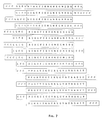
- the influenza fusion peptide used for preparation of synthetic membrane vesicles was obtained by chemical synthesis. Any one of the aminoacid sequences listed in Fig.2 may be used. The arrangement of at least one, preferably three, cystein groups at one end of the respective sequence has been found useful for the fusion activity.
- the vesicles containing one of the above fusion peptides have been prepared as follows: 9 mg of phosphatidylcholine and 1 mg of phosphatidylethanolamine per ml were dissolved in a 2:1 mixture of chloroform and methanol. 28 ml of this solution were carefully evaporated by applying a vacuum in a rotary evaporator forming a thin phospholipid layer on the inner surface of a round-bottom flask.
- the container was then shaken in such a way that the content moved twice per second from one end to the other.
- the suspension was aspirated with a thin pipette and transferred to a new container with 2.4 g of polystyrene beaded microcarriers of the same size.
- the container was shaken for 30 minutes. This procedure was repeated twice.
- the resulting solution was removed from the beads, fixed in a waterbath and treated with an ultrasonification apparatus (Bransonic, Branson Europe BV, frequency 50 kHz ⁇ 10%). 10 seconds of ultrasonic shocks repeated twice, after intervals of 10 seconds each, yielded medium size vesicles with a diameter of about 50-100 nm.
- Example 6 was repeated with the following modifications: 2 ml of a solution containing 2 »g of a synthetic fusion peptide and 2 ml containing 100 »g of Anti-Leu 3A were added to the pellet containing the vesicles. The resuspended material was carefully shaken for a few seconds every 5 minutes during one hour at room temperature. Finally, the material was pelletted again (to remove non-bonded fusion and cell specific peptides) by ultracentrifugation at 100,000 x g for 10 minutes. The pellet was resuspended in 200 ml of physiological NaCl solution.
- Vesicles according to Examples 1 through 4 were prepared with the fusion peptide or hemagglutinin from rhabdoviruses, parainfluenzaviruses or togaviruses.
- Antiviral drugs were prepared according to Example 1. hu-PBL-SCID mice were treated for 14 days with ribonuclease dimer for 10 days alternatively with a phosphate buffer solution (blank test) only, with dextran sulfate or ribonuclease dimer (prepared according to Example 1 of PCT/US90/00141) at three dose levels, with dextran sulfate in liposomes, or ribonuclease dimer in liposomes, both latter prepared according to Example 1 of the present invention. Treatment was initiated at the same time as virus challenge with 100 TCID50 of HIV-1 IIIB .
- hu-PBL-SCID mice were assessed for evidence of viral infection (virus isolation, PCR detection of proviral sequences) at 2, 4, and 6 weeks following viral infection.
- the results of the study show the percentage of animals in each treatment group from which virus was isolated: phosphate buffer solution (blank test) 80% ribonuclease dimer 0.001 mg/kg 92% ribonuclease dimer 0.1 mg/kg 30% ribonuclease dimer 10.0 mg/kg 63% dextran sulfate 10 mg/kg 33% dextran sulfate 10 mg/kg in liposomes 14% ribonuclease dimer in liposomes 25%
- mice with poorly functioning human PBL grafts at the end of the experiment are excluded from analysis, although it appears from analysis of human immunoglobulin levels and ⁇ -globin PCR results that treatment with either ribonuclease dimer liposomes or dextran sulfate liposomes interfered with the survival of human cells.
- Exclusion of hu-PBL-SCID mice on the basis of human function allows some distinction between direct anti-viral effects and immunomodulatory activity.
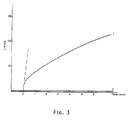
- Fig.3 shows the kinetics of fluorescence de-quenching of R18-labelled influenza A virus with DOPC-cholesterol liposomes. The increase in fluorescence is expressed in % FDQ, calculated according to Lüscher & Reference (see above).
- Curve 2 corresponds to the fusion activity of vesicles prepared according to the method of Kawasaki et al.
Landscapes
- Health & Medical Sciences (AREA)
- Chemical & Material Sciences (AREA)
- Life Sciences & Earth Sciences (AREA)
- Animal Behavior & Ethology (AREA)
- Veterinary Medicine (AREA)
- Public Health (AREA)
- General Health & Medical Sciences (AREA)
- Medicinal Chemistry (AREA)
- Pharmacology & Pharmacy (AREA)
- Epidemiology (AREA)
- Bioinformatics & Cheminformatics (AREA)
- Engineering & Computer Science (AREA)
- Dispersion Chemistry (AREA)
- Immunology (AREA)
- Virology (AREA)
- Chemical Kinetics & Catalysis (AREA)
- Cell Biology (AREA)
- Organic Chemistry (AREA)
- Nuclear Medicine, Radiotherapy & Molecular Imaging (AREA)
- General Chemical & Material Sciences (AREA)
- Molecular Biology (AREA)
- Oncology (AREA)
- Communicable Diseases (AREA)
- Tropical Medicine & Parasitology (AREA)
- AIDS & HIV (AREA)
- Medicinal Preparation (AREA)
- Medicines That Contain Protein Lipid Enzymes And Other Medicines (AREA)
- Medicines Containing Antibodies Or Antigens For Use As Internal Diagnostic Agents (AREA)
- Peptides Or Proteins (AREA)
- Acyclic And Carbocyclic Compounds In Medicinal Compositions (AREA)
- Pharmaceuticals Containing Other Organic And Inorganic Compounds (AREA)
- Manufacturing Of Micro-Capsules (AREA)
- Medicines Containing Material From Animals Or Micro-Organisms (AREA)
- Feedback Control In General (AREA)
- Fittings On The Vehicle Exterior For Carrying Loads, And Devices For Holding Or Mounting Articles (AREA)
- Measurement And Recording Of Electrical Phenomena And Electrical Characteristics Of The Living Body (AREA)
Claims (15)
- Vésicule de couche double de phospholipides comprenant des marqueurs spécifiques des cellules sur la membrane et contenant au moins un médicament ou une substance pharmaceutiquement active désirée, caractérisée en ce que les marqueurs spécifiques des cellules ont une activité biologique, mesurée selon Luescher & Glueck, Antiviral Research 14, 39-50, d'au moins 90 %.
- Vésicule selon la revendication 1, caractérisée en ce que la teneur en cholestérol de la membrane est inférieure à 10 %, de préférence inférieure à 2 % en poids, et/ou la teneur en détergent de la membrane est inférieure à 10, de préférence inférieure à une partie par milliard (ppb).
- Vésicule selon les revendications 1 ou 2, caractérisée en ce que son diamètre est inférieur à 100 nm et est de préférence d'environ 80 nm.
- Vésicule selon l'une quelconque des revendications précédentes, caractérisée en ce que les marqueurs spécifiques des cellules comprennent au moins un anticorps, de préférence monoclonal.
- Vésicule selon l'une quelconque des revendications précédentes, caractérisée en ce que les marqueurs spécifiques des cellules sont choisis parmi le groupe constitué de l'hémagglutinine trimère ou monomère, d'une de ses sous-unités coupées ou des deux, des glycopeptides HA1 et HA2, d'un peptide de fusion isolé de sources naturelles, d'un "peptide de fusion" synthétique.
- Vésicule selon la revendication 5, caractérisée en ce que l'hémagglutinine provient d'au moins un membre du groupe constitué du virus de l'influenza, de préférence du sous-type A-H₁N₁, du rhabdovirus, du virus du parainfluenza et du togavirus.
- Vésicule selon l'une quelconque des revendications 1 à 3, caractérisée en ce que les marqueurs spécifiques des cellules comprennent au moins un peptide de fusion sous la forme d'une séquence d'aminoacides, au moins une extrémité de la séquence étant formée par au moins un groupe cystéine, de préférence par trois groupes cystéine.
- Vésicule selon l'une quelconque des revendications précédentes, dans laquelle le phospholipide provient d'au moins un membre du groupe constitué du virus de l'influenza, de préférence du sous-type A-H₁N₁, du rhabdovirus, du virus du parainfluenza et du togavirus, en association avec une quantité 2 à 100 fois, de préférence 5 à 15 fois supérieure de phosphatidylcholine.
- Vésicule selon l'une quelconque des revendications précédentes, caractérisée en ce que- le phospholipide de la membrane comprend 70 à 95 % en poids de phosphatidylcholine et 5 à 30, de préférence 10 à 20 % en poids de phosphatidyl éthanolamine ;- de 5 à 10, de préférence de 6 à 8 % en poids d'un agent de réticulation, de préférence un dérivé sulfosuccinimidylé, et au moins un peptide de fusion spécifique des cellules, sont liés à la membrane.
- Procédé pour la préparation de vésicules à double couche de phospholipides contenant des peptides de fusion et, si on le désire, d'autres marqueurs spécifiques des cellules, sur la membrane, et contenant en outre au moins un médicament ou une substance pharmaceutiquement active désirés, comprenant les stades consistant à :a) dissoudre les phospholipides, de préférence avec les peptides de fusion, en présence d'un détergent,b) ajouter le médicament ou la substance désirée,c) éliminer le détergent, provoquant ainsi la formation de vésicules,d) traiter les vésicules pour obtenir la taille désirée,e) ajouter les peptides de fusion à moins qu'ils n'aient été prévus en a) etf) si on le désire, ajouter d'autres marqueurs spécifiques des cellules, de préférence en association avec un agent de réticulation,caractérisé en ce qu'on utilise un détergent non ionique, de préférence l'éther monododécylique de l'octaéthylène-glycol, qui ne réagit pas avec l'hémagglutinine, en ce que le détergent est éliminé par des traitements répétés par des microsupports de perles de polystyrène et en ce que la taille désirée pour les vésicules est obtenue par traitement par les ultrasons.
- Procédé selon la revendication 10, caractérisé en ce que le détergent utilisé a une concentration comprise entre 10 et 250, de préférence entre 80 et 120 »moles/ml ; et/ou en ce que le détergent est éliminé par application de 1 à 2, de préférence d'environ 1,5 g de microsupports de perles de polystyrène pour 100 mg de détergent, les microsupports ayant de préférence une granularité, au mouillé, de 20 à 50 ; et/ou en ce que la taille désirée pour les vésicules est de 50 à 100 nm de diamètre.
- Utilisation de vésicules selon l'une quelconque des revendications 1 à 9, ou préparées selon les revendications 10 ou 11, pour la préparation d'un produit pharmaceutique contre le SIDA.
- Utilisation selon la revendication 12, dans laquelle les vésicules contiennent au moins une des substances suivantes : sulfate de dextrane, dimère de la ribonucléase, dimère du lyzozyme.
- Utilisation des vésicules selon l'une quelconque des revendications 1 à 9, ou préparées selon les revendications 10 ou 11, pour la préparation d'un produit pharmaceutique contre les cancers.
- Utilisation selon la revendication 14, dans laquelle les vésicules contiennent au moins une des substances suivantes : imidazol-carboxamide, hydroxy-urée, adriplastine, endoxane, fluoro-uracile, colchicine.
Priority Applications (24)
| Application Number | Priority Date | Filing Date | Title |
|---|---|---|---|
| PL29638291A PL296382A1 (en) | 1991-02-02 | 1991-01-17 | Artificial membrane beads containing functionally active peptides responsible for fusion as a drug administering system |
| DE69111414T DE69111414T2 (de) | 1991-02-02 | 1991-02-02 | Funktionell aktive Fusionspeptide enthaltende synthetische Membranvesikeln als Arzneistoffabgabesysteme. |
| DK91101414.0T DK0497997T3 (da) | 1991-02-02 | 1991-02-02 | Syntetiske membranvesikler indeholdende funktionelt aktive fusionspeptider som systemer til afgivelse af lægemidler |
| ES91101414T ES2077086T3 (es) | 1991-02-02 | 1991-02-02 | Vesiculas de membrana sintetica que contienen peptidos de fusion funcionalmente activos como sistemas de suministro de farmacos. |
| AT91101414T ATE125154T1 (de) | 1991-02-02 | 1991-02-02 | Funktionell aktive fusionspeptide enthaltende synthetische membranvesikeln als arzneistoffabgabesysteme. |
| EP91101414A EP0497997B1 (fr) | 1991-02-02 | 1991-02-02 | Vésicules membranaires synthétiques contenant des peptides de fusion fonctionellement actifs comme systèmes de délivrance d'un médicament |
| RO92-01271A RO114736B1 (ro) | 1991-02-02 | 1992-01-17 | Vezicule de membrane continand markeri specifici celulari, functional activi, si procedee pentru producerea acestora |
| US07/930,593 US6040167A (en) | 1991-02-02 | 1992-01-17 | Synthetic membrane vesicles containing functionally active fusion peptides as drug delivery systems |
| GEAP19921215A GEP20002229B (en) | 1991-02-02 | 1992-01-17 | Synthetic Membrane Vesicles, Method for Obtaining and Application of the Same |
| CA002079685A CA2079685C (fr) | 1991-02-02 | 1992-01-17 | Vesicules a membrane synthetique contenant des peptides de fusion fonctionnellement actives en tant que systeme d'administration de medicaments |
| AU11693/92A AU657730B2 (en) | 1991-02-02 | 1992-01-17 | Synthetic membrane vesicles containing functionally active fusion peptides as drug delivery systems |
| HU9900125A HU219353B (en) | 1991-02-02 | 1992-01-17 | Synthetic membrane vesicles as vehicles containing functionally active fusional peptides and pharmaceutical compositions comprising them |
| JP50347192A JP3404037B2 (ja) | 1991-02-02 | 1992-01-17 | 薬剤供給システムとしての機能的活性融合ペプチドを含む人工膜小胞 |
| PCT/EP1992/000089 WO1992013525A1 (fr) | 1991-02-02 | 1992-01-17 | Vesicules membraneuses synthetiques dans lesquelles des peptides de fusion fonctionnellement actifs assurent l'acheminement de la substance medicamenteuse |
| HU9203141A HU215533B (hu) | 1991-02-02 | 1992-01-17 | Eljárás funkcionálisan aktív fúziós peptideket tartalmazó szintetikus membrán hólyagocskák mint gyógyszerszállító rendszerek és ezeket tartalmazó gyógyászati készítmények előállítására |
| PL92296382A PL170169B1 (en) | 1991-02-02 | 1992-01-17 | Artificial membrane beads containing functionally active peptides responsible for fusion as a drug administering system |
| BR929204116A BR9204116A (pt) | 1991-02-02 | 1992-01-17 | Vesiculas de membrana sintetica contendo peptideos de fusao funcionalmente ativos como sistema de suprimento de drogas |
| SU5053247A RU2125868C1 (ru) | 1991-02-02 | 1992-01-17 | Синтетические мембранные везикулы, содержащие функционально активные слитые пептиды как системы для введения лекарственных средств, способ из получения, применение для изготовления лекарственных средств против спида |
| NO923703A NO306194B1 (no) | 1991-02-02 | 1992-09-24 | Tolags fosfolipidvesikkel, fremgangsmåte til fremstilling og anvendelse derav, samt farmasöytisk preparat som omfatter vesikkelen |
| BG96928A BG61215B1 (en) | 1991-02-02 | 1992-09-29 | Synthetic membrane vesicles containing functionally active fusion peptides as drug delivery systems |
| FI924418A FI109969B (fi) | 1991-02-02 | 1992-10-01 | Menetelmä fosfolipidikaksikerrosrakkuloiden valmistamiseksi |
| KR1019920702402A KR100205693B1 (en) | 1991-02-02 | 1992-10-01 | Synthetic membrane vesicles containing functionally active fusion peptides as drug delivery systems |
| GR950402607T GR3017490T3 (en) | 1991-02-02 | 1995-09-21 | Synthetic membrane vesicles containing functionally active fusion peptides as drug delivery systems. |
| HK56696A HK56696A (en) | 1991-02-02 | 1996-03-28 | Synthetic membrane vesicles containing functionally active fusion peptides as drug delivery systems |
Applications Claiming Priority (1)
| Application Number | Priority Date | Filing Date | Title |
|---|---|---|---|
| EP91101414A EP0497997B1 (fr) | 1991-02-02 | 1991-02-02 | Vésicules membranaires synthétiques contenant des peptides de fusion fonctionellement actifs comme systèmes de délivrance d'un médicament |
Publications (2)
| Publication Number | Publication Date |
|---|---|
| EP0497997A1 EP0497997A1 (fr) | 1992-08-12 |
| EP0497997B1 true EP0497997B1 (fr) | 1995-07-19 |
Family
ID=8206362
Family Applications (1)
| Application Number | Title | Priority Date | Filing Date |
|---|---|---|---|
| EP91101414A Expired - Lifetime EP0497997B1 (fr) | 1991-02-02 | 1991-02-02 | Vésicules membranaires synthétiques contenant des peptides de fusion fonctionellement actifs comme systèmes de délivrance d'un médicament |
Country Status (22)
| Country | Link |
|---|---|
| US (1) | US6040167A (fr) |
| EP (1) | EP0497997B1 (fr) |
| JP (1) | JP3404037B2 (fr) |
| KR (1) | KR100205693B1 (fr) |
| AT (1) | ATE125154T1 (fr) |
| AU (1) | AU657730B2 (fr) |
| BG (1) | BG61215B1 (fr) |
| BR (1) | BR9204116A (fr) |
| CA (1) | CA2079685C (fr) |
| DE (1) | DE69111414T2 (fr) |
| DK (1) | DK0497997T3 (fr) |
| ES (1) | ES2077086T3 (fr) |
| FI (1) | FI109969B (fr) |
| GE (1) | GEP20002229B (fr) |
| GR (1) | GR3017490T3 (fr) |
| HK (1) | HK56696A (fr) |
| HU (1) | HU215533B (fr) |
| NO (1) | NO306194B1 (fr) |
| PL (2) | PL296382A1 (fr) |
| RO (1) | RO114736B1 (fr) |
| RU (1) | RU2125868C1 (fr) |
| WO (1) | WO1992013525A1 (fr) |
Families Citing this family (24)
| Publication number | Priority date | Publication date | Assignee | Title |
|---|---|---|---|---|
| US5603872A (en) * | 1991-02-14 | 1997-02-18 | Baxter International Inc. | Method of binding recognizing substances to liposomes |
| DK0525132T3 (da) * | 1991-02-14 | 1996-02-05 | Baxter Int | Binding af genkendende stoffer til liposomer |
| US7097839B1 (en) * | 1993-10-26 | 2006-08-29 | Thomas Jefferson University | ST receptor binding compounds and methods of using the same |
| US5879656A (en) * | 1993-10-26 | 1999-03-09 | Thomas Jefferson University | Methods of treating metastatic colorectal cancer with ST receptor binding compounds |
| WO1995032706A1 (fr) * | 1994-05-31 | 1995-12-07 | Inex Pharmaceuticals Corp. | Virosomes comme vecteur pour introduire des agents therapeutiques a l'interieur de cellules |
| US6861053B1 (en) * | 1999-08-11 | 2005-03-01 | Cedars-Sinai Medical Center | Methods of diagnosing or treating irritable bowel syndrome and other disorders caused by small intestinal bacterial overgrowth |
| US5908777A (en) * | 1995-06-23 | 1999-06-01 | University Of Pittsburgh | Lipidic vector for nucleic acid delivery |
| AU6691496A (en) * | 1995-08-01 | 1997-02-26 | Advanced Therapies, Inc. | Enhanced artificial viral envelopes for cellular delivery of therapeutic substances |
| CZ299809B6 (cs) * | 1996-05-08 | 2008-12-03 | Nika Health Products Limited | Lipidový vácek mající kladne nabitou membránu z lipidové dvojvrstvy pro prenos genetického materiálu a zpusob jeho prípravy |
| EP1141007B1 (fr) * | 1998-12-14 | 2013-05-15 | Dendreon Corporation | Compositions et procedes d'amelioration de la presentation d'antigene restreints du complexe majeur d'histocompatibilite de classe i |
| US7148324B1 (en) | 1998-12-14 | 2006-12-12 | Dendreon Corporation | Compositions and methods for enhancement of major histocompatibility complex class I restricted antigen presentation |
| JP2004513059A (ja) | 1998-12-24 | 2004-04-30 | ユセベ,ソシエテ アノニム | ペプチド産物、方法及び組成物 |
| MXPA02001417A (es) * | 1999-08-09 | 2002-08-12 | Lexigen Pharm Corp | Complejos multiples de citosina-anticuerpo. |
| CZ20021216A3 (cs) * | 1999-10-08 | 2002-10-16 | Nika Health Products Limited | Lipidové váčky obsahující DOSPER |
| JP4112860B2 (ja) * | 1999-12-17 | 2008-07-02 | ショット アクチエンゲゼルシャフト | 乗員の拘束システムの誘導作動式点火カプセルおよび点火カプセル用のテスト回路 |
| US20040028687A1 (en) * | 2002-01-15 | 2004-02-12 | Waelti Ernst Rudolf | Methods and compositions for the targeted delivery of therapeutic substances to specific cells and tissues |
| US20040176283A1 (en) * | 2002-04-01 | 2004-09-09 | Robinson John A. | Methods and compositions for the design of synthetic vaccines |
| AU2003233981A1 (en) * | 2002-04-29 | 2003-11-17 | Biotesys Gmbh | Transport system in biological systems |
| EP1447080A1 (fr) * | 2003-02-13 | 2004-08-18 | Bestewil Holding B.V. | Procéde de production de particules de type virosome |
| US8658203B2 (en) | 2004-05-03 | 2014-02-25 | Merrimack Pharmaceuticals, Inc. | Liposomes useful for drug delivery to the brain |
| LT3173073T (lt) | 2004-05-03 | 2025-01-10 | Ipsen Biopharm Ltd. | Liposomos, skirtos vaistų pristatymui |
| WO2007048019A2 (fr) * | 2005-10-20 | 2007-04-26 | The Penn State Research Foundation | Systeme d'administration d'agents de diagnostic et therapeutiques |
| WO2009016433A2 (fr) * | 2006-09-15 | 2009-02-05 | Ottawa Health Research Institute | Rhabdovirus oncolytique |
| EP4647126A3 (fr) | 2015-10-16 | 2026-02-11 | Ipsen Biopharm Ltd. | Stabilisation de compositions pharmaceutiques de camptothecine |
Family Cites Families (7)
| Publication number | Priority date | Publication date | Assignee | Title |
|---|---|---|---|---|
| DE3173713D1 (en) * | 1980-09-05 | 1986-03-20 | Frappier Armand Inst | Formation of an immunosome exclusively made of viral antigens reconstituted on an artificial membrane |
| US4871488A (en) * | 1985-04-22 | 1989-10-03 | Albany Medical College Of Union University | Reconstituting viral glycoproteins into large phospholipid vesicles |
| US4663161A (en) * | 1985-04-22 | 1987-05-05 | Mannino Raphael J | Liposome methods and compositions |
| US5000960A (en) * | 1987-03-13 | 1991-03-19 | Micro-Pak, Inc. | Protein coupling to lipid vesicles |
| IL86650A0 (en) * | 1987-06-30 | 1988-11-30 | Biophor Corp | Animal derived cells and liposomes,having an antigenic protein incorporated into their membrane |
| AU6358890A (en) * | 1989-09-01 | 1991-04-08 | Board Of Regents, The University Of Texas System | Immunoliposomes for transmittal of activating signals to cells |
| AU652778B2 (en) * | 1990-10-15 | 1994-09-08 | Quest International B.V. | Treatment composition |
-
1991
- 1991-01-17 PL PL29638291A patent/PL296382A1/xx unknown
- 1991-02-02 AT AT91101414T patent/ATE125154T1/de not_active IP Right Cessation
- 1991-02-02 DE DE69111414T patent/DE69111414T2/de not_active Expired - Fee Related
- 1991-02-02 EP EP91101414A patent/EP0497997B1/fr not_active Expired - Lifetime
- 1991-02-02 ES ES91101414T patent/ES2077086T3/es not_active Expired - Lifetime
- 1991-02-02 DK DK91101414.0T patent/DK0497997T3/da active
-
1992
- 1992-01-17 WO PCT/EP1992/000089 patent/WO1992013525A1/fr not_active Ceased
- 1992-01-17 GE GEAP19921215A patent/GEP20002229B/en unknown
- 1992-01-17 RU SU5053247A patent/RU2125868C1/ru not_active IP Right Cessation
- 1992-01-17 AU AU11693/92A patent/AU657730B2/en not_active Ceased
- 1992-01-17 CA CA002079685A patent/CA2079685C/fr not_active Expired - Fee Related
- 1992-01-17 RO RO92-01271A patent/RO114736B1/ro unknown
- 1992-01-17 US US07/930,593 patent/US6040167A/en not_active Expired - Fee Related
- 1992-01-17 JP JP50347192A patent/JP3404037B2/ja not_active Expired - Fee Related
- 1992-01-17 HU HU9203141A patent/HU215533B/hu not_active IP Right Cessation
- 1992-01-17 BR BR929204116A patent/BR9204116A/pt not_active Application Discontinuation
- 1992-01-17 PL PL92296382A patent/PL170169B1/pl not_active IP Right Cessation
- 1992-09-24 NO NO923703A patent/NO306194B1/no not_active IP Right Cessation
- 1992-09-29 BG BG96928A patent/BG61215B1/bg unknown
- 1992-10-01 KR KR1019920702402A patent/KR100205693B1/ko not_active Expired - Fee Related
- 1992-10-01 FI FI924418A patent/FI109969B/fi active
-
1995
- 1995-09-21 GR GR950402607T patent/GR3017490T3/el unknown
-
1996
- 1996-03-28 HK HK56696A patent/HK56696A/en not_active IP Right Cessation
Also Published As
| Publication number | Publication date |
|---|---|
| GEP20002229B (en) | 2000-09-25 |
| JPH05505406A (ja) | 1993-08-12 |
| RO114736B1 (ro) | 1999-07-30 |
| AU657730B2 (en) | 1995-03-23 |
| KR100205693B1 (en) | 1999-07-01 |
| JP3404037B2 (ja) | 2003-05-06 |
| NO306194B1 (no) | 1999-10-04 |
| AU1169392A (en) | 1992-09-07 |
| FI109969B (fi) | 2002-11-15 |
| BG96928A (bg) | 1994-03-24 |
| GR3017490T3 (en) | 1995-12-31 |
| HU215533B (hu) | 1999-01-28 |
| CA2079685C (fr) | 2001-11-27 |
| FI924418A7 (fi) | 1993-04-03 |
| RU2125868C1 (ru) | 1999-02-10 |
| FI924418A0 (fi) | 1992-10-01 |
| DE69111414D1 (de) | 1995-08-24 |
| PL170169B1 (en) | 1996-10-31 |
| NO923703L (no) | 1992-11-26 |
| HK56696A (en) | 1996-04-12 |
| ATE125154T1 (de) | 1995-08-15 |
| NO923703D0 (no) | 1992-09-24 |
| PL296382A1 (en) | 1993-11-02 |
| US6040167A (en) | 2000-03-21 |
| HU9203141D0 (en) | 1992-12-28 |
| HUT66194A (en) | 1994-10-28 |
| BG61215B1 (en) | 1997-03-31 |
| BR9204116A (pt) | 1993-06-08 |
| ES2077086T3 (es) | 1995-11-16 |
| DE69111414T2 (de) | 1996-02-01 |
| CA2079685A1 (fr) | 1992-08-03 |
| WO1992013525A1 (fr) | 1992-08-20 |
| EP0497997A1 (fr) | 1992-08-12 |
| DK0497997T3 (da) | 1995-11-27 |
Similar Documents
| Publication | Publication Date | Title |
|---|---|---|
| EP0497997B1 (fr) | Vésicules membranaires synthétiques contenant des peptides de fusion fonctionellement actifs comme systèmes de délivrance d'un médicament | |
| H. Ucisik et al. | Emulsomes meet S-layer proteins: an emerging targeted drug delivery system | |
| Karunakaran et al. | Emerging trends in lipid-based vaccine delivery: a special focus on developmental strategies, fabrication methods, and applications | |
| US7205273B2 (en) | Fusogenic liposomes | |
| Huckriede et al. | Influenza virosomes in vaccine development | |
| US4148876A (en) | Biological preparations | |
| AU4221489A (en) | Affinity associated vaccine | |
| WO1997038010A9 (fr) | Liposomes entrainant une fusion | |
| Kalra et al. | Virosomes: as a drug delivery carrier | |
| JP2001523216A (ja) | 新規のアジュバント組成物と、それからなるワクチン製剤 | |
| de Jonge et al. | Use of a dialyzable short-chain phospholipid for efficient solubilization and reconstitution of influenza virus envelopes | |
| Krasnopolsky et al. | Licensed liposomal vaccines and adjuvants in the antigen delivery system | |
| CA1079634A (fr) | Antigenes fixes a la surface externe de microvesicules | |
| US5897873A (en) | Affinity associated vaccine | |
| Rathore et al. | Virosomes: a novel vaccination technology | |
| DE69127975T2 (de) | Impfstoffe | |
| HU219353B (en) | Synthetic membrane vesicles as vehicles containing functionally active fusional peptides and pharmaceutical compositions comprising them | |
| Singh et al. | Virosomes: A Drug Delivery System | |
| WO1990001947A1 (fr) | Vaccin a affinite associee | |
| Singh et al. | 24 Virosomes | |
| Sugahara et al. | Preparation of cationic immunovesicles containing cationic peptide lipid for specific drug delivery to target cells | |
| CA1334165C (fr) | Vaccin avec antigenes associes par affinite |
Legal Events
| Date | Code | Title | Description |
|---|---|---|---|
| PUAI | Public reference made under article 153(3) epc to a published international application that has entered the european phase |
Free format text: ORIGINAL CODE: 0009012 |
|
| 17P | Request for examination filed |
Effective date: 19910202 |
|
| AK | Designated contracting states |
Kind code of ref document: A1 Designated state(s): AT BE CH DE DK ES FR GB GR IT LI LU NL SE |
|
| 17Q | First examination report despatched |
Effective date: 19940329 |
|
| GRAA | (expected) grant |
Free format text: ORIGINAL CODE: 0009210 |
|
| AK | Designated contracting states |
Kind code of ref document: B1 Designated state(s): AT BE CH DE DK ES FR GB GR IT LI LU NL SE |
|
| REF | Corresponds to: |
Ref document number: 125154 Country of ref document: AT Date of ref document: 19950815 Kind code of ref document: T |
|
| REF | Corresponds to: |
Ref document number: 69111414 Country of ref document: DE Date of ref document: 19950824 |
|
| ITF | It: translation for a ep patent filed | ||
| ET | Fr: translation filed | ||
| REG | Reference to a national code |
Ref country code: ES Ref legal event code: FG2A Ref document number: 2077086 Country of ref document: ES Kind code of ref document: T3 |
|
| REG | Reference to a national code |
Ref country code: DK Ref legal event code: T3 |
|
| REG | Reference to a national code |
Ref country code: GR Ref legal event code: FG4A Free format text: 3017490 |
|
| PLBE | No opposition filed within time limit |
Free format text: ORIGINAL CODE: 0009261 |
|
| STAA | Information on the status of an ep patent application or granted ep patent |
Free format text: STATUS: NO OPPOSITION FILED WITHIN TIME LIMIT |
|
| 26N | No opposition filed | ||
| REG | Reference to a national code |
Ref country code: GB Ref legal event code: IF02 |
|
| PGFP | Annual fee paid to national office [announced via postgrant information from national office to epo] |
Ref country code: LU Payment date: 20090225 Year of fee payment: 19 Ref country code: ES Payment date: 20090205 Year of fee payment: 19 Ref country code: DK Payment date: 20090224 Year of fee payment: 19 Ref country code: AT Payment date: 20090224 Year of fee payment: 19 |
|
| PGFP | Annual fee paid to national office [announced via postgrant information from national office to epo] |
Ref country code: DE Payment date: 20090227 Year of fee payment: 19 Ref country code: NL Payment date: 20090226 Year of fee payment: 19 |
|
| PGFP | Annual fee paid to national office [announced via postgrant information from national office to epo] |
Ref country code: GR Payment date: 20090225 Year of fee payment: 19 Ref country code: CH Payment date: 20090226 Year of fee payment: 19 Ref country code: GB Payment date: 20090223 Year of fee payment: 19 |
|
| PGFP | Annual fee paid to national office [announced via postgrant information from national office to epo] |
Ref country code: BE Payment date: 20090302 Year of fee payment: 19 |
|
| PGFP | Annual fee paid to national office [announced via postgrant information from national office to epo] |
Ref country code: IT Payment date: 20090219 Year of fee payment: 19 Ref country code: SE Payment date: 20090223 Year of fee payment: 19 |
|
| PGFP | Annual fee paid to national office [announced via postgrant information from national office to epo] |
Ref country code: FR Payment date: 20090219 Year of fee payment: 19 |
|
| BERE | Be: lapsed |
Owner name: *NIKA HEALTH PRODUCTS LTD Effective date: 20100228 |
|
| REG | Reference to a national code |
Ref country code: NL Ref legal event code: V1 Effective date: 20100901 |
|
| REG | Reference to a national code |
Ref country code: CH Ref legal event code: PL |
|
| REG | Reference to a national code |
Ref country code: DK Ref legal event code: EBP |
|
| EUG | Se: european patent has lapsed | ||
| GBPC | Gb: european patent ceased through non-payment of renewal fee |
Effective date: 20100202 |
|
| PG25 | Lapsed in a contracting state [announced via postgrant information from national office to epo] |
Ref country code: LI Free format text: LAPSE BECAUSE OF NON-PAYMENT OF DUE FEES Effective date: 20100228 Ref country code: CH Free format text: LAPSE BECAUSE OF NON-PAYMENT OF DUE FEES Effective date: 20100228 |
|
| REG | Reference to a national code |
Ref country code: FR Ref legal event code: ST Effective date: 20101029 |
|
| PG25 | Lapsed in a contracting state [announced via postgrant information from national office to epo] |
Ref country code: AT Free format text: LAPSE BECAUSE OF NON-PAYMENT OF DUE FEES Effective date: 20100202 |
|
| PG25 | Lapsed in a contracting state [announced via postgrant information from national office to epo] |
Ref country code: FR Free format text: LAPSE BECAUSE OF NON-PAYMENT OF DUE FEES Effective date: 20100301 Ref country code: DK Free format text: LAPSE BECAUSE OF NON-PAYMENT OF DUE FEES Effective date: 20100228 Ref country code: NL Free format text: LAPSE BECAUSE OF NON-PAYMENT OF DUE FEES Effective date: 20100901 |
|
| PG25 | Lapsed in a contracting state [announced via postgrant information from national office to epo] |
Ref country code: DE Free format text: LAPSE BECAUSE OF NON-PAYMENT OF DUE FEES Effective date: 20100901 Ref country code: BE Free format text: LAPSE BECAUSE OF NON-PAYMENT OF DUE FEES Effective date: 20100228 |
|
| REG | Reference to a national code |
Ref country code: ES Ref legal event code: FD2A Effective date: 20110228 |
|
| PG25 | Lapsed in a contracting state [announced via postgrant information from national office to epo] |
Ref country code: IT Free format text: LAPSE BECAUSE OF NON-PAYMENT OF DUE FEES Effective date: 20100202 Ref country code: GB Free format text: LAPSE BECAUSE OF NON-PAYMENT OF DUE FEES Effective date: 20100202 |
|
| PG25 | Lapsed in a contracting state [announced via postgrant information from national office to epo] |
Ref country code: ES Free format text: LAPSE BECAUSE OF NON-PAYMENT OF DUE FEES Effective date: 20110203 |
|
| PG25 | Lapsed in a contracting state [announced via postgrant information from national office to epo] |
Ref country code: SE Free format text: LAPSE BECAUSE OF NON-PAYMENT OF DUE FEES Effective date: 20100203 Ref country code: LU Free format text: LAPSE BECAUSE OF NON-PAYMENT OF DUE FEES Effective date: 20100202 |