EP0673424B1 - 2-acyltransferase kodierende dna - Google Patents
2-acyltransferase kodierende dna Download PDFInfo
- Publication number
- EP0673424B1 EP0673424B1 EP94902058A EP94902058A EP0673424B1 EP 0673424 B1 EP0673424 B1 EP 0673424B1 EP 94902058 A EP94902058 A EP 94902058A EP 94902058 A EP94902058 A EP 94902058A EP 0673424 B1 EP0673424 B1 EP 0673424B1
- Authority
- EP
- European Patent Office
- Prior art keywords
- dna
- protein
- dna sequence
- sequence
- acyltransferase
- Prior art date
- Legal status (The legal status is an assumption and is not a legal conclusion. Google has not performed a legal analysis and makes no representation as to the accuracy of the status listed.)
- Expired - Lifetime
Links
- 102000004190 Enzymes Human genes 0.000 claims abstract description 22
- 108090000790 Enzymes Proteins 0.000 claims abstract description 22
- 230000009261 transgenic effect Effects 0.000 claims abstract description 6
- 108090000623 proteins and genes Proteins 0.000 claims description 56
- 102000004169 proteins and genes Human genes 0.000 claims description 36
- 108091028043 Nucleic acid sequence Proteins 0.000 claims description 26
- 108020004414 DNA Proteins 0.000 claims description 22
- 230000000694 effects Effects 0.000 claims description 13
- 230000014509 gene expression Effects 0.000 claims description 13
- 150000007523 nucleic acids Chemical group 0.000 claims description 9
- 239000012528 membrane Substances 0.000 claims description 8
- 230000000692 anti-sense effect Effects 0.000 claims description 6
- 238000009396 hybridization Methods 0.000 claims description 6
- 108020004511 Recombinant DNA Proteins 0.000 claims description 5
- 108090000994 Catalytic RNA Proteins 0.000 claims description 4
- 102000053642 Catalytic RNA Human genes 0.000 claims description 4
- 230000000295 complement effect Effects 0.000 claims description 4
- 239000002773 nucleotide Substances 0.000 claims description 4
- 125000003729 nucleotide group Chemical group 0.000 claims description 4
- 108091092562 ribozyme Proteins 0.000 claims description 4
- 230000002068 genetic effect Effects 0.000 claims description 3
- 229940094991 herring sperm dna Drugs 0.000 claims description 3
- 230000000813 microbial effect Effects 0.000 claims description 3
- FQENQNTWSFEDLI-UHFFFAOYSA-J sodium diphosphate Chemical compound [Na+].[Na+].[Na+].[Na+].[O-]P([O-])(=O)OP([O-])([O-])=O FQENQNTWSFEDLI-UHFFFAOYSA-J 0.000 claims description 3
- 235000019818 tetrasodium diphosphate Nutrition 0.000 claims description 3
- 239000012634 fragment Substances 0.000 claims description 2
- 238000005406 washing Methods 0.000 claims description 2
- 108091032973 (ribonucleotides)n+m Proteins 0.000 claims 3
- 241000196324 Embryophyta Species 0.000 abstract description 58
- 239000002299 complementary DNA Substances 0.000 abstract description 23
- 108700016155 Acyl transferases Proteins 0.000 abstract description 20
- DPUOLQHDNGRHBS-UHFFFAOYSA-N Brassidinsaeure Natural products CCCCCCCCC=CCCCCCCCCCCCC(O)=O DPUOLQHDNGRHBS-UHFFFAOYSA-N 0.000 abstract description 19
- URXZXNYJPAJJOQ-UHFFFAOYSA-N Erucic acid Natural products CCCCCCC=CCCCCCCCCCCCC(O)=O URXZXNYJPAJJOQ-UHFFFAOYSA-N 0.000 abstract description 19
- DPUOLQHDNGRHBS-KTKRTIGZSA-N erucic acid Chemical compound CCCCCCCC\C=C/CCCCCCCCCCCC(O)=O DPUOLQHDNGRHBS-KTKRTIGZSA-N 0.000 abstract description 19
- 240000008042 Zea mays Species 0.000 abstract description 16
- 235000016383 Zea mays subsp huehuetenangensis Nutrition 0.000 abstract description 14
- 235000002017 Zea mays subsp mays Nutrition 0.000 abstract description 14
- 235000009973 maize Nutrition 0.000 abstract description 14
- 102000057234 Acyl transferases Human genes 0.000 abstract description 13
- 240000002791 Brassica napus Species 0.000 abstract description 13
- 239000000758 substrate Substances 0.000 abstract description 10
- 235000006008 Brassica napus var napus Nutrition 0.000 abstract description 7
- 108700019146 Transgenes Proteins 0.000 abstract description 7
- 238000010367 cloning Methods 0.000 abstract description 7
- 241001072282 Limnanthes Species 0.000 abstract description 6
- 235000011293 Brassica napus Nutrition 0.000 abstract description 3
- 241001547351 Libyostrongylus douglassi Species 0.000 abstract description 3
- 235000007244 Zea mays Nutrition 0.000 abstract description 2
- 108020004635 Complementary DNA Proteins 0.000 abstract 1
- 241000588724 Escherichia coli Species 0.000 description 20
- 150000001413 amino acids Chemical class 0.000 description 19
- 150000002632 lipids Chemical class 0.000 description 17
- 210000004027 cell Anatomy 0.000 description 14
- 241000894007 species Species 0.000 description 14
- AWUCVROLDVIAJX-UHFFFAOYSA-N alpha-glycerophosphate Natural products OCC(O)COP(O)(O)=O AWUCVROLDVIAJX-UHFFFAOYSA-N 0.000 description 13
- WRGQSWVCFNIUNZ-GDCKJWNLSA-N 1-oleoyl-sn-glycerol 3-phosphate Chemical compound CCCCCCCC\C=C/CCCCCCCC(=O)OC[C@@H](O)COP(O)(O)=O WRGQSWVCFNIUNZ-GDCKJWNLSA-N 0.000 description 12
- 239000003921 oil Substances 0.000 description 12
- 235000019198 oils Nutrition 0.000 description 12
- PEDCQBHIVMGVHV-UHFFFAOYSA-N glycerol group Chemical group OCC(O)CO PEDCQBHIVMGVHV-UHFFFAOYSA-N 0.000 description 11
- HEDRZPFGACZZDS-UHFFFAOYSA-N Chloroform Chemical compound ClC(Cl)Cl HEDRZPFGACZZDS-UHFFFAOYSA-N 0.000 description 10
- 239000013612 plasmid Substances 0.000 description 10
- OKKJLVBELUTLKV-UHFFFAOYSA-N Methanol Chemical compound OC OKKJLVBELUTLKV-UHFFFAOYSA-N 0.000 description 9
- 150000004665 fatty acids Chemical class 0.000 description 9
- 239000013598 vector Substances 0.000 description 9
- 235000014113 dietary fatty acids Nutrition 0.000 description 8
- 239000000194 fatty acid Substances 0.000 description 8
- 229930195729 fatty acid Natural products 0.000 description 8
- 238000010348 incorporation Methods 0.000 description 8
- 150000003626 triacylglycerols Chemical class 0.000 description 8
- 238000000034 method Methods 0.000 description 7
- 150000003904 phospholipids Chemical class 0.000 description 5
- PORPENFLTBBHSG-MGBGTMOVSA-N 1,2-dihexadecanoyl-sn-glycerol-3-phosphate Chemical compound CCCCCCCCCCCCCCCC(=O)OC[C@H](COP(O)(O)=O)OC(=O)CCCCCCCCCCCCCCC PORPENFLTBBHSG-MGBGTMOVSA-N 0.000 description 4
- 101710124165 1-acyl-sn-glycerol-3-phosphate acyltransferase Proteins 0.000 description 4
- 101710097496 Lysophospholipid acyltransferase Proteins 0.000 description 4
- 229920002472 Starch Polymers 0.000 description 4
- 108700014220 acyltransferase activity proteins Proteins 0.000 description 4
- 125000003275 alpha amino acid group Chemical group 0.000 description 4
- 239000013604 expression vector Substances 0.000 description 4
- 239000003550 marker Substances 0.000 description 4
- 239000000523 sample Substances 0.000 description 4
- 235000019698 starch Nutrition 0.000 description 4
- 239000008107 starch Substances 0.000 description 4
- 238000006467 substitution reaction Methods 0.000 description 4
- QTBSBXVTEAMEQO-UHFFFAOYSA-N Acetic acid Chemical compound CC(O)=O QTBSBXVTEAMEQO-UHFFFAOYSA-N 0.000 description 3
- 241000894006 Bacteria Species 0.000 description 3
- 241000701489 Cauliflower mosaic virus Species 0.000 description 3
- JZNWSCPGTDBMEW-UHFFFAOYSA-N Glycerophosphorylethanolamin Natural products NCCOP(O)(=O)OCC(O)CO JZNWSCPGTDBMEW-UHFFFAOYSA-N 0.000 description 3
- 239000000370 acceptor Substances 0.000 description 3
- 239000002253 acid Substances 0.000 description 3
- 238000013459 approach Methods 0.000 description 3
- 238000003556 assay Methods 0.000 description 3
- 238000005516 engineering process Methods 0.000 description 3
- 125000005456 glyceride group Chemical group 0.000 description 3
- 235000011187 glycerol Nutrition 0.000 description 3
- 239000000203 mixture Substances 0.000 description 3
- 150000008104 phosphatidylethanolamines Chemical class 0.000 description 3
- 238000004809 thin layer chromatography Methods 0.000 description 3
- FWMNVWWHGCHHJJ-SKKKGAJSSA-N 4-amino-1-[(2r)-6-amino-2-[[(2r)-2-[[(2r)-2-[[(2r)-2-amino-3-phenylpropanoyl]amino]-3-phenylpropanoyl]amino]-4-methylpentanoyl]amino]hexanoyl]piperidine-4-carboxylic acid Chemical compound C([C@H](C(=O)N[C@H](CC(C)C)C(=O)N[C@H](CCCCN)C(=O)N1CCC(N)(CC1)C(O)=O)NC(=O)[C@H](N)CC=1C=CC=CC=1)C1=CC=CC=C1 FWMNVWWHGCHHJJ-SKKKGAJSSA-N 0.000 description 2
- 241000589158 Agrobacterium Species 0.000 description 2
- 108020004705 Codon Proteins 0.000 description 2
- 102000053187 Glucuronidase Human genes 0.000 description 2
- 108010060309 Glucuronidase Proteins 0.000 description 2
- 108700026244 Open Reading Frames Proteins 0.000 description 2
- ATBOMIWRCZXYSZ-XZBBILGWSA-N [1-[2,3-dihydroxypropoxy(hydroxy)phosphoryl]oxy-3-hexadecanoyloxypropan-2-yl] (9e,12e)-octadeca-9,12-dienoate Chemical compound CCCCCCCCCCCCCCCC(=O)OCC(COP(O)(=O)OCC(O)CO)OC(=O)CCCCCCC\C=C\C\C=C\CCCCC ATBOMIWRCZXYSZ-XZBBILGWSA-N 0.000 description 2
- FMHNUJFNRVUDRQ-KTKRTIGZSA-N [3-[(z)-docos-13-enoxy]-2-hydroxypropyl] dihydrogen phosphate Chemical compound CCCCCCCC\C=C/CCCCCCCCCCCCOCC(O)COP(O)(O)=O FMHNUJFNRVUDRQ-KTKRTIGZSA-N 0.000 description 2
- 125000002252 acyl group Chemical group 0.000 description 2
- 238000000376 autoradiography Methods 0.000 description 2
- 230000015572 biosynthetic process Effects 0.000 description 2
- 230000002860 competitive effect Effects 0.000 description 2
- 230000003247 decreasing effect Effects 0.000 description 2
- ZGSPNIOCEDOHGS-UHFFFAOYSA-L disodium [3-[2,3-di(octadeca-9,12-dienoyloxy)propoxy-oxidophosphoryl]oxy-2-hydroxypropyl] 2,3-di(octadeca-9,12-dienoyloxy)propyl phosphate Chemical compound [Na+].[Na+].CCCCCC=CCC=CCCCCCCCC(=O)OCC(OC(=O)CCCCCCCC=CCC=CCCCCC)COP([O-])(=O)OCC(O)COP([O-])(=O)OCC(OC(=O)CCCCCCCC=CCC=CCCCCC)COC(=O)CCCCCCCC=CCC=CCCCCC ZGSPNIOCEDOHGS-UHFFFAOYSA-L 0.000 description 2
- 230000003828 downregulation Effects 0.000 description 2
- 239000002609 medium Substances 0.000 description 2
- 239000002480 mineral oil Substances 0.000 description 2
- 230000035772 mutation Effects 0.000 description 2
- 230000002018 overexpression Effects 0.000 description 2
- 101150112552 plsB gene Proteins 0.000 description 2
- 101150057826 plsC gene Proteins 0.000 description 2
- 230000008929 regeneration Effects 0.000 description 2
- 238000011069 regeneration method Methods 0.000 description 2
- 238000012216 screening Methods 0.000 description 2
- 238000012163 sequencing technique Methods 0.000 description 2
- 239000000243 solution Substances 0.000 description 2
- 238000010561 standard procedure Methods 0.000 description 2
- 238000003786 synthesis reaction Methods 0.000 description 2
- 230000009466 transformation Effects 0.000 description 2
- 235000015112 vegetable and seed oil Nutrition 0.000 description 2
- XLYOFNOQVPJJNP-UHFFFAOYSA-N water Substances O XLYOFNOQVPJJNP-UHFFFAOYSA-N 0.000 description 2
- XDSPGKDYYRNYJI-IUPFWZBJSA-N 1,3-bis[(13z)-docos-13-enoyloxy]propan-2-yl (13z)-docos-13-enoate Chemical compound CCCCCCCC\C=C/CCCCCCCCCCCC(=O)OCC(OC(=O)CCCCCCCCCCC\C=C/CCCCCCCC)COC(=O)CCCCCCCCCCC\C=C/CCCCCCCC XDSPGKDYYRNYJI-IUPFWZBJSA-N 0.000 description 1
- 241000219194 Arabidopsis Species 0.000 description 1
- 101710132601 Capsid protein Proteins 0.000 description 1
- 101710094648 Coat protein Proteins 0.000 description 1
- 235000003901 Crambe Nutrition 0.000 description 1
- 241000220246 Crambe <angiosperm> Species 0.000 description 1
- 244000068988 Glycine max Species 0.000 description 1
- 235000010469 Glycine max Nutrition 0.000 description 1
- 102100021181 Golgi phosphoprotein 3 Human genes 0.000 description 1
- 244000020551 Helianthus annuus Species 0.000 description 1
- 235000003222 Helianthus annuus Nutrition 0.000 description 1
- FFEARJCKVFRZRR-BYPYZUCNSA-N L-methionine Chemical compound CSCC[C@H](N)C(O)=O FFEARJCKVFRZRR-BYPYZUCNSA-N 0.000 description 1
- 108091026898 Leader sequence (mRNA) Proteins 0.000 description 1
- 241000144217 Limnanthes alba Species 0.000 description 1
- 101710125418 Major capsid protein Proteins 0.000 description 1
- OVRNDRQMDRJTHS-UHFFFAOYSA-N N-acelyl-D-glucosamine Natural products CC(=O)NC1C(O)OC(CO)C(O)C1O OVRNDRQMDRJTHS-UHFFFAOYSA-N 0.000 description 1
- OVRNDRQMDRJTHS-FMDGEEDCSA-N N-acetyl-beta-D-glucosamine Chemical compound CC(=O)N[C@H]1[C@H](O)O[C@H](CO)[C@@H](O)[C@@H]1O OVRNDRQMDRJTHS-FMDGEEDCSA-N 0.000 description 1
- MBLBDJOUHNCFQT-LXGUWJNJSA-N N-acetylglucosamine Natural products CC(=O)N[C@@H](C=O)[C@@H](O)[C@H](O)[C@H](O)CO MBLBDJOUHNCFQT-LXGUWJNJSA-N 0.000 description 1
- 244000061176 Nicotiana tabacum Species 0.000 description 1
- 235000002637 Nicotiana tabacum Nutrition 0.000 description 1
- 108091093105 Nuclear DNA Proteins 0.000 description 1
- 101710141454 Nucleoprotein Proteins 0.000 description 1
- 108020005120 Plant DNA Proteins 0.000 description 1
- 101710083689 Probable capsid protein Proteins 0.000 description 1
- VYPSYNLAJGMNEJ-UHFFFAOYSA-N Silicium dioxide Chemical compound O=[Si]=O VYPSYNLAJGMNEJ-UHFFFAOYSA-N 0.000 description 1
- YZCKVEUIGOORGS-NJFSPNSNSA-N Tritium Chemical compound [3H] YZCKVEUIGOORGS-NJFSPNSNSA-N 0.000 description 1
- 238000009825 accumulation Methods 0.000 description 1
- 150000007513 acids Chemical class 0.000 description 1
- 230000002411 adverse Effects 0.000 description 1
- 230000001174 ascending effect Effects 0.000 description 1
- 102000005936 beta-Galactosidase Human genes 0.000 description 1
- 108010005774 beta-Galactosidase Proteins 0.000 description 1
- 230000003115 biocidal effect Effects 0.000 description 1
- 210000000170 cell membrane Anatomy 0.000 description 1
- 230000002950 deficient Effects 0.000 description 1
- 238000009795 derivation Methods 0.000 description 1
- POULHZVOKOAJMA-UHFFFAOYSA-M dodecanoate Chemical compound CCCCCCCCCCCC([O-])=O POULHZVOKOAJMA-UHFFFAOYSA-M 0.000 description 1
- 239000000386 donor Substances 0.000 description 1
- 238000002474 experimental method Methods 0.000 description 1
- 108020001507 fusion proteins Proteins 0.000 description 1
- 102000037865 fusion proteins Human genes 0.000 description 1
- 150000002313 glycerolipids Chemical class 0.000 description 1
- 230000002363 herbicidal effect Effects 0.000 description 1
- 239000004009 herbicide Substances 0.000 description 1
- 230000006698 induction Effects 0.000 description 1
- 230000002452 interceptive effect Effects 0.000 description 1
- 238000002955 isolation Methods 0.000 description 1
- 229940070765 laurate Drugs 0.000 description 1
- 230000037356 lipid metabolism Effects 0.000 description 1
- 230000004807 localization Effects 0.000 description 1
- 210000001161 mammalian embryo Anatomy 0.000 description 1
- 238000004519 manufacturing process Methods 0.000 description 1
- 239000000463 material Substances 0.000 description 1
- 108020004999 messenger RNA Proteins 0.000 description 1
- MYWUZJCMWCOHBA-VIFPVBQESA-N methamphetamine Chemical compound CN[C@@H](C)CC1=CC=CC=C1 MYWUZJCMWCOHBA-VIFPVBQESA-N 0.000 description 1
- 229930182817 methionine Natural products 0.000 description 1
- 238000010369 molecular cloning Methods 0.000 description 1
- 229950006780 n-acetylglucosamine Drugs 0.000 description 1
- 108020004707 nucleic acids Proteins 0.000 description 1
- 102000039446 nucleic acids Human genes 0.000 description 1
- 235000016709 nutrition Nutrition 0.000 description 1
- QIQXTHQIDYTFRH-UHFFFAOYSA-N octadecanoic acid Chemical compound CCCCCCCCCCCCCCCCCC(O)=O QIQXTHQIDYTFRH-UHFFFAOYSA-N 0.000 description 1
- XDUHQPOXLUAVEE-BPMMELMSSA-N oleoyl-CoA Chemical compound O[C@@H]1[C@H](OP(O)(O)=O)[C@@H](COP(O)(=O)OP(O)(=O)OCC(C)(C)[C@@H](O)C(=O)NCCC(=O)NCCSC(=O)CCCCCCC\C=C/CCCCCCCC)O[C@H]1N1C2=NC=NC(N)=C2N=C1 XDUHQPOXLUAVEE-BPMMELMSSA-N 0.000 description 1
- 239000003960 organic solvent Substances 0.000 description 1
- NBIIXXVUZAFLBC-UHFFFAOYSA-K phosphate Chemical compound [O-]P([O-])([O-])=O NBIIXXVUZAFLBC-UHFFFAOYSA-K 0.000 description 1
- 239000013600 plasmid vector Substances 0.000 description 1
- 238000003825 pressing Methods 0.000 description 1
- 239000000047 product Substances 0.000 description 1
- 230000001902 propagating effect Effects 0.000 description 1
- 239000011541 reaction mixture Substances 0.000 description 1
- 230000002829 reductive effect Effects 0.000 description 1
- 230000001105 regulatory effect Effects 0.000 description 1
- 238000011160 research Methods 0.000 description 1
- 239000012266 salt solution Substances 0.000 description 1
- 239000006152 selective media Substances 0.000 description 1
- 238000002864 sequence alignment Methods 0.000 description 1
- 239000000741 silica gel Substances 0.000 description 1
- 229910002027 silica gel Inorganic materials 0.000 description 1
- 238000002741 site-directed mutagenesis Methods 0.000 description 1
- AWUCVROLDVIAJX-GSVOUGTGSA-N sn-glycerol 3-phosphate Chemical compound OC[C@@H](O)COP(O)(O)=O AWUCVROLDVIAJX-GSVOUGTGSA-N 0.000 description 1
- 239000000126 substance Substances 0.000 description 1
- 239000013589 supplement Substances 0.000 description 1
- 238000011426 transformation method Methods 0.000 description 1
- 238000013519 translation Methods 0.000 description 1
- 229910052722 tritium Inorganic materials 0.000 description 1
- 238000011144 upstream manufacturing Methods 0.000 description 1
- 239000008158 vegetable oil Substances 0.000 description 1
Images




Classifications
-
- C—CHEMISTRY; METALLURGY
- C12—BIOCHEMISTRY; BEER; SPIRITS; WINE; VINEGAR; MICROBIOLOGY; ENZYMOLOGY; MUTATION OR GENETIC ENGINEERING
- C12N—MICROORGANISMS OR ENZYMES; COMPOSITIONS THEREOF; PROPAGATING, PRESERVING, OR MAINTAINING MICROORGANISMS; MUTATION OR GENETIC ENGINEERING; CULTURE MEDIA
- C12N9/00—Enzymes; Proenzymes; Compositions thereof; Processes for preparing, activating, inhibiting, separating or purifying enzymes
- C12N9/10—Transferases (2.)
- C12N9/1025—Acyltransferases (2.3)
- C12N9/1029—Acyltransferases (2.3) transferring groups other than amino-acyl groups (2.3.1)
-
- C—CHEMISTRY; METALLURGY
- C12—BIOCHEMISTRY; BEER; SPIRITS; WINE; VINEGAR; MICROBIOLOGY; ENZYMOLOGY; MUTATION OR GENETIC ENGINEERING
- C12N—MICROORGANISMS OR ENZYMES; COMPOSITIONS THEREOF; PROPAGATING, PRESERVING, OR MAINTAINING MICROORGANISMS; MUTATION OR GENETIC ENGINEERING; CULTURE MEDIA
- C12N15/00—Mutation or genetic engineering; DNA or RNA concerning genetic engineering, vectors, e.g. plasmids, or their isolation, preparation or purification; Use of hosts therefor
- C12N15/09—Recombinant DNA-technology
- C12N15/63—Introduction of foreign genetic material using vectors; Vectors; Use of hosts therefor; Regulation of expression
- C12N15/79—Vectors or expression systems specially adapted for eukaryotic hosts
- C12N15/82—Vectors or expression systems specially adapted for eukaryotic hosts for plant cells, e.g. plant artificial chromosomes (PACs)
- C12N15/8241—Phenotypically and genetically modified plants via recombinant DNA technology
- C12N15/8242—Phenotypically and genetically modified plants via recombinant DNA technology with non-agronomic quality (output) traits, e.g. for industrial processing; Value added, non-agronomic traits
- C12N15/8243—Phenotypically and genetically modified plants via recombinant DNA technology with non-agronomic quality (output) traits, e.g. for industrial processing; Value added, non-agronomic traits involving biosynthetic or metabolic pathways, i.e. metabolic engineering, e.g. nicotine, caffeine
- C12N15/8247—Phenotypically and genetically modified plants via recombinant DNA technology with non-agronomic quality (output) traits, e.g. for industrial processing; Value added, non-agronomic traits involving biosynthetic or metabolic pathways, i.e. metabolic engineering, e.g. nicotine, caffeine involving modified lipid metabolism, e.g. seed oil composition
Definitions
- This invention relates to modified plants.
- the invention relates to plants modified such that at least part of the plant (for example seeds of the plant) is capable of yielding a commercially useful oil.
- Plants have long been a commercially valuable source of oil.
- Nutritional uses of plant-derived oils have hitherto been dominant, but attention is now turning additionally to plants as a source of industrially useful oils, for example as replacements for or improvements on mineral oils.
- Oil seeds such as from rape, have a variety of lipids in them ( Hildish & Williams, "Chemical Composition of Natural Lipids", Chapman Hall, London, 1964 ).
- There is now considerable interest in altering lipid composition by the use of recombinant DNA technology Knauf, TIBtech, February 1987, 40-47 ), but by no means all of the goals have been realised to date for a variety of reasons, in spite of the ever-increasing sophistication of the technology.
- plants may be modified to permit the synthesis of fatty acids which are new (for the plant); so, for example, laurate and/or stearate may be synthesised in rape.
- the pattern and/or extent of incorporation of fatty acids into the glycerol backbone of the lipid may be altered. It is with this latter approach that the present invention is concerned, although the former approach may additionally be used.
- Lipids are formed in plants by the addition of fatty acid moieties onto the glycerol backbone by a series of acyl transferase enzymes. There are three positions on the glycerol molecule at which fatty acid (acyl) moieties may be substituted, and the substitution reached at each position is catalysed by a position-specific enzyme: the enzymes are known as 1-, 2- and 3-acyltransferases, respectively.
- lipid engineering in plants is to provide oils including lipids with a high content of erucic (22:1) acid.
- Erucic acid-containing lipids are commercially desirable for a number of purposes, particularly as replacements to or supplements for mineral oils in certain circumstances, as alluded to above.
- oil seed rape Brain rape (Brassica napus)
- 2-acyltransferase enzyme positively discriminates against the incorporation of erucic acid at position 2.
- 2-acyltransferase and 3-acyltransferase are membrane bound, and therefore insoluble, enzymes. They have not been purified. This makes working with them difficult and rules out the use of many conventional DNA cloning procedures. This difficulty does not, paradoxically, lie in the way of cloning the gene (or at least cDNA) encoding the 1-acyltransferase enzyme, which is soluble: in fact, recombinant DNA work has already been undertaken on this enzyme for a completely different purpose, namely the enhancement of chilling resistance in tobacco plant leaves, by Murata et al (Nature 356 710-713 (1992 ) ) .
- the present invention provides such a key, in the form of a DNA sequence (in the specific case, a cDNA sequence) encoding a 2-acyltransferase.
- the DNA sequence in Figure 1 from nucleotides 130 to 1254 encodes the 2-acyltransferase from maize (Zea mays), including the stop codon.
- the invention uses, in a first aspect, a recombinant or isolated DNA sequence, preferably encoding an enzyme having membrane-bound acyltransferase activity, and selected from:
- Fragments of the above DNA sequences for example of at least 15, 20, 30, 40 or 60 nucleotides in length, are also within the scope of the invention.
- Suitable stringent conditions include salt solutions of approximately 0.9 molar at temperatures of from 35°C to 65°C. More particularly, stringent hybridisation conditions include 6 x SSC, 5 x Denhardt's solution, 0.5% SDS, 0.5% tetrasodium pyrophosphate and 50 ⁇ g/ml denatured herring sperm DNA; washing may be for 2 x 30 minutes at 65°C in 1 x SSC, 0.1% SDS and 1 x 30 minutes in 0.2 x SSC, 0.1% SDS at 65°C.
- Nucleic acid sequences will generally encode a protein having 2-acyltransferase activity, as that is the activity of the enzyme encoded by the Figure 1 nucleic acid sequence.
- Nucleic acid sequences not encoding a protein having enzymic activity (or the relevant enzymic activity) but otherwise conforming to the first aspect of the invention as set out above may be useful for other purposes (and are therefore also encompassed by the invention); for example they may be useful as probes, which is a utility shared by the nucleic acid sequences of the first aspect of the invention, including the Figure 1 sequence itself.
- the probe utility arises as follows. As there is likely to be a high degree of homology between acyltransferases of different species (and particularly between 2-acyltransferases of different species) the Figure 1 sequence (or part of it, or other sequences within the invention) may be used to probe cDNA or genomic libraries of other species in order to clone DNA sequences encoding acyltransferases having desired specificities. For example, if it is desired to produce oil having a high content of erucic acid esterified to glycerol, a DNA library of any species which naturally makes erucic acid may be probed. Suitable plants include meadow foam (Limnanthes spp., especially L. alba and, particularly, L.
- Recombinant DNA in accordance for use with the invention may be in the form of a vector, which may have sufficient regulatory sequences (such as a promoter) to direct expression.
- Vectors which are not expression vectors are useful for cloning purposes (as expression vectors themselves may be).
- DNA sequences in accordance for use with the invention can be used in another way in cloning a gene of interest from another species: if the DNA is coupled to a suitable promoter, for example on an expression vector in a suitable host organism, protein may be produced. Such protein may be used to generate polyclonal or monoclonal antibodies, or other binding molecules, which may then be used to screen for expression of homologous proteins in other species, for example as part of a DNA library screening programme.
- Suitable cDNA libraries of target species will generally be prepared when the gene of interest is likely to be expressed; so cDNA embryo libraries (prepared at the early lipid synthesis stage), for example of Limnanthes spp. will be preferred.
- the invention therefore enables the cloning of a wide variety of genes (or, more generally, DNA sequences) encoding acyltransferases, and 2-acyltransferases in particular, using DNA sequences as described above.
- acyltransferases such as from Limnanthes spp. may also be cloned directly, for example using complementation studies, from a DNA library of the species in question. For example, if E. coli is used as the complementation host, a mutant is chosen which is defective in the relevant enzyme (for example 2-acyltransferase); the DNA library from the target species (such as L.
- E. coli mutant JC201 is a suitable host for use in complementation studies relating to 2-acyltransferase.
- acyltransferase gene of choice into a microbial host, such as a bacterium like E . coli, in such a way that the gene can be expressed has a particularly advantage in that the substrate specificity of the acyltransferase gene can be assessed in the microbial host before transformed plants are prepared, thereby saving considerably on research time.
- Such an assessment may be made by competitive substrate assays, in which differently detectably labelled candidate substrates for the enzyme compete with each other for incorporation into the glyceride.
- 14 C-erucyl CoA and 3 H-oleoyl CoA can be used as competitive substrates for 2-acyltransferase, and the relative amounts of 14 C or tritium uptake into glyceride can be measured.
- 2-acyltransferases have acceptor, glycerol-based, substrates and donor, fatty acid-based, substrates, the experiment can be carried out with different acceptors, such as 1-erucyl-glycerol-3-phosphate and 1-oleoyl-glycerol-3-phosphate.
- a gene coding for an enzyme which preferentially donates erucic acid to the acceptor may by this means be identified as a DNA sequence of choice for further use in the invention as described below.
- the invention provides a plant having one or more insoluble acyltransferase enzymes having a substrate specificity which differs from the native enzyme of the plant.
- acyltransferases are the enzymes of choice.
- a 2-acyltransferase enzyme which has an enhanced specificity for, or at least no discrimination against, erucic acid, may be made by this means to express in a plant which would not normally incorporate erucic acid into triacylglycerides.
- An important embodiment of the invention relates to genetically engineered plants which have higher levels of erucic acid incorporated into triacylglycerols than in corresponding non-engineered plants.
- this embodiment may be, though, the invention is not limited to the enhancement of erucic acid incorporation into glycerides: other acids may be desired in other circumstances.
- a promoter For the acyltransferase transgene to be expressible, a promoter has to be operatively coupled to it. Because at the present state of the art it is difficult precisely to regulate the site of incorporation of a transgene into the host genome, it is preferred that the transgene be coupled to its promoter prior to transformation of the plant. Promoters useful in the invention may be temporal- and/or seed-specific, but there is no need for them to be so: constitutive promoters, such as the CaMV 35S promoter, may be in fact be preferred because they are usually strong promoters. Other tissues are unlikely to be adversely affected if the transgene encoding the acyltransferase enzyme is expressed in them, as the availability of the fatty acid CoA substrates is effectively limited to the seed.
- the promoter-transgene construct once prepared, is introduced into plant cells by any suitable means.
- the invention extends to such plant cells.
- DNA is transformed into plant cells using a disarmed Ti-plasmid vector and carried by Agrobacterium by procedures known in the art, for example as described in EP-A-0116718 and EP-A-0270822 .
- the foreign DNA could be introduced directly into plant cells using an electrical discharge apparatus. This method is preferred where Agrobacterium is ineffective, for example where the recipient plant is monocotyledonous. Any other method that provides for the stable incorporation of the DNA within the nuclear DNA of any plant cell of any species would also be suitable. This includes species of plant which are not currently capable of genetic transformation.
- DNA in accordance with the invention also contains a second chimeric gene (a "marker" gene) that enables a transformed plant or tissue culture containing the foreign DNA to be easily distinguished from other plants or tissue culture that do not contain the foreign DNA.
- a marker gene examples include antibiotic resistance ( Herrera-Estrella et al, EMBO J. 2(6) 987-95 (1983 ) and Herrera-Estrella et al, Nature 303 209-13 (1983 )), herbicide resistance ( EP-A-0242246 ) and glucuronidase (GUS) expression ( EP-A-0344029 ).
- Expression of the marker gene is preferably controlled by a second promoter which allows expression in cells other than the tapetum, thus allowing selection of cells or tissue containing the marker at any stage of regeneration of the plant.
- the preferred second promoter is derived from the gene which encodes the 35S subunit of Cauliflower Mosaic Virus (CaMV) coat protein.
- CaMV Cauliflower Mosaic Virus
- a whole plant can be regenerated from a single transformed plant cell, and the invention therefore provides transgenic plants (or parts of them, such as propagating material) including DNA in accordance with the invention as described above.
- the regeneration can proceed by known methods.
- the transgenic plant's native acyltransferase gene which corresponds to the transgene may be rendered at least partially inoperative or removed. So, if the transgene encodes a 2-acyltransferase, the plant's native 2-acyltransferase may be rendered inoperative by, for example, antisense or ribozyme techniques, as is known in the art.
- plants generating oil with a tailored lipid content may be produced.
- the lipid composition of triacylglycerides in a plant may be substantially altered to produce triacylglycerides with a desired fatty acid (for example erucic acid) content higher than has hitherto been possible.
- oil seed rape B. napus
- plants with increased lipid levels may be produced by means of the invention.
- the invention is also useful for producing plants with decreased lipid levels, which may be desired if elevated protein and/or starch levels are required.
- Decreased lipid levels may be achieved by interfering with the proper functioning of a gene encoding a 2-acyltransferase, for example by antisense or ribozyme technology. (Such reduced-lipid plants may if desired be further engineered for higher protein and/or starch content, if wished.)
- Promoters which naturally drive 2-acyltransferases may also be obtained by hybridisation and/or restriction and/or sequencing studies using the Figure 1 sequence.
- the invention enables the production of protein encoded by DNA of the first aspect of the invention, should that be desired.
- the protein may be expressed by host cells harbouring DNA in the form of an expression vector.
- the protein which may be an enzyme having 2-acyltransferase activity, may have an amino acid sequence which is identical to or homologous with the Figure 1 sequence.
- the degree of homology will generally be greater than that of known proteins, and may be at least 40, 50, 60, 70, 80, 90, 95 or 99%.
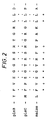
- This consists of 10 amino acids of the ⁇ - galactosidase protein, 43 amino acids (shown in sequence) corresponding to the 5' untranslated region of the mRNA and the 374 amino acid protein.
- Protein sequence comparisons of the large open reading frame with the 2-acyltransferase of E . coli show little overall identity but there is a stretch of 80 residues which has a high level of conservative substitution and contains some amino acids that are conserved in the 2-acyltransferase, 1-acyltransferase and N-acetyl glucosamine acyltransferase of E. coli .
- E. coli strains were grown in minimal medium containing 32 P orthophosphate. Total glycerolipids were extracted into organic solvents and separated by 2D thin layer chromatography ( Figure 3 ) (Lysophosphatidic acid (LPA) is the substrate for 2-acyltransferase (2-AT)).
- LPA Lisophosphatidic acid
- the cDNA region specifying the protein sequence given in Figure 1 was cloned into the E . coli overexpression vector pET11d ( Studier et al, Meth. Enzymol. 185 60-89 (1990 )). Increased 2-acyltransferase activity following induction of expression from the plasmid insert confirmed that the sequence in Figure 1 is that of 2-AT.
- 2-acyltransferase assays were carried out using membranes isolated from the mutant strain JC.201 which lacks 2-AT and from JC.201 containing the maize plasmid ( Figure 4 ).
- a seed cDNA library from Brassica napus was screened with the sequence given in Figure 1 , using standard techniques ( Sambrook et al "Molecular Cloning - A Laboratory Manual", 2nd Edition, Cold Spring Harbor Laboratory Press, 1989 ).
- hybridisation was in 6xSSC, 5xDenhardts solution, 0.5%SDS, 0.5% tetrasodium pyrophosphate and 50ugml -1 denatured herring sperm DNA.
- the filters were washed 2 x 30 minutes at 65°C in 1xSSC, 0.1%SDS and 1 x 30 minutes in 0.2xSSC, 0.1%SDS at 65°C.
- a hybridising clone was sequenced and a protein sequence derived for the large ORF. Alignment of this protein sequence with that derived from the maize cDNA clone given in Figure 1 , is shown in Figure 5 .
- the sequence given in Figure 1 can be cloned, alongside a suitable promoter, into a suitable vector for expression in plants.
- the vector can be used to transform plants and the resulting plants expressing the 2-AT can be analysed for lipid content. Lipid metabolism is expected to be upregulated and elevated lipid levels were detectable in seeds.
- the sequence given in Figure 1 may be cloned, alongside a suitable promoter, in the antisense orientation into a suitable vector for expression in plants.
- the vector can be used to transform plants and the resulting plants expressing the 2-AT can be analysed for protein and starch content. Elevated levels of starch and protein are expected to be detectable in seeds.
- the DNA sequence of a 2-AT derived from L . douglassii (obtained as described in Example 5) can be introduced into oilseed rape (OSR) under the expression of a suitable promoter, using vectors and plant transformation methods well known in the art.
- a second sequence, comprising antisense or ribozymes against the rape cDNA (Example 5) can be introduced for simultaneous expression.
- the resultant transformed plant is expected to have 2-AT activity corresponding to that of L. douglassii , with concurrent down regulation of the native rape 2-AT gene.
- the modified OSR plant thus obtained had higher levels of erucic acid in position 2 of its triacylglycerols than wild type plants. In addition higher levels of trierucin are found in the seed oil.
- the sequence given in Figure 1 is used to screen a genomic library of Arabidopsis and a hybrid using clone obtained. Using standard techniques, a promoter may be derived from this clone. The promoter may be used to drive expression in plant cell membranes.
Landscapes
- Health & Medical Sciences (AREA)
- Life Sciences & Earth Sciences (AREA)
- Genetics & Genomics (AREA)
- Chemical & Material Sciences (AREA)
- Engineering & Computer Science (AREA)
- Organic Chemistry (AREA)
- Biotechnology (AREA)
- Zoology (AREA)
- Wood Science & Technology (AREA)
- Bioinformatics & Cheminformatics (AREA)
- General Engineering & Computer Science (AREA)
- Molecular Biology (AREA)
- Biomedical Technology (AREA)
- Microbiology (AREA)
- Biochemistry (AREA)
- General Health & Medical Sciences (AREA)
- Physics & Mathematics (AREA)
- Plant Pathology (AREA)
- Cell Biology (AREA)
- Nutrition Science (AREA)
- Biophysics (AREA)
- Oil, Petroleum & Natural Gas (AREA)
- Medicinal Chemistry (AREA)
- Enzymes And Modification Thereof (AREA)
- Micro-Organisms Or Cultivation Processes Thereof (AREA)
- Breeding Of Plants And Reproduction By Means Of Culturing (AREA)
- Saccharide Compounds (AREA)
- Cultivation Of Plants (AREA)
- Other Liquid Machine Or Engine Such As Wave Power Use (AREA)
Claims (10)
- Rekombinante oder isolierte DNA-Sequenz, die ein Enzym mit der Aktivität von membrangebundener 2-Acetyltransferase codiert, wobei die DNA-Sequenz aus Folgenden ausgewählt ist:(i) einer DNA-Sequenz, welche die DNA-Sequenz der Figur 1, die mindestens von Met44 bis zu Stop418 der Sequenz SEQ ID NR: 2 codiert, oder deren komplementären Strang umfasst;(ii) Nukleinsäuresequenzen, die an die DNA-Sequenz der SEQ ID NR: 1 der Figur 1 oder deren komplementären Strang unter stringenten Bedingungen hybridisieren, wobei die stringente Hybridisierungsbedingung 6 x SSC, 5 x Denhardt-Lösung, 0,5% SDS, 0,5% Tetranatriumpyrophosphat und 50 µg/ml denaturierte Heringssperma-DNA sowie Waschen für 2 x 30 Minuten bei 65°C in 1 x SSC, 0,1% SDS und 1 x 30 Minuten in 0,2 x SSC, 0,1% SDS bei 65°C umfasst; und(iii) Nukleinsäuresequenzen, die das von (i) codierte Protein, das sich aber von (i) aufgrund der Degeneriertheit des genetischen Codes unterscheidet, codieren.
- Isoliertes Protein, bei dem es sich um das Expressionsprodukt der DNA-Sequenz nach Anspruch 1 handelt.
- Antikörper, der an das Protein nach Anspruch 2 spezifisch binden kann.
- Mikrobieller Wirt, der eine DNA-Sequenz nach Anspruch 1 exprimiert.
- Protein, das zu mindestens 40% homolog zu einem Protein nach Anspruch 2 ist, wobei das Protein von einer DNA-Sequenz codiert wird, welche die DNA-Sequenz der Figur 1 umfasst, die mindestens von Met44 bis zu Stop418 der Sequenz SEQ ID NR: 2 codiert.
- Fragment einer DNA nach Anspruch 1, das mindestens 15 Nukleotide umfasst.
- DNA, die RNA codiert, die zu von DNA nach Anspruch 1 codierter RNA antisense ist.
- DNA, die ein Ribozym codiert, das für von DNA nach Anspruch 1 codierte RNA spezifisch ist.
- Isolierte oder rekombinante DNA, die einen Promotor enthält, der mit einem Gen, das ein Protein nach Anspruch 2 oder 5 produziert, gekoppelt ist.
- Pflanze, die für mindestens eine rekombinante DNA-Sequenz nach Anspruch 1 transgen ist.
Applications Claiming Priority (3)
| Application Number | Priority Date | Filing Date | Title |
|---|---|---|---|
| GB9225845 | 1992-12-10 | ||
| GB929225845A GB9225845D0 (en) | 1992-12-10 | 1992-12-10 | Modified plants |
| PCT/GB1993/002528 WO1994013814A1 (en) | 1992-12-10 | 1993-12-10 | Dna encoding 2-acyltransferases |
Publications (2)
| Publication Number | Publication Date |
|---|---|
| EP0673424A1 EP0673424A1 (de) | 1995-09-27 |
| EP0673424B1 true EP0673424B1 (de) | 2008-05-21 |
Family
ID=10726430
Family Applications (1)
| Application Number | Title | Priority Date | Filing Date |
|---|---|---|---|
| EP94902058A Expired - Lifetime EP0673424B1 (de) | 1992-12-10 | 1993-12-10 | 2-acyltransferase kodierende dna |
Country Status (12)
| Country | Link |
|---|---|
| US (3) | US5843739A (de) |
| EP (1) | EP0673424B1 (de) |
| AT (1) | ATE396271T1 (de) |
| AU (1) | AU694098B2 (de) |
| CA (1) | CA2151147A1 (de) |
| CZ (1) | CZ294457B6 (de) |
| DE (1) | DE69334219D1 (de) |
| GB (1) | GB9225845D0 (de) |
| HU (1) | HU222403B1 (de) |
| PL (1) | PL176961B1 (de) |
| SK (1) | SK76395A3 (de) |
| WO (1) | WO1994013814A1 (de) |
Families Citing this family (21)
| Publication number | Priority date | Publication date | Assignee | Title |
|---|---|---|---|---|
| GB9225845D0 (en) | 1992-12-10 | 1993-02-03 | Nickerson Biocem Ltd | Modified plants |
| US5563058A (en) * | 1994-04-06 | 1996-10-08 | Calgene, Inc. | Plant lysophosphatidic acid acyltransferases |
| US5910630A (en) * | 1994-04-06 | 1999-06-08 | Davies; Huw Maelor | Plant lysophosphatidic acid acyltransferases |
| DE4433307A1 (de) * | 1994-09-19 | 1996-03-21 | Norddeutsche Pflanzenzucht Han | Ein isoliertes Nuckleinsäurefragment und daraus abgeleitete Produkte |
| DE69533516T2 (de) * | 1994-10-26 | 2005-08-18 | Cargill, Inc., Wayzata | Fae1gene und deren anwendungen |
| GB9502468D0 (en) * | 1995-02-09 | 1995-03-29 | Gene Shears Pty Ltd | DNA Sequence |
| GB9510927D0 (en) * | 1995-05-31 | 1995-07-26 | Ca Nat Research Council | Plant and seed oil modification |
| US5959131A (en) * | 1995-12-07 | 1999-09-28 | Kraft Foods, Inc. | Nutritionally superior fat for food compositions |
| FR2785911B1 (fr) * | 1998-11-18 | 2001-01-26 | Agronomique Inst Nat Rech | Gene codant pour une acyltransferase de colza, et ses utilisations |
| DE60014919T2 (de) * | 1999-08-06 | 2005-10-13 | Genentech, Inc., South San Francisco | Peptidantagonisten des faktors viia |
| AU2001231039A1 (en) * | 2000-01-20 | 2001-07-31 | Mci Worldcom, Inc. | Intelligent network and method for providing voice telephony over atm and alias addressing |
| CA2399873A1 (en) * | 2000-02-11 | 2001-08-16 | Incyte Genomics, Inc. | Drug metabolizing enzymes |
| GB0031558D0 (en) | 2000-12-22 | 2001-02-07 | Biogemma Uk Ltd | Elongase promoters |
| US7164002B2 (en) | 2002-02-06 | 2007-01-16 | Genentech, Inc. | FVIIa antagonists |
| EP1613746B1 (de) | 2003-03-31 | 2013-03-06 | University Of Bristol | Neue pflanzliche acyltransferasen spezifisch für langkettige, mehrfach ungesättigte fettsäuren |
| US20060246206A1 (en) * | 2005-04-28 | 2006-11-02 | Mitsugu Watanabe | Preparation of oyster flesh extracts |
| IL188983A (en) * | 2008-01-23 | 2014-01-30 | Bromine Compounds Ltd | Delay in combustion in fabrics |
| EP2430166A1 (de) | 2009-05-13 | 2012-03-21 | BASF Plant Science Company GmbH | Acyltransferasen und verwendungen davon bei der fettsäureherstellung |
| NO2585603T3 (de) | 2010-06-25 | 2018-05-19 | ||
| WO2016075327A2 (en) | 2014-11-14 | 2016-05-19 | Basf Plant Science Company Gmbh | Production of pufas in plants |
| CN112708628B (zh) * | 2021-01-19 | 2022-05-03 | 河北农业大学 | 玉米百粒重主效QTL位点qKW4a及其候选基因和应用 |
Family Cites Families (6)
| Publication number | Priority date | Publication date | Assignee | Title |
|---|---|---|---|---|
| EP0320500B1 (de) * | 1983-01-13 | 2004-11-17 | Max-Planck-Gesellschaft zur Förderung der Wissenschaften e.V. | Nichtonkogenisches Ti-Plasmidvektorsystem und für das Einschleusen expressionsfähiger Gene in Pflanzengenomen verwendbare rekombinante DNA-Moleküle |
| ATE57390T1 (de) * | 1986-03-11 | 1990-10-15 | Plant Genetic Systems Nv | Durch gentechnologie erhaltene und gegen glutaminsynthetase-inhibitoren resistente pflanzenzellen. |
| EP0265556A1 (de) * | 1986-10-31 | 1988-05-04 | Max-Planck-Gesellschaft zur Förderung der Wissenschaften e.V. | Stabile binäre Agrobakterium-Vektoren und ihre Verwendung |
| GB8810120D0 (en) * | 1988-04-28 | 1988-06-02 | Plant Genetic Systems Nv | Transgenic nuclear male sterile plants |
| AU1163392A (en) * | 1991-01-16 | 1992-08-27 | Kirin Beer Kabushiki Kaisha | Chilling resistant plants and their production |
| GB9225845D0 (en) | 1992-12-10 | 1993-02-03 | Nickerson Biocem Ltd | Modified plants |
-
1992
- 1992-12-10 GB GB929225845A patent/GB9225845D0/en active Pending
-
1993
- 1993-12-10 WO PCT/GB1993/002528 patent/WO1994013814A1/en not_active Ceased
- 1993-12-10 AU AU56567/94A patent/AU694098B2/en not_active Ceased
- 1993-12-10 CZ CZ19951506A patent/CZ294457B6/cs not_active IP Right Cessation
- 1993-12-10 HU HU9501694A patent/HU222403B1/hu not_active IP Right Cessation
- 1993-12-10 US US08/454,267 patent/US5843739A/en not_active Expired - Fee Related
- 1993-12-10 CA CA002151147A patent/CA2151147A1/en not_active Abandoned
- 1993-12-10 DE DE69334219T patent/DE69334219D1/de not_active Expired - Fee Related
- 1993-12-10 PL PL93309327A patent/PL176961B1/pl not_active IP Right Cessation
- 1993-12-10 SK SK763-95A patent/SK76395A3/sk unknown
- 1993-12-10 AT AT94902058T patent/ATE396271T1/de not_active IP Right Cessation
- 1993-12-10 EP EP94902058A patent/EP0673424B1/de not_active Expired - Lifetime
-
1997
- 1997-09-30 US US08/941,319 patent/US5945323A/en not_active Expired - Fee Related
-
1998
- 1998-03-05 US US09/035,098 patent/US6194640B1/en not_active Expired - Fee Related
Also Published As
| Publication number | Publication date |
|---|---|
| WO1994013814A1 (en) | 1994-06-23 |
| PL309327A1 (en) | 1995-10-02 |
| ATE396271T1 (de) | 2008-06-15 |
| GB9225845D0 (en) | 1993-02-03 |
| DE69334219D1 (de) | 2008-07-03 |
| CZ150695A3 (cs) | 1998-03-18 |
| EP0673424A1 (de) | 1995-09-27 |
| PL176961B1 (pl) | 1999-08-31 |
| US5843739A (en) | 1998-12-01 |
| HU222403B1 (hu) | 2003-06-28 |
| HU9501694D0 (en) | 1995-08-28 |
| US5945323A (en) | 1999-08-31 |
| SK76395A3 (en) | 1995-09-13 |
| US6194640B1 (en) | 2001-02-27 |
| CA2151147A1 (en) | 1994-06-23 |
| AU694098B2 (en) | 1998-07-16 |
| CZ294457B6 (cs) | 2005-01-12 |
| AU5656794A (en) | 1994-07-04 |
| HUT71785A (en) | 1996-02-28 |
Similar Documents
| Publication | Publication Date | Title |
|---|---|---|
| EP0673424B1 (de) | 2-acyltransferase kodierende dna | |
| Kim et al. | Ubiquitous and endoplasmic reticulum–located lysophosphatidyl acyltransferase, LPAT2, is essential for female but not male gametophyte development in Arabidopsis | |
| US7417176B2 (en) | Diacylglycerol acyltransferase nucleic acid sequences and associated products | |
| CA2203754C (en) | Fae1 genes and their uses | |
| CA2783215C (en) | Limnanthes oil genes | |
| US20030074695A1 (en) | Plant diacylglycerol O-acyltransferase and uses thereof | |
| US6583340B2 (en) | DNA sequence encoding plant 2-acyltransferase | |
| AU777906B2 (en) | Method of increasing the content of fatty acids in plant seeds | |
| WO1997043422A1 (en) | Transgenic antisense-plants showing reduced enzymic activity in beta-oxidation | |
| US20090036695A1 (en) | Oil Biosynthesis | |
| US20250297271A1 (en) | Modified acyltransferase polynucleotides, polypeptides, and methods of use | |
| CN113412332A (zh) | 用于在植物中产生高水平pufa的改进方法 | |
| US20050170478A1 (en) | Expression of phospholipid:diacylglycerine acyltranssferase (pdat) for the production of plant storage lipids with polyunsaturated fatty acids | |
| AU1787101A (en) | Oleoyl-acyl-carrier-protein thioesterases in plants | |
| AU2002334151A1 (en) | Production of oil with higher erucic acid content | |
| AU2008201181A1 (en) | Production of oil with higher erucic acid content | |
| HK1120823B (en) | Safflower with elevated gamma-linolenic acid | |
| HK1120823A1 (en) | Safflower with elevated gamma-linolenic acid |
Legal Events
| Date | Code | Title | Description |
|---|---|---|---|
| PUAI | Public reference made under article 153(3) epc to a published international application that has entered the european phase |
Free format text: ORIGINAL CODE: 0009012 |
|
| 17P | Request for examination filed |
Effective date: 19950529 |
|
| AK | Designated contracting states |
Kind code of ref document: A1 Designated state(s): AT BE CH DE DK ES FR GB GR IE IT LI LU MC NL PT SE |
|
| RAP1 | Party data changed (applicant data changed or rights of an application transferred) |
Owner name: BIOGEMMA UK LIMITED |
|
| 17Q | First examination report despatched |
Effective date: 20020327 |
|
| GRAP | Despatch of communication of intention to grant a patent |
Free format text: ORIGINAL CODE: EPIDOSNIGR1 |
|
| RAP1 | Party data changed (applicant data changed or rights of an application transferred) |
Owner name: BIOGEMMA UK LIMITED |
|
| GRAS | Grant fee paid |
Free format text: ORIGINAL CODE: EPIDOSNIGR3 |
|
| GRAA | (expected) grant |
Free format text: ORIGINAL CODE: 0009210 |
|
| AK | Designated contracting states |
Kind code of ref document: B1 Designated state(s): AT BE CH DE DK ES FR GB GR IE IT LI LU MC NL PT SE |
|
| REG | Reference to a national code |
Ref country code: GB Ref legal event code: FG4D |
|
| REG | Reference to a national code |
Ref country code: CH Ref legal event code: EP |
|
| REF | Corresponds to: |
Ref document number: 69334219 Country of ref document: DE Date of ref document: 20080703 Kind code of ref document: P |
|
| REG | Reference to a national code |
Ref country code: IE Ref legal event code: FG4D |
|
| PG25 | Lapsed in a contracting state [announced via postgrant information from national office to epo] |
Ref country code: ES Free format text: LAPSE BECAUSE OF FAILURE TO SUBMIT A TRANSLATION OF THE DESCRIPTION OR TO PAY THE FEE WITHIN THE PRESCRIBED TIME-LIMIT Effective date: 20080901 |
|
| NLV1 | Nl: lapsed or annulled due to failure to fulfill the requirements of art. 29p and 29m of the patents act | ||
| PG25 | Lapsed in a contracting state [announced via postgrant information from national office to epo] |
Ref country code: NL Free format text: LAPSE BECAUSE OF FAILURE TO SUBMIT A TRANSLATION OF THE DESCRIPTION OR TO PAY THE FEE WITHIN THE PRESCRIBED TIME-LIMIT Effective date: 20080521 Ref country code: AT Free format text: LAPSE BECAUSE OF FAILURE TO SUBMIT A TRANSLATION OF THE DESCRIPTION OR TO PAY THE FEE WITHIN THE PRESCRIBED TIME-LIMIT Effective date: 20080521 |
|
| PG25 | Lapsed in a contracting state [announced via postgrant information from national office to epo] |
Ref country code: SE Free format text: LAPSE BECAUSE OF FAILURE TO SUBMIT A TRANSLATION OF THE DESCRIPTION OR TO PAY THE FEE WITHIN THE PRESCRIBED TIME-LIMIT Effective date: 20080821 Ref country code: PT Free format text: LAPSE BECAUSE OF FAILURE TO SUBMIT A TRANSLATION OF THE DESCRIPTION OR TO PAY THE FEE WITHIN THE PRESCRIBED TIME-LIMIT Effective date: 20081021 Ref country code: DK Free format text: LAPSE BECAUSE OF FAILURE TO SUBMIT A TRANSLATION OF THE DESCRIPTION OR TO PAY THE FEE WITHIN THE PRESCRIBED TIME-LIMIT Effective date: 20080521 |
|
| PG25 | Lapsed in a contracting state [announced via postgrant information from national office to epo] |
Ref country code: BE Free format text: LAPSE BECAUSE OF FAILURE TO SUBMIT A TRANSLATION OF THE DESCRIPTION OR TO PAY THE FEE WITHIN THE PRESCRIBED TIME-LIMIT Effective date: 20080521 |
|
| PLBE | No opposition filed within time limit |
Free format text: ORIGINAL CODE: 0009261 |
|
| STAA | Information on the status of an ep patent application or granted ep patent |
Free format text: STATUS: NO OPPOSITION FILED WITHIN TIME LIMIT |
|
| 26N | No opposition filed |
Effective date: 20090224 |
|
| PGFP | Annual fee paid to national office [announced via postgrant information from national office to epo] |
Ref country code: DE Payment date: 20090102 Year of fee payment: 16 |
|
| PGFP | Annual fee paid to national office [announced via postgrant information from national office to epo] |
Ref country code: GB Payment date: 20081125 Year of fee payment: 16 |
|
| PG25 | Lapsed in a contracting state [announced via postgrant information from national office to epo] |
Ref country code: MC Free format text: LAPSE BECAUSE OF NON-PAYMENT OF DUE FEES Effective date: 20081231 |
|
| REG | Reference to a national code |
Ref country code: CH Ref legal event code: PL |
|
| PG25 | Lapsed in a contracting state [announced via postgrant information from national office to epo] |
Ref country code: IT Free format text: LAPSE BECAUSE OF FAILURE TO SUBMIT A TRANSLATION OF THE DESCRIPTION OR TO PAY THE FEE WITHIN THE PRESCRIBED TIME-LIMIT Effective date: 20080521 |
|
| PG25 | Lapsed in a contracting state [announced via postgrant information from national office to epo] |
Ref country code: LI Free format text: LAPSE BECAUSE OF NON-PAYMENT OF DUE FEES Effective date: 20081231 Ref country code: IE Free format text: LAPSE BECAUSE OF NON-PAYMENT OF DUE FEES Effective date: 20081210 Ref country code: CH Free format text: LAPSE BECAUSE OF NON-PAYMENT OF DUE FEES Effective date: 20081231 |
|
| PGFP | Annual fee paid to national office [announced via postgrant information from national office to epo] |
Ref country code: FR Payment date: 20081224 Year of fee payment: 16 |
|
| PG25 | Lapsed in a contracting state [announced via postgrant information from national office to epo] |
Ref country code: LU Free format text: LAPSE BECAUSE OF NON-PAYMENT OF DUE FEES Effective date: 20081210 |
|
| GBPC | Gb: european patent ceased through non-payment of renewal fee |
Effective date: 20091210 |
|
| REG | Reference to a national code |
Ref country code: FR Ref legal event code: ST Effective date: 20100831 |
|
| PG25 | Lapsed in a contracting state [announced via postgrant information from national office to epo] |
Ref country code: GR Free format text: LAPSE BECAUSE OF FAILURE TO SUBMIT A TRANSLATION OF THE DESCRIPTION OR TO PAY THE FEE WITHIN THE PRESCRIBED TIME-LIMIT Effective date: 20080822 Ref country code: FR Free format text: LAPSE BECAUSE OF NON-PAYMENT OF DUE FEES Effective date: 20091231 |
|
| PG25 | Lapsed in a contracting state [announced via postgrant information from national office to epo] |
Ref country code: DE Free format text: LAPSE BECAUSE OF NON-PAYMENT OF DUE FEES Effective date: 20100701 |
|
| PG25 | Lapsed in a contracting state [announced via postgrant information from national office to epo] |
Ref country code: GB Free format text: LAPSE BECAUSE OF NON-PAYMENT OF DUE FEES Effective date: 20091210 |