EP0716148A2 - Rekombinanter Alphavirus Vektor - Google Patents
Rekombinanter Alphavirus Vektor Download PDFInfo
- Publication number
- EP0716148A2 EP0716148A2 EP95115460A EP95115460A EP0716148A2 EP 0716148 A2 EP0716148 A2 EP 0716148A2 EP 95115460 A EP95115460 A EP 95115460A EP 95115460 A EP95115460 A EP 95115460A EP 0716148 A2 EP0716148 A2 EP 0716148A2
- Authority
- EP
- European Patent Office
- Prior art keywords
- vector
- alphavirus
- sindbis
- sequence
- viral
- Prior art date
- Legal status (The legal status is an assumption and is not a legal conclusion. Google has not performed a legal analysis and makes no representation as to the accuracy of the status listed.)
- Granted
Links
Images







Classifications
-
- C—CHEMISTRY; METALLURGY
- C12—BIOCHEMISTRY; BEER; SPIRITS; WINE; VINEGAR; MICROBIOLOGY; ENZYMOLOGY; MUTATION OR GENETIC ENGINEERING
- C12N—MICROORGANISMS OR ENZYMES; COMPOSITIONS THEREOF; PROPAGATING, PRESERVING, OR MAINTAINING MICROORGANISMS; MUTATION OR GENETIC ENGINEERING; CULTURE MEDIA
- C12N15/00—Mutation or genetic engineering; DNA or RNA concerning genetic engineering, vectors, e.g. plasmids, or their isolation, preparation or purification; Use of hosts therefor
- C12N15/09—Recombinant DNA-technology
- C12N15/11—DNA or RNA fragments; Modified forms thereof; Non-coding nucleic acids having a biological activity
- C12N15/113—Non-coding nucleic acids modulating the expression of genes, e.g. antisense oligonucleotides; Antisense DNA or RNA; Triplex- forming oligonucleotides; Catalytic nucleic acids, e.g. ribozymes; Nucleic acids used in co-suppression or gene silencing
- C12N15/1131—Non-coding nucleic acids modulating the expression of genes, e.g. antisense oligonucleotides; Antisense DNA or RNA; Triplex- forming oligonucleotides; Catalytic nucleic acids, e.g. ribozymes; Nucleic acids used in co-suppression or gene silencing against viruses
-
- A—HUMAN NECESSITIES
- A61—MEDICAL OR VETERINARY SCIENCE; HYGIENE
- A61P—SPECIFIC THERAPEUTIC ACTIVITY OF CHEMICAL COMPOUNDS OR MEDICINAL PREPARATIONS
- A61P31/00—Antiinfectives, i.e. antibiotics, antiseptics, chemotherapeutics
- A61P31/04—Antibacterial agents
-
- A—HUMAN NECESSITIES
- A61—MEDICAL OR VETERINARY SCIENCE; HYGIENE
- A61P—SPECIFIC THERAPEUTIC ACTIVITY OF CHEMICAL COMPOUNDS OR MEDICINAL PREPARATIONS
- A61P31/00—Antiinfectives, i.e. antibiotics, antiseptics, chemotherapeutics
- A61P31/10—Antimycotics
-
- A—HUMAN NECESSITIES
- A61—MEDICAL OR VETERINARY SCIENCE; HYGIENE
- A61P—SPECIFIC THERAPEUTIC ACTIVITY OF CHEMICAL COMPOUNDS OR MEDICINAL PREPARATIONS
- A61P31/00—Antiinfectives, i.e. antibiotics, antiseptics, chemotherapeutics
- A61P31/12—Antivirals
-
- A—HUMAN NECESSITIES
- A61—MEDICAL OR VETERINARY SCIENCE; HYGIENE
- A61P—SPECIFIC THERAPEUTIC ACTIVITY OF CHEMICAL COMPOUNDS OR MEDICINAL PREPARATIONS
- A61P31/00—Antiinfectives, i.e. antibiotics, antiseptics, chemotherapeutics
- A61P31/12—Antivirals
- A61P31/14—Antivirals for RNA viruses
-
- A—HUMAN NECESSITIES
- A61—MEDICAL OR VETERINARY SCIENCE; HYGIENE
- A61P—SPECIFIC THERAPEUTIC ACTIVITY OF CHEMICAL COMPOUNDS OR MEDICINAL PREPARATIONS
- A61P31/00—Antiinfectives, i.e. antibiotics, antiseptics, chemotherapeutics
- A61P31/12—Antivirals
- A61P31/14—Antivirals for RNA viruses
- A61P31/16—Antivirals for RNA viruses for influenza or rhinoviruses
-
- A—HUMAN NECESSITIES
- A61—MEDICAL OR VETERINARY SCIENCE; HYGIENE
- A61P—SPECIFIC THERAPEUTIC ACTIVITY OF CHEMICAL COMPOUNDS OR MEDICINAL PREPARATIONS
- A61P31/00—Antiinfectives, i.e. antibiotics, antiseptics, chemotherapeutics
- A61P31/12—Antivirals
- A61P31/14—Antivirals for RNA viruses
- A61P31/18—Antivirals for RNA viruses for HIV
-
- A—HUMAN NECESSITIES
- A61—MEDICAL OR VETERINARY SCIENCE; HYGIENE
- A61P—SPECIFIC THERAPEUTIC ACTIVITY OF CHEMICAL COMPOUNDS OR MEDICINAL PREPARATIONS
- A61P33/00—Antiparasitic agents
-
- A—HUMAN NECESSITIES
- A61—MEDICAL OR VETERINARY SCIENCE; HYGIENE
- A61P—SPECIFIC THERAPEUTIC ACTIVITY OF CHEMICAL COMPOUNDS OR MEDICINAL PREPARATIONS
- A61P35/00—Antineoplastic agents
-
- A—HUMAN NECESSITIES
- A61—MEDICAL OR VETERINARY SCIENCE; HYGIENE
- A61P—SPECIFIC THERAPEUTIC ACTIVITY OF CHEMICAL COMPOUNDS OR MEDICINAL PREPARATIONS
- A61P37/00—Drugs for immunological or allergic disorders
-
- A—HUMAN NECESSITIES
- A61—MEDICAL OR VETERINARY SCIENCE; HYGIENE
- A61P—SPECIFIC THERAPEUTIC ACTIVITY OF CHEMICAL COMPOUNDS OR MEDICINAL PREPARATIONS
- A61P37/00—Drugs for immunological or allergic disorders
- A61P37/02—Immunomodulators
-
- A—HUMAN NECESSITIES
- A61—MEDICAL OR VETERINARY SCIENCE; HYGIENE
- A61P—SPECIFIC THERAPEUTIC ACTIVITY OF CHEMICAL COMPOUNDS OR MEDICINAL PREPARATIONS
- A61P37/00—Drugs for immunological or allergic disorders
- A61P37/02—Immunomodulators
- A61P37/04—Immunostimulants
-
- A—HUMAN NECESSITIES
- A61—MEDICAL OR VETERINARY SCIENCE; HYGIENE
- A61P—SPECIFIC THERAPEUTIC ACTIVITY OF CHEMICAL COMPOUNDS OR MEDICINAL PREPARATIONS
- A61P43/00—Drugs for specific purposes, not provided for in groups A61P1/00-A61P41/00
-
- C—CHEMISTRY; METALLURGY
- C07—ORGANIC CHEMISTRY
- C07K—PEPTIDES
- C07K14/00—Peptides having more than 20 amino acids; Gastrins; Somatostatins; Melanotropins; Derivatives thereof
- C07K14/005—Peptides having more than 20 amino acids; Gastrins; Somatostatins; Melanotropins; Derivatives thereof from viruses
-
- C—CHEMISTRY; METALLURGY
- C07—ORGANIC CHEMISTRY
- C07K—PEPTIDES
- C07K14/00—Peptides having more than 20 amino acids; Gastrins; Somatostatins; Melanotropins; Derivatives thereof
- C07K14/435—Peptides having more than 20 amino acids; Gastrins; Somatostatins; Melanotropins; Derivatives thereof from animals; from humans
- C07K14/46—Peptides having more than 20 amino acids; Gastrins; Somatostatins; Melanotropins; Derivatives thereof from animals; from humans from vertebrates
- C07K14/47—Peptides having more than 20 amino acids; Gastrins; Somatostatins; Melanotropins; Derivatives thereof from animals; from humans from vertebrates from mammals
-
- C—CHEMISTRY; METALLURGY
- C07—ORGANIC CHEMISTRY
- C07K—PEPTIDES
- C07K14/00—Peptides having more than 20 amino acids; Gastrins; Somatostatins; Melanotropins; Derivatives thereof
- C07K14/435—Peptides having more than 20 amino acids; Gastrins; Somatostatins; Melanotropins; Derivatives thereof from animals; from humans
- C07K14/745—Blood coagulation or fibrinolysis factors
- C07K14/755—Factors VIII, e.g. factor VIII C (AHF), factor VIII Ag (VWF)
-
- C—CHEMISTRY; METALLURGY
- C07—ORGANIC CHEMISTRY
- C07K—PEPTIDES
- C07K14/00—Peptides having more than 20 amino acids; Gastrins; Somatostatins; Melanotropins; Derivatives thereof
- C07K14/82—Translation products from oncogenes
-
- C—CHEMISTRY; METALLURGY
- C12—BIOCHEMISTRY; BEER; SPIRITS; WINE; VINEGAR; MICROBIOLOGY; ENZYMOLOGY; MUTATION OR GENETIC ENGINEERING
- C12N—MICROORGANISMS OR ENZYMES; COMPOSITIONS THEREOF; PROPAGATING, PRESERVING, OR MAINTAINING MICROORGANISMS; MUTATION OR GENETIC ENGINEERING; CULTURE MEDIA
- C12N15/00—Mutation or genetic engineering; DNA or RNA concerning genetic engineering, vectors, e.g. plasmids, or their isolation, preparation or purification; Use of hosts therefor
- C12N15/09—Recombinant DNA-technology
- C12N15/11—DNA or RNA fragments; Modified forms thereof; Non-coding nucleic acids having a biological activity
- C12N15/113—Non-coding nucleic acids modulating the expression of genes, e.g. antisense oligonucleotides; Antisense DNA or RNA; Triplex- forming oligonucleotides; Catalytic nucleic acids, e.g. ribozymes; Nucleic acids used in co-suppression or gene silencing
-
- C—CHEMISTRY; METALLURGY
- C12—BIOCHEMISTRY; BEER; SPIRITS; WINE; VINEGAR; MICROBIOLOGY; ENZYMOLOGY; MUTATION OR GENETIC ENGINEERING
- C12N—MICROORGANISMS OR ENZYMES; COMPOSITIONS THEREOF; PROPAGATING, PRESERVING, OR MAINTAINING MICROORGANISMS; MUTATION OR GENETIC ENGINEERING; CULTURE MEDIA
- C12N15/00—Mutation or genetic engineering; DNA or RNA concerning genetic engineering, vectors, e.g. plasmids, or their isolation, preparation or purification; Use of hosts therefor
- C12N15/09—Recombinant DNA-technology
- C12N15/63—Introduction of foreign genetic material using vectors; Vectors; Use of hosts therefor; Regulation of expression
- C12N15/79—Vectors or expression systems specially adapted for eukaryotic hosts
- C12N15/85—Vectors or expression systems specially adapted for eukaryotic hosts for animal cells
- C12N15/86—Viral vectors
-
- C—CHEMISTRY; METALLURGY
- C12—BIOCHEMISTRY; BEER; SPIRITS; WINE; VINEGAR; MICROBIOLOGY; ENZYMOLOGY; MUTATION OR GENETIC ENGINEERING
- C12N—MICROORGANISMS OR ENZYMES; COMPOSITIONS THEREOF; PROPAGATING, PRESERVING, OR MAINTAINING MICROORGANISMS; MUTATION OR GENETIC ENGINEERING; CULTURE MEDIA
- C12N9/00—Enzymes; Proenzymes; Compositions thereof; Processes for preparing, activating, inhibiting, separating or purifying enzymes
- C12N9/14—Hydrolases (3)
- C12N9/24—Hydrolases (3) acting on glycosyl compounds (3.2)
- C12N9/2402—Hydrolases (3) acting on glycosyl compounds (3.2) hydrolysing O- and S- glycosyl compounds (3.2.1)
- C12N9/2468—Hydrolases (3) acting on glycosyl compounds (3.2) hydrolysing O- and S- glycosyl compounds (3.2.1) acting on beta-galactose-glycoside bonds, e.g. carrageenases (3.2.1.83; 3.2.1.157); beta-agarase (3.2.1.81)
- C12N9/2471—Beta-galactosidase (3.2.1.23), i.e. exo-(1-->4)-beta-D-galactanase
-
- C—CHEMISTRY; METALLURGY
- C12—BIOCHEMISTRY; BEER; SPIRITS; WINE; VINEGAR; MICROBIOLOGY; ENZYMOLOGY; MUTATION OR GENETIC ENGINEERING
- C12Y—ENZYMES
- C12Y302/00—Hydrolases acting on glycosyl compounds, i.e. glycosylases (3.2)
- C12Y302/01—Glycosidases, i.e. enzymes hydrolysing O- and S-glycosyl compounds (3.2.1)
- C12Y302/01023—Beta-galactosidase (3.2.1.23), i.e. exo-(1-->4)-beta-D-galactanase
-
- C—CHEMISTRY; METALLURGY
- C12—BIOCHEMISTRY; BEER; SPIRITS; WINE; VINEGAR; MICROBIOLOGY; ENZYMOLOGY; MUTATION OR GENETIC ENGINEERING
- C12Y—ENZYMES
- C12Y302/00—Hydrolases acting on glycosyl compounds, i.e. glycosylases (3.2)
- C12Y302/01—Glycosidases, i.e. enzymes hydrolysing O- and S-glycosyl compounds (3.2.1)
- C12Y302/01045—Glucosylceramidase (3.2.1.45), i.e. beta-glucocerebrosidase
-
- A—HUMAN NECESSITIES
- A61—MEDICAL OR VETERINARY SCIENCE; HYGIENE
- A61K—PREPARATIONS FOR MEDICAL, DENTAL OR TOILETRY PURPOSES
- A61K39/00—Medicinal preparations containing antigens or antibodies
- A61K2039/51—Medicinal preparations containing antigens or antibodies comprising whole cells, viruses or DNA/RNA
- A61K2039/525—Virus
- A61K2039/5256—Virus expressing foreign proteins
-
- A—HUMAN NECESSITIES
- A61—MEDICAL OR VETERINARY SCIENCE; HYGIENE
- A61K—PREPARATIONS FOR MEDICAL, DENTAL OR TOILETRY PURPOSES
- A61K48/00—Medicinal preparations containing genetic material which is inserted into cells of the living body to treat genetic diseases; Gene therapy
-
- C—CHEMISTRY; METALLURGY
- C12—BIOCHEMISTRY; BEER; SPIRITS; WINE; VINEGAR; MICROBIOLOGY; ENZYMOLOGY; MUTATION OR GENETIC ENGINEERING
- C12N—MICROORGANISMS OR ENZYMES; COMPOSITIONS THEREOF; PROPAGATING, PRESERVING, OR MAINTAINING MICROORGANISMS; MUTATION OR GENETIC ENGINEERING; CULTURE MEDIA
- C12N2710/00—MICROORGANISMS OR ENZYMES; COMPOSITIONS THEREOF; PROPAGATING, PRESERVING, OR MAINTAINING MICROORGANISMS; MUTATION OR GENETIC ENGINEERING; CULTURE MEDIA dsDNA viruses
- C12N2710/00011—Details
- C12N2710/10011—Adenoviridae
- C12N2710/10311—Mastadenovirus, e.g. human or simian adenoviruses
- C12N2710/10322—New viral proteins or individual genes, new structural or functional aspects of known viral proteins or genes
-
- C—CHEMISTRY; METALLURGY
- C12—BIOCHEMISTRY; BEER; SPIRITS; WINE; VINEGAR; MICROBIOLOGY; ENZYMOLOGY; MUTATION OR GENETIC ENGINEERING
- C12N—MICROORGANISMS OR ENZYMES; COMPOSITIONS THEREOF; PROPAGATING, PRESERVING, OR MAINTAINING MICROORGANISMS; MUTATION OR GENETIC ENGINEERING; CULTURE MEDIA
- C12N2710/00—MICROORGANISMS OR ENZYMES; COMPOSITIONS THEREOF; PROPAGATING, PRESERVING, OR MAINTAINING MICROORGANISMS; MUTATION OR GENETIC ENGINEERING; CULTURE MEDIA dsDNA viruses
- C12N2710/00011—Details
- C12N2710/16011—Herpesviridae
- C12N2710/16711—Varicellovirus, e.g. human herpesvirus 3, Varicella Zoster, pseudorabies
- C12N2710/16722—New viral proteins or individual genes, new structural or functional aspects of known viral proteins or genes
-
- C—CHEMISTRY; METALLURGY
- C12—BIOCHEMISTRY; BEER; SPIRITS; WINE; VINEGAR; MICROBIOLOGY; ENZYMOLOGY; MUTATION OR GENETIC ENGINEERING
- C12N—MICROORGANISMS OR ENZYMES; COMPOSITIONS THEREOF; PROPAGATING, PRESERVING, OR MAINTAINING MICROORGANISMS; MUTATION OR GENETIC ENGINEERING; CULTURE MEDIA
- C12N2730/00—Reverse transcribing DNA viruses
- C12N2730/00011—Details
- C12N2730/10011—Hepadnaviridae
- C12N2730/10111—Orthohepadnavirus, e.g. hepatitis B virus
- C12N2730/10122—New viral proteins or individual genes, new structural or functional aspects of known viral proteins or genes
-
- C—CHEMISTRY; METALLURGY
- C12—BIOCHEMISTRY; BEER; SPIRITS; WINE; VINEGAR; MICROBIOLOGY; ENZYMOLOGY; MUTATION OR GENETIC ENGINEERING
- C12N—MICROORGANISMS OR ENZYMES; COMPOSITIONS THEREOF; PROPAGATING, PRESERVING, OR MAINTAINING MICROORGANISMS; MUTATION OR GENETIC ENGINEERING; CULTURE MEDIA
- C12N2740/00—Reverse transcribing RNA viruses
- C12N2740/00011—Details
- C12N2740/10011—Retroviridae
- C12N2740/16011—Human Immunodeficiency Virus, HIV
- C12N2740/16211—Human Immunodeficiency Virus, HIV concerning HIV gagpol
- C12N2740/16222—New viral proteins or individual genes, new structural or functional aspects of known viral proteins or genes
-
- C—CHEMISTRY; METALLURGY
- C12—BIOCHEMISTRY; BEER; SPIRITS; WINE; VINEGAR; MICROBIOLOGY; ENZYMOLOGY; MUTATION OR GENETIC ENGINEERING
- C12N—MICROORGANISMS OR ENZYMES; COMPOSITIONS THEREOF; PROPAGATING, PRESERVING, OR MAINTAINING MICROORGANISMS; MUTATION OR GENETIC ENGINEERING; CULTURE MEDIA
- C12N2770/00—MICROORGANISMS OR ENZYMES; COMPOSITIONS THEREOF; PROPAGATING, PRESERVING, OR MAINTAINING MICROORGANISMS; MUTATION OR GENETIC ENGINEERING; CULTURE MEDIA ssRNA viruses positive-sense
- C12N2770/00011—Details
- C12N2770/36011—Togaviridae
- C12N2770/36111—Alphavirus, e.g. Sindbis virus, VEE, EEE, WEE, Semliki
- C12N2770/36141—Use of virus, viral particle or viral elements as a vector
- C12N2770/36143—Use of virus, viral particle or viral elements as a vector viral genome or elements thereof as genetic vector
-
- C—CHEMISTRY; METALLURGY
- C12—BIOCHEMISTRY; BEER; SPIRITS; WINE; VINEGAR; MICROBIOLOGY; ENZYMOLOGY; MUTATION OR GENETIC ENGINEERING
- C12N—MICROORGANISMS OR ENZYMES; COMPOSITIONS THEREOF; PROPAGATING, PRESERVING, OR MAINTAINING MICROORGANISMS; MUTATION OR GENETIC ENGINEERING; CULTURE MEDIA
- C12N2830/00—Vector systems having a special element relevant for transcription
- C12N2830/001—Vector systems having a special element relevant for transcription controllable enhancer/promoter combination
- C12N2830/002—Vector systems having a special element relevant for transcription controllable enhancer/promoter combination inducible enhancer/promoter combination, e.g. hypoxia, iron, transcription factor
-
- C—CHEMISTRY; METALLURGY
- C12—BIOCHEMISTRY; BEER; SPIRITS; WINE; VINEGAR; MICROBIOLOGY; ENZYMOLOGY; MUTATION OR GENETIC ENGINEERING
- C12N—MICROORGANISMS OR ENZYMES; COMPOSITIONS THEREOF; PROPAGATING, PRESERVING, OR MAINTAINING MICROORGANISMS; MUTATION OR GENETIC ENGINEERING; CULTURE MEDIA
- C12N2830/00—Vector systems having a special element relevant for transcription
- C12N2830/30—Vector systems having a special element relevant for transcription being an enhancer not forming part of the promoter region
-
- C—CHEMISTRY; METALLURGY
- C12—BIOCHEMISTRY; BEER; SPIRITS; WINE; VINEGAR; MICROBIOLOGY; ENZYMOLOGY; MUTATION OR GENETIC ENGINEERING
- C12N—MICROORGANISMS OR ENZYMES; COMPOSITIONS THEREOF; PROPAGATING, PRESERVING, OR MAINTAINING MICROORGANISMS; MUTATION OR GENETIC ENGINEERING; CULTURE MEDIA
- C12N2830/00—Vector systems having a special element relevant for transcription
- C12N2830/55—Vector systems having a special element relevant for transcription from bacteria
-
- C—CHEMISTRY; METALLURGY
- C12—BIOCHEMISTRY; BEER; SPIRITS; WINE; VINEGAR; MICROBIOLOGY; ENZYMOLOGY; MUTATION OR GENETIC ENGINEERING
- C12N—MICROORGANISMS OR ENZYMES; COMPOSITIONS THEREOF; PROPAGATING, PRESERVING, OR MAINTAINING MICROORGANISMS; MUTATION OR GENETIC ENGINEERING; CULTURE MEDIA
- C12N2830/00—Vector systems having a special element relevant for transcription
- C12N2830/60—Vector systems having a special element relevant for transcription from viruses
-
- C—CHEMISTRY; METALLURGY
- C12—BIOCHEMISTRY; BEER; SPIRITS; WINE; VINEGAR; MICROBIOLOGY; ENZYMOLOGY; MUTATION OR GENETIC ENGINEERING
- C12N—MICROORGANISMS OR ENZYMES; COMPOSITIONS THEREOF; PROPAGATING, PRESERVING, OR MAINTAINING MICROORGANISMS; MUTATION OR GENETIC ENGINEERING; CULTURE MEDIA
- C12N2840/00—Vectors comprising a special translation-regulating system
- C12N2840/20—Vectors comprising a special translation-regulating system translation of more than one cistron
- C12N2840/203—Vectors comprising a special translation-regulating system translation of more than one cistron having an IRES
-
- C—CHEMISTRY; METALLURGY
- C12—BIOCHEMISTRY; BEER; SPIRITS; WINE; VINEGAR; MICROBIOLOGY; ENZYMOLOGY; MUTATION OR GENETIC ENGINEERING
- C12N—MICROORGANISMS OR ENZYMES; COMPOSITIONS THEREOF; PROPAGATING, PRESERVING, OR MAINTAINING MICROORGANISMS; MUTATION OR GENETIC ENGINEERING; CULTURE MEDIA
- C12N2840/00—Vectors comprising a special translation-regulating system
- C12N2840/20—Vectors comprising a special translation-regulating system translation of more than one cistron
- C12N2840/203—Vectors comprising a special translation-regulating system translation of more than one cistron having an IRES
- C12N2840/206—Vectors comprising a special translation-regulating system translation of more than one cistron having an IRES having multiple IRES
-
- Y—GENERAL TAGGING OF NEW TECHNOLOGICAL DEVELOPMENTS; GENERAL TAGGING OF CROSS-SECTIONAL TECHNOLOGIES SPANNING OVER SEVERAL SECTIONS OF THE IPC; TECHNICAL SUBJECTS COVERED BY FORMER USPC CROSS-REFERENCE ART COLLECTIONS [XRACs] AND DIGESTS
- Y02—TECHNOLOGIES OR APPLICATIONS FOR MITIGATION OR ADAPTATION AGAINST CLIMATE CHANGE
- Y02A—TECHNOLOGIES FOR ADAPTATION TO CLIMATE CHANGE
- Y02A50/00—TECHNOLOGIES FOR ADAPTATION TO CLIMATE CHANGE in human health protection, e.g. against extreme weather
- Y02A50/30—Against vector-borne diseases, e.g. mosquito-borne, fly-borne, tick-borne or waterborne diseases whose impact is exacerbated by climate change
Definitions
- the present invention relates generally to use of recombinant viruses as vectors, and more specifically, to recombinant alphaviruses such as the Sindbis virus which are capable of expressing a heterologous sequence in target cells.
- Alphaviruses comprise a set of serologically related arthropod-borne viruses of the Togavirus family. Briefly, alphaviruses are distributed worldwide, and persist in nature through a mosquito to vertebrate cycle. Birds, rodents, horses, primates, and humans are among the defined alphavirus vertebrate reservoir/hosts.
- HI test segregates the 26 alphaviruses into three major complexes: the Venezuelan encephalitis (VE) complex, the Semliki Forest (SF) complex, and the western encephalitis (WE) complex.
- VE Venezuelan encephalitis
- SF Semliki Forest
- WE western encephalitis
- EE eastern encephalitis
- Barmah Forest Barmah Forest
- Middelburg Ndumu
- alphaviruses associated primarily with encephalitis and alphaviruses associated primarily with fever, rash, and polyarthritis. Included in the former group are the VE and WE complexes, and EE. In general, infection with this group can result in permanent sequelae, including behavior changes and learning disabilities, or death. In the latter group is the SF complex, comprised of the individual alphaviruses Chikungunya, O'nyong-nyong, Sindbis, Ross River, and Mayaro. With respect to this group, although serious epidemics have been reported, infection is in general self-limiting, without permanent sequelae.
- Sindbis virus is the prototype member of the alphavirus genus of the Togavirus family. Although not usually apparent, clinical manifestations of Sindbis virus infection include fever, arthritis, and rash. Sindbis virus is distributed over Europe, Africa, Asia, and Australia, with the best epidemiological data coming from South Africa where 20% of the population is seropositive. (For a review, see Peters and Dalrymple, Fields Virology (2d ed), Fields et al. (eds.), B.N. Raven Press, New York, NY. chapter 26. pp. 713-762). Infectious Sindbis virus has been isolated from human serum only during an outbreak in Kenya and in a single case from Central Africa.
- alphavirus genus The morphology and morphogenesis of the alphavirus genus is generally quite uniform.
- the enveloped 60-65 nm particles infect most vertebrate cells, where productive infection is cytopathic.
- infection of invertebrate cells for example, those derived from mosquitoes, does not result in any overt cytopathology.
- alphaviruses are propagated on BHK-21 or vero cells, where growth is rapid, reaching a maximum yield within 24 hours of infection.
- Field strains are usually isolated on primary avian embryo, for example chick, fibroblast cultures.
- the genomic RNA (49S RNA) of alphaviruses is unsegmented, of positive polarity, approximately 11-12 kb in length, and contains a 5' cap and a 3' polyadenylated tail.
- Infectious enveloped virus is produced by assembly of the viral nucleocapsid proteins onto viral genomic RNA in the cytoplasm, ad budding through the cell membrane embedded with viral encoded glycoproteins. Entry of virus into cells occurs by endocytosis through clatherin-coated pits, fusion of the viral membrane with the endosome, release of the nucleocapsid and uncoating of the viral genome.
- the genomic 49S RNA serves as template for synthesis of the complementary negative strand.
- the negative strand in turn serves as template for genomic RNA and for an internally initiated 26S subgenomic RNA.
- the non-structural proteins are translated from the genomic RNA.
- Alphaviral structural proteins are translated from the subgenomic 26S RNA. All viral genes are expressed as a polyprotein and processed into individual proteins by proteolytic cleavage post translation.
- recombinant alphavirus vectors to treat individuals requires that they be able to be transported and stored for long periods at a desired temperature, such that infectivity and viability of the recombinant virus is retained.
- Current methods for storing recombinant viruses generally involve storage as liquids and at low temperatures. Such methods present problems in Third World countries, which typically do not have adequate refrigeration capabilities. For example, each year in Africa, millions of children die from infectious diseases such as measles. Vaccines necessary for the prevention of these diseases cannot be distributed to the majority of these countries because refrigeration is not readily accessible.
- the present invention discloses recombinant alphavirus vectors which are suitable for use in a variety of applications, including for example, gene therapy, and further provides other related advantages.
- alphavirus vector constructs comprising a 5' promoter which is capable of initiating the synthesis of viral RNA in vitro from cDNA, a 5' sequence which is capable of initiating transcription of an alphavirus, a nucleotide sequence encoding alphavirus non-structural proteins, a viral junction region which has been inactivated such that viral transcription of the subgenomic fragment is prevented, and a alphavirus RNA polymerase recognition sequence.
- the viral junction region has been modified such that viral transcription of the subgenomic fragment is reduced.
- alphavirus vector constructs comprising a 5' promoter which is capable of initiating the synthesis of viral RNA in vitro from cDNA, a 5' promoter which is capable of initiating the synthesis of viral RNA in vitro from cDNA 5' sequence which is capable of initiating transcription of an alphavirus, a nucleotide sequence encoding alphavirus non-structural proteins, a first viral junction region which has been inactivated such that viral transcription of the subgenomic fragment is prevented, a second viral junction region which has been modified such that viral transcription of the subgenomic fragment is reduced, and an alphavirus RNA polymerase recognition sequence.
- alphavirus cDNA vector constructs comprising a 5' promoter which is capable of initiating the synthesis of viral RNA in vitro from cDNA, a 5' promoter which is capable of initiating the synthesis of viral RNA from cDNA followed by a 5' sequence which is capable of initiating transcription of an alphavirus, a nucleotide sequence encoding alphavirus non-structural proteins, a viral junction region which has been inactivated such that viral transcription of the subgenomic fragment is prevented, an alphavirus RNA polymerase recognition sequence, and a 3' sequence which controls transcription termination.
- alphavirus cDNA vector constructs comprising a 5' promoter which is capable of initiating the synthesis of viral RNA from cDNA followed by a 5' sequence which is capable of initiating transcription of an alphavirus, a nucleotide sequence encoding alphavirus non-structural proteins, a viral junction region which has been modified such that viral transcription of the subgenomic fragment is reduced, an alphavirus RNA polymerase recognition sequence, and a 3' sequence which controls transcription termination.
- alphavirus cDNA vector constructs comprising a promoter which is capable of initiating the synthesis of viral RNA from cDNA followed by a 5' sequence which is capable of initiating transcription of an alphavirus, a nucleotide sequence encoding alphavirus non-structural proteins, a first viral junction region which has been inactivated such that viral transcription of the subgenomic fragment is prevented, followed by a second viral junction region which has been modified such that viral transcription of the subgenomic fragment is reduced, an alphavirus RNA polymerase recognition sequence, and a 3' sequence which controls transcription termination.
- the vector constructs described above contain a heterologous sequence.
- such a vector construct contains a heterologous nucleotide sequence of greater than 100 bases, generally the heterologous nucleotide sequence is greater than 3 kb, and preferably the heterologous nucleotide sequence is greater than 5 kb, and more preferably the heterologous nucleotide sequence is greater than 8 kb.
- the heterologous sequence is a sequence encoding a protein selected from the group consisting of IL-1, IL-2, IL-3, IL-4, IL-5, IL-6, IL-7, IL-8, IL-9, IL-10, IL-11, IL-12, IL-13, IL-14, IL-15, ⁇ , ⁇ , and ⁇ -IFN, G-CSF, and GM-CSF.
- the vector constructs described above include a selected heterologous sequence which may be from a virus selected from the group consisting of influenza virus, HPV, HBV, HCV, EBV, HIV, HSV, FeLV, FIV, Hanta virus, HTLV I, HTLV II and CMV.
- the heterologous sequence obtained from HPV encodes a protein selected from the group consisting of E5, E6, E7 and L1.
- the vector constructs described above include a selected heterologous sequence encoding an HIV protein selected from the group consisting of HIV gp120 and gag .
- the selected heterologous sequences described above may be antisense sequences.
- the antisense sequence is selected from the group consisting of sequences which encode influenza virus, HPV, HBV, HCV, EBV, HIV, HSV, FeLV, FIV, Hanta virus, HTLV I, HTLV II, and CMV.
- the vector constructs described above contain no alphavirus structural proteins.
- the selected heterologous sequence is located downstream from the viral junction region.
- the selected heterologous sequence may, within certain embodiments, be located downstream from the second viral junction region.
- the vector construct may further comprise a polylinker located subsequent to the viral junction region.
- such polylinkers do not contain a wild-type alphavirus virus restriction endonuclease recognition sequence.
- the selected heterologous sequence may be located within the nucleotide sequence encoding alphavirus non-structural proteins.
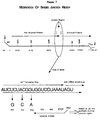
- the vector constructs described above include a viral junction region consisting of the nucleotide sequence as shown in Figure 1, from nucleotide number 7579, to nucleotide number 7597 (SEQ. ID NO. 1).
- the vector constructs include an E3 adenovirus gene located downstream from the second viral junction region, and may also further comprise a retroviral packaging sequence located between the first viral junction region and the second viral junction region.
- the present invention provides a isolated recombinant alphavirus vector which does not contain a functional viral junction region, and which in preferred embodiments produces reduced viral transcription of the subgenomic fragment.
- the present invention provides an expression cassette, comprising a promoter and one or more alphavirus structural proteins, the promoter being capable of directing the expression of the alphavirus structural proteins.
- the expression cassette is capable of expressing the alphavirus capsid protein, such as a Sindbis structural protein selected from the group consisting of 6K, E3, E2, and E1.
- the present invention provides an expression cassette, comprising a promoter, one or more alphavirus structural proteins, and a heterologous ligand sequence, the promoter being capable of directing the expression of the alphavirus structural proteins and the heterologous sequence.
- the heterologous ligand sequence is selected from the group consisting of VSVG, HIV gp120, antibody, insulin, and CD4.
- the expression cassettes described above include a promoter selected from the group consisting of MuLV, MMTV, alphavirus junction region, CMV and VA1RNA.
- the present invention provides an alphavirus particle which, upon introduction into a target cell, produces an infected cell which is viable at least 72 hours after infection. Also provided are target cells which, after infection by an alphavirus particle of the present invention, are viable at least 72 hours after infection.
- the present invention provides a recombinant alphavirus particle which, upon introduction into a target cell, produces an infected cell which is viable at least 72 hours after infection, the particle also carrying a vector construct which directs the expression of at least one antigen or modified form thereof in target cells infected with the alphavirus particle, the antigen or modified form thereof being capable of stimulating an immune response within an animal.
- the expressed antigen or modified form thereof elicits a cell-mediated immune response, preferably an HLA class I- restricted immune response.
- the present invention provides a recombinant alphavirus particle which carries a vector construct capable of directing the expression of a palliative in cells infected with the alphavirus particle, the palliative being capable of inhibiting a function of a pathogenic agent necessary for pathogenicity.
- the pathogenic agent is a virus, fungi, protozoa, or bacteria
- the inhibited function is selected from the group consisting of adsorption, replication, gene expression, assembly, and exit of the pathogenic agent from infected cells.
- the pathogenic agent is a cancerous cell, cancer-promoting growth factor, autoimmune disorder, cardiovascular disorders such as restenosis, osteoporosis and male pattern baldness, and the inhibited function is selected from the group consisting of cell viability and cell replication.
- the vector construct directs the expression of a toxic palliative in infected target cells in response to the presence in such cells of an entity associated with the pathogenic agent; preferably the palliative is capable of selectively inhibiting the expression of a pathogenic gene or inhibiting the activity of a protein produced by the pathogenic agent.
- the palliative comprises an inhibiting peptide specific for viral protease, an antisense RNA complementary to RNA sequences necessary for pathogenicity, a sense RNA complementary to RNA sequences necessary for pathogenicity, or a defective structural protein of a pathogenic agent, such protein being capable of inhibiting assembly of the pathogenic agent.
- the alphavirus particle described above directing the expression of a palliative more particularly, directs the expression of a gene product capable of activating an otherwise inactive precursor into an active inhibitor of the pathogenic agent, for example, the herpes thymidine kinase gene product, a tumor suppressor gene, or a protein that activates a compound with little or no cytotoxicity into a toxic product in the presence of a pathogenic agent, thereby effecting localized therapy to the pathogenic agent.
- a gene product capable of activating an otherwise inactive precursor into an active inhibitor of the pathogenic agent
- the herpes thymidine kinase gene product for example, the herpes thymidine kinase gene product, a tumor suppressor gene, or a protein that activates a compound with little or no cytotoxicity into a toxic product in the presence of a pathogenic agent, thereby effecting localized therapy to the pathogenic agent.
- the alphavirus particle directs the expression of a protein that is toxic upon processing or modification by a protein derived from a pathogenic agent, a reporting product on the surface of target cells infected with the alphavirus and containing the pathogenic agent, or an RNA molecule which functions as an antisense or ribozyme specific for a pathogenic RNA molecule.
- the protein in the alphavirus particle described above, is herpes thymidine kinase or CD4.
- the present invention provides an alphavirus particle which directs the expression of a gene capable of suppressing one or more elements of the immune system in target cells infected with the alphavirus, and an alphavirus particle which directs the expression of a blocking element in cells infected with the Sindbis virus, the blocking element being capable of binding to either a receptor or an agent such that the receptor/agent interaction is blocked.
- the present invention provides a method of stimulating an immune response to an antigen, comprising infecting susceptible target cells with an alphavirus particle which directs the expression of at least one antigen or modified form thereof in target cells infected with the alphavirus, the antigen or modified form thereof being capable of stimulating an immune response within an animal.
- the target cells are infected in vivo .
- a method of stimulating an immune response to a pathogenic antigen comprising infecting susceptible target cells with an alphavirus particle which directs the expression of a modified form of a pathogenic antigen in target cells infected with the alphavirus, the modified antigen being capable of stimulating an immune response within an animal but having reduced pathogenicity relative to the pathogenic antigen.
- a method of stimulating an immune response to an antigen comprising infecting susceptible target cells with a alphavirus particle which directs the expression of a peptide having multiple epitopes, one or more of the epitopes derived from different proteins.
- a method of stimulating an immune response within a warm-blooded animal comprising infecting susceptible target cells associated with a warm-blooded animal with nucleic acid sequences coding for either individual class I or class II MHC protein, or combinations thereof, and infecting the cells with an alphavirus particle which directs the expression of at least one antigen or modified form thereof in target cells infected with the alphavirus particle, the antigen or modified form thereof being capable of stimulating an immune response within the animal.
- a method of inhibiting a pathogenic agent comprising infecting susceptible target cells with a alphavirus particle which directs the expression of a palliative in cells infected with the alphavirus particle, the palliative being capable of inhibiting a function of a pathogenic agent necessary for pathogenicity.
- the eukaryotic layered vector initiation system comprises a 5' promoter, a construct which is capable of expressing a heterologous nucleotide sequence that is capable of replication in a cell either autonomously, or in response to one or more factors, and a transcription termination sequence.
- a DNA eukaryotic layered vector initiation system comprising a 5' promoter, a construct which is capable of expressing a heterologous RNA sequence that is capable of replication in a cell either autonomously or in response to one or more factors, and a transcription termination sequence.
- the construct which is capable of expressing one or more heterologous nucleotide sequences is a Sindbis cDNA vector construct.
- the construct is a viral vector selected from the group consisting of poliovirus, rhinovirus, pox virus, retrovirus, influenza virus, adenovirus, adeno-associated virus, herpes virus, SV40 virus, HIV, measles, astrovirus, Semliki Forest Virus and coronavirus.
- the eukaryotic layered vector initiation system further comprises a polyadenylation sequence.
- the present invention provides an alphavirus RNA vector molecule described above, capable of directing the expression of a palliative in a target cell.
- the palliative in this alphavirus RNA expression vector configuration when expressed, has the same effect as the aspects described above for an alphavirus particle.
- the alphavirus RNA expression vector includes, in order, a 5' sequence which is capable of initiating transcription of an alphavirus, a nucleotide sequence encoding alphavirus non-structural proteins, a viral junction region, a heterologous sequence, an alphavirus RNA polymerase recognition sequence, and a stretch of 25 consecutive polyadenylate residues, and is introduced into the target cells directly by physical means as an RNA molecule, as a complex with various liposome formulations, or as an RNA ligand complex including the alphavirus RNA vector molecule, a polycation compound such as polylysine, a receptor specific ligand, and, optionally, a psoralen inactivated virus such as Sendai or Adenovirus.
- the present invention also provides packaging cell lines and producer cell lines suitable for producing recombinant alphavirus particles.
- packaging or producer cell lines may be either mammalian or non-mammalian (e.g ., insect cells such as mosquito cells).
- alphaviruses may be utilized within the context of the present invention. Representative examples include Aura, Venezuelan Equine Encephalitis, Fort Morgan, Ross River, Semliki Forest Virus and Mayaro.
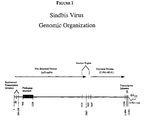
- Figure 1 is a schematic illustration of Sindbis virus genomic organization.
- Figure 2 is an illustration which depicts a method for amplification of a Sindbis RNA genome by RT-PCR.
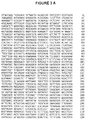
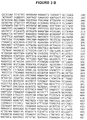
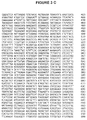
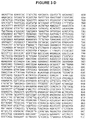
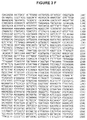
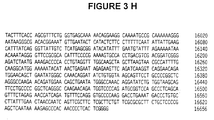
- Figures 3A-H sets forth the sequence of a representative Eukaryotic Layered Vector Initiation System derived from Sindbis (see also SEQ. ID NO. 89).
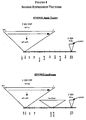
- Figure 4 is a schematic illustration of a Sindbis Basic Vector and a Sindbis-luciferase Vector.
- Figure 5 is an illustration of Sindbis Helper Vector Construction.
- Figure 6 is a graph which illustrates expression and rescue of a Sindbis-luciferase Vector.
- Figure 7 is an illustration of one method for modifying a Sindbis junction region.
- Figure 8 is a schematic illustration of Sindbis Packaging Expression Cassettes.
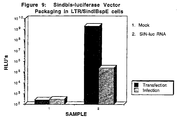
- Figure 9 is a bar graph which illustrates Sindbis-luciferase Vector Packing in LTR/SindIBspE cells.
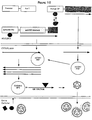
- Figure 10 is a schematic illustration of how Astroviruses or other heterologous viruses may be used to express Sindbis structural proteins.
- Figure 11 is a schematic illustration of the mechanism for activating a disabled viral junction region by "RNA loop-out.”
- Alphavirus vector construct refers to an assembly which is capable of directing the expression of a sequence(s) or gene(s) of interest.
- the vector construct should include a 5' promoter which is capable of initiating the synthesis of viral RNA in vitro from cDNA, a 5' sequence which is capable of initiating transcription of an alphavirus, as well as sequence(s) which, when expressed code for biologically active alphavirus non-structural proteins (i.e. , NSP1, NSP2, NSP3, and NSP4).
- the vector construct should include a viral junction region which may, in certain embodiments, be modified in order to prevent, inhibit or reduce viral transcription of the subgenomic fragment, and an alphavirus RNA polymerase recognition sequence.
- the vector construct may also include nucleic acid molecule(s) which are of a size sufficient to allow production of viable virus, as well as one or more restriction sites.
- nucleic acid molecule(s) which are of a size sufficient to allow production of viable virus, as well as one or more restriction sites.
- the alphavirus vector construct is a cDNA vector construct, it should additionally include a 5' promoter which is capable of initiating the synthesis of viral RNA from cDNA, and a 3' sequence which controls transcription termination and splice recognition.
- Expression cassette refers to a recombinantly produced molecule which is capable of expressing alphavirus structural protein(s).
- the expression cassette must include a promoter and a sequence encoding alphavirus structural protein(s).
- the expression cassette may include transcription termination, splice recognition, and polyadenylation addition sites.
- Preferred promoters include the CMV and adenovirus VA1RNA promoters.
- the expression cassette may contain selectable markers such as Neo, SV2 Neo, hygromycin, phleomycin, histidinol, and DHFR.
- Alphavirus particle refers to a capsid which contains an alphavirus vector.
- a variety of vectors may be contained within the alphavirus particle, including the alphavirus vector constructs of the present invention.
- the alphavirus capsid is contained within a lipid bilayer, such as a cell membrane, in which viral encoded proteins are embedded.
- the present invention provides alphavirus vector constructs, alphavirus particles containing such constructs, as well as methods for utilizing such vector constructs and particles.
- sequences encoding wild-type alphavirus suitable for use in preparing the above-described vector constructs and particles may be readily obtained given the disclosure provided herein from naturally-occurring sources, or from depositories ( e.g ., the American Type Culture Collection, Rockville, Maryland).
- alphaviruses include Aura (ATCC VR-368), Bebaru virus (ATCC VR-600, ATCC VR-1240), Cabassou (ATCC VR-922), Chikungunya virus (ATCC VR-64, ATCC VR-1241), Eastern equine encephalomyelitis virus (ATCC VR-65, ATCC VR-1242), Fort Morgan (ATCC VR-924), Getah virus (ATCC VR-369, ATCC VR-1243), Kyzylagach (ATCC VR-927), Mayaro (ATCC VR-66), Mayaro virus (ATCC VR-1277), Middleburg (ATCC VR-370), Mucambo virus (ATCC VR-580, ATCC VR-1244), Ndumu (ATCC VR-371), Pixuna virus (ATCC VR-372, ATCC VR-1245), Ross River virus (ATCC VR-373, ATCC VR-1246), Semliki Forest virus (ATCC VR-67, ATCC VR-1247), Sindbis virus (ATCC VR-68, ATCC VR
- the sequences which encode wild-type alphavirus may be obtained from the Sindbis virus.
- a Sindbis cDNA clone may be obtained by linking the 5' end of a Sindbis virus cDNA clone to a bacteriophage RNA polymerase promoter, and the 3' end of the cDNA clone to a poly-adenosine (poly A) tract of at least 25 nucleotides.
- synthesis of the first cDNA strand from the viral RNA template may be accomplished with a 3' oligonucleotide primer having a consecutive sequence comprising an enzyme recognition sequence, a sequence of 25 deoxythymidine nucleotides, and a stretch of approximately 18 nucleotides which is complementary to the viral 3' end and with a 5' primer containing buffer nucleotides, an enzyme recognition sequence, a bacteriophage promoter and a sequence complimentary to the viral 5' end.
- the enzyme recognition sites present on each of these primers should be different from each other, and not found in the Sindbis virus.
- the first nucleotide linked to the 3' end of the bacteriophage RNA polymerase promoter should be the authentic first nucleotide of the RNA virus.
- RNA transcribed in vitro from the viral cDNA clone, having the construction described above and linearized by digestion with the unique dT:dA 3' distal restriction enzyme will, after introduction into the appropriate eukaryotic cell, initiate the same infection cycle which is characteristic of infection by the wild-type virus from which the cDNA was cloned.
- This viral cDNA clone, which yields RNA able to initiate infection after in vitro transcription, is referred to below as an "infectious cDNA clone.”
- alphavirus vector constructs of the present invention comprising a 5' sequence which is capable of initiating transcription of an alphavirus, a nucleotide sequence encoding alphavirus non-structural proteins, a viral junction region which has been inactivated such that viral transcription of the subgenomic fragment is prevented, and an alphavirus RNA polymerase recognition sequence.
- alphavirus vector constructs which have inactivated viral junction regions do not transcribe the subgenomic fragment, making them suitable for a wide variety of applications.
- alphavirus vector constructs which contain a 5' promoter which is capable of initiating the synthesis of viral RNA i n vitro from cDNA.
- preferred 5' promoters include RNA polymerase promoters such as T7, T3 and SP6.
- the alphavirus vector constructs of the present invention contain a 5' sequence which is capable of initiating transcription of an alphavirus.
- Representative examples of such sequences include nucleotides 1-60 of the wild-type Sindbis virus ( see Figure 3), nucleotides 10-75 for tRNA Asparagine (Schlesinger et al., U.S. Patent No. 5,091,309), and 5' sequences from other Togaviruses which initiate transcription.
- Alphavirus vector constructs of the present invention should also contain sequences which encode Alphavirus Non-Structural Proteins (NSP).
- NSP Alphavirus Non-Structural Proteins
- NSP1-NSP3 Sindbis non-structural proteins 1 through 3
- NSP4 is, within one embodiment, encoded by nucleotides 5928 to 7579 ( see Figure 3).
- non-structural protein derivatives may be made, including for example, various substitutions, insertions, or deletions, the net result of which do not alter the biological activity of the alphavirus non-structural proteins.
- alphavirus non-structural proteins are deemed to be "biologically active" in toto if they promote the self-replication of the vector construct.
- Self-replication which refers to replication of viral nucleic acids and not the production of infectious virus, may be readily determined by RNase protection assays performed over a course of time. Methods for making such derivatives may be readily accomplished by one of ordinary skill in the art given the disclosure provided herein ( see also, Molecular Cloning : A Laboratory Manual (2d. ed.), Cold Spring Harbor Laboratory Press).
- the alphavirus vector constructs also include a viral junction region which has been inactivated, such that viral transcription of the subgenomic fragment is prevented.
- the alphavirus viral junction region normally controls transcription initiation of the subgenomic fragment.
- the normal viral junction region typically begins at approximately nucleotide number 7579 and continues up through at least nucleotide number 7612 (and possibly beyond).
- nucleotides 7579 to 7602 (5'- ATC TCT ACG GTG GTC CTA AAT AGT - SEQ. ID NO. 1) are believed necessary for transcription of the subgenomic fragment.
- This region (nucleotides 7579 to 7602) is hereinafter referred to as the "minimal junction region core.”
- the viral junction region is inactivated in order to prevent viral transcription of the subgenomic fragment.
- inactivated means that the fragment corresponding to the initiation point of the subgenomic fragment, as measured by a RNase protection assay, is not detected. (Representative assays are described by Melton et al., Nuc . Acids Res . 12 :7035-7056, 1984; Calzon et al., Methods in Enz . 152 :611-632, 1987; and Kekule et al., Nature 343 :457-461, 1990.)
- the viral junction region is inactivated by truncating the viral junction region at nucleotide 7597 (i.e ., the viral junction region will then consist of the sequence as shown in Figure 3, from nucleotide 7579 to nucleotide 7597). This truncation prevents transcription of the subgenomic fragment, and additionally permits synthesis of the complete NSP4 region (which is encoded by nucleotides 5928 to 7579).
- deletions, substitutions or insertions may also be made in order to inactivate the viral junction region.
- the viral junction region may be further truncated into the region which encodes NSP4, thereby preventing viral transcription from the subgenomic fragment while retaining the biological activity of NSP4.
- nucleotide substitutions may be made in the sequence encoding NSP4, the net effect of which does not alter the biological activity of NSP4 yet, nevertheless, prevents transcription of the subgenomic fragment.
- alphavirus vector constructs of the present invention should also include an alphavirus RNA polymerase recognition sequence (also termed "alphavirus replicase recognition sequence").
- the alphavirus RNA polymerase recognition sequence provides a recognition site at which the virus begins replication of the negative strand.
- a wide variety of sequences may be utilized as an alphavirus RNA polymerase recognition sequence.
- Sindbis vector constructs of the present invention include a Sindbis polymerase recognition sequence which is encoded by nucleotides 11,647 to 11,703 ( see Figure 3).
- the Sindbis polymerase recognition is truncated to the smallest region which can still function as a recognition sequence (e.g. , nucleotides 11,684 to 11,703 of Figure 3).
- the vector construct may additionally contain a poly-A tail.
- the poly-A tail may be of any size which is sufficient to promote stability in the cytoplasm, thereby increasing the efficiency of initiating the viral life cycle.
- the poly-A tail comprises at least 10 adenosine nucleotides, and most preferably, at least 25 adenosine nucleotides.
- alphavirus vector constructs which are generally described above, a wide variety of other alphavirus vector constructs may also be prepared utilizing the disclosure provided herein.
- alphavirus vector constructs wherein the viral junction region has been modified, such that viral transcription of the subgenomic fragment is reduced.
- infection of cells with wild-type alphavirus normally results in cell death as a result of abundant viral transcription of the subgenomic fragment initiated from the viral junction region. This large abundance of RNA molecules can overwhelm the transcriptional machinery of the infected cell, ultimately resulting in death of the cell.
- a target cell In applications where it is desired that infection of a target cell should result in a therapeutic effect (e.g ., strand scission of a target nucleic acid or prolonged expression of a heterologous protein) rather than cell death, several modifications to the alphavirus vector construct (in addition to inactivating the vector construct, as described above) may be made in order to reduce the level of viral transcription of the subgenomic fragment, and thereby prolong the life of the vector infected target cell.
- viral transcription of the subgenomic fragment is considered to be "reduced” if it produces less subgenomic fragment than a standard wild-type alphavirus (e.g., Sindbis virus ATCC No. VR-1248) as determined by a RNase protection assay.
- Viral junction regions may be modified by a variety of methods in order to reduce the level of viral transcription of the subgenomic fragment. For example, within one embodiment of the invention, due to the redundancy of the genetic code nucleotide substitutions may be made in the viral junction region 7579 to 7597, the net effect of which does not alter the amino acid sequence NSP4 (or, within other embodiments, the biological activity of NSP4), and yet reduces the level of viral transcription of the subgenomic fragment. If the modified vector construct includes nucleotides beyond 7597 ( e.g. , to 7602 or 7612), further nucleotide substitutions may likewise be made, although, since NSP4 terminates at 7597, such substitutions need not be based upon genetic redundancy. Representative examples of modified viral junction regions are described in more detail below in Example 3.
- alphavirus vector constructs which comprise a 5' sequence which is capable of initiating transcription of an alphavirus, a nucleotide sequence encoding alphavirus non-structural proteins, a first viral junction region which has been inactivated such that viral transcription of the subgenomic fragment is prevented, a second viral junction region which has been modified such that viral transcription of the subgenomic fragment is reduced, and an alphavirus RNA polymerase recognition sequence.
- Such vector constructs are referred to as "tandem" vector constructs because they comprise a first inactivated (or “disabled") viral junction region, as well as a second modified (or “synthetic") viral junction region.
- the inactivated junction region is followed directly by the second modified viral junction region.
- a minimal junction region core may be inserted downstream in tandem to the inactivated junction region.
- sequences corresponding to the entire junction region may be added to the in-tandem junction region, in increments.
- an adenovirus E3 gene is inserted into a tandem vector construct following the second viral junction region, in order to down-regulate HLA expression in alphavirus infected cells.
- repeated inoculations of a gene therapeutic into the same individual is desirable.
- repeated inoculations of alphaviruses such as the Sindbis virus may lead to the development of specific antibodies or cell-mediated immune response against Sindbis viral non-structural protein (NSP).
- NSP Sindbis viral non-structural protein
- products of the Adenovirus type 2 early region gene 3 are utilized in order to down-regulate the expression of integral histocompatibility antigens expressed on the surface of infected cells.
- the E3 19,000 dalton (E3/19K) protein binds to, and forms a molecular complex with, class I H-2/HLA antigens in the endoplasmic reticulum, preventing terminal glycosylation pathways necessary for the full maturation and subsequent transport of the class I H-2/HLA antigens to the cell membrane.
- target cells infected with an alphavirus vector encoding the Ad 2 E3 protein co-expression of the viral non-structural proteins in the context of class I antigens will not occur.
- HCMV Human Cytomegalovirus
- ⁇ 2-Microglobulin ( ⁇ 2m) protein binds to the ⁇ 1, ⁇ 2 and ⁇ 3 domains of the a-chain of the class I major histocompatibility molecules of higher eukaryotes. Preventing the interaction between ⁇ 2m and MHC class I products renders infected cells unrecognizable by cytotoxic T cells. Therefore, as described in greater detail below in Example 4B, expression of the HCMV H301 gene product as a component of a therapeutic palliative may be utilized in order to mitigate the host immune response to viral NSP.
- a retroviral packaging sequence is inserted into a tandem vector and positioned between the first (inactivated) viral junction region and the second, modified viral junction region.
- retroviral packaging sequences signal the packaging of an RNA genome into a retroviral particle.
- a retroviral packaging sequence may be utilized in order to package an alphavirus vector into a retroviral particle using a retroviral packaging cell line. This is performed in order to increase the efficiency of alphavirus vector transfer into an alphavirus packaging cell line.
- the genomic length and subgenomic length of mRNAs transcribed in wild-type alphavirus infected cells are polycistronic, coding for, respectively, the viral four non-structural proteins (NSPs) and four structural proteins (SPs).
- NSPs non-structural proteins
- SPs structural proteins
- the genomic and subgenomic mRNAs are translated as polyproteins, and processing into the individual non-structural and structural proteins is accomplished by post translational proteolytic cleavage, catalyzed by viral encoded NSP- and SP- specific proteases.
- the expression of more than one heterologous gene is desired.
- multiple administrations of alphavirus vectors or particles may be required, since duration of the therapeutic palliative may be limited. Therefore, with certain embodiments of the invention it may be desirable to co-express in a target cell the Ad 2 E3 gene (see Example 4), along with a therapeutic palliative, such as the glucocerbrocidase gene ( see Example 11).
- the structural protein (“SP") polycistronic message is translated into a single polyprotein which is subsequently processed into individual proteins by cleavage with SP encoded proteases.
- expression of multiple heterologous genes from a polycistronic message requires a mechanism different from the wild-type virus, since the SP protease gene, or the peptides recognized for cleavage, are not present in the replacement region of the alphavirus vectors.
- alphavirus vectors may be constructed by placing appropriate signals either ribosome readthrough or internal ribosome entry between cistrons.
- One such representative method of expressing multiple heterologous genes is set forth below in Example 5.
- the placement of signals promoting either ribosome readthrough or internal ribosome entry immediately downstream of the disabled junction region vector pKSSINBVdlJR is described ( see Example 3).
- synthesis of subgenomic message cannot occur; however, the heterologous proteins are expressed from genomic length mRNA by either ribosomal readthrough (scanning) or internal ribosome entry. Relative to wild-type, the low level of viral transcription with this alphavirus vector would prolong the life of the infected target cell.
- placement of signals promoting either ribosome readthrough or internal ribosome entry immediately downstream of the pKSSINBVdlJRsjr or pKSSINBV vectors is described. Briefly, since synthesis of subgenomic mRNA occurs in cells infected with the pKSSINBVdlJRsjr and pKSSINBV vectors, placement of either a ribosome readthrough sequence or an internal ribosome entry sequence between the two heterologous genes permits translation of both proteins encoded by the subgenomic mRNA polycistronic message.
- heterologous genes can be placed in the subgenomic mRNA region, provided that a suitable translation initiation signal resides at the 5' end of the translational AUG start codon.
- the number of heterologous gene(s) which can be inserted into the subgenomic mRNA region, as described here, is limited only by the packaging constraints of the vector.
- RNA sequences which allow either ribosome readthrough, cap-independent translation, or internal ribosome entry may be placed into Sindbis vectors pKSSINBVdlJR, pKSSINBV, or pKSSINBVdlJRsjrc in the configurations as discussed above.
- the source of these translation control sequences are the picornaviruses polio and EMCV, the 5' noncoding region of the human immunoglobulin heavy-chain binding protein, and a synthetic sequence of at least 15 bps corresponding in part to the Kozak consensus sequence for efficient translational initiation.
- these signals which affect translation initiation can also be placed downstream of the junction region and between heterologous genes in all of the modified junction region vectors described in Example 3.
- alphavirus cDNA vector constructs which comprise a 5' promoter which is capable of initiating the synthesis of viral RNA from cDNA, followed by a 5' sequence which is capable of initiating transcription of an alphavirus, a nucleotide sequence encoding alphavirus non-structural proteins, a viral junction region which is either active or which has been inactivated such that viral transcription of the subgenomic fragment is prevented, an alphavirus RNA polymerase recognition sequence, and a 3' sequence which controls transcription termination.
- the viral junction region may be modified, such that viral transcription of the subgenomic fragment is merely reduced, rather than inactivated.
- a second viral junction region may be inserted following the first inactivated viral junction region, the second viral junction region being modified such that viral transcription of the subgenomic fragment is reduced.
- alphavirus cDNA vector constructs differ by the addition of a 5' promoter which is capable of initiating the synthesis of viral RNA from cDNA.
- suitable promoters include the lac promoter, metallathione promoter, CMV promoter and heat shock promoter.
- the alphavirus cDNA vector construct also includes a 3' sequence which controls transcription termination.
- a representative example of such a sequence is set forth in more detail below in Example 2.
- alphavirus vector constructs are provided which are capable of expressing a desired heterologous sequence only in a selected tissue.
- Figure 11A recombinant alphavirus vector is constructed such that upon introduction of the vector ( Figure 11A) into a target cell, internal inverted repeat sequences which flank the transcriptional control regions (e.g ., modified junction region) loop out ( see Figure 11B), thereby preventing viral transcription of subgenomic sequences ("G.O.I.") from the synthetic junction region.
- activation of the vector can be attained if the inverted repeats are designed to also hybridize to a specific cellular RNA sequence which is characteristic of a selected tissue or cell type.
- cellular RNA disrupts the disabling stem loop structure, thereby allowing the formation of a more stable secondary stem loop structure ( Figures 11C and 11D).
- This secondary stem loop structure allows transcription of the sub-genomic message by placing the junction region back into its correct positional configuration.
- Full-length alphavirus vectors can also be transcribed using the secondary stem loop structure by taking advantage of the ability of the viral polymerase to switch templates during synthesis of the negative strand using a strand hopping mechanism termed copy choice (King. RNA genetics II , CRC Press, Inc., Boca Raton Fla., Domingo et al. (ed.), pp. 150-185, 1988).
- copy choice King. RNA genetics II , CRC Press, Inc., Boca Raton Fla., Domingo et al. (ed.), pp. 150-185, 1988.
- tissue or cell-specific activation of the disabled Sindbis vector can be achieved if specific RNA sequences, present only in the targeted cell or tissue types, are used in the design of the inverted repeats.
- alphaviruses such as Sindbis can be engineered to be tissue-specific expression vectors using similar inverted sequences described above.
- tumor-specific markers such as the carcinoembryonic tumor specific antigen (CEA) and the alpha-fetoprotein tumor marker.
- CEA carcinoembryonic tumor specific antigen
- utilizing such tumor-specific RNA to target specific tumors allows for the tumor-specific expression of toxic molecules, lymphokines or pro-drugs discussed below.
- Such methods may be utilized for a wide variety of tumors, including for example, colorectal, lung, breast, ovary, bladder and prostate cancers because all these tumors express the CEA.
- One representative illustration of vectors suitable for use within this aspect of the present invention is set forth in more detail below in Example 15.
- CEA was one of the first tumor-specific markers to be described, along with the alpha-fetoprotein tumor marker.
- CEA is a normal glycoprotein in the embryonic tissue of the gut, pancreas and liver during the first two trimesters of fetal development ( Pathologic Basis of Disease , 3rd edition 1984, Robbins et al. editor).
- PCA Pathologic Basis of Disease , 3rd edition 1984, Robbins et al. editor.
- CEA was believed to be specific for adenocarcinomas of the colon, however, with the subsequent development of more sensitive radioimmunoassays it became apparent that CEA was presented in the plasma with many endodermally derived cancers, particularly pancreatic, gastric and broncogenic.
- alphavirus cell-specific expression vectors may be constructed to express viral antigens, ribozyme, antisense sequences or immunostimulatory factors such as gamma-interferon ( ⁇ -IFN) or IL-2 for the targeted treatment of virus infected cell types.
- ⁇ -IFN gamma-interferon
- inverted repeats of the alphavirus vector may be selected to hybridize to any pathogen-specific RNA, for instance target cells infected by pathogens such as HIV, CMV, HBV, HPV and HSV.
- liver-specific metabolic diseases may be targetted for the treatment of tissue-specific metabolic diseases utilizing gene replacement therapies.
- the liver is an important target tissue because it is responsible for many of the body's metabolic functions and is associated with many metabolic genetic disorders.
- diseases include many of the glycogen storage diseases, phenylketonuria, Gaucher's disease and familial hypercholesterolemia.
- liver-specific enzymes and markers which have been sequenced which may be used to engineer appropriate inverted repeats for alphavirus vectors.
- liver-specific cDNAs include sequences encoding for S-adenosylmethione synthetase (Horikawa et al., Biochem. Int .
- liver-specific alphavirus vector could be used to deliver the low density lipoprotein receptor (Yamamoto et al., Cell 39 :27, 1984) to liver cells for the treatment of familial hypercholesterolemia (Wilson et al., Mol. Biol. Med 7 :223, 1990).
- nucleotide sequences may be carried by the alphavirus vector constructs of the present invention.
- the nucleotide sequences should be of a size sufficient to allow production of viable virus.
- the production of any measurable titer of infectious virus on susceptible monolayers is considered to be "production of viable virus.”
- This may be, at a minimum, an alphavirus vector construct which does not contain any additional heterologous sequence.
- the vector construct may contain additional heterologous or foreign sequences.
- the heterologous sequence will comprise a heterologous sequence of at least about 100 bases, 2 kb, 3.5 kb, 5 kb, 7 kb, or even a heterologous sequence of at least about 8 kb.
- the efficiency of packaging and hence, viral titer is to some degree dependent upon the size of the sequence to be packaged.
- additional non-coding sequences may be added to the vector construct.
- heterologous sequences may be included in the vector construct, including for example sequences which encode palliatives such as lymphokines, toxins, prodrugs, antigens which stimulate an immune response, ribozymes, and proteins which assist or inhibit an immune response, as well as antisense sequences (or sense sequences for "antisense applications").
- palliatives such as lymphokines, toxins, prodrugs, antigens which stimulate an immune response, ribozymes, and proteins which assist or inhibit an immune response
- antisense sequences or sense sequences for "antisense applications”
- the alphavirus vector constructs provided herein may contain (and express, within certain embodiments) two or more heterologous sequences.
- the heterologous sequence encodes a lymphokine.
- lymphokines act to proliferate, activate, or differentiate immune effectors cells.
- Representative examples of lymphokines include gamma interferon, tumor necrosis factor, IL-1, IL-2, IL-3, IL-4, IL-5, IL-6, IL-7, IL-8, IL-9, IL-10, IL-11, IL-12, IL-13, IL-14, IL-15, GM-CSF, CSF-1 and G-CSF.
- the heterologous sequence encodes a immunomodulatory cofactor.
- immunomodulatory cofactor refers to factors which, when manufactured by one or more of the cells involved in an immune response, or when added exogenously to the cells, causes the immune response to be different in quality or potency from that which would have occurred in the absence of the cofactor.
- the quality or potency of a response may be measured by a variety of assays known to one of skill in the art including, for example, in vitro assays which measure cellular proliferation (e.g ., 3H thymidine uptake), and in vitro cytotoxic assays (e.g. , which measure 51Cr release) ( see Warner et al., AIDS Res. and Human Retroviruses 7 :645-655, 1991).
- immunomodulatory co-factors include alpha interferon (Finter et al., Drugs 42 (5):749-765, 1991; U.S. Patent No. 4,892,743; U.S. Patent No. 4,966,843; WO 85/02862; Nagata et al., Nature 284:316-320, 1980; Familletti et al., Methods in Enz . 78 :387-394, 1981; Twu et al., Proc. Natl. Acad. Sci. USA 86 :2046-2050, 1989; Faktor et al., Oncogene 5 :867-872, 1990), beta interferon (Seif et al., J. Virol.
- IL-2 Interleukin- 2
- IL-2 Interleukin- 2
- IL-4 Tepper et al., Cell 57 :503-512, 1989; Golumbek et al., Science 254 :713-716, 1991; U.S. Patent No.
- IL-6 Brain et al., J. Immunol . 139 :4116-4121, 1987; WO 90/06370
- IL-12 IL-15
- ICAM-1 Altman et al., Nature 338 :512-514, 1989
- ICAM-2 LFA-1, LFA-3
- MHC class I molecules MHC class II molecules
- ⁇ 2-microglobulin, chaperones CD3, B7/BB1, MHC linked transporter proteins or analogs thereof.
- Peripheral blood lymphocytes are restimulated in vitro with autologous or HLA-matched cells (e.g ., EBV transformed cells), and transduced with an alphavirus vector construct which directs the expression of an immunogenic portion of a hepatitis antigen and the immunomodulatory cofactor.
- Stimulated PBLs are used as effectors in a CTL assay with the HLA-matched transduced cells as targets.
- the immunomodulatory cofactor gamma interferon is particularly preferred.
- Another example of an immunomodulatory cofactor is the B7/BB1 costimulatory factor.
- activation of the full functional activity of T cells requires two signals.
- One signal is provided by interaction of the antigen-specific T cell receptor with peptides which are bound to major histocompatibility complex (MHC) molecules, and the second signal, referred to as costimulation, is delivered to the T cell by antigen-presenting cells.
- MHC major histocompatibility complex
- costimulation is delivered to the T cell by antigen-presenting cells.
- the second signal is required for interleukin-2 (IL-2) production by T cells and appears to involve interaction of the B7/BB1 molecule on antigen-presenting cells with CD28 and CTLA-4 receptors on T lymphocytes (Linsley et al., J. Exp. Med., 173 :721-730, 1991a, and J.
- B7/BB1 may be introduced into tumor cells in order to cause costimulation of CD8+ T cells, such that the CD8+ T cells produce enough IL-2 to expand and become fully activated.
- CD8+ T cells can kill tumor cells that are not expressing B7 because costimulation is no longer required for further CTL function.
- Vectors that express both the costimulatory B7/BB1 factor and, for example, an immunogenic HBV core protein may be made utilizing methods which are described herein. Cells transduced with these vectors will become more effective antigen-presenting cells. The HBV core-specific CTL response will be augmented from the fully activated CD8+ T cell via the costimulatory ligand B7/BB1.
- the heterologous sequence encodes a toxin.
- toxins act to directly inhibit the growth of a cell.
- Representative examples of toxins include ricin (Lamb et al., Eur. J. Biochem. 148 :265-270, 1985), abrin (Wood et al., Eur. J. Biochem. 198 :723-732, 1991; Evensen et al., J. of Biol. Chem. 266 :6848-6852, 1991; Collins et al., J. of Biol. Chem. 265 :8665-8669, 1990; Chen et al., Fed. of Eur. Biochem Soc.
- the heterologous sequence encodes a "pro-drugs".
- pro-drugs refers to a gene product that activates a compound with little or no cytotoxicity into a toxic product.
- Representative examples of such gene products include HSVTK and VZVTK, which selectively monophosphorylate certain purine arabinosides and substituted pyrimidine compounds, converting them to cytotoxic or cytostatic metabolites. More specifically, exposure of the drugs ganciclovir, acyclovir, or any of their analogues (e.g. FIAU, FIAC, DHPG) to HSVTK, phosphorylates the drug into its corresponding active nucleotide triphosphate form.
- analogues e.g. FIAU, FIAC, DHPG
- pro-drugs which may be utilized within the context of the present invention include: E. coli guanine phosphoribosyl transferase which converts thioxanthine into toxic thioxanthine monophosphate (Besnard et al., Mol. Cell. Biol.
- alkaline phosphatase which will convert inactive phosphorylated compounds such as mitomycin phosphate and doxorubicin-phosphate to toxic dephosphorylated compounds
- fungal e.g., Fusarium oxysporum
- bacterial cytosine deaminase which will convert 5-fluorocytosine to the toxic compound 5-fluorouracil
- carboxypeptidase G2 which will cleave the glutamic acid from para-N-bis (2-chloroethyl) aminobenzoyl glutamic acid, thereby creating a toxic benzoic acid mustard
- Penicillin-V amidase which will convert phenoxyacetabide derivatives of doxorubicin and melphalan to toxic compounds ( see generally, Vrudhula et al., J. of Med Chem. 36 (7):919-923, 1993; Kern et alkaline phosphatase, which will convert inactive phosphorylated compounds such as mitomycin phosphate and
- the heterologous sequence is an antisense sequence.
- antisense sequences are designed to bind to RNA transcripts, and thereby prevent cellular synthesis of a particular protein or prevent use of that RNA sequence by the cell.
- Representative examples of such sequences include antisense thymidine kinase, antisense dihydrofolate reductase (Maher and Dolnick, Arch. Biochem. & Biophys.
- antisense HER2 Coussens et al., Science 230 :1132-1139, 1985
- antisense ABL Fainstein et al., Oncogene 4 :1477-1481, 1989
- antisense Myc Stanton et al., Nature 310 :423-425, 1984
- antisense ras as well as antisense sequences which block any of the enzymes in the nucleotide biosynthetic pathway.
- antisense sequences to ⁇ -interferon and ⁇ -2 microglobulin may be utilized in order to decrease immune response.
- antisense RNA may be utilized as an anti-tumor agent in order to induce a potent Class I restricted response.
- high levels of specific antisense sequences are believed to induce the increased expression of interferons (including gamma-interferon) due to the formation of large quantities of double-stranded RNA.
- the increased expression of gamma interferon boosts the expression of MHC Class I antigens.
- Preferred antisense sequences for use in this regard include actin RNA, myosin RNA, and histone RNA. Antisense RNA which forms a mismatch with actin RNA is particularly preferred.
- alphavirus vectors which produce ribozymes upon infection of a host cell.
- ribozymes are used to cleave specific RNAs and are designed such that it can only affect one specific RNA.
- the substrate binding sequence of a ribozyme is between 10 and 20 nucleotides long. The length of this sequence is sufficient to allow a hybridization with target RNA and disassociation of the ribozyme from the cleaved RNA.
- Representative examples for creating ribozymes include those described in U.S. Patent Nos. 5,116,742; 5,225,337 and 5,246,921.
- Particularly preferred ribozymes for use within the present invention include those disclosed in more detail below in the Examples ( e.g., Example 18).
- proteins or other cellular constituents may be carried by the alphavirus vector construct.
- Representative examples of such proteins include native or altered cellular components, as well as foreign proteins or cellular constituents, found in for example, viruses, bacteria, parasites or fungus.
- alphavirus vector constructs which direct the expression of an immunogenic, non-tumorigenic, altered cellular component.
- immunogenic refers to altered cellular components which are capable, under the appropriate conditions, of causing an immune response. This response must be cell-mediated, and may also include a humoral response.
- non-tumorigenic refers to altered cellular components which will not cause cellular transformation or induce tumor formation in nude mice.
- altered cellular component refers to proteins and other cellular constituents which are either associated with rendering a cell tumorigenic, or are associated with tumorigenic cells in general, but are not required or essential for rendering the cell tumorigenic.
- the cellular components may be essential to normal cell growth and regulation and include, for example, proteins which regulate intracellular protein degradation, transcriptional regulation, cell-cycle control, and cell-cell interaction. After alteration, the cellular components no longer perform their regulatory functions and, hence, the cell may experience uncontrolled growth.
- altered cellular components include ras*, p53*, Rb*, altered protein encoded by the Wilms' tumor gene, ubiquitin*, mucin*, protein encoded by the DCC, APC, and MCC genes, the breast cancer gene BRCA1*, as well as receptors or receptor-like structures such as neu, thyroid hormone receptor, platelet derived growth factor (PDGF) receptor, insulin receptor, epidermal growth factor (EGF) receptor, and the colony stimulating factor (CSF) receptor.
- PDGF platelet derived growth factor
- EGF epidermal growth factor
- CSF colony stimulating factor
- alphavirus vector constructs which direct the expression of a non-tumorigenic, altered ras (ras*) gene.
- ras* non-tumorigenic, altered ras
- the ras* gene is an attractive target because it is causally linked to the neoplastic phenotype, and indeed may be necessary for the induction and maintenance of tumorigenesis in a wide variety of distinct cancers, such as pancreatic carcinoma, colon carcinoma and lung adenocarcinoma.
- ras* genes are found in pre-neoplastic tumors and, therefore, immune intervention therapy may be applied prior to detection of a malignant tumor.
- Normal ras genes are non-tumorigenic and ubiquitous in all mammals. They are highly conserved in evolution and appear to play an important role in maintenance of the cell cycle and normal growth properties.
- the normal ras protein is a G-protein which binds GTP and has GTPase activity, and is involved in transmitting signals from the external milieu to the inside of the cell, thereby allowing a cell to respond to its environment.
- Ras* genes on the other hand alter the normal growth regulation of neoplastic cells by uncoupling cellular behavior from the environment, thus leading to the uncontrolled proliferation of neoplastic cells. Mutation of the ras gene is believed to be an early event in carcinogenesis (Kumar et al., Science 248 :1101 - 1104, 1990) which, if treated early, may prevent tumorigenesis.
- Ras* genes occur in a wide variety of cancers, including for example, pancreatic, colon, and lung adenocarcinomas.
- Table 1 summarizes known in vivo mutations (codons 12, 13 and 61) which activate human ras, as well as potential mutations which have in vitro transforming activity. Potential mutations with in vitro transforming activity were produced by the systematic substitution of amino acids for the normal codon (e.g ., other amino acids were substituted for the normal glycine at position 12). In vitro mutations, while not presently known to occur in humans or animals, may serve as the basis for an anti-cancer immunotherapeutic if they are eventually found to arise in vivo .
- novel proteins encoded by these sequence(s) may be used as a marker of tumorigenic cells, and an immune response directed against these novel coding regions may be utilized to destroy tumorigenic cells containing the altered sequences (ras*).
- alphavirus vector constructs which direct the expression of an altered p53 (p53*) gene.
- p53 is a nuclear phosphoprotein which was originally discovered in extracts of transformed cells and thus was initially classified as an oncogene (Linzer and Levine, Cell 17 :43-52, 1979; Lane and Crawford, Nature 278 :261-263, 1979). It was later discovered that the original p53 cDNA clones were mutant forms of p53 (Hinds et al., J. Virol. 63 :739-746, 1989). It now appears that p53 is a tumor suppressor gene which negatively regulates the cell cycle, and that mutation of this gene may lead to tumor formation. Of colon carcinomas that have been studied, 75%-80% show a loss of both p53 alleles, one through deletion and the other through point mutation. Similar mutations are found in lung cancer, and in brain and breast tumors.
- p53 mutations e.g ., p53*1, p53*2, etc.
- the majority of p53 mutations are clustered between amino acid residues 130 to 290 (see Levine et al., Nature 351 :453-456, 1991; see also the following references which describe specific mutations in more detail: Baker et al., Science 244 :217-221, 1989; Nigro et al., Nature 342 :705-708, 1989 (p53 mutations cluster at four "hot spots" which coincide with the four highly conserved regions of the genes and these mutations are observed in human brain, breast, lung and colon tumors); Vogelstein, Nature 348 :681-682, 1990; Takahashi et al., Science 246 :491-494, 1989; Iggo et al., Lancet 335 :675-679, 1990; James et al., Proc.
- Certain alterations of the p53 gene may be due to certain specific toxins.
- Bressac et al. ( Nature 350 :429-431, 1991) describes specific G to T mutations in codon 249 in patients affected with hepatocellular carcinoma.
- One suggested causative agent of this mutation is aflatoxin B1, a liver carcinogen which is known to be a food contaminant in Africa.
- a sequence encoding the altered cellular component has been obtained, it is necessary to ensure that the sequence encodes a non-tumorigenic protein.
- Various assays are known and may easily be accomplished which assess the tumorigenicity of a particular cellular component. Representative assays include a rat fibroblast assay, tumor formation in nude mice or rats, colony formation in soft agar, and preparation of transgenic animals, such as transgenic mice.
- Tumor formation in nude mice or rats is a particularly important and sensitive method for determining the tumorigenicity of a particular cellular component.
- Nude mice lack a functional cellular immune system (i.e. , do not possess CTLs), and therefore provide a useful in vivo model in which to test the tumorigenic potential of cells.
- Normal non-tumorigenic cells do not display uncontrolled growth properties if infected into nude mice. However, transformed cells will rapidly proliferate and generate tumors in nude mice.
- the alphavirus vector construct is administered to syngeneic murine cells, followed by injection into nude mice. The mice are visually examined for a period of 2 to 8 weeks after injection in order to determine tumor growth.
- mice may also be sacrificed and autopsied in order to determine whether tumors are present.
- Tumorigenicity may also be assessed by visualizing colony formation in soft agar (Macpherson and Montagnier, Vir . 23:291-294, 1964). Briefly, one property of normal non-tumorigenic cells is "contact inhibition" (i.e. , cells will stop proliferating when they touch neighboring cells). If cells are plated in a semi-solid agar support medium, normal cells rapidly become contact inhibited and stop proliferating, whereas tumorigenic cells will continue to proliferate and form colonies in soft agar.
- Transgenic animals such as transgenic mice, may also be utilized to assess the tumorigenicity of an altered cellular component.
- the gene of interest may be expressed in all tissues of the animal. This dysregulated expression of the transgene may serve as a model for the tumorigenic potential of the newly introduced gene.
- the altered cellular component is associated with making the cell tumorigenic, then it is necessary to make the altered cellular component non-tumorigenic.
- the sequence or gene of interest which encodes the altered cellular component is truncated in order to render the gene product non-tumorigenic.
- the gene encoding the altered cellular component may be truncated to a variety of sizes, although it is preferable to retain as much as possible of the altered cellular component.
- any truncation leave intact at least some of the immunogenic sequences of the altered cellular component.
- multiple translational termination codons may be introduced downstream of the immunogenic region. Insertion of termination codons will prematurely terminate protein expression; thus preventing expression of the transforming portion of the protein.
- the ras* gene is truncated in order to render the ras* protein non-tumorigenic.
- the carboxy-terminal amino acids of ras* functionally allow the protein to attach to the cell membrane. Truncation of these sequences renders the altered cellular component non-tumorigenic.
- the ras* gene is truncated in the purine ring binding site, for example around the sequence which encodes amino acid number 110.
- the ras* gene sequence may be truncated such that as little as about 20 amino acids (including the altered amino acid(s)) are encoded by the alphavirus vector construct, although preferably, as many amino acids as possible should be expressed (while maintaining non-tumorigenicity).
- the p53* protein is modified by truncation in order to render the cellular component non-tumorigenic.
- p53* is truncated to a sequence which encodes amino acids 100 to 300, thereby including all four major "hot spots.”
- altered cellular components which are oncogenic may also be truncated in order to render them non-tumorigenic.
- both neu and bcr/abl may be truncated in order to render them non-tumorigenic.
- Non-tumorigenicity may be confirmed by assaying the truncated altered cellular component as described above.
- altered cellular component is only associated with non-tumorigenic cells in general, and is not required or essential for making the cell tumorigenic, then it is not necessary to render the cellular component non-tumorigenic.
- altered cellular components which are not tumorigenic include Rb*, ubiquitin*, and mucin*.
- the altered cellular component in order to generate an appropriate immune response, the altered cellular component must also be immunogenic. Immunogenicity of a particular sequence is often difficult to predict, although T cell epitopes often possess an immunogenic amphipathic alpha-helix component. In general, however, it is preferable to determine immunogenicity in an assay.
- Representative assays include an ELISA, which detects the presence of antibodies against the newly introduced vector, as well as assays which test for T helper cells such as gamma-interferon assays, IL-2 production assays, and proliferation assays.
- the present invention may be co-expressed in order to form a general anti-cancer therapeutic.
- this therapeutic may be targeted to a particular type of cancer.
- An alphavirus vector construct which co-expresses a number of these altered cellular components may be administered to a patient with colon cancer in order to treat all possible mutations. This methodology may also be utilized to treat other cancers.
- an alphavirus vector construct which co-expresses mucin*, ras*, neu, BRCA1* and p53* may be utilized to treat breast cancer.
- alphavirus vector constructs which direct the expression of immunogenic portions of antigens from foreign organisms or other pathogens.
- foreign antigens include bacterial antigens (e.g., E. coli , streptococcal, staphylococcal, mycobacterial, etc.), fungal antigens, parasitic antigens, and viral antigens (e.g., influenza virus, Human Immmunodeficiency Virus ("HIV”), Hepatitis A, B and C Virus ("HAV”, “HBV” and “HCV”, respectively), Human Papiloma Virus ("HPV”), Epstein-Barr Virus (“EBV”), Herpes Simplex Virus ("HSV”), Hantavirus, TTLV I, HTLV II and Cytomegalovirus (“CMV”).
- HAV Human Immmunodeficiency Virus
- HAV Hepatitis A, B and C Virus
- HPV Human Papiloma Virus
- EBV Epstein-
- immunological portion refers to a portion of the respective antigen which is capable, under the appropriate conditions, of causing an immune response, i.e. , cell-mediated or humoral).
- "Portions” may be of variable size, but are preferably at least 9 amino acids long, and may include the entire antigen.
- Cell-mediated immune responses may be mediated through Major Histocompatability Complex (“MHC”) class I presentation, MHC Class II presentation, or both.
- MHC Major Histocompatability Complex
- alphavirus vector constructs which direct the expression of immunogenic portions of Hepatitis B antigens.
- the Hepatitis B genome is comprised of circular DNA of about 3.2 kilobases in length and has been well characterized (Tiollais et al., Science 213 :406-411, 1981; Tiollais et al., Nature 317 :489-495, 1985; and Ganem and Varmus, Ann. Rev. Biochem. 56 :651-693, 1987; see also EP 0 278,940, EP 0 241,021, WO 88/10301, and U.S. Patent Nos. 4,696,898 and 5,024,938, which are hereby incorporated by reference).
- the Hepatitis B virus presents several different antigens, including among others, three HB “S” antigens (HBsAgs), an HBc antigen (HBcAg), an HBe antigen (HBeAg), and an HBx antigen (HBxAg) (see Blum et al., TIG 5 (5):154-158, 1989).
- HBeAg results from proteolytic cleavage of P22 pre-core intermediate and is secreted from the cell.
- HBeAg is found in serum as a 17 kD protein.
- the HBcAg is a protein of 183 amino acids
- the HBxAg is a protein of 145 to 154 amino acids, depending on subtype.
- the HBsAgs (designated “large,” “middle” and “small”) are encoded by three regions of the Hepatitis B genome: S, pre-S2 and pre-S1.
- the large protein which has a length varying from 389 to 400 amino acids, is encoded by pre-S1, pre-S2, and S regions, and is found in glycosylated and non-glycosylated forms.
- the middle protein is 281 amino acids long and is encoded by the pre-S2 and S regions.
- the small protein is 226 amino acids long and is encoded by the S region. It exists in two forms, glycosylated (GP 27 S ) and non-glycosylated (P24 S ). If each of these regions are expressed separately, the pre-S1 region will code for a protein of approximately 119 amino acids, the pre-S2 region will code for a protein of approximately 55 amino acids, and the S region will code for a protein of approximately 226 amino acids.
- various immunogenic portions of the above-described S antigens may be combined in order to induce an immune response when administered by one of the alphavirus vector constructs described herein.
- particular combinations of antigens may be preferred for administration in particular geographic regions.
- epitopes that are found in all human hepatitis B virus S samples are defined as determinant " a ".
- mutually exclusive subtype determinants have also been identified by two-dimensional double immunodiffusion (Ouchterlony, Progr. Allergy 5 :1, 1958).
- the immunological variability is due to single nucleotide substitutions in two areas of the hepatitis B virus S open reading frame, resulting in the following amino acid changes: (1) exchange of lysine-122 to arginine in the Hepatitis B virus S open reading frame causes a subtype shift from d to y , and (2) exchange of arginine-160 to lysine causes the shift from subtype r to w .
- subtype ayw is predominant, whereas in the U.S. and northern Europe the subtype adw 2 is more abundant ( Molecular Biology of the Hepatitis B Virus , McLachlan (ed.), CRC Press, 1991).
- a vector for administration which is appropriate to the particular hepatitis B virus subtype which is prevalent in the geographical region of administration.
- Subtypes of a particular region may be determined by two-dimensional double immunodiffusion or, preferably, by sequencing the S open reading frame of HBV virus isolated from individuals within that region.
- HBV pol also presented by HBV are pol ("HBV pol "), ORF 5, and ORF 6 antigens.
- HBV pol the polymerase open reading frame of HBV encodes reverse transcriptase activity found in virions and core-like particles in infected livers.
- the polymerase protein consists of at least two domains: the amino terminal domain which encodes the protein that primes reverse transcription, and the carboxyl terminal domain which encodes reverse transcriptase and RNase H activity.
- Immunogenic portions of HBV pol may be determined utilizing methods described herein ( e.g. , below and in Examples 12Aii and 13), utilizing alphavirus vector constructs described below, and administered in order to generate an immune response within a warm-blooded animal.
- HBV antigens such as ORF 5 and ORF 6 (Miller et al., Hepatology 9 :322-327, 1989) may be expressed utilizing alphavirus vector constructs as described herein.
- ORF 5 and ORF 6 Representative examples of alphavirus vector constructs utilizing ORF 5 and ORF 6 are set forth below in the examples.
- At least one immunogenic portion of a hepatitis B antigen is incorporated into an alphavirus vector construct.
- the immunogenic portion(s) which are incorporated into the alphavirus vector construct may be of varying length, although it is generally preferred that the portions be at least 9 amino acids long and may include the entire antigen.
- Immunogenicity of a particular sequence is often difficult to predict, although T cell epitopes may be predicted utilizing computer algorithms such as TSITES (MedImmune, Maryland), in order to scan coding regions for potential T-helper sites and CTL sites. From this analysis, peptides are synthesized and used as targets in an in vitro cytotoxic assay.
- ELISA which detects the presence of antibodies against the newly introduced vector
- assays which test for T helper cells such as gamma-interferon assays, IL-2 production assays and proliferation assays.
- Immunogenic portions may also be selected by other methods.
- the HLA A2.1 transgenic mouse has been shown to be useful as a model for human T-cell recognition of viral antigens. Briefly, in the influenza and hepatitis B viral systems, the murine T cell receptor repertoire recognizes the same antigenic determinants recognized by human T cells. In both systems, the CTL response generated in the HLA A2.1 transgenic mouse is directed toward virtually the same epitope as those recognized by human CTLs of the HLA A2.1 haplotype (Vitiello et al., J. Exp. Med. 173 :1007-1015, 1991; Vitiello et al., Abstract of Molecular Biology of Hepatitis B Virus Symposia , 1992).
- immunogenic portions for incorporation into alphavirus vector constructs include HBeAg, HBcAg and HBsAgs, as described in greater detail below in Example 10.
- Additional immunogenic portions of the hepatitis B virus may be obtained by truncating the coding sequence at various locations including, for example, the following sites: Bst UI, Ssp I, Ppu M1, and Msp I (Valenzuela et al., Nature 280 :815-19, 1979; Valenzuela et al., Animal Virus Genetics : ICN/UCLA Symp. Mol. Cell Biol ., 1980, B. N. Fields and R. Jaenisch (eds.), pp. 57-70, New York: Academic). Further methods for determining suitable immunogenic portions as well as methods are also described below in the context of hepatitis C.
- an alphavirus vector construct may express (either separately or as one construct) all or immunogenic portions of HBcAg, HBeAg, HBsAgs, HBxAg, as well as immunogenic portions of HCV antigens.
- Sequences which encode the above-described proteins may be readily obtained from a variety of sources, including for example, depositories such as the American Type Culture Collection (ATCC, Rockville, Maryland), or from commercial sources such as British Bio-Technology Limited (Cowley, Oxford, England). Representative examples include BBG 12 (containing the GM-CSF gene coding for the mature protein of 127 amino acids); BBG 6 (which contains sequences encoding gamma interferon), ATCC No. 39656 (which contains sequences encoding TNF), ATCC No. 20663 (which contain sequences encoding alpha interferon), ATCC Nos.
- ATCC American Type Culture Collection
- BBG 6 which contains sequences encoding gamma interferon
- ATCC No. 39656 which contains sequences encoding TNF
- ATCC No. 20663 which contain sequences encoding alpha interferon
- 31902, 31902 and 39517 (which contains sequences encoding beta interferon), ATCC No 67024 (which contain a sequence which encodes Interleukin-1b); ATCC Nos. 39405, 39452, 39516, 39626 and 39673 (which contains sequences encoding Interleukin-2); ATCC Nos. 59399, 59398, and 67326 (which contain sequences encoding Interleukin-3); ATCC No. 57592 (which contains sequences encoding Interleukin-4), ATCC Nos. 59394 and 59395 (which contain sequences encoding Interleukin-5), and ATCC No. 67153 (which contains sequences encoding Interleukin-6).
- Sequences which encode altered cellular components as described above may be readily obtained from a variety of sources.
- plasmids which contain sequences that encode altered cellular products may be obtained from a depository such as the American Type Culture Collection (ATCC, Rockville, Maryland), or from commercial sources such as Advanced Biotechnologies (Columbia, Maryland).
- ATCC American Type Culture Collection
- ATCC No. 41000 containing a G to T mutation in the 12th codon of ras
- ATCC No. 41049 containing a G to A mutation in the 12th codon
- plasmids which encode normal cellular components may also be obtained from depositories such as the ATCC (see , for example, ATCC No. 41001, which contains a sequence which encodes the normal ras protein; ATCC No. 57103, which encodes abl; and ATCC Nos. 59120 or 59121, which encode the bcr locus) and mutated to form the altered cellular component.
- ATCC No. 41001 which contains a sequence which encodes the normal ras protein
- ATCC No. 57103 which encodes abl
- ATCC Nos. 59120 or 59121 which encode the bcr locus
- Methods for mutagenizing particular sites may readily be accomplished using methods known in the art (see Sambrook et al., supra ., 15.3 et seq .).
- point mutations of normal cellular components such as ras may readily be accomplished by site-directed mutagenesis of the particular codon, for example, codons 12, 13 or 61.
- Sequences which encode the above-described viral antigens may likewise be obtained from a variety of sources.
- molecularly cloned genomes which encode the hepatitis B virus may be obtained from sources such as the American Type Culture Collection (ATCC, Rockville, Maryland).
- ATCC No. 45020 contains the total genomic DNA of hepatitis B (extracted from purified Dane particles) (see Figure 3 of Blum et al., TIG 5 (5):154-158, 1989) in the Bam HI site of pBR322 (Moriarty et al., Proc. Natl. Acad. Sci. USA 78 :2606-2610, 1981).
- cDNA sequences which encode the above-described heterologous sequences may be obtained from cells which express or contain the sequences. Briefly, within one embodiment, mRNA from a cell which expresses the gene of interest is reverse transcribed with reverse transcriptase using oligonucleotide dT or random primers. The single stranded cDNA may then be amplified by PCR ( see U.S. Patent Nos. 4,683,202; 4,683,195 and 4,800,159. See also PCR Technology: Principles and Applications for DNA Amplification , Erlich (ed.), Stockton Press, 1989) utilizing oligonucleotide primers complementary to sequences on either side of desired sequences.
- a double-stranded DNA is denatured by heating in the presence of heat stable Taq polymerase, sequence-specific DNA primers, dATP, dCTP, dGTP and dTTP. Double-stranded DNA is produced when synthesis is complete. This cycle may be repeated many times, resulting in a factorial amplification of the desired DNA.
- Sequences which encode the above-described proteins may also be synthesized, for example, on an Applied Biosystems Inc. DNA synthesizer (e.g ., APB DNA synthesizer model 392 (Foster City, CA)).
- APB DNA synthesizer model 392 Fraster City, CA
- eukaryotic layered vector initiation systems which are comprised of a 5' promoter, a construct (e.g ., an alphavirus vector construct) which is capable of expressing a heterologous nucleotide sequences that is capable of replication in a cell either autonomously or in response to one or more factors, and a transcription termination sequence.
- eukaryotic layered vector initiation systems provide a two-stage or "layered" mechanism which controls expression of heterologous nucleotide sequences.
- the first layer initiates transcription of the second layer, and comprises a 5' promoter, transcription termination site, as well as one or more splice sites and a polyadenylation site, if desired.
- promoters suitable for use in this regard include any viral or cellular promoters such as CMV, retroviral LTRs, SV40, ⁇ -actin, immunoglobulin promoters, and inducible promoters such as the metallothionein promoter and glucocorticoid promoter.
- the second layer comprises a construct which is capable of expressing one or more heterologous nucleotide sequences, and of replication in a cell either autonomously or in response to one or more factors.
- the construct may be a Sindbis cDNA vector construct as described above.
- cDNA and DNA vector constructs may also be utilized in eukaryotic layered vector initiation systems including, for example, viral vector constructs developed from poliovirus (Evans et al., Nature 339 :385-388, 1989; and Sabin, J. Biol. Standardization 1 :115-118, 1973); rhinovirus; pox viruses, such as canary pox virus or vaccinia virus (Fisher-Hoch et al., PNAS 86 :317-321, 1989; Flexner et al., Ann. N.Y Acad. Sci. 569 :86-103, 1989; Flexner et al., Vaccine 8 :17-21, 1990; U.S. Patent Nos.
- eukaryotic layered vector initiation systems comprising a 5' sequence which is capable of initiating transcription in vitro of an alphavirus at the authentic 5' end, a 5' sequence which is capable of initiating transcription of an alphavirus virus, a nucleotide sequence encoding alphavirus non-structural proteins, a viral junction region, a heterologous nucleotide sequence, an alphavirus RNA polymerase recognition sequence, and a polyadenylate sequence.
- the resulting alphavirus RNA vector molecule is comprised of a 5' sequence which is capable of initiating transcription of an alphavirus, a nucleotide sequence encoding alphavirus non-structural proteins, a viral junction region, a heterologous nucleotide sequence, an alphavirus RNA polymerase recognition sequence, and a polyadenylate sequence.
- methods for delivering a heterologous nucleotide sequence to a warm blooded animal, comprising the step of administering a eukaryotic layered vector initiation system to a warm-blooded animal.
- Eukaryotic layered vector initiation systems may be administered to warm-blooded animals either directly (e.g. , intravenously, intramuscularly, intraperitoneally, subcutaneously, orally, rectally, intraocularly, intranasally), or by various physical methods such as lipofection (Felgner et al., Proc. Natl. Acad. Sci.
- nucleic acids alone WO 90/11092
- DNA linked to killed adenovirus Curiel et al., Hum. Gene Ther. 3 :147-154, 1992
- polycation compounds such as polylysine, receptor specific ligands; as well as psoralen inactivated viruses such as Sendai or Adenovirus.
- Eukaryotic layered vector initiation systems may also be administered to a warm-blooded animal for the purposes of stimulating a specific immune response; inhibiting the interaction of an agent with a host cell receptor; to express a toxic palliative, including for example, conditional toxic palliatives; to immunologically regulate an immune system; to express markers, and for replacement gene therapy.
- a toxic palliative including for example, conditional toxic palliatives
- immunologically regulate an immune system to express markers, and for replacement gene therapy.
- alphavirus packaging cell lines are provided.
- alphavirus packaging cell lines are provided wherein viral structural proteins are supplied in trans from a stably integrated expression vector. Subsequent transfection or infection of alphavirus vector RNA transcripts creates an alphavirus vector-producing cell line.
- alphavirus RNA vector molecules are initially produced using a T6 in vitro RNA polymerase system to transcribe from a cDNA clone encoding the gene of interest and the alphavirus non-structural proteins.
- the vector RNA may then be transfected into an alphavirus packaging cell line, where vector RNA transcripts replicate to high levels, and are subsequently packaged by the viral structural proteins, yielding infectious viral particles.
- an alphavirus packaging cell line By nature of the extended length of the alphavirus cDNA molecule, the in vitro transcription process is inefficient. In addition, only 1% - 10% of the cells contained on a petri plate can be successfully transfected. Consequently, to optimize vector producer cell line performance and titer, two successive cycles of gene transfer may be performed. To accomplish this, the vector may be first transfected into a primary alphavirus packaging cell line. This transfected cell line then produces low titers of infectious viral particles in the culture supernatants.
- infectious supernatants are then used to transduce a fresh monolayer of alphavirus packaging cells.
- Infection of the alphavirus vector into the packaging cell line is preferred over transfection because of its higher RNA transfer efficiency into cells and optimized biological placement of the vector in the cell. This two-step approach leads to higher expression and higher titer of packaged infectious recombinant Sindbis vector.
- alphavirus particles may fail to transduce the same packaging cell line because the cell line produces increased cellular envelope proteins which block cellular receptors for alphavirus vector attachment.
- a second type of alphavirus viral particle may be created which is able to infect the alphavirus packaging cells.
- This second type of viral particle must be produced by a packaging cell line known as a "hopping cell line,” which produces transient vector particles as the result of being transfected with in vitro transcribed alphavirus RNA vector transcripts.
- This hopping cell line is engineered to redirect the envelope tropism of the transiently produced vector particle by providing alternative viral envelope proteins which redirect alphavirus vectors to different cellular receptors in a process termed pseudo-typing.
- the first approach consists of an alphavirus packaging cell line (described above) which co-expresses the vesicular stomatitis virus-G protein (VSV-G).
- VSV-G vesicular stomatitis virus-G protein
- the VSV-G pseudo-typing has been demonstrated to infect a wide variety of cell types (Marsh, Adv. Virus Res. 36 :107-151, 1989).
- the second approach of producing a pseudo-typed alphavirus vector particle is to utilize a retroviral packaging cell lines (e.g ., WO 92/05266) containing retroviral gag/pol and env sequences which are capable of packaging an alphavirus RNA vector containing a retroviral packaging sequence.
- stably integrated alphavirus DNA expression vectors are used to produce the alphavirus vector RNA molecule which maintains the ability to self-replicate.
- This approach may prove useful to maintain high levels of expression over long periods of culturing because the integrated DNA vector will constitutively express unaltered RNA vectors.
- the vectors previously transcribed from a plasmid containing the SP6 RNA polymerase recognition site are replaced with the appropriate promoter sequence defined by the parent cell line used.
- This plasmid sequence may also contain a selectable marker different from those used to create the packaging cell line.
- the DNA-based alphavirus vectors are introduced by transfection into the packaging cell line, as previously described, followed by dilution cloning to find the highest titre producing cell lines.
- alphavirus suicide vectors to limit the spread of wild-type alphavirus in the packaging/producer cell lines.
- the alphavirus suicide vector would be comprised of an antisense or ribozyme sequence, specific for the wild-type alphavirus sequence generated from an RNA recombination event between the 3' sequences of the junction region of the vector, and the 5' alphavirus structural sequences of the packaging cell line expression vector.
- the antisense or ribozyme molecule would only be thermostable in the presence of the specific recombination sequence and would not have any other effect in the alphavirus packaging/producer cell line.
- a toxic molecule (such as those disclosed below), may also be expressed in the context of a vector that would only express in the presence of wild-type alphavirus.
- One further aspect of the present invention relates to the use of alphavirus vectors for inhibiting or reducing the invasiveness of malignant neoplasms.
- the extent of malignancy typically relates to vascularization of the tumor.
- One cause for tumor vascularization is the production of soluble tumor angiogenesis factors (TAF) (Paweletz et al., Crit. Rev. Oncol. Hematol. 9 :197, 1989) expressed by some tumors.
- TAF tumor angiogenesis factors
- tumor vascularization may be slowed by using alphavirus vectors to express antisense or ribozyme RNA molecules specific for TAF.
- anti-angiogenesis factors may be expressed either alone or in combination with the above-described ribozymes or antisense sequences in order to slow or inhibit tumor vascularization.
- alphavirus vectors can also be used to express an antibody specific for the TAF receptors on surrounding tissues.
- compositions and methods are provided for administering an alphavirus vector construct which is capable of preventing, inhibiting, stabilizing or reversing infectious, cancerous, auto-immune or immune diseases.
- diseases include viral infections such as HIV, HBV HTLV I, HTLV II, CMV, EBV and HPV, melanomas, diabetes, graft vs. host disease, Alzheimer's disease and heart disease.
- compositions and methods are provided for stimulating an immune response (either humoral or cell-mediated) to a pathogenic agent, such that the pathogenic agent is either killed or inhibited.
- pathogenic agents include bacteria, fungi, parasites, viruses and cancer cells.
- the pathogenic agent is a virus
- methods are provided for stimulating a specific immune response and inhibiting viral spread by using recombinant alphavirus viral particles designed to deliver a vector construct that directs the expression of an antigen or modified form thereof to susceptible target cells capable of either (1) initiating an immune response to the viral antigen or (2) preventing the viral spread by occupying cellular receptors required for viral interactions.
- Expression of the vector nucleic acid encoded protein may be transient or stable with time.
- the recombinant alphavirus is preferably designed to express a modified form of the antigen which will stimulate an immune response and which has reduced pathogenicity relative to the native antigen.
- alphavirus vectors can easily be thought of as safe viral vectors which can be used on healthy individuals for vaccine use.
- This aspect of the invention has a further advantage over other systems that might be expected to function in a similar manner, in that the presenter cells are fully viable and healthy and low levels of viral antigens, relative to heterologous genes, are expressed.
- Such an approach may be extended to the expression of a peptide having multiple epitopes, one or more of the epitopes being derived from different proteins.
- this aspect of the invention allows efficient stimulation of cytotoxic T lymphocytes (CTL) directed against antigenic epitopes, and peptide fragments of antigens encoded by sub-fragments of genes, through intracellular synthesis and association of these peptide fragments with MHC Class I molecules.
- CTL cytotoxic T lymphocytes
- This approach may be utilized to map major immunodominant epitopes for CTL induction.
- An immune response may also be achieved by transferring to an appropriate immune cell (such as a T lymphocyte) the gene for the specific T cell receptor which recognizes the antigen of interest (in the context of an appropriate MHC molecule if necessary), for an immunoglobulin which recognizes the antigen of interest, or for a hybrid of the two which provides a CTL response in the absence of the MHC context.
- an appropriate immune cell such as a T lymphocyte
- the gene for the specific T cell receptor which recognizes the antigen of interest in the context of an appropriate MHC molecule if necessary
- an immunoglobulin which recognizes the antigen of interest
- the recombinant alphavirus infected cells may be used as an immunostimulant, immunomodulator, or vaccine.
- alphavirus vectors deliver and express defective interfering viral structural proteins, which inhibit viral assembly.
- Such vectors may encode defective gag , pol , env or other viral particle proteins or peptides and these would inhibit in a dominant fashion the assembly of viral particles. This occurs because the interaction of normal subunits of the viral particle is disturbed by interaction with the defective subunits.
- HIV protease cleaves the viral gag and gag / pol proteins into a number of smaller peptides. Failure of this cleavage in all cases leads to complete inhibition of production of infectious retroviral particles.
- the HIV protease is known to be an aspartyl protease and these are known to be inhibited by peptides made from amino acids from protein or analogues. Vectors to inhibit HIV will express one or multiple fused copies of such peptide inhibitors.
- Another embodiment involves the delivery of suppressor genes which, when deleted, mutated, or not expressed in a cell type, lead to tumorigenesis in that cell type.
- Reintroduction of the deleted gene by means of a viral vector leads to regression of the tumor phenotype in these cells.
- cancers are retinoblastoma and Wilms Tumor. Since malignancy can be considered to be an inhibition of cellular terminal differentiation compared with cell growth, the alphavirus vector delivery and expression of gene products which lead to differentiation of a tumor should also, in general, lead to regression.
- the alphavirus vector provides a therapeutic effect by encoding a ribozyme (an RNA enzyme) (Haseloff and Gerlach, Nature 334 :585, 1989) which will cleave and hence inactivate RNA molecules corresponding to a pathogenic function. Since ribozymes function by recognizing a specific sequence in the target RNA and this sequence is normally 12 to 17 bp, this allows specific recognition of a particular RNA species such as a RNA or a retroviral genome. Additional specificity may be achieved in some cases by making this a conditional toxic palliative ( see below).
- a ribozyme an RNA enzyme
- This blocking action may occur intracellularly, on the cell membrane, or extracellularly.
- the blocking action of a viral or, in particular, an alphavirus vector carrying a gene for a blocking agent can be mediated either from inside a susceptible cell or by secreting a version of the blocking protein to locally block the pathogenic interaction.
- an appropriate blocker would be a vector construct expressing either an HIV env analogue that blocks HIV entry without causing pathogenic effects, or a CD4 receptor analogue.
- the CD4 analogue would be secreted and would function to protect neighboring cells, while the gp 120/gp 41 is secreted or produced only intracellularly so as to protect only the vector-containing cell. It may be advantageous to add human immunoglobulin heavy chains or other components to CD4 in order to enhance stability or complement lysis. Delivery of an alphavirus vector encoding such a hybrid-soluble CD4 to a host results in a continuous supply of a stable hybrid molecule. Efficacy of treatment can be assayed by measuring the usual indicators of disease progression, including antibody level, viral antigen production, infectious HIV levels, or levels of nonspecific infections.
- an agent or "palliative" which is capable of inhibiting a function of a pathogenic agent or gene.
- "capable of inhibiting a function” means that the palliative either directly inhibits the function or indirectly does so, for example, by converting an agent present in the cells from one which would not normally inhibit a function of the pathogenic agent to one which does.
- functions for viral diseases include adsorption, replication, gene expression, assembly, and exit of the virus from infected cells.
- functions for a cancerous cell or cancer-promoting growth factor include viability, cell replication, altered susceptibility to external signals ( e.g ., contact inhibition), and lack of production or production of mutated forms of anti-oncogene proteins.
- the alphavirus vector construct directs the expression of a gene which can interfere with a function of a pathogenic agent, for instance in viral or malignant diseases.
- a pathogenic agent for instance in viral or malignant diseases.
- Such expression may either be essentially continuous or in response to the presence in the cell of another agent associated either with the pathogenic condition or with a specific cell type (an "identifying agent").
- vector delivery may be controlled by targeting vector entry specifically to the desired cell type (for instance, a virally infected or malignant cell) as discussed above.
- leukophoresis in which about 20% of an individual's PBLs are removed at any one time and manipulated in vitro .
- approximately 2 x 10⁹ cells may be treated and replaced.
- Repeat treatments may also be performed.
- bone marrow may be treated and allowed to amplify the effect as described above.
- packaging cell lines producing a vector may be directly injected into a subject, allowing continuous production of recombinant virions.
- alphavirus vectors which express RNA complementary to key pathogenic gene transcripts can be used to inhibit translation of that transcript into protein, such as the inhibition of translation of the HIV tat protein. Since expression of this protein is essential for viral replication, cells containing the vector would be resistant to HIV replication.
- RNA complementary to the viral packaging signal e.g. , a HIV packaging signal when the palliative is directed against HIV
- an alphavirus vector may be introduced which expresses a palliative capable of selectively inhibiting the expression of a pathogenic gene, or a palliative capable of inhibiting the activity of a protein produced by the pathogenic agent.
- a mutant tat protein which lacks the ability to trasactivate expression from the HIV LTR and interferes (in a transdominant manner) with the normal functioning of tat protein.
- Such a mutant has been identified for HTLV II tat protein ("XII Leu5" mutant; see Wachsma et al., Science 235 :674, 1987).
- a mutant transrepressor tat should inhibit replication much as has been shown for an analogous mutant repressor in HSV-1 (Friedmann et al., Nature 335 :452, 1988).
- Such a transcriptional repressor protein may be selected for in tissue culture using any viral-specific transcriptional promoter whose expression is stimulated by a virus-specific transactivating protein (as described above).
- a virus-specific transactivating protein as described above.
- HIV virus-specific transactivating protein
- a cell line expressing HIV tat protein and the HSVTK gene driven by the HIV promoter will die in the presence of ACV.
- a mutant with the appropriate properties i.e. , represses transcription from the HIV promoter in the presence of wild-type tat
- the mutant gene can then be reisolated from these cells.
- a cell line containing multiple copies of the conditionally lethal vector/tat system may be used to assure that surviving cell clones are not caused by endogenous mutations in these genes.
- a battery of randomly mutagenized tat genes are then introduced into these cells using a "rescuable" alphavirus vector (i.e. , one that expresses the mutant tat protein and contains a bacterial origin of replication and drug resistance marker for growth and selection in bacteria). This allows a large number of random mutations to be evaluated and permits facile subsequent molecular cloning of the desired mutant cell line. This procedure may be used to identify and utilize mutations in a variety of viral transcriptional activator/viral promoter systems for potential antiviral therapies.
- Another approach for inhibiting a pathogenic agent is to express a palliative which is toxic for the cell expressing the pathogenic condition.
- expression of the palliative from the vector should be limited by the presence of an entity associated with the pathogenic agent, such as a specific viral RNA sequence identifying the pathogenic state, in order to avoid destruction of nonpathogenic cells.
- a recombinant alphavirus vector carries a vector construct containing a toxic gene (as discussed above) expressed from a cell-specific responsive vector.
- a toxic gene as discussed above
- rapidly replicating cells which contain the RNA sequences capable of activating the cell-specific responsive vectors, are preferentially destroyed by the cytotoxic agent produced by the alphavirus vector construct.
- the alphavirus vector construct can carry a gene for phosphorylation, phosphoribosylation, ribosylation, or other metabolism of a purine- or pyrimidine-based drug.
- This gene may have no equivalent in mammalian cells and might come from organisms such as a virus, bacterium, fungus, or protozoan.
- An example of this would be the E. coli guanine phosphoribosyl transferase gene product, which is lethal in the presence of thioxanthine ( see Besnard et al., Mol. Cell. Biol. 7 :4139-4141, 1987).
- Conditionally lethal gene products of this type have application to many presently known purine- or pyrimidine-based anticancer drugs, which often require intracellular ribosylation or phosphorylation in order to become effective cytotoxic agents.
- the conditionally lethal gene product could also metabolize a nontoxic drug which is not a purine or pyrimidine analogue to a cytotoxic form ( see Searle et al., Brit . J. Cancer 53 :377-384, 1986).
- Mammalian viruses in general tend to have "immediate early" genes which are necessary for subsequent transcriptional activation from other viral promoter elements.
- RNA sequences of this nature are excellent candidates for activating alphavirus vectors intracellular signals (or "identifying agents") of viral infection.
- conditionally lethal genes expressed from alphavirus cell-specific vectors responsive to these viral "immediate early" gene products could specifically kill cells infected with any particular virus.
- the human ⁇ and ⁇ interferon promoter elements are transcriptionally activated in response to infection by a wide variety of nonrelated viruses, the introduction of vectors expressing a conditionally lethal gene product like HSVTK, for example, in response to interferon production could result in the destruction of cells infected with a variety of different viruses.
- the recombinant alphavirus viral vector carries a vector construct that directs the expression of a gene product capable of activating an otherwise inactive precursor into an active inhibitor of the pathogenic agent.
- the HSVTK gene product may be used to more effectively metabolize potentially antiviral nucleoside analogues such as AZT or ddC.
- the HSVTK gene may be expressed under the control of a cell-specific responsive vector and introduced into these cell types.
- AZT and other nucleoside antivirals
- HSVTK a nucleoside and nucleoside kinase with very broad substrate specificity
- AZT or ddC therapy will thereby be more effective, allowing lower doses, less generalized toxicity, and higher potency against productive infection.
- Additional nucleoside analogues whose nucleotide triphosphate forms show selectivity for retroviral reverse transcriptase but, as a result of the substrate specificity of cellular nucleoside and nucleotide kinases are not phosphorylated, will be made more efficacious.
- the recombinant alphavirus vector carries a gene specifying a product which is not in itself toxic but, when processed or modified by a protein such as a protease specific to a viral or other pathogen, is converted into a toxic form.
- the recombinant alphavirus could carry a gene encoding a proprotein for ricin A chain, which becomes toxic upon processing by the HIV protease.
- a synthetic inactive proprotein form of the toxin ricin or diphtheria A chains could be cleaved to the active form by arranging for the HIV virally encoded protease to recognize and cleave off an appropriate "pro" element.
- the alphavirus construct may express a "reporting product" on the surface of the target cells in response to the presence of an identifying agent in the cells (such as expression of a viral gene).
- This surface protein can be recognized by a cytotoxic agent, such as antibodies for the reporting protein, or by cytotoxic T cells.
- a cytotoxic agent such as antibodies for the reporting protein
- cytotoxic T cells such as antibodies for the reporting protein
- such a system can be used as a detection system ( see below) to simply identify those cells having a particular gene which expresses an identifying protein.
- a surface protein could be expressed which would itself be therapeutically beneficial.
- expression of the human CD4 protein specifically in HIV-infected cells may be beneficial in two ways:
- the alphavirus vector codes for a ribozyme which will cleave and inactivate RNA molecules essential for viability of the vector infected cell.
- a ribozyme which will cleave and inactivate RNA molecules essential for viability of the vector infected cell.
- the above-described technique of expressing a palliative in a cell in response to a specific RNA sequence can also be modified to enable detection of a particular gene in a cell which expresses an identifying protein (for example, a gene carried by a particular virus), and hence enable detection of cells carrying that virus.
- this technique enables the detection of viruses (such as HIV) in a clinical sample of cells carrying an identifying protein associated with the virus.
- This modification can be accomplished by providing a genome coding for a product, the presence of which can be readily identified (the "marker product”), in an alphavirus vector which responds to the presence of the identifying protein in the infected cells.
- a product the presence of which can be readily identified
- the indicator cells can thus be provided with a genome (such as by infection with an appropriate recombinant alphavirus) which codes for a marker gene, such as the alkaline phosphatase gene, ⁇ -galactosidase gene, or the luciferase gene which is expressed by the recombinant alphavirus upon activation by the tat and/or rev RNA transcript.
- ⁇ -galactosidase or alkaline phosphatase exposing the cells to substrate analogues results in a color or fluorescence change if the sample is positive for HIV.
- luciferase exposing the sample to luciferin will result in luminescence if the sample is positive for HIV.
- the viral titre can be measured directly by counting colored or fluorescent cells, or by making cell extracts and performing a suitable assay.
- virus titre can also be measured by performing enzyme assays on the cell surface using a fluorescent substrate.
- Further specificity can be incorporated into the preceding system by testing for the presence of the virus either with or without neutralizing antibodies to that virus. For example, in one portion of the clinical sample being tested, neutralizing antibodies to HIV may be present; whereas in another portion there would be no neutralizing antibodies. If the tests were negative in the system where there were antibodies and positive where there were no antibodies, this would assist in confirming the presence of HIV.
- the presence of a particular gene may be determined in a cell sample.
- the cells of the sample are infected with a suitable alphavirus vector which carries the reporter gene which is only expressed in the presence of the appropriate viral RNA transcript.
- the reporter gene after entering the sample cells, will express its reporting product (such as ⁇ -galactosidase or luciferase) only if the host cell expresses the appropriate viral proteins.
- the present invention also provides recombinant alphavirus which carry a vector construct capable of suppressing one or more elements of the immune system in target cells infected with the alphavirus.
- gp 19 adenoviruses Ad2 and Ad5 possess a 19 kd glycoprotein (gp 19) encoded in the E3 region of the virus. This gp 19 molecule binds to class I MHC molecules in the endoplasmic reticulum of cells, and prevents terminal glycosylation and translocation of class I MHC to the cell surface.
- donor bone marrow cells may be infected with gp 19-encoding vector constructs which, upon expression of the gp 19, inhibit the surface expression of MHC class I transplantation antigens.
- These donor cells may be transplanted with low risk of graft rejection and may require a minimal immunosuppressive regimen for the transplant patient. This may allow an acceptable donor-recipient chimeric state to exist with fewer complications.
- Similar treatments may be used to treat the rage of so-called autoimmune diseases, including lupus erythromiatis, multiple sclerosis, rheumatoid arthritis or chronic hepatitis B infection.
- An alternative method involves the use of anti-sense message, ribozyme, or other specific gene expression inhibitor specific for T cell clones which are autoreactive in nature. These block the expression of the T cell receptor of particular unwanted clones responsible for an autoimmune response.
- the anti-sense, ribozyme, or other gene may be introduced using the viral vector delivery system.
- One further aspect of the present invention relates to transforming cells of an animal with recombinant alphavirus vectors which serve as gene transfer vehicles to supply genetic sequences capable of expressing a therapeutic protein.
- the viral vector construct is designed to express a therapeutic protein capable of preventing, inhibiting, stabilizing or reversing an inherited or noninherited genetic defect in metabolism, immune regulation, hormonal regulation, enzymatic or membrane associated structural function.
- This embodiment also describes said viral vector capable of transducing individual cells, whereby the therapeutic protein is able to be expressed systemically or locally from a specific cell or tissue, whereby the therapeutic protein is capable of (a) the replacement of an absent or defective cellular protein or enzyme, or (b) supplement production of a defective of low expressed cellular protein or enzyme.
- Such diseases may include cystic fibrosis, Parkinson's disease, hypercholesterolemia, adenosine deaminase deficiency, ⁇ -globin disorders. Hemophilia A & B, Gaucher's disease, diabetes and leukemia.
- a recombinant alphavirus viral vector can be used to treat Gaucher disease.
- Gaucher disease is a genetic disorder that is characterized by the deficiency of the enzyme glucocerebrosidase.
- This type of therapy is an example of a single gene replacement therapy by providing a functional cellular enzyme.
- This enzyme deficiency leads to the accumulation of glucocerebroside in the lysosomes of all cells in the body.
- the disease phenotype is manifested only in the macrophages, except in the very rare neuronpathic forms of the disease. The disease usually leads to enlargement of the liver and spleen ad lesions in the bones. (For a review, see Science 256 :794, 1992 and The Metabolic Basis of Inherited Disease , 6th ed., Scriver et al., vol. 2, p. 1677).
- recombinant alphavirus vectors which can be designed to be delivered by, for example, (1) direct injection into the blood stream; (2) direct injection into a specific tissue or tumor; (3) oral administration; (4) nasal inhalation; (5) direct application to mucosal tissues; or (6) ex vivo administration of transduced autologous cells into the animal.
- the therapeutic alphavirus vector can be administered in such a fashion such that the vector can (a) transduce a normal healthy cell and transform the cell into a producer of a therapeutic protein or agent which is secreted systemically or locally, (b) transform an abnormal or defective cell, transforming the cell into a normal functioning phenotype, (c) transform an abnormal cell so that it is destroyed, and/or (d) transduce cells to manipulate the immune response.
- alphavirus vectors may be utilized in order to regulate the growth control activity of transcription factors in the infected cell.
- transcription factors directly influence the pattern of gene expression through sequence-specific trans -activation or repression (Karin, New Biologist 21 :126-131, 1990).
- mutated transcription factors represent a family of oncogenes.
- Alphavirus gene transfer therapy can be used, for example, to return control to tumor cells whose unregulated growth is activated by oncogenic transcription factors, and proteins which promote or inhibit the binding cooperatively in the formation of homo- and heterodimer trans -activating or repressing transcription factor complexes.
- One method for reversing cell proliferation would be to inhibit the trans -activating potential of the c-myc /Max heterodimer transcription factor complex.
- the nuclear oncogene c-myc is expressed by proliferating cells and can be activated by several distinct mechanisms, including retroviral insertion, amplification, and chromosomal translocation.
- the Max protein is expressed in quiescent cells and, independently of c-myc , either alone or in conjunction with an unidentified factor, functions to repress expression of the same genes activated by the myc/Max heterodimer (Cole, Cell 65 :715-716, 1991).
- Inhibition of c-myc or c-myc /Max proliferation of tumor cells may be accomplished by the overexpression of Max in target cells controlled by alphavirus vectors.
- the Max protein is only 160 amino acids (corresponding to 480 nucleotide RNA length) and is easily incorporated into an alphavirus vector either independently, or in combination with other genes and/or antisense/ribozyme moieties targeted to factors which release growth control of the cell.
- Modulation of homo/hetero-complex association is another approach to control transcription factor activated gene expression.
- transport from the cytoplasm to the nucleus of the trans -activating transcription factor NF- ⁇ B is prevented while in a heterodimer complex with the inhibitor protein I ⁇ B.
- I ⁇ B Upon induction by a variety of agents, including certain cytokines, I ⁇ B becomes phosphorylated and NF- ⁇ B is released and transported to the nucleus, where it can exert its sequence-specific trans -activating function (Baeuerle and Baltimore, Science 242 :540-546, 1988).
- the dissociation of the NF- ⁇ B/I ⁇ B complex can be prevented by masking with an antibody the phosphorylation site of I ⁇ B.
- This approach would effectively inhibit the trans -activation activity of the NF-I ⁇ B transcription factor by preventing its transport to the nucleus.
- Expression of the I ⁇ B phosphorylation site specific antibody or protein in target cells may be accomplished with an alphavirus gene transfer vector.
- An approach similar to the one described here could be used to prevent the formation of the trans -activating transcription heterodimer factor AP-1 (Turner and Tijan, Science 243 :1689-1694, 1989), by inhibiting the association between the jun and fos proteins.
- compositions comprising a recombinant Sindbis particle or virus, or Sindbis vector construct, in combination with a pharmaceutically acceptable carrier, diluent, or recipient.
- infectious recombinant virus (also referred to above as particles) may be preserved either in crude or purified forms.
- virus-producing cells may first be cultivated in a bioreactor, wherein viral particles are released from the cells into the culture media.
- Virus may then be preserved in crude form by first adding a sufficient amount of a formulation buffer to the culture media containing the recombinant virus to form an aqueous suspension.
- the formulation buffer is a aqueous solution that contains a saccharide, a high molecular weight structural additive, and a buffering component in water.
- the aqueous solution may also contain one or more amino acids.
- the recombinant virus can also be preserved in a purified form. More specifically, prior to the addition of the formulation buffer, the crude recombinant virus described above may be clarified by passing it through a filter and then concentrated, such as by a cross flow concentrating system (Filtron Technology Corp., Nortborough, Mass.). Within one embodiment, DNase is added to the concentrate to digest exogenous DNA. The digest is then diafiltrated in order to remove excess media components and to establish the recombinant virus in a more desirable buffered solution. The diafiltrate is then passed over a Sephadex S-500 gel column and a purified recombinant virus is eluted.
- a cross flow concentrating system Frtron Technology Corp., Nortborough, Mass.
- the formulation buffer may be an aqueous solution that contains a saccharide, a high molecular weight structural additive, and a buffering component in water.
- the aqueous solution may also contain one or more amino acids.
- Crude recombinant virus may also be purified by ion exchange column chromatography. Briefly, crude recombinant virus may be clarified by first passing it through a filter, followed by loading the filtrate onto a column containing a highly sulfonated cellulose matrix. The recombinant virus may then be eluted from the column in purified form by using a high salt buffer, and the high salt buffer exchanged for a more desirable buffer by passing the eluate over a molecular exclusion column. A sufficient amount of formulation buffer is then added, as discussed above, to the purified recombinant virus and the aqueous suspension is either dried immediately or stored, preferably at -70°C.
- lyophilization involves the steps of cooling the aqueous suspension below the glass transition temperature or below the eutectic point temperature of the aqueous suspension, and removing water from the cooled suspension by sublimation to form a lyophilized virus.
- aliquots of the formulated recombinant virus are placed into an Edwards Refrigerated Chamber (3 shelf RC3S unit) attached to a freeze dryer (Supermodulyo 12K).
- a freeze dryer Supermodulyo 12K
- water is removed from the aqueous suspension at ambient temperature by evaporation.
- water is removed through spray-drying (EP 520,748).
- spray-drying the aqueous suspension is delivered into a flow of preheated gas, usually air, whereupon water rapidly evaporates from droplets of the suspension.
- Spray-drying apparatus are available from a number of manufacturers (e.g. , Drytec, Ltd., Tonbridge, England; Lab-Plant, Ltd., Huddersfield, England). Once dehydrated, the recombinant virus is stable and may be stored at -20°C to 25°C.
- the resulting moisture content of the dried or lyophilized virus may be determined through use of a Karl-Fischer apparatus (EM Science AquastarTM V1B volumetric titrator, Cherry Hill, NJ), or through a gravimetric method.
- the aqueous solutions used for formulation are preferably composed of a saccharide, high molecular weight structural additive, a buffering component, and water.
- the solution may also include one or more amino acids.
- the combination of these components act to preserve the activity of the recombinant virus upon freezing and lyophilization or drying through evaporation.
- a preferred saccharide is lactose
- other saccharides such as sucrose, mannitol, glucose, trehalose, inositol, fructose, maltose or galactose.
- combinations of saccharides can be used, for example, lactose and mannitol, or sucrose and mannitol.
- a particularly preferred concentration of lactose is 3%-4% by weight.
- the concentration of the saccharide ranges from 1% to 12% by weight.
- the high molecular weight structural additive aids in preventing viral aggregation during freezing and provides structural support in the lyophilized or dried state.
- structural additives are considered to be of "high molecular weight” if they are greater than 5000 m.w.
- a preferred high molecular weight structural additive is human serum albumin.
- other substances may also be used, such as hydroxyethyl-cellulose, hydroxymethyl-cellulose, dextran, cellulose, gelatin or povidone.
- a particularly preferred concentration of human serum albumin is 0.1% by weight.
- the concentration of the high molecular weight structural additive ranges from 0.1% to 10% by weight.
- amino acids function to further preserve viral infectivity upon cooling and thawing of the aqueous suspension.
- amino acids function to further preserve viral infectivity during sublimation of the cooled aqueous suspension and while in the lyophilized state.
- a preferred amino acid is arginine, but other amino acids such as lysine, ornithine, serine, glycine, glutamine, asparagine, glutamic acid or aspartic acid can also be used.
- a particularly preferred arginine concentration is 0.1% by weight.
- the amino acid concentration ranges from 0.1% to 10% by weight.
- the buffering component acts to buffer the solution by maintaining a relatively constant pH.
- buffers may be used, depending on the pH range desired, preferably between 7.0 and 7.8. Suitable buffers include phosphate buffer and citrate buffer.
- a particularly preferred pH of the recombinant virus formulation is 7.4, and a preferred buffer is tromethamine.
- the aqueous solution contain a neutral salt which is used to adjust the final formulated recombinant alphavirus to an appropriate iso-osmotic salt concentration.
- Suitable neutral salts include sodium chloride, potassium chloride or magnesium chloride.
- a preferred salt is sodium chloride.
- Aqueous solutions containing the desired concentration of the components described above may be prepared as concentrated stock solutions.
- the lyophilized or dehydrated viruses of the subject invention may be reconstituted using a variety of substances, but are preferably reconstituted using water.
- dilute salt solutions which bring the final formulation to isotonicity may also be used.
- aqueous solutions containing components known to enhance the activity of the reconstituted virus include cytokines, such as IL-2, polycations, such as protamine sulfate, or other components which enhance the transduction efficiency of the reconstituted virus.
- Lyophilized or dehydrated recombinant virus may be reconstituted with any convenient volume of water or the reconstituting agents noted above that allow substantial, and preferably total solubilization of the lyophilized or dehydrated sample.
- viruses having an RNA genome with positive polarity is such that when introduced into a eukaryotic cell which serves as a permissive host, the purified genomic nucleic acid serves as a functional message RNA (mRNA) molecule.
- mRNA functional message RNA
- Sindbis virus strain Ar-339 (ATCC #VR-1248, Taylor et al., Am. J. Trop. Med. Hyg. 4 :844 1955), isolated from the mosquito Culexus univittatus is propagated on baby hamster kidney (BHK) cells, infected at low multiplicity (0.1 PFU/cell).
- BHK baby hamster kidney
- Sindbis virus strain hr Lee Biomolecular, San Diego, CA
- Sindbis virions are precipitated from a clarified lysate at 48 hours post infection with 10% (w/v) of polyethylene glycol (PEG-8000) at 0 o C, as described previously.
- Sindbis virions contained in the PEG pellet are lysed with 2% SDS, and the poly-adenylated mRNA is isolated by chromatography using commercially available oligo dT columns (Invitrogen). Two rounds of first strand cDNA synthesis are performed on the polyA selected mRNA, using a oligonucleotide primer with the sequence shown below: 5'-TATATTCTAGA(dT)25-GAAATG-3' (SEQ. ID NO.
- the primer contains at its 5' end a five nucleotide 'buffer sequence' for efficient restriction endonuclease digestion, followed by the Xba I recognition sequence, 25 consecutive dT nucleotides and six nucleotides which are precisely complementary to the extreme Sindbis 3' end.
- selection for first round cDNA synthesis is at two levels: (1) polyadenylated molecules, a prerequisite for functional mRNA, and (2) selective priming from Sindbis mRNA molecules, in a pool containing multiple mRNA species.
- the reverse transcription is performed in the presence of 10 mM MeHgOH to mitigate the frequency of artificial stops during reverse transcription.
- Sindbis cDNA The primary genomic length Sindbis cDNA is amplified by PCR in six distinct segments using six pairs of overlapping primers.
- the Sindbis 5' end forward primer contains the 19 nucleotide sequence corresponding to the bacterial SP6 RNA polymerase promoter and the Apa I restriction endonuclease recognition sequence linked to its 5' end.
- a five nucleotide 'buffer sequence' for efficient digestion precedes the Apa I recognition sequence.
- the bacterial SP6 RNA polymerase is poised such that transcription in vitro results in the inclusion of only a single non-viral G ribonucleotide linked to the A ribonucleotide, which corresponds to the authentic Sindbis 5' end.
- Apa I recognition sequence facilitates insertion of the PCR amplicon into the plasmid vector (pKS II+, Strategene) polylinker sequence.
- the sequence of the SP6-5' Sindbis forward primer and all of the primer pairs necessary to amplify the entire Sindbis genome are shown below.
- the reference sequence (GenBank accession no. SINCG) is from Strauss et al., Virology 133 :92-110.
- PCR amplification of Sindbis cDNA with the six primer sets shown above is performed in separate reactions, using the Thermalase thermostable DNA polymerase (Amresco Inc., Solon, Ohio) and the buffer containing 1.5 mM MgCl2, provided by the supplier. Additionally, the reactions contain 5% DMSO, and the Hot Start Wax beads (Perkin-Elmer), using the following PCR amplification protocol shown below: Temperature (°C) Time (Min.) No.
- Cycles 94 2 1 94 0.5 55 0.5 35 72 3.5 72 10 10 Following amplification, the six reaction products are inserted first into the pCR II vector (Invitrogen), then using the appropriate enzymes shown above, are inserted, stepwise, into the pKS II+ (Stratagene) vector, between the Apa I and Xba I sites. This clone is designated as pVGSP6GEN.
- the Sindbis genomic cDNA clone pVGSP6GEN is linearized by digestion with Xba I, which cuts pVGSP6GEN once, immediately adjacent and downstream of the 25 nucleotide long poly dA:dT stretch.
- the linearized pVGSP6GEN clone is purified with Gene Clean (BIO 101, La Jolla, CA), and is adjusted to a concentration of 0.5 mg/ml.
- the in vitro transcription reaction products can be digested with DNase I (Promega) and purified by sequential phenol/CHCl3 and ether extraction, followed by ethanol precipitation, or alternatively, can be used directly for transfection.
- the in vitro transcription reaction products or purified RNA are complexed with a commercial cationic lipid compound (Lipofectin, GIBCO-BRL, Gaithersburg, MD), and applied to Baby Hamster Kidney-21 (BHK-21) cells maintained in a 60 mM petri dish at 75% confluency. The transfected cells are incubated at 30°C. After 94 hours post transfection, extensive cytopathologic effects (CPE) are observed.
- CPE cytopathologic effects
- Repair of the NSP 2 and NSP 4 genes is accomplished by RT-PCR, as described above, using virion RNA from a 5 times plaque purified stock.
- the SP6-1A/1B primer pair described above is used to repair the nt 2245 change.
- the RT-PCR amplicon product is digested with Eco 47III and Bgl II, and the 882 bp fragment is purified by 1% agarose/TBE gel electrophoresis, and exchanged into the corresponding region of the pVGSP6GEN clone, prepared by digestion with Eco 47III and Bgl II, and treatment with CIAP.
- the 3A/7349R primer pair described above is used to repair the nt 6193 and nt 6730 changes.
- the RT-PCR amplicon product is digested with Eco RI and Hpa I, and the 1,050 bp fragment is purified by 1% agarose/TBE gel electrophoresis, and exchanged into the corresponding region of the pVGSP6GEN clone.
- This clone is known as pVGSP6GENrep.
- Transfection of BHK cells with in vitro transcribed RNA from pVGSP6GENrep DNA linearized by digestion with Xba I, as described above results in extensive CPE 18 hrs post transfection. Table 2 Sindbis Genomic Clone Artifact Analysis SIN nt.
- Sindbis cDNA vectors directly as DNA molecules is feasible in some applications in which the Sindbis directed expression of palliatives have a trans effect. These applications include immunomodulation and expression of cytokines or other therapeutic proteins.
- the direct administration of Sindbis cDNA expression vectors offers a utility which is more simple than generation of a Sindbis particle.
- Sindbis cDNA vector constructs containing a heterologous therapeutic palliative sequence are inserted within a eukaryotic RNA polymerase II expression cassette.
- This construction is known as a Eukaryotic Layered Vector Initiation System (ELVIS) and is comprised of the following ordered elements: a 5' eukaryotic promoter capable of initiating the synthesis of viral RNA at the authentic Sindbis 5' end, a 5' sequence which is capable of initiating transcription of a Sindbis virus, a nucleotide sequence encoding Sindbis non structural proteins, a viral junction region, a heterologous sequence, a Sindbis RNA polymerase recognition sequence, a transcription termination sequence and a 3' polyadenylation signal.
- the eukaryotic Sindbis cDNA expression vector described herein may include also the appropriate splicing signals located, for example, between Sindbis and heterologous gene regions.
- Sindbis cDNA clone pVGSP6GENrep The ability of the Sindbis cDNA clone pVGSP6GENrep to initiate an infectious cycle characteristic of wild type virus is first determined by placement of the genomic viral cDNA within a mammalian RNA polymerase II expression cassette. This construction is accomplished as described in the following detail.
- the clone pVGSP6GENrep is digested with Bgl II and Xba I, the reaction products are electrophoresed on a 0.8% agarose/TBE gel, and the resulting 9,438 bp fragment is excised, purified with Gene Clean (BIO 101, Vista, CA), and ligated into the 4,475 bp vector fragment resulting from treatment of pcDNA3 (Invitrogen, San Diego, CA) with Bgl II, Xba I, and CIAP. This construction is known as pcDNASINbgl/xba.
- the long terminal repeat (LTR) from Moloney murine leukemia virus (Mo-MLV) is positioned at the 5' viral end such that the first transcribed nucleotide is a single G residue, which is capped in vivo , followed by the Sindbis 5' end. It is known that in vitro transcribed RNAs containing three non-viral nucleotides at their 5' end are infectious (Rice et al., J. Virol. 61 :3809-3819, 1987). Juxtaposition of the Mo-MLV LTR and the Sindbis 5' end is accomplished by overlapping PCR as described in the following detail. Amplification of the Mo-MLV LTR in the first primary PCR reaction is accomplished in a reaction containing the BAG vector (Price et al., PNAS 84 :156-160, 1987) and the following primer pair:
- BAGBgl2F1 buffer sequence/Bgl II recoginition sequence/Mo-MLV LTR nts 1-22):
- BAGwt441R2 (SIN nts 5-1/Mo-MLV LTR nts 441-406):
- Amplification of the Sindbis 5' end in the second primary PCR reaction is accomplished in a reaction containing the pVGSP6GENrep clone and the following primer pair:
- the 457 bp and 3202 bp products from the primary PCR reactions are purified with Gene Clean, and used together in a PCR reaction with the following primer pair:
- BAGBgl2F1 buffer sequence/Bgl II recoginition sequence/Mo-MLV LTR nts 1-22):
- the 25 3' terminal bases of the first primary PCR amplicon product overlaps with the 25 5' terminal bases of the second primary PCR amplicon product; the resultant 2,752 bp overlapping secondary PCR amplicon product is purified by 0.8% agarose/TBE electrophoresis, digested with Bgl II, and the 2,734 bp product is ligated into pcDNASINbgl/xba treated with Bgl II and CIAP.
- the resulting construction is 16,656 bps and is known as pVGELVIS.
- the sequence of pVGELVIS is given in Figure 3. Sindbis nucleotides are contained within bases 1-11,700 of the sequence.
- pVGELVIS plasmid DNA is complexed with Lipofectamine (GIBCOBRL, Gaithersburg, MD) according to the conditions suggested by the supplier (ca. 5 ⁇ g DNA/8 mg lipid reagent) and added to 35 mm wells containing BHK-21 cells at approximately 75% confluency. Cytopathic effects (CPE), characteristic of wild type Sindbis virus infection are observed within 48 hrs post infection. Addition of 1 ml of transfection supernatant to fresh BHK-21 monolayers results in CPE within 16 hrs. This data demonstrates the correct juxtaposition of viral cDNA and RNA polymerase II expression cassette signals in the pVGELVIS construct, resulting in the de novo initiation of an RNA virus from a DNA expression module. This inovation not only enhances the utility of the Sindbis system in general, but also provides another method for a Physical Gene Transfer vector.
- the efficiency of vector replication following initial transcription of genome-length RNA from pVGELVIS is also enhanced by modifications that result in a more authentic 3' end.
- two different modifications are made to the ELVIS vector construct. The first utilizes the antigenomic ribozyme sequence of hepatitis delta virus (HDV), positioned adjacent to the Sindbis polyadenylate tract.
- HDV hepatitis delta virus
- the HDV ribozyme-containing construct is generated by using PCR techniques and overlapping oligonucleotide primers which contain the entire 84 nucleotide antigenomic ribozyme sequence (Perotta and Been, Nature 350 :434-6, 1991).
- the two primers contain flanking restriction enzyme sites for purposes of insertion into the ELVIS vector. Two rounds of PCR are performed: first by using oligonucleotide primers HDV49-XC and HDV17-68 (shown below).
- HDV17-68 HDV49-XC: followed by dilution of the first PCR reaction, and its subsequent use a template in a second round of PCR with primers HDV49-XC (from first reaction) and HDVX-36 (shown below).
- HDVX-36 Following synthesis, the HDV ribozyme fragment is digested with Xba I, which cleaves in the flanking sequences (italics), and ligated into ELVIS vector DNA which has been partially digested with Xba I to cleave only one of its two sites. Screening for insertion into the proper site and correct orientation is performed by restriction site and sequence analysis. This construction is known as pVGELVISHDV.
- fusion of Sindbis nucleotide 11,700 to the bovine growth hormone gene transcription termination/ polyadenylation sequence by deletion of the Sindbis polyadenylate tract and downstream vector sequencesin pVGELVIS is accomplished by overlapping PCR.
- Amplification of the Sindbis 3' end in the first primary PCR reaction is accomplished in a reaction containing pVGELVIS and the following primer pair:
- SINBGH11700R BGH nts 13-1/SIN nts 11700-11675
- PCR amplification of pVGELVIS with the primer pair shown above is performed using the Thermalase thermostable DNA polymerase (Amresco Inc., Solon, Ohio) and the buffer containing 1.5 mM MgCl2, provided by the supplier. Additionally, the reaction contains 5% DMSO, and the Hot Start Wax beads (Perkin-Elmer), using the following PCR amplification protocol shown below: Temperature (°C) Time (Min.) No. Cycles 94 2 1 94 0.5 55 0.5 35 72 1.5 72 10 1
- Amplification of the BGH gene transcription termination/polyadenylation sequence in the second primary PCR reaction is accomplished in a reaction containing the pVGELVIS clone and the following primer pair:
- Reverse primer pCDNA1633R (pCDNA3 nts 1633-1608):
- PCR amplification of the 5' end of the BGH gene is with the primer pair and amplification reaction conditions shown above, and using the following PCR amplification protocol shown below: Temperature (°C) Time (Min.) No. Cycles 94 2 1 94 0.5 55 0.5 35 72 1.0 72 10 1
- the 1,364 bp and 629 bp products from the primary PCR reactions are purified with Gene Clean, and used together in a PCR reaction with the following primer pair:
- Reverse primer pCDNA1575R (pCDNA3 nts 1575-1552):
- PCR amplification of the primer PCR amplicon products is with the primer pair and amplification reaction conditions shown above, and using the following PCR amplification protocol shown below: Temperature (°C) Time (Min.) No. Cycles 94 2 1 94 0.5 55 0.5 35 72 2.0 72 10 1
- the 27 3' terminal bases of the first primary PCR amplicon product overlaps with the 27 5' terminal bases of the second primary PCR amplicon product; the resultant 1,976 bp overlapping secondary PCR amplicon product is purified by 0.8% agarose/TBE electrophoresis, digested with Hind III and Dra III, and the 1,941 bp product is ligated into pcDNA3 digested with Hind III and Dra III, and treated with CIAP. This construction is known as pCDNAELVIS3'.
- the pCDNAELVIS3' construction is digested with Bsi WI and Pvu I, and the resultant 5197 bp fragment is purified by 0.8% agarose/TBE electrophoresis, and ligated with the 11,398 bp fragment isolated by digestion of pVGELVIS with Bsi WI and Pvu I, and treatment with CIAP, followed by 0.8% agarose/TBE electrophoresis and Gene Clean.
- the resulting construction is 16,595 bps and is known as pVGELVISdl3'.
- the DNA clones are complexed with Lipofectamine (GIBCO-BRL, Gaithersburg, MD) according to the conditions suggested by the supplier (ca. 5 ⁇ g DNA/8 mg lipid reagent) and added to 35 mm wells containing BHK-21 cells at approximately 75% confluency. If CPE is observed by this method, 1 ml of transfection supernatant can be used to infect fresh BHK-21 monolayers, or alternatively, the level of Sindbis virus in the supernatants can be quantitated directly by plaque assay.
- Lipofectamine GEBCO-BRL, Gaithersburg, MD
- the CMV promoter contained in the pCDNA3 plasmid is positioned next to the Sindbis genomic cDNA, such that transcription initiation in vivo corresponds to the authentic 5' end viral nucleotide.
- the CMV promoter start site on the plasmid pcDNA3 is determined by mapping the transcription initiation point in vitro . This is accomplished by first digesting the pcDNA3 plasmid with Dra III restriction endonuclease (New England Biolabs Inc. Beverly, MA) according to the manufacturer's instructions. Dra III cleaves the plasmid once at nucleotide 1546 resulting in a linear 5446 base pair DNA molecule.
- Linearized pcDNA3 is transcribed with the HeLa Nuclear Extract in vitro Transcription System (Promega Corp., Madison, WI) in a reaction containing 3 ⁇ g linearized pcDNA3, 400 ⁇ M each ribonucleotide 3mM MgCl2, and 8 units of HeLa cell nuclear extract.
- the 25 ⁇ L reaction is incubated for one hour at 35°C.
- One unit of RQ1 DNAse (Promega Corp. Madison, WI) and 40 units of RNasin are added to the reaction and incubated at 37°C for 30 minutes to eliminate the DNA template.
- the reaction is terminated by the addition of 175 ⁇ L of Stop Mix (supplied with the HeLa extract).
- the reaction is extracted with an equal volume of phenolchlaroformisoarnyl alcohol (25:24:1) followed by a extraction with chloroformlisoarnyl alcohol (24:1).
- the reaction is precipitated with 500 ⁇ L absolute ethanol.
- the RNA is pelleted by centrifugation at 12,000 x G for 15 minutes. The pellet is rinsed with 80% ethanol and resuspended in 20 ⁇ L of water.
- a primer complementary to the SP6 promoter (ATTTAGGTGACACTATAG, BRL Corp., Bethesda, MD) is labeled at the 5' end with 32P by mixing 10 pmol primer with a twofold excess of gamma 32P ATP (ICN Corp. Irvine, CA), ten units of T4 Polynucleotide Kinase (Promega Corp., Madison, WI), and 1X Kinase Buffer (supplied with the T4 Kinase). The reaction is incubated for 30 minutes at 37°C then for 5 minutes at 95°C.
- the in vitro transcribed RNA is annealed to the labeled primer by mixing 10 ⁇ L of the RNA with 1.5 pmol primer. The mixture is heated to 90°C and allowed to cool slowly. The mixture is brought to 50 mM Tris-HCL pH 8.3, 10 mM MgCl2, 50 mM NaCl, 1 mM DTT, 40 ⁇ M each dNTP, and 15 units of AMV Reverse Transcriptase (USB Corp., Cleveland, OH). The reaction mixture is incubated at 42°C for 30 minutes. The reaction is terminated by the addition of one third volume of 95% Formamide, 20 mMEDTA, 0.05% Bromophenol Blue, and 0.05% Xylene Cyanol FF.
- the pcDNA3 plasmid is sequenced using the same 32P labeled primer described above, by utilizing the fmol DNA Sequencing System (Promega Corp., Madison, WI) exactly as described in the instructions.
- the sequencing reactions are loaded on a 6% denaturing gel adjacent to 2 ⁇ L of the primer extended in vitro RNA reaction.
- the gel is electrophoresed for one hour at 1600V, dried, and exposed to film overnight.
- the full length cDNA band can be compared to the pcDNA3 sequence lanes to determine the transcription initiation site.
- the transcription initiation site of the CMV promoter can be determined to be exactly 39 bases downstream of the CMV promoter at the G residue of nucleotide number 858 (according to the numbering of Invitrogen pcDNA3 vector).
- the CMV promoter from the pCDNA3 plasmid is then juxtaposed to Sindbis cDNA by overlapping PCR, using the methods described above for the construction of pVGELVIS.
- the precise transcription initiation point of any RNA polymerase II promoter can be determined by the methods described above, allowing appropriate juxtapositioning of the promoter in the ELVIS configuration.
- the use of inducible promoters in the ELVIS configuration allows the initiation of infection in transfected cell lines to be controlled.
- the first step in the construction of the basic Sindbis vector is the generation of two plamid subclones containing separate elements from the viral 5' and 3' ends which are used subsequently to assemble the basic gene transfer vector.
- the first plasmid subclone contains the 40 terminal nucleotides at the viral 3' end and a 25 base stretch of dA:dT nucleotides.
- the vector 3' end is synthesized chemically to have the sequence of the primer pair shown below.
- oligonucleotides are mixed together at equal molar concentrations in the presence of 10 mM Mg Cl2, heated to 100 o C for 5 min. and cooled slowly to room temperature.
- the partially double stranded molecule is then filled in using Klenow DNA polymerase and 50 uM dNTPs.
- the 89 bp molecule is then digested with Not I and Sac I, purified on a 2% NuSieve/1% agarose gel, ligated into pKS II+ plasmid, digested with Not I and Sac I, and treated with CIAP at a 10:1 molar excess of insert:vector ratio. This construction is known as pKSII3'SIN.
- the second plasmid subclone contains the 5' 7,643 bps including a 5' terminal RNA polymerase promoter of Sindbis.
- the 3' end of this clone is derived by PCR amplification with a reverse primer having the sequence shown below.
- the reverse primer maps from viral nucleotides 7643-7621 and is 41 bps downstream from the junction core element 3' end. Additionally, viral nucleotide 7643 is 4 nucleotides upstream from the structural proteins translation initiation point. The first five 5' nucleotides in this primer, which are followed by 6 nucleotides comprising the Xho I recognition sequence, are included to serve as a 'buffer sequence' for the efficient digestion of the PCR amplicon products.
- the forward primer in this reaction is primer 2A (described in Example 1), having the following sequence: ATACTAGCCACGGCCGGTATC (SEQ. ID NO._)
- the 4510 bp amplicon product resulting from the PCR experiment using the primers shown above with the pVGSP6GENrep plasmid, is digested with the enzymes Sfi I and Xho I.
- the resultant 2526 bp fragment is gel purified.
- the Sindbis cDNA clone pVGSP6GENrep is digested with Apa I and Sfi I.
- the 5144 bp fragment is gel purified and ligated together with the 2526 bp Sfi I/Xho I digested fragment and the Apa I and the Xho I digested CIAP treated pKS II+ plasmids.
- a clone is isolated having the Sindbis nucleotides 1 - 7643 including the RNA polymerase promoter at the 5' end contained in the pKSII+ plasmid. This construction is known as pKSII5'SIN.
- Assembly of the complete basic vector is accomplished by digesting pKS5'SIN with Xho I and Sac I, treating with CIAP, and gel purification of the large 10,533 bp fragment.
- the pKS5'SIN 10,533 bp fragment is ligated together with the 168 bp small fragment resulting from digestion of pKSII3'SIN with Xho I and Sac I.
- This construction is known as pKSSINBV, and is shown schematically in Figure 4.
- the firefly luciferase reporter gene is inserted into the Sindbis basic vector in order to demonstrate the expression of a heterologous gene in cells transfected with RNA resulting from in vitro transcription of the Sindbis vector clone. This experiment demonstrates the overall functionality of the Sindbis vector.
- Construction of the Sindbis luciferase vector is performed by assembling together components of 3 independent plasmids: pKSII5'SIN, pKSII3'SIN, and pGL2-basic vector.
- the pGL2-basic vector plasmid (Promega, Madison, WI) contains the entire firefly luciferase gene. The luciferase gene is first inserted into the pKSII3'SIN plasmid.
- Final assembly of the Sindbis luciferase vector is accomplished by digesting pKS5'SIN with Xho I and Sac I, treating with CIAP, and gel purification of the large 10,533 bp fragment.
- the pKS5'SIN 10,533 bp fragment is ligated together with the 2854 bp small fragment resulting from digestion of pKSII3'SIN-luc with Xho I and Sac I.
- This construction contains the entire Sindbis nonstructural gene coding region and 3' viral elements necessary for genome replication.
- the firefly luciferase gene is placed between these two viral 5' and 3' elements.
- This vector is known as pKSSINBV-luc, and is shown schematically in Figure 4.
- the SIN-BV constructs between FfiI and SacI are exchanged into pGVELVIS between FfiI and XbaI sites. Expression of heterologous genes is observed after transfection onto BHK cells.
- luciferase in cells transfected with RNA transcribed in vitro , as described in Example 1, from pKSSINBV-luc, linearized by digestion with Sac I.
- a complementary packaging vector which is deleted of most of the non structural gene region, is constructed by digestion of pVGSP6GENrep with Bsp EI and ligated under dilute conditions. This construction is known as pVGSP6GENdlBsp and is deleted of nonstructural gene sequences between bases 422-7,054. This clone is 8,008 bps and is shown schematically in Figure 5.
- junction region core In order to regulate the level of subgenomic mRNA synthesis, further modifications of the tandemly inserted synthetic junction region core in plasmid pKSSINdlJRsjrc are performed. These modifications of the junction region core are accomplished by two approaches; nucleotide changes within the junction region core, or extension at the 5' and 3' junction region core termini of flanking Sindbis nucleotides, according to the authentic viral sequence.
- the minimal junction region core, spanning viral nts. 7579-7602 is shown below: ATCTCTACGGTGGTCCTAAATAGT (SEQ. ID NO.__) By comparing genomic sequence between eight alphaviruses, it has been shown previously that there is sequence diversity within the junction region core.
- Sindbis nucleotide Shown below, for particular junction region locations, is the Sindbis nucleotide followed by the corresponding nucleotide found in other alphaviruses: Nucleotide Number Sindbis Permissive Change 7579 A C 7580 U C 7581 C U 7583 C G 7589 U C 7590 G U 7591 G A 7592 U A 7600 A U or G 7602 U G or A
- These changes observed in the junction region between alphaviruses at the level of NSP 4 coding potential and at the level of junction region cis activity may represent either, or both, permissive changes in NSP 4 and the junction region which do not affect functionality, or on the other hand, simply different viruses.
- junction region changes at Sindbis nts. 7600 and 7602 are downstream of the NSP 4 termination codon and upstream of the structural proteins initiation codon.
- junction region nucleotides corresponding to permissive changes are given in the table above.
- junction region nucleotides for which no changes are observed among the eight alphaviruses sequenced are given below: Nucleotide Number: 7582 7584 7585 7586 7587 7588 7593 7594 7595 7596 7597 7598 7599 7601
- Changes within the junction region observed among alphaviruses may reflect a specific interaction between a given alphaviral RNA polymerase and its cognate junction region.
- changes among the "permissive" nucleotides may result in as marked a decrease in the subgenomic mRNA synthesis levels as changes among the "nonpermissive" nucleotides of the junction region.
- these may indeed be sites of permissive change within the junction region core.
- the single authentic nonpermissive change within the junction region core is likely Sindbis nt. 7598, corresponding to the subgenomic mRNA initiation point. Changes of this nucleotide in the tandemly inserted junction region core of plasmid pKSSINdlJRsjrc are not described here.
- oligonucleotide 1 CCCTTGTACGGCTAACCTAAAGGAC (SEQ. ID NO._)
- oligonucleotide 2 TCGAGTCCTTTAGGTTAGCCGTACAAGGGGGCC (SEQ. ID NO._)
- the oligonucleotides above are mixed together in the presence of 10 mM Mg, heated to 100°C for 5 min. and cooled slowly to room temperature.
- the annealed oligonucleotides are ligated at a 25:1 molar ratio of insert to the pKSSINBVdlJR vector, prepared accordingly: complete digestion with Xho I, followed by digestion with Apa I under partial conditions, resulting in one Apa I induced cleavage per molecule (of two cleavages possible), gel purification of the 10,655 bp fragment, and treatment with CIAP.
- This vector is known as pKSSINdlJRsjrPc.
- nt. 7598 not changed are changed individually, using the following rules, resulting in the most drastic transversional substitution: A -> C T -> G G -> T C -> A
- nt. 7582 is changed from T -> G, using the following oligonucleotide pair, synthesized in vitro , and flanked with Apa I and Xho I recognition sequences as shown: oligonucleotide 1: CATCGCTACGGTGGTCCTAAATAGTC (SEQ. ID NO._)
- oligonucleotide 2 TCGAGACTATTTAGGACCACCGTAGCGATGGGCC (SEQ.
- This construction is accomplished by digesting with Xho I and Sac I and treating with CIAP the tandemly inserted synthetic junction region core vectors and gel purifying the resulting approximate 10,200 bp fragment.
- the thus-treated vector fragment is ligated together with the 2854 bp small fragment resulting from digestion of pKSII3'SIN-luc with Xho I and Sac I.
- These constructions contain the entire Sindbis nonstructural gene coding region terminating in an inactivated junction region at Sindbis nt. 7597, the tandemly inserted synthetic junction region core (modified or unmodified), the firefly luciferase gene, and 3' viral elements necessary for genome replication.
- the relative levels of subgenomic synthesis are determined by comparing the levels of luciferase production at 16 h. post transfection of BHK-21 cells.
- the relative levels of subgenomic transcription are determined by comparing luciferase production by the vectors pKSSINBV-luc and pKSSINdlJRsjrc-luc with all of the modified junction region luciferase vectors shown above.
- the vectors containing the tandemly inserted synthetic junction region core will have a lower level of subgenomic mRNA expression, relative to the pKSSINBV construct.
- the synthetic oligonucleotide pair shown below is synthesized in vitro , and contains 46 Sindbis nts., including all 24 nts (shown in boldface type) of the minimal junction region core.
- the Sindbis nts. are flanked with the Apa I and Xho I recognition sequences as shown: oligonucleotide 1: oligonucleotide 2: The oligonucleotides above are mixed together in the presence of 10 mM Mg, heated to 100°C for 5 min. and cooled slowly to room temperature.
- the annealed oligonucleotides are ligated at a 25:1 molar ratio of insert to the pKSSINBVdlJR vector, prepared accordingly: complete digestion with Xho I, followed by digestion with Apa I under partial conditions, resulting in one Apa I induced cleavage per molecule (of two cleavages possible), gel purification of the 10,655 bp fragment, and treatment with CIAP.
- This vector containing the entire NSP coding region which terminates in an inactivated junction region core, attached to an extended synthetic junction region, and followed by 3' viral elements required for replication, and contained in the pKSII+ plasmid is known pKSSINdlJRsexjr.
- the luciferase reporter gene is inserted into the extended tandem junction region pKSSINdlJRsexjr vector.
- This construction is accomplished by digesting with Xho I and Sac I and treating with CIAP the pKSSINdlJRsexjr plasmid and gel purifying the resulting approximate 10,200 bp fragment.
- the thus-treated vector fragment is ligated together with the 2854 bp small fragment resulting from digestion of pKSII3'SIN-luc with Xho I and Sac I.
- This construction contains the entire Sindbis nonstructural gene coding region terminating in an inactivated junction region at Sindbis nt. 7597, the tandemly inserted extended synthetic junction region, the firefly luciferase gene, and 3' viral elements necessary for genome replication.
- the name of this vector is pKSSINdlJRsexjr-luc.
- the relative levels of subgenomic transcription are determined by comparing luciferase production by the pKSSINdlJRsexjr-luc vector with the pKSSINBV-luc and pKSSINdlJRsjrc-luc vectors.
- the Adenovirus type 2 (Ad 2) E3/19K gene ATCC No. VR-846 is cloned into the pKSSINdlJRsjrc plasmid, immediately downstream from the junction region core.
- Ad 2 is propagated in a permissive cell line, for example HeLa or Vero cells, and after evidence of cytopathologic effects, virions are purified from the cell lysate, and the Ad 2 DNA is purified from the virus.
- a permissive cell line for example HeLa or Vero cells
- Ad 2 DNA E3/19K gene including the amino terminal signal sequence, followed by the intraluminal domain and carboxy terminal cytoplasmic tail which allows the E3 19K protein to embed itself in the endoplasmic reticulum, is located between viral nucleotides 28,812 and 29,288. Isolation of the Ad 2 E3 19K gene from the viral genomic DNA is accomplished by PCR amplification, with the primer pair shown below: Ad 2 E3 Forward primer (Ad 2 nucleotides 28,812-28,835): 5'-TAT ATC TCC AGA TGA GGT ACA TGA TTT TAG GCT TG-3' (SEQ. ID NO.
- Ad 2 E3 Reverse primer (Ad 2 nucleotides 29,241-29,213): 5'-TAT ATA TCG ATT CAA GGC ATT TTC TTT TCA TCA ATA AAA C-3' (SEQ. ID NO. 15)
- both primers contain a five nucleotide 'buffer sequence' at their 5' ends for efficient enzyme digestion of the PCR amplicon products. This sequence in the forward primer is followed by the Xho I recognition site, and in the reverse primer this sequence is followed by the Cla I recognition site.
- the E3/19K gene is flanked by Xho I and Cla I recognition sites.
- Amplification of the E3/19K gene from Ad 2 DNA is accomplished with the following PCR cycle protocol: Temperature (°C) Time (Min.) No. Cycles 94 2 1 94 0.5 55 0.17 5 72 3.5 94 0.5 30 70 3.5 72 10 10
- the 451 bp amplicon is purified on a 1.5% agarose gel, and subsequently digested with the Xho I and Cla I enzymes and ligated into the CIAP treated pKSSINdlJRsjrc plasmid, previously digested with Xho I and Cla I.
- This clone is designated pKSSINdlJRsjrcAdE3.
- the Ad 2 E3/19K gene is inserted into all of the modified synthetic junction region vectors described in Example 2.
- the human cytomegalovirus (HCMV) H301 gene is cloned into the pKSSINdlJRsjrc plasmid, immediately downstream from the junction region core.
- HCMV strain AD169 (ATCC No. VR-538), is propagated in a permissive cell line, for example primary human foreskin fibroblasts (HFF) (GIBCO/BRL, Gaithersburg, MD), and after evidence of cytopathologic effects, virions are purified from the cell lysate, and subsequently the HCMV DNA is purified from the virons.
- HFF human foreskin fibroblasts
- the HCMV H301 gene is located between viral nucleotides 23,637 and 24,742. Isolation of the HCMV H301 gene from the viral genomic DNA is accomplished by PCR amplification, with the primer pair shown below: HCMV H301 Forward primer (buffer sequence/Xho I site/ HCMV nucleotides 23,637-23,660): 5'-TAT ATC TCC AGA TGA TGA CAA TGT GGT GTC TGA CG-3' (SEQ. ID NO. 16) HCMV H301 Reverse primer (buffer sequence/Cla I site/HCMV nucleotides 24,744-24,722): 5'-TAT ATA TCG ATT CAT GAC GAC CGG ACC TTG CG-3' (SEQ.
- both primers contain a five nucleotide 'buffer sequence' at their 5' ends for efficient enzyme digestion of the PCR amplicon products. This sequence in the forward primer is followed by the Xho I recognition site, and in the reverse primer this sequence is followed by the Cla I recognition site. Thus, in the 5' to 3' direction, the HCMV H301 gene is flanked by Xho I and Cla I recognition sites. Amplification of the HCMV H301 gene from HCMV DNA is accomplished with the following PCR cycle protocol: Temperature (°C) Time (Min.) No. Cycles 94 2 1 94 0.5 55 0.17 5 72 3.5 94 0.5 30 70 3.5 72 10 10
- the 1,129 bp amplicon product is purified on a 1.0% agarose gel, and subsequently digested with the Xho I and Cla I enzymes and ligated into the CIAP treated pKSSINdlJRsjrc plasmid, previously digested with Xho I and Cla I.
- This clone is designated pKSSINdlJRsjrcH301.
- the HCMV H301 gene is inserted into all of the modified synthetic junction region vectors described in Example 3.
- the plasmid pBS-ECAT (Jang et al., J. Virol 63 :1651, 1989) includes the 5' nontranslated region of Encephalomycarditis virus (EMCV) from nts 260-848 of the viral genome, which contains the internal ribosome entry site (IRES).
- EMCV nucleotides 260-827 are amplified from pBS-ECAT by PCR, using the following primer pair: EMCV IRES Forward primer A (For insertion next to disabled junction region in vector pKSSINBVdlJR at Apa I site): 5'-TAT ATG GGC CCC CCC CCC CCC CCC AAC G-3' (SEQ. ID NO.
- EMCV IRES Forward primer B (For insertion between heterologous genes terminating with Cla I sites and initiating with Nco I sites): 5'-TAT ATA TCG ATC CCC CCC CCC CCA ACG-3' (SEQ. ID NO. 19)
- EMCV IRES Reverse Primer (To be used with either primers A or B): 5'-TAT ATC CAT GGC TTA CAA TCG TGG TTT TCA AAG G-3' (SEQ. ID NO. 20)
- the amplicon resulting from amplification with the forward primer A and the reverse primer is flanked by Apa I and Nco I recognition sites, inside a 5 bp 'buffer sequence'.
- the amplicon resulting from amplification with the forward primer B and the reverse primer is flanked by Cla I and Nco I recognition sites, inside a 5 bp 'buffer sequence'.
- Amplification of the EMCV IRES sequence from the pBS-ECAT plasmid is accomplished with the following PCR cycle protocol: Temperature (°C) Time (Min.) No. Cycles 94 2 1 94 0.5 55 0.17 5 72 3.5 94 0.5 30 70 3.5 72 10 10
- the 589 bp amplicon is digested with Apa I and Nco I, purified on a 1% agarose gel, and ligated into the CIAP treated vector digested with Apa I and Nco I.
- the ATG corresponding to the start codon of the heterologous gene to be inserted immediately downstream of the EMCV IRES insert is modified to contain an Nco I site (CC ATG G).
- the 589 bp amplicon is digested with Cla I and Nco I, purified on a 1% agarose gel, and ligated into the bicistronic heterologous gene vector digested with Cla I and Nco I and treated with CIAP.
- the 3' end of the upstream heterologous gene is modified to terminate in a Cla I recognition site.
- the ATG corresponding to the start codon of the second downstream heterologous gene to be inserted immediately downstream of the EMCV IRES insert is modified to contain an Nco I site (CC ATG G).
- the order of components is: pKSSINBV or pKSSINBVdlJRsjrc-gene #1-Cla/Nco EMCV IRES gene #2-3' SIN. Insertion into all of the modified junction region vectors described in Example 2 follows the strategy given here for the pKSSINBV or pKSSINBVdlJRsjrc vectors.
- the pKSSINBVdlJR vector containing a bicistronic heterologous configuration is constructed with each of the EMCV IRES amplicons described above.
- the first EMCV IRES amplicon is flanked by Apa I and Nco I sites and is inserted immediately downstream of the disabled junction region at the Apa I site, as described above.
- This EMCV IRES sequence is followed by the first heterologous gene, which terminates in a Cla I recognition site.
- the first heterologous gene is followed by the second EMCV IRES sequence, using the amplicon flanked by Cla I and Nco I recognition sites.
- the second heterologous gene follows the second EMCV IRES sequence.
- the order of components is: SINBVdlJR-Apa/Nco EMCV IRES gene #1-Cla/Nco EMCV IRES #2-3' SIN.
- the plasmid pP2-5' (Pelletier et al., Mol . Cell Biol . 8 :1103, 1988) includes the 5' nontranslated region of the poliovirus P2/Lansing strain from nucleotides 1-1,872 of the viral genome, which contains the polio IRES. Poliovirus nucleotides 320-631 are amplified from pP2-5' by PCR, using the following primer pair: Polio IRES Forward primer A (For insertion next to disabled junction region in vector pKSSINBVdlJR at Apa I site): 5'-TAT ATG GGC CCT CGA TGA GTC TGG ACG TTC CTC-3' (SEQ. ID NO.
- Polio IRES Forward primer B (For insertion between heterologous genes terminating with Cla I sites and initiating with Nco I sites): 5'-TAT ATA TCG ATT CGA TGA GTC TGG ACG TTC CTC-3' (SEQ. ID NO. 22) Polio IRES Reverse Primer (To be used with either primers A or B): 5'-TAT ATC CAT GGA TCC AAT TTG CTT TAT GAT AAC AAT C-3' (SEQ. ID NO. 23) The amplicon resulting from PCR with the Polio IRES forward primer A/reverse primer pair shown above is flanked by Apa I and Nco I recognition sites, inside a 5 bp 'buffer sequence'.
- the amplicon resulting from PCR with the Polio IRES forward primer B/reverse primer pair is shown above is flanked by Cla I and Nco I recognition sites, inside a 5 bp 'buffer sequence'.
- Amplification of the polio IRES sequence from the pP2-5' plasmid is accomplished with the PCR protocol shown in Example 5:
- the 333 bp amplicon is digested with Apa I and Nco I, purified on a 1.5% agarose gel, and ligated into the vector digested with Apa I and Nco I and treated with CIAP.
- the ATG corresponding to the start codon of the heterologous gene to be inserted immediately downstream of the polio IRES insert is modified to contain an Nco I site (CC ATG G).
- the 333 bp amplicon is digested with Cla I and Nco I, purified on a 1.5% agarose gel, and ligated into the bicistronic heterologous gene vector digested with Cla I and Nco I and treated with CIAP.
- the 3' end of the upstream heterologous gene is modified to terminate in a Cla I recognition site.
- the ATG corresponding to the start codon of the second downstream heterologous gene to be inserted immediately downstream of the polio IRES insert is modified to contain an Nco I site (CC ATG G).
- the order of components is: pKSSINBV or pKSSINBVdlJRsjrc-gene #1-Cla/Nco polio IRES gene #2-3' SIN. Insertion into all of the modified junction region vectors described in Example 3 follows the strategy given here for the pKSSINBV or pKSSINBVdlJRsjrc vectors.
- the pKSSINBVdlJR vector containing a bicistronic heterologous configuration is constructed with each of the polio IRES amplicons described above.
- the first polio IRES amplicon is flanked by Apa I and Nco I sites and is inserted immediately downstream of the disabled junction region at the Apa I site, as described above.
- This polio IRES sequence is followed by the first heterologous gene, which terminates in a Cla I recognition site.
- the first heterologous gene is followed by the second polio IRES sequence, using the amplicon flanked by Cla I and Nco I recognition sites.
- the second heterologous gene follows the second polio IRES sequence.
- the order of components is: SINBVdlJR-Apa/Nco polio IRES gene #1-Cla/Nco EMCV IRES #2-3' SIN.
- the 220 bp BiP cDNA corresponding to the 5' leader region of the human immunoglobulin heavy-chain binding protein mRNA, is amplified from the clone pGEM5ZBiP5', using PCR.
- the sequence corresponding to BiP cDNA was determined originally in the bacteriophage lambda hu28-1 clone of the human GRP78 gene (Ting and Lee, DNA 7 :275-286, 1988).
- the forward primer to be used in the PCR reaction varies, depending on the Sindbis vector into which the BiP cDNA is inserted.
- the reverse primer for the PCR reaction is the same for all Sindbis vectors.
- Amplification of the BiP cDNA sequence from pGEM5ZBiP5' from the plasmid for insertion into the Sindbis vector pKSSINBVdlJR, immediately downstream of the disabled junction region, is accomplished by amplification with the following forward primer: 5'-TAT ATG GGC CCG GTC GAC GCC GGC CAA GAC-3' (SEQ. ID NO. 24)
- the primer contains a five nucleotide 'buffer sequence' at its 5' end for efficient enzyme digestion of the PCR amplicon products. This sequence is followed by the Apa I recognition site.
- Amplification of the BiP cDNA sequence from the pGEM5ZBiP5' plasmid for insertion into the Sindbis vectors pKSSINBV, or pKSSINBVdlJRsjrc, is accomplished by amplification with the following forward primer shown below.
- the BiP cDNA is inserted between two heterologous genes, which are placed in the region corresponding to the Sindbis structural genes. 5'-TAT ATA TCG ATG GTC GAC GCC GGC CAA GAC-3' (SEQ. ID NO.
- the primer contains a five nucleotide 'buffer sequence' at its 5' end for efficient enzyme digestion of the PCR amplicon products. This sequence is followed by the Cla I recognition site.
- the reverse primer for amplification of the BiP cDNA sequence from the pGEM5ZBiP5' plasmid for insertion into the Sindbis vectors pKSSINBVdlJR, pKSSINBV, or pKSSINBVdlJRsjrc is: 5'-TAT ATC CAT GGT GCC AGC CAG TTG GGC AGC AG-3' (SEQ. ID NO. 26)
- the reverse primer contains a five nucleotide 'buffer sequence' at its 5' end for efficient enzyme digestion of the PCR amplicon products. This sequence is followed by the Nco I recognition site.
- Amplification of the BiP cDNA from the pGEM5ZBiP5' is accomplished with PCR protocol that are described above:
- the 242 bp amplicon is digested with Apa I and Nco I, purified on a 2% agarose gel, and ligated into the vector digested with Apa I and Nco I and treated with CIAP.
- the ATG corresponding to the start codon of the heterologous gene to be inserted immediately downstream of the BiP cDNA insert is modified to contain an Nco I site (CC ATG G).
- the 242 bp amplicon is digested with Cla I and Nco I, purified on a 2% agarose gel, and ligated into the bicistronic heterologous gene vector digested with Cla I and Nco I and treated with CIAP.
- the 3' end of the upstream heterologous gene is modified to terminate in a Cla I recognition site.
- the ATG corresponding to the start codon of the second downstream heterologous gene to be inserted immediately downstream of the BiP cDNA insert is modified to contain an Nco I site (CC ATG G).
- the order of components is: pKSSINBV or pKSSINBVdlJRsjrc-gene #1-Cla/Nco BiP-gene #2-3' SIN. Insertion into all of the modified junction region vectors described in Example 2 follows the strategy given here for the pKSSINBV or pKSSINBVdlJRsjrc vectors.
- the pKSSINBVdlJR vector containing a bicistronic heterologous configuration is constructed with each of the BiP cDNA amplicons described above.
- the first BiP cDNA amplicon is flanked by Apa I and Nco I sites and is inserted immediately downstream of the disabled junction region at the Apa I site, as described above.
- This BiP sequence is followed by the first heterologous gene, which terminates in a Cla I recognition site.
- the first heterologous gene is followed by the second BiP cDNA sequence, using the amplicon flanked by Cla I and Nco I recognition sites.
- the second heterologous gene follows the second BiP sequence.
- the order of components is: SINBVdlJR-Apa/Nco BiP-gene #1-Cla/Nco BiP-gene #2-3' SIN.
- Sequences which promote ribosomal readthrough are placed immediately downstream of the disabled junction region in the pKSSINBVdlJR vector, which allows ribosomal scanning in genomic mRNA from non-structural gene termination to the heterologous genes.
- the heterologous proteins are expressed from genomic length mRNA by ribosomal scanning. This should extend the life of the infected target cell because no subgenomic transcription occurs in cells infected with this vector. Further, these same ribosomal scanning sequences are placed between heterologous genes contained in polycistronic subgenomic mRNAs.
- the ribosomal spanning sequence to be used in the pKSDINBVdlJR vector and between heterologous genes in the polycistronic mRNA region is: 5'- T TA A TT AA C GGC CGC CA C C AT G G -3' (SEQ. ID NO. 27)
- the boldfaced codons refer to the ochre stop codon and AUG start codon, respectively.
- the bases underlined surrounding the stop codon refer to the Pac I recognition site and the bases underlined surrounding the start codon refer to the Nco I recognition site.
- the intercistronic distance of 15 bp between the start and stop codons allows efficient ribosomal readthrough, as shown previously (Levine et al., Gene 108 :167-174, 1991).
- the sequences surrounding the ATG start codon from bases -9 to +1 conform to the Kozak consensus sequence for efficient translational initiation (Kozak, Cell 44 :283-292, 1986).
- the 3' terminal nucleotide corresponding to the carboxy terminal amino acid is changed to T, by site-directed mutagenesis.
- the 5' terminal nucleotide corresponding to the amino terminal amino acid in the downstream cistron is changed to G, by site-directed mutagenesis.
- Insertion of the intercistronic sequence between heterologous genes, or downstream of the disabled junction region in vector pKSDINBVdlJR, modified as described above, is accomplished by insertion of the double-stranded oligonucleotide pair shown below, into compatible Pac I/Nco I ends: Read through sense Oligonucleotide: 5'-TAA CGG CCG CCA C-3' (SEQ. ID NO. 28) Read through antisense Oligonucleotide: 5'-CCA TGG TGG CGG CCG TTA AT-3' (SEQ. ID NO.
- oligonucleotides above are mixed in equal molar quantities in the presence of 10 mM Mg Cl2, heated at 95°C for 5 min, then allowed to cool slowly to room temperature, yielding the desired intercistronic sequence flanked by Pac I and Nco I sites.
- the intercistronic sequence is then ligated into the appropriate vector containing Pac I and Nco I compatible sites.
- Sindbis non-structural protein genes and structural protein genes can be copackaged as separate positive-sense RNA molecules which maintain their replication-competence, if each of the RNAs contain cis -acting sequences required for replication and packaging. Therefore, within this aspect all copackaged Aura virus RNA fragments should also contain a 5' sequence which is capable of initiating transcription of Aura RNA, an Aura virus RNA polymerase recognition sequence, and at least one copy of the RNA packaging sequence. At least one of the co-packaged RNA molecules must contain the sequences which encode Aura virus nonstructural proteins. Within preferred embodiments of the invention, one or more of the RNA fragments to be copackaged also will contain a viral junction region followed by a heterologous gene.
- the first construct consists of a 5' sequence that is capable of initiating transcription of Sindbis virus RNA, Sindbis RNA sequences required for packaging, sequences encoding the synthesis of nonstructural proteins 1-4, a Sindbis junction region, the luciferase gene, and Sindbis 3' sequences required for synthesis of the minus strand RNA.
- the second construct consists of a 5' sequence that is capable of initiating transcription of a Sindbis virus, a Sindbis Junction region, Sindbis sequences required for packaging, Sequences encoding the LacZ gene and Sindbis 3' sequences required for synthesis of the minus strand RNA.
- RNA transcripts of these constructs transfected into a packaging cell line are copackaged to produce a vector particle capable of transferring expression of both luciferase and ⁇ -galactosidase into the same eukaryotic cell.
- RNA from this construct is cotransfected with RNA from Sindbis Luciferase Vector (pKSSINBV-luc) and is copackaged by one of the methods described below. Infection of fresh BHK-21 cells with vector particles containing the copackaged RNA expression cassettes should result in the expression of both luciferase and ⁇ -galactosidase in the same cell.
- the lacZ gene is obtained by digestion of pSV- ⁇ -galactosidase vector DNA (Promega Corp., Madison, WI) with the enzymes HindIII and SalI.
- the 3749 bp fragment containing the lacZ gene is purified in a 1% agarose gel. Subsequently, this fragment is ligated into pSP72 plasmid (Promega Corp.) that is also digested with HindIII and SalI and purified using Geneclean (Bio101 Corp., San Diego, CA). This construct is known as pSP72-lacZ.
- Plasmid pSP72 is digested with the enzymes XhoI and XbaI, and the 3767bp lacZ-containing fragment is purified in a 1% agarose gel. This fragment is then ligated into pKSSINBV that also is digested with XhoI and XbaI and purified using Geneclean.
- This Sindbis construct, containing lacZ is known as pKSSINBV-lacZ.
- Plasmid pKSSINBV-lacZ is subsequently digested with the enzyme AgeI, which cuts at nucleotides 3172 and 6922 of the Sindbis nonstructural protein gene sequences. The remaining vector fragment is purified by Geneclean and its ends re-ligated. The plasmid now has a 3750 bp deletion in the Sindbis nonstructural protein genes, which functionally inactivates them. This construct is known as pKSSINBVdlNSP-lacZ.
- SP6 transcripts of pKSSINBVdlNSP-lacZ and pKSSINBV-luc are prepared as described above. These RNA transcripts are cotransfected into packaging cells that express the Sindbis structural proteins by one of the mechanisms described previously. Each RNA transcript contains a 5' sequence that is capable of initiating transcription of a Sindbis virus, RNA sequences required for packaging, a Sindbis junction region, a reporter gene, and Sindbis 3' sequences required for synthesis of the minus strand RNA.
- the pKSSINBV-luc transcript also contains the Sindbis non-structural proteins.
- both RNA transcripts are replicated and a some of viral particles will contain both RNA transcripts copackaged into the same particle. Infection of fresh cells with the copackaged RNA particles will result in cell that express both luciferase and ⁇ -galactosidase.
- RNA transcript approaching 16 kb in length. Because of the increased length, this RNA might not be replicated or packaged efficiently.
- Sindbis nonstructural proteins and the Factor VIII gene could be divided onto separate RNA molecules of approximately 8 kb and 9 kb in length, and copackaged into the same particles.
- the pKSSINBV construct is digested with the enzyme SacI, which cleaves immediately after the Sindbis 3'-end and poly A sequence.
- SacI the enzyme that cleaves immediately after the Sindbis 3'-end and poly A sequence.
- the protruding 3'-ends are made blunt by the addition of the enzyme T4 DNA Polymerase and dNTPs and incubation for 10 minutes at 16 o C.
- the digested fragment is purified using Geneclean and ligated to a 12 nucleotide self-complementary linker (5'-GTCACCGGTGAC-3') (SEQ. ID NO. 30) containing the SgrAI recognition site.
- This step is necessary because the Factor VIII gene contains several SacI sites, and the SgrAI recognition site is substituted for the Sac I site in order to create a site for linearization of the plasmid prior to SP6 transcription.
- This construct is known as pKSSINBV-SgrAI.
- the pKSSINBV-SgrAI construct is digested with the enzymes XbaI and NotI, and purified by using Geneclean.
- the Factor VIII cDNA sequence is obtained by digestion with the enzymes XbaI and NotI.
- the 8kb fragment encoding Factor VIII is purified in a 1% agarose gel and subsequently ligated to the Xba I/ Not I digested pKSSINBV-SgrA I.
- This construct is known as pKSSINBV-Factor VIII.
- the pKSSINBV-Factor VIII construct is digested with Age I, which cuts in the Sindbis nonstructural proteins at nucleotides 3172 and 6922, purified by using Geneclean, and religated to itself.
- the construct now has a 3750 bp deletion in the Sindbis nonstructural proteins which functionally inactivate them.
- This construct is known as pKSSINBVdlNSP-Factor VIII.
- SP6 transcripts of pKSSINBVdlNSP-Factor VIII and of pKSSINBV are prepared as described above. These RNA transcripts are cotransfected into packaging cells that express the Sindbis structural proteins by one of the mechanisms described above. Both RNA transcripts contain a 5' sequence that is capable of initiating transcription of Sindbis RNA, sequences required for RNA packaging, a Sindbis Junction region, and the Sindbis 3' sequences required for synthesis of the minus strand RNA.
- the pKSSINBV transcript contains the Sindbis nonstructural protein genes
- the pKSSINBV-Factor VIII construct contains the Factor VIII gene, but not the Sindbis nonstructural protein genes.
- both RNA transcripts are replicated and some viral particles will contain both RNA transcripts copackaged into the same vector particle. Infection of fresh BHK-21 cells with the copackaged RNA will result in Factor VIII expression only if both RNA molecules are present in the same cell.
- Virus will be obtained from ATCC, propagated cultured cells, its virion RNA extracted, and cDNA spanning the entire genome synthesized and cloned using conventional techniques. This cDNA then will be used to construct gene transfer vector systems similar in principal to those described for Sindbis patent, including, but not limited to, a replicon capable of carrying the heterologous gene(s), packaging cell lines that express the structural protein genes, and unique to this system, a separate packaging-competent subgenomic vector capable of carrying the additional heterologous gene(s).
- Aura virus subgenomic RNA contains a packaging signal
- preliminary experiments must be performed to identify this sequence, in order to prevent its inactivation during replacements with heterologous the gene(s). After identification of the packaging sequence, the individual elements of this Aura-based system will be generated.
- a basic replicon vector will be constructed to contain the following minimum requirements: Aura 5' sequences necessary for replication, nonstructural protein coding regions, a modified or unmodified junction region for subgenomic mRNA synthesis, a multiple cloning site for insertion of heterologous gene(s), one or more copies of the packaging signal, and 3' Aura sequences necessary for replication, including a polyadenylate sequence.
- An upstream bacteriophage RNA polymerase promoter will be utilized for in vitro transcription of replicon RNA; alternatively, a eukaryotic RNA polymerase promoter will be utilized for transcription directly from cDNA.
- a packaging-competent subgenomic vector will be constructed to contain the following minimum requirements: a modified or unmodified junction region, a multiple cloning site for insertion of heterologous gene(s), one or more copies of the packaging signal, and 3' Aura sequences necessary for replication/minus-strand synthesis, including a polyadenylate sequence.
- the subgenomic vector may, in some cases, be constructed with the Aura 5' replication sequences positioned upstream of the junction region, such that the vector will function as an amplicon.
- Transcription of subgenomic vector RNA will be accomplished in vitro using a bacteriophage RNA polymerase promoter, or cDNA in vivo using a eukaryotic RNA polymerase promoter. Further, the initial transcript may be of the sense-configuration or of the antisense-configuration.
- Packaging cell lines will be constructed as described previously for Sindbis vectors, such that mRNA for one or more of the structural proteins will be transcribed from the junction region and be inducible by the Aura replicon. In other cases, one or more of the structural proteins will be expressed under the control of an inducible or constitutive eukaryotic promoter. In each case, specific inactivating mutations will be made in any packaging sequences present in the structural protein genes, in order to prevent encapsidation of these sequences with the replicon. These mutations will be silent changes, usually at the third position of the codon, which do not affect the amino acid encoded.
- heterologous genes The ability to package multiple heterologous genes will be exploited for many therapeutic applications, which include, but are not limited to, expression of multiple cytokines, multiple CTL epitopes, combinations of cytokines and CTL epitopes to enhance immune presentation, multiple subunits of a therapeutic protein, combinations of therapeutic proteins and antisense RNAs, etc.
- packaging of subgenomic mRNAs into virions also will enable this vector system for the transfer of extremely long heterologous sequences, which might be impossible in other alphavirus systems.
- this multipartite approach may be useful in the development of producer cell lines, whereby replicase proteins and structural proteins are being stably expressed, and any heterologous gene contained within a subgenomic vector could then be readily introduced as a stable integrant.
- Sindbis gene transfer system relates to the development of Sindbis packaging cell lines. Since the normal Sindbis replication cycle takes place entirely in the cytoplasm, one approach for creating a Sindbis packaging cell line system is to model the system after it's natural replication cycle. Using this approach, the Sindbis packaging cell line system is designed whereby the viral structural proteins, supplied in trans from one or more stably integrated expression vectors, are able to encapsidate transfected or transduced vector RNA transcripts in the cytoplasm and release infectious packaged vector particles through the cell membrane, thus creating a Sindbis vector producer cell line.
- Sindbis RNA vector molecules capable of replicating in the cytoplasm of the cell, are initially produced by a T7 RNA polymerase system used to transcribe in vitro a cDNA vector clone encoding the gene of interest and the Sindbis nonstructural proteins (described previously).
- Vector RNA transcripts are then transfected into the Sindbis packaging cell line, such that the vector RNA replicates to high levels, and is subsequently packaged by the viral structural proteins, yielding infectious vector particles. Because of the extended length of the Sindbis cDNA molecule, the in vitro transcription process is inefficient. Further, only a fraction of the cells contained in a monolayer are typically transfected by most procedures.
- the vector is first transfected into a primary Sindbis packaging cell line.
- the transfected cell line secretes infectious vector particles into the culture supernatants and these infectious supernatants are then used to transduce a fresh monolayer of Sindbis packaging cells.
- Transduction of the Sindbis vector into the packaging cell line is preferred over transfection because of its higher RNA transfer efficiency into cells, and optimized biological placement of the vector in the cell. This leads to higher expression and higher titer of packaged infectious recombinant Sindbis vector.
- Sindbis viral particle In the instance that the produced Sindbis vector particles fail to transduce the same packaging cell line because the cell line produces extracellular envelope proteins which block cellular receptors for Sindbis vector attachment, a second type of Sindbis viral particle must be created which is able to transduce the Sindbis packaging cells.
- This second type of viral particle must be produced by a packaging cell line known as a "hopping cell line", which produces transient vector particles as the result of being transfected with in vitro transcribed Sindbis RNA vector transcripts.
- the hopping cell line is engineered to redirect the receptor tropism of the transiently produced vector particles by providing alternative viral envelope proteins which redirect Sindbis vectors to different cellular receptor in a process termed pseudotyping.
- pseudotyping Currently two approaches have been devised for Sindbis vector particle pseudotyping.
- the first approach consists of a Sindbis packaging cell line co-expressing the vesicular stomatitis virus G protein (VSV-G).
- VSV-G pseudotyping previously has worked well for redirecting the receptor tropism of retroviral vectors and has been demonstrated to infect a wide variety of cell types.
- the second approach for producing a pseudotyped Sindbis vector particle is to use currently available retroviral packaging cell lines containing retroviral gag/pol and env sequences which would be capable of packaging a Sindbis RNA vector containing a retroviral packaging sequence.
- Modeling the Sindbis packaging cell line after the natural replication cycle of Sindbis virus should result in a cell line yielding high levels of gene expression based on the number of RNA molecules available for translation that are generated from the replicating RNA molecule.
- positive-stranded RNA viruses tend to produce defective-interfering RNAs which may tend to alter the RNA vector, thus decreasing the overall effectiveness of the vector particles, and which may also decrease the high levels of expression during extended culture periods. Therefore, a second approach has been devised in which a stably integrated DNA expression vector is used to produce the Sindbis vector RNA molecule, which, as in the first approach, maintains the ability to self replicate.
- RNA-based Sindbis vector is introduced initially into the packaging cell line by transfection, since size restrictions could prevent packaging of the expression vector into a viral vector particle for transduction.
- the T7 RNA polymerase recognition site of the plasmid previously used to transcribe vector RNA, is replaced with another appropriate promoter sequence defined by the parent cell line used. This plasmid sequence also would contain a selection marker different from those used to create the packaging cell line.
- Sindbis proteins and/or replicon RNA at certain levels may result in cytotoxic effects in packaging cell lines. Therefore, in some instances, it may be desirable for these elements to be expressed only after the cells have been propagated to a certain critical density. For this purpose, additional modifications are made whereby the structural proteins necessary for packaging are synthesized only after induction by the RNA vector itself or some other stimulus. Also, some modifications allow for the individual expression of these proteins under the control of separate inducible elements, by utilizing expression vectors which unlink the genes encoding these proteins. In addition, expression of the integrated vector molecule itself may be controlled by yet another inducible system. This configuration results in a cascade of events following induction, that ultimately leads to the production of packaged vector particles.
- Sindbis packaging cell lines One important criteria for selecting potential parent cell lines to create Sindbis packaging cell lines, is the choice of cell lines that are not lysed during Sindbis vector replication and production. This criteria is essential for the development of a Sindbis vector producing cell line which can be propagated for long periods of time and used as a stable source of vector. It is known that Sindbis infection of most mammalian cells results in lysis of the cell; however, the utilization of various insect cell lines should circumvent this problem. As an example, infection of mosquito Aedes albopictus cells with Sindbis virus results in persistent or chronic noncytopathic virus growth in which infected cells remain viable and continually shed virus.
- the first Sindbis packaging cell line configuration uses an insect parent cell line, such as the Aedes albopictus or Drosophila cell line, containing a stably transfected expression vector which expresses the Sindbis structural proteins under the control of inducible or non-inducible promoters active in these cell types, and co-expressing a selectable marker.
- Sindbis virus-induced protein of cellular origin which has been associated with the down-regulation of Sindbis virus production in infected Aedes albopictus cells, has been identified and purified ( Virology 194 :44).
- the protein is a small hydrophobic peptide of approximately 3200 Da., which can induce the antiviral state and inhibit both 49S and 26S viral RNA synthesis.
- Cells treated with the antiviral peptide usually demonstrate quiescent arrest of cellular division for 96 hours in uninfected cells, and then normal growth rates are restored. Cells that have been exposed to this peptide prior to infection are unable to replicate Sindbis virus and appear to maintain this phenotype by constitutively producing the antiviral protein through 10 months of continuous passage.
- the first method entails purification of this cellular protein described above, and determination of a portion of the primary amino acid sequence from its carboxy terminus using established techniques known in the art. The resulting amino acid sequence is then used to derive possible corresponding genomic sequences, enabling one to design a degenerate PCR primer pair which can be used to amplify the specific cellular sequence.
- This amplified sequence is then cloned using standard techniques know in the art, to obtain a discreet region of the gene encoding this inhibitory protein. Determination of the nucleotide sequence of this clone then enables one to design a vector which will integrate specifically within this Sindbis inhibitory gene by homologous recombination, and "knock out" its capacity to express a functional protein. Clones which contain the knock out sequence may be selected by insertion of a selectable marker into the discreet cloned region of the inhibitory protein, prior to transfecting cells with the vector.
- a second method for disabling this Sindbis virus inhibitory protein involves mutagenesis of Aedes albopictus cells with, for example, BUDR (5-bromodeoxyuridine).
- This mutagenized packaging cell line population is then infected with a Sindbis vector, which is able to express the neomycin resistance marker.
- BUDR 5-bromodeoxyuridine
- This mutagenized packaging cell line population is then infected with a Sindbis vector, which is able to express the neomycin resistance marker.
- G418 drug Under high concentrations of the G418 drug, only those cells producing large amounts of Sindbis vector, and thus unable to express the Sindbis inhibitory gene, will be able to survive.
- resistant colonies are pooled, dilution cloned, and tested for high titer Sindbis production.
- the Astrovirus expression cassette could consist of one of the two following ordered elements: (1) Inducible promoter/Astrovirus 5' end/Astrovirus junction region/Sindbis structural gene/Astrovirus 3' end, or (2) antisense Astrovirus 3' end/antisense Sindbis structural gene/antisense Astrovirus junction region/antsense Astrovirus 5' end/ Hepatitis Delta virus ribozyme, or other configurations described in example 7.
- the expression unit is amplified by the Astrovirus nonstructural proteins through the same mechanism that occurs during viral replication. Since multiple rounds of subgenomic mRNA synthesis initiated from the junction region occur from each expression unit, amplification of the expression unit by the Astrovirus nonstructural proteins will result in the production of very high levels of Sindbis structural proteins.
- the second configuration of the Sindbis structural protein expression cassette described above may function better than the first, because the primary transcript of the toxic Sindbis structural gene is antisense. Although expression of the structural genes in the first configuration should not occur until synthesis of the negative strand followed by synthesis of the positive subgenomic RNA from the junction region, the antisense nature of the primary transcript in the second configuration represents an additional level of control to prevent cytotoxic protein expression.
- synthesis of the Astrovirus expression cassettes are controlled by inducible promoters.
- lac operon according to the "lac-switch" system described previously in example 7 (Stratagene).
- the constitutive level of expression of the lac operon controlled gene in the absense of the gratuitous inducer IPTG is about 10 copies of RNA per cell.
- the inducible promoter corresponding to the Astrovirus/Sindbis structural gene expression cassette may be the lac operon or other suitable promoters which have very low level of constitutive expression. Construction of packaging cell lines of these configurations, in which the control of Sindbis proteins is directed by a heterologous virus should result in the generation of high titer wild-type virus free packaged vector particles.
- viral vectors can be used to produce proteins in tissue culture cells by insertion of appropriate genes into the viral vector and can be adapted to make Sindbis vector particles.
- Adenovirus vectors are derived from nuclear replicating viruses and can be defective. Genes can be inserted into vectors and used to express proteins in mammalian cells either by in vitro construction (Ballay et al., EMBO J. 4 :3861, 1985), or by recombination in cells (Thummel et al., J . Mol . Appl . Genetics 1 :435, 1982).
- One preferred method is to construct plasmids using the adenovirus major late promoter (MLP) driving: (1) Sindbis non-structural proteins, and (2) a modified Sindbis vector construct.
- MLP adenovirus major late promoter
- a modified Sindbis vector in this configuration would still contain a modified junction region, which would enable the RNA vector transcribed, to be self replicating as it would in a natural setting.
- adenovirus genomes can then be used to make adenovirus genomes in vitro (Ballay et al., Embo. J. 4 :3861, 1985).
- These adenoviral genomes which are replication defective, are transfected in 293 cells (a human cell line making adenovirus E1A protein), to yield pure stocks of Sindbis structural proteins and Sindbis vector carried separately in defective adenovirus vectors. Since the titres of such vectors are typically 107-1011/ml, these stocks can be used to infect tissue culture cells simultaneously at high multiplicity of infection. The cells then produce Sindbis proteins and Sindbis vector genomes at high levels. Since the adenovirus vectors are defective, no large amounts of direct cell lysis will occur and Sindbis vectors can be harvested from the cell supernatants.
- viral vectors such as those derived from unrelated Sindbis vectors (e.g ., RSV, MMTV or HIV) may also be used in the same manner to generate vectors from' primary cells.
- these adenoviral vectors are used in conjunction with primary cells, giving rise to Sindbis vector preparations.
- Sindbis vector genome can be substituted for the P1 capsid sequences and used in this system as a means for providing polio pseudo-typed Sindbis vectors after transfecting in vitro transcribed Sindbis RNA transcripts into the cell line.
- Sindbis structural proteins can also be substituted for the VP2 and VP3 sequences, subsequently providing an alternative packaging cell line system for Sindbis based vectors.
- the tissue and cell-type specificity of Sindbis virus is determined primarily by the virus-encoded envelope proteins, E1 and E2.
- E1 and E2 virus-encoded envelope proteins
- These virion structural proteins are transmembrane glycoproteins embedded in a host cell-derived lipid envelope that is obtained when the viral particle buds from the surface of the infected cell.
- the envelope surrounds an icosahedral nucleocapsid, comprised of genomic RNA complexed with multiple, highly ordered copies of a single capsid protein.
- the E1 and the E2 envelope glycoproteins are complexed as heterodimers that appear to assemble into trimeric structures, forming the characteristic "spikes" on the virion surface.
- cytoplasmic tails of these proteins interact with the nucleocapsids, initiating the assembly of new viral particles ( Virology 193 :424, 1993).
- Properties ascribed to the individual Sindbis glycoproteins include, receptor binding by glycoprotein E2 ( Virology 181 :694, 1991), and glycoprotein E1 mediated fusion of the virion envelope and the endosomal membrane, resulting in delivery of the nucleocapsid particle into the cytoplasm ( New Aspects of Positive-Stranded RNA Virus , pp. 166-172, 1990).
- the present invention recognizes that by disrupting glycoprotein activity (in particular, but not limited to, E2) and co-expressing an intact heterologous glycoprotein, or by creating hybrid envelope gene products (i.e., specifically, a Sindbis envelope glycoprotein having its natural cytoplasmic and membrane-spanning regions and exogenous binding domains not found naturally in the same protein molecule), or by replacing the E2 and/or E1 glycoproteins with those of other alphaviruses or their derivatives which differ from Sindbis in their tissue tropism, the host range specificity may be altered without disrupting the cytoplasmic functions required for virion assembly.
- recombinant Sindbis vector particles can be produced which will bind specifically to pre-selected target cells, depending on the tropism of the protein molecule or domain introduced.
- VEE Venezuelan equine encephalitis virus
- Sindbis vectors packaged in cells line expressing the VEE structural proteins will display the same lymphotropic properties as the parental VEE virus from which the packaging cell structural protein gene cassette was obtained.
- the Trinidad donkey strain of VEE virus (ATCC #VR-69) is propagated in BHK cells, and virion RNA is extracted using procedures similar to those described for the cloning of Sindbis.
- the entire structural protein coding region is amplified with a primer pair whose 5'-ends map, respectively, to the authentic AUG translational start site, including the surrounding Kozak consensus sequence, and UGA translational stop site.
- the forward primer is complementary to VEE nucleotides 7553-7579
- the reverse primer is complementary to VEE nucleotides 11206-11186 (sequence from Virology 170 :19)
- PCR amplification of VEE cDNA corresponding to the structural protein genes is accomplished using a two-step reverse transcriptase-PCR protocol as described for Sindbis, VEE genome RNA as template, and the following oligonucleotide pair:
- each primer includes a NotI recognition sequence at their 5' ends.
- the 3800 bp fragment is purified in a 1% agarose gel, then subsequently digested with the enzyme NotI. The resulting fragment is then ligated separately into the pOP13 and pOPRSV1 vectors (Stratagene) described previously, which are digested with Not I and treated with calf intestinal alkaline phosphatase.
- VEE structural protein coding sequence pOP13-VEESP and pOPRSV1-VEESP.
- the use of these clones in the development of packaging cell lines follows that described for Sindbis packaging lines.
- variations of the lac operon-VEE structural protein gene expression vectors also are constructed using the systems outlined for Sindbis in this patent, and standard techniques known in the art.
- variants of VEE, and other alphaviruses and their variants differing in tissue tropism are useful when following this approach.
- a heterologous glycoprotein or cellular ligand is expressed in the lipid bilayer of a packaging cell line which is able to produce enveloped Sindbis vector particles.
- This configuration is similar to one described in Example 6, for the production of VSV-G pseudo-typed Sindbis vectors; except that in this configuration, the E2 receptor-binding function is inactivated by insertional, deletion, or base-specific sequence mutagenesis. The receptor binding function of E2 is inactivated to restrict vector particle tropism to that which is supplied by the heterologous glycoprotein or cellular ligand.
- VSV-G pseudo-typing In addition to the example of VSV-G pseudo-typing, other viral glycoproteins which target specific cellular receptors (such as the retroviral HIV gp120 protein for CD4 cell targeting) are utilized when expressed from standard vectors stably transfected into Sindbis packaging cell lines.
- viral glycoproteins which target specific cellular receptors such as the retroviral HIV gp120 protein for CD4 cell targeting
- chimeric glycoproteins also are prepared, which allow for targeting of Sindbis viral vectors into particular cell lines in vitro or tissue types in vivo .
- specific oligo primers containing the ligand binding domain of the desired receptor, plus homologous Sindbis sequences (which include a unique specific restriction endonuclease site) are used to amplify an insert sequence that can be substituted into the Sindbis structural protein expression vector.
- homologous Sindbis sequences which include a unique specific restriction endonuclease site
- limited Bal-31 digestions from a convenient restriction enzyme site are performed, in order to digest back to a permissive insertion site, followed by blunt end ligation of a fragment encoding a small receptor binding domain, or an entire viral glycoprotein or cell surface ligand.
- peptides corresponding to the principal neutralizing domain of the HIV gp120 envelope protein can be used to disrupt normal E2 tropism and provide CD4 cell targeting.
- HIV gp120 example illustrates one hybrid protein
- the possibilities are not limited to viral glycoproteins.
- the receptor binding portion of human interleukin-2 is combined with the envelope protein(s) of Sindbis to target vectors into cells with IL-2 receptors.
- the foregoing technique is used to create a recombinant Sindbis vector particle with envelope proteins that recognize Fc portions of antibodies. Monoclonal antibodies which recognize only preselected target cells are then bound to such Fc receptor-bearing Sindbis vector particles, such that the vector particles bind to and infect only those preselected target cells (for example, tumor cells).
- a hybrid envelope with the binding domain of avidin is used to target cells that have been coated with biotinylated antibodies or other ligands.
- the patient is first flooded with antibodies, and then allowed time to clear unbound and nonspecifically-bound antibody before administering the vector.
- the high affinity (10-15) of the avidin binding site for biotin will allow accurate and efficient targeting to the original tissue identified by the monoclonal "image.”
- the vector infectious units contained in a preparation can be determined easily. This is accomplished by the generation of a cell line which expresses ⁇ -galactocidase or another reporter gene only when functional Sindbis nonstructural proteins are present in the cell.
- the cell line can be infected with increasing dilutions of a Sindbis vector preparation such that individual cells are not infected with more than one vector particle, allowing the titer, or vector units, to be determined.
- the cell line is an assay of functional particles present in a vector preparation.
- a eukaryotic expression cassette is constructed which contains a 5'-end sequence capable of initiating transcription of Sindbis RNA, a Sindbis junction region, a reporter gene, and a 3'-end Sindbis RNA polymerase recognition sequence for minus-strand synthesis.
- This cassette is positioned in an antisense orientation, adjacent to a eukaryotic transcriptional promoter.
- these constructs also may contain a catalytic ribozyme sequence immediately adjacent to Sindbis nucleotide 1 of the 5'-end sequence which will result in cleavage of the primary RNA transcript precisely after this Sindbis nucleotide.
- the reporter gene cannot be translated and is dependent entirely on the presence of Sindbis nonstructural proteins for transcription into positive stranded mRNA prior to reporter gene expression.
- These non-structural proteins will be provided by the Sindbis vector preparation being titered.
- this configuration if designed to contain the precise Sindbis genome 5'- and 3'-end sequences, will allow for the reporter gene transcripts to undergo amplification by utilizing the same nonstructural proteins provided by the Sindbis vector.
- This antisense titering construction is as follows. Plasmid pSKSINBV-lacZ is digested with the enzyme SacI, which cleaves immediately after the Sindbis 3'-end and poly A sequence. The protruding 3'-end is made blunt by the addition of the enzyme T4 DNA Polymerase and dNTPs, followed by incubation for 10 minutes at 16 o C. The T4 DNA Polymerase is heat inactiveated by incubation at 75 o C for 15 minutes. The linearized plasmid subsequently is digested with the enzyme Bam HI, which cuts at nucleotide 7335, upstream of the Sindbis junction region.
- the resulting fragment is purified in a 1% agarose gel and ligated with pMCS-26s (described in Example 7) that has been digested with the enzyme Xba I, blunt-ended as described above, digested with the Bam HI, purified in a 1% agarose gel, and dephosphorylated with calf intestinal alkaine phosphatase.
- the resulting construct known as pMCS-LacZ, is then modified to contain the 5'-end 299 nucleotides of Sindbis, fused to an 84 nucleotide ribozyme sequence from the antigenomic strand of hepatitis delta virus (HDV), using overlapping PCR amplification (described in detail, Example 7).
- Two primer pairs are used initially in separate PCR reactions, followed by their overlapping synthesis in a second round of PCR.
- Reaction #1 contains primers HDV17-68 (SEQ. ID NO._) and HDV49-XC (SEQ. ID NO._)
- reaction #2 contains primers SIN-HDV (SEQ. ID NO._) and SIN276-SPE (SEQ.
- PCR amplification is accomplished by a standard two-temperature cycling protocol. After the first round of PCR amplification, 1/20th of the total amounts from each of reaction #1 and reaction #2 is combined and used as template in a second round of PCR amplification with primers HDV49-XC and SIN276-SPE and a standard two-temperature cycling protocol. Following the second round of PCR, the 414 bp amplicon is purified with the Mermaid Kit (Bio101, La Jolla, CA), and digested with the enzymes ClaI and SpeI.
- the digested amplicon is purified in a 1% agarose gel, and subsequently ligated into plasmid pMCS-LacZ, which also is digested with ClaI and SpeI and purified in a 1% agarose gel.
- the resulting construct containing the expression cassette elements HDV antigenomic ribozyme/Sindbis 5'-end 299 nts./junction region/lacZ gene/3'-end untranslated region, is known as pd5'LacZ.
- Plasmid pd5'LacZ is digested with the enzyme Not I, blunt-ended as described above, and then digested with the enzyme Xba I.
- the fragment is purified in a 1% agarose gel and ligated with pcDNA3 that is digested with the enzyme Hind III, blunt-ended, then digested with Xba I.
- the resulting construct containing a CMV promoter which transcribes a antisense reporter cassette RNA of the configuration Sindbis 3'-end sequence/LacZ gene/junction region/Sindbis 5'-end sequence/HDV ribozyme, is known as pSINjra ⁇ -gal.
- BHKSINjra ⁇ -gal cells are derived by transfection of 5 x 10⁵ BHK-21 cells, grown in a 60 mm petri dish, with 5 ug of the pSINjra ⁇ -gal vector complexed with the polycation reagent Transfectam (Promega, Madison WI). At 24 hr. post-transfection, the media is supplemented with 400 ug/ml of G418 (GibcoBRL, Gaithersburg, MD). After all non-transfected cells have died and G418 resistant colonies have begun dividing, the cells are removed from the plate by trypsinization, pooled, then cloned by limiting dilution.
- the virus titer as determined by plaque assay on BHK-21 cells should be similar to the titer observed by X-gal staining on BHKSINjra ⁇ -gal cells.
- the titer of various Sindbis vector preparations, in vector units, produced from packaging cell lines such as those described in Example 7, is determined by infection of confluent monolayers of BHKSINjra ⁇ -gal cells with several dilutions of vector.
- the titer of the vector preparation is determined at 6 hr. post-infection by visualization of cells producing ⁇ -galactocidase protein, as described above. Since the Sindbis vectors described do not contain the viral region corresponding to the structural genes, it is not possible to determine the titer of a vector preparation by plaque assay in BHK-21 cells.
- a titering cell line is produced by using a different reporter cassette configuration, which consists of a eukaryotic promoter/5'-end Sindbis sequence recognized by the viral transcriptase/Sindbis junction region/reporter gene/Sindbis RNA polymerase recognition sequence for minus-strand synthesis, and is expressed in a sense-orientation.
- This reporter expression cassette requires synthesis, by vector-supplied Sindbis nonstructural proteins, into an antisense RNA molecule, prior to transcription of the subgenomic message encoding the reporter gene.
- the sense-orientation packaging construct is created as follows. Plasmid pVGELVIS is digested with the enzyme Apa I, which cleaves at nucleotide 11737, just downstream of the Sindbis 3'-end. The Apa I-digested DNA is blunt-ended by the addition of T4 DNA polymerse and dNTPs and incubation at 16°C for 10 minutes. After heat inactivation of the polymerase, the DNA fragment is digested with the enzyme Sfi I, and the 10041 bp fragment is purified in a 1% agarose gel. Plasmid pSKSINBV-lacZ is digested with the enzyme Sac I and blunt-ended as described above.
- the fragment is then digested with Sfi I, and the 7 kbp fragment is purified in a 1% agarose gel.
- the 7kb pSKSINBV-lacZ fragment then is ligated into the purified pVGELVIS fragment to create the plasmid pELVIS-bgal.
- This plasmid contains the complete Sindbis nonstructural proteins, Sindbis junction region, LacZ gene and Sindbis 3'-end replicase recognition sequence under the control of the MuLV LTR promoter.
- Plasmid pELVIS-bgal is digested with BspE I, purified by Geneclean (Bio 101 corp., San Diego, CA) and religated to itself.
- BspE I removes the Sindbis nonstructural protein gene sequences between nts. 422-7054.
- the re-ligated construct contains a 5' sequence that is capable of initiating transcription of Sindbis RNA, Sindbis junction region, sequences encoding the LacZ gene, and Sindbis 3'-end sequences required for synthesis of the minus-strand RNA, all downstream, and under the transcriptional control of a MuLV-LTR promoter.
- This construct is known as pELVISdlNSP-bgal.
- Plasmid pELVISdlNSP-bgal is transfected into BHK cells and tested as described previously.
- the BHK pELVISdlNSP-bgal cells produces an RNA transcript with a 5'-end sequence that is recognized by the Sindbis transcriptase, a Sindbis junction region, sequences encoding the LacZ gene, and Sindbis 3'-end sequences required for synthesis of the minus-strand RNA.
- ⁇ -galactosidase expression from the primary transcript is prevented because of an upstream open-reading frame and stop codons created by the BspEI deletion.
- Sindbis nonstructural proteins provided by the Sindbis vector being titered, will result in transcription of active LacZ transcripts from the Sindbis junction region, after initial synthesis of an antisense intermediate. Furthermore, this configuration, if designed to contain the precise Sindbis genome 5'- and 3'-end sequences, will allow for the reporter gene transcripts to undergo amplification by utilizing the same nonstructural proteins provided by the Sindbis vector.
- a titering cell line is produced using an expression cassette containing an antisense reporter gene followed by the 3'-end Sindbis replicase recognition sequences, positioned in the sense-orientation.
- This construct under the control of a eukaryotic promoter, produces an RNA transcript that is recognized and transcribed by Sindbis nonstructural proteins provided by the vector to be titered.
- the Sindbis nonstructural proteins recognize sequences in the primary reporter transcript, and in turn, synthesize a sense reporter transcript. This construct does not benefit from amplification of the reporter gene transcript, but should still provide sufficient transcripts to allow for vector titering.
- pSV-B-galactosidase vector (Promega Corp., Madison, WI) is digested with the enzyme Hind III and blunt-ended as described above.
- the plasmid is further digested with the enzymes BamHI and Xmn I to remove the LacZ gene, and reduce the size of the remaining fragment.
- the 3737 nt. fragment, containing the LacZ gene is purified in a 1% agarose gel and ligated into pcDNA3 (Invitrogen, San Diego, CA) that has been digested with the enzymes Bam HI and EcoRV.
- the new plasmid construct is known as pcDNAaLacZ.
- This plasmid is digested with the enzyme Apa I, blunt-ended as above, and further digested with the enzyme Xho I.
- Plasmid pSKSINBV (described previously) is digested with Sac I, blunt-ended as before, and then digested with Xho I.
- the resulting 146 nt. fragment containing the Sindbis 3' replicase recognition sequence is purified in a 1.2% agarose gel, ligated into the digested pcDNAaLacZ vector.
- the re-ligated construct contains an antisense LacZ gene and a 3' Sindbis replicase protein recognition sequence downstream from a CMV promoter.
- the resulting construct is known as pcDNAaLacZ-3'Sin.
- the construct is transfected into BHK cells and utilized as described previously.
- a 1.8 Kb BamH I fragment containing the entire precore/core coding region of hepatitis B is obtained from plasmid pAM6 (ATCC No 45020) and ligated into the BamH I site of KS II+ (Stratagene, La Jolla, CA).
- This plasmid is designated KS II+ HBpc/c.
- Xho I linkers are added to the Stu I site of precore/core in KS II+ HBpc/c (at nucleotide sequence 1,704), followed by cleavage with Hinc II (at nucleotide sequence 2,592).
- the resulting 877 base pair Xho I-Hinc II precore/core fragment is cloned into the Xho I/Hinc II site of SK II+.
- This plasmid is designated SK+HBe.
- the precore/core gene in plasmid KS II+ HB pc/c is sequenced to determine if the precore/core coding region is correct. This sequence was found to have a single base-pair deletion which causes a frame shift at codon 79 that results in two consecutive in-frame TAG stop codons at codons 84 and 85. This deletion is corrected by PCR overlap extension (Ho et al., Gene 77 :51, 1989) of the precore/core coding region in plasmid SK+ HBe. Four oligonucleotide primers are used for the 3 PCR reactions performed to correct the deletion.
- the first reaction utilizes two primers.
- the sense primer sequence corresponds to the nucleotide sequence 1,805 to 1,827 of the adw strain and contains two Xho I restriction sites at the 5' end.
- the nucleotide sequence numbering is obtained from Genbank (Intelligenics, Inc., Mountain View, CA). 5' CTC GAG CTC GAG GCA CCA GCA CCA TGC AAC TTT TT-3' (SEQ. ID NO. 51)
- the second primer sequence corresponds to the anti-sense nucleotide sequence 2,158 to 2,130 of the adw strain of hepatitis B virus, and includes codons 79, 84 and 85.
- the second reaction also utilizes two primers.
- the sense primer corresponds to nucleotide sequence 2,130 to 2,158 of the adw strain, and includes codons 79, 84 and 85. 5'-GGA AGA TCC AGC ATC TAG GGA TCT AGT AG-3' (SEQ. ID NO. 53)
- the second primer corresponds to the anti-sense nucleotide sequence from SK+ plasmid polylinker and contains a Cla I site 135 bp downstream of the stop codon of the HBV precore/core coding region.
- the third reaction also utilizes two primers.
- the sense primer corresponds to nucleotide sequence 5 to 27 of the adw strain, and contains two Xho I restriction sites at the 5' end. 5'-CTC GAG CTC GAG GCA CCA GCA CCA TGC AAC TTT TT (SEQ. ID NO. 55)
- the second primer sequence corresponds to the anti-sense nucleotide sequence from the SK+ plasmid polylinker and contains a Cla I site 135 bp downstream of the stop codon of the HBV precore/core coding region.
- the first PCR reaction corrects the deletion in the antisense strand and the second reaction corrects the deletion in the sense strands.
- PCR reactions one and two correct the mutation from CC to CCA which occurs in codon 79 and a base pair substitution from TCA to TCT in codon 81.
- Primer 1 contains two consecutive Xho I sites 10 bp upstream of the ATG codon of HBV e coding region and primer 4 contains a Cla I site 135 bp downstream of the stop codon of HBV precore/core coding region.
- the products of the first and second PCR reactions are extended in a third PCR reaction to generate one complete HBV precore/core coding region with the correct sequence.
- the PCR reactions arc performed using the following cycling conditions:
- the sample is initially heated to 94°C for 2 minutes.
- This step called the melting step, separates the double-stranded DNA into single strands for synthesis.
- the sample is then heated at 56°C for 30 seconds.
- This step called the annealing step, permits the primers to anneal to the single stranded DNA produced in the first step.
- the sample is then heated at 72°C for 30 seconds.
- This step called the extension step, synthesizes the complementary strand of the single stranded DNA produced in the first step.
- a second melting step is performed at 94°C for 30 seconds, followed by an annealing step at 56°C for 30 seconds which is followed by an extension step at 72°C for 30 seconds. This procedure is then repeated for 35 cycles resulting in the amplification of the desired DNA product.
- the PCR reaction product is purified by 1.5% agarose gel electrophoresis and transferred onto NA 45 paper (Schleicher and Schuell, Keene, New Hampshire).
- NA 45 paper Schoene, New Hampshire
- the desired 787 bp DNA fragment is eluted from the NA 45 paper by incubating for 30 minutes at 65°C in 400 ⁇ l high salt buffer (1.5 M NaCl, 20mM Tris, pH 8.0, and 0.1mM EDTA).
- 500 ⁇ l of phenol:chloroform:isoamyl alcohol 25:24:1 is added to the solution.
- the mixture is vortexed and then centrifuged 14,000 rpm for 5 minutes in a Brinkmann Eppendorf centrifuge (5415L).
- the aqueous phase, containing the desired DNA fragment, is transferred to a fresh 1.5 ml microfuge tube and 1.0 ml of 100% EtOH is added. This solution is incubated on dry ice for 5 minutes, and then centrifuged for 20 minutes at 10,000 rpm. The supernatant is decanted, and the pellet is rinsed with 500 ⁇ l of 70% EtOH. The pellet is dried by centrifugation at 10,000 rpm under vacuum, in a Savant Speed-Vac concentrator, and then resuspended in 10 ⁇ l deionized H2O. One microliter of the PCR product is analyzed by 1.5% agarose gel electrophoresis.
- the 787 Xho I-Cla I precore/core PCR amplified fragment is cloned into the Xho I-Cla I site of SK+ plasmid.
- This plasmid is designated SK+HBe-c.
- E. coli DH5 alpha, Bethesda Research Labs, Gaithersburg, MD
- the plasmid is then isolated and purified, essentially as described by Birnboim et al. ( Nuc. Acid Res . 7 :1513, 1979; see also Molecular Cloning: A Laboratory Manual , Sambrook et al. (eds.), Cold Spring Harbor Press, 1989).
- the SK+HBe-c plasmid is analyzed to confirm the sequence of the precore/core gene ( Figure 4).
- the single base pair deletion in plasmid SK+ HBe is corrected by PCR overlap extension as described in Example 9B.
- Four oligonucleotide primers are used for the PCR reactions performed to correct the mutation.
- the first reaction utilizes two primers.
- the sense primer corresponds to the nucleotide sequence for the T-7 promoter of SK+HBe plasmid. 5'-AAT ACG ACT CAC TAT AGG G-3' (SEQ. ID NO. 57)
- the second primer corresponds to the anti-sense sequence 2,158 to 2,130 of the adw strain, and includes codons 79, 84 and 85. 5'-CTA CTA GAT CCC TAG ATG CTG GAT CTT CC-3' (SEQ. ID NO. 58)
- the second reaction utilizes two primers.
- the anti-sense primer corresponds to the nucleotide sequence for the T-3 promoter present in SK+HBe plasmid.
- the second primer corresponds to the sense nucleotide sequence 2,130 to 2,158 of the adw strain, and includes codons 79, 84 and 85.
- the third reaction utilizes two primers.
- the anti-sense primer corresponds to the nucleotide sequence for the T-3 promoter present in SK+HBe plasmid. 5'-ATT AAC CCT CAC TAA AG-3' (SEQ. ID NO.
- the second primer corresponds to the sense sequence of the T-7 promoter present in the SK+HBe plasmid. 5'-AAT ACG ACT CAC TAT AGG G-3' (SEQ. ID NO. 62)
- the PCR product from the third reaction yields the correct sequence for HBV precore/core coding region.
- a primer is designed to introduce the Xho I restriction site upstream of the ATG start codon of the core coding region, and eliminate the 29 amino acid leader sequence of the HBV precore coding region.
- the HBV core coding region is produced using the PCR product from the third reaction and the following two primers.
- the sense primer corresponds to the nucleotide sequence 1,885 to 1,905 of the adw strain and contains two Xho I sites at the 5' end. 5'-CCT CGA GCT CGA GCT TGG GTG GCT TTG GGG CAT G-3' (SEQ. ID NO. 63)
- the second primer corresponds to the anti-sense nucleotide sequence for the T-3 promoter present in the SK+ HBe plasmid.
- the approximately 600 bp PCR product from the fourth PCR reaction contains the HBV core coding region and novel Xho I restriction sites at the 5' end and Cla I restriction sites at the 3' end that was present in the multicloning site of SK+ HBe plasmid.
- the supernatant is decanted, and the pellet rinsed with 500 ⁇ l of 70% EtOH.
- the pellet is dried by centrifugation at 10,000 rpm under vacuum and then resuspended in 10 ⁇ l deionized H2O.
- One microliter of the PCR product is analyzed by 1.5% agarose gel electrophoresis.
- a 642 bp NCO I - Taq I fragment containing the hepatitis B virus X open reading frame is obtained from the pAM6 plasmid (adw) (ATCC 45020), blunted by Klenow fragment, and ligated into the Hinc II site of SK+ (Stratagene, La Jolla, California).
- E. coli (DH5 alpha, Bethesda Research Laboratories, Gaithersburg, MD) is transformed with the ligation reaction and propagated. Miniprep DNA is then isolated and purified, essentially as described by Birnboim et al. ( Nuc. Acid Res. 7 :15134, 1979; Molecular Cloning : A Laboratory Manual , Sambrook et al. (eds.), Cold Spring Harbor Press, 1989).
- miniprep DNAs are digested with the diagnostic restriction enzyme, Bam HI. Inserts in the correct orientation yield two fragments of 3.0 Kb and 0.6 Kb in size. Inserts in the incorrect orientation yield two fragments of 3.6 Kb and 0.74 Kb.
- a clone in the correct orientation is selected and designated SK-X Ag.
- Sindbis vector expressing the HBVe-c sequence is accomplished by digesting the SK+HB e-c plasmid with Xho I and Cla I restriction enzyme sites to release the cDNA fragment encoding HBVe-c sequences. The fragment is then isolated by agarose gel electrophoresis, purified Gene CleanTM (BIO101, San Diego, CA), and inserted into the desired Sindbis vector backbone, prepared by digestion with Xho I and Cla I, and treated with CIAP.
- the Sindbis vectors described in Example 2 are suitable for the insertion of the HBV antigen sequences.
- Sindbis vectors include pKSSINBV, pKSSINdlJRsjrc, pKSSINdlJRsjrPC, pKSSINdlJRsjrNP(7582-7601) and pKSSINdlJRsexjr.
- Construction of a Sindbis vector expressing the HBV core sequence is accomplished by Gene CleanTM treatment of the PCR product described above. The amplified product is then digested with Xho I and Cla I restriction enzyme sites, isolated with agarose gel electrophoresis, purified by Gene CleanTM and ligated into the same Sindbis vectors described above pre-treated with Xho I and Cla I enzymes.
- Construction of a Sindbis vector expressing the HBV-X antigen sequence is accomplished by digesting the plasmid SK-X Ag with Xho I and Cla I restriction enzyme sites to release the cDNA fragment encoding HBV-X sequences. The fragment is isolated by agarose gel electrophoresis, purified using Gene CleanTM, and inserted into the desired Sindbis vector backbones, described above, pre-treated with Xho I and Cla I enzymes.
- the above Sindbis HBV expressing vectors may also be modified to coexpress a selectable drug resistance marker dependent on the requirements of the experiment or treatment of the vector infected cells.
- Any of the above Sindbis HBV expression vectors described may also be designed to coexpress for G418 resistance. This is accomplished by incorporating an internal ribozyme entry site (Example 5) followed by the bacterial neomycin phosphotransferase gene placed 3' of the HBV coding sequences and 5' of the terminal 3' end of the vector using the multiple cloning site of the vector.
- G418 resistant vector constructs can be used for selecting vector infected cells for the generation of HBV specific CTL targets in the following sections. ]
- Cell lysates from cells infected by any of the HBV expressing vectors are made by washing 1.0 x 10⁷ cultured cells with PBS, resuspending the cells to a total volume of 600 ⁇ l in PBS, and sonicating for two 5-second periods at a setting of 30 in a Branson sonicator, Model 350 (Fisher, Pittsburgh, PA) or by freeze thawing three times. Lysates are clarified by centrifugation at 10,000 rpm for 5 minutes.
- Core antigen and precore antigen in cell lysates and secreted e antigen in culture supernatant are assayed using the Abbott HBe, rDNA EIA kit (Abbott Laboratories Diagnostic Division, Chicago, IL).
- Another sensitive EIA assay for precore antigen in cell lysates and secreted e antigen in culture supernatant is performed using the Incstar ETI-EB kit (Incstar Corporation, Stillwater, MN).
- a standard curve is generated from dilutions of recombinant hepatitis B core and e antigen obtained from Biogen (Geneva, Switzerland).
- Characterization of the precore/core and e antigens expressed by vector infected cells is performed by immunoprecipitation followed by Western blot analysis. Specifically, 0.5-1.0 ml of cell lysate in PBS or culture supernatant is mixed with polyclonal rabbit anti-hepatitis B core antigen (DAKO Corporation, Carpinteria, California) bound to G-Sepharose (Pharmacia LKB, Uppsala, Sweden) and incubated overnight at 4°C. Samples are washed twice in 20 mM Tris-HCl, pH 8.0, 100 mM NaCl, 10 mM EDTA and boiled in sample loading buffer with 0.5% ⁇ 2-mercaptoethanol.
- Proteins are first resolved by SDS polyacrylamide gel electrophoresis, and then transferred to Immobilon (Millipore Corp, Bedford, ME) and probed with the DAKO polyclonal rabbit anti-hepatitis core antigen, followed by 125I-protein A.
- mice Six- to eight-week-old female Balb/C, C57B1/6 and C3H mice (Harlan Sprague-Dawley, Indianapolis, IN) are injected twice intraperitoneally (i.p.) at 1 week intervals with 1 x 10⁷ irradiated (10,000 rads at room temperature) Sindbis vector infected L-M(TK ⁇ ) cells (ATCC CLL 1.3). Animals are sacrificed 7 days later and the splenocytes (3 x 10⁶/ml) cultured in vitro with their respective irradiated Sindbis vector infected cells (6 x 10⁴/ml) in T-25 flasks (Corning, Corning, NY).
- Culture medium consists of RPMI 1640, 5% heat-inactivated fetal bovine serum, 1 mM sodium pyruvate, 50 ⁇ g/ml gentamycin and 10 ⁇ 5M ⁇ 2-mercaptoethanol (Sigma, St. Louis, MO). Effector cells are harvested 4-7 days later and tested using various effector:target cell ratios in 96 well microtiter plates (Corning, Corning, NY) in a standard chromium release assay. Targets are the vector infected and non-vector infected L-M(TK ⁇ ) cells whereas the non-transduced cell lines are used as negative controls.
- Na251CrO4-labeled (Amersham, Arlington Heights, IL)(100 uCi, 1 hour at 37°C) target cells (1 x 10⁴ cells/well) are mixed with effector cells at various effector to target cell ratios in a final volume of 200 ⁇ l.
- 100 ⁇ l of culture medium is removed and analyzed in a Beckman gamma spectrometer (Beckman, Dallas, TX).
- Spontaneous release (SR) is determined as CPM from targets plus medium and maximum release (MR) is determined as CPM from targets plus 1M HCl.
- Percent target cell lysis is calculated as: [(Effector cell + target CPM) - (SR)/(MR) - (SR)] x 100 .
- Spontaneous release values of targets are typically 10%-20% of the MR.
- the effectors may be in vitro stimulated multiple times, for example, on day 8-12 after the primary in vitro stimulation. More specifically, 107 effector cells are mixed with 6 x 10⁵ irradiated (10,000 rads) stimulator cells, and 2 x 10⁷ irradiated (3,000 rads) "filler" cells (prepared as described below) in 10 ml of "complete" RPMI medium. (RPMI containing: 5% heat inactivated Fetal Bovine Serum. 2 mM L-glutamine, 1 mM sodium pyruvate, 1X non essential amino acids, and 5 x 10⁵ M ⁇ 2-mercaptoethanol).
- Stimulator cells for in vitro stimulation of effector cells are generated from infecting L-M (TK-) cells with a Sindbis HBV vector co-expressing G418 resistance. Select vector infected cells for marker selection using 800 ⁇ g/mL of G418 for two weeks. The G418 resistant cells are then irradiated at 10,000 rads and then used to restimulate effector cells in vitro as described. "Filler" cells are prepared from naive syngeneic mouse spleen cells resuspended in RPMI, irradiated with 3,000 rads at room temperature.
- Splenocytes are washed with RPMI, centrifuged at 3,000 rpm for 5 minutes at room temperature, and the pellet is resuspended in RPMI.
- the resuspended cells are treated with 1.0 ml trisammonium chloride (100 ml of 0.17 M tris base, pH 7.65, plus 900 ml of 0.155 M NH4Cl; final solution is adjusted to a pH of 7.2) at 37°C for 3-5 minutes.
- the secondary in vitro restimulation is then cultured for 5-7 days before testing in a CTL assay. Any subsequent restimulations are cultured as described above with the addition of 2-10 U of recombinant human IL-2 (200 U/ml, catalog #799068, Boehringer Mannheim; W. Germany).
- HLA A2.1 transgenic mice Six- to eight-week-old female HLA A2.1 transgenic mice (V. Engelhard, Charlottesville, VA) are injected twice intraperitoneally (i.p.) at one week intervals with 1.0 x 10⁷ irradiated (10,000 rads at room temperature) vector transduced EL4 A2/K b cells (ATCC No. TIB-39). Animals are sacrificed 7 days later and the splenocytes (3 x 10⁶/ml) cultured in vitro with irradiated (10,000 rads) transduced Jurkat A2/K b cells or with peptide coated Jurkat A2/K b cells (6 x 10⁴/ml) in flasks (T-25, Corning, Corning, NY).
- Example 9E 1.a The remainder of the chromium release assay is performed as described in Example 9E 1.a, where the targets are transduced and non-transduced EL4 A2/K b and Jurkat A2/K b cells. Non-transduced cell lines are utilized as negative controls.
- the targets may also be peptide coated EL4 A2/K b cells.
- Lymphoblastoid cell lines are established for each patient by infecting (transforming) their B-cells with fresh Epstein-Barr virus (EBV) taken from the supernatant of a 3-week-old culture of B95-8, EBV transformed marmoset leukocytes (ATCC CRL 1612).
- EBV Epstein-Barr virus
- the LCL are infected with Sindbis vector expressing HBV core or e antigen and G418 resistance.
- Vector infection of LCL is accomplished by co-culturing 1.0 x 10⁶ LCL cells with 1.0 x 10⁶ irradiated (10,000 rads) Sindbis vector producer cells in a 6 cm plate containing 4.0 ml of medium or by adding fectious vector supernatant.
- the culture medium consists of RPMI 1640, 20% heat inactivated fetal bovine serum (Hyclone, Logan, UT). 5.0 mM sodium pyruvate and 5.0 mM non-essential amino acids.
- the LCL suspension cells are removed from the irradiated (10,000 rads) Sindbis vector producer cells.
- Infected LCL cells are selected by adding 800 ⁇ g/ml G418.
- the Jurkat A2/K b cells (L. Sherman, Scripps Institute, San Diego, CA) are infected essentially as described for the infection of LCL cells.
- Human PBMC are separated by Ficoll (Sigma, St. Lonis, MO) gradient centrifugation. Specifically, cells are centrifuged at 3,000 rpm at room temperature for 5 minutes. The PBMCs are restimulated in vitro with their autologous transduced LCL, Example 9E 1.c, at an effector:target ratio of 10:1 for 10 days.
- Culture medium consists of RPMI 1640 with prescreened lots of 5% heat-inactivated fetal bovine serum, 1 mM sodium pyruvate and 50 ⁇ g/ml gentamycin.
- the resulting stimulated CTL effectors are tested for CTL activity using infected autologous LCL or HLA-matched cells as targets in the standard chromium release assay, Example 9E 1.a. Since most patients have immunity to EBV, the non-transduced EBV-transformed B-cells (LCL) used as negative controls, will also be recognized as targets by EBV-specific CTL along with the transduced LCL. In order to reduce the high background due to killing of labeled target cells by EBV-specific CTL, it is necessary to add unlabeled non-transduced LCL to labeled target cells at a ratio of 50:1.
- Humoral immune responses in mice specific for HBV core and e antigens are detected by ELISA.
- the ELISA protocol utilizes 100 ⁇ g/well of recombinant HBV core and recombinant HBV e antigen (Biogen, Geneva, Switzerland) to coat 96-well plates.
- Sera from mice immunized with cells or direct vector expressing HBV core or HBV e antigen are then serially diluted in the antigen-coated wells and incubated for 1 to 2 hours at room temperature. After incubation, a mixture of rabbit anti-mouse IgG1, IgG2a, IgG2b, and IgG3 with equivalent titers is added to the wells.
- HRP Horseradish peroxidase
- Antigen induced T-helper activity resulting from two or three injections of direct vector preparations expressing HBV core or e antigen is measured in vitro .
- splenocytes from immunized mice are restimulated in vitro at a predetermined ratio with cells expressing HBV core or e antigen or with cells not expressing HBV core or e antigen as a negative control.
- the supernatant is tested for IL-2 activity.
- IL-2 is secreted specifically by T-helper cells stimulated by HBV core or e antigen, and its activity is measured using the CTL clone, CTLL-2 (ATCC TIB 214). Briefly, the CTLL-2 clone is dependent on IL-2 for growth and will not proliferate in the absence of IL-2. CTLL-2 cells are added to serial dilutions of supernatant test samples in a 96-well plate and incubated at 37°C and 5%, CO2 for 3 days. Subsequently, 0.5 ⁇ Ci 3H-thymidine is added to the CTLL-2 cells. 0.5 ⁇ Ci 3H-thymidine is incorporated only if the CTLL-2 cells proliferate.
- CTLL-2 ATCC TIB 214
- IL-2 is determined from a standard curve generated from a recombinant IL-2 standard obtained from Boehringer Mannheim (Indianapolis, IN).
- the mouse system may also be used to evaluate the induction of humoral and cell-mediated immune responses with direct administration of vector encoding HBV core or e antigen.
- a mouse system may also be used to evaluate the induction of humoral and cell-mediated immune responses with direct administration of vector encoding HBV core or e antigen.
- six- to eight-week-old female Balb/C, C57B16 or C3H mice are injected intramuscularly (i.m.) with 0.1 ml of reconstituted (with sterile deionized, distilled water) lyophilized HBV core or HBV e expressing Sindbis vector. Two injections are given one week apart. Seven days after the second injection, the animals are sacrificed. Chromium release CTL assays are then performed essentially as described in Example 9E 1.a.
- the data generated in the mouse system described above is used to determine the protocol of administration of vector in chimpanzees chronically infected with hepatitis B virus. Based on the induction of HBV-specific CTLs in mice, the subjects in chimpanzee trials will receive three doses of vector encoding core or e antigen at 28 day intervals given in two successively escalating dosage groups. Control subjects will receive a placebo comprised of HBV-IT (V) formulation media. The dosage will be either 106 or 107 HBV-IT (V) cfu given in four 0.5 ml injections i.m. on each injection day.
- Blood samples will be drawn on days 4, 12, 24, 36, 52, 70 and 84 and months 6, 12, 18, 24, 30, and 36 in order to measure serum alanine aminotransferase (ALT) levels, the presence of hepatitis B e antigen, the presence of antibodies directed against the hepatitis B e antigen and to assess safety and tolerability of the treatment.
- the hepatitis B e antigen and antibodies to HB e antigen is detected by Abbott HB e rDNA EIA kit (Abbott Laboratories Diagnostic Division, Chicago, IL). Efficacy of the induction of CTLs against hepatitis B core or e antigen can be determined as in Example 9E 1.c.
- the dosage and inoculation schedule is determined for administration of the vector to subjects in human trials. These subjects are monitored for serum ALT levels, presence of HBV e antigen and the presence of antibodies directed against the HBV e antigen, essentially as described above. Induction of human CTLs against hepatitis B core or e antigen is determined as in Example 9E 1.c.
- the following example describes procedures for constructing Sindbis vectors capable of generating an immune response by expressing an HIV viral antigen. Methods are also given to test expression and induction of an immune response.
- a 2.7 Kb Kpn I-Xho I DNA fragment was isolated from the HIV proviral clone BH10-R3 (for sequence, see Ratner et al., Nature 313 :277, 1985) and a ⁇ 400 bp Sal I-Kpn I DNA fragment from IIIexE7deltaenv (a Bal31 deletion to nt. 5496) was ligated into the Sal I site in the plasmid SK+. From this clone, a 3.1 kb env DNA fragment (Xho I-Cla I) was purified and ligated into the previously described Sindbis vectors predigested with Xho I and Cla I.
- in vitro transcribed RNA transcripts are transfected in a Sindbis packaging cell line (Example 7).
- Sindbis RNA vector molecules are initially produced by using a SP6 in vitro transcribed RNA polymerase system used to transcribe from a cDNA Sindbis vector clone encoding the HIV specific sequences.
- the generated in vitro RNA vector products are then transfected into a Sindbis packaging or hopping cell line which leads to the production of transient infectious vector particles within 24 hours.
- These vector particles are then collected from the supernatants of the cell line cultures and then filtered through a 0.45 micron filter to avoid cellular contamination.
- Sindbis vector particles are produced containing positive stranded Sindbis recombinant RNA encoding Sindbis non-structural proteins and HIV specific sequences.
- An alternative configuration of a Sindbis HIV IIIB env vector is a promoter driven cDNA Sindbis construct containing a selectable marker.
- the above described Xho I to Cla I fragment containing the specific HIV IIIB env sequence is placed in a similar cDNA Sindbis vector driven by a constitutive promoter in place of a bacteriophage polymerase recognition sequence.
- the expression vector plasmids are transfected into the packaging cell line and selected for the drug resistance gene 24 to 48 hours post transfection. Resistant colonies are then pooled 14 days later (dependent on the selection marker used) and dilutioned cloned.
- Several dilution clones are then propagated, and assayed for highest vector titer. The highest titer clones are then expanded and stored frozen. The stored clones are tested for HIV specific protein production and immune response induction.
- BHK-21 cells are infected with filtered supernatant containing viral vector and assayed by Western blot analysis 24 hours post infection.
- a murine tumor cell line (B/C10ME) (H-2 d ) (Patek et al., Cell. Immunol. 72 :113, 1982) is infected with a recombinant Sindbis virus carrying the HIV IIIB vector.
- the HIV env expressing cell line (B/C10ME-IIIB) was then utilized to stimulate HIV env -specific CTL in syngeneic ( i.e ., MHC identical) Balb/c (H-2 d ) mice.
- mice are immunized by intraperitoneal injection with B/C10ME-IIIB cells (1 x 10⁷ cells) and boosted on day 7-14. (Boosting may not be required.)
- Responder spleen cell suspensions are prepared from these immunized mice and the cells cultured in vitro for 4 days in the presence of either B/C10ME-IIIB (BCenv) or B/C10ME (BC) mitomycin-C-treated cells at a stimulator:responder cell ratio of 1:50.
- the effector cells are harvested from these cultures, counted, and mixed with radiolabeled (51Cr) target cells (i.e.
- B/C10MEenv-29 or B/C10ME at various effector:target (E:T) cell ratios in a standard 4-5 hour 51Cr-release assay.
- E:T effector:target
- mice Experiments are performed to evaluate the ability of recombinant Sindbis viral vectors to induce expression of HIV envelope proteins following direct injection in mice. Approximately 104 to 105 (pfu) of recombinant Sindbis virus carrying the HIV IIIB env vector construct are injected twice (2x) at 3-week intervals either by the intraperitoneal (i.p.) or intramuscular (i.m.) route. This amount of Sindbis virus is determined to be less than the amount considered to stimulate an immune response. Spleen cells are prepared for CTL approximately 7 to 14 days after the second injection of vector.
- This blocking action may occur intracellularly, on the cell membrane, or extracellularly.
- the blocking action of a viral or, in particular, a Sindbis vector carrying a gene for a blocking agent can be mediated either from inside a susceptible cell or by secreting a version of the blocking protein to locally block the pathogenic interaction.
- an appropriate blocker would be a vector construct expressing either an HIV env analogue that blocks HIV entry without causing pathogenic effects, or a CD4 receptor analogue.
- the CD4 analogue would be secreted and would function to protect neighboring cells, while the gp 120/gp 41 is secreted or produced only intracellularly so as to protect only the vector-containing cell. It may be advantageous to add human immunoglobulin heavy chains or other components to CD4 in order to enhance stability or complement lysis. Delivery of a retroviral vector encoding such a hybrid-soluble CD4 to a host results in a continuous supply of a stable hybrid molecule.
- Vector particles leading to expression of HIV env analogs may also be constructed as described above. It will be evident to one skilled in the art which portions are capable of blocking virus adsorption without overt pathogenic side effects (Willey et al., J. Virol. 62 :139, 1988; Fisher et al., Science 233 :655, 1986).
- a glucocerebrosidase (GC) cDNA clone containing an Xho I restriction enzyme site 5' of the cDNA coding sequence and a Cla I restriction enzyme site 3' of the cDNA coding sequence is first generated.
- the clone can be generated by digesting pMFG-GC (Ohashi et al., PNAS 89 :11332, 1992) with Nco I, blunted with Vent DNA polymerase (New England Biolabs, Beverly, MA), then litigated to Xho I linkers.
- the plasmid is then digested with Bam HI, blunted with Vent DNA polymerase, then litigated to Cla I linkers.
- the fragment is then digested with Xho I and Cla I and litigated into the Xho I-Cla I site of the desired Sindbis vector.
- Sindbis vector uses the SP6 RNA polymerase recognition sequence for the production of replication competent in vitro RNA transcripts. This type of vector is used to create a vector producer cell line based on a non-integrating vector which would persistently replicate in the packaging cell line.
- the second type of vector uses a heterologous promoter (Example 7) in a plasmid construct which are allowed stable integration in the packaging cell line. Replication competent vector transcripts are then transcribed in the transfected packaging cell line.
- the Sindbis GC viral vector uses a SP6 RNA recognition sequence
- the cDNA must first be transcribed in vitro using any of the in vitro transcription systems available commercially (MegascriptTM transcription kit; Ambion Inc., Austin, TX) followed by transfection of the full length RNA transcript by liposome or calcium phosphate precipitation into the Sindbis packaging cell line.
- MegascriptTM transcription kit Ambion Inc., Austin, TX
- filtered supernatants containing infectious vector particles from the transfected packaging cell line are then used to reinfect a fresh monolayer of Sindbis packaging cells which then serves as the source of viral vector. Approximately 10ml of infectious supernatant should be used to infect 5 x 10⁶ cells in a 10cm dish.
- Sindbis GC viral vector uses a heterologous promoter in an expression plasmid configuration with a selectable marker (neomycin resistance gene), then the cDNA vector must be transfected into the packaging cell line followed by drug resistance selection. Resistant colonies are then pooled and dilution cloned. Individual clones are then propagated and frozen. The clones are individually screened for high titer, expression of GC by Western blot analysis, and for the functional activity of the protein.
- a selectable marker neomycin resistance gene
- telomeres For those vectors which do not have a selectable marker, selection of stably or persistently transfected clones must be performed by dilution cloning the DA transduced cells one to two days after transfecting the cells with the Sindbis vector. The dilution clones are then screened for the presence of GC by using reverse transcription of messenger RNA, followed by amplification of the cDNA message by the polymerase chain reaction technique. This procedure is known as the RT-PCR technique and a commercial kit is available to perform this assay through Invitrogen Corp. (San Diego, CA). RT-PCR is performed on clones which have been propagated for at least 10 days.
- RNA product Approximately 50 to 100 clones are screened in order to find a reasonable number of stable, persistently infected clones. In order to perform RT-PCR, specific primers are required for the desired message to be screened by amplification of the RNA product. Primers designed to amplify a 521 base pair product for GC screening are:
- GC PCR primer #1 5'-TTT CTG GCT CCA GCC AAA GCC ACC CTA GGG GAG -3' (SEQ. ID NO. 69)
- GC PCR primer #2 5'-AAT GGA GTA GCC AGG TGA GAT TGT CTC CAG GAA-3' (SEQ. ID NO. 70)
- Those clones demonstrating highest expression and titer are then tested for transfer of expression onto BHK-2 cells followed by Western blot analysis and a functional assay for GC activity.
- a specific monoclonal antibody (8E4) against human GC is used for Western blot analysis to determine the presence of the protein (Ohashi et al., PNAS 89 :11332, 1992; Barneveld et al. Eur. J. Biochem. 134 :310, 1983. ) GC enzymatic activity is tested as described by Correll et al. ( Blood 80 :331, 1992). Animal studies are conducted once the appropriate clone has been identified.
- a therapeutic Sindbis vector used for the treatment of Gaucher disease may be administered by transducing autologous CD34+ cells in an ex vivo protocol or by direct injection of the vector into the patient's bone marrow.
- the best mode of administration is to transduce long lived cell precursors of the clinically affected cell type, for example monocytes or macrophages. By transducing the earliest precursors of the effected cell type, the cell precursors are able to self renew and repopulate the peripheral blood with maturing GC positive cells.
- the earliest pluripotent hematopoietic stem cell studied to date are the CD34+ cells which make up 1%-4% of a healthy bone marrow population or 0.1% in the peripheral blood population. Being able to transduce CD34+ cells is important in sustaining long term expression not only for the monocyte/macrophage lineage but any hematopoietic cell targeted for a therapeutic protein.
- Two approaches for transducing CD34+ cells include an ex vivo and an in vivo protocol.
- the in vivo protocol focuses on transducing an indiscriminate population of bone marrow cells by direct injection of the vector into the bone marrow of patients.
- the ex vivo protocol focuses on isolating CD34+ positive stem cells, from the patient's bone marrow, or an infant patient's umbilical cord blood, transducing the cells with vector, then subsequently injecting the autologous cells back into the patient. Both approaches are feasible, but the ex vivo protocol enables the vector to be used most efficiently by transducing a specific cultured population of CD34+ cells. Details of an ex vivo method are provided in the following section.
- CD34+ cells are collected from the patient's bone marrow by a syringe evacuation performed by a physician familiar with the technique. Alternatively, CD34+ cells may also be obtained from an infant's umbilical cord blood if the patient is diagnosed before birth. Generally, if the bone marrow is the source of the CD34+ cells, 20 bone marrow aspirations are obtained by puncturing femoral shafts or from the posterior iliac crest under local or general anesthesia.
- Bone marrow aspirations are then pooled, suspended in Herpes-buffered Hanks' balanced salt solution containing heparin at 100 units per ml and deoxyribonuclease I at 100 ug/ml and then subjected to a Ficoll gradient separation.
- the buffy coated marrow cells are then collected and washed according to CellPro's CEPRATETM LC (CellPro. Bothell, WA) (CD34) Separation system.
- the washed buffy coated cells are then stained sequentially with anti-CD34 monoclonal antibody, washed then stained with biotinylated secondary antibody supplied with CEPRATETM system.
- the cell mixture is then loaded onto the CEPRATETM avidin column.
- the biotin-labeled cells are adsorbed onto the column while unlabeled cells passed through.
- the column is then rinsed according to the CEPRATETM system directions and CD34+ cells eluted by agitation of the column by manually squeezing the gel bed.
- CD34+ cells are purified, the purified stem cells are counted and plated at a concentration of 1 x 10⁵ cells/ml in Iscove's modified Dulbecco's medium ( JMDM ; Irvine Scientific, Santa Ana, CA) containing 20% pooled non-heat inactivated human AB serum (hAB serum).
- purified stem cells After purification, [?] several methods of transducing purified stem cells may be performed.
- One approach involves immediate transduction of the purified stem cell population with vector containing supernatant cultures derived from vector producing cells.
- a second approach involves co-cultivation of an irradiated monolayer of vector producing cells with the purified population of nonadherent CD34+ cells.
- a third and preferred approach involves a similar co-cultivation approach, however, the purified CD34+ cells are prestimulated with various cytokines and cultured 48 hours prior to the co-cultivation with the irradiated vector producing cells.
- Prestimulation of the CD34+ cells is performed by incubating the cells with a combination of cytokines and growth factors which include IL-1, IL-3, IL-6 and mast cell growth factor (MGF). Prestimulation is performed by culturing 1-2 x 10⁵ CD34+ cells/ml of medium in T25 tissue culture flasks containing bone marrow stimulation medium for 48 hours.
- the bone marrow stimulation medium consists of IMDM containing 30% non-heat inactivated hAB serum, 2mM L-glutamine, 0.1 mM ⁇ 2-mercaptoethanol, 1 ⁇ M hydrocortisone, and 1% deionized bovine serum albumin.
- All reagents used in the bone marrow cultures should be screened for their ability to support maximal numbers of granulocyte, erythrocyte, macrophage, megakaryocyte, colony-forming units from normal marrow.
- Purified recombinant human cytokines and growth factors (Immunex Corp.. Seattle. WA) for prestimulation should be used at the following concentrations: E. coli -derived IL-l ⁇ (100 U/ml), yeast-derived IL-3 (5 ng/ml), IL-6 (50 U/ml), and MGF (50 ng/ml) (Anderson et al., Cell Growth Differ . 2 :373, 1991).
- the CD34+ cells are then infected by co-cultivation with the irradiated Sindbis producer cell line (expressing the GC therapeutic vector) in the continued presence of the stimulation medium.
- the DA vector producing cell line is first trypsinized, irradiated (10,000 Rads) and replated at 1-2 x 10⁵ cells/ml of bone marrow stimulation medium. The following day, 1-2 x 10⁵ prestimulated CD34+ cells/ml is added to the Sindbis vector producing cell line monolayer. Co-cultivation of the cells is performed for 48 hours.
- the CD34+ cells are collected from the adherent Sindbis vector producing cell monolayer by vigorous washing with medium and plated for 2 hours to allow adherence of any dislodged vector producing cells. The cells are then collected and expanded for an additional 72 hours. The cells are then collected and frozen in liquid nitrogen using a cryo-protectant in aliquots of 1 x 10⁷ cells per vial. Once the transformed CD34+ cells have been tested for the absence of adventitious agents, frozen transformed CD34+ cells may be thawed, plated to a concentration of 1 x 10⁵ cells/ml and cultured for an additional 48 hours in bone marrow stimulation medium. Transformed cells are then collected, washed twice and resuspended in normal saline.
- the number of transduced cells used to infuse back into the patient per infusion is projected to be at a minimum of 1-10 x 107 cells per patient per injection site requiring up to four injection sites.
- Infusion may be performed directly back into the patient's bone marrow or directly into the peripheral blood stream.
- Patients receiving autologous transduced bone marrow cells may be either partially or whole body irradiated, to deplete existing bone marrow populations. Treatment may be assessed at various time points post infusion to determine GC activity and for length of expression in differentiated cell types. If at some point during the course of follow-up procedures expression decreases or is nonexistent, transduced autologous cells may be reinjected into the patient.
- Sindbis vector In a Sindbis packaging cell line, the Sindbis vector must be driven by a DNA polymerase promoter.
- CMV MIEP promoter pCMV-SIN
- pMET-CMV Drosophila metallothionein promoter
- the disabled junction loop out model is constructed with the junction region of the vector flanked by inverted repeat sequences which are homologous to the RNA of choice.
- sequences from the CEA tumor antigen cDNA (Beauchemin et al., Molec. and Cell. Biol. 7 :3221, 1987) are used in the inverted repeats.
- the junction region is preceded by two CEA anti-sense sequence domains (A1 and B1) separated by a six base pair hinge domain.
- a single twenty base pair CEA sense sequence (A2), which is complementary to A1, is placed at the 3' end of the junction region.
- the only two requirements are that they be specific for the targeted RNA sequence and that the anti-sense sequences hybridize to two RNA sequence domains separated by three nucleotides.
- This three nucleotide gap will serve as a hinge domain for the polymerase to hop and switch reading strands bridging the non-structural protein domain of the vector to the junction region of the vector ( Figure 5).
- two oligonucleotides are synthesized complementing each other to create a fragment insert contain convenient restriction enzyme sites at the extreme 5' and 3' ends.
- the oligonucleotide fragment insert is then ligated into the Sindbis vector between the disabled junction region and the multiple cloning sites of the Sindbis vector.
- the sense oligonucleotide strand should contain an Apa I restriction site, followed by the A1 anti-sense domain, a six bp hinge domain, a B1 anti-sense domain, a synthetic junction region domain, and the A2 sense domain, followed by a Xho I restriction enzyme site.
- the following oligonucleotide sequence is used to design a CEA RNA responsive Sindbis vector.
- the nucleotide number sequence is obtained from Beauchemin et al., Molec. and Cell Biol. 7 :3221, 1987.
- the 5'-3' CEA anti-sense strand is complementary to the above oligonucleotide.
- the oligonucleotides are mixed together in the presence of 10mM Mg, heated to 1000°C for 5 min. and cooled slowly to room temperature.
- the oligonucleotide pair is then digested with the Apa I and Xho I restriction enzymes, mixed and ligated at a 25:1 molar ratio of insert to plasmid, pCMV-SIN or pMET-SIN predigested with the same enzymes.
- These constructs are designated pCMV/SIN-CEA and pMET/SIN-CEA, respectively.
- the human g-IFN cDNA is derived from RNA isolated from PHA-stimulated Jurkat T cells by guanidinium thiocyanate extraction followed by ultracentrifugation through a CsCl gradient.
- the RNA (Sigma, St. Louis, MO) is then reverse-transcribed in vitro and a gene-specific oligonucleotide pair is used to amplify g-IFN cDNA by polymerase chain reaction using Tac polymerase.
- the PCR DNA was repaired with T4 DNA polymerase and Klenow and cloned into the Hinc II site of SK+ plasmid (Stratagene, San Diego CA) treated with CIAP.
- the 5' end of the cDNA is adjacent to the Xho I site of the SK+ polylinker and the 3' end adjacent to the Cla I site.
- the 512 base pair fragment encoding the human ⁇ -IFN molecule is placed into the Xho I / Cla I site of either the pCMV/SIN-CEA or pMET/SIN-CEA vectors.
- These new plasmids are designated pCMV/SIN-CEA/ ⁇ IFN or pMET/SIN-CEA/ ⁇ IFN, respectively.
- a PCR amplified product containing the cDNA clone of the herpes simplex thymidine kinase ("HSVTK"), flanked with 5' Xho I and 3' Cla I restriction enzyme sites is obtained using the pHS1TK3KB (Mcknight et al., Nuc. Acids Res. 8 :5949, 1980) clone as target DNA.
- the sequences for the primers used for the PCR amplification are obtained from published sequences (Wagner et al., PNAS 78 :1442, 1981).
- the 1,260 base pair amplified product is then digested with Xho I and Cla I ligated into the Xho I / Cla I site of either the pCMV/SIN-CEA or pMET/SIN-CEA vectors.
- These new plasmids are designated pCMV/SIN-CEA/HSVTK or pMET/SIN-CEA/HSVTK, respectively.
- Example 7 Unlike the previous examples of creating producer cell lines (Example 7), it may be that only a single round of gene transfer into the packaging cell line is possible by vector transfection. Since these vectors will be disabled and prevented in the synthesis of full genomic vectors, re-infection of a fresh layer of Sindbis packaging cell lines will end in a aborted infection since these vectors are now dependent on the presence of the CEA RNA to become active. Higher titers may be achieved by dilution cloning transfected producer cell lines using the RT-PCR technique described previously in Example 11.
- Hemophilia A disease is characterized by the absence of factor VIII, a blood plasma coagulating factor. Approximately 1 in 20,000 males have hemophilia A in which the disease state is presented as a bleeding disorder, due to the inability of affected individuals to complete the blood clotting cascade.
- the treatment of individuals with hemophilia A is replacement with the factor VIII protein.
- the only source for human factor VIII is human plasma.
- human donor samples are pooled in lots of over 1000 donors. Due to the instability of the factor VIII protein, the resulting pharmaceutical products are highly impure and with an estimated purity by weight of approximately 0.04%.
- infectious diseases as hepatitis B virus and the Human Immunodeficiency Virus, among others, which contaminate the blood supply and can thus be potentially co-purified with the factor VIII protein.
- hemophilia A would be gene replacement therapy; that is, the replacement in affected individuals of a normal factor VIII gene, which would permit the normal clotting cascade to ensue.
- Retroviruses are one possible gene therapy vector which have been developed for the expression of factor VIII.
- the level of recombinant factor VIII expression with this and other methods is relatively low.
- factor VIII protein production due to low RNA expression levels and inefficient processing, the insertion of factor VIII cDNA into Sindbis vectors is described. Because the Sindbis life cycle occurs entirely in the cytoplasm of the infected cells, the problems associated with factor VIII expressed from the nucleus are circumvented. Further, given the efficiency with which Sindbis self-replicates, in theory, the level of factor VIII production in Sindbis/factor VIII infected cells could be as high as 1 x 10⁸ factor VIII protein molecules/cell.
- the genomic size of wild-type Sindbis is 11,703 nucleotides, plus a poly A tail.
- the size of the Sindbis basic Vector construct (pKSSINBV, see Example 2) is 7,830 nucleotides, including a 25-mer poly A tail.
- the allowable size of heterologous genetic material to be inserted into pKSSINBV which results in a genomic complement the same physical size as wild-type Virus, is 3,898 nucleotides.
- the factor VIII cDNA clone is approximately 8,000 bps. Insertion of the factor VIII cDNA into pKSSINBV yields a vector/heterologous genomic size of approximately 15,830 bps. If the packaging of this particle is inefficient, the size of the insert can be decreased further by eliminating the "B-domain" of the factor VIII insert. It has been shown that the Factor VIII B-domain region can be removed from the cDNA without affecting the functionality of the subsequently expressed protein.
- the source of factor VIII cDNA is clone pSP64-VIII, an ATCC clone under the accession number 39812 having a cDNA encoding the full-length human protein.
- pSP64-VIII is digested with Sal I, the ends are blunted with T4 DNA polymerase and 50 uM of each dNTP, and the ca. 7700 bp. fragment is electrophoresed on a 1% agarose/TBE gel and purified with Gene CleanTM.
- the factor VIII cDNA containing blunt ends is then ligated into pKSII3'SIN (Example 2), prepared by digestion with Hinc II, treated with CIAP, and purified with Gene CleanTM. This plasmid is known as pF83'SIN.
- plasmid pF83'SIN is digested with Xho I and Sac II, and the resulting 7,850 bp fragment is isolated on a 1% agarose/TBE gel and purified by Gene CleanTM. This factor VIII-3'SIN fragment is inserted into each of the vectors listed below.
- the plasmids Prior to insertion of this fragment the plasmids are prepared by digestion with Xho I and Sac II, treated with CIAP, isolated by 1% agarose/TBE gel electrophoresis, and purified with Gene CleanTM: Vector Functional Junction Region (+/-) pKSSINBV + pKSSINd1JRsjrc + pKSSINd1JRsjrPC + pKSSINd1JRsjrNP(7,582-7,601) + pKSSINd1JRsexjr +
- these vectors are designated: pKSSINBVF8 pKSSINd1JRsjrcF8 pKSSINd1JRsjrPCF8 pKSSINd1JRsjrNP(7,582-7,601)F8 pKSSINd1JRsexjrF8 respectively.
- Packaging of the Factor VIII cDNA containing vectors is accomplished by either infecting cells transfected with vector/factor VIII in vitro transcribed RNA with wild-type virus, or alternatively by transfection with in vitro transcribed vector/factor VIII RNA of the packaging cell lines described in Example 7.
- the efficiency of packaging is determined by measuring the level of factor VIII expression in infected cells and comparison with the expression levels observed in the same experiments performed with the pKSSIN-luc vector described in Example 3.
- a glucocerebrosidase (GC) cDNA clone containing an Xho I restriction enzyme site 5' of the cDNA coding sequence and a Cla I restriction enzyme site 3' of the cDNA coding sequence is first generated.
- the clone can be generated by digesting pMFG-GC (PNAS 89:11332; 1992) with Nco I, blunted with Vent DNA polymerase, then ligated with Xho I linkers.
- the plasmid is then digested with Bam HI, blunted with Vent DNA polymerase, then ligated to Cla I linkers.
- the fragment is then digested with Xho I and Cla I and gel isolated on a 1% agrose/TBE gel and purified by Gene Clean.
- the GC fragment is inserted into each of the vectors below, prepared by digestion with Xho I and Cla I, treatment with CIAP, isolation by 1% agrose/TBE gel electrophoresis, and purification with Gene Clean: Vector Functional Junction Region (+/-) pKSSINBV + pKSSINdlFRsjrc + pKSSINdlFRsjrPC + pKSSINdlFRsjrNP(7582-7601) + pKSSINdlFRsexjr +
- Glucocerebrosidase(GC) Sindbis vector will be used to express the GC cDNA in animal studies and eventually used to treat humans by direct injection. If multiple injections are required to sustain GC expression in the treated individual it would be ideal if the Sindbis vector were designed to be minimally antigenic or designed in such a fashion as not to induce an immune response to the vector.
- Sindbis vectors which are designed in such a manner and are capable of expressing multiple proteins are described in Examples 3 (Adenovirus Early Region E3); Example 4 (HCMV H301); Example 5 (Expression of multiple genes) and Example 17 (Ribozyme expression of interferon A).
- a Sindbis vector can be designed to express the GC cDNA in such a configuration were by the interferon A hairpin ribozyme is followed by the AD E3 or CMV H301 gene, followed by a an internal ribozyme entry site followed by the GC cDNA or other therapeutic palliative, using the same Xho I to Cla I cloning sites in the vector's multiple cloning site.
- Sindbis vector uses the SP6 RNA polymerase recognition sequence for the synthesis of in vitro RNA transcripts. This type of vector is used to create a vector producer cell line based on a non-integrating vector which would persistently replicate in the packaging cell line.
- the second type of vector uses a heterologous promoter in place of the Sp6 sequence in a plasmid construct which would allow for stable integration in the packaging cell line ( see Example 7 for review). Replication competent Sindbis vector transcripts are then expressed from the DNA level and would be transfected into the Sindbis packaging cell line.
- the cDNA must be first in vitro transcribed using any of the in vitro transcription systems available commercially (Megascript transcription kit; Ambion Inc., Austin, Texas) followed by transfection of the full length RNA transcript by liposome or calcium phosphate precipitation into the Sindbis packaging cell line. As described previously (Example 7), filtered supernatants containing infectious vector particles from the transfected packaging cell line are then used to re-infect a fresh monolayer of Sindbis packaging cells which then serves as the source of viral vector. Approximately 10ml of infectious supernatant should be used to infect 5 x 10⁶ cells in a 10cm dish.
- Sindbis GC viral vector uses a heterologous promoter in an expression plasmid configuration with a selectable marker (neomycin resistance gene)
- a selectable marker neomycin resistance gene
- the cDNA vector must be transfected into the packaging cell line followed by drug resistance selection. Resistant colonies are then pooled and dilution cloned. Individual clones are then propagated and frozen. The individual clones are then screened for high titer as described in Example 9, for expression of glucocerebrosidase by western blot analysis, and then tested for functional activity of the protein (Correll et al.; Blood 80 :331, 1992).
- telomeres For those vectors which do not have a selectable marker, selection of stably or persistently transfected clones must be performed by dilution cloning the packaging cell line one to two days after transfecting the cells with the Sindbis vector. The dilution clones are then screened for the presence of glucocerebrosidase by using reverse transcription of messenger RNA, followed by amplification of the cDNA message by the polymerase chain reaction technique. This procedure is known as the RT-PCR technique and a commercial kit is available to perform this assay through Invitrogen Corp. (San Diego, CA). RT-PCR is performed on clones which have been propagated for at least 10 days.
- clones Approximately 50 to 100 clones are screened in order to find a reasonable number of stable, persistently infected: clones.
- specific primers are required for the desired message to be screened by amplification of the RNA product.
- Primers designed to amplify a 521 base pair product for glucocerebrosidase screening are:
- Those clones demonstrating highest expression and titer are then tested for transfer of expression by infecting BHK-2 cells followed by Western blot analysis and a functional assay for glucocerebrosidase (GC) activity in the BHK-2 cells.
- GC glucocerebrosidase
- a specific monoclonal antibody (8E4) against human GC is used for western blots (PNAS 89:11332, 1992) and described in Barneveld, R.A. et al (Eur. J. Biochem. 134:310, 1983).
- supernatants from the growth cultures are used to obtain vector, filtered through 0.45uC filter used to begin animal studies via direct injection into the animals.
- scaled up direct injection protocols derived from the animal studies, can be used for treatment of human patients with Gaucher Disease.
- Alternative administrative protocols for this vector are given in the following example.
- HPV human papilloma viruses
- cervical cancer is the most frequent malignancy, and in developed countries cervical cancer ranks behind breast, lung, uterus, and ovarian cancers.
- Anogenital proliferation is a growing health problem is that medical consultations for genital warts increased from 169,000 in 1966 to greater than 2 million in 1988.
- HPV high proliferative disease
- types so called 'low risk HPVs'
- HPV 6, 11, 43, 44 benign proliferative states of the cervix
- 'high risk HPVs' are associated with lesions which may progress to the malignant state (e.g ., HPV 16, 18, 31, 33, 35, etc.).
- Approximately 95% of cervical tumors contain HPV, with HPV type 16 or 18 DNA being found in about 70% of them.
- HPV HPV positive
- HPV 6/11 positive HPV 6/11 positive
- HPV 16/18 positive HPV 16/18 positive.
- 33 (7.3%) had abnormal cervical proliferation, as determined by cytology.
- HPV types to target i.e. , types associated with condyloma acuminatum or types associated with malignant cervical proliferation
- HPV expressed genes to target including but not limited to: HPV genes E2, E6, or E7.
- HPV genes In general, the expression of HPV genes is defined temporally in two phases, early (E) genes expressed prior to viral DNA replication, and late (L) genes expressed after viral DNA replication. There are 7 early enzymatic HPV genes, and 2 late structural HPV genes.
- antisense/ribozyme therapeutics directed towards the HPV 6/11 groups may be constructed which target the viral E2 gene. It seems possible that the E2 gene target may be precarious with regard to the HPV 16/18 group, by a mechanism of driving integration of the virus through inhibition of E2 protein expression. Thus: it seems that the E6/E7 genes in HPV types 16/18 should be targeted directly.
- Described below is the construction of antisense and ribozyme therapeutics into Sindbis virus vectors (described in Example 2) specific for HPV type 16 E6 and E7 RNA. Insertion of the HPV antisense and ribozyme moieties is between the Cla I and Xba I sites of the Sindbis vector.
- HPV 16 viral genomic clone, pHPV-16 (ATCC number 45113) is used as a template in a PCR reaction for the amplification of specific sequences from the viral E6/E7 genes.
- the HPV 16 antisense moiety is first inserted into the plasmid vector pKSII+; removal of the antisense therapeutic from the plasmid vector and insertion into the various Sindbis vector backbones is accomplished via the unite antisense moiety terminal Cla I and Xba I restriction endonuclease sites.
- Amplification of a portion of the HPV 16 E6/E7 genes is accomplished with the primer pair shown below:
- Reverse primer (buffer sequence/Cla I site/HPV 16 nucleotides 759-738):
- both primers contain a five nucleotide 'buffer sequences' at their 5' ends for efficient enzyme digestion of the PCR amplicon products.
- Generation of the HPV 16 amplicon with the primers shown above is accomplished with the PCR protocol described in Example 4. It has been shown previously that the E6/E7 mRNA in infected cervical epithelia is present in three forms, unspliced and two spliced alternatives (E6* and E6**), one in which nucleotides 226-525 of E6 are not present in the mature message (Smotkin et al., J.
- the region of complementary between the antisense moiety described here and the HPV 16 genome is viral nucleotides 201-759.
- the antisense moiety will be able to bind to and inhibit the translation of the E6/E7 unspliced message and the spliced E6* and E6** spliced messages.
- HPV 16 E6/E7 580 bp amplicon product is first purified with Gene Clean (Bio 101, San Diego, CA), the digested with the restriction enzymes Cla I and Xba I, and electrophoresed on a 1% agarose/TBE gel.
- the 568 bp band is then excised from the gel, the DNA purified with Gene Clean, and ligated into the pKSII+ plasmid prepared by digestion with Cla I and Xba I, treatment with CIAP, and treatment with Gene Clean.
- This plasmid is known as pKSaHPV16E6/E7.
- a hairpin ribozyme with target specificities to E6 mRNA is constructed.
- the HPV 16 ribozyme moiety is first inserted into the plasmid vector pKSII+; removal of the ribozyme therapeutic from the plasmid vector and insertion into the various Sindbis vector backbones is accomplished via the unique ribozyme moiety terminal Cla I and Xba I restriction endonuclease sites.
- the HRBZ is homologous to the HPV 16 E6 RNA (nts. 414-431) shown below: TTAAC TGTC AAAAGCCAC (SEQ. ID NO. 78)
- the HRBZ is designed to cleave after the T residue in the TCTC hairpin ribozyme loop 5 substrate motif, shown underlined above. Following cleavage, the HRBZ is recycled and able to hybridize to, and cleave, another unspliced E6/E7 mRNA or the E6* spliced mRNA molecule.
- HPV 16 E6 HRBZ The sequence of the chemically synthesized HPV 16 E6 HRBZ strands are shown below: HPV 16 E6 HRBZ, top strand (5'->3'): HPV 16 E6 HBRZ, bottom strand (5'->3'): In order to form the double-stranded HPV 16 E6 specific HRBZ with Cla I and Xba I cohesive ends, equal amounts of the oligonucleotides are mixed together in 10 mM Mg2+, heated at 95°C for 5 min, then cooled slowly to room temperature to allow the strands to anneal.
- the double-stranded HPV 16 E6 HRBZ with Cla I and Xba I cohesive ends is first ligated into the pKSII+ plasmid vector, prepared by digestion with Cla I and Xba I, treatment with CIAP, and treatment with Gene Clean.
- This plasmid is known as pKSHPV16E6HRBZ.
- HPV 16 antisense and hairpin ribozyme moieties are liberated from their plasmid vectors, pKSaHPV16E6/E7 and pKSHPV16E6HRBZ, respectively, by digestion with Cla I and Xba I, purification by agarose electrophoresis and Gene Clean, and insertion into the desired vector backbone, prepared by digestion with Cla I and Xba I, and treatment with CIAP.
- Sindbis vectors some of which are shown below, and whose detailed construction is described in Example 2, are suitable for the insertion of the HPV 16 antisense and ribozyme therapeutic moieties:
- the antisense and ribozyme therapeutic operate at the level of RNA, it is not necessary that the vectors containing these moieties contain a functional junction region. That is, translation of the region corresponding to the Sindbis structural proteins occurs only from subgenomic RNA. However, because translation of the antisense and hairpin ribozyme therapeutic is not an issue, these moieties will exert their affect from the level of positive stranded Sindbis genomic vector RNA.
- the antisense and hairpin palliative would be inserted downstream of the adenovirus E3 or human cytomegalovirus H301 genes, which down-regulate the expression of MHC class I molecules in infected cells. Insertion of the antisense and hairpin palliatives is accomplished in the vectors from Examples 3 and 4 shown below, between the Cla I and Xba I sites: Vector Functional Junction Region (+/-) pKSSINdlJRsjrcAdE3 + pKSSINdlJRsjrcH301 +
- Subgenomic mRNA is synthesized in these vectors, which serves as a translational template for the Ad E3 and CMV H301 genes.
- functional HPV 16 antisense and hairpin ribozyme palliatives will be present on the levels of both subgenomic and positive stranded genomic Sindbis vector RNA.
- HPV 16 antisense and hairpin ribozyme palliatives can be inserted downstream of a heterologous gene inserted into the described Sindbis vectors.
- a heterologous gene inserted into the described Sindbis vectors.
- E6/E7 genes during infection with both the high- and low-risk HPV groups is required for proliferation of the cervical epithelium.
- the HPV E7 protein from all HPV types tested forms a complex with the retinoblastoma protein, and the E6 protein from HPV types 16 and 18 associates with and degrades the cellular p53 protein.
- the p53 and retinoblastoma cellular gene products are involved in the growth control of the cell, and altering the expression or function of these proteins can release the growth control in affected cells.
- an antisense or ribozyme therapeutic agent to both HPV groups should either directly or ultimately diminish the expression of one or both of these genes.
- Expression of the E6/E7 genes is trans-activated by the viral E2 protein.
- the E2 protein cap also act as a trans-repressor. Integration of the oncogenic HPV types occurs in the viral E2 region and abrogates the expression of the E2 protein. Integration by the oncogenic HPV types appears to be a pivotal event in the frank induction and/or maintenance of cervical carcinoma. This event results in the constitutive expression of the E6/E7 genes. In the integrated state, expression of the E6/E7 genes is trans-activated by factors present in infected keratinocytes. The inactivation of the viral E2 control mechanism in response to the cellular keratinocyte factor activation of E6/E7 expression might be a critical event in viral integration.
- Described below is the construction of antisense and ribozyme therapeutics into Sindbis virus vectors (described in Example 2) specific for HPV type 16 E6 and E7 RNA. Insertion of the HPV antisense and ribozyme moieties is between the Cla I and Xba I sites of the Sindbis vector.
- HPV 16 viral genomic clone, pHPV-16 (ATCC number 45113) is used as a template in a PCR reaction for the amplification of specific sequences from the viral E6/E7 genes.
- the HPV 16 antisense moiety is first inserted into the plasmid vector pKSII+; removal of the antisense therapeutic from the plasmid vector and insertion into the various Sindbis vector backbones is accomplished via the unique antisense moiety terminal Cla I and Xba I restriction endonuclease sites.
- Amplification of a portion of the HPV 16 E6/E7 genes is accomplished with the primer pair below:
- HPV 16 Forward primer (buffer sequence/Xba I site/HPV 16 nucleotides 201-222):
- HPV 16 Reverse primer (buffer sequence/Cla I site/HPV 16 nucleotides 759-738):
- both primers contain a five nucleotide "buffer sequences" at their 5' ends for efficient enzyme digestion of the PCR amplicon products.
- Generation of the HPV 16 amplicon with the primers above is accomplished using the PCR protocol described in Example 4.
- E6/E7 mRNA in infected cervical epithelia is present in three forms, unspliced and two spliced alternatives (E6* and E6**), in which nucleotides 226-525 of E6 are not present in the mature message (Smotkin et al., J. Virol 63 :1441, 1989).
- the region of complementary between the antisense and the HPV 16 genome is viral nucleotides 201-759.
- the antisense moiety will be able to bind and inhibit the translation of the E6/E7 unspliced message and the spliced E6* and E6** messages.
- HPV 16 E6/E7 580 bp amplicon product is first purified with Gene Clean (Bio 101, San Diego CA), digested with the restriction enzymes Cla I and Xba I, and isolated by 1% agarose/TBE gel electrophoresis. The 568 bp band is then excised from the gel, purified with Gene CleanTM, and ligated into the pKSII+ plasmid prepared by digestion with Cla I and Xba I, treated with CIAP, and purified with Gene CleanTM. This plasmid is designated pKS ⁇ HPV16E6/E7.
- a hairpin ribozyme with target specificities to E6 mRNA is constructed.
- the HPV 16 ribozyme moiety is first inserted into the plasmid vector pKSII+; removal of the ribozyme therapeutic from the plasmid vector and insertion into the various Sindbis vector backbones is accomplished via the unique ribozyme moiety terminal Cla I and Xba I restriction endonuclease sites.
- the HRBZ is homologous to the HPV 16 E6 RNA nucleotide sequence 414-431 shown below: 5'-TTA AC T GTC AAA AGC CAC-3' (SEQ. ID NO. 83)
- the HRBZ is designed to cleave after the first T residue in the TGTC hairpin ribozyme loop 5 substrate motif shown underlined above. Following cleavage, the HRBZ is recycled and able to hybridize to, and cleave, another unspliced E6/E7 mRNA or the E6* spliced mRNA molecule.
- Double-stranded HRBZ (Hampel et al., Nucleic Acids Research 18 :299, 1990), containing a 4 base "tetraloop" 3 and an extended helix 4, with specificity for the HPV 16 E6 RNA shown above, is chemically synthesized and includes Cla I and Xba I sites at the 5' and 3' ends, respectively.
- HPV 16 E6 HRBZ The sequence of the chemically synthesized HPV 16 E6 HRBZ strands are shown below: HPV 16 E6 HRBZ, sense strand: HPV 16 E6 HBRZ, antisense strand: In order to form the double-stranded HPV 16 E6 specific HRBZ with Cla I and Xba I cohesive ends, equal amounts of the oligonucleotides are mixed in 10 mM MgCl2, heated at 95°C for 5 min, then cooled slowly to room temperature to allow the strands to anneal.
- the double-stranded HPV 16 E6 HRBZ with Cla I and Xba I cohesive ends is ligated into the pKSII+ plasmid vector.
- the pKSII+ vector is first digested with Cla I and Xba I, treated with CIAP, and purified with Gene CleanTM prior to ligation. This plasmid is designated pKSHPV16E6HRBZ.
- HPV 16 antisense and hairpin ribozyme moieties are liberated from their plasmid vectors, pKSaHPV16E6/E7 and pKSHPV16E6HRBZ, respectively, by digestion with Cla I and Xba I, isolation by agarose gel electrophoresis, and purified using Gene CleanTM. They are then ligated into the desired vector backbone.
- the vector backbone is prepared by digestion with Cla I and Xba I, and treated with CIAP.
- Sindbis vectors are suitable for the insertion of the HPV 16 antisense and ribozyme therapeutic moieties.
- the antisense and ribozyme therapeutic operate at the RNA level, it is not necessary that the vectors containing these moieties also contain a functional junction region. Specifically, translation of the region corresponding to the Sindbis structural proteins occurs only from subgenomic RNA. However, because translation of the antisense and hairpin ribozyme therapeutic is not an issue, these moieties will exert their affect from the level of positive stranded Sindbis genomic vector RNA.
- the antisense and hairpin palliative would be inserted downstream of the adenovirus E3 or human cytomegalovirus H301 genes.
- E3 and H301 down-regulate the expression of MHC class I molecules in infected cells.
- Insertion of the antisense and hairpin palliatives is accomplished in the vectors from Examples 3 and 4, between the Cla I and Xba I restriction sites: Vector Functional Junction Region (+/-) pKSSINdlJRsjrcAdE3 + pKSSINdlJRsjrcH301 +
- Subgenomic mRNA is synthesized in these vectors, which serves as a translational template for the Ad E3 and CMV H301 genes.
- functional HPV 16 antisense and hairpin ribozyme palliatives will be present at the levels of both subgenomic and positive stranded genomic Sindbis vector RNA.
- the HPV 16 antisense and hairpin ribozyme palliatives can be inserted downstream of a heterologous gene contained in the described Sindbis vectors.
- the HPV 16 antisense and hairpin ribozyme palliatives can be inserted downstream of a heterologous gene coding for an immunogenic epitope of HPV 16 E6/E7 or L1 proteins. In these vectors, it would not be desired to include the immunoregulatory Ad E3 or CMV H301 genes.
- Interferons comprise a family of small proteins which effect a wide range of biological activities in the mammalian cell, including the expression of MHC antigens, the expression of several genes which modulate cell growth control, and the resistance to viral infections (Pestka et al., Ann. Rev. Biochem. 56 :727-777, 1987). Of the three classes of IFNs, a, b, and g, IFN-a, or leukocyte interferon, is responsible for the activity which limits viral replication in the infected cell.
- IFN-a The antiviral effects of IFN-a are associated with the induction of two cellular enzymes which inhibit the viral lifecycle in the infected cell.
- One enzyme is a double-stranded RNA dependent 68-kDa protein kinase that catalyzes the phosphorylation of the a subunit of the protein synthesis initiation factor eIF-2.
- the second enzyme induced by IFN-a is 2',5'-oligoadenylate synthetase (2',5'-OAS), which in the presence of double-stranded RNA activates the latent endonuclease, RNase L, which is responsible for degradation of viral and cellular RNAs (Johnston and Torrence, Interferons 3 :189-298, Friedman (ed.), Elsevier Science Publishers, B.V., Amsterdam, 1984).
- 2',5'-oligoadenylate synthetase 2',5'-OAS
- RNase L the latent endonuclease
- RNA viruses in particular are strong inducers of interferon.
- Sindbis virus double-stranded RNA molecules are present during the replication of both positive- and negative-stranded genome length molecules, and during the transcription of subgenomic mRNA. It has been demonstrated that infection of cells with Sindbis virus results in the induction of interferon (Saito, J. Interferon Res. 9 :23-24, 1989).
- IFN in the infected cell is inhibited by inclusion of a hairpin ribozyme with specificity for IFN-a mRNA in the Sindbis vector. Inhibition of IFN-a expression thus mitigates induction of the cascade of cellular proteins, including the eIF-2 protein kinase and 2',5'-OAS, which inhibit the extent to which virus can replicate in the infected cell.
- Prolonged expression of the therapeutic palliative without induction of an immune response targeted towards the vector infected cell is desired in all applications other than antigen presentation and includes, for example, systemic protein production, antisense and ribozyme, and accessory molecules.
- a hairpin ribozyme with target specificity for interferon A mRNA is constructed.
- the IFN-a ribozyme moiety is first inserted into the plasmid vector pKSII+ (Stratagene, La Jolla, CA); removal of the ribozyme therapeutic from the plasmid vector and insertion into the various Sindbis vector backbones is accomplished via the unique ribozyme moiety terminal Cla I and Xba I restriction endonuclease sites.
- the HRBZ is homologous to nucleotides 1026-1041 of the human interferon alpha gene IFN-alpha 4b shown below, and to all IFN-a genes sequenced, including 5, 6, 7, 8, and 14, but not gene 16 (Henco et al., J. Mol. Biol. 185 :227-260, 1985): TCT C TG TC C TCC ATG A (SEQ. ID NO. 86)
- the HRBZ is designed to cleave after the T residue in the TGTC hairpin ribozyme loop 5 substrate motif, shown underlined above. Following cleavage, the HRBZ is recycled and able to hybridize to, and cleave, another IFN-a mRNA molecule.
- Double-stranded HRBZ as defined previously (Hampel et al., Nucleic Acids Research 18 :299-304, 1990), containing a 4 base tetraloop 3 and an extended helix 4, with specificity for the IFN-a mRNA shown above, is chemically synthesized and includes at the 5' and 3' ends, respectively, Cla I and Xba I sites.
- the sequence of the chemically synthesized IFN-a HRBZ strands are shown below:
- the double-stranded IFN-a HRBZ with Cla I and Xba I cohesive ends is first ligated into the pKSII+ plasmid vector, prepared by digestion with Cla I and Xba I, treatment with CIAP, and treatment with Gene Clean.
- This plasmid is known as pKSIFNaHRBZ.
- the IFN-a hairpin ribozyme moiety is liberated from the pKSIFNaHRBZ plasmid by digestion with Cla I and Xba I, purification by 2% Nu-Sieve/1% agarose electrophoresis and Gene Clean, and insertion into the desired vector backbone, prepared by digestion with Cla I and Xba I, and treatment with CIAP.
- Sindbis vectors some of which are shown below, and whose detailed construction is described in Examples 2, 3, and 4 are suitable for the insertion of the IFN-a hairpin ribozyme moiety: Vector Functional Junction Region (+/-) pKSSINBV + pKSSINBVdlJR - pKSSINdlJRsjrc + pKSSINdlJRsjrPC + pKSSINdlJRsjrNP(7582-7601) + pKSSINdlJRsexjr + pKSSINdlJRsjrcAdE3 + pKSSINdlJRsjrcH301 +
- ribozyme activity operates at the level of RNA, it is not necessary that this region is expressed as a portion subgenomic mRNA. However, when placed downstream of a functional junction region, the level of ribozyme synthesized is much greater and perhaps more effective in cleaving the IFN-a RNA target.
- the IFN-aHRBZ moiety could be inserted upstream of the adenovirus E3 or human cytomegalovirus H301 genes, which down-regulate the expression of MHC class I molecules in infected cells. Following the gene which modulates MHC class I expression is, consecutively, an IRES element selected from among the group described in Example 5, and the therapeutic palliative.
- Crude recombinant alphavirus vector is obtained from a Celligan bioreactor (New Brunswick, NJ) containing packaging cells transfected or transduced with the recombinant alphavirus vector, and bound to the beads of the bioreactor matrix.
- the cells release the recombinant alphavirus vector into the growth media that is passed over the cells in a continuous flow process.
- the media exiting the bioreactor is collected and passed initially through a 0.8 micron filter then through a 0.65 micron filter to clarify the crude recombinant alphavirus vector.
- the filtrate is concentrated utilizing a cross flow concentrating system (Filtron, Boston, MA). Approximately 50 units of DNase (Intergen, New York, NY) per ml of concentrate is added to digest exogenous DNA.
- the digest is diafiltrated using the same cross flow system to 150 mM NaCl, 25 mM tromethamine, pH 7.2.
- the diafiltrate is loaded onto a Sephadex S-500 gel column (Pharmacia, Piscataway, NJ), equilibrated in 50 mM NaCl, 25 mM tromethamine, pH 7.4.
- the purified recombinant alphavirus vector is eluted from the Sephadex S-500 gel column in 50 mM NaCl, 25 mM tromethamine, pH 7.4.
- the formulation buffer containing lactose was prepared as a 2X concentrated stock solution.
- the formulation buffer contains 25 mM tromethamine, 70 mM NaCl, 2 mg/ml arginine, 10 mg/ml human serum albumin (HSA), and 100 mg/ml lactose in a final volume of 100 mls at a pH 7.4.
- the purified recombinant alphavirus vector is formulated by adding one part 2X lactose formulation buffer to one part S-500 purified recombinant alphavirus vector.
- the formulated recombinant alphavirus vector can be stored at -70°C to -80°C or dried.
- the formulated alphavirus vector is lyophilized in an Edwards Refrigerated Chamber (3 Shelf RC3S unit) attached to a Supermodulyo 12K freeze dryer (Edwards High Vacuum, Tonawanda, NY).
- a Supermodulyo 12K freeze dryer Edwards High Vacuum, Tonawanda, NY.
- the vials are stoppered under a vacuum following a slight nitrogen gas bleeding.
- vials are crimped with aluminum seals.
- the lyophilized recombinant retrovirus is reconstituted with 1.0 ml water.
Landscapes
- Health & Medical Sciences (AREA)
- Life Sciences & Earth Sciences (AREA)
- Chemical & Material Sciences (AREA)
- Organic Chemistry (AREA)
- General Health & Medical Sciences (AREA)
- Genetics & Genomics (AREA)
- Engineering & Computer Science (AREA)
- Medicinal Chemistry (AREA)
- Bioinformatics & Cheminformatics (AREA)
- Molecular Biology (AREA)
- Veterinary Medicine (AREA)
- Nuclear Medicine, Radiotherapy & Molecular Imaging (AREA)
- Public Health (AREA)
- Pharmacology & Pharmacy (AREA)
- Zoology (AREA)
- Animal Behavior & Ethology (AREA)
- Chemical Kinetics & Catalysis (AREA)
- General Chemical & Material Sciences (AREA)
- Virology (AREA)
- Biochemistry (AREA)
- Wood Science & Technology (AREA)
- Biomedical Technology (AREA)
- General Engineering & Computer Science (AREA)
- Biophysics (AREA)
- Biotechnology (AREA)
- Oncology (AREA)
- Communicable Diseases (AREA)
- Immunology (AREA)
- Microbiology (AREA)
- Gastroenterology & Hepatology (AREA)
- Proteomics, Peptides & Aminoacids (AREA)
- Plant Pathology (AREA)
- Physics & Mathematics (AREA)
- Tropical Medicine & Parasitology (AREA)
- Toxicology (AREA)
- Pulmonology (AREA)
- AIDS & HIV (AREA)
- Hematology (AREA)
- Medicines Containing Material From Animals Or Micro-Organisms (AREA)
- Medicines That Contain Protein Lipid Enzymes And Other Medicines (AREA)
Applications Claiming Priority (5)
| Application Number | Priority Date | Filing Date | Title |
|---|---|---|---|
| US12279193A | 1993-09-15 | 1993-09-15 | |
| US122791 | 1993-09-15 | ||
| US19845094A | 1994-02-18 | 1994-02-18 | |
| US198450 | 1994-02-18 | ||
| EP94929221A EP0694070B1 (de) | 1993-09-15 | 1994-09-15 | Rekombinanter alphavirus vektor |
Related Parent Applications (2)
| Application Number | Title | Priority Date | Filing Date |
|---|---|---|---|
| EP94929221A Division EP0694070B1 (de) | 1993-09-15 | 1994-09-15 | Rekombinanter alphavirus vektor |
| EP94929221.3 Division | 1995-03-23 |
Publications (3)
| Publication Number | Publication Date |
|---|---|
| EP0716148A2 true EP0716148A2 (de) | 1996-06-12 |
| EP0716148A3 EP0716148A3 (de) | 1997-01-02 |
| EP0716148B1 EP0716148B1 (de) | 2004-01-02 |
Family
ID=26820897
Family Applications (5)
| Application Number | Title | Priority Date | Filing Date |
|---|---|---|---|
| EP95115460A Revoked EP0716148B1 (de) | 1993-09-15 | 1994-09-15 | Rekombinanter Alphavirus Vektor |
| EP99102370A Expired - Lifetime EP0982405B1 (de) | 1993-09-15 | 1994-09-15 | Rekombinante Alphavirus Vektoren |
| EP97113527A Expired - Lifetime EP0814154B1 (de) | 1993-09-15 | 1994-09-15 | Rekombinante Alphavirus-Vektoren |
| EP94929221A Revoked EP0694070B1 (de) | 1993-09-15 | 1994-09-15 | Rekombinanter alphavirus vektor |
| EP95115459A Withdrawn EP0711829A3 (de) | 1993-09-15 | 1994-09-15 | Rekombinanter Alphavirus Vektor |
Family Applications After (4)
| Application Number | Title | Priority Date | Filing Date |
|---|---|---|---|
| EP99102370A Expired - Lifetime EP0982405B1 (de) | 1993-09-15 | 1994-09-15 | Rekombinante Alphavirus Vektoren |
| EP97113527A Expired - Lifetime EP0814154B1 (de) | 1993-09-15 | 1994-09-15 | Rekombinante Alphavirus-Vektoren |
| EP94929221A Revoked EP0694070B1 (de) | 1993-09-15 | 1994-09-15 | Rekombinanter alphavirus vektor |
| EP95115459A Withdrawn EP0711829A3 (de) | 1993-09-15 | 1994-09-15 | Rekombinanter Alphavirus Vektor |
Country Status (11)
| Country | Link |
|---|---|
| EP (5) | EP0716148B1 (de) |
| JP (5) | JPH09503657A (de) |
| AT (4) | ATE437942T1 (de) |
| AU (2) | AU690583B2 (de) |
| CA (2) | CA2523216C (de) |
| DE (4) | DE69435224D1 (de) |
| DK (1) | DK0814154T3 (de) |
| ES (1) | ES2328424T3 (de) |
| FI (1) | FI954601A7 (de) |
| NO (1) | NO953901L (de) |
| WO (1) | WO1995007994A2 (de) |
Cited By (5)
| Publication number | Priority date | Publication date | Assignee | Title |
|---|---|---|---|---|
| US6451579B1 (en) | 1998-07-29 | 2002-09-17 | Invitrogen Corporation | Regulated expression of recombinant proteins using RNA viruses |
| US6576443B2 (en) | 1999-12-10 | 2003-06-10 | Cytos Biotechnology Ag | Replicon based activation of endogenous genes |
| US6613327B1 (en) | 1999-07-28 | 2003-09-02 | Genetics Institute, Inc. | Methods of preventing immune-mediated abortion by inhibiting a CD28-mediated costimulatory signal |
| US7005275B2 (en) | 1998-03-27 | 2006-02-28 | Cytos Biotechnology Ag | Inducible alphaviral gene expression system |
| US7371542B2 (en) | 2003-07-11 | 2008-05-13 | Cytos Biotechnology Ag | Gene expression system |
Families Citing this family (208)
| Publication number | Priority date | Publication date | Assignee | Title |
|---|---|---|---|---|
| US6015686A (en) | 1993-09-15 | 2000-01-18 | Chiron Viagene, Inc. | Eukaryotic layered vector initiation systems |
| WO1995007994A2 (en) * | 1993-09-15 | 1995-03-23 | Viagene, Inc. | Recombinant alphavirus vectors |
| SE9401091D0 (sv) | 1994-03-31 | 1994-03-31 | Bioption Ab | Alphavirus cDNA vectors |
| WO1996017072A2 (en) * | 1994-11-30 | 1996-06-06 | Chiron Viagene, Inc. | Recombinant alphavirus vectors |
| US5792462A (en) * | 1995-05-23 | 1998-08-11 | University Of North Carolina At Chapel Hill | Alphavirus RNA replicon systems |
| US6451592B1 (en) | 1996-04-05 | 2002-09-17 | Chiron Corporation | Recombinant alphavirus-based vectors with reduced inhibition of cellular macromolecular synthesis |
| US6465634B1 (en) | 1996-04-05 | 2002-10-15 | Chiron Corporation | Recombinant alphavirus-based vectors with reduced inhibition of cellular macromolecular synthesis |
| WO1997038087A2 (en) | 1996-04-05 | 1997-10-16 | Chiron Corporation | Alphaviral vector with reduced inhibition of cellular macromolecular synthesis |
| JP2001500738A (ja) * | 1996-09-17 | 2001-01-23 | カイロン コーポレイション | 細胞内疾患を処置するための組成物および方法 |
| US6544523B1 (en) | 1996-11-13 | 2003-04-08 | Chiron Corporation | Mutant forms of Fas ligand and uses thereof |
| US5811407A (en) * | 1997-02-19 | 1998-09-22 | The University Of North Carolina At Chapel Hill | System for the in vivo delivery and expression of heterologous genes in the bone marrow |
| US6432699B1 (en) * | 1997-03-28 | 2002-08-13 | New York University | Viral vectors having chimeric envelope proteins containing the IgG-binding domain of protein A |
| EP2386630A1 (de) | 1997-10-14 | 2011-11-16 | Darwin Molecular Corporation | Thymidinkinasemutanten und Fusionsproteine mit Thymidinkinase- und Guanylatkinaseaktivität |
| CA2308606A1 (en) | 1997-11-06 | 1999-05-20 | Chiron S.P.A. | Neisserial antigens |
| ATE446368T1 (de) | 1998-01-14 | 2009-11-15 | Novartis Vaccines & Diagnostic | Antigene aus neisseria meningitidis |
| US6844188B1 (en) | 1998-04-08 | 2005-01-18 | University Of North Carolina At Chapel Hill | Methods and modified cells for the treatment of cancer |
| US7087580B2 (en) * | 1998-04-23 | 2006-08-08 | Genesense Technologies, Inc. | Neuropilin antisense oligonucleotide sequences and methods of using same to modulate cell growth |
| EP2261345A3 (de) | 1998-05-01 | 2012-01-11 | Novartis Vaccines and Diagnostics, Inc. | Antigene und Zusammensetzungen gegen Neisseria meningitidis |
| US20030074677A1 (en) | 1998-05-22 | 2003-04-17 | Lada Rasochova | Improved materials and methods for transformation |
| AR020324A1 (es) * | 1998-05-22 | 2002-05-08 | Wisconsin Alumni Res Found | POLINUCLEOTIDO PARA LA TRANSCRIPCIoN DE ARN IN VIVO , MÉTODO PARA MODFICAR GENOTIPICA Y FENOTIPICAMENTE A UNA o MAS CÉLULAS, MÉTODO PARA PRODUCIR UNA PLANTA o TEJIDO DE PLANTA QUE COMPRENDE AL MENOS UNA CÉLULA GENOTíPICA O FENOTIPICAMENTE MODIFICADA |
| ATE443768T1 (de) * | 1998-07-10 | 2009-10-15 | U S Medical Res Inst Of Infect | Impfstoff gegen staphylokokken-vergiftung |
| US6770479B1 (en) | 1998-07-10 | 2004-08-03 | The United States Of America As Represented By The Secretary Of The Army | Anthrax vaccine |
| EP1121437B1 (de) | 1998-10-15 | 2008-02-20 | Novartis Vaccines and Diagnostics, Inc. | Gene mit veränderter expression in metastatischen brust- oder dickdarm- krebszellen |
| EP1961813B1 (de) | 1998-12-16 | 2011-08-10 | Novartis Vaccines and Diagnostics, Inc. | Menschliche Cyclin-abhängige Kinase (hPNQALRE) |
| US7625859B1 (en) | 2000-02-16 | 2009-12-01 | Oregon Health & Science University | HER-2 binding antagonists |
| GB9906177D0 (en) * | 1999-03-17 | 1999-05-12 | Oxford Biomedica Ltd | Anti-viral vectors |
| GB9907414D0 (en) | 1999-03-31 | 1999-05-26 | Cancer Res Campaign Tech | Improvements relating to prodrugs |
| US8647864B2 (en) | 1999-04-14 | 2014-02-11 | Novartis Ag | Compositions and methods for generating an immune response utilizing alphavirus-based vector systems |
| RU2245366C2 (ru) | 1999-04-30 | 2005-01-27 | Чирон С.Р.Л. | Антиген neisseria, кодирующая его нуклеиновая кислота, их использование |
| GB9911683D0 (en) | 1999-05-19 | 1999-07-21 | Chiron Spa | Antigenic peptides |
| WO2000075353A1 (en) * | 1999-06-02 | 2000-12-14 | Trustees Of The University Of Pennsylvania | Compositions and methods useful for production of recombinant viruses which require helper viruses |
| GB9916529D0 (en) | 1999-07-14 | 1999-09-15 | Chiron Spa | Antigenic peptides |
| PT2275552E (pt) | 1999-10-29 | 2015-12-07 | Glaxosmithkline Biolog Sa | Péptidos antigénicos de neisseria |
| AU1922101A (en) | 1999-11-18 | 2001-05-30 | Chiron Corporation | Human fgf-21 gene and gene expression products |
| ES2588917T3 (es) | 2000-01-17 | 2016-11-07 | Glaxosmithkline Biologicals Sa | Vacuna de VME suplementada contra meningococo |
| JP2003531583A (ja) | 2000-03-08 | 2003-10-28 | カイロン コーポレイション | ヒトfgf−23遺伝子および遺伝子発現産物 |
| AU2001275191A1 (en) | 2000-05-31 | 2001-12-11 | Chiron Corporation | Method for the purification of alphavirus replicon particles |
| US7700359B2 (en) | 2000-06-02 | 2010-04-20 | Novartis Vaccines And Diagnostics, Inc. | Gene products differentially expressed in cancerous cells |
| EP1370684B1 (de) | 2000-06-15 | 2008-05-28 | Novartis Vaccines and Diagnostics, Inc. | Polynukleotide zur bestimmung von kolonkrebs |
| US6656718B2 (en) | 2000-07-07 | 2003-12-02 | Cancer Research Technology Limited | Modified carboxypeptidase enzymes and their use |
| WO2002020721A2 (en) | 2000-09-07 | 2002-03-14 | University Of North Carolina At Chapel Hill | Vectors derived from south african arbovirus no. 86 |
| EP1195438A1 (de) * | 2000-10-06 | 2002-04-10 | Rijksuniversiteit te Groningen | Genetische Immunisierung gegen Zervixkarzinom |
| MXPA03003690A (es) | 2000-10-27 | 2004-05-05 | Chiron Spa | Acidos nucleicos y proteinas de los grupos a y b de estreptococos. |
| CH695778A5 (de) * | 2000-11-29 | 2006-08-31 | Hoffmann La Roche | Hemmung der Transkription eines Zielgens in einer Zelle oder in Geweben. |
| EP1415005B1 (de) | 2000-12-07 | 2012-11-21 | Novartis Vaccines and Diagnostics, Inc. | Hochregulierte endogene retroviren in prostatakrebs |
| CA2434546C (en) * | 2001-01-12 | 2012-09-11 | Chiron Corporation | Induction of immune response by a replication-defective venezuelan equine encephalitis-sindbis chimeric virus replicon particle encoding an antigen |
| GB0107661D0 (en) | 2001-03-27 | 2001-05-16 | Chiron Spa | Staphylococcus aureus |
| GB0107658D0 (en) | 2001-03-27 | 2001-05-16 | Chiron Spa | Streptococcus pneumoniae |
| WO2002081639A2 (en) | 2001-04-06 | 2002-10-17 | Georgetown University | Gene brcc2 and diagnostic and therapeutic uses thereof |
| WO2002081642A2 (en) | 2001-04-06 | 2002-10-17 | Georgetown University | Gene brcc-3 and diagnostic and therapeutic uses thereof |
| AU2002305151A1 (en) | 2001-04-06 | 2002-10-21 | Georgetown University | Gene scc-112 and diagnostic and therapeutic uses thereof |
| US20030232324A1 (en) | 2001-05-31 | 2003-12-18 | Chiron Corporation | Chimeric alphavirus replicon particles |
| ES2624854T3 (es) | 2001-05-31 | 2017-07-17 | Glaxosmithkline Biologicals Sa | Partículas de replicón de alfavirus quimérico |
| ES2330202T5 (es) | 2001-09-06 | 2014-01-20 | Alphavax, Inc. | Sistemas vectores basados en replicones de alfavirus |
| ATE466020T1 (de) | 2001-11-09 | 2010-05-15 | Univ Georgetown | Neue isoform des gefässendothelzell wachstumshemmers (vegi) |
| ES2312649T3 (es) | 2001-12-12 | 2009-03-01 | Novartis Vaccines And Diagnostics S.R.L. | Inmunizacion frente a chlamydia trachomatis. |
| ATE427363T1 (de) | 2002-01-08 | 2009-04-15 | Novartis Vaccines & Diagnostic | In kanzerísen mammazellen differentiell exprimierte genprodukte und ihre verwendungsverfahren |
| US7615229B2 (en) | 2002-03-15 | 2009-11-10 | Wyeth Holdings Corporation | Mutants of the P4 protein of nontypable Haemophilus influenzae with reduced enzymatic activity |
| CA2479730A1 (en) | 2002-03-21 | 2003-10-02 | Sagres Discovery, Inc. | Novel compositions and methods in cancer |
| US7244565B2 (en) | 2002-04-10 | 2007-07-17 | Georgetown University | Gene shinc-3 and diagnostic and therapeutic uses thereof |
| US7138512B2 (en) | 2002-04-10 | 2006-11-21 | Georgetown University | Gene SHINC-2 and diagnostic and therapeutic uses thereof |
| EP1359217B1 (de) | 2002-04-29 | 2006-12-13 | The Trustees of The University of Pennsylvania | Methode für die direkte Gewinnung und Amplifikation von integrierten Viren aus zellulärer Gewebe-DNA |
| ATE545651T1 (de) | 2002-06-13 | 2012-03-15 | Novartis Vaccines & Diagnostic | Vektoren zur expression von hml-2-polypeptiden |
| AU2003304238A1 (en) | 2002-10-08 | 2005-01-13 | Rinat Neuroscience Corp. | Methods for treating post-surgical pain by administering an anti-nerve growth factor antagonist antibody and compositions containing the same |
| UA80447C2 (en) | 2002-10-08 | 2007-09-25 | Methods for treating pain by administering nerve growth factor antagonist and opioid analgesic | |
| PL211654B1 (pl) | 2002-10-08 | 2012-06-29 | Rinat Neuroscience Corp | Przeciwciało skierowane przeciwko NGF do zastosowania w leczeniu bólu pooperacyjnego, zastosowanie tego przeciwciała do wytwarzania leku do leczenia bólu pooperacyjnego i kompozycja farmaceutyczna zawierająca przeciwciało skierowane przeciwko NGF do zastosowania w leczeniu bólu pooperacyjnego |
| WO2004046177A2 (en) | 2002-11-15 | 2004-06-03 | Chiron Srl | Unexpected surface proteins in neisseria meningitidis |
| CA2509973C (en) | 2002-12-13 | 2013-02-26 | Alphavax, Inc. | Multi-antigenic alphavirus replicon particles and methods |
| US7569364B2 (en) | 2002-12-24 | 2009-08-04 | Pfizer Inc. | Anti-NGF antibodies and methods using same |
| SI1575517T1 (sl) | 2002-12-24 | 2012-06-29 | Rinat Neuroscience Corp | Protitelesa proti ĺ˝iväśnemu rastnemu dejavniku in metode njihove uporabe |
| US9498530B2 (en) | 2002-12-24 | 2016-11-22 | Rinat Neuroscience Corp. | Methods for treating osteoarthritis pain by administering a nerve growth factor antagonist and compositions containing the same |
| US20040170982A1 (en) | 2003-02-14 | 2004-09-02 | Morris David W. | Novel therapeutic targets in cancer |
| US7767387B2 (en) | 2003-06-13 | 2010-08-03 | Sagres Discovery, Inc. | Therapeutic targets in cancer |
| US20070149449A1 (en) | 2003-02-14 | 2007-06-28 | Morris David W | Therapeutic targets in cancer |
| DE602004030535D1 (de) | 2003-02-19 | 2011-01-27 | Rinat Neuroscience Corp | Verfahren zur behandlung von schmerzen durch verabreichung eines nervenwachstumsfaktor-antagonisten und eines nsaid und diese enthaltende zusammensetzung |
| JP2004277355A (ja) * | 2003-03-17 | 2004-10-07 | Beacle Inc | 血友病治療用薬剤及びそれを用いた血友病治療方法 |
| MXPA05010007A (es) | 2003-03-20 | 2006-03-10 | Alphavax Inc | Replicones de alfavirus y construcciones auxiliares mejorados. |
| GB0308198D0 (en) | 2003-04-09 | 2003-05-14 | Chiron Srl | ADP-ribosylating bacterial toxin |
| PT1651666E (pt) | 2003-07-11 | 2009-08-28 | Alphavax Inc | Vacinas de citomegalovírus à base de alfavírus |
| KR20070001932A (ko) | 2003-12-23 | 2007-01-04 | 리나트 뉴로사이언스 코퍼레이션 | 작용물질 항 티알케이씨 항체 및 그의 사용 방법 |
| WO2005093064A1 (ja) | 2004-03-29 | 2005-10-06 | Galpharma Co., Ltd. | 新規ガレクチン9改変体タンパク質及びその用途 |
| EP1732949B1 (de) | 2004-04-07 | 2010-01-27 | Rinat Neuroscience Corp. | Verfahren zur schmerzbehandlung in knochenkrebs durch verabreichung eines ngf-antagonisten |
| MXPA06013124A (es) | 2004-05-18 | 2007-05-23 | Alphavax Inc | Vectores de alfavirus derivados de tc-83, particulas y metodos. |
| US20090104226A1 (en) | 2004-05-21 | 2009-04-23 | Novartis Vaccines And Diagnostics Inc. | Alphavirus Vectors for Respiratory Pathogen Vaccines |
| PT1789593T (pt) | 2004-07-09 | 2017-04-24 | Henry M Jackson Found Advancement Military Medicine Inc | Formas solúveis de glicoproteína g de vírus hendra |
| EP1773403B1 (de) | 2004-07-09 | 2018-04-25 | The University of North Carolina At Chapel Hill | Auf alphavirus basierende adjuvanzien |
| US20060024677A1 (en) | 2004-07-20 | 2006-02-02 | Morris David W | Novel therapeutic targets in cancer |
| CA2575663C (en) | 2004-07-30 | 2013-04-23 | Rinat Neuroscience Corp. | Antibodies directed against amyloid-beta peptide and methods using same |
| US8486420B2 (en) | 2005-02-15 | 2013-07-16 | The University Of North Carolina At Chapel Hill | Live virus vaccines |
| DK1858919T3 (da) | 2005-02-18 | 2012-07-16 | Novartis Vaccines & Diagnostic | Immunogener fra uropathogen Escherichia coli |
| IL296666A (en) | 2005-03-23 | 2022-11-01 | Genmab As | Antibodies against 38cd for the treatment of multiple myeloma |
| AU2006235258A1 (en) | 2005-04-07 | 2006-10-19 | Novartis Vaccines And Diagnostics Inc. | Cancer-related genes |
| EP1865981A2 (de) | 2005-04-07 | 2007-12-19 | Chiron Corporation | Cacna1e in der diagnose und nachweis von sowie als therapeutisches mittel gegen krebs |
| US7959929B2 (en) | 2005-04-21 | 2011-06-14 | University Of Florida Research Foundation, Inc. | Materials and methods for respiratory disease control in canines |
| US11865172B2 (en) | 2005-04-21 | 2024-01-09 | University Of Florida Research Foundation, Inc. | Materials and methods for respiratory disease control in canines |
| SI3045182T1 (en) | 2005-11-14 | 2018-08-31 | Teva Pharmaceuticals International Gmbh | An antibody to a peptide-associated peptide antagonist to calcitonin for treating a headache in aggregates |
| US7935342B2 (en) | 2006-02-02 | 2011-05-03 | Rinat Neuroscience Corp. | Methods for treating obesity by administering a trkB antagonist |
| GB0606190D0 (en) | 2006-03-28 | 2006-05-10 | Isis Innovation | Construct |
| EP2044120B1 (de) | 2006-06-07 | 2019-01-30 | BioAlliance C.V. | Antikörper, die ein kohlenhydrathaltiges, auf krebszellen exprimiertes epitop auf cd-43 und cea erkennen und verfahren zu deren verwendung |
| WO2008020335A2 (en) | 2006-06-09 | 2008-02-21 | Novartis Ag | Immunogenic compositions for streptococcus agalactiae |
| EP2064230A2 (de) | 2006-08-16 | 2009-06-03 | Novartis AG | Immungene aus uropathogenen escherichia coli |
| WO2008116116A2 (en) | 2007-03-20 | 2008-09-25 | Harold Brem | Gm-csf cosmeceutical compositions and methods of use thereof |
| WO2008124176A2 (en) | 2007-04-10 | 2008-10-16 | The Administrators Of The Tulane Educational Fund | Soluble and membrane-anchored forms of lassa virus subunit proteins |
| WO2008156829A2 (en) | 2007-06-21 | 2008-12-24 | Alphavax, Inc. | Promoterless cassettes for expression of alphavirus structural proteins |
| GB0714963D0 (en) | 2007-08-01 | 2007-09-12 | Novartis Ag | Compositions comprising antigens |
| ES2688721T3 (es) | 2007-11-01 | 2018-11-06 | Astellas Pharma Inc. | Polipéptidos y ácidos nucleicos inmunosupresores |
| CA2709135C (en) | 2007-12-17 | 2018-06-05 | Pfizer Limited | Treatment of interstitial cystitis |
| ES2550757T3 (es) | 2007-12-18 | 2015-11-12 | Bioalliance C.V. | Anticuerpos que reconocen un epítopo que contiene carbohidratos en CD43 y ACE expresados en células cancerosas y métodos de uso de los mismos |
| EP2274437B1 (de) | 2008-04-10 | 2015-12-23 | Cell Signaling Technology, Inc. | Zusammensetzungen und verfahren zur erkennung von egfr-mutationen bei krebs |
| CA2762118A1 (en) | 2008-05-20 | 2010-01-28 | Eos Neuroscience, Inc. | Vectors for delivery of light-sensitive proteins and methods of use |
| WO2009150623A1 (en) | 2008-06-13 | 2009-12-17 | Pfizer Inc | Treatment of chronic prostatitis |
| TWI516501B (zh) | 2008-09-12 | 2016-01-11 | 禮納特神經系統科學公司 | Pcsk9拮抗劑類 |
| US20110318430A1 (en) * | 2008-12-18 | 2011-12-29 | New York University | Tumor therapy with antitumor agents in combination with sindbis virus-based vectors |
| WO2010086828A2 (en) | 2009-02-02 | 2010-08-05 | Rinat Neuroscience Corporation | Agonist anti-trkb monoclonal antibodies |
| ES2750305T3 (es) | 2009-03-02 | 2020-03-25 | Univ California | Mutantes de E1A y E1B de adenovirus selectivos de tumor |
| US8568732B2 (en) | 2009-03-06 | 2013-10-29 | Novartis Ag | Chlamydia antigens |
| US20100297127A1 (en) | 2009-04-08 | 2010-11-25 | Ghilardi Nico P | Use of il-27 antagonists to treat lupus |
| DK2510947T3 (en) | 2009-04-14 | 2016-03-21 | Glaxosmithkline Biolog Sa | Compositions for Immunization against Staphylococcus aureus. |
| WO2010146511A1 (en) | 2009-06-17 | 2010-12-23 | Pfizer Limited | Treatment of overactive bladder |
| HRP20141270T1 (xx) | 2009-07-16 | 2015-03-13 | Novartis Ag | Detoksificirani imunogeni escherichie coli |
| WO2011038063A1 (en) | 2009-09-28 | 2011-03-31 | The Trustees Of The University Of Pennsylvania | Method of diagnosing and treating interstitial cystitis |
| GB0919690D0 (en) | 2009-11-10 | 2009-12-23 | Guy S And St Thomas S Nhs Foun | compositions for immunising against staphylococcus aureus |
| AR080291A1 (es) | 2010-02-24 | 2012-03-28 | Rinat Neuroscience Corp | Anticuerpos antagonistas anti receptor de il-7 y procedimientos |
| GB201003333D0 (en) | 2010-02-26 | 2010-04-14 | Novartis Ag | Immunogenic proteins and compositions |
| CN105218674A (zh) | 2010-03-11 | 2016-01-06 | 瑞纳神经科学公司 | 呈pH依赖性抗原结合的抗体 |
| GB201005625D0 (en) | 2010-04-01 | 2010-05-19 | Novartis Ag | Immunogenic proteins and compositions |
| WO2011133931A1 (en) | 2010-04-22 | 2011-10-27 | Genentech, Inc. | Use of il-27 antagonists for treating inflammatory bowel disease |
| WO2012015758A2 (en) | 2010-07-30 | 2012-02-02 | Saint Louis University | Methods of treating pain |
| US9198975B2 (en) | 2010-12-01 | 2015-12-01 | The University Of North Carolina At Chapel Hill | Methods and compositions for targeting sites of neovascular growth |
| WO2012072769A1 (en) | 2010-12-01 | 2012-06-07 | Novartis Ag | Pneumococcal rrgb epitopes and clade combinations |
| US20130071375A1 (en) | 2011-08-22 | 2013-03-21 | Saint Louis University | Compositions and methods for treating inflammation |
| WO2013028527A1 (en) | 2011-08-23 | 2013-02-28 | Indiana University Research And Technology Corporation | Compositions and methods for treating cancer |
| CN104053672A (zh) | 2011-11-11 | 2014-09-17 | 瑞纳神经科学公司 | Trop-2特异性抗体及其用途 |
| WO2013093693A1 (en) | 2011-12-22 | 2013-06-27 | Rinat Neuroscience Corp. | Staphylococcus aureus specific antibodies and uses thereof |
| AU2012356206A1 (en) | 2011-12-22 | 2014-06-26 | Rinat Neuroscience Corp. | Human growth hormone receptor antagonist antibodies and methods of use thereof |
| EP2866829B1 (de) | 2012-07-02 | 2017-12-06 | The Henry M. Jackson Foundation for the Advancement of Military Medicine, Inc. | Paramyxovirus und verfahren zur verwendung |
| US8603470B1 (en) | 2012-08-07 | 2013-12-10 | National Cheng Kung University | Use of IL-20 antagonists for treating liver diseases |
| WO2014072876A1 (en) | 2012-11-09 | 2014-05-15 | Pfizer Inc. | Platelet-derived growth factor b specific antibodies and compositions and uses thereof |
| WO2014083060A2 (en) | 2012-11-30 | 2014-06-05 | Novartis Ag | Pseudomonas antigens and antigen combinations |
| CN118406688A (zh) | 2013-03-15 | 2024-07-30 | 武田药品工业株式会社 | 抗血浆激肽释放酶抗体 |
| AU2014264295A1 (en) | 2013-05-07 | 2015-10-29 | Rinat Neuroscience Corp. | Anti-glucagon receptor antibodies and methods of use thereof |
| US10208125B2 (en) | 2013-07-15 | 2019-02-19 | University of Pittsburgh—of the Commonwealth System of Higher Education | Anti-mucin 1 binding agents and uses thereof |
| CN113683695A (zh) | 2013-08-02 | 2021-11-23 | 辉瑞公司 | 抗cxcr4抗体及抗体-药物缀合物 |
| RU2708140C1 (ru) | 2013-11-13 | 2019-12-04 | Пфайзер Инк. | Антитела, специфичные в отношении лиганда 1А, подобного фактору некроза опухолей, и их композиции и применения |
| WO2015087187A1 (en) | 2013-12-10 | 2015-06-18 | Rinat Neuroscience Corp. | Anti-sclerostin antibodies |
| WO2015109212A1 (en) | 2014-01-17 | 2015-07-23 | Pfizer Inc. | Anti-il-2 antibodies and compositions and uses thereof |
| HUE065397T2 (hu) | 2014-03-21 | 2024-06-28 | Teva Pharmaceuticals Int Gmbh | Kalcitonin génekkel kapcsolatos peptid elleni antagonista antitestek és azokat alkalmazó eljárások |
| AU2015235967B2 (en) | 2014-03-27 | 2020-10-22 | Takeda Pharmaceutical Company Limited | Compositions and methods for treatment of diabetic macular edema |
| EP3139955B1 (de) | 2014-04-30 | 2024-03-20 | President and Fellows of Harvard College | Fusionsproteine zur behandlung von krebs und zugehörige verfahren |
| US9840553B2 (en) | 2014-06-28 | 2017-12-12 | Kodiak Sciences Inc. | Dual PDGF/VEGF antagonists |
| TWI595006B (zh) | 2014-12-09 | 2017-08-11 | 禮納特神經系統科學公司 | 抗pd-1抗體類和使用彼等之方法 |
| EP4670785A3 (de) | 2015-01-02 | 2026-04-01 | Takeda Pharmaceutical Company Limited | Bispezifische antikörper gegen plasmakallikrein und faktor xii |
| US9758575B2 (en) | 2015-04-06 | 2017-09-12 | Yung Shin Pharmaceutical Industrial Co. Ltd. | Antibodies which specifically bind to canine vascular endothelial growth factor and uses thereof |
| PT3283106T (pt) | 2015-04-13 | 2022-02-02 | Pfizer | Anticorpos terapêuticos e as suas utilizações |
| KR20250054123A (ko) | 2015-07-21 | 2025-04-22 | 다케다 파머수티컬 컴패니 리미티드 | Xiia 인자의 단일클론 항체 저해제 |
| US10877045B2 (en) | 2015-07-21 | 2020-12-29 | Saint Louis University | Compositions and methods for diagnosing and treating endometriosis-related infertility |
| WO2017015619A1 (en) | 2015-07-23 | 2017-01-26 | The Regents Of The University Of California | Antibodies to coagulation factor xia and uses thereof |
| AU2016307967C9 (en) | 2015-08-19 | 2025-02-20 | Pfizer Inc. | Tissue factor pathway inhibitor antibodies and uses thereof |
| WO2017049011A1 (en) | 2015-09-15 | 2017-03-23 | Scholar Rock, Inc. | Anti-pro/latent-myostatin antibodies and uses thereof |
| US10138298B2 (en) | 2015-10-23 | 2018-11-27 | The Regents Of The University Of California | Anti-IL-2 antibodies and compositions and uses thereof |
| CN106699889A (zh) | 2015-11-18 | 2017-05-24 | 礼进生物医药科技(上海)有限公司 | 抗pd-1抗体及其治疗用途 |
| SG11201805420SA (en) | 2015-12-30 | 2018-07-30 | Kodiak Sciences Inc | Antibodies and conjugates thereof |
| JP2019506398A (ja) | 2016-01-21 | 2019-03-07 | ファイザー・インク | 上皮増殖因子受容体変異体iiiおよびcd3の単一および二重特異性抗体およびそれらの使用 |
| BR112019017500A2 (pt) | 2017-03-03 | 2020-04-14 | Rinat Neuroscience Corp | anticorpos anti-gitr e métodos de uso dos mesmos |
| JP7177076B2 (ja) | 2017-03-16 | 2022-11-22 | ファイザー・インク | チロシン原栄養性 |
| WO2018191548A2 (en) | 2017-04-14 | 2018-10-18 | Kodiak Sciences Inc. | Complement factor d antagonist antibodies and conjugates thereof |
| US11279755B2 (en) | 2017-04-25 | 2022-03-22 | Lbl Biotechnology, Inc. | Use of IL-20 antagonists for treating eye diseases |
| BR112019023477A2 (pt) | 2017-05-08 | 2020-06-30 | Gritstone Oncology, Inc. | vetores de neoantígeno de alfavírus |
| BR112019025243A2 (pt) | 2017-06-02 | 2020-07-14 | Pfizer Inc. | anticorpos específicos para flt3 e usos dos mesmos |
| US11430545B2 (en) | 2017-06-13 | 2022-08-30 | Bostongene Corporation | Systems and methods for generating, visualizing and classifying molecular functional profiles |
| BR112020000679A2 (pt) | 2017-07-13 | 2020-07-14 | Massachusetts Institute Of Technology | visando o complexo hdac2-sp3 para potencializar a função sináptica |
| WO2019016784A1 (en) | 2017-07-21 | 2019-01-24 | Universidade De Coimbra | ANTI-NUCLEOLIN ANTIBODIES |
| AU2018344859A1 (en) | 2017-10-04 | 2020-04-30 | Hesperix SA | Articles and methods directed to personalized therapy of cancer |
| SG11202003652QA (en) | 2017-10-27 | 2020-05-28 | Univ New York | Anti-galectin-9 antibodies and uses thereof |
| WO2019152705A1 (en) | 2018-02-01 | 2019-08-08 | Pfizer Inc. | Antibodies specific for cd70 and their uses |
| EP3746483A1 (de) | 2018-02-01 | 2020-12-09 | Pfizer Inc | Gegen cd70 gerichtete chimäre antigenrezeptoren |
| CN112513070A (zh) | 2018-02-28 | 2021-03-16 | 辉瑞公司 | Il-15变体及其用途 |
| CA3092588A1 (en) | 2018-03-02 | 2019-09-06 | Kodiak Sciences Inc. | Il-6 antibodies and fusion constructs and conjugates thereof |
| ES2984950T3 (es) | 2018-05-23 | 2024-10-31 | Pfizer | Anticuerpos específicos para CD3 y sus usos |
| CA3100829A1 (en) | 2018-05-23 | 2019-11-28 | Pfizer Inc. | Antibodies specific for gucy2c and uses thereof |
| EP3827016B1 (de) | 2018-10-15 | 2025-12-03 | Elixiron Immunotherapeutics (Hong Kong) Limited | Antikörper gegen granulozytenmakrophagenkolonie-stimulierenden faktor und deren verwendungen |
| AU2019401647A1 (en) | 2018-12-21 | 2021-07-08 | Multitude Inc. | Antibodies specific to MUC18 |
| EP4434541A3 (de) | 2019-01-23 | 2025-02-26 | New York University | Für die delta-1-kette des t-zell-rezeptors spezifische antikörper |
| NL2022538B1 (en) | 2019-02-08 | 2020-08-19 | Academisch Ziekenhuis Groningen | Methods for providing purified viral particles of Semliki Forest Virus (SFV), preparations obtainable thereby, and uses thereof. |
| WO2020243719A1 (en) | 2019-05-30 | 2020-12-03 | Gritstone Oncology, Inc. | Modified adenoviruses |
| US12205675B2 (en) | 2019-07-03 | 2025-01-21 | Bostongene Corporation | Techniques for bias correction in sequence data |
| WO2021071830A1 (en) | 2019-10-07 | 2021-04-15 | University Of Virginia Patent Foundation | Modulating lymphatic vessels in neurological disease |
| AU2020364071A1 (en) | 2019-10-10 | 2022-05-26 | Kodiak Sciences Inc. | Methods of treating an eye disorder |
| CA3152623A1 (en) | 2019-10-11 | 2021-04-15 | Richard D. Cummings | Anti-tn antibodies and uses thereof |
| EP4125973A4 (de) * | 2019-11-04 | 2024-03-13 | Gritstone bio, Inc. | Neoantigen-impfstofftherapie |
| WO2021151079A1 (en) | 2020-01-24 | 2021-07-29 | University Of Virginia Patent Foundation | Modulating lymphatic vessels in neurological disease |
| WO2021205325A1 (en) | 2020-04-08 | 2021-10-14 | Pfizer Inc. | Anti-gucy2c antibodies and uses thereof |
| WO2021224850A1 (en) | 2020-05-06 | 2021-11-11 | Crispr Therapeutics Ag | Mask peptides and masked anti-ptk7 antibodies comprising such |
| WO2021257512A1 (en) | 2020-06-15 | 2021-12-23 | Academia Sinica | Humanized ace2-fc fusion protein for treatment and prevention of sars-cov-2 infection |
| CN116323668A (zh) | 2020-07-17 | 2023-06-23 | 辉瑞公司 | 治疗性抗体及其用途 |
| US20230287455A1 (en) | 2020-07-30 | 2023-09-14 | Pfizer Inc. | Cells Having Gene Duplications and Uses Thereof |
| IL300026A (en) | 2020-08-06 | 2023-03-01 | Gritstone Bio Inc | Multiepitope vaccine cassettes |
| US11473064B2 (en) * | 2020-10-20 | 2022-10-18 | George Mason Research Foundation, Inc. | Hybrid alphavirus-SARS-CoV-2 particle and methodology of making and using same |
| US20240029829A1 (en) | 2020-12-04 | 2024-01-25 | Bostongene Corporation | Hierarchical machine learning techniques for identifying molecular categories from expression data |
| JP2024503108A (ja) * | 2021-01-19 | 2024-01-24 | グリットストーン バイオ インコーポレイテッド | 改良型アルファウイルスベクター |
| EP4330969A1 (de) | 2021-04-29 | 2024-03-06 | BostonGene Corporation | Maschinenlerntechniken zur schätzung der tumorzellenexpression in komplexem tumorgewebe |
| US20240327496A1 (en) | 2021-08-02 | 2024-10-03 | Pfizer Inc. | Improved Expression Vectors and Uses Thereof |
| CA3249858A1 (en) | 2022-01-31 | 2023-08-03 | Bostongene Corporation | MACHINE LEARNING TECHNIQUES FOR CYTOMETRY |
| KR20240139082A (ko) | 2022-02-02 | 2024-09-20 | 화이자 인코포레이티드 | 시스테인 프로토트로피 |
| EP4555107B1 (de) | 2022-07-15 | 2026-03-11 | BostonGene Corporation | Verfahren zum nachweis des mangels an homologer rekombination (hrd) |
| WO2025080832A1 (en) * | 2023-10-10 | 2025-04-17 | The University Of Chicago | Compositions and methods for replicon-mediated gene therapy |
| WO2025096811A1 (en) | 2023-10-31 | 2025-05-08 | Bostongene Corporation | Machine learning technique for identifying ici responders and non-responders |
| WO2025165590A1 (en) | 2024-02-02 | 2025-08-07 | Seven Bridges Genomics Inc. | Techniques for improved tumor mutational burden (tmb) determination using a population-specific genomic reference |
Family Cites Families (19)
| Publication number | Priority date | Publication date | Assignee | Title |
|---|---|---|---|---|
| AU561343B2 (en) | 1981-10-19 | 1987-05-07 | Genentech Inc. | Human immune interferon by recombinant dna |
| DE3377363D1 (en) | 1982-03-31 | 1988-08-18 | Ajinomoto Kk | Gene coding for interleukin-2 polypeptide, recombinant dna carrying said gene, cell lines possessing the recombinant dna,and method for producing interleukin-2 using said cells |
| AU594014B2 (en) | 1984-03-21 | 1990-03-01 | Research Corporation Technologies, Inc. | Recombinant DNA molecules |
| US4683195A (en) | 1986-01-30 | 1987-07-28 | Cetus Corporation | Process for amplifying, detecting, and/or-cloning nucleic acid sequences |
| US4683202A (en) | 1985-03-28 | 1987-07-28 | Cetus Corporation | Process for amplifying nucleic acid sequences |
| JPS63500636A (ja) | 1985-08-23 | 1988-03-10 | 麒麟麦酒株式会社 | 多分化能性顆粒球コロニー刺激因子をコードするdna |
| US4810643A (en) | 1985-08-23 | 1989-03-07 | Kirin- Amgen Inc. | Production of pluripotent granulocyte colony-stimulating factor |
| US5017691A (en) | 1986-07-03 | 1991-05-21 | Schering Corporation | Mammalian interleukin-4 |
| US5091309A (en) * | 1986-01-16 | 1992-02-25 | Washington University | Sindbis virus vectors |
| US4800159A (en) | 1986-02-07 | 1989-01-24 | Cetus Corporation | Process for amplifying, detecting, and/or cloning nucleic acid sequences |
| JP2511494B2 (ja) * | 1988-05-12 | 1996-06-26 | 善治 松浦 | 日本脳炎ウイルス表面抗原蛋白質の製造法 |
| DD298269A5 (de) * | 1988-09-29 | 1992-02-13 | Zi F. Molekularbiologie,De | Verfahren zur herstellung von fremdproteinen in tierischen zellen |
| CA2004261A1 (en) | 1988-12-01 | 1990-06-01 | Charles T. Tackney | Synthetic interleukin-6 |
| EP0465529B1 (de) | 1989-03-21 | 1998-04-29 | Vical, Inc. | Expression von exogenen polynukleotidsequenzen in wirbeltieren |
| US5185440A (en) * | 1989-06-20 | 1993-02-09 | North Carolina State University | cDNA clone coding for Venezuelan equine encephalitis virus and attenuating mutations thereof |
| SE9003978D0 (sv) | 1990-12-13 | 1990-12-13 | Henrik Garoff | Dna expressionssystem baserade paa ett virus replikon |
| AU659645B2 (en) | 1991-06-26 | 1995-05-25 | Inhale Therapeutic Systems | Storage of materials |
| WO1994017813A1 (en) * | 1993-02-08 | 1994-08-18 | Paravax, Inc. | Defective sindbis virus vectors that express toxoplasma gondii p30 antigens |
| WO1995007994A2 (en) * | 1993-09-15 | 1995-03-23 | Viagene, Inc. | Recombinant alphavirus vectors |
-
1994
- 1994-09-15 WO PCT/US1994/010469 patent/WO1995007994A2/en not_active Ceased
- 1994-09-15 CA CA2523216A patent/CA2523216C/en not_active Expired - Lifetime
- 1994-09-15 FI FI954601A patent/FI954601A7/fi unknown
- 1994-09-15 CA CA002158937A patent/CA2158937C/en not_active Expired - Lifetime
- 1994-09-15 EP EP95115460A patent/EP0716148B1/de not_active Revoked
- 1994-09-15 AT AT97113527T patent/ATE437942T1/de active
- 1994-09-15 AT AT95115460T patent/ATE257176T1/de active
- 1994-09-15 EP EP99102370A patent/EP0982405B1/de not_active Expired - Lifetime
- 1994-09-15 AU AU78358/94A patent/AU690583B2/en not_active Expired
- 1994-09-15 DE DE69435224T patent/DE69435224D1/de not_active Expired - Lifetime
- 1994-09-15 EP EP97113527A patent/EP0814154B1/de not_active Expired - Lifetime
- 1994-09-15 ES ES97113527T patent/ES2328424T3/es not_active Expired - Lifetime
- 1994-09-15 JP JP7509370A patent/JPH09503657A/ja not_active Withdrawn
- 1994-09-15 DE DE69430369T patent/DE69430369T2/de not_active Revoked
- 1994-09-15 DE DE1994633461 patent/DE69433461T2/de not_active Expired - Lifetime
- 1994-09-15 EP EP94929221A patent/EP0694070B1/de not_active Revoked
- 1994-09-15 DE DE69435233T patent/DE69435233D1/de not_active Expired - Lifetime
- 1994-09-15 AT AT94929221T patent/ATE215989T1/de active
- 1994-09-15 EP EP95115459A patent/EP0711829A3/de not_active Withdrawn
- 1994-09-15 AT AT99102370T patent/ATE440957T1/de active
- 1994-09-15 DK DK97113527T patent/DK0814154T3/da active
-
1995
- 1995-09-29 NO NO953901A patent/NO953901L/no unknown
-
1998
- 1998-03-03 AU AU56450/98A patent/AU703653B2/en not_active Expired
-
2005
- 2005-06-21 JP JP2005181319A patent/JP4188947B2/ja not_active Expired - Fee Related
-
2007
- 2007-07-19 JP JP2007188894A patent/JP2007325597A/ja not_active Withdrawn
-
2009
- 2009-09-14 JP JP2009212568A patent/JP2010068803A/ja active Pending
-
2010
- 2010-12-10 JP JP2010276392A patent/JP2011078429A/ja active Pending
Non-Patent Citations (1)
| Title |
|---|
| None |
Cited By (5)
| Publication number | Priority date | Publication date | Assignee | Title |
|---|---|---|---|---|
| US7005275B2 (en) | 1998-03-27 | 2006-02-28 | Cytos Biotechnology Ag | Inducible alphaviral gene expression system |
| US6451579B1 (en) | 1998-07-29 | 2002-09-17 | Invitrogen Corporation | Regulated expression of recombinant proteins using RNA viruses |
| US6613327B1 (en) | 1999-07-28 | 2003-09-02 | Genetics Institute, Inc. | Methods of preventing immune-mediated abortion by inhibiting a CD28-mediated costimulatory signal |
| US6576443B2 (en) | 1999-12-10 | 2003-06-10 | Cytos Biotechnology Ag | Replicon based activation of endogenous genes |
| US7371542B2 (en) | 2003-07-11 | 2008-05-13 | Cytos Biotechnology Ag | Gene expression system |
Also Published As
Similar Documents
| Publication | Publication Date | Title |
|---|---|---|
| EP0814154B1 (de) | Rekombinante Alphavirus-Vektoren | |
| US5843723A (en) | Alphavirus vector constructs | |
| EP0907746B1 (de) | Alphaviren-vektors mit eine reduzierte inhibierung der synthese von zellmakromolekülen | |
| US7811812B2 (en) | Recombinant alphavirus-based vectors with reduced inhibition of cellular macromolecular synthesis | |
| JPH11504802A (ja) | 組換えアルファウイルスベクター | |
| AU747650B2 (en) | Recombinant alphavirus vectors | |
| HK1026920A (en) | Recombinant alphavirus vectors | |
| AU2934202A (en) | Recombinant alphavirus vectors |
Legal Events
| Date | Code | Title | Description |
|---|---|---|---|
| PUAI | Public reference made under article 153(3) epc to a published international application that has entered the european phase |
Free format text: ORIGINAL CODE: 0009012 |
|
| 17P | Request for examination filed |
Effective date: 19950929 |
|
| AC | Divisional application: reference to earlier application |
Ref document number: 694070 Country of ref document: EP |
|
| AK | Designated contracting states |
Kind code of ref document: A2 Designated state(s): AT BE CH DE DK ES FR GB GR IE IT LI LU MC NL PT SE |
|
| RIN1 | Information on inventor provided before grant (corrected) |
Inventor name: POLO, JOHN M. Inventor name: DRIVER, DAVID A. Inventor name: JOLLY, DOUGLAS J. Inventor name: CHANG, STEPHEN M.W. Inventor name: IBANEZ, CARLOS E. Inventor name: DUBENSKY, THOMAS W. JR. |
|
| PUAL | Search report despatched |
Free format text: ORIGINAL CODE: 0009013 |
|
| AK | Designated contracting states |
Kind code of ref document: A3 Designated state(s): AT BE CH DE DK ES FR GB GR IE IT LI LU MC NL PT SE |
|
| RAP1 | Party data changed (applicant data changed or rights of an application transferred) |
Owner name: CHIRON CORPORATION |
|
| 17Q | First examination report despatched |
Effective date: 19980119 |
|
| GRAH | Despatch of communication of intention to grant a patent |
Free format text: ORIGINAL CODE: EPIDOS IGRA |
|
| RIN1 | Information on inventor provided before grant (corrected) |
Inventor name: POLO, JOHN M. Inventor name: DRIVER, DAVID A. Inventor name: JOLLY, DOUGLAS J. Inventor name: CHANG, STEPHEN M.W. Inventor name: IBANEZ, CARLOS E. Inventor name: DUBENSKY, THOMAS W. JR. |
|
| GRAS | Grant fee paid |
Free format text: ORIGINAL CODE: EPIDOSNIGR3 |
|
| GRAA | (expected) grant |
Free format text: ORIGINAL CODE: 0009210 |
|
| AC | Divisional application: reference to earlier application |
Ref document number: 0694070 Country of ref document: EP Kind code of ref document: P |
|
| AK | Designated contracting states |
Kind code of ref document: B1 Designated state(s): AT BE CH DE DK ES FR GB GR IE IT LI LU MC NL PT SE |
|
| PG25 | Lapsed in a contracting state [announced via postgrant information from national office to epo] |
Ref country code: NL Free format text: LAPSE BECAUSE OF FAILURE TO SUBMIT A TRANSLATION OF THE DESCRIPTION OR TO PAY THE FEE WITHIN THE PRESCRIBED TIME-LIMIT Effective date: 20040102 |
|
| REG | Reference to a national code |
Ref country code: GB Ref legal event code: FG4D |
|
| REG | Reference to a national code |
Ref country code: CH Ref legal event code: EP |
|
| REG | Reference to a national code |
Ref country code: IE Ref legal event code: FG4D |
|
| REF | Corresponds to: |
Ref document number: 69433461 Country of ref document: DE Date of ref document: 20040205 Kind code of ref document: P |
|
| PG25 | Lapsed in a contracting state [announced via postgrant information from national office to epo] |
Ref country code: GR Free format text: LAPSE BECAUSE OF FAILURE TO SUBMIT A TRANSLATION OF THE DESCRIPTION OR TO PAY THE FEE WITHIN THE PRESCRIBED TIME-LIMIT Effective date: 20040402 Ref country code: DK Free format text: LAPSE BECAUSE OF FAILURE TO SUBMIT A TRANSLATION OF THE DESCRIPTION OR TO PAY THE FEE WITHIN THE PRESCRIBED TIME-LIMIT Effective date: 20040402 |
|
| PG25 | Lapsed in a contracting state [announced via postgrant information from national office to epo] |
Ref country code: ES Free format text: LAPSE BECAUSE OF FAILURE TO SUBMIT A TRANSLATION OF THE DESCRIPTION OR TO PAY THE FEE WITHIN THE PRESCRIBED TIME-LIMIT Effective date: 20040413 |
|
| REG | Reference to a national code |
Ref country code: CH Ref legal event code: NV Representative=s name: PATENTANWAELTE SCHAAD, BALASS, MENZL & PARTNER AG |
|
| REG | Reference to a national code |
Ref country code: SE Ref legal event code: TRGR |
|
| NLV1 | Nl: lapsed or annulled due to failure to fulfill the requirements of art. 29p and 29m of the patents act | ||
| PLBI | Opposition filed |
Free format text: ORIGINAL CODE: 0009260 |
|
| PLBQ | Unpublished change to opponent data |
Free format text: ORIGINAL CODE: EPIDOS OPPO |
|
| PLAX | Notice of opposition and request to file observation + time limit sent |
Free format text: ORIGINAL CODE: EPIDOSNOBS2 |
|
| ET | Fr: translation filed | ||
| 26 | Opposition filed |
Opponent name: BIOPTION AB Effective date: 20040930 |
|
| PLAX | Notice of opposition and request to file observation + time limit sent |
Free format text: ORIGINAL CODE: EPIDOSNOBS2 |
|
| PLAX | Notice of opposition and request to file observation + time limit sent |
Free format text: ORIGINAL CODE: EPIDOSNOBS2 |
|
| PLBB | Reply of patent proprietor to notice(s) of opposition received |
Free format text: ORIGINAL CODE: EPIDOSNOBS3 |
|
| RAP2 | Party data changed (patent owner data changed or rights of a patent transferred) |
Owner name: NOVARTIS VACCINES AND DIAGNOSTICS, INC. |
|
| PG25 | Lapsed in a contracting state [announced via postgrant information from national office to epo] |
Ref country code: PT Free format text: LAPSE BECAUSE OF NON-PAYMENT OF DUE FEES Effective date: 20040602 |
|
| REG | Reference to a national code |
Ref country code: CH Ref legal event code: PFA Owner name: NOVARTIS VACCINES & DIAGNOSTICS, INC. Free format text: CHIRON CORPORATION#4560 HORTON STREET#EMERYVILLE, CALIFORNIA 94608 (US) -TRANSFER TO- NOVARTIS VACCINES & DIAGNOSTICS, INC.#4560 HORTON STREET#EMERYVILLE, CA 94608-2916 (US) |
|
| APBP | Date of receipt of notice of appeal recorded |
Free format text: ORIGINAL CODE: EPIDOSNNOA2O |
|
| APAH | Appeal reference modified |
Free format text: ORIGINAL CODE: EPIDOSCREFNO |
|
| APBQ | Date of receipt of statement of grounds of appeal recorded |
Free format text: ORIGINAL CODE: EPIDOSNNOA3O |
|
| REG | Reference to a national code |
Ref country code: FR Ref legal event code: CD |
|
| APBU | Appeal procedure closed |
Free format text: ORIGINAL CODE: EPIDOSNNOA9O |
|
| PLAY | Examination report in opposition despatched + time limit |
Free format text: ORIGINAL CODE: EPIDOSNORE2 |
|
| PLAH | Information related to despatch of examination report in opposition + time limit modified |
Free format text: ORIGINAL CODE: EPIDOSCORE2 |
|
| PLBC | Reply to examination report in opposition received |
Free format text: ORIGINAL CODE: EPIDOSNORE3 |
|
| PGFP | Annual fee paid to national office [announced via postgrant information from national office to epo] |
Ref country code: LU Payment date: 20130913 Year of fee payment: 20 Ref country code: DE Payment date: 20130911 Year of fee payment: 20 Ref country code: MC Payment date: 20130809 Year of fee payment: 20 Ref country code: IE Payment date: 20130910 Year of fee payment: 20 Ref country code: SE Payment date: 20130911 Year of fee payment: 20 Ref country code: CH Payment date: 20130912 Year of fee payment: 20 Ref country code: AT Payment date: 20130828 Year of fee payment: 20 |
|
| PGFP | Annual fee paid to national office [announced via postgrant information from national office to epo] |
Ref country code: FR Payment date: 20130910 Year of fee payment: 20 Ref country code: GB Payment date: 20130911 Year of fee payment: 20 |
|
| PGFP | Annual fee paid to national office [announced via postgrant information from national office to epo] |
Ref country code: IT Payment date: 20130912 Year of fee payment: 20 |
|
| PGFP | Annual fee paid to national office [announced via postgrant information from national office to epo] |
Ref country code: BE Payment date: 20130912 Year of fee payment: 20 |
|
| RDAF | Communication despatched that patent is revoked |
Free format text: ORIGINAL CODE: EPIDOSNREV1 |
|
| REG | Reference to a national code |
Ref country code: DE Ref legal event code: R103 Ref document number: 69433461 Country of ref document: DE Ref country code: DE Ref legal event code: R064 Ref document number: 69433461 Country of ref document: DE |
|
| RDAG | Patent revoked |
Free format text: ORIGINAL CODE: 0009271 |
|
| STAA | Information on the status of an ep patent application or granted ep patent |
Free format text: STATUS: PATENT REVOKED |
|
| REG | Reference to a national code |
Ref country code: CH Ref legal event code: PLX |
|
| REG | Reference to a national code |
Ref country code: DE Ref legal event code: R071 Ref document number: 69433461 Country of ref document: DE |
|
| REG | Reference to a national code |
Ref country code: DE Ref legal event code: R071 Ref document number: 69433461 Country of ref document: DE |
|
| 27W | Patent revoked |
Effective date: 20140517 |
|
| GBPR | Gb: patent revoked under art. 102 of the ep convention designating the uk as contracting state |
Effective date: 20140517 |
|
| REG | Reference to a national code |
Ref country code: DE Ref legal event code: R107 Ref document number: 69433461 Country of ref document: DE Effective date: 20141030 |
|
| PG25 | Lapsed in a contracting state [announced via postgrant information from national office to epo] |
Ref country code: LI Free format text: LAPSE BECAUSE OF THE APPLICANT RENOUNCES Effective date: 20040102 Ref country code: CH Free format text: LAPSE BECAUSE OF THE APPLICANT RENOUNCES Effective date: 20040102 |
|
| REG | Reference to a national code |
Ref country code: AT Ref legal event code: MA03 Ref document number: 257176 Country of ref document: AT Kind code of ref document: T Effective date: 20140517 |
|
| REG | Reference to a national code |
Ref country code: SE Ref legal event code: ECNC |
|
| REG | Reference to a national code |
Ref country code: SE Ref legal event code: ECNC |