EP0768312A2 - Bis-Staurosporin und K-252a Derivate - Google Patents
Bis-Staurosporin und K-252a Derivate Download PDFInfo
- Publication number
- EP0768312A2 EP0768312A2 EP96116661A EP96116661A EP0768312A2 EP 0768312 A2 EP0768312 A2 EP 0768312A2 EP 96116661 A EP96116661 A EP 96116661A EP 96116661 A EP96116661 A EP 96116661A EP 0768312 A2 EP0768312 A2 EP 0768312A2
- Authority
- EP
- European Patent Office
- Prior art keywords
- compound
- derivatives
- compounds
- neurons
- activity
- Prior art date
- Legal status (The legal status is an assumption and is not a legal conclusion. Google has not performed a legal analysis and makes no representation as to the accuracy of the status listed.)
- Granted
Links
Images









Classifications
-
- C—CHEMISTRY; METALLURGY
- C07—ORGANIC CHEMISTRY
- C07D—HETEROCYCLIC COMPOUNDS
- C07D487/00—Heterocyclic compounds containing nitrogen atoms as the only ring hetero atoms in the condensed system, not provided for by groups C07D451/00 - C07D477/00
- C07D487/12—Heterocyclic compounds containing nitrogen atoms as the only ring hetero atoms in the condensed system, not provided for by groups C07D451/00 - C07D477/00 in which the condensed system contains three hetero rings
- C07D487/14—Ortho-condensed systems
-
- C—CHEMISTRY; METALLURGY
- C07—ORGANIC CHEMISTRY
- C07D—HETEROCYCLIC COMPOUNDS
- C07D498/00—Heterocyclic compounds containing in the condensed system at least one hetero ring having nitrogen and oxygen atoms as the only ring hetero atoms
- C07D498/22—Heterocyclic compounds containing in the condensed system at least one hetero ring having nitrogen and oxygen atoms as the only ring hetero atoms in which the condensed system contains four or more hetero rings
-
- A—HUMAN NECESSITIES
- A61—MEDICAL OR VETERINARY SCIENCE; HYGIENE
- A61K—PREPARATIONS FOR MEDICAL, DENTAL OR TOILETRY PURPOSES
- A61K31/00—Medicinal preparations containing organic active ingredients
- A61K31/33—Heterocyclic compounds
- A61K31/395—Heterocyclic compounds having nitrogen as a ring hetero atom, e.g. guanethidine or rifamycins
- A61K31/40—Heterocyclic compounds having nitrogen as a ring hetero atom, e.g. guanethidine or rifamycins having five-membered rings with one nitrogen as the only ring hetero atom, e.g. sulpiride, succinimide, tolmetin, buflomedil
- A61K31/407—Heterocyclic compounds having nitrogen as a ring hetero atom, e.g. guanethidine or rifamycins having five-membered rings with one nitrogen as the only ring hetero atom, e.g. sulpiride, succinimide, tolmetin, buflomedil condensed with other heterocyclic ring systems, e.g. ketorolac, physostigmine
-
- A—HUMAN NECESSITIES
- A61—MEDICAL OR VETERINARY SCIENCE; HYGIENE
- A61K—PREPARATIONS FOR MEDICAL, DENTAL OR TOILETRY PURPOSES
- A61K31/00—Medicinal preparations containing organic active ingredients
- A61K31/33—Heterocyclic compounds
- A61K31/395—Heterocyclic compounds having nitrogen as a ring hetero atom, e.g. guanethidine or rifamycins
- A61K31/535—Heterocyclic compounds having nitrogen as a ring hetero atom, e.g. guanethidine or rifamycins having six-membered rings with at least one nitrogen and one oxygen as the ring hetero atoms, e.g. 1,2-oxazines
- A61K31/5375—1,4-Oxazines, e.g. morpholine
- A61K31/5377—1,4-Oxazines, e.g. morpholine not condensed and containing further heterocyclic rings, e.g. timolol
-
- A—HUMAN NECESSITIES
- A61—MEDICAL OR VETERINARY SCIENCE; HYGIENE
- A61K—PREPARATIONS FOR MEDICAL, DENTAL OR TOILETRY PURPOSES
- A61K31/00—Medicinal preparations containing organic active ingredients
- A61K31/33—Heterocyclic compounds
- A61K31/395—Heterocyclic compounds having nitrogen as a ring hetero atom, e.g. guanethidine or rifamycins
- A61K31/55—Heterocyclic compounds having nitrogen as a ring hetero atom, e.g. guanethidine or rifamycins having seven-membered rings, e.g. azelastine, pentylenetetrazole
- A61K31/553—Heterocyclic compounds having nitrogen as a ring hetero atom, e.g. guanethidine or rifamycins having seven-membered rings, e.g. azelastine, pentylenetetrazole having at least one nitrogen and one oxygen as ring hetero atoms, e.g. loxapine, staurosporine
-
- A—HUMAN NECESSITIES
- A61—MEDICAL OR VETERINARY SCIENCE; HYGIENE
- A61K—PREPARATIONS FOR MEDICAL, DENTAL OR TOILETRY PURPOSES
- A61K31/00—Medicinal preparations containing organic active ingredients
- A61K31/70—Carbohydrates; Sugars; Derivatives thereof
- A61K31/7042—Compounds having saccharide radicals and heterocyclic rings
- A61K31/7052—Compounds having saccharide radicals and heterocyclic rings having nitrogen as a ring hetero atom, e.g. nucleosides, nucleotides
- A61K31/7056—Compounds having saccharide radicals and heterocyclic rings having nitrogen as a ring hetero atom, e.g. nucleosides, nucleotides containing five-membered rings with nitrogen as a ring hetero atom
-
- A—HUMAN NECESSITIES
- A61—MEDICAL OR VETERINARY SCIENCE; HYGIENE
- A61P—SPECIFIC THERAPEUTIC ACTIVITY OF CHEMICAL COMPOUNDS OR MEDICINAL PREPARATIONS
- A61P21/00—Drugs for disorders of the muscular or neuromuscular system
- A61P21/04—Drugs for disorders of the muscular or neuromuscular system for myasthenia gravis
-
- A—HUMAN NECESSITIES
- A61—MEDICAL OR VETERINARY SCIENCE; HYGIENE
- A61P—SPECIFIC THERAPEUTIC ACTIVITY OF CHEMICAL COMPOUNDS OR MEDICINAL PREPARATIONS
- A61P25/00—Drugs for disorders of the nervous system
-
- A—HUMAN NECESSITIES
- A61—MEDICAL OR VETERINARY SCIENCE; HYGIENE
- A61P—SPECIFIC THERAPEUTIC ACTIVITY OF CHEMICAL COMPOUNDS OR MEDICINAL PREPARATIONS
- A61P25/00—Drugs for disorders of the nervous system
- A61P25/08—Antiepileptics; Anticonvulsants
-
- A—HUMAN NECESSITIES
- A61—MEDICAL OR VETERINARY SCIENCE; HYGIENE
- A61P—SPECIFIC THERAPEUTIC ACTIVITY OF CHEMICAL COMPOUNDS OR MEDICINAL PREPARATIONS
- A61P25/00—Drugs for disorders of the nervous system
- A61P25/14—Drugs for disorders of the nervous system for treating abnormal movements, e.g. chorea, dyskinesia
-
- A—HUMAN NECESSITIES
- A61—MEDICAL OR VETERINARY SCIENCE; HYGIENE
- A61P—SPECIFIC THERAPEUTIC ACTIVITY OF CHEMICAL COMPOUNDS OR MEDICINAL PREPARATIONS
- A61P25/00—Drugs for disorders of the nervous system
- A61P25/14—Drugs for disorders of the nervous system for treating abnormal movements, e.g. chorea, dyskinesia
- A61P25/16—Anti-Parkinson drugs
-
- A—HUMAN NECESSITIES
- A61—MEDICAL OR VETERINARY SCIENCE; HYGIENE
- A61P—SPECIFIC THERAPEUTIC ACTIVITY OF CHEMICAL COMPOUNDS OR MEDICINAL PREPARATIONS
- A61P25/00—Drugs for disorders of the nervous system
- A61P25/28—Drugs for disorders of the nervous system for treating neurodegenerative disorders of the central nervous system, e.g. nootropic agents, cognition enhancers, drugs for treating Alzheimer's disease or other forms of dementia
-
- A—HUMAN NECESSITIES
- A61—MEDICAL OR VETERINARY SCIENCE; HYGIENE
- A61P—SPECIFIC THERAPEUTIC ACTIVITY OF CHEMICAL COMPOUNDS OR MEDICINAL PREPARATIONS
- A61P31/00—Antiinfectives, i.e. antibiotics, antiseptics, chemotherapeutics
- A61P31/12—Antivirals
- A61P31/14—Antivirals for RNA viruses
- A61P31/18—Antivirals for RNA viruses for HIV
-
- A—HUMAN NECESSITIES
- A61—MEDICAL OR VETERINARY SCIENCE; HYGIENE
- A61P—SPECIFIC THERAPEUTIC ACTIVITY OF CHEMICAL COMPOUNDS OR MEDICINAL PREPARATIONS
- A61P43/00—Drugs for specific purposes, not provided for in groups A61P1/00-A61P41/00
-
- A—HUMAN NECESSITIES
- A61—MEDICAL OR VETERINARY SCIENCE; HYGIENE
- A61P—SPECIFIC THERAPEUTIC ACTIVITY OF CHEMICAL COMPOUNDS OR MEDICINAL PREPARATIONS
- A61P9/00—Drugs for disorders of the cardiovascular system
- A61P9/10—Drugs for disorders of the cardiovascular system for treating ischaemic or atherosclerotic diseases, e.g. antianginal drugs, coronary vasodilators, drugs for myocardial infarction, retinopathy, cerebrovascula insufficiency, renal arteriosclerosis
-
- C—CHEMISTRY; METALLURGY
- C07—ORGANIC CHEMISTRY
- C07D—HETEROCYCLIC COMPOUNDS
- C07D519/00—Heterocyclic compounds containing more than one system of two or more relevant hetero rings condensed among themselves or condensed with a common carbocyclic ring system not provided for in groups C07D453/00 or C07D455/00
Definitions
- Protein kinases are a broad class of enzymes which act to modify chemically many cellular proteins, by phosphorylation of amino acids.
- Inhibitors of protein kinases are structurally varied, and have variable (and sometimes contradictory) effects on the nervous system and other tissues.
- a given protein kinase inhibitor may influence more than one protein kinase.
- K-252a an alkaloid-like material isolated from the culture broth of Nocardiopsis sp. and Actinomadula sp. was originally reported to be a protein kinase C inhibitor, but was subsequently found also to inhibit protein kinases A and G, myosin light-chain kinase, and trk (a tyrosine kinase activated by nerve growth factor [NGF], the latter a neurotrophic protein which promotes the survival of peripheral, sensory and sympathetic neurons).
- NGF nerve growth factor
- K-252a blocks the neurotrophic actions of NGF on PC-12 cells (chromaffin cells from rat adrenal medullary tumors, pheochromocytomas), and promotes the survival of dorsal root ganglion neurons and hippocampal neurons.
- PC-12 cells chromaffin cells from rat adrenal medullary tumors, pheochromocytomas
- it has been found to be cytotoxic at a wide range of concentrations, leading some investigators to conclude that it has limited usefulness in vivo .
- a microbial alkaloid related to K-252a, staurosporine also has a variety of effects on different protein kinases and cell types. Staurosporine was found to have NGF-like effects on PC-12 cells, and to protect the gerbil hippocampus from post-ischemic injury. It is able to reverse damage to cholinergic neurons in the rat basal forebrain.
- Staurosporine has been offered as an insecticide.
- Derivatives of staurosporine, with a hydrocarbyl radical or an acyl radical substituted at the methylamine nitrogen, have been made and proposed for the following uses: tumor inhibition, inflammation inhibition, immunomodulation, and treatment of diseases of the cardiovascular and central nervous systems.
- the invention also features a novel derivative of K-252a, represented by the formula (II-4): where R 1 , R 2 , Z 1 and Z 2 are each independently H, X is hydroxymethyl (CH 2 OH), and R is OCH 3 .
- the invention also features a novel derivative of K-252a, represented by the formula: where R 1 , R 2 , Z 1 and Z 2 are each independently H, X is CH 2 -NH-Ser, and R is OH.
- R 2 , Z 1 , and Z 2 are each H, R is OH, R 1 is CH 2 SO 2 C 2 H 5 , and X is CO 2 CH 3 .
- R 1 , R 2 , Z 1 , and Z 2 are each H, R is OH, and X is CH 2 NHCO 2 C 6 H 5
- R 1 and R 2 are each Br, R is OH, Z 1 and Z 2 are each H, and X is CONHC 6 H 5 .
- R 1 , R 2 , Z 1 , and Z 2 are each H, R is OH, and X is CH 2 NHCO 2 CH 3 .
- lower alkyl means a straight-chain or branched alkyl group having 1 to 6 carbon atoms, preferably 1 to 3 carbon atoms, such as methyl, ethyl, propyl, isopropyl, butyl, isobutyl, sec-butyl, tert-butyl, pentyl, neopentyl, and hexyl.
- Aryl means an aryl group having 6 to 10 carbon atoms, such as phenyl and naphthyl.
- Formula V compounds can be in the form of pharmaceutically acceptable salts.
- the pharmaceutically acceptable salts of Compounds (V) include pharmaceutically acceptable acid addition salts, metal salts, ammonium salts, organic amine addition salts, and amino acid addition salts.
- Examples of the pharmaceutically acceptable acid addition salts are inorganic acid addition salts such as hydrochloride, sulfate, and phosphate, and organic acid addition salts such as acetate, maleate, fumarate, tartrate, and citrate.
- Examples of the pharmaceutically acceptable metal salts are alkali metal salts such as sodium salt and potassium salt, alkaline earth metal salts such as magnesium salt and calcium salt, aluminium salt, and zinc salt.
- Examples of the pharmaceutically acceptable ammonium salts are ammonium salt and tetraethyl ammonium salt.
- Examples of the pharmaceutically acceptable organic amine addition salts are salts with morpholine and piperidine.
- Examples of the pharmaceutically acceptable amino acid addition salts are salts with lysine, glycine, and phenylalanine.
- the invention features a method for enhancing the function of cholinergic neurons, striatal neurons, and sensory neurons, e.g., dorsal root ganglion neurons, by administering to a mammal, e.g., a human, a therapeutic amount of one of the novel bis-substituted derivatives of staurosporine.
- the therapy may be given in conjunction with a neurotrophic factor, preferably a member of the neurotrophic family, and most preferably nerve growth factor (NGF).
- NGF nerve growth factor
- the neurotrophic family is a group of proteins with significant homology to NGF and include, in addition to NGF, brain-derived neurotrophic factor (BDNF; Leibrock et al., Nature 341 :149-152, 1989); neutrophil-3 (NT-3; Hohn et al., Nature 344 :339-341, 1990); and neurotrophic-5 (NT-5; Berkemeier et al., Neuron 7 :857-866, 1991).
- BDNF brain-derived neurotrophic factor
- neutrophil-3 NT-3
- NT-5 Berkemeier et al., Neuron 7 :857-866, 1991.
- the invention features a method for protecting nerve cells of a mammal, e.g., a human, from degeneration induced by excitatory amino acids, by administering to the mammal a therapeutic amount of one of the novel bis-substituted derivatives of staurosporine.
- Conditions in which such degeneration may occur include Alzheimer's disease; motor neuron disease, e.g., amyotrophic lateral sclerosis; Parkinson's disease; cerebrovascular disease, e.g., ischemic conditions; AIDS dementia; epilepsy; Huntington's disease; and concussive or penetrating injuries to the brain or spinal cord.
- the therapy may be given in conjunction with a neurotrophic factor, preferably a member of the neurotrophin family, most preferably nerve growth factor (NGF).
- NGF nerve growth factor
- the invention features a method for enhancing the function of cholinergic neurons, striatal neurons, and sensory neurons, e.g., dorsal root ganglion neurons, in a mammal, e.g., a human, by administering to the mammal a therapeutic amount of a functional derivative of K-252a, represented by the formulas with any of the following substitutions:
- the therapy may be given in conjunction with a neurotrophic factor, preferably a member of the neurotrophin family, most preferably nerve growth factor (NGF).
- a neurotrophic factor preferably a member of the neurotrophin family, most preferably nerve growth factor (NGF).
- NGF nerve growth factor
- the therapy may be given in conjunction with a neurotrophic factor, preferably a member of the neurotrophin family, most preferably nerve growth factor (NGF).
- a neurotrophic factor preferably a member of the neurotrophin family, most preferably nerve growth factor (NGF).
- NGF nerve growth factor
- the invention features a method for enhancing the function of cholinergic neurons of a mammal, e.g., a human, by administering to the mammal a therapeutic amount of K-252a, represented by the formula (II): wherein R 1 and R 2 are each H, X is CO 2 CH 3 , R is OH, and Z 1 and Z 2 are each H.
- the therapy may be given in conjunction with a neurotrophic factor, preferably a member of the neurotrophin family, most preferably nerve growth factor (NGF), and may be used to treat Huntington's disease.
- NGF nerve growth factor
- the invention features a method for enhancing the survival and/or function of a striatal nerve cell, by administering to a mammal, e.g., a human, a therapeutic amount of K-252a or a functional derivative of K-252a, represented by the formula (II), (III), or (IV): wherein the following substitutions are made: Table 3 Compound R 1 R 2 X R Z 2 (1) Z 1 K-252a H H CO 2 CH 3 OH H III-1 -- H -- -- H II-1 H H CH 2 N 3 OH H II-35 H H CO 2 n-C 6 H 13 OH H II-20 Br Br CO 2 CH 3 OH O II-10 Br H CO 2 CH 3 OH H II-28 O-n-C 3 H 7 H CO 2 CH 3 OH H II-5 H H CONHC 2 H 5 OH H II-29 NHCONHC 2 H 5 H CO 2 CH 3 OH H II-2 NHCONHC 6 H 5 H CO 2 CH 3 OH H II-3 CH 2 SOC 2 H
- the therapy may be given in conjunction with a neurotrophic factor, preferably a member of the neurotrophin family, most preferably nerve growth factor, and may be used to treat Huntington's disease.
- a neurotrophic factor preferably a member of the neurotrophin family, most preferably nerve growth factor, and may be used to treat Huntington's disease.
- the present invention relates to novel bis-N-substituted derivatives of staurosporine and their use as therapeutics for neurological diseases, especially those diseases characterized either by neuronal cells which are injured, compromised, undergoing axonal degeneration, or at increased risk of dying, or by impaired cholinergic activity. These diseases include those induced by excitatory amino acids.
- the therapeutic use of these novel derivatives includes use of the derivatives alone and use of the derivatives combined with exogenous administration of neurotrophic factors (preferably members of the neurotrophin family, most preferably nerve growth factor, NGF).
- neurotrophic factors preferably members of the neurotrophin family, most preferably nerve growth factor, NGF.
- W' is preferably an alkylene radical of 2-10 carbons, unsubstituted, or substituted with 1-3 alkyl groups of 1-3 carbons; an arylene radical of 6-12 carbons, unsubstituted, or substituted with 1-3 alkyl groups of 1-3 carbons, chlorine or bromine.
- W' is especially preferably hexamethylene and 1,4-phenylene.
- Y is preferably O.
- Compounds of formula (I) can be prepared by procedures known in the art for preparation of carbamates and thiocarbamates.
- the present invention is also directed to the use of specific functional derivatives of K-252a, as therapeutics in certain neurological diseases or disturbances characterized by neurons which are injured, compromised, undergoing axonal degeneration, or at risk of dying.
- the functional derivatives may be administered alone or in conjunction with a neurotrophic factor (preferably a member of the neurotrophin family, most preferably nerve growth factor, NGF).
- a "functional derivative" of K-252a is defined as a modified form of that molecule, which possesses the desired biological activity, herein defined as neuroprotective activity, for example the ability to promote nerve cell survival, or to promote nerve fiber (e.g.
- axonal growth or to enhance cholinergic nerve cell function, or to enhance the function of sensory cells, e.g., dorsal root ganglion nerve cells, or to enhance the function and/or survival of striatal neurons.
- Such molecular modifications may improve the molecule's solubility, absorption, transport (e.g., through the blood-brain barrier and cellular membranes), biological halflife, etc.
- some moieties may decrease the toxicity of the molecule, or eliminate or attenuate any undesirable side effect of the molecule.
- the compounds within the scope of the invention may be represented by formula (II) [hereinafter referred to as compound (II)], formula (III) [hereinafter referred to as compound (III)], and formula (IV) [hereinafter referred to as compound (IV)], below: with substitutions in Table 4, below, depicting the compounds within the scope of the invention.
- the functional derivatives of K-252a of the invention may be prepared de novo by chemical synthesis using methods known to those skilled in the art. For example, procedures used for preparation of Compound II are described by Murakata et al (U.S. Patent 4,923,986), hereby incorporated by reference. Procedures used for preparation of Compound III are described by Moody et al., J. Org. Chem.
- the invention also involves a method for enhancing the function of cholinergic neurons, by administration of a therapeutic amount of K-252a, represented by the formula (II) given above and substitutions shown in Table 4, (note 10).
- K-252a represents by the formula (II) given above and substitutions shown in Table 4, (note 10).
- This compound is prepared by procedures described in the art (see Matsuda et al., U.S. Patent 4,554,402; Kase et al., J. Antibiotics 37: 1059-1065 [1986]).
- enhancing the function of cholinergic neurons is meant promoting cholinergic nerve cell survival, and/or nerve fiber (e.g. axonal) growth, and/or enhancing cholinergic activity of nerve cells.
- K-252a may be administered with or without a neurotrophic factor, preferably a member of the neurotrophin family, most preferably nerve growth factor (NGF).
- NGF nerve growth factor
- the present invention provides novel uses of functional derivatives of K-252a or compounds of Formula I, either alone or in combination with neurotrophic factors such as NGF, as therapeutics for neurological diseases, especially those diseases characterized either by neuronal cells which are injured, compromised, undergoing axonal degeneration, or at increased risk of dying, or by impaired cholinergic activity. These diseases include those induced by excitatory amino acids.
- the bioactivity of the compounds of the invention may conveniently be assayed by a cultured PC-12 cell ornithine decarboxylase assay, a cultured spinal cord choline acetyltransferase assay, a cultured dorsal root ganglion neuron survival assay, a cultured striatal neuron survival assay, or an in vivo excitotoxin neuroprotection assay, all of which are described in detail below.
- the compounds of this invention are useful for administration to humans or other mammals who suffer from neurological diseases or disturbances characterized by increased risk of neuronal cell death or dysfunction, as described above.
- neurological diseases and disturbances include but are not limited to: Alzheimer's disease; motor neuron disease including amyotrophic lateral sclerosis; Parkinson's disease; stroke or other ischemic injuries; Huntington's disease; AIDS dementia; epilepsy; concussive or penetrating injuries of the brain or spinal cord; and peripheral neuropathies.
- compositions can be formulated into pharmaceutical compositions by admixture with pharmaceutically acceptable nontoxic excipients and carriers.
- compositions may be prepared for use in parenteral administration, particularly in the form of liquid solutions or suspensions; for oral administration, particularly in the form of tablets or capsules; or intranasally, particularly in the form of powders, nasal drops, or aerosols.
- compositions may conveniently be administered in unit dosage form and may be prepared by any of the methods well known in the pharmaceutical art, for example, as described in Remington's Pharmaceutical Sciences (Mack Pub. Co, Easton, PA, 1980).
- Formulations for parenteral administration may contain as common excipients sterile water or saline, polyalkylene glycols such as polyethylene glycol, oils of vegetable origin, hydrogenated naphthalenes and the like.
- biocompatable, biodegradable lactide polymer, lactide/glycolide copolymer, or polyoxyethylene-polyoxypropylene copolymers may be useful excipients to control the release of the active compounds.
- parenteral delivery systems for these active compounds include ethylene-vinyl acetate copolymer particles, osmotic pumps, implantable infusion systems, and liposomes.
- Formulations for inhalation administration contain as excipients, for example, lactose, or may be aqueous solutions containing, for example, polyoxyethylene-9-lauryl ether, glycocholate and deoxycholate, or oily solutions for administration in the form of nasal drops, or as a gel to be applied intranasally.
- Formulations for parenteral administration may also include glycocholate for buccal administration, methoxysalicylate for rectal administration, or citric acid for vaginal administration.
- the materials of this invention can be employed as the sole active agent in a pharmaceutical or can be used in combination with other active ingredients, e.g., other growth factors which could facilitate neuronal survival or axonal growth in neurological diseases or disorders, for example, peripheral neuropathy.
- concentrations of the compounds described herein in a therapeutic composition will vary depending upon a number of factors, including the dosage of the drug to be administered, the chemical characteristics (e.g., hydrophobicity) of the compounds employed, and the route of administration.
- the compounds of this invention may be provided in an aqueous physiological buffer solution containing about 0.1 to 10% w/v compound for parenteral administration. Typical dose ranges are from about 1 ⁇ g/kg to about 1 g/kg of body weight per day; a preferred dose range is from about 0.01 mg/kg to 100 mg/kg of body weight per day.
- the preferred dosage of drug to be administered is likely to depend on such variables as the type and extent of progression of the neurological disease, the overall health status of the particular patient, the relative biological efficacy of the compound selected, the formulation of the compound excipients, and its route of administration.
- PBCS p-Phenylene-bis-(carbamylstaurosporine)
- PCS N-Phenylcarbamylstaurosporine
- PC-12 cells are a clonal population arising from a tumor of rat adrenal medulla, and have proven to be an extremely useful and widely studied model for study of the actions of NGF (Guroff, Cell Culture in the Neurosciences, Plenum Publishing Corporation, 1985, Chapter 8, pages 245-272).
- NGF nerve growth factor
- ODC ornithine decarboxylase
- Guroff were cultured in 48-well plates at a density of 6 x 10 4 cells/cm 2 and incubated with drug vehicle (0.5% DMSO), staurosporine, or HBCS. K-252a and staurosporine are commercially available from Kamiya Biomedical. Four hours after drug addition, the cells were harvested for ODC assay, as described by Huff et al. (J. Cell Biol. 88: 189-198, 1981).
- K-252a produced a dose-dependent induction of ODC activity, with effects detectable at 2 nM and increasing to a maximum at 200 nM (36.3 fold induction).
- the effects of staurosporine were likewise detectable at 2 nM, but peaked at 20 nM (34.7 fold induction), and declined considerably at 200 nM.
- HBCS similarly induced at 2 nM, but higher concentrations failed to yield an increased effect, so that the maximum efficacy was much less than that of the other two compounds (6.5 fold induction).
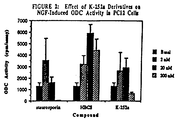
- K-252a, staurosporine and HBCS The ability of K-252a, staurosporine and HBCS to potentiate and/or inhibit NGF bioactivity was assessed by adding 10 ng NGF per ml of cell culture medium, in the absence or presence of the above compounds in the concentrations previously indicated, followed by ODC assay of the cells as above (Fig. 2). This concentration of NGF was selected to provide an intermediate level of induction so that either potentiating or inhibiting effects of the compounds could be detected.
- K-252a at 200 nM inhibited the NGF induction of ODC, as reported by Koizumi et al. (1988), but, surprisingly, potentiated the induction at lower concentrations (2 nM and 20 nM).
- Staurosporine at 2 nM, also potentiated the induction by NGF, but this effect was lost at higher concentrations (20 and 200 nM).
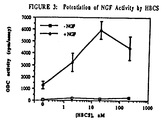
- HBCS in contrast, potentiated the effects of NGF at all concentrations tested. This striking effect is shown relative to the modest ODC-inducing effects of HBCS alone in Fig. 3.
- ChAT choline acetyltransferase
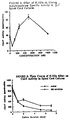
- K-252a was added at the indicated concentrations to the cultures after incubating 2-3 hours after plating to allow cells to attach to the substrate. ChAT activity was measured after 48 hours in culture. K-252a in spinal cord cultures resulted in a dose dependent increase in ChAT activity with maximum efficacy (2- to 3-fold increase) achieved at 200-300 nM (Fig. 4). Higher concentrations resulted in a decrease in ChAT activity (Fig. 4). Longer culture incubation times, up to seven days, resulted in 4-to-5 fold increases in ChAT activity (Fig. 5) due to the decreased basal level of ChAT activity.
- Dissociated cells were prepared from spinal cords dissected from day 14 embryonic rats by standard technigues known to those skilled in the art, using trypsin dissociation of tissue (Smith et al., 1985). Cells were seeded (plated) at 6 x 10 5 cells/cm 2 in poly-1-ornithine coated plastic tissue culture wells in serum-free N2 medium and incubated at 37°C in a humidified atmosphere of 5% CO 2 /95% air (Bottenstein and Sato, PNAS USA 76: 514-517, 1979) for 48 hours. ChAT activity was measured using modifications of the Fonnum procedure (J. Neurochem. 24: 407-409, 1975) according to Ishida and Deguchi (J. Neurosci. 3: 1818-1823, 1983), and McManaman et al., supra (1988). Activity was normalized to total protein measured by the bicinchonicic acid/Cu ++ reaction (BCA protein assay reagent, Pierce, Rockland, Il).
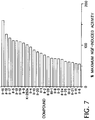
- Figure 13 shows the effect of the original 28 K-252a derivatives shown to significantly increase ChAT activity in rat spinal cord cultures, as well as 30 additional derivatives (compounds II-29 through II-34, II-36 through II-56, and IV-1 through IV-3, all inclusive).
- K-252a as well as 50 functional derivatives were assessed for their ability to promote dorsal root ganglion neuron cell survival.
- Cell survival was measured by uptake of calcein AM, an analog of the viable dye, fluorescein diacetate. Calcein is taken up by viable cells and cleaved intracellularly to fluorescent salts which are retained by intact membranes of viable cells. Microscopic counts of viable neurons correlate directly with relative fluorescence values obtained with the fluorimetric viability assay. This method thus provides a reliable and quantitive measurement of cell survival in the total cell population of a given culture.
- Dorsal root ganglia were dissected from embryonic age day 8 chick embryos and dissociated cells prepared by subsequent Dispase (neutral protease, Collaborative Research) dissociation. Neurons were seeded at low density (1.8 x 10 4 cells/cm 2 ) into 96 well poly-L-ornithine and laminin coated plates. Cells were cultured for 48 hours in serum-free N2 medium (Bottenstein and Sato, 1979) at 37°C in a humidified atmosphere, 5% Co 2 /95% air. Cell survival was assessed at 48 hours using the viable fluorimetric assay described above.
- spectrin proteolysis is an excellent biochemical marker of excitatory amino acid-induced neuronal degeneration.
- Excessive release of endogenous excitatory amino acids has been implicated as an etiology in numerous neurological diseases and disorders, including stroke and other ischemic injuries; Alzheimer's disease; motor neuron disease including amyotrophic lateral sclerosis; Parkinson's disease; Huntington's disease; AIDS dementia; epilepsy; and concussive or penetrating injuries of the brain or spinal cord.
- Figure 9 shows the effect of K-252a on kainate-induced neuronal degeneration in the hippocampus.
- Cannulated male and female Sprague-Dawley rats received 0.4 ⁇ g of K-252a, or vehicle, 30 minutes prior to and about 3 and 24 hours following kainate (0.6 ⁇ g) injection directly into the lateral cerebral ventricles of the brain (icv).
- kainate 0.6 ⁇ g
- the brains were excised, frozen, sectioned and stained for histological analysis, as described below.
- Data shown are the mean number of sub-regions of the hippocampus damaged for each group, ⁇ S.E.M.
- K-252a significantly reduced the number of damaged areas within the hippocampus from 3.86 ⁇ 0.78 (in the absence of K-252a) to 1.18 ⁇ 0.4 (in the presence of K-252a).
- Figure 10 shows the effect of K-252a on kainate-induced spectrin breakdown in the hippocampus.
- Female Sprague-Dawley rats received 0.4 ⁇ g of K-252a, or vehicle, together with a neurotoxic dose of kainate (0.6 ⁇ g), by icv infusion.
- Sham control animals received infusions of vehicle, but no kainate or K-252a.
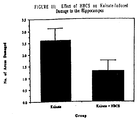
- Figure 11 shows the effect of HBCS on kainate-induced neuronal degeneration in the hippocampus.
- Cannulated female Sprague-Dawley rats received 0.8 ⁇ g of HBCS, or vehicle, 40 minutes prior to and about 4 hours following kainate (0.6 ⁇ g) by icv infusion.
- HBCS significantly reduced the number of damaged areas within the hippocampus from about 2.5 ⁇ 0.6 (without HBCS treatment) to 1.3 ⁇ 0.5 (with HBCS treatment).
- Figure 12 compares the effect of three K-252a functional derivatives on kainate-induced spectrin breakdown in the hippocampus.
- Female Sprague-Dawley rats received 0.4 ⁇ g of K-252a, or compounds III-1, or II-21, or vehicle, together with a neurotoxic dose of kainate (0.6 ⁇ g), by icv infusion.
- Sham control animals received infusions of vehicle, but no kainate or K-252a derivative.
- Twenty-four hours later, homogenates of the dorsal hippocampus were analyzed for spectrin breakdown products as described below. The magnitude of spectrin proteolysis is expressed as a percent increase in spectrin breakdown products for each group over sham control values.
- K-252a or its derivatives were evaluated as follows: Adult male or female Sprague-Dawley rats (175-250 g) were anesthetized with Nembutal (50 mg/kg, ip) and administered a drug, or vehicle treatment, in a total of 5 ⁇ l, before and after kainate treatment (5 ⁇ l) by icv infusion using a dose and infusion schedule as indicated for individual cases above. Control animals received vehicle instead of kainate and drug infusion.
- icv infusions were delivered through a cannula (Plastic One, Roanoke, VA) implanted approximately one week before drug infusions, and positioned at stereotaxic coordinates: anterior-posterior at bregma, 1.5 mm lateral to bregma, and 4.4 mm ventral from the top of the skull. Results of this treatment regimen were evaluated two weeks later using the anatomical analysis described below.
- anesthetized rats received a 5 ⁇ l icv infusion of the drug, or vehicle, simultaneously with kainate, through a 10 ⁇ l Hamilton syringe positioned at the stereotaxic coordinates described above. These rats were killed 24 hours later and subjected to biochemical analysis as described below.
- Biochemical analysis was performed as follows. Calpain I-sensitive proteolysis of brain spectrin (fodrin) was evaluated in homogenates of the hippocampus using an immunoblot analysis described by Siman et al. (1988, Neuron, 1: 279-287, hereby incorporated by reference). Briefly, rats were killed by decapitation 24 hours following treatment, and the dorsal hippocampus was rapidly dissected out of the brain and homogenized in 20 mM Tris-HCl (pH 7.4) containing 0.1 mM phenylmethylsulfonyl fluoride. Proteins from aliquots of each homogenate were separated by SDS-PAGE, and an immunoblot analysis was used to quantitate the amount of kainate-induced spectrin breakdown in each sample.
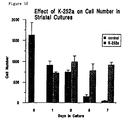
- K-252a was assessed for its ability to promote survival in striatal cultures. Striata were dissected from embryonic day 17 rat embryos and cells were dissociated by Dispase (neutral protease, Collaborative Research). Neurons were seeded at 5 x 10 4 /well (1.5 x 10 5 /cm 2 ) in 96-well plates onto wells previously coated with poly-1-ornithine and laminin. Cells were cultured in serum-free N2 medium containing 0.05% bovine serum albumin (Bottenstein and Sato, 1979) at 37°C in a humidified atmosphere, 5% CO 2 /95% air. Cell survival was assessed 5 days after seeding using the calcein viable fluorimetric assay described in Example 8.
- Figure 17 is a pair of photomicrographs taken from control cultures or cultures treated with 75 nM K-252a. There was an increase in cell survival and neurite outgrowth in these cultures in the presence of 75 nM K-252a.
- Figure 18 shows data on 18 K-252a derivatives that promoted the survival of striatal neurons.
- Compound (V-1) [Compound V) in which R 1 is CH 2 SO 2 R 7 and X is CO 2 R 5 ] can be prepared by the following reaction step:
- R 5 represents lower alkyl or CH 2 NHCO 2 R 6 in which R 6 represents lower alkyl or aryl; R 7 represents lower alkyl.
- the starting compound (A) is disclosed in Japanese Published Unexamined Patent Application No. 295588/88 (hereby incorporated by reference).
- Compound (V-1) can be obtained by treatment of Compound (A) with 1 to 1.5 equivalents of an oxidant.
- an oxidant is m-chloroperbenzoic acid.
- a reaction solvent a halogenated hydrocarbon such as methylene chloride, chloroform, or ethylene dichloride, or the like is used. The reaction is completed in 0.5 to 1 hour at -20 to 30°C.
- R 6 represents lower alkyl or aryl.
- the starting compound (B) is disclosed in Japanese Published Unexamined Patent Application No. 155285/87 (hereby incorporated by reference).
- Compound (V-2) can be obtained by reaction of Compound (B) with 1 to 3 equivalents ClCO 2 R 6 in the presence of 1 to 3 equivlents of a base.
- a base is triethylamine.
- a reaction solvent a halogenated hydrocarbon such as methylene chloride, chloroform, or ethylene dichloride, or the like is used. The reaction is completed in 0.5 to 3 hours at -10 to 30°C.
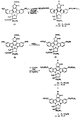
- Compound II-45 can be prepared by the reaction steps shown in Fig. 20.
- the starting Compound (J) is disclosed in Japanese Published Unexamined Patent Application No. 120388/87 (hereby incorporated by reference).
Landscapes
- Health & Medical Sciences (AREA)
- Chemical & Material Sciences (AREA)
- Life Sciences & Earth Sciences (AREA)
- Organic Chemistry (AREA)
- Animal Behavior & Ethology (AREA)
- Public Health (AREA)
- Veterinary Medicine (AREA)
- General Health & Medical Sciences (AREA)
- Pharmacology & Pharmacy (AREA)
- Medicinal Chemistry (AREA)
- Bioinformatics & Cheminformatics (AREA)
- Engineering & Computer Science (AREA)
- General Chemical & Material Sciences (AREA)
- Nuclear Medicine, Radiotherapy & Molecular Imaging (AREA)
- Chemical Kinetics & Catalysis (AREA)
- Epidemiology (AREA)
- Neurology (AREA)
- Neurosurgery (AREA)
- Biomedical Technology (AREA)
- Molecular Biology (AREA)
- Virology (AREA)
- Psychology (AREA)
- Tropical Medicine & Parasitology (AREA)
- Orthopedic Medicine & Surgery (AREA)
- Oncology (AREA)
- AIDS & HIV (AREA)
- Heart & Thoracic Surgery (AREA)
- Cardiology (AREA)
- Hospice & Palliative Care (AREA)
- Psychiatry (AREA)
- Pain & Pain Management (AREA)
- Vascular Medicine (AREA)
- Urology & Nephrology (AREA)
- Communicable Diseases (AREA)
- Physical Education & Sports Medicine (AREA)
- Nitrogen And Oxygen Or Sulfur-Condensed Heterocyclic Ring Systems (AREA)
- Pharmaceuticals Containing Other Organic And Inorganic Compounds (AREA)
- Medicines That Contain Protein Lipid Enzymes And Other Medicines (AREA)
- Saccharide Compounds (AREA)
- Nitrogen Condensed Heterocyclic Rings (AREA)
Priority Applications (2)
| Application Number | Priority Date | Filing Date | Title |
|---|---|---|---|
| EP04025114A EP1512688A1 (de) | 1992-07-24 | 1993-07-26 | Verwendung von K-252a Derivaten zur Behandlung der Parkinson-Krankheit |
| EP99120008A EP1002534B1 (de) | 1992-07-24 | 1993-07-26 | Verwendung von vier K-252a Derivaten |
Applications Claiming Priority (3)
| Application Number | Priority Date | Filing Date | Title |
|---|---|---|---|
| US92010292A | 1992-07-24 | 1992-07-24 | |
| US920102 | 1992-07-24 | ||
| EP93917337A EP0651754B1 (de) | 1992-07-24 | 1993-07-26 | K-252a DERIVATE |
Related Parent Applications (2)
| Application Number | Title | Priority Date | Filing Date |
|---|---|---|---|
| EP93917337A Division EP0651754B1 (de) | 1992-07-24 | 1993-07-26 | K-252a DERIVATE |
| EP93917337.3 Division | 1994-02-03 |
Related Child Applications (1)
| Application Number | Title | Priority Date | Filing Date |
|---|---|---|---|
| EP99120008A Division EP1002534B1 (de) | 1992-07-24 | 1993-07-26 | Verwendung von vier K-252a Derivaten |
Publications (3)
| Publication Number | Publication Date |
|---|---|
| EP0768312A2 true EP0768312A2 (de) | 1997-04-16 |
| EP0768312A3 EP0768312A3 (de) | 1997-06-04 |
| EP0768312B1 EP0768312B1 (de) | 2000-09-06 |
Family
ID=25443161
Family Applications (4)
| Application Number | Title | Priority Date | Filing Date |
|---|---|---|---|
| EP93917337A Expired - Lifetime EP0651754B1 (de) | 1992-07-24 | 1993-07-26 | K-252a DERIVATE |
| EP04025114A Withdrawn EP1512688A1 (de) | 1992-07-24 | 1993-07-26 | Verwendung von K-252a Derivaten zur Behandlung der Parkinson-Krankheit |
| EP96116661A Expired - Lifetime EP0768312B1 (de) | 1992-07-24 | 1993-07-26 | Vervendung von K-252a Derivaten zur Förderung der Funktion eines stritialen Neurons |
| EP99120008A Expired - Lifetime EP1002534B1 (de) | 1992-07-24 | 1993-07-26 | Verwendung von vier K-252a Derivaten |
Family Applications Before (2)
| Application Number | Title | Priority Date | Filing Date |
|---|---|---|---|
| EP93917337A Expired - Lifetime EP0651754B1 (de) | 1992-07-24 | 1993-07-26 | K-252a DERIVATE |
| EP04025114A Withdrawn EP1512688A1 (de) | 1992-07-24 | 1993-07-26 | Verwendung von K-252a Derivaten zur Behandlung der Parkinson-Krankheit |
Family Applications After (1)
| Application Number | Title | Priority Date | Filing Date |
|---|---|---|---|
| EP99120008A Expired - Lifetime EP1002534B1 (de) | 1992-07-24 | 1993-07-26 | Verwendung von vier K-252a Derivaten |
Country Status (17)
| Country | Link |
|---|---|
| US (1) | US5461146A (de) |
| EP (4) | EP0651754B1 (de) |
| JP (3) | JP3762427B2 (de) |
| KR (1) | KR100276008B1 (de) |
| AT (3) | ATE304848T1 (de) |
| AU (1) | AU675236B2 (de) |
| BR (1) | BR9306789A (de) |
| CA (1) | CA2140924A1 (de) |
| DE (3) | DE69333874T2 (de) |
| DK (3) | DK0768312T3 (de) |
| ES (3) | ES2101331T3 (de) |
| GR (2) | GR3023817T3 (de) |
| HU (5) | HU225297B1 (de) |
| NO (2) | NO305481B1 (de) |
| NZ (2) | NZ254662A (de) |
| PT (1) | PT768312E (de) |
| WO (1) | WO1994002488A1 (de) |
Cited By (2)
| Publication number | Priority date | Publication date | Assignee | Title |
|---|---|---|---|---|
| EP2305265A1 (de) | 2003-08-08 | 2011-04-06 | Novartis AG | Kombinationen mit Staurosporinen |
| US12441707B2 (en) | 2019-12-30 | 2025-10-14 | Tyra Biosciences, Inc. | Indazole compounds |
Families Citing this family (61)
| Publication number | Priority date | Publication date | Assignee | Title |
|---|---|---|---|---|
| US5756494A (en) * | 1992-07-24 | 1998-05-26 | Cephalon, Inc. | Protein kinase inhibitors for treatment of neurological disorders |
| US5621101A (en) * | 1992-07-24 | 1997-04-15 | Cephalon, Inc. | Protein kinase inhibitors for treatment of neurological disorders |
| DE4243321A1 (de) * | 1992-12-21 | 1994-06-23 | Goedecke Ag | Aminosäurederivate von Heterocyclen als PKC-Inhibitoren |
| EP0699204B1 (de) * | 1993-05-28 | 1998-04-15 | Cephalon, Inc. | Anwendung von indolocarbazol-derivaten zur behandlung von prostataerkrankungen |
| US5468872A (en) * | 1993-09-16 | 1995-11-21 | Cephalon, Inc. | K-252a functional derivatives potentiate neurotrophin-3 for the treatment of neurological disorders |
| EP0657411B1 (de) * | 1993-12-07 | 1999-06-09 | Eli Lilly And Company | Synthese von Bisindolylmaleimiden |
| US5624949A (en) * | 1993-12-07 | 1997-04-29 | Eli Lilly And Company | Protein kinase C inhibitors |
| US5843935A (en) * | 1993-12-07 | 1998-12-01 | Eli Lilly And Company | Protein kinase C inhibitors |
| US5723456A (en) * | 1993-12-07 | 1998-03-03 | Eli Lilly & Company | Therapeutic treatment for cardiovascular diseases |
| PL182124B1 (pl) * | 1993-12-07 | 2001-11-30 | Lilly Co Eli | Nowe zwiazki oraz srodek farmaceutyczny przeznaczony do leczenia powiklan cukrzycowych lub do leczenia nowotworów PL PL PL PL PL PL PL PL |
| US5541347A (en) * | 1993-12-07 | 1996-07-30 | Eli Lilly And Company | Synthesis of bisindolylmaleimides |
| DK0817627T3 (da) * | 1993-12-23 | 2005-06-06 | Lilly Co Eli | Inhibitorer af proteinkinase C |
| AU1911095A (en) * | 1994-02-18 | 1995-09-04 | Cephalon, Inc. | Aqueous indolocarbazole solutions |
| KR100464907B1 (ko) * | 1994-10-26 | 2005-07-04 | 세파론, 인코포레이티드 | 신경계질환치료용단백질키나아제억제제 |
| US5686444A (en) * | 1995-04-05 | 1997-11-11 | Cephalon, Inc. | Selected soluble esters of hydroxyl-containing indolocarbazoles |
| US5650407A (en) * | 1995-04-05 | 1997-07-22 | Cephalon, Inc. | Selected soluble esters of hydroxyl-containing indolocarbazoles |
| US5808060A (en) * | 1995-12-11 | 1998-09-15 | Cephalon, Inc. | Fused isoindolones |
| US6232299B1 (en) | 1996-05-01 | 2001-05-15 | Eli Lilly And Company | Use of protein kinase C inhibitors to enhance the clinical efficacy of oncolytic agents and radiation therapy |
| WO1997041854A1 (en) * | 1996-05-07 | 1997-11-13 | The Trustees Of The University Of Pennsylvania | Inhibitors of glycogen synthase kinase-3 and methods for identifying and using the same |
| UA67725C2 (en) | 1996-06-03 | 2004-07-15 | Cephalon Inc | K-252a derivatives and a method for improvement of functioning and cell survival enhancement |
| US6875865B1 (en) * | 1996-06-03 | 2005-04-05 | Cephalon, Inc. | Selected derivatives of K-252a |
| BR9710693A (pt) * | 1996-06-25 | 2000-01-11 | Cephalon Inc | Uso de um derivado de k-252a para o tratamento do nervo central ou periférico e super produção de citoquinona. |
| US7144997B2 (en) * | 1997-07-24 | 2006-12-05 | Curis, Inc. | Vertebrate embryonic patterning-inducing proteins, compositions and uses related therto |
| EA002525B1 (ru) † | 1997-08-15 | 2002-06-27 | Сефалон Инк. | Сочетание ингибитора тирозинкиназы и химической стерилизации для лечения рака предстательной железы |
| DK1044203T3 (da) * | 1997-12-31 | 2003-07-14 | Cephalon Inc | 3'-epimere K-252a-derivater |
| US6811992B1 (en) * | 1998-05-14 | 2004-11-02 | Ya Fang Liu | Method for identifying MLK inhibitors for the treatment of neurological conditions |
| US6127401A (en) | 1998-06-05 | 2000-10-03 | Cephalon, Inc. | Bridged indenopyrrolocarbazoles |
| US6013646A (en) * | 1998-07-02 | 2000-01-11 | Bayer Corporation | Indolocarbazole derivatives useful for the treatment of neurodegenerative diseases and cancer |
| US7795246B2 (en) * | 1998-08-06 | 2010-09-14 | Cephalon, Inc. | Particle-forming compositions containing fused pyrrolocarbazoles |
| US6200968B1 (en) | 1998-08-06 | 2001-03-13 | Cephalon, Inc. | Particle-forming compositions containing fused pyrrolocarbazoles |
| CN1329034C (zh) | 1998-09-25 | 2007-08-01 | 赛福伦公司 | 预防/治疗感觉毛细胞和耳蜗神经元损伤的药物 |
| NZ511084A (en) * | 1998-10-13 | 2004-01-30 | Kyowa Hakko Kogyo Kk | An agent for treating ophthalmopathy |
| US6242473B1 (en) * | 1999-01-08 | 2001-06-05 | Maxim Pharmaceuticals, Inc. | Treatment and prevention of reactive oxygen metabolite-mediated cellular damage |
| US6841567B1 (en) * | 1999-02-12 | 2005-01-11 | Cephalon, Inc. | Cyclic substituted fused pyrrolocarbazoles and isoindolones |
| RU2241709C2 (ru) | 1999-07-09 | 2004-12-10 | Орто-Макнейл Фармасьютикал, Инк. | Производные азотсодержащих гетероциклических соединений и способ лечения расстройств, характеризующихся поражением нейронов |
| WO2001004090A2 (en) | 1999-07-09 | 2001-01-18 | Ortho-Mcneil Pharmaceutical, Inc. | Neurotrophic tetrahydroisoquinolines and tetrahydrothienopyridines, and related compositions and methods |
| US20020002169A1 (en) * | 1999-12-08 | 2002-01-03 | Griffin John H. | Protein kinase inhibitors |
| WO2001042243A2 (en) * | 1999-12-08 | 2001-06-14 | Advanced Medicine, Inc. | Protein kinase inhibitors |
| US7129250B2 (en) | 2000-05-19 | 2006-10-31 | Aegera Therapeutics Inc. | Neuroprotective and anti-proliferative compounds |
| EP1315971A2 (de) * | 2000-07-31 | 2003-06-04 | The Regents of The University of California | Modell für alzheimer und neurodegenerative krankheiten |
| DE10113513A1 (de) * | 2001-03-20 | 2002-10-02 | Medinnova Ges Med Innovationen | Kombinationspräparat zur Prophylaxe und/oder Therapie von Nervenzell- und/oder Gliazellschäden durch ein neues Behandlungsverfahren |
| GB0117645D0 (en) * | 2001-07-19 | 2001-09-12 | Isis Innovation | Therapeutic stratergies for prevention and treatment of alzheimers disease |
| IL161156A0 (en) | 2001-10-30 | 2004-08-31 | Novartis Ag | Staurosporine derivatives as inhibitors of flt3 receptor tyrosine kinase activity |
| US6664266B2 (en) * | 2002-03-14 | 2003-12-16 | Children's Medical Center Corporation | Axon regeneration with PKC inhibitiors |
| US20050130877A1 (en) * | 2003-03-14 | 2005-06-16 | Children's Medical Center Corporation | Axon regeneration with PKC inhibitors |
| CA2393720C (en) | 2002-07-12 | 2010-09-14 | Eli Lilly And Company | Crystalline 2,5-dione-3-(1-methyl-1h-indol-3-yl)-4-[1-(pyridin-2-ylmethyl)piperidin-4-yl]-1h-indol-3-yl]-1h-pyrrole mono-hydrochloride |
| DE10255343B4 (de) * | 2002-11-27 | 2006-09-07 | Nad Ag | N,N-Verbrückte, Stickstoff-Substituierte Carbacyclische Indolocarbazole als Proteinkinase-Inhibitoren |
| US20040175384A1 (en) * | 2003-12-12 | 2004-09-09 | Mohapatra Shyam S. | Protein kinase C as a target for the treatment of respiratory syncytial virus |
| US8592368B2 (en) | 2003-12-19 | 2013-11-26 | University Of South Florida | JAK/STAT inhibitors and MAPK/ERK inhibitors for RSV infection |
| NZ548857A (en) | 2004-02-27 | 2010-05-28 | Lundbeck & Co As H | Crystalline forms of a diazocine pharmaceutical compound for Parkinson's and similar conditions |
| WO2006020145A2 (en) * | 2004-07-19 | 2006-02-23 | The Johns Hopkins University | Flt3 inhibitors for immune suppression |
| CN100513850C (zh) * | 2005-08-23 | 2009-07-15 | 浙江华夏阀门有限公司 | 三角截面密封套 |
| HRP20140218T4 (hr) * | 2005-08-25 | 2017-06-16 | Creabilis Therapeutics S.P.A. | Polimerni konjugati k-252a i njihovi derivati |
| AR056517A1 (es) | 2005-09-16 | 2007-10-10 | Schering Corp | Composiciones y metodos farmaceuticos utilizando temozolomida y un inhibidor de la proteina quinasa |
| CN101283275A (zh) | 2005-10-11 | 2008-10-08 | 默克专利有限公司 | 趋化因子表达的依赖egfr的调控和对肿瘤的诊断和治疗的影响及其副作用 |
| WO2008130921A1 (en) * | 2007-04-16 | 2008-10-30 | Modgene, Llc | Methods and compositions for diagnosis and treatment of depression and anxiety |
| US20090155352A1 (en) * | 2007-11-20 | 2009-06-18 | Cephalon, Inc. | Microemulsion containing indolocarbazole compound and dosage forms containing the same |
| AU2013362134B2 (en) | 2012-12-21 | 2018-07-05 | Sykehuset Sorlandet Hf | EGFR targeted therapy of neurological disorders and pain |
| US11319320B2 (en) | 2017-11-06 | 2022-05-03 | Snap Bio, Inc. | PIM kinase inhibitor compositions, methods, and uses thereof |
| WO2024018245A1 (en) | 2022-07-22 | 2024-01-25 | INSERM (Institut National de la Santé et de la Recherche Médicale) | Use of calpain inhibitors for the treatment of the diabetic kidney disease |
| WO2024153744A1 (en) | 2023-01-20 | 2024-07-25 | Institut National de la Santé et de la Recherche Médicale | Autophagy activators for the treatment of rhabdomyolysis |
Family Cites Families (18)
| Publication number | Priority date | Publication date | Assignee | Title |
|---|---|---|---|---|
| US4554402A (en) * | 1983-12-23 | 1985-11-19 | Aluminum Company Of America | Vibration damper for overhead conductor |
| JPS62102388A (ja) * | 1985-10-29 | 1987-05-12 | Toppan Printing Co Ltd | Icカ−ド |
| JPS62155284A (ja) * | 1985-12-27 | 1987-07-10 | Kyowa Hakko Kogyo Co Ltd | 生理活性物質k−252の誘導体 |
| JPS62155285A (ja) * | 1985-12-27 | 1987-07-10 | Kyowa Hakko Kogyo Co Ltd | 生理活性物質k−252の誘導体 |
| JPS62220196A (ja) * | 1986-03-20 | 1987-09-28 | Kyowa Hakko Kogyo Co Ltd | 新規物質ucn―01 |
| US4816450A (en) * | 1986-09-15 | 1989-03-28 | Duke University | Inhibition of protein kinase C by long-chain bases |
| JPH0826037B2 (ja) * | 1987-01-22 | 1996-03-13 | 協和醗酵工業株式会社 | 生理活性物質k−252の誘導体 |
| JPH0826036B2 (ja) * | 1987-01-22 | 1996-03-13 | 協和醗酵工業株式会社 | 生理活性物質k−252の誘導体 |
| US4735939A (en) * | 1987-02-27 | 1988-04-05 | The Dow Chemical Company | Insecticidal activity of staurosporine |
| US4923986A (en) * | 1987-03-09 | 1990-05-08 | Kyowa Hakko Kogyo Co., Ltd. | Derivatives of physiologically active substance K-252 |
| US5093330A (en) * | 1987-06-15 | 1992-03-03 | Ciba-Geigy Corporation | Staurosporine derivatives substituted at methylamino nitrogen |
| IL86632A0 (en) * | 1987-06-15 | 1988-11-30 | Ciba Geigy Ag | Derivatives substituted at methyl-amino nitrogen |
| JPH07113027B2 (ja) * | 1987-12-24 | 1995-12-06 | 協和醗酵工業株式会社 | K−252誘導体 |
| JPH0725786A (ja) * | 1990-05-16 | 1995-01-27 | Univ Rockefeller | アルツハイマー病を伴うアミロイドーシスの治療 |
| CA2112799A1 (en) * | 1991-07-03 | 1993-01-21 | Stephen P. Squinto | Method and assay system for neurotrophin activity |
| DE4133605C2 (de) * | 1991-10-10 | 1994-05-11 | Siemens Ag | Flexibler Roboterarm |
| WO1993008809A1 (en) * | 1991-11-08 | 1993-05-13 | The University Of Southern California | Compositions containing k-252 compounds for potentiation of neurotrophin activity |
| DE4217964A1 (de) * | 1992-05-30 | 1993-12-02 | Goedecke Ag | Indolocarbazol-Imide und deren Verwendung |
-
1993
- 1993-07-22 US US08/096,561 patent/US5461146A/en not_active Expired - Lifetime
- 1993-07-26 KR KR1019950700251A patent/KR100276008B1/ko not_active Expired - Lifetime
- 1993-07-26 CA CA002140924A patent/CA2140924A1/en not_active Abandoned
- 1993-07-26 AT AT99120008T patent/ATE304848T1/de not_active IP Right Cessation
- 1993-07-26 AU AU46881/93A patent/AU675236B2/en not_active Expired
- 1993-07-26 WO PCT/US1993/006974 patent/WO1994002488A1/en not_active Ceased
- 1993-07-26 HU HU9500192A patent/HU225297B1/hu unknown
- 1993-07-26 DE DE69333874T patent/DE69333874T2/de not_active Expired - Lifetime
- 1993-07-26 DK DK96116661T patent/DK0768312T3/da active
- 1993-07-26 EP EP93917337A patent/EP0651754B1/de not_active Expired - Lifetime
- 1993-07-26 JP JP50473194A patent/JP3762427B2/ja not_active Expired - Lifetime
- 1993-07-26 NZ NZ254662A patent/NZ254662A/en not_active IP Right Cessation
- 1993-07-26 ES ES93917337T patent/ES2101331T3/es not_active Expired - Lifetime
- 1993-07-26 NZ NZ286198A patent/NZ286198A/en not_active IP Right Cessation
- 1993-07-26 ES ES96116661T patent/ES2151629T3/es not_active Expired - Lifetime
- 1993-07-26 DK DK93917337.3T patent/DK0651754T3/da active
- 1993-07-26 HU HU0301425A patent/HU0301425D0/hu unknown
- 1993-07-26 AT AT93917337T patent/ATE152111T1/de not_active IP Right Cessation
- 1993-07-26 EP EP04025114A patent/EP1512688A1/de not_active Withdrawn
- 1993-07-26 DE DE69329397T patent/DE69329397T2/de not_active Expired - Lifetime
- 1993-07-26 ES ES99120008T patent/ES2248950T3/es not_active Expired - Lifetime
- 1993-07-26 AT AT96116661T patent/ATE196142T1/de not_active IP Right Cessation
- 1993-07-26 EP EP96116661A patent/EP0768312B1/de not_active Expired - Lifetime
- 1993-07-26 HU HU0301425A patent/HU225342B1/hu unknown
- 1993-07-26 DE DE69310178T patent/DE69310178T2/de not_active Expired - Lifetime
- 1993-07-26 HU HU0301601A patent/HU225341B1/hu unknown
- 1993-07-26 PT PT96116661T patent/PT768312E/pt unknown
- 1993-07-26 HU HU0301601A patent/HU0301601D0/hu unknown
- 1993-07-26 DK DK99120008T patent/DK1002534T3/da active
- 1993-07-26 BR BR9306789A patent/BR9306789A/pt not_active Application Discontinuation
- 1993-07-26 EP EP99120008A patent/EP1002534B1/de not_active Expired - Lifetime
-
1995
- 1995-01-23 NO NO950242A patent/NO305481B1/no not_active IP Right Cessation
-
1997
- 1997-06-19 GR GR970401455T patent/GR3023817T3/el unknown
-
1999
- 1999-02-05 NO NO990542A patent/NO307446B1/no not_active IP Right Cessation
-
2000
- 2000-11-28 GR GR20000402623T patent/GR3034917T3/el not_active IP Right Cessation
-
2002
- 2002-08-23 JP JP2002244111A patent/JP3723533B2/ja not_active Expired - Fee Related
-
2005
- 2005-01-27 JP JP2005019891A patent/JP2005170955A/ja active Pending
Cited By (2)
| Publication number | Priority date | Publication date | Assignee | Title |
|---|---|---|---|---|
| EP2305265A1 (de) | 2003-08-08 | 2011-04-06 | Novartis AG | Kombinationen mit Staurosporinen |
| US12441707B2 (en) | 2019-12-30 | 2025-10-14 | Tyra Biosciences, Inc. | Indazole compounds |
Also Published As
Similar Documents
| Publication | Publication Date | Title |
|---|---|---|
| US5461146A (en) | Selected protein kinase inhibitors for the treatment of neurological disorders | |
| US5621100A (en) | K-252a derivatives for treatment of neurological disorders | |
| EP0788501B1 (de) | Proteinkinase c-inhibitoren zur behandlung von neurologischen erkrankungen | |
| US5621101A (en) | Protein kinase inhibitors for treatment of neurological disorders | |
| US20150258091A1 (en) | Cyclic glycyl-2-allyl proline improves cognitive performance in impaired animals | |
| HK1075448A (en) | Use of k-252a derivatives for the treatment of parkinson's disease | |
| KR102871918B1 (ko) | 신규의 2-아릴티아졸 유도체 또는 이의 염, 이의 제조방법, 및 이를 함유하는 약학 조성물 | |
| KR100464907B1 (ko) | 신경계질환치료용단백질키나아제억제제 | |
| MXPA97003039A (en) | Protein kinase inhibitors for the treatment of neurologi disorders | |
| ZA200301439B (en) | Fused pyrrolocarbazoles against inflammation. |
Legal Events
| Date | Code | Title | Description |
|---|---|---|---|
| PUAI | Public reference made under article 153(3) epc to a published international application that has entered the european phase |
Free format text: ORIGINAL CODE: 0009012 |
|
| AC | Divisional application: reference to earlier application |
Ref document number: 651754 Country of ref document: EP |
|
| AK | Designated contracting states |
Kind code of ref document: A2 Designated state(s): AT BE CH DE DK ES FR GB GR IE IT LI LU NL PT SE |
|
| PUAL | Search report despatched |
Free format text: ORIGINAL CODE: 0009013 |
|
| AK | Designated contracting states |
Kind code of ref document: A3 Designated state(s): AT BE CH DE DK ES FR GB GR IE IT LI LU NL PT SE |
|
| 17P | Request for examination filed |
Effective date: 19971127 |
|
| 17Q | First examination report despatched |
Effective date: 19980805 |
|
| GRAG | Despatch of communication of intention to grant |
Free format text: ORIGINAL CODE: EPIDOS AGRA |
|
| RTI1 | Title (correction) |
Free format text: USE OF K-252A DERIVATIVES FOR ENHANCING THE FUNCTION OF A STRATIAL NEURON |
|
| GRAG | Despatch of communication of intention to grant |
Free format text: ORIGINAL CODE: EPIDOS AGRA |
|
| GRAH | Despatch of communication of intention to grant a patent |
Free format text: ORIGINAL CODE: EPIDOS IGRA |
|
| GRAH | Despatch of communication of intention to grant a patent |
Free format text: ORIGINAL CODE: EPIDOS IGRA |
|
| GRAA | (expected) grant |
Free format text: ORIGINAL CODE: 0009210 |
|
| AC | Divisional application: reference to earlier application |
Ref document number: 651754 Country of ref document: EP |
|
| AK | Designated contracting states |
Kind code of ref document: B1 Designated state(s): AT BE CH DE DK ES FR GB GR IE IT LI LU NL PT SE |
|
| REF | Corresponds to: |
Ref document number: 196142 Country of ref document: AT Date of ref document: 20000915 Kind code of ref document: T |
|
| REG | Reference to a national code |
Ref country code: CH Ref legal event code: EP |
|
| REG | Reference to a national code |
Ref country code: CH Ref legal event code: NV Representative=s name: ISLER & PEDRAZZINI AG |
|
| ITF | It: translation for a ep patent filed | ||
| REF | Corresponds to: |
Ref document number: 69329397 Country of ref document: DE Date of ref document: 20001012 |
|
| REG | Reference to a national code |
Ref country code: IE Ref legal event code: FG4D |
|
| ET | Fr: translation filed | ||
| REG | Reference to a national code |
Ref country code: DK Ref legal event code: T3 |
|
| REG | Reference to a national code |
Ref country code: ES Ref legal event code: FG2A Ref document number: 2151629 Country of ref document: ES Kind code of ref document: T3 |
|
| REG | Reference to a national code |
Ref country code: PT Ref legal event code: SC4A Free format text: AVAILABILITY OF NATIONAL TRANSLATION Effective date: 20001204 |
|
| PLBE | No opposition filed within time limit |
Free format text: ORIGINAL CODE: 0009261 |
|
| STAA | Information on the status of an ep patent application or granted ep patent |
Free format text: STATUS: NO OPPOSITION FILED WITHIN TIME LIMIT |
|
| 26N | No opposition filed | ||
| REG | Reference to a national code |
Ref country code: GB Ref legal event code: IF02 |
|
| REG | Reference to a national code |
Ref country code: CH Ref legal event code: PCAR Free format text: ISLER & PEDRAZZINI AG;POSTFACH 1772;8027 ZUERICH (CH) |
|
| PGFP | Annual fee paid to national office [announced via postgrant information from national office to epo] |
Ref country code: PT Payment date: 20080708 Year of fee payment: 16 Ref country code: LU Payment date: 20080804 Year of fee payment: 16 Ref country code: DK Payment date: 20080729 Year of fee payment: 16 Ref country code: CH Payment date: 20080730 Year of fee payment: 16 |
|
| PGFP | Annual fee paid to national office [announced via postgrant information from national office to epo] |
Ref country code: NL Payment date: 20080724 Year of fee payment: 16 Ref country code: IE Payment date: 20080725 Year of fee payment: 16 Ref country code: AT Payment date: 20080702 Year of fee payment: 16 |
|
| PGFP | Annual fee paid to national office [announced via postgrant information from national office to epo] |
Ref country code: SE Payment date: 20080729 Year of fee payment: 16 Ref country code: BE Payment date: 20080818 Year of fee payment: 16 |
|
| PGFP | Annual fee paid to national office [announced via postgrant information from national office to epo] |
Ref country code: GR Payment date: 20080729 Year of fee payment: 16 |
|
| BERE | Be: lapsed |
Owner name: *KYOWA HAKKO KOGYO CO. LTD Effective date: 20090731 Owner name: *CEPHALON INC. Effective date: 20090731 |
|
| REG | Reference to a national code |
Ref country code: PT Ref legal event code: MM4A Free format text: LAPSE DUE TO NON-PAYMENT OF FEES Effective date: 20100126 |
|
| REG | Reference to a national code |
Ref country code: CH Ref legal event code: PL |
|
| REG | Reference to a national code |
Ref country code: DK Ref legal event code: EBP |
|
| EUG | Se: european patent has lapsed | ||
| NLV4 | Nl: lapsed or anulled due to non-payment of the annual fee |
Effective date: 20100201 |
|
| REG | Reference to a national code |
Ref country code: IE Ref legal event code: MM4A |
|
| PG25 | Lapsed in a contracting state [announced via postgrant information from national office to epo] |
Ref country code: PT Free format text: LAPSE BECAUSE OF NON-PAYMENT OF DUE FEES Effective date: 20100126 Ref country code: LI Free format text: LAPSE BECAUSE OF NON-PAYMENT OF DUE FEES Effective date: 20090731 Ref country code: CH Free format text: LAPSE BECAUSE OF NON-PAYMENT OF DUE FEES Effective date: 20090731 |
|
| PG25 | Lapsed in a contracting state [announced via postgrant information from national office to epo] |
Ref country code: BE Free format text: LAPSE BECAUSE OF NON-PAYMENT OF DUE FEES Effective date: 20090731 Ref country code: AT Free format text: LAPSE BECAUSE OF NON-PAYMENT OF DUE FEES Effective date: 20090726 |
|
| PG25 | Lapsed in a contracting state [announced via postgrant information from national office to epo] |
Ref country code: IE Free format text: LAPSE BECAUSE OF NON-PAYMENT OF DUE FEES Effective date: 20090727 Ref country code: DK Free format text: LAPSE BECAUSE OF NON-PAYMENT OF DUE FEES Effective date: 20090731 |
|
| PG25 | Lapsed in a contracting state [announced via postgrant information from national office to epo] |
Ref country code: GR Free format text: LAPSE BECAUSE OF NON-PAYMENT OF DUE FEES Effective date: 20100204 |
|
| PG25 | Lapsed in a contracting state [announced via postgrant information from national office to epo] |
Ref country code: LU Free format text: LAPSE BECAUSE OF NON-PAYMENT OF DUE FEES Effective date: 20090726 |
|
| PG25 | Lapsed in a contracting state [announced via postgrant information from national office to epo] |
Ref country code: SE Free format text: LAPSE BECAUSE OF NON-PAYMENT OF DUE FEES Effective date: 20090727 |
|
| PG25 | Lapsed in a contracting state [announced via postgrant information from national office to epo] |
Ref country code: NL Free format text: LAPSE BECAUSE OF NON-PAYMENT OF DUE FEES Effective date: 20100201 |
|
| PGFP | Annual fee paid to national office [announced via postgrant information from national office to epo] |
Ref country code: GB Payment date: 20120719 Year of fee payment: 20 |
|
| PGFP | Annual fee paid to national office [announced via postgrant information from national office to epo] |
Ref country code: IT Payment date: 20120731 Year of fee payment: 20 Ref country code: DE Payment date: 20120720 Year of fee payment: 20 Ref country code: FR Payment date: 20120806 Year of fee payment: 20 Ref country code: ES Payment date: 20120726 Year of fee payment: 20 |
|
| REG | Reference to a national code |
Ref country code: DE Ref legal event code: R071 Ref document number: 69329397 Country of ref document: DE |
|
| REG | Reference to a national code |
Ref country code: DE Ref legal event code: R071 Ref document number: 69329397 Country of ref document: DE |
|
| REG | Reference to a national code |
Ref country code: GB Ref legal event code: PE20 Expiry date: 20130725 |
|
| REG | Reference to a national code |
Ref country code: ES Ref legal event code: FD2A Effective date: 20131018 |
|
| PG25 | Lapsed in a contracting state [announced via postgrant information from national office to epo] |
Ref country code: ES Free format text: LAPSE BECAUSE OF EXPIRATION OF PROTECTION Effective date: 20130727 Ref country code: DE Free format text: LAPSE BECAUSE OF EXPIRATION OF PROTECTION Effective date: 20130727 |
|
| PG25 | Lapsed in a contracting state [announced via postgrant information from national office to epo] |
Ref country code: GB Free format text: LAPSE BECAUSE OF EXPIRATION OF PROTECTION Effective date: 20130725 |