EP0807125B1 - Monoclonal antibodies anti-cd6 for the treatment and diagnosis of psoriasis - Google Patents
Monoclonal antibodies anti-cd6 for the treatment and diagnosis of psoriasis Download PDFInfo
- Publication number
- EP0807125B1 EP0807125B1 EP96939805A EP96939805A EP0807125B1 EP 0807125 B1 EP0807125 B1 EP 0807125B1 EP 96939805 A EP96939805 A EP 96939805A EP 96939805 A EP96939805 A EP 96939805A EP 0807125 B1 EP0807125 B1 EP 0807125B1
- Authority
- EP
- European Patent Office
- Prior art keywords
- mab
- ior
- psoriasis
- monoclonal antibody
- cells
- Prior art date
- Legal status (The legal status is an assumption and is not a legal conclusion. Google has not performed a legal analysis and makes no representation as to the accuracy of the status listed.)
- Expired - Lifetime
Links
Images


Classifications
-
- C—CHEMISTRY; METALLURGY
- C07—ORGANIC CHEMISTRY
- C07K—PEPTIDES
- C07K16/00—Immunoglobulins [IG], e.g. monoclonal or polyclonal antibodies
- C07K16/18—Immunoglobulins [IG], e.g. monoclonal or polyclonal antibodies against material from animals or humans
- C07K16/28—Immunoglobulins [IG], e.g. monoclonal or polyclonal antibodies against material from animals or humans against receptors, cell surface antigens or cell surface determinants
-
- C—CHEMISTRY; METALLURGY
- C07—ORGANIC CHEMISTRY
- C07K—PEPTIDES
- C07K16/00—Immunoglobulins [IG], e.g. monoclonal or polyclonal antibodies
- C07K16/18—Immunoglobulins [IG], e.g. monoclonal or polyclonal antibodies against material from animals or humans
- C07K16/28—Immunoglobulins [IG], e.g. monoclonal or polyclonal antibodies against material from animals or humans against receptors, cell surface antigens or cell surface determinants
- C07K16/2896—Immunoglobulins [IG], e.g. monoclonal or polyclonal antibodies against material from animals or humans against receptors, cell surface antigens or cell surface determinants against molecules with a "CD"-designation, not provided for elsewhere
-
- A—HUMAN NECESSITIES
- A61—MEDICAL OR VETERINARY SCIENCE; HYGIENE
- A61K—PREPARATIONS FOR MEDICAL, DENTAL OR TOILETRY PURPOSES
- A61K39/00—Medicinal preparations containing antigens or antibodies
- A61K39/395—Antibodies; Immunoglobulins; Immune serum, e.g. antilymphocytic serum
-
- A—HUMAN NECESSITIES
- A61—MEDICAL OR VETERINARY SCIENCE; HYGIENE
- A61P—SPECIFIC THERAPEUTIC ACTIVITY OF CHEMICAL COMPOUNDS OR MEDICINAL PREPARATIONS
- A61P17/00—Drugs for dermatological disorders
-
- A—HUMAN NECESSITIES
- A61—MEDICAL OR VETERINARY SCIENCE; HYGIENE
- A61P—SPECIFIC THERAPEUTIC ACTIVITY OF CHEMICAL COMPOUNDS OR MEDICINAL PREPARATIONS
- A61P17/00—Drugs for dermatological disorders
- A61P17/06—Antipsoriatics
-
- A—HUMAN NECESSITIES
- A61—MEDICAL OR VETERINARY SCIENCE; HYGIENE
- A61P—SPECIFIC THERAPEUTIC ACTIVITY OF CHEMICAL COMPOUNDS OR MEDICINAL PREPARATIONS
- A61P35/00—Antineoplastic agents
-
- C—CHEMISTRY; METALLURGY
- C07—ORGANIC CHEMISTRY
- C07K—PEPTIDES
- C07K16/00—Immunoglobulins [IG], e.g. monoclonal or polyclonal antibodies
- C07K16/46—Hybrid immunoglobulins
-
- G—PHYSICS
- G01—MEASURING; TESTING
- G01N—INVESTIGATING OR ANALYSING MATERIALS BY DETERMINING THEIR CHEMICAL OR PHYSICAL PROPERTIES
- G01N33/00—Investigating or analysing materials by specific methods not covered by groups G01N1/00 - G01N31/00
- G01N33/48—Biological material, e.g. blood, urine; Haemocytometers
- G01N33/50—Chemical analysis of biological material, e.g. blood, urine; Testing involving biospecific ligand binding methods; Immunological testing
- G01N33/53—Immunoassay; Biospecific binding assay; Materials therefor
- G01N33/577—Immunoassay; Biospecific binding assay; Materials therefor involving monoclonal antibodies binding reaction mechanisms characterised by the use of monoclonal antibodies
-
- G—PHYSICS
- G01—MEASURING; TESTING
- G01N—INVESTIGATING OR ANALYSING MATERIALS BY DETERMINING THEIR CHEMICAL OR PHYSICAL PROPERTIES
- G01N33/00—Investigating or analysing materials by specific methods not covered by groups G01N1/00 - G01N31/00
- G01N33/48—Biological material, e.g. blood, urine; Haemocytometers
- G01N33/50—Chemical analysis of biological material, e.g. blood, urine; Testing involving biospecific ligand binding methods; Immunological testing
- G01N33/68—Chemical analysis of biological material, e.g. blood, urine; Testing involving biospecific ligand binding methods; Immunological testing involving proteins, peptides or amino acids
- G01N33/6893—Chemical analysis of biological material, e.g. blood, urine; Testing involving biospecific ligand binding methods; Immunological testing involving proteins, peptides or amino acids related to diseases not provided for elsewhere
-
- A—HUMAN NECESSITIES
- A61—MEDICAL OR VETERINARY SCIENCE; HYGIENE
- A61K—PREPARATIONS FOR MEDICAL, DENTAL OR TOILETRY PURPOSES
- A61K38/00—Medicinal preparations containing peptides
-
- C—CHEMISTRY; METALLURGY
- C07—ORGANIC CHEMISTRY
- C07K—PEPTIDES
- C07K2317/00—Immunoglobulins specific features
- C07K2317/20—Immunoglobulins specific features characterized by taxonomic origin
- C07K2317/24—Immunoglobulins specific features characterized by taxonomic origin containing regions, domains or residues from different species, e.g. chimeric, humanized or veneered
-
- C—CHEMISTRY; METALLURGY
- C07—ORGANIC CHEMISTRY
- C07K—PEPTIDES
- C07K2319/00—Fusion polypeptide
-
- G—PHYSICS
- G01—MEASURING; TESTING
- G01N—INVESTIGATING OR ANALYSING MATERIALS BY DETERMINING THEIR CHEMICAL OR PHYSICAL PROPERTIES
- G01N2333/00—Assays involving biological materials from specific organisms or of a specific nature
- G01N2333/435—Assays involving biological materials from specific organisms or of a specific nature from animals; from humans
- G01N2333/705—Assays involving receptors, cell surface antigens or cell surface determinants
-
- G—PHYSICS
- G01—MEASURING; TESTING
- G01N—INVESTIGATING OR ANALYSING MATERIALS BY DETERMINING THEIR CHEMICAL OR PHYSICAL PROPERTIES
- G01N2800/00—Detection or diagnosis of diseases
- G01N2800/20—Dermatological disorders
- G01N2800/205—Scaling palpular diseases, e.g. psoriasis, pytiriasis
Definitions
- the present invention is related to the field of immunology and particularly with obtaining a pharmaceutical composition that contains a monoclonal antibody that recognizes the CD6 leukocyte differentiation antigen.
- Monoclonal antibodies have permitted the characterization of molecules of physiological importance expressed on the cell surface.
- the “Leukocyte Differentiation Clusters” or antigens (CD) (Scholossman, S.F. et al. (1994) Immunol. Today 15 (3):98).
- CD Antigens
- the definition of the role of the CD' s in the differentiation and maturation of the lymphoid cells during their ontogenic development, in the mechanisms of cellular recognition and adhesion and in the mechanisms of activation and proliferation during the immune response have conducted to the use of their respective mAbs in diagnosis and immunotherapy, with promising results (Dantal, J. et al. (1991) Curr. Opin. Immunol. 3:740).
- the murine mAbs directed against molecules expressed on the cell membrane of human T lymphocytes have contributed to improve the diagnosis of clinical entities in which there is dysfunction of these cells. Moreover they have been used to explore new therapeutic approachs with the purpose of modulating their functional activity as in the cases of Transplant Rejection, Graft Versus Host Disease (GvHD) and Autoimmune Diseases (Waldman, T.A. (1991) Science 252:1657; Waldman, T.A. (1992) Annu. Rev. Immunol. 10: 675).
- the CD6 is a not well characterized molecule. It is known that it is a glycoprotein existing in two molecular forms maintained in dynamic equilibrium and differing only in the grade of phosphorylation. In the resting T lymphocytes it is a phosphorylated molecule of 105 kDa, while in activated cells it is a hyperphosphorylated form of 130 kDa (Cárdenas, L. et al. (1990) J. Immunol. 145:1450; Swack, J.A. et al. (1991) J. Biol. Chem. 266: 7137), member of a family of membrane receptors and secretion proteins with a characteristic structure (Kodama, T. et al.
- CD6 molecule The role of the CD6 molecule in the T cell ontogenesis as well as its possible role in the physiopathology of diseases of different etiology are unknown.
- a CD6 ligand was identified and characterized having an extensive cellular distribution in normal tissues such as thymus, spleen, lymph nodes, and skin (Dhavalkumar, D.P. et al. (1995) J. Exp. Med. 181:1563).
- This molecule denominated ALCAM (Activated Leukocyte-Cell Adhesion Molecule due to its expression in activated T and B lymphocytes as well as monocytes, is a 100 kDa molecular weight Type I membrane glycoprotein with five extracellular domains similar to those of the immunoglobulins. It can present different activation levels depending on divalent cations and can mediated heterophylic and homophylic interactions (Bowen, M.A. et al. (1995) J. Exp Med. 181: 2213).
- the ior t1 monoclonal antibody of IgG2a isotype was classified as anti CD6 in the IV International Workshop of Leukocyte Differentiation Antigens, Vienna (1989).
- This mAb defines an epitope different from the ones recognized by other anti CD6 mAbs.
- the epitope has a stable conformation and is insensitive to reduction agents, being possibly located in the primary structure of the CD6 molecule (Osorio, L.M. et al. (1994) Cell Immunol. 154:123).
- This monoclonal antibody has a lower recognition than other CD6 mAbs in peripheral mononuclear cells of healthy donors.
- the recognition pattern of ior t1 mAb in human cell culture lines of T lymphocytes origin is 47 % in Jurkat cells, 23 % in Molt-4 cells and no recognition of CCRF-CEM cells; of B lymphocytes origin is 9 % in Raji, of erythroblastoid origin is 12 % in K-562 and of myelomonocytic origin is 9 % in U-937. It also recognizes peripheral mononuclear cells of Chronic B Lymphocytic Leukemia (89+/- 4 %) (Garcia C.A. et al.
- the ior t1 mAb does not inhibit the in vitro antigen specific cellular cytotoxicity (Faxas, M.E. et al. (1993) Biotecnologia PVda 10(1 ):47). It is capable of activating in vitro peripheral blood T lymphocytes of healthy donors. At suboptimum concentrations of OKT3 (anti CD3) the cross-linking with ior t1 induces higher responses than those achieved with other anti CD6 mAbs (Osorio, LM. et al. (1994) Cell Immunol. 154:123). Garcia et al., J. Cell. Biochem., Suppl., Vol.
- Psoriasis is a disease whose physiopathology has not been defined (Hunziker, T. et al. (1993) Ther. Umsch. 50(2):110; Elder, J.T. et al. (1994) J. Invest. Dermatol. 102(6):24S). It is characterized by presenting an inflammatory infiltrate in the target organ with predominance of activated T lymphocytes of CD4+ and CD8+ phenotypes (Chang, J.C.C. et al. (1994) Proc. Natl. Acad. Sci.
- the spontaneous remission of Psoriasis can be predicted if the number of T cells in the skin decrease. Thus, it is suggested they play an important role in the perpetuation of the disease by releasing soluble mediators of the immune response capable of inducing the proliferation of keratinocytes, responsible of clinical manifestations of the disease (Griffiths and Voorhees, J. Royal Soc. Med. 89, 1996, 315-319).
- HAMA Human Anti-Mouse Antibodies response
- the novelty of the present invention consists in providing topical and systemic pharmaceutical compositions containing an anti CD6 monoclonal antibody and the obtention of an humanized monoclonal antibody anti CD6 for its application in patients with Psoriasis Vulgar, using different administration routes and in different clinical forms of the disease.
- the anti CD6 monoclonal antibody can be purified from ascitis fluid by Protein A Sepharose, diluted with an equal volume of glycine buffer 1.5 M, NaCl 3 M pH 8.9, equilibrating the matrix with the same buffer. Applying equal volumes of ascitis and buffer elution should be performed at flow speed of 50 mL/h. Wash the column overnight until the zero base line, with the same application buffer.
- the column is washed with citric acid buffer 0.1 M pH 6 to eliminate the IgG1 immunoglobulins, until the base line reaches zero, at a flow speed of 50 mL/h (between 2 and 5 column volumes, approximately 2 hours).
- Buffer citric acid 0.1 M, pH5 is applied to elute the IgG2a immunoglobulins (ior t1).
- variants of the anti CD6 murine mAbs can be constructed, such as chimaeric and humanized antibodies, from the variable regions of the light and heavy chains of the murine antibody (Takashi, N. et al. (1982) Cell 29:718; Hieter, P.A. et al. (1980) Cell 29:718).
- a subclone ior t1A was obtained from the parental murine ior t1 secreting hybridoma cells which recognize the same epitope on the CD6 molecule.
- ior t1A was modified in order to decrease its immunogenicity with a procedure as described in EP 0 699 755 A2. Which simultaneously reduces immunogenicity of the rodent monoclonal antibody while preserving its ligand binding properties in their entirety. Since the antigenicity of an immunoglobulin is dependent on the presence of T-cell antigenic peptides onto their sequence, the immunogenicity of a xenogenic or allogenic antibody could be reduced by replacing the residues included onto the T-cell antigenic sequences which differ from those usually found in another mammalian species antibodies.
- variable domains of the murine ior t1 heavy or light chain are compared with those corresponding variable domains of the human sequences.
- the two homologous variable region sequences, mouse and human are analysed for prediction of T-antigenic sequences.
- the algorithm AMPHI (Bersofsky et al., (1987) J. Immunol 138: 2213) predicts a Helical sequences.
- the algorithm SOHHA predicts the strip of helix hydrophobicity (Elliott et al., (1987) J.Immunol. 138: 2949). These algorithms predict T-cell presented fragments of antigenic proteins.
- CDRs Complementarity Determining Region
- FRs frameworks
- the cell supernatants are analyzed by ELISA for human IgG production.
- the samples are then analysed by any method for human IgG capable for binding to specific antigens.
- the anti CD6 mAbs can be used for in vitro and in vivo diagnostic purposes in the different clinical forms of Psoriasis, for monitoring patients after topical or systemic treatments, as well as for predicting relapses.
- mAbs purified and dissolved in buffer solution (pH 7.0 +/-0.5) containing Sodium Azide (0.01-0.2 %) and Bovine Serum Albumin (0.05-0.2 %) can be used to quantify the CD6+ T lymphocytes and/or the expression of this molecule on the surface of the lymphoid cells in biological fluids (i.e. blood. cephaloraquidium liquid, synovial liquid) incubating 50 to 200 mL of the sample with 10 to 30 mL of the mAb at concentrations between 0.1 and 3 mg/mL, for 20 to 30 minutes at 4°C.
- biological fluids i.e. blood. cephaloraquidium liquid, synovial liquid
- immunoglobulins of another animal species conjugated with fluorescent substances i.e.
- the anti CD6 mAbs can be conjugated directly with fluorescent substances by different methods (Coligan, J.E. et al. (Ed.) Current Protocols in Immunology, National Institutes of Health. Vol. I:5.3.2. Wiley Interscience) and be used with similar purposes previously described, at concentrations between 5 and 30 mg/mL.
- the immunohistochemical study of cutaneous lesions or other affected tissues (i.e. articulations) of patients with Psoriasis Vulgar can be performed on tissue cryostat sections (i. e. skin) fixed or not in cold acetone, incubating the anti CD6 mAb dissolved between 3 to 10 mg/mL in buffer solution (pH7.0 +/- 0.5) containing Sodium Azide (0.05-0.2 %) and Bovine Serum Albumin (0.05-0.2 %) during 30 minutes.
- tissue cryostat sections i. e. skin
- buffer solution pH7.0 +/- 0.5
- Sodium Azide 0.05-0.2 %
- Bovine Serum Albumin 0.05-0.2 %
- T lymphocytes CD can be used, anti CD3 (ior t3), anti CD4 (ior t4), anti CD8 ior t8) and an anti CD45 (ior L3), also an anti Epidermal Growth Factor Receptor mAb (ior egf/r3) as a marker of keratinocytes activation (Mozzanica, N. et al. (1994) Acta Derm. Venereol. Suppl. Stockh. 186:171), which allows the evaluation of details of the characteristics of the inflammatory infiltrate of the lesions during the course of the treatment of the disease.
- mAb ior egf/r3
- Patients treated with anti CD6 monoclonal antibodies can have biopsies of the lesions performed previous to initiating the treatment, during the course of the treatment and after ending the treatment always in the area next to the initial biopsy to evaluate the therapeutical efficacy of the compositions of topical or systemic use.
- the scale for classifying treatment response can be qualitative in per cent and is established by the index of CD6+ cells over the total CD45+ cells, evaluated in each biopsy.
- CD6+ cells index Number of CD6+ cells X 100 Number of CD45+ cells
- the index of CD3+ cells, CD4+ cells and CD8+ cells can also be established over the total of CD45+ cells and the index of CD4+ and CD8+ over the total of CD6+ cells.
- Another form of evaluating the effect of the treatment with the anti CD6 mAb can be the immunoscintigraphic study in the patient of the expression and distribution of the CD6+ cells during the course of treatment using between 1 and 5 mg of the same mAb conjugated with radioactive isotopes such as 99m Technetium, using a conjugating method like the one described by Mathers, S.J. et al. (1990) J. Nucl. Med. 31(5):692.
- the anti CD6 mAbs can be used with therapeutical purposes in different clinical forms of Psoriasis, both with topical and systemic formulations, in single or multiple doses, with one or various treatment cycles according to the severity of the disease.
- the topical therapeutic formulations with anti CD6 mAb can be composed by semisolid systems in one or two phases, mainly with hydrophilic formulations that allow the incorporation of the mAb dissolved in sterile buffer solution (pH7.0+/- 0.5) in doses between 0.1 mg and 5 mg per each gram of the product.
- Formulations can be elaborated as gels, jelly, ointment, lotions and creams with a liquid matrix (i.e. water) formulated with gelatin, carboximethylcellulose or similar substances and bases containing glycerine, calcium ; additionally the compositions may contain preservatives (i.e. p-hydroxibenzoate) to avoid contamination.
- the pH must be physiological so as not to affect the characteristics of the mAb.
- Topical treatment should be applied between one and three times a day, over the lesions covered or not and it can be combined with the systemic use (mainly endoveneous) of the same mAb with doses between 0.1 and 1 mg/Kg of patient body weight: It should be diluted in physiological solution for endoveneous use and administered slowly.
- the endoveneous treatment can be applied independently of the topical administration.
- the clinical evolution of the lesions may be used as the main criteria of the evaluation of therapeutic efficacy
- the main variables of response used for measuring the effects of the treatment may be the improvement of the clinical characteristics of the lesions (infiltration, scales, erythema) and the reduction of the area of the lesions.
- the degree of severity of the signs of the disease can be established between the values 0-1-2.
- the extension of the treated scales should also be considered, measuring 2 of its diameters and calculating the area of the lesion by multiplying the product of the radios (in centimeters) by p (3.14).
- the dimension of the scale at time 0 represents 100 % and in the subsequent evaluations the per cent of the dimension of the scale is established proportionally.
- PSS PSORIASIS SEVERITY SCORE
- the evaluation times of the response can be assumed up to 12 weeks from the date of initiating the application of the treatment (pretreatment, weeks 1, 2, 3, 4, 6, 8, 12).
- EXAMPLE 1 MURINE VARIABLE REGION OF ior t1A MONOCLONAL ANTIBODY DNA SEQUENCING.
- Cytoplasmic RNA was extracted from about 10 6 ior t1A hybridoma cells as described by Faloro et al (Faloro,J. et al. (1989) Methods in Enzimology 65:718).
- the cDNA synthesis reaction consisted of 5 ug RNA, 50 mM Tris-HCl, pH 7.5, 75 mM KCl, 10 mM DTT, 3 mM MgCl 2 , 25 pmol CG2AFOR primer (5 'GGAAGCTTAGACCGATGGGGCCTGTTGTTTTG 3') for heavy chain variable region (VH) or CK2FOR (5 'GGAAGCTTGAAGATGGATACAGTTGGTGCAGC 3') for light chain variable region (VK), 250 uM each of dATP, dTTP, dCTP, dGTP, 15 u ribonuclease inhibitor (RNA guard, Pharmacia) in a total volume of 50ul.
- Samples were heated at 70°C, for 10 min and slowly cooled to 37°C over a period of 30 min. Then, 100units MMLV reverse transcriptase (BRL) were added and the incubation at 37°C continued for 1 hour.
- BTL MMLV reverse transcriptase
- VH and VK cDNAs were amplified using the PCR as described by Orlandi et al (Orlandi, R. et al. Proc. Natl. Acad. Sci. USA 86:3833- 3837, (1989)).
- DNA/primer mixtures consisted of 5 ul cDNA, 25 pmoles CG2A FOR (5'GGAAGCTTAGACCGATGGGGCCTGTTGTTTTG3') and VH1 BACK primers (5 'AGGT(G/C)(A/C)A(A/G)CTGCAG(G/C)AGTC(A/T)GG 3 ').
- DNA/primers mixtures consisted of 5 ul cDNA, 25 pmoles of CK2 FOR (5 'GGAAGCTTGAAGATGGATACAGTTGGTGCAGC 3 ') and VK10BACK (5 'TTGAATTCCAGTGATGTTTTGATGACCCA 3) ' primers.
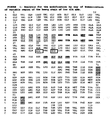
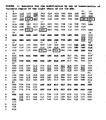
- VH and VK DNA were cloned into M13 vector. Clones were sequenced by the dideoxy method using T7 DNA Pol (Pharmacia). See Figure 1 and 2.
- EXAMPLE 2 MODIFICATION OF THE VARIABLE DOMAIN SEQUENCES OF ior t1A MURINE MONOCLONAL ANTIBODY TO HUMANIZE THE PREDICTED T-CELL ANTIGENIC SEQUENCES.
- variable region sequences of heavy and light chains of ior t1A were anlyzed for T-cell antigenic sequences. It was made by using the computer algorithm AMPHI, which predict segments of the sequences 11 amino acids in length with an amphipatic helix structure, that is have one side hydrophobic and one side hydrophilic which bind to MHC II molecules.
- variable domain sequence of the heavy chain were predicted 3 segments which are: (It is used Kabat's numbering.).
- the Figure 1 shows the sequences corresponding to heavy chain.
- This murine sequence is compared with the immunoglobulin sequences included in the GeneBank and EMBL database.
- the most homologous human variable region sequence is determined and also the human subgroup to which the murine sequence most closely resembles is defined.
- the human sequence founded was an IgM belonging to subgroup III of Kabat.
- variable region sequences human and murine are then compared residue for residue and are selected those residues at FR regions which are not involved in the Vernier zone or with the canonical structures. Therefore they could be changed by those residues at the same position onto the human sequence.
- the positions 13 and 19 are not modified due to the amino acid Lys is present in the same position in other human immunoglobulins belonging to the same subgroup.
- EXAMPLE 3 CONSTRUCTION OF MUTANT HEAVY AND LIGHT CHAIN VARIABLE REGION OF ior t1A BY PCR MUTAGENESIS.
- mutant heavy and light chain variable region were constructed using PCR mutagenesis (Kammann, M. et al. (1989) Proc. Natl. Acad. Sci. USA, 86: 4220).
- the reaction mixture was: 0.5 ul the VH of single strand DNA cloned in M13, 25 pmoles mutagenic oligo 1 or 2, 25 pmoles mutagenic oligo 3 or 4 primers (See below the primers sequences).
- To these mixtures were added 2.5mM each of dATP, Dttp, dCTP, and dGTP, 5 ⁇ l constituents of 10X Vent Polymerase buffer (NEB) and 1 unit of Vent DNA Polymerase (NEB) in a final volume of 50 ul.
- EXAMPLE 4 PHARMACEUTICAL FORMULATION FOR TOPIC USE IN CUTANEOUS LESIONS OF PATIENTS WITH PSORIASIS VULGAR.
- the ior t1 mAb was purified and dissolved (50.00 mg) in sterile buffer solution (10 mL pH7.0 +/- 0.5) containing Monobasic Sodium Phosphate 4.50 mg , Dibasic Sodium Phosphate 18.00 mg , Sodium Chloride 86.00 mg, Polysorbate 80 1.852 ⁇ L, Water for injection.
- the solution containing the mAb was added to a jelly base.
- the therapeutic jelly was elaborated with a buffer solution having a composition similar to the one described for the mAb (pH 7.0 +/- 0.5).
- EXAMPLE 5 HISTOLOGICAL STUDY OF CUTANEOUS LESIONS OF PATIENTS WITH PSORIASIS VULGAR.
- the immunohistochemical study of the cutaneous lesions of patients with Psoriasis Vulgar was performed on cryostat sections of skin tissue, using the mAb ior t1 in parallel with different mAbs directed against CD of T lymphocytes.
- mAbs ior t3 (anti CD3), ior t4 (anti CD4), ior t8 (anti CD8), ior L3 (anti CD45) and DAKO CD6 (anti CD6), as control, as well as ior egf/r3 (anti Epidermal Growth Factor Receptor) were used.
- ior egf/r3 anti Epidermal Growth Factor Receptor
- the predominance of the expression of the CD6 molecule in the T lymphocytes of the inflammatory infiltrate results significant since it is a molecule characteristic of activated T lymphocytes. This makes us believe that this might constitute a leukocitary adhesion molecule of the T lymphocytes, initially activated in the skin by the penetration of exogenous antigens or modified self antigens. Necessary this for the interaction with specific cellular determinants of the skin activated during the response to the said antigens.
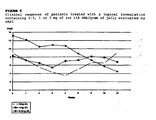
- EXAMPLE 6 CLINICAL RESPONSE OF PATIENTS WITH PSORIASIS VULGAR TO THE TOPICAL THERAPY WITH ior t1 mAb.
- a clinical trial of patients with a diagnosis of Psoriasis Vulgar in relapse with lesions characteristic of this disease was performed.
- the study was scheduled in two groups of fourteen patients per group difined according to the jelly received for topical treatment (ior t1 mAb or vehicle).
- the topical therapeutic formulation was conformed by a jelly base or vehicle (Sodium Carboximethylcelluloseose v/v, Propilenglycol, Methylparabeno, Trietanolamine) in which the mAb was incorporated.
- Treatment was applied two times a day during 21 days without occlusion of the lesions treated.
- EXAMPLE 7 CLINICAL RESPONSE OF PSORIASIS VULGARIS PATIENTS AFTER SCALING-DOWN TOPICAL TREATMENT WITH ior t1 MONOCLONAL ANTIBODY.
- a Pilot Clinical Trial in 19 confirmed long-lasting psoriasis vulgaris patients with more than 10% and less than 25 % of their skin affected was performed.
- Patients were topicaly treated 2 times a day during 21 days.
- PASI Psoriatic Area and Severity Index
- HAMA human anti mouse antibody
- EXAMPLE 8 CLINICAL RESPONSE OF ONE PATIENT WITH THE SEVERE FORM OF GENERALIZED PSORIASIS TO THE ENDOVENEOUS TREATMENT WITH THE ior t1 mAb .
- a therapeutical jelly containing ior t1 mAb at a concentration of 3 mg of mAb/ g of jelly was applied 2 times a day in all the lesions during two days.
- the patient starts to improve her general status and dermatological picture around the 6th day of treatment.
- an evaluation was performed and 60 % of the body surface was without lesions and the rest of the skin showed improvement of the clinical signs of the disease.
- the patient referred improvement of the symptoms in articulations, having a good general status, normal vital signs and routine laboratory tests.
- FIGURE 1 and 2 are identical to FIGURE 1 and 2
- the evaluation of the therapeutic efficacy of the anti CD6 mAbs used in the treatment of the Psoriasis was performed considering the following variables: infiltration, scales, erythema and the size of the area of the lesion. The great of severity was established between the values zero-1-2. The extension of the treated plaques was established measuring to of its diameters.
- a Psoriasis Severity Score (PSS) similar to the PASI (Psoriasis Area and Severity Index) was obtained and the response to treatment was stratified according to the changed in the PSS at the end of the designated evaluation time. The following categorizes was established: Clear, Responders, Non-Responders and Worsening.
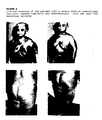
- Endovenous treatment was applied with the ior t1 mAb to a 56 years old patient with a history of Psoriasis with psoriatic arthropathy diagnosed approximately 17 years ago.
- Treatment was performed with single endoveneous dose of ior t1 mAb at 0.6 mg/Kg of body weight, administered slowly, diluted in 200 mL of Saline Solution 0.9 %.
- a therapeutical jelly containing ior t1 mAb at a concentration of 3 mg of MAb/ g of jelly was applied 2 times a day in all the lesions during two days, for a total of 224 g. of therapeutic jelly.
- the dinical response and the immunohistochemistry laboratory results were evaluated weekly. Photographs of the evolution of the cutaneous lesions are shown (the day before and 21 days after the treatment).
Landscapes
- Health & Medical Sciences (AREA)
- Chemical & Material Sciences (AREA)
- Life Sciences & Earth Sciences (AREA)
- Immunology (AREA)
- Engineering & Computer Science (AREA)
- Medicinal Chemistry (AREA)
- General Health & Medical Sciences (AREA)
- Organic Chemistry (AREA)
- Molecular Biology (AREA)
- Biochemistry (AREA)
- Urology & Nephrology (AREA)
- Biomedical Technology (AREA)
- Proteomics, Peptides & Aminoacids (AREA)
- Hematology (AREA)
- Veterinary Medicine (AREA)
- Animal Behavior & Ethology (AREA)
- Pharmacology & Pharmacy (AREA)
- Biophysics (AREA)
- Genetics & Genomics (AREA)
- Chemical Kinetics & Catalysis (AREA)
- Microbiology (AREA)
- Public Health (AREA)
- Biotechnology (AREA)
- Physics & Mathematics (AREA)
- Cell Biology (AREA)
- Bioinformatics & Cheminformatics (AREA)
- General Chemical & Material Sciences (AREA)
- Nuclear Medicine, Radiotherapy & Molecular Imaging (AREA)
- Food Science & Technology (AREA)
- Pathology (AREA)
- Analytical Chemistry (AREA)
- General Physics & Mathematics (AREA)
- Dermatology (AREA)
- Mycology (AREA)
- Epidemiology (AREA)
- Peptides Or Proteins (AREA)
- Medicines Containing Antibodies Or Antigens For Use As Internal Diagnostic Agents (AREA)
- Preparation Of Compounds By Using Micro-Organisms (AREA)
Applications Claiming Priority (3)
| Application Number | Priority Date | Filing Date | Title |
|---|---|---|---|
| CU1995120A CU22584A1 (es) | 1995-11-17 | 1995-11-17 | Composiciones farmacéuticas que contienen un anticuerpo monoclonal que reconoce el antígeno de diferenciación leucocitario humano cd6 y sus usos para el diagnóstico y tratamiento de la psoriasis |
| CU12095 | 1995-11-17 | ||
| PCT/CU1996/000004 WO1997019111A2 (es) | 1995-11-17 | 1996-11-18 | Anticuerpos monoclonales anti-cd6 y sus utilizaciones |
Publications (3)
| Publication Number | Publication Date |
|---|---|
| EP0807125A2 EP0807125A2 (en) | 1997-11-19 |
| EP0807125A1 EP0807125A1 (en) | 1997-11-19 |
| EP0807125B1 true EP0807125B1 (en) | 2004-10-27 |
Family
ID=5459401
Family Applications (1)
| Application Number | Title | Priority Date | Filing Date |
|---|---|---|---|
| EP96939805A Expired - Lifetime EP0807125B1 (en) | 1995-11-17 | 1996-11-18 | Monoclonal antibodies anti-cd6 for the treatment and diagnosis of psoriasis |
Country Status (15)
| Country | Link |
|---|---|
| US (1) | US6572857B1 (2) |
| EP (1) | EP0807125B1 (2) |
| JP (1) | JP4113929B2 (2) |
| KR (1) | KR100533854B1 (2) |
| CN (1) | CN1222540C (2) |
| AT (1) | ATE280783T1 (2) |
| AU (1) | AU722882B2 (2) |
| BR (1) | BRPI9607171B1 (2) |
| CA (1) | CA2210751C (2) |
| CU (1) | CU22584A1 (2) |
| DE (1) | DE69633717T2 (2) |
| DK (1) | DK0807125T3 (2) |
| ES (1) | ES2231826T3 (2) |
| PT (1) | PT807125E (2) |
| WO (1) | WO1997019111A2 (2) |
Cited By (5)
| Publication number | Priority date | Publication date | Assignee | Title |
|---|---|---|---|---|
| AU2007336564B2 (en) * | 2006-12-26 | 2012-11-01 | Centro De Inmunologia Molecular | Pharmaceutical compositions capable of inducing apoptosis in tumour cells, useful for diagnosis and treatment of B-Chronic Lymphocytic Leukaemia |
| KR101482956B1 (ko) | 2006-12-26 | 2015-01-15 | 센트로 데 인뮤놀러지아 모레큘러 | 류마티스 관절염의 진단 및 치료에 사용되는 항-cd6 단일클론성 항체를 포함하는 약학 조성물 |
| TWI485160B (zh) * | 2008-03-14 | 2015-05-21 | 拜歐康有限公司 | 抗cd6單株抗體於治療疾病之用途 |
| US10189899B2 (en) | 2013-07-23 | 2019-01-29 | Biocon Limited | Use of a CD6 binding partner and method based thereon |
| US11242401B2 (en) | 2016-10-21 | 2022-02-08 | Biocon Limited | Monoclonal antibody and a method of use for the treatment of lupus |
Families Citing this family (30)
| Publication number | Priority date | Publication date | Assignee | Title |
|---|---|---|---|---|
| JP2003534022A (ja) * | 2000-05-26 | 2003-11-18 | スミスクライン・ビーチャム・コーポレイション | Rankリガンド介在障害の治療に有用な抗−rankリガンドモノクローナル抗体 |
| CU23097A1 (es) | 2002-10-23 | 2005-11-18 | Centro Inmunologia Molecular | Método para la obtención de líneas celulares en medio libre de proteína y líneas celulares obtenidas por este método |
| US20070003568A1 (en) | 2003-02-24 | 2007-01-04 | Alice Dautry-Varsat | Secreted chlamydia polypeptides, polynucleotides coding therefor, therapeutic and diagnostic uses thereof |
| JP5511684B2 (ja) | 2008-01-11 | 2014-06-04 | アドヘロン セラピューティクス,インコーポレイテッド | 炎症性関節障害を治療するためのカドヘリン−11eclドメインアンタゴニスト |
| US8940300B2 (en) * | 2010-07-15 | 2015-01-27 | Adheron Therapeutics, Inc. | Humanized antibodies targeting the EC1 domain of Cadherin-11 and related compositions and methods |
| WO2012019168A2 (en) | 2010-08-06 | 2012-02-09 | Moderna Therapeutics, Inc. | Engineered nucleic acids and methods of use thereof |
| RU2013120302A (ru) | 2010-10-01 | 2014-11-20 | Модерна Терапьютикс, Инк. | Сконструированные нуклеиновые кислоты и способы их применения |
| EP2691101A2 (en) | 2011-03-31 | 2014-02-05 | Moderna Therapeutics, Inc. | Delivery and formulation of engineered nucleic acids |
| US9910039B2 (en) | 2011-07-01 | 2018-03-06 | Beckman Coulter, Inc. | Regulatory T cells and methods of identifying, obtaining and using to treat immuno-based disorders |
| US9464124B2 (en) | 2011-09-12 | 2016-10-11 | Moderna Therapeutics, Inc. | Engineered nucleic acids and methods of use thereof |
| RU2648950C2 (ru) | 2011-10-03 | 2018-04-02 | Модерна Терапьютикс, Инк. | Модифицированные нуклеозиды, нуклеотиды и нуклеиновые кислоты и их применение |
| CN104114572A (zh) | 2011-12-16 | 2014-10-22 | 现代治疗公司 | 经修饰的核苷、核苷酸和核酸组合物 |
| US9283287B2 (en) | 2012-04-02 | 2016-03-15 | Moderna Therapeutics, Inc. | Modified polynucleotides for the production of nuclear proteins |
| US9572897B2 (en) | 2012-04-02 | 2017-02-21 | Modernatx, Inc. | Modified polynucleotides for the production of cytoplasmic and cytoskeletal proteins |
| US9254311B2 (en) | 2012-04-02 | 2016-02-09 | Moderna Therapeutics, Inc. | Modified polynucleotides for the production of proteins |
| AU2013243948A1 (en) | 2012-04-02 | 2014-10-30 | Moderna Therapeutics, Inc. | Modified polynucleotides for the production of proteins associated with human disease |
| WO2014081507A1 (en) | 2012-11-26 | 2014-05-30 | Moderna Therapeutics, Inc. | Terminally modified rna |
| FR3000216B1 (fr) * | 2012-12-21 | 2015-02-06 | Galderma Res & Dev | Utilisation de proteases particulieres pour la detection de trichophytons et de pathologies associees |
| US8980864B2 (en) | 2013-03-15 | 2015-03-17 | Moderna Therapeutics, Inc. | Compositions and methods of altering cholesterol levels |
| US10023626B2 (en) | 2013-09-30 | 2018-07-17 | Modernatx, Inc. | Polynucleotides encoding immune modulating polypeptides |
| JP2016538829A (ja) | 2013-10-03 | 2016-12-15 | モデルナ セラピューティクス インコーポレイテッドModerna Therapeutics,Inc. | 低密度リポタンパク質受容体をコードするポリヌクレオチド |
| CN105504062B (zh) * | 2015-12-25 | 2019-06-04 | 百泰生物药业有限公司 | 一种抗CD6单抗T1h的检测性抗体及应用 |
| SG11202008149RA (en) | 2018-02-27 | 2020-09-29 | Equillium Inc | Anti cd6 antibodies for treating severe asthma |
| US12281151B2 (en) | 2018-06-29 | 2025-04-22 | City Of Hope | CD6 targeted chimeric antigen receptors for treatment of certain autoimmune disorders |
| MX2021010283A (es) | 2019-02-26 | 2021-09-30 | Equillium Inc | Composiciones de anticuerpo anti-cd6 y metodos para tratar lupus. |
| WO2021138454A1 (en) | 2019-12-30 | 2021-07-08 | City Of Hope | Methods of making and using regulatory t cells and effector t cells having chimeric antigen receptors targeted to cd6, cd19, and/or an il-13r for treatment of autoimmune disorders and cancers |
| US20230151107A1 (en) * | 2020-04-04 | 2023-05-18 | Biocon Limited | Anti-cd6 antibody compositions and methods for treating and reducing negative effects of a coronavirus including covid-19 |
| JP2024534975A (ja) | 2021-09-08 | 2024-09-26 | セントロ ド インムノロジア モレキュラー | 過剰炎症反応に起因する細胞および臓器の損傷の予防における抗cd6モノクローナル抗体の使用 |
| WO2025096685A1 (en) | 2023-10-30 | 2025-05-08 | City Of Hope | Methods of making and using regulatory t cells for treatment of autoimmune disorders and cancers |
| CN120005027B (zh) * | 2025-04-10 | 2025-09-23 | 中国水产科学研究院长江水产研究所 | 大口黑鲈cd6抗原结合肽、及其单克隆抗体和应用 |
Family Cites Families (2)
| Publication number | Priority date | Publication date | Assignee | Title |
|---|---|---|---|---|
| CA2175247A1 (en) * | 1993-11-02 | 1995-05-11 | Barton F. Haynes | Cd6 ligand |
| CU22615A1 (es) * | 1994-06-30 | 2000-02-10 | Centro Inmunologia Molecular | Procedimiento de obtención de anticuerpos monoclonales murinos menos inmunogénicos. anticuerpos monoclonales obtenidos |
-
1995
- 1995-11-17 CU CU1995120A patent/CU22584A1/es unknown
-
1996
- 1996-11-18 CA CA002210751A patent/CA2210751C/en not_active Expired - Lifetime
- 1996-11-18 PT PT96939805T patent/PT807125E/pt unknown
- 1996-11-18 KR KR1019970704893A patent/KR100533854B1/ko not_active Expired - Lifetime
- 1996-11-18 US US08/875,674 patent/US6572857B1/en not_active Expired - Lifetime
- 1996-11-18 EP EP96939805A patent/EP0807125B1/en not_active Expired - Lifetime
- 1996-11-18 WO PCT/CU1996/000004 patent/WO1997019111A2/es not_active Ceased
- 1996-11-18 BR BRPI9607171A patent/BRPI9607171B1/pt not_active IP Right Cessation
- 1996-11-18 JP JP51926797A patent/JP4113929B2/ja not_active Expired - Lifetime
- 1996-11-18 CN CNB96192098XA patent/CN1222540C/zh not_active Expired - Lifetime
- 1996-11-18 AU AU76905/96A patent/AU722882B2/en not_active Ceased
- 1996-11-18 AT AT96939805T patent/ATE280783T1/de active
- 1996-11-18 ES ES96939805T patent/ES2231826T3/es not_active Expired - Lifetime
- 1996-11-18 DE DE69633717T patent/DE69633717T2/de not_active Expired - Lifetime
- 1996-11-18 DK DK96939805T patent/DK0807125T3/da active
Cited By (9)
| Publication number | Priority date | Publication date | Assignee | Title |
|---|---|---|---|---|
| AU2007336564B2 (en) * | 2006-12-26 | 2012-11-01 | Centro De Inmunologia Molecular | Pharmaceutical compositions capable of inducing apoptosis in tumour cells, useful for diagnosis and treatment of B-Chronic Lymphocytic Leukaemia |
| KR101482956B1 (ko) | 2006-12-26 | 2015-01-15 | 센트로 데 인뮤놀러지아 모레큘러 | 류마티스 관절염의 진단 및 치료에 사용되는 항-cd6 단일클론성 항체를 포함하는 약학 조성물 |
| TWI485160B (zh) * | 2008-03-14 | 2015-05-21 | 拜歐康有限公司 | 抗cd6單株抗體於治療疾病之用途 |
| US10000573B2 (en) | 2008-03-14 | 2018-06-19 | Centro De Immunologia Molecular | Monoclonal antibody and a method thereof |
| US10669346B2 (en) | 2008-03-14 | 2020-06-02 | Biocon Limited | Monoclonal antibody and a method thereof |
| US11981743B2 (en) | 2008-03-14 | 2024-05-14 | Biocon Limited | Monoclonal antibody and a method thereof |
| US10189899B2 (en) | 2013-07-23 | 2019-01-29 | Biocon Limited | Use of a CD6 binding partner and method based thereon |
| US11028168B2 (en) | 2013-07-23 | 2021-06-08 | Biocon Limited | Use of a CD6 binding partner and method based thereon |
| US11242401B2 (en) | 2016-10-21 | 2022-02-08 | Biocon Limited | Monoclonal antibody and a method of use for the treatment of lupus |
Also Published As
| Publication number | Publication date |
|---|---|
| CA2210751C (en) | 2007-01-30 |
| CN1175957A (zh) | 1998-03-11 |
| ES2231826T3 (es) | 2005-05-16 |
| EP0807125A2 (en) | 1997-11-19 |
| DK0807125T3 (da) | 2005-03-14 |
| PT807125E (pt) | 2005-03-31 |
| AU7690596A (en) | 1997-06-11 |
| WO1997019111A2 (es) | 1997-05-29 |
| DE69633717D1 (de) | 2004-12-02 |
| CU22584A1 (es) | 1999-11-03 |
| WO1997019111A3 (es) | 1998-02-12 |
| US6572857B1 (en) | 2003-06-03 |
| BR9607171A (pt) | 1997-11-11 |
| KR19980701502A (ko) | 1998-05-15 |
| CN1222540C (zh) | 2005-10-12 |
| DE69633717T2 (de) | 2006-02-02 |
| JPH11506017A (ja) | 1999-06-02 |
| JP4113929B2 (ja) | 2008-07-09 |
| KR100533854B1 (ko) | 2006-09-20 |
| MX9705445A (es) | 1998-06-30 |
| CA2210751A1 (en) | 1997-05-29 |
| AU722882B2 (en) | 2000-08-10 |
| ATE280783T1 (de) | 2004-11-15 |
| BRPI9607171B1 (pt) | 2016-07-19 |
Similar Documents
| Publication | Publication Date | Title |
|---|---|---|
| EP0807125B1 (en) | Monoclonal antibodies anti-cd6 for the treatment and diagnosis of psoriasis | |
| US6316227B1 (en) | Nucleic acids encoding interleukin-5 specific recombinant antibodies | |
| KR102596852B1 (ko) | 항-프로/잠재성-미오스타틴 항체 및 그의 용도 | |
| DE69535243T2 (de) | Gegen menschliches interleukin-8 gerichteter, rekonstituierter menschlicher antikörper | |
| US6451982B1 (en) | Design, cloning and expression of humanized monoclonal antibodies against human interleukin-5 | |
| AU2006301163B2 (en) | Compositions and methods for treating proliferative disorders | |
| EP0699755B1 (en) | Method for obtaining modified immunoglobulins with reduced immunogenicity of murine antibody variable domains, compositions containing them | |
| KR101078459B1 (ko) | 항 수초 관련 당단백질 항체 | |
| DE69637131T2 (de) | Humanisierte antikörper gegen humanes gp39, zusammensetzungen die diese enthalten und deren therapeutische verwendungen | |
| RU2112037C1 (ru) | Гибридное моноклональное антитело, взаимодействующее с cd4-антигеном т-хелперных клеток человека, и способ его получения | |
| EP0807125A1 (en) | Monoclonal antibodies anti-cd6 and their uses | |
| WO1997019111A9 (es) | Anticuerpos monoclonales anti-cd6 y sus utilizaciones | |
| US20020065398A1 (en) | Humanized and chimeric monoclonal antibodies that recognize epidermal growth factor receptor (egf-r); diagnostic and therapeutic use | |
| KR20190082815A (ko) | 중화 항-tl1a 단일 클론 항체 | |
| US5693323A (en) | Recombinant IL-5 antagonists useful in treatment of IL-5 mediated disorders | |
| HU230197B1 (hu) | Terápiás ágens gyermekkori krónikus artrítiszhez hasonló betegségekre | |
| BG66209B1 (bg) | Методи за получаване на антитела с двойна специфичност | |
| JP2008253267A (ja) | 改変抗体可変領域の調製のための物質ならびにその治療的用途 | |
| WO2001064754A1 (en) | Gene recombinant antibody and its fragment | |
| JPH09502708A (ja) | Il4により伝達される疾患の治療に有用な組み換え型il4抗体 | |
| ES2307301T3 (es) | ANTICUERPO LO-CD2a Y USOS DEL MISMO PARA INHIBIR LA ACTIVACION Y PROLIFERACION DE CELULAS T. | |
| JP2000515494A (ja) | Il―5介在障害を治療および診断するための改良方法 | |
| US6433148B1 (en) | Monoclonal anti-idiotypic antibodies (AB2) and their uses | |
| JP2003525615A (ja) | シアロアドへジンファクター−2抗体 | |
| KR20240049304A (ko) | 융합 단백질을 함유하는 약학적 조성물 |
Legal Events
| Date | Code | Title | Description |
|---|---|---|---|
| PUAI | Public reference made under article 153(3) epc to a published international application that has entered the european phase |
Free format text: ORIGINAL CODE: 0009012 |
|
| PUAF | Information related to the publication of a search report (a3 document) modified or deleted |
Free format text: ORIGINAL CODE: 0009199SEPU |
|
| AK | Designated contracting states |
Kind code of ref document: A1 Designated state(s): AT BE CH DE DK ES FI FR GB GR IE IT LI LU MC NL PT SE |
|
| AX | Request for extension of the european patent |
Free format text: AL;LT;LV;SI |
|
| D17D | Deferred search report published (deleted) | ||
| K1C3 | Correction of patent application (complete document) published |
Effective date: 19971119 |
|
| 17P | Request for examination filed |
Effective date: 19980204 |
|
| D17D | Deferred search report published (deleted) | ||
| DAX | Request for extension of the european patent (deleted) | ||
| RBV | Designated contracting states (corrected) |
Designated state(s): AT BE CH DE DK ES FI FR GB GR IE IT LI NL PT SE |
|
| 17Q | First examination report despatched |
Effective date: 20011105 |
|
| GRAP | Despatch of communication of intention to grant a patent |
Free format text: ORIGINAL CODE: EPIDOSNIGR1 |
|
| RTI1 | Title (correction) |
Free format text: MONOCLONAL ANTIBODIES ANTI-CD6 FOR THE TREATMENT AND DIAGNOSIS OF PSORIASIS |
|
| GRAS | Grant fee paid |
Free format text: ORIGINAL CODE: EPIDOSNIGR3 |
|
| GRAA | (expected) grant |
Free format text: ORIGINAL CODE: 0009210 |
|
| AK | Designated contracting states |
Kind code of ref document: B1 Designated state(s): AT BE CH DE DK ES FI FR GB GR IE IT LI NL PT SE |
|
| REG | Reference to a national code |
Ref country code: GB Ref legal event code: FG4D |
|
| REG | Reference to a national code |
Ref country code: CH Ref legal event code: EP |
|
| REG | Reference to a national code |
Ref country code: IE Ref legal event code: FG4D |
|
| REF | Corresponds to: |
Ref document number: 69633717 Country of ref document: DE Date of ref document: 20041202 Kind code of ref document: P |
|
| REG | Reference to a national code |
Ref country code: CH Ref legal event code: NV Representative=s name: KATZAROV S.A. |
|
| REG | Reference to a national code |
Ref country code: GR Ref legal event code: EP Ref document number: 20050400217 Country of ref document: GR |
|
| REG | Reference to a national code |
Ref country code: SE Ref legal event code: TRGR |
|
| REG | Reference to a national code |
Ref country code: DK Ref legal event code: T3 |
|
| REG | Reference to a national code |
Ref country code: PT Ref legal event code: SC4A Free format text: AVAILABILITY OF NATIONAL TRANSLATION Effective date: 20050120 |
|
| REG | Reference to a national code |
Ref country code: ES Ref legal event code: FG2A Ref document number: 2231826 Country of ref document: ES Kind code of ref document: T3 |
|
| PLBE | No opposition filed within time limit |
Free format text: ORIGINAL CODE: 0009261 |
|
| STAA | Information on the status of an ep patent application or granted ep patent |
Free format text: STATUS: NO OPPOSITION FILED WITHIN TIME LIMIT |
|
| 26N | No opposition filed |
Effective date: 20050728 |
|
| ET | Fr: translation filed | ||
| REG | Reference to a national code |
Ref country code: FR Ref legal event code: PLFP Year of fee payment: 20 |
|
| PGFP | Annual fee paid to national office [announced via postgrant information from national office to epo] |
Ref country code: GR Payment date: 20151112 Year of fee payment: 20 Ref country code: IT Payment date: 20151125 Year of fee payment: 20 Ref country code: FI Payment date: 20151111 Year of fee payment: 20 Ref country code: DK Payment date: 20151118 Year of fee payment: 20 Ref country code: GB Payment date: 20151118 Year of fee payment: 20 Ref country code: DE Payment date: 20151119 Year of fee payment: 20 Ref country code: IE Payment date: 20151119 Year of fee payment: 20 Ref country code: CH Payment date: 20151118 Year of fee payment: 20 |
|
| PGFP | Annual fee paid to national office [announced via postgrant information from national office to epo] |
Ref country code: FR Payment date: 20151119 Year of fee payment: 20 Ref country code: BE Payment date: 20151118 Year of fee payment: 20 Ref country code: PT Payment date: 20151117 Year of fee payment: 20 Ref country code: NL Payment date: 20151029 Year of fee payment: 20 Ref country code: ES Payment date: 20151111 Year of fee payment: 20 Ref country code: AT Payment date: 20151119 Year of fee payment: 20 Ref country code: SE Payment date: 20151118 Year of fee payment: 20 |
|
| REG | Reference to a national code |
Ref country code: DE Ref legal event code: R071 Ref document number: 69633717 Country of ref document: DE |
|
| REG | Reference to a national code |
Ref country code: DK Ref legal event code: EUP Effective date: 20161118 |
|
| REG | Reference to a national code |
Ref country code: NL Ref legal event code: MK Effective date: 20161117 |
|
| REG | Reference to a national code |
Ref country code: CH Ref legal event code: PL |
|
| REG | Reference to a national code |
Ref country code: GB Ref legal event code: PE20 Expiry date: 20161117 |
|
| REG | Reference to a national code |
Ref country code: IE Ref legal event code: MK9A |
|
| REG | Reference to a national code |
Ref country code: AT Ref legal event code: MK07 Ref document number: 280783 Country of ref document: AT Kind code of ref document: T Effective date: 20161118 |
|
| PG25 | Lapsed in a contracting state [announced via postgrant information from national office to epo] |
Ref country code: GB Free format text: LAPSE BECAUSE OF EXPIRATION OF PROTECTION Effective date: 20161117 Ref country code: IE Free format text: LAPSE BECAUSE OF EXPIRATION OF PROTECTION Effective date: 20161118 |
|
| REG | Reference to a national code |
Ref country code: GR Ref legal event code: MA Ref document number: 20050400217 Country of ref document: GR Effective date: 20161119 |
|
| REG | Reference to a national code |
Ref country code: ES Ref legal event code: FD2A Effective date: 20170224 |
|
| PG25 | Lapsed in a contracting state [announced via postgrant information from national office to epo] |
Ref country code: PT Free format text: LAPSE BECAUSE OF EXPIRATION OF PROTECTION Effective date: 20161128 |
|
| PG25 | Lapsed in a contracting state [announced via postgrant information from national office to epo] |
Ref country code: ES Free format text: LAPSE BECAUSE OF EXPIRATION OF PROTECTION Effective date: 20161119 |