EP0861887A2 - Procédés microbiologiques utilisants de l'eau électrolysée - Google Patents
Procédés microbiologiques utilisants de l'eau électrolysée Download PDFInfo
- Publication number
- EP0861887A2 EP0861887A2 EP98301176A EP98301176A EP0861887A2 EP 0861887 A2 EP0861887 A2 EP 0861887A2 EP 98301176 A EP98301176 A EP 98301176A EP 98301176 A EP98301176 A EP 98301176A EP 0861887 A2 EP0861887 A2 EP 0861887A2
- Authority
- EP
- European Patent Office
- Prior art keywords
- microorganism
- water
- pollutant
- strain
- culture
- Prior art date
- Legal status (The legal status is an assumption and is not a legal conclusion. Google has not performed a legal analysis and makes no representation as to the accuracy of the status listed.)
- Withdrawn
Links
Images





Classifications
-
- C—CHEMISTRY; METALLURGY
- C12—BIOCHEMISTRY; BEER; SPIRITS; WINE; VINEGAR; MICROBIOLOGY; ENZYMOLOGY; MUTATION OR GENETIC ENGINEERING
- C12N—MICROORGANISMS OR ENZYMES; COMPOSITIONS THEREOF; PROPAGATING, PRESERVING, OR MAINTAINING MICROORGANISMS; MUTATION OR GENETIC ENGINEERING; CULTURE MEDIA
- C12N1/00—Microorganisms; Compositions thereof; Processes of propagating, maintaining or preserving microorganisms or compositions thereof; Processes of preparing or isolating a composition containing a microorganism; Culture media therefor
- C12N1/38—Chemical stimulation of growth or activity by addition of chemical compounds which are not essential growth factors; Stimulation of growth by removal of a chemical compound
-
- C—CHEMISTRY; METALLURGY
- C02—TREATMENT OF WATER, WASTE WATER, SEWAGE, OR SLUDGE
- C02F—TREATMENT OF WATER, WASTE WATER, SEWAGE, OR SLUDGE
- C02F1/00—Treatment of water, waste water, or sewage
- C02F1/46—Treatment of water, waste water, or sewage by electrochemical methods
- C02F1/461—Treatment of water, waste water, or sewage by electrochemical methods by electrolysis
- C02F1/46104—Devices therefor; Their operating or servicing
- C02F1/4618—Devices therefor; Their operating or servicing for producing "ionised" acidic or basic water
-
- C—CHEMISTRY; METALLURGY
- C12—BIOCHEMISTRY; BEER; SPIRITS; WINE; VINEGAR; MICROBIOLOGY; ENZYMOLOGY; MUTATION OR GENETIC ENGINEERING
- C12N—MICROORGANISMS OR ENZYMES; COMPOSITIONS THEREOF; PROPAGATING, PRESERVING, OR MAINTAINING MICROORGANISMS; MUTATION OR GENETIC ENGINEERING; CULTURE MEDIA
- C12N1/00—Microorganisms; Compositions thereof; Processes of propagating, maintaining or preserving microorganisms or compositions thereof; Processes of preparing or isolating a composition containing a microorganism; Culture media therefor
- C12N1/20—Bacteria; Culture media therefor
- C12N1/205—Bacterial isolates
-
- C—CHEMISTRY; METALLURGY
- C02—TREATMENT OF WATER, WASTE WATER, SEWAGE, OR SLUDGE
- C02F—TREATMENT OF WATER, WASTE WATER, SEWAGE, OR SLUDGE
- C02F2209/00—Controlling or monitoring parameters in water treatment
- C02F2209/04—Oxidation reduction potential [ORP]
-
- C—CHEMISTRY; METALLURGY
- C02—TREATMENT OF WATER, WASTE WATER, SEWAGE, OR SLUDGE
- C02F—TREATMENT OF WATER, WASTE WATER, SEWAGE, OR SLUDGE
- C02F2209/00—Controlling or monitoring parameters in water treatment
- C02F2209/06—Controlling or monitoring parameters in water treatment pH
-
- C—CHEMISTRY; METALLURGY
- C02—TREATMENT OF WATER, WASTE WATER, SEWAGE, OR SLUDGE
- C02F—TREATMENT OF WATER, WASTE WATER, SEWAGE, OR SLUDGE
- C02F3/00—Biological treatment of water, waste water, or sewage
- C02F3/34—Biological treatment of water, waste water, or sewage characterised by the microorganisms used
-
- C—CHEMISTRY; METALLURGY
- C12—BIOCHEMISTRY; BEER; SPIRITS; WINE; VINEGAR; MICROBIOLOGY; ENZYMOLOGY; MUTATION OR GENETIC ENGINEERING
- C12R—INDEXING SCHEME ASSOCIATED WITH SUBCLASSES C12C - C12Q, RELATING TO MICROORGANISMS
- C12R2001/00—Microorganisms ; Processes using microorganisms
- C12R2001/01—Bacteria or Actinomycetales ; using bacteria or Actinomycetales
- C12R2001/185—Escherichia
- C12R2001/19—Escherichia coli
-
- Y—GENERAL TAGGING OF NEW TECHNOLOGICAL DEVELOPMENTS; GENERAL TAGGING OF CROSS-SECTIONAL TECHNOLOGIES SPANNING OVER SEVERAL SECTIONS OF THE IPC; TECHNICAL SUBJECTS COVERED BY FORMER USPC CROSS-REFERENCE ART COLLECTIONS [XRACs] AND DIGESTS
- Y10—TECHNICAL SUBJECTS COVERED BY FORMER USPC
- Y10S—TECHNICAL SUBJECTS COVERED BY FORMER USPC CROSS-REFERENCE ART COLLECTIONS [XRACs] AND DIGESTS
- Y10S435/00—Chemistry: molecular biology and microbiology
- Y10S435/8215—Microorganisms
- Y10S435/822—Microorganisms using bacteria or actinomycetales
-
- Y—GENERAL TAGGING OF NEW TECHNOLOGICAL DEVELOPMENTS; GENERAL TAGGING OF CROSS-SECTIONAL TECHNOLOGIES SPANNING OVER SEVERAL SECTIONS OF THE IPC; TECHNICAL SUBJECTS COVERED BY FORMER USPC CROSS-REFERENCE ART COLLECTIONS [XRACs] AND DIGESTS
- Y10—TECHNICAL SUBJECTS COVERED BY FORMER USPC
- Y10S—TECHNICAL SUBJECTS COVERED BY FORMER USPC CROSS-REFERENCE ART COLLECTIONS [XRACs] AND DIGESTS
- Y10S435/00—Chemistry: molecular biology and microbiology
- Y10S435/8215—Microorganisms
- Y10S435/822—Microorganisms using bacteria or actinomycetales
- Y10S435/848—Escherichia
- Y10S435/849—Escherichia coli
Definitions
- This invention relates to a method for culturing a microorganism, a method for synthesizing an organic compound utilizing a microorganism, a method for maintaining the microbial decomposing ability of a pollutant, a method for decomposing a pollutant utilizing a microorganism, and a method for remedying an environment utilizing a microorganism.
- the microbial technology was mainly applied to the synthesis of medicines and hormones which are difficult to be chemically synthesized and of high value added, or to the treatment of sewage or waste water of which amount to be treated makes physical or chemical treatment too expensive.
- chlorinated organic compounds such as tetrachloroethylene (PCE), trichloroethylene (TCE), dichloroethylene (DCE) and the like.
- PCE tetrachloroethylene
- TCE trichloroethylene
- DCE dichloroethylene
- strains capable of degrading TCE are given as follows:
- JP-A-04-231,601 and JP-A-06-210,297 JP-A-04-231,601 and JP-A-06-210,297.
- JP-A-06-062,831 teaches to design the shape of a reactor for efficient growth of the producing microorganism and recovery of cells and the synthesized product.
- JP-A-8-117,777 discloses a method for improving the mixing efficiency of the microbe-holding carrier in a liquid-flow type biochemical reaction device.
- the present inventors have made various studies to improve the efficiency in the microbial manufacturing, and in microbial decomposition of organic compounds, and found that the use of electrolyzed water is highly effective in improving the efficiency of the microbial proliferation, which is extremely advantageous for efficient microbial production of a substance, and in improving the efficiency of the microbial decomposition of organic compounds. Specifically, it has been found that when a microorganism is grown in a culture medium containing electrolytic water, the growth rate and the maximum cell density are both greater than those in an ordinary culture medium. It has been also found that when an organic compound is degraded by a microorganism in the presence of electrolytic water, the organic compound is decomposed in a shorter period of time than in a control medium.
- An object of this invention is to provide a method for cultivating a microorganism more efficiently.
- Another object of this invention is to provide a method for producing an organic compound by using a microorganism more efficiently.
- Another object of this invention is to provide a method for degrading a pollutant more efficiently by using a microorganism which is capable of decomposing the pollutant.
- Another object of this invention is to provide a method for decomposing an organic compound more efficiently by the use of a microorganism.
- Yet another object of this invention is to provide a more efficient method for remedying an environment utilizing microorganisms.
- one embodiment of the present invention provides a method for culturing a microorganism which comprises a step of culturing the microorganism in a culture medium containing a carbon source being metabolizable by the microorganism and an electrolyzed water obtained by electrolysis of water in an electrolytic cell.
- a method for culturing a microorganism comprising a step of culturing the microorganism in a culture medium containing a carbon source being metabolizable by the microorganism and an acidic water having a pH value of 1 - 4 and redox potential of 800 mV - 1500 mV.
- a method for culturing a microorganism comprising a step of culturing the microorganism in a culture medium containing a carbon source being metabolizable by the microorganism and an alkaline water having a pH value of 10 - 13 and a redox potential of -1000 mV - 800 mV determined by using a platinum electrode as a working electrode and a silver-silver chloride electrode as a reference electrode.
- the growth rate and the maximum cell density in the culture medium are increased.
- one embodiment of the present invention provides a method for producing an organic compound using a microorganism which comprises a step of reacting a first compound with a microorganism capable of producing a second organic compound from the first organic compound in the presence of an electrolyzed water obtained by electrolysis of water in an electrolytic cell.
- a method for producing an organic compound using a microorganism which comprises a step of reacting a first compound with a microorganism capable of producing a second organic compound from the first organic compound in the presence of an acidic water having a pH value of 1 - 4 and an oxidation-reduction potential of 800 mV - 1500 mV.
- a method for producing an organic compound using a microorganism which comprises a step of reacting a first compound with a microorganism capable of producing a second organic compound from the first organic compound in the presence of an alkaline water having a pH value of 10 - 13 and an oxidation-reduction potential of -1000 mV - 800 mV determined by using a platinum electrode as a working electrode and a silver - silver chloride electrode as a reference electrode.
- one embodiment of the present invention provides a method for producing an organic compound using a microorganism which comprises cultivating a microorganism capable of producing from a first organic compound a second organic compound in a culture medium containing a carbon source and an electrolyzed water obtained by electrolysis of water in an electrolytic cell; isolating the grown microorganism from the culture medium; and reacting the microorganism with the first compound to produce the second organic compound.
- the productivity of the microbial production of a substance can be improved.
- one embodiment of the present invention provides a method for maintaining an ability of a microorganism to decompose a pollutant which comprises a step of culturing a microorganism expressing a pollutant-decomposing activity in a culture medium containing an electrolyzed water obtained by electrolysis of water in an electrolytic cell.
- one embodiment of the present invention provides a method for degrading a pollutant which comprises a step of contacting a microorganism having a pollutant-decomposing ability with a pollutant in a presence of an electrolyzed water obtained by electrolysis of water in an electrolytic cell.
- a method for degrading a pollutant which comprises a step of contacting a microorganism having a pollutant-decomposing ability with a pollutant in the presence of an acidic water having a pH value of 1 - 4 and a redox potential of 800 mV - 1500 mV.
- a method for degrading a pollutant which comprises a step of contacting a microorganism having a pollutant-decomposing ability with a pollutant in the presence of an alkaline water having a pH value of 10 - 13 and a redox potential of -1000 mV - 800 mV determined by using a platinum electrode as a working electrode and a silver - silver chloride electrode as a reference electrode.
- one embodiment of the present invention provides a method for remedying an environment which comprises a step of decomposing a pollutant contained in the environment by contacting the pollutant with a microorganism capable of decomposing the pollutant in the presence of a water containing an electrolyzed water obtained by electrolysis of water in an electrolytic cell.
- a method for remedying an environment which comprises a step of decomposing a pollutant contained in the environment by contacting the pollutant with a microorganism capable of decomposing the pollutant in the presence of an acidic water having a pH value of 1 - 4 and a redox potential of 800 mV - 1500 mV.
- a method for remedying an environment which comprises a step of decomposing a pollutant contained in the environment by contacting the pollutant with a microorganism capable of decomposing the pollutant in the presence of an alkaline water having a pH value of 10 - 13 and a redox potential of -1000 mV - 800 mV determined by using a platinum electrode as a working electrode and a silver - silver chloride electrode as a reference electrode.
- the advantage of the present invention is that the microorganism can function effectively even under conditions detrimental to the activity of the microorganism, e.g. the temperature as low as 4°C or a presence of an organic solvent in a concentration exceeding 1% in the culture medium which are generally harsh conditions for the viability and growth of microorganisms.
- Fig. 1 is a schematic cross section of a device for the production of the electrolyzed water.
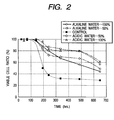
- Fig. 2 is a graph to show the viability of strain JM1 in Example 1, where strain JM1 was cultured at 15°C in an M9 medium containing a carbon source and the alkaline water, in an M9 culture medium containing a carbon source and the acidic water, and in a control medium.
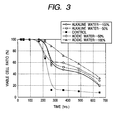
- Fig. 3 is a graph to show the viability of strain JM1 in Example 2, where strain JM1 was cultured at 25°C in an M9 medium containing a carbon source and the alkaline water, in an M9 culture medium containing a carbon source and the acidic water, and in a control medium.
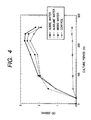
- Fig. 4 is a graph to show the growth rate and maximum cell density of J1 in Example 3 when cultured in various culture media.
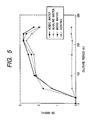
- Fig. 5 is a graph to show the growth rate and maximum cell density of JM1 in Example 4 when cultured in various culture media.
- Fig. 6 is a graph to show the growth rate and maximum cell density of JM2N in Example 5 when cultured in various culture media.
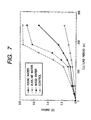
- Fig. 7 is a graph to show the growth rate and maximum cell density of JM106 in Example 6 when cultured in various culture media.
- Fig. 8 is a graph to show the TCE degradation ability of strain JM1 in Example 8, where strain JM1 degraded TCE in the presence or absence of the acidic water.
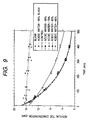
- Fig. 9 is a graph to show the TCE degradation ability of strain JM1 in Example 9, where strain JM1 degraded TCE in the presence or absence of the acidic water.
- Fig. 10 is a graph to show the TCE degradation ability of strain JM1 in Example 10, where strain JM1 degraded TCE in the presence or absence of the alkaline water.
- Fig. 11 is a graph to show the TCE degradation ability of strain JM1 in Example 11, where strain JM1 degraded TCE in the presence or absence of the alkaline water.
- One embodiment of the method for the culture of a microorganism is characterized in that in one step the microorganism is cultured in a culture medium containing a carbon source being metabolizable by the microorganism and an electrolyzed water obtained by electrolysis of water in an electrolytic cell.
- the present invention has been made based on the novel findings of the inventors' that the electrolyzed water, obtainable by electrolysis of water in an electrolytic cell, can increase the growth rate of microorganisms and the maximum cell number in the culture, and when the microorganism possesses the ability to decompose a pollutant, the electrolyzed water makes the microorganism maintain this ability of decomposition for a long time.
- the method for producing an organic compound using a microorganism of the present invention which comprises a step of reacting a first compound with a microorganism capable of producing a second organic compound from the first organic compound in the presence of an electrolyzed water obtained by electrolysis of water in an electrolytic cell.
- This invention has been made based on the novel findings of the inventors' that the electrolyzed water obtainable by electrolysis of water in an electrolytic cell improves the substance-converting ability of a microorganism.
- Fig. 1 is a schematic diagram of a device for the production of the electrolyzed water. Devices of similar constitution are disclosed in JP-A-64-11,693, JP-A-3-39,293, and JP-A-3-238,084.
- 1 is an electrolytic cell
- 2 is a diaphragm
- 3 is an anode
- 4 is a cathode
- 5 is a water inlet
- 6 is an outlet for the electrolyzed water formed on the anode side
- 7 is an outlet for the electrolyzed water formed on the cathode side.
- alkaline water When water is supplied through the water inlet 5 to the anode 3 side and the cathode 4 side of the cell 1 and then a DC voltage is applied between the electrodes to effect electrolysis of the water, the water containing cations and exhibiting an alkalinity (hereinafter referred to as “alkaline water”) gathers on the cathode 4 side and the water containing anions and exhibiting acidity (hereinafter referred to as “acidic water”) gathers on the cathode 3 side.
- the water to be supplied through the water inlet 5 to the cell 1 (hereinafter referred to as "raw water”) may be processed water such as deionized water and purified water, and tap water and groundwater can also be used.
- Acidic water or alkaline water obtained as described above is suitable to use as the electrolyzed water in the embodiments mentioned above.
- Acidic water preferably has a hydrogen ion concentration (pH) value in a range of 1 - 4 and a redox potential, determined by using a platinum electrode as a working electrode and a silver-silver chloride electrode as a reference electrode, in the range of 800 - 1500 mV, more preferably, pH of not more than 2.8 and a redox potential of not less than 800 mV, and further more preferably pH of not more than 2.8 and a redox potential of not less than 1100 mV, from the viewpoint of the microbial growth and the maximum cell number in the culture medium.
- pH hydrogen ion concentration
- Alkaline water preferably has a pH value in the range of 10 - 13 and a redox potential, determined by using a platinum electrode as a working electrode and a silver-silver chloride electrode as a reference electrode, in the range of -1000 - 800 mV, more preferably, pH of not less than 10.5 and a redox potential of not more than -600 mV, and further more preferably pH of not less than 11 and a redox potential of not more than -800 mV, from the viewpoint of the microbial growth and the maximum cell number in the culture medium.
- the acidic water or the alkaline water of the quality mentioned above can be obtained by electrolyzing a raw water containing an electrolyte (such as, for example, sodium chloride or potassium chloride) in a cell provided with a pair of electrodes, and by collecting water near the electrodes.
- an electrolyte such as, for example, sodium chloride or potassium chloride
- the concentration of the electrolyte, e.g. sodium chloride, dissolved in the raw water prior to the electrolysis is preferably in the range of 20 mg/l - 2000 mg/l. It is desirable to set the electrolytic current in a range of 2 A - 20 A.
- an ion-exchange membrane which prevents the movement of electrolyte solutions around the electrodes to the opposite sides, but allows irreversible migration of the cations such as Na + , Ca 2+ , Mg 2+ , K + existing around the anode to the cathode side, and of anions such as Cl - , SO 4 2- , HCO 3 - existing around the cathode to the anode side, the acidic water formed near the anode and the alkaline water formed near the cathode would not mix with each other and the acidic water or the alkaline water of the desired quality can be efficiently obtained.
- the cations such as Na + , Ca 2+ , Mg 2+ , K + existing around the anode to the cathode side
- anions such as Cl - , SO 4 2- , HCO 3 - existing around the cathode to the anode side
- a commercially available strongly acidic electrolyzed water maker (a product of Asahi Glass Engineering K.K. under a trade name of "Oasis Biohalf") can be utilized.
- sodium chloride other salts such as potassium chloride, calcium chloride, and calcium carbonate can be used as the electrolyte.
- the electrolyte When a chloride such as sodium chloride is used as the electrolyte, it is preferred to dechlorinate the acidic water prior to the contact with the microorganism because such an acidic water contains dissolved chlorine.
- the acidic water obtained with the electrolyzing device mentioned above is stirred with UV irradiation.
- the culture method is characterized in that the microorganism is cultured in a culture medium containing the electrolyzed water and a carbon source being metabolizable by the microorganism.
- the content of the electrolyzed water in the culture medium is not less than 10 wt%, preferably 60 wt% or more, based on the total weight of the culture medium.
- a culture medium containing the electrolyzed water can be prepared by dissolving necessary salts in the electrolyzed water.
- the examples of the culture medium include M9 medium containing salts in a composition shown in Table 1 and MSB medium containing salts in a composition shown in Table 2.
- any culture method can be used as long as the microorganism can grow in the culture medium containing the electrolyzed water.
- batch, semicontinuous, and continuous methods may be used.
- a closed system or an open system may be suitably selected for the culture.
- Composition of MSB medium Na 2 HPO 4 + KH 2 PO 4 (1 M, pH 6.8) 40 ml Hunter's vitamin-free mineral base 20 ml (NH 4 ) 2 SO 4 1 g
- Water 840 ml Nitrilotriacetic acid 10.0 g MgSO 4 14.45 g CaCl 2 .
- microorganism The only requirement for the microorganism to be used for the culture is that it can grow in a culture medium containing the electrolyzed water.
- the microorganisms include microorganisms isolated from nature, microorganisms isolated from nature and mutagenized, and recombinant microorganisms containing a gene derived from a microorganism isolated from nature (e.g. Escherichia coli, JM109).
- strain JI FERM BP-5102
- Burkholderia cepacia KK01 FERM BP-4235
- microorganism isolated from nature and mutagenized there is strain M1 (FERM BP-5352) and strain JM2N (FERM BP-5961).
- microorganism it is desirable to carry out the cultivation under the optimum conditions for the microorganism to be used. These conditions may be determined suitably according to the microorganism to be used.
- a certain microorganism may be cultured under an aerobic conditions in a liquid culture or a solid culture. Further, the culture temperature is usually the optimum temperature for the microorganism in use.
- the microorganism may be optionally immobilized in advance on a carrier.
- Various methods known to promote the growth of the microorganism can be used concomitantly, For example, necessary nutrients may be added to the culture medium during the culture.
- the method for the biosynthesis of an organic compound comprises a step of reacting a first compound with a microorganism capable of producing a second organic compound from the first organic compound in the presence of an electrolyzed water.
- the electrolyzed water the electrolyzed water described above can be used.
- the culture medium constituting the habitat for the microorganism contains the electrolyzed water in an amount of not less than 10 wt%, more preferably, not less than 60 wt%, based on the total weight of the culture medium.
- microorganism used herein must be capable of growing in a culture medium containing the electrolyzed water as described above and biosynthesizing the second organic compound from the first organic compound.
- Such microorganisms are mainly divided into two types. One type is those constitutively expressing the ability to convert the first organic compound to the second organic compound and another type is those which express the ability inducibly (only in the presence of an inducer).
- Strain JM1 (FERM BP-5352), and strain JM2N (FERM BP-5961), for example, are constitutively expressing the ability to form indigo (the second organic compound) from indole (the first organic compound). Therefore, they are suitably usable for the present embodiment.
- Strain J1 (FERM BP-5102), is a microorganism capable of expressing the substance-converting ability inducibly. When this strain is used in the present embodiment, it is preferable to use cells grown with a carbon source and an inducer (e.g. an aromatic compound such as phenol or toluene) for the reaction with the first organic compound.
- an inducer e.g. an aromatic compound such as phenol or toluene
- the reaction step of the microorganism and the first organic compound may be carried out in the presence of a carbon source or, a carbon source and an inducer, to allow the microbial growth and the production of the second organic compound.
- a carbon source or, a carbon source and an inducer to allow the microbial growth and the production of the second organic compound.
- the present inventors incidentally, have found that when a certain combination of the microorganism and the carbon is used, the microbial growth may reduce the conversion rate of the first organic compound to the second organic compound.
- strain JM1 for example, the growth of this organism on sodium malate or sodium glutamate does not inhibit the synthesis of the second organic compound.
- the presence of sodium lactate or sodium pyruvate reduce the synthesizing ability. Therefore, it is preferable to decide whether the carbon source should be present in the reaction step or not, considering the combination of the microorganism and the carbon source to be used.
- the microorganism is first grown in a growth medium containing the electrolyzed water and then cells are collected and transferred to the reaction medium containing the first organic compound where the second organic compound can be efficiently synthesized.
- This utilizes the fact that the presence of the electrolyzed water brings about an increase in the growth rate and the maximum cell number in the culture as described above. In this case, it is also preferable to avoid the carbon source which may reduce the conversion ability of the microorganism.
- strain JI, JM1, or JM2N it is preferable to use sodium malate or sodium glutamate.
- the pollutant-decomposing ability of a microorganism can last long by culturing a microorganism having the pollutant-degrading ability in a culture medium containing the electrolyzed water obtained by electrolysis of water in an electrolytic cell.
- decomposition of a pollutant is accelerated by contacting a pollutant-decomposing microorganism with the pollutant to be decomposed in the presence of the electrolyzed water obtained by electrolysis of water in an electrolytic cell.
- effective remediation of an environment can be accomplished by contacting a pollutant-decomposing microorganism with the pollutant in the environment in the presence of the electrolyzed water obtained by electrolysis of water in an electrolytic cell.
- the same electrolyzed water as described above can be used.
- the electrolyzed water is contained in an amount of not less than about 10 wt%, more preferably not less than 60 wt%, based on the total weight of the culture medium which constitutes the habitat for the microorganism.
- the suitable microorganisms to be used herein are those having a pollutant-decomposing ability and capable of proliferating in a culture medium containing the electrolyzed water.
- the microorganisms which can decompose a pollutant are mainly divided into two types. One type is those constitutively expressing the decomposing ability and another type those express the ability by induction (express the ability only when grown in the presence of an inducer). Both types can be used in the three embodiments mentioned above.
- the microorganism is grown in the presence of an inducer and then cultured in a medium containing the electrolyzed water.
- the medium containing the electrolyzed water may further contain an inducer and a carbon source.
- the combination of the microorganism and the carbon source should be suitably selected to avoid the reduction of the maintenance effect of the electrolyzed water by the growth of the microorganism.
- the microorganism when a microorganism requiring an inducer is used in the method for the decomposition of a pollutant or in the method for the environmental remediation mentioned above, it is preferable that the microorganism is preparatorily grown in the presence of an inducer and then contacted with the pollutant in a medium containing the electrolyzed water, or it is preferable to contact the microorganism with the pollutant in the presence of the electrolyzed water, the inducer, and a carbon source.
- the combination of the microorganism with the carbon source is properly selected so as not to spoil the improved decomposition efficiency due to the electrolyzed water.
- the microorganism constitutively expressing the decomposing ability is employed for the method for the maintenance of the pollutant-decomposing ability, it is preferable to culture the microorganism in a culture medium containing the electrolyzed water but no carbon source or in a culture medium containing both the electrolyzed water and a carbon source.
- the microorganism constitutively expressing the decomposing ability is used in the method for the decomposition of a pollutant or the method of the remediation of an environment mentioned above, it is preferable that the microorganism is brought into contact with the pollutant in the presence of the electrolyzed water or in the presence of the electrolyzed water and a carbon source.
- the carbon source is present, however, it is preferable that the combination of the microorganism and the carbon source is properly selected not to spoil the improving effect of the electrolyzed water.
- microorganisms having the inducible activity to decompose aromatic compound such as phenol, toluene and cresol, or decompose halogenated aliphatic hydrocarbons such as TCE or DCE
- examples of the microorganisms having the inducible activity to decompose aromatic compound such as phenol, toluene and cresol, or decompose halogenated aliphatic hydrocarbons such as TCE or DCE include Pseudomonas cepacia KK01 (FERM BP-4235) and strain J1 (FERM BP-5102).
- An aromatic compound such as phenol and toluene, or methane serves as an inducer for these microorganisms.
- microorganisms constitutively expressing the ability for decomposing the same pollutants as mentioned above include Strain JM1 (FERM BP-5352), and strain JM2N (FERM BP-5961). Sodium malate and sodium glutamate are the preferable carbon source for these strains, since their coexistence does not spoil the effect of the electrolyzed water.
- the pollutant is made into contact with a microorganism.
- a medium containing the pollutant is introduced into a reaction vessel containing the microorganism and the electrolyzed water, alternatively, a medium containing the microorganism and the electrolyzed water is introduced directly into the environment.
- the medium includes an aqueous medium into which the pollutant has dissolved, and the environment includes the ground water contaminated with the pollutant.
- the medium there is a solid substance to which the pollutant has adsorbed.
- an environment is the soil to which the pollutant has adsorbed.
- there is a gas containing the pollutant is air containing the pollutant.
- the contact of the pollutant in the medium with the microorganism can be achieved, for example, by directly introducing the microorganism with a water containing the electrolyzed water into the aqueous medium.
- the electrolyzed water is diluted with the aqueous medium subjected to the treatment, it is preferable to determine the amount of the electrolyzed water to be introduced to ensure the effect of the electrolyzed water on the microorganism.
- the contact between the pollutant in the aqueous medium and the microorganism may be carried out by
- Feeding and discharging of the aqueous medium into and out of the culture tank or the reaction tank may be done continuously, batch-wise, or intermittently, depending on the treatment capacity. With any method of feeding and discharging, it is preferable to keep constant the concentration of the culture medium containing the electrolyzed water in the culture tank or the reaction tank.
- a microorganism is attached to a carrier, which is introduced into the reaction tank containing the electrolyzed water, and the aqueous medium containing the pollutant is introduced into the reaction tank for decomposition.
- a carrier which is introduced into the reaction tank containing the electrolyzed water, and the aqueous medium containing the pollutant is introduced into the reaction tank for decomposition.
- Preferable carriers to be used herein are those good at retaining the microorganism thereon and do not reduce the aeration efficiency.
- such a carrier there are inorganic particles such as porous glass, ceramics, metal oxides, active carbon, kaolinite, bentonite, zeolite, silica gel, alumina, and anthracite, gelated carriers such as starch, agar, chitin, chitosan, polyvinyl alcohol, alginic acid, polyacryl amide, carrageenan, agarose, and gelatin, and ion-exchanging cellulose, ion-exchange resins, cellulose derivatives, glutar aldehyde, polyacrylic acid, polyurethane, and polyesters.
- a natural carrier there are soil particles, cellulosic substances such as cotton, hemp, and paper, and ligneous substances such as wood powder and tree barks.
- the contact between the pollutant in the solid and a microorganism may be carried out, for example, by directly introducing into the solid matter the microorganism with water containing the electrolyzed water.
- the microorganism When the pollutant is contained in a soil, the microorganism is introduced into the soil with a culture medium containing the electrolyzed water, for example, by spraying them on the surface of the soil or by introducing them into the ground via a pipe inserted in the soil.
- the contact between the pollutant in the gas and the microorganism may be accomplished, for example, by introducing the gas into a reaction tank containing the microorganism and water containing the electrolyzed water.
- the introduction of the gas promotes the aeration of the microorganism and the water containing the electrolyzed water in the reaction tank by stirring.
- the gas may be continuously introduced into and discharged from the reaction tank, or may be introduced intermittently or batchwise, depending on the capacity of the microorganism to treat the pollutant or the concentration of the pollutant.
- the present invention which uses the electrolyzed water enables the efficient decomposition of the pollutant and remediation of the environment even when these conditions are extremely harsh for the microorganism.
- strain JM1 and strain JM2N i.e.
- the microorganisms that can be used in the various embodiments of this invention mentioned above, possess an extraordinarily excellent property of being capable of decomposing aromatic compounds such as phenol, toluene, and cresol and halogenated aliphatic hydrocarbons such as TCE and DCE without requiring an inducer.
- suitable culture temperature is about 15 - 30°C. At a low temperature, for example, as low as 4°C, it is difficult for them to decompose a pollutant.
- the microorganism can decompose the pollutant even under the harsh condition of 4°C for any microorganism.
- strain J1 (FERM BP-5102) which can metabolize aromatic compounds and decompose organic chlorine compounds such as TCE
- mutant strains derived from strain J1, strain JM1 (FERM BP-5352) and strain JM2N (FERM BP-5961 which can express the decomposing ability of organic chlorine compounds constitutively, that is, without any inducer
- Escherichia coli JM109 (a product of Toyobo K.K. under a trade name of "Competent Cell Kit Code No. DNA-900"), a popular strain in genetic engineering.
- Acidic water and alkaline water which were used in the experiments were manufactured using an electrolyzed water production device (a product of Asahi Glass Engineering Co., Ltd. under a trade name of "Oasis Biohalf OW-OH"). Before use, the acidic water was stirred in a beaker using a stirrer under UV irradiation, to reduce the dissolved chlorine concentration less than 0.3 ppm. The alkaline water was used without further processing.
- salts of M9 medium components were dissolved at concentrations to form M9 medium mentioned above.
- the resultant solutions were passed through a filter of 0.22 ⁇ m pore size for sterilization, and used as electrolyzed water-containing M9 media (hereinafter referred to as 50% or 100% acidic water M9 medium and 50% or 100% alkaline water M9 medium).
- pH of the solutions were in the approximate range of 6.5 - 7.5 and redox potentials about 300 mV (200 mV- 400 mV).
- test tubes Two 50 ml test tubes (a product of GREINER LABORTECHNIK) were prepared, and then 50% alkaline water M9 medium and 100% alkaline water M9 medium each containing 1% of malic acid were put into the tubes respectively.
- the tubes were inoculated with a colony of strain JM1 grown on an agar medium and then subjected to shaking culture at 15°C. Periodically, 10 ⁇ l aliquots were taken from each of the tubes, 10-fold diluted with distilled water, to which 0.3 ⁇ l of LIVE/DEAD BacLight Viability Kit (a product of Molecular Probes, Inc., U.S.A.) was added to detect both viable cell number and total (dead or alive) cell number simultaneously.
- LIVE/DEAD BacLight Viability Kit a product of Molecular Probes, Inc., U.S.A.
- Fig. 2 The time-course change of the viable cell ratio, i.e. the ratio of the viable cell number to the total cell number is shown in Fig. 2.
- the time-course change of the viable cell ratio was determined in the same manner as in above (1), except that 50% and 100 acidic water M9 media were used instead of the 50% and 100% alkaline water M9 media. As shown in Fig. 2, it was found that alive and metabolically active cells were 78.7% of the total cells of strain JM1 in 100% acidic water M9 medium and 65.8% in 50% acidic water M9 medium respectively after about 20 days of culture, and 60.9% and 47.5% after about 27 days respectively.
- the time-course change of the viable cell ratio was determined in the same manner as in (1), except that 1% malic acid-containing M9 medium prepared using distilled water instead of 50% alkaline water was used. As shown in Fig. 2, it was found that the average viable cell ratio lowered to 33.4% after about 14 days of culture.
- the time-course change of the viable cell ratio was determined by the same manner as in Example 1-(1) except that the shaking culture was carried out at 25°C. As shown in Fig. 3, it was found that alive and metabolically active cells were 42.6% of the total cells of strain JM1 in 100% alkaline water M9 medium and 46.2% in 50% alkaline water M9 medium after about 20 days of culture, and 18.9% and 21.2% after about 27 days respectively.
- the time-course change of the viable cell ratio was determined in the same manner as in Example 1 - (2) except that the shaken culture was carried out at 25°C. As shown in Fig. 3, it was found that alive and metabolically active cells were 57.7% of the total cells of strain JM1 in 100% acidic water M9 medium and 49.1% in 50% acidic water M9 medium respectively after about 20 days of culture, and 33.7% and 29.1% after about 27 days respectively.
- the time-course change of the viable cell ratio was determined in the same manner as in Example 2 - (1) except that 1% malic acid-containing M9 medium prepared using distilled water instead of acidic water was used. As shown in Fig. 3, it was found that the average viable cell ratio lowered to 14.2% after about 11 days of culture.
- a colony of strain J1 grown on M9 agar medium containing 1.0% sodium malate was transferred to 200 ml of M9 medium containing 1.0% sodium malate in a 500 ml shaking culture flask, and subjected to shaking culture at 15°C for three days.
- culture tubes a - d were prepared. These culture media had been sterilized by filtration.
- the culture tubes (a) - (d) were inoculated with 0.1 ml of the above mentioned culture of strain J1, and subjected to shaking culture at 15°C.
- the culture was periodically sampled to measure the turbidity (OD) at 660 nm using a spectrophotometer (a product of Masuda Rikakogyo K.K. under the trade name of "SMART PLUS 3255"). The results are shown in Fig. 4. When OD was higher than 0.5, samples were diluted 3-fold and the OD of the dilution was multiplied by three.
- strain JM1 The growth rate and the maximum cell number of strain JM1 were determined in the same manner as in Example 3 except that strain JM1 was used instead of strain J1. As shown in Fig. 5, culture of strain JM1 in the culture tubes (a) - (c) all showed notable improvement in both growth rate and maximum cell number as compared with the culture tube (d).
- strain JM2N The growth rate and the maximum cell number of strain JM2N were determined in the same manner as in Example 3 except that strain JM1 (FERM BP-5961) was used in the place of strain J1. As shown in Fig. 6, culture of strain JM2N in the culture tubes (a) - (c) all showed notable improvement in both growth rate and maximum cell number as compared with the culture tube (d).
- a colony of strain JM109 grown on LB agar medium was transferred to 200 ml of M9 medium containing 1.0% glucose in a 500 ml shaking culture flask, and cultured with shaking at room temperature (23°C) for three days.
- culture tubes (a) - (d) were prepared in the same manner as in Example 3, except that 0.2% glucose was used as the carbon source instead of 1% sodium malate.
- the tubes were inoculated with 0.1 ml of above E. coli culture, and subjected to shaking culture at 15°C. Each culture was periodically sampled and turbidity (OD) was measured at 660 nm by means of a spectrophotometer (a product of Masuda Rikakogyo K.K. under the trade name of "SMART PLUS 3255"). The results are shown in Fig. 7.
- E. coli JM109 as with strain JM1, showed notable improvements in both the growth rate and maximum cell number when cultured with acid water, alkaline water, or the mixture thereof, as compared with the control culture medium prepared with deionized water.
- a colony of strain JM1 grown on an agar culture medium was inoculated to 100 ml of M9 medium containing 2% sodium malate.
- the culture was cultured with shaking in a shaking culture flask at 15°C for 70 hours. Then, 45 ml aliquots of the culture were put in four sterilized 50 ml tubes, and centrifuged. After the removal of the supernatant, the pellets in four tubes were resuspended with 10 ml of following solutions respectively.
- a colony of strain JM1 grown on an agar culture medium was transferred into 200 ml M9 medium containing 2.0% of sodium malate in a shaking culture flask, and subjected to shaking culture at 15°C for 70 hours.
- Six 10 ml aliquots of the culture was centrifuged, and after removing the supernatant, each pellet was resuspended in 10 ml of an M9 medium containing 0 (control), 1, 5, 10, 20, or 50% of the acidic water. At this point, the cell concentration was 3 x 10 8 CFU/ml.
- the resultant suspensions were transferred severally into 27 ml vials, each of which was tightly sealed with a butyl rubber stopper and an aluminum cap. Then 1 ml of TCE-containing air was injected into each vial with a syringe.
- the TCE-containing air was prepared by placing 10 ml of an aqueous solution of 1000 ppm TCE in a 27 ml vial, and collecting the gaseous phase after one hour standing at 25°C.
- the vials are continuously shaken at 25°C measuring the change of the TCE concentration in the gaseous phase in the vial by gas chromatography (an FID detector, GC-14B, Shimadzu Seisakusho Ltd.).
- Blank systems were those containing 0% and 50% of the acidic water but without addition of strain JM1. The results are shown in Fig. 8. The blanks containing 0% and 50% acidic water showed virtually no difference in TCE concentration, indicating the absence of TCE decomposition by the acidic water itself. The systems containing strain JM1, showed marked TCE decomposition at the acidic water contents of 20% and 50% as compared with the controls.
- the blanks containing 0% and 90% acidic water showed virtually no difference in TCE concentration, indicating the absence of TCE decomposition by the acidic water itself.
- the systems containing strain JM1 and acidic water showed markedly accelerated TCE decomposition compared with the controls.
- the blanks containing 0% and 50% alkaline water showed virtually no difference in TCE concentration, indicating the absence of TCE decomposition by the alkaline water itself.
- the systems containing strain JM1 and alkaline water more than 10% showed markedly accelerated TCE decomposition compared with the controls.
- the blanks containing 0% and 50% alkaline water showed virtually no difference in TCE concentration, indicating the absence of TCE decomposition by the alkaline water itself.
- the systems containing strain JM1 and alkaline water more than 10% showed markedly accelerated TCE decomposition compared with the controls.
- the blanks containing 0% and 90% acidic water showed virtually no difference in DCE concentration, indicating the absence of DCE decomposition by the acidic water itself.
- the systems containing strain JM1 and acidic water more than 60% showed markedly accelerated DCE decomposition compared with the controls.
- the blanks containing 0% and 90% alkaline water showed virtually no difference in DCE concentration, indicating the absence of DCE decomposition by the alkaline water itself.
- the systems containing strain JM1 and alkaline water more than 60% showed markedly accelerated DCE decomposition compared with the controls.
- the assay of phenol was performed by absorptiometry [Japanese Industrial Standard (JIS) K0102-1993 28.1] using 4-amino antipyrine, cresol by absorptiometry (JIS K0102-1993 28.2) using p-hydrazinobenzene sulfonic acid, and toluene by gas chromatography with an FID detector (a product of Shimadzu Seisakusho Ltd. GC-14B). The residual concentrations after 8 hours from the start of incubation are shown in Table 6.
- the blanks containing 0% and 90% acidic or alkaline water showed virtually no difference in each aromatic compound concentration, indicating the absence of decomposition by the acidic or alkaline water itself.
- the systems containing strain JM1 and 90% acidic or alkaline water showed markedly accelerated aromatic compound decomposition compared with the controls.
- the blanks containing 0% and 90% acidic or alkaline water showed virtually no difference in TCE concentration, indicating the absence of TCE decomposition by the acidic or alkaline water itself.
- the systems containing strain JM1 and acidic or alkaline water more than 60% showed markedly accelerated TCE decomposition compared with the controls.
- the blanks containing 0% and 90% acidic or alkaline water showed virtually no difference in TCE concentration, indicating the absence of TCE decomposition by the acidic or alkaline water itself.
- the systems containing strain JM1 and acidic or alkaline water showed markedly accelerated TCE decomposition in the air compared with the controls.
- a colony of strain JM1 grown on an agar culture medium was transferred into 200 ml M9 medium containing 2.0% of sodium malate in a shaking culture flask, and subjected to shaking culture at 15°C for 70 hours. Then 0.1 ml aliquots of the culture were inoculated in four sterile 50 ml tubes containing 10 ml of (0.22 p filter-sterilized) followings respectively: A) 2% sodium malate-containing M9 medium prepared with water (control), B) 2% sodium malate-containing M9 medium prepared with 60% acidic water, C) 2% sodium malate-containing M9 medium prepared with 75% acidic water, and D) 2% sodium malate-containing M9 medium prepared with 90% acidic water.
- each culture was transferred to a 27 ml vial and tightly sealed therein with a butyl rubber stopper and an aluminum cap. Then TCE-containing air (air collected from a 27 ml vial containing 0.5 ml of neat TCE and left standing at 25°C for one hour) was injected with a syringe to an initial concentration of 50 ppm (assuming that all TCE had completely dissolved in the culture fluid). Vials were continuously shaken at 4°C and the TCE concentration in the gaseous phase of the vial was determine periodically by gas chromatography with an FID detector GC-14B (a product of Shimadzu Seisakusho Ltd.). Blank system contained 90% acidic water and no strain JM1. The TCE concentrations of the systems after three days' shaking are shown in Table 9. (blank) A (control) B C D TCE concentration (ppm) 47.9 44.6 6.2 3.1 1.9
- the blanks containing 90% acidic water showed virtually no decrease of TCE concentration, indicating the absence of TCE decomposition by the acidic water itself.
- the systems containing strain JM1 and acidic water not less than 60% showed markedly accelerated TCE decomposition compared with the controls.
- a colony of strain JM1 grown on an agar culture medium was transferred into 200 ml M9 medium containing 2.0% of sodium malate in a shaking culture flask, and subjected to shaking culture at 15°C for 70 hours. Then 0.1 ml aliquot of the culture was inoculated in each of four sterile 50 ml tubes containing 10 ml of (0.22 p filter-sterilized) followings respectively: A) 2% sodium malate-containing M9 medium prepared with water (control), B) 2% sodium malate-containing M9 medium prepared with 60% alkaline water, C) 2% sodium malate-containing M9 medium prepared with 75% alkaline water, and D) 2% sodium malate-containing M9 medium prepared with 90% alkaline water.
- each culture was transferred into a 27 ml vial and tightly sealed with a butyl rubber stopper and an aluminum cap. Then TCE-containing air (air collected from a 27 ml vial containing 0.5 ml of neat TCE and left standing at 25°C for one hour) was injected with a syringe to an initial concentration of 50 ppm (assuming that all TCE had completely dissolved in the culture fluid). Vials were continuously shaken at 4°C and the TCE concentration in the gaseous phase of the vial was determine periodically by gas chromatography with an FID detector GC-14B (a product of Shimadzu Seisakusho Ltd.). Blank system contained 90% alkaline water and no strain JM1. The TCE concentrations after three days' shaking are shown in Table 10. (blank) A (control) B C D TCE concentration (ppm) 48.2 44.5 7.6 4.3 2.8
- the blanks containing 90% alkaline water showed virtually no decrease of TCE concentration, indicating the absence of TCE decomposition by the alkaline water itself.
- the systems containing strain JM1 and alkaline water not less than 60% showed markedly accelerated TCE decomposition compared with the controls.
- a colony of strain JM1 grown on an agar culture medium was transferred into 200 ml M9 medium containing 2.0% of sodium malate in a shaking culture flask, and subjected to shaking culture at 15°C for 70 hours. Then 0.1 ml aliquot of the culture was inoculated in each of four sterile 50 ml tubes containing 10 ml of (0.22 ⁇ filter-sterilized) followings respectively: A) 2% sodium malate-containing M9 medium prepared with water (control), B) 2% sodium malate-containing M9 medium prepared with 60% mixed water, C) 2% sodium malate-containing M9 medium prepared with 75% mixed water, and D) 2% sodium malate-containing M9 medium prepared with 90% mixed water.
- the mixed water used in the present example was produced by mixing acidic water and alkaline water prepared in Example 1 in equal amounts. After the culture was continued for 10 days, each culture was transferred into a 27 ml vial and tightly sealed therein with a butyl rubber stopper and an aluminum cap. Then TCE-containing air (air collected from a 27 ml vial containing 0.5 ml of neat TCE and left standing at 25°C for one hour) was injected with a syringe to an initial concentration of 50 ppm (assuming that all TCE had completely dissolved in the culture fluid).
- Vials were continuously shaken at 4°C and the TCE concentration in the gaseous phase of the vial was determine periodically by gas chromatography with an FID detector GC-14B (a product of Shimadzu Seisakusho Ltd.). Blank system contained 90% mixed water and no strain JM1.
- TCE concentrations of the systems after three days' shaking are shown in Table 11.
- the blank containing 90% mixed water showed virtually no decrease of TCE concentration, indicating the absence of TCE decomposition by the mixed water itself.
- the systems containing strain JM1 and mixed water not less than 60% showed markedly accelerated TCE decomposition compared with the controls.
- a colony of strain JM2N grown on an agar culture medium was transferred into 200 ml M9 medium containing 2.0% of sodium malate in a shaking culture flask, and subjected to shaking culture at 15°C for 70 hours. Then 0.1 ml aliquot of the culture was inoculated in each of four sterile 50 ml tubes containing 10 ml of (0.22 ⁇ filter-sterilized) followings respectively: A) 2% sodium malate-containing M9 medium prepared with water (control), B) 2% sodium malate-containing M9 medium prepared with 90% acidic water, C) 2% sodium malate-containing M9 medium prepared with 90% alkaline water, and D) 2% sodium malate-containing M9 medium prepared with 90% mixed water.
- each culture was transferred into a 27 ml vial and tightly sealed therein with a butyl rubber stopper and an aluminum cap. Then TCE-containing air (air collected from a 27 ml vial containing 0.5 ml of neat TCE and left standing at 25°C for one hour) was injected with a syringe to an initial concentration of 50 ppm (assuming that all TCE had completely dissolved in the culture fluid). These vials were continuously shaken at 4°C and the TCE concentration in the gaseous phase of the vial was determine periodically by gas chromatography with an FID detector GC-14B (a product of Shimadzu Seisakusho Ltd.). Blank system is A contained no strain JM1. The TCE concentrations of the systems after three days' shaking are shown in Table 12. Control (blank) A (control) B C D TCE concentration (ppm) 48.2 45.7 2.4 3.0 3.2
- a colony of strain J1 grown on an agar culture medium was transferred into 200 ml M9 medium containing 0.2% of yeast extract in a shaking culture flask, and subjected to shaking culture at 25°C for 24 hours. Then 0.1 ml aliquot of the culture was inoculated in each of four sterile 50 ml tubes containing 10 ml of (0.22 ⁇ filter-sterilized) followings: A) 0.2% yeast extract-containing M9 medium prepared with water (control), B) 0.2% yeast extract-containing M9 medium prepared with 90% acidic water, C) 0.2% yeast extract-containing M9 medium prepared with 90% alkaline water, and D) 0.2% yeast extract-containing M9 medium prepared with 90% mixed water, respectively.
- each culture was transferred into a 27 ml vial, and into the vials, phenol, o-cresol, m-cresol, and toluene were added to a concentration of 200 ppm severally.
- Phenol, o-cresol, and m-cresol were added as aqueous solutions and each vials was tightly sealed with a butyl rubber stopper and an aluminum cap.
- Toluene was injected as a gas to the already tightly sealed vials in the same manner as with TCE using a syringe. Vials were continuously shaken at 4°C and the concentrations of these compounds were determined periodically.
- the assay of phenol was performed by absorptiometry [Japanese Industrial Standard (JIS) K0102-1993 28.1] using 4-amino antipyrine, cresol by absorptiometry (JIS K0102-1993 28.2) using p-hydrazinobenzene sulfonic acid, and TCE concentration was determined by gas chromatography with an FID detector GC-14B (a product of Shimadzu Seisakusho Ltd.). Blank system was A containing no strain J1. The residual concentrations of the systems after three days' shaking are shown in Table 13. Phenol o-Cresol m-Cresol Toluene blank 199 198 198 192 A (control) 120 117 115 109 B 22 16 20 13 C 25 22 23 19 D 25 22 25 19 (ppm)
- a colony of strain JM1 grown on an agar culture medium was transferred into 200 ml M9 medium containing 2.0% of sodium malate in a shaking culture flask, and subjected to shaking culture at 15°C for 70 hours. Then, 0.1 ml aliquots of the culture were inoculated into sterile 50 ml tubes severally containing 0.22 p filter-sterilized 10 ml of A) 2% sodium malate-containing M9 medium prepared with water (control), B) 2% sodium malate-containing M9 medium prepared with 90% acidic water, C) 2% sodium malate-containing M9 medium prepared with 90% acidic water, and D) 2% sodium malate-containing M9 medium prepared with 90% mixed water, in triplicate.
- each tube content was transferred into a 27 ml vial and each vial was tightly sealed with a butyl rubber stopper and an aluminum cap.
- gaseous 1,1-dichloroethylene (1,1-DCE) cis 1,2-dichloroethylene (cis 1, 2-DCE)
- trans 1,2-dichloroehtylene trans 1, 2-DCE
- the four kinds of liquid cultures of JM2N were prepared as in Example 20, and 10 ml of each was placed in a vial, and then swept for three minutes at 60 ml/min with air which had aerated a saturated aqueous TCE solution.
- the vials were tightly sealed with a butyl rubber stopper and an aluminum cap, and incubated at 4°C to determine TCE concentrations periodically.
- TCE Blank was A not containing strain JM2N.
- the TCE concentrations after 3 days' standing are shown in Table 16.
- a colony of strain JM1 grown on an agar culture medium was transferred into 200 ml M9 medium containing 2.0% of sodium malate in a shaking culture flask, and subjected to shaking culture at 15°C for 70 hours. Then, 0.1 ml aliquots of the culture were inoculated into 4 of 27 ml vials respectively containing 0.22 p filter-sterilized 10 ml of A) 2% sodium malate-containing M9 medium prepared with water (control), B) 2% sodium malate-containing M9 medium prepared with 90% acidic water, C) 2% sodium malate-containing M9 medium prepared with 90% acidic water, and D) 2% sodium malate-containing M9 medium prepared with 90% mixed water.
Landscapes
- Chemical & Material Sciences (AREA)
- Life Sciences & Earth Sciences (AREA)
- Engineering & Computer Science (AREA)
- Health & Medical Sciences (AREA)
- Organic Chemistry (AREA)
- Zoology (AREA)
- Wood Science & Technology (AREA)
- Genetics & Genomics (AREA)
- Bioinformatics & Cheminformatics (AREA)
- Biotechnology (AREA)
- Medicinal Chemistry (AREA)
- Biochemistry (AREA)
- General Health & Medical Sciences (AREA)
- Tropical Medicine & Parasitology (AREA)
- Virology (AREA)
- General Engineering & Computer Science (AREA)
- Biomedical Technology (AREA)
- General Chemical & Material Sciences (AREA)
- Microbiology (AREA)
- Hydrology & Water Resources (AREA)
- Chemical Kinetics & Catalysis (AREA)
- Electrochemistry (AREA)
- Water Supply & Treatment (AREA)
- Environmental & Geological Engineering (AREA)
- Micro-Organisms Or Cultivation Processes Thereof (AREA)
- Water Treatment By Electricity Or Magnetism (AREA)
- Processing Of Solid Wastes (AREA)
Applications Claiming Priority (6)
| Application Number | Priority Date | Filing Date | Title |
|---|---|---|---|
| JP3387097 | 1997-02-18 | ||
| JP33868/97 | 1997-02-18 | ||
| JP3386897 | 1997-02-18 | ||
| JP3386897 | 1997-02-18 | ||
| JP3387097 | 1997-02-18 | ||
| JP33870/97 | 1997-02-18 |
Publications (2)
| Publication Number | Publication Date |
|---|---|
| EP0861887A2 true EP0861887A2 (fr) | 1998-09-02 |
| EP0861887A3 EP0861887A3 (fr) | 1999-08-04 |
Family
ID=26372647
Family Applications (1)
| Application Number | Title | Priority Date | Filing Date |
|---|---|---|---|
| EP98301176A Withdrawn EP0861887A3 (fr) | 1997-02-18 | 1998-02-18 | Procédés microbiologiques utilisants de l'eau électrolysée |
Country Status (3)
| Country | Link |
|---|---|
| US (1) | US6660516B1 (fr) |
| EP (1) | EP0861887A3 (fr) |
| CA (1) | CA2229754C (fr) |
Families Citing this family (20)
| Publication number | Priority date | Publication date | Assignee | Title |
|---|---|---|---|---|
| JP4429105B2 (ja) * | 2003-08-19 | 2010-03-10 | キヤノン株式会社 | 有機物固定化構造体及びその製造方法、ペプチド及びdna |
| JP2005204609A (ja) | 2004-01-26 | 2005-08-04 | Canon Inc | 有機物固定化用キット、有機物固定化構造体及びその製造方法 |
| CN1946741B (zh) * | 2004-03-31 | 2012-09-05 | 佳能株式会社 | 金结合蛋白及其用途 |
| JP2006204257A (ja) | 2005-01-31 | 2006-08-10 | Canon Inc | ポリヒドロキシアルカノエート合成酵素遺伝子の破壊されたポリヒドロキシアルカノエート生産菌の同質遺伝子系統、またこれを利用したポリヒドロキシアルカノエート生産方法 |
| JP2006204258A (ja) * | 2005-01-31 | 2006-08-10 | Canon Inc | 新規ポリヒドロキシアルカノエート合成微生物及びそれを用いたポリヒドロキシアルカノエートの製造方法 |
| JP2006204255A (ja) * | 2005-01-31 | 2006-08-10 | Canon Inc | アセチル−CoAアシルトランスフェラーゼ遺伝子破壊ポリヒドロキシアルカノエート生産菌、またこれを利用したポリヒドロキシアルカノエート生産方法 |
| JP5142458B2 (ja) * | 2005-06-30 | 2013-02-13 | キヤノン株式会社 | 標的物質捕捉分子、標的物質捕捉用の素子、これらを用いた標的物質検出用の装置及びキット、並びに、標的物質の検出方法 |
| US20090130776A1 (en) * | 2005-09-01 | 2009-05-21 | Canon Kabushiki Kaisha | Binding protein molecule |
| JP2007163185A (ja) * | 2005-12-09 | 2007-06-28 | Canon Inc | 酵素電極 |
| JP2007163268A (ja) * | 2005-12-13 | 2007-06-28 | Canon Inc | 酵素電極 |
| JP5164411B2 (ja) * | 2006-03-31 | 2013-03-21 | キヤノン株式会社 | 標的物質検出方法および標的物質検出キット |
| JP2007278748A (ja) * | 2006-04-04 | 2007-10-25 | Canon Inc | 標的物質検出素子、検出材料、及び検出キット |
| US7811829B2 (en) | 2006-06-08 | 2010-10-12 | Canon Kabushiki Kaisha | Measuring probe and production process thereof |
| US20080075680A1 (en) * | 2006-09-27 | 2008-03-27 | Chen Jonathan Y | Culture of microorganisms endogenous to plants and products thereof |
| JP5247106B2 (ja) * | 2006-10-13 | 2013-07-24 | キヤノン株式会社 | タンパク質、タンパク質の固定方法、構造体、バイオセンサー、核酸、ベクター及び標的物質検出用キット |
| US8093060B2 (en) * | 2008-02-28 | 2012-01-10 | Canon Kabushiki Kaisha | Multisite phosphorylated peptide (protein) recognizing compound and detection method, imaging method, alzheimer's disease diagnosing method and reagent kit using the same |
| US9249431B2 (en) * | 2008-02-28 | 2016-02-02 | Green Biologics Limited | Production process |
| RU2450051C1 (ru) * | 2010-08-18 | 2012-05-10 | Государственное научное учреждение Всероссийский научно-исследовательский и технологический институт биологической промышленности РАСХН | СПОСОБ ПОЛУЧЕНИЯ СИМБИОТИЧЕСКОГО ПРЕПАРАТА НА ОСНОВЕ Escherichia coli VL-613 |
| US8329455B2 (en) | 2011-07-08 | 2012-12-11 | Aikan North America, Inc. | Systems and methods for digestion of solid waste |
| CN116251832B (zh) * | 2023-01-14 | 2024-05-14 | 西安建筑科技大学 | 生物催化剂胶结强化电动修复重金属污染土的方法及系统 |
Family Cites Families (16)
| Publication number | Priority date | Publication date | Assignee | Title |
|---|---|---|---|---|
| SU1493667A1 (ru) * | 1987-09-15 | 1989-07-15 | Институт Биохимии Растений Ан Гсср | Способ подготовки растительного лигноцеллюлозного сырь дл глубинной ферментации грибов |
| JPH0650980B2 (ja) | 1988-09-27 | 1994-07-06 | 国立環境研究所長 | 脂肪族塩素化合物の微生物的分解方法及びその微生物 |
| US4877736A (en) | 1988-10-12 | 1989-10-31 | The United States Of Americal As Represented By The United States Department Of Energy | Aerobic microorganism for the degradation of chlorinated aliphatic hydrocarbons |
| US4925802A (en) | 1988-12-21 | 1990-05-15 | Ecova Corporation | Method for stimulating biodegradation of halogenated aliphatic hydrocarbons |
| JP3149000B2 (ja) | 1992-08-18 | 2001-03-26 | 大成建設株式会社 | バイオリアクター |
| JP3318977B2 (ja) | 1992-08-27 | 2002-08-26 | 栗田工業株式会社 | シュードモナス プチダ ferm p−13109菌株 |
| JP2693099B2 (ja) | 1993-01-20 | 1997-12-17 | 新日本製鐵株式会社 | 生物学的処理方法および微生物の馴養方法 |
| JP3513715B2 (ja) | 1993-11-01 | 2004-03-31 | 清水建設株式会社 | 微生物および水または土壌の浄化方法 |
| JPH07236895A (ja) | 1994-02-28 | 1995-09-12 | Sangyo Souzou Kenkyusho | トリクレンの分解方法 |
| JP3244154B2 (ja) * | 1994-04-19 | 2002-01-07 | 有限会社エーダブルエンジニアリング | 廃水処理方法及び廃水処理装置 |
| JPH0810789A (ja) * | 1994-07-02 | 1996-01-16 | Showa Kk | 水浄化装置 |
| JP2980829B2 (ja) | 1994-07-08 | 1999-11-22 | 株式会社ジャパンエナジー | 微生物学的方法による塩素置換エチレンの処理方法 |
| JPH0889271A (ja) * | 1994-09-28 | 1996-04-09 | Mitsubishi Chem Corp | インジゴの製造法 |
| JP3804074B2 (ja) | 1994-10-20 | 2006-08-02 | 正利 松村 | 液流式生化学反応装置及び当該装置を用いた地下水又は排水の浄化システム |
| JPH10295366A (ja) * | 1997-04-22 | 1998-11-10 | Canon Inc | 新規な過酸化水素耐性微生物、その取得方法及びそれを用いた汚染媒体の修復方法 |
| JPH1110123A (ja) * | 1997-06-24 | 1999-01-19 | Hitachi Ltd | 有機廃棄物処理装置及び方法 |
-
1998
- 1998-02-16 CA CA002229754A patent/CA2229754C/fr not_active Expired - Fee Related
- 1998-02-18 US US09/025,424 patent/US6660516B1/en not_active Expired - Fee Related
- 1998-02-18 EP EP98301176A patent/EP0861887A3/fr not_active Withdrawn
Also Published As
| Publication number | Publication date |
|---|---|
| CA2229754A1 (fr) | 1998-08-18 |
| US6660516B1 (en) | 2003-12-09 |
| EP0861887A3 (fr) | 1999-08-04 |
| CA2229754C (fr) | 2002-04-09 |
Similar Documents
| Publication | Publication Date | Title |
|---|---|---|
| CA2229754C (fr) | Methode pour cultiver un microorganisme, methode de biosynthese d'un compose organique, methode pour maintenir la capacite de decomposition d'une substance polluante par un microorganisme, methode pour decomposer un polluant, methode pour remettre en etat un milieu | |
| Okeke et al. | Reduction of perchlorate and nitrate by salt tolerant bacteria | |
| EP0712808B1 (fr) | Procédé pour la décomposition de polluants et pour l'assainissement du milieu par les microorganismes et microorganisme utilisé | |
| JP3347596B2 (ja) | 新規微生物、芳香族化合物及び/或いは有機塩素化合物の生分解方法、及び媒体の浄化方法 | |
| EP0694611B1 (fr) | Corynebacterium sp. J1, procédé pour la biodégradation des composés aromatiques et/ou des composés organiques chlorés, et procédé pour la décontamination de l'environnement en utilisant celui-ci | |
| EP0822252B1 (fr) | Souches microbiologiques, procédé pour la biodégradation de composés organiques et procédé pour la décontamination | |
| EP0611729B1 (fr) | Procédé pour la biodégradation de trichloréthylène et dichloroéthylène et de decontamination des sols par microorganismes Pseudomonas capacia KKO1(FERM BP-4235) | |
| US5998198A (en) | Microorganisms that decompose halogenated hydrocarbons and their use | |
| JP3083077B2 (ja) | 有機化合物の生分解方法及び環境修復方法 | |
| US6096530A (en) | Pseudomonas cepacia strain isolated from termite intestines that degrades trichlorethylene and furan compounds | |
| EP1210407B1 (fr) | Consortium bacterien ebc1000 et son procede d'utilisation dans le traitement de produits chimiques toxiques recalcitrants contenus dans des eaux usees, des dechets et des sols | |
| CN115710570B (zh) | 一株三氯乙烯降解菌及其应用 | |
| JP4416975B2 (ja) | 芳香族化合物分解活性細菌及びその製造法 | |
| WO1994002211A1 (fr) | Procede de transformation d'organometalliques notamment du plomb tetraethylique dans des milieux naturels contamines | |
| WO1998049280A1 (fr) | Procede de reduction de la biodisponibilite du plomb au moyen d'une bacterie du sol sequestrant le plomb | |
| KR100320714B1 (ko) | 미생물을 이용한 환경 정화 방법 | |
| JPH10290687A (ja) | 微生物の培養方法、有機化合物の生合成方法、微生物の汚染物質分解活性の維持方法、汚染物質の分解方法及び環境の修復方法 | |
| KR100336195B1 (ko) | 토양중의 유기염소계 화합물을 호기적으로 분해하는분해균, 그 분해균의 집적 또는 분리방법 및 그 분해균을유지하는 분해균 유지담체 | |
| KR102012630B1 (ko) | 미생물을 이용한 유류오염 토양의 처리 방법 | |
| US20040265988A1 (en) | Variovarax strains capable of degrading methyl tert-butyl either and their use | |
| EP1571202B1 (fr) | Bactérie décomposant l'alcool de polyvinylique (PVA) et procédé de décomposition PVA | |
| JP3865575B2 (ja) | ダイオキシン類分解菌および微生物によるダイオキシン類の分解方法 | |
| EP0463902A1 (fr) | Procédé pour éliminer les méthylamines | |
| Abdel-Megeed et al. | Bioremediation of Dimethoate by Effective Micro-Organisms in Egyptian Contaminated Water | |
| CN121343847A (zh) | 一株重金属耐受型脱卤拟球菌及其在卤代烃污染修复中的应用 |
Legal Events
| Date | Code | Title | Description |
|---|---|---|---|
| PUAI | Public reference made under article 153(3) epc to a published international application that has entered the european phase |
Free format text: ORIGINAL CODE: 0009012 |
|
| AK | Designated contracting states |
Kind code of ref document: A2 Designated state(s): DE FR GB IT |
|
| AX | Request for extension of the european patent |
Free format text: AL;LT;LV;MK;RO;SI |
|
| PUAL | Search report despatched |
Free format text: ORIGINAL CODE: 0009013 |
|
| AK | Designated contracting states |
Kind code of ref document: A3 Designated state(s): AT BE CH DE DK ES FI FR GB GR IE IT LI LU MC NL PT SE |
|
| AX | Request for extension of the european patent |
Free format text: AL;LT;LV;MK;RO;SI |
|
| 17P | Request for examination filed |
Effective date: 19991220 |
|
| AKX | Designation fees paid |
Free format text: DE FR GB IT |
|
| 17Q | First examination report despatched |
Effective date: 20030704 |
|
| STAA | Information on the status of an ep patent application or granted ep patent |
Free format text: STATUS: THE APPLICATION IS DEEMED TO BE WITHDRAWN |
|
| 18D | Application deemed to be withdrawn |
Effective date: 20050105 |