EP1008342A2 - Pharmazeutisch aktive Verbindungen und Liposome, und deren Verwendung - Google Patents
Pharmazeutisch aktive Verbindungen und Liposome, und deren Verwendung Download PDFInfo
- Publication number
- EP1008342A2 EP1008342A2 EP00102434A EP00102434A EP1008342A2 EP 1008342 A2 EP1008342 A2 EP 1008342A2 EP 00102434 A EP00102434 A EP 00102434A EP 00102434 A EP00102434 A EP 00102434A EP 1008342 A2 EP1008342 A2 EP 1008342A2
- Authority
- EP
- European Patent Office
- Prior art keywords
- liposome
- group
- ceramide
- chol
- liposomes
- Prior art date
- Legal status (The legal status is an assumption and is not a legal conclusion. Google has not performed a legal analysis and makes no representation as to the accuracy of the status listed.)
- Withdrawn
Links
- 0 CCCCCCCCCCC(CCCCCC([N-])=O)CCC=CC(CC*(C)=O)=O Chemical compound CCCCCCCCCCC(CCCCCC([N-])=O)CCC=CC(CC*(C)=O)=O 0.000 description 1
Images










Classifications
-
- A—HUMAN NECESSITIES
- A61—MEDICAL OR VETERINARY SCIENCE; HYGIENE
- A61K—PREPARATIONS FOR MEDICAL, DENTAL OR TOILETRY PURPOSES
- A61K9/00—Medicinal preparations characterised by special physical form
- A61K9/10—Dispersions; Emulsions
- A61K9/127—Synthetic bilayered vehicles, e.g. liposomes or liposomes with cholesterol as the only non-phosphatidyl surfactant
- A61K9/1271—Non-conventional liposomes, e.g. PEGylated liposomes or liposomes coated or grafted with polymers
-
- A—HUMAN NECESSITIES
- A61—MEDICAL OR VETERINARY SCIENCE; HYGIENE
- A61P—SPECIFIC THERAPEUTIC ACTIVITY OF CHEMICAL COMPOUNDS OR MEDICINAL PREPARATIONS
- A61P35/00—Antineoplastic agents
-
- C—CHEMISTRY; METALLURGY
- C07—ORGANIC CHEMISTRY
- C07F—ACYCLIC, CARBOCYCLIC OR HETEROCYCLIC COMPOUNDS CONTAINING ELEMENTS OTHER THAN CARBON, HYDROGEN, HALOGEN, OXYGEN, NITROGEN, SULFUR, SELENIUM OR TELLURIUM
- C07F7/00—Compounds containing elements of Groups 4 or 14 of the Periodic Table
- C07F7/02—Silicon compounds
- C07F7/08—Compounds having one or more C—Si linkages
- C07F7/18—Compounds having one or more C—Si linkages as well as one or more C—O—Si linkages
- C07F7/1804—Compounds having Si-O-C linkages
-
- Y—GENERAL TAGGING OF NEW TECHNOLOGICAL DEVELOPMENTS; GENERAL TAGGING OF CROSS-SECTIONAL TECHNOLOGIES SPANNING OVER SEVERAL SECTIONS OF THE IPC; TECHNICAL SUBJECTS COVERED BY FORMER USPC CROSS-REFERENCE ART COLLECTIONS [XRACs] AND DIGESTS
- Y10—TECHNICAL SUBJECTS COVERED BY FORMER USPC
- Y10T—TECHNICAL SUBJECTS COVERED BY FORMER US CLASSIFICATION
- Y10T428/00—Stock material or miscellaneous articles
- Y10T428/29—Coated or structually defined flake, particle, cell, strand, strand portion, rod, filament, macroscopic fiber or mass thereof
- Y10T428/2982—Particulate matter [e.g., sphere, flake, etc.]
- Y10T428/2984—Microcapsule with fluid core [includes liposome]
Definitions
- This invention is directed to pharmaceutically active sphingolipid compounds, to liposomes containing pharmaceutically active sphingolipid compounds, and to methods of using such compounds and liposomes, particularly for the treatment of animals afflicted with cancers.
- Cell death in mutticellular organisms can be an accidental response to external trauma, or it can be a programmed response to internal or external stimuli. Necrosis, or accidental cell death, is most often seen when cells die uncontrollably as a result of sudden and severe injury to an organism, e.g., by physical or chemical trauma, sustained hyperthermia or ischemia (see, e.g., J. Cohen, Immunol. Today. 14 (3):126 (1993)); J. Marx, Science 259 : 750 (1993)). Plasma membrane damage can cause cells to lose their ability to regulate their osmotic pressure, and cell rupture can thereby result. The consequent leakage of cell contents can cause further injury to surrounding cells and can invoke an inflammatory response to clear away the cellular debris.
- Apoptosis describes a programmed series of events resulting in cell death by fragmentation into membrane-bound particles; these particles are then phagocytosed by other cells (see, e.g., Stedman's Medical Dictionary (Illustrated), supra).
- Cells typically undergo apoptosis in physiologically determined circumstances such as the elimination of self-reactive T cells, the death of cells (e.g., neutrophils) with short half-lives, involution of growth factor-deprived cells, morphogenetic cell death during embryonic development and the deaths of cellular targets of cell-mediated cytotoxicity (see, e.g., J. Cohen, supra).
- apoptotic bodies which are cellular fragments that retain their membranes and are able to regulate their osmotic pressures. Unlike necrotic cells, there is usually no leakage of cellular contents and hence, no invocation of an inflammatory response.
- Apoptotic cells typically have disrupted plasma membranes and condensed, disrupted nuclei. Nuclear chromatin in these cells is fragmented randomly between nucleosomes, as the result of endonuclease activation during apoptosis.
- C-myc protein is known to stimulate cell proliferation; however, it may also stimulate apoptosis in the absence of additional proliferative stimuli.
- p53 which is thought to suppress tumor growth, may also stimulate apoptosis.
- C-fas a transmembrane protein homologous to Tumor Necrosis Factor (TNF), can also induce apoptosis, as can TNF itself.
- TNF is a monokine protein produced by monocytes and macrophages.
- TNF- ⁇ and TNF- ⁇ both of which bind to the same cell surface receptors. Binding to these receptors by TNF leads to the activation of multiple signal transduction pathways, including the activation of sphingomyelinase (see, e.g., M. Raines et al., J. Biol. Chem. 268 (20):14572 (1993); L. Obeid et al., Science 259 :1769 (March 12, 1993); H. Morishige et al., Biochim. Biophys. Acta. 1151 :59 (1993); J. Vilcek and T.
- Ceramides are a class of sphingolipids comprising fatty acid derivatives of a sphingoid, e.g., sphingosine, base (see, e.g., Stedman's Medical Dictionary (Illustrated), 24th edition (J. V. Basmajian et al., eds.), Williams and Wilkins, Baltimore (1982), p. 99)).
- a sphingoid e.g., sphingosine
- Different ceramides are characterized by different fatty acids linked to the sphingoid base.
- Shorter- or longer-chain fatty acids can also be linked to the sphingoid base.
- attachment of certain chemical groups to sphongolipids and ceramides so as to form analogs of such compounds can inhibit bioconversion of ceramides to sphingomyelins, and can thereby lead to an apoptosis stimulating increase in ceramide concentrations.
- Ceramides are found in all eukaryotic cell membranes, and are known to participate in a variety of critical cellular processes. Furthermore, certain sphingolipid compounds have been found to play a role in prevention of cellular proliferation (). However, none of these references teach applicants' chemical compounds and liposomes, or their use in stimulating cell death.
- R 1 is a straight-chained alkyl, alkenyl or alkynyl group having from 8 to 19 carbon atoms in the aliphatic chain
- Z 1 is OH or a conversion-inhibiting group
- Z 2 is a conversion-inhibiting group
- Y 2 is H, a phenyl group, an alkyl-substituted phenyl group having from 1 to about 6 carbons in the alkyl chain, or an alkyl chain having from 1 to 6 carbons
- Y 3 is H or a group having the formula -C(O)R 2 or -S(O) 2 R 2
- R 2 is a straight-chained alkyl, alkenyl or alkynyl group having from 8 to 19 carbon atoms in the aliphatic chain
- Conversion-inhibiting groups can have the formula -X 2 X 3 or -O-X 2 X 3 , wherein X 2 is selected from the group consisting of CH 2 -, C(CH 3 ) 2 -, Si(PO 4 ) 2 -, Si(CH 3 ) 2 -, SiCH 3 PO 4 -, C(O)- and S(O) 2 - and wherein X 3 is selected from the group consisting of -C(O)H, -CO 2 H,-CH 3 , -C(CH 3 ) 3 , -Si(CH 3 ) 3 , -SiCH 3 (C(CH 3 ) 3 ) 2 , -Si(C(CH 3 ) 3 ) 3 , -Si(PO 4 ) 2 C(CH 3 ) 3 , a phenyl group, an alkyl-substituted phenyl group having from 1 to 6 carbons in the alkyl chain, an alkyl chain having from
- the conversion-inhibiting group is -OC(O)CH 3 , -OC(O)CH 2 CH 2 CH 3 ,-OC(O)CH(CH 3 )CH 3 , or -OSi(CH 3 ) 2 C(CH 3 ) 3 , more preferably, -OSi(CH 3 ) 2 C(CH 3 ) 3 .
- Conversion-inhibiing groups can also have the formula -X 1 or -OX 1 , wherein X 1 is C(O)H, CO 2 H, CH 3 , C(CH 3 ) 3 , Si(CH 3 ) 3 , SiCH 3 (C(CH 3 ) 3 ) 2 , Si(C(CH 3 ) 3 ) 3 , Si(PO 4 ) 2 C(CH 3 ) 3 , a phenyl group, an alkyl-substituted phenyl group having from 1 to 6 carbons in the alkyl chain, an alkyl chain having from 1 to 6 carbons, an amino moiety, a flourine, a chlorine, or a group having the formula C(R 3 R 4 )OH, and each of R 3 and R 4 is independently an alkyl chain having from 1 to 6 carbons.
- Y 3 is then a group having the formula -C(O)R 2 , more preferably,-C(O)(CH 2 ) 4 CH 3 .
- Z 2 is preferably -OSi(CH 3 ) 2 C(CH 3 ) 3 , -OSi(PO 4 ) 2 C(CH 3 ) 3 , -C(O)CH 3 or -OC(O)CH 2 CH 2 CH 3 .
- composition comprising the compound of this invention and a pharmaceutically acceptable carrier; the composition can also comprise an additional bioactive agent.
- the animal can be afflicted with a cancer, wherein the method comprises administering an amount of the composition which comprises an anticancer effective amount of the compound.
- the anticancer effective amount of the compound is at least about 0.1 mg of the compound per kg of body weight of the animal.
- the anticancer effective amount is from about 1 mg per kg to about 50 mg per kg.
- Treatable cancers include, without limitation, brain, breast, lung, ovarian, colon, stomach or prostate cancers, and can be sarcomas, carcinomas, neuroblastomas, or gliomas. Drug resistant cancers can also be treated.
- Y 3 is preferably R 2 , which is preferably, -(CH 2 ) 3 CH 3 , -(CH 2 ) 5 CH 3 , -(CH 2 ) 7 CH 3 , or -(CH 2 ) 9 CH 3 , and more preferably, R 2 is -(CH 2 ) 5 CH 3 , or -C(O)R 2 , which is preferably -C(O)(CH 2 ) 4 CH 3 .
- At least one of Z 1 and Z 2 is a conversion-inhibiting group, such as -OC(O)CH 3 , -OC(O)CH 2 CH 2 CH 3 , -OC(O)CH(CH 3 )CH 3 , or -OSi(CH 3 ) 2 C(CH 3 ) 3 .
- the conversion-inhibitng group is -OSi(CH 3 ) 2 C(CH 3 ) 3 .
- the liposomal bilayer comprises at least about 10 mole percent of the compound.
- the bilayer can comprise vitamin D 3 ; such bilayers preferably comprise about 1 mole percent of vitamin D 3 .
- the bilayer can also comprise a headgroup-modified lipid.
- the liposome can comprise an additional bioactive agent, and can be dehydrated.
- a pharmaceutical composition comprising the liposome of this invention and a pharmaceutically acceptable carrier.
- a method of administering a compound to an animal which compnses administenng to the animal the composition can be used to treat an animal afflicted with a cancer, wherein a dose of the composition is administered and wherein the dose compnses an anticancer effective amount of the liposome.
- the dose compnses at least about 1 mg of the liposome per kg of body weight of the animal.
- the dose comprises from about 1 mg per kg to about 1000 mg per kg.
- FIGURE 1 Ceramide Metabolism. Cer: ceramides; SM:
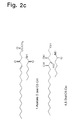
- FIGURE 2 Ceramides Comprising Conversion-inhibiting Group.
- A Type III Cer-1-TBDMS; C2 Cer-1-TBDMS; C6 Cer-1-TBDMS; C2 Cer-1-TBDPS.
- B 3-TBDMS C6-Cer; 1-TBDMS C6-Cer; 1,3 DiTBDMS C6 Cer (YWI51.a); 1-TBDMS, 3-acetate C6-Cer; 1-TBDMS,3-butyrate, C6-Cer.
- C 1-acetate-3-one C6-Cer; 4,5-diol C6-Cer.
- D N-C4 sphingosine; n-hexyl sphingosine; n-C8 sphingosine; N-C10 sphingosine.
- FIGURE 3 Effect of Various Liposomal Ceramide/ Sphingomyelin Formulations on the Growth of HL-60 Cells.
- the number of viable cells (per ml x 10,000, y-axis) was determined for lipid doses of 100 ⁇ M and 200 ⁇ M (z-axis).
- X-axis control, egg phosphatidylcholine/cholesterol (EPC/Chol), EPC/Chol/C2-ceramide (C2), EPC/Chol/vitamin D3 (D3), EPC/Chol/D3/C2, EPC/Chol/C6-ceramide (C6), EPC/Chol/D3/C6, SM/Chol and SM/Chol/D3 liposomes.
- EPC/Chol egg phosphatidylcholine/cholesterol
- C2 EPC/Chol/C2-ceramide
- D3 EPC/Chol/vitamin D3
- EPC/Chol/D3/C2 EPC/Chol/
- FIGURE 4 Effect of Various Liposomal Ceramide/ Sphingomyelin Formulations on the Growth of P388 Cells.
- the number of viable cells (per ml x 10,000, y-axis) was determined for lipid doses of 50 ⁇ M, 100 ⁇ M and 200 ⁇ M (z-axis).
- X-axis control, egg phosphatidylcholine/ cholesterol (EPC/Chol), EPC/Chol/C2-ceramide (C2), EPC/Chol/vitamin D3 (D3), EPC/Chol/D3/C2, EPC/Chol/C6-ceramide (C6), EPC/Chol/D3/C6, Sphingomyelin (SM)/Chol and SM/Chol/D3 liposomes.
- EPC/Chol egg phosphatidylcholine/ cholesterol
- C2 EPC/Chol/C2-ceramide
- D3 EPC/Chol/vitamin D3
- EPC/Chol/D3/C2 EPC/Chol/C6-ceramide
- C6 EPC/Chol/D3/C6 Sphingomyelin
- SM Sphingomyelin
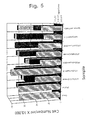
- FIGURE 5 Effect of Various Liposomal Ceramide/ Sphingomyelin Formulations on the Growth of U937 Cells.
- the number of viable cells (per ml x 10,000, y-axis) was determined for lipid doses of 50 ⁇ M, 100 ⁇ M and 200 ⁇ M (z-axis).
- X-axis control, egg phosphatidylcholine/cholesterol (EPC/Chol), EPC/Chol/C2-ceramide (C2), EPC/Chol/vitamin D3 (D3), EPC/Chol/D3/C2, EPC/Chol/C6-ceramide (C6), EPC/Chol/D3/C6, Sphingomyelin (SM)/Chol and SM/Chol/D3 liposomes.
- EPC/Chol egg phosphatidylcholine/cholesterol
- C2 EPC/Chol/C2-ceramide
- D3 EPC/Chol/vitamin D3
- EPC/Chol/D3/C2 EPC/Chol/C6-ceramide
- C6 EPC/Chol/D3/C6 Sphingomyelin
- SM Sphingomyelin
- FIGURE 6 Effect of Various Liposomal Ceramide/ Sphingomyelin Formulations on the Growth of RPMI-7666 Cells.
- the number of viable cells (per ml x 10,000, y-axis) was determined for a lipid dose of 200 ⁇ M.
- X-axis control, egg phosphatidylcholine/ cholesterol (EPC/Chol), EPC/Chol/C2-ceramide (C2), EPC/Chol/vitamin D3 (D3), EPC/Chol/D3/C2, EPC/Chol/C6-ceramide (C6), EPC/Chol/D3/C6, Sphingomyelin (SM)/Chol and SM/Chol/D3 liposomes.
- EPC/Chol egg phosphatidylcholine/ cholesterol
- C2 EPC/Chol/C2-ceramide
- D3 EPC/Chol/vitamin D3
- EPC/Chol/D3/C2 EPC/Chol/C
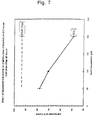
- FIGURE 7 Effect of Liposomal Ceramide on the Growth of Normal (RPMI-7666) and Cancer (U-937) Cells. The number of viable cells in each of the cultures was determined and is given as the percent relative to the control (y-axis).
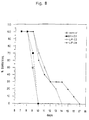
- FIGURE 8 Therapeutic Efficacy of Liposomal Ceramides in Mice.
- X-axis days post-liposome/control administration; y-axis: percent survival in treatment group.
- Circle-in-square control mice administered HEPES buffered saline; filled square: liposomal vitamin D3; open diamond: liposomal C2 ceramide; filled diamond: liposomal C6 ceramide.
- FIGURE 9 In Vitro Sensitivity of A549 Cells to C6-Ceramide Derivatives.
- X-axis drug (ceramide derivative) concentration (micromolar); y-axis: percent cell growth.
- FIGURE 10 In Vitro Sensitivity of A549 Cells to 1-Acetate, C6-Ceramide for Different Lengths of Exposure.
- X-axis drug concentration (micromolar); y-axis: percent growth.
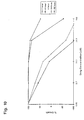
- FIGURE 11 In Vitro Sensitivity of A549 Cells to 1-Butyrate, C6-Ceramide for Different Lengths of Exposure.
- X-axis drug concentration (micromolar); y-axis: percent growth.
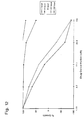
- FIGURE 12 In Vitro Sensitivity of A549 Cells to 1-lsobutyrate, C6-Ceramide for Different Lengths of Exposure.
- X-axis drug concentration (micromolar); y-axis: percent growth.
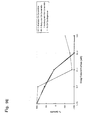
- FIGURE 13 In Vitro Sensitivity of A549 Cells to N-C8 Sphingosine for Different Lengths of Exposure.
- X-axis drug concentration (micromolar); y-axis: percent growth.
- FIGURE 14 Therapeutic Efficacy of N-hexyl Sphingosine against P-388/ADR (adriamycin-resistant) Tumor-Bearing Mice.
- X-axis days after therapy; y-axis: percent survival in treatment group.
- "+" Control (untreated); squares: one dose of 20 mg n-hexyl sphingosine per kg of body weight; circles: 3 20 mg/kg doses.
- R 1 is a straight-chained alkyl, alkenyl or alkynyl group having from 8 to 19 carbon atoms in the aliphatic chain
- Z 1 is OH or a conversion-inhibiting group
- Z 2 is a conversion-inhibiting group
- Y 2 is H, a phenyl group, an alkyl-substituted phenyl group having from 1 to about 6 carbons in the alkyl chain, or an alkyl chain having from 1 to 6 carbons
- Y 3 is H or a group having the formula -C(O)R 2 or -S(O) 2 R 2
- R 2 is a straight-chained alkyl, alkenyl or alkynyl group having from 8 to 19 carbon atoms in the aliphatic chain
- R 1 and R 2 together comprise from about 15 to about 25 carbons, wherein R 1 preferably comprises 13 carbons and R 2 preferably comprises 6 to 8 carbons. Without intending to be limited by theory, it is believed that total carbon chain length of a lipid is an important factor in determing the ability of the ability to insert itself into biological membranes.
- sphingosines and ceramides can act as signal transducers or secondary messengers in cells, i.e., that intracellular levels are increased in response to external stimuli and that this increase results in enhanced protein kinase and phosphatase activities (see, e.g., M. Raines et al., supra; R. Kolesnik et al., supra; G. Dbaibo et al., supra; and J. Fishbein et al., supra ).
- Activated protein kinases and phosphatases can activate cellular processes which lead to cell death. Accordingly, it can be therapeutically desirable to increase intracellular concentrations of sphingosines and ceramides in cancer cells.
- Sphingosines and ceramides are formed in animal cells by the combination of palmitoyl CoA (CH 3 (CH 2 ) 14 -CO-S-CoA) and serine to give dehydrosphinganine (CH 3 (CH 2 ) 14 Co-CH(NH 3 )- CH 2 OH and CO 2 (see, e.g., L. Stryer, Biochemistry (2nd edition), W. H. Freeman and Co., New York, pp. 461-462)).
- Sphingomyelinase can catalyze the hydrolytic removal of the phosphorylcholine from the sphingomyelin to give rise to a ceramide (see, e.g., Figure 1). Reverse hydrolysis of the ceramide can give rise to a sphingomyelin.
- Blockage or inhibition of this "reverse hydrolysis” step that is, conversion of a ceramide to the corresponding sphingomylein, can lead to increased intracellular ceramide levels.
- Conversion-inhibiting groups are generally not groups found attached to sphingosines or ceramides in animal cells, or to their biosynthetic precursors. Rather, such groups are synthetically attached to sphingosines and ceramides to inhibit sphingomylein formation therefrom.
- Suitable conversion-inhibiting groups can be identified by a number of meanns readily practiced by ordinarily skilled artisans, given the motivation by this invention to identify such groups. For example, and without limitation, such artisans can select a chemical moiety, and attach it to a sphingosine or ceramide as described above. The artisans can then readily determine the relative rate at which such a compound undergoes hydrolysis, and the rate at which a sphingmyelin is formed from the compound. Rates of hydrolysis are themselves readily determinable by ordinarily skilled artisans, for example and without limitation, by attaching a radioactive moiety to a sphingosine or ceramide and then following the rate of hydrolytic cleavage of the moiety by chromatographic means.
- Rates of sphingomyelin formation are also readily determinable, for example and without limitation, by combining radioactive phosphorylcholine with a conversion-inhibiting group-containing compound in an enzyme system capable of attaching the phosphorylcholine to the compound, and then using chromatographic means to assess the rate at which the phosphorylcholine is added.
- Preferred conversion-inhibiting groups are those which most inhibit hydrolysis and phosphorylcholine attachment.
- Conversion-inhibiting groups can have the formula -X 2 X 3 or -O-X 2 X 3 , wherein X 2 is selected from the group consisting of CH 2 -, C(CH 3 ) 2 -, Si(PO 4 ) 2 -, Si(CH 3 ) 2 -, SiCH 3 PO 4 -, C(O)- and S(O) 2 - and wherein X 3 is selected from the group consisting of -C(O)H, -CO 2 H, -CH3, -C(CH 3 ) 3 , -Si(CH 3 ) 3 , -SiCH 3 (C(CH 3 ) 3 ) 2 , -Si(C(CH 3 ) 3 ) 3 , -Si(PO 4 ) 2 C(CH 3 ) 3 , a phenyl group, an alkyl-substituted phenyl group having from 1 to 6 carbons in the alkyl chain, an alkyl chain having from 1
- the conversion-inhibiting group is -OC(O)CH 3 , -OC(O)CH 2 CH 2 CH 3 , -OC(O)CH(CH 3 )CH 3 , or -OSi(CH 3 ) 2 C(CH 3 ) 3 (TBDMS) more preferably, -OSi(CH 3 ) 2 C(CH 3 ) 3 .
- Conversion-inhibiting groups can also have the formula -X 1 or -OX 1 , wherein X 1 is C(O)H, CO 2 H, CH 3 , C(CH 3 ) 3 , Si(CH 3 ) 3 , SiCH 3 (C(CH 3 ) 3 ) 2 , Si(C(CH 3 ) 3 ) 3 , Si(PO 4 ) 2 C(CH 3 ) 3 , a phenyl group, an alkyl-substituted phenyl group having from 1 to 6 carbons in the alkyl chain, an alkyl chain having from 1 to 6 carbons, an amino moiety, a flourine, a chlorine, or a group having the formula C(R 3 R 4 )OH, and each of R 3 and R 4 is independently an alkyl chain having from 1 to 6 carbons. Accordingly, conversion-inhibiting groups include attachment of chemical moities to sphingosines and ceramides by ether, silyl ether, ester, ace
- Y 3 is then prefeably a group having the formula -C(O)R 2 , more preferably, -C(O)(CH 2 ) 4 CH 3 .
- Z 2 is preferably -OSi(CH 3 ) 2 C(CH 3 ) 3 , -OSi(PO 4 ) 2 C(CH 3 ) 3 , -C(O)CH 3 or -OC(O)CH 2 CH 2 CH 3 .
- compositions comprising the compound of this invention and a pharmaceutically acceptable carrier; the composition can also comprise an additional bioactive agent.
- pharmaceutically acceptable carriers as used herein are generally intended for use in connection with the administration of lipids and liposomes, including liposomal bioactive agent formulations, to animals, including humans.
- compositions are generally formulated according to a number of factors well within the purview of the ordinarily skilled artisan to determine and account for, including without limitation: the particular liposomal bioactive agent used, its concentration, stability and intended bioavailability; the disease, disorder or condition being treated with the liposomal composition; the subject, its age, size and general condition; and the composition's intended route of administration, e.g., nasal, oral, ophthalmic, topical, transdermal, vaginal, subcutaneous, intramammary, intraperitoneal, intravenous, or intramuscular (see, for example, Nairn (1985)).
- Typical pharmaceutically acceptable carriers used in parenteral bioactive agent administration include, for example, D5W, an aqueous solution containing 5% weight by volume of dextrose, and physiological saline.
- Pharmaceutically acceptable carriers can contain additional ingredients, for example those which enhance the stability of the active ingredients included, such as preservatives and anti-oxidants.
- a method of administering a bioactive compound to an animal preferably a human, which comprises administering to the animal this composition; the method can comprise administering an additional bioactive agent to the animal.
- the administration which can be by any means generally accepted for administering pharmaceutical products to animals, is generally intravenous administration.
- Treatable cancers include, without limitation, brain, breast, lung, ovarian, colon, stomach or prostate cancers, and can be sarcomas, carcinomas, neuroblastomas, or gliomas. Drug resistant cancers can also be treated.
- Anticancer effective amounts of the compounds of this invention are generally amounts effective to inhibit, ameliorate, lessen or prevent establishment, growth, metastasis or invasion of one or more cancers in animals to which the compounds have been administered. Anticancer effective amounts are generally chosen in accordance with a number of factors, e.g., the age, size and general condition of the subject, the cancer being treated and the intended route of administration, and determined by a variety of means, for example, dose ranging trials, well known to, and readily practiced by, ordinarily skilled artisans given the teachings of this invention. Typically, the anticancer effective amount of the compound is at least about 0.1 mg of the compound per kg of body weight of the animal. Gemerally, the anticancer effective amount is from about 1 mg per kg to about 50 mg per kg.
- Liposomes are self-assembling structures comprising one or more lipid bilayers, each of which surrounds an aqueous compartment and comprises two opposing monolayers of amphipathic lipid molecules. These comprise a polar (hydrophilic) headgroup region covalently linked to one or two non-polar (hydrophobic) acyl chains. Energetically unfavorable contacts between the hydrophobic acyl chains and the aqueous medium are generally believed to induce lipid molecules to rearrange such that the polar headgroups are onented towards the aqueous medium while the acyl chains reorient towards the interior of the bilayer. An energetically stable structure is formed in which the acyl chains are effectively shielded from coming into contact with the aqueous medium.
- Liposomes can be made by a variety of methods (for a review, see, for example, Deamer and Uster (1983)). These methods include without limitation: Bangham's methods for making muittilamellar liposomes (MLVs); Lenk's, Fountain's and Cullis' methods for making MLVs with substantially equal interlamellar solute distribution (see, for example, U.S. Patent Nos. 4,522,803, 4,588,578, 5,030,453, 5,169,637 and 4,975,282); and Paphadjopoulos et al.'s reverse-phase evaporation method (U.S. Patent No. 4,235,871) for preparing oligolamellar liposomes.
- MLVs muittilamellar liposomes
- Lenk's, Fountain's and Cullis' methods for making MLVs with substantially equal interlamellar solute distribution
- Unilamellar vesicles can be produced from MLVs by such methods as sonication (see Paphadjopoulos et al. (1968)) or extrusion (U.S. Patent No. 5,008,050 and U.S. Patent No. 5,059,421).
- the ether lipid liposome of this invention can be produced by the methods of any of these disclosures, the contents of which are incorporated herein by reference.
- the liposome of this invention can be unilamellar or multilamellar, and preferably has a diameter of less than about 200 nm, more preferably, from greater than about 50 nm to less than about 200 nm.
- Liposomal bilayers can comprise a variety of ampipathic lipids, including those which are saturated or unsaturated and typically have acyl chains of from 10 to 24 carbons.
- Suitable polar groups include, without limitation, phosphorylcholine, phosphorylethanolamine, phosphorylserine, phosphorylglycerol and phosphorylinostiol.
- Suitable acyl chains include, without limitation, laurate, myristate, palmitate, stearate and oleate chains.
- suitable liposome-forming lipids include, without limitation: egg phosphatidylcholine, distearoyl phosphatidylcholine, dimyristoyl phosphatidylcholine, dipalmitoyl phosphatidylethaolamine, dipalmitoyl phosphatidylglycerol and others.
- Liposomal bilayers can further comprises sterols, such as cholesterol.
- Sterols generally affect the fluidity of lipid bilayers, typically increasing the fluidity of bilayer hydrocarbon chains below the gel-to-liquid transition temperature (Tm), and decreasing fluidity above the Tm (see, for example, Lewis and McElhaney (1992) and umblell et al. (1986)) Accordingly, sterol interactions with surrounding hydrocarbon chains generally inhibit emigration of these chains from the bilayer.
- the liposomal bilayer comprises at least about 10 mole percent of the compound.
- Y 3 is R 2 , it is then preferably, -(CH 2 ) 3 CH 3 , -(CH 2 ) 5 CH 3 , -(CH 2 ) 7 CH 3 , or -(CH 2 ) 9 CH 3 , and more preferably, (CH 2 ) 5 CH 3 .
- Y 3 is -C(O)R 2 , it is then preferably -C(O)(CH 2 ) 4 CH 3 .
- the conversion-inhibitng group is -OSi(CH 3 ) 2 C(CH 3 ) 3 (TBDMS).
- Intracellular ceramide levels can also be increased by administration of vitamin D3, either separately from administration of the compounds and liposomes of this invention, or more preferably, in connection with the administration of liposomes.
- vitamin D3 can stimulate sphingomyelinase to convert sphingomyelins to ceramides.
- the bilayer can comprise vitamin D 3 ; such bilayers preferably comprise about 1 mole percent of vitamin D 3 .
- the bilayer can also comprise a headgroup-modified lipid.
- the liposome can comprise an additional bioactive agent.
- a “bioactive agent,” is any compound or composition of matter that can be administered to animals, preferably humans. Such agents can have biological activity in animals; the agents can also be used diagnostically in the animals. Bioactive agents include therapeutic and imaging agents.
- Bioactive agents which may be associated with liposomes include, but are not limited to: antiviral agents such as acyclovir, zidovudine and the interferons; antibacterial agents such as aminoglycosides, cephalosporins and tetracyclines; antifungal agents such as polyene antibiotics, imidazoles and triazoles; antimetabolic agents such as folic acid, and purine and pyrimidine analogs; antineoplastic agents such as the anthracycline antibiotics and plant alkaloids; sterols such as cholesterol; carbohydrates, e.g., sugars and starches; amino acids, peptides, proteins such as cell receptor proteins, immunoglobulins, enzymes, hormones, neurotransmitters and glycoproteins; dyes; radiolabels such as radioisotopes and radioisotope-labelled compounds; radiopaque compounds; fluorescent compounds; mydriatic compounds; bronchodilators; local anesthetics; and the like.
- Liposomal bioactive agent formulations can enhance the therapeutic index of the bioactive agent, for example by buffering the agent's toxicity. Liposomes can also reduce the rate at which a bioactive agent is cleared from the circulation of animals. Accordingly, liposomal formulation of bioactive agents can mean that less of the agent need be administered to achieve the desired effect.
- Additional bioactive agents preferred for the liposome of this invention include antimicrobial, anti-inflammatory and antineoplastic agents, or therapeutic lipids, for example, ceramides. Most preferably, the additional bioactive agent is an antineoplastic agent.
- Liposomes can be loaded with one or more biologically active agents by solubilizing the agent in the lipid or aqueous phase used to prepare the liposomes.
- ionizable bioactive agents can be loaded into liposomes by first forming the liposomes, establishing an electrochemical potential, e.g., by way of a pH gradient, across the outermost liposomal bilayer, and then adding the ionizable agent to the aqueous medium external to the liposome (see Bally et al. U.S. Patent No. 5,077,056 and WO86/01102).
- the liposome of this invention can comprise a headgroup-modified lipid.
- "Headgroup-modified lipids” are lipids which, when incorporated into the lipid bilayers of liposomes can inhibit clearance of the liposomes from the circulatory systems of animals to which they have been administered. Liposomes are cleared from an animal's body by way of its reticuloendothelial system (RES) which consists of fixed and circulating macrophages. Avoiding RES clearance can allow liposomes to remain in the circulation longer, meaning that less of the drug need be administered to achieve desired serum levels. Enhanced circulation times can also allow targeting of liposomes to non-RES containing tissues.
- RES reticuloendothelial system
- Liposomal surfaces can become coated with serum proteins when administered to animals, i.e., liposomes can be opsonized. Rates of clearance by the RES can be related to the rate and level of opsonization; accordingly, clearance can be inhibited by modifying the outer surface of liposomes such that binding of serum proteins is generally inhibited. This can be accomplished by minimizing or shielding negative surface charges, which can promote protein binding, or by otherwise presenting a steric hindrance to the binding of serum proteins.
- Effective surface modification that is, alterations to the outer surfaces of liposomes which result in inhibition of opsonization and RES uptake, can be accomplished by incorporating headgroup-modified lipids into liposomal bilayers.
- "Headgroup-modified lipids” as used herein are amphipathic lipids whose polar headgroups have been derivatized by attachment thereto of a chemical moiety, e.g., polyethylene glycol, a polyalkyl ether, a ganglioside, an organic dicarboxylic acid or the like, which can inhibit the binding of serum proteins to liposomes such that the pharmacokinetic behavior of the vesicles in the circulatory systems of animals is altered (see, e.g., Blume et al., Biochim.
- the amount of a headgroup-modified lipid incorporated into the liposome depends upon a number of factors well known to the ordinarily skilled artisan, or within his purview to determine without undue experimentation. These include, but are not limited to: the type of lipid and the type of headgroup modification; the type and size of the liposome; and the intended therapeutic use of the liposomal formulation.
- the concentration of the headgroup-modified lipid in the lipid bilayer of the liposome is at least about five mole percent, desirably, about ten mole percent.
- the liposome of this invention can be dehydrated, stored and then reconstituted such that a substantial portion of their internal contents are retained in the liposomes.
- Liposomal dehydration generally requires use of a hydrophilic drying protectant (see U.S. Patent Nos. 4,229,360 and 4,880,635).
- This hydrophilic compound is generally believed to prevent the rearrangement of the lipids in the liposome, so that the size and contents are maintained during the drying procedure and through rehydration, such that the liposomes can be reconstituted.
- Appropriate qualities for such drying protectants are that they be strong hydrogen bond acceptors, and possess stereochemical features that preserve the intramolecular spacing of the liposome bilayer components.
- Saccharide sugars preferentially mono- and disaccharides, are suitable drying protectants for liposomes.
- the drying protectant can be omitted if the liposome preparation is not frozen prior to dehydration, and sufficient water remains in the preparation subsequent to dehydration.
- a pharmaceutical composition comprising the liposome of this invention and a pharmaceutically acceptable carrier.
- a method of administering a compound to an animal which comprises administering to the animal the composition.
- the method can be used to treat an animal afflicted with a cancer, wherein a dose of the composition is administered and wherein the dose comprises an anticancer effective amount of the liposome.
- the dose comprises at least about 1 mg of the liposome per kg of body weight of the animal.
- the dose comprises from about 1 mg per kg to about 1000 mg per kg.
- Liposomes were prepared with the components, and at the mole ratios of components, indicated in Table 1 (see below) by the solvent evaporation method.
- PC/Chol/C2-ceramide liposomes were prepared by dissolving 1.8242 mg bovine phosphatidylcholine (BPC), 0.4639 mg cholesterol (Chol) and 0.1366 mg C2-ceramide (C2) in a chloroform/methanol solvent mixture (2:1, volume/volume). The solvent was then evaporated to produce dried lipid, and the dried lipid was rehydrated with HEPES buffered saline (10 mM HEPES, 150 mM NaCI, pH 7.4).
- HEPES buffered saline 10 mM HEPES, 150 mM NaCI, pH 7.4
- C6-ceramide-containing preparations 0.1590 mg C6 ceramide (C6) was substituted for the C2 ceramide.
- sphingomyelin (SM)-containing preparations 2.0470 mg SM, 0.4639 mg cholesterol and 0.0154 mg vitamin D3 were used.
- PC/Chol and PC/Chol/D3 preparations were prepared with 2.1280 mg BPC, 0.4639 mg cholesterol and 0.0154 mg vitamin D3.
- EPC/Chol egg phosphatidylcholine/cholesterol
- C2 EPC/Chol/C2-ceramide
- D3 EPC/Chol/D3/C2
- EPC/Chol/C6-ceramide C6
- SM sphingomyelin
- SM/Chol/D3 liposomes as well as with buffer (no liposomes; "control") and with egg phosphatidylcholine/cholesterol (EPC/Chol) liposomes.
- CDF1 mice were each injected intraperitoneally with 2.5 x 10 6 P388 cells.
- Groups having ten mice each were intraperitoneally administered either a HEPES-buffered saline control (10 mM HEPES, 150 mM NaCI, pH 7.4), or liposomal vitamin D3, liposomes containing C2 ceramide or liposomes containing C6 ceramide, prepared in accordance with the procedures described in Example 1 (see above), at a lipid dose of 1.5 mg of lipid per kg of body weight of the mice, the administration being 24 hours administration of the p388 cells. Survival was assessed at various times post-liposome/control administration. Results are presented in Figure 8.
- mice were injected i.p. with 100,000 cells, and then treated on days 1, 3 and 5 post-injection with n-hexyl sphingosine. Results are presented in Figure 14.
Landscapes
- Chemical & Material Sciences (AREA)
- Health & Medical Sciences (AREA)
- Organic Chemistry (AREA)
- Veterinary Medicine (AREA)
- Medicinal Chemistry (AREA)
- Pharmacology & Pharmacy (AREA)
- Life Sciences & Earth Sciences (AREA)
- Animal Behavior & Ethology (AREA)
- General Health & Medical Sciences (AREA)
- Public Health (AREA)
- Epidemiology (AREA)
- Dispersion Chemistry (AREA)
- Nuclear Medicine, Radiotherapy & Molecular Imaging (AREA)
- General Chemical & Material Sciences (AREA)
- Chemical Kinetics & Catalysis (AREA)
- Medicinal Preparation (AREA)
- Pharmaceuticals Containing Other Organic And Inorganic Compounds (AREA)
- Acyclic And Carbocyclic Compounds In Medicinal Compositions (AREA)
- Organic Low-Molecular-Weight Compounds And Preparation Thereof (AREA)
- Steroid Compounds (AREA)
- Medicines That Contain Protein Lipid Enzymes And Other Medicines (AREA)
- Manufacturing Of Micro-Capsules (AREA)
Applications Claiming Priority (3)
| Application Number | Priority Date | Filing Date | Title |
|---|---|---|---|
| US19029594A | 1994-02-02 | 1994-02-02 | |
| US190295 | 1994-02-02 | ||
| EP95910923A EP0742789B1 (de) | 1994-02-02 | 1995-02-02 | Pharmazeutisch wirksame verbindungen und liposome und verfahren zu deren herstellung |
Related Parent Applications (1)
| Application Number | Title | Priority Date | Filing Date |
|---|---|---|---|
| EP95910923A Division EP0742789B1 (de) | 1994-02-02 | 1995-02-02 | Pharmazeutisch wirksame verbindungen und liposome und verfahren zu deren herstellung |
Publications (2)
| Publication Number | Publication Date |
|---|---|
| EP1008342A2 true EP1008342A2 (de) | 2000-06-14 |
| EP1008342A3 EP1008342A3 (de) | 2004-12-29 |
Family
ID=22700754
Family Applications (2)
| Application Number | Title | Priority Date | Filing Date |
|---|---|---|---|
| EP00102434A Withdrawn EP1008342A3 (de) | 1994-02-02 | 1995-02-02 | Pharmazeutisch aktive Verbindungen und Liposome, und deren Verwendung |
| EP95910923A Expired - Lifetime EP0742789B1 (de) | 1994-02-02 | 1995-02-02 | Pharmazeutisch wirksame verbindungen und liposome und verfahren zu deren herstellung |
Family Applications After (1)
| Application Number | Title | Priority Date | Filing Date |
|---|---|---|---|
| EP95910923A Expired - Lifetime EP0742789B1 (de) | 1994-02-02 | 1995-02-02 | Pharmazeutisch wirksame verbindungen und liposome und verfahren zu deren herstellung |
Country Status (14)
| Country | Link |
|---|---|
| US (3) | US5631394A (de) |
| EP (2) | EP1008342A3 (de) |
| JP (1) | JPH09508900A (de) |
| AT (1) | ATE195944T1 (de) |
| AU (1) | AU691886B2 (de) |
| CA (1) | CA2182485A1 (de) |
| DE (1) | DE69518627T2 (de) |
| DK (1) | DK0742789T3 (de) |
| ES (1) | ES2149350T3 (de) |
| FI (1) | FI116620B (de) |
| GR (1) | GR3034521T3 (de) |
| NO (1) | NO314405B1 (de) |
| PT (1) | PT742789E (de) |
| WO (1) | WO1995021175A1 (de) |
Families Citing this family (44)
| Publication number | Priority date | Publication date | Assignee | Title |
|---|---|---|---|---|
| US6255336B1 (en) | 1995-09-20 | 2001-07-03 | The Regents Of The University Of Michigan | Amino ceramide-like compounds and therapeutic methods of use |
| US5916911A (en) * | 1995-09-20 | 1999-06-29 | The Regents Of The University Of Michigan | Amino ceramide--like compounds and therapeutic methods of use |
| US5834016A (en) * | 1996-04-04 | 1998-11-10 | Cilag Ag | Liposome-based topical vitamin D formulation |
| US6274309B1 (en) * | 1996-07-26 | 2001-08-14 | Richard Kolesnick | Method for the modulation of acid-sphingomyelinase-related apoptosis |
| CN1055640C (zh) * | 1996-11-29 | 2000-08-23 | 沃维汉 | 人降钙素基因相关肽脂质体组合物及其制法 |
| US6982142B2 (en) | 1997-12-01 | 2006-01-03 | John Wayne Cancer Institute | Methods for screening therapeutically effective agents |
| ATE334686T1 (de) * | 1999-03-25 | 2006-08-15 | Ct Molecular Med & Immunology | Sphingomyelin enthaltende zusammensetzung zur verbesserung der tumortherapie |
| US7683044B2 (en) | 1999-03-25 | 2010-03-23 | Center For Molecular Medicine And Immunology | Sphingomyelin therapy of autoimmune disease |
| US7820718B1 (en) * | 1999-04-07 | 2010-10-26 | Roger Williams Hospital | Combinations of ceramide and chemotherapeutic agents for inducing cell death and uses thereof in treating cancer |
| TW502133B (en) | 1999-06-10 | 2002-09-11 | Wako Pure Chem Ind Ltd | Resist composition, agent and method for reducing substrate dependence thereof |
| US6682545B1 (en) * | 1999-10-06 | 2004-01-27 | The Penn State Research Foundation | System and device for preventing restenosis in body vessels |
| WO2001038295A1 (fr) * | 1999-11-24 | 2001-05-31 | Taisho Pharmaceutical Co.,Ltd. | Derives de sphingosine |
| US6410597B1 (en) * | 2000-02-25 | 2002-06-25 | Virginia Commonwealth University | Hydroxyalkyl amide analogs of ceramide |
| WO2002051439A2 (en) | 2000-12-22 | 2002-07-04 | Medlyte, Inc. | Compositions and methods for the treatment and prevention of cardiovascular diseases and disorders, and for identifying agents therapeutic therefor |
| PT2266968E (pt) * | 2001-07-16 | 2013-02-25 | Genzyme Corp | Síntese de udp-glucose: inibidores de n-acil esfingosinaglucosiltransferase |
| EP1287815A1 (de) * | 2001-08-31 | 2003-03-05 | Cosmoferm B.V. | Verwendung einer Sphingoidbase zur Inhibierung von Ceramidase-Aktivität |
| US20060217560A1 (en) * | 2002-04-29 | 2006-09-28 | Shayman James A | Amino ceramide-like compounds and therapeutic methods of use |
| US6916802B2 (en) * | 2002-04-29 | 2005-07-12 | Genzyme Corporation | Amino ceramide-like compounds and therapeutic methods of use |
| US20070031480A1 (en) * | 2003-03-07 | 2007-02-08 | Lawrence Mayer | Enhanced delivery of sphingolipids |
| EP1610763A2 (de) * | 2003-03-31 | 2006-01-04 | Yissum Research Development Company Of The Hebrew University Of Jerusalem | Stabile liposome oder micellen mit einem sphingolipid und einem peg-lipopolymer |
| JP5107573B2 (ja) | 2003-04-25 | 2012-12-26 | ザ ペン ステイト リサーチ ファウンデーション | 増殖抑制性脂質由来生物活性化合物の全身送達方法およびシステム |
| US7906122B2 (en) | 2003-06-18 | 2011-03-15 | Yissum Research Development Company Of The Hebrew University Of Jersusalem | Sphingoid polyalkylamine conjugates for Hepatitis B virus vaccination |
| AU2004246904B2 (en) | 2003-06-18 | 2010-02-04 | Biolab Ltd. | Sphingolipids polyalkylamine conjugates for use in transfection |
| US7794713B2 (en) | 2004-04-07 | 2010-09-14 | Lpath, Inc. | Compositions and methods for the treatment and prevention of hyperproliferative diseases |
| JP2008519840A (ja) | 2004-11-10 | 2008-06-12 | ジェンザイム・コーポレイション | 糖尿病の処置方法 |
| CN101102752A (zh) * | 2004-11-15 | 2008-01-09 | 耶路撒冷希伯来大学伊萨姆研发公司 | 联合优选为神经酰胺与细胞毒性药物的联合疗法 |
| JP4791082B2 (ja) * | 2005-05-30 | 2011-10-12 | 株式会社クラレ | リポソームおよびそれを含む皮膚外用剤 |
| WO2007044748A2 (en) * | 2005-10-11 | 2007-04-19 | University Of Pittsburgh | Sphingomyelin liposomes for the treatment of hyperactive bladder disorders |
| WO2007134086A2 (en) * | 2006-05-09 | 2007-11-22 | Genzyme Corporation | Methods of treating fatty liver disease comprising inhibiting glucosphingolipid synthesis |
| US9274130B2 (en) | 2006-05-31 | 2016-03-01 | Lpath, Inc. | Prevention and treatment of pain using antibodies to lysophosphatidic acid |
| US20080138334A1 (en) | 2006-05-31 | 2008-06-12 | Sabbadini Roger A | Immune-Derived Moieties Reactive Against Bioactive Lipids, and Methods of Making and Using Same |
| US7862812B2 (en) | 2006-05-31 | 2011-01-04 | Lpath, Inc. | Methods for decreasing immune response and treating immune conditions |
| US9274129B2 (en) | 2006-05-31 | 2016-03-01 | Lpath, Inc. | Methods and reagents for detecting bioactive lipids |
| US8796429B2 (en) | 2006-05-31 | 2014-08-05 | Lpath, Inc. | Bioactive lipid derivatives, and methods of making and using same |
| CA2667706A1 (en) | 2006-10-27 | 2008-05-08 | Lpath, Inc. | Compositions and methods for treating ocular diseases and conditions |
| DK2087002T3 (da) | 2006-10-27 | 2014-10-27 | Lpath Inc | Sammensætninger og fremgangsmåder til binding af sphingosin-1-phosphat |
| EP2594562B1 (de) | 2007-05-31 | 2016-07-20 | Genzyme Corporation | Glukosylceramid-Synthase-Hemmer vom 2-Acylaminpropanol-Typ |
| KR101640263B1 (ko) | 2007-10-05 | 2016-07-15 | 젠자임 코포레이션 | 세라마이드 유도체로 다낭성 신장질환을 치료하는 방법 |
| WO2009132082A2 (en) * | 2008-04-22 | 2009-10-29 | Medical College Of Georgia Research Institute, Inc. | Immunogenic compositions containing ceramide and methods of use thereof |
| JP2011529500A (ja) | 2008-07-28 | 2011-12-08 | ジェンザイム コーポレーション | 虚脱性糸球体症および他の糸球体疾患の処置のためのグルコシルセラミドシンターゼ阻害 |
| US8309593B2 (en) | 2008-10-03 | 2012-11-13 | Genzyme Corporation | 2-acylaminopropoanol-type glucosylceramide synthase inhibitors |
| SG10201407881WA (en) | 2009-11-27 | 2015-01-29 | Genzyme Corp | An amorphous and a crystalline form of genz 112638 hemitartrate as inhibitor of glucosylceramide synthase |
| US9207232B2 (en) * | 2011-08-15 | 2015-12-08 | National University Corporation Chiba University | Ceramide derivative and Golgi apparatus-labeling fluorescent probe using same |
| KR102423002B1 (ko) * | 2021-02-17 | 2022-07-21 | 주식회사 엘씨에스바이오텍 | 신규 세라마이드, 그의 제조방법 및 그의 용도 |
Family Cites Families (17)
| Publication number | Priority date | Publication date | Assignee | Title |
|---|---|---|---|---|
| US4522803A (en) * | 1983-02-04 | 1985-06-11 | The Liposome Company, Inc. | Stable plurilamellar vesicles, their preparation and use |
| US5169637A (en) * | 1983-03-24 | 1992-12-08 | The Liposome Company, Inc. | Stable plurilamellar vesicles |
| US5030453A (en) * | 1983-03-24 | 1991-07-09 | The Liposome Company, Inc. | Stable plurilamellar vesicles |
| US4588578A (en) * | 1983-08-08 | 1986-05-13 | The Liposome Company, Inc. | Lipid vesicles prepared in a monophase |
| US4721612A (en) * | 1984-04-12 | 1988-01-26 | The Liposome Company, Inc. | Steroidal liposomes |
| US5008050A (en) * | 1984-06-20 | 1991-04-16 | The Liposome Company, Inc. | Extrusion technique for producing unilamellar vesicles |
| US5077056A (en) * | 1984-08-08 | 1991-12-31 | The Liposome Company, Inc. | Encapsulation of antineoplastic agents in liposomes |
| US5059421A (en) * | 1985-07-26 | 1991-10-22 | The Liposome Company, Inc. | Preparation of targeted liposome systems of a defined size distribution |
| US4975282A (en) * | 1985-06-26 | 1990-12-04 | The Liposome Company, Inc. | Multilamellar liposomes having improved trapping efficiencies |
| JP2588729B2 (ja) * | 1987-10-05 | 1997-03-12 | 塩野義製薬株式会社 | スフィンゴシン誘導体 |
| FR2637598B1 (fr) * | 1988-10-06 | 1991-10-11 | Agronomique Inst Nat Rech | Nouveaux sphingophospholipides a inositol, leur obtention, et leur application comme inducteurs de resistance a diverses maladies cryptogamiques chez les vegetaux |
| US5100662A (en) * | 1989-08-23 | 1992-03-31 | The Liposome Company, Inc. | Steroidal liposomes exhibiting enhanced stability |
| DE4021082C2 (de) * | 1990-07-03 | 1995-08-17 | Hans Dr Lautenschlaeger | Hautbehandlungsmittel mit hohen Lipidgehalten unter Verwendung eines Bilayer enthaltenden Systems, Salzen organischer Säuren, Alkohol und Stabilisator |
| JPH05508863A (ja) * | 1990-08-13 | 1993-12-09 | デューク・ユニバーシティ | セラミドを使用して細胞分裂を誘導する方法 |
| GB9022921D0 (en) * | 1990-10-22 | 1990-12-05 | Unilever Plc | Cosmetic composition |
| GB9100816D0 (en) * | 1991-01-15 | 1991-02-27 | Unilever Plc | Cosmetic composition |
| DE4201461A1 (de) * | 1992-01-21 | 1993-07-22 | Mueller Schulte Detlef Dr | Mittel fuer die selektive tumortherapie auf der basis ferromagnetischer partikel - verfahren zu ihrer herstellung und verwendung |
-
1995
- 1995-02-02 EP EP00102434A patent/EP1008342A3/de not_active Withdrawn
- 1995-02-02 EP EP95910923A patent/EP0742789B1/de not_active Expired - Lifetime
- 1995-02-02 WO PCT/US1995/001490 patent/WO1995021175A1/en not_active Ceased
- 1995-02-02 DE DE69518627T patent/DE69518627T2/de not_active Expired - Fee Related
- 1995-02-02 DK DK95910923T patent/DK0742789T3/da active
- 1995-02-02 ES ES95910923T patent/ES2149350T3/es not_active Expired - Lifetime
- 1995-02-02 PT PT95910923T patent/PT742789E/pt unknown
- 1995-02-02 US US08/383,291 patent/US5631394A/en not_active Expired - Fee Related
- 1995-02-02 JP JP7520799A patent/JPH09508900A/ja not_active Ceased
- 1995-02-02 AT AT95910923T patent/ATE195944T1/de not_active IP Right Cessation
- 1995-02-02 CA CA002182485A patent/CA2182485A1/en not_active Abandoned
- 1995-02-02 AU AU18712/95A patent/AU691886B2/en not_active Ceased
- 1995-10-19 US US08/547,688 patent/US5677337A/en not_active Expired - Lifetime
- 1995-10-19 US US08/545,164 patent/US5681589A/en not_active Expired - Lifetime
-
1996
- 1996-08-01 FI FI963045A patent/FI116620B/fi not_active IP Right Cessation
- 1996-08-01 NO NO19963224A patent/NO314405B1/no unknown
-
2000
- 2000-09-29 GR GR20000402211T patent/GR3034521T3/el not_active IP Right Cessation
Also Published As
| Publication number | Publication date |
|---|---|
| DK0742789T3 (da) | 2000-11-13 |
| CA2182485A1 (en) | 1995-08-10 |
| FI963045L (fi) | 1996-08-01 |
| DE69518627T2 (de) | 2001-01-11 |
| GR3034521T3 (en) | 2000-12-29 |
| WO1995021175A1 (en) | 1995-08-10 |
| US5677337A (en) | 1997-10-14 |
| PT742789E (pt) | 2000-12-29 |
| EP1008342A3 (de) | 2004-12-29 |
| EP0742789B1 (de) | 2000-08-30 |
| US5631394A (en) | 1997-05-20 |
| DE69518627D1 (de) | 2000-10-05 |
| FI116620B (fi) | 2006-01-13 |
| NO314405B1 (no) | 2003-03-17 |
| ATE195944T1 (de) | 2000-09-15 |
| NO963224D0 (no) | 1996-08-01 |
| AU1871295A (en) | 1995-08-21 |
| EP0742789A1 (de) | 1996-11-20 |
| AU691886B2 (en) | 1998-05-28 |
| ES2149350T3 (es) | 2000-11-01 |
| US5681589A (en) | 1997-10-28 |
| NO963224L (no) | 1996-09-27 |
| JPH09508900A (ja) | 1997-09-09 |
| FI963045A0 (fi) | 1996-08-01 |
Similar Documents
| Publication | Publication Date | Title |
|---|---|---|
| EP0742789B1 (de) | Pharmazeutisch wirksame verbindungen und liposome und verfahren zu deren herstellung | |
| US6007839A (en) | Preparation of pharmaceutical compositions containing etherlipid-containing multiple lipid liposomes | |
| EP0785773B1 (de) | Etherlipid-liposomen und deren therapeutische verwendung | |
| KR100386002B1 (ko) | 소수성탁산유도체 | |
| US4797285A (en) | Lipsome/anthraquinone drug composition and method | |
| US5942246A (en) | Etherlipid containing multiple lipid liposomes | |
| CA2132347C (en) | Liposomes with a negative excess charge | |
| US6017557A (en) | Carriers containing an etherlipid/complementarily shape lipid combination and therapeutic uses thereof | |
| US6667053B1 (en) | D and L etherlipid stereoisomers and liposomes | |
| HK1025512A (en) | Pharmaceutically active compounds and liposomes, and methods of use thereof | |
| US5965159A (en) | Etherlipid-containing multiple lipid liposomes | |
| EP4527843A1 (de) | Stereoisomeres phosphatidyloligoglycerol | |
| USRE39042E1 (en) | Etherlipid-containing multiple lipid liposomes | |
| HK1024638B (en) | A lipid-based carrier having a lamellar lipid component for treatment of various disorders, compositions and uses thereof | |
| EP1374864A1 (de) | Amphiphile, Taxane enthaltende Zusammensetzungen |
Legal Events
| Date | Code | Title | Description |
|---|---|---|---|
| PUAI | Public reference made under article 153(3) epc to a published international application that has entered the european phase |
Free format text: ORIGINAL CODE: 0009012 |
|
| 17P | Request for examination filed |
Effective date: 20000204 |
|
| AC | Divisional application: reference to earlier application |
Ref document number: 742789 Country of ref document: EP |
|
| AK | Designated contracting states |
Kind code of ref document: A2 Designated state(s): AT BE CH DE DK ES FR GB GR IE IT LI LU MC NL PT SE |
|
| RIN1 | Information on inventor provided before grant (corrected) |
Inventor name: JANOFF, ANDREW S. Inventor name: AHMAD, IMRAN Inventor name: MAYHEW, ERIC Inventor name: PEI, YONG-WEI |
|
| RIN1 | Information on inventor provided before grant (corrected) |
Inventor name: JANOFF, ANDREW S. Inventor name: AHMAD, IMRAN Inventor name: MAYHEW, ERIC Inventor name: PEI, YONG-WEI |
|
| PUAL | Search report despatched |
Free format text: ORIGINAL CODE: 0009013 |
|
| AK | Designated contracting states |
Kind code of ref document: A3 Designated state(s): AT BE CH DE DK ES FR GB GR IE IT LI LU MC NL PT SE |
|
| RAP1 | Party data changed (applicant data changed or rights of an application transferred) |
Owner name: TRANSAVE, INC. |
|
| AKX | Designation fees paid |
Designated state(s): AT BE CH DE DK ES FR GB GR IE IT LI LU MC NL PT SE |
|
| REG | Reference to a national code |
Ref country code: HK Ref legal event code: WD Ref document number: 1025512 Country of ref document: HK |
|
| STAA | Information on the status of an ep patent application or granted ep patent |
Free format text: STATUS: THE APPLICATION IS DEEMED TO BE WITHDRAWN |
|
| 18D | Application deemed to be withdrawn |
Effective date: 20060901 |