EP1018548A1 - Composition a base de glycosylceramide alpha pouvant potentialiser l'immunogenicite cellulaire - Google Patents
Composition a base de glycosylceramide alpha pouvant potentialiser l'immunogenicite cellulaire Download PDFInfo
- Publication number
- EP1018548A1 EP1018548A1 EP98943077A EP98943077A EP1018548A1 EP 1018548 A1 EP1018548 A1 EP 1018548A1 EP 98943077 A EP98943077 A EP 98943077A EP 98943077 A EP98943077 A EP 98943077A EP 1018548 A1 EP1018548 A1 EP 1018548A1
- Authority
- EP
- European Patent Office
- Prior art keywords
- cells
- group
- substituent selected
- tumor cells
- tumor
- Prior art date
- Legal status (The legal status is an assumption and is not a legal conclusion. Google has not performed a legal analysis and makes no representation as to the accuracy of the status listed.)
- Granted
Links
- MBHUMKYCJRDBGZ-UHFFFAOYSA-N CCC(C(CC1O)COC1OC)O Chemical compound CCC(C(CC1O)COC1OC)O MBHUMKYCJRDBGZ-UHFFFAOYSA-N 0.000 description 1
- 0 COCCOC(C(C1O)N*)OC(CO)C1O Chemical compound COCCOC(C(C1O)N*)OC(CO)C1O 0.000 description 1
- WQZGKKKJIJFFOK-UHFFFAOYSA-N OCC(C(C(C1O)O)O)OC1O Chemical compound OCC(C(C(C1O)O)O)OC1O WQZGKKKJIJFFOK-UHFFFAOYSA-N 0.000 description 1
- IPYNQTYXEVDVHZ-UHFFFAOYSA-N OCC(CC(CO)=[O]C1O)(C1O)O Chemical compound OCC(CC(CO)=[O]C1O)(C1O)O IPYNQTYXEVDVHZ-UHFFFAOYSA-N 0.000 description 1
Images




Classifications
-
- A—HUMAN NECESSITIES
- A61—MEDICAL OR VETERINARY SCIENCE; HYGIENE
- A61K—PREPARATIONS FOR MEDICAL, DENTAL OR TOILETRY PURPOSES
- A61K31/00—Medicinal preparations containing organic active ingredients
- A61K31/33—Heterocyclic compounds
- A61K31/395—Heterocyclic compounds having nitrogen as a ring hetero atom, e.g. guanethidine or rifamycins
- A61K31/495—Heterocyclic compounds having nitrogen as a ring hetero atom, e.g. guanethidine or rifamycins having six-membered rings with two or more nitrogen atoms as the only ring heteroatoms, e.g. piperazine or tetrazines
- A61K31/505—Pyrimidines; Hydrogenated pyrimidines, e.g. trimethoprim
- A61K31/519—Pyrimidines; Hydrogenated pyrimidines, e.g. trimethoprim ortho- or peri-condensed with heterocyclic rings
- A61K31/52—Purines, e.g. adenine
-
- C—CHEMISTRY; METALLURGY
- C07—ORGANIC CHEMISTRY
- C07H—SUGARS; DERIVATIVES THEREOF; NUCLEOSIDES; NUCLEOTIDES; NUCLEIC ACIDS
- C07H15/00—Compounds containing hydrocarbon or substituted hydrocarbon radicals directly attached to hetero atoms of saccharide radicals
- C07H15/02—Acyclic radicals, not substituted by cyclic structures
- C07H15/04—Acyclic radicals, not substituted by cyclic structures attached to an oxygen atom of the saccharide radical
-
- A—HUMAN NECESSITIES
- A61—MEDICAL OR VETERINARY SCIENCE; HYGIENE
- A61K—PREPARATIONS FOR MEDICAL, DENTAL OR TOILETRY PURPOSES
- A61K39/00—Medicinal preparations containing antigens or antibodies
- A61K39/0005—Vertebrate antigens
- A61K39/0011—Cancer antigens
-
- A—HUMAN NECESSITIES
- A61—MEDICAL OR VETERINARY SCIENCE; HYGIENE
- A61K—PREPARATIONS FOR MEDICAL, DENTAL OR TOILETRY PURPOSES
- A61K39/00—Medicinal preparations containing antigens or antibodies
- A61K39/39—Medicinal preparations containing antigens or antibodies characterised by the immunostimulating additives, e.g. chemical adjuvants
-
- A—HUMAN NECESSITIES
- A61—MEDICAL OR VETERINARY SCIENCE; HYGIENE
- A61K—PREPARATIONS FOR MEDICAL, DENTAL OR TOILETRY PURPOSES
- A61K39/00—Medicinal preparations containing antigens or antibodies
- A61K2039/555—Medicinal preparations containing antigens or antibodies characterised by a specific combination antigen/adjuvant
- A61K2039/55511—Organic adjuvants
Definitions
- the present invention relates to a method of enhancing immunogenicity of tumor cells and pathogen-infected cells using a compound having an ⁇ -glycosylceramide structure, and more particularly to tumor therapy using tumor cells of which immunogenicity is enhanced.
- tumor antigen genes were transduced into autologous tumor cells, or otherwise non-self tumor cells if it is difficult to obtain autologous tumor, and obtained tumor cells of which immunogenicity was increased over the original tumor cells were used in tumor therapy.
- tumor antigen genes were transduced into autologous tumor cells, or otherwise non-self tumor cells if it is difficult to obtain autologous tumor, and obtained tumor cells of which immunogenicity was increased over the original tumor cells were used in tumor therapy.
- antigens are identified as tumor-related antigens, such attempts are carried out only for limited kinds of cancers (Conry, R. M. et al., Cancer Res., 54, 1164 (1994)).
- IL-6 Porgador, A. et al., Cancer Res., 52, 3679 (1992)), IFN-g (Belldegrun, A. et al., J. Natl. Cancer Inst., 85, 207 (1993)), GM-CSF (Dranoff, G. et al., Proc. Natl. Acad. Sci. USA, 90, 3539 (1993)), IL-12 (Tahara, H. et al., Gene Therapy, 2, 96 (1995)) were introduced, and those to which MHC class II and B7-1 genes (Travis, J. et al., Science, 259, 310 (1993); Basker, S. et al., J. Exp. Med., 181, 619 (1995)) were introduced.
- ⁇ -Glycosylceramides in which various sugars bind to ceramides via a ⁇ -bond, can be found in the body (Svennerholm, L. et al., Biochem. Biophys. Acta, 280, 626 (1972); Karlsson, K. et al., Biochem. Biophys. Acta, 316, 317 (1973)).
- ⁇ -glycosylceramides have marked immunostimulatory activity and antitumor activity (Morita, M. et al., J. Med. Chem., 38, 2176 (1995)).
- Such activities by ⁇ -glycosylceramides are known to be much stronger than those by ⁇ -glycosylceramides (Motoki, K. et al., Biol. Pharm. Bull., 18, 1487 (1995)). Furthermore, it is known that compounds having an ⁇ -glycosylceramide structure can augment antigen-presenting function of antigen presenting cells, and tumor therapy using the antigen-presenting cells stimulated by compounds having an ⁇ -glycosylceramide structure is very effective. It is also known that administration of compounds having an ⁇ -glycosylceramide structure protect the body from radiation (Motoki, K. et al., Bioorg. Med. Chem. Lett., 5, 2413 (1995)), and increases the number of platelets and leukocytes (Motoki, K. et al., Biol. Pharm. Bull., 19, 952 (1996)).
- the present inventors have now found that tumor cells which were cultured in vitro in a medium containing a compound having an ⁇ -glycosylceramide structure showed high immunogenicity, that a marked antitumor effect was observed by administrating the cells above or the cells modified by radiation to cancer-bearing animals, and that the cells were highly safe in tumor therapy because their tumorigenicity is lost.
- the present invention is based on these findings.
- An objective of the present invention is to provide a composition for enhancing immunogenicity of tumor cells, by which the tumor cells effective for tumor therapy can be readily prepared; a composition for enhancing immunogenicity of pathogen-infected cells, by which pathogen-infected cells effective for the treatment of infectious diseases or the like can be readily prepared; a method for enhancing immunogenicity of cells; cells of which immunogenicity is enhanced by an ⁇ -glycosylceramide; a pharmaceutical composition comprising the cells above for the treatment of diseases, particularly tumors, associated with the cells; use of the cells for the manufacture of the pharmaceutical composition, and a method for the treatment of diseases, particularly tumors, associated with the cells.
- a composition for enhancing immunogenicity of tumor cells or pathogen-infected cells comprises a compound of formula (I): wherein
- X in the ceramide moiety preferably represents an integer between 11 and 25.
- Y in R 2 preferably represents an integer between 9 and 17, more preferably between 11 and 15.
- X and R 2 in the ceramide moiety of formula (I) are compounds in which X is an integer between 21 and 25 and R 2 is substituent (b) (wherein Y is an integer between 11 and 15).
- R 3 to R 9 in the sugar moiety of formula (I) are compounds in which R 3 and R 6 are H, R 4 is OH or any substituent of groups (A) to (D), R 5 is OH or any substituent of group (E) or (F), R 7 and R 8 are each H or OH (R 7 and R 8 does not represent the same substituent), and R 9 is CH 2 OH, CH 3 , H or any substituent of groups (A') to (D').
- More preferable combinations include compounds in which R 3 and R 6 are H, R 4 and R 5 are OH, R 7 and R 8 are each H or OH (R 7 and R 8 does not represent the same substituent), and R 9 is CH 2 OH or any substituent of groups (A') to (D'), and compounds in which R 3 , R 6 and R 8 are H, R 4 , R 5 and R 7 are OH, and R 9 is CH 2 OH.
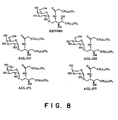
- Preferable compounds as effective components of therapeutic agents according to the present invention include (2S,3S,4R)-1-( ⁇ -D-galactopyranosyloxy)-2-hexacosanoylamino-3,4-octadecanediol (KRN 7000).
- the compounds of formula (I) may be in the form of pharmaceutically acceptable nontoxic salts thereof.
- Salts of formula (I) include acid added salts, such as salts with inorganic acids (e.g., hydrochloric acid, sulfuric acid, nitric acid and phosphoric acid) or with organic acids (e.g., acetic acid, propionic acid, maleic acid, oleic acid, palmitic acid, citric acid, succinic acid, tartaric acid, fumaric acid, glutamic acid, pantothenic acid, laurylsulfonic acid, methanesulfonic acid and phthalic acid).
- inorganic acids e.g., hydrochloric acid, sulfuric acid, nitric acid and phosphoric acid
- organic acids e.g., acetic acid, propionic acid, maleic acid, oleic acid, palmitic acid, citric acid, succinic acid, tartaric acid, fumaric acid, glutamic acid, panto
- the compounds of formula (I) may be in the form of solvates thereof (e.g., hydrates).
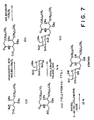
- the compounds of formula (I) can be produced by any purposive method to synthesize ⁇ -glycosylceramides.
- a ceramide moiety is synthesized using D-lyxose as a starting material, then a sugar is introduced into this ceramide to prepare compounds of formula (I).
- a general method to synthesize such ⁇ -glycosylceramides can be found, for example, in WO93/5055, WO94/2168, WO/9020 and WO94/24142.
- the compounds of formula (I) can also be isolated from natural products (e.g., biological organisms) and purified by column chromatography or the like.
- immunogenicity refers to an activity for cells to elicit an immune response in the body, and an activity to be recognized by the immune system induced thereof.
- compositions for enhancing immunogenicity according to the present invention are used by contacting in vitro cells of which immunogenicity is to be enhanced by the compositions.
- a composition for enhancing immunogenicity according to the present invention was added to culture medium at a final concentration of the compound of formula (I) of 0.1 to 10,000 ng/ml (preferably 1 to 1,000 ng/ml), and the cells were cultured in the medium for 30 minutes to 4 days (preferably 3 hours to 2 days) to enhance immunogenicity of the cells.
- the conditions for culturing the cells and the culture medium to be used can be selected according to the conventional techniques.
- compositions for enhancing cellular immunogenicity according to the present invention in the form of a solution, suspension or emulsion can be added to a cell culture.
- compositions in these various forms can contain pharmaceutically acceptable carriers or additives such as diluents, more specifically, solvents (e.g., water and physiological saline), solubilizing agents (e.g., ethanol and polysolvates), isotonic agents, preservatives, antioxidants, excipients (e.g., lactose, starch, crystalline cellulose, mannitol, maltose, calcium hydrogenphosphate, soft silicic acid anhydride and calcium carbonate), binding agents (e.g., starch, polyvinyl pyrrolidone, hydroxypropylcellulose, ethylcellulose, carboxymethylcellulose and gum arabic), stabilizing agents (e.g., lactose, mannitol, maltose, polysolvates, macrogols, and polyoxyethylene hydrogenated castor oil), disintegrating agents (e.g., starch and carboxymethylcellulose calcium), and lubricating agents (e.g., magnesium stearate, talc
- glycerol, dimethyacetamide, 70% sodium lactate, surfactants and alkaline substances e.g., ethylenediamine, ethanol amine, sodium carbonate, arginine, meglumine and trisaminomethane
- alkaline substances e.g., ethylenediamine, ethanol amine, sodium carbonate, arginine, meglumine and trisaminomethane
- Cells of which immunogenicity is to be enhanced can be tumor cells or pathogen-infected cells. These cells can be isolated from patients having tumors or patients infected with pathogens, or artificially produced in vitro.
- tumor cells of which immunogenicity is to be enhanced include virtually all cancer cells including melanoma, kidney cancer, uterine cancer, pancreatic cancer, cerebral tumor, glioblastoma, colon cancer, lung cancer, hepatoma, lymphoma, leukemia, and fibrosarcoma.
- melanoma and kidney cancer cells are preferable.
- pathogen-infected cells include those infected with viruses.
- pathogen herein includes pathogenic agents such as Chlamydiae , Rickettsiae , Listeria monocytogenes, Leishmaniae, Trypanosomas and prion proteins.
- the present invention provides a method of enhancing cellular immunogenicity, which comprises the step of contacting cells with the compound of formula (I), or a salt or solvate thereof.
- the contact of the cells with the compound of formula (I) can be carried out in the same manner as described above.
- the immunogenicity-enhanced cells according to the present invention can be obtained by contacting in vitro the compound of formula (I) or a salt or solvate thereof with cells of which immunogenicity is to be enhanced.
- the immunogenicity-enhanced cells can be prepared under the conditions as described above.
- the present invention provides a therapeutic agent for the treatment of diseases, comprising immunogenicity-enhanced cells which can be obtained by contacting cells associated with the diseases with the compound of formula (I) or a salt or solvate thereof.
- the term "therapy” as used herein also means "prevention”.
- the present invention also provides a method for the treatment of diseases, comprising the step of administering immunogenicity-enhanced cells which can be obtained by contacting cells associated with the diseases with the compound of formula (I) or a salt or solvate thereof.
- Tumors can be treated using immunogenicity-enhanced tumor cells as an active ingredient.
- Infectious diseases can be treated using pathogen-infected cells of which immunogenicity is enhanced as an active ingredient.
- a strong immunity to tumor cells is induced by immunizing the body with tumor cells, of which immunogenicity is enhanced by the compound of formula (I).
- tumors are attacked by the immune system, leading to tumor regression or eradication.
- the tumor cells according to the present invention induced strong immunity not only to tumors such as melanoma of which immunogenicity is known to be high, but also to tumors such as T lymphoma (see Pharmacological Test Examples 2 and 3).
- the present invention provides a pharmaceutical composition for the treatment of tumors, comprising immunogenicity-enhanced tumor cells obtained by contacting tumor cells with the compound of formula (I) or a salt or solvate thereof, in vitro.
- the present invention also provides a method for the treatment of tumors, comprising the administration of the immunogenicity-enhanced tumor cells.
- tumor means cancers including melanoma, kidney cancer, uterine cancer, pancreatic cancer, cerebral tumor, glioblastoma, colon cancer, lung cancer, hepatoma, lymphoma, leukemia, fibrosarcoma, and the like.
- composition for the treatment of tumors includes agents for cancer treatment such as cancer vaccines or cancer cell vaccines.
- the immunogenicity-enhanced cells can be administered through any purposive routes, for example, intraperitoneal or subcutaneous administration, intravenous or intra-arterial administration and local administration by injection. Furthermore, when administered to humans, intravenous or intra-arterial administration, local administration by injection, intraperitoneal or intrathoracic administration, subcutaneous administration, or intramuscular administration can be used. Intravenous administration is most preferable.
- the immunogenicity-enhanced cells can be administered in dosage forms such as injectable agents, suspensions and emulsions based on conventional methods. If necessary, in order to further enhance the immunogenicity of cells, the cells can be suspended in adjuvants such as Freund's complete adjuvant, or the cells can be administered with substances having an adjuvant activity, such as BCG.
- Pharmaceutical compositions for the treatment of tumors according to the present invention can contain the abovementioned pharmaceutically acceptable carriers and auxiliaries.
- An active ingredient of the pharmaceutical compositions of the present invention can be administered continuously or intermittently depending on the specific conditions. Actual doses can be determined depending on a variety of factors such as the administration routes, the conditions of the patients such as age, body weight, sex, and sensitivity, period of administration, and other drugs taken in combination.
- a daily dose required to exert the activity of immunogenicity-enhanced tumor cells for an adult human, for example for intravenous administration is generally 1 ⁇ 10 5 to 1 ⁇ 10 9 cells/kg bodyweight, preferably 1 ⁇ 10 6 to 5 ⁇ 10 8 cells/kg body weight.
- the immunogenicity-enhanced cells are preferably formulated into injectable agents, which can be administered without further processing at a previously adjusted specified concentration, or diluted to a specified concentration with injection-grade physiological saline or the like, immediately before administration to patients.
- the immunogenicity-enhanced cells according to the present invention can be killed, or their proliferative ability can be abolished by radiation or treating with a cytotoxic agent prior to administration to patients.
- reaction solution was concentrated under vacuum, a mixture of hexane:methanol:water (10:7:3, 1000 ml) was added to the residue, and the admixture was washed with an aqueous saturated ammonium chloride solution.
- the water layer was extracted with hexane (500 ml). All the organic layers were combined, dried over anhydrous magnesium sulfate, and then concentrated under vacuum to obtain a crude product of compound G3. The product was used for the next step without further purification. Yield 339 g (98%).
- a sample for assay was purified by silica gel chromatography using hexane:ethyl acetate (9:1) as the eluting solvent.
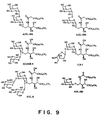
- Example 2 Isolation and purification of O- ⁇ -D-galactopyranosyl-(1 ⁇ 2)-O- ⁇ -D-galactopyranosyl-(1 ⁇ 1)-(2S,3S,4R)-2-amino-N-[(R)-2-hydroxytetracosanoyl]-1,3,4-octadecanetriol (S1140B-9)
- the extract was partitioned with ethyl acetate and water, and the upper layer and the middle layer were dried over anhydrous sodium sulfate and concentrated under vacuum to obtain 18.37 g and 9.44 g of fractions, respectively.
- the title compound can also be isolated and purified by the method described in F. Cafieri et al., Liebigs Ann. Chem. 1995, 1477-1481.
- Example 1 The compound synthesized in Example 1(KRN 7000) was used in the following experiment as a representative compound having an ⁇ -glycosylceramide structure.
- AGL-583 the compound synthesized in Example 3 having a ⁇ -glycosylceramide structure, was used as a negative control.
- Tumor cells mouse T lymphoma EL-4 cells (Dainippon Pharmaceutical Co., Ltd.), were suspended in an RPM11640 medium containing 10% FCS (fetal calf serum), glutamine and antibiotics, and cultured in vitro. Before starting the treatment with each drug, EL-4 cells were recovered and suspended again in a fresh medium, then incubation was started immediately with an addition of a vehicle (0.1% DMSO), KRN 7000 (100 ng/ml) or AGL-583 (100 ng/ml).
- FCS fetal calf serum
- EL-4 cells were recovered and suspended again in a fresh medium, then incubation was started immediately with an addition of a vehicle (0.1% DMSO), KRN 7000 (100 ng/ml) or AGL-583 (100 ng/ml).
- EL-4/V tumor cells
- EL-4/KRN tumor cells
- EL-4/583 tumor cells
- KRN 7000 and AGL-583 tumor cells
- the suspensions were immunized intravenously into the tail of C57BL/6 mice (females, 8 weeks of age), at 5 ⁇ 10 5 cells/mouse.
- spleen cell fractions were prepared as effector cells from (1) mice without immunization (healthy control), (2) mice inoculated with EL-4/V, (3) mice immunized with EL-4/KRN and (4) mice immunized with EL-4/583.
- Maximum release means the amount of 51 Cr released when cultured with an addition of HCl
- sustained release means the amount of 51 Cr released when cultured with no addition
- experimental release means the amount of 51 Cr released when individual spleen cells were added. Results are shown in Figure 1.
- cytotoxic activity to EL-4 was higher in spleen cells of mice immunized with EL-4/V or EL-4/583 than in those of healthy control mice, but cytotoxic activity was further higher in spleen cells of mice inoculated with EL-4/KRN.
- Mouse T lymphoma EL-4 cells (4 ⁇ 10 5 cells/mouse) were implanted intravenously into the tail of BDF1 mice (female, 6 weeks of age, Japan SLC, Inc.), 6 animals in one group, to prepare cancer-bearing mice.
- the days of tumor implantation was set to be day 0.
- a vehicle (0.1% DMSO), KRN 7000 (100 ng/ml) or AGL-583 (100 ng/ml) was added to EL-4 cells which had been inoculated into a fresh medium, in the same manner as in Pharmacological Test 1 above.
- EL-4 implanted mice generally died in about 30 days owing to the tumor formation and growth in several organs, particularly in the liver. Therefore, antitumor effect was evaluated by observing the survival period of cancer-bearing hosts. Results are shown in Figure 2.
- Mouse B16 melanoma cells (4 ⁇ 10 5 cells/mouse) were implanted intravenously into the tail of BDF1 mice (females, 6 weeks of age), 6 animals in one group, to prepare cancer-bearing mice.
- the day of tumor implantation was set to be day 0.
- Incubation of B16 cells was started on the same day with an addition of a vehicle (0.1% DMSO) or KRN 7000 (100 ng/ml) in the same manner as in Pharmacological Test 2.
- a vehicle (0.1% DMSO
- KRN 7000 100 ng/ml
- cells of B16/V and B16/KRN cultured in the presence of the vehicle and KRN 7000, respectively were harvested and washed twice with the medium. Then, the harvested cells were immunized intravenously into the tail of the above-mentioned cancer-bearing mice at 1 ⁇ 10 5 cells/mouse. The resulting antitumor effect was compared.
- B16-implanted mice generally died in about 60 days owing to the formation and growth of metastatic nodules in lung. Accordingly, antitumor effect was evaluated by observing the survival period of cancer-bearing hosts. Results are shown in Figure 3.
- Results of Pharmacological Tests 2 and 3 revealed that tumor cells treated with an ⁇ -glycosylceramide had antitumor activity on cancer-bearing mice.
- proliferative activity of tumor cells are abrogated by radiation or other treatment before immunization, otherwise immunized tumor itself used as vaccine might formed tumor burden.
- the results of Pharmacological Test 3 showed that the survival period of mice immunized with tumor cells treated with the vehicle tended to be shortened, although very slightly.
- tumor cells treated with an ⁇ -glycosylceramide not only extended the survival period, but cases of a virtual cure were also noted.
- ⁇ - glycosylceramide-treated tumor cells were considered to be used without abrogation of their proliferative ability by radiation or the like, but its tumorigenicity (the ability to form tumor burden)remained to be confined. Therefore, the effect of an ⁇ -glycosylceramide on tumorigenicity of various murine tumors was studied as follows.
- mouse tumor cells i.e., three kinds of C57BL/6 mouse-derived tumor cells, i.e., murine melanoma B16 cells (Dainippon Pharmaceutical Co.,Ltd.), mouse T lymphoma EL-4 cells (Dainippon Pharmaceutical Co., Ltd.) and mouse Lewis lung carcinoma cells (Dainippon Pharmaceutical Co., Ltd.), and three kinds of BALB/c-mouse derived tumor cells, i.e., mouse colon cancer cell Colon 26 (Japanese Foundation for Cancer Research), mouse leukemia L1210 cells (Japanese Foundation for Cancer Research) and mouse fibrosarcoma Meth A cells (Japanese Foundation for Cancer Research) were cultured with or without an addition of a vehicle (0.1% DMSO) or KRN 7000 (100 ng/ml) for one day as described in Pharmacological Tests above.
- a vehicle 0.1% DMSO
- KRN 7000 100 ng/ml
- mice The resulting tumor cells were washed twice with a medium, suspended again in a fresh medium and implanted intravenously into the tail of corresponding mice. That is, B16, EL-4 and LLC cells were implanted to C57BL/6 mice (females, 9 weeks of age) at 5 ⁇ 10 5 cells/mouse, 1 ⁇ 10 5 cells/mouse and 5 ⁇ 10 5 cells/mouse, respectively; and Colon 26, Meth A, and L1210 cells were implanted to BALB/c mice (females, 9 weeks of age) at 2 ⁇ 10 6 cells/mouse, 1 ⁇ 10 5 cells/mouse and 5 ⁇ 10 5 cells/mouse, respectively.
- mice implanted with tumor cells which were cultured in a common medium without any drug died and their tumorigenicity were 100%.
- results above show that tumorigenicity of tumor cells is markedly reduced by culturing with an addition of ⁇ -glycosylceramides represented by KRN 7000.
- a separate study was carried out to find out whether KRN 7000 had cytostatic activity against tumor cells.
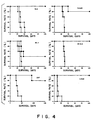
- the results show that tumor cells cultured with an addition of KRN 7000 in the same manner as in Pharmacological Test 4 have a proliferative ability similar to tumor cells cultured with no addition or with an addition of the vehicle. Thus, it was revealed that the observed effect was not elicited by direct cytotoxicity of KRN7000 itself against tumor cells, but due to other biological activities.
- tumor cells treated with an ⁇ -glycosylceramide can be immunized as a useful cancer vaccine, without further radiation to impair their proliferative ability. Accordingly, the results of Pharmacological Tests 1 to 4 suggest that when tumor cells treated with an ⁇ -glycosylceramide are immunized, the host's immunity almost completely eradicates the immunized tumor cells themselves, and at the same time, immunocompetent cells of the host are activated to induce antitumor immunity to the original existing tumors.
- Tumor cells other than those used in Pharmacological Tests 1 to 3 were also used in this study. It was revealed that tumorigenicity of all the tumor cells was reduced by treating them with an ⁇ -glycosylceramide. Considering that the therapeutic effect of B16 and EL-4 cells treated with an ⁇ -glycosylceramide was closely associated with the reduction of tumorigenicity, tumor therapy with tumor cells other than B16 and EL-4 is also considered to be possible.
- Mouse B16 melanoma cells (5 ⁇ 10 5 cells/mouse) were implanted intravenously into the tail of C57BL/6 mice (females, 9 weeks of age), 7 animals in one group, to prepare cancer-bearing mice.
- the day of tumor implantation was set to be day 0.
- B16 cells suspended on a fresh medium were incubated in vitro with an addition of a vehicle (0.1% DMSO) or KRN 7000 (100 ng/ml) in the same manner as in Pharmacological Test 4.
- a vehicle (0.1% DMSO
- KRN 7000 100 ng/ml
- the resultant cells were divided into two groups, 200-Gy-irradiated or not irradiated, and immunized intravenously into the tail of the above-mentioned cancer-bearing mice at 1 ⁇ 10 5 cells/mouse. Antitumor effects of the two groups of the cells were compared.
- mice inoculated with V16/V cells As shown in Figure 5, irrespective of radiation or non-radiation, no antitumor effect was observed in mice inoculated with V16/V cells, as compared to control mice inoculated with untreated tumor cells. Conversely, irrespective of radiation or non-radiation, a marked antitumor effect was observed in mice inoculated with V16/KRN cells, and about 60% to 70% of the mice survived up to 50 days after tumor implantation.
Landscapes
- Health & Medical Sciences (AREA)
- Chemical & Material Sciences (AREA)
- Life Sciences & Earth Sciences (AREA)
- General Health & Medical Sciences (AREA)
- Epidemiology (AREA)
- Medicinal Chemistry (AREA)
- Pharmacology & Pharmacy (AREA)
- Animal Behavior & Ethology (AREA)
- Public Health (AREA)
- Veterinary Medicine (AREA)
- Microbiology (AREA)
- Mycology (AREA)
- Immunology (AREA)
- Organic Chemistry (AREA)
- Oncology (AREA)
- Crystallography & Structural Chemistry (AREA)
- Biochemistry (AREA)
- Biotechnology (AREA)
- Genetics & Genomics (AREA)
- Molecular Biology (AREA)
- Engineering & Computer Science (AREA)
- Chemical Kinetics & Catalysis (AREA)
- General Chemical & Material Sciences (AREA)
- Pharmaceuticals Containing Other Organic And Inorganic Compounds (AREA)
- Medicines That Contain Protein Lipid Enzymes And Other Medicines (AREA)
- Peptides Or Proteins (AREA)
- Saccharide Compounds (AREA)
- Medicines Containing Material From Animals Or Micro-Organisms (AREA)
- Medicines Containing Antibodies Or Antigens For Use As Internal Diagnostic Agents (AREA)
Applications Claiming Priority (3)
| Application Number | Priority Date | Filing Date | Title |
|---|---|---|---|
| JP25718897 | 1997-09-22 | ||
| JP25718897 | 1997-09-22 | ||
| PCT/JP1998/004249 WO1999015627A1 (fr) | 1997-09-22 | 1998-09-22 | Composition a base de glycosylceramide alpha pouvant potentialiser l'immunogenicite cellulaire |
Publications (3)
| Publication Number | Publication Date |
|---|---|
| EP1018548A1 true EP1018548A1 (fr) | 2000-07-12 |
| EP1018548A4 EP1018548A4 (fr) | 2001-03-21 |
| EP1018548B1 EP1018548B1 (fr) | 2006-01-18 |
Family
ID=17302909
Family Applications (1)
| Application Number | Title | Priority Date | Filing Date |
|---|---|---|---|
| EP98943077A Expired - Lifetime EP1018548B1 (fr) | 1997-09-22 | 1998-09-22 | Composition a base de glycosylceramide alpha pouvant potentialiser l'immunogenicite cellulaire |
Country Status (11)
| Country | Link |
|---|---|
| US (1) | US6555372B1 (fr) |
| EP (1) | EP1018548B1 (fr) |
| KR (1) | KR100734643B1 (fr) |
| CN (1) | CN100352918C (fr) |
| AT (1) | ATE316134T1 (fr) |
| AU (1) | AU749277B2 (fr) |
| CA (1) | CA2304378A1 (fr) |
| DE (1) | DE69833260T2 (fr) |
| ES (1) | ES2256955T3 (fr) |
| TW (1) | TW575420B (fr) |
| WO (1) | WO1999015627A1 (fr) |
Cited By (5)
| Publication number | Priority date | Publication date | Assignee | Title |
|---|---|---|---|---|
| WO2003009812A3 (fr) * | 2001-07-25 | 2004-04-29 | Univ New York | Utilisation de glycosylceramides comme adjuvants pour des vaccins contre les infections et le cancer |
| EP1437358A4 (fr) * | 2001-08-16 | 2004-11-24 | Daiichi Suntory Pharma Co Ltd | Glycolipide et agent therapeutique pour maladies auto-immunes le contenant en tant qu'ingredient actif |
| WO2006058243A3 (fr) * | 2004-11-24 | 2007-02-22 | Univ Yale | Antigenes de leishmania, compositions apparentees et utilisations correspondantes |
| US7771726B2 (en) | 2003-10-08 | 2010-08-10 | New York University | Use of synthetic glycolipids as universal adjuvants for vaccines against cancer and infectious diseases |
| EP1452181B1 (fr) * | 2003-02-27 | 2016-04-13 | Enzo Therapeutics, Inc. | Régulation de la réponse immunitaire par manipulation du taux de métabolites intermédiaires |
Families Citing this family (15)
| Publication number | Priority date | Publication date | Assignee | Title |
|---|---|---|---|---|
| WO2001098317A2 (fr) * | 2000-06-22 | 2001-12-27 | The Brigham And Women's Hospital, Inc. | Alpha-glycosylceramides destines au traitement d'infections bacteriennes et fongiques |
| EP1372668B1 (fr) | 2001-03-26 | 2011-12-07 | Dana-Farber Cancer Institute, Inc. | Methode permettant d'attenuer les reactions a des irritants cutanes |
| WO2006042177A2 (fr) * | 2004-10-07 | 2006-04-20 | Argos Therapeutics, Inc. | Compositions de cellules dendritiques matures et procedes de mise en culture correspondants |
| US8513008B2 (en) | 2004-10-07 | 2013-08-20 | Argos Therapeutics, Inc. | Mature dendritic cell compositions and methods for culturing same |
| WO2006060117A2 (fr) | 2004-11-02 | 2006-06-08 | The Board Of Trustees Of The Leland Stanford Junior University | Methodes d'inhibition des cellules nkt |
| US20070231344A1 (en) * | 2005-10-28 | 2007-10-04 | The Brigham And Women's Hospital, Inc. | Conjugate vaccines for non-proteinaceous antigens |
| US20100256346A1 (en) | 2005-12-27 | 2010-10-07 | Hirosuke Oku | Anti-Tumor Agent and Immunostimulating Agent |
| EP2060252A1 (fr) | 2007-11-19 | 2009-05-20 | Wittycell | Nouvelle formulation de dérivés de galactosylcéramide |
| WO2009119692A1 (fr) * | 2008-03-25 | 2009-10-01 | 独立行政法人理化学研究所 | Nouveau glycolipide et son utilisation |
| JP5095683B2 (ja) * | 2009-07-06 | 2012-12-12 | 壽製薬株式会社 | 新規糖脂質誘導体及びこれを有効成分とする製剤 |
| JP5025692B2 (ja) * | 2009-07-06 | 2012-09-12 | 壽製薬株式会社 | 糖脂質誘導体の製造方法 |
| CN102573802A (zh) | 2009-08-12 | 2012-07-11 | 希格默伊德药业有限公司 | 包含聚合物基质和油相的免疫调节组合物 |
| GB201212010D0 (en) | 2012-07-05 | 2012-08-22 | Sigmoid Pharma Ltd | Formulations |
| CN104497065B (zh) * | 2014-11-24 | 2017-10-24 | 浙江大学 | α‑半乳糖神经酰胺新异构体及其用途 |
| CN104497064B (zh) * | 2014-11-24 | 2017-10-24 | 浙江大学 | α‑半乳糖神经酰胺新异构体及其合成方法 |
Family Cites Families (7)
| Publication number | Priority date | Publication date | Assignee | Title |
|---|---|---|---|---|
| DE3806565A1 (de) * | 1988-03-01 | 1989-09-14 | Deutsches Krebsforsch | Virusmodifizierte tumorvakzinen fuer die immuntherapie von tumormetastasen |
| JPH0559081A (ja) * | 1991-08-29 | 1993-03-09 | Kirin Brewery Co Ltd | 新規スフインゴ糖脂質、その製造法および使用 |
| TW261533B (fr) * | 1992-07-16 | 1995-11-01 | Kirin Brewery | |
| EP0694558B1 (fr) | 1993-04-15 | 1999-01-27 | Kirin Beer Kabushiki Kaisha | Nouveau sphingoglycolipide et son utilisation |
| US5858776A (en) * | 1993-11-03 | 1999-01-12 | Repligen Corporation | Tumor cells with increased immunogenicity and uses therefor |
| TW555562B (en) | 1996-12-27 | 2003-10-01 | Kirin Brewery | Method for activation of human antigen-presenting cells, activated human antigen-presenting cells and use thereof |
| JP3495740B2 (ja) | 1997-04-10 | 2004-02-09 | 麒麟麦酒株式会社 | α−グリコシルセラミドを含有するNKT細胞活性化剤 |
-
1998
- 1998-09-21 TW TW87115682A patent/TW575420B/zh not_active IP Right Cessation
- 1998-09-22 AU AU90960/98A patent/AU749277B2/en not_active Ceased
- 1998-09-22 ES ES98943077T patent/ES2256955T3/es not_active Expired - Lifetime
- 1998-09-22 CA CA002304378A patent/CA2304378A1/fr not_active Abandoned
- 1998-09-22 DE DE69833260T patent/DE69833260T2/de not_active Expired - Fee Related
- 1998-09-22 US US09/509,087 patent/US6555372B1/en not_active Expired - Fee Related
- 1998-09-22 EP EP98943077A patent/EP1018548B1/fr not_active Expired - Lifetime
- 1998-09-22 AT AT98943077T patent/ATE316134T1/de not_active IP Right Cessation
- 1998-09-22 WO PCT/JP1998/004249 patent/WO1999015627A1/fr not_active Ceased
- 1998-09-22 KR KR1020007002999A patent/KR100734643B1/ko not_active Expired - Fee Related
- 1998-09-22 CN CNB988114003A patent/CN100352918C/zh not_active Expired - Fee Related
Cited By (8)
| Publication number | Priority date | Publication date | Assignee | Title |
|---|---|---|---|---|
| WO2003009812A3 (fr) * | 2001-07-25 | 2004-04-29 | Univ New York | Utilisation de glycosylceramides comme adjuvants pour des vaccins contre les infections et le cancer |
| US7488491B2 (en) | 2001-07-25 | 2009-02-10 | New York University | Use of glycosylceramides as adjuvants for vaccines against infections and cancer |
| EP1437358A4 (fr) * | 2001-08-16 | 2004-11-24 | Daiichi Suntory Pharma Co Ltd | Glycolipide et agent therapeutique pour maladies auto-immunes le contenant en tant qu'ingredient actif |
| KR100880063B1 (ko) * | 2001-08-16 | 2009-01-22 | 아스비오파마 가부시키가이샤 | 신규한 당지질 및 이것을 유효성분으로 하는 자기면역질환 치료약 |
| US8367623B2 (en) | 2001-08-16 | 2013-02-05 | Japan As Represented By President Of National Center Of Neurology And Psychiatry | Glycolipid and medicine for autoimmune disease containing the same as active ingredient |
| EP1452181B1 (fr) * | 2003-02-27 | 2016-04-13 | Enzo Therapeutics, Inc. | Régulation de la réponse immunitaire par manipulation du taux de métabolites intermédiaires |
| US7771726B2 (en) | 2003-10-08 | 2010-08-10 | New York University | Use of synthetic glycolipids as universal adjuvants for vaccines against cancer and infectious diseases |
| WO2006058243A3 (fr) * | 2004-11-24 | 2007-02-22 | Univ Yale | Antigenes de leishmania, compositions apparentees et utilisations correspondantes |
Also Published As
| Publication number | Publication date |
|---|---|
| TW575420B (en) | 2004-02-11 |
| ES2256955T3 (es) | 2006-07-16 |
| CN1279713A (zh) | 2001-01-10 |
| DE69833260D1 (de) | 2006-04-06 |
| AU749277B2 (en) | 2002-06-20 |
| KR100734643B1 (ko) | 2007-07-02 |
| CA2304378A1 (fr) | 1999-04-01 |
| AU9096098A (en) | 1999-04-12 |
| DE69833260T2 (de) | 2006-09-28 |
| CN100352918C (zh) | 2007-12-05 |
| ATE316134T1 (de) | 2006-02-15 |
| WO1999015627A1 (fr) | 1999-04-01 |
| KR20010030649A (ko) | 2001-04-16 |
| EP1018548A4 (fr) | 2001-03-21 |
| EP1018548B1 (fr) | 2006-01-18 |
| US6555372B1 (en) | 2003-04-29 |
Similar Documents
| Publication | Publication Date | Title |
|---|---|---|
| US6555372B1 (en) | Composition for enhancing cellular immunogenicity comprising alpha-glycosylceramides | |
| EP1520583B1 (fr) | Activateurs de cellules NKT, contenant des alpha-glycosylceramides. | |
| KR102235870B1 (ko) | 접합체 화합물 | |
| JPWO1998029534A1 (ja) | ヒト抗原提示細胞の活性化法、活性化されたヒト抗原提示細胞およびその使用 | |
| CN104736550B (zh) | 有机化合物 | |
| JPWO1998044928A1 (ja) | α−グリコシルセラミドを含有するNKT細胞活性化剤 | |
| CN114040918A (zh) | 皂苷缀合物及含其的疫苗或药物组合物 | |
| JPWO2004026318A1 (ja) | α−グリコシルセラミドを有効成分とするC型肝炎ウイルス抑制剤 | |
| WO2015187040A1 (fr) | Analogues d'amino-sphingoglycolipide | |
| JP2004131481A (ja) | α−グリコシルセラミドを含有するNKT細胞活性化剤 | |
| JPWO1999015627A1 (ja) | α‐グリコシルセラミドを含有する細胞免疫原性増強用組成物 | |
| US12564631B2 (en) | Phytosphingosine derivatives as adjuvants in immune stimulation | |
| JPH09315980A (ja) | エイズ発症予防薬および進行抑制薬 | |
| WO2024125676A1 (fr) | Variants synthétiques du ganglioside ngcgm3 et leur utilisation dans le traitement du cancer | |
| HK40064797A (en) | Saponin conjugate and vaccine or pharmaceutical composition comprising the same | |
| JP2002226377A (ja) | 配糖体含有末梢血幹細胞増加剤 |
Legal Events
| Date | Code | Title | Description |
|---|---|---|---|
| PUAI | Public reference made under article 153(3) epc to a published international application that has entered the european phase |
Free format text: ORIGINAL CODE: 0009012 |
|
| 17P | Request for examination filed |
Effective date: 20000411 |
|
| AK | Designated contracting states |
Kind code of ref document: A1 Designated state(s): AT BE CH CY DE DK ES FI FR GB GR IE IT LI LU MC NL PT SE |
|
| A4 | Supplementary search report drawn up and despatched |
Effective date: 20010207 |
|
| AK | Designated contracting states |
Kind code of ref document: A4 Designated state(s): AT BE CH CY DE DK ES FI FR GB GR IE IT LI LU MC NL PT SE |
|
| RIC1 | Information provided on ipc code assigned before grant |
Free format text: 7C 12N 5/06 A, 7C 12N 5/08 B, 7A 61K 31/52 B, 7A 61K 31/70 B |
|
| 17Q | First examination report despatched |
Effective date: 20030509 |
|
| GRAP | Despatch of communication of intention to grant a patent |
Free format text: ORIGINAL CODE: EPIDOSNIGR1 |
|
| RTI1 | Title (correction) |
Free format text: CELLULAR IMMUNOGENICITY POTENTIATING COMPOSITION CONTAINING ALPHA-GLYCOSYLCERAMIDE |
|
| GRAS | Grant fee paid |
Free format text: ORIGINAL CODE: EPIDOSNIGR3 |
|
| GRAA | (expected) grant |
Free format text: ORIGINAL CODE: 0009210 |
|
| AK | Designated contracting states |
Kind code of ref document: B1 Designated state(s): AT BE CH CY DE DK ES FI FR GB GR IE IT LI LU MC NL PT SE |
|
| PG25 | Lapsed in a contracting state [announced via postgrant information from national office to epo] |
Ref country code: NL Free format text: LAPSE BECAUSE OF FAILURE TO SUBMIT A TRANSLATION OF THE DESCRIPTION OR TO PAY THE FEE WITHIN THE PRESCRIBED TIME-LIMIT Effective date: 20060118 Ref country code: LI Free format text: LAPSE BECAUSE OF FAILURE TO SUBMIT A TRANSLATION OF THE DESCRIPTION OR TO PAY THE FEE WITHIN THE PRESCRIBED TIME-LIMIT Effective date: 20060118 Ref country code: FI Free format text: LAPSE BECAUSE OF FAILURE TO SUBMIT A TRANSLATION OF THE DESCRIPTION OR TO PAY THE FEE WITHIN THE PRESCRIBED TIME-LIMIT Effective date: 20060118 Ref country code: CH Free format text: LAPSE BECAUSE OF FAILURE TO SUBMIT A TRANSLATION OF THE DESCRIPTION OR TO PAY THE FEE WITHIN THE PRESCRIBED TIME-LIMIT Effective date: 20060118 Ref country code: BE Free format text: LAPSE BECAUSE OF FAILURE TO SUBMIT A TRANSLATION OF THE DESCRIPTION OR TO PAY THE FEE WITHIN THE PRESCRIBED TIME-LIMIT Effective date: 20060118 Ref country code: AT Free format text: LAPSE BECAUSE OF FAILURE TO SUBMIT A TRANSLATION OF THE DESCRIPTION OR TO PAY THE FEE WITHIN THE PRESCRIBED TIME-LIMIT Effective date: 20060118 |
|
| REG | Reference to a national code |
Ref country code: GB Ref legal event code: FG4D |
|
| REG | Reference to a national code |
Ref country code: CH Ref legal event code: EP |
|
| REG | Reference to a national code |
Ref country code: IE Ref legal event code: FG4D |
|
| REF | Corresponds to: |
Ref document number: 69833260 Country of ref document: DE Date of ref document: 20060406 Kind code of ref document: P |
|
| PG25 | Lapsed in a contracting state [announced via postgrant information from national office to epo] |
Ref country code: SE Free format text: LAPSE BECAUSE OF FAILURE TO SUBMIT A TRANSLATION OF THE DESCRIPTION OR TO PAY THE FEE WITHIN THE PRESCRIBED TIME-LIMIT Effective date: 20060418 Ref country code: DK Free format text: LAPSE BECAUSE OF FAILURE TO SUBMIT A TRANSLATION OF THE DESCRIPTION OR TO PAY THE FEE WITHIN THE PRESCRIBED TIME-LIMIT Effective date: 20060418 |
|
| PG25 | Lapsed in a contracting state [announced via postgrant information from national office to epo] |
Ref country code: PT Free format text: LAPSE BECAUSE OF FAILURE TO SUBMIT A TRANSLATION OF THE DESCRIPTION OR TO PAY THE FEE WITHIN THE PRESCRIBED TIME-LIMIT Effective date: 20060619 |
|
| NLV1 | Nl: lapsed or annulled due to failure to fulfill the requirements of art. 29p and 29m of the patents act | ||
| REG | Reference to a national code |
Ref country code: ES Ref legal event code: FG2A Ref document number: 2256955 Country of ref document: ES Kind code of ref document: T3 |
|
| REG | Reference to a national code |
Ref country code: CH Ref legal event code: PL |
|
| ET | Fr: translation filed | ||
| PG25 | Lapsed in a contracting state [announced via postgrant information from national office to epo] |
Ref country code: IE Free format text: LAPSE BECAUSE OF NON-PAYMENT OF DUE FEES Effective date: 20060922 |
|
| PG25 | Lapsed in a contracting state [announced via postgrant information from national office to epo] |
Ref country code: MC Free format text: LAPSE BECAUSE OF NON-PAYMENT OF DUE FEES Effective date: 20060930 |
|
| PLBE | No opposition filed within time limit |
Free format text: ORIGINAL CODE: 0009261 |
|
| STAA | Information on the status of an ep patent application or granted ep patent |
Free format text: STATUS: NO OPPOSITION FILED WITHIN TIME LIMIT |
|
| 26N | No opposition filed |
Effective date: 20061019 |
|
| PG25 | Lapsed in a contracting state [announced via postgrant information from national office to epo] |
Ref country code: GR Free format text: LAPSE BECAUSE OF FAILURE TO SUBMIT A TRANSLATION OF THE DESCRIPTION OR TO PAY THE FEE WITHIN THE PRESCRIBED TIME-LIMIT Effective date: 20060419 |
|
| PG25 | Lapsed in a contracting state [announced via postgrant information from national office to epo] |
Ref country code: LU Free format text: LAPSE BECAUSE OF NON-PAYMENT OF DUE FEES Effective date: 20060922 |
|
| REG | Reference to a national code |
Ref country code: GB Ref legal event code: 732E |
|
| PGFP | Annual fee paid to national office [announced via postgrant information from national office to epo] |
Ref country code: ES Payment date: 20080917 Year of fee payment: 11 |
|
| PG25 | Lapsed in a contracting state [announced via postgrant information from national office to epo] |
Ref country code: CY Free format text: LAPSE BECAUSE OF FAILURE TO SUBMIT A TRANSLATION OF THE DESCRIPTION OR TO PAY THE FEE WITHIN THE PRESCRIBED TIME-LIMIT Effective date: 20060118 |
|
| PGFP | Annual fee paid to national office [announced via postgrant information from national office to epo] |
Ref country code: IT Payment date: 20080926 Year of fee payment: 11 Ref country code: FR Payment date: 20080825 Year of fee payment: 11 |
|
| PGFP | Annual fee paid to national office [announced via postgrant information from national office to epo] |
Ref country code: GB Payment date: 20080924 Year of fee payment: 11 |
|
| PGFP | Annual fee paid to national office [announced via postgrant information from national office to epo] |
Ref country code: DE Payment date: 20080925 Year of fee payment: 11 |
|
| GBPC | Gb: european patent ceased through non-payment of renewal fee |
Effective date: 20090922 |
|
| REG | Reference to a national code |
Ref country code: FR Ref legal event code: ST Effective date: 20100531 |
|
| PG25 | Lapsed in a contracting state [announced via postgrant information from national office to epo] |
Ref country code: FR Free format text: LAPSE BECAUSE OF NON-PAYMENT OF DUE FEES Effective date: 20090930 Ref country code: DE Free format text: LAPSE BECAUSE OF NON-PAYMENT OF DUE FEES Effective date: 20100401 |
|
| PG25 | Lapsed in a contracting state [announced via postgrant information from national office to epo] |
Ref country code: GB Free format text: LAPSE BECAUSE OF NON-PAYMENT OF DUE FEES Effective date: 20090922 |
|
| PG25 | Lapsed in a contracting state [announced via postgrant information from national office to epo] |
Ref country code: IT Free format text: LAPSE BECAUSE OF NON-PAYMENT OF DUE FEES Effective date: 20090922 |
|
| REG | Reference to a national code |
Ref country code: ES Ref legal event code: FD2A Effective date: 20110718 |
|
| PG25 | Lapsed in a contracting state [announced via postgrant information from national office to epo] |
Ref country code: ES Free format text: LAPSE BECAUSE OF NON-PAYMENT OF DUE FEES Effective date: 20110706 |
|
| PG25 | Lapsed in a contracting state [announced via postgrant information from national office to epo] |
Ref country code: ES Free format text: LAPSE BECAUSE OF NON-PAYMENT OF DUE FEES Effective date: 20090923 |