EP1036089B1 - Zusammensetzungen zur wundheilung - Google Patents
Zusammensetzungen zur wundheilung Download PDFInfo
- Publication number
- EP1036089B1 EP1036089B1 EP98963073A EP98963073A EP1036089B1 EP 1036089 B1 EP1036089 B1 EP 1036089B1 EP 98963073 A EP98963073 A EP 98963073A EP 98963073 A EP98963073 A EP 98963073A EP 1036089 B1 EP1036089 B1 EP 1036089B1
- Authority
- EP
- European Patent Office
- Prior art keywords
- polypeptide
- norleu
- angiotensin
- pro
- arg
- Prior art date
- Legal status (The legal status is an assumption and is not a legal conclusion. Google has not performed a legal analysis and makes no representation as to the accuracy of the status listed.)
- Expired - Lifetime
Links
Images

Classifications
-
- A—HUMAN NECESSITIES
- A61—MEDICAL OR VETERINARY SCIENCE; HYGIENE
- A61L—METHODS OR APPARATUS FOR STERILISING MATERIALS OR OBJECTS IN GENERAL; DISINFECTION, STERILISATION OR DEODORISATION OF AIR; CHEMICAL ASPECTS OF BANDAGES, DRESSINGS, ABSORBENT PADS OR SURGICAL ARTICLES; MATERIALS FOR BANDAGES, DRESSINGS, ABSORBENT PADS OR SURGICAL ARTICLES
- A61L27/00—Materials for grafts or prostheses or for coating grafts or prostheses
- A61L27/14—Macromolecular materials
- A61L27/22—Polypeptides or derivatives thereof, e.g. degradation products
-
- A—HUMAN NECESSITIES
- A61—MEDICAL OR VETERINARY SCIENCE; HYGIENE
- A61K—PREPARATIONS FOR MEDICAL, DENTAL OR TOILETRY PURPOSES
- A61K38/00—Medicinal preparations containing peptides
- A61K38/04—Peptides having up to 20 amino acids in a fully defined sequence; Derivatives thereof
- A61K38/08—Peptides having 5 to 11 amino acids
- A61K38/085—Angiotensins
-
- A—HUMAN NECESSITIES
- A61—MEDICAL OR VETERINARY SCIENCE; HYGIENE
- A61L—METHODS OR APPARATUS FOR STERILISING MATERIALS OR OBJECTS IN GENERAL; DISINFECTION, STERILISATION OR DEODORISATION OF AIR; CHEMICAL ASPECTS OF BANDAGES, DRESSINGS, ABSORBENT PADS OR SURGICAL ARTICLES; MATERIALS FOR BANDAGES, DRESSINGS, ABSORBENT PADS OR SURGICAL ARTICLES
- A61L15/00—Chemical aspects of, or use of materials for, bandages, dressings or absorbent pads
- A61L15/16—Bandages, dressings or absorbent pads for physiological fluids such as urine or blood, e.g. sanitary towels, tampons
- A61L15/22—Bandages, dressings or absorbent pads for physiological fluids such as urine or blood, e.g. sanitary towels, tampons containing macromolecular materials
- A61L15/32—Proteins, polypeptides; Degradation products or derivatives thereof, e.g. albumin, collagen, fibrin, gelatin
-
- A—HUMAN NECESSITIES
- A61—MEDICAL OR VETERINARY SCIENCE; HYGIENE
- A61L—METHODS OR APPARATUS FOR STERILISING MATERIALS OR OBJECTS IN GENERAL; DISINFECTION, STERILISATION OR DEODORISATION OF AIR; CHEMICAL ASPECTS OF BANDAGES, DRESSINGS, ABSORBENT PADS OR SURGICAL ARTICLES; MATERIALS FOR BANDAGES, DRESSINGS, ABSORBENT PADS OR SURGICAL ARTICLES
- A61L26/00—Chemical aspects of, or use of materials for, wound dressings or bandages in liquid, gel or powder form
- A61L26/0009—Chemical aspects of, or use of materials for, wound dressings or bandages in liquid, gel or powder form containing macromolecular materials
- A61L26/0028—Polypeptides; Proteins; Degradation products thereof
-
- A—HUMAN NECESSITIES
- A61—MEDICAL OR VETERINARY SCIENCE; HYGIENE
- A61P—SPECIFIC THERAPEUTIC ACTIVITY OF CHEMICAL COMPOUNDS OR MEDICINAL PREPARATIONS
- A61P17/00—Drugs for dermatological disorders
- A61P17/02—Drugs for dermatological disorders for treating wounds, ulcers, burns, scars, keloids, or the like
-
- C—CHEMISTRY; METALLURGY
- C07—ORGANIC CHEMISTRY
- C07K—PEPTIDES
- C07K7/00—Peptides having 5 to 20 amino acids in a fully defined sequence; Derivatives thereof
- C07K7/04—Linear peptides containing only normal peptide links
- C07K7/14—Angiotensins: Related peptides
Definitions
- This invention relates generally to the fields of biochemistry and medicine. More particularly, the present invention relates to compositions and methods useful for accelerating wound healing in mammals.
- Wounds i.e., lacerations or openings
- tissue disruption and coagulation of the microvasculature at the wound face repair of such tissue represents an orderly, controlled cellular response to injury. All soft tissue wounds, regardless of size, heal in a similar manner.
- Tissue growth and repair are biologic systems wherein cellular proliferation and angiogenesis occur in the presence of an oxygen gradient. The sequential morphological and structural changes which occur during tissue repair have been characterized in great detail and have in some instances been quantified [Hunt, T.K., et al., "Coagulation and macrophage stimulation of angiogenesis and wound healing," in The surgical wound, pp. 1-18, ed. F. Dineen & G. Hildrick-Smith (Lea & Febiger, Philadelphia: 1981)].
- the cellular morphology consists of three distinct zones.
- the central avascular wound space is oxygen deficient, acidotic and hypercarbic, and has high lactate levels.
- Adjacent to the wound space is a gradient zone of local anemia (ischemia) which is populated by dividing fibroblasts.
- Behind the leading zone is an area of active collagen synthesis characterized by mature fibroblasts and numerous newly-formed capillaries (i.e., neovascularization).
- angiogenesis angiogenesis
- angiogenic agents generally are unable to fulfill the long-felt need of providing the additional biosynthetic effects of tissue repair.
- U.S. Patent No. 5,015,629 to DiZerega describes a method for increasing the rate of healing of wound tissue, comprising the application to such tissue of angiotensin II (All) in an amount which is sufficient for said increase.
- the application of angiotensin II to wound tissue significantly increases the rate of wound healing, leading to a more rapid re-epithelialization and tissue repair.
- the term angiotensin II refers to an octapeptide present in humans and other species having the sequence Asp-Arg-Val-Tyr-lle-His-Pro-Phe (SEQ ID NO: 1).
- Angiotensin 11 is a known pressor agent and is commercially available.
- Angiotensin III (Alll) is a biologically active compound derived from All by removal of a single amino acid from the N-terminus of All.
- AIII has the sequence Arg-Val-Tyr-Ile-His-Pro-Phe (SEQ 10 NO:2).
- All showed a biphasic effect on evoked neuronal norepinephrine release (an earlier decrease followed by a later increase), while increasing spontaneous norepinephrine release only after 12 minutes;
- AIII showed a biphasic effect on both evoked and spontaneous neuronal norepinephrine release [Vatta, M.S., et al.
- compositions to be used in the preparation of medicaments for promoting incorporation of skin graft into underlying tissue comprise angiotensin II, angiotensin II analogs, angiotensin II fragments and analogs thereof, angiotensinogen and analogs thereof, angiotensinogen fragments and analogs thereof.
- angiotensin II angiotensin II analogs
- angiotensin II fragments and analogs thereof angiotensinogen and analogs thereof
- angiotensinogen fragments and analogs thereof angiotensinogen fragments and analogs thereof.
- the use of the following compounds is disclosed:
- the present invention is related to a polypeptide having a sequence consisting of at least five contiguous amino acids of a general formula selected from the group consisting of R 1 - Arg - norLeu - R 3 - R 4 - His - Pro - R 5 , R 1 - Arg - R 2 - homoSer - R 4 - His - Pro - R 5 , and R 1 - Arg - R 2 -R 3 - norLeu - His - Pro - R 5 , wherein R 1 is H or Asp; R 2 is Val or norLeu; R 3 is Tyr, Tyr(PO 3 ) 2 or homoSer; R 4 is Ile or norLeu; and R 5 is H, Phe or lie; wherein when the general formula is R1 - Arg - norLeu - R3 - R4 - His - Pro - R5 at least one of the following is true, R3 is homoSer; R4 is norLeu; or R5 is H or
- the polypeptide of the invention has the general formula R 1 - Arg - norLeu - R 3 - R 4 - His - Pro - R 5 .
- the polypeptide of the invention has the general formula R 1 - Arg - R 2 - homoSer - R 4 - His - Pro - R 5 .
- the polypeptide of the invention has the general formula R 1 - Arg - R 2 -R 3 - norLeu - His - Pro - R 5 .
- said polypeptide has a sequence consisting of at least five contiguous amino acids of a sequence selected form the group consisting of Asp-Arg-Val-homoSer-Ile-His-Pro-Phe (SEQ ID NO:7), and Asp-Arg-norLeu-Tyr-Ile-His-Pro (SEQ ID NO:15).
- polypeptide of the invention has the sequence Asp-Arg-Val-homoSer-Ile-His-Pro-Phe (SEQ ID NO:7) .
- Another preferred polypeptide of the invention has the sequence Asp-Arg-norLeu-Tyr-Ile-His-Pro (SEQ ID NO:15).
- the polypeptide of the invention has a sequence consisting of at least seven contiguous amino acids.
- R 5 is H.
- Another object of the invention concerns a composition for accelerating wound healing, comprising a suitable carrier or diluent and an amount effective to accelerate wound healing of at least one polypeptide according to the invention mentioned hereabove.
- said at least one polypeptide is in a matrical or micellar solution.
- the polypeptide of said general formula is dispersed in said suitable carrier or diluent at a concentration of 1 ng/ml-5,000 ⁇ g/ml.
- the polypeptide of said general formula is dispersed in said suitable carrier or diluent at a concentration of 10-500 ⁇ g/ml.
- the polypeptide of said general formula is dispersed in said suitable carrier or diluent at a concentration of 30-200 ⁇ g/ml.
- the polypeptide of said general formula is at a concentration of at least 30 ⁇ g/ml in said suitable carrier or diluent.
- the carrier or diluent in the composition is selected from the group consisting of semi-solid polyethylene glycol polymer, carboxymethyl cellulose preparations, crystalloid preparations, viscoelastics and polypropylene glycols.
- said at least one polypeptide is disposed on a wound dressing.
- the polypeptide of the invention are disposed on a wound dressing.
- Another object of the invention concerns the use of a polypeptide according to the invention for the preparation of a medicament for accelerating wound healing.
- the present invention is also related to a polypeptide according to the invention for use in accelerating wound healing.
- composition according to the invention for the preparation of a medicament for accelerating wound healing.
- the wound is selected from the group of burns, surgical incisions, lacerations, ulcers, and traumas.
- composition comprising an effective amount of at least one of the All analogs disclosed herein.
- the active agent is generally administered in a matrical or micellar solution and is effective in accelerating reepithelialization and tissue repair even in very low concentrations.
- compositions according to the present invention include angiotensin analogs having the sequences presented below in Table 1.
- angiotensin analogs having the sequences presented below in Table 1.
- All(6-8), His-Pro-Phe and AII(4-8), Tyr-Ile-His-Pro-Phe possess the wound healing activities which advantageously characterize the invented compositions.
- All(6-8), His-Pro-Phe and AII(4-8), Tyr-Ile-His-Pro-Phe SEQ ID NO:3 have been tested and found not to be effective in accelerating wound heating in our in vivo model system.
- compositions according to the present invention include analogs of AII(1-7), wherein position R 5 in any of SEQ ID NOs: 11, 13-14 is occupied by hydrogen. Still other particularly preferred compositions include analogs of AII(3-8), wherein the first two N-terminal positions of the sequences of SEQ ID NOs:11, 13-14 are replaced by hydrogen. Thus, in these latter the amino terminus of the molecule is norleu or Val. It should be noted that AII(3-8) is also known as "AIV.”
- the side chain of Arg in the second amino acid position of the molecule may contribute to affinity of the compounds for target receptors and/or play an important role in the conformation of the peptide.
- R 2 may be involved in the formation of linear or nonlinear hydrogen bonds with R 4 (in the gamma turn model) or His (in the beta turn model). R 2 would also participate in the first turn in a beta antiparallel structure (which has also been proposed as a possible structure). In contrast to other positions in the general formulae presented above, it appears that beta and gamma branching are equally effective in this position. Moreover, a single hydrogen bond may be sufficient to maintain a relatively stable conformation. Accordingly, R 2 may suitably be selected from Val and norLeu.
- R 3 conformational analyses have suggested that the side chain in this position (as well as in R 2 and R 4 ) contribute to a hydrophobic cluster believed to be essential for occupation and stimulation of receptors.
- R 3 is selected from Tyr, Tyr(PO 3 ) 2 and homoSer.
- an amino acid with a ⁇ aliphatic or alicyclic chain is particularly desirable. Therefore, it is preferred that the amino acid in this position be selected from Ile and norLeu.
- the sixth amino acid position of the molecule is occupied by His.
- the unique properties of the imidazole ring of histidine e.g., ionization at physiological pH, ability to act as proton donor or acceptor, aromatic character
- conformational models suggest that His may participate in hydrogen bond formation (in the beta model) or in the second turn of the antiparallel structure by influencing the orientation of Pro at amino acid position seven of the molecule.
- a hydrophobic side chain is particularly useful in binding of the analogs of interest to receptors.
- R 5 is selected from Phe or Ile for the eighth position of the molecule.
- peptide analogs are identified herein alternatively as analogs of All or analogs of All fragments having amino acid substitutions at positions indicated by superscripts.
- Analogs particularly preferred in the practice of the invention include the following:
- Angiotensin II is one of the most potent vasoconstrictors known, causing constriction of the small arteries that branch to form the capillaries, i.e., the arterioles.
- the biological formation of angiotensin is initiated by the action of renin on the plasma substrate angiotensinogen.
- the substance so formed is a decapeptide called angiotensin I which is converted to angiotensin II by the converting enzyme angiotensinase that removes the C-terminal His-Leu residues from angiotensin 1.
- vasoactive product of the renin-angiotensin system All increases the release of growth factors, mitogenesis, chemotaxis and the release of extracellular matrices of cultured cells that are involved in wound repair [Dzau, V.E., et al. (1989), Molecular mechanism of angiotensin in the regulation of vascular and cardiac growth, J. Mol Cell Cardiol. 21 (Supple III):S7; Berk, B.C., et al. (1989), Angiotensin II stimulated protein synthesis in cultured vascular smooth muscle cells, Hypertension 13:305-14; Kawahara, Y., et al.
- Angiotensin II induces expression of the c-fos gene through protein kinase C activation and calcium ion mobilization in cultured vascular smooth muscle cells, BBRC 150:52-9; Naftilan, A.J., et al. (1989), Induction of platelet-derived growth factor A-chain and c-myc gene expressions by angiotensin II in cultured rat vascular smooth muscle cells, J. Clin. Invest. 83:1419-24; Taubman, M.B., et al. (1989), Angiotensin II induces c-fos mRNA in aortic smooth muscle, Role of Ca 2+ mobilization and protein kinase C activation, J.
- All may accelerate wound repair through increased neovascularization, growth factor release, reepithelialization and production of extracellular matrix.
- All may increase the rate of wound repair.
- All may also accelerate wound repair through the generation of growth factors at the site of injury. Exogenous addition of growth factors has been shown to accelerate wound repair through a variety of mechanisms [Grotendorst, G.R., et al. (1985), Stimulation of granulation tissue formation by platelet-derived growth factor in normal and diabetic rats, J. Clin. Invest. 76:2323-9; Mustoe, T.A., et al.
- vascular smooth muscle cells The hypertrophy of vascular smooth muscle cells by All was mediated through PDGF [Berk, B.C. and G.N. Rao (1993), Angiotensin II-induced vascular smooth muscle cell hypertrophy: PDGF A-chain mediates the increase in size, J. Cell Physiol. 154:368-80].
- the blood pressure effects (and most other effects, such as aldosterone secretion and increased thirst) of All are mediated by the type 1 receptor (AT1 receptor) [Wong, PC 1994. Angiotensin antagonists in models of hypertension. In: Angiotensin Receptors (JM Saavedra and PBMWM Timmermans), Plenum Press NY, NY pp 319-336; MacKenzie et al. 1994. TCV 116 prevents progressive renal injury in rats with extensive renal ablation. J. Hypertension 12 (Suppl 9): S11-S16; Gupta, et al. 1995.
- Balloon angioplasty enhances the expression of angiotensin II subtype AT1 receptors in the neointima of rat aorta. J Clin Invest 90:1707-12, 1992].
- Treatment of rats with PD 123319 (AT2 specific antagonist) reduced intimal hyperplasia by 73% while losartan (AT1 specific antagonist) decreased intimal area by 95% [Pratt et al. (1992), supra].
- CGP 42112 (AT2 antagonist) infused perivascularly for 14 days prevented neointimal formation, but low doses of losartan were ineffective [Janiak et al. 1992.
- All(1-7) does not have many of the effects of All.
- AII(1-7) lacks pressor activity or has very mild (effective at 10,000-100,000 times the dose of AII) effects on blood pressure depending upon the model tested and route of administration.
- All(1-7) has a depressor effect on blood pressure that may be mediated through prostanoid synthesis.
- AII(1-7) does not cause catecholamine release and aldosterone release and is not dipsogenic [Webb, et al. 1992, Molecular characterization of angiotensin II type II receptors in rat pheochromocytoma cells, Peptides 13:499-508; Cheng, et al.
- All(1-7) is a weak pressor that requires about 10,000 times more AII(1-7) than All to get a comparable response [Benter, et al. (1993), Cardiovascular actions of angiotensin(1-7), Peptides 14:679-684].
- All(1-7) had a long depressor effect that was dose dependent.
- All(3-7) had less of a pressor effect than AII(1-7), but had no depressor effect.
- AII(1-7), AII(2-7) and All(3-7) may affect the dopamine system and memory.
- AII(1-7) are quite distinct from All. All stimulates choline production in rat mesangial cells through the AT1 receptor; All(1-7) and All(1-6) has very weak effects on this parameter [Pfeilschifter, et al. (1992), Angiotensin II stimulation of phospholipase D in rat renal mesangial cells is mediated by the AT1 receptor subtype, Eur. J. Pharmacol. 225:57-62].
- AII(1-7) does not [Widdop, et al. (1992), Electrophysiological responses of angiotensin peptides on the rat isolated nodose ganglion, Clin. and Exper. Nyper-Theory and Practice A14:597-613]. Indeed, AII(1-7) may have novel actions on brain function [Schiavone, et al. (1990), Angiotensin-[1-7]: Evidence for novel actions in the brain, J. Cardiovascular Pharmacol. 16(Suppl 4):S19-S24].
- AII(4-8), AII(5-8) and All(1-4) showed only a slight effect on water intake when injected into the anterior diencephalon in the rat, and AII(1-7) was completely inactive [Fitzsimmons, J.T. (1971), The effect on drinking of peptide precursors and of shorter chain peptide fragments of angiotensin II injected into the rat's diencephalon, J. Physiol 214:295-303].
- Intracerebroventricular infusion of All fragments [AII(4-8) and All(5-8)] in the rat produced a minimal effect on blood pressure even when given at concentrations 1,000 times higher than that of All that increased blood pressure [Wright, et al.
- one or more of the active All analogs disclosed herein is applied to wound tissue in amounts sufficient to increase the healing rate of tissue.
- These compounds can significantly accelerate the rate of healing at nanomolar levels in vivo.
- the optimum concentration for a given formulation may readily be determined empirically using no more than routine experimentation.
- an amount of active agent suitable for use in accordance with the present invention ranges from about 0.001 ⁇ g to about 10 mg per kilogram body weight.
- the compounds of the invention may be applied in a variety of solutions. Suitable solutions for use in accordance with the present invention are sterile, dissolve sufficient amounts of the peptide, and are not harmful to wound tissue. in this regard, the compounds of the present invention are very stable but are hydrolyzed by strong acids and bases. The compounds of the present invention are soluble in organic solvents and in aqueous solutions at pH 5-8.
- any type of application means may be employed which permits the influx of the active agents into the tissue over a period of time.
- an aqueous solution could be applied to the wound tissue through a gauze bandage or strip, or such a solution could be formulated so that a timed perfusion may be obtained (using, e.g., liposomes, ointments, micelles, etc.).
- Methods for the production of these formulations with the compounds of the present invention are apparent to those of ordinary skill in the art.
- the particular concentration of active agent employed is not critical, as the tissue-repairing effect is obtainable even when the compounds are present in nanomolar quantities.
- a matrical or micellar solution is employed with the active agent present in a concentration range of from 1 ng/ml - 5,000 ⁇ g/ml, from 10-500 ⁇ g/ml or 30-500 ⁇ g/ml.
- a preferred concentration range that is convenient will be at least 30 ⁇ g/ml.
- a particular matrical solution which has been used to advantage in the described Examples is a semi-solid polyethylene glycol polymer sold under the trademark HYDRON by Hydro Med Sciences, New Brunswick, New Jersey.
- Another preferred solution is a micellar solution sold under the trade name PLURONICS F108 by BASF, Ludwigshafen, Germany.
- this solution Under room temperature conditions, this solution is a liquid, but when applied to warm tissue the solution forms a gel which permits the infusion of active agent into the wound tissue for a period of several days.
- Other preferred formulations include carboxymethyl cellulose preparations, crystalloid preparations (e.g., saline, Ringer's lactate solution, phosphate-buffered saline, etc.), viscoelastics, polyethylene glycols, polypropylene glycols and wound dressings (e.g., bandages, etc.).
- the healing effects of the compounds of the present invention may be provided in a variety of instances.
- the solution may be applied topically to surface wound tissue in the treatment of ulcers, lesions, injuries, diabetic ulcers, burns, trauma, stasis ulcers, periodontal conditions, lacerations and other conditions,
- intraperitoneal wound tissue such as that resulting from invasive surgery may be treated with a composition in accordance with the present invention to accelerate healing.
- the surgical plane may be coated with a solution of active agent prior to closing the surgical site in order to accelerate internal capillary perfusion and healing.
- the rate of localized healing may be increased by the subderma( administration of active agent by injection or otherwise.
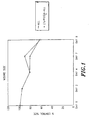
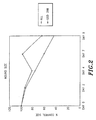
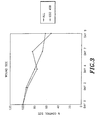
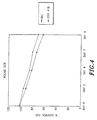
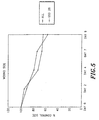
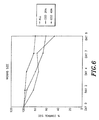
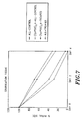
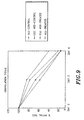
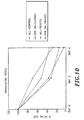
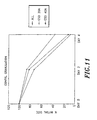
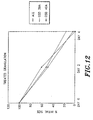
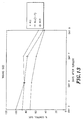
- Analogs of angiotensin Il and analogs of angiotensin II fragments having the structures disclosed herein were prepared using an automated peptide synthesizer and methods familiar to those having ordinary skill in the art. Each of the analogs was tested for its ability to accelerate wound healing according to the method described below. Results of procedures were used to determine the extent of wound closure at days 2, 4, 7 and 9, measured as a percentage of a vehicle-treated control wound. Since all of the analogs were not tested during the same experimental procedure, All was included as a positive control for each group of peptides tested.
- Example 2 describes the methods used to demonstrate that angiotensin analogs having the structures disclosed herein exhibited unexpectedly good activity in an in vivo wound healing assay.
- mice Female Sprague Dawley rats, 12 weeks old, were obtained from Simonsen Laboratories, Gilroy, California. On the day of surgery, the rats received intramuscular ketamine/rompum anesthesia prior to preparation for surgery. The rats were shaved and scrubbed with betadine. Two 1.5 x 1.5 cm full thickness dermal wounds were created on the dorsal surface of the rat. Following excision of the skin, the size of the wound was outlined on a glass slide, and the medicament was administered in 100 ⁇ l of 10% carboxymethyl cellulose in 0.05 M phosphate buffer (pH 7.2). The test materials were administered in a randomized fashion; all materials were tested at 100 ⁇ g/wound. Controls were treated with vehicle only.
- the rats were bandaged and allowed to recover from anesthesia.
- the medicaments were administered daily for the first five days after surgery.
- days 2, 4, 7 and 9 the area of the skin wounds was measured under methoxyflurane anesthesia (commercially available as Metofane from Pittman-Moore, Mundelein, Illinois).
- the area of the wound was determined by (1) tracing the wound shape onto graph paper (1 x 1 mm squares): (2) cutting out the shape; (3) weighing the paper and comparing the weight with a 1.5 x 1.5 cm paper cutout; and (4) counting the number of squares.
- days 2 and 4 the area of granulation tissue was similarly determined.
Landscapes
- Health & Medical Sciences (AREA)
- Chemical & Material Sciences (AREA)
- Life Sciences & Earth Sciences (AREA)
- General Health & Medical Sciences (AREA)
- Veterinary Medicine (AREA)
- Public Health (AREA)
- Animal Behavior & Ethology (AREA)
- Epidemiology (AREA)
- Engineering & Computer Science (AREA)
- Medicinal Chemistry (AREA)
- Organic Chemistry (AREA)
- Materials Engineering (AREA)
- Proteomics, Peptides & Aminoacids (AREA)
- Vascular Medicine (AREA)
- Dermatology (AREA)
- Bioinformatics & Cheminformatics (AREA)
- Pharmacology & Pharmacy (AREA)
- Molecular Biology (AREA)
- Biochemistry (AREA)
- Hematology (AREA)
- Immunology (AREA)
- Oral & Maxillofacial Surgery (AREA)
- Transplantation (AREA)
- Gastroenterology & Hepatology (AREA)
- Genetics & Genomics (AREA)
- Biophysics (AREA)
- General Chemical & Material Sciences (AREA)
- Chemical Kinetics & Catalysis (AREA)
- Nuclear Medicine, Radiotherapy & Molecular Imaging (AREA)
- Medicines That Contain Protein Lipid Enzymes And Other Medicines (AREA)
- Pharmaceuticals Containing Other Organic And Inorganic Compounds (AREA)
- Peptides Or Proteins (AREA)
- Medicinal Preparation (AREA)
Claims (22)
- Polypeptid mit einer Sequenz aus mindestens fünf aufeinanderfolgenden Aminosäuren einer allgemeinen Formel ausgewählt aus der Gruppe bestehend aus
R1 - Arg - Norleu - R3 - R4 - His - Pro - R5,
R1 - Arg - R2 - Homoser - R4 - His - Pro - R5 und
R1 - Arg - R2 - R3 - Norleu - His - Pro - R5,
wobei R1 H oder Asp ist;
R2 Val oder Norleu ist
R3 Tyr, Tyr (PO3)2 oder Homoser ist;
R4 Ile oder Norleu ist; und
R5 H, Phe oder Ile ist;
wobei wenn die allgemeine Formel
R1 - Arg - Norleu - R3 - R4 - His - Pro - R5 ist,
mindestens eines der Folgenden zutrifft,
R3 ist Homoser;
R4 ist Norleu; oder
R5 ist H oder Ile;
und wobei wenn die allgemeine Formel
R1 - Arg - R2 - R3 - Norleu - His - Pro - R5 ist,
mindestens eines der Folgenden zutrifft,
R2 ist Norleu;
R3 ist Homoser; oder
R5 ist H oder Ile. - Polypeptid nach Anspruch 1, wobei die allgemeine Formel R1 - Arg - Norleu - R3 - R4 - His - Pro - R5 ist.
- Polypeptid nach Anspruch 1, wobei die allgemeine Formel R1 - Arg - R2 - Homoser - R4 - His - Pro - R5 ist.
- Polypeptid nach Anspruch 1, wobei die allgemeine Formel R1 - Arg - R2 - R3 - Norleu- His - Pro - R5 ist.
- Polypeptid nach Anspruch 1, wobei das besagte Polypeptid eine Sequenz aus mindestens fünf aufeinanderfolgenden Aminosäuren einer Sequenz ausgewählt aus der Gruppe bestehend aus Asp-Arg-Val-Homoser-Ile-His-Pro-Phe (SEQ ID NR. 7) und Asp-Arg-Norleu-Tyr-Ile-His-Pro (SEQ ID Nr. 15) ist.
- Polypeptid nach Anspruch 1, wobei das Polypeptid die Sequenz Asp-Arg-Val-Homoser-Ile-His-Pro-Phe (SEQ ID NR. 7) hat.
- Polypeptid nach Anspruch 1, wobei das Polypeptid die Sequenz Asp-Arg-Norleu-Tyr-Ile-His-Pro (SEQ ID Nr. 15) hat.
- Polypeptid nach einem der Ansprüche 1-4, das eine Sequenz aus mindestens sieben aufeinanderfolgenden Aminosäuren hat.
- Polypeptid nach Anspruch 1, worin R5 H ist.
- Zusammensetzung zum Beschleunigen der Wundheilung, umfassend einen geeigneten Träger bzw. ein geeignetes Verdünnungsmittel und eine für die Beschleunigung der Wundheilung wirksame Menge mindestens eines Polypeptids nach einem der Ansprüche 1-9.
- Zusammensetzung nach Anspruch 10, wobei das mindestens ein Polypeptid in einer Matrixlösung oder mizellaren Lösung vorliegt.
- Zusammensetzung nach Anspruch 10 oder 11, wobei das Polypeptid der besagten allgemeinen Formel in dem besagten geeigneten Träger bzw. Verdünnungsmittel in einer Konzentration von 1 ng/ml - 5.000 µg/ml dispergiert ist.
- Zusammensetzung nach Anspruch 10 oder 11, wobei das Polypeptid der besagten allgemeinen Formel in dem besagten geeigneten Träger bzw. Verdünnungsmittel in einer Konzentration von 10-500 µg/ml dispergiertist.
- Zusammensetzung nach Anspruch 10 oder 11, wobei das Polypeptid der besagten allgemeinen Formel in dem besagten geeigneten Träger bzw. Verdünnungsmittel in einer Konzentration von 30-200 µg/ml dispergiert ist.
- Zusammensetzung nach Anspruch 10 oder 11, wobei das Polypeptid der besagten allgemeinen Formel in dem besagten geeigneten Träger bzw. Verdünnungsmittel in einer Konzentration von mindestens 30 µg/ml vorhanden ist.
- Zusammensetzung nach irgendeinem der Ansprüche 10-15, wobei der Träger bzw. das Verdünnungsmittel ausgewählt sind aus der Gruppe bestehend aus halbfestem Polyethylenglykol-Polymer, Carboxymethylcellulose-Zubereitungen, kristalloiden Zubereitungen, viskoelastischen Substanzen und Polypropylenglykolen.
- Zusammensetzung nach irgendeinem der Ansprüche 10-16, wobei das besagte mindestens ein Polypeptid auf einem Wundverband angeordnet ist.
- Polypeptid nach irgendeinem der Ansprüche 1-9, angeordnet auf einem Wundverband.
- Verwendung eines Polypeptids nach irgendeinem der Ansprüche 1-9 für die Herstellung eines Arzneimittels zur Beschleunigung der Wundheilung.
- Polypeptid nach irgendeinem der Ansprüche 1-9 für die Verwendung zur Beschleunigung der Wundheilung.
- Verwendung einer Zusammensetzung nach irgendeinem der Ansprüche 10-17 für die Herstellung eines Arzneimittels zur Beschleunigung der Wundheilung.
- Verwendung irgendeines der Ansprüche 19 und 21, wobei die Wunde ausgewählt ist aus der Gruppe bestehend aus Verbrennungen, chirurgischen Schnitten, Risswunden, Geschwüren und trauma-bedingten Wunden.
Applications Claiming Priority (3)
| Application Number | Priority Date | Filing Date | Title |
|---|---|---|---|
| US6966297P | 1997-12-12 | 1997-12-12 | |
| US69662P | 1997-12-12 | ||
| PCT/US1998/026347 WO1999031125A1 (en) | 1997-12-12 | 1998-12-11 | Wound healing compositions |
Publications (2)
| Publication Number | Publication Date |
|---|---|
| EP1036089A1 EP1036089A1 (de) | 2000-09-20 |
| EP1036089B1 true EP1036089B1 (de) | 2004-06-09 |
Family
ID=22090435
Family Applications (1)
| Application Number | Title | Priority Date | Filing Date |
|---|---|---|---|
| EP98963073A Expired - Lifetime EP1036089B1 (de) | 1997-12-12 | 1998-12-11 | Zusammensetzungen zur wundheilung |
Country Status (9)
| Country | Link |
|---|---|
| US (3) | US6165978A (de) |
| EP (1) | EP1036089B1 (de) |
| JP (1) | JP4347522B2 (de) |
| AT (1) | ATE268782T1 (de) |
| AU (1) | AU755225B2 (de) |
| CA (1) | CA2315266C (de) |
| DE (1) | DE69824445T2 (de) |
| TW (1) | TW542843B (de) |
| WO (1) | WO1999031125A1 (de) |
Families Citing this family (42)
| Publication number | Priority date | Publication date | Assignee | Title |
|---|---|---|---|---|
| US6528483B2 (en) | 1995-06-07 | 2003-03-04 | André Beaulieu | Method of producing concentrated non-buffered solutions of fibronectin |
| US7112320B1 (en) | 1995-06-07 | 2006-09-26 | Andre Beaulieu | Solid wound healing formulations containing fibronectin |
| US6335195B1 (en) * | 1997-01-28 | 2002-01-01 | Maret Corporation | Method for promoting hematopoietic and mesenchymal cell proliferation and differentiation |
| ATE268782T1 (de) * | 1997-12-12 | 2004-06-15 | Univ Southern California | Zusammensetzungen zur wundheilung |
| JP2002509077A (ja) | 1998-02-09 | 2002-03-26 | ユニヴァースティ オブ サザーン カリフォルニア | 赤血球形成促進方法 |
| WO1999058140A1 (en) * | 1998-05-11 | 1999-11-18 | University Of Southern California | Methods to increase white blood cell survival after chemotherapy |
| US6916783B2 (en) | 1998-07-13 | 2005-07-12 | University Of Southern California | Methods for accelerating bone and cartilage growth and repair |
| ATE250423T1 (de) | 1998-07-13 | 2003-10-15 | Univ Southern California | Verfahren zur beschleunigen den zuwachs und heilen von knochen und knorpel |
| AU755943B2 (en) | 1998-08-13 | 2003-01-02 | University Of Southern California | Methods to increase blood flow to ischemic tissue |
| US6730775B1 (en) | 1999-03-23 | 2004-05-04 | University Of Southern California | Methods for limiting scar and adhesion formation |
| US6821953B1 (en) | 1999-12-16 | 2004-11-23 | University Of Southern California | Methods for treating and preventing damage to mucosal tissue |
| WO2001055176A2 (en) * | 2000-01-27 | 2001-08-02 | University Of Southern California | Methods for inhibiting smooth muscle cell proliferation |
| US6747008B1 (en) | 2000-06-19 | 2004-06-08 | University Of Southern California | Methods for treating and preventing alopecia |
| AU2002308522A1 (en) * | 2001-05-01 | 2002-11-11 | University Of Southern California | Methods for inhibiting tumor cell proliferation |
| US7094252B2 (en) * | 2001-08-21 | 2006-08-22 | Cooltouch Incorporated | Enhanced noninvasive collagen remodeling |
| JP2005530768A (ja) | 2002-05-09 | 2005-10-13 | メディジーンズ | 血漿または血清を含有した創傷治療用医薬組成物 |
| DE10361306A1 (de) * | 2003-12-24 | 2005-07-28 | Lts Lohmann Therapie-Systeme Ag | Wundauflage und Wundschnellverband mit einem vasokonstriktorischen Inhaltsstoff, sowie Herstellungsverfahren hierfür |
| BRPI0602372B8 (pt) * | 2006-05-18 | 2021-06-22 | Einco Biomaterial Ltda | processo de preparação de compósitos em base de biocerâmicas e polímeros biodegradáveis e produto derivado |
| US20090227507A1 (en) * | 2008-03-10 | 2009-09-10 | University Of Southern California | Angiotensin (1-7) Dosage Forms and Uses Thereof |
| NZ594302A (en) * | 2008-12-29 | 2013-07-26 | Trevena Inc | Beta-arrestin effectors and compositions and methods of use thereof |
| WO2011120032A1 (en) * | 2010-03-26 | 2011-09-29 | University Of Southern California | Methods for treating combined radiation and thermal injury |
| US10279007B2 (en) | 2010-11-15 | 2019-05-07 | Oxygenetix Institute, Inc. | Topical treatment method for healing wounds, disinfecting, covering and concealing the wound until healing occurs |
| WO2012106427A2 (en) | 2011-02-02 | 2012-08-09 | University Of Southern California | Methods for treating diabetic foot ulcers |
| JP2015504870A (ja) * | 2011-12-16 | 2015-02-16 | タリックス ファーマシューティカルズ リミテッド | 線維症を処置するためのアンジオテンシン |
| WO2013116312A1 (en) | 2012-01-31 | 2013-08-08 | Trevena, Inc. | ß-ARRESTIN EFFECTORS AND COMPOSITIONS AND METHODS OF USE THEREOF |
| WO2013172956A1 (en) | 2012-05-14 | 2013-11-21 | University Of Southern California | Methods for limiting development of a skin wound |
| ES2834430T3 (es) | 2013-03-15 | 2021-06-17 | Univ Southern California | Procedimientos, compuestos y composiciones para el tratamiento de enfermedades relacionadas con la angiotensina |
| US9623084B2 (en) | 2013-03-15 | 2017-04-18 | University Of Southern California | Methods for treating multiple sclerosis |
| AU2014259948B2 (en) * | 2013-04-30 | 2019-04-18 | University Of Southern California | Accelerated healing of eye injuries by angiotensin peptides |
| AU2014284496A1 (en) | 2013-07-03 | 2016-01-21 | The Arizona Board Of Regents On Behalf Of The University Of Arizona | Method for treating cognitive dysfunction |
| US9518086B2 (en) | 2014-02-07 | 2016-12-13 | Trevena, Inc. | Crystalline and amorphous forms of a β-arrestin effector |
| AU2015264367A1 (en) | 2014-05-19 | 2016-12-15 | Trevena, Inc. | Synthesis of Beta-Arrestin Effectors |
| CN106535920B (zh) | 2014-07-21 | 2020-10-30 | 代表亚利桑那大学的亚利桑那校董会 | Ang-(1-7)衍生物寡肽及其使用和生产方法 |
| US10183055B2 (en) | 2014-07-21 | 2019-01-22 | Arizona Board Of Regents On Behalf Of The University Of Arizona | Ang-(1-7) derivative oligopeptides for the treatment of pain and other indications |
| WO2018002673A1 (en) | 2016-07-01 | 2018-01-04 | N4 Pharma Uk Limited | Novel formulations of angiotensin ii receptor antagonists |
| EP3548035A4 (de) | 2016-11-30 | 2020-07-22 | Case Western Reserve University | Kombinationen von 15-pgdh-inhibitoren mit corticosteroiden und/oder tnf-inhibitoren und verwendungen davon |
| CN110573154A (zh) | 2017-02-06 | 2019-12-13 | 卡斯西部储备大学 | 调节短链脱氢酶活性的组合物和方法 |
| WO2020106998A1 (en) | 2018-11-21 | 2020-05-28 | Case Western Reserve University | Compositions and methods of modulating short-chain dehydrogenase activity |
| KR102668789B1 (ko) | 2018-11-23 | 2024-05-24 | (주)메디코스바이오텍 | 창상치료용 약학조성물 |
| AU2021224268A1 (en) | 2020-02-21 | 2022-09-15 | Case Western Reserve University | Compositions and methods for treating renal injury |
| CR20220654A (es) | 2020-05-20 | 2023-08-24 | Rodeo Therapeutics Corp | Composiciones y métodos para modular la actividad de deshidrogenasas de cadena corta |
| AU2024381905A1 (en) | 2023-11-15 | 2026-06-25 | Xitra Therapeutics Gmbh | Small molecule modulators of mas and mrgd receptors |
Family Cites Families (10)
| Publication number | Priority date | Publication date | Assignee | Title |
|---|---|---|---|---|
| US5015629A (en) * | 1989-06-26 | 1991-05-14 | University Of Southern California | Tissue repair |
| EP1333034B1 (de) * | 1993-09-24 | 2010-07-14 | University Of Southern California | Verwendung von Angiotensin-II-Analogen zur Gewebewiederherstellung |
| PT730465E (pt) * | 1993-09-24 | 2002-06-28 | Univ Southern California | Utilizacao de angiotensina iii e de analogos desta em cicatrizacao de tecidos |
| US5955430A (en) * | 1993-09-24 | 1999-09-21 | University Of Southern California | Use of angiotensin II fragments and analogs thereof in tissue repair |
| US5834432A (en) * | 1995-06-06 | 1998-11-10 | The University Of Southern California | Use of angiotensin II Type 2 receptor agonists in tissue repair |
| US6110895A (en) * | 1996-12-16 | 2000-08-29 | University Of Southern California | Method of promoting healing in skin grafts |
| US6335195B1 (en) * | 1997-01-28 | 2002-01-01 | Maret Corporation | Method for promoting hematopoietic and mesenchymal cell proliferation and differentiation |
| AU6650098A (en) * | 1997-02-04 | 1998-08-25 | University Of Southern California | Method for accelerating healing of thermal injuries |
| ATE268782T1 (de) * | 1997-12-12 | 2004-06-15 | Univ Southern California | Zusammensetzungen zur wundheilung |
| AU755943B2 (en) * | 1998-08-13 | 2003-01-02 | University Of Southern California | Methods to increase blood flow to ischemic tissue |
-
1998
- 1998-12-11 AT AT98963073T patent/ATE268782T1/de not_active IP Right Cessation
- 1998-12-11 WO PCT/US1998/026347 patent/WO1999031125A1/en not_active Ceased
- 1998-12-11 US US09/210,249 patent/US6165978A/en not_active Expired - Lifetime
- 1998-12-11 CA CA002315266A patent/CA2315266C/en not_active Expired - Fee Related
- 1998-12-11 JP JP2000539048A patent/JP4347522B2/ja not_active Expired - Fee Related
- 1998-12-11 DE DE69824445T patent/DE69824445T2/de not_active Expired - Lifetime
- 1998-12-11 EP EP98963073A patent/EP1036089B1/de not_active Expired - Lifetime
- 1998-12-11 AU AU18177/99A patent/AU755225B2/en not_active Ceased
- 1998-12-14 TW TW087120706A patent/TW542843B/zh not_active IP Right Cessation
-
2000
- 2000-10-27 US US09/698,354 patent/US6455501B1/en not_active Expired - Lifetime
-
2002
- 2002-08-06 US US10/213,701 patent/US7022675B2/en not_active Expired - Lifetime
Also Published As
| Publication number | Publication date |
|---|---|
| JP4347522B2 (ja) | 2009-10-21 |
| US20030017970A1 (en) | 2003-01-23 |
| US6455501B1 (en) | 2002-09-24 |
| CA2315266A1 (en) | 1999-06-24 |
| DE69824445D1 (de) | 2004-07-15 |
| ATE268782T1 (de) | 2004-06-15 |
| EP1036089A1 (de) | 2000-09-20 |
| WO1999031125B1 (en) | 1999-08-19 |
| TW542843B (en) | 2003-07-21 |
| CA2315266C (en) | 2004-08-10 |
| JP2002508391A (ja) | 2002-03-19 |
| AU755225B2 (en) | 2002-12-05 |
| DE69824445T2 (de) | 2005-06-30 |
| US7022675B2 (en) | 2006-04-04 |
| AU1817799A (en) | 1999-07-05 |
| WO1999031125A1 (en) | 1999-06-24 |
| US6165978A (en) | 2000-12-26 |
Similar Documents
| Publication | Publication Date | Title |
|---|---|---|
| US6165978A (en) | Wound healing composition | |
| EP1275396B1 (de) | Verwendung von Angiotensin II Fragmenten und deren Analogen für Gewebewiederherstellung | |
| EP0730465B1 (de) | Die verwendung von angiotensin iii und seiner analoge für die gewebeheilung | |
| US6444646B1 (en) | Use of angiotensin II type 2 receptor agonists in tissue repair | |
| EP1333034B1 (de) | Verwendung von Angiotensin-II-Analogen zur Gewebewiederherstellung | |
| WO1996014858A9 (en) | Use of angiotensin ii fragments and analogs thereof in tissue repair | |
| AU758319B2 (en) | Use of angiotensin II fragments and analogs thereof in tissue repair | |
| MXPA97009983A (en) | The use of receptor agonists type 2 angiothesin ii in the preparation of compositions for the preparation of teji | |
| CN1187133A (zh) | 血管紧张素ⅱ2型受体激动剂在组织修复中的应用 |
Legal Events
| Date | Code | Title | Description |
|---|---|---|---|
| PUAI | Public reference made under article 153(3) epc to a published international application that has entered the european phase |
Free format text: ORIGINAL CODE: 0009012 |
|
| 17P | Request for examination filed |
Effective date: 20000626 |
|
| AK | Designated contracting states |
Kind code of ref document: A1 Designated state(s): AT BE CH CY DE DK ES FI FR GB GR IE IT LI LU MC NL PT SE |
|
| 17Q | First examination report despatched |
Effective date: 20010319 |
|
| GRAP | Despatch of communication of intention to grant a patent |
Free format text: ORIGINAL CODE: EPIDOSNIGR1 |
|
| GRAS | Grant fee paid |
Free format text: ORIGINAL CODE: EPIDOSNIGR3 |
|
| GRAA | (expected) grant |
Free format text: ORIGINAL CODE: 0009210 |
|
| AK | Designated contracting states |
Kind code of ref document: B1 Designated state(s): AT BE CH CY DE DK ES FI FR GB GR IE IT LI LU MC NL PT SE |
|
| PG25 | Lapsed in a contracting state [announced via postgrant information from national office to epo] |
Ref country code: NL Free format text: LAPSE BECAUSE OF FAILURE TO SUBMIT A TRANSLATION OF THE DESCRIPTION OR TO PAY THE FEE WITHIN THE PRESCRIBED TIME-LIMIT Effective date: 20040609 Ref country code: LI Free format text: LAPSE BECAUSE OF FAILURE TO SUBMIT A TRANSLATION OF THE DESCRIPTION OR TO PAY THE FEE WITHIN THE PRESCRIBED TIME-LIMIT Effective date: 20040609 Ref country code: FI Free format text: LAPSE BECAUSE OF FAILURE TO SUBMIT A TRANSLATION OF THE DESCRIPTION OR TO PAY THE FEE WITHIN THE PRESCRIBED TIME-LIMIT Effective date: 20040609 Ref country code: CY Free format text: LAPSE BECAUSE OF FAILURE TO SUBMIT A TRANSLATION OF THE DESCRIPTION OR TO PAY THE FEE WITHIN THE PRESCRIBED TIME-LIMIT Effective date: 20040609 Ref country code: CH Free format text: LAPSE BECAUSE OF FAILURE TO SUBMIT A TRANSLATION OF THE DESCRIPTION OR TO PAY THE FEE WITHIN THE PRESCRIBED TIME-LIMIT Effective date: 20040609 Ref country code: BE Free format text: LAPSE BECAUSE OF FAILURE TO SUBMIT A TRANSLATION OF THE DESCRIPTION OR TO PAY THE FEE WITHIN THE PRESCRIBED TIME-LIMIT Effective date: 20040609 Ref country code: AT Free format text: LAPSE BECAUSE OF FAILURE TO SUBMIT A TRANSLATION OF THE DESCRIPTION OR TO PAY THE FEE WITHIN THE PRESCRIBED TIME-LIMIT Effective date: 20040609 |
|
| REG | Reference to a national code |
Ref country code: GB Ref legal event code: FG4D |
|
| REG | Reference to a national code |
Ref country code: CH Ref legal event code: EP |
|
| REF | Corresponds to: |
Ref document number: 69824445 Country of ref document: DE Date of ref document: 20040715 Kind code of ref document: P |
|
| REG | Reference to a national code |
Ref country code: IE Ref legal event code: FG4D |
|
| PG25 | Lapsed in a contracting state [announced via postgrant information from national office to epo] |
Ref country code: SE Free format text: LAPSE BECAUSE OF FAILURE TO SUBMIT A TRANSLATION OF THE DESCRIPTION OR TO PAY THE FEE WITHIN THE PRESCRIBED TIME-LIMIT Effective date: 20040909 Ref country code: GR Free format text: LAPSE BECAUSE OF FAILURE TO SUBMIT A TRANSLATION OF THE DESCRIPTION OR TO PAY THE FEE WITHIN THE PRESCRIBED TIME-LIMIT Effective date: 20040909 Ref country code: DK Free format text: LAPSE BECAUSE OF FAILURE TO SUBMIT A TRANSLATION OF THE DESCRIPTION OR TO PAY THE FEE WITHIN THE PRESCRIBED TIME-LIMIT Effective date: 20040909 |
|
| PG25 | Lapsed in a contracting state [announced via postgrant information from national office to epo] |
Ref country code: ES Free format text: LAPSE BECAUSE OF FAILURE TO SUBMIT A TRANSLATION OF THE DESCRIPTION OR TO PAY THE FEE WITHIN THE PRESCRIBED TIME-LIMIT Effective date: 20040920 |
|
| NLV1 | Nl: lapsed or annulled due to failure to fulfill the requirements of art. 29p and 29m of the patents act | ||
| PG25 | Lapsed in a contracting state [announced via postgrant information from national office to epo] |
Ref country code: LU Free format text: LAPSE BECAUSE OF NON-PAYMENT OF DUE FEES Effective date: 20041211 |
|
| PG25 | Lapsed in a contracting state [announced via postgrant information from national office to epo] |
Ref country code: IE Free format text: LAPSE BECAUSE OF NON-PAYMENT OF DUE FEES Effective date: 20041213 |
|
| REG | Reference to a national code |
Ref country code: CH Ref legal event code: PL |
|
| PG25 | Lapsed in a contracting state [announced via postgrant information from national office to epo] |
Ref country code: MC Free format text: LAPSE BECAUSE OF NON-PAYMENT OF DUE FEES Effective date: 20041231 |
|
| ET | Fr: translation filed | ||
| PLBE | No opposition filed within time limit |
Free format text: ORIGINAL CODE: 0009261 |
|
| STAA | Information on the status of an ep patent application or granted ep patent |
Free format text: STATUS: NO OPPOSITION FILED WITHIN TIME LIMIT |
|
| 26N | No opposition filed |
Effective date: 20050310 |
|
| REG | Reference to a national code |
Ref country code: IE Ref legal event code: MM4A |
|
| PG25 | Lapsed in a contracting state [announced via postgrant information from national office to epo] |
Ref country code: PT Free format text: LAPSE BECAUSE OF NON-PAYMENT OF DUE FEES Effective date: 20041109 |
|
| REG | Reference to a national code |
Ref country code: FR Ref legal event code: PLFP Year of fee payment: 17 |
|
| PGFP | Annual fee paid to national office [announced via postgrant information from national office to epo] |
Ref country code: GB Payment date: 20150427 Year of fee payment: 17 Ref country code: DE Payment date: 20150528 Year of fee payment: 17 |
|
| PGFP | Annual fee paid to national office [announced via postgrant information from national office to epo] |
Ref country code: FR Payment date: 20150417 Year of fee payment: 17 Ref country code: IT Payment date: 20150428 Year of fee payment: 17 |
|
| REG | Reference to a national code |
Ref country code: DE Ref legal event code: R119 Ref document number: 69824445 Country of ref document: DE |
|
| GBPC | Gb: european patent ceased through non-payment of renewal fee |
Effective date: 20151211 |
|
| REG | Reference to a national code |
Ref country code: FR Ref legal event code: ST Effective date: 20160831 |
|
| PG25 | Lapsed in a contracting state [announced via postgrant information from national office to epo] |
Ref country code: DE Free format text: LAPSE BECAUSE OF NON-PAYMENT OF DUE FEES Effective date: 20160701 Ref country code: GB Free format text: LAPSE BECAUSE OF NON-PAYMENT OF DUE FEES Effective date: 20151211 |
|
| PG25 | Lapsed in a contracting state [announced via postgrant information from national office to epo] |
Ref country code: FR Free format text: LAPSE BECAUSE OF NON-PAYMENT OF DUE FEES Effective date: 20151231 |
|
| PG25 | Lapsed in a contracting state [announced via postgrant information from national office to epo] |
Ref country code: IT Free format text: LAPSE BECAUSE OF NON-PAYMENT OF DUE FEES Effective date: 20151211 |