EP1054064A1 - Von Adenovirus abgeleitete Gentransfervehikel, die zumindest ein Element des Adenovirus Typ 35 enthalten - Google Patents
Von Adenovirus abgeleitete Gentransfervehikel, die zumindest ein Element des Adenovirus Typ 35 enthalten Download PDFInfo
- Publication number
- EP1054064A1 EP1054064A1 EP00201738A EP00201738A EP1054064A1 EP 1054064 A1 EP1054064 A1 EP 1054064A1 EP 00201738 A EP00201738 A EP 00201738A EP 00201738 A EP00201738 A EP 00201738A EP 1054064 A1 EP1054064 A1 EP 1054064A1
- Authority
- EP
- European Patent Office
- Prior art keywords
- cells
- adenovirus
- digested
- gene delivery
- sequences
- Prior art date
- Legal status (The legal status is an assumption and is not a legal conclusion. Google has not performed a legal analysis and makes no representation as to the accuracy of the status listed.)
- Granted
Links
Images















Classifications
-
- C—CHEMISTRY; METALLURGY
- C12—BIOCHEMISTRY; BEER; SPIRITS; WINE; VINEGAR; MICROBIOLOGY; ENZYMOLOGY; MUTATION OR GENETIC ENGINEERING
- C12N—MICROORGANISMS OR ENZYMES; COMPOSITIONS THEREOF; PROPAGATING, PRESERVING, OR MAINTAINING MICROORGANISMS; MUTATION OR GENETIC ENGINEERING; CULTURE MEDIA
- C12N15/00—Mutation or genetic engineering; DNA or RNA concerning genetic engineering, vectors, e.g. plasmids, or their isolation, preparation or purification; Use of hosts therefor
- C12N15/09—Recombinant DNA-technology
- C12N15/63—Introduction of foreign genetic material using vectors; Vectors; Use of hosts therefor; Regulation of expression
- C12N15/79—Vectors or expression systems specially adapted for eukaryotic hosts
- C12N15/85—Vectors or expression systems specially adapted for eukaryotic hosts for animal cells
- C12N15/86—Viral vectors
- C12N15/861—Adenoviral vectors
-
- C—CHEMISTRY; METALLURGY
- C07—ORGANIC CHEMISTRY
- C07K—PEPTIDES
- C07K14/00—Peptides having more than 20 amino acids; Gastrins; Somatostatins; Melanotropins; Derivatives thereof
- C07K14/005—Peptides having more than 20 amino acids; Gastrins; Somatostatins; Melanotropins; Derivatives thereof from viruses
-
- A—HUMAN NECESSITIES
- A61—MEDICAL OR VETERINARY SCIENCE; HYGIENE
- A61P—SPECIFIC THERAPEUTIC ACTIVITY OF CHEMICAL COMPOUNDS OR MEDICINAL PREPARATIONS
- A61P43/00—Drugs for specific purposes, not provided for in groups A61P1/00-A61P41/00
-
- C—CHEMISTRY; METALLURGY
- C12—BIOCHEMISTRY; BEER; SPIRITS; WINE; VINEGAR; MICROBIOLOGY; ENZYMOLOGY; MUTATION OR GENETIC ENGINEERING
- C12N—MICROORGANISMS OR ENZYMES; COMPOSITIONS THEREOF; PROPAGATING, PRESERVING, OR MAINTAINING MICROORGANISMS; MUTATION OR GENETIC ENGINEERING; CULTURE MEDIA
- C12N15/00—Mutation or genetic engineering; DNA or RNA concerning genetic engineering, vectors, e.g. plasmids, or their isolation, preparation or purification; Use of hosts therefor
- C12N15/09—Recombinant DNA-technology
- C12N15/63—Introduction of foreign genetic material using vectors; Vectors; Use of hosts therefor; Regulation of expression
- C12N15/79—Vectors or expression systems specially adapted for eukaryotic hosts
- C12N15/85—Vectors or expression systems specially adapted for eukaryotic hosts for animal cells
- C12N15/86—Viral vectors
-
- A—HUMAN NECESSITIES
- A61—MEDICAL OR VETERINARY SCIENCE; HYGIENE
- A61K—PREPARATIONS FOR MEDICAL, DENTAL OR TOILETRY PURPOSES
- A61K39/00—Medicinal preparations containing antigens or antibodies
- A61K2039/51—Medicinal preparations containing antigens or antibodies comprising whole cells, viruses or DNA/RNA
- A61K2039/515—Animal cells
- A61K2039/5154—Antigen presenting cells [APCs], e.g. dendritic cells or macrophages
-
- A—HUMAN NECESSITIES
- A61—MEDICAL OR VETERINARY SCIENCE; HYGIENE
- A61K—PREPARATIONS FOR MEDICAL, DENTAL OR TOILETRY PURPOSES
- A61K48/00—Medicinal preparations containing genetic material which is inserted into cells of the living body to treat genetic diseases; Gene therapy
-
- C—CHEMISTRY; METALLURGY
- C07—ORGANIC CHEMISTRY
- C07K—PEPTIDES
- C07K2319/00—Fusion polypeptide
-
- C—CHEMISTRY; METALLURGY
- C07—ORGANIC CHEMISTRY
- C07K—PEPTIDES
- C07K2319/00—Fusion polypeptide
- C07K2319/70—Fusion polypeptide containing domain for protein-protein interaction
- C07K2319/74—Fusion polypeptide containing domain for protein-protein interaction containing a fusion for binding to a cell surface receptor
-
- C—CHEMISTRY; METALLURGY
- C12—BIOCHEMISTRY; BEER; SPIRITS; WINE; VINEGAR; MICROBIOLOGY; ENZYMOLOGY; MUTATION OR GENETIC ENGINEERING
- C12N—MICROORGANISMS OR ENZYMES; COMPOSITIONS THEREOF; PROPAGATING, PRESERVING, OR MAINTAINING MICROORGANISMS; MUTATION OR GENETIC ENGINEERING; CULTURE MEDIA
- C12N2710/00—MICROORGANISMS OR ENZYMES; COMPOSITIONS THEREOF; PROPAGATING, PRESERVING, OR MAINTAINING MICROORGANISMS; MUTATION OR GENETIC ENGINEERING; CULTURE MEDIA dsDNA viruses
- C12N2710/00011—Details
- C12N2710/10011—Adenoviridae
- C12N2710/10311—Mastadenovirus, e.g. human or simian adenoviruses
- C12N2710/10322—New viral proteins or individual genes, new structural or functional aspects of known viral proteins or genes
-
- C—CHEMISTRY; METALLURGY
- C12—BIOCHEMISTRY; BEER; SPIRITS; WINE; VINEGAR; MICROBIOLOGY; ENZYMOLOGY; MUTATION OR GENETIC ENGINEERING
- C12N—MICROORGANISMS OR ENZYMES; COMPOSITIONS THEREOF; PROPAGATING, PRESERVING, OR MAINTAINING MICROORGANISMS; MUTATION OR GENETIC ENGINEERING; CULTURE MEDIA
- C12N2710/00—MICROORGANISMS OR ENZYMES; COMPOSITIONS THEREOF; PROPAGATING, PRESERVING, OR MAINTAINING MICROORGANISMS; MUTATION OR GENETIC ENGINEERING; CULTURE MEDIA dsDNA viruses
- C12N2710/00011—Details
- C12N2710/10011—Adenoviridae
- C12N2710/10311—Mastadenovirus, e.g. human or simian adenoviruses
- C12N2710/10341—Use of virus, viral particle or viral elements as a vector
- C12N2710/10343—Use of virus, viral particle or viral elements as a vector viral genome or elements thereof as genetic vector
-
- C—CHEMISTRY; METALLURGY
- C12—BIOCHEMISTRY; BEER; SPIRITS; WINE; VINEGAR; MICROBIOLOGY; ENZYMOLOGY; MUTATION OR GENETIC ENGINEERING
- C12N—MICROORGANISMS OR ENZYMES; COMPOSITIONS THEREOF; PROPAGATING, PRESERVING, OR MAINTAINING MICROORGANISMS; MUTATION OR GENETIC ENGINEERING; CULTURE MEDIA
- C12N2710/00—MICROORGANISMS OR ENZYMES; COMPOSITIONS THEREOF; PROPAGATING, PRESERVING, OR MAINTAINING MICROORGANISMS; MUTATION OR GENETIC ENGINEERING; CULTURE MEDIA dsDNA viruses
- C12N2710/00011—Details
- C12N2710/10011—Adenoviridae
- C12N2710/10311—Mastadenovirus, e.g. human or simian adenoviruses
- C12N2710/10341—Use of virus, viral particle or viral elements as a vector
- C12N2710/10345—Special targeting system for viral vectors
-
- C—CHEMISTRY; METALLURGY
- C12—BIOCHEMISTRY; BEER; SPIRITS; WINE; VINEGAR; MICROBIOLOGY; ENZYMOLOGY; MUTATION OR GENETIC ENGINEERING
- C12N—MICROORGANISMS OR ENZYMES; COMPOSITIONS THEREOF; PROPAGATING, PRESERVING, OR MAINTAINING MICROORGANISMS; MUTATION OR GENETIC ENGINEERING; CULTURE MEDIA
- C12N2810/00—Vectors comprising a targeting moiety
- C12N2810/50—Vectors comprising as targeting moiety peptide derived from defined protein
- C12N2810/60—Vectors comprising as targeting moiety peptide derived from defined protein from viruses
- C12N2810/6009—Vectors comprising as targeting moiety peptide derived from defined protein from viruses dsDNA viruses
- C12N2810/6018—Adenoviridae
Definitions
- the present invention relates to the field of gene therapy, in particular gene therapy involving elements derived from viruses, more in particular elements of adenoviruses.
- Adenoviruses have been proposed as suitable vehicles to deliver genes to the host.
- adenoviruses that make them particularly useful for the development of gene-transfer vectors for human gene therapy:
- adenoviral vectors as gene delivery vehicles.
- a serotype is defined on the basis of its immunological distinctiveness as determined by quantitative neutralization with animal antisera (horse, rabbit). If neutralization shows a certain degree of cross-reaction between two viruses, distinctiveness of serotype is assumed if A) the hemagglutinins are unrelated, as shown by lack of cross-reaction on hemagglutination-inhibition, or B) substantial biophysical/ biochemical differences in DNA exist (Francki et al, 1991).
- adenovirus serotypes 5 and type 2 Ad5 and Ad2
- Ad5 and Ad2 immunologically related serotypes.
- these two serotypes are also the most extensively studied for use in human gene therapy. from other (adeno) viruses, as long as one replaces an element which could lead to immunity against such a gene delivery vehicle by an element of adenovirus 35 or a functional homologue thereof, which has less of such a drawback and which preferably avoids such a drawback.
- a gene delivery vehicle is any vehicle that is capable of delivering a nucleic acid of interest to a host cell.
- adenovirus 35 or a functional equivalent of such an element, which must have a beneficial effect regarding the immune response against such a vehicle.
- all other elements making up the vehicle can be any elements known in the art or developed in the art, as long as together they are capable of delivering said nucleic acid of interest.
- the person skilled in the art can use and/or produce any adenoviral products or production systems that can or have been applied in the adenoviral field.
- the products of the invention can be made in the packaging cells useable for e.g. adenovirus 5, typically the vectors based on adenovirus 35 can be produced and/or used in the same manner as those of other adenoviruses e.g. adenovirus 2 and/or 5.
- adenovirus 5 typically the vectors based on adenovirus 35 can be produced and/or used in the same manner as those of other adenoviruses e.g. adenovirus 2 and/or 5.
- PCT/NL99/00235 and PCT/NL96/00244 are good overview of the possibilities of minimal vectors, packaging systems, intracellular amplification, vector and plasmid based systems.
- Non-viral delivery systems can also be provided with elements according to the invention as can viral delivery systems.
- Gene delivery vehicles typically contain a nucleic acid of interest.
- a nucleic acid of interest can be a gene or a functional part of a gene (wherein a gene is any nucleic acid which can be expressed) or a precursor of a gene or a transcribed gene on any nucleic acid level (DNA and/or RNA: double or single stranded).
- Genes of interest are well known in the art and typically include those encoding therapeutic proteins such as TPA, EPO, cytokines, antibodies or derivatives thereof, etc. An overview of therapeutic proteins to be applied in gene therapy are listed below.
- antagonists of inflammation promoting cytokines may be used, for example IL-1RA(receptor antagonist) and soluble receptors like sIL-1RI, sIL-1RII, sTNFRI and sTNFRII.
- Growth and/or immune response inhibiting genes such as ceNOS, Bcl3, cactus and I ⁇ B ⁇ , ⁇ or ⁇ and apoptosis inducing proteins like the VP3 protein of chicken anemia virus may also be used.
- suicide genes like HSV-TK, cytosine deaminase, nitroreductase and linamerase may be used.
- a nucleic acid of interest may also be a nucleic acid which can hybridise with a nucleic acid sequence present in the host cell thereby inhibiting expression or transcription or translation of said nucleic acid. It may also block through cosuppression.
- a nucleic acid of interest is any nucleic acid that one may wish to provide a cell with in order to induce a response by that cell, which response may be production of a protein, inhibition of such production, apoptosis, necrosis, proliferation, differentation etc.
- the present invention is the first to disclose adenovirus 35 or a functional homologue thereof for therapeutical use, therefor the invention also provides an adenovirus serotype 35 or a functional homologue thereof or a chimaeric virus derived therefrom, or a gene delivery vehicle based on said virus its homologue or its chimaera for use as a pharmaceutical.
- the serotype of the present invention, adenovirus type 35 is in itself known in the art. It is an uncommon group B adenovirus that was isolated from patients with acquired immunodeficiency syndrome and other immunodeficiency disorders (Flomenberg et al ., 1987; De Jong et al ., 1983).
- Ad 35 has been shown to differ from the more fully characterized subgroup C (including Ad2 and Ad5) with respect to pathogenic properties (Basler et al ., 1996). It has been suggested that this difference may be correlated with differences in the E3 region of the Ad35 genome (Basler et al ., 1996).
- the DNA of Ad35 has been partially cloned and mapped (Kang et al ., 1989a and b; Valderrama-Leon et al ., 1985).
- B type adenovirus serotypes such as 34 and 35 have a different E3 region than other serotypes. Typically this region is involved in suppressing immune response to adenoviral products.
- said elements involved in avoiding or diminishing immune response comprise adenovirus 35 E3 expression products or the genes encoding them or functional equivalents of either or both.
- the invention also provides a gene delivery vehicle according to the invention whereby the elements comprise at least one adenovirus 35 capsid protein or functional part thereof, such as fiber, penton and/or hexon proteins or a gene encoding at least one of them. It is not necessary that a whole protein relevant for immune response is of adenovirus 35 (or a functional homologue thereof) origin. It is very well possible to insert a part of an adenovirus fiber, penton or hexon protein into another fiber, penton or hexon. Thus chimaeric proteins are obtained.
- the invention provides a gene delivery according to the invention, which is a chimaera of adenovirus 35 with at least one other adenovirus. In this way one can also modify the resulting virus in other aspects then the immune response alone.
- the invention e.g. provides a gene delivery vehicle according to the invention which has a different tropism than adenovirus 35.
- the tropism should be altered preferably such that the gene delivery vehicle is delivered preferentially to a subset of the host's cells, i.e. the target cells.
- Changes in tropism and other changes which can also be applied in the present invention of adenoviral or other gene delivery vehicles are disclosed in applicant's copending applications (nos. 98204482.8, 99200624.7 and 98202297.2) incorporated herein by reference.
- the present application also provides any and all building blocks necessary and/or useful to get to the gene delivery vehicles and/or the chimaeras, etc. of the present invention.
- packaging cells such as PER.C6 (ECACC deposit number 96022940) or cells based thereon, but adapted for Ad35 or a functional homologue thereof; it also includes any nucleic acids encoding functional parts of adenovirus 35 or a functional homologue thereof, such as helper constructs and packaging constructs, as well as vectors comprising genes of interest and e.g. an ITR, etc.
- the invention also provides a nucleic acid encoding at least a functional part of a gene delivery vehicle according to the invention, or a virus, homologue or chimaera thereof according to the invention.
- such elements which encode functions that will end up in the resulting gene delivery vehicle must comprise or be encoded by a nucleic acid encoding at least one of the adenovirus serotype 35 elements or a functional equivalent thereof, responsible for avoiding or deminishing neutralising activity against adenoviral elements by the host to which the gene is to be delivered.
- the gene of interest would be present on the same nucleic acid which means that such a nucleic acid has such a gene or that it has a site for introducing a gene of interest therein.
- such a nucleic acid also comprises at least one ITR and if it is a nucleic acid to be packaged also a packaging signal.
- PCT/NL96/00244 A set of further improvements in the field of producing adenoviral gene delivery vehicles is applicant's plasmid system disclosed in PCT/NL99/00235 mentioned herein before. This system works in one embodiment as a homologous recombination of an adapter plasmid and a longer plasmid, together comprising all elements of the nucleic acid to be incorporated in the gene delivery vehicle. These methods can also be applied to the presently invented gene delivery vehicles and their building elements.
- the invention also provides a nucleic acid according to the invention further comprising a region of nucleotides designed or useable for homologous recombination, preferably as part of at least one set of two nucleic acids comprising a nucleic acid according to the invention, whereby said set of nucleic acids is capable of a single homologous recombination event with each other, which leads to a nucleic acid encoding a functional gene delivery vehicle.
- both empty packaging cells in which the vector to be packaged to make a gene delivery vehicle according to the invention still has to be introduced or produced
- cells comprising a vector according to the invention to be packaged are provided.
- the invention also encompasses a cell comprising a nucleic acid according to the invention or a set of nucleic acids according to the invention, preferably a cell which complements the necessary elements for adenoviral replication which are absent from the nucleic acid according to be packaged, or from a set of nucleic acids according to the invention.
- E1-deleted adenovirus 35 vectors are not capable of replication on cells that provide adenovirus 5 proteins in trans .
- the invention therefore further provides a cell capable of providing adenovirus 35 E1 proteins in trans.
- a cell is typically a human cell derived from the retina or the kidney.
- Embryonal cells such as amniocytes, have been shown to be particularly suited for the generation of an E1 complementing cell line.
- Serotype specific complementation by E1 proteins can be due to one or more protein(s) encoded by the E1 region. It is therefor essential that at least the serotype specific protein is provided in trans in the complementing cell line.
- the non-serotype specific E1 proteins essential for effective complementation of an E1-deleted adenovirus can be derived from other adenovirus serotpyes.
- at least an E1 protein from the E1B region of adenovirus 35 is provided in trans to complement E1-deleted adenovirus 35 based vectors.
- nucleic acid encoding the one or more serotype specific E1-proteins is introduced into the PER.C6 cell or a cell originating from a PER.C6 cell (ECACC deposit number 96022940), or a similar packaging cell complementing with elements from Ad 35 or a functional homologue thereof.
- a method for producing a gene delivery vehicle according to the invention comprising expressing a nucleic acid according to the invention in a cell according to the invention and harvesting the resulting gene delivery vehicle.
- the above refers to the filling of the empty packaging cell with the relevant nucleic acids.
- the format of the filled cell is of course also part of the present invention, which provides a method for producing a gene delivery vehicle according to the invention, comprising culturing a filled packaging cell (producer cell) according to the invention in a suitable culture medium and harvesting the resulting gene delivery vehicle.
- the resulting gene delivery vehicles obtainable by any method according to the invention are of course also part of the present invention, particularly also a gene delivery vehicle according to the invention, which is derived from a chimaera of an adenovirus and an integrating virus.
- adenoviral gene delivery vehicles do not integrate into the host genome normally.
- chimaeras which do have that capability.
- Such chimaeras have been disclosed in our copending application PCT/NL98/00731 incorporated herein by reference.
- chimaeras which can also be combined with the above are chimaeras (be it in swapping whole proteins or parts thereof or both) which have altered tropism.
- a very good example thereof is a chimaera of Ad 35 and Ad 16, possibly with elements from for instance Ad 2 or Ad 5, wherein the tropism determining part of Ad 16 or a functional equivalent thereof is used to direct the gene delivery vehicle to synoviocytes and/or smooth muscle cells (see our copending applications nos. 98204482.8 and 99200624.7) incorporated herein by reference).
- Dendritic cells (DC) and hemopoietic stem cells (HSC) are not easily transduced with Ad2 or Ad5 derived gene delivery vehicles.
- the present invention provides gene delivery vehicles that posses increased transduction capacity of DC and HSC cells.
- Such gene delivery vehicles at least comprises the tissue tropism determining part of an Ad35 adenovirus.
- the invention therefore further provides the use of a tissue tropism determining part of an adenovirus 35 capsid for transducing dendritic cells and/or hemopoietic stem cells.
- Other B-type adenoviruses are also suited.
- a tissue tropism determining part comprises at least the knob and/or the shaft of a fiber protein.
- Such knowledge can be used to devise chimearic proteins comprising such amino acid sequences.
- Such chimaeric proteins are therefor also part of the invention.
- DC cells are very efficient antigen presenting cells.
- the immune system of the host can be triggered to toward specific antigens.
- antigens can be encoded by nucleic acid delivered to the DC or by the proteins of the gene delivery vehicle it self.
- the present invention therefor also provides a gene delivery vehicle with the capacity to evade to host immune system as a vaccine.
- the vector being capable to evade the immune system long enough to efficiently find it target cells and at the same time capable of delivering specific antigens to antigen presenting cells thereby allowing the induction and/or stimulation of an efficient immune responses toward the specific antigen(s).
- the gene delivery vehicle may comprise proteins and/or nucleic encoding such proteins capable of modulating an immune response.
- the invention therefore further provides a vaccine comprising a gene delivery vehicle of the invention.
- the invention further provides an adenovirus vector with the capacity to efficiently transduce DC and/or HSC, the vehicle comprising at least a tissue tropism determing part of serotype 35 adenvirus.
- the invention further provides the use of such delivery vehicles for the transduction of HSC and/or DC cells.
- tissue tropisms are found among other adenoviruses of serotype B, particularly in serotype 11 and are also part of the invention.
- Such gene delivery vehicles are therefor also part of the invention.
- the gene delivery vehicles according to the invention can be used to deliver genes or nucleic acids of interest to host cells. This will typically be a pharmaceutical use. Such a use is included in the present invention. Compositions suitable for such a use are also part of the present invention.
- the amount of gene delivery vehicle that needs to be present per dose or per infection (m.o.i) will depend on the condition to be treated, the route of administration (typically parenteral) the subject and the efficiency of infection, etc. Dose finding studies are well known in the art and those already performed with other (adenoviral) gene delivery vehicles can typically be used as guides to find suitable doses of the gene delivery vehicles according to the invention.
- the invention also provides a pharmaceutical formulation comprising a gene delivery vehicle according to the invention and a suitable excipient, as well as a pharmaceutical formulation comprising an adenovirus, a chimaera thereof, or a functional homologue thereof according to the invention and a suitable excipient.
- the present invention provides the use of at least elements of a serotype and functional homologues thereof of adenovirus which are very suitable as gene therapy vectors.
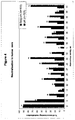
- the present invention also discloses an automated high-throughput screening of all known adenovirus serotypes against sera from many individuals. Surprisingly, no neutralizing ability was found in any of the sera that were evaluated against one particular serotype, adenovirus 35 (Ad35). This makes the serotype of the present invention extremely useful as a vector system for gene therapy in man.
- Such vector system is capable of efficiently transferring genetic material to a human cell without the inherent problem of pre-exisiting immunity.
- a virus is produced using an adenoviral vector (typically a plasmid, a cosmid or baculovirus vector).
- adenoviral vector typically a plasmid, a cosmid or baculovirus vector.
- the invention also provides adenovirus derived vectors that have been rendered replication defective by deletion or inactivation of the E1 region.
- a gene of interest can be inserted at for instance the site of E1 of the original adenovirus from which the vector is derived.
- the adenoviruses may contain deletions in the E1 region and insertions of heterologous genes linked either or not to a promoter. Furthermore, the adenoviruses may contain deletions in the E2, E3 or E4 regions and insertions of heterologous genes linked to a promoter. In these cases, E2 and/or E4 complementing cell lines are required to generate recombinant adenoviruses.
- Ad35 serotype itself for the preparation of recombinant adenoviruses to be used in gene therapy.
- elements derived from the serotype of the present invention in such recombinant adenoviruses.
- One may for instance develop a chimaeric adenovirus that combines desirable properties from different serotypes.
- Some serotypes have a somewhat limited host range, but have the benefit of being less immunogenic, some are the other way round. Some have a problem of being of a limited virulence, but have a broad host range and/or a reduced immunogenicity.
- the invention provides a chimaeric adenovirus comprising at least a part of the adenovirus genome of the present serotype, providing it with absence of pre-existing immunity, and at least a part of the adenovirus genome from another adenovirus serotype resulting in a chimaeric adenovirus.
- the chimaeric adenovirus produced is such that it combines the absence of pre-existing immunity of the serotype of the present invention, to other characteristics of another serotype.
- characteristics may be temperature stability, assembly, anchoring, redirected infection, production yield, redirected or improved infection, stability of the DNA in the target cell, etc.
- a packaging cell will generally be needed in order to produce sufficient amount of adenoviruses.
- several cell lines are available. These include but are not limited to the known cell lines PER.C6 (ECACC deposit number 96022940), 911, 293, and E1 A549.
- An important feature of the present invention is the means to produce the adenovirus.
- Such a cell is usually called a packaging cell.
- the invention thus also provides a packaging cell for producing an adenovirus (a gene delivery vehicle) according to the invention, comprising in trans all elements necessary for adenovirus production not present on the adenoviral vector according to the invention.
- vector and packaging cell have to be adapted to one another in that they have all the necessary elements, but that they do not have overlapping elements which lead to replication competent virus by recombination.
- the invention also provides a kit of parts comprising a packaging cell according to the invention and a recombinant vector according the invention whereby there is essentially no sequence overlap leading to recombination resulting in the production of replication competent adenovirus between said cell and said vector.
- the invention provides methods for producing adenovirus, which upon application will escape pre-existing humoral immunity, comprising providing a vector with elements derived from an adenovirus serotype against which virtually no natural immunity exists and transfecting said vector in a packaging cell according to the invention and allowing for production of viral particles.
- this invention describes the use of the adenovirus serotype of the present invention to overcome natural existing or induced, neutralising host activity towards adenoviruses administered in vivo for therapeutic applications.
- the need for a new serotype is stressed by observations that 1) repeated systemic delivery of recombinant adenovirus serotype 5 is unsuccessful due to formation of high titers of neutralising antibodies against the recombinant adenovirus serotype 5 (Schulick et al, 1997), and 2) pre-existing or humoral immunity is widespread in the population.
- this invention provides the use of gene delivery vehicles of the invention or the use of adenovirus serotype 35 for vaccination purposes. Such use prevents at least in part undesired immune responses of the host.
- undesired immune responses are evoking an immune response against the gene delivery vehicle or adenovirus serotype 35 and/or boosting of an immune response against the gene delivery vehicle or adenovirus serotype 35.
- alternating use is made of Ad vectors belonging to different subgroups. This aspect of the invention therefore circumvents the inability to repeat the administration of an adenovirus for gene therapy purposes.
- a panel of 100 individuals was selected. Volunteers (50% male, 50% female) were healthy individuals between 20 and 60 years old with no restriction for race. All volunteers signed an informed consent form. People professionally involved in adenovirus research were excluded.
- Serum was thawed and heat-inactivated at 56°C for 10 minutes and then aliquotted to prevent repeated cycles of freeze/thawing. Part was used to make five steps of twofold dilutions in medium (DMEM, Gibco BRL) in a quantity enough to fill out approximately 70 96-well plates. Aliquots of undiluted and diluted sera were pipetted in deep well plates (96-well format) and using a programmed platemate dispensed in 100 ⁇ l aliquots into 96-well plates.
- DMEM medium
- S1/2 to S8/2 in columns 1 and 6 represent 1x diluted sera and Sx/4, Sx/8, Sx/16 and Sx/32 the twofold serial dilutions.
- the last plates also contained four wells filled with 100 ⁇ l foetal calf serum as a negative control. Plates were kept at -20°C until further use.
- Prototypes of all known human adenoviruses were inoculated on T25 flasks seeded with PER.C6 cells (ECACC deposit number 96022940) (Fallaux et al ., 1998) and harvested upon full CPE. After freeze/thawing 1-2 ml of the crude lysates was used to inoculate a T80 flask with PER.C6 cells (ECACC deposit number 96022940) and virus was harvested at full CPE. The timeframe between inoculation and occurrence of CPE as well as the amount of virus needed to re-infect a new culture, differed between serotypes.
- Adenovirus stocks were prepared by freeze/thawing and used to inoculate 3-4 T175 cm 2 three-layer flasks with PER.C6 cells (ECACC deposit number 96022940). Upon occurrence of CPE, cells were harvested by tapping the flask, pelleted and virus was isolated and purified by a two step CsCl gradient as follows. Cell pellets were dissolved in 50 ml 10 mM NaPO 4 buffer (pH 7.2) and frozen at -20°C. After thawing at 37°C, 5.6 ml sodium deoxycholate (5% w/v) was added. The solution was mixed gently and incubated for 5-15 minutes at 37°C to completely lyse the cells.
- the virus band is isolated after which a second purification using a 1M Tris/HCl buffered continues gradient of 1.33 gr/ml of cesiumchloride was performed. The virus was then centrifuged for 17 hours at 55000 rpm at 10°C. The virus band is isolated and sucrose (50 % w/v) is added to a final concentration of 1%. Excess cesiumchloride is removed by dialysis (three times 1 hr at RT) in dialysis slides (Slide-a-lizer, cut off 10000 kDa, Pierce, USA) against 1.5 ltr PBS supplemented with CaCl 2 (0.9 mM), MgCl 2 (0.5mM) and an increasing concentration of sucrose (1, 2, 5%). After dialysis, the virus is removed from the slide-a-lizer after which it is aliquoted in portions of 25 and 100 ⁇ l upon which the virus is stored at -85°C.
- HPLC high-pressure liquid chromatograph
- Viruses were eluted using an NaCl gradient ranging from 0 to 600 mM. As depicted in table I, the NaCl concentration by which the viruses were eluted differed significantly among serotypes.
- adenovirus type 8 and 40 were grown on 911-E4 cells (He et al ., 1998). Purified stocks contained between 5x10 10 and 5x10 12 virus particles/ml (VP/ml; see table I).
- Adenoviruses were titrated on PER.C6 cells (ECACC deposit number 96022940) to determine the amount of virus necessary to obtain full CPE in five days, the length of the neutralisation assay.
- 100 ⁇ l medium was dispensed into each well of 96-well plates.
- 25 ⁇ l of adenovirus stocks prediluted 10 4 , 10 5 , 10 6 or 10 7 times were added to column 2 of a 96-well plate and mixed by pipetting up and down 10 times. Then 25 ⁇ l was brought from column 2 to column 3 and again mixed. This was repeated until column 11 after which 25 ⁇ l from column 11 was discarded. This way serial dilutions in steps of 5 were obtained starting off from a prediluted stock.
- 3x10 4 PER.C6 cells (ECACC deposit number 96022940) were added in a 100 ⁇ l volume and the dates were incubated at 37 °C, 5% CO 2 for five or six days. CPE was monitored microscopically. The method of Reed and Muensch was used to calculate the cell culture inhibiting dose 50% (CCID50).
- 96-well plates with diluted human serum samples were thawed at 37 °C, 5% CO 2 .
- Adenovirus stocks diluted to 200 CCID50 per 50 ⁇ l were prepared and 50 ⁇ l aliquots were added to columns 1-11 of the plates with serum. Plates were incubated for 1 hour at 37°C, 5% CO 2 .
- 50 ⁇ l PER.C6 cells ECACC deposit number 96022940
- 6x10 5 /ml were dispensed in all wells and incubated for 1 day at 37 °C, 5% CO 2 .
- Supernatant was removed using fresh pipet tips for each row and 200 ⁇ l fresh medium was added to all wells to avoid toxic effects of the serum.
- Plates were incubated for another 4 days at 37 °C, 5% CO 2 .
- parallel control plates were set up in duplo with diluted positive control sera generated in rabbits and specific for each serotype to be tested in rows A and B and with negative control serum (FCS) in rows C and D.
- FCS negative control serum
- E-H a titration was performed as described above with steps of five times dilutions starting with 200 CCID50 of each virus to be tested.
- On day 5 one of the control plates was analysed microscopically and with the MTT assay. The experimental titer was calculated from the control titration plate observed microscopically.
- CPE CPE was found to be complete, i.e. the first dilution in the control titration experiment analysed by MTT shows clear cell death, all assay plates were processed. If not, the assay was allowed to proceed for one or more days until full CPE was apparent after which all plates were processed. In most cases the assay was terminated at day 5. For Ad1, 5, 33, 39, 42 and 43 the assay was left for six days and for Ad2 for eight days.
- a serum sample is regarded to be non-neutralising when at the highest serum concentration a maximum protection is seen of 40% compared to the controls without serum.
- recombinant E1-deleted adenoviruses based on Ad35 or one of the other above mentioned serotypes have an important advantage compared to recombinant vectors based on Ad5 with respect to clearence of the viruses by neutralising antibodies.
- Ad5-based vectors that have (parts of) the capsid proteins involved in immunogenic response of the host replaced by the corresponding (parts of) the capsid proteins of Ad35 or one of the other serotypes will be less, or even not, neutralised by the vast majority of human sera.
- the VP/CCID50 ratio calculated from the virus particles per ml and the CCID50 obtained for each virus in the experiments was highly variable and ranged from 0.4 to 5 log. This is probably caused by different infection efficiencies of PER.C6 cells (ECACC deposit number 96022940) and by differences in replication efficiency of the viruses. Furthermore, differences in batch qualities may play a role.
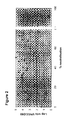
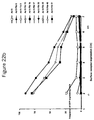
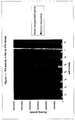
- a high VP/CCID50 ratio means that more virus was put in the wells to obtain CPE in 5 days. As a consequence the outcome of the neutralisation study might be biased since more (inactive) virus particles could shield the antibodies. To check whether this phenomenon had taken place, the VP/CCID50 ratio was plotted against the percentage of serum samples found positive in the assay ( Figure 2). The graph clearly shows that there is no negative correlation between the amount of viruses in the assay and neutralisation in serum.
- Ad5 plasmid vectors for the production of recombinant viruses and easy manipulation of adenoviral genes
- wild-type human adenovirus type 5 (Ad5) DNA was treated with Klenow enzyme in the presence of excess dNTPs. After inactivation of the Klenow enzyme and purification by phenol/chloroform extraction followed by ethanol precipitation, the DNA was digested with BamHI. This DNA preparation was used without further purification in a ligation reaction with pBr322 derived vector DNA prepared as follows: pBr322 DNA was digested with EcoRV and BamHI, dephosphorylated by treatment with TSAP enzyme (Life Technologies) and purified on LMP agarose gel (SeaPlaque GTG). After transformation into competent E.coli DH5 ⁇ (Life Techn.) and analysis of ampiciline resistant colonies, one clone was selected that showed a digestion pattern as expected for an insert extending from the BamHI site in Ad5 to the right ITR.
- Ad5 wild-type human adenovirus type 5
- pBr/Ad.Bam-rITR was digested with BamHI and SalI.
- the vector fragment including the adenovirus insert was isolated in LMP agarose (SeaPlaque GTG) and ligated to a 4.8 kb SalI-BamHI fragment obtained from wt Ad5 DNA and purified with the Geneclean II kit (Bio 101, Inc.).
- One clone was chosen and the integrity of the Ad5 sequences was determined by restriction enzyme analysis.
- Clone pBr/Ad.Sal-rITR contains adeno type 5 sequences from the SalI site at bp 16746 up to and including the rITR (missing the most 3' G residue).
- wt Adeno type 5 DNA was digested with ClaI and BamHI, and the 20.6 kb fragment was isolated from gel by electro-elution.
- pBr322 was digested with the same enzymes and purified from agarose gel by Geneclean. Both fragments were ligated and transformed into competent DH5 ⁇ .
- the resulting clone pBr/Ad.Cla-Bam was analysed by restriction enzyme digestion and shown to contain an insert with adenovirus sequences from bp 919 to 21566.
- Clone pBr/Ad.Cla-Bam was linearized with EcoRI (in pBr322) and partially digested with AflII. After heat inactivation of AflII for 20' at 65°C the fragment ends were filled in with Klenow enzyme.
- the DNA was then ligated to a blunt double stranded oligo linker containing a PacI site (5'-AATTGTC TTAATTAA CCGCTTAA-3'). This linker was made by annealing the following two oligonucleotides: 5'-AATTGTCTTAATTAACCGC-3' and 5'-AATTGCGGTTAATTAAGAC-3', followed by blunting with Klenow enzyme.
- the ligations were digested with an excess PacI enzyme to remove concatameres of the oligo.
- One clone that was found to contain the PacI site and that had retained the large adeno fragment was selected and sequenced at the 5' end to verify correct insertion of the PacI linker in the (lost) AflII site.
- pBr/Ad.Bam-rITR was digested with ClaI and treated with nuclease Bal31 for varying lengths of time (2', 5', 10' and 15'). The extend of nucleotide removal was followed by separate reactions on pBr322 DNA (also digested at the ClaI site), using identical buffers and conditions. Bal31 enzyme was inactivated by incubation at 75 °C for 10', the DNA was precipitated and resuspended in a smaller volume TE buffer.
- DNAs were further treated with T4 DNA polymerase in the presence of excess dNTPs. After digestion of the (control) pBr322 DNA with SalI, satisfactory degradation ( ⁇ 150 bp) was observed in the samples created for 10' or 15'.
- the 10' or 15' treated pBr/Ad.Bam-rITR samples were then ligated to the above described blunted PacI linkers (See pBr/Ad.AflII-Bam). Ligations were purified by precipitation, digested with excess PacI and separated from the linkers on an LMP agarose gel. After religation, DNAs were transformed into competent DH5 ⁇ and colonies analyzed.
- clones were selected that showed a deletion of approximately the desired length and these were further analyzed by T-track sequencing (T7 sequencing kit, Pharmacia Biotech). Two clones were found with the PacI linker inserted just downstream of the rITR. After digestion with PacI, clone #2 has 28 bp and clone #8 has 27 bp attached to the ITR.
- Cosmid vector pWE15 (Clontech) was used to clone larger Ad5 inserts.
- a linker containing a unique PacI site was inserted in the EcoRI sites of pWE15 creating pWE.pac.
- the double stranded PacI oligo as described for pBr/Ad.AflII-BamHI was used but now with its EcoRI protruding ends.
- the following fragments were then isolated by electro-elution from agarose gel: pWE.pac digested with PacI, pBr/AflII-Bam digested with PacI and BamHI and pBr/Ad.Bam-rITR#2 digested with BamHI and PacI.
- pWE/Ad.AflII-rITR contains all adenovirus type 5 sequences from bp 3534 (AflII site) up to and including the right ITR (missing the most 3' G residue).
- Adeno 5 wt DNA was treated with Klenow enzyme in the presence of excess dNTPs and subsequently digested with SalI. Two of the resulting fragments, designated left ITR-Sal(9.4) and Sal(16.7)-right ITR, respectively, were isolated in LMP agarose (Seaplaque GTG).
- pBr322 DNA was digested with EcoRV and SalI and treated with phosphatase (Life Technologies). The vector fragment was isolated using the Geneclean method (BIO 101, Inc.) and ligated to the Ad5 SalI fragments. Only the ligation with the 9.4 kb fragment gave colonies with an insert. After analysis and sequencing of the cloning border a clone was chosen that contained the full ITR sequence and extended to the SalI site at bp 9462.
- pBr/Ad.lITR-Sal(16.7) (ECACC deposit P97082118)
- pBr/Ad.lITR-Sal(9.4) is digested with SalI and dephosphorylated (TSAP, Life Technologies).
- TSAP dephosphorylated
- pBr/Ad.Cla-Bam was linearized with BamHI and partially digested with SalI.
- a 7.3 kb SalI fragment containing adenovirus sequences from 9462-16746 was isolated in LMP agarose gel and ligated to the SalI-digested pBr/Ad.lITR-Sal(9.4) vector fragment.
- pWE.pac was digested with ClaI and 5' protruding ends were filled using Klenow enzyme. The DNA was then digested with PacI and isolated from agarose gel. pWE/AflII-rITR was digested with EcoRI and after treatment with Klenow enzyme digested with PacI. The large 24 kb fragment containing the adenoviral sequences was isolated from agarose gel and ligated to the ClaI-digested and blunted pWE.pac vector using the Ligation Express tm kit from Clontech. After transformation of Ultracompetent XL10-Gold cells from Stratagene, clones were identified that contained the expected insert. pWE/AflII-EcoRI containes Ad5 sequences from bp 3534-27336.
- the 3' ITR an the vector pWE/Ad.AflII-rITR does not include the terminal G-nucleotide. Furthermore, the PacI site is located almost 30 bp from the right ITR. Both these characteristics may decrease the efficiency of virus generation due to inefficient initiation of replication at the 3' ITR. Note that during virus generation the left ITR in the adapter plasmid is intact and enables replication of the virus DNA after homologous recombination.
- the pWE/Ad.AflII-rITR was modified as follows: construct pBr/Ad.Bam-rITRpac#2 was first digested with PacI and then partially digested with AvrII and the 17.8 kb vector containing fragment was isolated and dephophorylated using SAP enzyme (Boehringer Mannheim). This fragment lacks the adenosequences from nucleotide 35464 to the 3'ITR. Using DNA from pWE/Ad.AflII-rITR as template and the primers ITR-EPH:
- adenoviral sequences flanking the E2A coding region at the left and the right site were amplified from the plasmid pBr/Ad.Sal.rITR (ECACC deposit P97082119) in a PCR reaction with the Expand PCR system (Boehringer) according to the manufacturers protocol. The following primers were used: Right flanking sequences (corresponding Ad5 nucleotides 24033 to 25180):
- the amplified DNA fragment was digested with SnaBI and NsiI (NsiI site is generated in the primer ⁇ E2A.DBP-start, underlined).
- the amplified DNA was digested with BamHI and NsiI (NsiI site is generated in the primer ⁇ E2A.DBP-stop, underlined).
- the digested DNA fragments were ligated into SnaBI/BamHI digested pBr/Ad.Sal-rITR. Sequencing confirmed the exact replacement of the DBP coding region with a unique NsiI site in plasmid pBr/Ad.Sal-rITR ⁇ E2A.
- the unique NsiI site can be used to introduce an expression cassette for a gene to be transduced by the recombinant vector.
- the deletion of the E2A coding sequences was performed such that the splice acceptor sites of the 100K encoding L4-gene at position 24048 in the top strand was left intact.
- the poly adenylation signals of the original E2A-RNA and L3-RNAs at the left hand site of the E2A coding sequences were left intact. This ensures proper expression of the L3-genes and the gene encoding the 100K L4-protein during the adenovirus life cycle.
- the plasmid pWE/Ad.AflII-rITR ⁇ E2A was generated.
- the plasmid pBr/Ad.Sal-rITR ⁇ E2A was digested with BamHI and SpeI.
- the 3.9-Kb fragment in which the E2A coding region was replaced by the unique NsiI site was isolated.
- the pWE/Ad.AflII-rITR was digested with BamHI and SpeI.
- the fragments were ligated and packaged using ⁇ phage-packaging extracts according to the manufacturer protocol (Stratagene), yielding the plasmid pWE/Ad.AflII-rITR ⁇ E2A.
- This cosmid clone can be used to generate adenoviral vectors that are deleted for E2A by cotransfection of PacI digested DNA together with digested adapter plasmids onto packaging cells that express functional E2A gene product.
- the absence of sequence overlap between the recombinant adenovirus and E1 sequences in the packaging cell line is essential for safe, RCA-free generation and propagation of new recombinant viruses.
- the adapter plasmid pMLPI.TK (described in PCT/NL96/00244) is an example of an adapter plasmid designed for use according to the invention in combination with the improved packaging cell lines of the invention. This plasmid was used as the starting material to make a new vector in which nucleic acid molecules comprising specific promoter and gene sequences can be easily exchanged.
- PCR fragment was generated from pZip ⁇ Mo+PyF101(N - ) template DNA (described in PCT/NL96/00195) with the following primers: LTR-1: 5'-CTG TAC GTA CCA GTG CAC TGG CCT AGG CAT GGA AAA ATA CAT AAC TG-3' and LTR-2: 5'-GCG GAT CCT TCG AAC CAT GGT AAG CTT GGT ACC GCT AGC GTT AAC CGG GCG ACT CAG TCA ATC G-3'.
- Pwo DNA polymerase (Boehringer Mannheim) was used according to manufacturers protocol with the following temperature cycles: once 5' at 95°C; 3' at 55°C; and 1' at 72°C, and 30 cycles of 1' at 95°C, 1' at 60°C, 1' at 72°C, followed by once 10' at 72°C.
- the PCR product was then digested with BamHI and ligated into pMLP10 (Levrero et al ., 1991) vector digested with PvuII and BamHI, thereby generating vector pLTR10.
- This vector contains adenoviral sequences from bp 1 up to bp 454 followed by a promoter consisting of a part of the Mo-MuLV LTR having its wild-type enhancer sequences replaced by the enhancer from a mutant polyoma virus (PyF101).
- the promoter fragment was designated L420.
- the coding region of the murine HSA gene was inserted.
- pLTR10 was digested with BstBI followed by Klenow treatment and digestion with NcoI.
- the HSA gene was obtained by PCR amplification on pUC18-HSA (Kay et al ., 1990) using the following primers: HSA1, 5'-GCG CCA CCA TGG GCA GAG CGA TGG TGG C-3' and HSA2, 5'-GTT AGA TCT AAG CTT GTC GAC ATC GAT CTA CTA ACA GTA GAG ATG TAG AA-3'.
- the 269 bp amplified fragment was subcloned in a shuttle vector using the NcoI and BglII sites. Sequencing confirmed incorporation of the correct coding sequence of the HSA gene, but with an extra TAG insertion directly following the TAG stop codon.
- the coding region of the HSA gene, including the TAG duplication was then excised as a NcoI(sticky)-SalI(blunt) fragment and cloned into the 3.5 kb NcoI(sticky)/BstBI(blunt) fragment from pLTR10, resulting in pLTR-HSA10.
- pLTR-HSA10 was digested with EcoRI and BamHI after which the fragment containing the left ITR, packaging signal, L420 promoter and HSA gene was inserted into vector pMLPI.TK digested with the same enzymes and thereby replacing the promoter and gene sequences.
- SnaBI and AvrII can be combined with HpaI, NheI, KpnI, HindIII to exchange promoter sequences, while the latter sites can be combined with the ClaI or BamHI sites 3' from HSA coding region to replace genes in this construct.
- pAd/L420-HSA was digested with AvrII and BglII followed by treatment with Klenow to obtain blunt ends.
- the 5.1 kb fragment with pBr322 vector and adenoviral sequences was isolated and ligated to a blunt 1570 bp fragment from pcDNA1/amp (Invitrogen) obtained by digestion with HhaI and AvrII followed by treatment with T4 DNA polymerase.
- This adapter plasmid was named pAd5/CLIP.
- this plasmid was partially digested with EcoRI and the linear fragment was isolated. An oligo of the sequence 5' TTAAGTCGAC-3' was annealed to itself resulting in a linker with a SalI site and EcoRI overhang. The linker was ligated to the partially digested pAd5/Clip vector and clones were selected that had the linker inserted in the EcoRI site 23 bp upstream of the left adenovirus ITR in pAd5/Clip resulting in pAd5/CArchitectl.
- the EcoRI site in pAd5/Clip has been changed to a PacI site by insertion of a linker of the sequence 5'-AATTGTCTTAATTAACCGCAATT-3'.
- the pAd5/Clip vector was partially digested with EcoRI, dephosphorylated and ligated to the PacI linker with EcoRI overhang.
- the ligation mixture was digested with PacI to remove concatamers, isolated from agarose gel and religated.
- the resulting vector was named pAd5/Clippac.
- the vector pAd5/L420-HSA was also modified to create a SalI or PacI site upstream of the left ITR.
- pAd5/L420-HSA was digested with EcoRI and ligated to the above described PacI linker.
- the ligation mixture was digested with PacI and religated after isolation of the linear DNA from agarose gel to remove concatamerised linkers. This resulted in adapter plasmid pAd5/L420-HSApac.
- pAd5/L420-HSAsal was digested with ScaI and BsrGI and the vector fragment was ligated to the 0.3 kb fragment isolated after digestion of pAd5/C redesign with the same enzymes.
- pAd5/L420-HSApac was digested with AvrII and BglII.
- the vector fragment was ligated to a linker oligonucleotide digested with the same restriction enzymes.
- the linker was made by annealing oligos of the following sequence:
- the annealed linkers were digested with AvrII and BglII and separated from small ends by column purification (Qiaquick nucleotide removal kit) according to manufacterers recommendations. The linker was then ligated to the AvrII/BglII digested pAd5/L420-HSApac fragment. A clone, named AdMire, was selected that had the linker incorporated and was sequenced to check the integrity of the insert.
- AdMire Adapter plasmid AdMire enables easy insertion of complete expression cassettes.
- An adapter plasmid containing the human CMV promoter that mediates high expression levels in human cells was constructed as follows: pAd5/L420-HSApac was digested with AvrII and 5' protruding ends were filled in using Klenow enzyme. A second digestion with HindIII resulted in removal of the L420 promoter sequences. The vector fragment was isolated and ligated to a PCR fragment containing the CMV promoter sequence. This PCR fragment was obtained after amplification of CMV sequences from pCMVLacI (Stratagene) with the following primers:
- the PCR fragment was first digested with Pst1 (underlined in CMVplus) after which the 3'-protruding ends were removed by treatment with T4 DNA polymerase. Then the DNA was digested with HindIII (underlined in CMVminA) and ligated into the above described pAd5/L420-HSApac vector fragment digested with AvrII and HindIII. The resulting plasmid was named pAd5/CMV-HSApac. This plasmid was then digested with HindIII and BamHI and the vector fragment was isolated and ligated to the polylinker sequence obtained after digestion of AdMire with HindIII and BglII.
- Adapter plasmid pAdApt contains nucleotides - 735 to +95 of the human CMV promoter (Boshart et al., 1985).
- a second version of this adapter plasmid containing a SalI site in place of the PacI site upstream of the left ITR was made by inserting the 0.7 kb ScaI-BsrGI fragment from pAd5/CArchitectl into pAdApt digested with ScaI and partially digested with BsrGI. This clone was named pAdApt.sal.
- RCA free recombinant adenoviruses can be generated very efficiently using the above described adapter plasmids and the pWe/Ad.AflII-rITR or pWE/Ad.AflII-rITrsp constructs.
- the adapter plasmid containing the desired transgene in the desired expression cassette is digested with suitable enzymes to liberate the insert from vector sequences at the 3' and/or at the 5' end.
- the adenoviral complementation plasmids pWE/Ad.AflII-rITR or pWE/Ad.AflII-rITRsp are digested with PacI to liberate the adeno sequences from the vector plasmids.
- PacI As a non-limiting example the generation of AdApt-LacZ is described.
- Adapter plasmid pAdApt-LacZ was generated as follows.
- the E.coli LacZ gene was amplified from the plasmid pMLP.nlsLacZ (EP 95-202 213) by PCR with the primers 5'-GGGGTGGCCAGGGTACCTCTAGGCTTTTGCAA-3' and 5'-GGGGGGATCCATAAACAAGTTCAGAATCC-3'.
- the PCR reaction was performed with Ex Tag (Takara) according to the suppliers protocol at the following amplification program: 5 minutes 94°C, 1 cycle; 45 seconds 94°C and 30 seconds 60°C and 2 minutes 72°C, 5 cycles; 45 seconds 94°C and 30 seconds 65°C and 2 minutes 72°C, 25 cycles; 10 minutes 72; 45 seconds 94°C and 30 seconds 60°C and 2 minutes 72°C, 5 cycles, I cycle.
- the PCR product was subsequently digested with Kpn1 and BamHI and the digested DNA fragment was ligated into KpnI/BamHI digested pcDNA3 (Invitrogen), giving rise to pcDNA3.nlsLacZ. Construct pcDNA3.nlsLacZ was then digested with KpnI and BamHI and the 3 kb LacZ fragment was isolated from gel using the geneclean spin kit (Bio 101, Inc.).
- pAdApt was also digested with KpnI and BamHI and the linear vector fragment was isolated from gel as above. Both isolated fragments were ligated and one clone containing the LacZ insert was selected. Construct pAdApt-LacZ was digested with SalI, purified by the geneclean spin kit and subsequently digested with PacI. pWE/Ad.AflII-rITRsp was digested with PacI. Both digestion mixtures were treated for 30' by 65 °C to inactivate the enzymes. Samples were put on gel to estimate the concentration.
- PER.C6 cells 2.5x10 6 PER.C6 cells (ECACC deposit number 96022940) were seeded in T25 flasks in DMEM with 10% FCS and 10mM MgCl. The next day four microgram of each plasmid was transfected into PER.C6 cells (ECACC deposit number 96022940) using lipofectamine transfection reschreib (Life Technologies Inc.) according to instructions of the manufacturer. The next day the medium was replaced by fresh culture medium and cells were further cultured at 37° C, 10% CO 2 . Again 24 hrs. later cells were trypsinised, seeded into T80 flasks and cultured at 37°C, 10% CO 2 .
- Full CPE was obtained 6 days after seeding in the T80 flask.Cells were harvested in the medium and subjected to one freeze/thaw cycle. The crude lysate obtained this way was used to plaque purify the mixture of viruses. Ten plaques were picked, expanded in a 24 well plate and tested for LacZ expression following infection of A549 cells. Viruses from all ten plaques expressed LacZ.
- Neutralising antibodies in human serum are mainly directed to the hexon protein and to a lesser extend to the penton protein.
- Hexon proteins from different serotypes show highly variable regions present in loops that are predicted to be exposed at the outside of the virus (Athappilly et al., 1994; J. Mol. Biol. 242, 430-455). Most type specific epitopes have been mapped to these highly variable regions (Toogood et al., 1989; J. Gen Virol. 70, 3203-3214).
- replacement of (part of ) the hexon sequences with corresponding sequences from a different serotype is an effective strategy to circumvent (pre-existing) neutralising antibodies to Ad5.
- Hexon coding sequences of adenovirus serotype 5 are located between nucleotides 18841 and 21697.
- This subclone, coded pBr/Ad.Eco-PmeI was generated by first digesting plasmid pBr322 with EcoRI and EcoRV and inserting the 14 kb PmeI-EcoRI fragment from pWE/Ad.AflII-Eco.
- this shuttle vector a deletion was made of a 1430 bp SanDI fragment by digestion with SanDI and religation to give pBr/Ad.Eco-PmeI ⁇ SanDI. The removed fragment contains unique SpeI and MunI sites. From pBr/Ad.Eco-PmeI ⁇ SanDI the adenovirus serotype 5 DNA encoding hexon was deleted.
- hexon flanking sequences were PCR amplified and linked together thereby generating unique restriction sites replacing the hexon coding region.
- four different oligonucleotides were required: ⁇ hex1- ⁇ hex4.
- the amplified DNA product of ⁇ 1100 bp obtained with oligonucleotides ⁇ hex1 and ⁇ hex2 was digested with BamHI and FseI.
- the amplified DNA product of ⁇ 1600 bp obtained with oligonucleotides ⁇ hex3 and ⁇ hex4 was digested with BamHI and SbfI.
- These digested PCR fragments were subsequently purified from agarose gel and in a tri-part ligation reaction using T4 ligase enzyme linked to pBr/Ad.Eco-PmeI ⁇ SanDI digested with FseI and SbfI.
- the resulting construct was coded pBr/Ad.Eco-Pme ⁇ Hexon. This construct was sequenced in part to confirm the correct nucleotide sequence and the presence of unique restriction sites MunI and SpeI.
- pBr/Ad.Eco-Pme ⁇ Hexon serves as a shuttle vector to introduce heterologous hexon sequences amplified from virus DNA from different serotypes using primers that introduce the unique restriction sites MunI and SpeI at the 5' and 3' ends of the hexon sequences respectively.
- Ad5-based vectors that contain hexon sequences from the serotypes to which healthy individuals have no, or very low, titers of NAB the hexon sequences of Ad35, Ad34, Ad26 and Ad48 were amplified using the following primers:
- primers were designed using the sequences of published hexon coding regions (for example hexon sequences of Ad2, Ad3, Ad4, Ad5, Ad7, Ad16, Ad40 and Ad41 can be obtained at Genbank). Degenerated nucleotides were incorporated at positions that show variation between serotypes.
- PCR products were digested with SpeI and MunI and cloned into the pBr/Ad.Eco-Pme ⁇ Hexon construct digested with the same enzymes.
- hexon modified sequences were subsequently introduced in the construct pWE/Ad.AflII-rITR by exchange of the AscI fragment generating pWE/Ad.AflII-rITRHexXX where XX stands for the serotype used to amplify hexon sequences.
- the pWE/Ad.AflII-rITRHexXX constructs are then used to make viruses in the same manner as described above for Ad5 recombinant viruses.
- the adenovirus type 5 penton gene is located between sequences 14156 and 15869.
- Penton base is the adenovirus capsid protein that mediates internalisation of the virus into the target cell. At least some serotypes (type C and B) have been shown to achieve this by interaction of an RGD sequence in penton with integrins on the cell surface.
- type F adenoviruses do not have an RGD sequence and for most viruses of the A and D group the penton sequence is not known. Therefor, penton may be involved in target cell specificity. Furthermore, as a capsid protein, the penton protein is involved in the immunogenicity of the adenovirus (Gahery-Segard et al ., 1998). Therefor, replacement of Ad5 penton sequences with penton sequences from serotypes to which no or low titers of NAB exist in addition to replacement of the hexon sequences will prevent clearence of the adenoviral vector more efficiently than replacement of hexon alone. Replacement of penton sequences may also affect infection specificity.
- a shuttle vector for penton sequences was made by insertion of the 7.2 kb NheI-EcoRV fragment from construct pWE/Ad.AflII-EcoRI into pBr322 digested with the same enzymes.
- the resulting vector was named pBr/XN.
- Ad5 penton sequences were deleted and replaced by unique restriction sites that are then used to introduce new penton sequences from other serotypes.
- the left flanking sequences of penton in pBr/XN were PCR amplified using the following primers:
- DP5-R has an BamHI site (underlined) for ligation to the right flanking sequence and also introduces a unique BsrGI site (bold face) at the 5'-end of the former Ad5 penton region.
- the right flanking sequence was amplified using:
- DP3-F has an BamHI site (underlined) for ligation to the left flanking sequence and also introduces a unique AflII site (bold face) at the 3'-end of the former Ad5 penton region.
- Amplified pcr products were digested with BfrI and BsrGI and cloned into pBr/Ad. ⁇ penton digested with the same enzymes.
- pBr/Ad. ⁇ penton generated constructs named pBr/Ad.pentonXX where XX represents the number of the serotype corresponding to the serotype used to amplify the inserted penton sequences.
- XX represents the number of the serotype corresponding to the serotype used to amplify the inserted penton sequences.
- the new penton sequences were introduced in the a pWE/Ad.AfllII-rITR vector having a modified hexon.
- penton sequences from Ad35 were introduced in the construct pWE/Ad.AflII-rITRHex35 by exchange of the common FseI fragment.
- Other combinations of penton and hexon sequences were also made.
- Viruses with modified hexon and penton sequences were made as described above using cotransfection with an adapter plasmid on PER.C6 cells (ECACC deposit number 96022940).
- penton sequences were introduced in the pWE/Ad.AflII-rITR construct. The latter constructs contain only a modified penton and viruses generated from these constructs will be used to study the contribution of penton sequences to the neutralisation of adenoviruses and also for analysis of possible changes in infection efficiency and specificity.
- Adenovirus infection is mediated by two capsid proteins fiber and penton. Binding of the virus to the cells is achieved by interaction of the protruding fiber protein with a receptor on the cell surface. Internalisation then takes place after interaction of the penton protein with integrins on the cell surface. At least some adenovirus from subgroup C and B have been shown to use a different receptor for cell binding and therefor have different infection efficiencies on different cell types. Thus it is possible to change the infection spectrum of adenoviruses by changing the fiber in the capsid.
- the fiber coding sequence of adenovirus serotype 5 is located between nucleotides 31042 and 32787.
- pBr/Ad.Bam-rITR construct pBr/Ad.Bam-rITR.
- pBr322 plasmid DNA was digested with Ndel after which protruding ends were filled using Klenow enzym. This pBr322 plasmid was then religated, digested with NdeI and transformed into E.coli DH5 ⁇ .
- the obtained pBr/ ⁇ NdeI plasmid was digested with ScaI and SalI and the resulting 3198 bp vector fragment was ligated to the 15349 bp ScaI-SalI fragment derived from pBr/Ad.BamrITR, resulting in plasmid pBr/Ad.Bam-rITR ⁇ NdeI which hence contained a unique NdeI site.
- a PCR was performed with oligonucleotides
- both a NdeI (bold face) and a NsiI restriction site (underlined) were introduced to facilitate cloning of the amplified fiber DNAs.
- Amplification consisted of 25 cycles of each 45 sec. at 94°C, 1 min. at 60°C, and 45 sec. at 72°C.
- the PCR reaction contained 25 pmol of oligonucleotides NY-up or NY-down, 2mM dNTP, PCR buffer with 1.5 mM MgCl 2 , and 1 unit of Elongase heat stable polymerase (Gibco, The Netherlands).
- One-tenth of the PCR product was run on an agarose gel which demonstrated that the expected DNA fragment of ⁇ 2200 bp was amplified.
- This PCR fragment was subsequently purified using Geneclean kit system (Bio101 Inc.). Then, both the construct pBr/Ad.Bam-rITR ⁇ NdeI as well as the PCR product were digested with restriction enzymes NdeI and SbfI. The PCR fragment was subsequently cloned using T4 ligase enzyme into the NdeI and SbfI digested pBr/Ad.Bam-rITR ⁇ NdeI, generating pBr/Ad.BamR ⁇ Fib.
- This plasmid allows insertion of any PCR amplified fiber sequence through the unique NdeI and NsiI sites that are inserted in place of the removed fiber sequence.
- Viruses can be generated by a double homologous recombination in packaging cells described in patent No. PCT/NL96/00244 using an adapter plasmid, construct pBr/Ad.AflII-EcoRI digested with PacI and EcoRI and a pBr/Ad.BamR ⁇ Fib construct in which heterologous fiber sequences have been inserted.
- the construct pBr/Ad.BamR ⁇ Fib was modified to generate a PacI site flanking the right ITR.
- pBr/Ad.BamR ⁇ Fib was digested with AvrII and the 5 kb adenofragment was isolated and introduced into the vector pBr/Ad.Bam-rITR.pac#8 described above replacing the corresponding AvrII fragment.
- the resulting construct was named pBr/Ad.BamR ⁇ Fib.pac.
- the fiber modified right hand adenovirus clone is introduced into a large cosmid clone as described above for pWE/Ad.AflII-rITR.
- a large cosmid clone allows generation of adenovirus by only one homologous recombination.
- Ad5-based viruses with modified fibers have been made and described (nos. 98204482.8 and 99200624.7).
- this invention are combined with the desired fiber sequences to generate viruses which infect the target cell of choice very efficiently.
- viruses which infect the target cell of choice very efficiently.
- smooth muscle cells, endothelial cells or synoviocytes all from human origin are very well infected with Ad5 based viruses with a fiber from subgroup B viruses especially adenovirus type 16.
- Ad35 DNA was isolated from a purified virus batch as follows. To 100 ⁇ l of virus stock (Ad35: 3.26x10 12 VP/ml) 10 ⁇ l 10x DNAse buffer (130 mM Tris-HCl pH7.5; 1,2 M CaCl 2 ; 50mM MgCl 2 ) was added. After addition of 10 ⁇ l 10mgr/ml DNAse I (Roche Diagnostics) the mixture was incubated for 1 hr. at 37°C. Following addition of 2.5 ⁇ l 0.5M EDTA, 3.2 ⁇ l 20% SDS and 1.5 ⁇ l ProteinaseK (Roche Diagnostics; 20mgr/ml) samples were incubated at 50°C for 1 hr. Next, the viral DNA was isolated using the Geneclean spin kit (Bio101 Inc.) according to the manufacters instructions. DNA was eluted from the spin column with 25 ⁇ l sterile MilliQ water.
- Geneclean spin kit Bio101 Inc.
- Ad35 DNA was digested with EcoRI and the three fragments (approximately 22.3 (A), 7.3 (B) and 6 kb (C)) were isolated from gel using the Geneclean kit (Bio101, Inc.).
- pBr322 was digested with EcoRI or with EcoRI and EcoRV and digested fragments were isolated from gel and dephosphorylated with Tsap enzyme (Gibco BRL).
- the 6 kb Ad35 C fragment was ligated to the pBr322xEcoRI fragment and the ITR-containing Ad35 fragment (EcoRI-B) was ligated to the pBr322xEcoRI/EcoRV fragment.
- Ligations were incubated at 16°C overnight and transformed into DH5 ⁇ competent bacteria (Life Techn.). Minipreps of obtained colonies were analysed for correct insertion of the Ad35 fragments by restriction analysis. Both the 6 kb and the 7.3 kb Ad35 fragment were found to be correctly inserted in pBr322.
- the 6kb fragment was isolated in both orientations pBr/Ad35-Eco6.0 + and pBr/Ad35-Eco6.0 - whereby the + stands for 5' to 3' orientation relative to pBr322.
- the clone with the 7.3 kb Ad35 B insert, named pBr/Ad35-Eco7.3 was partially sequenced to check correct ligation of the 3' ITR. It was found that the ITR had the sequence 5'- CATCATCAAT...-3' in the lower strand. Then pBr/Ad35-Eco7.3 was extended to the 5' end by insertion of the 6kb Ad35 fragment.
- pBr/Ad35-Eco7.3 was digested with EcoRI and dephosphorylated. The fragment was isolated from gel and ligated to the 6kb Ad35 EcoRI fragment. After transformation clones were tested for correct orientation of the insert and one clone was selected, named pBr/Ad35-Eco13.3.
- This clone is then extended with the ⁇ 5.4 kb SalI D fragment obtained after digestion of wt Ad35 with SalI.
- the SalI site in the pBr322 backbone is removed by partial digestion of pBr/Ad35-Eco13.3 with SalI, filling in of the sticky ends by Klenow treatment and religation.
- One clone is selected that contains a single SalI site in the adenoviral insert.
- This clone, named pBr ⁇ sal /Ad35-Eco13.3 is then linearised with AatII which is present in the pBr322 backbone and ligated to a SalI linker with AatII complementary ends.
- the DNA is then digested with excess SalI and the linear fragment is isolated and ligated to the 5.4 kb SalI-D fragment from Ad35.
- One clone is selected that contains the SalI fragment inserted in the correct orientation in pBr/Ad35-Eco13.3.
- the resulting clone, pBr/Ad35.Sal2-rITR contains the 3' ⁇ 17 kb of Ad35 including the right ITR.
- a NotI site flanking the right ITR is introduced by PCR.
- Ad35 EcoRI-A fragment of 22.3 kb was also cloned in pBr322xEcoRI/EcoRV.
- this clone is extended to the 5' end by insertion of an approximately 5 kb Ad35 fragment 5' from the first SalI in Ad35 in such a way that a NotI restriction site is created at the 5' end of the Ad35 by insertion of a linker.
- This clone named pBr/Ad35.pIX-EcoA does not contain the left end sequences (ITR, packaging sequences and E1) and at the 3' end it has approximately 3.5 kb overlap with clone pBr/Ad35.Sal2-rITR.
- Ad35 was digested with SalI and the left end B fragment of ⁇ 9.4 kb was isolated.
- pBr322 was digested with EcoRV and SalI, isolated from gel and dephosphorylated with Tsap enzyme. Both fragments are ligated and clones with correct insertion and correct sequence of the left ITR are selected.
- a NotI site flanking the left ITR is introduced by PCR. From this clone the E1 sequences are deleted and replaced by a polylinker sequence using PCR. The polylinker sequence is used to introduce an expression cassette for a gene of choice.
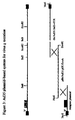
- Ad35 clones are generated by transfection of PER.C6 cells with the adapter plasmid, pBr/Ad35.pIX-EcoA and pBr/Ad35.Sal2-rITR as shown in figure 3. Homologous recombination gives rise to recombinant viruses.
- NA neutralizing activity
- NA neutralizing activity
- adenoviruses were propagated, purified and tested for neutralization in the CPE-inhibition assay as described in example 1.
- adenovirus serotypes 7B, 11, 14, 18 and 44/1876 were tested for neutralization. These viruses were found to be neutralized in respectively 59, 13, 30, 98 and 54 % of the sera.
- Ad11 is neutralized with a relatively low frequency.
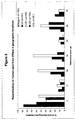
- Adenovirus serotypes 2 and 5 were again neutralized in a high percentage of human sera. Furthermore, some of the serotypes that were neutralized in a low percentage of sera in the first screen are neutralized in a higher percentage of sera from the UK, e.g. Ad26 (7% vs. 30%), Ad28 (13% vs. 50%), Ad34 (5% vs. 27%) and Ad48 (8% vs. 32%). Neutralizing activity against Ad11 and Ad49 that were found in a relatively low percentage of sera in the first screen, are found in an even lower percentage of sera in this second screen (13% vs. 5% and 20% vs. 11% respectively).
- Serotype Ad35 that was not neutralized in any of the sera in the first screen, was now found to be neutralized in a low percentage (8%) of sera from the UK. The prevalence of NA in human sera from the UK is the lowest to serotypes Ad11 and Ad35.
- Ad11 Another B-group adenovirus, Ad11 is also neutralized in a low percentage of human sera (average 11% in sera from 5 different locations).
- Adenovirus type 5 is neutralized in 56% of the human sera obtained from 5 different locations.
- D-group serotype 49 is also neutralized with relatively low frequency in samples from Europe and from one location of the US (average 14%).
- the serum is plated in five different dilutions ranging from 4x to 64x diluted.
- Ad49 this was 5%. Therefore, not only is the frequency of NA to Ad35, Ad11 and Ad49 much lower as compared to Ad5, but of the sera that do contain NA to these viruses, the vast majority has low titers.
- Adenoviral vectors based on Ad11,Ad35 or Ad49 have therefore a clear advantage over Ad5 based vectors when used as gene therapy vehicles or vaccination vectors in vivo or in any application where infection efficiency is hampered by neutralizing activity.
- Ad35 viruses were propagated on PER.C6 cells and DNA was isolated as described in example 4. The total sequence was generated by Qiagen Sequence Services (Qiagen GmbH, Germany). Total viral DNA was sheared by sonification and the ends of the DNA were made blunt by T4 DNA polymerase.
- Sheared blunt fragments were size fractionated on agarose gels and gel slices corresponding to DNA fragments of 1.8 to 2.2 kb were obtained.
- DNA was purified from the gel slices by the QIAquick gel extraction protocol and subcloned into a shotgun library of pUC19 plasmid cloning vectors. An array of clones in 96-wells plates covering the target DNA 8 (+/-2) times was used to generate the total sequence. Sequencing was performed on Perkin-Elmer 9700 thermo cyclers using BigDyeTerminator chemistry and AmpliTaq FS DNA polymerase followed by purification of sequencing reactions using QIAGEN DyeEx 96 technology.
- Sequencing reaction products were then subjected to automated separation and detection of fragments on ABI 377 XL 96 lane sequencers. Initial sequence contig sequence and gaps were filled in by primer walking reads on the target DNA or by direct sequencing of PCR products. The ends of the virus turned out to be absent in the shotgun library, most probably due to cloning difficulties resulting from the amino acids of pTP that remain bound to the ITR sequences after proteinase K digestion of the viral DNA.
- Ad35 may have the typical end sequence and the differences obtained in sequencing directly on the viral DNA are due to artefacts correlated with run-off sequence runs and the presence of residual amino acids of pTP.
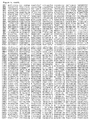
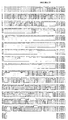
- Ad35 with corrected terminal sequences is given in Figure 6.
- Ad5 genbank # M72360
- Ad7 partial sequence Genbank # X03000
- the organization of the virus is identical to the general organization of most human adenoviruses, especially the subgroup B viruses.
- the total length of the genome is 34794 basepairs.
- a functional plasmid-based vector system to generate recombinant adenoviral vectors comprises the following components:
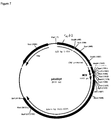
- adapter plasmid pAdApt ( Figure 7; described in example 2) was first modified to obtain adapter plasmids that contain extended polylinkers and that have convenient unique restriction sites flanking the left ITR and the adenovirus sequence at the 3' end to enable liberation of the adenovirus insert from plasmid vector sequences. Construction of these plasmids is described below in detail: Adapter plasmid pAdApt (Example 2) was digested with SalI and treated with Shrimp Alkaline Phosphatase to reduce religation.
- a linker composed of the following two phosphorylated and annealed oligo's: ExSalPacF 5' - TCG ATG GCA AAC AGC TAT TAT GGG TAT TAT GGG TTC GAA TTA ATT AA- 3'; and ExSalPacR 5' - TCG ATT AAT TAA TTC GAA CCC ATA ATA CCC ATA ATA GCT GTT TGC CA- 3'; was directly ligated into the digested construct, thereby replacing the SalI restriction site by Pi-PspI, SwaI and PacI. This construct was named pADAPT+ExSalPac linker.
- part of the left ITR of pAdApt was amplified by PCR using the following primers: PCLIPMSF: 5'- CCC CAA TTG GTC GAC CAT CAT CAA TAA TAT ACC TTA TTT TGG -3' and pCLIPBSRGI: 5'- GCG AAA ATT GTC ACT TCC TGT G - 3'.
- the amplified fragment was digested with MunI and BsrGI and cloned into pAd5/Clip (see Example 2), which was partially digested with EcoRI and after purification digested with BsrGI, thereby re-inserting the left ITR and packaging signal.
- the construct was digested with ScaI and SgrAI and an 800 bp fragment was isolated from gel and ligated into ScaI/SgrAI digested pADAPT+ExSalPac linker.
- the resulting construct named pIPspSalAdapt, was digested with SalI, dephosphorylated, and ligated to the phosphorylated ExSalPacF/ExSalPacR doublestranded linker mentioned above.
- a clone in which the PacI site was closest to the ITR was identified by restriction analysis and sequences were confirmed by sequence analysis.
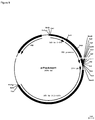
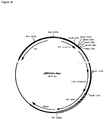
- pIPspAdapt This novel pAdApt construct, termed pIPspAdapt ( Figure 8) thus harbors two ExSalPac linkers containing recognition sequences for PacI, PI-PspI and BstBI, which surround the adenoviral part of the adenoviral adapter construct, and which can be used to linearize the plasmid DNA prior to cotransfection with adenoviral helper fragments.
- pIPspAdapt was first digested with EcoRI and dephosphorylated.
- pIPspAdapt1 The plasmid containing the polylinker in the order 5' HindIII, KpnI, AgeI, EcoRI, AscI, SalI, EcoRV, ClaI, NotI, NheI, HpaI, BamHI and XbaI was termed pIPspAdapt1 ( Figure 9) while the plasmid containing the polylinker in the order HindIII, KpnI, AgeI, NotI, ClaI, EcoRV, SalI, AscI, EcoRI, NheI, HpaI, BamHI and XbaI was termed pIPspAdapt2.
- a linker composed of the following two oligonucleotides was designed, to reverse the polylinker of pIPspAdapt: HindXba+ 5'-AGC TCT AGA GGA TCC GTT AAC GCT AGC GAA TTC ACC GGT ACC AAG CTT A-3'; HindXba- 5'-CTA GTA AGC TTG GTA CCG GTG AAT TCG CTA GCG TTA ACG GAT CCT CTA G-3'.
- This linker was ligated into HindIII/XbaI digested pIPspAdapt and the correct construct was isolated.
- Adapter plasmids based on Ad35 were then constructed as follows:
- the left ITR and packaging sequence corresponding to Ad35 wt sequences nucleotides 1 to 464 were amplified by PCR on wtAd35 DNA using the following primers:
- Amplification introduces a PacI site at the 5' end and an AvrII site at the 3' end of the sequence.
- LTI Platinum Pfx DNA polymerase enzyme
- primers at 0.6 ⁇ M and with DMSO added to a final concentration of 3%.
- Amplification program was as follows: 2 min. at 94°C, (30 sec. 94°C, 30 sec. at 56°C, 1 min. at 68°C) for 30 cycles, followed by 10 min. at 68°C.
- the PCR product was purified using a pcr purification kit (LTI) according to the manufacturers instructions and digested with PacI and AvrII. The digested fragment was then purified from gel using the geneclean kit (Bio 101, Inc.).
- LTI pcr purification kit
- Ad5-based adapter plasmid pIPspAdApt-3 ( Figure 10) was digested with AvrII and then partially with PacI and the 5762 bp fragment was isolated in an LMP agarose gel slice and ligated with the abovementioned PCR fragment digested with the same enzymes and transformed into electrocompetent DH10B cells (LTI).
- the resulting clone is named pIPspAdApt3-Ad35lITR.
- sequence of this fragment corresponds to nucl. 3401 to 4669 of wtAd35 ( Figure 6) and contains 1.3 kb of sequences starting directly 3' from the E1B 55k coding sequence.
- Amplification and purification was done as described above for the fragment containing the left ITR and packaging sequence.
- the PCR fragment was then digested with PacI and subcloned into pNEB193 vector (New England Biolabs) digested with SmaI and PacI. The integrity of the sequence of the resulting clone was checked by sequence analysis.
- pNEB/Ad35pF3R4 was then digested with BglII and PacI and the Ad35 insert was isolated from gel using the QIAExII kit (Qiagen).
- pIPspAdApt3-Ad35lITR was digested with BglII and then partially with PacI.
- the 3624 bp fragment (containing vector sequences, the Ad35 ITR and packaging sequences as well as the CMV promoter, multiple cloning region and polyA signal), was also isolated using the QIAExII kit (Qiagen).
- Figure 13 presents the various steps undertaken to construct the cosmid clone containing Ad35 sequences from bp 3401 to 34794 (end of the right ITR) that are described in detail below.
- a first PCR fragment (pIX-NdeI) was generated using the following primer set:
- DNA polymerase Pwo (Roche) was used according to manufacters instructions, however, with an endconcentration of 0.6 ⁇ M of both primers and using 50 ngr wt Ad35 DNA as template.
- Amplification was done as follows: 2 min. at 94 °C, 30 cycles of 30 sec. at 94 °C, 30 sec. at 65 °C and 1 min. 45 sec. at 72 °C, followed by 8 min. at 68 °C.
- a last incubation with 1 unit superTaq polymerase (HT Biotechnology LTD) for 10 min. at 72 °C was performed.
- the 3370 bp amplified fragment contains Ad35 sequences from bp 3401 to 6772 with a NotI site added to the 5' end.
- a second PCR fragment (NdeI-rITR) was generated using the following primers:
- Amplification was done with pfx DNA polymerase (LTI) according to manufacturer's instructions but with 0.6 ⁇ M of both primers and 3% DMSO using 10 ngr. of wtAd35 DNA as template.
- the program was as follows: 3 min. at 94 °C and 5 cycles of 30 sec. at 94 °C, 45 sec. at 40 °C, 2 min.45 sec. at 68 °C followed by 25 cycles of 30 sec. at 94 °C, 30 sec. at 60 °C, 2 min.45 sec. at 68 °C.
- a last incubation with 1 unit superTag polymerase for 10 min. at 72 °C was performed.
- the 1.6 kb amplified fragment ranging from nucl. 33178 to the end of the right ITR of Ad35, was purified using the PCR purification kit ( LTI).
- Both purified PCR fragments were ligated into the PCR2.1 vector of the TA-cloning kit (Invitrogen) and transformed into STBL-2 competent cells (LTI). Clones containing the expected insert were sequenced to confirm correct amplification. Next, both fragments were excised from the vector by digestion with NotI and NdeI and purified from gel using the geneclean kit (BIO 101, Inc.). Cosmid vector pWE15 (Clontech) was digested with NotI, dephosphorylated and also purified from gel. These three fragments were ligated and transformed into STBL2 competent cells (LTI). One of the correct clones that contained both PCR fragments was then digested with NdeI and the linear fragment was purified from gel using the geneclean kit.
- Ad35 wtDNA was digested with NdeI and the 26.6 kb fragment was purified from LMP gel using agarase enzym (Roche) according to the manufacturers instructions. These fragments were ligated together and packaged using ⁇ phage packaging extracts (Stratagene) according to the manufacturer's protocol. After infection into STBL-2 cells, colonies were grown on plates and analyzed for presence of the complete insert. One clone with the large fragment inserted in the correct orientation and having the correct restriction patterns after independent digestions with three enzymes (NcoI, PvuII and ScaI) was selected. This clone is named pWE.Ad35.pIX-rITR. It contains the Ad35 sequences from bp 3401 to the end and is flanked by NotI sites ( Figure 14).
- Wild type Ad35 virus can be grown on PER.C6 packaging cells to very high titers. However, whether the Ad5-E1 region that is present in PER.C6 is able to complement E1-deleted Ad35 recombinant viruses is unknown. To test this, PER.C6 cells were cotransfected with the above described adapter plasmid pAdApt35.LacZ and the large backbone fragment pWE.Ad35.pIX-rITR. First, pAdApt35.LacZ was digested with PacI and pWE.Ad35.pIX-rITR was digested with NotI.
- each construct was mixed with DMEM (LTI) and transfected into PER.C6 cells, seeded at a density of 5x10 6 cells in a T25 flask the day before, using Lipofectamin (LTI) according to the manufacturers instructions.
- DMEM fetal calf serum
- LTI Lipofectamin
- 6 ⁇ gr of PacI digested pWE.Ad35.pIX-rITR DNA was cotransfected with a 6.7 kb NheI fragment isolated from Ad35 wt DNA containing the left end of the viral genome including the E1 region.
- the next day medium (DMEM with 10% FBS and 10mM MgCl 2 ) was refreshed and cells were further incubated.
- DMEM fetal calf serum
- cells were trypsinized and transferred to T80 flasks.
- the positive control flask showed CPE at five days following the transfection, showing that the pWE.Ad35.pIX-rITR construct is functional at least in the presence of Ad35-E1 proteins.
- the transfection with the Ad35 LacZ adapter plasmid and pWE.Ad35.pIX-rITR did not give rise to CPE. These cells were harvested in the medium at day 10 and freeze/thawed once to release virus from the cells.
- Ad5-E1 proteins are not, or not well enough, capable of complementing Ad35 recombinant viruses, however, it may be that the sequence overlap of the adapter plasmid and the pWE.Ad35.pIX-rITR backbone plasmid is not large enough to efficiently recombine and give rise to a recombinant virus genome.
- the positive control transfection was done with a 6.7 kb left end fragment and therefore the sequence overlap was about 3.5 kb.
- the adapter plasmid and the pWE.Ad35.pIX-rITR fragment have a sequence overlap of 1.3 kb.
- the DNA was digested with SalI to remove possible intact template sequences.
- a transfection with the digested PCR product alone served as a negative control.
- CPE occurred in the cells transfected with the PCR product and the Ad35 pIX-rITR fragment, and not in the negative control.
- Ad35.E1 proteins are necessary to generate recombinant Ad35 based vectors from plasmid DNA on Ad5 complementing cell lines.
- Ad35 E1 proteins in PER.C6 are not capable of complementing Ad35 recombinant viruses efficiently , Ad35 E1 proteins have to be expressed in Ad5 complementing cells (e.g. PER.C6) or a new packaging cell line expressing Ad35 E1 proteins has to be made, starting from either diploid primary human cells or established cell lines not expressing adenovirus E1 proteins.
- Ad35 E1 region was cloned in expression plasmids as described below.
- Ad35 E1 region from bp 468 to bp 3400 was amplified from wtAd35 DNA using the following primer set:
- This PCR introduces a KpnI and EcoRI site at the 5' end and a SbfI and XbaI site at the 3' end.
- PCR product was purified by a PCR purification kit (LTI) and digested with KpnI and XbaI.
- the digested PCR fragment was then ligated to the expression vector pRSVhbvNeo (see below), also digested with KpnI and XbaI. Ligations were transformed into competent STBL-2 cells (LTI) according to manufacturers instructions and colonies were analysed for the correct insertion of Ad35E1 sequences into the polylinker in between the RSV promoter and HBV polyA.
- pRSV.Ad35-E1 The resulting clone was named pRSV.Ad35-E1 ( Figure 15).
- the Ad35 sequences in pRSV.Ad35-E1 were checked by sequence analysis.
- pRSVhbvNeo was generated as follows: pRc-RSV (Invitrogen) was digested with PvuII, dephosphorylated with TSAP enzyme (LTI) and the 3 kb vector fragment was isolated in low melting point agarose (LMP). Plasma pPGKneopA ( Figure 16; described in WO96/35798, was digested with SspI completely to linearise the plasmid and facilitate partial digestion with PvuII.
- pRSVpNeo was linearised with ScaI and further digested with EcoRI partially and the 3704 bp fragment containing the PGKneo cassette and the vector sequences were isolated from gel as above.
- Amplification was done with Elongase enzyme (LTI) according to the manufacturers instructions with the following conditions: 30 seconds at 94°C, then 5 cycles of 45 seconds at 94 °C, 1 minute at 42 °C and 1 minute 68 °C, followed by 30 cycles of 45 seconds at 94 °C, 1 minute at 65 °C and 1 minute at 68 °C, followed by 10 minutes at 68 °C.
- the 625 bp PCR fragment was then purified using the Qiaquick PCR purification kit, digested with EcoRI and XbaI and purified from gel using the Geneclean kit.
- the three isolated fragments were ligated and transformed into DH5 ⁇ competent cells (LTI) to give the construct pRSVhbvNeo ( Figure 18).
- pRSVhbvNeo Figure 18
- the transcription regulatory regions of the RSV expression cassette and the neomycine selection marker are modified to reduce overlap with adenoviral vectors that often contain CMV and SV40 transcription regulatory sequences.
- PER.C6 cells were seeded at a density of 5x10 6 cells in a T25 flask and the next day transfected with a DNA mixture containing:
- Transfection was done using Lipofectamine according to the manufacturers instructions. Five hours after addition of the transfection mixture to the cells, medium was removed and replaced by fresh medium. After two days cells were transferred to T80 flasks and further cultured. One week post-transfection 1 ml of the medium was added to A549 cells and the following day cells were stained for LacZ expression. Blue cells were clearly visible after two hours of staining indicating that recombinant LacZ expressing viruses were produced. The cells were further cultured but no clear appearance of CPE was noted. However, after 12 days clumps of cells appeared in the monolayer and 18 days following transfection cells were detached.
- Ad35 recombinant viruses escape neutralization in human serum containing neutralizing activity to Ad5 viruses.
- AdApt35.LacZ viruses were then used to investigate infection in the presence of serum that contains neutralizing activity to Ad5 viruses.
- Purified Ad5-based LacZ virus served as a positive control for NA.
- PER.C6 cells were seeded in a 24-wells plate at a density of 2x10 5 cells/well.
- a human serum sample with high neutralizing activity to Ad5 was diluted in culture medium in five steps of five times dilutions.
- 0.5 ml of diluted serum was then mixed with 4x10 6 virus particles AdApt5.LacZ virus in 0.5 ml medium and after 30 minutes of incubation at 37 °C, 0,5 ml of the mixture was added to PER.C6 cells in duplicate.
- AdApt35.LacZ viruses 0.5 ml of the diluted serum samples were mixed with 0.5 ml crude lysate containing AdApt35.LacZ virus and after incubation 0.5 ml of this mixture was added to PER.C6 cells in duplo.
- Virus samples incubated in medium without serum was used as a positive control for infection. After two hours of infection at 37 °C, medium was added to reach a final volume of 1 ml and cells were further incubated. Two days after infection cells were stained for LacZ activity. The results are shown in Table II. From these results it is clear that whereas AdApt5.LacZ viruses are efficiently neutralized, AdApt35.LacZ viruses remain infectious irrespective of the presence of human serum. This proofs that recombinant Ad35-based viruses escape neutralization in human sera that contain NA to Ad5-based viruses.
- example 3 we have described the generation of a library of Ad5 based adenoviruses harboring fiber proteins of other serotypes.
- this library we here describe the identification of fiber-modified adenoviruses that show improved infection of hemopoietic stem cells.
- HSC hemopoietic stem cells
- diseases that are amendable for genetic modification of HSC include Hurlers disease, Hunters disease, Sanfilippos disease, Morquios disease, Gaucher disease, Farbers disease, Niemann-Pick disease, Krabbe disease, Metachromatic Leucodistrophy, I-cell disease, severe immunodeficiency syndrome, Jak-3 deficiency, Fucosidose deficiency, thallasemia, and erythropoietic porphyria.
- hemopoietic disorders also strategies to prevent or treat aquired immunodeficiency syndrome (AIDS) and hemopoietic cancers are based on the genetic modification of HSCs or cells derived from the HSCs such as CD4 positive T lymphocytes in case of AIDS.
- AIDS immunodeficiency syndrome
- CD4 positive T lymphocytes in case of AIDS.
- the examples listed above thus aim at introducing DNA into the HSC in order to complement on a genetic level for a gene and protein deficiency.
- the DNA to be introduced into the HSC can be anti-viral genes or suicide genes.
- HSCs adenoviral vectors
- tissue engeneering In this area it is important to drive differentiation of HSCs to specific lineages.
- Some, non-limiting, examples are ex vivo bone formation, cartilage formation, skin formation, as well as the generation of T-cell precursors or endothelial cell precursors.
- the generation of bone, cartilage or skin in bioreactors can be used for transplantation after bone fractures or spinal cord lessions or severe burn injuries.
- transduced cells can also directly be re-infused into a patient.
- the formation of large numbers of endothelial cell precursor from HSCs is of interest since these endothelial precursos cells can home, after re-infusion, to sites of cardiovascular injury such as ischemia.
- the formation of large numbers of T-cells from HSCs is of interest since these T-cell precursors can be primed, ex vivo, to eradicate certain targets in the human body after reinfusion of the primed T-cells.
- Preferred targets in the human body can be tumours or virus infected cells.
- TF-1 erythroidleukemia, ATCC CRL-2003
- all chimaeric viruses generated were tested on human primary stroma cells and human HSCs.
- Human TF-1 cell were routinly maintained in DMEM suplemented with 10% FCS and 50 ng/ ml IL-3 (Sandoz, Basel, Switzerland).
- Human primary fibroblast-like stroma isolated from a bone marrow aspirate, is routinly maintained in DMEM/ 10% FCS. Stroma was seeded at a concentration of 1x10 5 cells per well of 24-well plates.
- TF-1 cells show that chimeric adenoviruses carrying a fiber from serotypes 16, 35, or 51 (all derived from adenovirus subgroup B) have preferred infection characteristics as compared to Ad5 (subgroup C), Ad5.Fib17 (subgroup D), or Ad5.Fib40-L (subgroup F).
- Primary human stroma was tested since these cells are commonly used as a "feeder" cell to allow proliferation and maintenance of HSCs under ex vivo culture conditions.
- none of the fiber chimeric adenoviruses were able to efficiently transduce human primary stroma (Figure 20).
- CD34 + cells were isolated from mononuclear cell preparation using a MACS laboratory separation system (Miltenyi Biotec) using the protocol supplied by the manufacturer. Of the CD34 + cells, 2x10 5 were seeded in a volume of 150 ⁇ l DMEM (no serum; Gibco, Gaitherburg, MD) and 10 ⁇ l of chimeric adenovirus (to give a final virus particles/cell ratio of 1000) was added.
- the chimeric adenoviruses tested were Ad5, Ad5.Fib16, Ad5.Fib35, Ad5Fib17, Ad5.Fib51 all containing Green fluorescent protein (GFP) as a marker.
- Cells were incubated for 2 hours in a humidified atmosphere of 10% CO 2 at 37°C.
- the transduction efficiency was determined by FACS analysis while monitoring in distinct sub populations the frequency of GFP expressing cells as well as the intensity of GFP per individual cell.
- the results of this experiment shown in figure 21, demonstrates that adenovirus serotype 5 or the chimeric adenovirus Ad5.Fib17 does not infect CD34 + Lin - cells as witnessed by the absence of GFP expression.
- the chimeric viruses carrying the fiber molecule of serotypes 16, 51, or 35 high percentages of GFP positive cells are scored in this cell population.
- Specificity for CD34 + Lin is demonstrated since little GFP expression is observed in CD34 + cells that are also expressing CD33, CD38, and CD71.
- Figure 23 shows an alignment of the Ad5 fiber with the chimeric B-group fiber proteins derived from Ad16, 35 and 51.By determining the number of cells recovered after the transduction procedure the toxicity of adenovirus can be determined.
- the recovery of the amount of CD34+ cells as well as the amount of CD34 + Lin - ( Figure 24) demonstrates that a 2 hour exposure to 1000 adenovirus particles did not have an effect on the number of cells recovered.
- Ad5/fiber35 chimeric vector with cell type specificity for Dendritic cells An Ad5/fiber35 chimeric vector with cell type specificity for Dendritic cells
- Dendritic cells are antigen presenting cells (APC), specialized to initiate a primary immune response and able to boost a memory type of immune response.
- API antigen presenting cells
- MHC Major Histocompatibility Complex
- mature DC being less effective in antigen capture and processing, perform much better at stimulating naive and memory CD4 + and CD8 + T cells, due to the high expression of MHC molecules and co-stimulatory molecules at their cell surface.
- the immature DCs mature in vivo after uptake of antigen, travel to the T-cell areas in the lymphoid organs, and prime T-cell
- DCs are the cells responsible for triggering an immune response there has been a long standing interest in loading DCs with immunostimulatory proteins, peptides or the genes encoding these proteins to trigger the immune system.
- the applications for this strategy are in the field of cancer treatment as well as in the field of vaccination.
- anti-cancer strategies have focussed primarily on ex vivo loading of DCs with antigen (protein or peptide). These studies have revealed that this procedure resulted in in induction of cytotoxic T cell activity.
- the antigens used to load the cells are generally identified as being tumor specific. Some, non-limiting, examples of such antigens are GP100, mage, or Mart-1 for melanoma.
- a "crippled" pathogen is presented to the immune system via the action of the antigen presenting cells, i.e. the immature DCs.
- Well-known examples of disease prevention via vaccination strategies include Hepatitis A,B, and C, influenza, rabies, yellow fever, measles. Besides these well-known vaccination programs, research programs for treatment of malaria, ebola, river blindness, HIV and many other diseases are being developed.
- pathogens are considered to dangerous for the generation of a "crippled” pathogen vaccine. This latter thus calls for the isolation and characterization of proteins of each pathogen which is able to mount a "full blown” immune response thus resulting in complete protection upon challenge with wild type pathogen.
- At least two distinct criteria have to be met 1) the isolation of large numbers of DCs which can be isolated, manipulated, and reinfused into a patient, making the procedure autologous. To date, it is possible to obtain such large quantities of immature DCs from cultured peripheral blood monocytes from any given donor. 2) a vector which can transduce DCs efficiently such that the DNA encoding for an immunostimulatory protein can be delivered. The latter is extremely important since it has become clear that the time required for DCs to travel to the lymphoid organs is such that most proteins or peptides are already released from the DCs resulting in incomplete immune priming.
- DCs are terminally differentiated and thus non-dividing cells
- recombinant adenoviral vectors are being considered for delivering the DNA encoding for antigens to DCs.
- this adenovirus should have a high affinity for dendritic cells but also should not be recognized by neutralizing antibodies of the host such that in vivo transduction of DCs can be accomplished. This latter would omit the need for ex vivo manipulations of DCs but would result in a medical procedure identical to the vaccination programs which are currently in place, i.e. intramuscular or subcutaneous injection predominantly.
- DC transduced by adenoviral vectors encoding an immunogenic protein may be ideally suited to serve as natural adjuvants for immunotherapy and vaccination
- PBMC Human PBMC from healthy donors were isolated through Ficoll-Hypaque density centrifugation. Monocytes were isolated from PBMC by enrichement for CD14 + cells using staining with FITC labeled anti-human CD 14 monoclonal antibody (Becton Dickinson), anti FITC microbeads and MACS separation columns (Miltenyi Biotec).
- This procedure usually results in a population of cells that are ⁇ 90 % CD14 + as analysed by FACS.
- Cells were placed in culture using RPMI-1640 medium (Gibco) containing 10% Foetal Bovine Serum (Gibco), 200 ng/ml rhu GM-CSF (R&D/ITK diagnostics, 100 ng/ml rhu IL-4 (R&D/ITK diagnostics) and cultured for 7 days with feeding of the cultures with fresh medium containing cytokines on alternate days.
- the immature DC resulting from this procedure after 7 days express a phenotype CD83 - ,CD14 low or CD14 - ,HLA-DR + , as was demonstrated by FACS analysis.
- Immature DC are matured by culturing the cells in medium containing 100 ng/ml TNF-a for 3 days, where after they expressed CD83 on their cell surface.
- Virus tested was adenovirus serotype 5 (Ad5), and the fiber chimeric viruses based on Ad5: Ad5.Fib12, Ad5.Fib16, Ad5.Fib28, Ad5.Fib32, Ad5.Fib40-L (long fiber of serotype 40), Ad5.Fib49, and Ad5.Fib51 (where Fibxx stands for the serotype of which the fiber molecule is derived). these viruses are derived from subgroup C, A, B, D, D, F, D, and B respectively.
- Ad5 based vectors carrying a fiber from a alternative adenovirus derived from subgroup B predominantly fiber of 35, 51, 16, and 11 are superior to Ad5 for transducing human DCs.
- the adenoviruses disclosed herein are also very suitable in vaccination of animals.
- DCs derived from mouse and chimpanzee to identify whether these viruses can be used in these animal models. This latter in particular since the receptor for human adenovirus derived from subgroup B is unknown to date and therefore it is unknown whether this protein is conserved among species.
- immature DCs were seeded at a density of 10 5 cells per well of 24-well plates. Cells were subsequently exposed for 48 hours to 1000 virus particles per cell of Ad5, Ad5Fib16, and Ad5.Fib51 in case of mouse DC and Ad5, and Ad.Fib35 in case of chimpanzee DCs (see figure 29).
- the mouse experiment was performed with viruses carrying luciferase as a marker and demonstrated approximately 10-50 fold increased luciferase activity as compared to Ad5.
- the chimanzee DCs were infected with the GFP viruses and were analysed using a flow cytometer. These results, also shown in figure 29, demonstrate that Ad5 (3%) transduces chimpanzee DCs very poorly as compared to Ad5.Fib35 (66.5%).
- Ad35 and Ad11 are B-group viruses and are classified as viruses belonging to DNA homology cluster 2 (Wadell, 1984).
- the adapter plasmid pAdApt35IP1 generated in Example 7 is modified as follows. Construct pAdApt35IP1 is digested with AvrII and then partially with PacI. The digestion mixture is separated on gel and the 4.4 kb fragment containing the expression cassette and the vector backbone is isolated using the geneclean kit (BIO 101, Inc.). Then a PCR amplification is performed on wtAd11 DNA using the primers 35F1 and 35R2 (see Example 7) using Pwo DNA polymerase according to the manufacturers instructions.
- the obtained PCR fragment of 0.5 kb is purified using the PCR purification kit (LTI) and ligated to the above prepared fragment of pAdApt35IP1.
- pAdApt11-35IP1 is digested with BglII and partially with PacI.
- the obtained fragments are separated on gel and the 3.6 kb fragment containing the vector sequences, the 5' adenovirus fragment and the expression cassette is purified from gel as above.
- a PCR fragment is generated using primers 35F3 and 35R4 (see Example 7) on wtAd11 DNA.
- Ad11 sequences in stead of Ad35 sequences. Correct amplification of PCR amplified Ad11 sequences, is verified by comparison of the sequence in this clone with the corresponding sequence of Ad11 DNA. The latter is obtained by direct sequencing on Ad11 DNA using the indicated PCR primers.
- the large cosmid clone containing the Ad11 backbone is generated as follows.
- a PCR fragment is amplified on Ad11 DNA using the primers 35F5 and 35R6 with Pwo DNA polymerase as described in Example 7 for Ad35 DNA.
- the PCR fragment is then purified using the PCR purification kit (LTI) and digested with NotI and NdeI.
- the resulting 3.1 kb fragment is isolated from gel using the geneclean kit (Bio 101, Inc.).
- a second PCR fragment is then generated on Ad11 DNA using the primers 35F7 and 35R8 (see Example 7) with Pwo DNA polymerase according to the manufacturers instructions and purified using the PCR purification kit (LTI).
- This amplified fragment is also digested with NdeI and NotI and the resulting 1.6 kb fragment is purified from gel as above.
- the two digested PCR fragments are then ligated together with cosmid vector pWE15, previously digested with NotI and dephosphorylated using Tsap enzyme (LTI) according to manufacturers instructions.
- Tsap enzyme Tsap enzyme
- One clone is selected that has one copy of both fragments inserted.
- Correct clones are selected by analytical NotI digestion that gives a fragment of 4.7 kb. Confirmation is obtained by a PCR reaction using primers 35F5 and 35R8 that gives a fragment of the same size.
- the correct clone is then linearized with NdeI and isolated from gel.
- wtAd11 DNA is digested with NdeI and the large 27 kb fragment is isolated from Low melting point agarose gel using agarase enzyme (Roche) according to the manufacturers instructions. Both fragments are then ligated and packaged using ⁇ phage packaging extracts (Stratagene) according to the manufacturers protocol. After infection into STBL-2 cells (LTI) colonies are grown on plates and analysed for the presence of the complete insert.
- a plasmid-based system consisting of an adapter plasmid suitable for insertion of foreign genes and a large helper fragment containing the viral backbone is generated.
- Recombinant Ad11-based viruses are made using the methods described inhere for Ad35-based recombinant viruses.
- Ad35 is also neutralized with a low frequency and with low titers in groups of patients that are candidates for treatment with gene therapy.
- paired serum and pericardial fluid (PF) samples were obtained from patients with heart faillure. These were tested against Ad5 and Ad35 using the neutralization assay described in Example 1. The results confirmed the previous data with samples from healthy volunteers. 70% of the serum samples contained NA to Ad5 and 4% to Ad35. In the pericardial fluid samples the titers were lower resulting in a total of 40% with NA to Ad5 and none to Ad35. There was a good correlation between NA in PF and serum i.e. there were no positive PF samples whithout NA in the paired serum sample. These results show that non-neutralized vectors based on Ad35 are preferred over Ad5 vectors for treatment of cardio-vascular diseases.
- the vector may be based on the genome of the non-neutralized serotype or may be based on Ad5 (or another serotype) though displaying at least the major capsid proteins (hexon, penton and optionally fiber) of the non-neutralized serotype.
- the molecular determinant underlying arthritis is not yet known but both T-cell disfunction and imbalanced growth factor production in joints is known to cause inflammation and hyperplasia of synovial tissue.
- the synoviocytes start to proliferate and invade the cartilage and bone which leads to destruction of these tissues.
- Current treatment starts (when in an early stage) with administration of anti-inflammatory drugs (anti-TNF, IL1-RA, IL-10) and/or conventional drugs (e.g. MTX, sulfasalazine).
- anti-TNF anti-inflammatory drugs
- IL1-RA IL1-RA
- IL-10 conventional drugs
- MTX sulfasalazine
- an alternative or additional option is treatment via gene therapy where an adenoviral vector is delivered directly into the joints of patients and expresses an anti-inflammatory drug or a suicide gene.
- Ad5-based vectors carrying a marker gene can transduce synoviocytes. Whether in the human situation adenoviral delivery is hampered by the presence of NA is not known.
- SF samples were obtained from a panel of 53 random selected patients suffering from rheumatoid arthritis (RA).
- Adenovirus type 5 was found to be neutralized in 72% of the SF samples. Most of these samples contain high titers of NA as also the highest dilution of the SF sample that was tested (64x) neutralized Ad5 viruses. This means that adenoviral vector delivery to the synoviocytes in the joints of RA patients will be very inefficient. Moreover, since the titers in the SF are so high it is doubtfull whether lavage of the joints prior to vector injection will remove enough of the NA. Of the other serotypes that were tested Ad35 was shown to be neutralized in only 4% of the samples. Therefore, these data confirm the results obtained in serum samples from healthy patients and show that for treatment of rheumatoid arthritis Ad35-based vectors or chimeric vectors displaying at least some of the capsid proteins from Ad35 are preferred vectors.
- Example 4 describes the generation of the Ad35 subclone pBr/Ad35.Eco13.3.
- This clone contains Ad35 sequences from bp 21943 to the end of the right ITR cloned into the EcoRI and EcoRV sites of pBr322.
- pBr/Ad35.Eco13.3 was digested with AatII and SnaBI and the large vector -containing fragment was isolated from gel using the QIAEX II gel extraction kit (Qiagen).
- Ad35 wt DNA was digested with PacI and SnaBI and the 4.6 kb fragment was isolated as above. This fragment was then ligated to a double-stranded (ds) linker containing a PacI and an AatII overhang. This linker was obtained after annealing the following oligonucleotides:
- the ligation mix containing the ds linker and the PacI-SnaBI Ad35 fragment was separated from unligated linker on a LMP gel. The 4.6 kb band was cut out the gel, molten at 65 °C, and then ligated to the purified pBr/Ad35.Eco13.3 vector fragment digested with AatII and SnaBI. Ligations were transformed into electrocompetent DH10B cells (Life Technologies Inc.). The resulting clone, pBr/Ad35.Pac-rITR, contained Ad35 sequences from the PacI site at bp 18137 upto the right ITR.
- a unique restriction site was introduced at the 3' end of the right ITR to be able to free the ITR from vector sequences.
- a PCR fragment was used that covers Ad35 sequences from the NdeI site at bp 33165 to the right ITR having the restriction sites SwaI, NotI and EcoRI attached to the rITR.
- the PCR fragment was generated using primers 35F7 and 35R8 (described in example 7). After purification, the PCR fragment was cloned into the AT cloning vector (Invitrogen) and sequenced to verify correct amplification.
- the correct amplified clone was then digested with EcoRI, blunted with Klenow enzym and subsequently digested with NdeI and the PCR fragment was isolated.
- the NdeI in the pBr vector in pBr/Ad35.Pac-rITR was removed as follows: A pBr322 vector from which the NdeI site was removed by digestion with NdeI, Klenow treatment and religation, was digested with AatII and NheI. The vector fragment was isolated in LMP gel and ligated to the 16.7 kb Ad35 AatII-NheI fragment from pBr/Ad35.Pac-rITR that was also isolated in an LMP gel.
- pBr/Ad35.Pac-rITR. ⁇ NdeI This generated pBr/Ad35.Pac-rITR. ⁇ NdeI.
- pBr/Ad35.Pac-rITR. ⁇ NdeI was digested with NheI, the ends were filled in using Klenow enzym and the DNA was then digested with NdeI. The large fragment containing the vector and Ad35 sequences was isolated. Ligation of this vector fragment and the PCR fragment resulted in pBr/Ad35.PRn.
- E2A, E3, E4 or hexon can be manipulated.
- promoter sequences that drive for instance the E4 proteins or the E2 can be mutated or deleted and exchanged for heterologous promoters.
- Adenoviruses infect human cells with different efficiencies. Infection is accomplished by a two step process involving: 1. the fiber proteins that mediate binding of the virus to specific receptors on the cells, and 2. the penton proteins that mediate internalization by interaction of for example the RGD sequence to integrins present on the cell surface.
- the cellular receptor for the fiber protein is not known.
- There are striking differences in infection efficiency of human cells of subgroup B viruses compared to subgroup C viruses like Ad5 see WO 00/03029 and EP 99200624.7). Even within one subgroup infection efficiencies of certain human cells may differ between various serotypes.
- the fiber of Ad16 when present on an Ad5-based recombinant virus infects primary endothelial cells, smooth muscle cells and synoviocytes of human and rhesus monkey origin better than Ad5 chimeric viruses carrying the fiber of Ad35 or Ad51.
- Ad35-based viruses it may be necessary to change the fiber protein for a fiber protein of a different serotype.
- the technology for such fiber chimeras is described for Ad5-based viruses in Example 3, and is below examplified for Ad35 viruses.
- This PCR amplification introduces an unique BsiWI site in the tail of the fiber gene.
- PCR introduces a unique NheI site in the place of the fiber sequences.
- PCR amplification is done with Pwo DNA polymerase (Roche) according to the manufacturers instructions. After amplification the PCR products are purified using a PCR purification kit and the fragments are digested with BamHI and ligated together. The 2 kb ligated fragments are purified from gel and cloned in the PCR Script Amp vector (Stratagene). Correct amplification is checked by sequencing. The PCR fragment is then excised as a MluI/NdeI fragment and cloned in pBr/Ad35.PRn digested with the same enzymes.
- fiber 16 sequences are amplified using the following degenerate primers: 5'- CCK GTS TAC CCG TAC GAA GAT GAA AGC-3' and 5'-CCG GCT AGC TCA GTC ATC TTC TCT GAT ATA-3'.
- Amplified sequences are then digested with BsiWI and NheI and cloned into pBr/Ad35.PR ⁇ fib digested with the same enzymes to generate pBr/Ad35.PRfib16.
- the latter construct is then digested with PacI and SwaI and the insert is isolated from gel.
- the PacI/SwaI Ad35 fragment with modified fiber is then cloned into the corresponding sites of pWE/Ad35.pIX-rITR to give pWE/Ad35.pIX-rITR.fib16.
- This cosmid backbone can then be used with an Ad35-based adapter plasmid to generate Ad35 recombinant viruses that display the fiber of Ad16.
- Other fiber sequences can be amplified with (degenerate) primers as mentioned above. If one of the fibers sequences turns out to have an internal BsiWI or NheI site, the PCR fragment has to be digested partially with that enzyme.
- the adenovirus E4 promoter is activated by expression of E1 proteins. It is not known whether the Ad5 E1 proteins are capable of mediating activation of the Ad35 E4 promoter.
- Ad35 recombinant viruses on PER.C6 cells it may be advantageous to make E4 expression independent of E1. This can be achieved by replacing the Ad35-E4 promoter by heterologous promoter sequences like, but not limited to, the 7xTetO promoter.
- Recombinant E1-deleted Ad5-based vectors are shown to have residual expression of viral genes from the vector backbone in target cells, despite the absence of E1 expression.
- Viral gene expression increases the toxicity and may trigger a host immune response to the infected cell.
- adenoviral vectors in the field of gene therapy and vaccination it is desired to reduce or diminish the expression of viral genes from the backbone.
- One way to achieve this is to delete all, or as much as possible, sequences from the viral backbone.
- E2A, E2B or E4 genes and/or the late gene functions one has to complement for these functions during production. This complementation can either be by means of a helper virus or through stable addition of these functions, with or without inducible transcription regulation, to the producer cell.
- E4 proteins play a role in for example replication of adenoviruses through activation of the E2 promoter and in late gene expression through regulation of splicing and nuclear export of late gene transcripts.
- E4 proteins are toxic to cells. Therefore, reduction or elimination of E4 expression in target cells will further improve Ad35-based vectors.
- One way to achieve this is to replace the E4 promoter by an heterologous promoter that is inactive in the target cells.
- heterologous promoter/activator system that is inactive in target cells is the tetracyclin inducible TetO system (Gossen and Bujard, 1992).
- Other prokaryotic or synthetic promoter/activator systems may be used.
- the E4 promoter in the backbone of the viral vector is replaced by a DNA fragment containing 7 repeats of the tetracyclin responsive element from the tet operon (7xTetO).
- a strong transactivator for this promoter is a fusion protein containing the DNA binding domain of the tet repressor and the activation domain of VP16 (Tet transactivator protein, Tta).
- Strong E4 expression independent of E1 expression, can be accomplished in PER.C6 cells expressing Tta.
- Tta expressing PER.C6 cells have been generated and described (see Example 15).
- Ad5 derived E1-deleted viruses with E4 under control of 7xTetO can be generated and propagated on these cells. Following infection in cells of human or animal origin (that do not express the Tta transactivator), E4 expression was found to be greatly diminished compared to E1 deleted viruses with the normal E4 promoter.
- This fragment contains sequences between bp 34656 (numbering according to wtAd35) and the NotI site 3' or the right ITR in pBr/Ad35.PRn and introduces an SstI site 5' of the right ITR sequence.
- a second PCR fragment was generated on pBr/Ad35.PRn DNA using primers:
- This PCR amplifies Ad35 sequences between bp 33098 and 34500 (numbering according to wtAd35) and introduces a HindIII site upstream of the E4 Tata-box. With these two PCR reactions the right- and left -flanking sequences of the E4 promoter are amplified.
- Pwo DNA polymerase was used according to manufacturers instructions
- a third fragment containing the 7xTetO promoter was isolated from construct pAAO-E-TATA-7xTetO by digestion with SstI and HindIII. The generation of pAAO-E-TATA-7xTetO is described below.
- the first PCR fragment (355/353) was then digested with SstI and NotI and ligated to the 7xTetO fragment.
- the ligation mixture was then digested with HindIII and NotI and the 0.5 kb fragment is isolated from gel.
- the second PCR fragment (35DE4/35F7) was digested with NdeI and HindIII and gel purified. These two fragments are then ligated into pBr/Ad35.PRn digested with NdeI and NotI to give pBr/Ad35.PR.TetOE4.
- the modification of the E4 promoter is then transferred to the Ad35 helper cosmid clone by exchanging the PacI/SwaI fragment of the latter with the one from pBr/Ad35.PR.TetOE4 to give pWE/Ad35.pIX-rITR.TetOE4.
- pAAO-E-TATA.7xTetO was generated as follows. Two oligonucleotides were synthesized:
- the oligonucleotides were annealed to yield a double stranded DNA fragment with 5' overhangs that are compatible with HindIII digested DNA.
- the product of the annealing reaction was ligated into HindIII digested pGL3-Enhancer Vector (Promega) to yield pAAO-E-TATA.
- the clone that had the HindIII site at the 5' end of the insert restored was selected for further cloning.
- the heptamerized tet-operator sequence was amplified from the plasmid pUHC-13-3 (Gossen and Bujard, 1992) in a PCR reaction using the Expand PCR system (Roche) according to the manufacturers protocol.
- the following primers were used:
- the amplified fragment was digested with SstI and HindIII (these sites are present in tet3 and tet5 respectively) and cloned into SstI/HindIII digested pAAO-E-TATA giving rise to pAAO-E-TATA-7xtetO
- the DNA was digested with NotI.
- the left end of wtAd35 DNA was then amplified using primers 35F1 and 35R4 (see example 7).
- the PCR mixture was purified and digested with SalI to remove intact viral DNA.
- 4gr of both the digested pWE/Ad35.pIX-rITR.TetOE4 and the PCR fragment was cotransfected into PER.C6-tTA cells that were seeded in T25 flasks the day before. Transfected cells were transferred to T80 flasks after two days and another two days later CPE was obtained, showing that the cosmid backbone is functional.
- pIG.E1A.E1B contains E1 region sequences of Ad5 corresponding to nucleotides 459 to 3510 of the wt Ad5 sequence (Genbank accession number M72360) operatively linked to the human phosphoglycerate kinase promoter (PGK) and the Hepatitis B Virus polyA sequences. The generation of this construct is described in WO97/00326.
- the E1 sequences of Ad5 were replaced by corresponding sequences of Ad35 as follows.
- pRSV.Ad35-E1 (described in example 8) was digested with EcoRI and Sse8387I and the 3 kb fragment corresponding to the Ad35 E1 sequences was isolated from gel.
- Construct pIG.E1A.E1B was digested with Sse8387I completely and partially with EcoRI.
- the 4.2 kb fragment corresponding to vector sequences without the Ad5 E1 region but retaining the PGK promoter were separated from other fragments on LMP agarose gel and the correct band was excised from gel. Both obtained fragments were ligated resulting in pIG.Ad35-E1.
- This vector was further modified to remove the LacZ sequences present in the pUC119 vector backbone.
- the vector was digested with BsaAI and BstXI and the large fragment was isolated from gel.
- a double stranded oligo was prepared by annealing the following two oligos:
- the PCR was performed on pIG.Ad35.E1 DNA using Pwo polymerase (Roche) according to the manufacturers instructions.
- the obtained PCR product was digested with BsrGI and dephosphorylated using Tsap enzym (LTI), the latter to prevent insert dimerization on the BsrGI site.
- the PCR fragment and the vector fragment were ligated to yield construct pIG270.
- Ad35 E1 sequences are capable of transforming rat primary cells
- New born WAG/RIJ rats were sacrificed at 1 week of gestation and kidneys were isolated. After carefull removal of the capsule, kidneys were disintegrated into a single cell suspension by multiple rounds of incubation in trypsin/EDTA (LTI) at 37 °C and collection of floating cells in cold PBS containing 1% FBS. When most of the kidney was trypsinized all cells were resuspended in DMEM supplemented with 10% FBS and filtered through a sterile cheese cloth. Baby Rat Kidney (BRK) cells obtained from one kidney were plated in 5 dishes (Greiner, 6 cm).
- the cells were transfected with 1 or 5 ⁇ gr DNA/dish using the CaPO 4 precipitation kit (LTI) according to the manufacturers instructions.
- the following constructs were used in separate transfections: pIG.E1A.E1B (expressing the Ad5-E1 region), pRSV.Ad35-E1, pIG.Ad35-E1 and pIG270 (the latter expressing the Ad35-E1).
- Cells were incubated at 37 °C, 5% CO 2 until foci of transformed cells appeared.
- Table IV shows the number of foci that resulted from several transfection experiments using circular or linear DNA. As expected, the Ad5-E1 region efficiently transformed BRK cells.
- the medium was replaced with a 1:1 mixture of AmnioMax complete medium and DMEM low glucose medium (LTI) supplemented with Glutamax I (end concentration 4mM, LTI) and glucose (end concentration 4.5 gr/L, LTI) and 10% FBS (LTI).
- LTI AmnioMax complete medium and DMEM low glucose medium
- cells were transfected with 20 ⁇ gr of circular pIG270/dish using the CaPO 4 transfection kit (LTI) according to manufacturers instructions and cells were incubated overnight with the DNA precipitate. The following day, cells were washed 4 times with PBS to remove the precipitate and further incubated for over three weeks until foci of transformed cells appeared.
- LTI CaPO 4 transfection kit
- transfection agents like, but not limited to, LipofectAmine (LTI) or PEI (Polyethylenimine, high molecular weight, water-free, Aldrich) were used. Of these three agents PEI reached the best transfection efficiency on primary human amniocytes: ⁇ 1% blue cells 48 hrs. following transfection of pAdApt35.LacZ.
- LTI LipofectAmine
- PEI Polyethylenimine, high molecular weight, water-free, Aldrich
- Foci are isolated as follows. The medium is removed and replaced by PBS after which foci are isolated by gently scraping the cells using a 50-200 ⁇ l Gilson pipette with a disposible filter tip. Cells contained in 10 ⁇ l PBS were brought in a 96 well plate containing 15 ⁇ l trypsin/EDTA (LTI) and a single cell suspension was obtained by pipetting up and down and a short incubation at room temperature.
- LTI trypsin/EDTA
- Human retina cells are isolated from the eyes of aborted foetuses and cultured in DMEM medium (LTI) supplemented with 10% FES (LTI). The day before transfection, ⁇ 5x10 5 cells are plated in 6 cm dishes and cultured overnight at 37 °C and 10% CO 2 . Transfection is done using the CaPO 4 precipitation kit (LTI) according to the manufacturers instructions. Each dish is transfected with 8-10 ⁇ gr pIG270 DNA, either as a circular plasmid or as a purified fragment. To obtain the purified fragment, pIG270 was digested with AvrII and XbaI and the 4 kb fragment corresponding to the Ad35 E1 expression cassette was isolated from gel by agarase treatment (Roche).
- Ad35 E1-deleted viruses As described in example 8, it is possible to generate and grow Ad35 E1-deleted viruses on PER.C6 cells with cotransfection of an Ad35-E1 expression construct, e.g. pRSV.Ad35.E1.
- an Ad35-E1 expression construct e.g. pRSV.Ad35.E1.
- large scale production of recombinant adenoviruses using this method is cumbersome because for each amplification step a transfection of the Ad35-E1 construct is needed.
- this method increases the risk of non-homologous recombination between the plasmid and the virus genome with high chances of generation of recombinant viruses that incorporate E1 sequences resulting in replication competent viruses.
- Ad35-E1 proteins in PER.C6 has to be mediated by integrated copies of the expression plasmid in the genome. Since PER.C6 cells are already transformed and express Ad5-E1 proteins, addition of extra Ad35-E1 expression may be toxic for the cells, however, it is not impossible to stably transfect transformed cells with E1 proteins since Ad5-E1 expressing A549 cells have been generated..
- the E1B proteins are know to interact with cellular as well as viral proteins (Bridge et al ., 1993; White, 1995). Possibly, the complex formed between the E1B 55K protein and E4-ORF6 which is necessary to increase mRNA export of viral proteins and to inhibit export of most cellular mRNAs, is critical and in some way serotype specific.
- the above experiments suggest that the E1A proteins of Ad5 are capable of complementing an Ad7-E1A deletion and that Ad7-E1B expression in adenovirus packaging cells on itself is not enough to generate a stable complementing cell line.
- Ad35-E1B proteins are the limiting factor in efficient Ad35 vector propagation on PER.C6 cells.
- Ad35 adapter plasmid that does contain the E1B promoter and E1B sequences but lacks the promoter and the coding region for E1A.
- the left end of wtAd35 DNA was amplified using the primers 35F1 and 35R4 (both described in Example 7) with Pwo DNA polymerase (Roche) according to the manufacturers instructions.
- the 4.6 kb PCR product was purified using the PCR purification kit (LTI) and digested with SnaBI and ApaI enzymes.
- the resulting 4.2 kb fragment was then purified from gel using the QIAExII kit (Qiagen).
- pAdApt35IP1 (Example 7) was digested with SnaBI and ApaI and the 2.6 kb vector containing fragment was isolated from gel using the GeneClean kit (BIO 101, Inc). Both isolated fragments were ligated to give pBr/Ad35.leftITR-pIX. Correct amplification during PCR was verified by a functionality test as follows: The DNA was digested with BstBI to liberate the Ad35 insert from vector sequences and 4 ⁇ gr of this DNA was cotransfected with 4 ⁇ gr of NotI digested pWE/Ad35.pIX-rITR (Example 7) into PER.C6 cells.
- the transfected cells were passaged to T80 flasks at day 2 and again two days later CPE had formed showing that the new pBr/Ad35.leftITR-pIX construct contains functional E1 sequences.
- the pBr/Ad35.leftITR-pIX construct was then further modified as follows.
- the DNA was digested with SnaBI and HindIII and the 5' HindII overhang was filled in using Klenow enzyme. Religation of the digested DNA and transformation into competent cells (LTI) gave construct pBr/Ad35leftITR-pIX ⁇ E1A.
- This latter constuct contains the left end 4.6 kb of Ad35 except for E1A sequences between bp 450 and 1341 (numbering according to wtAd35, Figure 6) and thus lacks the E1A promoter and most of the E1A coding sequences.
- pBr/Ad35.leftITR-pIX ⁇ E1A was then digested with BstBI and 2 ⁇ gr of this construct was cotransfected with 6 ⁇ gr of NotI digested pWE/Ad35.pIX-rITR (Example 7) into PER.C6 cells. One week following transfection full CPE had formed in the transfected flasks.
- Ad35-E1A proteins are functionally complemented by Ad5-e1A expression in PER.C6 cellsand that at least one of the Ad35-E1B proteins cannot be complemented by Ad5-E1 expression in PER.C6. It further shows that it is possible to make a complementing cell line for Ad35 E1-deleted viruses by expressing Ad35-E1B proteins in PER.C6. Stable expression of Ad35-E1B sequences from integrated copies in the genome of PER.C6 cells may be driven by the E1B promoter and terminated by a heterologous poly-adenylation signal like, but not limited to, the HBVpA.
- the heterologous pA signal is necessary to avoid overlap between the E1B insert and the recombinant vector, since the natural E1B termination is located in the pIX transcription unit which has to be present on the adenoviral vector.
- the E1B sequences may be driven by a heterologous promoter like, but not limited to the human PGK promoteror by an inducible promoter like, but not limited to the 7xtetO promoter (Gossen and Bujard, 1992). Also in these cases the transcription termination is mediated by a heterologous pA sequence, e.g. the HBV pA.
- the Ad35-E1B sequences at least comprise one of the coding regions of the E1B 21K and the E1B 55K proteins located between nucleotides 1611 and 3400 of the wt Ad35 sequence.
- the insert may also include (part of the) Ad35-E1B sequences between nucleotides 1550 and 1611 of the wt Ad35 sequence.
- the producer cell lines complement for the E1 and E2A deletion from recombinant adenoviral vectors in trans by constitutive expression of both E1 and E2A genes.
- the pre-established Ad5-E1 transformed human embryo retinoblast cell line PER.C6 (WO 97/00326) was further equipped with E2A expression cassettes.
- the adenoviral E2A gene encodes a 72 kDa DNA Binding Protein with has a high affinity for single stranded DNA.
- the ts125E2A mutant encodes a DBP which has a Pro ⁇ Ser substitution of amino acid 413. Due to this mutation, the ts125E2A encoded DBP is fully active at the permissive temperature of 32°C, but does not bind to ssDNA at the non-permissive temperature of 39°C. This allows the generation of cell lines that constitutively express E2A, which is not functional and is not toxic at the non-permissive temperature of 39°C. Temperature sensitive E2A gradually becomes functional upon temperature decrease and becomes fully functional at a temperature of 32°C, the permissive temperature.
- PER.C6 cells were cultured in Dulbecco's Modified Eagle Medium (DMEM, Gibco BRL) supplemented with 10% Fetal Bovine Serum (FBS, Gibco BRL) and 10mM MgCl 2 in a 10% CO 2 atmosphere at either 32°C, 37°C or 39°C.
- DMEM Dulbecco's Modified Eagle Medium
- FBS Fetal Bovine Serum
- MgCl 2 10mM MgCl 2
- PER.C6 performs very well both at 32°C and 39°C, the permissive and non-permissive temperature for ts125E2A, respectively.
- PER.C6 cells were seeded per 6 cm tissue culture dish (Greiner) in DMEM, supplemented with 10% FBS and 10mM MgCl 2 and incubated at 37°C in a 10% CO 2 atmosphere.
- the cells were transfected with 3, 5 or 8 ⁇ g of either pcDNA3, pcDNA3wtE2A or pcDNA3tsE2A plasmid DNA per dish, using the LipofectAMINE PLUSTM Reagent Kit according to the standard protocol of the supplier (Gibco BRL), except that the cells were transfected at 39°C in a 10% CO 2 atmosphere.
- the E2A expression levels in the different cell lines were determined by Western blotting.
- the cell lines were seeded on 6 well tissue culture dishes and sub-confluent cultures were washed twice with PBS (NPBI) and lysed and scraped in RIPA (1% NP-40, 0.5% sodium deoxycholate and 0.1% SDS in PBS, supplemented with 1mM phenylmethylsulfonylfluoride and 0.1 mg/ml trypsin inhibitor). After 15 minutes incubation on ice, the lysates were cleared by centrifugation. Protein concentrations were determined by the Bio-Rad protein assay, according to standard procedures of the supplier (BioRad).
- Equal amounts of whole-cell extract were fractionated by SDS-PAGE on 10% gels. Proteins were transferred onto Immobilon-P membranes (Millipore) and incubated with the ⁇ DBP monoclonal antibody B6.
- the secondary antibody was a horseradish-peroxidase-conjugated goat anti mouse antibody (BioRad). The Western blotting procedure and incubations were performed according to the protocol provided by Millipore. The complexes were visualized with the ECL detection system according to the manufacturer's protocol (Amersham).
- Figure 31 shows that all of the cell lines derived from the pcDNA3tsE2A transfection expressed the 72-kDa E2A protein (left panel, lanes 4-14; middle panel, lanes 1-13; right panel, lanes 1-12). In contrast, the only cell line derived from the pcDNAwtE2A transfection did not express the E2A protein (left panel, lane 2). No E2A protein was detected in extract from a cell line derived from the pcDNA3 transfection (left panel, lane 1), which served as a negative control. Extract from PER.C6 cells transiently transfected with pcDNA3ts125 (left panel, lane 3) served as a positive control for the Western blot procedure. These data confirmed that constitutive expression of wtE2A is toxic for cells and that using the ts125 mutant of E2A could circumvent this toxicity.
- the adenovirus Ad5.dl802 is an Ad 5 derived vector deleted for the major part of the E2A coding region and does not produce functional DBP.
- Ad5.dl802 was used to test the E2A trans-complementing activity of PER.C6 cells constitutively expressing ts125E2A.
- Parental PER.C6 cells or PER.C6tsE2A clone 3-9 were cultured in DMEM, supplemented with 10% FBS and 10mM MgCl 2 at 39°C and 10% CO 2 in 25 cm 2 flasks and either mock infected or infected with Ad5.dl802 at an m.o.i. of 5.
- CPE cytopathic effect
- adenoviral vectors for human gene therapy requires an easy and scaleable culturing method for the producer cell line, preferably a suspension culture in medium devoid of any human or animal constituents.
- the cell line PER.C6tsE2A c5-9 (designated c5-9) was cultured at 39°C and 10% CO 2 in a 175 cm 2 tissue culture flask (Nunc) in DMEM, supplemented with 10% FBS and 10mM MgCl 2 .
- the cells were washed with PBS (NPBI) and the medium was replaced by 25 ml serum free suspension medium Ex-cellTM 525 (JRH) supplemented with 1 x L-Glutamine (Gibco BRL), hereafter designated SFM.
- SFM serum free suspension medium
- cells were seeded in a 125 ml tissue culture erlenmeyer (Corning) at a seeding density of 3 x 10 5 cells per ml in a total volume of 20 ml SFM. Cells were further cultured at 125 RPM on an orbital shaker (GFL) at 39°C in a 10% CO 2 atmosphere. Cells were counted at day 1-6 in a Burker cell counter. In Figure 4, the mean growth curve from 8 cultures is shown. PER.C6tsE2A c5-9 performed well in serum free suspension culture. The maximum cell density of approximately 2 x 10 6 cells per ml is reached within 5 days of culture.
- PER.C6 cells or PER.C6ts125E2A (c8-4) cells were cultured in Dulbecco's Modified Eagle Medium (DMEM, Gibco BRL) supplemented with 10% Fetal Bovine Serum (FBS, Gibco BRL) and 10mM MgCl 2 in a 10% CO 2 atmosphere at either 37°C (PER.C6) or 39°C (PER.C6ts125E2A c8-4).
- DMEM Dulbecco's Modified Eagle Medium
- FBS Fetal Bovine Serum
- 10mM MgCl 2 10mM MgCl 2
- a total of 1 x 10 6 cells were seeded per 25cm 2 tissue culture flask (Nunc) and the cells were cultured at the respective temperatures. At the indicated time points, cells were counted.
- the growth of PER.C6 cells at 37°C was comparable to the growth of PER.C6ts125E2A c8-4 at 39°C ( Figure
- the PER.C6ts125E2A cell line clone 8-4 was cultured at 39°C and 10% CO 2 in a 25 cm 2 tissue culture flask (Nunc) in DMEM, supplemented with 10% FBS and 10 mM MgCl 2 in the absence of selection pressure (G418).
- the cells were washed with PBS (NPBI) and lysed and scraped in RIPA (1% NP-40, 0.5% sodium deoxycholate and 0.1% SDS in PBS, supplemented with 1mM phenylmethylsulfonylfluoride and 0.1 mg/ml trypsin inhibitor).
- ts125E2A encoded DBP was stable for at least 16 passages, which is equivalent to approximately 40 cell doublings (Figure 34). No decrease in DBP levels was observed during this culture period, indicating that the expression of ts125E2A was stable, even in the absence of G418 selection pressure.
- PER.C6 or PER.C6/E2A cells were seeded per 60 mm tissue culture dish (Greiner) in Dulbecco's modified essential medium (DMEM, Gibco BRL) supplemented with 10% FBS (JRH) and 10 mM MgCl 2 and incubated at 37°C in a 10% CO 2 atmosphere.
- DMEM Dulbecco's modified essential medium
- FBS FBS
- 10 mM MgCl 2 10 mM MgCl 2
- cells were transfected with 4-8 ⁇ g of pcDNA3.1-tTA plasmid DNA using the LipofectAMINE PLUSTM Reagent Kit according to the standard protocol of the supplier (Gibco BRL). The cells were incubated with the LipofectAMINE PLUSTM-DNA mixture for four hours at 37°C and 10% CO 2 .
- PER.C6 cells were incubated with DMEM supplemented with 10% PBS, 10 mM MgCl 2 and 50 ⁇ g/ml hygromycin B (GIBCO) while PER.C6/E2A cells were maintained in DMEM supplemented with 10% PBS, 10 mM MgCl 2 and 100 ⁇ g/ml hygromycin B.
- a number of independent, hygromycin resistant cell colonies were picked by scraping the cells from the dish with a pipette and put into 2.5 cm 2 dishes (Greiner) for further growth in DMEM containing 10% FBS, 10 mM MgCl 2 and supplemented with 50 ⁇ g/ml (PERC.6 cells) or 100 ⁇ g/ml (PERC.6/E2A cells) hygromycin in a 10% CO 2 atmosphere and at 37°C or 39°C, respectively.
- DMEM containing 10% FBS, 10 mM MgCl 2 and supplemented with 50 ⁇ g/ml (PERC.6 cells) or 100 ⁇ g/ml (PERC.6/E2A cells) hygromycin in a 10% CO 2 atmosphere and at 37°C or 39°C, respectively.
- cultures of PER.C6/tTA or PER/E2A/tTA cells were transfected with the plasmid pUHC 13-3 that contains the reporter gene luciferase under the control of the 7xtetO promoter (Gossens and Bujard, 1992). To demonstrate that the expression of luciferase was mediated by tTA, one half of the cultures was maintained in medium without doxycycline.
- the other half was maintained in medium with 8 ⁇ g/ml doxycycline (Sigma).
- the latter drug is an analogue of tetracycline and binds to tTA and inhibits its activity.
- All PER.C6/tTA and PER/E2A/tTA cell lines yielded high levels of luciferase, indicating that all cell lines expressed the tTA protein ( Figure 35).
- the expression of luciferase was greatly suppressed when the cells were treated with doxycycline.
- PER.C6 cells ECACC deposit number 96022940
- All human adenoviruses used in the neutralisation experiments were produced on PER.C6 cells (ECACC deposit number 96022940) (Fallaux et al ., 1998) and purified on CsCl as described in example 1. The NaCl concentration at which the different serotypes eluted from the HPLC column is shown. Virus particles/ml (VP/ml) were calculated from an Ad5 standard. The titer in the experiment (CCID50) was determined on PER.C6 cells (ECACC deposit number 96022940) as described in example 1 by titrations performed in parallel with the neutralisation experiment.
- the CCID50 is shown for the 44 viruses used in this study and reflects the dilution of the virus needed to obtain CPE in 50% of the wells after 5 days.
- the ratio of VP/CCID50 is depicted in log 10 and is a measurement of the infectivity of the different batches on PER.C6 cells (ECACC deposit number 96022940).
- AdApt35.LacZ viruses escape neutralization by human serum.
Landscapes
- Health & Medical Sciences (AREA)
- Life Sciences & Earth Sciences (AREA)
- Genetics & Genomics (AREA)
- Chemical & Material Sciences (AREA)
- Organic Chemistry (AREA)
- Engineering & Computer Science (AREA)
- Bioinformatics & Cheminformatics (AREA)
- Zoology (AREA)
- Wood Science & Technology (AREA)
- Biotechnology (AREA)
- Biomedical Technology (AREA)
- General Engineering & Computer Science (AREA)
- General Health & Medical Sciences (AREA)
- Biophysics (AREA)
- Molecular Biology (AREA)
- Virology (AREA)
- Biochemistry (AREA)
- Medicinal Chemistry (AREA)
- Physics & Mathematics (AREA)
- Microbiology (AREA)
- Plant Pathology (AREA)
- General Chemical & Material Sciences (AREA)
- Gastroenterology & Hepatology (AREA)
- Pharmacology & Pharmacy (AREA)
- Nuclear Medicine, Radiotherapy & Molecular Imaging (AREA)
- Veterinary Medicine (AREA)
- Public Health (AREA)
- Chemical Kinetics & Catalysis (AREA)
- Animal Behavior & Ethology (AREA)
- Proteomics, Peptides & Aminoacids (AREA)
- Micro-Organisms Or Cultivation Processes Thereof (AREA)
- Medicines Containing Material From Animals Or Micro-Organisms (AREA)
- Medicines That Contain Protein Lipid Enzymes And Other Medicines (AREA)
- Peptides Or Proteins (AREA)
- Pharmaceuticals Containing Other Organic And Inorganic Compounds (AREA)
Priority Applications (7)
| Application Number | Priority Date | Filing Date | Title |
|---|---|---|---|
| EP07106054A EP1816205B1 (de) | 1999-05-17 | 2000-05-16 | Rekombinantes Adenovirus auf Basis von Serotyp 48 (Ad48). |
| EP07106036A EP1818408B1 (de) | 1999-05-17 | 2000-05-16 | Rekombinantes Adenovirus des Serotyps Ad11 |
| EP05077719A EP1681353B1 (de) | 1999-05-17 | 2000-05-16 | Von Adenovirus abgeleitete Gentransfervehikel, die zumindest ein Element des Adenovirus Typ 35 enthalten |
| EP00201738A EP1054064B2 (de) | 1999-05-17 | 2000-05-16 | Von Adenovirus abgeleitete Gentransfervehikel, die zumindest ein Element des Adenovirus Typ 35 enthalten |
| EP07106044A EP1816204B1 (de) | 1999-05-17 | 2000-05-16 | Rekombinantes Adenovirus des Ad26-Serotyps |
| EP04077434A EP1550722B1 (de) | 1999-05-17 | 2000-05-16 | Rekombinanter humaner Adenovirus-Serotyp 35 |
| CY20071100996T CY1106762T1 (el) | 1999-05-17 | 2007-07-25 | Ανασυνδυασμενος ανθρωπινος αδενοϊος οροτυπου 35 |
Applications Claiming Priority (3)
| Application Number | Priority Date | Filing Date | Title |
|---|---|---|---|
| EP99201545 | 1999-05-17 | ||
| EP99201545 | 1999-05-17 | ||
| EP00201738A EP1054064B2 (de) | 1999-05-17 | 2000-05-16 | Von Adenovirus abgeleitete Gentransfervehikel, die zumindest ein Element des Adenovirus Typ 35 enthalten |
Related Child Applications (1)
| Application Number | Title | Priority Date | Filing Date |
|---|---|---|---|
| EP04077434A Division EP1550722B1 (de) | 1999-05-17 | 2000-05-16 | Rekombinanter humaner Adenovirus-Serotyp 35 |
Publications (3)
| Publication Number | Publication Date |
|---|---|
| EP1054064A1 true EP1054064A1 (de) | 2000-11-22 |
| EP1054064B1 EP1054064B1 (de) | 2004-10-06 |
| EP1054064B2 EP1054064B2 (de) | 2009-12-16 |
Family
ID=8240209
Family Applications (6)
| Application Number | Title | Priority Date | Filing Date |
|---|---|---|---|
| EP00201738A Expired - Lifetime EP1054064B2 (de) | 1999-05-17 | 2000-05-16 | Von Adenovirus abgeleitete Gentransfervehikel, die zumindest ein Element des Adenovirus Typ 35 enthalten |
| EP05077719A Expired - Lifetime EP1681353B1 (de) | 1999-05-17 | 2000-05-16 | Von Adenovirus abgeleitete Gentransfervehikel, die zumindest ein Element des Adenovirus Typ 35 enthalten |
| EP07106054A Expired - Lifetime EP1816205B1 (de) | 1999-05-17 | 2000-05-16 | Rekombinantes Adenovirus auf Basis von Serotyp 48 (Ad48). |
| EP04077434A Expired - Lifetime EP1550722B1 (de) | 1999-05-17 | 2000-05-16 | Rekombinanter humaner Adenovirus-Serotyp 35 |
| EP07106036A Expired - Lifetime EP1818408B1 (de) | 1999-05-17 | 2000-05-16 | Rekombinantes Adenovirus des Serotyps Ad11 |
| EP07106044A Expired - Lifetime EP1816204B1 (de) | 1999-05-17 | 2000-05-16 | Rekombinantes Adenovirus des Ad26-Serotyps |
Family Applications After (5)
| Application Number | Title | Priority Date | Filing Date |
|---|---|---|---|
| EP05077719A Expired - Lifetime EP1681353B1 (de) | 1999-05-17 | 2000-05-16 | Von Adenovirus abgeleitete Gentransfervehikel, die zumindest ein Element des Adenovirus Typ 35 enthalten |
| EP07106054A Expired - Lifetime EP1816205B1 (de) | 1999-05-17 | 2000-05-16 | Rekombinantes Adenovirus auf Basis von Serotyp 48 (Ad48). |
| EP04077434A Expired - Lifetime EP1550722B1 (de) | 1999-05-17 | 2000-05-16 | Rekombinanter humaner Adenovirus-Serotyp 35 |
| EP07106036A Expired - Lifetime EP1818408B1 (de) | 1999-05-17 | 2000-05-16 | Rekombinantes Adenovirus des Serotyps Ad11 |
| EP07106044A Expired - Lifetime EP1816204B1 (de) | 1999-05-17 | 2000-05-16 | Rekombinantes Adenovirus des Ad26-Serotyps |
Country Status (14)
| Country | Link |
|---|---|
| EP (6) | EP1054064B2 (de) |
| JP (2) | JP4843145B2 (de) |
| KR (1) | KR100741247B1 (de) |
| AT (6) | ATE519854T1 (de) |
| AU (1) | AU777041B2 (de) |
| CA (1) | CA2372655C (de) |
| CY (4) | CY1106762T1 (de) |
| DE (4) | DE60045138D1 (de) |
| DK (6) | DK1550722T3 (de) |
| ES (5) | ES2289426T3 (de) |
| IL (3) | IL146479A0 (de) |
| NZ (1) | NZ515582A (de) |
| PT (5) | PT1816204E (de) |
| WO (1) | WO2000070071A1 (de) |
Cited By (25)
| Publication number | Priority date | Publication date | Assignee | Title |
|---|---|---|---|---|
| WO2002053759A1 (en) * | 2001-01-04 | 2002-07-11 | Wadell Goeran | Viral vector for gene therapy |
| WO2004001032A2 (en) | 2002-04-25 | 2003-12-31 | Crucell Holland B.V. | Stable adenoviral vectors and methods for propagation thereof |
| US7235233B2 (en) | 2000-09-26 | 2007-06-26 | Crucell Holland B.V. | Serotype 5 adenoviral vectors with chimeric fibers for gene delivery in skeletal muscle cells or myoblasts |
| US7238528B2 (en) | 1999-03-04 | 2007-07-03 | Crucell Holland B.V. | Means and methods for fibroblast-like or macrophage-like cell transduction |
| US7250293B2 (en) | 1999-05-18 | 2007-07-31 | Crucell Holland B.V. | Complementing cell lines |
| US7270811B2 (en) | 1999-05-18 | 2007-09-18 | Crucell Holland B.V. | Serotype of adenovirus and uses thereof |
| US7300657B2 (en) | 2002-12-17 | 2007-11-27 | Crucell Holland B.V. | Recombinant viral-based malaria vaccines |
| US7468181B2 (en) | 2002-04-25 | 2008-12-23 | Crucell Holland B.V. | Means and methods for the production of adenovirus vectors |
| US7598078B2 (en) | 2002-10-23 | 2009-10-06 | Crucell Holland B.V. | Settings for recombinant adenoviral-based vaccines |
| US7749493B2 (en) | 1998-07-08 | 2010-07-06 | Crucell Holland B.V. | Chimeric adenoviruses |
| US7888102B2 (en) | 2005-07-22 | 2011-02-15 | Crucell Holland B.V. | Cell line for producing coronaviruses |
| US7968286B2 (en) | 2002-10-23 | 2011-06-28 | Crucell Holland B.V. | Settings for recombinant adenoviral-based vaccines |
| US20130230902A2 (en) * | 2004-05-26 | 2013-09-05 | Psioxus Therapeutics Limited | Chimeric adenoviruses for use in cancer treatment |
| CN111337042A (zh) * | 2020-03-13 | 2020-06-26 | 湖北大学 | 一种车辆路径规划方法及系统 |
| US10849945B2 (en) | 2015-04-30 | 2020-12-01 | Psioxus Therapeutics Limited | Oncolytic adenovirus encoding a B7 protein or active fragment |
| US11077156B2 (en) | 2013-03-14 | 2021-08-03 | Salk Institute For Biological Studies | Oncolytic adenovirus compositions |
| US11130968B2 (en) | 2016-02-23 | 2021-09-28 | Salk Institute For Biological Studies | High throughput assay for measuring adenovirus replication kinetics |
| US11155622B2 (en) | 2015-12-17 | 2021-10-26 | Psioxus Therapeutics Limited | Virus encoding an anti-TCR-complex antibody or fragment |
| US11401529B2 (en) | 2016-02-23 | 2022-08-02 | Salk Institute For Biological Studies | Exogenous gene expression in recombinant adenovirus for minimal impact on viral kinetics |
| US11439678B2 (en) | 2013-10-25 | 2022-09-13 | Psioxus Therapeutics Limited | Oncolytic adenoviruses armed with heterologous genes |
| US11813337B2 (en) | 2016-12-12 | 2023-11-14 | Salk Institute For Biological Studies | Tumor-targeting synthetic adenoviruses and uses thereof |
| US11840702B2 (en) | 2017-08-28 | 2023-12-12 | Akamis Bio Limited | Adenovirus armed with bispecific T cell activator |
| US12049513B2 (en) | 2016-08-29 | 2024-07-30 | Akamis Bio Limited | Oncolytic group B adenovirus expressing a stroma-targeted bispecific t-cell engager |
| US12365878B2 (en) | 2018-04-09 | 2025-07-22 | Salk Institute For Biological Studies | Oncolytic adenovirus with enhanced replication properties comprising modifications in E1A, E3, and E4 |
| US12514887B2 (en) | 2014-09-24 | 2026-01-06 | Salk Institute For Biological Studies | Oncolytic tumor viruses and methods of use |
Families Citing this family (84)
| Publication number | Priority date | Publication date | Assignee | Title |
|---|---|---|---|---|
| DE69633565T3 (de) | 1995-06-15 | 2013-01-17 | Crucell Holland B.V. | Verpackungssysteme für humane, menschliche adenoviren, zur verwendung in die gentherapie |
| US6783980B2 (en) | 1995-06-15 | 2004-08-31 | Crucell Holland B.V. | Packaging systems for human recombinant adenovirus to be used in gene therapy |
| US6929946B1 (en) | 1998-11-20 | 2005-08-16 | Crucell Holland B.V. | Gene delivery vectors provided with a tissue tropism for smooth muscle cells, and/or endothelial cells |
| US7094398B1 (en) | 1999-06-01 | 2006-08-22 | University Of Washington | Recombinant adenoviral vectors expressing chimeric fiber proteins for cell specific infection and genome integration |
| US6558948B1 (en) | 1999-11-23 | 2003-05-06 | Stefan Kochanek | Permanent amniocytic cell line, its production and use for the production of gene transfer vectors |
| EP1191105A1 (de) * | 2000-09-25 | 2002-03-27 | Galapagos Genomics B.V. | Gentransfervektoren mit einer Gewebsspezifität für T-Lymphozyten |
| JP2003534805A (ja) | 2000-05-31 | 2003-11-25 | ユニバーシティ オブ サスカチュワン | 変化した親和性を有する改変ウシアデノウイルス |
| EP1322774A2 (de) * | 2000-09-20 | 2003-07-02 | Crucell Holland B.V. | Transduktion von dendritischen zellen durch verwendung der adenovirenvektoren |
| EP1195440A1 (de) * | 2000-10-06 | 2002-04-10 | Introgene B.V. | Genverabreichung-Vektoren für Stammzellen |
| AU2002211087A1 (en) * | 2000-10-06 | 2002-04-15 | Crucell Holland B.V. | Gene delivery vectors for stem cells |
| CA2439185A1 (en) | 2001-02-23 | 2002-09-06 | Novartis Ag | Vector constructs |
| EP1516055A4 (de) * | 2002-01-24 | 2007-08-08 | Scripps Research Inst | Faserschaftmodifikationen für effizientes zielen |
| JP4237449B2 (ja) * | 2002-06-05 | 2009-03-11 | 国立医薬品食品衛生研究所長 | アデノウィルスベクター |
| EP1646717A4 (de) * | 2003-07-18 | 2006-12-20 | Onyx Pharma Inc | Adenovirus-untergruppe-b-vektoren zur behandlung von krankheiten |
| CN1922308A (zh) | 2004-02-23 | 2007-02-28 | 克鲁塞尔荷兰公司 | 病毒纯化方法 |
| WO2005110492A2 (en) * | 2004-04-12 | 2005-11-24 | The Government Of The United States Of America, As Represented By The Secretary, Department Of Health And Human Services | Method of using adenoviral vectors to induce an immune response |
| US7741099B2 (en) | 2004-10-13 | 2010-06-22 | Beth Israel Deaconess Medical Center Inc. | Adenoviral vectors and uses thereof |
| BRPI0518933A2 (pt) | 2004-11-16 | 2008-12-16 | Crucell Holland B V E Aeras Gl | adenovÍrus recombinante defeituoso de replicaÇço, vetor de polinucleotÍdeo recombinante, vacina multivalente da tuberculose, e, uso do antÍgeno tb10.4 de mycobacterium |
| ATE412737T1 (de) | 2005-04-11 | 2008-11-15 | Crucell Holland Bv | Virusreinigung mit ultrafiltration |
| WO2007104792A2 (en) * | 2006-03-16 | 2007-09-20 | Crucell Holland B.V. | Recombinant adenoviruses based on serotype 26 and 48, and use thereof |
| EA019928B1 (ru) | 2008-11-03 | 2014-07-30 | Круселл Холланд Б.В. | Способ получения аденовирусных векторов |
| CA2770075C (en) | 2009-08-07 | 2021-08-24 | Perrine Martin | Composition for treating hbv infection |
| US20120315696A1 (en) * | 2010-02-15 | 2012-12-13 | Alfred Luitjens | METHOD FOR THE PRODUCTION OF Ad26 ADENOVIRAL VECTORS |
| PL2536829T3 (pl) | 2010-02-15 | 2016-09-30 | Sposób wytwarzania wektorów adenowirusowych Ad26 | |
| CA2808556A1 (en) | 2010-09-20 | 2012-03-29 | Crucell Holland B.V. | Therapeutic vaccination against active tuberculosis |
| BR112013004582A2 (pt) | 2010-09-27 | 2016-09-06 | Crucell Holland Bv | método para induzir uma resposta imune em um sujeito contra um antígeno de um parasita que causa a malária |
| CN102260712B (zh) * | 2011-05-31 | 2013-10-02 | 北京锤特生物科技有限公司 | 溶肿瘤能力增强的B型人腺病毒Ad11突变体的构建和应用 |
| KR102044051B1 (ko) | 2012-03-12 | 2019-11-12 | 얀센 백신스 앤드 프리벤션 비.브이. | 터미널 말단이 변경된 재조합 아데노바이러스의 배치 |
| US8932607B2 (en) | 2012-03-12 | 2015-01-13 | Crucell Holland B.V. | Batches of recombinant adenovirus with altered terminal ends |
| US9125870B2 (en) | 2012-03-22 | 2015-09-08 | Crucell Holland B.V. | Vaccine against RSV |
| JP5845376B2 (ja) | 2012-03-22 | 2016-01-20 | クルセル ホランド ベー ヴェー | Rsvに対するワクチン |
| EP2855685B1 (de) | 2012-05-24 | 2017-03-08 | Janssen Vaccines & Prevention B.V. | Adenovirale vektoren zur transduktion von vaskulärem gewebe |
| SG11201500171YA (en) | 2012-07-10 | 2015-02-27 | Transgene Sa | Mycobacterial antigen vaccine |
| WO2014009433A1 (en) | 2012-07-10 | 2014-01-16 | Transgene Sa | Mycobacterium resuscitation promoting factor for use as adjuvant |
| CA2891349C (en) | 2012-11-16 | 2023-07-18 | Beth Israel Deaconess Medical Center, Inc. | Recombinant adenoviruses and use thereof |
| PT2988780T (pt) | 2013-04-25 | 2019-03-25 | Janssen Vaccines & Prevention Bv | Polipeptídeos f de pré-fusão do rsv solúveis estabilizados |
| CN105408348B (zh) | 2013-06-17 | 2021-07-06 | 扬森疫苗与预防公司 | 稳定化的可溶性融合前rsv f多肽 |
| EP3092000A1 (de) | 2014-01-09 | 2016-11-16 | Transgene SA | Fusion von heterooligomeren mycobakteriellen antigenen |
| KR20190062617A (ko) | 2014-09-03 | 2019-06-05 | 버베리안 노딕 에이/에스 | 면역 반응을 증대시키기 위한 방법 및 조성물 |
| AU2015311852B2 (en) | 2014-09-03 | 2018-12-13 | Bavarian Nordic A/S | Methods and compositions for inducing protective immunity against filovirus infection |
| MA40765B1 (fr) | 2014-09-26 | 2021-04-30 | Beth Israel Deaconess Medical Ct Inc | Méthodes et compositions d'induction d'une immunité protectrice contre l'infection par le virus de l'immunodéficience humaine |
| EP3421046A1 (de) | 2014-11-04 | 2019-01-02 | Janssen Vaccines & Prevention B.V. | Therapeutische hpv16-impfstoffe |
| AU2016249798B2 (en) | 2015-04-14 | 2022-05-26 | Janssen Vaccines And Prevention B.V. | Recombinant adenovirus expressing two transgenes with a bidirectional promoter |
| AU2016289496B2 (en) | 2015-07-07 | 2021-02-04 | Janssen Vaccines & Prevention B.V. | Stabilized soluble pre-fusion RSV F polypeptides |
| CN107847580B (zh) | 2015-07-07 | 2022-08-12 | 扬森疫苗与预防公司 | 针对rsv的疫苗 |
| HK1252967A1 (zh) | 2015-08-20 | 2019-06-06 | Janssen Vaccines & Prevention B.V. | 治疗性hpv18疫苗 |
| PL3390430T3 (pl) | 2015-12-15 | 2020-03-31 | Janssen Vaccines & Prevention B.V. | Antygeny ludzkiego wirusa niedoboru odporności, wektory, kompozycje i sposoby ich zastosowania |
| MX2018012094A (es) | 2016-04-05 | 2019-01-10 | Janssen Vaccines & Prevention Bv | Proteinas f de prefusion del virus respiratorio sincicial (vrs) solubles y estabilizadas. |
| AU2017248018A1 (en) | 2016-04-05 | 2018-09-27 | Janssen Vaccines & Prevention B.V. | Vaccine against RSV |
| EP3452087A1 (de) | 2016-05-02 | 2019-03-13 | Janssen Vaccines & Prevention B.V. | Therapeutische hpv-impfstoffkombinationen |
| SG11201810078PA (en) | 2016-05-30 | 2018-12-28 | Janssen Vaccines & Prevention Bv | Stabilized pre-fusion rsv f proteins |
| EA201892735A1 (ru) | 2016-06-16 | 2019-05-31 | Янссен Вэксинс Энд Превеншн Б.В. | Состав вакцины против hiv |
| US11001858B2 (en) | 2016-06-20 | 2021-05-11 | Janssen Vaccines & Prevention B.V. | Potent and balanced bidirectional promoter |
| US10744196B2 (en) | 2016-07-14 | 2020-08-18 | Janssen Vaccines & Prevention B.V. | HPV vaccines |
| EP3484505A1 (de) | 2016-07-15 | 2019-05-22 | Janssen Vaccines & Prevention B.V. | Verfahren und zusammensetzungen zur induzierung von schützender immunität gegen marburg-virus-infektionen |
| US10925956B2 (en) | 2016-07-15 | 2021-02-23 | Janssen Vaccines & Prevention B.V. | Methods and compositions for inducing protective immunity against a marburg virus infection |
| JP6721797B2 (ja) | 2017-02-09 | 2020-07-15 | ヤンセン ファッシンズ アンド プリベンション ベーフェーJanssen Vaccines & Prevention B.V. | 異種遺伝子発現のための強力で短いプロモーター |
| WO2018185732A1 (en) | 2017-04-06 | 2018-10-11 | Janssen Vaccines & Prevention B.V. | Mva-bn and ad26.zebov or ad26.filo prime-boost regimen |
| CA3061278A1 (en) | 2017-05-17 | 2018-11-22 | Janssen Vaccines & Prevention B.V. | Methods and compositions for inducing protective immunity against rsv infection |
| WO2018210871A1 (en) | 2017-05-17 | 2018-11-22 | Janssen Vaccines & Prevention B.V. | Methods and compositions for inducing protective immunity against rsv infection |
| BR112019026126A2 (pt) | 2017-06-15 | 2020-06-30 | Janssen Vaccines & Prevention B.V. | vetores de poxvírus que codificam antígenos do hiv e métodos de uso dos mesmos |
| AU2018333566A1 (en) | 2017-09-15 | 2020-02-27 | Janssen Vaccines & Prevention B.V. | Method for the safe induction of immunity against RSV |
| WO2019099970A1 (en) | 2017-11-20 | 2019-05-23 | Janssen Pharmaceuticals Inc. | Method of providing safe administration of adenoviral vectors encoding a zika virus antigen |
| WO2019118480A1 (en) | 2017-12-11 | 2019-06-20 | Beth Israel Deaconess Medical Center, Inc. | Recombinant adenoviruses and uses thereof |
| JP2021506300A (ja) | 2017-12-19 | 2021-02-22 | ヤンセン・サイエンシズ・アイルランド・アンリミテッド・カンパニー | B型肝炎ウイルス(hbv)に対する免疫応答を誘導するための方法および組成物 |
| EP3810277A1 (de) | 2018-07-20 | 2021-04-28 | Janssen Vaccines & Prevention B.V. | Rekombinanter adenoviraler vektor, der ein zika-antigen mit verbesserter produktivität exprimiert |
| PE20211469A1 (es) | 2018-11-13 | 2021-08-05 | Janssen Vaccines And Prevention B V | Proteinas f de prefusion del vrs estabilizadas |
| TWI852977B (zh) | 2019-01-10 | 2024-08-21 | 美商健生生物科技公司 | 前列腺新抗原及其用途 |
| KR20220008875A (ko) | 2019-05-15 | 2022-01-21 | 얀센 백신스 앤드 프리벤션 비.브이. | 계절성 인플루엔자 백신과 아데노바이러스 기반 호흡기 세포융합 바이러스 백신의 공동투여 |
| US20220193219A1 (en) | 2019-05-15 | 2022-06-23 | Janssen Vaccines & Prevention B.V. | Prophylactic treatment of respiratory syncytial virus infection with an adenovirus based vaccine |
| EP4061405A1 (de) | 2019-11-18 | 2022-09-28 | Janssen Biotech, Inc. | Impfstoffe auf der basis von mutantem calr und jak2 und deren verwendungen |
| TW202144389A (zh) | 2020-02-14 | 2021-12-01 | 美商健生生物科技公司 | 在多發性骨髓瘤中表現之新抗原及其用途 |
| TW202144388A (zh) | 2020-02-14 | 2021-12-01 | 美商健生生物科技公司 | 在卵巢癌中表現之新抗原及其用途 |
| WO2021209897A1 (en) | 2020-04-13 | 2021-10-21 | Janssen Biotech, Inc. | Psma and steap1 vaccines and their uses |
| WO2022009049A1 (en) | 2020-07-06 | 2022-01-13 | Janssen Biotech, Inc. | Prostate neoantigens and their uses |
| WO2022009051A1 (en) | 2020-07-06 | 2022-01-13 | Janssen Biotech, Inc. | A method for determining responsiveness to prostate cancer treatment |
| EP4175664A2 (de) | 2020-07-06 | 2023-05-10 | Janssen Biotech, Inc. | Prostata-neoantigene und ihre verwendungen |
| IL299571A (en) | 2020-07-08 | 2023-02-01 | Janssen Sciences Ireland Unlimited Co | Rna replicon vaccines against hbv |
| GB202013940D0 (en) | 2020-09-04 | 2020-10-21 | Synpromics Ltd | Regulatory nucleic acid sequences |
| US20230374542A1 (en) | 2020-10-07 | 2023-11-23 | Asklepios Biopharmaceutical, Inc. | Therapeutic adeno-associated virus delivery of fukutin related protein (fkrp) for treating dystroglycanopathy. disorders including limb girdle 21 (lgmd21) |
| WO2022140759A2 (en) | 2020-12-23 | 2022-06-30 | Janssen Biotech, Inc. | Neoantigen peptide mimics |
| JP2024512808A (ja) | 2021-04-05 | 2024-03-19 | ヤンセン バイオテツク,インコーポレーテツド | Calr及びjak2t細胞受容体 |
| WO2023198815A1 (en) | 2022-04-14 | 2023-10-19 | Janssen Vaccines & Prevention B.V. | Sequential administration of adenoviruses |
| JPWO2025047364A1 (de) * | 2023-08-28 | 2025-03-06 |
Citations (4)
| Publication number | Priority date | Publication date | Assignee | Title |
|---|---|---|---|---|
| WO1996012030A1 (fr) * | 1994-10-17 | 1996-04-25 | Rhone-Poulenc Rorer S.A. | Adenovirus defectifs comprenant un gene therapeutique et un gene immunoprotecteur |
| WO1996013598A2 (en) * | 1994-10-28 | 1996-05-09 | The Trustees Of The University Of Pennsylvania | Hybrid adenovirus-aav virus and method of use thereof |
| WO1997012986A2 (en) * | 1995-10-02 | 1997-04-10 | Cornell Research Foundation, Inc. | Non-group c adenoviral vectors |
| WO1998022609A1 (en) * | 1996-11-20 | 1998-05-28 | Genzyme Corporation | Chimeric adenoviral vectors |
Family Cites Families (4)
| Publication number | Priority date | Publication date | Assignee | Title |
|---|---|---|---|---|
| DE69633565T3 (de) | 1995-06-15 | 2013-01-17 | Crucell Holland B.V. | Verpackungssysteme für humane, menschliche adenoviren, zur verwendung in die gentherapie |
| US6100086A (en) * | 1997-04-14 | 2000-08-08 | Genzyme Corporation | Transgene expression systems |
| WO2000052186A1 (en) * | 1999-03-04 | 2000-09-08 | Introgene B.V. | Means and methods for fibroblast-like or macrophage-like cell transduction |
| CA2726914A1 (en) * | 2008-06-03 | 2009-12-10 | Okairos Ag | A vaccine for the prevention and therapy of hcv infections |
-
2000
- 2000-05-16 AT AT07106054T patent/ATE519854T1/de active
- 2000-05-16 AT AT07106044T patent/ATE485382T1/de active
- 2000-05-16 DK DK04077434T patent/DK1550722T3/da active
- 2000-05-16 AT AT00201738T patent/ATE278792T1/de active
- 2000-05-16 ES ES04077434T patent/ES2289426T3/es not_active Expired - Lifetime
- 2000-05-16 DK DK00201738.2T patent/DK1054064T4/da active
- 2000-05-16 NZ NZ515582A patent/NZ515582A/en not_active IP Right Cessation
- 2000-05-16 DE DE60045138T patent/DE60045138D1/de not_active Expired - Lifetime
- 2000-05-16 DE DE60043126T patent/DE60043126D1/de not_active Expired - Lifetime
- 2000-05-16 DK DK07106044.6T patent/DK1816204T3/da active
- 2000-05-16 AU AU49547/00A patent/AU777041B2/en not_active Expired
- 2000-05-16 DK DK07106054.5T patent/DK1816205T3/da active
- 2000-05-16 DK DK07106036.2T patent/DK1818408T3/da active
- 2000-05-16 EP EP00201738A patent/EP1054064B2/de not_active Expired - Lifetime
- 2000-05-16 PT PT07106044T patent/PT1816204E/pt unknown
- 2000-05-16 DE DE60035229T patent/DE60035229T2/de not_active Expired - Lifetime
- 2000-05-16 PT PT04077434T patent/PT1550722E/pt unknown
- 2000-05-16 AT AT05077719T patent/ATE445018T1/de not_active IP Right Cessation
- 2000-05-16 DE DE60014489T patent/DE60014489T3/de not_active Expired - Lifetime
- 2000-05-16 ES ES00201738T patent/ES2231103T5/es not_active Expired - Lifetime
- 2000-05-16 PT PT07106054T patent/PT1816205E/pt unknown
- 2000-05-16 ES ES07106044T patent/ES2354578T3/es not_active Expired - Lifetime
- 2000-05-16 ES ES07106036T patent/ES2372823T3/es not_active Expired - Lifetime
- 2000-05-16 EP EP05077719A patent/EP1681353B1/de not_active Expired - Lifetime
- 2000-05-16 WO PCT/NL2000/000325 patent/WO2000070071A1/en not_active Ceased
- 2000-05-16 AT AT04077434T patent/ATE364707T1/de active
- 2000-05-16 EP EP07106054A patent/EP1816205B1/de not_active Expired - Lifetime
- 2000-05-16 PT PT00201738T patent/PT1054064E/pt unknown
- 2000-05-16 ES ES07106054T patent/ES2372824T3/es not_active Expired - Lifetime
- 2000-05-16 CA CA2372655A patent/CA2372655C/en not_active Expired - Lifetime
- 2000-05-16 IL IL14647988A patent/IL146479A0/xx unknown
- 2000-05-16 KR KR1020017014631A patent/KR100741247B1/ko not_active Expired - Lifetime
- 2000-05-16 EP EP04077434A patent/EP1550722B1/de not_active Expired - Lifetime
- 2000-05-16 PT PT07106036T patent/PT1818408E/pt unknown
- 2000-05-16 EP EP07106036A patent/EP1818408B1/de not_active Expired - Lifetime
- 2000-05-16 AT AT07106036T patent/ATE519855T1/de active
- 2000-05-16 EP EP07106044A patent/EP1816204B1/de not_active Expired - Lifetime
- 2000-05-16 DK DK05077719T patent/DK1681353T3/da active
- 2000-05-16 JP JP2000618477A patent/JP4843145B2/ja not_active Expired - Lifetime
-
2001
- 2001-11-13 IL IL146479A patent/IL146479A/en not_active IP Right Cessation
-
2007
- 2007-07-25 CY CY20071100996T patent/CY1106762T1/el unknown
-
2011
- 2011-01-10 CY CY20111100030T patent/CY1111494T1/el unknown
- 2011-07-14 JP JP2011156125A patent/JP5335037B2/ja not_active Expired - Lifetime
- 2011-08-02 IL IL214413A patent/IL214413A/en not_active IP Right Cessation
- 2011-11-07 CY CY20111101075T patent/CY1112189T1/el unknown
- 2011-11-07 CY CY20111101074T patent/CY1112008T1/el unknown
Patent Citations (4)
| Publication number | Priority date | Publication date | Assignee | Title |
|---|---|---|---|---|
| WO1996012030A1 (fr) * | 1994-10-17 | 1996-04-25 | Rhone-Poulenc Rorer S.A. | Adenovirus defectifs comprenant un gene therapeutique et un gene immunoprotecteur |
| WO1996013598A2 (en) * | 1994-10-28 | 1996-05-09 | The Trustees Of The University Of Pennsylvania | Hybrid adenovirus-aav virus and method of use thereof |
| WO1997012986A2 (en) * | 1995-10-02 | 1997-04-10 | Cornell Research Foundation, Inc. | Non-group c adenoviral vectors |
| WO1998022609A1 (en) * | 1996-11-20 | 1998-05-28 | Genzyme Corporation | Chimeric adenoviral vectors |
Non-Patent Citations (7)
| Title |
|---|
| BASLER C. F. ET AL.: "Sequence of the immunoregulatory early region 3 and flanking sequences of adenovirus type 35", GENE, vol. 170, no. 2, 8 May 1996 (1996-05-08), pages 249-254, XP004042835, ISSN: 0378-1119 * |
| BASLER C.F. ET AL.: "Subgroup B adenovirus type 35 early region 3 mRNAs differ from those of the subgroup C adenoviruses.", VIROLOGY, vol. 215, 1996, pages 165 - 177, XP002119501 * |
| FALLAUX F. J. ET AL.: "New helper cells and matched early region 1-deleted adenovirus vectors prevent generation of replication-competent adenoviruses", HUMAN GENE THERAPY, vol. 9, no. 13, 1 September 1998 (1998-09-01), pages 1909 - 1917, XP002111678, ISSN: 1043-0342 * |
| FLOMENBERG P. R. ET AL.: "Sequence and genetic organization of Adenovirus Type 35 early region 3.", JOURNAL OF VIROLOGY, vol. 62, no. 11, 1988, pages 4431 - 4437, XP002119500 * |
| GALL J. ET AL.: "ADENOVIRUS TYPE 5 AND 7 CAPSID CHIMERA: FIBER REPLACEMENT ALTERS RECEPTOR TROPISM WITHOUT AFFECTING PRIMARY IMMUNE NEUTRALIZATION EPITOPES", JOURNAL OF VIROLOGY, vol. 70, no. 4, 1 April 1996 (1996-04-01), pages 2116 - 2123, XP002050655, ISSN: 0022-538X * |
| LEE M. G. ET AL.: "THE CONSTITUTIVE EXPRESSION OF THE IMMUNOMODULATORY GP 19K PROTEIN IN E1-, E3- ADENOVIRAL VECTORS STRONGLY REDUCES THE HOST CYTOTOXIC T CELL RESPONSE AGAINST THE VECTOR", GENE THERAPY, vol. 2, no. 4, 1 June 1995 (1995-06-01), pages 256 - 262, XP000561548, ISSN: 0969-7128 * |
| SHAYAKHMETOV D. M. ET AL.: "Efficient gene transfer into human CD34+ cells by a retargeted adenovirus vector.", JOURNAL OF VIROLOGY, vol. 74, no. 6, March 2000 (2000-03-01), pages 2567 - 2583, XP000938716, ISSN: 0022-538X * |
Cited By (50)
| Publication number | Priority date | Publication date | Assignee | Title |
|---|---|---|---|---|
| US7749493B2 (en) | 1998-07-08 | 2010-07-06 | Crucell Holland B.V. | Chimeric adenoviruses |
| US7238528B2 (en) | 1999-03-04 | 2007-07-03 | Crucell Holland B.V. | Means and methods for fibroblast-like or macrophage-like cell transduction |
| US8221971B2 (en) | 1999-05-18 | 2012-07-17 | Crucell Holland B.V. | Serotype of adenovirus and uses thereof |
| US7250293B2 (en) | 1999-05-18 | 2007-07-31 | Crucell Holland B.V. | Complementing cell lines |
| US7270811B2 (en) | 1999-05-18 | 2007-09-18 | Crucell Holland B.V. | Serotype of adenovirus and uses thereof |
| US7906113B2 (en) | 1999-05-18 | 2011-03-15 | Crucell Holland B.V. | Serotype of adenovirus and uses thereof |
| US7235233B2 (en) | 2000-09-26 | 2007-06-26 | Crucell Holland B.V. | Serotype 5 adenoviral vectors with chimeric fibers for gene delivery in skeletal muscle cells or myoblasts |
| US7344883B2 (en) | 2000-11-15 | 2008-03-18 | Crucell Holland B.V. | Complementing cell lines |
| WO2002053759A1 (en) * | 2001-01-04 | 2002-07-11 | Wadell Goeran | Viral vector for gene therapy |
| US7459153B2 (en) | 2001-01-04 | 2008-12-02 | Wadell Goeran | Viral vectors for gene therapy |
| US7820440B2 (en) | 2002-04-25 | 2010-10-26 | Crucell Holland B.V. | Means and methods for producing adenovirus vectors |
| US7468181B2 (en) | 2002-04-25 | 2008-12-23 | Crucell Holland B.V. | Means and methods for the production of adenovirus vectors |
| US8052967B2 (en) | 2002-04-25 | 2011-11-08 | Crucell Holland B.V. | Stable adenoviral vectors and methods for propagation thereof |
| US7285265B2 (en) | 2002-04-25 | 2007-10-23 | Crucell Holland B.V. | Stable adenoviral vectors and methods for propagation thereof |
| WO2004001032A2 (en) | 2002-04-25 | 2003-12-31 | Crucell Holland B.V. | Stable adenoviral vectors and methods for propagation thereof |
| US7968286B2 (en) | 2002-10-23 | 2011-06-28 | Crucell Holland B.V. | Settings for recombinant adenoviral-based vaccines |
| US7598078B2 (en) | 2002-10-23 | 2009-10-06 | Crucell Holland B.V. | Settings for recombinant adenoviral-based vaccines |
| US8097453B2 (en) | 2002-12-17 | 2012-01-17 | Crucell Holland B.V. | Recombinant viral-based malaria vaccines |
| US7300657B2 (en) | 2002-12-17 | 2007-11-27 | Crucell Holland B.V. | Recombinant viral-based malaria vaccines |
| US8361478B2 (en) | 2002-12-17 | 2013-01-29 | Crucell Holland B.V. | Recombinant viral-based malaria vaccines |
| AU2003298361B2 (en) * | 2002-12-17 | 2009-05-14 | Crucell Holland B.V. | Recombinant viral-based malaria vaccines |
| US7524947B2 (en) | 2002-12-17 | 2009-04-28 | Crucell Holland B.V. | Recombinant viral-based malaria vaccines |
| US7521229B2 (en) | 2002-12-17 | 2009-04-21 | Crucell Holland B.V. | Recombinant viral-based malaria vaccines |
| US7387894B2 (en) | 2002-12-17 | 2008-06-17 | Crucell Holland B.V. | Recombinant viral-based malaria vaccines |
| US7867764B2 (en) | 2002-12-17 | 2011-01-11 | Crucell Holland B.V. | Recombinant viral-based malaria vaccines |
| US20130230902A2 (en) * | 2004-05-26 | 2013-09-05 | Psioxus Therapeutics Limited | Chimeric adenoviruses for use in cancer treatment |
| US8765463B2 (en) * | 2004-05-26 | 2014-07-01 | Psioxus Therapeutics Limited | Chimeric adenoviruses for use in cancer treatment |
| US9034344B2 (en) | 2004-05-26 | 2015-05-19 | Psioxus Therapeutics Limited | Chimeric adenoviruses for use in cancer treatment |
| US9115337B2 (en) | 2004-05-26 | 2015-08-25 | Psioxus Therapeutics Limited | Chimeric adenoviruses for use in cancer treatment |
| US9234185B2 (en) | 2004-05-26 | 2016-01-12 | Psioxus Therapeutics Limited | Chimeric adenoviruses for use in cancer treatment |
| US7888102B2 (en) | 2005-07-22 | 2011-02-15 | Crucell Holland B.V. | Cell line for producing coronaviruses |
| US11077156B2 (en) | 2013-03-14 | 2021-08-03 | Salk Institute For Biological Studies | Oncolytic adenovirus compositions |
| US12589128B2 (en) | 2013-03-14 | 2026-03-31 | Salk Institute For Biological Studies | Oncolytic adenovirus compositions |
| US12653852B2 (en) | 2013-10-25 | 2026-06-16 | Akamis Bio, Inc. | Oncolytic adenoviruses armed with heterologous genes |
| US11439678B2 (en) | 2013-10-25 | 2022-09-13 | Psioxus Therapeutics Limited | Oncolytic adenoviruses armed with heterologous genes |
| US11938159B2 (en) | 2013-10-25 | 2024-03-26 | Akamis Bio Limited | Oncolytic adenoviruses armed with heterologous genes |
| US12514887B2 (en) | 2014-09-24 | 2026-01-06 | Salk Institute For Biological Studies | Oncolytic tumor viruses and methods of use |
| US10849945B2 (en) | 2015-04-30 | 2020-12-01 | Psioxus Therapeutics Limited | Oncolytic adenovirus encoding a B7 protein or active fragment |
| US11000559B2 (en) | 2015-04-30 | 2021-05-11 | Psioxus Therapeutics Limited | Oncolytic adenovirus encoding a B7 protein |
| US11155622B2 (en) | 2015-12-17 | 2021-10-26 | Psioxus Therapeutics Limited | Virus encoding an anti-TCR-complex antibody or fragment |
| US11970536B2 (en) | 2015-12-17 | 2024-04-30 | Akamis Bio Limited | Group B adenovirus encoding an anti-TCR-complex antibody or fragment |
| US11130968B2 (en) | 2016-02-23 | 2021-09-28 | Salk Institute For Biological Studies | High throughput assay for measuring adenovirus replication kinetics |
| US11401529B2 (en) | 2016-02-23 | 2022-08-02 | Salk Institute For Biological Studies | Exogenous gene expression in recombinant adenovirus for minimal impact on viral kinetics |
| US12281324B2 (en) | 2016-02-23 | 2025-04-22 | Salk Institute For Biological Studies | Exogenous gene expression in recombinant adenovirus for minimal impact on viral kinetics |
| US12258417B2 (en) | 2016-08-29 | 2025-03-25 | Akamis Bio Limited | Adenovirus armed with bispecific T cell engager |
| US12049513B2 (en) | 2016-08-29 | 2024-07-30 | Akamis Bio Limited | Oncolytic group B adenovirus expressing a stroma-targeted bispecific t-cell engager |
| US11813337B2 (en) | 2016-12-12 | 2023-11-14 | Salk Institute For Biological Studies | Tumor-targeting synthetic adenoviruses and uses thereof |
| US11840702B2 (en) | 2017-08-28 | 2023-12-12 | Akamis Bio Limited | Adenovirus armed with bispecific T cell activator |
| US12365878B2 (en) | 2018-04-09 | 2025-07-22 | Salk Institute For Biological Studies | Oncolytic adenovirus with enhanced replication properties comprising modifications in E1A, E3, and E4 |
| CN111337042A (zh) * | 2020-03-13 | 2020-06-26 | 湖北大学 | 一种车辆路径规划方法及系统 |
Also Published As
Similar Documents
| Publication | Publication Date | Title |
|---|---|---|
| EP1054064B1 (de) | Von Adenovirus abgeleitete Gentransfervehikel, die zumindest ein Element des Adenovirus Typ 35 enthalten | |
| US6913922B1 (en) | Serotype of adenovirus and uses thereof | |
| US20100034774A1 (en) | Serotype of adenovirus and uses thereof | |
| EP1307573B1 (de) | Adenovirenvektoren zur transduktion der chondrozyten | |
| AU2001294348B2 (en) | Transduction of chondrocytes using adenoviral vectors | |
| AU2001294348A1 (en) | Transduction of chondrocytes using adenoviral vectors | |
| WO2002029073A2 (en) | Gene delivery vectors for stem cells |
Legal Events
| Date | Code | Title | Description |
|---|---|---|---|
| PUAI | Public reference made under article 153(3) epc to a published international application that has entered the european phase |
Free format text: ORIGINAL CODE: 0009012 |
|
| AK | Designated contracting states |
Kind code of ref document: A1 Designated state(s): AT BE CH CY DE DK ES FI FR GB GR IE IT LI LU MC NL PT SE |
|
| AX | Request for extension of the european patent |
Free format text: AL;LT;LV;MK;RO;SI |
|
| 17P | Request for examination filed |
Effective date: 20010510 |
|
| AKX | Designation fees paid |
Free format text: AT BE CH CY DE DK ES FI FR GB GR IE IT LI LU MC NL PT SE |
|
| 17Q | First examination report despatched |
Effective date: 20020320 |
|
| RAP1 | Party data changed (applicant data changed or rights of an application transferred) |
Owner name: CRUCELL HOLLAND B.V. |
|
| GRAP | Despatch of communication of intention to grant a patent |
Free format text: ORIGINAL CODE: EPIDOSNIGR1 |
|
| GRAS | Grant fee paid |
Free format text: ORIGINAL CODE: EPIDOSNIGR3 |
|
| RIN1 | Information on inventor provided before grant (corrected) |
Inventor name: VOGELS, RONALD Inventor name: HAVENGA, MENZO JANS EMCO Inventor name: BOUT, ABRAHAM |
|
| GRAA | (expected) grant |
Free format text: ORIGINAL CODE: 0009210 |
|
| AK | Designated contracting states |
Kind code of ref document: B1 Designated state(s): AT BE CH CY DE DK ES FI FR GB GR IE IT LI LU MC NL PT SE |
|
| REG | Reference to a national code |
Ref country code: GB Ref legal event code: FG4D |
|
| RIN1 | Information on inventor provided before grant (corrected) |
Inventor name: BOUT, ABRAHAM Inventor name: HAVENGA, MENZO JANS EMCO Inventor name: VOGELS, RONALD |
|
| REG | Reference to a national code |
Ref country code: CH Ref legal event code: EP |
|
| REG | Reference to a national code |
Ref country code: IE Ref legal event code: FG4D |
|
| REF | Corresponds to: |
Ref document number: 60014489 Country of ref document: DE Date of ref document: 20041111 Kind code of ref document: P |
|
| REG | Reference to a national code |
Ref country code: CH Ref legal event code: NV Representative=s name: BOVARD AG PATENTANWAELTE |
|
| REG | Reference to a national code |
Ref country code: GR Ref legal event code: EP Ref document number: 20040404411 Country of ref document: GR |
|
| REG | Reference to a national code |
Ref country code: SE Ref legal event code: TRGR |
|
| REG | Reference to a national code |
Ref country code: PT Ref legal event code: SC4A Free format text: AVAILABILITY OF NATIONAL TRANSLATION Effective date: 20041217 |
|
| REG | Reference to a national code |
Ref country code: ES Ref legal event code: FG2A Ref document number: 2231103 Country of ref document: ES Kind code of ref document: T3 |
|
| PLBI | Opposition filed |
Free format text: ORIGINAL CODE: 0009260 |
|
| PLAX | Notice of opposition and request to file observation + time limit sent |
Free format text: ORIGINAL CODE: EPIDOSNOBS2 |
|
| ET | Fr: translation filed | ||
| 26 | Opposition filed |
Opponent name: CELL GENESYS INC. Effective date: 20050706 |
|
| NLR1 | Nl: opposition has been filed with the epo |
Opponent name: CELL GENESYS INC. |
|
| PLAF | Information modified related to communication of a notice of opposition and request to file observations + time limit |
Free format text: ORIGINAL CODE: EPIDOSCOBS2 |
|
| PLAF | Information modified related to communication of a notice of opposition and request to file observations + time limit |
Free format text: ORIGINAL CODE: EPIDOSCOBS2 |
|
| PLBB | Reply of patent proprietor to notice(s) of opposition received |
Free format text: ORIGINAL CODE: EPIDOSNOBS3 |
|
| PLBP | Opposition withdrawn |
Free format text: ORIGINAL CODE: 0009264 |
|
| PLAY | Examination report in opposition despatched + time limit |
Free format text: ORIGINAL CODE: EPIDOSNORE2 |
|
| PLBC | Reply to examination report in opposition received |
Free format text: ORIGINAL CODE: EPIDOSNORE3 |
|
| PUAH | Patent maintained in amended form |
Free format text: ORIGINAL CODE: 0009272 |
|
| STAA | Information on the status of an ep patent application or granted ep patent |
Free format text: STATUS: PATENT MAINTAINED AS AMENDED |
|
| 27A | Patent maintained in amended form |
Effective date: 20091216 |
|
| AK | Designated contracting states |
Kind code of ref document: B2 Designated state(s): AT BE CH CY DE DK ES FI FR GB GR IE IT LI LU MC NL PT SE |
|
| REG | Reference to a national code |
Ref country code: CH Ref legal event code: AEN Free format text: AUFRECHTERHALTUNG DES PATENTES IN GEAENDERTER FORM |
|
| NLR2 | Nl: decision of opposition |
Effective date: 20091216 |
|
| REG | Reference to a national code |
Ref country code: SE Ref legal event code: RPEO |
|
| REG | Reference to a national code |
Ref country code: GR Ref legal event code: EP Ref document number: 20100400328 Country of ref document: GR |
|
| REG | Reference to a national code |
Ref country code: NL Ref legal event code: T3 |
|
| REG | Reference to a national code |
Ref country code: NL Ref legal event code: T3 |
|
| REG | Reference to a national code |
Ref country code: ES Ref legal event code: DC2A Date of ref document: 20100211 Kind code of ref document: T5 |
|
| REG | Reference to a national code |
Ref country code: DK Ref legal event code: T4 |
|
| REG | Reference to a national code |
Ref country code: CH Ref legal event code: PFA Owner name: CRUCELL HOLLAND B.V. Free format text: CRUCELL HOLLAND B.V.#ARCHIMEDESWEG 4#2333 CN LEIDEN (NL) -TRANSFER TO- CRUCELL HOLLAND B.V.#ARCHIMEDESWEG 4#2333 CN LEIDEN (NL) |
|
| PGFP | Annual fee paid to national office [announced via postgrant information from national office to epo] |
Ref country code: MC Payment date: 20140502 Year of fee payment: 15 |
|
| PGFP | Annual fee paid to national office [announced via postgrant information from national office to epo] |
Ref country code: GR Payment date: 20140529 Year of fee payment: 15 Ref country code: LU Payment date: 20140604 Year of fee payment: 15 |
|
| PGFP | Annual fee paid to national office [announced via postgrant information from national office to epo] |
Ref country code: CY Payment date: 20140505 Year of fee payment: 15 |
|
| REG | Reference to a national code |
Ref country code: FR Ref legal event code: PLFP Year of fee payment: 16 |
|
| PG25 | Lapsed in a contracting state [announced via postgrant information from national office to epo] |
Ref country code: LU Free format text: LAPSE BECAUSE OF NON-PAYMENT OF DUE FEES Effective date: 20150516 Ref country code: MC Free format text: LAPSE BECAUSE OF NON-PAYMENT OF DUE FEES Effective date: 20150601 Ref country code: GR Free format text: LAPSE BECAUSE OF NON-PAYMENT OF DUE FEES Effective date: 20151208 |
|
| PG25 | Lapsed in a contracting state [announced via postgrant information from national office to epo] |
Ref country code: CY Free format text: LAPSE BECAUSE OF NON-PAYMENT OF DUE FEES Effective date: 20150516 |
|
| REG | Reference to a national code |
Ref country code: GR Ref legal event code: ML Ref document number: 20100400328 Country of ref document: GR Effective date: 20151208 |
|
| REG | Reference to a national code |
Ref country code: FR Ref legal event code: PLFP Year of fee payment: 17 |
|
| REG | Reference to a national code |
Ref country code: FR Ref legal event code: PLFP Year of fee payment: 18 |
|
| REG | Reference to a national code |
Ref country code: FR Ref legal event code: PLFP Year of fee payment: 19 |
|
| PGFP | Annual fee paid to national office [announced via postgrant information from national office to epo] |
Ref country code: NL Payment date: 20190515 Year of fee payment: 20 |
|
| PGFP | Annual fee paid to national office [announced via postgrant information from national office to epo] |
Ref country code: PT Payment date: 20190516 Year of fee payment: 20 Ref country code: IT Payment date: 20190527 Year of fee payment: 20 Ref country code: DE Payment date: 20190430 Year of fee payment: 20 Ref country code: IE Payment date: 20190509 Year of fee payment: 20 Ref country code: DK Payment date: 20190510 Year of fee payment: 20 Ref country code: FI Payment date: 20190509 Year of fee payment: 20 Ref country code: ES Payment date: 20190603 Year of fee payment: 20 |
|
| PGFP | Annual fee paid to national office [announced via postgrant information from national office to epo] |
Ref country code: BE Payment date: 20190417 Year of fee payment: 20 Ref country code: FR Payment date: 20190410 Year of fee payment: 20 Ref country code: SE Payment date: 20190513 Year of fee payment: 20 |
|
| PGFP | Annual fee paid to national office [announced via postgrant information from national office to epo] |
Ref country code: CH Payment date: 20190516 Year of fee payment: 20 |
|
| PGFP | Annual fee paid to national office [announced via postgrant information from national office to epo] |
Ref country code: GB Payment date: 20190515 Year of fee payment: 20 Ref country code: AT Payment date: 20190425 Year of fee payment: 20 |
|
| REG | Reference to a national code |
Ref country code: DE Ref legal event code: R071 Ref document number: 60014489 Country of ref document: DE |
|
| REG | Reference to a national code |
Ref country code: DK Ref legal event code: EUP Expiry date: 20200516 |
|
| REG | Reference to a national code |
Ref country code: NL Ref legal event code: MK Effective date: 20200515 |
|
| REG | Reference to a national code |
Ref country code: CH Ref legal event code: PL |
|
| REG | Reference to a national code |
Ref country code: FI Ref legal event code: MAE |
|
| REG | Reference to a national code |
Ref country code: GB Ref legal event code: PE20 Expiry date: 20200515 |
|
| REG | Reference to a national code |
Ref country code: SE Ref legal event code: EUG |
|
| PG25 | Lapsed in a contracting state [announced via postgrant information from national office to epo] |
Ref country code: PT Free format text: LAPSE BECAUSE OF EXPIRATION OF PROTECTION Effective date: 20200527 Ref country code: IE Free format text: LAPSE BECAUSE OF EXPIRATION OF PROTECTION Effective date: 20200516 |
|
| REG | Reference to a national code |
Ref country code: BE Ref legal event code: MK Effective date: 20200516 |
|
| REG | Reference to a national code |
Ref country code: AT Ref legal event code: MK07 Ref document number: 278792 Country of ref document: AT Kind code of ref document: T Effective date: 20200516 |
|
| REG | Reference to a national code |
Ref country code: ES Ref legal event code: FD2A Effective date: 20200826 |
|
| PG25 | Lapsed in a contracting state [announced via postgrant information from national office to epo] |
Ref country code: GB Free format text: LAPSE BECAUSE OF EXPIRATION OF PROTECTION Effective date: 20200515 |
|
| PG25 | Lapsed in a contracting state [announced via postgrant information from national office to epo] |
Ref country code: ES Free format text: LAPSE BECAUSE OF EXPIRATION OF PROTECTION Effective date: 20200517 |