EP1204738B1 - Verfahren zur verminderung der schaumbildung während der kultivierung eines mikroorganismus - Google Patents
Verfahren zur verminderung der schaumbildung während der kultivierung eines mikroorganismus Download PDFInfo
- Publication number
- EP1204738B1 EP1204738B1 EP00954690A EP00954690A EP1204738B1 EP 1204738 B1 EP1204738 B1 EP 1204738B1 EP 00954690 A EP00954690 A EP 00954690A EP 00954690 A EP00954690 A EP 00954690A EP 1204738 B1 EP1204738 B1 EP 1204738B1
- Authority
- EP
- European Patent Office
- Prior art keywords
- proteins
- strain
- production
- host strain
- cultivation
- Prior art date
- Legal status (The legal status is an assumption and is not a legal conclusion. Google has not performed a legal analysis and makes no representation as to the accuracy of the status listed.)
- Expired - Lifetime
Links
Images




Classifications
-
- C—CHEMISTRY; METALLURGY
- C07—ORGANIC CHEMISTRY
- C07K—PEPTIDES
- C07K14/00—Peptides having more than 20 amino acids; Gastrins; Somatostatins; Melanotropins; Derivatives thereof
- C07K14/37—Peptides having more than 20 amino acids; Gastrins; Somatostatins; Melanotropins; Derivatives thereof from fungi
-
- C—CHEMISTRY; METALLURGY
- C12—BIOCHEMISTRY; BEER; SPIRITS; WINE; VINEGAR; MICROBIOLOGY; ENZYMOLOGY; MUTATION OR GENETIC ENGINEERING
- C12N—MICROORGANISMS OR ENZYMES; COMPOSITIONS THEREOF; PROPAGATING, PRESERVING, OR MAINTAINING MICROORGANISMS; MUTATION OR GENETIC ENGINEERING; CULTURE MEDIA
- C12N1/00—Microorganisms; Compositions thereof; Processes of propagating, maintaining or preserving microorganisms or compositions thereof; Processes of preparing or isolating a composition containing a microorganism; Culture media therefor
- C12N1/14—Fungi; Culture media therefor
-
- C—CHEMISTRY; METALLURGY
- C07—ORGANIC CHEMISTRY
- C07K—PEPTIDES
- C07K2319/00—Fusion polypeptide
Definitions
- This invention relates to a novel method for decreasing the foam formation during the cultivation according to the preamble of claim 1, to a novel production host strain with decreased foam formation during cultivation according to the preamble of claim 6. Furthermore this invention relates to a process for producing an enhanced amount of a product of interest according to the preamble of claim 12.
- microorganisms When microorganisms are cultured in liquid growth medium in laboratory vessels or in small or large scale bioreactors, a common feature is foaming. In particular, this is a problem in aerated bioreactor or, as they are usually called, fermentor cultivations.
- fermentation refers to the process of ethanol production in yeasts by anaerobic metabolism.
- Modem aseptic submerged “fermentation” of individual selected microbes is used for production of cell mass, proteins such as enzymes and antibodies, and other metabolites such as antibiotics, amino acids and organic acids.
- the main microorganisms used in industry in fermentation are fungi, especially filamentous fungi and yeast, especally filamentous fungi and yeast, and bacteria, such as Bacillus spp., Escherichia coli and Streptomyces spp.
- a mechanical foam breaker is a high-speed impeller designed very much like a centrifugal pulp impeller. Foam is drawn into the impeller, where it is collapsed by strong mechanical forces. This is not suitable for delicate organisms.
- the impeller must be mounted on its own shaft and driven independently of the main agitator. This requires a separate agitator seal, which is a potential source of contamination and other problems.
- Mechanical foam breakers also represent a conciderable capital outlay.
- Chemical antifoam agents collapse foams by altering their surface tension characteristics.
- Sterile antifoam agent is usually pumped into the fermentor automatically from an addition vessel. Addition of antifoam agent results in a possible contamination risk because the polymeric water-free liquid agents are difficult to sterilize.
- the choice of antifoam agent cannot be made only on the basis of its compatibility with the fermentation, but also with product recovery, concentration and purification in downstream processing. For example particularly silicon-based antifoam agents may decrease dramatically the permeate flux through certain types of membrane filters even at very low concentrations.
- Hydrophobic antifoam agents bind to the hydrophobic ultrafiltration membranes, lowering the permeate flux, and may change dramatically the apparent molecular weight cut-off of the membranes.
- the first antifoam agents to be used in fermentation were silicone-based fluids. More recently, oil-based antifoam agents with a chemical structure consisting of polymers of e.g. ethylene and propylene oxides with esters of long-chain fatty acids have commonly been used. All antifoam agents have a "cloud point", above which they are essentially insoluble in water. The functional properties of the antifoam agents operate at temperatures above the cloud point. Therefore the cloud point of the antifoam agent should be below the temperature of the fermentation. However, for example membrane filtration should be operated at temperatures below the cloud point, so that the antifoam agent will be water-soluble and therefore have minimal effect on the filtration procedure. Antifoam agents are available with very variable cloud points.
- a good antifoam control system should also include an option to reduce automatically the air flow and the agitation speed when foaming overwhelms the system and the fermenter is in danger of being emptied. This is necessary to avoid damage to the drive system if the fermenter is emptied because of overfoaming.
- antifoam agents Because of their function of disrupting air-filled bubbles both above and within the fermentation broth, antifoam agents considerably reduce the oxygen transfer rate. By contrast, detergents usually enhance oxygen transfer rates. When antifoam agents and detergents are present simultaneously, they exert compensating effects. Oxygen transfer rates depressed owing to the addition of antifoam agent result in decreased dissolved oxygen levels at a constant rate of agitation and aeration. Antifoam agents decrease the surface tension, resulting in reduced volumetric mass transfer coefficient (k L a) values. This leads to a need for increased aeration and agitation, which in turn enhances foam formation and necessitates further addition of antifoam agent which further enhances the problems created by antifoam agent. The positive feedback effects of foaming and agitation/aeration represent a major problem in many commercial fermentation processes. A further practical disadvantage is reduced sensitivity and accelerated ageing of probes due to clogging by the polymer components of the antifoam agents.
- Production media used in industrial fermentations often contain insoluble polymers.
- the presence of these insoluble medium components considerably aggravates the problem of foaming during fermentation.
- the foam produced during cultivation combines with unutilised solid particles from the medium to form a composite foam with strong physical properties and undesirably high persistence.
- This foam-solids conglomerate can remain attached to the sides of the vessel and to other steel structures in the fermenter headspace independently of support from below, and contact between the broth and foam layers is disestablished. Addition of antifoam agent to the fermentation is therefore not successful in degrading the secondary foam structure.
- the subsequent automatic addition of antifoam agent does not disrupt the foam layer.
- addition of antifoam agent may, and frequently does, continue indefinitely until the addition vessel becomes empty.
- the conglomerate foam layer continues to rise in the fermenter headspace, eventually entering the exhaust line and blocking the outlet filter. This in turn prevents the passage of air through the broth and the dissolved oxygen decreases to zero, with disastrous effects on the production process. This whole cycle may occur in a short period of only 1-2 hours.
- Oxygen transfer rate is affected by the microbial species, its morphology and concentration. Species with more complex morphology (pellets versus filaments, pellets do not have significantly higher oxygen demand and uptake but clearly higher maximum oxygen transfer rate) lead to lower oxygen transfer rates. Increased viscosity due to the high mycelial concentrations (pseudoplastic moulds) concentration leads to reduced oxygen transfer rates.
- Mycelial morphology also affects the process productivity and kinetics. In some cases the small pellets are optimal for the production of desired product whereas in other cases filamentous growth has been found to be optimal. The morphology also affects the downstream prossessing and filtration properties of the culture liquid as larger particles are easier to separate e.g. in vacuum drum filtration. Growth in the form of pellets usually leads to an interstitial culture fluid with greater clarity and lower viscosity than in the case of diffuse mycelial growth.
- EP 576 050 describes the isolation and characterization of the sfp gene in Bacillus subtilis, which codes for a protein for producing the lipopeptide surfactin.
- Surfactin is a specific protein, where the lipide part is covalently bound to the protein part. Foaming properties of surfactin from B. subtilis are discussed in Razafindralambo et al. (1996) and surfactin negative phenotype of B. subtilis in D' souza et al. (1993).
- WO 98/22598 suggested a modification to a Bacillus cell to produce a lower level of surfactin. The modification was reported to result in reduced foaming.
- these publications were restricted to the surfactins of Bacillus .
- WO 96/41882 suggested the production of hydrofobins from edible fungi for food industry.
- the publication describes the overexpression of hydrophobins and does not discuss the foaming problem.
- the present invention provides a totally new way to solve the foaming problem, which results in minimal or no need to use antifoam agents.
- the present invention provides in particular a method to eliminate or diminish the production of proteins, polypeptides or peptides associated with foam formation during cultivation of fungi.
- the method comprises genetic modification of desired fungi not to produce proteins, polypeptides or peptides associated with foam formation, or to produce them only in essentially reduced amounts.
- Such proteins, polypeptides or peptides are recoverable from foam produced in cultivation of the fungi.
- the fungi are preferably fungal production strains used in producing a product of interest, such as desired proteins, polypeptides, metabolites or biomass. Typically such strains are genetically modified to produce these products in an efficient way.
- One object of the present invention is a method for decreasing the level of foam formation during cultivation of a fungal production host, comprising the steps of
- the method is mainly characterized by what is stated in the characterizing part of claim 1.
- the "modification" of the microorganism is preferably “genetic modification", which means that at least one of the DNA sequences, or parts of it, encoding proteins, polypeptides or peptides associated with foam formation is modified not to be expressed and/or secreted.
- the genetic modification comprises various methods directed to the regulatory region of the DNA sequence encoding the desired protein, polypeptide or peptide or various methods with which the DNA sequence can be inactivated, such as mutagenesis or deletion, or the genetic modification comprises various methods directed to DNA sequences encoding proteins regulating the production of proteins, polypeptides or peptides associated with foam formation.
- the genetic modification according to this invention is preferably made by inactivating the desired DNA sequence or sequences of the proteins, polypeptides or peptides associated with foam formation. More preferably, the genetic modification is made by deleting the desired DNA sequence or sequences. This is because deletion is the most powerful technique to diminish the effect of the proteins, polypeptides or peptides associated with foam formation.
- Molecules associated with foam formation during cultivation are various proteins, polypeptides or peptides recoverable from the foam formed in cultivation of the microorganism or their regulatory proteins.
- Such molecules comprise proteins, polypeptides or peptides, which regulate the production of foam-forming proteins, polypeptides or peptides which are responsible for foam formation.
- proteins, polypeptides or peptides which are foam-forming i.e., which are responsible for foam formation.
- Such proteins, polypeptides and peptides comprise hydrophobic or amphipathic proteins, polypeptides or peptides, hydrophobins, or amphipathic surface active molecules.
- the proteins, polypeptides or peptides associated with foam formation are hydrophobins. Hydrophobins are among the most abundantly produced proteins of fungi. All fungi studied hitherto for the presence of hydrophobins have been shown to produce one or more of them.
- the present invention can be applied to solve the foaming problem in the cultivation of various different kinds of fungi.
- the fungus is Trichoderma .
- the proteins, polypeptides or peptides, the production of which is eliminated or diminished are hydrophobins from Trichoderma.
- the hydrophobins are hydrophobin I (HFBI) or hydrophobin II (HFBII).
- the invention comprises that a Trichoderma strain is genetically modified not to produce essential amounts of HFBI and/or HFBII.
- a Trichoderma strain is genetically modified not to produce essential amounts of HFBI and/or HFBII.
- the DNA sequences encoding hydrophobin I (HFBI) or hydrophobin II (HFBII) or both are inactivated in the Trichoderma strain.
- Another object of the present invention is a new production host strain, which is genetically modified not to produce essential amounts of one or more of the proteins; polypeptides or peptides associated with foam formation when the non-modified production host strain is cultivated.
- the production host strain is mainly characterized by what is stated in the characterizing part of claim 6.
- the product produced by the microorganism can be any natural or recombinant protein, peptide, metabolite, antibiotic, fusion protein or even the cells themselves.
- the product is preferably a recombinant product.
- a production host modified not to produce at least one hydrophobic or amphipathic protein, polypeptide or peptide is capable of producing an enhanced amount of a product of interest. This feature may also be seen in cultivations, where there is no essential reduction of foam formation during cultivation.
- one object of the present invention is a process for producing an enhanced amount of a product of interest as stated in the characterizing part of claim 12.
- the present invention results in various advantages. When little or essentially no foam is formed during the cultivation of a microorganism, no or only low levels of antifoaming agents are needed. This results in significatly easier downstream processing.
- the cultivation of a microorganism modified according to this invention results in no or substantially reduced overfoaming. Hence, the yield is higher, when the product losses are smaller.
- productivity/protein secretion ratio the specific productivity/protein ratio (protein/ biomass) or productivity/fermentation ratio (more liquid in fermentor) will be higher compared to the ratios in cultivations wich are not modified according to this invention.
- the amount of soluble proteins i. e amount of proteins secreted from the production host, is enhanced in cultivations.
- the amount of soluble proteins may be at least 1.2 times, preferably at least 2, more preferably at least 3, still more preferably at least 5, most preferably 10 times higher than the amount of proteins produced by a host not modified according to this invention.
- the remarkable finding has been made that by genetically modifying a microorganism host not to produce essential amounts of amphipathic or hydrophobic proteins, polypeptides or peptides, preferably hydrofobins, the production level of the host can be increased.
- the microorganism host should be modified not to produce at least one amphipathic or hydrophobic protein, polypeptide or peptide, preferably hydrophobin.
- the genetical modification disclosed in this invention can be used for improving the production levels of the modified microorganisms.
- the increased production of other proteins is shown in example 8.
- the decreased foam formation may remain unnoticed, depending on the aeration, media or other parameters, although the effect is evident in certain cultures. Also since production of large amounts of other proteins may cause foaming , the reducing effect of decreased production of hydrophobic or amphipathic proteins may be masked, and not clearly measurerable, if in these strains the production of other proteins is increased.
- One further advantage is that the productivity will be better due to altered morphology.
- inactivation of one or more hydrophobin genes it is possible to control the morphology of the strain in between filamentous or pellet-forming growth.
- the invention is of advantage particularly when cultivating microorganisms on a culture medium comprising insoluble components. Antifoam agents cannot degrade efficiently the composite foam formed from proteinaceous foam produced by the microbe metabolism and unutilized solid particles. According to this invention no or only diminished amount of foam is formed and hence no undegradable secondary structure foam is hampering the cultivation.
- the present invention is of advantage particularly when cultivating a production host in order to produce a product of interest, in particular a protein of interest.
- cultivation denotes here any methods used to grow microbial cells in a laboratory container or in large scale.
- the present invention is particularly useful to be applied to bioreactor cultivations, which are aerated and/or agitated.
- the growth or cultivation medium should be chosen according to the microorganism in question. To achieve optimal growth of the microorganism and/or optimal production of the desired product, nutrients, aeration and pH conditions must be optimal for the microorganism.
- the cultivation medium may optionally be a medium which does not induce or which hinders the production of proteins or polypeptides, which are associated with foam formation during cultivation.
- the product of interest may be the cultivation medium with cells, it may be recovered from the cells or from the medium, preferably it may be recovered from the culture medium.
- fermentation denotes here any bioreactor cultivations, preferably cultivations, in which agitation and/or aeration are used.
- the fermenter is preferably a normal fermentor, but the invention may be applied to airlift or other fermentor types.
- microorganism denotes here bacteria, yeast, fungi, plant and animal cells.
- the invention is applied to fungi
- Fungal host strains of this invention comprise Aspergillus spp., Trichoderma spp., Neurospora spp., Fusarium spp., Penicillium spp., Humicola spp., Tolypocladium geodes, Kluyveromyces spp., Pichia spp., Hansenula spp., Candida spp., Yarrowia spp, Schizosaccharomyces pombe, Saccharomyces spp.
- Bacterial host strains of this invention comprise Bacillus spp. Zymomonas spp. and Actinomycetales, such as Streptomyces spp. , Nocardia spp. and Escherichia coli
- a production host strain denotes here any microorganism, which is selected or genetically modified to produce efficiently a desired product and is useful for industrial application.
- the host strain is preferably a recombinant strain modified by gene technological means to efficiently produce a product of interest.
- genetic modification comprises recombinant DNA technology or gene technology, cell fusion and hybridisation, mutagenesis, induced polyploidy, conjugation, transduction, transformation and injection of heritable material into a cell.
- Genetic modification of a microorganism not to produce an essential amount of at least one of the proteins or peptides associated with foam formation during cultivation of the non-modified microorganism strain comprises that DNA sequences encoding at least one of the proteins, polypeptides or peptides associated with foam formation are modified by various genetical methods not to be expressed or secreted. Alternatively DNA sequences encoding regulatory proteins regulating the production of foam-forming proteins, polypeptides or peptides or the DNA sequences encoding foam-forming proteins, polypeptides or peptides are genetically modified. Genetic modification comprises furthermore that regulatory regions of the the genes encoding proteins, polypeptides or peptides associated with foam formation are genetically modified.
- the DNA sequences encoding foam-forming proteins, polypeptides or peptides are made inactive.
- the inactivation may be made by any suitable conventional or molecular biology method well known in the art.
- the modification is preferably made by recombinant DNA techniques, such as by site directed mutagenesis or deletion. Most preferably the inactivation is made by deleting the DNA sequence encoding the chosen protein, polypeptide or peptide.
- the above-mentioned methods can be used also to modify a microorganism not to produce amphipathic or hydrophobic proteins, polypeptides or peptides, preferably hydrophobins, in order to enhance the amount of production of a product of interest.
- amphipathic or hydrophobic proteins, polypeptides or peptides are preferably found in the cell wall of the microorganism host.
- Cultivation products may preferably include desired proteins, polypeptides, peptides, metabolites or cell mass.
- the expression proteins, polypeptides or peptides associated with foam formation refers here to any molecule, which is associated with foam formation during cultivation of a microorganism and which is recoverable from the foam formed during cultivation of the microorganism.
- the group comprises foam-forming proteins, polypeptides or peptides and proteins, polypeptides or peptides regulating the production of foam-forming proteins or peptides.
- the group comprises hydrophobic or amphipathic proteins, polypeptides or peptides, hydrophobins or amphipathic surface active molecules and proteins.
- the proteins or peptides associated with foam formation are hydrofobins or hydrophobib-like molecules.
- Hydrophobins are secreted amphipathic proteins with interesting physico-chemical properties that have recently been discovered from filamentous fungi (Wessels, 1994; Wösten and Wessels, 1997; Kershaw and Talbot, 1998). They were first discribed at DNA level (Schuren and Wessels, 1990) and later identified as proteins that are active in the interaction between the fungal surface and the environment. Although the term "hydrophobin” had been used earlier to denote any hydrophobic material on the microbial surfaces, the term hydrophobin was used by Wessels to name these proteins (Wessels et al., 1991a,b). Hydrophobins are among the most abundantly produced proteins of fungi and all fungi studied hitherto have produced one or more hydrophobins. They can be recovered in varying amounts from e.g. the cell wall, conidia, fruiting bodies or culture medium.
- proteins are moderate hydrophobicity. They are usually small proteins, approximately 70 to 160 amino acids, containing six to ten, usually eight cysteine residues in conserved pattern. The eight cysteine residues (Cys) have a conserved spacing: X 2-38 - Cys - X 5-9 - Cys - Cys - X 11-39 - Cys - X 8-23 - Cys - X 5-9 - Cys - Cys X 6-18 - Cys - X 2-13 , in which X means any other amino acid.
- multimodular proteins with one or several hydrophobin domains and e.g.
- proline-rich or asparagine/glycine repeats or hydrophobins containing less than eight cysteine residues have also been characterized (Lora et al ., 1994; Lora et al ., 1995; Arntz and Tudzynski, 1997; de Vries et al. 1999).
- Hydrophobins have been divided into two classes based on their hydropathy profiles and physico-chemical properties (Wessels, 1994). Class I hydrophobins form highly insoluble assemblages, whereas Class II hydrophobins assemblages are less stable and are soluble e.g. in 60% ethanol and 2% SDS. However most probably some hydrophobins exhibit characteristics between these two classes. Although more than 30 gene sequences for hydrophobins have been published (Wösten and Wessels, 1997), only few of the proteins have been isolated and studied. Today most protein data exists for the hydrophobins SC3 of Schizophyllum commune (Class I), cerato-ulmin of Ophiostoma ulmi and cryparin of Cryponectria parasitica (Class II). Other isolated hydrophobins include at least SC4 of S. ses, ABH1 and ABH2 of Agaricus bisporus and EAS of Neurospora crassa .
- hydrophobins self-assemle at hydrophilic/hydrophobic interfaces.
- hydrophilic/hydrophobic interfaces By self assembly at the interfaces between the hydrophilic cell wall and a hydrophobic environment (air, oil, soil), emergent structures are covered with an amphipathic membrane.
- the transition of hydrophilic to hydrophobic cell surface allows formation of aerial hyphae, facilitates dispersion of spores by wind, maintains open air channels within fruiting bodies, and mediates hyphal attachment and signaling of surface hydrophobicity.
- Hydrophobins make the areal hyphae water resistant and water repellant. Moreover they are involved in complex interhyphal interactions.
- Hydrophobins do not only assemble at the cell wall/air or liquid interface but also at the interface between the hydrophilic cell wall and a hydrophobic solid. Hydrophobins firmly glue fungal hyphae and hydrophobic surfaces together (Wösten et al., 1994a). The adhesion of the hyphae to the solid surface is due to the amphipathic nature of the hydrophobin membrane, i.e. each side interacts with one of the two surfaces.
- Hydrophobins also assemble at liquid-air interfaces.
- hydrophobins such as SC3 of S. ses, COH1 of Coprinus cinereus, ABH3 of A. bisporus and POH2 and POH3 of Pleurotus ostreatus are secreted into the culture medium (Wösten et al., 1999).
- Filamentous fungal species such as Aspergillus nidulans, A. niger, A. oryzae, Neurospora crassa and Penicillium chrysogenum produce amphipathic proteins, most probably hydrophobins to the culture medium (de Vries et al., 1993, Wessels, 1997).
- Hydrophobins are secreted as monomers, but when they encounter an air-water interface or an interface with hydrophobic surface, they aggregate to a larger polymeric complex. This thin layer formed is hydrophobic on one side and hydrophilic on the other.
- the self-assembly of purified SC3 hydrophobin into an amphipathic layer occurs also on hydrophilic and hydrophobic surfaces (Wösten et al., 1993; Wösten et al ., 1994b).
- This film is very strongly attached to the surface and not broken, for instance, by hot detergent.
- the hydrophobic side of the layer on hydrophilic surfaces shows properties similar to those of teflon (Wessels, 1994).
- SC3 hydrophobin-contianing solutions Upon shaking SC3 hydrophobin-contianing solutions, the protein monomers form 10 nm rodlet-like aggregates. These structures are similar to those found on surfaces of fungal aerial structures.
- hydrophobins belong to surface-active molecules, their surfactant capacity being at least similar to traditional biosurfactants such as glycolipids, lipopeptides/lipoproteins, phospholipids, neutral lipids and fatty acids (Wösten and Wessels, 1997).
- SC3 hydrophobin is the most potent biosurfactant known. It lowers the water surface tension to 24 mJm 2 at a concentration of 50 ⁇ g/ml.
- surface activity of hydrophobins is not dependent on a lipid molecule but apparently caused solely by the amino acid sequence.
- the glycan part of SC3 is mainly present in the hydrophilic part of the protein, probably contributing to the hydrophilicity of this part of the protein.
- hydrophobins are not glycosylated and none of them is reported to be a lipoprotein.
- surface activity of hydrophobins seems to depend on a conformational change in the molecules during assembly into an amphipathic film rather than on a diffusion-limited adsorption to the interface (van der Wegt et al., 1996, Wösten and Wessels, 1997).
- hydrophobin also HFBI and HFBII hydrophobins of T. reesei have been shown to reduce water surface tension (our unpublished results). The decreased surface tension leads to more stable gas bubbles, thus hydrophobins and other amphibatic polypeptides stabilise foam.
- Hydrophobin-like molecules vary in their properties. For example, rodlet-forming capacity has not been attributed to all hydrophobins (such as some class II), or they might have a weaker tendency to form stable aggregates (Russo et al., 1982; Carpenter et al., 1992). Another group of fungal amphiphatic proteins are repellents (Kershaw and Talbot, 1998). Other type of proteins and polypeptides responsible for foam formation may consequently have only some of the features attributed to hydrophobins. Such examples are SapB and streptofactin, which are surface-active peptides secreted into the culture medium by Streptomyces coelicor and S. tendae, respectively (Willey et al., 1991, Richter et al., 1998).
- hydrophobins and other hydrophobic/amphipathic proteins and polypeptides are well known in the art and include techniques such as screening of genomic or cDNA libraries with hybridization techniques using homologous/heterologous DNA fragments and oligonucleotides designed on the basis of conserved regions in the protein/peptide encoding region.
- sequence diversity of hydrophobins means, however, that isolation of hydrophobin-like genes on the basis of sequence homology may prove difficult. Few reports exist in which nucleic acid similarity has been exploited to isolate a hydrophobin gene using heterologous hybridization (e.g. Mu ⁇ oz et al. 1997).
- Proteins, polypeptides, or peptides accociated with foam formation may be purified on the basis of their properties. They can be recovered from the foam formed during the cultivation of a strain or caused by bubbling gas through the medium. Foam-associated proteins, polypeptides and peptides may further be recovered from aggregates caused by freezing of culture medium. Proteins, polypeptides or peptides, the prevention of whose production is useful according to the present invention, can also be obtained by applying the cells, cell extracts or culture media of a strain to aqueous two-phase system (ATPS) and recovering the proteins separated into the phase containing the hydrophobic phase material as shown for hydrophobins (Hyytiä et al. 1999).
- AVS aqueous two-phase system
- a microorganism strain is genetically modified not to produce an essential amount of at least one of the proteins or polypeptides or peptides associated with foam formation during the cultivation of the non-modified microorganism host.
- An essential amount means here that the host strain produces at least 50 % less amphipathic proteins, polypeptides or peptides, preferably 60- 80 %, most preferably 80 -100% less amphipathic proteins, polypeptides or peptides compared to the non-modified parent host strain.
- Decreasing the level of foam formation during cultivation means here that the foam formation is lowered at least 30%, preferably 40- 80 %, most preferably 80-100% compared to the foam formation during cultivation of the non-modified parent host strain.
- the decreased foam formation results in savings of antifoam agents and increase in fermentation working volume.
- the saving of antifoam agent is at least 30%, preferably 40-80%, most preferably 80-100%.
- the increase in fermentation working volume is at least 5%, preferably 10-20%.
- An increased capability to produce a product of interest means here that a production host modified not to produce an essential amount of at least one of amphipathic or hydrophobic proteins, polypeptides or peptides, is capable of producing at least 1.2 times, preferably at least 2, more preferably at least 3, still more preferably at least 5, most preferably 10 times higher amount of a product than a host not modified according to this invention.
- the product may be recovered from the cultivation, from the cells or from the culture medium, preferably it is recovered from the culture medium.
- a deletion vector denotes here a vector comprising a DNA sequence encoding a marker gene and so called flanking regions, which make it possible to delete the desired gene from the production host genome and replace it by the marker gene:
- the marker gene may be amd S from Aspergillus nidulans, hph from E.coli, or any other dominant or auxotrophic selection marker known in the literature.
- the vector may be a cloning vector from the pUC series or any other generally available cloning vector.
- the deletion cassette (comprising the DNA sequence encoding the chosen marker gene and flanking regions) is removable from the vector genome by restriction enzymes.
- the present invention was exemplified by inactivating one or more DNA sequences encoding hydrophobins in fungal host strains.
- the inactivation of already one of the DNA sequences encoding hydrophobins significantly affected foam formation.
- the present invention was exemplified by the deletion of hfb1 and/or hfb2 genes from the Trichoderma reesei genome.
- the cloning and isolation of these genes and purification of the corresponding proteins HFBI and HFBII has been described in the PhD Thesis of Nakari-Setälä (Nakari-Setälä, T., VTT Publications 254, Espoo 1995) (Nakari-Setälä et al. 1996; Nakari-Setälä et al. 1997) In the Thesis HFBI and HFBII of T.
- vectors comprising a deletion of these genes were constructed.
- hfb1 gene was replaced by amdS gene and in the vector hfb2 gene was replaced by hph gene of E. coli coding for hygromycin B.
- the cloning vector was one of the vectors of the pUC series, pUC 18.
- T. reesei strains (QM 9414 and Rut-C-30) were transformed with the deletion vectors by transformation methods known in the art as described in Example 2 and the removal of the hfb genes in the transformants obtained was confirmed.
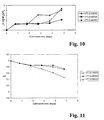
- the transformants having deletion of hfb1 , hfb2 , or both were cultivated in shake flasks on different growth media with glucose, sorbitol and lactose as carbon sources.
- the results showed that the deletion of hfb1, hfb2 or both genes had no negative effect on the production of enzymes by T. reesei. In some cases the enzyme production was even better than with the parental T. reesei strain.
- the cell walls, the ⁇ hfb1 hyphae grown on glucose in shake flasks cultivations look thinner than the control hyphae, and the strain also formed large pellets during cultivation.
- the growth of the transformant was somewhat impaired in the middle of the cultivation but the deletion strain reached the host strain at later stages of the cultivation. Deletion of the hfb2 gene did not have effect on the morphology of the transformant when grown on lactose in shaken liquid cultures and no difference in growth was detected inbetween the transformant and the host strain.
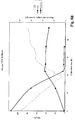
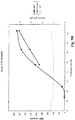
- T. reesei Rut C30 strain modified to have deletion of hfb2 in its genome was also grown on lactose and cellulose in a fermentor.
- the consumption of the antifoam agent, pH, growth and protein and enzyme production was monitored.
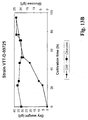
- the cultivation of the transformant on lactose did not utilise any antifoam agent and on cellulose the amount of antifoam needed during the cultivation was only 12% of that of the control cultivation.
- the decreased consumption of antifoam has several positive effects.
- the major advantage is a much easier downstream processing.
- the deletion of the hfb2 gene had no significant effect on growth of the transformant strain in fermentor in the tested conditions. Nor had the deletion of the hfb2 gene any clear negative effect on extracellular protein and enzyme production by the transformant.
- the production of a protein product was here also exemplified by producing fusion molecules comprising a hydrophobin-like protein.
- a production host strain was modified not to produce proteins or polypeptides associated with foam formation and the same host was transformed to produce a fusion molecule comprising an amphipathic protein and a molecule of interest for further purification in aqueous two-phase system (ATPS).
- aqueous two-phase system Aqueous two-phase system
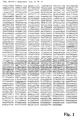
- hjb1 SEQ ID 1, Figure 1
- a plasmid was constructed in which the hfb1 coding region was replaced by the amdS gene of Aspergillus nidulans coding for acetamidase.
- Plasmid pEA10 (Nakari-Setälä et al. Eur. J. Biochem. (1996) 235:248-255) carrying ca. 5.8 kb Sall fragment containing the hfb1 coding and flanking regions was digested with Munl and blunted with T4 DNA polymerase. The subsequent vector fragment missing the ca.
- 950 bp MunI fragment containing the coding and some flanking regions for hfb1 was purified from agarose gel and ligated to a 3.2 kb amdS fragment released from p3SR2 (Hynes et al. Mol. Cell Biol. (1983) 3:1430-1439; Tilbum et al. Gene (1983) 26:205-221) with SphI and Xbal and blunted with T4 DNA polymerase.
- the resulting plasmid is pTNS24 ( Figure 3). It carries a deletion casette containing the amdS gene with ca. 2.7 kb and 2 kb of the hfb1 5' and 3' non-coding regions, respectively.
- the deletion casette may be released from the vector with Sall.
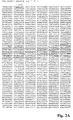
- hfb2 SEQ ID 2, Figure 2
- a plasmid was constructed in which the hfb2 coding region was replaced by the hph gene of E. coli coding for hygromycin B phosphotransferase.
- a 1.2 kb 5' flanking region of the hfb2 gene was released from the plasmid pTNS8 (Nakari-Setälä et al. Eur. J. Biochem. (1997) 248:415-423) with HindIII and BgII, blunted with T4 DNA polymerase and purified from agarose gel.
- pARO21 (Penttilä et al. Patent appl. FI 990667) cut with XhoI and blunted with T4 DNA polymerase resulting in pTNS26.
- pARO21 is essentially the same as pRLMex30 (Mach et al. Curr. Genet. (1994) 6:567-570) and carries the E. coli hph gene operably linked to 730 bp of pki1 promoter and 1 kb of cbh2 terminator sequences of T. reesei.
- pTNS26 was cut with EcoRV, treated with SAP (shrimp alkaline phosphatase, Boehringer-Mannheim) and ligated to a 1.7 kb EcoRV hfb2 3' flanking region fragment released from pTNS8.
- SAP shrimp alkaline phosphatase, Boehringer-Mannheim
- pTNS27 Figure 4
- both the 5' and 3' non-coding regions of the hfb2 gene flank the hph expression casette in the same orientation.
- the deletion casette may be released from the vector with SphI and SpeI.
- Trichoderma reesei strains QM9414 (VTT-D-74075), Rut-C30 (VTT-D-86271) and QM9414 ⁇ hfb1 (VTT-D-99724) were transformed essentially as described (Penttilä et al., Gene (1987) 61:155-164) using 3-13 ⁇ g of the plasmids pTNS24 and pTNS27 or the deletion casettes released from them with the proper restriction enzymes.
- the spore suspensions of the clones from which the hfb genes had been deleted on the basis of Southern analysis were purified to single spore cultures on selection plates (containing either acetamide or hygromycin). Southern analysis was repeated similarly as above to select pure ⁇ hfb clones.
- T. reesei strains used for further studies are VTT-D-99724 and VTT-D-99723 (QM9414 ⁇ hgb1 ), VTT-D-99726 (QM9414 ⁇ hfb2 ), VTT-D-99725 (QM9414 ⁇ hfb1 ⁇ hfb2 ) and VTT-D-99676 (Rut-C30 ⁇ hfb2 ).
- VTT-D-99724 ( ⁇ hfb1 ), VTT-D-99726 ( ⁇ hfb2 ), VTT-D-99725 ( ⁇ hfb1 ⁇ hfb2 ) and their host strain VTT-D-74075 (QM9414) were cultivated in shake flasks at 28°C for three and seven days in 50 ml of Trichoderma minimal medium (Penttilä et al. 1987) supplemented with 0.2% peptone and as a 2% carbon source either i) glucose, ii) sorbitol or iii) lactose. Starting pH was pH 4.8. Culture medium samples were taken after 3 of cultivation.
- Endoglucanase and endoxylanase activities were measured according to IUPAC standard method and Bailey et al. (1992) using hydroxyethyl cellulose (HEC,Fluka 54290) and birch xylan (XYL,Roth 7500) as substrates, repectively.
- Protease activity was determined semi-quantitatively by dotting 5 ⁇ l of culture filtrates on 1.5% agar plates (pH 5) containing 1% skim milk and estimating the size of the halos due to protease activity in the samples.
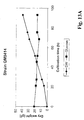
- the strains VTT-D-99724 ( ⁇ hfb1 ) and VTT-D-99723 ( ⁇ hfb1 ) originating from two independent transformants and their host strain VTT-D-74075 (QM9414) were also cultivated in shake flasks at 28°C for five days in 250 ml of Trichoderma minimal medium (Penttilä et al. 1987) buffered to pH 6 and supplemented with 3% glucose. The growth of the strains was followed by measuring the mycelial dry weights and qualitatively from the pH values of culture media at different time points.
- Modem cellulose production media may for some, but not all strains be based on lactose as the carbon source and enzyme inducer.
- the control strain Rut-C30 produces cellulases efficiently on lactose, whereas e.g. the strain QM9414 does not.
- Trichoderma reesei Rut-C30 and its ⁇ hfb2 transformant VTT D-99676 (D-676) were cultivated on lactose-based medium in a 15 litre laboratory fermenter.
- the medium contained (in g l -1 ) lactose (Riedel-de Ha ⁇ n, Germany, product 33411) 40, peptone (Difco, USA, 0118-17) 4.0, yeast extract (Difco, 0127-17), 1.0, KH 2 PO 4 4.0, (NH 4 ) 2 SO 4 2.8, MgSO 4 x 7H 2 O 0.6, CaCl 2 x 2H 2 O 0.8 (sterilised separately) and 2.0 ml l -1 of a trace solution (Mandels and Weber 1969).
- Trichoderma reesei Rut C30 and its ⁇ hfb2 transformant VTT D-99676 (D-676) were cultivated on cellulose-spent grain medium in a 15 litre laboratory fermenter.
- the medium contained (in g l -1 ) Solka floc cellulose 40, distiller's spent grain 20, KH 2 PO 4 5 and (NH 4 ) 2 SO 4 5.
- a standard dose of 5 ml antifoam agent (Struktol J633, Schill&Seilacher, Hamburg, Germany) was added to the medium to prevent foaming during the in-situ sterilisation (123°C/20 min).
- Cultivation conditions were: temperature 29°C, agitation 600 rpm, aeration 10 1 min -1 , pH 4.0...5.0.
- Trichoderma reesei strain QM9414 (VTT-D-74075) and its ⁇ hfb1 ⁇ hfb2 transformant VTT D-99725 were cultivated on glucose-based medium in a 15 litre laboratory fermenter.
- the medium contained (in g l -1 ) glucose, 40, peptone (Difco, USA, 0118-17) 4.0, yeast extract (Difco, 0127-17), 1.0, KH 2 PO 4 4.0, (NH 4 ) 2 SO 4 2.8, MgSO 4 x7H 2 O 0.6, CaCl 2 x2H 2 O 0.8 (sterilised separately) and 2.0 ml l -1 of a trace solution (Mandels and Weber 1969).
- the hfb1 coding region from Ser-23 to the STOP codon was amplified with PCR with the following primers, as a 5' primer ACT ACA CGG AG G AGC TC G ACG ACT TCG AGC AGC CCG AGC TGC ACG CAG AGC AAC GGC AAC GGC (SEQ ID No 3) and as a 3' primer TCG TAC GGA TCC TCA AGC ACC GAC GGC GGT. (SEQ ID No 4)
- the sequence in bold in the 5' primer encodes amino acids 410-425 in EGl and the underlined GAGCTC is a SacI site.
- the 260 bp PCR fragment was purified from agarose gel and ligated to pPCRII T/A vector (Invitrogen) resulting in pMQ111.
- Trichoderma expression vectors for production of EGIcore-HFBI fusion protein under the control of cbh1 promoter and terminator sequences was constructed.
- the expression vector used as a backbone in the constructs is pPLE3 (Nakari et al. (1994) WO 94/04673) which contains a pUC18 backbone, and carries the cbh1 promoter inserted at the EcoRI site.
- the cbh1 promoter is operably linked to the full length egll cDNA coding sequence and to the cbh1 transcriptional terminator.
- the plasmid pMQ111 was digested with SacI and BamHI and the 260 bp fragment containing the hfb1 sequence was ligated to pPLE3 digested with SacI and BamHI.
- the resulting plasmid pMQ113 ( Figure 5) carry the coding sequences for EGIcore linked to HFBI via its own linker region under the control of cbh1 promoter and terminator sequences.
- Trichoderma reesei strain QM9414 ⁇ hfb2 (VTT-D-99726) was transformed essentially as described (Penttilä et al., Gene (1987) 61:155-164) using 10 ⁇ g of the plasmid pMQ113 together with 3 ⁇ g of the selection plasmid pTOC202 containing the amdS gene (Hynes et al. Mol. Cell Biol. (1983) 3:1430-1439; Tilburn et al. Gene (1983) 26:205-221) of Aspergillus nidulans encoding for acetamidase.
- the Amd+ transformants obtained were streaked two times onto plates containing acetamide (Penttilä et al. (1987) Gene 61:155-164). Thereafter spore suspensions are made from transformants grown on Potato Dextrose agar (Difco).
- the production of the EGIcore-HFBI fusion protein is tested by slot blotting or Western analysis with EGI and HFBI specific antibodies from shake flask or microtiter plate cultivations carried out in mimal medium supplemented with a mixture of Solka floc cellulose and/or spent grain and/or whey.
- the spore suspensions of the clones producing fusion protein are purified to single spore cultures on selection plates (containing acetamide). To determine the best producers, production of the fusion protein is analyzed again from these purified clones as described above.
- Partitioning experiments are carried out with supernatant (biomass separated by centrifugation or filtration) in 10 ml graduated tubes.
- First detergent is added into the tubes and the tubes are then filled to 10 ml with culture supernatant.
- the amount of detergent in the tube is calculated in weight percent of detergents.
- After thorough mixing in an overhead shaker the separation takes place by either gravity settling in a water bath at constant temperature or by centrifugation at constant temperature. The separation is usually performed at 30°C, the standard amount of detergent used is 2-5% (w/v). After separation the volume ratio of the lighter and heavier phase is noted and the concentration factor for the fusion protein is calculated from it. Samples are also taken from the lighter and heavier phase for analysis.
- Two-phase separations are analysed qualitatively by using SDS-PAGE gels followed by visualization of the fusion proteins with Coomassie brilliant blue R-250 (Sigma) or Western blotting.
- Polyclonal anti-HFBI antibody are used in Western analysis for detection of EGIcore-HFBI protein together with alkaline phosphatase conjugated anti-rabbit IgG (Bio-Rad).
- Alkaline phosphatase activity is detected colorimetrically with BCIP (5-bromo-4-chloro-3-indolyl-phosphate) used in conjunction with NBT (nitro blue tetrazolium) (Promega).
- EGI activity is detected using 4-methylumbelliferyl- ⁇ -D-cellobloside (MUC) (Sigma M 6018) as substrate (Van Tilbeurgh H. & Caeyssens M., 1985; Van Tilbeurgh et.al. ,1982).
- MUC 4-methylumbelliferyl- ⁇ -D-cellobloside
- EGI hydrolyses the ⁇ -glycosidic bond and fluorogenic 4-methylumbelliferone is released, which can be measured using a fluorometer equipped with a 360 excitation filter and a 455 nm emission filter.
- CBHI also hydrolyses the substrate and it is inhibited by addition of cellobiose (C-7252, Sigma).
- EGI containing liquid is added in an appropriate dilution to a buffer containing 50 mM sodium acetate buffer (pH 5), 0.6 mM MUC and 4.6 mM cellobiose.
- the mixture is heated to 50°C.
- the reaction is stopped after ten minutes using 2% Na 2 CO 3 , pH 10.
- Purified CBHI is detected using the same assay as for EGI without the addition of the inhibitor cellobiose.
- the partition coefficient K is defined as the ratio of the measured concentrations or activities in the top and bottom phase respectively.
- the mass balances e.g. recovery of all added protein, are always checked for completeness to ensure no artificially high Yield (e.g. due to possible inactivation of the protein in the bottom phase).
- the values are usually calculated based on total enzyme activity (EGI wt plus the EGI-fusion) and thus the values are underestimated for the separation of the fusion.
- a T. reesei strain is constructed which produces a fusion protein consisting of T. reesei HFBI protein in the N-terminus and in the C-terminus a single chain antibody (ENA5SCFV) recognizing a small molecular weight derivative of diarylalkyltriazole.
- the fusion is to be subjected for purification using aqueous two-phase system.
- RNA was isolated using the extraction protocoll of Promega from the hybridoma cell line obtained from the spleen cells of mice immunized with antigen.
- the mRNA fraction was purified using the Oligotex-dT polyA+ purification kit of Qiagen and the cDNA synthesis was performed with AMV reverse transcriptase - system of Promega.
- the cDNA was then subjected to PCR amplification using primer mixtures specific for each antibody group, 9 for heavy chains and 4 for light chains (according to Kabat et. al ., 1991, Sequences of proteins of immunological interest, NIH publication No.
- the polymerization was carried out using the Dynazyme polymerase (Finnzymes) and standard conditions according to the manufacturer's instructions. After the amplification, both the heavy and the light chains were cloned as a dicistronic operon under the tac promoter controlled by the lac I q repressor present in the expression vector pTI8 (Takkinen et al, 1991). For secretion, the PelB signal sequence of pectate lyase of Erwinia carotovora (Takkinen et al, 1991) was linked for both the heavy and the light chains. A six histidine tag was added to the C-termini of the light chains. The resulting plasmid is pENA5-His.
- variable domains of the heavy and light chains were amplified with PCR using pENA5-His as template.
- the amplified fragment was cloned into pKKtac vector (Takkinen et al. 1991) resulting in pENA5SCFV.
- pENA5SCFV vector carries the coding region for ENA5SCFV single chain antibody consisting of the variable domains of the heavy and light chains connected via a glycine serine linker (Huston et al 1988 and 1991) and a 6 x histidine tag at the C-terminal end. Transcription and secretion of the single chain antibody are under control of the tac promoter and pelB signal sequence, respectively (Takkinen et al. 1991).
- pENA5SCFV was digested with Ncol and XbaI.
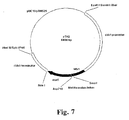
- the fragment containing the ena5scfv gene and the histidine tail (6 x His) was blut-end cloned to pTNS29 resulting in pTH1 ( Figure 6).
- pTNS29 vector carries the hfb1 coding region of T reesei followed by a linker sequence (ProGlyAlaSerThr SerThrGlyMetGlyProGlyGly) (SEQ ID No 5)under the control of cbh1 promoter and terminator sequences.
- HFBI-ENA5SCFV fusion protein with a thrombin cleavage site in the linker peptide, ena5scfv coding region (from Ala-23 to the STOP codon) and a peptide linker containing the thrombin cleavage site (Gly Thr Leu Val Pro Arg Gly Pro Ala Glu Val Asn Leu Val) (SEQ ID No 6) preceeding it was amplified with PCR using pENA5SCFV as a template and as a 5' primer GAA TTC GGT ACC CTC GTC CCT CGC GGT CCC GCC GAA GTG AAC CTG GTG (SEQ ID No 7) and as a 3' primer TGA ATT C CA TAT GCT AAC CCC GTT TCA TCT CCA G (SEQ ID No 8).
- the sequence in bold in the 5' primer encodes the first 6 N-terminal residues of ENA5SCFV.
- the sequence in italics is a thrombin cleavage site and underlined GGT ACC is Asp718 site.
- the sequence in bold in the 3' primer encodes the 6 C-terminal residues of ENA5SCFV and the underlined CA TATG is a NdeI site.
- the 790 bp PCR tragment was purified from agarose gel and ligated to pTNS29 resulting in pTH2 ( Figure 7).
- Trichoderma reesei strain VTT-D-99726 (QM9414 ⁇ hfb2 ) is co-transformed essentially as described (Penttilä et al., Gene (1987) 61:155-164) using 10 ⁇ g of the plasmids pTH1 and PTH2 and as selection plasmid 2 ⁇ g pTOC202. Amd+ transformants obtained are streaked two times onto plates containing acetamide. Thereafter spore suspensions are made from transformants grown on Potato Dextrose agar (Difco).
- the production of the two HFBI-ENA5SCFV fusion proteins is tested by Western analysis with HFBI specific antibody and with the antibody against the his-tail from shake flask cultivations carried out in mimal medium supplemented with 3 % lactose or Solka flock cellulose and spent grain.
Landscapes
- Life Sciences & Earth Sciences (AREA)
- Chemical & Material Sciences (AREA)
- Health & Medical Sciences (AREA)
- Organic Chemistry (AREA)
- Engineering & Computer Science (AREA)
- Genetics & Genomics (AREA)
- General Health & Medical Sciences (AREA)
- Mycology (AREA)
- Biochemistry (AREA)
- Medicinal Chemistry (AREA)
- Zoology (AREA)
- Wood Science & Technology (AREA)
- Bioinformatics & Cheminformatics (AREA)
- Biotechnology (AREA)
- Gastroenterology & Hepatology (AREA)
- Proteomics, Peptides & Aminoacids (AREA)
- Tropical Medicine & Parasitology (AREA)
- Virology (AREA)
- Biophysics (AREA)
- Biomedical Technology (AREA)
- Microbiology (AREA)
- Botany (AREA)
- Molecular Biology (AREA)
- General Engineering & Computer Science (AREA)
- Micro-Organisms Or Cultivation Processes Thereof (AREA)
- Preparation Of Compounds By Using Micro-Organisms (AREA)
- Peptides Or Proteins (AREA)
- Immobilizing And Processing Of Enzymes And Microorganisms (AREA)
Claims (12)
- Verfahren zur Verringerung der Schaumbildung bei der Züchtung eines Trichoderma-Produktionswirts,
dadurch gekennzeichnet, dass das Verfahren die Schritte umfasst:- geaetisches Modifizieren des Produktionswirts auf solche eine Weise, dass der Wirt mindestens 50 % weniger HFB I oder HFB II oder von beidem während der Züchtung, verglichen mit dem nicht modifizierten Elternwirtsstamm, erzeugt, und- Züchten des Produktionswirts unter geeigneten Kulturbedingungen. - Verfahren nach Anspruch 1, dadurch gekennzeichnet, dass die genetische Modifikation die genetische Modifikation einer DNA-Sequenz umfasst, welche Hydrophobin codiert.
- Verfahren nach Anspruch 1, dadurch gekennzeichnet, dass die genetische Modifikation die genetische Modifikation des regulatorischen Bereichs eines Gens umfasst, welches Hydrophobin codiert.
- Verfahren nach Anspruch 2, dadurch gekennzeichnet, dass die genetische Modifikation die Inaktivierung einer DNA-Sequenz umfasst, welche Hydrophobin codiert.
- Verfahren nach Anspruch 4, dadurch gekennzeichnet, dass die genetische Modifikation die Deletion einer DNA-Sequenz umfasst, welche Hydrophobin codiert.
- Trichoderma-Produktionswirtsstamm, dadurch gekennzeichnet, dass der Wirtsstamm genetisch modifiziert ist, um mindestens 50 % weniger HFB I oder HFB II oder von beidem, verglichen mit dem nicht modifizierten Elternwirtsstamm, zu erzeugen.
- Wirtsstamm nach Anspruch 6, dadurch gekennzeichnet, dass der Wirtsstamm eine erhöhte Fähigkeit zur Erzeugung eines Produkts von Interesse aufweist.
- Wirtsstamm nach Anspruch 6 oder 7, dadurch gekennzeichnet, dass der Wirtsstamm genetisch modifiziert ist, um ein Produkt von Interesse erzeugen zu können.
- Wirtsstamm nach einem der Ansprüche 6 bis 8, dadurch gekennzeichnet, dass das Produkt von Interesse ein Protein oder ein Metabolit oder eine Biomasse ist.
- Wirtsstamm nach einem der Ansprüche 6 bis 9, dadurch gekennzeichnet, dass das Produkt von Interesse ein rekombinantes Produkt ist.
- Wirtsstamm nach einem der Ansprüche 6 bis 10, dadurch gekennzeichnet, dass der Wirtsstamm genetisch modifiziert ist, um ein Fusionsmolekül erzeugen zu können, das ein mit einem Hydrophobin fusioniertes Molekül von Interesse umfasst.
- Verfahren zur Herstellung einer erhöhten Menge eines Produkts von Interesse, dadurch gekennzeichnet, dass das Verfahren die Schritte umfasst:- Züchten eines Trichoderma-Produktionswirtsstamms nach einem der Ansprüche 6 bis 11; und- Gewinnen des Produkts aus der Züchtung.
Applications Claiming Priority (3)
| Application Number | Priority Date | Filing Date | Title |
|---|---|---|---|
| FI991781A FI108863B (fi) | 1999-08-20 | 1999-08-20 | Parannettu biotekninen tuotantomenetelmä |
| FI991781 | 1999-08-20 | ||
| PCT/FI2000/000707 WO2001014521A1 (en) | 1999-08-20 | 2000-08-21 | A method for decreasing the foam formation during cultivation of a microorganism |
Publications (2)
| Publication Number | Publication Date |
|---|---|
| EP1204738A1 EP1204738A1 (de) | 2002-05-15 |
| EP1204738B1 true EP1204738B1 (de) | 2006-01-25 |
Family
ID=8555180
Family Applications (1)
| Application Number | Title | Priority Date | Filing Date |
|---|---|---|---|
| EP00954690A Expired - Lifetime EP1204738B1 (de) | 1999-08-20 | 2000-08-21 | Verfahren zur verminderung der schaumbildung während der kultivierung eines mikroorganismus |
Country Status (12)
| Country | Link |
|---|---|
| US (1) | US7338779B1 (de) |
| EP (1) | EP1204738B1 (de) |
| JP (1) | JP4685305B2 (de) |
| AT (1) | ATE316570T1 (de) |
| AU (1) | AU782206B2 (de) |
| CA (1) | CA2382468A1 (de) |
| DE (1) | DE60025733T2 (de) |
| DK (1) | DK1204738T3 (de) |
| ES (1) | ES2257310T3 (de) |
| FI (1) | FI108863B (de) |
| PT (1) | PT1204738E (de) |
| WO (1) | WO2001014521A1 (de) |
Cited By (2)
| Publication number | Priority date | Publication date | Assignee | Title |
|---|---|---|---|---|
| US8716001B2 (en) | 2009-02-06 | 2014-05-06 | Cornell University | Trichoderma strains that induce resistance to plant diseases and/or increase plant growth |
| WO2020108923A1 (fr) * | 2018-11-26 | 2020-06-04 | IFP Energies Nouvelles | Procede de production d'enzymes par une souche appartenant a un champignon filamenteux |
Families Citing this family (27)
| Publication number | Priority date | Publication date | Assignee | Title |
|---|---|---|---|---|
| ATE358996T1 (de) | 2004-07-27 | 2007-05-15 | Unilever Nv | Belüftete, hydrophobin enthaltende nahrungsmittel |
| CN101267747B (zh) * | 2005-09-23 | 2012-11-28 | 荷兰联合利华有限公司 | 乳油化减少的充气产品 |
| DE602006005253D1 (de) * | 2005-09-23 | 2009-04-02 | Unilever Nv | Herstellungsverfahren für eine gefrorene und durchlüftete zusammensetzung |
| CA2617544C (en) * | 2005-09-23 | 2014-03-18 | Unilever Plc | Low ph aerated products |
| DE102005048720A1 (de) | 2005-10-12 | 2007-04-19 | Basf Ag | Verwendung von Proteinen als Antischaum-Komponente in Kraftstoffen |
| ATE394935T1 (de) | 2005-12-21 | 2008-05-15 | Unilever Nv | Gefrorene belüftete süssspeisen |
| DE602007009795D1 (de) * | 2006-01-31 | 2010-11-25 | Unilever Nv | Mit luft durchsetzte zusammensetzungen mit hydrophobin |
| JP5069926B2 (ja) * | 2007-03-20 | 2012-11-07 | 株式会社ミツカングループ本社 | 酢酸菌の発泡に関与する遺伝子、該遺伝子を修飾して育種された酢酸菌、及び該酢酸菌を用いた食酢の製造方法 |
| JP5358911B2 (ja) * | 2007-08-24 | 2013-12-04 | 東レ株式会社 | 連続発酵による化学品の製造方法 |
| AU2008313721B2 (en) * | 2007-10-18 | 2013-03-21 | Unilever Plc | Method for producing a foaming agent |
| US20100112139A1 (en) * | 2008-03-28 | 2010-05-06 | Conopco, Inc., D/B/A Unilever | Foaming Agents Comprising Hydrophobin |
| JP2012505645A (ja) * | 2008-10-16 | 2012-03-08 | ユニリーバー・ナームローゼ・ベンノートシヤープ | 消泡剤を含むハイドロフォビン溶液 |
| AU2009328324B2 (en) | 2008-12-16 | 2013-03-21 | Unilever Plc | Method for extracting hydrophobin from a solution |
| JP5349035B2 (ja) | 2008-12-24 | 2013-11-20 | 株式会社ミツカングループ本社 | 酢酸菌の発泡に関与する遺伝子、該遺伝子を修飾して育種された酢酸菌、及び該酢酸菌を用いた食酢の製造方法 |
| US8394444B2 (en) * | 2009-05-29 | 2013-03-12 | Conopco, Inc. | Oil-in-water emulsion |
| US8357420B2 (en) * | 2009-05-29 | 2013-01-22 | Conopco, Inc. | Oil-in-water emulsion |
| CA2704702C (en) * | 2009-06-02 | 2018-06-12 | Unilever Plc | Aerated baked products |
| US20120252066A1 (en) * | 2011-03-29 | 2012-10-04 | Heng Meng H | Methods of foam control |
| WO2014063097A1 (en) | 2012-10-19 | 2014-04-24 | Danisco Us Inc. | Stabilization of biomimetic membranes |
| WO2014191487A1 (en) * | 2013-05-29 | 2014-12-04 | Danmarks Tekniske Universitet | Genetically modified filamentous fungi and uses thereof |
| WO2015067495A1 (en) * | 2013-11-07 | 2015-05-14 | Unilever N.V. | Process for manufacturing an aerated food product |
| KR101530819B1 (ko) * | 2014-05-08 | 2015-06-22 | 씨제이제일제당 (주) | L-라이신 생산능이 향상된 미생물 및 이를 이용한 l-라이신 생산방법 |
| KR102105559B1 (ko) * | 2018-05-25 | 2020-04-28 | 한국에너지기술연구원 | 식물성 유지를 사용한 미생물 배양 방법 및 이러한 방법을 통한 발효물 생산 방법 |
| CN111793665B (zh) * | 2019-04-09 | 2022-03-15 | 中国科学院微生物研究所 | 一种生物表面活性功能蛋白的生产方法及其所用培养基 |
| FR3103196B1 (fr) | 2019-11-18 | 2024-05-31 | Ifp Energies Now | Procede de production d’enzymes par une souche appartenant a un champignon filamenteux |
| DE102020107345A1 (de) | 2020-03-17 | 2021-09-23 | Mann+Hummel Gmbh | Aerosolabscheider sowie Verfahren zum Einbau eines Koaleszenz-Filterelementes in einen Aerosolabscheider |
| WO2026004847A1 (ja) * | 2024-06-25 | 2026-01-02 | 国立大学法人東北大学 | 変異型糸状菌及び当該変異型糸状菌を用いた物質生産方法 |
Family Cites Families (2)
| Publication number | Priority date | Publication date | Assignee | Title |
|---|---|---|---|---|
| AU5914196A (en) * | 1995-06-12 | 1997-01-09 | Proefstation Voor De Champignoncultuur | Hydrophobins from edible fungi, genes, nucleotide sequences and dna-fragments encoding for said hydrophobins, and expression thereof |
| WO1998022598A1 (en) | 1996-11-18 | 1998-05-28 | Novo Nordisk Biotech, Inc. | Methods for producing polypeptides in surfactin mutants of bacillus cells |
-
1999
- 1999-08-20 FI FI991781A patent/FI108863B/fi active
-
2000
- 2000-08-21 US US10/050,000 patent/US7338779B1/en not_active Expired - Fee Related
- 2000-08-21 AT AT00954690T patent/ATE316570T1/de active
- 2000-08-21 EP EP00954690A patent/EP1204738B1/de not_active Expired - Lifetime
- 2000-08-21 DE DE60025733T patent/DE60025733T2/de not_active Expired - Lifetime
- 2000-08-21 AU AU67052/00A patent/AU782206B2/en not_active Ceased
- 2000-08-21 ES ES00954690T patent/ES2257310T3/es not_active Expired - Lifetime
- 2000-08-21 WO PCT/FI2000/000707 patent/WO2001014521A1/en not_active Ceased
- 2000-08-21 JP JP2001518837A patent/JP4685305B2/ja not_active Expired - Fee Related
- 2000-08-21 DK DK00954690T patent/DK1204738T3/da active
- 2000-08-21 PT PT00954690T patent/PT1204738E/pt unknown
- 2000-08-21 CA CA002382468A patent/CA2382468A1/en not_active Abandoned
Non-Patent Citations (2)
| Title |
|---|
| BAILEY ET AL: "Process technological effects of deletion and amplification of hydrophobins I and II in transfomants of Trichoderma reesei.", APPL. MICROBIOL. BIOTECHNOL., vol. 58, 2002, pages 721 - 727 * |
| BAILEY; TOHTIHARJU: "Efficient cellulase production by Trichoderma reesei in continuous cultivation on lactose medium with a computer-controlled feeding strategy.", APPL. MICROBIOL. BIOTECHNOL., 3 April 2003 (2003-04-03) * |
Cited By (4)
| Publication number | Priority date | Publication date | Assignee | Title |
|---|---|---|---|---|
| US8716001B2 (en) | 2009-02-06 | 2014-05-06 | Cornell University | Trichoderma strains that induce resistance to plant diseases and/or increase plant growth |
| US8877481B2 (en) | 2009-02-06 | 2014-11-04 | Cornell University | Trichoderma strains that induce resistance to plant diseases and/or increase plant growth |
| US8877480B2 (en) | 2009-02-06 | 2014-11-04 | Cornell University | Trichoderma strains that induce resistance to plant diseases and/or increase plant growth |
| WO2020108923A1 (fr) * | 2018-11-26 | 2020-06-04 | IFP Energies Nouvelles | Procede de production d'enzymes par une souche appartenant a un champignon filamenteux |
Also Published As
| Publication number | Publication date |
|---|---|
| PT1204738E (pt) | 2006-05-31 |
| EP1204738A1 (de) | 2002-05-15 |
| AU782206B2 (en) | 2005-07-14 |
| US7338779B1 (en) | 2008-03-04 |
| JP2003507056A (ja) | 2003-02-25 |
| JP4685305B2 (ja) | 2011-05-18 |
| WO2001014521A1 (en) | 2001-03-01 |
| DE60025733T2 (de) | 2007-03-01 |
| AU6705200A (en) | 2001-03-19 |
| CA2382468A1 (en) | 2001-03-01 |
| ES2257310T3 (es) | 2006-08-01 |
| FI19991781L (fi) | 2001-02-21 |
| ATE316570T1 (de) | 2006-02-15 |
| FI108863B (fi) | 2002-04-15 |
| DE60025733D1 (de) | 2006-04-13 |
| DK1204738T3 (da) | 2006-06-06 |
Similar Documents
| Publication | Publication Date | Title |
|---|---|---|
| EP1204738B1 (de) | Verfahren zur verminderung der schaumbildung während der kultivierung eines mikroorganismus | |
| EP1163260B1 (de) | Prozess zur trennung von proteinen | |
| Bailey et al. | Process technological effects of deletion and amplification of hydrophobins I and II in transformants of Trichoderma reesei | |
| Nakari‐Setälä et al. | Differential Expression of the Vegetative and Spore‐Bound Hydrophobins of Trichoderma Reesei Cloning and Characterization of the Hfb2 Gene | |
| US5179003A (en) | Process for the production of proteins or protein-containing gene products | |
| WO1996041882A1 (en) | Hydrophobins from edible fungi, genes, nucleotide sequences and dna-fragments encoding for said hydrophobins, and expression thereof | |
| KR20170109675A (ko) | 진균 균주 및 사용 방법 | |
| CA2745522A1 (en) | Method for extracting hydrophobin from a solution | |
| CN113956986B (zh) | 提高昆虫生防真菌生长、产孢能力和提高毒力的方法 | |
| CN1425069B (zh) | 纯化蛋白质的方法 | |
| US20040229341A1 (en) | Method for the production of chitin deacetylase | |
| Lima et al. | Synthesis of a Trichoderma chitinase which affects the Sclerotium rolfsii and Rhizoctonia solani cell walls | |
| Carstens et al. | Overexpression, secretion and antifungal activity of the Saccharomyces cerevisiae chitinase | |
| Askolin | Characterization of the Trichoderma reesei hydrophobins HFBI and HFBII | |
| CN113699176A (zh) | 高产溶血磷脂酶黑曲霉重组表达菌株的构建及应用 | |
| KR20150018517A (ko) | 트리코데르마 하이드로포빈의 생성 | |
| AU748455B2 (en) | Utilization of an antifungal protein from streptomyces tendae against plant pathogenic fungi | |
| RU2538149C2 (ru) | КЛЕТКА МИЦЕЛИАЛЬНОГО ГРИБА Penicillium canescens - ПРОДУЦЕНТ КСИЛАНАЗЫ И ЛАККАЗЫ, СПОСОБ ПОЛУЧЕНИЯ КОМБИНИРОВАННОГО ФЕРМЕНТНОГО ПРЕПАРАТА КСИЛАНАЗЫ И ЛАККАЗЫ | |
| EP1614748A1 (de) | Fungales Polygalakturonase mit verbesserten Mazerationseigenschaften | |
| Gordon | Development of a glucoamylase:: green fluorescent protein fusion to study protein secretion in Aspergillus niger | |
| de Groot | Molecular aspects of growth and fruiting of the edible mushroom Agaricus bisporus |
Legal Events
| Date | Code | Title | Description |
|---|---|---|---|
| PUAI | Public reference made under article 153(3) epc to a published international application that has entered the european phase |
Free format text: ORIGINAL CODE: 0009012 |
|
| 17P | Request for examination filed |
Effective date: 20020214 |
|
| AK | Designated contracting states |
Kind code of ref document: A1 Designated state(s): AT BE CH CY DE DK ES FI FR GB GR IE IT LI LU MC NL PT SE |
|
| AX | Request for extension of the european patent |
Free format text: AL;LT;LV;MK;RO;SI |
|
| 17Q | First examination report despatched |
Effective date: 20030521 |
|
| GRAP | Despatch of communication of intention to grant a patent |
Free format text: ORIGINAL CODE: EPIDOSNIGR1 |
|
| GRAS | Grant fee paid |
Free format text: ORIGINAL CODE: EPIDOSNIGR3 |
|
| GRAA | (expected) grant |
Free format text: ORIGINAL CODE: 0009210 |
|
| AK | Designated contracting states |
Kind code of ref document: B1 Designated state(s): AT BE CH CY DE DK ES FI FR GB GR IE IT LI LU MC NL PT SE |
|
| PG25 | Lapsed in a contracting state [announced via postgrant information from national office to epo] |
Ref country code: FI Free format text: LAPSE BECAUSE OF FAILURE TO SUBMIT A TRANSLATION OF THE DESCRIPTION OR TO PAY THE FEE WITHIN THE PRESCRIBED TIME-LIMIT Effective date: 20060125 |
|
| REG | Reference to a national code |
Ref country code: GB Ref legal event code: FG4D |
|
| REG | Reference to a national code |
Ref country code: CH Ref legal event code: EP |
|
| REG | Reference to a national code |
Ref country code: IE Ref legal event code: FG4D |
|
| REF | Corresponds to: |
Ref document number: 60025733 Country of ref document: DE Date of ref document: 20060413 Kind code of ref document: P |
|
| REG | Reference to a national code |
Ref country code: SE Ref legal event code: TRGR |
|
| REG | Reference to a national code |
Ref country code: CH Ref legal event code: NV Representative=s name: BRAUNPAT BRAUN EDER AG Ref country code: PT Ref legal event code: SC4A Effective date: 20060407 |
|
| REG | Reference to a national code |
Ref country code: DK Ref legal event code: T3 |
|
| REG | Reference to a national code |
Ref country code: GR Ref legal event code: EP Ref document number: 20060401409 Country of ref document: GR |
|
| REG | Reference to a national code |
Ref country code: ES Ref legal event code: FG2A Ref document number: 2257310 Country of ref document: ES Kind code of ref document: T3 |
|
| PG25 | Lapsed in a contracting state [announced via postgrant information from national office to epo] |
Ref country code: MC Free format text: LAPSE BECAUSE OF NON-PAYMENT OF DUE FEES Effective date: 20060831 |
|
| ET | Fr: translation filed | ||
| PLBE | No opposition filed within time limit |
Free format text: ORIGINAL CODE: 0009261 |
|
| STAA | Information on the status of an ep patent application or granted ep patent |
Free format text: STATUS: NO OPPOSITION FILED WITHIN TIME LIMIT |
|
| 26N | No opposition filed |
Effective date: 20061026 |
|
| PG25 | Lapsed in a contracting state [announced via postgrant information from national office to epo] |
Ref country code: CY Free format text: LAPSE BECAUSE OF FAILURE TO SUBMIT A TRANSLATION OF THE DESCRIPTION OR TO PAY THE FEE WITHIN THE PRESCRIBED TIME-LIMIT Effective date: 20060125 |
|
| PGFP | Annual fee paid to national office [announced via postgrant information from national office to epo] |
Ref country code: CH Payment date: 20110824 Year of fee payment: 12 Ref country code: DK Payment date: 20110822 Year of fee payment: 12 |
|
| PGFP | Annual fee paid to national office [announced via postgrant information from national office to epo] |
Ref country code: LU Payment date: 20120824 Year of fee payment: 13 |
|
| PGFP | Annual fee paid to national office [announced via postgrant information from national office to epo] |
Ref country code: IE Payment date: 20120821 Year of fee payment: 13 Ref country code: SE Payment date: 20120821 Year of fee payment: 13 |
|
| PGFP | Annual fee paid to national office [announced via postgrant information from national office to epo] |
Ref country code: GR Payment date: 20120821 Year of fee payment: 13 |
|
| PGFP | Annual fee paid to national office [announced via postgrant information from national office to epo] |
Ref country code: IT Payment date: 20120823 Year of fee payment: 13 Ref country code: BE Payment date: 20120824 Year of fee payment: 13 Ref country code: ES Payment date: 20120816 Year of fee payment: 13 |
|
| PGFP | Annual fee paid to national office [announced via postgrant information from national office to epo] |
Ref country code: NL Payment date: 20120821 Year of fee payment: 13 Ref country code: PT Payment date: 20120221 Year of fee payment: 13 |
|
| PGFP | Annual fee paid to national office [announced via postgrant information from national office to epo] |
Ref country code: AT Payment date: 20120813 Year of fee payment: 13 |
|
| PGFP | Annual fee paid to national office [announced via postgrant information from national office to epo] |
Ref country code: DE Payment date: 20130821 Year of fee payment: 14 |
|
| PGFP | Annual fee paid to national office [announced via postgrant information from national office to epo] |
Ref country code: FR Payment date: 20130823 Year of fee payment: 14 Ref country code: GB Payment date: 20130821 Year of fee payment: 14 |
|
| BERE | Be: lapsed |
Owner name: *VALTION TEKNILLINEN TUTKIMUSKESKUS Effective date: 20130831 |
|
| REG | Reference to a national code |
Ref country code: PT Ref legal event code: MM4A Free format text: LAPSE DUE TO NON-PAYMENT OF FEES Effective date: 20140221 |
|
| REG | Reference to a national code |
Ref country code: NL Ref legal event code: V1 Effective date: 20140301 |
|
| REG | Reference to a national code |
Ref country code: DK Ref legal event code: EBP Effective date: 20130831 Ref country code: CH Ref legal event code: PL |
|
| REG | Reference to a national code |
Ref country code: SE Ref legal event code: EUG |
|
| REG | Reference to a national code |
Ref country code: AT Ref legal event code: MM01 Ref document number: 316570 Country of ref document: AT Kind code of ref document: T Effective date: 20130821 |
|
| REG | Reference to a national code |
Ref country code: GR Ref legal event code: ML Ref document number: 20060401409 Country of ref document: GR Effective date: 20140305 |
|
| PG25 | Lapsed in a contracting state [announced via postgrant information from national office to epo] |
Ref country code: SE Free format text: LAPSE BECAUSE OF NON-PAYMENT OF DUE FEES Effective date: 20130822 Ref country code: NL Free format text: LAPSE BECAUSE OF NON-PAYMENT OF DUE FEES Effective date: 20140301 Ref country code: CH Free format text: LAPSE BECAUSE OF NON-PAYMENT OF DUE FEES Effective date: 20130831 Ref country code: LI Free format text: LAPSE BECAUSE OF NON-PAYMENT OF DUE FEES Effective date: 20130831 |
|
| REG | Reference to a national code |
Ref country code: IE Ref legal event code: MM4A |
|
| PG25 | Lapsed in a contracting state [announced via postgrant information from national office to epo] |
Ref country code: BE Free format text: LAPSE BECAUSE OF NON-PAYMENT OF DUE FEES Effective date: 20130831 Ref country code: IT Free format text: LAPSE BECAUSE OF NON-PAYMENT OF DUE FEES Effective date: 20130821 Ref country code: GR Free format text: LAPSE BECAUSE OF NON-PAYMENT OF DUE FEES Effective date: 20140305 Ref country code: AT Free format text: LAPSE BECAUSE OF NON-PAYMENT OF DUE FEES Effective date: 20130821 |
|
| PG25 | Lapsed in a contracting state [announced via postgrant information from national office to epo] |
Ref country code: PT Free format text: LAPSE BECAUSE OF NON-PAYMENT OF DUE FEES Effective date: 20140221 |
|
| PG25 | Lapsed in a contracting state [announced via postgrant information from national office to epo] |
Ref country code: IE Free format text: LAPSE BECAUSE OF NON-PAYMENT OF DUE FEES Effective date: 20130821 |
|
| PG25 | Lapsed in a contracting state [announced via postgrant information from national office to epo] |
Ref country code: DK Free format text: LAPSE BECAUSE OF NON-PAYMENT OF DUE FEES Effective date: 20130831 |
|
| REG | Reference to a national code |
Ref country code: ES Ref legal event code: FD2A Effective date: 20141015 |
|
| PG25 | Lapsed in a contracting state [announced via postgrant information from national office to epo] |
Ref country code: ES Free format text: LAPSE BECAUSE OF NON-PAYMENT OF DUE FEES Effective date: 20130822 |
|
| REG | Reference to a national code |
Ref country code: DE Ref legal event code: R119 Ref document number: 60025733 Country of ref document: DE |
|
| GBPC | Gb: european patent ceased through non-payment of renewal fee |
Effective date: 20140821 |
|
| REG | Reference to a national code |
Ref country code: DE Ref legal event code: R119 Ref document number: 60025733 Country of ref document: DE Effective date: 20150303 |
|
| REG | Reference to a national code |
Ref country code: FR Ref legal event code: ST Effective date: 20150430 |
|
| PG25 | Lapsed in a contracting state [announced via postgrant information from national office to epo] |
Ref country code: LU Free format text: LAPSE BECAUSE OF NON-PAYMENT OF DUE FEES Effective date: 20130821 Ref country code: GB Free format text: LAPSE BECAUSE OF NON-PAYMENT OF DUE FEES Effective date: 20140821 Ref country code: DE Free format text: LAPSE BECAUSE OF NON-PAYMENT OF DUE FEES Effective date: 20150303 |
|
| PG25 | Lapsed in a contracting state [announced via postgrant information from national office to epo] |
Ref country code: FR Free format text: LAPSE BECAUSE OF NON-PAYMENT OF DUE FEES Effective date: 20140901 |