EP1218460B2 - Verwendung von assoziativen verdickungsmitteln auf polyurethanbasis und/oder von dipropylenglykolmonoalkylethern in farb- und/oder effektgebenden mehrschichtlackierungen - Google Patents
Verwendung von assoziativen verdickungsmitteln auf polyurethanbasis und/oder von dipropylenglykolmonoalkylethern in farb- und/oder effektgebenden mehrschichtlackierungen Download PDFInfo
- Publication number
- EP1218460B2 EP1218460B2 EP00960566A EP00960566A EP1218460B2 EP 1218460 B2 EP1218460 B2 EP 1218460B2 EP 00960566 A EP00960566 A EP 00960566A EP 00960566 A EP00960566 A EP 00960566A EP 1218460 B2 EP1218460 B2 EP 1218460B2
- Authority
- EP
- European Patent Office
- Prior art keywords
- polyurethane
- acid
- basecoat material
- aqueous basecoat
- water
- Prior art date
- Legal status (The legal status is an assumption and is not a legal conclusion. Google has not performed a legal analysis and makes no representation as to the accuracy of the status listed.)
- Expired - Lifetime
Links
- -1 dipropylene glycol monoalkyl ethers Chemical class 0.000 title claims abstract description 83
- 229920002635 polyurethane Polymers 0.000 title claims abstract description 74
- 239000004814 polyurethane Substances 0.000 title claims abstract description 72
- 239000002562 thickening agent Substances 0.000 title claims abstract description 48
- 230000000694 effects Effects 0.000 title claims abstract description 40
- 239000004922 lacquer Substances 0.000 title description 2
- 239000003973 paint Substances 0.000 claims abstract description 58
- 230000007547 defect Effects 0.000 claims abstract description 31
- 239000000463 material Substances 0.000 claims description 57
- 239000000049 pigment Substances 0.000 claims description 39
- 238000000576 coating method Methods 0.000 claims description 36
- 239000003795 chemical substances by application Substances 0.000 claims description 27
- 239000011248 coating agent Substances 0.000 claims description 23
- 239000003431 cross linking reagent Substances 0.000 claims description 21
- 230000003472 neutralizing effect Effects 0.000 claims description 21
- 230000003287 optical effect Effects 0.000 claims description 20
- 229920001225 polyester resin Polymers 0.000 claims description 13
- 239000004645 polyester resin Substances 0.000 claims description 13
- 238000005498 polishing Methods 0.000 claims description 11
- 239000004925 Acrylic resin Substances 0.000 claims description 10
- 239000000654 additive Substances 0.000 claims description 10
- 125000000524 functional group Chemical group 0.000 claims description 10
- 125000000129 anionic group Chemical group 0.000 claims description 8
- 150000007942 carboxylates Chemical group 0.000 claims description 7
- 229920003023 plastic Polymers 0.000 claims description 7
- 239000004033 plastic Substances 0.000 claims description 7
- 150000001450 anions Chemical class 0.000 claims description 5
- 239000000428 dust Substances 0.000 claims description 4
- 239000007788 liquid Substances 0.000 claims description 4
- 150000001735 carboxylic acids Chemical class 0.000 claims description 3
- 238000004806 packaging method and process Methods 0.000 claims description 3
- 230000000996 additive effect Effects 0.000 claims 2
- 238000005299 abrasion Methods 0.000 claims 1
- XLYOFNOQVPJJNP-UHFFFAOYSA-N water Substances O XLYOFNOQVPJJNP-UHFFFAOYSA-N 0.000 description 57
- 239000000178 monomer Substances 0.000 description 48
- 239000002253 acid Substances 0.000 description 40
- 229920005989 resin Polymers 0.000 description 33
- 239000011347 resin Substances 0.000 description 33
- 238000002360 preparation method Methods 0.000 description 30
- 230000000052 comparative effect Effects 0.000 description 28
- 238000000034 method Methods 0.000 description 27
- 239000000243 solution Substances 0.000 description 25
- 150000007513 acids Chemical class 0.000 description 24
- 238000002474 experimental method Methods 0.000 description 24
- 150000002009 diols Chemical class 0.000 description 23
- 239000010410 layer Substances 0.000 description 23
- 229920000058 polyacrylate Polymers 0.000 description 22
- 125000004432 carbon atom Chemical group C* 0.000 description 21
- 239000000203 mixture Substances 0.000 description 20
- 239000005056 polyisocyanate Substances 0.000 description 19
- 229920001228 polyisocyanate Polymers 0.000 description 19
- 150000003077 polyols Chemical class 0.000 description 19
- 239000000945 filler Substances 0.000 description 18
- 229920005862 polyol Polymers 0.000 description 18
- LYCAIKOWRPUZTN-UHFFFAOYSA-N Ethylene glycol Chemical compound OCCO LYCAIKOWRPUZTN-UHFFFAOYSA-N 0.000 description 16
- POAOYUHQDCAZBD-UHFFFAOYSA-N 2-butoxyethanol Chemical compound CCCCOCCO POAOYUHQDCAZBD-UHFFFAOYSA-N 0.000 description 15
- CERQOIWHTDAKMF-UHFFFAOYSA-N Methacrylic acid Chemical compound CC(=C)C(O)=O CERQOIWHTDAKMF-UHFFFAOYSA-N 0.000 description 15
- 150000001875 compounds Chemical class 0.000 description 15
- ZWEHNKRNPOVVGH-UHFFFAOYSA-N 2-Butanone Chemical compound CCC(C)=O ZWEHNKRNPOVVGH-UHFFFAOYSA-N 0.000 description 12
- 230000008901 benefit Effects 0.000 description 12
- 238000006243 chemical reaction Methods 0.000 description 12
- 239000003999 initiator Substances 0.000 description 12
- 229920000728 polyester Polymers 0.000 description 12
- 239000000758 substrate Substances 0.000 description 12
- 239000008367 deionised water Substances 0.000 description 11
- 229910021641 deionized water Inorganic materials 0.000 description 11
- 150000002148 esters Chemical class 0.000 description 11
- RTZKZFJDLAIYFH-UHFFFAOYSA-N ether Substances CCOCC RTZKZFJDLAIYFH-UHFFFAOYSA-N 0.000 description 11
- NIXOWILDQLNWCW-UHFFFAOYSA-N 2-Propenoic acid Natural products OC(=O)C=C NIXOWILDQLNWCW-UHFFFAOYSA-N 0.000 description 10
- 125000002887 hydroxy group Chemical group [H]O* 0.000 description 10
- RAXXELZNTBOGNW-UHFFFAOYSA-N imidazole Natural products C1=CNC=N1 RAXXELZNTBOGNW-UHFFFAOYSA-N 0.000 description 10
- QQVIHTHCMHWDBS-UHFFFAOYSA-N isophthalic acid Chemical compound OC(=O)C1=CC=CC(C(O)=O)=C1 QQVIHTHCMHWDBS-UHFFFAOYSA-N 0.000 description 10
- 230000008569 process Effects 0.000 description 10
- SMZOUWXMTYCWNB-UHFFFAOYSA-N 2-(2-methoxy-5-methylphenyl)ethanamine Chemical compound COC1=CC=C(C)C=C1CCN SMZOUWXMTYCWNB-UHFFFAOYSA-N 0.000 description 9
- LFQSCWFLJHTTHZ-UHFFFAOYSA-N Ethanol Chemical compound CCO LFQSCWFLJHTTHZ-UHFFFAOYSA-N 0.000 description 9
- OFOBLEOULBTSOW-UHFFFAOYSA-N Propanedioic acid Natural products OC(=O)CC(O)=O OFOBLEOULBTSOW-UHFFFAOYSA-N 0.000 description 9
- XSQUKJJJFZCRTK-UHFFFAOYSA-N Urea Chemical compound NC(N)=O XSQUKJJJFZCRTK-UHFFFAOYSA-N 0.000 description 9
- MTHSVFCYNBDYFN-UHFFFAOYSA-N diethylene glycol Chemical compound OCCOCCO MTHSVFCYNBDYFN-UHFFFAOYSA-N 0.000 description 9
- 125000005442 diisocyanate group Chemical group 0.000 description 9
- 238000004519 manufacturing process Methods 0.000 description 9
- 229920000768 polyamine Polymers 0.000 description 9
- 239000011541 reaction mixture Substances 0.000 description 9
- 229920001567 vinyl ester resin Polymers 0.000 description 9
- OKKJLVBELUTLKV-UHFFFAOYSA-N Methanol Chemical compound OC OKKJLVBELUTLKV-UHFFFAOYSA-N 0.000 description 8
- LRHPLDYGYMQRHN-UHFFFAOYSA-N N-Butanol Chemical compound CCCCO LRHPLDYGYMQRHN-UHFFFAOYSA-N 0.000 description 8
- UEEJHVSXFDXPFK-UHFFFAOYSA-N N-dimethylaminoethanol Chemical compound CN(C)CCO UEEJHVSXFDXPFK-UHFFFAOYSA-N 0.000 description 8
- GWEVSGVZZGPLCZ-UHFFFAOYSA-N Titan oxide Chemical compound O=[Ti]=O GWEVSGVZZGPLCZ-UHFFFAOYSA-N 0.000 description 8
- 229910052782 aluminium Inorganic materials 0.000 description 8
- 229920003180 amino resin Polymers 0.000 description 8
- 239000000470 constituent Substances 0.000 description 8
- 238000001723 curing Methods 0.000 description 8
- 229960002887 deanol Drugs 0.000 description 8
- 235000014113 dietary fatty acids Nutrition 0.000 description 8
- 239000000539 dimer Substances 0.000 description 8
- 239000012972 dimethylethanolamine Substances 0.000 description 8
- 239000000194 fatty acid Substances 0.000 description 8
- 229930195729 fatty acid Natural products 0.000 description 8
- 150000004665 fatty acids Chemical class 0.000 description 8
- SLCVBVWXLSEKPL-UHFFFAOYSA-N neopentyl glycol Chemical compound OCC(C)(C)CO SLCVBVWXLSEKPL-UHFFFAOYSA-N 0.000 description 8
- 239000000843 powder Substances 0.000 description 8
- 239000002904 solvent Substances 0.000 description 8
- VZCYOOQTPOCHFL-UHFFFAOYSA-N trans-butenedioic acid Natural products OC(=O)C=CC(O)=O VZCYOOQTPOCHFL-UHFFFAOYSA-N 0.000 description 8
- NIXOWILDQLNWCW-UHFFFAOYSA-M Acrylate Chemical compound [O-]C(=O)C=C NIXOWILDQLNWCW-UHFFFAOYSA-M 0.000 description 7
- VZCYOOQTPOCHFL-OWOJBTEDSA-N Fumaric acid Chemical compound OC(=O)\C=C\C(O)=O VZCYOOQTPOCHFL-OWOJBTEDSA-N 0.000 description 7
- ISWSIDIOOBJBQZ-UHFFFAOYSA-N Phenol Chemical compound OC1=CC=CC=C1 ISWSIDIOOBJBQZ-UHFFFAOYSA-N 0.000 description 7
- PPBRXRYQALVLMV-UHFFFAOYSA-N Styrene Chemical compound C=CC1=CC=CC=C1 PPBRXRYQALVLMV-UHFFFAOYSA-N 0.000 description 7
- ZJCCRDAZUWHFQH-UHFFFAOYSA-N Trimethylolpropane Chemical compound CCC(CO)(CO)CO ZJCCRDAZUWHFQH-UHFFFAOYSA-N 0.000 description 7
- XAGFODPZIPBFFR-UHFFFAOYSA-N aluminium Chemical compound [Al] XAGFODPZIPBFFR-UHFFFAOYSA-N 0.000 description 7
- 239000011230 binding agent Substances 0.000 description 7
- IISBACLAFKSPIT-UHFFFAOYSA-N bisphenol A Chemical compound C=1C=C(O)C=CC=1C(C)(C)C1=CC=C(O)C=C1 IISBACLAFKSPIT-UHFFFAOYSA-N 0.000 description 7
- 229910052615 phyllosilicate Inorganic materials 0.000 description 7
- 150000003254 radicals Chemical class 0.000 description 7
- 125000001424 substituent group Chemical group 0.000 description 7
- 238000012360 testing method Methods 0.000 description 7
- PEDCQBHIVMGVHV-UHFFFAOYSA-N Glycerine Chemical compound OCC(O)CO PEDCQBHIVMGVHV-UHFFFAOYSA-N 0.000 description 6
- DKGAVHZHDRPRBM-UHFFFAOYSA-N Tert-Butanol Chemical compound CC(C)(C)O DKGAVHZHDRPRBM-UHFFFAOYSA-N 0.000 description 6
- 239000007983 Tris buffer Substances 0.000 description 6
- 125000001931 aliphatic group Chemical group 0.000 description 6
- 125000003118 aryl group Chemical group 0.000 description 6
- WERYXYBDKMZEQL-UHFFFAOYSA-N butane-1,4-diol Chemical compound OCCCCO WERYXYBDKMZEQL-UHFFFAOYSA-N 0.000 description 6
- 150000001732 carboxylic acid derivatives Chemical class 0.000 description 6
- 238000000227 grinding Methods 0.000 description 6
- IQPQWNKOIGAROB-UHFFFAOYSA-N isocyanate group Chemical group [N-]=C=O IQPQWNKOIGAROB-UHFFFAOYSA-N 0.000 description 6
- BDAGIHXWWSANSR-UHFFFAOYSA-N methanoic acid Natural products OC=O BDAGIHXWWSANSR-UHFFFAOYSA-N 0.000 description 6
- 229920000570 polyether Polymers 0.000 description 6
- 229920000642 polymer Polymers 0.000 description 6
- 230000005855 radiation Effects 0.000 description 6
- 229920006395 saturated elastomer Polymers 0.000 description 6
- KZNICNPSHKQLFF-UHFFFAOYSA-N succinimide Chemical compound O=C1CCC(=O)N1 KZNICNPSHKQLFF-UHFFFAOYSA-N 0.000 description 6
- RMVRSNDYEFQCLF-UHFFFAOYSA-N thiophenol Chemical compound SC1=CC=CC=C1 RMVRSNDYEFQCLF-UHFFFAOYSA-N 0.000 description 6
- 125000000391 vinyl group Chemical group [H]C([*])=C([H])[H] 0.000 description 6
- HRPVXLWXLXDGHG-UHFFFAOYSA-N Acrylamide Chemical compound NC(=O)C=C HRPVXLWXLXDGHG-UHFFFAOYSA-N 0.000 description 5
- 239000005057 Hexamethylene diisocyanate Substances 0.000 description 5
- 239000004721 Polyphenylene oxide Substances 0.000 description 5
- 150000001336 alkenes Chemical class 0.000 description 5
- 125000000217 alkyl group Chemical group 0.000 description 5
- 230000015572 biosynthetic process Effects 0.000 description 5
- 125000002843 carboxylic acid group Chemical group 0.000 description 5
- 239000007795 chemical reaction product Substances 0.000 description 5
- 238000001035 drying Methods 0.000 description 5
- 238000004070 electrodeposition Methods 0.000 description 5
- 230000009477 glass transition Effects 0.000 description 5
- RRAMGCGOFNQTLD-UHFFFAOYSA-N hexamethylene diisocyanate Chemical compound O=C=NCCCCCCN=C=O RRAMGCGOFNQTLD-UHFFFAOYSA-N 0.000 description 5
- 230000002209 hydrophobic effect Effects 0.000 description 5
- 125000002768 hydroxyalkyl group Chemical group 0.000 description 5
- VZCYOOQTPOCHFL-UPHRSURJSA-N maleic acid Chemical compound OC(=O)\C=C/C(O)=O VZCYOOQTPOCHFL-UPHRSURJSA-N 0.000 description 5
- 239000011976 maleic acid Substances 0.000 description 5
- 229910052757 nitrogen Inorganic materials 0.000 description 5
- 229920000647 polyepoxide Polymers 0.000 description 5
- 229920003009 polyurethane dispersion Polymers 0.000 description 5
- 125000002924 primary amino group Chemical group [H]N([H])* 0.000 description 5
- BDERNNFJNOPAEC-UHFFFAOYSA-N propan-1-ol Chemical compound CCCO BDERNNFJNOPAEC-UHFFFAOYSA-N 0.000 description 5
- 239000002002 slurry Substances 0.000 description 5
- 239000007787 solid Substances 0.000 description 5
- 239000007921 spray Substances 0.000 description 5
- 238000005507 spraying Methods 0.000 description 5
- 230000006641 stabilisation Effects 0.000 description 5
- 238000011105 stabilization Methods 0.000 description 5
- 239000007858 starting material Substances 0.000 description 5
- 150000004072 triols Chemical class 0.000 description 5
- PMBXCGGQNSVESQ-UHFFFAOYSA-N 1-Hexanethiol Chemical compound CCCCCCS PMBXCGGQNSVESQ-UHFFFAOYSA-N 0.000 description 4
- PTBDIHRZYDMNKB-UHFFFAOYSA-N 2,2-Bis(hydroxymethyl)propionic acid Chemical compound OCC(C)(CO)C(O)=O PTBDIHRZYDMNKB-UHFFFAOYSA-N 0.000 description 4
- WROUWQQRXUBECT-UHFFFAOYSA-N 2-ethylacrylic acid Chemical compound CCC(=C)C(O)=O WROUWQQRXUBECT-UHFFFAOYSA-N 0.000 description 4
- SDXAWLJRERMRKF-UHFFFAOYSA-N 3,5-dimethyl-1h-pyrazole Chemical compound CC=1C=C(C)NN=1 SDXAWLJRERMRKF-UHFFFAOYSA-N 0.000 description 4
- SOGAXMICEFXMKE-UHFFFAOYSA-N Butylmethacrylate Chemical compound CCCCOC(=O)C(C)=C SOGAXMICEFXMKE-UHFFFAOYSA-N 0.000 description 4
- 206010013786 Dry skin Diseases 0.000 description 4
- OAKJQQAXSVQMHS-UHFFFAOYSA-N Hydrazine Chemical compound NN OAKJQQAXSVQMHS-UHFFFAOYSA-N 0.000 description 4
- XEEYBQQBJWHFJM-UHFFFAOYSA-N Iron Chemical compound [Fe] XEEYBQQBJWHFJM-UHFFFAOYSA-N 0.000 description 4
- KFZMGEQAYNKOFK-UHFFFAOYSA-N Isopropanol Chemical compound CC(C)O KFZMGEQAYNKOFK-UHFFFAOYSA-N 0.000 description 4
- VYPSYNLAJGMNEJ-UHFFFAOYSA-N Silicium dioxide Chemical compound O=[Si]=O VYPSYNLAJGMNEJ-UHFFFAOYSA-N 0.000 description 4
- KKEYFWRCBNTPAC-UHFFFAOYSA-N Terephthalic acid Chemical compound OC(=O)C1=CC=C(C(O)=O)C=C1 KKEYFWRCBNTPAC-UHFFFAOYSA-N 0.000 description 4
- PXAJQJMDEXJWFB-UHFFFAOYSA-N acetone oxime Chemical compound CC(C)=NO PXAJQJMDEXJWFB-UHFFFAOYSA-N 0.000 description 4
- WNLRTRBMVRJNCN-UHFFFAOYSA-N adipic acid Chemical compound OC(=O)CCCCC(O)=O WNLRTRBMVRJNCN-UHFFFAOYSA-N 0.000 description 4
- 150000001298 alcohols Chemical class 0.000 description 4
- 125000004466 alkoxycarbonylamino group Chemical group 0.000 description 4
- XXROGKLTLUQVRX-UHFFFAOYSA-N allyl alcohol Chemical compound OCC=C XXROGKLTLUQVRX-UHFFFAOYSA-N 0.000 description 4
- 150000001412 amines Chemical class 0.000 description 4
- PXKLMJQFEQBVLD-UHFFFAOYSA-N bisphenol F Chemical compound C1=CC(O)=CC=C1CC1=CC=C(O)C=C1 PXKLMJQFEQBVLD-UHFFFAOYSA-N 0.000 description 4
- WQAQPCDUOCURKW-UHFFFAOYSA-N butanethiol Chemical compound CCCCS WQAQPCDUOCURKW-UHFFFAOYSA-N 0.000 description 4
- 235000013877 carbamide Nutrition 0.000 description 4
- 229910052799 carbon Inorganic materials 0.000 description 4
- 125000003178 carboxy group Chemical group [H]OC(*)=O 0.000 description 4
- 238000004132 cross linking Methods 0.000 description 4
- LDHQCZJRKDOVOX-NSCUHMNNSA-N crotonic acid Chemical compound C\C=C\C(O)=O LDHQCZJRKDOVOX-NSCUHMNNSA-N 0.000 description 4
- SWXVUIWOUIDPGS-UHFFFAOYSA-N diacetone alcohol Chemical compound CC(=O)CC(C)(C)O SWXVUIWOUIDPGS-UHFFFAOYSA-N 0.000 description 4
- JBKVHLHDHHXQEQ-UHFFFAOYSA-N epsilon-caprolactam Chemical compound O=C1CCCCCN1 JBKVHLHDHHXQEQ-UHFFFAOYSA-N 0.000 description 4
- FJKIXWOMBXYWOQ-UHFFFAOYSA-N ethenoxyethane Chemical compound CCOC=C FJKIXWOMBXYWOQ-UHFFFAOYSA-N 0.000 description 4
- 239000000835 fiber Substances 0.000 description 4
- ACCCMOQWYVYDOT-UHFFFAOYSA-N hexane-1,1-diol Chemical compound CCCCCC(O)O ACCCMOQWYVYDOT-UHFFFAOYSA-N 0.000 description 4
- 125000004435 hydrogen atom Chemical class [H]* 0.000 description 4
- ZXEKIIBDNHEJCQ-UHFFFAOYSA-N isobutanol Chemical compound CC(C)CO ZXEKIIBDNHEJCQ-UHFFFAOYSA-N 0.000 description 4
- JVTAAEKCZFNVCJ-UHFFFAOYSA-N lactic acid Chemical compound CC(O)C(O)=O JVTAAEKCZFNVCJ-UHFFFAOYSA-N 0.000 description 4
- NEMFQSKAPLGFIP-UHFFFAOYSA-N magnesiosodium Chemical compound [Na].[Mg] NEMFQSKAPLGFIP-UHFFFAOYSA-N 0.000 description 4
- 125000002496 methyl group Chemical group [H]C([H])([H])* 0.000 description 4
- 150000002763 monocarboxylic acids Chemical class 0.000 description 4
- DNIAPMSPPWPWGF-UHFFFAOYSA-N monopropylene glycol Natural products CC(O)CO DNIAPMSPPWPWGF-UHFFFAOYSA-N 0.000 description 4
- 238000006386 neutralization reaction Methods 0.000 description 4
- IXQGCWUGDFDQMF-UHFFFAOYSA-N o-Hydroxyethylbenzene Natural products CCC1=CC=CC=C1O IXQGCWUGDFDQMF-UHFFFAOYSA-N 0.000 description 4
- WXZMFSXDPGVJKK-UHFFFAOYSA-N pentaerythritol Chemical compound OCC(CO)(CO)CO WXZMFSXDPGVJKK-UHFFFAOYSA-N 0.000 description 4
- 150000002989 phenols Chemical class 0.000 description 4
- XNGIFLGASWRNHJ-UHFFFAOYSA-N phthalic acid Chemical compound OC(=O)C1=CC=CC=C1C(O)=O XNGIFLGASWRNHJ-UHFFFAOYSA-N 0.000 description 4
- XUWHAWMETYGRKB-UHFFFAOYSA-N piperidin-2-one Chemical compound O=C1CCCCN1 XUWHAWMETYGRKB-UHFFFAOYSA-N 0.000 description 4
- 229920005906 polyester polyol Polymers 0.000 description 4
- 238000006116 polymerization reaction Methods 0.000 description 4
- 239000000047 product Substances 0.000 description 4
- HNJBEVLQSNELDL-UHFFFAOYSA-N pyrrolidin-2-one Chemical compound O=C1CCCN1 HNJBEVLQSNELDL-UHFFFAOYSA-N 0.000 description 4
- CXMXRPHRNRROMY-UHFFFAOYSA-N sebacic acid Chemical compound OC(=O)CCCCCCCCC(O)=O CXMXRPHRNRROMY-UHFFFAOYSA-N 0.000 description 4
- 150000003918 triazines Chemical class 0.000 description 4
- 150000003852 triazoles Chemical class 0.000 description 4
- AVWRKZWQTYIKIY-UHFFFAOYSA-N urea-1-carboxylic acid Chemical compound NC(=O)NC(O)=O AVWRKZWQTYIKIY-UHFFFAOYSA-N 0.000 description 4
- 239000003981 vehicle Substances 0.000 description 4
- DNIAPMSPPWPWGF-VKHMYHEASA-N (+)-propylene glycol Chemical compound C[C@H](O)CO DNIAPMSPPWPWGF-VKHMYHEASA-N 0.000 description 3
- YXIWHUQXZSMYRE-UHFFFAOYSA-N 1,3-benzothiazole-2-thiol Chemical compound C1=CC=C2SC(S)=NC2=C1 YXIWHUQXZSMYRE-UHFFFAOYSA-N 0.000 description 3
- GWEHVDNNLFDJLR-UHFFFAOYSA-N 1,3-diphenylurea Chemical compound C=1C=CC=CC=1NC(=O)NC1=CC=CC=C1 GWEHVDNNLFDJLR-UHFFFAOYSA-N 0.000 description 3
- YPFDHNVEDLHUCE-UHFFFAOYSA-N 1,3-propanediol Substances OCCCO YPFDHNVEDLHUCE-UHFFFAOYSA-N 0.000 description 3
- LIKMAJRDDDTEIG-UHFFFAOYSA-N 1-hexene Chemical compound CCCCC=C LIKMAJRDDDTEIG-UHFFFAOYSA-N 0.000 description 3
- JAHNSTQSQJOJLO-UHFFFAOYSA-N 2-(3-fluorophenyl)-1h-imidazole Chemical compound FC1=CC=CC(C=2NC=CN=2)=C1 JAHNSTQSQJOJLO-UHFFFAOYSA-N 0.000 description 3
- LZDXRPVSAKWYDH-UHFFFAOYSA-N 2-ethyl-2-(prop-2-enoxymethyl)propane-1,3-diol Chemical group CCC(CO)(CO)COCC=C LZDXRPVSAKWYDH-UHFFFAOYSA-N 0.000 description 3
- OSWFIVFLDKOXQC-UHFFFAOYSA-N 4-(3-methoxyphenyl)aniline Chemical compound COC1=CC=CC(C=2C=CC(N)=CC=2)=C1 OSWFIVFLDKOXQC-UHFFFAOYSA-N 0.000 description 3
- QTBSBXVTEAMEQO-UHFFFAOYSA-N Acetic acid Chemical compound CC(O)=O QTBSBXVTEAMEQO-UHFFFAOYSA-N 0.000 description 3
- PAYRUJLWNCNPSJ-UHFFFAOYSA-N Aniline Chemical compound NC1=CC=CC=C1 PAYRUJLWNCNPSJ-UHFFFAOYSA-N 0.000 description 3
- KXDAEFPNCMNJSK-UHFFFAOYSA-N Benzamide Chemical compound NC(=O)C1=CC=CC=C1 KXDAEFPNCMNJSK-UHFFFAOYSA-N 0.000 description 3
- KAKZBPTYRLMSJV-UHFFFAOYSA-N Butadiene Chemical compound C=CC=C KAKZBPTYRLMSJV-UHFFFAOYSA-N 0.000 description 3
- KXDHJXZQYSOELW-UHFFFAOYSA-M Carbamate Chemical compound NC([O-])=O KXDHJXZQYSOELW-UHFFFAOYSA-M 0.000 description 3
- AEMRFAOFKBGASW-UHFFFAOYSA-N Glycolic acid Chemical compound OCC(O)=O AEMRFAOFKBGASW-UHFFFAOYSA-N 0.000 description 3
- RRHGJUQNOFWUDK-UHFFFAOYSA-N Isoprene Chemical compound CC(=C)C=C RRHGJUQNOFWUDK-UHFFFAOYSA-N 0.000 description 3
- 229920000877 Melamine resin Polymers 0.000 description 3
- CERQOIWHTDAKMF-UHFFFAOYSA-M Methacrylate Chemical compound CC(=C)C([O-])=O CERQOIWHTDAKMF-UHFFFAOYSA-M 0.000 description 3
- AMQJEAYHLZJPGS-UHFFFAOYSA-N N-Pentanol Chemical compound CCCCCO AMQJEAYHLZJPGS-UHFFFAOYSA-N 0.000 description 3
- MUBZPKHOEPUJKR-UHFFFAOYSA-N Oxalic acid Chemical compound OC(=O)C(O)=O MUBZPKHOEPUJKR-UHFFFAOYSA-N 0.000 description 3
- KDYFGRWQOYBRFD-UHFFFAOYSA-N Succinic acid Natural products OC(=O)CCC(O)=O KDYFGRWQOYBRFD-UHFFFAOYSA-N 0.000 description 3
- ZMANZCXQSJIPKH-UHFFFAOYSA-N Triethylamine Chemical compound CCN(CC)CC ZMANZCXQSJIPKH-UHFFFAOYSA-N 0.000 description 3
- YIMQCDZDWXUDCA-UHFFFAOYSA-N [4-(hydroxymethyl)cyclohexyl]methanol Chemical compound OCC1CCC(CO)CC1 YIMQCDZDWXUDCA-UHFFFAOYSA-N 0.000 description 3
- YRKCREAYFQTBPV-UHFFFAOYSA-N acetylacetone Chemical compound CC(=O)CC(C)=O YRKCREAYFQTBPV-UHFFFAOYSA-N 0.000 description 3
- 125000002947 alkylene group Chemical group 0.000 description 3
- 150000005840 aryl radicals Chemical class 0.000 description 3
- 229940106691 bisphenol a Drugs 0.000 description 3
- 239000002981 blocking agent Substances 0.000 description 3
- HQABUPZFAYXKJW-UHFFFAOYSA-N butan-1-amine Chemical compound CCCCN HQABUPZFAYXKJW-UHFFFAOYSA-N 0.000 description 3
- 239000004202 carbamide Substances 0.000 description 3
- 239000003054 catalyst Substances 0.000 description 3
- KRKNYBCHXYNGOX-UHFFFAOYSA-N citric acid Chemical compound OC(=O)CC(O)(C(O)=O)CC(O)=O KRKNYBCHXYNGOX-UHFFFAOYSA-N 0.000 description 3
- 238000001816 cooling Methods 0.000 description 3
- 229920001577 copolymer Polymers 0.000 description 3
- 238000007334 copolymerization reaction Methods 0.000 description 3
- 238000005336 cracking Methods 0.000 description 3
- HGCIXCUEYOPUTN-UHFFFAOYSA-N cyclohexene Chemical compound C1CCC=CC1 HGCIXCUEYOPUTN-UHFFFAOYSA-N 0.000 description 3
- LPIQUOYDBNQMRZ-UHFFFAOYSA-N cyclopentene Chemical compound C1CC=CC1 LPIQUOYDBNQMRZ-UHFFFAOYSA-N 0.000 description 3
- JQVDAXLFBXTEQA-UHFFFAOYSA-N dibutylamine Chemical compound CCCCNCCCC JQVDAXLFBXTEQA-UHFFFAOYSA-N 0.000 description 3
- DMBHHRLKUKUOEG-UHFFFAOYSA-N diphenylamine Chemical compound C=1C=CC=CC=1NC1=CC=CC=C1 DMBHHRLKUKUOEG-UHFFFAOYSA-N 0.000 description 3
- 239000006185 dispersion Substances 0.000 description 3
- 239000003995 emulsifying agent Substances 0.000 description 3
- 125000003700 epoxy group Chemical group 0.000 description 3
- 235000019253 formic acid Nutrition 0.000 description 3
- 239000001530 fumaric acid Substances 0.000 description 3
- 150000002334 glycols Chemical class 0.000 description 3
- XXMIOPMDWAUFGU-UHFFFAOYSA-N hexane-1,6-diol Chemical compound OCCCCCCO XXMIOPMDWAUFGU-UHFFFAOYSA-N 0.000 description 3
- 239000001257 hydrogen Substances 0.000 description 3
- 229910052739 hydrogen Inorganic materials 0.000 description 3
- 239000004615 ingredient Substances 0.000 description 3
- NIMLQBUJDJZYEJ-UHFFFAOYSA-N isophorone diisocyanate Chemical compound CC1(C)CC(N=C=O)CC(C)(CN=C=O)C1 NIMLQBUJDJZYEJ-UHFFFAOYSA-N 0.000 description 3
- 150000002596 lactones Chemical class 0.000 description 3
- 229910052751 metal Inorganic materials 0.000 description 3
- 239000002184 metal Substances 0.000 description 3
- LVHBHZANLOWSRM-UHFFFAOYSA-N methylenebutanedioic acid Natural products OC(=O)CC(=C)C(O)=O LVHBHZANLOWSRM-UHFFFAOYSA-N 0.000 description 3
- 229910052901 montmorillonite Inorganic materials 0.000 description 3
- 239000003960 organic solvent Substances 0.000 description 3
- 238000010422 painting Methods 0.000 description 3
- YWAKXRMUMFPDSH-UHFFFAOYSA-N pentene Chemical compound CCCC=C YWAKXRMUMFPDSH-UHFFFAOYSA-N 0.000 description 3
- 229920000166 polytrimethylene carbonate Polymers 0.000 description 3
- 125000001453 quaternary ammonium group Chemical group 0.000 description 3
- 125000000467 secondary amino group Chemical group [H]N([*:1])[*:2] 0.000 description 3
- 238000003756 stirring Methods 0.000 description 3
- 150000003460 sulfonic acids Chemical class 0.000 description 3
- RWSOTUBLDIXVET-UHFFFAOYSA-O sulfonium group Chemical group [SH3+] RWSOTUBLDIXVET-UHFFFAOYSA-O 0.000 description 3
- 125000000999 tert-butyl group Chemical group [H]C([H])([H])C(*)(C([H])([H])[H])C([H])([H])[H] 0.000 description 3
- 238000001029 thermal curing Methods 0.000 description 3
- UMGDCJDMYOKAJW-UHFFFAOYSA-N thiourea Chemical compound NC(N)=S UMGDCJDMYOKAJW-UHFFFAOYSA-N 0.000 description 3
- 239000004408 titanium dioxide Substances 0.000 description 3
- LDHQCZJRKDOVOX-UHFFFAOYSA-N trans-crotonic acid Natural products CC=CC(O)=O LDHQCZJRKDOVOX-UHFFFAOYSA-N 0.000 description 3
- JOYRKODLDBILNP-UHFFFAOYSA-N urethane group Chemical group NC(=O)OCC JOYRKODLDBILNP-UHFFFAOYSA-N 0.000 description 3
- PAPBSGBWRJIAAV-UHFFFAOYSA-N ε-Caprolactone Chemical compound O=C1CCCCCO1 PAPBSGBWRJIAAV-UHFFFAOYSA-N 0.000 description 3
- BQCIDUSAKPWEOX-UHFFFAOYSA-N 1,1-Difluoroethene Chemical compound FC(F)=C BQCIDUSAKPWEOX-UHFFFAOYSA-N 0.000 description 2
- LGXVIGDEPROXKC-UHFFFAOYSA-N 1,1-dichloroethene Chemical compound ClC(Cl)=C LGXVIGDEPROXKC-UHFFFAOYSA-N 0.000 description 2
- IZAKKEAUPDMLQY-UHFFFAOYSA-N 1,3-bis(2-isocyanatoethyl)cyclohexane Chemical compound O=C=NCCC1CCCC(CCN=C=O)C1 IZAKKEAUPDMLQY-UHFFFAOYSA-N 0.000 description 2
- AWKXSTZEJQKUEG-UHFFFAOYSA-N 1,3-bis(4-isocyanatobutyl)cyclohexane Chemical compound O=C=NCCCCC1CCCC(CCCCN=C=O)C1 AWKXSTZEJQKUEG-UHFFFAOYSA-N 0.000 description 2
- XSCLFFBWRKTMTE-UHFFFAOYSA-N 1,3-bis(isocyanatomethyl)cyclohexane Chemical compound O=C=NCC1CCCC(CN=C=O)C1 XSCLFFBWRKTMTE-UHFFFAOYSA-N 0.000 description 2
- PCHXZXKMYCGVFA-UHFFFAOYSA-N 1,3-diazetidine-2,4-dione Chemical group O=C1NC(=O)N1 PCHXZXKMYCGVFA-UHFFFAOYSA-N 0.000 description 2
- 229940051269 1,3-dichloro-2-propanol Drugs 0.000 description 2
- DEWLEGDTCGBNGU-UHFFFAOYSA-N 1,3-dichloropropan-2-ol Chemical compound ClCC(O)CCl DEWLEGDTCGBNGU-UHFFFAOYSA-N 0.000 description 2
- OZCMOJQQLBXBKI-UHFFFAOYSA-N 1-ethenoxy-2-methylpropane Chemical compound CC(C)COC=C OZCMOJQQLBXBKI-UHFFFAOYSA-N 0.000 description 2
- UZKWTJUDCOPSNM-UHFFFAOYSA-N 1-ethenoxybutane Chemical compound CCCCOC=C UZKWTJUDCOPSNM-UHFFFAOYSA-N 0.000 description 2
- OVGRCEFMXPHEBL-UHFFFAOYSA-N 1-ethenoxypropane Chemical compound CCCOC=C OVGRCEFMXPHEBL-UHFFFAOYSA-N 0.000 description 2
- KANVKUMQZXAJGG-UHFFFAOYSA-N 1-isocyanato-2-(3-isocyanatopropyl)cyclohexane Chemical compound O=C=NCCCC1CCCCC1N=C=O KANVKUMQZXAJGG-UHFFFAOYSA-N 0.000 description 2
- RTBFRGCFXZNCOE-UHFFFAOYSA-N 1-methylsulfonylpiperidin-4-one Chemical compound CS(=O)(=O)N1CCC(=O)CC1 RTBFRGCFXZNCOE-UHFFFAOYSA-N 0.000 description 2
- YAJYJWXEWKRTPO-UHFFFAOYSA-N 2,3,3,4,4,5-hexamethylhexane-2-thiol Chemical compound CC(C)C(C)(C)C(C)(C)C(C)(C)S YAJYJWXEWKRTPO-UHFFFAOYSA-N 0.000 description 2
- MRPZLXMWCIWOGP-UHFFFAOYSA-N 2,3-dimethyl-n-phenylaniline Chemical compound CC1=CC=CC(NC=2C=CC=CC=2)=C1C MRPZLXMWCIWOGP-UHFFFAOYSA-N 0.000 description 2
- OZAIFHULBGXAKX-UHFFFAOYSA-N 2-(2-cyanopropan-2-yldiazenyl)-2-methylpropanenitrile Chemical compound N#CC(C)(C)N=NC(C)(C)C#N OZAIFHULBGXAKX-UHFFFAOYSA-N 0.000 description 2
- HZAXFHJVJLSVMW-UHFFFAOYSA-N 2-Aminoethan-1-ol Chemical compound NCCO HZAXFHJVJLSVMW-UHFFFAOYSA-N 0.000 description 2
- ABROBCBIIWHVNS-UHFFFAOYSA-N 2-Ethylbenzenethiol Chemical compound CCC1=CC=CC=C1S ABROBCBIIWHVNS-UHFFFAOYSA-N 0.000 description 2
- LXUNZSDDXMPKLP-UHFFFAOYSA-N 2-Methylbenzenethiol Chemical compound CC1=CC=CC=C1S LXUNZSDDXMPKLP-UHFFFAOYSA-N 0.000 description 2
- SZIFAVKTNFCBPC-UHFFFAOYSA-N 2-chloroethanol Chemical compound OCCCl SZIFAVKTNFCBPC-UHFFFAOYSA-N 0.000 description 2
- ISPYQTSUDJAMAB-UHFFFAOYSA-N 2-chlorophenol Chemical compound OC1=CC=CC=C1Cl ISPYQTSUDJAMAB-UHFFFAOYSA-N 0.000 description 2
- GNUGVECARVKIPH-UHFFFAOYSA-N 2-ethenoxypropane Chemical compound CC(C)OC=C GNUGVECARVKIPH-UHFFFAOYSA-N 0.000 description 2
- PQAMFDRRWURCFQ-UHFFFAOYSA-N 2-ethyl-1h-imidazole Chemical compound CCC1=NC=CN1 PQAMFDRRWURCFQ-UHFFFAOYSA-N 0.000 description 2
- KTCIQOVSDDBEIG-UHFFFAOYSA-N 2-ethyl-2-methylheptanoic acid Chemical compound CCCCCC(C)(CC)C(O)=O KTCIQOVSDDBEIG-UHFFFAOYSA-N 0.000 description 2
- GHPVDCPCKSNJDR-UHFFFAOYSA-N 2-hydroxydecanoic acid Chemical compound CCCCCCCCC(O)C(O)=O GHPVDCPCKSNJDR-UHFFFAOYSA-N 0.000 description 2
- QAPHHRYGSJGRMW-UHFFFAOYSA-N 2-methyl-n-phenylmethoxyprop-2-enamide Chemical compound CC(=C)C(=O)NOCC1=CC=CC=C1 QAPHHRYGSJGRMW-UHFFFAOYSA-N 0.000 description 2
- MSXVEPNJUHWQHW-UHFFFAOYSA-N 2-methylbutan-2-ol Chemical compound CCC(C)(C)O MSXVEPNJUHWQHW-UHFFFAOYSA-N 0.000 description 2
- QTWJRLJHJPIABL-UHFFFAOYSA-N 2-methylphenol;3-methylphenol;4-methylphenol Chemical compound CC1=CC=C(O)C=C1.CC1=CC=CC(O)=C1.CC1=CC=CC=C1O QTWJRLJHJPIABL-UHFFFAOYSA-N 0.000 description 2
- IQUPABOKLQSFBK-UHFFFAOYSA-N 2-nitrophenol Chemical compound OC1=CC=CC=C1[N+]([O-])=O IQUPABOKLQSFBK-UHFFFAOYSA-N 0.000 description 2
- WJQOZHYUIDYNHM-UHFFFAOYSA-N 2-tert-Butylphenol Chemical compound CC(C)(C)C1=CC=CC=C1O WJQOZHYUIDYNHM-UHFFFAOYSA-N 0.000 description 2
- RNLHGQLZWXBQNY-UHFFFAOYSA-N 3-(aminomethyl)-3,5,5-trimethylcyclohexan-1-amine Chemical compound CC1(C)CC(N)CC(C)(CN)C1 RNLHGQLZWXBQNY-UHFFFAOYSA-N 0.000 description 2
- AMUBKBXGFDIMDJ-UHFFFAOYSA-N 3-heptyl-1,2-bis(9-isocyanatononyl)-4-pentylcyclohexane Chemical compound CCCCCCCC1C(CCCCC)CCC(CCCCCCCCCN=C=O)C1CCCCCCCCCN=C=O AMUBKBXGFDIMDJ-UHFFFAOYSA-N 0.000 description 2
- QZPSOSOOLFHYRR-UHFFFAOYSA-N 3-hydroxypropyl prop-2-enoate Chemical compound OCCCOC(=O)C=C QZPSOSOOLFHYRR-UHFFFAOYSA-N 0.000 description 2
- DYXPFYWJHRUFPW-UHFFFAOYSA-N 4-ethyldecane-3,3-diol Chemical class CCCCCCC(CC)C(O)(O)CC DYXPFYWJHRUFPW-UHFFFAOYSA-N 0.000 description 2
- XZOYHFBNQHPJRQ-UHFFFAOYSA-N 7-methyloctanoic acid Chemical compound CC(C)CCCCCC(O)=O XZOYHFBNQHPJRQ-UHFFFAOYSA-N 0.000 description 2
- UJOBWOGCFQCDNV-UHFFFAOYSA-N 9H-carbazole Chemical compound C1=CC=C2C3=CC=CC=C3NC2=C1 UJOBWOGCFQCDNV-UHFFFAOYSA-N 0.000 description 2
- NLHHRLWOUZZQLW-UHFFFAOYSA-N Acrylonitrile Chemical compound C=CC#N NLHHRLWOUZZQLW-UHFFFAOYSA-N 0.000 description 2
- NOWKCMXCCJGMRR-UHFFFAOYSA-N Aziridine Chemical compound C1CN1 NOWKCMXCCJGMRR-UHFFFAOYSA-N 0.000 description 2
- LSNNMFCWUKXFEE-UHFFFAOYSA-M Bisulfite Chemical compound OS([O-])=O LSNNMFCWUKXFEE-UHFFFAOYSA-M 0.000 description 2
- UGFAIRIUMAVXCW-UHFFFAOYSA-N Carbon monoxide Chemical compound [O+]#[C-] UGFAIRIUMAVXCW-UHFFFAOYSA-N 0.000 description 2
- BRLQWZUYTZBJKN-UHFFFAOYSA-N Epichlorohydrin Chemical compound ClCC1CO1 BRLQWZUYTZBJKN-UHFFFAOYSA-N 0.000 description 2
- PIICEJLVQHRZGT-UHFFFAOYSA-N Ethylenediamine Chemical compound NCCN PIICEJLVQHRZGT-UHFFFAOYSA-N 0.000 description 2
- VEXZGXHMUGYJMC-UHFFFAOYSA-N Hydrochloric acid Chemical compound Cl VEXZGXHMUGYJMC-UHFFFAOYSA-N 0.000 description 2
- UFHFLCQGNIYNRP-UHFFFAOYSA-N Hydrogen Chemical compound [H][H] UFHFLCQGNIYNRP-UHFFFAOYSA-N 0.000 description 2
- 239000005058 Isophorone diisocyanate Substances 0.000 description 2
- 239000004640 Melamine resin Substances 0.000 description 2
- VVQNEPGJFQJSBK-UHFFFAOYSA-N Methyl methacrylate Chemical compound COC(=O)C(C)=C VVQNEPGJFQJSBK-UHFFFAOYSA-N 0.000 description 2
- GYCMBHHDWRMZGG-UHFFFAOYSA-N Methylacrylonitrile Chemical compound CC(=C)C#N GYCMBHHDWRMZGG-UHFFFAOYSA-N 0.000 description 2
- VGGLHLAESQEWCR-UHFFFAOYSA-N N-(hydroxymethyl)urea Chemical compound NC(=O)NCO VGGLHLAESQEWCR-UHFFFAOYSA-N 0.000 description 2
- XQVWYOYUZDUNRW-UHFFFAOYSA-N N-Phenyl-1-naphthylamine Chemical compound C=1C=CC2=CC=CC=C2C=1NC1=CC=CC=C1 XQVWYOYUZDUNRW-UHFFFAOYSA-N 0.000 description 2
- WHNWPMSKXPGLAX-UHFFFAOYSA-N N-Vinyl-2-pyrrolidone Chemical compound C=CN1CCCC1=O WHNWPMSKXPGLAX-UHFFFAOYSA-N 0.000 description 2
- FZERHIULMFGESH-UHFFFAOYSA-N N-phenylacetamide Chemical compound CC(=O)NC1=CC=CC=C1 FZERHIULMFGESH-UHFFFAOYSA-N 0.000 description 2
- ALQSHHUCVQOPAS-UHFFFAOYSA-N Pentane-1,5-diol Chemical compound OCCCCCO ALQSHHUCVQOPAS-UHFFFAOYSA-N 0.000 description 2
- NBIIXXVUZAFLBC-UHFFFAOYSA-N Phosphoric acid Chemical compound OP(O)(O)=O NBIIXXVUZAFLBC-UHFFFAOYSA-N 0.000 description 2
- GLUUGHFHXGJENI-UHFFFAOYSA-N Piperazine Chemical compound C1CNCCN1 GLUUGHFHXGJENI-UHFFFAOYSA-N 0.000 description 2
- 239000004698 Polyethylene Substances 0.000 description 2
- 239000004793 Polystyrene Substances 0.000 description 2
- DWAQJAXMDSEUJJ-UHFFFAOYSA-M Sodium bisulfite Chemical compound [Na+].OS([O-])=O DWAQJAXMDSEUJJ-UHFFFAOYSA-M 0.000 description 2
- 229920002125 Sokalan® Polymers 0.000 description 2
- 229910000831 Steel Inorganic materials 0.000 description 2
- QAOWNCQODCNURD-UHFFFAOYSA-N Sulfuric acid Chemical compound OS(O)(=O)=O QAOWNCQODCNURD-UHFFFAOYSA-N 0.000 description 2
- XTXRWKRVRITETP-UHFFFAOYSA-N Vinyl acetate Chemical compound CC(=O)OC=C XTXRWKRVRITETP-UHFFFAOYSA-N 0.000 description 2
- BZHJMEDXRYGGRV-UHFFFAOYSA-N Vinyl chloride Chemical compound ClC=C BZHJMEDXRYGGRV-UHFFFAOYSA-N 0.000 description 2
- QYKIQEUNHZKYBP-UHFFFAOYSA-N Vinyl ether Chemical compound C=COC=C QYKIQEUNHZKYBP-UHFFFAOYSA-N 0.000 description 2
- MCMNRKCIXSYSNV-UHFFFAOYSA-N Zirconium dioxide Chemical compound O=[Zr]=O MCMNRKCIXSYSNV-UHFFFAOYSA-N 0.000 description 2
- MBHRHUJRKGNOKX-UHFFFAOYSA-N [(4,6-diamino-1,3,5-triazin-2-yl)amino]methanol Chemical compound NC1=NC(N)=NC(NCO)=N1 MBHRHUJRKGNOKX-UHFFFAOYSA-N 0.000 description 2
- LBKOBSXMPMKAKL-UHFFFAOYSA-N [Li].[F].[Na].[Mg] Chemical compound [Li].[F].[Na].[Mg] LBKOBSXMPMKAKL-UHFFFAOYSA-N 0.000 description 2
- UKLDJPRMSDWDSL-UHFFFAOYSA-L [dibutyl(dodecanoyloxy)stannyl] dodecanoate Chemical compound CCCCCCCCCCCC(=O)O[Sn](CCCC)(CCCC)OC(=O)CCCCCCCCCCC UKLDJPRMSDWDSL-UHFFFAOYSA-L 0.000 description 2
- 239000001361 adipic acid Substances 0.000 description 2
- 235000011037 adipic acid Nutrition 0.000 description 2
- XYLMUPLGERFSHI-UHFFFAOYSA-N alpha-Methylstyrene Chemical compound CC(=C)C1=CC=CC=C1 XYLMUPLGERFSHI-UHFFFAOYSA-N 0.000 description 2
- 150000001408 amides Chemical class 0.000 description 2
- 150000001414 amino alcohols Chemical class 0.000 description 2
- 150000008064 anhydrides Chemical class 0.000 description 2
- JFCQEDHGNNZCLN-UHFFFAOYSA-N anhydrous glutaric acid Natural products OC(=O)CCCC(O)=O JFCQEDHGNNZCLN-UHFFFAOYSA-N 0.000 description 2
- MNFORVFSTILPAW-UHFFFAOYSA-N azetidin-2-one Chemical compound O=C1CCN1 MNFORVFSTILPAW-UHFFFAOYSA-N 0.000 description 2
- TZCXTZWJZNENPQ-UHFFFAOYSA-L barium sulfate Chemical compound [Ba+2].[O-]S([O-])(=O)=O TZCXTZWJZNENPQ-UHFFFAOYSA-L 0.000 description 2
- WPYMKLBDIGXBTP-UHFFFAOYSA-N benzoic acid Chemical compound OC(=O)C1=CC=CC=C1 WPYMKLBDIGXBTP-UHFFFAOYSA-N 0.000 description 2
- 238000009835 boiling Methods 0.000 description 2
- BTANRVKWQNVYAZ-UHFFFAOYSA-N butan-2-ol Chemical compound CCC(C)O BTANRVKWQNVYAZ-UHFFFAOYSA-N 0.000 description 2
- OSGAYBCDTDRGGQ-UHFFFAOYSA-L calcium sulfate Chemical compound [Ca+2].[O-]S([O-])(=O)=O OSGAYBCDTDRGGQ-UHFFFAOYSA-L 0.000 description 2
- 150000001721 carbon Chemical group 0.000 description 2
- 229910002091 carbon monoxide Inorganic materials 0.000 description 2
- 239000004359 castor oil Substances 0.000 description 2
- 235000019438 castor oil Nutrition 0.000 description 2
- 125000002091 cationic group Chemical group 0.000 description 2
- 150000001768 cations Chemical class 0.000 description 2
- 239000000919 ceramic Substances 0.000 description 2
- 239000007859 condensation product Substances 0.000 description 2
- 238000010276 construction Methods 0.000 description 2
- 229930003836 cresol Natural products 0.000 description 2
- 125000004122 cyclic group Chemical group 0.000 description 2
- 125000000753 cycloalkyl group Chemical group 0.000 description 2
- PFURGBBHAOXLIO-UHFFFAOYSA-N cyclohexane-1,2-diol Chemical compound OC1CCCCC1O PFURGBBHAOXLIO-UHFFFAOYSA-N 0.000 description 2
- ZSWFCLXCOIISFI-UHFFFAOYSA-N cyclopentadiene Chemical compound C1C=CC=C1 ZSWFCLXCOIISFI-UHFFFAOYSA-N 0.000 description 2
- 230000002950 deficient Effects 0.000 description 2
- GUJOJGAPFQRJSV-UHFFFAOYSA-N dialuminum;dioxosilane;oxygen(2-);hydrate Chemical compound O.[O-2].[O-2].[O-2].[Al+3].[Al+3].O=[Si]=O.O=[Si]=O.O=[Si]=O.O=[Si]=O GUJOJGAPFQRJSV-UHFFFAOYSA-N 0.000 description 2
- 150000004985 diamines Chemical class 0.000 description 2
- 239000012975 dibutyltin dilaurate Substances 0.000 description 2
- KORSJDCBLAPZEQ-UHFFFAOYSA-N dicyclohexylmethane-4,4'-diisocyanate Chemical compound C1CC(N=C=O)CCC1CC1CCC(N=C=O)CC1 KORSJDCBLAPZEQ-UHFFFAOYSA-N 0.000 description 2
- ZBCBWPMODOFKDW-UHFFFAOYSA-N diethanolamine Chemical compound OCCNCCO ZBCBWPMODOFKDW-UHFFFAOYSA-N 0.000 description 2
- SZXQTJUDPRGNJN-UHFFFAOYSA-N dipropylene glycol Chemical compound OCCCOCCCO SZXQTJUDPRGNJN-UHFFFAOYSA-N 0.000 description 2
- LQZZUXJYWNFBMV-UHFFFAOYSA-N dodecan-1-ol Chemical compound CCCCCCCCCCCCO LQZZUXJYWNFBMV-UHFFFAOYSA-N 0.000 description 2
- POULHZVOKOAJMA-UHFFFAOYSA-N dodecanoic acid Chemical compound CCCCCCCCCCCC(O)=O POULHZVOKOAJMA-UHFFFAOYSA-N 0.000 description 2
- GMSCBRSQMRDRCD-UHFFFAOYSA-N dodecyl 2-methylprop-2-enoate Chemical compound CCCCCCCCCCCCOC(=O)C(C)=C GMSCBRSQMRDRCD-UHFFFAOYSA-N 0.000 description 2
- VGIYPVFBQRUBDD-UHFFFAOYSA-N ethenoxycyclohexane Chemical compound C=COC1CCCCC1 VGIYPVFBQRUBDD-UHFFFAOYSA-N 0.000 description 2
- MEGHWIAOTJPCHQ-UHFFFAOYSA-N ethenyl butanoate Chemical compound CCCC(=O)OC=C MEGHWIAOTJPCHQ-UHFFFAOYSA-N 0.000 description 2
- UIWXSTHGICQLQT-UHFFFAOYSA-N ethenyl propanoate Chemical compound CCC(=O)OC=C UIWXSTHGICQLQT-UHFFFAOYSA-N 0.000 description 2
- 125000001033 ether group Chemical group 0.000 description 2
- 125000001495 ethyl group Chemical group [H]C([H])([H])C([H])([H])* 0.000 description 2
- XUCNUKMRBVNAPB-UHFFFAOYSA-N fluoroethene Chemical compound FC=C XUCNUKMRBVNAPB-UHFFFAOYSA-N 0.000 description 2
- 238000001879 gelation Methods 0.000 description 2
- ZEMPKEQAKRGZGQ-XOQCFJPHSA-N glycerol triricinoleate Natural products CCCCCC[C@@H](O)CC=CCCCCCCCC(=O)OC[C@@H](COC(=O)CCCCCCCC=CC[C@@H](O)CCCCCC)OC(=O)CCCCCCCC=CC[C@H](O)CCCCCC ZEMPKEQAKRGZGQ-XOQCFJPHSA-N 0.000 description 2
- NAQMVNRVTILPCV-UHFFFAOYSA-N hexane-1,6-diamine Chemical compound NCCCCCCN NAQMVNRVTILPCV-UHFFFAOYSA-N 0.000 description 2
- 229920001519 homopolymer Polymers 0.000 description 2
- 229930195733 hydrocarbon Natural products 0.000 description 2
- 150000002430 hydrocarbons Chemical class 0.000 description 2
- 150000002460 imidazoles Chemical class 0.000 description 2
- 150000003949 imides Chemical class 0.000 description 2
- 150000002466 imines Chemical class 0.000 description 2
- 239000006115 industrial coating Substances 0.000 description 2
- 239000012948 isocyanate Substances 0.000 description 2
- 150000002513 isocyanates Chemical class 0.000 description 2
- ZFSLODLOARCGLH-UHFFFAOYSA-N isocyanuric acid Chemical compound OC1=NC(O)=NC(O)=N1 ZFSLODLOARCGLH-UHFFFAOYSA-N 0.000 description 2
- 239000004310 lactic acid Substances 0.000 description 2
- 235000014655 lactic acid Nutrition 0.000 description 2
- WOFDVDFSGLBFAC-UHFFFAOYSA-N lactonitrile Chemical compound CC(O)C#N WOFDVDFSGLBFAC-UHFFFAOYSA-N 0.000 description 2
- 239000000391 magnesium silicate Substances 0.000 description 2
- FQPSGWSUVKBHSU-UHFFFAOYSA-N methacrylamide Chemical compound CC(=C)C(N)=O FQPSGWSUVKBHSU-UHFFFAOYSA-N 0.000 description 2
- VUZPPFZMUPKLLV-UHFFFAOYSA-N methane;hydrate Chemical compound C.O VUZPPFZMUPKLLV-UHFFFAOYSA-N 0.000 description 2
- VHWYCFISAQVCCP-UHFFFAOYSA-N methoxymethanol Chemical compound COCO VHWYCFISAQVCCP-UHFFFAOYSA-N 0.000 description 2
- SOOARYARZPXNAL-UHFFFAOYSA-N methyl-thiophenol Natural products CSC1=CC=CC=C1O SOOARYARZPXNAL-UHFFFAOYSA-N 0.000 description 2
- UAEPNZWRGJTJPN-UHFFFAOYSA-N methylcyclohexane Chemical compound CC1CCCCC1 UAEPNZWRGJTJPN-UHFFFAOYSA-N 0.000 description 2
- 238000002156 mixing Methods 0.000 description 2
- 150000002762 monocarboxylic acid derivatives Chemical class 0.000 description 2
- SKHDXTZKLIHWBC-UHFFFAOYSA-N n-(1-chlorohexan-2-ylidene)hydroxylamine Chemical compound CCCCC(CCl)=NO SKHDXTZKLIHWBC-UHFFFAOYSA-N 0.000 description 2
- UCFRVQXGPJMWPG-UHFFFAOYSA-N n-(2,6-dimethylheptan-4-ylidene)hydroxylamine Chemical compound CC(C)CC(=NO)CC(C)C UCFRVQXGPJMWPG-UHFFFAOYSA-N 0.000 description 2
- DNYZBFWKVMKMRM-UHFFFAOYSA-N n-benzhydrylidenehydroxylamine Chemical compound C=1C=CC=CC=1C(=NO)C1=CC=CC=C1 DNYZBFWKVMKMRM-UHFFFAOYSA-N 0.000 description 2
- 125000004108 n-butyl group Chemical group [H]C([H])([H])C([H])([H])C([H])([H])C([H])([H])* 0.000 description 2
- VSHTWPWTCXQLQN-UHFFFAOYSA-N n-butylaniline Chemical compound CCCCNC1=CC=CC=C1 VSHTWPWTCXQLQN-UHFFFAOYSA-N 0.000 description 2
- SQDFHQJTAWCFIB-UHFFFAOYSA-N n-methylidenehydroxylamine Chemical compound ON=C SQDFHQJTAWCFIB-UHFFFAOYSA-N 0.000 description 2
- 150000002825 nitriles Chemical class 0.000 description 2
- 239000012299 nitrogen atmosphere Substances 0.000 description 2
- BDJRBEYXGGNYIS-UHFFFAOYSA-N nonanedioic acid Chemical compound OC(=O)CCCCCCCC(O)=O BDJRBEYXGGNYIS-UHFFFAOYSA-N 0.000 description 2
- 239000003921 oil Substances 0.000 description 2
- 239000012766 organic filler Substances 0.000 description 2
- 150000002923 oximes Chemical class 0.000 description 2
- 230000036961 partial effect Effects 0.000 description 2
- ABLZXFCXXLZCGV-UHFFFAOYSA-N phosphonic acid group Chemical group P(O)(O)=O ABLZXFCXXLZCGV-UHFFFAOYSA-N 0.000 description 2
- XKJCHHZQLQNZHY-UHFFFAOYSA-N phthalimide Chemical compound C1=CC=C2C(=O)NC(=O)C2=C1 XKJCHHZQLQNZHY-UHFFFAOYSA-N 0.000 description 2
- WLJVNTCWHIRURA-UHFFFAOYSA-N pimelic acid Chemical compound OC(=O)CCCCCC(O)=O WLJVNTCWHIRURA-UHFFFAOYSA-N 0.000 description 2
- 229920000223 polyglycerol Polymers 0.000 description 2
- 239000003505 polymerization initiator Substances 0.000 description 2
- DJEHXEMURTVAOE-UHFFFAOYSA-M potassium bisulfite Chemical compound [K+].OS([O-])=O DJEHXEMURTVAOE-UHFFFAOYSA-M 0.000 description 2
- 125000001436 propyl group Chemical group [H]C([*])([H])C([H])([H])C([H])([H])[H] 0.000 description 2
- 235000013772 propylene glycol Nutrition 0.000 description 2
- AOHJOMMDDJHIJH-UHFFFAOYSA-N propylenediamine Chemical compound CC(N)CN AOHJOMMDDJHIJH-UHFFFAOYSA-N 0.000 description 2
- 230000008439 repair process Effects 0.000 description 2
- 239000000377 silicon dioxide Substances 0.000 description 2
- 230000000087 stabilizing effect Effects 0.000 description 2
- 125000004079 stearyl group Chemical group [H]C([*])([H])C([H])([H])C([H])([H])C([H])([H])C([H])([H])C([H])([H])C([H])([H])C([H])([H])C([H])([H])C([H])([H])C([H])([H])C([H])([H])C([H])([H])C([H])([H])C([H])([H])C([H])([H])C([H])([H])C([H])([H])[H] 0.000 description 2
- 239000010959 steel Substances 0.000 description 2
- PJANXHGTPQOBST-UHFFFAOYSA-N stilbene Chemical compound C=1C=CC=CC=1C=CC1=CC=CC=C1 PJANXHGTPQOBST-UHFFFAOYSA-N 0.000 description 2
- TYFQFVWCELRYAO-UHFFFAOYSA-N suberic acid Chemical compound OC(=O)CCCCCCC(O)=O TYFQFVWCELRYAO-UHFFFAOYSA-N 0.000 description 2
- 239000000126 substance Substances 0.000 description 2
- 229960002317 succinimide Drugs 0.000 description 2
- 210000004243 sweat Anatomy 0.000 description 2
- WMXCDAVJEZZYLT-UHFFFAOYSA-N tert-butylthiol Chemical compound CC(C)(C)S WMXCDAVJEZZYLT-UHFFFAOYSA-N 0.000 description 2
- 125000001302 tertiary amino group Chemical group 0.000 description 2
- 239000004753 textile Substances 0.000 description 2
- 125000000101 thioether group Chemical group 0.000 description 2
- JOUDBUYBGJYFFP-FOCLMDBBSA-N thioindigo Chemical compound S\1C2=CC=CC=C2C(=O)C/1=C1/C(=O)C2=CC=CC=C2S1 JOUDBUYBGJYFFP-FOCLMDBBSA-N 0.000 description 2
- 239000013638 trimer Substances 0.000 description 2
- GETQZCLCWQTVFV-UHFFFAOYSA-N trimethylamine Chemical compound CN(C)C GETQZCLCWQTVFV-UHFFFAOYSA-N 0.000 description 2
- 238000004804 winding Methods 0.000 description 2
- 239000002023 wood Substances 0.000 description 2
- 150000003739 xylenols Chemical class 0.000 description 2
- DTGKSKDOIYIVQL-WEDXCCLWSA-N (+)-borneol Chemical group C1C[C@@]2(C)[C@@H](O)C[C@@H]1C2(C)C DTGKSKDOIYIVQL-WEDXCCLWSA-N 0.000 description 1
- PUPZLCDOIYMWBV-UHFFFAOYSA-N (+/-)-1,3-Butanediol Chemical compound CC(O)CCO PUPZLCDOIYMWBV-UHFFFAOYSA-N 0.000 description 1
- FYJLPFHNDQTYAQ-UHFFFAOYSA-N (2,4-diaminophenyl)methanesulfonic acid Chemical compound NC1=CC=C(CS(O)(=O)=O)C(N)=C1 FYJLPFHNDQTYAQ-UHFFFAOYSA-N 0.000 description 1
- MUTGBJKUEZFXGO-OLQVQODUSA-N (3as,7ar)-3a,4,5,6,7,7a-hexahydro-2-benzofuran-1,3-dione Chemical compound C1CCC[C@@H]2C(=O)OC(=O)[C@@H]21 MUTGBJKUEZFXGO-OLQVQODUSA-N 0.000 description 1
- FZENGILVLUJGJX-NSCUHMNNSA-N (E)-acetaldehyde oxime Chemical compound C\C=N\O FZENGILVLUJGJX-NSCUHMNNSA-N 0.000 description 1
- DNIAPMSPPWPWGF-GSVOUGTGSA-N (R)-(-)-Propylene glycol Chemical compound C[C@@H](O)CO DNIAPMSPPWPWGF-GSVOUGTGSA-N 0.000 description 1
- VJERHDLFKOWLOK-UHFFFAOYSA-N 1,1-bis(3-isocyanatopropyl)cyclohexane Chemical compound O=C=NCCCC1(CCCN=C=O)CCCCC1 VJERHDLFKOWLOK-UHFFFAOYSA-N 0.000 description 1
- FKTHNVSLHLHISI-UHFFFAOYSA-N 1,2-bis(isocyanatomethyl)benzene Chemical compound O=C=NCC1=CC=CC=C1CN=C=O FKTHNVSLHLHISI-UHFFFAOYSA-N 0.000 description 1
- WVWYODXLKONLEM-UHFFFAOYSA-N 1,2-diisocyanatobutane Chemical compound O=C=NC(CC)CN=C=O WVWYODXLKONLEM-UHFFFAOYSA-N 0.000 description 1
- FCNOUKVBZHFTGZ-UHFFFAOYSA-N 1,2-diisocyanatocyclobutane Chemical compound O=C=NC1CCC1N=C=O FCNOUKVBZHFTGZ-UHFFFAOYSA-N 0.000 description 1
- ODKSRULWLOLNJQ-UHFFFAOYSA-N 1,2-diisocyanatocyclohexane Chemical compound O=C=NC1CCCCC1N=C=O ODKSRULWLOLNJQ-UHFFFAOYSA-N 0.000 description 1
- WOZKRVDYLALSEF-UHFFFAOYSA-N 1,2-diisocyanatocyclopentane Chemical compound O=C=NC1CCCC1N=C=O WOZKRVDYLALSEF-UHFFFAOYSA-N 0.000 description 1
- VZXTWGWHSMCWGA-UHFFFAOYSA-N 1,3,5-triazine-2,4-diamine Chemical compound NC1=NC=NC(N)=N1 VZXTWGWHSMCWGA-UHFFFAOYSA-N 0.000 description 1
- FADTWTSAFSHQKZ-UHFFFAOYSA-N 1,3-bis(3-isocyanatopropyl)cyclohexane Chemical compound O=C=NCCCC1CCCC(CCCN=C=O)C1 FADTWTSAFSHQKZ-UHFFFAOYSA-N 0.000 description 1
- MYXZTICARLPUED-UHFFFAOYSA-N 1,3-diisocyanatocyclobutane Chemical compound O=C=NC1CC(N=C=O)C1 MYXZTICARLPUED-UHFFFAOYSA-N 0.000 description 1
- GNQKHBSIBXSFFD-UHFFFAOYSA-N 1,3-diisocyanatocyclohexane Chemical compound O=C=NC1CCCC(N=C=O)C1 GNQKHBSIBXSFFD-UHFFFAOYSA-N 0.000 description 1
- HJXDYZHSBKUFMA-UHFFFAOYSA-N 1,3-diisocyanatocyclopentane Chemical compound O=C=NC1CCC(N=C=O)C1 HJXDYZHSBKUFMA-UHFFFAOYSA-N 0.000 description 1
- IKYNWXNXXHWHLL-UHFFFAOYSA-N 1,3-diisocyanatopropane Chemical compound O=C=NCCCN=C=O IKYNWXNXXHWHLL-UHFFFAOYSA-N 0.000 description 1
- PXGZQGDTEZPERC-UHFFFAOYSA-N 1,4-cyclohexanedicarboxylic acid Chemical compound OC(=O)C1CCC(C(O)=O)CC1 PXGZQGDTEZPERC-UHFFFAOYSA-N 0.000 description 1
- OVBFMUAFNIIQAL-UHFFFAOYSA-N 1,4-diisocyanatobutane Chemical compound O=C=NCCCCN=C=O OVBFMUAFNIIQAL-UHFFFAOYSA-N 0.000 description 1
- CDMDQYCEEKCBGR-UHFFFAOYSA-N 1,4-diisocyanatocyclohexane Chemical compound O=C=NC1CCC(N=C=O)CC1 CDMDQYCEEKCBGR-UHFFFAOYSA-N 0.000 description 1
- DFPJRUKWEPYFJT-UHFFFAOYSA-N 1,5-diisocyanatopentane Chemical compound O=C=NCCCCCN=C=O DFPJRUKWEPYFJT-UHFFFAOYSA-N 0.000 description 1
- 229940043375 1,5-pentanediol Drugs 0.000 description 1
- WLXJUCCGNFZYKK-UHFFFAOYSA-N 1,7-diisocyanato-4-(isocyanatomethyl)heptane Chemical compound O=C=NCCCC(CN=C=O)CCCN=C=O WLXJUCCGNFZYKK-UHFFFAOYSA-N 0.000 description 1
- RHNNQENFSNOGAM-UHFFFAOYSA-N 1,8-diisocyanato-4-(isocyanatomethyl)octane Chemical compound O=C=NCCCCC(CN=C=O)CCCN=C=O RHNNQENFSNOGAM-UHFFFAOYSA-N 0.000 description 1
- AZUXKVXMJOIAOF-UHFFFAOYSA-N 1-(2-hydroxypropoxy)propan-2-ol Chemical compound CC(O)COCC(C)O AZUXKVXMJOIAOF-UHFFFAOYSA-N 0.000 description 1
- VEGNIXCUDMQGFZ-UHFFFAOYSA-N 1-[3-[3-[2,3-bis(oxiran-2-ylmethoxy)propoxy]-2-hydroxypropoxy]-2-(oxiran-2-ylmethoxy)propoxy]-3-(oxiran-2-ylmethoxy)propan-2-ol Chemical compound C1OC1COCC(OCC1OC1)COCC(O)COCC(OCC1OC1)COCC(O)COCC1CO1 VEGNIXCUDMQGFZ-UHFFFAOYSA-N 0.000 description 1
- NVZWEEGUWXZOKI-UHFFFAOYSA-N 1-ethenyl-2-methylbenzene Chemical compound CC1=CC=CC=C1C=C NVZWEEGUWXZOKI-UHFFFAOYSA-N 0.000 description 1
- UBUVRJGTZLFDTB-UHFFFAOYSA-N 1-isocyanato-2-(4-isocyanatobutyl)cyclohexane Chemical compound O=C=NCCCCC1CCCCC1N=C=O UBUVRJGTZLFDTB-UHFFFAOYSA-N 0.000 description 1
- QWDQYHPOSSHSAW-UHFFFAOYSA-N 1-isocyanatooctadecane Chemical compound CCCCCCCCCCCCCCCCCCN=C=O QWDQYHPOSSHSAW-UHFFFAOYSA-N 0.000 description 1
- ARXJGSRGQADJSQ-UHFFFAOYSA-N 1-methoxypropan-2-ol Chemical compound COCC(C)O ARXJGSRGQADJSQ-UHFFFAOYSA-N 0.000 description 1
- RUFPHBVGCFYCNW-UHFFFAOYSA-N 1-naphthylamine Chemical compound C1=CC=C2C(N)=CC=CC2=C1 RUFPHBVGCFYCNW-UHFFFAOYSA-N 0.000 description 1
- JRZJOMJEPLMPRA-UHFFFAOYSA-N 1-nonene Chemical compound CCCCCCCC=C JRZJOMJEPLMPRA-UHFFFAOYSA-N 0.000 description 1
- ULQISTXYYBZJSJ-UHFFFAOYSA-N 12-hydroxyoctadecanoic acid Chemical compound CCCCCCC(O)CCCCCCCCCCC(O)=O ULQISTXYYBZJSJ-UHFFFAOYSA-N 0.000 description 1
- HECLRDQVFMWTQS-RGOKHQFPSA-N 1755-01-7 Chemical compound C1[C@H]2[C@@H]3CC=C[C@@H]3[C@@H]1C=C2 HECLRDQVFMWTQS-RGOKHQFPSA-N 0.000 description 1
- VILCJCGEZXAXTO-UHFFFAOYSA-N 2,2,2-tetramine Chemical compound NCCNCCNCCN VILCJCGEZXAXTO-UHFFFAOYSA-N 0.000 description 1
- JVYDLYGCSIHCMR-UHFFFAOYSA-N 2,2-bis(hydroxymethyl)butanoic acid Chemical compound CCC(CO)(CO)C(O)=O JVYDLYGCSIHCMR-UHFFFAOYSA-N 0.000 description 1
- UHAMPPWFPNXLIU-UHFFFAOYSA-N 2,2-bis(hydroxymethyl)pentanoic acid Chemical compound CCCC(CO)(CO)C(O)=O UHAMPPWFPNXLIU-UHFFFAOYSA-N 0.000 description 1
- LTMRRSWNXVJMBA-UHFFFAOYSA-L 2,2-diethylpropanedioate Chemical compound CCC(CC)(C([O-])=O)C([O-])=O LTMRRSWNXVJMBA-UHFFFAOYSA-L 0.000 description 1
- LTMRRSWNXVJMBA-UHFFFAOYSA-N 2,2-diethylpropanedioic acid Chemical compound CCC(CC)(C(O)=O)C(O)=O LTMRRSWNXVJMBA-UHFFFAOYSA-N 0.000 description 1
- HPQUMJNDQVOTAZ-UHFFFAOYSA-N 2,2-dihydroxypropanoic acid Chemical compound CC(O)(O)C(O)=O HPQUMJNDQVOTAZ-UHFFFAOYSA-N 0.000 description 1
- BGUAPYRHJPWVEM-UHFFFAOYSA-N 2,2-dimethyl-4-pentenoic acid Chemical compound OC(=O)C(C)(C)CC=C BGUAPYRHJPWVEM-UHFFFAOYSA-N 0.000 description 1
- XNDAGYLOQWQWIM-UHFFFAOYSA-N 2,2-dimethylpropyl 3-hydroxy-2,2-dimethylpropanoate Chemical compound CC(C)(C)COC(=O)C(C)(C)CO XNDAGYLOQWQWIM-UHFFFAOYSA-N 0.000 description 1
- VVAKEQGKZNKUSU-UHFFFAOYSA-N 2,3-dimethylaniline Chemical compound CC1=CC=CC(N)=C1C VVAKEQGKZNKUSU-UHFFFAOYSA-N 0.000 description 1
- CDULGHZNHURECF-UHFFFAOYSA-N 2,3-dimethylaniline 2,4-dimethylaniline 2,5-dimethylaniline 2,6-dimethylaniline 3,4-dimethylaniline 3,5-dimethylaniline Chemical group CC1=CC=C(N)C(C)=C1.CC1=CC=C(C)C(N)=C1.CC1=CC(C)=CC(N)=C1.CC1=CC=C(N)C=C1C.CC1=CC=CC(N)=C1C.CC1=CC=CC(C)=C1N CDULGHZNHURECF-UHFFFAOYSA-N 0.000 description 1
- FXNDIJDIPNCZQJ-UHFFFAOYSA-N 2,4,4-trimethylpent-1-ene Chemical group CC(=C)CC(C)(C)C FXNDIJDIPNCZQJ-UHFFFAOYSA-N 0.000 description 1
- PCEJMSIIDXUDSN-UHFFFAOYSA-N 2,4-diaminopentanoic acid Chemical compound CC(N)CC(N)C(O)=O PCEJMSIIDXUDSN-UHFFFAOYSA-N 0.000 description 1
- WXTMDXOMEHJXQO-UHFFFAOYSA-N 2,5-dihydroxybenzoic acid Chemical compound OC(=O)C1=CC(O)=CC=C1O WXTMDXOMEHJXQO-UHFFFAOYSA-N 0.000 description 1
- AFTBJQDQENGCPC-UHFFFAOYSA-N 2,5-ditert-butyl-4-methylphenol Chemical compound CC1=CC(C(C)(C)C)=C(O)C=C1C(C)(C)C AFTBJQDQENGCPC-UHFFFAOYSA-N 0.000 description 1
- SBASXUCJHJRPEV-UHFFFAOYSA-N 2-(2-methoxyethoxy)ethanol Chemical compound COCCOCCO SBASXUCJHJRPEV-UHFFFAOYSA-N 0.000 description 1
- CUDYYMUUJHLCGZ-UHFFFAOYSA-N 2-(2-methoxypropoxy)propan-1-ol Chemical compound COC(C)COC(C)CO CUDYYMUUJHLCGZ-UHFFFAOYSA-N 0.000 description 1
- KIHBGTRZFAVZRV-UHFFFAOYSA-N 2-Hydroxyoctadecanoic acid Natural products CCCCCCCCCCCCCCCCC(O)C(O)=O KIHBGTRZFAVZRV-UHFFFAOYSA-N 0.000 description 1
- XNWFRZJHXBZDAG-UHFFFAOYSA-N 2-METHOXYETHANOL Chemical compound COCCO XNWFRZJHXBZDAG-UHFFFAOYSA-N 0.000 description 1
- IZXIZTKNFFYFOF-UHFFFAOYSA-N 2-Oxazolidone Chemical compound O=C1NCCO1 IZXIZTKNFFYFOF-UHFFFAOYSA-N 0.000 description 1
- WMYINDVYGQKYMI-UHFFFAOYSA-N 2-[2,2-bis(hydroxymethyl)butoxymethyl]-2-ethylpropane-1,3-diol Chemical compound CCC(CO)(CO)COCC(CC)(CO)CO WMYINDVYGQKYMI-UHFFFAOYSA-N 0.000 description 1
- WFSMVVDJSNMRAR-UHFFFAOYSA-N 2-[2-(2-ethoxyethoxy)ethoxy]ethanol Chemical compound CCOCCOCCOCCO WFSMVVDJSNMRAR-UHFFFAOYSA-N 0.000 description 1
- LDLCZOVUSADOIV-UHFFFAOYSA-N 2-bromoethanol Chemical compound OCCBr LDLCZOVUSADOIV-UHFFFAOYSA-N 0.000 description 1
- DSKYSDCYIODJPC-UHFFFAOYSA-N 2-butyl-2-ethylpropane-1,3-diol Chemical compound CCCCC(CC)(CO)CO DSKYSDCYIODJPC-UHFFFAOYSA-N 0.000 description 1
- QOOXGUCQYVVEFD-UHFFFAOYSA-N 2-butyl-2-methylpropane-1,3-diol Chemical compound CCCCC(C)(CO)CO QOOXGUCQYVVEFD-UHFFFAOYSA-N 0.000 description 1
- HCUZVMHXDRSBKX-UHFFFAOYSA-N 2-decylpropanedioic acid Chemical compound CCCCCCCCCCC(C(O)=O)C(O)=O HCUZVMHXDRSBKX-UHFFFAOYSA-N 0.000 description 1
- BFSVOASYOCHEOV-UHFFFAOYSA-N 2-diethylaminoethanol Chemical compound CCN(CC)CCO BFSVOASYOCHEOV-UHFFFAOYSA-N 0.000 description 1
- ZNQVEEAIQZEUHB-UHFFFAOYSA-N 2-ethoxyethanol Chemical compound CCOCCO ZNQVEEAIQZEUHB-UHFFFAOYSA-N 0.000 description 1
- ZQHJDJAHMQCYRG-UHFFFAOYSA-N 2-ethylhexyl n-[4,6-bis(2-ethylhexoxycarbonylamino)triazin-5-yl]carbamate Chemical class CCCCC(CC)COC(=O)NC1=NN=NC(NC(=O)OCC(CC)CCCC)=C1NC(=O)OCC(CC)CCCC ZQHJDJAHMQCYRG-UHFFFAOYSA-N 0.000 description 1
- NEAQRZUHTPSBBM-UHFFFAOYSA-N 2-hydroxy-3,3-dimethyl-7-nitro-4h-isoquinolin-1-one Chemical compound C1=C([N+]([O-])=O)C=C2C(=O)N(O)C(C)(C)CC2=C1 NEAQRZUHTPSBBM-UHFFFAOYSA-N 0.000 description 1
- IPNCJMYEZCKXIL-UHFFFAOYSA-N 2-hydroxybutan-2-yl prop-2-enoate Chemical compound CCC(C)(O)OC(=O)C=C IPNCJMYEZCKXIL-UHFFFAOYSA-N 0.000 description 1
- 125000000954 2-hydroxyethyl group Chemical group [H]C([*])([H])C([H])([H])O[H] 0.000 description 1
- NYHNVHGFPZAZGA-UHFFFAOYSA-N 2-hydroxyhexanoic acid Chemical compound CCCCC(O)C(O)=O NYHNVHGFPZAZGA-UHFFFAOYSA-N 0.000 description 1
- JJRDRFZYKKFYMO-UHFFFAOYSA-N 2-methyl-2-(2-methylbutan-2-ylperoxy)butane Chemical compound CCC(C)(C)OOC(C)(C)CC JJRDRFZYKKFYMO-UHFFFAOYSA-N 0.000 description 1
- ZDFKSZDMHJHQHS-UHFFFAOYSA-N 2-tert-butylbenzoic acid Chemical compound CC(C)(C)C1=CC=CC=C1C(O)=O ZDFKSZDMHJHQHS-UHFFFAOYSA-N 0.000 description 1
- WMRCTEPOPAZMMN-UHFFFAOYSA-N 2-undecylpropanedioic acid Chemical compound CCCCCCCCCCCC(C(O)=O)C(O)=O WMRCTEPOPAZMMN-UHFFFAOYSA-N 0.000 description 1
- WDGCBNTXZHJTHJ-UHFFFAOYSA-N 2h-1,3-oxazol-2-id-4-one Chemical compound O=C1CO[C-]=N1 WDGCBNTXZHJTHJ-UHFFFAOYSA-N 0.000 description 1
- VYZKQGGPNIFCLD-UHFFFAOYSA-N 3,3-dimethylhexane-2,2-diol Chemical compound CCCC(C)(C)C(C)(O)O VYZKQGGPNIFCLD-UHFFFAOYSA-N 0.000 description 1
- XIRDTMSOGDWMOX-UHFFFAOYSA-N 3,4,5,6-tetrabromophthalic acid Chemical compound OC(=O)C1=C(Br)C(Br)=C(Br)C(Br)=C1C(O)=O XIRDTMSOGDWMOX-UHFFFAOYSA-N 0.000 description 1
- WZHHYIOUKQNLQM-UHFFFAOYSA-N 3,4,5,6-tetrachlorophthalic acid Chemical group OC(=O)C1=C(Cl)C(Cl)=C(Cl)C(Cl)=C1C(O)=O WZHHYIOUKQNLQM-UHFFFAOYSA-N 0.000 description 1
- HEMGYNNCNNODNX-UHFFFAOYSA-N 3,4-diaminobenzoic acid Chemical compound NC1=CC=C(C(O)=O)C=C1N HEMGYNNCNNODNX-UHFFFAOYSA-N 0.000 description 1
- PYSRRFNXTXNWCD-UHFFFAOYSA-N 3-(2-phenylethenyl)furan-2,5-dione Chemical compound O=C1OC(=O)C(C=CC=2C=CC=CC=2)=C1 PYSRRFNXTXNWCD-UHFFFAOYSA-N 0.000 description 1
- ULMZOZMSDIOZAF-UHFFFAOYSA-N 3-hydroxy-2-(hydroxymethyl)propanoic acid Chemical compound OCC(CO)C(O)=O ULMZOZMSDIOZAF-UHFFFAOYSA-N 0.000 description 1
- QOXOZONBQWIKDA-UHFFFAOYSA-N 3-hydroxypropyl Chemical group [CH2]CCO QOXOZONBQWIKDA-UHFFFAOYSA-N 0.000 description 1
- UVHLUYZMNUCVJN-UHFFFAOYSA-N 3-methyloctane-4,4-diol Chemical compound CCCCC(O)(O)C(C)CC UVHLUYZMNUCVJN-UHFFFAOYSA-N 0.000 description 1
- ATVJXMYDOSMEPO-UHFFFAOYSA-N 3-prop-2-enoxyprop-1-ene Chemical compound C=CCOCC=C ATVJXMYDOSMEPO-UHFFFAOYSA-N 0.000 description 1
- UPMLOUAZCHDJJD-UHFFFAOYSA-N 4,4'-Diphenylmethane Diisocyanate Chemical compound C1=CC(N=C=O)=CC=C1CC1=CC=C(N=C=O)C=C1 UPMLOUAZCHDJJD-UHFFFAOYSA-N 0.000 description 1
- DZIHTWJGPDVSGE-UHFFFAOYSA-N 4-[(4-aminocyclohexyl)methyl]cyclohexan-1-amine Chemical compound C1CC(N)CCC1CC1CCC(N)CC1 DZIHTWJGPDVSGE-UHFFFAOYSA-N 0.000 description 1
- FJKROLUGYXJWQN-UHFFFAOYSA-M 4-hydroxybenzoate Chemical compound OC1=CC=C(C([O-])=O)C=C1 FJKROLUGYXJWQN-UHFFFAOYSA-M 0.000 description 1
- NDWUBGAGUCISDV-UHFFFAOYSA-N 4-hydroxybutyl prop-2-enoate Chemical compound OCCCCOC(=O)C=C NDWUBGAGUCISDV-UHFFFAOYSA-N 0.000 description 1
- SJZRECIVHVDYJC-UHFFFAOYSA-N 4-hydroxybutyric acid Chemical compound OCCCC(O)=O SJZRECIVHVDYJC-UHFFFAOYSA-N 0.000 description 1
- YWVFNWVZBAWOOY-UHFFFAOYSA-N 4-methylcyclohexane-1,2-dicarboxylic acid Chemical compound CC1CCC(C(O)=O)C(C(O)=O)C1 YWVFNWVZBAWOOY-UHFFFAOYSA-N 0.000 description 1
- ABQAWYPFZVJRGM-UHFFFAOYSA-N 4-phenoxybenzene-1,3-diamine Chemical compound NC1=CC(N)=CC=C1OC1=CC=CC=C1 ABQAWYPFZVJRGM-UHFFFAOYSA-N 0.000 description 1
- IZSHZLKNFQAAKX-UHFFFAOYSA-N 5-cyclopenta-2,4-dien-1-ylcyclopenta-1,3-diene Chemical group C1=CC=CC1C1C=CC=C1 IZSHZLKNFQAAKX-UHFFFAOYSA-N 0.000 description 1
- CHRXHANCJFAJEH-UHFFFAOYSA-N 5-isocyanato-1-(2-isocyanatoethyl)-1,3,3-trimethylcyclohexane Chemical compound CC1(C)CC(N=C=O)CC(C)(CCN=C=O)C1 CHRXHANCJFAJEH-UHFFFAOYSA-N 0.000 description 1
- DHKSNCURAWLWTR-UHFFFAOYSA-N 5-isocyanato-1-(3-isocyanatopropyl)-1,3,3-trimethylcyclohexane Chemical compound CC1(C)CC(N=C=O)CC(C)(CCCN=C=O)C1 DHKSNCURAWLWTR-UHFFFAOYSA-N 0.000 description 1
- FQIIRMHXQFYLCA-UHFFFAOYSA-N 5-isocyanato-1-(4-isocyanatobutyl)-1,3,3-trimethylcyclohexane Chemical compound CC1(C)CC(N=C=O)CC(C)(CCCCN=C=O)C1 FQIIRMHXQFYLCA-UHFFFAOYSA-N 0.000 description 1
- SVLTVRFYVWMEQN-UHFFFAOYSA-N 5-methylcyclohex-3-ene-1,2-dicarboxylic acid Chemical compound CC1CC(C(O)=O)C(C(O)=O)C=C1 SVLTVRFYVWMEQN-UHFFFAOYSA-N 0.000 description 1
- PJMDLNIAGSYXLA-UHFFFAOYSA-N 6-iminooxadiazine-4,5-dione Chemical compound N=C1ON=NC(=O)C1=O PJMDLNIAGSYXLA-UHFFFAOYSA-N 0.000 description 1
- GZSUIHUAFPHZSU-UHFFFAOYSA-N 9-ethyl-2,3-dihydro-1h-carbazol-4-one Chemical compound C12=CC=CC=C2N(CC)C2=C1C(=O)CCC2 GZSUIHUAFPHZSU-UHFFFAOYSA-N 0.000 description 1
- DLFVBJFMPXGRIB-UHFFFAOYSA-N Acetamide Chemical compound CC(N)=O DLFVBJFMPXGRIB-UHFFFAOYSA-N 0.000 description 1
- 239000005995 Aluminium silicate Substances 0.000 description 1
- 239000005711 Benzoic acid Substances 0.000 description 1
- 239000004342 Benzoyl peroxide Substances 0.000 description 1
- OMPJBNCRMGITSC-UHFFFAOYSA-N Benzoylperoxide Chemical compound C=1C=CC=CC=1C(=O)OOC(=O)C1=CC=CC=C1 OMPJBNCRMGITSC-UHFFFAOYSA-N 0.000 description 1
- 229920003043 Cellulose fiber Polymers 0.000 description 1
- 239000004971 Cross linker Substances 0.000 description 1
- XDTMQSROBMDMFD-UHFFFAOYSA-N Cyclohexane Chemical compound C1CCCCC1 XDTMQSROBMDMFD-UHFFFAOYSA-N 0.000 description 1
- RPNUMPOLZDHAAY-UHFFFAOYSA-N Diethylenetriamine Chemical compound NCCNCCN RPNUMPOLZDHAAY-UHFFFAOYSA-N 0.000 description 1
- RWSOTUBLDIXVET-UHFFFAOYSA-N Dihydrogen sulfide Chemical class S RWSOTUBLDIXVET-UHFFFAOYSA-N 0.000 description 1
- LCGLNKUTAGEVQW-UHFFFAOYSA-N Dimethyl ether Chemical compound COC LCGLNKUTAGEVQW-UHFFFAOYSA-N 0.000 description 1
- 229920002943 EPDM rubber Polymers 0.000 description 1
- VGGSQFUCUMXWEO-UHFFFAOYSA-N Ethene Chemical compound C=C VGGSQFUCUMXWEO-UHFFFAOYSA-N 0.000 description 1
- PDQAZBWRQCGBEV-UHFFFAOYSA-N Ethylenethiourea Chemical compound S=C1NCCN1 PDQAZBWRQCGBEV-UHFFFAOYSA-N 0.000 description 1
- 229920002430 Fibre-reinforced plastic Polymers 0.000 description 1
- YCKRFDGAMUMZLT-UHFFFAOYSA-N Fluorine atom Chemical compound [F] YCKRFDGAMUMZLT-UHFFFAOYSA-N 0.000 description 1
- 239000005639 Lauric acid Substances 0.000 description 1
- 238000005684 Liebig rearrangement reaction Methods 0.000 description 1
- PEEHTFAAVSWFBL-UHFFFAOYSA-N Maleimide Chemical compound O=C1NC(=O)C=C1 PEEHTFAAVSWFBL-UHFFFAOYSA-N 0.000 description 1
- 229920003264 Maprenal® Polymers 0.000 description 1
- WRQNANDWMGAFTP-UHFFFAOYSA-N Methylacetoacetic acid Chemical compound COC(=O)CC(C)=O WRQNANDWMGAFTP-UHFFFAOYSA-N 0.000 description 1
- 229920001730 Moisture cure polyurethane Polymers 0.000 description 1
- JLTDJTHDQAWBAV-UHFFFAOYSA-N N,N-dimethylaniline Chemical compound CN(C)C1=CC=CC=C1 JLTDJTHDQAWBAV-UHFFFAOYSA-N 0.000 description 1
- JTDWCIXOEPQECG-UHFFFAOYSA-N N=C=O.N=C=O.CCCCCC(C)(C)C Chemical compound N=C=O.N=C=O.CCCCCC(C)(C)C JTDWCIXOEPQECG-UHFFFAOYSA-N 0.000 description 1
- CTQNGGLPUBDAKN-UHFFFAOYSA-N O-Xylene Chemical compound CC1=CC=CC=C1C CTQNGGLPUBDAKN-UHFFFAOYSA-N 0.000 description 1
- 229920002845 Poly(methacrylic acid) Polymers 0.000 description 1
- 229920002732 Polyanhydride Polymers 0.000 description 1
- 239000002202 Polyethylene glycol Substances 0.000 description 1
- 239000004743 Polypropylene Substances 0.000 description 1
- 229920002396 Polyurea Polymers 0.000 description 1
- 239000004372 Polyvinyl alcohol Substances 0.000 description 1
- QQONPFPTGQHPMA-UHFFFAOYSA-N Propene Chemical compound CC=C QQONPFPTGQHPMA-UHFFFAOYSA-N 0.000 description 1
- WTKZEGDFNFYCGP-UHFFFAOYSA-N Pyrazole Chemical compound C=1C=NNC=1 WTKZEGDFNFYCGP-UHFFFAOYSA-N 0.000 description 1
- BLRPTPMANUNPDV-UHFFFAOYSA-N Silane Chemical compound [SiH4] BLRPTPMANUNPDV-UHFFFAOYSA-N 0.000 description 1
- 229920000147 Styrene maleic anhydride Polymers 0.000 description 1
- LSNNMFCWUKXFEE-UHFFFAOYSA-N Sulfurous acid Chemical compound OS(O)=O LSNNMFCWUKXFEE-UHFFFAOYSA-N 0.000 description 1
- FEWJPZIEWOKRBE-UHFFFAOYSA-N Tartaric Acid Chemical compound [H+].[H+].[O-]C(=O)C(O)C(O)C([O-])=O FEWJPZIEWOKRBE-UHFFFAOYSA-N 0.000 description 1
- RTAQQCXQSZGOHL-UHFFFAOYSA-N Titanium Chemical compound [Ti] RTAQQCXQSZGOHL-UHFFFAOYSA-N 0.000 description 1
- GSEJCLTVZPLZKY-UHFFFAOYSA-N Triethanolamine Chemical compound OCCN(CCO)CCO GSEJCLTVZPLZKY-UHFFFAOYSA-N 0.000 description 1
- 239000004699 Ultra-high molecular weight polyethylene Substances 0.000 description 1
- 229920001807 Urea-formaldehyde Polymers 0.000 description 1
- ORLQHILJRHBSAY-UHFFFAOYSA-N [1-(hydroxymethyl)cyclohexyl]methanol Chemical compound OCC1(CO)CCCCC1 ORLQHILJRHBSAY-UHFFFAOYSA-N 0.000 description 1
- ZVQOOHYFBIDMTQ-UHFFFAOYSA-N [methyl(oxido){1-[6-(trifluoromethyl)pyridin-3-yl]ethyl}-lambda(6)-sulfanylidene]cyanamide Chemical compound N#CN=S(C)(=O)C(C)C1=CC=C(C(F)(F)F)N=C1 ZVQOOHYFBIDMTQ-UHFFFAOYSA-N 0.000 description 1
- 239000006096 absorbing agent Substances 0.000 description 1
- 238000010521 absorption reaction Methods 0.000 description 1
- FZENGILVLUJGJX-UHFFFAOYSA-N acetaldehyde oxime Chemical compound CC=NO FZENGILVLUJGJX-UHFFFAOYSA-N 0.000 description 1
- 235000011054 acetic acid Nutrition 0.000 description 1
- WDJHALXBUFZDSR-UHFFFAOYSA-N acetoacetic acid Chemical class CC(=O)CC(O)=O WDJHALXBUFZDSR-UHFFFAOYSA-N 0.000 description 1
- 230000002378 acidificating effect Effects 0.000 description 1
- 125000002015 acyclic group Chemical group 0.000 description 1
- 239000002318 adhesion promoter Substances 0.000 description 1
- 150000001338 aliphatic hydrocarbons Chemical class 0.000 description 1
- 229910052783 alkali metal Inorganic materials 0.000 description 1
- 229920000180 alkyd Polymers 0.000 description 1
- HSFWRNGVRCDJHI-UHFFFAOYSA-N alpha-acetylene Natural products C#C HSFWRNGVRCDJHI-UHFFFAOYSA-N 0.000 description 1
- WNROFYMDJYEPJX-UHFFFAOYSA-K aluminium hydroxide Chemical compound [OH-].[OH-].[OH-].[Al+3] WNROFYMDJYEPJX-UHFFFAOYSA-K 0.000 description 1
- PNEYBMLMFCGWSK-UHFFFAOYSA-N aluminium oxide Inorganic materials [O-2].[O-2].[O-2].[Al+3].[Al+3] PNEYBMLMFCGWSK-UHFFFAOYSA-N 0.000 description 1
- 229910000147 aluminium phosphate Inorganic materials 0.000 description 1
- 235000012211 aluminium silicate Nutrition 0.000 description 1
- SNAAJJQQZSMGQD-UHFFFAOYSA-N aluminum magnesium Chemical compound [Mg].[Al] SNAAJJQQZSMGQD-UHFFFAOYSA-N 0.000 description 1
- 125000003277 amino group Chemical group 0.000 description 1
- QGZKDVFQNNGYKY-UHFFFAOYSA-O ammonium group Chemical group [NH4+] QGZKDVFQNNGYKY-UHFFFAOYSA-O 0.000 description 1
- 150000003863 ammonium salts Chemical class 0.000 description 1
- 239000012736 aqueous medium Substances 0.000 description 1
- 239000008346 aqueous phase Substances 0.000 description 1
- 239000007864 aqueous solution Substances 0.000 description 1
- 150000004945 aromatic hydrocarbons Chemical class 0.000 description 1
- 239000002585 base Substances 0.000 description 1
- 230000009286 beneficial effect Effects 0.000 description 1
- 235000010233 benzoic acid Nutrition 0.000 description 1
- 150000001565 benzotriazoles Chemical class 0.000 description 1
- 235000019400 benzoyl peroxide Nutrition 0.000 description 1
- OHJMTUPIZMNBFR-UHFFFAOYSA-N biuret Chemical compound NC(=O)NC(N)=O OHJMTUPIZMNBFR-UHFFFAOYSA-N 0.000 description 1
- 230000000903 blocking effect Effects 0.000 description 1
- 239000001055 blue pigment Substances 0.000 description 1
- 230000001680 brushing effect Effects 0.000 description 1
- 239000004566 building material Substances 0.000 description 1
- BMRWNKZVCUKKSR-UHFFFAOYSA-N butane-1,2-diol Chemical compound CCC(O)CO BMRWNKZVCUKKSR-UHFFFAOYSA-N 0.000 description 1
- KDYFGRWQOYBRFD-NUQCWPJISA-N butanedioic acid Chemical compound O[14C](=O)CC[14C](O)=O KDYFGRWQOYBRFD-NUQCWPJISA-N 0.000 description 1
- 125000004106 butoxy group Chemical group [*]OC([H])([H])C([H])([H])C(C([H])([H])[H])([H])[H] 0.000 description 1
- 125000000484 butyl group Chemical group [H]C([*])([H])C([H])([H])C([H])([H])C([H])([H])[H] 0.000 description 1
- 150000004657 carbamic acid derivatives Chemical class 0.000 description 1
- 239000006229 carbon black Substances 0.000 description 1
- 125000005587 carbonate group Chemical group 0.000 description 1
- 229940072282 cardura Drugs 0.000 description 1
- 230000003197 catalytic effect Effects 0.000 description 1
- 239000001913 cellulose Substances 0.000 description 1
- 229920002678 cellulose Polymers 0.000 description 1
- 239000004568 cement Substances 0.000 description 1
- 235000013339 cereals Nutrition 0.000 description 1
- 230000008859 change Effects 0.000 description 1
- PMMYEEVYMWASQN-IMJSIDKUSA-N cis-4-Hydroxy-L-proline Chemical compound O[C@@H]1CN[C@H](C(O)=O)C1 PMMYEEVYMWASQN-IMJSIDKUSA-N 0.000 description 1
- 238000004140 cleaning Methods 0.000 description 1
- 239000000084 colloidal system Substances 0.000 description 1
- 238000004040 coloring Methods 0.000 description 1
- 239000002131 composite material Substances 0.000 description 1
- 238000009833 condensation Methods 0.000 description 1
- 230000005494 condensation Effects 0.000 description 1
- 230000007797 corrosion Effects 0.000 description 1
- 238000005260 corrosion Methods 0.000 description 1
- 238000002425 crystallisation Methods 0.000 description 1
- 230000008025 crystallization Effects 0.000 description 1
- CGGMCNLKDXNMLH-UHFFFAOYSA-N ctk4f7189 Chemical compound C1C2CCC1C1C2CC(CO)C1CO CGGMCNLKDXNMLH-UHFFFAOYSA-N 0.000 description 1
- 125000001316 cycloalkyl alkyl group Chemical group 0.000 description 1
- SUSAGCZZQKACKE-UHFFFAOYSA-N cyclobutane-1,2-dicarboxylic acid Chemical compound OC(=O)C1CCC1C(O)=O SUSAGCZZQKACKE-UHFFFAOYSA-N 0.000 description 1
- WYHYNUWZLKTEEY-UHFFFAOYSA-N cyclobutane-1,3-dicarboxylic acid Chemical compound OC(=O)C1CC(C(O)=O)C1 WYHYNUWZLKTEEY-UHFFFAOYSA-N 0.000 description 1
- IFDVQVHZEKPUSC-UHFFFAOYSA-N cyclohex-3-ene-1,2-dicarboxylic acid Chemical compound OC(=O)C1CCC=CC1C(O)=O IFDVQVHZEKPUSC-UHFFFAOYSA-N 0.000 description 1
- QSAWQNUELGIYBC-UHFFFAOYSA-N cyclohexane-1,2-dicarboxylic acid Chemical compound OC(=O)C1CCCCC1C(O)=O QSAWQNUELGIYBC-UHFFFAOYSA-N 0.000 description 1
- XBZSBBLNHFMTEB-UHFFFAOYSA-N cyclohexane-1,3-dicarboxylic acid Chemical compound OC(=O)C1CCCC(C(O)=O)C1 XBZSBBLNHFMTEB-UHFFFAOYSA-N 0.000 description 1
- 125000000113 cyclohexyl group Chemical group [H]C1([H])C([H])([H])C([H])([H])C([H])(*)C([H])([H])C1([H])[H] 0.000 description 1
- KQWGXHWJMSMDJJ-UHFFFAOYSA-N cyclohexyl isocyanate Chemical compound O=C=NC1CCCCC1 KQWGXHWJMSMDJJ-UHFFFAOYSA-N 0.000 description 1
- XXKOQQBKBHUATC-UHFFFAOYSA-N cyclohexylmethylcyclohexane Chemical compound C1CCCCC1CC1CCCCC1 XXKOQQBKBHUATC-UHFFFAOYSA-N 0.000 description 1
- ASJCSAKCMTWGAH-UHFFFAOYSA-N cyclopentane-1,2-dicarboxylic acid Chemical compound OC(=O)C1CCCC1C(O)=O ASJCSAKCMTWGAH-UHFFFAOYSA-N 0.000 description 1
- LNGJOYPCXLOTKL-UHFFFAOYSA-N cyclopentane-1,3-dicarboxylic acid Chemical compound OC(=O)C1CCC(C(O)=O)C1 LNGJOYPCXLOTKL-UHFFFAOYSA-N 0.000 description 1
- 239000013530 defoamer Substances 0.000 description 1
- 238000007872 degassing Methods 0.000 description 1
- 239000000412 dendrimer Substances 0.000 description 1
- 229920000736 dendritic polymer Polymers 0.000 description 1
- FSEUPUDHEBLWJY-HWKANZROSA-N diacetylmonoxime Chemical compound CC(=O)C(\C)=N\O FSEUPUDHEBLWJY-HWKANZROSA-N 0.000 description 1
- 150000001991 dicarboxylic acids Chemical class 0.000 description 1
- 150000005690 diesters Chemical class 0.000 description 1
- GGSUCNLOZRCGPQ-UHFFFAOYSA-N diethylaniline Chemical compound CCN(CC)C1=CC=CC=C1 GGSUCNLOZRCGPQ-UHFFFAOYSA-N 0.000 description 1
- XXJWXESWEXIICW-UHFFFAOYSA-N diethylene glycol monoethyl ether Chemical compound CCOCCOCCO XXJWXESWEXIICW-UHFFFAOYSA-N 0.000 description 1
- 229940075557 diethylene glycol monoethyl ether Drugs 0.000 description 1
- LQXJRBNGBSLMII-UHFFFAOYSA-N diisocyanatomethane;heptane Chemical compound CCCCCCC.O=C=NCN=C=O LQXJRBNGBSLMII-UHFFFAOYSA-N 0.000 description 1
- 239000003085 diluting agent Substances 0.000 description 1
- BEPAFCGSDWSTEL-UHFFFAOYSA-N dimethyl malonate Chemical compound COC(=O)CC(=O)OC BEPAFCGSDWSTEL-UHFFFAOYSA-N 0.000 description 1
- OREAFAJWWJHCOT-UHFFFAOYSA-N dimethylmalonic acid Chemical compound OC(=O)C(C)(C)C(O)=O OREAFAJWWJHCOT-UHFFFAOYSA-N 0.000 description 1
- 238000007598 dipping method Methods 0.000 description 1
- 238000004821 distillation Methods 0.000 description 1
- RUZYUOTYCVRMRZ-UHFFFAOYSA-N doxazosin Chemical compound C1OC2=CC=CC=C2OC1C(=O)N(CC1)CCN1C1=NC(N)=C(C=C(C(OC)=C2)OC)C2=N1 RUZYUOTYCVRMRZ-UHFFFAOYSA-N 0.000 description 1
- 230000009977 dual effect Effects 0.000 description 1
- 230000005670 electromagnetic radiation Effects 0.000 description 1
- 238000005516 engineering process Methods 0.000 description 1
- 239000003822 epoxy resin Substances 0.000 description 1
- BXOUVIIITJXIKB-UHFFFAOYSA-N ethene;styrene Chemical compound C=C.C=CC1=CC=CC=C1 BXOUVIIITJXIKB-UHFFFAOYSA-N 0.000 description 1
- YCUBDDIKWLELPD-UHFFFAOYSA-N ethenyl 2,2-dimethylpropanoate Chemical compound CC(C)(C)C(=O)OC=C YCUBDDIKWLELPD-UHFFFAOYSA-N 0.000 description 1
- PVTGORQEZYKPDK-UHFFFAOYSA-N ethenylthiourea Chemical compound NC(=S)NC=C PVTGORQEZYKPDK-UHFFFAOYSA-N 0.000 description 1
- 125000005677 ethinylene group Chemical group [*:2]C#C[*:1] 0.000 description 1
- 238000001704 evaporation Methods 0.000 description 1
- 230000008020 evaporation Effects 0.000 description 1
- 239000004744 fabric Substances 0.000 description 1
- 150000002191 fatty alcohols Chemical class 0.000 description 1
- 210000003608 fece Anatomy 0.000 description 1
- SZVJSHCCFOBDDC-UHFFFAOYSA-N ferrosoferric oxide Chemical compound O=[Fe]O[Fe]O[Fe]=O SZVJSHCCFOBDDC-UHFFFAOYSA-N 0.000 description 1
- 239000011151 fibre-reinforced plastic Substances 0.000 description 1
- 239000010408 film Substances 0.000 description 1
- 239000003063 flame retardant Substances 0.000 description 1
- 235000013312 flour Nutrition 0.000 description 1
- 239000011737 fluorine Substances 0.000 description 1
- 229910052731 fluorine Inorganic materials 0.000 description 1
- 239000006221 furniture coating Substances 0.000 description 1
- 238000005227 gel permeation chromatography Methods 0.000 description 1
- 239000011521 glass Substances 0.000 description 1
- 239000003365 glass fiber Substances 0.000 description 1
- 239000011491 glass wool Substances 0.000 description 1
- 125000003055 glycidyl group Chemical group C(C1CO1)* 0.000 description 1
- 239000010440 gypsum Substances 0.000 description 1
- 229910052602 gypsum Inorganic materials 0.000 description 1
- 238000010438 heat treatment Methods 0.000 description 1
- ZSIAUFGUXNUGDI-UHFFFAOYSA-N hexan-1-ol Chemical class CCCCCCO ZSIAUFGUXNUGDI-UHFFFAOYSA-N 0.000 description 1
- AVIYEYCFMVPYST-UHFFFAOYSA-N hexane-1,3-diol Chemical compound CCCC(O)CCO AVIYEYCFMVPYST-UHFFFAOYSA-N 0.000 description 1
- 125000004051 hexyl group Chemical group [H]C([H])([H])C([H])([H])C([H])([H])C([H])([H])C([H])([H])C([H])([H])* 0.000 description 1
- 229920001903 high density polyethylene Polymers 0.000 description 1
- 239000004700 high-density polyethylene Substances 0.000 description 1
- 235000011167 hydrochloric acid Nutrition 0.000 description 1
- 150000002432 hydroperoxides Chemical class 0.000 description 1
- 229920001600 hydrophobic polymer Polymers 0.000 description 1
- WGCNASOHLSPBMP-UHFFFAOYSA-N hydroxyacetaldehyde Natural products OCC=O WGCNASOHLSPBMP-UHFFFAOYSA-N 0.000 description 1
- LMHJFKYQYDSOQO-UHFFFAOYSA-N hydroxydecanoic acid Natural products CCCCCC(O)CCCC(O)=O LMHJFKYQYDSOQO-UHFFFAOYSA-N 0.000 description 1
- YAMHXTCMCPHKLN-UHFFFAOYSA-N imidazolidin-2-one Chemical compound O=C1NCCN1 YAMHXTCMCPHKLN-UHFFFAOYSA-N 0.000 description 1
- 238000005470 impregnation Methods 0.000 description 1
- 230000006872 improvement Effects 0.000 description 1
- 238000010348 incorporation Methods 0.000 description 1
- 239000003112 inhibitor Substances 0.000 description 1
- 239000000976 ink Substances 0.000 description 1
- 150000002484 inorganic compounds Chemical class 0.000 description 1
- 239000011256 inorganic filler Substances 0.000 description 1
- 229910003475 inorganic filler Inorganic materials 0.000 description 1
- 229910052500 inorganic mineral Inorganic materials 0.000 description 1
- 239000011229 interlayer Substances 0.000 description 1
- 125000003010 ionic group Chemical group 0.000 description 1
- 229910052742 iron Inorganic materials 0.000 description 1
- UQSXHKLRYXJYBZ-UHFFFAOYSA-N iron oxide Inorganic materials [Fe]=O UQSXHKLRYXJYBZ-UHFFFAOYSA-N 0.000 description 1
- 235000013980 iron oxide Nutrition 0.000 description 1
- VBMVTYDPPZVILR-UHFFFAOYSA-N iron(2+);oxygen(2-) Chemical class [O-2].[Fe+2] VBMVTYDPPZVILR-UHFFFAOYSA-N 0.000 description 1
- 125000001449 isopropyl group Chemical group [H]C([H])([H])C([H])(*)C([H])([H])[H] 0.000 description 1
- NLYAJNPCOHFWQQ-UHFFFAOYSA-N kaolin Chemical compound O.O.O=[Al]O[Si](=O)O[Si](=O)O[Al]=O NLYAJNPCOHFWQQ-UHFFFAOYSA-N 0.000 description 1
- 150000003951 lactams Chemical class 0.000 description 1
- 150000003903 lactic acid esters Chemical class 0.000 description 1
- PBOSTUDLECTMNL-UHFFFAOYSA-N lauryl acrylate Chemical compound CCCCCCCCCCCCOC(=O)C=C PBOSTUDLECTMNL-UHFFFAOYSA-N 0.000 description 1
- 239000010985 leather Substances 0.000 description 1
- 239000004611 light stabiliser Substances 0.000 description 1
- 229920000092 linear low density polyethylene Polymers 0.000 description 1
- 239000004707 linear low-density polyethylene Substances 0.000 description 1
- POYDCAKGHSRECA-UHFFFAOYSA-M lithium;decanoate Chemical compound [Li+].CCCCCCCCCC([O-])=O POYDCAKGHSRECA-UHFFFAOYSA-M 0.000 description 1
- 229920001684 low density polyethylene Polymers 0.000 description 1
- 239000004702 low-density polyethylene Substances 0.000 description 1
- VTHJTEIRLNZDEV-UHFFFAOYSA-L magnesium dihydroxide Chemical compound [OH-].[OH-].[Mg+2] VTHJTEIRLNZDEV-UHFFFAOYSA-L 0.000 description 1
- 239000000347 magnesium hydroxide Substances 0.000 description 1
- 229910001862 magnesium hydroxide Inorganic materials 0.000 description 1
- 235000012243 magnesium silicates Nutrition 0.000 description 1
- 239000002609 medium Substances 0.000 description 1
- 150000007974 melamines Chemical class 0.000 description 1
- 239000000155 melt Substances 0.000 description 1
- 229910044991 metal oxide Inorganic materials 0.000 description 1
- 150000004706 metal oxides Chemical class 0.000 description 1
- 150000002739 metals Chemical class 0.000 description 1
- RTWNYYOXLSILQN-UHFFFAOYSA-N methanediamine Chemical compound NCN RTWNYYOXLSILQN-UHFFFAOYSA-N 0.000 description 1
- 125000000956 methoxy group Chemical group [H]C([H])([H])O* 0.000 description 1
- 125000004184 methoxymethyl group Chemical group [H]C([H])([H])OC([H])([H])* 0.000 description 1
- WCYWZMWISLQXQU-UHFFFAOYSA-N methyl Chemical compound [CH3] WCYWZMWISLQXQU-UHFFFAOYSA-N 0.000 description 1
- CRVGTESFCCXCTH-UHFFFAOYSA-N methyl diethanolamine Chemical compound OCCN(C)CCO CRVGTESFCCXCTH-UHFFFAOYSA-N 0.000 description 1
- 150000004702 methyl esters Chemical class 0.000 description 1
- GYNNXHKOJHMOHS-UHFFFAOYSA-N methyl-cycloheptane Natural products CC1CCCCCC1 GYNNXHKOJHMOHS-UHFFFAOYSA-N 0.000 description 1
- 239000010445 mica Substances 0.000 description 1
- 229910052618 mica group Inorganic materials 0.000 description 1
- 239000011859 microparticle Substances 0.000 description 1
- 239000011707 mineral Substances 0.000 description 1
- 239000002480 mineral oil Substances 0.000 description 1
- 235000010446 mineral oil Nutrition 0.000 description 1
- 239000011490 mineral wool Substances 0.000 description 1
- 150000007522 mineralic acids Chemical class 0.000 description 1
- 238000000465 moulding Methods 0.000 description 1
- ZETYUTMSJWMKNQ-UHFFFAOYSA-N n,n',n'-trimethylhexane-1,6-diamine Chemical compound CNCCCCCCN(C)C ZETYUTMSJWMKNQ-UHFFFAOYSA-N 0.000 description 1
- FTWUXYZHDFCGSV-UHFFFAOYSA-N n,n'-diphenyloxamide Chemical class C=1C=CC=CC=1NC(=O)C(=O)NC1=CC=CC=C1 FTWUXYZHDFCGSV-UHFFFAOYSA-N 0.000 description 1
- OKRNLSUTBJUVKA-UHFFFAOYSA-N n,n,n',n'-Tetrakis(2-hydroxyethyl)adipamide Chemical compound OCCN(CCO)C(=O)CCCCC(=O)N(CCO)CCO OKRNLSUTBJUVKA-UHFFFAOYSA-N 0.000 description 1
- UUCAVBDCVCFNIN-UHFFFAOYSA-N n,n,n',n'-tetrakis(2-hydroxypropyl)hexanediamide Chemical compound CC(O)CN(CC(C)O)C(=O)CCCCC(=O)N(CC(C)O)CC(C)O UUCAVBDCVCFNIN-UHFFFAOYSA-N 0.000 description 1
- PULCKIYKBGOTTG-UHFFFAOYSA-N n-(2,4-dimethylpentan-3-ylidene)hydroxylamine Chemical compound CC(C)C(=NO)C(C)C PULCKIYKBGOTTG-UHFFFAOYSA-N 0.000 description 1
- WHIVNJATOVLWBW-UHFFFAOYSA-N n-butan-2-ylidenehydroxylamine Chemical compound CCC(C)=NO WHIVNJATOVLWBW-UHFFFAOYSA-N 0.000 description 1
- WSTNFGAKGUERTC-UHFFFAOYSA-N n-ethylhexan-1-amine Chemical group CCCCCCNCC WSTNFGAKGUERTC-UHFFFAOYSA-N 0.000 description 1
- 125000001280 n-hexyl group Chemical group C(CCCCC)* 0.000 description 1
- 125000000740 n-pentyl group Chemical group [H]C([H])([H])C([H])([H])C([H])([H])C([H])([H])C([H])([H])* 0.000 description 1
- 230000006855 networking Effects 0.000 description 1
- 230000007935 neutral effect Effects 0.000 description 1
- JFNLZVQOOSMTJK-KNVOCYPGSA-N norbornene Chemical compound C1[C@@H]2CC[C@H]1C=C2 JFNLZVQOOSMTJK-KNVOCYPGSA-N 0.000 description 1
- LYRFLYHAGKPMFH-UHFFFAOYSA-N octadecanamide Chemical compound CCCCCCCCCCCCCCCCCC(N)=O LYRFLYHAGKPMFH-UHFFFAOYSA-N 0.000 description 1
- OTLDLKLSNZMTTA-UHFFFAOYSA-N octahydro-1h-4,7-methanoindene-1,5-diyldimethanol Chemical compound C1C2C3C(CO)CCC3C1C(CO)C2 OTLDLKLSNZMTTA-UHFFFAOYSA-N 0.000 description 1
- 125000001117 oleyl group Chemical group [H]C([*])([H])C([H])([H])C([H])([H])C([H])([H])C([H])([H])C([H])([H])C([H])([H])C([H])([H])/C([H])=C([H])\C([H])([H])C([H])([H])C([H])([H])C([H])([H])C([H])([H])C([H])([H])C([H])([H])C([H])([H])[H] 0.000 description 1
- 238000006384 oligomerization reaction Methods 0.000 description 1
- 150000007524 organic acids Chemical class 0.000 description 1
- 235000005985 organic acids Nutrition 0.000 description 1
- 150000002894 organic compounds Chemical class 0.000 description 1
- 150000001451 organic peroxides Chemical class 0.000 description 1
- 239000012074 organic phase Substances 0.000 description 1
- 235000006408 oxalic acid Nutrition 0.000 description 1
- 125000005702 oxyalkylene group Chemical group 0.000 description 1
- RGSFGYAAUTVSQA-UHFFFAOYSA-N pentamethylene Natural products C1CCCC1 RGSFGYAAUTVSQA-UHFFFAOYSA-N 0.000 description 1
- 150000002978 peroxides Chemical class 0.000 description 1
- DGTNSSLYPYDJGL-UHFFFAOYSA-N phenyl isocyanate Chemical compound O=C=NC1=CC=CC=C1 DGTNSSLYPYDJGL-UHFFFAOYSA-N 0.000 description 1
- XVNKRRXASPPECQ-UHFFFAOYSA-N phenyl n-phenylcarbamate Chemical compound C=1C=CC=CC=1OC(=O)NC1=CC=CC=C1 XVNKRRXASPPECQ-UHFFFAOYSA-N 0.000 description 1
- 150000003003 phosphines Chemical group 0.000 description 1
- 150000003009 phosphonic acids Chemical class 0.000 description 1
- 125000005496 phosphonium group Chemical group 0.000 description 1
- 235000011007 phosphoric acid Nutrition 0.000 description 1
- 150000003014 phosphoric acid esters Chemical class 0.000 description 1
- 239000006223 plastic coating Substances 0.000 description 1
- 229920003229 poly(methyl methacrylate) Polymers 0.000 description 1
- 239000004584 polyacrylic acid Substances 0.000 description 1
- 229920000515 polycarbonate Polymers 0.000 description 1
- 239000004417 polycarbonate Substances 0.000 description 1
- 229920000573 polyethylene Polymers 0.000 description 1
- 229920001223 polyethylene glycol Polymers 0.000 description 1
- 229920000139 polyethylene terephthalate Polymers 0.000 description 1
- 239000005020 polyethylene terephthalate Substances 0.000 description 1
- 229920002959 polymer blend Polymers 0.000 description 1
- 229920000193 polymethacrylate Polymers 0.000 description 1
- 239000004926 polymethyl methacrylate Substances 0.000 description 1
- 229920001296 polysiloxane Polymers 0.000 description 1
- 229920002223 polystyrene Polymers 0.000 description 1
- 229920005749 polyurethane resin Polymers 0.000 description 1
- 229920002451 polyvinyl alcohol Polymers 0.000 description 1
- 229920001290 polyvinyl ester Polymers 0.000 description 1
- 229920000036 polyvinylpyrrolidone Polymers 0.000 description 1
- 239000001267 polyvinylpyrrolidone Substances 0.000 description 1
- 235000013855 polyvinylpyrrolidone Nutrition 0.000 description 1
- 229940099427 potassium bisulfite Drugs 0.000 description 1
- 235000010259 potassium hydrogen sulphite Nutrition 0.000 description 1
- 230000002028 premature Effects 0.000 description 1
- XRVCFZPJAHWYTB-UHFFFAOYSA-N prenderol Chemical compound CCC(CC)(CO)CO XRVCFZPJAHWYTB-UHFFFAOYSA-N 0.000 description 1
- 238000007639 printing Methods 0.000 description 1
- 238000012545 processing Methods 0.000 description 1
- MOVRCMBPGBESLI-UHFFFAOYSA-N prop-2-enoyloxysilicon Chemical compound [Si]OC(=O)C=C MOVRCMBPGBESLI-UHFFFAOYSA-N 0.000 description 1
- HJWLCRVIBGQPNF-UHFFFAOYSA-N prop-2-enylbenzene Chemical compound C=CCC1=CC=CC=C1 HJWLCRVIBGQPNF-UHFFFAOYSA-N 0.000 description 1
- ULWHHBHJGPPBCO-UHFFFAOYSA-N propane-1,1-diol Chemical class CCC(O)O ULWHHBHJGPPBCO-UHFFFAOYSA-N 0.000 description 1
- KIDHWZJUCRJVML-UHFFFAOYSA-N putrescine Chemical compound NCCCCN KIDHWZJUCRJVML-UHFFFAOYSA-N 0.000 description 1
- 150000003217 pyrazoles Chemical class 0.000 description 1
- 238000010526 radical polymerization reaction Methods 0.000 description 1
- 239000002516 radical scavenger Substances 0.000 description 1
- 230000002829 reductive effect Effects 0.000 description 1
- 238000010992 reflux Methods 0.000 description 1
- 230000000284 resting effect Effects 0.000 description 1
- 230000000717 retained effect Effects 0.000 description 1
- 230000002441 reversible effect Effects 0.000 description 1
- 238000005096 rolling process Methods 0.000 description 1
- YGSDEFSMJLZEOE-UHFFFAOYSA-N salicylic acid Chemical compound OC(=O)C1=CC=CC=C1O YGSDEFSMJLZEOE-UHFFFAOYSA-N 0.000 description 1
- 150000003839 salts Chemical class 0.000 description 1
- 230000003678 scratch resistant effect Effects 0.000 description 1
- 125000002914 sec-butyl group Chemical group [H]C([H])([H])C([H])([H])C([H])(*)C([H])([H])[H] 0.000 description 1
- 229910000077 silane Inorganic materials 0.000 description 1
- 150000004756 silanes Chemical class 0.000 description 1
- 150000004760 silicates Chemical class 0.000 description 1
- 125000005624 silicic acid group Chemical class 0.000 description 1
- 235000012239 silicon dioxide Nutrition 0.000 description 1
- 235000010267 sodium hydrogen sulphite Nutrition 0.000 description 1
- 230000003381 solubilizing effect Effects 0.000 description 1
- 229910001220 stainless steel Inorganic materials 0.000 description 1
- 239000010935 stainless steel Substances 0.000 description 1
- 239000004575 stone Substances 0.000 description 1
- 238000003860 storage Methods 0.000 description 1
- 239000001384 succinic acid Substances 0.000 description 1
- 150000005846 sugar alcohols Polymers 0.000 description 1
- BDHFUVZGWQCTTF-UHFFFAOYSA-M sulfonate Chemical compound [O-]S(=O)=O BDHFUVZGWQCTTF-UHFFFAOYSA-M 0.000 description 1
- 230000001629 suppression Effects 0.000 description 1
- 230000002459 sustained effect Effects 0.000 description 1
- 229920001059 synthetic polymer Polymers 0.000 description 1
- 239000000454 talc Substances 0.000 description 1
- 229910052623 talc Inorganic materials 0.000 description 1
- 235000012222 talc Nutrition 0.000 description 1
- 238000010345 tape casting Methods 0.000 description 1
- GJBRNHKUVLOCEB-UHFFFAOYSA-N tert-butyl benzenecarboperoxoate Chemical compound CC(C)(C)OOC(=O)C1=CC=CC=C1 GJBRNHKUVLOCEB-UHFFFAOYSA-N 0.000 description 1
- 150000003512 tertiary amines Chemical class 0.000 description 1
- UFDHBDMSHIXOKF-UHFFFAOYSA-N tetrahydrophthalic acid Natural products OC(=O)C1=C(C(O)=O)CCCC1 UFDHBDMSHIXOKF-UHFFFAOYSA-N 0.000 description 1
- 230000008646 thermal stress Effects 0.000 description 1
- 239000010936 titanium Substances 0.000 description 1
- 229910052719 titanium Inorganic materials 0.000 description 1
- DVKJHBMWWAPEIU-UHFFFAOYSA-N toluene 2,4-diisocyanate Chemical compound CC1=CC=C(N=C=O)C=C1N=C=O DVKJHBMWWAPEIU-UHFFFAOYSA-N 0.000 description 1
- 238000005809 transesterification reaction Methods 0.000 description 1
- IMFACGCPASFAPR-UHFFFAOYSA-N tributylamine Chemical compound CCCCN(CCCC)CCCC IMFACGCPASFAPR-UHFFFAOYSA-N 0.000 description 1
- YAQCYZLLBMLGOB-UHFFFAOYSA-N tricyclo[5.2.1.02,6]dec-3-ylmethanol Chemical compound C1CC2C3C(CO)CCC3C1C2 YAQCYZLLBMLGOB-UHFFFAOYSA-N 0.000 description 1
- ZIBGPFATKBEMQZ-UHFFFAOYSA-N triethylene glycol Chemical compound OCCOCCOCCO ZIBGPFATKBEMQZ-UHFFFAOYSA-N 0.000 description 1
- SRPWOOOHEPICQU-UHFFFAOYSA-N trimellitic anhydride Chemical compound OC(=O)C1=CC=C2C(=O)OC(=O)C2=C1 SRPWOOOHEPICQU-UHFFFAOYSA-N 0.000 description 1
- QXJQHYBHAIHNGG-UHFFFAOYSA-N trimethylolethane Chemical compound OCC(C)(CO)CO QXJQHYBHAIHNGG-UHFFFAOYSA-N 0.000 description 1
- ODHXBMXNKOYIBV-UHFFFAOYSA-N triphenylamine Chemical compound C1=CC=CC=C1N(C=1C=CC=CC=1)C1=CC=CC=C1 ODHXBMXNKOYIBV-UHFFFAOYSA-N 0.000 description 1
- 229920000785 ultra high molecular weight polyethylene Polymers 0.000 description 1
- 229920006305 unsaturated polyester Polymers 0.000 description 1
- 150000003672 ureas Chemical class 0.000 description 1
- 229960000834 vinyl ether Drugs 0.000 description 1
- 229920002554 vinyl polymer Polymers 0.000 description 1
- 239000004924 water-based lacquer Substances 0.000 description 1
- 238000001238 wet grinding Methods 0.000 description 1
- 239000000080 wetting agent Substances 0.000 description 1
- 239000008096 xylene Substances 0.000 description 1
- CHJMFFKHPHCQIJ-UHFFFAOYSA-L zinc;octanoate Chemical compound [Zn+2].CCCCCCCC([O-])=O.CCCCCCCC([O-])=O CHJMFFKHPHCQIJ-UHFFFAOYSA-L 0.000 description 1
Classifications
-
- C—CHEMISTRY; METALLURGY
- C09—DYES; PAINTS; POLISHES; NATURAL RESINS; ADHESIVES; COMPOSITIONS NOT OTHERWISE PROVIDED FOR; APPLICATIONS OF MATERIALS NOT OTHERWISE PROVIDED FOR
- C09D—COATING COMPOSITIONS, e.g. PAINTS, VARNISHES OR LACQUERS; FILLING PASTES; CHEMICAL PAINT OR INK REMOVERS; INKS; CORRECTING FLUIDS; WOODSTAINS; PASTES OR SOLIDS FOR COLOURING OR PRINTING; USE OF MATERIALS THEREFOR
- C09D175/00—Coating compositions based on polyureas or polyurethanes; Coating compositions based on derivatives of such polymers
- C09D175/04—Polyurethanes
-
- C—CHEMISTRY; METALLURGY
- C08—ORGANIC MACROMOLECULAR COMPOUNDS; THEIR PREPARATION OR CHEMICAL WORKING-UP; COMPOSITIONS BASED THEREON
- C08G—MACROMOLECULAR COMPOUNDS OBTAINED OTHERWISE THAN BY REACTIONS ONLY INVOLVING UNSATURATED CARBON-TO-CARBON BONDS
- C08G18/00—Polymeric products of isocyanates or isothiocyanates
- C08G18/06—Polymeric products of isocyanates or isothiocyanates with compounds having active hydrogen
- C08G18/08—Processes
- C08G18/0804—Manufacture of polymers containing ionic or ionogenic groups
- C08G18/0819—Manufacture of polymers containing ionic or ionogenic groups containing anionic or anionogenic groups
- C08G18/0823—Manufacture of polymers containing ionic or ionogenic groups containing anionic or anionogenic groups containing carboxylate salt groups or groups forming them
-
- C—CHEMISTRY; METALLURGY
- C09—DYES; PAINTS; POLISHES; NATURAL RESINS; ADHESIVES; COMPOSITIONS NOT OTHERWISE PROVIDED FOR; APPLICATIONS OF MATERIALS NOT OTHERWISE PROVIDED FOR
- C09D—COATING COMPOSITIONS, e.g. PAINTS, VARNISHES OR LACQUERS; FILLING PASTES; CHEMICAL PAINT OR INK REMOVERS; INKS; CORRECTING FLUIDS; WOODSTAINS; PASTES OR SOLIDS FOR COLOURING OR PRINTING; USE OF MATERIALS THEREFOR
- C09D7/00—Features of coating compositions, not provided for in group C09D5/00; Processes for incorporating ingredients in coating compositions
- C09D7/40—Additives
- C09D7/43—Thickening agents
- C09D7/44—Combinations of two or more thickening agents
-
- C—CHEMISTRY; METALLURGY
- C08—ORGANIC MACROMOLECULAR COMPOUNDS; THEIR PREPARATION OR CHEMICAL WORKING-UP; COMPOSITIONS BASED THEREON
- C08K—Use of inorganic or non-macromolecular organic substances as compounding ingredients
- C08K3/00—Use of inorganic substances as compounding ingredients
- C08K3/34—Silicon-containing compounds
- C08K3/346—Clay
Definitions
- the present invention relates to the use of associative thickeners based on polyurethane and / or of dipropylene glycol monoalkyl ethers for suppressing optical defects in multicoat color and / or effect paint systems or their refinishes.
- the present invention relates to novel aqueous basecoats containing at least one polyurethane-based associative thickener and / or at least one dipropylene glycol monoalkyl ether.
- the present invention relates to the use of the new aqueous basecoat materials for the production of multicoat color and / or effect paint systems and their refinishes.
- multicoat color and / or effect paint systems are used today in many areas, for example in the coating of motor vehicle bodies, industrial components, including electrical components, coils and packaging, and fabrics or furniture. Because of the particularly high demands of the manufacturers of automobiles and their customers, these color and / or effect multicoat systems have prevailed especially in this field of application.
- the bodies of automobiles are coated with a multi-layer coating comprising a primer, in particular an electrodeposition coating, a filler or an antistonechip primer and a multicoat color and / or effect paint system.
- the multicoat system itself generally consists of at least one basecoat and at least one clearcoat.
- the basecoat is prepared from a water-based paint. After the particularly advantageous wet-in-wet process, the water-based paint is applied to the filler or the antistonechip primer and dried, but not cross-linked. Thereafter, at least one clearcoat film is applied to the uncured aqueous basecoat film and cured together with the aqueous basecoat film. This process is also used in the refinish of multicoat color and / or effect paint systems.
- defects of the filler or the antistonechip primer are usually removed by grinding.
- residues of grinding dust may remain in the form of fingerprints or, in the case of wet grinding, in the form of dried-on water droplets.
- these "fingerprints” and / or “drops” are distinguished as bright, clearly visible areas in the resulting multicoat color and / or effect coating.
- These optical defects are also referred to by the expert as "bright spots”.
- optical defects also occur when the clearcoat of a multicoat color and / or effect coating is sanded for the purpose of better adhesion of a refinish to be applied. These optical defects are also referred to by the person skilled in the art as "grinding stains”.
- polishing spots Another type of optical defects, so-called polishing spots, result when the finished multicoat color and / or effect coating is polished at defective locations, but then has to be subjected to a complete refinish because of further defective locations, whereby the polished areas are also painted over. In the refinish these polishing points are very clearly visible because of their different color.
- Waterborne basecoats which are outstandingly suitable for the production of color and / or effect finishes are known, for example, from German patent application DE-A-44 37 535. They contain an inorganic thickening agent, for example a phyllosilicate, and organic solvents, for example butylglycol. As binders they contain water-soluble or dispersible polyurethanes, polyesters prepared in the presence of such polyurethanes, water-soluble or dispersible polyacrylate resins and water-soluble or water-dispersible polyesters. They have a very high storage stability even at higher temperatures. The use of associative thickening agents based on polyurethane and / or dipropylene glycol monoalkyl ethers is not apparent from DE-A-44 37 535.
- the new basecoats, especially the new aqueous basecoats, the particular advantages of the previously known basecoats continue to have or show other new advantageous properties.
- aqueous basecoats According to the invention, these new waterborne basecoats are collectively referred to as "aqueous basecoats according to the invention.
- the new multicoat color and / or effect paint systems containing at least one basecoat which can be prepared from one of the aqueous basecoat materials according to the invention, have been found.
- the associative polyurethane-based thickening agent (G) or the dipropylene glycol monoalkyl ether (F) alone can be used, the sole use of the associative thickener (G) offering particular advantages and therefore preferred according to the invention.
- very particular advantages result from the joint use of these two components, which is why it is particularly preferred according to the invention.
- the first constituent of the waterborne basecoats according to the invention is thus at least one polyurethane-based associative thickener (G).
- These thickening agents usually consist of nonionic hydrophobic polymers, which are available either in liquid form, for example as a 50 percent solution in water or in organic solvents, or in powder form. They are based on water-soluble polyurethanes with a comparatively low molecular weight of 10,000 to 50,000.
- the water-soluble polyurethanes (G) are prepared by the reaction of diisocyanates, especially the diisocyanates described below, with diols, especially the diols described below, and hydrophobic blocking components to give the following idealized structure of general formula I.
- the radical R 1 is a hydrophobic aliphatic or aromatic group.
- suitable groups of this type are oleyl, stearyl, dodecylphenyl or nonylphenyl.
- the radical R 2 stands for a hydrophilic segment.
- suitable hydrophilic segments are polyesters, in particular polyesters of maleic acid and ethylene glycol, and polyethers, in particular polyethylene glycol or its derivatives.
- associative thickeners which have linear and comb-shaped polymer structures. It is essential that each polymer molecule contains at least two hydrophobic end segments.
- the associative thickeners (G) to be used according to the invention are used as powders or, preferably, as 20 to 30% by weight solutions in at least one water-dilutable solvent.
- aqueous basecoat materials of the invention are present in an amount of from 0.1 to 4.0, preferably from 0.4 to 3.5, and in particular from 0.4 to 3.0,% by weight, based in each case on the total weight of the particular waterborne basecoat material. contain.
- Dipropylene glycol monoalkyl ethers are compounds which are known per se and are used in the paint industry as solvents or as solvent additives.
- alkyl radicals are methyl, propyl, isopropyl, n-butyl, n-pentyl or n-hexyl, of which the methyl radical is particularly advantageous and is therefore used with particular preference.
- dipropylene glycol methyl ether is a compound known per se or a mixture known per se, both of which are commercially available. It is derived from dipropylene glycol, 1,1'-oxybis- (2-propanol), and / or its isomers.
- the dipropylene glycol monoalkyl ethers (F) are in the aqueous basecoat materials according to the invention in an amount of 0.5 to 11, preferably 1.0 to 9 and in particular 1.0 to 7.0 wt .-%, each based on the total weight of the respective water-based paint.
- the further essential constituent of the aqueous basecoat materials according to the invention is at least one water-soluble or dispersible polyurethane (A).
- A water-soluble or dispersible polyurethane
- Polyurethanes (A) and processes for their preparation are known per se and are described, for example, in German Patent DE-A-44 37 535.
- the polyurethane (A) to be used according to the invention depending on the type of stabilization, has an acid number or amine number of 10 to 250 mg KOH / g (ionic stabilization or nonionic plus ionic stabilization) or from 0 to 10 mg KOH / g (nonionic stabilization), an OH number of 30 to 350 mg KOH / g and a number average molecular weight of 1,500 to 55,000 daltons.
- polyisocyanates As is known, for the preparation of the polyurethanes (A), diisocyanates and optionally in minor amounts polyisocyanates are used to introduce branching. In the context of the present invention, minor amounts are amounts which do not cause gelling of the polyurethanes (A) during their preparation. The latter can also be prevented by the concomitant use of small amounts of monoisocyanates.
- % preferably 25 wt .-% and in particular 20 wt .-%, as described in the patents DE-A-44 14 032, GB-A-1220717, DE-A-16 18 795 or DE-A-17 93 785 becomes; Tolylene diisocyanate, xylylene diisocyanate, bisphenylene diisocyanate, naphthylene diisocyanate or diphenylmethane diisocyanate.
- Suitable polyisocyanates are the isocyanurates of the diisocyanates described above.
- Suitable monoisocyanates are phenyl isocyanate, cyclohexyl isocyanate or stearyl isocyanate.
- suitable polycarboxylic acids are aromatic, aliphatic and cycloaliphatic polycarboxylic acids. Aromatic and / or aliphatic polycarboxylic acids are preferably used.
- aromatic polycarboxylic acids examples include phthalic acid, isophthalic acid, terephthalic acid, phthalic acid, isophthalic acid or terephthalic acid monosulfonate, or halophthalic acids, such as tetrachloro or Tetrabromophthalic acid, of which isophthalic acid is advantageous and therefore preferably used.
- Suitable acyclic aliphatic or unsaturated polycarboxylic acids are oxalic acid, malonic acid, succinic acid, glutaric acid, adipic acid, pimelic acid, suberic acid, sebacic acid, undecanedicarboxylic acid, dodecanedicarboxylic acid or dimer fatty acids or maleic acid, fumaric acid or itaconic acid, of which adipic acid, glutaric acid, azelaic acid, sebacic acid, dimer fatty acids and Maleic acid are advantageous and therefore preferably used.
- Suitable cycloaliphatic and cyclic unsaturated polycarboxylic acids are 1,2-cyclobutanedicarboxylic acid, 1,3-cyclobutanedicarboxylic acid, 1,2-cyclopentanedicarboxylic acid, 1,3-cyclopentanedicarboxylic acid, hexahydrophthalic acid, 1,3-cyclohexanedicarboxylic acid, 1,4-cyclohexanedicarboxylic acid, 4-methylhexahydrophthalic acid , Tricyclodecanedicarboxylic acid, tetrahydrophthalic acid or 4-methyltetrahydrophthalic acid.
- These dicarboxylic acids can be used both in their cis and trans form as well as a mixture of both forms.
- esterifiable derivatives of the above polycarboxylic acids e.g. their mono- or polyhydric esters with aliphatic alcohols having 1 to 4 carbon atoms or hydroxy alcohols having 1 to 4 carbon atoms.
- anhydrides of the above polycarboxylic acids can be used, if they exist.
- monocarboxylic acids for example benzoic acid, tert-butylbenzoic acid, lauric acid, isononanoic acid, fatty acids of naturally occurring oils, acrylic acid, methacrylic acid, ethacrylic acid or crotonic acid.
- Isononanoic acid is preferably used as the monocarboxylic acid.
- suitable polyols are diols and triols, in particular diols.
- triols are used in minor amounts in addition to the diols to introduce branching into the polyester polyols.
- minor amounts are to be understood as amounts which do not cause gelling of the polyester polyols during their production.
- Suitable diols are ethylene glycol, 1,2- or 1,3-propanediol, 1,2-, 1,3- or 1,4-butanediol, 1,2-, 1,3-, 1,4- or 1,5 Pentanediol, 1,2-, 1,3-, 1,4-, 1,5- or 1,6-hexanediol, hydroxypivalic acid neopentyl ester, neopentyl glycol, diethylene glycol, 1,2-, 1,3- or 1,4-cyclohexanediol , 1,2-, 1,3- or 1,4-cyclohexanedimethanol, trimethylpentanediol, ethylbutylpropanediol or the positionally isomeric diethyloctanediols. These diols can also be used as such for the preparation of the polyurethanes (A) to be used according to the invention.
- diols of the formula I or II: in which R 3 and R 4 each represent an identical or different radical and are an alkyl radical having 1 to 18 C atoms, an aryl radical or a cycloaliphatic radical, with the proviso that R 3 and / or R 4 may not be methyl ; in which R 5 , R 6 , R 8 and R 9 are each the same or different radicals and are an alkyl radical having 1 to 6 C atoms, a cycloalkyl radical or an aryl radical and R 7 is an alkyl radical having 1 to 6 C atoms, is an aryl radical or an unsaturated alkyl radical having 1 to 6 C atoms, and n is either 0 or 1.
- Suitable diols I of the general formula I are all propanediols of the formula in which either R 3 or R 4 or R 3 and R 4 is not the same as methyl, such as 2-butyl-2-ethyl-propane-1,3-diol, 2-butyl-2-methyl-1,3-propanediol, 2-phenyl-2-methyl-propane-diol-1 , 3,2-Propyl-2-ethylpropanediol-1,3,2-di-tert-butylpropanediol-1,3,2-butyl-2-propylpropahdiol-1,3,1-dihydroxymethyl-bicyclo [2.2.1] heptane, 2,2-diethylpropanediol-1,3, 2,2-dipropylpropanediol-1,3 or 2-cyclohexyl-2-methylpropanediol-1,3 and others.
- diols II of the general formula II for example, 2,5-dimethylhexanediol-2,5, 2,5-diethylhexanediol-2,5, 2-ethyl-5-methylhexanediol-2,5, 2,4-dimethylpentanediol-2,4 , 2,3-dimethylbutanediol-2,3, 1,4- (2'-hydroxypropyl) benzene and 1,3- (2'-hydroxypropyl) benzene.
- hexanediol and neopentyl glycol are particularly advantageous and are therefore used with particular preference.
- the abovementioned diols can also be used as such for the preparation of the polyurethanes (A) to be used according to the invention.
- triols examples include trimethylolethane, trimethylolpropane or glycerol, in particular trimethylolpropane.
- triols can also be used as such for the preparation of the polyurethanes (A) to be used according to the invention (cf the patent EP-A-0 339 433).
- monools may be used.
- suitable monools are alcohols or phenols, such as ethanol, propanol, n-butanol, sec-butanol, tert-butanol, amyl alcohols, hexanols, fatty alcohols, allyl alcohol or phenol.
- the preparation of the polyester polyols can be carried out in the presence of small amounts of a suitable solvent as entraining agent.
- a suitable solvent as entraining agent.
- a suitable solvent as an entrainer z.
- aromatic hydrocarbons in particular xylene and (cyclo) aliphatic hydrocarbons, eg. As cyclohexane or methylcyclohexane used.
- polyester diols obtained by reacting a lactone with a diol. They are characterized by the presence of terminal hydroxyl groups and recurring polyester moieties of the formula - (--CO- (CHR 10 ) m - CH 2 -O -) -.
- No substituent contains more than 12 carbon atoms. The total number of carbon atoms in the substituent does not exceed 12 per lactone ring. Examples thereof are hydroxycaproic acid, hydroxybutyric acid, hydroxydecanoic acid and / or hydroxystearic acid.
- the unsubstituted ### caprolactone in which m is 4 and all R 10 substituents are hydrogen is preferred.
- the reaction with lactone is started by low molecular weight polyols such as ethylene glycol, 1,3-propanediol, 1,4-butanediol or dimethylolcyclohexane.
- polyols such as ethylene glycol, 1,3-propanediol, 1,4-butanediol or dimethylolcyclohexane.
- other reaction components such as ethylenediamine, Alkyldialkanolamine or urea can be reacted with caprolactone.
- polylactam diols which are prepared by reacting, for example, ### -caprolactam with low molecular weight diols.
- suitable polyols are polyether polyols, in particular having a number average molecular weight of 400 to 5000, in particular from 400 to 3000.
- Examples which are particularly suitable are linear or branched polyether diols, such as poly (oxyethylene) glycols, poly (oxypropylene) glycols and poly (oxybutylene) glycols.
- the polyetherdiols should not introduce excessive amounts of ether groups, because otherwise the polyurethanes (A) to be formed according to the invention will swell in water.
- they can be used in amounts which ensure the nonionic stabilization of the polyurethanes (A). They then serve as the functional nonionic groups (a3) described below.
- Examples of suitable functional groups (a1) to be used according to the invention obtained by neutralizing agents (D) and / or quaternizing agents can be converted into cations, are primary, secondary or tertiary amino groups, secondary sulfide groups or tertiary phosphines, in particular tertiary amino groups or secondary sulfide groups.
- Suitable cationic groups (a1) to be used according to the invention are primary, secondary, tertiary or quaternary ammonium groups, tertiary sulfonium groups or quaternary phosphonium groups, preferably quaternary ammonium groups or quaternary ammonium groups, tertiary sulfonium groups, but especially tertiary sulfonium groups.
- Suitable functional groups (a2) to be used according to the invention which can be converted into anions by neutralizing agents (D) are carboxylic acid, sulfonic acid or phosphonic acid groups, in particular carboxylic acid groups.
- Suitable anionic groups (a2) to be used according to the invention are carboxylate, sulfonate or phosphonate groups, in particular carboxylate groups.
- the aqueous basecoat according to the invention contains the constituents (A), (B), (C), (D), (E), (G), (I) and, if appropriate, (H), the groups (U2) are compulsorily present in (A ) contain.
- Suitable neutralizing agents (D) for cation-exchangeable functional groups (a1) are inorganic and organic acids such as sulfuric acid, hydrochloric acid, phosphoric acid, formic acid, acetic acid, lactic acid, dimethylolpropionic acid or citric acid.
- Suitable neutralizing agents (D) for anionic functional groups (a2) are tertiary amines, e.g. Trimethylamine, triethylamine, tributylamine, dimethylaniline, diethylaniline, triphenylamine, dimethylethanolamine, diethylethanolamine, methyldiethanolamine or triethanolamine.
- the neutralization can be carried out in organic phase or in aqueous phase. Preference is given to using dimethylethanolamine as the neutralizing agent.
- the total amount of neutralizing agent (D) used in the aqueous basecoat according to the invention is chosen so that 1 to 100 equivalents, preferably 50 to 90 equivalents of the functional groups (a1) or (a2) of the inventive polyurethane to be used (A) are neutralized.
- the (potentially) anionic groups (a2) are advantageous and are therefore used with particular preference.
- Suitable compounds of this type are those which contain two isocyanate-reactive groups in the molecule.
- Suitable isocyanate-reactive groups are in particular hydroxyl groups, as well as primary and / or secondary amino groups.
- alkanoic acids having two substituents on the alpha-carbon atom can be used.
- the substituent may be a hydroxyl group, an alkyl group or, preferably, an alkylol group.
- These alkanoic acids have at least one, generally 1 to 3, carboxyl groups in the molecule. They have 2 to about 25, preferably 3 to 10 carbon atoms.
- suitable alkanoic acids are dihydroxypropionic acid, dihydroxysuccinic acid and dihydroxybenzoic acid.
- alkanoic acids are the alpha, alpha-dimethylolalkanoic acids of the general formula R 12 -C (CH 2 OH) 2 COOH, where R 12 is a hydrogen atom or an alkyl group of up to about 20 carbon atoms.
- R 12 is a hydrogen atom or an alkyl group of up to about 20 carbon atoms.
- particularly suitable alkanoic acids are 2,2-dimethylolacetic acid, 2,2-dimethylolpropionic acid, 2,2-dimethylolbutyric acid and 2,2-dimethylolpentanoic acid.
- the preferred dihydroxyalkanoic acid is 2,2-dimethylolpropionic acid.
- amino-containing compounds are alpha, gamma-diaminovaleric acid, 3,4-diaminobenzoic acid, 2,4-diaminotoluenesulfonic acid and 2,4-diaminodiphenyl ether sulfonic acid.
- Nonionic stabilizing poly (oxyalkylene) groups (a3) can be introduced into the polyurethane molecules as lateral or terminal groups.
- alkoxy poly (oxyalkylene) alcohols having the general formula R 13 O - (- CH 2 -CHR 14 -O-) r H in the R 13 may be an alkyl radical having 1 to 6 carbon atoms
- R 14 is a hydrogen atom or an alkyl radical with 1 to 6 carbon atoms and the index r is a number between 20 and 75, can be used.
- EP-A-0 354 261 or EP-A-0 424 705 see patents EP-A-0 354 261 or EP-A-0 424 705.
- polyols, polyamines and amino alcohols leads to the increase in molecular weight of the polyurethanes (A).
- Suitable polyols for chain extension are polyols having up to 36 carbon atoms per molecule such as ethylene glycol, diethylene glycol, triethylene glycol, 1,2-propanediol, 1,3-propanediol, 1,4-butanediol, 1,2-butylene glycol, 1,6-hexanediol , Trimethylolpropane, castor oil or hydrogenated castor oil, di-trimethylolpropane ether, pentaerythritol, 1,2-cyclohexanediol, 1,4-cyclohexanedimethanol, bisphenol A, bisphenol F, neopentyl glycol, hydroxypivalic neopentyl glycol ester, hydroxyethylated or hydroxypropylated bisphenol A, hydrogenated bisphenol A or mixtures thereof (see patents EP-A-0 339 433, EP-A-0 436 941, EP-A-0 517 70
- polyamines have at least two primary and / or secondary amino groups.
- Polyamines are essentially alkylene polyamines having from 1 to 40 carbon atoms, preferably from about 2 to 15 carbon atoms. They can carry substituents which have no isocyanate-reactive hydrogen atoms. Examples are polyamines having a linear or branched aliphatic, cycloaliphatic or aromatic structure and at least two primary amino groups.
- diamines may be mentioned hydrazine, ethylenediamine, propylenediamine, 1,4-butylenediamine, piperazine, 1,4-cyclohexyldimethylamine, 1,6-hexamethylenediamine, trimethylhexamethylenediamine, methanediamine, isophoronediamine, 4,4'-diaminodicyclohexylmethane and aminoethylenothanolamine.
- Preferred diamines are hydrazine, alkyl or cycloalkyldiamines such as propylenediamine and 1-amino-3-aminomethyl-3,5,5-trimethylcyclohexane.
- polyamines which contain more than two amino groups in the molecule.
- monoamines e.g. by using monoamines - take care that no crosslinked polyurethane resins are obtained.
- useful polyamines are diethylenetriamine, triethylenetetramine, dipropylenediamine and dibutylenetriamine.
- An example of a monoamine is ethylhexylamine (see the patent EP-A-0 089 497).
- Suitable amino alcohols are ethanolamine or diethanolamine.
- the polyurethanes (A) are advantageously present in an amount of 1.0 to 50, preferably 2.0 to 40, more preferably 3.0 to 30, most preferably 4.0 to 25 and in particular 5.0 to 20 wt .-%, each based on the total weight of the respective water-based paint according to the invention.
- the further essential constituent of the coating material according to the invention is at least one crosslinking agent (B).
- crosslinking agents (B) are aminoplast resins, anhydride-group-containing compounds or resins, epoxy group-containing compounds or resins, tris (alkoxycarbonylamino) triazines, carbonate group-containing compounds or resins, blocked and / or unblocked polyisocyanates, beta-hydroxyalkylamides and compounds containing on average at least two groups capable of transesterification, for example reaction products of malonic diesters and polyisocyanates or of esters and partial esters of polyhydric alcohols of malonic acid with monoisocyanates, as described in European Patent EP-A-0 596 460.
- crosslinking agents are well known to those skilled in the art and are offered by many companies as sales products.
- polyepoxides examples include, in particular, all known aliphatic and / or cycloaliphatic and / or aromatic polyepoxides, for example based on bisphenol-A or bisphenol-F.
- polyepoxides commercially available under the names Epikote® from Shell, Denacol® from Nagase Chemicals Ltd., Japan, e.g.
- Denacol EX-411 penentaerythritol polyglycidyl ether
- Denacol EX-321 trimethylolpropane polyglycidyl ether
- Denacol® EX-512 polyglycerol polyglycidyl ether
- Denacol® EX-521 polyglycerol polyglycidyl ether
- tris (alkoxycarbonylamino) triazines examples include US-A-4,939,213, US-A-5,084,541 or EP-A-0 624 577.
- the tris (methoxy, tris (butoxy and / or tris (2-ethylhexoxycarbonylamino) triazines are used.
- methyl-butyl mixed esters the butyl 2-ethylhexyl mixed esters and the butyl esters. These have the advantage over the pure methyl ester the advantage of better solubility in polymer melts and also less prone to crystallization.
- polysuccinic anhydride is polysuccinic anhydride.
- beta-hydroxyalkylamides are N, N, N ', N'-tetrakis (2-hydroxyethyl) adipamide or N, N, N', N'-tetrakis (2-hydroxypropyl) adipamide.
- crosslinking agents are the blocked polyisocyanates.
- suitable organic polyisocyanates to be blocked are, in particular, the so-called lacquer polyisocyanates having aliphatically, cycloaliphatically, araliphatically and / or aromatically bound isocyanate groups. Preference is given to polyisocyanates having from 2 to 5 isocyanate groups per molecule and having viscosities of from 100 to 10,000, preferably from 100 to 5,000.
- the polyisocyanates may be modified in a customary and known manner to be hydrophilic or hydrophobic.
- Suitable polyisocyanates to be blocked are in "Methods of Organic Chemistry", Houben-Weyl, Volume 14/2, 4th Edition, Georg Thieme Verlag, Stuttgart 1963, page 61 to 70, and by W. Siefken, Liebigs Annalen the Chemie, Vol. 562, pages 75 to 136.
- Suitable examples are the polyurethane prepolymers containing isocyanate groups, which can be prepared by reaction of polyols with an excess of polyisocyanates and which are preferably of low viscosity.
- suitable polyisocyanates to be blocked are isocyanurate, biuret, allophanate, iminooxadiazinedione, urethane, urea and / or uretdione groups
- Polyisocyanates are obtained, for example, by reacting part of the isocyanate groups with polyols, such as, for example, trimethylolpropane and glycerol.
- aliphatic or cycloaliphatic polyisocyanates in particular hexamethylene diisocyanate, dimerized and trimerized hexamethylene diisocyanate, isophorone diisocyanate, dicyclohexylmethane-2,4'-diisocyanate, dicyclohexylmethane-4,4'-diisocyanate, diisocyanates, derived from dimer fatty acids, as described under the trade name DDI 1410 of the
- 2-heptyl-3,4-bis (9-isocyanatononyl) -1-pentylcyclohexane is marketed by Henkel and described in patents DO 97/49745 and WO 97/49747; or 1,2-, 1,4- or 1,3-bis (isocyanatomethyl) cyclohexane, 1,2-, 1,4- or 1,3-bis (2-isocyanatoeth-1-yl) cyclohe
- aminoplast resins for example, melamine resins, guanamine resins or urea resins
- crosslinking agent (B) Any aminoplast resin suitable for transparent topcoats or clearcoats or a mixture of such aminoplast resins may be used here.
- Römpp Lexikon Lacke and printing inks Georg Thieme Verlag, 1998, page 29, “Aminoharze”, and the textbook “paint additives” by Johan Bieleman, Wiley-VCH, Weinheim, New York, 1998, pages 242 et seq., Or the book “Paints, Coatings and Solvents", secondly revised edition, Edit. D. Stoye and W.
- the aminoplast resins are included in the waterborne basecoats of the invention as the predominant or sole crosslinking agent (B).
- the other crosslinking agents (B) mentioned above can be used as additional crosslinking agents (B) for the further advantageous variation of the property profile of the aqueous basecoat materials according to the invention and of the basecoats and colored and / or multicoat paint systems of the invention prepared therefrom, their proportion of crosslinking agents (B) ⁇ 50 wt .-% is.
- the crosslinking agents (B) in the aqueous basecoat materials according to the invention in an amount of 0.1 to 30, preferably 0.3 to 20, particularly preferably 0.5 to 10 and in particular 1.0 to 8.0 wt .-%, respectively based on the total weight of the respective water-based paint according to the invention.
- Yet another essential constituent of the water-based lacquer according to the invention is at least one color and / or effect pigment (C).
- the pigments (C) may consist of inorganic or organic compounds.
- the aqueous basecoat according to the invention therefore ensures a universal range of use due to this large number of suitable pigments and makes it possible to realize a multiplicity of hues and optical effects.
- effect pigments (C) it is possible to use metal flake pigments, such as commercial aluminum bronzes, chromated aluminum bronzes chromated according to DE-A-36 36 183, commercial stainless steel bronzes and non-metallic effect pigments, for example pearlescent or interference pigments.
- metal flake pigments such as commercial aluminum bronzes, chromated aluminum bronzes chromated according to DE-A-36 36 183, commercial stainless steel bronzes and non-metallic effect pigments, for example pearlescent or interference pigments.
- suitable inorganic color pigments (C) are titanium dioxide, iron oxides, Sicotrans yellow and carbon black.
- suitable organic coloring pigments (C) are thioindigo pigments Indanthrenblau, Cromophthalrot, Irgazinorange and Heliogen fate.
- Römpp Lexikon Lacke und Druckmaschine, Georg Thieme Verlag, 1998 pages 180 and 181, "Iron Blue Pigments” to “Iron Oxide Black”, pages 451 to 453 “Pigments” to “Pigment Volume Concentration”, page 563 "Thioindigo Pigments” and Page 567 »Titanium Dioxide Pigments«.
- the proportion of the pigments (C) in the aqueous basecoat according to the invention can vary extremely widely and depends above all on the hiding power of the pigments (C), the desired hue and the desired optical effect.
- the pigments (C) in the aqueous basecoat material according to the invention in an amount of 0.5 to 50, preferably 0.5 to 45, more preferably 0.5 to 40, most preferably 0.5 to 35 and in particular 0.5 to 30 wt .-%, each based on the total weight of the water-based paint according to the invention, included.
- the pigment / binder ratio ie the ratio of the pigments (C) to the polyurethanes (A) described above or to the polyurethanes (A) and the polyacrylate resins (H) and polyesters (I) described below, can vary extremely widely.
- this ratio is 4.0: 1.0 to 1.0: 50, preferably 3.5: 1.0 to 1.0: 50, more preferably 3.0: 1.0 to 1.0: 40, most preferably 2.5: 1.0 to 1.0: 30 and especially 2.3: 1.0 to 1.0: 25.
- pigments (C) can also be incorporated via pigment pastes into the waterborne basecoats according to the invention, where as rubbing resins u.a. the above-described polyurethanes (A) and / or the polyacrylate resins (H) described below and / or polyester resins (I) are suitable.
- Yet another essential ingredient of the waterborne basecoat of the invention is at least one inorganic thickener (E).
- suitable inorganic thickeners (E) are inorganic phyllosilicates, preferably smectites, in particular montmorillonites and hectorites, such as aluminum-magnesium silicates, sodium-magnesium and sodium-magnesium fluorine-lithium phyllosilicates of the montmorillonite type or inorganic phyllosilicates, such as aluminum silicates.
- inorganic phyllosilicates preferably smectites, in particular montmorillonites and hectorites, such as aluminum-magnesium silicates, sodium-magnesium and sodium-magnesium fluorine-lithium phyllosilicates of the montmorillonite type or inorganic phyllosilicates, such as aluminum silicates.
- Magnesium silicates, sodium magnesium and sodium magnesium fluorine lithium phyllosilicates of the montmorillonite type In addition, reference is made to the book by Johan Bielemann "Lackaddi
- the thickening agents (E) are preferably in an amount of 0.01 to 5.0, preferably 0.05 to 3.0, more preferably 0.1 to 2.5, even more preferably 0.2 to 2 , 0 and in particular 0.3 to 1.5 wt .-%, each based on the total weight of the water-based paint according to the invention, included.
- this contains, in addition to the polyurethanes (A), at least one water-soluble or dispersible polyacrylate resin (H) prepared in the presence of a water-soluble or dispersible polyurethane.
- Examples of suitable polyurethanes in the presence of which the polyacrylate resin (H) is prepared contain lateral, terminal and / or in the polymer main chain present olefinically unsaturated groups or no olefinically unsaturated groups.
- Examples of suitable polyurethanes of this kind are described in patents EP-A-0 521 928, EP-A-0 522 420, EP-A-0 522 419 or EP-A-0 730 613 (olefinically unsaturated) or DE-A 44 37 535 (saturated) known.
- Examples of particularly suitable polyurethanes are the polyurethanes (A) described above, in particular the polyurethanes (A) containing carboxylic acid groups and / or carboxylate groups.
- the polyacrylate resins (H) which contain carboxylic acid groups and / or carboxylate groups as solubilizing or dispersing groups are also advantageous according to the invention and are therefore preferably used.
- the neutralization of the polyacrylate resins (H) what has been said above for the polyurethanes (A) applies mutatis mutandis.
- Very particularly suitable polyacrylate resins (H) are obtained by the copolymerization of the olefinically unsaturated monomers (h) described below, of which at least one contains at least one carboxylic acid group and preferably contains at least one at least one hydroxyl group and is substantially free of acid groups.
- Examples of suitable monomers (h) are:
- higher functional monomers (h1) are generally used only in minor amounts.
- minor amounts of higher-functional monomers are amounts which do not lead to crosslinking or gelation of the polyacrylate resins.
- the olefinically unsaturated polyols (h1) can be used as the sole monomers (h1), according to the invention it is advantageous to use them in combination with other monomers (h1).
- higher-functional alkyl or cycloalkyl alkyl esters such as ethylene glycol, propylene glycol, diethylene glycol, dipropylene glycol, butylene glycol, pentane-1,5-diol, hexane-1,6-diol, octahydroxy, 4,7-methano-1 -indeno-dimethanol or cyclohexane-1,2-, 1,3- or 1,4-diol-di (meth) acrylate; Trimethylolpropane di- or tri (meth) acrylate; or pentaerythritol di-, tri- or tetra (meth) acrylate; contain.
- minor amounts of higher-functional monomers (h2) are amounts which do not lead to crosslinking or gelation of the polyacrylate resins.
- At least one acid group preferably a carboxyl group, per molecule carrying ethylenically unsaturated monomer or a mixture of such monomers.
- Acrylic acid and / or methacrylic acid are particularly preferably used as component (h3).
- other ethylenically unsaturated carboxylic acids having up to 6 C atoms in the molecule. Examples of such acids are ethacrylic acid, crotonic acid, maleic acid, fumaric acid and itaconic acid.
- ethylenically unsaturated sulfonic or phosphonic acids, or their partial esters can be used as component (h3).
- Suitable monomers (h3) are mono (meth) acryloyloxyethyl ester, succinic acid (meth) acryloyloxyethyl ester and phthalic mono (meth) acryloyloxyethyl ester.
- Vinyl esters of alpha-branched monocarboxylic acids having 5 to 18 carbon atoms in the molecule can be obtained by reacting formic acid or carbon monoxide and water with olefins in the presence of a liquid, strongly acidic catalyst; the olefins may be cracking products of paraffinic hydrocarbons, such as mineral oil fractions, and may contain both branched and straight-chain acyclic and / or cycloaliphatic olefins.
- the reaction of such olefins with formic acid or with carbon monoxide and water produces a mixture of carboxylic acids in which the carboxyl groups are predominantly on a quaternary carbon atom.
- olefinic starting materials are e.g. Propylene trimer, propylene tetramer and diisobutylene.
- the vinyl esters may be prepared from the acids in a manner known per se, e.g. by allowing the acid to react with acetylene. Particularly preferred are - because of the good availability - vinyl esters of saturated aliphatic monocarboxylic acids having 9 to 11 carbon atoms, which are branched at the alpha-C atom used.
- Reaction product of acrylic acid and / or methacrylic acid with the glycidyl ester of an alpha-branched monocarboxylic acid having 5 to 18 carbon atoms per molecule The reaction of the acrylic or methacrylic acid with the glycidyl ester of a carboxylic acid having a tertiary alpha carbon atom can be carried out before, during or after the polymerization reaction.
- the reaction product of acrylic and / or methacrylic acid with the glycidyl ester of Versatic® acid is preferably used as component (h5). This glycidyl ester is commercially available under the name Cardura® E10.
- hydroxyl-containing polyacrylate resins result which preferably have an OH number of 0 to 200, preferably 60 to 140, preferably acid numbers of 20 to 100, preferably 25 to 50, preferably Glass transition temperatures Tg of -25 to +80 ° C, preferably -20 to +40 ° C, and preferably number average molecular weights of 1,500 to 30,000, preferably 1,500 to 20,000 (determined by gel permeation chromatography with polystyrene as an internal standard) have.
- the preparation of the hydroxyl-containing polyacrylate resins (H) to be used according to the invention has no special features, but takes place by the customary and known methods of free-radical polymerization in the presence of at least one polymerization initiator.
- Suitable polymerization initiators are initiators which form free radicals, for example tert-butyl peroxyethyl hexanoate, benzoyl peroxide, di-tert-amyl peroxide, azobisisobutyronitrile and tert-butyl perbenzoate.
- the initiators are preferably in an amount of 1 to 25 wt .-%, particularly preferably from 2 to 10 wt .-%, based on the total weight of the monomers used.
- the polymerization is conveniently carried out at a temperature of 80 to 200 ° C, preferably 110 to 180 ° C carried out.
- the initiator feed be started for some time, generally about 1 to 15 minutes, before the feed of the monomers. Further, a method is preferred in which the initiator addition is started at the same time as the addition of the monomers and terminated about half an hour after the addition of the monomers has been completed. The initiator is preferably added in a constant amount per unit time. After completion of the addition of the initiator, the reaction mixture is kept at polymerization temperature for as long (usually 1.5 hours) until all of the monomers used have been essentially completely reacted.
- Substantially fully reacted is intended to mean that preferably 100 wt .-% of the monomers used have been implemented, but that it is also possible that a low residual monomer content of at most up to about 0.5 wt .-%, based on the Weight of the reaction mixture, can remain unreacted.
- a polyurethane free of copolymerizable double bonds in particular a polyurethane (A), presented in organic solution, after which a mixture of at least one monomer (h1) and at least one monomer (h2) and optionally in each case at least one monomer (h4 ), (h5) and / or (h6) are added and copolymerized. After these monomers (h) are almost completely reacted, in a second process step, a mixture of at least one monomer (h3) and in each case at least one monomer (h1) (h2), (h4), (h5) and / or (h6 ), after which the resulting reaction mixture is completely polymerized.
- the preparation of the polyacrylate resins (H) to be used according to the invention has no methodical particularities, but takes place with the aid of conventional and known methods of continuous or batch copolymerization under normal pressure or overpressure in stirred vessels, autoclaves, tubular reactors or Taylor reactors.
- the polyacrylate resins (H) are neutralized with at least one of the appropriate neutralizing agents (D) described above and dispersed in water.
- the total amount of neutralizing agent (D) used in the aqueous basecoat according to the invention is selected so that 1 to 100 equivalents, preferably 50 to 90 equivalents of the carboxylic acid groups of the polyurethanes (A) to be used according to the invention and the polyacrylate resins (H) are neutralized.
- the proportion of polyacrylate resins (H) in the aqueous basecoat materials according to the invention can vary widely. It is preferably from 0.1 to 10, preferably from 0.5 to 8.0, particularly preferably from 0.6 to 6.0, very particularly preferably from 0.8 to 6.0 and in particular from 1.0 to 6.0,% by weight. -%, in each case based on the total weight of the respective water-based paint according to the invention.
- water-based paint of the invention contains at least one water-soluble or dispersible polyester resin (I).
- polyester resins (I) examples are the compounds described above in the preparation of the polyester polyols.
- polyester resins (I) examples are described in detail in patents DE-A-40 09 858 or DE-A-44 37 535.
- the proportion of polyester resins (I) in the aqueous basecoat materials according to the invention can vary widely. It is preferably from 0.5 to 12, preferably from 0.7 to 10, particularly preferably from 0.8 to 9.0, very particularly preferably from 1.0 to 8.0 and in particular from 1.5 to 7.0% by weight. , in each case based on the total weight of the respective water-based paint according to the invention.
- the aqueous basecoat of the present invention may contain conventional and known additives (J) in effective amounts.
- the aqueous basecoat materials according to the invention preferably have a solids content of from 5.0 to 60, preferably from 5.0 to 50, particularly preferably from 10 to 45, very particularly preferably from 13 to 40 and in particular from 13 to 35,% by weight, in each case based on the total weight of the respective water-based paint according to the invention, on.
- the preparation of the water-based paint according to the invention has no special features, but is carried out in a conventional manner by mixing the components described above in suitable mixing units such as stirred tank, dissolver or extruder according to the processes suitable for the preparation of the respective aqueous basecoat.
- the aqueous basecoat of the invention is used to prepare the coatings according to the invention, in particular multi-layer coatings, on primed or unprimed substrates.
- Suitable substrates are all surfaces to be painted, which are not damaged by curing of the coatings thereon using heat, into consideration; these are z.
- the coating according to the invention is also suitable for applications outside of vehicle painting, in particular automotive painting.
- it is particularly suitable for the coating of furniture and industrial coating, including coil coating, container coating and the impregnation or coating of electrical components, into consideration.
- primers can be used, which are prepared in a conventional manner from electrocoating (ETL).
- ETL electrocoating
- ATL anodic
- KTL cathodic
- the multi-layer coating according to the invention also primed or unprimed plastics such as ABS, AMMA, ASA, CA, CAB, EP, UF, CF, MF, MPF, PF, PAN, PA, PE, HDPE, LDPE, LLDPE, UHMWPE, PET, PMMA, PP, PS, SB, PUR, PVC, RF, SAN, PBT, PPE, POM, PUR-RIM, SMC, BMC, PP-EPDM and UP (abbreviated to DIN 7728T1).
- the plastics to be coated can also be polymer blends, modified plastics or fiber-reinforced plastics. It is also possible to use the plastics usually used in vehicle construction, in particular motor vehicle construction.
- non-functionalized and / or non-polar substrate surfaces they may be subjected to a pretreatment, such as with a plasma or with flames, or provided with a hydro-primer prior to coating in a known manner.
- the multicoat paint systems according to the invention can be prepared in different ways.
- Examples of suitable known one-component (1K), two-component (2K) or multi-component (3K, 4K) clearcoat materials are known from the patents DE-A-42 04 518, US-A-5,474,811, US-A-5,356,669, US-A -5,605,965, WO 94/10211, WO 94/10212, WO 94/10213, EP-A-0 594 068, EP-A-0 594 071, EP-A-0 594 142, EP-A-0 604 992, WO 94/22969, EP-A-0 596 460 or WO 92/22615.
- One-component (1K) clearcoat materials are known to contain hydroxyl-containing binders and crosslinking agents such as blocked polyisocyanates, tris (alkoxycarbonylamino) triazines and / or aminoplast resins.
- crosslinking agents such as blocked polyisocyanates, tris (alkoxycarbonylamino) triazines and / or aminoplast resins.
- they contain, as binders, polymers with pendant carbamate and / or allophanate groups and carbamate- and / or allophanate-modified aminoplast resins as crosslinking agents (cf., US Pat. Nos.
- Two-component (2K) or multi-component (3K, 4K) clearcoat materials contain, as essential constituents, hydroxyl-containing binders and polyisocyanates as crosslinking agents, which are stored separately until they are used.
- powder clearcoats are known, for example, from German Patent DE-A-42 22 194 or the product information from BASF Lacke + Weg AG, "Powder Coatings", 1990.
- Powder clearcoats contain, as essential constituents, epoxide group-containing binders and polycarboxylic acids as crosslinking agents.
- Suitable powder slurry clearcoats are known, for example, from US Pat. No. 4,268,542 and German Patent Applications DE-A-195 18 392.4 and DE-A-196 13 547 or are disclosed in German Patent Application DE-A-198 14 471.7 described.
- Powder slurry clearcoats are known to contain powder clearcoats dispersed in an aqueous medium.
- UV-curable clearcoats are disclosed, for example, in patents EP-A-0 540 884, EP-A-0 568 967 or US-A-4,675,234.
- the clearcoats may additionally be coated with at least one further clearcoating, for example an organically modified ceramic layer, whereby the scratch resistance of the multicoat system according to the invention can be significantly improved.
- the multicoat paint systems according to the invention can have a different structure.
- the application of the aqueous basecoat according to the invention can be carried out by all customary application methods, such as e.g. Spraying, knife coating, brushing, pouring, dipping, watering, trickling or rolling done.
- the substrates to be coated can rest as such, wherein the application device or system is moved.
- the substrate to be coated in particular a coil, can also be moved, with the application system resting relative to the substrate or being moved in a suitable manner.
- spray application methods are used, such as compressed air spraying, airless spraying, high rotation, electrostatic spray application (ESTA), optionally combined with hot spray application such as hot air hot spraying.
- the applications can be carried out at temperatures of max. Be carried out 70 to 80 ° C, so that suitable application viscosities are achieved without the change in or damage of the water-based paint and its optionally reprocessed overspray occur during the short-term thermal stress.
- the hot spraying can be designed so that the water-based paint is heated only very briefly in or just before the spray nozzle.
- the spray booth used for the application can be operated, for example, with an optionally temperature-controlled circulation, which with a suitable absorption medium for overspray, z. B. the water-based paint itself, is operated.
- the surfacer coat, basecoat and clear coat are applied in a wet thickness such that after curing, they result in layers having the necessary and advantageous layer thicknesses for their functions.
- this layer thickness is from 10 to 150, preferably from 15 to 120, particularly preferably from 10 to 100 and in particular from 10 to 90 ⁇ m
- in the case of base coating it is from 5 to 50, preferably from 5 to 40, particularly preferably from 5 to 30 and in particular 10 to 25 microns
- in the case of clearcoats it is 10 to 100, preferably 15 to 80, more preferably 20 to 70 and in particular 25 to 60 microns.
- the surfacer coat, basecoat and clearcoat are thermally cured.
- Curing can take place after a certain rest period. It may have a duration of 30 seconds to 2 hours, preferably 1 minute to 1 hour, and especially 1 minute to 45 minutes.
- the rest period serves, for example, for the course and degassing of the paint layers or for the evaporation of volatile components such as solvents.
- the rest period can be supported and / or shortened by the use of elevated temperatures up to 90 ° C and / or by a reduced air humidity ⁇ 10g water / kg air, in particular ⁇ 5g water / kg air, provided that no damage or changes in the paint layers occur , about a premature complete networking.
- the thermal curing has no special features, but takes place according to the usual and known methods such as heating in a convection oven or irradiation with IR lamps.
- the thermal curing can also be done gradually.
- the thermal curing is carried out at a temperature of 50 to 100 ° C, more preferably 80 to 100 ° C and in particular 90 to 100 ° C for a time of 1 min to 2 h, more preferably 2 min to 1 h and in particular 3 min to 30 min.
- the thermal crosslinking can also be carried out at temperatures above 100 ° C. In general, it is advisable in this case not to exceed temperatures of 180 ° C, preferably 160 ° C and especially 155 ° C.
- the curing can also be effected with actinic radiation or thermally and with actinic radiation (dual cure), depending on the clearcoat used.
- actinic radiation is electromagnetic radiation such as near infrared light (NIR), visible light, UV radiation or X-rays and / or corpuscular radiation such as electron radiation into consideration.
- the multicoat paint systems according to the invention have an outstanding property profile which is very well balanced in terms of mechanics, appearance, corrosion resistance and adhesion.
- the multicoat systems according to the invention have the high optical quality and interlayer adhesion demanded by the market and raise no problems such as lack of condensation resistance of the surfacer layers, cracking (mud cracking) in the basecoats or flow defects or surface structures in the clearcoats.
- the multi-layer coating according to the invention has an excellent metallic effect, an excellent D.O.I. (distinctiveness of the reflected image) and excellent surface smoothness, on. They are weather-resistant, resistant to chemicals and bird droppings and scratch-resistant and show a very good reflow behavior.
- the substrates coated therewith have special advantages such as a longer service life, a better aesthetic impression in the viewer and a better technological usability, which makes them economically particularly attractive.
- a condensation product (number average molecular weight: 1410) of 1.81 moles of a polymeric fatty acid (dimer content at least 98% by weight, trimer content not more than 2.0% by weight, monomer content at most traces), 0.82 mol of isophthalic acid, 0.61 mol of hexanediol and 0.61 mol of neopentyl glycol, 61 parts by weight of dimethylolpropionic acid, 10.6 parts by weight of neopentyl glycol, 365 parts by weight of methyl ethyl ketone and 308.3 parts by weight of m-Tetramethylxylylidendiisocyanat were heated to 80 degrees Celsius in a suitable reaction vessel with stirring under a nitrogen atmosphere.
- the reaction was continued to an isocyanate content of 1.1% by weight, based on the total amount of the reaction mixture. Subsequently, 52.6 parts by weight of trimethylolpropane were added, after which the resulting reaction mixture was stirred at 80 degrees Celsius until no more free isocyanate groups were detectable. Thereafter, 33 parts by weight of dimethylethanolamine, 255 parts by weight of butylglycol and then 2153 parts by weight of deionized water were stirred in slowly. The methyl ethyl ketone was distilled off under vacuum. The result was a finely divided dispersion whose pH was adjusted to 7.4 with dimethylethanolamine and their non-volatile content with deionized water to 31 wt .-%.
- a condensation product (number average molecular weight: 1423) of 1.0 mol of a polymeric fatty acid (dimer content of at least 98% by weight, dimer content of at most 2.0% by weight, maximum trace monomer content), 1.5 mol of isophthalic acid, 1, 6 moles of neopentyl glycol and 1.7 moles of hexanediol, 31.2 parts by weight
- Neopentyl glycol, 185 parts by weight of methyl ethyl ketone, 201.7 parts by weight of m-tetramethylxylylene diisocyanate and 0.7 parts by weight of dibutyltin dilaurate were heated to 80 degrees Celsius with stirring under a nitrogen atmosphere.
- the reaction was continued to an isocyanate content of 1.3% by weight, based on the total amount of the reaction mixture. Thereafter, 30 parts by weight of diethanolamine were added and the resulting reaction mixture was stirred at 80 degrees Celsius until no isocyanate groups were detectable. Subsequently, 466 parts by weight of butyl glycol were stirred in, after which the methyl ethyl ketone was distilled off in vacuo. The resulting polyurethane solution was then adjusted to a non-volatile content of 60% by weight with butyl glycol.
- the temperature of the reaction mixture was kept at 110 degrees Celsius for 1.5 hours.
- the resulting resin solution was concentrated by distillation under vacuum to 80 wt .-% solids content and neutralized with dimethylethanolamine at this temperature within 30 minutes to a degree of neutralization of 80%.
- the resin solution was cooled to 60 degrees Celsius, after which the heater was turned off. Subsequently, water was slowly added until the solids content of the dispersion was 40% by weight.
- the dispersion had an acid number of 36.7 mg KOH / g and a pH of 7.6.
- thickener 1 paste of a synthetic sodium magnesium phyllosilicate from Laporte, 3% in water
- thickener 3 3% strength aqueous solution of a polyacrylic acid from Allied Colloids, trade name Viscalex
- the polyurethane dispersion (A) according to Preparation 1 the polyester resin solution (I) according to Preparation Example 2
- the solution of the polyacrylate ( H) according to Preparation Example 3 butylglycol, a commercial melamine resin in butanol (Maprenal® VMF3924), a silica-containing filler paste (12 parts by weight of Syloid® ED-3 from Grace, 30 parts by weight of the above-mentioned polyester resin solution (I)), a neutralizing agent (D.
- an aluminum pigment slurry was prepared from 5.0 parts by weight of a commercial aluminum paste (Alu-Stapa-Hydrolux® 2192 from Eckart), 6.0 parts by weight of solvent and 2.4 parts by weight of the polyester resin solution (I). This aluminum pigment slurry was stirred into the above-described mixture.
- the resulting mixture with the neutralizing solution (D) was adjusted to a pH of about 8.0 and with deionized water to a viscosity of 65 mPas at a shear of 1291s -1 .
- the comparative experiment was repeated V1, except that instead of the thickener 3, the thickener 4 was used.
- This is a mixture of 50% by weight of a polyurethane-based associative thickener (G) (Nopco® DSX1550 from Henkel) and 50% by weight of butylglycol.
- G polyurethane-based associative thickener
- Example 2 Example 2 was repeated except that instead of butyl glycol in the preparation of the aluminum pigment slurry dipropylene glycol monoalkyl ether was used.
- aqueous basecoat materials of Comparative Experiment V2 and Examples 1 and 2 were adjusted to a pH of about 8.0 with the neutralization solution (D) and to a viscosity of 65 mPas with a shear of 1291 s -1 using deionized water.
- Table 1 gives an overview of the amounts of the starting materials and the composition of the aqueous basecoat materials.
- Table 1 The composition of the inventive (Examples 1 and 2) and the inventive non-inventive (Comparative Experiment V1 and V2) water-based paints ingredients Comparative tests: Examples: V1 V2 1 2 Thickener 1 29 - 29 29 Thickener 2 - 29 - - Deionized water 9.0 9.0 9.0 9.0 Thickener 3 5.5 5.5 - - Polyurethane dispersion (A) 21.5 21.5 21.5 21.5 Polyester solution (I) 2.0 2.0 2.0 2.0 2.0 2.0 Polyacrylate resin solution (H) 5.0 5.0 5.0 5.0 5.0 butylglycol 2.0 2.0 2.0 2.0 2.0 Melamine resin (B) 5.0 5.0 5.0 5.0 filler 1.2 1.2 1.2 1.2 Neutralizing agent (D) 0.4 0.4 0.4 0.4 0.4 defoamers 2.0 2.0 2.0 2.0 2.0 Thickener 4 - - 1.6 1.6 Deionized water 4.0
- Example 3 the aqueous basecoat of Example 1 according to the invention was used.
- Example 4 the aqueous basecoat of Example 2 according to the invention was used.
- test panels of Examples 3 and 4 and Comparative Examples V3 and V4 were prepared according to the following general procedure:
- a commercially available filler from BASF Coatings AG was first applied and baked with a cup gun using steel plates cathodically coated with a commercially available electrodeposition paint (electrocoating with a layer thickness of 18-22 ⁇ m). This resulted in a filler with a layer thickness of 35 to 40 microns.
- the aqueous basecoat materials according to the invention and those not according to the invention were applied to the filler in the same way and predried at 80 ° C. for 10 minutes.
- a layer of a commercially available two-component high-solid clearcoat from DuPont was applied and pre-dried for 10 minutes at room temperature and then crosslinked at 140 ° C. for 45 minutes together with the basecoats. This resulted in basecoats with a thickness of 15 .mu.m and clearcoats with a thickness of 44 .mu.m.
- Polishing points were produced on the test panels by means of a red / white felt ("Buffing Pad” from 3M, material No. 049-5765) and the gray polishing paste from 3M (material No. 029-2778). In the subsequent coating with the basecoats described in Table 1 and the above-mentioned clearcoat these polishing points were due to clearly see their other hue. The respective color difference was determined visually. The results obtained are shown in Table 3.
Landscapes
- Chemical & Material Sciences (AREA)
- Engineering & Computer Science (AREA)
- Organic Chemistry (AREA)
- Life Sciences & Earth Sciences (AREA)
- Materials Engineering (AREA)
- Wood Science & Technology (AREA)
- Manufacturing & Machinery (AREA)
- Health & Medical Sciences (AREA)
- Chemical Kinetics & Catalysis (AREA)
- Medicinal Chemistry (AREA)
- Polymers & Plastics (AREA)
- Paints Or Removers (AREA)
- Application Of Or Painting With Fluid Materials (AREA)
- Treatments For Attaching Organic Compounds To Fibrous Goods (AREA)
- Cosmetics (AREA)
Description
- Die vorliegende Erfindung betrifft die Verwendung von assoziativen Verdickungsmitteln auf Polyurethanbasis und/oder von Dipropylenglykolmonoalkylethern zur Unterdrückung optischer Fehlstellen in farb- und/oder effektgebenden Mehrschichtlackierungen oder deren Reparaturlackierungen. Außerdem betrifft die vorliegende Erfindung neue Wasserbasislacke, die mindestens ein assoziatives Verdickungsmittel auf Polyurethanbasis und/oder mindestens einen Dipropylenglykolmonoalkylether enthalten. Des weiteren betrifft die vorliegende Erfindung die Verwendung der neuen Wasserbasislacke für die Herstellung farb- und/oder effektgebender Mehrschichtlackierungen und deren Reparaturlackierungen.
- Wegen ihrer zahlreichen vorteilhaften Eigenschaften werden heutzutage in vielen Bereichen, beispielsweise in der Beschichtung von Kraftfahrzeugkarosserien, industriellen Bauteilen, inklusive elektrotechnische Bauteile, Coils und Emballagen, und Stoffen oder Möbeln, farb- und/oder effektgebende Mehrschichtlackierungen angewandt. Wegen der besonders hohen Ansprüche der Hersteller von Automobilen und deren Kunden haben sich diese farb- und/oder effektgebende Mehrschichtlackierungen insbesondere auf diesem Anwendungsgebiet durchgesetzt.
- Bekanntermaßen werden heutzutage die Karosserien von Automobilen mit einer mehrschichtigen Lackierung, bestehend aus einer Grundierung, insbesondere einer Elektrotauchlackierung, einem Füller oder einer Steinschlagschutzgrundierung und einer farb- und/oder effektgebenden Mehrschichtlackierung beschichtet. Die Mehrschichtlackierung selbst besteht im allgemeinen aus mindestens einer Basislackierung und mindestens einer Klarlackierung. Vorteilhafterweise wird die Basislackierung aus einem Wasserbasislack hergestellt. Nach dem besonders vorteilhaften Naß-in-naß-Verfahren wird der Wasserbasislack auf den Füller oder die Steinschlagschutzgrundierung appliziert und angetrocknet, indes nicht vernetzt. Danach wird auf die nicht ausgehärtete Wasserbasislackschicht mindestens eine Klarlackschicht appliziert und zusammen mit der Wasserbasislackschicht ausgehärtet. Dieses Verfahren wird auch bei der Reparaturlackierung der farbund/oder effektgebenden Mehrschichtlackierungen angewandt.
- Sowohl bei der Herstellung der farb- und/oder effektgebenden Mehrschichtlackierungen als auch bei der Reparatur hierin befindlicher Fehlstellen kann es zu optischen Fehlstellen kommen, die sich störend bemerkbar machen und zu Reklamationen Anlaß geben. Diese optischen Fehlstellen können unterschiedliche Ursachen haben.
- So werden Fehlstellen des Füllers oder der Steinschlagschutzgrundierung üblicherweise durch Schleifen beseitigt. Hierbei können Schleifstaubreste in Form von Fingerabdrücken oder bei Naßschliff in Form von eingetrockneten Wassertropfen zurückbleiben. Nach der Überlackierung mit Wasserbasislack und Klarlack zeichnen sich diese "Fingerabdrücke" und/oder "Tropfen" als helle, deutlich sichtbare Stellen in der resultierenden farb- und/oder effektgebenden Mehrschichtlackierung ab. Diese optischen Fehlstellen werden vom Fachmann auch als "helle Flecken" bezeichnet.
- Solche optischen Fehlstellen treten ebenfalls auf, wenn die Klarlackierung einer farb- und/oder effektgebenden Mehrschichtlackierung zu Zwecken besserer Haftung einer zu applizierenden Reparaturlackierung angeschliffen wird. Diese optischen Fehlstellen werden vom Fachmann auch als "Schleifflecke" bezeichnet.
- Bei diesen hellen Flecken handelt es sich nicht um Schleifriefen, die schlecht abgedeckt sind, sondern sie können bereits durch Schweißtropfen oder den Schweiß an den Fingern hervorgerufen werden.
- Eine weitere Art von optischen Fehlstellen, sogenannte Polierflecken, resultieren, wenn die fertige farb- und/oder effektgebende Mehrschichtlackierung an schadhaften Stellen poliert wird, dann aber wegen weiterer schadhafter Stellen einer vollständigen Reparaturlackierung unterzogen werden muß, wobei auch die polierten Stellen überlackiert werden. In der Reparaturlackierung sind diese Polierstellen wegen ihres anderen Farbtons sehr deutlich zu sehen.
- Bisher konnten diese optischen Fehlstellen nur durch außerordentlich sorgfältiges und vorsichtiges Arbeiten und einen hohen zusätzlichen Reinigungsaufwand vermieden werden, da die bislang zur Verfügung stehenden Wasserbasislacke nicht die ausreichende Unempfindlichkeit gegen solche Fehlstellen in und auf den Füllern bzw. in und auf den farb- und/oder effektgebenden Mehrschichtlackierungen aufweisen und somit diese Fehlstellen optisch nicht oder nicht in ausreichendem Maße kompensieren können. Dies führt aber zu längeren Verarbeitungszeiten und damit zu höheren Kosten bei der Lackierung in der Linie oder der Reparaturlackierung in der Linie oder in der Werkstatt.
- Es besteht daher ein hoher Bedarf an Basislacken, insbesondere Wasserbasislacken, die diese Nachteile nicht mehr länger aufweisen, sondern die Fehlstellen optisch kompensieren, wobei ihre sonstigen vorteilhaften Eigenschaften in vollem Umfang erhalten bleiben, wenn nicht gar weiter verbessert werden.
- Wasserbasislacke, die sich hervorragend für die Herstellung von farb-und/oder effektgebende Lackierungen eignen, sind beispielsweise aus der deutschen Patentanmeldung DE-A-44 37 535 bekannt. Sie enthalten ein anorganisches Verdickungsmittel, beispielsweise ein Schichtsilikat, und organische Lösungsmittel, beispielsweise Butylglykol. Als Bindemittel enthalten sie in Wasser lösliche oder dispergierbare Polyurethane, in Gegenwart solcher Polyurethane hergestellte, in wasserlösliche oder dispergierbare Polyacrylatharze und in Wasser lösliche oder dispergierbare Polyester. Sie weisen eine sehr hohe Lagerstabilität auch bei höheren Temperaturen auf. Die Verwendung von assoziativen Verdickungsmitteln auf Polyurethanbasis und/oder Dipropylenglykolmonoalkylethern geht aus der DE-A-44 37 535 nicht hervor.
- Assoziative Verdickungsmittel auf Polyurethanbasis und ihre anwendungstechnischen Eigenschaften und Vorteile sind bekannt. Beispielhaft sei hierzu auf Römpp Lexikon Lacke und Druckfarben, Georg Thieme Verlag, Stuttgart, New York, 1998, »Verdickungsmittel«, Seiten 599 bis 600, und das Lehrbuch »Lackadditive« von Johan Bieleman, Wiley-VCH, Weinheim, New York, 1998, Seiten 51 bis 59 und 65, verwiesen. Die Verwendung dieser assoziativen Verdickungsmittel auf Polyurethanbasis zur Unterdrückung optischer Fehlstellen in farb- und/oder effektgebenden Mehrschichtlackierungen sowie deren Reparaturlackierungen werden hierin nicht beschrieben.
- Aufgabe der vorliegenden Erfindung ist es neue Basislacke, insbesondere die Wasserbasislacke, die neue Kombinationen von Bestandteilen enthalten und die die Herstellung und die Reparatur von farb- und/oder effektgebenden Mehrschichtlackierungen ohne die Bildung von hellen Flecken oder Polierflecken ermöglichen. Dabei sollen die neuen Basislacke, insbesondere die neuen Wasserbasislacke, die besonderen Vorteile der bislang bekannten Basislacke auch weiterhin aufweisen oder weitere neue vorteilhafte Eigenschaften zeigen.
- Demgemäß wurde die neue Verwendung von assoziativen Verdickungsmitteln auf Polyurethanbasis und/oder von Dipropylenglykolmonoalkylethern zur Unterdrückung optischer Fehlstellen in farb- und/oder effektgebenden Mehrschichtlackierungen sowie deren Reparaturlackierungen gefunden.
- Im folgenden wird diese neue Verwendung als "erfindungsgemäße Verwendung" bezeichnet.
- Des weiteren wurde der neue Wasserbasislack gefunden, der
- (A) mindestens ein in Wasser lösliches oder dispergierbares Polyurethan,
- (B) mindestens ein Vernetzungsmittel,
- (C) mindestens ein farb- und/oder effektgebendes Pigment,
- (D) mindestens ein Neutralisationsmittel,
- (E) mindestens ein anorganisches Verdickungsmittel und
- (F) mindestens einen Dipropylenglykolmonoalkylether
- Darüber hinaus wurde der weitere neue Wasserbasislack gefunden, der
- (A) mindestens ein in Wasser lösliches oder dispergierbares Polyurethan mit funktionellen Gruppen (U2), die durch Neutralisationsmittel in Anionen überführt werden können, und/oder anionische Gruppen, insbesondere Carbonsäure- und/oder Carboxylatgruppen,
- (B) mindestens ein Vernetzungsmittel,
- (C) mindestens ein farb- und/oder effektgebendes Pigment,
- (D) mindestens ein Neutralisationsmittel,
- (E) mindestens ein anorganisches Verdickungsmittel,
- (G) mindestens ein assoziatives Verdickungsmittel auf Polyurethanbasis,
- (H) gegebenenfalls mindestens ein in Wasser lösliches oder dispergierbares, in der Gegenwart eines in Wasser löslichen oder dispergierbaren Polyurethans hergestelltes Polyacrylatharz und
- (I) mindestens ein in Wasser lösliches oder dispergierbares Polyesterharz
- Im folgenden werden diese neuen Wasserbasislacke zusammenfassend als "erfindungsgemäße Wasserbasislacke" bezeichnet.
- Nicht zuletzt wurden die neuen farb- und/oder effektgebende Mehrschichtlackierungen gefunden, die mindestens eine Basislackierung, herstellbar aus einem der erfindungsgemäßen Wasserbasislacke, enthält.
- Im Hinblick auf den Stand der Technik war es überraschend und für den Fachmann nicht vorhersehbar, daß die Aufgabe der vorliegenden Erfindung mit Hilfe der erfindungsgemäßen Verwendung gelöst werden konnte. Noch überraschender war, daß die Lösung der Aufgabe nachweislich nicht auf den rheologischen Eigenschaften der erfindungsgemäßen Wasserbasislacke beruht, denn diese gleichen in dieser Hinsicht den bekannten Wasserbasislacken. Darüber hinaus war es völlig unerwartbar, daß die nachhaltige Unterdrückung oder Vermeidung von Polierflecken durch die Kombination des erfindungsgemäß zu verwendenden assoziativen Verdickungsmittels auf Polyurethanbasis (G) und mindestens eines Dipropylenglykolmonoalkylethers (F) erzielt werden kann.
- Erfindungsgemäß kann das assoziative Verdickungsmittel auf Polyurethanbasis (G) oder der Dipropylenglykolmonoalkylether (F) alleine angewandt werden, wobei die alleinige Verwendung des assoziativen Verdickungsmittels (G) besondere Vorteile bietet und daher erfindungsgemäß bevorzugt ist. Ganz besondere Vorteile resultieren indes aus der gemeinsamen Verwendung dieser beiden Bestandteile, weswegen sie erfindungsgemäß besonders bevorzugt ist.
- Der erste erfindungswesentliche Bestandteil der erfindungsgemäßen Wasserbasislacke ist somit mindestens ein assoziatives Verdickungsmittel auf Polyurethanbasis (G). Diese Verdickungsmittel bestehen üblicherweise aus nichtionischen hydrophoben Polymeren, die entweder in flüssiger Form, beispielsweise als 50 prozentige Lösung in Wasser oder in organischen Lösemitteln, oder in Pulverform verfügbar sind. Sie basieren auf wasserlöslichen Polyurethanen mit einem vergleichsweise niedrigen Molekulargewicht von 10.000 bis 50.000.
- Die wasserlöslichen Polyurethane (G) werden hergestellt durch die Reaktion von Diisocyanaten, insbesondere die nachstehend beschriebenen Diisocyanate, mit Diolen, insbesondere die nachstehend beschriebenen Diole, und hydrophoben Blockierungskomponenten, wodurch die folgende idealisierte Struktur der allgemeinen Formel I resultiert.
R1-NH-C(O)-(-OCH2CH2-)x-[-O-C-(O)-NH-R2-NH-C(O)-(-OCH2CH2-)x-]n-O-C(O)-NH-R1 (I)
- In der allgemeinen Formel I stehen die Indizes x und n für ganze Zahlen einer Höhe, daß die vorstehend angegebenen Molekulargewichte resultieren.
- Der Rest R1 steht für eine hydrophobe aliphatische oder aromatische Gruppe. Beispiele geeigneter Gruppen dieser Art sind Oleyl, Stearyl, Dodecylphenyl oder Nonylphenyl.
- Der Rest R2 steht für ein hydrophiles Segment. Beispiele geeigneter hydrophiler Segmente sind Polyester, insbesondere Polyester der Maleinsäure und Ethylenglykol, und Polyether, insbesondere Polyethylenglykol oder dessen Derivate.
- Somit enthalten die erfindungsgemäß zu verwendenden assoziativen Verdickungsmittel auf Polyurethanbasis die drei folgenden Arten von Segmenten oder Bausteingruppen:
- hydrophobe Endsegmente,
- mehrere hydrophile Segmente und
- Urethangruppen.
- Diese Segmente oder Bausteingruppen können in der unterschiedlichsten Weise miteinander verknüpft sein, so daß die unterschiedlichsten Polymerstrukturen resultieren. Erfindungsgemäß sind jedoch assoziative Verdickungsmittel von Vorteil, die lineare und kammförmige Polymerstrukturen aufweisen. Wesentlich ist, daß jedes Polymermolekül mindestens zwei hydrophobe Endsegmente enthält.
- Für die Herstellung der erfindungsgemäßen Wasserbasislacke werden die erfindungsgemäß zu verwendenden assoziativen Verdickungsmittel (G) als Pulver oder vorzugsweise als 20- bis 30-Gew.-% ige Lösungen in mindestens einem mit Wasser verdünnbaren Lösemittel angewandt.
- Vorteilhafterweise sind sie in den erfindungsgemäßen Wasserbasislacken in einer Menge von 0,1 bis 4,0, bevorzugt 0,4 bis 3,5 und insbesondere 0,4 bis 3,0 Gew.-%, jeweils bezogen auf das Gesamtgewicht des jeweiligen Wasserbasislacks, enthalten.
- Dipropylenglykolmonoalkylether sind an sich bekannte Verbindungen, die auf dem Lackgebiet als Lösemittel oder als Lösemittelzusätze angewandt werden.
- Beispiele geeigneter Alkylreste sind hierbei Methyl, Propyl, Isopropyl, n-Butyl, n-Pentyl oder n-Hexyl, von denen der Methylrest besonders vorteilhaft ist und deshalb besonders bevorzugt verwendet wird.
- Der besonders bevorzugt verwendete Dipropylenglykolmethylether (F) ist eine an sich bekannte Verbindung oder ein ein an sich bekanntes Gemisch, die beide im Handel erhältlich sind. Er leitet sich ab von Dipropylenglykol, 1,1'-Oxybis-(2-propanol), und/oder dessen Isomere.
- Vorteilhafterweise sind die Dipropylenglykolmonoalkylether (F) in den erfindungsgemäßen Wasserbasislacken in einer Menge von 0,5 bis 11, bevorzugt 1,0 bis 9 und insbesondere 1,0 bis 7,0 Gew.-%, jeweils bezogen auf das Gesamtgewicht des jeweiligen Wasserbasislacks, enthalten.
- Der weitere wesentliche Bestandteil der erfindungsgemäßen Wasserbasislacke ist mindestens ein in Wasser lösliches oder dispergierbares Polyurethan (A). Polyurethane (A) und Verfahren zu ihrer Herstellung sind an sich bekannt und werden beispielsweise in der deutschen Patentschrift DE-A-44 37 535 beschrieben.
- Vorteilhafterweise weist das erfindungsgemäß zu verwendende Polyurethan (A) je nach Art der Stabilisierung eine Säurezahl oder Aminzahl von 10 bis 250 mg KOH/g (ionische Stabilisierung oder nichtionische plus ionische Stabilisierung) oder von 0 bis 10 mg KOH/g (nichtionische Stabilisierung), eine OH-Zahl von 30 bis 350 mg KOH/g und ein zahlenmittleres Molekulargewicht von 1.500 bis 55.000 Dalton auf.
- Bekanntermaßen werden für die Herstellung der Polyurethane (A) Diisocyanate sowie gegebenenfalls in untergeordneter Mengen Polyisocyanate zur Einführung von Verzweigungen verwendet. Im Rahmen der vorliegenden Erfindung sind unter untergeordneten Mengen Mengen zu verstehen, die kein Gelieren der Polyurethane (A) bei ihrer Herstellung bewirken. Letzteres kann auch noch durch die Mitverwendung geringer Mengen an Monoisocyanaten verhindert werden.
- Beispiele für geeignete Diisocyanate sind Isophorondiisocyanat (= 5-Isocyanato-1-isocyanatomethyl-1,3,3-trimethyl-cyclohexan), 5-Isocyanato-1-(2-isocyanatoeth-1-yl)-1,3,3-trimethyl-cyclohexan, 5-Isocyanato-1-(3-isocyanatoprop-1-yl)-1,3,3-trimethyl-cyclohexan, 5-Isocyanato-(4-isocyanatobut-1-yl)-1,3,3-trimethyl-cyclohexan, 1-Isocyanato-2-(3-isocyanatoprop-1-yl)-cyclohexan, 1-Isocyanato-2-(3-isocyanatoeth-1-yl)cyclohexan, 1-Isocyanato-2-(4-isocyanatobut-1-yl)-cyclohexan, 1,2-Diisocyanatocyclobutan, 1,3-Diisocyanatocyclobutan, 1,2-Diisocyanatocyclopentan, 1,3-Diisocyanatocyclopentan, 1,2-Diisocyanatocyclohexan, 1,3-Diisocyanatocyclohexan, 1,4- Diisocyanatocyclohexan, Dicyclohexylmethan-2,4'diisocyanat, Trimethylendiisocyanat, Tetramethylendiisocyanat, Pentamethylendiisocyanat, Hexamethylendiisocyanat, Ethylethylendiisocyanat, Trimethylhexandiisocyanat, Heptanmethylendiisocyanat oder Diisocyanate, abgeleitet von Dimerfettsäuren, wie sie unter der Handelsbezeichnung DDI 1410 von der Firma Henkel vertrieben und in den Patentschriften DO 97/49745 und WO 97/49747 beschrieben werden, insbesondere 2-Heptyl-3,4-bis(9-isocyanatononyl)-1-pentyl-cyclohexan, oder 1,2-, 1,4- oder 1,3-Bis(isocyanatomethyl)cyclohexan, 1,2-, 1,4- oder 1,3-Bis(2-isocyanatoeth-1-yl)cyclohexan, 1,3-Bis(3-isocyanatoprop-1-yl)cyclohexan, 1,2-, 1,4- oder 1,3-Bis(4-isocyanatobut-1-yl)cyclohexan, flüssiges Bis(4-isocyanatocyclohexyl)methan eines trans/trans-Gehalts von bis zu 30 Gew.-%, vorzugsweise 25 Gew.-% und insbesondere 20 Gew.-%, wie es den Patentschriften DE-A-44 14 032, GB-A-1220717, DE-A-16 18 795 oder DE-A-17 93 785 beschrieben wird; Toluylendiisocyanat, Xylylendiisocyanat, Bisphenylendiisocyanat, Naphthylendiisocyanat oder Diphenylmethandiisocyanat.
- Beispiele geeigneter Polyisocyanate sind die Isocyanurate der vorstehend beschriebenen Diisocyanate.
- Beispiele gut geeigneter Monoisocyanate sind Phenylisocyanat, Cyclohexylisocyanat oder Stearylisocyanat.
- Für die Herstellung der erfindungsgemäß zu verwendenden Polyurethane (A) werden des weiteren
- gesättigte und ungesättigte höhermolekulare und niedermolekulare Polyole, insbesondere Diole und in untergeordneten Mengen Triole zur Einführung von Verzweigungen,
- Polyamine,
- Aminolakohole und
- Verbindungen, durch welche stabilisierende (potentiell) ionische und/oder nichtionische funktionelle Gruppen eingeführt werden,
- Beispiele geeigneter Polyole sind gesättigte oder olefinisch ungesättigte Polyesterpolyole, welche durch Umsetzung von
- gegebenenfalls sulfonierten gesättigen und/oder ungesättigten Polycarbonsäuren oder deren veresterungsfähigen Derivaten, gegebenenfalls zusammen mit Monocarbonsäuren, sowie
- gesättigten und/oder ungesättigten Polyolen, gegebenenfalls zusammen mit Monoolen,
- Beispiele für geeigente Polycarbonsäuren sind aromatische, aliphatische und cycloaliphatische Polycarbonsäuren. Bevorzugt werden aromatische und/oder aliphatische Polycarbonsäuren eingesetzt.
- Beispiele für geeignete aromatische Polycarbonsäuren sind Phthalsäure, Isophthalsäure, Terephthalsäure, Phthalsäure-, Isophthalsäure- oder Terephthalsäuremonosulfonat, oder Halogenphthalsäuren, wie Tetrachlor- bzw. Tetrabromphthalsäure, von denen Isophthalsäure vorteilhaft ist und deshalb bevorzugt verwendet wird.
- Beispiele für geeignete acyclische aliphatische oder ungesättigte Polycarbonsäuren sind Oxalsäure, Malonsäure, Bernsteinsäure, Glutarsäure, Adipinsäure, Pimelinsäure, Korksäure, Azelainsäure, Sebacinsäure, Undecandicarbonsäure, Dodecandicarbonsäure oder Dimerfettsäuren oder Maleinsäure, Fumarsäure oder Itaconsäure von denen Adipinsäure, Glutarsäure, Azelainsäure, Sebacinsäure, Dimerfettsäuren und Maleinsäure vorteilhaft sind und deshalb bevorzugt verwendet werden.
- Beispiele für geeignete cycloaliphatische und cyclische ungesättigte Polycarbonsäuren sind 1,2-Cyclobutandicarbonsäure, 1,3-Cyclobutandicarbonsäure, 1,2-Cyclopentandicarbonsäure, 1,3-Cyclopentandicarbonsäure, Hexahydrophthalsäure, 1,3-Cyclohexandicarbonsäure, 1,4-Cyclohexandicarbonsäure, 4-Methylhexahydrophthalsäure, Tricyclodecandicarbonsäure, Tetrahydrophthalsäure oder 4-Methyltetrahydrophthalsäure. Diese Dicarbonsäuren können sowohl in ihrer cis- als auch in ihrer trans-Form sowie als Gemisch beider Formen eingesetzt werden.
- Geeignet sind auch die veresterungsfähigen Derivate der obengenannten Polycarbonsäuren, wie z.B. deren ein- oder mehrwertige Ester mit aliphatischen Alkoholen mit 1 bis 4-C-Atomen oder Hydroxyalkoholen mit 1 bis 4 C-Atomen.
- Außerdem können auch die Anhydride der obengenannten Polycarbonsäuren eingesetzt werden, sofern sie existieren.
- Gegebenenfalls können zusammen mit den Polycarbonsäuren auch Monocarbonsäuren eingesetzt werden, wie beispielsweise Benzoesäure, tert.-Butylbenzoesäure, Laurinsäure, Isononansäure, Fettsäuren natürlich vorkommender Öle, Acrylsäure, Methacrylsäure, Ethacrylsäure oder Crotonsäure. Bevorzugt wird als Monocarbonsäure Isononansäure eingesetzt.
- Beispiele geeigneter Polyole sind Diole und Triole, insbesondere Diole. Üblicherweise werden Triole neben den Diolen in untergeordneten Mengen verwendet, um Verzweigungen in die Polyesterpolyole einzuführen. Im Rahmen der vorliegenden Erfindung sind unter untergeordneten Mengen Mengen zu verstehen, die kein Gelieren der Polyesterpolyole bei ihrer Herstellung bewirken.
- Geeignete Diole sind Ethylenglykol, 1,2- oder 1,3-Propandiol, 1,2-, 1,3- oder 1,4-Butandiol, 1,2-, 1,3-, 1,4- oder 1,5-Pentandiol, 1,2-, 1,3-, 1,4-, 1,5- oder 1,6-Hexandiol, Hydroxypivalinsäureneopentylester, Neopentylglykol, Diethylenglykol, 1,2-, 1,3- oder 1,4-Cyclohexandiol, 1,2-, 1,3- oder 1,4-Cyclohexandimethanol, Trimethylpentandiol, Ethylbutylpropandiol oder die stellungsisomeren Diethyloctandiole. Diese Diole können auch als solche für die Herstellung der erfindungsgemäß zu verwendenden Polyurethane (A) eingesetzt werden.
- Weitere Beispiele geeigneter Diole sind Diole der Formel I oder II:


- Als Diole I der allgemeinen Formel I sind alle Propandiole der Formel geeignet, bei denen entweder R3 oder R4 oder R3 und R4 nicht gleich Methyl ist, wie beispielsweise 2-Butyl-2-ethylpropandiol-1,3, 2-Butyl-2-methylpropandiol-1,3, 2-Phenyl-2-methylpropan-diol-1,3, 2-Propyl-2-ethylpropandiol-1,3, 2-Di-tert.-butylpropandiol-1,3, 2-Butyl-2-propylpropahdiol-1,3, 1-Dihydroxymethyl-bicyclo[2.2.1]heptan, 2,2-Diethylpro-pandiol-1,3, 2,2-Dipropylpropandiol-1,3 oder 2-Cyclo-hexyl-2-methylpropandiol-1,3 und andere.
- Als Diole II der allgemeinen Formel II können beispielsweise 2,5-Dimethylhexandiol-2,5, 2,5-Diethylhexandiol-2,5, 2-Ethyl-5-methylhexandiol-2,5, 2,4-Dimethylpentandiol-2,4, 2,3-Dimethylbutandiol-2,3, 1,4-(2'-Hydroxypropyl)-benzol und 1,3-(2'-Hydroxypropyl)-benzol eingesetzt werden.
- Von diesen Diolen sind Hexandiol und Neopentylglykol besonders vorteilhaft und werden deshalb besonders bevorzugt verwendet.
- Die vorstehend genannten Diole können auch als solche für die Herstellung der erfindungsgemäß zu verwendenden Polyurethane (A) eingesetzt werden.
- Beispiele geeigneter Triole sind Trimethylolethan, Trimethylolpropan oder Glycerin, insbesondere Trimethylolpropan.
- Die vorstehend genannten Triole können auch als solche für die Herstellung der erfindungsgemäß zu verwendenden Polyurethane (A) eingesetzt werden (vgl. die Patentschrift EP-A-0 339 433).
- Gegebenenfalls können untergeordnete Mengen von Monoolen mit verwendet werden. Beispiele geeigneter Monoole sind Alkohole oder Phenole wie Ethanol, Propanol, n-Butanol, sec.- Butanol, tert.-Butanol, Amylalkohole, Hexanole, Fettalkohole, Allylalkohol oder Phenol.
- Die Herstellung der Polyesterpolyole kann in Gegenwart geringer Mengen eines geeigneten Lösemittels als Schleppmittel durchgeführt werden. Als Schleppmittel werden z. B. aromatische Kohlenwasserstoffe, wie insbesondere Xylol und (cyclo)aliphatische Kohlenwasserstoffe, z. B. Cyclohexan oder Methylcyclohexan, eingesetzt.
- Weitere Beispiele geeigneter Polyole sind Polyesterdiole, die durch Umsetzung eines Lactons mit einem Diol erhalten werden. Sie zeichnen sich durch die Gegenwart von entständigen Hydroxylgruppen und wiederkehrenden Polyesteranteilen der Formel -(-CO-(CHR10)m- CH2-O-)- aus. Hierbei ist der Index m bevorzugt 4 bis 6 und der Substitutent R10 = Wasserstoff, ein Alkyl-, Cycloalkyl- oder Alkoxy-Rest. Kein Substituent enthält mehr als 12 Kohlenstoffatome. Die gesamte Anzahl der Kohlenstoffatome im Substituenten übersteigt 12 pro Lactonring nicht. Beispiele hierfür sind Hydroxycapronsäure, Hydroxybuttersäure, Hydroxydecansäure und/oder Hydroxystearinsäure.
- Für die Herstellung der Polyesterdiole wird das unsubstituierte ###-Caprolacton, bei dem m den Wert 4 hat und alle R10-Substituenten Wasserstoff sind, bevorzugt. Die Umsetzung mit Lacton wird durch niedermolekulare Polyole wie Ethylenglykol, 1,3-Propandiol, 1,4-Butandiol oder Dimethylolcyclohexan gestartet. Es können jedoch auch andere Reaktionskomponenten, wie Ethylendiamin, Alkyldialkanolamine oder auch Harnstoff mit Caprolacton umgesetzt werden. Als höhermolekulare Diole eignen sich auch Polylactamdiole, die durch Reaktion von beispielsweise ###-Caprolactam mit niedermolekularen Diolen hergestellt werden.
- Weitere Beispiele geeigneter Polyole sind Polyetherpolyole, insbesondere mit einem zahlenmittleren Molekulargewicht von 400 bis 5000, insbesondere von 400 bis 3000. Gut geeignete Polyetherdiole sind z.B. Polyetherdiole der allgemeinen Formel H-(-O-(CHR11)o-)pOH, wobei der Substituent R11 = Wasserstoff oder ein niedriger, gegebenenfalls substituierter Alkylrest ist, der Index o = 2 bis 6, bevorzugt 3 bis 4, und der Index p = 2 bis 100, bevorzugt 5 bis 50, ist. Als besonders gut geeignete Beispiele werden lineare oder verzweigte Polyetherdiole wie Poly(oxyethylen)glykole, Poly(oxypropylen)glykole und Poly(oxybutylen)glykole genannt.
- Die Polyetherdiole sollen einerseits keine übermäßigen Mengen an Ethergruppen einbringen, weil sonst die gebildeten erfindungsgemäß zu verwendenden Polyurethane (A) in Wasser anquellen. Andererseits können sie in Mengen verwendet werden, welche die nichtionische Stabilisierung der Polyurethane (A) gewährleistet. Sie dienen dann als die nachstehend beschriebenen funktionellen nichtionischen Gruppen (a3).
- Das erfindungsgemäß zu verwendende Polyurethan (A) enthält entweder
- (a1) funktionelle Gruppen, die durch Neutralisationsmittel und/oder Quaternisierungsmittel in Kationen überführt werden können, und/oder kationische Gruppen, insbesondere Ammoniumgruppen,
- (a2) funktionelle Gruppen, die durch Neutralisationsmittel in Anionen überführt werden können, und/oder anionische Gruppen, insbesondere Carbonsäure- und/oder Carboxylatgruppen,
- (a3) nichtionische hydrophile Gruppen, insbesondere Poly(alkylenether)-Gruppen.
- Beispiele geeigneter erfindungsgemäß zu verwendender funktioneller Gruppen (a1), die durch Neutralisationsmittel (D) und/oder Quaternisierungsmittel in Kationen überführt werden können, sind primäre, sekundäre oder tertiäre Aminogruppen, sekundäre Sulfidgruppen oder tertiäre Phoshingruppen, insbesondere tertiäre Aminogruppen oder sekundäre Sulfidgruppen.
- Beispiele geeigneter erfindungsgemäß zu verwendender kationischer Gruppen (a1) sind primäre, sekundäre, tertiäre oder quaternäre Ammoniumgruppen, tertiäre Sulfoniumgruppen oder quaternäre Phosphoniumgruppen, vorzugsweise quaternäre Ammoniumgruppen oder quaternäre Ammoniumgruppen, tertiäre Sulfoniumgruppen, insbesondere aber tertiäre Sulfoniumgruppen.
- Beispiele geeigneter erfindungsgemäß zu verwendender funktioneller Gruppen (a2), die durch Neutralisationsmittel (D) in Anionen überführt werden können, sind Carbonsäure-, Sulfonsäure- oder Phosphonsäuregruppen, insbesondere Carbonsäuregruppen.
- Beispiele geeigneter erfindungsgemäß zu verwendender anionischer Gruppen (a2) sind Carboxylat-, Sulfonat- oder Phosphonatgruppen, insbesondere Carboxylatgruppen.
- Enthält der erfindungsgemässe Wasserbasislack die Bestandteile (A), (B), (C), (D), (E), (G), (I) und ggf. (H), sind die Gruppen (U2) zwingend in (A) enthalten.
- Beispiele geeigneter Neutralisationsmittel (D) für in Kationen umwandelbare funktionelle Gruppen (a1) sind anorganische und organische Säuren wie Schwefelsäure, Salzsäure, Phosphorsäure, Ameisensäure, Essigsäure, Milchsäure, Dimethylolpropionsäure oder Zitronensäure.
- Beispiele für geeignete Neutralisationsmittel (D) für in Anionen umwandelbare funktionelle Gruppen (a2) sind tertäre Amine, wie z.B. Trimethylamin, Triethylamin, Tributylamin, Dimethylanilin, Diethylanilin, Triphenylamin, Dimethylethanolamin, Diethylethanolamin, Methyldiethanolamin oder Triethanolamin. Die Neutralisation kann in organischer Phase oder in wäßriger Phase erfolgen. Bevorzugt wird als Neutralisationsmittel Dimethylethanolamin eingesetzt.
- Die insgesamt in dem erfindungsgemäßen Wasserbasislack eingesetzte Menge an Neutralisationsmittel (D) wird so gewählt, daß 1 bis 100 Äquivalente, bevorzugt 50 bis 90 Äquivalente der funktionellen Gruppen (a1) oder (a2) des erfindungsgemäß zu verwendenden Polyurethans (A) neutralisiert werden.
- Von diesen funktionellen (potentiell) ionischen Gruppen (a1) und (a2) und funktionellen nichtionischen Gruppen (a3) sind die (potentiell) anionischen Gruppen (a2) vorteilhaft und werden deshalb besonders bevorzugt verwendet.
- Die Einführung von (potentiell) anionischen Gruppen (a2) in die Polyurethanmoleküle erfolgt über den Einbau von Verbindungen, die mindestens eine gegenüber Isocyanatgruppen reaktive und eine zur Anionenbildung befähigte Gruppe im Molekül enthalten; die einzusetzende Menge kann aus der angestrebten Säurezahl berechnet werden.
- Beispiele geeigneter Verbindungen dieser Art sind solche, die zwei gegenüber Isocyanatgruppen reaktive Gruppen im Molekül enthalten. Geeignete gegenüber Isocyanatgruppen reaktive Gruppen sind insbesondere Hydroxylgruppen, sowie primäre und/oder sekundäre Aminogruppen. Demnach können beispielsweise Alkansäuren mit zwei Substituenten am alpha-ständigen Kohlenstoffatom eingesetzt werden. Der Substituent kann eine Hydroxylgruppe, eine Alkylgruppe oder bevorzugt eine Alkylolgruppe sein. Diese Alkansäuren haben mindestens eine, im allgemeinen 1 bis 3 Carboxylgruppen im Molekül. Sie haben 2 bis etwa 25, vorzugsweise 3 bis 10 Kohlenstoffatome. Beispiele geeigneter Alkansäuren sind Dihydroxypropionsäure, Dihydroxybernsteinsäure und Dihydroxybenzoesäure. Eine besonders bevorzugte Gruppe von Alkansäuren sind die alpha,alpha-Dimethylolalkansäuren der allgemeinen Formel R12-C(CH2OH)2COOH, wobei R12 für ein Wasserstoffatom oder eine Alkylgruppe mit bis zu etwa 20 Kohlenstoffatomen steht. Beispiele besonders gut geeigneter Alkansäuren sind 2,2-Dimethylolessigsäure, 2,2-Dimethylolpropionsäure, 2,2-Dimethylolbuttersäure und 2,2-Dimenthylolpentansäure. Die bevorzugte Dihydroxyalkansäure ist 2,2-Dimethylolpropionsäure. Aminogruppenhaltige Verbindungen sind beispielsweise alpha,gamma-Diaminovaleriansäure, 3,4-Diaminobenzoesäure, 2,4-Diaminotoluolsulfonsäure und 2,4-Diaminodiphenylethersulfonsäure.
- Nichtionische stabilisierende Poly(oxyalkylen)gruppen (a3) können als laterale oder endständige Gruppen in die Polyurethanmoleküle eingeführt werden. Hierfür können beispielsweise Alkoxypoly(oxyalkylen)alkohole mit der allgemeinen Formel R13O-(-CH2-CHR14-O-)r H in der R13 für einen Alkylrest mit 1 bis 6 Kohlenstoffatomen, R14 für ein Wasserstoffatom oder einen Alkylrest mit 1 bis 6 Kohlenstoffatomen und der Index r für eine Zahl zwischen 20 und 75 steht, eingesetzt werden. (vgl. die Patentschriften EP-A-0 354 261 oder EP-A-0 424 705).
- Der Einsatz von Polyolen, Polyaminen und Aminoalkoholen führt zur Molekulargewichtserhöhung der Polyurethane (A).
- Geeignete Polyole für die Kettenverlängerung sind Polyole mit bis zu 36 Kohlenstoffatomen je Molekül wie Ethylenglykol, Diethylenglykol, Triethylenglykol, 1,2-Propandiol, 1,3-Propandiol, 1,4-Butandiol, 1,2-Butylenglykol, 1,6-Hexandiol, Trimethylolpropan, Ricinusöl oder hydriertes Ricinusöl, Di-trimethylolpropanether, Pentaerythrit, 1,2-Cyclohexandiol, 1,4-Cyclohexandimethanol, Bisphenol A, Bisphenol F, Neopentylglykol, Hydroxypivalinsäure-neopentylglykolester, hydroxyethyliertes oder hydroxypropyliertes Bisphenol A, hydriertes Bisphenol A oder deren Mischungen (vgl. Patentschriften EP-A- 0 339 433, EP-A- 0 436 941, EP-A- 0 517 707).
- Beispiele geeigneter Polyamine weisen mindestens zwei primäre und/oder sekundäre Aminogruppen auf. Polyamine sind im wesentlichen Alkylenpolyamine mit 1 bis 40 Kohlenstoffatomen, vorzugsweise etwa 2 bis 15 Kohlenstoffatomen. Sie können Substituenten tragen, die keine mit Isocyanat-Gruppen reaktionsfähige Wasserstoffatome haben. Beispiele sind Polyamine mit linearer oder verzweigter aliphatischer, cycloaliphatischer oder aromatischer Struktur und wenigstens zwei primären Aminogruppen.
- Als Diamine sind zu nennen Hydrazin, Ethylendiamin, Propylendiamin, 1,4-Butylendiamin, Piperazin, 1,4-Cyclohexyldimethylamin, Hexamethylendiamin-1,6, Trimethylhexamethylendiamin, Methandiamin, Isophorondiamin, 4,4'-Diaminodicyclohexylmethan und Aminoethylenothanolamin. Bevorzugte Diamine sind Hydrazin, Alkyl- oder Cycloalkyldiamine wie Propylendiamin und 1-Amino-3-aminomethyl-3,5,5-trimethylcyclohexan.
- Es können auch Polyamine eingesetzt werden, die mehr als zwei Aminogruppen im Molekül enthalten. In diesen Fällen ist jedoch - z.B. durch Mitverwendung von Monoaminen - darauf zu achten, daß keine vernetzten Polyurethanharze erhalten werden. Solche brauchbaren Polyamine sind Diethylentriamin, Triethylentetramin, Dipropylendiamin und Dibutylentriamin. Als Beispiel für ein Monoamin ist Ethylhexylamin zu nennen (vgl. die Patentschrift EP-A- 0 089 497).
- Beispiele geeigneter Aminoalkohole sind Ethanolamin oder Diethanolamin.
- In den erfindungsgemäßen Wasserbasislacken sind die Polyurethane (A) vorteilhafterweise in einer Menge von 1,0 bis 50, bevorzugt 2,0 bis 40, besonders bevorzugt 3,0 bis 30, ganz besonders bevorzugt 4,0 bis 25 und insbesondere 5,0 bis 20 Gew.-%, jeweils bezogen auf das Gesamtgewicht des jeweiligen erfindungsgemäßen Wasserbasislacks, enthalten.
- Der weitere wesentliche Bestandteil des erfindungsgemäßen Beschichtungsstoffs ist mindestens ein Vernetzungsmittel (B).
- Beispiele geeigneter Vernetzungsmittel (B) sind Aminoplastharze, Anhydridgruppen enthaltende Verbindungen oder Harze, Epoxidgruppen enthaltende Verbindungen oder Harze, Tris(alkoxycarbonylamino)triazine, Carbonatgruppen enthaltende Verbindungen oder Harze, blockierte und/oder unblockierte Polyisocyanate, beta-Hydroxyalkylamide sowie Verbindungen mit im Mittel mindestens zwei zur Umesterung befähigten Gruppen, beispeilsweise Umsetzungsprodukte von Malonsäurediestern und Polyisocyanaten oder von Estern und Teilestern mehrwertiger Alkohole der Malonsäure mit Monoisocyanaten, wie sie der europäischen Patentschrift EP-A-0 596 460 beschrieben werden.
- Derartige Vernetzungsmittel sind dem Fachmann gut bekannt und werden von zahlreichen Firmen als Verkaufsprodukte angeboten.
- Beispiele fiir geeignete Polyepoxide sind insbesondere alle bekannten aliphatischen und/oder cycloaliphatischen und/oder aromatischen Polyepoxide, beispielsweise auf Basis Bisphenol-A oder Bisphenol-F. Als Polyepoxide geeignet sind beispielsweise auch die im Handel unter den Bezeichnungen Epikote® der Firma Shell, Denacol® der Firma Nagase Chemicals Ltd., Japan, erhältlichen Polyepoxide, wie z.B. Denacol EX-411 (Pentaerythritpolyglycidylether), Denacol EX-321 (Trimethylolpropanpolyglycidylether), Denacol® EX-512 (Polyglycerolpolyglycidylether) und Denacol® EX-521 (Polyglycerolpolyglycidylether).
- Die geeigneten Tris(alkoxycarbonylamino)triazine wiesen die folgende Formel auf:

- Beispiele geeigneter Tris(alkoxycarbonylamino)triazine werden in den Patentschriften US-A-4,939,213, US-A-5,084,541 oder der EP-A-0 624 577 beschrieben. Insbesondere werden die Tris(methoxy-, Tris(butoxy- und/oder Tris(2-ethylhexoxycarbonylamino)triazine verwendet.
- Von Vorteil sind die Methyl-Butyl-Mischester, die Butyl-2-Ethylhexyl-Mischester und die Butylester. Diese haben gegenüber dem reinen Methylester den Vorzug der besseren Löslichkeit in Polymerschmelzen und neigen auch weniger zum Auskristallisieren.
- Ein Beispiel eines geeigneten Polyanhydrids ist Polysuccinsäureanhydrid.
- Beispiele geeigneter beta-Hydroxyalkylamide sind N,N,N',N'-Tetrakis(2-hydroxyethyl)adipamid oder N,N,N',N'-Tetrakis(2-hydroxypropyl)-adipamid.
- Weitere Beispiele geeigneter Vernetzungsmittel sind die blockierten Polyisocyanate.
- Beispiele geeigneter Blockierungsmittel sind die aus der US-Patentschrift US-A-4,444,954 bekannten Blockierungsmittel:
- i) Phenole wie Phenol, Cresol, Xylenol, Nitrophenol, Chlorophenol, Ethylphenol, t-Butylphenol, Hydroxybenzoesäure, Ester dieser Säure oder 2,5- di-tert.-Butyl-4-hydroxytoluol;
- ii) Lactame, wie ε-Caprolactam, δ-Valerolactam, γ-Butyrolactam oder β-Propiolactam;
- iii) aktive methylenische Verbindungen, wie Diethylmalonat, Dimethylmalonat, Acetessigsäureethyl- oder -methylester oder Acetylaceton;
- iv) Alkohole wie Methanol, Ethanol, n-Propanol, Isopropanol, n-Butanol, Isobutanol, t-Butanol, n-Amylalkohol, t-Amylalkohol, Laurylalkohol, Ethylenglykolmonomethylether, Ethylenglykolmonoethylether, Ethylenglykolmonobutylether, Diethylenglykolmonomethylether, Diethylenglykolmonoethylether, Propylenglykolmonomethylether, Methoxymethanol, Glykolsäure, Glykolsäureester, Milchsäure, Milchsäureester, Methylolharnstoff, Methylolmelamin, Diacetonalkohol, Ethylenchlorohydrin, Ethylenbromhydrin, 1,3-Dichloro-2-propanol, 1,4-Cyclohexyldimethanol oder Acetocyanhydrin;
- v) Mercaptane wie Butylmercaptan, Hexylmercaptan, t-Butylmercaptan, t-Dodecylmercaptan, 2-Mercaptobenzothiazol, Thiophenol, Methylthiophenol oder Ethylthiophenol;
- vi) Säureamide wie Acetoanilid, Acetoanisidinamid, Acrylamid, Methacrylamid, Essigsäureamid, Stearinsäureamid oder Benzamid;
- vii) Imide wie Succinimid, Phthalimid oder Maleimid;
- viii) Amine wie Diphenylamin, Phenylnaphthylamin, Xylidin, N-Phenylxylidin, Carbazol, Anilin, Naphthylamin, Butylamin, Dibutylamin oder Butylphenylamin;
- ix) Imidazole wie Imidazol oder 2-Ethylimidazol;
- x) Harnstoffe wie Harnstoff, Thioharnstoff, Ethylenharnstoff, Ethylenthioharnstoff oder 1,3-Diphenylharnstoff;
- xi) Carbamate wie N-Phenylcarbamidsäurephenylester oder 2-Oxazolidon;
- xii) Imine wie Ethylenimin;
- xiii) Oxime wie Acetonoxim, Formaldoxim, Acetaldoxim, Acetoxim, Methylethylketoxim, Diisobutylketoxim, Diacetylmonoxim, Benzophenonoxim oder Chlorohexanonoxime;
- xiv) Salze der schwefeligen Säure wie Natriumbisulfit oder Kaliumbisulfit;
- xv) Hydroxamsäureester wie Benzylmethacrylohydroxamat (BMH) oder Allylmethacrylohydroxamat; oder
- xvi) substituierte Pyrazole, Ketoxime, Imidazole oder Triazole; sowie
- xvii) Gemische dieser Blockierungsmittel, insbesondere Dimethylpyrazol und Triazole, Malonester und Acetessigsäureester oder Dimethylpyrazol und Succinimid.
- Beispiele geeigneter zu blockierender organischer Polyisocyanate sind insbesondere die sogenannten Lackpolyisocyanate mit aliphatisch, cycloaliphatisch, araliphatisch und/oder aromatisch gebundenen Isocyanatgruppen. Bevorzugt werden Polyisocyanate mit 2 bis 5 Isocyanatgruppen pro Molekül und mit Viskositäten von 100 bis 10.000, vorzugsweise 100 bis 5000. Außerdem können die Polyisocyanate in üblicher und bekannter Weise hydrophil oder hydrophob modifiziert sein.
- Weitere Beispiele fiir geeignete zu blockierende Polyisocyanate sind in "Methoden der organischen Chemie", Houben-Weyl, Band 14/2, 4. Auflage, Georg Thieme Verlag, Stuttgart 1963, Seite 61 bis 70, und von W. Siefken, Liebigs Annalen der Chemie, Band 562, Seiten 75 bis 136, beschrieben. Beispielsweise geeignet sind die isocyanatgruppenhaltigen Polyurethanpräpolymere, die durch Reaktion von Polyolen mit einem Überschuß an Polyisocyanaten hergestellt werden können und die bevorzugt niederviskos sind.
- Weitere Beispiele geeigneter zu blockierender Polyisocyanate sind Isocyanurat-, Biuret-, Allophanat-, Iminooxadiazindion-, Urethan-, Harnstoff- und/oder Uretdiongruppen aufweisende Polyisocyanate. Urethangruppen aufweisende Polyisocyanate werden beispielsweise durch Umsetzung eines Teils der Isocyanatgruppen mit Polyolen, wie z.B. Trimethylolpropan und Glycerin, erhalten. Vorzugsweise werden aliphatische oder cycloaliphatische Polyisocyanate, insbesondere Hexamethylendiisocyanat, dimerisiertes und trimerisiertes Hexamethylendiisocyanat, Isophorondiisocyanat, Dicyclohexylmethan-2,4'-diisocyanat, Dicyclohexylmethan-4,4'-diisocyanat, Düsocyanate, abgeleitet von Dimerfettsäuren, wie sie unter der Handelsbezeichnung DDI 1410 von der Firma Henkel vertrieben und in den Patentschriften DO 97/49745 und WO 97/49747 beschrieben werden insbesondere 2-Heptyl-3,4-bis(9-isocyanatononyl)-1-pentyl-cyclohexan; oder 1,2-, 1,4- oder 1,3-Bis(isocyanatomethyl)cyclohexan, 1,2-, 1,4- oder 1,3-Bis(2-isocyanatoeth-1-yl)cyclohexan, 1,3-Bis(3-isocyanatoprop-1-yl)cyclohexan oder 1,2-, 1,4- oder 1,3-Bis(4-isocyanatobut-1-yl)cyclohexan, 1,8-Diisocyanato-4-isocyanatomethyl-octan, 1,7-Diisocyanato-4-isocyanatomethyl-heptan oder 1-Isocyanato-2-(3-isocyanatopropyl)cyclohexan oder Mischungen aus diesen Polyisocyanaten eingesetzt.
- Ganz besonders bevorzugt werden Gemische aus Uretdion-und/oder Isocyanuratgruppen und/oder Allophanatgruppen aufweisenden Polyisocyanaten auf Basis von Hexamethylendiisocyanat, wie sie durch katalytische Oligomerisierung von Hexamethylendiisocyanat unter Verwendung von geeigneten Katalysatoren entstehen, eingesetzt.
- Insbesondere sind Aminoplastharze, beispielsweise Melaminharze, Guanaminharze oder Harnstoffharze, als Vernetzungsmittel (B) verwendbar. Hierbei kann jedes fiir transparente Decklacke oder Klarlacke geeignete Aminoplastharz oder eine Mischung aus solchen Aminoplastharzen verwendet werden. Ergänzend wird auf Römpp Lexikon Lacke und Druckfarben, Georg Thieme Verlag, 1998, Seite 29, »Aminoharze«, und das Lehrbuch "Lackadditive" von Johan Bieleman, Wiley-VCH, Weinheim, New York, 1998, Seiten 242 ff., oder auf das Buch "Paints, Coatings and Solvents", second completely revised edition, Edit. D. Stoye und W. Freitag, Wiley-VCH, Weinheim, New York, 1998, Seiten 80 ff., verwiesen. Des weiteren kommen die üblichen und bekannten Aminoplastharze in Betracht, deren Methylol- und/oder Methoxymethylgruppen z. T. mittels Carbamat- oder Allophanatgruppen defunktionalisiert sind. Vernetzungsmittel dieser Art werden in den Patentschriften US-A-4 710 542 und EP-B-0 245 700 sowie in dem Artikel von B. Singh und Mitarbeiter "Carbamylmethylated Melamines, Novel Crosslinkers for the Coatings Industry" in Advanced Organic Coatings Science and Technology Series, 1991, Band 13, Seiten 193 bis 207, beschrieben.
- Vorzugsweise sind die Aminoplastharze in den erfindungsgemäßen Wasserbasislacken als die überwiegenden oder alleinigen Vernetzungsmittel (B) enthalten. Die sonstigen vorstehend genannten Vernetzungsmittel (B) können als zusätzliche Vernetzungsmittel (B) für die weitere vorteilhafte Variierung des Eigenschaftsprofils der erfindungsgemäßen Wasserbasislacke und der hieraus hergestellten erfindungsgemäßen Basislackierungen und erfindungsgemäßen Farb- und/oder effektgebenden Mehrschichtlackierungen mit verwendet werden, wobei ihr Anteil an den Vernetzungsmitteln (B) <50 Gew.-% beträgt.
- Vorzugsweise werden die Vernetzungsmittel (B) in den erfindungsgemäßen Wasserbasislacken in einer Menge von 0,1 bis 30, bevorzugt 0,3 bis 20, besonders bevorzugt 0,5 bis 10 und insbesondere 1,0 bis 8,0 Gew.-%, jeweils bezogen auf das Gesamtgewicht des jeweiligen erfindungsgemäßen Wasserbasislacks, angewandt.
- Noch ein weiterer wesentlicher Bestandteil des erfindungsgemäßen Wasserbasislacks ist mindestens ein farb- und/oder effektgebendes Pigment (C). Die Pigmente (C) können aus anorganischen oder organischen Verbindungen bestehen. Der erfindungsgemäße Wasserbasislack gewährleistet daher aufgrund dieser Vielzahl geeigneter Pigmente eine universelle Einsatzbreite und ermöglicht die Realisierung einer Vielzahl von Farbtönen und optischer Effekte.
- Als Effektpigmente (C) können Metallplättchenpigmente wie handelsübliche Aluminiumbronzen, gemäß DE-A-36 36 183 chromatierte Aluminiumbronzen, handelsübliche Edelstahlbronzen und nichtmetallische Effektpigmente, wie zum Beispiel Perlglanz- bzw. Interferenzpigmente, eingesetzt werden. Ergänzend wird auf Römpp Lexikon Lacke und Druckfarben, Georg Thieme Verlag, 1998, Seiten 176, »Effektpigmente« und Seiten 380 und 381 »Metalloxid-Glimmer-Pigmente« bis »Metallpigmente«, verwiesen.
- Beispiele für geeignete anorganische farbgebende Pigmente (C) sind Titandioxid, Eisenoxide, Sicotransgelb und Ruß. Beispiele für geeignete organische farbgebende Pigmente (C) sind Thioindigopigmente Indanthrenblau, Cromophthalrot, Irgazinorange und Heliogengrün. Ergänzend wird auf Römpp Lexikon Lacke und Druckfarben, Georg Thieme Verlag, 1998, Seiten 180 und 181, »Eisenblau-Pigmente« bis »Eisenoxidschwarz«, Seiten 451 bis 453 »Pigmente« bis »Pigmentsvolumenkonzentration«, Seite 563 »Thioindigo-Pigmente« und Seite 567 »Titandioxid-Pigmente« verwiesen.
- Der Anteil der Pigmente (C) an dem erfindungsgemäßen Wasserbasislack kann außerordentlich breit variieren und richtet sich vor allem nach der Deckkraft der Pigmente (C), dem gewünschten Farbton und dem gewünschten optischen Effekt. Vorzugsweise sind die Pigmente (C) in dem erfindungsgemäßen Wasserbasislack in einer Menge von 0,5 bis 50, bevorzugt 0,5 bis 45, besonders bevorzugt 0,5 bis 40, ganz besonders bevorzugt 0,5 bis 35 und insbesondere 0,5 bis 30 Gew.-%, jeweils bezogenen auf das Gesamtgewicht des erfindungsgemäßen Wasserbasislacks, enthalten. Dabei kann auch das Pigment/Bindemittel Verhältnis, d. h. das Verhältnis der Pigmente (C) zu den vorstehend beschriebenen Polyurethanen (A) oder zu den Polyurethanen (A) und den nachstehend beschriebenen Polyacrylatharzen (H) und Polyestern (I), außerordentlich breit variieren. Vorzugsweise liegt dieses Verhältnis bei 4,0 : 1,0 bis 1,0 : 50, bevorzugt 3,5 : 1,0 bis 1,0 : 50, besonders bevorzugt 3,0 : 1,0 bis 1,0 : 40, ganz besonders bevorzugt 2,5 : 1,0 bis 1,0 : 30 und insbesondere 2,3 : 1,0 bis 1,0 : 25.
- Diese Pigmente (C) können auch über Pigmentpasten in die erfindungsgemäßen Wasserbasislacke eingearbeitet werden, wobei als Reibharze u.a. die vorstehend beschriebenen Polyurethane (A) und/oder die nachstehend beschriebenen Polyacrylatharze (H) und/oder Polyesterharze (I) in Betracht kommen.
- Noch ein weiterer wesentlicher Bestandteil des erfindungsgemäßen Wasserbasislacks ist mindestens ein anorganisches Verdickungsmittel (E).
- Beispiele geeigneter anorganischer Verdickungsmittel (E) sind anorganische Schichtsilikate, vorzugsweise Smektite, insbesondere Montmorillonite und Hectorite, wie Aluminium-Magnesium-Silikate, Natrium-Magnesium- und Natrium-Magnesium-Fluor-Lithium-Schichtsilikate des Montmorillonit-Typs oder anorganische Schichtsilikate wie Aluminium-Magnesium-Silikate, Natrium-Magnesium- und Natrium-Magnesium-Fluor-Lithium-Schichtsilikate des Montmorillonit-Typs. Ergänzend wird auf das Buch von Johan Bielemann »Lackadditive«, Wiley-VCH, Weinheim, New York, 1998, Seiten17 bis 30, verwiesen.
- In den erfindungsgemäßen Wasserbasislacken sind die Verdickungsmittel (E) vorzugsweise in einer Menge von 0,01 bis 5,0, bevorzugt 0,05 bis 3,0, besonders bevorzugt 0,1 bis 2,5, ganz besonders bevorzugt 0,2 bis 2,0 und insbesondere 0,3 bis 1,5 Gew.-%, jeweils bezogen auf das Gesamtgewicht des erfindungsgemäßen Wasserbasislacks, enthalten.
- In einer bevorzugten Ausführungsform des erfmdungsgemäßen Wasserbasislacks enthält dieser neben den Polyurethanen (A) mindestens ein in Wasser lösliches oder dispergierbares, in der Gegenwart eines in Wasser löslichen oder dispergierbaren Polyurethans hergestelltes Polyacrylatharz (H).
- Beispiele geeigneter Polyurethane, in deren Gegenwart das Polyacrylatharz (H) hergestellt wird, enthalten laterale, terminale und/oder in der Polymerhauptkette befindliche olefinisch ungesättigte Gruppen oder keine olefinisch ungesättigten Gruppen. Beispiele gut geeigneter Polyurethane dieser Art sind aus den Patentschriften EP-A-0 521 928, EP-A-0 522 420, EP-A-0 522 419 oder EP-A-0 730 613 (olefinisch ungesättigte) oder DE-A-44 37 535 (gesättigte) bekannt. Beispiele besonders gut geeigneter Polyurethane sind die vorstehend beschriebenen Polyurethane (A), insbesondere die Carbonsäuregruppen und/oder Carboxylatgruppen enthaltenden Polyurethane (A).
- Dementsprechend sind auch die Polyacrylatharze (H), die Carbonsäuregruppen und/oder Carboxylatgruppen als löslichkeitsvermittelnde oder dispergierende Gruppen enthalten erfindungsgemäß von Vorteil und werden deshalb bevorzugt verwendet. Hinsichtlich der Neutralisation der Polyacrylatharze (H) gilt das vorstehend bei den Polyurethanen (A) Gesagte sinngemäß.
- Erfindungsgemäß ist es von Vorteil, die Polyacrylatharze (H) in der Gegenwart gesättigter Polyurethane (A) herzustellen, weswegen diese Variante besonders bevorzugt wird.
- Ganz besonders gut geeignete Polyacrylatharze (H) werden erhalten durch die Copolymerisation der nachstehend beschriebenen olefinisch ungesättigter Monomere (h), von denen mindestens eines mindestens eine Carbonsäuregruppe enthält und vorzugsweise mindestens eines mindestens eine Hydroxylgruppe enthält und im wesentlichen säuregruppenfrei ist.
- Hydroxyalkylester der Acrylsäure, Methacrylsäure einer anderen alpha,betaethylenisch ungesättigten Carbonsäure, welche sich von einem Alkylenglykol ableiten, der mit der Säure verestert ist, oder durch Umsetzung der Säure mit einem Alkylenoxid erhältlich sind, insbesondere Hydroxyalkylester der Acrylsäure, Methacrylsäure oder Ethacrylsäure, in denen die Hydroxyalkylgruppe bis zu 20 Kohlenstoffatome enthält, wie 2-Hydroxyethyl-, 2-Hydroxypropyl-, 3-Hydroxypropyl-, 3-Hydroxybutyl-, 4-Hydroxybutylacrylat, -methacrylat, -ethacrylat oder -crotonat; 1,4-Bis(hydroxymethyl)cyclohexan-, Octahydro-4,7-methano-1H-inden-dimethanol- oder Methylpropandiolmonoacrylat, -monomethacrylat, -monoethacrylat oder -monocrotonat; oder Umsetzungsprodukte aus cyclischen Estern, wie z.B. epsilon-Caprolacton und diesen Hydroxyalkylestern; oder olefinisch ungesättigte Alkohole wie Allylalkohol oder Polyole wie Trimethylolpropanmono- oder diallylether oder Pentaerythritmono-, -di- oder -triallylether. Diese höherfunktionellen Monomeren (h1) werden im allgemeinen nur in untergeordneten Mengen verwendet. Im Rahmen der vorliegenden Erfindung sind hierbei unter untergeordneten Mengen an höherfunktionellen Monomeren solche Mengen zu verstehen, welche nicht zur Vernetzung oder Gelierung der Polyacrylatharze führen. So kann der Anteil an Trimethylolpropanmonoallylether 2 bis 10 Gew.-%, bezogen auf das Gesamtgewicht der zur Herstellung des Polyacrylatharzes eingesetzten Monomeren (h1) bis (h6) betragen. Daneben ist es aber auch möglich, 2 bis 10 Gew.-%, bezogen auf das Gesamtgewicht der zur Herstellung des Polyacrylatharzes eingesetzten Monomeren (h), Trimethylolpropanmonoallylether zum fertigen Polyacrylatharz zuzusetzen. Die olefinisch ungesättigten Polyole (h1) können zwar als die alleinigen Monomeren (h1) verwendet werden, erfindungsgemäß ist es indes von Vorteil sie in Kombination mit weiteren Monomeren (h1) einzusetzen.
- (Meth)Acrylsäurealkyl- oder -cycloalkylester mit bis zu 20 Kohlenstoffatomen im Alkylrest, insbesondere Methyl-, Ethyl-, Propyl-, n-Butyl-, sec.-Butyl-, tert.-Butyl-, Hexyl-, Ethylhexyl-, Stearyl- und Laurylacrylat oder -methacrylat; cycloaliphatische (Meth)acrylsäureester, insbesondere Cyclohexyl-, Isobornyl-, Dicyclopentadienyl-, Octahydro-4,7-methano-1H-inden-methanol- oder tert.-Butylcyclohexyl(meth)acrylat; (Meth)Acrylsäureoxaalkylester oder -oxacycloalkylester wie Ethyltriglykol(meth)acrylat und Methoxyoligoglykol(meth)acrylat mit einem Molekulargewicht Mn von vorzugsweise 550; oder andere ethoxylierte und/oder propoxylierte hydroxylgruppenfreie (Meth)acrylsäurederivate. Diese können in untergeordneten Mengen höherfunktionelle (Meth)Acrylsäurealkyl- oder -cycloalkylester wie Ethylengylkol-, Propylenglykol-, Diethylenglykol-, Dipropylenglykol-, Butylenglykol-, Pentan-1,5-diol-, Hexan-1,6-diol-, Octahydro-4,7-methano-lHinden-dimethanol- oder Cyclohexan-1,2-, -1,3- oder -1,4-diol-di(meth)acrylat; Trimethylolpropan-di- oder -tri(meth)acrylat; oder Pentaerythrit-di-, -tri- oder -tetra(meth)acrylat; enthalten. Im Rahmen der vorliegenden Erfindung sind hierbei unter untergeordneten Mengen an höherfunktionellen Monomeren (h2) solche Mengen zu verstehen, welche nicht zur Vernetzung oder Gelierung der Polyacrylatharze führen.
- Mindestens eine Säuregruppe, vorzugsweise eine Carboxylgruppe, pro Molekül tragende ethylenisch ungesättigte Monomer oder ein Gemisch aus solchen Monomeren. Als Komponente (h3) werden besonders bevorzugt Acrylsäure und/oder Methacrylsäure eingesetzt. Es können aber auch andere ethylenisch ungesättigte Carbonsäuren mit bis zu 6 C-Atomen im Molekül verwendet werden. Beispiele für solche Säuren sind Ethacrylsäure, Crotonsäure, Maleinsäure, Fumarsäure und Itaconsäure. Weiterhin können ethylenisch ungesättigte Sulfonoder Phosphonsäuren, bzw. deren Teilester, als Komponente (h3) verwendet werden. Als Monomere (h3) kommen desweiteren Maleinsäuremono(meth)acryloyloxyethylester, Bernsteinsäuremono(meth)acryloyloxyethylester und Phthalsäuremono(meth)acryloyloxyethylester in Betracht.
- Vinylester von in alpha-Stellung verzweigten Monocarbonsäuren mit 5 bis 18 C-Atomen im Molekül. Die verzweigten Monocarbonsäuren können erhalten werden durch Umsetzung von Ameisensäure oder Kohlenmonoxid und Wasser mit Olefinen in Anwesenheit eines flüssigen, stark sauren Katalysators; die Olefine können Crack-Produkte von paraffinischen Kohlenwasserstoffen, wie Mineralölfraktionen, sein und können sowohl verzweigte wie geradkettige acyclische und/oder cycloaliphatische Olefine enthalten. Bei der Umsetzung solcher Olefine mit Ameisensäure bzw. mit Kohlenmonoxid und Wasser entsteht ein Gemisch aus Carbonsäuren, bei denen die Carboxylgruppen vorwiegend an einem quaternären Kohlenstoffatom sitzen. Andere olefinische Ausgangsstoffe sind z.B. Propylentrimer, Propylentetramer und Diisobutylen. Die Vinylester können aber auch auf an sich bekannte Weise aus den Säuren hergestellt werden, z.B. indem man die Säure mit Acetylen reagieren läßt. Besonders bevorzugt werden - wegen der guten Verfügbarkeit - Vinylester von gesättigten aliphatischen Monocarbonsäuren mit 9 bis 11 C-Atomen, die am alpha-C-Atom verzweigt sind, eingesetzt.
- Umsetzungsprodukt aus Acrylsäure und/oder Methacrylsäure mit dem Glycidylester einer in alpha-Stellung verzweigten Monocarbonsäure mit 5 bis 18 C-Atomen je Molekül. Die Umsetzung der Acryl- oder Methacrylsäure mit dem Glycidylester einer Carbonsäure mit einem tertiären alpha-Kohlenstoffatom kann vorher, während oder nach der Polymerisationsreaktion erfolgen. Bevorzugt wird als Komponente (h5) das Umsetzungsprodukt von Acryl- und/oder Methacrylsäure mit dem Glycidylester der Versatic®-Säure eingesetzt. Dieser Glycidylester ist unter dem Namen Cardura® E10 im Handel erhältlich.
- Ergänzend wird auf Römpp Lexikon Lacke und Druckfarben, Georg Thieme Verlag, Stuttgart, New York, 1998, Seiten 605 und 606, verwiesen.
- Im wesentlichen säuregruppenfreie ethylenisch ungesättigte Monomere wie
- Olefine wie Ethylen, Propylen, But-1-en, Pent-1-en, Hex-1-en, Cyclohexen, Cyclopenten, Norbonen, Butadien, Isopren, Cylopentadien und/oder Dicyclopentadien;
- (Meth)Acrylsäureamide wie (Meth)Acrylsäureamid, N-Methyl -, N,N-Dimethyl-, N-Ethyl-, N,N-Diethyl-, N-Propyl-, N,N-Dipropyl, N-Butyl-, N,N-Dibutyl-, N-Cyclohexyl- und/oder N,N-Cyclohexyl-methyl-(meth)acrylsäureamid;
- Epoxidgruppen enthaltende Monomere wie der Glycidylester der Acrylsäure, Methacrylsäure, Ethacrylsäure, Crotonsäure, Maleinsäure, Fumarsäure und/oder Itaconsäure;
- vinylaromatische Kohlenwasserstoffe, wie Styrol, alpha-Alkylstyrole, insbesondere alpha-Methylstyrol, Arylstyrole, insbesondere Diphenylethylen, und/oder Vinyltoluol;
- Nitrile wie Acrylnitril und/oder Methacrylnitril;
- Vinylverbindungen wie Vinylchlorid, Vinylfluorid, Vinylidendichlorid, Vinylidendifluorid; N-Vinylpyrrolidon; Vinylether wie Ethylvinylether, n-Propylvinylether, Isopropylvinylether, n-Butylvinylether, Isobutylvinylether und/oder Vinylcyclohexylether; Vinylester wie Vinylacetat, Vinylpropionat, Vinylbutyrat, Vinylpivalat, Vinylester der Versatic®-Säuren, die unter dem Markennamen VeoVa® von der Firma Deutsche Shell Chemie vertrieben werden (ergänzend wird auf Römpp Lexikon Lacke und Druckfarben, Georg Thieme Verlag, Stuttgart, New York, 1998, Seite 598 sowie Seiten 605 und 606, verwiesen) und/oder der Vinylester der 2-Methyl-2-ethylheptansäure; und/oder
- Polysiloxanmakromonomere, die ein zahlenmittleres Molekulargewicht Mn von 1.000 bis 40.000, bevorzugt von 2.000 bis 20.000, besonders bevorzugt 2.500 bis 10.000 und insbesondere 3.000 bis 7.000 und im Mittel 0,5 bis 2,5, bevorzugt 0,5 bis 1,5, ethylenisch ungesättigte Doppelbindungen pro Molekül aufweisen, wie sie in der DE-A-38 07 571 auf den Seiten 5 bis 7, der DE-A 37 06 095 in den Spalten 3 bis 7, der EP-B-0 358 153 auf den Seiten 3 bis 6, in der US-A 4,754,014 in den Spalten 5 bis 9, in der DE-A 44 21 823 oder in der der internationalen Patentanmeldung WO 92/22615 auf Seite 12, Zeile 18, bis Seite 18, Zeile 10, beschrieben sind, oder Acryloxysilan-enthaltende Vinylmonomere, herstellbar durch Umsetzung hydroxyfunktioneller Silane mit Epichlorhydrin und anschließender Umsetzung des Reaktionsproduktes mit Methacrylsäure und/oder Hydroxyalkylestern der (Meth)acrylsäure.
- Erfindungsgemäß ist es von ganz besonderem Vorteil, die Monomeren (h) derart auszuwählen, daß hydroxylgruppenhaltige Polyacrylatharze resultieren, die vorzugsweise eine OH-Zahl von 0 bis 200, bevorzugt 60 bis 140, vorzugsweise Säurezahlen von 20 bis 100, bevorzugt 25 bis 50, vorzugsweise Glasübergangstemperaturen Tg von -25 bis +80 °C, bevorzugt -20 bis +40 °C, und vorzugsweise zahlenmittlere Molekulargewichte von 1.500 bis 30.000, bevorzugt 1.500 bis 20.000 (bestimmt durch Gelpermeationschromatographie mit Polystyrol als internem Standard), aufweisen.
- Die Glasübergangstemperatur Tg der Polyacrylatharze (H) wird durch Art und Menge der eingesetzten Monomere (h1) und gegebenenfalls (h2), (h3), (h4), (h5) und/oder (h6) bestimmt. Die Auswahl der Monomeren kann vom Fachmann unter Zuhilfenahme der folgenden Formel von Fox, mit der die Glasübergangstemperaturen Tg von (Co)Polymerisaten, insbesondere Polyacrylatharzen, näherungsweise berechnet werden können, vorgenommen werden:


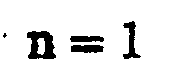
- Tg =
- Glasübergangstemperatur des Polyacrylatharzes
- Wn =
- Gewichtsanteil des n-ten Monomers
- Tgn =
- Glasübergangstemperatur des Homopolymers aus dem n-ten Monomer
- x =
- Anzahl der verschiedenen Monomeren
- Methodisch gesehen weist die Herstellung der erfindungsgemäß zu verwendenden Hydroxylgruppen enthaltenden Polyacrylatharze (H) keine Besonderheiten auf, sondern erfolgt nach den üblichen und bekannten Methoden der radikalischen Polymerisation in Gegenwart mindestens eines Polymerisationsinitiators.
- Beispiele geeigneter Polymerisationsinitiatoren sind freie Radikale bildende Initiatoren, wie z.B. tert.-Butylperoxyethylhexanoat, Benzoylperoxid, Di-tert.-Amylperoxid, Azobisisobutyronitril und tert.-Butylperbenzoat genannt. Die Initiatoren werden bevorzugt in einer Menge von 1 bis 25 Gew.-%, besonders bevorzugt von 2 bis 10 Gew.-%, bezogen auf das Gesamtgewicht der Monomeren, eingesetzt.
- Die Polymerisation wird zweckmäßigerweise bei einer Temperatur von 80 bis 200 °C, vorzugsweise 110 bis 180 °C, durchgeführt.
- Es ist bevorzugt, daß mit dem Initiatorzulauf einige Zeit, im allgemeinen ca. 1 bis 15 Minuten, vor dem Zulauf der Monomeren begonnen wird. Ferner ist ein Verfahren bevorzugt, bei dem die Initiatorzugabe zum gleichen Zeitpunkt wie die Zugabe der Monomeren begonnen und etwa eine halbe Stunde, nachdem die Zugabe der Monomeren beendet worden ist, beendet wird. Der Initiator wird vorzugsweise in konstanter Menge pro Zeiteinheit zugegeben. Nach Beendigung der Initiatorzugabe wird das Reaktionsgemisch noch so lange (in der Regel 1,5 Stunden) auf Polymerisationstemperatur gehalten, bis alle eingesetzten Monomere im wesentlichen vollständig umgesetzt worden sind. "Im wesentlichen vollständig umgesetzt" soll bedeuten, daß vorzugsweise 100 Gew.-% der eingesetzten Monomere umgesetzt worden sind, daß es aber auch möglich ist, daß ein geringer Restmonomerengehalt von höchstens bis zu etwa 0,5 Gew.-%, bezogen auf das Gewicht der Reaktionsmischung, unumgesetzt zurückbleiben kann.
- Ein besonders bevorzugtes Verfahren zur Herstellung der Polyacrylatharze (H) wird in der DE-A-44 37 535 beschrieben.
- Hierbei wird in einem ersten Verfahrensschritt ein von copolymerisierbaren Doppelbindungen freies Polyurethan, insbesondere ein Polyurethan (A), in organischer Lösung vorgelegt, wonach ein Gemisch aus mindestens einem Monomeren (h1) und mindestens einem Monomeren (h2) sowie gegebenenfalls jeweils mindestens einem Monomeren (h4), (h5) und/oder (h6) hinzugegeben und copolymerisiert wird. Nach dem diese Monomeren (h) nahezu vollständig umgesetzt sind, wird in einem zweiten Verfahrensschritt ein Gemisch von mindestens einem Monomeren (h3) sowie jeweils mindestens einem Monomeren (h1) (h2), (h4), (h5) und/oder (h6) zugegeben, wonach die resultierende Reaktionsmischung vollständig auspolymerisiert wird.
- Auch apparativ weist die Herstellung der erfindungsgemäß zu verwendenden Polyacrylatharze (H) keine methodischen Besonderheiten auf, sondern erfolgt mit Hilfe der auf dem Kunststoffgebiet üblichen und bekannten Methoden der kontinuierlichen oder diskontinuierlichen Copolymerisation unter Normaldruck oder Überdruck in Rührkesseln, Autoklaven, Rohrreaktoren oder Taylorreaktoren.
- Beispiele geeigneter Copolymerisationsverfahren und -vorrichtungen werden in den Patentschriften DE-A-197 09 465, DE-C-197 09 476, DE-A-28 48 906, DE-A-195 24 182, EP-A-0 554 783, WO 95/27742 oder WO 82/02387 beschrieben.
- Nach ihrer Herstellung werden die Polyacrylatharze (H) mit mindestens einem der vorstehend beschriebenen geeigneten Neutralisationsmittel (D) neutralisiert und in Wasser dispergiert. Die insgesamt in dem erfindungsgemäßen Wasserbasislack eingesetzte Menge an Neutralisationsmittel (D) wird dabei so gewählt, daß 1 bis 100 Äquivalente, bevorzugt 50 bis 90 Äquivalente der Carbonsäuregruppen der erfindungsgemäß zu verwendenden Polyurethane (A) und der Polyacrylatharze (H) neutralisiert werden.
- Der Anteil der Polyacrylatharze (H) an den erfindungsgemäßen Wasserbasislacken kann breit variieren. Vorzugsweise liegt er bei 0,1 bis 10, bevorzugt 0,5 bis 8,0, besonders bevorzugt 0,6 bis 6,0, ganz besonders bevorzugt 0,8 bis 6,0 und insbesondere 1,0 bis 6,0 Gew.-%, jeweils bezogen auf das Gesamtgewicht des jeweiligen erfindungsgemäßen Wasserbasislacks.
- In noch einer weiteren bevorzugten Ausführungsform des erfindungsgemäßen Wasserbasislacks enthält dieser mindestens ein in Wasser lösliches oder dispergierbares Polyesterharz (I).
- Beispiele geeigneter Ausgangsprodukte fiir die Herstellung der Polyesterharze (I) sind die vorstehend bei der Herstellung der Polyesterpolyole beschriebenen Verbindungen.
- Beispiele geeigneter Polyesterharze (I) und ihre Herstellung aus den besagten Ausgangsprodukten werden in den Patentschriften DE-A-40 09 858 oder DE-A-44 37 535 im Detail beschrieben.
- Auch der Anteil der Polyesterharze (I) an den erfindungsgemäßen Wasserbasislacken kann breit variieren. Vorzugsweise liegt er bei 0,5 bis 12, bevorzugt 0,7 bis 10, besonders bevorzugt 0,8 bis 9,0, ganz besonders bevorzugt 1,0 bis 8,0 und insbesondere 1,5 bis 7,0 Gew.-%, jeweils bezogen auf das Gesamtgewicht des jeweiligen erfindungsgemäßen Wasserbasislacks.
- Zusätzlich zu den vorstehend beschriebenen Bestandteilen kann der erfindungsgemäße Wasserbasislack übliche und bekannte Additive (J) in wirksamen Mengen enthalten.
-
- organische und anorganische Füllstoffe wie Kreide, Calciumsulfat, Bariumsulfat, Silikate wie Talk oder Kaolin, Kieselsäuren, Oxide wie Aluminiumhydroxid oder Magnesiumhydroxid oder organische Füllstoffe wie Textilfasern, Cellulosefasern, Polyethylenfasern oder Holzmehl; ergänzend wird auf Römpp Lexikon Lacke und Druckfarben, Georg Thieme Verlag, 1998, Seiten 250 ff., »Füllstoffe«, verwiesen;
- übliche und bekannte oligomere und polymere Bindemittel wie thermisch härtbare hydroxylgruppenhaltige lineare und/oder verzweigte und/oder blockartig, kammartig und/oder statistisch aufgebaute Poly(meth)acrylate oder Acrylatcopolymerisate, Polyester, Alkyde, acrylierte Polyester, Polylactone, Polycarbonate, Polyether, Epoxidharz-Amin-Addukte, (Meth)Acrylatdiole, partiell verseifte Polyvinylester oder Polyhamstoffe;
- übliche und bekannte thermisch härtbare Reaktiverdünner wie stellungsisomere Diethyloctandiole oder Hydroxylgruppen enthaltende hyperverzweigte Verbindungen oder Dendrimere;
- niedrig siedende und/oder hochsiedende organische Lösemittel ("lange Lösemittel");
- UV-Absorber;
- Lichtschutzmittel wie HALS-Verbindungen, Benztriazole oder Oxalanilide;
- Radikalfänger,
- thermolabile radikalische Initiatoren wie organische Peroxide, organische Azoverbindungen oder C-C-spaltende Initiatoren wie Dialkylperoxide, Peroxocarbonsäuren, Peroxodicarbonate, Peroxidester, Hydroperoxide, Ketonperoxide, Azodinitrile oder Benzpinakolsilylether;
- Katalysatoren für die Vernetzung wie Dibutylzinndilaurat, Lithiumdecanoat oder Zinkoctoat oder mit Aminen blockierte organische Sulfonsäuren;
- Entlüftungsmittel, wie Diazadicycloundecan;
- Slipadditive;
- Polymerisationsinhibitoren;
- Entschäumer;
- Emulgatoren, insbesondere nicht ionische Emulgatoren wie alkoxylierte Alkanole und Polyole, Phenole und Alkylphenole oder anionische Emulgatoren wie Alkalisalze oder Ammoniumsalze von Alkancarbonsäuren, Alkansulfonsäuren, und Sulfosäuren von alkoxylierten Alkanolen und Polyolen, Phenolen und Alkylphenolen;
- Netzmittel wie Siloxane, fluorhaltige Verbindungen, Carbonsäurehalbester, Phosphorsäureester, Polyacrylsäuren und deren Copolymere oder Polyurethane;
- Haftvermittler wie Tricyclodecandimethanol;
- Verlaufmittel;
- filmbildende Hilfsmittel wie Cellulose-Derivate;
- transparente Füllstoffe auf der Basis von Siliziumdioxid, Aluminiumoxid, Titandioxid oder Zirkoniumoxid; ergänzend wird noch auf das Römpp Lexikon Lacke und Druckfarben, Georg Thieme Verlag, Stuttgart, 1998, Seiten 250 bis 252, verwiesen;
- weitere rheologiesteuernde Additive, wie die aus den Patentschriften WO 94/22968, EP-A-0 276 501, EP-A-0 249 201 oder WO 97/12945 bekannten; vernetzte polymere Mikroteilchen, wie sie beispielsweise in der EP-A-0 008 127 offenbart sind; Kieselsäuren wie Aerosile; oder synthetische Polymere mit ionischen und/oder assoziativ wirkenden Gruppen wie Polyvinylalkohol, Poly(meth)acrylamid, Poly(meth)acrylsäure, Polyvinylpyrrolidon, Styrol-Maleinsäureanhydridoder Ethylen-Maleinsäureanhydrid-Copolymere und ihre Derivate oder hydrophob modifizierte Polyacrylate; und/oder
- Flammschutzmittel.
- Weitere Beispiele geeigneter Lackadditive werden in dem Lehrbuch »Lackadditive« von Johan Bieleman, Wiley-VCH, Weinheim, New York, 1998, beschrieben.
- Die erfindungsgemäßen Wasserbasislacke weisen bei Spritzviskosität vorzugsweise einen Festkörpergehalt von 5,0 bis 60, bevorzugt 5,0 bis 50, besonders bevorzugt 10 bis 45 ganz besonders bevorzugt 13 bis 40 und insbesondere 13 bis 35 Gew.-%, jeweils bezogen auf das Gesamtgewicht des jeweiligen erfindungsgemäßen Wasserbasislacks, auf.
- Die Herstellung des erfindungsgemäßen Wasserbasislacks weist keine Besonderheiten auf, sondern erfolgt in üblicher und bekannter Weise durch Vermischen der vorstehend beschriebenen Bestandteile in geeigneten Mischaggregaten wie Rührkessel, Dissolver oder Extruder nach den für die Herstellung der jeweiligen Wasserbasislacke geeigneten Verfahren.
- Der erfindungsgemäße Wasserbasislack dient der Herstellung der erfindungsgemäßen Lackierungen, insbesondere Mehrschichtlackierungen, auf grundierten oder ungrundierten Substraten.
- Als Substrate kommen alle zu lackierenden Oberflächen, die durch eine Härtung der hierauf befindlichen Lackierungen unter Anwendung von Hitze nicht geschädigt werden, in Betracht; das sind z. B. die erfindungsgemäßen Formteile, Folien und Fasern, Metalle, Kunststoffe, Holz, Keramik, Stein, Textil, Faserverbunde, Leder, Glas, Glasfasern, Glas- und Steinwolle, mineral- und harzgebundene Baustoffe, wie Gips- und Zementplatten oder Dachziegel, sowie Verbunde dieser Materialien. Demnach ist die erfindungsgemäße Lackierung auch für Anwendungen außerhalb der Kfz-Lackierung, insbesondere Automobillackierung geeignet. Hierbei kommt sie insbesondere für die Lackierung von Möbeln und die industrielle Lackierung, inklusive Coil Coating, Container Coating und die Imprägnierung oder Beschichtung elektrotechnischer Bauteile, in Betracht. Im Rahmen der industriellen Lackierungen eignet sie sich fiir die Lackierung praktisch aller Teile für den privaten oder industriellen Gebrauch wie Radiatoren, Haushaltsgeräte, Kleinteile aus Metall wie Schrauben und Muttern, Radkappen, Felgen, Emballagen oder elektrotechnische Bauteile wie Motorwicklungen oder Transformatorwicklungen.
- Im Falle elektrisch leitfähiger Substrate können Grundierungen verwendet werden, die in üblicher und bekannter Weise aus Elektrotauchlacken (ETL) hergestellt werden. Hierfür kommen sowohl anodische (ATL) als auch kathodische (KTL) Elektrotauchlacke, insbesondere aber KTL, in Betracht.
- Mit der erfindungsgemäßen Mehrschichtlackierung können auch grundierte oder nicht grundierte Kunststoffe wie z. B. ABS, AMMA, ASA, CA, CAB, EP, UF, CF, MF, MPF, PF, PAN, PA, PE, HDPE, LDPE, LLDPE, UHMWPE, PET, PMMA, PP, PS, SB, PUR, PVC, RF, SAN, PBT, PPE, POM, PUR-RIM, SMC, BMC, PP-EPDM und UP (Kurzbezeichnungen nach DIN 7728T1) lackiert werden. Die zu lackierenden Kunststoffe können selbstverständlich auch Polymerblends, modifizierte Kunststoffe oder faserverstärkte Kunststoffe sein. Es können auch die üblicherweise im Fahrzeugbau, insbesondere Kraftfahrzeugbau, eingesetzten Kunststoffe zum Einsatz kommen.
- Im Falle von nichtfunktionalisierten und/oder unpolaren Substratoberflächen können diese vor der Beschichtung in bekannter Weise einer Vorbehandlung, wie mit einem Plasma oder mit Beflammen, unterzogen oder mit einer Hydrogrundierung versehen werden.
- Die erfindungsgemäßen Mehrschichtlackierungen können in unterschiedlicher Weise hergestellt werden.
- Eine erste bevorzugte Variante des erfindungsgemäßen Verfahrens umfaßt die Verfahrensschritte:
- (I) Herstellen einer Basislackschicht durch Applikation des erfindungsgemäßen Wasserbasislacks auf das Substrat,
- (II) Trocknen der Basislackschicht,
- (III) Herstellen einer Klarlackschicht durch Applikation eines Klarlacks auf die Basislackschicht und
- (IV) gemeinsame Härtung der Basislackschicht und der Klarlackschicht, wodurch die Basislackierung und die Klarlackierung resultieren (Naß-innaß-Verfahren).
- Diese Variante bietet insbesondere bei der Lackierung von Kunststoffen besondere Vorteile und wird deshalb hier besonders bevorzugt angewandt.
- Eine zweite bevorzugte Variante des erfindungsgemäßen Verfahrens umfaßt die Verfahrensschritte:
- (I) Herstellen einer Füllerlackschicht durch Applikation eines Füllers auf das Substrat,
- (II) Härtung der Füllerlackschicht, wodurch die Füllerschicht resultiert,
- (III) Herstellen einer Basislackschicht durch Applikation des erfindungsgemäßen Wasserbasislacks auf die Füllerschicht,
- (IV) Trocknen der Basislackschicht,
- (V) Herstellen einer Klarlackschicht durch Applikation eines Klarlacks auf die Basislackschicht und
- (VI) gemeinsame Härtung der Basislackschicht und der Klarlackschicht, wodurch die Basislackierung und die Klarlackierung resultieren (Naß-innaß-Verfahren).
- Eine dritte bevorzugte Variante des erfindungsgemäßen Verfahrens umfaßt die Verfahrensschritte:
- (I) Herstellen einer Füllerlackschicht durch Applikation eines Füllers auf das Substrat,
- (II) Trocknen der Füllerlackschicht,
- (III) Herstellen einer Basislackschicht durch Applikation des erfindungsgemäßen Wasserbasislacks auf die Füllerlackschicht,
- (IV) Trocknen der Basislackschicht,
- (V) Herstellen einer Klarlackschicht durch Applikation eines Klarlacks auf die Basislackschicht und
- (VI) gemeinsame Härtung der Füllerlackschicht, der Basislackschicht und der Klarlackschicht, wodurch die Basislackierung und die Klarlackierung resultieren (erweitertes Naß-in-naß-Verfahren).
- Die beiden letztgenannten Varianten bieten insbesondere bei der Lackierung von Automobilkarosserien besondere Vorteile und werden deshalb hier ganz besonders bevorzugt angewandt.
- Hierbei zeigt sich als weiterer besonderer Vorteil des erfindungsgemäßen Wasserbasislacks und des erfindungsgemäßen Verfahrens, daß näich sämtliche üblichen und bekannten Klarlacke im Rahmen der erfindungsgemäßen Verfahren mit der erfindungsgemäßen Wasserbasislackschicht kombiniert werden können.
- Beispiele geeigneter bekannter Einkomponenten(1K)-, Zweikomponenten(2K)-oder Mehrkomponenten(3K, 4K)-Klarlacke sind aus den Patentschriften DE-A-42 04 518, US-A-5,474,811, US-A-5,356,669, US-A-5,605,965, WO 94/10211, WO 94/10212, WO 94/10213, EP-A-0 594 068, EP-A-0 594 071, EP-A-0 594 142, EP-A-0 604 992, WO 94/22969, EP-A-0 596 460 oder WO 92/22615 bekannt.
- Einkomponenten(1K)-Klarlacke enthalten bekanntermaßen hydroxylgruppenhaltige Bindemittel und Vernetzungsmittel wie blockierte Polyisocyanate, Tris(alkoxycarbonylamino)triazine und/oder Aminoplastharze. In einer weiteren Variante enthalten sie als Bindemittel Polymere mit seitenständigen Carbamat- und/oder Allophanatgruppen und carbamat- und/oder allophanatmodifizerte Aminoplastharze als Vernetzungsmittel (vgl. US-A-5,474,811, US-A-5,356,669, US-A-5,605,965, WO 94/10211, WO 94/10212, WO 94/10213, EP-A-0 594 068, EP-A-0 594 071 oder EP-A-0 594 142).
- Zweikomponenten(2K)- oder Mehrkomponenten(3K, 4K)-Klarlacke enthalten als wesentliche Bestandteile bekanntermaßen hydroxylgruppenhaltige Bindemittel und Polyisocyanate als Vernetzungsmittel, welche bis zu ihrer Verwendung getrennt gelagert werden.
- Beispiele geeigneter Pulverklarlacke sind beispielsweise aus der deutschen Patentschrift DE-A-42 22 194 oder der Produkt-Information der Firma BASF Lacke + Farben AG, "Pulverlacke", 1990 bekannt.
- Pulverklarlacke enthalten als wesentliche Bestandteile bekanntermaßen epoxidgruppenhaltige Bindemittel und Polycarbonsäuren als Vernetzungsmittel.
- Beispiele geeigneter Pulverslurry-Klarlacke sind beispielsweise aus der US-Patentschrift US-A-4,268,542 und den deutschen Patentanmeldungen DE-A-195 18 392.4 und DE-A-196 13 547 bekannt oder werden in der nicht vorveröffentlichten deutschen Patentanmeldung DE-A-198 14 471.7 beschrieben.
- Pulverslurry-Klarlacke enthalten bekanntermaßen Pulverklarlacke in einem wäßrigen Medium dispergiert.
- UV-härtbare Klarlacke gehen beispielsweise aus den Patentschriften EP-A-0 540 884, EP-A- 0 568 967 oder US-A-4,675,234 hervor.
- Darüber hinaus können die Klarlackierungen noch zusätzlich mit mindestens einer weiteren Klarlackierung, beispielsweise einer organisch modifizierten Keramikschicht, beschichtet sein, wodurch die Kratzfestigkeit der erfindungsgemäßen Mehrschichtlackierung signifikant verbessert werden kann.
- Demzufolge können die erfindungsgemäßen Mehrschichtlackierungen einen unterschiedlichen Aufbau aufweisen.
- In einer ersten bevorzugten Variante der erfindungsgemäßen Mehrschichtlackierung liegen
- (1) eine mechanische Energie absorbierende Füllerschicht,
- (2) die farb- und/oder effektgebende Basislackierung und
- (3) eine Klarlackierung
- In der zweiten bevorzugten Variante der erfindungsgemäßen Mehrschichtlackierung liegen
- (1) eine farb- und/oder effektgebende Basislackierung und
- (2) eine Klarlackierung
- Die Applikation des erfindungsgemäßen Wasserbasislacks kann durch alle üblichen Applikationsmethoden, wie z.B. Spritzen, Rakeln, Streichen, Gießen, Tauchen, Tränken, Träufeln oder Walzen erfolgen. Dabei kann das zu beschichtende Substraten als solches ruhen, wobei die Applikationseinrichtung oder -anlage bewegt wird. Indes kann auch das zu beschichtende Substrat, insbesondere ein Coil, bewegt werden, wobei die Applikationsanlage relativ zum Substrat ruht oder in geeigneter Weise bewegt wird.
- Vorzugsweise werden Spritzapplikationsmethoden angewandt, wie zum Beispiel Druckluftspritzen, Airless-Spritzen, Hochrotation, elektrostatischer Sprühauftrag (ESTA), gegebenenfalls verbunden mit Heißspritzapplikation wie zum Beispiel Hot-Air - Heißspritzen. Die Applikationen kann bei Temperaturen von max. 70 bis 80 °C durchgeführt werden, so daß geeignete Applikationsviskositäten erreicht werden, ohne daß bei der kurzzeitig einwirkenden thermischen Belastung eine Veränderung oder Schädigungen des Wasserbasislacks und seines gegebenenfalls wiederaufzubereitenden Overspray eintreten. So kann das Heißspritzen so ausgestaltet sein, daß der Wasserbasislack nur sehr kurz in der oder kurz vor der Spritzdüse erhitzt wird.
- Die für die Applikation verwendete Spritzkabine kann beispielsweise mit einem gegebenenfalls temperierbaren Umlauf betrieben werden, der mit einem geeigneten Absorptionsmedium fiir den Overspray, z. B. dem Wasserbasislack selbst, betrieben wird.
- Im allgmeinen werden die Füllerlackschicht, Basislackschicht und Klarlackschicht in einer Naßschichtdicke appliziert, daß nach ihrer Aushärtung Schichten mit der für ihre Funktionen notwendigen und vorteilhaften Schichtdicken resultieren. Im Falle der Füllerschicht liegt diese Schichtdicke bei 10 bis 150, vorzugsweise 15 bis 120, besonders bevorzugt 10 bis 100 und insbesondere 10 bis 90 µm, im Falle der Basislackierung liegt sie bei 5 bis 50, vorzugsweise 5 bis 40, besonders bevorzugt 5 bis 30 und insbesondere 10 bis 25 µm, und im Falle der Klarlackierungen liegt sie bei 10 bis 100, vorzugsweise 15 bis 80, besonders bevorzugt 20 bis 70 und insbesondere 25 bis 60 µm.
- Die Füllerlackschicht, Basislackschicht und Klarlackschicht werden thermisch gehärtet.
- Die Aushärtung kann nach einer gewissen Ruhezeit erfolgen. Sie kann eine Dauer von 30 s bis 2 h, vorzugsweise 1 min bis 1 h und insbesondere 1 min bis 45 min haben. Die Ruhezeit dient beispielsweise zum Verlauf und zur Entgasung der Lackschichten oder zum Verdunsten von flüchtigen Bestandteilen wie Lösemittel. Die Ruhezeit kann durch die Anwendung erhöhter Temperaturen bis 90 °C und/oder durch eine reduzierte Luftfeuchte <10g Wasser/kg Luft, insbesondere <5g Wasser/kg Luft, unterstützt und/oder verkürzt werden, sofern hierbei keine Schädigungen oder Veränderungen der Lackschichten eintreten, etwa eine vorzeitige vollständige Vernetzung.
- Die thermische Härtung weist keine methodischen Besonderheiten auf, sondern erfolgt nach den üblichen und bekannten Methoden wie Erhitzen in einem Umluftofen oder Bestrahlen mit IR-Lampen. Hierbei kann die thermische Härtung auch stufenweise erfolgen. Vorteilhafterweise erfolgt die thermische Härtung bei einer Temperatur von 50 bis 100 °C, besonders bevorzugt 80 bis 100 °C und insbesondere 90 bis 100 ° C während einer Zeit von 1 min bis zu 2 h, besonders bevorzugt 2 min bis zu 1 h und insbesondere 3 min bis 30 min. Werden Substrate verwendet, welche thermisch stark belastbar sind, kann die thermische Vernetzung auch bei Temperaturen oberhalb 100 °C durchgeführt werden. Im allgemeinen empfiehlt es sich, hierbei Temperaturen von 180 °C, vorzugsweise 160 °C und insbesondere 155 °C nicht zu überschreiten.
- Im Falle der Klarlackierungen kann die Härtung je nach verwendetem Klarlack auch mit aktinischer Strahlung oder thermisch und mit aktinischer Strahlung (Dual Cure) erfolgen. Als aktinische Strahlung kommt elektromagnetische Strahlung wie nahes Infrarotlicht (NIR), sichtbares Licht, UV-Strahlung oder Röntgenstrahlung und/oder Korpuskularstrahlung wie Elektronenstrahlung in Betracht.
- Die erfindungsgemäßen Mehrschichtlackierungen weisen ein hervorragendes Eigenschaftsprofil auf, das hinsichtlich der Mechanik, Optik, Korrosionsbeständigkeit und Haftung sehr gut ausgewogen ist. So weisen die erfindungsgemäßen Mehrschichtlackierungen die vom Markt geforderte hohe optische Qualität und Zwischenschichthaftung auf und werfen keine Probleme wie mangelnde Schwitzwasserbeständigkeit der Füllerschichten, Rißbildung (mudcracking) in den Basislackierungen oder Verlaufsstörungen oder Oberflächenstrukturen in den Klarlackierungen auf.
- Insbesondere weisen die erfindungsgemäße Mehrschichtlackierung einen hervorragenden Metallic-Effekt, einen hervorragenden D.O.I. (distinctiveness of the reflected image) und eine hervorragende Oberflächenglätte, auf. Sie sind witterungsstabil, resistent gegenüber Chemikalien und Vogelkot und kratzfest und zeigt ein sehr gutes Reflow-Verhalten.
- Nicht zuletzt erweist es sich aber als ganz besonderer Vorteil, daß durch die Verwendung der erfindungsgemäßen Wasserbasislacke bei der Herstellung der erfindungsgemäßen Mehrschichtlackierungen keine oder nur noch kaum sichtbare optische Fehlstellen resultieren.
- Demzufolge weisen auch die hiermit beschichteten Substrate besondere Vorteile wie eine längere Gebrauchsdauer, einen besseren ästhetischen Eindruck beim Betrachter und eine bessere technologische Verwertbarkeit auf, was sie wirtschaftlich besonders attraktiv macht.
- 716,6 Gewichtsteile eines Kondensationproduktes (zahlenmittleres Molekulargewicht: 1410) aus 1,81 Mol einer polymeren Fettsäure (Dimerengehalt mindestens 98 Gew.-%, Trimerengehalt höchstens 2,0 Gew.-%, Monomerengehalt höchstens Spuren), 0,82 Mol Isophthalsäure, 0,61 Mol Hexandiol und 0,61 Mol Neopentylglykol, 61 Gewichtsteile Dimethylolpropionsäure, 10,6 Gewichtsteile Neopentylglykol, 365 Gewichtsteile Methylethylketon und 308,3 Gewichtsteile m-Tetramethylxylylidendiisocyanat wurden in einem geeigneten Reaktionsgefäß unter Rühren unter einer Stickstoffatmosphäre auf 80 Grad Celsius erhitzt. Die Reaktion wurde bis zu einem Isocyanatgehalt von 1,1 Gew.-%, bezogen auf die Gesamtmenge des Reaktionsgemischs, fortgeführt. Anschließend wurden 52,6 Gewichtsteile Trimethylolpropan hinzugegeben, wonach die resultierende Reaktionsmischung so lange bei 80 Grad Celsius gerührt wurde, bis keine freien Isocyanatgruppen mehr nachweisbar waren. Danach wurden langsam 33 Gewichtsteile Dimethylethanolamin, 255 Gewichtsteile Butylglykol und anschließend 2153 Gewichtsteile deionisiertes Wasser eingerührt. Das Methylethylketon wurde unter Vakuum abdestilliert. Es resultierte eine feinteilige Dispersion, deren pH-Wert mit Dimethylethanolamin auf 7,4 und deren nicht flüchtiger Anteil mit deionisiertem Wasser auf 31 Gew.-% eingestellt wurden.
- In einem Reaktor, ausgerüstet mit Rührer, Thermometer und Füllkörperkolonne, wurden 729 Gewichtsteile Neopentylglykol, 768 Gewichtsteile Hexandiol, 462 Gewichtsteile Hexahydrophthalsäureanhydrid und 1710 Gewichtsteile einer polymeren Fettsäure (Dimerengehalt mindestens 98 Gew.-%, Trimerengehalt höchstens 2 Gew.-%, Monomerengehalt höchstens Spuren) eingewogen und zum Schmelzen gebracht. Die resultierende Schmelze wurde unter Rühren so aufgeheizt, daß die Kolonnenkopftemperatur 100 Grad Celsius nicht überstieg. Es wurde bei maximal mit 220 Grad Celsius so lange verestert, bis eine Säurezahl von 9 erreicht war. Nachdem Abkühlen auf 180 Grad Celsius wurden 768 Gewichtsteile Trimellithsäureanhydrid zugegeben und weiter verestert, bis eine Säurezahl von 32 erreicht war. Danach wurde die Reaktionsmischung auf 120 Grad Celsius abgekühlt und mit 1392 Gewichtsteilen Butylglykol angelöst. Nachdem Abkühlen auf 90 Grad Celsius wurden langsam 158 Gewichtsteile Dimethylethanolamin und anschließend 1150 Gewichtsteile deionisiertes Wasser eingerührt. Die resultierende Polyesterharzlösung wurde mit Dimethylethanolamin auf einen pH-Wert 7,6 und mit deionisiertem Wasser auf einen nichtflüchtigen Anteil von 60 Gew.-% eingestellt.
- 500 Gewichtsteile eines Kondensationsproduktes (zahlenmittleres Molekulargewicht: 1423) aus 1,0 Mol einer polymeren Fettsäure (Dimerengehalt mindestens 98 Gew.-%, Dimerengehalt höchstens 2,0 Gew.-%, Monomerengehalt höchsten Spuren), 1,5 Mol Isophthalsäure, 1,6 Mol Neopentylglykol und 1,7 Mol Hexandiol, 31,2 Gewichtsteile Neopentylglykol, 185 Gewichtsteile Methylethylketon, 201,7 Gewichtsteile m-Tetramethylxylylidendiisocyanat und 0,7 Gewichtsteile Dibutylzinndilaurat wurden unter Rühren unter einer Stickstoffatmosphäre auf 80 Grad Celsius erhitzt. Die Reaktion wurde bis zu einem Isocyanatgehalt von 1,3 Gew.-%, bezogen auf die Gesamtmenge des Reaktionsgemischs, fortgeführt. Danach wurden 30 Gewichtsteile Diethanolamin zugegeben, und die resultierende Reaktionsmischung wurde bei 80 Grad Celsius so lange gerührt, bis keine Isocyanatgruppen mehr nachweisbar waren. Anschließend wurden 466 Gewichtsteile Butylglykol eingerührt, wonach das Methylethylketon im Vakuum abdestilliert wurde. Die resultierende Polyurethanlösung wurde anschließend mit Butylglykol auf einen nichtflüchtigen Anteil von 60 Gew.-% eingestellt.
- In einem Stahlkessel, ausgerüstet mit Monomerenzulauf, Initiatorzulauf, Thermometer, Ölheizung und Rückflußkühler wurden 28,44 Gewichtsteile Butylglykol und 24,24 Gewichtsteile der oben genannten Polyurethanlösung vorgelegt und auf 110 Grad Celsius aufgeheizt. Dann wurde eine Lösung von 5,1 Gewichtsteilen t-Butylperethylhexanoat in 6,0 Gewichtsteilen Butylglykol in einer solchen Geschwindigkeit gleichmäßig zugegeben, daß die Zugabe nach 5,5 Stunden abgeschlossen war. Mit dem Beginn der Initiatorzugabe wurde auch mit der Zugabe einer Mischung aus 18,36 Gewichtsteilen n-Butylmethacrylat, 17 Gewichtsteilen Methylmethacrylat, 17 Gewichtsteilen Laurylmethacrylat, 17,34 Gewichtsteilen Hydroxypropylacrylat und 12,75 Gewichtsteilen Styrol begonnen. Das Monomerengemisch wurde mit einer solchen Geschwindigkeit gleichmäßig zugegeben, daß die Zugabe in fünf Stunden abgeschlossen war. Nach dem die Initiatorlösung vollständig zugegeben war, wurde die Reaktionstemperatur noch während einer Stunde auf 110 Grad Celsius gehalten.
- Im Anschluß daran wurde eine Lösung von 1,17 Gewichtsteilen t-Butylperethylhexanoat in 3,5 Gewichtsteilen Butylglykol in einer solchen Geschwindigkeit gleichmäßig zugegeben, daß die Zugabe nach 1,5 Stunden abgeschlossen war. Mit dem Beginn der Zugabe der Initiatorlösung wurde auch mit der Zugabe einer Mischung aus 5,85 Gewichtsteilen Acrylsäure und 4,65 Gewichtsteilen n-Butylmethacrylat, 2,94 Gewichtsteilen Methylmethacrylat, 5,90 Gewichtsteilen Laurylmethacrylat, 1,25 Gewichtsteilen Hydroxypropylacrylat und 2,94 Gewichtsteilen Styrol begonnen. Das Monomerengemisch wurde mit einer solchen Geschwindigkeit gleichmäßig zugegeben, daß die Zugabe innerhalb einer Stunde abgeschlossen war. Hiernach wurde die Temperatur des Reaktionsgemischs noch während 1,5 Stunden auf 110 Grad Celsius gehalten. Die resultierende Harzlösung wurde destillativ unter Vakuum auf 80 Gew.-% Festkörpergehalt aufkonzentriert und mit Dimethylethanolamin bei dieser Temperatur innerhalb von 30 Minuten bis zu einem Neutralisationsgrad von 80% neutralisiert. Die Harzlösung wurde auf 60 Grad Celsius abgekühlt, wonach die Heizung abgestellt wurde. Anschließend wurde langsam Wasser hinzugegeben, bis der Feststoffgehalt der Dispersion bei 40 Gew.-% lag. Die Dispersion wies eine Säurezahl von 36,7 mg KOH/g und einen pH-Wert von 7,6 auf.
- Die Herstellungen der erfindungsgemäßen Wasserbasislacke der Beispiele 1 und 2 und des nicht erfindungsgemäßen Wasserbasislacks des Vergleichsversuchs V2 wurden analog der nachstehend angegebenen Herstellvorschrift für den nicht erfindungsgemäßen Wasserbasislack des Vergleichsversuchs V1 durchgeführt. Die Tabelle 1 gibt eine Übersicht über die angewandten Mengen der Ausgangsprodukte.
- Für den Vergleichsversuch V1 wurde das Verdickungsmittel 1 (Paste eines synthetischen Natrium-Magnesium- Schichtsilikats der Firma Laporte; 3 %ig in Wasser) vorgelegt. Hierzu wurden unter Rühren deionisiertes Wasser, Verdickungsmittel 3 (3% ige wäßrige Lösung einer Polyacrylsäure der Firma Allied Colloids; Handelsname:Viscalex), die Polyurethandispersion (A) gemäß Herstellbeispiel 1, die Polyesterharzlösung (I) gemäß Herstellbeispiel 2, die Lösung des Polyacrylats (H) gemäß Herstellbeispiel 3, Butylglykol, ein handelsübliches Melaminharz in Butanol (Maprenal® VMF3924), eine Siliziumdioxid enthaltende Füllstoffpaste (12 Gewichtsteile Syloid® ED-3 der Firma Grace; 30 Gewichtsteile der oben genannten Polyesterharzlösung (I)), ein Neutralisationsmittel (D) (Dimethylethanolamin, 10 %ig in Wasser), eine Lösung eines handelsüblichen Entschäumers auf Alkindiol-Basis (50%ig in Butylglykol; Firma Air Products), deionisiertes Wasser, eine Pigmentpaste 1 (63 Gewichtsteile Polyurethandispersion, 31 Gewichtsteile Titan Rutil Tayca® MT500HD der Firma Tayca), eine Pigmentpaste 2 (64 Gewichtsteile Polyurethandispersion und 32 Gewichtsteile Titandioxid UVL 530 der Firma Kemira) hinzugegeben.
- Getrennt hiervon wurde eine Aluminiumpigmentaufschlämmung aus 5,0 Gewichtsteilen einer handelsüblichen Aluminiumpaste (Alu-Stapa-Hydrolux® 2192 der Firma Eckart), 6,0 Gewichtsteilen Lösemittel und 2,4 Gewichtsteilen der Polyesterharzlösung (I) hergestellt. Diese Aluminiumpigmentaufschlämmung wurde in die vorstehend beschriebene Mischung eingerührt.
- Anschließend wurde die resultierende Mischung mit der Neutralisationslösung (D) auf einen pH-Wert etwa 8,0 und mit deionisiertem Wasser auf eine Viskosität von 65 mPas bei einem Scherung von 1291s-1 eingestellt.
- Für den Vergleichsversuch V2 wurde der Vergleichsversuch V1 wiederholt, nur daß anstelle des Verdickungsmittels 1 das Verdickungsmittel 2 verwendet wurde. Bei diesem handelt es sich um eine 3%ige Lösung eines synthetischen Natrium-Magnesium-Schichtsilikats der Firma Südchemie.
- Für das Beispiel 1 wurde der Vergleichsversuch V1 wiederholt, nur daß anstelle des Verdickungsmittels 3 das Verdickungsmittel 4 verwendet wurde. Bei diesem handelt es sich um eine Mischung aus 50 Gew.-% eines assoziativen Verdickungsmittels auf Polyurethanbasis (G) (Nopco® DSX1550 der Firma Henkel) und 50 Gew.-% Butylglykol.
- Für das Beispiel 2 wurde Beispiel 1 wiederholt, nur das anstelle von Butylglykol bei der Herstellung der Aluminiumpigmentaufschlämmung Dipropylenglykolmonoalkylether verwendet wurde.
- Auch die Wasserbasislacke des Vergleichsversuchs V2 und der Beispiele 1 und 2 wurde mit der Neutralisationslösung (D) auf einen pH-Wert etwa 8,0 und mit deionisiertem Wasser auf eine Viskosität von 65 mPas bei einem Scherung von 1291s-1 eingestellt.
- Die Tabelle 1 gibt eine Übersicht über die Mengen der Ausgangsprodukte und die Zusammensetzung der Wasserbasislacke.
Tabelle 1: Die Zusammensetzung der erfindungsgemäßen (Beispiele 1 und 2) und der nicht erfindungsgemäßen (Vergleichsversuch V1 und V2) Wasserbasislacke Bestandteile Vergleichsversuche: Beispiele: V1 V2 1 2 Verdickungsmittel 1 29 - 29 29 Verdickungsmittel 2 - 29 - - Deionisiertes Wasser 9,0 9,0 9,0 9,0 Verdickungsmittel 3 5,5 5,5 - - Polyurethandispersion (A) 21,5 21,5 21,5 21,5 Polyesterlösung (I) 2,0 2,0 2,0 2,0 Polyacrylatharzlösung (H) 5,0 5,0 5,0 5,0 Butylglykol 2,0 2,0 2,0 2,0 Melaminharz (B) 5,0 5,0 5,0 5,0 Füllstoffpaste 1,2 1,2 1,2 1,2 Neutralisationsmittel (D) 0,4 0,4 0,4 0,4 Entschäumungsmittel 2,0 2,0 2,0 2,0 Verdickungsmittel 4 - - 1,6 1,6 Deionisiertes Wasser 4,0 4,0 4,0 4,0 Pigmentpaste 1 4,3 4,3 4,3 4,3 Pigmentpaste 2 0,8 0,8 0,8 0,8 Alu-Stapa-Hydrolux® 5,0 5,0 5,0 5,0 Butylglykol 6,0 6,0 6,0 - Dipropylenglykol-Methylether - - - 6, 0 Polyesterlösung (I) 2,4 2,4 2,4 2,4 - Das Viskositätsverhalten der erfindungsgemäßen (Beispiele 1 und 2) und der nicht erfindungsgemäßen (Vergleichsversuche V1 und V2) Wasserbasislacke wurde bei unterschiedlichen Scherraten ermittelt. Die Ergebnisse finden sich in der Tab. 2.
Tabelle 2: Das Viskositätsverhalten der erfindungsgemäßen (Beispiele 1 und 2) und der nicht erfindungsgemäßen (Vergleichsversuche V1 und V2) Wasserbasislacke Scherrate (s-1) Viskosität (mPas): Vergleichsversuche: Beispiele: V1 V2 1 2 34 (Hinkurve) 360 220 355 350 1.000 73 73 73 73 34 (Rückkurve) 250 180 245 235 - Die Werte der Tabelle 2 belegen, daß die Wasserbasislacke der Beispiele 1 und 2 und der Vergleichsversuche V1 und V2 ein vergleichbares (Vergleichsversuch V2 einerseits und Beispiele 1 und 2 und Vergleichsversuch V1 andererseits) bzw. identisches Viskositätsverhalten (Beispiele 1 und 2 und Vergleichsversuch V1) aufwiesen.
- Für das Beispiel 3 wurde der erfindungsgemäße Wasserbasislack des Beispiels 1 verwendet.
- Für das Beispiel 4 wurde der erfindungsgemäße Wasserbasislack des Beispiels 2 verwendet.
- Für den Vergleichsversuch V3 wurde der nicht erfindungsgemäße Wasserbasislack des Vergleichsversuchs V1 verwendet.
- Für den Vergleichsversuch V4 wurde der nicht erfindungsgemäße Wasserbasislack des Vergleichsversuchs V2 verwendet.
- Die Prüftafeln der Beispiele 3 und 4 und der Vergleichsversuch V3 und V4 wurden nach der folgenden allgemeinen Vorschrift hergestellt:
- Auf mit einem handelsüblichen Elektrotauchlack kathodisch beschichteten Stahltafeln (Elektrotauchlackierung mit einer Schichtdicke von 18 - 22 µm) wurde mit einer Becherpistole zunächst ein handelsüblicher Füller von BASF Coatings AG appliziert und eingebrannt. Es resultierte ein Füller mit einer Schichtdicke von 35 bis 40 µm. Anschließend wurden auf den Füller in gleicher Weise die erfindungsgemäßen und die nicht erfindungsgemäßen Wasserbasislacke (vgl. Tabelle 1) appliziert und während 10 min bei 80 °C vorgetrocknet. Nach dem Kühlen der Tafeln wurde jeweils eine Schicht aus einem handelsüblichen Zweikomponenten-High-Solid-Klarlack der Firma DuPont aufgetragen und während 10 min bei Raumtemperatur vorgetrocknet und anschließend während 45 min bei 140 °C zusammen mit den Basislacken vernetzt. Es resultierten Basislackierungen einer Stärke von 15 µm und Klarlackierungen einer Stärke von 44 µm.
- Bei dem Naßschliff von Fehlstellen einer Erstlackierung oder eines Füllers verbleiben Wassertropfen auf den Teilen der Karosserie, die mit Basislack und Klarlack überschichtet werden sollen. Diese Wassertropfen bestehen aus Wasser, Schleifstaub von Klarlack und/oder Füller und Rückständen des Schleifpapieres. Nach dem Trocknen dieser Wassertropfen und einer anschließenden Beschichtung mit dem Basislack und dem Klarlack sind die Stellen des eingetrockneten Wassers als helle Recken sichtbar.
- Zur Simulation dieses Effekts wurden Schleifwassertropfen (deionisiertes Wasser + Schleifstaub von Füller und Klarlack + darin eingeweichtes Schleifpapier der Firma Plochmann) unterschiedlicher Größe auf die jeweiligen Prüftafeln aufgebracht, bei Raumtemperatur getrocknet und mit den jeweiligen für die Erstiackierung angewandten, in der Tabelle 1 beschriebenen Basislacken und dem Zweikomponenten-High-Solid-Klarlack der Firma DuPont beschichtet. Die resultierenden Farbtonunterschiede in den Beschichtungen (helle Flecken) wurden visuell beurteilt. Die erhaltenen Ergebnisse finden sich in der Tabelle 3.
- Auf den Prüftafeln wurden mittels eines rot/weißen Filzes ("Buffing Pad" der Firma 3M, Material Nr. 049-5765) und der grauen Polierpaste der Firma 3M (Material Nr. 029-2778) Polierstellen erzeugt. Bei der anschließenden Beschichtung mit den in der Tabelle 1 beschriebenen Basislacken und dem o.g. Klarlack waren diese Polierstellen wegen ihres anderen Farbtons deutlich zu sehen. Der jeweilige Farbtonunterschied wurde visuell ermittelt. Die erhaltenen Ergebnisse finden sich in der Tabelle 3.
- Auf den Prüftafeln wurden mittels eines Schleifpapieres der Firma Plochmann mit einer Körnung von 2.000 sowohl eine Runde als auch eine kreuzförmige Schleifstelle aufgebracht. Diese Schleifstellen wurden mit den in der Tabelle 1 beschriebenen Basislacken und dem o.g. Klarlack beschichtet. Der jeweilige Farbtonunterschied wurde visuell ermittelt. Die erhaltenen Ergebnisse finden sich in der Tabelle 3.
- Der Farbtonunterschied, d. h. die Auffälligkeit der Fehlstellen, wurde wie folgt benotet:
- 1 Fehlstellen nicht sichtbar
2 Fehlstellen sehr schwach sichtbar
3 Fehlstellen schwach sichtbar
4 Fehlstellen deutlich sichtbar
5 Fehlstellen sehr deutlich sichtbarTabelle 3: Der Einfluß der erfindungsgemäßen (Beispiele 3 und 4) und der nicht erfindungsgemäßen (Vergleichsversuche V3 und V4) Wasserbasislacke auf die Bildung optischer Fehlstellen Optische Fehlstellen Vergleichsversuche: Beispiele: V3 V4 3 4 Helle Flecken 4 5 2 2 Polierflecken 4 5 4 2-3 Schleifflecken 3-4 4 2-3 2 - Die Ergebnisse belegen, daß sich mit Hilfe der erfindungsgemäßen Wasserbasislacke die Bildung optischer Fehlstellen wirksam unterdrücken läßt.
- Eine zusätzliche Verbesserung resultiert aus der Verwendung von Dipropylenglykolmonoalkylether. Der Vergleich der Ergebnisse in Tabelle 3 mit dem in der Tabelle 2 im Überblick dargestellten Viskositätsverhalten der Wasserbasislacke untermauert, daß letzteres für die vorteilhafte Wirkung der erfindungsgemäßen Wasserbasislacke überraschenderweise nicht verantwortlich ist.
Claims (23)
- Verwendung von assoziativen Verdickungsmitteln auf Polyurethanbasis und/oder von Dipropylenglykolmonoalkylethern zur Unterdrückung optischer Fehlstellen in farb- und/oder effektgebenden Mehrschichtlackierungen oder deren Reparaturlackierungen.
- Die Verwendung nach Anspruch 1, dadurch gekennzeichnet, daß die farb- und/oder effektgebende Mehrschichtlackierung und/oder deren Reparaturlackierung mindestens eine Basislackierung und mindestens eine Klarlackierung aufweist oder aufweisen.
- Die Verwendung nach Anspruch 2, dadurch gekennzeichnet, daß die Basislackierung aus einem Wasserbasislack hergestellt wird.
- Die Verwendung nach Anspruch 3, dadurch gekennzeichnet, daß es sich um einen Wasserbasislack auf Polyurethanbasis handelt.
- Die Verwendung nach einem der Ansprüche 2 bis 4, dadurch gekennzeichnet, daß das assoziative Verdickungsmittel auf Polyurethanbasis und/oder Dipropylenglykolmonoalkylether in dem oder den Basislacken enthalten ist oder sind.
- Die Verwendung nach einem der Ansprüche 2 bis 5, dadurch gekennzeichnet, das assoziative Verdickungsmittel auf Polyurethanbasis und Dipropylenglykolmonoalkylether in dem oder den Basislacken enthalten sind.
- Die Verwendung nach einem der Ansprüche 1 bis 5, dadurch gekennzeichnet, daß es sich bei den optischen Fehlstellen um- helle Flecken, hervorgerufen von eingetrockneten Flüssigkeitsresten und/oder Schleifstaubresten, die nach dem Schliff von Fehlstellen einer farb- und/oder effektgebenden Mehrschichtlackierung oder einem mit einer farb- und/oder effektgebenden Mehrschichtlackierung zu beschichtenden Füller hierauf zurückbleiben; und- Polierflecken, hervorgerufen von der Polierung von Fehlstellen einer farb- und/oder effektgebenden Mehrschichtlackierung, die zwecks Reparatur der farb- und/oder effektgebenden Mehrschichtlackierung vorgenommen wird;handelt.
- Die Verwendung nach einem der Ansprüche 3 bis 7, dadurch gekennzeichnet, daß der Wasserbasislack(A) mindestens ein in Wasser lösliches oder dispergierbares Polyurethan,(B) mindestens ein Vernetzungsmittel,(C) mindestens ein farb- und/oder effektgebendes Pigment,(D) mindestens ein Neutralisationsmittel,(E) mindestens ein anorganisches Verdickungsmittel und(F) mindestens einen Dipropylenglykolmonoalkyletherenthält.
- Die Verwendung nach Anspruch 8, dadurch gekennzeichnet, daß der Wasserbasislack,(G) mindestens ein assoziatives Verdickungsmittel auf Polyurethanbasisenthält.
- Die Verwendung nach einem der Ansprüche 3 bis 7, dadurch gekennzeichnet, daß der Wasserbasislack(A) mindestens ein in Wasser lösliches oder dispergierbares Polyurethan,(B) mindestens ein Vernetzungsmittel,(C) mindestens ein farb- und/oder effektgebendes Pigment,(D) mindestens ein Neutralisationsmittel,(E) mindestens ein anorganisches Verdickungsmittel,(G) mindestens ein assoziatives Verdickungsmittel auf Polyurethanbasis,(H) gegebenenfalls mindestens ein in Wasser lösliches oder dispergierbares, in der Gegenwart eines in Wasser löslichen oder dispergierbaren Polyurethans hergestelltes Polyacrylatharz und(I) mindestens ein in Wasser lösliches oder dispergierbares Polyesterharzenthält.
- Die Verwendung nach Anspruch 10, dadurch gekennzeichnet, daß der Wasserbasislack(F) mindestens einen Dipropylenglykolmonoalkyletherenthält.
- Die Verwendung nach einem der Ansprüche 8, 9 oder 11, dadurch gekennzeichnet, daß der Wasserbasislack, bezogen auf sein Gesamtgewicht, 0,5 bis 11 Gew.-% Dipropylenglykolmonoalkylether (F) enthält.
- Die Verwendung nach einem der Ansprüche 9 bis 12, dadurch gekennzeichnet, daß der Wasserbasislack, bezogen auf sein Gesamtgewicht, 0,1 bis 4 Gew.-% mindestens eines assoziative Verdickungsmittels auf Polyurethanbasis (G) enthält.
- Die Verwendung nach einem der Ansprüche 3 bis 13, dadurch gekennzeichnet, daß der Wasserbasislack(J) mindestens ein Additiventhält.
- Wasserbasislack, enthaltend(A) mindestens ein in Wasser lösliches oder dispergierbares Polyurethan,(B) mindestens ein Vernetzungsmittel,(C) mindestens ein farb- und/oder effektgebendes Pigment,(D) mindestens ein Neutralisationsmittel,(E) mindestens ein anorganisches Verdickungsmittel und(F) mindestens einen Dipropylenglykolmonoalkylether.
- Der Wasserbasislack nach Anspruch 15, dadurch gekennzeichnet, daß er(G) mindestens ein assoziatives Verdickungsmittel auf Polyurethanbasisenthält.
- Wasserbasislack, enthaltend(A) mindestens ein in Wasser lösliches oder dispergierbares Polyurethan mit funktionellen Gruppen (a2), die durch Neutralisationsmittel in Anionen überführt werden können, und/oder anionische Gruppen, insbesondere Carbonsäure- und/oder Carboxylatgruppen,(B) mindestens ein Vernetzungsmittel,(C) mindestens ein farb- und/oder effektgebendes Pigment,(D) mindestens ein Neutralisationsmittel,(E) mindestens ein anorganisches Verdickungsmittel,(G) mindestens ein assoziatives Verdickungsmittel auf Polyurethanbasis,(H) gegebenenfalls mindestens ein in Wasser lösliches oder dispergierbares, in der Gegenwart eines in Wasser löslichen oder dispergierbaren Polyurethans hergestelltes Polyacrylatharz und(I) mindestens ein in Wasser lösliches oder dispergierbares Polyesterharz.
- Der Wasserbasislack nach Anspruch 17, dadurch gekennzeichnet, daß er(F) mindestens einen Dipropylenglykolmonoalkyletherenthält.
- Der Wasserbasislack nach einem der Ansprüche 15, 16 oder 18, dadurch gekennzeichnet, daß er, bezogen auf sein Gesamtgewicht, 0,5 bis 11 Gew.-% Dipropylenglykolmonoalkylether enthält.
- Der Wasserbasislack nach einem der Ansprüche 16 bis 19, dadurch gekennzeichnet, daß er bezogen auf sein Gesamtgewicht, 0,1 bis 4 Gew.-% mindestens eines assoziativen Verdickungsmittels auf Polyurethanbasis enthält.
- Der Wasserbasislack nach einem der Ansprüche 15 bis 20, dadurch gekennzeichnet, daß er(J) mindestens ein Additiventhält.
- Die Verwendung des Wasserbasislacks nach einem der Ansprüche 15 bis 21 für die Erstbeschichtung von Kraftfahrzeugkarosserien, industriellen Bauteilen, inklusive elektrotechnische Bauteile, Coils und Emballagen, Kunststoffen oder Möbel oder für die Reparaturlackierung von hierauf befindlichen farb- und/oder effektgebenden Mehrschichtlackierungen.
- Farb- und/oder effektgebende Mehrschichtlackierungen, enthaltend mindestens eine Basislackierung, herstellbar aus einem Wasserbasislack gemäß einem der Ansprüche 15 bis 21.
Applications Claiming Priority (3)
| Application Number | Priority Date | Filing Date | Title |
|---|---|---|---|
| DE19945574A DE19945574A1 (de) | 1999-09-23 | 1999-09-23 | Verwendung assoziativer Verdickungsmittel auf Polyurethanbasis und/oder von Dipropylenglykolmonoalkylethern zur Unterdrückung optischer Fehlstellen in farb- und/oder effektgebenden Mehrschichtlackierungen oder deren Reparaturlackierungen |
| DE19945574 | 1999-09-23 | ||
| PCT/EP2000/008503 WO2001021720A1 (de) | 1999-09-23 | 2000-08-31 | Verwendung von assoziativen verdickungsmitteln auf polyurethanbasis und/oder von dipropylenglykolmonoalkylethern in farb- und/oder effektgebenden mehrschichtlackierungen |
Publications (3)
| Publication Number | Publication Date |
|---|---|
| EP1218460A1 EP1218460A1 (de) | 2002-07-03 |
| EP1218460B1 EP1218460B1 (de) | 2003-07-30 |
| EP1218460B2 true EP1218460B2 (de) | 2007-05-02 |
Family
ID=7923011
Family Applications (1)
| Application Number | Title | Priority Date | Filing Date |
|---|---|---|---|
| EP00960566A Expired - Lifetime EP1218460B2 (de) | 1999-09-23 | 2000-08-31 | Verwendung von assoziativen verdickungsmitteln auf polyurethanbasis und/oder von dipropylenglykolmonoalkylethern in farb- und/oder effektgebenden mehrschichtlackierungen |
Country Status (8)
| Country | Link |
|---|---|
| US (1) | US6900260B1 (de) |
| EP (1) | EP1218460B2 (de) |
| JP (2) | JP2003510400A (de) |
| AT (1) | ATE246233T1 (de) |
| BR (1) | BR0014216B1 (de) |
| DE (2) | DE19945574A1 (de) |
| ES (1) | ES2203510T5 (de) |
| WO (1) | WO2001021720A1 (de) |
Families Citing this family (18)
| Publication number | Priority date | Publication date | Assignee | Title |
|---|---|---|---|---|
| DE19945574A1 (de) * | 1999-09-23 | 2001-04-05 | Basf Coatings Ag | Verwendung assoziativer Verdickungsmittel auf Polyurethanbasis und/oder von Dipropylenglykolmonoalkylethern zur Unterdrückung optischer Fehlstellen in farb- und/oder effektgebenden Mehrschichtlackierungen oder deren Reparaturlackierungen |
| DE10059886A1 (de) * | 2000-12-01 | 2002-06-20 | Basf Coatings Ag | Verwendung von wässrigen, physikalisch härtbaren Beschichtungsstoffen auf Polyurethanbasis als Haftgrundierung von Lackierungen |
| DE10124277A1 (de) * | 2001-05-18 | 2002-11-28 | Basf Coatings Ag | Integriertes Verfahren zur Reparatur farb- und/oder effektgebender Mehrschichtlackierungen |
| US7087672B2 (en) | 2002-05-08 | 2006-08-08 | E. I. Du Pont De Nemours And Company | Non-yellowing polyester coating composition |
| DE10310175A1 (de) * | 2003-03-08 | 2004-09-16 | Süd-Chemie AG | Assoziativverdickerpräparation |
| US7862862B2 (en) * | 2006-01-18 | 2011-01-04 | Nalco Company | Water dispersible silanes as corrosion-protection coatings and paint primers for metal pretreatment |
| DE102008008779A1 (de) * | 2008-02-12 | 2009-08-13 | Basf Coatings Ag | Wässriger Beschichtungsstoff, Verfahren zu seiner Herstellung und seine Verwendung |
| DE102008009481A1 (de) | 2008-02-15 | 2009-08-20 | Basf Coatings Ag | Wässrige Beschichtungszusammensetzung, Verfahren zur Herstellung und ihre Verwendung |
| DE102010008541A1 (de) * | 2010-02-18 | 2011-08-18 | BASF Coatings GmbH, 48165 | Wässrige, pigmentierte Beschichtungsmittel, Verfahren zu deren Herstellung und deren Verwendung zur Herstellung von Mehrschichtlackierungen |
| US8827417B2 (en) | 2010-09-01 | 2014-09-09 | E I Du Pont De Nemours And Company | Inkjet ink with polyurethane additive derived from alkoxy aromatic diols inks |
| WO2012031064A1 (en) * | 2010-09-01 | 2012-03-08 | E.I. Du Pont De Nemours And Company | Polyurethane dispersants derived from alkoxy aromatic diols |
| WO2012113914A1 (de) * | 2011-02-24 | 2012-08-30 | Basf Coatings Gmbh | Verfahren zur herstellung einer farb- und/oder effektgebenden mehrschichtigen lackierung |
| WO2012113915A1 (de) * | 2011-02-24 | 2012-08-30 | Basf Coatings Gmbh | Verfahren zur herstellung einer farb- und/oder effektgebenden mehrschichtigen lackierung |
| US8956728B2 (en) * | 2012-11-30 | 2015-02-17 | Ppg Industries Ohio, Inc. | Thermoplastic polyurethane interlayer |
| CN106810973A (zh) * | 2017-01-11 | 2017-06-09 | 成都展辰涂料有限公司 | 一种水性单组份涂料及其制备方法 |
| DE102019216004A1 (de) * | 2019-10-17 | 2021-04-22 | Marabu Gmbh & Co. Kg | Wässrige Tinten- oder Lackzusammensetzung, insbesondere zum Beschichten oder Bedrucken eines Substrats |
| JP2021195377A (ja) * | 2020-06-09 | 2021-12-27 | Dic株式会社 | コンクリート保護材料 |
| EP3928875A1 (de) * | 2020-06-26 | 2021-12-29 | PPG Europe B.V. | Flüssigkeitssprühanordnung und kompatible flüssige formulierungen |
Family Cites Families (36)
| Publication number | Priority date | Publication date | Assignee | Title |
|---|---|---|---|---|
| US4155892A (en) * | 1975-10-03 | 1979-05-22 | Rohm And Haas Company | Polyurethane thickeners for aqueous compositions |
| GB2073609B (en) | 1980-04-14 | 1984-05-02 | Ici Ltd | Coating process |
| JPS5770160A (en) * | 1980-10-22 | 1982-04-30 | Yuuhoo Chem Kk | Polyurethane-base emulsion coating material composition |
| US4327008A (en) * | 1980-12-29 | 1982-04-27 | Ppg Industries, Inc. | Urethane rheology modifiers and coating compositions containing same |
| DE3601560A1 (de) * | 1986-01-21 | 1987-07-23 | Herberts Gmbh | Waessriges, hitzehaertbares ueberzugsmittel, dessen verwendung und damit beschichtete gegenstaende |
| EP0249201A3 (de) | 1986-06-10 | 1989-07-19 | Union Carbide Corporation | Ablaufbeständige und hohen Feststoff enthaltende cycloalifatische Epoxydharzbeschichtungsmasse, die Polymere mit niedrigem Molekulargewicht und hohem Tg als ablaufwiderstandsfähiges Additiv enthalten |
| NO170944C (no) | 1987-01-24 | 1992-12-30 | Akzo Nv | Fortykkede, vandige preparater, samt anvendelse av slike |
| DE3725600A1 (de) | 1987-08-01 | 1989-02-09 | Basf Lacke & Farben | Verfahren zur herstellung eines mehrschichtigen schuetzenden und/oder dekorativen ueberzugs und wasserverduennbare beschichtungszusammensetzungen |
| US5204401A (en) * | 1990-07-13 | 1993-04-20 | Basf Corporation | Metallic water borne base coat composition based on acrylic latex resins using acrylic resins derived from vinyl monomers having nonionic and urethane functionality for aluminum storage and a treated hextorie clay for rheology control - water base 9 |
| DE4125459A1 (de) * | 1991-08-01 | 1993-02-04 | Herberts Gmbh | Verfahren zur herstellung steinschlagresistenter mehrschichtlackierungen und hierzu verwendbare fuellermassen |
| DE4134290A1 (de) * | 1991-10-17 | 1993-09-23 | Herberts Gmbh | Verfahren zur mehrschichtlackierung |
| DE4137247A1 (de) * | 1991-11-13 | 1993-05-19 | Henkel Kgaa | Verdickungsmittel auf polyurethanbasis |
| JP3208583B2 (ja) * | 1991-11-30 | 2001-09-17 | ソニー株式会社 | 光ディスク |
| US5308389A (en) * | 1992-05-05 | 1994-05-03 | Pennzoil Products Company | Metal appearance composition |
| JPH0693234A (ja) * | 1992-09-14 | 1994-04-05 | Dainippon Ink & Chem Inc | 水性艶出し組成物 |
| DE4310413A1 (de) | 1993-03-31 | 1994-10-06 | Basf Lacke & Farben | Nichtwäßriger Lack und Verfahren zur Herstellung einer zweischichtigen Decklackierung |
| US5726244A (en) * | 1995-08-10 | 1998-03-10 | Basf Corporation | Aqueous coating compositions for environmental etch resistant coatings |
| DE4415292A1 (de) | 1994-04-30 | 1995-11-02 | Herberts Gmbh | Modulsystem und Verfahren zur Herstellung wäßriger Überzugsmittel |
| DE4437535A1 (de) | 1994-10-20 | 1996-04-25 | Basf Lacke & Farben | Polyurethanmodifziertes Polyacrylat |
| US5585427A (en) * | 1994-11-07 | 1996-12-17 | Ppg Industries, Inc. | Pigment dispersing additive for coating compositions |
| DE19503281A1 (de) | 1995-02-02 | 1996-08-08 | Bayer Ag | Als Verdickungsmittel für wäßrige Systeme geeignete Polyurethane |
| WO1996026988A1 (en) * | 1995-02-27 | 1996-09-06 | Kanegafuchi Kagaku Kogyo Kabushiki Kaisha | Water-based coating resin composition and process for forming coating film excellent in stain resistance |
| AU6160696A (en) * | 1995-06-07 | 1996-12-30 | Sherwin-Williams Company, The | Hydrophilically end-capped polyurethane thickeners |
| AU7390296A (en) | 1995-10-06 | 1997-04-28 | Cabot Corporation | Aqueous thixotropes for waterborne systems |
| WO1997049496A1 (en) | 1996-06-21 | 1997-12-31 | Johs. Tandrup Metalvarefabrik Aps | Hand shower for coupling of the handle of a hand shower and a shower hose |
| US5739194A (en) | 1996-06-24 | 1998-04-14 | Ppg Industries, Inc. | Humidity resistant aqueous urethane/acrylic resins and coating compositions |
| JP3499683B2 (ja) * | 1996-07-17 | 2004-02-23 | 鐘淵化学工業株式会社 | 水性塗料用樹脂組成物 |
| JPH10128226A (ja) * | 1996-11-06 | 1998-05-19 | Kansai Paint Co Ltd | 塗膜形成方法 |
| US5955063A (en) | 1997-01-03 | 1999-09-21 | Brody; Donald E. | Water-based fingernail coating |
| DE19730890C2 (de) | 1997-07-18 | 2001-07-05 | Basf Coatings Ag | Verfahren zur Herstellung mehrschichtiger Überzüge und mit diesen beschichtete Substrate |
| US5973063A (en) * | 1997-09-24 | 1999-10-26 | Rheox, Inc. | Polyurethane thickeners useful for clear and high gloss aqueous based systems a process for providing rheological properties to clear aqeous-based systems using such thickeners and clear aqueous-based systems containing such thickeners |
| JP4056597B2 (ja) * | 1997-10-23 | 2008-03-05 | ユニチカ株式会社 | 水系塗料組成物、その製造方法及びそれから得られる塗膜 |
| DE19810220C2 (de) * | 1998-03-10 | 2001-04-19 | Herberts & Co Gmbh | Überzugsmittel und deren Verwendung zur Herstellung von Mehrschichtlackierungen |
| JP2000169792A (ja) * | 1998-09-28 | 2000-06-20 | Dainippon Ink & Chem Inc | 容器の擦り傷遮蔽ポリウレタン水性コ―ティング剤組成物及び擦り傷が遮蔽された容器 |
| JP4324296B2 (ja) * | 1999-02-26 | 2009-09-02 | 新日本製鐵株式会社 | プレス成形性、耐かじり性に優れたアルカリ可溶型潤滑皮膜を形成可能な塗料組成物およびこの組成物を使用した潤滑表面処理金属製品 |
| DE19945574A1 (de) * | 1999-09-23 | 2001-04-05 | Basf Coatings Ag | Verwendung assoziativer Verdickungsmittel auf Polyurethanbasis und/oder von Dipropylenglykolmonoalkylethern zur Unterdrückung optischer Fehlstellen in farb- und/oder effektgebenden Mehrschichtlackierungen oder deren Reparaturlackierungen |
-
1999
- 1999-09-23 DE DE19945574A patent/DE19945574A1/de not_active Ceased
-
2000
- 2000-08-31 US US10/088,376 patent/US6900260B1/en not_active Expired - Lifetime
- 2000-08-31 BR BRPI0014216-6A patent/BR0014216B1/pt not_active IP Right Cessation
- 2000-08-31 AT AT00960566T patent/ATE246233T1/de not_active IP Right Cessation
- 2000-08-31 DE DE50003142T patent/DE50003142D1/de not_active Expired - Lifetime
- 2000-08-31 ES ES00960566T patent/ES2203510T5/es not_active Expired - Lifetime
- 2000-08-31 JP JP2001525284A patent/JP2003510400A/ja not_active Withdrawn
- 2000-08-31 EP EP00960566A patent/EP1218460B2/de not_active Expired - Lifetime
- 2000-08-31 WO PCT/EP2000/008503 patent/WO2001021720A1/de not_active Ceased
-
2012
- 2012-04-16 JP JP2012093348A patent/JP2012136714A/ja not_active Ceased
Also Published As
| Publication number | Publication date |
|---|---|
| US6900260B1 (en) | 2005-05-31 |
| EP1218460A1 (de) | 2002-07-03 |
| ES2203510T5 (es) | 2007-12-01 |
| JP2012136714A (ja) | 2012-07-19 |
| BR0014216B1 (pt) | 2010-10-05 |
| WO2001021720A1 (de) | 2001-03-29 |
| ES2203510T3 (es) | 2004-04-16 |
| JP2003510400A (ja) | 2003-03-18 |
| EP1218460B1 (de) | 2003-07-30 |
| ATE246233T1 (de) | 2003-08-15 |
| DE50003142D1 (de) | 2003-09-04 |
| BR0014216A (pt) | 2002-05-21 |
| DE19945574A1 (de) | 2001-04-05 |
Similar Documents
| Publication | Publication Date | Title |
|---|---|---|
| EP1218434B1 (de) | Pfropfmischpolymerisate auf polyurethanbasis sowie ihre verwendung zur herstellung von beschichtungsstoffen, klebstoffen und dichtungsmassen | |
| EP1226198B1 (de) | Selbstvernetzende polyurethane und pfropfmischpolymerisate auf polyurethanbasis sowie ihre verwendung zur herstellung von beschichtungsstoffen, klebstoffen und dichtungsmassen | |
| DE10039262B4 (de) | Polyurethane, Verfahren zu deren Herstellung, sowie ihre Verwendung zur Herstellung von Pfropfmischpolymerisaten, Beschichtungsstoffen, Klebstoffen und Dichtungsmassen | |
| EP1192200B1 (de) | Wässriger beschichtungsstoff, insbesondere wässriger füller oder steinschlagschutzgrund | |
| EP1226195B1 (de) | Verfahren zur herstellung farb- und/oder effektgebender mehrschichtlackierungen unter verwendung selbstvernetzender pfropfmischpolymerisate von polyurethanen | |
| EP1265967B1 (de) | Physikalisch, thermisch oder thermisch und mit aktinischer strahlung härtbarer wässriger beschichtungsstoff und seine verwendung | |
| EP1218460B1 (de) | Verwendung von assoziativen verdickungsmitteln auf polyurethanbasis und/oder von dipropylenglykolmonoalkylethern in farb- und/oder effektgebenden mehrschichtlackierungen | |
| EP1194494B1 (de) | Wässriger beschichtungsstoff, verfahren zu seiner herstellung und seine verwendung | |
| EP1311577B1 (de) | Wässrige dispersion und ihre verwendung zur herstellung von thermisch und mit aktinischer strahlung härtbaren beschichtungsstoffen, klebstoffen und dichtmassen | |
| EP1425326A1 (de) | Polyurethane und pfropfmischpolymerisate auf polyurethanbasis sowie ihre verwendung zur herstellung von beschichtungsstoffen, klebstoffen und dichtungsmassen | |
| DE10257377A1 (de) | Wässriger farb- und/oder effektgebender Beschichtungsstoff und seine Verwendung | |
| DE10004499A1 (de) | Physikalisch, thermisch oder thermisch und mit aktinischer Strahlung härtbarer wässriger Beschichtungsstoff und seine Verwendung | |
| EP1337572B1 (de) | Verwendung von wässrigen, physikalisch härtbaren beschichtungsstoffen auf polyurethanbasis als haftgrundierung für lackierungen | |
| WO2001057109A1 (de) | Thermisch und/oder mit aktinischer strahlung härtbarer wässriger beschichtungsstoff und seine verwendung | |
| EP0720637B1 (de) | Verfahren zur herstellung von decklackschichten und wässrige lacke | |
| DE10128886B4 (de) | Thermisch oder thermisch und mit aktinischer Strahlung härtbarer, wäßriger, farb- und/oder effektgebender Beschichtungsstoff und seine Verwendung |
Legal Events
| Date | Code | Title | Description |
|---|---|---|---|
| PUAI | Public reference made under article 153(3) epc to a published international application that has entered the european phase |
Free format text: ORIGINAL CODE: 0009012 |
|
| 17P | Request for examination filed |
Effective date: 20020131 |
|
| AK | Designated contracting states |
Kind code of ref document: A1 Designated state(s): AT BE CH CY DE DK ES FI FR GB GR IE IT LI LU MC NL PT SE |
|
| GRAH | Despatch of communication of intention to grant a patent |
Free format text: ORIGINAL CODE: EPIDOS IGRA |
|
| GRAH | Despatch of communication of intention to grant a patent |
Free format text: ORIGINAL CODE: EPIDOS IGRA |
|
| GRAA | (expected) grant |
Free format text: ORIGINAL CODE: 0009210 |
|
| AK | Designated contracting states |
Designated state(s): AT BE CH CY DE DK ES FI FR GB GR IE IT LI LU MC NL PT SE |
|
| PG25 | Lapsed in a contracting state [announced via postgrant information from national office to epo] |
Ref country code: NL Free format text: LAPSE BECAUSE OF FAILURE TO SUBMIT A TRANSLATION OF THE DESCRIPTION OR TO PAY THE FEE WITHIN THE PRESCRIBED TIME-LIMIT Effective date: 20030730 Ref country code: IE Free format text: LAPSE BECAUSE OF FAILURE TO SUBMIT A TRANSLATION OF THE DESCRIPTION OR TO PAY THE FEE WITHIN THE PRESCRIBED TIME-LIMIT Effective date: 20030730 Ref country code: FI Free format text: LAPSE BECAUSE OF FAILURE TO SUBMIT A TRANSLATION OF THE DESCRIPTION OR TO PAY THE FEE WITHIN THE PRESCRIBED TIME-LIMIT Effective date: 20030730 Ref country code: GB Free format text: LAPSE BECAUSE OF FAILURE TO SUBMIT A TRANSLATION OF THE DESCRIPTION OR TO PAY THE FEE WITHIN THE PRESCRIBED TIME-LIMIT Effective date: 20030730 |
|
| REG | Reference to a national code |
Ref country code: GB Ref legal event code: FG4D Free format text: NOT ENGLISH |
|
| REG | Reference to a national code |
Ref country code: CH Ref legal event code: EP |
|
| PG25 | Lapsed in a contracting state [announced via postgrant information from national office to epo] |
Ref country code: LU Free format text: LAPSE BECAUSE OF NON-PAYMENT OF DUE FEES Effective date: 20030831 Ref country code: CY Free format text: LAPSE BECAUSE OF FAILURE TO SUBMIT A TRANSLATION OF THE DESCRIPTION OR TO PAY THE FEE WITHIN THE PRESCRIBED TIME-LIMIT Effective date: 20030831 Ref country code: MC Free format text: LAPSE BECAUSE OF NON-PAYMENT OF DUE FEES Effective date: 20030831 Ref country code: AT Free format text: LAPSE BECAUSE OF NON-PAYMENT OF DUE FEES Effective date: 20030831 Ref country code: BE Free format text: LAPSE BECAUSE OF NON-PAYMENT OF DUE FEES Effective date: 20030831 |
|
| REG | Reference to a national code |
Ref country code: IE Ref legal event code: FG4D Free format text: GERMAN |
|
| REF | Corresponds to: |
Ref document number: 50003142 Country of ref document: DE Date of ref document: 20030904 Kind code of ref document: P |
|
| PG25 | Lapsed in a contracting state [announced via postgrant information from national office to epo] |
Ref country code: DK Free format text: LAPSE BECAUSE OF FAILURE TO SUBMIT A TRANSLATION OF THE DESCRIPTION OR TO PAY THE FEE WITHIN THE PRESCRIBED TIME-LIMIT Effective date: 20031030 Ref country code: GR Free format text: LAPSE BECAUSE OF FAILURE TO SUBMIT A TRANSLATION OF THE DESCRIPTION OR TO PAY THE FEE WITHIN THE PRESCRIBED TIME-LIMIT Effective date: 20031030 Ref country code: SE Free format text: LAPSE BECAUSE OF FAILURE TO SUBMIT A TRANSLATION OF THE DESCRIPTION OR TO PAY THE FEE WITHIN THE PRESCRIBED TIME-LIMIT Effective date: 20031030 |
|
| NLV1 | Nl: lapsed or annulled due to failure to fulfill the requirements of art. 29p and 29m of the patents act | ||
| PG25 | Lapsed in a contracting state [announced via postgrant information from national office to epo] |
Ref country code: PT Free format text: LAPSE BECAUSE OF FAILURE TO SUBMIT A TRANSLATION OF THE DESCRIPTION OR TO PAY THE FEE WITHIN THE PRESCRIBED TIME-LIMIT Effective date: 20031230 |
|
| GBV | Gb: ep patent (uk) treated as always having been void in accordance with gb section 77(7)/1977 [no translation filed] |
Effective date: 20030730 |
|
| BERE | Be: lapsed |
Owner name: *BASF COATINGS A.G. Effective date: 20030831 |
|
| REG | Reference to a national code |
Ref country code: IE Ref legal event code: FD4D |
|
| REG | Reference to a national code |
Ref country code: ES Ref legal event code: FG2A Ref document number: 2203510 Country of ref document: ES Kind code of ref document: T5 |
|
| PLBQ | Unpublished change to opponent data |
Free format text: ORIGINAL CODE: EPIDOS OPPO |
|
| ET | Fr: translation filed | ||
| PLBI | Opposition filed |
Free format text: ORIGINAL CODE: 0009260 |
|
| PLAX | Notice of opposition and request to file observation + time limit sent |
Free format text: ORIGINAL CODE: EPIDOSNOBS2 |
|
| 26 | Opposition filed |
Opponent name: AKZO NOBEL N.V. Effective date: 20040428 |
|
| PG25 | Lapsed in a contracting state [announced via postgrant information from national office to epo] |
Ref country code: CH Free format text: LAPSE BECAUSE OF NON-PAYMENT OF DUE FEES Effective date: 20040831 Ref country code: LI Free format text: LAPSE BECAUSE OF NON-PAYMENT OF DUE FEES Effective date: 20040831 |
|
| PLBB | Reply of patent proprietor to notice(s) of opposition received |
Free format text: ORIGINAL CODE: EPIDOSNOBS3 |
|
| REG | Reference to a national code |
Ref country code: CH Ref legal event code: PL |
|
| PUAH | Patent maintained in amended form |
Free format text: ORIGINAL CODE: 0009272 |
|
| STAA | Information on the status of an ep patent application or granted ep patent |
Free format text: STATUS: PATENT MAINTAINED AS AMENDED |
|
| 27A | Patent maintained in amended form |
Effective date: 20070502 |
|
| AK | Designated contracting states |
Kind code of ref document: B2 Designated state(s): AT BE CH CY DE DK ES FI FR GB GR IE IT LI LU MC NL PT SE |
|
| ET3 | Fr: translation filed ** decision concerning opposition | ||
| REG | Reference to a national code |
Ref country code: ES Ref legal event code: DC2A Date of ref document: 20070724 Kind code of ref document: T5 |
|
| REG | Reference to a national code |
Ref country code: FR Ref legal event code: PLFP Year of fee payment: 17 |
|
| REG | Reference to a national code |
Ref country code: FR Ref legal event code: PLFP Year of fee payment: 18 |
|
| REG | Reference to a national code |
Ref country code: FR Ref legal event code: PLFP Year of fee payment: 19 |
|
| PGFP | Annual fee paid to national office [announced via postgrant information from national office to epo] |
Ref country code: FR Payment date: 20190829 Year of fee payment: 20 Ref country code: IT Payment date: 20190822 Year of fee payment: 20 |
|
| PGFP | Annual fee paid to national office [announced via postgrant information from national office to epo] |
Ref country code: DE Payment date: 20191031 Year of fee payment: 20 |
|
| PGFP | Annual fee paid to national office [announced via postgrant information from national office to epo] |
Ref country code: ES Payment date: 20191003 Year of fee payment: 20 |
|
| REG | Reference to a national code |
Ref country code: DE Ref legal event code: R071 Ref document number: 50003142 Country of ref document: DE |
|
| PG25 | Lapsed in a contracting state [announced via postgrant information from national office to epo] |
Ref country code: ES Free format text: LAPSE BECAUSE OF EXPIRATION OF PROTECTION Effective date: 20200901 |