EP1286695B1 - Composition antigenique comprenant un peptide polycationique et inosine et cytosine - Google Patents
Composition antigenique comprenant un peptide polycationique et inosine et cytosine Download PDFInfo
- Publication number
- EP1286695B1 EP1286695B1 EP01936440A EP01936440A EP1286695B1 EP 1286695 B1 EP1286695 B1 EP 1286695B1 EP 01936440 A EP01936440 A EP 01936440A EP 01936440 A EP01936440 A EP 01936440A EP 1286695 B1 EP1286695 B1 EP 1286695B1
- Authority
- EP
- European Patent Office
- Prior art keywords
- peptide
- ova
- poly
- pic
- cells
- Prior art date
- Legal status (The legal status is an assumption and is not a legal conclusion. Google has not performed a legal analysis and makes no representation as to the accuracy of the status listed.)
- Expired - Lifetime
Links
- 108090000765 processed proteins & peptides Proteins 0.000 title claims abstract description 124
- 239000000203 mixture Substances 0.000 title claims abstract description 59
- OPTASPLRGRRNAP-UHFFFAOYSA-N cytosine Chemical compound NC=1C=CNC(=O)N=1 OPTASPLRGRRNAP-UHFFFAOYSA-N 0.000 title claims abstract description 31
- UGQMRVRMYYASKQ-KQYNXXCUSA-N Inosine Chemical compound O[C@@H]1[C@H](O)[C@@H](CO)O[C@H]1N1C2=NC=NC(O)=C2N=C1 UGQMRVRMYYASKQ-KQYNXXCUSA-N 0.000 title claims abstract description 17
- 229930010555 Inosine Natural products 0.000 title claims description 14
- 229940104302 cytosine Drugs 0.000 title claims description 14
- 229960003786 inosine Drugs 0.000 title claims description 14
- 230000000890 antigenic effect Effects 0.000 title 1
- 210000001744 T-lymphocyte Anatomy 0.000 claims abstract description 53
- 108020004707 nucleic acids Proteins 0.000 claims abstract description 18
- 102000039446 nucleic acids Human genes 0.000 claims abstract description 18
- 150000007523 nucleic acids Chemical class 0.000 claims abstract description 18
- 229960005486 vaccine Drugs 0.000 claims abstract description 18
- 229920000724 poly(L-arginine) polymer Polymers 0.000 claims description 41
- 102000004196 processed proteins & peptides Human genes 0.000 claims description 29
- 230000028993 immune response Effects 0.000 claims description 23
- 230000009885 systemic effect Effects 0.000 claims description 21
- 230000005867 T cell response Effects 0.000 claims description 11
- 125000000539 amino acid group Chemical group 0.000 claims description 9
- 238000002360 preparation method Methods 0.000 claims description 9
- 229920001184 polypeptide Polymers 0.000 claims description 6
- 238000002255 vaccination Methods 0.000 claims description 5
- 229920000656 polylysine Polymers 0.000 claims description 4
- 239000004475 Arginine Substances 0.000 claims description 3
- ODKSFYDXXFIFQN-BYPYZUCNSA-P L-argininium(2+) Chemical compound NC(=[NH2+])NCCC[C@H]([NH3+])C(O)=O ODKSFYDXXFIFQN-BYPYZUCNSA-P 0.000 claims description 3
- 108010039918 Polylysine Proteins 0.000 claims description 3
- ODKSFYDXXFIFQN-UHFFFAOYSA-N arginine Natural products OC(=O)C(N)CCCNC(N)=N ODKSFYDXXFIFQN-UHFFFAOYSA-N 0.000 claims description 3
- 230000001939 inductive effect Effects 0.000 claims description 3
- 244000045947 parasite Species 0.000 claims description 3
- 239000008194 pharmaceutical composition Substances 0.000 claims description 3
- 244000000003 plant pathogen Species 0.000 claims description 3
- 244000052616 bacterial pathogen Species 0.000 claims description 2
- 125000003588 lysine group Chemical group [H]N([H])C([H])([H])C([H])([H])C([H])([H])C([H])([H])C([H])(N([H])[H])C(*)=O 0.000 claims description 2
- 230000003612 virological effect Effects 0.000 claims description 2
- 244000037640 animal pathogen Species 0.000 claims 1
- 244000052637 human pathogen Species 0.000 claims 1
- 239000000825 pharmaceutical preparation Substances 0.000 claims 1
- 108010011110 polyarginine Proteins 0.000 claims 1
- 244000052613 viral pathogen Species 0.000 claims 1
- 108010058846 Ovalbumin Proteins 0.000 description 76
- 229940092253 ovalbumin Drugs 0.000 description 73
- 210000004027 cell Anatomy 0.000 description 65
- 210000001165 lymph node Anatomy 0.000 description 64
- 241000699670 Mus sp. Species 0.000 description 60
- 108091007433 antigens Proteins 0.000 description 60
- 102000036639 antigens Human genes 0.000 description 60
- 239000000427 antigen Substances 0.000 description 59
- 238000002347 injection Methods 0.000 description 59
- 239000007924 injection Substances 0.000 description 59
- 241000699666 Mus <mouse, genus> Species 0.000 description 43
- 239000000126 substance Substances 0.000 description 41
- 229940115272 polyinosinic:polycytidylic acid Drugs 0.000 description 35
- 102100037850 Interferon gamma Human genes 0.000 description 34
- 108010074328 Interferon-gamma Proteins 0.000 description 34
- 238000003114 enzyme-linked immunosorbent spot assay Methods 0.000 description 26
- 241001465754 Metazoa Species 0.000 description 19
- 150000001875 compounds Chemical class 0.000 description 19
- 210000004443 dendritic cell Anatomy 0.000 description 18
- 238000011510 Elispot assay Methods 0.000 description 16
- 230000004044 response Effects 0.000 description 16
- 238000004128 high performance liquid chromatography Methods 0.000 description 15
- 102000043129 MHC class I family Human genes 0.000 description 13
- 108091054437 MHC class I family Proteins 0.000 description 13
- 125000000637 arginyl group Chemical group N[C@@H](CCCNC(N)=N)C(=O)* 0.000 description 13
- 210000000265 leukocyte Anatomy 0.000 description 13
- 238000006116 polymerization reaction Methods 0.000 description 13
- 101000609762 Gallus gallus Ovalbumin Proteins 0.000 description 11
- 230000015572 biosynthetic process Effects 0.000 description 11
- 230000006698 induction Effects 0.000 description 11
- 238000004949 mass spectrometry Methods 0.000 description 11
- 239000007790 solid phase Substances 0.000 description 11
- 238000003786 synthesis reaction Methods 0.000 description 11
- 230000035800 maturation Effects 0.000 description 10
- JVJGCCBAOOWGEO-RUTPOYCXSA-N (2s)-2-[[(2s)-2-[[(2s)-2-[[(2s)-2-[[(2s)-4-amino-2-[[(2s,3s)-2-[[(2s,3s)-2-[[(2s)-2-azaniumyl-3-hydroxypropanoyl]amino]-3-methylpentanoyl]amino]-3-methylpentanoyl]amino]-4-oxobutanoyl]amino]-3-phenylpropanoyl]amino]-4-carboxylatobutanoyl]amino]-6-azaniumy Chemical compound OC[C@H](N)C(=O)N[C@@H]([C@@H](C)CC)C(=O)N[C@@H]([C@@H](C)CC)C(=O)N[C@@H](CC(N)=O)C(=O)N[C@H](C(=O)N[C@@H](CCC(O)=O)C(=O)N[C@@H](CCCCN)C(=O)N[C@@H](CC(C)C)C(O)=O)CC1=CC=CC=C1 JVJGCCBAOOWGEO-RUTPOYCXSA-N 0.000 description 9
- 239000002671 adjuvant Substances 0.000 description 9
- 108010051081 dopachrome isomerase Proteins 0.000 description 9
- 239000002158 endotoxin Substances 0.000 description 9
- 229920006008 lipopolysaccharide Polymers 0.000 description 9
- 108090000623 proteins and genes Proteins 0.000 description 9
- 241000282414 Homo sapiens Species 0.000 description 8
- 235000018102 proteins Nutrition 0.000 description 8
- 102000004169 proteins and genes Human genes 0.000 description 8
- 229920002491 Diethylaminoethyl-dextran Polymers 0.000 description 7
- 102100031413 L-dopachrome tautomerase Human genes 0.000 description 7
- 108091036414 Polyinosinic:polycytidylic acid Proteins 0.000 description 7
- 239000006285 cell suspension Substances 0.000 description 7
- 238000000338 in vitro Methods 0.000 description 7
- 238000004519 manufacturing process Methods 0.000 description 7
- 210000005259 peripheral blood Anatomy 0.000 description 7
- 239000011886 peripheral blood Substances 0.000 description 7
- 230000000694 effects Effects 0.000 description 6
- 108010062580 Concanavalin A Proteins 0.000 description 5
- 210000000612 antigen-presenting cell Anatomy 0.000 description 5
- 239000002609 medium Substances 0.000 description 5
- 229920000729 poly(L-lysine) polymer Polymers 0.000 description 5
- 230000000638 stimulation Effects 0.000 description 5
- MZOFCQQQCNRIBI-VMXHOPILSA-N (3s)-4-[[(2s)-1-[[(2s)-1-[[(1s)-1-carboxy-2-hydroxyethyl]amino]-4-methyl-1-oxopentan-2-yl]amino]-5-(diaminomethylideneamino)-1-oxopentan-2-yl]amino]-3-[[2-[[(2s)-2,6-diaminohexanoyl]amino]acetyl]amino]-4-oxobutanoic acid Chemical compound OC[C@@H](C(O)=O)NC(=O)[C@H](CC(C)C)NC(=O)[C@H](CCCN=C(N)N)NC(=O)[C@H](CC(O)=O)NC(=O)CNC(=O)[C@@H](N)CCCCN MZOFCQQQCNRIBI-VMXHOPILSA-N 0.000 description 4
- 238000002965 ELISA Methods 0.000 description 4
- 108090001005 Interleukin-6 Proteins 0.000 description 4
- 108700018351 Major Histocompatibility Complex Proteins 0.000 description 4
- 206010028980 Neoplasm Diseases 0.000 description 4
- 108060008682 Tumor Necrosis Factor Proteins 0.000 description 4
- 102000000852 Tumor Necrosis Factor-alpha Human genes 0.000 description 4
- 241000700605 Viruses Species 0.000 description 4
- 210000000987 immune system Anatomy 0.000 description 4
- 229940121354 immunomodulator Drugs 0.000 description 4
- 238000000034 method Methods 0.000 description 4
- 210000001616 monocyte Anatomy 0.000 description 4
- 244000052769 pathogen Species 0.000 description 4
- 230000003389 potentiating effect Effects 0.000 description 4
- 230000020382 suppression by virus of host antigen processing and presentation of peptide antigen via MHC class I Effects 0.000 description 4
- 108091032973 (ribonucleotides)n+m Proteins 0.000 description 3
- 101800001318 Capsid protein VP4 Proteins 0.000 description 3
- 102000004127 Cytokines Human genes 0.000 description 3
- 108090000695 Cytokines Proteins 0.000 description 3
- 101000946889 Homo sapiens Monocyte differentiation antigen CD14 Proteins 0.000 description 3
- 102000043131 MHC class II family Human genes 0.000 description 3
- 108091054438 MHC class II family Proteins 0.000 description 3
- 102100035877 Monocyte differentiation antigen CD14 Human genes 0.000 description 3
- 235000001014 amino acid Nutrition 0.000 description 3
- 150000001413 amino acids Chemical class 0.000 description 3
- 210000000991 chicken egg Anatomy 0.000 description 3
- 230000001419 dependent effect Effects 0.000 description 3
- 239000012642 immune effector Substances 0.000 description 3
- 238000002649 immunization Methods 0.000 description 3
- 201000006512 mast cell neoplasm Diseases 0.000 description 3
- 208000006971 mastocytoma Diseases 0.000 description 3
- 230000001717 pathogenic effect Effects 0.000 description 3
- 210000002966 serum Anatomy 0.000 description 3
- 102000040650 (ribonucleotides)n+m Human genes 0.000 description 2
- 241000894006 Bacteria Species 0.000 description 2
- 229920002134 Carboxymethyl cellulose Polymers 0.000 description 2
- 239000006144 Dulbecco’s modified Eagle's medium Substances 0.000 description 2
- 241000233866 Fungi Species 0.000 description 2
- 239000004472 Lysine Substances 0.000 description 2
- 238000004458 analytical method Methods 0.000 description 2
- 229940030156 cell vaccine Drugs 0.000 description 2
- 210000001151 cytotoxic T lymphocyte Anatomy 0.000 description 2
- 238000000684 flow cytometry Methods 0.000 description 2
- 150000004676 glycans Chemical class 0.000 description 2
- 230000008348 humoral response Effects 0.000 description 2
- 210000002865 immune cell Anatomy 0.000 description 2
- 230000003053 immunization Effects 0.000 description 2
- 230000003308 immunostimulating effect Effects 0.000 description 2
- 238000011835 investigation Methods 0.000 description 2
- 150000002632 lipids Chemical class 0.000 description 2
- 210000004698 lymphocyte Anatomy 0.000 description 2
- 210000002540 macrophage Anatomy 0.000 description 2
- 210000000822 natural killer cell Anatomy 0.000 description 2
- GSSMIHQEWAQUPM-AOLPDKKJSA-N ovalbumin peptide Chemical compound C([C@H](NC(=O)[C@H](C(C)C)NC(=O)[C@H](C)NC(=O)[C@H](CCC(N)=O)NC(=O)[C@H](CO)NC(=O)[C@@H](N)[C@@H](C)CC)C(=O)N[C@@H](C)C(=O)N[C@@H](C)C(=O)N[C@@H](CC=1NC=NC=1)C(=O)N[C@@H](C)C(=O)N[C@@H](CCC(O)=O)C(=O)N[C@@H]([C@@H](C)CC)C(=O)N[C@@H](CC(N)=O)C(=O)N[C@@H](CCC(O)=O)C(=O)N[C@@H](C)C(=O)NCC(=O)N[C@@H](CCCNC(N)=N)C(O)=O)C1=CN=CN1 GSSMIHQEWAQUPM-AOLPDKKJSA-N 0.000 description 2
- 229920000642 polymer Polymers 0.000 description 2
- 108010055896 polyornithine Proteins 0.000 description 2
- 229920001282 polysaccharide Polymers 0.000 description 2
- 239000005017 polysaccharide Substances 0.000 description 2
- 230000000770 proinflammatory effect Effects 0.000 description 2
- DAEPDZWVDSPTHF-UHFFFAOYSA-M sodium pyruvate Chemical compound [Na+].CC(=O)C([O-])=O DAEPDZWVDSPTHF-UHFFFAOYSA-M 0.000 description 2
- 210000004989 spleen cell Anatomy 0.000 description 2
- 230000002195 synergetic effect Effects 0.000 description 2
- 210000001519 tissue Anatomy 0.000 description 2
- 241000712461 unidentified influenza virus Species 0.000 description 2
- 230000003827 upregulation Effects 0.000 description 2
- 230000009385 viral infection Effects 0.000 description 2
- 102100022749 Aminopeptidase N Human genes 0.000 description 1
- 108700031308 Antennapedia Homeodomain Proteins 0.000 description 1
- 102000014133 Antimicrobial Cationic Peptides Human genes 0.000 description 1
- 108010050820 Antimicrobial Cationic Peptides Proteins 0.000 description 1
- 241000228257 Aspergillus sp. Species 0.000 description 1
- 208000023275 Autoimmune disease Diseases 0.000 description 1
- 241000193738 Bacillus anthracis Species 0.000 description 1
- 108091003079 Bovine Serum Albumin Proteins 0.000 description 1
- 108010030356 CD11a Antigen Proteins 0.000 description 1
- 108010011491 CD11c Antigen Proteins 0.000 description 1
- 101150013553 CD40 gene Proteins 0.000 description 1
- 102100035793 CD83 antigen Human genes 0.000 description 1
- 241000222122 Candida albicans Species 0.000 description 1
- 241000282693 Cercopithecidae Species 0.000 description 1
- 229920002101 Chitin Polymers 0.000 description 1
- 229920001661 Chitosan Polymers 0.000 description 1
- 241001647372 Chlamydia pneumoniae Species 0.000 description 1
- 108010006197 Cytokine Receptor gp130 Proteins 0.000 description 1
- 238000011765 DBA/2 mouse Methods 0.000 description 1
- 241000450599 DNA viruses Species 0.000 description 1
- 102000000541 Defensins Human genes 0.000 description 1
- 108010002069 Defensins Proteins 0.000 description 1
- 229920002307 Dextran Polymers 0.000 description 1
- 241000196324 Embryophyta Species 0.000 description 1
- 206010014596 Encephalitis Japanese B Diseases 0.000 description 1
- 241000710188 Encephalomyocarditis virus Species 0.000 description 1
- 241000588724 Escherichia coli Species 0.000 description 1
- 229920001917 Ficoll Polymers 0.000 description 1
- 241000192125 Firmicutes Species 0.000 description 1
- 241000710198 Foot-and-mouth disease virus Species 0.000 description 1
- CEAZRRDELHUEMR-URQXQFDESA-N Gentamicin Chemical compound O1[C@H](C(C)NC)CC[C@@H](N)[C@H]1O[C@H]1[C@H](O)[C@@H](O[C@@H]2[C@@H]([C@@H](NC)[C@@](C)(O)CO2)O)[C@H](N)C[C@@H]1N CEAZRRDELHUEMR-URQXQFDESA-N 0.000 description 1
- 229930182566 Gentamicin Natural products 0.000 description 1
- 229930186217 Glycolipid Natural products 0.000 description 1
- 102000006354 HLA-DR Antigens Human genes 0.000 description 1
- 108010058597 HLA-DR Antigens Proteins 0.000 description 1
- 102000006947 Histones Human genes 0.000 description 1
- 108010033040 Histones Proteins 0.000 description 1
- 241000282412 Homo Species 0.000 description 1
- 101000946856 Homo sapiens CD83 antigen Proteins 0.000 description 1
- 101000746373 Homo sapiens Granulocyte-macrophage colony-stimulating factor Proteins 0.000 description 1
- 101000599852 Homo sapiens Intercellular adhesion molecule 1 Proteins 0.000 description 1
- 101001002709 Homo sapiens Interleukin-4 Proteins 0.000 description 1
- 101000914484 Homo sapiens T-lymphocyte activation antigen CD80 Proteins 0.000 description 1
- VEXZGXHMUGYJMC-UHFFFAOYSA-N Hydrochloric acid Chemical group Cl VEXZGXHMUGYJMC-UHFFFAOYSA-N 0.000 description 1
- 102100022297 Integrin alpha-X Human genes 0.000 description 1
- 102100025304 Integrin beta-1 Human genes 0.000 description 1
- 108010022222 Integrin beta1 Proteins 0.000 description 1
- 108010064600 Intercellular Adhesion Molecule-3 Proteins 0.000 description 1
- 102100037877 Intercellular adhesion molecule 1 Human genes 0.000 description 1
- 108010014726 Interferon Type I Proteins 0.000 description 1
- 102000002227 Interferon Type I Human genes 0.000 description 1
- 108010065805 Interleukin-12 Proteins 0.000 description 1
- 102000013462 Interleukin-12 Human genes 0.000 description 1
- 108010032774 Interleukin-2 Receptor alpha Subunit Proteins 0.000 description 1
- 102100026878 Interleukin-2 receptor subunit alpha Human genes 0.000 description 1
- 201000005807 Japanese encephalitis Diseases 0.000 description 1
- AHLPHDHHMVZTML-BYPYZUCNSA-N L-Ornithine Chemical compound NCCC[C@H](N)C(O)=O AHLPHDHHMVZTML-BYPYZUCNSA-N 0.000 description 1
- ZDXPYRJPNDTMRX-VKHMYHEASA-N L-glutamine Chemical compound OC(=O)[C@@H](N)CCC(N)=O ZDXPYRJPNDTMRX-VKHMYHEASA-N 0.000 description 1
- 229930182816 L-glutamine Natural products 0.000 description 1
- KDXKERNSBIXSRK-YFKPBYRVSA-N L-lysine Chemical compound NCCCC[C@H](N)C(O)=O KDXKERNSBIXSRK-YFKPBYRVSA-N 0.000 description 1
- KDXKERNSBIXSRK-UHFFFAOYSA-N Lysine Natural products NCCCCC(N)C(O)=O KDXKERNSBIXSRK-UHFFFAOYSA-N 0.000 description 1
- 229920000057 Mannan Polymers 0.000 description 1
- 241001529936 Murinae Species 0.000 description 1
- 241000187479 Mycobacterium tuberculosis Species 0.000 description 1
- AHLPHDHHMVZTML-UHFFFAOYSA-N Orn-delta-NH2 Natural products NCCCC(N)C(O)=O AHLPHDHHMVZTML-UHFFFAOYSA-N 0.000 description 1
- UTJLXEIPEHZYQJ-UHFFFAOYSA-N Ornithine Natural products OC(=O)C(C)CCCN UTJLXEIPEHZYQJ-UHFFFAOYSA-N 0.000 description 1
- 241001442539 Plasmodium sp. Species 0.000 description 1
- 229920002873 Polyethylenimine Polymers 0.000 description 1
- 102000007327 Protamines Human genes 0.000 description 1
- 108010007568 Protamines Proteins 0.000 description 1
- 239000012980 RPMI-1640 medium Substances 0.000 description 1
- 241000711798 Rabies lyssavirus Species 0.000 description 1
- 241000702670 Rotavirus Species 0.000 description 1
- 240000004808 Saccharomyces cerevisiae Species 0.000 description 1
- 241000700584 Simplexvirus Species 0.000 description 1
- 241000191967 Staphylococcus aureus Species 0.000 description 1
- 241000193998 Streptococcus pneumoniae Species 0.000 description 1
- 230000006044 T cell activation Effects 0.000 description 1
- 102100027222 T-lymphocyte activation antigen CD80 Human genes 0.000 description 1
- 210000000447 Th1 cell Anatomy 0.000 description 1
- 210000004241 Th2 cell Anatomy 0.000 description 1
- 102100040245 Tumor necrosis factor receptor superfamily member 5 Human genes 0.000 description 1
- 241000700618 Vaccinia virus Species 0.000 description 1
- 241000710959 Venezuelan equine encephalitis virus Species 0.000 description 1
- 241000607626 Vibrio cholerae Species 0.000 description 1
- 208000036142 Viral infection Diseases 0.000 description 1
- 239000002253 acid Substances 0.000 description 1
- 150000007513 acids Chemical class 0.000 description 1
- 230000009471 action Effects 0.000 description 1
- 230000004913 activation Effects 0.000 description 1
- 239000000654 additive Substances 0.000 description 1
- 230000000996 additive effect Effects 0.000 description 1
- 230000000240 adjuvant effect Effects 0.000 description 1
- 239000002269 analeptic agent Substances 0.000 description 1
- 238000010171 animal model Methods 0.000 description 1
- 230000003110 anti-inflammatory effect Effects 0.000 description 1
- 230000003502 anti-nociceptive effect Effects 0.000 description 1
- 230000005875 antibody response Effects 0.000 description 1
- 239000003963 antioxidant agent Substances 0.000 description 1
- 150000001484 arginines Chemical class 0.000 description 1
- 238000003556 assay Methods 0.000 description 1
- 230000001363 autoimmune Effects 0.000 description 1
- 210000003719 b-lymphocyte Anatomy 0.000 description 1
- 229940065181 bacillus anthracis Drugs 0.000 description 1
- 239000011324 bead Substances 0.000 description 1
- 230000008901 benefit Effects 0.000 description 1
- 230000037396 body weight Effects 0.000 description 1
- 239000000872 buffer Substances 0.000 description 1
- 201000011510 cancer Diseases 0.000 description 1
- 238000009566 cancer vaccine Methods 0.000 description 1
- 229940022399 cancer vaccine Drugs 0.000 description 1
- 229940095731 candida albicans Drugs 0.000 description 1
- 239000001768 carboxy methyl cellulose Substances 0.000 description 1
- 235000010948 carboxy methyl cellulose Nutrition 0.000 description 1
- 239000008112 carboxymethyl-cellulose Substances 0.000 description 1
- 125000002091 cationic group Chemical group 0.000 description 1
- 238000005119 centrifugation Methods 0.000 description 1
- 239000002975 chemoattractant Substances 0.000 description 1
- 230000000295 complement effect Effects 0.000 description 1
- 230000007123 defense Effects 0.000 description 1
- 238000009795 derivation Methods 0.000 description 1
- 238000001212 derivatisation Methods 0.000 description 1
- 230000004069 differentiation Effects 0.000 description 1
- 230000003828 downregulation Effects 0.000 description 1
- 229940079593 drug Drugs 0.000 description 1
- 239000003814 drug Substances 0.000 description 1
- 241001493065 dsRNA viruses Species 0.000 description 1
- 239000012636 effector Substances 0.000 description 1
- 238000005516 engineering process Methods 0.000 description 1
- 230000002708 enhancing effect Effects 0.000 description 1
- 239000003797 essential amino acid Substances 0.000 description 1
- 235000020776 essential amino acid Nutrition 0.000 description 1
- 239000012894 fetal calf serum Substances 0.000 description 1
- 108091005608 glycosylated proteins Proteins 0.000 description 1
- 102000035122 glycosylated proteins Human genes 0.000 description 1
- 230000013595 glycosylation Effects 0.000 description 1
- 238000006206 glycosylation reaction Methods 0.000 description 1
- 102000046157 human CSF2 Human genes 0.000 description 1
- 102000055229 human IL4 Human genes 0.000 description 1
- 230000036039 immunity Effects 0.000 description 1
- 230000002163 immunogen Effects 0.000 description 1
- 239000002955 immunomodulating agent Substances 0.000 description 1
- 230000002584 immunomodulator Effects 0.000 description 1
- 238000001727 in vivo Methods 0.000 description 1
- 230000002779 inactivation Effects 0.000 description 1
- 239000000411 inducer Substances 0.000 description 1
- 208000015181 infectious disease Diseases 0.000 description 1
- 239000004615 ingredient Substances 0.000 description 1
- 210000005007 innate immune system Anatomy 0.000 description 1
- 238000007918 intramuscular administration Methods 0.000 description 1
- LUEWUZLMQUOBSB-GFVSVBBRSA-N mannan Chemical class O[C@H]1[C@@H](O)[C@H](O)[C@@H](CO)O[C@H]1O[C@@H]1[C@@H](CO)O[C@@H](O[C@@H]2[C@H](O[C@@H](O[C@H]3[C@H](O[C@@H](O)[C@@H](O)[C@H]3O)CO)[C@@H](O)[C@H]2O)CO)[C@H](O)[C@H]1O LUEWUZLMQUOBSB-GFVSVBBRSA-N 0.000 description 1
- 239000003550 marker Substances 0.000 description 1
- 231100000956 nontoxicity Toxicity 0.000 description 1
- 229960003104 ornithine Drugs 0.000 description 1
- 230000002085 persistent effect Effects 0.000 description 1
- 239000012071 phase Substances 0.000 description 1
- 229920002851 polycationic polymer Polymers 0.000 description 1
- 239000013641 positive control Substances 0.000 description 1
- 230000008569 process Effects 0.000 description 1
- 229940048914 protamine Drugs 0.000 description 1
- 230000001681 protective effect Effects 0.000 description 1
- 230000002797 proteolythic effect Effects 0.000 description 1
- 238000000746 purification Methods 0.000 description 1
- 238000011002 quantification Methods 0.000 description 1
- 150000003839 salts Chemical class 0.000 description 1
- 230000003248 secreting effect Effects 0.000 description 1
- 229940054269 sodium pyruvate Drugs 0.000 description 1
- 210000000952 spleen Anatomy 0.000 description 1
- 230000006641 stabilisation Effects 0.000 description 1
- 238000011105 stabilization Methods 0.000 description 1
- 239000003381 stabilizer Substances 0.000 description 1
- 229940031000 streptococcus pneumoniae Drugs 0.000 description 1
- 238000007920 subcutaneous administration Methods 0.000 description 1
- PXQLVRUNWNTZOS-UHFFFAOYSA-N sulfanyl Chemical class [SH] PXQLVRUNWNTZOS-UHFFFAOYSA-N 0.000 description 1
- 230000002459 sustained effect Effects 0.000 description 1
- 210000004881 tumor cell Anatomy 0.000 description 1
- 230000004614 tumor growth Effects 0.000 description 1
- 210000003462 vein Anatomy 0.000 description 1
- 229940118696 vibrio cholerae Drugs 0.000 description 1
- 230000003442 weekly effect Effects 0.000 description 1
Images





Classifications
-
- A—HUMAN NECESSITIES
- A61—MEDICAL OR VETERINARY SCIENCE; HYGIENE
- A61K—PREPARATIONS FOR MEDICAL, DENTAL OR TOILETRY PURPOSES
- A61K39/00—Medicinal preparations containing antigens or antibodies
- A61K39/39—Medicinal preparations containing antigens or antibodies characterised by the immunostimulating additives, e.g. chemical adjuvants
-
- A—HUMAN NECESSITIES
- A61—MEDICAL OR VETERINARY SCIENCE; HYGIENE
- A61P—SPECIFIC THERAPEUTIC ACTIVITY OF CHEMICAL COMPOUNDS OR MEDICINAL PREPARATIONS
- A61P37/00—Drugs for immunological or allergic disorders
-
- A—HUMAN NECESSITIES
- A61—MEDICAL OR VETERINARY SCIENCE; HYGIENE
- A61P—SPECIFIC THERAPEUTIC ACTIVITY OF CHEMICAL COMPOUNDS OR MEDICINAL PREPARATIONS
- A61P37/00—Drugs for immunological or allergic disorders
- A61P37/02—Immunomodulators
- A61P37/04—Immunostimulants
-
- C—CHEMISTRY; METALLURGY
- C07—ORGANIC CHEMISTRY
- C07H—SUGARS; DERIVATIVES THEREOF; NUCLEOSIDES; NUCLEOTIDES; NUCLEIC ACIDS
- C07H19/00—Compounds containing a hetero ring sharing one ring hetero atom with a saccharide radical; Nucleosides; Mononucleotides; Anhydro-derivatives thereof
- C07H19/02—Compounds containing a hetero ring sharing one ring hetero atom with a saccharide radical; Nucleosides; Mononucleotides; Anhydro-derivatives thereof sharing nitrogen
- C07H19/24—Heterocyclic radicals containing oxygen or sulfur as ring hetero atom
-
- C—CHEMISTRY; METALLURGY
- C12—BIOCHEMISTRY; BEER; SPIRITS; WINE; VINEGAR; MICROBIOLOGY; ENZYMOLOGY; MUTATION OR GENETIC ENGINEERING
- C12N—MICROORGANISMS OR ENZYMES; COMPOSITIONS THEREOF; PROPAGATING, PRESERVING, OR MAINTAINING MICROORGANISMS; MUTATION OR GENETIC ENGINEERING; CULTURE MEDIA
- C12N15/00—Mutation or genetic engineering; DNA or RNA concerning genetic engineering, vectors, e.g. plasmids, or their isolation, preparation or purification; Use of hosts therefor
- C12N15/09—Recombinant DNA-technology
- C12N15/11—DNA or RNA fragments; Modified forms thereof; Non-coding nucleic acids having a biological activity
- C12N15/117—Nucleic acids having immunomodulatory properties, e.g. containing CpG-motifs
-
- A—HUMAN NECESSITIES
- A61—MEDICAL OR VETERINARY SCIENCE; HYGIENE
- A61K—PREPARATIONS FOR MEDICAL, DENTAL OR TOILETRY PURPOSES
- A61K39/00—Medicinal preparations containing antigens or antibodies
- A61K2039/555—Medicinal preparations containing antigens or antibodies characterised by a specific combination antigen/adjuvant
- A61K2039/55511—Organic adjuvants
- A61K2039/55516—Proteins; Peptides
-
- A—HUMAN NECESSITIES
- A61—MEDICAL OR VETERINARY SCIENCE; HYGIENE
- A61K—PREPARATIONS FOR MEDICAL, DENTAL OR TOILETRY PURPOSES
- A61K39/00—Medicinal preparations containing antigens or antibodies
- A61K2039/555—Medicinal preparations containing antigens or antibodies characterised by a specific combination antigen/adjuvant
- A61K2039/55511—Organic adjuvants
- A61K2039/55561—CpG containing adjuvants; Oligonucleotide containing adjuvants
-
- A—HUMAN NECESSITIES
- A61—MEDICAL OR VETERINARY SCIENCE; HYGIENE
- A61K—PREPARATIONS FOR MEDICAL, DENTAL OR TOILETRY PURPOSES
- A61K38/00—Medicinal preparations containing peptides
-
- C—CHEMISTRY; METALLURGY
- C12—BIOCHEMISTRY; BEER; SPIRITS; WINE; VINEGAR; MICROBIOLOGY; ENZYMOLOGY; MUTATION OR GENETIC ENGINEERING
- C12N—MICROORGANISMS OR ENZYMES; COMPOSITIONS THEREOF; PROPAGATING, PRESERVING, OR MAINTAINING MICROORGANISMS; MUTATION OR GENETIC ENGINEERING; CULTURE MEDIA
- C12N2310/00—Structure or type of the nucleic acid
- C12N2310/10—Type of nucleic acid
- C12N2310/18—Type of nucleic acid acting by a non-sequence specific mechanism
-
- C—CHEMISTRY; METALLURGY
- C12—BIOCHEMISTRY; BEER; SPIRITS; WINE; VINEGAR; MICROBIOLOGY; ENZYMOLOGY; MUTATION OR GENETIC ENGINEERING
- C12N—MICROORGANISMS OR ENZYMES; COMPOSITIONS THEREOF; PROPAGATING, PRESERVING, OR MAINTAINING MICROORGANISMS; MUTATION OR GENETIC ENGINEERING; CULTURE MEDIA
- C12N2310/00—Structure or type of the nucleic acid
- C12N2310/30—Chemical structure
- C12N2310/31—Chemical structure of the backbone
- C12N2310/315—Phosphorothioates
-
- C—CHEMISTRY; METALLURGY
- C12—BIOCHEMISTRY; BEER; SPIRITS; WINE; VINEGAR; MICROBIOLOGY; ENZYMOLOGY; MUTATION OR GENETIC ENGINEERING
- C12N—MICROORGANISMS OR ENZYMES; COMPOSITIONS THEREOF; PROPAGATING, PRESERVING, OR MAINTAINING MICROORGANISMS; MUTATION OR GENETIC ENGINEERING; CULTURE MEDIA
- C12N2310/00—Structure or type of the nucleic acid
- C12N2310/30—Chemical structure
- C12N2310/33—Chemical structure of the base
Definitions
- a vaccine can contain a whole variety of different antigens.
- antigens are whole-killed organisms such as inactivated viruses or bacteria, fungi, protozoa or even cancer cells.
- Antigens may also consist of subtractions of these organisms/tissues, of proteins, or, in their most simple form, of peptides.
- Antigens can also be recognized by the immune system in form of glycosylated proteins or peptides and may also be or contain polysaccharides or lipids.
- Short peptides can be used since for example cytotoxic T cells (CTL) recognize antigens in form of short usually 8-11 amino acids long peptides in conjunction with major histocompatibility complex (MHC) (Rammensee et al., 1995).
- CTL cytotoxic T cells
- MHC major histocompatibility complex
- adjuvants need to trigger immune cascades that involve all cells of the immune system necessary.
- adjuvants are acting, but are not restricted in their mode of action, on so-called antigen presenting cells (APC), of which dendritic cells (DCs) are the most potent.
- APC antigen presenting cells
- DCs dendritic cells
- These cells usually first encounter the antigen(s) followed by presentation of processed or unmodified antigen to immune effector cells. Intermediate cell types may also be involved. Only effector cells with the appropriate specificity are activated in a productive immune response.
- the adjuvants may also locally retain antigens and co-injected other factors.
- the adjuvants may act as a chemoattractant for other immune cells or may act locally and/or systemically as a stimulating agent for the immune system.
- LPS lipopolysaccharides
- Polycationic polymers for example the polycationic amino acid polymers poly-L-arginine and poly-L-lysine, have been shown to allow very efficient charging of APC with antigens in vitro and in vivo (Buschle et al:, 1998, Buschle et al., 1997, Schmidt et al., 1997). This is thought to be the key event for triggering immune cascades, eventually leading to the induction of antigen-specific immune effector cells that are able to destroy or neutralize targets. It has been shown previously that a number of polycationic compounds exert effects on immune cells (Buschle et al., 1998, Buschle et al., 1997).
- Polyinosinic-polycytidylic acid (poly I:C) is known as a potent interferon type I inducer (Manetti et al., 1995). Because of its protective effects in a number of animal species against a broad spectrum of both RNA and DNA viruses (e.g., herpes simplex virus, rabies virus, Japanese B encephalitis virus, vaccinia virus, encephalomyocarditis virus), poly I:C is often used in models of viral infections. Changes that occur in response to poly I:C are thought to be representative of changes that occur in response to a variety of different viruses.
- RNA and DNA viruses e.g., herpes simplex virus, rabies virus, Japanese B encephalitis virus, vaccinia virus, encephalomyocarditis virus
- Poly I:C is known to stimulate macrophages to produce cytokines such as IL-la and IL-12 (Manetti et al., 1995), it is a potent NK cell stimulator (Cavanaugh et al., 1996) and, in general, this compound is known to promote Thl-specific immune responses. Because of these abilities, poly I:C has been widely applied as an immunomodulator in several clinical trials showing little or no toxicity (Guggenheim et al., 1977, Simnaler et al., 1977). However, there was no patient benefit. It is unclear whether poly I:C on its own has adjuvant activity. Recent findings show that poly I:C also induces stable maturation of in vitro-cultured DCs and that such DCs are potent T cell stimulators in vitro (Cella et al., 1999; Verdijk et al., 1999).
- US 3 725 545 discloses complex substances comprising i.a. polyarginin or polylysine and a nucleic acid polymer capable of enhancing the production of antibodies when introduced in conjunction with e.g. foot-and-mouth disease virus proteins into an animal host.
- Salazar Neurosurgery 38(6)(1996) discloses that intramuscularly administered polyinosinic-polycytidylic acid stabilized with polylysine and carboxymethylcellulose (CMC) may be used for broad spectrum stimulation of host defenses.
- CMC carboxymethylcellulose
- a pharmaceutical composition comprising a T cell epitope (i.e. an antigen recognized by T cells), said T cell epitope being a peptide consisting of 6 to 20 amino acid residues, or mixtures of T cell epitopes, a polycationic peptide and a nucleic acid based on inosine and cytosine.
- T cell epitope i.e. an antigen recognized by T cells
- said T cell epitope being a peptide consisting of 6 to 20 amino acid residues, or mixtures of T cell epitopes, a polycationic peptide and a nucleic acid based on inosine and cytosine.
- compositions according to the present invention preferably contain antigens lacking B-cell epitopes and containing only antigens having one or more specific T cell epitope(s).
- T cell epitopes which normally give no T cell response .
- vaccines according to the present invention may also comprise T cell epitopes which do not result in a sufficient T cell response under "normal” conditions (i.e. in vaccine compositions according to the prior art as defined above).
- antigen hereinafter relates to "T cell epitope(s)".
- Especially antigens may be successfully used in the present invention, which do not result in a sufficient immune response when applied with alumn, the standard adjuvant (or other prior art adjuvants are disclosed e.g. in Singh et al. (Nat. Biotechnol. 17 (1999), 1075-1081)) or with polycationic polypeptides or nucleic acids based on inosine and cytosine alone.
- a sufficient immune response may be regarded e.g. resulting in more than 50, preferably more than 200, especially more than 400 IFN- ⁇ spots/10 6 unseparated cells in an Elispot-assay.
- the nucleic acid based on inosine and cytosine is selected from poly I: poly C, poly IC, poly dC: poly dI and poly dIC.
- poly I poly C
- poly IC poly dC
- poly dI poly dIC
- any other combinations of complementary double-stranded IC sequences are also preferred as well as chemically modified nucleic acids, e.g. thiolated poly IC as described in US 6 008 334; US 3,679,654 and US 3,725,545.
- Polycationic peptides to be used in the present invention are e.g. described in the WO97/30721.
- Preferred polycationic peptides are poly-lysines, poly-arginines and poly-peptides containing more than 50% of basic amino acids, especially arginine, or lysine residues, in a range of more than 5, especially more than 8 amino acid residues or mixtures thereof.
- These polycationic peptides may be produced chemically or recombinantly or may be derived from natural sources.
- Preferred polycationic peptides derived from natural sources include HIV-rev or HI-tat derived cationic peptides, antennapedia peptides, cationic antimicrobial peptides, defensins, chitosan (or other derivates of chitin) and other peptides derived from these peptides or proteins by a biochemial recombinant production.
- the polycationic peptides contain between 10 and 1000 residues, especially between 50 and 500 residues.
- these peptides contain more than 70%, especially more than 85% basic amino acid residues, such as arginine, lysine, ornithine etc., and also synthetic organic polycations (polypeptide-like substances), like polyethyleneimine, histones, protamine, as disclosed in the WO97/30721.
- basic amino acid residues such as arginine, lysine, ornithine etc.
- synthetic organic polycations polypeptide-like substances
- polyethyleneimine like polyethyleneimine, histones, protamine, as disclosed in the WO97/30721.
- mixtures of different polycationic peptides or polypeptides may be used.
- the antigens to be used in the present composition are not critical.
- peptides derived from a viral or a bacterial pathogen or from fungi or parasites are used as such antigens (including derivatized antigens or glycosylated or lipidated antigens or polysaccharides or lipids).
- Preferred (human, animal and plant) pathogens are selected from HIV, HBV, HCV, Influenza virus, Rotavirus, Staphylococcus aureus, Chlamydia pneumoniae, Mycobacterium tuberculosis, Streptococcus pneumoniae, Bacillus anthracis, Vibrio cholerae, Plasmodium sp. (Pl. falciparum, Pl.
- the derivation process may include the purification of a specific protein from the pathogen, the inactivation of the pathogen as well as the proteolytic or chemical derivatization or stabilization of such a protein.
- parts of the pathogen itself may be used as an antigen.
- tumor antigens cancer vaccines
- autoimmune antigens may be used in the pharmaceutical composition according to the present invention. With such compositions a tumor vaccination or a treatment for autoimmune diseases may be performed. Antigens from parasites or plant pathogens are also preferred.
- the antigen (T cell epitope) according to the present invention is a peptide consisting of 6 to 20, preferably, 7 to 15, especially 8 to 11, amino acid residues. Antigens of this length have been proven to be especially suitable for T cell activation.
- the present invention relates also to the use of a composition according to the present invention for the preparation of a vaccine.
- the relative amounts of the ingredients of the present composition are highly dependent on the necessities of the individual composition, e.g. the polycationic peptide to be used.
- preferred amounts of antigen/polypeptide/nucleic acid based on inosine and cytosine lie in the range of 1-10000 ⁇ g antigen per vaccination and 0.1 to 1000 ⁇ g polypeptid.
- the amount of poly IC may preferably range from 1 to 5000 ⁇ g/kg body weight (10 ⁇ g - 500 mg).
- composition according to the present invention may further contain auxiliary substances, such as buffers, salts, stabilizers, antioxidants, etc., or other effective substances, such as antiinflammatoric or antinociceptive drugs.
- auxiliary substances such as buffers, salts, stabilizers, antioxidants, etc., or other effective substances, such as antiinflammatoric or antinociceptive drugs.
- the present compositions may be applied to a patient, e.g. a vaccination candidate, in efficient amounts, e.g. by weekly, biweekly or monthly intervals. Patients to be treated with the present composition may also be vaccinated repeatedly or only once.
- a preferred use of the present invention is the active immunization, especially of humans or animals without protection against the specific antigen.
- the route of application for the present composition is not critical, e.g. subcutaneous, intramuscular, intradermal or transdermal injection is suitable as well as oral uptake. It is also possible to apply the present composition separately, e.g. by injecting the nucleic acid based on inosine and cytosine separately from the antigen/polycationic peptide composition.
- the present invention is therefore also directed to a kit comprising a composition containing the antigen and the polycationic peptide as one component and a composition containing the nucleic acid based on inosine and cytosine as a second component.
- the components may be applied at the same time or site, however, an application at different sites or at a different time or for a different time period is also possible. It is also possible to vary the systemic or local applications of the composition or the components, respectively.
- the present invention further relates to the use of the compositions according to the present application for the preparation of a vaccine inducing a systemic immune response.
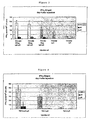
- Fig.1 shows the immune response against ovalbumin-derived peptide of a combined injection of polyinosinic-polycytidylic acid (pIC) and poly-L-arginine (pR); Mice were injected subcutaneously into the footpad with mixtures as indicated. Four days later, draining lymph nodes (LN) were taken and lymph node cells were re-stimulated either with Ova-derived peptide, plC or pR. Number of IFN- ⁇ -producing cells was determined 24 hours later using an ELISPOT assay. Results are expressed as the number of spots/1x10 6 LN cells ⁇ SD of triplicates.
- Fig.2 shows the immune response against ovalbumin-derived peptide of a combined injection of pIC and pR; Mice were injected subcutaneously into the footpad with mixtures as indicated. Four days later, draining lymph nodes (LN) were taken and lymph node cells were re-stimulated either with Ova-derived peptide, pIC or pR. Number of IFN- ⁇ -producing cells was determined 24 hours later using an ELISPOT assay. Results are shown as the number of spots/1x10 6 LN cells ⁇ SD of triplicates.
- Fig.3 shows the induction of ovalbumin-peptide specific T cells after combined injection of pIC and pR; Mice were injected subcutaneously into the footpad with mixtures as indicated. Four days later, draining lymph nodes (LN) were taken and lymph node cells were re-stimulated either with Ova-derived peptide, pIC or pR. Number of IFN- ⁇ -producing cells was determined 24 hours later using an ELISPOT assay. Results are shown as the number of spots/1x10 6 LN cells ⁇ SD of triplicates.
- Fig.4 shows the immune response against a TRP-2-derived peptide after combined injection of pIC and pR; Mice were injected subcutaneously into the footpad with mixtures as indicated. Four days later, draining lymph nodes (LN) were taken and lymph node cells were re-stimulated either with TRP-2-derived peptide, pIC or pR. Number of IFN- ⁇ -producing cells was determined 24 hours later using an ELISPOT assay. Results are shown as the number of spots/1x10 6 LN cells ⁇ SD of triplicates.
- Fig.5 shows the induction of T cells specific for a P1A (mastocytoma-derived) peptide after combined application of pIC and pR; Mice were injected subcutaneously into the footpad with mixtures as indicated. Four days later, draining lymph nodes (LN) were taken and lymph node cells were re-stimulated either with P1A peptide, pIC or pR. Number of IFN- ⁇ -producing cells was determined 24 hours later using an ELISPOT assay. Results are shown as the number of spots/1x10 6 LN cells ⁇ SD of triplicates.
- LN lymph nodes
- Fig.6 shows the induction of T cells specific for Ova-derived peptide after combined application of oligo-dIC 26 and pR; Mice were injected subcutaneously into the footpad with mixtures as indicated. Four days later, draining lymph nodes (LN) were taken and lymph node cells were re-stimulated either with Ova-derived peptide, oligo-dIC 26 or pR. Number of IFN- ⁇ -producing cells was determined 24 hours later using an ELISPOT assay. Results are shown as the number of spots/1x10 6 LN cells ⁇ SD of triplicates.
- Fig.7 shows that the combined injection of OVA-derived peptide with pR and pIC induces systemic antigen-specific T cell response; mice were injected subcutaneously either into hind footpads (A) or into the flank (B) with mixtures as indicated. On day 7 after injection, IFN- ⁇ -ELISPOT was carried out with peripheral blood leucocytes (PBLs), which were re-stimulated with OVA 257-264 peptide. The number of IFN- ⁇ -producing cells was determined 24 hours later. Results are shown as the number of spots/1x10 6 PBLs ⁇ SD of duplicates.
- PBLs peripheral blood leucocytes
- Fig.8 shows that the combined application of OVA-derived peptide with pIC and various polycationic compounds strongly enhances the induction of peptide-specific T cells.
- Mice were injected subcutaneously into the footpad with mixtures as indicated. Four days later, draining lymph nodes (LN) were taken and lymph node cells were re-stimulated either with the relevant peptide (OVA 257-264 peptide), irrelevant peptide (TRP-2 181-188 peptide), pIC, or the respective polycationic compound. Number of IFN- ⁇ -producing cells was determined 24 hours later using an ELISPOT assay. Results are shown as the number of spots/1x10 6 LN cells ⁇ SD of triplicates.
- Fig.9 shows that the combined application of ovalbumin (OVA) with pIC and pR strongly enhances the induction of OVA-specific T cells.
- Mice were injected subcutaneously into the footpad with mixtures as indicated.
- LN draining lymph nodes
- lymph node cells were re-stimulated either with MHC class I- and II-restricted OVA-peptides or OVA.
- the number of IFN- ⁇ -producing cells was determined 24 hours later using an ELISPOT assay. The results are shown as the number of spots/1x10 6 LN cells ⁇ SD of triplicates.
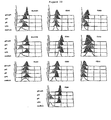
- Fig.10 shows that Poly-L-arginine (pR) does not affect polyinosinic-polycytidylic acid (pIC)-induced in vitro maturation of human DCs.
- pIC polyinosinic-polycytidylic acid
- Fig.11 shows that the combined application of OVA-derived peptide with oligo-dIC 26-mer and pR results in the systemic, antigen-specific T cell response.
- Mice were injected subcutaneously into the footpad with mixtures as indicated in the Figure legend.
- SCs spleen cells
- PBLs peripheral blood leukocytes
- the number of IFN- ⁇ -producing cells was determined 24 hours later using an ELISPOT assay. The results are shown as the number of spots/1x10 6 cells ⁇ SD of duplicates.
- Fig.12 shows that the combined application of ovalbumin (OVA) with oligo-dIC 26-mer and pR strongly enhances the induction of OVA-specific T cells.
- OVA ovalbumin
- peripheral blood leukocytes PBLs
- OVA 257-264 -peptide OVA 257-264 -peptide
- Number of IFN- ⁇ -producing cells was determined 24 hours later using an ELISPOT assay. Results are shown as the number of spots/1x10 6 PBLs ⁇ SD of duplicates.
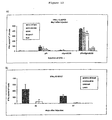
- Fig.13 shows that the combined application of ovalbumin (OVA) with oligo-dIC 26-mer and pR enhances production of OVA-specific IgG antibodies.
- OVA ovalbumin
- Mice were injected subcutaneously into the footpad with mixtures as indicated.
- sera were collected and screened by ELISA for OVA-specific IgG2a (A) and IgG1 (B) antibodies. The results are shown as the antibody titer.
- mice On day 0 mice were injected into each hind footpad with a total volume of 100 ⁇ l (50 ⁇ l per footpad) containing the above mentioned compounds. Animals were sacrificed 4 days after injection and popliteal lymph nodes were harvested. Single cell suspensions were prepared by mincing lymph nodes through a 70 ⁇ m cell strainer. Thereafter, cells were washed twice with DMEM medium (Life Technologies) containing 5% fetal calf serum (FCS, SIGMA Chemicals). Cells were adjusted to 10 7 cells/ml in DMEM/5%FCS. IFN- ⁇ ELISPOT assays were carried out in triplicates as described (Miyahira et al., 1995).
- Lymph node cells were re-stimulated in vitro either with Ova-peptide, polyinosinic-polycytidylic acid (pIC), poly-L-arginine (pR), Concanavalin A (ConA) or medium alone (background). Each spot represents a single IFN- ⁇ -producing T cell. Spots were counted using a Biosys reader (Biosys, Germany). Number of background spots was subtracted from all samples. The Results are expressed as the number of spots/1x10 6 unseparated cells ⁇ SD of triplicates.
- mice On day 0 mice were injected into each hind footpad with a total volume of 100 ⁇ l (50 ⁇ l per footpad) containing the above mentioned compounds. Animals were sacrificed 4 days after injection and popliteal lymph nodes were harvested. Lymph node cell suspensions were prepared and IFN- ⁇ ELISPOTs were performed as described in example 1. Results are expressed as the number of spots/1x10 6 cells ⁇ SD of triplicates. Even very low dose of pIC (25 ⁇ g/mouse) injected in a combination with pR plus peptide leads to the induction of antigen-specific T cells (Figure 2).
- the combined injection of pIC and pR enhances the induction of ovalbumin-peptide-specific T cells in a peptide concentration-dependent manner.
- mice On day 0 mice were injected into each hind footpad with a total volume of 100 ⁇ l (50 ⁇ l per footpad) containing the above mentioned compounds. Animals were sacrificed 4 days after injection and popliteal lymph nodes were harvested. Lymph node cell suspensions were prepared and IFN- ⁇ ELISPOTs were performed as described in example 1. Results are expressed as the number of spots/1x10 6 cells ⁇ SD of triplicates. As shown in Figure 3, comparably strong immune response can be induced even when lower peptide dose (100 ⁇ g instead of 300 ⁇ g/mouse) is used for the vaccination.
- TRP-2 mouse tyrosinase-related protein-2
- mice On day 0 mice were injected into each hind footpad with a total volume of 100 ⁇ l (50 ⁇ l per footpad) containing the above mentioned compounds. Animals were sacrificed 4 days after injection and popliteal lymph nodes were harvested. Preparation of lymph nodes and IFN- ⁇ ELISPOTs were carried out as described in example 1. Results are expressed as the number of spots/1x10 6 cells ⁇ SD of triplicates. Our results show that pIC and pR also synergistically act in inducing TRP-2 peptide-specific T cells ( Figure 4).
- mice On day 0 mice were injected into each hind footpad with a total volume of 100 ⁇ l (50 ⁇ l per footpad) containing the above mentioned compounds. Animals were sacrificed 4 days after injection and popliteal lymph nodes were harvested. Preparation of lymph nodes and IFN- ⁇ ELISPOTs were carried out as described in example 1. Results are expressed as the number of spots/1x10 6 cells ⁇ SD of triplicates. As shown in Figure 5, the combined application of pIC and pR induces strong antigen-specific response also in another mouse strain.
- oligo-dIC 26 and pR synergistically enhances the inmune response against ovalbumin-derived peptide.
- mice On day 0 mice were injected into each hind footpad with a total volume of 100 ⁇ l (50 ⁇ l per footpad) containing the above mentioned compounds. Animals were sacrificed 4 days after injection and popliteal lymph nodes were harvested. Preparation of lymph nodes and IFN- ⁇ ELISPOTs were carried out as described in example 1. Results are expressed as the number of spots/1x10 6 cells ⁇ SD of triplicates. As shown in Figure 6, the combined application of oligo-dIC 26 and pR induces strong peptide-specific T cell response.
- the antigen-specific immune response against ovalbumin-derived, peptide induced by combined injection of poly-L-arginine (pR) and polyinosinic-polycytidylic acid (pIC) is systemic.
- mice On day 0, mice were injected either into hind footpads or into the flank with a total volume of 100 ⁇ l (50 ⁇ l per each footpad, 100 ⁇ l per flank) containing the above listed compounds.
- Four mice per group were sacrificed 4 days after injection and draining lymph nodes (popliteal and inguinal lymph nodes for footpad and flank injection, respectively) were harvested. Preparation of lymph nodes and IFN- ⁇ ELISPOTs were carried out as described in example 1.
- PBLS peripheral blood leukocytes
- Each spot represents a single IFN- ⁇ -producing T cell. Spots were counted using a Biosys reader (Biosys, Germany). Number of background spots was subtracted from all samples. Results are expressed as the number of spots/1x10 6 cells ⁇ SD of duplicates. After the stimulation of PBLs with ConA, many spots demonstrating a good condition of the used lymphocytes could be detected.
- mice were injected into hind footpads with combinations as mentioned before, sera from mice were collected one hour after injection and were screened for TNF- ⁇ and IL-6 by ELISA. Neither TNF- ⁇ nor IL-6 could be detected in the serum of any of the mice, whether injected with peptide/pR, peptide/pIC or peptide and the combination of both substances.
- polyinosinic-polycytidylic acid pIC
- various polycationic compounds synergistically enhances the immune response against ovalbumin-derived peptide.
- mice were injected into each hind footpad with a total volume of 100 ⁇ l (50 ⁇ l per footpad) containing the above listed compounds. Animals were sacrificed 4 days after injection and popliteal lymph nodes were harvested. Lymph node cell suspensions were prepared and IFN- ⁇ ELISPOTs were performed as described in Example 1. Results are expressed as the number of spots/1x10 6 cells ⁇ SD of triplicates. As shown in Figure 8, injection of peptide in combination with pIC and any of the above listed polycationic compounds (pR, pL, pO, DEAE-dextran) leads to the strong peptide-specific response. In contrast, injection of peptide with either of the substances alone did not induce peptide-specific T cells.
- DEAE-dextran has to be used in combination with pIC to induce the same numbers of peptide-specific IFN- ⁇ -producing T cells as injection of pIC with any of other used polycationic compounds (pR, pL, pO).
- ovalbumin ovalbumin
- pR poly-L-arginine
- pIC polyinosinic-polycytidylic acid
- Ovalbumin Ovalbumin from chicken egg, grade V, SIGMA Chemicals, A-5503, Lot 54H7070 Dose: 50 ⁇ g/mouse Peptides OVA 257-264 -peptide (SIINFEKL), an MHC class I (H-2K b )-restricted dominant epitope of chicken ovalbumin (Rotzschke et al., 1991), OVA 265-280 -peptide (TEWTSSNVMEERKIKV), an MHC class II (H-2A b )-restricted epitope of chicken ovalbumin (Rotzschke et al., 1991) were synthesized using standard solid phase F-moc synthesis, HPLC purified and analyzed by mass spectroscopy for purity.
- mice On day 0, mice were injected into each hind footpad with a total volume of 100 ⁇ l (50 ⁇ l per footpad) containing the above listed compounds. Animals were sacrificed 4 days after injection and popliteal lymph nodes were harvested. Lymph node cell suspensions were prepared and IFN- ⁇ ELISPOTs were performed as described in Example 1. Results are expressed as the number of spots/1x10 6 cells ⁇ SD of triplicates. As shown in Figure 9, injection of ovalbumin (OVA) with either pIC or pR leads to the antigen-specific immune response when compared with injection of OVA alone.
- OVA ovalbumin
- Poly-L-arginine does not affect polyinosinic-polycytidylic acid (pIC)-induced in vitro maturation of DCs.
- LPS Lipopolysaccharide
- serotype 055:B5 SIGMA Chemicals
- Poly-L-arginine (pR) Poly-L-arginine with an average degree of polymerization of 60 arginine residues; SIGMA Chemicals, P-4663, Lot 68H5903
- Polyinosinic-polycytidylic acid pIC
- Polyinosinic-polycytidylic acid Amersham Pharmacia Biotech, 27-4732, Lot 6034732012
- day 6-cultured DCs were stimulated either with pIC, pR or with a combination of both substances for 48 hours and were analyzed for the expression of several surface molecules by flow cytometry.
- DCs were also stimulated with LPS or were left untreated.
- pIC induced an up-regulation of HLA-DR, -DQ and HLA-I molecules, co-stimulatory molecules such as CD40, CD54, CD80, de-novo expression of CD86 and the maturation marker CD83 as well as a down-regulation of CD1a molecules when compared to untreated DCs.
- the maturation effect of pIC was in all cases comparable to that induced by LPS.
- pIC has the capacity to induce maturation of human DCs in vitro, and pR does not affect this pIC-induced differentiation process.
- the antigen-specific immune response induced by the combined application of antigen with oligo-deoxyIC 26-mer and poly-L-arginine (pR) is systemic.
- mice On day 0, mice were injected into each hind footpad with a total volume of 100 ⁇ l (50 ⁇ l per footpad) containing the above listed compounds. Animals (4 mice/group) were sacrificed 4 days after injection and popliteal lymph nodes were harvested. Lymph node cell suspensions were prepared and IFN- ⁇ ELISPOTs were performed as described in Example 1.
- mice/group mice mice/group mice were investigated at selected time points after injection for the presence of peptide-specific IFN- ⁇ -producing T cells in spleen or peripheral blood using an IFN- ⁇ ELISPOT assay. Results are expressed as the number of spots/1x10 6 cells ⁇ SD of duplicates.
- Figure 11 shows that the response induced by the injection of OVA-derived peptide with oligo-dIC/pR is systemic and lasts at least until day 59 after one single injection (the latest time point of investigation). In contrast, the local or systemic response could not be observed when peptide was injected alone, with oligo-dIC 26-mer or pR.
- mice were injected into hind footpads with combinations as mentioned before, sera from mice were collected one hour after injection and were screened for TNF- ⁇ and IL-6 by ELISA. Neither TNF- ⁇ nor IL-6 could be detected in the serum of any of the mice, whether injected with peptide/pR, peptide/oligo-dIC or peptide and the combination of both substances.
- oligo-deoxyIC 26-mer and poly-L-arginine (pR) enhances the ovalbumin (OVA)-specific T cell response.
- Ovalbumin Ovalbumin from chicken egg, grade V, SIGMA Chemicals, A-5503, Lot 54H7070 Dose: 50 ⁇ g/mouse Peptides OVA 257-264 -peptide (SIINFEKL) , an MHC class I (H-2K b )-restricted-dominant epitope of chicken ovalbumin (Rotzschke et al., 1991), OVA 265-280 -peptide (TEWTSSNVMEERKIKV), an MHC class II (H-2A b )-restricted epitope of chicken ovalbumin (Rotzschke et al., 1991) were synthesized using standard solid phase F-moc synthesis, HPLC purified and analyzed by mass spectroscopy for purity.
- Dose used for the re-stimulation of cells 10 ⁇ g/ml Poly-L-arginine (pR) Poly-L-arginine with an average degree of polymerization of 60 arginine residues; SIGMA Chemicals, P-4663, Lot 68H5903 Dose: 100 ⁇ g/mouse Oligo-deoxy IC, 26-mer (oligo-dIC 26-mer ) oligo-dIC 26-mer was synthesized by standard phosphoamidide chemistry on a 4 ⁇ mol scale and purified by HPLC (NAPS Göttingen, Germany) Dose: 5 nmol/mouse
- mice On day 0, mice were injected into each hind footpad with a total volume of 100 ⁇ l (50 ⁇ l per footpad) containing the above listed compounds. Animals were sacrificed 4 days after injection and popliteal lymph nodes were harvested. Lymph node cell suspensions were prepared and IFN- ⁇ ELISPOTs were performed as described in Example 1. Results are expressed as the number of spots/1x10 6 cells ⁇ SD of triplicates. As shown in Figure 12A, injection of ovalbumin (OVA) with a mixture of oligo-dIC and pR results in enhanced antigen-specific T cell response.
- OVA ovalbumin
- the IFN- ⁇ production was detected not only upon the re-stimulation with the whole OVA protein but also with both, MHC class I (OVA 257-264 )- and II (OVA 265-280 )-restricted OVA-derived epitopes (Figure 12A).
- oligo-deoxyIC 26-mer and poly-L-arginine (pR) enhances the ovalbumin (OVA)-specific humoral response.
- Ovalbumin Ovalbumin from chicken egg, grade V, SIGMA Chemicals, A-5503, Lot 54H7070 Dose: 50 ⁇ g/mouse Poly-L-arginine (pR) Poly-L-arginine with an average degree of polymerization of 60 arginine residues; SIGMA Chemicals, P-4663, Lot 68H5903 Dose: 100 ⁇ g/mouse Oligo-deoxy IC, 26-mer (oligo-dIC 26-mer ) oligo-dIC 26-mer was synthesized by standard phosphoamidide chemistry on a 4 ⁇ mol scale and purified by HPLC (NAPS Göttingen, Germany) Dose: 5 nmol/mouse
- mice were injected into each hind footpad with a total volume of 100 ⁇ l (50 ⁇ l per footpad) containing the above listed compounds.
- serum was collected and screened by ELISA for the presence of OVA-specific antibodies.
- Mouse tumor.rejection antigens P815A and P815B two epitopes carried by a single peptide. Eur.J.Immunol.22, 2283-2288.
- Polyinosinic acid polycytidylic acid promotes T helper type 1-specific immune responses by stimulating macrophage production of interferon-a and interleukin-12. Eur. J. Immunol. 25, 2656-2660.
Landscapes
- Health & Medical Sciences (AREA)
- Chemical & Material Sciences (AREA)
- Life Sciences & Earth Sciences (AREA)
- Engineering & Computer Science (AREA)
- Genetics & Genomics (AREA)
- Organic Chemistry (AREA)
- General Health & Medical Sciences (AREA)
- Immunology (AREA)
- Bioinformatics & Cheminformatics (AREA)
- Biotechnology (AREA)
- Molecular Biology (AREA)
- Biomedical Technology (AREA)
- Wood Science & Technology (AREA)
- General Chemical & Material Sciences (AREA)
- Public Health (AREA)
- Veterinary Medicine (AREA)
- Microbiology (AREA)
- Biochemistry (AREA)
- Animal Behavior & Ethology (AREA)
- Pharmacology & Pharmacy (AREA)
- Zoology (AREA)
- Medicinal Chemistry (AREA)
- Chemical Kinetics & Catalysis (AREA)
- General Engineering & Computer Science (AREA)
- Epidemiology (AREA)
- Biophysics (AREA)
- Plant Pathology (AREA)
- Physics & Mathematics (AREA)
- Nuclear Medicine, Radiotherapy & Molecular Imaging (AREA)
- Mycology (AREA)
- Peptides Or Proteins (AREA)
- Medicines Containing Antibodies Or Antigens For Use As Internal Diagnostic Agents (AREA)
- Medicines That Contain Protein Lipid Enzymes And Other Medicines (AREA)
- Pharmaceuticals Containing Other Organic And Inorganic Compounds (AREA)
- Saccharide Compounds (AREA)
- Preparation Of Compounds By Using Micro-Organisms (AREA)
Claims (14)
- Composition pharmaceutique comprenantun épitope pour cellules T, ledit épitope pour cellules T étant un peptide composé de 6 à 20 résidus acides aminés ou un mélange de tels épitopes pour cellules T,un peptide polycationique, etun acide nucléique basé sur l'inosine et la cytosine.
- Composition selon la revendication 1, caractérisée en ce que l'acide nucléique basé sur l'inosine et la cytosine est choisi parmi le poly I : poly C, le poly IC, le poly dC : poly dI et le poly dIC.
- Composition selon la revendication 1 ou la revendication 2, caractérisée en ce que le peptide polycationique est choisi parmi la polyarginine et la polylysine ou un polypeptide contenant au moins 50% de résidus acides aminés basiques, spécialement les résidus arginine ou lysine.
- Composition selon l'une quelconque des revendications 1 à 3, caractérisée en ce que le peptide polycationique contient plus de 5 résidus, de préférence entre 10 et 1000, spécialement entre 50 et 500.
- Composition selon l'une quelconque des revendications 1 à 4, caractérisée en ce que l'épitope pour cellules T est dérivé d'un pathogène humain, animal ou végétal.
- Composition selon l'une quelconque des revendications 1 à 4, caractérisée en ce que l'épitope pour cellules T est dérivé d'un pathogène viral ou bactérien.
- Composition selon l'une quelconque pour revendications 1 à 6, caractérisée en ce que l'épitope pour cellules T est dérivé de pathogènes végétaux.
- Composition selon l'une quelconque des revendications 1 à 6, caractérisée en ce que l'épitope pour cellules T est dérivé de parasites.
- Composition selon l'une quelconque des revendications 1 à 8, caractérisée en ce que l'épitope pour cellules T est un peptide composé de 7 à 15, spécialement 8 à 11, résidus acides aminés.
- Composition selon l'une quelconque des revendications 1 à 9, caractérisée en ce qu'elle contient1 ng - 1 g, spécialement 1-10 000 µg, d'épitope pour cellules T (peptide),1 ng - 1 g, spécialement 0,1-1000 µg, de peptide polycationique, et1 ng- 1 g, spécialement 10 µg - 300 mg, d'acide nucléique basé sur l'inosine et la cytosine.
- Composition selon l'une quelconque des revendications 1 à 10, pour la préparation de vaccin.
- Utilisation d'une composition selon l'une quelconque des revendications 1 à 10, pour la préparation d'un vaccin induisant une réponse immunitaire systémique.
- Kit de vaccination comprenant un constituant contenant un épitope pour cellules T étant un peptide composé de 6 à 20 résidus acides aminés ou un mélange de tels épitopes pour cellules T, et un peptide polycationique, et un constituant contenant un acide nucléique basé sur l'inosine et la cytosine.
- Utilisation d'un peptide polycationique et d'un acide nucléique basé sur l'inosine et la cytosine pour la préparation d'une préparation pharmaceutique contenant en outre un épitope pour cellules T, étant un peptide composé de 6 à 20 résidus acides aminés ou un mélange de tels épitopes pour cellules T pour provoquer une réponse des cellules T spécifique d'un épitope contre ledit épitope des cellules T ou ledit mélange de tels épitopes des cellules T.
Applications Claiming Priority (3)
| Application Number | Priority Date | Filing Date | Title |
|---|---|---|---|
| AT10002000 | 2000-06-08 | ||
| AT0100000A AT410173B (de) | 2000-06-08 | 2000-06-08 | Antigene zusammensetzung |
| PCT/EP2001/006437 WO2001093903A1 (fr) | 2000-06-08 | 2001-06-07 | Composition antigenique comprenant un peptide polycationique et inosine et cytosine |
Publications (2)
| Publication Number | Publication Date |
|---|---|
| EP1286695A1 EP1286695A1 (fr) | 2003-03-05 |
| EP1286695B1 true EP1286695B1 (fr) | 2005-03-16 |
Family
ID=3683921
Family Applications (1)
| Application Number | Title | Priority Date | Filing Date |
|---|---|---|---|
| EP01936440A Expired - Lifetime EP1286695B1 (fr) | 2000-06-08 | 2001-06-07 | Composition antigenique comprenant un peptide polycationique et inosine et cytosine |
Country Status (7)
| Country | Link |
|---|---|
| US (2) | US7148191B2 (fr) |
| EP (1) | EP1286695B1 (fr) |
| AT (2) | AT410173B (fr) |
| AU (1) | AU2001262345A1 (fr) |
| DE (1) | DE60109443T2 (fr) |
| WO (1) | WO2001093903A1 (fr) |
| ZA (1) | ZA200209479B (fr) |
Families Citing this family (61)
| Publication number | Priority date | Publication date | Assignee | Title |
|---|---|---|---|---|
| EP1240331B1 (fr) * | 1999-12-22 | 2010-04-07 | Aventis Pasteur Limited | Antigenes anti- chlamydia, fragments d'adn correspondants et leurs utilisations |
| HU228264B1 (en) | 2000-06-08 | 2013-02-28 | Intercell Ag | Immunostimulatory oligodeoxynucleotides |
| AT410173B (de) * | 2000-06-08 | 2003-02-25 | Cistem Biotechnologies Gmbh | Antigene zusammensetzung |
| WO2002069369A2 (fr) * | 2000-12-08 | 2002-09-06 | Coley Pharmaceutical Gmbh | Acides nucleiques du type cpg et procedes d'utilisation correspondants |
| DK1353689T3 (da) * | 2001-01-03 | 2006-07-31 | Epitopix Llc | Immuniseringspræparater og anvendelse deraf |
| EP1347775B1 (fr) | 2001-01-05 | 2016-11-30 | Valneva Austria GmbH | Utilisation de substances polycationiques en tant qu'adjuvants pour vaccins |
| WO2002053185A2 (fr) * | 2001-01-05 | 2002-07-11 | Intercell Ag | Utilisations de composes polycationiques |
| US20050250716A1 (en) * | 2001-12-07 | 2005-11-10 | Intercell Ag | Immunostimulatory oligodeoxynucleotides |
| US8088388B2 (en) | 2002-02-14 | 2012-01-03 | United Biomedical, Inc. | Stabilized synthetic immunogen delivery system |
| EP1483575A2 (fr) * | 2002-02-28 | 2004-12-08 | Intercell AG | Methode d'isolation de ligands |
| WO2003090685A2 (fr) * | 2002-04-24 | 2003-11-06 | The Regents Of The University Of California | Techniques de stimulation des chemins du recepteur de type toll/facteur 3 de regulation de l'interferon (tlr/irf3) permettant de provoquer des reactions antimicrobiennes, anti-inflammatoires et anticancereuses |
| EP1778186B1 (fr) * | 2002-07-03 | 2011-11-30 | Oncovir, Inc. | Procede pour preparer du poly-iclc et ses utilisations |
| JP2005533855A (ja) | 2002-07-24 | 2005-11-10 | インターツェル・アクチェンゲゼルシャフト | 病原性ウイルスからの別のリーディングフレームによりコードされる抗原 |
| EP1537418A2 (fr) | 2002-09-13 | 2005-06-08 | Intercell AG | Procede pour isoler des peptides du virus de l'hepatite c |
| JP5116971B2 (ja) | 2002-10-15 | 2013-01-09 | インターセル アーゲー | B群連鎖球菌の接着因子をコードする核酸、b群連鎖球菌の接着因子、およびその使用 |
| AU2003297317A1 (en) * | 2002-12-13 | 2004-07-09 | Case Western Reserve University | Defensin-inducing peptides from fusobacterium |
| CN1756843B (zh) | 2003-03-04 | 2012-03-21 | 英特塞尔股份公司 | 化脓链球菌抗原 |
| AU2004224746B2 (en) | 2003-03-24 | 2009-04-23 | Valneva Austria Gmbh | Improved vaccines |
| ES2351489T3 (es) * | 2003-03-24 | 2011-02-07 | Intercell Ag | Vacunas mejoradas. |
| AU2004226262A1 (en) | 2003-03-31 | 2004-10-14 | Intercell Ag | Staphylococcus epidermidis antigens |
| US7635487B2 (en) | 2003-04-15 | 2009-12-22 | Intercell Ag | S. pneumoniae antigens |
| EP1620460A2 (fr) | 2003-05-07 | 2006-02-01 | Intercell AG | Antigenes i + ii contre streptococcus agalactiae |
| EP1629005A2 (fr) | 2003-05-30 | 2006-03-01 | Intercell AG | Antigenes d'enterococcus |
| US8329192B2 (en) | 2003-09-19 | 2012-12-11 | Epitopix Llc | Campylobacter polypeptides and methods of use |
| WO2006045677A1 (fr) * | 2004-10-29 | 2006-05-04 | Intercell Ag | Vaccins anti-vhc pour patients atteints du vhc chronique |
| NZ597997A (en) | 2005-02-14 | 2013-10-25 | Epitopix Llc | Antibody compositions that bind polypeptides from staphylococcus aureus |
| KR20090024292A (ko) | 2006-06-28 | 2009-03-06 | 스태튼스 세룸 인스티튜트 | 단백질 단편 또는 펩타이드 혼합물로서 전달되는 항원을 가진 백신접종에 의해 준우성 항원결정기를 포함하는 t세포 레퍼토리 확장 |
| EP2292647A3 (fr) | 2006-07-07 | 2011-06-08 | Intercell AG | Petits antigènes pyogènes streptococcus et leur utilisation |
| EP2289906A1 (fr) | 2006-09-15 | 2011-03-02 | Intercell AG | Antigènes de la Borrelia |
| EP1923069A1 (fr) | 2006-11-20 | 2008-05-21 | Intercell AG | Peptides protecteurs contre S. pneumoniae et compositions, méthodes et utilisations associés |
| EP2266592A3 (fr) | 2007-01-12 | 2012-08-08 | Intercell AG | Protéines protectrices de S. agalactia, combinaisons associées et procédés d'utilisation |
| CN101687900A (zh) * | 2007-03-07 | 2010-03-31 | 恩文塔生物制药公司 | 双链锁核酸组合物 |
| CA2685805A1 (fr) | 2007-05-02 | 2008-11-13 | Intercell Ag | Antigenes de la <i>klebsiella</i> |
| EP2158211B1 (fr) | 2007-05-31 | 2016-08-10 | Medigene AG | Protéine structurale mutée d'un parvovirus |
| EP2012122A1 (fr) | 2007-07-06 | 2009-01-07 | Medigene AG | Protéines structurelles de parvovirus muté |
| EP2511291A3 (fr) | 2007-06-18 | 2012-11-07 | Intercell AG | Antigènes de Chlamydia |
| ES2588705T3 (es) | 2007-09-27 | 2016-11-04 | Immunovaccine Technologies Inc. | Uso de liposomas en un vehículo que comprende una fase hidrófoba continua para la entrega de polinucleótidos in vivo |
| US20110038888A1 (en) * | 2008-01-10 | 2011-02-17 | Peter Emtage | Adjuvant compositions comprising poly-ic and a cationic polymer |
| AU2009226949A1 (en) | 2008-03-17 | 2009-09-24 | Intercell Ag | Peptides protective against S. pneumoniae and compositions, methods and uses relating thereto |
| CA2723918C (fr) | 2008-06-05 | 2018-01-09 | Immunovaccine Technologies Inc. | Compositions contenant des liposomes, un antigene, un polynucleotide et un transporteur comprenant une phase continue d'une substance hydrophobe |
| ES2569907T3 (es) | 2008-06-27 | 2016-05-13 | Zoetis Services Llc | Composiciones adyuvantes novedosas |
| EP2424882A2 (fr) | 2009-02-05 | 2012-03-07 | Intercell AG | PEPTIDES PROTECTEURS CONTRE E. FAECALIS, PROCÉDÉS ET UTILISATIONS LIÉS À CEUX-CI& xA; |
| EP2405938A2 (fr) | 2009-02-13 | 2012-01-18 | Intercell AG | Antigenes haemphilus influenzae non typables |
| NZ614557A (en) | 2009-03-23 | 2015-03-27 | Epitopix Llc | Polypeptides and immunizing compositions containing gram positive polypeptides and methods of use |
| PH12012500564A1 (en) | 2009-10-09 | 2012-10-22 | Sanofi Sa | Polypeptides for binding to the receptor for advanced glycation endproducts as well as compositions and methods involving the same |
| EP2308896A1 (fr) | 2009-10-09 | 2011-04-13 | Sanofi-aventis | Polypeptides pour liaison au récepteur des produits finaux de la glycosylation avancée et compositions et procédés les impliquant |
| EP2319871A1 (fr) | 2009-11-05 | 2011-05-11 | Sanofi-aventis | Polypeptides pour liaison au récepteur des produits finaux de la glycosylation avancée et compositions et procédés les impliquant |
| KR101907434B1 (ko) | 2010-09-03 | 2018-10-12 | 발네바 오스트리아 게엠베하 | C. 디피실의 a 독소 및 b 독소 단백질의 분리된 폴리펩타이드 및 이의 용도 |
| AR082925A1 (es) | 2010-09-08 | 2013-01-16 | Medigene Ag | Proteinas estructurales mutadas por parvovirus con epitopo de celulas b de proteccion cruzada, producto y metodos relacionados |
| WO2012139094A2 (fr) | 2011-04-08 | 2012-10-11 | H. Lee Moffitt Cancer Center And Research Institute, Inc. | Procédé de développement d'un vaccin à l'aide de complexes peptide-poly ic |
| KR20200039025A (ko) | 2013-09-19 | 2020-04-14 | 조에티스 서비시즈 엘엘씨 | 유성 아쥬반트 |
| MX391930B (es) | 2015-01-16 | 2025-03-21 | Zoetis Services Llc | Vacuna contra la fiebre aftosa. |
| US10166280B2 (en) | 2016-06-08 | 2019-01-01 | Epitopix, Llc | Polypeptides and immunizing compositions containing Bacillus polypeptides and methods of use |
| EP3527223A1 (fr) | 2018-02-16 | 2019-08-21 | 2A Pharma AB | Protéine structurelle de parvovirus muté |
| CN112074295A (zh) | 2018-02-16 | 2020-12-11 | 2A制药公司 | 用于治疗自身免疫性疾病的细小病毒结构蛋白 |
| KR20220010478A (ko) | 2019-05-20 | 2022-01-25 | 발네바 에스이 | 기도 감염의 치료 또는 예방용 서브유닛 백신 |
| WO2020240268A1 (fr) | 2019-05-31 | 2020-12-03 | Universidad De Chile | Formulation immunogène qui induit une protection contre escherichia coli produisant la toxine shiga (stec) |
| WO2022074061A1 (fr) | 2020-10-07 | 2022-04-14 | Valneva Sweden Ab | Formulation de vaccin contre le choléra |
| KR20230167017A (ko) | 2021-04-09 | 2023-12-07 | 발네바 에스이 | 인간 메타뉴모 바이러스 백신 |
| WO2023083964A1 (fr) | 2021-11-11 | 2023-05-19 | 2A Pharma Ab | Protéine structurale de parvovirus dirigée contre hpv bêta-et gamma |
| WO2023232901A1 (fr) | 2022-06-01 | 2023-12-07 | Valneva Austria Gmbh | Vaccin contre clostridium difficile |
Family Cites Families (6)
| Publication number | Priority date | Publication date | Assignee | Title |
|---|---|---|---|---|
| BR6801650D0 (pt) * | 1968-08-20 | 1973-03-07 | R Maes | Processo para preparacao de complexos geradores de interferon |
| US3725545A (en) * | 1971-02-03 | 1973-04-03 | R Maes | Enhancement of antibody production by nucleic acid-polycation complexes |
| CO4600681A1 (es) | 1996-02-24 | 1998-05-08 | Boehringer Ingelheim Pharma | Composicion farmaceutica para la modulacion inmunitaria |
| CA2261892A1 (fr) * | 1996-07-24 | 1998-01-29 | Michelle M. Hanna | Analogues de nucleotides a bases protegees avec groupes thiol proteges |
| EP1272215B1 (fr) * | 2000-04-14 | 2007-10-10 | Intercell AG | Preparations pharmaceutiques contenant des peptides modifies |
| AT410173B (de) * | 2000-06-08 | 2003-02-25 | Cistem Biotechnologies Gmbh | Antigene zusammensetzung |
-
2000
- 2000-06-08 AT AT0100000A patent/AT410173B/de not_active IP Right Cessation
-
2001
- 2001-06-07 US US10/297,497 patent/US7148191B2/en not_active Expired - Lifetime
- 2001-06-07 AT AT01936440T patent/ATE290880T1/de active
- 2001-06-07 EP EP01936440A patent/EP1286695B1/fr not_active Expired - Lifetime
- 2001-06-07 AU AU2001262345A patent/AU2001262345A1/en not_active Abandoned
- 2001-06-07 WO PCT/EP2001/006437 patent/WO2001093903A1/fr not_active Ceased
- 2001-06-07 DE DE60109443T patent/DE60109443T2/de not_active Expired - Lifetime
-
2002
- 2002-11-21 ZA ZA200209479A patent/ZA200209479B/en unknown
-
2006
- 2006-12-12 US US11/609,777 patent/US20070218073A1/en not_active Abandoned
Non-Patent Citations (1)
| Title |
|---|
| Singh et al: Nature Biotechnology, 1999, Vol. 17, pp. 1076-1081 * |
Also Published As
| Publication number | Publication date |
|---|---|
| ATA10002000A (de) | 2002-07-15 |
| AT410173B (de) | 2003-02-25 |
| ZA200209479B (en) | 2003-11-21 |
| US20070218073A1 (en) | 2007-09-20 |
| US20030162738A1 (en) | 2003-08-28 |
| US7148191B2 (en) | 2006-12-12 |
| DE60109443T2 (de) | 2006-04-13 |
| DE60109443D1 (de) | 2005-04-21 |
| ATE290880T1 (de) | 2005-04-15 |
| EP1286695A1 (fr) | 2003-03-05 |
| WO2001093903A1 (fr) | 2001-12-13 |
| AU2001262345A1 (en) | 2001-12-17 |
Similar Documents
| Publication | Publication Date | Title |
|---|---|---|
| US7148191B2 (en) | Antigenic composition | |
| RU2413520C2 (ru) | Вакцинная композиция, содержащая иммуностимулирующие олигодезоксинуклеотиды | |
| EP1390495B1 (fr) | Molécules oligodésoxynucléiques immunostimulatrices | |
| EP1251871B1 (fr) | Composition pharmaceutique pour immunomodulation et preparation de vaccins comprenant un antigene, et comme adjuvants un oligodesoxyribonucleotide immunogene et un polypeptide polycationique | |
| US20030125279A1 (en) | Covalently closed nucleic acid molecules for immunostimulation | |
| AU2001281812A1 (en) | Immunostimulatory oligodeoxynucleotides | |
| AU2002320762A1 (en) | Immunostimulatory oligodeoxynucleic molecules |
Legal Events
| Date | Code | Title | Description |
|---|---|---|---|
| PUAI | Public reference made under article 153(3) epc to a published international application that has entered the european phase |
Free format text: ORIGINAL CODE: 0009012 |
|
| 17P | Request for examination filed |
Effective date: 20021205 |
|
| AK | Designated contracting states |
Kind code of ref document: A1 Designated state(s): AT BE CH CY DE DK ES FI FR GB GR IE IT LI LU MC NL PT SE TR |
|
| AX | Request for extension of the european patent |
Extension state: AL LT LV MK RO SI |
|
| RIN1 | Information on inventor provided before grant (corrected) |
Inventor name: SCHMIDT, WALTER Inventor name: EGYED, ALENA Inventor name: BUSCHLE, MICHAEL Inventor name: LINGNAU, KAREN Inventor name: MATTNER, FRANK |
|
| 17Q | First examination report despatched |
Effective date: 20030715 |
|
| GRAP | Despatch of communication of intention to grant a patent |
Free format text: ORIGINAL CODE: EPIDOSNIGR1 |
|
| GRAS | Grant fee paid |
Free format text: ORIGINAL CODE: EPIDOSNIGR3 |
|
| GRAP | Despatch of communication of intention to grant a patent |
Free format text: ORIGINAL CODE: EPIDOSNIGR1 |
|
| RAP1 | Party data changed (applicant data changed or rights of an application transferred) |
Owner name: INTERCELL AG |
|
| GRAA | (expected) grant |
Free format text: ORIGINAL CODE: 0009210 |
|
| AK | Designated contracting states |
Kind code of ref document: B1 Designated state(s): AT BE CH CY DE DK ES FI FR GB GR IE IT LI LU MC NL PT SE TR |
|
| PG25 | Lapsed in a contracting state [announced via postgrant information from national office to epo] |
Ref country code: IT Free format text: LAPSE BECAUSE OF FAILURE TO SUBMIT A TRANSLATION OF THE DESCRIPTION OR TO PAY THE FEE WITHIN THE PRESCRIBED TIME-LIMIT;WARNING: LAPSES OF ITALIAN PATENTS WITH EFFECTIVE DATE BEFORE 2007 MAY HAVE OCCURRED AT ANY TIME BEFORE 2007. THE CORRECT EFFECTIVE DATE MAY BE DIFFERENT FROM THE ONE RECORDED. Effective date: 20050316 Ref country code: CH Free format text: LAPSE BECAUSE OF FAILURE TO SUBMIT A TRANSLATION OF THE DESCRIPTION OR TO PAY THE FEE WITHIN THE PRESCRIBED TIME-LIMIT Effective date: 20050316 Ref country code: TR Free format text: LAPSE BECAUSE OF FAILURE TO SUBMIT A TRANSLATION OF THE DESCRIPTION OR TO PAY THE FEE WITHIN THE PRESCRIBED TIME-LIMIT Effective date: 20050316 Ref country code: LI Free format text: LAPSE BECAUSE OF FAILURE TO SUBMIT A TRANSLATION OF THE DESCRIPTION OR TO PAY THE FEE WITHIN THE PRESCRIBED TIME-LIMIT Effective date: 20050316 Ref country code: BE Free format text: LAPSE BECAUSE OF FAILURE TO SUBMIT A TRANSLATION OF THE DESCRIPTION OR TO PAY THE FEE WITHIN THE PRESCRIBED TIME-LIMIT Effective date: 20050316 Ref country code: NL Free format text: LAPSE BECAUSE OF FAILURE TO SUBMIT A TRANSLATION OF THE DESCRIPTION OR TO PAY THE FEE WITHIN THE PRESCRIBED TIME-LIMIT Effective date: 20050316 Ref country code: FI Free format text: LAPSE BECAUSE OF FAILURE TO SUBMIT A TRANSLATION OF THE DESCRIPTION OR TO PAY THE FEE WITHIN THE PRESCRIBED TIME-LIMIT Effective date: 20050316 Ref country code: ES Free format text: LAPSE BECAUSE OF FAILURE TO SUBMIT A TRANSLATION OF THE DESCRIPTION OR TO PAY THE FEE WITHIN THE PRESCRIBED TIME-LIMIT Effective date: 20050316 |
|
| REG | Reference to a national code |
Ref country code: GB Ref legal event code: FG4D |
|
| REG | Reference to a national code |
Ref country code: CH Ref legal event code: EP |
|
| REG | Reference to a national code |
Ref country code: IE Ref legal event code: FG4D |
|
| REF | Corresponds to: |
Ref document number: 60109443 Country of ref document: DE Date of ref document: 20050421 Kind code of ref document: P |
|
| PG25 | Lapsed in a contracting state [announced via postgrant information from national office to epo] |
Ref country code: IE Free format text: LAPSE BECAUSE OF NON-PAYMENT OF DUE FEES Effective date: 20050607 Ref country code: LU Free format text: LAPSE BECAUSE OF NON-PAYMENT OF DUE FEES Effective date: 20050607 Ref country code: CY Free format text: LAPSE BECAUSE OF FAILURE TO SUBMIT A TRANSLATION OF THE DESCRIPTION OR TO PAY THE FEE WITHIN THE PRESCRIBED TIME-LIMIT Effective date: 20050607 |
|
| PG25 | Lapsed in a contracting state [announced via postgrant information from national office to epo] |
Ref country code: DK Free format text: LAPSE BECAUSE OF FAILURE TO SUBMIT A TRANSLATION OF THE DESCRIPTION OR TO PAY THE FEE WITHIN THE PRESCRIBED TIME-LIMIT Effective date: 20050616 Ref country code: GR Free format text: LAPSE BECAUSE OF FAILURE TO SUBMIT A TRANSLATION OF THE DESCRIPTION OR TO PAY THE FEE WITHIN THE PRESCRIBED TIME-LIMIT Effective date: 20050616 |
|
| PG25 | Lapsed in a contracting state [announced via postgrant information from national office to epo] |
Ref country code: MC Free format text: LAPSE BECAUSE OF NON-PAYMENT OF DUE FEES Effective date: 20050630 |
|
| NLV1 | Nl: lapsed or annulled due to failure to fulfill the requirements of art. 29p and 29m of the patents act | ||
| PG25 | Lapsed in a contracting state [announced via postgrant information from national office to epo] |
Ref country code: PT Free format text: LAPSE BECAUSE OF FAILURE TO SUBMIT A TRANSLATION OF THE DESCRIPTION OR TO PAY THE FEE WITHIN THE PRESCRIBED TIME-LIMIT Effective date: 20050907 |
|
| REG | Reference to a national code |
Ref country code: CH Ref legal event code: PL |
|
| PLBE | No opposition filed within time limit |
Free format text: ORIGINAL CODE: 0009261 |
|
| STAA | Information on the status of an ep patent application or granted ep patent |
Free format text: STATUS: NO OPPOSITION FILED WITHIN TIME LIMIT |
|
| 26N | No opposition filed |
Effective date: 20051219 |
|
| ET | Fr: translation filed | ||
| REG | Reference to a national code |
Ref country code: IE Ref legal event code: MM4A |
|
| PG25 | Lapsed in a contracting state [announced via postgrant information from national office to epo] |
Ref country code: SE Free format text: LAPSE BECAUSE OF FAILURE TO SUBMIT A TRANSLATION OF THE DESCRIPTION OR TO PAY THE FEE WITHIN THE PRESCRIBED TIME-LIMIT Effective date: 20050616 |
|
| REG | Reference to a national code |
Ref country code: DE Ref legal event code: R082 Ref document number: 60109443 Country of ref document: DE Representative=s name: VOSSIUS & PARTNER PATENTANWAELTE RECHTSANWAELT, DE |
|
| REG | Reference to a national code |
Ref country code: GB Ref legal event code: 732E Free format text: REGISTERED BETWEEN 20140612 AND 20140618 |
|
| REG | Reference to a national code |
Ref country code: DE Ref legal event code: R082 Ref document number: 60109443 Country of ref document: DE Representative=s name: VOSSIUS & PARTNER PATENTANWAELTE RECHTSANWAELT, DE Effective date: 20140707 Ref country code: DE Ref legal event code: R081 Ref document number: 60109443 Country of ref document: DE Owner name: VALNEVA AUSTRIA GMBH, AT Free format text: FORMER OWNER: INTERCELL AG, WIEN, AT Effective date: 20140707 |
|
| REG | Reference to a national code |
Ref country code: FR Ref legal event code: TP Owner name: VALNEVA AUSTRIA GMBH, AT Effective date: 20140916 Ref country code: FR Ref legal event code: CD Owner name: VALNEVA AUSTRIA GMBH, AT Effective date: 20140916 |
|
| REG | Reference to a national code |
Ref country code: AT Ref legal event code: PC Ref document number: 290880 Country of ref document: AT Kind code of ref document: T Owner name: VALNEVA AUSTRIA GMBH, AT Effective date: 20140919 |
|
| REG | Reference to a national code |
Ref country code: FR Ref legal event code: PLFP Year of fee payment: 16 |
|
| REG | Reference to a national code |
Ref country code: FR Ref legal event code: PLFP Year of fee payment: 17 |
|
| REG | Reference to a national code |
Ref country code: FR Ref legal event code: PLFP Year of fee payment: 18 |
|
| PGFP | Annual fee paid to national office [announced via postgrant information from national office to epo] |
Ref country code: DE Payment date: 20200618 Year of fee payment: 20 Ref country code: FR Payment date: 20200619 Year of fee payment: 20 |
|
| PGFP | Annual fee paid to national office [announced via postgrant information from national office to epo] |
Ref country code: GB Payment date: 20200625 Year of fee payment: 20 |
|
| PGFP | Annual fee paid to national office [announced via postgrant information from national office to epo] |
Ref country code: AT Payment date: 20200619 Year of fee payment: 20 |
|
| REG | Reference to a national code |
Ref country code: DE Ref legal event code: R071 Ref document number: 60109443 Country of ref document: DE |
|
| REG | Reference to a national code |
Ref country code: GB Ref legal event code: PE20 Expiry date: 20210606 |
|
| REG | Reference to a national code |
Ref country code: AT Ref legal event code: MK07 Ref document number: 290880 Country of ref document: AT Kind code of ref document: T Effective date: 20210607 |
|
| PG25 | Lapsed in a contracting state [announced via postgrant information from national office to epo] |
Ref country code: GB Free format text: LAPSE BECAUSE OF EXPIRATION OF PROTECTION Effective date: 20210606 |