EP1506782A1 - Fraction de vapeur de graines de glycine max (L.) merr. et composition correspondante - Google Patents
Fraction de vapeur de graines de glycine max (L.) merr. et composition correspondante Download PDFInfo
- Publication number
- EP1506782A1 EP1506782A1 EP03254976A EP03254976A EP1506782A1 EP 1506782 A1 EP1506782 A1 EP 1506782A1 EP 03254976 A EP03254976 A EP 03254976A EP 03254976 A EP03254976 A EP 03254976A EP 1506782 A1 EP1506782 A1 EP 1506782A1
- Authority
- EP
- European Patent Office
- Prior art keywords
- vapor fraction
- seeds
- minutes
- crude extract
- raw materials
- Prior art date
- Legal status (The legal status is an assumption and is not a legal conclusion. Google has not performed a legal analysis and makes no representation as to the accuracy of the status listed.)
- Granted
Links
- 235000010469 Glycine max Nutrition 0.000 title claims abstract description 64
- 244000068988 Glycine max Species 0.000 title claims abstract description 63
- 239000000203 mixture Substances 0.000 title claims description 25
- 229910001868 water Inorganic materials 0.000 claims abstract description 84
- XLYOFNOQVPJJNP-UHFFFAOYSA-N water Substances O XLYOFNOQVPJJNP-UHFFFAOYSA-N 0.000 claims abstract description 62
- WEVYAHXRMPXWCK-UHFFFAOYSA-N Acetonitrile Chemical compound CC#N WEVYAHXRMPXWCK-UHFFFAOYSA-N 0.000 claims abstract description 54
- LFQSCWFLJHTTHZ-UHFFFAOYSA-N Ethanol Chemical compound CCO LFQSCWFLJHTTHZ-UHFFFAOYSA-N 0.000 claims abstract description 41
- 230000003779 hair growth Effects 0.000 claims abstract description 31
- 238000000034 method Methods 0.000 claims abstract description 31
- 230000004936 stimulating effect Effects 0.000 claims abstract description 30
- 230000008569 process Effects 0.000 claims abstract description 25
- 208000028990 Skin injury Diseases 0.000 claims abstract description 22
- 208000037265 diseases, disorders, signs and symptoms Diseases 0.000 claims abstract description 20
- 238000004128 high performance liquid chromatography Methods 0.000 claims abstract description 17
- 230000008016 vaporization Effects 0.000 claims abstract description 16
- 230000008929 regeneration Effects 0.000 claims abstract description 15
- 238000011069 regeneration method Methods 0.000 claims abstract description 15
- 239000003643 water by type Substances 0.000 claims abstract description 13
- 239000008194 pharmaceutical composition Substances 0.000 claims abstract description 10
- 230000014759 maintenance of location Effects 0.000 claims abstract description 9
- 239000002245 particle Substances 0.000 claims abstract description 9
- 239000000287 crude extract Substances 0.000 claims abstract 24
- 208000027418 Wounds and injury Diseases 0.000 claims description 100
- 206010052428 Wound Diseases 0.000 claims description 89
- 239000002994 raw material Substances 0.000 claims description 37
- 239000003814 drug Substances 0.000 claims description 30
- 210000003491 skin Anatomy 0.000 claims description 30
- 244000000231 Sesamum indicum Species 0.000 claims description 18
- 235000003434 Sesamum indicum Nutrition 0.000 claims description 18
- 208000035475 disorder Diseases 0.000 claims description 18
- 208000014674 injury Diseases 0.000 claims description 15
- 240000001745 Rheum palmatum Species 0.000 claims description 14
- 235000008090 Rheum palmatum Nutrition 0.000 claims description 14
- 240000004922 Vigna radiata Species 0.000 claims description 14
- 235000010721 Vigna radiata var radiata Nutrition 0.000 claims description 14
- 210000003780 hair follicle Anatomy 0.000 claims description 14
- 230000006378 damage Effects 0.000 claims description 13
- 238000004519 manufacturing process Methods 0.000 claims description 11
- 241000972673 Phellodendron amurense Species 0.000 claims description 10
- 201000008937 atopic dermatitis Diseases 0.000 claims description 10
- 230000001684 chronic effect Effects 0.000 claims description 10
- 201000004624 Dermatitis Diseases 0.000 claims description 9
- 206010014080 Ecchymosis Diseases 0.000 claims description 9
- 230000000845 anti-microbial effect Effects 0.000 claims description 9
- 239000002537 cosmetic Substances 0.000 claims description 9
- 206010012601 diabetes mellitus Diseases 0.000 claims description 9
- 206010012438 Dermatitis atopic Diseases 0.000 claims description 8
- 239000004599 antimicrobial Substances 0.000 claims description 8
- BXWNKGSJHAJOGX-UHFFFAOYSA-N hexadecan-1-ol Chemical compound CCCCCCCCCCCCCCCCO BXWNKGSJHAJOGX-UHFFFAOYSA-N 0.000 claims description 8
- IPCSVZSSVZVIGE-UHFFFAOYSA-N hexadecanoic acid Chemical compound CCCCCCCCCCCCCCCC(O)=O IPCSVZSSVZVIGE-UHFFFAOYSA-N 0.000 claims description 8
- 239000000463 material Substances 0.000 claims description 8
- GLDOVTGHNKAZLK-UHFFFAOYSA-N octadecan-1-ol Chemical compound CCCCCCCCCCCCCCCCCCO GLDOVTGHNKAZLK-UHFFFAOYSA-N 0.000 claims description 8
- 206010040943 Skin Ulcer Diseases 0.000 claims description 7
- 208000000558 Varicose Ulcer Diseases 0.000 claims description 7
- 206010040844 Skin exfoliation Diseases 0.000 claims description 6
- 230000035618 desquamation Effects 0.000 claims description 6
- 238000002360 preparation method Methods 0.000 claims description 6
- DTGKSKDOIYIVQL-WEDXCCLWSA-N (+)-borneol Chemical compound C1C[C@@]2(C)[C@@H](O)C[C@@H]1C2(C)C DTGKSKDOIYIVQL-WEDXCCLWSA-N 0.000 claims description 5
- REPVLJRCJUVQFA-UHFFFAOYSA-N (-)-isopinocampheol Natural products C1C(O)C(C)C2C(C)(C)C1C2 REPVLJRCJUVQFA-UHFFFAOYSA-N 0.000 claims description 5
- 208000002874 Acne Vulgaris Diseases 0.000 claims description 5
- 208000035874 Excoriation Diseases 0.000 claims description 5
- 206010000496 acne Diseases 0.000 claims description 5
- 230000001154 acute effect Effects 0.000 claims description 5
- 229940116229 borneol Drugs 0.000 claims description 5
- CKDOCTFBFTVPSN-UHFFFAOYSA-N borneol Natural products C1CC2(C)C(C)CC1C2(C)C CKDOCTFBFTVPSN-UHFFFAOYSA-N 0.000 claims description 5
- 230000007547 defect Effects 0.000 claims description 5
- DTGKSKDOIYIVQL-UHFFFAOYSA-N dl-isoborneol Natural products C1CC2(C)C(O)CC1C2(C)C DTGKSKDOIYIVQL-UHFFFAOYSA-N 0.000 claims description 5
- 239000007788 liquid Substances 0.000 claims description 5
- 239000001818 polyoxyethylene sorbitan monostearate Substances 0.000 claims description 5
- 235000010989 polyoxyethylene sorbitan monostearate Nutrition 0.000 claims description 5
- 235000021314 Palmitic acid Nutrition 0.000 claims description 4
- 208000003251 Pruritus Diseases 0.000 claims description 4
- 235000021355 Stearic acid Nutrition 0.000 claims description 4
- 208000025865 Ulcer Diseases 0.000 claims description 4
- 238000005299 abrasion Methods 0.000 claims description 4
- 235000013871 bee wax Nutrition 0.000 claims description 4
- 229960000541 cetyl alcohol Drugs 0.000 claims description 4
- WQEPLUUGTLDZJY-UHFFFAOYSA-N n-Pentadecanoic acid Natural products CCCCCCCCCCCCCCC(O)=O WQEPLUUGTLDZJY-UHFFFAOYSA-N 0.000 claims description 4
- GOQYKNQRPGWPLP-UHFFFAOYSA-N n-heptadecyl alcohol Natural products CCCCCCCCCCCCCCCCCO GOQYKNQRPGWPLP-UHFFFAOYSA-N 0.000 claims description 4
- QIQXTHQIDYTFRH-UHFFFAOYSA-N octadecanoic acid Chemical compound CCCCCCCCCCCCCCCCCC(O)=O QIQXTHQIDYTFRH-UHFFFAOYSA-N 0.000 claims description 4
- OQCDKBAXFALNLD-UHFFFAOYSA-N octadecanoic acid Natural products CCCCCCCC(C)CCCCCCCCC(O)=O OQCDKBAXFALNLD-UHFFFAOYSA-N 0.000 claims description 4
- 239000008117 stearic acid Substances 0.000 claims description 4
- 230000008733 trauma Effects 0.000 claims description 4
- 231100000397 ulcer Toxicity 0.000 claims description 4
- 206010012434 Dermatitis allergic Diseases 0.000 claims description 3
- 206010017711 Gangrene Diseases 0.000 claims description 3
- 238000004140 cleaning Methods 0.000 claims description 3
- 241000197194 Bulla Species 0.000 claims description 2
- 206010011732 Cyst Diseases 0.000 claims description 2
- 208000010201 Exanthema Diseases 0.000 claims description 2
- 206010025421 Macule Diseases 0.000 claims description 2
- 206010033733 Papule Diseases 0.000 claims description 2
- 206010037888 Rash pustular Diseases 0.000 claims description 2
- 206010042496 Sunburn Diseases 0.000 claims description 2
- 208000024780 Urticaria Diseases 0.000 claims description 2
- 206010048218 Xeroderma Diseases 0.000 claims description 2
- 208000010668 atopic eczema Diseases 0.000 claims description 2
- 208000002352 blister Diseases 0.000 claims description 2
- 208000031513 cyst Diseases 0.000 claims description 2
- 201000005884 exanthem Diseases 0.000 claims description 2
- 206010021198 ichthyosis Diseases 0.000 claims description 2
- 208000029561 pustule Diseases 0.000 claims description 2
- 206010037844 rash Diseases 0.000 claims description 2
- 239000012166 beeswax Substances 0.000 claims 2
- 239000003085 diluting agent Substances 0.000 claims 1
- 239000003937 drug carrier Substances 0.000 claims 1
- 239000002674 ointment Substances 0.000 description 51
- 241000700159 Rattus Species 0.000 description 39
- 239000000284 extract Substances 0.000 description 30
- 230000000694 effects Effects 0.000 description 22
- 235000019441 ethanol Nutrition 0.000 description 22
- 229940079593 drug Drugs 0.000 description 20
- 238000011156 evaluation Methods 0.000 description 14
- 229960003600 silver sulfadiazine Drugs 0.000 description 14
- UEJSSZHHYBHCEL-UHFFFAOYSA-N silver(1+) sulfadiazinate Chemical compound [Ag+].C1=CC(N)=CC=C1S(=O)(=O)[N-]C1=NC=CC=N1 UEJSSZHHYBHCEL-UHFFFAOYSA-N 0.000 description 14
- 238000010562 histological examination Methods 0.000 description 12
- 210000004027 cell Anatomy 0.000 description 10
- 210000001519 tissue Anatomy 0.000 description 10
- 206010015150 Erythema Diseases 0.000 description 9
- 231100000241 scar Toxicity 0.000 description 9
- 239000000243 solution Substances 0.000 description 9
- 206010072170 Skin wound Diseases 0.000 description 8
- 230000002500 effect on skin Effects 0.000 description 8
- 239000000835 fiber Substances 0.000 description 8
- 210000000981 epithelium Anatomy 0.000 description 7
- 210000002683 foot Anatomy 0.000 description 7
- 210000004209 hair Anatomy 0.000 description 7
- 206010020751 Hypersensitivity Diseases 0.000 description 6
- 241000283973 Oryctolagus cuniculus Species 0.000 description 6
- 230000008859 change Effects 0.000 description 6
- 210000004207 dermis Anatomy 0.000 description 6
- 230000035876 healing Effects 0.000 description 6
- 241001465754 Metazoa Species 0.000 description 5
- 206010028980 Neoplasm Diseases 0.000 description 5
- 240000007711 Peperomia pellucida Species 0.000 description 5
- 206010040914 Skin reaction Diseases 0.000 description 5
- 208000026935 allergic disease Diseases 0.000 description 5
- 230000007815 allergy Effects 0.000 description 5
- 235000013305 food Nutrition 0.000 description 5
- 230000005855 radiation Effects 0.000 description 5
- 231100000430 skin reaction Toxicity 0.000 description 5
- 230000035483 skin reaction Effects 0.000 description 5
- 230000029663 wound healing Effects 0.000 description 5
- YQEZLKZALYSWHR-UHFFFAOYSA-N Ketamine Chemical compound C=1C=CC=C(Cl)C=1C1(NC)CCCCC1=O YQEZLKZALYSWHR-UHFFFAOYSA-N 0.000 description 4
- HVYWMOMLDIMFJA-DPAQBDIFSA-N cholesterol Chemical compound C1C=C2C[C@@H](O)CC[C@]2(C)[C@@H]2[C@@H]1[C@@H]1CC[C@H]([C@H](C)CCCC(C)C)[C@@]1(C)CC2 HVYWMOMLDIMFJA-DPAQBDIFSA-N 0.000 description 4
- 231100000321 erythema Toxicity 0.000 description 4
- 229960003299 ketamine Drugs 0.000 description 4
- -1 lecithin phospholipids Chemical class 0.000 description 4
- 230000037311 normal skin Effects 0.000 description 4
- 239000003921 oil Substances 0.000 description 4
- 235000019198 oils Nutrition 0.000 description 4
- 238000012453 sprague-dawley rat model Methods 0.000 description 4
- 208000019300 CLIPPERS Diseases 0.000 description 3
- 102000008186 Collagen Human genes 0.000 description 3
- 108010035532 Collagen Proteins 0.000 description 3
- 206010051814 Eschar Diseases 0.000 description 3
- WSFSSNUMVMOOMR-UHFFFAOYSA-N Formaldehyde Chemical compound O=C WSFSSNUMVMOOMR-UHFFFAOYSA-N 0.000 description 3
- 206010061218 Inflammation Diseases 0.000 description 3
- 230000002292 Radical scavenging effect Effects 0.000 description 3
- HEMHJVSKTPXQMS-UHFFFAOYSA-M Sodium hydroxide Chemical compound [OH-].[Na+] HEMHJVSKTPXQMS-UHFFFAOYSA-M 0.000 description 3
- 201000011510 cancer Diseases 0.000 description 3
- 208000021930 chronic lymphocytic inflammation with pontine perivascular enhancement responsive to steroids Diseases 0.000 description 3
- 229920001436 collagen Polymers 0.000 description 3
- 210000002615 epidermis Anatomy 0.000 description 3
- 231100000333 eschar Toxicity 0.000 description 3
- 230000003203 everyday effect Effects 0.000 description 3
- 238000002474 experimental method Methods 0.000 description 3
- 229930182470 glycoside Natural products 0.000 description 3
- 150000002338 glycosides Chemical class 0.000 description 3
- 230000004054 inflammatory process Effects 0.000 description 3
- 239000012528 membrane Substances 0.000 description 3
- 235000018102 proteins Nutrition 0.000 description 3
- 108090000623 proteins and genes Proteins 0.000 description 3
- 102000004169 proteins and genes Human genes 0.000 description 3
- 210000002966 serum Anatomy 0.000 description 3
- 235000012424 soybean oil Nutrition 0.000 description 3
- WVTKBKWTSCPRNU-KYJUHHDHSA-N (+)-Tetrandrine Chemical compound C([C@H]1C=2C=C(C(=CC=2CCN1C)OC)O1)C(C=C2)=CC=C2OC(=C2)C(OC)=CC=C2C[C@@H]2N(C)CCC3=CC(OC)=C(OC)C1=C23 WVTKBKWTSCPRNU-KYJUHHDHSA-N 0.000 description 2
- RZVAJINKPMORJF-UHFFFAOYSA-N Acetaminophen Chemical compound CC(=O)NC1=CC=C(O)C=C1 RZVAJINKPMORJF-UHFFFAOYSA-N 0.000 description 2
- CSCPPACGZOOCGX-UHFFFAOYSA-N Acetone Chemical compound CC(C)=O CSCPPACGZOOCGX-UHFFFAOYSA-N 0.000 description 2
- 241001107116 Castanospermum australe Species 0.000 description 2
- 208000032544 Cicatrix Diseases 0.000 description 2
- 238000008214 LDL Cholesterol Methods 0.000 description 2
- 240000007594 Oryza sativa Species 0.000 description 2
- 235000007164 Oryza sativa Nutrition 0.000 description 2
- 206010042674 Swelling Diseases 0.000 description 2
- 238000010171 animal model Methods 0.000 description 2
- 230000003078 antioxidant effect Effects 0.000 description 2
- 239000007864 aqueous solution Substances 0.000 description 2
- 235000021279 black bean Nutrition 0.000 description 2
- 239000003795 chemical substances by application Substances 0.000 description 2
- 230000000052 comparative effect Effects 0.000 description 2
- ZQSIJRDFPHDXIC-UHFFFAOYSA-N daidzein Chemical compound C1=CC(O)=CC=C1C1=COC2=CC(O)=CC=C2C1=O ZQSIJRDFPHDXIC-UHFFFAOYSA-N 0.000 description 2
- 239000012153 distilled water Substances 0.000 description 2
- 239000000706 filtrate Substances 0.000 description 2
- 230000000260 hypercholesteremic effect Effects 0.000 description 2
- 239000004615 ingredient Substances 0.000 description 2
- 239000000787 lecithin Substances 0.000 description 2
- 235000010445 lecithin Nutrition 0.000 description 2
- 229940067606 lecithin Drugs 0.000 description 2
- 210000000088 lip Anatomy 0.000 description 2
- 235000013310 margarine Nutrition 0.000 description 2
- 239000003264 margarine Substances 0.000 description 2
- 238000012986 modification Methods 0.000 description 2
- 230000004048 modification Effects 0.000 description 2
- 210000000056 organ Anatomy 0.000 description 2
- 239000003973 paint Substances 0.000 description 2
- 239000000546 pharmaceutical excipient Substances 0.000 description 2
- 239000000047 product Substances 0.000 description 2
- 235000009566 rice Nutrition 0.000 description 2
- 230000037387 scars Effects 0.000 description 2
- 208000017520 skin disease Diseases 0.000 description 2
- 206010040882 skin lesion Diseases 0.000 description 2
- 231100000444 skin lesion Toxicity 0.000 description 2
- 239000000344 soap Substances 0.000 description 2
- 239000003549 soybean oil Substances 0.000 description 2
- 239000000126 substance Substances 0.000 description 2
- 230000008961 swelling Effects 0.000 description 2
- 210000003371 toe Anatomy 0.000 description 2
- 239000000717 tumor promoter Substances 0.000 description 2
- KZJWDPNRJALLNS-VPUBHVLGSA-N (-)-beta-Sitosterol Natural products O[C@@H]1CC=2[C@@](C)([C@@H]3[C@H]([C@H]4[C@@](C)([C@H]([C@H](CC[C@@H](C(C)C)CC)C)CC4)CC3)CC=2)CC1 KZJWDPNRJALLNS-VPUBHVLGSA-N 0.000 description 1
- CSVWWLUMXNHWSU-UHFFFAOYSA-N (22E)-(24xi)-24-ethyl-5alpha-cholest-22-en-3beta-ol Natural products C1CC2CC(O)CCC2(C)C2C1C1CCC(C(C)C=CC(CC)C(C)C)C1(C)CC2 CSVWWLUMXNHWSU-UHFFFAOYSA-N 0.000 description 1
- DNIAPMSPPWPWGF-GSVOUGTGSA-N (R)-(-)-Propylene glycol Chemical compound C[C@@H](O)CO DNIAPMSPPWPWGF-GSVOUGTGSA-N 0.000 description 1
- IIZPXYDJLKNOIY-JXPKJXOSSA-N 1-palmitoyl-2-arachidonoyl-sn-glycero-3-phosphocholine Chemical compound CCCCCCCCCCCCCCCC(=O)OC[C@H](COP([O-])(=O)OCC[N+](C)(C)C)OC(=O)CCC\C=C/C\C=C/C\C=C/C\C=C/CCCCC IIZPXYDJLKNOIY-JXPKJXOSSA-N 0.000 description 1
- LRYZPFWEZHSTHD-HEFFAWAOSA-O 2-[[(e,2s,3r)-2-formamido-3-hydroxyoctadec-4-enoxy]-hydroxyphosphoryl]oxyethyl-trimethylazanium Chemical class CCCCCCCCCCCCC\C=C\[C@@H](O)[C@@H](NC=O)COP(O)(=O)OCC[N+](C)(C)C LRYZPFWEZHSTHD-HEFFAWAOSA-O 0.000 description 1
- KLEXDBGYSOIREE-UHFFFAOYSA-N 24xi-n-propylcholesterol Natural products C1C=C2CC(O)CCC2(C)C2C1C1CCC(C(C)CCC(CCC)C(C)C)C1(C)CC2 KLEXDBGYSOIREE-UHFFFAOYSA-N 0.000 description 1
- 240000006439 Aspergillus oryzae Species 0.000 description 1
- 235000002247 Aspergillus oryzae Nutrition 0.000 description 1
- 206010006187 Breast cancer Diseases 0.000 description 1
- 208000026310 Breast neoplasm Diseases 0.000 description 1
- 244000146462 Centella asiatica Species 0.000 description 1
- 235000004032 Centella asiatica Nutrition 0.000 description 1
- LPZCCMIISIBREI-MTFRKTCUSA-N Citrostadienol Natural products CC=C(CC[C@@H](C)[C@H]1CC[C@H]2C3=CC[C@H]4[C@H](C)[C@@H](O)CC[C@]4(C)[C@H]3CC[C@]12C)C(C)C LPZCCMIISIBREI-MTFRKTCUSA-N 0.000 description 1
- 240000004307 Citrus medica Species 0.000 description 1
- 244000077995 Coix lacryma jobi Species 0.000 description 1
- 244000000626 Daucus carota Species 0.000 description 1
- 235000002767 Daucus carota Nutrition 0.000 description 1
- ARVGMISWLZPBCH-UHFFFAOYSA-N Dehydro-beta-sitosterol Natural products C1C(O)CCC2(C)C(CCC3(C(C(C)CCC(CC)C(C)C)CCC33)C)C3=CC=C21 ARVGMISWLZPBCH-UHFFFAOYSA-N 0.000 description 1
- 206010013786 Dry skin Diseases 0.000 description 1
- 241000196324 Embryophyta Species 0.000 description 1
- 206010063560 Excessive granulation tissue Diseases 0.000 description 1
- 208000032843 Hemorrhage Diseases 0.000 description 1
- 241000701044 Human gammaherpesvirus 4 Species 0.000 description 1
- 208000035150 Hypercholesterolemia Diseases 0.000 description 1
- 206010020649 Hyperkeratosis Diseases 0.000 description 1
- 108010028554 LDL Cholesterol Proteins 0.000 description 1
- 208000034693 Laceration Diseases 0.000 description 1
- 240000008415 Lactuca sativa Species 0.000 description 1
- 206010067125 Liver injury Diseases 0.000 description 1
- 241000699670 Mus sp. Species 0.000 description 1
- 206010028851 Necrosis Diseases 0.000 description 1
- QGMRQYFBGABWDR-UHFFFAOYSA-M Pentobarbital sodium Chemical compound [Na+].CCCC(C)C1(CC)C(=O)NC(=O)[N-]C1=O QGMRQYFBGABWDR-UHFFFAOYSA-M 0.000 description 1
- 244000046052 Phaseolus vulgaris Species 0.000 description 1
- 235000010627 Phaseolus vulgaris Nutrition 0.000 description 1
- 101710098398 Probable alanine aminotransferase, mitochondrial Proteins 0.000 description 1
- CWEZAWNPTYBADX-UHFFFAOYSA-N Procyanidin Natural products OC1C(OC2C(O)C(Oc3c2c(O)cc(O)c3C4C(O)C(Oc5cc(O)cc(O)c45)c6ccc(O)c(O)c6)c7ccc(O)c(O)c7)c8c(O)cc(O)cc8OC1c9ccc(O)c(O)c9 CWEZAWNPTYBADX-UHFFFAOYSA-N 0.000 description 1
- 208000000236 Prostatic Neoplasms Diseases 0.000 description 1
- 240000004534 Scutellaria baicalensis Species 0.000 description 1
- 235000017089 Scutellaria baicalensis Nutrition 0.000 description 1
- 206010040849 Skin fissures Diseases 0.000 description 1
- 108010073771 Soybean Proteins Proteins 0.000 description 1
- OUUQCZGPVNCOIJ-UHFFFAOYSA-M Superoxide Chemical compound [O-][O] OUUQCZGPVNCOIJ-UHFFFAOYSA-M 0.000 description 1
- 240000002299 Symphytum officinale Species 0.000 description 1
- 235000005865 Symphytum officinale Nutrition 0.000 description 1
- 244000269722 Thea sinensis Species 0.000 description 1
- DWCSNWXARWMZTG-UHFFFAOYSA-N Trigonegenin A Natural products CC1C(C2(CCC3C4(C)CCC(O)C=C4CCC3C2C2)C)C2OC11CCC(C)CO1 DWCSNWXARWMZTG-UHFFFAOYSA-N 0.000 description 1
- 235000021307 Triticum Nutrition 0.000 description 1
- 244000098338 Triticum aestivum Species 0.000 description 1
- 235000011469 Vigna radiata var sublobata Nutrition 0.000 description 1
- 240000001417 Vigna umbellata Species 0.000 description 1
- 235000011453 Vigna umbellata Nutrition 0.000 description 1
- 239000005862 Whey Substances 0.000 description 1
- 102000007544 Whey Proteins Human genes 0.000 description 1
- 108010046377 Whey Proteins Proteins 0.000 description 1
- 230000009471 action Effects 0.000 description 1
- 239000000853 adhesive Substances 0.000 description 1
- 230000001070 adhesive effect Effects 0.000 description 1
- 239000003463 adsorbent Substances 0.000 description 1
- 150000001338 aliphatic hydrocarbons Chemical class 0.000 description 1
- 239000003513 alkali Substances 0.000 description 1
- 208000030961 allergic reaction Diseases 0.000 description 1
- 238000002266 amputation Methods 0.000 description 1
- 238000004458 analytical method Methods 0.000 description 1
- 239000002220 antihypertensive agent Substances 0.000 description 1
- 229940127088 antihypertensive drug Drugs 0.000 description 1
- QVGXLLKOCUKJST-UHFFFAOYSA-N atomic oxygen Chemical compound [O] QVGXLLKOCUKJST-UHFFFAOYSA-N 0.000 description 1
- 210000003719 b-lymphocyte Anatomy 0.000 description 1
- 235000015278 beef Nutrition 0.000 description 1
- MJVXAPPOFPTTCA-UHFFFAOYSA-N beta-Sistosterol Natural products CCC(CCC(C)C1CCC2C3CC=C4C(C)C(O)CCC4(C)C3CCC12C)C(C)C MJVXAPPOFPTTCA-UHFFFAOYSA-N 0.000 description 1
- LGJMUZUPVCAVPU-UHFFFAOYSA-N beta-Sitostanol Natural products C1CC2CC(O)CCC2(C)C2C1C1CCC(C(C)CCC(CC)C(C)C)C1(C)CC2 LGJMUZUPVCAVPU-UHFFFAOYSA-N 0.000 description 1
- NJKOMDUNNDKEAI-UHFFFAOYSA-N beta-sitosterol Natural products CCC(CCC(C)C1CCC2(C)C3CC=C4CC(O)CCC4C3CCC12C)C(C)C NJKOMDUNNDKEAI-UHFFFAOYSA-N 0.000 description 1
- 230000002146 bilateral effect Effects 0.000 description 1
- 230000005540 biological transmission Effects 0.000 description 1
- 208000034158 bleeding Diseases 0.000 description 1
- 230000000740 bleeding effect Effects 0.000 description 1
- 238000009835 boiling Methods 0.000 description 1
- 210000000481 breast Anatomy 0.000 description 1
- 244000309464 bull Species 0.000 description 1
- 239000006227 byproduct Substances 0.000 description 1
- 235000013339 cereals Nutrition 0.000 description 1
- 210000000038 chest Anatomy 0.000 description 1
- 208000037976 chronic inflammation Diseases 0.000 description 1
- 230000006020 chronic inflammation Effects 0.000 description 1
- 208000029742 colonic neoplasm Diseases 0.000 description 1
- 230000008602 contraction Effects 0.000 description 1
- 238000007796 conventional method Methods 0.000 description 1
- 238000005336 cracking Methods 0.000 description 1
- 238000005520 cutting process Methods 0.000 description 1
- 235000007240 daidzein Nutrition 0.000 description 1
- 230000002354 daily effect Effects 0.000 description 1
- 230000007423 decrease Effects 0.000 description 1
- 230000003247 decreasing effect Effects 0.000 description 1
- 230000002950 deficient Effects 0.000 description 1
- 230000007850 degeneration Effects 0.000 description 1
- 230000001419 dependent effect Effects 0.000 description 1
- 239000000645 desinfectant Substances 0.000 description 1
- 239000003599 detergent Substances 0.000 description 1
- WQLVFSAGQJTQCK-VKROHFNGSA-N diosgenin Chemical compound O([C@@H]1[C@@H]([C@]2(CC[C@@H]3[C@@]4(C)CC[C@H](O)CC4=CC[C@H]3[C@@H]2C1)C)[C@@H]1C)[C@]11CC[C@@H](C)CO1 WQLVFSAGQJTQCK-VKROHFNGSA-N 0.000 description 1
- WQLVFSAGQJTQCK-UHFFFAOYSA-N diosgenin Natural products CC1C(C2(CCC3C4(C)CCC(O)CC4=CCC3C2C2)C)C2OC11CCC(C)CO1 WQLVFSAGQJTQCK-UHFFFAOYSA-N 0.000 description 1
- 238000002845 discoloration Methods 0.000 description 1
- 201000010099 disease Diseases 0.000 description 1
- HHEAADYXPMHMCT-UHFFFAOYSA-N dpph Chemical compound [O-][N+](=O)C1=CC([N+](=O)[O-])=CC([N+]([O-])=O)=C1[N]N(C=1C=CC=CC=1)C1=CC=CC=C1 HHEAADYXPMHMCT-UHFFFAOYSA-N 0.000 description 1
- 230000037336 dry skin Effects 0.000 description 1
- 238000001035 drying Methods 0.000 description 1
- 210000005069 ears Anatomy 0.000 description 1
- 238000010894 electron beam technology Methods 0.000 description 1
- 210000003979 eosinophil Anatomy 0.000 description 1
- 210000001339 epidermal cell Anatomy 0.000 description 1
- 230000008556 epithelial cell proliferation Effects 0.000 description 1
- 150000002148 esters Chemical class 0.000 description 1
- 239000000262 estrogen Substances 0.000 description 1
- 238000000605 extraction Methods 0.000 description 1
- 235000013312 flour Nutrition 0.000 description 1
- 239000006260 foam Substances 0.000 description 1
- 229940045109 genistein Drugs 0.000 description 1
- TZBJGXHYKVUXJN-UHFFFAOYSA-N genistein Natural products C1=CC(O)=CC=C1C1=COC2=CC(O)=CC(O)=C2C1=O TZBJGXHYKVUXJN-UHFFFAOYSA-N 0.000 description 1
- 235000006539 genistein Nutrition 0.000 description 1
- ZCOLJUOHXJRHDI-CMWLGVBASA-N genistein 7-O-beta-D-glucoside Chemical compound O[C@@H]1[C@@H](O)[C@H](O)[C@@H](CO)O[C@H]1OC1=CC(O)=C2C(=O)C(C=3C=CC(O)=CC=3)=COC2=C1 ZCOLJUOHXJRHDI-CMWLGVBASA-N 0.000 description 1
- 238000005469 granulation Methods 0.000 description 1
- 230000003179 granulation Effects 0.000 description 1
- 210000001126 granulation tissue Anatomy 0.000 description 1
- 235000009569 green tea Nutrition 0.000 description 1
- 238000000227 grinding Methods 0.000 description 1
- 230000003700 hair damage Effects 0.000 description 1
- 210000002216 heart Anatomy 0.000 description 1
- 231100000753 hepatic injury Toxicity 0.000 description 1
- 230000002443 hepatoprotective effect Effects 0.000 description 1
- 208000000069 hyperpigmentation Diseases 0.000 description 1
- 230000003810 hyperpigmentation Effects 0.000 description 1
- 238000007654 immersion Methods 0.000 description 1
- 230000008595 infiltration Effects 0.000 description 1
- 238000001764 infiltration Methods 0.000 description 1
- 230000002757 inflammatory effect Effects 0.000 description 1
- 239000003112 inhibitor Substances 0.000 description 1
- 239000000976 ink Substances 0.000 description 1
- 239000002917 insecticide Substances 0.000 description 1
- CJWQYWQDLBZGPD-UHFFFAOYSA-N isoflavone Natural products C1=C(OC)C(OC)=CC(OC)=C1C1=COC2=C(C=CC(C)(C)O3)C3=C(OC)C=C2C1=O CJWQYWQDLBZGPD-UHFFFAOYSA-N 0.000 description 1
- 150000002515 isoflavone derivatives Chemical class 0.000 description 1
- 235000008696 isoflavones Nutrition 0.000 description 1
- 230000007803 itching Effects 0.000 description 1
- 210000003734 kidney Anatomy 0.000 description 1
- 235000021374 legumes Nutrition 0.000 description 1
- 150000002632 lipids Chemical class 0.000 description 1
- 229940040504 lipotropic agent Drugs 0.000 description 1
- 239000003912 lipotropic agent Substances 0.000 description 1
- 210000004185 liver Anatomy 0.000 description 1
- 244000144972 livestock Species 0.000 description 1
- 230000007774 longterm Effects 0.000 description 1
- 235000012054 meals Nutrition 0.000 description 1
- 244000005700 microbiome Species 0.000 description 1
- 230000017074 necrotic cell death Effects 0.000 description 1
- 238000011587 new zealand white rabbit Methods 0.000 description 1
- 231100000252 nontoxic Toxicity 0.000 description 1
- 230000003000 nontoxic effect Effects 0.000 description 1
- 235000008935 nutritious Nutrition 0.000 description 1
- 230000003287 optical effect Effects 0.000 description 1
- 229910052760 oxygen Inorganic materials 0.000 description 1
- 239000001301 oxygen Substances 0.000 description 1
- 229940098695 palmitic acid Drugs 0.000 description 1
- 229960005489 paracetamol Drugs 0.000 description 1
- 239000012188 paraffin wax Substances 0.000 description 1
- 230000004526 pharmaceutical effect Effects 0.000 description 1
- 150000003904 phospholipids Chemical class 0.000 description 1
- 229940068065 phytosterols Drugs 0.000 description 1
- 239000000419 plant extract Substances 0.000 description 1
- 239000004033 plastic Substances 0.000 description 1
- 229920003023 plastic Polymers 0.000 description 1
- 230000003449 preventive effect Effects 0.000 description 1
- 229920002414 procyanidin Polymers 0.000 description 1
- 210000002307 prostate Anatomy 0.000 description 1
- 238000010791 quenching Methods 0.000 description 1
- 230000000171 quenching effect Effects 0.000 description 1
- WVTKBKWTSCPRNU-UHFFFAOYSA-N rac-Tetrandrin Natural products O1C(C(=CC=2CCN3C)OC)=CC=2C3CC(C=C2)=CC=C2OC(=C2)C(OC)=CC=C2CC2N(C)CCC3=CC(OC)=C(OC)C1=C23 WVTKBKWTSCPRNU-UHFFFAOYSA-N 0.000 description 1
- 208000006934 radiodermatitis Diseases 0.000 description 1
- 230000001739 rebound effect Effects 0.000 description 1
- 230000001105 regulatory effect Effects 0.000 description 1
- 230000008439 repair process Effects 0.000 description 1
- 235000012045 salad Nutrition 0.000 description 1
- 230000002000 scavenging effect Effects 0.000 description 1
- 238000004904 shortening Methods 0.000 description 1
- KZJWDPNRJALLNS-VJSFXXLFSA-N sitosterol Chemical compound C1C=C2C[C@@H](O)CC[C@]2(C)[C@@H]2[C@@H]1[C@@H]1CC[C@H]([C@H](C)CC[C@@H](CC)C(C)C)[C@@]1(C)CC2 KZJWDPNRJALLNS-VJSFXXLFSA-N 0.000 description 1
- 229950005143 sitosterol Drugs 0.000 description 1
- NLQLSVXGSXCXFE-UHFFFAOYSA-N sitosterol Natural products CC=C(/CCC(C)C1CC2C3=CCC4C(C)C(O)CCC4(C)C3CCC2(C)C1)C(C)C NLQLSVXGSXCXFE-UHFFFAOYSA-N 0.000 description 1
- 235000015500 sitosterol Nutrition 0.000 description 1
- 238000004513 sizing Methods 0.000 description 1
- 235000011121 sodium hydroxide Nutrition 0.000 description 1
- 235000019710 soybean protein Nutrition 0.000 description 1
- 239000003381 stabilizer Substances 0.000 description 1
- 229960004274 stearic acid Drugs 0.000 description 1
- 229940012831 stearyl alcohol Drugs 0.000 description 1
- 238000003756 stirring Methods 0.000 description 1
- 210000002784 stomach Anatomy 0.000 description 1
- 239000013589 supplement Substances 0.000 description 1
- 230000001629 suppression Effects 0.000 description 1
- 208000024891 symptom Diseases 0.000 description 1
- 239000012209 synthetic fiber Substances 0.000 description 1
- 229920002994 synthetic fiber Polymers 0.000 description 1
- 238000012360 testing method Methods 0.000 description 1
- 239000004753 textile Substances 0.000 description 1
- 238000002560 therapeutic procedure Methods 0.000 description 1
- 230000035922 thirst Effects 0.000 description 1
- 229940125379 topical corticosteroid Drugs 0.000 description 1
- 235000021122 unsaturated fatty acids Nutrition 0.000 description 1
- 150000004670 unsaturated fatty acids Chemical class 0.000 description 1
- 235000013311 vegetables Nutrition 0.000 description 1
- 238000004078 waterproofing Methods 0.000 description 1
- 238000009736 wetting Methods 0.000 description 1
- 239000000080 wetting agent Substances 0.000 description 1
Images









Classifications
-
- A—HUMAN NECESSITIES
- A61—MEDICAL OR VETERINARY SCIENCE; HYGIENE
- A61K—PREPARATIONS FOR MEDICAL, DENTAL OR TOILETRY PURPOSES
- A61K36/00—Medicinal preparations of undetermined constitution containing material from algae, lichens, fungi or plants, or derivatives thereof, e.g. traditional herbal medicines
- A61K36/18—Magnoliophyta (angiosperms)
- A61K36/185—Magnoliopsida (dicotyledons)
- A61K36/48—Fabaceae or Leguminosae (Pea or Legume family); Caesalpiniaceae; Mimosaceae; Papilionaceae
-
- A—HUMAN NECESSITIES
- A61—MEDICAL OR VETERINARY SCIENCE; HYGIENE
- A61P—SPECIFIC THERAPEUTIC ACTIVITY OF CHEMICAL COMPOUNDS OR MEDICINAL PREPARATIONS
- A61P17/00—Drugs for dermatological disorders
Definitions
- the invention mainly relates to a vapor fraction from the seeds of Glycine max (L.) Merr. which has effects in treating skin injuries, in treating dermatological disorders, in stimulating cell regeneration, and in stimulating hair growth.
- Glycine max (L.) Merr. including soybean and black soybean, is one of the most important sources of oil and proteins in the world.
- soybeans can be processed to obtain an edible, semi-drying oil that is used as salad oil, or for manufacture of margarine and shortening.
- Soybean oil can be also used in the manufacture of paints, linoleum, oilcloth, printing inks, soaps, insecticides, and disinfectants.
- lecithin phospholipids obtained from the by-products of the oil industry, can be used as wetting and stabilizing agents in food, cosmetics, pharmaceuticals, leathers, paints, plastics, soaps, and detergents.
- Soy meal is a very protein-rich feeding stuff for livestock.
- soybean protein can be used in manufacture of synthetic fibers, adhesives, textile sizing, waterproofing, fire-fighting foams and so on.
- soybeans In medical use, soybeans have been reported to have effects on many diseases.
- Soybean can be used as a nutritious supplement for regulating the functions of bowels, heart, kidney, liver, and stomach. Since soybean oil contains a high amount of unsaturated fatty acids, it can be used to combat hypercholesteremia. Medical lecithin from soybeans functions as a lipotropic agent. In addition, tigmasterol known as an antistiffness factor, and sitosterol used as a replacement for diosgenin in some antihypertensive drugs, were prepared from soybeans. Isoflavones and phyto-oesterogens found in soybeans have been suggested to have a preventive effect against various cancers comprising breast, prostate, and colon cancers (Adlercreutz, H.; Phyto-oestrogens and cancer.
- Boiled extracts of green leaves of carrot, crucifers, and beans comprising black bean, red bean, mung bean, and soybean showed to have great anti-tumor-promoter and radical-scavenging activities (Maeda. H., Katsuki, T., Akaike, T. and Yasutake. R.; High correlation between lipid peroxide radical and tumor-promoter effect: suppression of tumor promotion in the Epstein-Barr virus/B-lymphocyte system and scavenging of alkyl peroxide radicals by various vegetable extracts. Jpn. J. Cancer Res., 1992, 83, p. 923-928).
- Water extract of black bean also reported to effect on acetaminophen-induced liver injury by measuring serum glutamate-oxalate-transaminase (sGOT) and serum glutamate-pyruvate-transaminase (sGPT) activities in rats (Wu, S.-J., Wang, J.-S. and Chang, C.-H.; Evaluation of hepatoprotective activity of legumes. Phytomedicine, 2001, Vol. 8(3), p. 213-219).
- An extract of soybean seed with an extracting liquid consisting of mixed system of low aliphatic alcohol and low boiling ester was shown as a refresh drink agent for quenching thirst (JP Patent No. 1117767).
- Soya extract which contains sphingomyelins and phospholipids in defined ratios was disclosed to be used in cosmetics for the treatment of dry skin (U.S. Patent Pub. No. US2002/0009509 A1).
- Such extract was produced by extracting ripe whole soya beans or oil-free soya flour using aliphatic alcohols alone or in a mixture with water and followed by the treatment with aliphatic hydrocarbons and with aliphatic ketones. Therefore, the extract is liposoluble.
- the composition can be used for production of general drinks, foods, and so on.
- Malonylisoflavone glycoside obtained from soybean or an extracted solution of soybeans with water and, for example, malonyldaizin etc. was as an epithelial cell proliferation promoter (JP Patent No. 9059166).
- the glycoside is obtained by immersing peeled soybeans in water adjusted to pH 7.5 to pH 9.0 with caustic soda at 45-65 °C for 2-4 hours, removing the soybeans to give the immersion water as an extracted solution with water, removing protein from the extracted solution by an ultrafilter membrane to give a filtrate, bringing the filtrate into contact with an adsorbent and eluting the glycoside from the adsorbed material by using an aqueous solution of an alcohol or an alkali aqueous solution of an alcohol.
- Products of fermenting soybean by microorganisms were also applied as anti-active oxygen action compositions, agents, foods, cosmetics and medicines (such as JP Patent No. 4139132).
- the present invention provides a vapor fraction from the seeds of Glycine max (L.) Merr., which shows dramatic effects of treating skin injuries, treating dermatological disorders, stimulating cell regeneration, and stimulating hair growth.
- the vapor fraction of the invention is prepared by the process comprising the steps of:
- the vapor fraction is different from any known seed extracts of Glycine max (L.) Merr. because its fingerprint shows a unique profile through a high performance liquid chromatography (HPLC).
- HPLC high performance liquid chromatography
- the HPLC spectrogram of the 50 ⁇ L of vapor fraction taken at 200 nm using Waters SphersorbTM-ODS2 column with an inner diameter (I.D.) of 4.6 mm, a length (L) of 250 mm and a particle size of 5 ⁇ m comprises peaks at retention time of 2.910, 5.190, 13.190, and 50.815 minutes with the coefficient of variation of 8 %, where mobile phase at 0 to 5 minutes is 95 % H 2 O/5 % CH 3 CN; at 5 to 30 minutes is 95 % H 2 O/5 % CH 3 CN in gradient, at 30 to 80 minutes is 75 % H 2 O/25 % CH 3 CN in gradient; at 80 to 100 minutes is 0 % H 2 O/100 % CH 3 CN in gradient; at
- the invention also provides a composition comprising the vapor fraction of the invention.
- the composition can be used for a pharmaceutical composition, a cosmetic composition or a skin cleaning composition.
- the vapor fraction of Glycine max (L.) Merr. is unexpectedly found to have dramatic effects in treating skin injuries, treating dermatological disorders, stimulating cell regeneration, and stimulating hair growth.
- a vapor faction from seeds of Glycine max (L.) Merr. is prepared by the process comprising the steps of:
- a vapor fraction obtained from a rude extract of the seeds in an alcohol solution containing alcohol at the concentration lower than about 15 % wt. or in water has effect in dermatology.
- the vapor fractions are easily prepared.
- Medicinal or cosmetic products prepared from seeds of Glycine max (L.) Merr. are advantageous because (1) soybeans have been consumed for a long time and are believed to be non-toxic; and (2) soybeans are not expensive.
- the rude extract from the seeds of Glycine max (L.) Merr. is obtained by an extraction with an alcohol solution at a concentration lower than about 15 % wt, or with water.
- the rude extract can be obtained by dividing the seeds into small pieces in any conventional manners such as grinding, stirring, disturbing, cutting or mincing, and immersing them in an alcohol solution at a concentration lower than about 15 % wt.
- the concentration of alcohol is lower than about 10 % wt, more preferably about 3 % wt or about 2 % wt.
- the rude extract can also be extracted with water.
- the pieces of seeds are immersed in alcohol or water ranging from about 5 parts to about 10 parts by weight. Any ways of dividing the seeds and extracting the divided seeds commonly used in the art can be used to practice the present invention.
- the rude extract is vaporized at a barometric pressure lower than about 1 atm and at a temperature lower than about 110 °C, preferably from about 60 °C to about 110 °C.
- the vapor fraction can be collected in a liquid form by chilling the vapor.
- a process of vaporizing the rude extract at a given barometric pressure and temperature, and collecting said vapor fraction by chilling the vapor can be performed in a rotary evaporator where the vapor is evaporated to the condensing tube supplied with cold water, and then the vapor is chilled by passing through the condensing tube to collect the vapor fraction in a liquid form.
- the manipulation is simple and the cost is low.
- the vapor fraction according to the invention can be analyzed and identified with a high performance liquid chromatography (HPLC).
- HPLC high performance liquid chromatography
- the HPLC spectrogram of the 50 ⁇ L of vapor fraction taken at 200 nm using Waters SphersorbTM-ODS2 column with an inner diameter (I.D.) of 4.6 mm, a length (L) of 250 mm and a particle size of 5 ⁇ m comprises peaks at retention time of 2.910, 5.190, 13.190, and 50.815 minutes with the coefficient of variation of 8 %, where mobile phase at 0 to 5 minutes is 95 % H 2 O/5 % CH 3 CN; at 5 to 30 minutes is 95 % H 2 O/5 % CH 3 CN in gradient, at 30 to 80 minutes is 75 % H 2 O/25 % CH 3 CN in gradient; at 80 to 100 minutes is 0 % H 2 O/100 % CH 3 CN in gradient; at 100 to 101 minutes is 0 % H 2 O/100 % CH 3
- a vapor fraction is obtained from raw materials comprising seeds of Glycine max (L.) Merr. and at least one material selected from the group consisting of seeds of Sesamum indicum, seeds of Phaseolus radiatus L. and antimicrobial herbals. The preparation of vapor fraction from the raw material and the analysis and identification of the vapor fraction are described above.
- the antimicrobial herbal is selected from the group consisting of dry rhizomes Rheum palmatum L., dry rhizomes of Rhei Rhizoma, dry barks of Phellodendron amurense Rupr., and dry barks of Phellodendri Cortex.
- the raw materials preferably comprise about 40 to about 100 % of seeds of Glycine max (L.) Merr., 0 to about 50 % of seeds of Sesamum indicum , 0 to about 50 % of seeds of Phaseolus radiatus L. and 0 to about 30 % of antimicrobial herbal.
- the raw materials comprise about 70 % of seeds of Glycine max (L.) Merr., about 20 % of seeds of Sesamum indicum, about 5 % of dry rhizomes of Rheum palmatum L. or dry rhizomes of Rhei Rhizoma, and about 5 % of dry barks of Phellodendron amurense Rupr. or dry barks of Phellodendri Cortex.
- the raw material is in about 2 % of alcohol.
- the raw materials comprise about 80 % of seeds of Glycine max (L.) Merr. and about 20 % of seeds of Phaseolus radiatus L.
- the raw material is in about 2 % of alcohol.
- the raw materials comprise about 80 % of seeds of Glycine max (L.) Merr. and about 20 % of seeds of Sesamum indicum.
- the raw material is in about 2 % of alcohol.
- the raw materials comprise about 90 % of seeds of Glycine max (L.) Merr. and about 10 % of dry rhizomes of Rheum palmatum L. or dry rhizomes of Rhei Rhizoma.
- the raw material is in water.
- the raw materials comprise about 80 % of seeds of Glycine max (L.) Merr., about 10 % of seeds of Sesamum indicum and about 10 % of dry rhizomes of Rheum palmatum L. or dry rhizomes of Rhei Rhizoma.
- the raw material is in water.
- the raw materials comprise about 53 % of seeds of Glycine max (L.) Merr., about 20 % of seeds of Sesamum indicum, about 17 % of seeds of Phaseolus radiatus L., about 5 % of dry rhizomes of Rheum palmatum L. or dry rhizomes of Rhei Rhizoma, and about 5 % of dry barks of Phellodendron amurense Rupr. or dry barks of Phellodendri Cortex.
- the raw material is in about 3 % or in about 2 % of alcohol or in water.
- the HPLC spectrogram of the 50 ⁇ L of vapor fraction taken at 200 nm using Waters SphersorbTM-ODS2 column with an inner diameter (I.D.) of 4.6 mm, a length (L) of 250 mm and a particle size of 5 ⁇ m comprises peaks at retention time of 2.896, 5.111, 12.944, and 46.603 minutes with the coefficient of variation of 8 %, where mobile phase at 0 to 5 minutes is 95 % H 2 O/5 % CH 3 CN; at 5 to 30 minutes is 95 % H 2 O/5 % CH 3 CN in gradient, at 30 to 80 minutes is 75 % H 2 O/25 % CH 3 CN in gradient; at 80 to 100 minutes is 0 % H 2 O/100 % CH 3 CN in gradient; at 100 to 101 minutes is 0 % H 2 O/100 % CH 3 CN in gradient; and at 101 minute is 95 % H 2 O/5 % CH 3 CN; and a flow rate is 1 mL/min.
- the invention also provides a composition comprising the vapor fraction according to the invention.
- the composition is selected from the group consisting of a pharmaceutical composition, a cosmetic composition and a skin cleaning composition.
- the composition further comprises an antimicrobial agent such as borneol.
- the amount of the vapor fraction according to the invention ranges from about 70 % to about 80 % of total composition weight.
- the composition further comprises borneol, stearic acid, stearyl alcohol, palmitic acid, cetyl alcohol, beewax and polyoxy ethylene sorbitan monostearate (POE) to form an ointment for easily applied on a subject.
- borneol stearic acid, stearyl alcohol, palmitic acid, cetyl alcohol, beewax and polyoxy ethylene sorbitan monostearate (POE) to form an ointment for easily applied on a subject.
- a method for treating skin injuries or dermatological disorders comprising applying the composition according to the invention at a sufficient amount effective for treating skin injuries, treating dermatological disorders, stimulating cell regeneration, and stimulating hair growth.
- the vapor fraction according to the invention is useful for treating skin injuries, treating dermatological disorders, stimulating cell regeneration, and stimulating hair growth.
- the skin injuries or dermatological disorders contains burn injury, sunburns, irradiation injury, acute and chronic trauma, ecchymosis, dermatitis, macule, papule, nodule, vesicle, bulla, pustule, wheal, plaque, cyst, scales, crust, fissure, ulcer, acne, xeroderma, desquamation, itch, allergic dermatitis, exanthema, and hair follicle defect.
- the composition according to the invention is effective in treating burn injury, irradiation injury, acute and chronic trauma, dermatitis, gangrene, chronic stasis ulcer, abrasion, atopic dermatitis, suture wounds, diabetes mellitus wounds, and hair follicle defect.
- the vapor fraction according to the invention has been proved to be effective for curing large area skin deficient without granulation, epulosis and allergy.
- hair follicle defect could be cured and hairs could grow again without erythema or eschar.
- the healing rates and conditions of the wounds treated with the vapor fraction according to the present invention are much better than those with conventional drugs.
- the wounds treated with the vapor fraction according to the present invention were healed without scar, and the skin color of the healed wound was the same as normal skin color.
- the skin tissues of the wounds treated with the vapor fraction according to the present invention did not show fibrous degeneration that usually caused enormous damage on appearance and produced complex reconstructive surgenes.
- the vapor fraction according to the invention is effective in treating irradiation injuries. So far, no drugs are effective in treatment of irradiation injuries. It is unexpectedly found that in a subject suffering from irradiation injuries, the wounds after the treatment with the vapor fraction show little damage in hairs and no allergy.
- the invention provides a better, convenient, and economical way for treating large area and dermatological wounds.
- Raw materials comprising seeds of Glycine max (L.) Merr., seeds of Sesamum indicum, seeds of Phaseolus radiatus L., dry rhizomes of Rheum palmatum L. or dry rhizomes of Rhei Rhizoma, and dry barks of Phellodendron amurense Rupr. or dry barks of Phellodendri Cortex were ground and extracted with 8 parts by weight of alcohol or distilled water to obtain a rude extract. The contents were shown in Table 1.
- the vapor fraction was obtained by vaporizing the rude extract in a rotary evaporator (EYELA N-1000S, 1000S-W) at a pressure of lower than 1 atm and a temperature of 60 °C, and passing through a condensing tube supplied with cold water.
- Raw materials Fraction No: 1 2 3 4 5 6 7 8 Seeds of Glycine max (L.) Merr. (%) 100 70 53 80 0 80 90 80 Seeds of Sesamum indicum (%) 0 20 20 0 0 20 0 10 Seeds of Phaseolus radiatus L. (%) 0 0 17 20 0 0 0 0 dry rhizomes of Rheum palmatum L.
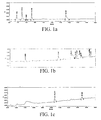
- the result of the HPLC for 50 ⁇ L of Fraction 1 was shown in FIG. 1.
- the HPLC was preformed through Waters SphersorbTM-ODS2 column with an inner diameter (I.D.) of 4.6 mm, a length (L) of 250 mm and a particle size of 5 ⁇ m where the mobile phase at 0 to 5 minutes was 95 % H 2 O/5 % CH 3 CN; at 5 to 30 minutes was 95 % H 2 O/5 % CH 3 CN in gradient, at 30 to 80 minutes was 75 % H 2 O/25 % CH 3 CN in gradient; at 80 to 100 minutes was 0 % H 2 O/100 % CH 3 CN in gradient; at 100 to 101 minutes was 0 % H 2 O/100 % CH 3 CN in gradient; and at 101 minute was 95 % H 2 O/5 % CH 3 CN and the flow rate was 1 mL/min.
- the HPLC was conducted with Waters Alliance 2795 HT, and the spectrogram was taken from 190 to 400 nm by Waters Photo Diode Array 2996. As shown in the spectrogram taken at 200 nm, there were sharp peaks at the retention time of 2.910, 5.190, 13.190, and 50.815 minutes with the coefficient of variation of 8 %.
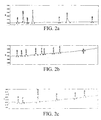
- the result of the HPLC for 50 ⁇ L of Fraction 3 was shown in FIG. 2.
- the HPLC was preformed through Waters SphersorbTM-ODS2 column with an inner diameter (I.D.) of 4.6 mm, a length (L) of 250 mm and a particle size of 5 ⁇ m where the mobile phase at 0 to 5 minutes was 95 % H 2 O/5 % CH 3 CN; at 5 to 30 minutes was 95 % H 2 O/5 % CH 3 CN in gradient, at 30 to 80 minutes was 75 % H 2 O/25 % CH 3 CN in gradient; at 80 to 100 minutes was 0 % H 2 O/100 % CH 3 CN in gradient; at 100 to 101 minutes was 0 % H 2 O/100 % CH 3 CN in gradient; and at 101 minute was 95 % H 2 O/5 % CH 3 CN and the flow rate was 1 mL/min.
- the HPLC was conducted with Waters Alliance 2795 HT, and the spectrogram was taken from 190 to 400 nm by Waters Photo Diode Array 2996. As shown in the spectrogram taken at 200 nm, there were sharp peaks at the retention time of 2.896, 5.111, 12.944, and 46.603 minutes with the coefficient of variation of 8 %.
- the ointments of the invention can be prepared in any conventional methods commonly used in this art.
- the six areas of the wound of each rabbits were treated twice a day with the ointments comprising Fractions 1 to 6, respectively.
- the ointments were topically applied on the wounds at an amount of 0.35 g per cm 2 .
- the vapor fraction according to the invention had an ability to repair hair follicle defect and stimulated hair growth.
- the excipient according to the invention was effective to enhance hair growth, too.
- the male adult Sprague-Dawley rats were purchased from Laboratory Animal Center of the National Cheng Kung University in Taiwan.
- the rats weighting 300 to 350g were anaesthetized with 25 to 40 mg/Kg of ketamine HCl.
- the back of each rat was thoroughly clipped using an electrical clipper.
- Each rat was caged alone and feed with chow and water.
- the full thickness skin of an area of 2.5 x 2.5 cm 2 was excised, wherein the full thickness skin comprises epidermis, dermis, and panniculus carnosus (B. Hafemann et al . Use of a collagen/elastin-membrane for the tissue engineering of dermis. Burns.
- Two-experiment group of rats were treated with the ointments comprising Fractions 7 and 8 as given in Example 2 and each group contained three rats.
- the pharmaceutical compositions were topically applied on the wounds at an amount of 0.35 g per cm 2 and 0.1 to 0.2 cm height. All the wounds were dressed by sterile gauze and elastic bandage, and the dressing was changed everyday.
- the wounds treated with the ointments comprising Fractions 7 and 8 were healed. Particularly, the wound area treated with the pharmaceutical composition comprising Fraction 7 decreased more quickly.
- the female adult Sprague-Dawley rats were purchased from Laboratory Animal Center of the National Cheng Kung University in Taiwan.
- the back of each rat was thoroughly clipped using an electrical clipper at a predicted wound area in the middle of the back.
- Each rat was caged alone and feed with chow and water.
- Burn wounds of the rats were produced by using the method as described by Walker and Mason (Z-R. Gao et al. Porcine dermal collagen as a wound dressing for skin donor sites and deep partial skin thickness burns. Burns. 1992;18(6):492-496), in which the dorsal skin surface was exposed to water at 75 °C for 15 seconds through a template designed to produce a deep partial skin thickness bum with the area of 4 x 4 cm 2 .
- the experiment group (G3) of rats was treated with Pharmaceutical composition according to the invention that comprises Fraction 9 similar to Fraction 3 except the content of alcohol being 3 % as given in Example 2.
- the drugs were topically applied on the wounds at an amount of 0.35 g per cm 2 twice a day until hairs grew up.
- the wounds treated with the ointment according to the invention were cured without scar and the skin color was as the same as the normal.
- scars were formed on the wounds treated with silver sulfadiazine drug.
- the wounds of the rats were cured on Day 18 faster than those with a conventional silver sulfadiazine drug that remained 2.86 % of area of wound on Day 37.
- New hair growth scores were also estimated and recorded.
- the new hair growth scores were defined as follows: "-2" referring to no new hair growth with some eschar and erythema; “-1” referring to no new hair growth with some erythema; “0” referring to no new hair growth with normal skin; “+1” referring to some new hair growth; and “+2” referring to new hair growth of approximately 50% of the wound area.
- the ointment according to the invention was more effective in new hair growth than the conventional silver sulfadiazine drug. New hair growth was observed when treating Pharmaceutical composition according to the invention on Day 18, and 50 % of new hair growth was observed on Day 35. Neither erythema nor eschar was found in the wounds treated with Pharmaceutical composition according to the invention. However, not hair growth was observed when treating the conventional drug.
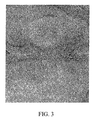
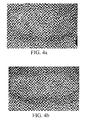
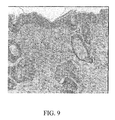
- the results of the histological examination showed that the thickness of epithelium tissues of the rats without treatment (as shown in FIG. 5) was not even, and the granular layer was thickened. The fiber layer was observed in the deep dermal. In the group of rats treated with the conventional silver sulfadiazine drug (as shown in FIG. 6) were also shown to have uneven thickness of epithelium tissues. The fiber layer was observed in the deep dermal, and the fair follicles were destroyed. On the other hand, the wounds (as shown in FIG. 7) treated with the ointment according to the invention appeared to be normal, and a large number of hair follicles were regenerated. The fiber layer was observed in the surface area of dermal.
- the male adult Sprague-Dawley rats were purchased from Laboratory Animal Center of the National Cheng Kung University in Taiwan.
- the rats weighting 300 to 350g were anaesthetized with 25 to 40 mg/Kg of ketamine HCl.
- the back of each rat was thoroughly clipped using an electrical clipper.
- Each rat was caged alone and feed with chow and water.
- the full thickness skin at an area of 4.0 x 4.0 cm 2 was excised, wherein the full thickness skin comprises epidermis, dermis, and panniculus carnosus.
- the experiment group of rats was treated with the ointment comprising Fraction 9 as given in Example 5.
- One comparative group (G2) of rats treated with a silver sulfadiazine drug (SWISS PHARMACEUTICAL CO., LTD.) was also provided. Each group contained five rats.
- the ointments were topically applied on the wounds at an amount of 0.75 g per cm 2 and 0.1 to 0.2 cm height. All the wounds were dressed by sterile gauze and elastic bandage, and the dressing was changed everyday.
- the wounds treated with the ointment according to the invention were cured without allergy.
- scars were formed on the wounds treated with silver sulfadiazine drug.
- severe allergy was observed in the wounds treated with silver sulfadiazine drug.
- the healing rate of the rats treated with the pharmaceutical composition according to the invention (about 25 to 31 days) was faster than that with the silver sulfadiazine drug (about 37 days).
- the female adult Sprague-Dawley rats were purchased from Laboratory Animal Center of the National Cheng Kung University in Taiwan. The rats weighting 250 to 300g were caged alone and feed with chow and water.
- the irradiation of the rats were performed by using the methods analogous to that as described by John E. Moulder and James J. Fischer (RADIATION REACTION OF RAT SKIN: The role of the Number of Fractions and the Overall Treatment Time. Cancer June 1976;37(6):2762-2767).
- the rats were anaesthetized with 40 to 50 mg/Kg pentobarbital sodium salt (TCI.TOKYO) intraperitoneally before irradiation. Skin over the gluteus area was shaved completely and the area of the desired radiation of 2 ⁇ 2 cm 2 were marked on the right and left gluteus before irradiation.
- An electron beam of 6 MeV energy produced by a linear accelerator (Varian Associates, Inc., CA, U.S.A.) was applied for irradiation.
- Fractional and single dosage irradiations were tested. In fractional irradiation, three rats were subject to irradiation on the right and left gluteus areas. The radiation was applied twice every week for 5 weeks, and the total dose was 37.5 Gy on each area.
- the irradiation injuries in the fractional irradiation were treated with the ointment comprising Fraction 9 (G1) as given in Example 5 after the irradiation once a day at the dosage of 0.25 g/cm 2 , and the irradiation injuries in the single dosage irradiation were treated twice a day.
- the rats without treatment were used as a control (G2).
- One blank group (G3) of rats without receiving radiation was as a blank.
- the skin reaction scores were defined as follows: “0” indicating normal skin; “0.5” indicating slight epilation occurring at less than 50% of the radiated area, or discoloration of hair; “1.0” indicating epilation occurring at about 50% of the radiated area; “1.5” indicating epilation occurring at more than 50% of the radiated area and some epilation with red skin; “2.0” indicating complete epilation and dry desquamation occurring at less than 50% of the radiated area; “2.5” indicating dry desquamation occurring at more than 50% of the radiated area; “3.0” indicating some moist desquamation occurring; “3.5” indicating moist desquamation at most of the area.
- the skin reaction scores were evaluated and given in Table 8.
- Day skin reaction scores G1 G2 G3 0 0.00 0.00 0.00 3 0.00 0.50 0.00 6 0.00 0.50 0.00 9 0.00 0.83 0.00 12 0.00 0.83 0.00 15 0.00 0.83 0.00 18 0.00 0.83 0.00 21 0.10 0.83 0.00 24 0.00 0.83 0.00 29 0.00 1.00 0.00
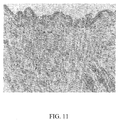
- G1 the epidermal cells were found to cover multi-layered epithelium cells. A large amount of hair follicles were also regenerated.
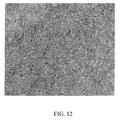
- the tissues of the wounds with treatment were dense but those without treatment were loosing.
- the wounds were applied with the ointment according to the invention that comprises Fraction 10 similar to Fraction 3 except the content of alcohol being 0 % as given in Example 2 for 3 days.
- the ointment comprising Fraction 9 was applied on the wounds 2 to 3 times a day.
- the ointment comprising Fraction 9 was applied on the wounds 2 to 3 times a day.
- the wounds were pretreated with a cold compress once a day for three days, and then applied with the ointment comprising Fraction 9 2 to 3 times a day.
- the ointment comprising Fraction 9 was applied on the wounds 2 to 3 times a day.
- the wounds were healed after the treatment for 7 days (as shown in FIG. 29).
- a male patient had serious laceration wounds on the philtrum with 3 cm break and 20-stitches suture, nose beam with 0.8 cm and 4-stitches suture and upper lip with 1 cm break and 6-stitches suture and 1.5 cm break and 8-stitches suture.
- the ointment comprising Fraction 9 was applied on the wounds 2 to 3 times a day.
- the ointment comprising Fraction 10 was applied on the wounds 2 to 3 times a day.
Landscapes
- Health & Medical Sciences (AREA)
- Natural Medicines & Medicinal Plants (AREA)
- Life Sciences & Earth Sciences (AREA)
- Pharmacology & Pharmacy (AREA)
- Chemical & Material Sciences (AREA)
- Engineering & Computer Science (AREA)
- Veterinary Medicine (AREA)
- Public Health (AREA)
- General Health & Medical Sciences (AREA)
- Medicinal Chemistry (AREA)
- Animal Behavior & Ethology (AREA)
- Botany (AREA)
- Chemical Kinetics & Catalysis (AREA)
- Epidemiology (AREA)
- Microbiology (AREA)
- Medical Informatics (AREA)
- Biotechnology (AREA)
- Alternative & Traditional Medicine (AREA)
- Bioinformatics & Cheminformatics (AREA)
- Dermatology (AREA)
- Mycology (AREA)
- General Chemical & Material Sciences (AREA)
- Nuclear Medicine, Radiotherapy & Molecular Imaging (AREA)
- Organic Chemistry (AREA)
- Medicines Containing Plant Substances (AREA)
- Cosmetics (AREA)
- Breeding Of Plants And Reproduction By Means Of Culturing (AREA)
- Seeds, Soups, And Other Foods (AREA)
Priority Applications (3)
| Application Number | Priority Date | Filing Date | Title |
|---|---|---|---|
| DE60316681T DE60316681T2 (de) | 2003-08-11 | 2003-08-11 | Dampf-Fraktion von Glycine max (L.) merr. Samen und entsprechende Zusammensetzung |
| AT03254976T ATE374616T1 (de) | 2003-08-11 | 2003-08-11 | Dampf-fraktion von glycine max (l.) merr. samen und entsprechende zusammensetzung |
| EP03254976A EP1506782B1 (fr) | 2003-08-11 | 2003-08-11 | Fraction de vapeur de graines de glycine max (L.) merr. et composition correspondante |
Applications Claiming Priority (1)
| Application Number | Priority Date | Filing Date | Title |
|---|---|---|---|
| EP03254976A EP1506782B1 (fr) | 2003-08-11 | 2003-08-11 | Fraction de vapeur de graines de glycine max (L.) merr. et composition correspondante |
Publications (2)
| Publication Number | Publication Date |
|---|---|
| EP1506782A1 true EP1506782A1 (fr) | 2005-02-16 |
| EP1506782B1 EP1506782B1 (fr) | 2007-10-03 |
Family
ID=33560889
Family Applications (1)
| Application Number | Title | Priority Date | Filing Date |
|---|---|---|---|
| EP03254976A Expired - Lifetime EP1506782B1 (fr) | 2003-08-11 | 2003-08-11 | Fraction de vapeur de graines de glycine max (L.) merr. et composition correspondante |
Country Status (3)
| Country | Link |
|---|---|
| EP (1) | EP1506782B1 (fr) |
| AT (1) | ATE374616T1 (fr) |
| DE (1) | DE60316681T2 (fr) |
Cited By (2)
| Publication number | Priority date | Publication date | Assignee | Title |
|---|---|---|---|---|
| CN103110747A (zh) * | 2012-12-10 | 2013-05-22 | 宋爱民 | 治疗接触性皮炎的外用中药制剂 |
| CN103977187A (zh) * | 2014-05-28 | 2014-08-13 | 山东中医药大学 | 一种治疗阳证疮疡的中药贴片的制备方法 |
Families Citing this family (1)
| Publication number | Priority date | Publication date | Assignee | Title |
|---|---|---|---|---|
| CN106890270A (zh) * | 2017-03-03 | 2017-06-27 | 林水玲 | 一种中药组合物及其加工方法、制剂与应用 |
Citations (19)
| Publication number | Priority date | Publication date | Assignee | Title |
|---|---|---|---|---|
| JPS5921364A (ja) * | 1982-07-29 | 1984-02-03 | Ajinomoto Co Inc | 品質の改善された大豆又は大豆蛋白の製造法 |
| JPS59204120A (ja) * | 1983-04-28 | 1984-11-19 | Nitto Electric Ind Co Ltd | 皮膚疾患治療剤 |
| JPH01233207A (ja) * | 1988-03-15 | 1989-09-19 | Chiyuuwa Internatl:Kk | 養毛剤 |
| CN1073876A (zh) * | 1992-12-18 | 1993-07-07 | 杨彦君 | 一种治疗阑尾炎的局部外敷药及制作方法 |
| JPH06219926A (ja) * | 1993-01-25 | 1994-08-09 | Toyama Chem Co Ltd | 養毛剤 |
| JPH0826937A (ja) * | 1994-07-12 | 1996-01-30 | Daimu Internatl Kk | 養毛剤 |
| JPH09143087A (ja) * | 1995-11-17 | 1997-06-03 | Sansho Seiyaku Co Ltd | 皮膚外用剤 |
| JPH10158177A (ja) * | 1996-11-28 | 1998-06-16 | Kao Corp | 痒み及び/又は痛み抑制剤 |
| CN1188001A (zh) * | 1997-01-15 | 1998-07-22 | 安风芝 | 一种治疗痤疮的药品及生产工艺 |
| JPH11206342A (ja) * | 1998-01-28 | 1999-08-03 | Ryuei Soken:Kk | 緑豆抽出エキス |
| JP2000080029A (ja) * | 1998-07-07 | 2000-03-21 | Sunstar Inc | 毛包由来細胞運動能促進剤、毛包由来細胞のコラ―ゲン分解能促進剤及び毛包伸長促進剤 |
| JP2000169347A (ja) * | 1998-12-10 | 2000-06-20 | Junsai Bun | 育毛剤 |
| JP2000316473A (ja) * | 1999-05-11 | 2000-11-21 | Nisshin Oil Mills Ltd:The | 食用油の製造法 |
| US6248910B1 (en) * | 1991-12-31 | 2001-06-19 | University Research & Marketing Inc. | Process for extracting oil from oil-bearing naturally occurring organic materials |
| KR20020027760A (ko) * | 2000-10-05 | 2002-04-15 | 유상옥,송운한 | 황백, 산수유, 대황, 행인, 당귀, 정향 및 띠 추출물을안정화한 니오좀을 함유하는 화장료 조성물 |
| JP2002179529A (ja) * | 2000-12-13 | 2002-06-26 | Pola Chem Ind Inc | 美白用の組成物 |
| CN1397321A (zh) * | 2002-04-18 | 2003-02-19 | 王广顺 | 复方鬼针草软膏配方及制备工艺 |
| KR20030021811A (ko) * | 2001-09-07 | 2003-03-15 | 김진영 | 미백제 및 그 미백제 제조방법 |
| JP2003088320A (ja) * | 2001-09-14 | 2003-03-25 | Hoya Natto:Kk | 発芽玄米入り納豆及びその製造方法 |
-
2003
- 2003-08-11 DE DE60316681T patent/DE60316681T2/de not_active Expired - Lifetime
- 2003-08-11 AT AT03254976T patent/ATE374616T1/de not_active IP Right Cessation
- 2003-08-11 EP EP03254976A patent/EP1506782B1/fr not_active Expired - Lifetime
Patent Citations (19)
| Publication number | Priority date | Publication date | Assignee | Title |
|---|---|---|---|---|
| JPS5921364A (ja) * | 1982-07-29 | 1984-02-03 | Ajinomoto Co Inc | 品質の改善された大豆又は大豆蛋白の製造法 |
| JPS59204120A (ja) * | 1983-04-28 | 1984-11-19 | Nitto Electric Ind Co Ltd | 皮膚疾患治療剤 |
| JPH01233207A (ja) * | 1988-03-15 | 1989-09-19 | Chiyuuwa Internatl:Kk | 養毛剤 |
| US6248910B1 (en) * | 1991-12-31 | 2001-06-19 | University Research & Marketing Inc. | Process for extracting oil from oil-bearing naturally occurring organic materials |
| CN1073876A (zh) * | 1992-12-18 | 1993-07-07 | 杨彦君 | 一种治疗阑尾炎的局部外敷药及制作方法 |
| JPH06219926A (ja) * | 1993-01-25 | 1994-08-09 | Toyama Chem Co Ltd | 養毛剤 |
| JPH0826937A (ja) * | 1994-07-12 | 1996-01-30 | Daimu Internatl Kk | 養毛剤 |
| JPH09143087A (ja) * | 1995-11-17 | 1997-06-03 | Sansho Seiyaku Co Ltd | 皮膚外用剤 |
| JPH10158177A (ja) * | 1996-11-28 | 1998-06-16 | Kao Corp | 痒み及び/又は痛み抑制剤 |
| CN1188001A (zh) * | 1997-01-15 | 1998-07-22 | 安风芝 | 一种治疗痤疮的药品及生产工艺 |
| JPH11206342A (ja) * | 1998-01-28 | 1999-08-03 | Ryuei Soken:Kk | 緑豆抽出エキス |
| JP2000080029A (ja) * | 1998-07-07 | 2000-03-21 | Sunstar Inc | 毛包由来細胞運動能促進剤、毛包由来細胞のコラ―ゲン分解能促進剤及び毛包伸長促進剤 |
| JP2000169347A (ja) * | 1998-12-10 | 2000-06-20 | Junsai Bun | 育毛剤 |
| JP2000316473A (ja) * | 1999-05-11 | 2000-11-21 | Nisshin Oil Mills Ltd:The | 食用油の製造法 |
| KR20020027760A (ko) * | 2000-10-05 | 2002-04-15 | 유상옥,송운한 | 황백, 산수유, 대황, 행인, 당귀, 정향 및 띠 추출물을안정화한 니오좀을 함유하는 화장료 조성물 |
| JP2002179529A (ja) * | 2000-12-13 | 2002-06-26 | Pola Chem Ind Inc | 美白用の組成物 |
| KR20030021811A (ko) * | 2001-09-07 | 2003-03-15 | 김진영 | 미백제 및 그 미백제 제조방법 |
| JP2003088320A (ja) * | 2001-09-14 | 2003-03-25 | Hoya Natto:Kk | 発芽玄米入り納豆及びその製造方法 |
| CN1397321A (zh) * | 2002-04-18 | 2003-02-19 | 王广顺 | 复方鬼针草软膏配方及制备工艺 |
Non-Patent Citations (18)
| Title |
|---|
| DATABASE EPODOC EUROPEAN PATENT OFFICE, THE HAGUE, NL; 19 February 2003 (2003-02-19), WANG GUANGSHUN: "Prescription and preparing process for compound spanishneedles ointment", XP002271606 * |
| DATABASE EPODOC EUROPEAN PATENT OFFICE, THE HAGUE, NL; 7 July 1993 (1993-07-07), YANG YANJUN: "Local dressing for treatment of appendicitis and preparation method", XP002283428 * |
| DATABASE WPI Section Ch Week 198501, Derwent World Patents Index; Class A96, AN 1985-003536, XP002269472 * |
| DATABASE WPI Section Ch Week 199436, Derwent World Patents Index; Class B04, AN 1994-290827, XP002283271 * |
| DATABASE WPI Section Ch Week 199834, Derwent World Patents Index; Class B04, AN 1998-393396, XP002269471 * |
| DATABASE WPI Section Ch Week 200029, Derwent World Patents Index; Class B05, AN 2000-331699, XP002269470 * |
| DATABASE WPI Section Ch Week 200114, Derwent World Patents Index; Class D13, AN 2001-128228, XP002269468 * |
| DATABASE WPI Section Ch Week 200271, Derwent World Patents Index; Class B04, AN 2002-658445, XP002269469 * |
| DATABASE WPI Section Ch Week 200278, Derwent World Patents Index; Class D21, AN 2002-720156, XP002283272 * |
| DATABASE WPI Section Ch Week 200348, Derwent World Patents Index; Class B04, AN 2003-511186, XP002283273 * |
| DATABASE WPI Section Ch Week 200351, Derwent World Patents Index; Class D13, AN 2003-536380, XP002269467 * |
| PATENT ABSTRACTS OF JAPAN vol. 008, no. 106 (C - 223) 18 May 1984 (1984-05-18) * |
| PATENT ABSTRACTS OF JAPAN vol. 013, no. 562 (C - 665) 13 December 1989 (1989-12-13) * |
| PATENT ABSTRACTS OF JAPAN vol. 1996, no. 05 31 May 1996 (1996-05-31) * |
| PATENT ABSTRACTS OF JAPAN vol. 1997, no. 10 31 October 1997 (1997-10-31) * |
| PATENT ABSTRACTS OF JAPAN vol. 1999, no. 13 30 November 1999 (1999-11-30) * |
| PATENT ABSTRACTS OF JAPAN vol. 2000, no. 09 13 October 2000 (2000-10-13) * |
| PATENT ABSTRACTS OF JAPAN vol. 2002, no. 10 10 October 2002 (2002-10-10) * |
Cited By (2)
| Publication number | Priority date | Publication date | Assignee | Title |
|---|---|---|---|---|
| CN103110747A (zh) * | 2012-12-10 | 2013-05-22 | 宋爱民 | 治疗接触性皮炎的外用中药制剂 |
| CN103977187A (zh) * | 2014-05-28 | 2014-08-13 | 山东中医药大学 | 一种治疗阳证疮疡的中药贴片的制备方法 |
Also Published As
| Publication number | Publication date |
|---|---|
| DE60316681D1 (de) | 2007-11-15 |
| EP1506782B1 (fr) | 2007-10-03 |
| ATE374616T1 (de) | 2007-10-15 |
| DE60316681T2 (de) | 2008-07-17 |
Similar Documents
| Publication | Publication Date | Title |
|---|---|---|
| JP4681218B2 (ja) | ダイズ種子からの揮発性画分及び組成物 | |
| KR100272463B1 (ko) | 화장품에 이용하기 위한 천연물에서 추출한 추출물 | |
| US7112344B2 (en) | Vapor fraction from seeds of Glycine max (L.)Merr. and composition thereof | |
| KR101151093B1 (ko) | 항염 및 피부 재생 효과를 갖는 화장료 조성물 | |
| KR102051417B1 (ko) | 튼살 예방 및 개선용 화장료 조성물 | |
| KR101252023B1 (ko) | 대두 종자로부터의 휘발성 분획 및 조성물 | |
| KR102866606B1 (ko) | 생리활성이 증진된 식물 추출물의 제조방법 및 생리활성이 증진된 식물 추출물을 포함하는 화장료 조성물 | |
| CN110477397B (zh) | 一种制备石斛花提取液的方法及其应用 | |
| CN100411638C (zh) | 自大豆种子获得的蒸汽分馏物及其组合物 | |
| US7282226B2 (en) | Vapor fraction from seeds of Glycine max (L.) Merr. and composition thereof | |
| JP2002128657A (ja) | 美白化粧料 | |
| CN110179708A (zh) | 一种植物赋活精油及制备方法 | |
| EP1506782B1 (fr) | Fraction de vapeur de graines de glycine max (L.) merr. et composition correspondante | |
| KR20110006212A (ko) | 구리-펩타이드 함유 저온나노추출 발모촉진제 및 그 제조방법 | |
| KR101954275B1 (ko) | 골드키위 껍질 및 용과 껍질의 복합 추출물을 유효 성분으로 함유하는 화장료 조성물 및 이의 제조 방법 | |
| KR20210084793A (ko) | 유효성분을 함유하는 감귤숯 화장료 조성물 제조방법 및 이를 포함하는 화장료 조성물, 감귤숯 마스크팩 | |
| AU2003231713B2 (en) | Vapor fraction from seeds of glycine max (L.) Merr. and composition thereof | |
| KR101736716B1 (ko) | 식물 추출물을 포함하는 피부 탄력 및 주름 개선용 화장료 조성물 | |
| KR20160003918A (ko) | 한약재 추출물을 포함하는 피부 탄력 증진 또는 주름 개선용 화장료 조성물 | |
| CN113908087A (zh) | 一种天然保湿组合提取物,其制备方法以及其应用 | |
| JP2023049333A (ja) | 育毛剤及び毛乳頭細胞増殖促進剤 | |
| KR101960757B1 (ko) | 지방 분해 효능을 갖는 화장료 조성물 | |
| KR102818750B1 (ko) | 식물성 콜라겐 기반 항산화 및 주름개선용 조성물 및 이의 제조방법 | |
| KR102594276B1 (ko) | 유자 추출물 및 아로마 복합 하이드로졸을 포함하는 아로마테라피 효과가 있는 조성물 및 이의 제조방법 | |
| KR102621398B1 (ko) | 콘민트, 유칼립투스, 레몬그라스 및 알로에베라잎 혼합 추출물을 유효성분으로 포함하고, 피부 쿨링 및 진정 효능을 갖는 화장료 조성물 |
Legal Events
| Date | Code | Title | Description |
|---|---|---|---|
| PUAI | Public reference made under article 153(3) epc to a published international application that has entered the european phase |
Free format text: ORIGINAL CODE: 0009012 |
|
| AK | Designated contracting states |
Kind code of ref document: A1 Designated state(s): AT BE BG CH CY CZ DE DK EE ES FI FR GB GR HU IE IT LI LU MC NL PT RO SE SI SK TR |
|
| AX | Request for extension of the european patent |
Extension state: AL LT LV MK |
|
| 17P | Request for examination filed |
Effective date: 20050816 |
|
| AKX | Designation fees paid |
Designated state(s): AT BE BG CH CY CZ DE DK EE ES FI FR GB GR HU IE IT LI LU MC NL PT RO SE SI SK TR |
|
| 17Q | First examination report despatched |
Effective date: 20060630 |
|
| GRAP | Despatch of communication of intention to grant a patent |
Free format text: ORIGINAL CODE: EPIDOSNIGR1 |
|
| RIC1 | Information provided on ipc code assigned before grant |
Ipc: A61K 36/48 20060101AFI20061120BHEP Ipc: A61P 17/00 20060101ALI20061120BHEP |
|
| GRAS | Grant fee paid |
Free format text: ORIGINAL CODE: EPIDOSNIGR3 |
|
| GRAA | (expected) grant |
Free format text: ORIGINAL CODE: 0009210 |
|
| AK | Designated contracting states |
Kind code of ref document: B1 Designated state(s): AT BE BG CH CY CZ DE DK EE ES FI FR GB GR HU IE IT LI LU MC NL PT RO SE SI SK TR |
|
| REG | Reference to a national code |
Ref country code: GB Ref legal event code: FG4D |
|
| REG | Reference to a national code |
Ref country code: CH Ref legal event code: EP |
|
| REG | Reference to a national code |
Ref country code: IE Ref legal event code: FG4D |
|
| REF | Corresponds to: |
Ref document number: 60316681 Country of ref document: DE Date of ref document: 20071115 Kind code of ref document: P |
|
| REG | Reference to a national code |
Ref country code: CH Ref legal event code: PL |
|
| PG25 | Lapsed in a contracting state [announced via postgrant information from national office to epo] |
Ref country code: SE Free format text: LAPSE BECAUSE OF FAILURE TO SUBMIT A TRANSLATION OF THE DESCRIPTION OR TO PAY THE FEE WITHIN THE PRESCRIBED TIME-LIMIT Effective date: 20080103 Ref country code: ES Free format text: LAPSE BECAUSE OF FAILURE TO SUBMIT A TRANSLATION OF THE DESCRIPTION OR TO PAY THE FEE WITHIN THE PRESCRIBED TIME-LIMIT Effective date: 20080114 Ref country code: CH Free format text: LAPSE BECAUSE OF FAILURE TO SUBMIT A TRANSLATION OF THE DESCRIPTION OR TO PAY THE FEE WITHIN THE PRESCRIBED TIME-LIMIT Effective date: 20071003 Ref country code: LI Free format text: LAPSE BECAUSE OF FAILURE TO SUBMIT A TRANSLATION OF THE DESCRIPTION OR TO PAY THE FEE WITHIN THE PRESCRIBED TIME-LIMIT Effective date: 20071003 |
|
| PG25 | Lapsed in a contracting state [announced via postgrant information from national office to epo] |
Ref country code: BG Free format text: LAPSE BECAUSE OF FAILURE TO SUBMIT A TRANSLATION OF THE DESCRIPTION OR TO PAY THE FEE WITHIN THE PRESCRIBED TIME-LIMIT Effective date: 20080103 Ref country code: PT Free format text: LAPSE BECAUSE OF FAILURE TO SUBMIT A TRANSLATION OF THE DESCRIPTION OR TO PAY THE FEE WITHIN THE PRESCRIBED TIME-LIMIT Effective date: 20080303 |
|
| ET | Fr: translation filed | ||
| PG25 | Lapsed in a contracting state [announced via postgrant information from national office to epo] |
Ref country code: AT Free format text: LAPSE BECAUSE OF FAILURE TO SUBMIT A TRANSLATION OF THE DESCRIPTION OR TO PAY THE FEE WITHIN THE PRESCRIBED TIME-LIMIT Effective date: 20071003 |
|
| PG25 | Lapsed in a contracting state [announced via postgrant information from national office to epo] |
Ref country code: CZ Free format text: LAPSE BECAUSE OF FAILURE TO SUBMIT A TRANSLATION OF THE DESCRIPTION OR TO PAY THE FEE WITHIN THE PRESCRIBED TIME-LIMIT Effective date: 20071003 Ref country code: DK Free format text: LAPSE BECAUSE OF FAILURE TO SUBMIT A TRANSLATION OF THE DESCRIPTION OR TO PAY THE FEE WITHIN THE PRESCRIBED TIME-LIMIT Effective date: 20071003 |
|
| PLBE | No opposition filed within time limit |
Free format text: ORIGINAL CODE: 0009261 |
|
| STAA | Information on the status of an ep patent application or granted ep patent |
Free format text: STATUS: NO OPPOSITION FILED WITHIN TIME LIMIT |
|
| PG25 | Lapsed in a contracting state [announced via postgrant information from national office to epo] |
Ref country code: BE Free format text: LAPSE BECAUSE OF FAILURE TO SUBMIT A TRANSLATION OF THE DESCRIPTION OR TO PAY THE FEE WITHIN THE PRESCRIBED TIME-LIMIT Effective date: 20071003 Ref country code: RO Free format text: LAPSE BECAUSE OF FAILURE TO SUBMIT A TRANSLATION OF THE DESCRIPTION OR TO PAY THE FEE WITHIN THE PRESCRIBED TIME-LIMIT Effective date: 20071003 Ref country code: SK Free format text: LAPSE BECAUSE OF FAILURE TO SUBMIT A TRANSLATION OF THE DESCRIPTION OR TO PAY THE FEE WITHIN THE PRESCRIBED TIME-LIMIT Effective date: 20071003 |
|
| 26N | No opposition filed |
Effective date: 20080704 |
|
| PG25 | Lapsed in a contracting state [announced via postgrant information from national office to epo] |
Ref country code: GR Free format text: LAPSE BECAUSE OF FAILURE TO SUBMIT A TRANSLATION OF THE DESCRIPTION OR TO PAY THE FEE WITHIN THE PRESCRIBED TIME-LIMIT Effective date: 20080104 |
|
| PG25 | Lapsed in a contracting state [announced via postgrant information from national office to epo] |
Ref country code: MC Free format text: LAPSE BECAUSE OF NON-PAYMENT OF DUE FEES Effective date: 20080831 |
|
| PG25 | Lapsed in a contracting state [announced via postgrant information from national office to epo] |
Ref country code: EE Free format text: LAPSE BECAUSE OF FAILURE TO SUBMIT A TRANSLATION OF THE DESCRIPTION OR TO PAY THE FEE WITHIN THE PRESCRIBED TIME-LIMIT Effective date: 20071003 |
|
| PG25 | Lapsed in a contracting state [announced via postgrant information from national office to epo] |
Ref country code: SI Free format text: LAPSE BECAUSE OF FAILURE TO SUBMIT A TRANSLATION OF THE DESCRIPTION OR TO PAY THE FEE WITHIN THE PRESCRIBED TIME-LIMIT Effective date: 20071003 |
|
| PG25 | Lapsed in a contracting state [announced via postgrant information from national office to epo] |
Ref country code: IE Free format text: LAPSE BECAUSE OF NON-PAYMENT OF DUE FEES Effective date: 20080811 Ref country code: CY Free format text: LAPSE BECAUSE OF FAILURE TO SUBMIT A TRANSLATION OF THE DESCRIPTION OR TO PAY THE FEE WITHIN THE PRESCRIBED TIME-LIMIT Effective date: 20071003 |
|
| PG25 | Lapsed in a contracting state [announced via postgrant information from national office to epo] |
Ref country code: FI Free format text: LAPSE BECAUSE OF FAILURE TO SUBMIT A TRANSLATION OF THE DESCRIPTION OR TO PAY THE FEE WITHIN THE PRESCRIBED TIME-LIMIT Effective date: 20071003 |
|
| PG25 | Lapsed in a contracting state [announced via postgrant information from national office to epo] |
Ref country code: LU Free format text: LAPSE BECAUSE OF NON-PAYMENT OF DUE FEES Effective date: 20080811 Ref country code: HU Free format text: LAPSE BECAUSE OF FAILURE TO SUBMIT A TRANSLATION OF THE DESCRIPTION OR TO PAY THE FEE WITHIN THE PRESCRIBED TIME-LIMIT Effective date: 20080404 |
|
| PG25 | Lapsed in a contracting state [announced via postgrant information from national office to epo] |
Ref country code: TR Free format text: LAPSE BECAUSE OF FAILURE TO SUBMIT A TRANSLATION OF THE DESCRIPTION OR TO PAY THE FEE WITHIN THE PRESCRIBED TIME-LIMIT Effective date: 20071003 |
|
| REG | Reference to a national code |
Ref country code: FR Ref legal event code: PLFP Year of fee payment: 14 |
|
| REG | Reference to a national code |
Ref country code: FR Ref legal event code: PLFP Year of fee payment: 15 |
|
| REG | Reference to a national code |
Ref country code: FR Ref legal event code: PLFP Year of fee payment: 16 |
|
| PGFP | Annual fee paid to national office [announced via postgrant information from national office to epo] |
Ref country code: NL Payment date: 20220428 Year of fee payment: 20 |
|
| PGFP | Annual fee paid to national office [announced via postgrant information from national office to epo] |
Ref country code: IT Payment date: 20220428 Year of fee payment: 20 Ref country code: GB Payment date: 20220601 Year of fee payment: 20 Ref country code: FR Payment date: 20220427 Year of fee payment: 20 |
|
| PGFP | Annual fee paid to national office [announced via postgrant information from national office to epo] |
Ref country code: DE Payment date: 20220428 Year of fee payment: 20 |
|
| REG | Reference to a national code |
Ref country code: DE Ref legal event code: R071 Ref document number: 60316681 Country of ref document: DE |
|
| REG | Reference to a national code |
Ref country code: NL Ref legal event code: MK Effective date: 20230810 |
|
| REG | Reference to a national code |
Ref country code: GB Ref legal event code: PE20 Expiry date: 20230810 |
|
| PG25 | Lapsed in a contracting state [announced via postgrant information from national office to epo] |
Ref country code: GB Free format text: LAPSE BECAUSE OF EXPIRATION OF PROTECTION Effective date: 20230810 |