EP1521774B1 - Truncated tau proteins - Google Patents
Truncated tau proteins Download PDFInfo
- Publication number
- EP1521774B1 EP1521774B1 EP03763763A EP03763763A EP1521774B1 EP 1521774 B1 EP1521774 B1 EP 1521774B1 EP 03763763 A EP03763763 A EP 03763763A EP 03763763 A EP03763763 A EP 03763763A EP 1521774 B1 EP1521774 B1 EP 1521774B1
- Authority
- EP
- European Patent Office
- Prior art keywords
- tau
- molecules
- type
- type iia
- iia
- Prior art date
- Legal status (The legal status is an assumption and is not a legal conclusion. Google has not performed a legal analysis and makes no representation as to the accuracy of the status listed.)
- Expired - Lifetime
Links
Images








Classifications
-
- A—HUMAN NECESSITIES
- A01—AGRICULTURE; FORESTRY; ANIMAL HUSBANDRY; HUNTING; TRAPPING; FISHING
- A01K—ANIMAL HUSBANDRY; AVICULTURE; APICULTURE; PISCICULTURE; FISHING; REARING OR BREEDING ANIMALS, NOT OTHERWISE PROVIDED FOR; NEW BREEDS OF ANIMALS
- A01K67/00—Rearing or breeding animals, not otherwise provided for; New or modified breeds of animals
- A01K67/027—New or modified breeds of vertebrates
- A01K67/0275—Genetically modified vertebrates, e.g. transgenic
- A01K67/0278—Knock-in vertebrates, e.g. humanised vertebrates
-
- A—HUMAN NECESSITIES
- A61—MEDICAL OR VETERINARY SCIENCE; HYGIENE
- A61P—SPECIFIC THERAPEUTIC ACTIVITY OF CHEMICAL COMPOUNDS OR MEDICINAL PREPARATIONS
- A61P25/00—Drugs for disorders of the nervous system
- A61P25/28—Drugs for disorders of the nervous system for treating neurodegenerative disorders of the central nervous system, e.g. nootropic agents, cognition enhancers, drugs for treating Alzheimer's disease or other forms of dementia
-
- C—CHEMISTRY; METALLURGY
- C07—ORGANIC CHEMISTRY
- C07K—PEPTIDES
- C07K14/00—Peptides having more than 20 amino acids; Gastrins; Somatostatins; Melanotropins; Derivatives thereof
- C07K14/435—Peptides having more than 20 amino acids; Gastrins; Somatostatins; Melanotropins; Derivatives thereof from animals; from humans
- C07K14/46—Peptides having more than 20 amino acids; Gastrins; Somatostatins; Melanotropins; Derivatives thereof from animals; from humans from vertebrates
- C07K14/47—Peptides having more than 20 amino acids; Gastrins; Somatostatins; Melanotropins; Derivatives thereof from animals; from humans from vertebrates from mammals
- C07K14/4701—Peptides having more than 20 amino acids; Gastrins; Somatostatins; Melanotropins; Derivatives thereof from animals; from humans from vertebrates from mammals not used
- C07K14/4711—Alzheimer's disease; Amyloid plaque core protein
-
- C—CHEMISTRY; METALLURGY
- C12—BIOCHEMISTRY; BEER; SPIRITS; WINE; VINEGAR; MICROBIOLOGY; ENZYMOLOGY; MUTATION OR GENETIC ENGINEERING
- C12N—MICROORGANISMS OR ENZYMES; COMPOSITIONS THEREOF; PROPAGATING, PRESERVING, OR MAINTAINING MICROORGANISMS; MUTATION OR GENETIC ENGINEERING; CULTURE MEDIA
- C12N15/00—Mutation or genetic engineering; DNA or RNA concerning genetic engineering, vectors, e.g. plasmids, or their isolation, preparation or purification; Use of hosts therefor
- C12N15/09—Recombinant DNA-technology
- C12N15/63—Introduction of foreign genetic material using vectors; Vectors; Use of hosts therefor; Regulation of expression
- C12N15/79—Vectors or expression systems specially adapted for eukaryotic hosts
- C12N15/85—Vectors or expression systems specially adapted for eukaryotic hosts for animal cells
- C12N15/8509—Vectors or expression systems specially adapted for eukaryotic hosts for animal cells for producing genetically modified animals, e.g. transgenic
-
- G—PHYSICS
- G01—MEASURING; TESTING
- G01N—INVESTIGATING OR ANALYSING MATERIALS BY DETERMINING THEIR CHEMICAL OR PHYSICAL PROPERTIES
- G01N33/00—Investigating or analysing materials by specific methods not covered by groups G01N1/00 - G01N31/00
- G01N33/48—Biological material, e.g. blood, urine; Haemocytometers
- G01N33/50—Chemical analysis of biological material, e.g. blood, urine; Testing involving biospecific ligand binding methods; Immunological testing
- G01N33/5005—Chemical analysis of biological material, e.g. blood, urine; Testing involving biospecific ligand binding methods; Immunological testing involving human or animal cells
- G01N33/5008—Chemical analysis of biological material, e.g. blood, urine; Testing involving biospecific ligand binding methods; Immunological testing involving human or animal cells for testing or evaluating the effect of chemical or biological compounds, e.g. drugs, cosmetics
- G01N33/5082—Supracellular entities, e.g. tissue, organisms
- G01N33/5088—Supracellular entities, e.g. tissue, organisms of vertebrates
-
- G—PHYSICS
- G01—MEASURING; TESTING
- G01N—INVESTIGATING OR ANALYSING MATERIALS BY DETERMINING THEIR CHEMICAL OR PHYSICAL PROPERTIES
- G01N33/00—Investigating or analysing materials by specific methods not covered by groups G01N1/00 - G01N31/00
- G01N33/48—Biological material, e.g. blood, urine; Haemocytometers
- G01N33/50—Chemical analysis of biological material, e.g. blood, urine; Testing involving biospecific ligand binding methods; Immunological testing
- G01N33/68—Chemical analysis of biological material, e.g. blood, urine; Testing involving biospecific ligand binding methods; Immunological testing involving proteins, peptides or amino acids
- G01N33/6893—Chemical analysis of biological material, e.g. blood, urine; Testing involving biospecific ligand binding methods; Immunological testing involving proteins, peptides or amino acids related to diseases not provided for elsewhere
- G01N33/6896—Neurological disorders, e.g. Alzheimer's disease
-
- A—HUMAN NECESSITIES
- A01—AGRICULTURE; FORESTRY; ANIMAL HUSBANDRY; HUNTING; TRAPPING; FISHING
- A01K—ANIMAL HUSBANDRY; AVICULTURE; APICULTURE; PISCICULTURE; FISHING; REARING OR BREEDING ANIMALS, NOT OTHERWISE PROVIDED FOR; NEW BREEDS OF ANIMALS
- A01K2207/00—Modified animals
- A01K2207/15—Humanized animals
-
- A—HUMAN NECESSITIES
- A01—AGRICULTURE; FORESTRY; ANIMAL HUSBANDRY; HUNTING; TRAPPING; FISHING
- A01K—ANIMAL HUSBANDRY; AVICULTURE; APICULTURE; PISCICULTURE; FISHING; REARING OR BREEDING ANIMALS, NOT OTHERWISE PROVIDED FOR; NEW BREEDS OF ANIMALS
- A01K2217/00—Genetically modified animals
-
- A—HUMAN NECESSITIES
- A01—AGRICULTURE; FORESTRY; ANIMAL HUSBANDRY; HUNTING; TRAPPING; FISHING
- A01K—ANIMAL HUSBANDRY; AVICULTURE; APICULTURE; PISCICULTURE; FISHING; REARING OR BREEDING ANIMALS, NOT OTHERWISE PROVIDED FOR; NEW BREEDS OF ANIMALS
- A01K2217/00—Genetically modified animals
- A01K2217/05—Animals comprising random inserted nucleic acids (transgenic)
-
- A—HUMAN NECESSITIES
- A01—AGRICULTURE; FORESTRY; ANIMAL HUSBANDRY; HUNTING; TRAPPING; FISHING
- A01K—ANIMAL HUSBANDRY; AVICULTURE; APICULTURE; PISCICULTURE; FISHING; REARING OR BREEDING ANIMALS, NOT OTHERWISE PROVIDED FOR; NEW BREEDS OF ANIMALS
- A01K2217/00—Genetically modified animals
- A01K2217/07—Animals genetically altered by homologous recombination
- A01K2217/072—Animals genetically altered by homologous recombination maintaining or altering function, i.e. knock in
-
- A—HUMAN NECESSITIES
- A01—AGRICULTURE; FORESTRY; ANIMAL HUSBANDRY; HUNTING; TRAPPING; FISHING
- A01K—ANIMAL HUSBANDRY; AVICULTURE; APICULTURE; PISCICULTURE; FISHING; REARING OR BREEDING ANIMALS, NOT OTHERWISE PROVIDED FOR; NEW BREEDS OF ANIMALS
- A01K2227/00—Animals characterised by species
- A01K2227/10—Mammal
- A01K2227/105—Murine
-
- A—HUMAN NECESSITIES
- A01—AGRICULTURE; FORESTRY; ANIMAL HUSBANDRY; HUNTING; TRAPPING; FISHING
- A01K—ANIMAL HUSBANDRY; AVICULTURE; APICULTURE; PISCICULTURE; FISHING; REARING OR BREEDING ANIMALS, NOT OTHERWISE PROVIDED FOR; NEW BREEDS OF ANIMALS
- A01K2267/00—Animals characterised by purpose
- A01K2267/03—Animal model, e.g. for test or diseases
- A01K2267/0306—Animal model for genetic diseases
- A01K2267/0312—Animal model for Alzheimer's disease
-
- A—HUMAN NECESSITIES
- A61—MEDICAL OR VETERINARY SCIENCE; HYGIENE
- A61K—PREPARATIONS FOR MEDICAL, DENTAL OR TOILETRY PURPOSES
- A61K39/00—Medicinal preparations containing antigens or antibodies
-
- G—PHYSICS
- G01—MEASURING; TESTING
- G01N—INVESTIGATING OR ANALYSING MATERIALS BY DETERMINING THEIR CHEMICAL OR PHYSICAL PROPERTIES
- G01N2800/00—Detection or diagnosis of diseases
- G01N2800/28—Neurological disorders
- G01N2800/2814—Dementia; Cognitive disorders
- G01N2800/2821—Alzheimer
-
- G—PHYSICS
- G01—MEASURING; TESTING
- G01N—INVESTIGATING OR ANALYSING MATERIALS BY DETERMINING THEIR CHEMICAL OR PHYSICAL PROPERTIES
- G01N2800/00—Detection or diagnosis of diseases
- G01N2800/52—Predicting or monitoring the response to treatment, e.g. for selection of therapy based on assay results in personalised medicine; Prognosis
Definitions
- the invention relates to N- and C- terminally truncated diseased forms of tau proteins discovered specifically in Alzheimer's disease and related disorders.
- the invention further relates to methods for screening and testing potential drugs effective in inhibiting, neutralising and eliminating N- and C-terminally double truncated tau proteins or preventing the formation of thereof and to procedures for screening and testing potential drugs of which the mode of action is based on neutralising the modification of microtubule assembly and/or dynamics caused by said double truncated diseased forms of tau proteins.
- Alzheimer's disease is the most common cause of dementia. In less than 5% of the cases Alzheimer's disease cosegregates almost completely with one or more specific mutations in the amyloid precursor protein, presenilin - 1 or presenilin-2 genes (1) and in over 95% of the cases, the exact disease cause is not clear.
- Alzheimer's disease is characterized histopathologically by the presence of numerous neurons with neurofibrillary tangles of paired helical filaments (PHF) and extracellular deposits of amyloid ⁇ as the major component of senile plaques in the brain.
- PHF neurofibrillary tangles of paired helical filaments
- amyloid ⁇ the major component of senile plaques in the brain.
- neurofibrillary degeneration appears to be required for the clinical expression of the disease, i.e. dementia (2,3,4).
- Neurofibrillary degeneration is represented by neurofibrillary tangles, dystrophic neurites and neuropil threads.
- the major protein subunit of these structures is microtubule associated protein tau (5,6).
- tau proteins differ whether they contain three (t3L, t3S, or t3) or four (t4L, t4S, or t4) tubulin binding domains (repeats, R) of 31 or 32 amino acids near the C-terminal and two (t3L, t4L), one (t3S, t4S), or no (t3, t 4) inserts of 29 amino acids each in the N-terminal part of the molecule (7,8). Under physiological conditions tau protein is involved in assembly, spatial organisation, stabilisation and behaviour of microtubules.
- tau protein Under physiological conditions the protein appears in six isoforms in healthy human brains.
- tau protein is known to undergo a number of different post-translational modifications (hyperphosphorylation, ubiquitination, glycosylation).
- FTDP-17 disease frontotemporal dementia with Parkinsonism linked to chromosome 17
- certain abnormalities in the tau protein can be a primary cause of neurodegeneration and dementia in affected individuals (9,10).
- the molecular events leading to tau modification and paired helical filament (PHF) formation in Alzheimer's disease are unknown.
- PHF assembled tau protein reacts with certain antibodies in a phosphorylation dependent manner, suggesting a special phosphorylation status (15,16). Furthermore it has been observed that PHF derived tau protein shows a reduced electrophoretic mobility in SDS gels which may be related to its phosphorylation pattern ( Steiner et al., EMBO J. 9 (1990), 3539-3544 ).
- tau is one of the most soluble proteins known (19,20,21) and therefor its aggregation in Alzheimer's disease is particularly enigmatic.
- Phosphorylation of tau affects the potential of tau to form aggregates, producing either stimulatory or inhibitory effects on microtubule polymerisation, presumably depending on the site of phosphorylation (22-27).
- Kontsekova et al. disclose a quick purification method of recombinant human truncated tau proteins for immunoanalysis in which heat resistancy of human tau protein is used. Neither structural nor biological properties or functions of recombinant tau analoga used therein have been described.
- Fasulo et al. (Alzheimer's Research 2(5) (1996), 195-200 ) report that over-expression of recombinant analogue of PHF core tau is not sufficient to induce tau aggregation and assembly thereof in paired helical filaments. These data are in contrast to a publication of Abraha et al. (J.Cell.Science (113) (21) (2000), 3737-3745 ) obviously due to the unusual non-physiological assay system described in this publication (cell lines from monkey kidneys).
- Esposito et al. J.Peptide Science 6 (2000), 550-559 ) describe the C terminal 19 amino acids of tau protein and normal healthy tau protein.
- the articles of Novak et al. (Chem.Papers 52 (1998), 429-430 ) and Ugolini et al. (NeuroReport 8 (1997) 3709-3712 ) also relates to the C terminal truncated tau protein also with respect to apoptosis. More recent publications show that Alzheimer's disease is not related to apoptosis processes.
- WO 94/18560 A1 discloses an immuno assay for detecting human tau protein in a cerebrospinal fluid for detecting patients with cell central nervous cytopathies. This assay does not discriminate between normal tau and tau of patients with central nervous cytopathis but detects the total amount of tau protein in a sample.
- WO 96/30766 A describes a screening test for agents that modulate or inhibit tau-tau association.
- the present invention therefore provides N- and C-terminally double truncated tau molecules, hereinafter designated type IIA tau molecules, characterized by the following features:
- 'N- and C-terminally double truncated tau proteins' is used to describe two groups of truncated tau derivatives which appear in Alzheimer's disease brains and which are closely correlated with pathological dysfunction of Alzheimer's disease neurons.
- these proteins represent a group of molecules which exert their pathological function by modifying microtubule associated biological functions such as microtubule assembly.
- 'protein complexes' is used for N- and C-terminally double truncated tau proteins in the form of homodimeric, heterodimeric or multimeric complexes that are composed of molecules that are physically associated with tau and/or double truncated tau proteins.
- tau' refers to the group of shortest naturally occurring isoforms present in healthy human brain containing three repeats (tau44) and four repeats (tau43) in their microtubule binding domain as previously described (39, 40): tau43 (383 amino acids, missing exons 2 and 3 [pos 45-102]) tau44 (352 amino acids, missing exons 2,3 and 10 [pos 45-102 and 275-307, resp.]).
- tau43 383 amino acids, missing exons 2 and 3 [pos 45-102]
- tau44 352 amino acids, missing exons 2,3 and 10 [pos 45-102 and 275-307, resp.]
- wild type tau is used synonymously for "normal tau protein” and refers to tau protein derived from healthy brains.
- microtubule assembly assays are e.g. described in (19) and (20).
- microtubule polymerisation assays are e.g. described in (19) and (20).
- the term "preventing” includes any significant inhibition of 20% or more, preferably 50% or more of normal tau promoting activity.
- the enhanced microtubule assembly proting activity is at least 20% higher, especially at least 50% higher than wild type tau when measured spectrophotometrically.
- Preferred type IIA tau molecules are characterized in that the comprise an amino acid sequence selected from the group of SEQ ID NOs 11 to 18.
- tau IIA novel tau polypeptides according to the present invention
- tau IIA have typical and unique localisation characteristics since they exclusively localize in Alzheimer's diseased brain tissue.
- non-polymerized tubulin alpha/beta dimers
- polymerized form as microtubule
- the present invention provides a method for the preparation of molecules according to the present invention, characterized in by the following steps:
- the present invention provides a method for the preparation of molecules according to the present invention, characterized in by the following steps:
- the present invention also provides a method for in vitro conversion of microtubules into a pathological state characterized by incubating tubulin protein with type IIA under physiological conditions which allow the interaction of said type IIA molecules with microtubules generating pathological microtubules.
- the present invention provides a method for screening substances capable of neutralising the pathological effects of a type IIA molecules for their property to eliminate and/or neutralize type IIA molecules and to restore physiological microtubule parameters and functions caused by type II molecules comprising the following steps:
- a method for testing substances effective in inhibiting the in vivo activity of type IIA molecules in promoting abnormal microtubule formation and function in a cellular system expressing type IIA molecules comprises the following steps:
- the present invention also provides transgenic non-human animals expressing a molecule according to the present invention (tau IIA).
- the present invention also relates to the use of a transgenic animal according to the present invention as animal model for Alzheimer's disease, especially for screening and testing drugs for the treatment of Alzheimer's disease.
- a vaccine which comprises a molecule according to the present invention (tau IIA) and a pharmaceutically acceptable carrier, especially an adjuvant.
- the present invention provides:
- the present invention relates to the characterisation of N- and C-terminally double truncated forms of pathological tau protein and their epitopes which are specifically occurring in Alzheimer's disease.
- Various short truncation forms of at found in Alzheimer diseased brain were produced in bacteria, purified to various extent with aim to probe physiological function of at proteins, to map their domains and phosphorylation epitopes or in experiments trying to understand the mechanisms of paired helical assembly in Alzheimer's disease and other neurodegenerative disorders, with equivocal results (23-27, 34, 41, 42).
- N- and C- terminally double truncated forms of tau proteins refers to any tau protein in Alzheimer's disease with loss at least one of its amino acids at both ends of molecule.
- double truncated tau in extracts from Alzheimer diseased brains it was found in the course of the present invention that some of these molecules displayed structurally and functionally distinct characteristics which allowed to discriminate them from other tau fragments found in Alzheimer's diseased brain tissue.
- Type I and Type II tau molecules Two major classes or pathogenic molecules of N- and C-terminally double truncated tau molecules distinct from healthy tau.
- These groups can further be subdivided into two subclasses each based on the molecular structure and are designated type IA and B, and type IIA and B, respectively.
- Type IA and type IIA represent structurally and functionally distinct types of diseased molecules derived from microtubule associated protein tau generated by pathological processing.
- N- and C-terminally truncated tau molecules represent diseased molecules, derived from microtubule associated protein tau and emerging during specific pathological processes characteristic of Alzheimer's disease. This is a common feature of all four groups of tau derived proteins. Further common features of all groups are an N- and C- terminal truncations, their intra- and extraneuronal localisation and functional distinction from normal, healthy tau.
- the group of molecules designated 'type IA' is described by the examples SEQ ID 1-3 as comparison to the inventive tau IIA molecules. These truncated tau molecules differ from normal tau in acting as key (central), active units, and driving force for interaction of pathological tau and tubulin.
- Type IA as well as type IB molecules do not have any promoting activity in microtubule assembly. Surprisingly type IA is able to prevent normal tau from promoting microtubule assembly (Comparative Example 1). Despite of similar primary sequence features and molecular masses, type IB, does not show this functional activity in vitro (Comparative Example 2). This is suggestive for a strong binding activity of type IA to tubulin and thereby providing a dominant negative effect on tau physiology.
- Type IA molecules are therefore most likely responsible for continuous, chronic depletion of neurons from functional microtubular network and for taking part in neurofibrillary structures which directly correlate with the clinical severeness of Alzheimer's disease.
- type IB e.g. SEQ.ID.NO: 4-10
- type IIA double truncated tau derivatives bind microtubules and promote their pathological assembly (Example 1).
- Type IIA promoted microtubules are referred to as 'pathological microtubules'.
- molecules with similar sequences and ranges of molecular weights are lacking these high microtubule polymerisation capabilities. In microtubule assembly assays they perform to the levels seen with full length tau protein (see Example 1).
- N- and C-terminally truncated tau derivatives of both groups interfere at the cellular level with axonal transport leading to synaptic loss which ultimately results in neuronal dysfunction and cognitive impairment in Alzheimer's disease patients.
- afflicted neurons are vulnerable to various forms of stress such as oxidative stress (Example 2).
- Type IIB despite of having similar molecular sizes than type IIA additionally promote microtubule assembly to levels seen for full length healthy tau (wild type tau) when measured spectrophotometrically.
- Type IIA molecules of the invention the recombinant versions of said molecules, can be obtained by carrying out the following steps:
- comparative example type IA group tau of N- and C-terminally double truncated members comprises the following amino acid sequences:
- comparative example type IB group tau of N- and C-terminally double truncated members comprises the following amino acid sequences:
- tau protein There may be one or more epitopes of tau protein which specifically occur in type IA or type IIA members in N- and C-terminally double truncated diseased forms of tau proteins.
- Said epitopes are specifically located within the primary structure of type IA (SEQ ID 1-3) and type IIA (SEQ ID 11-18) group members and their number, heterogeneity and specificity depends on and is added by specific structural conformation of each individual group member. Therefore the singularity of each molecule is not solely based on its primary structure together with its effects on microtubule assembly, but also on its secondary and ternary structure which makes up its epitopes. Some of them can form particularly important "conformational regions" contributing significantly to the activity of said molecules.
- formational region refers to epitopes clustered to one region of molecule contributing to its activity.
- the conformational region in type I and type II molecules may comprise amino acids "ile lys his val pro gly gly gly ser val gln ile val tyr lys pro val asp leu ser lys val thr ser lyes cys gly ser leu” corresponding to residues 239-267 (SEQ ID NO: 1-9 and 11-14,19 R4) and comprising amino acids "val gln ile val tyr lys pro val asp leu ser lys val thr ser lys cys gly ser leu” corresponding to residues 217-236 (SEQ ID NO: 10.15-18,20 R3) was designated sequence A.
- epitopes in said conformational region were identified and their relative contribution determined by deletion mutagenesis. The significance of all these epitopes and their relationship to function on microtubules are demonstrated by the mutant forms which showed that they are contributing at various extent to the activity of type IA molecules (Comparative Example 3). These individual epitopes comprise the following amino acid sequences:
- Another embodiment of the present invention is the combination of the presented approach comprising various extraction methods, many of them per se known in the art, combined with functional assays with the mentioned double truncated forms of tau leading to the identification of further molecules affecting tau and microtubule functions.
- the yield of tau protein from brain extract may vary in functionality of extracted N- and C-terminally double truncated tau molecules depending on the staging of the particular brain tissue sample (Example 3). The person skilled in the art knows how to employ the method of the present invention for a variety of different purposes which all fall under the scope of protection of the present invention.
- the group of molecules designated 'type II' consists of N- an C-terminally double truncated tau protein molecules (e.g. sequences described in SEQ ID 11-20). Representatives of this group localize intra- and extraneuronally and are functionally different from normal, healthy tau.
- type IIA molecules promote pathological microtubule assembly significantly higher than microtubule assembly promoted by normal healthy tau isoforms when measured spectrophotometrically (see Comparative Example 1 and Example 1, resp.).
- type IIB N- and C-terminally double truncated tau molecules with similar sequences and ranges of molecular weights
- this subgroup of molecules performs to the levels seen with full length tau protein (Example 1).
- the present invention relates to a new type of modified tau protein found in Alzheimer's disease, called type IIA group of tau proteins.
- the group consist of N- and C- terminally double truncated tau molecules (SEQ ID 11-18).
- type II molecules refers to members of the group significantly different in structure and function not only from normal healthy tau but from type IA and -B tau group as well. Molecules of this subgroup bind microtubules and promote their pathological assembly that is significantly more pronounced than normal microtubule assembly by healthy tau isoforms (Example 1). Type IIA N- and C-terminally double truncated tau molecules interfere at the cellular level with axonal transport of constituents leading to synaptic loss and neuronal malfunction ultimately leading to cognitive impairment of the whole organism in Alzheimer's disease neurons and under experimental conditions (Examples 9 and 10, resp.). Simultaneously, afflicted neurons are vulnerable to various forms of stress such as for example oxidative stress (Example 2).
- said type IIA group of N- and C-terminally double truncated members comprises the amino acid sequences:
- said type IIB group of N- and C-terminally double truncated members comprises the amino acid sequences:
- said type IIA diseased tau proteins have the following properties:
- Type IIB molecules may have the following properties:
- the epitopes of type IIA and B molecules can be identified in a similar way as described for type I molecules.
- the significance for type II molecules of all these epitopes and their relationship to function on microtubules are demonstrated by the mutant forms which showed that they are contributing at various extent to the activity of N- and C-terminally double truncated tau molecules such as shown in the example of type IA.
- An inhibitor useful in the composition of the present invention is therefore any inhibitor capable of modulating the pathological interaction of type IIA molecules with microtubules resulting in pathological microtubules'.
- the term ,pathological microtubules' as used herein refers to microtubules modified by type II molecules.
- the mode of action of such an inhibitory molecule consists of an interaction with either microtubules, microtubule associated molecules including tau and pathological derivatives thereof.
- As a source of inhibitors can be used libraries of small molecules of defined chemical structure and composition, peptide libraries, antibody libraries free in the solution or displayed on synthetic surfaces, or on phages or bacteria or ribosomes (ribosomal display) and similar technologies known in the art.
- inhibitors' may be specific for the epitope or epitopes encompassed in type IIA molecules, by e.g. blocking the epitope or may be directed to various domains on type IIA molecules, as long as they prevent or disturb its pathological or biological activity in vitro or in vivo.
- the inhibitory effect can be defined quantitatively e.g. by measuring residual microtubule assembly promoting activity by normal tau or by measuring intra-cellular microtubule parameters such as outgrowth, stability or intracellular transport.
- type IIA molecules can be inhibited or neutralized by derivatives thereof for example as dominant negative proteins expressed in the respective cell.
- type IIA peptides and derivatives thereof such as peptides containing deletions or mutations can be tested or screened for their effects on inhibiting the pathological effects of N- and C-terminally double truncated tau molecules.
- the therapeutic effect is achieved by inhibiting impairment of microtubule structure and functions.
- Another object of the invention is to provide pharmaceutical compositions containing a specific inhibitor for the type IIA tau molecules of the invention, optionally in combination with a pharmaceutically acceptable carrier and/or diluent.
- the present invention relates especially to SEQ ID NO: 11 as a prototype of type IIA group molecules.
- Still another object of the invention is to provide a method for the in vitro conversion of normal microtubules into a pathological state wherein normal tau protein is incubated with type IIA of the present invention under physiological conditions which allow the interaction of said type IIA with microtubules generating pathological microtubules.
- the invention further relates to a screening assay allowing screening any molecule libraries for compounds capable of neutralising the pathological effects of type IIA molecules.
- test molecules are screened for their property to eliminate and/or neutralize type IIA molecules and to restore physiological microtubule parameters and functions caused by type II molecules.
- the drug screening assay consists of the following steps:
- An in vitro screening system for inhibitors may be established which alleviates its effect on microtubules caused by pathological, N- and C-terminally double truncated tau type IIA.
- These 'inhibitors' may be specific for the epitope or epitopes encompassed in type IIA molecules, by e.g. blocking the epitope or may be directed to various domains on type IIA molecules, as long as they prevent or disturb its activity.
- the inhibitory effect can be quantified by measuring microtubule assembly dynamics.
- inhibitors can be used libraries of small molecules of defined chemical structure and composition, peptide libraries, antibody libraries free in the solution or displayed on the surface of synthetic surfaces of phages or bacteria or ribosomes (ribosomal display) and similar technologies known in the art.
- the drug to be tested is effective in reducing the amount of type IIA molecules and/or their activity, thus fulfilling a supplementary therapeutic effect, although a total removal of the type IIA activity is preferred.
- a further object of the invention is to provide a method for the validation of drugs in living cells i.e. neurons or neurone like cells expressing type II molecules (type II Cellular assay).
- living cells i.e. neurons or neurone like cells expressing type II molecules (type II Cellular assay).
- type II Cellular assay Alternatively primary neuronal culture derived from transgenic animals or other primary neuronal cells derived from various sources expressing type IIA molecules can be used.
- neurotrophic expressing type II molecules refers to cells which stably express the molecules or which have the capacity to express type IIA molecules and into which a functional type IIA gene has been introduced either by cell culture techniques or via transgenesis as exemplified below.
- said cell expressing type IIA molecules is a neuroblastoma, or pheochromocytoma cell or a primary culture of nerve cells derived from transgenic animal expressing type IIA molecules.
- neurons expressing these molecules under appropriate conditions causes the perturbance of intracellular transport processes. Furthermore neurons expressing type IIA molecules undergo cell death under appropriate stress conditions (Example 2).
- Said method is particularly advantageous, since the system involved which is based on the use of continuously growing cell lines which provide a close image of the in vivo situation provide an ample supply of type IIA molecules located intracellularly is generated allowing drug screening for compounds effective in alleviation of intracellular type IIA effects.
- the readout of this cellular assay is adapted for low- or high throughput quantification systems.
- appropriate conditions in connection with mentioned phenotypes leading to disruption or impairment of microtubular transport and/or to neuronal death refers to any condition which allows appearance of said phenotypes as shown in the example.
- the potential drug either screened by this system, or validated in the system or drug of the third origin, is effective in the reduction of the scale of the phenotypes, thus fulfilling a supplementary function in therapy, although a total elimination or reduction of the diseased phenotypes by the drug is preferred.
- the respective invention can also be extended to an analogous readout system using cells derived from whole animals which express type IIA molecules in their neurons (The transgenic animal model will be exemplified below).
- said cells and transgenic animals stably expressing N- and C-terminally double truncated type IIA tau forms allow mapping of disease pathways yielding precious information leading to new molecules relevant to pathogenesis of Alzheimer's disease, its diagnosis and treatment.
- screening and identification procedures include mRNA expression based screening technologies as well as protein based technologies.
- said type IIA molecules or derivatives thereof provide also a recombinant DNA construct which can be introduced into the genome of non-human animals for the purpose of providing a transgenic animal model carrying and expressing the pathogenic N- and C-terminally double truncated forms of type IIA described above.
- Transgenic animals according to the invention include animals into which the construct has been introduced directly as well as progeny of such animals which retain the ability to express the construct.
- the transgene sequence is a polynucleotide sequence functionally linked to a ubiquitously expressed or otherwise to a tissue specific promoter.
- the transgene DNA encoding type IIA molecules is preferentially cDNA and/or genomic DNA derived from either animal or human sources.
- Transgenic animals expressing said type IIA molecules are expected to develop functional changes at the cellular and/or the organ level which are phenotypically related to Alzheimer's disease. These include histological changes, RNA expression changes, changes of cellular physiological parameters and preferably behavioural changes characteristic of AD. In mature neurons of transgenic animals the expression of type IIA molecules has not previously been tested.
- the level at which type IIA transgenes are expressed in the transgenic animal i.e. the level of transgene mRNA
- the pathological features can be enhanced, attenuated or otherwise modulated such as e.g. by introducing the transgene into animal strains currently serving as disease models, animals expressing other transgenes or animals lacking functional expression of genes (see Example 8).
- the present invention provides a transgenic non-human animal cell, wherein DNA encoding a human type IIA molecule is expressed under the transcriptional control of suitable ubiquitous or otherwise tissue specific promoters including regulable modifications thereof.
- Cells manipulated according to the invention may be prepared by any known transfection technique.
- the DNA sequence may be introduced by direct genetic manipulation or into an earlier generation of the cell.
- the cells may be obtained from transgenic animals and cultured in vitro.
- the transgenic animals may be generated according to well established methods, such as manipulation of embryos, e.g. by gene transfer into embryonic stem cells, retroviral infection of early embryos or pronuclear microinjection.
- the results obtained in the offspring can be analysed using various techniques well known in the art.
- Models based on cells and animals of the invention may be used for example to identify and assess the efficacy of potential therapeutic agents in neurodegenerative diseases where tau and N- and C-terminally double truncated tau derived molecules but also other molecules related to Alzheimer's disease such as APP and derivatives thereof can be analysed.
- models may be used in screening or characterisation assays for detecting agents likely to prevent the pathogenic effects of N- and C-terminally double truncated tau derived molecules described here.
- the invention comprises a method for testing a potential therapeutic agent for a specified condition, in particular a neurodegenerative disease, preferably AD, wherein a cell derived from a transgenic animal expressing the said double truncated forms of tau is used as target cell. More particularly it comprises such a method, wherein the therapeutic agent such as e.g. antibodies or their derivatives is administered to a transgenic animal of the invention or introduced by crossbreeding or genetic manipulation and further tested by assay systems presented above. Moreover the invention comprises a screening or characterisation assay consisting in or including such a method, as well as a screening assay kit comprising cells of the invention. Methods for screening potential therapeutic agents using cell lines expressing type IIA molecules of the present invention are given in the present invention (see Example 9). The cells and animals of the present invention may be used in analogous manner.
- a neurodegenerative disease preferably AD
- Another object of the invention is to provide pharmaceutical compositions containing a specific inhibitor for N- and C-terminally double truncated forms of tau proteins optionally in combination with pharmaceutically acceptable carrier and/or diluent.
- the term 'specific inhibitor for the N- and C-terminally double truncated tau' refers to substances which specifically inhibit the actions of said double truncated tau proteins.
- the nature of an inhibitor can be an antibody, an engineered, derived molecule thereof, any peptide or defined chemical composition exhibiting the desired inhibitory activity in the test systems of the present invention.
- Another object of the invention is an antibody or derivative thereof which specifically recognises an epitope of the invention and is able to partially or completely inhibit the pathological activities of N- and C-terminally double truncated tau molecules.
- oligo- or polypeptide comprising an epitope, or epitopes of the invention' refers to peptides which in their two- or three-dimensional structure reconstitute the epitope of the invention which is specifically recognized by an antibody directed thereto.
- said oligo- or polypeptides may solely consist of the amino acids representing said epitope(s) or they may comprise additional amino acids. The construction of such oligo- or polypeptides is well known in the art.
- monoclonal antibodies and derivatives thereof either native or recombinant, immobilised, free in solution or displayed on the surface of various molecules or bacteria, viruses, or other surfaces.
- the antibodies and their derivatives are able to partially or completely inhibit the biologic activities of N- and C-terminally double truncated tau molecules.
- Such a specific antibody activity has been shown using the monoclonal antibody DC44 raised against said double truncated tau molecules isolated from Alzheimer diseased brain tissue (Example 5 and Comparative Example 6, resp.).
- Said antibody (-ies) has many other variants (DC82, DC136, etc.) and may be a serum derived or a monoclonal antibody or any derivative thereof.
- the production of both monoclonal and polyclonal antibodies to a desired epitope is well known in the art (43).
- said antibody may be a natural or an antibody derived by genetic engineering, such as a chimeric antibody derived by techniques which are well understood in the art.
- said antibody also refers to a fragment of an antibody which has retained its capacity to bind the specific epitope, such as a Fab fragment or single chain Fv minibody, or intracellularly expressed single chain antibodies called intrabodies.
- the present invention relates to a pharmaceutical composition for use in the treatment of Alzheimer's disease.
- said pharmaceutical composition may be administered to a patient in heed thereof by route and in dosage which is deemed appropriate by the physician handling the case.
- said pharmaceutical composition contains as the specific inhibitor at least one monoclonal antibody or small molecule or derivative thereof binding any part or group of epitopes listed above leading to their alteration and/or neutralisation, partial or complete thereof (see Examples 5, 6 and Comparative Example 6, resp.).
- a diagnostic composition for the detection and/or monitoring of Alzheimer's disease comprising a) an epitope(s) of the invention; b) an antibody of the invention or a derived molecule thereof.
- the diagnostic composition may comprise for example an antibody of the invention which specifically recognizes one member of type IA or type II group molecule or its epitope(s) or an enhanced level of type IA or type IIA molecules in a sample to be tested.
- said diagnostic composition may comprise an antibody of the invention directed to one of the epitopes of the invention.
- an Alzheimer disease state correlating sample may be detected by treating said sample with an antibody recognising the epitope of the invention.
- the antibodyepitope (hapten) complex may be visualized using a second antibody directed to the antibody of the invention and being labelled according to methods known in the art (43).
- Said diagnostic composition may consist of an epitope described above and an antibody described herein. Treatment of a sample with said antibody may give rise to conclusions with regard to the disease state of the corresponding patent, if the binding of said antibody to said sample is brought in relation to binding of said antibody to said epitope used as a reference sample.
- the diagnostic composition may comprise type IA or type IIA molecules and an antibody as mentioned above. Activity of both types of molecules may be monitored with respect to normal tau neutralising capacity of the sample, compared to the recombinant type IA molecule (e.g. SEQ ID NO:1) and IIA molecules (SEQ. ID NO: 11-18) of the invention. From the quantified aberrant activity of type I molecule, the level of the molecules contained in said sample and therefore the disease state of the patient may be deduced.
- the type IA activity may e.g. be deduced by measuring the residual activity of normal tau left unreacted with type I molecules.
- Type II activity may be deduced by measuring further activity of type II molecules in a microtubule-assembly assay.
- Another object of the invention is to provide a method for the in vitro diagnosis and/or monitoring of Alzheimer's disease comprising assaying cerebrospinal fluid isolates of a patient, carrying out a biopsy of nerve tissue for the presence of N- and C-terminally double truncated tau molecules of type IIA molecules or its epitope(s) and for the level of their normal tau inhibitory activity.
- the 'cerebrospinal fluid isolate of a patient' is obtained by standard medical procedures.
- the invention relates to type II molecules that are identical or homologous to the said amino acid sequence of type IIA, respectively molecules and immunogenic fragments derived thereof capable of inducing an immune response in animals.
- type II molecules can be used (a) as immunogens for production of inhibitory antibodies and as central part of vaccines used for immunisation against the disease.
- type II molecules or derivatives thereof are capable of inducing an immune response directed against the primary, secondary and/or the ternary structure of said molecules.
- the resulting immune response is therefore capable of distinguishing between healthy and diseased forms of tau and its derivatives.
- This characteristic of the invention can be used as vaccine emphasising on the unique quality of these N- and C-terminally double truncated tau forms in inducing a disease-specific immune response.
- a type IIA N- and C-terminally double truncated tau polypeptide is used for e.g. vaccination purposes or for raising antibodies, it is however not necessary to use the whole polypeptide described in the present invention. It is also possible to use a fragment of these polypeptides that are capable of inducing an immune response against that entire polypeptide, a so-called immunogenic fragment.
- this embodiment of the invention not only relates to polypeptides according to the invention, but also to derived fragments of those polypeptides that are still capable of inducing an immune response against the polypeptides (so-called immunogenic fragments).
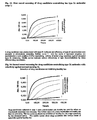
- Figure 1 Microtubule assembly with N- and C-terminally double truncated tau type IA and type IB molecules.
- Figure 2 Inhibition of microtubule assembly by N- and C-terminally double truncated tau type IA and type IB molecules.
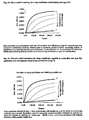
- Figure 3 Activity of N- and C-terminally double truncated tau type IIA and IIB molecules in microtubule assembly.
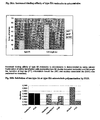
- Figure 4 Type IIA N- and C- terminally double truncated tau expressed in neuronal cells significantly increases their sensitivity to oxidative stress.
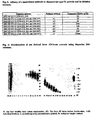
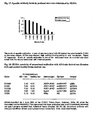
- Figure 5 Affinity of monoclonal antibody to diseased tau type IA protein and its deletion mutants. Apparent affinity of monoclonal antibody to diseased tau type IA protein and its deletion mutants. In the first column are listed: the 'prototype' tau type IA protein (SEQ ID NO 1) and respective deletion mutants. In the middle column are indicated epitopes of the present invention. Apparent affinities stated in the last column were measured by competitive ELISA, and shown as the concentrations of corresponding antigen needed for 50% competition with the prototype tau type IA protein.
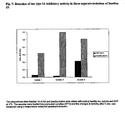
- Figure 7 Type IA inhibitory activity in fraction No.19 from three separate isolations from AD brains.
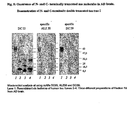
- Figure 8 Demonstration of N- and c-terminally double truncated tau type I molecules in AD brain.
- Figure 9 Presence of tau type I in AD brain but not in healthy brain.
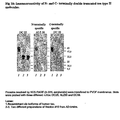
- Figure 10 Immunoreactivity of N- and C- terminally double truncated tau type II molecules.
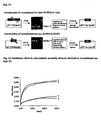
- FIG 11 Construction of recombinant tau type I-II (SEQ ID 1-24).
- Figure 12 Inhibitory effect of AD-brain derived and recombinant tau type IA on normal healthy tau.
- Figure 13 First round screening for drug candidates neutralizing tau type IA molecules (step 1).
- Figure 14 Second round screening for drug candidates neutralizing type IA molecules with selectivity against normal tau (step 2).
- Figure 15 First round screening for drug candidates neutralizing tau type IIA.
- Figure 16 Second round screening for drug candidates capable to neutralize tau type IIA molecules and discriminate them from normal tau (step 2).
- Figure 17 Specific antibody levels in prefused mice sera determined by ELISA.
- Figure 18 ELISA reactivity of monoclonal antibodies with AD-brain derived tau (fraction #19) and control healthy brain-derived tau (DC 20: monoclonal antibody with irrelevant specificity. Shown data represent mean values from three parallel experiments).
- FIG 19 ELISA reactivity of monoclonal antibodies with recombinant tau molecules (DC 20: monoclonal antibody with irrelevant specificity. Shown data represent mean values from three parallels).
- Figure 20 Screening for neutralizing antibodies directed against AD-brain derived tau type IA (fraction #19).
- Figure 21 Screening for neutralizing antibodies directed against recombinant tau type IA (SEQ ID NO:1).
- Figure 22 Screening for drug candidates capable of neutralizing tau type IA molecules and of discriminating them from healthy tau.
- Figure 23 Neutralisation of pathological activity of recombinant tau type IIA (SEQ ID NO.12) by monoclonal antibodies.
- Figure 24 Levels of antibodies against recombinant tau type IIA (SEQ ID NO.:12) detected by ELISA.
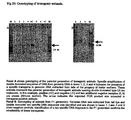
- FIG. 25 Genotyping of transgenic animals.
- Panel B Genotyping of animals from F1 generation Genomic DNA was extracted from tail tips and double truncated tau specific DNA sequence was identified and are shown in lanes 1. Lane 2 and 3 show negative controls. Identification of a tau specific DNA fragment in the F1 generation confirms the inheritability of these transgenes.
- FIG. 26 Gene expression of double truncated human tau transcripts in the F1 generation of transgenic animals.
- RNA was extracted from flash frozen tissue of transgenic animals and subjected to reverse transcription followed by specific amplification of the cDNA.
- An example shows transgene expressing animals in lanes number 1 and 2. Lanes 3-5 represent non-expressing controls while lane 5 shows a non specific signal typical emerging in non-transgenic animal when using this method. This example indicates the presence of double truncated tau specific mRNA expressed from the transgene in experimental animals.
- Figure 27 Cell death caused by type IIA molecule overexpression after 6 day in vitro differentiation.. Comparison of the cell viability of SY5Y cells transfected with double truncated tau type IIA (type IIA) and non-transfected control neuron-like cells (mock), respectively.
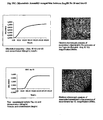
- Figure 28 A: Increased binding affinity of type IIA molecules to microtubules is showed by using cellular fractionation of tau from stably transfected cells expressing type IIA double truncated molecules and full-length tau. Isolation of free tau (FT), microtubule bound tau (MT) and nucleus associated tau (NAT) was performed as described. B: Inhibition of tau type IA and IIA, microbutule polymerisation assay, respectively, by organic compound F123; C: Direct comparison between absorption measurement and microtubule polymerisation shown by electromicroscopic analysis.
- FT free tau
- MT microtubule bound tau
- NAT nucleus associated tau
- Figure 29 Logarithmically growing SH-SY5Y cells stained with MitoFluor. Regular distribution of mitochondria in cell bodies and processes.
- Figure 30 Logarithmically growing tau tpe IIA molecule expressing SH-SYSY cells stained with MitoFluor. Perinuclear clustering of green-labelled mitochondria around the centrosome area of the cell.
- Comparative Example 1 Microtubule assembly with N- and C-terminally double truncated tau type IA and type IB molecules.
- the physiological function of healthy tau consists in stabilizing microtubules (MTs). This function can be measured by a microtubule assembly assay (MAA).
- MAA microtubule assembly assay
- the MAA reactions were carried out using three types of tau molecules: normal health human tau, recombinant forms of tau type IA (SEQ ID NO: 1) and tau type IB (SEQ ID NO: 4). Normal human tau, tau type IA and type IB were assayed individually in separate reactions.
- Single preparations of tau at 0.1 mg/ml were mixed with purified porcine brain tubulin at a final concentration of 1mg/ml and 1mM GTP, all materials in polymerisation buffer (100mM PIPES, pH 6.9, 1mM MgSO 4 , 2mM EGTA).
- Comparative Example 2 Inhibition of microtubule assembly by N- and C-terminally double truncated tau type IA and type IB molecules.
- tau type IA and IB molecules lack functional activity when applied in a the MT assembly assay (MAA).
- MAA MT assembly assay
- tau type IA molecules show an inhibitory effect on tubulin in microtubule assembly.
- type IB proteins (despite similar primary structure) do not inhibit functional activity of tubulin in MAA.
- recombinant forms of tau type IA SEQ ID NO:1
- type IB SEQ ID NO:4
- the assembly-inhibition reactions were carried out separately using type IA and type IB proteins. Human tubulin (2 mg/ml) was mixed with either type IA molecules (0.2 mg/ml) or type IB molecules (0.2 mg/ml).
- top curve 1 ( Figure 2 ) demonstrates that normal human tau alone was fully capable to induce tubulin polymerisation.
- Preincubation of tubulin with type IA abolished microtubule assembly ( Figure 2 , bottom curve 2).
- incubation of tubulin with type IB does not inhibit the microtubule assembly capacity of normal tau ( Figure 2 , curve 3), despite having molecular mass in the same range than type IA.
- Example 1 Activity of N- and C-terminally double truncated tau type IIA and IIB molecules in microtubule assembly.
- type IIA double truncated tau derivatives were surprisingly found to promote pathological microtubule assembly (see Fig. 3 and Fig. 28C ).
- the microtubule assembly reactions were carried out using three types of molecules: natural healthy human tau isoforms, Alz. tau type IIA (SEQ ID NO: 12) and tau type IIB (SEQ ID NO: 19). Three separate reactions were performed, each with single preparation of respective tau (healthy tau, recombinant tau type IIA or type IIB).
- Example 2 Disturbed stress protection mechanisms due to diseased tau type II protein could be demonstrated in vitro on neuroblastoma cells expressing said molecules exposed to various kinds of oxidative stress.
- the cells were grown in MEM/F12 with 10% FCS, 2mM L-Glutamine, 1% NEAA, 50U/L gentamicine.
- 3-morpholinosydnonimine (SIN-1) was diluted from 1 M stock solution in serum-free medium (e.g., 47.5 mg into 230 ml).
- MTT stock solution (2.6 mg/ml) was prepared in MEM/F12 w/o serum and sterilized by filtration.
- the cells were cultivated by the methods that are well known in the art. 96 well plates were seeded with 2x10 4 cells/well. One half of the plate was seeded with cells expressing tau type II molecules and the other half of the plate was seeded with non-expressing cells. The medium was changed every 36-48 hours. After five day, SIN-1 was added in concentrations ranging from 0 to 3.3 mM and the plates were incubated for 24 hours. Each concentration was assayed in hexaplicate. After SIN-1 incubation, MTT stock solution was added to final concentration 200 mg/ml and the plates were incubated for another 1 hour. The medium was discarded; the surface of the plate was dried up by paper wool.
- the chart according to Fig. 4 represents the decrease in relative resistance to oxidative stress of neuronal cells in the presence, of tau type IIA. Resistance of cells non-harboring the said protein (control) is expressed as 100% (left bar) and resistance of neuronal cells expressing the diseased tau protein are shown as % of the control value (middle and right bar). Resistance is defined as the concentration of free radicals generated by SIN-1 in culture medium, where 50% of the cells die. The results represent measurement of double truncated tau proteins type IIA SEQ ID NO:12 (93-333, R4) and SEQ ID NO:18 (69-332, R3), respectively.
- Comparative Example 3 Contribution of individual epitopes to the conformation of double truncated tau type IA.
- the prototype tau type IA (SEQ ID NO:1) has an affinity of 10 nM.
- the affinity is dramatically decreased by three orders of magnitude of the affinity of prototype tau type IA.
- Example 3 Isolation of N- and C-terminally double truncated tau type I and type II.
- Preparation of Alzheimer's brain derived tau type I and type II molecules Diseased human brain tissue from neuropathologically confirmed cases of Alzheimer's disease were used as a source for isolation of double truncated tau IA,-B and IIA proteins. Preparation of tau from Alzheimer brain is based on the combination of homogenization of tissue in TRIS buffer and fractionation of lysates by saturated ammonium sulfate precipitation.
- the tissue was homogenized in cold 20 mM TRIS pH 8, 0.32 mM sucrose, 10 mM b-merkaptoethanol, 5 mM EGTA, 10 mM EDTA, 5 mM MgSO 4 1 mM phenylmethylsulfonyl fluoride, 50 mM sodium fluoride, 5 mM benzamidine, 5 ⁇ g/ml leupeptin, 1.5 ⁇ g/ml pepstatin, 2 ⁇ g/ml aprotinin with Heidolph DIAX 900 homogenizer for 10 min at 4°C. The homogenate was spun at 27 000g for 30 min at 4°C to remove cellular debris.
- Tau proteins were precipitated from brain tissue supernatant by adding 44.12 % (v/v) of saturated ammonium sulfate. After incubation for 20 min at 25°C and gently mixing, the sample was centrifuged at 20 000g for 10 min at 25°C. Pellet was resuspended in 500 ⁇ l of 100 mM PIPES pH 6.9, 2 mM EGTA, 1mM MgSO 4 and dialysed against the same buffer.
- This preparation was fractionated by gel filtration on a Superdex 200-column (Amer-sham-Pharmacia-Biotech) and the fractions were resolved by SDS-PAGE (gradient 5-20% polyacrylamide) and tau proteins were detected by immunoblotting according to standard procedure using anti tau antibodies DC25 ( Fig.6 ). Te effect of individual fractions on microtubule assembly was tested.
- Fraction #15 ( Figure 6 ) containing the tau molecules corresponding to the molecular mass of 30 kDa is representative of double truncated type IIA molecules. Fraction #15 showed the abnormally high microtubule assembly promoting activity. This fraction was characterized by Western blot analysis using three-anti tau antibodies: DC25 recognizes both truncated and full length proteins, DC39 (specific for intact C-terminus) and Alz50 (specific for intact N-terminus) ( Fig.10 ). The immunoreactivity of these antibodies demonstrated the presence of N- and C-terminally double truncated type II proteins only in fractions derived from from AD-brain. The concentration of tau proteins was determined by sandwich RIA. Total protein concentration was determined using the Bradford assay.
- N- and C-terminally double truncated tau molecules were prepared by PCR amplification of the relevant regions from cDNA. Specific primers introducing translation initiation start (ATG), stop (TGA) codons and NdeI , EcoRI restriction sites were used.
- Plasmids carrying deletion of A4-A6 epitopes (SEQ ID 25-27) in the tau cDNA were generated by inverse PCR as shown in Figure 11 (bottom panel).
- AD-brain extracts as well as recombinant molecules of tau type IA are capable to inhibit microtubule assembly promotion when using natural healthy tau isoforms.
- healthy human tau was isolated from brains of age matched controls and tau type IA was isolated from brains of AD patients (see Example 6, Figure 6 , fraction #19)
- Recombinant tau type IA (SEQ ID NO: 1) and type IB (SEQ ID NO:4, negative control) were produced and purified as shown in Example 6.
- brain-derived healthy tau isoforms 0.1 mg/ml
- AD-brain derived or recombinant type IA tau or type IB were mixed with tubulin. Each combination was assayed separately.
- test mixtures were incubated 1hr at 37°C in a water bath with gently shaking.
- GTP and/or normal tau final concentration of tubulin is 1mg/ml and GTP 1mM
- polymerisation buffer 100mM PIPES, pH 6.9, 1mM MgSO 4 , 2mM EGTA.
- the samples were pipetted into quartz microcuvettes and equilibrated at 37°C in a thermostatically controlled spectrophotometer (Beckman Coulter DU640). The turbidity changes were measured at 340 nm in 10 s intervals for a period of 5 min.
- Comparative Example 5 Screening assay for drug candidates neutralizing pathological activity of tau type I A.
- a screening assay was designed for selection of compounds capable of neutralizing the inhibitory activity of type IA molecules.
- Diseased tau type IA can be derived from AD-brains or recombinant sources, however it is expedient to use recombinant material.
- the neutralizing effect of drug candidate can be defined quantitatively by measuring residual capacity of normal healthy tau to promote microtubule assembly. The assay is performed in two steps:
- Example 4 Screening assay for drug candidates neutralizing pathological activity of tau type IIA.
- tau type IIA molecules have unexpectedly high potency to promote tubulin polymerization forms a basis for a screening assay for selection of compounds neutralizing said activity of type IIA proteins.
- the neutralization of type IIA can be quantified by measuring residual microtubule assembly activity of type IIA molecules. The assay is performed in two steps:
- Example 5 Preparation of monoclonal antibodies neutralizing N- and C-terminally double truncated type IA and type IIA molecules.
- monoclonal antibodies DC44, DC82 and DC136 recognize N- and C-terminally double truncated type IA and type IIA molecules from Alzheimer brain. For these antibodies no reactivity was observed with tau isolates from normal human brain prepared by the same method ( Fig.18 ) By contrast, monoclonal antibody DC25 reacts in ELISA with the said proteins from pathological as well as from normal healthy brain ( Figure 18 ). This antibody does not discriminate between pathological form (AD -tau) of tau and normal human tau. After this primary screening, hybridomas were subcloned in soft agarose, a technique well-know to those skilled in the art, finally resulting in homogenous hybridoma populations secreting antibodies with an identical idiotype.
- Comparative Example 6 Neutralization of the pathological activity of AD-brain derived and recombinant N- and C-terminally truncated type IA molecules using monoclonal antibodies.
- Selected monoclonal antibodies DC44, DC82 , DC136 and DC25 were further characterized for their ability to neutralize the activity of native tau type IA isolated from Alzheimer brain (see Example 6).
- Said tau isolate (final concentration of 100 mg/ml) and tested antibodies (final concentration 50 mg/ml) were preincubated for 1hr/37°C.
- tubulin normal human tau and GTP were added to the mixture (the final concentration: tubulin 1 mg/ml, healthy human tau -100 mg/ml, GTP- 1mM) at +4°C.
- tubulin 1 mg/ml normal human tau and GTP were added to the mixture (the final concentration: tubulin 1 mg/ml, healthy human tau -100 mg/ml, GTP- 1mM) at +4°C.
- tubulin 1 mg/ml tubulin 1 mg/ml
- healthy human tau -100 mg/ml GTP- 1mM
- turbidity changes were measured at 340 nm.
- Monoclonal antibodies DC136, DC44 and DC82 were able to inhibit the pathological activity of said-protein ( Fig 20 ; antibodies were preincubated with native tau type IA (fraction #19) and subsequently mixed with healthy human tau, tubulin and GTP. The formation of microtubules was determined spectrophotometrically after 5 min at 370C. The bars represent a mean value of three independent experiments.
- MAA-microtubule assembly assay with healthy human tau MAIA-microtubule assembly inhibition assay with healthy human tau preincubated with tau type IA (without antibody)).
- the next selection step was aimed at antibodies capable to discriminate between healthy and type IA molecules.
- Mixtures of normal healthy tau (final concentration 100 mg/ml) and.tested antibody (final concentration 50 mg/ml) were preincubated 1hr/37°C. After incubation tubulin and GTP were added to the mixture (the final concentration: tubulin 1 mg/ml, GTP- 1mM) at +4°C. Following rapid mixing, the samples were pipetted into quartz microcuvettes and equilibrated at 37°C in a thermostatically controlled spectrophotometer. The turbidity changes were measured at 340 nm.
- Example 6 Neutralization of type IIA activity by monoclonal antibodies.
- Antibodies previously isolated for their tau type IA neutralizing activity were tested for their neutralizing activity against recombinant tau type IIA (SEQ ID NO:12) using the method described in Example 8B.
- All three neutralizing monoclonal anti-bodies DC44, DC82 and DC136 were able to reduce the pathological activity of N- and C-terminally double truncated tau type IIA molecules ( Figure 23 ; antibodies were preincubated with recombinant tau type IIA and then mixed with tubulin and GTP. The formation of microtubules was determined spectrophotometrically after 5 min at 37-°C. The bars represent the mean value of three independent experiments.
- MAA-microtubule assembly assay with tau type IIA (without antibody) This suggests that the epitope(s) of said antibodies is shared at least by type I A SEQ ID NO:1 and type II A SEQ ID NO:12. For antibody DC25 no type IIA-inhibitory activity was observed.
- Example 7 Immunogenicity of recombinant N- and C-terminally double truncated tau type IA and IIA molecules.
- said recombinant tau type IA and IIA proteins are used for vaccination purposes or for raising antibodies which specifically neutralize the pathogenic activity of diseased tau type IA and IIA molecules.
- recombinant N- and C-terminally double truncated tau type type IIA (SEQ ID NO: 12) was used as an immunogen.
- Balb/c mice were primed subcutaneously with said proteins (50 mg/ mouse) in complete Freund's adjuvant and boosted intraperitoneally 3 times thereafter at 4-week intervals with the 50 mg/mouse of the same proteins in incomplete Freund's adjuvant. Immune sera were collected and the level of specific antibodies against respective recombinant antigens tau were determined by ELISA ( Figure 24 ).
- Example 8 Transgenic animals.
- Genotyping ( Figure 25 ): Specific amplification of transgenes encoding double truncated tau forms was performed on genomic DNA derived from the parental generation of transgenic animals and is shown in Figure 25A . Further analysis of genomic DNA of the F1 generation revealed that transgenes are heritable since they were also identified in the offspring of parental generation. Transgenes encoding double truncated tau are therefore fixed in chromosomal DNA of the animals ( Figure 25B - Genotyping of F1 generation).
- the animals used in this example are of a specific genetic background characterized by spontaneous hypertension and other Alzheimer's disease associated risk factors, such as dyslipidaemia or diabetes. This animal strain therefore represents a unique experimental Alzheimer model by combining the most frequently occurring Alzheimer's disease risk factors such as hypertension and diabetes.
- cDNA encoding double truncated tau was introduced into an expression vector linked to a promoter directing an expression in ubiquitous or tissue specific manner.
- the gene fragment was introduced into one day embryos via pronuclear injection (non limited). Resulting offspring was genotyped using genomic DNA from the tail tip.
- Panel B of Fig.25 Genotyping of animals from F1 generation. Genomic DNA was extracted from tail tips and double truncated tau specific DNA sequence was identified and are shown in lanes 1. Lane 2 and 3 show negative controls. Identification of a tau specific DNA fragment in the F1 generation confirms the inheritability of these transgenes.
- An example shows transgene expressing animals in lanes number 1 and 2. Lanes 3-5 represent non-expressing controls while lane 5 shows a non-specific signal typically emerging in non-transgenic animal when using this method. This example indicates the presence of double truncated tau specific mRNA expressed from the transgene in experimental animals.
- Example 9 A: overexpression of type IIA molecules causes cell death in differentiated neuron-like cells.
- neuroblastoma cell line SH-SY5Y cell death caused by type IIA molecule was demonstrated using standardized in vitro differentiation conditions known to the person skilled in the art. The effect was tested in stably transfected cells expressing type IIA double truncated tau and compared with non-transfected cells. Cell viability was quantified manually using a trypan blue exclusion assay in triplicates and statistical evaluation was performed using the One-way ANOVA test. Significant differences in cell viability between cells overexpressing type IIA double truncated tau and wild type cells were found after 6 day of in vitro differentiation (P ⁇ 0.001).
- Type II double truncated tau molecules show increased binding affinity to the microtubular system.
- Example 10 Functional consequences of N- and C-terminally double truncated tau type II overexpression in eukaryotic cells.
- the pathological phenotype showing altered transport of mitochondria caused by overexpression of a type IIA molecules was performed in the neuroblastoma cell line SH-SY5Y.
- the influence of the N- and C-terminally double truncated tau type II molecules was examined by comparing mitochondrial redistribution in living wild type SH-SY5Y cells with transfected cells.
- Cell biological transport assays known to the person skilled in the art were used. In brief, cells were cultivated on LabTekII chambers (Nunc) with equal density (70% confluent) according to standard laboratory techniques and transfection was performed using Fugene 6 (Roche) according to the instructions of the manufacturer.
- mitochondrial localization was compared in induced and non-induced SH-SY5Y cells.
- the staining confirmed the negative effect of type IIA double truncated tau molecules on mitochondrial transport in SH-SY5Y cells resulting in perinuclear mitochondrial clustering near the centrosome indicative of a functional dominance of the minus end directed intracellular forces ( Figure 30 ).
Landscapes
- Health & Medical Sciences (AREA)
- Life Sciences & Earth Sciences (AREA)
- Engineering & Computer Science (AREA)
- Biomedical Technology (AREA)
- Chemical & Material Sciences (AREA)
- Molecular Biology (AREA)
- General Health & Medical Sciences (AREA)
- Biotechnology (AREA)
- Immunology (AREA)
- Genetics & Genomics (AREA)
- Organic Chemistry (AREA)
- Hematology (AREA)
- Zoology (AREA)
- Urology & Nephrology (AREA)
- Biochemistry (AREA)
- Bioinformatics & Cheminformatics (AREA)
- Medicinal Chemistry (AREA)
- Cell Biology (AREA)
- Microbiology (AREA)
- Physics & Mathematics (AREA)
- Neurology (AREA)
- Veterinary Medicine (AREA)
- Environmental Sciences (AREA)
- Pathology (AREA)
- Food Science & Technology (AREA)
- General Physics & Mathematics (AREA)
- Toxicology (AREA)
- Analytical Chemistry (AREA)
- Wood Science & Technology (AREA)
- Proteomics, Peptides & Aminoacids (AREA)
- Biophysics (AREA)
- General Engineering & Computer Science (AREA)
- Neurosurgery (AREA)
- Animal Behavior & Ethology (AREA)
- Animal Husbandry (AREA)
- Biodiversity & Conservation Biology (AREA)
- Tropical Medicine & Parasitology (AREA)
- Plant Pathology (AREA)
- Gastroenterology & Hepatology (AREA)
- Public Health (AREA)
Priority Applications (1)
| Application Number | Priority Date | Filing Date | Title |
|---|---|---|---|
| EP08014706A EP1995255A1 (en) | 2002-07-12 | 2003-07-09 | Truncated tau proteins |
Applications Claiming Priority (3)
| Application Number | Priority Date | Filing Date | Title |
|---|---|---|---|
| AT10532002 | 2002-07-12 | ||
| AT10532002 | 2002-07-12 | ||
| PCT/EP2003/007389 WO2004007547A2 (en) | 2002-07-12 | 2003-07-09 | Truncated tau proteins |
Related Child Applications (1)
| Application Number | Title | Priority Date | Filing Date |
|---|---|---|---|
| EP08014706A Division EP1995255A1 (en) | 2002-07-12 | 2003-07-09 | Truncated tau proteins |
Publications (2)
| Publication Number | Publication Date |
|---|---|
| EP1521774A2 EP1521774A2 (en) | 2005-04-13 |
| EP1521774B1 true EP1521774B1 (en) | 2008-08-27 |
Family
ID=30120907
Family Applications (3)
| Application Number | Title | Priority Date | Filing Date |
|---|---|---|---|
| EP03763763A Expired - Lifetime EP1521774B1 (en) | 2002-07-12 | 2003-07-09 | Truncated tau proteins |
| EP08014706A Withdrawn EP1995255A1 (en) | 2002-07-12 | 2003-07-09 | Truncated tau proteins |
| EP03763764A Expired - Lifetime EP1521831B1 (en) | 2002-07-12 | 2003-07-09 | Transgenic animal expressing truncated alzheimer's tau protein |
Family Applications After (2)
| Application Number | Title | Priority Date | Filing Date |
|---|---|---|---|
| EP08014706A Withdrawn EP1995255A1 (en) | 2002-07-12 | 2003-07-09 | Truncated tau proteins |
| EP03763764A Expired - Lifetime EP1521831B1 (en) | 2002-07-12 | 2003-07-09 | Transgenic animal expressing truncated alzheimer's tau protein |
Country Status (10)
| Country | Link |
|---|---|
| US (5) | US20060167227A1 (da) |
| EP (3) | EP1521774B1 (da) |
| JP (3) | JP4414332B2 (da) |
| CN (2) | CN100577803C (da) |
| AT (2) | ATE391781T1 (da) |
| AU (2) | AU2003246664B2 (da) |
| DE (2) | DE60323231D1 (da) |
| DK (2) | DK1521774T3 (da) |
| ES (2) | ES2311734T3 (da) |
| WO (2) | WO2004007722A2 (da) |
Cited By (3)
| Publication number | Priority date | Publication date | Assignee | Title |
|---|---|---|---|---|
| US12227567B2 (en) | 2017-07-25 | 2025-02-18 | Truebinding, Inc. | Treating cancer by blocking the interaction of TIM-3 and its ligand |
| US12281166B2 (en) | 2020-05-26 | 2025-04-22 | Truebinding, Inc. | Methods of treating inflammatory diseases by blocking Galectin-3 |
| US12497458B2 (en) | 2019-01-30 | 2025-12-16 | Truebinding, Inc. | Anti-GAL3 antibodies and uses thereof |
Families Citing this family (34)
| Publication number | Priority date | Publication date | Assignee | Title |
|---|---|---|---|---|
| US20060167227A1 (en) * | 2002-07-12 | 2006-07-27 | Axon Neuroscience Forschungs-Und Entwicklungs Gmbh | Truncated tau proteins |
| DE10303974A1 (de) | 2003-01-31 | 2004-08-05 | Abbott Gmbh & Co. Kg | Amyloid-β(1-42)-Oligomere, Verfahren zu deren Herstellung und deren Verwendung |
| US7609947B2 (en) | 2004-09-10 | 2009-10-27 | Panasonic Corporation | Method and apparatus for coordinating playback from multiple video sources |
| US8691224B2 (en) | 2005-11-30 | 2014-04-08 | Abbvie Inc. | Anti-Aβ globulomer 5F7 antibodies |
| HRP20140240T4 (hr) | 2005-11-30 | 2017-02-24 | Abbvie Inc. | Monoklonalna antitijela protiv amiloidnih beta proteina i njihova upotreba |
| KR100734815B1 (ko) | 2006-02-15 | 2007-07-09 | 대한민국 | Htau24 유전자를 발현하는 형질전환 치매 마우스 및 그제조방법 |
| US8455626B2 (en) | 2006-11-30 | 2013-06-04 | Abbott Laboratories | Aβ conformer selective anti-aβ globulomer monoclonal antibodies |
| US8895004B2 (en) | 2007-02-27 | 2014-11-25 | AbbVie Deutschland GmbH & Co. KG | Method for the treatment of amyloidoses |
| US8987419B2 (en) | 2010-04-15 | 2015-03-24 | AbbVie Deutschland GmbH & Co. KG | Amyloid-beta binding proteins |
| EP3533803B1 (en) | 2010-08-14 | 2021-10-27 | AbbVie Inc. | Anti-amyloid-beta antibodies |
| CN102058619A (zh) * | 2010-12-08 | 2011-05-18 | 山西医科大学 | 一种阿尔茨海默病复合动物模型的制备方法 |
| WO2012092238A1 (en) * | 2010-12-31 | 2012-07-05 | Zeus Scientific, Inc. | Improved methods for determining cell viability using molecular nucleic acid-based techniques |
| US20120244174A1 (en) | 2011-01-31 | 2012-09-27 | Intellect Neurosciences Inc. | Treatment of tauopathies |
| JP6457263B2 (ja) * | 2011-05-20 | 2019-01-23 | オリゴメリックス インコーポレイテッド | タウプロテアーゼ組成物および使用方法 |
| ME03008B (me) * | 2011-09-19 | 2018-10-20 | Axon Neuroscience Se | Terapija na osnovu proteina i dijagnoza patologije u којој posreduje tau u alcнajмerovoj bolesti |
| SG10201708959WA (en) | 2012-07-03 | 2017-11-29 | Univ Washington | Antibodies to tau |
| NZ630542A (en) | 2012-08-16 | 2017-06-30 | Ipierian Inc | Methods of treating a tauopathy |
| US9200068B2 (en) | 2012-12-18 | 2015-12-01 | Regents Of The University Of Minnesota | Compositions and methods related to tauopathy |
| US8980270B2 (en) | 2013-01-18 | 2015-03-17 | Ipierian, Inc. | Methods of treating a tauopathy |
| JP2017512751A (ja) | 2014-02-14 | 2017-05-25 | アイピエリアン,インコーポレイティド | タウペプチド、抗タウ抗体、およびそれらの使用方法 |
| WO2015165961A1 (en) | 2014-04-29 | 2015-11-05 | Affiris Ag | Treatment and prevention of alzheimer's disease (ad) |
| TWI734975B (zh) | 2014-06-27 | 2021-08-01 | 美商C2N醫療診斷有限責任公司 | 人類化抗-tau抗體 |
| CN107428820B (zh) | 2014-11-19 | 2022-03-22 | 阿克松神经系统科学公司 | 在阿尔茨海默氏病中的人源化tau抗体 |
| US11077132B2 (en) * | 2015-02-04 | 2021-08-03 | F. Hoffmann-La Roche Ag | Tau antisense oligomers and uses thereof |
| WO2017172764A1 (en) * | 2016-04-01 | 2017-10-05 | The Regents Of The University Of California | Modified cell line and method of determining tauopathies |
| KR101997319B1 (ko) * | 2016-06-21 | 2019-07-08 | 전남대학교산학협력단 | 이형태체 항원인식 항체 생산을 유도하는 플라젤린 백신보조제 기반의 백신의 제조 및 그 응용 |
| US11906530B2 (en) * | 2016-12-30 | 2024-02-20 | The United States Of America, As Represented By The Secretary Department Of Health And Human Services | Methods for the detection of tau protein aggregates |
| CN110891417B (zh) * | 2017-03-21 | 2023-05-23 | 杰克逊实验室 | 表达人APOE4和小鼠Trem2 p.R47H的遗传修饰小鼠及其使用方法 |
| SG11202008098TA (en) | 2018-03-28 | 2020-10-29 | Axon Neuroscience Se | Antibody-based methods of detecting and treating alzheimer's disease |
| WO2020201828A1 (en) | 2019-04-05 | 2020-10-08 | Tauc3 Biologics Limited | Anti-tauc3 antibodies and uses thereof |
| JP7181438B2 (ja) | 2019-08-06 | 2022-11-30 | アプリノイア セラピューティクス リミテッド | 病理学的タウ種に結合する抗体及びその使用 |
| CN110679549B (zh) * | 2019-11-05 | 2021-08-20 | 南通大学 | 一种阿尔茨海默病小鼠模型的构建方法 |
| TW202328449A (zh) | 2021-09-24 | 2023-07-16 | 美商艾拉倫製藥公司 | 微管相關蛋白TAU(MAPT)iRNA試劑組合物及其使用方法 |
| CN116554342A (zh) * | 2022-01-29 | 2023-08-08 | 元本(珠海横琴)生物科技有限公司 | 一种融合表达Tau-4R蛋白的大肠杆菌工程菌株 |
Family Cites Families (12)
| Publication number | Priority date | Publication date | Assignee | Title |
|---|---|---|---|---|
| JPH06239899A (ja) | 1993-02-12 | 1994-08-30 | Teijin Ltd | ヒトタウ蛋白に対する抗体、並びに該抗体を利用する体液中のヒトタウ蛋白の測定方法 |
| GB9506197D0 (en) * | 1995-03-27 | 1995-05-17 | Hoffmann La Roche | Inhibition of tau-tau association. |
| WO1999062548A1 (en) | 1998-06-01 | 1999-12-09 | Advanced Research And Technology Institute | Methods and compositions for diagnosing tauopathies |
| CA2372742A1 (en) * | 1999-07-02 | 2001-01-11 | Janssen Pharmaceutica N.V. | Double transgenic animals as models for neurodegenerative disease |
| WO2001018546A2 (en) * | 1999-09-09 | 2001-03-15 | MAX-PLANCK-Gesellschaft zur Förderung der Wissenschaften e.V. | Screening for inhibitors of 'paired helical filaments' |
| AU2001229619A1 (en) * | 2000-01-21 | 2001-07-31 | Pharmacia And Upjohn Company | Transgenic mouse model of human neurodegenerative disease |
| AU2001241849A1 (en) * | 2000-02-29 | 2001-09-12 | Karen Duff | Transgenic mice comprising a genomic human tau transgene |
| GB0100119D0 (en) * | 2001-01-03 | 2001-02-14 | Univ Aberdeen | Materials and methods relating to protein aggregation in neurodegenerative disease |
| GB0101049D0 (en) * | 2001-01-15 | 2001-02-28 | Univ Aberdeen | Materials and methods relating to protein aggregation in neurodegenerative disease |
| AT500379B8 (de) * | 2001-02-02 | 2009-08-15 | Axon Neuroscience | Tau-proteine |
| US20020164657A1 (en) * | 2001-02-23 | 2002-11-07 | Sharma Satish K. | Assays for assessing A beta-Tau aggregation |
| US20060167227A1 (en) * | 2002-07-12 | 2006-07-27 | Axon Neuroscience Forschungs-Und Entwicklungs Gmbh | Truncated tau proteins |
-
2003
- 2003-07-09 US US10/521,140 patent/US20060167227A1/en not_active Abandoned
- 2003-07-09 AU AU2003246664A patent/AU2003246664B2/en not_active Expired
- 2003-07-09 AT AT03763764T patent/ATE391781T1/de active
- 2003-07-09 DK DK03763763T patent/DK1521774T3/da active
- 2003-07-09 US US10/521,049 patent/US8288608B2/en not_active Expired - Fee Related
- 2003-07-09 CN CN03816645A patent/CN100577803C/zh not_active Expired - Lifetime
- 2003-07-09 DE DE60323231T patent/DE60323231D1/de not_active Expired - Lifetime
- 2003-07-09 DK DK03763764T patent/DK1521831T3/da active
- 2003-07-09 DE DE60320258T patent/DE60320258T2/de not_active Expired - Lifetime
- 2003-07-09 JP JP2004520542A patent/JP4414332B2/ja not_active Expired - Lifetime
- 2003-07-09 ES ES03763763T patent/ES2311734T3/es not_active Expired - Lifetime
- 2003-07-09 AT AT03763763T patent/ATE406383T1/de active
- 2003-07-09 EP EP03763763A patent/EP1521774B1/en not_active Expired - Lifetime
- 2003-07-09 EP EP08014706A patent/EP1995255A1/en not_active Withdrawn
- 2003-07-09 WO PCT/EP2003/007390 patent/WO2004007722A2/en not_active Ceased
- 2003-07-09 ES ES03763764T patent/ES2304146T3/es not_active Expired - Lifetime
- 2003-07-09 WO PCT/EP2003/007389 patent/WO2004007547A2/en not_active Ceased
- 2003-07-09 JP JP2004520541A patent/JP4308760B2/ja not_active Expired - Fee Related
- 2003-07-09 CN CNB03816647XA patent/CN100572392C/zh not_active Expired - Lifetime
- 2003-07-09 AU AU2003253044A patent/AU2003253044B2/en not_active Expired
- 2003-07-09 EP EP03763764A patent/EP1521831B1/en not_active Expired - Lifetime
-
2008
- 2008-12-02 JP JP2008307564A patent/JP2009143906A/ja active Pending
-
2009
- 2009-10-06 US US12/574,414 patent/US9485972B2/en not_active Expired - Fee Related
-
2012
- 2012-09-14 US US13/618,946 patent/US9161520B2/en not_active Expired - Fee Related
-
2015
- 2015-09-10 US US14/850,683 patent/US20160106077A1/en not_active Abandoned
Cited By (3)
| Publication number | Priority date | Publication date | Assignee | Title |
|---|---|---|---|---|
| US12227567B2 (en) | 2017-07-25 | 2025-02-18 | Truebinding, Inc. | Treating cancer by blocking the interaction of TIM-3 and its ligand |
| US12497458B2 (en) | 2019-01-30 | 2025-12-16 | Truebinding, Inc. | Anti-GAL3 antibodies and uses thereof |
| US12281166B2 (en) | 2020-05-26 | 2025-04-22 | Truebinding, Inc. | Methods of treating inflammatory diseases by blocking Galectin-3 |
Also Published As
Similar Documents
| Publication | Publication Date | Title |
|---|---|---|
| EP1521774B1 (en) | Truncated tau proteins | |
| AU732508B2 (en) | Nucleic acids and proteins related to Alzheimer's disease, and uses therefor | |
| Maeda et al. | Expression of A152T human tau causes age‐dependent neuronal dysfunction and loss in transgenic mice | |
| Mameza et al. | SHANK3 gene mutations associated with autism facilitate ligand binding to the Shank3 ankyrin repeat region | |
| Agca et al. | Development of transgenic rats producing human β-amyloid precursor protein as a model for Alzheimer's disease: Transgene and endogenous APP genes are regulated tissue-specifically | |
| CZ339097A3 (cs) | Genetické sekvence a proteiny týkající se Alzheimerovi choroby a jejich použití | |
| US20020010947A1 (en) | Transgenic mouse model of human neurodegenerative disease | |
| EP1516930A1 (en) | Cellular model of tauopathies for lead identification and drug discovery | |
| Czech et al. | Alzheimer’s disease and transgenic mice | |
| Kobayashi et al. | α-Synuclein aggregation in the olfactory bulb of middle-aged common marmoset | |
| US7135610B2 (en) | Mouse showing neurofibril change due to senile dementia | |
| JP6323876B2 (ja) | ノックインマウス | |
| JP2004533802A (ja) | ヒトfadプレセニリン突然変異をもつ標的遺伝子組換え非ヒト哺乳動物および生殖による子孫 | |
| Yiu | Mechanisms of Memory Deficits in Mouse Models of Alzheimer's Disease | |
| Armbrust | Murine Models of Spinocerebellar Ataxia Type 5 | |
| Trojanowski et al. | Tau and a-Synuclein in Neurodegenerative Diseases | |
| JP2009517066A (ja) | アルツハイマー病動物モデル、それを得るための方法およびその使用 |
Legal Events
| Date | Code | Title | Description |
|---|---|---|---|
| PUAI | Public reference made under article 153(3) epc to a published international application that has entered the european phase |
Free format text: ORIGINAL CODE: 0009012 |
|
| 17P | Request for examination filed |
Effective date: 20050110 |
|
| AK | Designated contracting states |
Kind code of ref document: A2 Designated state(s): AT BE BG CH CY CZ DE DK EE ES FI FR GB GR HU IE IT LI LU MC NL PT RO SE SI SK TR |
|
| AX | Request for extension of the european patent |
Extension state: AL LT LV MK |
|
| RAX | Requested extension states of the european patent have changed |
Extension state: LV Payment date: 20050110 Extension state: LT Payment date: 20050110 |
|
| 17Q | First examination report despatched |
Effective date: 20070313 |
|
| GRAP | Despatch of communication of intention to grant a patent |
Free format text: ORIGINAL CODE: EPIDOSNIGR1 |
|
| GRAS | Grant fee paid |
Free format text: ORIGINAL CODE: EPIDOSNIGR3 |
|
| GRAA | (expected) grant |
Free format text: ORIGINAL CODE: 0009210 |
|
| AK | Designated contracting states |
Kind code of ref document: B1 Designated state(s): AT BE BG CH CY CZ DE DK EE ES FI FR GB GR HU IE IT LI LU MC NL PT RO SE SI SK TR |
|
| AX | Request for extension of the european patent |
Extension state: LT LV |
|
| REG | Reference to a national code |
Ref country code: GB Ref legal event code: FG4D |
|
| REG | Reference to a national code |
Ref country code: CH Ref legal event code: EP Ref country code: CH Ref legal event code: NV Representative=s name: ROTTMANN, ZIMMERMANN + PARTNER AG |
|
| REG | Reference to a national code |
Ref country code: IE Ref legal event code: FG4D |
|
| REF | Corresponds to: |
Ref document number: 60323231 Country of ref document: DE Date of ref document: 20081009 Kind code of ref document: P |
|
| REG | Reference to a national code |
Ref country code: DE Ref legal event code: R096 Ref document number: 60323231 Country of ref document: DE Effective date: 20081009 |
|
| REG | Reference to a national code |
Ref country code: SE Ref legal event code: TRGR |
|
| REG | Reference to a national code |
Ref country code: ES Ref legal event code: FG2A Ref document number: 2311734 Country of ref document: ES Kind code of ref document: T3 |
|
| LTIE | Lt: invalidation of european patent or patent extension |
Effective date: 20080827 |
|
| PG25 | Lapsed in a contracting state [announced via postgrant information from national office to epo] |
Ref country code: SI Free format text: LAPSE BECAUSE OF FAILURE TO SUBMIT A TRANSLATION OF THE DESCRIPTION OR TO PAY THE FEE WITHIN THE PRESCRIBED TIME-LIMIT Effective date: 20080827 |
|
| PG25 | Lapsed in a contracting state [announced via postgrant information from national office to epo] |
Ref country code: BG Free format text: LAPSE BECAUSE OF FAILURE TO SUBMIT A TRANSLATION OF THE DESCRIPTION OR TO PAY THE FEE WITHIN THE PRESCRIBED TIME-LIMIT Effective date: 20081127 |
|
| PG25 | Lapsed in a contracting state [announced via postgrant information from national office to epo] |
Ref country code: PT Free format text: LAPSE BECAUSE OF FAILURE TO SUBMIT A TRANSLATION OF THE DESCRIPTION OR TO PAY THE FEE WITHIN THE PRESCRIBED TIME-LIMIT Effective date: 20090127 Ref country code: CZ Free format text: LAPSE BECAUSE OF FAILURE TO SUBMIT A TRANSLATION OF THE DESCRIPTION OR TO PAY THE FEE WITHIN THE PRESCRIBED TIME-LIMIT Effective date: 20080827 Ref country code: SK Free format text: LAPSE BECAUSE OF FAILURE TO SUBMIT A TRANSLATION OF THE DESCRIPTION OR TO PAY THE FEE WITHIN THE PRESCRIBED TIME-LIMIT Effective date: 20080827 Ref country code: RO Free format text: LAPSE BECAUSE OF FAILURE TO SUBMIT A TRANSLATION OF THE DESCRIPTION OR TO PAY THE FEE WITHIN THE PRESCRIBED TIME-LIMIT Effective date: 20080827 |
|
| PLBE | No opposition filed within time limit |
Free format text: ORIGINAL CODE: 0009261 |
|
| STAA | Information on the status of an ep patent application or granted ep patent |
Free format text: STATUS: NO OPPOSITION FILED WITHIN TIME LIMIT |
|
| PG25 | Lapsed in a contracting state [announced via postgrant information from national office to epo] |
Ref country code: EE Free format text: LAPSE BECAUSE OF FAILURE TO SUBMIT A TRANSLATION OF THE DESCRIPTION OR TO PAY THE FEE WITHIN THE PRESCRIBED TIME-LIMIT Effective date: 20080827 |
|
| 26N | No opposition filed |
Effective date: 20090528 |
|
| REG | Reference to a national code |
Ref country code: DE Ref legal event code: R097 Ref document number: 60323231 Country of ref document: DE Effective date: 20090527 |
|
| PG25 | Lapsed in a contracting state [announced via postgrant information from national office to epo] |
Ref country code: MC Free format text: LAPSE BECAUSE OF NON-PAYMENT OF DUE FEES Effective date: 20090731 |
|
| PG25 | Lapsed in a contracting state [announced via postgrant information from national office to epo] |
Ref country code: GR Free format text: LAPSE BECAUSE OF FAILURE TO SUBMIT A TRANSLATION OF THE DESCRIPTION OR TO PAY THE FEE WITHIN THE PRESCRIBED TIME-LIMIT Effective date: 20081128 |
|
| PG25 | Lapsed in a contracting state [announced via postgrant information from national office to epo] |
Ref country code: IT Free format text: LAPSE BECAUSE OF NON-PAYMENT OF DUE FEES Effective date: 20090709 |
|
| PG25 | Lapsed in a contracting state [announced via postgrant information from national office to epo] |
Ref country code: LU Free format text: LAPSE BECAUSE OF NON-PAYMENT OF DUE FEES Effective date: 20090709 |
|
| PG25 | Lapsed in a contracting state [announced via postgrant information from national office to epo] |
Ref country code: HU Free format text: LAPSE BECAUSE OF FAILURE TO SUBMIT A TRANSLATION OF THE DESCRIPTION OR TO PAY THE FEE WITHIN THE PRESCRIBED TIME-LIMIT Effective date: 20090228 |
|
| PGRI | Patent reinstated in contracting state [announced from national office to epo] |
Ref country code: IT Effective date: 20110616 |
|
| PG25 | Lapsed in a contracting state [announced via postgrant information from national office to epo] |
Ref country code: TR Free format text: LAPSE BECAUSE OF FAILURE TO SUBMIT A TRANSLATION OF THE DESCRIPTION OR TO PAY THE FEE WITHIN THE PRESCRIBED TIME-LIMIT Effective date: 20080827 |
|
| REG | Reference to a national code |
Ref country code: CH Ref legal event code: PFA Owner name: AXON NEUROSCIENCE FORSCHUNGS- UND ENTWICKLUNGS GM Free format text: AXON NEUROSCIENCE FORSCHUNGS- UND ENTWICKLUNGS GMBH#RENNWEG 95B / EBENE 4#1030 VIENNA (AT) -TRANSFER TO- AXON NEUROSCIENCE FORSCHUNGS- UND ENTWICKLUNGS GMBH#RENNWEG 95B / EBENE 4#1030 VIENNA (AT) |
|
| PG25 | Lapsed in a contracting state [announced via postgrant information from national office to epo] |
Ref country code: CY Free format text: LAPSE BECAUSE OF FAILURE TO SUBMIT A TRANSLATION OF THE DESCRIPTION OR TO PAY THE FEE WITHIN THE PRESCRIBED TIME-LIMIT Effective date: 20080827 |
|
| REG | Reference to a national code |
Ref country code: DE Ref legal event code: R081 Ref document number: 60323231 Country of ref document: DE Owner name: AXON NEUROSCIENCE SE, SK Free format text: FORMER OWNER: AXON NEUROSCIENCE FORSCHUNGS- UND ENTWICKLUNGS GMBH, VIENNA, AT Effective date: 20140515 Ref country code: DE Ref legal event code: R082 Ref document number: 60323231 Country of ref document: DE Representative=s name: KADOR & PARTNER, DE Effective date: 20140515 Ref country code: DE Ref legal event code: R082 Ref document number: 60323231 Country of ref document: DE Representative=s name: KADOR & PARTNER PARTG MBB, DE Effective date: 20140515 Ref country code: DE Ref legal event code: R082 Ref document number: 60323231 Country of ref document: DE Representative=s name: KADOR & PARTNER PART MBB PATENTANWAELTE, DE Effective date: 20140515 Ref country code: DE Ref legal event code: R082 Ref document number: 60323231 Country of ref document: DE Representative=s name: KADOR & PARTNER PARTG MBB PATENTANWAELTE, DE Effective date: 20140515 |
|
| REG | Reference to a national code |
Ref country code: GB Ref legal event code: 732E Free format text: REGISTERED BETWEEN 20140710 AND 20140716 |
|
| REG | Reference to a national code |
Ref country code: CH Ref legal event code: PUE Owner name: AXON NEUROSCIENCE SE, SK Free format text: FORMER OWNER: AXON NEUROSCIENCE FORSCHUNGS- UND ENTWICKLUNGS GMBH, AT Ref country code: CH Ref legal event code: NV Representative=s name: E. BLUM AND CO. AG PATENT- UND MARKENANWAELTE , CH |
|
| REG | Reference to a national code |
Ref country code: FR Ref legal event code: PLFP Year of fee payment: 14 |
|
| REG | Reference to a national code |
Ref country code: CH Ref legal event code: PCOW Free format text: NEW ADDRESS: 4, ARCH. MAKARIOU & KALOGRAION NICOLAIDES SEA VIEW CITY BLOCK C, 5TH FLOOR, FLAT 506, 6016 LARNACA (CY) |
|
| REG | Reference to a national code |
Ref country code: FR Ref legal event code: PLFP Year of fee payment: 15 |
|
| REG | Reference to a national code |
Ref country code: BE Ref legal event code: PD Owner name: AXON NEUROSCIENCE SE; CY Free format text: DETAILS ASSIGNMENT: CHANGE OF OWNER(S), CESSION; FORMER OWNER NAME: AXON NEUROSCIENCE FORSCHUNGS- UND ENTWICKLUNGS GMBH Effective date: 20180201 |
|
| REG | Reference to a national code |
Ref country code: FR Ref legal event code: PLFP Year of fee payment: 16 |
|
| REG | Reference to a national code |
Ref country code: AT Ref legal event code: PC Ref document number: 406383 Country of ref document: AT Kind code of ref document: T Owner name: AXON NEUROSCIENCE SE, CY Effective date: 20180719 |
|
| REG | Reference to a national code |
Ref country code: NL Ref legal event code: PD Owner name: AXON NEUROSCIENCE SE; CY Free format text: DETAILS ASSIGNMENT: CHANGE OF OWNER(S), ASSIGNMENT; FORMER OWNER NAME: AXON NEUROSCIENCE FORSCHUNGS- UND ENTWICKLUNGS AXON NEUROSCIENCE FORSCHUNGS- UND ENTWICKLUNGS GMBH Effective date: 20190226 |
|
| REG | Reference to a national code |
Ref country code: NL Ref legal event code: RE Free format text: SEIZURE, PRE-JUDGEMENT ATTACHEMENT Effective date: 20201127 |
|
| REG | Reference to a national code |
Ref country code: GB Ref legal event code: 732E Free format text: REGISTERED BETWEEN 20210729 AND 20210804 |
|
| PGFP | Annual fee paid to national office [announced via postgrant information from national office to epo] |
Ref country code: NL Payment date: 20220524 Year of fee payment: 20 |
|
| PGFP | Annual fee paid to national office [announced via postgrant information from national office to epo] |
Ref country code: IE Payment date: 20220425 Year of fee payment: 20 |
|
| PGFP | Annual fee paid to national office [announced via postgrant information from national office to epo] |
Ref country code: FI Payment date: 20220622 Year of fee payment: 20 |
|
| PGFP | Annual fee paid to national office [announced via postgrant information from national office to epo] |
Ref country code: SE Payment date: 20220721 Year of fee payment: 20 Ref country code: IT Payment date: 20220729 Year of fee payment: 20 Ref country code: GB Payment date: 20220725 Year of fee payment: 20 Ref country code: ES Payment date: 20220802 Year of fee payment: 20 Ref country code: DK Payment date: 20220725 Year of fee payment: 20 Ref country code: DE Payment date: 20220629 Year of fee payment: 20 Ref country code: AT Payment date: 20220708 Year of fee payment: 20 |
|
| PGFP | Annual fee paid to national office [announced via postgrant information from national office to epo] |
Ref country code: FR Payment date: 20220726 Year of fee payment: 20 Ref country code: BE Payment date: 20220720 Year of fee payment: 20 |
|
| PGFP | Annual fee paid to national office [announced via postgrant information from national office to epo] |
Ref country code: CH Payment date: 20220727 Year of fee payment: 20 |
|
| REG | Reference to a national code |
Ref country code: DE Ref legal event code: R071 Ref document number: 60323231 Country of ref document: DE |
|
| REG | Reference to a national code |
Ref country code: DK Ref legal event code: EUP Expiry date: 20230709 |
|
| REG | Reference to a national code |
Ref country code: NL Ref legal event code: MK Effective date: 20230708 |
|
| REG | Reference to a national code |
Ref country code: CH Ref legal event code: PL |
|
| REG | Reference to a national code |
Ref country code: ES Ref legal event code: FD2A Effective date: 20230726 |
|
| REG | Reference to a national code |
Ref country code: BE Ref legal event code: MK Effective date: 20230709 |
|
| REG | Reference to a national code |
Ref country code: GB Ref legal event code: PE20 Expiry date: 20230708 |
|
| REG | Reference to a national code |
Ref country code: AT Ref legal event code: MK07 Ref document number: 406383 Country of ref document: AT Kind code of ref document: T Effective date: 20230709 |
|
| REG | Reference to a national code |
Ref country code: SE Ref legal event code: EUG |
|
| REG | Reference to a national code |
Ref country code: IE Ref legal event code: MK9A |
|
| PG25 | Lapsed in a contracting state [announced via postgrant information from national office to epo] |
Ref country code: IE Free format text: LAPSE BECAUSE OF EXPIRATION OF PROTECTION Effective date: 20230709 Ref country code: GB Free format text: LAPSE BECAUSE OF EXPIRATION OF PROTECTION Effective date: 20230708 Ref country code: ES Free format text: LAPSE BECAUSE OF EXPIRATION OF PROTECTION Effective date: 20230710 |