EP1584622B1 - Composés de photodécontamination de pathogènes contenus dans le sang - Google Patents
Composés de photodécontamination de pathogènes contenus dans le sang Download PDFInfo
- Publication number
- EP1584622B1 EP1584622B1 EP05015467A EP05015467A EP1584622B1 EP 1584622 B1 EP1584622 B1 EP 1584622B1 EP 05015467 A EP05015467 A EP 05015467A EP 05015467 A EP05015467 A EP 05015467A EP 1584622 B1 EP1584622 B1 EP 1584622B1
- Authority
- EP
- European Patent Office
- Prior art keywords
- trimethylpsoralen
- compound
- compounds
- amino
- oxa
- Prior art date
- Legal status (The legal status is an assumption and is not a legal conclusion. Google has not performed a legal analysis and makes no representation as to the accuracy of the status listed.)
- Expired - Lifetime
Links
- 0 CC(C(C)=*)Oc(cc1)c(*)c2c1C([Al])=CC(C)O2 Chemical compound CC(C(C)=*)Oc(cc1)c(*)c2c1C([Al])=CC(C)O2 0.000 description 21
Images











Classifications
-
- C—CHEMISTRY; METALLURGY
- C07—ORGANIC CHEMISTRY
- C07D—HETEROCYCLIC COMPOUNDS
- C07D493/00—Heterocyclic compounds containing oxygen atoms as the only ring hetero atoms in the condensed system
- C07D493/02—Heterocyclic compounds containing oxygen atoms as the only ring hetero atoms in the condensed system in which the condensed system contains two hetero rings
- C07D493/04—Ortho-condensed systems
-
- A—HUMAN NECESSITIES
- A01—AGRICULTURE; FORESTRY; ANIMAL HUSBANDRY; HUNTING; TRAPPING; FISHING
- A01N—PRESERVATION OF BODIES OF HUMANS OR ANIMALS OR PLANTS OR PARTS THEREOF; BIOCIDES, e.g. AS DISINFECTANTS, AS PESTICIDES OR AS HERBICIDES; PEST REPELLANTS OR ATTRACTANTS; PLANT GROWTH REGULATORS
- A01N1/00—Preservation of bodies of humans or animals, or parts thereof
- A01N1/10—Preservation of living parts
- A01N1/12—Chemical aspects of preservation
- A01N1/122—Preservation or perfusion media
- A01N1/124—Disinfecting agents, e.g. antimicrobials
-
- A—HUMAN NECESSITIES
- A61—MEDICAL OR VETERINARY SCIENCE; HYGIENE
- A61K—PREPARATIONS FOR MEDICAL, DENTAL OR TOILETRY PURPOSES
- A61K31/00—Medicinal preparations containing organic active ingredients
- A61K31/33—Heterocyclic compounds
- A61K31/335—Heterocyclic compounds having oxygen as the only ring hetero atom, e.g. fungichromin
- A61K31/365—Lactones
-
- A—HUMAN NECESSITIES
- A61—MEDICAL OR VETERINARY SCIENCE; HYGIENE
- A61K—PREPARATIONS FOR MEDICAL, DENTAL OR TOILETRY PURPOSES
- A61K31/00—Medicinal preparations containing organic active ingredients
- A61K31/33—Heterocyclic compounds
- A61K31/335—Heterocyclic compounds having oxygen as the only ring hetero atom, e.g. fungichromin
- A61K31/365—Lactones
- A61K31/366—Lactones having six-membered rings, e.g. delta-lactones
- A61K31/37—Coumarins, e.g. psoralen
-
- A—HUMAN NECESSITIES
- A61—MEDICAL OR VETERINARY SCIENCE; HYGIENE
- A61K—PREPARATIONS FOR MEDICAL, DENTAL OR TOILETRY PURPOSES
- A61K41/00—Medicinal preparations obtained by treating materials with wave energy or particle radiation ; Therapies using these preparations
- A61K41/0057—Photodynamic therapy with a photosensitizer, i.e. agent able to produce reactive oxygen species upon exposure to light or radiation, e.g. UV or visible light; photocleavage of nucleic acids with an agent
- A61K41/0066—Psoralene-activated UV-A photochemotherapy (PUVA-therapy), e.g. for treatment of psoriasis or eczema, extracorporeal photopheresis with psoralens or fucocoumarins
-
- A—HUMAN NECESSITIES
- A61—MEDICAL OR VETERINARY SCIENCE; HYGIENE
- A61K—PREPARATIONS FOR MEDICAL, DENTAL OR TOILETRY PURPOSES
- A61K41/00—Medicinal preparations obtained by treating materials with wave energy or particle radiation ; Therapies using these preparations
- A61K41/10—Inactivation or decontamination of a medicinal preparation prior to administration to an animal or a person
- A61K41/17—Inactivation or decontamination of a medicinal preparation prior to administration to an animal or a person by ultraviolet [UV] or infrared [IR] light, X-rays or gamma rays
-
- A—HUMAN NECESSITIES
- A61—MEDICAL OR VETERINARY SCIENCE; HYGIENE
- A61L—METHODS OR APPARATUS FOR STERILISING MATERIALS OR OBJECTS IN GENERAL; DISINFECTION, STERILISATION OR DEODORISATION OF AIR; CHEMICAL ASPECTS OF BANDAGES, DRESSINGS, ABSORBENT PADS OR SURGICAL ARTICLES; MATERIALS FOR BANDAGES, DRESSINGS, ABSORBENT PADS OR SURGICAL ARTICLES
- A61L2/00—Disinfection or sterilisation of materials or objects, in general; Accessories therefor
- A61L2/02—Disinfection or sterilisation of materials or objects, in general; Accessories therefor using physical processes
-
- A—HUMAN NECESSITIES
- A61—MEDICAL OR VETERINARY SCIENCE; HYGIENE
- A61L—METHODS OR APPARATUS FOR STERILISING MATERIALS OR OBJECTS IN GENERAL; DISINFECTION, STERILISATION OR DEODORISATION OF AIR; CHEMICAL ASPECTS OF BANDAGES, DRESSINGS, ABSORBENT PADS OR SURGICAL ARTICLES; MATERIALS FOR BANDAGES, DRESSINGS, ABSORBENT PADS OR SURGICAL ARTICLES
- A61L2103/00—Materials or objects being the target of disinfection or sterilisation
- A61L2103/05—Living organisms or biological materials
Definitions
- the present invention provides new psoralens and methods of synthesis of new psoralens having enhanced ability to inactivate pathogens in blood products in the presence of ultraviolet light, without significantly effecting blood product function or exhibiting mutagenicity.
- HBV hepatitis B
- HCV hepatitis C
- HSV Human Immunodeficiency Virus
- HCV Virological Safety Aspects of Plasma, 1991, November 3-6 (1992) (page 9 ). It is estimated that, with the test in place, the risk of infection is 1 out of 3300 units transfused.
- CMV Cytomegalovirus
- parvo B19 virus in humans are common. When they occur in healthy, immunocompetent adults, they nearly always result in asymptomatic seroconversion. Because such a large part of the population is seropositive, exclusion of positive units would result in substantial limitation of the blood supply.
- An alternative approach to eliminate transmission of viral diseases through blood products is to develop a means to inactivate pathogens in transfusion products.
- Development of an effective technology to inactivate infectious pathogens in blood products offers the potential to improve the safety of the blood supply, and perhaps to slow the introduction of new tests, such as the recently introduced HIV-2 test, for low frequency pathogens.
- decontamination technology could significantly reduce the cost of blood products and increase the availability of scarce blood products.
- such an inactivation method i) must not adversely effect the function for which the blood product is transfused, ii) must thoroughly inactivate existing pathogens in the blood product; and iii) must not adversely effect the recipients of the blood product.
- Several methods have been reported for the inactivation or elimination of viral agents in erythrocyte-free blood products. However, most of these techniques are completely incompatible with maintenance of the function of platelets, an important blood product. Examples of these techniques are: heat ( Brooknhous, J., et al., J. Biol. Std.
- Psoralens are tricyclic compounds formed by the linear fusion of a furan ring with a coumarin. Psoralens can intercalate between the base pairs of double-stranded nucleic acids, forming covalent adducts to pyrimidine bases upon absorption of long wave ultraviolet light (UVA).
- UVA long wave ultraviolet light
- the covalently bonded psoralens act as inhibitors of DNA replication and thus have the potential to stop the replication process. Due to this DNA binding capability, psoralens are of particular interest in relation to solving the problems inherent in creating and maintaining a pathogen blood supply. Some known psoralens have been shown to inactivate viruses in some blood products. H.J. Alter et al., The Lancet (ii:1446) (1988 ); L. Lin et al., Blood 74:517 (1989 ) (decontaminating platelet concentrates); G.P. Wiesehahn et al., US Patents Nos.
- 4,727,027 and 4,748,120 describe the use of a combination of 8-methoxypsoralen (8-MOP) and irradiation.
- 8-MOP 8-methoxypsoralen
- P. Morel et al., Blood Cells 18:27 (1992) show that 300 ⁇ g/mL of 8-MOP together with ten hours of irradiation with ultraviolet light can effectively inactivate viruses in human serum.
- Similar studies using 8-MOP and aminomethyltrimethyl psoralen (AMT) have been reported by other investigators. Dodd RY, et al., Transfusion 31:483-490 (1991 ); Margolis-Nunno, H., et al., Thromb Haemostas 65:1162 (Abstract)(1991 ).
- Psoralen photoinactivation is only feasible if the ability of the psoralen to inactivate viruses is sufficient to ensure a safety margin in which complete inactivation will occur.
- the psoralen must not be such that it will cause damage to blood products.
- the methods just described, when applied using known psoralens, require the use of difficult and expensive procedures to avoid causing damage to blood products. For example, some compounds and protocols have necessitated the removal of molecular oxygen from the reaction before exposure to light, to prevent damage to blood products from oxygen radicals produced during irradiation. See L. Lin et al., Blood 74:517 (1989 ); US Patent No. 4,727,027, to Wiesehahn . This is a costly and time consuming procedure.
- PCD photochemical decontamination
- a new psoralen compound is needed which displays improved ability to inactivate pathogens and low mutagenicity, without causing significant damage to blood products for which it is used, and without the need to remove oxygen, thereby ensuring safe and complete inactivation of pathogens in blood decontamination methods.
- DE 38 04 243 A1 discloses the synthesis of 4'-(9"-Amino-2", 6"-diazanonyl)-4,5',8-trimethylpsoralen starting with 4'-Chloromethyl-4,5',8-trimethylpsoralen and the corresponding amine N,N-Bis-(diaminopropyl)-aminomethane, and said compound per se.
- LEE B L ET AL "Interaction of psoralen-derivatized oligodeoxyribonucleoside methylphosphonates with synthetic DNA containing a promoter for T7 RNA polymerase.”
- NUCLEIC ACIDS RESEARCH 25 NOV 1988, vol. 16, no. 22, 25 discloses the compound 4'-N(2-aminoethyl)aminomethyl-4,5',8-trimethylpsoralen.
- OSER A ET AL "Sensitive non-radioactive dot-blot hydridization using DNA probes labelled with chelate group substituted psoralen and quantitative detection by europium ion fluorescence"
- NUCLEIC ACIDS RESEARCH OXFORD UNIVERSITY PRESS, SURREY, GB, vol. 16, no. 3, 1988, pages 1181-1196 , discloses the synthesis of 4'-(9"-amino-2",6"-diazanonyl)-4,5',8-trimethylpsoralen and said compound per se.
- the present invention is defined in the claims and provides new psoralens and methods of synthesis of new psoralens having enhanced ability to inactivate pathogens in the presence of ultraviolet light which is not linked to mutagenicity.
- the present invention also provides methods of using new and known compounds to inactivate pathogens in health related products to be used in synthetic media.
- the present invention also contemplates methods of synthesis of several compounds of the present invention.
- the present invention contemplates a method of synthesizing 4'-( ⁇ -amino-2-oxa)alkyl-4,5',8-trimethylpsoralen, comprising the steps: a) providing 4'-( ⁇ -hydroxy-2-oxa)alkyl-4,5',8-trimethylpsoralen; b) treating 4'-( ⁇ -hydroxy-2-oxa)alkyl-4,5',8-trimethylpsoralen with a base and methanesulfonyl chloride so that 4'-( ⁇ -methanesulfonyloxy-2-oxa)alkyl-4,5',8-trimethylpsoralen is produced; c) treating 4'-( ⁇ -methanesulfonyloxy-2-oxa)alkyl-4,5',8-trimethylpsoralen with sodium azide, so that 4'-( ⁇ -azido-2
- the 4'-[( ⁇ -amino-2-oxa)alkyl-4,5',8-trimethylpsoralen is 4'-[(4-amino-2-oxa)butyl-4,5',8-trimethylpsoralen.
- step (d) 4'-[(4-azido-2-oxa)butyl-4,5',8-trimethylpsoralen is reduced with triphenylphosphine.
- the present invention further contemplates a psoralen compound produced by the method of synthesis described above, comprising 4'-[(4-amino-2-oxa)butyl-4,5',8-trimethylpsoralen.
- the present invention contemplates a method of synthesizing 4'-(12-amino-8-aza-2,5-dioxa)dodecyl-4,5',8-trimethylpsoralen, comprising the steps: a) providing a 4'-halomethyl-4,5',8-trimethyl psoralen, selected from the group comprising 4'-chloromethyl-4,5',8-trimethyl psoralen, 4'-bromomethyl-4,5',8-trimethyl psoralen, and 4'-iodomethyl-4,5',8-trimethylpsoralen; b) treating said 4'-halomethyl-4,5',8-trimethyl psoralen with diethylene glycol so that 4'-(7-hydroxy-2,5-dioxa)heptyl-4,5',8-trimethylpsoralen is produced; c) treating 4'-(7-hydroxy-2,5-dioxa)heptyl-4,5
- the present invention contemplates a method of synthesizing 4'-(14-amino-2,6,11-triaza)tetradecyl-4,5',8-trimethylpsoralen, comprising: a) providing 4,5',8-trimethylpsoralen-4'-carboxaldehyde; b) treating 4,5',8-trimethylpsoralen-4'-carboxaldehyde with spermine and a reducing agent to produce 4'-(14-amino-2,6,11-triaza)tetadecane-4,5',8-trimethylpsoralen.
- the invention contemplates a compound having the formula: or a salt thereof.
- the invention also contemplates a psoralen compound, comprising: a) a substituent R 1 on the 4' carbon atom, selected from the group comprising: -(CH 2 ) w -O-(CH 2 ) z -NH 2 , -(CH 2 ) w -O-(CH 2 ) x -R 3 -(CH 2 ) z -NH 2 , and -(CH 2 ) w -O-(CH 2 ) x -R 3 -(CH 2 ) y -R 4 -(CH 2 ) z -NH 2 ; wherein R 3 , and R 4 are independently selected from the group comprising O and NH, w is a whole number from 1 to 5, x is a whole number from 2 to 5, y is a whole number from 2 to 5, and z is a whole number from 2 to 6; and b) substituent
- substituent R 1 is -H 2 -O-(CH 2 ) 2 -NH 2 , and substituents R 5 , R 6 , and R 7 are all CH 3 ; wherein substituent R 1 is -CH 2 -O-(CH 2 ) 2 -O-(CH 2 ) 2 -NH 2 , and substituents R 5 , R 6 , and R 7 are all CH 3 ; wherein substituent R 1 is -CH 2 -O-(CH 2 ) 2 -O-(CH 2 ) 2 -NH-(CH 2 ) 4 -NH 2 , and substituents R 5 , R 6 , and R 7 are all CH 3 ; wherein said substituent R 1 is CH 2 -NH-(CH 2 ) 4 -NH 2 , and substituents R 5 , R 6 , and R 7 are all CH 3 ; and wherein substituent R 1 is CH 2 -NH-(CH 2 ) 4 -NH 2 ; and wherein substituent R 1 is CH
- the present invention contemplates several embodiments of a synthetic platelet storage media.
- the synthetic platelet storage media comprises an aqueous solution of: 45-100 mM sodium chloride; 4-5 mM potassium chloride; 10-15 mM citrate; 20-27 mM sodium acetate; 0-2 mM glucose; 0-30 mM mannitol; approximately 20 mM sodium phosphate; 2-3 mM magnesium chloride; and a 4'-primaryaminopsoralen at a concentration between .1 and 250 ⁇ M.
- the synthetic platelet storage media comprising an aqueous solution of: 45-100 mM sodium chloride; 8-15 mM citrate; 20-35 mM sodium acetate; approximately 26 mM sodium phosphate; a 4'-primaryaminopsoralen at a concentration between .1 and 250 ⁇ M.
- this media comprises 86 mM sodium chloride, 10 mM citrate, 30 mM sodium acetate, approximately 26 mM sodium phosphate, and 4'-(4-amino-2-oxa)butyl-4,5',8-trimethylpsoralen at a concentration between .1 and 250 ⁇ M.
- the present invention is defined in the claims and provides new psoralens and methods of synthesis of new psoralens having enhanced ability to inactivate pathogens in the presence of ultraviolet light.
- the new psoralens are effective against a wide variety of pathogens.
- the present invention also provides methods of using new and known compounds to inactivate pathogens in health related products to be used in vivo and in vitro, and in particular, blood products, without significantly effecting blood product function or exhibiting mutagenicity.
- Photoactivation compounds (or “photoreactive compounds”) defines a family of compounds that undergo chemical change in response to electromagnetic radiation. Table 1 is a partial list of photoactivation compounds. Table 1. Photoactivation Compounds Actinomycins Anthracyclinones Anthramycin Benzodipyrones Fluorenes and fluorenones Furocoumarins Mitomycin Monostral Fast Blue Norphillin A Many organic dyes not specifically listed Phenanthridines Phenazathionium Salts Phenazines Phenothiazines Phenylazides Quinolines Thiaxanthenones
- the preferred species of photoreactive compounds described herein is commonly referred to as the furocoumarins.
- the present invention contemplates those compounds described as psoralens: [7H-furo(3,2-g)-(1)-benzopyran-7-one, or ⁇ -lactone of 6-hydroxy-5-benzofuranacrylic acid], which are linear: and in which the two oxygen residues appended to the central aromatic moiety have a 1, 3 orientation, and further in which the furan ring moiety is linked to the 6 position of the two ring coumarin system.
- Psoralen derivatives are derived from substitution of the linear furocoumarin at the 3, 4, 5, 8, 4', or 5' positions.
- 8-Methoxypsoralen (known in the literature under various named, e.g., xanthotoxin, methoxsalen, 8-MOP) is a naturally occurring psoralen with relatively low photoactivated binding to nucleic acids and low mutagenicity in the Ames assay, which is described in the following experimental section.
- 4'-Aminomethyl-4,5',8-trimethylpsoralen (AMT) is one of most reactive nucleic acid binding psoralen derivatives, providing up to 1 AMT adduct per 3.5 DNA base pairs.
- AMT also exhibits significant levels of mutagenicity.
- a new group of psoralens was desired which would have the best characteristics of both 8-MOP and AMT: low mutagenicity and high nucleic acid binding affinity, to ensure safe and thorough inactivation of pathogens.
- the compounds of the present invention were designed to be such compounds.
- 4'-primaryamino-substituted psoralens are defined as psoralen compounds which have an NH 2 group linked to the 4'-position of the psoralen by a hydrocarbon chain having a total length of 2 to 20 carbons, where 0 to 6 of those carbons are independently replaced by NH or O, and each point of replacement is separated from each other point of replacement by at least two carbons, and is separated from the psoralen by at least one carbon.
- the present invention contemplates synthesis methods for the novel compounds of the present invention, as well as new synthesis methods for known intermediates.
- the novel compounds are mono, di or trialkylated 4'-primaryamino-substituted psoralens.
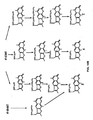
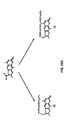
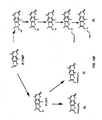
- FIGS. 10A - 10F Several examples of the schemes discussed in this section are shown in FIGS. 10A - 10F .
- TABLE 2 sets forth the nomenclature used for the psoralen derivatives discussed herein.
- the structures of compounds 1 - 18 are also pictured in FIGS. 10A - 10F . Note that this section (entitled "B.
- Halomethylation of the 4,5',8-trialkylpsoralens with chloromethyl methyl ether or bromomethyl methyl ether is described in US Patent No. 4,124,598, to Hearst .
- the bromo compound, 4'-BrMT is likewise prepared using bromomethyl methyl ether which is somewhat less volatile. Yields of only 30-60% of the desired intermediate are obtained.
- the 5'-chloromethyl-4,4',8-trimethylpsoralen (5'-CMT) and 5'-bromomethyl-4,4',8-trimethylpsoralen (5'-BrMT) are prepared similarly, using the isomeric starting compound, 4,4',8-trimethylpsoralen (4'-TMP) [ U.S. Patent No. 4,294,822, to Kaufman ; McLeod, et aL, "Synthesis of Benzofuranoid Systems. I. Furocoumarins, Benzofurans and Dibenzofurans," Tetrahedron Letters 237 (1972 )].
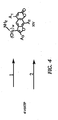
- a 1 and A 2 are independently selected from the group comprising H and an alkyl chain having 1-6 carbon atoms. Reaction of the 4,8-dialkyl-7-hydroxycoumarin with 2-chloro-3-butanone under typical basic conditions, provides 4,8-dialkyl-7-(1-methyl-2-oxo)propyloxycoumarin (I). This material is cyclized by heating in aqueous NaOH to provide 4,8-dialkyl-4',5'-dimethylpsoralen (II).
- N-bromosuccinimide Treatment of the tetrasubstituted psoralen and N-bromosuccinimide (NBS) in a solvent at room temperature up to 150°C leads to bromination at the 4'- or 5'- position, depending upon the conditions used.
- a catalyst such as dibenzoyl peroxide may be added, but is not necessary. If the solvent used is carbon tetrachloride at reflux, 4,8-dialkyl-5'-bromomethyl-4'-methylpsoralen (IV) is obtained in yields of 50% or greater. If methylene chloride is used at room temperature, only 4,8-dialkyl-4'-bromomethyl-5'-methylpsoralen (III) is obtained in ⁇ 80% yield.
- Benzylic bromination in other solvents can also be done, generating one of the isomeric products alone or in a mixture.
- solvents include, but are not limited to 1,2-dichloroethane, chloroform, bromotrichloromethane and benzene.
- 4,5',8-trialkylpsoralens can be made as follows.
- the 4,8-dialkylcoumarins are prepared from 2-alkylresorcinols and a 3-oxoalkanoate ester by the Pechmann reaction (Organic Reactions Vol VII, Chap 1, ed. Adams et al, Wiley, NY, (1953 )).
- Claisen rearrangement of the resultant allyl ether gives 4,8-dialkyl-6-allyl-7-hydroxycoumarin.
- the coumarins are converted to the 4,5',8-trialkylpsoralens using procedures similar to one of several previously described procedures (i.e., see, Bender et al, J. Org. Chem. 44:2176 (1979 ); Kaufman, US Patent Nos. 4,235,781 and 4,216,154 ).
- 4,5',8-Trimethylpsoralen is a natural product and is commercially available (Aldrich Chemical Co., Milwaukee, WI).
- the terminal hydroxy group can be transformed to an amino group under a variety of conditions (for example see Larock, 'Comprehensive Organic Transformations," VCH Publishers, NY, 1989 ). Particularly, the hydroxy group can be converted to the ester of methanesulfonic acid (structure VI) in the presence of methanesulphonyl chloride (CH 3 SO 3 Cl). This can subsequently be converted to the azide in refluxing ethanol and the azide reduced to the final amine, structure VII (examples are Compounds 2, 4 and 7).
- the method described herein utilizes triphenylphosphine and water in tetrahydrofuran (THF) for the reduction but other methods are contemplated.
- a preferred method of preparation of structure VII uses the reaction of 4'-HATP with a primary linear alcohol containing a protected amine (e.g., a phthalimido group) at the terminal position in a suitable solvent such as DMF at 25 - 150°C to give V.
- the amine is then deprotected under standard conditions (e.g., hydrazine or aqueous MeNH2 to deprotect a phthalimido group [higher alkyl hydrazines, such as benzyl hydrazines, are also contemplated]) to give VII.
- structure VI can be reacted with diamines, H 2 N-(B')-NH 2 where B' is an alkyl chain (e.g., 1,4,-butanediamine), a monoether (e.g., 3-oxa-1,5-pentanediamine) or a polyether (e.g., 3,6-dioxa-1,8-octanediamine) to give the final product, compound VIII (examples of compounds in this structure group are Compounds 8, 13 and 14).
- B' is an alkyl chain (e.g., 1,4,-butanediamine)
- a monoether e.g., 3-oxa-1,5-pentanediamine
- a polyether e.g., 3,6-dioxa-1,8-octanediamine
- This method is also applicable to final products that contain more than two nitrogens in the chain (structure XIII) (examples are Compounds 12 and 15) starting from polyamines of structure XII (e.g., norspermidine or spermine [commercially available from Aldrich, Milwaukee, WI]), however, in this case isomeric structures are also formed in considerable amounts.
- the preferred method for the preparation of structure XIII is reductive amination of the psoralen-4'-alkanal (XI) with a polyamine of structure XII and a reducing agent such as sodium cyanoborohydride. This reductive amination is applicable to the synthesis of compounds X as well.
- these compounds (structures XIV) (an example is Compound 3) are prepared either 1) by reaction of the 4'-HATP with potassium phthalimide or azide and subsequent liberation of the desired amine as before, for example, with hydrazine, or 2) conversion of the 4'-HATP to the cyanide compound, followed by reduction, for example with NaBH 4 -CF 3 CO 2 H.
- the present invention contemplates binding new compounds to nucleic acid, including viral nucleic acid and bacterial nucleic acid.
- One approach of the present invention to binding photoactivation compounds to nucleic acid is photobinding.
- Photobinding is defined as the binding of photobinding compounds in the presence of photoactivating wavelengths of light.
- Photobinding compounds are compounds that bind to nucleic acid in the presence of photoactivating wavelengths of light.
- the present invention contemplates methods of photobinding with photobinding compounds of the present invention.
- One embodiment of the method of the present invention for photobinding involves the steps: a) providing a photobinding compound of the present invention; and b) mixing the photobinding compound with nucleic acid in the presence of photoactivation wavelengths of electromagnetic radiation.
- the invention further contemplates a method for modifying nucleic acid, comprising the steps: a) providing photobinding compound of the present invention and nucleic acid; and b) photobinding the photobinding compound to the nucleic acid, so that a compound:nucleic acid complex is formed.
- a method for modifying nucleic acid comprising the steps: a) providing photobinding compound of the present invention and nucleic acid; and b) photobinding the photobinding compound to the nucleic acid, so that a compound:nucleic acid complex is formed.
- the present invention contemplates treating a blood product with a photoactivation compound as defined in the claims and irradiating to inactivate contaminating pathogen nucleic acid sequences before using the blood product.
- activation is here defined as the altering of the nucleic acid of a unit of pathogen so as to render the unit of pathogen incapable of replication. This is distinct from “total inactivation”, where all pathogen units present in a given sample are rendered incapable of replication, or “substantial inactivation,” where most of the pathogen units present are rendered incapable of replication. "Inactivation efficiency" of a compound is defined as the level of inactivation the compound can achieve at a given concentration of compound or dose of irradiation.
- an “inactivation” method may or may not achieve “total inactivation,” it is useful to consider a specific example.
- a bacterial culture is said to be inactivated if an aliquot of the culture, when transferred to a fresh culture plate and permitted to grow, is undetectable after a certain time period.
- a minimal number of viable bacteria must be applied to the plate for a signal to be detectable. With the optimum detection method, this minimal number is 1 bacterial cell. With a sub optimal detection method, the minimal number of bacterial cells applied so that a signal is observed may be much greater than 1.
- the detection method determines a "threshold" below which the "inactivation method” appears to be completely effective (and above which "inactivation” is, in fact, only partially effective).
- inactivation means that a unit of pathogen is rendered incapable of replication.
- the detection method can theoretically be taken to be the measurement of the level of infection with a disease as a result of exposure to the material.
- the threshold below which the inactivation method is complete is then taken to be the level of inactivation which is sufficient to prevent disease from occuring due to contact with the material. It is recognized that in this practical scenario, it is not essential that the methods of the present invention result in “total inactivation”. That is to say, “substantial inactivation” will be adequate as long as the viable portion is insufficient to cause disease. Thus “substantially all” of a pathogen is inactivated when any viable portion of the pathogen which remaining is insufficient to cause disease.
- the inactivation method of the present invention renders nucleic acid in pathogens substantially inactivated. In one embodiment, the inactivation method renders pathogen nucleic acid in blood preparations substantially inactivated.
- inactivation results from light induced binding of psoralens to pathogen nucleic acid.
- inactivation method of the present invention be limited by the nature of the nucleic acid; it is contemplated that the inactivation method render all forms of nucleic acid (whether DNA, mRNA, etc.) substantially inactivated.
- the interaction of the pathogen nucleic acid (whether DNA, mRNA, etc.) with the photoactivation compound preferably prevents replication of the pathogen, such that, if a human is exposed to the treated pathogen, infection will not result.
- Synthetic media is herein defined as an aqueous synthetic blood or blood product storage media.
- the present invention contemplates inactivating blood products in synthetic media comprising a buffered saline solution. This method reduces harm to blood products and permits the use of much lower concentrations of photoactivation compounds.
- the psoralen photoinactivation method inactivates nucleic acid based pathogens present in blood through a single procedure. Thus, it has the potential to eliminate bacteria, protozoa, and viruses as well. Had an effective decontamination method been available prior to the advent of the AIDS pandemic, no transfusion associated HIV transmission would have occurred. Psoralen-based decontamination has the potential to eliminate all infectious agents from the blood supply, regardless of the pathogen involved. Additionally, psoralen-based decontamination has the ability to sterilize blood products after collection and processing, which in the case of platelet concentrates could solve the problem of low level bacterial contamination and result in extended storage life.
- the ability of a compound to inactivate pathogens may be determined by several methods.
- One technique is to perform a bacteriophage screen; an assay which determines nucleic acid binding of test compounds.
- a screen of this type, an r-17 screen is described in detail in EXAMPLE 12, below. If the r-17 screen shows inactivation activity, it is useful to directly test the compound's ability to inactivate a virus.
- One method of performing a direct viral inactivation screen is described in detail in EXAMPLE 13 for cell free HIV.
- the R17 bacteriophage screen is believed to be predictive of HIV inactivation efficiency, as well as the efficiency of compounds against many other viruses.
- R17 was chosen because it was expected to be a very difficult pathogen to inactivate. It is a small, single stranded RNA phage. Without intending to be limited to any means by which the present invention operates, it is expected that shorter pieces of nucleic acid are harder to inactivate because they require a higher frequency of formation of psoralen adducts than do longer pieces of nucleic acid.
- RNA pathogens are more difficult to inactivate because psoralens can neither intercalate between base pairs, as with double-stranded nucleic acids, nor form diadducts which function as interstrand crosslinks. Thus it is expected that when inactivation of R17 is achieved, these same conditions will cause the inactivation of many viruses and bacteria.
- the cell free HIV screen complements the r-17 screen by affirming that a given compound which has tested positive in r-17 will actually work effectively to inactivate viruses. Thus, if a compound shows activity in the r-17 screen, it is next tested in the viral inactivation screen.
- the second property that is important in testing a compound for use in methods of the present invention is mutagenicity.
- the most widely used mutagen/carcinogen screening assay is the Ames test. This assay is described by D.M. Maron and B.N. Ames in Mutation Research 113: 173 ( 1983 ) and a specific screen is described in detail in Example 17, below.
- the Ames test utilizes several unique strains of Salmonella typhimurium that are histidine-dependent for growth and that lack the usual DNA repair enzymes. The frequency of normal mutations that render the bacteria independent of histidine (i.e., the frequency of spontaneous revertants) is low. The test allows one to evaluate the impact of a compound on this revertant frequency.
- the compound to be tested is mixed with the bacteria on agar plates along with the liver extract.
- the liver extract serves to mimic metabolic action in an animal. Control plates have only the bacteria and the extract.
- a positive Ames test is one where the number of colonies on the plates with mixtures containing the compound significantly exceeds the number on the corresponding control plates.
- a new compound (X) can be evaluated as a potential blood photodecontamination compound, as shown in Table 4, below.
- X is initially evaluated in Step I.
- X is screened in the r-17 assay at several different concentrations between 4 and 320 ⁇ M, as explained in EXAMPLE 12. If the compound shows inactivation activity greater than 1 log inactivation of r-17 (log kill) in the r-17 screen at any concentration, the compound is then screened in the cell free HIV assay, as explained in EXAMPLE 13. If the compound shows inactivation activity greater than 1 log inactivation of HIV (log kill) in the cell free HIV assay, the compound and AMT are then screened in the Ames assay.
- the present invention contemplates several different formulations and routes by which the compounds described as defined in the claims can be delivered in an inactivation method. This section is merely illustrative, and not intended to limit the invention to any form or method of introducing the compound.
- the compounds of the present invention may be introduced in an inactivation method in several forms.
- the compounds may be introduced as an aqueous solution in water, saline, a synthetic media such as "SterilyteTM 3.0" (contents set forth at the beginning of the Experimental section, below) or a variety of other media.
- the compounds can further be provided as dry formulations, with or without adjuvants.
- the new compounds may also be provided by many different routes.
- the compound may be introduced to the reaction vessel, such as a blood bag, at the point of manufacture.
- the compound may be added to the material to be sterilized after the material has been placed in the reaction vessel.
- the compounds may be introduced alone, or in a "cocktail" or mixture of several different compounds.
- the present invention contemplates that in vivo activity of a blood product is not destroyed or significantly lowered if a sample of blood product which is decontaminated by methods of the present invention tests as would a normally functioning sample of blood product in known assays for blood product function.
- in vivo activity is not destroyed or significantly lowered if pH of the platelets are substantially the same in platelets treated by the methods of the present invention and stored 5 days as they are in untreated samples stored for 5 days.
- “Substantially the same" pH means that the values fall within the range of error surrounding that particular data point.
- the second factor is whether the compounds used are toxic or mutagenic to the patient treated.
- a "compound displaying low mutagenicity" is defined as a compound which is less mutagenic than AMT when it is tested at concentrations below 250 ⁇ M in the Ames assay, described in the Experimental section, below.
- the inactivation compounds and methods of the present invention are especially useful because they display the unlinking of pathogen inactivation efficiency from mutagenicity.
- the compounds exhibit powerful pathogenic inactivation without a concomitant rise in mutagenicity.
- the commonly known compounds tested in photoinactivation protocols, such as AMT appear to exhibit a link between pathogen inactivation efficiency and mutagenetic action that until now seemed indivisible.
- Joules or J refers to Joules/cm 2 ); °C (degrees Centigrade); TLC (Thin Layer Chromatography); EAA (ethyl-acetoacetate); EtOH (ethanol); HOAc (acetic acid); W (watts); mW (milliwatts); NMR (Nuclear Magnetic Resonance; spectra obtained at room temperature on a Varian Gemini 200 MHz Fourier Transform Spectrometer); m.p.
- the acid is preferably selected so as to contain an anion which is non-toxic and pharmacologically acceptable, at least in usual therapeutic doses.
- Representative salts which are included in this preferred group are the hydrochlorides, hydrobromides, sulphates, acetates, phosphates, nitrates, methanesulphonates, ethanesulphonates, lactates, citrates, tartrates or bitartrates, and maleates.
- Other acids are likewise suitable and may be employed as desired.
- fumaric, benzoic, ascorbic, succinic, salicylic, bismethylenesalicylic, propionic, gluconic, malic, malonic, mandelic, cinnamic, citraconic, stearic, palmitic, itaconic, glycolic, benzenesulphonic, and sulphamic acids may also be employed as acid addition salt-forming acids.
- HEPES buffer contains 8.0 g of 137 mM NaCl, 0.2 g of 2.7 mM KCl, 0.203 g of 1 mM MgCl 2 (6H 2 O), 1.0g of 5.6 mM glucose, 1.0 g of 1mg/ml Bovine Serum Albumin (BSA) (available from Sigma, St. Louis, MO), and 4.8 g of 20 mM HEPES (available from Sigma, St. Louis, MO).
- BSA Bovine Serum Albumin
- phosphate buffered synthetic media is formulated for platelet treatment. This can be formulated in one step, resulting in a pH balanced solution (e.g. pH 7.2), by combining the following reagents in 2 liters of distilled water: Preparation of SterilyteTM 3.0 Formula W.
- a pH balanced solution e.g. pH 7.2
- Another synthetic media useful in the present invention contains the following reagents: Preparation of synthetic media + phosphate Formula W. mMolarity Grams/Liters NaAcetate*3H 2 O 136.08 30 4.08 NaCl 58.44 86 5.02 Citrate*2H 2 O 294.10 10 2.94 Na 2 HPO 4 142.07 19.8 2.81 NaH 2 PO 4 *H 2 O 137.99 6.2 0.858
- PCR Polymerase Chain Reaction
- PCR is a method for increasing the concentration of a segment of a target sequence in a mixture of genomic DNA without cloning or purification. See K.B. Mullis et al., US Patents Nos. 4,683,195 and 4,683,202 .
- This process for amplifying the target sequence consists of introducing a large excess of two oligonucleotide primers to the DNA mixture containing the desired target sequence, followed by a precise sequence of thermal cycling in the presence of a DNA polymerase.
- the two primers are complementary to their respective strands of the double stranded target sequence.
- the mixture is denatured and the primers then to annealed to their complementary sequences within the target molecule.
- the primers are extended with a polymerase so as to form a new pair of complementary strands.
- the steps of denaturation, primer annealing, and polymerase extension can be repeated many times (i.e. denaturation, annealing and extension constitute one "cycle;” there can be numerous "cycles") to obtain a high concentration of an amplified segment of the desired target sequence.
- the length of the amplified segment of the desired target sequence is determined by the relative positions of the primers with respect to each other, and therefore, this length is a controllable parameter.
- the method is referred to by the inventors as the "Polymerase Chain Reaction”. Because the desired amplified segments of the target sequence become the predominant sequences (in terms of concentration) in the mixture, they are said to be "PCR amplified”.
- PCR With PCR, it is possible to amplify a single copy of a specific target sequence in genomic DNA to a level detectable by several different methodologies (e.g. hybridization with a labelled probe; incorporation of biotinylated primers followed by avidin-enzyme conjugate detection; incorporation of 32 P labelled deoxynucleotide triphosphates, e.g. dCTP or dATP, into the amplified segment).
- any oligonucleotide sequence can be amplified with the appropriate set of primer molecules.
- the PCR amplification process is known to reach a plateau concentration of specific target sequences of approximately 10 -8 M.
- a typical reaction volume is 100 ⁇ l, which corresponds to a yield of 6 x 10 11 double stranded product molecules.
- PCR is a polynucleotide amplification protocol.
- the amplification factor that is observed is related to the number (n) of cycles of PCR that have occurred and the efficiency of replication at each cycle (E), which in turn is a function of the priming and extension efficiencies during each cycle.
- E the efficiency of replication at each cycle.
- Amplification has been observed to follow the form E n , until high concentrations of PCR product are made. At these high concentrations (approximately 10 -8 M/l) the efficiency of replication falls off drastically. This is probably due to the displacement of the short oligonucleotide primers by the longer complementary strands of PCR product.
- sequences of the polynucleotide primers used in this experimental section are as follows:
- Example 1 is unused numbering.
- Examples 3 is unused numbering.
- Step 2 may be performed using either hydrazine or butylamine rather than methylamine.
- the method which uses butylamine is preferred for larger scale syntheses because, while an excess of methylamine is needed due to volatization, the same is not true for butylamine.
- the method using butylamine was carried out as follows: 28.3 g phthalimide has been deprotected with n-butylamine in propanol. The crude reaction solution is then treated with HCl to precipitate out the product. Thus the reaction mixture in 285 mL of 1-propanol was treated with HCl gas to pH 2.
- the method using hydrazine was carried out as follows: The phthalimide precursor (6 mol) was deprotected with hydrazine and after concentration and acid-base extractions the crude amine was obtained in 30 L of ethylene dichloride. To this was added HCl gas (0.14Kg) via dispersion tuve over 40 minutes maintaining the temperature at 15-25 °C. The resultant slurry was stirred an additional 1 hour. The solids were collected on a Buchner funnel. Upon drying in an air dryer at 80 °C for 2 hours, 0.945 kg of crude 4'-(4-amino-2-oxa)butyl-4,5',8-trimethylpsoralen was obtained.
- the first method is a preferred embodiment of the present invention because of its high yield and purity.
- the second method starts with the preparation of 4'-chloromethyl-4,5',8-trimethylpsoralen from commercially available 4,5',8-trimethylpsoralen, as described above.
- the synthesis of 4'-(4-amino-2-oxa)butyl-4,5',8-trimethylpsoralen hydrochloride is achieved in four (4) steps:
- Example 5" is unused numbering.
- step 2 A solution of 4'-(7-methanesulfonyloxy-2,5-oxa)heptyl-4,5',8-trimethylpsoralen (108 mg, 0.253 mmol) in 8 mL of acetonitrile was slowly added to a solution of 1, 4-diaminobutane (132 mg, 1.49 mmol) in 2.8 mL of acetonitrile. After refluxing for 8 hours, no starting material remained by TLC.
- the reaction mixture was cooled to room temperature and CHCl 3 (25 mL) and 1 N aqueous NaOH (25 mL) solution were added. The layers were separated and CHCl 3 (2x10 mL) was used to wash the aqueous layer. Aqueous HCl (0.3 N , 3x10 mL) was used to extract the product from the combined organics layers. The HCl layers was treated with 20 % aqueous NaOH solution until pH 13. The combined basic layers were then extracted with CHCl 3 (3x20 mL). The CHCl 3 layer was washed with saturated NaCl aqueous solution (10 mL) then dried over anhydrous Na 2 SO 4 .
- the aqueous solution was extracted with a further 2x10 mL of CHCl 3 and the combined extracts were rinsed with water.
- the product was then extracted from the CHCl 3 solution with 0.3 N aqueous HCl and the acidic layer was then taken to pH 12 with concentrated NaOH solution.
- Example 10 is unused numbering.
- r-17 bacteriophage assay was used in this example to predict pathogen inactivation efficiency and to determine nucleic acid binding of the photoreactive binding compounds of the present invention.
- the bacteriophage was placed in a solution with each compound tested and was then irradiated. The ability of the phage to subsequently infect bacteria and inhibit their growth was measured. The bacteriophage was selected for its relatively accessible nucleic acid such that the culture growth inhibition would accurately reflect nucleic acid damage by the test compounds.
- the bacteriophage assay for nucleic acid binding to test compounds offers a safe and inexpensive procedure to identify compounds likely to display efficient pathogen inactivation. Previous experiments support that the r-17 assay accurately measures HIV-1 sensitivity to similar compounds.
- the r-17 was grown up in Hfr 3000 bacteria, approximate titer 5 x 10 11 .
- R17 and Hfr 3000 were obtained from American Tissue Culture Collection (ATCC), Washington, D.C.)
- the R17 phage stock was added to a solution of 15% fetal bovine serum in Dulbecco's Modified Eagles Medium (DMEM) to a final phage concentration of 10 9 /mL.
- DMEM Dulbecco's Modified Eagles Medium
- An aliquot (0.5 mL) was transferred to a 1.5 mL snap-top polyethylene tube.
- An aliquot (0.004-0.040 mL) of the test compound stock solution prepared in water, ethanol or dimethylsulfoxide at 0.80-8.0 mM was added to the tube.
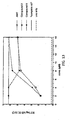
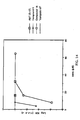
- Tables 6 - 9, below, and FIGS. 11-13 show the results of the R17 assay for several of the 4'-primaryamino-substituted psoralen compounds of the present invention.
- the data in Tables 7 and 8 appears in FIGS. 11 and 12 , respectively.
- 5'-Primaryamino-substituted psoralen compounds which have substitutions on the 5' position similar to the 4'-primaryamino-substituted psoralen compounds, were also tested at varying concentration, as described above in this example, and are shown to exhibit comparable inactivation efficiency. The results for these compounds are shown in FIGS. 14 and 15 , below.
- the compounds of the present invention also have similar or better R17 inactivation efficiency than AMT.
- Tables 7 and 8, and FIGS. 11 - 15 all compounds of the present invention achieve R17 log inactivation at levels comparable to AMT.
- Compounds 2 and 3 Table 6, FIG. 11
- Compounds 5 and 6 Table 8, FIG. 12
- Compound 16 FIG. 15
- FIGS. 16 - 22 The results of the assay for several 4' and 5'-primaryamino-substituted psoralen compounds are shown in FIGS. 16 - 22 This data further supports that the compounds of the present invention are comparable to AMT in their ability to inactivate R17. Further, Compounds 6 ( FIG. 16 ), 10 ( FIG. 17 ), 12 ( FIG. 18 ), 15 ( FIG. 19 and 22), and Compound 17 ( FIG. 20 ), all were more efficient at inactivating R17 than was AMT.
- HIV cell-free virus
- Controls included HIV-1 stock only, HIV-1 plus UVA only, and HIV-1 plus the highest concentration of each psoralen tested, with no UVA. Post irradiation, all samples were stores frozen at -70° C until assayed for infectivity by a microtiter plaque assay. Aliquots for measurement of residual HIV infectivity in the samples treated with a compound of the present invention were withdrawn and cultured.
- Residual HIV infectivity was assayed using an MT-2 infectivity assay.
- the assay medium was 85% DMEM (with a high glucose concentration) containing 100 ⁇ g of streptomycin, 100 U of penicillin, 50 ⁇ g of gentamicin, and 1 ⁇ g of amphotericin B per mL, 15% FBS and 2 ⁇ g of Polybrene (Sigma Chemical Co., St. Louis, Mo.) per mL.
- Test and control samples from the inactivation procedure were diluted in 50% assay medium and 50% normal human pooled plasma.
- the samples were serially diluted directly in 96-well plates (Coming Glass Works, Corning, N.Y.). The plates were mixed on an oscillatory shaker for 30 seconds and incubated at 37°C in a 5% CO 2 atmosphere for 1 to 18 hours.
- MT-2 cells (0.025 mL) [clone alpha-4, available (catalog number 237) from the National Institutes of Health AIDS Research and Reference Reagent Program, Rockville, Md.] were added to each well to give a concentration of 80,000 cells per well.
- the plates were incubated for 5 days at 37°C in 5% CO 2 and stained by the addition of 0.05 mL of 50 ⁇ g/mL propidium iodide (Sigma Chemical Co.) in phosphate-buffered saline (pH 7.4) to each well. After 24 to 48 hours, the red fluorescence-stained microplaques were visualized by placing the plates on an 8,000 ⁇ W/cm 2 304 nm UV light box (Fotodyne, Inc., New Berlin, Wis.). The plaques were counted at a magnification of x20 to x25 through a stereomicroscope. The results are shown in TABLES 10 and 11, below. "n" represents the number of runs for which the data point is an average.
- This example describes the protocol for inactivation of Duck Hepatitis B Virus (DHBV), a model for Hepatitis B Virus, using compounds of the present invention.
- DHBV Duck Hepatitis B Virus
- DHBV in duck yolk was added to platelet concentrate (PC) to a final concentration of 2 x 10 7 particles per mL and mixed by gentle rocking for ⁇ 15 min.
- Psoralens S-70, S-59 and AMT were added to 3 mL aliquots of PC in a TeflonTM mini-bag at concentrations of 35, 70, and 100 mM.
- Samples, including controls without added psoralen, were irradiated with 5J/CM 2 UVA, with mixing at 1 J/cm 2 increments. After irradiation, leukocytes and platelet were separated from virus by centrifugation.
- the supernatant containing DHBV was digested overnight with 50 ⁇ g/mL proteinase K in a buffer containing 0.5% sodium dodecyl sulphate, 20 mM Tris buffer, pH 8.0, and 5 mM EDTA at 55°C. Samples were extracted with phenol-chloroform and chloroform, followed by ethanol precipitation. Purified DNA was then used in PCR amplification reactions with a starting input of 10 6 DHBV genomes from each sample. PCR amplicons were generated using primers pairs DCD03/DCD05 (127 bp), DCD03/DCD06 (327 bp) and DCD03/DCD07 (1072 bp).
- PCR was performed in a standard PCR buffer containing 0.2 mM each deoxyribonucleoside 5'-triphosphates (dATP, dGTP, dCTP, and dTTP), 0.5 mM each primer, and 0.5 units Taq polymerase per 100 ml reaction. 30 cycles of amplification were performed with the following thermal profile: 95°C 30 sec, 60° C 30 sec, 72° C 1 min. The amplification was followed by a 7 min incubation at 72° C to yield full length products. [lambda- 32 P] dCTP was added at an amount of 10 mCi per 100 ml in order to detect and quantify the resulting products. Products were separated by electrophoresis on denaturing polyacrylamide slab gels and counted. The absence of signal in a given reaction was taken to indicate effective inactivation of DHBV.
- dATP deoxyribonucleoside 5'-triphosphates
- dGTP deoxyribonucleo
- Example 13 the compounds of the present invention were tested for their ability to inactivate virus in DMEM/ 15% FBS.
- the compounds are tested in both 100% plasma and predominantly synthetic media, to show that the methods of the present invention are not restricted to any particular type of medium.
- Standard human platelet concentrates were centrifuged to separate plasma. Eighty-five percent of the plasma was then expressed off and replaced with a synthetic medium (referred to as "SterilyteTM 3.0") containing 20 mM Na acetate, 2 mM glucose, 4 mM KCl, 100 mM NaCl, 10 mM Na 3 Citrate, 20 mM NaH 2 PO 4 /Na2HPO 4, and 2 mM MgCl 2 .
- H9 cells infected with HIV were added to either the 85% SterilyteTM 3.0 platelet concentrates or standard human platelet concentrates (2.5 x 10 7 cells per concentrate), final concentration 5x10 5 cells/mL.
- the platelet concentrates were placed in TeflonTM modified FL20 or TeflonTM Minibags (American Fluoroseal Co., Silver Springs, MD), treated with one of the compounds shown in FIGS. 23 and 24 , at the concentrations shown, and then irradiated with 320-400 nm (20mW/cm2) for 5 J/cm 2 (for plasma samples) or 2 J/cm 2 (for 85% SterilyteTM 3.0 samples) on a device similar to the Device of Example 1.
- the photoactivation device used here was previously tested and found to result in light exposure comparable to the Device of Example 1. (Data not shown). Aliquots for measurement of residual HIV infectivity in the samples treated with a compound of the present invention were withdrawn and cultured.
- H9 cells infected with HIV were added to standard human platelet concentrates (2.5 x 10 7 cells per concentrate), final concentration 5x10 5 cells/mL.
- Aliquots of HIV contaminated platelet concentrate (5 mL) were placed in water jacketed Pyrex chambers. The chambers had previously been coated on the inside with silicon.
- the platelet concentrates were treated with one of the compounds listed in TABLES 10 and 11, below, at the concentrations listed in the table, and then irradiated with 320-400 nm (20mW/cm2) for 1 minute on a device similar to the Device of Example 1.
- the photoactivation device used here was previously tested and found to result in light exposure comparable to the Device of Example 1. (Data not shown).
- bacterial inactivation by the photoreactive nucleic acid binding compounds of the present invention was measured as a function of the ability of the bacteria to subsequently replicate.
- a gram negative bacteria was chosen as representative of the more difficult bacterial strains to inactivate.
- the bacteria a strain of Pseudomonus, was innoculated into LB with a sterile loop and grown overnight in a shaker at 37°C. Based on the approximation that one OD at 610 nm is equivalent to 5 x 10 8 colony forming units (cfu)/mL, a 1:10 dilution of the culture was measured on a spectrophotometer, (manufactured by Shimatsu). The bacterial culture was added to a solution of 15% fetal bovine serum in DMEM to a final bacteria concentration of approximately 10 6 /mL. An aliquot (0.8 mL) was transferred to a 1.5 mL snap-top polyethylene tube.
- test compound stock solution prepared in water, ethanol or dimethylsulfoxide at 0.80-8.0 mM was added to the tube.
- Compounds were tested at a concentration of 16 ⁇ M.
- the tubes were placed in a light device as described in EXAMPLE 1 and irradiated with 1.3 J/cm 2 , 1.2 J/cm 2 . and finally 25 J/cm 2 , for a total of 5 J/cm 2 .
- 150 ⁇ L were removed for testing after each pulse period.
- Sterile 13 mL dilution tubes were prepared; each test compound required one tube with 0.4 mL of LB broth and four tubes containing 0.5 mL of LB broth.
- a 0.050 mL aliquot of the irradiated solution of phage and test compound was added to the first dilution tube of 0.5 mL of media then 0.050 mL of this solution was added to the second tube of 0.5 mL medium (1:10).
- the second solution was then diluted serially (1:10) into the remaining tubes. 100 ⁇ L of the original sample and each dilution are plated separately onto LB agar plates and incubated at 37 °C overnight. The colony forming units were then counted the following morning and the titer of the phage remaining after phototreatment was calculated based on the dilution factors.
- psoralens of the present invention have been demonstrated to be effective for inactivating pathogens, such as bacteria (pseudomonus), bacteriophage (R17) and viruses (HIV and DHBV). Without intending to be limited to any method by which the compounds of the present invention inactivate pathogens, it is believed that inactivation results from light induced binding of the psoralens to the nucleic acid of the pathogens. As discussed above, AMT is known both for its pathogen inactivation efficiency and its accompanying mutagenic action in the dark at low concentrations. In contrast, the less active psoralens, such as 8-MOP, that have been examined previously, show significantly less mutagenicity. This example establishes that photobinding and mutagenicity are not linked phenomenon in the compounds of the present invention. The psoralens of the present invention have exceptional pathogen inactivation efficiency while displaying only minimal mutagenicity.
- pathogens such as bacteria (pseudomonus
- the compounds of the present invention are tested for their dark mutagenicity using an Ames assay.
- the procedures used for the Salmonella mutagenicity test as described in detail by Maron and Ames were followed exactly. Maron, D.M. and B.N. Ames, Mutation Research 113: 173 ( 1983). A brief description for each procedure is given here.
- the tester strains TA97a, TA98, TA100, TA102, TA1537 and TA1538 were obtained from Dr. Ames.
- TA97a, TA98, TA1537 and TA1538 are frameshift tester strains.
- TA100 and TA102 are base-substitution tester strains. Upon receipt each strain was cultured under a variety of conditions to confirm the genotypes specific to the strains.
- the standard Salmonella tester strains used in this study require histidine for growth since each tester strain contains a different type of mutation in the histidine operon. In addition to the histidine mutation, these tester strains contain other mutations, described below, that greatly increase their ability to detect mutagen.
- Histidine Dependence The requirement for histidine was tested by streaking each strain first on a minimal glucose plate supplemented only with biotin and then on a minimal glucose plate supplemented with biotin and histidine. All strains grew the lack of growth of the strains in the absence of histidine.
- rfa Mutation A mutation which causes partial loss of the lipopolysaccharide barrier that coats the surface of the bacteria thus increasing permeability to large molecules was confirmed by exposing a streaked nutrient agar plate coated with the tester strain to crystal violet. First 100 ⁇ L of each culture was added to 2 mL of molten minimal top agar and poured onto a nutrient agar plate. Then a sterile filter paper disc saturated with crystal violet was placed at the center of each plate. After 16 hours of incubation at 37°C the plates were scored and a clear zone of no bacterial growth was found around the disc, confirming the rfa mutation.
- uvrB Mutation Three strains used in this study contain a deficient UV repair system (TA97a, TA98, TA100, TA1537 and TA1538). This trait was tested for by streaking the strains on a nutrient agar plate, covering half of the plate, and irradiating the exposed side of the plate with germicidal lamps. After incubation growth was only seen on the side of the plate shielded from UV irradiation.
- the tester strains (TA97a, TA98, TA100, and TA102) contain the pKM101 plasmid that increases their sensitivity to mutagens.
- the plasmid also confers resistance to ampicillin to the bacteria. This was confirmed by growing the strains in the presence of ampicillin.
- Strain TA102 also contains the pAQ1 plasmid that further enhances its sensitivity to mutagens. This plasmid also codes for tetracycline resistance. To test for the presence fo this plasmid TA102 was streaked on a minimal glucose plate containing histidine, biotin, and tetracycline. The plate was incubated for 16 hours at 37°C. The strain showed normal growth indicating the presence of the pAQ1 plasmid.
- the same cultures used for the genotype testing were again cultured and aliquots were frozen under controlled conditions.
- the cultures were again tested for genotype to confirm the fidelity of the genotype upon manipulation in preparing the frozen permanents.
- the first tests done with the strains were to determine the range of spontaneous reversion for each of the strains. With each mutagenicity experiment the spontaneous reversion of the tester strains to histidine independence was measured and expressed as the number of spontaneous revertants per plate. This served as the background controls. A positive mutagenesis control was included for each tester strain by using a diagnostic mutagen suitable for that strain (2-aminofluorene at 5mg/plate for TA98 and sodium azide at 1.5 mg/plate for TA100).
- n represents the number of replicates performed for each data point.
- Maron and Ames (1983) describe the conflicting views with regard to the statistical treatment of data generated from the test.
- this example adopts the simple model of mutagenicity being characterized by a two-fold or greater increase in the number of revertants above background (in bold in the tables), as well as dose dependent mutagenic response to drug.
- AMT (TABLE 12 (A) and 12 (B)) showed frameshift mutagenicity at between 5 and 10 ⁇ g/plate in TA97a and TA98, at 5 ⁇ g/plate in TA1537 and at 1 ⁇ g/plate in TA1538. AMT showed no significant base-substitution mutations.
- Compound 1 the only mutagenic response detected was a weak frameshift mutagen in TA1538 at 5 ⁇ g/plate in the presence of S9.
- Compound 1 also displayed mutation in the TA100 strain, but only in the absence of S9.
- Compound 2 also showed weak frameshift mutagenicity in the presence of S9 in TA98 and TA1537.
- Compounds 3 and 4 showed no mutagenicity.
- Compound 6 had no base substitution mutagenicity, but showed a frameshift response in TA98 in the presence of S9 at concentrations of 250 ⁇ g/plate and above. It also showed a response at 50 ⁇ g/plate in TA1537 in the presence of S9.
- Compound 18 showed only a weak response at high concentrations in the presence of S9 in strains TA 9o and TA 1537. The response was higher in the absence of S9, but still was significantly below that of AMT, which displayed mutagenicity at much lower concentrations (5 ⁇ g/plate).
- Example 15 the compounds of the present invention exhibited the ability to inactivate pathogens in synthetic media.
- This example describes methods by which synthetic media and compounds of the present invention may be introduced and used for inactivating pathogens in blood.
- Figure 25A schematically shows the standard blood product separation approach used presently in blood banks.
- Three bags are integrated by flexible tubing to create a blood transfer set (200) (e.g., commercially available from Baxter, Deerfield, III.). After blood is drawn into the first bag (201), the entire set is processed by centrifugation (e.g., SorvallTM swing bucket centrifuge, Dupont), resulting in packed red cells and platelet rich plasma in the first bag (201).
- centrifugation e.g., SorvallTM swing bucket centrifuge, Dupont
- the plasma is expressed off of the first bag (201) (e.g., using a FenwallTM device for plasma expression), through the tubing and into the second bag (202).
- the first bag (201) is then detached and the two bag set is centrifuged to create platelet concentrate and platelet-poor plasma; the latter is expressed off of the second bag (202) into the third bag (203).
- FIG 25B schematically shows an embodiment of the present invention by which synthetic media and photoactivation compound are introduced to platelet concentrate prepared as in Figure 25A.
- a two bag set (300) is sterile docked with the platelet concentrate bag (202) (indicated as "P.C.”).
- P.C platelet concentrate bag
- Sterile docking is well-known to the art. See e.g., US Patent No. 4,412,835 to D.W.C. Spencer ). See also US Patents Nos. 4,157,723 and 4,265,280 .
- Sterile docking devices are commercially available (e.g., Terumo, Japan).
- One of the bags (301) of the two bag set (300) contains a synthetic media formulation of the present invention (indicated as "STERILYTE").
- the platelet concentrate is mixed with the synthetic media by transferring the platelet concentrate to the synthetic media bag (301) by expressing the platelet concentrate from the first blood bag into the second blood bag via a sterile connection means.
- the photoactivation compound can be in the bag containing synthetic media (301), added at the point of manufacture.
- the compound can be mixed with the blood at the point of collection, if the compound is added to the blood collection bag (FIG. 25A, 201) at the point of manufacture.
- the compound may be either in dry form or in a solution compatable with the maintainance of blood.
- FIG 25C schematically shows one embodiment of the decontamination approach of the present invention applied specifically to platelet concentrate diluted with synthetic media as in Figure 25B.
- platelets have been transferred to a synthetic media bag (301).
- the photoactivation compound either has already been introduced in the blood collection bag (201) or is present in the synthetic media bag (301). Either the platelets are then expressed into the synthetic media bag via a sterile connection means (as shown) or the synthetic media is expressed into the platelet bag.
- the bag containing the mixture of platelet concentrate and synthetic media (301), which has UV light transmission properties and other characteristics suited for the present invention, is then placed in a device (such as that described in Example 1, above) and illuminated.
- the storage bag can be a commercially available storage bag (e.g., CLX bag from Cutter).
- FIG 25D schematically shows an embodiment of the decontamination approach of the present invention, which includes a capture device to remove photoinactivation compound from the treated material after phototreatment.
- the present invention contemplates several adsorptive materials which may be used in a capture device to remove photoinactivation compounds, of which the following is a nonexclusive list: Amberlite XAD-4 (available from Rohm and Haas Ltd., Croydon, Surrey, UK) (" Resin hemoperfusion for Acute Drug Intoxication, Arch Intern Med 136:263 (1976 )); Amberlite XAD-7 (“ Albumin-Coated Amberlite XAD-7 Resin for Hemoperfusion in Acute Liver Failure," Artificial Organs, 3:20 (1979 ); Amberlite 200, Amberlite DP-1, Amberlite XAD-2, Amberlite XAD-16; activated charcoals, (“ Charcoal haemoperfusion in Drug Intoxication," British J.
- the present invention contemplates an absorptive material operating in conjunction with a filtering means to remove compounds.
- This example involves an assessment of the impact of the compounds and methods of the present invention on platelet function.
- Four indicators of platelet viability and function were employed: 1) GMP-140 expression; 2) maintenance of pH; 3) platelet aggregation, and 4) platelet count.
- the compounds tested in this experiment were Compound 2 ( 36 ⁇ L of 10 mM stock added to 4 ml PC), Compound 6 (173.5 ⁇ l of 9.8 mM stock added to 16.8 ml PC), Compound 17 (Reference) (2.0 ml of 1mM stock added to 18 ml PC) and Compound 18 (Reference) (.842 ml of 2.0 mM stock to 16 ml PC).
- the samples were pipetted gently up and down to mix. Then aliquots (either 3 ml or 8 ml) of each sample was transferred to two sterile TeflonTM Medi-bagsTM (American Fluoroseal Co., Silver Springs, MD) (presently owned by The West Company, Lionville, PA).
- Samples were treated in one of two different sized bags, having either 3 ml or 8 ml capacity.
- the bags both have approximately the same surface area to volume ratios, and previous experiments have shown that the two bags exhibit approximately equivalent properties during irradiation of samples. (Data not shown).
- two control samples without compound were prepared by again removing aliquots of platelet concentrate (17 ml if using an 8 ml bag, 4 ml if using a 3 ml bag) from the same one of the first set of 50 ml centrifuge tubes from which the compound sample was drawn, and dividing into Medibags, as before.
- GMP140 alpha granule membrane glycoprotein
- GMP140 a small aliquot of platelet rich plasma is placed in HEPES buffer containing a GMP140-binding antibody or an isotype control mouse IgG.
- CD62 is a commercially available monoclonal antibody which binds to GMP140 (available from Sanbio, Uden, the Netherlands; Caltag Labs, So. San Francisco, CA, and Becton Dickinson, Mountain View, CA).
- Goat F(ab') 2 Anti-Mouse IgG conjugated to FTTC (Caltag Laboratories, So. San Francisco, CA) is added to the tube in saturating amounts and allowed to incubate at room temperature (RT) for 15 minutes.
- the cells are diluted in 1% paraformaldehyde in phosphate buffered saline and analyzed on a FACSCANTM (Becton Dickinson, Mountain View, CA).
- the positive control is made by adding Phorbol Myristate Acetate (PMA) to the test system at a final concentration of 2 x 10 -7 M.
- PMA Phorbol Myristate Acetate
- CD62 was employed to measure the impact, if any, of irradiation in the presence of several compounds of the present invention on platelet activation.
- the antibody was mixed with HEPES buffer (10 ⁇ L antibody [0.1 mg/ml] : 2.49mL buffer) and stored in 50 ⁇ L aliquots at -40°C prior to use.
- a positive control consisted of: 10 ⁇ L CD62, 8 ⁇ L PMA and 2.482 mL Hepes buffer.
- a mouse IgG1 control (0.05 mg/ml) (Becton Dickinson, Mountain View, A #9040) 5X concentrated was also employed.
- the antibody was diluted in HEPES buffer (20 ⁇ L antibody: 2.48 ml buffer) and stored at -40°C. Phorbol Myristate Acetate (PMA) (Sigma, St. Louis, MO) was stored at -40°C. At time of use, this was dissolved in DMSO (working concentration was 10 ⁇ g/mL).
- PFA Paraformaldehyde
- Processing each of the samples of platelet concentrate after treatment involved adding 5 microliters of platelet concentrate, diluted 1:3 in Hepes buffer, to each microcentrifuge tube containing the antibody CD62, and appropriate reagents and mixing very gently by vortex. The samples were then incubated for 15 minutes at room temperature.
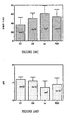
- FIGS 26C , 27C , 28C , and 29C The results are shown in FIGS 26C , 27C , 28C , and 29C .
- FIGS 26 correspond to Compound 2
- FIGS 27 correspond to Compound 6
- FIGS 28 correspond to Compound 17
- FIGS 29 correspond to Compound 18).
- FIGS 26D , 27D , 28D and 29D are bar graphs showing pH results for a dark control, a light control and an experimental light plus compound. These graphs indicate that the pH of platelet concentrate samples after illumination in the presence of any one of the compounds remains above a pH of 6.5. Thus platelets remain at a pH acceptable for stored platelets following photoinactivating treatment using compounds of the present invention.
- Platelet aggregation is measured by the change in optical transmission that a platelet sample exhibits upon stimulation of aggregation. Platelet aggregation was measured using a Whole Blood Aggregometer (Chrono-Log Corp., Havertown, PA, model 560VS). The number of platelets in each sample was controlled to be constant for every measurement. A Model F800 Sysmex cell counter (Toa Medical Electronics, Kobe, Japan) was used to measure platelet count in the platelet samples and autologous plasma was used to adjust platelet counts to 300,000/mL of platelet concentrate.
- the 100 % aggregation line is the level at which the recorder was set to zero.
- the 0% aggregation line is where the platelets transmitted before the ADP and collagen were added.
- the aggregation value for the sample is determined by taking the maximum aggregation value as a percent of the total range.
- Three of the four compounds tested showed very little or no difference in aggregation levels between the samples treated with compound and the untreated samples which were stored for 5 days.
- Compound 2 exhibited a small reduction in aggregation, of approximately 8% from the day 1 control.
- the aggregation for the sample treated with compound and uv was the same as that for the uv only sample. This is supporting evidence that the decontamination compounds tested do not have a significant effect on platelet aggregation when used in the methods of the present invention.
- a Sysmex cell counter was used to measure platelet count in the platelet samples. Samples were diluted 1 : 3 in blood bank saline.
- FIGS. 26A , 27A , 28A , and 29A The results of the platelet count measurements appear in FIGS. 26A , 27A , 28A , and 29A .
- the samples show little or no drop in platelet count between the Day 5 control and the Day 5 treated sample.
- samples treated with Compounds 6, 17 and 18 all display a higher platelet count than samples treated with light alone.
- samples treated with Compound 6 had counts equivalent to the 5 day control, but samples treated with only ultraviolet light showed approximately a 33% reduction in platelet count.
- treatment with compounds of the present invention compatible with the maintenance of platelet count, but it actually appears to prevent the drop in count caused by ultraviolet light exposure.
- a preferred compound for decontaminating blood subsequently used in vivo should not be mutagenic to the recipient of the blood.
- some compounds were screened to determine their genotoxicity level in comparison to aminomethyltrimethylpsoralen.
- the in vivo clastogenicity of some compounds of the present invention was measured by looking for micronucleus formation in mouse reticulocytes.
- Mammalian cell cultures are valuable tools for assessing the clastogenic potential of chemicals.
- cells are exposed to chemicals with and/or without rat S-9 metabolic activation system (S-9) and are later examined for either cell survival (for a genotoxicity screen) or for changes in chromosome structure (for a chromosome aberration assay).
- S-9 metabolic activation system S-9
- CHO cells Chinese hamster ovary (CHO; ATCC CCL 61 CHO-K1, proline-requiring) cells were used for the in vitro genotoxicity and chromosomal aberration tests.
- the cells were grown in an atmosphere of 5% CO 2 at approximately 37° C in McCoy's 5a medium with 15% fetal bovine serum (FBS), 2 mM L-glutamine, and 1% penicillin-streptomycin solution to maintain exponential growth. This medium was also used during exposure of the cells to the test compound when no S-9 was used. Cell cultures were maintained and cell exposures were performed in T-75 or T-25 flasks.
- Each of the sample compounds were tested at seven dilutions, 1, 3, 10, 33,100, 333, and 1000 ⁇ g/ml.
- the compound was added in complete McCoy's 5a medium. After the compound was added, cells were grown in the dark at approximately 37° C for approximately 3 hours. The medium containing the test compound was then aspirated, the cells were washed three times with phosphate-buffered saline (PBS) at approximately 37° C, and fresh complete McCoy's 5a medium was added.
- PBS phosphate-buffered saline
- the positive control was methylmethane sulfonate.
- the solvent control was dimethylsulfoxide (DMSO) diluted in culture medium. For assays using metabolic activation (see below) the activation mixture was also added to the solvent control. The cultures were then incubated for an additional time of approximately 12 hours before they were harvested. Colchicine (final concentration, 0.4 ⁇ g/ml) was added approximately 25 hours prior to the harvest
- the cells were harvested. Cells were removed from the surface of the flasks using a cell scraper. The resulting cell suspension was centrifuged, the supernatant, aspirated, and 4 ml of a hypotonic solution of 0.075 M KCI added to the cells for 15 minutes at approximately 37°C. The cells were then centrifuged, the supernatant aspirated, and the cells suspended in a fixative of methanol: acetic acid (3:1). After three changes of fixative, air-dried slides were prepared using cells from all flasks.
- the cell density and metaphase quality on the initial slide from each flask was monitored using a phase-contrast microscope; at least two slides of appropriate cell density were prepared from each flask. The slides were stained in 3% Giemsa for 20 min, rinsed in deionized water, and passed through xylene. Coverslips were mounted with Permount. Slides are then examined to determine what concentration of each test compound represented a toxic dose.
- Saline solutions were prepared for Compounds 2, 6, 17 Reference and 18 Reference at various concentrations.
- Male Balb/c mice were then injected with 0.1 ml of a compound solution via the tail vein. At least 3 mice were injected per dose level. Saline only was used as a negative control.
- cyclophosphamide cycloPP
- the injections were repeated once per day for four days.
- the positive control group the sample was administered only once, on day three. On day 5, several microliters of blood were withdrawn from each subject and smeared on a glass slide. Cells were fixed in absolute methanol and stored in a slide rack.
- %PCE percentage of reticulocytes
- EXAMPLE 13 the inactivation of cell-free HIV virus, using compounds and methods of the present invention, is shown.
- This example shows inactivation of cell-associated HIV also using compounds of the present invention.
- H9 cells chronically infected with HIV IIB were used. (H9/HTLV-III-B NIH 1983 Cat.#400). Cultures of these cells were maintained in high glucose Dulbecco Modified Eagle Medium supplemented with 2 mM L-glutamine, 200 u/mL penicillin, 200 ⁇ g/ml streptomycin, and 9% fetal bovine serum (Intergen Company, Purchase, N.Y.) For maintenence, the culture was split once a week, to a density of 3 x 10 5 to 4 x 10 5 cells/ml and about four days after splitting, 3.3% sodium bicarbonate was added as needed. For the inactivation procedure, the cells were used three days after they were split.
- PC human platelet concentrate
- MT-2 cells 0.025 mL [clone alpha-4, available (catalog number 237) from the National Institutes of Health AIDS Research and Reference Reagent Program, Rockville, Md.] were added to each well to give a concentration of 80,000 cells per well.
- the plates were incubated for 5 days at 37°C in 5% CO 2 and stained by the addition of 0.05.mL of 50 ⁇ g/mL propidium iodide (Sigma Chemical Co.) in phosphate-buffered saline (pH 7.4) to each well. After 24 to 48 hours, the red fluorescence-stained microplaques were visualized by placing the plates on an 8,000 ⁇ W/cm 2 304 nm UV light box (Fotodyne, Inc., New Berlin, Wis.). The plaques were counted at a magnification of x20 to x25 through a stereomicroscope.
- PRP human platelet rich plasma
- the unit was allowed to rest for 1 hour, after which it was gently kneaded to resuspend the platelets.
- 2.4 ml of plasma was added back and the entire contents transferred to a Teflon TM minibag.
- the reconstituted unit was assayed for pH and other tests the next day, with the following results: pH 7.19 GMP140 62% Agg 58%
- the remaining unit was then used to evaluate synthetic media for platelet storage with and without photodecontamination. Aliquots (0.8 ml) from the unit were added to each formulation (3.2 mls) in tubes. 3 mls of each mixture was transferred to a Teflon TM minibag (final plasma concentration of 20%):
Landscapes
- Health & Medical Sciences (AREA)
- Chemical & Material Sciences (AREA)
- Life Sciences & Earth Sciences (AREA)
- General Health & Medical Sciences (AREA)
- Epidemiology (AREA)
- Animal Behavior & Ethology (AREA)
- Public Health (AREA)
- Veterinary Medicine (AREA)
- Medicinal Chemistry (AREA)
- Pharmacology & Pharmacy (AREA)
- Organic Chemistry (AREA)
- Biochemistry (AREA)
- Environmental Sciences (AREA)
- Molecular Biology (AREA)
- Engineering & Computer Science (AREA)
- Dentistry (AREA)
- Wood Science & Technology (AREA)
- Zoology (AREA)
- Dermatology (AREA)
- Pharmaceuticals Containing Other Organic And Inorganic Compounds (AREA)
- Medicines Containing Material From Animals Or Micro-Organisms (AREA)
- Acyclic And Carbocyclic Compounds In Medicinal Compositions (AREA)
- Lubricants (AREA)
- Magnetic Record Carriers (AREA)
- Manufacturing Of Magnetic Record Carriers (AREA)
Claims (17)
- Procédé de synthèse du 4'-(ω-amino-2-oxa)alkyl-4,5',8-triméthylpsoralène, comprenant les étapes consistant à :a) fournir du 4'-(ω-hydroxy-2-oxa)alkyl-4,5',8-triméthylpsoralène ;b) traiter le 4'-(ω-hydroxy-2-oxa)alkyl-4,5',8-triméthylpsoralène avec une base et du chlorure de méthanesulfonyle de sorte que le 4'-(ω-méthanesulfonyloxy-2-oxa)alkyl-4,5',8-triméthylpsoralène est produit ;c) traiter le 4'-(ω-méthanesulfonyloxy-2-oxa)alkyl-4,5',8-triméthylpsoralène avec de l'azide de sodium, de sorte que le 4'-(ω-azido-2-oxa)alkyl-4,5',8-triméthylpsoralène est produit ; etd) réduire le 4'-(ω-azido-2-oxa)alkyl-4,5',8-triméthylpsoralène de sorte que le 4'(ω-amino-2-oxa)alkyl-4,5',8-triméthylpsoralène est produit.
- Procédé de synthèse selon la revendication 1, dans lequel ledit 4'-(ω-amino-2-oxa)alkyl-4,5',8-triméthylpsoralène est le 4'-(4-amino-2-oxa)butyl-4,5',8-triméthylpsoralène.
- Procédé de synthèse selon la revendication 2, dans lequel, à l'étape (d), le 4'-(4-azido-2-oxa)butyl-4,5',8-triméthylpsoralène est réduit avec de la triphénylphosphine.
- Composé psoralène pouvant être obtenu par le procédé de synthèse selon la revendication 1, comprenant le 4'-(4-amino-2-oxa)butyl-4,5',8-triméthylpsoralène.
- Procédé de synthèse d'un composé psoralène ayant un substituant R1 sur l'atome de carbone 4', choisi dans le groupe comprenant -(CH2)-O-(CH2)x-O-(CH2)z-NH2 où x = z et x est un nombre entier de 2 à 5, et des substituants R5, R6 et R7 sur les atomes de carbone 4', 5' et 8 respectivement, sont indépendamment choisis dans le groupe comprenant H et (CH2)vCH3, où v est un nombre entier de 0 à 5, comprenant les étapes consistant à :a) fournir un 4'-halogénométhyl-4,5',8-triméthylpsoralène choisi dans le groupe comprenant le 4'-chlorométhyl-4,5',8-triméthylpsoralène, le 4'-bromométhyl-4,5',8-triméthylpsoralène et le 4'-iodométhyl-4,5',8-triméthylpsoralène ;b) traiter ledit 4'-halogénométhyl-4,5',8-triméthylpsoralène avec HO(CH2)xO(CH2)zOH de sorte que le 4'-(ω-hydroxy-2,n-dioxa)alkyl-4,5',8-triméthylpsoralène est produit, où n=x+3;c) traiter ledit 4'-(ω-hydroxy-2,n-dioxa)alkyl-4,5',8-triméthylpsoralène avec une base et du chlorure de méthanesulfonyle de sorte que le 4'(ω-méthanesulfonyloxy-2,n-dioxa)alkyl-4,5',8-triméthylpsoralène est produit ;d) traiter le 4'(ω-méthanesulfonyloxy-2,n-dioxa)alkyl-4,5',8-triméthylpsoralène avec de l'azide de sodium de sorte que le 4'-(ω-azido-2,n-dioxa)alkyl-4,5',8-triméthylpsoralène est produit ; ete) réduire le 4'-(ω-azido-2,n-dioxa)alkyl-4,5',8-triméthylpsoralène de sorte que le 4'-(ω-amino-2,n-dioxa)alkyl-4,5',8-triméthylpsoralène est produit.
- Procédé de synthèse de 4'-(12-amino-8-aza-2,5-dioxa)dodécyl-4,5',8-triméthylpsoralène, comprenant les étapes consistant à :a) fournir un 4'-halogénométhyl-4,5',8-triméthylpsoralène, choisi dans le groupe comprenant le 4'-chlorométhyl-4,5',8-triméthylpsoralène, le 4'-bromométhyl-4,5',8-triméthylpsoralène et le 4'-iodométhyl-4,5',8-triméthylpsoralène ;b) traiter ledit 4'-halogénométhyl-4,5',8-triméthylpsoralène avec du diéthylène glycol de sorte que le 4'-(7-hydroxy-2,5-dioxa)heptyl-4,5',8-triméthylpsoralène est produit ;c) traiter le 4'-(7-hydroxy-2,5-dioxa)heptyl-4,5',8-triméthylpsoralène avec une base et du chlorure de méthanesulfonyle de sorte que le 4'-(7-méthanesulfonyloxy-2,5-dioxa)heptyl-4,5',8-triméthylpsoralène est produit ;d) traiter le 4'-(7-méthanesulfonyloxy-2,5-dioxa)heptyl-4,5',8-triméthylpsoralène avec du 1,4-diaminobutane de sorte que le 4'-(12-amino-8-aza-2,5-dioxa)dodécyl-4,5',8-triméthylpsoralène est produit.
- Procédé de synthèse de 4'-(14-amino-2,6,11-triaza)tétradécyl-4,5',8-triméthylpsoralène, comprenant les étapes consistant à :a) fournir du 4,5',8-triméthylpsoralèn-4'-carboxaldéhyde ;b) traiter le 4,5',8-triméthylpsoralèn-4'-carboxaldéhyde avec de la spermine et un réducteur pour produire du 4'-(14-amino-2,6,11-triaza)tétradécane-4,5',8-triméthylpsoralène.
- Composé répondant à la formule :

- Composé psoralène comprenant :a) un substituant R1 sur l'atome de carbone 4', choisi dans le groupe comprenant :
-(CH2)w-O-(CH2)z-NH2,
-(CH2)w-O-(CH2)x-R3-(CH2)z-NH2 et
-(CH2)w-O-(CH2)x-R3-(CH2)y-R4-(CH2)z-NH2
où R3 et R4 sont indépendamment choisis dans le groupe comprenant O et NH, w est un nombre entier de 1 à 5, x est un nombre entier de 2 à 5, y est un nombre entier de 2 à 5, et z est un nombre entier de 2 à 6 ; etb) des substituants R5, R6 et R7 sur les atomes de carbone 4, 5' et 8 respectivement, indépendamment choisis dans le groupe comprenant H et (CH2)vCH3, où v est un nombre entier de 0 à 5 ; ou un de ses sels. - Composé selon la revendication 9, dans lequel R3 et R4 sont O.
- Composé selon la revendication 9, dans lequel ledit substituant R1 est -CH2-O-(CH2)2-NH2, et dans lequel lesdits substituants R5, R6 et R7 sont tous CH3.
- Composé selon la revendication 9, dans lequel ledit substituant R1 est -CH2-O-(CH2)2-O-(CH2)2-NH2 et dans lequel lesdits substituants R5, R6 et R7 sont tous CH3.
- Composé selon la revendication 9, dans lequel ledit substituant R1 est -CH2-O-(CH2)2-O-(CH2)2-NH-(CH2)4-NH2, et dans lequel lesdits substituants R5, R6 et R7 sont tous CH3.
- Support de stockage de plaquette synthétique, comprenant une solution aqueuse contenant approximativement :du chlorure de sodium à 45 à 100 mM ;du citrate de sodium à 8 à 15 mM ;de l'acétate de sodium à 20 à 35 mM ;du phosphate de sodium monobasique à 5 à 7 mM ; etdu phosphate de sodium dibasique à 14 à 22 mM ;et comprenant en outre le 4'-(4-amino-2-oxa)butyl-4,5',8-triméthylpsoralène à une concentration comprise entre 0,1 et 250 mM.
- Support de stockage de plaquette synthétique selon la revendication 14, comprenant approximativement :du chlorure de sodium à 84 mM ;du citrate de sodium à 10 mM ;de l'acétate de sodium à 30 mM ;du phosphate de sodium monobasique à 6,2 mM ;du phosphate de sodium dibasique à 19,8 mM.
- Support de stockage de plaquette synthétique selon la revendication 14, comprenant approximativement :du chlorure de sodium à 77 mM ;du citrate de sodium à 11 mM ;de l'acétate de sodium à 32 mM ;du phosphate de sodium monobasique à 6,7 mM ; etdu phosphate de sodium dibasique à 19,8 mM.
- Support selon la revendication 14, comprenant en outre approximativement :du chlorure de potassium à 4 à 5 mM ;du glucose à 0 à 2 mM ;du mannitol à 0 à 30 mM ; etdu chlorure de magnésium à 2 à 3 mM.
Applications Claiming Priority (3)
| Application Number | Priority Date | Filing Date | Title |
|---|---|---|---|
| US83459 | 1993-06-28 | ||
| US08/083,459 US5399719A (en) | 1993-06-28 | 1993-06-28 | Compounds for the photodecontamination of pathogens in blood |
| EP94922020A EP0707476B1 (fr) | 1993-06-28 | 1994-06-24 | Composes de photodecontamination de pathogenes contenus dans le sang |
Related Parent Applications (2)
| Application Number | Title | Priority Date | Filing Date |
|---|---|---|---|
| EP94922020A Division EP0707476B1 (fr) | 1993-06-28 | 1994-06-24 | Composes de photodecontamination de pathogenes contenus dans le sang |
| EP94922020.6 Division | 1995-01-05 |
Publications (3)
| Publication Number | Publication Date |
|---|---|
| EP1584622A2 EP1584622A2 (fr) | 2005-10-12 |
| EP1584622A3 EP1584622A3 (fr) | 2007-10-17 |
| EP1584622B1 true EP1584622B1 (fr) | 2009-11-11 |
Family
ID=22178486
Family Applications (3)
| Application Number | Title | Priority Date | Filing Date |
|---|---|---|---|
| EP07003060A Withdrawn EP1776952A3 (fr) | 1993-06-28 | 1994-06-24 | Photodécontamination de pathogènes contenus dans le sang |
| EP94922020A Expired - Lifetime EP0707476B1 (fr) | 1993-06-28 | 1994-06-24 | Composes de photodecontamination de pathogenes contenus dans le sang |
| EP05015467A Expired - Lifetime EP1584622B1 (fr) | 1993-06-28 | 1994-06-24 | Composés de photodécontamination de pathogènes contenus dans le sang |
Family Applications Before (2)
| Application Number | Title | Priority Date | Filing Date |
|---|---|---|---|
| EP07003060A Withdrawn EP1776952A3 (fr) | 1993-06-28 | 1994-06-24 | Photodécontamination de pathogènes contenus dans le sang |
| EP94922020A Expired - Lifetime EP0707476B1 (fr) | 1993-06-28 | 1994-06-24 | Composes de photodecontamination de pathogenes contenus dans le sang |
Country Status (9)
| Country | Link |
|---|---|
| US (6) | US5399719A (fr) |
| EP (3) | EP1776952A3 (fr) |
| JP (1) | JP4047374B2 (fr) |
| AT (2) | ATE448233T1 (fr) |
| AU (1) | AU699805B2 (fr) |
| CA (1) | CA2165984C (fr) |
| DE (3) | DE69435250D1 (fr) |
| ES (2) | ES2282991T3 (fr) |
| WO (1) | WO1995000141A1 (fr) |
Families Citing this family (76)
| Publication number | Priority date | Publication date | Assignee | Title |
|---|---|---|---|---|
| US6433343B1 (en) | 1992-03-02 | 2002-08-13 | Cerus Corporation | Device and method for photoactivation |
| WO1996014740A1 (fr) | 1992-03-02 | 1996-05-23 | Cerus Corporation | Produits synthetiques pour preparations sanguines |
| US5712085A (en) | 1993-06-28 | 1998-01-27 | Cerus Corporation | 5'-(4-amino-2-oxa)butye-4,4', 8-trinethylpsoralen in synthetic medium |
| US6004741A (en) * | 1993-06-28 | 1999-12-21 | Cerus Corporation | Method for the photoactivation of 4' and 5' primary aminoalkyl psoralens in platelet preparations |
| US6420570B1 (en) | 1993-06-28 | 2002-07-16 | Cerus Corporation | Psoralen compounds |
| US5399719A (en) * | 1993-06-28 | 1995-03-21 | Steritech, Inc. | Compounds for the photodecontamination of pathogens in blood |
| US5691132A (en) | 1994-11-14 | 1997-11-25 | Cerus Corporation | Method for inactivating pathogens in red cell compositions using quinacrine mustard |
| US6177441B1 (en) | 1995-06-05 | 2001-01-23 | Cerus Corporation | Treating red blood cell solutions with anti-viral agents |
| DE69638094D1 (de) * | 1995-06-07 | 2010-01-21 | Cerus Corp | Verfahren und vorrichtungen zur entfernung von psoralenen aus blutprodukten. |
| JP2009051846A (ja) * | 1995-06-07 | 2009-03-12 | Cerus Corp | 血液製剤からソラレンを除去するための方法およびデバイス |
| EP0773716A4 (fr) * | 1995-06-07 | 1999-08-04 | Cerus Corp | Traitement de solutions de globules rouges par des agents antiviraux |
| WO1996039820A1 (fr) * | 1995-06-07 | 1996-12-19 | Cerus Corporation | Procedes d'inactivation de leucocytes et d'inhibition de la production de cytokines dans des produits sanguins |
| AU6267596A (en) * | 1995-12-14 | 1997-07-03 | Steritech, Inc. | Inactivation of non-enveloped virus |
| ES2251020T3 (es) * | 1996-03-29 | 2006-04-16 | Therakos, Inc. | Tratamiento por fotoferesis de infecciones por hcv cronicas. |
| AU710242B2 (en) * | 1996-03-29 | 1999-09-16 | Therakos, Inc. | Photopheresis treatment of leukocytes |
| AU2453697A (en) * | 1996-04-10 | 1997-10-29 | Trustees Of The University Of Pennsylvania, The | Use of photopheresis in the treatment of chronic infection by hepatitis c virus |
| US20020115585A1 (en) * | 1996-06-07 | 2002-08-22 | Hei Derek J. | Method and devices for the removal of psoralens from blood products |
| US5925514A (en) * | 1996-12-10 | 1999-07-20 | The Regents Of The University Of California | Apparatus for testing for infection by a retrovirus |
| US5968731A (en) * | 1996-12-10 | 1999-10-19 | The Regents Of The University Of California | Apparatus for automated testing of biological specimens |
| US5841975A (en) * | 1996-12-10 | 1998-11-24 | The Regents Of The University Of California | Method and apparatus for globally-accessible automated testing |
| US6514987B1 (en) * | 1997-01-06 | 2003-02-04 | Cerus Corporation | Frangible compounds for pathogen inactivation |
| US6093725A (en) * | 1997-01-06 | 2000-07-25 | Cerus Corporation | Frangible compounds for pathogen inactivation |
| WO1999002215A1 (fr) * | 1997-07-10 | 1999-01-21 | Therakos, Inc. | Traitement des affections inflammatoires de l'intestin et de la vessie |
| ES2210846T3 (es) * | 1997-11-20 | 2004-07-01 | Cerus Corporation | Nuevos psoralenos para inactivar agentes patogenos. |
| US7611831B2 (en) * | 1998-01-06 | 2009-11-03 | Cerus Corporation | Adsorbing pathogen-inactivating compounds with porous particles immobilized in a matrix |
| US6277337B1 (en) | 1998-07-21 | 2001-08-21 | Gambro, Inc. | Method and apparatus for inactivation of biological contaminants using photosensitizers |
| US6258577B1 (en) | 1998-07-21 | 2001-07-10 | Gambro, Inc. | Method and apparatus for inactivation of biological contaminants using endogenous alloxazine or isoalloxazine photosensitizers |
| US7498156B2 (en) | 1998-07-21 | 2009-03-03 | Caridianbct Biotechnologies, Llc | Use of visible light at wavelengths of 500 to 550 nm to reduce the number of pathogens in blood and blood components |
| US20070099170A1 (en) * | 1998-07-21 | 2007-05-03 | Navigant Biotechnologies, Inc. | Method for treatment and storage of blood and blood products using endogenous alloxazines and acetate |
| US7049110B2 (en) | 1998-07-21 | 2006-05-23 | Gambro, Inc. | Inactivation of West Nile virus and malaria using photosensitizers |
| US6255324B1 (en) | 1998-11-25 | 2001-07-03 | Ned D. Heindel | Amino-and mercurio-substituted 4′,5'-dihydropsoralens and therapeutical uses thereof |
| ES2183636T3 (es) * | 1998-11-30 | 2003-03-16 | Buckman Labor Inc | 4'-sustituido-4', 5'-dihidropsoralenos y sus usos terapeuticos. |
| US7094378B1 (en) | 2000-06-15 | 2006-08-22 | Gambro, Inc. | Method and apparatus for inactivation of biological contaminants using photosensitizers |
| US7220747B2 (en) * | 1999-07-20 | 2007-05-22 | Gambro, Inc. | Method for preventing damage to or rejuvenating a cellular blood component using mitochondrial enhancer |
| US6268120B1 (en) | 1999-10-19 | 2001-07-31 | Gambro, Inc. | Isoalloxazine derivatives to neutralize biological contaminants |
| US6576201B1 (en) | 2000-01-28 | 2003-06-10 | Baxter International Inc. | Device and method for pathogen inactivation of therapeutic fluids with sterilizing radiation |
| US6596230B1 (en) | 2000-01-28 | 2003-07-22 | Baxter International Inc. | Device and method for pathogen inactivation of therapeutic fluids with sterilizing radiation |
| TW590780B (en) * | 2000-06-02 | 2004-06-11 | Gambro Inc | Additive solutions containing riboflavin |
| US7648699B2 (en) * | 2000-06-02 | 2010-01-19 | Caridianbct Biotechnologies, Llc | Preventing transfusion related complications in a recipient of a blood transfusion |
| US7985588B2 (en) * | 2000-06-02 | 2011-07-26 | Caridianbct Biotechnologies, Llc | Induction of and maintenance of nucleic acid damage in pathogens using riboflavin and light |
| US9044523B2 (en) | 2000-06-15 | 2015-06-02 | Terumo Bct, Inc. | Reduction of contaminants in blood and blood products using photosensitizers and peak wavelengths of light |
| US7381976B2 (en) | 2001-03-13 | 2008-06-03 | Triton Thalassic Technologies, Inc. | Monochromatic fluid treatment systems |
| US20030228564A1 (en) * | 2001-05-30 | 2003-12-11 | Edrich Richard Alan | Nitric oxide in a pathogen inactivation process |
| EP1990055A3 (fr) | 2001-11-29 | 2011-11-16 | Therakos, Inc. | Procédés pour prétraiter un sujet au moyen d'une photophérèse extracorporelle et/ou de cellules apoptotiques |
| US6936413B1 (en) * | 2001-12-05 | 2005-08-30 | Baxter International Inc. | Methods and systems for preparing blood products |
| US7235392B2 (en) * | 2001-12-07 | 2007-06-26 | The Ohio State University Research Foundation | Apoptotic EBV-transformed lymphocytes, a therapeutic agent for post-transplant lymphoproliferative disorder |
| WO2003057129A1 (fr) * | 2001-12-28 | 2003-07-17 | Terumo Kabushiki Kaisha | Systeme de sac sanguin et procede d'inactivation de micro-organismes pathogenes |
| US20040127840A1 (en) | 2002-03-04 | 2004-07-01 | Steve Gara | Blood separation apparatus and method of using the same |
| US7479123B2 (en) | 2002-03-04 | 2009-01-20 | Therakos, Inc. | Method for collecting a desired blood component and performing a photopheresis treatment |
| US6933285B2 (en) | 2002-05-10 | 2005-08-23 | The Ohio State University | Flavin N-oxides: new anti-cancer agents and pathogen eradication agents |
| KR101192652B1 (ko) * | 2003-02-06 | 2012-10-19 | 앤저 테라퓨틱스 인코퍼레이티드 | 비포식 세포로의 침투가 약화된 리스테리아, 리스테리아를 포함하는 백신, 및 그것의 사용방법 |
| US7695725B2 (en) * | 2003-02-06 | 2010-04-13 | Aduro Biotech | Modified free-living microbes, vaccine compositions and methods of use thereof |
| KR101173871B1 (ko) * | 2003-02-06 | 2012-08-16 | 앤저 테라퓨틱스 인코퍼레이티드 | 변형된 독립생존 미생물, 백신 조성물 및 그것의 사용방법 |
| US7026076B2 (en) * | 2003-03-03 | 2006-04-11 | Freescale Semiconductor, Inc. | Method of patterning photoresist on a wafer using a reflective mask with a multi-layer ARC |
| US7534348B2 (en) * | 2003-09-12 | 2009-05-19 | Fenwal, Inc. | Flow-through removal device and system using such device |
| AU2004237844B2 (en) | 2003-12-23 | 2011-01-27 | Mallinckrodt Pharmaceuticals Ireland Limited | Extracorporeal photopheresis in combination with anti-TNF treatment |
| NZ544247A (en) | 2004-12-22 | 2007-06-29 | Omj Ireland Ltd | Phototherapy using psoralen derivatives and a UVB absorber |
| EP1951036A4 (fr) | 2005-11-02 | 2009-05-27 | Therakos Inc | Utilisation de cellules apoptotiques ex vivo pour generer des cellules t-regulatrices |
| MX2008014110A (es) | 2006-05-02 | 2008-11-14 | Therakos Inc | Metodos y reactivos para detectar la susceptibilidad a la enfermedad del injerto versus el hospedero o mortalidad relacionada con el transplante. |
| DE102008051123A1 (de) * | 2008-10-09 | 2010-04-15 | Fresenius Kabi Deutschland Gmbh | Beutel, Beutelset, Verfahren und Behandlungsvorrichtung zum Behandeln wenigstens einer Blutkomponente |
| ES2656498T3 (es) | 2010-09-07 | 2018-02-27 | Sigma-Aldrich Co. Llc | Células para inmunoprecipitación de cromatina y procedimiento de fabricación de las mismas |
| US20140127077A1 (en) | 2012-11-05 | 2014-05-08 | Gail Rock | Device and method for sterilization of instruments and surfaces |
| WO2016073381A1 (fr) | 2014-11-03 | 2016-05-12 | Cerus Corporation | Compositions et procédés pour thérapies par cellules car-t améliorées |
| EP3313418B1 (fr) | 2015-06-26 | 2024-03-13 | Cerus Corporation | Compositions de cryoprécipités et leurs procédés de préparation |
| ES3000416T3 (en) * | 2015-07-23 | 2025-02-28 | Terumo Bct Biotechnologies Llc | Flow-through pathogen reduction |
| CA3003097A1 (fr) | 2015-10-23 | 2017-04-27 | Cerus Corporation | Compositions de plasma et leurs procedes d'utilisation |
| JP6895426B2 (ja) | 2016-03-23 | 2021-06-30 | テルモ株式会社 | 光照射装置 |
| US20190369087A1 (en) | 2016-12-23 | 2019-12-05 | Cerus Corporation | Systems and methods for testing and screening using compound bound substrates |
| CA3055203A1 (fr) | 2017-03-03 | 2018-09-07 | Cerus Corporation | Kits et methodes de preparation de compositions de plaquettes inactivees par des agents pathogenes |
| AU2018338097B2 (en) | 2017-09-20 | 2023-07-13 | Cerus Corporation | Compositions and methods for pathogen inactivation of platelets |
| AU2018395525B2 (en) * | 2017-12-29 | 2023-09-14 | Cerus Corporation | Systems and methods for treating biological fluids |
| EP3829668B1 (fr) | 2018-07-27 | 2026-04-15 | Terumo BCT Biotechnologies, LLC | Passage de fluide |
| JP7571063B2 (ja) | 2019-06-22 | 2024-10-22 | シーラス コーポレイション | 生物学的流体の処理を実施するシステム及び方法 |
| US12011510B2 (en) | 2019-06-22 | 2024-06-18 | Cerus Corporation | Biological fluid treatment systems |
| CN114269394A (zh) | 2019-06-28 | 2022-04-01 | 塞鲁斯公司 | 用于实现生物流体处理装置的系统和方法 |
| US20220370506A1 (en) | 2019-12-26 | 2022-11-24 | Figene, Llc | Augmentation of fibroblast mediated regeneration of intravertebral discs |
Family Cites Families (65)
| Publication number | Priority date | Publication date | Assignee | Title |
|---|---|---|---|---|
| US451313A (en) * | 1891-04-28 | Gustav weinmann | ||
| US4124598A (en) * | 1976-10-20 | 1978-11-07 | Hoffmann-La Roche Inc. | Psoralens |
| US4196281A (en) * | 1976-10-20 | 1980-04-01 | Regents Of The University Of California | Psoralens |
| US4169204A (en) * | 1976-10-20 | 1979-09-25 | Regents Of The University Of California | Psoralens |
| US4157723A (en) * | 1977-10-19 | 1979-06-12 | Baxter Travenol Laboratories, Inc. | Method of forming a connection between two sealed conduits using radiant energy |
| US4265280A (en) * | 1979-01-23 | 1981-05-05 | Baxter Travenol Laboratories, Inc. | Connector member for sealed conduits |
| US4216154A (en) * | 1979-03-15 | 1980-08-05 | Thomas C. Elder, Inc. | Process for making α-loweralkylfurocoumarins |
| US4370344A (en) * | 1979-09-10 | 1983-01-25 | Elder Pharmaceuticals, Inc. | 5'-Aminoalkyl-4'-alkylpsoralens |
| US4328239A (en) * | 1979-09-10 | 1982-05-04 | Elder Pharmaceuticals, Inc. | 8-Aminoalkylpsoralens |
| US4298614A (en) * | 1979-09-10 | 1981-11-03 | Thomas C. Elder, Inc. | 5'-Aminoalkyl-4',4-dialkylpsoralens |
| US4269852A (en) * | 1979-09-10 | 1981-05-26 | Thomas C. Elder, Inc. | 4'-Substituted-4,5',8-trialkylpsoralens |
| US4269851A (en) * | 1979-09-10 | 1981-05-26 | Thomas C. Elder, Inc. | 8-Aminoalkyl-4-alkylpsoralens |
| US4235781A (en) * | 1979-09-20 | 1980-11-25 | Thomas C. Elder, Inc. | 6 Or 8 Haloallyl substituted 7-hydroxycoumarins |
| US4321919A (en) | 1979-12-11 | 1982-03-30 | Leukocyte Research, Inc. | Method and system for externally treating human blood |
| US4279922A (en) * | 1980-07-29 | 1981-07-21 | Thomas C. Elder, Inc. | Photosensitizing benzofuranacrylics |
| US4294822A (en) * | 1980-07-29 | 1981-10-13 | Thomas C. Elder, Inc. | 5-Aminoalkyl-4,4,8-trialkylpsoralens |
| US4294847A (en) * | 1980-07-29 | 1981-10-13 | Thomas C. Elder, Inc. | 8-Aminoalkyl-4-alkylisopsoralens |
| US4412835A (en) * | 1982-07-06 | 1983-11-01 | E. I. Du Pont De Nemours & Company | Sterile docking process, apparatus and system |
| US4613322A (en) | 1982-12-08 | 1986-09-23 | Edelson Richard Leslie | Method and system for externally treating the blood |
| EP0124363B1 (fr) * | 1983-05-02 | 1990-12-19 | Diamond Scientific Co. | Traitement photochimique de décontamination de sang complet ou de composants du sang |
| US4727027A (en) * | 1983-05-02 | 1988-02-23 | Diamond Scientific Co. | Photochemical decontamination treatment of whole blood or blood components |
| US4748120A (en) * | 1983-05-02 | 1988-05-31 | Diamond Scientific Co. | Photochemical decontamination treatment of whole blood or blood components |
| US4599303A (en) | 1983-12-12 | 1986-07-08 | Hri Associates, Inc. | Nucleic acid hybridization assay employing probes crosslinkable to target sequences |
| US4582789A (en) * | 1984-03-21 | 1986-04-15 | Cetus Corporation | Process for labeling nucleic acids using psoralen derivatives |
| US4751313A (en) * | 1984-03-21 | 1988-06-14 | Cetus Corporation | Precursor to nucleic acid probe |
| US4617261A (en) * | 1984-03-21 | 1986-10-14 | Cetus Corporation | Process for labeling nucleic acids and hybridization probes |
| US4803297A (en) * | 1984-03-21 | 1989-02-07 | Cetus Corporation | Carbamic acid ester useful for preparing a nucleic acid probe |
| US4705886A (en) * | 1984-03-21 | 1987-11-10 | Cetus Corporation | Precursor to nucleic acid probe |
| US4754065A (en) * | 1984-12-18 | 1988-06-28 | Cetus Corporation | Precursor to nucleic acid probe |
| US5026840A (en) * | 1985-01-10 | 1991-06-25 | Molecular Diagnostics, Inc. | Photochemical nucleic acid-labeling reagent having a polyalklamine spacer |
| US4683195A (en) * | 1986-01-30 | 1987-07-28 | Cetus Corporation | Process for amplifying, detecting, and/or-cloning nucleic acid sequences |
| US4683202A (en) * | 1985-03-28 | 1987-07-28 | Cetus Corporation | Process for amplifying nucleic acid sequences |
| US4822731A (en) * | 1986-01-09 | 1989-04-18 | Cetus Corporation | Process for labeling single-stranded nucleic acids and hybridizaiton probes |
| US4950770A (en) * | 1987-06-16 | 1990-08-21 | Elder Pharmaceuticals, Inc. | Psoralens aminomethylation |
| US4878891A (en) | 1987-06-25 | 1989-11-07 | Baylor Research Foundation | Method for eradicating infectious biological contaminants in body tissues |
| WO1988010272A1 (fr) | 1987-06-26 | 1988-12-29 | Garth Alexander Nicholson | Procede de conservation d'un echantillon de fluide corporel, avant analyse de detection d'une infection par l'hiv (virus du sida) |
| DE3804243A1 (de) | 1988-02-11 | 1989-08-24 | Max Planck Gesellschaft | Teils einzel- und teils doppelstraengige nukleinsaeuresonde und verfahren zu ihrer herstellung |
| GB8807380D0 (en) | 1988-03-29 | 1988-05-05 | Gunn A | Blood processing apparatus |
| US5571666A (en) | 1988-10-28 | 1996-11-05 | Oklahoma Medical Research Foundation | Thiazine dyes used to inactivate HIV in biological fluids |
| US5356929A (en) | 1989-01-23 | 1994-10-18 | Lehigh University | Reduced and quaternized psoralens as photo-activated therapeutics |
| US5041078A (en) | 1989-03-06 | 1991-08-20 | Baylor Research Foundation, A Nonprofit Corporation Of The State Of Texas | Photodynamic viral deactivation with sapphyrins |
| DE3928900A1 (de) * | 1989-08-31 | 1991-03-07 | Europ Lab Molekularbiolog | Neue nucleotidderivate, ihre herstellung und ihre verwendung |
| DE3930510A1 (de) | 1989-09-13 | 1991-03-21 | Blutspendedienst Dt Rote Kreuz | Verfahren zur inaktivierung von viren in blut und blutprodukten |
| US5556958A (en) | 1989-10-26 | 1996-09-17 | Steritech, Inc. | Inactivation of pathogens in clinical samples |
| US5184020A (en) | 1989-10-26 | 1993-02-02 | Hearst David P | Device and method for photoactivation |
| US5049578A (en) * | 1990-03-09 | 1991-09-17 | E. R. Squibb & Sons, Inc. | 1-aroyl or 1-acyl-2-2pyrrolidinyl-3,5-dihydroxy alkanoic and alkenoic acids, salts, esters and lactones |
| ZA912842B (en) | 1990-04-16 | 1992-03-25 | Cryopharm Corp | Method of inactivation of viral and bacterial blood contaminants |
| US5418130A (en) | 1990-04-16 | 1995-05-23 | Cryopharm Corporation | Method of inactivation of viral and bacterial blood contaminants |
| JP3182145B2 (ja) * | 1990-04-16 | 2001-07-03 | 日本赤十字社 | 血小板保存液 |
| US5587490A (en) | 1990-04-16 | 1996-12-24 | Credit Managers Association Of California | Method of inactivation of viral and bacterial blood contaminants |
| US5120649A (en) | 1990-05-15 | 1992-06-09 | New York Blood Center, Inc. | Photodynamic inactivation of viruses in blood cell-containing compositions |
| NZ239252A (en) | 1990-08-09 | 1997-07-27 | Genta Inc | Reagent for attaching a psoralen-containing moiety to an oligonucleotide(derivative); oligonucleotide(derivative)-psoralen conjugates |
| US5376524A (en) * | 1991-04-01 | 1994-12-27 | Thomas Jefferson University | Platelet storage medium containing acetate and phosphate |
| CA2060804C (fr) | 1992-02-06 | 1999-10-05 | Luis P. Cardenas | Porte-briquet et porte-cigarettes pouvant servir a eteindre les cigarettes, avec ou sans ejecteur de megots |
| US5709991A (en) | 1992-03-02 | 1998-01-20 | Cerus Corporation | Proralen inactivation of microorganisms and psoralen removal |
| US5288605A (en) * | 1992-03-02 | 1994-02-22 | Steritech, Inc. | Methods for inactivating bacteria in blood preparations with 8-methoxypsoralen |
| US5459030A (en) * | 1992-03-02 | 1995-10-17 | Steritech, Inc. | Synthetic media compositions for inactivating bacteria and viruses in blood preparations with 8-methoxypsoralen |
| AU6402494A (en) * | 1993-03-11 | 1994-09-26 | Steritech, Inc. | Decontaminating clinical samples |
| US5712085A (en) | 1993-06-28 | 1998-01-27 | Cerus Corporation | 5'-(4-amino-2-oxa)butye-4,4', 8-trinethylpsoralen in synthetic medium |
| US6004742A (en) | 1993-06-28 | 1999-12-21 | Cerus Corporation | Method for inactivation of pathogens in platelets using 4' and 5' primary amino-substituted psoralens |
| US5593823A (en) * | 1993-06-28 | 1997-01-14 | Cerus Corporation | Method for inactivating pathogens in blood using photoactivation of 4'-primary amino-substituted psoralens |
| US5871900A (en) | 1993-06-28 | 1999-02-16 | Cerus Corporation | Method of inactivating pathogens in biological fluids using photoactivated 5-primaryamino psoralens |
| US5399719A (en) | 1993-06-28 | 1995-03-21 | Steritech, Inc. | Compounds for the photodecontamination of pathogens in blood |
| US6004741A (en) | 1993-06-28 | 1999-12-21 | Cerus Corporation | Method for the photoactivation of 4' and 5' primary aminoalkyl psoralens in platelet preparations |
| US5762867A (en) | 1994-09-01 | 1998-06-09 | Baxter International Inc. | Apparatus and method for activating photoactive agents |
-
1993
- 1993-06-28 US US08/083,459 patent/US5399719A/en not_active Expired - Lifetime
-
1994
- 1994-06-24 EP EP07003060A patent/EP1776952A3/fr not_active Withdrawn
- 1994-06-24 ES ES94922020T patent/ES2282991T3/es not_active Expired - Lifetime
- 1994-06-24 ES ES05015467T patent/ES2336574T3/es not_active Expired - Lifetime
- 1994-06-24 EP EP94922020A patent/EP0707476B1/fr not_active Expired - Lifetime
- 1994-06-24 DE DE69435250T patent/DE69435250D1/de not_active Expired - Lifetime
- 1994-06-24 WO PCT/US1994/007185 patent/WO1995000141A1/fr not_active Ceased
- 1994-06-24 CA CA002165984A patent/CA2165984C/fr not_active Expired - Lifetime
- 1994-06-24 DE DE200712000052 patent/DE122007000052I1/de active Pending
- 1994-06-24 AU AU72511/94A patent/AU699805B2/en not_active Expired
- 1994-06-24 AT AT05015467T patent/ATE448233T1/de not_active IP Right Cessation
- 1994-06-24 JP JP50311195A patent/JP4047374B2/ja not_active Expired - Lifetime
- 1994-06-24 DE DE69434924T patent/DE69434924T2/de not_active Expired - Lifetime
- 1994-06-24 AT AT94922020T patent/ATE353643T1/de not_active IP Right Cessation
- 1994-06-24 EP EP05015467A patent/EP1584622B1/fr not_active Expired - Lifetime
-
1995
- 1995-05-31 US US08/456,205 patent/US5578736A/en not_active Expired - Lifetime
- 1995-05-31 US US08/455,053 patent/US5585503A/en not_active Expired - Fee Related
- 1995-05-31 US US08/455,955 patent/US5654443A/en not_active Expired - Fee Related
-
1998
- 1998-03-30 US US09/050,882 patent/US5972593A/en not_active Expired - Fee Related
-
1999
- 1999-08-16 US US09/375,340 patent/US6503699B1/en not_active Expired - Fee Related
Also Published As
| Publication number | Publication date |
|---|---|
| DE69434924T2 (de) | 2007-11-22 |
| AU699805B2 (en) | 1998-12-17 |
| EP1584622A3 (fr) | 2007-10-17 |
| EP0707476A1 (fr) | 1996-04-24 |
| US5972593A (en) | 1999-10-26 |
| JPH08512032A (ja) | 1996-12-17 |
| EP0707476A4 (fr) | 1998-12-23 |
| US5399719A (en) | 1995-03-21 |
| EP1776952A2 (fr) | 2007-04-25 |
| US5578736A (en) | 1996-11-26 |
| ATE353643T1 (de) | 2007-03-15 |
| HK1083493A1 (en) | 2006-07-07 |
| JP4047374B2 (ja) | 2008-02-13 |
| EP1584622A2 (fr) | 2005-10-12 |
| CA2165984A1 (fr) | 1995-01-05 |
| CA2165984C (fr) | 2004-01-20 |
| ES2282991T3 (es) | 2007-10-16 |
| ATE448233T1 (de) | 2009-11-15 |
| AU7251194A (en) | 1995-01-17 |
| US5654443A (en) | 1997-08-05 |
| DE69435250D1 (de) | 2009-12-24 |
| US5585503A (en) | 1996-12-17 |
| ES2336574T3 (es) | 2010-04-14 |
| DE122007000052I1 (de) | 2007-11-08 |
| EP1776952A3 (fr) | 2007-05-02 |
| US6503699B1 (en) | 2003-01-07 |
| EP0707476B1 (fr) | 2007-02-14 |
| DE69434924D1 (de) | 2007-03-29 |
| WO1995000141A1 (fr) | 1995-01-05 |
Similar Documents
| Publication | Publication Date | Title |
|---|---|---|
| EP1584622B1 (fr) | Composés de photodécontamination de pathogènes contenus dans le sang | |
| US5593823A (en) | Method for inactivating pathogens in blood using photoactivation of 4'-primary amino-substituted psoralens | |
| US6469052B2 (en) | Compounds for the photodecontamination of pathogens in blood | |
| US5871900A (en) | Method of inactivating pathogens in biological fluids using photoactivated 5-primaryamino psoralens | |
| US6420570B1 (en) | Psoralen compounds | |
| US6004741A (en) | Method for the photoactivation of 4' and 5' primary aminoalkyl psoralens in platelet preparations | |
| US6133460A (en) | Psoralens for pathogen inactivation | |
| US6004742A (en) | Method for inactivation of pathogens in platelets using 4' and 5' primary amino-substituted psoralens | |
| WO1997021346A1 (fr) | Inactivation des virus non enveloppes | |
| US6143490A (en) | Treating blood or blood product with a compound having a mustard and a nucleic acid binding moiety | |
| WO1996039820A1 (fr) | Procedes d'inactivation de leucocytes et d'inhibition de la production de cytokines dans des produits sanguins | |
| HK1083493B (en) | Compounds for the photodecontamination of pathogens in blood | |
| HK1106132A (en) | Photodecontamination of pathogens in blood |
Legal Events
| Date | Code | Title | Description |
|---|---|---|---|
| PUAI | Public reference made under article 153(3) epc to a published international application that has entered the european phase |
Free format text: ORIGINAL CODE: 0009012 |
|
| AC | Divisional application: reference to earlier application |
Ref document number: 0707476 Country of ref document: EP Kind code of ref document: P |
|
| AK | Designated contracting states |
Kind code of ref document: A2 Designated state(s): AT BE CH DE DK ES FR GB GR IE IT LI LU MC NL PT SE |
|
| RIN1 | Information on inventor provided before grant (corrected) |
Inventor name: ISAACS, STEPHEN Inventor name: SPIELMAN, HANS PETER Inventor name: WOLLOWITZ, SUSAN Inventor name: RAPOPORT, HENRY |
|
| REG | Reference to a national code |
Ref country code: HK Ref legal event code: DE Ref document number: 1083493 Country of ref document: HK |
|
| PUAL | Search report despatched |
Free format text: ORIGINAL CODE: 0009013 |
|
| AK | Designated contracting states |
Kind code of ref document: A3 Designated state(s): AT BE CH DE DK ES FR GB GR IE IT LI LU MC NL PT SE |
|
| 17P | Request for examination filed |
Effective date: 20080404 |
|
| AKX | Designation fees paid |
Designated state(s): AT BE CH DE DK ES FR GB GR IE IT LI LU MC NL PT SE |
|
| 17Q | First examination report despatched |
Effective date: 20080602 |
|
| GRAP | Despatch of communication of intention to grant a patent |
Free format text: ORIGINAL CODE: EPIDOSNIGR1 |
|
| GRAS | Grant fee paid |
Free format text: ORIGINAL CODE: EPIDOSNIGR3 |
|
| GRAA | (expected) grant |
Free format text: ORIGINAL CODE: 0009210 |
|
| AC | Divisional application: reference to earlier application |
Ref document number: 0707476 Country of ref document: EP Kind code of ref document: P |
|
| AK | Designated contracting states |
Kind code of ref document: B1 Designated state(s): AT BE CH DE DK ES FR GB GR IE IT LI LU MC NL PT SE |
|
| REG | Reference to a national code |
Ref country code: GB Ref legal event code: FG4D |
|
| REG | Reference to a national code |
Ref country code: CH Ref legal event code: EP |
|
| REG | Reference to a national code |
Ref country code: IE Ref legal event code: FG4D |
|
| REF | Corresponds to: |
Ref document number: 69435250 Country of ref document: DE Date of ref document: 20091224 Kind code of ref document: P |
|
| REG | Reference to a national code |
Ref country code: CH Ref legal event code: NV Representative=s name: TROESCH SCHEIDEGGER WERNER AG |
|
| REG | Reference to a national code |
Ref country code: GR Ref legal event code: EP Ref document number: 20100400333 Country of ref document: GR |
|
| REG | Reference to a national code |
Ref country code: ES Ref legal event code: FG2A Ref document number: 2336574 Country of ref document: ES Kind code of ref document: T3 |
|
| REG | Reference to a national code |
Ref country code: HK Ref legal event code: GR Ref document number: 1083493 Country of ref document: HK |
|
| PG25 | Lapsed in a contracting state [announced via postgrant information from national office to epo] |
Ref country code: PT Free format text: LAPSE BECAUSE OF FAILURE TO SUBMIT A TRANSLATION OF THE DESCRIPTION OR TO PAY THE FEE WITHIN THE PRESCRIBED TIME-LIMIT Effective date: 20100311 Ref country code: SE Free format text: LAPSE BECAUSE OF FAILURE TO SUBMIT A TRANSLATION OF THE DESCRIPTION OR TO PAY THE FEE WITHIN THE PRESCRIBED TIME-LIMIT Effective date: 20091111 |
|
| PG25 | Lapsed in a contracting state [announced via postgrant information from national office to epo] |
Ref country code: AT Free format text: LAPSE BECAUSE OF FAILURE TO SUBMIT A TRANSLATION OF THE DESCRIPTION OR TO PAY THE FEE WITHIN THE PRESCRIBED TIME-LIMIT Effective date: 20091111 |
|
| PG25 | Lapsed in a contracting state [announced via postgrant information from national office to epo] |
Ref country code: DK Free format text: LAPSE BECAUSE OF FAILURE TO SUBMIT A TRANSLATION OF THE DESCRIPTION OR TO PAY THE FEE WITHIN THE PRESCRIBED TIME-LIMIT Effective date: 20091111 |
|
| PLBE | No opposition filed within time limit |
Free format text: ORIGINAL CODE: 0009261 |
|
| STAA | Information on the status of an ep patent application or granted ep patent |
Free format text: STATUS: NO OPPOSITION FILED WITHIN TIME LIMIT |
|
| 26N | No opposition filed |
Effective date: 20100812 |
|
| PGFP | Annual fee paid to national office [announced via postgrant information from national office to epo] |
Ref country code: LU Payment date: 20110621 Year of fee payment: 18 |
|
| PGFP | Annual fee paid to national office [announced via postgrant information from national office to epo] |
Ref country code: MC Payment date: 20120528 Year of fee payment: 19 |
|
| PGFP | Annual fee paid to national office [announced via postgrant information from national office to epo] |
Ref country code: ES Payment date: 20120726 Year of fee payment: 19 |
|
| PGFP | Annual fee paid to national office [announced via postgrant information from national office to epo] |
Ref country code: DE Payment date: 20130619 Year of fee payment: 20 Ref country code: CH Payment date: 20130612 Year of fee payment: 20 Ref country code: GB Payment date: 20130619 Year of fee payment: 20 Ref country code: IE Payment date: 20130611 Year of fee payment: 20 |
|
| PGFP | Annual fee paid to national office [announced via postgrant information from national office to epo] |
Ref country code: GR Payment date: 20130514 Year of fee payment: 20 Ref country code: FR Payment date: 20130624 Year of fee payment: 20 Ref country code: IT Payment date: 20130618 Year of fee payment: 20 Ref country code: NL Payment date: 20130608 Year of fee payment: 20 |
|
| PGFP | Annual fee paid to national office [announced via postgrant information from national office to epo] |
Ref country code: BE Payment date: 20130614 Year of fee payment: 20 |
|
| PG25 | Lapsed in a contracting state [announced via postgrant information from national office to epo] |
Ref country code: MC Free format text: LAPSE BECAUSE OF NON-PAYMENT OF DUE FEES Effective date: 20130701 |
|
| REG | Reference to a national code |
Ref country code: DE Ref legal event code: R071 Ref document number: 69435250 Country of ref document: DE |
|
| BE20 | Be: patent expired |
Owner name: CERUS CORP. Effective date: 20140624 |
|
| REG | Reference to a national code |
Ref country code: CH Ref legal event code: PL |
|
| REG | Reference to a national code |
Ref country code: NL Ref legal event code: V4 Effective date: 20140624 |
|
| REG | Reference to a national code |
Ref country code: GB Ref legal event code: PE20 Expiry date: 20140623 |
|
| REG | Reference to a national code |
Ref country code: IE Ref legal event code: MK9A |
|
| PG25 | Lapsed in a contracting state [announced via postgrant information from national office to epo] |
Ref country code: GB Free format text: LAPSE BECAUSE OF EXPIRATION OF PROTECTION Effective date: 20140623 |
|
| PG25 | Lapsed in a contracting state [announced via postgrant information from national office to epo] |
Ref country code: DE Free format text: LAPSE BECAUSE OF EXPIRATION OF PROTECTION Effective date: 20140625 |
|
| REG | Reference to a national code |
Ref country code: GR Ref legal event code: MA Ref document number: 20100400333 Country of ref document: GR Effective date: 20140625 |
|
| PG25 | Lapsed in a contracting state [announced via postgrant information from national office to epo] |
Ref country code: IE Free format text: LAPSE BECAUSE OF EXPIRATION OF PROTECTION Effective date: 20140624 |
|
| REG | Reference to a national code |
Ref country code: ES Ref legal event code: FD2A Effective date: 20141120 |
|
| PG25 | Lapsed in a contracting state [announced via postgrant information from national office to epo] |
Ref country code: ES Free format text: LAPSE BECAUSE OF EXPIRATION OF PROTECTION Effective date: 20140625 |
|
| PG25 | Lapsed in a contracting state [announced via postgrant information from national office to epo] |
Ref country code: LU Free format text: LAPSE BECAUSE OF NON-PAYMENT OF DUE FEES Effective date: 20130624 |