EP1643983B1 - Verfahren zur hemmung der gefässpermeabilität und apoptose - Google Patents
Verfahren zur hemmung der gefässpermeabilität und apoptose Download PDFInfo
- Publication number
- EP1643983B1 EP1643983B1 EP04776717A EP04776717A EP1643983B1 EP 1643983 B1 EP1643983 B1 EP 1643983B1 EP 04776717 A EP04776717 A EP 04776717A EP 04776717 A EP04776717 A EP 04776717A EP 1643983 B1 EP1643983 B1 EP 1643983B1
- Authority
- EP
- European Patent Office
- Prior art keywords
- fty720
- vascular endothelial
- apoptosis
- sphingosine
- cardiomyopathy
- Prior art date
- Legal status (The legal status is an assumption and is not a legal conclusion. Google has not performed a legal analysis and makes no representation as to the accuracy of the status listed.)
- Expired - Lifetime
Links
- JAOYESVPNOYNPG-GOSISDBHSA-N CCCCCCCOc1ccc(CC[C@](C)(COP(N=O)(O)=O)N)cc1 Chemical compound CCCCCCCOc1ccc(CC[C@](C)(COP(N=O)(O)=O)N)cc1 JAOYESVPNOYNPG-GOSISDBHSA-N 0.000 description 1
- 0 CN(*)C(*)(*)C* Chemical compound CN(*)C(*)(*)C* 0.000 description 1
Images




Classifications
-
- A—HUMAN NECESSITIES
- A61—MEDICAL OR VETERINARY SCIENCE; HYGIENE
- A61K—PREPARATIONS FOR MEDICAL, DENTAL OR TOILETRY PURPOSES
- A61K31/00—Medicinal preparations containing organic active ingredients
- A61K31/66—Phosphorus compounds
- A61K31/661—Phosphorus acids or esters thereof not having P—C bonds, e.g. fosfosal, dichlorvos, malathion or mevinphos
-
- A—HUMAN NECESSITIES
- A61—MEDICAL OR VETERINARY SCIENCE; HYGIENE
- A61K—PREPARATIONS FOR MEDICAL, DENTAL OR TOILETRY PURPOSES
- A61K31/00—Medicinal preparations containing organic active ingredients
-
- A—HUMAN NECESSITIES
- A61—MEDICAL OR VETERINARY SCIENCE; HYGIENE
- A61K—PREPARATIONS FOR MEDICAL, DENTAL OR TOILETRY PURPOSES
- A61K31/00—Medicinal preparations containing organic active ingredients
- A61K31/13—Amines
- A61K31/133—Amines having hydroxy groups, e.g. sphingosine
-
- A—HUMAN NECESSITIES
- A61—MEDICAL OR VETERINARY SCIENCE; HYGIENE
- A61K—PREPARATIONS FOR MEDICAL, DENTAL OR TOILETRY PURPOSES
- A61K31/00—Medicinal preparations containing organic active ingredients
- A61K31/13—Amines
- A61K31/135—Amines having aromatic rings, e.g. ketamine, nortriptyline
- A61K31/137—Arylalkylamines, e.g. amphetamine, epinephrine, salbutamol, ephedrine or methadone
-
- A—HUMAN NECESSITIES
- A61—MEDICAL OR VETERINARY SCIENCE; HYGIENE
- A61P—SPECIFIC THERAPEUTIC ACTIVITY OF CHEMICAL COMPOUNDS OR MEDICINAL PREPARATIONS
- A61P11/00—Drugs for disorders of the respiratory system
-
- A—HUMAN NECESSITIES
- A61—MEDICAL OR VETERINARY SCIENCE; HYGIENE
- A61P—SPECIFIC THERAPEUTIC ACTIVITY OF CHEMICAL COMPOUNDS OR MEDICINAL PREPARATIONS
- A61P17/00—Drugs for dermatological disorders
- A61P17/02—Drugs for dermatological disorders for treating wounds, ulcers, burns, scars, keloids, or the like
-
- A—HUMAN NECESSITIES
- A61—MEDICAL OR VETERINARY SCIENCE; HYGIENE
- A61P—SPECIFIC THERAPEUTIC ACTIVITY OF CHEMICAL COMPOUNDS OR MEDICINAL PREPARATIONS
- A61P21/00—Drugs for disorders of the muscular or neuromuscular system
-
- A—HUMAN NECESSITIES
- A61—MEDICAL OR VETERINARY SCIENCE; HYGIENE
- A61P—SPECIFIC THERAPEUTIC ACTIVITY OF CHEMICAL COMPOUNDS OR MEDICINAL PREPARATIONS
- A61P25/00—Drugs for disorders of the nervous system
-
- A—HUMAN NECESSITIES
- A61—MEDICAL OR VETERINARY SCIENCE; HYGIENE
- A61P—SPECIFIC THERAPEUTIC ACTIVITY OF CHEMICAL COMPOUNDS OR MEDICINAL PREPARATIONS
- A61P25/00—Drugs for disorders of the nervous system
- A61P25/14—Drugs for disorders of the nervous system for treating abnormal movements, e.g. chorea, dyskinesia
-
- A—HUMAN NECESSITIES
- A61—MEDICAL OR VETERINARY SCIENCE; HYGIENE
- A61P—SPECIFIC THERAPEUTIC ACTIVITY OF CHEMICAL COMPOUNDS OR MEDICINAL PREPARATIONS
- A61P25/00—Drugs for disorders of the nervous system
- A61P25/14—Drugs for disorders of the nervous system for treating abnormal movements, e.g. chorea, dyskinesia
- A61P25/16—Anti-Parkinson drugs
-
- A—HUMAN NECESSITIES
- A61—MEDICAL OR VETERINARY SCIENCE; HYGIENE
- A61P—SPECIFIC THERAPEUTIC ACTIVITY OF CHEMICAL COMPOUNDS OR MEDICINAL PREPARATIONS
- A61P25/00—Drugs for disorders of the nervous system
- A61P25/28—Drugs for disorders of the nervous system for treating neurodegenerative disorders of the central nervous system, e.g. nootropic agents, cognition enhancers, drugs for treating Alzheimer's disease or other forms of dementia
-
- A—HUMAN NECESSITIES
- A61—MEDICAL OR VETERINARY SCIENCE; HYGIENE
- A61P—SPECIFIC THERAPEUTIC ACTIVITY OF CHEMICAL COMPOUNDS OR MEDICINAL PREPARATIONS
- A61P3/00—Drugs for disorders of the metabolism
- A61P3/08—Drugs for disorders of the metabolism for glucose homeostasis
- A61P3/10—Drugs for disorders of the metabolism for glucose homeostasis for hyperglycaemia, e.g. antidiabetics
-
- A—HUMAN NECESSITIES
- A61—MEDICAL OR VETERINARY SCIENCE; HYGIENE
- A61P—SPECIFIC THERAPEUTIC ACTIVITY OF CHEMICAL COMPOUNDS OR MEDICINAL PREPARATIONS
- A61P31/00—Antiinfectives, i.e. antibiotics, antiseptics, chemotherapeutics
- A61P31/04—Antibacterial agents
-
- A—HUMAN NECESSITIES
- A61—MEDICAL OR VETERINARY SCIENCE; HYGIENE
- A61P—SPECIFIC THERAPEUTIC ACTIVITY OF CHEMICAL COMPOUNDS OR MEDICINAL PREPARATIONS
- A61P43/00—Drugs for specific purposes, not provided for in groups A61P1/00-A61P41/00
-
- A—HUMAN NECESSITIES
- A61—MEDICAL OR VETERINARY SCIENCE; HYGIENE
- A61P—SPECIFIC THERAPEUTIC ACTIVITY OF CHEMICAL COMPOUNDS OR MEDICINAL PREPARATIONS
- A61P7/00—Drugs for disorders of the blood or the extracellular fluid
-
- A—HUMAN NECESSITIES
- A61—MEDICAL OR VETERINARY SCIENCE; HYGIENE
- A61P—SPECIFIC THERAPEUTIC ACTIVITY OF CHEMICAL COMPOUNDS OR MEDICINAL PREPARATIONS
- A61P7/00—Drugs for disorders of the blood or the extracellular fluid
- A61P7/02—Antithrombotic agents; Anticoagulants; Platelet aggregation inhibitors
-
- A—HUMAN NECESSITIES
- A61—MEDICAL OR VETERINARY SCIENCE; HYGIENE
- A61P—SPECIFIC THERAPEUTIC ACTIVITY OF CHEMICAL COMPOUNDS OR MEDICINAL PREPARATIONS
- A61P7/00—Drugs for disorders of the blood or the extracellular fluid
- A61P7/04—Antihaemorrhagics; Procoagulants; Haemostatic agents; Antifibrinolytic agents
-
- A—HUMAN NECESSITIES
- A61—MEDICAL OR VETERINARY SCIENCE; HYGIENE
- A61P—SPECIFIC THERAPEUTIC ACTIVITY OF CHEMICAL COMPOUNDS OR MEDICINAL PREPARATIONS
- A61P9/00—Drugs for disorders of the cardiovascular system
-
- A—HUMAN NECESSITIES
- A61—MEDICAL OR VETERINARY SCIENCE; HYGIENE
- A61P—SPECIFIC THERAPEUTIC ACTIVITY OF CHEMICAL COMPOUNDS OR MEDICINAL PREPARATIONS
- A61P9/00—Drugs for disorders of the cardiovascular system
- A61P9/06—Antiarrhythmics
-
- A—HUMAN NECESSITIES
- A61—MEDICAL OR VETERINARY SCIENCE; HYGIENE
- A61P—SPECIFIC THERAPEUTIC ACTIVITY OF CHEMICAL COMPOUNDS OR MEDICINAL PREPARATIONS
- A61P9/00—Drugs for disorders of the cardiovascular system
- A61P9/08—Vasodilators for multiple indications
-
- A—HUMAN NECESSITIES
- A61—MEDICAL OR VETERINARY SCIENCE; HYGIENE
- A61P—SPECIFIC THERAPEUTIC ACTIVITY OF CHEMICAL COMPOUNDS OR MEDICINAL PREPARATIONS
- A61P9/00—Drugs for disorders of the cardiovascular system
- A61P9/10—Drugs for disorders of the cardiovascular system for treating ischaemic or atherosclerotic diseases, e.g. antianginal drugs, coronary vasodilators, drugs for myocardial infarction, retinopathy, cerebrovascula insufficiency, renal arteriosclerosis
-
- Y—GENERAL TAGGING OF NEW TECHNOLOGICAL DEVELOPMENTS; GENERAL TAGGING OF CROSS-SECTIONAL TECHNOLOGIES SPANNING OVER SEVERAL SECTIONS OF THE IPC; TECHNICAL SUBJECTS COVERED BY FORMER USPC CROSS-REFERENCE ART COLLECTIONS [XRACs] AND DIGESTS
- Y02—TECHNOLOGIES OR APPLICATIONS FOR MITIGATION OR ADAPTATION AGAINST CLIMATE CHANGE
- Y02A—TECHNOLOGIES FOR ADAPTATION TO CLIMATE CHANGE
- Y02A50/00—TECHNOLOGIES FOR ADAPTATION TO CLIMATE CHANGE in human health protection, e.g. against extreme weather
- Y02A50/30—Against vector-borne diseases, e.g. mosquito-borne, fly-borne, tick-borne or waterborne diseases whose impact is exacerbated by climate change
Definitions
- angiogenesis The process of forming new blood vessels is termed angiogenesis.
- angiogenesis vascular endothelial cells undergo orderly proliferation, migration, and morphogenesis to form new capillary networks.
- angiogenesis occurs under well-defined conditions such as in wound healing, in response to ischemia, and during embryonal and fetal development.
- persistent or uncontrolled angiogenesis can lead to a variety of disease states or conditions and, in the case of solid tumors, may be a necessary condition to maintain the disease state.
- Sphingosine-1-phosphate is a bioactive sphingolipid that mediates a wide variety of cellular responses through interaction with the members of the endothelial cell differentiation gene family (EDG also known as S1P n receptors) of plasma membrane-localized G protein-coupled receptors.
- EDG endothelial cell differentiation gene family
- S1P interaction with the S1P 1 and S1P 3 receptors has been demonstrated to play an important role in survival and morphogenesis of endothelial cells in vitro and S1P 1 is necessary for vascular maturation in vivo.
- S1P also exerts potent effects on other organ systems, such as the immune system and the reproductive system, indicating that it is a multifunctional lipid mediator.
- S1P and its receptors are involved in the regulation of vasculature. It is thus desirable to manipulate S1P receptors, particularly in the treatment of diseases of the vascular system.
- the invention provides the use of a vascular endothelial sphingosine-1-phosphate receptor agonist, a phannaceutically acceptable form thereof, or a phosphorylated form thereof, for the manufacture of a medicament for the treatment of unwanted vascular endothelial cell apoptosis related to an apoptosis-related disorder, wherein the vascular endothelial sphingosine-1-phosphate receptor agonist is defined in claim 1, and wherein the unwanted vascular endothelial cell apoptosis is not related to transplant rejection.
- Figure 1 is a graph of the results of a cell migration test for HUVECs exposed to FTY720 and (R)-AAL with and without cell incubation.
- Figure 2 is a graph of the results of a cell migration assay demonstrating that the ability of endothelial cells to activate FTY720 and (R)-AAL is blocked by the sphingosine kinase (SK) inhibitor dimethylsphingosine (DMS).
- SK sphingosine kinase
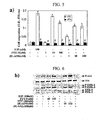
- FIG. 3 is thin layer chromatography (TLC)-autoradiography from an in vitro kinase assay with conditioned medium (CM) and total cell extract (TCE) from HUVECs.
- TLC thin layer chromatography
- Figure 4 is TLC-autoradiography from an is vitro kinase assay conducted with extracts from Vector control 293T cells (293T), SK1 overexpressing 293T cells (SK1-293T) and SK2 overexpressing 293T cells (SK2-293T).
- the fold induction of specific activity of SK1-293T (white bars) and SK2-293T (black bars) vs. vector transfected 293T is shown in the bottom panel.
- Figure 5 is a migration experiment with HUVECs (white bars: control, black bars: Pertussis toxin treatments) using: S1P (100nM), FTY720-P (FTY720-P) or (R)-AFD (the phosphorylated form of (R)-AAL) at the indicated concentrations.
- Figure 6 shows a Western blot of phospho-Akt, total Akt, phospho-ERK-1/2 and total ERK-1/2 levels in HUVEC after 5 minute stimulation with S1P, FTY720-P (FTY720-P), FTY720 (FTY), (R)-AFD or (R)-AAL at the indicated concentrations.
- Figure 7 shows a Western blot demonstrating that Pertussis toxin treatment prevents Akt and ERK-1/2 phosphorylation by S1P, FTY720-P (FTY720-P) and (R)-AFD.
- Figure 8 shows a study of the effects of FTY720-P on apoptosis by measuring the percentage of DNA fragmentation after ⁇ methyl- 3 H ⁇ -thymidine incorporation in HUVEC cells.
- Figure 9 is a DNA fragmentation assay showing that Pertussis toxin treatment abolishes the protective effect of S1P, FTY720-P and (R)-AFD on apoptosis.
- Figure 11 is a graph of the time course of VEGF-induced paracellular permeability: VEGF:20ng/mL, FTY720-P: 100nM FTY720-P.
- Figure 12 is a graph demonstrating that 100 nM S1P (S1P), 100 nM FTY720-P (FTY720-P) and 100 nM (R)-AFD ((R)-AFD) inhibit VEGF-induced paracellular permeability.
- Figure 13 shows fluorescence images of a mouse ear microvascular permeability assay.
- Figure 14 shows quantification of extravascular fluorescence in the ear.
- FTY720 is a potent immunomodulator that has shown effects in animal models of organ transplantation as shown in U.S. Patent Nos. 6,486,209 ; 6,476,004 ; 6,471,980 ; 6,372,800 ; 6,274,629 ; 6,187,821 ; 6,004,565 ; and 5,948,820 which are incorporated herein by reference.
- the mechanism of action of this compound was recently shown to include phosphorylation into FTY720-P, which is an agonist for four of five S1P receptors in T lymphocytes. It was shown previously that FTY720 is a potent modulator of lymphocyte trafficking, however, the effect of FTY720 on vascular elements was previously unknown.
- vascular endothelial cells contain enzyme systems to "activate" FTY720 and its analogs.
- Cultured endothelial cells such as human umbilical vein endothelial cells (HUVEC) are accepted in vitro model systems for studying angiogenesis.
- HUVEC conditioned medium or cell extracts FTY720 is phosphorylated and is able to activate the endothelial cells to migrate in a pertussis toxin sensitive manner, suggesting that it is activating the G i -coupled S1P receptors.
- endothelial cell-derived sphingosine kinase-2 SK2
- FTY720-P and its analog (R)-AFD activate vascular S1P receptors and stimulate signaling pathways in a manner similar to S1P. These events result in the inhibition of endothelial cell apoptosis, which occurs in various pathological conditions in which vascular system is stressed.
- Another physiologically relevant effect of S1P receptor agonists is the induction of adherens junction assembly in endothelial cells.
- VE-cadherin translocation is induced after S1P, FTY720-P and (R)-AFD stimulation.
- the cell-cell junction molecules are an important target of mediators that regulate vascular permeability.
- S1P, FTY720-P and (R)-AFD can block VEGF- induced paracellular permeability in vitro and VEGF-induced vascular permeability in vivo.
- the induction of adherens junction assembly in endothelial cells by FTY720-P and (R)-AFD may have two important applications in vivo . On one hand, it may be a part of the mechanism of action of FTY720.
- FTY720 could prevent egression of lymphocytes into the lymphatic sinus by regulating cell-cell junctions at the sinus-lining endothelium.
- FTY720-P inhibits chemokine-induced migration of T lymphocytes through an endothelial cell monolayer in vitro.
- FTY720 may be able to inhibit vascular permeability in acute vasculopathic situations, such as respiratory distress syndrome which occurs as a complication of sepsis.
- long term changes in vascular permeability is a hallmark of endothelial cell injury and may lead to chronic diseases common to ischemic cardiovascular disease and peripheral vascular disorders associated with diabetes.
- FTY720-P is a potent modifier of the vascular system and that it may be used as a protector of the endothelial cell integrity in situations where it is compromised.
- the present invention thus relates to the use of particular 1,2-amino alcohols in the manufacture of a medicament for the inhibition of vascular endothelial cell apoptosis.
- These agonists of vascular endothelial S1P receptors, or a pharmaceutically acceptable form thereof, may be used for the manufacture of a medicament for the treatment of a disease, disorder, or state responsive to an agonist of a vascular endothelial S1P receptor.
- Suitable vascular endothelial S1P receptors include, for example, S1P 1 , S1P 2 , S1P 3 , S1P 4 , S1P 5 , and combinations comprising one or more of the foregoing receptors.
- S1P receptors include S1P 1 , S1P 3 , and combinations thereof.
- the agonist of a vascular endothelial S1P receptor may be a pharmaceutically acceptable salt and/or be phosphorylated by a sphingosine-kinase 2 enzyme.
- vascular endothelial S1P receptors are particular 1,2 aminoalcohols (defined below in formula (I)), the pharmaceutically acceptable salts thereof, the phosphorylated forms thereof, and combinations comprising one or more of the foregoing agonists.
- “Pharmaceutically acceptable forms” of the agonists of vascular endothelial S1P receptors recited herein include pharmaceutically acceptable salts, hydrates, solvates, crystal forms, polymorphs, chelates, non-covalent complexes, esters, clathrates, prodrugs, and mixtures of such compounds.
- Pharmaceutically acceptable salts are a suitable pharmaceutically acceptable form.
- “Pharmaceutically acceptable salts” include derivatives of the agonists of vascular endothelial S1P receptors wherein the parent compound is modified by making non-toxic acid or base salts thereof, and further refers to pharmaceutically acceptable solvates of such compounds and such salts.
- pharmaceutically acceptable salts include, but are not limited to, mineral or organic acid salts of basic residues such as amines; alkali or organic salts of acidic residues such as carboxylic acids; and the like.
- the pharmaceutically acceptable salts include the conventional non-toxic salts and the quaternary ammonium salts of the parent compound formed, for example, from non-toxic inorganic or organic acids.
- conventional non-toxic acid salts include those derived from inorganic acids such as hydrochloric, hydrobromic, sulfuric, sulfamic, phosphoric, nitric and the like; and the salts prepared from organic acids such as acetic, propionic, succinic, glycolic, stearic, lactic, malic, tartaric, citric, ascorbic, pamoic, maleic, hydroxymaleic, phenylacetic, glutamic, benzoic, salicylic, mesylic, esylic, besylic, sulfanilic, 2-acetoxybenzoic, fumaric, toluenesulfonic, methanesulfonic, ethane disulfonic, oxalic, isethionic, HOOC-(CH 2 ) n -COOH where n is 0-4, and the like.
- inorganic acids such as hydrochloric, hydrobromic, sulfuric, sulfamic, phospho
- the pharmaceutically acceptable salts can be synthesized from a parent compound, a basic or acidic moiety, by conventional chemical methods. Generally, such salts can be prepared by reacting free acid forms of these compounds with a stoichiometric amount of the appropriate base (such as Na, Ca, Mg, or K hydroxide, carbonate, bicarbonate, or the like), or by reacting free base forms of these compounds with a stoichiometric amount of the appropriate acid. Such reactions are typically carried out in water or in an organic solvent, or in a mixture of the two. Generally, non-aqueous media like ether, ethyl acetate, ethanol, isopropanol, or acetonitrile are preferred, where practicable. Lists of additional suitable salts may be found, e.g., in Remington's Pharmaceutical Sciences, 17th ed., Mack Publishing Company, Easton, Pa., p. 1418 (1985 ).
- the 1,2-aminoalcohols have the formula wherein R 1 is a substituted or unsubstituted, straight or branched carbon chain having 12 to 22 carbon atoms which may be optionally interrupted by a substituted or unsubstituted phenylene or phenoxy; each of R 2 , R 3 , R 4 and R 5 , independently, is hydrogen or C 1-6 alkyl; and n is 0 or 1.
- compounds of formula I are those wherein R 1 is a straight or branched chain alkyl having 13 to 20 carbon atoms, optionally substituted by nitro, halogen, amino, hydroxy or carboxylic acid, and, more preferably those wherein R 1 is (phenyl)alkyl- wherein the phenyl is substituted by a straight or branched C 6-14 alkyl or C 6-14 alkoxy chain optionally substituted by halogen and the alkyl moiety is a C 1-6 alkyl optionally substituted by hydroxy.
- R 1 is (phenyl) C 1-6 alkylsubstituted on the phenyl by a straight or branched C 6-14 alkyl or C 6-14 alkoxy chain.
- the C 6-14 alkyl chain may be in ortho, meta or para position.
- each of R 2 to R 5 is hydrogen.
- optionally interrupted means that an alkyl chain can be interposed at any point within the alkyl chain. See, for example, formula 2.
- a dash (“-") that is not between to letters or symbols is used to indicate a point of attachment for a substituent.
- (phehyl)alkyl- is attached through the carbon atom of the alkyl group.
- alkyl is intended to include both branched and straight-chain saturated aliphatic hydrocarbon groups, having the specified number of carbon atoms.
- C 1 - C 6 alkyl as used herein includes alkyl groups having from 1 to 6 carbon atoms.
- C 0 -C n alkyl is used herein in conjunction with another group, for example, (phenyl)C 0 -C 4 alkyl, the indicated group, in this case phenyl, is either directly bound by a single covalent bond (C 0 ), or attached by an alkyl chain having the specified number of carbon atoms, in this case from 1 to about 4 carbon atoms.
- alkyl examples include, but are not limited to, methyl, ethyl, n-propyl, isopropyl, n-butyl, t-butyl, n-pentyl, and sec-pentyl.
- Preferred alkyl groups are lower alkyl groups, those alkyl groups having from 1 to about 8 carbon atoms, e.g. C 1 -C 8 and C 1 -C 6 alkyl groups.
- the 1,2-aminoalcohol derivatives can have one or more chiral center.
- one optical isomer including diastereomers and enantiomers
- another optical starting materials, catalysts or solvents for example by chiral starting materials, catalysts or solvents
- both stereoisomers or both optical isomers including diastereomers and enantiomers at once (a racemic mixture).
- the compounds may exist as racemic mixtures, mixtures of optical isomers, including diastereomers and enantiomers, or stereoisomers may be separated using known methods, such as through the use of, for example, chiral salts and chiral chromatography.
- one optical isomer including a diastereomer and enantiomer, or a stereoisomer
- a racemic mixture is discussed herein, it is clearly contemplated to include both optical isomers, including diastereomers and enantiomers, or one stereoisomer substantially free of the other.
- Suitable compounds of Formula 1 include 2-amino-2-[2-(4-octaphenyl)ethyl]propane-1,3 diol also known as FTY720 (Formula II) and a derivative of FTY720 in which a hydroxymethylene substituent is replaced by a methyl group also known as AAL or 2-amino-2-methyl-4-[4-heptoxy-phenyl]butane-1-ol (Formula III).
- FTY-720 and AAL can be phosphorylated by endogenous kinases such as, for example, the SK2 kinase, to produce compounds of formulas (IV) (FTY720-P or 2-amino-3-phosphate-2-[2-4-octaphenyl)ethyl]propane-1-ol) and (V) ((R)-AFD or 2-amino-2-methyl-4-[4-heptoxy-phenyl]1-diphosphoric acid), respectively.
- endogenous kinases such as, for example, the SK2 kinase
- the vascular endothelial sphingosine-1-phosphate receptor agonist may be 2-amino-2-[2-(4-octaphenyl)ethyl]propane-1,3 diol; 2-amino-2-methyl-4-[4-heptoxyphenyl]butane-1-ol; 2-amino-3-phosphate-2-[2-4-octaphenyl)ethyl]propane-1-ol; 2-amino-2-methyl-4-[4-heptoxy-phenyl)1-diphosphoric acid; or a combination comprising one or more of the foregoing agonists.
- the invention also includes uses of such 1,2-aminoalcohols in the manufacture of a medicament for the treatment of unwanted vascular endothelial cell apoptosis such as an apoptosis-related disorder.
- An agonist of a vascular endothelial S1P receptor can be administered in an effective amount.
- the unwanted apoptosis is not related to transplant rejection.
- Apoptosis is a carefully controlled series of cellular events which ultimately leads to death of the cell.
- the morphological characteristics of apoptosis include cell shrinkage and loss of cell-cell contact, condensation of nuclear chromatin followed by fragmentation, the appearance of membrane ruffling, membrane blebbing, and apoptotic bodies.
- Dysregulation of apoptosis can play an important role in disease states, and diseases can be caused by the occurrence of excessive or too little apoptosis.
- An example of a disease associated with too little apoptosis would be certain cancers.
- Examples of apoptosis-related diseases related to excessive or inappropriate apoptosis include ischemic disease (excluding reperfusion injury), peripheral thrombosis, neurodegenerative disease, peripheral nerve damage, aplastic anemia, liver damage, and HIV infection.
- endothelial apoptosis is a hallmark of radiation therapy which is used to treat tumors.
- S1P receptor agonists may be useful to treat patients undergoing radiation therapy to protect vascular function.
- Apoptosis is a principal underlying cause of cell death in heart failure.
- ischemic diseases include heart disease such as idiopathic cardiomyopathy, cardiomyopathy induced by drugs (e.g., adriamycin) or by chronic alcoholism, familial cardiomyopathy, viral myocarditis or cardiomyopathy, cardiac infarction, cardiac angina, congestive heart failure and arrhythmia, and cerebrovascular diseases such as cerebral stroke, subarachnoidal hemorrhage, cerebral infarction, and cerebral thrombosis.
- drugs e.g., adriamycin
- chronic alcoholism e.g., familial cardiomyopathy, viral myocarditis or cardiomyopathy, cardiac infarction, cardiac angina, congestive heart failure and arrhythmia
- cerebrovascular diseases such as cerebral stroke, subarachnoidal hemorrhage, cerebral infarction, and cerebral thrombosis.
- Apoptosis is also related to several neurodegenerative diseases.
- neurodegenerative diseases include Alzheimer's disease, Parkinson's disease, Huntington's disease, amyotrophic lateral sclerosis, and resinitis pigmentosa.
- Use of a vascular endothelial S1P receptor agonist may allow repair of vascular injury that induces neuronal damage.
- daily dosages for administration of the vascular endothelial S1P receptor agonists will vary depending upon, for example, the agonist employed, the host, the mode of administration, and the severity of the condition to be treated.
- a suitable daily dosage is about 0.01 to about 10 milligrams per kilogram (mg/kg) per day, or about 0.1 to about 2.5 mg/kg per day, as a single dose or in divided doses.
- Suitable unit dosage forms for oral administration comprise about 1 to about 100 mg, or about 5 to about 50 mg active ingredient, e.g. FTY720, together with one or more pharmaceutically acceptable diluents or carriers.
- the agonist may be administered in free form or in pharmaceutically acceptable salt form may also be administered twice or three times a week, e.g. at a dosage as indicated above.
- compositions comprising the vascular endothelial S1P receptor agonists may comprise additional pharmacological agents used in the treatment of disorders relating to vascular permeability and vascular endothelial cell apoptosis.
- additional pharmacological agents include, for example, cytotoxic agents, chemotherapeutic agents, hormones, steroidal anti-inflammatory drugs (e.g., prednisone, corticosteroids, and the like), non-steroidal anti-inflammatory drugs (e.g., NSAIDs, aspirin, acetaminophen, and the like); and combinations comprising one or more of the foregoing additional pharmacological agents.
- compositions may be formulated using one or more physiologically acceptable carriers or excipients.
- the compounds and their physiologically acceptable salts and solvates may be formulated for administration by inhalation or insufflation (either through the mouth or the nose) or oral, buccal, parenteral or rectal administration.
- the pharmaceutical compositions may take the form of, for example, tablets or capsules prepared by means known in the art with pharmaceutically acceptable excipients such as binding agents (e.g., pregelatinised maize starch, polyvinylpyrrolidone or hydroxypropyl methylcellulose); fillers (e.g., lactose, microcrystalline cellulose or calcium hydrogen phosphate); lubricants (e.g., magnesium stearate, talc or silica); disintegrants (e.g., potato starch or sodium starch glycolate); wetting agents (e.g., sodium lauryl sulfate); and combinations comprising one or more of the foregoing excipients.
- binding agents e.g., pregelatinised maize starch, polyvinylpyrrolidone or hydroxypropyl methylcellulose
- fillers e.g., lactose, microcrystalline cellulose or calcium hydrogen phosphate
- lubricants e.g., magnesium stearate,
- Liquid preparations for oral administration may take the form of, for example, solutions, syrups, or suspensions, or they may be presented as a dry product for constitution with water or other suitable vehicle before use.
- Such liquid preparations may be prepared by conventional means with pharmaceutically acceptable additives such as suspending agents (e.g., sorbitol syrup, cellulose derivatives or hydrogenated edible fats); emulsifying agents (e.g., lecithin or acacia); non-aqueous vehicles (e.g., almond oil, oily esters, ethyl alcohol or fractionated vegetable oils); preservatives (e.g., methyl or propyl-p-hydroxybenzoates or sorbic acid); and combinations comprising one or more of the foregoing additives.
- the preparations may also contain buffer salts, flavoring, coloring, and sweetening agents as appropriate.
- Preparations for oral administration may be suitably formulated to give controlled release of the active compound.
- the compositions may take the form of tablets or lozenges formulated by techniques known in the art.
- the compounds are conveniently delivered in the form of an aerosol spray presentation from pressurized packs or a nebuliser, with the use of a suitable propellant, for example, dichlorodifluoromethane, trichlorofluoromethane, dichlorotetrafluoroethane, carbon dioxide or other suitable gas.
- a suitable propellant for example, dichlorodifluoromethane, trichlorofluoromethane, dichlorotetrafluoroethane, carbon dioxide or other suitable gas.
- the dosage unit may be determined by providing a valve to deliver a metered amount.
- Capsules and cartridges of, for example, gelatin for use in an inhaler or insufflator may be formulated containing a powder mix of the compound and a suitable powder base such as lactose or starch.
- the compounds may be formulated for parenteral administration by injection, for example, by bolus injection or continuous infusion.
- Formulations for injection may be presented in unit dosage form, for example, in ampoules or in multi-dose containers, with an added preservative.
- the compositions may take such forms as suspensions, solutions, or emulsions in oily or aqueous vehicles, and may contain formulatory agents such as suspending, stabilizing, and/or dispersing agents.
- the active ingredient may be in powder form for constitution with a suitable vehicle, for example, sterile pyrogen-free water, before use.
- a suitable vehicle for example, sterile pyrogen-free water
- the compounds may also be formulated in rectal compositions such as suppositories or retention enemas, for example, containing conventional suppository bases such as cocoa butter or other glycerides.
- the compounds may also be formulated as a depot preparation. Such long acting formulations may be administered by implantation (for example subcutaneously or intramuscularly) or by intramuscular injection.
- the compounds may be formulated with suitable polymeric or hydrophobic materials (for example as an emulsion in an acceptable oil) or ion exchange resins, or as sparingly soluble derivatives, for example, as a sparingly soluble salt.
- measurement of an individual's level of the SK2 kinase may be used to predict the effectiveness of a vascular endothelial S1P receptor agonist in the treatment of disease. For example, this test may be used to predict if a given individual is a candidate for FTY720 therapy.
- preferred compounds for administration may be a phosphorylated form of a vascular endothelial S1P receptor agonist or another S1P receptor agonist with a different chemical structure.
- Sphingosine, N,N-dimethylsphingosine (DMS) and S1P were purchased from Biomol Research Laboratories, Inc. (Plymouth Meeting, PA).
- ⁇ - 32 P ⁇ ATP specific activity 6,000 Ci/mmol
- ⁇ methyl- 3 H ⁇ -thymidine specific activity 86 Ci/mmol
- FTY720, phospho FTY720, (S)-AAL, (R)-AAL and phospho-(R)-AAL were provided by Dr. V. Brinkmann, Novartis.
- Phospho-Akt, Akt, phospho-ERK1/2 and ERK-1/2 antibodies were from Cell Signaling Tech., and VE-cadherin antibody was from Santa Cruz Biotech.
- Mouse liver RNA was used to amplify the murine spingosine kinase (SKI and SK2) cDNA by reverse transcription-PCR with the forward primers SEQ ID NO:1 (AGC CCC ATG TGG TGG TGT TGT) and SEQ ID NO:2 (ATT ATG GCC CCA CCA CCA CTA CT), respectively and reverse primers SEQ ID NO:3 (GGC ACA GAG TTA TGG TTC TTC) and SEQ ID NO:4 (AGG TCA GGC TTG TGG CTT TTG AC), respectively.
- SEQ ID NO:1 ATG TGG TGG TGT TGT
- SEQ ID NO:2 ATT ATG GCC CCA CCA CCA CTA CT
- SEQ ID NO:3 GGC ACA GAG TTA TGG TTC TTC
- SEQ ID NO:4 AGG TCA GGC TTG TGG CTT TTG AC
- telomere sequence was confirmed.
- SK1 and SK2 cDNAs were then cloned in pcDNA3.1 eukaryotic expression vector (Invitrogen).
- HUVEC HUVEC
- FBS fetal bovine serum
- heparin-stabilized endothelial cell growth factor 293T cells in 60 mm dishes were transfected with 4 micrograms ( ⁇ g) of vector alone or with vectors containing SK constructs by the calcium phosphate method. 24 hours after transfection, cells were harvested by scraping at 4°C with 400 microliters ( ⁇ l) of 25 millimolar (mM) HEPES pH 7.5, 5 mM MgCl 2 , 1x protease inhibitor mixture (Calbiochem), and disrupted by brief sonication. Cellular homogenates were centrifuged for 10 minutes, 4°C at 20,000 x g.
- mM millimolar
- MgCl 2 1x protease inhibitor mixture
- EXAMPLE 1 Phosphorylation of FTY720 by sphingosine kinases in vascular endothelial cells
- HUVEC migration was assayed using a 96 well chemotaxis microchamber (Neuro Probe, Inc.) ( Paik, J.H.et al. J Biol Chem 276:11830-11837 (2001 )). Briefly, polycarbonate filters with a pore size of 8 micrometers ( ⁇ m) were coated with 5 micrograms per milliliter ( ⁇ g/ml) fibronectin.
- S1P, FTY720, AAL, FTY720-P or (R)-AFD were diluted in 0.1% ffa-BSA into the appropriate concentration.
- 85 ⁇ l of the solutions or conditioned medium from HUVEC were added into the lower chamber.
- Approximately 5 x 10 4 cells suspended in M199 with 0.1 % bovine serum albumin were placed in the upper compartment. The cells were allowed to migrate for 4 hours at 37°C in a humidified chamber with 5% CO 2 . After the incubation period, the filter was removed, and cells were stained in 0.1% crystal violet and eluted with 10% acetic acid in 96-well plates. Quantification was done based on absorbance at 575 nanometers (nm) by a Spectramax 340 (Molecular Devices) plate reader.
- Activation of FTY720 and (R)-AAL by endothelial cells was performed by washing cells three times with plain medium M199 and incubating with 0.1% fatty acid free BSA containing different concentrations of FTY720 or (R)-AAL for three hours.
- conditioned medium was removed, centrifuged at 1,000 x g for 10 minutes, and used in the migration assay.
- Figure 1 shows the results of a migration experiment with HUVEC (white bars: control, black bars: Pertussis toxin treatment) using the following chemoattractants: S1P (100 nanomolar (nM), variable concentrations of FTY720 (FTY) and AAL, conditioned medium from endothelial cells after a 3 hour incubation with the indicated concentrations of FTY720 (FTY), (R)-AAL or (S)-AAL.
- FIG. 2 shows the results of a migration experiment with HUVECs using: S1P (100 nM) or conditioned medium from endothelial cells after 3 hour incubation with 100 nM FTY720 (FTY) or 100 nM (R)-AAL in the absence (white bars) or presence (black bars) of 10 ⁇ M DMS. * p ⁇ 0.01, DMS vs. vehicle control.
- an in vitro kinase assay was performed with both total cell extract and conditioned medium from HUVEC. Cells were washed three times with plain medium M199 and incubated with 0.1 % ffa-BSA for the times indicated. After incubation, conditioned medium was removed, centrifuged at 1,000 x g for 10 minutes, and used for the kinase activity assay. Cells were scraped at 4°C with 400 ⁇ l of 25 mM HEPES pH 7.5, 5 mM MgCl 2 , 1x protease inhibitor mixture, and disrupted by brief sonication.
- kinase assay 300 ⁇ l of conditioned medium (derived from 5 x10 5 cells for 3 hours of incubation) or 10 ⁇ g of total cell extract from HUVEC were used as a source of kinase activity. Reactions contained 20 ⁇ M sphingosine or 100 ⁇ M FTY720 or AAL, [ ⁇ - 32 P]ATP (10 ⁇ Ci), 5 mM MgCl 2 , 15 mM NaF, 0.5 mM 4-deoxypyridoxine, 40 mM -glycerophosphate and 300 ⁇ l of M199 and were incubated at 37°C for 30 minutes.
- Lipids were extracted and samples were resuspended in 50 ⁇ l of chloroform. Lipids were resolved by TLC on Silica Gel G60 using 1-butanol/acetic acid/water (60/20/20 volume/volume) buffer and quantified with a PhosphorImager (Molecular Dynamics).
- FTY720 and (R)-AAL were phosphorylated by the kinase activity present in HUVEC ( Figure 3 top panel, specific activity 3.85 ⁇ 0.75 and 15 ⁇ 0.93 picomol per milligram per minute, respectively).
- sphingosine was an efficient substrate for this kinase activity (specific activity 75.7 ⁇ 6 (picomoles per milligram per minute (pmol/mg/min)).
- (S)-AAL phosphorylation was undetectable, in agreement with the results obtained with the migration assay. Phosphorylation of both FTY720 and (R)-AAL was inhibited by DMS (50 ⁇ M).
- kinase activity was detected in the conditioned medium from HUVEC ( Figure 3 , bottom panel) and was inhibited by Triton X-100 and increased by KC1 (200mM) (data not shown), which are conditions that favor the enzymatic activity of SK.
- FIG. 4 shows TLC-autoradiography from an in vitro kinase assay conducted with extracts from Vector control 293T cells (293T), SK1 overexpressing 293T cells (SK1-293T) and SK2 overexpressing 293T cells (SK2-293T).
- SK1 cell extracts presented FTY720 or (R)-AAL kinase activity similar to control 293T cells while sphingosine phosphorylation was significantly increased in SK1-293T cells (specific activity 48.1 pmol/mg/min vs. 10.5 in 293T, Figure 4 ).
- SK2-293T cells showed an increased FTY720 and (R)-AAL kinase activity versus control 293T cells (3.7 and 7-fold induction, respectively).
- FTY720-P and its analog (R)-AFD were studied in HUVEC.
- Both FTY720-P and (R)-AFD were potent chemoattractants for HUVEC ( Figure 5 ). Both had their maximum effect at 10 nM (13 and 9-fold induction, respectively), although S1P was slightly more potent (14-fold induction).
- FTY720-P and (R)-AFD-induced migration was blocked by Pertussis toxin (200 ng/mL), indicating that it is an effect mediated by the heterotrimeric G i protein pathway.
- Endothelial cell morphogenesis a phenomenon that requires endothelial cell migration, survival and adherens junction assembly, is mediated by the ligand-dependent activation of S1P 1 and S1P 3 receptors.
- S1P has been shown to induce Akt protein kinase and ERK protein kinase phosphorylation in endothelial cells, and Akt-mediated phosphorylation of S1P 1 / EDG-1 receptor is required for S1P-induced migration.
- FTY720-P and analogs on Akt and ERK phosphorylation in HUVEC were studied in a Western blot analysis.
- HUVEC cells were serum starved for two hours in 0.1% ffa-BSA M199 before treatments. Then, they were washed with ice-cold phosphate buffered saline (PBS) containing 1mM sodium fluoride and 1mM sodium orthovanadate and homogenized in radioimmunoprecipitation assay buffer (0.1% sodium dodecyl sulfate (SDS), 0.5% sodium deoxycholate, 1% NP-40, 1 mM sodium orthovanadate, 50 mM ⁇ -glycerophosphate and 1x protease inhibitor cock-tail).
- PBS phosphate buffered saline
- Both FTY720-P and (R)-AFD induced an increase in Akt (3.7 and 4.5 fold at 100nM, respectively, Figure 6 ) and ERK-1/2 (9.3 and 8.2 fold at 100nM, respectively Figure 6 ) phosphorylation levels after 5 minutes.
- the time course of this phosphorylation was similar for FTY720-P, (R)-AFD and S1P, being the maximum phosphorylation levels achieved after a 5 minute stimulation (data not shown).
- the effect of FTY720-P and (R)-AFD on Akt and ERK phosphorylation was dose-dependent (data not shown) and the extent of the phosphorylation induced by FTY720-P and (R)-AFD was higher than the one induced by S1P.
- HUVEC cells were labeled with ⁇ methyl- 3 H ⁇ -thymidine (1 ⁇ Ci/ml) for 16 hours. Then, they were washed and 0.1% ffa-BSA M199 containing the different treatments was added. After 8 hours, fragmented DNA was solubilized and quantified as described.
- EXAMPLE 6 FTY720-P modulates adherens junction assembly and vascular permeability in vitro
- VE-cadherin assembly which is required to form adherens junctions, critical subcellular structures in endothelial cell morphogenesis and permeability.
- Cadherins are a family of cell adhesion molecules that are involved in the formation of specific cell-cell contacts.
- VE-cadherin (or cadherin-5) has been shown to be localized at intercellular junctions (adherens junctions) in cell-to-cell contacts.
- a number of experimental observations suggest that this cadherin is involved in various aspects of vascular biology related to angiogenesis, including the assembly of endothelial cells into tubular structures.
- FTY720-P and (R)-AFD were studied using immunofluroescence analysis.
- 2x10 5 cells were plated in 35 millimeter glass bottom petri dishes. Three days later, the cells were washed and serum starved for 3 hours before treatments. Then, the cells were washed with ice-cold PBS, fixed, and immunofluorescence analysis with VE-cadherin antibody was conducted (1 ⁇ g/ml Santa Cruz). The primary antibody staining was visualized with Rhodamine-conjugated goat anti-mouse (1: 1000, Cappel) IgG.
- VE-cadherin could be an important determinant of vascular permeability.
- VEGF-induced tyrosine phosphorylation of VE-cadherin resulted in increased vascular permeability in vitro .
- S1P was shown to inhibit thrombin induced paracellular permeability via a S1P 1 / G i / Rac dependent process.
- a cellular system was used to assess the effects of S1P, FTY720-P and (R)-AFD on vascular permeability.
- Mouse embryonic endothelial cells (5x10 4 ) were cultured for 2 days in Transwell polycarbonate filters (6.5mm diameter, 0.4 ⁇ m pores; Costar).
- Culture medium was replaced with serum/phenol red-free DMEM (HEPES buffer, L-glutamine, and pyridoxine hydrochloride) (0.1 mL upper chamber and 0.6 mL lower chamber).
- Cells were pretreated with FTY720, derivatives or S1P for 1hr.
- EXAMPLE 6 FTY720-P modulates adherens junction assembly and vascular permeability in vivo
- FTY720-P or (R)-AFD The role of plasma borne FTY720-P or (R)-AFD in the regulation of vascular permeability was tested in vivo.
- an in vivo vascular permeability model was used in FTY720, (R)-AFD or (S)-AAL-pretreated mice.
- Normal FVB/N female or male mice were treated by gavage with FTY720 (50 ⁇ g), S-AAL enantiomer (50 ⁇ g), R-AAL enantiomer (50 ⁇ g) and water as vehicle control.
- mice Five hours post-gavage, animals were anesthetized with 2% Avertin TM (0.5cc/20g) and infused through the tail vein with 100 ⁇ l FITC-dextran (5 mg/ml, 165 kDa). Animals were placed on a warming table under a fluorescent dissecting microscope (Zeiss STV11, Zeiss, Inc.) and the central vessels in the ear were imaged. Control saline or mouse vascular endothelial growth factor (mVEGF, 10 ng/ml) was injected subdermally into the middle ear using a 30 gauge needle (30 ⁇ l). -Ear vasculature was then imaged with fixed exposure times in a stationary position from 5 minutes to 120 minutes post-injection. Fluorescence images were then quantified using pixel-based threshold in ImageProPlus (Media Cybernetics, Inc.) and quantified.
- mVEGF mouse vascular endothelial growth factor
- Agonists of vascular endothelial S1P receptors have been shown to have effects on vascular permeability, apoptosis and angiogenesis.
- FTY 720 and its analogs have been shown to be phosphorylate in vivo to forms (e.g., FTY720-P) capable of binding vascular endothelial S1P receptors.
- Vascular endothelial S1P receptor agonists can be employed in the treatment of vascular permeability disorders, disorders related to excessive vascular endothelial apoptosis, and to grow new blood vessels.
Landscapes
- Health & Medical Sciences (AREA)
- General Health & Medical Sciences (AREA)
- Chemical & Material Sciences (AREA)
- Public Health (AREA)
- Medicinal Chemistry (AREA)
- Veterinary Medicine (AREA)
- Animal Behavior & Ethology (AREA)
- Pharmacology & Pharmacy (AREA)
- Life Sciences & Earth Sciences (AREA)
- Bioinformatics & Cheminformatics (AREA)
- Engineering & Computer Science (AREA)
- Nuclear Medicine, Radiotherapy & Molecular Imaging (AREA)
- General Chemical & Material Sciences (AREA)
- Organic Chemistry (AREA)
- Chemical Kinetics & Catalysis (AREA)
- Epidemiology (AREA)
- Neurology (AREA)
- Diabetes (AREA)
- Neurosurgery (AREA)
- Biomedical Technology (AREA)
- Heart & Thoracic Surgery (AREA)
- Hematology (AREA)
- Cardiology (AREA)
- Emergency Medicine (AREA)
- Psychology (AREA)
- Endocrinology (AREA)
- Vascular Medicine (AREA)
- Urology & Nephrology (AREA)
- Hospice & Palliative Care (AREA)
- Psychiatry (AREA)
- Communicable Diseases (AREA)
- Oncology (AREA)
- Dermatology (AREA)
- Pulmonology (AREA)
- Orthopedic Medicine & Surgery (AREA)
- Physical Education & Sports Medicine (AREA)
- Obesity (AREA)
- Pharmaceuticals Containing Other Organic And Inorganic Compounds (AREA)
- Medicines That Contain Protein Lipid Enzymes And Other Medicines (AREA)
- Acyclic And Carbocyclic Compounds In Medicinal Compositions (AREA)
Claims (10)
- Verwendung eines Gefäßendothel-Sphingosin-1-phosphat-Rezeptor-Agonisten, einer pharmazeutisch akzeptablen Form davon, oder einer phosphorylierten Form davon, zur Herstellung eines Medikaments zur Behandlung unerwünschter Apoptose von Gefäßendothelzellen, die in Bezug steht mit einer mit Apoptose in Zusammenhang stehenden Störung, wobei der Gefäßendothel-Sphingosin-1-phosphat-Rezeptor-Agonist ein 1,2-Aminoalkohol, ein pharmazeutisch akzeptables Salz davon, oder eine phosphorylierte Form davon ist, der die Formel

- Verwendung nach Anspruch 1, wobei R1 durch ein substituiertes oder unsubstituiertes Phenylen unterbrochen ist.
- Verwendung nach Anspruch 2, wobei der Gefäßendothel-Sphingosin-1-phosphat-Rezeptor-Agonist 2-Amino-2-[2-(4-octaphenyl)ethyl]propan-1,3-diol, 2-Amino-2-methyl-4-[4-heptoxy-phenyl]butan-1-ol, 2-Amino-3-phosphat-2-[2-(4-octaphenyl)ethyl]propan-1-ol, 2-Amino-2-methyl-4-[4-heptoxy-phenyl]-1-diphosphorsäure, oder eine Kombination umfassend einen oder mehrere der vorgenannten Agonisten, oder ein pharmazeutisch akzeptables Salz davon, oder eine phosphorylierte Form davon, ist.
- Verwendung nach Anspruch 2, wobei der Gefäßendothel-Sphingosin-1-phosphat-Rezeptor-Agonist durch Sphingosin-Kinase 2 phosphoryliert ist.
- Verwendung nach Anspruch 2, wobei der für Gefäßendothel-Sphingosin-1-phosphat-Rezeptor-Agonist die Phosphorylierung einer Akt Protein-Kinase, einer ERK Protein-Kinase, oder einer Kombination umfassend eine oder mehrere der vorgenannten Kinasen, stimuliert.
- Verwendung nach Anspruch 1, wobei der Gefäßendothel-Sphingosin-1-phosphat-Rezeptor S1P1, S1P2, S1P3, S1P4, S1P5, oder eine Kombination umfassend einen oder mehrere der vorgenannten Rezeptoren ist.
- Verwendung nach Anspruch 1, wobei die mit Apoptose in Zusammenhang stehende Störung idiopathische Kardiomyopathie, wirkstoffinduzierte Kardiomyopathie, durch chronischen Alkoholismus induzierte Kardiomyopathie, familiäre Kardiomyopathie, virale Myokarditits, virale Kardiomyopathie, Herzinfarkt, kardiale Angina, periphere Thrombose, kongestive Herzinsuffizienz, Arhythmie, Hirnschlag, subarachnoidale Blutung, Cerebralinfarkt, cerebrale Thrombose, oder eine Kombination umfassend eine oder mehrere der vorgenannten Störungen ist.
- Verwendung nach Anspruch 1, wobei die mit Apoptose in Zusammenhang stehende Störung Alzheimer-Krankheit, Parkinson-Krankheit, Huntington-Krankheit, amyotrophe Lateralsklerose oder Retinitis pigmentosa ist.
- Verwendung nach Anspruch 3, wobei die mit Apoptose in Zusammenhang stehende Störung idiopathische Kardiomyopathie, wirkstoffinduzierte Kardiomyopathie, durch chronischen Alkoholismus induzierte Kardiomyopathie, familiäre Kardiomyopathie, virale Myokarditits, virale Kardiomyopathie, Herzinfarkt, kardiale Angina, periphere Thrombose, kongestives Herzversagen, Arhythmie, Hirnschlag, subarachnoidale Blutung, Cerebralinfarkt, cerebrale Thrombose, oder eine Kombination umfassend eine oder mehrere der vorgenannten Störungen ist.
- Verwendung nach Anspruch 3, wobei die mit Apoptose in Zusammenhang stehende Störung Alzheimer-Krankheit, Parkinson-Krankheit, Huntington-Krankheit, amyotrophe Lateralsklerose oder Retinitis pigmentosa ist.
Priority Applications (1)
| Application Number | Priority Date | Filing Date | Title |
|---|---|---|---|
| PL04776717T PL1643983T3 (pl) | 2003-06-24 | 2004-06-18 | Sposoby hamowania przepuszczalności naczyń krwionośnych i apoptozy |
Applications Claiming Priority (2)
| Application Number | Priority Date | Filing Date | Title |
|---|---|---|---|
| US48223403P | 2003-06-24 | 2003-06-24 | |
| PCT/US2004/019420 WO2005002559A2 (en) | 2003-06-24 | 2004-06-18 | Methods of inhibiting vascular permeability and apoptosis |
Publications (2)
| Publication Number | Publication Date |
|---|---|
| EP1643983A2 EP1643983A2 (de) | 2006-04-12 |
| EP1643983B1 true EP1643983B1 (de) | 2010-05-05 |
Family
ID=33563841
Family Applications (1)
| Application Number | Title | Priority Date | Filing Date |
|---|---|---|---|
| EP04776717A Expired - Lifetime EP1643983B1 (de) | 2003-06-24 | 2004-06-18 | Verfahren zur hemmung der gefässpermeabilität und apoptose |
Country Status (14)
| Country | Link |
|---|---|
| US (3) | US7838562B2 (de) |
| EP (1) | EP1643983B1 (de) |
| JP (2) | JP2007523858A (de) |
| CN (2) | CN100431534C (de) |
| AT (1) | ATE466572T1 (de) |
| AU (1) | AU2004253473B2 (de) |
| BR (1) | BRPI0411831A (de) |
| CA (3) | CA2778126A1 (de) |
| DE (1) | DE602004027045D1 (de) |
| ES (1) | ES2342396T3 (de) |
| MX (1) | MXPA05014216A (de) |
| PL (1) | PL1643983T3 (de) |
| PT (1) | PT1643983E (de) |
| WO (1) | WO2005002559A2 (de) |
Families Citing this family (23)
| Publication number | Priority date | Publication date | Assignee | Title |
|---|---|---|---|---|
| AU2003233119A1 (en) | 2002-05-08 | 2003-11-11 | Neuronova Ab | Modulation of neural stem cells with s1p or lpa receptor agonists |
| GB0329498D0 (en) * | 2003-12-19 | 2004-01-28 | Novartis Ag | Organic compounds |
| EP1845971A4 (de) * | 2005-01-21 | 2009-12-30 | Medvet Science Pty Ltd | Verfahren zur behandlung von zellschäden |
| KR100773765B1 (ko) | 2005-11-24 | 2007-11-12 | 재단법인서울대학교산학협력재단 | 개선된 스핑고신 유사체의 제조 방법 |
| HUE046441T2 (hu) * | 2006-09-26 | 2020-02-28 | Novartis Ag | S1P modulátort tartalmazó gyógyászati készítmények |
| EP1905434A1 (de) * | 2006-09-26 | 2008-04-02 | Novartis AG | Organische S1P Rezeptor Agonist Verbindungen und ihre therapeutische Verwendung |
| PL2083811T3 (pl) | 2006-11-22 | 2017-05-31 | Clinical Research Associates, Llc | Sposoby leczenia zespołu downa, zespołu łamliwego chromosomu x oraz autyzmu |
| EP3733161A1 (de) | 2007-10-12 | 2020-11-04 | Novartis AG | Zusammensetzung mit sphingosin-1-phosphat (s1p)-rezeptormodulatoren |
| CN102464590B (zh) * | 2010-11-18 | 2013-10-23 | 中国科学院上海药物研究所 | 一类免疫调节剂及其制备方法和用途 |
| ES2388273B1 (es) * | 2011-03-16 | 2013-10-01 | Consejo Superior De Investigaciones Científicas (Csic) | Uso de inhibidores de receptores de s1p para el tratamiento de la estenosis aórtica calcificada |
| EP2831072B1 (de) | 2012-03-26 | 2017-04-19 | Arroyo BioSciences L.L.C. | Neuartige sphingosin-1-phosphat-rezeptorantagonisten |
| WO2013181488A2 (en) * | 2012-06-01 | 2013-12-05 | The Ohio State University Research Foundation | Inhibition of leukemic stem cells by pp2a activating agents |
| US20150258168A1 (en) * | 2012-09-12 | 2015-09-17 | Oklahoma Medical Research Foundation | Modulation of podoplanin mediated platelet activation |
| WO2014175287A1 (ja) * | 2013-04-26 | 2014-10-30 | 国立大学法人 京都大学 | 脳動脈瘤の形成および/または増大の抑制若しくは縮小用医薬組成物 |
| WO2016035769A1 (ja) * | 2014-09-01 | 2016-03-10 | パスロジ株式会社 | ユーザ認証方法及びこれを実現するためのシステム |
| WO2016115092A1 (en) * | 2015-01-12 | 2016-07-21 | La Jolla Institute For Allergy And Immunology | Methods for targeting host vascular mechanism for therapeutic protection against hemorrhagic fever |
| US10111841B2 (en) | 2015-06-19 | 2018-10-30 | University Of South Florida | Stabilization of alcohol intoxication-induced cardiovascular instability |
| CN105395530A (zh) * | 2015-11-27 | 2016-03-16 | 天津医科大学总医院 | 芬戈莫德的新用途 |
| CN105640928A (zh) * | 2016-02-26 | 2016-06-08 | 南京医科大学 | Fty720在制备预防与治疗缺血性脑卒药物中的应用 |
| CN108939074B (zh) * | 2017-05-22 | 2022-06-10 | 北京蔚蓝之源医药科技有限公司 | 治疗再生障碍性贫血的方法和药物组合物 |
| CN111683682A (zh) * | 2018-02-02 | 2020-09-18 | 国立大学法人京都大学 | 用于预防或治疗伴有眼内血管新生和/或眼内血管通透性亢进的眼科疾病的药物 |
| EP3677259A1 (de) * | 2019-01-07 | 2020-07-08 | Mosaiques Diagnostics And Therapeutics AG | Verwendung von arachidonyl-trifluormethyl-keton |
| US12472171B2 (en) * | 2020-08-19 | 2025-11-18 | Biogen Ma Inc. | Methods for treating hypercholesterolemia |
Citations (2)
| Publication number | Priority date | Publication date | Assignee | Title |
|---|---|---|---|---|
| US20030082743A1 (en) * | 1998-03-09 | 2003-05-01 | Bergsma Derk J. | Polypeptide sequences of human EDG-1c |
| WO2003061567A2 (en) * | 2002-01-18 | 2003-07-31 | Merck & Co., Inc. | Selective s1p1/edg1 receptor agonists |
Family Cites Families (13)
| Publication number | Priority date | Publication date | Assignee | Title |
|---|---|---|---|---|
| AU7370594A (en) * | 1993-07-23 | 1995-02-20 | Lxr Biotechnology Inc. | Methods of treating apoptosis and associated conditions |
| US5948820A (en) * | 1994-08-22 | 1999-09-07 | Yoshitomi Pharmaceutical Industries, Ltd. | Benzene compound and pharmaceutical use thereof |
| US6476004B1 (en) * | 1996-07-18 | 2002-11-05 | Mitsubishi Pharma Corporation | Pharmaceutical composition |
| US6043224A (en) * | 1996-09-05 | 2000-03-28 | The Massachusetts Institute Of Technology | Compositions and methods for treatment of neurological disorders and neurodegenerative diseases |
| GB9624038D0 (en) * | 1996-11-19 | 1997-01-08 | Sandoz Ltd | Organic compounds |
| JPH1180026A (ja) * | 1997-09-02 | 1999-03-23 | Yoshitomi Pharmaceut Ind Ltd | 新規免疫抑制剤、その使用方法およびその同定方法 |
| JPH11246434A (ja) * | 1998-02-25 | 1999-09-14 | Sumitomo Pharmaceut Co Ltd | baxの低下及び/又はbcl−2の増加誘導剤 |
| JP4627356B2 (ja) * | 1999-06-30 | 2011-02-09 | 昭 松森 | ウイルス性心筋炎の予防または治療薬剤 |
| NZ526622A (en) * | 2000-12-11 | 2006-07-28 | Amgen Sf Llc | CXCR3 antagonists |
| US6471980B2 (en) * | 2000-12-22 | 2002-10-29 | Avantec Vascular Corporation | Intravascular delivery of mycophenolic acid |
| WO2003014727A1 (fr) * | 2001-08-08 | 2003-02-20 | Chugai Seiyaku Kabushiki Kaisha | Medicaments pour maladies cardiaque |
| US20040058894A1 (en) * | 2002-01-18 | 2004-03-25 | Doherty George A. | Selective S1P1/Edg1 receptor agonists |
| GB0217152D0 (en) | 2002-07-24 | 2002-09-04 | Novartis Ag | Organic compounds |
-
2004
- 2004-06-18 PL PL04776717T patent/PL1643983T3/pl unknown
- 2004-06-18 EP EP04776717A patent/EP1643983B1/de not_active Expired - Lifetime
- 2004-06-18 CN CNB2004800175481A patent/CN100431534C/zh not_active Expired - Fee Related
- 2004-06-18 CA CA2778126A patent/CA2778126A1/en not_active Abandoned
- 2004-06-18 ES ES04776717T patent/ES2342396T3/es not_active Expired - Lifetime
- 2004-06-18 CN CN200810212366A patent/CN101518524A/zh active Pending
- 2004-06-18 CA CA2529318A patent/CA2529318C/en not_active Expired - Fee Related
- 2004-06-18 MX MXPA05014216A patent/MXPA05014216A/es active IP Right Grant
- 2004-06-18 AT AT04776717T patent/ATE466572T1/de active
- 2004-06-18 BR BRPI0411831-6A patent/BRPI0411831A/pt not_active IP Right Cessation
- 2004-06-18 DE DE602004027045T patent/DE602004027045D1/de not_active Expired - Lifetime
- 2004-06-18 CA CA2778309A patent/CA2778309C/en not_active Expired - Fee Related
- 2004-06-18 WO PCT/US2004/019420 patent/WO2005002559A2/en not_active Ceased
- 2004-06-18 US US10/562,305 patent/US7838562B2/en not_active Expired - Fee Related
- 2004-06-18 PT PT04776717T patent/PT1643983E/pt unknown
- 2004-06-18 JP JP2006517361A patent/JP2007523858A/ja not_active Withdrawn
- 2004-06-18 AU AU2004253473A patent/AU2004253473B2/en not_active Ceased
-
2010
- 2010-09-30 US US12/894,783 patent/US9101575B2/en not_active Expired - Fee Related
-
2014
- 2014-01-07 JP JP2014001034A patent/JP2014088421A/ja active Pending
-
2015
- 2015-06-18 US US14/743,352 patent/US20150283154A1/en not_active Abandoned
Patent Citations (2)
| Publication number | Priority date | Publication date | Assignee | Title |
|---|---|---|---|---|
| US20030082743A1 (en) * | 1998-03-09 | 2003-05-01 | Bergsma Derk J. | Polypeptide sequences of human EDG-1c |
| WO2003061567A2 (en) * | 2002-01-18 | 2003-07-31 | Merck & Co., Inc. | Selective s1p1/edg1 receptor agonists |
Non-Patent Citations (1)
| Title |
|---|
| BATES ET AL: "Regulation of microvascular permeability by vascular endothelial growth factors", J.ANAT, vol. 200, 2002, pages 581 - 597, XP009011997, DOI: doi:10.1046/j.1469-7580.2002.00066.x * |
Also Published As
| Publication number | Publication date |
|---|---|
| US20080039530A1 (en) | 2008-02-14 |
| US9101575B2 (en) | 2015-08-11 |
| DE602004027045D1 (de) | 2010-06-17 |
| US20150283154A1 (en) | 2015-10-08 |
| CN100431534C (zh) | 2008-11-12 |
| EP1643983A2 (de) | 2006-04-12 |
| ATE466572T1 (de) | 2010-05-15 |
| CN1826104A (zh) | 2006-08-30 |
| AU2004253473B2 (en) | 2010-03-04 |
| AU2004253473A1 (en) | 2005-01-13 |
| CA2778309C (en) | 2014-12-02 |
| PT1643983E (pt) | 2010-06-18 |
| CA2778309A1 (en) | 2005-01-13 |
| CA2778126A1 (en) | 2005-01-13 |
| CA2529318C (en) | 2013-09-17 |
| BRPI0411831A (pt) | 2006-08-08 |
| US20110015159A1 (en) | 2011-01-20 |
| WO2005002559A2 (en) | 2005-01-13 |
| PL1643983T3 (pl) | 2010-10-29 |
| ES2342396T3 (es) | 2010-07-06 |
| WO2005002559A3 (en) | 2005-04-14 |
| JP2014088421A (ja) | 2014-05-15 |
| JP2007523858A (ja) | 2007-08-23 |
| MXPA05014216A (es) | 2006-03-13 |
| CA2529318A1 (en) | 2005-01-13 |
| US7838562B2 (en) | 2010-11-23 |
| CN101518524A (zh) | 2009-09-02 |
Similar Documents
| Publication | Publication Date | Title |
|---|---|---|
| EP1643983B1 (de) | Verfahren zur hemmung der gefässpermeabilität und apoptose | |
| Sanchez et al. | Phosphorylation and action of the immunomodulator FTY720 inhibits vascular endothelial cell growth factor-induced vascular permeability | |
| French et al. | Pharmacology and antitumor activity of ABC294640, a selective inhibitor of sphingosine kinase-2 | |
| Osinde et al. | Phosphorylated FTY720 stimulates ERK phosphorylation in astrocytes via S1P receptors | |
| JP2023139105A (ja) | ミエリン形成を促進する化合物および方法 | |
| JP5461197B2 (ja) | 代謝障害を処置するための組成物および方法 | |
| US11999693B2 (en) | Synthetic sphingolipid-like molecules, drugs, methods of their synthesis and methods of treatment | |
| JP2007516294A (ja) | 炎症性の疾患または症状の予防および治療のための方法および組成物 | |
| Pattabiraman et al. | MRP4-mediated regulation of intracellular cAMP and cGMP levels in trabecular meshwork cells and homeostasis of intraocular pressure | |
| WO2014093557A1 (en) | Methods and compositions comprising akt inhibitors and/or phospholipase d inhibitors | |
| CA2576191C (en) | T type calcium channel inhibitors | |
| WO2012074960A2 (en) | Fty720-derived anticancer agents | |
| US20150148387A1 (en) | Methods of treatment, diagnosis and monitoring for methamphetamine toxicity which target ceramide metabolic pathways and cellular senescence | |
| Mondal et al. | Protein Phosphatase 2A Activation for the Treatment of Alzheimer Disease-Promises and Challenges. | |
| US20140248634A1 (en) | Vimentin as a biomarker for the progression of myeloproliferative neoplasms | |
| US20140100248A1 (en) | Novel Heterocyclic Compounds as Modulators of Sphingolipid Signaling and Uses Thereof | |
| Prisinzano | Role of sphingosine 1-phosphate signaling axis in endometriosis: insights into cellular invasion, fibrosis and inflammation | |
| Natalia et al. | Alterations of Lipid-Mediated Mitophagy Result in Aging-Dependent Sensorimotor Defects | |
| CA2415189A1 (en) | Immunomodulatory compounds | |
| Sankala | The Role of Sphingosine Kinase 2 in Cell Growth and Apoptosis | |
| JP2007529540A (ja) | 混合系統キナーゼの阻害およびそのための用途 | |
| Dick | A Promising Anti-Cancer Agent that Functions as a Dual Target Inhibitor of SPHK1 and Microtubule Dynamics | |
| Franzen | Regulation of neutral ceramidase in glomerular messangial cells |
Legal Events
| Date | Code | Title | Description |
|---|---|---|---|
| PUAI | Public reference made under article 153(3) epc to a published international application that has entered the european phase |
Free format text: ORIGINAL CODE: 0009012 |
|
| 17P | Request for examination filed |
Effective date: 20060124 |
|
| AK | Designated contracting states |
Kind code of ref document: A2 Designated state(s): AT BE BG CH CY CZ DE DK EE ES FI FR GB GR HU IE IT LI LU MC NL PL PT RO SE SI SK TR |
|
| DAX | Request for extension of the european patent (deleted) | ||
| 17Q | First examination report despatched |
Effective date: 20060328 |
|
| GRAP | Despatch of communication of intention to grant a patent |
Free format text: ORIGINAL CODE: EPIDOSNIGR1 |
|
| GRAS | Grant fee paid |
Free format text: ORIGINAL CODE: EPIDOSNIGR3 |
|
| GRAA | (expected) grant |
Free format text: ORIGINAL CODE: 0009210 |
|
| AK | Designated contracting states |
Kind code of ref document: B1 Designated state(s): AT BE BG CH CY CZ DE DK EE ES FI FR GB GR HU IE IT LI LU MC NL PL PT RO SE SI SK TR |
|
| REG | Reference to a national code |
Ref country code: GB Ref legal event code: FG4D |
|
| REG | Reference to a national code |
Ref country code: CH Ref legal event code: EP Ref country code: CH Ref legal event code: NV Representative=s name: BOHEST AG |
|
| REG | Reference to a national code |
Ref country code: IE Ref legal event code: FG4D |
|
| REF | Corresponds to: |
Ref document number: 602004027045 Country of ref document: DE Date of ref document: 20100617 Kind code of ref document: P |
|
| REG | Reference to a national code |
Ref country code: PT Ref legal event code: SC4A Free format text: AVAILABILITY OF NATIONAL TRANSLATION Effective date: 20100609 |
|
| REG | Reference to a national code |
Ref country code: ES Ref legal event code: FG2A Ref document number: 2342396 Country of ref document: ES Kind code of ref document: T3 |
|
| REG | Reference to a national code |
Ref country code: NL Ref legal event code: T3 Ref country code: GR Ref legal event code: EP Ref document number: 20100401314 Country of ref document: GR |
|
| PG25 | Lapsed in a contracting state [announced via postgrant information from national office to epo] |
Ref country code: SE Free format text: LAPSE BECAUSE OF FAILURE TO SUBMIT A TRANSLATION OF THE DESCRIPTION OR TO PAY THE FEE WITHIN THE PRESCRIBED TIME-LIMIT Effective date: 20100505 |
|
| REG | Reference to a national code |
Ref country code: PL Ref legal event code: T3 |
|
| PG25 | Lapsed in a contracting state [announced via postgrant information from national office to epo] |
Ref country code: FI Free format text: LAPSE BECAUSE OF FAILURE TO SUBMIT A TRANSLATION OF THE DESCRIPTION OR TO PAY THE FEE WITHIN THE PRESCRIBED TIME-LIMIT Effective date: 20100505 Ref country code: SI Free format text: LAPSE BECAUSE OF FAILURE TO SUBMIT A TRANSLATION OF THE DESCRIPTION OR TO PAY THE FEE WITHIN THE PRESCRIBED TIME-LIMIT Effective date: 20100505 |
|
| PG25 | Lapsed in a contracting state [announced via postgrant information from national office to epo] |
Ref country code: CY Free format text: LAPSE BECAUSE OF FAILURE TO SUBMIT A TRANSLATION OF THE DESCRIPTION OR TO PAY THE FEE WITHIN THE PRESCRIBED TIME-LIMIT Effective date: 20100505 |
|
| PG25 | Lapsed in a contracting state [announced via postgrant information from national office to epo] |
Ref country code: DK Free format text: LAPSE BECAUSE OF FAILURE TO SUBMIT A TRANSLATION OF THE DESCRIPTION OR TO PAY THE FEE WITHIN THE PRESCRIBED TIME-LIMIT Effective date: 20100505 Ref country code: MC Free format text: LAPSE BECAUSE OF NON-PAYMENT OF DUE FEES Effective date: 20100630 Ref country code: EE Free format text: LAPSE BECAUSE OF FAILURE TO SUBMIT A TRANSLATION OF THE DESCRIPTION OR TO PAY THE FEE WITHIN THE PRESCRIBED TIME-LIMIT Effective date: 20100505 |
|
| PG25 | Lapsed in a contracting state [announced via postgrant information from national office to epo] |
Ref country code: RO Free format text: LAPSE BECAUSE OF FAILURE TO SUBMIT A TRANSLATION OF THE DESCRIPTION OR TO PAY THE FEE WITHIN THE PRESCRIBED TIME-LIMIT Effective date: 20100505 Ref country code: CZ Free format text: LAPSE BECAUSE OF FAILURE TO SUBMIT A TRANSLATION OF THE DESCRIPTION OR TO PAY THE FEE WITHIN THE PRESCRIBED TIME-LIMIT Effective date: 20100505 Ref country code: SK Free format text: LAPSE BECAUSE OF FAILURE TO SUBMIT A TRANSLATION OF THE DESCRIPTION OR TO PAY THE FEE WITHIN THE PRESCRIBED TIME-LIMIT Effective date: 20100505 |
|
| PLBE | No opposition filed within time limit |
Free format text: ORIGINAL CODE: 0009261 |
|
| 26N | No opposition filed |
Effective date: 20110208 |
|
| PG25 | Lapsed in a contracting state [announced via postgrant information from national office to epo] |
Ref country code: IE Free format text: LAPSE BECAUSE OF NON-PAYMENT OF DUE FEES Effective date: 20100618 |
|
| REG | Reference to a national code |
Ref country code: DE Ref legal event code: R097 Ref document number: 602004027045 Country of ref document: DE Effective date: 20110207 |
|
| PG25 | Lapsed in a contracting state [announced via postgrant information from national office to epo] |
Ref country code: HU Free format text: LAPSE BECAUSE OF FAILURE TO SUBMIT A TRANSLATION OF THE DESCRIPTION OR TO PAY THE FEE WITHIN THE PRESCRIBED TIME-LIMIT Effective date: 20101106 Ref country code: LU Free format text: LAPSE BECAUSE OF NON-PAYMENT OF DUE FEES Effective date: 20100618 Ref country code: BG Free format text: LAPSE BECAUSE OF FAILURE TO SUBMIT A TRANSLATION OF THE DESCRIPTION OR TO PAY THE FEE WITHIN THE PRESCRIBED TIME-LIMIT Effective date: 20100505 |
|
| PG25 | Lapsed in a contracting state [announced via postgrant information from national office to epo] |
Ref country code: BG Free format text: LAPSE BECAUSE OF FAILURE TO SUBMIT A TRANSLATION OF THE DESCRIPTION OR TO PAY THE FEE WITHIN THE PRESCRIBED TIME-LIMIT Effective date: 20100805 |
|
| REG | Reference to a national code |
Ref country code: CH Ref legal event code: PCAR Free format text: NEW ADDRESS: HOLBEINSTRASSE 36-38, 4051 BASEL (CH) |
|
| REG | Reference to a national code |
Ref country code: FR Ref legal event code: PLFP Year of fee payment: 12 |
|
| PGFP | Annual fee paid to national office [announced via postgrant information from national office to epo] |
Ref country code: PT Payment date: 20150619 Year of fee payment: 12 Ref country code: DE Payment date: 20150609 Year of fee payment: 12 Ref country code: ES Payment date: 20150512 Year of fee payment: 12 Ref country code: TR Payment date: 20150615 Year of fee payment: 12 Ref country code: CH Payment date: 20150612 Year of fee payment: 12 Ref country code: GB Payment date: 20150617 Year of fee payment: 12 |
|
| PGFP | Annual fee paid to national office [announced via postgrant information from national office to epo] |
Ref country code: NL Payment date: 20150609 Year of fee payment: 12 Ref country code: FR Payment date: 20150608 Year of fee payment: 12 Ref country code: GR Payment date: 20150518 Year of fee payment: 12 Ref country code: AT Payment date: 20150527 Year of fee payment: 12 Ref country code: BE Payment date: 20150612 Year of fee payment: 12 |
|
| PGFP | Annual fee paid to national office [announced via postgrant information from national office to epo] |
Ref country code: IT Payment date: 20150625 Year of fee payment: 12 |
|
| PGFP | Annual fee paid to national office [announced via postgrant information from national office to epo] |
Ref country code: PL Payment date: 20160504 Year of fee payment: 13 |
|
| PG25 | Lapsed in a contracting state [announced via postgrant information from national office to epo] |
Ref country code: BE Free format text: LAPSE BECAUSE OF NON-PAYMENT OF DUE FEES Effective date: 20160630 |
|
| REG | Reference to a national code |
Ref country code: DE Ref legal event code: R119 Ref document number: 602004027045 Country of ref document: DE |
|
| REG | Reference to a national code |
Ref country code: CH Ref legal event code: PL |
|
| REG | Reference to a national code |
Ref country code: NL Ref legal event code: MM Effective date: 20160701 |
|
| REG | Reference to a national code |
Ref country code: AT Ref legal event code: MM01 Ref document number: 466572 Country of ref document: AT Kind code of ref document: T Effective date: 20160618 |
|
| PG25 | Lapsed in a contracting state [announced via postgrant information from national office to epo] |
Ref country code: PT Free format text: LAPSE BECAUSE OF NON-PAYMENT OF DUE FEES Effective date: 20161219 |
|
| GBPC | Gb: european patent ceased through non-payment of renewal fee |
Effective date: 20160618 |
|
| REG | Reference to a national code |
Ref country code: GR Ref legal event code: ML Ref document number: 20100401314 Country of ref document: GR Effective date: 20170109 |
|
| REG | Reference to a national code |
Ref country code: FR Ref legal event code: ST Effective date: 20170228 |
|
| PG25 | Lapsed in a contracting state [announced via postgrant information from national office to epo] |
Ref country code: GR Free format text: LAPSE BECAUSE OF NON-PAYMENT OF DUE FEES Effective date: 20170109 Ref country code: FR Free format text: LAPSE BECAUSE OF NON-PAYMENT OF DUE FEES Effective date: 20160630 Ref country code: CH Free format text: LAPSE BECAUSE OF NON-PAYMENT OF DUE FEES Effective date: 20160630 Ref country code: LI Free format text: LAPSE BECAUSE OF NON-PAYMENT OF DUE FEES Effective date: 20160630 Ref country code: DE Free format text: LAPSE BECAUSE OF NON-PAYMENT OF DUE FEES Effective date: 20170103 |
|
| PG25 | Lapsed in a contracting state [announced via postgrant information from national office to epo] |
Ref country code: NL Free format text: LAPSE BECAUSE OF NON-PAYMENT OF DUE FEES Effective date: 20160701 Ref country code: GB Free format text: LAPSE BECAUSE OF NON-PAYMENT OF DUE FEES Effective date: 20160618 Ref country code: AT Free format text: LAPSE BECAUSE OF NON-PAYMENT OF DUE FEES Effective date: 20160618 |
|
| PG25 | Lapsed in a contracting state [announced via postgrant information from national office to epo] |
Ref country code: IT Free format text: LAPSE BECAUSE OF NON-PAYMENT OF DUE FEES Effective date: 20160618 |
|
| PG25 | Lapsed in a contracting state [announced via postgrant information from national office to epo] |
Ref country code: ES Free format text: LAPSE BECAUSE OF NON-PAYMENT OF DUE FEES Effective date: 20160619 |
|
| REG | Reference to a national code |
Ref country code: ES Ref legal event code: FD2A Effective date: 20181203 |
|
| PG25 | Lapsed in a contracting state [announced via postgrant information from national office to epo] |
Ref country code: PL Free format text: LAPSE BECAUSE OF NON-PAYMENT OF DUE FEES Effective date: 20170618 |
|
| PG25 | Lapsed in a contracting state [announced via postgrant information from national office to epo] |
Ref country code: TR Free format text: LAPSE BECAUSE OF NON-PAYMENT OF DUE FEES Effective date: 20160618 |