EP1644045B1 - Vesicules extracellulaires d' amibes non pathogenes utiles pour transferer une molecule d' interet dans une cellule eucaryote - Google Patents
Vesicules extracellulaires d' amibes non pathogenes utiles pour transferer une molecule d' interet dans une cellule eucaryote Download PDFInfo
- Publication number
- EP1644045B1 EP1644045B1 EP04743927A EP04743927A EP1644045B1 EP 1644045 B1 EP1644045 B1 EP 1644045B1 EP 04743927 A EP04743927 A EP 04743927A EP 04743927 A EP04743927 A EP 04743927A EP 1644045 B1 EP1644045 B1 EP 1644045B1
- Authority
- EP
- European Patent Office
- Prior art keywords
- agent
- vesicles
- cells
- interest
- molecule
- Prior art date
- Legal status (The legal status is an assumption and is not a legal conclusion. Google has not performed a legal analysis and makes no representation as to the accuracy of the status listed.)
- Expired - Lifetime
Links
- 230000001717 pathogenic effect Effects 0.000 title claims abstract description 73
- 210000003527 eukaryotic cell Anatomy 0.000 title abstract description 22
- 241000224489 Amoeba Species 0.000 claims abstract description 74
- 241000168726 Dictyostelium discoideum Species 0.000 claims abstract description 54
- 238000000034 method Methods 0.000 claims abstract description 32
- 210000004027 cell Anatomy 0.000 claims description 241
- PRDFBSVERLRRMY-UHFFFAOYSA-N 2'-(4-ethoxyphenyl)-5-(4-methylpiperazin-1-yl)-2,5'-bibenzimidazole Chemical compound C1=CC(OCC)=CC=C1C1=NC2=CC=C(C=3NC4=CC(=CC=C4N=3)N3CCN(C)CC3)C=C2N1 PRDFBSVERLRRMY-UHFFFAOYSA-N 0.000 claims description 136
- 230000001225 therapeutic effect Effects 0.000 claims description 27
- 210000004962 mammalian cell Anatomy 0.000 claims description 21
- 239000003981 vehicle Substances 0.000 claims description 17
- 239000003795 chemical substances by application Substances 0.000 claims description 16
- 239000002246 antineoplastic agent Substances 0.000 claims description 12
- 210000005260 human cell Anatomy 0.000 claims description 11
- 229940034982 antineoplastic agent Drugs 0.000 claims description 9
- 239000003242 anti bacterial agent Substances 0.000 claims description 7
- 238000000338 in vitro Methods 0.000 claims description 6
- 239000003146 anticoagulant agent Substances 0.000 claims description 5
- 238000012258 culturing Methods 0.000 claims description 5
- 238000001727 in vivo Methods 0.000 claims description 5
- 239000013543 active substance Substances 0.000 claims description 4
- 239000003429 antifungal agent Substances 0.000 claims description 4
- 229940121375 antifungal agent Drugs 0.000 claims description 4
- 239000003443 antiviral agent Substances 0.000 claims description 4
- 239000000032 diagnostic agent Substances 0.000 claims description 4
- 229940039227 diagnostic agent Drugs 0.000 claims description 4
- 230000028993 immune response Effects 0.000 claims description 4
- 239000008194 pharmaceutical composition Substances 0.000 claims description 4
- OYPRJOBELJOOCE-UHFFFAOYSA-N Calcium Chemical compound [Ca] OYPRJOBELJOOCE-UHFFFAOYSA-N 0.000 claims description 3
- WQZGKKKJIJFFOK-GASJEMHNSA-N Glucose Natural products OC[C@H]1OC(O)[C@H](O)[C@@H](O)[C@@H]1O WQZGKKKJIJFFOK-GASJEMHNSA-N 0.000 claims description 3
- 230000001800 adrenalinergic effect Effects 0.000 claims description 3
- 208000026935 allergic disease Diseases 0.000 claims description 3
- 230000000954 anitussive effect Effects 0.000 claims description 3
- 230000002891 anorexigenic effect Effects 0.000 claims description 3
- 230000000843 anti-fungal effect Effects 0.000 claims description 3
- 230000001355 anti-mycobacterial effect Effects 0.000 claims description 3
- 230000002921 anti-spasmodic effect Effects 0.000 claims description 3
- 230000002785 anti-thrombosis Effects 0.000 claims description 3
- 229940124346 antiarthritic agent Drugs 0.000 claims description 3
- 229940127219 anticoagulant drug Drugs 0.000 claims description 3
- 239000001961 anticonvulsive agent Substances 0.000 claims description 3
- 239000000935 antidepressant agent Substances 0.000 claims description 3
- 239000000739 antihistaminic agent Substances 0.000 claims description 3
- 239000002220 antihypertensive agent Substances 0.000 claims description 3
- 229940030600 antihypertensive agent Drugs 0.000 claims description 3
- 239000004599 antimicrobial Substances 0.000 claims description 3
- 239000003926 antimycobacterial agent Substances 0.000 claims description 3
- 239000003963 antioxidant agent Substances 0.000 claims description 3
- 239000003200 antithyroid agent Substances 0.000 claims description 3
- 229940043671 antithyroid preparations Drugs 0.000 claims description 3
- 229940124584 antitussives Drugs 0.000 claims description 3
- 239000003699 antiulcer agent Substances 0.000 claims description 3
- 239000002249 anxiolytic agent Substances 0.000 claims description 3
- 230000003115 biocidal effect Effects 0.000 claims description 3
- 230000033228 biological regulation Effects 0.000 claims description 3
- 210000004369 blood Anatomy 0.000 claims description 3
- 239000008280 blood Substances 0.000 claims description 3
- 239000011575 calcium Substances 0.000 claims description 3
- 229910052791 calcium Inorganic materials 0.000 claims description 3
- 239000000812 cholinergic antagonist Substances 0.000 claims description 3
- 230000001713 cholinergic effect Effects 0.000 claims description 3
- 239000003937 drug carrier Substances 0.000 claims description 3
- 239000008103 glucose Substances 0.000 claims description 3
- 239000005554 hypnotics and sedatives Substances 0.000 claims description 3
- 238000003384 imaging method Methods 0.000 claims description 3
- 239000003112 inhibitor Substances 0.000 claims description 3
- 239000003589 local anesthetic agent Substances 0.000 claims description 3
- 239000003887 narcotic antagonist Substances 0.000 claims description 3
- 239000000041 non-steroidal anti-inflammatory agent Substances 0.000 claims description 3
- 229940021182 non-steroidal anti-inflammatory drug Drugs 0.000 claims description 3
- 150000003180 prostaglandins Chemical class 0.000 claims description 3
- 239000000050 smooth muscle relaxant Substances 0.000 claims description 3
- 239000002294 steroidal antiinflammatory agent Substances 0.000 claims description 3
- 230000000929 thyromimetic effect Effects 0.000 claims description 3
- 239000002550 vasoactive agent Substances 0.000 claims description 3
- GUGOEEXESWIERI-UHFFFAOYSA-N Terfenadine Chemical compound C1=CC(C(C)(C)C)=CC=C1C(O)CCCN1CCC(C(O)(C=2C=CC=CC=2)C=2C=CC=CC=2)CC1 GUGOEEXESWIERI-UHFFFAOYSA-N 0.000 claims 2
- 230000000202 analgesic effect Effects 0.000 claims 2
- 230000001078 anti-cholinergic effect Effects 0.000 claims 2
- 230000001773 anti-convulsant effect Effects 0.000 claims 2
- 230000001387 anti-histamine Effects 0.000 claims 2
- 230000000561 anti-psychotic effect Effects 0.000 claims 2
- 229960003965 antiepileptics Drugs 0.000 claims 2
- 239000003524 antilipemic agent Substances 0.000 claims 2
- 230000003078 antioxidant effect Effects 0.000 claims 2
- 239000003435 antirheumatic agent Substances 0.000 claims 2
- 239000002371 cardiac agent Substances 0.000 claims 2
- ZZVUWRFHKOJYTH-UHFFFAOYSA-N diphenhydramine Chemical compound C=1C=CC=CC=1C(OCCN(C)C)C1=CC=CC=C1 ZZVUWRFHKOJYTH-UHFFFAOYSA-N 0.000 claims 2
- 210000002027 skeletal muscle Anatomy 0.000 claims 2
- 238000004519 manufacturing process Methods 0.000 claims 1
- 239000012528 membrane Substances 0.000 abstract description 22
- 210000004940 nucleus Anatomy 0.000 description 47
- DBMJMQXJHONAFJ-UHFFFAOYSA-M Sodium laurylsulphate Chemical compound [Na+].CCCCCCCCCCCCOS([O-])(=O)=O DBMJMQXJHONAFJ-UHFFFAOYSA-M 0.000 description 37
- 108020004414 DNA Proteins 0.000 description 33
- 239000001963 growth medium Substances 0.000 description 33
- 239000000975 dye Substances 0.000 description 32
- 108090000623 proteins and genes Proteins 0.000 description 29
- 239000000872 buffer Substances 0.000 description 24
- 235000003642 hunger Nutrition 0.000 description 24
- 238000011534 incubation Methods 0.000 description 24
- 150000002632 lipids Chemical class 0.000 description 23
- 230000037351 starvation Effects 0.000 description 23
- 102000004169 proteins and genes Human genes 0.000 description 21
- 238000012546 transfer Methods 0.000 description 20
- 235000018102 proteins Nutrition 0.000 description 19
- 230000012010 growth Effects 0.000 description 18
- 238000000295 emission spectrum Methods 0.000 description 15
- 238000010186 staining Methods 0.000 description 15
- 239000000203 mixture Substances 0.000 description 14
- 210000001808 exosome Anatomy 0.000 description 13
- 230000006870 function Effects 0.000 description 13
- 239000002609 medium Substances 0.000 description 13
- VUDQSRFCCHQIIU-UHFFFAOYSA-N 1-(3,5-dichloro-2,6-dihydroxy-4-methoxyphenyl)hexan-1-one Chemical compound CCCCCC(=O)C1=C(O)C(Cl)=C(OC)C(Cl)=C1O VUDQSRFCCHQIIU-UHFFFAOYSA-N 0.000 description 12
- OKKJLVBELUTLKV-UHFFFAOYSA-N Methanol Chemical compound OC OKKJLVBELUTLKV-UHFFFAOYSA-N 0.000 description 12
- 230000003993 interaction Effects 0.000 description 12
- 238000002189 fluorescence spectrum Methods 0.000 description 11
- 230000036457 multidrug resistance Effects 0.000 description 11
- 238000002360 preparation method Methods 0.000 description 11
- 108090000765 processed proteins & peptides Proteins 0.000 description 11
- 230000000259 anti-tumor effect Effects 0.000 description 10
- 238000005119 centrifugation Methods 0.000 description 10
- 241000282414 Homo sapiens Species 0.000 description 9
- 238000004458 analytical method Methods 0.000 description 9
- 239000003814 drug Substances 0.000 description 9
- 229940079593 drug Drugs 0.000 description 9
- 238000002474 experimental method Methods 0.000 description 9
- 238000011282 treatment Methods 0.000 description 9
- 101000942967 Homo sapiens Leukemia inhibitory factor Proteins 0.000 description 8
- 102100032352 Leukemia inhibitory factor Human genes 0.000 description 8
- 206010028980 Neoplasm Diseases 0.000 description 8
- 238000009792 diffusion process Methods 0.000 description 8
- 238000001493 electron microscopy Methods 0.000 description 8
- 230000005284 excitation Effects 0.000 description 8
- 230000001965 increasing effect Effects 0.000 description 8
- 239000000463 material Substances 0.000 description 8
- 230000001404 mediated effect Effects 0.000 description 8
- 239000000725 suspension Substances 0.000 description 8
- 241000224495 Dictyostelium Species 0.000 description 7
- 108020004459 Small interfering RNA Proteins 0.000 description 7
- 230000000692 anti-sense effect Effects 0.000 description 7
- 239000003599 detergent Substances 0.000 description 7
- 229940005608 hypericin Drugs 0.000 description 7
- BTXNYTINYBABQR-UHFFFAOYSA-N hypericin Chemical compound C12=C(O)C=C(O)C(C(C=3C(O)=CC(C)=C4C=33)=O)=C2C3=C2C3=C4C(C)=CC(O)=C3C(=O)C3=C(O)C=C(O)C1=C32 BTXNYTINYBABQR-UHFFFAOYSA-N 0.000 description 7
- PHOKTTKFQUYZPI-UHFFFAOYSA-N hypericin Natural products Cc1cc(O)c2c3C(=O)C(=Cc4c(O)c5c(O)cc(O)c6c7C(=O)C(=Cc8c(C)c1c2c(c78)c(c34)c56)O)O PHOKTTKFQUYZPI-UHFFFAOYSA-N 0.000 description 7
- 108020004707 nucleic acids Proteins 0.000 description 7
- 102000039446 nucleic acids Human genes 0.000 description 7
- 150000007523 nucleic acids Chemical class 0.000 description 7
- SSKVDVBQSWQEGJ-UHFFFAOYSA-N pseudohypericin Natural products C12=C(O)C=C(O)C(C(C=3C(O)=CC(O)=C4C=33)=O)=C2C3=C2C3=C4C(C)=CC(O)=C3C(=O)C3=C(O)C=C(O)C1=C32 SSKVDVBQSWQEGJ-UHFFFAOYSA-N 0.000 description 7
- 238000001228 spectrum Methods 0.000 description 7
- 230000008685 targeting Effects 0.000 description 7
- 230000010261 cell growth Effects 0.000 description 6
- 208000037265 diseases, disorders, signs and symptoms Diseases 0.000 description 6
- 239000012216 imaging agent Substances 0.000 description 6
- 230000035992 intercellular communication Effects 0.000 description 6
- 239000002502 liposome Substances 0.000 description 6
- 238000006213 oxygenation reaction Methods 0.000 description 6
- 229920001184 polypeptide Polymers 0.000 description 6
- 102000004196 processed proteins & peptides Human genes 0.000 description 6
- 239000000232 Lipid Bilayer Substances 0.000 description 5
- 230000001640 apoptogenic effect Effects 0.000 description 5
- 230000006907 apoptotic process Effects 0.000 description 5
- 150000001875 compounds Chemical class 0.000 description 5
- 230000000875 corresponding effect Effects 0.000 description 5
- 230000001419 dependent effect Effects 0.000 description 5
- 230000030279 gene silencing Effects 0.000 description 5
- 230000000977 initiatory effect Effects 0.000 description 5
- 229940046166 oligodeoxynucleotide Drugs 0.000 description 5
- 150000003904 phospholipids Chemical class 0.000 description 5
- 230000008569 process Effects 0.000 description 5
- 102100033350 ATP-dependent translocase ABCB1 Human genes 0.000 description 4
- AOJJSUZBOXZQNB-TZSSRYMLSA-N Doxorubicin Chemical compound O([C@H]1C[C@@](O)(CC=2C(O)=C3C(=O)C=4C=CC=C(C=4C(=O)C3=C(O)C=21)OC)C(=O)CO)[C@H]1C[C@H](N)[C@H](O)[C@H](C)O1 AOJJSUZBOXZQNB-TZSSRYMLSA-N 0.000 description 4
- 108010047230 Member 1 Subfamily B ATP Binding Cassette Transporter Proteins 0.000 description 4
- 238000012228 RNA interference-mediated gene silencing Methods 0.000 description 4
- 230000003698 anagen phase Effects 0.000 description 4
- 210000000170 cell membrane Anatomy 0.000 description 4
- -1 coatings Substances 0.000 description 4
- 230000009368 gene silencing by RNA Effects 0.000 description 4
- 238000004619 light microscopy Methods 0.000 description 4
- 108020004999 messenger RNA Proteins 0.000 description 4
- 244000005700 microbiome Species 0.000 description 4
- 239000013612 plasmid Substances 0.000 description 4
- 230000003595 spectral effect Effects 0.000 description 4
- UCSJYZPVAKXKNQ-HZYVHMACSA-N streptomycin Chemical compound CN[C@H]1[C@H](O)[C@@H](O)[C@H](CO)O[C@H]1O[C@@H]1[C@](C=O)(O)[C@H](C)O[C@H]1O[C@@H]1[C@@H](NC(N)=N)[C@H](O)[C@@H](NC(N)=N)[C@H](O)[C@H]1O UCSJYZPVAKXKNQ-HZYVHMACSA-N 0.000 description 4
- 239000000126 substance Substances 0.000 description 4
- PORPENFLTBBHSG-MGBGTMOVSA-N 1,2-dihexadecanoyl-sn-glycerol-3-phosphate Chemical compound CCCCCCCCCCCCCCCC(=O)OC[C@H](COP(O)(O)=O)OC(=O)CCCCCCCCCCCCCCC PORPENFLTBBHSG-MGBGTMOVSA-N 0.000 description 3
- TZCPCKNHXULUIY-RGULYWFUSA-N 1,2-distearoyl-sn-glycero-3-phosphoserine Chemical compound CCCCCCCCCCCCCCCCCC(=O)OC[C@H](COP(O)(=O)OC[C@H](N)C(O)=O)OC(=O)CCCCCCCCCCCCCCCCC TZCPCKNHXULUIY-RGULYWFUSA-N 0.000 description 3
- 102100025222 CD63 antigen Human genes 0.000 description 3
- 102000053642 Catalytic RNA Human genes 0.000 description 3
- 108090000994 Catalytic RNA Proteins 0.000 description 3
- 206010059866 Drug resistance Diseases 0.000 description 3
- JZNWSCPGTDBMEW-UHFFFAOYSA-N Glycerophosphorylethanolamin Natural products NCCOP(O)(=O)OCC(O)CO JZNWSCPGTDBMEW-UHFFFAOYSA-N 0.000 description 3
- ZWZWYGMENQVNFU-UHFFFAOYSA-N Glycerophosphorylserin Natural products OC(=O)C(N)COP(O)(=O)OCC(O)CO ZWZWYGMENQVNFU-UHFFFAOYSA-N 0.000 description 3
- 101000934368 Homo sapiens CD63 antigen Proteins 0.000 description 3
- 241000124008 Mammalia Species 0.000 description 3
- 238000000862 absorption spectrum Methods 0.000 description 3
- 239000002671 adjuvant Substances 0.000 description 3
- 229940088710 antibiotic agent Drugs 0.000 description 3
- 125000003785 benzimidazolyl group Chemical group N1=C(NC2=C1C=CC=C2)* 0.000 description 3
- 230000030833 cell death Effects 0.000 description 3
- 239000006059 cover glass Substances 0.000 description 3
- 230000001086 cytosolic effect Effects 0.000 description 3
- 230000003013 cytotoxicity Effects 0.000 description 3
- 231100000135 cytotoxicity Toxicity 0.000 description 3
- 201000010099 disease Diseases 0.000 description 3
- 208000035475 disorder Diseases 0.000 description 3
- 230000000694 effects Effects 0.000 description 3
- 238000005516 engineering process Methods 0.000 description 3
- 238000001506 fluorescence spectroscopy Methods 0.000 description 3
- 230000004927 fusion Effects 0.000 description 3
- 230000002209 hydrophobic effect Effects 0.000 description 3
- 210000000987 immune system Anatomy 0.000 description 3
- 239000000693 micelle Substances 0.000 description 3
- 238000000386 microscopy Methods 0.000 description 3
- 230000001575 pathological effect Effects 0.000 description 3
- 238000002135 phase contrast microscopy Methods 0.000 description 3
- 150000008104 phosphatidylethanolamines Chemical class 0.000 description 3
- 150000003905 phosphatidylinositols Chemical class 0.000 description 3
- 108091092562 ribozyme Proteins 0.000 description 3
- 238000002415 sodium dodecyl sulfate polyacrylamide gel electrophoresis Methods 0.000 description 3
- 239000011550 stock solution Substances 0.000 description 3
- 230000035882 stress Effects 0.000 description 3
- 239000006228 supernatant Substances 0.000 description 3
- 238000002255 vaccination Methods 0.000 description 3
- IAKHMKGGTNLKSZ-INIZCTEOSA-N (S)-colchicine Chemical compound C1([C@@H](NC(C)=O)CC2)=CC(=O)C(OC)=CC=C1C1=C2C=C(OC)C(OC)=C1OC IAKHMKGGTNLKSZ-INIZCTEOSA-N 0.000 description 2
- 108091032973 (ribonucleotides)n+m Proteins 0.000 description 2
- KDCGOANMDULRCW-UHFFFAOYSA-N 7H-purine Chemical compound N1=CNC2=NC=NC2=C1 KDCGOANMDULRCW-UHFFFAOYSA-N 0.000 description 2
- IJGRMHOSHXDMSA-UHFFFAOYSA-N Atomic nitrogen Chemical compound N#N IJGRMHOSHXDMSA-UHFFFAOYSA-N 0.000 description 2
- 208000035143 Bacterial infection Diseases 0.000 description 2
- 108091003079 Bovine Serum Albumin Proteins 0.000 description 2
- 102100027217 CD82 antigen Human genes 0.000 description 2
- NKSHOWDKAJTSJO-UHFFFAOYSA-N Differanisole A Chemical compound CCCC1=C(Cl)C(OC)=C(Cl)C(O)=C1C(O)=O NKSHOWDKAJTSJO-UHFFFAOYSA-N 0.000 description 2
- 230000005526 G1 to G0 transition Effects 0.000 description 2
- 101000914469 Homo sapiens CD82 antigen Proteins 0.000 description 2
- XEEYBQQBJWHFJM-UHFFFAOYSA-N Iron Chemical compound [Fe] XEEYBQQBJWHFJM-UHFFFAOYSA-N 0.000 description 2
- 241001465754 Metazoa Species 0.000 description 2
- PXHVJJICTQNCMI-UHFFFAOYSA-N Nickel Chemical compound [Ni] PXHVJJICTQNCMI-UHFFFAOYSA-N 0.000 description 2
- 108091034117 Oligonucleotide Proteins 0.000 description 2
- 229930182555 Penicillin Natural products 0.000 description 2
- JGSARLDLIJGVTE-MBNYWOFBSA-N Penicillin G Chemical compound N([C@H]1[C@H]2SC([C@@H](N2C1=O)C(O)=O)(C)C)C(=O)CC1=CC=CC=C1 JGSARLDLIJGVTE-MBNYWOFBSA-N 0.000 description 2
- 206010057249 Phagocytosis Diseases 0.000 description 2
- WCUXLLCKKVVCTQ-UHFFFAOYSA-M Potassium chloride Chemical compound [Cl-].[K+] WCUXLLCKKVVCTQ-UHFFFAOYSA-M 0.000 description 2
- 239000012980 RPMI-1640 medium Substances 0.000 description 2
- FAPWRFPIFSIZLT-UHFFFAOYSA-M Sodium chloride Chemical compound [Na+].[Cl-] FAPWRFPIFSIZLT-UHFFFAOYSA-M 0.000 description 2
- ATBOMIWRCZXYSZ-XZBBILGWSA-N [1-[2,3-dihydroxypropoxy(hydroxy)phosphoryl]oxy-3-hexadecanoyloxypropan-2-yl] (9e,12e)-octadeca-9,12-dienoate Chemical compound CCCCCCCCCCCCCCCC(=O)OCC(COP(O)(=O)OCC(O)CO)OC(=O)CCCCCCC\C=C\C\C=C\CCCCC ATBOMIWRCZXYSZ-XZBBILGWSA-N 0.000 description 2
- 238000002835 absorbance Methods 0.000 description 2
- 239000004480 active ingredient Substances 0.000 description 2
- 230000002411 adverse Effects 0.000 description 2
- AWUCVROLDVIAJX-UHFFFAOYSA-N alpha-glycerophosphate Natural products OCC(O)COP(O)(O)=O AWUCVROLDVIAJX-UHFFFAOYSA-N 0.000 description 2
- 230000000890 antigenic effect Effects 0.000 description 2
- 230000001580 bacterial effect Effects 0.000 description 2
- 208000022362 bacterial infectious disease Diseases 0.000 description 2
- 230000008901 benefit Effects 0.000 description 2
- 239000012867 bioactive agent Substances 0.000 description 2
- 230000005540 biological transmission Effects 0.000 description 2
- 229910052799 carbon Inorganic materials 0.000 description 2
- 238000006243 chemical reaction Methods 0.000 description 2
- 230000035605 chemotaxis Effects 0.000 description 2
- 238000002512 chemotherapy Methods 0.000 description 2
- 229940044683 chemotherapy drug Drugs 0.000 description 2
- HVYWMOMLDIMFJA-DPAQBDIFSA-N cholesterol Chemical compound C1C=C2C[C@@H](O)CC[C@]2(C)[C@@H]2[C@@H]1[C@@H]1CC[C@H]([C@H](C)CCCC(C)C)[C@@]1(C)CC2 HVYWMOMLDIMFJA-DPAQBDIFSA-N 0.000 description 2
- 210000004748 cultured cell Anatomy 0.000 description 2
- 230000003247 decreasing effect Effects 0.000 description 2
- 238000010790 dilution Methods 0.000 description 2
- 239000012895 dilution Substances 0.000 description 2
- FRKBLBQTSTUKOV-UHFFFAOYSA-N diphosphatidyl glycerol Natural products OP(O)(=O)OCC(OP(O)(O)=O)COP(O)(O)=O FRKBLBQTSTUKOV-UHFFFAOYSA-N 0.000 description 2
- 239000002158 endotoxin Substances 0.000 description 2
- 230000002708 enhancing effect Effects 0.000 description 2
- 239000012894 fetal calf serum Substances 0.000 description 2
- 238000001415 gene therapy Methods 0.000 description 2
- 230000008570 general process Effects 0.000 description 2
- 208000015181 infectious disease Diseases 0.000 description 2
- 230000005764 inhibitory process Effects 0.000 description 2
- 230000003834 intracellular effect Effects 0.000 description 2
- 238000002372 labelling Methods 0.000 description 2
- 229920006008 lipopolysaccharide Polymers 0.000 description 2
- 210000003712 lysosome Anatomy 0.000 description 2
- 230000001868 lysosomic effect Effects 0.000 description 2
- 108700025647 major vault Proteins 0.000 description 2
- 238000005259 measurement Methods 0.000 description 2
- 230000004048 modification Effects 0.000 description 2
- 238000012986 modification Methods 0.000 description 2
- 239000003068 molecular probe Substances 0.000 description 2
- 230000000877 morphologic effect Effects 0.000 description 2
- 230000004660 morphological change Effects 0.000 description 2
- 210000002487 multivesicular body Anatomy 0.000 description 2
- 230000017074 necrotic cell death Effects 0.000 description 2
- 235000015097 nutrients Nutrition 0.000 description 2
- 239000008188 pellet Substances 0.000 description 2
- 229940049954 penicillin Drugs 0.000 description 2
- 239000000137 peptide hydrolase inhibitor Substances 0.000 description 2
- 230000008782 phagocytosis Effects 0.000 description 2
- WTJKGGKOPKCXLL-RRHRGVEJSA-N phosphatidylcholine Chemical compound CCCCCCCCCCCCCCCC(=O)OC[C@H](COP([O-])(=O)OCC[N+](C)(C)C)OC(=O)CCCCCCCC=CCCCCCCCC WTJKGGKOPKCXLL-RRHRGVEJSA-N 0.000 description 2
- 230000001681 protective effect Effects 0.000 description 2
- 239000010453 quartz Substances 0.000 description 2
- 230000009467 reduction Effects 0.000 description 2
- 239000000523 sample Substances 0.000 description 2
- VYPSYNLAJGMNEJ-UHFFFAOYSA-N silicon dioxide Inorganic materials O=[Si]=O VYPSYNLAJGMNEJ-UHFFFAOYSA-N 0.000 description 2
- 239000000243 solution Substances 0.000 description 2
- 239000002904 solvent Substances 0.000 description 2
- 229960005322 streptomycin Drugs 0.000 description 2
- ZSJLQEPLLKMAKR-GKHCUFPYSA-N streptozocin Chemical compound O=NN(C)C(=O)N[C@H]1[C@@H](O)O[C@H](CO)[C@@H](O)[C@@H]1O ZSJLQEPLLKMAKR-GKHCUFPYSA-N 0.000 description 2
- 238000002560 therapeutic procedure Methods 0.000 description 2
- 238000004809 thin layer chromatography Methods 0.000 description 2
- 210000001519 tissue Anatomy 0.000 description 2
- 231100000419 toxicity Toxicity 0.000 description 2
- 230000001988 toxicity Effects 0.000 description 2
- 238000013519 translation Methods 0.000 description 2
- 230000032258 transport Effects 0.000 description 2
- 238000005199 ultracentrifugation Methods 0.000 description 2
- 239000002691 unilamellar liposome Substances 0.000 description 2
- 239000002676 xenobiotic agent Substances 0.000 description 2
- HYZJCKYKOHLVJF-UHFFFAOYSA-N 1H-benzimidazole Chemical compound C1=CC=C2NC=NC2=C1 HYZJCKYKOHLVJF-UHFFFAOYSA-N 0.000 description 1
- QKNYBSVHEMOAJP-UHFFFAOYSA-N 2-amino-2-(hydroxymethyl)propane-1,3-diol;hydron;chloride Chemical compound Cl.OCC(N)(CO)CO QKNYBSVHEMOAJP-UHFFFAOYSA-N 0.000 description 1
- CYDQOEWLBCCFJZ-UHFFFAOYSA-N 4-(4-fluorophenyl)oxane-4-carboxylic acid Chemical compound C=1C=C(F)C=CC=1C1(C(=O)O)CCOCC1 CYDQOEWLBCCFJZ-UHFFFAOYSA-N 0.000 description 1
- 208000026817 47,XYY syndrome Diseases 0.000 description 1
- 108010006533 ATP-Binding Cassette Transporters Proteins 0.000 description 1
- 102000005416 ATP-Binding Cassette Transporters Human genes 0.000 description 1
- 241000224422 Acanthamoeba Species 0.000 description 1
- 241001455660 Acanthamoeba royreba Species 0.000 description 1
- HRPVXLWXLXDGHG-UHFFFAOYSA-N Acrylamide Chemical compound NC(=O)C=C HRPVXLWXLXDGHG-UHFFFAOYSA-N 0.000 description 1
- 102000007469 Actins Human genes 0.000 description 1
- 108010085238 Actins Proteins 0.000 description 1
- 108020004491 Antisense DNA Proteins 0.000 description 1
- 108020005544 Antisense RNA Proteins 0.000 description 1
- 208000002109 Argyria Diseases 0.000 description 1
- 241000894006 Bacteria Species 0.000 description 1
- 108091032955 Bacterial small RNA Proteins 0.000 description 1
- 108010006654 Bleomycin Proteins 0.000 description 1
- KSFOVUSSGSKXFI-GAQDCDSVSA-N CC1=C/2NC(\C=C3/N=C(/C=C4\N\C(=C/C5=N/C(=C\2)/C(C=C)=C5C)C(C=C)=C4C)C(C)=C3CCC(O)=O)=C1CCC(O)=O Chemical compound CC1=C/2NC(\C=C3/N=C(/C=C4\N\C(=C/C5=N/C(=C\2)/C(C=C)=C5C)C(C=C)=C4C)C(C)=C3CCC(O)=O)=C1CCC(O)=O KSFOVUSSGSKXFI-GAQDCDSVSA-N 0.000 description 1
- UXVMQQNJUSDDNG-UHFFFAOYSA-L Calcium chloride Chemical compound [Cl-].[Cl-].[Ca+2] UXVMQQNJUSDDNG-UHFFFAOYSA-L 0.000 description 1
- KLWPJMFMVPTNCC-UHFFFAOYSA-N Camptothecin Natural products CCC1(O)C(=O)OCC2=C1C=C3C4Nc5ccccc5C=C4CN3C2=O KLWPJMFMVPTNCC-UHFFFAOYSA-N 0.000 description 1
- OKTJSMMVPCPJKN-UHFFFAOYSA-N Carbon Chemical compound [C] OKTJSMMVPCPJKN-UHFFFAOYSA-N 0.000 description 1
- 239000004215 Carbon black (E152) Substances 0.000 description 1
- 108010078791 Carrier Proteins Proteins 0.000 description 1
- 241000282693 Cercopithecidae Species 0.000 description 1
- 102000019034 Chemokines Human genes 0.000 description 1
- 108010012236 Chemokines Proteins 0.000 description 1
- 241000193468 Clostridium perfringens Species 0.000 description 1
- CMSMOCZEIVJLDB-UHFFFAOYSA-N Cyclophosphamide Chemical compound ClCCN(CCCl)P1(=O)NCCCO1 CMSMOCZEIVJLDB-UHFFFAOYSA-N 0.000 description 1
- 102000005927 Cysteine Proteases Human genes 0.000 description 1
- 108010005843 Cysteine Proteases Proteins 0.000 description 1
- 102000004127 Cytokines Human genes 0.000 description 1
- 108090000695 Cytokines Proteins 0.000 description 1
- IAZDPXIOMUYVGZ-UHFFFAOYSA-N Dimethylsulphoxide Chemical compound CS(C)=O IAZDPXIOMUYVGZ-UHFFFAOYSA-N 0.000 description 1
- 101100127285 Drosophila melanogaster unc-104 gene Proteins 0.000 description 1
- KCXVZYZYPLLWCC-UHFFFAOYSA-N EDTA Chemical compound OC(=O)CN(CC(O)=O)CCN(CC(O)=O)CC(O)=O KCXVZYZYPLLWCC-UHFFFAOYSA-N 0.000 description 1
- 241000196324 Embryophyta Species 0.000 description 1
- 241000224431 Entamoeba Species 0.000 description 1
- 241000224432 Entamoeba histolytica Species 0.000 description 1
- 102000004190 Enzymes Human genes 0.000 description 1
- 108090000790 Enzymes Proteins 0.000 description 1
- 208000031637 Erythroblastic Acute Leukemia Diseases 0.000 description 1
- 208000036566 Erythroleukaemia Diseases 0.000 description 1
- 102000010834 Extracellular Matrix Proteins Human genes 0.000 description 1
- 108010037362 Extracellular Matrix Proteins Proteins 0.000 description 1
- 241000233866 Fungi Species 0.000 description 1
- 102000013446 GTP Phosphohydrolases Human genes 0.000 description 1
- 108091006109 GTPases Proteins 0.000 description 1
- 241000238631 Hexapoda Species 0.000 description 1
- 241000282412 Homo Species 0.000 description 1
- 101000956263 Homo sapiens Uncharacterized protein C19orf48 Proteins 0.000 description 1
- 108060003951 Immunoglobulin Proteins 0.000 description 1
- 102000014150 Interferons Human genes 0.000 description 1
- 108010050904 Interferons Proteins 0.000 description 1
- 102000015696 Interleukins Human genes 0.000 description 1
- 108010063738 Interleukins Proteins 0.000 description 1
- FBOZXECLQNJBKD-ZDUSSCGKSA-N L-methotrexate Chemical compound C=1N=C2N=C(N)N=C(N)C2=NC=1CN(C)C1=CC=C(C(=O)N[C@@H](CCC(O)=O)C(O)=O)C=C1 FBOZXECLQNJBKD-ZDUSSCGKSA-N 0.000 description 1
- STECJAGHUSJQJN-USLFZFAMSA-N LSM-4015 Chemical compound C1([C@@H](CO)C(=O)OC2C[C@@H]3N([C@H](C2)[C@@H]2[C@H]3O2)C)=CC=CC=C1 STECJAGHUSJQJN-USLFZFAMSA-N 0.000 description 1
- 108700041567 MDR Genes Proteins 0.000 description 1
- 102000029749 Microtubule Human genes 0.000 description 1
- 108091022875 Microtubule Proteins 0.000 description 1
- 102000014842 Multidrug resistance proteins Human genes 0.000 description 1
- 108050005144 Multidrug resistance proteins Proteins 0.000 description 1
- 241000699666 Mus <mouse, genus> Species 0.000 description 1
- 101710163270 Nuclease Proteins 0.000 description 1
- 229910019142 PO4 Inorganic materials 0.000 description 1
- 229930040373 Paraformaldehyde Natural products 0.000 description 1
- 208000030852 Parasitic disease Diseases 0.000 description 1
- 206010034133 Pathogen resistance Diseases 0.000 description 1
- 241001494479 Pecora Species 0.000 description 1
- 102000003992 Peroxidases Human genes 0.000 description 1
- CZPWVGJYEJSRLH-UHFFFAOYSA-N Pyrimidine Chemical compound C1=CN=CN=C1 CZPWVGJYEJSRLH-UHFFFAOYSA-N 0.000 description 1
- 238000012300 Sequence Analysis Methods 0.000 description 1
- VMHLLURERBWHNL-UHFFFAOYSA-M Sodium acetate Chemical compound [Na+].CC([O-])=O VMHLLURERBWHNL-UHFFFAOYSA-M 0.000 description 1
- ZSJLQEPLLKMAKR-UHFFFAOYSA-N Streptozotocin Natural products O=NN(C)C(=O)NC1C(O)OC(CO)C(O)C1O ZSJLQEPLLKMAKR-UHFFFAOYSA-N 0.000 description 1
- 229930006000 Sucrose Natural products 0.000 description 1
- CZMRCDWAGMRECN-UGDNZRGBSA-N Sucrose Chemical compound O[C@H]1[C@H](O)[C@@H](CO)O[C@@]1(CO)O[C@@H]1[C@H](O)[C@@H](O)[C@H](O)[C@@H](CO)O1 CZMRCDWAGMRECN-UGDNZRGBSA-N 0.000 description 1
- GKLVYJBZJHMRIY-OUBTZVSYSA-N Technetium-99 Chemical compound [99Tc] GKLVYJBZJHMRIY-OUBTZVSYSA-N 0.000 description 1
- 102100038573 Uncharacterized protein C19orf48 Human genes 0.000 description 1
- COQLPRJCUIATTQ-UHFFFAOYSA-N Uranyl acetate Chemical compound O.O.O=[U]=O.CC(O)=O.CC(O)=O COQLPRJCUIATTQ-UHFFFAOYSA-N 0.000 description 1
- 208000036142 Viral infection Diseases 0.000 description 1
- JLCPHMBAVCMARE-UHFFFAOYSA-N [3-[[3-[[3-[[3-[[3-[[3-[[3-[[3-[[3-[[3-[[3-[[5-(2-amino-6-oxo-1H-purin-9-yl)-3-[[3-[[3-[[3-[[3-[[3-[[5-(2-amino-6-oxo-1H-purin-9-yl)-3-[[5-(2-amino-6-oxo-1H-purin-9-yl)-3-hydroxyoxolan-2-yl]methoxy-hydroxyphosphoryl]oxyoxolan-2-yl]methoxy-hydroxyphosphoryl]oxy-5-(5-methyl-2,4-dioxopyrimidin-1-yl)oxolan-2-yl]methoxy-hydroxyphosphoryl]oxy-5-(6-aminopurin-9-yl)oxolan-2-yl]methoxy-hydroxyphosphoryl]oxy-5-(6-aminopurin-9-yl)oxolan-2-yl]methoxy-hydroxyphosphoryl]oxy-5-(6-aminopurin-9-yl)oxolan-2-yl]methoxy-hydroxyphosphoryl]oxy-5-(6-aminopurin-9-yl)oxolan-2-yl]methoxy-hydroxyphosphoryl]oxyoxolan-2-yl]methoxy-hydroxyphosphoryl]oxy-5-(5-methyl-2,4-dioxopyrimidin-1-yl)oxolan-2-yl]methoxy-hydroxyphosphoryl]oxy-5-(4-amino-2-oxopyrimidin-1-yl)oxolan-2-yl]methoxy-hydroxyphosphoryl]oxy-5-(5-methyl-2,4-dioxopyrimidin-1-yl)oxolan-2-yl]methoxy-hydroxyphosphoryl]oxy-5-(5-methyl-2,4-dioxopyrimidin-1-yl)oxolan-2-yl]methoxy-hydroxyphosphoryl]oxy-5-(6-aminopurin-9-yl)oxolan-2-yl]methoxy-hydroxyphosphoryl]oxy-5-(6-aminopurin-9-yl)oxolan-2-yl]methoxy-hydroxyphosphoryl]oxy-5-(4-amino-2-oxopyrimidin-1-yl)oxolan-2-yl]methoxy-hydroxyphosphoryl]oxy-5-(4-amino-2-oxopyrimidin-1-yl)oxolan-2-yl]methoxy-hydroxyphosphoryl]oxy-5-(4-amino-2-oxopyrimidin-1-yl)oxolan-2-yl]methoxy-hydroxyphosphoryl]oxy-5-(6-aminopurin-9-yl)oxolan-2-yl]methoxy-hydroxyphosphoryl]oxy-5-(4-amino-2-oxopyrimidin-1-yl)oxolan-2-yl]methyl [5-(6-aminopurin-9-yl)-2-(hydroxymethyl)oxolan-3-yl] hydrogen phosphate Polymers Cc1cn(C2CC(OP(O)(=O)OCC3OC(CC3OP(O)(=O)OCC3OC(CC3O)n3cnc4c3nc(N)[nH]c4=O)n3cnc4c3nc(N)[nH]c4=O)C(COP(O)(=O)OC3CC(OC3COP(O)(=O)OC3CC(OC3COP(O)(=O)OC3CC(OC3COP(O)(=O)OC3CC(OC3COP(O)(=O)OC3CC(OC3COP(O)(=O)OC3CC(OC3COP(O)(=O)OC3CC(OC3COP(O)(=O)OC3CC(OC3COP(O)(=O)OC3CC(OC3COP(O)(=O)OC3CC(OC3COP(O)(=O)OC3CC(OC3COP(O)(=O)OC3CC(OC3COP(O)(=O)OC3CC(OC3COP(O)(=O)OC3CC(OC3COP(O)(=O)OC3CC(OC3COP(O)(=O)OC3CC(OC3COP(O)(=O)OC3CC(OC3CO)n3cnc4c(N)ncnc34)n3ccc(N)nc3=O)n3cnc4c(N)ncnc34)n3ccc(N)nc3=O)n3ccc(N)nc3=O)n3ccc(N)nc3=O)n3cnc4c(N)ncnc34)n3cnc4c(N)ncnc34)n3cc(C)c(=O)[nH]c3=O)n3cc(C)c(=O)[nH]c3=O)n3ccc(N)nc3=O)n3cc(C)c(=O)[nH]c3=O)n3cnc4c3nc(N)[nH]c4=O)n3cnc4c(N)ncnc34)n3cnc4c(N)ncnc34)n3cnc4c(N)ncnc34)n3cnc4c(N)ncnc34)O2)c(=O)[nH]c1=O JLCPHMBAVCMARE-UHFFFAOYSA-N 0.000 description 1
- 230000001594 aberrant effect Effects 0.000 description 1
- 238000011481 absorbance measurement Methods 0.000 description 1
- 239000003070 absorption delaying agent Substances 0.000 description 1
- 238000004847 absorption spectroscopy Methods 0.000 description 1
- 238000009825 accumulation Methods 0.000 description 1
- 208000021841 acute erythroid leukemia Diseases 0.000 description 1
- 239000000464 adrenergic agent Substances 0.000 description 1
- 238000001042 affinity chromatography Methods 0.000 description 1
- 230000004931 aggregating effect Effects 0.000 description 1
- 229940100198 alkylating agent Drugs 0.000 description 1
- 239000002168 alkylating agent Substances 0.000 description 1
- 230000000172 allergic effect Effects 0.000 description 1
- 229940035676 analgesics Drugs 0.000 description 1
- 210000004102 animal cell Anatomy 0.000 description 1
- 229940124332 anorexigenic agent Drugs 0.000 description 1
- 239000000730 antalgic agent Substances 0.000 description 1
- 230000002456 anti-arthritic effect Effects 0.000 description 1
- 230000000844 anti-bacterial effect Effects 0.000 description 1
- 230000000340 anti-metabolite Effects 0.000 description 1
- 229940065524 anticholinergics inhalants for obstructive airway diseases Drugs 0.000 description 1
- 229940125681 anticonvulsant agent Drugs 0.000 description 1
- 239000000427 antigen Substances 0.000 description 1
- 108091007433 antigens Proteins 0.000 description 1
- 102000036639 antigens Human genes 0.000 description 1
- 229940125715 antihistaminic agent Drugs 0.000 description 1
- 229940100197 antimetabolite Drugs 0.000 description 1
- 239000002256 antimetabolite Substances 0.000 description 1
- 229940045985 antineoplastic platinum compound Drugs 0.000 description 1
- 239000000164 antipsychotic agent Substances 0.000 description 1
- 229940005529 antipsychotics Drugs 0.000 description 1
- 239000003816 antisense DNA Substances 0.000 description 1
- 239000000074 antisense oligonucleotide Substances 0.000 description 1
- 238000012230 antisense oligonucleotides Methods 0.000 description 1
- 229940124575 antispasmodic agent Drugs 0.000 description 1
- 229960004676 antithrombotic agent Drugs 0.000 description 1
- 239000003434 antitussive agent Substances 0.000 description 1
- 238000003782 apoptosis assay Methods 0.000 description 1
- 238000013459 approach Methods 0.000 description 1
- 239000003125 aqueous solvent Substances 0.000 description 1
- 239000012298 atmosphere Substances 0.000 description 1
- 208000010668 atopic eczema Diseases 0.000 description 1
- 230000006399 behavior Effects 0.000 description 1
- 239000003012 bilayer membrane Substances 0.000 description 1
- 238000012742 biochemical analysis Methods 0.000 description 1
- 230000007321 biological mechanism Effects 0.000 description 1
- 230000015572 biosynthetic process Effects 0.000 description 1
- 229960001561 bleomycin Drugs 0.000 description 1
- OYVAGSVQBOHSSS-UAPAGMARSA-O bleomycin A2 Chemical compound N([C@H](C(=O)N[C@H](C)[C@@H](O)[C@H](C)C(=O)N[C@@H]([C@H](O)C)C(=O)NCCC=1SC=C(N=1)C=1SC=C(N=1)C(=O)NCCC[S+](C)C)[C@@H](O[C@H]1[C@H]([C@@H](O)[C@H](O)[C@H](CO)O1)O[C@@H]1[C@H]([C@@H](OC(N)=O)[C@H](O)[C@@H](CO)O1)O)C=1N=CNC=1)C(=O)C1=NC([C@H](CC(N)=O)NC[C@H](N)C(N)=O)=NC(N)=C1C OYVAGSVQBOHSSS-UAPAGMARSA-O 0.000 description 1
- 208000002352 blister Diseases 0.000 description 1
- 230000037396 body weight Effects 0.000 description 1
- 210000000621 bronchi Anatomy 0.000 description 1
- 239000006172 buffering agent Substances 0.000 description 1
- 239000001110 calcium chloride Substances 0.000 description 1
- 229910001628 calcium chloride Inorganic materials 0.000 description 1
- 235000011148 calcium chloride Nutrition 0.000 description 1
- VSJKWCGYPAHWDS-FQEVSTJZSA-N camptothecin Chemical compound C1=CC=C2C=C(CN3C4=CC5=C(C3=O)COC(=O)[C@]5(O)CC)C4=NC2=C1 VSJKWCGYPAHWDS-FQEVSTJZSA-N 0.000 description 1
- 229940127093 camptothecin Drugs 0.000 description 1
- 201000011510 cancer Diseases 0.000 description 1
- 239000003560 cancer drug Substances 0.000 description 1
- 229940041514 candida albicans extract Drugs 0.000 description 1
- 230000000747 cardiac effect Effects 0.000 description 1
- 230000015556 catabolic process Effects 0.000 description 1
- 230000034303 cell budding Effects 0.000 description 1
- 238000004113 cell culture Methods 0.000 description 1
- 210000003855 cell nucleus Anatomy 0.000 description 1
- 210000003169 central nervous system Anatomy 0.000 description 1
- 230000008859 change Effects 0.000 description 1
- 238000010351 charge transfer process Methods 0.000 description 1
- 239000013522 chelant Substances 0.000 description 1
- 239000002738 chelating agent Substances 0.000 description 1
- 239000003153 chemical reaction reagent Substances 0.000 description 1
- 230000000973 chemotherapeutic effect Effects 0.000 description 1
- 235000012000 cholesterol Nutrition 0.000 description 1
- 238000004587 chromatography analysis Methods 0.000 description 1
- 210000000349 chromosome Anatomy 0.000 description 1
- DQLATGHUWYMOKM-UHFFFAOYSA-L cisplatin Chemical compound N[Pt](N)(Cl)Cl DQLATGHUWYMOKM-UHFFFAOYSA-L 0.000 description 1
- 229960004316 cisplatin Drugs 0.000 description 1
- 238000000576 coating method Methods 0.000 description 1
- 229960001338 colchicine Drugs 0.000 description 1
- 230000000052 comparative effect Effects 0.000 description 1
- 239000003184 complementary RNA Substances 0.000 description 1
- 239000003636 conditioned culture medium Substances 0.000 description 1
- 230000001143 conditioned effect Effects 0.000 description 1
- 230000002596 correlated effect Effects 0.000 description 1
- 229960004397 cyclophosphamide Drugs 0.000 description 1
- 230000021953 cytokinesis Effects 0.000 description 1
- 210000000805 cytoplasm Anatomy 0.000 description 1
- 229940127089 cytotoxic agent Drugs 0.000 description 1
- GVJHHUAWPYXKBD-UHFFFAOYSA-N d-alpha-tocopherol Natural products OC1=C(C)C(C)=C2OC(CCCC(C)CCCC(C)CCCC(C)C)(C)CCC2=C1C GVJHHUAWPYXKBD-UHFFFAOYSA-N 0.000 description 1
- 230000009849 deactivation Effects 0.000 description 1
- 230000034994 death Effects 0.000 description 1
- 230000002950 deficient Effects 0.000 description 1
- 238000006731 degradation reaction Methods 0.000 description 1
- 239000008367 deionised water Substances 0.000 description 1
- 238000001514 detection method Methods 0.000 description 1
- 230000001236 detergent effect Effects 0.000 description 1
- 238000003745 diagnosis Methods 0.000 description 1
- 230000004069 differentiation Effects 0.000 description 1
- 239000002612 dispersion medium Substances 0.000 description 1
- VHJLVAABSRFDPM-QWWZWVQMSA-N dithiothreitol Chemical compound SC[C@@H](O)[C@H](O)CS VHJLVAABSRFDPM-QWWZWVQMSA-N 0.000 description 1
- VSJKWCGYPAHWDS-UHFFFAOYSA-N dl-camptothecin Natural products C1=CC=C2C=C(CN3C4=CC5=C(C3=O)COC(=O)C5(O)CC)C4=NC2=C1 VSJKWCGYPAHWDS-UHFFFAOYSA-N 0.000 description 1
- 239000003534 dna topoisomerase inhibitor Substances 0.000 description 1
- 229960004679 doxorubicin Drugs 0.000 description 1
- 238000001647 drug administration Methods 0.000 description 1
- 230000012202 endocytosis Effects 0.000 description 1
- 210000001163 endosome Anatomy 0.000 description 1
- 229940007078 entamoeba histolytica Drugs 0.000 description 1
- 238000001704 evaporation Methods 0.000 description 1
- 230000008020 evaporation Effects 0.000 description 1
- 238000000695 excitation spectrum Methods 0.000 description 1
- 210000002744 extracellular matrix Anatomy 0.000 description 1
- 210000001723 extracellular space Anatomy 0.000 description 1
- 150000002190 fatty acyls Chemical group 0.000 description 1
- 238000001914 filtration Methods 0.000 description 1
- 238000000684 flow cytometry Methods 0.000 description 1
- 239000007850 fluorescent dye Substances 0.000 description 1
- 238000009472 formulation Methods 0.000 description 1
- 230000008014 freezing Effects 0.000 description 1
- 238000007710 freezing Methods 0.000 description 1
- 239000000499 gel Substances 0.000 description 1
- ZDXPYRJPNDTMRX-UHFFFAOYSA-N glutamine Natural products OC(=O)C(N)CCC(N)=O ZDXPYRJPNDTMRX-UHFFFAOYSA-N 0.000 description 1
- 239000005090 green fluorescent protein Substances 0.000 description 1
- 230000005283 ground state Effects 0.000 description 1
- 239000003102 growth factor Substances 0.000 description 1
- 230000003394 haemopoietic effect Effects 0.000 description 1
- 229940088597 hormone Drugs 0.000 description 1
- 239000005556 hormone Substances 0.000 description 1
- 229930195733 hydrocarbon Natural products 0.000 description 1
- 150000002430 hydrocarbons Chemical group 0.000 description 1
- 238000002649 immunization Methods 0.000 description 1
- 102000018358 immunoglobulin Human genes 0.000 description 1
- 229940072221 immunoglobulins Drugs 0.000 description 1
- 230000006698 induction Effects 0.000 description 1
- 230000002401 inhibitory effect Effects 0.000 description 1
- 150000002484 inorganic compounds Chemical class 0.000 description 1
- 229910010272 inorganic material Inorganic materials 0.000 description 1
- 229940079322 interferon Drugs 0.000 description 1
- 229940047122 interleukins Drugs 0.000 description 1
- 210000002490 intestinal epithelial cell Anatomy 0.000 description 1
- 238000007918 intramuscular administration Methods 0.000 description 1
- 238000001990 intravenous administration Methods 0.000 description 1
- XMBWDFGMSWQBCA-YPZZEJLDSA-N iodane Chemical compound [125IH] XMBWDFGMSWQBCA-YPZZEJLDSA-N 0.000 description 1
- 229940044173 iodine-125 Drugs 0.000 description 1
- 229910052742 iron Inorganic materials 0.000 description 1
- 238000002955 isolation Methods 0.000 description 1
- 239000007951 isotonicity adjuster Substances 0.000 description 1
- 210000000265 leukocyte Anatomy 0.000 description 1
- 239000007788 liquid Substances 0.000 description 1
- 238000009630 liquid culture Methods 0.000 description 1
- 229960005015 local anesthetics Drugs 0.000 description 1
- 230000002132 lysosomal effect Effects 0.000 description 1
- 229920002521 macromolecule Polymers 0.000 description 1
- 210000002540 macrophage Anatomy 0.000 description 1
- 239000003550 marker Substances 0.000 description 1
- 230000000873 masking effect Effects 0.000 description 1
- 230000007246 mechanism Effects 0.000 description 1
- QSHDDOUJBYECFT-UHFFFAOYSA-N mercury Chemical compound [Hg] QSHDDOUJBYECFT-UHFFFAOYSA-N 0.000 description 1
- 229910052753 mercury Inorganic materials 0.000 description 1
- 229960000485 methotrexate Drugs 0.000 description 1
- 210000004688 microtubule Anatomy 0.000 description 1
- 230000005012 migration Effects 0.000 description 1
- 238000013508 migration Methods 0.000 description 1
- 230000011278 mitosis Effects 0.000 description 1
- KKZJGLLVHKMTCM-UHFFFAOYSA-N mitoxantrone Chemical compound O=C1C2=C(O)C=CC(O)=C2C(=O)C2=C1C(NCCNCCO)=CC=C2NCCNCCO KKZJGLLVHKMTCM-UHFFFAOYSA-N 0.000 description 1
- 229960001156 mitoxantrone Drugs 0.000 description 1
- 150000002759 monoacylglycerols Chemical class 0.000 description 1
- 230000004899 motility Effects 0.000 description 1
- 239000003158 myorelaxant agent Substances 0.000 description 1
- 238000001728 nano-filtration Methods 0.000 description 1
- 230000001613 neoplastic effect Effects 0.000 description 1
- 229910052759 nickel Inorganic materials 0.000 description 1
- 229910052757 nitrogen Inorganic materials 0.000 description 1
- 210000000633 nuclear envelope Anatomy 0.000 description 1
- 238000012633 nuclear imaging Methods 0.000 description 1
- 239000002405 nuclear magnetic resonance imaging agent Substances 0.000 description 1
- 230000000269 nucleophilic effect Effects 0.000 description 1
- 238000011275 oncology therapy Methods 0.000 description 1
- 210000003463 organelle Anatomy 0.000 description 1
- 150000002894 organic compounds Chemical class 0.000 description 1
- 229940094443 oxytocics prostaglandins Drugs 0.000 description 1
- 239000003002 pH adjusting agent Substances 0.000 description 1
- 229920002866 paraformaldehyde Polymers 0.000 description 1
- 230000036961 partial effect Effects 0.000 description 1
- 239000002245 particle Substances 0.000 description 1
- 230000037361 pathway Effects 0.000 description 1
- 108040007629 peroxidase activity proteins Proteins 0.000 description 1
- 239000008177 pharmaceutical agent Substances 0.000 description 1
- 230000000144 pharmacologic effect Effects 0.000 description 1
- NBIIXXVUZAFLBC-UHFFFAOYSA-K phosphate Chemical compound [O-]P([O-])([O-])=O NBIIXXVUZAFLBC-UHFFFAOYSA-K 0.000 description 1
- 239000010452 phosphate Substances 0.000 description 1
- 239000008363 phosphate buffer Substances 0.000 description 1
- 238000001126 phototherapy Methods 0.000 description 1
- 230000004962 physiological condition Effects 0.000 description 1
- 230000035790 physiological processes and functions Effects 0.000 description 1
- 239000002504 physiological saline solution Substances 0.000 description 1
- INAAIJLSXJJHOZ-UHFFFAOYSA-N pibenzimol Chemical compound C1CN(C)CCN1C1=CC=C(N=C(N2)C=3C=C4NC(=NC4=CC=3)C=3C=CC(O)=CC=3)C2=C1 INAAIJLSXJJHOZ-UHFFFAOYSA-N 0.000 description 1
- 150000003058 platinum compounds Chemical class 0.000 description 1
- 108091033319 polynucleotide Proteins 0.000 description 1
- 102000040430 polynucleotide Human genes 0.000 description 1
- 239000002157 polynucleotide Substances 0.000 description 1
- 239000001103 potassium chloride Substances 0.000 description 1
- 235000011164 potassium chloride Nutrition 0.000 description 1
- 239000008057 potassium phosphate buffer Substances 0.000 description 1
- 230000002265 prevention Effects 0.000 description 1
- 230000005522 programmed cell death Effects 0.000 description 1
- 230000035755 proliferation Effects 0.000 description 1
- 238000011321 prophylaxis Methods 0.000 description 1
- 239000003223 protective agent Substances 0.000 description 1
- 229950003776 protoporphyrin Drugs 0.000 description 1
- 238000000746 purification Methods 0.000 description 1
- 238000011002 quantification Methods 0.000 description 1
- 238000006862 quantum yield reaction Methods 0.000 description 1
- 238000011084 recovery Methods 0.000 description 1
- 230000007261 regionalization Effects 0.000 description 1
- 230000002441 reversible effect Effects 0.000 description 1
- 230000035945 sensitivity Effects 0.000 description 1
- 238000000926 separation method Methods 0.000 description 1
- 230000019491 signal transduction Effects 0.000 description 1
- 230000008054 signal transmission Effects 0.000 description 1
- 238000001542 size-exclusion chromatography Methods 0.000 description 1
- 239000001632 sodium acetate Substances 0.000 description 1
- 235000017281 sodium acetate Nutrition 0.000 description 1
- 239000011780 sodium chloride Substances 0.000 description 1
- 235000002639 sodium chloride Nutrition 0.000 description 1
- 239000001540 sodium lactate Substances 0.000 description 1
- 229940005581 sodium lactate Drugs 0.000 description 1
- 235000011088 sodium lactate Nutrition 0.000 description 1
- 238000000527 sonication Methods 0.000 description 1
- 230000003019 stabilising effect Effects 0.000 description 1
- 230000000638 stimulation Effects 0.000 description 1
- 238000003860 storage Methods 0.000 description 1
- 229960001052 streptozocin Drugs 0.000 description 1
- 238000007920 subcutaneous administration Methods 0.000 description 1
- 239000000758 substrate Substances 0.000 description 1
- 239000005720 sucrose Substances 0.000 description 1
- 239000013589 supplement Substances 0.000 description 1
- 208000024891 symptom Diseases 0.000 description 1
- 210000002504 synaptic vesicle Anatomy 0.000 description 1
- 238000010257 thawing Methods 0.000 description 1
- 230000008646 thermal stress Effects 0.000 description 1
- 230000036964 tight binding Effects 0.000 description 1
- 239000011732 tocopherol Substances 0.000 description 1
- 235000010384 tocopherol Nutrition 0.000 description 1
- 229960001295 tocopherol Drugs 0.000 description 1
- 229930003799 tocopherol Natural products 0.000 description 1
- 230000000699 topical effect Effects 0.000 description 1
- 229940044693 topoisomerase inhibitor Drugs 0.000 description 1
- 238000013518 transcription Methods 0.000 description 1
- 230000035897 transcription Effects 0.000 description 1
- 210000003956 transport vesicle Anatomy 0.000 description 1
- 210000004881 tumor cell Anatomy 0.000 description 1
- 238000000108 ultra-filtration Methods 0.000 description 1
- 238000012285 ultrasound imaging Methods 0.000 description 1
- 238000000230 ultraviolet fluorescence microscopy Methods 0.000 description 1
- 210000003934 vacuole Anatomy 0.000 description 1
- 239000002966 varnish Substances 0.000 description 1
- 239000013598 vector Substances 0.000 description 1
- 238000010865 video microscopy Methods 0.000 description 1
- 229960004528 vincristine Drugs 0.000 description 1
- OGWKCGZFUXNPDA-XQKSVPLYSA-N vincristine Chemical compound C([N@]1C[C@@H](C[C@]2(C(=O)OC)C=3C(=CC4=C([C@]56[C@H]([C@@]([C@H](OC(C)=O)[C@]7(CC)C=CCN([C@H]67)CC5)(O)C(=O)OC)N4C=O)C=3)OC)C[C@@](C1)(O)CC)CC1=C2NC2=CC=CC=C12 OGWKCGZFUXNPDA-XQKSVPLYSA-N 0.000 description 1
- OGWKCGZFUXNPDA-UHFFFAOYSA-N vincristine Natural products C1C(CC)(O)CC(CC2(C(=O)OC)C=3C(=CC4=C(C56C(C(C(OC(C)=O)C7(CC)C=CCN(C67)CC5)(O)C(=O)OC)N4C=O)C=3)OC)CN1CCC1=C2NC2=CC=CC=C12 OGWKCGZFUXNPDA-UHFFFAOYSA-N 0.000 description 1
- 210000002845 virion Anatomy 0.000 description 1
- 230000003612 virological effect Effects 0.000 description 1
- 239000000304 virulence factor Substances 0.000 description 1
- 230000007923 virulence factor Effects 0.000 description 1
- XLYOFNOQVPJJNP-UHFFFAOYSA-N water Substances O XLYOFNOQVPJJNP-UHFFFAOYSA-N 0.000 description 1
- 238000001262 western blot Methods 0.000 description 1
- 239000012138 yeast extract Substances 0.000 description 1
Images

Classifications
-
- A—HUMAN NECESSITIES
- A61—MEDICAL OR VETERINARY SCIENCE; HYGIENE
- A61K—PREPARATIONS FOR MEDICAL, DENTAL OR TOILETRY PURPOSES
- A61K47/00—Medicinal preparations characterised by the non-active ingredients used, e.g. carriers or inert additives; Targeting or modifying agents chemically bound to the active ingredient
- A61K47/50—Medicinal preparations characterised by the non-active ingredients used, e.g. carriers or inert additives; Targeting or modifying agents chemically bound to the active ingredient the non-active ingredient being chemically bound to the active ingredient, e.g. polymer-drug conjugates
- A61K47/69—Medicinal preparations characterised by the non-active ingredients used, e.g. carriers or inert additives; Targeting or modifying agents chemically bound to the active ingredient the non-active ingredient being chemically bound to the active ingredient, e.g. polymer-drug conjugates the conjugate being characterised by physical or galenical forms, e.g. emulsion, particle, inclusion complex, stent or kit
- A61K47/6901—Conjugates being cells, cell fragments, viruses, ghosts, red blood cells or viral vectors
Definitions
- the invention relates to membrane vesicles from non-pathogenic amoeba, in particular from Dictyostelium discoideum (Dd), containing a molecule of interest, to a method of preparing such vesicles and to the uses of said vesicles as a vehicle for transferring the molecule of interest to an eukaryotic cell.
- Dd Dictyostelium discoideum
- Exosomes The synaptic vesicles from the central nervous system, the vesicles called "exosomes" in the immune system, as well as virion budding from infected cells, are all examples of transmission of information pathways from one cell to another. Exosomes have been shown to originate from late endosomes or multi vesicular bodies (MVB) (Kobayashi et al., 1998). The exosome fusion with cells of the immune system induces stimulation of these cells (Kobayashi et al., 2002). The protein composition of these exosomes appears dependent on the cell, with some common components like tetraspan CD63 and CD82, which play an important role in the targeting of exosomes.
- MVB multi vesicular bodies
- Dd Dictyostelium discoideum
- A-T Hoechst 33342
- Dd vesicles may participate in intercellular communication between Dd cells.
- vesicles were prepared either from the growth medium of Dd cells grown in presence of H0342, or from the starvation medium of the same cells starved during 22 h in buffer without HO342.
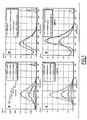
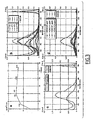
- HO342 a bis-benzimidazole positively charged hydrophobic molecule that is an (A-T) specific DNA stain, exhibits fluorescence characteristics which are dependent on its environment and association state. These characteristics have been used to follow the state of HO342 inside Dd vesicles.
- the inventors have demonstrated the capacity of the dye-containing vesicles to mediate the transfer of the fluorescent dye to nuclei of naive living Dd cells, and more importantly to efficiently target the dye to the nuclei of human cells, either multidrug sensitive or resistant.
- the transfer efficiency of HO342 to the cells by Dd vesicles was found to be improved compared with liposomes containing the dye.
- non-pathogenic amoeba vesicles are useful as a new vehicle for the transport of a molecule of interest, in particular a therapeutic molecule, to eukaryotic cells, such as mammalian cells.
- these vesicles have a plasma membrane which composition is close to that of mammalian cells and deprived of virulence factors. This lack of pathogenic character makes it possible for a safe use of the vesicles, while avoiding side effects such as septic chock that may be encountered with vesicles originating from other micro-organisms, such as bacteria.
- the vesicles according to the invention may find applications in vaccination, gene therapy, or any other therapeutic or prophylactic treatment where the transfer of a molecule of interest to a eukaryotic cell may be required.
- non-pathogenic amoeba denotes a protozoan belonging to the amoeba class, which is not pathogenic for a living eukaryotic cell or a living organism.
- non-pathogenic amoeba include for instance Dictyostelium amoebae, such as Dictyostelium discoideum, or amoebae from the genus Acanthamoeba, such as Acanthamoeba royreba, or from the genus Entamoeba, such as Entamoeba histolytica.
- the non-pathogenic amoeba according to the invention is Dictyostelium discoideum.
- D. discoideum also called “D. discoideum” or “ Dd ', is a non-pathogenic soil-living protozoan that grows as separate, independent cells. Upon exposure to adverse conditions, for instance starvation, D. discoideum amoebae interact by chemotaxis, through cAMP release and relay, to form multicellular structures, and aggregate to form a mound that is surrounded by an extracellular matrix.
- D . discoideum cells comprise or display many features characteristic of higher eukaryotic cells, e.g.
- cytokinesis cytokinesis, motility, phagocytosis, chemotaxis, signal transduction, as well as processes of developmental biology, such as cell sorting, pattern formation, and cell-type determination.
- the amoeba remains as an undifferentiated cell and multiplies by mitosis. Further severe starvation, D. discoideum cells aggregate into multicellular mounds and differentiate into two main cell types.
- non-pathogenic amoeba vesicles is meant for extracellular vesicles that are shed from non-pathogenic amoeba cells.
- “D. discoideum vesicles” denotes extracellular round-shaped vesicles, as may be observed by electron microscopy, that are released by living Dd cells into their external medium, during growth or starvation.
- the size of these vesicles is generally less than 500 nm; it preferably ranges from about 50 nm to about 500 nm, still preferably between 100 and 300 nm.
- Said vesicles are composed of a lipid bilayer containing a cytosolic fraction. D.
- discoideum vesicles lipid bilayer contains usual phospholipids (phosphatidylcholine (PC), phosphatidic acid (PA), phosphatidylethanolamine (PE), phosphatidylinositol (PI), phosphatidylserine (PS), phosphatidylglycerol (PG), diphosphatidylglycerol (DPG)), sphingomyelin (Sph), as well as the lysophospholipid lyso bis phosphatidic acid (LBPA).
- PC phosphatidylcholine
- PA phosphatidic acid
- PE phosphatidylethanolamine
- PI phosphatidylinositol
- PS phosphatidylserine
- PG phosphatidylglycerol
- DPG diphosphatidylglycerol
- Sph sphingomyelin
- molecule of interest is meant for any molecule, such as a therapeutic molecule, or a label molecule, for which the transfer to a eukaryotic cell may be desired.
- said molecule of interest may be an imaging agent useful in medical diagnosis, such as a magnetic resonance imaging contrast agent, an ultrasound imaging agent, or a nuclear imaging agent.
- the molecule of interest is exogenous to the non-pathogenic amoeba.
- exogenous as used herein is synonymous of "heterologous", i.e. it refers to a molecule that is not naturally found in the non-pathogenic amoeba vesicles, or to a molecule that is not expressed by growing non-pathogenic amoeba cells.
- Said molecule may be a peptide, polypeptide, protein, nucleic acid (DNA or RNA oligonucleotides or polynucleotides), lipid, or more generally any chemical, biological, or synthetic molecule.
- said molecule of interest is not Hoechst 33342 (also called H0342).
- the molecule of interest may be carried on (i.e. in the membrane) or within (i.e. in the lumen) the vesicles of the invention.
- therapeutic molecule refers to any active molecule capable of reversing, alleviating, inhibiting the progress of, or preventing a pathologic disorder or condition, or a symptom of said disorder or condition.
- Therapeutic molecules may include a small therapeutic protein/peptide (interleukins, growth factors, chemokines), an hormone, a protein such as an enzyme or a receptor, a nucleic acid such as an oligodeoxynucleotide, or a DNA (in particular in the form of a DNA plasmid) or RNA encoding a pharmacological peptide or protein as well as an antisense nucleic acid, ribozyme, or « small interfering RNAs" (siRNAs) that blocks translation of a specific mRNA.
- Therapeutic molecules more generally include any biological, chemical, or synthetic molecule known to achieve a therapeutic effect in vitro and/or in vivo, such as chemotherapeutic agents for the treatment of cancers, infections, etc...
- transfer refers to the introduction of the molecule of interest into cells.
- the term "eukaryotic cell” denotes a cell which has a chromosome-containing nucleus surrounded by its proper membrane, which isolates the nucleus from the cytoplasm. This term applies to a cell from any (eukaryotic) unicellular microorganism, fungi, as well as to plants, animals and humans.
- said eukaryotic cell is heterologous to the non-pathogenic amoeba, in particular said cell is a mammalian cell, e.g. a human, mouse, sheep, or monkey cell. Still preferably, said mammalian cell, in particular human cell, is, naturally or induced, multidrug resistant.
- “Pharmaceutically” or “pharmaceutically acceptable” refer to molecular entities and compositions that do not produce an adverse, allergic or other untoward reaction when administered to an animal, or a human, as appropriate.
- pharmaceutically acceptable carrier includes any and all solvents, dispersion media, coatings, antibacterial and antifungal agents, isotonic and absorption delaying agents and the like.
- the use of such media and agents for pharmaceutical active substances is well known in the art. Except insofar as any conventional media or agent is incompatible with the active ingredient, its use in the therapeutic compositions is contemplated. Supplementary active ingredients can also be incorporated into the compositions.
- the invention provides a method for preparing vesicular vehicles useful for transferring one or more molecules of interest to an eukaryotic cell, which vehicles is a non-pathogenic amoeba vesicle, preferably Dictyostelium discoideum vesicle, containing said molecules of interest.
- the invention thus relates to a method for preparing a non-pathogenic amoeba vesicle containing a molecule of interest, which method comprises the steps consisting of:
- said molecule of interest is exogenous to the non-pathogenic amoeba. Also preferably said molecule of interest is not Hoechst 33342.
- the molecule of interest is preferably a nucleic acid, a small organic or inorganic compound such as bioactive agents.
- pharmaceutical or bioactive agents include, but are not limited to, antimicrobial agents, antibiotics, antimycobacterial, antifungal, or antiviral agents, agents affecting the immune response, blood calcium regulators, agents useful in glucose regulation, anticoagulants, antithrombotics, antihypertipidemic agents, cardiac drugs, thyromimetic and antithyroid drugs, adrenergics, antihypertensive agents, cholinergics, anticholinergics, antispasmodics, antiulcer agents, skeletal and smooth muscle relaxants, prostaglandins, general inhibitors of the allergic response, antihistamines, local anesthetics, analgesics, narcotic antagonists, antitussives, sedative-hypnotic agents, anticonvulsants, anti
- the molecule of interest may be an anti-neoplastic agent, such as vincristine, doxorubicin, hypericin, mitoxantrone, camptothecin, cisplatin, bleomycin, cyclophosphamide, methotrexate, streptozotocin, and the like.
- an anti-neoplastic agent such as vincristine, doxorubicin, hypericin, mitoxantrone, camptothecin, cisplatin, bleomycin, cyclophosphamide, methotrexate, streptozotocin, and the like.
- the molecule of interest may also be an imaging or diagnostic agent to be targeted, for instance, to a neoplastic tissue.
- the diagnostic agent may be an imaging agent for tracking progression of a disease.
- Imaging agents include for instance chelate of radionuclides, such as technetium-99, or iodine-125.
- the extracellular vesicles are directly recovered from a culture medium in which non-pathogenic amoeba cells were grown in the presence of the molecule of interest. Said vesicles may be recovered for instance after reaching late (or end of) exponential growth phase.
- non-pathogenic amoeba cells may be cultured and grown, for instance up to late (or end of) exponential growth phase, in a first culture medium appropriate to sustain cell growth and in the presence of the molecule of interest.
- Non-pathogenic amoeba cells may then be transferred in a second culture medium, optionally in the presence of the molecule of interest, under conditions sufficient for the non-pathogenic amoeba cells to release extracellular vesicles.
- said second culture medium may be totally deprived of the nutrients required to sustain cell growth ("starvation medium").
- the non-pathogenic amoeba vesicles are then recovered from said second "starvation" culture medium.
- Suitable conditions for culturing non-pathogenic amoebae are known to the one of ordinary skill in the art.
- the non-pathogenic amoeba according to the invention is Dictyostelium discoideum.
- D. discoideum vesicles are naturally released from D. discoideum cells with no need to expose said cells to a stress stimulus, such as a chemical stress or a thermal stress, for instance.
- a stress stimulus such as a chemical stress or a thermal stress, for instance.
- D. discoideum cells are particularly easy to grow.
- the amoebae grow on bacterial lawns or in liquid cultures of semi-defined or completely defined media with doubling times of 3 to 12 hours.
- Over 10 10 D. discoideum cells can be grown in a few days without sophisticated equipment. Above this amount of cells, growth in bioreactors is required and has already been experimented (Poppenborg et al. (1997)).
- Appropriate culture conditions thus may be readily defined by the one skilled in the art.
- Such conditions may comprise for instance growing cells in suspension in a culture medium, for instance HL5 semi-defined medium, containing a suitable carbon source, such as yeast extract, as described by Sussman (1987) or Watts and Ashworth (1970).
- a suitable carbon source such as yeast extract
- the culturing of D. discoideum cells is more thoroughly detailed in the following examples.
- the culture period may be variable, for instance ranging from 24 to 96 hours, preferably from 48 to 72 hours. Duration of the culture may be readily adjusted by the one skilled in the art depending on the number of cells inoculated in the culture medium and on the amount of vesicles to be collected.
- the invention advantageously makes use of the high resistance to xenobiotics displayed by D. discoideum cells.
- D. discoideum cells exposed to a molecule of interest, in particular an exogenous molecule have the capacity to uptake said molecule and to expel it into the culture medium via the vesicles released into the extracellular space.
- D. discoideum vesicles can encapsulate large quantities of interest molecules, such as therapeutic molecules, either within their aqueous interiors or dissolved into the hydrocarbon regions of their lipid bilayers.
- the molecule of interest may be added to the cultured cells, preferably when initiating growth or during exponential growing phase.
- the concentration of the molecule of interest in the culture medium may be adjusted by the one skilled in the art so that said molecule does not exhibit toxicity towards the non-pathogenic amoeba cells.
- the one skilled in the art may readily determine suitable concentrations by routine experiment, for instance by comparing the growth rate or proliferation of non-pathogenic amoeba cells cultured in the presence or not of the molecule of interest.
- the concentration of the molecule of interest in the lumen of the vesicles is correlated with the concentration of the molecule of interest in the culture medium.
- the method of the invention thus makes it possible to modulate the concentration of the molecule of interest encapsulated within the vesicles by adjusting the concentration of said molecule in the culture medium.
- the non-pathogenic amoeba vesicles are separated from non-pathogenic amoeba cells, isolated from the culture medium, and optionally concentrated.
- the cultured cells may be removed by centrifugation (for instance at 700g for 5 minutes) and the resulting supernatant may then be cleared by another centrifugation step (for instance 2,000g for 10 minutes).
- the vesicle may be pelleted by 12,000g and 105,000g ultracentrifugation.
- Mention may be made for instance of ultrafiltration, nanofiltration, biomagnetic separation and chromatography, such as size exclusion chromatography, affinity chromatography, etc...
- the vesicles so obtained may be stored for several weeks at 4°C. They are very stable and can resist several freezing/thawing cycles in liquid nitrogen.
- the invention further relates to a non-pathogenic amoeba cell, in particular a D. discoialeum cell, which has been cultured in the presence of a molecule of interest and to the extracellular vesicles obtainable by a method as described above.
- the vesicle according to the invention is a vesicle from a non-pathogenic amoeba that contains a molecule of interest, with the proviso that said vesicle is not a D. discoideum vesicle containing Hoechst 33342.
- said vesicle is a vesicle from D. discoideum.
- said molecule of interest is exogenous to the non-pathogenic amoeba.
- D. discoideum vesicles efficiently transferred HO342 to multidrug resistant human cells. Since HO342 is a known substrate of Pgp, a protein involved in cell multidrug resistance, this finding supports that D. discoideum vesicles, and more generally non-pathogenic amoeba vesicles, constitute a vehicle useful for the delivery of therapeutic molecules to cells, in particular those that display multidrug resistance.
- said molecule of interest may be a therapeutic molecule, such as an antitumoral agent.
- Antitumoral agents may be chemotherapeutic drugs that initiate cytotoxicity through interactions with a variety of molecular targets.
- Chemotherapeutic drugs include for instance topoisomerase inhibitors, alkylating agents that form adducts with the nucleophilic centers of DNA and proteins, platinum compounds, pyrimidine and purine antimetabolites, or microtubule targeting drugs.
- Most cancer drugs induce cell death, at least partially, via downstream events leading to programmed cell death or apoptosis.
- said antitumoral agent may be a cytokine, capable of enhancing the immune response elicited by a tumor antigen and thus stimulate the host's defence against a tumor.
- Said molecule may also be a small Mr compound, such as an antitumoral drug or the Differentiation Inducing Factor (DIF) from D. discoideum that is structurally related to the antitumoral drug differanisole A.
- DIF Differentiation Inducing Factor
- MDR multidrug resistance
- a therapeutic molecule according to the invention may further be a molecule silencing a MDR protein expression or by-passing the MDR protein.
- this approach may for instance utilize antisense nucleic acids or ribozymes that block translation of a specific mRNA, either by masking this mRNA with an antisense nucleic acid or cleaving it with a ribozyme.
- antisense technology see, e.g., Antisense DNA and RNA, (Cold Spring Harbor Laboratory, D. Melton, ed., 1988 ).
- Reversible short inhibition of MDR gene transcription may also be useful. Such inhibition can be achieved by use of siRNAs.
- RNA interference (RNAi) technology prevents the expression of genes by using small RNA molecules such as « small interfering RNAs" (siRNAs).
- siRNAs small interfering RNAs
- This technology takes advantage of the fact that RNAi is a natural biological mechanism for silencing genes in most cells of many living organisms, from plants to insects to mammals (Sharp, 2001). RNAi would prevent a gene from producing a functional protein by ensuring that the molecule intermediate, the messenger RNA copy of the gene is destroyed.
- siRNAs could be used in a naked form and incorporated in a vesicle according to the invention.
- the invention should not be limited to the field of cancer therapy.
- molecules useful for the treatment of an infection in particular a bacterial, viral or parasitic infection.
- these molecules may be an antigenic peptide, an antibody, an antibiotic, an anti-viral agent such as interferon, an anti-protease agent, etc...
- the molecule of interest may be advantageously an antigenic peptide associated with an adjuvant such as a lipopolysaccharide (LPS), Freund's adjuvant, or any other adjuvant known in the art.
- the vesicles of the invention may be used to vehicle Immunoglobulins A (IgA) to intestinal epithelial cells so as to achieve mucosal vaccination.
- IgA Immunoglobulins A
- the MDR silencing strategy disclosed above may further find application in the context of mucoviscidose treatment.
- the efficacy of the chemotherapeutic treatment of mucoviscidose which is intended for the treatment and prevention of bacterial infection of the obstructed bronchi, may be jeopardize by the onset of drug resistance upon drug administration. Therefore, non-pathogenic amoeba vesicles containing means (antisense, siRNA, etc8) for silencing the expression of the transporter(s) responsible for drug resistance or chemical compounds able to bypass the drug resistance proteins could prove useful for enhancing mucoviscidose treatment efficacy.
- Non-pathogenic amoeba vesicles as delivery vehicles and uses thereof
- non-pathogenic amoeba vesicles comprise vehicles useful for delivering of a molecule of interest to a target cell. Once taken up by a target cell, non-pathogenic amoeba vesicles facilitate the cytoplasmic and/or the nucleus delivery of an encapsulated molecule of interest, such as a therapeutic molecule, by fusing with the endosomal and/or nucleus membranes.
- the non-pathogenic amoeba D. discoideum vesicles proved to be more efficient than liposomes in the transfer of HO342 to living D. discoideum cells. Without willing to be linked to a particular theory, it is thought that this improved transfer efficiency may be due to the closest composition of D. discoideum vesicle lipid bilayer with cell cytoplasmic and endosomal membranes. This similarity would make it easier for non-pathogenic amoeba vesicles, and in particular D. discoideum vesicles, to fuse with cell membranes and thus deliver the material contained in its interior or lipid bilayer.
- the invention further relates to a vehicle useful for in vitro and/or in vivo transferring a molecule of interest to a eukaryotic cell, in particular a mammalian cell, which vehicle consists in, or comprises, a D. discoideum vesicle as described above.
- vehicle may consist in or comprise a D. discoideum vesicle that contains Hoechst 33342.
- the invention also relates to the use of a non-pathogenic amoeba vesicle containing a molecule of interest, as described above, including a D. discoideum vesicle that contains Hoechst 33342, as a vehicle useful for in vitro, ex vivo and/or in vivo transferring a molecule of interest to an eukaryotic cell, in particular a mammalian cell.
- said non-pathogenic amoeba is D. discoideum.
- a method for in vitro and/or ex vivo transferring a molecule of interest to an eukaryotic cell comprises the step consisting of contacting an eukaryotic cell with a vehicle according to the invention, i.e. a non-pathogenic amoeba vesicle containing a molecule of interest, including a D. discoideum vesicle that contains Hoechst 33342, under conditions sufficient to allow the non-pathogenic amoeba vesicle to fuse with the eukaryotic cell, whereby the molecule of interest is transferred to the eukaryotic cell.
- a vehicle according to the invention i.e. a non-pathogenic amoeba vesicle containing a molecule of interest, including a D. discoideum vesicle that contains Hoechst 33342
- Such contact may be carried out for instance by culturing said eukaryotic cell in the presence of non-pathogenic amoeba vesicles.
- said molecule of interest is exogenous to the non-pathogenic amoeba.
- said non-pathogenic amoeba is Dictyostelium discoideum.
- a method for in vivo transferring a molecule of interest to an eukaryotic cell comprises the step consisting of contacting an eukaryotic cell with a vehicle according to the invention, i.e. a non-pathogenic amoeba vesicle containing a molecule of interest, including a D. discoideum vesicle that contains Hoechst 33342, under conditions sufficient to allow the non-pathogenic amoeba vesicle to fuse with the eukaryotic cell, whereby the molecule of interest is transferred to the eukaryotic cell.
- a vehicle according to the invention i.e. a non-pathogenic amoeba vesicle containing a molecule of interest, including a D. discoideum vesicle that contains Hoechst 33342
- said method may comprise administering a mammal with a non-pathogenic amoeba vesicle containing a molecule of interest, under conditions suitable to allow the non-pathogenic amoeba vesicle to fuse with a cell of said mammal, whereby the molecule of interest is transferred to said cell.
- said molecule of interest is exogenous to the non-pathogenic amoeba.
- said non-pathogenic amoeba is Dictyostelium discoideum.
- the non-pathogenic amoeba vesicle may be administered for instance according to any suitable route usually used in the art where a liposome or other membrane vesicle delivery means is to be administered.
- a liposome or other membrane vesicle delivery means is to be administered.
- topical, oral, parenteral, intranasal, intravenous, intramuscular, subcutaneous or intraocular administration and the like may be contemplated.
- the non-pathogenic amoeba vesicle according to the invention can be administered either alone or in the form of a composition, in mixture with a physiologically-acceptable carrier (such as physiological saline or phosphate buffer) selected in accordance with the route of administration and standard pharmaceutical practice.
- a physiologically-acceptable carrier such as physiological saline or phosphate buffer
- the composition may contain pharmaceutically acceptable auxiliary substances as required to approximate physiological conditions, such as pH adjusting and buffering agents, tonicity adjusting agents and the like, for example, sodium acetate, sodium lactate, sodium chloride, potassium chloride, calcium chloride, etc.
- the composition may include lipid-protective agents which protect lipids against free-radical and lipid-peroxidative damages on storage. Lipophilic free-radical quenchers, such as a- tocopherol and water soluble iron-specific chelators, such as ferrioxamine, are suitable.
- a pharmaceutical composition comprising a non-pathogenic amoeba vesicle, in particular a D. discoideum vesicle, containing a therapeutic molecule together with a pharmaceutically acceptable carrier is within the scope of the invention.
- the invention provides a method for the treatment of diseases that can be improved by administering a therapeutically effective amount of the non-pathogenic amoeba vesicles containing the therapeutic molecule.
- diseases may be for instance diseases characterized by aberrant expression of a gene in a mammalian subject, including tumors.
- Said therapeutic molecule may be in particular an antisense nucleic acid component that hybridizes specifically with the aberrantly expressed gene.
- terapéuticaally effective amount means an amount which provides a therapeutic benefit.
- antisense oligonucleotide this means generally 0.5 to 50 mg/kg of body weight, but when delivered in a lipid particle formulation, a below-toxic amount of lipids must be used.
- said vesicles may be utilized for the therapy of pathological disorders wherein a multidrug resistance phenotype may arise, such as cancer, mucoviscidose etc ... Furthermore, said vesicles may also be used to supplement a defective mutated gene.
- Figure 1 is a representation, of fluorescence emission spectra analysis of Hoechst 33342 excited at 350 nm, free or complexed with DNA, lipids and SDS detergent.
- the emission peak at 475 nm was of very low intensity (a.u.) for free HO342 (4-44 ⁇ g/ml in buffer A).
- the emission peak at 450 nm was of a much higher intensity (x 100).
- Figure 2 depicts the fluorescence emission spectra of Dictyostelium extracellular vesicles.
- Figure 3 represents fluorescence emission spectra of «12,000» A1 Dd extracellular vesicles as a function of Hoechst 33342 concentration and incubation time with Dictyostelium cells during growth.
- Dd cells cloned Ax-2 strain, were grown in suspension in HL5 semi-defined medium (Sussman, 1987 ; Watts and Ashworth., 1970), on a gyratory shaker (150 rpm) at 22°C. For proper oxygenation, each suspension was grown in an Erlenmeyer holding five times the suspension volume with addition of antibiotics (Biomedia) (penicillin (50 U/ml), streptomycin (50 U/ml)). Dd cells are able to grow and divide at the expense of soluble or particulate nutrients to produce vegetative cells, which were generally used in the late exponential phase of growth for starvation.
- antibiotics Biomedia
- HO342 Molecular Probes
- HO342 stock solution ( ⁇ 1 mg/ml) was prepared in de-ionized water, filter sterilized (0.22 ⁇ m), stored at -20°C, and diluted to the appropriate concentration (4-44 ⁇ g/ml) when initiating the culture with HO342.
- cells were incubated with HO342 during 24 h.
- cells were incubated with HO342 (10 ⁇ g/ml) for periods of time ranging from 24 h to 216 h.
- Cells, grown with HO342 or without were used further for preparation of vesicles, and, sometimes, for starvation before preparation of vesicles, without any HO342 added during starvation.
- cells at the end of their exponential growth -with or without HO342- were harvested by centrifugation at 700g for 5 min, washed twice in ice-cold potassium phosphate buffer (17 mM, pH 6.8) (buffer A), and resuspended in this buffer at a density of 4 x 10 7 cells/ml at time 0 (to).
- Cells were starved 22 h on a gyratory shaker (150 rpm) at 22°C, in proper oxygenation conditions.
- Dd cells grown in presence of HO342 were prepared as described for starvation, but resuspended at a density of 2 x 10 7 cells/ml in cold (-20°C) methanol:buffer A (70:30 v/v). Fixation was achieved after 10 min at -20°C and cells were kept at 4°C until use.
- Pellets P/12,000 and P/105,000 were resuspended and (x 50) concentrated in 40 mM Tris-HCl, pH 7.4, 250 mM sucrose, 5 mM dithiothreitol, 2 mM EDTA (buffer B) and anti-proteases. All chemical reagents were from Sigma.
- the vesicles were respectively named A1 when prepared from growth medium with HO342 and C1 without HO342 (control). Vesicles prepared from t 22 starvation media were respectively named A2 (HO342) and C2 (control).
- the erythroleukemia K562 cells (ATCC CCL-243), were maintained in suspension in a 25 cm 2 (Coming) flask for tissue culture, using RPMI 1640 medium supplemented with 10% fetal calf serum (Biomedia), glutamine (2mM) and antibiotics (Biomedia) (penicillin (50 Ulml), streptomycin (50 U/ml)). Cells were grown in a 5% CO 2 and 95% humidified air atmosphere, at 37°C.
- the resistant K562r cell line, expressing the multidrug P-glycoprotein was selected from the normal sensitive K562s cell line as described (Loetchutinat et al., 2003). In order to maintain P-glycoprotein expression, the medium of K562r cells was supplemented with 60 ng/ml colchicine.
- K562 cells were harvested at a density about 10 6 cells/ml. After cell counting on a Bürker hemocytometer, cells were centrifuged (5min, 300g) and resuspended at a density of 10 7 cells/ml in RPMI 1640 medium with 10% fetal calf serum.
- SDS-PAGE After quantification of protein concentrations of Dd vesicles by the method of Peterson (Peterson et al., 1977), SDS-PAGE (8% or 12%) was performed according to Laemmli (1970). SYPRO-red (Molecular Probes) staining (sensitivity similar to silver staining) was used to visualize electrophoretic patterns.
- Egg phosphatidylcholine and cholesterol have been used for preparation of large unilamellar vesicles (LUV) and small unilamellar vesicles (SUV), according to Olson (Olson et al., 1979).
- the morphological changes of the growing and/or aggregating Dd cells were controlled by phase contrast microscopy with an Olympus BHA transmission microscope (Scop, Rungis, France) and by low magnification stereomicroscopy (Olympus STZ). UV fluorescence microscopy was performed with the same BHA Olympus microscope, equipped with a 100 W mercury lamp and an ultraviolet-blue fluorescence excitation block.
- HO342 transfer from Dd vesicles to its intracellular target, i.e . nuclei of living Dd or K562 cells was observed as follows: 10 ⁇ l of cells ( ⁇ 10 7 cells/ml, either directly harvested for Dd cells or after concentration by centrifugation for K562 cells) and 10 ⁇ l of concentrated Dd vesicles were deposited on a microscope slide under a 20x20 mm cover glass and observed by UV fluorescence video microscopy as a function of time. For overnight observations, cover glasses were sealed on microscope slides with nail varnish to prevent sample evaporation.
- SUV were also prepared without the dye and HO342 (40 ⁇ g/ml, final concentration in buffer A) was added to the SUV preparation.
- SDS 2% was added to DNA-bound HO342 and lipid-bound HO342.
- the (uncorrected) spectra were recorded from 360 to 720 nm, using a 350 nm excitation wavelength. The sample absorbance at this excitation wavelength was usually less than 0.1 in order to eliminate inner filter effects.
- Dd extracellular vesicles (Taticianff et al., 1998 ; Tatischeff et al., 2001) have been further purified from growth medium of vegetative (t 0 ) cells and from t 22 conditioned medium, as detailed in Materials and methods.
- the vesicle size was heterogeneous, ranging from 57 nm to 500 nm in diameter.
- Vesicles prepared and concentrated (x 50) from growth media (A1, C1) were first analyzed for their protein content.
- Table 1 indicates that in control conditions, i.e in the absence of HO342 during growth, a much larger amount of proteins was present in «105,000» C1 vesicles as compared to the one in «12,000» C1 vesicles.
- protein content of «12,000» A1 vesicles purified from growth medium of cells grown with HO342 was significantly higher than that of «105,000» A1 vesicles prepared in the same experimental conditions.
- Table 1 indicates that in control conditions, i.e in the absence of HO342 during growth, a much larger amount of proteins was present in «105,000» C1 vesicles as compared to the one in «12,000» C1 vesicles.
- protein content of «12,000» A1 vesicles purified from growth medium of cells grown with HO342 was significantly higher than that of «105,000» A1 ve
- Example 3 Fluorescence emission spectra of HO342 in buffer and associated with DNA, lipids and/or anionic detergent SDS
- a solution of HO342 in the concentration range 4-44 ⁇ g /ml in buffer A showed a very weak fluorescence emission, linear as a function of concentration, with a maximum wavelength at 475 nm when excited at a wavelength of 350 nm ( fig. 1 a) .
- HO342 When interacting with (Cp) DNA, at a low [bp]/[dye] ratio ( ⁇ 2), HO342 exhibited a higher fluorescence intensity (x100) with a blue-shifted emission peak at 452 nm ( fig. 1b ), as previously described (Gorner et al., 2001 ; Cosa et al., 2001).
- Example 4 Fluorescence emission spectra of HO342 in Dd extracellular vesicles
- the «12,000» and «105,000» A1 and C1 vesicles were studied by spectrofluorimetry. Both «12,000» and «105,000» A1 vesicles, excited at 350 nm, exhibited weak intensity emission spectra between 360 and 720 nm ( fig. 2a ), with a wavelength maximum around 450 nm, near to the one observed for HO342-DNA or H0342-lipid complexes. The emission spectra of «12,000» and «105,000» A2 vesicles, when excited at 350 nm, were of lower intensity ( fig. 2b ).
- the HO342 contained in the A1 and A2 vesicles exhibited, in presence of SDS 2%, a fluorescence emission peak at 470 nm ( fig. 2c, d ). Furthermore, the intensity was increased by a factor ⁇ 25 (+/- 3) for H0342 in the «12,000» and «105,000» A1 vesicles and by a factor ⁇ 10 (+/- 0.5) for HO342 in the «12,000» and «105,000» A2 vesicles. As shown previously, the fluorescence of HO342 in interaction with SDS 2% was characterized by a much higher intensity ( fig. 1 c) as compared to free HO342 ( fig. 1 a) .
- Example 5 Influence on the vesicular externalisation of HO342 of the dye concentration in the cell growth medium and of the incubation time with Dd cells
- the following experiments give an insight of the absence of cytotoxicity of HO342 during incubation with Dd cells in the growth medium and of the efficiency of its vesicular externalisation as a function of the used experimental conditions.
- the growth curve of Dd cells, continuously maintained with HO342 (10 ⁇ g/ml) since the initiation of the culture at a density of 3x10 6 cells/ml is shown on figure 3a .
- Apoptosis might increase as a function of time along the stationary plateau (Taticianff et al., 2001), and the characteristic much smaller size of apoptotic cells were predominant for the t' 216 fixed Dd cells ( fig. 3a ).
- A1 vesicles were prepared after different times of incubation (24 h-165 h) and studied by fluorescence spectroscopy, both with and without addition of SDS 2%, as previously described.
- a suspension (5 x10 6 cells/ml in buffer A) of t' 95 fixed Dd cells ( fig. 3a ) exhibited fluorescence spectra with or without SDS 2%, characteristic of HO342-DNA complexes ( fig. 3c ).
- HO342 concentration (2.2-17.4 ⁇ g/ml, final concentration) in the growth media is shown on figure 3d .
- SDS (2%) disruption of the vesicles originating from Dd cells incubated at the highest HO342 concentration showed the presence of a higher amount of free HO342.
- Example 6 Dd A1 vesicles mediate the transfer of HO342 to the nuclei of living Dd cells
- the nuclei of Dd cells grown without HO342 became highly stained with the dye, after about 1/2 h of incubation with Dd concentrated (x 50) «12,000» A1 vesicles.
- Dd concentrated (x 50) «12,000» A1 vesicles Three different fields were observed by light microscopy at different times after starting the incubation, either with white light to control the cell appearance, or under UV exciting light for fluorescence observation of the nuclei. After 6 min, very few fluorescent structures appeared, but after 34 min and 67 min almost all of the nuclei were heavily stained within the living cells.
- Dd cells were also incubated with the cell growth medium used for the preparation of the A1 vesicles and containing the vesicles before concentration by centrifugation.
- Dd «105,000» A1 vesicles although containing less HO342 than the «12,000» A1 vesicles, as shown by fluorescence spectroscopy ( fig. 2a, c ), were also able to mediate HO342 transfer towards the nuclei of Dd cells.
- fluorescence spectroscopy fig. 2a, c
- Example 7 Dd A1 vesicles mediate the transfer of HO342 to the nuclei of living human leukemic K562 cells, either multidrug resistant or sensitive
- the Dd concentrated (x 25) «12,000» and «105,000» A2 vesicles obtained from t 22 starved cells, were also able to mediate HO342 transfer to nuclei of K562s cells during an overnight incubation.
- the nuclei of the K562r cells were also stained by overnight incubation with the Dd concentrated (x 25) «12,000» A2 vesicles. They were but poorly stained with the Dd «105,000» A2 vesicles.
- Dd externalised vesicles are able to interact with other living cells targeting their HO342 content into the nuclei of either Dd cells or human leukemic K562 cells, and this, independently of the huge differences in size of their nuclei and genomes.
- an overnight incubation was probably too long and did induce some apoptotic morphological changes, such as a reduction in cell size and cell blebbing, specially for the K562r cells.
- Example 8 D. discoideum vesicles constitute an efficient delivery vehicle for transfer of exogenous molecules to human cells
- DIF D. discoideum differentiation inducing factor
- D. discoideum cells are grown in the presence of DIF so as to encapsulate the differentiation factor within the extracellular vesicles. It is worth noting that growing D. discoideum cells do not synthesize DIF, which thus can be regarded as an exogenous molecule to D. discoideum cells during growth phase.
- Said vesicles are further isolated and concentrated and further contacted with K562 cells, as described above with the vesicles containing HO342, so as to assess whether K562 cells acquired capacity to synthesized haemoglobin, i.e. whether the differentiated phenotype of the K562 cells is reverted by DIF-containing Dd vesicles.
- the present data show that the cells of the unicellular eukaryotic microorganism D. discoideum externalise vesicles containing endogenous and exogenous molecules. Dd cells can be grown or starved in rather large suspensions, therefore allowing easy isolation from the growth or starvation medium of large amount of these vesicles.
- vesicles Purification of the vesicles, either externalised from cells grown in presence or not of the vital DNA stain HO342, or expelled by the same cells after a 22 h starvation period in buffer A, led to isolate different types of vesicles. They were separated in two groups by ultracentrifugation at 12,000g and 105,000g.
- the protein analysis of Dd vesicles indicated the presence of polypeptides of 97, 66-60, 45, and 35-30 kDa. This has to be compared with the proteins associated with the purified Dd endocytic vesicles (Rodriguez-Paris et al., 1993 ; Nolta et al, 1994, Adessi et al., 1995). Among the major proteins, identified by sequence analysis, attention has to be paid, beside actin and a Rab 7-like GTPase, to the many subunits of the D.
- the fluorescence properties of HO342 were used to demonstrate by spectrofluorimetry that the vesicles externalised from Dd cells grown in presence of HO342 actually contained the dye. That was true for both the «12,000» and «105,000» vesicles, either purified directly from the cell growth medium (A1), or from the t 22 starvation medium of the same cells (A2).
- HO342 bound in the DNA small groove is only partly protected from the polar environment. Upon excitation, there is a charge transfer process between the two benzimidazole subunits, resulting in a more planar configuration of the molecule. This should be the most predominant conformation in DNA, at a high [bp]/[dye] ratio, due to a rather tight binding of the dye in the DNA groove, which is responsible for the longer-lived component, i.e. for the blue shift and higher intensity of the HO342-DNA complex.
- the efficiency of transfer of HO342 mediated by «12,000» and «105,000» A2 vesicles isolated from the t 22 starvation medium was compared simultaneously on the three cell types with overnight incubation.
- the nuclei of K562s cells were much more stained with the «12,000» A2 vesicles than with the «105,000» A2 vesicles.
- the nuclei of K562r cells were stained by the «12,000» A2 vesicles with a much lower efficiency than the nuclei of K562s cells. Staining of the K562r nuclei with the «105,000» A2 vesicles was very faint. Dd cells were also more efficiently stained with the «12,000» A2 vesicles than with the «105,000» A2 vesicles.
- vesicles may be a general property of many cell types, first mentioned in 1981 (Trams et al., 1981). However, there seems to be an important heterogeneity in origin, nature, protein composition and physiological functions -mostly yet unknown- of the described extracellular vesicles.
- Two types of membrane vesicles were released from activated platelets and discriminated by their size: microvesicles (100 nm to 1 ⁇ m in diameter) were externalised by surface shedding and exosomes (40-100 nm in diameter) were secreted after fusion of MVBs with the plasma membranes (Heijnen et al., 1999). During apoptotic cell death, cells are also blebbing and expelling apoptotic bodies of different sizes, which are mixed with the other externalised vesicles (Thery et al., 2001).
- Vesicles externalised by tumour cells can also be used for tumour detection (Bergsmedh et al., 2001 ; Anker et al., 2003), or for immunisation against tumours (Wolfers et al., 2001 ; Andre et al., 2002).
- Dd cells were known to be as motile as leukocytes and as efficient for phagocytosis as macrophages.
- the intensive membrane traffic displayed by these non pathogenic amoebae shows also amazing similarities with membrane traffic of mammalian cells.
- Dd vesicle externalisation shared by Dd cells with many human cells thus appears to provide an important mean of intercellular communication. It is interesting to remark that such a role was efficient enough to survive through evolution since about 1 billion years. Due to this outstanding conservation of many essential functions from Dd to human, Dd vesicles thus provide useful drug vectors for targeting human cells, optionally associated with a very specific targeting of the intracellular goal. Efficient drug targeted delivery inside pathological cells is indeed a general problem, encountered both in the treatment of resistant tumours and for efficiently applying antigene or antisense therapy.
- Example 9 Internalisation of an exogenous molecule and its release in vesicles is a general process in D. discoideum cells
- Dd cells The capacity of Dd cells to internalise different exogenous molecules was studied. Further, their ability to release vesicles, in particular the "12,000" vesicles, carrying a broad-spectrum of molecules of interest was assessed. Flow cytometry and micro-spectrofluorimetry were used to measure respectively the cell internalisation and the vesicle-mediated release of the fluorescent cargo molecule as a function of incubation time in the growth medium. Growing Dd cells were incubated for different periods of time up to 72 h in the presence of the exogenous molecule. Fractions of the cells were fixed in 2% paraformaldehyde after each one of these increasing incubation times.
- the externalised "12,000” vesicles were prepared from aliquots of the growth medium and concentrated (X20). As controls, Dd cells were grown in parallel without the cargo molecule and handled the same. Moreover, cell counting during growth allowed to check for any cytotoxicity of the studied molecule as a function of time. Cell and vesicle samples were kept at 4°C until measurements.
- Dd cells were rapidly stained without any apparent toxicity. After a 4h-incubation, the stained cells had released but very few vesicles into their growth medium. After a 24h-incubation, the cells had lost part of their hypericin content, whereas a significant amount of hypericin-loaded vesicles was collected. After a 48h-incubation, the cells had lost most of their staining and hypericin was found associated with the high amount of vesicles released into the growth medium.
- This compound belongs to the anthracyclin family widely used in antitumoral chemotherapy.
- the study showed that this red-emitting molecule is also released into "12,000" vesicles. Accordingly, Dd vesicles carrying one of the numerous related anthracyclin compounds of quite different hydrophobicity makes it possible to address the question of the influence of hydrophobicity on the efficiency of the anthracyclin transfer into leukemic human cells expressing multidrug resistance against antitumoral chemotherapy.
- Reporter plasmid (peroxidase or GFP).
- DNA plasmids are conducted with a fluorescently labelled plasmid, in order to follow Dd cell internalisation and vesicle-mediated externalisation.
Landscapes
- Health & Medical Sciences (AREA)
- Life Sciences & Earth Sciences (AREA)
- Medicinal Chemistry (AREA)
- Animal Behavior & Ethology (AREA)
- Virology (AREA)
- Engineering & Computer Science (AREA)
- Bioinformatics & Cheminformatics (AREA)
- Chemical & Material Sciences (AREA)
- Cell Biology (AREA)
- Pharmacology & Pharmacy (AREA)
- Epidemiology (AREA)
- Hematology (AREA)
- General Health & Medical Sciences (AREA)
- Public Health (AREA)
- Veterinary Medicine (AREA)
- Micro-Organisms Or Cultivation Processes Thereof (AREA)
- Medicines That Contain Protein Lipid Enzymes And Other Medicines (AREA)
- Preparation Of Compounds By Using Micro-Organisms (AREA)
- Inert Electrodes (AREA)
Claims (20)
- Procédé de préparation de vésicules d'amibe non pathogène contenant une molécule d'intérêt exogène choisie dans le groupe comprenant une molécule thérapeutique, un agent d'imagerie et un agent de diagnostique, ledit procédé comprenant les étapes consistant à :a) cultiver une cellule d'amibe non pathogène dans un milieu de culture comprenant ladite molécule d'intérêt exogène, dans des conditions suffisantes pour permettre à la cellule d'amibe non pathogène de libérer des vésicules ;b) récupérer une vésicule libérée par ladite cellule, ladite vésicule contenant ladite molécule d'intérêt exogène ;à condition que ladite vésicule ne soit pas une vésicule de Dictyostelium discoideum contenant le composant Hoechst 33342.
- Procédé selon la revendication 1, dans lequel ladite amibe non pathogène est Dictyostelium discoideum.
- Procédé selon la revendication 1 ou 2, dans lequel ladite molécule exogène intéressante est une molécule thérapeutique choisie dans le groupe comprenant un antibiotique, un agent antimicrobien, un agent anti-mycobactérien, antifongique ou antiviral, un agent affectant la réponse immunitaire, un régulateur du calcium sanguin, un agent utile dans la régulation du glucose, un anticoagulant, un agent anti-thrombotique, un agent anti-hyperlipidémiant, un médicament cardiaque, un médicament thyromimétique ou anti-thyroïdien, un agent adrénergique, un agent anti-hypertenseur, un agent cholinergique, un anti-cholinergique, un anti-spasmodique, un anti-ulcéreux, un relaxant des muscles squelettiques et des muscles lisses, une prostaglandine, un inhibiteur général de la réponse allergique, un anti-histaminique, un anesthésique local, un analgésique, un antagoniste narcotique, un antitussif, un agent sédatif - hypnotique, un agent anti-convulsivant, un anti-psychotique, un agent anxiolythique, un agent antidépresseur, un agent anorexigène, un agent anti-inflammatoire non stéroïdien, un agent anti-inflammatoire stéroïdien, un anti-oxydant, un agent vaso-actif, un agent actif sur les os, un agent anti-arthritique et un agent anti-néoplasique.
- Procédé selon l'une quelconque des revendications 1 à 3, dans lequel ladite molécule d'intérêt exogène est un agent anti-néoplasique.
- Vésicule d'amibe non pathogène isolée qui contient une molécule d'intérêt exogène choisie dans le groupe comprenant une molécule thérapeutique, un agent d'imagerie et un agent de diagnostique, à condition que ladite vésicule ne soit pas une vésicule de Dictyostelium discoideum contenant le composant Hoechst 33342.
- Vésicule selon la revendication 5, dans laquelle ladite amibe non pathogène est Dictyostelium discoideum.
- Vésicule selon la revendication 5 ou 6, dans laquelle ladite molécule intéressante est une molécule thérapeutique choisie dans le groupe comprenant un antibiotique, un agent antimicrobien, un agent anti-mycobactérien, antifongique ou antiviral, un agent affectant la réponse immunitaire, un régulateur du calcium sanguin, un agent utile dans la régulation du glucose, un anticoagulant, un agent anti-thrombotique, un agent anti-hyperlipidémiant, un médicament cardiaque, un médicament thyromimétique ou anti-thyroïdien, un agent adrénergique, un agent anti-hypertenseur, un agent cholinergique, un anti-cholinergique, un anti-spasmodique, un anti-ulcéreux, un relaxant des muscles squelettiques et des muscles lisses, une prostaglandine, un inhibiteur général de la réponse allergique, un anti-histaminique, un anesthésique local, un analgésique, un antagoniste narcotique, un antitussif, un agent sédatif - hypnotique, un agent anti-convulsivant, un anti-psychotique, un agent anxiolytique, un agent antidépresseur, un agent anorexigène, un agent anti-inflammatoire non stéroïdien, un agent anti-inflammatoire stéroïdien, un anti-oxydant, un agent vaso-actif, un agent actif sur les os, un agent anti-arthritique et un agent anti-néoplasique.
- Vésicule selon l'une quelconque des revendications 5 à 7, dans laquelle ladite molécule d'intérêt exogène est un agent anti-néoplasique.
- Utilisation d'une vésicule d'amibe non pathogène qui contient une molécule d'intérêt exogène en tant que véhicule utile pour le transfert in vitro et/ou ex vivo de ladite molécule d'intérêt exogène à une cellule de mammifère.
- Utilisation d'une vésicule d'amibe non pathogène qui contient une molécule d'intérêt exogène pour la production d'un véhicule utile pour le transfert in vivo de ladite molécule d'intérêt exogène à une cellule de mammifère.
- Utilisation d'une vésicule d'amibe non pathogène selon l'une quelconque des revendications 9 et 10, ladite molécule d'intérêt exogène étant un agent anti-néoplasique.
- Utilisation d'une vésicule d'amibe non pathogène selon l'une quelconque des revendications 9 à 11, ladite cellule de mammifère étant une cellule humaine.
- Utilisation d'une vésicule d'amibe non pathogène selon l'une quelconque des revendications 9 à 12, ladite cellule de mammifère présentant une multirésistance aux médicaments.
- Procédé de transfert in vitro et/ou ex vivo d'une molécule intéressante à une cellule de mammifère, ledit procédé comprenant l'étape consistant à mettre en contact une cellule de mammifère avec une vésicule d'amibe non pathogène qui contient une molécule d'intérêt exogène, dans des conditions suffisantes pour permettre à la vésicule de fusionner avec la cellule de mammifère, ladite molécule d'intérêt exogène étant transférée à la cellule de mammifère.
- Procédé selon la revendication 14, dans lequel l'amibe non pathogène est Dictyostelium discoideum.
- Procédé selon l'une quelconque des revendications 14 à 15, dans lequel ladite molécule exogène intéressante est un agent anti-néoplasique.
- Procédé selon l'une quelconque des revendications 14 à 16, dans lequel ladite cellule de mammifère est une cellule humaine.
- Procédé selon l'une quelconque des revendications 14 à 17, dans lequel ladite cellule de mammifère présente une multirésistance aux médicaments.
- Composition pharmaceutique comprenant une vésicule d'amibe non pathogène contenant une molécule thérapeutique conjointement avec un véhicule pharmaceutiquement acceptable.
- Composition pharmaceutique selon la revendication 19, dans laquelle ladite molécule thérapeutique est un agent anti-néoplasique.
Priority Applications (1)
| Application Number | Priority Date | Filing Date | Title |
|---|---|---|---|
| EP04743927A EP1644045B1 (fr) | 2003-07-15 | 2004-07-13 | Vesicules extracellulaires d' amibes non pathogenes utiles pour transferer une molecule d' interet dans une cellule eucaryote |
Applications Claiming Priority (3)
| Application Number | Priority Date | Filing Date | Title |
|---|---|---|---|
| EP03291752A EP1498144A1 (fr) | 2003-07-15 | 2003-07-15 | Vésicules extracellulaires d' amibes non pathogènes utiles pour transférer une molécule d' intérêt dans une cellule eucaryote |
| EP04743927A EP1644045B1 (fr) | 2003-07-15 | 2004-07-13 | Vesicules extracellulaires d' amibes non pathogenes utiles pour transferer une molecule d' interet dans une cellule eucaryote |
| PCT/IB2004/002265 WO2005004925A1 (fr) | 2003-07-15 | 2004-07-13 | Vesicules extracellulaires provenant d'amibes non pathogenes utilse comme vehicules pour le transfert d'une molecule d'interet therapeutique dans une cellule eucaryote |
Publications (2)
| Publication Number | Publication Date |
|---|---|
| EP1644045A1 EP1644045A1 (fr) | 2006-04-12 |
| EP1644045B1 true EP1644045B1 (fr) | 2009-08-19 |
Family
ID=33462243
Family Applications (2)
| Application Number | Title | Priority Date | Filing Date |
|---|---|---|---|
| EP03291752A Withdrawn EP1498144A1 (fr) | 2003-07-15 | 2003-07-15 | Vésicules extracellulaires d' amibes non pathogènes utiles pour transférer une molécule d' intérêt dans une cellule eucaryote |
| EP04743927A Expired - Lifetime EP1644045B1 (fr) | 2003-07-15 | 2004-07-13 | Vesicules extracellulaires d' amibes non pathogenes utiles pour transferer une molecule d' interet dans une cellule eucaryote |
Family Applications Before (1)
| Application Number | Title | Priority Date | Filing Date |
|---|---|---|---|
| EP03291752A Withdrawn EP1498144A1 (fr) | 2003-07-15 | 2003-07-15 | Vésicules extracellulaires d' amibes non pathogènes utiles pour transférer une molécule d' intérêt dans une cellule eucaryote |
Country Status (8)
| Country | Link |
|---|---|
| US (2) | US7722855B2 (fr) |
| EP (2) | EP1498144A1 (fr) |
| AT (1) | ATE439865T1 (fr) |
| CA (1) | CA2531865C (fr) |
| DE (1) | DE602004022676D1 (fr) |
| DK (1) | DK1644045T3 (fr) |
| ES (1) | ES2331884T3 (fr) |
| WO (1) | WO2005004925A1 (fr) |
Families Citing this family (18)
| Publication number | Priority date | Publication date | Assignee | Title |
|---|---|---|---|---|
| US9107949B2 (en) * | 1996-11-12 | 2015-08-18 | The University Of Akron | Method for using naturally occurring gas vesicles as ultrasound contrast agent |
| EP2245199B1 (fr) * | 2008-02-01 | 2013-11-13 | The General Hospital Corporation | Utilisation de microvésicules dans le diagnostic, le pronostic et le traitement de maladies et d affections médicales |
| WO2011109440A1 (fr) | 2010-03-01 | 2011-09-09 | Caris Life Sciences Luxembourg Holdings | Biomarqueurs pour théranostique |
| BR112012001077A2 (pt) * | 2009-07-16 | 2020-08-11 | The General Hospital Corporation | extração de ácido nucleico, métodos para avaliar a qualidade de uma extração de ácido nucleico e de uma amostra biológica, para ober ácido nucleico a partir de uma amostra biológica, para analisar rna de microvesículas e para diagnosticar e monitorar um indivíduo, e, kit |
| WO2011027956A2 (fr) * | 2009-09-04 | 2011-03-10 | 주식회사이언메딕스 | Vésicules extracellulaires issues de bactéries à gram positif, et modèle de maladie utilisant celles-ci |
| CN102480932B (zh) | 2009-09-01 | 2015-01-14 | 阿昂梅迪克斯公司 | 源于肠道共生细菌的细胞外小泡及利用其的疫苗、备选药物筛选方法 |
| EP2475989A4 (fr) | 2009-09-09 | 2013-02-27 | Gen Hospital Corp | Utilisation de microvésicules dans l'analyse de mutations kras |
| WO2011031877A1 (fr) | 2009-09-09 | 2011-03-17 | The General Hospital Corporation | Utilisation de microvésicules dans l'analyse de profils d'acide nucléique |
| WO2011097480A1 (fr) * | 2010-02-05 | 2011-08-11 | University Of Louisville Research Foundation, Inc. | Compositions exosomales et procédés pour le traitement de maladies |
| WO2011127219A1 (fr) | 2010-04-06 | 2011-10-13 | Caris Life Sciences Luxembourg Holdings | Biomarqueurs circulants pour une maladie |
| US20140045915A1 (en) | 2010-08-31 | 2014-02-13 | The General Hospital Corporation | Cancer-related biological materials in microvesicles |
| JP6219721B2 (ja) | 2010-11-10 | 2017-10-25 | エキソソーム ダイアグノスティックス インコーポレイテッド | 核酸含有粒子の単離および該粒子からの核酸の抽出のための方法 |
| WO2018034457A1 (fr) * | 2016-08-16 | 2018-02-22 | 주식회사 엠디헬스케어 | Composition permettant de prévenir ou de traiter un trouble mental, contenant une vésicule dérivée de bactéries d'une espèce lactobacillus |
| KR20180019474A (ko) | 2016-08-16 | 2018-02-26 | 주식회사 엠디헬스케어 | 락토바실러스 플란타룸 유래 소포를 포함하는 정신질환 예방 또는 치료용 조성물 |
| WO2018034430A1 (fr) * | 2016-08-16 | 2018-02-22 | 주식회사 엠디헬스케어 | Composition pour prévenir ou traiter un trouble mental, contenant une vésicule dérivée de lactobacillus plantarum |
| MX2016014875A (es) * | 2016-11-11 | 2018-05-10 | Centro De Investig Y De Estudios Avanzados Del I P N | Vesiculas extracelulares gigantes inmunogenicas de protozoos parasitos y metodos para su induccion y purificacion. |
| GB201702863D0 (en) * | 2017-02-22 | 2017-04-05 | Evox Therapeutics Ltd | Improved loading of EVs with therapeutic proteins |
| CN115433684A (zh) * | 2022-10-20 | 2022-12-06 | 云南师范大学 | 一种盘基网柄菌细胞同步化方法 |
Family Cites Families (1)
| Publication number | Priority date | Publication date | Assignee | Title |
|---|---|---|---|---|
| US20020028215A1 (en) * | 1999-08-09 | 2002-03-07 | Jagath L. Kadurugamuwa | Novel vaccines and pharmaceutical compositions using membrane vesicles of microorganisms, and methods for preparing same |
-
2003
- 2003-07-15 EP EP03291752A patent/EP1498144A1/fr not_active Withdrawn
-
2004
- 2004-07-13 ES ES04743927T patent/ES2331884T3/es not_active Expired - Lifetime
- 2004-07-13 CA CA2531865A patent/CA2531865C/fr not_active Expired - Fee Related
- 2004-07-13 US US10/564,284 patent/US7722855B2/en not_active Expired - Fee Related
- 2004-07-13 WO PCT/IB2004/002265 patent/WO2005004925A1/fr not_active Ceased
- 2004-07-13 DE DE602004022676T patent/DE602004022676D1/de not_active Expired - Lifetime
- 2004-07-13 DK DK04743927T patent/DK1644045T3/da active
- 2004-07-13 EP EP04743927A patent/EP1644045B1/fr not_active Expired - Lifetime
- 2004-07-13 AT AT04743927T patent/ATE439865T1/de not_active IP Right Cessation
-
2010
- 2010-03-22 US US12/728,462 patent/US7790196B2/en not_active Expired - Fee Related
Also Published As
| Publication number | Publication date |
|---|---|
| ES2331884T3 (es) | 2010-01-19 |
| EP1498144A1 (fr) | 2005-01-19 |
| US7722855B2 (en) | 2010-05-25 |
| CA2531865A1 (fr) | 2005-01-20 |
| US20070104738A1 (en) | 2007-05-10 |
| US7790196B2 (en) | 2010-09-07 |
| US20100178702A1 (en) | 2010-07-15 |
| CA2531865C (fr) | 2012-12-04 |
| DE602004022676D1 (de) | 2009-10-01 |
| WO2005004925A1 (fr) | 2005-01-20 |
| ATE439865T1 (de) | 2009-09-15 |
| EP1644045A1 (fr) | 2006-04-12 |
| DK1644045T3 (da) | 2009-12-14 |
Similar Documents
| Publication | Publication Date | Title |
|---|---|---|
| US7790196B2 (en) | Extracellular vesicles from non-pathogenic amoebae useful as vehicle for transferring a molecule of interest to an eukaryotic cell | |
| Gunassekaran et al. | M1 macrophage exosomes engineered to foster M1 polarization and target the IL-4 receptor inhibit tumor growth by reprogramming tumor-associated macrophages into M1-like macrophages | |
| Lee et al. | Folate-mediated tumor cell targeting of liposome-entrapped doxorubicin in vitro | |
| Zou et al. | Systemic linear polyethylenimine (L‐PEI)‐mediated gene delivery in the mouse | |
| Krasnici et al. | Effect of the surface charge of liposomes on their uptake by angiogenic tumor vessels | |
| Mizuguchi et al. | Application of fusogenic liposomes containing fragment A of diphtheria toxin to cancer therapy | |
| Roby et al. | Enhanced in vivo antitumor efficacy of poorly soluble PDT agent, meso-tetraphenylporphine, in PEG-PE-based tumor-targeted immunomicelles | |
| Stavridis et al. | Construction of transferrin-coated liposomes for in vivo transport of exogenous DNA to bone marrow erythroblasts in rabbits | |
| WO2005032593A1 (fr) | Liposome a polyarginine modifiee pouvant etre transfere dans un noyau | |
| CN113616811B (zh) | 一种载脂蛋白修饰的融合型多功能纳米囊泡及其制备方法和应用 | |
| US20250255814A1 (en) | Liposomal drug carrier bound to the blood cell membranes, and preparation methods therefor, and uses thereof | |
| US20210283086A1 (en) | All-trans retinoic acid liposome formulation, and preparation and use thereof | |
| CN111514311A (zh) | 共载阿霉素和si-PVT1的靶向外泌体及其制备和抗骨肉瘤应用 | |
| CN114540416A (zh) | 一种表达载体、脂质纳米粒、抗肿瘤药物及其制备方法和用途 | |
| CN114588274A (zh) | 一种负载cRGD和小分子抗肿瘤药物的复合外泌体及其制备方法和应用 | |
| Kalarical Janardhanan et al. | Architectonics of phage-liposome nanowebs as optimized photosensitizer vehicles for photodynamic cancer therapy | |
| CN103626846B (zh) | 与MDSCs特异性结合的配体多肽及药物输送系统 | |
| WO2017092558A1 (fr) | Polypeptide, nanoparticule de type lipoprotéine et utilisation correspondante | |
| Das et al. | Targeting of urea stibamine encapsulated in liposomes to reticuloendothelial system for the treatment of experimental leishmaniasis | |
| WO2023230711A1 (fr) | Nanoparticule lipidique pour l'administration d'arn | |
| WO2025241581A1 (fr) | Procédé de préparation de neutrophile chargé de médicament | |
| US20080089928A1 (en) | Liposome drug carriers with ph-sensitivity | |
| AU2002345322B2 (en) | Compositions and methods for intracellular delivery | |
| JPH08505403A (ja) | 安定なタンパク質:リン脂質組成物及び方法 | |
| AU2002345322A1 (en) | Compositions and methods for intracellular delivery |
Legal Events
| Date | Code | Title | Description |
|---|---|---|---|
| PUAI | Public reference made under article 153(3) epc to a published international application that has entered the european phase |
Free format text: ORIGINAL CODE: 0009012 |
|
| 17P | Request for examination filed |
Effective date: 20060106 |
|
| AK | Designated contracting states |
Kind code of ref document: A1 Designated state(s): AT BE BG CH CY CZ DE DK EE ES FI FR GB GR HU IE IT LI LU MC NL PL PT RO SE SI SK TR |
|
| DAX | Request for extension of the european patent (deleted) | ||
| GRAP | Despatch of communication of intention to grant a patent |
Free format text: ORIGINAL CODE: EPIDOSNIGR1 |
|
| GRAS | Grant fee paid |
Free format text: ORIGINAL CODE: EPIDOSNIGR3 |
|
| GRAA | (expected) grant |
Free format text: ORIGINAL CODE: 0009210 |
|
| AK | Designated contracting states |
Kind code of ref document: B1 Designated state(s): AT BE BG CH CY CZ DE DK EE ES FI FR GB GR HU IE IT LI LU MC NL PL PT RO SE SI SK TR |
|
| REG | Reference to a national code |
Ref country code: GB Ref legal event code: FG4D |
|
| REG | Reference to a national code |
Ref country code: CH Ref legal event code: EP |
|
| REG | Reference to a national code |
Ref country code: IE Ref legal event code: FG4D |
|
| REF | Corresponds to: |
Ref document number: 602004022676 Country of ref document: DE Date of ref document: 20091001 Kind code of ref document: P |
|
| REG | Reference to a national code |
Ref country code: DK Ref legal event code: T3 |
|
| REG | Reference to a national code |
Ref country code: ES Ref legal event code: FG2A Ref document number: 2331884 Country of ref document: ES Kind code of ref document: T3 |
|
| PG25 | Lapsed in a contracting state [announced via postgrant information from national office to epo] |
Ref country code: AT Free format text: LAPSE BECAUSE OF FAILURE TO SUBMIT A TRANSLATION OF THE DESCRIPTION OR TO PAY THE FEE WITHIN THE PRESCRIBED TIME-LIMIT Effective date: 20090819 Ref country code: SE Free format text: LAPSE BECAUSE OF FAILURE TO SUBMIT A TRANSLATION OF THE DESCRIPTION OR TO PAY THE FEE WITHIN THE PRESCRIBED TIME-LIMIT Effective date: 20090819 Ref country code: FI Free format text: LAPSE BECAUSE OF FAILURE TO SUBMIT A TRANSLATION OF THE DESCRIPTION OR TO PAY THE FEE WITHIN THE PRESCRIBED TIME-LIMIT Effective date: 20090819 |
|
| PG25 | Lapsed in a contracting state [announced via postgrant information from national office to epo] |
Ref country code: SI Free format text: LAPSE BECAUSE OF FAILURE TO SUBMIT A TRANSLATION OF THE DESCRIPTION OR TO PAY THE FEE WITHIN THE PRESCRIBED TIME-LIMIT Effective date: 20090819 Ref country code: PL Free format text: LAPSE BECAUSE OF FAILURE TO SUBMIT A TRANSLATION OF THE DESCRIPTION OR TO PAY THE FEE WITHIN THE PRESCRIBED TIME-LIMIT Effective date: 20090819 |
|
| PG25 | Lapsed in a contracting state [announced via postgrant information from national office to epo] |
Ref country code: BG Free format text: LAPSE BECAUSE OF FAILURE TO SUBMIT A TRANSLATION OF THE DESCRIPTION OR TO PAY THE FEE WITHIN THE PRESCRIBED TIME-LIMIT Effective date: 20091119 Ref country code: PT Free format text: LAPSE BECAUSE OF FAILURE TO SUBMIT A TRANSLATION OF THE DESCRIPTION OR TO PAY THE FEE WITHIN THE PRESCRIBED TIME-LIMIT Effective date: 20091221 Ref country code: CY Free format text: LAPSE BECAUSE OF FAILURE TO SUBMIT A TRANSLATION OF THE DESCRIPTION OR TO PAY THE FEE WITHIN THE PRESCRIBED TIME-LIMIT Effective date: 20090819 |
|
| PG25 | Lapsed in a contracting state [announced via postgrant information from national office to epo] |
Ref country code: EE Free format text: LAPSE BECAUSE OF FAILURE TO SUBMIT A TRANSLATION OF THE DESCRIPTION OR TO PAY THE FEE WITHIN THE PRESCRIBED TIME-LIMIT Effective date: 20090819 Ref country code: RO Free format text: LAPSE BECAUSE OF FAILURE TO SUBMIT A TRANSLATION OF THE DESCRIPTION OR TO PAY THE FEE WITHIN THE PRESCRIBED TIME-LIMIT Effective date: 20090819 Ref country code: CZ Free format text: LAPSE BECAUSE OF FAILURE TO SUBMIT A TRANSLATION OF THE DESCRIPTION OR TO PAY THE FEE WITHIN THE PRESCRIBED TIME-LIMIT Effective date: 20090819 |
|
| PG25 | Lapsed in a contracting state [announced via postgrant information from national office to epo] |
Ref country code: SK Free format text: LAPSE BECAUSE OF FAILURE TO SUBMIT A TRANSLATION OF THE DESCRIPTION OR TO PAY THE FEE WITHIN THE PRESCRIBED TIME-LIMIT Effective date: 20090819 |
|
| PLBE | No opposition filed within time limit |
Free format text: ORIGINAL CODE: 0009261 |
|
| STAA | Information on the status of an ep patent application or granted ep patent |
Free format text: STATUS: NO OPPOSITION FILED WITHIN TIME LIMIT |
|
| PG25 | Lapsed in a contracting state [announced via postgrant information from national office to epo] |
Ref country code: BE Free format text: LAPSE BECAUSE OF FAILURE TO SUBMIT A TRANSLATION OF THE DESCRIPTION OR TO PAY THE FEE WITHIN THE PRESCRIBED TIME-LIMIT Effective date: 20090819 |
|
| 26N | No opposition filed |
Effective date: 20100520 |
|
| PG25 | Lapsed in a contracting state [announced via postgrant information from national office to epo] |
Ref country code: GR Free format text: LAPSE BECAUSE OF FAILURE TO SUBMIT A TRANSLATION OF THE DESCRIPTION OR TO PAY THE FEE WITHIN THE PRESCRIBED TIME-LIMIT Effective date: 20091120 |
|
| PG25 | Lapsed in a contracting state [announced via postgrant information from national office to epo] |
Ref country code: MC Free format text: LAPSE BECAUSE OF NON-PAYMENT OF DUE FEES Effective date: 20100731 |
|
| REG | Reference to a national code |
Ref country code: CH Ref legal event code: PL |
|
| PG25 | Lapsed in a contracting state [announced via postgrant information from national office to epo] |
Ref country code: CH Free format text: LAPSE BECAUSE OF NON-PAYMENT OF DUE FEES Effective date: 20100731 Ref country code: LI Free format text: LAPSE BECAUSE OF NON-PAYMENT OF DUE FEES Effective date: 20100731 |
|
| PG25 | Lapsed in a contracting state [announced via postgrant information from national office to epo] |
Ref country code: IE Free format text: LAPSE BECAUSE OF NON-PAYMENT OF DUE FEES Effective date: 20100713 |
|
| PG25 | Lapsed in a contracting state [announced via postgrant information from national office to epo] |
Ref country code: LU Free format text: LAPSE BECAUSE OF NON-PAYMENT OF DUE FEES Effective date: 20100713 Ref country code: HU Free format text: LAPSE BECAUSE OF FAILURE TO SUBMIT A TRANSLATION OF THE DESCRIPTION OR TO PAY THE FEE WITHIN THE PRESCRIBED TIME-LIMIT Effective date: 20100220 |
|
| PG25 | Lapsed in a contracting state [announced via postgrant information from national office to epo] |
Ref country code: TR Free format text: LAPSE BECAUSE OF FAILURE TO SUBMIT A TRANSLATION OF THE DESCRIPTION OR TO PAY THE FEE WITHIN THE PRESCRIBED TIME-LIMIT Effective date: 20090819 |
|
| PGFP | Annual fee paid to national office [announced via postgrant information from national office to epo] |
Ref country code: GB Payment date: 20120723 Year of fee payment: 9 |
|
| PGFP | Annual fee paid to national office [announced via postgrant information from national office to epo] |
Ref country code: IT Payment date: 20120718 Year of fee payment: 9 Ref country code: ES Payment date: 20120726 Year of fee payment: 9 Ref country code: DE Payment date: 20120713 Year of fee payment: 9 |
|
| PGFP | Annual fee paid to national office [announced via postgrant information from national office to epo] |
Ref country code: DK Payment date: 20130621 Year of fee payment: 10 |
|
| PGFP | Annual fee paid to national office [announced via postgrant information from national office to epo] |
Ref country code: NL Payment date: 20130618 Year of fee payment: 10 Ref country code: FR Payment date: 20130620 Year of fee payment: 10 |
|
| GBPC | Gb: european patent ceased through non-payment of renewal fee |
Effective date: 20130713 |
|
| PG25 | Lapsed in a contracting state [announced via postgrant information from national office to epo] |
Ref country code: DE Free format text: LAPSE BECAUSE OF NON-PAYMENT OF DUE FEES Effective date: 20140201 Ref country code: GB Free format text: LAPSE BECAUSE OF NON-PAYMENT OF DUE FEES Effective date: 20130713 |
|
| REG | Reference to a national code |
Ref country code: DE Ref legal event code: R119 Ref document number: 602004022676 Country of ref document: DE Effective date: 20140201 |
|
| PG25 | Lapsed in a contracting state [announced via postgrant information from national office to epo] |
Ref country code: IT Free format text: LAPSE BECAUSE OF NON-PAYMENT OF DUE FEES Effective date: 20130713 |
|
| REG | Reference to a national code |
Ref country code: DK Ref legal event code: EBP Effective date: 20140731 |
|
| REG | Reference to a national code |
Ref country code: NL Ref legal event code: V1 Effective date: 20150201 |
|
| PG25 | Lapsed in a contracting state [announced via postgrant information from national office to epo] |
Ref country code: NL Free format text: LAPSE BECAUSE OF NON-PAYMENT OF DUE FEES Effective date: 20150201 |
|
| REG | Reference to a national code |
Ref country code: FR Ref legal event code: ST Effective date: 20150331 |
|
| PG25 | Lapsed in a contracting state [announced via postgrant information from national office to epo] |
Ref country code: FR Free format text: LAPSE BECAUSE OF NON-PAYMENT OF DUE FEES Effective date: 20140731 |
|
| REG | Reference to a national code |
Ref country code: ES Ref legal event code: FD2A Effective date: 20150709 |
|
| PG25 | Lapsed in a contracting state [announced via postgrant information from national office to epo] |
Ref country code: ES Free format text: LAPSE BECAUSE OF NON-PAYMENT OF DUE FEES Effective date: 20130714 Ref country code: DK Free format text: LAPSE BECAUSE OF NON-PAYMENT OF DUE FEES Effective date: 20140731 |