EP1954683B1 - 2-(phenyl- oder heterocyclyl)-1h-phenanthro(9,10-d)imidazole als mpges-1-inhibitoren - Google Patents
2-(phenyl- oder heterocyclyl)-1h-phenanthro(9,10-d)imidazole als mpges-1-inhibitoren Download PDFInfo
- Publication number
- EP1954683B1 EP1954683B1 EP06817652.8A EP06817652A EP1954683B1 EP 1954683 B1 EP1954683 B1 EP 1954683B1 EP 06817652 A EP06817652 A EP 06817652A EP 1954683 B1 EP1954683 B1 EP 1954683B1
- Authority
- EP
- European Patent Office
- Prior art keywords
- ccn
- phenanthro
- bromo
- mmol
- imidazol
- Prior art date
- Legal status (The legal status is an assumption and is not a legal conclusion. Google has not performed a legal analysis and makes no representation as to the accuracy of the status listed.)
- Not-in-force
Links
- 0 CCCCCCC(C)(C)*1CCCCC1 Chemical compound CCCCCCC(C)(C)*1CCCCC1 0.000 description 17
- DJEQZVQFEPKLOY-UHFFFAOYSA-N CCCCN(C)C Chemical compound CCCCN(C)C DJEQZVQFEPKLOY-UHFFFAOYSA-N 0.000 description 2
- UPPLSUDJSIYVTG-UHFFFAOYSA-N CC#CCN(C)C Chemical compound CC#CCN(C)C UPPLSUDJSIYVTG-UHFFFAOYSA-N 0.000 description 1
- ITTBYFKMWSDSBM-UHFFFAOYSA-N CCC(N)(N(C)C=C)[O]=C Chemical compound CCC(N)(N(C)C=C)[O]=C ITTBYFKMWSDSBM-UHFFFAOYSA-N 0.000 description 1
- WWKAKPGBFYDEEJ-UHFFFAOYSA-N CCCC(C)(C)[n]1cccc1 Chemical compound CCCC(C)(C)[n]1cccc1 WWKAKPGBFYDEEJ-UHFFFAOYSA-N 0.000 description 1
- WAWWFKFZUHGTDC-UHFFFAOYSA-N CCCc1ccccc1C(C)(C)O Chemical compound CCCc1ccccc1C(C)(C)O WAWWFKFZUHGTDC-UHFFFAOYSA-N 0.000 description 1
- BGFJJSNRULBOCG-UHFFFAOYSA-N Fc1cccc(F)c1-c1nc(c(c(c2c3ccc(Br)c2)c2)ccc2Cl)c3[nH]1 Chemical compound Fc1cccc(F)c1-c1nc(c(c(c2c3ccc(Br)c2)c2)ccc2Cl)c3[nH]1 BGFJJSNRULBOCG-UHFFFAOYSA-N 0.000 description 1
- SRUVOGJIBWRNES-UHFFFAOYSA-N N#Cc1cccc(C#N)c1-c1nc(c(ccc(Cl)c2)c2c2c3ccc(Br)c2)c3[nH]1 Chemical compound N#Cc1cccc(C#N)c1-c1nc(c(ccc(Cl)c2)c2c2c3ccc(Br)c2)c3[nH]1 SRUVOGJIBWRNES-UHFFFAOYSA-N 0.000 description 1
Classifications
-
- C—CHEMISTRY; METALLURGY
- C07—ORGANIC CHEMISTRY
- C07D—HETEROCYCLIC COMPOUNDS
- C07D235/00—Heterocyclic compounds containing 1,3-diazole or hydrogenated 1,3-diazole rings, condensed with other rings
- C07D235/02—Heterocyclic compounds containing 1,3-diazole or hydrogenated 1,3-diazole rings, condensed with other rings condensed with carbocyclic rings or ring systems
-
- A—HUMAN NECESSITIES
- A61—MEDICAL OR VETERINARY SCIENCE; HYGIENE
- A61K—PREPARATIONS FOR MEDICAL, DENTAL OR TOILETRY PURPOSES
- A61K31/00—Medicinal preparations containing organic active ingredients
- A61K31/33—Heterocyclic compounds
- A61K31/395—Heterocyclic compounds having nitrogen as a ring hetero atom, e.g. guanethidine or rifamycins
- A61K31/41—Heterocyclic compounds having nitrogen as a ring hetero atom, e.g. guanethidine or rifamycins having five-membered rings with two or more ring hetero atoms, at least one of which being nitrogen, e.g. tetrazole
- A61K31/4164—1,3-Diazoles
- A61K31/4184—1,3-Diazoles condensed with carbocyclic rings, e.g. benzimidazoles
-
- A—HUMAN NECESSITIES
- A61—MEDICAL OR VETERINARY SCIENCE; HYGIENE
- A61P—SPECIFIC THERAPEUTIC ACTIVITY OF CHEMICAL COMPOUNDS OR MEDICINAL PREPARATIONS
- A61P11/00—Drugs for disorders of the respiratory system
- A61P11/06—Antiasthmatics
-
- A—HUMAN NECESSITIES
- A61—MEDICAL OR VETERINARY SCIENCE; HYGIENE
- A61P—SPECIFIC THERAPEUTIC ACTIVITY OF CHEMICAL COMPOUNDS OR MEDICINAL PREPARATIONS
- A61P15/00—Drugs for genital or sexual disorders; Contraceptives
-
- A—HUMAN NECESSITIES
- A61—MEDICAL OR VETERINARY SCIENCE; HYGIENE
- A61P—SPECIFIC THERAPEUTIC ACTIVITY OF CHEMICAL COMPOUNDS OR MEDICINAL PREPARATIONS
- A61P15/00—Drugs for genital or sexual disorders; Contraceptives
- A61P15/06—Antiabortive agents; Labour repressants
-
- A—HUMAN NECESSITIES
- A61—MEDICAL OR VETERINARY SCIENCE; HYGIENE
- A61P—SPECIFIC THERAPEUTIC ACTIVITY OF CHEMICAL COMPOUNDS OR MEDICINAL PREPARATIONS
- A61P17/00—Drugs for dermatological disorders
- A61P17/02—Drugs for dermatological disorders for treating wounds, ulcers, burns, scars, keloids, or the like
-
- A—HUMAN NECESSITIES
- A61—MEDICAL OR VETERINARY SCIENCE; HYGIENE
- A61P—SPECIFIC THERAPEUTIC ACTIVITY OF CHEMICAL COMPOUNDS OR MEDICINAL PREPARATIONS
- A61P19/00—Drugs for skeletal disorders
- A61P19/02—Drugs for skeletal disorders for joint disorders, e.g. arthritis, arthrosis
-
- A—HUMAN NECESSITIES
- A61—MEDICAL OR VETERINARY SCIENCE; HYGIENE
- A61P—SPECIFIC THERAPEUTIC ACTIVITY OF CHEMICAL COMPOUNDS OR MEDICINAL PREPARATIONS
- A61P19/00—Drugs for skeletal disorders
- A61P19/06—Antigout agents, e.g. antihyperuricemic or uricosuric agents
-
- A—HUMAN NECESSITIES
- A61—MEDICAL OR VETERINARY SCIENCE; HYGIENE
- A61P—SPECIFIC THERAPEUTIC ACTIVITY OF CHEMICAL COMPOUNDS OR MEDICINAL PREPARATIONS
- A61P21/00—Drugs for disorders of the muscular or neuromuscular system
-
- A—HUMAN NECESSITIES
- A61—MEDICAL OR VETERINARY SCIENCE; HYGIENE
- A61P—SPECIFIC THERAPEUTIC ACTIVITY OF CHEMICAL COMPOUNDS OR MEDICINAL PREPARATIONS
- A61P25/00—Drugs for disorders of the nervous system
-
- A—HUMAN NECESSITIES
- A61—MEDICAL OR VETERINARY SCIENCE; HYGIENE
- A61P—SPECIFIC THERAPEUTIC ACTIVITY OF CHEMICAL COMPOUNDS OR MEDICINAL PREPARATIONS
- A61P25/00—Drugs for disorders of the nervous system
- A61P25/02—Drugs for disorders of the nervous system for peripheral neuropathies
-
- A—HUMAN NECESSITIES
- A61—MEDICAL OR VETERINARY SCIENCE; HYGIENE
- A61P—SPECIFIC THERAPEUTIC ACTIVITY OF CHEMICAL COMPOUNDS OR MEDICINAL PREPARATIONS
- A61P25/00—Drugs for disorders of the nervous system
- A61P25/06—Antimigraine agents
-
- A—HUMAN NECESSITIES
- A61—MEDICAL OR VETERINARY SCIENCE; HYGIENE
- A61P—SPECIFIC THERAPEUTIC ACTIVITY OF CHEMICAL COMPOUNDS OR MEDICINAL PREPARATIONS
- A61P25/00—Drugs for disorders of the nervous system
- A61P25/14—Drugs for disorders of the nervous system for treating abnormal movements, e.g. chorea, dyskinesia
- A61P25/16—Anti-Parkinson drugs
-
- A—HUMAN NECESSITIES
- A61—MEDICAL OR VETERINARY SCIENCE; HYGIENE
- A61P—SPECIFIC THERAPEUTIC ACTIVITY OF CHEMICAL COMPOUNDS OR MEDICINAL PREPARATIONS
- A61P27/00—Drugs for disorders of the senses
- A61P27/02—Ophthalmic agents
-
- A—HUMAN NECESSITIES
- A61—MEDICAL OR VETERINARY SCIENCE; HYGIENE
- A61P—SPECIFIC THERAPEUTIC ACTIVITY OF CHEMICAL COMPOUNDS OR MEDICINAL PREPARATIONS
- A61P29/00—Non-central analgesic, antipyretic or antiinflammatory agents, e.g. antirheumatic agents; Non-steroidal antiinflammatory drugs [NSAID]
-
- A—HUMAN NECESSITIES
- A61—MEDICAL OR VETERINARY SCIENCE; HYGIENE
- A61P—SPECIFIC THERAPEUTIC ACTIVITY OF CHEMICAL COMPOUNDS OR MEDICINAL PREPARATIONS
- A61P31/00—Antiinfectives, i.e. antibiotics, antiseptics, chemotherapeutics
- A61P31/12—Antivirals
-
- A—HUMAN NECESSITIES
- A61—MEDICAL OR VETERINARY SCIENCE; HYGIENE
- A61P—SPECIFIC THERAPEUTIC ACTIVITY OF CHEMICAL COMPOUNDS OR MEDICINAL PREPARATIONS
- A61P31/00—Antiinfectives, i.e. antibiotics, antiseptics, chemotherapeutics
- A61P31/12—Antivirals
- A61P31/14—Antivirals for RNA viruses
- A61P31/16—Antivirals for RNA viruses for influenza or rhinoviruses
-
- A—HUMAN NECESSITIES
- A61—MEDICAL OR VETERINARY SCIENCE; HYGIENE
- A61P—SPECIFIC THERAPEUTIC ACTIVITY OF CHEMICAL COMPOUNDS OR MEDICINAL PREPARATIONS
- A61P35/00—Antineoplastic agents
-
- A—HUMAN NECESSITIES
- A61—MEDICAL OR VETERINARY SCIENCE; HYGIENE
- A61P—SPECIFIC THERAPEUTIC ACTIVITY OF CHEMICAL COMPOUNDS OR MEDICINAL PREPARATIONS
- A61P43/00—Drugs for specific purposes, not provided for in groups A61P1/00-A61P41/00
-
- A—HUMAN NECESSITIES
- A61—MEDICAL OR VETERINARY SCIENCE; HYGIENE
- A61P—SPECIFIC THERAPEUTIC ACTIVITY OF CHEMICAL COMPOUNDS OR MEDICINAL PREPARATIONS
- A61P5/00—Drugs for disorders of the endocrine system
- A61P5/24—Drugs for disorders of the endocrine system of the sex hormones
-
- C—CHEMISTRY; METALLURGY
- C07—ORGANIC CHEMISTRY
- C07D—HETEROCYCLIC COMPOUNDS
- C07D235/00—Heterocyclic compounds containing 1,3-diazole or hydrogenated 1,3-diazole rings, condensed with other rings
- C07D235/02—Heterocyclic compounds containing 1,3-diazole or hydrogenated 1,3-diazole rings, condensed with other rings condensed with carbocyclic rings or ring systems
- C07D235/04—Benzimidazoles; Hydrogenated benzimidazoles
- C07D235/18—Benzimidazoles; Hydrogenated benzimidazoles with aryl radicals directly attached in position 2
-
- C—CHEMISTRY; METALLURGY
- C07—ORGANIC CHEMISTRY
- C07D—HETEROCYCLIC COMPOUNDS
- C07D401/00—Heterocyclic compounds containing two or more hetero rings, having nitrogen atoms as the only ring hetero atoms, at least one ring being a six-membered ring with only one nitrogen atom
- C07D401/02—Heterocyclic compounds containing two or more hetero rings, having nitrogen atoms as the only ring hetero atoms, at least one ring being a six-membered ring with only one nitrogen atom containing two hetero rings
- C07D401/04—Heterocyclic compounds containing two or more hetero rings, having nitrogen atoms as the only ring hetero atoms, at least one ring being a six-membered ring with only one nitrogen atom containing two hetero rings directly linked by a ring-member-to-ring-member bond
-
- C—CHEMISTRY; METALLURGY
- C07—ORGANIC CHEMISTRY
- C07D—HETEROCYCLIC COMPOUNDS
- C07D401/00—Heterocyclic compounds containing two or more hetero rings, having nitrogen atoms as the only ring hetero atoms, at least one ring being a six-membered ring with only one nitrogen atom
- C07D401/02—Heterocyclic compounds containing two or more hetero rings, having nitrogen atoms as the only ring hetero atoms, at least one ring being a six-membered ring with only one nitrogen atom containing two hetero rings
- C07D401/06—Heterocyclic compounds containing two or more hetero rings, having nitrogen atoms as the only ring hetero atoms, at least one ring being a six-membered ring with only one nitrogen atom containing two hetero rings linked by a carbon chain containing only aliphatic carbon atoms
-
- C—CHEMISTRY; METALLURGY
- C07—ORGANIC CHEMISTRY
- C07D—HETEROCYCLIC COMPOUNDS
- C07D401/00—Heterocyclic compounds containing two or more hetero rings, having nitrogen atoms as the only ring hetero atoms, at least one ring being a six-membered ring with only one nitrogen atom
- C07D401/14—Heterocyclic compounds containing two or more hetero rings, having nitrogen atoms as the only ring hetero atoms, at least one ring being a six-membered ring with only one nitrogen atom containing three or more hetero rings
-
- C—CHEMISTRY; METALLURGY
- C07—ORGANIC CHEMISTRY
- C07D—HETEROCYCLIC COMPOUNDS
- C07D403/00—Heterocyclic compounds containing two or more hetero rings, having nitrogen atoms as the only ring hetero atoms, not provided for by group C07D401/00
- C07D403/02—Heterocyclic compounds containing two or more hetero rings, having nitrogen atoms as the only ring hetero atoms, not provided for by group C07D401/00 containing two hetero rings
- C07D403/06—Heterocyclic compounds containing two or more hetero rings, having nitrogen atoms as the only ring hetero atoms, not provided for by group C07D401/00 containing two hetero rings linked by a carbon chain containing only aliphatic carbon atoms
-
- C—CHEMISTRY; METALLURGY
- C07—ORGANIC CHEMISTRY
- C07D—HETEROCYCLIC COMPOUNDS
- C07D405/00—Heterocyclic compounds containing both one or more hetero rings having oxygen atoms as the only ring hetero atoms, and one or more rings having nitrogen as the only ring hetero atom
- C07D405/02—Heterocyclic compounds containing both one or more hetero rings having oxygen atoms as the only ring hetero atoms, and one or more rings having nitrogen as the only ring hetero atom containing two hetero rings
- C07D405/06—Heterocyclic compounds containing both one or more hetero rings having oxygen atoms as the only ring hetero atoms, and one or more rings having nitrogen as the only ring hetero atom containing two hetero rings linked by a carbon chain containing only aliphatic carbon atoms
-
- C—CHEMISTRY; METALLURGY
- C07—ORGANIC CHEMISTRY
- C07D—HETEROCYCLIC COMPOUNDS
- C07D413/00—Heterocyclic compounds containing two or more hetero rings, at least one ring having nitrogen and oxygen atoms as the only ring hetero atoms
- C07D413/02—Heterocyclic compounds containing two or more hetero rings, at least one ring having nitrogen and oxygen atoms as the only ring hetero atoms containing two hetero rings
- C07D413/04—Heterocyclic compounds containing two or more hetero rings, at least one ring having nitrogen and oxygen atoms as the only ring hetero atoms containing two hetero rings directly linked by a ring-member-to-ring-member bond
-
- C—CHEMISTRY; METALLURGY
- C07—ORGANIC CHEMISTRY
- C07D—HETEROCYCLIC COMPOUNDS
- C07D413/00—Heterocyclic compounds containing two or more hetero rings, at least one ring having nitrogen and oxygen atoms as the only ring hetero atoms
- C07D413/02—Heterocyclic compounds containing two or more hetero rings, at least one ring having nitrogen and oxygen atoms as the only ring hetero atoms containing two hetero rings
- C07D413/06—Heterocyclic compounds containing two or more hetero rings, at least one ring having nitrogen and oxygen atoms as the only ring hetero atoms containing two hetero rings linked by a carbon chain containing only aliphatic carbon atoms
Definitions
- NSAIDs and COX-2 inhibitors block the activity of cyclooxygenases and their ability to convert arachidonic acid (AA) into prostaglandin (PG) H2.
- PGH2 can be subsequently metabolized by terminal prostaglandin synthases to the corresponding biologically active PGs, namely, PGI2, thromboxane (Tx) A2, PGD2, PGF2 ⁇ , and PGE2.
- a combination of pharmacological, genetic, and neutralizing antibody approaches demonstrates the importance of PGE2 in inflammation.
- disruption of PGE2-dependent signalling in animal models of inflammation can be as effective as treatment with NSAIDs or COX-2 inhibitors.
- the conversion of PGH2 to PGE2 by prostaglandin E synthases (PGES) may therefore represent a pivotal step in the propagation of inflammatory stimuli.
- Microsomal prostaglandin E synthase-1 (mPGES-1) is an inducible PGES after exposure to pro-inflammatory stimuli. mPGES-1 is induced in the periphery and in the CNS by inflammation and represents therefore a novel target for acute and chronic inflammatory disorders.
- the rationale for the development of specific mPGES-1 inhibitors revolves around the hypothesis that the therapeutic utility of NSAIDs and Cox-2 inhibitors would be largely due to inhibition of pro-inflammatory PGE2 while the side effect profile would be largely due to inhibition of other prostaglandins.
- the present invention is directed to novel compounds that are selective inhibitors of the microsomal prostaglandin E synthase-1 enzyme and would therefore be useful for the treatment of pain and inflammation in a variety of diseases or conditions, such as osteoarthritis, rheumatoid arthritis and acute or chronic pain. Furthermore, by selectively inhibiting the pro-inflammatory PGE2, it is believed the compounds of the invention would have a reduced potential for side effects associated with the inhibition of other prostaglandins by conventional non-steoidal anti-inflammatory drugs, such as gastrointestinal and renal toxicity.
- the invention encompasses novel compounds of Formula I, namely the compounds disclosed in the Examples as part of the invention, or pharmaceutically acceptable salts thereof. These compounds are inhibitors of the microsomal prostaglandin E synthase-1 (mPGES-1) enzyme and are therefore useful to treat pain and/or inflammation from a variety of diseases or conditions, such as osteoarthritis, rheumatoid arthritis and acute or chronic pain. Methods of treating diseases or conditions mediated by the mPGES-1 enzyme and pharmaceutical compositions are also disclosed. References to compounds of Formula I according to the invention are to be understood as references to the compounds disclosed in the Examples as part of the invention.
- mPGES-1 microsomal prostaglandin E synthase-1
- the invention also encompasses a pharmaceutical composition comprising a compound of Formula I in combination with a pharmaceutically acceptable carrier.
- a method for treating a microsomal prostaglandin E synthase-1 mediated disease or condition in a human patient in need of such treatment comprising administering to said patient a compound according to Claim 1 in an amount effective to treat the microsomal prostaglandin E synthase-1 mediated disease or condition.
- the disease or condition may be selected from the group consisting of: acute or chronic pain, osteoarthritis, rheumatoid arthritis, bursitis, ankylosing sponylitis and primary dysmenorrhea.
- the invention includes, as appropriate, pharmaceutically acceptable salts of any of the aforementioned compounds.
- the heading “R 3 /R 6 " means that the substituent indicated in that column is substituted at the position represented by either R 3 or R 6 .
- the heading “R 6 /R 3 " means the indicated substituent is substituted at the position R 3 or R 6 not substituted in the previous column.
- Compounds described herein may contain an asymmetric center and may thus exist as enantiomers. Where the compounds according to the invention possess two or more asymmetric centers, they may additionally exist as diastereomers.
- the present invention includes all such possible stereoisomers as substantially pure resolved enantiomers, racemic mixtures thereof, as well as mixtures of diastereomers.
- the above Formula I is shown without a definitive stereochemistry at certain positions.
- the present invention includes all stereoisomers of Formula I and pharmaceutically acceptable salts thereof.
- Diastereoisomeric pairs of enantiomers may be separated by, for example, fractional crystallization from a suitable solvent, and the pair of enantiomers thus obtained may be separated into individual stereoisomers by conventional means, for example by the use of an optically active acid or base as a resolving agent or on a chiral HPLC column. Further, any enantiomer or diastereomer of a compound of the general Formula I may be obtained by stereospecific synthesis using optically pure starting materials or reagents of known configuration.
- tautomers Some of the compounds described herein may exist with different points of attachment of hydrogen, referred to as tautomers.
- the compound of Formula I exists in the following tautomeric forms: The individual tautomers as well as mixture thereof are encompassed within Formula I.
- treating a microsomal prostaglandin E synthase-1 mediated disease or condition means treating or preventing any disease or condition that is advantageously treated or prevented by inhibiting the microsomal prostaglandin E synthase-1 (mPGES-1) enzyme.
- mPGES-1 microsomal prostaglandin E synthase-1
- the term includes the relief of pain, fever and inflammation of a variety of conditions including rheumatic fever, symptoms associated with influenza or other viral infections, common cold, low back and neck pain, dysmenorrhea, headache, migraine (acute and prophylactic treatment), toothache, sprains and strains, myositis, neuralgia, synovitis, arthritis, including rheumatoid arthritis, degenerative joint diseases (osteoarthritis), gout and ankylosing spondylitis, acute, subacute and chronic musculoskeletal pain syndromes such as bursitis, burns, injuries, and pain following surgical and dental procedures as well as the preemptive treatment of surgical pain.
- the term includes the inhibition cellular neoplastic transformations and metastic tumor growth and hence the treatment of cancer.
- the term also includes the treatment of endometriosis and Parkinson's disease as well as the treatment of mPGES-1 mediated proliferative disorders such as may occur in diabetic retinopathy and tumor angiogenesis.
- treating encompasses not only treating a patient to relieve the patient of the signs and symptoms of the disease or condition but also prophylactically treating an asymptomatic patient to prevent the onset or progression of the disease or condition.
- amounts that are effective to treat is intended to mean that amount of a drug or pharmaceutical agent that will elicit the biological or medical response of a tissue, a system, animal or human that is being sought by a researcher, veterinarian, medical doctor or other clinician.
- the term also encompasses the amount of a pharmaceutical drug that will prevent or reduce the risk of occurrence of the biological or medical event that is sought to be prevented in a tissue, a system, animal or human by a researcher, veterinarian, medical doctor or other clinician.
- Suitable dosage levels of the compound of Formula I used in the present invention are described below.
- the compound may be administered on a regimen of once or twice per day.
- compositions of the present invention comprise a compound of Formula I as an active ingredient or a pharmaceutically acceptable salt, thereof, and may also contain a pharmaceutically acceptable carrier and optionally other therapeutic ingredients.
- pharmaceutically acceptable salts include salts prepared from bases that result in non-toxic pharmaceutically acceptable salts, including inorganic bases and organic bases. Salts derived from inorganic bases include aluminum, ammonium, calcium, copper, ferric, ferrous, lithium, magnesium, manganic salts, manganous, potassium, sodium, zinc, and the like. Particularly preferred are the ammonium, calcium, magnesium, potassium, and sodium salts.
- Salts derived from pharmaceutically acceptable organic non-toxic bases include salts of primary, secondary, and tertiary amines, substituted amines including naturally occurring substituted amines, cyclic amines, and basic ion exchange resins, such as arginine, betaine, caffeine, choline, N,N-dibenzylethylenediamine, diethylamine, 2-diethylaminoethanol, 2-dimethylaminoethanol, ethanolamine, ethylenediamine, N-ethylmorpholine, N-ethylpiperidine, glucamine, glucosamine, histidine, hydrabamine, isopropylamine, lysine, methylglucamine, morpholine, piperazine, piperidine, polyamine resins, procaine, purines, theobromine, triethylamine, trimethylamine, tripropylamine, tromethamine, and the like.
- basic ion exchange resins such as arg
- salts may be prepared from acids that result in pharmaceutically acceptable salts, including inorganic and organic acids.
- acids include acetic, adipic, aspartic, 1,5-naphthalenedisulfonic, benzenesulfonic, benzoic, camphorsulfonic, citric, 1,2-ethanedisulfonic, ethanesulfonic, ethylenediaminetetraacetic, fumaric, glucoheptonic, gluconic, glutamic, hydriodic, hydrobromic, hydrochloric, isethionic, lactic, maleic, malic, mandelic, methanesulfonic, mucic, 2-naphthalenesulfonic, nitric, oxalic, pamoic, pantothenic, phosphoric, pivalic, propionic, salicylic, stearic, succinic, sulfuric, tartaric, p-toluenesulfonic acid
- the compounds of Formula I are useful for the relief of pain, fever and inflammation of a variety of conditions including rheumatic fever, symptoms associated with influenza or other viral infections, common cold, low back and neck pain, dysmenorrhea, headache, migraine (acute and prophylactic treatment), toothache, sprains and strains, myositis, neuralgia, synovitis, arthritis, including rheumatoid arthritis, juvenile rheumatoid arthritis, degenerative joint diseases (osteoarthritis), acute gout and ankylosing spondylitis, acute, subacute and chronic musculoskeletal pain syndromes such as bursitis, burns, injuries, and pain following surgical and dental procedures as well as the preemptive treatment of surgical pain.
- Such a compound may inhibit cellular neoplastic transformations and metastic tumor growth and hence can be used in the treatment of cancer.
- Compounds of Formula I may also be useful for the treatment or prevention of endometriosis, hemophilic arthropathy and Parkinson's disease.
- Compounds of Formula I will also inhibit prostanoid-induced smooth muscle contraction by preventing the synthesis of contractile prostanoids and hence may be of use in the treatment of dysmenorrhea, premature labor and asthma.
- the compounds of Formula I will prove useful as an alternative to conventional non-steroidal antiinflammatory drugs (NSAID'S) particularly where such non-steroidal antiinflammatory drugs may be contra-indicated such as in patients with peptic ulcers, gastritis, regional enteritis, ulcerative colitis, diverticulitis or with a recurrent history of gastrointestinal lesions; GI bleeding, coagulation disorders including anemia such as hypoprothrombinemia, haemophilia or other bleeding problems (including those relating to reduced or impaired platelet function); kidney disease (e.g., impaired renal function); those prior to surgery or taking anticoagulants; and those susceptible to NSAID induced asthma.
- NSAID'S non-steroidal antiinflammatory drugs
- compositions for treating mPGES-1 mediated diseases as defined above comprising a non-toxic therapeutically effective amount of the compound of Formula I as defined above and one or more ingredients such as another pain reliever including acetaminophen or phenacetin; opioid analgesics, such as codeine, fentanyl, hydromorphone, levorphanol, meperidine, methadone, morphine, oxycodone, oxymorphine, propoxyphene, buprenorphine, butorphanol, dezocine, nalbuphine and pentazocine; a potentiator including caffeine; an H2-antagonist; aluminum or magnesium hydroxide; simethicone; a decongestant including phenylephrine, phenylpropanolamine
- the invention also encompasses co-administration with a 5-HT agonist such as rizatriptan, sumatriptan, zolmitriptan and naratriptan, or a CGRP antagonist.
- a 5-HT agonist such as rizatriptan, sumatriptan, zolmitriptan and naratriptan
- a CGRP antagonist such as rizatriptan, sumatriptan, zolmitriptan and naratriptan
- a CGRP antagonist such as a 5-HT agonist
- the present disclosure encompasses a method of treating mPGES-1 mediated diseases comprising: administration to a patient in need of such treatment a non-toxic therapeutically effect amount of the compound of Formula I, optionally co-administered with one or more of such ingredients as listed immediately above.
- compositions for treating mPGES-1 mediated diseases as defined may optionally include one or more ingredients as listed above.
- the present disclosure encompasses co-administering a proton pump inhibitor with a compound of Formula I.
- the proton pump inhibitors that may be utilized in this aspect of the invention include omeprazole, lansoprazole, rabeprazole, pantoprazole, and esomeprazole, or a pharmaceutically acceptable salt of any of the aforementioned.
- omeprazole PRILOSEC, AstraZeneca
- lansoprazole PREVACID, TAP Pharmaceuticals
- rabeprazole ACIPHEX, Janssen Pharmaceutica
- pantoprazole PROTONIX, Wyeth-Ayerst
- esomeprazole NEXIUM, AstraZeneca
- the said proton pump inhibitors may be administered at conventional doses.
- omeprazole or omeprazole magnesium may be administered at a dose of 10 mg, 20 mg or 40 mg.
- Lansoprazole may be administered at a dose of 15 mg or 30 mg.
- Rabeprazole sodium may be administered at a dose of 20 mg.
- Pantoprazole may be administered at a dose of 20 mg or 40 mg.
- Esomeprazole may be administered at a dose of 20 mg or 40 mg.
- the compound of Formula I and the proton pump inhibitor may be administered concomitantly in a single pharmaceutical dosage form or as two separate dosage forms taken by a patient substantially at the same time. Alternatively, the compound of Formula I and the proton pump inhibitor may be taken sequentially at separately staggered times as long as the pharmaceutical effects of the two agents are being realized by the patient at the same time.
- compositions containing the active ingredient may be in a form suitable for oral use, for example, as tablets, troches, lozenges, aqueous or oily suspensions, dispersible powders or granules, emulsions, hard or soft capsules, or syrups or elixirs.
- Compositions intended for oral use may be prepared according to any method known to the art for the manufacture of pharmaceutical compositions and such compositions may contain one or more agents selected from the group consisting of sweetening agents, flavoring agents, coloring agents and preserving agents in order to provide pharmaceutically elegant and palatable preparations. Tablets contain the active ingredient in admixture with non-toxic pharmaceutically acceptable excipients which are suitable for the manufacture of tablets.
- excipients may be for example, inert diluents, such as calcium carbonate, sodium carbonate, lactose, calcium phosphate or sodium phosphate; granulating and disintegrating agents, for example, corn starch, or alginic acid; binding agents, for example starch, gelatin or acacia, and lubricating agents, for example, magnesium stearate, stearic acid or talc.
- the tablets may be uncoated or they may be coated by known techniques to delay disintegration and absorption in the gastrointestinal tract and thereby provide a sustained action over a longer period.
- a time delay material such as glyceryl monostearate or glyceryl distearate may be employed. They may also be coated by the technique described in the U.S. Patent 4,256,108 ; 4,166,452 ; and 4,265,874 to form osmotic therapeutic tablets for control release.
- Formulations for oral use may also be presented as hard gelatin capsules wherein the active ingredient is mixed with an inert solid diluent, for example, calcium carbonate, calcium phosphate or kaolin, or as soft gelatin capsules wherein the active ingredients is mixed with water or an oil medium, for example peanut oil, liquid paraffin, or olive oil.
- Exemplifying a formulation for the present invention is a dry filled capsule containing a 50/50 blend of microcrystalline cellulose and lactose and 1 mg, 10 mg or 100 mg of the compound of Formula I.
- Aqueous suspensions contain the active material in admixture with excipients suitable for the manufacture of aqueous suspensions.
- excipients are suspending agents, for example sodium carboxymethyl-cellulose, methylcellulose, hydroxypropylmethy-cellulose, sodium alginate, polyvinylpyrrolidone, gum tragacanth and gum acacia; dispersing or wetting agents may be a naturally-occurring phosphatide, for example lecithin, or condensation products of an alkylene oxide with fatty acids, for example polyoxyethylene stearate, or condensation products of ethylene oxide with long chain aliphatic alcohols, for example heptadecaethylene-oxycetanol, or condensation products of ethylene oxide with partial esters derived from fatty acids and a hexitol such as polyoxyethylene sorbitol monooleate, or condensation products of ethylene oxide with partial esters derived from fatty acids and hexitol anhydrides, for example polyethylene sorbit
- the aqueous suspensions may also contain one or more preservatives, for example ethyl, or n-propyl, p-hydroxybenzoate, one or more coloring agents, one or more flavoring agents, and one or more sweetening agents, such as sucrose, saccharin or aspartame.
- preservatives for example ethyl, or n-propyl, p-hydroxybenzoate
- coloring agents for example ethyl, or n-propyl, p-hydroxybenzoate
- coloring agents for example ethyl, or n-propyl, p-hydroxybenzoate
- flavoring agents such as sucrose, saccharin or aspartame.
- sweetening agents such as sucrose, saccharin or aspartame.
- Liquid formulations include the use of self-emulsyfying drug delivery systems and NanoCrystal ® technology. Cyclodextrin inclusion complexes can also be utilized.
- Oily suspensions may be formulated by suspending the active ingredient in a vegetable oil, for example arachis oil, olive oil, sesame oil or coconut oil, or in mineral oil such as liquid paraffin.
- the oily suspensions may contain a thickening agent, for example beeswax, hard paraffin or cetyl alcohol. Sweetening agents such as those set forth above, and flavoring agents may be added to provide a palatable oral preparation. These compositions may be preserved by the addition of an anti-oxidant such as ascorbic acid.
- Dispersible powders and granules suitable for preparation of an aqueous suspension by the addition of water provide the active ingredient in admixture with a dispersing or wetting agent, suspending agent and one or more preservatives.
- a dispersing or wetting agent e.g., glycerol, glycerol, glycerol, glycerol, glycerol, glycerol, glycerin, glycerin, glycerin, glycerin, glycerin, sorbitol, sorbitol, sorbitol, sorbitol, sorbitol, sorbitol, sorbitol, sorbitol, sorbitol, sorbitol, glycerol, glycerol, glycerol, glycerol, glycerol, glycerol, glycerol, glycerol, glycerol
- the pharmaceutical compositions of the invention may also be in the form of an oil-in-water emulsions.
- the oily phase may be a vegetable oil, for example olive oil or arachis oil, or a mineral oil, for example liquid paraffin or mixtures of these.
- Suitable emulsifying agents may be naturally-occurring phosphatides, for example soy bean, lecithin, and esters or partial esters derived from fatty acids and hexitol anhydrides, for example sorbitan monooleate, and condensation products of the said partial esters with ethylene oxide, for example polyoxyethylene sorbitan monooleate.
- the emulsions may also contain sweetening and flavouring agents.
- Syrups and elixirs may be formulated with sweetening agents, for example glycerol, propylene glycol, sorbitol or sucrose. Such formulations may also contain a demulcent, a preservative and flavoring and coloring agents.
- the pharmaceutical compositions may be in the form of a sterile injectable aqueous or oleagenous suspension. This suspension may be formulated according to the known art using those suitable dispersing or wetting agents and suspending agents which have been mentioned above.
- the sterile injectable preparation may also be a sterile injectable solution or suspension in a non-toxic parenterally-acceptable diluent or solvent, for example as a solution in 1,3-butane diol.
- Suitable vehicles and solvents that may be employed are water, Ringer's solution and isotonic sodium chloride solution.
- sterile, fixed oils are conventionally employed as a solvent or suspending medium.
- any bland fixed oil may be employed including synthetic mono- or diglycerides.
- fatty acids such as oleic acid find use in the preparation of injectables.
- Compounds of Formula I may also be administered in the form of suppositories for rectal administration of the drug.
- These compositions can be prepared by mixing the drug with a suitable nonirritating excipient which is solid at ordinary temperatures but liquid at the rectal temperature and will therefore melt in the rectum to release the drug.
- suitable nonirritating excipient which is solid at ordinary temperatures but liquid at the rectal temperature and will therefore melt in the rectum to release the drug.
- Such materials are cocoa butter and polyethylene glycols.
- topical use creams, ointments, jellies, solutions or suspensions, etc., containing the compound of Formula I are employed. (For purposes of this application, topical application shall include mouth washes and gargles.)
- compositions of the invention may also utilize absorption enhancers such as tween 80, tween 20, Vitamin E TPGS (d-alpha-tocopheryl polyethylene glycol 1000 succinate) and Gelucire ® .
- absorption enhancers such as tween 80, tween 20, Vitamin E TPGS (d-alpha-tocopheryl polyethylene glycol 1000 succinate) and Gelucire ® .
- Dosage levels of the order of from about 0.01 mg to about 140 mg/kg of body weight per day are useful in the treatment of the above-indicated conditions, or alternatively about 0.5 mg to about 7 g per patient per day.
- inflammation may be effectively treated by the administration of from about 0.01 to 50 mg of the compound per kilogram of body weight per day, or alternatively about 0.5 mg to about 3.5 g per patient per day, preferably 2.5 mg to 1 g per patient per day.
- the amount of active ingredient that may be combined with the carrier materials to produce a single dosage form will vary depending upon the host treated and the particular mode of administration.
- a formulation intended for the oral administration of humans may contain from 0.5 mg to 5 g of active agent compounded with an appropriate and convenient amount of carrier material which may vary from about 5 to about 95 percent of the total composition.
- Dosage unit forms will generally contain between from about 1 mg to about 500 mg of an active ingredient, typically 25 mg, 50 mg, 100 mg, 200 mg, 300 mg, 400 mg, 500 mg, 600 mg, 800 mg, or 1000 mg.
- Dosage amounts of 4 mg, 8 mg, 18 mg, 20 mg, 36 mg, 40 mg, 80 mg, 160 mg, 320 mg and 640 mg may also be employed.
- Dosage unit forms containing 1, 10 or 100 mg are also encompassed.
- the compounds of Formula I of the present invention can be prepared according to the synthetic routes outlined in Schemes 1 and 4 below and by following the methods described therein.
- the imidazole of Formula I may be prepared in a multi-step sequence from the requisite phenanthrenequinone i.
- the phenanthrene imidazole iii is obtained by treating the phenanthrenequinone i and an appropriately substituted aldehyde ii with a reagent such as NH 4 OAc or NH 4 HCO 3 in a solvent such as acetic acid.
- Subsequent functional group interconversion can be done at any of the R 1 to R 8 positions.
- Ia could be converted to Ib by placing Ia in the presence of a monosubstituted alkynyl, a stannane, a boronic acid, a borane or a boronate under conditions that promote cross coupling reaction, such as heating in the presence of a catalyst, such as Pd(PPh 3 ) 4 and CuI, in the presence of a base, such as sodium carbonate or diisopropylamine, and in an suitable solvent, such as THF, DMF or DME.
- This last exemplified step, or any other appropriate functional group transformation can be iteratively repeated on R 1 to R 8 .
- Phenanthrenequinone i can be prepared according to the sequences outlined in Scheme 2 and 3.
- Deprotonation of the phosphonium salt iv (Scheme 2) in the presence of a base, such as sodium hydride or sodium methoxide, in a solvent such as DMF followed by the addition of the aldehyde v produces the stylbene vi as a mixture of E and Z isomers.
- Intramolecular cyclisation of this mixture upon exposition to UV light in the presence of an oxidizing agent, such as iodine, and an acid scavenger, such as propylene oxide, in a suitable solvent such as cyclohexanne produces the phenanthrene vii.
- This phenanthrene viia can be directly oxidized with an oxidizing agent, such as CrO 3 , in a suitable solvent, such as acetic acid, to provide the phenanthrenequinone i, or optionally, phenanthrene viia could be further elaborated to phenanthrene viib by the appropriate interconversion of any of the functional group R 1 to R 8 , such as transmetallation with an organometallic reagent, such as butyl lithium, in a suitable solvent such as THF, followed by the addition of an electrophile, such as iodine or carbon dioxide.
- an oxidizing agent such as CrO 3
- a suitable solvent such as acetic acid
- phenylacetic acid viii can be condensed with the aldehyde ix in the presence of a base, such as potassium carbonate, and in the presence of acetic anhydride to afford the nitro stylbene x.
- a base such as potassium carbonate
- acetic anhydride to afford the nitro stylbene x.
- This nitro aryl x is then reduced with an appropriate reducing agent, such as iron or iron sulfate, in the presence of ammonium hydroxide in a suitable solvent, such as acetic acid, to produce the amine xi.
- an appropriate reducing agent such as iron or iron sulfate
- aqueous hydroxide such as sodium hydroxide
- acid such as sulfuric acid and sulfamic acid
- a catalyst such as copper or a ferrocene
- This phenanthrene can be oxidized and simultaneously decarboxylated using an appropriate oxidizing agent, such as chromium trioxide in suitable solvent, such as acetic acid, to afford the phenanthrenequinone i .
- a nucleophilic reagent such as an organolithium, organocerium or Grignard reagent in an organic solvent, such as ether, THF or methylene chloride (Grinard reagent)
- an organic solvent such as ether, THF or methylene chloride (Grinard reagent)
- Grinard reagent a nucleophilic reagent
- an organic solvent such as ether, THF or methylene chloride
- the imidazole secondary amine can be substituted as described in Scheme 5 by treating an appropriately functionalized phenanthrene imidazole I with a reagent such as an acylating agent or an alkylating agent such as methyl iodide in the presence of a base such as sodium hydride in a suitable solvent such as DMF.
- a reagent such as an acylating agent or an alkylating agent such as methyl iodide
- Step 4 9-bromo-6-chloro-2-(2,6-dibromophenyl)-1 H -phenanthro[9,10- d ]imidazole
- Step 5 2-(9-bromo-6-chloro-1 H -phenanthro[9,10- d ]imidazol-2-yl)isophthalonitrile
- Step 2 (2 E )-3-(2-amino-4-chlorophenyl)-2-(4-bromophenyl)acrylic acid
- This quinone can be obtained by following the procedure describe in Example 36, Step 1 to 3, or by the using the following procedure: to a 0 °C solution of 118 mL of concentrated sulphuric acid in 1.0 L of water was added drop wise a solution prepared as follows: 65 g of (2 E )-3-(2-amino-4-chlorophenyl)-2-(4-bromophenyl)acrylic acid from Step 2 in 1 L of water followed by the addition of 11 g of NaOH, stirring for 10 minutes at 0 °C, addition of NaNO 2 (15 g) and stirring of the resulting solution at 0 °C for 20 minutes.
- the reaction was placed at 110 °C and after stirring for 1 hr, 18 g of CrO 3 were added. The reaction was monitored by TLC and 18 g of CrO 3 were added every hour for 3 hours where 100% conversion was observed by 1 H NMR. The mixture was cooled to room temperature, diluted in water (2.0 L), filtered and washed with water (1.0 L) to afford, after drying, 37 g of 3-Bromo-6-chlorophenanthrene-9,10-dione as a yellow solid.
- Step 4 9-bromo-6-chloro-2-(2,6-dibromophenyl)-1 H -phenanthro[9,10- d ]imidazole
- Step 5 2-(9-bromo-6-chloro-1 H- phenanthro[9,10- d ]imidazol-2-yl)isophthalonitrile
- Step 1 2-(6-bromo-9-chloro-1- ⁇ [2-(trimethylsilyl)ethoxy]methyl ⁇ -1 H -phenanthro[9,10- d ]imidazol-2-yl)isophthalonitrile
- Step 2 2-(9-chloro-6-(2-oxopropyl)-1- ⁇ [2-(trimethylsilyl)ethoxy]methyl)-1 H- phenanthro[9,10- d ]imidazol-2-yl)isophthalonitrile
- Step 3 2-(9-chloro-6-(2-hydroxy-2-methylpropyl)-1- ⁇ [2-(trimethylsilyl)ethoxy]methyl ⁇ -1 H- phenanthro[9,10- d ]imidazol-2-yl)isophthalonitrile
- Step 4 2-[9-chloro-6-(2-hydroxy-2-methylpropyl)-1 H -phenanthro[9,10- d ]imidazol-2-yl]isophthalonitrile
- the crude material was purified by flash chromatography on silica (50% ethyl acetate in hexanes) to provide 2-[9-chloro-6-(2-hydroxy-2-methylpropyl)-1 H -phenanthro[9,10- d ]imidazol-2-yl]isophthalonitrile (500 mg) as a yellow solid.
- Step 1 1-bromo-4-[2-(4-methoxyphenyl)vinyl]benzene
- This phenanthrene was prepared as described in Step 2 of Example 36, substituting 1-bromo-4-[2-(4-methoxyphenyl)vinyl]benzene from Step 1 above for 1-bromo-4-[2-(4-chlorophenyl)vinyl]benzene and performing the irradiation for 4 days.
- Step 3 3-bromo-6-methoxyphenanthrene-9,10-dione
- Step 5 3-bromo-6-(cyclopropylmethoxy)phenanthrene-9,10-dione
- Step 6 6-bromo-9-(cyclopropylmethoxy)-2-(2,6-dibromophenyl)-1 H -phenanthro[9,10- d ]imidazole
- This imidazole was prepared as described in Step 4 of Example 36, substituting 3-bromo-6-(cyclopropylmethoxy)phenanthrene-9,10-dione from Step 5 above for 3-bromo-6-chlorophenanthrene-9,10-dione
- Step 7 2-[6-bromo-9-(cyclopropylmethoxy)-1 H -phenanthro[9,10- d ]imidazol-2-yl]isophthalonitrile
- This imidazole was prepared as described in Step 5 of Example 36, substituting 6-bromo-9-(cyclopropylmethoxy)-2-(2,6-dibromophenyl)-1 H -phenanthro[9,10- d ]imidazole from Step 6 above for 9-bromo-6-chloro-2-(2,6-dibromophenyl)-1 H -phenanthro[9,10- d ]imidazole.
- the impurity present in the product was removed by Sharpless dihydroxylation.
- Step 8 2-[9-(cyclopropylmethoxy)-6-(3-hydroxy-3-methylbut-1-yn-1-yl)-1 H -phenanthro[9,10- d ]imidazol-2-yl]isophthalonitrile
- This imidazole was prepared as described in Step 6, Example 40, substituting 2-[6-bromo-9-(cyclopropylmethoxy)-1 H -phenanthro[9,10- d ]imidazol-2-yl]isophthalonitrile from Step 7 above for 2-(9-bromo-6-chloro-1H-phenanthro[9,10- d ]imidazol-2-yl)isophthalonitrile.
- This compound was prepared by two routes as described below :
- Step 2 3-bromo-6-(cyclopropylmethoxy)phenanthrene
- This phenanthrene was prepared as described in Step 2 of Example 135, substituting 3-bromo-6-(cyclopropylmethoxy)phenanthrene from Step 2 above for 2-(6-bromo-9-chloro-1-([2- ⁇ trimethylsilyl)ethoxy]methyl ⁇ -1 H -phenanthro[9,10- d ]imidazol-2-yl)isophthalonitrile.
- Step 4 1-[6-(cyclopropylmethoxy)-3-phenanthryl]-2-methylpropan-2-ol
- This phenanthrene was prepared as described in Step 3 of Example 135, substituting 1-[6-(cyclopropylmethoxy)-3-phenanthryl]acetone from Step 3 above for 2-(9-chloro-6-(2-oxopropyl)-1- ⁇ [2-(trimethylsilyl)ethoxy]methyl)-1 H -phenanthro[9,10- d ]imidazol-2-yl)isophthalonitrile. The crude product was used directly in the next reaction.
- Step 5 tert -butyl(2-[6-(cyclopropylmethoxy)-3-phenanthryl]-1,1-dimethylethoxy)dimethylsilane
- Step 7 6-(2- ⁇ [ tert -butyl(dimethyl)silyl]oxy ⁇ -2-methylpropyl)-9-(cyclopropylmethoxy)-2-(2,6-dibromophenyl)-1 H -phenanthro[9,10- d ]imidazole
- Step 8 1-[9-(cyclopropylmethoxy)-2-(2,6-dibromophenyl)-1 H -phenanthro[9,10- d ]imidazol-6-yl]-2-methylpropan-2-ol
- Step 9 2-[9-(cyclopropylmethoxy)-6-(2-hydroxy-2-methylpropyl)-1 H -phenanthro[9,10- d ]imidazol-2-yl]isophthalonitrile
- This imidazole was prepared as described in Step 5 of Example 36, substituting crude 1-[9-(cyclopropylmethoxy)-2-(2,6-dibromophenyl)-1 H -phenanthro[9,10- d ]imidazol-6-yl]-2-methylpropan-2-ol from Step 8 above for 9-bromo-6-chloro-2-(2,6-dibromophenyl)-1 H -phenanthro[9,10- d ]imidazole.
- Step 1 3-bromo-6-(cyclopropylmethoxy)phenanthrene-9,10-dione
- This imidazole was prepared as described in Step 6 of Example 160.
- Step 3 2-[6-bromo-9-(cyclopropylmethoxy)-1 H -phenanthro[9,10- d ]imidazol-2-yl]isophthalonitrile
- This imidazole was prepared as described in Step 7 of Example 160.
- Step 4 2-(6-bromo-9-(cyclopropylmethoxy)-1- ⁇ [2-(trimethylsilyl)ethoxy]methyl ⁇ -1 H -phenanthro[9,10- d ]imidazol-2-yl)isophthalonitrile
- Step 5 2-(9-(cyclopropylmethoxy)-6-(2-oxopropyl)-1- ⁇ [2-(trimethylsilyl)ethoxy]methyl ⁇ -1 H- phenanthro[9,10- d ]imidazol-2-yl)isophthalonitrile
- This imidazole was prepared as described in Step 2, Example 135, substituting 2-(6-bromo-9-(cyclopropylmethoxy)-1- ⁇ [2-(trimethylsilyl)ethoxy]methyl ⁇ -1 H -phenanthro[9,10- d ]imidazol-2-yl)isophthalonitrile from Step 4 above for 2-(6-bromo-9-chloro-1-([2-(trimethylsilyl)ethoxy]methyl)-1 H- phenanthro[9,10- d ]imidazol-2-yl)isophthalonitrile.
- Step 6 2-(9-(cyclopropylmethoxy)-6-(2-hydroxy-2-methylpropyl)-1- ⁇ [2-(trimethylsilyl)ethoxy]methyl ⁇ -1 H -phenanthro[9,10- d ]imidazol-2-yl)isophthalonitrile
- Step 1 3-bromo-6-(2-cyclopropylethoxy)phenanthrene
- Step 2 1-[6-(2-cyclopropylethoxy)-3-phenanthryl]-2-methylpropan-2-ol
- This phenanthrene could either be prepared via the two-step process described in Steps 3 and 4 of Route A of Example 168, substituting 3-bromo-6-(2-cyclopropylethoxy)phenanthrene from Step 1 above for 3-bromo-6-(cyclopropylmethoxy)phenanthrene, or by following the procedure below :
- Step 3 tert -butyl(2-[6-(2-cyclopropylethoxy)-3-phenanthryl]-1,1-dimethylethoxy)dimethylsilane
- This phenanthrene was prepared as described in Step 5 of Route A of Example 168, substituting 1-[6-(2-cyclopropylethoxy)-3-phenanthryl]-2-methylpropan-2-ol from Step 2 above for 1-[6-(cyclopropylmethoxy)-3-phenanthryl]-2-methylpropan-2-ol.
- Step 4 3-(2- ⁇ [ tert -butyl(dimethyl)silyl]oxy ⁇ -2-methylpropyl)-6-(2-cyclopropylethoxy)phenanthrene-9,10-dione
- This quinone was prepared as described in Step 6 of Route A of Example 168, substituting tert -butyl(2-[6-(2-cyclopropylethoxy)-3-phenanthryl]-1,1-dimethylethoxy)dimethylsilane from Step 3 above for tert -butyl(2-[6-(cyclopropylmethoxy)-3-phenanthryl]-1,1-dimethylethoxy)dimethylsilane.
- Step 5 6-(2- ⁇ [ tert -butyl(dimethyl)silyl]oxy ⁇ -2-methylpropyl)-9-(2-cyclopropylethoxy)-2-(2,6-dibromo-4-fluorophenyl)-1 H -phenanthro[9,10- d ]imidazole
- This imidazole was prepared as described in Step 7 of Route A of Example 168, substituting 3-(2- ⁇ [ tert -butyl(dimethyl)silyl]oxy ⁇ -2-methylpropyl)-6-(2-cyclopropylethoxy)phenanthrene-9,10-dione from Step 4 above for 3-(2- ⁇ [ tert -butyl(dimethyl)silyl]oxy ⁇ -2-methylpropyl)-6-(cyclopropylmethoxy)phenanthrene-9,10-dione and 2,6-dibromo-4-fluorobenzaldehyde for dibromobenzaldehyde.
- Step 6 1-[9-(2-cyclopropylethoxy)-2-(2,6-dibromo-4-fluorophenyl)-1 H -phenanthro[9,10- d ]imidazol-6-yl]-2-methylpropan-2-ol
- This imidazole was prepared as described in Step 8 of Route A of Example 168, substituting 6-(2- ⁇ [ tert -butyl(dimethyl)silyl]oxy ⁇ -2-methylpropyl)-9-(2-cyclopropylethoxy)-2-(2,6-dibromo-4-fluorophenyl)-1 H -phenanthro[9,10- d ]imidazole from Step 5 above for 6-(2- ⁇ [ tert- butyl(dimethyl)silyl]oxy ⁇ -2-methylpropyl)-9-(cyclopropylmethoxy)-2-(2,6-dibromophenyl)-1 H- phenanthro[9,10- d ]imidazole.
- Step 7 2-[9-(2-cyclopropylethoxy)-6-(2-hydroxy-2-methylpropyl)-1 H -phenanthro[9,10- d ]imidazol-2-yl]-5-fluoroisophthalonitrile
- This imidazole was prepared as described in Step 5 of Example 36, substituting 1-[9-(2-cyclopropylethoxy)-2-(2,6-dibromo-4-fluorophenyl)-1 H -phenanthro[9,10- d ]imidazol-6-yl]-2-methylpropan-2-ol from Step 6 above for 9-bromo-6-chloro-2-(2,6-dibromophenyl)-1 H -phenanthro[9,10- d ]imidazole.
- Step 1 3-bromo-6-(4,4,4-trifluorobutoxy)phenanthrene
- This phenanthrene was prepared as described in Step 2 of Route A of Example 168, substituting 4,4,4-trifluoro-1-iodobutane for (bromomethyl)cyclopropane.
- Step 2 2-methyl-1-[6-(4,4,4-trifluorobutoxy)-3-phenanthryl]propan-2-ol
- This phenanthrene was prepared as described in Step 2, Example 172, substituting 3-bromo-6-(4,4,4-trifluorobutoxy)phenanthrene from Step 1 above for 3-bromo-6-(2-cyclopropylethoxy)phenanthrene.
- Step 3 tert -butyl(1,1-dimethyl-2-[6-(4,4,4-trifluorobutoxy)-3-phenanthryl]ethoxy)dimethylsilane
- This phenanthrene was prepared as described in Step 5 of Route A of Example 168, substituting 2-methyl-1-[6-(4,4,4-trifluorobutoxy)-3-phenanthryl]propan-2-ol from Step 2 above for 1-[6-(cyclopropylmethoxy)-3-phenanthryl]-2-methylpropan-2-ol.
- Step 4 3-(2- ⁇ [ tert -butyl(dimethyl)silyl]oxy ⁇ -2-methylpropyl)-6-(4,4,4-trifluorobutoxy)phenanthrene-9,10-dione
- Step 5 6-(2-([ tert -butyl(dimethyl)silyl]oxy)-2-methylpropyl)-2-(2,6-dibromophenyl)-9-(4,4,4-trifluorobutoxy)-1 H -phenanthro[9,10- d ]imidazole
- This imidazole was prepared as described in Step 7 of Route A of Example 168, substituting 3-(2- ⁇ [ tert -butyl(dimethyl)silyl]oxy ⁇ -2-methylpropyl)-6-(4,4,4-trifluorobutoxy)phenanthrene-9,10-dione from Step 4 above for 3-(2- ⁇ [ tert -butyl(dimethyl)silyl]oxy ⁇ -2-methylpropyl)-6-(cyclopropylmethoxy)phenanthrene-9,10-dione.
- Step 6 1-[2-(2,6-dibromophenyl)-9-(4,4,4-trifluorobutoxy)-1 H -phenanthro[9,10- d ]imidazol-6-yl]-2-methylpropan-2-ol
- This imidazole was prepared as described in Step 8 of Route A of Example 168, substituting 6-(2-([ tert -butyl(dimethyl)silyl]oxy)-2-methylpropyl)-2-(2,6-dibromophenyl)-9-(4,4,4-trifluorobutoxy)-1 H -phenanthro[9,10- d ]imidazole from Step 5 above for 6-(2- ⁇ [ tert- butyl(dimethyl)silyl]oxy ⁇ -2-methylpropyl)-9-(cyclopropylmethoxy)-2-(2,6-dibromophenyl)-1 H- phenanthro[9,10- d ]imidazole.
- Step 7 2-[6-(2-hydroxy-2-methylpropyl)-9-(4,4,4-trifluorobutoxy)-1 H -phenanthro[9,10- d ]imidazol-2-yl]isophthalonitrile
- This imidazole was prepared as described in Step 5 of Example 36, substituting 1-[2-(2,6-dibromophenyl)-9-(4,4,4-trifluorobutoxy)-1 H -phenanthro[9,10- d ]imidazol-6-yl]-2-methylpropan-2-ol from Step 6 above for 9-bromo-6-chloro-2-(2,6-dibromophenyl)-1 H -phenanthro[9,10- d ]imidazole.
- PGE2 prostaglandin E2
- EIA Enzymatic Immunoassay
- Cells used for microsomal preparation are CHO-K1 cells transiently transfected with plasmids encoding the human mPGES-1 cDNA.
- Cells used for cell-based experiments are human A549 (which express human mPGES-1).
- Guinea pigs are used to test the activity of selected compounds in vivo. In all these assays, 100% activity is defined as the PGE 2 production in vehicle-treated samples.
- IC 50 and ED 50 represent the concentration or dose of inhibitor required to inhibit PGE 2 synthesis by 50% as compared to the uninhibited control.
- Prostaglandin E synthase microsomal fractions are prepared from CHO-K1 cells transiently transfected with plasmid encoding the human mPGES-1 cDNA. Microsomes are then prepared and the PGES assay begins with the incubation of 5 ⁇ g/ml microsomal PGES-1 with compound or DMSO (final 1%) for 20-30 minutes at room temperature. The enzyme reactions are performed in 200mM KPi pH 7.0, 2mM EDTA and 2.5mM GSH-reduced form. The enzymatic reaction is then initiated by the addition of 1 ⁇ M final PGH 2 substrate prepared in isopropanol (3.5% final in assay well) and incubated at room temperature for 30 seconds.
- the reaction is terminated by the addition of SnCl 2 in 1N HCl (1mg/ml final).
- Measurement of PGE 2 production in the enzyme reaction aliquots is done by EIA using a standard commercially available kit (Cat #: 901-001 from Assay Designs).
- Whole cells provide an intact cellular environment for the study of cellular permeability and biochemical specificity of anti-inflammatory compounds such as prostaglandin E synthase inhibitors.
- human A549 cells are stimulated with 10ng/ml recombinant human IL-1 ⁇ for 24 hours.
- the production of PGE 2 and PGF 2 ⁇ are measured by EIA at the end of the incubation as readouts for selectivity and effectiveness against mPGES-1-dependent PGE 2 production.
- Human A549 cells specifically express human microsomal prostaglandin E synthase-1 and induce its expression following treatment with IL-1 ⁇ for 24 hours.
- 2.5x10 4 cells seeded in 100ul/well (96-well plate) and incubated overnight under standard conditions.
- 100 ul of cell culture media containing 10ng/ml IL-1 ⁇ is then added to the cells followed by the addition of either 2% FBS containing RPMI or 50% FBS containing RPMI.
- 2 ⁇ l of drugs or vehicle (DMSO) are then added and samples are mixed immediately. Cells are incubated for 24 hours and following the incubation 175 ⁇ l of medium is harvested and assayed for PGE 2 and PGF 2 ⁇ contents by EIA.
- Freshly isolated venous blood from human volunteers is collected in heparinized tubes. These subjects have no apparent inflammatory conditions and have not taken any NSAIDs for at least 7 days prior to blood collection. 250 ⁇ l of blood is pre-incubated with 1 ul vehicle (DMSO) or 1 ul of test compound.
- Bacterial LPS at 100 ⁇ g/ml E. Coli serotype 0111:B4 diluted in 0.1% w/v bovine serum albumin in phosphate buffered saline
- Unstimulated control blood at time zero (no LPS) is used as blank.
- the blood is centrifuged at 3000rpm for 10 min at 4°C.
- the plasma is assayed for PGE 2 and TxB 2 using an EIA kit as indicated above.
- the whole animal provides an integrated physiological system to confirm the anti-inflammatory activity of test compounds characterized in vitro.
- animals are dosed with compounds either prior or after the inflammatory stimulus, LPS.
- LPS is injected into the hind paw of guinea pigs and hyperalgesia measurements are recorded 4.5 and/or 6 hrs after the injection.
- Test compound was ground and made amorphous using a ball milling system.
- the compound was placed in an agate jar containing agate balls and spun at high speed for 10 minutes in an apparatus such as the Planetary Micro Mill Pulverisette 7 system.
- the jar was then opened and 0.5% methocel solution was added to the ground solid. This mixture was spun again at high speed for 10 minutes.
- the resulting suspension was transferred to a scintillation vial, diluted with the appropriate amount of 0.5% methocel solution, sonicated for 2 minutes and stirred until the suspension was homogeneous.
- the test compound can be formulated using amorphous material obtained by any suitable chemical or mechanical technique. This amorphous solid is then mixed and stirred for a certain period of time, such as 12 hours, with a suitable vehicle, such as 0.5% methocel with 0.02 to 0.2% of sodium dodecylsulfate, prior to dosage.
- the time it takes for the animal to remove its paw is recorded.
- the infrared light immediately shuts off when the animal withdraws its paw from the area.
- the light will also shut off automatically when the time reaches 20 seconds.
- Test compounds are orally dosed at 5ml/kg using an 18-gauge feeding needle.
- LPS serotype 0111:B4, 10 ⁇ g
- 0.9% saline is injected into the plantar region of the left hind paw at a volume of 100 ⁇ l using a 26 gauge needle 1 hour following compound administration. Rectal temperature and thermal paw withdrawal latency are taken 4.5 hours after LPS administration.
- the animals are euthanized following the measurements using CO 2 and lumbar spinal cord, hind paw and blood samples collected.
- Thermal paw withdrawal of each animal is determined before and 3 hours following sub-plantar injection of LPS. Animals which have received LPS and do not show a decrease in withdrawal latency at the 3 hour time point will be removed from study and euthanized. Test compounds are dosed p.o. at 5ml/kg immediately following the thermal paw withdrawal measurement. Thermal withdrawal latency is taken 1.5 and 3hours following compound administration (4.5 and 6 hours post-LPS administration). After the final reading, the animals are euthanized using CO2 and lumbar spinal cord and blood samples collected for prostaglandin determination by mass spectrometry and drug level, respectively.
- Example 40 An alternate method for making Example 40 is as follows:
- the slurry was aged at 0°C for 0.5 hour, filtered and the wetcake was washed with a cold 3:1 mixture of toluene:methyl cyclohexane, followed by drying under constant flow of N 2 .
- the desired product was obtained as light tan solid in 81% yield.
- the resulting suspension was warmed to 55°C and aged for 5 hour, at which a complete hydrolysis was obtained (additional of H 2 O might be necessary to re-dissolve precipitated Na 2 CO 3 ).
- the reaction mixture was then concentrated at 35-40°C (35-40 torr) to about a third of its volume and the slurry was filtered, washed with H 2 O (80-100 mL), followed by 1:1 DME:H 2 O (100 mL) and dried under constant flow of N 2 .
- the solid obtained was generally pure enough for the next step; typical yield: 93%.
- the chlorobromodiketone (4.54g, 14.12 mmol), difluorobenzaldehyde (1.5mL, 14.12 mmol), and ammonium acetate (21.77g, 282.38 mmol) were charged to a 250mL round bottom three neck flask under nitrogen.
- Acetic acid (90mL) was added with stirring, and the slurry was heated to 120°C for 1 hour. The slurry was then cooled to room temperature and water (90mL) was added over 30 min. Upon completion of addition of water, the reaction mixture was filtered, washed with water (45 mL), and dried overnight under nitrogen and vacuum to give the acetic acid salt as a yellow solid.
- the crude product was dissolved in 1:1 THF/MTBE (90 mL) and charged to a 250mL flask along with 1N NaOH (45 mL). The mixture was then heated to 40°C for one hour. The phases were cut at 40°C, and the organic layer washed with 1N NaOH (45 mL). The organic layer was then concentrated, solvent switched to MTBE, and brought to a final volume of 45mL. The reaction mixture was slurried at 35°C for one hour, cooled to room temperature, filtered, washed with MTBE (23 mL), and dried under nitrogen. The difluoro imidazole freebase (5.97g) was obtained as a light yellow solid in 95% isolated yield.
- Method A The difluoroimidazole (6.79g, 13.39 mmol) and sodium cyanide (3.28g, 66.95 mmol) were charged to a 500mL round bottom flask under nitrogen. N -methyl pyrrolidone (NMP, 60mL) was added with stirring, and the slurry was heated to 175°C for 28 hours. The reaction mixture was then cooled to room temperature. Water (240mL) was added over 2 hours, and the slurry was allowed to stir for 48 hours. Sodium chloride (36g) was added to the slurry and it was stirred for additional 2 hours. The slurry was then cooled to 0°C, stirred for 1 hour, filtered, and washed with water (30 mL).
- NMP N -methyl pyrrolidone
- the wetcake was then dried under nitrogen to give the desired product as NMP solvate.
- the solid was slurried in THF (42mL, 7.5mL/g) at 65°C for 1 hour. The mixture was then cooled to room temperature, followed by addition of water (14mL, 2.5 mL/g) over 1 hour. The slurry was then concentrated under vacuum, removing 14mL of solvent and the resulting slurry was filtered. The wetcake was washed with 1:1 THF/H2O (14mL), and dried under nitrogen. The desired product (3.83g) was obtained as THF solvate in 54% isolated yield.
- the tribromoimidazole compound is made following the procedure described above for making the difluoroimidazole compound, but substituting dibromobenzaldehyde for difluorobenzaldehyde.
- a 7 ml vial, equipped with stir bar and septum screw cap was charged with 6.2 mg of 20wt% Pd(OH) 2 on carbon containing about 16 wt% water (about 1.0 mg Pd(OH) 2 corrected for solid support and water), 69 mg compound 7, 8 mg triphenylphosphine, and 6 mg copper(I) iodide.
- the vial was brought into a nitrogen filled glovebox where the remaining nitrogen-purged reaction materials were added.
- N,N -Dimethylformamide (0.68 mL) was charged followed by 2-methyl-3-butyn-2-ol (0.022 mL) and triethylamine (0.031 mL).
- the vial was sealed, removed from the glovebox, placed in a heating block equipped with a nitrogen-purged cover attached, and warmed to an external temperature of 52 °C.
- the reaction was agitated with heating for about 17 h.
- HPLC analysis of the reaction at this time showed about 95% LCAP conversion to Example 40 using an external reference with >99 LCAP conversion of bromide 7 @ 210nm.
- Example 40 as amorphous material.
- Example 40 2 grams of Example 40 solid and 10 ml of dimethyl solfoxide (DMSO) solvent were charged into a glass flask at room temperature. All solids were dissolved. The solution was mixed rapidly with 20 to 30 ml of water (as anti-solvent) using an impinging jet device, similar to the one disclosed in U.S. Patent No. 5,314,506, granted May 24, 1994 , to precipitate Example 40 as amorphous material. The ratio of DMSO to water ratio at the impingement ranges from 1/2 to 1/3. The resulting slurry was sent to a jacketed crystallizer which contained 30 - 20 ml of water under agitation. The final DMSO/water ratio is maintained at 1/5.
- DMSO dimethyl solfoxide
- the temperature of the batch was maintained at -5°C to 5 °C to maintain the stability of amorphous solid of Example 40 in slurry.
- the slurry was filtered and washed with water at 0 °C - 5°C.
- the wet cake was vacuum dried.
- the crystallinity of the cake was examined by X-ray diffraction analysis and light microscope.
- the residual solvent in the cake was analyzed by GC.
Landscapes
- Chemical & Material Sciences (AREA)
- Organic Chemistry (AREA)
- Health & Medical Sciences (AREA)
- Life Sciences & Earth Sciences (AREA)
- Medicinal Chemistry (AREA)
- General Health & Medical Sciences (AREA)
- Veterinary Medicine (AREA)
- Public Health (AREA)
- Animal Behavior & Ethology (AREA)
- Pharmacology & Pharmacy (AREA)
- Nuclear Medicine, Radiotherapy & Molecular Imaging (AREA)
- General Chemical & Material Sciences (AREA)
- Chemical Kinetics & Catalysis (AREA)
- Bioinformatics & Cheminformatics (AREA)
- Engineering & Computer Science (AREA)
- Neurology (AREA)
- Biomedical Technology (AREA)
- Neurosurgery (AREA)
- Virology (AREA)
- Rheumatology (AREA)
- Endocrinology (AREA)
- Pulmonology (AREA)
- Physical Education & Sports Medicine (AREA)
- Pain & Pain Management (AREA)
- Reproductive Health (AREA)
- Orthopedic Medicine & Surgery (AREA)
- Communicable Diseases (AREA)
- Oncology (AREA)
- Ophthalmology & Optometry (AREA)
- Immunology (AREA)
- Psychology (AREA)
- Diabetes (AREA)
- Molecular Biology (AREA)
- Gynecology & Obstetrics (AREA)
- Pregnancy & Childbirth (AREA)
- Dermatology (AREA)
- Epidemiology (AREA)
- Pharmaceuticals Containing Other Organic And Inorganic Compounds (AREA)
- Plural Heterocyclic Compounds (AREA)
Claims (6)
- Eine Verbindung, die ausgewählt ist aus den folgenden Tabellen:

Bsp. R3/R6 R6/R3 J K L M Y1 124 
Cl CH CH CH CCN H 125 
Cl CH CH CH CCN H 130 
Cl CH CH CH CCN H 131 
Cl CH CF CH CCN H 134 

CH CH CH CCN H 135 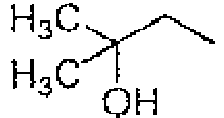
Cl CH CH CH CCN H 136 Br Cl CH COH CH CCN H 137 
Cl CH COH CH CCN H 142 
Cl CH CCl CH CCN H 145 Br 
CH CH CH CCN H 146 

CH CH CH CCN H 147 

CH CH CH CCN H 148 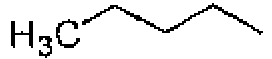

CH CH CH CCN H 150 
Cl CH CF CH CCN H 151 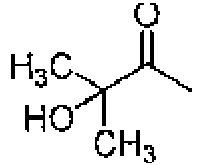
Cl CH CF CH CCN H 152 
Cl CH CF CH CCN H 155 
Cl CH CH CH CCN H 156 Br 
CH CH CH CCN H 157 

CH CH CH CCN H 159 

CH CH CH CCN H 161 

CH CH CH CCN H 163 

CH CH CH CCN H 165 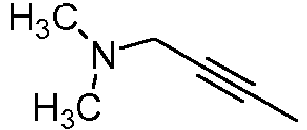
Cl CH CH CH CCN H 166 
Cl CH CH CH CCN H 167 
Cl CH CH CH CCN H 171 
Cl CH CH CH CCN H 173 Br 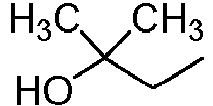
CH CH CH CCN H 178 OH Cl CH CH CH CCN H 180 

CH CH CH CCN H 181 Cl 
CH CH CH CCN H 184 Cl 
CH CH CH CCN H 187 Br Cl CH 
CH CCN H 190 
Cl CH N CH CCN H 126 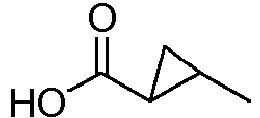
Cl CH CH CH CCN H 127 
Cl CH CH CH CCN H 128 
Cl CH CH CH CCN H 129 
Cl CH CH CH CCN H 132 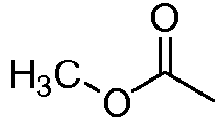

CH CH CH CCN H 133 

CH CH CH CCN H 138 

CH CH CH CCN H 139 

CH CH CH CCN H 140 

CH CH CH CCN H 141 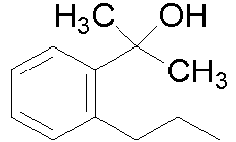
Br CH CH CH CCN H 143 

CH CH CH CCN H 144 
Cl CH CH CH CCN H 149 

CH CH CH CCN H 153 

CH CH CH CCN H 154 

CH CH CH CCN H 160 

CH CH CH CCN H 162 
Cl CH CH CH CCN H 164 
Cl CH CH CH CCN H 168 

CH CH CH CCN H 169 

CH CF CH CCN H 170 
Cl CH CH CH CCN H 172 

CH CF CH CCN H 174 

CH CH CH CCN H 175 

CH CF CH CCN H 176 

CH CH CH CCN H 177 

CH CF CH CCN H 179 Cl 
CH CH CH CCN H 182 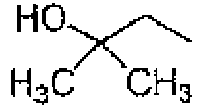

CH CH CH CCN H 183 
Cl CH CH CH CCN H 185 Cl 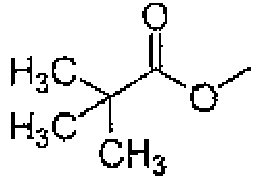
CH CH CH CCN H 186 
Cl CH CH CH CCN H 188 

CH CF CH CCN H 189 Cl Br CH N CH CCN H 
Bsp. R3 R6 R7 191 
Cl 
192 Cl H Br 193 Cl H 
194 Cl H 
- Eine Verbindung nach Anspruch 1, die

- Eine pharmazeutische Zusammensetzung, die eine Verbindung gemäß Anspruch 1 oder 2 oder ein pharmazeutisch annehmbares Salz davon in Kombination mit einem pharmazeutisch annehmbaren Träger umfasst.
- Eine Verbindung nach Anspruch 1 oder 2 oder ein pharmazeutisch annehmbares Salz davon zur Verwendung bei einem Verfahren zur Behandlung des menschlichen Körpers durch Therapie.
- Eine Verbindung nach Anspruch 1 oder 2 oder ein pharmazeutisch annehmbares Salz davon zur Verwendung gemäß Anspruch 4, wobei die Therapie die Behandlung von:akutem oder chronischem Schmerz, Arthrose, Gelenkrheumatismus, Bursitis, Spondylitis ankylosans oder primärer Dysmenorrhö ist.
- Verwendung einer Verbindung nach Anspruch 1 oder 2 oder eines pharmazeutisch annehmbaren Salzes davon zur Herstellung eines Medikaments zur Behandlung von akutem oder chronischem Schmerz, Arthrose, Gelenkrheumatismus, Bursitis, Spondylitis ankylosans oder primärer Dysmenorrhö.
Applications Claiming Priority (2)
| Application Number | Priority Date | Filing Date | Title |
|---|---|---|---|
| US11/374,288 US7442716B2 (en) | 2004-12-17 | 2005-11-23 | 2-(phenyl or heterocyclic)-1H-phenantrho[9,10-d]imidazoles as mPGES-1 inhibitors |
| PCT/CA2006/001903 WO2007059610A1 (en) | 2005-11-23 | 2006-11-21 | 2-(phenyl or heterocyclic)-1h-phenantrho[9,10-d]imidazoles as mpges-1 inhibitors |
Publications (3)
| Publication Number | Publication Date |
|---|---|
| EP1954683A1 EP1954683A1 (de) | 2008-08-13 |
| EP1954683A4 EP1954683A4 (de) | 2010-10-06 |
| EP1954683B1 true EP1954683B1 (de) | 2016-03-02 |
Family
ID=38066869
Family Applications (1)
| Application Number | Title | Priority Date | Filing Date |
|---|---|---|---|
| EP06817652.8A Not-in-force EP1954683B1 (de) | 2005-11-23 | 2006-11-21 | 2-(phenyl- oder heterocyclyl)-1h-phenanthro(9,10-d)imidazole als mpges-1-inhibitoren |
Country Status (13)
| Country | Link |
|---|---|
| US (2) | US7442716B2 (de) |
| EP (1) | EP1954683B1 (de) |
| JP (1) | JP5276445B2 (de) |
| KR (1) | KR20080069208A (de) |
| CN (1) | CN101370787B (de) |
| BR (1) | BRPI0618881A2 (de) |
| CA (1) | CA2629527C (de) |
| ES (1) | ES2569399T3 (de) |
| NO (1) | NO20082834L (de) |
| NZ (1) | NZ568107A (de) |
| RU (1) | RU2421448C2 (de) |
| WO (2) | WO2007059610A1 (de) |
| ZA (1) | ZA200803926B (de) |
Families Citing this family (64)
| Publication number | Priority date | Publication date | Assignee | Title |
|---|---|---|---|---|
| TWI329105B (en) | 2002-02-01 | 2010-08-21 | Rigel Pharmaceuticals Inc | 2,4-pyrimidinediamine compounds and their uses |
| HRP20050089B1 (hr) | 2002-07-29 | 2015-06-19 | Rigel Pharmaceuticals | Upotreba 2,4 pirimidindiaminskog spoja za proizvodnju lijeka za lijeäśenje ili sprjeäśavanje autoimunosne bolesti |
| WO2005012294A1 (en) | 2003-07-30 | 2005-02-10 | Rigel Pharmaceuticals, Inc. | 2,4-pyrimidinediamine compounds for use in the treatment or prevention of autoimmune diseases |
| US7442716B2 (en) * | 2004-12-17 | 2008-10-28 | Merck Frosst Canada Ltd. | 2-(phenyl or heterocyclic)-1H-phenantrho[9,10-d]imidazoles as mPGES-1 inhibitors |
| AU2006206458B2 (en) | 2005-01-19 | 2012-10-25 | Rigel Pharmaceuticals, Inc. | Prodrugs of 2,4-pyrimidinediamine compounds and their uses |
| ATE445672T1 (de) | 2005-03-14 | 2009-10-15 | Basf Se | Neue polymere |
| EP1954134B1 (de) * | 2005-11-23 | 2011-09-14 | Merck Sharp & Dohme Corp. | Verfahren zur herstellung eines 2-phenyl-1h-phenantrho[9,10-d]imidazol-derivates |
| EP1954653A4 (de) * | 2005-11-23 | 2010-11-03 | Merck Sharp & Dohme | Verfahren zur erzeugung eines amorphen feststoffs für wasserunlösliche pharmazeutika |
| CA2643562A1 (en) * | 2006-02-24 | 2007-08-30 | Anh Chau | 2-(phenyl or heterocyclic)-1h-phenanthro[9,10-d]imidazoles |
| PL2007752T3 (pl) | 2006-03-31 | 2011-02-28 | Janssen Pharmaceutica Nv | Benzoimidazol-2-ilopirymidyny i pirazyny jako modulatory receptora histaminowego H4 |
| US20090192158A1 (en) * | 2006-05-02 | 2009-07-30 | Stacia Kargman | Methods for Treating or Preventing Neoplasias |
| KR101486096B1 (ko) | 2007-03-29 | 2015-01-23 | 바스프 에스이 | 헤테로시클릭 가교된 바이페닐 |
| US20090088400A1 (en) * | 2007-09-11 | 2009-04-02 | Puymirat Jack | Prostaglandin e2 modulation and uses thereof |
| US9371311B2 (en) | 2008-06-30 | 2016-06-21 | Janssen Pharmaceutica Nv | Benzoimidazol-2-yl pyrimidine derivatives |
| WO2010127152A2 (en) * | 2009-04-29 | 2010-11-04 | Irm Llc | Compounds and compositions as microsomal prostaglandin e synthase-1 inhibitors |
| GB201006846D0 (en) | 2010-04-23 | 2010-06-09 | Glaxo Group Ltd | Novel compounds |
| TW201305178A (zh) | 2010-10-29 | 2013-02-01 | Glenmark Pharmaceuticals Sa | 作為mPGES-1抑制物的三環化合物 |
| PH12014500326B1 (en) * | 2011-08-18 | 2018-01-10 | Nippon Shinyaku Co Ltd | Heterocyclic derivative and pharmaceutical drug |
| WO2013038308A1 (en) | 2011-09-15 | 2013-03-21 | Glenmark Pharmaceuticals S.A. | SUBSTITUTED BICYCLIC HETEROARYL COMPOUNDS AS mPGES-1 INHIBITORS |
| WO2013072825A1 (en) | 2011-11-16 | 2013-05-23 | Glenmark Pharmaceuticals S.A. | Phtalazinone derivatives as mpegs -1 inhibitors |
| AR089939A1 (es) | 2012-02-09 | 2014-10-01 | Glenmark Pharmaceuticals Sa | COMPUESTOS BICICLICOS COMO INHIBIDORES DE mPGES-1 |
| WO2013153535A1 (en) | 2012-04-13 | 2013-10-17 | Glenmark Pharmaceuticals S.A. | TRICYCLIC COMPOUNDS AS mPGES-1 INHIBITORS |
| TWI568722B (zh) | 2012-06-15 | 2017-02-01 | 葛蘭馬克製藥公司 | 作爲mPGES-1抑制劑之三唑酮化合物 |
| SMT202000084T1 (it) | 2013-03-06 | 2020-03-13 | Janssen Pharmaceutica Nv | Modulatori benzoimidazol-2-il pirimidinici del recettore h4 dell'istamina |
| WO2014167444A1 (en) | 2013-04-08 | 2014-10-16 | Glenmark Pharmaceuticals S.A. | SUBSTITUTED BICYCLIC COMPOUNDS AS mPGES-1 INHIBITORS |
| WO2015059618A1 (en) | 2013-10-22 | 2015-04-30 | Glenmark Pharmaceuticals S.A. | SUBSTITUTED PYRIMIDINE COMPOUNDS AS mPGES-1 INHIBITORS |
| WO2016016861A1 (en) | 2014-08-01 | 2016-02-04 | Glenmark Pharmaceuticals S.A. | Nanoparticulate formulation comprising a mpges-1 inhibitor |
| SG11202003743SA (en) | 2017-11-22 | 2020-06-29 | Khondrion Ip B V | Compounds as mpges-1 inhibitors |
| WO2020263830A1 (en) | 2019-06-25 | 2020-12-30 | Gilead Sciences, Inc. | Flt3l-fc fusion proteins and methods of use |
| ES2973832T3 (es) | 2019-10-18 | 2024-06-24 | Forty Seven Inc | Terapias combinadas para el tratamiento de síndromes mielodisplásicos y leucemia mieloide aguda |
| JP2022552748A (ja) | 2019-10-31 | 2022-12-19 | フォーティ セブン, インコーポレイテッド | 抗cd47及び抗cd20による血液癌の治療 |
| TWI778443B (zh) | 2019-11-12 | 2022-09-21 | 美商基利科學股份有限公司 | Mcl1抑制劑 |
| IL294032A (en) | 2019-12-24 | 2022-08-01 | Carna Biosciences Inc | Compounds that regulate diacylglycerol kinase |
| TWI890283B (zh) | 2020-02-14 | 2025-07-11 | 美商基利科學股份有限公司 | 結合ccr8之抗體及融合蛋白及其用途 |
| IL297327B2 (en) | 2020-05-01 | 2026-01-01 | Gilead Sciences Inc | 4,2-dioxopyrimidine compounds CD73 inhibitors |
| TW202302145A (zh) | 2021-04-14 | 2023-01-16 | 美商基利科學股份有限公司 | CD47/SIRPα結合及NEDD8活化酶E1調節次單元之共抑制以用於治療癌症 |
| WO2022245671A1 (en) | 2021-05-18 | 2022-11-24 | Gilead Sciences, Inc. | Methods of using flt3l-fc fusion proteins |
| JP7686091B2 (ja) | 2021-06-23 | 2025-05-30 | ギリアード サイエンシーズ, インコーポレイテッド | ジアシルグリセロールキナーゼ調節化合物 |
| MX2023014762A (es) | 2021-06-23 | 2024-01-15 | Gilead Sciences Inc | Compuestos moduladores de diacilglicerol quinasa. |
| AU2022299051B2 (en) | 2021-06-23 | 2025-03-13 | Gilead Sciences, Inc. | Diacylglyercol kinase modulating compounds |
| JP7651018B2 (ja) | 2021-06-23 | 2025-03-25 | ギリアード サイエンシーズ, インコーポレイテッド | ジアシルグリセロールキナーゼ調節化合物 |
| AU2022375782B2 (en) | 2021-10-28 | 2026-02-26 | Gilead Sciences, Inc. | Pyridizin-3(2h)-one derivatives |
| JP7787991B2 (ja) | 2021-10-29 | 2025-12-17 | ギリアード サイエンシーズ, インコーポレイテッド | Cd73化合物 |
| US12122764B2 (en) | 2021-12-22 | 2024-10-22 | Gilead Sciences, Inc. | IKAROS zinc finger family degraders and uses thereof |
| KR20240123836A (ko) | 2021-12-22 | 2024-08-14 | 길리애드 사이언시즈, 인코포레이티드 | 이카로스 아연 핑거 패밀리 분해제 및 이의 용도 |
| TW202340168A (zh) | 2022-01-28 | 2023-10-16 | 美商基利科學股份有限公司 | Parp7抑制劑 |
| WO2023178181A1 (en) | 2022-03-17 | 2023-09-21 | Gilead Sciences, Inc. | Ikaros zinc finger family degraders and uses thereof |
| KR20240165995A (ko) | 2022-03-24 | 2024-11-25 | 길리애드 사이언시즈, 인코포레이티드 | Trop-2 발현 암의 치료를 위한 병용요법 |
| TWI876305B (zh) | 2022-04-05 | 2025-03-11 | 美商基利科學股份有限公司 | 用於治療結腸直腸癌之組合療法 |
| CR20240451A (es) | 2022-04-21 | 2024-12-04 | Gilead Sciences Inc | Compuestos de modulación de kras g12d |
| KR20250028371A (ko) | 2022-07-01 | 2025-02-28 | 길리애드 사이언시즈, 인코포레이티드 | Cd73 화합물 |
| WO2024064668A1 (en) | 2022-09-21 | 2024-03-28 | Gilead Sciences, Inc. | FOCAL IONIZING RADIATION AND CD47/SIRPα DISRUPTION ANTICANCER COMBINATION THERAPY |
| AU2023409398A1 (en) | 2022-12-22 | 2025-06-05 | Gilead Sciences, Inc. | Prmt5 inhibitors and uses thereof |
| AU2024252725A1 (en) | 2023-04-11 | 2025-11-06 | Gilead Sciences, Inc. | Kras modulating compounds |
| CR20250446A (es) | 2023-04-21 | 2025-12-02 | Gilead Sciences Inc | Inhibidores de prmt5 y usos de los mismos |
| AU2024306338A1 (en) | 2023-06-30 | 2026-01-08 | Gilead Sciences, Inc. | Kras modulating compounds |
| KR20260046403A (ko) | 2023-07-26 | 2026-04-07 | 길리애드 사이언시즈, 인코포레이티드 | Parp7 저해제 |
| CN121620513A (zh) | 2023-07-26 | 2026-03-06 | 吉利德科学公司 | Parp7抑制剂 |
| US20250109147A1 (en) | 2023-09-08 | 2025-04-03 | Gilead Sciences, Inc. | Kras g12d modulating compounds |
| US20250101042A1 (en) | 2023-09-08 | 2025-03-27 | Gilead Sciences, Inc. | Kras g12d modulating compounds |
| US20250154172A1 (en) | 2023-11-03 | 2025-05-15 | Gilead Sciences, Inc. | Prmt5 inhibitors and uses thereof |
| WO2025137640A1 (en) | 2023-12-22 | 2025-06-26 | Gilead Sciences, Inc. | Azaspiro wrn inhibitors |
| WO2025245003A1 (en) | 2024-05-21 | 2025-11-27 | Gilead Sciences, Inc. | Prmt5 inhibitors and uses thereof |
| US20260098049A1 (en) | 2024-08-12 | 2026-04-09 | Gilead Sciences, Inc. | Kras modulating compounds |
Family Cites Families (20)
| Publication number | Priority date | Publication date | Assignee | Title |
|---|---|---|---|---|
| GB1270386A (en) | 1968-05-30 | 1972-04-12 | Ici Ltd | Stabilisation of polyolefins |
| SU552792A1 (ru) * | 1975-12-08 | 1983-05-23 | Херсонский Филиал Одесского Технологического Института Пищевой Промышленности Им.М.В.Ломоносова | Производные имидазо [1,2= @ ]=фенатрено=[9,10= @ ]-1,2,4-триазино и способ их получени |
| DK337779A (da) | 1978-10-02 | 1980-04-03 | Du Pont | Fremgangsmaade til fremstilling af antiinflammatoriske 2-substituerede 1h-phenantro (9,10)-imidazoler |
| DE3609320A1 (de) | 1986-03-20 | 1987-09-24 | Basf Ag | Fotochromes system, damit hergestellte schichten und deren verwendung |
| DE3609318A1 (de) | 1986-03-20 | 1987-09-24 | Basf Ag | Phenanthroimidazol-verbindungen, verfahren zu ihrer herstellung und ihre verwendung |
| JPS63287963A (ja) | 1987-05-21 | 1988-11-25 | Alps Electric Co Ltd | 光導電性被膜およびそれを用いた電子写真感光体 |
| GB9019840D0 (en) | 1990-09-11 | 1990-10-24 | Smith Kline French Lab | Compounds |
| JP2937281B2 (ja) | 1992-03-24 | 1999-08-23 | 宇部興産株式会社 | 三次非線形光学材料 |
| DK0846689T3 (da) | 1996-12-09 | 2004-04-19 | Pfizer | Benzimidazolforbindelser |
| JP3256513B2 (ja) | 1998-02-11 | 2002-02-12 | ファイザー製薬株式会社 | ベンゾイミダゾールシクロオキシゲナーゼ−2阻害剤 |
| JP2001023777A (ja) | 1999-07-08 | 2001-01-26 | Toray Ind Inc | 発光素子 |
| US6451520B1 (en) | 2000-07-29 | 2002-09-17 | Agfa-Gevaert | Color photographic silver halide material |
| HN2001000224A (es) | 2000-10-19 | 2002-06-13 | Pfizer | Compuestos de imidazol condensado con arilo o heteroarilo como agentes anti - inflamatorios y analgesicos. |
| CN101870691A (zh) | 2002-08-19 | 2010-10-27 | 劳洛斯治疗公司 | 2,4,5-三取代的咪唑及其作为抗菌剂的用途 |
| CA2425797C (en) | 2003-04-17 | 2013-10-15 | Xerox Corporation | Organic light emitting devices |
| US7989089B2 (en) | 2003-04-17 | 2011-08-02 | Lg Display Co., Ltd. | Organic luminescent compounds and methods of making and using same |
| CA2545942C (en) | 2003-11-14 | 2012-07-10 | Lorus Therapeutics Inc. | Aryl imidazoles and their use as anti-cancer agents |
| WO2005062410A1 (ja) | 2003-12-18 | 2005-07-07 | Kurita Water Industries Ltd. | 燃料電池用燃料及び燃料電池並びにその応用 |
| US7442716B2 (en) * | 2004-12-17 | 2008-10-28 | Merck Frosst Canada Ltd. | 2-(phenyl or heterocyclic)-1H-phenantrho[9,10-d]imidazoles as mPGES-1 inhibitors |
| JP5086809B2 (ja) | 2004-12-17 | 2012-11-28 | メルク カナダ インコーポレイテッド | mPGES−1阻害剤としての2−(フェニルまたはヘテロ環式)−1H−フェナントロ[9,10−d]イミダゾール |
-
2005
- 2005-11-23 US US11/374,288 patent/US7442716B2/en active Active
-
2006
- 2006-11-21 BR BRPI0618881-8A patent/BRPI0618881A2/pt not_active IP Right Cessation
- 2006-11-21 JP JP2008541559A patent/JP5276445B2/ja not_active Expired - Fee Related
- 2006-11-21 RU RU2008125055/04A patent/RU2421448C2/ru not_active IP Right Cessation
- 2006-11-21 WO PCT/CA2006/001903 patent/WO2007059610A1/en not_active Ceased
- 2006-11-21 ES ES06817652.8T patent/ES2569399T3/es active Active
- 2006-11-21 CA CA2629527A patent/CA2629527C/en not_active Expired - Fee Related
- 2006-11-21 NZ NZ568107A patent/NZ568107A/en unknown
- 2006-11-21 KR KR1020087012445A patent/KR20080069208A/ko not_active Withdrawn
- 2006-11-21 CN CN2006800436368A patent/CN101370787B/zh not_active Expired - Fee Related
- 2006-11-21 EP EP06817652.8A patent/EP1954683B1/de not_active Not-in-force
- 2006-11-21 WO PCT/CA2006/001904 patent/WO2007059611A1/en not_active Ceased
-
2008
- 2008-05-08 ZA ZA200803926A patent/ZA200803926B/xx unknown
- 2008-06-20 NO NO20082834A patent/NO20082834L/no not_active Application Discontinuation
- 2008-10-24 US US12/288,947 patent/US7943649B2/en not_active Expired - Lifetime
Also Published As
| Publication number | Publication date |
|---|---|
| AU2006317419A1 (en) | 2007-05-31 |
| CA2629527C (en) | 2014-11-18 |
| US7442716B2 (en) | 2008-10-28 |
| RU2008125055A (ru) | 2009-12-27 |
| CA2629527A1 (en) | 2007-05-31 |
| US20090075998A1 (en) | 2009-03-19 |
| WO2007059610A1 (en) | 2007-05-31 |
| ES2569399T3 (es) | 2016-05-10 |
| US20070208017A1 (en) | 2007-09-06 |
| CN101370787B (zh) | 2011-05-25 |
| JP5276445B2 (ja) | 2013-08-28 |
| EP1954683A1 (de) | 2008-08-13 |
| CN101370787A (zh) | 2009-02-18 |
| NO20082834L (no) | 2008-08-21 |
| US7943649B2 (en) | 2011-05-17 |
| BRPI0618881A2 (pt) | 2011-09-13 |
| ZA200803926B (en) | 2009-06-24 |
| NZ568107A (en) | 2011-05-27 |
| JP2009516713A (ja) | 2009-04-23 |
| EP1954683A4 (de) | 2010-10-06 |
| KR20080069208A (ko) | 2008-07-25 |
| RU2421448C2 (ru) | 2011-06-20 |
| WO2007059611A1 (en) | 2007-05-31 |
Similar Documents
| Publication | Publication Date | Title |
|---|---|---|
| EP1954683B1 (de) | 2-(phenyl- oder heterocyclyl)-1h-phenanthro(9,10-d)imidazole als mpges-1-inhibitoren | |
| EP1828143B1 (de) | 2-(phenyl- oder heterocyclyl)-1h-phenantro[9,10,d]imidazole als mpges-1-inhibitoren | |
| US20090192158A1 (en) | Methods for Treating or Preventing Neoplasias | |
| JP4299139B2 (ja) | 代謝型グルタミン酸受容体−5のヘテロアリール置換トリアゾールモジュレータ | |
| EP1989187A1 (de) | 2-(phenyl- oder -heterocyclyl)-1h-phenanthro(9,10-d)imidazole | |
| DK2998296T3 (en) | CYCLOYLIC ACID DERIVATIVE, PROCEDURE FOR PREPARING THEREOF AND PHARMACEUTICAL USE THEREOF | |
| EA024341B1 (ru) | Соединения, ингибирующие металлоферменты | |
| WO2014075575A1 (zh) | 吡咯磺酰类衍生物、其制备方法及其在医药上的应用 | |
| FR2850652A1 (fr) | Nouveaux derives d'uree cyclique, leur preparation et leur utilisation pharmaceutique comme inhibiteurs de kinases | |
| US20160355475A1 (en) | Novel indole derivative compound and pharmaceutical composition comprising the same | |
| JP3439643B2 (ja) | ベンゾイミダゾール化合物 | |
| TW200902514A (en) | 1-biarylazetidinone derivatives | |
| IL179437A (en) | Benzimidazol-2-ylidene propane-1,3-dione derivatives and pharmaceutical compositions thereof | |
| EP4735422A1 (de) | Substituierte cyclische verbindungen und verfahren zur behandlung von phenylketonurie und anderen aminosäureurien | |
| MX2008006708A (en) | 2-(phenyl or heterocyclic)-1h-phenantrho[9,10-d]imidazoles as mpges-1 inhibitors | |
| HK1161540B (en) | Novel inhibitors | |
| JPWO1994027973A1 (ja) | 1−(2−ベンズイミダゾリル)−1,5−ジアザシクロオクタン誘導体 |
Legal Events
| Date | Code | Title | Description |
|---|---|---|---|
| PUAI | Public reference made under article 153(3) epc to a published international application that has entered the european phase |
Free format text: ORIGINAL CODE: 0009012 |
|
| 17P | Request for examination filed |
Effective date: 20080623 |
|
| AK | Designated contracting states |
Kind code of ref document: A1 Designated state(s): AT BE BG CH CY CZ DE DK EE ES FI FR GB GR HU IE IS IT LI LT LU LV MC NL PL PT RO SE SI SK TR |
|
| A4 | Supplementary search report drawn up and despatched |
Effective date: 20100906 |
|
| 17Q | First examination report despatched |
Effective date: 20120508 |
|
| DAX | Request for extension of the european patent (deleted) | ||
| RAP1 | Party data changed (applicant data changed or rights of an application transferred) |
Owner name: MERCK CANADA INC. |
|
| RIC1 | Information provided on ipc code assigned before grant |
Ipc: C07D 413/04 20060101ALI20150714BHEP Ipc: C07D 413/06 20060101ALI20150714BHEP Ipc: C07D 235/18 20060101ALI20150714BHEP Ipc: C07D 403/06 20060101ALI20150714BHEP Ipc: C07D 401/06 20060101ALI20150714BHEP Ipc: C07D 405/06 20060101ALI20150714BHEP Ipc: C07D 401/04 20060101ALI20150714BHEP Ipc: C07D 235/02 20060101AFI20150714BHEP Ipc: C07D 401/14 20060101ALI20150714BHEP |
|
| GRAP | Despatch of communication of intention to grant a patent |
Free format text: ORIGINAL CODE: EPIDOSNIGR1 |
|
| INTG | Intention to grant announced |
Effective date: 20150904 |
|
| GRAS | Grant fee paid |
Free format text: ORIGINAL CODE: EPIDOSNIGR3 |
|
| GRAA | (expected) grant |
Free format text: ORIGINAL CODE: 0009210 |
|
| AK | Designated contracting states |
Kind code of ref document: B1 Designated state(s): AT BE BG CH CY CZ DE DK EE ES FI FR GB GR HU IE IS IT LI LT LU LV MC NL PL PT RO SE SI SK TR |
|
| REG | Reference to a national code |
Ref country code: GB Ref legal event code: FG4D |
|
| REG | Reference to a national code |
Ref country code: AT Ref legal event code: REF Ref document number: 777932 Country of ref document: AT Kind code of ref document: T Effective date: 20160315 Ref country code: CH Ref legal event code: EP |
|
| REG | Reference to a national code |
Ref country code: IE Ref legal event code: FG4D |
|
| REG | Reference to a national code |
Ref country code: DE Ref legal event code: R096 Ref document number: 602006048090 Country of ref document: DE |
|
| REG | Reference to a national code |
Ref country code: CH Ref legal event code: NV Representative=s name: MARKS AND CLERK (LUXEMBOURG) LLP, CH |
|
| REG | Reference to a national code |
Ref country code: ES Ref legal event code: FG2A Ref document number: 2569399 Country of ref document: ES Kind code of ref document: T3 Effective date: 20160510 |
|
| REG | Reference to a national code |
Ref country code: NL Ref legal event code: FP |
|
| REG | Reference to a national code |
Ref country code: LT Ref legal event code: MG4D |
|
| REG | Reference to a national code |
Ref country code: AT Ref legal event code: MK05 Ref document number: 777932 Country of ref document: AT Kind code of ref document: T Effective date: 20160302 |
|
| PG25 | Lapsed in a contracting state [announced via postgrant information from national office to epo] |
Ref country code: GR Free format text: LAPSE BECAUSE OF FAILURE TO SUBMIT A TRANSLATION OF THE DESCRIPTION OR TO PAY THE FEE WITHIN THE PRESCRIBED TIME-LIMIT Effective date: 20160603 Ref country code: FI Free format text: LAPSE BECAUSE OF FAILURE TO SUBMIT A TRANSLATION OF THE DESCRIPTION OR TO PAY THE FEE WITHIN THE PRESCRIBED TIME-LIMIT Effective date: 20160302 |
|
| PG25 | Lapsed in a contracting state [announced via postgrant information from national office to epo] |
Ref country code: PL Free format text: LAPSE BECAUSE OF FAILURE TO SUBMIT A TRANSLATION OF THE DESCRIPTION OR TO PAY THE FEE WITHIN THE PRESCRIBED TIME-LIMIT Effective date: 20160302 Ref country code: AT Free format text: LAPSE BECAUSE OF FAILURE TO SUBMIT A TRANSLATION OF THE DESCRIPTION OR TO PAY THE FEE WITHIN THE PRESCRIBED TIME-LIMIT Effective date: 20160302 Ref country code: LT Free format text: LAPSE BECAUSE OF FAILURE TO SUBMIT A TRANSLATION OF THE DESCRIPTION OR TO PAY THE FEE WITHIN THE PRESCRIBED TIME-LIMIT Effective date: 20160302 Ref country code: LV Free format text: LAPSE BECAUSE OF FAILURE TO SUBMIT A TRANSLATION OF THE DESCRIPTION OR TO PAY THE FEE WITHIN THE PRESCRIBED TIME-LIMIT Effective date: 20160302 Ref country code: SE Free format text: LAPSE BECAUSE OF FAILURE TO SUBMIT A TRANSLATION OF THE DESCRIPTION OR TO PAY THE FEE WITHIN THE PRESCRIBED TIME-LIMIT Effective date: 20160302 |
|
| REG | Reference to a national code |
Ref country code: FR Ref legal event code: PLFP Year of fee payment: 11 |
|
| PG25 | Lapsed in a contracting state [announced via postgrant information from national office to epo] |
Ref country code: EE Free format text: LAPSE BECAUSE OF FAILURE TO SUBMIT A TRANSLATION OF THE DESCRIPTION OR TO PAY THE FEE WITHIN THE PRESCRIBED TIME-LIMIT Effective date: 20160302 Ref country code: IS Free format text: LAPSE BECAUSE OF FAILURE TO SUBMIT A TRANSLATION OF THE DESCRIPTION OR TO PAY THE FEE WITHIN THE PRESCRIBED TIME-LIMIT Effective date: 20160702 |
|
| PG25 | Lapsed in a contracting state [announced via postgrant information from national office to epo] |
Ref country code: SK Free format text: LAPSE BECAUSE OF FAILURE TO SUBMIT A TRANSLATION OF THE DESCRIPTION OR TO PAY THE FEE WITHIN THE PRESCRIBED TIME-LIMIT Effective date: 20160302 Ref country code: RO Free format text: LAPSE BECAUSE OF FAILURE TO SUBMIT A TRANSLATION OF THE DESCRIPTION OR TO PAY THE FEE WITHIN THE PRESCRIBED TIME-LIMIT Effective date: 20160302 Ref country code: CZ Free format text: LAPSE BECAUSE OF FAILURE TO SUBMIT A TRANSLATION OF THE DESCRIPTION OR TO PAY THE FEE WITHIN THE PRESCRIBED TIME-LIMIT Effective date: 20160302 Ref country code: PT Free format text: LAPSE BECAUSE OF FAILURE TO SUBMIT A TRANSLATION OF THE DESCRIPTION OR TO PAY THE FEE WITHIN THE PRESCRIBED TIME-LIMIT Effective date: 20160704 |
|
| REG | Reference to a national code |
Ref country code: DE Ref legal event code: R097 Ref document number: 602006048090 Country of ref document: DE |
|
| PG25 | Lapsed in a contracting state [announced via postgrant information from national office to epo] |
Ref country code: BE Free format text: LAPSE BECAUSE OF FAILURE TO SUBMIT A TRANSLATION OF THE DESCRIPTION OR TO PAY THE FEE WITHIN THE PRESCRIBED TIME-LIMIT Effective date: 20160302 |
|
| PLBE | No opposition filed within time limit |
Free format text: ORIGINAL CODE: 0009261 |
|
| STAA | Information on the status of an ep patent application or granted ep patent |
Free format text: STATUS: NO OPPOSITION FILED WITHIN TIME LIMIT |
|
| PG25 | Lapsed in a contracting state [announced via postgrant information from national office to epo] |
Ref country code: DK Free format text: LAPSE BECAUSE OF FAILURE TO SUBMIT A TRANSLATION OF THE DESCRIPTION OR TO PAY THE FEE WITHIN THE PRESCRIBED TIME-LIMIT Effective date: 20160302 |
|
| 26N | No opposition filed |
Effective date: 20161205 |
|
| PG25 | Lapsed in a contracting state [announced via postgrant information from national office to epo] |
Ref country code: SI Free format text: LAPSE BECAUSE OF FAILURE TO SUBMIT A TRANSLATION OF THE DESCRIPTION OR TO PAY THE FEE WITHIN THE PRESCRIBED TIME-LIMIT Effective date: 20160302 Ref country code: BG Free format text: LAPSE BECAUSE OF FAILURE TO SUBMIT A TRANSLATION OF THE DESCRIPTION OR TO PAY THE FEE WITHIN THE PRESCRIBED TIME-LIMIT Effective date: 20160602 |
|
| PG25 | Lapsed in a contracting state [announced via postgrant information from national office to epo] |
Ref country code: LU Free format text: LAPSE BECAUSE OF NON-PAYMENT OF DUE FEES Effective date: 20161130 |
|
| REG | Reference to a national code |
Ref country code: FR Ref legal event code: PLFP Year of fee payment: 12 |
|
| PG25 | Lapsed in a contracting state [announced via postgrant information from national office to epo] |
Ref country code: IE Free format text: LAPSE BECAUSE OF NON-PAYMENT OF DUE FEES Effective date: 20161121 |
|
| PG25 | Lapsed in a contracting state [announced via postgrant information from national office to epo] |
Ref country code: CY Free format text: LAPSE BECAUSE OF FAILURE TO SUBMIT A TRANSLATION OF THE DESCRIPTION OR TO PAY THE FEE WITHIN THE PRESCRIBED TIME-LIMIT Effective date: 20160302 Ref country code: HU Free format text: LAPSE BECAUSE OF FAILURE TO SUBMIT A TRANSLATION OF THE DESCRIPTION OR TO PAY THE FEE WITHIN THE PRESCRIBED TIME-LIMIT; INVALID AB INITIO Effective date: 20061121 |
|
| PG25 | Lapsed in a contracting state [announced via postgrant information from national office to epo] |
Ref country code: MC Free format text: LAPSE BECAUSE OF FAILURE TO SUBMIT A TRANSLATION OF THE DESCRIPTION OR TO PAY THE FEE WITHIN THE PRESCRIBED TIME-LIMIT Effective date: 20160302 |
|
| REG | Reference to a national code |
Ref country code: FR Ref legal event code: PLFP Year of fee payment: 13 |
|
| PGFP | Annual fee paid to national office [announced via postgrant information from national office to epo] |
Ref country code: DE Payment date: 20191017 Year of fee payment: 14 Ref country code: NL Payment date: 20191030 Year of fee payment: 14 |
|
| PGFP | Annual fee paid to national office [announced via postgrant information from national office to epo] |
Ref country code: FR Payment date: 20191029 Year of fee payment: 14 Ref country code: IT Payment date: 20191120 Year of fee payment: 14 Ref country code: ES Payment date: 20191202 Year of fee payment: 14 |
|
| PGFP | Annual fee paid to national office [announced via postgrant information from national office to epo] |
Ref country code: TR Payment date: 20191025 Year of fee payment: 14 Ref country code: CH Payment date: 20191028 Year of fee payment: 14 |
|
| PGFP | Annual fee paid to national office [announced via postgrant information from national office to epo] |
Ref country code: GB Payment date: 20191029 Year of fee payment: 14 |
|
| REG | Reference to a national code |
Ref country code: DE Ref legal event code: R119 Ref document number: 602006048090 Country of ref document: DE |
|
| REG | Reference to a national code |
Ref country code: CH Ref legal event code: PL |
|
| REG | Reference to a national code |
Ref country code: NL Ref legal event code: MM Effective date: 20201201 |
|
| GBPC | Gb: european patent ceased through non-payment of renewal fee |
Effective date: 20201121 |
|
| PG25 | Lapsed in a contracting state [announced via postgrant information from national office to epo] |
Ref country code: NL Free format text: LAPSE BECAUSE OF NON-PAYMENT OF DUE FEES Effective date: 20201201 Ref country code: CH Free format text: LAPSE BECAUSE OF NON-PAYMENT OF DUE FEES Effective date: 20201130 Ref country code: LI Free format text: LAPSE BECAUSE OF NON-PAYMENT OF DUE FEES Effective date: 20201130 |
|
| PG25 | Lapsed in a contracting state [announced via postgrant information from national office to epo] |
Ref country code: FR Free format text: LAPSE BECAUSE OF NON-PAYMENT OF DUE FEES Effective date: 20201130 Ref country code: IT Free format text: LAPSE BECAUSE OF NON-PAYMENT OF DUE FEES Effective date: 20201121 |
|
| PG25 | Lapsed in a contracting state [announced via postgrant information from national office to epo] |
Ref country code: DE Free format text: LAPSE BECAUSE OF NON-PAYMENT OF DUE FEES Effective date: 20210601 Ref country code: GB Free format text: LAPSE BECAUSE OF NON-PAYMENT OF DUE FEES Effective date: 20201121 |
|
| REG | Reference to a national code |
Ref country code: ES Ref legal event code: FD2A Effective date: 20220202 |
|
| PG25 | Lapsed in a contracting state [announced via postgrant information from national office to epo] |
Ref country code: ES Free format text: LAPSE BECAUSE OF NON-PAYMENT OF DUE FEES Effective date: 20201122 |
|
| PG25 | Lapsed in a contracting state [announced via postgrant information from national office to epo] |
Ref country code: TR Free format text: LAPSE BECAUSE OF NON-PAYMENT OF DUE FEES Effective date: 20201121 |