EP1988764B2 - Screening-verfahren zur auswahl von pflanzen, die eine verminderte verwundungsstimulierte oberflächenverfärbung aufweisen - Google Patents
Screening-verfahren zur auswahl von pflanzen, die eine verminderte verwundungsstimulierte oberflächenverfärbung aufweisen Download PDFInfo
- Publication number
- EP1988764B2 EP1988764B2 EP07702705.0A EP07702705A EP1988764B2 EP 1988764 B2 EP1988764 B2 EP 1988764B2 EP 07702705 A EP07702705 A EP 07702705A EP 1988764 B2 EP1988764 B2 EP 1988764B2
- Authority
- EP
- European Patent Office
- Prior art keywords
- discolouration
- plant
- plants
- wound
- lettuce
- Prior art date
- Legal status (The legal status is an assumption and is not a legal conclusion. Google has not performed a legal analysis and makes no representation as to the accuracy of the status listed.)
- Active
Links
Images






Classifications
-
- G—PHYSICS
- G01—MEASURING; TESTING
- G01N—INVESTIGATING OR ANALYSING MATERIALS BY DETERMINING THEIR CHEMICAL OR PHYSICAL PROPERTIES
- G01N33/00—Investigating or analysing materials by specific methods not covered by groups G01N1/00 - G01N31/00
- G01N33/02—Food
- G01N33/025—Fruits or vegetables
-
- A—HUMAN NECESSITIES
- A01—AGRICULTURE; FORESTRY; ANIMAL HUSBANDRY; HUNTING; TRAPPING; FISHING
- A01G—HORTICULTURE; CULTIVATION OF VEGETABLES, FLOWERS, RICE, FRUIT, VINES, HOPS OR SEAWEED; FORESTRY; WATERING
- A01G7/00—Botany in general
- A01G7/06—Treatment of growing trees or plants, e.g. for preventing decay of wood, for tingeing flowers or wood, for prolonging the life of plants
-
- A—HUMAN NECESSITIES
- A01—AGRICULTURE; FORESTRY; ANIMAL HUSBANDRY; HUNTING; TRAPPING; FISHING
- A01H—NEW PLANTS OR NON-TRANSGENIC PROCESSES FOR OBTAINING THEM; PLANT REPRODUCTION BY TISSUE CULTURE TECHNIQUES
- A01H1/00—Processes for modifying genotypes ; Plants characterised by associated natural traits
- A01H1/04—Processes of selection involving genotypic or phenotypic markers; Methods of using phenotypic markers for selection
-
- A—HUMAN NECESSITIES
- A01—AGRICULTURE; FORESTRY; ANIMAL HUSBANDRY; HUNTING; TRAPPING; FISHING
- A01H—NEW PLANTS OR NON-TRANSGENIC PROCESSES FOR OBTAINING THEM; PLANT REPRODUCTION BY TISSUE CULTURE TECHNIQUES
- A01H1/00—Processes for modifying genotypes ; Plants characterised by associated natural traits
- A01H1/10—Processes for modifying non-agronomic quality output traits, e.g. for industrial processing; Value added, non-agronomic traits
- A01H1/101—Processes for modifying non-agronomic quality output traits, e.g. for industrial processing; Value added, non-agronomic traits involving biosynthetic or metabolic pathways, i.e. metabolic engineering, e.g. nicotine or caffeine
- A01H1/107—Processes for modifying non-agronomic quality output traits, e.g. for industrial processing; Value added, non-agronomic traits involving biosynthetic or metabolic pathways, i.e. metabolic engineering, e.g. nicotine or caffeine involving pigment biosynthesis
-
- A—HUMAN NECESSITIES
- A01—AGRICULTURE; FORESTRY; ANIMAL HUSBANDRY; HUNTING; TRAPPING; FISHING
- A01H—NEW PLANTS OR NON-TRANSGENIC PROCESSES FOR OBTAINING THEM; PLANT REPRODUCTION BY TISSUE CULTURE TECHNIQUES
- A01H5/00—Angiosperms, i.e. flowering plants, characterised by their plant parts; Angiosperms characterised otherwise than by their botanic taxonomy
- A01H5/12—Leaves
-
- A—HUMAN NECESSITIES
- A01—AGRICULTURE; FORESTRY; ANIMAL HUSBANDRY; HUNTING; TRAPPING; FISHING
- A01H—NEW PLANTS OR NON-TRANSGENIC PROCESSES FOR OBTAINING THEM; PLANT REPRODUCTION BY TISSUE CULTURE TECHNIQUES
- A01H6/00—Angiosperms, i.e. flowering plants, characterised by their botanic taxonomy
- A01H6/14—Asteraceae or Compositae, e.g. safflower, sunflower, artichoke or lettuce
- A01H6/1424—Chrysanthemum
-
- A—HUMAN NECESSITIES
- A01—AGRICULTURE; FORESTRY; ANIMAL HUSBANDRY; HUNTING; TRAPPING; FISHING
- A01H—NEW PLANTS OR NON-TRANSGENIC PROCESSES FOR OBTAINING THEM; PLANT REPRODUCTION BY TISSUE CULTURE TECHNIQUES
- A01H6/00—Angiosperms, i.e. flowering plants, characterised by their botanic taxonomy
- A01H6/14—Asteraceae or Compositae, e.g. safflower, sunflower, artichoke or lettuce
- A01H6/1456—Gerbera
-
- A—HUMAN NECESSITIES
- A01—AGRICULTURE; FORESTRY; ANIMAL HUSBANDRY; HUNTING; TRAPPING; FISHING
- A01H—NEW PLANTS OR NON-TRANSGENIC PROCESSES FOR OBTAINING THEM; PLANT REPRODUCTION BY TISSUE CULTURE TECHNIQUES
- A01H6/00—Angiosperms, i.e. flowering plants, characterised by their botanic taxonomy
- A01H6/14—Asteraceae or Compositae, e.g. safflower, sunflower, artichoke or lettuce
- A01H6/1472—Lactuca sativa [lettuce]
-
- C—CHEMISTRY; METALLURGY
- C12—BIOCHEMISTRY; BEER; SPIRITS; WINE; VINEGAR; MICROBIOLOGY; ENZYMOLOGY; MUTATION OR GENETIC ENGINEERING
- C12N—MICROORGANISMS OR ENZYMES; COMPOSITIONS THEREOF; PROPAGATING, PRESERVING, OR MAINTAINING MICROORGANISMS; MUTATION OR GENETIC ENGINEERING; CULTURE MEDIA
- C12N15/00—Mutation or genetic engineering; DNA or RNA concerning genetic engineering, vectors, e.g. plasmids, or their isolation, preparation or purification; Use of hosts therefor
- C12N15/09—Recombinant DNA-technology
- C12N15/63—Introduction of foreign genetic material using vectors; Vectors; Use of hosts therefor; Regulation of expression
- C12N15/79—Vectors or expression systems specially adapted for eukaryotic hosts
- C12N15/82—Vectors or expression systems specially adapted for eukaryotic hosts for plant cells, e.g. plant artificial chromosomes (PACs)
- C12N15/8241—Phenotypically and genetically modified plants via recombinant DNA technology
- C12N15/8242—Phenotypically and genetically modified plants via recombinant DNA technology with non-agronomic quality (output) traits, e.g. for industrial processing; Value added, non-agronomic traits
- C12N15/8243—Phenotypically and genetically modified plants via recombinant DNA technology with non-agronomic quality (output) traits, e.g. for industrial processing; Value added, non-agronomic traits involving biosynthetic or metabolic pathways, i.e. metabolic engineering, e.g. nicotine, caffeine
- C12N15/8249—Phenotypically and genetically modified plants via recombinant DNA technology with non-agronomic quality (output) traits, e.g. for industrial processing; Value added, non-agronomic traits involving biosynthetic or metabolic pathways, i.e. metabolic engineering, e.g. nicotine, caffeine involving ethylene biosynthesis, senescence or fruit development, e.g. modified tomato ripening, cut flower shelf-life
-
- G—PHYSICS
- G01—MEASURING; TESTING
- G01N—INVESTIGATING OR ANALYSING MATERIALS BY DETERMINING THEIR CHEMICAL OR PHYSICAL PROPERTIES
- G01N33/00—Investigating or analysing materials by specific methods not covered by groups G01N1/00 - G01N31/00
- G01N33/0098—Plants or trees
Definitions
- the present invention relates to a method for screening a population of plants or plant parts for the presence therein of individuals that show a reduced wound-induced surface discolouration as compared to a control plant or plant part.
- micro- organisms can significantly increase in number, which may compromise food safety.
- the highly perishable nature of processed lettuce leads to a strong off- colour, off- odour and off- texture perception by the consumer which is hampering a faster than current growth of the so- called convenience market.
- fruits and flowers may be subject to undesirable discolouration.
- fruits like banana, apple, pear, avocado, mango, peach and apricot, etc. quickly turn brown when sliced or peeled. Measures have to be taken when offering these fruits in processed form, such as sliced, diced, peeled or in fruit salads.
- Cut flower stems for example from gerbera or chrysanthemums, may also be prone to discolouration which is undesirable from a commercial point of view because discolourations are considered to be unattractive by the consumer thus reducing the product's marketability.
- Edible coatings are thin layers of materials, which act as physical insulation barrier and which effectively protect the produce from different forms of deterioration such as evaporation and browning. These coatings can for example be made of resins, polysaccharides or protein.
- browning of fresh cut lettuce can be prevented by applying a brief heat shock of 90 seconds at 45°C, immediately after processing. Possibly, the heat shock diverts protein biosynthesis from the enzymes involved in discolouration towards heat shock proteins thereby reducing the enzymatic browning capacity. Alternatively, the effect of heat shock treatment on browning may be explained by thermosensitivity of enzymes involved in the discolouration pathway.
- Chemicals, which can be applied can for example be reducing agents like vitamin C, chelating agents like EDTA, complexing agents like cyclodextrin and enzymatic inhibitors like L- cysteine.
- Application of chemicals in fresh food obviously involves food safety issues and requires regulatory approval. Combinations of the post- harvest technologies described above can be thought of and ultimately the applied procedure is a trade- off between technological efficacy, cost and food safety.
- the invention thus provides a method for screening a population of plants or plant parts for the presence therein of individuals that show a reduced discolouration as compared to a control plant, which method comprises:
- the discolouration is the result of the conversion of an endogenous substrate. Such discolouration will arise spontaneously upon incubation of the plant or plant part in a certain environment for a certain amount of time.
- the discolouration in this case is wound-induced.
- the invention particularly relates to the naturally occurring enzymatic pinking and browning reactions.
- the screening method of the invention is intended to identify plants that do not show this reaction or show a reduced reaction as compared to a control.
- the method of the invention can be used forlettuce, radicchio or endive,
- the screening method of the invention is intended for identifying plants that have a reduced wound-induced surface discolouration in one or more of their parts or tissues. For the screening, it is therefore very practical to use the part or tissue that is prone to discolouration. In lettuce, this may be the leaf or a part thereof, such as a leaf punch.
- the method is useful for selecting plants belonging to the genus Lactuca and more in particular to the species Lactuca sativa or plants belonging to the genus Cichorium and in particular to the species Cichorium intybus and Cichorium endivia that show an absence or reduction of wound-induced surface discolouration.
- the plant population that is screened with the method of the invention is a variable plant population that has many different members to increase the chances of finding a plant that shows a reduced wound-induced discolouration.
- a variable population can be made by means of a mutagenic treatment using for example chemicals and/or irradiation and is then called herein a mutant plant population.
- Alternative populations are germplasm collections, which are collections of plants showing natural variation. Also, a population of transgenic plants can be used.
- the method of the invention is performed with plant parts having a wound surface.
- Very useful test samples are discs that are punched from a leaf, the so-called leaf discs.
- the midrib tissue of veined leafy vegetables can be used.
- discs are cut from such ribs.
- Incubation takes place on wetted filter paper.
- the method of the invention can be very well practised with leaf discs that are incubated on or between wetted filter paper. The colour response is then very well visible around the edges of the wound on the paper.
- the invention can further be performed with progeny of a parent plant that shows the absence or reduction of wound-induced leaf discolouration to demonstrate that the progeny still has the same absence or reduction of wound-induced leaf discolouration as found in the parent plant.
- the invention can also be performed on parts of the plants.
- the plants parts like lettuce or endive heads or leaves are usually the parts that have a cut surface that may be subject to discolouration.
- Other parts are shoots, roots, seeds, stems, etc.
- the invention is commercially very interesting for identifying mutant plants that can be used in the processed vegetable market. As explained above, discolouration of produce, in particular fresh fruits and vegetables, is considered undesirable since the discoloured product is rejected by the consumer.
- discolouration are effected by enzymatic activity, which is strongly enhanced as a consequence of wounding and which generates several forms of polyphenols and reaction products derived therefrom.
- PPO activity in relation to enzymatic browning is not restricted to lettuce but has been described for many other plant species to be involved in post-harvest deterioration like in apple, banana and potato. In fact, PPO is widely recognised to be one of the most important enzymes involved in post-harvest deterioration of many processed fresh fruits and vegetables.
- PPO has been the target of many technologies, which aim at the reduction or prevention of its activity in order to increase post-harvest quality of food products.
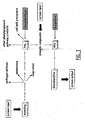
- PPO catalyses a reaction in which polyphenols residing in the plant tissue are oxidised to give rise to the formation of o-quinones. Subsequently, enzymatic and non-enzymatic reactions lead to the formation of brown or black pigments.
- PPO is encoded by a small gene family of which the individual members may have different temporal and spatial expression patterns indicative of functional divergence. It has for example been shown that lettuce contains different PPO isoforms in the photosynthetic and vascular tissue of the leaf.
- the natural substrate of PPO can differ between the different species.
- Table 1 lists the PPO substrates for various vegetables and fruits that are subject to discolouration upon wounding. These and other substrates can be used in a exogenous substrate-based screening method of the invention.
- the level of PPO enzyme is not specifically induced upon wounding of plant tissues but it resides inactively in the chloroplast. Upon wounding PPO is activated which is manifested due to the fact that the phenolic substrate residing in the vacuoles is brought into contact with PPO due to tissue disruption.
- PAL phenylalanine ammonia lyase
- wound-induced PAL activity is considered to be determining the browning level of lettuce
- products of the phenyl propanoid pathway are known to be involved in inter alia cell wall biosynthesis or defence response as well. Therefore reducing the wound induced PAL activity in order to reduce browning potential may compromise other functions besides wound-induced browning which may be less desirable in relation to other aspects of lettuce cultivation.
- the invention thus relates to a screening method for identifying, selecting and obtaining a plant showing a reduced wound-induced discolouration and post-harvest processing disorders such as enzymatic browning or pinking.
- discolouration is observed at a wound surface.
- a mutant plant population for use in the method of the invention can for example be prepared as follows:
- these plants are subsequently assayed for their wound-induced discolouration response. Plants that do not show or show a reduced discolouration response to wounding are selected. Then, progeny of the selected plants is grown and the wound-induced discolouration response is measured.
- mutagenesis In order to create genetic variability use can be made of mutagenesis.
- Several chemical or physical treatments are know to the person skilled in the art which can be used to induce genetic mutations in plant species. For example, one can treat seeds in a solution containing different concentrations of a mutagen like ems. Ems alkylates primarily G residues of a DNA strand, which during DNA replication causes pairing with T instead of C. Therefore, GC basepairs change to AT basepairs at a frequency, which is determined by the effective dose of ems and the activity of the mismatch repair system of the plant.
- the effective dose of ems depends on the concentration used, the seed size and other physical properties and the time of incubation of the seeds in the ems solution. Seeds, which have been treated with a mutagenic agent are typically called M1 seeds. As a consequence of the treatment, the tissues of the M1 seeds contain random point mutations in the genomes of their cells and those present in the subpopulation of cells, which will form the germline tissue (germinal cells) will be transferred to the next generation, which is called M2. Mutations or combinations thereof which are haplo-insufficient thereby causing sterility or which induce embryo lethality will not be transferred to the M2 generation.
- Suitable mutagenic agents are well-known in the art. Particularly useful are alkylating mutagenic agents, such as diethyl sulfate (des), ethyleneimine (ei), propane sultone, N-methyl-N-nitrosourethane (mnu), N-nitroso-N-methylurea (NMU), N-ethyl-N-nitrosourea (enu), sodium azide.
- alkylating mutagenic agents such as diethyl sulfate (des), ethyleneimine (ei), propane sultone, N-methyl-N-nitrosourethane (mnu), N-nitroso-N-methylurea (NMU), N-ethyl-N-nitrosourea (enu), sodium azide.
- the mutations are induced by means of irradiation, which is for example selected from x-rays, fast neutrons, UV irradiation.
- the mutations are induced by means of genetic engineering, such as by means of use of chimeric oligonucleotides, homologous recombination, gene targeting, introduction of modified target genes which compete with the endogenous product, downregulation through RNA interference, etc.
- the M2 population of a mutagenesis treatment can be used in screening procedures aimed at wound response, which is channelled through PAL and PPO. It is obvious to the skilful artisan that any population of plants, which carries genetic variation can be taken as starting material for such phenotypic screen, such as germplasm collections, which are collections of plants showing natural variation or populations of transgenic plants.
- Production of M1 and M1+n seeds is suitably effected by means of self-pollination.
- a wound surface must be generated as the enzymatic discolouration reaction is induced upon wounding.
- Such wounding may be achieved by cutting, punching, slicing, abrasing, squashing, breaking, peeling, crushing, pressing, slashing, grinding, fluid injection, osmotic shock, detaching, mowing, tearing.
- a phenotypic characteristic After wounding or when no wounding is needed, a phenotypic characteristic must become manifest which is diagnostic for the pathway leading to tissue discolouration and which can be used very efficiently in a screen of the mutant population.
- One embodiment of this invention is based on the surprising finding that when discs from leaves, such as lettuce leaves or leaves of endive or witloof, are taken and incubated between wetted filter papers at 5°C, after approximately 4 days the formation of a pink dye at the edges of the leaf discs becomes apparent.
- Suitable filter paper is filter paper type 1450 CV, Ref.no. 10 313 281 from Schleier & Schuell, Microscience GmbH, Dassel, Germany.
- the signal intensifies and after approximately one week the maximum intensity has been reached. The formation of the pink dye occurs specifically at wound surfaces.
- the discolouration can be measured by scoring on a visual scale from 0, which means no browning or pinking, to 10, which means browning and pinking like a standard variety of the plant to be screened (for example L. sativa for screening lettuce).
- L. sativa for screening lettuce
- the L. sativa variety Troubadour' is used as a standard for 10.
- pictures can be used for comparison to score the intermediate classes between 0 and 10.
- digital pictures can be made of the filter paper with the pink or brown dye, followed by counting per leaf disc position the number of pixels with an intense pink or brown colour.
- simple statistical analyses like a t-test, well-known to the person skilled in the art, can be performed to establish whether a plant or group of plants is significantly less pinking or browning than the standard.
- the applied significance level of a one-sided test is 0.001.
- the statistical comparison can be made between the pinking scores of the original variety, which is the best available standard, and the pinking scores of the individual mutants and/or their offspring.
- Enzymatic browning of fresh cut lettuce is known to be very effectively prevented by the application of a brief heat shock.
- the observed effect can be explained by assuming re-routing of protein biosynthesis from the phenyl propanoid pathway towards heat shock proteins thereby reducing the metabolic flux towards the formation of polyphenols.
- the effect may be explained by assuming that the enzymes involved in polyphenol oxidation, such as PPO and POD, are inactivated by the heat shock treatment.
- PPO and POD the enzymes involved in polyphenol oxidation
- the heat shock is applied to lettuce, which is subsequently assayed for the pinking response, it was shown that this response, like the enzymatic browning, was effectively inhibited.
- the pinking response of lettuce, which is part of this invention is physiologically very similar to the well known enzymatic browning response.
- L-cysteine as a reducing agent.
- L-cysteine besides being an inhibitor of PPO, is also known to react with coloured o-quinones and convert them back into colourless diphenols in a chemical reduction reaction.
- the pink dye formed by lettuce leaf discs is treated with L-cysteine, it was demonstrated that the pink compound was converted into a colourless compound. It seems therefore likely that the pink dye is an o-quinone formed by PPO.
- a further embodiment of this invention is based on the following experiment. Parts of a lettuce leaf of a head are produced by cutting and incubated at 16°C in air. As a response the wound surface turns brown after approximately 4 days. Especially at the wound surface of the main vein the browning can clearly be observed. Furthermore, the browning reaction can also be observed at the whole plant level upon damaging leaves by cutting or abrasion.
- wound-induced browning reactions can be generated in an efficient manner which can be exploited in a phenotypic screening procedure to identify mutant plants which are reduced in wound-induced browning potential.
- a further embodiment of this invention is based on the discolouration at wound surfaces induced y applying substrates which can be converted by the phenol oxidising enzymes into coloured compounds.
- L-DOPA L-3,4-dihydroxyphenylalanine
- L-DOPA is not considered to be a natural substrate for lettuce PPO it can be useful in assays aimed at the identification of mutants, which show reduced wound-induced discolouration.
- L-DOPA in a similar manner as described for L-DOPA other substrates can be applied in order to raise a discolouration response.
- substrates include but are not limited to chlorogenic acid, isochlorogenic acid, L-tyrosine, and catechol.
- the wound-induced discolouration pathway of leaf discs in vitro largely overlaps with the wound-induced discolouration of lettuce processed at industrial scale and can therefore be considered diagnostic for this process.
- inhibitors of PAL or PPO inhibit the enzymatic browning of processed and packaged lettuce under practical, industrial conditions.
- the procedure comprises the inducing step i.e. wounding and one of the final metabolic conversions mediated by PPO, the procedure allows to capture all genetic factors directly or indirectly involved in this physiological process.
- mutant screens can be targeted towards these different stages or tissues when considered relevant.
- Mutant plants which have been identified as being modified with respect to the physiological process leading from wounding to a PAL- and PPO-dependent discolouration based on one or more of the phenotypic assays described above can be further characterised. Such characterisation can be done at different levels e.g. at the molecular, biochemical, physiological and phenotypic level.
- variable levels of discolouration may be observed which may reflect either the presence of different mutant loci or different allelic forms of identical loci affecting the discolouration trait in the original population.
- mutations in the genetic background may also contribute to the variation of the phenotype under the experimental conditions.
- backcrosses should be performed to create uniform genetic backgrounds for the different reduced discolouration events.
- Such procedure is further relevant in order to determine whether mutations at specific loci involved in wound-induced discolouration display pleiotropic effects.
- the M2 plants thus selected on the basis of a reduced discolouration response are used to grow M3 seeds. Subsequently, the inbred lines descending from the reduced discolouration events are re-evaluated for their reduced response wounding. In addition, the reduced browning or pinking can be assessed in different genetic backgrounds and under different conditions of crop cultivation and processing. The screening methods of the invention can be used for all these assessments.
- Biochemical studies can be performed to address questions related to the pathways affected by the genetic modification. Molecular studies can be performed to determine if candidate genes putatively involved in the enzymatic browning or pinking response like genes encoding PAL, PPO or peroxidases have been modified. Genetic analysis can further be carried out to demonstrate if the modification found in a candidate gene is causative with respect to the altered phenotype.
- induced mutagenesis is the preferred method of providing a plant population to be used in the screening method of this invention, it is known to the person skilled in the art that technology exists which allows to modify gene targets residing in the genome of a plant in a specific manner. For example, chimeric oligonucleotides have been demonstrated to be effective mutagens with a specific mode of action.
- Another approach is to modify gene targets through homologous recombination or gene targeting. Using such approach, a fragment of a gene is exchanged by an introduced DNA fragment containing a desired modification.
- Transgenic approaches are also feasible in which modified target genes are introduced which compete with the endogenous product. This may lead to dominant negative effects.
- specific downregulation of the expression of genes is feasible through RNA interference.
- the leaf disc pinking assay can be used as a selection tool to identify lettuce plants with a reduced enzymatic browning potential.
- Such tool can be used to identify lettuce plants with reduced enzymatic browning potential from any kind of plant population irrespective of the cause of the genetic variation, which resides in such population. For example, in addition to ems populations, one can use natural accessions or breeding populations.
- the screening method provided by this invention can for example be applied to plant species for which post-harvest processing quality needs improvement.
- this invention can also be applied to wild species of the Lactuca genus or plant species belonging to the plant genus Cichorium to which species like endive (Cichorium endivia), chicory and witloof chicory ( Cichorium intybus) belong.
- the present invention relates to a method for detecting a phenotypic feature in a plant by performing the screening method that are disclosed herein.
- the presence of the feature is determined by means of adiscolouration test, namely the occurrence of pinking or browning or the ability to convert a substrate into a coloured pigment, such L-DOPA into melanin.
- control is any plant of which it is known that it shows one or more of the discolouration reactions pinking, browning and conversion of L-DOPA to melanin, which reactions can be inhibited by L-cystein or cinnamaldehyde.
- a plant is used of which a leaf disc or other plant part when incubated between wetted filter paper at 5°C for 7 days shows pink discolouration around the edges of the disc or part.
- the present invention will be further illustrated in the Examples that follow and that are not intended to limit the invention in any way.
- the Examples refer to lettuce leaf discs and seeds or Cichorium. In the Examples reference is made to the following figures.
- a phenotypic assay was developed in which leaf discolouration of lettuce induced by wounding can readily be assessed. This approach allows young plant screening for discolouration.
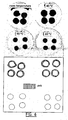
- Leaf discs of 5 mm diameter were taken from young or mature plants and placed between wetted filter papers in a tray. The system was incubated at 5°C for 7 days. During the incubation a pink dye developed at the wound site of the leaf disc which became clearly visible as a printed circle on the filter paper ( Figure 2 ).
- L-cysteine can inhibit the pinking response of the lettuce leaf discs and that the inhibitory effect of L-cysteine is specific.
- L-cysteine is indeed acting as an inhibitor of PPO activity in this system
- the lettuce leaf discs were incubated with the PPO substrate L-3,4-dihydroxyphenylalanine (L-DOPA) .
- L-DOPA is not considered to be a natural substrate for lettuce PPO
- a dark brown to black discolouration was observed at the wound surface which is the manifestation of the formation of melanin through PPO.
- 1 mM or a higher concentration of L-cysteine was applied simultaneously, the discolouration was completely inhibited as shown in Figure 5 .
- the lettuce leaf disc pinking response was further characterised by applying a heat shock before inducing the wound response. Detached leaves were incubated during 90 seconds at 21, 40, 50 and 60°C. After this treatment leaf discs were taken and assayed for pinking. The pinking response was completely inhibited when the heat shock was carried out at a temperature of 50°C or higher. This result is shown in Figure 6 .
- L-cysteine is known to react with o-quinones, which are PPO products, by converting them back into colourless diphenols, the effects of L-cysteine on the pink dye coming from lettuce leaf discs was determined. In parallel the effect of L-cysteine was determined on the melanin formation upon incubation with L-DOPA.
- the L-cysteine based discolouration was applied to field-grown plant material. This was carried out by harvesting a leaf from a field-grown lettuce plant which showed severe pinking symptoms along the veins. This is typically observed when plants have been stressed, for example by conditions of severe water logging. The leaf was used to prepare leaf discs which were incubated immediately by 1 mM L-cysteine. After approximately 30 minutes incubation at room temperature, the pink discolouration disappeared as shown in Figure 8 .
- Example 2 In order to identify lettuce mutants with low wound-induced enzymatic browning or pinking potential, the leaf disc assay described in Example 2 was applied to plants of a lettuce mutant population.
- the discolouration assay was repeated for the initially selected 12 individuals and for most individual cases the original result was confirmed. Only the confirmed individuals were selected for further analysis and seed production.
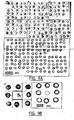
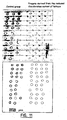
- the leaf disc assay described in Example 2 was applied to plants of a lettuce mutant population. 8500 plants were grown in a greenhouse until 3 weeks old (6-8 leaf stage) and from each individual plant a leaf disc was taken and incubated between wetted filter papers at 5°C for 7 days.
- the dwarfed and bleached mutants are probably disturbed in chloroplast function. As PPO resides in these cellular organelles this may explain the relatively low response in the leaf disc assays. As such pleiotropic mutations are undesirable, these mutants were considered to be less relevant.
- the mutant plant 06D.210202 which showed the strongest reduction of leaf disc discolouration showed a normal phenotype and the mutation is therefore considered specific for the discolouration without strong pleiotropic effects.
- the seed produced by selfing of three plants grown from seeds of 06D.819784 was numbered 06D.863B2 and deposited at NCIMB.
- the NCIMB-number is 41454 (deposited on 3 January 2007).
- the screening procedure as described in this example can considered to be effective and unbiased in order to screen for mutants showing reduced brown discolouration which occurs during the processing of lettuce.
- the method according to this invention also allows to screen in a more specific manner for mutants which have a reduced PPO activity.
- a phenotypic assay which is indicative for PPO activity was developed by using leaf discs which were incubated in the presence of 1.5 mM L-DOPA.
- L-DOPA can readily be converted by the polyphenol oxidising system at the wound surface of lettuce leaves into a black pigment called melanine.
- L-DOPA is converted by PPO into the reactive L-DOPA-quinone which is converted non-enzymatically via dopachrome and indol quinone into the black melanin.
- Leaf discs of lettuce were incubated with 10 mM chlorogenic acid on filter paper.
- Figure 16 shows the browning of the discs.
- L-cysteine the colour disappeared again showing that the discolouration is dependent on PPO.
- chlorogenic acid is a suitable substrate for a substrate-based screening assay.
Landscapes
- Life Sciences & Earth Sciences (AREA)
- Health & Medical Sciences (AREA)
- Botany (AREA)
- Engineering & Computer Science (AREA)
- Environmental Sciences (AREA)
- Genetics & Genomics (AREA)
- Developmental Biology & Embryology (AREA)
- Chemical & Material Sciences (AREA)
- General Health & Medical Sciences (AREA)
- Physiology (AREA)
- Food Science & Technology (AREA)
- Biochemistry (AREA)
- Physics & Mathematics (AREA)
- Wood Science & Technology (AREA)
- General Physics & Mathematics (AREA)
- Immunology (AREA)
- Medicinal Chemistry (AREA)
- Analytical Chemistry (AREA)
- Pathology (AREA)
- Natural Medicines & Medicinal Plants (AREA)
- Biotechnology (AREA)
- Forests & Forestry (AREA)
- Ecology (AREA)
- Biodiversity & Conservation Biology (AREA)
- Molecular Biology (AREA)
- Biomedical Technology (AREA)
- Organic Chemistry (AREA)
- General Engineering & Computer Science (AREA)
- Zoology (AREA)
- Bioinformatics & Cheminformatics (AREA)
- Microbiology (AREA)
- Plant Pathology (AREA)
- Biophysics (AREA)
- Cell Biology (AREA)
- Nutrition Science (AREA)
- Measuring Or Testing Involving Enzymes Or Micro-Organisms (AREA)
- Breeding Of Plants And Reproduction By Means Of Culturing (AREA)
- Investigating Or Analysing Materials By The Use Of Chemical Reactions (AREA)
- Investigating Or Analysing Materials By Optical Means (AREA)
- Investigating Or Analysing Biological Materials (AREA)
Claims (8)
- Verfahren zum Screening eines Bestandes von Pflanzen oder Pflanzenteilen auf das Vorliegen in diesen von Individuen, die eine verminderte Verfärbung im Vergleich zu einer Kontrollpflanze oder einem Kontrollpflanzenteil aufweisen, wobei das Verfahren Folgendes umfasst:a) Bereitstellen eines Bestandes von Pflanzen oder Teilen der Pflanzen aus dem Bestand;b) Bebrüten der Pflanzen oder Pflanzenteile mit einer darauf erzeugten Wundoberfläche auf befeuchtetem Filterpapier, um das Auftreten von Verfärbung in diesem oder auf diesem zu ermöglichen;c) Sichtkontrolle der Verfärbung in oder auf den Pflanzen oder Pflanzenteilen;d) Vergleichen der beobachteten Verfärbung mit der Verfärbung, die bei der Kontrollpflanze oder dem Kontrollpflanzenteil beobachtet wird, um Pflanzen oder Pflanzenteile zu bestimmen, die keine Verfärbung oder eine Verfärbung zeigen, die im Vergleich zur Kontrollpflanze oder zu dem Kontrollpflanzenteil verringert ist,wobei die in dem Screening verwendeten Pflanzen oder Pflanzenteile aus jungem Pflanzenmaterial aus der Gattung Lactuca, insbesondere der Spezies Lactuca sativa oder der Gattung Cichorium und insbesondere der Spezies Cichorium intybus und Cichorium endivia bestehen,
wobei die Kontrollpflanze aus einer Pflanze besteht, von welcher eine Blattscheibe beim Bebrüten zwischen zwei Bögen von befeuchtetem Filterpapier über 7 Tage bei 5°C rosarote Verfärbung um die Ränder herum zeigt und
wobei der Pflanzenbestand ein Bestand von Mutantenpflanzen, eine Sammlung von Protoplasma oder ein Bestand von transgenen Pflanzen ist. - Verfahren gemäß Anspruch 1, wobei die Verfärbung eine wundinduzierte Verfärbung darstellt.
- Verfahren gemäß Anspruch 1 oder 2, wobei die Pflanzenteile ausgewählt sind aus Blättern, Schösslingen, Wurzeln, Stielen, Samen, gekeimten Samen oder Teilen von diesen sowie Zellen.
- Verfahren gemäß einem der Ansprüche 1 bis 3, wobei die Pflanzenteile Blattscheiben sind.
- Verfahren gemäß einem der Ansprüche 1 bis 3, wobei die Pflanzenteile Scheiben aus Hauptadergewebe darstellen.
- Verfahren gemäß einem der Ansprüche 1 bis 5, wobei der Bestand von Mutationspflanzen durch eine Mutagenesebehandlung unter Einsatz von Chemikalien und/oder Bestrahlung gewonnen wird.
- Verfahren gemäß einem der Ansprüche 1 bis 6, wobei das befeuchtete Filterpapier eine Verbindung ausgewählt aus L-3,4-Dihydroxyphenylalanin, Chlorogensäure, Isochlorogensäure, L-Tyrosin und Katechin enthält.
- Verfahren gemäß einem der Ansprüche 1 bis 6, wobei das befeuchtete Filterpapier eine Verbindung ausgewählt aus den in Tabelle 1 aufgeführten Verbindungen enthält.
Priority Applications (1)
| Application Number | Priority Date | Filing Date | Title |
|---|---|---|---|
| EP07702705.0A EP1988764B2 (de) | 2006-01-06 | 2007-01-08 | Screening-verfahren zur auswahl von pflanzen, die eine verminderte verwundungsstimulierte oberflächenverfärbung aufweisen |
Applications Claiming Priority (4)
| Application Number | Priority Date | Filing Date | Title |
|---|---|---|---|
| EP06075039 | 2006-01-06 | ||
| EP06075645 | 2006-03-17 | ||
| PCT/EP2007/000230 WO2007077231A1 (en) | 2006-01-06 | 2007-01-08 | Screening method for selecting plants thatshow a reduced wound-induced surface discolouration |
| EP07702705.0A EP1988764B2 (de) | 2006-01-06 | 2007-01-08 | Screening-verfahren zur auswahl von pflanzen, die eine verminderte verwundungsstimulierte oberflächenverfärbung aufweisen |
Publications (3)
| Publication Number | Publication Date |
|---|---|
| EP1988764A1 EP1988764A1 (de) | 2008-11-12 |
| EP1988764B1 EP1988764B1 (de) | 2013-10-09 |
| EP1988764B2 true EP1988764B2 (de) | 2016-11-16 |
Family
ID=37898166
Family Applications (3)
| Application Number | Title | Priority Date | Filing Date |
|---|---|---|---|
| EP07702705.0A Active EP1988764B2 (de) | 2006-01-06 | 2007-01-08 | Screening-verfahren zur auswahl von pflanzen, die eine verminderte verwundungsstimulierte oberflächenverfärbung aufweisen |
| EP11008499.3A Active EP2428112B1 (de) | 2006-01-06 | 2007-01-08 | Verfahren zur Auffindung und Auswahl von Pflanzen mit reduzierter wundbedingter Oberflächenverfärbung und dadurch erhaltene Pflanze und Pflanzenteile |
| EP18203955.2A Active EP3456182B1 (de) | 2006-01-06 | 2007-01-08 | Verfahren zur auffindung und auswahl von pflanzen mit reduzierter wundbedingter oberflächenverfärbung und dadurch erhaltene pflanze und pflanzenteile |
Family Applications After (2)
| Application Number | Title | Priority Date | Filing Date |
|---|---|---|---|
| EP11008499.3A Active EP2428112B1 (de) | 2006-01-06 | 2007-01-08 | Verfahren zur Auffindung und Auswahl von Pflanzen mit reduzierter wundbedingter Oberflächenverfärbung und dadurch erhaltene Pflanze und Pflanzenteile |
| EP18203955.2A Active EP3456182B1 (de) | 2006-01-06 | 2007-01-08 | Verfahren zur auffindung und auswahl von pflanzen mit reduzierter wundbedingter oberflächenverfärbung und dadurch erhaltene pflanze und pflanzenteile |
Country Status (14)
| Country | Link |
|---|---|
| US (2) | US20090053757A1 (de) |
| EP (3) | EP1988764B2 (de) |
| JP (2) | JP5386175B2 (de) |
| KR (2) | KR20080093119A (de) |
| CN (1) | CN105340729A (de) |
| AU (2) | AU2007204056B2 (de) |
| BR (2) | BRPI0706433B1 (de) |
| CA (2) | CA2636196C (de) |
| ES (4) | ES2403435T3 (de) |
| IL (2) | IL192621A (de) |
| MA (2) | MA30305B1 (de) |
| NZ (2) | NZ569579A (de) |
| RU (2) | RU2426300C2 (de) |
| WO (1) | WO2007077231A1 (de) |
Families Citing this family (10)
| Publication number | Priority date | Publication date | Assignee | Title |
|---|---|---|---|---|
| CN101400253A (zh) * | 2006-01-06 | 2009-04-01 | 瑞克斯旺种苗集团公司 | 用于选择显示减少的损伤诱导的表面变色的方法 |
| EP2011389A1 (de) | 2007-07-06 | 2009-01-07 | Rijk Zwaan Zaadteelt en Zaadhandel B.V. | Verfahren zur Identifizierung von Pflanzenmaterial mit reduzierter Verfärbung, auf diese Weise identifizierte Pflanzen und Verwendung der identifizierten Pflanzen zur Herstellung kommerzieller Zuchtpflanzen mit reduzierter Verfärbung |
| CN101995403B (zh) * | 2010-08-18 | 2012-07-25 | 南京农业大学 | 梨果实加工能力评价的生理标记方法 |
| RU2549785C1 (ru) * | 2013-12-24 | 2015-04-27 | Федеральное государственное бюджетное образовательное учреждение Высшего профессионального образования КАБАРДИНО-БАЛКАРСКИЙ ГОСУДАРСТВЕННЫЙ АГРАРНЫЙ УНИВЕРСИТЕТ ИМЕНИ В.М. КОКОВА | Способ гистохимического определения степени повреждения виноградных побегов морозами |
| JP6519728B2 (ja) * | 2014-11-26 | 2019-05-29 | 熊本県 | レタスの褐変性を抑制するためのdna |
| US10563220B2 (en) * | 2015-12-21 | 2020-02-18 | Monsanto Technology Llc | Compositions and methods for efficient targeting of transgenes |
| MX393975B (es) * | 2016-02-24 | 2025-03-24 | Rijk Zwaan Zaadteelt En Zaadhandel Bv | Plantas que muestran una reducción en el cambio de coloración en la superficie inducido por heridas. |
| CN113924845A (zh) * | 2021-11-01 | 2022-01-14 | 华中农业大学 | 一种基于儿茶酚的种子包膜方法 |
| WO2024114891A1 (en) | 2022-11-29 | 2024-06-06 | Bejo Zaden B.V. | No bleed lettuce |
| JP2025040037A (ja) * | 2023-09-11 | 2025-03-24 | 熊本県 | 低褐変レタスとその作製方法 |
Family Cites Families (5)
| Publication number | Priority date | Publication date | Assignee | Title |
|---|---|---|---|---|
| SU1596251A1 (ru) * | 1988-10-13 | 1990-09-30 | Всесоюзный Институт Гельминтологии Им.К.И.Скрябина | Способ скрининга нематицидов |
| JPH07503376A (ja) * | 1992-07-30 | 1995-04-13 | ケイヘーネ・エヌ・ベー | Dna構築物並びにそれから誘導される細胞及び植物 |
| JP2000146844A (ja) * | 1998-11-17 | 2000-05-26 | Nichirei Corp | ポリフェノールオキシダーゼ類の酵素活性を測定するための器具、その製造方法及びそれを用いたポリフェノールオキシダーゼ類の酵素活性の測定方法 |
| JP4534021B2 (ja) * | 2003-02-07 | 2010-09-01 | 鳥取県 | リンゴ葉緑体シャペロニンαサブユニットのcDNA、リンゴ葉緑体シャペロニンαサブユニットのDNA、リンゴ斑点落葉病に強いリンゴの診断方法及びリンゴ斑点落葉病に対する耐病性を判別する方法 |
| US7135627B2 (en) * | 2004-05-28 | 2006-11-14 | Progeny Advanced Genetics | Lettuce variety designated ‘PX 237’ |
-
2007
- 2007-01-08 BR BRPI0706433-0A patent/BRPI0706433B1/pt not_active IP Right Cessation
- 2007-01-08 RU RU2008132323/21A patent/RU2426300C2/ru active
- 2007-01-08 BR BRPI0706430-6A patent/BRPI0706430A2/pt not_active Application Discontinuation
- 2007-01-08 EP EP07702705.0A patent/EP1988764B2/de active Active
- 2007-01-08 WO PCT/EP2007/000230 patent/WO2007077231A1/en not_active Ceased
- 2007-01-08 ES ES07702701T patent/ES2403435T3/es active Active
- 2007-01-08 RU RU2008132321/21A patent/RU2433585C2/ru active
- 2007-01-08 CN CN201510638844.3A patent/CN105340729A/zh active Pending
- 2007-01-08 KR KR1020087019256A patent/KR20080093119A/ko not_active Withdrawn
- 2007-01-08 KR KR1020087019258A patent/KR101400251B1/ko not_active Expired - Fee Related
- 2007-01-08 EP EP11008499.3A patent/EP2428112B1/de active Active
- 2007-01-08 CA CA2636196A patent/CA2636196C/en active Active
- 2007-01-08 JP JP2008549000A patent/JP5386175B2/ja active Active
- 2007-01-08 AU AU2007204056A patent/AU2007204056B2/en active Active
- 2007-01-08 CA CA2636084A patent/CA2636084C/en active Active
- 2007-01-08 JP JP2008549002A patent/JP4995835B2/ja active Active
- 2007-01-08 AU AU2007204058A patent/AU2007204058B2/en active Active
- 2007-01-08 NZ NZ569579A patent/NZ569579A/xx unknown
- 2007-01-08 EP EP18203955.2A patent/EP3456182B1/de active Active
- 2007-01-08 ES ES07702705.0T patent/ES2434037T5/es active Active
- 2007-01-08 NZ NZ569531A patent/NZ569531A/en not_active IP Right Cessation
- 2007-01-08 ES ES18203955T patent/ES3058542T3/es active Active
- 2007-01-08 ES ES11008499T patent/ES2725201T3/es active Active
-
2008
- 2008-07-03 IL IL192621A patent/IL192621A/en active IP Right Grant
- 2008-07-03 IL IL192623A patent/IL192623A/en active IP Right Grant
- 2008-07-07 US US12/168,484 patent/US20090053757A1/en not_active Abandoned
- 2008-07-31 MA MA31150A patent/MA30305B1/fr unknown
- 2008-07-31 MA MA31152A patent/MA30943B1/fr unknown
-
2013
- 2013-03-10 US US13/792,114 patent/US20130237452A1/en not_active Abandoned
Non-Patent Citations (12)
| Title |
|---|
| ANDERSON J.V. ET AL: "An Improved Whole-Seed Assay for Screening Wheat Germplasm for Polyphenol Oxidase Activity", CROP SCI., vol. 41, 2001, pages 1697 - 1705 † |
| Baby Leafor Spring Mix, from http://cals.arizona.edu/fps/COTW † |
| BERNIER A.-M. ET AL: "Quantification of Variation in Tyrosinase Activity Among Durum and Common Wheat Cultivars", JOURNAL OF CEREAL SCIENCE, vol. 19, 1994, pages 157 - 159 † |
| CASTAÑER M. ET AL: "Browning susceptibility of minimally processed Baby and Romaine lettuces", EUR FOOD RES TECHNOL, vol. 209, 1999, pages 52 - 56 † |
| Declaration of Émilie Guilloteau and Patrick Varoquaux † |
| English translation of D3 † |
| GARCIA E. ET AL: "Preservative Treatments for Fresh-Cut Fruits and Vegetables", 2002, CRC PRESS, BOCA RATON, pages: 267 - 303 † |
| KADER A.A. ET AL: "Evaluating the browning potential of peaches", CALIFORNIA AGRICULTURE, March 1984 (1984-03-01), pages 14 - 15 † |
| KRUGER J.E. ET AL: "A Whole Seed Assay for Polyphenol Oxidase in Canadian Prairie Spring Wheats and Its Usefulness as a Measure of Noodle Darkening", CEREAL CHEMISTRY, vol. 71, no. 4, 1994, pages 324 - 326 † |
| LÓPE-GÁLVEZ G. ET AL: "Wound-induced phenylalanine ammonia lyase activity: factors affecting its induction and correlation with the quality of minimally processed lettuces", POSTHARVEST BIOLOGY AND TECHNOLOGY, vol. 9, 1996, pages 223 - 233 † |
| PAVEK J. ET AL: "A rapid method for determining blackspot susceptibility of potato clones", AMERICAN POTATO JOURNAL, vol. 62, 1985, pages 511 - 517 † |
| Présentation by Emilie Guilloteau - ENZA Zaden - 18/09/2002 † |
Also Published As
Similar Documents
| Publication | Publication Date | Title |
|---|---|---|
| US8809631B2 (en) | Screening method for selecting plants that show reduced wound-induced surface discolouration and plant and plant parts thus obtained | |
| EP1988764B1 (de) | Screening-verfahren zur auswahl von pflanzen, die eine verminderte verwundungsstimulierte oberflächenverfärbung aufweisen | |
| US8212117B2 (en) | Resistance to physiological disorders in lettuce | |
| WO2008083715A1 (en) | Screening method for selecting plants that show a reduced wound-induced surface discolouration and plant and plant parts thus obtained | |
| MX2008008728A (en) | Screening method for selecting plants that show a reduced wound-induced surface discolouration and plant and plant parts thus obtained | |
| MX2008008731A (es) | Metodo de identificacion sistematica para seleccionar plantas que muestran decoloracion de la superficiereducida inducida por una herida |
Legal Events
| Date | Code | Title | Description |
|---|---|---|---|
| PUAI | Public reference made under article 153(3) epc to a published international application that has entered the european phase |
Free format text: ORIGINAL CODE: 0009012 |
|
| 17P | Request for examination filed |
Effective date: 20080710 |
|
| AK | Designated contracting states |
Kind code of ref document: A1 Designated state(s): AT BE BG CH CY CZ DE DK EE ES FI FR GB GR HU IE IS IT LI LT LU LV MC NL PL PT RO SE SI SK TR |
|
| AX | Request for extension of the european patent |
Extension state: HR RS |
|
| 17Q | First examination report despatched |
Effective date: 20091021 |
|
| RAX | Requested extension states of the european patent have changed |
Extension state: RS Payment date: 20080710 Extension state: HR Payment date: 20080710 |
|
| GRAP | Despatch of communication of intention to grant a patent |
Free format text: ORIGINAL CODE: EPIDOSNIGR1 |
|
| INTG | Intention to grant announced |
Effective date: 20130527 |
|
| GRAS | Grant fee paid |
Free format text: ORIGINAL CODE: EPIDOSNIGR3 |
|
| GRAA | (expected) grant |
Free format text: ORIGINAL CODE: 0009210 |
|
| AK | Designated contracting states |
Kind code of ref document: B1 Designated state(s): AT BE BG CH CY CZ DE DK EE ES FI FR GB GR HU IE IS IT LI LT LU LV MC NL PL PT RO SE SI SK TR |
|
| AX | Request for extension of the european patent |
Extension state: HR RS |
|
| REG | Reference to a national code |
Ref country code: GB Ref legal event code: FG4D |
|
| REG | Reference to a national code |
Ref country code: AT Ref legal event code: REF Ref document number: 635160 Country of ref document: AT Kind code of ref document: T Effective date: 20131015 Ref country code: CH Ref legal event code: EP |
|
| REG | Reference to a national code |
Ref country code: IE Ref legal event code: FG4D |
|
| REG | Reference to a national code |
Ref country code: DE Ref legal event code: R096 Ref document number: 602007033221 Country of ref document: DE Effective date: 20131212 |
|
| REG | Reference to a national code |
Ref country code: ES Ref legal event code: FG2A Ref document number: 2434037 Country of ref document: ES Kind code of ref document: T3 Effective date: 20131213 |
|
| REG | Reference to a national code |
Ref country code: NL Ref legal event code: T3 |
|
| REG | Reference to a national code |
Ref country code: AT Ref legal event code: MK05 Ref document number: 635160 Country of ref document: AT Kind code of ref document: T Effective date: 20131009 |
|
| PG25 | Lapsed in a contracting state [announced via postgrant information from national office to epo] |
Ref country code: SI Free format text: LAPSE BECAUSE OF FAILURE TO SUBMIT A TRANSLATION OF THE DESCRIPTION OR TO PAY THE FEE WITHIN THE PRESCRIBED TIME-LIMIT Effective date: 20131009 |
|
| REG | Reference to a national code |
Ref country code: LT Ref legal event code: MG4D |
|
| PG25 | Lapsed in a contracting state [announced via postgrant information from national office to epo] |
Ref country code: LT Free format text: LAPSE BECAUSE OF FAILURE TO SUBMIT A TRANSLATION OF THE DESCRIPTION OR TO PAY THE FEE WITHIN THE PRESCRIBED TIME-LIMIT Effective date: 20131009 Ref country code: SE Free format text: LAPSE BECAUSE OF FAILURE TO SUBMIT A TRANSLATION OF THE DESCRIPTION OR TO PAY THE FEE WITHIN THE PRESCRIBED TIME-LIMIT Effective date: 20131009 Ref country code: IS Free format text: LAPSE BECAUSE OF FAILURE TO SUBMIT A TRANSLATION OF THE DESCRIPTION OR TO PAY THE FEE WITHIN THE PRESCRIBED TIME-LIMIT Effective date: 20140209 Ref country code: FI Free format text: LAPSE BECAUSE OF FAILURE TO SUBMIT A TRANSLATION OF THE DESCRIPTION OR TO PAY THE FEE WITHIN THE PRESCRIBED TIME-LIMIT Effective date: 20131009 |
|
| PG25 | Lapsed in a contracting state [announced via postgrant information from national office to epo] |
Ref country code: CY Free format text: LAPSE BECAUSE OF FAILURE TO SUBMIT A TRANSLATION OF THE DESCRIPTION OR TO PAY THE FEE WITHIN THE PRESCRIBED TIME-LIMIT Effective date: 20131009 Ref country code: PL Free format text: LAPSE BECAUSE OF FAILURE TO SUBMIT A TRANSLATION OF THE DESCRIPTION OR TO PAY THE FEE WITHIN THE PRESCRIBED TIME-LIMIT Effective date: 20131009 Ref country code: AT Free format text: LAPSE BECAUSE OF FAILURE TO SUBMIT A TRANSLATION OF THE DESCRIPTION OR TO PAY THE FEE WITHIN THE PRESCRIBED TIME-LIMIT Effective date: 20131009 Ref country code: LV Free format text: LAPSE BECAUSE OF FAILURE TO SUBMIT A TRANSLATION OF THE DESCRIPTION OR TO PAY THE FEE WITHIN THE PRESCRIBED TIME-LIMIT Effective date: 20131009 |
|
| PG25 | Lapsed in a contracting state [announced via postgrant information from national office to epo] |
Ref country code: PT Free format text: LAPSE BECAUSE OF FAILURE TO SUBMIT A TRANSLATION OF THE DESCRIPTION OR TO PAY THE FEE WITHIN THE PRESCRIBED TIME-LIMIT Effective date: 20140210 |
|
| REG | Reference to a national code |
Ref country code: DE Ref legal event code: R026 Ref document number: 602007033221 Country of ref document: DE |
|
| PLBI | Opposition filed |
Free format text: ORIGINAL CODE: 0009260 |
|
| PG25 | Lapsed in a contracting state [announced via postgrant information from national office to epo] |
Ref country code: EE Free format text: LAPSE BECAUSE OF FAILURE TO SUBMIT A TRANSLATION OF THE DESCRIPTION OR TO PAY THE FEE WITHIN THE PRESCRIBED TIME-LIMIT Effective date: 20131009 |
|
| PLAX | Notice of opposition and request to file observation + time limit sent |
Free format text: ORIGINAL CODE: EPIDOSNOBS2 |
|
| 26 | Opposition filed |
Opponent name: NUNHEMS B.V. Effective date: 20140709 |
|
| PG25 | Lapsed in a contracting state [announced via postgrant information from national office to epo] |
Ref country code: SK Free format text: LAPSE BECAUSE OF FAILURE TO SUBMIT A TRANSLATION OF THE DESCRIPTION OR TO PAY THE FEE WITHIN THE PRESCRIBED TIME-LIMIT Effective date: 20131009 Ref country code: MC Free format text: LAPSE BECAUSE OF FAILURE TO SUBMIT A TRANSLATION OF THE DESCRIPTION OR TO PAY THE FEE WITHIN THE PRESCRIBED TIME-LIMIT Effective date: 20131009 Ref country code: CZ Free format text: LAPSE BECAUSE OF FAILURE TO SUBMIT A TRANSLATION OF THE DESCRIPTION OR TO PAY THE FEE WITHIN THE PRESCRIBED TIME-LIMIT Effective date: 20131009 Ref country code: LU Free format text: LAPSE BECAUSE OF FAILURE TO SUBMIT A TRANSLATION OF THE DESCRIPTION OR TO PAY THE FEE WITHIN THE PRESCRIBED TIME-LIMIT Effective date: 20140108 Ref country code: RO Free format text: LAPSE BECAUSE OF FAILURE TO SUBMIT A TRANSLATION OF THE DESCRIPTION OR TO PAY THE FEE WITHIN THE PRESCRIBED TIME-LIMIT Effective date: 20131009 |
|
| REG | Reference to a national code |
Ref country code: CH Ref legal event code: PL |
|
| REG | Reference to a national code |
Ref country code: DE Ref legal event code: R026 Ref document number: 602007033221 Country of ref document: DE Effective date: 20140709 |
|
| PG25 | Lapsed in a contracting state [announced via postgrant information from national office to epo] |
Ref country code: DK Free format text: LAPSE BECAUSE OF FAILURE TO SUBMIT A TRANSLATION OF THE DESCRIPTION OR TO PAY THE FEE WITHIN THE PRESCRIBED TIME-LIMIT Effective date: 20131009 |
|
| PG25 | Lapsed in a contracting state [announced via postgrant information from national office to epo] |
Ref country code: CH Free format text: LAPSE BECAUSE OF NON-PAYMENT OF DUE FEES Effective date: 20140131 Ref country code: LI Free format text: LAPSE BECAUSE OF NON-PAYMENT OF DUE FEES Effective date: 20140131 |
|
| REG | Reference to a national code |
Ref country code: IE Ref legal event code: MM4A |
|
| PLAF | Information modified related to communication of a notice of opposition and request to file observations + time limit |
Free format text: ORIGINAL CODE: EPIDOSCOBS2 |
|
| PG25 | Lapsed in a contracting state [announced via postgrant information from national office to epo] |
Ref country code: IE Free format text: LAPSE BECAUSE OF NON-PAYMENT OF DUE FEES Effective date: 20140108 |
|
| PLBB | Reply of patent proprietor to notice(s) of opposition received |
Free format text: ORIGINAL CODE: EPIDOSNOBS3 |
|
| REG | Reference to a national code |
Ref country code: FR Ref legal event code: PLFP Year of fee payment: 10 |
|
| PG25 | Lapsed in a contracting state [announced via postgrant information from national office to epo] |
Ref country code: BG Free format text: LAPSE BECAUSE OF FAILURE TO SUBMIT A TRANSLATION OF THE DESCRIPTION OR TO PAY THE FEE WITHIN THE PRESCRIBED TIME-LIMIT Effective date: 20131009 |
|
| PG25 | Lapsed in a contracting state [announced via postgrant information from national office to epo] |
Ref country code: GR Free format text: LAPSE BECAUSE OF FAILURE TO SUBMIT A TRANSLATION OF THE DESCRIPTION OR TO PAY THE FEE WITHIN THE PRESCRIBED TIME-LIMIT Effective date: 20140110 |
|
| PG25 | Lapsed in a contracting state [announced via postgrant information from national office to epo] |
Ref country code: HU Free format text: LAPSE BECAUSE OF FAILURE TO SUBMIT A TRANSLATION OF THE DESCRIPTION OR TO PAY THE FEE WITHIN THE PRESCRIBED TIME-LIMIT; INVALID AB INITIO Effective date: 20070108 |
|
| PUAH | Patent maintained in amended form |
Free format text: ORIGINAL CODE: 0009272 |
|
| STAA | Information on the status of an ep patent application or granted ep patent |
Free format text: STATUS: PATENT MAINTAINED AS AMENDED |
|
| 27A | Patent maintained in amended form |
Effective date: 20161116 |
|
| AK | Designated contracting states |
Kind code of ref document: B2 Designated state(s): AT BE BG CH CY CZ DE DK EE ES FI FR GB GR HU IE IS IT LI LT LU LV MC NL PL PT RO SE SI SK TR |
|
| AX | Request for extension of the european patent |
Extension state: HR RS |
|
| REG | Reference to a national code |
Ref country code: DE Ref legal event code: R102 Ref document number: 602007033221 Country of ref document: DE |
|
| REG | Reference to a national code |
Ref country code: DE Ref legal event code: R082 Ref document number: 602007033221 Country of ref document: DE Representative=s name: ARNOLD & SIEDSMA, DE |
|
| REG | Reference to a national code |
Ref country code: FR Ref legal event code: PLFP Year of fee payment: 11 |
|
| REG | Reference to a national code |
Ref country code: NL Ref legal event code: FP |
|
| PG25 | Lapsed in a contracting state [announced via postgrant information from national office to epo] |
Ref country code: LV Free format text: LAPSE BECAUSE OF FAILURE TO SUBMIT A TRANSLATION OF THE DESCRIPTION OR TO PAY THE FEE WITHIN THE PRESCRIBED TIME-LIMIT Effective date: 20161116 |
|
| REG | Reference to a national code |
Ref country code: ES Ref legal event code: DC2A Ref document number: 2434037 Country of ref document: ES Kind code of ref document: T5 Effective date: 20170511 |
|
| PGFP | Annual fee paid to national office [announced via postgrant information from national office to epo] |
Ref country code: GB Payment date: 20170127 Year of fee payment: 11 |
|
| PGFP | Annual fee paid to national office [announced via postgrant information from national office to epo] |
Ref country code: TR Payment date: 20170102 Year of fee payment: 11 Ref country code: IT Payment date: 20170124 Year of fee payment: 11 |
|
| REG | Reference to a national code |
Ref country code: FR Ref legal event code: PLFP Year of fee payment: 12 |
|
| GBPC | Gb: european patent ceased through non-payment of renewal fee |
Effective date: 20180108 |
|
| PG25 | Lapsed in a contracting state [announced via postgrant information from national office to epo] |
Ref country code: GB Free format text: LAPSE BECAUSE OF NON-PAYMENT OF DUE FEES Effective date: 20180108 |
|
| PG25 | Lapsed in a contracting state [announced via postgrant information from national office to epo] |
Ref country code: IT Free format text: LAPSE BECAUSE OF NON-PAYMENT OF DUE FEES Effective date: 20180108 |
|
| PG25 | Lapsed in a contracting state [announced via postgrant information from national office to epo] |
Ref country code: TR Free format text: LAPSE BECAUSE OF NON-PAYMENT OF DUE FEES Effective date: 20180108 |
|
| P01 | Opt-out of the competence of the unified patent court (upc) registered |
Effective date: 20230526 |
|
| PGFP | Annual fee paid to national office [announced via postgrant information from national office to epo] |
Ref country code: NL Payment date: 20260126 Year of fee payment: 20 |
|
| PGFP | Annual fee paid to national office [announced via postgrant information from national office to epo] |
Ref country code: ES Payment date: 20260202 Year of fee payment: 20 |
|
| PGFP | Annual fee paid to national office [announced via postgrant information from national office to epo] |
Ref country code: DE Payment date: 20260128 Year of fee payment: 20 |
|
| PGFP | Annual fee paid to national office [announced via postgrant information from national office to epo] |
Ref country code: BE Payment date: 20260127 Year of fee payment: 20 |
|
| PGFP | Annual fee paid to national office [announced via postgrant information from national office to epo] |
Ref country code: FR Payment date: 20260126 Year of fee payment: 20 |