EP2009018A2 - Peptides de récepteur d'antigène des lymphocytes T - Google Patents
Peptides de récepteur d'antigène des lymphocytes T Download PDFInfo
- Publication number
- EP2009018A2 EP2009018A2 EP08016052A EP08016052A EP2009018A2 EP 2009018 A2 EP2009018 A2 EP 2009018A2 EP 08016052 A EP08016052 A EP 08016052A EP 08016052 A EP08016052 A EP 08016052A EP 2009018 A2 EP2009018 A2 EP 2009018A2
- Authority
- EP
- European Patent Office
- Prior art keywords
- peptide
- peptides
- cell
- cells
- leu
- Prior art date
- Legal status (The legal status is an assumption and is not a legal conclusion. Google has not performed a legal analysis and makes no representation as to the accuracy of the status listed.)
- Withdrawn
Links
Images











Classifications
-
- C—CHEMISTRY; METALLURGY
- C07—ORGANIC CHEMISTRY
- C07K—PEPTIDES
- C07K14/00—Peptides having more than 20 amino acids; Gastrins; Somatostatins; Melanotropins; Derivatives thereof
- C07K14/435—Peptides having more than 20 amino acids; Gastrins; Somatostatins; Melanotropins; Derivatives thereof from animals; from humans
- C07K14/705—Receptors; Cell surface antigens; Cell surface determinants
- C07K14/70503—Immunoglobulin superfamily
- C07K14/7051—T-cell receptor (TcR)-CD3 complex
-
- A—HUMAN NECESSITIES
- A61—MEDICAL OR VETERINARY SCIENCE; HYGIENE
- A61P—SPECIFIC THERAPEUTIC ACTIVITY OF CHEMICAL COMPOUNDS OR MEDICINAL PREPARATIONS
- A61P19/00—Drugs for skeletal disorders
- A61P19/02—Drugs for skeletal disorders for joint disorders, e.g. arthritis, arthrosis
-
- A—HUMAN NECESSITIES
- A61—MEDICAL OR VETERINARY SCIENCE; HYGIENE
- A61P—SPECIFIC THERAPEUTIC ACTIVITY OF CHEMICAL COMPOUNDS OR MEDICINAL PREPARATIONS
- A61P29/00—Non-central analgesic, antipyretic or antiinflammatory agents, e.g. antirheumatic agents; Non-steroidal antiinflammatory drugs [NSAID]
-
- A—HUMAN NECESSITIES
- A61—MEDICAL OR VETERINARY SCIENCE; HYGIENE
- A61P—SPECIFIC THERAPEUTIC ACTIVITY OF CHEMICAL COMPOUNDS OR MEDICINAL PREPARATIONS
- A61P37/00—Drugs for immunological or allergic disorders
-
- A—HUMAN NECESSITIES
- A61—MEDICAL OR VETERINARY SCIENCE; HYGIENE
- A61P—SPECIFIC THERAPEUTIC ACTIVITY OF CHEMICAL COMPOUNDS OR MEDICINAL PREPARATIONS
- A61P37/00—Drugs for immunological or allergic disorders
- A61P37/02—Immunomodulators
-
- A—HUMAN NECESSITIES
- A61—MEDICAL OR VETERINARY SCIENCE; HYGIENE
- A61P—SPECIFIC THERAPEUTIC ACTIVITY OF CHEMICAL COMPOUNDS OR MEDICINAL PREPARATIONS
- A61P37/00—Drugs for immunological or allergic disorders
- A61P37/08—Antiallergic agents
-
- A—HUMAN NECESSITIES
- A61—MEDICAL OR VETERINARY SCIENCE; HYGIENE
- A61P—SPECIFIC THERAPEUTIC ACTIVITY OF CHEMICAL COMPOUNDS OR MEDICINAL PREPARATIONS
- A61P43/00—Drugs for specific purposes, not provided for in groups A61P1/00-A61P41/00
-
- A—HUMAN NECESSITIES
- A61—MEDICAL OR VETERINARY SCIENCE; HYGIENE
- A61K—PREPARATIONS FOR MEDICAL, DENTAL OR TOILETRY PURPOSES
- A61K38/00—Medicinal preparations containing peptides
Definitions
- the present invention relates to novel peptides designed to interfere with the function of the T-cell, such that the novel peptide can be used in the treatment of various inflammatory and autoimmune disease states.
- the peptide is useful in the treatment of disorders where T-cells are involved or recruited.
- T-cells are a subgroup of cells which together with other immune cell types (polymorphonuclear, eosinophils, basophils, mast cells, B-, NK cells), constitute the cellular component of the immune system.
- T-cells function in immune surveillance and in the elimination of foreign antigen.
- pathological conditions there is compelling evidence that T-cells play a major role in the causation and propagation of disease. In these disorders, breakdown of T-cell immunological tolerance, either central or peripheral is a fundamental process in the causation of autoimmune disease.
- Central tolerance involves thymic deletion of self reactive cells (negative selection) and positive selection of T-cells with low affinity for self major histocompatibility complex antigens (MHC).
- MHC self major histocompatibility complex antigens
- peripheral T-cell tolerance which are involved in the prevention of tissue specific autoimmune disease. These include: anergy (loss of co-stimulatory signals, down regulation of receptors critical for T-cell activation), deletion of reactive T-cells, ignorance of the antigen by the immune system and suppression of autoreactive T-cells. Tolerance once induced does not necessarily persist indefinitely. A breakdown in any of these mechanisms may lead to auto-immune disease.
- T-cell mediated disorders are characterised by the recruitment of T-cells to sites of inflammation. T-cells at these sites, coupled with their ability to produce and regulate cytokines and influence B-cell function, orchestrate the immune response and shape the final clinical outcome.
- An understanding of the process of T-cell antigen recognition and subsequent T-cell activation, leading to T-cell proliferation and differentiation, is therefore pivotal to both health and disease. Disturbance in this intricate structure-function relationship of the T-cell antigen receptor, harmonising antigen recognition with T-cell activation may provide the therapeutic means to deal with inflammation and T-cell mediated disorders.
- the TCR is composed of at least seven transmembrane proteins 1 .
- the disulfide-linked ( ⁇ -Ti) heterodimer forms the clonotypic antigen recognition unit, while the invariant chains of CD3, consisting of ⁇ , ⁇ , ⁇ , and ⁇ and ⁇ chains, are responsible for coupling the ligand binding to signalling pathways that result in T-cell activation and the elaboration of the cellular immune responses.
- CD3 invariant chains of CD3, consisting of ⁇ , ⁇ , ⁇ , and ⁇ and ⁇ chains, are responsible for coupling the ligand binding to signalling pathways that result in T-cell activation and the elaboration of the cellular immune responses.
- two structural features are common to all known subunits. Firstly, they are transmembrane proteins with a single transmembrane spanning domain - presumably alpha-helical.
- TCR chains have the unusual feature of possessing a charged amino acid within the predicted transmembrane domain.
- the invariant chains have a single negative charge, conserved between the mouse and human, and the variant chains possess one (TCR- ⁇ ) or two (TCR- ⁇ ) positive charges.
- Table 1 Listed in Table 1 is the transmembrane sequence of TCR- ⁇ in a number of species showing that this region is highly conserved and that phylogenetically may subserve an important functional role.
- the octapeptide (bold) containing the hydrophilic amino acids arginine and lysine is identical between the species.
- the amino acid substitutions noted in the remaining portions of the transmembrane sequence are minor and conservative. Table 1.
- the disease model for rheumatoid arthritis has been exemplary in the design of biological agents and a number of different approaches have been devised and tested 6 .
- the model predicts that an initial arthritogenic peptide is presented to T-cells by an antigen presenting cell (APC) which causes activation of T cells and release of cytokines and proteases culminating in chronic inflammation and joint damage ( Figure 1a ).
- APC antigen presenting cell
- trimolecular complex as the site for therapeutic intervention has been the subject of focus since the recent advances in the molecular characterisation of its constituents and has provided several approaches for immune intervention.
- the aim of therapy is to eliminate, prevent or downregulate the T-cell response by a variety of means ( Figure 1b ).
- the present inventor has now developed further novel peptides which disturb TCR function, presumably by interfering with assembly. These peptides are based on sequences from (i) the core peptide; (ii) peptides that correspond to alternative chain assembly regions; ie.CD3- ⁇ ,- ⁇ ,- ⁇ chains; (iii) new sites of assembly, ie. interchain disulphide bond; and (iv) downstream sequences of core peptide.
- the present inventor has also found that these peptides have an effect on T-cell mediated inflammation.
- the efficacious clinical manifestations of the administered peptide would be a decrease in inflammation, e.g. as demonstrated by a decrease of arthritis in an adjuvant model of arthritis.
- the present invention provides a peptide which inhibits TCR function, wherein the peptide is of the following formula:- R1-A-B-A-R2 in which
- hydrophobic peptide sequence we mean a sequence which includes at least 1 hydrophobic amino acid and which does not include a charged amino acid.
- at least 50% of the amino acids make up the hydrophobic peptide sequence are hydrophobic amino acids. More preferably at least 80% of all amino acids which make up the hydrophobic peptide sequence are hydrophobic amino acids.
- A is a peptide comprising from 2 to 6 amino acids.
- the peptide sequence is derived from the TCR- ⁇ transmembrane chain.
- B is a positively charged amino acid.
- B is preferably lysine or arginine.
- the peptide sequence is derived from the TCR- ⁇ intracellular chain.
- the peptide comprises the sequence:
- the peptide sequence is derived from the transmembrane CD3- ⁇ , - ⁇ , or - ⁇ chain sequence.
- B may be a negatively charged amino acid.
- the peptide sequence is derived from the CD3- ⁇ or - ⁇ chain.
- B may be aspartic acid.
- the peptide comprises the following sequence:-
- the peptide sequence is derived from the CD3- ⁇ chain.
- B may be glutamic acid.
- the peptide comprises the following sequence:-
- the present invention provides a peptide which inhibits TCR function, wherein the peptide is derived from the TCR- ⁇ intracellular chain and comprises the formula:
- TCR- ⁇ interchain disulphide bond plays an important role in the T cell assembly and subsequent activation by antigenic peptide.
- the present invention therefore also provides novel peptides which destabilise the interchain cysteine bond of the TCR- ⁇ and TCR- ⁇ chains and inhibit T-cell activation.
- the present invention provides a peptide which inhibits TCR function, wherein the peptide is of the following formula:- R1-A-B-C-R2 in which
- A is a peptide sequence consisting of 5 amino acids.
- the peptide is derived from the TCR- ⁇ chain.
- C is a peptide consisting of 4 or 5 amino acids and includes at least one hydrophobic amino acid.
- the peptide has the following sequence:-
- the peptide is derived from the TCR- ⁇ chain.
- the peptide preferably has the following sequence:
- Modifications of the peptides contemplated herein include, but are not limited to, modifications to side chains, incorporation of unnatural amino acids and/or their derivatives during peptide synthesis and the use of crosslinkers and other method which impose conformational constraints on the peptides.
- side chain modifications contemplated by the present invention include modifications of amino groups such as by reductive alkylation by reaction with an aldehyde followed by reduction with NaBH 4 ; amidation with methylacetimidate; acylation with acetic anhydride; carbamoylation of amino groups with cyanate; trinitrobenzylation of amino groups with 2,4,6-trinitrobenzene sulphonic acid (TNBS); acylation of amino groups with succinic anhydride and tetrahydrophthalic anhydride; and pyridoxylation of lysine with pyridoxal-5'-phosphate followed by reduction with NaBH 4 .
- modifications of amino groups such as by reductive alkylation by reaction with an aldehyde followed by reduction with NaBH 4 ; amidation with methylacetimidate; acylation with acetic anhydride; carbamoylation of amino groups with cyanate; trinitrobenzylation of amino groups with 2,4,6-trinitrobenzene sulphonic acid (TNBS
- the guanidine group of arginine residues may be modified by the formation of heterocyclic condensation products with reagents such as 2,3-butanedione, phenylglyoxal and glyoxal.
- the carboxyl group may be modified by carbodiimide activation via O-acylisourea formation followed by subsequent derivitisation, for example, to a corresponding amide.
- Tryptophan residues may be modified by, for example, oxidation with N-bromosuccinimde or alkylation of the indole ring with 2-hydroxy-5-bitrobenzyl bromide or sulphenyl halides.
- Tyrosine residues on the other hand, may be altered by nitration with tetranitromethane to form 3-nitrotyrosine derivatives.
- Modification of the imidazole ring of a histidine residue may be accomplished by alkylation with iodoacetic acid derivatives or N-carbethoxylation with diethylpyrocarbonate.
- Examples of incorporating unnatural amino acids and derivatives during peptide synthesis include, but are not limited to, use of norleucine, 4-amino butyric acid, 4-amino-3-hydroxy-5-phenylpentanoic acid, 6-aminohexanoic acid, t-hutylglycine, norvaline, phenylglycine, ornithine, sarcosine, 4-amino-3-hydroxy-6-methylheptanoic acid; 2-thienyl alanine and/or D-isomers of amino acids.
- the peptides of the present invention may be synthesised using techniques well known to those skilled in this field.
- the peptides may be synthesised using solution synthesis or solid phase synthesis as described, for example, in Chapter 9 entitled “Peptide Synthesis” by Atherton and Sheppard which is included in a publication entitled “ Synthetic Vaccines” edited by Nicholson and published by Blackwell Scientific Publications .
- a solid phase support is utilised which may be polystyrene gel beads wherein the polystyrene may be cross-linked with a small proportion of divinylbenzene (e.g.
- polystyrene may be functionalised with chloromethyl or anionomethyl groups.
- cross-linked and functionalised polydimethyl-acrylamide gel is used which may be highly solvated and swollen by DMF and other dipolar aprolic solvents.
- Other supports can be utilised based on polyethylene glycol which is usually grafted or otherwise attached to the surface of inert polystyrene beads. In a preferred form, use may be made of commercial solid supports or resins which are selected from PAL-PEG, PAK-PEG, KA, KR or TGR.
- reversible blocking groups which have the dual function of masking unwanted reactivity in the ⁇ -amino, carboxy or side chain functional groups and of destroying the dipolar character of amino acids and peptides which render them inactive.
- Such functional groups can be selected from t-butyl esters of the structure RCO-OCMe 3 -CO-NHR which are known as t-butoxy carboxyl or ROC derivatives.
- Use may also be made of the corresponding benzyl esters having the structure RCO-OCH 2 -C 6 H 5 and urethanes having the structure C6H5CH 2 O CO-NHR which are known as the benzyloxycarbonyl or Z-derivatives.
- Use may also be made of derivatives of fluorenyl methanol and especially the fluorenyl-methoxy carbonyl or Fmoc group.
- Each of these types of protecting group is capable of independent cleavage in the presence of one other so that frequent use is made, for example, of BOC-benzyl and Fmoc-tertiary butyl protection strategies.
- the Na-protected amino acid or peptide with a condensing reagent and are reacted immediately with the amino component (the carboxy or C-protected amino acid or peptide).
- Dicyclohexylcarbodiimide, the BOP reagent (referred to on page 216 of the Nicholson reference), O'Benzotriazole-N, N, N'N'-tetra methyl-uronium hexaflurophosphate (HBTU) and its analogous tetrafluroborate are frequently used condensing agents.
- the attachment of the first amino acid to the solid phase support may be carried out using BOC-amino acids in any suitable manner.
- BOC amino acids are attached to chloromethyl resin by warming the triethyl ammonium salts with the resin.
- Fmoc-amino acids may be coupled to the p-alkoxybenzyl alcohol resin in similar manner.
- use may be made of various linkage agents or "handles" to join the first amino acid to the resin.
- p-hydroxymethyl phenylactic acid linked to aminomethyl polystyrene may be used for this purpose.
- the present invention provides a therapeutic composition including a peptide of the first, second or third aspect of the present invention and a pharmaceutically acceptable carrier.
- the present invention provides a method of treating a subject suffering from a disorder in which T-cells are involved or recruited, the method including administering to the subject a therapeutically effective amount of the peptide of the first, second or third aspect of the present invention.
- the therapeutic composition may be administered by any appropriate route as will be recognised by those skilled in the art.
- routes include oral, transdermal, intranasal, parenteral, intraarticular and intraocular.
- the present invention consists in a method of delivering a chemical moiety to a cell including exposing the cell to the chemical moiety conjugated to a peptide of the first, second or third aspect of the invention.
- the chemical moiety is conjugated to the carboxy terminal of the peptide.
- T cells A non-exhaustive list of disorders in which T cells are involved/recruited include:
- the term "subject” is intended to cover both human and non-human animals.
- the peptides of the present invention may be modified at the carboxy terminal without loss of activity. Accordingly, it is intended that the present invention includes within its scope peptides which include additional amino acids to the "core' sequence of the peptide of the present invention and which affect the T-cell antigen receptor.
- the peptides of the present invention are able to enter cells. Accordingly it is envisaged that, apart from its other uses, the peptide of the present invention could be used as a "carrier" to deliver other therapeutic agents to cells. This could be achieved, for example, by conjugating the therapeutic to be delivered into the cell to the peptide of the present invention.
- hydrophobic amino acids are Ala, Val, Leu, Ile, Pro, Phe, Tyr and Met; positively charged amino acids are Lys. Arg and His; and negatively charged amino acids are Asp and Glu.
- FIG. 1(a) Schematic representation of antigen recognition by T-cells and subsequent downstream events. Possible sites of intervention include the trimolecular complex, T-cells, T-cell surface molecules, cytokines, recruitment of cells, and catalytic enzymes.
- Peptide synthesis Peptides were synthesised by solid phase synthesis using FMOC chemistry in the manual mode. Unprotected peptides were purchased from Auspep (Melbourne, Australia) with greater than 75% purity as assessed by HPLC. An example of an enclosed specification sheet is attached in the Appendix. The final concentration of peptide dissolved in 0.1% acetic acid used in cell culture ranged from 10 ⁇ M-200 ⁇ M. For in-vivo studies, peptides were dissolved/suspended in squalane oil (2-,6-,10-, 15-,19-,23-hexamethyltetracosane).
- the following cell lines were used: 2B4.11, a murine T-cell hybridoma that expresses a complete antigen receptor on the cell surface and produces IL-2 following antigen recognition (cytochrome-c); an interleukin-2 dependent T- cell line (CTLL) for conventional biological IL-2 assays; and the B-cell hybridoma cell line LK 35.2 (LK, I-E k bearing) which acts as the antigen presenting cell.
- the hybridomas were grown in T-cell medium (RPMI-1640 media containing 10% foetal calf serum (FCS), gentamycin (80 ⁇ g/ml), glutamine (2mM) and mercaptoethanol (0.002%)).
- FCS foetal calf serum
- gentamycin 80 ⁇ g/ml
- glutamine (2mM) mercaptoethanol
- COS African green monkey kidney fibroblast cell line
- DMEM Dulbecco's modified Eagle's medium
- Antigen presentation assay 30 The mouse T-cell 2B4.11 hybridoma (2x10 4 ) was cultured in microtitre wells with LK35.2 antigen presenting B cells ( 2x10 4 ) and 50 ⁇ M pigeon cytochrome-c. After 16hr 50 microlitres of assay supernatant was removed and assayed for the presence of IL-2, Serial twofold dilutions of the supernatant in media were cultured with the IL-2 dependent T-cell line CTLL. After 16hr the CTLL cells were pulsed with 3 H-thymidine for 4 hr and IL-2 measurements (IU/ml) determined.
- PLNC Primed Lymph Node Cells
- Male Wistar rats were injected intradermally at the base of the tail with 1 mg of heat-killed Mycobacterium tuberculosis (MTB) suspended in 0.2 ml of squalane.
- MTB Mycobacterium tuberculosis
- rats When acute arthritis was well developed, after 10 to 16 days, rats were killed and the swollen popliteal lymph nodes were removed and a single cell suspension made by pressing the tissue through a fine sieve under aseptic conditions. Cells were washed in complete medium, resuspended and counted.
- Approximately 3.5 x10 6 viable cells were obtained from two rats, The medium used was RPMI 1640 supplemented with 25mM Hepes, penicillin (100 ⁇ g/ml), streptomycin (80 ⁇ g/ml), 2.5 x10 -5 M 2-marcaptoethanol and 2% pooled normal rat serum.
- the cells were pipetted into the wells of flat-bottom, 96 well microtitre plates at 2x10 5 /well and a suspension of MTB was added to a final concentration of 100 ⁇ g/ml.
- Peptides were delivered to the wells in 20 ⁇ l volume giving final concentrations of 100 ⁇ g/ml peptides (or 100 ⁇ M) and 0.01% acetic acid, and a total of 200 ⁇ l per well.
- the plates were incubated at 37°C in a humidified incubator at 5% CO 2 for 3 days and then were pulsed with 1 ⁇ Ci per well of 3H-thymidine in 25ml of medium. After a further overnight incubation, the cultures were harvested using an automated cell harvester, and counted in a ⁇ -scintillation spectrometer.
- T-Cell Lines The method used was by Sedgwick et al (1989) 37 .
- PLNCs from MTB-immunised rats were cultured in 75cm 2 culture flasks at 5 x10 6 per ml in a total of 50 ml containing 100 ⁇ g/ml MTB. After three days the cells were spun down and resuspended in 2 ml medium in a 15 ml centrifuge tube and were underlayered with 3 ml of Ficoll diatrizoate (9.9% Ficoll 400; 9.6% sodium diatrizoate), and centrifuged at 800g for 20 minutes.
- T-cell blasts were recovered from the interface, washed twice and resuspended at 2 x10 5 per ml in medium supplemented with 10% FCS and 15% con A-stimulated spleen cell supernatant, as a source of IL-2.
- 2 x10 5 T-cells per ml were restimulated with antigen and 10 7 syngeneic rat thymocytes per ml to act as antigen presenting cells. The latter had been inactivated by incubation with 25 ⁇ g/ml mitomycin C for 20 minutes at 37°C and carefully washed three times.
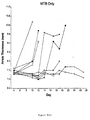
- Adjuvant-induced arthritis in rats Arthritis in rats was induced by a single intradermal injection of heat killed MTB in 200 ⁇ l squalane (adjuvant) at the base of the tail. Peptides (35mg) were suspended in one millilitre squalane containing 5mg of MTB. That is, there was 1mg MTB and 7 mg peptide in 0.2ml of squalane injected intradermally. At regular intervals for up to 28 days, animals were weighed and their arthritic condition assessed by measurement of ankle thickness and rear paw thickness (with a micrometer) and recording the number of arthritic joints involved. Rats were housed in standard cages after the initial tail injection and allowed access to unlimited water and pellet food.
- Rats generally developed arthritis 12-14 days after the injection. Consistent with previous reports, not all rats given MTB/squalanc developed arthritis. In our case the success rata was more than 80% of MTB injected control rats developing arthritis. On day 29, the animals wore sacrificed.
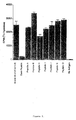
- PLNC Experiment 1 The assay showed a strong inhibitory effect of core peptide on T-cell proliferation ( Figure 2 ), reducing counts to approximately 10% of the vehicle control. There was negligible proliferation in the absence of antigen, confirming that counts wore reflecting T-cell response to antigen, i.e., genuine T-cell function. Interestingly, some of the modified peptides also had activity. Peptide H appeared to reduce "T-cell proliferation.
- T-Cell Line Experiment 1.
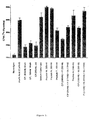
- the control containing just the vehicle (20 ⁇ l 0.1% acetic acid) alone reduced the counts considerably compared with the untreated positive control, from over 50000 to approximately 30000 ( Figure 4 ). This was not the case in PLNC experiments where the vehicle alone had no effect.
- Core peptide at 100 ⁇ g/ml reduced counts further to approximately 18000cpm, and 200 ⁇ g/ml core peptide further reduced counts to about 25% of the control level.
- Peptides H and P also diminished cell proliferation by 50% or more, compared to the vehicle control. In the absence of antigen, there was about a 4000cpm background in this experiment.
- T-Cell Line Experiment 2. As in the previous experiment, T-cell line cells were adversely affected by the vehicle alone, with counts reflecting proliferation, reduced to about half of the positive control value ( Figure 5 ) however non-specific stimulation of T-cells in the absence of antigen was negligable. Core peptide at a concentration of 100 ⁇ M reduced counts further to approximately 33% of its vehicle control and at 200 ⁇ M, 16% of the control.
- the buffer control for peptides M and N which was 0.05M sodium carbonate, pH 9.6 (5mM in the well), was not as detrimental to the assay as 0.10% acetic acid (1.75mM in the well), resulting in a slight reduction in 3H-thymidine incorporation compared with the positive control (data not shown). However peptides M and N (100 ⁇ M) showed no effects on T-cell proliferation. Peptide H reduced counts to 66% of controls and peptide P had a marginal effect.
- T-cell receptor peptides can inhibit T-cell proliferation in response to challenge with the specific antigen to which the cells had been primed. This was shown both for primary lymph node cultures, and for T-cell lines established in culture. The most profound result was in the first experiment by CP which reduced proliferation by 90%. Peptides H also consistently reduced counts compared to the acetic acid vehicle control but not to the same extent. Peptide P was most inhibitory in Figure 2 and also effective in Figures 3 and 4 .
- the solubility of the peptides were variable. At the concentration of the stock solutions, 1 mg/ml or 1mM, most peptide solutions looked clear. Exceptions were peptides H, I, O, P, which were turbid or had undissolved particles. Therefore, the true concentration of peptides in solution in the culture wells would be less than those nominated in the case of these partially soluble peptides. Core peptide could be dissolved at 2mg/ml, but was not completely soluble at 5 mg/ml.
- the core peptide representing the transmembrane domain of TCR alpha, and including the two charged amino acids, was effective at inhibiting antigen-stimulated T-cell proliferation of both PLNCs and line T-cells, in each experiment.
- the degree of inhibition varied between 50% and 90% in the different experiments.
- a peptide from the intracellular domain of the TCR- ⁇ chain, peptide P also showed activity, but the peptides from the other TCR chains did not overtly inhibit proliferation of T-cells in these assays.
- the first experiment consisted of 12 rats weighing approximately 190-210 grams that were purchased from the Perth Animal Resource Centre (ARC) and maintained in the Gore Hill Animal House facility. Used were core peptide (30mg) suspended in adjuvant (0.6 ml squalane containing 7 mg MTB), core peptide Tris-monopalmitate (15mg) suspended in 0.6 ml adjuvant, core peptide Tris-tripalmitate 20 mg/0.6 ml of adjuvant, PCT/AU96/00018 5 describes a method of lipid peptide conjugation.
- adjuvant 0.6 ml squalane containing 7 mg MTB
- core peptide Tris-monopalmitate 15mg
- core peptide Tris-tripalmitate 20 mg/0.6 ml of adjuvant
- PCT/AU96/00018 5 describes a method of lipid peptide conjugation.
- Rats were divided into four groups, each group containing three rats. First group received adjuvant only (positive control), second group adjuvant with core peptide, third group core peptide. Tris, monopalmitate suspended in adjutant, and last group core peptide. Tris, tripalmitate in adjuvant, Rats were injected with the above compounds in a 0.1 ml volume at the base of the tail. Baseline measurements of rat weight, paw width, and tail diameter were made on Day 0, and subsequently on day 4, 7, 9, 14, 16, 18, 21, 25 and 28. Arthritis was graded and animals sacrificed if there was marked swelling, redness and obvious discomfort, Not all rats given MTB developed arthritis. In general more than 80% of control rats developed arthritis, Results.
- the weight of the Wistar rats averaged 165 grams on day of injection (day 0). Each rat was injected intradermally, at the base of the tail, using a 21 gauge needle, with 1 mg MTB in 200 ⁇ l squalane, with or without 7 mg of one of the test peptides suspended in this volume. A glass syringe was used.
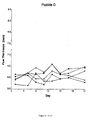
- Peptide J and K sequences are derived from the extracellular domain of TCR- ⁇ and TCR- ⁇ chains, in the region of the disulphide bonds, respectively. They were comparable in efficacy and complement theoretical expectations that they should have similar effects (assuming similar levels of uptake hy T-cells, etc.).
- Peptide O was an extension of core peptide and included sequences from the carboxyl terminus of the TCR- ⁇ chain in the intracellular domain. Peptide O was most effective at ameliorating the development of MTB-induced arthritis and suggests that other downstream sequences from the core peptide may be important in influencing cell function. The core peptide is the smallest component of these sequences.
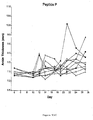
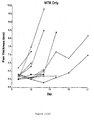
- Adjuvant induced arthritis model Table 4 summarises in vivo experiments which favours effectiveness of the peptides tested. Peptide J, O, N and L were very effective in the induction of disease. Similarly peptide K, M and P has a variable response in the delay of disease induction and severity. Table 4. Summary of in vivo adjuvant induced arthritis results PEPTIDE CONTROL TREATMENT J 8/10 3/10* K " 5/10 O " 1/10* L 5/5 0/5* N 4/5 0/5* M " 2/5 P " 0/5 (4 developed minor symptoms)
Landscapes
- Health & Medical Sciences (AREA)
- Chemical & Material Sciences (AREA)
- Life Sciences & Earth Sciences (AREA)
- Immunology (AREA)
- Organic Chemistry (AREA)
- General Health & Medical Sciences (AREA)
- Medicinal Chemistry (AREA)
- Nuclear Medicine, Radiotherapy & Molecular Imaging (AREA)
- General Chemical & Material Sciences (AREA)
- Pharmacology & Pharmacy (AREA)
- Chemical Kinetics & Catalysis (AREA)
- Animal Behavior & Ethology (AREA)
- Public Health (AREA)
- Veterinary Medicine (AREA)
- Engineering & Computer Science (AREA)
- Bioinformatics & Cheminformatics (AREA)
- Gastroenterology & Hepatology (AREA)
- Biochemistry (AREA)
- Rheumatology (AREA)
- Proteomics, Peptides & Aminoacids (AREA)
- Molecular Biology (AREA)
- Cell Biology (AREA)
- Toxicology (AREA)
- Zoology (AREA)
- Genetics & Genomics (AREA)
- Biophysics (AREA)
- Pain & Pain Management (AREA)
- Pulmonology (AREA)
- Physical Education & Sports Medicine (AREA)
- Orthopedic Medicine & Surgery (AREA)
- Peptides Or Proteins (AREA)
- Medicines That Contain Protein Lipid Enzymes And Other Medicines (AREA)
- Medicines Containing Antibodies Or Antigens For Use As Internal Diagnostic Agents (AREA)
Applications Claiming Priority (7)
| Application Number | Priority Date | Filing Date | Title |
|---|---|---|---|
| AUPO0389A AUPO038996A0 (en) | 1996-06-11 | 1996-06-11 | Novel immunomodulatory TCR-alpha chain peptides |
| AUPO0394A AUPO039496A0 (en) | 1996-06-11 | 1996-06-11 | Novel immunomodulatory cd3-delta chain peptides |
| AUPO0391A AUPO039196A0 (en) | 1996-06-11 | 1996-06-11 | Novel immunomodulatory t-cell antigen receptor alpha chain peptides |
| AUPO0390A AUPO039096A0 (en) | 1996-06-11 | 1996-06-11 | Novel immunomodulatory t-cell antigen receptor clonotypic inter-chain disulphide peptides |
| AUPO0392A AUPO039296A0 (en) | 1996-06-11 | 1996-06-11 | Novel immunomodulatory cd3-gamma chain peptides |
| AUPO0393A AUPO039396A0 (en) | 1996-06-11 | 1996-06-11 | Novel immunomodulatory cd3-epsilon chain peptides |
| EP97924813A EP0960119B1 (fr) | 1996-06-11 | 1997-06-11 | Peptides recepteurs d'antigene des cellules t |
Related Parent Applications (1)
| Application Number | Title | Priority Date | Filing Date |
|---|---|---|---|
| EP97924813A Division EP0960119B1 (fr) | 1996-06-11 | 1997-06-11 | Peptides recepteurs d'antigene des cellules t |
Publications (2)
| Publication Number | Publication Date |
|---|---|
| EP2009018A2 true EP2009018A2 (fr) | 2008-12-31 |
| EP2009018A3 EP2009018A3 (fr) | 2009-03-18 |
Family
ID=27542959
Family Applications (2)
| Application Number | Title | Priority Date | Filing Date |
|---|---|---|---|
| EP08016052A Withdrawn EP2009018A3 (fr) | 1996-06-11 | 1997-06-11 | Peptides de récepteur d'antigène des lymphocytes T |
| EP97924813A Expired - Lifetime EP0960119B1 (fr) | 1996-06-11 | 1997-06-11 | Peptides recepteurs d'antigene des cellules t |
Family Applications After (1)
| Application Number | Title | Priority Date | Filing Date |
|---|---|---|---|
| EP97924813A Expired - Lifetime EP0960119B1 (fr) | 1996-06-11 | 1997-06-11 | Peptides recepteurs d'antigene des cellules t |
Country Status (9)
| Country | Link |
|---|---|
| US (1) | US7192928B1 (fr) |
| EP (2) | EP2009018A3 (fr) |
| JP (3) | JP4156671B2 (fr) |
| AT (1) | ATE408617T1 (fr) |
| AU (1) | AU739130B2 (fr) |
| CA (1) | CA2257973C (fr) |
| DE (1) | DE69739001D1 (fr) |
| ES (1) | ES2314982T3 (fr) |
| WO (1) | WO1997047644A1 (fr) |
Families Citing this family (6)
| Publication number | Priority date | Publication date | Assignee | Title |
|---|---|---|---|---|
| US20050070478A1 (en) * | 1996-06-11 | 2005-03-31 | Northern Sydney Area Health Services | T cell antigen receptor peptides |
| US7026294B2 (en) * | 2000-05-19 | 2006-04-11 | University Of Maryland | Method of use of peptide antagonists of zonulin to prevent or delay the onset of diabetes |
| JP2008500289A (ja) * | 2004-05-27 | 2008-01-10 | ノヴォザイムズ グロペップ リミテッド | 炎症性気道疾患の治療 |
| US10138276B2 (en) | 2009-09-30 | 2018-11-27 | Signablok, Inc. | Inhibition of TCR signaling with peptide variants |
| US10238741B2 (en) | 2014-10-10 | 2019-03-26 | The Trustees Of Columbia University In The City Of New York | Nucleic acid constructs for presentation of CD4 and CD8 epitopes, cellular transfection and uses thereof |
| WO2020036987A1 (fr) | 2018-08-13 | 2020-02-20 | Signablok, Inc. | Peptides et compositions pour traitement et imagerie ciblés |
Citations (1)
| Publication number | Priority date | Publication date | Assignee | Title |
|---|---|---|---|---|
| WO1996022306A1 (fr) | 1995-01-16 | 1996-07-25 | Northern Sydney Area Health Service | Nouveau peptide |
Family Cites Families (9)
| Publication number | Priority date | Publication date | Assignee | Title |
|---|---|---|---|---|
| IL92629A0 (en) * | 1989-12-10 | 1990-08-31 | Yeda Res & Dev | Direct binding of t-cell epitopes to mhc gene products on intact living antigen presenting cells and the use thereof for identifying epitopes causing autoimmune diseases and pharmaceutical compositions for treating such diseases |
| WO1991009613A1 (fr) * | 1989-12-22 | 1991-07-11 | The United States Of America, As Represented By The Secretary, U.S. Department Of Commerce | Peptides synthetiques utilises comme modulateurs des reactions fonctionnelles de cellules intactes |
| US5200397A (en) * | 1990-02-22 | 1993-04-06 | W. R. Grace & Co.-Conn. | Use of peptide analogs of thrombospondin for the inhibition of angiogenic activity |
| US20020098197A1 (en) * | 1994-07-21 | 2002-07-25 | Alesandro Sette | Hla binding peptides and their uses |
| SG49008A1 (en) * | 1993-03-05 | 1998-05-18 | Cytel Corp | Hla-a2.1 binding peptides and their uses |
| CN1135181A (zh) * | 1993-09-14 | 1996-11-06 | Cytel有限公司 | 使用泛dr结合肽改变免疫应答 |
| US5936065A (en) * | 1993-12-06 | 1999-08-10 | Cytel Corporation | CS-1 peptidomimetics, compositions and methods of using the same |
| AU2238395A (en) * | 1994-04-01 | 1995-10-23 | Immulogic Pharmaceutical Corporation | Haptenated peptides and uses thereof |
| US6100377A (en) | 1994-06-10 | 2000-08-08 | The Trustees Of The University Of Pennsylvania | Constrained peptides |
-
1997
- 1997-06-11 EP EP08016052A patent/EP2009018A3/fr not_active Withdrawn
- 1997-06-11 US US09/202,305 patent/US7192928B1/en not_active Expired - Fee Related
- 1997-06-11 CA CA002257973A patent/CA2257973C/fr not_active Expired - Fee Related
- 1997-06-11 AU AU30193/97A patent/AU739130B2/en not_active Ceased
- 1997-06-11 ES ES97924813T patent/ES2314982T3/es not_active Expired - Lifetime
- 1997-06-11 JP JP50099898A patent/JP4156671B2/ja not_active Expired - Fee Related
- 1997-06-11 EP EP97924813A patent/EP0960119B1/fr not_active Expired - Lifetime
- 1997-06-11 WO PCT/AU1997/000367 patent/WO1997047644A1/fr not_active Ceased
- 1997-06-11 AT AT97924813T patent/ATE408617T1/de not_active IP Right Cessation
- 1997-06-11 DE DE69739001T patent/DE69739001D1/de not_active Expired - Lifetime
-
2007
- 2007-01-11 JP JP2007003411A patent/JP4294693B2/ja not_active Expired - Fee Related
-
2008
- 2008-10-01 JP JP2008255970A patent/JP4452312B2/ja not_active Expired - Fee Related
Patent Citations (1)
| Publication number | Priority date | Publication date | Assignee | Title |
|---|---|---|---|---|
| WO1996022306A1 (fr) | 1995-01-16 | 1996-07-25 | Northern Sydney Area Health Service | Nouveau peptide |
Non-Patent Citations (37)
Also Published As
| Publication number | Publication date |
|---|---|
| EP2009018A3 (fr) | 2009-03-18 |
| CA2257973C (fr) | 2010-02-02 |
| AU3019397A (en) | 1998-01-07 |
| JP2000512282A (ja) | 2000-09-19 |
| WO1997047644A1 (fr) | 1997-12-18 |
| CA2257973A1 (fr) | 1997-12-18 |
| JP4294693B2 (ja) | 2009-07-15 |
| ES2314982T3 (es) | 2009-03-16 |
| US7192928B1 (en) | 2007-03-20 |
| JP2009062379A (ja) | 2009-03-26 |
| JP4156671B2 (ja) | 2008-09-24 |
| EP0960119B1 (fr) | 2008-09-17 |
| EP0960119A4 (fr) | 2005-01-12 |
| JP2007145853A (ja) | 2007-06-14 |
| AU739130B2 (en) | 2001-10-04 |
| ATE408617T1 (de) | 2008-10-15 |
| EP0960119A1 (fr) | 1999-12-01 |
| DE69739001D1 (de) | 2008-10-30 |
| JP4452312B2 (ja) | 2010-04-21 |
Similar Documents
| Publication | Publication Date | Title |
|---|---|---|
| JP4467188B2 (ja) | 多重特異的結合分子とその使用 | |
| AU682141B2 (en) | Bispecific antibody heterodimers | |
| JP4804529B2 (ja) | リンパ球化学誘引因子およびその用途 | |
| EP0327283B1 (fr) | Méthode visant à réduire la réponse immunitaire à l'immunoglobuline E | |
| EP0804469B1 (fr) | Peptides ayant un effet sur les cellules T | |
| JP4452312B2 (ja) | T細胞抗原受容体ペプチド | |
| US6464978B1 (en) | Vaccination and methods against multiple sclerosis resulting from pathogenic responses by specific T cell populations | |
| US20100267651A1 (en) | T cell antigen receptor peptides | |
| CN116284430A (zh) | 靶向肿瘤的il15融合蛋白及其应用 | |
| JPH08149981A (ja) | T細胞α鎖による抗原特異的免疫制御の方法 | |
| US5807714A (en) | Method of production of antigen-specific glycosylation inhibiting factor | |
| Bello-Rivero et al. | Construction, purification, and characterization of a chimeric TH1 antagonist | |
| CA2144044A1 (fr) | Reactifs et methodes de traitement de la polyarthrite rhumatoide | |
| JP2024515707A (ja) | TGF-βを持つ抗原提示ポリペプチド複合体及びその使用方法 |
Legal Events
| Date | Code | Title | Description |
|---|---|---|---|
| PUAI | Public reference made under article 153(3) epc to a published international application that has entered the european phase |
Free format text: ORIGINAL CODE: 0009012 |
|
| 17P | Request for examination filed |
Effective date: 20080911 |
|
| AC | Divisional application: reference to earlier application |
Ref document number: 0960119 Country of ref document: EP Kind code of ref document: P |
|
| AK | Designated contracting states |
Kind code of ref document: A2 Designated state(s): AT BE CH DE DK ES FI FR GB GR IE IT LI LU MC NL PT SE |
|
| PUAL | Search report despatched |
Free format text: ORIGINAL CODE: 0009013 |
|
| AK | Designated contracting states |
Kind code of ref document: A3 Designated state(s): AT BE CH DE DK ES FI FR GB GR IE IT LI LU MC NL PT SE |
|
| 17Q | First examination report despatched |
Effective date: 20091006 |
|
| AKX | Designation fees paid |
Designated state(s): AT BE CH DE DK ES FI FR GB GR IE IT LI LU MC NL PT SE |
|
| STAA | Information on the status of an ep patent application or granted ep patent |
Free format text: STATUS: THE APPLICATION IS DEEMED TO BE WITHDRAWN |
|
| 18D | Application deemed to be withdrawn |
Effective date: 20100420 |