EP2289891A2 - Neue polychinolinderivate und ihre therapeutische Verwendung - Google Patents
Neue polychinolinderivate und ihre therapeutische Verwendung Download PDFInfo
- Publication number
- EP2289891A2 EP2289891A2 EP10185850A EP10185850A EP2289891A2 EP 2289891 A2 EP2289891 A2 EP 2289891A2 EP 10185850 A EP10185850 A EP 10185850A EP 10185850 A EP10185850 A EP 10185850A EP 2289891 A2 EP2289891 A2 EP 2289891A2
- Authority
- EP
- European Patent Office
- Prior art keywords
- bis
- nrr
- hydroxyquinoline
- ocoor
- formula
- Prior art date
- Legal status (The legal status is an assumption and is not a legal conclusion. Google has not performed a legal analysis and makes no representation as to the accuracy of the status listed.)
- Withdrawn
Links
- 0 *c(c(*)c1*)c(*)c2c1nc(*)c(*)c2* Chemical compound *c(c(*)c1*)c(*)c2c1nc(*)c(*)c2* 0.000 description 4
Images




Classifications
-
- A—HUMAN NECESSITIES
- A61—MEDICAL OR VETERINARY SCIENCE; HYGIENE
- A61K—PREPARATIONS FOR MEDICAL, DENTAL OR TOILETRY PURPOSES
- A61K31/00—Medicinal preparations containing organic active ingredients
- A61K31/33—Heterocyclic compounds
- A61K31/395—Heterocyclic compounds having nitrogen as a ring hetero atom, e.g. guanethidine or rifamycins
- A61K31/435—Heterocyclic compounds having nitrogen as a ring hetero atom, e.g. guanethidine or rifamycins having six-membered rings with one nitrogen as the only ring hetero atom
- A61K31/47—Quinolines; Isoquinolines
- A61K31/4709—Non-condensed quinolines and containing further heterocyclic rings
-
- A—HUMAN NECESSITIES
- A61—MEDICAL OR VETERINARY SCIENCE; HYGIENE
- A61K—PREPARATIONS FOR MEDICAL, DENTAL OR TOILETRY PURPOSES
- A61K31/00—Medicinal preparations containing organic active ingredients
- A61K31/33—Heterocyclic compounds
- A61K31/395—Heterocyclic compounds having nitrogen as a ring hetero atom, e.g. guanethidine or rifamycins
- A61K31/435—Heterocyclic compounds having nitrogen as a ring hetero atom, e.g. guanethidine or rifamycins having six-membered rings with one nitrogen as the only ring hetero atom
- A61K31/47—Quinolines; Isoquinolines
-
- A—HUMAN NECESSITIES
- A61—MEDICAL OR VETERINARY SCIENCE; HYGIENE
- A61P—SPECIFIC THERAPEUTIC ACTIVITY OF CHEMICAL COMPOUNDS OR MEDICINAL PREPARATIONS
- A61P25/00—Drugs for disorders of the nervous system
-
- A—HUMAN NECESSITIES
- A61—MEDICAL OR VETERINARY SCIENCE; HYGIENE
- A61P—SPECIFIC THERAPEUTIC ACTIVITY OF CHEMICAL COMPOUNDS OR MEDICINAL PREPARATIONS
- A61P25/00—Drugs for disorders of the nervous system
- A61P25/14—Drugs for disorders of the nervous system for treating abnormal movements, e.g. chorea, dyskinesia
- A61P25/16—Anti-Parkinson drugs
-
- A—HUMAN NECESSITIES
- A61—MEDICAL OR VETERINARY SCIENCE; HYGIENE
- A61P—SPECIFIC THERAPEUTIC ACTIVITY OF CHEMICAL COMPOUNDS OR MEDICINAL PREPARATIONS
- A61P25/00—Drugs for disorders of the nervous system
- A61P25/28—Drugs for disorders of the nervous system for treating neurodegenerative disorders of the central nervous system, e.g. nootropic agents, cognition enhancers, drugs for treating Alzheimer's disease or other forms of dementia
-
- C—CHEMISTRY; METALLURGY
- C07—ORGANIC CHEMISTRY
- C07D—HETEROCYCLIC COMPOUNDS
- C07D215/00—Heterocyclic compounds containing quinoline or hydrogenated quinoline ring systems
- C07D215/02—Heterocyclic compounds containing quinoline or hydrogenated quinoline ring systems having no bond between the ring nitrogen atom and a non-ring member or having only hydrogen atoms or carbon atoms directly attached to the ring nitrogen atom
- C07D215/12—Heterocyclic compounds containing quinoline or hydrogenated quinoline ring systems having no bond between the ring nitrogen atom and a non-ring member or having only hydrogen atoms or carbon atoms directly attached to the ring nitrogen atom with substituted hydrocarbon radicals attached to ring carbon atoms
-
- C—CHEMISTRY; METALLURGY
- C07—ORGANIC CHEMISTRY
- C07D—HETEROCYCLIC COMPOUNDS
- C07D215/00—Heterocyclic compounds containing quinoline or hydrogenated quinoline ring systems
- C07D215/02—Heterocyclic compounds containing quinoline or hydrogenated quinoline ring systems having no bond between the ring nitrogen atom and a non-ring member or having only hydrogen atoms or carbon atoms directly attached to the ring nitrogen atom
- C07D215/16—Heterocyclic compounds containing quinoline or hydrogenated quinoline ring systems having no bond between the ring nitrogen atom and a non-ring member or having only hydrogen atoms or carbon atoms directly attached to the ring nitrogen atom with hetero atoms or with carbon atoms having three bonds to hetero atoms with at the most one bond to halogen, e.g. ester or nitrile radicals, directly attached to ring carbon atoms
- C07D215/20—Oxygen atoms
-
- C—CHEMISTRY; METALLURGY
- C07—ORGANIC CHEMISTRY
- C07D—HETEROCYCLIC COMPOUNDS
- C07D215/00—Heterocyclic compounds containing quinoline or hydrogenated quinoline ring systems
- C07D215/02—Heterocyclic compounds containing quinoline or hydrogenated quinoline ring systems having no bond between the ring nitrogen atom and a non-ring member or having only hydrogen atoms or carbon atoms directly attached to the ring nitrogen atom
- C07D215/16—Heterocyclic compounds containing quinoline or hydrogenated quinoline ring systems having no bond between the ring nitrogen atom and a non-ring member or having only hydrogen atoms or carbon atoms directly attached to the ring nitrogen atom with hetero atoms or with carbon atoms having three bonds to hetero atoms with at the most one bond to halogen, e.g. ester or nitrile radicals, directly attached to ring carbon atoms
- C07D215/38—Nitrogen atoms
- C07D215/40—Nitrogen atoms attached in position 8
-
- C—CHEMISTRY; METALLURGY
- C07—ORGANIC CHEMISTRY
- C07D—HETEROCYCLIC COMPOUNDS
- C07D215/00—Heterocyclic compounds containing quinoline or hydrogenated quinoline ring systems
- C07D215/02—Heterocyclic compounds containing quinoline or hydrogenated quinoline ring systems having no bond between the ring nitrogen atom and a non-ring member or having only hydrogen atoms or carbon atoms directly attached to the ring nitrogen atom
- C07D215/16—Heterocyclic compounds containing quinoline or hydrogenated quinoline ring systems having no bond between the ring nitrogen atom and a non-ring member or having only hydrogen atoms or carbon atoms directly attached to the ring nitrogen atom with hetero atoms or with carbon atoms having three bonds to hetero atoms with at the most one bond to halogen, e.g. ester or nitrile radicals, directly attached to ring carbon atoms
- C07D215/48—Carbon atoms having three bonds to hetero atoms with at the most one bond to halogen
- C07D215/50—Carbon atoms having three bonds to hetero atoms with at the most one bond to halogen attached in position 4
Definitions
- the present invention relates to novel poly-quinoline derivatives, process for their preparation and their use as therapeutic agents.
- the compounds according to the present invention have the property of being metal ligands and / or dissolving amyloid aggregates and are particularly useful in the treatment of neurodegenerative diseases.
- ⁇ -synuclein interacts with ferric ions. It has been proposed that these ions facilitate the formation of hydroxyl radicals, particularly oxidants, and post mortem MRI studies have shown high concentrations of ferric ions in the substancia nigra of patients (an area of the brain where dopaminergic neurons are more selectively affected in this disease).
- chelators such as Clioquinol reduces the toxicity of 1-methyl-4-phenyl-1,2,3,6-tetrapyridine, a parkinsonism-inducing toxin, in mice ( D. Kaur et al., Neuron 2003, 37, 899-909 ).
- the pathology is related to the aggregation in the brain of ⁇ -amyloid peptides leading to the formation of amyloid plaques.
- This aggregation can be induced by the Cu (II) and Zn (II) ions but also, to a lesser extent, Fe (III).
- the accumulation within these metal ion plates with redox activity is probably at the origin of the important oxidative stress ( via the production of H 2 O 2 ) itself causing the damage created on the neurons of the brain.
- Chelators having a quinoline unit substituted at the 8-position by a heteroatom are candidates for chelating the excess of metal ions involved in neurodegenerative diseases. It can be expected that this type of ligand often forms complexes of copper, zinc or iron (metal ions associated with protein aggregations and even oxidative stress for copper and iron) with two (and even three for iron) ligands around the metal ion ( Sillen, LG et al., Stability Constants of Metal-Ion Complexes, The Chemical Society London Publication, 1971 ).
- the 2,2'- or 8,8'-poly-quinoline compounds according to the invention have a high chelating activity for metals and / or an ability to dissolve metals. amyloid aggregates.
- amyloid aggregates is meant here a polymeric structure of A ⁇ peptides generated by secondary, tertiary or quaternary interaction (of ⁇ -sheet for example) or by biometallic coordination on the peptide ( E. Scarpini et al., The Lancet Neurology, 2003, 2, 539-547 ; E. Gaggeli et al., Chem. Rev., 2006, 106, 1995-2044 ; AB Clippingdale et al., J. Peptide Sc., 2001, 7, 227-249 ).
- These compounds are useful as drugs for the treatment and / or prevention of neurodegenerative diseases, including Alzheimer's disease, Parkinson's disease, spongiform encephalopathies, Huntington's disease, amyotrophic lateral sclerosis or trisomy 21.
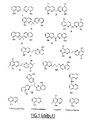
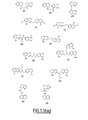
- the present inventors have thus developed chelators comprising several substituted quinoline units (in position 2 or 8) of small size and sufficiently hydrophobic to be able to pass the barriers. They thus demonstrated that these structures favored the interaction of the heterocycles of the molecule on the same metal ion and that substitutions on these ligands, introduced in a controlled manner, could modulate their action vis-à-vis the proteins involved in neurodegenerative diseases. : the chelating properties in particular of Cu (II), Zn (II) and Fe (III) ions involved in these diseases, hydrophobicity, ability to disaggregate the proteins involved in neurodegenerative diseases whether or not in the presence metal ion, or to reduce the oxidative stress they can induce.
- the invention particularly relates to a use in which the compound is chosen from bis (8-quinolinyl) amine and 2,2 '- (2,2-propanediyl) -bis- (8-hydroxyquinoline), said compounds not exhibiting mutagenic effect or bactericidal effect, in particular according to the Ames test adapted from DM Maron and BN Ames, Mutat. Res. 1983, 113, 173-215 ; D. E. Levin et al., Mutat. Res. 1982, 94, 315-330 ; DE Levin et al. Proc. Natl. USA 1982, 79, 7445-7449 , in particular on strains of Salmonella TA98 and / or TA100 in the absence or in the presence of enzymatic homogenate (S9) of rat liver microsome.
- the compound is chosen from bis (8-quinolinyl) amine and 2,2 '- (2,2-propanediyl) -bis- (8-hydroxyquinoline), said compounds
- X represents OR and Y represents a group of formula (IY) in which X 'represents OR and Z represents A where A represents -C (O) - or Z represents Alk where Alk represents an optionally substituted linear or branched alkyl group by one or more halogen atoms; or X is OR and Y is a group of the formula (IY) wherein X 'is OR and Z is AA' where A is -C (O) - and A 'is NR'; or X represents OR and Y represents a group of the formula (IY) in which X 'represents OR and Z represents A-Alk where A represents NR' and Alk represents a linear or branched alkyl group optionally substituted with one or more halogen atoms ; or X represents NRR 'and Y represents a group of the formula (IY) in which X' represents NRR 'and Z represents Alk-NR "-Alk where Alk represents
- the alkyl radicals represent saturated hydrocarbon radicals, in straight or branched chain, of 1 to 20 carbon atoms, preferably of 1 to 5 carbon atoms.
- alkyl radicals When they are branched or substituted by one or more alkyl radicals, mention may be made especially of the isopropyl, tert-butyl, 2-ethylhexyl, 2-methylbutyl, 2-methylpentyl, 1-methylpentyl and 3-methylheptyl radicals.
- alkoxy radicals according to the present invention are radicals of formula -O-alkyl, the alkyl being as defined previously.
- halogen atoms the fluorine, chlorine, bromine and iodine atoms are more particularly mentioned.
- alkenyl radicals represent hydrocarbon radicals, in straight or linear chain, and comprise one or more ethylenic unsaturations.
- alkenyl there may be mentioned allyl or vinyl radicals.
- Alkynyl radicals represent hydrocarbon radicals, in straight or linear chain, and comprise one or more acetylenic unsaturations.
- Alkynyl radicals there may be mentioned acetylene.
- the Cycloalkyl radical is a saturated or partially unsaturated, non-aromatic mono-, bi- or tricyclic hydrocarbon radical of 3 to 11 carbon atoms, such as in particular cyclopropyl, cyclopentyl, cyclohexyl or adamantyl, and the corresponding rings containing one or several unsaturations.
- Aryl refers to a mono or bicyclic hydrocarbon aromatic system of 4 to 11 carbon atoms.
- Aryl radicals there may be mentioned the phenyl or naphthyl radical, more particularly substituted by at least one halogen atom.
- radicals -AlkylAryle there may be mentioned the benzyl radical or phenethyl.
- Heteroaryl radicals denote aromatic systems comprising one or more heteroatoms chosen from nitrogen, oxygen or sulfur, mono or bicyclic, of 4 to 11 carbon atoms.
- heteroaryl radicals mention may be made of pyrazinyl, thienyl, oxazolyl, furazanyl, pyrrolyl, 1,2,4-thiadiazolyl, naphthyridinyl, pyridazinyl, quinoxalinyl, phthalazinyl and imidazo [1].
- pharmaceutically acceptable salts refers to the relatively non-toxic, inorganic and organic acid addition salts, and base addition salts, of the compounds of the present invention. These salts can be prepared in situ during the final isolation and purification of the compounds.
- the acid addition salts can be prepared by separately reacting the purified compound in its purified form with an organic or inorganic acid and isolating the salt thus formed.
- acid addition salts are the hydrobromide, hydrochloride, sulfate, bisulfate, phosphate, nitrate, acetate, oxalate, valerate, oleate, palmitate, stearate, laurate, borate, benzoate, lactate, phosphate, tosylate and citrate salts.
- the acid addition salts may also be prepared by separately reacting the purified compound in its acid form with an organic or inorganic base and isolating the salt thus formed.
- Acidic addition salts include amine and metal salts. Suitable metal salts include sodium, potassium, calcium, barium, zinc, magnesium and aluminum salts. Sodium and potassium salts are preferred.
- Suitable basic inorganic addition salts are prepared from metal bases which include sodium hydride, sodium hydroxide, potassium hydroxide, calcium hydroxide, aluminum hydroxide, lithium hydroxide, magnesium hydroxide, zinc hydroxide .
- Suitable base amino acid addition salts are prepared from amines which have sufficient alkalinity to form a stable salt, and preferably include amines which are often used in medicinal chemistry because of their low toxicity and their acceptability for medical use: ammonia, ethylenediamine, N-methylglucamine, lysine, arginine, ornithine, choline, N, N'-dibenzyl-ethylenediamine, chloroprocaine, diethanolamine, procaine, N- benzyl-phenethylamine, diethylamine, piperazine, tris (hydroxymethyl) aminomethane, tetramethylammonium hydroxide, triethylamine, dibenzylamine, ephenamine, dehydroabiethylamine, N -ethylpiperidine, benzylamine, tetramethylammonium, tetraethylammonium, methylamine, dimethylamine, trimethylamine, ethyl
- the invention also relates to stereoisomers or mixtures thereof, tautomeric forms, hydrates, solvates, pharmaceutically acceptable salts and esters of the compounds of formula (I).
- the compounds of the invention of formula (I) defined as above, having a sufficiently acid function or a sufficiently basic function or both, may include the corresponding salts of organic or inorganic acid or organic or inorganic base pharmaceutically acceptable.
- the present invention also relates to the process for preparing the compounds of formula (I).
- the group R6 represents the group Y.
- the compounds of formula (I) are prepared by coupling of the compounds of formula (II) and (II '): followed by hydrolysis, and optionally followed by derivatization (s) of the product of formula (I) obtained to obtain the product of formula (I) desired.
- the hydrolysis reaction is generally carried out by means of an acid, such as, for example, hydrochloric acid, or any other suitable acid.
- the compounds of formula (I) are prepared by coupling of the compounds of formulas (III) and (III '): optionally followed by derivatization (s) of the product of formula (I) obtained to obtain the product of formula (I) desired.
- this reaction is carried out using a base such as lithium diisopropylamine (LDA) followed by the addition of a compound of formula Hal-Z'-Hal in which Z 'is chosen so as to obtain the Z group corresponding in the general formula (I).
- a base such as lithium diisopropylamine (LDA)
- LDA lithium diisopropylamine
- the compounds of formula (I) are prepared by coupling of the compounds of formula (IV) and (IV '): in which Hal and Hal 'represent halogen atoms in the presence of a group of formula HZH, optionally followed by derivatisation (s) of the product of formula (I) obtained to obtain the product of formula (I) desired.
- this reaction is carried out in the presence of a catalyst such as tris (dibenzylideneacetone) dipalladium (0) and rac-2,2'-bis (diphenylphosphino) -1,1 ', binaphthyl.
- a catalyst such as tris (dibenzylideneacetone) dipalladium (0) and rac-2,2'-bis (diphenylphosphino) -1,1 ', binaphthyl.
- the compounds of formula (I) are prepared by coupling compounds of formula (V) and (V '): in the presence of a group of formula Hal-Z-Hal where Hal represents a halogen atom, optionally followed by derivatisation (s) of the product of formula (I) obtained to obtain the product of formula (I) desired.
- this reaction is carried out using a base such as lithium diisopropylamine (LDA) followed by the addition of a compound of formula Hal-Z-Hal in which Z is chosen so as to obtain the corresponding Z group in the general formula (I).
- a base such as lithium diisopropylamine (LDA)
- LDA lithium diisopropylamine
- the compounds of formula (I) are prepared by coupling of the compounds of formula (VI) and (VI '): in which Hal is a halogen atom in the presence of CuCl 2 and a base such as Cs 2 CO 3 , optionally followed by derivatization (s) of the product of formula (I) obtained to obtain the product of formula (I) wish.
- the compounds of formula (I) are prepared by coupling of the compounds of formula (VII) and (VII '): optionally followed by derivatization (s) of the product of formula (I) obtained to obtain the product of formula (I) desired.
- this reaction is carried out in the presence of carboxylic acid activating agent such as (benzotriazol-1-yloxy) tris (dimethylamino) phosphonium hexafluorophosphate associated with hydroxybenzotriazole in the presence of a base such as triethylamine.
- carboxylic acid activating agent such as (benzotriazol-1-yloxy) tris (dimethylamino) phosphonium hexafluorophosphate associated with hydroxybenzotriazole
- the compounds of formula (I) are prepared by coupling of the compounds of formula (VIII) and (VIII '): optionally followed by derivatization (s) of the product of formula (I) obtained to obtain the product of formula (I) desired.
- this reaction is carried out in the presence of an imine reducing agent such as NaBHR 3 .
- the compounds of formula (I) are prepared by coupling of the compounds of formula (VIIII) and (VIIII '): in the presence of a group of formula R "NH 2 , optionally followed by derivatization (s) of the product of formula (I) obtained to obtain the product of formula (I) desired.
- this reaction is carried out using an imine reducing agent such as NaBHR 3 .
- the compounds of formula (I) are prepared by coupling of the compound of formula (VV) and two compounds of formula (VV '): in the presence of NH 3 , optionally followed by derivatisation (s) of the product of formula (I) obtained to obtain the product of formula (I) desired.
- this reaction is carried out using an imine reducing agent such as NaBHR 3 .
- the compounds of formula (I) are prepared by coupling compounds of formula (VVI) and (VVI '): optionally followed by derivatization (s) of the product of formula (I) obtained to obtain the product of formula (I) desired.
- this reaction is carried out in the presence of an imine reducing agent such as NaBHR 3 .
- the compounds of formula (I) are prepared by coupling compounds of formula (VVII) and (VVII '): in which Hal and Hal 'are halogen atoms in the presence of a group of formula RNH 2 , optionally followed by derivatization (s) of the product of formula (I) obtained to obtain the product of formula (I) desired.
- this reaction is carried out by reaction of (VVII) with RNH 2 followed by coupling with (VVII ') in the presence of a catalyst such as letris (dibenzylideneacetone) dipalladium (0) and rac-2,2'-bis ( diphenylphosphino) -1,1 'binaphthyl.
- a catalyst such as letris (dibenzylideneacetone) dipalladium (0) and rac-2,2'-bis ( diphenylphosphino) -1,1 'binaphthyl.
- the compounds of formula (I) are prepared by coupling of the compounds of formula (VVIII) and (VVIII '): optionally followed by derivatization (s) of the product of formula (I) obtained to obtain the product of formula (I) desired.
- this reaction is carried out in the presence of a carboxylic acid activating agent such as (benzotriazol-1-yloxy) -tris (dimethylamino) phosphonium hexafluorophosphate associated with hydroxybenzotriazole in the presence of a base such as triethylamine.
- a carboxylic acid activating agent such as (benzotriazol-1-yloxy) -tris (dimethylamino) phosphonium hexafluorophosphate associated with hydroxybenzotriazole
- derivatization is meant any reaction to modify or introduce groups on the starting molecules. It can be halogenation, alkylation, alkoxylation, addition, substitution, protection, deprotection, reduction, etc. These reactions are generally known per se. In the process according to the invention, these reactions can be carried out by application or adaptation of these methods.
- the compounds of general formula (I) may be prepared by application or adaptation of any method known per se of and / or within the scope of those skilled in the art, in particular those described by Larock in Comprehensive Organic Transformations, VCH Pub., 1989 or by application or adaptation of the methods described in the examples which follow.
- reaction intermediates are commercially available or can be prepared by those skilled in the art by application or adaptation of methods known per se.
- the process according to the invention may also comprise the subsequent step of isolating the products of formula (I) obtained.
- the compound thus prepared can be recovered from the reaction mixture by conventional means.
- the compounds can be recovered by distilling the solvent from the reaction mixture or if necessary after distilling the solvent from the solution mixture, pouring the remainder into water followed by extraction with an organic solvent immiscible in the reaction mixture. water, and distilling the solvent from the extract.
- the product can, if desired, be further purified by various techniques, such as recrystallization, reprecipitation or various chromatography techniques, including column chromatography or preparative thin layer chromatography.
- the compounds useful in the present invention may contain asymmetric centers. These asymmetric centers may be independently in the R or S configuration. It will be apparent to those skilled in the art that certain compounds which are useful according to the invention may also exhibit geometrical isomerism. It should be understood that the present invention includes individual geometric isomers and stereoisomers and mixtures thereof, including racemic mixtures, of compounds of formula (I) above. Such isomers can be separated from their mixtures by the application or adaptation of known methods, for example chromatography techniques or recrystallization techniques, or they are prepared separately from the appropriate isomers of their intermediates.
- the acid addition salts are formed with the compounds useful according to the invention in which a basic function such as an amino, alkylamino or dialkylamino group, or alternatively pyridine, phenol is present.
- the pharmaceutically acceptable, i.e., nontoxic, acid addition salts are preferred.
- the selected salts are optimally selected to be compatible with the usual pharmaceutical vehicles and adapted for oral or parenteral administration.
- the acid addition salts of the compounds useful in this invention may be prepared by reaction of the free base with the appropriate acid, by the application or adaptation of known methods.
- the acid addition salts of the compounds useful in this invention can be prepared either by dissolving the free base in water or an alcoholic aqueous solution or suitable solvents containing the appropriate acid and isolating the salt.
- acids suitable for the use in the preparation of these salts is hydrochloric acid, hydrobromic acid, phosphoric acid, sulfuric acid, various organic carboxylic and sulphonic acids, such as acetic acid, citric acid, propionic acid, succinic acid, benzoic acid, tartaric acid, fumaric acid, mandelic acid, ascorbic acid, malic acid, methanesulfonic acid, toluenesulfonic acid, fatty acids, adipate, alginate, ascorbate, aspartate, benzenesulfonate, benzoate, cyclopentane propionate, digluconate, dodecylsulfate, bisulfate, butyrate, lactate laurate, lauryl sulfate, malate, hydroiodide, 2-hydroxye
- the acid addition salts of the compounds useful according to this invention can be regenerated from the salts by the application or adaptation of known methods.
- parent compounds useful according to the invention can be regenerated from their acid addition salts by treatment with an alkali, for example an aqueous sodium bicarbonate solution or an aqueous ammonia solution.
- the compounds useful according to this invention can be regenerated from their base addition salts by the application or adaptation of known methods.
- parent compounds useful according to the invention can be regenerated from their base addition salts by treatment with an acid, for example hydrochloric acid.
- the base addition salts may be formed when the compound useful according to the invention contains a carboxyl group, or alternatively pyridine or phenol, or a sufficiently acidic bioisosteric acid.
- the bases which can be used to prepare the base addition salts preferably include those which, when combined with a free acid, produce pharmaceutically acceptable salts, i.e. salts whose cations are not toxic to the patient in the pharmaceutical doses of the salts, so that the beneficial inhibitory effects inherent in the free base are not nullified by the cation-attributable side effects.
- Pharmaceutically acceptable salts including those derived from metal salts alkaline earth metals within the scope of the invention include those derived from the following bases: sodium hydride, sodium hydroxide, potassium hydroxide, calcium hydroxide, aluminum hydroxide, lithium hydroxide, magnesium hydroxide, zinc hydroxide ammonia, ethylenediamine, N -methylglucamine, lysine, arginine, ornithine, choline, N, N'-dibenzyl-ethylenediamine, chloroprocaine, diethanolamine, procaine, N -benzylphenethylamine, diethylamine, piperazine, tris (hydroxy-methyl) aminomethane, tetramethylammonium hydroxide and the like.
- Compounds useful in the present invention can be easily prepared, or formed during the process of the invention, as solvates (e.g., hydrates).
- the hydrates of the compounds useful according to the present invention can be easily prepared by recrystallizing an aqueous / organic solvent mixture, using organic solvents such as dioxane, tetrahydrofuran or methanol.
- the base products or reagents used are commercially available and / or may be prepared by the application or adaptation of known methods, for example processes as described in the Reference Examples or their obvious chemical equivalents.
- the compounds of formula (I) exhibit a biological activity of metal chelator and / or dissolution of amyloid aggregates.
- the present invention also relates to pharmaceutical compositions comprising a compound according to the invention with a pharmaceutically acceptable vehicle or excipient.
- said composition contains an effective amount of the compound according to the invention.
- the present invention also relates to the use of compounds of general formula (I) for the preparation of pharmaceutical compositions intended for chelating metal ions, more preferably those of zinc, copper, iron, aluminum or manganese, more preferentially zinc ions of oxidation state II, oxidation degree copper I, II, oxidation degree iron II, III, IV or V.
- compounds of general formula (I) for the preparation of pharmaceutical compositions intended for chelating metal ions, more preferably those of zinc, copper, iron, aluminum or manganese, more preferentially zinc ions of oxidation state II, oxidation degree copper I, II, oxidation degree iron II, III, IV or V.
- the invention also relates to the use of compounds of general formula (I) for the preparation of pharmaceutical compositions for dissolving amyloid aggregates.
- the present invention also relates to the use of compounds of general formula (I) for the preparation of pharmaceutical compositions intended to prevent and / or treat neurodegenerative diseases.
- the neurodegenerative diseases are selected from Alzheimer's disease, Parkinson's disease, Huntington's disease, amyotrophic lateral sclerosis or trisomy 21, spongiform encephalopathies, such as Kreutzfeld-Jacob disease.
- the present invention also relates to the therapeutic treatment methods mentioned above comprising the administration of a compound according to the invention to a patient who needs it.
- said composition is administered to a patient who needs it.
- compositions according to the invention may be presented in forms intended for parenteral, oral, rectal, intravenous, permucosal or percutaneous administration.
- injectable solutes or suspensions or multi-dose vials in the form of naked or coated tablets, coated tablets, capsules, capsules, pills, cachets, powders, suppositories or rectal capsules. , solutions or suspensions, for percutaneous use in a polar solvent, for permselective use.
- Suitable excipients for such administrations are derivatives of cellulose or microcrystalline cellulose, alkaline earth carbonates, magnesium phosphate, starches, modified starches, lactose for solid forms.
- cocoa butter or polyethylene glycol stearates are the preferred excipients.
- water, aqueous solutes, physiological saline, isotonic solutes are the most conveniently used vehicles.
- the dosage may vary within the important limits (0.5 mg to 1000 mg) depending on the therapeutic indication and the route of administration, as well as the age and weight of the subject.
- Acetonitrile was dried over 4 ⁇ molecular sieves. Tetrahydrofuran (THF) was distilled over benzophenone in the presence of sodium. Dry CuCl 2 was obtained by heating under vacuum at 50 ° C. The dichloromethane was dried on basic starch. The other reagents and solvents used come from standard chemical suppliers and were used without further purification.
- NMR spectra were recorded on Bruker 200, 250 or 500 MHz devices.
- the electrospray ionization mass spectrometer (IES-SM) was a Perkin-Elmer SCIEX API 365, the samples were introduced into the electrospray source with a Havard Apparatus syringe pump.
- UV-visible spectra were recorded on a Hewlett Packard 8452A diode array spectrophotometer or a Perkin-Elmer Lamda 35 spectrophotometer.
- Thin layer chromatographies are carried out on a silica plate.
- the precipitation supernatant from the previous step which contains a residual amount of the nickel complex, is neutralized with a 6M aqueous sodium hydroxide solution and then 1 L of dichloromethane is added; the product is demetalled by adding an aqueous solution of ethylenediaminetetraacetic acid (2 ⁇ 10 g in 500 ml) with stirring for 1 hour. The organic phase is recovered, washed with water and then concentrated under vacuum.
- 2,2'-Methanediyl-bis (8-hydroxy-2-quinolinium) dichloride dihydrate (60 mg, 0.16 mmol) is stirred in 8 ml of THF / saturated aqueous NaHCO 3 solution (1/1). , v / v) for 48 hours. 10 ml of CH 2 Cl 2 and 10 ml of water are then added and the reaction mixture is transferred to a separating funnel. The organic phase is recovered and the aqueous phase is then extracted with CH 2 Cl 2 (2 ⁇ 10 mL). The organic phases are combined and washed with water (1 ⁇ 10 mL) and the solvent is then evaporated under vacuum.
- the volume is brought to 15 mL with water and the aqueous phase is extracted with CH 2 Cl 2 (3 ⁇ 10 mL).
- the organic phases are combined, washed with water (10 mL) and the solvent is evaporated under vacuum.
- the product is then purified by flash chromatography on silica gel eluted with a CH 2 Cl 2 / CH 3 OH / CH 3 COOH mixture (96/3/1, v / v / v).
- the organic phase is recovered and the aqueous phase is extracted with CH 2 Cl 2 (2 ⁇ 5 mL).
- the organic phases are combined and washed once with 5 ml of 0.12 M EDTA in H 2 O and then with water.
- the solid obtained is purified by chromatography on silica gel, eluted with a gradient of CH 2 Cl 2 / CH 3 OH / CH 3 COOH (94/4/2, v / v) to CH 2 Cl 2 / CH 3 OH (90/10, v / v).
- the fractions containing the product are combined and washed with a saturated aqueous solution of NaHCO 3 (3 x 100 mL).
- the supernatant is evaporated and the crude reaction product is redissolved in CH 3 OH (0.5 mL) and precipitated by addition of water (3 mL) The supernatant is removed and the precipitate is taken up in 40 mL of CH 2 Cl 2 and washed with water (2 x 20 mL) After evaporation of the solvent, the product is purified by preparative thin layer chromatography, eluted with CH 2 Cl 2 / CH 3 OH (99/1, v / v) .
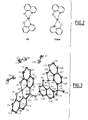
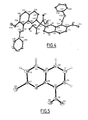
- the structure of the molecule was confirmed by X-ray diffraction analysis on single crystals obtained by crystallization of the product in methanol.
- the structure of the complex is presented to the figure 4 .
- the solid obtained is purified by chromatography on silica gel, eluted with a gradient of CH 2 Cl 2 / CH 3 OH / CH 3 COOH (94/4/2, v / v) to CH 2 Cl 2 CH 3 OH / CH 3 COOH (94/5/1, v / v) then CH 2 Cl 2 / CH 3 OH (94/6, v / v).
- the fractions containing the product are combined and washed with a saturated aqueous solution of NaHCO 3 (3 x 100 mL).
- 1,2-dibromoethane (0.50 mL, 5.82 mmol) is added and the mixture is cooled to room temperature in the presence of the cold bath (4 hours).
- the molecular sieve is removed by filtration and washed successively with saturated aqueous NaHCO 3 solution (10 mL), water (10 mL) and diethyl ether (40 mL).
- the biphasic filtrate is transferred to a separatory funnel and the organic phase is collected.
- 2,2 '- [(Butylimino) dimethanediyl] di ( N- boc-8-quinolinamine) obtained in the previous step is dissolved in 0.5 mL of CH 2 Cl 2 and 0.5 mL of trifluoroacetic acid and stirred during 45 minutes at room temperature then the solvents are evaporated under reduced pressure.
- the residue is dissolved in 5 mL of CH 2 Cl 2 and washed with a saturated aqueous solution of NaHCO 3 (2 ⁇ 5 mL) before being dried over anhydrous Na 2 SO 4 and the solvent is then evaporated under pressure. scaled down.
- the medium is refluxed for 3 hours and then 2-chloro-8-nitroquinoline (22 mg, 0.11 mmol) is added again. The heating is continued for 2 hours 30 minutes and then 10 ml of a saturated solution of ammonium chloride are added.
- the product is extracted with 3 x 30 mL of CH 2 Cl 2 and the solvent is evaporated under reduced pressure.
- An organic solvent (CH 3 OH, dioxane or DMSO) was added in order to have good solubility of the ligands and metal complexes at the concentrations used in these experiments.
- the exact proportions of the organic solvent / buffer mixture are specified at the level of each UV-visible characterization of the different ligands or metal complexes.
- Zn (II) -2 MS (DIC, NH 3) m / z: 433 (LZN (II) - 1H), 454 (LZN (II) NH 4 - 2H).
- Zn (II) -4 MS (DIC, NH 3) m / z: 463 (LZN (II) - 1H), 482 (LZN (II) NH 4 - 2H).
- Zn (II) -7 MS (DIC, NH 3) m / z: 379 (LZN (II) - 1H), 396 (LZN (II) NH 4 - 2H).
- Ligand solutions to be studied L s , competitive chelator L c and metal ion M in the ratio 1/1/1 are analyzed by UV-visible spectrophotometry at 20 ° C. The concentration of each component is 15 ⁇ M.
- the metal ion chelators (L c ) used during the competition experiments were selected from the National Institute of Standards and Technology Standard Reference Data Base 46, NIST (Critically Selected Stability Constants of Metal Complexes Database, version 4.0, US Department of Commerce) and LG Sillen, AE Martell Stability Constants of Metal-Ion Complex, The Chemical Society London Publication, 1971.
- Competitor chelators L c were selected in order to have a stability constant range for the metal ion M with intervals of approximately one or two log and also to have the possibility for each competition experience to quantify one of the species L s , ML s , L c or ML c at a wavelength of the UV-vis spectrum without contamination of the other three species ( Figure 7 ).
- the stability constants K [ML] / ([M] [L]) chosen for the competing chelators are given for 25 ° C, an ionic strength of 0.1-0.2 ⁇ and a metal ion / chelator molar ratio of 1/1. in Tables 1 and 2.
- the competition chelator has only been selected if the log K of its metal complex with a metal ion / chelator ratio of 1/1 is higher than those of all other possible complexes.
- K c is the value of K app for the competing chelator L c , determined with equations 1 and 2.
- the number of Zn (II) equivalents is between 100 and 200 eq for 13, between 500 and 1000 eq for 14 , between 7.5 and 10 eq for 18 and between 100 and 200 eq for 23.
- Tables 1 and 2 summarize the values observed during competitions and Table 3 presents the values of the affinity constants deduced from them.
- Table 4 shows that log K s varies little according to the composition of the different media studied.
- Table 1 ⁇ / b> Competition Reaction Between Ligands (L ⁇ sub> s ⁇ / sub>), CuCl ⁇ sub> 2 ⁇ / sub> (M) and Competitor Ligand (L ⁇ sub> c ⁇ / sub>) in a ratio of 1/1/1 to 15 ⁇ M.
- the solvents employed are those described in Table 3. The percentage of the CuL ⁇ sub> s ⁇ / sub> species at equilibrium is given.
- K ⁇ sub> 1 ⁇ / sub> is the stability constant for the species ML ⁇ sub> c ⁇ / sub>.
- K ⁇ sub> 2 ⁇ / sub> is the stability constant for species M (L ⁇ sub> c ⁇ / sub>) ⁇ sub> 2 ⁇ / sub>.
- amyloid plaques mainly contain a peptide (A ⁇ ) with 39-43 amino acids. It is produced by digestion of the Protein Precursor Amyloid (APP) by ⁇ - and ⁇ -secretases.
- the peptides A ⁇ 1-40 and A ⁇ 1-42 are the most numerous. The pathogenesis is related to their accumulation and more particularly to that of A ⁇ 1-42 which is the most amyloidogenic and whose production is amplified by the mutations inducing Alzheimer's disease or by the risk factors of this disease ( MP Mattson, Nature, 2004, 430, 631-639 ; M. Lemon, Nature Rev. Neurosci. 2004, 5, 677-685 ).
- CuCl 2 , ZnCl 2 or FeCl 3 , of puriss quality come from Fluka.
- the ⁇ -amyloid A ⁇ 1-42 peptide (A ⁇ 1-42 ) was synthesized, purified (to a purity higher than 95%) and characterized by analysis on HPLC and by MALDI-TOF mass spectrometry.
- the peptide concentration of the "A ⁇ stock” is determined immediately by colorimetric assay with a Micro BCA Protein Assays kit (Pierce) from standard ranges made with known amounts of bovine serum albumin (BSA) and the peptide solution.
- BSA bovine serum albumin
- the ligands are employed in the form of hydrochlorides except in the case of 1 and 16 which are used in its hydrochloride form obtained during synthesis, respectively 2,2'-methanediyl-bis (8-hydroxy-2-quinolinium) dichloride dihydrate and 2,2 '- (methanediyl) bis (7-methyloxy-8-hydroxy-2-quinolinium) dichloride.
- the salts are generated by the addition of one equivalent of hydrochloric acid per equivalent nitrogen function of the ligand dissolved in DMSO. After evaporation of the solvent, these salts are dissolved at the desired concentration with DMSO and stored at -20 ° C until use.
- Cu (II) / peptide The protocol was established from the work of: CS Atwood et al., J. Neurochem. 2000, 75, 1219-1233 . Final concentrations are indicated.
- the tube containing the precipitated pellet then receives 450 ⁇ l of buffer / DMSO (91/9, v / v). Then the protein concentration is determined on the supernatant and the pellet by Micro BCA Protein Assays (Pierce): each sample receives a volume of developer and is incubated for 1 hour at 60 ° C. with stirring at 1400 rpm and then absorbance at 562 nm is measured. The quantifications are carried out from BSA standard ranges. The amounts of A ⁇ 1-42 actually contained in the pellet and the supernatant are obtained after a correction due to the presence of a residual portion of the supernatant (50/550 ⁇ L) in the fraction containing the pellet. For all experiments, the result of adding the percentage of A ⁇ 1-42 in the supernatant with the percentage of A ⁇ 1-42 in the pellet gives values close to 100%.
- the Cu (II) ion is known to induce the maximum of insoluble aggregated A ⁇ -peptide ( CS Atwood et al., J. Biol. Chem. 1998, 273, 12817-12826 ).
- the ratio Cu (II) / peptide inducing the maximum aggregation under the experimental conditions used was firstly determined.
- the Figure 9 summarizes the results obtained. Without addition of Cu (II), 47% of A ⁇ 1-42 is precipitated. The aggregation increases when the ratio Cu (II) / A) / A ⁇ 1-42 increases to 2.5 Cu (II) by A ⁇ 1-42 and then stabilizes (82% aggregated peptide).
- the Non-ligand samples also receive 50 ⁇ L of DMSO.
- the tube containing the precipitated pellet then receives 450 ⁇ l of buffer / DMSO (91/9, v / v).
- the protein concentration is determined on the supernatant and the pellet by Micro BCA Protein Assays (Pierce): each sample receives a volume of developer and is incubated for 1 hour at 60 ° C. with stirring at 1400 rpm and then absorbance at 562 nm is measured.
- the quantifications are carried out from BSA standard ranges.
- the amounts of A ⁇ 1-42 actually contained in the pellet and the supernatant are obtained after a correction due to the presence of a residual portion of the supernatant in the pellet-containing fraction.
- blanks are made in the presence of the ligand tested and the metal ion studied.
- the result of adding the percentage of A ⁇ 1-42 in the supernatant with the percentage of A ⁇ 1-42 in the pellet gives values close to 100%.
- the amount of H 2 O 2 produced is then quantified using an Amplex Red H 2 O 2 kit / HRP Assay Kit (Molecular Probes) by adding a volume of assay reagent to the samples and incubating them for 1 hour. hour at 37 ° C with stirring at 500 rpm. Detections of H 2 O 2 are then spectrophotometrically performed at 563 nm. The quantifications are made from standard curves obtained with known amounts of H 2 O 2 . The results obtained are summarized in Table 6 and on Figure 11 .
- the A ⁇ peptide can chelate different stoichiometries of Cu (II) and thus form different types of complexes. All these species may have different abilities to produce H 2 O 2 in the presence of oxygen and reducing agent. Titration of the amount of H 2 O 2 produced by 0.4 ⁇ M Cu (II) as a function of the concentration of A ⁇ 1-42 reveals this phenomenon ( Figure 11 ). The amount of H 2 O 2 produced increases when the ratio Cu / A ⁇ 1-42 increases. The same experiments were carried out in the presence of 1 equivalent of ligand 3 or 7 by Cu (II). Both compounds inhibit virtually all H 2 O 2 production regardless of the Cu / A ⁇ 1-42 ratio tested.
- Table 6 shows that the various quinoline derivatives tested inhibit the production of H 2 O 2 regardless of the experimental conditions used.
- Table 6 ⁇ / b> Comparison of the inhibition by the different ligands (0.4 ⁇ M) of the production of H ⁇ sub> 2 ⁇ / sub> O ⁇ sub> 2 ⁇ / sub> carried out by A ⁇ ⁇ sub> 2 ⁇ / sub> (0.2 and 0.5 ⁇ M) in the presence of CuCl ⁇ sub> 2 ⁇ / sub> (0.4 ⁇ M), ascorbate (10 ⁇ M) and air .
- Table 7 shows that, under the experimental conditions used, the ligands can be divided into two categories: (i) those which inhibit the production of H 2 O 2 but do not degrade it (the total amount of H 2 O 2 added is found); (ii) those for which the reduction of H 2 O 2 is associated with its degradation (as in the case of 12 where the total amount of H 2 O 2 added is not found).
- the log D 7.4 value reflects the hydrophobicity and therefore the lipophilicity of the compounds, which is one of the parameters used (with others such as the molecular weight) to estimate the biodistribution possibilities of the molecules ( H. van de Waterbeemd et al., Nature Rev. Drug Discovery 2003, 2, 192-204 ).
- the derivatives having a single quinoline residue are more hydrophilic than those containing more than one.
- the hydrophobicity can be modulated by the length of the connecting arm between the quinoline residues (compare 7 and 10), by the nature of said arm (compare 7 and 18) and by the substitution of the hydrogens of the rings (compare respectively: 1 and 2 3 and 4; 7,8, 9 and 17) or connecting arms (compare 1, 3, 5 and 6) by different groups.
- AMES test The method is adapted from DM Maron and BN Ames, Mutat. Res. 1983, 113, 173-215 ; D. E. Levin et al., Mutat. Res. 1982, 94, 315-330 ; DE Levin et al. Proc. Natl. USA 1982, 79, 7445-7449 .
- test lines of Salmonella tiphimurium mutant ( His- ) were used by their deficiency to synthesize histidine and confirm the characteristics of these lines by genetic marker tests.
- the test consists of evaluating the potential of the molecules tested to induce a reverse mutation at the histidine locus of these lines. Both lines were provided by Dr. Bruce N. Ames (University of California, Berkeley, USA). They are resistant to Ampicillin and sensitive to Tetracycline. They are not mutant for rfa, Uv ⁇ B and Uv ⁇ A.
- the line TA98 (his D3052) contains a reading phase mutation (GC) while the line TA100 (his G46) contains a base pair substitution (GC).
- the number of spontaneous revertants was 37 ⁇ 6 and 166 ⁇ 15 colonies per plate for TA98 and TA100, respectively.
- the compounds to be tested were dissolved in 100% DMSO (the solvent) and diluted logarithmically (by a factor of 10) so as to obtain 4 test concentrations of 30,000; 3000; 300 and 30 ⁇ g / mL.
- Each 0.1 mL series of stock solution to be tested, 0.1 mL of test line and culture medium with or without 0.5 mL of rat liver microsome enzymatic homogenate (S9) were mixed with 2 mL of molten agarose (containing 0.5 mM histidine and 0.5 mM biotin).
- the revertant colonies of the test lines were counted with a colony counter (Sigma). The results were considered significant only if the values obtained for the solvent alone and reference compounds were within a previously established range. A colony number ⁇ 3 times the number of colonies observed for the solvent alone is considered to be significantly mutagenic. A compound inducing a colony number ⁇ 50% of those obtained for the solvent alone was considered toxic to the bacteria tested. All tests were done in triplicate.
- Table 9 The results obtained are summarized in Table 9. ⁇ b> Table 9: ⁇ / b> Salmonella mutagenicity Ames test results on Salmonella strains TA98 and TA100 in the absence or presence of rat liver microsome enzymatic homogenate (S9).
Landscapes
- Chemical & Material Sciences (AREA)
- Organic Chemistry (AREA)
- Health & Medical Sciences (AREA)
- Pharmacology & Pharmacy (AREA)
- Animal Behavior & Ethology (AREA)
- Veterinary Medicine (AREA)
- Public Health (AREA)
- General Health & Medical Sciences (AREA)
- Life Sciences & Earth Sciences (AREA)
- Medicinal Chemistry (AREA)
- Biomedical Technology (AREA)
- Bioinformatics & Cheminformatics (AREA)
- Engineering & Computer Science (AREA)
- Neurology (AREA)
- Neurosurgery (AREA)
- Epidemiology (AREA)
- General Chemical & Material Sciences (AREA)
- Chemical Kinetics & Catalysis (AREA)
- Nuclear Medicine, Radiotherapy & Molecular Imaging (AREA)
- Hospice & Palliative Care (AREA)
- Psychiatry (AREA)
- Psychology (AREA)
- Pharmaceuticals Containing Other Organic And Inorganic Compounds (AREA)
- Nitrogen Condensed Heterocyclic Rings (AREA)
Applications Claiming Priority (2)
| Application Number | Priority Date | Filing Date | Title |
|---|---|---|---|
| FR0508351A FR2889525A1 (fr) | 2005-08-04 | 2005-08-04 | Nouveaux derives de polyquinoleines et leur utilisation therapeutique. |
| EP06794293.8A EP1919894B1 (de) | 2005-08-04 | 2006-08-04 | Neue polychinolinderivate und ihre therapeutische verwendung |
Related Parent Applications (2)
| Application Number | Title | Priority Date | Filing Date |
|---|---|---|---|
| EP06794293.8 Division | 2006-08-04 | ||
| EP06794293.8A Division-Into EP1919894B1 (de) | 2005-08-04 | 2006-08-04 | Neue polychinolinderivate und ihre therapeutische verwendung |
Publications (2)
| Publication Number | Publication Date |
|---|---|
| EP2289891A2 true EP2289891A2 (de) | 2011-03-02 |
| EP2289891A3 EP2289891A3 (de) | 2011-04-27 |
Family
ID=36218065
Family Applications (2)
| Application Number | Title | Priority Date | Filing Date |
|---|---|---|---|
| EP10185850A Withdrawn EP2289891A3 (de) | 2005-08-04 | 2006-08-04 | Neue polychinolinderivate und ihre therapeutische Verwendung |
| EP06794293.8A Expired - Lifetime EP1919894B1 (de) | 2005-08-04 | 2006-08-04 | Neue polychinolinderivate und ihre therapeutische verwendung |
Family Applications After (1)
| Application Number | Title | Priority Date | Filing Date |
|---|---|---|---|
| EP06794293.8A Expired - Lifetime EP1919894B1 (de) | 2005-08-04 | 2006-08-04 | Neue polychinolinderivate und ihre therapeutische verwendung |
Country Status (8)
| Country | Link |
|---|---|
| US (2) | US8247396B2 (de) |
| EP (2) | EP2289891A3 (de) |
| CA (1) | CA2616453C (de) |
| ES (1) | ES2525423T3 (de) |
| FR (1) | FR2889525A1 (de) |
| PL (1) | PL1919894T3 (de) |
| PT (1) | PT1919894E (de) |
| WO (1) | WO2007015017A2 (de) |
Families Citing this family (40)
| Publication number | Priority date | Publication date | Assignee | Title |
|---|---|---|---|---|
| IL169855A (en) * | 2005-07-25 | 2014-05-28 | Elta Systems Ltd | A system and method for locating a receiver location |
| WO2007013830A1 (en) | 2005-07-26 | 2007-02-01 | Portela & Ca. S.A. | Nitrocatechol derivatives as comt inhibitors |
| EP1845097A1 (de) * | 2006-04-10 | 2007-10-17 | Portela & Ca., S.A. | Oxadiazolderivate als COMT Inihibitoren |
| FR2902100A1 (fr) * | 2006-06-13 | 2007-12-14 | Sanofi Aventis Sa | Molecules duales contenant un derive peroxydique, leur synthese et leurs applications en therapeutique |
| DK2481410T3 (en) * | 2007-01-31 | 2016-10-24 | Bial - Portela & Ca S A | Nitrocatecholderivater as COMT inhibitors administered in a specific dosage regimen |
| DE102007017654A1 (de) | 2007-04-12 | 2008-10-16 | Henkel Ag & Co. Kgaa | Bis(hydroxychinolin)-Metallkomplexe als Bleichkatalysatoren |
| EP2259777A2 (de) * | 2008-02-28 | 2010-12-15 | BIAL - Portela & Ca., S.A. | Pharmazeutische zusammensetzung für schwer lösliche arzneimittel |
| BRPI0908731A2 (pt) | 2008-03-17 | 2017-05-16 | Bial - Portela & C A S A | formas cristalinas de 5-[3-(2,5-dicloro-4,6-dimetil-1-óxi-piridina-3-il)[1,2,4]oxadiazol-5-il]-3-nitrobenzeno-1,2-diol |
| CN102137819A (zh) | 2008-09-01 | 2011-07-27 | 法国圣戈班玻璃厂 | 用于获得玻璃的方法和获得的玻璃 |
| FR2942623B1 (fr) | 2009-02-27 | 2012-05-25 | Saint Gobain | Feuille de verre |
| CN102448444B (zh) | 2009-04-01 | 2016-05-25 | 巴尔-波特拉及康邦亚股份有限公司 | 包括硝基儿茶酚衍生物的药物制剂及其制备方法 |
| FR2946335B1 (fr) | 2009-06-05 | 2011-09-02 | Saint Gobain | Procede de depot de couche mince et produit obtenu. |
| FR2951157A1 (fr) | 2009-10-12 | 2011-04-15 | Saint Gobain | Fritte de verre |
| FR2955101B1 (fr) | 2010-01-11 | 2012-03-23 | Saint Gobain | Materiau photocatalytique et vitrage ou cellule photovoltaique comprenant ce materiau |
| WO2011102990A2 (en) * | 2010-02-19 | 2011-08-25 | Dow Global Technologies Llc | Process for polymerizing an olefin monomer and catalyst therefor |
| US20140045900A1 (en) | 2011-02-11 | 2014-02-13 | Bial-Portela & Ca, S.A. | Administration regime for nitrocatechols |
| FR2971519A1 (fr) | 2011-02-16 | 2012-08-17 | Saint Gobain | Procede d’obtention d’un materiau photocatalytique |
| WO2012122534A2 (en) | 2011-03-10 | 2012-09-13 | The Trustees Of Columbia University In The City Of New York | N-quinolin-benzensulfonamides and related compounds for the treatment of cancer, autoimmune disorders and inflammation |
| US10813630B2 (en) | 2011-08-09 | 2020-10-27 | Corquest Medical, Inc. | Closure system for atrial wall |
| US10314594B2 (en) | 2012-12-14 | 2019-06-11 | Corquest Medical, Inc. | Assembly and method for left atrial appendage occlusion |
| US10307167B2 (en) | 2012-12-14 | 2019-06-04 | Corquest Medical, Inc. | Assembly and method for left atrial appendage occlusion |
| FR2979910B1 (fr) | 2011-09-13 | 2014-01-03 | Saint Gobain | Materiau photocatalytique et vitrage ou cellule photovoltaique comprenant ce materiau |
| FR2982257A1 (fr) | 2011-11-09 | 2013-05-10 | Saint Gobain | Feuille de verre |
| US20140335019A1 (en) * | 2011-12-02 | 2014-11-13 | The Regents Of The University Of Michigan | Compositions and methods for the treatment and analysis of neurological disorders |
| US9126988B2 (en) | 2011-12-13 | 2015-09-08 | Bial—Portela & Ca, S.A. | Intermediate for preparing a catechol-O-methyltransferase inhibitor |
| EP2700633A1 (de) * | 2012-08-23 | 2014-02-26 | Bayer MaterialScience AG | Verfahren zur Herstellung von linearen und/oder cyclischen Carbonatestern |
| US20140142689A1 (en) | 2012-11-21 | 2014-05-22 | Didier De Canniere | Device and method of treating heart valve malfunction |
| BR112015024472A2 (pt) * | 2013-04-02 | 2017-07-18 | Annji Pharm Co Ltd | derivados de quinolina multifuncionais como agentes anti-neurodegenerativos |
| US9566443B2 (en) | 2013-11-26 | 2017-02-14 | Corquest Medical, Inc. | System for treating heart valve malfunction including mitral regurgitation |
| WO2016083863A1 (en) | 2014-11-28 | 2016-06-02 | Bial - Portela & Ca, S.A. | Medicaments for slowing parkinson's disease |
| US10842626B2 (en) | 2014-12-09 | 2020-11-24 | Didier De Canniere | Intracardiac device to correct mitral regurgitation |
| KR102439852B1 (ko) * | 2015-04-17 | 2022-09-05 | 가천대학교 산학협력단 | 2-아미노퀴놀린-8-올 유도체, 및 이의 용도 |
| KR101725326B1 (ko) * | 2015-04-23 | 2017-04-12 | 대한민국 | 항균활성을 갖는 신규 미생물 및 그를 이용한 슈덴 생산방법 |
| US11008290B2 (en) * | 2015-09-24 | 2021-05-18 | University Of Florida Research Foundation, Incorporated | Halogenated quinoline derivatives as antimicrobial agents |
| WO2018000047A1 (en) * | 2016-07-01 | 2018-01-04 | Prana Biotechnology Limited | Method of treating immunoglobulin light chain amyloidosis |
| CN107987016B (zh) * | 2016-10-27 | 2022-05-27 | 广州威尔曼新药研发有限公司 | 化合物n-丁基-2,2’-亚氨基-双(8-喹啉胺)的晶体、药物组合物及其应用 |
| WO2018076245A1 (en) * | 2016-10-27 | 2018-05-03 | Guangzhou Welman New Drug R&D Co., Ltd. | Crystal of bis(8-quinolinamine) derivatives |
| CN107880265B (zh) * | 2017-11-23 | 2020-07-31 | 北京理工大学 | 一种聚喹啉高分子材料及其制备方法 |
| FR3095520B1 (fr) * | 2019-04-25 | 2022-11-25 | Centre Nat Rech Scient | Méthode de stabilisation d’un peptide |
| US12060334B2 (en) | 2021-03-12 | 2024-08-13 | University Of Florida Research Foundation, Incorporated | 3-substituted phenazine derivatives as antimicrobial agents |
Citations (2)
| Publication number | Priority date | Publication date | Assignee | Title |
|---|---|---|---|---|
| EP0443862A1 (de) | 1990-02-22 | 1991-08-28 | Sumitomo Pharmaceuticals Company, Limited | Triaminderivate und deren Säureadditionssalze |
| WO2004007461A1 (en) | 2002-07-16 | 2004-01-22 | Prana Biotechnology Limited | 8-hydroxy quinoline derivatives |
Family Cites Families (1)
| Publication number | Priority date | Publication date | Assignee | Title |
|---|---|---|---|---|
| WO2003105850A1 (en) * | 2002-06-18 | 2003-12-24 | Abbott Laboratories | 2-aminoquinolines as melanin concentrating hormone receptor antagonists |
-
2005
- 2005-08-04 FR FR0508351A patent/FR2889525A1/fr not_active Withdrawn
-
2006
- 2006-08-04 PT PT67942938T patent/PT1919894E/pt unknown
- 2006-08-04 CA CA2616453A patent/CA2616453C/fr not_active Expired - Fee Related
- 2006-08-04 EP EP10185850A patent/EP2289891A3/de not_active Withdrawn
- 2006-08-04 PL PL06794293T patent/PL1919894T3/pl unknown
- 2006-08-04 EP EP06794293.8A patent/EP1919894B1/de not_active Expired - Lifetime
- 2006-08-04 ES ES06794293.8T patent/ES2525423T3/es not_active Expired - Lifetime
- 2006-08-04 US US11/997,821 patent/US8247396B2/en not_active Expired - Fee Related
- 2006-08-04 WO PCT/FR2006/001906 patent/WO2007015017A2/fr not_active Ceased
-
2012
- 2012-07-16 US US13/549,729 patent/US8324196B2/en not_active Expired - Fee Related
Patent Citations (2)
| Publication number | Priority date | Publication date | Assignee | Title |
|---|---|---|---|---|
| EP0443862A1 (de) | 1990-02-22 | 1991-08-28 | Sumitomo Pharmaceuticals Company, Limited | Triaminderivate und deren Säureadditionssalze |
| WO2004007461A1 (en) | 2002-07-16 | 2004-01-22 | Prana Biotechnology Limited | 8-hydroxy quinoline derivatives |
Non-Patent Citations (55)
| Title |
|---|
| A. B. CLIPPINGDALE ET AL., J. PEPTIDE SC., vol. 7, 2001, pages 227 - 249 |
| A. RINGBLOM: "Complexation in Analytical Chemistry", 1963, INTERSCIENCE |
| C. KITAMURA ET AL., J. CHEM. SOC., PERKIN TRANS., vol. 1, 2000, pages 781 - 785 |
| C. OPAZO ET AL., J. BIOL. CHEM., vol. 277, 2002, pages 40302 - 40308 |
| C. S. ATWOOD ET AL., J. BIOL. CHEM., vol. 273, 1998, pages 12817 - 12826 |
| C. S. ATWOOD ET AL., J. NEUROCHEM., vol. 75, 2000, pages 1219 - 1233 |
| C. S. ATWOOD ET AL., MET. IONS BIOL. SYST., vol. 36, 1999, pages 309 - 364 |
| C.KITAMURA ET AL., J. CHEM. SOC., PERKIN TRANS, vol. 1, 2000, pages 781 - 785 |
| D . E. LEVIN ET AL., MUTAT. RES., vol. 94, 1982, pages 315 - 330 |
| D. E. LEVIN ET AL., PROC. NATL. USA, vol. 79, 1982, pages 7445 - 7449 |
| D. E. PEARSON ET AL., J. ORG. CHEM., 1967, pages 2358 - 2360 |
| D. KAUR ET AL., NEURON, vol. 37, 2003, pages 899 - 909 |
| D. NOBEL, J. CHEM. SOC., CHEM. COMMUN., 1993, pages 419 - 420 |
| D. PLANCHENAULT ET AL., TETRAHEDRON, vol. 51, 1995, pages 5823 - 5830 |
| D.M. MARON; B. N. AMES, MUTAT. RES., vol. 113, 1983, pages 173 - 215 |
| E. BOSSY-WETZEL ET AL., NATURE MEDECINE, 2004, pages S2 - S9 |
| E. GAGGELI ET AL., CHEM. REV., vol. 106, 2006, pages 1995 - 2044 |
| E. LEVIN ET AL., MUTAT. RES., vol. 94, 1982, pages 315 - 330 |
| E. QUAGLIO ET AL., J. BIOL. CHEM., vol. 276, 2001, pages 11432 - 11438 |
| G. D. CICCOTOSTO ET AL., J. BIOL. CHEM., vol. 279, 2004, pages 42528 - 42534 |
| G. E. COLLIS ET AL., ACTA CRYST., vol. C59, 2003, pages O443 - O444 |
| G. SCHWARZNBACH ET AL., COMPLEXOMETRIC TITRATIONS, 1969 |
| G. XUE ET AL., TETRAHEDRON, vol. 57, 2001, pages 7623 - 7628 |
| H. GERSHON ET AL., J. HETEROCYCL. CHEM., vol. 9, 1972, pages 659 - 666 |
| H. GERSHON; M. W. MC NEIL, J. HETEROCYCL. CHEM., vol. 9, 1972, pages 659 - 666 |
| H. VAN DE WATERBEEMD ET AL., NATURE REV. DRUG DISCOVERY, vol. 2, 2003, pages 192 - 204 |
| J. C. PETERS ET AL., INORG. CHEM., vol. 40, 2001, pages 5083 - 5091 |
| J.F.W. MCOMIE: "Protective Groups in Organic Chemistry", 1973, PLENUM PRESS |
| JIANG ET AL., TETRAHEDRON, vol. 59, 2003, pages 8365 - 8374 |
| K. J. BARNHAM ET AL., J. BIOL. CHEM., vol. 278, 2003, pages 42959 - 42965 |
| K. J. BARNHAM ET AL., NATURE REV. DRUG DISCOV., vol. 3, 2004, pages 205 - 214 |
| LAROCK: "Comprehensive Organic Transformations", 1989, VCH PUB. |
| M. ALBRECHT ET AL., SYNTHESIS, vol. 10, 1999, pages 1819 - 1829 |
| M. C. KIMBER ET AL., AUST. J. CHEM, vol. 56, 2003, pages 39 - 44 |
| M. C. KIMBER ET AL., AUST. J. CHEM., vol. 56, 2003, pages 39 - 44 |
| M. CITRON, NATURE REV. NEUROSCI., vol. 5, 2004, pages 677 - 685 |
| M. NUMAZAWA ET AL., J. CHEM. SOC., CHEM. COMMUN., 1983, pages 533 - 534 |
| M. P. CUAJUNGCO ET AL., ANN. N. Y. ACAD. SCI., vol. 920, 2000, pages 292 - 304 |
| M. P. MATTSON, NATURE, vol. 430, 2004, pages 631 - 639 |
| P. BELSER ET AL., TETRAHEDRON, vol. 52, 1996, pages 2937 - 2944 |
| P. M. DORAISWAMY ET AL., THE LANCET NEUROL., vol. 3, 2004, pages 431 - 434 |
| PEARSON; D.E. PEARSON ET AL., J. ORG. CHEM., vol. 32, 1967, pages 2358 - 2360 |
| R. A. CHERNY ET AL., NEURON, vol. 30, 2001, pages 665 - 676 |
| S. M. BERGE ET AL., PHARMACEUTICAL SALTS, J. PHARM. SCI, vol. 66, 1977, pages 1 - 19 |
| SCARPINI ET AL., THE LANCET NEUROLOGY, vol. 2, 2003, pages 539 - 547 |
| SILLEN, L. G. ET AL.: "Stability Constants of Metal-lon Complexes", 1971, THE CHEMICAL SOCIETY LONDON PUBLICATION |
| STOCKWELL ET AL., J. AM. CHEM. SOC., 1999, pages 10662 - 10663 |
| T. GARBER ET AL., INORG. CHEM., vol. 29, 1990, pages 2863 - 2868 |
| T.W. GREENE; P.G.M. WUTS: "Protective Groups in Organic Chemistry", 1991, JOHN WILEY AND SONS |
| V. M. DZIOMKO ET AL., YAKUGAKU ZASSHI, vol. 71, 1951, pages 452 - 455 |
| X. HUANG ET AL., BIOCHEMISTRY, vol. 38, 1999, pages 7609 - 7616 |
| X. HUANG ET AL., J. BIOL. CHEM., vol. 274, 1999, pages 37111 - 37116 |
| XUE ET AL., TETRAHEDRON, vol. 57, 2001, pages 7623 - 7628 |
| Y. YAMAMOTO ET AL., BULL. CHEM. SOC. JPN., vol. 51, 1978, pages 3489 - 3495 |
| Z.-P ZHUANG ET AL., J. MED. CHEM., vol. 44, 2001, pages 1905 - 1914 |
Also Published As
| Publication number | Publication date |
|---|---|
| WO2007015017A2 (fr) | 2007-02-08 |
| US20120277265A1 (en) | 2012-11-01 |
| US20090227626A1 (en) | 2009-09-10 |
| EP1919894A2 (de) | 2008-05-14 |
| FR2889525A1 (fr) | 2007-02-09 |
| CA2616453C (fr) | 2014-11-04 |
| PT1919894E (pt) | 2014-12-16 |
| US8247396B2 (en) | 2012-08-21 |
| EP1919894B1 (de) | 2014-10-08 |
| US8324196B2 (en) | 2012-12-04 |
| WO2007015017A3 (fr) | 2007-05-10 |
| PL1919894T3 (pl) | 2015-03-31 |
| ES2525423T3 (es) | 2014-12-22 |
| CA2616453A1 (fr) | 2007-02-08 |
| EP2289891A3 (de) | 2011-04-27 |
Similar Documents
| Publication | Publication Date | Title |
|---|---|---|
| EP1919894B1 (de) | Neue polychinolinderivate und ihre therapeutische verwendung | |
| WO2014025808A1 (en) | Curcumin analogs | |
| CN105503840A (zh) | 一种含三氮唑基的他克林-香豆素衍生物及其应用 | |
| FR2776660A1 (fr) | Diazepino-indoles de phosphodiesterases iv | |
| US20140186280A1 (en) | Neuroprotective and neuro-restorative iron chelators and monoamine oxidase inhibitors and uses thereof | |
| EP2094675B1 (de) | Salz von 3-benzyl-2-methyl-2,3,3a,4,5,6,7,7a-octahydrobenzo[d]isoxazol-4-on | |
| CN106831799A (zh) | 羟基苯乙烯吡啶曼尼希碱类化合物、其制备方法和用途 | |
| WO2022018679A1 (en) | Naphthalene monoimide compounds and methods thereof | |
| EP3319950B1 (de) | Vizinale primäre diamine, die mit chelatisierungsmotiven von metall und/oder freier radikale assoziiert und gegen carbonylstress und oxidativen stress aktiv sind, und verwendung davon | |
| IE902290A1 (en) | (1,2,3,4-Tetrahydro-9-acridimino)cyclohexane carboxylic acid and related compounds, a process for their preparation and their use as medicaments | |
| JPH08119959A (ja) | キサントン誘導体及びこれを有効成分とするモノアミン酸化酵素阻害剤 | |
| US7524960B2 (en) | Highly pure cilostazol and an improved process for obtaining same | |
| CN108047202B (zh) | 一种铝离子响应型化合物及其制备方法与应用 | |
| CN107473978B (zh) | 一种姜黄素衍生物及其制备方法与应用 | |
| LU81797A1 (fr) | Combinations antivirales | |
| CN114315689B (zh) | 二硫烷基邻苯二甲酰亚胺类化合物、其制备方法和用途 | |
| WO2003078436A1 (fr) | Derives de porphyrines, leur procede de preparation, compositions pharmaceutiques et utilisations | |
| CN108203439A (zh) | 苯乙烯吡啶类化合物、其制备方法和用途 | |
| EP3359538B9 (de) | 1,4,8-triazaphenanthren-derivate zur behandlung von eurodegenerativen erkrankungen | |
| KR100378748B1 (ko) | 말톨릴 파라-쿠마레이트, 이의 제조 방법 및 이를포함하는 치매 치료용 조성물 | |
| CA3206347A1 (en) | Aza-cryptophanes, processes for preparation thereof, and their uses | |
| WO2025219576A1 (fr) | Nouveaux inhibiteurs des transporteurs de cations organiques pour le traitement des troubles de l'humeur | |
| FR2931823A1 (fr) | Sel de fumarate du 1,4-diazabicyclo°3.2.2!nonane-carboxylate de 4-bromophenyle, ses formes cristallines, leur preparation et leur utilisation en therapeutique |
Legal Events
| Date | Code | Title | Description |
|---|---|---|---|
| PUAI | Public reference made under article 153(3) epc to a published international application that has entered the european phase |
Free format text: ORIGINAL CODE: 0009012 |
|
| AC | Divisional application: reference to earlier application |
Ref document number: 1919894 Country of ref document: EP Kind code of ref document: P |
|
| AK | Designated contracting states |
Kind code of ref document: A2 Designated state(s): AT BE BG CH CY CZ DE DK EE ES FI FR GB GR HU IE IS IT LI LT LU LV MC NL PL PT RO SE SI SK TR |
|
| PUAL | Search report despatched |
Free format text: ORIGINAL CODE: 0009013 |
|
| AK | Designated contracting states |
Kind code of ref document: A3 Designated state(s): AT BE BG CH CY CZ DE DK EE ES FI FR GB GR HU IE IS IT LI LT LU LV MC NL PL PT RO SE SI SK TR |
|
| STAA | Information on the status of an ep patent application or granted ep patent |
Free format text: STATUS: THE APPLICATION IS DEEMED TO BE WITHDRAWN |
|
| 18D | Application deemed to be withdrawn |
Effective date: 20111028 |