EP2584047B1 - Compositions et procédés d'inhibition de l'expression du gène PCSK9 - Google Patents
Compositions et procédés d'inhibition de l'expression du gène PCSK9 Download PDFInfo
- Publication number
- EP2584047B1 EP2584047B1 EP12178664.4A EP12178664A EP2584047B1 EP 2584047 B1 EP2584047 B1 EP 2584047B1 EP 12178664 A EP12178664 A EP 12178664A EP 2584047 B1 EP2584047 B1 EP 2584047B1
- Authority
- EP
- European Patent Office
- Prior art keywords
- dsrna
- sequence
- pcsk9
- nucleotide
- expression
- Prior art date
- Legal status (The legal status is an assumption and is not a legal conclusion. Google has not performed a legal analysis and makes no representation as to the accuracy of the status listed.)
- Active
Links
- IKQWVZOVHUIMQP-RDKZCDHWSA-N CC(C)CCCC(C)[C@@H](CC1)[C@@](C)(CC2)C1C1C2[C@@](C)(CC[C@@H](C2)OC(NCCCCCC(N(CC3CO)CC3O)=O)=O)C2=CC1 Chemical compound CC(C)CCCC(C)[C@@H](CC1)[C@@](C)(CC2)C1C1C2[C@@](C)(CC[C@@H](C2)OC(NCCCCCC(N(CC3CO)CC3O)=O)=O)C2=CC1 IKQWVZOVHUIMQP-RDKZCDHWSA-N 0.000 description 1
- UIHJLNOIRQAMMB-TWGYHWNXSA-N CCOC(CCN(CC(OCC)=O)C(CCCCCNC(/[O]=C1/CC2=CCC(C(CC3)C(C)(CC4)[C@H]3C(C)CCCC(C)C)C4[C@@]2(C)CC1)=O)=O)=O Chemical compound CCOC(CCN(CC(OCC)=O)C(CCCCCNC(/[O]=C1/CC2=CCC(C(CC3)C(C)(CC4)[C@H]3C(C)CCCC(C)C)C4[C@@]2(C)CC1)=O)=O)=O UIHJLNOIRQAMMB-TWGYHWNXSA-N 0.000 description 1
Images




Classifications
-
- A—HUMAN NECESSITIES
- A61—MEDICAL OR VETERINARY SCIENCE; HYGIENE
- A61K—PREPARATIONS FOR MEDICAL, DENTAL OR TOILETRY PURPOSES
- A61K48/00—Medicinal preparations containing genetic material which is inserted into cells of the living body to treat genetic diseases; Gene therapy
-
- C—CHEMISTRY; METALLURGY
- C12—BIOCHEMISTRY; BEER; SPIRITS; WINE; VINEGAR; MICROBIOLOGY; ENZYMOLOGY; MUTATION OR GENETIC ENGINEERING
- C12N—MICROORGANISMS OR ENZYMES; COMPOSITIONS THEREOF; PROPAGATING, PRESERVING, OR MAINTAINING MICROORGANISMS; MUTATION OR GENETIC ENGINEERING; CULTURE MEDIA
- C12N15/00—Mutation or genetic engineering; DNA or RNA concerning genetic engineering, vectors, e.g. plasmids, or their isolation, preparation or purification; Use of hosts therefor
- C12N15/09—Recombinant DNA-technology
- C12N15/11—DNA or RNA fragments; Modified forms thereof; Non-coding nucleic acids having a biological activity
- C12N15/113—Non-coding nucleic acids modulating the expression of genes, e.g. antisense oligonucleotides; Antisense DNA or RNA; Triplex- forming oligonucleotides; Catalytic nucleic acids, e.g. ribozymes; Nucleic acids used in co-suppression or gene silencing
- C12N15/1137—Non-coding nucleic acids modulating the expression of genes, e.g. antisense oligonucleotides; Antisense DNA or RNA; Triplex- forming oligonucleotides; Catalytic nucleic acids, e.g. ribozymes; Nucleic acids used in co-suppression or gene silencing against enzymes
-
- A—HUMAN NECESSITIES
- A61—MEDICAL OR VETERINARY SCIENCE; HYGIENE
- A61K—PREPARATIONS FOR MEDICAL, DENTAL OR TOILETRY PURPOSES
- A61K31/00—Medicinal preparations containing organic active ingredients
- A61K31/70—Carbohydrates; Sugars; Derivatives thereof
- A61K31/7088—Compounds having three or more nucleosides or nucleotides
- A61K31/713—Double-stranded nucleic acids or oligonucleotides
-
- A—HUMAN NECESSITIES
- A61—MEDICAL OR VETERINARY SCIENCE; HYGIENE
- A61P—SPECIFIC THERAPEUTIC ACTIVITY OF CHEMICAL COMPOUNDS OR MEDICINAL PREPARATIONS
- A61P3/00—Drugs for disorders of the metabolism
- A61P3/06—Antihyperlipidemics
-
- A—HUMAN NECESSITIES
- A61—MEDICAL OR VETERINARY SCIENCE; HYGIENE
- A61P—SPECIFIC THERAPEUTIC ACTIVITY OF CHEMICAL COMPOUNDS OR MEDICINAL PREPARATIONS
- A61P43/00—Drugs for specific purposes, not provided for in groups A61P1/00-A61P41/00
-
- A—HUMAN NECESSITIES
- A61—MEDICAL OR VETERINARY SCIENCE; HYGIENE
- A61P—SPECIFIC THERAPEUTIC ACTIVITY OF CHEMICAL COMPOUNDS OR MEDICINAL PREPARATIONS
- A61P9/00—Drugs for disorders of the cardiovascular system
-
- C—CHEMISTRY; METALLURGY
- C12—BIOCHEMISTRY; BEER; SPIRITS; WINE; VINEGAR; MICROBIOLOGY; ENZYMOLOGY; MUTATION OR GENETIC ENGINEERING
- C12N—MICROORGANISMS OR ENZYMES; COMPOSITIONS THEREOF; PROPAGATING, PRESERVING, OR MAINTAINING MICROORGANISMS; MUTATION OR GENETIC ENGINEERING; CULTURE MEDIA
- C12N15/00—Mutation or genetic engineering; DNA or RNA concerning genetic engineering, vectors, e.g. plasmids, or their isolation, preparation or purification; Use of hosts therefor
- C12N15/09—Recombinant DNA-technology
- C12N15/11—DNA or RNA fragments; Modified forms thereof; Non-coding nucleic acids having a biological activity
- C12N15/113—Non-coding nucleic acids modulating the expression of genes, e.g. antisense oligonucleotides; Antisense DNA or RNA; Triplex- forming oligonucleotides; Catalytic nucleic acids, e.g. ribozymes; Nucleic acids used in co-suppression or gene silencing
-
- C—CHEMISTRY; METALLURGY
- C12—BIOCHEMISTRY; BEER; SPIRITS; WINE; VINEGAR; MICROBIOLOGY; ENZYMOLOGY; MUTATION OR GENETIC ENGINEERING
- C12N—MICROORGANISMS OR ENZYMES; COMPOSITIONS THEREOF; PROPAGATING, PRESERVING, OR MAINTAINING MICROORGANISMS; MUTATION OR GENETIC ENGINEERING; CULTURE MEDIA
- C12N2310/00—Structure or type of the nucleic acid
- C12N2310/10—Type of nucleic acid
- C12N2310/11—Antisense
- C12N2310/111—Antisense spanning the whole gene, or a large part of it
-
- C—CHEMISTRY; METALLURGY
- C12—BIOCHEMISTRY; BEER; SPIRITS; WINE; VINEGAR; MICROBIOLOGY; ENZYMOLOGY; MUTATION OR GENETIC ENGINEERING
- C12N—MICROORGANISMS OR ENZYMES; COMPOSITIONS THEREOF; PROPAGATING, PRESERVING, OR MAINTAINING MICROORGANISMS; MUTATION OR GENETIC ENGINEERING; CULTURE MEDIA
- C12N2310/00—Structure or type of the nucleic acid
- C12N2310/10—Type of nucleic acid
- C12N2310/14—Type of nucleic acid interfering nucleic acids [NA]
-
- C—CHEMISTRY; METALLURGY
- C12—BIOCHEMISTRY; BEER; SPIRITS; WINE; VINEGAR; MICROBIOLOGY; ENZYMOLOGY; MUTATION OR GENETIC ENGINEERING
- C12N—MICROORGANISMS OR ENZYMES; COMPOSITIONS THEREOF; PROPAGATING, PRESERVING, OR MAINTAINING MICROORGANISMS; MUTATION OR GENETIC ENGINEERING; CULTURE MEDIA
- C12N2310/00—Structure or type of the nucleic acid
- C12N2310/30—Chemical structure
- C12N2310/31—Chemical structure of the backbone
- C12N2310/315—Phosphorothioates
-
- C—CHEMISTRY; METALLURGY
- C12—BIOCHEMISTRY; BEER; SPIRITS; WINE; VINEGAR; MICROBIOLOGY; ENZYMOLOGY; MUTATION OR GENETIC ENGINEERING
- C12N—MICROORGANISMS OR ENZYMES; COMPOSITIONS THEREOF; PROPAGATING, PRESERVING, OR MAINTAINING MICROORGANISMS; MUTATION OR GENETIC ENGINEERING; CULTURE MEDIA
- C12N2310/00—Structure or type of the nucleic acid
- C12N2310/30—Chemical structure
- C12N2310/32—Chemical structure of the sugar
- C12N2310/321—2'-O-R Modification
-
- C—CHEMISTRY; METALLURGY
- C12—BIOCHEMISTRY; BEER; SPIRITS; WINE; VINEGAR; MICROBIOLOGY; ENZYMOLOGY; MUTATION OR GENETIC ENGINEERING
- C12N—MICROORGANISMS OR ENZYMES; COMPOSITIONS THEREOF; PROPAGATING, PRESERVING, OR MAINTAINING MICROORGANISMS; MUTATION OR GENETIC ENGINEERING; CULTURE MEDIA
- C12N2310/00—Structure or type of the nucleic acid
- C12N2310/30—Chemical structure
- C12N2310/32—Chemical structure of the sugar
- C12N2310/322—2'-R Modification
-
- C—CHEMISTRY; METALLURGY
- C12—BIOCHEMISTRY; BEER; SPIRITS; WINE; VINEGAR; MICROBIOLOGY; ENZYMOLOGY; MUTATION OR GENETIC ENGINEERING
- C12N—MICROORGANISMS OR ENZYMES; COMPOSITIONS THEREOF; PROPAGATING, PRESERVING, OR MAINTAINING MICROORGANISMS; MUTATION OR GENETIC ENGINEERING; CULTURE MEDIA
- C12N2310/00—Structure or type of the nucleic acid
- C12N2310/30—Chemical structure
- C12N2310/33—Chemical structure of the base
- C12N2310/332—Abasic residue
-
- C—CHEMISTRY; METALLURGY
- C12—BIOCHEMISTRY; BEER; SPIRITS; WINE; VINEGAR; MICROBIOLOGY; ENZYMOLOGY; MUTATION OR GENETIC ENGINEERING
- C12N—MICROORGANISMS OR ENZYMES; COMPOSITIONS THEREOF; PROPAGATING, PRESERVING, OR MAINTAINING MICROORGANISMS; MUTATION OR GENETIC ENGINEERING; CULTURE MEDIA
- C12N2310/00—Structure or type of the nucleic acid
- C12N2310/30—Chemical structure
- C12N2310/35—Nature of the modification
- C12N2310/351—Conjugate
- C12N2310/3515—Lipophilic moiety, e.g. cholesterol
Definitions
- This invention relates to double-stranded ribonucleic acid (dsRNA), and its use in mediating RNA interference to inhibit the expression of the PCSK9 gene and the use of the dsRNA to treat pathological processes which can be mediated by down regulating PCSK9, such as hyperlipidemia.
- dsRNA double-stranded ribonucleic acid
- PCSK9 Proprotein convertase subtilisin kexin 9
- PCSK1-PCSK8 also called PC1/3, PC2, furin, PC4, PC5/6, PACE4, PC7, and S1P/SKI-1
- PCSK1-PCSK8 also called PC1/3, PC2, furin, PC4, PC5/6, PACE4, PC7, and S1P/SKI-1
- PCSK1-PCSK8 also called PC1/3, PC2, furin, PC4, PC5/6, PACE4, PC7, and S1P/SKI-1
- PCSK1-PCSK8 also called PC1/3, PC2, furin, PC4, PC5/6, PACE4, PC7, and S1P/SKI-1
- PCSK9 has been proposed to play a role in cholesterol metabolism.
- PCSK9 mRNA expression is down-regulated by dietary cholesterol feeding in mice ( Maxwell, K. N., (2003) J. Lipid Res. 44, 2109 2119 ), up-regulated by statins in HepG2 cells ( Dubuc, G., (2004) Arterioscler. Thromb. Vasc. Biol. 24, 1454-1459 ), and up-regulated in sterol regulatory element binding protein (SREBP) transgenic mice ( Horton, J. D., (2003) Proc. Natl. Acad. Sci.
- SREBP sterol regulatory element binding protein
- PCSK9 may also play a role in determining LDL cholesterol levels in the general population, because single-nucleotide polymorphisms (SNPs) have been associated with cholesterol levels in a Japanese population ( Shioji, K., (2004) J. Hum. Genet. 49, 109-114 ).
- SNPs single-nucleotide polymorphisms
- Autosomal dominant hypercholesterolemias are monogenic diseases in which patients exhibit elevated total and LDL cholesterol levels, tendon xanthomas, and premature atherosclerosis ( Rader, D. J., (2003) J. Clin. Invest. 111, 1795-1803 ).
- the pathogenesis of ADHs and a recessive form, autosomal recessive hypercholesterolemia (ARH) is due to defects in LDL uptake by the liver.
- ADH may be caused by LDLR mutations, which prevent LDL uptake, or by mutations in the protein on LDL, apolipoprotein B, which binds to the LDLR.
- ARH is caused by mutations in the ARH protein that are necessary for endocytosis of the LDLR-LDL complex via its interaction with clathrin. Therefore, if PCSK9 mutations are causative in Hchola3 families, it seems likely that PCSK9 plays a role in receptor-mediated LDL uptake.
- PCSK9 overexpression results in a severe reduction in hepatic LDLR protein, without affecting LDLR mRNA levels, SREBP protein levels, or SREBP protein nuclear to cytoplasmic ratio.
- dsRNA double-stranded RNA molecules
- RNAi RNA interference
- WO 99/32619 discloses the use of a dsRNA of at least 25 nucleotides in length to inhibit the expression of genes in C . elegans.
- dsRNA has also been shown to degrade target RNA in other organisms, including plants (see, e.g., WO 99/53050, Waterhouse et al. ; and WO 99/61631, Heifetz et al. ), Drosophila (see, e.g., Yang, D., et al., Curr. Biol.
- the invention provides a solution to the problem of treating diseases that can be modulated by down regulating the proprotein convertase subtilisin kexin 9 (PCSK9) by using double-stranded ribonucleic acid (dsRNA) to silence PCSK9 expression.
- PCSK9 proprotein convertase subtilisin kexin 9
- dsRNA double-stranded ribonucleic acid
- the invention provides double-stranded ribonucleic acid (dsRNA) as defined in the claims, as well as compositions and in vitro methods for inhibiting the expression of the PCSK9 gene in a cell or mammal using such dsRNA.
- the invention also provides such dsRNAs for treating pathological conditions that can modulated by down regulating the expression of the PCSK9 gene, such as hyperlipidemia.
- the dsRNA of the invention comprises an RNA strand (the antisense strand) having a region which is less than 30 nucleotides in length, generally 19-24 nucleotides in length, and is substantially complementary to at least part of an mRNA transcript of the PCSK9 gene.
- the invention provides double-stranded ribonucleic acid (dsRNA) molecules for inhibiting the expression of the PCSK9 gene.
- the dsRNA comprises at least two sequences that are complementary to each other.
- the dsRNA comprises a sense strand comprising a first sequence and an antisense strand comprising a second sequence.
- the antisense strand comprises a nucleotide sequence which is substantially complementary to at least part of an mRNA encoding PCSK9, and the region of complementarity is less than 30 nucleotides in length, generally 19-24 nucleotides in length.
- the dsRNA upon contacting with a cell expressing the PCSK9, inhibits the expression of the PCSK9 gene by at least 40%.
- the dsRNA of the invention is a double-stranded ribonucleic acid (dsRNA) for inhibiting the expression of a human PCSK9 gene in a cell, wherein said dsRNA comprises at least two sequences that are complementary to each other and wherein a sense strand comprises a first sequence and an antisense strand comprises a second sequence comprising a region of complementarity which is fully complementary to at least a part of an mRNA encoding PCSK9, and wherein said region of complementarity is less than 30 nucleotides in length and wherein said dsRNA, upon contact with a cell expressing said PCSK9, inhibits expression of said PCSK9 gene, wherein said part of an mRNA encoding PCSK9 consists of the sequence GCCUGGAGUUUAUUCGGAA.
- dsRNA double-stranded ribonucleic acid
- the dsRNA molecules of the invention can be comprised of a first sequence of the dsRNA that is selected from SEQ ID NO: 457, 459 or 461 the second sequence is selected from SEQ ID NO: 458, 460 or 462, respectively.
- the dsRNA molecules of the invention can be comprised of naturally occurring nucleotides or can be comprised of at least one modified nucleotide, such as a 2'-O-methyl modified nucleotide, a nucleotide comprising a 5'-phosphorothioate group, and a terminal nucleotide linked to a cholesteryl derivative.
- the modified nucleotide may be chosen from the group of: a 2'-deoxy-2'-fluoro modified nucleotide, a 2'-deoxy-modified nucleotide, a locked nucleotide, an abasic nucleotide, 2'-amino-modified nucleotide, 2'-alkyl-modified nucleotide, morpholino nucleotide, a phosphoramidate, and a non-natural base comprising nucleotide.
- such modified sequence will be based on a first sequence of said dsRNA and a second sequence as defined above.
- the invention provides an isolated cell comprising one of the dsRNAs of the invention.
- the cell is generally a mammalian cell, such as a human cell.
- the invention provides a pharmaceutical composition.for inhibiting the expression of the PCSK9 gene in an organism, generally a human subject, comprising one or more of the dsRNA of the invention and a pharmaceutically acceptable carrier or delivery vehicle.
- the invention provides an in vitro method for inhibiting the expression of the PCSK9 gene in a cell, comprising the following steps:
- the invention provides the dsRNA defined in the claims for treating, preventing or managing pathological processes which can be mediated by down regulating PCSK9 gene expression, e.g. hyperlipidemia. Described is accordingly the administering to a patient in need of such treatment, prevention or management a therapeutically or prophylactically effective amount of one or more of the dsRNAs of the invention.
- the invention provides vectors for inhibiting the expression of the PCSK9 gene in a cell, comprising a regulatory sequence operably linked to a nucleotide sequence that encodes at least one strand of one of the dsRNA of the invention.
- the invention provides a cell comprising a vector for inhibiting the expression of the PCSK9 gene in a cell.
- the vector comprises a regulatory sequence operably linked to a nucleotide sequence that encodes at least one strand of one of the dsRNA of the invention.
- the invention provides a solution to the problem of treating diseases that can be modulated by the down regulation of the PCSK9 gene, by using double-stranded ribonucleic acid (dsRNA) to silence the PCSK9 gene thus providing treatment for diseases such as hyperlipidemia.
- dsRNA double-stranded ribonucleic acid
- the invention provides double-stranded ribonucleic acid (dsRNA) as defined in the claims, as well as compositions and in vitro methods for inhibiting the expression of the PCSK9 gene in a cell using the dsRNA.
- dsRNA double-stranded ribonucleic acid
- the invention also provides such dsRNAs for treating pathological conditions and diseases that can be modulated by down regulating the expression of the PCSK9 gene.
- dsRNA directs the sequence-specific degradation of mRNA through a process known as RNA interference (RNAi).
- RNAi RNA interference
- the dsRNA of the invention comprises an RNA strand (the antisense strand) having a region which is less than 30 nucleotides in length, generally 19-24 nucleotides in length, and is substantially complementary to at least part of an mRNA transcript of the PCSK9 gene.
- the use of these dsRNAs enables the targeted degradation of an mRNA that is involved in sodium transport.
- the present inventors have demonstrated that very low dosages of these dsRNA can specifically and efficiently mediate RNAi, resulting in significant inhibition of expression of the PCSK9 gene.
- the methods and compositions of the invention comprising these dsRNAs are useful for treating pathological processes which can be mediated by down regulating PCSK9, such as, in the treatment of hyperlipidemia.
- compositions of the invention comprise a dsRNA having an antisense strand comprising a region of complementarity which is less than 30 nucleotides in length, generally 19-24 nucleotides in length, and is substantially complementary to at least part of an RNA transcript of the PCSK9 gene, together with a pharmaceutically acceptable carrier.
- compositions comprising the dsRNA of the invention together with a pharmaceutically acceptable carrier, in vitro methods of using the compositions to inhibit expression of the PCSK9 gene, and dsRNAs of the invention for use in treating diseases that can be modulated by down regulating the expression of PCSK9.
- G,” “C,” “A” and “U” each generally stand for a nucleotide that contains guanine, cytosine, adenine, and uracil as a base, respectively.
- ribonucleotide or “nucleotide” can also refer to a modified nucleotide, as further detailed below, or a surrogate replacement moiety.
- guanine, cytosine, adenine, and uracil may be replaced by other moieties without substantially altering the base pairing properties of an oligonucleotide comprising a nucleotide bearing such replacement moiety.
- nucleotide comprising inosine as its base may base pair with nucleotides containing adenine, cytosine, or uracil.
- nucleotides containing uracil, guanine, or adenine may be replaced in the nucleotide sequences of the invention by a nucleotide containing, for example, inosine. Sequences comprising such replacement moieties are embodiments of the invention.
- PCSK9 refers to the proprotein convertase subtilisin kexin 9 gene or protein (also known as FH3, HCHOLA3, NARC-1, NARC1). mRNA sequences to PCSK9 are provided as human: NM_174936; mouse: NM_153565, and rat: NM_199253.
- target sequence refers to a contiguous portion of the nucleotide sequence of an mRNA molecule formed during the transcription of the PCSK9 gene, including mRNA that is a product of RNA processing of a primary transcription product.
- strand comprising a sequence refers to an oligonucleotide comprising a chain of nucleotides that is described by the sequence referred to using the standard nucleotide nomenclature.
- the term "complementary,” when used to describe a first nucleotide sequence in relation to a second nucleotide sequence, refers to the ability of an oligonucleotide or polynucleotide comprising the first nucleotide sequence to hybridize and form a duplex structure under certain conditions with an oligonucleotide or polynucleotide comprising the second nucleotide sequence, as will be understood by the skilled person.
- Such conditions can, for example, be stringent conditions, where stringent conditions may include: 400 mM NaCl, 40 mM PIPES pH 6.4, 1 mM EDTA, 50°C or 70°C for 12-16 hours followed by washing.
- sequences can be referred to as “fully complementary” with respect to each other herein.
- first sequence is referred to as “substantially complementary” with respect to a second sequence herein
- the two sequences can be fully complementary, or they may form one or more, but generally not more than 4, 3 or 2 mismatched base pairs upon hybridization, while retaining the ability to hybridize under the conditions most relevant to their ultimate application.
- a dsRNA comprising one oligonucleotide 21 nucleotides in length and another oligonucleotide 23 nucleotides in length, wherein the longer oligonucleotide comprises a sequence of 21 nucleotides that is fully complementary to the shorter oligonucleotide, may yet be referred to as "fully complementary" for the purposes of the invention.
- “Complementary” sequences may also include, or be formed entirely from, non-Watson-Crick base pairs and/or base pairs formed from non-natural and modified nucleotides, in as far as the above requirements with respect to their ability to hybridize are fulfilled.
- a polynucleotide which is "substantially complementary to at least part of" a messenger RNA (mRNA) refers to a polynucleotide which is substantially complementary to a contiguous portion of the mRNA of interest (e.g., encoding PCSK9).
- mRNA messenger RNA
- a polynucleotide is complementary to at least a part of a PCSK9 mRNA if the sequence is substantially complementary to a non-interrupted portion of a mRNA encoding PCSK9.
- double-stranded RNA refers to a complex of ribonucleic acid molecules, having a duplex structure comprising two anti-parallel and substantially complementary, as defined above, nucleic acid strands.
- the two strands forming the duplex structure may be different portions of one larger RNA molecule, or they may be separate RNA molecules. Where separate RNA molecules, such dsRNA are often referred to in the literature as siRNA ("short interfering RNA").
- the connecting RNA chain is referred to as a "hairpin loop", “short hairpin RNA” or “shRNA”.
- the connecting structure is referred to as a "linker”.
- the RNA strands may have the same or a different number of nucleotides.
- dsRNA may comprise one or more nucleotide overhangs.
- dsRNA may include chemical modifications to ribonucleotides, including substantial modifications at multiple nucleotides and including all types of modifications disclosed herein or known in the art. Any such modifications, as used in an siRNA type molecule, are encompassed by "dsRNA" for the purposes of this specification and claims.
- nucleotide overhang refers to the unpaired nucleotide or nucleotides that protrude from the duplex structure of a dsRNA when a 3'-end of one strand of the dsRNA extends beyond the 5'-end of the other strand, or vice versa.
- Bount or “blunt end” means that there are no unpaired nucleotides at that end of the dsRNA, i.e., no nucleotide overhang.
- a “blunt ended" dsRNA is a dsRNA that is double-stranded over its entire length, i.e., no nucleotide overhang at either end of the molecule.
- chemical caps or non-nucleotide chemical moieties conjugated to the 3' end or 5' end of an siRNA are not considered in determining whether an siRNA has an overhang or is blunt ended.
- antisense strand refers to the strand of a dsRNA which includes a region that is substantially complementary to a target sequence.
- region of complementarity refers to the region on the antisense strand that is substantially complementary to a sequence, for example a target sequence, as defined herein. Where the region of complementarity is not fully complementary to the target sequence, the mismatches are most tolerated in the terminal regions and, if present, are generally in a terminal region or regions, e.g., within 6, 5, 4, 3, or 2 nucleotides of the 5' and/or 3' terminus.
- sense strand refers to the strand of a dsRNA that includes a region that is substantially complementary to a region of the antisense strand.
- Introducing into a cell when referring to a dsRNA, means facilitating uptake or absorption into the cell, as is understood by those skilled in the art. Absorption or uptake of dsRNA can occur through unaided diffusive or active cellular processes, or by auxiliary agents or devices. The meaning of this term is not limited to cells in vitro ; a dsRNA may also be “introduced into a cell", wherein the cell is part of a living organism. In such instance, introduction into the cell will include the delivery to the organism. For example, for in vivo delivery, dsRNA can be injected into a tissue site or administered systemically. In vitro introduction into a cell includes methods known in the art such as electroporation and lipofection.
- the degree of inhibition is usually expressed in terms of mRNA in control cells - mRNA in treated cells mRNA in control cells • 100 %
- the degree of inhibition may be given in terms of a reduction of a parameter that is functionally linked to PCSK9 gene transcription, e.g. the amount of protein encoded by the PCSK9 gene which is secreted by a cell, or the number of cells displaying a certain phenotype, e.g apoptosis.
- PCSK9 gene silencing may be determined in any cell expressing the target, either constitutively or by genomic engineering, and by any appropriate assay.
- the assay provided in the Examples below shall serve as such reference.
- expression of the PCSK9 gene is suppressed by at least about 20%, 25%, 35%, or 50% by administration of the double-stranded oligonucleotide of the invention.
- the PCSK9 gene is suppressed by at least about 60%, 70%, or 80% by administration of the double-stranded oligonucleotide of the invention.
- the PCSK9 gene is suppressed by at least about 85%, 90%, or 95% by administration of the double-stranded oligonucleotide of the invention.
- Tables 1, 2 provides a wide range of values for inhibition of expression obtained in an in vitro assay using various PCSK9 dsRNA molecules at various concentrations.
- the terms “treat”, “treatment”, and the like refer to relief from or alleviation of pathological processes which can be mediated by down regulating PCSK9 gene.
- the terms “treat”, “treatment”, and the like mean to relieve or alleviate at least one symptom associated with such condition, or to slow or reverse the progression of such condition.
- treatment will involve a decrease in serum lipid levels.
- the phrases "therapeutically effective amount” and “prophylactically effective amount” refer to an amount that provides a therapeutic benefit in the treatment, prevention, or management of pathological processes which can be mediated by down regulating the PCSK9 gene on or an overt symptom of pathological processes which can be mediated by down regulating the PCSK9 gene.
- the specific amount that is therapeutically effective can be readily determined by ordinary medical practitioner, and may vary depending on factors known in the art, such as, e.g.
- a “pharmaceutical composition” comprises a pharmacologically effective amount of a dsRNA and a pharmaceutically acceptable carrier.
- pharmaceutically effective amount refers to that amount of an RNA effective to produce the intended pharmacological, therapeutic or preventive result. For example, if a given clinical treatment is considered effective when there is at least a 25% reduction in a measurable parameter associated with a disease or disorder, a therapeutically effective amount of a drug for the treatment of that disease or disorder is the amount necessary to effect at least a 25% reduction in that parameter.
- pharmaceutically acceptable carrier refers to a carrier for administration of a therapeutic agent.
- Such carriers include, but are not limited to, saline, buffered saline, dextrose, water, glycerol, ethanol, and combinations thereof and are described in more detail below.
- the term specifically excludes cell culture medium.
- a "transformed cell” is a cell into which a vector has been introduced from which a dsRNA molecule may be expressed.
- Double-stranded ribonucleic acid dsRNA
- the invention provides double-stranded ribonucleic acid (dsRNA) molecules for inhibiting the expression of the PCSK9 gene in a cell or mammal, wherein the dsRNA comprises an antisense strand comprising a region of complementarity which is complementary to at least a part of an mRNA formed in the expression of the PCSK9 gene, and wherein the region of complementarity is less than 30 nucleotides in length, generally 19-24 nucleotides in length, and wherein said dsRNA, upon contact with a cell expressing said PCSK9 gene, inhibits the expression of said PCSK9 gene by at least 40%.
- the dsRNA comprises two RNA strands that are sufficiently complementary to hybridize to form a duplex structure.
- One strand of the dsRNA comprises a region of complementarity that is substantially complementary, and generally fully complementary, to a target sequence, derived from the sequence of an mRNA formed during the expression of the PCSK9 gene
- the other strand comprises a region which is complementary to the antisense strand, such that the two strands hybridize and form a duplex structure when combined under suitable conditions.
- the duplex structure is between 15 and 30, more generally between 18 and 25, yet more generally between 19 and 24, and most generally between 19 and 21 base pairs in length.
- the region of complementarity to the target sequence is between 15 and 30, more generally between 18 and 25, yet more generally between 19 and 24, and most generally between 19 and 21 nucleotides in length.
- the dsRNA of the invention may further comprise one or more single-stranded nucleotide overhang(s).
- the dsRNA can be synthesized by standard methods known in the art as further discussed below, e.g., by use of an automated DNA synthesizer, such as are commercially available from, for example, Biosearch, Applied Biosystems, Inc.
- the PCSK9 gene is the human PCSK9 gene.
- Sequences of sense and antisense strand are as defined above.
- dsRNAs comprising a duplex structure of between 20 and 23, but specifically 21, base pairs have been hailed as particularly effective in inducing RNA interference ( Elbashir et al., EMBO 2001, 20:6877-6888 ). However, others have found that shorter or longer dsRNAs can be effective as well.
- the dsRNAs of the invention can comprise at least one strand of a length of minimally 21nt.
- dsRNAs comprising one of the sequences of Tables 1 and 2 minus only a few nucleotides on one or both ends may be similarly effective as compared to the dsRNAs described above.
- dsRNAs comprising a partial sequence of at least 15, 16, 17, 18, 19, 20, or more contiguous nucleotides from one of the sequences of Tables 1 and 2, and differing in their ability to inhibit the expression of the PCSK9 gene in a FACS assay as described herein below by not more than 5, 10, 15, 20, 25, or 30 % inhibition from a dsRNA comprising the full sequence, are contemplated by the invention.
- Further dsRNAs that cleave within the target sequence provided in Tables 1 and 2 can readily be made using the PCSK9 sequence and the target sequence provided.
- RNAi agents provided in Tables 1 and 2 identify a site in the PCSK9 mRNA that is susceptible to RNAi based cleavage. Described are further RNAi agents that target within the sequence targeted by one of the agents of the present invention.
- a second RNAi agent is said to target within the sequence of a first RNAi agent if the second RNAi agent cleaves the message anywhere within the mRNA that is complementary to the antisense strand of the first RNAi agent.
- Such a second agent will generally consist of at least 15 contiguous nucleotides from one of the sequences provided in Tables 1 and 2 coupled to additional nucleotide sequences taken from the region contiguous to the selected sequence in the PCSK9 gene.
- the last 15 nucleotides of SEQ ID NO:1 (minus the added AA sequences) combined with the next 6 nucleotides from the target PCSK9 gene produces a single strand agent of 21 nucleotides that is based on one of the sequences provided in Tables 1 and 2.
- dsRNA which contains one or more mismatches to the target sequence.
- the dsRNA may contain no more than 3 mismatches. If the antisense strand of the dsRNA contains mismatches to a target sequence, it is preferable that the area of mismatch not be located in the center of the region of complementarity. If the antisense strand of the dsRNA contains mismatches to the target sequence, it is preferable that the mismatch be restricted to 5 nucleotides from either end, for example 5, 4, 3, 2, or 1 nucleotide from either the 5' or 3' end of the region of complementarity.
- the dsRNA generally does not contain any mismatch within the central 13 nucleotides.
- the methods described within the invention can be used to determine whether a dsRNA containing a mismatch to a target sequence is effective in inhibiting the expression of the PCSK9 gene. Consideration of the efficacy of dsRNAs with mismatches in inhibiting expression of the PCSK9 gene is important, especially if the particular region of complementarity in the PCSK9 gene is known to have polymorphic sequence variation within the population.
- At least one end of the dsRNA may have a single-stranded nucleotide overhang of 1 to 4, generally 1 or 2 nucleotides.
- dsRNAs having at least one nucleotide overhang have unexpectedly superior inhibitory properties than their blunt-ended counterparts.
- the present inventors have discovered that the presence of only one nucleotide overhang strengthens the interference activity of the dsRNA, without affecting its overall stability.
- dsRNA having only one overhang has proven particularly stable and effective in vivo , as well as in a variety of cells, cell culture mediums, blood, and serum.
- the single-stranded overhang is located at the 3'-terminal end of the antisense strand or, alternatively, at the 3'-terminal end of the sense strand.
- the dsRNA may also have a blunt end, generally located at the 5'-end of the antisense strand.
- Such dsRNAs have improved stability and inhibitory activity, thus allowing administration at low dosages, i.e., less than 5 mg/kg body weight of the recipient per day.
- the antisense strand of the dsRNA has a nucleotide overhang at the 3'-end, and the 5'-end is blunt.
- One or more of the nucleotides in the overhang may be replaced with a nucleoside thiophosphate.
- the dsRNA may be chemically modified to enhance stability.
- the nucleic acids of the invention may be synthesized and/or modified by methods well established in the art, such as those described in " Current protocols in nucleic acid chemistry", Beaucage, S.L. et al. (Edrs.), John Wiley & Sons, Inc., New York, NY, USA , which is hereby incorporated herein by reference.
- Chemical modifications may include, but are not limited to 2' modifications, modifications at other sites of the sugar or base of an oligonucleotide, introduction of non-natural bases into the olibonucleotide chain, covalent attachment to a ligand or chemical moiety, and replacement of internucleotide phosphate linkages with alternate linkages such as thiophosphates. More than one such modification may be employed.
- Chemical linking of the two separate dsRNA strands may be achieved by any of a variety of well-known techniques, for example by introducing covalent, ionic or hydrogen bonds; hydrophobic interactions, van der Waals or stacking interactions; by means of metal-ion coordination, or through use of purine analogues.
- the chemical groups that can be used to modify the dsRNA include, without limitation, methylene blue; bifunctional groups, generally bis-(2-chloroethyl)amine; N-acetyl-N'-(p-glyoxylbenzoyl)cystamine; 4-thiouracil; and psoralen.
- the linker may be a hexa-ethylene glycol linker.
- the dsRNA are produced by solid phase synthesis and the hexa-ethylene glycol linker is incorporated according to standard methods (e.g., Williams, D.J., and K.B. Hall, Biochem. (1996) 35:14665-14670 ).
- the 5'-end of the antisense strand and the 3'-end of the sense strand are chemically linked via a hexaethylene glycol linker.
- At least one nucleotide of the dsRNA may comprise a phosphorothioate or phosphorodithioate groups.
- the chemical bond at the ends of the dsRNA is generally formed by triple-helix bonds. Tables 1 and 2 provides examples of modified RNAi agents.
- the nucleotides at one or both of the two single strands may be modified to prevent or inhibit the degradation activities of cellular enzymes, such as, for example, without limitation, certain nucleases.
- Techniques for inhibiting the degradation activity of cellular enzymes against nucleic acids are known in the art including, but not limited to, 2'-amino modifications, 2'-amino sugar modifications, 2'-F sugar modifications, 2'-F modifications, 2'-alkyl sugar modifications, uncharged backbone modifications, morpholino modifications, 2'-O-methyl modifications, and phosphoramidate (see, e.g., Wagner, Nat. Med. (1995) 1:1116-8 ).
- At least one 2'-hydroxyl group of the nucleotides on a dsRNA is replaced by a chemical group, generally by a 2'-amino or a 2'-methyl group.
- at least one nucleotide may be modified to form a locked nucleotide.
- Such locked nucleotide contains a methylene bridge that connects the 2'-oxygen of ribose with the 4'-carbon of ribose.
- Oligonucleotides containing the locked nucleotide are described in Koshkin, A.A., et al., Tetrahedron (1998), 54: 3607-3630 ) and Obika, S. et al., Tetrahedron Lett.
- Conjugating a ligand to a dsRNA can enhance its cellular absorption as well as targeting to a particular tissue or uptake by specific types of cells such as liver cells.
- a hydrophobic ligand is conjugated to the dsRNA to facilitate direct permeation of the cellular membrane and or uptake across the liver cells.
- the ligand conjugated to the dsRNA is a substrate for receptor-mediated endocytosis.
- oligonucleotides include 1-pyrene butyric acid, 1,3-bis-O-(hexadecyl)glycerol, and menthol.
- a ligand for receptor-mediated endocytosis is folic acid. Folic acid enters the cell by folate-receptor-mediated endocytosis. dsRNA compounds bearing folic acid would be efficiently transported into the cell via the folate-receptor-mediated endocytosis.
- Li and coworkers report that attachment of folic acid to the 3'-terminus of an oligonucleotide resulted in an 8-fold increase in cellular uptake of the oligonucleotide.
- Other ligands that have been conjugated to oligonucleotides include polyethylene glycols, carbohydrate clusters, cross-linking agents, porphyrin conjugates, delivery peptides and lipids such as cholesterol.
- conjugation of a cationic ligand to oligonucleotides results in improved resistance to nucleases.
- Representative examples of cationic ligands are propylammonium and dimethylpropylammonium.
- antisense oligonucleotides were reported to retain their high binding affinity to mRNA when the cationic ligand was dispersed throughout the oligonucleotide. See M. Manoharan Antisense & Nucleic Acid Drug Development 2002, 12, 103 and references therein.
- the ligand-conjugated dsRNA of the invention may be synthesized by the use of a dsRNA that bears a pendant reactive functionality, such as that derived from the attachment of a linking molecule onto the dsRNA.
- This reactive oligonucleotide may be reacted directly with commercially-available ligands, ligands that are synthesized bearing any of a variety of protecting groups, or ligands that have a linking moiety attached thereto.
- the methods of the invention facilitate the synthesis of ligand-conjugated dsRNA by the use of, in some preferred embodiments, nucleoside monomers that have been appropriately conjugated with ligands and that may further be attached to a solid-support material.
- Such ligand-nucleoside conjugates are prepared according to some preferred embodiments of the methods of the invention via reaction of a selected serum-binding ligand with a linking moiety located on the 5' position of a nucleoside or oligonucleotide.
- an dsRNA bearing an aralkyl ligand attached to the 3'-terminus of the dsRNA is prepared by first covalently attaching a monomer building block to a controlled-pore-glass support via a long-chain aminoalkyl group. Then, nucleotides are bonded via standard solid-phase synthesis techniques to the monomer building-block bound to the solid support.
- the monomer building block may be a nucleoside or other organic compound that is compatible with solid-phase synthesis.
- the dsRNA used in the conjugates of the invention may be conveniently and routinely made through the well-known technique of solid-phase synthesis.
- Equipment for such synthesis is sold by several vendors including, for example, Applied Biosystems (Foster City, CA). Any other means for such synthesis known in the art may additionally or alternatively be employed. It is also known to use similar techniques to prepare other oligonucleotides, such as the phosphorothioates and alkylated derivatives.
- 5,571,902 drawn to methods and materials for the synthesis of oligonucleotides
- U.S. Pat. No. 5,578,718 drawn to nucleosides having alkylthio groups, wherein such groups may be used as linkers to other moieties attached at any of a variety of positions of the nucleoside
- U.S. Pat. Nos. 5,587,361 and 5,599,797 drawn to oligonucleotides having phosphorothioate linkages of high chiral purity
- 5,506,351 drawn to processes for the preparation of 2'-O-alkyl guanosine and related compounds, including 2,6-diaminopurine compounds;
- U.S. Pat. No. 5,587,469 drawn to oligonucleotides having N-2 substituted purines;
- U.S. Pat. No. 5,587,470 drawn to oligonucleotides having 3-deazapurines;
- U.S. Pat. No. 5,223,168 , and U.S. Pat. No. 5,608,046 both drawn to conjugated 4'-desmethyl nucleoside analogs; U.S. Pat. Nos.
- the oligonucleotides and oligonucleosides may be assembled on a suitable DNA synthesizer utilizing standard nucleotide or nucleoside precursors, or nucleotide or nucleoside conjugate precursors that already bear the linking moiety, ligand-nucleotide or nucleoside-conjugate precursors that already bear the ligand molecule, or non-nucleoside ligand-bearing building blocks.
- nucleotide-conjugate precursors that already bear a linking moiety
- the synthesis of the sequence-specific linked nucleosides is typically completed, and the ligand molecule is then reacted with the linking moiety to form the ligand-conjugated oligonucleotide.
- Oligonucleotide conjugates bearing a variety of molecules such as steroids, vitamins, lipids and reporter molecules, has previously been described (see Manoharan et al., PCT Application WO 93/07883 ).
- the oligonucleotides or linked nucleosides of the invention are synthesized by an automated synthesizer using phosphoramidites derived from ligand-nucleoside conjugates in addition to the standard phosphoramidites and non-standard phosphoramidites that are commercially available and routinely used in oligonucleotide synthesis.
- oligonucleotide confers enhanced hybridization properties to the oligonucleotide. Further, oligonucleotides containing phosphorothioate backbones have enhanced nuclease stability.
- functionalized, linked nucleosides of the invention can be augmented to include either or both a phosphorothioate backbone or a 2'-O-methyl, 2'-O-ethyl, 2'-O-propyl, 2'-O-aminoalkyl, 2'-O-allyl or 2'-deoxy-2'-fluoro group.
- a phosphorothioate backbone or a 2'-O-methyl, 2'-O-ethyl, 2'-O-propyl, 2'-O-aminoalkyl, 2'-O-allyl or 2'-deoxy-2'-fluoro group.
- functionalized nucleoside sequences of the invention possessing an amino group at the 5'-terminus are prepared using a DNA synthesizer, and then reacted with an active ester derivative of a selected ligand.
- Active ester derivatives are well known to those skilled in the art. Representative active esters include N-hydrosuccinimide esters, tetrafluorophenolic esters, pentafluorophenolic esters and pentachlorophenolic esters.
- the reaction of the amino group and the active ester produces an oligonucleotide in which the selected ligand is attached to the 5'-position through a linking group.
- the amino group at the 5'-terminus can be prepared utilizing a 5'-Amino-Modifier C6 reagent.
- ligand molecules may be conjugated to oligonucleotides at the 5'-position by the use of a ligand-nucleoside phosphoramidite wherein the ligand is linked to the 5'-hydroxy group directly or indirectly via a linker.
- ligand-nucleoside phosphoramidites are typically used at the end of an automated synthesis procedure to provide a ligand-conjugated oligonucleotide bearing the ligand at the 5'-terminus.
- modified internucleoside linkages or backbones include, for example, phosphorothioates, chiral phosphorothioates, phosphorodithioates, phosphotriesters, aminoalkylphosphotriesters, methyl and other alkyl phosphonates including 3'-alkylene phosphonates and chiral phosphonates, phosphinates, phosphoramidates including 3'-amino phosphoramidate and aminoalkylphosphoramidates, thionophosphoramidates, thionoalkylphosphonates, thionoalkylphosphotriesters, and boranophosphates having normal 3'-5' linkages, 2'-5' linked analogs of these, and those having inverted polarity wherein the adjacent pairs of nucleoside units are linked 3'-5' to 5'-3' or 2'-5' to 5'-2'.
- Various salts, mixed salts and free-acid forms are also included.
- modified internucleoside linkages or backbones that do not include a phosphorus atom therein i.e., oligonucleosides
- backbones that are formed by short chain alkyl or cycloalkyl intersugar linkages, mixed heteroatom and alkyl or cycloakl intersugar linkages, or one or more short chain heteroatomic or heterocyclic intersugar linkages.
- morpholino linkages formed in part from the sugar portion of a nucleoside
- siloxane backbones sulfide, sulfoxide and sulfone backbones
- formacetyl and thioformacetyl backbones methylene formacetyl and thioformacetyl backbones
- alkene containing backbones sulfamate backbones
- sulfonate and sulfonamide backbones amide backbones; and others having mixed N, O, S and CH 2 component parts.
- Representative United States patents relating to the preparation of the above oligonucleosides include, but are not limited to, U.S. Pat. Nos. 5,034,506 ; 5,166,315 ; 5,185,444 ; 5,214,134 ; 5,216,141 ; 5,235,033 ; 5,264,562 ; 5,264,564 ; 5,405,938 ; 5,434,257 ; 5,466,677 ; 5,470,967 ; 5,489,677 ; 5,541,307 ; 5,561,225 ; 5,596,086 ; 5,602,240 ; 5,610,289 ; 5,602,240 ; 5,608,046 ; 5,610,289 ; 5,618,704 ; 5,623,070 ; 5,663,312 ; 5,633,360 ; 5,677,437 ; and 5,677,439 , each of which is herein incorporated by reference.
- the oligonucleotide may be modified by a non-ligand group.
- a non-ligand group A number of non-ligand molecules have been conjugated to oligonucleotides in order to enhance the activity, cellular distribution or cellular uptake of the oligonucleotide, and procedures for performing such conjugations are available in the scientific literature.
- Such non-ligand moieties have included lipid moieties, such as cholesterol ( Letsinger et al., Proc. Natl. Acad. Sci. USA, 1989, 86:6553 ), cholic acid ( Manoharan et al., Bioorg. Med. Chem.
- a thioether e.g., hexyl-S-tritylthiol
- a thiocholesterol Oberhauser et al., Nucl.
- Acids Res., 1990, 18:3777 a polyamine or a polyethylene glycol chain ( Manoharan et al., Nucleosides & Nucleotides, 1995, 14:969 ), or adamantane acetic acid ( Manoharan et al., Tetrahedron Lett., 1995, 36:3651 ), a palmityl moiety ( Mishra et al., Biochim. Biophys. Acta, 1995, 1264:229 ), or an octadecylamine or hexylamino-carbonyl-oxycholesterol moiety ( Crooke et al., J. Pharmacol. Exp.
- oligonucleotide conjugates have been listed above.
- Typical conjugation protocols involve the synthesis of oligonucleotides bearing an aminolinker at one or more positions of the sequence. The amino group is then reacted with the molecule being conjugated using appropriate coupling or activating reagents. The conjugation reaction may be performed either with the oligonucleotide still bound to the solid support or following cleavage of the oligonucleotide in solution phase. Purification of the oligonucleotide conjugate by HPLC typically affords the pure conjugate.
- the use of a cholesterol conjugate is particularly preferred since such a moiety can increase targeting liver cells cells, a site of PCSK9 expression.
- the dsRNA of the invention can also be expressed from recombinant viral vectors intracellularly in vivo.
- the recombinant viral vectors of the invention comprise sequences encoding the dsRNA of the invention and any suitable promoter for expressing the dsRNA sequences. Suitable promoters include, for example, the U6 or H1 RNA pol III promoter sequences and the cytomegalovirus promoter. Selection of other suitable promoters is within the skill in the art.
- the recombinant viral vectors of the invention can also comprise inducible or regulatable promoters for expression of the dsRNA in a particular tissue or in a particular intracellular environment. The use of recombinant viral vectors to deliver dsRNA of the invention to cells in vivo is discussed in more detail below.
- dsRNA of the invention can be expressed from a recombinant viral vector either as two separate, complementary RNA molecules, or as a single RNA molecule with two complementary regions.
- Any viral vector capable of accepting the coding sequences for the dsRNA molecule(s) to be expressed can be used, for example vectors derived from adenovirus (AV); adeno-associated virus (AAV); retroviruses (e.g, lentiviruses (LV), Rhabdoviruses, murine leukemia virus); herpes virus, and the like.
- AV adenovirus
- AAV adeno-associated virus
- retroviruses e.g, lentiviruses (LV), Rhabdoviruses, murine leukemia virus
- herpes virus and the like.
- the tropism of viral vectors can be modified by pseudotyping the vectors with envelope proteins or other surface antigens from other viruses, or by substituting different viral capsid proteins, as appropriate.
- lentiviral vectors of the invention can be pseudotyped with surface proteins from vesicular stomatitis virus (VSV), rabies, Ebola, Mokola, and the like.
- AAV vectors of the invention can be made to target different cells by engineering the vectors to express different capsid protein serotypes.
- an AAV vector expressing a serotype 2 capsid on a serotype 2 genome is called AAV 2/2.
- This serotype 2 capsid gene in the AAV 2/2 vector can be replaced by a serotype 5 capsid gene to produce an AAV 2/5 vector.
- AAV vectors which express different capsid protein serotypes are within the skill in the art; see, e.g., Rabinowitz J E et al. (2002), J Virol 76:791-801 , the entire disclosure of which is herein incorporated by reference.
- Preferred viral vectors are those derived from AV and AAV.
- the dsRNA of the invention is expressed as two separate, complementary single-stranded RNA molecules from a recombinant AAV vector comprising, for example, either the U6 or H1 RNA promoters, or the cytomegalovirus (CMV) promoter.
- CMV cytomegalovirus
- a suitable AV vector for expressing the dsRNA of the invention is described in Xia H et al. (2002), Nat. Biotech. 20: 1006-1010 .
- Suitable AAV vectors for expressing the dsRNA of the invention, methods for constructing the recombinant AV vector, and methods for delivering the vectors into target cells are described in Samulski R et al. (1987), J. Virol. 61: 3096-3101 ; Fisher K J et al. (1996), J. Virol, 70: 520-532 ; Samulski R et al. (1989), J. Virol. 63: 3822-3826 ; U.S. Pat. No. 5,252,479 ; U.S. Pat. No. 5,139,941 ; International Patent Application No. WO 94/13788 ; and International Patent Application No. WO 93/24641 , the entire disclosures of which are herein incorporated by reference.
- compositions comprising dsRNA
- the invention provides pharmaceutical compositions comprising: a dsRNA, as described herein, and a pharmaceutically acceptable carrier.
- the pharmaceutical composition comprising the dsRNA is useful for treating a disease or disorder associated with the expression or activity of the PCSK9 gene, such as pathological processes which can be mediated by down regulating PCSK9 gene expression, sucxh as hyperlipidemia.
- Such pharmaceutical compositions are formulated based on the mode of delivery.
- One example is compositions that are formulated for delivery to the liver via parenteral delivery.
- compositions of the invention are administered in dosages sufficient to inhibit expression of the PCSK9 gene.
- the present inventors have found that, because of their improved efficiency, compositions comprising the dsRNA of the invention can be administered at surprisingly low dosages.
- a dosage of 5 mg dsRNA per kilogram body weight of recipient per day is sufficient to inhibit or suppress expression of the PCSK9 gene and may be administered systemically to the patient.
- a suitable dose of dsRNA will be in the range of 0.01 to 5.0 milligrams per kilogram body weight of the recipient per day, generally in the range of 1 microgram to 1 mg per kilogram body weight per day.
- the pharmaceutical composition may be administered once daily, or the dsRNA may be administered as two, three, or more sub-doses at appropriate intervals throughout the day or even using continuous infusion or delivery through a controlled release formulation. In that case, the dsRNA contained in each sub-dose must be correspondingly smaller in order to achieve the total daily dosage.
- the dosage unit can also be compounded for delivery over several days, e.g., using a conventional sustained release formulation which provides sustained release of the dsRNA over a several day period. Sustained release formulations are well known in the art.
- timing required to effectively treat a subject including but not limited to the severity of the disease or disorder, previous treatments, the general health and/or age of the subject, and other diseases present.
- treatment of a subject with a therapeutically effective amount of a composition can include a single treatment or a series of treatments.
- Estimates of effective dosages and in vivo half-lives for the individual dsRNA encompassed by the invention can be made using conventional methodologies or on the basis of in vivo testing using an appropriate animal model, as described elsewhere herein.
- administration can be direct; oral; or parenteral (e.g., by subcutaneous, intraventricular, intramuscular, or intraperitoneal injection, or by intravenous drip).
- Administration can be rapid (e.g., by injection), or can occur over a period of time (e.g., by slow infusion or administration of slow release formulations).
- the dsRNA molecules are administered systemically via parental means.
- dsRNAs conjugated or unconjugate or formulated with or without liposomes
- a dsRNA molecule can be formulated into compositions such as sterile and non-sterile aqueous solutions, non-aqueous solutions in common solvents such as alcohols, or solutions in liquid or solid oil bases.
- Such solutions also can contain buffers, diluents, and other suitable additives.
- a dsRNA molecule can be formulated into compositions such as sterile aqueous solutions, which also can contain buffers, diluents, and other suitable additives (e.g., penetration enhancers, carrier compounds, and other pharmaceutically acceptable carriers).
- compositions such as sterile aqueous solutions, which also can contain buffers, diluents, and other suitable additives (e.g., penetration enhancers, carrier compounds, and other pharmaceutically acceptable carriers).
- dsRNA molecules can be administered to a mammal as biologic or abiologic means as described in, for example, U.S. Pat. No. 6,271,359 .
- Abiologic delivery can be accomplished by a variety of methods including, without limitation, (1) loading liposomes with a dsRNA acid molecule provided herein and (2) complexing a dsRNA molecule with lipids or liposomes to form nucleic acid-lipid or nucleic acid-liposome complexes.
- the liposome can be composed of cationic and neutral lipids commonly used to transfect cells in vitro. Cationic lipids can complex (e.g., charge-associate) with negatively charged nucleic acids to form liposomes.
- cationic liposomes include, without limitation, lipofectin, lipofectamine, lipofectace, and DOTAP. Procedures for forming liposomes are well known in the art. Liposome compositions can be formed, for example, from phosphatidylcholine, dimyristoyl phosphatidylcholine, dipalmitoyl phosphatidylcholine, dimyristoyl phosphatidylglycerol, or dioleoyl phosphatidylethanolamine. Numerous lipophilic agents are commercially available, including Lipofectin.RTM. (Invitrogen/Life Technologies, Carlsbad, Calif.) and Effectene.TM. (Qiagen, Valencia, Calif.).
- systemic delivery methods can be optimized using commercially available cationic lipids such as DDAB or DOTAP, each of which can be mixed with a neutral lipid such as DOPE or cholesterol.
- liposomes such as those described by Templeton et al. (Nature Biotechnology, 15: 647-652 (1997 )) can be used.
- polycations such as polyethyleneimine can be used to achieve delivery in vivo and ex vivo ( Boletta et al., J. Am Soc. Nephrol. 7: 1728 (1996 )). Additional information regarding the use of liposomes to deliver nucleic acids can be found in U.S. Pat. No. 6,271,359 , PCT Publication WO 96/40964 and Morrissey, D. et al. 2005. Nat Biotechnol. 23(8):1002-7 .
- Biologic delivery can be accomplished by a variety of methods including, without limitation, the use of viral vectors.
- viral vectors e.g., adenovirus and herpesvirus vectors
- Standard molecular biology techniques can be used to introduce one or more of the dsRNAs provided herein into one of the many different viral vectors previously developed to deliver nucleic acid to cells.
- These resulting viral vectors can be used to deliver the one or more dsRNAs to cells by, for example, infection.
- dsRNAs of the present invention can be formulated in a pharmaceutically acceptable carrier or diluent.
- a “pharmaceutically acceptable carrier” (also referred to herein as an “excipient”) is a pharmaceutically acceptable solvent, suspending agent, or any other pharmacologically inert vehicle.
- Pharmaceutically acceptable carriers can be liquid or solid, and can be selected with the planned manner of administration in mind so as to provide for the desired bulk, consistency, and other pertinent transport and chemical properties.
- Typical pharmaceutically acceptable carriers include, by way of example and not limitation: water; saline solution; binding agents (e.g., polyvinylpyrrolidone or hydroxypropyl methylcellulose); fillers (e.g., lactose and other.sugars, gelatin, or calcium sulfate); lubricants (e.g., starch, polyethylene glycol, or sodium acetate); disintegrates (e.g., starch or sodium starch glycolate); and wetting agents (e.g., sodium lauryl sulfate).
- binding agents e.g., polyvinylpyrrolidone or hydroxypropyl methylcellulose
- fillers e.g., lactose and other.sugars, gelatin, or calcium sulfate
- lubricants e.g., starch, polyethylene glycol, or sodium acetate
- disintegrates e.g., starch or sodium starch glycolate
- wetting agents e.
- dsRNAs that target the PCSK9 gene can be formulated into compositions containing the dsRNA admixed, encapsulated, conjugated, or otherwise associated with other molecules, molecular structures, or mixtures of nucleic acids.
- a composition containing one or more dsRNAs agents that target the PCSK9 gene can contain other therapeutic agents such as othr lipid lowering agents (e.g., statins).
- compositions described herein can be used to treat diseases and conditions that can be modulated by down regulating PCSK9 gene expression.
- the compositions described herein can be used to treat hyperlipidemia and other forms of lipid inbalance such as hypercholesterolemia, hypertriglyceridemia and the pathological conditions associated with thiese disorders such as heart and circulatory diseases.
- the method comprises administering a composition of the invention to the mammal such that expression of the target PCSK9 gene is silenced.
- the dsRNA of the invention specifically target RNAs (primary or processed) of the target PCSK9 gene.
- Compositions and methods for inhibiting the expression of these PCSK9 genes using dsRNAs can be performed as described elsewhere herein.
- the method may comprise administering a composition comprising a dsRNA, wherein the dsRNA comprises a nucleotide sequence which is complementary to at least a part of an RNA transcript of the PCSK9 gene of the mammal to be treated.
- the composition may be administered by any means known in the art including, but not limited to oral or parenteral routes, including intravenous, intramuscular, subcutaneous, transdermal, airway (aerosol) administration.
- the compositions are administered by intravenous infusion or injection.
- siRNA design was carried out to identify in two separate selections
- mRNA sequences to human, mouse and rat PCSK9 were used: Human sequence NM_174936.2 was used as reference sequence during the complete siRNA selection procedure.
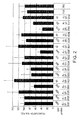
- SiRNAs specifically targeting human PCSK9 were identified in a second selection. All potential 19mer sequences of human PCSK9 were extracted and defined as candidate target sequences. Sequences cross-reactive to human, monkey, and those cross-reactive to mouse, rat, human and monkey are all listed in Tables 1 and 2. Chemically modified versions of those sequences and their activity in both in vitro and in vivo assays are also listed in tables 1 and 2 and examples given in Figures 2-8 .
- siRNAs with low off-target potential were defined as preferable and assumed to be more specific in vivo.
- 19mer candidate sequences were subjected to a homology search against publically available human mRNA sequences.
- Off - target score number of seed mismatches * 10 + number of cleavage site mismatches * 1.2 + number of non - seed mismatches * 1
- the most relevant off-target gene for each siRNA corresponding to the input 19mer sequence was defined as the gene with the lowest off-target score. Accordingly, the lowest off-target score was defined as the relevant off-target score for each siRNA.
- such reagent may be obtained from any supplier of reagents for molecular biology at a quality/purity standard for application in molecular biology.
- RNA and RNA containing 2'-O-methyl nucleotides were generated by solid phase synthesis employing the corresponding phosphoramidites and 2'-O-methyl phosphoramidites, respectively (Proligo Biochemie GmbH, Hamburg, Germany).
- RNA synthesis For the synthesis of 3'-cholesterol-conjugated siRNAs (herein referred to as -Chol-3'), an appropriately modified solid support was used for RNA synthesis.
- the modified solid support was prepared as follows:
- Fmoc-6-amino-hexanoic acid (9.12 g, 25.83 mmol) was dissolved in dichloromethane (50 mL) and cooled with ice.
- Diisopropylcarbodiimde (3.25 g, 3.99 mL, 25.83 mmol) was added to the solution at 0°C. It was then followed by the addition of Diethyl-azabutane-1,4-dicarboxylate (5 g, 24.6 mmol) and dimethylamino pyridine (0.305 g, 2.5 mmol). The solution was brought to room temperature and stirred further for 6 h. Completion of the reaction was ascertained by TLC.
- Potassium t-butoxide (1.1 g, 9.8 mmol) was slurried in 30 mL of dry toluene. The mixture was cooled to 0°C on ice and 5 g (6.6 mmol) of diester AD was added slowly with stirring within 20 mins. The temperature was kept below 5°C during the addition. The stirring was continued for 30 mins at 0°C and 1 mL of glacial acetic acid was added, immediately followed by 4 g of NaH 2 PO 4 ⁇ H 2 O in 40 mL) of water The resultant mixture was extracted twice with 100 mL of dichloromethane each and the combined organic extracts were washed twice with 10 mL of phosphate buffer each, dried, and evaporated to dryness.
- Diol AF (1.25 gm 1.994 mmol) was dried by evaporating with pyridine (2 x 5 mL) in vacuo.
- the reaction was carried out at room temperature overnight.
- the reaction was quenched by the addition of methanol.
- the reaction mixture was concentrated under vacuum and to the residue dichloromethane (50 mL) was added.
- the organic layer was washed with 1M aqueous sodium bicarbonate. The organic layer was dried over anhydrous sodium sulfate, filtered and concentrated.
- nucleic acid sequences are represented below using standard nomenclature, and specifically the abbreviations of Table 1-2.
- Table 1-2 Abbreviations of nucleotide monomers used in nucleic acid sequence representation. It will be understood that these monomers, when present in an oligonucleotide, are mutually linked by 5'-3'-phosphodiester bonds.
- nucleotide(s) A a 2'-deoxy-adenosine-5'-phosphate, adenosine-5'-phosphate C, c 2'-deoxy-cytidine-5'-phosphate, cytidine-5'-phosphate G, g 2'-deoxy-guanosine-5'-phosphate, guanosine-5'-phosphate T, t 2'-deoxy-thymidine-5'-phosphate, thymidine-5'-phosphate U, u 2'-deoxy-uridine-5'-phosphate, uridine-5'-phosphate N, n any 2'-deoxy-nucleotide/nucleotide (G, A, C, or T, g, a, c or u) Am 2 '- O -methyladenosine-5'-phosphate Cm 2 '- O -methylcytidine-5'-phosphate Gm 2 '- O -
- HuH-7cells were obtained from JCRB Cell Bank (Japanese Collection of Research Bioresources) (Shinjuku, Japan, cat. No.: JCRB0403) Cells were cultured in Dulbecco's MEM (Biochrom AG, Berlin, Germany, cat. No. F0435) supplemented to contain 10% fetal calf serum (PCS) (Biochrom AG, Berlin, Germany, cat. No. S0115), Penicillin 100 U/ml, Streptomycin 100 ⁇ g/ml (Biochrom AG, Berlin, Germany, cat. No. A2213) and 2mM L-Glutamin (Biochrom AG, Berlin, Germany, cat.
- PCS fetal calf serum
- HepG2 and Hela cells were obtained from American Type Culture Collection (Rockville, MD, cat. No. HB-8065) and cultured in MEM (Gibco Invitrogen, Düsseldorf, Germany, cat. No. 21090-022) supplemented to contain 10% fetal calf serum (FCS) (Biochrom AG, Berlin, Germany, cat. No. S0115), Penicillin 100 U/ml, Streptomycin 100 ⁇ g/ml (Biochrom AG, Berlin, Germany, cat. No.
- HuH7, HepG2, or Hela cells were seeded at a density of 2.0 x 10 4 cells/well in 96-well plates and transfected directly.
- Transfection of siRNA (30nM for single dose screen) was carried out with lipofectamine 2000 (Invitrogen GmbH, Düsseldorf, Germany, cat. No. 11668-019) as described by the manufacturer.
- PCSK9 mRNA levels were quantified with the Quantigene Explore Kit (Genosprectra, Dumbarton Circle Fremont, USA, cat. No. QG-000-02) according to the protocol.
- PCSK9 mRNA levels were normalized to GAP-DH mRNA.
- siRNA duplexes unrelated to PCSK9 gene were used as control.
- the activity of a given PCSK9 specific siRNA duplex was expressed as percent PCSK9 mRNA concentration in treated cells relative to PCSK9 mRNA concentration in cells treated with the control siRNA duplex.
- cryopreserved Primary cynomolgus monkey hepatocytes (cryopreserved) were obtained from In vitro Technologies, Inc. (Baltimore, Maryland, USA, cat No M00305) and cultured in In VitroGRO CP Medium (cat No Z99029) at 37°C in an atmosphere with 5% CO 2 in a humidified incubator.
- siRNA For transfection with siRNA, primary cynomolgus monkey cells were seeded on Collagen coated plates (Fisher Scientific, cat. No. 08-774-5) at a density of 3.5 x 10 4 cells/well in 96-well plates and transfected directly. Transfection of siRNA (eight 2-fold dilution series starting from 30nM) in duplicates was carried out with lipofectamine 2000 (Invitrogen GmbH, Düsseldorf, Germany, cat. No. 11668-019) as described by the manufacturer.
- PCSK9 mRNA levels were quantified with the Quantigene Explore Kit (Genosprectra, Dumbarton Circle Fremont, USA, cat. No. QG-000-02) according to the protocol.
- PCSK9 mRNA levels were normalized to GAPDH mRNA. Normalized PCSK9/GAPDH ratios were then compared to PCSK9/GAPDH ratio of lipofectamine 2000 only control.
- Tables 1-2 summarize the results and provides examples of in vitro screens in different cell lines at different doses.
- Silencing of PCSK9 transcript was expressed as percentage of remaining transcript at a given dose.
- Highly active sequences are those with less than 70% transcript remaining post treatment with a given siRNA at a dose less than or equal to 100nm.
- Very active sequences are those that have less than 60% of transcript remaining after treatment with a dose.less than or equal to 100nM.
- Active sequences are those that have less than 85% transcript remaining after treatment with a high dose (100nM). Examples of active siRNA's were also screened in vivo in mouse in lipidoid formulations as described below. Active sequences in vitro were also generally active in vivo (See figure Figure 6 example).
- the lipidoid LNP-01 ⁇ 4HCl (MW 1487) ( Figure 1 ), Cholesterol (Sigma-Aldrich), and PEG-Ceramide C16 (Avanti Polar Lipids) were used to prepare lipid-siRNA nanoparticles.
- Stock solutions of each in ethanol were prepared: LNP-01, 133 mg/mL; Cholesterol, 25 mg/mL, PEG-Ceramide C16, 100 mg/mL.
- LNP-01, Cholesterol, and PEG-Ceramide C 16 stock solutions were then combined in a 42:48:10 molar ratio.
- Combined lipid solution was mixed rapidly with aqueous siRNA, (in sodium acetate pH 5) such that the final ethanol concentration was 35-45% and the final sodium acetate concentration was 100-300 mM.
- Lipid-siRNA nanoparticles formed spontaneously upon mixing.
- the resultant nanoparticle mixture was in some cases extruded through a polycarbonate membrane (100 nm cut-off) using a thermobarrel extruder (Lipex Extruder, Northern Lipids, Inc). In other cases, the extrusion step was omitted. Ethanol removal and simultaneous buffer exchange was accomplished by either dialysis or tangential flow filtration. Buffer was exchanged to phosphate buffered saline (PBS) pH 7.2.
- PBS phosphate buffered saline
- Formulations prepared by either the standard or extrusion-free method are characterized in a similar manner.
- Formulations are first characterized by visual inspection. They should be whitish translucent solutions free from aggregates or sediment. Particle size and particle size distribution of lipid-nanoparticles are measured by dynamic light scattering using a Malvern Zetasizer Nano ZS (Malvern, USA). Particles should be 20-300 nm, and ideally, 40-100 nm in size. The particle size distribution should be unimodal.
- the total siRNA concentration in the formulation, as well as the entrapped fraction is estimated using a dye exclusion assay.
- a sample of the formulated siRNA is incubated with the RNA-binding dye Ribogreen (Molecular Probes) in the presence or absence of a formulation disrupting surfactant, 0.5% Triton-X100.
- the total siRNA in the formulation is determined by the signal from the sample containing the surfactant, relative to a standard curve.
- the entrapped fraction is determined by subtracting the "free" siRNA content (as measured by the signal in the absence of surfactant) from the total siRNA content. Percent entrapped siRNA is typically >85%.
- siRNAs were formulated in LNP-01 (and then dialyzed against PBS) at 0.5 mg/ml concentration allowing the delivery of the 5mg/kg dose in 10 ⁇ l/g body weight. Mice were kept under an infrared lamp for approximately 3 min prior to dosing to ease injection.
- mice 48 hour post dosing mice were sacrificed by CO 2 -asphyxiation. 0.2 ml blood was collected by retro-orbital bleeding and the liver was harvested and frozen in liquid nitrogen. Serum and livers were stored at -80°C.
- Frozen livers were grinded using 6850 Freezer/Mill Cryogenic Grinder (SPEX CentriPrep, Inc) and powders stored at -80°C until analysis.
- PCSK9 mRNA levels were detected using the branched-DNA technology based kit from QuantiGene Reagent System (Genospectra) according to the protocol. 10-20mg of frozen liver powders was lysed in 600 ul of 0.16 ug/ml Proteinase K (Epicentre, #MPRK092) in Tissue and Cell Lysis Solution (Epicentre, #MTC096H) at 65°C for 3hours. Then 10 ul of the lysates were added to 90ul of Lysis Working Reagent (1 volume of stock Lysis Mixture in two volumes of water) and incubated at 52°C overnight on Genospectra capture plates with probe sets specific to mouse PCSK9 and mouse GAPDH or cyclophilin B.
- Lysis Working Reagent 1 volume of stock Lysis Mixture in two volumes of water
- Nucleic acid sequences for Capture Extender (CE), Label Extender (LE) and blocking (BL) probes were selected from the nucleic acid sequences of PCSK9, GAPDH and cyclophilin B with the help of the QuantiGene ProbeDesigner Software 2.0 (Genospectra, Fremont, CA, USA, cat. No. QG-002-02). Chemo luminescence was read on a Victor2-Light (Perkin Elmer) as Relative light units. The ratio of PCSK9 mRNA to GAPDH or cyclophilin B mRNA in liver lysates was averaged over each treatment group and compared to a control group treated with PBS or a control group treated with an unrelated siRNA (blood coagulation factor VII).
- CE Capture Extender
- LE Label Extender
- BL blocking
- Total serum cholesterol in mouse serum was measured using the StanBio Cholesterol LiquiColor kit (StanBio Laboratoriy, Boerne, Texas, USA) according to manufacturer's instructions. Measurements were taken on a Victor2 1420 Multilabel Counter (Perkin Elmer) at 495 nm.
- PCSK9 siRNAs formulated in LNP-01 liposomes were tested in vivo in a mouse model.
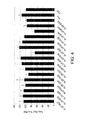
- the experiment was performed at 5mg/kg siRNA dose and at least 10 PCSK9 siRNAs showed more than 40% PCSK9 mRNA knock down compared to a control group treated with PBS, while control group treated with an unrelated siRNA (blood coagulation factor VII) had no effect ( Figures 2-5 ).
- Silencing of PCSK9 transcript also coorelated with a lowering of cholesterol in these animals ( Figures 4-5 ).
- there was a strong coorelation between those molecules that were active in vitro and those active in vivo ( Figure 6 ).
- Figure 8 as an example shows that both the parent 9314 and the more highly modified 10792 sequences are active in vivo displaying 50-60% silencing of endogenous PCSK9 in mice.
- Figure 9 furthur exemplifies that activity of other chemically modified versions of the parents 9314 and 10792.
- PCSK9 specific dsRNA molecules that modulate PCSK9 gene expression activity are expressed from transcription units inserted into DNA or RNA vectors (see, e.g., Couture, A, et al., TIG. (1996), 12:5-10 ; Skillern, A., et al., International PCT Publication No. WO 00/22113 , Conrad, International PCT Publication No. WO 00/22114 , and Conrad, US Pat. No. 6,054,299 ).
- These transgenes can be introduced as a linear construct, a circular plasmid, or a viral vector, which can be incorporated and inherited as a transgene integrated into the host genome.
- the transgene can also be constructed to permit it to be inherited as an extrachromosomal plasmid ( Gassmann, et al., Proc. Natl. Acad. Sci. USA (1995) 92:1292 ).
- a dsRNA can be transcribed by promoters on two separate expression vectors and co-transfected into a target cell.
- each individual strand of the dsRNA can be transcribed by promoters both of which are located on the same expression plasmid.
- a dsRNA is expressed as an inverted repeat joined by a linker polynucleotide sequence such that the dsRNA has a stem and loop structure.
- the recombinant dsRNA expression vectors are generally DNA plasmids or viral vectors.
- dsRNA expressing viral vectors can be constructed based on, but not limited to, adeno-associated virus (for a review, see Muzyczka, et al., Curr. Topics Micro. Immunol. (1992) 158:97-129 )); adenovirus (see, for example, Berkner, et al., BioTechniques (1998) 6:616 ), Rosenfeld et al. (1991, Science 252:431-434 ), and Rosenfeld et al. (1992), Cell 68:143-155 )); or alphavirus as well as others known in the art.
- adeno-associated virus for a review, see Muzyczka, et al., Curr. Topics Micro. Immunol. (1992) 158:97-129
- adenovirus see, for example, Berkner, et al., Bio
- Retroviruses have been used to introduce a variety of genes into many different cell types, including epithelial cells, in vitro and/or in vivo (see, e.g., Eglitis, et al., Science (1985) 230:1395-1398 ; Danos and Mulligan, Proc. NatI. Acad. Sci. USA (1998) 85:6460-6464 ; Wilson et al., 1988, Proc. NatI. Acid. Sci. USA 85:3014-3018 ; Armentano et al., 1990, Proc. NatL Acad. Sci. USA 87:61416145 ; Huber et al., 1991, Proc. NatI. Acad. Sci.
- Recombinant retroviral vectors capable of transducing and expressing genes inserted into the genome of a cell can be produced by transfecting the recombinant retroviral genome into suitable packaging cell lines such as PA317 and Psi-CRIP ( Comette et al., 1991, Human Gene Therapy 2:5-10 ; Cone et al., 1984, Proc. Natl. Acad. Sci. USA 81:6349 ).
- Recombinant adenoviral vectors can be used to infect a wide variety of cells and tissues in susceptible hosts (e.g., rat, hamster, dog, and chimpanzee) ( Hsu et al., 1992, J. Infectious Disease, 166:769 ), and also have the advantage of not requiring mitotically active cells for infection.
- susceptible hosts e.g., rat, hamster, dog, and chimpanzee
- the promoter driving dsRNA expression in either a DNA plasmid or viral vector of the invention may be a eukaryotic RNA polymerase I (e.g. ribosomal RNA promoter), RNA polymerase II (e.g. CMV early promoter or actin promoter or U1 snRNA promoter) or generally RNA polymerase III promoter (e.g. U6 snRNA or 7SK RNA promoter) or a prokaryotic promoter, for example the T7 promoter, provided the expression plasmid also encodes T7 RNA polymerase required for transcription from a T7 promoter.
- the promoter can also direct transgene expression to the pancreas (see, e.g. the insulin regulatory sequence for pancreas ( Bucchini et al., 1986, Proc. Natl. Acad. Sci. USA 83:2511-2515 )).
- expression of the transgene can be precisely regulated, for example, by using an inducible regulatory sequence and expression systems such as a regulatory sequence that is sensitive to certain physiological regulators, e.g., circulating glucose levels, or hormones ( Jardinerty et al., 1994, FASEB J. 8:20-24 ).
- inducible expression systems suitable for the control of transgene expression in cells or in mammals include regulation by ecdysone, by estrogen, progesterone, tetracycline, chemical inducers of dimerization, and isopropyl-beta-D1-thiogalactopyranoside (EPTG).
- ETG isopropyl-beta-D1-thiogalactopyranoside
- recombinant vectors capable of expressing dsRNA molecules are delivered as described below, and persist in target cells.
- viral vectors can be used that provide for transient expression of dsRNA molecules.
- Such vectors can be repeatedly administered as necessary. Once expressed, the dsRNAs bind to target RNA and modulate its function or expression. Delivery of dsRNA expressing vectors can be systemic, such as by intravenous or intramuscular administration, by administration to target cells ex-planted from the patient followed by reintroduction into the patient, or by any other means that allows for introduction into a desired target cell.
- dsRNA expression DNA plasmids are typically transfected into target cells as a complex with cationic lipid carriers (e.g. Oligofectamine) or non-cationic lipid-based carriers (e.g. Transit-TKO TM ).
- cationic lipid carriers e.g. Oligofectamine
- non-cationic lipid-based carriers e.g. Transit-TKO TM
- Multiple lipid transfections for dsRNA-mediated knockdowns targeting different regions of a single PCSK9 gene or multiple PCSK9 genes over a period of a week or more are also contemplated by the invention.
- Successful introduction of the vectors of the invention into host cells can be monitored using various known methods. For example, transient transfection, can be signaled with a reporter, such as a fluorescent marker, such as Green Fluorescent Protein (GFP). Stable transfection. of ex vivo cells can be ensured using markers that provide the transfected cell with resistance to specific environmental factors (e.g., antibiotics and drugs
- the PCSK9 specific dsRNA molecules can also be inserted into vectors and used as gene therapy vectors for human patients.
- Gene therapy vectors can be delivered to a subject by, for example, intravenous injection, local administration (see U.S. Patent 5,328,470 ) or by stereotactic injection (see e.g., Chen et al. (1994) Proc. Natl. Acad. Sci. USA 91:3054-3057 ).
- the pharmaceutical preparation of the gene therapy vector can include the gene therapy vector in an acceptable diluent, or can comprise a slow release matrix in which the gene delivery vehicle is imbedded.
- the pharmaceutical preparation can include one or more cells which produce the gene delivery system.
- Table 1 position in human access. # NM_174936 Sense strand sequence (5'-3') 1 SEQ ID NO: Antisense-strand sequence (5'-3') 1 SEQ ID NO: Duplex name Mean percent remaining mRNA transcript at siRNA concentration/ in cell type IC50 in HepG 2 [nM] IC50 in Cynomolgous monkey Hepatocyte [nM]s 100 nM/ HepG 2 30 nM/ HepG 2 3nM/ HepG 2 30 nM/ Hel a 2-20 AGCGACGUCGAOOCGCUCATT 1 UGAGCGCCUCGACGUCGCUTT 2 AD-15220 35 15-33 CGCUCAUGGUUGCAGGCGGTT 3 CCGCCUGCAACCAUGAGCOTR 4 AD-15275 56 16-34 GCUCAUGGUUGCAGGCGGGTT 5
- CUGACGUCCCGGCUCCUGATsT 802 AD-9619 42 61 2258-2276 ucAGGAGccGGGAcGucAGTsT 803 CUGACGUCCCGGCUCCUGATsT 804 AD-9745 56 2259-2277 CAGGAGCCGGGACGUCAGCTsT 805 GCUGACGUCCCGGCUCCUGTsT 806 AD-9620 44 77 2259-2277 cAGGAGccGGGAcGucAGcTsT 807 GCUGACGUCCCGGCUCCUGTsT 808 AD-9746 89 2263-2281 AGCCGGGACGUCAGCACUATT 809 UAGUGCUGACGUCCCGCCUTT 810 AD-15288 19 2265-2283 CCGGGACGUCAGCACUACATT 811 UGUAGUGCUGACGUCCCGGTT 812 AD-15246 16 2303-2321 CCGUGACAGCCGUUGCCAUTT 813 AUGGCAACGGCUGUCACCGTT 814 AD-15289 37 23
- 2622-2640 CAUUCAAACAGGUCGAGCUTT 851 AGCUCGACCUGUUUGAAUGTT 852 AD-15183 16 2623-2641 AUUCAAACAGGUCGAGCUGTT 853 CAGCUCGACCUGUUUGAAUTT 854 AD-15202 41 2624-2642 UUCAAACAGGUCGAGCUGUTT 855 ACAGCUCGACCUGUUUGAATT 856 AD-15203 39 2625-2643 UCAAACAGGUCGAGCUGUGTT 857 CACAGCUCGACCUGUUUGATT 858 AD-15272 49 2626-2644 CAAACAGGUCGAGCUGUGCTT 859 GCACAGCUCGACCUGUUUGTT 860 AD-15217 16 2627-2645 AAACAGGUCGAGCUGUGCUTT 861 AGCACAGCUCGACCUGUUUTT 862 AD-15290 15 2628-2646 AACAGGUCGAGCUGUGCUCTT 863 GAGCACAGCUCGACCUGUUTT 864 AD-15218 13 2630-2648
Landscapes
- Health & Medical Sciences (AREA)
- Life Sciences & Earth Sciences (AREA)
- Engineering & Computer Science (AREA)
- Chemical & Material Sciences (AREA)
- Genetics & Genomics (AREA)
- Biomedical Technology (AREA)
- Molecular Biology (AREA)
- Organic Chemistry (AREA)
- Bioinformatics & Cheminformatics (AREA)
- General Health & Medical Sciences (AREA)
- Biotechnology (AREA)
- Zoology (AREA)
- Wood Science & Technology (AREA)
- General Engineering & Computer Science (AREA)
- Pharmacology & Pharmacy (AREA)
- Medicinal Chemistry (AREA)
- Animal Behavior & Ethology (AREA)
- Public Health (AREA)
- Veterinary Medicine (AREA)
- Biochemistry (AREA)
- Microbiology (AREA)
- Physics & Mathematics (AREA)
- Plant Pathology (AREA)
- Biophysics (AREA)
- Epidemiology (AREA)
- General Chemical & Material Sciences (AREA)
- Nuclear Medicine, Radiotherapy & Molecular Imaging (AREA)
- Chemical Kinetics & Catalysis (AREA)
- Virology (AREA)
- Cardiology (AREA)
- Hematology (AREA)
- Heart & Thoracic Surgery (AREA)
- Diabetes (AREA)
- Obesity (AREA)
- Pharmaceuticals Containing Other Organic And Inorganic Compounds (AREA)
- Medicines That Contain Protein Lipid Enzymes And Other Medicines (AREA)
- Micro-Organisms Or Cultivation Processes Thereof (AREA)
- Medicines Containing Material From Animals Or Micro-Organisms (AREA)
- Cosmetics (AREA)
Claims (15)
- Acide ribonucléique double brin (ARNdb) pour l'inhibition de l'expression d'un gène PCSK9 humain dans une cellule, dans lequel ledit ARNdb comprend au moins deux séquences qui sont complémentaires l'une de l'autre et dans lequel un brin sens comprend une première séquence et un brin antisens comprend une seconde séquence comprenant une région de complémentarité qui est entièrement complémentaire avec au moins une partie d'un ARNm codant pour PCSK9, dans lequel ladite région de complémentarité fait moins de 30 nucléotides en longueur et dans lequel ledit ARNdb, lorsqu'il est mis en contact avec une cellule exprimant ladite PCSK9, inhibe l'expression dudit gène PCSK9, et dans lequel ladite partie d'un ARNm codant pour PCSK9 consiste en la séquence GCCUGGAGUUUAUUCGGAA.
- ARNdb selon la revendication 1, dans lequel ledit ARNdb comprend au moins un nucléotide modifié.
- ARNdb selon la revendication 2, dans lequel ledit nucléotide modifié est choisi au sein du groupe constitué d'un nucléotide 2'-O-méthyle modifié, un nucléotide comprenant un groupe 5'-phosphorothioate, un nucléotide terminal lié à un dérivé de cholestéryle ou un groupe bisdécylamide d'acide dodécanoïque, un nucléotide 2'-désoxy-2'-fluoro modifié, un nucléotide 2'-désoxy modifié, un nucléotide verrouillé, un nucléotide abasique, un nucléotide 2'-amino modifié, un nucléotide 2'-alkyle modifié, un nucléotide morpholino, un phosphoramidate, et un nucléotide comprenant une base non naturelle.
- ARNdb selon la revendication 2 ou 3, dans lequel(a) ladite première séquence est la séquence de SEQ ID NO : 459 et ladite seconde séquence est la séquence de SEQ ID NO : 460 ;(b) ladite première séquence est la séquence de SEQ ID NO : 461 et ladite seconde séquence est la séquence de SEQ ID NO : 462 ; ou(c) ladite première séquence est la séquence de SEQ ID NO : 457 et ladite seconde séquence est la séquence de SEQ ID NO : 458.
- Composition pharmaceutique pour l'inhibition de l'expression du gène PCSK9 dans un organisme, comprenant un ARNdb et un support acceptable sur le plan pharmaceutique, dans laquelle l'ARNdb est tel que défini dans l'une quelconque des revendications 1 à 4.
- Méthode in vitro pour l'inhibition de l'expression du gène PCSK9 dans une cellule, la méthode comprenant :(a) l'introduction dans la cellule d'un acide ribonucléique double brin (ARNdb), dans laquelle l'ARNdb est tel que défini dans l'une quelconque des revendications 1 à 4 ; et(b) le maintien de la cellule produite dans l'étape (a) pendant un temps suffisant pour obtenir une dégradation du transcrit ARNm du gène PCSK9, inhibant ainsi l'expression du gène PCSK9 dans la cellule.
- ARNdb pour le traitement, la prévention ou la gestion de procédés pathologiques qui peuvent être médiés par la régulation à la baisse de l'expression du gène PCSK9, dans lequel l'ARNdb est tel que défini dans l'une quelconque des revendications 1 à 4.
- Vecteur pour l'inhibition de l'expression du gène PCSK9 dans une cellule, ledit vecteur comprenant une séquence régulatrice liée de façon opérationnelle à une séquence nucléotidique qui code pour au moins un brin d'un ARNdb, dans lequel ledit ARNdb est tel que défini dans l'une quelconque des revendications 1 à 4.
- Cellule isolée comprenant l'ARNdb selon l'une quelconque des revendications 1 à 4 ou le vecteur selon la revendication 8.
- Acide ribonucléique double brin (ARNdb) pour la réduction du niveau d'expression d'un gène PCSK9 humain dans une cellule, dans lequel ledit ARNdb est tel que défini dans l'une quelconque des revendications 1 à 4.
- ARNdb selon la revendication 10, dans lequel ledit contact réduit le niveau d'expression dudit gène PCSK9.
- ARNdb selon la revendication 10, dans lequel ledit contact est réalisé in vitro à 30 nM ou moins.
- Composition pharmaceutique pour la réduction du niveau d'expression du gène PCSK9 dans un organisme, comprenant l'ARNdb selon la revendication 10 et un support acceptable sur le plan pharmaceutique.
- ARNdb selon la revendication 10 pour le traitement d'un trouble associé à PCSK9.
- ARNdb selon la revendication 14, dans lequel ledit trouble associé à PCSK9 est l'hyperlipidémie.
Applications Claiming Priority (7)
| Application Number | Priority Date | Filing Date | Title |
|---|---|---|---|
| US79945806P | 2006-05-11 | 2006-05-11 | |
| US81720306P | 2006-06-27 | 2006-06-27 | |
| US84008906P | 2006-08-25 | 2006-08-25 | |
| US82991406P | 2006-10-18 | 2006-10-18 | |
| US90113407P | 2007-02-13 | 2007-02-13 | |
| EP09015323A EP2194128B1 (fr) | 2006-05-11 | 2007-05-10 | Compositions et procédés d'inhibition d'expression du gène PCSK9 |
| EP07762085A EP2021507A4 (fr) | 2006-05-11 | 2007-05-10 | Compositions et procédés d'inhibition de l'expression du gène pcsk9 |
Related Parent Applications (4)
| Application Number | Title | Priority Date | Filing Date |
|---|---|---|---|
| EP07762085.4 Division | 2007-05-10 | ||
| EP07762085A Division EP2021507A4 (fr) | 2006-05-11 | 2007-05-10 | Compositions et procédés d'inhibition de l'expression du gène pcsk9 |
| EP09015323A Division EP2194128B1 (fr) | 2006-05-11 | 2007-05-10 | Compositions et procédés d'inhibition d'expression du gène PCSK9 |
| EP09015323.0 Division | 2009-12-10 |
Publications (2)
| Publication Number | Publication Date |
|---|---|
| EP2584047A1 EP2584047A1 (fr) | 2013-04-24 |
| EP2584047B1 true EP2584047B1 (fr) | 2014-11-19 |
Family
ID=38694697
Family Applications (8)
| Application Number | Title | Priority Date | Filing Date |
|---|---|---|---|
| EP07762085A Withdrawn EP2021507A4 (fr) | 2006-05-11 | 2007-05-10 | Compositions et procédés d'inhibition de l'expression du gène pcsk9 |
| EP17162101.4A Active EP3249052B1 (fr) | 2006-05-11 | 2007-05-10 | Compositions et procédés d'inhibition d'expression du gène pcsk9 |
| EP21150171.3A Pending EP3872179A1 (fr) | 2006-05-11 | 2007-05-10 | Compositions et procédés d'inhibition d'expression du gène pcsk9 |
| EP14173646.2A Active EP2835429B1 (fr) | 2006-05-11 | 2007-05-10 | Compositions et procédés d'inhibition d'expression du gène PCSK9 |
| EP12178667.7A Active EP2584048B1 (fr) | 2006-05-11 | 2007-05-10 | Compositions et procédés d'inhibition de l'expression du gène PCSK9 |
| EP12178664.4A Active EP2584047B1 (fr) | 2006-05-11 | 2007-05-10 | Compositions et procédés d'inhibition de l'expression du gène PCSK9 |
| EP09015323A Active EP2194128B1 (fr) | 2006-05-11 | 2007-05-10 | Compositions et procédés d'inhibition d'expression du gène PCSK9 |
| EP19168142.8A Active EP3578656B1 (fr) | 2006-05-11 | 2007-05-10 | Compositions et procédés d'inhibition d'expression du gène pcsk9 |
Family Applications Before (5)
| Application Number | Title | Priority Date | Filing Date |
|---|---|---|---|
| EP07762085A Withdrawn EP2021507A4 (fr) | 2006-05-11 | 2007-05-10 | Compositions et procédés d'inhibition de l'expression du gène pcsk9 |
| EP17162101.4A Active EP3249052B1 (fr) | 2006-05-11 | 2007-05-10 | Compositions et procédés d'inhibition d'expression du gène pcsk9 |
| EP21150171.3A Pending EP3872179A1 (fr) | 2006-05-11 | 2007-05-10 | Compositions et procédés d'inhibition d'expression du gène pcsk9 |
| EP14173646.2A Active EP2835429B1 (fr) | 2006-05-11 | 2007-05-10 | Compositions et procédés d'inhibition d'expression du gène PCSK9 |
| EP12178667.7A Active EP2584048B1 (fr) | 2006-05-11 | 2007-05-10 | Compositions et procédés d'inhibition de l'expression du gène PCSK9 |
Family Applications After (2)
| Application Number | Title | Priority Date | Filing Date |
|---|---|---|---|
| EP09015323A Active EP2194128B1 (fr) | 2006-05-11 | 2007-05-10 | Compositions et procédés d'inhibition d'expression du gène PCSK9 |
| EP19168142.8A Active EP3578656B1 (fr) | 2006-05-11 | 2007-05-10 | Compositions et procédés d'inhibition d'expression du gène pcsk9 |
Country Status (14)
| Country | Link |
|---|---|
| US (10) | US7605251B2 (fr) |
| EP (8) | EP2021507A4 (fr) |
| JP (4) | JP5570806B2 (fr) |
| KR (2) | KR101036126B1 (fr) |
| CN (2) | CN101484588B (fr) |
| AU (2) | AU2007249329C1 (fr) |
| CA (2) | CA2651839C (fr) |
| EA (2) | EA015676B1 (fr) |
| ES (2) | ES2874149T3 (fr) |
| IL (3) | IL195181A (fr) |
| NZ (2) | NZ572666A (fr) |
| PL (2) | PL2194128T3 (fr) |
| SG (1) | SG171676A1 (fr) |
| WO (1) | WO2007134161A2 (fr) |
Families Citing this family (182)
| Publication number | Priority date | Publication date | Assignee | Title |
|---|---|---|---|---|
| US20070173473A1 (en) * | 2001-05-18 | 2007-07-26 | Sirna Therapeutics, Inc. | RNA interference mediated inhibition of proprotein convertase subtilisin Kexin 9 (PCSK9) gene expression using short interfering nucleic acid (siNA) |
| US7736644B2 (en) * | 2003-06-27 | 2010-06-15 | Amgen Fremont Inc. | Antibodies directed to the deletion mutants of epidermal growth factor receptor and uses thereof |
| JP5713377B2 (ja) | 2005-12-28 | 2015-05-07 | ザ スクリプス リサーチ インスティテュート | 薬物標的としての天然アンチセンスおよび非コードrna転写物 |
| CN101484588B (zh) | 2006-05-11 | 2013-11-06 | 阿尔尼拉姆医药品有限公司 | 抑制pcsk9基因表达的组合物和方法 |
| WO2008057459A2 (fr) | 2006-11-07 | 2008-05-15 | Merck & Co., Inc. | Antagonistes de pcsk9 |
| DK2548438T3 (en) * | 2006-11-08 | 2015-10-19 | Veritas Bio LLC | IN VIVO SUBMITTING DOUBLE-STRENGTH RNA TO A CELL |
| US8093222B2 (en) | 2006-11-27 | 2012-01-10 | Isis Pharmaceuticals, Inc. | Methods for treating hypercholesterolemia |
| EP2455471A3 (fr) * | 2006-11-27 | 2012-09-12 | Isis Pharmaceuticals, Inc. | Procédés pour traiter l'hypercholestérolémie |
| US7910722B2 (en) | 2007-07-05 | 2011-03-22 | Florida State University Research Foundation | RNAi therapeutic for treatment of hepatitis C infection |
| JOP20080381B1 (ar) | 2007-08-23 | 2023-03-28 | Amgen Inc | بروتينات مرتبطة بمولدات مضادات تتفاعل مع بروبروتين كونفيرتاز سيتيليزين ككسين من النوع 9 (pcsk9) |
| BRPI0907008A2 (pt) * | 2008-01-31 | 2015-07-07 | Alnylam Pharmaceuticals Inc | Métodos otimizados para liberação de dsrna alvejando o gene pcsk9 |
| AR070316A1 (es) | 2008-02-07 | 2010-03-31 | Merck & Co Inc | Antagonistas de pcsk9 (proproteina subtilisina-kexina tipo 9) |
| AR070315A1 (es) | 2008-02-07 | 2010-03-31 | Merck & Co Inc | Anticuerpos 1b20 antagonistas de pcsk9 |
| EP2247729B1 (fr) | 2008-02-11 | 2019-05-01 | Phio Pharmaceuticals Corp. | Polynucléotides d'arni modifiés et leurs utilisations |
| CA2718765A1 (fr) * | 2008-03-20 | 2009-09-24 | Quark Pharmaceuticals, Inc. | Nouveaux composes a base d'arnsi inhibant rtp801 |
| EP2340309A2 (fr) | 2008-09-22 | 2011-07-06 | Rxi Pharmaceuticals Corporation | Nanotransporteurs neutres |
| CA2739464C (fr) | 2008-10-03 | 2020-03-31 | Curna, Inc. | Traitement de maladies liees a l'apolipoproteine a1 par l'inhibition d'un produit de la transcription antisens naturel de l'apolipoproteine a1 |
| KR101829469B1 (ko) | 2008-12-04 | 2018-03-30 | 큐알엔에이, 인크. | Epo에 대한 천연 안티센스 전사체의 억제에 의해 에리트로포에틴(epo) 관련된 질환의 치료 |
| MX2011005912A (es) | 2008-12-04 | 2011-06-17 | Opko Curna Llc | Tratamiento de enfermedades relacionadas con factor de crecimiento endotelial vascular por inhibicion de transcrito antisentido natural para factor de crecimiento endotelial vascular. |
| KR101866152B1 (ko) | 2008-12-04 | 2018-06-08 | 큐알엔에이, 인크. | 종양 억제 유전자에 대한 천연 안티센스 전사체의 억제에 의해 종양 억제 유전자 관련된 질환의 치료 |
| JO3672B1 (ar) | 2008-12-15 | 2020-08-27 | Regeneron Pharma | أجسام مضادة بشرية عالية التفاعل الكيماوي بالنسبة لإنزيم سبتيليسين كنفرتيز بروبروتين / كيكسين نوع 9 (pcsk9). |
| US9493774B2 (en) | 2009-01-05 | 2016-11-15 | Rxi Pharmaceuticals Corporation | Inhibition of PCSK9 through RNAi |
| WO2010090762A1 (fr) | 2009-02-04 | 2010-08-12 | Rxi Pharmaceuticals Corporation | Duplexes d'arn avec régions de nucléotide phosphorothioate à brin unique pour fonctionnalité supplémentaire |
| WO2010093904A2 (fr) | 2009-02-12 | 2010-08-19 | Curna, Inc. | Traitement des maladies associées au facteur neurotrophique dérivé du cerveau (bdnf) par inhibition du produit antisens naturel de la transcription en bdnf |
| EP2408919B1 (fr) | 2009-03-16 | 2017-10-18 | CuRNA, Inc. | Traitement de maladies associées au facteur nucléaire 2 similaire au dérivé d'érythroïde 2 (nrf2) par inhibition de produit de transcription antisens naturel pour nrf2 |
| EP2408920B1 (fr) | 2009-03-17 | 2017-03-08 | CuRNA, Inc. | Traitement des maladies associées à l'homologue du delta-like 1 (dlk1) par inhibition du transcrit antisens naturel de dlk1 |
| WO2010129746A2 (fr) | 2009-05-06 | 2010-11-11 | Curna, Inc. | Traitement de maladies liées à la tristétraproline (ttp) par l'inhibition d'un transcrit antisens naturel de ttp |
| CN102459596B (zh) | 2009-05-06 | 2016-09-07 | 库尔纳公司 | 通过针对脂质转运和代谢基因的天然反义转录物的抑制治疗脂质转运和代谢基因相关疾病 |
| WO2010129861A2 (fr) | 2009-05-08 | 2010-11-11 | Curna, Inc. | Traitement de maladies liées à la famille de la dystrophine par inhibition du produit antisens naturel de transcription vers la famille de la dmd |
| WO2010135329A2 (fr) | 2009-05-18 | 2010-11-25 | Curna, Inc. | Traitement des maladies associées aux facteurs de reprogrammation par inhibition du transcrit antisens naturel d'un facteur de reprogrammation |
| CN102549158B (zh) | 2009-05-22 | 2017-09-26 | 库尔纳公司 | 通过抑制针对转录因子e3(tfe3)的天然反义转录物来治疗tfe3和胰岛素受体底物蛋白2(irs2)相关的疾病 |
| CA2764683A1 (fr) | 2009-05-28 | 2010-12-02 | Joseph Collard | Traitement de maladies associees a un gene antiviral grace a l'inhibition d'un produit de transcription antisens naturel d'un gene antiviral |
| CA2764158A1 (fr) | 2009-06-01 | 2010-12-09 | Halo-Bio Rnai Therapeutics, Inc. | Polynucleotides pour interference arn multivalente, compositions et procedes pour les utiliser |
| AU2010260148A1 (en) * | 2009-06-15 | 2012-02-02 | Alnylam Pharmaceuticals, Inc. | Lipid formulated dsRNA targeting the PCSK9 gene |
| US9051567B2 (en) | 2009-06-15 | 2015-06-09 | Tekmira Pharmaceuticals Corporation | Methods for increasing efficacy of lipid formulated siRNA |
| JP5944311B2 (ja) | 2009-06-16 | 2016-07-05 | クルナ・インコーポレーテッド | コラーゲン遺伝子に対する天然アンチセンス転写物の抑制によるコラーゲン遺伝子関連疾患の治療 |
| CN102612560B (zh) | 2009-06-16 | 2017-10-17 | 库尔纳公司 | 通过抑制针对对氧磷酶1(pon1)的天然反义转录物来治疗pon1相关的疾病 |
| US8859515B2 (en) | 2009-06-24 | 2014-10-14 | Curna, Inc. | Treatment of tumor necrosis factor receptor 2 (TNFR2) related diseases by inhibition of natural antisense transcript to TNFR2 |
| CA2765815A1 (fr) | 2009-06-26 | 2010-12-29 | Opko Curna, Llc | Traitement de maladies associees aux genes lies au syndrome de down par inhibition des genes lies au syndrome de down mediee par le produit de transcription antisens naturel |
| US8283333B2 (en) | 2009-07-01 | 2012-10-09 | Protiva Biotherapeutics, Inc. | Lipid formulations for nucleic acid delivery |
| US8563528B2 (en) | 2009-07-21 | 2013-10-22 | Santaris Pharma A/S | Antisense oligomers targeting PCSK9 |
| US20120252869A1 (en) | 2009-07-24 | 2012-10-04 | Opko Curna, Llc | Treatment of sirtuin (sirt) related diseases by inhibition of natural antisense transcript to a sirtuin (sirt) |
| JP6128848B2 (ja) | 2009-08-05 | 2017-05-17 | クルナ・インコーポレーテッド | インスリン遺伝子(ins)に対する天然アンチセンス転写物の抑制によるインスリン遺伝子(ins)関連疾患の治療 |
| CA2770104C (fr) | 2009-08-11 | 2019-03-19 | Opko Curna, Llc | Traitement de maladies associees a l'adiponectine (adipoq) par inhibition du produit de transcription anti-sens naturel d'une adiponectine (adipoq) |
| WO2011022606A2 (fr) | 2009-08-21 | 2011-02-24 | Curna, Inc. | Traitement des maladies liées à « l'extrémité c de la protéine chip (protéine interagissant avec hsp70) » par inhibition du transcrit antisens naturel de chip |
| KR101892760B1 (ko) | 2009-08-25 | 2018-08-28 | 큐알엔에이, 인크. | IQGAP에 대한 천연 안티센스 전사체의 억제에 의한 GTPase 활성화 단백질을 함유하는 IQ 모티프(IQGAP)와 관련된 질환의 치료 |
| WO2011028938A1 (fr) * | 2009-09-02 | 2011-03-10 | Alnylam Pharmaceuticals, Inc. | Procédés de diminution du taux de cholestérol sérique chez un sujet à l'aide de l'inhibition de pcsk9 |
| US9187746B2 (en) | 2009-09-22 | 2015-11-17 | Alnylam Pharmaceuticals, Inc. | Dual targeting siRNA agents |
| KR101802540B1 (ko) | 2009-09-25 | 2017-11-28 | 큐알엔에이, 인크. | Flg의 발현 및 활성을 조절함으로써 필라그린(flg)에 관련된 질환의 치료 |
| DK3252068T3 (da) | 2009-10-12 | 2025-08-25 | Larry J Smith | Metoder og sammensætninger til modulering af genekspression ved anvendelse af oligonukleotidbaserede lægemidler administreret in vivo eller in vitro |
| AR079336A1 (es) * | 2009-12-11 | 2012-01-18 | Irm Llc | Antagonistas de la pro-proteina convertasa-subtilisina/quexina tipo 9 (pcsk9) |
| WO2011084455A2 (fr) | 2009-12-16 | 2011-07-14 | Opko Curna, Llc. | Traitement des maladies associées à la peptidase du facteur de transcription liée à la membrane, site 1 (mbtps1) par inhibition du transcrit antisens naturel de la mbtps1 |
| US20110152343A1 (en) * | 2009-12-22 | 2011-06-23 | Functional Genetics, Inc. | Protease inhibitors and broad-spectrum antiviral |
| JP6031356B2 (ja) | 2009-12-23 | 2016-11-24 | カッパーアールエヌエー,インコーポレイテッド | Ucp2に対する天然アンチセンス転写産物の阻害による脱共役タンパク質2(ucp2)関連疾患の治療 |
| ES2661387T3 (es) | 2009-12-23 | 2018-03-28 | Curna, Inc. | Tratamiento de enfermedades relacionadas con el factor de crecimiento de hepatocitos (hgf) mediante inhibición del transcrito antisentido natural a hgf |
| KR101838305B1 (ko) | 2009-12-29 | 2018-03-13 | 큐알엔에이, 인크. | NRF1(Nuclear Respiratory Factor 1)에 대한 천연 안티센스 전사체의 억제에 의한 핵 호흡 인자 1 관련된 질환의 치료 |
| US8962585B2 (en) | 2009-12-29 | 2015-02-24 | Curna, Inc. | Treatment of tumor protein 63 (p63) related diseases by inhibition of natural antisense transcript to p63 |
| DK2519632T3 (en) | 2009-12-31 | 2018-07-23 | Curna Inc | TREATMENT OF INSULIN RECEPTOR SUBSTRATE 2- (IRS2) RELATED DISEASES BY INHIBITION OF NATURAL ANTISENSE TRANSCRIPTION TO IRS2 AND TRANSCRIPTION FACTOR E3 (TFE3) |
| EP2521784B1 (fr) | 2010-01-04 | 2017-12-06 | CuRNA, Inc. | Traitement de maladies liées au facteur de régulation de l'interféron 8 (irf8) par l'inhibition du produit de transcription antisens naturel de l'irf8 |
| CN102822342B (zh) | 2010-01-06 | 2017-05-10 | 库尔纳公司 | 通过抑制胰腺发育基因的天然反义转录物而治疗胰腺发育基因相关疾病 |
| US9200277B2 (en) | 2010-01-11 | 2015-12-01 | Curna, Inc. | Treatment of sex hormone binding globulin (SHBG) related diseases by inhibition of natural antisense transcript to SHBG |
| CN102782135A (zh) | 2010-01-25 | 2012-11-14 | 库尔纳公司 | 通过抑制rna酶h1的天然反义转录物而治疗rna酶h1相关疾病 |
| WO2011103528A2 (fr) | 2010-02-22 | 2011-08-25 | Opko Curna Llc | Traitement de maladies liées à la pyrroline-5-carboxylate réductase 1 (pycr1) par inhibition du produit de transcription antisens naturel de pycr1 |
| CA2795145C (fr) | 2010-04-02 | 2019-01-22 | Curna, Inc. | Traitement de maladies liees au facteur de stimulation des colonies 3 (csf3) par inhibition du produit de la transcription antisens naturel en csf3 |
| KR101900962B1 (ko) | 2010-04-09 | 2018-09-20 | 큐알엔에이, 인크. | 섬유아세포 성장 인자 21 (fgf21)에 대한 자연 안티센스 전사체의 저해에 의한 섬유아세포 성장 인자 21 (fgf21) 관련된 질환의 치료 |
| WO2011139387A1 (fr) | 2010-05-03 | 2011-11-10 | Opko Curna, Llc | Traitement de maladies liées à une sirtuine (sirt) par inhibition de la transcription antisens naturelle pour donner une sirtuine (sirt) |
| TWI531370B (zh) | 2010-05-14 | 2016-05-01 | 可娜公司 | 藉由抑制par4天然反股轉錄本治療par4相關疾病 |
| RU2620978C2 (ru) | 2010-05-26 | 2017-05-30 | Курна, Инк. | Лечение заболеваний, связанных с метионинсульфоксидредуктазой а (msra), путем ингибирования природного антисмыслового транскрипта гена msra |
| CA2799207C (fr) | 2010-05-26 | 2019-03-26 | Curna, Inc. | Traitement de maladies associees a l'homologue atonal 1 par inhibition du produit de transcription antisens naturel d'atoh1 |
| KR101914309B1 (ko) | 2010-06-23 | 2018-11-02 | 큐알엔에이, 인크. | 전압 작동 나트륨 통로, 알파 소단위(scna)에 대한 자연 안티센스 전사체의 저해에 의한 전압 작동 나트륨 통로, 알파 소단위(scna) 관련된 질환의 치료 |
| NO2593547T3 (fr) | 2010-07-14 | 2018-04-14 | ||
| CA2813901C (fr) | 2010-10-06 | 2019-11-12 | Curna, Inc. | Traitement de maladies liees a la sialidase 4 (neu4) par inhibition du transcrit anti-sens endogene de neu4 |
| JP6049623B2 (ja) | 2010-10-22 | 2016-12-21 | カッパーアールエヌエー,インコーポレイテッド | α‐L‐イズロニダーゼ(IDUA)への天然アンチセンス転写物の阻害によるIDUA関連疾患の治療 |
| CA2816321A1 (fr) * | 2010-10-29 | 2012-05-03 | Alnylam Pharmaceuticals, Inc. | Compositions et procedes pour inhiber des genes pcsk9 |
| US10000752B2 (en) | 2010-11-18 | 2018-06-19 | Curna, Inc. | Antagonat compositions and methods of use |
| WO2012071238A2 (fr) | 2010-11-23 | 2012-05-31 | Opko Curna Llc | Traitement de maladies associées à nanog par l'inhibition d'un transcript antisens naturel de nanog |
| MX385311B (es) | 2011-01-28 | 2025-03-18 | Sanofi Biotechnology | Anticuerpos humanos frente a pcsk9 para su uso en métodos de tratamiento de grupos concretos de pacientes. |
| EP2699271A4 (fr) | 2011-04-20 | 2015-10-07 | Larry J Smith | Procédés et compositions de modulation de l'expression des gènes à l'aide de composants qui sont auto-assemblés dans des cellules et qui produisent une activité d'arni |
| JOP20200043A1 (ar) | 2011-05-10 | 2017-06-16 | Amgen Inc | طرق معالجة أو منع الاضطرابات المختصة بالكوليسترول |
| RU2620980C2 (ru) | 2011-06-09 | 2017-05-30 | Курна, Инк. | Лечение заболеваний, связанных с фратаксином (fxn), путем ингибирования природного антисмыслового транскрипта fxn |
| AR087305A1 (es) | 2011-07-28 | 2014-03-12 | Regeneron Pharma | Formulaciones estabilizadas que contienen anticuerpos anti-pcsk9, metodo de preparacion y kit |
| US10583128B2 (en) | 2011-09-06 | 2020-03-10 | Curna, Inc. | Treatment of diseases related to alpha subunits of sodium channels, voltage-gated (SCNxA) with small molecules |
| ES2565757T3 (es) * | 2011-09-13 | 2016-04-06 | Affiris Ag | Vacuna de PCSK9 |
| DK2817287T3 (da) | 2012-02-24 | 2019-01-02 | Arbutus Biopharma Corp | Trialkyl kationisk lipid og metoder til anvendelse deraf |
| EP2825648B1 (fr) | 2012-03-15 | 2018-09-05 | CuRNA, Inc. | Traitement de maladies associées au facteur neurotrophique dérivé du cerveau (bdnf) par l'inhibition du produit antisens naturel de transcription en bdnf |
| EA039663B1 (ru) | 2012-05-03 | 2022-02-24 | Амген Инк. | Применение антитела против pcsk9 для снижения сывороточного холестерина лпнп и лечения связанных с холестерином расстройств |
| US9255154B2 (en) | 2012-05-08 | 2016-02-09 | Alderbio Holdings, Llc | Anti-PCSK9 antibodies and use thereof |
| KR102096014B1 (ko) * | 2012-12-05 | 2020-04-03 | 알닐람 파마슈티칼스 인코포레이티드 | PCSK9 iRNA 조성물 및 그 사용 방법 |
| EP3434776A1 (fr) | 2012-12-12 | 2019-01-30 | The Broad Institute, Inc. | Procédés, modèles, systèmes et appareil pour identifier des séquences cibles pour les enzymes cas ou des systèmes crispr-cas pour des séquences cibles et transmettre les résultats associés |
| IL239317B (en) | 2012-12-12 | 2022-07-01 | Broad Inst Inc | Providing, engineering and optimizing systems, methods and compositions for sequence manipulation and therapeutic applications |
| WO2014093701A1 (fr) | 2012-12-12 | 2014-06-19 | The Broad Institute, Inc. | Génomique fonctionnelle employant des systèmes crispr-cas, des compositions, des procédés, des banques d'inactivation et leurs applications |
| TW201515650A (zh) | 2013-05-06 | 2015-05-01 | 艾爾妮蘭製藥公司 | 遞送經脂質調配之核酸分子之劑量及方法 |
| EP2810955A1 (fr) | 2013-06-07 | 2014-12-10 | Sanofi | Procédés pour inhiber l'athérosclérose par l'administration d'un inhibiteur de PCSK9 |
| KR20160024906A (ko) | 2013-06-07 | 2016-03-07 | 사노피 바이오테크놀로지 | Pcsk9의 억제제를 투여함에 의한 죽상경화증의 억제 방법 |
| EP2862877A1 (fr) | 2013-10-18 | 2015-04-22 | Sanofi | Procédés pour inhiber l'athérosclérose par l'administration d'un inhibiteur de PCSK9 |
| JP6738729B2 (ja) * | 2013-06-17 | 2020-08-12 | ザ・ブロード・インスティテュート・インコーポレイテッド | 分裂終了細胞の疾患および障害をターゲティングおよびモデリングするための系、方法および組成物の送達、エンジニアリングおよび最適化 |
| JP6665088B2 (ja) | 2013-06-17 | 2020-03-13 | ザ・ブロード・インスティテュート・インコーポレイテッド | 配列操作のための最適化されたCRISPR−Cas二重ニッカーゼ系、方法および組成物 |
| WO2014204724A1 (fr) | 2013-06-17 | 2014-12-24 | The Broad Institute Inc. | Administration, modification et optimisation de systèmes guides tandems, méthodes et compositions pour la manipulation de séquence |
| CN105793425B (zh) | 2013-06-17 | 2021-10-26 | 布罗德研究所有限公司 | 使用病毒组分靶向障碍和疾病的crispr-cas系统和组合物的递送、用途和治疗应用 |
| MX2015017312A (es) * | 2013-06-17 | 2017-04-10 | Broad Inst Inc | Suministro y uso de composiciones, vectores y sistemas crispr-cas para la modificación dirigida y terapia hepáticas. |
| EP3725885A1 (fr) | 2013-06-17 | 2020-10-21 | The Broad Institute, Inc. | Génomique fonctionnelle utilisant des systèmes crispr-cas, compositions, procédés, cribles et applications de ces systèmes |
| AU2014300981B2 (en) | 2013-06-27 | 2017-08-10 | Ricc A/S | Antisense oligomers and conjugates targeting PCSK9 |
| EP3068803B1 (fr) | 2013-11-12 | 2021-01-20 | Sanofi Biotechnology | Schémas posologiques pour l'utlisation d' inhibiteurs de la pcsk9 |
| WO2015089486A2 (fr) | 2013-12-12 | 2015-06-18 | The Broad Institute Inc. | Systèmes, procédés et compositions pour manipulation de séquences avec systèmes crispr-cas fonctionnels optimisés |
| RU2016128077A (ru) * | 2013-12-12 | 2018-12-06 | Те Брод Инститьют Инк. | Доставка, применение и применения в терапии систем и композиций crispr-cas для лечения обусловленных hbv и вирусных заболеваний и нарушений |
| WO2015089364A1 (fr) | 2013-12-12 | 2015-06-18 | The Broad Institute Inc. | Structure cristalline d'un système crispr-cas, et ses utilisations |
| CN111206032B (zh) | 2013-12-12 | 2024-07-19 | 布罗德研究所有限公司 | 用于基因组编辑的crispr-cas系统和组合物的递送、用途和治疗应用 |
| WO2015089473A1 (fr) | 2013-12-12 | 2015-06-18 | The Broad Institute Inc. | Ingénierie de systèmes, procédés et compositions guides optimisées avec de nouvelles architectures pour la manipulation de séquences |
| BR112016013547A2 (pt) | 2013-12-12 | 2017-10-03 | Broad Inst Inc | Composições e métodos de uso de sistemas crispr-cas em distúrbios de repetições de nucleotídeos |
| US8992927B1 (en) | 2014-07-15 | 2015-03-31 | Kymab Limited | Targeting human NAV1.7 variants for treatment of pain |
| US9017678B1 (en) | 2014-07-15 | 2015-04-28 | Kymab Limited | Method of treating rheumatoid arthritis using antibody to IL6R |
| US8986694B1 (en) | 2014-07-15 | 2015-03-24 | Kymab Limited | Targeting human nav1.7 variants for treatment of pain |
| US9045548B1 (en) | 2014-07-15 | 2015-06-02 | Kymab Limited | Precision Medicine by targeting rare human PCSK9 variants for cholesterol treatment |
| US9023359B1 (en) | 2014-07-15 | 2015-05-05 | Kymab Limited | Targeting rare human PCSK9 variants for cholesterol treatment |
| US8986691B1 (en) | 2014-07-15 | 2015-03-24 | Kymab Limited | Method of treating atopic dermatitis or asthma using antibody to IL4RA |
| US9051378B1 (en) | 2014-07-15 | 2015-06-09 | Kymab Limited | Targeting rare human PCSK9 variants for cholesterol treatment |
| US9045545B1 (en) | 2014-07-15 | 2015-06-02 | Kymab Limited | Precision medicine by targeting PD-L1 variants for treatment of cancer |
| US9067998B1 (en) | 2014-07-15 | 2015-06-30 | Kymab Limited | Targeting PD-1 variants for treatment of cancer |
| US8883157B1 (en) | 2013-12-17 | 2014-11-11 | Kymab Limited | Targeting rare human PCSK9 variants for cholesterol treatment |
| US9034332B1 (en) | 2014-07-15 | 2015-05-19 | Kymab Limited | Precision medicine by targeting rare human PCSK9 variants for cholesterol treatment |
| US8980273B1 (en) | 2014-07-15 | 2015-03-17 | Kymab Limited | Method of treating atopic dermatitis or asthma using antibody to IL4RA |
| US8945560B1 (en) | 2014-07-15 | 2015-02-03 | Kymab Limited | Method of treating rheumatoid arthritis using antibody to IL6R |
| US9914769B2 (en) | 2014-07-15 | 2018-03-13 | Kymab Limited | Precision medicine for cholesterol treatment |
| WO2015099187A1 (fr) * | 2013-12-27 | 2015-07-02 | 株式会社ボナック | Arnmi de type correspondance artificielle pour contrôler l'expression de gènes et utilisation de celui-ci |
| GB201403775D0 (en) | 2014-03-04 | 2014-04-16 | Kymab Ltd | Antibodies, uses & methods |
| US9139648B1 (en) | 2014-07-15 | 2015-09-22 | Kymab Limited | Precision medicine by targeting human NAV1.9 variants for treatment of pain |
| US9150660B1 (en) | 2014-07-15 | 2015-10-06 | Kymab Limited | Precision Medicine by targeting human NAV1.8 variants for treatment of pain |
| CN107206068A (zh) | 2014-07-16 | 2017-09-26 | 赛诺菲生物技术公司 | 用于治疗杂合型家族性高胆固醇血症(heFH)患者的方法 |
| TWI864340B (zh) * | 2014-10-10 | 2024-12-01 | 美商艾爾妮蘭製藥公司 | 用於抑制hao1(羥酸氧化酶1(乙醇酸鹽氧化酶))基因表現的組合物及方法 |
| EP3230451B1 (fr) | 2014-12-12 | 2021-04-07 | The Broad Institute, Inc. | Arn guides protégés (pgrnas) |
| CA2970370A1 (fr) | 2014-12-24 | 2016-06-30 | Massachusetts Institute Of Technology | Crispr presentant ou associe avec un domaine de destabilisation |
| US10264976B2 (en) * | 2014-12-26 | 2019-04-23 | The University Of Akron | Biocompatible flavonoid compounds for organelle and cell imaging |
| US11045488B2 (en) | 2014-12-26 | 2021-06-29 | Nitto Denko Corporation | RNA interference agents for GST-π gene modulation |
| US10792299B2 (en) | 2014-12-26 | 2020-10-06 | Nitto Denko Corporation | Methods and compositions for treating malignant tumors associated with kras mutation |
| US20180002702A1 (en) | 2014-12-26 | 2018-01-04 | Nitto Denko Corporation | Methods and compositions for treating malignant tumors associated with kras mutation |
| PT3236974T (pt) * | 2014-12-26 | 2020-06-01 | Nitto Denko Corp | Agentes de interferência de rna para modulação génica de gst-pi |
| US9139653B1 (en) | 2015-04-30 | 2015-09-22 | Kymab Limited | Anti-human OX40L antibodies and methods of treatment |
| WO2016205759A1 (fr) | 2015-06-18 | 2016-12-22 | The Broad Institute Inc. | Modification et optimisation de systèmes, de méthodes, d'enzymes et d'échafaudages guides d'orthologues de cas9 et variant pour la manipulation de séquences |
| IL293323B2 (en) | 2015-06-18 | 2024-01-01 | Massachusetts Inst Technology | Crispr enzyme mutations reducing off-target effects |
| KR20240172758A (ko) | 2015-08-18 | 2024-12-10 | 리제너론 파아마슈티컬스, 인크. | 지단백질 분리반출술을 경험하고 있는 고지혈증을 갖는 환자를 치료하기 위한 항-pcsk9 억제성 항체 |
| WO2017035278A1 (fr) | 2015-08-24 | 2017-03-02 | Halo-Bio Rnai Therapeutics, Inc. | Nanoparticules polynucléotidiques pour la modulation de l'expression génique et leurs utilisations |
| MX2018002158A (es) | 2015-08-25 | 2018-07-06 | Alnylam Pharmaceuticals Inc | MíTODOS Y COMPOSICIONES PARA TRATAR UN TRASTORNO ASOCIADO A GEN DE PROPROTEINA CONVERTASA SUBTILISINA KEXINA (PCSK9). |
| CN109563509B (zh) | 2015-10-19 | 2022-08-09 | 菲奥医药公司 | 靶向长非编码rna的减小尺寸的自递送核酸化合物 |
| JP7461741B2 (ja) | 2016-06-20 | 2024-04-04 | カイマブ・リミテッド | 抗pd-l1およびil-2サイトカイン |
| KR20240067272A (ko) * | 2016-10-18 | 2024-05-16 | 노파르티스 아게 | 전구 단백질 전환효소 섭틸리신 켁신 9 (pcsk9) 단백질 감소를 통한 심혈관 사건의 예방 방법 |
| US11779604B2 (en) | 2016-11-03 | 2023-10-10 | Kymab Limited | Antibodies, combinations comprising antibodies, biomarkers, uses and methods |
| JOP20190112A1 (ar) | 2016-11-14 | 2019-05-14 | Amgen Inc | علاجات مدمجة لتصلب الشرايين، شاملة مرض قلبي وعائي تصلبي |
| AU2017368050A1 (en) | 2016-11-29 | 2019-06-20 | Puretech Lyt, Inc. | Exosomes for delivery of therapeutic agents |
| CN108265052B (zh) * | 2016-12-30 | 2021-05-28 | 苏州瑞博生物技术股份有限公司 | 一种小干扰核酸和药物组合物及其用途 |
| JP2019508379A (ja) * | 2017-02-16 | 2019-03-28 | 日東電工株式会社 | 悪性腫瘍に対する治療方法及び治療用組成物 |
| JOP20190215A1 (ar) * | 2017-03-24 | 2019-09-19 | Ionis Pharmaceuticals Inc | مُعدّلات التعبير الوراثي عن pcsk9 |
| WO2019006455A1 (fr) | 2017-06-30 | 2019-01-03 | Solstice Biologics, Ltd. | Auxiliaires de phosphoramidites chiraux et leurs procédés d'utilisation |
| CN110997919B (zh) | 2017-12-01 | 2024-04-02 | 苏州瑞博生物技术股份有限公司 | 双链寡核苷酸、含双链寡核苷酸的组合物与缀合物及制备方法和用途 |
| JP7261494B2 (ja) | 2017-12-01 | 2023-04-20 | スーチョウ リボ ライフ サイエンス カンパニー、リミテッド | 核酸、当該核酸を含む組成物及び複合体ならびに調製方法と使用 |
| US11660347B2 (en) | 2017-12-01 | 2023-05-30 | Suzhou Ribo Life Science Co., Ltd. | Nucleic acid, composition and conjugate containing same, preparation method, and use thereof |
| CN118236391A (zh) | 2017-12-01 | 2024-06-25 | 苏州瑞博生物技术股份有限公司 | 一种核酸、含有该核酸的组合物与缀合物及制备方法和用途 |
| WO2019105435A1 (fr) | 2017-12-01 | 2019-06-06 | 苏州瑞博生物技术有限公司 | Acide nucléique, composition et conjugué contenant un acide nucléique, procédé de préparation et utilisation |
| CN109957565B (zh) * | 2017-12-26 | 2023-04-07 | 广州市锐博生物科技有限公司 | 一种修饰的siRNA分子及其应用 |
| WO2019126990A1 (fr) * | 2017-12-26 | 2019-07-04 | 广州市锐博生物科技有限公司 | Molécule de arnsi inhibant l'expression du gène de la pcsk9 et son application |
| CN109957567B (zh) * | 2017-12-26 | 2022-09-23 | 阿格纳生物制药有限公司 | 一种抑制PCSK9基因表达的siRNA分子及其应用 |
| CN110959011B (zh) | 2017-12-29 | 2023-03-28 | 苏州瑞博生物技术股份有限公司 | 缀合物及其制备方法和用途 |
| MX2020011006A (es) * | 2018-04-18 | 2021-01-20 | Dicerna Pharmaceuticals Inc | Pcsk9 dirigido a oligonucleótidos para el tratamiento de la hipercolesterolemia y afecciones relacionadas. |
| EP3842534A4 (fr) | 2018-08-21 | 2022-07-06 | Suzhou Ribo Life Science Co., Ltd. | Acide nucléique, composition et conjugué contenant un acide nucléique et leur procédé d'utilisation |
| EP3862024A4 (fr) | 2018-09-30 | 2022-08-17 | Suzhou Ribo Life Science Co., Ltd. | Conjugué d'arn interférent court, son procédé de préparation et utilisation associée |
| CN112423794A (zh) | 2018-12-28 | 2021-02-26 | 苏州瑞博生物技术股份有限公司 | 一种核酸、含有该核酸的组合物与缀合物及制备方法和用途 |
| CN111378656B (zh) * | 2018-12-28 | 2022-07-26 | 苏州瑞博生物技术股份有限公司 | 一种抑制埃博拉病毒的核酸、含有该核酸的药物组合物及其用途 |
| CN113811613B (zh) | 2019-05-22 | 2024-04-05 | 苏州瑞博生物技术股份有限公司 | 核酸、药物组合物与缀合物及制备方法和用途 |
| JP7663951B2 (ja) | 2019-05-22 | 2025-04-17 | スーチョウ リボ ライフ サイエンス カンパニー、リミテッド | 核酸、薬物組成物及び複合体ならびに調製方法と使用 |
| AU2020280439B2 (en) | 2019-05-22 | 2025-08-14 | Suzhou Ribo Life Science Co., Ltd. | Nucleic acid, pharmaceutical composition, conjugate, preparation method, and use |
| WO2020238766A1 (fr) | 2019-05-24 | 2020-12-03 | 苏州瑞博生物技术股份有限公司 | Acide nucléique, composition pharmaceutique, conjugué, procédé de préparation et utilisation |
| WO2020247604A1 (fr) * | 2019-06-04 | 2020-12-10 | Trustees Of Tufts College | Lipides synthétiques pour la libération d'arnm |
| WO2021037972A1 (fr) * | 2019-08-27 | 2021-03-04 | Sanofi | Compositions et procédés d'inhibition de pcsk9 |
| US12378560B2 (en) | 2019-10-29 | 2025-08-05 | Northwestern University | Sequence multiplicity within spherical nucleic acids |
| CA3167849A1 (fr) * | 2020-03-16 | 2021-09-23 | Daniel Mitchell | Antagoniste de pcsk9 |
| WO2022089486A1 (fr) * | 2020-10-28 | 2022-05-05 | 江苏柯菲平医药股份有限公司 | Arnsi pour inhiber l'expression du gene pcsk9 et son modificateur et son utilisation |
| WO2023017004A1 (fr) * | 2021-08-09 | 2023-02-16 | Cargene Therapeutics Pte. Ltd. | Acides nucléiques inhibiteurs destiné à pcsk9 |
| CN113980966B (zh) * | 2021-09-29 | 2024-09-20 | 阿格纳生物制药有限公司 | 一种抑制pcsk9靶基因表达的核酸序列及其应用 |
| WO2023051822A1 (fr) * | 2021-09-30 | 2023-04-06 | 北京安龙生物医药有限公司 | Oligonucléotide de ciblage pour le traitement de maladies associées à pcsk9 |
| CN118853663A (zh) * | 2023-04-28 | 2024-10-29 | 北京福元医药股份有限公司 | 用于抑制marc1基因表达的双链核糖核酸及其修饰物、缀合物和用途 |
| WO2025006782A2 (fr) * | 2023-06-30 | 2025-01-02 | Chroma Medicine, Inc. | Compositions d'arn guide |
| CN117210468B (zh) * | 2023-11-06 | 2024-02-20 | 北京悦康科创医药科技股份有限公司 | 靶向调控PCSK9基因表达的siRNA及其应用 |
| CN117384907B (zh) * | 2023-12-11 | 2024-03-29 | 上海鼎新基因科技有限公司 | 抑制PCSK9表达的siRNA分子及其应用 |
Family Cites Families (133)
| Publication number | Priority date | Publication date | Assignee | Title |
|---|---|---|---|---|
| US3687808A (en) | 1969-08-14 | 1972-08-29 | Univ Leland Stanford Junior | Synthetic polynucleotides |
| US4469863A (en) | 1980-11-12 | 1984-09-04 | Ts O Paul O P | Nonionic nucleic acid alkyl and aryl phosphonates and processes for manufacture and use thereof |
| US5023243A (en) | 1981-10-23 | 1991-06-11 | Molecular Biosystems, Inc. | Oligonucleotide therapeutic agent and method of making same |
| US4476301A (en) | 1982-04-29 | 1984-10-09 | Centre National De La Recherche Scientifique | Oligonucleotides, a process for preparing the same and their application as mediators of the action of interferon |
| US5550111A (en) | 1984-07-11 | 1996-08-27 | Temple University-Of The Commonwealth System Of Higher Education | Dual action 2',5'-oligoadenylate antiviral derivatives and uses thereof |
| US5034506A (en) | 1985-03-15 | 1991-07-23 | Anti-Gene Development Group | Uncharged morpholino-based polymers having achiral intersubunit linkages |
| US5405938A (en) | 1989-12-20 | 1995-04-11 | Anti-Gene Development Group | Sequence-specific binding polymers for duplex nucleic acids |
| US5235033A (en) | 1985-03-15 | 1993-08-10 | Anti-Gene Development Group | Alpha-morpholino ribonucleoside derivatives and polymers thereof |
| US5185444A (en) | 1985-03-15 | 1993-02-09 | Anti-Gene Deveopment Group | Uncharged morpolino-based polymers having phosphorous containing chiral intersubunit linkages |
| US5166315A (en) | 1989-12-20 | 1992-11-24 | Anti-Gene Development Group | Sequence-specific binding polymers for duplex nucleic acids |
| US4980286A (en) | 1985-07-05 | 1990-12-25 | Whitehead Institute For Biomedical Research | In vivo introduction and expression of foreign genetic material in epithelial cells |
| AU6131086A (en) | 1985-07-05 | 1987-01-30 | Whitehead Institute For Biomedical Research | Epithelial cells expressing foreign genetic material |
| US5139941A (en) | 1985-10-31 | 1992-08-18 | University Of Florida Research Foundation, Inc. | AAV transduction vectors |
| US5276019A (en) | 1987-03-25 | 1994-01-04 | The United States Of America As Represented By The Department Of Health And Human Services | Inhibitors for replication of retroviruses and for the expression of oncogene products |
| US5264423A (en) | 1987-03-25 | 1993-11-23 | The United States Of America As Represented By The Department Of Health And Human Services | Inhibitors for replication of retroviruses and for the expression of oncogene products |
| DE3852823T2 (de) | 1987-09-11 | 1995-05-24 | Hughes Howard Med Inst | Transduktionsveränderte fibroblasten und ihre anwendung. |
| US5188897A (en) | 1987-10-22 | 1993-02-23 | Temple University Of The Commonwealth System Of Higher Education | Encapsulated 2',5'-phosphorothioate oligoadenylates |
| US4924624A (en) | 1987-10-22 | 1990-05-15 | Temple University-Of The Commonwealth System Of Higher Education | 2,',5'-phosphorothioate oligoadenylates and plant antiviral uses thereof |
| JP2914692B2 (ja) | 1987-12-11 | 1999-07-05 | ホワイトヘツド・インスチチユート・フオー・バイオメデイカル・リサーチ | 内皮細胞の遺伝子修飾 |
| EP0400047B1 (fr) | 1988-02-05 | 1997-04-23 | Whitehead Institute For Biomedical Research | Hepatocytes modifies et leurs utilisations |
| WO1989009221A1 (fr) | 1988-03-25 | 1989-10-05 | University Of Virginia Alumni Patents Foundation | N-alkylphosphoramidates oligonucleotides |
| US5278302A (en) | 1988-05-26 | 1994-01-11 | University Patents, Inc. | Polynucleotide phosphorodithioates |
| US5216141A (en) | 1988-06-06 | 1993-06-01 | Benner Steven A | Oligonucleotide analogs containing sulfur linkages |
| US5328470A (en) | 1989-03-31 | 1994-07-12 | The Regents Of The University Of Michigan | Treatment of diseases by site-specific instillation of cells or site-specific transformation of cells and kits therefor |
| US5399676A (en) | 1989-10-23 | 1995-03-21 | Gilead Sciences | Oligonucleotides with inverted polarity |
| US5264564A (en) | 1989-10-24 | 1993-11-23 | Gilead Sciences | Oligonucleotide analogs with novel linkages |
| US5264562A (en) | 1989-10-24 | 1993-11-23 | Gilead Sciences, Inc. | Oligonucleotide analogs with novel linkages |
| US5177198A (en) | 1989-11-30 | 1993-01-05 | University Of N.C. At Chapel Hill | Process for preparing oligoribonucleoside and oligodeoxyribonucleoside boranophosphates |
| US5223168A (en) | 1989-12-12 | 1993-06-29 | Gary Holt | Surface cleaner and treatment |
| US5587361A (en) | 1991-10-15 | 1996-12-24 | Isis Pharmaceuticals, Inc. | Oligonucleotides having phosphorothioate linkages of high chiral purity |
| US5459255A (en) | 1990-01-11 | 1995-10-17 | Isis Pharmaceuticals, Inc. | N-2 substituted purines |
| US5587470A (en) | 1990-01-11 | 1996-12-24 | Isis Pharmaceuticals, Inc. | 3-deazapurines |
| US5457191A (en) | 1990-01-11 | 1995-10-10 | Isis Pharmaceuticals, Inc. | 3-deazapurines |
| US5578718A (en) | 1990-01-11 | 1996-11-26 | Isis Pharmaceuticals, Inc. | Thiol-derivatized nucleosides |
| US5506351A (en) | 1992-07-23 | 1996-04-09 | Isis Pharmaceuticals | Process for the preparation of 2'-O-alkyl guanosine and related compounds |
| US5212295A (en) | 1990-01-11 | 1993-05-18 | Isis Pharmaceuticals | Monomers for preparation of oligonucleotides having chiral phosphorus linkages |
| US5321131A (en) | 1990-03-08 | 1994-06-14 | Hybridon, Inc. | Site-specific functionalization of oligodeoxynucleotides for non-radioactive labelling |
| US5470967A (en) | 1990-04-10 | 1995-11-28 | The Dupont Merck Pharmaceutical Company | Oligonucleotide analogs with sulfamate linkages |
| US5218105A (en) | 1990-07-27 | 1993-06-08 | Isis Pharmaceuticals | Polyamine conjugated oligonucleotides |
| US5138045A (en) | 1990-07-27 | 1992-08-11 | Isis Pharmaceuticals | Polyamine conjugated oligonucleotides |
| US5623070A (en) | 1990-07-27 | 1997-04-22 | Isis Pharmaceuticals, Inc. | Heteroatomic oligonucleoside linkages |
| US5608046A (en) | 1990-07-27 | 1997-03-04 | Isis Pharmaceuticals, Inc. | Conjugated 4'-desmethyl nucleoside analog compounds |
| US5489677A (en) | 1990-07-27 | 1996-02-06 | Isis Pharmaceuticals, Inc. | Oligonucleoside linkages containing adjacent oxygen and nitrogen atoms |
| US5386023A (en) | 1990-07-27 | 1995-01-31 | Isis Pharmaceuticals | Backbone modified oligonucleotide analogs and preparation thereof through reductive coupling |
| US5618704A (en) | 1990-07-27 | 1997-04-08 | Isis Pharmacueticals, Inc. | Backbone-modified oligonucleotide analogs and preparation thereof through radical coupling |
| US5610289A (en) | 1990-07-27 | 1997-03-11 | Isis Pharmaceuticals, Inc. | Backbone modified oligonucleotide analogues |
| US5602240A (en) | 1990-07-27 | 1997-02-11 | Ciba Geigy Ag. | Backbone modified oligonucleotide analogs |
| US5378825A (en) | 1990-07-27 | 1995-01-03 | Isis Pharmaceuticals, Inc. | Backbone modified oligonucleotide analogs |
| US5541307A (en) | 1990-07-27 | 1996-07-30 | Isis Pharmaceuticals, Inc. | Backbone modified oligonucleotide analogs and solid phase synthesis thereof |
| US5677437A (en) | 1990-07-27 | 1997-10-14 | Isis Pharmaceuticals, Inc. | Heteroatomic oligonucleoside linkages |
| JPH06502300A (ja) | 1990-08-03 | 1994-03-17 | サノフィ | 遺伝子発現の抑制のための化合物及び方法 |
| US6262241B1 (en) | 1990-08-13 | 2001-07-17 | Isis Pharmaceuticals, Inc. | Compound for detecting and modulating RNA activity and gene expression |
| US5177196A (en) | 1990-08-16 | 1993-01-05 | Microprobe Corporation | Oligo (α-arabinofuranosyl nucleotides) and α-arabinofuranosyl precursors thereof |
| US5214134A (en) | 1990-09-12 | 1993-05-25 | Sterling Winthrop Inc. | Process of linking nucleosides with a siloxane bridge |
| US5561225A (en) | 1990-09-19 | 1996-10-01 | Southern Research Institute | Polynucleotide analogs containing sulfonate and sulfonamide internucleoside linkages |
| EP0549686A4 (en) | 1990-09-20 | 1995-01-18 | Gilead Sciences Inc | Modified internucleoside linkages |
| EP0556345B2 (fr) | 1990-10-31 | 2005-10-12 | Cell Genesys, Inc. | Vecteurs de retrovirus efficaces en therapie genique |
| US5539082A (en) | 1993-04-26 | 1996-07-23 | Nielsen; Peter E. | Peptide nucleic acids |
| EP0745833A3 (fr) | 1991-07-25 | 1998-09-23 | The Whitaker Corporation | Capteur de niveau de liquide |
| US5571799A (en) | 1991-08-12 | 1996-11-05 | Basco, Ltd. | (2'-5') oligoadenylate analogues useful as inhibitors of host-v5.-graft response |
| US5599797A (en) | 1991-10-15 | 1997-02-04 | Isis Pharmaceuticals, Inc. | Oligonucleotides having phosphorothioate linkages of high chiral purity |
| EP0724447B1 (fr) | 1991-10-24 | 2003-05-07 | Isis Pharmaceuticals, Inc. | Oligonucleotides derives presentant une meilleure facilite d'absorption |
| US5252479A (en) | 1991-11-08 | 1993-10-12 | Research Corporation Technologies, Inc. | Safe vector for gene therapy |
| US5633360A (en) | 1992-04-14 | 1997-05-27 | Gilead Sciences, Inc. | Oligonucleotide analogs capable of passive cell membrane permeation |
| US5434257A (en) | 1992-06-01 | 1995-07-18 | Gilead Sciences, Inc. | Binding compentent oligomers containing unsaturated 3',5' and 2',5' linkages |
| US5587308A (en) | 1992-06-02 | 1996-12-24 | The United States Of America As Represented By The Department Of Health & Human Services | Modified adeno-associated virus vector capable of expression from a novel promoter |
| US5478745A (en) | 1992-12-04 | 1995-12-26 | University Of Pittsburgh | Recombinant viral vector system |
| US5476925A (en) | 1993-02-01 | 1995-12-19 | Northwestern University | Oligodeoxyribonucleotides including 3'-aminonucleoside-phosphoramidate linkages and terminal 3'-amino groups |
| GB9304618D0 (en) | 1993-03-06 | 1993-04-21 | Ciba Geigy Ag | Chemical compounds |
| CA2159629A1 (fr) | 1993-03-31 | 1994-10-13 | Sanofi | Oligonucleotides avec des liens amide a la place des liens phosphodiester |
| US5571902A (en) | 1993-07-29 | 1996-11-05 | Isis Pharmaceuticals, Inc. | Synthesis of oligonucleotides |
| US5625050A (en) | 1994-03-31 | 1997-04-29 | Amgen Inc. | Modified oligonucleotides and intermediates useful in nucleic acid therapeutics |
| US6054299A (en) | 1994-04-29 | 2000-04-25 | Conrad; Charles A. | Stem-loop cloning vector and method |
| WO2000022114A1 (fr) | 1998-10-09 | 2000-04-20 | Ingene, Inc. | PRODUCTION D'ADN SIMPLE BRIN $i(IN VIVO) |
| US5554746A (en) | 1994-05-16 | 1996-09-10 | Isis Pharmaceuticals, Inc. | Lactam nucleic acids |
| CA2222328C (fr) | 1995-06-07 | 2012-01-10 | Inex Pharmaceuticals Corporation | Particules d'acides nucleiques et de lipides preparees au moyen d'un intermediaire de complexe hydrophobe d'acides nucleiques et de lipides et utilisation pour transferer des genes |
| US6506559B1 (en) | 1997-12-23 | 2003-01-14 | Carnegie Institute Of Washington | Genetic inhibition by double-stranded RNA |
| AU760041B2 (en) | 1998-04-08 | 2003-05-08 | Commonwealth Scientific And Industrial Research Organisation | Methods and means for obtaining modified phenotypes |
| AR020078A1 (es) | 1998-05-26 | 2002-04-10 | Syngenta Participations Ag | Metodo para alterar la expresion de un gen objetivo en una celula de planta |
| BR9914772A (pt) | 1998-10-09 | 2001-12-11 | Ingene Inc | Conjunto de elementos genéticos, vetor, célulahospedeira, conjunto para a produção de umasequência de ácido nucléico, método para aprodução in vivo ou in vitro de uma sequência deácido nucléico, transcrição de cdna, molécula deácido nucléico inibidor, transcrição de mrna,molécula heteroduplex e composiçãofarmacêutica |
| DE19956568A1 (de) | 1999-01-30 | 2000-08-17 | Roland Kreutzer | Verfahren und Medikament zur Hemmung der Expression eines vorgegebenen Gens |
| US6271359B1 (en) | 1999-04-14 | 2001-08-07 | Musc Foundation For Research Development | Tissue-specific and pathogen-specific toxic agents and ribozymes |
| DE10100586C1 (de) | 2001-01-09 | 2002-04-11 | Ribopharma Ag | Verfahren zur Hemmung der Expression eines Ziegens |
| US20030229037A1 (en) * | 2000-02-07 | 2003-12-11 | Ulrich Massing | Novel cationic amphiphiles |
| US20070026394A1 (en) * | 2000-02-11 | 2007-02-01 | Lawrence Blatt | Modulation of gene expression associated with inflammation proliferation and neurite outgrowth using nucleic acid based technologies |
| WO2003070918A2 (fr) | 2002-02-20 | 2003-08-28 | Ribozyme Pharmaceuticals, Incorporated | Inhibition mediee par interference arn d'une expression genique faisant appel a des acides nucleiques interferants courts chimiquement modifies (sina) |
| KR100872437B1 (ko) * | 2000-12-01 | 2008-12-05 | 막스-플랑크-게젤샤프트 츄어 푀르더룽 데어 비쎈샤프텐 에.파우. | Rna 간섭을 매개하는 작은 rna 분자 |
| US20030170891A1 (en) * | 2001-06-06 | 2003-09-11 | Mcswiggen James A. | RNA interference mediated inhibition of epidermal growth factor receptor gene expression using short interfering nucleic acid (siNA) |
| US20080249040A1 (en) * | 2001-05-18 | 2008-10-09 | Sirna Therapeutics, Inc. | RNA interference mediated inhibition of sterol regulatory element binding protein 1 (SREBP1) gene expression using short interfering nucleic acid (siNA) |
| US20070173473A1 (en) * | 2001-05-18 | 2007-07-26 | Sirna Therapeutics, Inc. | RNA interference mediated inhibition of proprotein convertase subtilisin Kexin 9 (PCSK9) gene expression using short interfering nucleic acid (siNA) |
| US20040009216A1 (en) * | 2002-04-05 | 2004-01-15 | Rodrigueza Wendi V. | Compositions and methods for dosing liposomes of certain sizes to treat or prevent disease |
| US7923547B2 (en) * | 2002-09-05 | 2011-04-12 | Sirna Therapeutics, Inc. | RNA interference mediated inhibition of gene expression using chemically modified short interfering nucleic acid (siNA) |
| JP2006507841A (ja) * | 2002-11-14 | 2006-03-09 | ダーマコン, インコーポレイテッド | 機能的siRNAおよび超機能的siRNA |
| DE10302421A1 (de) | 2003-01-21 | 2004-07-29 | Ribopharma Ag | Doppelsträngige Ribonukleinsäure mit verbesserter Wirksamkeit |
| WO2004080406A2 (fr) | 2003-03-07 | 2004-09-23 | Alnylam Pharmaceuticals | Compositions therapeutiques |
| AU2004227414A1 (en) | 2003-04-03 | 2004-10-21 | Alnylam Pharmaceuticals | iRNA conjugates |
| EP1471152A1 (fr) * | 2003-04-25 | 2004-10-27 | Institut National De La Sante Et De La Recherche Medicale (Inserm) | Mutations du gène humain PCSK9 qui sont associées à la hypercholesterolemia |
| WO2005014782A2 (fr) * | 2003-06-13 | 2005-02-17 | Alnylam Europe Ag., | Acide ribonucleique double brin presentant une efficacite accrue dans un organisme |
| SG190613A1 (en) | 2003-07-16 | 2013-06-28 | Protiva Biotherapeutics Inc | Lipid encapsulated interfering rna |
| WO2005044981A2 (fr) * | 2003-10-23 | 2005-05-19 | Sirna Therapeutics, Inc. | Inhibition a mediation d'interference d'arn de l'expression genetique a l'aide d'acide nucleique d'interference court (sina) |
| WO2006073419A2 (fr) * | 2004-04-01 | 2006-07-13 | Gang Zheng | Nanoplateformes lipoproteiniques |
| ATE536418T1 (de) * | 2004-06-07 | 2011-12-15 | Protiva Biotherapeutics Inc | Lipidverkapselte interferenz-rna |
| WO2005120152A2 (fr) | 2004-06-07 | 2005-12-22 | Protiva Biotherapeutics, Inc. | Lipides cationiques et leurs procedes d'utilisation |
| WO2007086883A2 (fr) * | 2005-02-14 | 2007-08-02 | Sirna Therapeutics, Inc. | Compositions à base de nanoparticules lipidiques et méthodes pour l'administration de molécules biologiquement actives |
| ATE541928T1 (de) * | 2005-03-31 | 2012-02-15 | Calando Pharmaceuticals Inc | Inhibitoren der untereinheit 2 der ribonukleotidreduktase und ihre verwendungen |
| US7915230B2 (en) | 2005-05-17 | 2011-03-29 | Molecular Transfer, Inc. | Reagents for transfection of eukaryotic cells |
| CN103989633A (zh) | 2005-07-27 | 2014-08-20 | 普洛体维生物治疗公司 | 制造脂质体的系统和方法 |
| WO2007051303A1 (fr) | 2005-11-02 | 2007-05-10 | Protiva Biotherapeutics, Inc. | Molecules d'arnsi modifiees et utilisations de celles-ci |
| WO2007056861A1 (fr) | 2005-11-18 | 2007-05-24 | Protiva Biotherapeutics, Inc. | Attenuation de l'expression du gene du virus de la grippe par arnsi |
| CA2647728C (fr) * | 2006-03-31 | 2014-12-09 | Alnylam Pharmaceuticals, Inc. | Compositions et methodes destinees a inhiber l'expression du gene eg5 |
| CN101484588B (zh) * | 2006-05-11 | 2013-11-06 | 阿尔尼拉姆医药品有限公司 | 抑制pcsk9基因表达的组合物和方法 |
| US8598333B2 (en) * | 2006-05-26 | 2013-12-03 | Alnylam Pharmaceuticals, Inc. | SiRNA silencing of genes expressed in cancer |
| CA2658183A1 (fr) * | 2006-07-17 | 2008-01-24 | Sirna Therapeutics Inc. | Inhibition mediee par une interference de l'arn de l'expression du gene de la proproteine convertase subtilisine kexine de type 9 (pcsk9) au moyen de petits acides nucleiques interferants(ansi) |
| WO2008042973A2 (fr) | 2006-10-03 | 2008-04-10 | Alnylam Pharmaceuticals, Inc. | Formulations contenant un lipide |
| EP2455471A3 (fr) | 2006-11-27 | 2012-09-12 | Isis Pharmaceuticals, Inc. | Procédés pour traiter l'hypercholestérolémie |
| WO2008109369A2 (fr) | 2007-03-02 | 2008-09-12 | Mdrna, Inc. | Composés d'acide nucléique permettant d'inhiber l'expression de gène tnf et utilisations de ceux-ci |
| JOP20080381B1 (ar) * | 2007-08-23 | 2023-03-28 | Amgen Inc | بروتينات مرتبطة بمولدات مضادات تتفاعل مع بروبروتين كونفيرتاز سيتيليزين ككسين من النوع 9 (pcsk9) |
| JP5697988B2 (ja) * | 2007-12-27 | 2015-04-08 | プロチバ バイオセラピューティクス インコーポレイティッド | 干渉rnaを使用したポロ様キナーゼ発現のサイレンシング方法 |
| JP5749494B2 (ja) | 2008-01-02 | 2015-07-15 | テクミラ ファーマシューティカルズ コーポレイション | 核酸の送達のための改善された組成物および方法 |
| BRPI0907008A2 (pt) * | 2008-01-31 | 2015-07-07 | Alnylam Pharmaceuticals Inc | Métodos otimizados para liberação de dsrna alvejando o gene pcsk9 |
| AU2009221775B2 (en) | 2008-03-05 | 2015-05-07 | Alnylam Pharmaceuticals, Inc. | Compositions and methods for inhibiting expression of Eg5 and VEGF genes |
| WO2009114475A2 (fr) | 2008-03-09 | 2009-09-17 | Intradigm Corporation | Compositions comprenant de la pcsk9 humaine et un siarn d’apolipoprotéine b, et procédés d’utilisation de celles-ci |
| NZ588583A (en) * | 2008-04-15 | 2012-08-31 | Protiva Biotherapeutics Inc | Novel lipid formulations for nucleic acid delivery |
| AU2009307677C1 (en) * | 2008-10-20 | 2022-09-22 | Alnylam Pharmaceuticals, Inc. | Compositions and methods for inhibiting expression of transthyretin |
| EP4241767B1 (fr) | 2008-11-10 | 2024-10-23 | Arbutus Biopharma Corporation | Nouveaux lipides et compositions d'administration d'agents thérapeutiques |
| CA2746514C (fr) | 2008-12-10 | 2018-11-27 | Alnylam Pharmaceuticals, Inc. | Compositions d'arndb cible sur gnaq et procedes pour inhiber l'expression |
| US8311190B2 (en) * | 2008-12-23 | 2012-11-13 | International Business Machines Corporation | Performing human client verification over a voice interface |
| US20120101148A1 (en) | 2009-01-29 | 2012-04-26 | Alnylam Pharmaceuticals, Inc. | lipid formulation |
| SG176553A1 (en) | 2009-05-05 | 2012-01-30 | Muthiah Manoharan | Lipid compositions |
| TR201811076T4 (tr) | 2009-06-10 | 2018-08-27 | Arbutus Biopharma Corp | Geliştirilmiş lipit formulasyonu. |
| US9051567B2 (en) | 2009-06-15 | 2015-06-09 | Tekmira Pharmaceuticals Corporation | Methods for increasing efficacy of lipid formulated siRNA |
| AU2010260148A1 (en) * | 2009-06-15 | 2012-02-02 | Alnylam Pharmaceuticals, Inc. | Lipid formulated dsRNA targeting the PCSK9 gene |
| US8563528B2 (en) | 2009-07-21 | 2013-10-22 | Santaris Pharma A/S | Antisense oligomers targeting PCSK9 |
-
2007
- 2007-05-10 CN CN2007800248541A patent/CN101484588B/zh not_active Expired - Fee Related
- 2007-05-10 SG SG201103340-4A patent/SG171676A1/en unknown
- 2007-05-10 KR KR1020087030164A patent/KR101036126B1/ko not_active Expired - Fee Related
- 2007-05-10 KR KR1020107013424A patent/KR101320916B1/ko not_active Expired - Fee Related
- 2007-05-10 NZ NZ572666A patent/NZ572666A/en not_active IP Right Cessation
- 2007-05-10 EP EP07762085A patent/EP2021507A4/fr not_active Withdrawn
- 2007-05-10 EP EP17162101.4A patent/EP3249052B1/fr active Active
- 2007-05-10 CA CA2651839A patent/CA2651839C/fr not_active Expired - Fee Related
- 2007-05-10 EP EP21150171.3A patent/EP3872179A1/fr active Pending
- 2007-05-10 ES ES19168142T patent/ES2874149T3/es active Active
- 2007-05-10 EP EP14173646.2A patent/EP2835429B1/fr active Active
- 2007-05-10 WO PCT/US2007/068655 patent/WO2007134161A2/fr not_active Ceased
- 2007-05-10 EA EA200870528A patent/EA015676B1/ru not_active IP Right Cessation
- 2007-05-10 JP JP2009510173A patent/JP5570806B2/ja not_active Expired - Fee Related
- 2007-05-10 NZ NZ587616A patent/NZ587616A/en not_active IP Right Cessation
- 2007-05-10 AU AU2007249329A patent/AU2007249329C1/en not_active Ceased
- 2007-05-10 EP EP12178667.7A patent/EP2584048B1/fr active Active
- 2007-05-10 EP EP12178664.4A patent/EP2584047B1/fr active Active
- 2007-05-10 CA CA2915441A patent/CA2915441A1/fr not_active Abandoned
- 2007-05-10 EP EP09015323A patent/EP2194128B1/fr active Active
- 2007-05-10 EP EP19168142.8A patent/EP3578656B1/fr active Active
- 2007-05-10 US US11/746,864 patent/US7605251B2/en active Active
- 2007-05-10 ES ES09015323T patent/ES2392478T3/es active Active
- 2007-05-10 PL PL09015323T patent/PL2194128T3/pl unknown
- 2007-05-10 CN CN201310491236.5A patent/CN103614375A/zh active Pending
- 2007-05-10 PL PL19168142T patent/PL3578656T3/pl unknown
- 2007-05-14 EA EA201100907A patent/EA020840B1/ru not_active IP Right Cessation
-
2008
- 2008-11-09 IL IL195181A patent/IL195181A/en active IP Right Grant
-
2009
- 2009-09-04 US US12/554,231 patent/US8222222B2/en active Active
-
2010
- 2010-05-10 JP JP2010108836A patent/JP2010246544A/ja active Pending
- 2010-11-09 AU AU2010241357A patent/AU2010241357B2/en not_active Ceased
-
2012
- 2012-05-15 US US13/472,438 patent/US8809292B2/en active Active
- 2012-05-31 IL IL220102A patent/IL220102A/en not_active IP Right Cessation
-
2014
- 2014-02-03 JP JP2014018817A patent/JP6034316B2/ja not_active Expired - Fee Related
- 2014-07-14 US US14/330,923 patent/US9260718B2/en active Active
-
2015
- 2015-11-19 JP JP2015226712A patent/JP2016027830A/ja active Pending
-
2016
- 2016-01-25 US US15/005,933 patent/US9822365B2/en active Active
-
2017
- 2017-02-20 IL IL250678A patent/IL250678A0/en unknown
- 2017-11-08 US US15/807,275 patent/US10501742B2/en active Active
-
2019
- 2019-11-05 US US16/675,035 patent/US20200318119A1/en not_active Abandoned
-
2021
- 2021-02-26 US US17/186,078 patent/US20210403917A1/en not_active Abandoned
-
2023
- 2023-03-03 US US18/116,903 patent/US20240093199A1/en not_active Abandoned
-
2024
- 2024-11-01 US US18/934,287 patent/US20250171785A1/en active Pending
Non-Patent Citations (1)
| Title |
|---|
| DATABASE GENBANK [online] 7 May 2003 (2003-05-07), Database accession no. NM_174936 * |
Also Published As
Similar Documents
| Publication | Publication Date | Title |
|---|---|---|
| US20250171785A1 (en) | Compositions and methods for inhibiting expression of the pcsk9 gene | |
| HK40058088A (en) | Compositions and methods for inhibiting expression of the pcsk9 gene | |
| HK40018886B (en) | Compositions and methods for inhibiting expression of the pcsk9 gene | |
| HK40018886A (en) | Compositions and methods for inhibiting expression of the pcsk9 gene | |
| AU2012261570B2 (en) | Compositions and methods for inhibiting expression of the PCSK9 gene | |
| HK1183910B (en) | Compositions and methods for inhibiting expression of the pcsk9 gene | |
| HK1142628A1 (en) | Compositions and methods for inhibiting expression of the pcsk9 gene | |
| HK1142628B (en) | Compositions and methods for inhibiting expression of the pcsk9 gene | |
| AU2016203687A1 (en) | Compositions and methods for inhibiting expression of the pcsk9 gene |
Legal Events
| Date | Code | Title | Description |
|---|---|---|---|
| PUAI | Public reference made under article 153(3) epc to a published international application that has entered the european phase |
Free format text: ORIGINAL CODE: 0009012 |
|
| 17P | Request for examination filed |
Effective date: 20120829 |
|
| AC | Divisional application: reference to earlier application |
Ref document number: 2194128 Country of ref document: EP Kind code of ref document: P Ref document number: 2021507 Country of ref document: EP Kind code of ref document: P |
|
| AK | Designated contracting states |
Kind code of ref document: A1 Designated state(s): AT BE BG CH CY CZ DE DK EE ES FI FR GB GR HU IE IS IT LI LT LU LV MC MT NL PL PT RO SE SI SK TR |
|
| REG | Reference to a national code |
Ref country code: HK Ref legal event code: DE Ref document number: 1183910 Country of ref document: HK |
|
| RIN1 | Information on inventor provided before grant (corrected) |
Inventor name: AKINC, AKIN Inventor name: TAN, PAMELA Inventor name: FRANK-KAMENETSKY, MARIA Inventor name: BRAMLAGE, BIRGIT Inventor name: FITZGERALD, KEVIN Inventor name: KOTELIANSKI, VICTOR E. |
|
| GRAP | Despatch of communication of intention to grant a patent |
Free format text: ORIGINAL CODE: EPIDOSNIGR1 |
|
| INTG | Intention to grant announced |
Effective date: 20140526 |
|
| GRAS | Grant fee paid |
Free format text: ORIGINAL CODE: EPIDOSNIGR3 |
|
| GRAA | (expected) grant |
Free format text: ORIGINAL CODE: 0009210 |
|
| AC | Divisional application: reference to earlier application |
Ref document number: 2194128 Country of ref document: EP Kind code of ref document: P Ref document number: 2021507 Country of ref document: EP Kind code of ref document: P |
|
| AK | Designated contracting states |
Kind code of ref document: B1 Designated state(s): AT BE BG CH CY CZ DE DK EE ES FI FR GB GR HU IE IS IT LI LT LU LV MC MT NL PL PT RO SE SI SK TR |
|
| REG | Reference to a national code |
Ref country code: GB Ref legal event code: FG4D |
|
| REG | Reference to a national code |
Ref country code: CH Ref legal event code: EP |
|
| REG | Reference to a national code |
Ref country code: AT Ref legal event code: REF Ref document number: 697091 Country of ref document: AT Kind code of ref document: T Effective date: 20141215 |
|
| REG | Reference to a national code |
Ref country code: IE Ref legal event code: FG4D |
|
| REG | Reference to a national code |
Ref country code: DE Ref legal event code: R096 Ref document number: 602007039395 Country of ref document: DE Effective date: 20141231 |
|
| REG | Reference to a national code |
Ref country code: NL Ref legal event code: VDEP Effective date: 20141119 |
|
| REG | Reference to a national code |
Ref country code: AT Ref legal event code: MK05 Ref document number: 697091 Country of ref document: AT Kind code of ref document: T Effective date: 20141119 |
|
| REG | Reference to a national code |
Ref country code: LT Ref legal event code: MG4D |
|
| PG25 | Lapsed in a contracting state [announced via postgrant information from national office to epo] |
Ref country code: PT Free format text: LAPSE BECAUSE OF FAILURE TO SUBMIT A TRANSLATION OF THE DESCRIPTION OR TO PAY THE FEE WITHIN THE PRESCRIBED TIME-LIMIT Effective date: 20150319 Ref country code: IS Free format text: LAPSE BECAUSE OF FAILURE TO SUBMIT A TRANSLATION OF THE DESCRIPTION OR TO PAY THE FEE WITHIN THE PRESCRIBED TIME-LIMIT Effective date: 20150319 Ref country code: LT Free format text: LAPSE BECAUSE OF FAILURE TO SUBMIT A TRANSLATION OF THE DESCRIPTION OR TO PAY THE FEE WITHIN THE PRESCRIBED TIME-LIMIT Effective date: 20141119 Ref country code: ES Free format text: LAPSE BECAUSE OF FAILURE TO SUBMIT A TRANSLATION OF THE DESCRIPTION OR TO PAY THE FEE WITHIN THE PRESCRIBED TIME-LIMIT Effective date: 20141119 Ref country code: NL Free format text: LAPSE BECAUSE OF FAILURE TO SUBMIT A TRANSLATION OF THE DESCRIPTION OR TO PAY THE FEE WITHIN THE PRESCRIBED TIME-LIMIT Effective date: 20141119 Ref country code: FI Free format text: LAPSE BECAUSE OF FAILURE TO SUBMIT A TRANSLATION OF THE DESCRIPTION OR TO PAY THE FEE WITHIN THE PRESCRIBED TIME-LIMIT Effective date: 20141119 |
|
| PG25 | Lapsed in a contracting state [announced via postgrant information from national office to epo] |
Ref country code: LV Free format text: LAPSE BECAUSE OF FAILURE TO SUBMIT A TRANSLATION OF THE DESCRIPTION OR TO PAY THE FEE WITHIN THE PRESCRIBED TIME-LIMIT Effective date: 20141119 Ref country code: SE Free format text: LAPSE BECAUSE OF FAILURE TO SUBMIT A TRANSLATION OF THE DESCRIPTION OR TO PAY THE FEE WITHIN THE PRESCRIBED TIME-LIMIT Effective date: 20141119 Ref country code: AT Free format text: LAPSE BECAUSE OF FAILURE TO SUBMIT A TRANSLATION OF THE DESCRIPTION OR TO PAY THE FEE WITHIN THE PRESCRIBED TIME-LIMIT Effective date: 20141119 Ref country code: PL Free format text: LAPSE BECAUSE OF FAILURE TO SUBMIT A TRANSLATION OF THE DESCRIPTION OR TO PAY THE FEE WITHIN THE PRESCRIBED TIME-LIMIT Effective date: 20141119 Ref country code: GR Free format text: LAPSE BECAUSE OF FAILURE TO SUBMIT A TRANSLATION OF THE DESCRIPTION OR TO PAY THE FEE WITHIN THE PRESCRIBED TIME-LIMIT Effective date: 20150220 Ref country code: CY Free format text: LAPSE BECAUSE OF FAILURE TO SUBMIT A TRANSLATION OF THE DESCRIPTION OR TO PAY THE FEE WITHIN THE PRESCRIBED TIME-LIMIT Effective date: 20141119 |
|
| PG25 | Lapsed in a contracting state [announced via postgrant information from national office to epo] |
Ref country code: RO Free format text: LAPSE BECAUSE OF FAILURE TO SUBMIT A TRANSLATION OF THE DESCRIPTION OR TO PAY THE FEE WITHIN THE PRESCRIBED TIME-LIMIT Effective date: 20141119 Ref country code: DK Free format text: LAPSE BECAUSE OF FAILURE TO SUBMIT A TRANSLATION OF THE DESCRIPTION OR TO PAY THE FEE WITHIN THE PRESCRIBED TIME-LIMIT Effective date: 20141119 Ref country code: CZ Free format text: LAPSE BECAUSE OF FAILURE TO SUBMIT A TRANSLATION OF THE DESCRIPTION OR TO PAY THE FEE WITHIN THE PRESCRIBED TIME-LIMIT Effective date: 20141119 Ref country code: SK Free format text: LAPSE BECAUSE OF FAILURE TO SUBMIT A TRANSLATION OF THE DESCRIPTION OR TO PAY THE FEE WITHIN THE PRESCRIBED TIME-LIMIT Effective date: 20141119 Ref country code: EE Free format text: LAPSE BECAUSE OF FAILURE TO SUBMIT A TRANSLATION OF THE DESCRIPTION OR TO PAY THE FEE WITHIN THE PRESCRIBED TIME-LIMIT Effective date: 20141119 |
|
| REG | Reference to a national code |
Ref country code: DE Ref legal event code: R097 Ref document number: 602007039395 Country of ref document: DE |
|
| REG | Reference to a national code |
Ref country code: HK Ref legal event code: GR Ref document number: 1183910 Country of ref document: HK |
|
| PLBE | No opposition filed within time limit |
Free format text: ORIGINAL CODE: 0009261 |
|
| STAA | Information on the status of an ep patent application or granted ep patent |
Free format text: STATUS: NO OPPOSITION FILED WITHIN TIME LIMIT |
|
| 26N | No opposition filed |
Effective date: 20150820 |
|
| PG25 | Lapsed in a contracting state [announced via postgrant information from national office to epo] |
Ref country code: IT Free format text: LAPSE BECAUSE OF FAILURE TO SUBMIT A TRANSLATION OF THE DESCRIPTION OR TO PAY THE FEE WITHIN THE PRESCRIBED TIME-LIMIT Effective date: 20141119 |
|
| REG | Reference to a national code |
Ref country code: CH Ref legal event code: PL |
|
| PG25 | Lapsed in a contracting state [announced via postgrant information from national office to epo] |
Ref country code: MC Free format text: LAPSE BECAUSE OF FAILURE TO SUBMIT A TRANSLATION OF THE DESCRIPTION OR TO PAY THE FEE WITHIN THE PRESCRIBED TIME-LIMIT Effective date: 20141119 Ref country code: CH Free format text: LAPSE BECAUSE OF NON-PAYMENT OF DUE FEES Effective date: 20150531 Ref country code: LU Free format text: LAPSE BECAUSE OF FAILURE TO SUBMIT A TRANSLATION OF THE DESCRIPTION OR TO PAY THE FEE WITHIN THE PRESCRIBED TIME-LIMIT Effective date: 20150510 Ref country code: LI Free format text: LAPSE BECAUSE OF NON-PAYMENT OF DUE FEES Effective date: 20150531 |
|
| REG | Reference to a national code |
Ref country code: IE Ref legal event code: MM4A |
|
| PG25 | Lapsed in a contracting state [announced via postgrant information from national office to epo] |
Ref country code: SI Free format text: LAPSE BECAUSE OF FAILURE TO SUBMIT A TRANSLATION OF THE DESCRIPTION OR TO PAY THE FEE WITHIN THE PRESCRIBED TIME-LIMIT Effective date: 20141119 |
|
| PG25 | Lapsed in a contracting state [announced via postgrant information from national office to epo] |
Ref country code: IE Free format text: LAPSE BECAUSE OF NON-PAYMENT OF DUE FEES Effective date: 20150510 |
|
| REG | Reference to a national code |
Ref country code: FR Ref legal event code: PLFP Year of fee payment: 10 |
|
| PG25 | Lapsed in a contracting state [announced via postgrant information from national office to epo] |
Ref country code: MT Free format text: LAPSE BECAUSE OF FAILURE TO SUBMIT A TRANSLATION OF THE DESCRIPTION OR TO PAY THE FEE WITHIN THE PRESCRIBED TIME-LIMIT Effective date: 20141119 |
|
| REG | Reference to a national code |
Ref country code: FR Ref legal event code: PLFP Year of fee payment: 11 |
|
| PG25 | Lapsed in a contracting state [announced via postgrant information from national office to epo] |
Ref country code: HU Free format text: LAPSE BECAUSE OF FAILURE TO SUBMIT A TRANSLATION OF THE DESCRIPTION OR TO PAY THE FEE WITHIN THE PRESCRIBED TIME-LIMIT; INVALID AB INITIO Effective date: 20070510 Ref country code: BG Free format text: LAPSE BECAUSE OF FAILURE TO SUBMIT A TRANSLATION OF THE DESCRIPTION OR TO PAY THE FEE WITHIN THE PRESCRIBED TIME-LIMIT Effective date: 20141119 |
|
| PG25 | Lapsed in a contracting state [announced via postgrant information from national office to epo] |
Ref country code: TR Free format text: LAPSE BECAUSE OF FAILURE TO SUBMIT A TRANSLATION OF THE DESCRIPTION OR TO PAY THE FEE WITHIN THE PRESCRIBED TIME-LIMIT Effective date: 20141119 |
|
| PG25 | Lapsed in a contracting state [announced via postgrant information from national office to epo] |
Ref country code: BE Free format text: LAPSE BECAUSE OF FAILURE TO SUBMIT A TRANSLATION OF THE DESCRIPTION OR TO PAY THE FEE WITHIN THE PRESCRIBED TIME-LIMIT Effective date: 20141119 |
|
| REG | Reference to a national code |
Ref country code: FR Ref legal event code: PLFP Year of fee payment: 12 |
|
| P01 | Opt-out of the competence of the unified patent court (upc) registered |
Effective date: 20230512 |
|
| PGFP | Annual fee paid to national office [announced via postgrant information from national office to epo] |
Ref country code: DE Payment date: 20250528 Year of fee payment: 19 |
|
| PGFP | Annual fee paid to national office [announced via postgrant information from national office to epo] |
Ref country code: GB Payment date: 20250520 Year of fee payment: 19 |
|
| PGFP | Annual fee paid to national office [announced via postgrant information from national office to epo] |
Ref country code: FR Payment date: 20250526 Year of fee payment: 19 |