EP2647712A2 - Composition à base de microsphères destinée à la prévention et/ou inversion de nouveaux cas de diabète auto-immun - Google Patents
Composition à base de microsphères destinée à la prévention et/ou inversion de nouveaux cas de diabète auto-immun Download PDFInfo
- Publication number
- EP2647712A2 EP2647712A2 EP13175410.3A EP13175410A EP2647712A2 EP 2647712 A2 EP2647712 A2 EP 2647712A2 EP 13175410 A EP13175410 A EP 13175410A EP 2647712 A2 EP2647712 A2 EP 2647712A2
- Authority
- EP
- European Patent Office
- Prior art keywords
- composition
- microspheres
- oligonucleotides
- diabetes
- antisense
- Prior art date
- Legal status (The legal status is an assumption and is not a legal conclusion. Google has not performed a legal analysis and makes no representation as to the accuracy of the status listed.)
- Withdrawn
Links
Images






Classifications
-
- A—HUMAN NECESSITIES
- A61—MEDICAL OR VETERINARY SCIENCE; HYGIENE
- A61K—PREPARATIONS FOR MEDICAL, DENTAL OR TOILETRY PURPOSES
- A61K31/00—Medicinal preparations containing organic active ingredients
- A61K31/70—Carbohydrates; Sugars; Derivatives thereof
- A61K31/7088—Compounds having three or more nucleosides or nucleotides
-
- A—HUMAN NECESSITIES
- A61—MEDICAL OR VETERINARY SCIENCE; HYGIENE
- A61K—PREPARATIONS FOR MEDICAL, DENTAL OR TOILETRY PURPOSES
- A61K38/00—Medicinal preparations containing peptides
- A61K38/16—Peptides having more than 20 amino acids; Gastrins; Somatostatins; Melanotropins; Derivatives thereof
- A61K38/17—Peptides having more than 20 amino acids; Gastrins; Somatostatins; Melanotropins; Derivatives thereof from animals; from humans
- A61K38/22—Hormones
- A61K38/28—Insulins
-
- A—HUMAN NECESSITIES
- A61—MEDICAL OR VETERINARY SCIENCE; HYGIENE
- A61K—PREPARATIONS FOR MEDICAL, DENTAL OR TOILETRY PURPOSES
- A61K9/00—Medicinal preparations characterised by special physical form
- A61K9/0012—Galenical forms characterised by the site of application
- A61K9/0019—Injectable compositions; Intramuscular, intravenous, arterial, subcutaneous administration; Compositions to be administered through the skin in an invasive manner
- A61K9/0024—Solid, semi-solid or solidifying implants, which are implanted or injected in body tissue
-
- A—HUMAN NECESSITIES
- A61—MEDICAL OR VETERINARY SCIENCE; HYGIENE
- A61K—PREPARATIONS FOR MEDICAL, DENTAL OR TOILETRY PURPOSES
- A61K9/00—Medicinal preparations characterised by special physical form
- A61K9/14—Particulate form, e.g. powders, Processes for size reducing of pure drugs or the resulting products, Pure drug nanoparticles
- A61K9/16—Agglomerates; Granulates; Microbeadlets ; Microspheres; Pellets; Solid products obtained by spray drying, spray freeze drying, spray congealing,(multiple) emulsion solvent evaporation or extraction
- A61K9/1605—Excipients; Inactive ingredients
- A61K9/1629—Organic macromolecular compounds
- A61K9/1641—Organic macromolecular compounds obtained otherwise than by reactions only involving carbon-to-carbon unsaturated bonds, e.g. polyethylene glycol, poloxamers
-
- A—HUMAN NECESSITIES
- A61—MEDICAL OR VETERINARY SCIENCE; HYGIENE
- A61K—PREPARATIONS FOR MEDICAL, DENTAL OR TOILETRY PURPOSES
- A61K9/00—Medicinal preparations characterised by special physical form
- A61K9/14—Particulate form, e.g. powders, Processes for size reducing of pure drugs or the resulting products, Pure drug nanoparticles
- A61K9/19—Particulate form, e.g. powders, Processes for size reducing of pure drugs or the resulting products, Pure drug nanoparticles lyophilised, i.e. freeze-dried, solutions or dispersions
-
- A—HUMAN NECESSITIES
- A61—MEDICAL OR VETERINARY SCIENCE; HYGIENE
- A61P—SPECIFIC THERAPEUTIC ACTIVITY OF CHEMICAL COMPOUNDS OR MEDICINAL PREPARATIONS
- A61P29/00—Non-central analgesic, antipyretic or antiinflammatory agents, e.g. antirheumatic agents; Non-steroidal antiinflammatory drugs [NSAID]
-
- A—HUMAN NECESSITIES
- A61—MEDICAL OR VETERINARY SCIENCE; HYGIENE
- A61P—SPECIFIC THERAPEUTIC ACTIVITY OF CHEMICAL COMPOUNDS OR MEDICINAL PREPARATIONS
- A61P3/00—Drugs for disorders of the metabolism
- A61P3/08—Drugs for disorders of the metabolism for glucose homeostasis
- A61P3/10—Drugs for disorders of the metabolism for glucose homeostasis for hyperglycaemia, e.g. antidiabetics
-
- A—HUMAN NECESSITIES
- A61—MEDICAL OR VETERINARY SCIENCE; HYGIENE
- A61P—SPECIFIC THERAPEUTIC ACTIVITY OF CHEMICAL COMPOUNDS OR MEDICINAL PREPARATIONS
- A61P37/00—Drugs for immunological or allergic disorders
-
- A—HUMAN NECESSITIES
- A61—MEDICAL OR VETERINARY SCIENCE; HYGIENE
- A61P—SPECIFIC THERAPEUTIC ACTIVITY OF CHEMICAL COMPOUNDS OR MEDICINAL PREPARATIONS
- A61P37/00—Drugs for immunological or allergic disorders
- A61P37/02—Immunomodulators
- A61P37/06—Immunosuppressants, e.g. drugs for graft rejection
-
- A—HUMAN NECESSITIES
- A61—MEDICAL OR VETERINARY SCIENCE; HYGIENE
- A61P—SPECIFIC THERAPEUTIC ACTIVITY OF CHEMICAL COMPOUNDS OR MEDICINAL PREPARATIONS
- A61P43/00—Drugs for specific purposes, not provided for in groups A61P1/00-A61P41/00
-
- A—HUMAN NECESSITIES
- A61—MEDICAL OR VETERINARY SCIENCE; HYGIENE
- A61P—SPECIFIC THERAPEUTIC ACTIVITY OF CHEMICAL COMPOUNDS OR MEDICINAL PREPARATIONS
- A61P5/00—Drugs for disorders of the endocrine system
- A61P5/48—Drugs for disorders of the endocrine system of the pancreatic hormones
-
- C—CHEMISTRY; METALLURGY
- C12—BIOCHEMISTRY; BEER; SPIRITS; WINE; VINEGAR; MICROBIOLOGY; ENZYMOLOGY; MUTATION OR GENETIC ENGINEERING
- C12N—MICROORGANISMS OR ENZYMES; COMPOSITIONS THEREOF; PROPAGATING, PRESERVING, OR MAINTAINING MICROORGANISMS; MUTATION OR GENETIC ENGINEERING; CULTURE MEDIA
- C12N15/00—Mutation or genetic engineering; DNA or RNA concerning genetic engineering, vectors, e.g. plasmids, or their isolation, preparation or purification; Use of hosts therefor
- C12N15/09—Recombinant DNA-technology
- C12N15/11—DNA or RNA fragments; Modified forms thereof; Non-coding nucleic acids having a biological activity
- C12N15/111—General methods applicable to biologically active non-coding nucleic acids
-
- C—CHEMISTRY; METALLURGY
- C12—BIOCHEMISTRY; BEER; SPIRITS; WINE; VINEGAR; MICROBIOLOGY; ENZYMOLOGY; MUTATION OR GENETIC ENGINEERING
- C12N—MICROORGANISMS OR ENZYMES; COMPOSITIONS THEREOF; PROPAGATING, PRESERVING, OR MAINTAINING MICROORGANISMS; MUTATION OR GENETIC ENGINEERING; CULTURE MEDIA
- C12N15/00—Mutation or genetic engineering; DNA or RNA concerning genetic engineering, vectors, e.g. plasmids, or their isolation, preparation or purification; Use of hosts therefor
- C12N15/09—Recombinant DNA-technology
- C12N15/11—DNA or RNA fragments; Modified forms thereof; Non-coding nucleic acids having a biological activity
- C12N15/113—Non-coding nucleic acids modulating the expression of genes, e.g. antisense oligonucleotides; Antisense DNA or RNA; Triplex- forming oligonucleotides; Catalytic nucleic acids, e.g. ribozymes; Nucleic acids used in co-suppression or gene silencing
- C12N15/1138—Non-coding nucleic acids modulating the expression of genes, e.g. antisense oligonucleotides; Antisense DNA or RNA; Triplex- forming oligonucleotides; Catalytic nucleic acids, e.g. ribozymes; Nucleic acids used in co-suppression or gene silencing against receptors or cell surface proteins
-
- C—CHEMISTRY; METALLURGY
- C12—BIOCHEMISTRY; BEER; SPIRITS; WINE; VINEGAR; MICROBIOLOGY; ENZYMOLOGY; MUTATION OR GENETIC ENGINEERING
- C12N—MICROORGANISMS OR ENZYMES; COMPOSITIONS THEREOF; PROPAGATING, PRESERVING, OR MAINTAINING MICROORGANISMS; MUTATION OR GENETIC ENGINEERING; CULTURE MEDIA
- C12N2310/00—Structure or type of the nucleic acid
- C12N2310/10—Type of nucleic acid
- C12N2310/11—Antisense
-
- C—CHEMISTRY; METALLURGY
- C12—BIOCHEMISTRY; BEER; SPIRITS; WINE; VINEGAR; MICROBIOLOGY; ENZYMOLOGY; MUTATION OR GENETIC ENGINEERING
- C12N—MICROORGANISMS OR ENZYMES; COMPOSITIONS THEREOF; PROPAGATING, PRESERVING, OR MAINTAINING MICROORGANISMS; MUTATION OR GENETIC ENGINEERING; CULTURE MEDIA
- C12N2310/00—Structure or type of the nucleic acid
- C12N2310/30—Chemical structure
- C12N2310/31—Chemical structure of the backbone
- C12N2310/315—Phosphorothioates
-
- C—CHEMISTRY; METALLURGY
- C12—BIOCHEMISTRY; BEER; SPIRITS; WINE; VINEGAR; MICROBIOLOGY; ENZYMOLOGY; MUTATION OR GENETIC ENGINEERING
- C12N—MICROORGANISMS OR ENZYMES; COMPOSITIONS THEREOF; PROPAGATING, PRESERVING, OR MAINTAINING MICROORGANISMS; MUTATION OR GENETIC ENGINEERING; CULTURE MEDIA
- C12N2320/00—Applications; Uses
- C12N2320/30—Special therapeutic applications
- C12N2320/32—Special delivery means, e.g. tissue-specific
Definitions
- the present disclosure generally relates to an antisense approach to prevent and/or reverse an autoimmune diabetes condition in NOD mice.
- This includes microsphere delivery of AS-oligonucleotides by injection to achieve therapeutic effect that causes a negative modulating activity, particularly in the non-obese-diabetic (NOD) mouse model.
- the microspheres are fabricated using totally aqueous conditions, which microspheres incorporate one or more antisense (AS) oligonucleotides.
- Microparticles, microspheres, and microcapsules are solid or semisolid particles having a diameter of less than one millimeter, and may be less than 100 microns, which can be formed of a variety of materials, including synthetic polymers, proteins, and polysaccharides. Microspheres have been used in many different applications, primarily separations, diagnostics, and drug delivery.
- microspheres A number of different techniques can be used to make these particles from synthetic polymers, natural polymers, proteins and polysaccharides, including phase separation, solvent evaporation, emulsification, and spray drying.
- the polymers form the supporting structure of these microspheres, and the drug of interest is incorporated into the polymer structure.
- Exemplary polymers used for the formation of microspheres include homopolymers and copolymers of lactic acid and glycolic acid (PLGA) as described in U.S. Pat. No. 5,213,812 to Ruiz , U.S. Pat. No. 5,417,986 to Reid et al. , U.S. Pat. No. 4,530,840 to Tice et al. , U.S. Pat. No.
- Microspheres produced using polymers such as these exhibit a poor loading efficiency and are often only able to incorporate a small percentage of the drug of interest into the polymer structure. Therefore, substantial quantities of these types of microspheres often must be administered to achieve a therapeutic effect.
- these polymers typically are hydrophobic, negatively impacting the dissolution of the drug of interest.
- Polymers typically used in this context include polylactic glycolic acid (PLGA).
- nucleic acids can be delivered to cells in culture ( in vitro ) relatively efficiently with the addition of transfection agents.
- transfection agents in addition, in vivo, the presence of endogenous nucleases results in a high rate of nucleic acid degradation when nucleic acid is delivered to animals.
- nucleic acid delivery vehicle In addition to protecting nucleic acid from nuclease digestion, a nucleic acid delivery vehicle must exhibit low toxicity, must be efficiently taken up by cells and have a well-defined, readily manufactured formulation. As shown in clinical trials, viral vectors for delivery can result in a severely adverse, even fatal, immune response in vivo. In addition, this method has the potential to have mutagenic effects in vivo. Delivery by complexing nucleic acids in lipid complexes of different formulations (such as liposomes or cationic lipid complexes) can have toxic effects. Complexes of nucleic acids with various polymers or with peptides have shown inconsistent results and the toxicity of these formulations has not yet been resolved.
- Nucleic acids also have been encapsulated in polymer matrices for delivery, but in these cases the particles have a wide size range and the effectiveness for therapeutic applications has not yet been demonstrated. Such previous approaches can yield effects that are the opposite of a goal desired herein, including stimulation of the immune system. For example, when PLGA is incorporated into particles, the immune system is stimulated by the presence of the PLGA.
- microspheres there is a need for addressing the issues in the delivery of nucleic acids, and there is an ongoing need for development of microspheres and new methods for making microspheres. Details regarding microspheres, especially details regarding their preparation and properties, are found in US Patents No. 6,458,387 to Scott et al. , No. 6,268,053 , No. 6,090,925 , No. 5,981,719 and No. 5,599,719 to Woiszwillo et al. , and No. 5,578,709 to Woiszwillo and US Patent Application Publication No. 2006/0024240 to Brown et al. These and all references identified herein are incorporated by reference hereinto.
- oligonucleotides are delivered as microspheres. It is believed that such a delivery approach prevents access of the nucleases to the nucleic acids within the microsphere.
- Microsphere delivery of antisense (AS) oligonucleotides is carried out in order to induce dendritic cell tolerance, particularly in the NOD mouse model.
- the microspheres are fabricated using aqueous conditions such that antisense (AS) oligonucleotides are incorporated. These microspheres are used to inhibit gene expression and to prevent and/or reverse an autoimmune diabetes condition in NOD mice in vivo.
- three AS-oligonucleotides targeted to the CD40, CD80 and CD86 transcripts are synthesized, and an aqueous solution of the oligonucleotide mixture is prepared and combined with an aqueous polymer solution. Microspheres containing the oligonucleotides are formed, and these are delivered to the NOD mice by injection.
- a method for reversing type 1 diabetes in a mammal comprising administering a microsphere composition wherein microspheres in the composition comprise oligonucleotides that are antisense to and targeted to bind to primary transcripts selected from the group consisting of CD40, CD80 and CD86 primary transcripts and combinations thereof.
- the oligonucleotides can be selected from the group consisting of SEQ ID NO:1, SEQ ID NO:2 or SEQ ID NO:3 and combinations thereof, or indeed any other oligonucleotides that target CD40, CD80 and CD86.
- Another aspect of the disclosure is directed to a method of protecting beta cells of the pancreas of a mammal from autoimmune destruction, comprising injecting into the mammal a microsphere composition, wherein the microspheres in the composition comprise oligonucleotides that are antisense to and targeted to bind to primary transcripts selected from the group consisting of CD40, CD80 and CD86 primary transcripts and combinations thereof.
- Another aspect is a method of decreasing T-cell-mediated inflammation of the pancreas and/or pancreatic beta cell death in a mammal comprising administering to the mammal a microsphere composition, wherein the microspheres in the composition comprise oligonucleotides that are antisense to and targeted to bind to primary transcripts selected from the group consisting of CD40, CD80 and CD86 primary transcripts, and combinations thereof, wherein the composition is administered in an amount effective to ameliorate the symptoms of Type 1 diabetes in the mammal.
- the composition is administered after clinical onset of Type 1 diabetes.
- the composition is administered prior to clinical onset of Type 1 diabetes.
- the administration of the composition normalizes blood glucose levels in the mammal as compared to the blood glucose levels of the mammal prior to administration.
- the administration of the composition may regenerate the beta cell population of the mammal or halt the further deterioration of the beta cell population or both.
- composition may be administered in any form and in certain exemplary aspects is administered as an injectable form.
- composition is administered in combination with insulin.
- insulin may be administered prior to, concurrently with, or after administration of the microsphere composition.
- Additional aspects are directed to methods of preserving residual beta cell mass in a subject with new-onset or preclinical autoimmune diabetes comprising administering to the subj ect a composition containing microspheres comprising oligonucleotides that are antisense to and targeted to bind to CD40, CD80 and CD86 primary transcripts, wherein administration of the composition maintains the beta cell mass of the mammal to at least about 15% of the mass present prior to diabetes onset.
- the subject may be a human subject.
- the subject may be a human child.
- the treatment method may involve repeated administration of the composition and the repeated administration increases the beta cell mass of the mammal.
- compositions typically may comprise a ratio in the microsphere composition of antisense CD40:antisense CD80: antisense CD86 of 1:1:1.
- Type I diabetes is an autoimmune disorder where there is a progressive inflammation of the pancreas, and specifically, the endocrine insulin-producing beta cells. Before onset, the inflammation first renders the endocrine beta cells dysfunctional.
- a single injection of a microsphere formulation considerably delays disease onset in the non-obese diabetic (NOD) mouse model of human autoimmune (type 1) diabetes.
- NOD non-obese diabetic
- type 1 diabetes type 1
- the microspheres are taken up by resident and migrating dendritic cells at the site of injection and then move into the proximal lymph nodes before onset of the disease. It is also believed that a decreased proliferation of T-cells targeted to putative beta cell antigens in vitro occurs in treated recipients.
- a microsphere-based therapeutic composition can modulate dendritic cell activity and mobilize regulatory networks for prophylaxis.
- One embodiment reverses autoimmune insulin-dependent diabetes by formulating and injecting antisense (AS)-oligonucleotide microspheres described herein, targeting the transcripts of CD40, CD80 and CD86.
- AS antisense
- oligonucleotides directed against the transcripts are disclosed in the Examples hereof. It will be understood that other antisense oligonucleotides may be designed to be effective in binding the CD40, CD80 and CD86 transcripts to achieve the effects described herein. It will also be understood that such oligonucleotides may incorporate modifications known in the art including, but not limited to, thioation, methylation and methoxyethylation and that the location and number of such modifications may be varied to achieve an optimal effect. These oligonucleotides are designed to induce immune tolerance that results in the reversal of the destruction of the insulin producing beta cells in the NOD mouse model.
- Type 1 diabetes is manifested by the autoimmune destruction of the pancreatic insulin-producing beta cells in the NOD mouse, as well as in humans.
- humans typically have 10-20% or less of residual beta cell mass. Sparing of any of this residual mass can result in remaining insulin levels which are adequate to regulate glucose levels.
- reversing the destruction of beta cells may result in the partial regeneration of the beta cell population.
- the oligonucleotide-containing microparticles of the present disclosure are provided to interfere with the autoimmune destruction of the beta cells.
- dendritic cells can be activated to be potent antigen-presenting cells found in all tissues and which are present under the skin. These antigen-presenting dendritic cells function as triggers of the immune response, including autoimmune responses, through the activation of T-cells, particularly in lymph nodes.
- CD40, CD80 and CD86 are believed to be important for the autoimmune response, and the downregulation of these molecules is thought to promote autoimmune hyporesponsiveness.
- certain cytokines such as interferons and interleukins, are reduced as a result of the hyporesponsiveness.
- one, two or three AS-oligonucleotides may be dissolved in aqueous solution and combined with water soluble polymer(s) and a polycation.
- the solution typically is incubated at about 60-70°C, cooled to about 23°C, and the excess polymer is removed.
- the nucleic acids typically comprise between about 30 and about 100 weight percent of the microspheres and have an average particle size of not greater than about 50 microns, typically not greater than about 20 microns, and can be not more than about 10 microns.
- they are prepared as follows. An aqueous solution of the oligonucleotide or oligonucleotides is prepared. When microspheres containing three oligonucleotides are to be prepared, aliquots from three oligonucleotide solutions are combined. Each solution contains one of these three oligonucleotide types. The final solution containing oligonucleotides typically contains about 10 mg/ml of oligonucleotide.
- the microsphere formulation contains 65%, 70%, 75%, 80%, 85%, 90% w/w or greater load of oligonucleotides.
- the compositions have a poly-L-lysine content of 6-10% w/w. in addition the moisture content of the microspheres varies and can be approximately 4%.
- the oligonucleotides are present in a ratio of 1.:1:1 of antisense CD40:antisense CD80:antisense CD86.
- polycations are poly-lysine and poly-ornithine. Others include polyethyleneimine (PEI), prolamine, protamine, polyvinyl pyrrolidone (PVP), polyarginine, vinylamine, and derivatives of positively-charged polysaccharides, such as positively charged chitosan, and combinations thereof.
- the polycation solution can be at volumetric ratios of polycation:oligonucleotide of from about 1:1 1 to about 4:1.
- Commonly used polycations include poly-L-lysine•HBr (up to 70,000 Daltons available from Bachem) and poly-L-ornithine•HBr (e.g. 11,900 Daltons available from Sigma).
- Polymer solutions also are prepared. These can function as phase-separation enhancing agents.
- suitable polymers include linear or branched polymers, copolymers and block copolymers. These polymers can be water soluble, semi-water soluble, water-miscible, or soluble in a water-miscible solvent.
- polymers include pharmaceutically acceptable additives such as polyethylene glycol (PEG) of various molecular weights, such as PEG 200, PEG 300, PEG 3350, PEG 8000, PEG 10000, PEG 20000, etc. and poloxamers of various molecular weights such as poloxamer 188 and Pluronic FI27 or Pluronic F68.
- PEG polyethylene glycol
- a commonly used polymer is polyvinylpyrrolidone (PVP). Another polymer is hydroxyethylstarch. Other amphiphilic polymers can also be used alone or in combinations.
- the phase-separation enhancing agent can also be a non-polymer such as a mixture of propylene glycol and ethanol.
- a polymer solution of polyvinyl pyrrolidone and/or of polyethylene glycol may be prepared and combined with the other solutions. Heating, cooling, centrifuging and washing multiple times provide an aqueous suspension which typically is frozen and lyophilized to form a dry powder of microspheres comprising oligonucleotide and polycation.
- microspheres are suitable for in vivo delivery by an injectable route, including intravenous, intramuscular, subcutaneous, intraperitoneal, intrathecal, epidural, intra-arterial, intra-articular and the like.
- injectable route including intravenous, intramuscular, subcutaneous, intraperitoneal, intrathecal, epidural, intra-arterial, intra-articular and the like.
- Other delivery routes include such as topical, oral, rectal, nasal, pulmonary, vaginal, buccal, sublingual, transdermal, transmucosal, otic or intraocular.
- microspheres containing the antisense oligonucleotides exemplified herein down-regulate cell surface molecules CD40, CD80 and CD86.
- the microspheres are injected and dendritic cells are believed to actively uptake the oligonucleotide microspheres.
- These oligonucleotides suppress the expression of cell surface cell molecules CD40, CD80 and CD86 in dendritic cells.
- the administration of these antisense oligonucleotide microspheres after development in the NOD mouse effectively reverses diabetes.
- AS-oligonucleotides targeted to the CD40, CD80 and CD86 primary transcripts were synthesized.
- the AS-oligonucleotide sequences used in this Example are, with asterisks indicating sites of thioation in the backbone:
- An aqueous solution of the oligonucleotide mixture was prepared by combining aliquots of three oligonucleotide solutions, each of which contained one type of oligonucleotide, to form a 10 mg/ml solution of the three types of oligonucleotides.
- a 10 mg/ml solution of poly-L-lysine•HBr in deionized water (poly-L-lysine•HBr up to 70,000 Daltons, by Bachem, King of Prussia, PA) was prepared.
- the poly-L-lysine•HBr was added to the oligonucleotides solution at a volumetric ratio of 1:1. The mixture was vortexed gently.
- a 25% polymer solution containing 12.5% PVP (polyvinyl pyrrolidone, 40,000 Daltons, Spectrum Chemicals, Gardena, CA) and 12.5% PEG (polyethylene glycol, 3,350 Daltons, Spectrum Chemicals, Gardena, CA) in 1M Sodium Acetate (Spectrum, Gardena, CA) at pH5.5 was added in a 2:1 volumetric ratio as follows: 0.75 ml of AS-oligonucleotides, 0.75 ml of poly-L-lysine•HBr, 3.0 ml of PEG/PVP, and a total volume of 4.50 ml.
- the batch was incubated for 30 minutes at 70°C and then cooled to 23°C. Upon cooling, the solution became turbid and microspheres were formed. The suspension was then centrifuged, and the excess PEG/PVP was removed. The resulting pellet was washed by resuspending the pellet in deionized water, followed by centrifugation and removal of the supernatant. The washing process was repeated three times. The aqueous suspension was frozen and lyophilized to form a dry powder of microspheres comprising oligonucleotide and poly-L-lysine.
- Fig. 1 a and b present representative scanning electron micrographs (SEM) of 1:1 poly-L-lysine: oligonucleotide ratio microspheres at two different magnifications. Microspheres, 0.5-4 ⁇ m in size, with an average particle size of approximately 2.5 ⁇ m were fabricated.
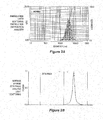
- Fig. 2a shows the size distribution of one preparation of microspheres made according to the disclosure as revealed by laser light scattering.
- Fig. 2b shows the determination of the surface charge of a microsphere preparation (Zeta potential) by light scattering.
- Fig. 3 shows a reverse phase (RP) HPLC method used to quantitate the loading and assess the integrity of the antisense oligonucleotide components of the microspheres after deformulation.
- RP reverse phase
- Microspheres were formulated using CD86, CD40, CD80 oligonucleotides and poly-L-lysine (PLL; MW 30-70kD). The microspheres were then deformulated using competitive displacement of the DNA oligonucleotides from the PLL by poly-L-aspartic acid (PAA). PAA was selected as a polyamino acid reagent that does not absorb at 260nm and does not interfere with quantification of oligonucleotides at 260nm. In RP-HPLC profiles such as Fig. 3 , the area under each peak is proportional to amount of each oligonucleotide loaded into the microsphere. As shown in Fig.
- the peak heights indicate approximately equal loading of each oligonucleotide into microspheres.
- the loading of oligonucleotides into microspheres was calculated to be from about 65% to about 80% by weight.
- Fig. 3 also shows that the integrity of the oligonucleotides was not affected by the microsphere formulation process, as indicated by the narrow distribution of the peaks after deformulation.
- Fig. 4 shows the results of tests that cover prevention aspects of the disclosure.
- a single AS-MSP administration into NOD mice at 5-8 weeks of age delays diabetes onset.
- Two groups of NOD female mice (5-8 weeks old) were given a single subcutaneous injection of antisense-oligonucleotides formulated into microspheres of the disclosure (AS-MSP).
- the formulation was injected in injected in an amount considered to contain 50 ⁇ g of a 1:1:1 mixture of each antisense oligonucleotide (anti-CD40, anti-CD80 and anti-CD86).
- Other groups of mice were injected with scrambled sequence microspheres (SCR-MSP) or PBS vehicle (control NOD). Blood glucose was measured weekly via tail vein puncture. Diabetes was confirmed after two consecutive readings of >280-300 mg/dL.
- Fig. 4 shows the cumulative survival of two independently-treated cohorts.
- Fig. 5 shows that multiple AS-MSP administration into NOD mice at 5-8 weeks of age prevents diabetes onset.
- NOD female mice 5-8 weeks old
- Injections 50 ⁇ g of a 1:1:1 mixture of each antisense oligonucleotides or scrambled oligonucleotides
- SCR-MSP scrambled sequence microspheres
- PBS vehicle control NOD
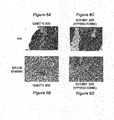
- Fig. 6a and 6b show sections of pancreatic tissue from mice that received no treatment and thus progress spontaneously to autoimmunity (diabetic NOD mice) stained with haemotoxylin and eosin (H+E; Fig. 6a ) or stained for insulin ( Fig 6b).
- Fig 6c and 6d show sections of pancreatic tissue from mice treated with SCR-MSP formulations (injections started in parallel with the groups treated with specific AS-MSP). These sections were also stained with haemotoxylin and eosin (H+E; Fig. 6c ) or stained for insulin ( Fig 6d ).
- the SCR-MSP mice all developed diabetes.
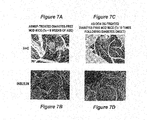
- Fig. 7a and 7b shows sections of pancreatic tissue from mice treated when less than 8 weeks of age (prevention model) and treated with the antisense microspheres of the disclosure stained with haemotoxylin and eosin (H+E; Fig. 7a ) or stained for insulin ( Fig 7b ).
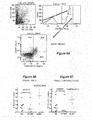
- FIG. 8 T-cells from AS-MSP treated, NOD mice exhibit increased prevalence of Foxp3+ CD25+ putative T reg cells.
- Fig. 8A shows the gating used for FACS analysis.
- Fig 8B shows percentages of Foxp3+ CD25+ T-cells that were enriched from the spleen and
- Fig 8C the percentages from the pooled lymph nodes for ASMSP-treated diabetes-free mice selected at random from the ASMSP diabetes-free cohort or from or from animals treated with scrambled sequence microspheres (SCR-MSP) or treated with PBS vehicle.
- SCR-MSP scrambled sequence microspheres
- Fig. 9 shows that T-cells from ASMSP-treated diabetes-free NOD mice proliferate when co-cultured with allogeneic splenocytes.
- T-cells from diabetes-free NOD mice treated with ASMSP were obtained over enrichment columns and co-cultured with ⁇ -irradiated splenocytes from Balb/c, C57BL6 or syngeneic diabetes-free NOD mice (10 weeks of age). Proliferation was measured four days later using the Cyquant reagent.
- Spl refers to allogeneic irradiated splenocytes.
- T-cells from ASMSP-treated, diabetes-free NOD mice proliferate in the presence of syngeneic irradiated splenocytes and ovalbumin in vitro.
- T-cells were enriched from the spleen or the pooled lymph nodes of ASMSP-treated diabetes-free mice selected at random from the ASMSP diabetes-free cohort.
- Fig. 11 shows that T-cells from ASMSP-treated, diabetes-free NOD mice exhibit suppressed proliferation in the presence of syngeneic islet lysate in vitro.
- T-cells were enriched from the spleen or the pooled lymph nodes of ASMSP-treated diabetes-free mice selected at random from the ASMSP diabetes-free cohort as described in Fig. 4 .
- Irradiated NOD splenocytes (from diabetes-free 10 week-old NOD mice) were used as antigen-presenting cells and parallel cultures were pulsed with NIT-1 lysate (1 ⁇ g/well)(or PBS vehicle).
- diabetes-suppressive therapies A major concern for eventual translation of diabetes-suppressive therapies into human trials is the antigen specificity (and therefore the cell specificity) of the treatment approach and whether the treatment confers global and non-specific suppression.
- randomly-selected diabetes-free mice were euthanised from the cohorts shown in Figure 4 to ascertain the proliferation of splenic and lymph node T-cells to alloantigen, nominal antigen (in the form of intact ovalbumin) and to syngeneic beta cell-derived antigen in the form of cell lysate from the NOD derived insulinoma cell line NIT-1.
- NIT-1 cell line which derives from an NOD insulinoma was used as a source of beta cell antigen in cocultures of T-cells from diabetes-free NOD mice treated with the AS-MSP to determine the possibility of antigen-specific hyporesponsiveness. From these studies, it was seen that T-cell proliferation to nominal and alloantigen is maintained whereas there is T-cell hypoproliferation in cocultures with NIT-1 cell lysate.
- Fig. 13A The ability of antisense oligonucleotide microspheres to reverse the symptoms of diabetes in early onset NOD mice was also tested. A timeline for these experiments is shown in Fig. 13A .
- NOD mice that had early onset were selected by testing blood glucose levels and identifying animals that had a blood glucose level greater than 400 mg/dL. The selected animals were given insulin pellets to normalize blood glucose levels to below 300 mg/dL. The insulin was withdrawn and a series of parenteral injections of microspheres was started. Six animals were injected twice weekly with microspheres containing the CD40, CD80 and CD86 antisense oligonucleotides.
- a further ten animals were injected with microspheres containing a mixture of oligonucleotides with scrambled sequences that are not directed against CD40, CD80 and/or CD86.
- Each injection for both groups of animals contained 50 ⁇ g of oligonucleotides in microspheres in 100 microliters of injection solution.
- Two of the animals in the scrambled group were euthanized before the end of the experiment due to poor physical condition.
- blood glucose levels were sampled twice weekly. The animals were non-fasting during the experiment.
- the results are plotted in Fig. 12 , wherein the indicator (1) signifies insulin pellet installation and indicator (2) signifies insulin pellet removal and initiation of MSP injections twice weekly.
- the maximum blood glucose value reported in Figure 12 is 700 mg/dL, which corresponds to the maximum reading of the meter used, it being understood that a 700 mg/dL data point indicates a blood glucose reading of 700 mg/dL or higher.
- All animals in the group that received the microspheres containing the mixture of CD40, CD80, CD86 antisense oligonucleotides (ASMSP1 through ASMSP6) showed significantly lower glucose levels than the animals that received the microspheres with scrambled oligonucleotides (SCRMSP1 through SCRMSP10).
- SCRMSP1 through SCRMSP10 scrambled oligonucleotides
- four of six animals in this ASMSP group showed a blood glucose level below 400 mg/dL, typically considered to be a threshold indicator of diabetes onset.
- FIG. 13A the timeline for the experiments is shown.
- the mean non-fasting blood glucose ( FIG. 13B ) and the mean fasting blood glucose levels for each group are plotted ( Fig. 13C ) (+/- SEM).
- ASMSP administration was withdrawn as shown in Fig 13A .
- FIG. 13B and 13C multiple rounds of AS-MSP administration into new-onset diabetic NOD female mice improves blood glucose levels and result in stable fasting euglycemia even after AS-MSP withdrawal relative to untreated animals (control), animals treated with PBS or animals treated with scrambled oligonucleotides (SCR-MSP) microspheres.
- SCR-MSP scrambled oligonucleotides
- Figs. 7c and 7d show sections of pancreatic tissue from NOD mice that were treated with antisense formulations after onset of diabetes and showed reversal of the disease. The sections are stained with haemotoxylin and eosin (H+E; Fig. 7c ) or stained for insulin ( Fig. 7d ).
- AS-oligonucleotides can be incorporated into PROMAXX microspheres and such microspheres can be used as a composition to prevent and/or reverse new onset autoimmune diabetes via immunoregulatory dendritic cell induction. Indeed, a single injection of the composition delayed disease onset and repeated administration into new-onset diabetic mice normalized hyperglycemia, suggesting reversal of disease. In these studies, insulin was administered daily until blood glucose fell below 300 mg/dL. Insulin then was stopped whereupon AS-MSP were administered subcutaneously. In an exemplary dosing regiment, the animals were administered 2 mg AS-MP per kg body weight two times a week for 3-4 weeks. The diabetes-free NOD mice were monitored.
- Fig. 14A-C it is demonstrated that administration of AS-MSP to NOD mice returns the blood glucose levels of said mice to normal levels and the normalization of said blood glucose level is maintained for an extended period of time.
- AS-MSP was administered between days 0-30 after insulin administration was stopped. The blood glucose level returned to normal by day 15 post insulin stop and remained at a normal level until the end of the monitoring period (day 55).
- FIG. 15 A diagram showing the impact of therapeutic reversal of autoimmune diabetes is show in FIG. 15 . If PROMAXX treatment were administered at the new onset "honeymoon" shown in FIG. 15 , it is predicted that there would be a preservation of the 10-20% beta cells that remain functional, thereby leading to a control of the diabetes and reducing the dependence of the patient on insulin.
Landscapes
- Health & Medical Sciences (AREA)
- Life Sciences & Earth Sciences (AREA)
- Engineering & Computer Science (AREA)
- Chemical & Material Sciences (AREA)
- Bioinformatics & Cheminformatics (AREA)
- General Health & Medical Sciences (AREA)
- Veterinary Medicine (AREA)
- Genetics & Genomics (AREA)
- Biomedical Technology (AREA)
- Medicinal Chemistry (AREA)
- Public Health (AREA)
- Pharmacology & Pharmacy (AREA)
- Animal Behavior & Ethology (AREA)
- Organic Chemistry (AREA)
- Molecular Biology (AREA)
- Zoology (AREA)
- Epidemiology (AREA)
- Wood Science & Technology (AREA)
- Biotechnology (AREA)
- General Engineering & Computer Science (AREA)
- Chemical Kinetics & Catalysis (AREA)
- Immunology (AREA)
- General Chemical & Material Sciences (AREA)
- Diabetes (AREA)
- Nuclear Medicine, Radiotherapy & Molecular Imaging (AREA)
- Microbiology (AREA)
- Biochemistry (AREA)
- Physics & Mathematics (AREA)
- Biophysics (AREA)
- Plant Pathology (AREA)
- Endocrinology (AREA)
- Dermatology (AREA)
- Neurosurgery (AREA)
- Proteomics, Peptides & Aminoacids (AREA)
- Gastroenterology & Hepatology (AREA)
- Transplantation (AREA)
- Pain & Pain Management (AREA)
- Emergency Medicine (AREA)
- Rheumatology (AREA)
- Hematology (AREA)
Applications Claiming Priority (3)
| Application Number | Priority Date | Filing Date | Title |
|---|---|---|---|
| US83574206P | 2006-08-04 | 2006-08-04 | |
| US86491406P | 2006-11-08 | 2006-11-08 | |
| EP07813820.3A EP2056883B1 (fr) | 2006-08-04 | 2007-08-06 | Composition à base de microsphères destinée à la prévention et/ou au renversement d'une situation de nouvelle apparition d'un diabète auto-immun |
Related Parent Applications (2)
| Application Number | Title | Priority Date | Filing Date |
|---|---|---|---|
| EP07813820.3A Division-Into EP2056883B1 (fr) | 2006-08-04 | 2007-08-06 | Composition à base de microsphères destinée à la prévention et/ou au renversement d'une situation de nouvelle apparition d'un diabète auto-immun |
| EP07813820.3 Division | 2007-08-06 |
Publications (2)
| Publication Number | Publication Date |
|---|---|
| EP2647712A2 true EP2647712A2 (fr) | 2013-10-09 |
| EP2647712A3 EP2647712A3 (fr) | 2013-11-20 |
Family
ID=39033606
Family Applications (2)
| Application Number | Title | Priority Date | Filing Date |
|---|---|---|---|
| EP13175410.3A Withdrawn EP2647712A3 (fr) | 2006-08-04 | 2007-08-06 | Composition à base de microsphères destinée à la prévention et/ou inversion de nouveaux cas de diabète auto-immun |
| EP07813820.3A Not-in-force EP2056883B1 (fr) | 2006-08-04 | 2007-08-06 | Composition à base de microsphères destinée à la prévention et/ou au renversement d'une situation de nouvelle apparition d'un diabète auto-immun |
Family Applications After (1)
| Application Number | Title | Priority Date | Filing Date |
|---|---|---|---|
| EP07813820.3A Not-in-force EP2056883B1 (fr) | 2006-08-04 | 2007-08-06 | Composition à base de microsphères destinée à la prévention et/ou au renversement d'une situation de nouvelle apparition d'un diabète auto-immun |
Country Status (8)
| Country | Link |
|---|---|
| US (2) | US7964574B2 (fr) |
| EP (2) | EP2647712A3 (fr) |
| JP (2) | JP5118139B2 (fr) |
| CN (2) | CN105168146A (fr) |
| AU (1) | AU2007281737B2 (fr) |
| CA (2) | CA2657517C (fr) |
| MX (1) | MX2009001226A (fr) |
| WO (1) | WO2008019346A2 (fr) |
Families Citing this family (7)
| Publication number | Priority date | Publication date | Assignee | Title |
|---|---|---|---|---|
| WO2005112885A2 (fr) * | 2004-05-12 | 2005-12-01 | Baxter International Inc. | Administration de microspheres d'oligonucleotides antisens pour induire une tolerance de cellules dendritiques pour le traitement du diabete de type 1 insulino-dependant |
| DK2281042T3 (en) * | 2008-04-18 | 2015-11-09 | Baxter Int | Microsphere-based composition for preventing and / or deletion of starting autoimmune diabetes |
| CA2723192A1 (fr) * | 2008-05-07 | 2009-11-12 | Surmodics, Inc. | Administration de complexe d'acide nucleique a partir de particules |
| US8901092B2 (en) | 2010-12-29 | 2014-12-02 | Surmodics, Inc. | Functionalized polysaccharides for active agent delivery |
| TW201427681A (zh) | 2013-01-07 | 2014-07-16 | Superlab Far East Ltd | 用空間構象改變的重組干擾素治療腫瘤的方法 |
| WO2015048395A1 (fr) * | 2013-09-26 | 2015-04-02 | University Of Pittsburgh-Of The Commonwealth System Of Higher Education | Cellules dendritiques tolérogènes pouvant traiter une maladie intestinale inflammatoire |
| EP3071688B1 (fr) | 2013-11-18 | 2020-07-08 | University of Pittsburgh - Of the Commonwealth System of Higher Education | Administration à base de microsphères et manipulation ex vivo de cellules dendritiques pour thérapies auto-immunes |
Citations (17)
| Publication number | Priority date | Publication date | Assignee | Title |
|---|---|---|---|---|
| US4530840A (en) | 1982-07-29 | 1985-07-23 | The Stolle Research And Development Corporation | Injectable, long-acting microparticle formulation for the delivery of anti-inflammatory agents |
| EP0248531A2 (fr) | 1986-05-02 | 1987-12-09 | Southern Research Institute | Acides nucléiques encapsulés |
| US4897268A (en) | 1987-08-03 | 1990-01-30 | Southern Research Institute | Drug delivery system and method of making the same |
| US4904479A (en) | 1986-01-17 | 1990-02-27 | Danbiosyst Uk Limited | Drug delivery system |
| US5075109A (en) | 1986-10-24 | 1991-12-24 | Southern Research Institute | Method of potentiating an immune response |
| US5102872A (en) | 1985-09-20 | 1992-04-07 | Cetus Corporation | Controlled-release formulations of interleukin-2 |
| US5149543A (en) | 1990-10-05 | 1992-09-22 | Massachusetts Institute Of Technology | Ionically cross-linked polymeric microcapsules |
| US5213812A (en) | 1990-08-01 | 1993-05-25 | Societe De Conseils De Recherches Et D'applications Scientifiques (S.C.R.A.S.) | Preparation process of sustained release compositions and the compositions thus obtained |
| US5360610A (en) | 1990-05-16 | 1994-11-01 | Southern Research Institute | Method for stimulating nerve fiber growth |
| US5384133A (en) | 1986-08-11 | 1995-01-24 | Innovata Biomed Limited | Pharmaceutical formulations comprising microcapsules |
| US5417986A (en) | 1984-03-16 | 1995-05-23 | The United States Of America As Represented By The Secretary Of The Army | Vaccines against diseases caused by enteropathogenic organisms using antigens encapsulated within biodegradable-biocompatible microspheres |
| US5578709A (en) | 1993-03-09 | 1996-11-26 | Middlesex Sciences, Inc. | Macromolecular microparticles and methods of production |
| US5599719A (en) | 1992-01-07 | 1997-02-04 | Middlesex Sciences, Inc. | Method for isolating biomolecules from a biological sample with linear polymers |
| US5981719A (en) | 1993-03-09 | 1999-11-09 | Epic Therapeutics, Inc. | Macromolecular microparticles and methods of production and use |
| US6090925A (en) | 1993-03-09 | 2000-07-18 | Epic Therapeutics, Inc. | Macromolecular microparticles and methods of production and use |
| US6458387B1 (en) | 1999-10-18 | 2002-10-01 | Epic Therapeutics, Inc. | Sustained release microspheres |
| US20060024240A1 (en) | 2004-05-12 | 2006-02-02 | Brown Larry R | Delivery of as-oligonucleotide microspheres to induce dendritic cell tolerance for the treatment of autoimmune type 1 diabetes |
Family Cites Families (140)
| Publication number | Priority date | Publication date | Assignee | Title |
|---|---|---|---|---|
| DE2010115A1 (de) * | 1970-03-04 | 1971-09-16 | Farbenfabriken Bayer Ag, 5090 Leverkusen | Verfahren zur Herstellung von Mikrogranulaten |
| JPS523342B2 (fr) * | 1972-01-26 | 1977-01-27 | ||
| US4389330A (en) * | 1980-10-06 | 1983-06-21 | Stolle Research And Development Corporation | Microencapsulation process |
| JPS60100516A (ja) * | 1983-11-04 | 1985-06-04 | Takeda Chem Ind Ltd | 徐放型マイクロカプセルの製造法 |
| US4818542A (en) * | 1983-11-14 | 1989-04-04 | The University Of Kentucky Research Foundation | Porous microspheres for drug delivery and methods for making same |
| US4584894A (en) * | 1984-02-29 | 1986-04-29 | Borg-Warner Corporation | Transmission anti-clash and anti-rattle brake |
| EP0190833B1 (fr) * | 1985-02-07 | 1991-03-27 | Takeda Chemical Industries, Ltd. | Procédé de préparation de microcapsules |
| JP2551756B2 (ja) * | 1985-05-07 | 1996-11-06 | 武田薬品工業株式会社 | ポリオキシカルボン酸エステルおよびその製造法 |
| US4861627A (en) * | 1987-05-01 | 1989-08-29 | Massachusetts Institute Of Technology | Preparation of multiwall polymeric microcapsules |
| US5422120A (en) * | 1988-05-30 | 1995-06-06 | Depotech Corporation | Heterovesicular liposomes |
| IL92344A0 (en) | 1989-01-04 | 1990-07-26 | Gist Brocades Nv | Microencapsulation of bioactive substances in biocompatible polymers,microcapsules obtained and pharmaceutical preparation comprising said microcapsules |
| USRE38385E1 (en) * | 1989-02-16 | 2004-01-13 | Nektar Therapeutics | Storage of materials |
| GB8903593D0 (en) | 1989-02-16 | 1989-04-05 | Pafra Ltd | Storage of materials |
| DK0432232T3 (da) * | 1989-05-01 | 1994-01-31 | Alkermes Inc | Fremgangsmåde til fremstilling af små partikler af biologisk aktive molekyler |
| ES2084698T5 (es) * | 1989-05-04 | 2005-03-01 | Southern Research Institute | Procedimiento de encapsulacion. |
| EP0502949A4 (en) | 1989-12-05 | 1993-02-24 | Trancel Corporation | Homologous guluronic acid alginate coating composition for in-vivo application and implantation and method of using same |
| MY107937A (en) * | 1990-02-13 | 1996-06-29 | Takeda Chemical Industries Ltd | Prolonged release microcapsules. |
| AU1442592A (en) * | 1991-02-20 | 1992-09-15 | Nova Pharmaceutical Corporation | Controlled release microparticulate delivery system for proteins |
| US5330768A (en) * | 1991-07-05 | 1994-07-19 | Massachusetts Institute Of Technology | Controlled drug delivery using polymer/pluronic blends |
| US6063910A (en) * | 1991-11-14 | 2000-05-16 | The Trustees Of Princeton University | Preparation of protein microparticles by supercritical fluid precipitation |
| US5173454A (en) * | 1992-01-09 | 1992-12-22 | Corning Incorporated | Nanocrystalline materials |
| US5912015A (en) * | 1992-03-12 | 1999-06-15 | Alkermes Controlled Therapeutics, Inc. | Modulated release from biocompatible polymers |
| DE4211169C1 (fr) | 1992-03-31 | 1993-06-03 | Klaus Kretzschmar | |
| US5286495A (en) * | 1992-05-11 | 1994-02-15 | University Of Florida | Process for microencapsulating cells |
| JP2651320B2 (ja) | 1992-07-16 | 1997-09-10 | 田辺製薬株式会社 | 徐放性マイクロスフェア製剤の製造方法 |
| JP3277342B2 (ja) * | 1992-09-02 | 2002-04-22 | 武田薬品工業株式会社 | 徐放性マイクロカプセルの製造法 |
| EP0595030A3 (fr) * | 1992-10-01 | 1995-06-07 | Tanabe Seiyaku Co | Composition de microsphères à plusieurs noyaux à libération retardée et son procédé de préparation. |
| DK0674506T3 (da) | 1992-12-02 | 2001-01-08 | Alkermes Inc | Væksthormonholdige mikrosfærer med styret frigivelse |
| US5554730A (en) | 1993-03-09 | 1996-09-10 | Middlesex Sciences, Inc. | Method and kit for making a polysaccharide-protein conjugate |
| US5994314A (en) | 1993-04-07 | 1999-11-30 | Inhale Therapeutic Systems, Inc. | Compositions and methods for nucleic acid delivery to the lung |
| US5543158A (en) * | 1993-07-23 | 1996-08-06 | Massachusetts Institute Of Technology | Biodegradable injectable nanoparticles |
| DE4333107A1 (de) | 1993-09-29 | 1995-03-30 | Bayer Ag | Auf Trägern angebrachte ein- oder mehrlagige Schichtelemente und ihre Herstellung |
| AU693821B2 (en) * | 1993-11-18 | 1998-07-09 | Sirtex Medical Limited | Controlled release preparation |
| US5650173A (en) * | 1993-11-19 | 1997-07-22 | Alkermes Controlled Therapeutics Inc. Ii | Preparation of biodegradable microparticles containing a biologically active agent |
| EP2283821A1 (fr) * | 1993-11-19 | 2011-02-16 | Alkermes, Inc. | Préparation des microparticules biodégradables contenant un agent biologiquement actif |
| US5620883A (en) * | 1994-04-01 | 1997-04-15 | The Johns Hopkins University | Living cells microencapsulated in a polymeric membrane having two layers |
| US6290991B1 (en) | 1994-12-02 | 2001-09-18 | Quandrant Holdings Cambridge Limited | Solid dose delivery vehicle and methods of making same |
| US6387399B1 (en) * | 1994-12-02 | 2002-05-14 | The United States Of America As Represented By The Administrator Of The National Aeronautics And Space Administration | Microencapsulated bioactive agents and method of making |
| US6267958B1 (en) * | 1995-07-27 | 2001-07-31 | Genentech, Inc. | Protein formulation |
| US6265389B1 (en) * | 1995-08-31 | 2001-07-24 | Alkermes Controlled Therapeutics, Inc. | Microencapsulation and sustained release of oligonucleotides |
| JP2909959B2 (ja) * | 1995-10-19 | 1999-06-23 | 三井化学株式会社 | タンパク質超薄膜固定型リアクターの製造方法及び得られたタンパク質超薄膜固定型リアクターを用いた化学反応 |
| SE505146C2 (sv) | 1995-10-19 | 1997-06-30 | Biogram Ab | Partiklar för fördröjd frisättning |
| US5665428A (en) | 1995-10-25 | 1997-09-09 | Macromed, Inc. | Preparation of peptide containing biodegradable microspheres by melt process |
| US6270795B1 (en) | 1995-11-09 | 2001-08-07 | Microbiological Research Authority | Method of making microencapsulated DNA for vaccination and gene therapy |
| CA2192782C (fr) | 1995-12-15 | 2008-10-14 | Nobuyuki Takechi | Production de microsphere |
| GB9607035D0 (en) | 1996-04-03 | 1996-06-05 | Andaris Ltd | Spray-dried microparticles as therapeutic vehicles |
| GB9610992D0 (en) | 1996-05-24 | 1996-07-31 | Glaxo Group Ltd | Concentrated antibody preparation |
| AU3739697A (en) | 1996-07-09 | 1998-02-02 | Johns Hopkins University, The | Gene delivery system |
| JP2966795B2 (ja) * | 1996-09-30 | 1999-10-25 | 科学技術振興事業団 | 機能性薄膜とその製造方法 |
| PT951280E (pt) * | 1996-10-03 | 2004-05-31 | Hermes Biosciences Inc | Microparticulas hidrofilicas e metodos para a sua preparacao |
| GB9623051D0 (en) | 1996-11-06 | 1997-01-08 | Schacht Etienne H | Delivery of DNA to target cells in biological systems |
| US6395302B1 (en) * | 1996-11-19 | 2002-05-28 | Octoplus B.V. | Method for the preparation of microspheres which contain colloidal systems |
| US6319906B1 (en) | 1996-12-31 | 2001-11-20 | Isis Pharmaceuticals | Oligonucleotide compositions and methods for the modulation of the expression of B7 protein |
| US6077833A (en) | 1996-12-31 | 2000-06-20 | Isis Pharmaceuticals, Inc. | Oligonucleotide compositions and methods for the modulation of the expression of B7 protein |
| US5945126A (en) * | 1997-02-13 | 1999-08-31 | Oakwood Laboratories L.L.C. | Continuous microsphere process |
| US6140475A (en) | 1997-04-11 | 2000-10-31 | Altus Biologics Inc. | Controlled dissolution crosslinked protein crystals |
| AU7134898A (en) | 1997-04-17 | 1998-11-11 | Amgen, Inc. | Biodegradable microparticles for the sustained delivery of therapeutic drugs |
| DE19726282A1 (de) | 1997-06-20 | 1998-12-24 | Inst Neue Mat Gemein Gmbh | Nanoskalige Teilchen mit einem von mindestens zwei Schalen umgebenen eisenoxid-haltigen Kern |
| TR200001021T2 (tr) | 1997-07-18 | 2000-09-21 | Infimed Inc. | Aktif maddelerin kontrollü salınması için biyo aşındırılabilir makromerler. |
| US5989463A (en) | 1997-09-24 | 1999-11-23 | Alkermes Controlled Therapeutics, Inc. | Methods for fabricating polymer-based controlled release devices |
| SE512663C2 (sv) * | 1997-10-23 | 2000-04-17 | Biogram Ab | Inkapslingsförfarande för aktiv substans i en bionedbrytbar polymer |
| US6541606B2 (en) * | 1997-12-31 | 2003-04-01 | Altus Biologics Inc. | Stabilized protein crystals formulations containing them and methods of making them |
| AU749625B2 (en) | 1998-01-16 | 2002-06-27 | Johns Hopkins University, The | Oral delivery of nucleic acid vaccines by particulate complexes |
| US6051228A (en) * | 1998-02-19 | 2000-04-18 | Bristol-Myers Squibb Co. | Antibodies against human CD40 |
| EP0972563A1 (fr) | 1998-07-15 | 2000-01-19 | Max-Planck-Gesellschaft zur Förderung der Wissenschaften e.V. | Fabrication de particules et coquilles vides revêtues de plusieurs couches par autoassemblage électrostatique de multicouche nanocomposite sur des matrices colloidales décomposables |
| WO1999047253A1 (fr) | 1998-03-19 | 1999-09-23 | MAX-PLANCK-Gesellschaft zur Förderung der Wissenschaften e.V. | Fabrication de particules et de coques creuses enduites multicouches par assemblage automatique de multicouches de nanocomposites sur des gabarits colloidaux decomposables |
| DE19812083A1 (de) | 1998-03-19 | 1999-09-30 | Max Planck Gesellschaft | Herstellung von Nano- und Mikrokapseln durch schichtweise Polyelektrolyt-Selbstassemblierung |
| US20040186071A1 (en) | 1998-04-13 | 2004-09-23 | Bennett C. Frank | Antisense modulation of CD40 expression |
| US6395253B2 (en) * | 1998-04-23 | 2002-05-28 | The Regents Of The University Of Michigan | Microspheres containing condensed polyanionic bioactive agents and methods for their production |
| US6197584B1 (en) | 1998-05-01 | 2001-03-06 | Isis Pharmaceuticals, Inc. | Antisense modulation of CD40 expression |
| ES2292250T5 (es) * | 1998-07-15 | 2010-09-14 | Max-Planck-Gesellschaft Zur Forderung Der Wissenschaften E.V. | Envolventes de polielectrolitos sobre plantillas (templates) biologicas. |
| JP4538150B2 (ja) | 1998-08-14 | 2010-09-08 | ヴァレンティス,インコーポレイテッド | 核酸分子の保護された単一バイアル調製物、インライン混合によってそれを形成する方法、及び関連する生成物及び方法 |
| GB9819272D0 (en) | 1998-09-03 | 1998-10-28 | Andaris Ltd | Microparticles |
| US6270802B1 (en) | 1998-10-28 | 2001-08-07 | Oakwood Laboratories L.L.C. | Method and apparatus for formulating microspheres and microcapsules |
| DE19852928C1 (de) * | 1998-11-17 | 2000-08-03 | Steffen Panzner | Strukturen in Form von Hohlkugeln |
| US6194006B1 (en) * | 1998-12-30 | 2001-02-27 | Alkermes Controlled Therapeutics Inc. Ii | Preparation of microparticles having a selected release profile |
| US6630169B1 (en) | 1999-03-31 | 2003-10-07 | Nektar Therapeutics | Particulate delivery systems and methods of use |
| JP2002542183A (ja) | 1999-04-16 | 2002-12-10 | ノボ ノルディスク アクティーゼルスカブ | 成形可能な乾燥した医薬製剤 |
| AU5211200A (en) | 1999-05-04 | 2000-11-17 | Genethor Gmbh | Method for diminishing specific immune reactions |
| US20030236214A1 (en) | 1999-06-09 | 2003-12-25 | Wolff Jon A. | Charge reversal of polyion complexes and treatment of peripheral occlusive disease |
| WO2000077281A1 (fr) | 1999-06-10 | 2000-12-21 | MAX-PLANCK-Gesellschaft zur Förderung der Wissenschaften e.V. | Encapsulation de cristaux par le biais de revetements multicouches |
| ATE248587T1 (de) | 1999-06-14 | 2003-09-15 | Baxter Int | Mikrosphären mit verzögerter wirkstoffabgabe |
| WO2001001964A2 (fr) | 1999-06-23 | 2001-01-11 | Sedum Laboratories, Inc. | Micro-excipients de biomolecules a formulation ionique |
| DE10001172A1 (de) | 2000-01-13 | 2001-07-26 | Max Planck Gesellschaft | Templatieren von Feststoffpartikeln mit Polymermultischichten |
| DE10010264A1 (de) | 2000-03-02 | 2001-09-13 | Novosom Gmbh | Stabilisierte Liposomen und Hüllstrukturen |
| WO2001078687A1 (fr) * | 2000-04-18 | 2001-10-25 | Peptron Inc. | Composition pharmaceutique injectable a liberation durable et procedes de preparation de celle-ci |
| WO2001083099A1 (fr) * | 2000-04-28 | 2001-11-08 | Rainer Pommersheim | Procede et installation pour produire des microcapsules membranaires |
| FR2809309B1 (fr) * | 2000-05-23 | 2004-06-11 | Mainelab | Microspheres a liberation prolongee pour administration injectable |
| EP1283720B1 (fr) | 2000-05-26 | 2007-04-18 | Symphogen A/S | Anticorps polyclonaux recombines ou purifies, destines au traitement des allergies |
| US6849259B2 (en) * | 2000-06-16 | 2005-02-01 | Symphogen A/S | Polyclonal antibody composition for treating allergy |
| KR100392501B1 (ko) * | 2000-06-28 | 2003-07-22 | 동국제약 주식회사 | 다중 에멀젼법에 의한 서방출성 미립구의 제조방법 |
| DE10031132A1 (de) * | 2000-06-30 | 2002-01-17 | Henkel Kgaa | Verfahren zur Herstellung aktivstoffhaltiger Kapseln mit ultradünner Wandschicht |
| CA2417792C (fr) * | 2000-08-02 | 2009-09-08 | Max-Planck-Gesellschaft Zur Forderung Der Wissenschaften E.V. | Production de capsules de polyelectrolyte par precipitation superficielle |
| WO2002017888A2 (fr) * | 2000-08-28 | 2002-03-07 | MAX-PLANCK-Gesellschaft zur Förderung der Wissenschaften e.V. | Gestion et support de proprietes de liberation de capsules multicouches polyelectrolytiques |
| US6471995B1 (en) | 2000-09-27 | 2002-10-29 | Alkermes Controlled Therapeutics, Inc. Ii | Apparatus and method for preparing microparticles using liquid-liquid extraction |
| JP4340062B2 (ja) | 2000-10-12 | 2009-10-07 | ジェネンテック・インコーポレーテッド | 粘度の減少した濃縮タンパク質製剤 |
| SE518007C2 (sv) | 2000-11-16 | 2002-08-13 | Bioglan Ab | Förfarande för framställning av mikropartiklar |
| DE10157799A1 (de) | 2000-11-27 | 2002-09-05 | Max Delbrueck Centrum | Herstellung und Anwendung von DNA-Polyelektrolyt-Nanopartikeln für den Gentransfer |
| KR20100031769A (ko) | 2000-12-28 | 2010-03-24 | 알투스 파마슈티컬스 인코포레이티드 | 전항체 및 이의 단편의 결정과 이의 제조 및 사용 방법 |
| EP1801123A3 (fr) | 2000-12-28 | 2007-11-21 | Altus Pharmaceuticals Inc. | Cristaux d'anticorps complets et de fragments correspondants et leurs procédés de fabrication et d'utilisation |
| US6896905B2 (en) * | 2001-02-15 | 2005-05-24 | Rohm And Haas Company | Porous particles, their aqueous dispersions, and method of preparation |
| FR2823675B1 (fr) | 2001-04-19 | 2004-03-12 | Inst Nat Sante Rech Med | Biomateriaux avec recouvrements bioactifs |
| GB0113179D0 (en) * | 2001-05-31 | 2001-07-25 | Novartis Ag | Organic compounds |
| NZ530700A (en) | 2001-06-21 | 2009-02-28 | Altus Pharmaceuticals Inc | Spherical protein particles and methods of making and using them |
| US6878693B2 (en) * | 2001-09-28 | 2005-04-12 | Solubest Ltd. | Hydrophilic complexes of lipophilic materials and an apparatus and method for their production |
| DE60222160T2 (de) * | 2001-10-12 | 2008-06-12 | Elan Pharma International Ltd., Athlone | Zusammensetzungen mit einer kombination aus eigenschaften sofortiger freisetzung und kontrollierter freisetzung |
| US7112361B2 (en) * | 2001-10-25 | 2006-09-26 | Massachusetts Institute Of Technology | Methods of making decomposable thin films of polyelectrolytes and uses thereof |
| US6900998B2 (en) | 2002-05-31 | 2005-05-31 | Midwest Research Institute | Variable-speed wind power system with improved energy capture via multilevel conversion |
| EP1551875A4 (fr) | 2002-06-21 | 2006-06-28 | Biogen Idec Inc | Preparations tamponnees permettant de concentrer des anticorps et procedes pour les utiliser |
| US20040014698A1 (en) * | 2002-07-18 | 2004-01-22 | Gonzalo Hortelano | Oral administration of therapeutic agent coupled to transporting agent |
| US6896926B2 (en) * | 2002-09-11 | 2005-05-24 | Novartis Ag | Method for applying an LbL coating onto a medical device |
| US20060002862A1 (en) * | 2002-12-17 | 2006-01-05 | Medimmune Vaccines, Inc. | High pressure spray-dry of bioactive materials |
| KR20100107083A (ko) | 2002-12-17 | 2010-10-04 | 메디뮨 엘엘씨 | 생물활성 물질의 고압 분무 건조 |
| WO2004060343A1 (fr) | 2002-12-31 | 2004-07-22 | Nektar Therapeutics | Particules contenant des anticorps et compositions |
| CA2512052C (fr) | 2002-12-31 | 2016-06-21 | Altus Pharmaceuticals Inc. | Cristaux d'hormone de croissance humaine et procedes de preparation correspondants |
| JP2006523609A (ja) | 2002-12-31 | 2006-10-19 | アルタス ファーマシューティカルズ インコーポレイテッド | タンパク質結晶およびイオン性ポリマーの複合体 |
| US20050158303A1 (en) * | 2003-04-04 | 2005-07-21 | Genentech, Inc. | Methods of treating IgE-mediated disorders comprising the administration of high concentration anti-IgE antibody formulations |
| AU2004229335C1 (en) | 2003-04-04 | 2010-06-17 | Genentech, Inc. | High concentration antibody and protein formulations |
| ES2216707B1 (es) | 2003-04-08 | 2005-12-16 | Josep Maria Aran Perramon | Secuencia oligoribonucleotidica homologa a una region del cdna que codifica para el receptor cd40 humano y oligoribonucleotidos duplex, vectores, composiciones farmaceuticas y usos correspondientes. |
| CA2524634A1 (fr) | 2003-05-09 | 2004-11-25 | Novosom Ag | Depots liposomaux injectables servant a l'administration de principes actifs |
| US7198777B2 (en) | 2003-06-17 | 2007-04-03 | The Board Of Trustees Of The University Of Illinois | Optical contrast agents for optically modifying incident radiation |
| US7723311B2 (en) | 2003-06-18 | 2010-05-25 | Nanobiomagnetics, Inc. | Delivery of bioactive substances to target cells |
| SI1639011T1 (sl) * | 2003-06-30 | 2009-04-30 | Domantis Ltd | Pegilirana protitelesa z enojno domeno (dAb) |
| US20050142205A1 (en) * | 2003-07-18 | 2005-06-30 | Julia Rashba-Step | Methods for encapsulating small spherical particles prepared by controlled phase separation |
| WO2005035088A2 (fr) * | 2003-07-18 | 2005-04-21 | Baxter International, Inc. | Procedes de fabrication, utilisations et compositions de petites particules spheriques preparees par separation de phases controlee |
| JP2007508240A (ja) * | 2003-07-22 | 2007-04-05 | バクスター・インターナショナル・インコーポレイテッド | 低分子量有機分子の小球状粒子ならびにその調製方法および使用方法 |
| GB0318215D0 (en) | 2003-08-04 | 2003-09-03 | Element Six Ltd | Diamond microelectrodes |
| DE10355904A1 (de) * | 2003-11-29 | 2005-06-30 | Merck Patent Gmbh | Feste Formen von anti-EGFR-Antikörpern |
| US20050234002A1 (en) | 2004-01-23 | 2005-10-20 | Mourich Dan V | Antisense oligomers and methods for inducing immune tolerance and immunosuppression |
| RU2390353C2 (ru) | 2004-02-12 | 2010-05-27 | Мерк Патент Гмбх | Высококонцентрированные жидкие композиции анти-egfr антител |
| DE102004013637A1 (de) | 2004-03-19 | 2005-10-13 | Capsulution Nanoscience Ag | Verfahren zur Herstellung von CS-Partikeln und Mikrokapseln unter Verwendung poröser Template sowie CS-Partikel und Mikrokapseln |
| CA2566079A1 (fr) * | 2004-05-12 | 2005-12-01 | Terrence L. Scott | Production et administration de microspheres d'acide nucleique |
| EP1753404A1 (fr) | 2004-05-12 | 2007-02-21 | Baxter International Inc. | Microsphères contenant des protéines et présentant un potentiel d"injectabilité à d"importants degrés de concentration de l"agent concerné |
| AU2005267741A1 (en) * | 2004-07-30 | 2006-02-09 | Regeneron Pharmaceuticals, Inc. | Methods of treating type I diabetes by blocking VEGF-mediated activity |
| WO2006072527A1 (fr) | 2005-01-05 | 2006-07-13 | Siemens Aktiengesellschaft | Affichage tete-haute destine a un vehicule |
| JP4595112B2 (ja) | 2005-02-14 | 2010-12-08 | 独立行政法人産業技術総合研究所 | タンパク質の高効率分離または濃縮方法 |
| ES2407468T3 (es) | 2005-04-18 | 2013-06-12 | Yeda Research And Development Company Limited | Formulaciones de anticuerpos anti-hepatitis B (HBV) estabilizadas |
| RU2303833C2 (ru) * | 2005-07-26 | 2007-07-27 | Самсунг Электро-Меканикс Ко., Лтд. | Осветительное устройство |
| WO2007031333A2 (fr) * | 2005-09-15 | 2007-03-22 | Novosom Ag | Ameliorations apportees a des liposomes amphoteres |
| JP5405122B2 (ja) * | 2005-12-21 | 2014-02-05 | ワイス・エルエルシー | 低粘度のタンパク質製剤およびその用途 |
-
2007
- 2007-08-06 EP EP13175410.3A patent/EP2647712A3/fr not_active Withdrawn
- 2007-08-06 JP JP2009523082A patent/JP5118139B2/ja not_active Expired - Fee Related
- 2007-08-06 MX MX2009001226A patent/MX2009001226A/es active IP Right Grant
- 2007-08-06 US US11/834,550 patent/US7964574B2/en active Active
- 2007-08-06 AU AU2007281737A patent/AU2007281737B2/en not_active Ceased
- 2007-08-06 EP EP07813820.3A patent/EP2056883B1/fr not_active Not-in-force
- 2007-08-06 CN CN201510351313.6A patent/CN105168146A/zh active Pending
- 2007-08-06 CN CNA2007800289518A patent/CN101500616A/zh active Pending
- 2007-08-06 CA CA2657517A patent/CA2657517C/fr active Active
- 2007-08-06 CA CA2942128A patent/CA2942128C/fr active Active
- 2007-08-06 WO PCT/US2007/075292 patent/WO2008019346A2/fr not_active Ceased
-
2011
- 2011-05-09 US US13/103,433 patent/US8389493B2/en not_active Expired - Fee Related
-
2012
- 2012-06-25 JP JP2012142190A patent/JP5620946B2/ja not_active Expired - Fee Related
Patent Citations (18)
| Publication number | Priority date | Publication date | Assignee | Title |
|---|---|---|---|---|
| US4530840A (en) | 1982-07-29 | 1985-07-23 | The Stolle Research And Development Corporation | Injectable, long-acting microparticle formulation for the delivery of anti-inflammatory agents |
| US5417986A (en) | 1984-03-16 | 1995-05-23 | The United States Of America As Represented By The Secretary Of The Army | Vaccines against diseases caused by enteropathogenic organisms using antigens encapsulated within biodegradable-biocompatible microspheres |
| US5102872A (en) | 1985-09-20 | 1992-04-07 | Cetus Corporation | Controlled-release formulations of interleukin-2 |
| US4904479A (en) | 1986-01-17 | 1990-02-27 | Danbiosyst Uk Limited | Drug delivery system |
| EP0248531A2 (fr) | 1986-05-02 | 1987-12-09 | Southern Research Institute | Acides nucléiques encapsulés |
| US5384133A (en) | 1986-08-11 | 1995-01-24 | Innovata Biomed Limited | Pharmaceutical formulations comprising microcapsules |
| US5075109A (en) | 1986-10-24 | 1991-12-24 | Southern Research Institute | Method of potentiating an immune response |
| US4897268A (en) | 1987-08-03 | 1990-01-30 | Southern Research Institute | Drug delivery system and method of making the same |
| US5360610A (en) | 1990-05-16 | 1994-11-01 | Southern Research Institute | Method for stimulating nerve fiber growth |
| US5213812A (en) | 1990-08-01 | 1993-05-25 | Societe De Conseils De Recherches Et D'applications Scientifiques (S.C.R.A.S.) | Preparation process of sustained release compositions and the compositions thus obtained |
| US5149543A (en) | 1990-10-05 | 1992-09-22 | Massachusetts Institute Of Technology | Ionically cross-linked polymeric microcapsules |
| US5599719A (en) | 1992-01-07 | 1997-02-04 | Middlesex Sciences, Inc. | Method for isolating biomolecules from a biological sample with linear polymers |
| US5578709A (en) | 1993-03-09 | 1996-11-26 | Middlesex Sciences, Inc. | Macromolecular microparticles and methods of production |
| US5981719A (en) | 1993-03-09 | 1999-11-09 | Epic Therapeutics, Inc. | Macromolecular microparticles and methods of production and use |
| US6090925A (en) | 1993-03-09 | 2000-07-18 | Epic Therapeutics, Inc. | Macromolecular microparticles and methods of production and use |
| US6268053B1 (en) | 1993-03-09 | 2001-07-31 | Epic Therapeutics, Inc. | Macromolecular microparticles and methods of production and use |
| US6458387B1 (en) | 1999-10-18 | 2002-10-01 | Epic Therapeutics, Inc. | Sustained release microspheres |
| US20060024240A1 (en) | 2004-05-12 | 2006-02-02 | Brown Larry R | Delivery of as-oligonucleotide microspheres to induce dendritic cell tolerance for the treatment of autoimmune type 1 diabetes |
Also Published As
| Publication number | Publication date |
|---|---|
| CA2657517A1 (fr) | 2008-02-14 |
| US7964574B2 (en) | 2011-06-21 |
| JP5620946B2 (ja) | 2014-11-05 |
| AU2007281737A1 (en) | 2008-02-14 |
| US20110274758A1 (en) | 2011-11-10 |
| CN101500616A (zh) | 2009-08-05 |
| JP2010500289A (ja) | 2010-01-07 |
| EP2056883A2 (fr) | 2009-05-13 |
| US20080039369A1 (en) | 2008-02-14 |
| EP2056883A4 (fr) | 2010-10-27 |
| EP2056883B1 (fr) | 2021-09-22 |
| CN105168146A (zh) | 2015-12-23 |
| WO2008019346A3 (fr) | 2008-11-13 |
| CA2942128A1 (fr) | 2008-02-14 |
| AU2007281737B2 (en) | 2013-09-19 |
| WO2008019346A2 (fr) | 2008-02-14 |
| EP2647712A3 (fr) | 2013-11-20 |
| CA2657517C (fr) | 2016-11-01 |
| JP5118139B2 (ja) | 2013-01-16 |
| JP2012180376A (ja) | 2012-09-20 |
| MX2009001226A (es) | 2009-03-20 |
| US8389493B2 (en) | 2013-03-05 |
| CA2942128C (fr) | 2019-11-26 |
Similar Documents
| Publication | Publication Date | Title |
|---|---|---|
| US8389493B2 (en) | Microsphere-based composition for preventing and/or reversing new-onset autoimmune diabetes | |
| CA2566199C (fr) | Administration de microspheres d'oligonucleotides antisens pour induire une tolerance de cellules dendritiques pour le traitement du diabete de type 1 insulino-dependant | |
| JP2011256203A (ja) | 核酸マイクロスフェア、その生成および送達 | |
| JP2018197274A (ja) | 初発自己免疫性糖尿病を予防するため、および/または逆転させるためのマイクロスフェアに基づく組成物 | |
| AU2013213750B2 (en) | Microsphere-based composition for preventing and/or reversing new-onset autoimmune diabetes | |
| CN1980640A (zh) | 核酸微球体,其制备和递送 | |
| HK1221261B (en) | Microsphere-based composition for preventing and/or reversing new-onset autoimmune diabetes |
Legal Events
| Date | Code | Title | Description |
|---|---|---|---|
| PUAI | Public reference made under article 153(3) epc to a published international application that has entered the european phase |
Free format text: ORIGINAL CODE: 0009012 |
|
| 17P | Request for examination filed |
Effective date: 20130705 |
|
| AC | Divisional application: reference to earlier application |
Ref document number: 2056883 Country of ref document: EP Kind code of ref document: P |
|
| AK | Designated contracting states |
Kind code of ref document: A2 Designated state(s): AT BE BG CH CY CZ DE DK EE ES FI FR GB GR HU IE IS IT LI LT LU LV MC MT NL PL PT RO SE SI SK TR |
|
| AX | Request for extension of the european patent |
Extension state: AL BA HR MK RS |
|
| PUAL | Search report despatched |
Free format text: ORIGINAL CODE: 0009013 |
|
| AK | Designated contracting states |
Kind code of ref document: A3 Designated state(s): AT BE BG CH CY CZ DE DK EE ES FI FR GB GR HU IE IS IT LI LT LU LV MC MT NL PL PT RO SE SI SK TR |
|
| AX | Request for extension of the european patent |
Extension state: AL BA HR MK RS |
|
| RIC1 | Information provided on ipc code assigned before grant |
Ipc: A61P 3/10 20060101ALI20131015BHEP Ipc: A61K 9/16 20060101ALI20131015BHEP Ipc: A61K 31/7088 20060101ALI20131015BHEP Ipc: A61K 9/50 20060101ALI20131015BHEP Ipc: C12N 15/11 20060101AFI20131015BHEP Ipc: C12N 15/113 20100101ALI20131015BHEP |
|
| 17Q | First examination report despatched |
Effective date: 20150605 |
|
| STAA | Information on the status of an ep patent application or granted ep patent |
Free format text: STATUS: THE APPLICATION IS DEEMED TO BE WITHDRAWN |
|
| 18D | Application deemed to be withdrawn |
Effective date: 20151016 |