EP2929891A1 - Verfahren zum modulieren des appetits - Google Patents
Verfahren zum modulieren des appetits Download PDFInfo
- Publication number
- EP2929891A1 EP2929891A1 EP15163748.5A EP15163748A EP2929891A1 EP 2929891 A1 EP2929891 A1 EP 2929891A1 EP 15163748 A EP15163748 A EP 15163748A EP 2929891 A1 EP2929891 A1 EP 2929891A1
- Authority
- EP
- European Patent Office
- Prior art keywords
- mic
- subject
- inhibiting agent
- mice
- agent
- Prior art date
- Legal status (The legal status is an assumption and is not a legal conclusion. Google has not performed a legal analysis and makes no representation as to the accuracy of the status listed.)
- Granted
Links
Images







Classifications
-
- C—CHEMISTRY; METALLURGY
- C07—ORGANIC CHEMISTRY
- C07K—PEPTIDES
- C07K16/00—Immunoglobulins [IG], e.g. monoclonal or polyclonal antibodies
- C07K16/18—Immunoglobulins [IG], e.g. monoclonal or polyclonal antibodies against material from animals or humans
- C07K16/24—Immunoglobulins [IG], e.g. monoclonal or polyclonal antibodies against material from animals or humans against cytokines, lymphokines or interferons
-
- A—HUMAN NECESSITIES
- A61—MEDICAL OR VETERINARY SCIENCE; HYGIENE
- A61K—PREPARATIONS FOR MEDICAL, DENTAL OR TOILETRY PURPOSES
- A61K38/00—Medicinal preparations containing peptides
- A61K38/16—Peptides having more than 20 amino acids; Gastrins; Somatostatins; Melanotropins; Derivatives thereof
- A61K38/17—Peptides having more than 20 amino acids; Gastrins; Somatostatins; Melanotropins; Derivatives thereof from animals; from humans
- A61K38/1703—Peptides having more than 20 amino acids; Gastrins; Somatostatins; Melanotropins; Derivatives thereof from animals; from humans from vertebrates
- A61K38/1709—Peptides having more than 20 amino acids; Gastrins; Somatostatins; Melanotropins; Derivatives thereof from animals; from humans from vertebrates from mammals
-
- A—HUMAN NECESSITIES
- A61—MEDICAL OR VETERINARY SCIENCE; HYGIENE
- A61P—SPECIFIC THERAPEUTIC ACTIVITY OF CHEMICAL COMPOUNDS OR MEDICINAL PREPARATIONS
- A61P1/00—Drugs for disorders of the alimentary tract or the digestive system
- A61P1/04—Drugs for disorders of the alimentary tract or the digestive system for ulcers, gastritis or reflux esophagitis, e.g. antacids, inhibitors of acid secretion, mucosal protectants
-
- A—HUMAN NECESSITIES
- A61—MEDICAL OR VETERINARY SCIENCE; HYGIENE
- A61P—SPECIFIC THERAPEUTIC ACTIVITY OF CHEMICAL COMPOUNDS OR MEDICINAL PREPARATIONS
- A61P1/00—Drugs for disorders of the alimentary tract or the digestive system
- A61P1/14—Prodigestives, e.g. acids, enzymes, appetite stimulants, antidyspeptics, tonics, antiflatulents
-
- A—HUMAN NECESSITIES
- A61—MEDICAL OR VETERINARY SCIENCE; HYGIENE
- A61P—SPECIFIC THERAPEUTIC ACTIVITY OF CHEMICAL COMPOUNDS OR MEDICINAL PREPARATIONS
- A61P3/00—Drugs for disorders of the metabolism
-
- A—HUMAN NECESSITIES
- A61—MEDICAL OR VETERINARY SCIENCE; HYGIENE
- A61P—SPECIFIC THERAPEUTIC ACTIVITY OF CHEMICAL COMPOUNDS OR MEDICINAL PREPARATIONS
- A61P3/00—Drugs for disorders of the metabolism
- A61P3/04—Anorexiants; Antiobesity agents
-
- A—HUMAN NECESSITIES
- A61—MEDICAL OR VETERINARY SCIENCE; HYGIENE
- A61P—SPECIFIC THERAPEUTIC ACTIVITY OF CHEMICAL COMPOUNDS OR MEDICINAL PREPARATIONS
- A61P43/00—Drugs for specific purposes, not provided for in groups A61P1/00-A61P41/00
-
- C—CHEMISTRY; METALLURGY
- C07—ORGANIC CHEMISTRY
- C07K—PEPTIDES
- C07K16/00—Immunoglobulins [IG], e.g. monoclonal or polyclonal antibodies
- C07K16/18—Immunoglobulins [IG], e.g. monoclonal or polyclonal antibodies against material from animals or humans
- C07K16/22—Immunoglobulins [IG], e.g. monoclonal or polyclonal antibodies against material from animals or humans against growth factors ; against growth regulators
-
- A—HUMAN NECESSITIES
- A61—MEDICAL OR VETERINARY SCIENCE; HYGIENE
- A61K—PREPARATIONS FOR MEDICAL, DENTAL OR TOILETRY PURPOSES
- A61K39/00—Medicinal preparations containing antigens or antibodies
- A61K2039/505—Medicinal preparations containing antigens or antibodies comprising antibodies
-
- A—HUMAN NECESSITIES
- A61—MEDICAL OR VETERINARY SCIENCE; HYGIENE
- A61K—PREPARATIONS FOR MEDICAL, DENTAL OR TOILETRY PURPOSES
- A61K38/00—Medicinal preparations containing peptides
- A61K38/16—Peptides having more than 20 amino acids; Gastrins; Somatostatins; Melanotropins; Derivatives thereof
- A61K38/17—Peptides having more than 20 amino acids; Gastrins; Somatostatins; Melanotropins; Derivatives thereof from animals; from humans
- A61K38/19—Cytokines; Lymphokines; Interferons
-
- C—CHEMISTRY; METALLURGY
- C07—ORGANIC CHEMISTRY
- C07K—PEPTIDES
- C07K2317/00—Immunoglobulins specific features
- C07K2317/20—Immunoglobulins specific features characterized by taxonomic origin
- C07K2317/24—Immunoglobulins specific features characterized by taxonomic origin containing regions, domains or residues from different species, e.g. chimeric, humanized or veneered
-
- C—CHEMISTRY; METALLURGY
- C07—ORGANIC CHEMISTRY
- C07K—PEPTIDES
- C07K2317/00—Immunoglobulins specific features
- C07K2317/70—Immunoglobulins specific features characterized by effect upon binding to a cell or to an antigen
- C07K2317/76—Antagonist effect on antigen, e.g. neutralization or inhibition of binding
-
- G—PHYSICS
- G01—MEASURING; TESTING
- G01N—INVESTIGATING OR ANALYSING MATERIALS BY DETERMINING THEIR CHEMICAL OR PHYSICAL PROPERTIES
- G01N2800/00—Detection or diagnosis of diseases
- G01N2800/02—Nutritional disorders
-
- G—PHYSICS
- G01—MEASURING; TESTING
- G01N—INVESTIGATING OR ANALYSING MATERIALS BY DETERMINING THEIR CHEMICAL OR PHYSICAL PROPERTIES
- G01N2800/00—Detection or diagnosis of diseases
- G01N2800/30—Psychoses; Psychiatry
- G01N2800/303—Eating disorders, e.g. anorexia, bulimia
Definitions
- the invention relates to a method for modulating appetite and/or body weight in an individual.
- the method involves administering to a subject suffering from decreased appetite and/or weight loss associated with late stage tumours (particularly, cancers), an effective amount of an agent which is capable of decreasing the amount of macrophage inhibitory cytokine-1 (MIC-1) present in the subject or which otherwise inhibits the activity of MIC-1 in the subject.
- MIC-1 macrophage inhibitory cytokine-1
- the control of body weight is a complex process that at present is incompletely understood. It is multifactorial and is influenced by appetite, food ingestion and excretion, energy utilisation and expenditure.
- a number of soluble mediators are known to be involved in regulating various aspects of this process and include hormones and cytokines such as leptin, ghrelin, melanocortin, agouti-related peptide, and neuropeptide Y (NPY).
- Normal weight control is important to good health and obesity especially, may greatly increase morbidity and mortality in individuals. Lower than average weight can also be problematic, and in developed societies, where sufficient food is available, this is more frequently due to diseases including some chronic inflammatory disorders, eating disorders such as anorexia nervosa, and cancer.
- cachexia is common (occurring in most terminally ill cancer patients), and is responsible for about a quarter of all cancer-related deaths.
- MIC-1 macrophage inhibitory cytokine-1
- PDF prostate derived factor
- PLAB placental bone morphogenetic protein
- GDF-15 growth/differentiation factor-15
- the present invention provides a method of modulating appetite and/or body weight in a subject, said method comprising administering to said subject an effective amount of a MCC-1-modulating agent, wherein said agent increases or decreases the amount of MIC-1 present in said subject, or inhibits or enhances the biological activity of MIC-1 present in said subject.
- the present invention provides a method for increasing appetite and/or body weight in a subject, said method comprising administering to said subject an effective amount of a MIC-1-inhibiting agent optionally in admixture with a pharmacologically-acceptable carrier and/or excipient.
- the present invention provides a method for decreasing appetite and/or body weight in a subject, said method comprising administering to said subject an effective amount of a MIC-1-enhancing agent optionally in admixture with a pharmacologically-acceptable carrier and/or excipient.
- the present invention provides a method of modulating appetite and/or body weight in a subject, said method comprising administering to said subject an effective amount of a MIC-1-modulating agent, wherein said agent increases or decreases the amount of MIC-1 present in said subject, or inhibits or enhances the biological activity of MIC-1 present in said subject.
- the method may increase appetite and/or lead to an increase in body weight or, at least, a reduction in any loss of body weight in the subject.
- the method may decrease appetite and/or lead to a decrease in body weight or, at least, a reduction in any gain of body weight in the subject.
- the present invention provides a method for increasing appetite and/or body weight in a subject, said method comprising administering to said subject an effective amount of a MIC-1-inhibiting agent optionally in admixture with a pharmacologically-acceptable carrier and/or excipient.
- the method of the second aspect involves the administration of a MIC-1-inhibiting agent.
- a MIC-1-inhibiting agent may decrease the amount of endogenous MIC-1 in the subject (particularly, the serum level of endogenous MIC-1), and may be selected from anti-MIC-1 antibodies or fragments thereof (eg Fab fragments or recombinant scFv fragments (22)), catalytic and inhibitory oligonucleotide molecules targeted against the MIC-1 gene (eg ribozymes, DNAzymes, antisense RNA, and small inhibitory RNA (siRNA)), and inhibitors of MIC-1 transcription or translation.
- anti-MIC-1 antibodies or fragments thereof eg Fab fragments or recombinant scFv fragments (22)
- catalytic and inhibitory oligonucleotide molecules targeted against the MIC-1 gene eg ribozymes, DNAzymes, antisense RNA, and small inhibitory RNA (siRNA)
- the MIC-1-inhibiting agent may inhibit the activity of endogenous MIC-1 in the subject, and may be selected from anti-MIC-1 antibodies or fragments thereof (eg Fab fragments or recombinant scFv fragments), soluble extra-cytoplasmic receptor domains of MIC-1 receptors, other soluble molecules or matrix-associated proteins that bind to MIC-1 (eg heparin, heparan sulphate and fetuin), and peptide, peptide mimetic, or small organic molecule inhibitors of, for example, MIC-1 binding to its receptor.
- anti-MIC-1 antibodies or fragments thereof eg Fab fragments or recombinant scFv fragments
- soluble extra-cytoplasmic receptor domains of MIC-1 receptors eg heparin, heparan sulphate and fetuin
- peptide, peptide mimetic, or small organic molecule inhibitors of, for example, MIC-1 binding to its receptor.
- peptide, peptide mimetic, or small organic molecule inhibitors might inhibit the activity of endogenous MIC-1 by inhibiting MIC-1 receptor phosphorylation, or transmission of signalling information from the MIC-1 receptor to the cell nucleus, or action of the relevant transcription factor(s) on the cell genome.
- the MIC-1-inhibiting agent may be an inhibitor of the proconvertase enzyme responsible for cleaving the propeptide from the mature MIC-1 protein domain. As is shown in example 1 hereinafter, immature MIC-1 (ie proMIC-1) associates with the extracellular matrix, and thus by inhibiting the proconvertase enzyme responsible for processing of MIC-1, MIC-1 can be "locked up" in the extracellular matrix.
- Proconvertase enzyme may be inhibited by, for example, (a) transfection of cells with an alpha-1-antitrypsin mutant, alpha-1-antitrypsin Portland, (b) polyarginine peptides; and (c) peptides based on the sequence of the target protein for the proconvertase, spanning the propeptide sequence and proconvertase sequence of the target protein.
- the MIC-1-inhibiting agent is an anti-MIC-1 antibody or fragment thereof, and more preferably, a humanised monoclonal anti-MIC-1 antibody.
- Humanised anti-MIC-1 antibodies may be produced in accordance with the methods described in US Patent No. 5,225,539 (the entire disclosure of which is incorporated herein by reference).
- the method of the second aspect is useful for the treatment of a subject suffering from decreased appetite and/or weight loss associated with inflammatory disease (eg rheumatoid arthritis) and/or cancer (particularly, an epithelial cancer such as breast, prostate, colonic, rectal, bladder and pancreatic cancer).
- the method may also be useful for the treatment of decreased appetite and/or weight loss associated with any other disease, condition or treatment wherein MIC-1 is over-expressed (eg injury, inflammation, stress, and radiotherapy and chemotherapy).
- Subjects suitable for treatment with the method of the second aspect may be restricted to those showing MIC-1 over-expression or, at least, a serum level of MIC-1 consistently at the high end of the normal serum level of 200-1200 pg/ml. Such subjects can be selected by detection of a high serum MIC-1 level (eg from a whole blood or serum sample), using an assay for MIC-1 (eg a MIC-1 ELISA (4)).
- the method of the second aspect is used for the treatment of a subject suffering from decreased appetite and/or weight loss associated with advanced cancer, where a high total tumour mass often leads to a high serum level of MIC-1.
- the present invention provides a method for decreasing appetite and/or body weight in a subject, said method comprising administering to said subject an effective amount of a MIC-1-enhancing agent optionally in admixture with a pharmacologically-acceptable carrier and/or excipient.
- the method of the third aspect involves the administration of a MIC-1-enhancing agent.
- a MIC-1-enhancing agent may increase the amount of endogenous MIC-1 in a subject (particularly, the serum level of endogenous MIC-1), and may be selected from MIC-1, and agents which enhance transcription or translation of the MIC-1 gene (eg the p53 transcription factor, which is often seen in elevated levels in diseases associated with MIC-1 over-expression, or agents which enhance p53 expression or activity such as nutlin (23)).
- the MIC-1-enhancing agent may enhance the activity of endogenous MIC-1 in the subject.
- MIC-1-enhancing agent is to be regarded as including agents which mimic the activity of MIC-1 (eg active MIC-1 fragments, peptide mimetics of the active domains of MIC-1, and small organic molecules which mimic MIC-1 activity).
- the method of the third aspect is useful for the treatment of a subject suffering from obesity or who might otherwise desire weight loss for reasons of well-being or vanity.
- MIC-1-modulating agents for use in the methods of the present invention may be formulated into any suitable pharmaceutical/veterinary composition or dosage form (eg compositions for oral, buccal, nasal, intramuscular and intravenous administration).
- a suitable pharmaceutical/veterinary composition or dosage form eg compositions for oral, buccal, nasal, intramuscular and intravenous administration.
- such a composition will be administered to the subject in an amount which is effective to modulate appetite and/or body weight, and may therefore provide between about 0.01 and about 100 ⁇ g/kg body weight per day of the MIC-1-modulating agent, and more preferably providing from 0.05 and 25 ⁇ g/kg body weight per day of the MIC-1-modulating agent.
- a suitable composition may be intended for single daily administration, multiple daily administration, or controlled or sustained release, as needed to achieve the most effective results.
- MIC-1-modulating agents may be identified by screening candidate agents or libraries of agents for an effect on the amount of MIC-1 present in a subject and/or on the activity of MIC-1.
- agents for treatment of various diseases or conditions could be assessed for undesirable side-effects on appetite and/or body weight (eg undesirable suppression or enhancement of appetite).
- the present invention provides a method for assessing the effect of an agent on the appetite and/or body weight of a subject, said method comprising administering said agent to said subject or a suitable animal model thereof (eg a mouse), and detecting any increase or decrease in the amount of MIC-1 (particularly, the serum MIC-1 level) in said subject or animal model.
- a suitable animal model thereof eg a mouse
- Any increase or decrease in the amount of MIC-1 in the subject or animal model may be identified by obtaining MIC-1 samples (eg whole blood or serum samples) before and after the administration of said agent, and determining the respective amount of MIC-1 in said samples (eg with a MIC-1 ELISA).
- MIC-1 samples eg whole blood or serum samples
- determining the respective amount of MIC-1 in said samples eg with a MIC-1 ELISA.
- the present invention provides a method for assessing the effect of an agent on the appetite and/or body weight of a subject, said method comprising forming a mixture between MIC-1 (or a functional fragment or mimetic thereof), a MIC-1 binding partner (preferably, a MIC-1 receptor or functional fragment or mimetic thereof), and said agent, and detecting any increase or decrease in binding between the MIC-1 (or functional fragment or mimetic thereof) and the MIC-1 binding partner.
- An increase in binding may indicate that the agent is likely to decrease appetite and/or body weight of a subject.
- a decrease in binding may indicate that the agent is likely to increase appetite and/or body weight of a subject.
- the present invention provides a method for assessing the effect of an agent on the appetite and/or body weight of a subject, said method comprising exposing a cell expressing MIC-1 to said agent and detecting any increase or decrease in the level of said expression of MIC-1.
- An increase in expression of MIC-1 may indicate that the agent is likely to decrease appetite and/or body weight of a subject.
- a decrease in expression of MIC-1 may indicate that the agent is likely to increase appetite and/or body weight of a subj ect.
- this method is conducted in vitro using a MIC-1 expressing cell or cell line selected from macrophages, epithelial cells, endothelial cells and cell lines thereof.
- the present invention provides a method of assessing appetite in a subject, said method comprising determining the amount of MIC-1 (particularly, the serum MIC-1 level) present in said subject.
- Such a method may also be predictive of future body mass.
- the present invention also contemplates gene therapy methods, and gene therapy agents, for decreasing appetite and/or body weight in a subject, comprising recombinant MIC-1 genes to bring about increased endogenous MIC-1 expression.
- Vectors suitable for the introduction of MIC-1 genes include recombinant adenoviral or adenoviral-associated vectors, recombinant retroviral vectors, recombinant lentivirus vectors, liposomes including linear DNA, and transduced or transformed stem cells.
- MIC-1 like other members of the TGF- ⁇ superfamily of proteins, is synthesised as a precursor containing an N-terminal propeptide and a C-terminal mature MIC-1 domain.
- the precursor undergoes disulphide-linked dimerisation in the endoplasmic reticulum (ER) and, once dimerised, leaves the ER for the Golgi apparatus, where a furin-like convertase cleaves it at a conserved RXXR site (amino acid 196) (SEQ ID No:1). This cleavage separates the propeptide from the mature C-terminal domain and MIC-1 is thus released as a 24.5 kD disulphide linked dimer (1)( Figure 1 ).
- MIC-1 MIC-1 normally secreted in an unprocessed form.
- endogenous unprocessed proMIC-1 is secreted from a variety of cells including the trophoblast cell line BeWo (4), the prostate cancer cell lines LnCAP and PC3, the pancreatic cell line Panc 1 and the monocytoid cell line U937.
- LnCAP prostate adenocarcinoma line
- unprocessed proMIC-1 associates with the extracellular matrix (ECM), whilst mature MIC-1 locates to the conditioned medium (24).
- ECM extracellular matrix
- DU145 human prostate carcinoma line (17) which makes no endogenous MIC-1 (largely because the cells produce no functional p53) and is therefore useful as a vehicle for expressing various human MIC-1 constructs
- permanently transfected and subcloned DU145 cell lines were generated which were transduced with eukaryotic expression vectors (IRES II EGFP vector, Clontech) containing sequences encoding either;
- High expressing subclones were selected based on EGFP expression. These cells were injected subcutaneously into the flank of immunodeficient BALB/c nu/nu nude mice. Mice were monitored regularly and their weight determined on a 2-3 daily basis. Mice were sacrificed about 2 months after injection or when tumour diameter reached 1.1cm. Serum was obtained from these mice just prior to sacrifice, for estimation of the level of human MIC-1 by ELISA (4, 16, 18). This ELISA for human MIC-1 does not cross react with murine MIC-1, and has been previously used for the successful and exclusive measurement of human tumour MIC-1 levels in mice (16).
- the results obtained in this example indicate that the MIC-1 propeptide is important in regulating the distribution of MIC-1 between tissues and blood.
- any substances that bind to the MIC-1 propeptide eg heparin and heparan sulphate
- matrix binding sites on the propeptide eg recombinant purified propeptide itself
- functions mediated by serum MIC-1, including appetite would be modulated.
- mice those bearing a tumour over-expressing MIC-1, either lost weight, or did not gain as much weight as control mice. Studies were therefore conducted to determine the extent and reason for the observed effect on mice weight.
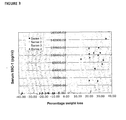
- mice were weighed just before sacrifice and weight/% weight loss compared against the measured serum MIC-1 levels (ie as determined by ELISA described in example 1).
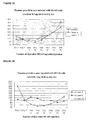
- mice were injected subcutaneously with the DU145 clone over expressing mature human MIC-1 (and which we had previously associated with the highest serum MIC-1 levels) and at day 27, after the mice had lost substantial weight, injected intraperitoneally with either 1mg or 10mg of control purified sheep IgG or IgG purified from serum from sheep that had been immunised with recombinant human MIC-1 and had high titre antibodies to human MIC-1.
- This sheep anti-human MIC-1 IgG reacted with high affinity to human MIC-1 and had been previously used in a MIC-1 ELISA.
- mice transduced with a DU145 clone over expressing mature human MIC-1 had by far the highest levels of serum MIC-1 and these mice lost weight at a dramatic rate. Observation of animal behaviour, indicated that a major reason for this, was a dramatic reduction in food ingestion by these mice.
- the finding that the weight loss could be reversed by administration with sheep anti-MIC-1 IgG (but not control IgG) demonstrates that the weight loss was due to MIC-1. This was corroborated by the weight loss assessment with the transgenic mice lines min 28 and min 75.
- a xenograft model was established in nude mice (as described above) into whose flanks were injected either DU145 cells engineered to over-express mature MIC-1. Mice injected with DU145 cells over expressing MIC-1 started to lose weight rapidly.
- a xenograft model was established in nude mice (as described above) into whose flanks were injected either DU145 cells engineered to over-express mature MIC-1, or bear a control plasmid.
- DU145 cells engineered to over-express mature MIC-1
- a control plasmid On day 8 after injection of the DU145 cells over-expressing MIC-1, when the average tumour volume was 56 mm 3 and the average weight loss 7%, food intake was measured for 3 consecutive 24 hour time periods. The mice were left in groups of 5 per cage. Food placed into the hopper and litter were weighed at time point 0. After 24 hours, food consumed was estimated by subtracting refusal and spillage from food put into the hopper. Food intake for the control mice was measured in the same way, but on day 21 after tumour injection when the tumour volume had reached an average of 70mm 3 .
- a direct measurement of fat mass in these mice indicated that MIC-1 over-expression was associated with a marked reduction in fat mass in the epididymal, inguinal, and retroperitoneal areas with no reduction in mass in two representative muscles ( Figure 10 ).
- a xenograft model was established in nude mice (as described previously) into whose flanks were injected either DU145 cells engineered to over-express MIC-1 or control DU145 cells. At 11-16 days after injection of the DU145 tumour cells over-expressing MIC-1 and 21-30 days after injection of the control tumour, when tumour volumes had reached 100-200 mm 3 , and, or the mice had lost approximately 18 % body weight, the mice were sacrificed. From previous experiments it is known that serum levels of tumour derived human MIC-1 are between 15 and 58 ng/ml. Serum was collected by cardiac puncture and assayed for the metabolic markers using commercial immunoassays. Statistical comparison was undertaken using the student T test.
- a xenograft model was established in male nude mice (as described above). Into the flanks of 20 mice were injected DU145 cells engineered to over-express MIC-1 and into 20 mice were injected DU145 cells transduced with a control plasmid. At 11-16 days after injection of the DU145 tumour cells over-expressing MIC-1 and 21-30 days after injection of the control tumour, when tumour volumes had reached 100-200 mm 3 , and, or the mice had lost approximately 18 % body weight, the mice were sacrificed. Interscapular brown adipose tissue, inguinal, epididymal, and retroperitoneal fat and also tibialis and gastrocnemius muscle carefully dissected, removed and weighed and the weight was corrected for body weight.
- Transgenic mice were engineered to over-express MIC-1 from monocytoid cells under the control of the c-fms promoter. These mice have systemically elevated MIC-1 levels, appear well and breed normally. They are indistinguishable from wild type mice but do show a significant growth retardation starting at about 3 weeks and into adulthood ( Figure 5-7 ). This effect was observed in two independent transgenic lines called min 75 and min 28.
- the MIC-1 over-expressing transgenic mice ate significantly less than their wild type counterparts, but this difference disappears if the food intake is corrected for mouse weight ( Figure 11 ). It is believed that increased MIC-1 levels from birth result in decreased food intake which results in decreased size and the reach an equilibrium in which their size is appropriate for their reduced food intake. Measurement of the same metabolic markers in the transgenic animals, as in the tumour xenografted mice only showed a significant difference in IGF-1 levels, which are reduced in the MIC-1 transgenic mice.
- MIC-1 may bind to one or more circulating modulators.
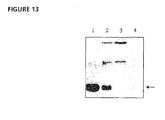
- the glycoprotein, fetuin is widely expressed in cells and tissues and is present in blood serum. The following investigation was made to determine whether MIC-1 may interact with this glycoprotein.
- fetuin may offer an alternative to the administration of anti-MIC-1 antibodies for modulating functions mediated by serum MIC-1.
- fetuin could be administered to a subject (eg a subject suffering from advanced cancer) by a suitable route (eg intravenous administration) so as to reduce the level of "free" MIC-1.
- Food intake and appetite are controlled by a complex array of mechanisms, many of which are located within the central nervous system.
- the area within the nervous system controlling many basal bodily functions such a appetite and body temperature are localised within the area of the hypothalamus.
- many of the complex factors regulating this process are localised to the arcuate nucleus of the hypothalamus and many of the mediators and receptors for mediators such as neuropeptide Y are localised in this area.
- the blood brain barrier in this area is also leaky and it is one of the very limited areas of the brain where there is an opportunity for systemic molecules to cross the blood brain barrier and act directly in the brain.
- MIC-1 is able to exert a direct effect on the acuate nucleus and hypothalamus by this mechanism.
- MIC-1 is also expressed within this region of the normal mouse brain ( Figure 14 ). It does not represent diffusion of circulating MIC-1 as indicated by studies of in situ hybridisation which demonstrate co-localisation of MIC-1 mRNA and protein in the area of the acuate nucleus, periventricular area and paraventricular hypothalamus.
- the localisation of MIC-1 in those areas of normal brain, strongly associated with functions such as appetite control, provides a strong argument for the role of MIC-1, both from the peripheral circulation, and endogenously produced within the brain, in controlling this important function.
- the invention also relates to the following aspects as defined in the following numbered paragraphs.
Landscapes
- Health & Medical Sciences (AREA)
- Chemical & Material Sciences (AREA)
- Life Sciences & Earth Sciences (AREA)
- Organic Chemistry (AREA)
- General Health & Medical Sciences (AREA)
- Medicinal Chemistry (AREA)
- Bioinformatics & Cheminformatics (AREA)
- Engineering & Computer Science (AREA)
- Veterinary Medicine (AREA)
- Public Health (AREA)
- Pharmacology & Pharmacy (AREA)
- Animal Behavior & Ethology (AREA)
- Proteomics, Peptides & Aminoacids (AREA)
- Immunology (AREA)
- General Chemical & Material Sciences (AREA)
- Nuclear Medicine, Radiotherapy & Molecular Imaging (AREA)
- Chemical Kinetics & Catalysis (AREA)
- Genetics & Genomics (AREA)
- Biochemistry (AREA)
- Molecular Biology (AREA)
- Biophysics (AREA)
- Gastroenterology & Hepatology (AREA)
- Epidemiology (AREA)
- Zoology (AREA)
- Marine Sciences & Fisheries (AREA)
- Obesity (AREA)
- Hematology (AREA)
- Diabetes (AREA)
- Child & Adolescent Psychology (AREA)
- Nutrition Science (AREA)
- Medicines That Contain Protein Lipid Enzymes And Other Medicines (AREA)
- Peptides Or Proteins (AREA)
- Investigating Or Analysing Biological Materials (AREA)
- Medicines Containing Antibodies Or Antigens For Use As Internal Diagnostic Agents (AREA)
Priority Applications (1)
| Application Number | Priority Date | Filing Date | Title |
|---|---|---|---|
| PL15163748T PL2929891T3 (pl) | 2004-04-13 | 2005-04-13 | Sposób modulowania apetytu |
Applications Claiming Priority (3)
| Application Number | Priority Date | Filing Date | Title |
|---|---|---|---|
| AU2004901957A AU2004901957A0 (en) | 2004-04-13 | Method for modulating appetite | |
| EP05729508.1A EP1734986B1 (de) | 2004-04-13 | 2005-04-13 | Verfahren zur modulierung des appetits |
| PCT/AU2005/000525 WO2005099746A1 (en) | 2004-04-13 | 2005-04-13 | Method for modulating appetite |
Related Parent Applications (2)
| Application Number | Title | Priority Date | Filing Date |
|---|---|---|---|
| EP05729508.1A Division EP1734986B1 (de) | 2004-04-13 | 2005-04-13 | Verfahren zur modulierung des appetits |
| EP05729508.1A Division-Into EP1734986B1 (de) | 2004-04-13 | 2005-04-13 | Verfahren zur modulierung des appetits |
Publications (2)
| Publication Number | Publication Date |
|---|---|
| EP2929891A1 true EP2929891A1 (de) | 2015-10-14 |
| EP2929891B1 EP2929891B1 (de) | 2020-03-11 |
Family
ID=35149777
Family Applications (4)
| Application Number | Title | Priority Date | Filing Date |
|---|---|---|---|
| EP11183884.3A Expired - Lifetime EP2441466B1 (de) | 2004-04-13 | 2005-04-13 | MIC-1 inhibierendes Mittel |
| EP14171119.2A Withdrawn EP2774620A1 (de) | 2004-04-13 | 2005-04-13 | Verfahren zum Modulieren der Gewichtsabnahme |
| EP05729508.1A Expired - Lifetime EP1734986B1 (de) | 2004-04-13 | 2005-04-13 | Verfahren zur modulierung des appetits |
| EP15163748.5A Expired - Lifetime EP2929891B1 (de) | 2004-04-13 | 2005-04-13 | Verfahren zum modulieren des appetits |
Family Applications Before (3)
| Application Number | Title | Priority Date | Filing Date |
|---|---|---|---|
| EP11183884.3A Expired - Lifetime EP2441466B1 (de) | 2004-04-13 | 2005-04-13 | MIC-1 inhibierendes Mittel |
| EP14171119.2A Withdrawn EP2774620A1 (de) | 2004-04-13 | 2005-04-13 | Verfahren zum Modulieren der Gewichtsabnahme |
| EP05729508.1A Expired - Lifetime EP1734986B1 (de) | 2004-04-13 | 2005-04-13 | Verfahren zur modulierung des appetits |
Country Status (11)
| Country | Link |
|---|---|
| US (7) | US8192735B2 (de) |
| EP (4) | EP2441466B1 (de) |
| JP (4) | JP5448338B2 (de) |
| CA (2) | CA2561877C (de) |
| CY (1) | CY1115731T1 (de) |
| DK (2) | DK2441466T3 (de) |
| ES (3) | ES2518865T3 (de) |
| PL (2) | PL2929891T3 (de) |
| PT (2) | PT2441466E (de) |
| SI (1) | SI2441466T1 (de) |
| WO (1) | WO2005099746A1 (de) |
Cited By (7)
| Publication number | Priority date | Publication date | Assignee | Title |
|---|---|---|---|---|
| EP1734986B1 (de) | 2004-04-13 | 2015-11-11 | St Vincent's Hospital Sydney Limited | Verfahren zur modulierung des appetits |
| US9828415B2 (en) | 2013-01-30 | 2017-11-28 | Ngm Biopharmaceuticals, Inc. | Compositions and methods of use for treating metabolic disorders |
| US9827291B2 (en) | 2013-01-30 | 2017-11-28 | Ngm Biopharmaceuticals, Inc. | Compositions and methods of use for treating metabolic disorders |
| US9834586B2 (en) | 2014-07-30 | 2017-12-05 | Ngm Biopharmaceuticals, Inc. | Compositions and methods of use for treating metabolic disorders |
| US9920118B2 (en) | 2014-10-31 | 2018-03-20 | Ngm Biopharmaceuticals, Inc. | Compositions and methods of use for treating metabolic disorders |
| US10174119B2 (en) | 2016-03-31 | 2019-01-08 | Ngm Biopharmaceuticals, Inc. | Binding proteins and methods of use thereof |
| US10195250B2 (en) | 2012-03-27 | 2019-02-05 | Ngm Biopharmaceuticals, Inc. | Compositions and methods of use for treating metabolic disorders |
Families Citing this family (45)
| Publication number | Priority date | Publication date | Assignee | Title |
|---|---|---|---|---|
| MX2009000914A (es) * | 2006-08-04 | 2009-06-18 | Hannover Med Hochschule | Medios y metodos para evaluar el riesgo de intervenciones cardiacas basadas en el factor 15 de diferenciacion del crecimiento. |
| US20100278843A1 (en) * | 2007-08-16 | 2010-11-04 | St. Vincent's Hospital Sydney Limited | Agents and methods for modulating macrophage inhibitory cytokine (mic-1) activity |
| CN101896192A (zh) * | 2007-10-09 | 2010-11-24 | 圣文森特医院悉尼有限公司 | 一种通过去除或灭活巨噬细胞抑制因子-1而治疗恶病质的方法 |
| JP5444363B2 (ja) * | 2008-10-31 | 2014-03-19 | セントビンセンツ ホスピタル シドニー リミテッド | 慢性腎疾患における予後判定の方法 |
| EP2694092B1 (de) | 2011-04-08 | 2017-01-04 | Amgen Inc. | Verfahren zur behandlung oder linderung von stoffwechselstörungen mithilfe des wachstumsdifferenzierungsfaktors 15 (gdf-15) |
| EP3683228A3 (de) | 2012-01-26 | 2020-07-29 | Amgen Inc. | Polypeptide von wachstumsdifferenzierungsfaktor 15 (gdf-15) |
| RS59045B1 (sr) | 2012-09-26 | 2019-08-30 | Univ Wuerzburg J Maximilians | Monoklonalna antitela za faktor 15 rasta i diferencijacije (gdf-15) |
| ES2791183T3 (es) | 2012-12-21 | 2020-11-03 | Aveo Pharmaceuticals Inc | Anticuerpos anti-GDF15 |
| US9862752B2 (en) | 2013-07-31 | 2018-01-09 | Amgen Inc. | Growth differentiation factor 15 (GDF-15) constructs |
| RS59700B1 (sr) | 2014-03-26 | 2020-01-31 | Univ Wuerzburg J Maximilians | Monoklonalna antitela za faktor 15 (gdf-15) rasta i diferencijacije, i njihove upotrebe u lečenju kancerske kaheksije i kancera |
| GB2524552B (en) * | 2014-03-26 | 2017-07-12 | Julius-Maximilians-Universitãt Wurzburg | Monoclonal antibodies to growth and differentiation factor 15 (GDF-15), and use thereof for treating cancer |
| GB2524553C (en) * | 2014-03-26 | 2017-07-19 | Julius-Maximilians-Universitãt Würzburg | Monoclonal antibodies to growth and differentiation factor 15 (GDF-15), and uses thereof for treating cancer cachexia |
| JP6910800B2 (ja) * | 2014-06-20 | 2021-07-28 | アベオ ファーマシューティカルズ, インコーポレイテッド | Gdf15調節剤を用いたうっ血性心不全及びその他の心機能不全の治療 |
| AU2015276800B2 (en) * | 2014-06-20 | 2021-03-04 | Aveo Pharmaceuticals, Inc. | Treatment of chronic kidney disease and other renal dysfunction using a GDF15 modulator |
| SG11201609706VA (en) * | 2014-06-23 | 2017-01-27 | Novartis Ag | Site specific protein modifications |
| US10588980B2 (en) | 2014-06-23 | 2020-03-17 | Novartis Ag | Fatty acids and their use in conjugation to biomolecules |
| RU2017101436A (ru) | 2014-06-24 | 2018-07-24 | Ново Нордиск А/С | Mic-1 слитные белки и их применение |
| PL3197493T3 (pl) | 2014-09-25 | 2021-08-23 | Aveo Pharmaceuticals Inc. | Sposoby odwracania kacheksji i przedłużania przeżycia obejmujące podanie modulatora gdf15 i środka przeciwnowotworowego |
| US20170334971A1 (en) * | 2014-12-22 | 2017-11-23 | Novo Nordisk A/S | Alpha-1-Antitrypsin (A1AT) Fusion Proteins and Uses Thereof |
| FI3356827T3 (fi) | 2015-10-02 | 2024-01-03 | Univ Wuerzburg J Maximilians | GDF-15 diagnostisena markkerina immuunivasteen vapauttajilla annetun hoidon hoitovasteen ennustamiseksi |
| CN108463246B (zh) | 2015-10-02 | 2025-02-28 | 尤利乌斯·马克西米利安维尔茨堡大学 | 使用人生长分化因子15(gdf-15)抑制剂和免疫检查点阻断剂的联合治疗 |
| GB201517528D0 (en) | 2015-10-02 | 2015-11-18 | Julius Maximillians Universitãt Würzburg | GDF-15 as a diagnosis marker for melanoma |
| WO2017121865A1 (en) | 2016-01-15 | 2017-07-20 | Novo Nordisk A/S | Mic-1 receptor and uses thereof |
| WO2017150314A1 (ja) * | 2016-02-29 | 2017-09-08 | 公立大学法人横浜市立大学 | 去勢抵抗性前立腺癌を検出する方法及び検出試薬 |
| WO2017189724A1 (en) | 2016-04-27 | 2017-11-02 | Novartis Ag | Antibodies against growth differentiation factor 15 and uses thereof |
| KR102433503B1 (ko) | 2016-05-24 | 2022-08-18 | 노보 노르디스크 에이/에스 | Mic-1 화합물 및 이것의 사용 |
| KR20190059312A (ko) * | 2016-10-12 | 2019-05-30 | 얀센 바이오테크 인코포레이티드 | Gdf15-유사 생물학적 활성의 조절제에 대한 스크리닝 방법 |
| US20200069774A1 (en) * | 2016-12-06 | 2020-03-05 | St Vincent's Hospital Sydney Limited | Treatment of obesity and eating disorders |
| GB201700567D0 (en) | 2017-01-12 | 2017-03-01 | Genagon Therapeutics Ab | Therapeutic agents |
| TWI710377B (zh) | 2017-05-23 | 2020-11-21 | 丹麥商諾佛 儂迪克股份有限公司 | Mic-1化合物及其用途 |
| WO2019004550A1 (ko) * | 2017-06-26 | 2019-01-03 | 강원대학교 산학협력단 | Mic-1 단백질에 특이적으로 결합하는 항체 및 이의 용도 |
| JP7127422B2 (ja) | 2017-08-30 | 2022-08-30 | 東ソー株式会社 | 癌を検出する方法及び検出試薬 |
| CN111163795A (zh) | 2017-09-10 | 2020-05-15 | 诺沃挪第克公司 | 用于治疗肥胖症的mic-1和glp-1 |
| CR20200510A (es) | 2018-04-09 | 2020-11-26 | Amgen Inc | Protreínas de fusión del factor de diferenciación de crecimiento 15 |
| CN112912395B (zh) | 2018-08-20 | 2024-08-23 | 辉瑞公司 | 抗gdf15抗体、组合物和使用方法 |
| US11810670B2 (en) | 2018-11-13 | 2023-11-07 | CurieAI, Inc. | Intelligent health monitoring |
| EP4041281B1 (de) | 2019-10-04 | 2025-11-26 | Amgen Inc. | Verwendung von gdf15 zur behandlung von kardiometabolischem syndrom und andere krankheiten |
| CA3161302A1 (en) | 2019-11-26 | 2021-06-03 | Yuhan Corporation | Long-acting gdf15 fusion protein and pharmaceutical composition comprising same |
| KR20230107309A (ko) | 2020-11-10 | 2023-07-14 | 카탈임 게엠베하 | 항-gdf15 항체 및 암 치료용 투여 용법 |
| US20240182585A1 (en) | 2021-03-31 | 2024-06-06 | Cambridge Enterprise Limited | Therapeutic inhibitors of gdf15 signalling |
| CA3219645A1 (en) | 2021-05-21 | 2022-11-24 | Yuhan Corporation | Composition for combination therapy comprising growth differentiation factor-15 variant and glucagon-like peptide-1 receptor agonist |
| CN117750968A (zh) | 2021-05-21 | 2024-03-22 | 株式会社柳韩洋行 | 用于预防或治疗非酒精性脂肪性肝病或非酒精性脂肪性肝炎的包括生长分化因子-15变体的组合物 |
| IL310535A (en) | 2021-08-10 | 2024-03-01 | Byomass Inc | Anti-gdf15 antibodies, compositions and uses thereof |
| WO2023122213A1 (en) | 2021-12-22 | 2023-06-29 | Byomass Inc. | Targeting gdf15-gfral pathway cross-reference to related applications |
| WO2023154953A1 (en) | 2022-02-14 | 2023-08-17 | Ngm Biopharmaceuticals, Inc. | Gdf15 polypeptides for treating and preventing autoimmune diseases |
Citations (4)
| Publication number | Priority date | Publication date | Assignee | Title |
|---|---|---|---|---|
| US5225539A (en) | 1986-03-27 | 1993-07-06 | Medical Research Council | Recombinant altered antibodies and methods of making altered antibodies |
| WO1997000958A1 (en) | 1995-06-22 | 1997-01-09 | St. Vincent's Hospital Sydney Limited | NOVEL TGF-β LIKE CYTOKINE |
| WO1999006445A1 (en) * | 1997-07-31 | 1999-02-11 | The Johns Hopkins University School Of Medicine | Growth differentiation factor-15 |
| WO2001081928A1 (en) | 2000-04-20 | 2001-11-01 | St Vincent's Hospital Sydney Limited | Diagnostic assay and method of treatment involving macrophage inhibitory cytokine -1 (mic-1) |
Family Cites Families (6)
| Publication number | Priority date | Publication date | Assignee | Title |
|---|---|---|---|---|
| CA2345024C (en) | 1998-10-07 | 2009-05-19 | Stryker Corporation | Modified tgf-.beta. superfamily proteins |
| AU2001288770A1 (en) * | 2000-09-08 | 2002-03-22 | The Government Of The United States Of America, As Represented By The Secretary Of The Department Of Health And Human Services | A non-steroidal anti-inflammatory drug activated gene with anti-tumorigenic properties |
| CA2390820A1 (en) * | 2002-06-17 | 2003-12-17 | St. Vincent's Hospital Sydney Limited | Methods of diagnosis, prognosis and treatment of cardiovascular disease |
| EP2441466B1 (de) * | 2004-04-13 | 2014-07-23 | St Vincent's Hospital Sydney Limited | MIC-1 inhibierendes Mittel |
| WO2006078161A1 (en) * | 2005-01-24 | 2006-07-27 | Pepscan Systems B.V. | Binding compounds, immunogenic compounds and peptidomimetics |
| AU2010213575B2 (en) | 2009-02-12 | 2013-11-14 | Stryker Corporation | Peripheral administration of proteins including TGF-beta superfamily members for systemic treatment of disorders and disease |
-
2005
- 2005-04-13 EP EP11183884.3A patent/EP2441466B1/de not_active Expired - Lifetime
- 2005-04-13 EP EP14171119.2A patent/EP2774620A1/de not_active Withdrawn
- 2005-04-13 SI SI200531902T patent/SI2441466T1/sl unknown
- 2005-04-13 DK DK11183884.3T patent/DK2441466T3/da active
- 2005-04-13 EP EP05729508.1A patent/EP1734986B1/de not_active Expired - Lifetime
- 2005-04-13 JP JP2007507619A patent/JP5448338B2/ja not_active Expired - Lifetime
- 2005-04-13 US US11/547,675 patent/US8192735B2/en active Active
- 2005-04-13 ES ES11183884.3T patent/ES2518865T3/es not_active Expired - Lifetime
- 2005-04-13 CA CA2561877A patent/CA2561877C/en not_active Expired - Lifetime
- 2005-04-13 PL PL15163748T patent/PL2929891T3/pl unknown
- 2005-04-13 WO PCT/AU2005/000525 patent/WO2005099746A1/en not_active Ceased
- 2005-04-13 EP EP15163748.5A patent/EP2929891B1/de not_active Expired - Lifetime
- 2005-04-13 DK DK15163748.5T patent/DK2929891T3/da active
- 2005-04-13 PT PT111838843T patent/PT2441466E/pt unknown
- 2005-04-13 CA CA2905125A patent/CA2905125C/en not_active Expired - Lifetime
- 2005-04-13 PL PL11183884T patent/PL2441466T3/pl unknown
- 2005-04-13 ES ES05729508.1T patent/ES2555956T3/es not_active Expired - Lifetime
- 2005-04-13 PT PT151637485T patent/PT2929891T/pt unknown
- 2005-04-13 ES ES15163748T patent/ES2788868T3/es not_active Expired - Lifetime
-
2010
- 2010-11-05 US US12/926,272 patent/US8946146B2/en not_active Expired - Lifetime
-
2011
- 2011-04-08 JP JP2011086143A patent/JP2011190262A/ja active Pending
-
2013
- 2013-04-16 JP JP2013086022A patent/JP5767667B2/ja not_active Expired - Lifetime
- 2013-10-22 JP JP2013219147A patent/JP5806275B2/ja not_active Expired - Lifetime
-
2014
- 2014-10-22 CY CY20141100862T patent/CY1115731T1/el unknown
- 2014-12-22 US US14/578,611 patent/US20150183861A1/en not_active Abandoned
-
2016
- 2016-06-02 US US15/171,693 patent/US20160289320A1/en not_active Abandoned
-
2018
- 2018-06-11 US US16/004,519 patent/US20180346560A1/en not_active Abandoned
-
2020
- 2020-12-15 US US17/247,515 patent/US20210340243A1/en not_active Abandoned
-
2024
- 2024-05-10 US US18/660,675 patent/US20250109192A1/en active Pending
Patent Citations (4)
| Publication number | Priority date | Publication date | Assignee | Title |
|---|---|---|---|---|
| US5225539A (en) | 1986-03-27 | 1993-07-06 | Medical Research Council | Recombinant altered antibodies and methods of making altered antibodies |
| WO1997000958A1 (en) | 1995-06-22 | 1997-01-09 | St. Vincent's Hospital Sydney Limited | NOVEL TGF-β LIKE CYTOKINE |
| WO1999006445A1 (en) * | 1997-07-31 | 1999-02-11 | The Johns Hopkins University School Of Medicine | Growth differentiation factor-15 |
| WO2001081928A1 (en) | 2000-04-20 | 2001-11-01 | St Vincent's Hospital Sydney Limited | Diagnostic assay and method of treatment involving macrophage inhibitory cytokine -1 (mic-1) |
Non-Patent Citations (22)
| Title |
|---|
| ALBERTONI M; SHAW PH; NOZAKI M; GODARD S; TENAN M; HAMOU M-F; FAIRLIE DW; BREIT SN; PARALKAR VM; DE TRIBOLET N: "Anoxia induces macrophage inhibitory cytokine-I (MIC-1) in glioblastoma cells independently of p53 andTlIF-1", ONCOGENE, vol. 27, 2002, pages 4212 - 4219, XP002533124, DOI: doi:10.1038/sj.onc.1205610 |
| BAEK SJ ET AL.: "Cyclooxygenase inhibitors regulate the expression of a TGF-beta superfamily member that has proapoptotic and antitumorigenic activities", MOL PHARMACOL, vol. 59, 2001, pages 901 - 908, XP008006013 |
| BAUSKIN AR; BROWN DA; JUNANKAR S; RASIAH KK; EGGLETON S; HUNTER M; LIU T; SMITH D; KUFFNER T; PANKHURST, GJ: "The propeptide mediates formation of stromal stores of PROMIC-l: role in determining prostate cancer outcome", CANCER RES, vol. 65, no. 6, 15 March 2005 (2005-03-15), pages 2330 - 2336 |
| BOOTCOV MR; BAUSKIN A; VALENZUELA SM; MOORE AG; BANSAL M; HE C; ZHANG HP; DONNELLAN M; MAHLER S; PRYOR K: "MIC-1, a novel macrophage inhibitory cytokine, is a divergent member of the TGF-P superfamily cluster", PROC NATL ACAD SCI USA, vol. 94, 1997, pages 11514 - 11519, XP002180665, DOI: doi:10.1073/pnas.94.21.11514 |
| BROWN DA; BAUSLDN AR; FAIRLIE WD; SMITH MD; LIU T; XU N; BREIT SN: "An antibody based approach to high volume genotyping for MIC-1 polymorphism", BIOTECHNIQUES, vol. 33, no. 1, 2002, pages 118 - 20,122,124 |
| BROWN DA; WARD RL; BUCKHAULTS P; LIU T; ROMANS KE; HAWKINS NJ; BAUSKIN AR; KINZLER KW; VOGELSTEIN B; BREIT SN: "MIC-1 serum level and genotype: Associations with progress and prognosis of colorectal carcinoma", CLINICAL CANCER RESEARCH, vol. 9, 2003, pages 2642 - 2650, XP002613961 |
| BUCKHAULTS P.; VOGELSTEIN B; KINZLER KW: "Secreted and cell surface genes expressed in benign and malignant colorectal tumors", CANCER RES, vol. 61, 2001, pages 6996 - 7001, XP002960006 |
| FAIRLIE WD; MOORE AG; BAUSKIN AR; RUSSELL PK; ZHANG H-P; BREIT SN: "MIC-1 is a novel TGF-P superfamily cytokine associated with macrophage activation", J LEUKOCYTE BIOL, vol. 65, 1999, pages 2 - 5, XP002146475 |
| FAIRLIE WD; RUSSELL PK; MOORE AG; ZHANG H-P; BROWN PK; BREIT SN: "Epitope mapping of the Transforming Growth Factor- D superfamily protein, MIC-1: Identification of at least five distinct epitope specificities", BIOCHEMISTRY, vol. 40, 2001, pages 65 - 73, XP055089324, DOI: doi:10.1021/bi001064p |
| FAIRLIE WD; ZHANG H-P; BROWN PK; RUSSELL PK; BAUSKIN AR; BREIT SN: "Expression of a TGF-P superfamily protein, Macrophage Inhibitory Cytokine-1, in the yeast Pichia pastor-is", GENE, vol. 254, 2000, pages 67 - 76, XP004208782, DOI: doi:10.1016/S0378-1119(00)00295-X |
| KANNAN K; AMARIGLIO N; RECHAVI G; GIVOL D.: "Profile of gene expression regulated by induced p53: connection to the TGF-beta family", FEBS LETT, vol. 470, 2000, pages 77 - 82, XP004261095, DOI: doi:10.1016/S0014-5793(00)01291-6 |
| KONIARIS LG: "Induction of MIC-1/growth differentiation factor-15 following bile duct injury", J GASTROINTEST SURG, 7 November 2003 (2003-11-07), pages 901 - 5 |
| KOOPMANN J; BUCKHAULTS P; BROWN DA; ZAHURAK ML; SATO N; SOKOLL L; CHAN DW; YEO CJ; HRUBAN RH; BREIT SN: "Serum MIC-1 as a Marker of Pancreatic and other Periampullary Cancers", CLIN CANCER RES |
| LEE DH; YANG Y; LEE SJ; KIM KY; KOO TH; SHIN SM; SONG KS; LEE YH ET AL.: "Macrophage inhibitory cytokine-1 induces the invasiveness of gastric cancer cells by up-regulating the urokinase-type plasminogen activator system", CANCER RES, vol. 63, no. 15, 1 August 2003 (2003-08-01), pages 4648 - 4655 |
| LIU T; BAUSKIN AR; ZAUNDERS J; BROWN DA; PANKURST S; RUSSELL PJ; BREIT SN: "MIC-1 reduces cell adhesion and induces apoptosis in prostate cancer cells", CANCER RES, vol. 63, 2003, pages 5034 - 5040, XP055089319 |
| MOORE AG; BROWN DA; FAIRLIE WD; BAUSKIN AR; BROWN PK; MUNIER MLC; RUSSELL PK; SALAMONSEN LA; WALLACE EM; BREIT SN: "TGF-? superfamily cytokine MIC-1 is present in high concentrations in the serum of pregnant women", J CLIN ENDOCRINOL METAB, vol. 85, 2000, pages 4781 - 88 |
| PEI-XIANG LI ET AL.: "Placental Transforming Growth Factor-b Is a Downstream Mediator of the Growth Arrest and Apoptotic Response of Tumour Cells to DNA Damage and p53 Overexpression", J BIOL CHEM, vol. 275, 2000, pages 20127 - 20135 |
| PLUCKTHUN A: "Antibody engineering: advances from the use of Escherichia coli expression systems", BIO/TECHNOLOGY, vol. 9, 1991, pages 545 - 551 |
| VASSILEV LT; VU BT; GRAVES B; CARVAJAL D; PODLASKI F; FILIPOVIC Z; KONG N; KAMMLOTT U; LUKACS C; KLEIN C: "In vivo activation of the p53 pathway by small-molecule antagonists of MDM2", SCIENCE, vol. 303, no. 5659, 6 February 2004 (2004-02-06), pages 844 - 848, XP002338500, DOI: doi:10.1126/science.1092472 |
| WELSH JB; HAMPTON GM: "Analysis of Gene Expression Identifies Candidate Markers and Pharmacological Targets in Prostate Cancer", CANCER RES, vol. 61, 2001, pages 5974 - 5978 |
| WELSH JB; SAPINOSO LM; KERN SG; BROWN DA; LIU T; BAUSKIN AR; WARD RL; HAWLDNS NJ; QUINN DI; RUSSELL PJ: "Large-Scale Delineation of Secreted Protein Biomarkers Overexpressed in Cancer Tissue and Serum", PROC NATL ACAD SCI USA, vol. 100, 2003, pages 3410 - 3415, XP002993660, DOI: doi:10.1073/pnas.0530278100 |
| YANG H; FILIPOVIC Z; BROWN D; BREIT SN; VASSILEV LT: "Macrophage inhibitory cytokine-1: a novel biomarker for p53 pathway activation", MOL CANCER THER, vol. 2, no. 10, October 2003 (2003-10-01), pages 1023 - 1029 |
Cited By (16)
| Publication number | Priority date | Publication date | Assignee | Title |
|---|---|---|---|---|
| EP1734986B1 (de) | 2004-04-13 | 2015-11-11 | St Vincent's Hospital Sydney Limited | Verfahren zur modulierung des appetits |
| US10195250B2 (en) | 2012-03-27 | 2019-02-05 | Ngm Biopharmaceuticals, Inc. | Compositions and methods of use for treating metabolic disorders |
| US10869909B2 (en) | 2012-03-27 | 2020-12-22 | Ngm Biopharmaceuticals, Inc. | Compositions and methods of use for treating metabolic disorders |
| US10610568B2 (en) | 2013-01-30 | 2020-04-07 | Ngm Biopharmaceuticals, Inc. | Compositions and methods of use for treating metabolic disorders |
| US9828415B2 (en) | 2013-01-30 | 2017-11-28 | Ngm Biopharmaceuticals, Inc. | Compositions and methods of use for treating metabolic disorders |
| US9827291B2 (en) | 2013-01-30 | 2017-11-28 | Ngm Biopharmaceuticals, Inc. | Compositions and methods of use for treating metabolic disorders |
| US10323075B2 (en) | 2013-01-30 | 2019-06-18 | Ngm Biopharmaceuticals, Inc. | Compositions and methods of use for treating metabolic disorders |
| US9834586B2 (en) | 2014-07-30 | 2017-12-05 | Ngm Biopharmaceuticals, Inc. | Compositions and methods of use for treating metabolic disorders |
| US11358995B2 (en) | 2014-07-30 | 2022-06-14 | Ngm Biopharmaceuticals, Inc. | Compositions and methods of use for treating metabolic disorders |
| US9920118B2 (en) | 2014-10-31 | 2018-03-20 | Ngm Biopharmaceuticals, Inc. | Compositions and methods of use for treating metabolic disorders |
| US10562965B2 (en) | 2014-10-31 | 2020-02-18 | Ngm Biopharmaceuticals, Inc. | Compositions and methods of use for treating metabolic disorders |
| US11530260B2 (en) | 2014-10-31 | 2022-12-20 | Ngm Biopharmaceuticals, Inc. | Compositions and methods of use for treating metabolic disorders |
| US12173060B2 (en) | 2014-10-31 | 2024-12-24 | Ngm Biopharmaceuticals, Inc. | Compositions and methods of use for treating metabolic disorders |
| US10975154B2 (en) | 2016-03-31 | 2021-04-13 | Ngm Biopharmaceuticals, Inc. | Binding proteins and methods of use thereof |
| US10174119B2 (en) | 2016-03-31 | 2019-01-08 | Ngm Biopharmaceuticals, Inc. | Binding proteins and methods of use thereof |
| US12180289B2 (en) | 2016-03-31 | 2024-12-31 | Ngm Biopharmaceuticals, Inc. | Binding proteins and methods of use thereof |
Also Published As
Similar Documents
| Publication | Publication Date | Title |
|---|---|---|
| US20250109192A1 (en) | Method for modulating appetite | |
| US20100266707A1 (en) | Method of treating cachexia with the removal or inactivation of macrophage inhibitory cytokine-1 | |
| DK2711023T3 (en) | osteogenesis | |
| JP2014169295A (ja) | マクロファージ阻害性サイトカイン(mic−1)活性を調節するための作用物質及び方法 | |
| Breit et al. | Metabolic Messenger: growth differentiation factor 15 | |
| AU2005232335B2 (en) | Method for modulating appetite | |
| HK1215932B (en) | Method for modulating appetite | |
| HK1168274B (en) | Mic-1 inhibiting agent |
Legal Events
| Date | Code | Title | Description |
|---|---|---|---|
| PUAI | Public reference made under article 153(3) epc to a published international application that has entered the european phase |
Free format text: ORIGINAL CODE: 0009012 |
|
| AC | Divisional application: reference to earlier application |
Ref document number: 1734986 Country of ref document: EP Kind code of ref document: P |
|
| AK | Designated contracting states |
Kind code of ref document: A1 Designated state(s): AT BE BG CH CY CZ DE DK EE ES FI FR GB GR HU IE IS IT LI LT LU MC NL PL PT RO SE SI SK TR |
|
| 17P | Request for examination filed |
Effective date: 20160413 |
|
| RBV | Designated contracting states (corrected) |
Designated state(s): AT BE BG CH CY CZ DE DK EE ES FI FR GB GR HU IE IS IT LI LT LU MC NL PL PT RO SE SI SK TR |
|
| REG | Reference to a national code |
Ref country code: HK Ref legal event code: DE Ref document number: 1215932 Country of ref document: HK |
|
| STAA | Information on the status of an ep patent application or granted ep patent |
Free format text: STATUS: EXAMINATION IS IN PROGRESS |
|
| 17Q | First examination report despatched |
Effective date: 20170519 |
|
| REG | Reference to a national code |
Ref country code: DE Ref legal event code: R079 Ref document number: 602005056693 Country of ref document: DE Free format text: PREVIOUS MAIN CLASS: A61K0038190000 Ipc: A61K0038170000 |
|
| RIC1 | Information provided on ipc code assigned before grant |
Ipc: A61K 39/00 20060101ALI20190528BHEP Ipc: C07K 16/22 20060101ALI20190528BHEP Ipc: A61K 38/19 20060101ALI20190528BHEP Ipc: C07K 16/24 20060101ALI20190528BHEP Ipc: A61K 38/17 20060101AFI20190528BHEP |
|
| GRAP | Despatch of communication of intention to grant a patent |
Free format text: ORIGINAL CODE: EPIDOSNIGR1 |
|
| STAA | Information on the status of an ep patent application or granted ep patent |
Free format text: STATUS: GRANT OF PATENT IS INTENDED |
|
| INTG | Intention to grant announced |
Effective date: 20191001 |
|
| GRAS | Grant fee paid |
Free format text: ORIGINAL CODE: EPIDOSNIGR3 |
|
| GRAA | (expected) grant |
Free format text: ORIGINAL CODE: 0009210 |
|
| STAA | Information on the status of an ep patent application or granted ep patent |
Free format text: STATUS: THE PATENT HAS BEEN GRANTED |
|
| AC | Divisional application: reference to earlier application |
Ref document number: 1734986 Country of ref document: EP Kind code of ref document: P |
|
| AK | Designated contracting states |
Kind code of ref document: B1 Designated state(s): AT BE BG CH CY CZ DE DK EE ES FI FR GB GR HU IE IS IT LI LT LU MC NL PL PT RO SE SI SK TR |
|
| REG | Reference to a national code |
Ref country code: GB Ref legal event code: FG4D |
|
| REG | Reference to a national code |
Ref country code: CH Ref legal event code: EP |
|
| REG | Reference to a national code |
Ref country code: AT Ref legal event code: REF Ref document number: 1242318 Country of ref document: AT Kind code of ref document: T Effective date: 20200315 |
|
| REG | Reference to a national code |
Ref country code: IE Ref legal event code: FG4D |
|
| REG | Reference to a national code |
Ref country code: DE Ref legal event code: R096 Ref document number: 602005056693 Country of ref document: DE |
|
| REG | Reference to a national code |
Ref country code: PT Ref legal event code: SC4A Ref document number: 2929891 Country of ref document: PT Date of ref document: 20200408 Kind code of ref document: T Free format text: AVAILABILITY OF NATIONAL TRANSLATION Effective date: 20200331 |
|
| REG | Reference to a national code |
Ref country code: FI Ref legal event code: FGE |
|
| REG | Reference to a national code |
Ref country code: DK Ref legal event code: T3 Effective date: 20200504 |
|
| REG | Reference to a national code |
Ref country code: NL Ref legal event code: FP |
|
| REG | Reference to a national code |
Ref country code: SE Ref legal event code: TRGR |
|
| REG | Reference to a national code |
Ref country code: GR Ref legal event code: EP Ref document number: 20200401533 Country of ref document: GR Effective date: 20200716 |
|
| PG25 | Lapsed in a contracting state [announced via postgrant information from national office to epo] |
Ref country code: BG Free format text: LAPSE BECAUSE OF FAILURE TO SUBMIT A TRANSLATION OF THE DESCRIPTION OR TO PAY THE FEE WITHIN THE PRESCRIBED TIME-LIMIT Effective date: 20200611 |
|
| REG | Reference to a national code |
Ref country code: LT Ref legal event code: MG4D |
|
| REG | Reference to a national code |
Ref country code: ES Ref legal event code: FG2A Ref document number: 2788868 Country of ref document: ES Kind code of ref document: T3 Effective date: 20201023 |
|
| PG25 | Lapsed in a contracting state [announced via postgrant information from national office to epo] |
Ref country code: LT Free format text: LAPSE BECAUSE OF FAILURE TO SUBMIT A TRANSLATION OF THE DESCRIPTION OR TO PAY THE FEE WITHIN THE PRESCRIBED TIME-LIMIT Effective date: 20200311 Ref country code: CZ Free format text: LAPSE BECAUSE OF FAILURE TO SUBMIT A TRANSLATION OF THE DESCRIPTION OR TO PAY THE FEE WITHIN THE PRESCRIBED TIME-LIMIT Effective date: 20200311 Ref country code: RO Free format text: LAPSE BECAUSE OF FAILURE TO SUBMIT A TRANSLATION OF THE DESCRIPTION OR TO PAY THE FEE WITHIN THE PRESCRIBED TIME-LIMIT Effective date: 20200311 Ref country code: SK Free format text: LAPSE BECAUSE OF FAILURE TO SUBMIT A TRANSLATION OF THE DESCRIPTION OR TO PAY THE FEE WITHIN THE PRESCRIBED TIME-LIMIT Effective date: 20200311 Ref country code: EE Free format text: LAPSE BECAUSE OF FAILURE TO SUBMIT A TRANSLATION OF THE DESCRIPTION OR TO PAY THE FEE WITHIN THE PRESCRIBED TIME-LIMIT Effective date: 20200311 |
|
| REG | Reference to a national code |
Ref country code: AT Ref legal event code: UEP Ref document number: 1242318 Country of ref document: AT Kind code of ref document: T Effective date: 20200311 |
|
| REG | Reference to a national code |
Ref country code: DE Ref legal event code: R097 Ref document number: 602005056693 Country of ref document: DE |
|
| PG25 | Lapsed in a contracting state [announced via postgrant information from national office to epo] |
Ref country code: MC Free format text: LAPSE BECAUSE OF FAILURE TO SUBMIT A TRANSLATION OF THE DESCRIPTION OR TO PAY THE FEE WITHIN THE PRESCRIBED TIME-LIMIT Effective date: 20200311 |
|
| PLBE | No opposition filed within time limit |
Free format text: ORIGINAL CODE: 0009261 |
|
| STAA | Information on the status of an ep patent application or granted ep patent |
Free format text: STATUS: NO OPPOSITION FILED WITHIN TIME LIMIT |
|
| PG25 | Lapsed in a contracting state [announced via postgrant information from national office to epo] |
Ref country code: LU Free format text: LAPSE BECAUSE OF NON-PAYMENT OF DUE FEES Effective date: 20200413 |
|
| 26N | No opposition filed |
Effective date: 20201214 |
|
| PG25 | Lapsed in a contracting state [announced via postgrant information from national office to epo] |
Ref country code: SI Free format text: LAPSE BECAUSE OF FAILURE TO SUBMIT A TRANSLATION OF THE DESCRIPTION OR TO PAY THE FEE WITHIN THE PRESCRIBED TIME-LIMIT Effective date: 20200311 |
|
| PG25 | Lapsed in a contracting state [announced via postgrant information from national office to epo] |
Ref country code: TR Free format text: LAPSE BECAUSE OF FAILURE TO SUBMIT A TRANSLATION OF THE DESCRIPTION OR TO PAY THE FEE WITHIN THE PRESCRIBED TIME-LIMIT Effective date: 20200311 Ref country code: CY Free format text: LAPSE BECAUSE OF FAILURE TO SUBMIT A TRANSLATION OF THE DESCRIPTION OR TO PAY THE FEE WITHIN THE PRESCRIBED TIME-LIMIT Effective date: 20200311 |
|
| P01 | Opt-out of the competence of the unified patent court (upc) registered |
Effective date: 20230522 |
|
| PGFP | Annual fee paid to national office [announced via postgrant information from national office to epo] |
Ref country code: GB Payment date: 20240313 Year of fee payment: 20 |
|
| PGFP | Annual fee paid to national office [announced via postgrant information from national office to epo] |
Ref country code: NL Payment date: 20240409 Year of fee payment: 20 |
|
| PGFP | Annual fee paid to national office [announced via postgrant information from national office to epo] |
Ref country code: IS Payment date: 20240424 Year of fee payment: 20 |
|
| PGFP | Annual fee paid to national office [announced via postgrant information from national office to epo] |
Ref country code: IE Payment date: 20240404 Year of fee payment: 20 |
|
| PGFP | Annual fee paid to national office [announced via postgrant information from national office to epo] |
Ref country code: DE Payment date: 20240418 Year of fee payment: 20 |
|
| PGFP | Annual fee paid to national office [announced via postgrant information from national office to epo] |
Ref country code: DK Payment date: 20240410 Year of fee payment: 20 |
|
| PGFP | Annual fee paid to national office [announced via postgrant information from national office to epo] |
Ref country code: GR Payment date: 20240418 Year of fee payment: 20 |
|
| PGFP | Annual fee paid to national office [announced via postgrant information from national office to epo] |
Ref country code: CH Payment date: 20240501 Year of fee payment: 20 |
|
| PGFP | Annual fee paid to national office [announced via postgrant information from national office to epo] |
Ref country code: ES Payment date: 20240513 Year of fee payment: 20 |
|
| PGFP | Annual fee paid to national office [announced via postgrant information from national office to epo] |
Ref country code: AT Payment date: 20240404 Year of fee payment: 20 |
|
| PGFP | Annual fee paid to national office [announced via postgrant information from national office to epo] |
Ref country code: IT Payment date: 20240419 Year of fee payment: 20 Ref country code: FR Payment date: 20240408 Year of fee payment: 20 Ref country code: FI Payment date: 20240404 Year of fee payment: 20 |
|
| PGFP | Annual fee paid to national office [announced via postgrant information from national office to epo] |
Ref country code: PL Payment date: 20240403 Year of fee payment: 20 Ref country code: PT Payment date: 20240405 Year of fee payment: 20 |
|
| PGFP | Annual fee paid to national office [announced via postgrant information from national office to epo] |
Ref country code: SE Payment date: 20240415 Year of fee payment: 20 Ref country code: BE Payment date: 20240409 Year of fee payment: 20 |
|
| REG | Reference to a national code |
Ref country code: DE Ref legal event code: R071 Ref document number: 602005056693 Country of ref document: DE |
|
| REG | Reference to a national code |
Ref country code: DK Ref legal event code: EUP Expiry date: 20250413 |
|
| REG | Reference to a national code |
Ref country code: CH Ref legal event code: PL |
|
| REG | Reference to a national code |
Ref country code: NL Ref legal event code: MK Effective date: 20250412 |
|
| REG | Reference to a national code |
Ref country code: GB Ref legal event code: PE20 Expiry date: 20250412 |
|
| REG | Reference to a national code |
Ref country code: SE Ref legal event code: EUG |
|
| REG | Reference to a national code |
Ref country code: IE Ref legal event code: MK9A |
|
| REG | Reference to a national code |
Ref country code: AT Ref legal event code: MK07 Ref document number: 1242318 Country of ref document: AT Kind code of ref document: T Effective date: 20250413 |
|
| REG | Reference to a national code |
Ref country code: BE Ref legal event code: MK Effective date: 20250413 |
|
| PG25 | Lapsed in a contracting state [announced via postgrant information from national office to epo] |
Ref country code: GB Free format text: LAPSE BECAUSE OF EXPIRATION OF PROTECTION Effective date: 20250412 |
|
| PG25 | Lapsed in a contracting state [announced via postgrant information from national office to epo] |
Ref country code: PT Free format text: LAPSE BECAUSE OF EXPIRATION OF PROTECTION Effective date: 20250424 |
|
| PG25 | Lapsed in a contracting state [announced via postgrant information from national office to epo] |
Ref country code: IE Free format text: LAPSE BECAUSE OF EXPIRATION OF PROTECTION Effective date: 20250413 |