EP3023438A1 - Anticorps anti-gitr - Google Patents
Anticorps anti-gitr Download PDFInfo
- Publication number
- EP3023438A1 EP3023438A1 EP15196341.0A EP15196341A EP3023438A1 EP 3023438 A1 EP3023438 A1 EP 3023438A1 EP 15196341 A EP15196341 A EP 15196341A EP 3023438 A1 EP3023438 A1 EP 3023438A1
- Authority
- EP
- European Patent Office
- Prior art keywords
- antibody
- antigen
- binding fragment
- amino acid
- cancer
- Prior art date
- Legal status (The legal status is an assumption and is not a legal conclusion. Google has not performed a legal analysis and makes no representation as to the accuracy of the status listed.)
- Granted
Links
Images

Classifications
-
- C—CHEMISTRY; METALLURGY
- C07—ORGANIC CHEMISTRY
- C07K—PEPTIDES
- C07K16/00—Immunoglobulins [IG], e.g. monoclonal or polyclonal antibodies
- C07K16/18—Immunoglobulins [IG], e.g. monoclonal or polyclonal antibodies against material from animals or humans
- C07K16/28—Immunoglobulins [IG], e.g. monoclonal or polyclonal antibodies against material from animals or humans against receptors, cell surface antigens or cell surface determinants
- C07K16/2866—Immunoglobulins [IG], e.g. monoclonal or polyclonal antibodies against material from animals or humans against receptors, cell surface antigens or cell surface determinants against receptors for cytokines, lymphokines, interferons
-
- C—CHEMISTRY; METALLURGY
- C07—ORGANIC CHEMISTRY
- C07K—PEPTIDES
- C07K16/00—Immunoglobulins [IG], e.g. monoclonal or polyclonal antibodies
- C07K16/18—Immunoglobulins [IG], e.g. monoclonal or polyclonal antibodies against material from animals or humans
- C07K16/28—Immunoglobulins [IG], e.g. monoclonal or polyclonal antibodies against material from animals or humans against receptors, cell surface antigens or cell surface determinants
- C07K16/2863—Immunoglobulins [IG], e.g. monoclonal or polyclonal antibodies against material from animals or humans against receptors, cell surface antigens or cell surface determinants against receptors for growth factors, growth regulators
-
- A—HUMAN NECESSITIES
- A61—MEDICAL OR VETERINARY SCIENCE; HYGIENE
- A61K—PREPARATIONS FOR MEDICAL, DENTAL OR TOILETRY PURPOSES
- A61K38/00—Medicinal preparations containing peptides
- A61K38/16—Peptides having more than 20 amino acids; Gastrins; Somatostatins; Melanotropins; Derivatives thereof
- A61K38/17—Peptides having more than 20 amino acids; Gastrins; Somatostatins; Melanotropins; Derivatives thereof from animals; from humans
-
- A—HUMAN NECESSITIES
- A61—MEDICAL OR VETERINARY SCIENCE; HYGIENE
- A61K—PREPARATIONS FOR MEDICAL, DENTAL OR TOILETRY PURPOSES
- A61K38/00—Medicinal preparations containing peptides
- A61K38/16—Peptides having more than 20 amino acids; Gastrins; Somatostatins; Melanotropins; Derivatives thereof
- A61K38/17—Peptides having more than 20 amino acids; Gastrins; Somatostatins; Melanotropins; Derivatives thereof from animals; from humans
- A61K38/18—Growth factors; Growth regulators
-
- A—HUMAN NECESSITIES
- A61—MEDICAL OR VETERINARY SCIENCE; HYGIENE
- A61K—PREPARATIONS FOR MEDICAL, DENTAL OR TOILETRY PURPOSES
- A61K39/00—Medicinal preparations containing antigens or antibodies
- A61K39/395—Antibodies; Immunoglobulins; Immune serum, e.g. antilymphocytic serum
-
- A—HUMAN NECESSITIES
- A61—MEDICAL OR VETERINARY SCIENCE; HYGIENE
- A61K—PREPARATIONS FOR MEDICAL, DENTAL OR TOILETRY PURPOSES
- A61K47/00—Medicinal preparations characterised by the non-active ingredients used, e.g. carriers or inert additives; Targeting or modifying agents chemically bound to the active ingredient
- A61K47/30—Macromolecular organic or inorganic compounds, e.g. inorganic polyphosphates
- A61K47/42—Proteins; Polypeptides; Degradation products thereof; Derivatives thereof, e.g. albumin, gelatin or zein
-
- A—HUMAN NECESSITIES
- A61—MEDICAL OR VETERINARY SCIENCE; HYGIENE
- A61K—PREPARATIONS FOR MEDICAL, DENTAL OR TOILETRY PURPOSES
- A61K48/00—Medicinal preparations containing genetic material which is inserted into cells of the living body to treat genetic diseases; Gene therapy
-
- A—HUMAN NECESSITIES
- A61—MEDICAL OR VETERINARY SCIENCE; HYGIENE
- A61K—PREPARATIONS FOR MEDICAL, DENTAL OR TOILETRY PURPOSES
- A61K49/00—Preparations for testing in vivo
- A61K49/06—Nuclear magnetic resonance [NMR] contrast preparations; Magnetic resonance imaging [MRI] contrast preparations
- A61K49/08—Nuclear magnetic resonance [NMR] contrast preparations; Magnetic resonance imaging [MRI] contrast preparations characterised by the carrier
- A61K49/10—Organic compounds
- A61K49/14—Peptides, e.g. proteins
-
- A—HUMAN NECESSITIES
- A61—MEDICAL OR VETERINARY SCIENCE; HYGIENE
- A61K—PREPARATIONS FOR MEDICAL, DENTAL OR TOILETRY PURPOSES
- A61K49/00—Preparations for testing in vivo
- A61K49/06—Nuclear magnetic resonance [NMR] contrast preparations; Magnetic resonance imaging [MRI] contrast preparations
- A61K49/08—Nuclear magnetic resonance [NMR] contrast preparations; Magnetic resonance imaging [MRI] contrast preparations characterised by the carrier
- A61K49/10—Organic compounds
- A61K49/14—Peptides, e.g. proteins
- A61K49/16—Antibodies; Immunoglobulins; Fragments thereof
-
- A—HUMAN NECESSITIES
- A61—MEDICAL OR VETERINARY SCIENCE; HYGIENE
- A61P—SPECIFIC THERAPEUTIC ACTIVITY OF CHEMICAL COMPOUNDS OR MEDICINAL PREPARATIONS
- A61P31/00—Antiinfectives, i.e. antibiotics, antiseptics, chemotherapeutics
- A61P31/12—Antivirals
-
- A—HUMAN NECESSITIES
- A61—MEDICAL OR VETERINARY SCIENCE; HYGIENE
- A61P—SPECIFIC THERAPEUTIC ACTIVITY OF CHEMICAL COMPOUNDS OR MEDICINAL PREPARATIONS
- A61P31/00—Antiinfectives, i.e. antibiotics, antiseptics, chemotherapeutics
- A61P31/12—Antivirals
- A61P31/14—Antivirals for RNA viruses
-
- A—HUMAN NECESSITIES
- A61—MEDICAL OR VETERINARY SCIENCE; HYGIENE
- A61P—SPECIFIC THERAPEUTIC ACTIVITY OF CHEMICAL COMPOUNDS OR MEDICINAL PREPARATIONS
- A61P31/00—Antiinfectives, i.e. antibiotics, antiseptics, chemotherapeutics
- A61P31/12—Antivirals
- A61P31/14—Antivirals for RNA viruses
- A61P31/16—Antivirals for RNA viruses for influenza or rhinoviruses
-
- A—HUMAN NECESSITIES
- A61—MEDICAL OR VETERINARY SCIENCE; HYGIENE
- A61P—SPECIFIC THERAPEUTIC ACTIVITY OF CHEMICAL COMPOUNDS OR MEDICINAL PREPARATIONS
- A61P31/00—Antiinfectives, i.e. antibiotics, antiseptics, chemotherapeutics
- A61P31/12—Antivirals
- A61P31/14—Antivirals for RNA viruses
- A61P31/18—Antivirals for RNA viruses for HIV
-
- A—HUMAN NECESSITIES
- A61—MEDICAL OR VETERINARY SCIENCE; HYGIENE
- A61P—SPECIFIC THERAPEUTIC ACTIVITY OF CHEMICAL COMPOUNDS OR MEDICINAL PREPARATIONS
- A61P31/00—Antiinfectives, i.e. antibiotics, antiseptics, chemotherapeutics
- A61P31/12—Antivirals
- A61P31/20—Antivirals for DNA viruses
-
- A—HUMAN NECESSITIES
- A61—MEDICAL OR VETERINARY SCIENCE; HYGIENE
- A61P—SPECIFIC THERAPEUTIC ACTIVITY OF CHEMICAL COMPOUNDS OR MEDICINAL PREPARATIONS
- A61P35/00—Antineoplastic agents
-
- A—HUMAN NECESSITIES
- A61—MEDICAL OR VETERINARY SCIENCE; HYGIENE
- A61P—SPECIFIC THERAPEUTIC ACTIVITY OF CHEMICAL COMPOUNDS OR MEDICINAL PREPARATIONS
- A61P37/00—Drugs for immunological or allergic disorders
-
- A—HUMAN NECESSITIES
- A61—MEDICAL OR VETERINARY SCIENCE; HYGIENE
- A61P—SPECIFIC THERAPEUTIC ACTIVITY OF CHEMICAL COMPOUNDS OR MEDICINAL PREPARATIONS
- A61P37/00—Drugs for immunological or allergic disorders
- A61P37/02—Immunomodulators
-
- A—HUMAN NECESSITIES
- A61—MEDICAL OR VETERINARY SCIENCE; HYGIENE
- A61P—SPECIFIC THERAPEUTIC ACTIVITY OF CHEMICAL COMPOUNDS OR MEDICINAL PREPARATIONS
- A61P37/00—Drugs for immunological or allergic disorders
- A61P37/02—Immunomodulators
- A61P37/04—Immunostimulants
-
- A—HUMAN NECESSITIES
- A61—MEDICAL OR VETERINARY SCIENCE; HYGIENE
- A61P—SPECIFIC THERAPEUTIC ACTIVITY OF CHEMICAL COMPOUNDS OR MEDICINAL PREPARATIONS
- A61P43/00—Drugs for specific purposes, not provided for in groups A61P1/00-A61P41/00
-
- C—CHEMISTRY; METALLURGY
- C07—ORGANIC CHEMISTRY
- C07K—PEPTIDES
- C07K14/00—Peptides having more than 20 amino acids; Gastrins; Somatostatins; Melanotropins; Derivatives thereof
- C07K14/435—Peptides having more than 20 amino acids; Gastrins; Somatostatins; Melanotropins; Derivatives thereof from animals; from humans
-
- C—CHEMISTRY; METALLURGY
- C07—ORGANIC CHEMISTRY
- C07K—PEPTIDES
- C07K16/00—Immunoglobulins [IG], e.g. monoclonal or polyclonal antibodies
- C07K16/18—Immunoglobulins [IG], e.g. monoclonal or polyclonal antibodies against material from animals or humans
-
- C—CHEMISTRY; METALLURGY
- C07—ORGANIC CHEMISTRY
- C07K—PEPTIDES
- C07K16/00—Immunoglobulins [IG], e.g. monoclonal or polyclonal antibodies
- C07K16/18—Immunoglobulins [IG], e.g. monoclonal or polyclonal antibodies against material from animals or humans
- C07K16/28—Immunoglobulins [IG], e.g. monoclonal or polyclonal antibodies against material from animals or humans against receptors, cell surface antigens or cell surface determinants
-
- C—CHEMISTRY; METALLURGY
- C07—ORGANIC CHEMISTRY
- C07K—PEPTIDES
- C07K16/00—Immunoglobulins [IG], e.g. monoclonal or polyclonal antibodies
- C07K16/18—Immunoglobulins [IG], e.g. monoclonal or polyclonal antibodies against material from animals or humans
- C07K16/28—Immunoglobulins [IG], e.g. monoclonal or polyclonal antibodies against material from animals or humans against receptors, cell surface antigens or cell surface determinants
- C07K16/2878—Immunoglobulins [IG], e.g. monoclonal or polyclonal antibodies against material from animals or humans against receptors, cell surface antigens or cell surface determinants against the NGF-receptor/TNF-receptor superfamily, e.g. CD27, CD30, CD40, CD95
-
- C—CHEMISTRY; METALLURGY
- C07—ORGANIC CHEMISTRY
- C07K—PEPTIDES
- C07K16/00—Immunoglobulins [IG], e.g. monoclonal or polyclonal antibodies
- C07K16/18—Immunoglobulins [IG], e.g. monoclonal or polyclonal antibodies against material from animals or humans
- C07K16/28—Immunoglobulins [IG], e.g. monoclonal or polyclonal antibodies against material from animals or humans against receptors, cell surface antigens or cell surface determinants
- C07K16/30—Immunoglobulins [IG], e.g. monoclonal or polyclonal antibodies against material from animals or humans against receptors, cell surface antigens or cell surface determinants from tumour cells
-
- C—CHEMISTRY; METALLURGY
- C07—ORGANIC CHEMISTRY
- C07K—PEPTIDES
- C07K19/00—Hybrid peptides, i.e. peptides covalently bound to nucleic acids, or non-covalently bound protein-protein complexes
-
- A—HUMAN NECESSITIES
- A61—MEDICAL OR VETERINARY SCIENCE; HYGIENE
- A61K—PREPARATIONS FOR MEDICAL, DENTAL OR TOILETRY PURPOSES
- A61K39/00—Medicinal preparations containing antigens or antibodies
- A61K2039/505—Medicinal preparations containing antigens or antibodies comprising antibodies
-
- A—HUMAN NECESSITIES
- A61—MEDICAL OR VETERINARY SCIENCE; HYGIENE
- A61K—PREPARATIONS FOR MEDICAL, DENTAL OR TOILETRY PURPOSES
- A61K39/00—Medicinal preparations containing antigens or antibodies
- A61K2039/505—Medicinal preparations containing antigens or antibodies comprising antibodies
- A61K2039/507—Comprising a combination of two or more separate antibodies
-
- C—CHEMISTRY; METALLURGY
- C07—ORGANIC CHEMISTRY
- C07K—PEPTIDES
- C07K2317/00—Immunoglobulins specific features
- C07K2317/10—Immunoglobulins specific features characterized by their source of isolation or production
- C07K2317/14—Specific host cells or culture conditions, e.g. components, pH or temperature
-
- C—CHEMISTRY; METALLURGY
- C07—ORGANIC CHEMISTRY
- C07K—PEPTIDES
- C07K2317/00—Immunoglobulins specific features
- C07K2317/20—Immunoglobulins specific features characterized by taxonomic origin
- C07K2317/21—Immunoglobulins specific features characterized by taxonomic origin from primates, e.g. man
-
- C—CHEMISTRY; METALLURGY
- C07—ORGANIC CHEMISTRY
- C07K—PEPTIDES
- C07K2317/00—Immunoglobulins specific features
- C07K2317/20—Immunoglobulins specific features characterized by taxonomic origin
- C07K2317/24—Immunoglobulins specific features characterized by taxonomic origin containing regions, domains or residues from different species, e.g. chimeric, humanized or veneered
-
- C—CHEMISTRY; METALLURGY
- C07—ORGANIC CHEMISTRY
- C07K—PEPTIDES
- C07K2317/00—Immunoglobulins specific features
- C07K2317/30—Immunoglobulins specific features characterized by aspects of specificity or valency
- C07K2317/34—Identification of a linear epitope shorter than 20 amino acid residues or of a conformational epitope defined by amino acid residues
-
- C—CHEMISTRY; METALLURGY
- C07—ORGANIC CHEMISTRY
- C07K—PEPTIDES
- C07K2317/00—Immunoglobulins specific features
- C07K2317/70—Immunoglobulins specific features characterized by effect upon binding to a cell or to an antigen
- C07K2317/76—Antagonist effect on antigen, e.g. neutralization or inhibition of binding
-
- C—CHEMISTRY; METALLURGY
- C07—ORGANIC CHEMISTRY
- C07K—PEPTIDES
- C07K2317/00—Immunoglobulins specific features
- C07K2317/90—Immunoglobulins specific features characterized by (pharmaco)kinetic aspects or by stability of the immunoglobulin
- C07K2317/92—Affinity (KD), association rate (Ka), dissociation rate (Kd) or EC50 value
-
- C—CHEMISTRY; METALLURGY
- C12—BIOCHEMISTRY; BEER; SPIRITS; WINE; VINEGAR; MICROBIOLOGY; ENZYMOLOGY; MUTATION OR GENETIC ENGINEERING
- C12N—MICROORGANISMS OR ENZYMES; COMPOSITIONS THEREOF; PROPAGATING, PRESERVING, OR MAINTAINING MICROORGANISMS; MUTATION OR GENETIC ENGINEERING; CULTURE MEDIA
- C12N15/00—Mutation or genetic engineering; DNA or RNA concerning genetic engineering, vectors, e.g. plasmids, or their isolation, preparation or purification; Use of hosts therefor
- C12N15/09—Recombinant DNA-technology
- C12N15/63—Introduction of foreign genetic material using vectors; Vectors; Use of hosts therefor; Regulation of expression
Definitions
- the present invention relates generally to antibodies specific for Glucocorticoid-induced TNF receptor (GITR) and uses thereof. More specifically, the invention relates to humanized antibodies that recognize human GITR and modulate its activity, particularly in immune and proliferative disorders.
- GITR Glucocorticoid-induced TNF receptor
- Glucocorticoid-induced TNFR-related protein a member of the TNFR superfamily, is expressed in many components of the innate and adaptive immune system (see, e.g., Hanabuchi et al. (2006) Blood 107:3617-3623 ; and Nocentini and Riccardi (2005) Eur. J. Immunol. 2005. 35:1016-1022 ). Its membrane expression is increased following T cell activation (Hanabuchi, supra ; and Nocentini and Riccardi, supra ); its triggering co-activates effector T lymphocytes and modulates regulatory T cell (Treg) activity (see, e.g., McHugh, et al. (2002) Immunity 2002.
- Treg regulatory T cell
- GITR is activated by GITR ligand (GITRL), which is mainly expressed on APC and has been suggested to deliver signals by its cytoplasmic domain, although further studies are necessary to define the biochemical signaling (Nocentini, supra ; Ronchetti, supra ; Suvas, et al. (2005) J. Virol. 79:11935-11942 ; and Shin, et al. (2002) Cytokine 19:187-192 ).
- GITR activation increases resistance to tumors and viral infections, is involved in autoimmune/inflammatory processes and regulates leukocyte extravasation (Nocentini supra; Cuzzocrea, et al. (2004) J. Leukoc. Biol. 76:933-940 ; Shevach et al. (2006) Nat. Rev. Immunol. 6:613-618 ; Cuzzocrea, et al. (2006) J. Immunol. 177:631-641 ; and Cuzzocrea et al. (2007) FASEB J. 21:117-129 ).
- GITR activity e.g., tumors and cancers
- agonists would have a high affinity for the target molecule, and would be able to stimulate GITR signaling at relatively low doses.
- methods and compositions would be highly specific for GITR, and not interfere with the activity of other receptors.
- methods and compositions would employ agonists suitable for modification for the delivery of cytotoxic payloads to target cells, but also suitable for non-cytotoxic uses.
- such methods and compositions would employ antibodies modified to limit their antigenicity when administered to a subject in need thereof.
- Figure 1 shows the synergistic effect of combined treatment with DTA-1 (specific for mGITR; see, e.g., Shimizu, et al. (2002) Nature Immunol. 3:135-142 ) and local irradiation. "CR” means complete regression.
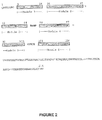
- Figure 2 shows the modules of GITR as determined by the method described in Naismith and Sprang (1998) Trends Biochem. Sci. 23:74-79 .
- Bold residues indicate the conformational DTA-1-like epitope as determined below.
- the present invention meets these needs in the art and more by providing agonists of GITR, e.g. humanized anti-GITR antibodies.
- binding compounds such as an antibodies or fragment thereof, including humanized or chimeric recombinant antibodies, that binds human GITR, comprising an antibody light chain variable domain, or antigen binding fragment thereof, having at least one or more CDRs selected from the group consisting of SEQ ID NOs: 56-88 and a heavy chain variable domain, having at least one or more CDRs selected from the group consisting of SEQ ID NOs: 23-55.
- the binding compound of the present invention comprises a light chain variable domain and a heavy chain variable domain, or the antigen binding fragments thereof, described in the preceding two paragraphs.
- the binding compound comprises a framework region, wherein the amino acid sequence of the framework region is all or substantially all of a human immunoglobulin amino acid sequence.
- the light chain variable domain comprises a sequence selected from the group consisting of SEQ ID NOs: 12-22 or a variant thereof.
- the heavy chain variable domain comprises a sequence selected from the group consisting of SEQ ID NOs: 1-11.
- the binding compound comprises a light chain variable domain and a heavy chain variable domain, or the antigen binding fragments thereof, described in this paragraph.
- the binding compound of the present invention comprises a light chain variable domain, or an antigen binding fragment thereof, consisting essentially of a sequence selected from the group consisting of SEQ ID NOs: 91, 93, 95, 97, 99, 101, 103, 105, 107, 109, 111, and/or a heavy chain variable domain, or an antigen binding fragment thereof, consisting essentially of a sequence selected from the group consisting of SEQ ID NOs: 90, 92, 94, 96, 98, 100, 102, 104, 106, 108, 110.
- the invention relates to antibodies that are able to block the binding of a binding compound of the present invention to human GITR in a cross-blocking assay.
- the antibody is able to block binding of human GITR to an antibody comprising the CDR sequences of antibodies 36E5, 3D6, 61G6, 6H6, 61F6, 1D8, 17F10, 35D8, 49A1, 9E5, or 31H6 as disclosed herein.
- the invention relates to binding compounds that are able to block GITR-mediated activity, such activities including but not limited to, co-stimulation of naive CD4+ T cell proliferation assay.
- the binding compound of the present invention further comprises a heavy chain constant region, wherein the heavy chain constant region comprises a ⁇ 1, ⁇ 2, ⁇ 3, or ⁇ 4 human heavy chain constant region or a variant thereof.
- the light chain constant region comprises a lambda or a kappa human light chain constant region.
- the binding compounds of the present invention are polyclonal, monoclonal, chimeric, humanized or fully human antibodies or fragments thereof.
- the present invention also contemplates that the antigen binding fragment is an antibody fragment selected from the group consisting of Fab, Fab', Fab'-SH, Fv, scFv, F(ab') 2 , and a diabody.
- the present invention encompasses a method of enhancing an immune response in a human subject comprising administering to a subject in need thereof an antibody (or a antigen binding fragment thereof) specific for GITR in an amount effective to stimulate GITR signaling.
- the antibody specific for GITR is the humanized or chimeric antibody.
- the immune response is an anti-infective or anti-viral response.
- the GITR antibody or antigen binding fragment thereof is co-administered with a TGF ⁇ antibody or local radiation.
- the present invention encompasses an isolated nucleic acid encoding the polypeptide sequence of an antibody embodiment of the binding compound of the present invention.
- the nucleic acid can be in an expression vector operably linked to control sequences recognized by a host cell transfected with the vector.
- a host cell comprising the vector, and a method of producing a polypeptide comprising culturing the host cell under conditions wherein the nucleic acid sequence is expressed, thereby producing the polypeptide, and recovering the polypeptide from the host cell or medium.
- the present invention provides an antibody or antigen binding fragment thereof, produced by a hybridoma deposited at the American Type Culture Collection (ATCC), wherein the hybridoma is selected from the group consisting of PTA-9889, PTA-9890, PTA-9891, PTA-9892, PTA-9893, PTA-10286, PTA-10287, PTA-10288, PTA-10289, PTA-10290, and PTA-10291.
- ATCC American Type Culture Collection
- the present invention encompasses an antibody or antigen binding fragment that binds to human GITR protein, wherein the antibody or antigen binging fragment recognizes an epitope spanning module 3 and module 4 of human GITR protein (SEQ ID NO: 89).
- the epitope comprises Gly 57 , Arg 65 , His 67 , Lys 80 , Phe 81 , Ser 82 , and Gln 86 .
- the antibody cross-blocks at least one of the antibodies or antibody fragments produced by the hybridomas selected from group consisting of PTA-9889, PTA-9890, PTA-9891, PTA-9892, PTA-9893, PTA-10286, PTA-10287, PTA-10288, PTA-10289, PTA-10290, and PTA-10291.
- GITR Glucocorticoid-induced TNFR-related protein
- Activation-inducible TNFR family receptor Activation-inducible TNFR family receptor
- AITR activation-inducible TNFR family receptor
- TNFSF18 Tumor necrosis factor receptor superfamily member 18
- GenBank ® deposits of the human GITR amino sequence (Q9Y5U5) and mouse GITR nucleic and amino acid sequences (AF109216) are also available.
- Proliferative activity encompasses an activity that promotes, that is necessary for, or that is specifically associated with, e.g., normal cell division, as well as cancer, tumors, dysplasia, cell transformation, metastasis, and angiogenesis.
- administering refers to contact of an exogenous pharmaceutical, therapeutic, diagnostic agent, or composition to the animal, human, subject, cell, tissue, organ, or biological fluid.
- administering can refer, e.g., to therapeutic, pharmacokinetic, diagnostic, research, and experimental methods. Treatment of a cell encompasses contact of a reagent to the cell, as well as contact of a reagent to a fluid, where the fluid is in contact with the cell.
- administering also means in vitro and ex vivo treatments, e.g., of a cell, by a reagent, diagnostic, binding composition, or by another cell.
- Treatment refers to therapeutic treatment, prophylactic or preventative measures, to research and diagnostic applications.
- Treatment as it applies to a human, veterinary, or research subject, or cell, tissue, or organ, encompasses contact of an agent with animal subject, a cell, tissue, physiological compartment, or physiological fluid.
- Treatment of a cell also encompasses situations where the agent contacts GITR, e.g., in the fluid phase or colloidal phase, but also situations where the agonist or antagonist does not contact the cell or the receptor.
- antibody refers to any form of antibody that exhibits the desired biological activity. Thus, it is used in the broadest sense and specifically covers monoclonal antibodies (including full length monoclonal antibodies), polyclonal antibodies, multispecific antibodies (e.g., bispecific antibodies), chimeric antibodies, humanized antibodies, fully human antibodies, etc. so long as they exhibit the desired biological activity.
- GITR binding fragment encompass a fragment or a derivative of an antibody that still substantially retains its biological activity of inducing GITR signaling referred to herein as "GITR inducing activity.”
- antibody fragment or GITR binding fragment refers to a portion of a full length antibody, generally the antigen binding or variable region thereof. Examples of antibody fragments include Fab, Fab', F(ab') 2 , and Fv fragments; diabodies; linear antibodies; single-chain antibody molecules, e.g., sc-Fv; and multispecific antibodies formed from antibody fragments. Typically, a binding fragment or derivative retains at least 10% of its GITR agonist activity.
- a binding fragment or derivative retains at least 25%, 50%, 60%, 70%, 80%, 90%, 95%, 99% or 100% (or more) of its GITR agonist activity, although any binding fragment with sufficient affinity to exert the desired biological effect will be useful. It is also intended that a GITR binding fragment can include variants having conservative amino acid substitutions that do not substantially alter its biologic activity.
- the term "monoclonal antibody”, as used herein, refers to an antibody obtained from a population of substantially homogeneous antibodies, i.e. , the individual antibodies comprising the population are identical except for possible naturally occurring mutations that may be present in minor amounts. Monoclonal antibodies are highly specific, being directed against a single antigenic epitope. In contrast, conventional (polyclonal) antibody preparations typically include a multitude of antibodies directed against (or specific for) different epitopes. The modifier “monoclonal” indicates the character of the antibody as being obtained from a substantially homogeneous population of antibodies, and is not to be construed as requiring production of the antibody by any particular method.
- the monoclonal antibodies to be used in accordance with the present invention may be made by the hybridoma method first described by Kohler et al. (1975) Nature 256: 495 , or may be made by recombinant DNA methods ( see , e.g., U.S. Pat. No. 4,816,567 ).
- the "monoclonal antibodies” may also be isolated from phage antibody libraries using the techniques described in Clackson et al. (1991) Nature 352: 624-628 and Marks et al. (1991) J. Mol. Biol. 222: 581-597 , for example.
- the monoclonal antibodies herein specifically include "chimeric" antibodies (immunoglobulins) in which a portion of the heavy and/or light chain is identical with or homologous to corresponding sequences in antibodies derived from a particular species or belonging to a particular antibody class or subclass, while the remainder of the chain(s) is identical with or homologous to corresponding sequences in antibodies derived from another species or belonging to another antibody class or subclass, as well as fragments of such antibodies, so long as they exhibit the desired biological activity.
- chimeric antibodies immunoglobulins in which a portion of the heavy and/or light chain is identical with or homologous to corresponding sequences in antibodies derived from a particular species or belonging to a particular antibody class or subclass, while the remainder of the chain(s) is identical with or homologous to corresponding sequences in antibodies derived from another species or belonging to another antibody class or subclass, as well as fragments of such antibodies, so long as they exhibit the desired biological activity.
- a “domain antibody” is an immunologically functional immunoglobulin fragment containing only the variable region of a heavy chain or the variable region of a light chain.
- two or more V H regions are covalently joined with a peptide linker to create a bivalent domain antibody.
- the two V H regions of a bivalent domain antibody may target the same or different antigens.
- bivalent antibody comprises two antigen binding sites. In some instances, the two binding sites have the same antigen specificities. However, bivalent antibodies may be bispecific (see below).
- single-chain Fv or "scFv” antibody refers to antibody fragments comprising the V H and V L domains of antibody, wherein these domains are present in a single polypeptide chain.
- the Fv polypeptide further comprises a polypeptide linker between the V H and V L domains which enables the sFv to form the desired structure for antigen binding.
- the monoclonal antibodies herein also include camelized single domain antibodies. See, e.g., Muyldermans et al. (2001) Trends Biochem. Sci. 26:230 ; Reichmann et al. (1999) J. Immunol. Methods 231:25 ; WO 94/04678 ; WO 94/25591 ; U.S. Pat. No. 6,005,079 ).
- the present invention provides single domain antibodies comprising two V H domains with modifications such that single domain antibodies are formed.
- diabodies refers to small antibody fragments with two antigen-binding sites, which fragments comprise a heavy chain variable domain (V H ) connected to a light chain variable domain (V L ) in the same polypeptide chain (V H -V L or V L -V H ).
- V H heavy chain variable domain
- V L light chain variable domain
- the domains are forced to pair with the complementary domains of another chain and create two antigen-binding sites.
- Diabodies are described more fully in, e.g., EP 404,097 ; WO 93/11161 ; and Holliger et al. (1993) Proc. Natl. Acad. Sci. USA 90: 6444-6448 .
- Holliger et al. (1993) Proc. Natl. Acad. Sci. USA 90: 6444-6448 .
- humanized antibody refers to forms of antibodies that contain sequences from non-human (e.g., murine) antibodies as well as human antibodies. Such antibodies contain minimal sequence derived from non-human immunoglobulin.
- the humanized antibody will comprise substantially all of at least one, and typically two, variable domains, in which all or substantially all of the hypervariable loops correspond to those of a non-human immunoglobulin and all or substantially all of the FR regions are those of a human immunoglobulin sequence.
- the humanized antibody optionally also will comprise at least a portion of an immunoglobulin constant region (Fc), typically that of a human immunoglobulin.
- Fc immunoglobulin constant region
- the prefix "hum”, "hu” or “h” is added to antibody clone designations when necessary to distinguish humanized antibodies from parental rodent antibodies.
- the humanized forms of rodent antibodies will generally comprise the same CDR sequences of the parental rodent antibodies, although certain amino acid substitutions may be included to increase affinity, increase stability of the humanized antibody, or for other reasons.
- the antibodies of the present invention also include antibodies with modified (or blocked) Fc regions to provide altered effector functions. See, e.g., U.S. Pat. No. 5,624,821 ; WO2003/086310 ; WO2005/120571 ; WO2006/0057702 ; Presta (2006) Adv. Drug Delivery Rev. 58:640-656 .
- modified Fc regions include amino acid changes (substitutions, deletions and insertions), glycosylation or deglycosylation, and adding multiple Fc.
- the antibodies of the present invention also include antibodies with intact Fc regions that provide full effector functions, e.g. antibodies of isotype IgG1, which induce complement-dependent cytotoxicity (CDC) or antibody dependent cellular cytotoxicity (ADCC) in a targeted cell.
- antibodies of isotype IgG1 which induce complement-dependent cytotoxicity (CDC) or antibody dependent cellular cytotoxicity (ADCC) in a targeted cell.
- the antibodies of the present invention also include antibodies conjugated to cytotoxic payloads, such as cytotoxic agents or radionuclides.
- cytotoxic payloads such as cytotoxic agents or radionuclides.
- cytotoxic agents include ricin, vinca alkaloid, methotrexate, Psuedomonas exotoxin, saporin, diphtheria toxin, cisplatin, doxorubicin, abrin toxin, gelonin and pokeweed antiviral protein.
- Exemplary radionuclides for use in immunotherapy with the antibodies of the present invention include 121 I, 131 I, 90 Y, 67 Cu, 211 At, 177 Lu, 143 Pr and 213 Bi. See, e.g., U.S. Patent Application Publication No. 2006/0014225 .
- Fully human antibody refers to an antibody that comprises human immunoglobulin protein sequences only.
- a fully human antibody may contain murine carbohydrate chains if produced in a mouse, in a mouse cell, or in a hybridoma derived from a mouse cell.
- mouse antibody or “rat antibody” refer to an antibody that comprises only mouse or rat immunoglobulin sequences, respectively.
- a fully human antibody may be generated in a human being, in a transgenic animal having human immunoglobulin germline sequences, by phage display or other molecular biological methods.
- hypervariable region refers to the amino acid residues of an antibody that are responsible for antigen-binding.
- the hypervariable region comprises amino acid residues from a "complementarity determining region” or "CDR” (e.g. residues 24-34 (CDRL1), 50-56 (CDRL2) and 89-97 (CDRL3) in the light chain variable domain and residues 31-35 (CDRH1), 50-65 (CDRH2) and 95-102 (CDRH3) in the heavy chain variable domain (Kabat et al. (1991) Sequences of Proteins of Immunological Interest, 5th Ed.
- CDR complementarity determining region
- Binding compound refers to a molecule, small molecule, macromolecule, polypeptide, antibody or fragment or analogue thereof, or soluble receptor, capable of binding to a target.
- Binding compound also may refer to a complex of molecules, e.g., a non-covalent complex, to an ionized molecule, and to a covalently or non-covalently modified molecule, e.g., modified by phosphorylation, acylation, cross-linking, cyclization, or limited cleavage, that is capable of binding to a target.
- binding compound refers to both antibodies and antigen binding fragments thereof.
- Binding refers to an association of the binding composition with a target where the association results in reduction in the normal Brownian motion of the binding composition, in cases where the binding composition can be dissolved or suspended in solution.
- Binding composition refers to a molecule, e.g. a binding compound, in combination with a stabilizer, excipient, salt, buffer, solvent, or additive, capable of binding to a target.
- Consatively modified variants or “conservative substitution” refers to substitutions of amino acids are known to those of skill in this art and may often be made even in essential regions of the polypeptide without altering the biological activity of the resulting molecule. Such exemplary substitutions are preferably made in accordance with those set forth in Table 1 as follows: Table 1 Exemplary Conservative Amino Acid Substitutions Original residue Conservative substitution Ala (A) Gly; Ser Arg (R) Lys, His Asn (N) Gin; His Asp (D) Glu; Asn Cys (C) Ser; Ala Gln (Q) Asn Glu (E) Asp; Gin Gly (G) Ala His (H) Asn; Gin Ile (I) Leu; Val Leu (L) Ile; Val Lys (K) Arg; His Met (M) Leu; Ile; Tyr Phe (F) Tyr; Met; Leu Pro (P) Ala Ser (S) Thr Thr (T) Ser Trp (W) Tyr; Phe Tyr (Y)
- a binding compound that consists essentially of a recited amino acid sequence may also include one or more amino acids, including substitutions of one or more amino acid residues, that do not materially affect the properties of the binding compound.
- Effective amount encompasses an amount sufficient to ameliorate or prevent a symptom or sign of the medical condition. Effective amount also means an amount sufficient to allow or facilitate diagnosis.
- An effective amount for a particular patient or veterinary subject may vary depending on factors such as the condition being treated, the overall health of the patient, the method route and dose of administration and the severity of side affects. See, e.g., U.S. Pat. No. 5,888,530 .
- An effective amount can be the maximal dose or dosing protocol that avoids significant side effects or toxic effects.
- the effect will result in an improvement of a diagnostic measure or parameter by at least 5%, usually by at least 10%, more usually at least 20%, most usually at least 30%, preferably at least 40%, more preferably at least 50%, most preferably at least 60%, ideally at least 70%, more ideally at least 80%, and most ideally at least 90%, where 100% is defined as the diagnostic parameter shown by a normal subject. See, e.g., Maynard et al. (1996) A Handbook of SOPs for Good Clinical Practice, Interpharm Press, Boca Raton, FL ; Dent (2001) Good Laboratory and Good Clinical Practice, Urch Publ., London, UK .
- Immunoimmune condition or “immune disorder” encompasses, e.g., pathological inflammation, an inflammatory disorder, and an autoimmune disorder or disease.
- Immunune condition also refers to infections, persistent infections, and proliferative conditions, such as cancer, tumors, and angiogenesis, including infections, tumors, and cancers that resist eradication by the immune system.
- Treatment includes, e.g., cancer, cancer cells, tumors, angiogenesis, and precancerous conditions such as dysplasia.
- immune disorder means a disease in which a component of the immune system of a mammal causes, mediates or otherwise contributes to a morbidity in the mammal. Also included are diseases in which stimulation or intervention of the immune response has an ameliorative effect on progression of the disease. Included within this term are autoimmune diseases, immune-mediated inflammatory diseases, non-immune-mediated inflammatory diseases, infectious diseases, and immunodeficiency diseases.
- immune-related and inflammatory diseases examples include systemic lupus erythematosis, rheumatoid arthritis, juvenile chronic arthritis, spondyloarthropathies, systemic sclerosis (scleroderma), idiopathic inflammatory myopathies (dermatomyositis, polymyositis), Sjogren's syndrome, systemic vasculitis, sarcoidosis, autoimmune hemolytic anemia (immune pancytopenia, paroxysmal nocturnal hemoglobinuria), autoimmune thrombocytopenia (idiopathic thrombocytopenic purpura, immune-mediated thrombocytopenia), thyroiditis (Grave's disease, Hashimoto's thyroiditis, juvenile lymphocytic thyroiditis, atrophic thyroiditis), diabetes mellitus, immune-mediated renal disease (glomerulonephritis, tubulointerstitial n
- cancer refers to or describe the physiological condition in mammals that is typically characterized by unregulated cell growth.
- cancer include but are not limited to, carcinoma including adenocarcinoma, lymphoma, blastoma, melanoma, sarcoma, and leukemia.
- cancers include squamous cell cancer, small-cell lung cancer, non-small cell lung cancer, gastrointestinal cancer, Hodgkin's and non-Hodgkin's lymphoma, pancreatic cancer, glioblastoma, glioma, cervical cancer, ovarian cancer, liver cancer such as hepatic carcinoma and hepatoma, bladder cancer, breast cancer, colon cancer, colorectal cancer, endometrial carcinoma, myeloma (such as multiple myeloma), salivary gland carcinoma, kidney cancer such as renal cell carcinoma and Wilms' tumors, basal cell carcinoma, melanoma, prostate cancer, vulval cancer, thyroid cancer, testicular cancer, esophageal cancer, and various types of head and neck cancer.
- liver cancer such as hepatic carcinoma and hepatoma
- bladder cancer breast cancer
- colon cancer colorectal cancer
- endometrial carcinoma myeloma (such as multiple myeloma)
- cancerous cells grow and multiply, they form a mass of cancerous tissue, that is a tumor, which invades and destroys normal adjacent tissues.
- Malignant tumors are cancer. Malignant tumors usually can be removed, but they may grow back. Cells from malignant tumors can invade and damage nearby tissues and organs. Also, cancer cells can break away from a malignant tumor and enter the bloodstream or lymphatic system, which is the way cancer cells spread from the primary tumor ( i.e. , the original cancer) to form new tumors in other organs. The spread of cancer in the body is called metastasis ( What You Need to Know About Cancer- an Overview, NIH Publication No. 00-1566; posted Sept. 26, 2000, updated Sept. 16, 2002 (2002 )).
- solid tumor refers to an abnormal growth or mass of tissue that usually does not contain cysts or liquid areas. Solid tumors may be benign (not cancerous) or malignant (cancerous). Different types of solid tumors are named for the type of cells that form them. Examples of solid tumors are sarcomas, carcinomas, and lymphomas. Leukemias (cancers of the blood) generally do not form solid tumors (National Cancer Institute, Dictionary of Cancer Terms).
- primary cancer refers to the original tumor or the first tumor. Cancer may begin in any organ or tissue of the body. It is usually named for the part of the body or the type of cell in which it originates ( Metastatic Cancer: Questions and Answers, Cancer Facts 6.20, National Cancer Institute, reviewed Sept. 1, 2004 (2004 )).
- cancer in situ refers to cancerous cells that are still contained within the tissue where they started to grow, and have not yet become invasive or spread to other parts of the body.
- carcinomas refers to cancers of epithelial cells, which are cells that cover the surface of the body, produce hormones, and make up glands. Examples of carcinomas are cancers of the skin, lung, colon, stomach, breast, prostate and thyroid gland.
- isolated nucleic acid molecule refers to a nucleic acid molecule that is identified and separated from at least one contaminant nucleic acid molecule with which it is ordinarily associated in the natural source of the antibody nucleic acid.
- An isolated nucleic acid molecule is other than in the form or setting in which it is found in nature. Isolated nucleic acid molecules therefore are distinguished from the nucleic acid molecule as it exists in natural cells.
- an isolated nucleic acid molecule includes a nucleic acid molecule contained in cells that ordinarily express the antibody where, for example, the nucleic acid molecule is in a chromosomal location different from that of natural cells.
- control sequences refers to DNA sequences involved in the expression of an operably linked coding sequence in a particular host organism.
- the control sequences that are suitable for prokaryotes include a promoter, optionally an operator sequence, and a ribosome binding site.
- Eukaryotic cells are known to use promoters, polyadenylation signals, and enhancers.
- a nucleic acid is "operably linked" when it is placed into a functional relationship with another nucleic acid sequence.
- DNA for a presequence or secretory leader is operably linked to DNA for a polypeptide if it is expressed as a preprotein that participates in the secretion of the polypeptide;
- a promoter or enhancer is operably linked to a coding sequence if it affects the transcription of the sequence; or
- a ribosome binding site is operably linked to a coding sequence if it is positioned so as to facilitate translation.
- "operably linked” means that the DNA sequences being linked are contiguous, and, in the case of a secretory leader, contiguous and in reading frame. However, enhancers do not have to be contiguous. Linking is accomplished by ligation at convenient restriction sites. If such sites do not exist, the synthetic oligonucleotide adaptors or linkers are used in accordance with conventional practice.
- the expressions "cell,” “cell line,” and “cell culture” are used interchangeably and all such designations include progeny.
- the words “transformants” and “transformed cells” include the primary subject cell and cultures derived therefrom without regard for the number of transfers. It is also understood that all progeny may not be precisely identical in DNA content, due to deliberate or inadvertent mutations. Mutant progeny that have the same function or biological activity as screened for in the originally transformed cell are included. Where distinct designations are intended, it will be clear from the context.
- PCR polymerase chain reaction
- sequence information from the ends of the region of interest or beyond needs to be available, such that oligonucleotide primers can be designed; these primers will be identical or similar in sequence to opposite strands of the template to be amplified.
- the 5' terminal nucleotides of the two primers can coincide with the ends of the amplified material.
- PCR can be used to amplify specific RNA sequences, specific DNA sequences from total genomic DNA, and cDNA transcribed from total cellular RNA, bacteriophage or plasmid sequences, etc. See generally Mullis et al. (1987) Cold Spring Harbor Symp. Quant. Biol.
- PCR is considered to be one, but not the only, example of a nucleic acid polymerase reaction method for amplifying a nucleic acid test sample comprising the use of a known nucleic acid as a primer and a nucleic acid polymerase to amplify or generate a specific piece of nucleic acid.
- germline sequence refers to a sequence of unrearranged immunoglobulin DNA sequences, including rodent (e.g. mouse) and human germline sequences. Any suitable source of unrearranged immunoglobulin DNA may be used.
- Human germline sequences may be obtained, for example, from JOINSOLVER ® germline databases on the website for the National Institute of Arthritis and Musculoskeletal and Skin Diseases of the United States National Institutes of Health.
- Mouse germline sequences may be obtained, for example, as described in Giudicelli et al. (2005) Nucleic Acids Res. 33:D256-D261 .
- samples or assays comprising a given, e.g., protein, gene, cell, or organism, are treated with a potential activating or inhibiting agent and are compared to control samples without the agent.
- Control samples i.e., not treated with agent, are assigned a relative activity value of 100%.
- Inhibition is achieved when the activity value relative to the control is about 90% or less, typically 85% or less, more typically 80% or less, most typically 75% or less, generally 70% or less, more generally 65% or less, most generally 60% or less, typically 55% or less, usually 50% or less, more usually 45% or less, most usually 40% or less, preferably 35% or less, more preferably 30% or less, still more preferably 25% or less, and most preferably less than 20%.
- Activation is achieved when the activity value relative to the control is about 110%, generally at least 120%, more generally at least 140%, more generally at least 160%, often at least 180%, more often at least 2-fold, most often at least 2.5-fold, usually at least 5-fold, more usually at least 10-fold, preferably at least 20-fold, more preferably at least 40-fold, and most preferably over 40-fold higher.
- Endpoints in activation or inhibition can be monitored as follows.
- Activation, inhibition, and response to treatment e.g., of a cell, physiological fluid, tissue, organ, and animal or human subject, can be monitored by an endpoint.
- the endpoint may comprise a predetermined quantity or percentage of, e.g., an indicia of inflammation, oncogenicity, or cell degranulation or secretion, such as the release of a cytokine, toxic oxygen, or a protease.
- the endpoint may comprise, e.g., a predetermined quantity of ion flux or transport; cell migration; cell adhesion; cell proliferation; potential for metastasis; cell differentiation; and change in phenotype, e.g., change in expression of gene relating to inflammation, apoptosis, transformation, cell cycle, or metastasis (see, e.g., Knight (2000) Ann. Clin. Lab. Sci. 30:145-158 ; Hood and Cheresh (2002) Nature Rev. Cancer 2:91-100 ; Timme et al. (2003) Curr. Drug Targets 4:251-261 ; Robbins and Itzkowitz (2002) Med. Clin. North Am. 86:1467-1495 ; Grady and Markowitz (2002) Annul. Rev. Genomics Hum. Genet. 3:101-128 ; Bauer, et al. (2001) Glia 36:235-243 ; Stanimirovic and Satoh (2000) Brain Pathol. 10:113-126 ).
- An endpoint of inhibition is generally 75% of the control or less, preferably 50% of the control or less, more preferably 25% of the control or less, and most preferably 10% of the control or less.
- an endpoint of activation is at least 150% the control, preferably at least two times the control, more preferably at least four times the control, and most preferably at least 10 times the control.
- Small molecule is defined as a molecule with a molecular weight that is less than 10 kDa, typically less than 2 kDa, and preferably less than 1 kDa.
- Small molecules include, but are not limited to, inorganic molecules, organic molecules, organic molecules containing an inorganic component, molecules comprising a radioactive atom, synthetic molecules, peptide mimetics, and antibody mimetics.
- a small molecule may be more permeable to cells, less susceptible to degradation, and less apt to elicit an immune response than large molecules.
- Small molecules, such as peptide mimetics of antibodies and cytokines, as well as small molecule toxins are described. See, e.g., Casset et al.
- a specified ligand binds to a particular receptor and does not bind in a significant amount to other proteins present in the sample.
- an antibody is said to bind specifically to a polypeptide comprising a given sequence (in this case GITR) if it binds to polypeptides comprising the sequence of GITR but does not bind to proteins lacking the sequence of GITR.
- GITR polypeptide comprising a given sequence
- an antibody that specifically binds to a polypeptide comprising GITR may bind to a FLAG ® -tagged form of GITR but will not bind to other FLAG ® -tagged proteins.
- the antibody, or binding composition derived from the antigen-binding site of an antibody, of the contemplated method binds to its antigen with an affinity that is at least two fold greater, preferably at least ten times greater, more preferably at least 20-times greater, and most preferably at least 100-times greater than the affinity with unrelated antigens.
- the antibody will have an affinity that is greater than about 10 9 liters/mol, as determined, e.g., by Scatchard analysis. Munsen et al. (1980) Analyt. Biochem. 107:220-239 .
- Chronic viral infection or “persistent viral infection” as used herein, is meant a viral infection of humans or other animals which is able to infect a host and reproduce within the cells of a host over a prolonged period of time--usually weeks, months or years, without proving fatal.
- viruses giving rise to chronic infections and which may be treated in accordance with the present invention are the human papilloma viruses (HPV), Herpes simplex and other herpes viruses, the viruses of hepatitis B and C (HBV and HCV) as well as other hepatitis viruses, the measles virus, all of which can produce important clinical diseases, and HIV. Prolonged infection may ultimately lead to the induction of disease which may be, e. g.
- EBV Epstein Barr virus
- other viruses such as those which may be associated with tumors, or in the case of animals, various veterinary viral diseases, for example those of domestic pets or farmyard animals important in agriculture.
- antiviral activity refers to an inhibition of viral transmission to uninfected cells, inhibition of the replication of a virus, prevention of the virus from establishing itself in a host, or ameliorating or alleviating the symptoms of the disease caused by viral infection. These effects can be evidenced by a reduction in viral load or decrease in mortality and/or morbidity, which assays are described infra.
- An antiviral agent or drug has antiviral activity and is useful for treating persistent or chronic viral infections alone, or as part of a multi-drug combination therapy.
- the present invention provides engineered anti-GITR antibodies and uses thereof to treat immune disorders, in particular impaired response to infectious diseases (including viral infections) and cancer.
- GITR also known as TNFRSF18
- TNR-R superfamily TNR-R superfamily.
- crystal structures of human or mouse GITR are not available, however, a modular architecuture of the molecule, based upon studies described, e.g., in Naismith and Sprang (1998) Trends Biochem. Sci. 23:74-79 , can be established.
- Figure 2 illustrates that human GITR can be divided into 6 modules. From the studies below, certain antibodies having agonist activity may have conformational epitopes that span modules 3 and 4.
- any suitable method for generating monoclonal antibodies may be used.
- a recipient may be immunized with GITR or a fragment thereof.
- Any suitable method of immunization can be used. Such methods can include adjuvants, other immunostimulants, repeated booster immunizations, and the use of one or more immunization routes.
- Any suitable source of GITR can be used as the immunogen for the generation of the non-human antibody of the compositions and methods disclosed herein. Such forms include, but are not limited whole protein, peptide(s), and epitopes generated through recombinant, synthetic, chemical or enzymatic degradation means known in the art.
- the immunogen comprises the extracellular portion of GITR.
- the eliciting antigen may be a single epitope, multiple epitopes, or the entire protein alone or in combination with one or more immunogenicity enhancing agents known in the art.
- the eliciting antigen may be an isolated full-length protein, a cell surface protein (e.g., immunizing with cells transfected with at least a portion of the antigen), or a soluble protein (e.g., immunizing with only the extracellular domain portion of the protein).
- the antigen may be produced in a genetically modified cell.
- the DNA encoding the antigen may genomic or non-genomic (e.g., cDNA) and encodes at least a portion of the extracellular domain.
- portion refers to the minimal number of amino acids or nucleic acids, as appropriate, to constitute an immunogenic epitope of the antigen of interest.
- Any genetic vectors suitable for transformation of the cells of interest may be employed, including but not limited to adenoviral vectors, plasmids, and non-viral vectors, such as cationic lipids.
- mAbs monoclonal antibodies
- mammals such as mice, rats, other rodents, humans, other primates, etc. Description of techniques for preparing such monoclonal antibodies may be found in, e.g., Stites et al.
- DNA sequences that encode a monoclonal antibody or a antigen binding fragment thereof may be isolated by screening a DNA library from human B cells according, e.g., to the general protocol outlined by Huse et al. (1989) Science 246:1275-1281 .
- polypeptides and antibodies of the present invention may be used with or without modification, including chimeric or humanized antibodies. Frequently, the polypeptides and antibodies will be labeled by joining, either covalently or non-covalently, a substance that provides for a detectable signal.
- labels and conjugation techniques are known and are reported extensively in both the scientific and patent literature. Suitable labels include radionuclides, enzymes, substrates, cofactors, inhibitors, fluorescent moieties, chemiluminescent moieties, magnetic particles, and the like.
- Patents teaching the use of such labels include U.S. Patent Nos. 3,817,837 ; 3,850,752 ; 3,939,350 ; 3,996,345 ; 4,277,437 ; 4,275,149 ; and 4,366,241 .
- recombinant immunoglobulins may be produced, see Cabilly U.S. Patent No. 4,816,567 ; and Queen et al. (1989) Proc. Nat'l Acad. Sci. USA 86:10029-10033 ; or made in transgenic mice, see Mendez et al. (1997) Nature Genetics 15:146-156 . See also Abgenix and Medarex technologies.
- monoclonal antibodies can be produced by enrichment of clonal populations of B cells isolated from spleens of animals (e.g., mice, rats, rabbits, etc.) immunized with human GITR (see, e.g., WO2008045140 , US5627052 , and US20030186327 ).
- animals e.g., mice, rats, rabbits, etc.
- human GITR see, e.g., WO2008045140 , US5627052 , and US20030186327 .
- Antibodies or binding compositions against predetermined fragments of GITR can be raised by immunization of animals with conjugates of the polypeptide, fragments, peptides, or epitopes with carrier proteins.
- Monoclonal antibodies are prepared from cells secreting the desired antibody. These antibodies can be screened for binding to normal or defective GITR. These monoclonal antibodies will usually bind with at least a K d of about 1 ⁇ M, more usually at least about 300 nM, 30 nM, 10 nM, 3 nM, 1 nM, 300 pM, 100 pM, 30 pM or better, usually determined by ELISA or Biacore. Suitable non-human antibodies may also be identified using the biologic assays described in Examples 5 and 6, below.
- Hybridomas corresponding to clones 36E5, 3D6, 61G6, 6H6 and 61F6 were deposited at the American Type Culture Collection ("ATCC") under the Budapest Treaty requirements, as PTA-9890, PTA-9889, PTA-9891, PTA-9892, and PTA-9893, respectively, on March 25, 2009.
- ATCC American Type Culture Collection
- Hybridomas corresponding to clones 1D8, 17F10, 35D8, 49A1, 9E5, and 31H6 were deposited at the ATCC in accordance with the Budapest Treaty requirements on August 21, 2009, as PTA-10286, PTA-10287, PTA-10288, PTA-10289, PTA-10290, and PTA-10291.
- non-human antibody can be used as a source for the hypervariable region.
- Sources for non-human antibodies include, but are not limited to, murine (e.g. Mus musculus ), rat (e.g. Rattus norvegicus ), Lagomorphs (including rabbits), bovine, and primates.
- humanized antibodies are human immunoglobulins (recipient antibody) in which hypervariable region residues of the recipient are replaced by hypervariable region residues from a non-human species (donor antibody) such as mouse, rat, rabbit or non-human primate having the desired specificity, affinity, and capacity.
- donor antibody such as mouse, rat, rabbit or non-human primate having the desired specificity, affinity, and capacity.
- Fv framework region (FR) residues of the human immunoglobulin are replaced by corresponding non-human residues.
- humanized antibodies may comprise residues that are not found in the recipient antibody or in the donor antibody. These modifications are made to further refine antibody performance of the desired biological activity. For further details, see Jones et al. (1986) Nature 321:522-525 ; Reichmann et al. (1988) Nature 332:323-329 ; and Presta (1992) Curr. Op. Struct. Biol. 2:593-596 .
- Amino acid sequence variants of humanized anti-GITR antibody are prepared by introducing appropriate nucleotide changes into the humanized anti-GITR antibody DNA, or by peptide synthesis.
- Such variants include, for example, deletions from, and/or insertions into, and/or substitutions of, residues within the amino acid sequences shown for the humanized anti-GITR antibody. Any combination of deletion, insertion, and substitution is made to arrive at the final construct, provided that the final construct possesses the desired characteristics.
- the amino acid changes also may alter post-translational processes of the humanized anti-GITR antibody, such as changing the number or position of glycosylation sites.
- a useful method for identification of certain residues or regions of the humanized anti-GITR antibody polypeptide that are preferred locations for mutagenesis is called "alanine scanning mutagenesis," as described by Cunningham and Wells (1989) Science 244: 1081-1085 .
- a residue or group of target residues are identified (e.g., charged residues such as Arg, Asp, His, Lys, and Glu) and replaced by a neutral or negatively charged amino acid (most preferably alanine or polyalanine) to affect the interaction of the amino acids with GITR antigen.
- the amino acid residues demonstrating functional sensitivity to the substitutions then are refined by introducing further or other variants at, or for, the sites of substitution.
- the site for introducing an amino acid sequence variation is predetermined, the nature of the mutation per se need not be predetermined.
- Ala scanning or random mutagenesis is conducted at the target codon or region and the expressed humanized anti-GITR antibody variants are screened for the desired activity.
- Amino acid sequence insertions include amino- and/or carboxyl-terminal fusions ranging in length from one residue to polypeptides containing a hundred or more residues, as well as intrasequence insertions of single or multiple amino acid residues.
- terminal insertions include humanized anti-GITR antibody with an N-terminal methionyl residue or the antibody fused to an epitope tag.
- Other insertional variants of the humanized anti-GITR antibody molecule include the fusion to the N- or C-terminus of humanized anti-GITR antibody of an enzyme or a polypeptide that increases the serum half-life of the antibody.
- variants Another type of variant is an amino acid substitution variant. These variants have at least one amino acid residue in the humanized anti-GITR antibody molecule removed and a different residue inserted in its place.
- the sites of greatest interest for substitutional mutagenesis include the hypervariable loops, but FR alterations are also contemplated.
- Another type of amino acid variant of the antibody alters the original glycosylation pattern of the antibody. By altering is meant deleting one or more carbohydrate moieties found in the antibody, and/or adding one or more glycosylation sites that are not present in the antibody.
- Glycosylation of antibodies is typically either N-linked or O-linked. N-linked refers to the attachment of the carbohydrate moiety to the side chain of an asparagine residue.
- the tripeptide sequences asparagine-X-serine and asparagine-X-threonine, where X is any amino acid except proline, are the recognition sequences for enzymatic attachment of the carbohydrate moiety to the asparagine side chain.
- O-linked glycosylation refers to the attachment of one of the sugars N-acetylgalactosamine, galactose, or xylose to a hydroxyamino acid, most commonly serine or threonine, although 5-hydroxyproline or 5-hydroxylysine may also be used.
- glycosylation sites to the antibody is conveniently accomplished by altering the amino acid sequence such that it contains one or more of the above-described tripeptide sequences (for N-linked glycosylation sites).
- the alteration may also be made by the addition of, or substitution by, one or more serine or threonine residues to the sequence of the original antibody (for O-linked glycosylation sites).
- an asparagine (N) residue may be changed to reduce the potential for formation of isoaspartate at any NG sequences within a rodent CDR.
- a similar problem may occur at a DG sequence. Reissner and Aswad (2003) Cell. Mol. Life Sci. 60:1281 . Isoaspartate formation may debilitate or completely abrogate binding of an antibody to its target antigen. Presta (2005) J. Allergy Clin. Immunol. 116:731 at 734 .
- the asparagine is changed to glutamine (Q).
- methionine residues in rodent CDRs may be changed to reduce the possibility that the methionine sulfur would oxidize, which could reduce antigen binding affinity and also contribute to molecular heterogeneity in the final antibody preparation.
- the methionine is changed to alanine (A).
- Antibodies with such substitutions are subsequently screened to ensure that the substitutions do not decrease GITR binding affinity to unacceptable levels.
- Nucleic acid molecules encoding amino acid sequence variants of humanized GITR specific antibody are prepared by a variety of methods known in the art. These methods include, but are not limited to, isolation from a natural source (in the case of naturally occurring amino acid sequence variants) or preparation by oligonucleotide-mediated (or site-directed) mutagenesis, PCR mutagenesis, and cassette mutagenesis of an earlier prepared variant or a non-variant version of humanized anti-GITR antibody.
- amino acid sequence variants of the humanized anti-GITR antibody will have an amino acid sequence having at least 75% amino acid sequence identity with the original humanized antibody amino acid sequences of either the heavy or the light chain more preferably at least 80%, more preferably at least 85%, more preferably at least 90%, and most preferably at least 95%, 98% or 99%.
- Identity or homology with respect to this sequence is defined herein as the percentage of amino acid residues in the candidate sequence that are identical with the humanized anti-GITR residues, after aligning the sequences and introducing gaps, if necessary, to achieve the maximum percent sequence identity, and not considering any conservative substitutions as part of the sequence identity. None of N-terminal, C-terminal, or internal extensions, deletions, or insertions into the antibody sequence shall be construed as affecting sequence identity or homology.
- the humanized antibody can be selected from any class of immunoglobulins, including IgM, IgG, IgD, IgA, and IgE.
- the antibody is an IgG antibody.
- Any isotype of IgG can be used, including IgG 1 , IgG 2 , IgG 3 , and IgG 4 .
- Variants of the IgG isotypes are also contemplated.
- the humanized antibody may comprise sequences from more than one class or isotype. Optimization of the necessary constant domain sequences to generate the desired biologic activity is readily achieved by screening the antibodies in the biological assays described in the Examples.
- either class of light chain can be used in the compositions and methods herein.
- kappa, lambda, or variants thereof are useful in the present compositions and methods.
- the CDR sequences can be mutagenized by substitution, insertion or deletion of at least one residue such that the CDR sequence is distinct from the human and non-human antibody sequence employed. It is contemplated that such mutations would be minimal. Typically, at least 75% of the humanized antibody residues will correspond to those of the non-human CDR residues, more often 90%, and most preferably greater than 95%.
- FR sequences from the human antibody can be mutagenized by substitution, insertion or deletion of at least one residue such that the FR sequence is distinct from the human and non-human antibody sequence employed. It is contemplated that such mutations would be minimal. Typically, at least 75% of the humanized antibody residues will correspond to those of the human FR residues, more often 90%, and most preferably greater than 95%, 98% or 99%.
- CDR and FR residues are determined according to the standard sequence definition of Kabat. Kabat et al. (1987) Sequences of Proteins of Immunological Interest, National Institutes of Health, Bethesda Md .
- SEQ ID NOs: 1-11 show the heavy chain variable domain sequences of various rodent anti-human GITR antibodies, and SEQ ID NOs: 12-22 depict the light chain variable domain sequences.
- CDRs include variants of any single sequence CDR disclosed herein (SEQ ID NOs: 23-88), in which the variant comprises 1, 2, 3, 4, 5, 6, 7, 8, 9, 10 or more conservative amino acid substitutions relative to the disclosed sequence, as determined using the data of Table 1.
- chimeric antibodies comprise a portion of the heavy and/or light chain identical with, or homologous to, corresponding sequences in antibodies derived from a particular species or belonging to a particular antibody class or subclass, while the remainder of the chain(s) is identical with or homologous to corresponding sequences in antibodies derived from another species or belonging to another antibody class or subclass, as well as fragments of such antibodies, so long as they exhibit the desired biological activity.
- typical chimeric antibodies comprise a portion of the heavy and/or light chain identical with, or homologous to, corresponding sequences in antibodies derived from a particular species or belonging to a particular antibody class or subclass, while the remainder of the chain(s) is identical with or homologous to corresponding sequences in antibodies derived from another species or belonging to another antibody class or subclass, as well as fragments of such antibodies, so long as they exhibit the desired biological activity.
- bispecific antibodies are also useful in the present methods and compositions.
- the term "bispecific antibody” refers to an antibody, typically a monoclonal antibody, having binding specificities for at least two different antigenic epitopes.
- the epitopes are from the same antigen.
- the epitopes are from two different antigens.
- Methods for making bispecific antibodies are known in the art. For example, bispecific antibodies can be produced recombinantly using the co-expression of two immunoglobulin heavy chain/light chain pairs. See, e.g., Milstein et al. (1983) Nature 305: 537-39 . Alternatively, bispecific antibodies can be prepared using chemical linkage.
- Bispecific antibodies include bispecific antibody fragments. See, e.g., Holliger et al. (1993) Proc. Natl. Acad. Sci. U.S.A. 90:6444-48 , Gruber et al. (1994) J. Immunol. 152:5368 .
- different constant domains may be appended to humanized V L and V H regions derived from the CDRs provided herein.
- a heavy chain constant domain other than IgG1 may be used.
- IgG1 antibodies provide for long half-life and for effector functions, such as complement activation and antibody-dependent cellular cytotoxicity, such activities may not be desirable for all uses of the antibody.
- an IgG4 or IgG2 constant domain may be used.
- the parental and engineered forms of the antibodies of the present invention may also be conjugated to a chemical moiety.
- the chemical moiety may be, inter alia , a polymer, a radionuclide or a cytotoxic factor.
- the chemical moiety is a polymer which increases the half-life of the antibody molecule in the body of a subject.
- Suitable polymers include, but are not limited to, polyethylene glycol (PEG) (e.g. , PEG with a molecular weight of 2kDa, 5 kDa, 10 kDa, 12kDa, 20 kDa, 30kDa or 40kDa), dextran and monomethoxypolyethylene glycol (mPEG).
- the antibodies and antibody fragments or the GITR soluble proteins or fragments thereof of the invention may also be conjugated with labels such as 99 Tc, 90 Y, 111 In, 32 P, 14 C, 125 I, 3 H, 131 I, 11 C, 15 O, 13 N, 18 F, 35 S, 51 Cr, 57 To, 226 Ra, 60 Co, 59 Fe, 57 Se, 152 Eu, 67 CU, 217 Ci, 211 At, 212 Pb, 47 Sc, 109 Pd, 234 Th, and 40 K, 157 Gd, 55 Mn, 52 Tr and 56 Fe.
- labels such as 99 Tc, 90 Y, 111 In, 32 P, 14 C, 125 I, 3 H, 131 I, 11 C, 15 O, 13 N, 18 F, 35 S, 51 Cr, 57 To, 226 Ra, 60 Co, 59 Fe, 57 Se, 152 Eu, 67 CU, 217 Ci, 211 At, 212 Pb, 47 Sc, 109 Pd, 234 Th,
- the antibodies and antibody fragments or the GITR soluble proteins or fragments thereof of the invention may also be conjugated with fluorescent or chemilluminescent labels, including fluorophores such as rare earth chelates, fluorescein and its derivatives, rhodamine and its derivatives, isothiocyanate, phycoerythrin, phycocyanin, allophycocyanin, o-phthaladehyde, fluorescamine, 152 Eu, dansyl, umbelliferone, luciferin, luminal label, isoluminal label, an aromatic acridinium ester label, an imidazole label, an acridimium salt label, an oxalate ester label, an aequorin label, 2,3-dihydrophthalazinediones, biotin/avidin, spin labels and stable free radicals.
- fluorophores such as rare earth chelates, fluorescein and its derivatives, rhodamine and its derivatives,
- any method known in the art for conjugating the antibody molecules or protein molecules of the invention to the various moieties may be employed, including those methods described by Hunter et al., (1962) Nature 144:945 ; David et al., (1974) Biochemistry 13:1014 ; Pain et al., (1981) J. Immunol. Meth. 40:219 ; and Nygren, J., (1982) Histochem. and Cytochem. 30:407 . Methods for conjugating antibodies and proteins are conventional and very well known in the art.
- Antibodies having the characteristics identified herein as being desirable in a humanized anti-GITR antibody can be screened for inhibitory biologic activity in vitro or suitable binding affinity.
- Agonist antibodies may be distinguished from antagonist antibodies using the biological assay provided at Example 5.
- Antibodies that exhibit agonist activity will not block the activity of GITR, but will instead stimulate the response typically mediated by GITR signaling.
- a routine cross-blocking assay such as that described in ANTIBODIES, A LABORATORY MANUAL, Cold Spring Harbor Laboratory, Ed Harlow and David Lane (1988 ), can be performed.
- Antibodies that bind to the same epitope are likely to cross-block in such assays, but not all cross-blocking antibodies will necessarily bind at precisely the same epitope since cross-blocking may result from steric hindrance of antibody binding by antibodies bind at overlapping epitopes, or even nearby non-overlapping epitopes.
- epitope mapping e.g., as described in Champe et al. (1995) J. Biol. Chem. 270:1388-1394 , can be performed to determine whether the antibody binds an epitope of interest.
- "Alanine scanning mutagenesis,” as described by Cunningham and Wells (1989) Science 244: 1081-1085 , or some other form of point mutagenesis of amino acid residues in human GITR may also be used to determine the functional epitope for an anti-GITR antibody of the present invention. Mutagenesis studies, however, may also reveal amino acid residues that are crucial to the overall three-dimensional structure of GITR but that are not directly involved in antibody-antigen contacts, and thus other methods may be necessary to confirm a functional epitope determined using this method.
- the epitope bound by a specific antibody may also be determined by assessing binding of the antibody to peptides comprising fragments of human GITR (SEQ ID NO: 41).
- a series of overlapping peptides encompassing the sequence of GITR may be synthesized and screened for binding, e.g. in a direct ELISA, a competitive ELISA (where the peptide is assessed for its ability to prevent binding of an antibody to GITR bound to a well of a microtiter plate), or on a chip.
- Such peptide screening methods may not be capable of detecting some discontinuous functional epitopes, i.e. functional epitopes that involve amino acid residues that are not contiguous along the primary sequence of the GITR polypeptide chain.
- the epitope bound by antibodies of the present invention may also be determined by structural methods, such as X-ray crystal structure determination (e.g. , WO2005/044853 ), molecular modeling and nuclear magnetic resonance (NMR) spectroscopy, including NMR determination of the H-D exchange rates of labile amide hydrogens in GITR when free and when bound in a complex with an antibody of interest ( Zinn-Justin et al. (1992) Biochemistry 31:11335-11347 ; Zinn-Justin et al. (1993) Biochemistry 32:6884-6891 ).
- structural methods such as X-ray crystal structure determination (e.g. , WO2005/044853 ), molecular modeling and nuclear magnetic resonance (NMR) spectroscopy, including NMR determination of the H-D exchange rates of labile amide hydrogens in GITR when free and when bound in a complex with an antibody of interest ( Zinn-Justin et al. (1992) Biochemistry 31:11335-11347 ; Zin
- crystallization may be accomplished using any of the known methods in the art (e.g. Giege et al. (1994) Acta Crystallogr. D50:339-350 ; McPherson (1990) Eur. J. Biochem. 189:1-23 ), including microbatch ( e.g. Chayen (1997) Structure 5:1269-1274 ), hanging-drop vapor diffusion ( e.g. McPherson (1976) J. Biol. Chem. 251:6300-6303 ), seeding and dialysis. It is desirable to use a protein preparation having a concentration of at least about 1 mg/mL and preferably about 10 mg/mL to about 20 mg/mL.
- Crystallization may be best achieved in a precipitant solution containing polyethylene glycol 1000-20,000 (PEG; average molecular weight ranging from about 1000 to about 20,000 Da), preferably about 5000 to about 7000 Da, more preferably about 6000 Da, with concentrations ranging from about 10% to about 30% (w/v). It may also be desirable to include a protein stabilizing agent, e.g. glycerol at a concentration ranging from about 0.5% to about 20%. A suitable salt, such as sodium chloride, lithium chloride or sodium citrate may also be desirable in the precipitant solution, preferably in a concentration ranging from about 1 mM to about 1000 mM.
- the precipitant is preferably buffered to a pH of from about 3.0 to about 5.0, preferably about 4.0.
- buffers useful in the precipitant solution may vary and are well-known in the art. Scopes, Protein Purification: Principles and Practice, Third ed., (1994) Springer-Verlag, New York. Examples of useful buffers include, but are not limited to, HEPES, Tris, MES and acetate. Crystals may be grow at a wide range of temperatures, including 2°C, 4°C, 8°C and 26°C.
- Antibody:antigen crystals may be studied using well-known X-ray diffraction techniques and may be refined using computer software such as X-PLOR (Yale University, 1992, distributed by Molecular Simulations, Inc.; see e.g. Blundell & Johnson (1985) Meth. Enzymol. 114 & 115, H. W. Wyckoff et al. eds., Academic Press ; U.S. Patent Application Publication No. 2004/0014194 ), and BUSTER ( Bricogne (1993) Acta Cryst. D49:37-60 ; Bricogne (1997) Meth. Enzymol. 276A:361-423, Carter & Sweet, eds .; Roversi et al. (2000) Acta Cryst. D56:1313-1323 ).
- X-PLOR Yale University, 1992, distributed by Molecular Simulations, Inc.; see e.g. Blundell & Johnson (1985) Meth. Enzymol.
- Additional antibodies binding to the same epitope as an antibody of the present invention may be obtained, for example, by screening of antibodies raised against GITR for binding to the epitope, or by immunization of an animal with a peptide comprising a fragment of human GITR comprising the epitope sequence.
- Antibodies that bind to the same functional epitope might be expected to exhibit similar biological activities, such as blocking receptor binding, and such activities can be confirmed by functional assays of the antibodies.
- Antibody affinities may be determined using standard analysis.
- Preferred humanized antibodies are those that bind human GITR with a K d value of no more than about 1x10 -7 ; preferably no more than about 1x10 -8 ; more preferably no more than about 1x10 -9 ; and most preferably no more than about 1x10 -10 or even 1x10 -11 M.
- the antibodies and fragments thereof useful in the present compositions and methods are biologically active antibodies and fragments.
- biologically active refers to an antibody or antibody fragment that is capable of binding the desired the antigenic epitope and directly or indirectly exerting a biologic effect.
- specific refers to the selective binding of the antibody to the target antigen epitope.
- Antibodies can be tested for specificity of binding by comparing binding to GITR to binding to irrelevant antigen or antigen mixture under a given set of conditions. If the antibody binds to GITR at least 10, and preferably 50 times more than to irrelevant antigen or antigen mixture then it is considered to be specific.
- an antibody that "specifically binds" to GITR does not bind to proteins that do not comprise the GITR-derived sequences, i.e. "specificity" as used herein relates to GITR specificity, and not any other sequences that may be present in the protein in question.
- an antibody that "specifically binds" to a polypeptide comprising GITR will typically bind to FLAG ® -GITR, which is a fusion protein comprising GITR and a FLAG ® peptide tag, but it does not bind to the FLAG ® peptide tag alone or when it is fused to a protein other than GITR.
- GITR-specific binding compounds of the present invention can enhance its biological activity in any manner, including but not limited to increasing the immune response to a microbial infection.
- compositions including GITR antibody the cytokine analogue or mutein, antibody thereto, or nucleic acid thereof, is admixed with a pharmaceutically acceptable carrier or excipient.
- a pharmaceutically acceptable carrier or excipient See, e.g., Remington's Pharmaceutical Sciences and U.S. Pharmacopeia: National Formulary, Mack Publishing Company, Easton, PA (1984 ).
- Formulations of therapeutic and diagnostic agents may be prepared by mixing with physiologically acceptable carriers, excipients, or stabilizers in the form of, e.g., lyophilized powders, slurries, aqueous solutions or suspensions. See, e.g., Hardman et al. (2001) Goodman and Gilman's The Pharmacological Basis of Therapeutics, McGraw-Hill, New York, NY ; Gennaro (2000) Remington: The Science and Practice of Pharmacy, Lippincott, Williams, and Wilkins, New York, NY ; Avis et al. (eds.) (1993) Pharmaceutical Dosage Forms: Parenteral Medications, Marcel Dekker, NY ; Lieberman, et al.
- Toxicity and therapeutic efficacy of the antibody compositions, administered alone or in combination with an immunosuppressive agent can be determined by standard pharmaceutical procedures in cell cultures or experimental animals, e.g., for determining the LD 50 (the dose lethal to 50% of the population) and the ED 50 (the dose therapeutically effective in 50% of the population).
- the dose ratio between toxic and therapeutic effects is the therapeutic index and it can be expressed as the ratio of LD 50 to ED 50 .
- Antibodies exhibiting high therapeutic indices are preferred.
- the data obtained from these cell culture assays and animal studies can be used in formulating a range of dosage for use in human.
- the dosage of such compounds lies preferably within a range of circulating concentrations that include the ED 50 with little or no toxicity.
- the dosage may vary within this range depending upon the dosage form employed and the route of administration.
- Suitable routes of administration may, for example, include oral, rectal, transmucosal, or intestinal administration; parenteral delivery, including intramuscular, subcutaneous, intramedullary injections, as well as intrathecal, direct intraventricular, intravenous, intraperitoneal, intranasal, or intraocular injections.
- Administration of antibody used in the pharmaceutical composition or to practice the method of the present invention can be carried out in a variety of conventional ways, such as oral ingestion, inhalation, topical application or cutaneous, subcutaneous, intraperitoneal, parenteral, intraarterial or intravenous injection.
- the liposomes will be targeted to and taken up selectively by the afflicted tissue.
- an administration regimen for a therapeutic depends on several factors, including the serum or tissue turnover rate of the entity, the level of symptoms, the immunogenicity of the entity, and the accessibility of the target cells in the biological matrix.
- an administration regimen maximizes the amount of therapeutic delivered to the patient consistent with an acceptable level of side effects.
- the amount of biologic delivered depends in part on the particular entity and the severity of the condition being treated. Guidance in selecting appropriate doses of antibodies, cytokines, and small molecules are available. See, e.g., Wawrzynczak (1996) Antibody Therapy, Bios Scientific Pub.
- Determination of the appropriate dose is made by the clinician, e.g., using parameters or factors known or suspected in the art to affect treatment or predicted to affect treatment. Generally, the dose begins with an amount somewhat less than the optimum dose and it is increased by small increments thereafter until the desired or optimum effect is achieved relative to any negative side effects.
- Important diagnostic measures include those of symptoms of, e.g., the inflammation or level of inflammatory cytokines produced.
- a biologic that will be used is substantially derived from the same species as the animal targeted for treatment (e.g. a humanized antibody for treatment of human subjects), thereby minimizing any immune response to the reagent.
- Antibodies, antibody fragments, and cytokines can be provided by continuous infusion, or by doses at intervals of, e.g., one day, 1-7 times per week, one week, two weeks, monthly, bimonthly, etc.
- Doses may be provided intravenously, subcutaneously, topically, orally, nasally, rectally, intramuscular, intracerebrally, intraspinally, or by inhalation.
- a preferred dose protocol is one involving the maximal dose or dose frequency that avoids significant undesirable side effects.
- a total weekly dose is generally at least 0.05 ⁇ g/kg, 0.2 ⁇ g/kg, 0.5 ⁇ g/kg, 1 ⁇ g/kg, 10 ⁇ g/kg, 100 ⁇ g/kg, 0.2 mg/kg, 1.0 mg/kg, 2.0 mg/kg, 10 mg/kg, 25 mg/kg, 50 mg/kg body weight or more.
- Yang et al. (2003) New Engl. J. Med. 349:427-434 Herold et al. (2002) New Engl. J. Med. 346:1692-1698 ; Liu et al. (1999) J. Neurol. Neurosurg. Psych. 67:451-456 ; Portielji et al.
- the desired dose of a small molecule therapeutic e.g., a peptide mimetic, natural product, or organic chemical, is about the same as for an antibody or polypeptide, on a moles/kg basis.
- inhibit or “treat” or “treatment” includes a postponement of development of the symptoms associated with autoimmune disease or pathogen-induced immunopathology and/or a reduction in the severity of such symptoms that will or are expected to develop.
- the terms further include ameliorating existing uncontrolled or unwanted autoimmune-related or pathogen-induced immunopathology symptoms, preventing additional symptoms, and ameliorating or preventing the underlying causes of such symptoms.
- the terms denote that a beneficial result has been conferred on a vertebrate subject with an autoimmune or pathogen-induced immunopathology disease or symptom, or with the potential to develop such a disease or symptom.
- the term "therapeutically effective amount” or “effective amount” refers to an amount of an GITR-specific binding compound, e.g. and antibody, that when administered alone or in combination with an additional therapeutic agent to a cell, tissue, or subject is effective to prevent or ameliorate the autoimmune disease or pathogen-induced immunopathology associated disease or condition or the progression of the disease.
- a therapeutically effective dose further refers to that amount of the compound sufficient to result in amelioration of symptoms, e.g., treatment, healing, prevention or amelioration of the relevant medical condition, or an increase in rate of treatment, healing, prevention or amelioration of such conditions.
- a therapeutically effective dose refers to that ingredient alone.
- a therapeutically effective dose refers to combined amounts of the active ingredients that result in the therapeutic effect, whether administered in combination, serially or simultaneously.
- An effective amount of therapeutic will decrease the symptoms typically by at least 10%; usually by at least 20%; preferably at least about 30%; more preferably at least 40%, and most preferably by at least 50%.
- a second therapeutic agent e.g., a cytokine, antibody, steroid, chemotherapeutic agent, antibiotic, anti-viral, or radiation
- a second therapeutic agent e.g., a cytokine, antibody, steroid, chemotherapeutic agent, antibiotic, anti-viral, or radiation
- Chemotherapeutic agents include alkylating agents such as thiotepa and CYTOXAN® cyclosphosphamide; alkyl sulfonates such as busulfan, improsulfan and piposulfan; aziridines such as benzodopa, carboquone, meturedopa, and uredopa; ethylenimines and methylamelamines including altretamine, triethylenemelamine, trietylenephosphoramide, triethiylenethiophosphoramide and trimethylolomelamine; acetogenins (especially bullatacin and bullatacinone); a camptothecin (including the synthetic analogue topotecan); bryostatin; callystatin; CC-1065 (including its adozelesin, carzelesin and bizelesin synthetic analogues); cryptophycins (particularly cryptophycin 1 and cryptophycin 8); dolastatin; du
- dynemicin including dynemicin A; bisphosphonates, such as clodronate; an esperamicin; as well as neocarzinostatin chromophore and related chromoprotein enediyne antiobiotic chromophores), aclacinomysins, actinomycin, authramycin, azaserine, bleomycins, cactinomycin, carabicin, caminomycin, carzinophilin, chromomycinis, dactinomycin, daunorubicin, detorubicin, 6-diazo-5-oxo-L-norleucine, ADRIAMYCIN® doxorubicin (including morpholino-doxorubicin, cyanomorpholino-doxorubicin, 2-pyrrolino-doxorubicin and deoxydoxorubicin),
- anti-hormonal agents that act to regulate or inhibit hormone action on tumors
- SERMs selective estrogen receptor modulators
- tamoxifen including NOLVADEX® tamoxifen
- raloxifene including NOLVADEX® tamoxifen
- droloxifene including NOLVADEX® tamoxifen
- 4-hydroxytamoxifen including, for example, tamoxifen (including NOLVADEX® tamoxifen), raloxifene, droloxifene, 4-hydroxytamoxifen, trioxifene, keoxifene, LY117018, onapristone, and FARESTON.
- aromatase inhibitors that inhibit the enzyme aromatase, which regulates estrogen production in the adrenal glands, such as, for example, 4(5)-imidazoles, aminoglutethimide, MEGASE® megestrol acetate, AROMASIN® exemestane, formestanie, fadrozole, RIVISOR® vorozole, FEMARA® letrozole, and ARIMIDEX® anastrozole; and anti-androgens such as flutamide, nilutamide, bicalutamide, leuprolide, and goserelin; as well as troxacitabine (a 1,3-dioxolane nucleoside cytosine analog); antisense oligonucleotides, particularly those which inhibit expression of genes in signaling pathways implicated in abherant cell proliferation, such as, for example, PKC-alpha, Ralf and H-Ras; ribozymes such as a VE
- TGF- ⁇ transforming growth factor- ⁇ displays an array of pleiotropic effects in cellular functions such as proliferation, homeostasis, angiogenesis and wound healing.
- Aberrant regulation of TGF- ⁇ function contributes to cancer progression.
- Most cancers are characterized by excessive transforming growth factor- ⁇ production by tumors, which can promote tumor growth and mediate epithelial-to-mesenchymal transition.
- TGF- ⁇ also plays a pivotal role within the immune system maintaining tolerance via the regulation of lymphocyte proliferation, differentiation, and survival.
- TGF- ⁇ has been proven to be an important suppressive element in enhancing Treg function and dampening tumor immunity.
- Administration of TGF- ⁇ inhibitors in conjunction with GITR agonists, e.g., antibodies, is contemplated.
- Anti-virals include any drug that destroys viruses.
- Antivirals may include interferons which function to inhibits replication of the virus, protease inhibitors, and reverse transcriptase inhibitors or agents contained in the combination of highly active antiretroviral therapy (HAART) for HIV.
- HAART highly active antiretroviral therapy
- Typical veterinary, experimental, or research subjects include monkeys, dogs, cats, rats, mice, rabbits, guinea pigs, horses, and humans.
- the nucleic acids encoding the two chains are isolated and inserted into one or more replicable vectors for further cloning (amplification of the DNA) or for expression.
- DNA encoding the monoclonal antibody is readily isolated and sequenced using conventional procedures (e.g., by using oligonucleotide probes that are capable of binding specifically to genes encoding the heavy and light chains of the antibody).
- Many vectors are available.
- the vector components generally include, but are not limited to, one or more of the following: a signal sequence, an origin of replication, one or more marker genes, an enhancer element, a promoter, and a transcription termination sequence.
- both the light and heavy chains of a humanized anti-GITR antibody of the present invention are expressed from the same vector, e.g. a plasmid or an adenoviral vector.
- Antibodies of the present invention may be produced by any method known in the art.
- antibodies are expressed in mammalian or insect cells in culture, such as Chinese hamster ovary (CHO) cells, human embryonic kidney (HEK) 293 cells, mouse myeloma NSO cells, baby hamster kidney (BHK) cells, Spodoptera frugiperda ovarian (Sf9) cells.
- CHO Chinese hamster ovary
- HEK human embryonic kidney
- BHK baby hamster kidney
- Spodoptera frugiperda ovarian (Sf9) cells In one embodiment, antibodies secreted from CHO cells are recovered and purified by standard chromatographic methods, such as protein A, cation exchange, anion exchange, hydrophobic interaction, and hydroxyapatite chromatography. Resulting antibodies are concentrated and stored in 20 mM sodium acetate, pH 5.5.
- the antibodies of the present invention are produced in yeast according to the methods described in WO2005/040395 . Briefly, vectors encoding the individual light or heavy chains of an antibody of interest are introduced into different yeast haploid cells, e.g. different mating types of the yeast Pichia pastoris, which yeast haploid cells are optionally complementary auxotrophs. The transformed haploid yeast cells can then be mated or fused to give a diploid yeast cell capable of producing both the heavy and the light chains. The diploid strain is then able to secret the fully assembled and biologically active antibody.
- the relative expression levels of the two chains can be optimized, for example, by using vectors with different copy number, using transcriptional promoters of different strengths, or inducing expression from inducible promoters driving transcription of the genes encoding one or both chains.
- the respective heavy and light chains of a plurality of different anti-GITR antibodies are introduced into yeast haploid cells to create a library of haploid yeast strains of one mating type expressing a plurality of light chains, and a library of haploid yeast strains of a different mating type expressing a plurality of heavy chains.
- These libraries of haploid strains can be mated (or fused as spheroplasts) to produce a series of diploid yeast cells expressing a combinatorial library of antibodies comprised of the various possible permutations of light and heavy chains.
- the combinatorial library of antibodies can then be screened to determine whether any of the antibodies has properties that are superior (e.g. higher affinity for GITR) to those of the original antibodies. See. E.g., WO2005/040395 .
- antibodies of the present invention are human domain antibodies in which portions of an antibody variable domain are linked in a polypeptide of molecular weight approximately 13 kDa. See, e.g., U.S. Pat. Publication No. 2004/0110941 .
- Such single domain, low molecular weight agents provide numerous advantages in terms of ease of synthesis, stability, and route of administration.
- the present invention provides methods for using anti-GITR antibodies and fragments thereof for the treatment and diagnosis of proliferative or inflammatory disorders and conditions.
- the present invention provides methods for diagnosing the presence of a microbial infection or cancer by analyzing expression levels of GITR in test cells, tissue or bodily fluids compared with GITR levels in cells, tissues or bodily fluids of preferably the same type from a control. As demonstrated herein, an increase in level of GITR expression, for example, in the patient versus the control is associated with the presence of cancer.
- a positive result indicating the patient tested has cancer or an infectious disease is one in which the cells, tissues, or bodily fluids has an GITR expression level at least two times higher, five times higher, ten times higher, fifteen times higher, twenty times higher, twenty-five times higher.
- Assay techniques that may be used to determine levels of gene and protein expression, such as GITR, of the present inventions, in a sample derived from a host are well known to those of skill in the art.
- Such assay methods include radioimmunoassays, reverse transcriptase PCR (RT-PCR) assays, quantitative real-time PCR assays, immunohistochemistry assays, in situ hybridization assays, competitive-binding assays, western blot assays, ELISA assays, and flow cytometric assays, for example, two color FACS analysis for M2 versus M1 phenotyping of tumor-associated macrophages ( Mantovani et al., (2002) TRENDS in Immunology 23:549-555 ).
- An ELISA assay initially comprises preparing an antibodies of the present invention, specific to GITR, preferably 36E5, 3D6, 61G6, 6H6, 61F6,1D8, 17F10, 35D8, 49A1, 9E5, and 31H6 (collectively "GITR antibodies").
- a reporter antibody generally is prepared that binds specifically to GITR.
- the reporter antibody is attached to a detectable reagent such as radioactive, fluorescent or an enzymatic reagent, for example horseradish peroxidase enzyme or alkaline phosphatase.
- GITR antibodies described above is incubated on a solid support, e.g., a polystyrene dish that binds the antibody. Any free protein binding sites on the dish are then covered by incubating with a non-specific protein, such as bovine serum albumin.
- a non-specific protein such as bovine serum albumin.
- the sample to be analyzed is incubated in the dish, during which time GITR binds to the specific GITR antibody attached to the polystyrene dish. Unbound sample is washed out with buffer.
- a reporter antibody specifically directed to GITR and linked to horseradish peroxidase is placed in the dish resulting in binding of the reporter antibody to any monoclonal antibody bound to GITR.
- Unattached reporter antibody is then washed out.
- Reagents for peroxidase activity including a calorimetric substrate are then added to the dish.
- Immobilized peroxidase, linked to GITR antibodies produces a colored reaction product.
- the amount of color developed in a given time period is proportional to the amount of GITR protein present in the sample. Quantitative results typically are obtained by reference to a standard curve.
- a competition assay may be employed wherein antibodies specific to GITR are attached to a solid support and labeled GITR and a sample derived from the host are passed over the solid support and the amount of label detected attached to the solid support can be correlated to a quantity of GITR in the sample.
- Tissue extracts are obtained routinely from tissue biopsy and autopsy material.
- Bodily fluids useful in the present invention include blood, urine, saliva or any other bodily secretion or derivative thereof.
- blood is meant to include whole blood, plasma, serum or any derivative of blood.
- Antibodies of the present invention may be used to treat viral infections. HIV infection is characterized by defects in the generation and maintenance of central memory cells. CD8+ central memory cells have a shorter half-life and are less abundant in HIV-infected individuals than in controls. Also, the frequency of both CD4+ and CD8+ HIV-specific T cells decreases rapidly after initiation of highly active antiretroviral therapy (HAART). Co-stimulation on CD4+ by anti-GITR may provide a mechanism to increase memory CD8+ response and to contribute to clearance of the virus.
- HAART highly active antiretroviral therapy
- Another characteristic of HIV infection is massive apoptosis of CD4+ T cells starting early in HIV infection.
- the progressive apoptotic deletion of CD4 T cells contributes to weakened HIV-specific cellular immune responses and to the development of AIDS.
- GITR co-stimulation has been shown to enhance murine antigen-specific cytokine secretion by protecting T cells from apoptosis.
- Lahey et al. (2007) J Infect Dis. 196: 43-49 ) demonstrated that anti-GITR treatment of HIV-specific CD4+ T cells enhances their cytokine expression and protects them from apoptosis.
- the antibodies of the invention may be combined by application simulatenous with, prior to or subsequent to application of standard therapies for treating viral infections.
- standard therapies vary depending upon type of virus, although in almost all cases, administration of human serum containing antitibodies (e.g., IgA, IgG) specific to the virus can be effective.
- Influenza infection results in fever, cough, myalgia, headache and malaise, which often occur in seasonal epidemics. Influenza is also associated with a number of postinfectious disorders, such as encephalitis, myopericarditis, Goodpasture's syndrome, and Reye's syndrome. Influenza infection also suppresses normal pulmonary antibacterial defenses, such that patient's recovering from influenza have an increased risk of developing bacterial pneumonia.
- Influenza viral surface proteins show marked antigenic variation, resulting from mutation and recombination.
- cytolytic T lymphocytes are the host's primary vehicle for the elimination of virus after infection.
- Influenza is classified into three primary types: A, B and C.
- Influenza A is unique in that it infects both humans and many other animals (e.g., pigs, horses, birds and seals) and is the principal cause of pandemic influenza.
- the segmented RNA genomes of two two parental virus types mix during replication to create a hybrid replicant, resulting in new epidemic strains.
- Influenza B does not replicate in animals and thus has less genetic variation and influenza C has only a single serotype.
- Influenza A may be treated both clinically and prophylactically by the administration of the cyclic amines inhibitors amantadine and rimantadine, which inhibit viral replication.
- the clinical utility of these drugs is limited due to the relatively high incidence of adverse reactions, their narrow anti-viral spectrum (influenza A only), and the propensity of the virus to become resistant.
- the most effective current treatment for influenza is vaccination with the administration of virus inactivated with formalin or ⁇ -propiolactone.
- Treatment for measles includes the passive administration of pooled human IgG, which can prevent infection in non-immune subjects, even if given up to one week after exposure.
- SSPE is a chronic progressive neurologic disorder resulting from a persistent infection of the central nervous system.
- SSPE is caused by clonal variants of measles virus with defects that interfere with virion assembly and budding.
- reactivation of T-cells with the antibodies of the invention so as to facilitate viral clearance would be desirable.
- Hepatitis B virus is the most infectious known bloodborne pathogen. It is a major cause of acute and chronic heptatis and hepatic carcinoma, as well as life-long, chronic infection. Following infection, the virus replicates in hepatocytes, which also then shed the surface antigen HBsAg. The detection of excessive levels of HBsAg in serum is used a standard method for diagnosing a hepatitis B infection. An acute infection may resolve or it can develop into a chronic persistent infection.
- HBV human leukocyte antigen
- ⁇ -inteferon increases the expression of class I human leukocyte antigen (HLA) on the surface of hepatocytes, thereby facilitating their recognition by cytotoxic T lymphocytes.
- HLA human leukocyte antigen
- nucleoside analogs ganciclovir, famciclovir and lamivudine have also shown some efficacy in the treatment of HBV infection in in clinical trial.
- Additional treatments for HBV include pegylated ⁇ -interferon, adenfovir, entecavir and telbivudine.
- passive immunity can be conferred through parental administration of anti-HBsAg serum antibodies, vaccination with inactivated or recombinant HBsAg also confers resistance to infection.
- the antibodies of the invention may be combined with conventional treatments for hepatitis B infections for therapeutic advantage.
- Hepatitis C virus (HC-V) infection may lead to a chronic form of hepatitis, resulting in cirrosis. While symptoms are similar to infections resulting from Hepatitis B, in distinct contrast to HB-V, infected hosts can be asymptomatic for 10-20 years.
- Treatment for HC-V infection includes the administration of a combination of ⁇ -interferon and ribavirin.
- a promising potential therapy for HC-V infection is the protease inhibitor telaprevir (VX-960).
- Additional treatments include: anti-PD-1 antibody (MDX-1106, Medarex), bavituximab (an antibody that binds anionic phospholipid phosphatidylserine in a B2-glycoprotein I dependent manner, Peregrine Pharmaceuticals), anti-HPV viral coat protein E2 antibod(y)(ies) (E.g., ATL 6865-Ab68+Ab65, XTL Pharmaceuticals) and Civacir® (polyclonal anti-HCV human immune globulin).
- the antibodies of the invention may be combined with one or more of these treatments for hepatitis C infections for therapeutic advantage.
- Fluorescent reagents suitable for modifying nucleic acids including nucleic acid primers and probes, polypeptides, and antibodies, for use, e.g., as diagnostic reagents, are available.
- Molecular Probes (2003) Catalogue, Molecular Probes, Inc., Eugene , OR ; Sigma-Aldrich (2003) Catalogue, St. Louis, MO .
- the amino acid sequence of the non-human VH domain (e.g. SEQ ID NOs: 1-11) is compared to a group of five human VH germline amino acid sequences; one representative from subgroups IGHV1 and IGHV4 and three representatives from subgroup IGHV3.
- the VH subgroups are listed in M.-P. Lefranc (2001) "Nomenclature of the Human Immunoglobulin Heavy (IGH) Genes", Experimental and Clinical Immunogenetics 18:100-116 .
- the framework sequences of the human germline sequence with the closest match are used to construct a humanized VH domain.
- the rodent anti-huGITR antibodies disclosed herein are all of the kappa subclass of VL.
- the amino acid sequences of the non-human VL domain e.g. SEQ ID NOs: 12-22
- the group of four is comprised of one representative from each of four established human VL subgroups listed in V. Barbie & M.-P.
- Lefranc 1998 "The Human Immunoglobulin Kappa Variable (IGKV) Genes and Joining (IGKJ) Segments", Experimental and Clinical Immunogenetics 15:171-183 and M.-P.
- Plasmid sequences may be altered using Kunkel mutagenesis (see, e.g., Kunkel T A. (1985) Proc. Natl. Acad. Sci. U.S.A 82:488-492 ) to change the DNA sequence to the target humanized antibody sequences. Simultaneously, codon optimization may be performed to provide for potentially optimal expression.
- Antibodies of the present invention can be humanized using a method that identifies an acceptor germline sequence for a humanized antibody, and comprises the steps of: a) identifying a non-human antibody that has the desired biological activity; b) determining the amino acid sequence of a non-human antibody V H and V L domains; and c) comparing the nonhuman antibody sequence to a group of human germline sequences, wherein the comparison comprises the substeps of: 1) assigning the non-human V sequences residue numbers according to Kabat supra; 2) delineating the CDR and FR regions in the sequence according to Kabat supra ; 3) assigning a predetermined numerical score at specific residue position for which the non-human and human antibody germline sequences are identical; and 4) totaling all of the residue scores to generate a total score for each human germline sequence; and d) identifying the human germline sequence with the highest total residue score as the acceptor germline sequence.
- the method further comprises the substeps of: 5) assigning a numerical score of 1 for each FR residue position for which the non-human and human antibody germline sequences are identical that was not scored in substep (3) to germline sequences with identical total residue scores after substep (4); 6) totaling all of the residue scores to generate a total score for each human germline sequence.
- the non-human antibody is specific for GITR and enhances the biological activity of GITR. Also provided herein is an antibody generated by the above method.
- the GITR antibody is humanized using the following method. First, the non-human V L and V H domains of the GITR antibody are cloned and sequenced, and the amino acid sequence determined. Then, the non-human V H sequence are compared to a group of three human V H germline amino acid sequences. The three groups contain one representative from each of subgroups IGHV1, IGHV3 and IGHV4. The V H subgroups are listed in M.-P. Lefranc, Exp. Clin. Immunogenetics, 18:100-116 (2001 ). Specifically, the comparison with the three germline sequences begins with the assignment of residue numbers to the non-human V H sequence according to the Kabat numbering system. See Kabat, et al., U.
- CDR complementarity-determining
- FR framework
- the CDR definition used is residues 26-35 for CDR1, residues 50-65 for CDR2, and CDR3 is residues 95-102 for CDR3 of the V H domain.
- the next step involves assigning a numerical score at identified residue position where the non-human and human sequences are identical. One example of this scoring is shown in Table 4 below.
- the acceptor germline sequence is the one with the highest total score.
- two or more germline sequences have identical scores, then add 1 to the total for each position where the non-human and human sequences are IDENTICAL for the following FR residues: 1-23, 25, 36, 38-47, 66, 68, 70, 72, 74, 75, 77, and 79-93 (max 60).
- the residue scores are totaled again, and the acceptor germline sequence is the one with the highest total score. If two or more germline sequences still have identical scores, either one can be used as the acceptor germline sequence.
- the non-human V L sequence from the GITR specific antibody is compared to a group of four human V L kappa germline amino acid sequences.
- the four sequences are comprised of one representative from each of four established human V L subgroups listed in V. Barbie & M.-P. Lefranc, Exp. Clin. Immunogenetics 15:171-183 (1998 ) and M.-P. Lefranc, Exp. Clin. Immunogenetics 18:161-174 (2001 ).
- the four sequences also correspond to the four subgroups listed in Kabat et al., U. S. Department of Health and Human Services, NIH Pub. 91-3242, pp.
- the CDR definition used is residues 24-34 for CDR1, residues 50-56 for CDR2, and residues 89-97 for CDR3 of the V L domain.
- the next step involves assigning a numerical score at identified residue position where the non-human and human sequences are identical. One example of this scoring is shown in Table 5 below.
- the acceptor germline sequence is the one with the highest total score.
- two or more germline sequences have identical scores, then add 1 to the total for each position where the non-human and human sequences are IDENTICAL for the following FR residues: 1-3, 5-23, 35-42, 44-49, 57, 59-88 (max 67).
- the residue scores are totaled again, and the acceptor germline sequence is the one with the highest total score. If two or more germline sequences still have identical scores, either one can be used as the acceptor germline sequence.
- SEQ ID NOs: 90, 92, 94, 96, 98, 100, 102, 104, 106, 108, and 110 are the sequences of variable heavy chains polypeptides
- SEQ ID NOs: 91, 93, 95, 97, 99, 101, 103, 105, 107, 109, and 111 are the sequences of the variable light chains.
- K d The equilibrium dissociation constants (K d ) for anti human GITR antibodies are determined using the KinExA 3000 instrument. Sapidyne Instruments Inc., Boise Idaho, USA.
- KinExA uses the principle of the Kinetic Exclusion Assay method based on measuring the concentration of uncomplexed antibody in a mixture of antibody, antigen and antibody-antigen complex. The concentration of free antibody is measured by exposing the mixture to a solid-phase immobilized antigen for a very brief period of time. In practice, this is accomplished by flowing the solution phase antigen-antibody mixture past antigen-coated particles trapped in a flow cell. Data generated by the instrument are analyzed using custom software. Equilibrium constants are calculated using a mathematical theory based on the following assumptions:
- PMMA particles (Sapidyne, Cat No. 440198) are coated with biotinylated GITR (or a fragment thereof, such as the extracellular domain) according to Sapidyne "Protocol for coating PMMA particles with biotinylated ligands having short or nonexistent linker arms.”
- EZ-link TFP PEO-biotin (Pierce, Cat. No. 21219) is used for biotinylation of GITR, as per the manufacturer's recommendations (Pierce bulletin 0874).
- BIAcore determinations are performed essentially as described at Example 4 of copending, commonly assigned U.S. Patent Application No. 11/511,635 (filed 29-August-2006 ). Briefly, binding partners are immobilized on a BIAcore CM5 sensor chip using standard amine-coupling procedure. Kinetic constants for the various interactions are determined using BIAevaluation software 3.1. The K d is determined using the calculated dissociation and association rate constants.
- GITR antibodies 36E5, 3D6, 61G6, 6H6, 61F6,1D8, 17F10, 35D8, 49A1, 9E5, and 31H6 had the following Kd values: Table 6: Affinity measurements of GITR antibodies Analyte (mAb) Capture antigen Ka (1/Ms) (x10 5 ) Kd (1/s) (x10 -6 ) Apparent Kd (pM) 36E5 hGITR-hIgG 8.64 177 205 61F6 hGITR-hIgG 11.1 13530 12189 61G6 hGITR-hIgG 0.04 69 15602 3D6 hGITR-hIgG 0.95 766 8046 6H6 hGITR-hIgG 6.10 919 1507 1D8 hGITR-hIgG 4.28 196 458 17F10 hGITR-hIgG 13.1 146 111 35D8 hGITR-hIgG 8.01 200 250 49A1
- naive CD4 + T cells were isolated from peripheral blood mononuclear cells (PBMC) by Ficoll centrifugation followed by using a naive CD4 T cell isolation kit from STEMCELL Technologies.
- PBMC peripheral blood mononuclear cells
- naive CD4 T cells were co-cultured with irradiated CD32-expressing L cells in the presence of an anti-hGITR antibody or the isotype control, which had been pre-coated with anti-CD3.
- Tables 7A and 7B shows the effect of varying doses of anti-GITR antibodies on proliferation of naive CD4+ T cells (KM4-R63 is an isotype control antibody).
- Table 7A Ab conc (ng/mL ) 36E5.A5 JL5.3D6 61G6.B6 6H6.C3 61F6.B9 KM4.R63 mean SD mean SD mean SD mean SD mean SD 10000 83784 5854 96205 9562 135047 7362 91873 4218 93373 4099 29662 7817 2500 71843 7556 109291 21713 115725 9792 107347 6049 96296 1233 27007 4572 625 82075 6760 111455 5596 75125 5258 120374 10489 105194 5043 25503 4699 156 97139 11937 108929 5934 45588 6309 122653 7164 107643 8700 27496 4019 39.1 90331 6422 124377
- CT26 tumor cells (3 x 10 5 ) were implanted subcutaneously on left flanks of Balb/c mice.
- Local irradiation (10 Gy) was applied to tumors that grew to 300 mm 3 , after observing that DTA-1 alone did not have tumor-killing efficacy.
- DTA-1 500ug was injected subcutaneously on the neck area and repeated every week for a total of three doses. Tumor volume was measured every two to five days.
- 5 mice completely rejected the tumors and survived up to 3 months. DTA-1 or irradiation alone did not exhibit tumor rejection (see, e.g., Figure 1 ).
- DTA-1 is an agonist antibody raised again mouse GITR (see, e.g., Shimizu, et al. supra ).
- DTA-1 has been shown to have potent anti-tumor activities in mouse models of cancer (see, e.g., Cohen, et al. (2006) Cancer Res. 66:4904-4912 ; Ramirez-Montagut, et al. (2006) J. Immunol. 176:6434-6442 ; Zhou, et al. (2007) J. Immunol. 179:7365-7375 ; and Ko, et al. (2005) J. Exp. Med. 202:885-891 ).
- the DTA-1 epitope was first mapped on the mouse GITR protein. Without a crystal structure of human or mouse GITR available, the DTA-1 epitope was determined using standard site directed mutagenesis techniques (see, e.g., Kunkel (1985) Proc. Natl. Acad. Sci. 82:488-492 ) and the general principles of modularity of the TNF-receptor family (see, e.g., Naismith and Sprang, supra ).
- the mouse GITR epitope recognized by DTA-1 was determined, the corresponding residues on human GITR were changed to the mouse residues thereby conferring DTA-1 binding to human GITR. From this, it was determined the DTA-1-like epitope on human GITR spanned modules 3 and 4 (see Figure 2 ), and the human GITR (SEQ ID NO: 89) epitope recognized by two of the above-identified antibodies comprised Gly 57 , Arg 65 , His 67 , Lys 80 , Phe 81 , Ser 82 , and Gln 86 .
- HIV infection is characterized by defects in the generation and maintenance of central memory cells.
- CD8+ central memory cells have a shorter half-life and are less abundant in HIV-infected individuals than in controls. Also, the frequency of both CD4+ and CD8+ HIV-specific T cells decreases rapidly after initiation of highly active antiretroviral therapy (HAART).
- Co-stimulation on CD4+ by anti-GITR may provide a mechanism to increase memory CD8+ response and to contribute to clearance of the virus.
- Another characteristic of HIV infection is massive apoptosis of CD4+ T cells starting early in HIV infection.
- the progressive apoptotic deletion of CD4 T cells contributes to weakened HIV-specific cellular immune responses and to the development of AIDS.
- GITR co-stimulation has been shown to enhance murine antigen-specific cytokine secretion by protecting T cells from apoptosis.
- Lahey et al. (2007) J Infect Dis. 196: 43-49 ) demonstrated that anti-GITR treatment of HIV-specific CD4+ T cells enhances their cytokine expression and protects them from apoptosis.
- the antibodies of the invention may be combined by application simulatenous with, prior to or subsequent to application of standard therapies for treating viral infections.
- standard therapies vary depending upon type of virus, although in almost all cases, administration of human serum containing antitibodies (e.g., IgA, IgG) specific to the virus can be effective.
- Influenza infection results in fever, cough, myalgia, headache and malaise, which often occur in seasonal epidemics. Influenza is also associated with a number of postinfectious disorders, such as encephalitis, myopericarditis, Goodpasture's syndrome, and Reye's syndrome. Influenza infection also suppresses normal pulmonary antibacterial defenses, such that patient's recovering from influenza have an increased risk of developing bacterial pneumonia.
- Influenza viral surface proteins show marked antigenic variation, resulting from mutation and recombination.
- cytolytic T lymphocytes are the host's primary vehicle for the elimination of virus after infection.
- Influenza is classified into three primary types: A, B and C.
- Influenza A is unique in that it infects both humans and many other animals (e.g., pigs, horses, birds and seals) and is the principal cause of pandemic influenza.
- the segmented RNA genomes of two two parental virus types mix during replication to create a hybrid replicant, resulting in new epidemic strains.
- Influenza B does not replicate in animals and thus has less genetic variation and influenza C has only a single serotype.
- Influenza A may be treated both clinically and prophylactically by the administration of the cyclic amines inhibitors amantadine and rimantadine, which inhibit viral replication.
- the clinical utility of these drugs is limited due to the relatively high incidence of adverse reactions, their narrow anti-viral spectrum (influenza A only), and the propensity of the virus to become resistant.
- the most effective current treatment for influenza is vaccination with the administration of virus inactivated with formalin or ⁇ -propiolactone.
- Treatment for measles includes the passive administration of pooled human IgG, which can prevent infection in non-immune subjects, even if given up to one week after exposure.
- SSPE is a chronic progressive neurologic disorder resulting from a persistent infection of the central nervous system.
- SSPE is caused by clonal variants of measles virus with defects that interfere with virion assembly and budding.
- reactivation of T-cells with the antibodies of the invention so as to facilitate viral clearance would be desirable.
- Hepatitis B virus is the most infectious known bloodborne pathogen. It is a major cause of acute and chronic heptatis and hepatic carcinoma, as well as life-long, chronic infection. Following infection, the virus replicates in hepatocytes, which also then shed the surface antigen HBsAg. The detection of excessive levels of HBsAg in serum is used a standard method for diagnosing a hepatitis B infection. An acute infection may resolve or it can develop into a chronic persistent infection.
- HBV human leukocyte antigen
- ⁇ -inteferon increases the expression of class I human leukocyte antigen (HLA) on the surface of hepatocytes, thereby facilitating their recognition by cytotoxic T lymphocytes.
- HLA human leukocyte antigen
- nucleoside analogs ganciclovir, famciclovir and lamivudine have also shown some efficacy in the treatment of HBV infection in in clinical trial.
- Additional treatments for HBV include pegylated ⁇ -interferon, adenfovir, entecavir and telbivudine.
- passive immunity can be conferred through parental administration of anti-HBsAg serum antibodies, vaccination with inactivated or recombinant HBsAg also confers resistance to infection.
- the anti-GITR antibodies of the invention may be combined with conventional treatments for hepatitis B infections for therapeutic advantage.
- Hepatitis C virus (HC-V) infection may lead to a chronic form of hepatitis, resulting in cirrosis. While symptoms are similar to infections resulting from Hepatitis B, in distinct contrast to HB-V, infected hosts can be asymptomatic for 10-20 years.
- Treatment for HC-V infection includes the administration of a combination of ⁇ -interferon and ribavirin.
- a promising potential therapy for HC-V infection is the protease inhibitor telaprevir (VX-960).
- Additional treatments include: anti-PD-1 antibody (MDX-1106, Medarex), bavituximab (an antibody that binds anionic phospholipid phosphatidylserine in a B2-glycoprotein I dependent manner, Peregrine Pharmaceuticals), anti-HPV viral coat protein E2 antibod(y)(ies) (E.g., ATL 6865-Ab68+Ab65, XTL Pharmaceuticals) and Civacir® (polyclonal anti-HCV human immune globulin).
- the anti-GITR antibodies of the invention may be combined with one or more of these treatments for hepatitis C infections for therapeutic advantage.
- Table 9 provides a brief description of the sequences in the sequence listing.
Landscapes
- Health & Medical Sciences (AREA)
- Chemical & Material Sciences (AREA)
- Life Sciences & Earth Sciences (AREA)
- Organic Chemistry (AREA)
- Medicinal Chemistry (AREA)
- General Health & Medical Sciences (AREA)
- Immunology (AREA)
- Veterinary Medicine (AREA)
- Public Health (AREA)
- Animal Behavior & Ethology (AREA)
- Molecular Biology (AREA)
- Pharmacology & Pharmacy (AREA)
- Proteomics, Peptides & Aminoacids (AREA)
- Biochemistry (AREA)
- Genetics & Genomics (AREA)
- Nuclear Medicine, Radiotherapy & Molecular Imaging (AREA)
- Biophysics (AREA)
- General Chemical & Material Sciences (AREA)
- Chemical Kinetics & Catalysis (AREA)
- Virology (AREA)
- Engineering & Computer Science (AREA)
- Epidemiology (AREA)
- Bioinformatics & Cheminformatics (AREA)
- Oncology (AREA)
- Communicable Diseases (AREA)
- Gastroenterology & Hepatology (AREA)
- Zoology (AREA)
- Biotechnology (AREA)
- Radiology & Medical Imaging (AREA)
- Microbiology (AREA)
- Inorganic Chemistry (AREA)
- Mycology (AREA)
- Toxicology (AREA)
- Cell Biology (AREA)
- Pulmonology (AREA)
- Tropical Medicine & Parasitology (AREA)
- AIDS & HIV (AREA)
- Peptides Or Proteins (AREA)
- Medicines Containing Antibodies Or Antigens For Use As Internal Diagnostic Agents (AREA)
- Preparation Of Compounds By Using Micro-Organisms (AREA)
Priority Applications (3)
| Application Number | Priority Date | Filing Date | Title |
|---|---|---|---|
| SI201032004T SI3023438T1 (sl) | 2009-09-03 | 2010-08-31 | Anti-GITR protitelesa |
| PL15196341T PL3023438T3 (pl) | 2009-09-03 | 2010-08-31 | Przeciwciała anty-gitr |
| HRP20200720TT HRP20200720T1 (hr) | 2009-09-03 | 2020-05-05 | Anti-gitr antitijela |
Applications Claiming Priority (5)
| Application Number | Priority Date | Filing Date | Title |
|---|---|---|---|
| US23966709P | 2009-09-03 | 2009-09-03 | |
| US30776710P | 2010-02-24 | 2010-02-24 | |
| US31395510P | 2010-03-15 | 2010-03-15 | |
| PCT/US2010/047248 WO2011028683A1 (fr) | 2009-09-03 | 2010-08-31 | Anticorps anti-gitr |
| EP10814345.4A EP2473531A4 (fr) | 2009-09-03 | 2010-08-31 | Anticorps anti-gitr |
Related Parent Applications (1)
| Application Number | Title | Priority Date | Filing Date |
|---|---|---|---|
| EP10814345.4A Division EP2473531A4 (fr) | 2009-09-03 | 2010-08-31 | Anticorps anti-gitr |
Publications (2)
| Publication Number | Publication Date |
|---|---|
| EP3023438A1 true EP3023438A1 (fr) | 2016-05-25 |
| EP3023438B1 EP3023438B1 (fr) | 2020-03-11 |
Family
ID=43649600
Family Applications (2)
| Application Number | Title | Priority Date | Filing Date |
|---|---|---|---|
| EP10814345.4A Withdrawn EP2473531A4 (fr) | 2009-09-03 | 2010-08-31 | Anticorps anti-gitr |
| EP15196341.0A Active EP3023438B1 (fr) | 2009-09-03 | 2010-08-31 | Anticorps anti-gitr |
Family Applications Before (1)
| Application Number | Title | Priority Date | Filing Date |
|---|---|---|---|
| EP10814345.4A Withdrawn EP2473531A4 (fr) | 2009-09-03 | 2010-08-31 | Anticorps anti-gitr |
Country Status (22)
| Country | Link |
|---|---|
| US (3) | US8709424B2 (fr) |
| EP (2) | EP2473531A4 (fr) |
| JP (3) | JP6294585B2 (fr) |
| KR (2) | KR101790802B1 (fr) |
| CN (2) | CN103951753B (fr) |
| AU (1) | AU2010289677B2 (fr) |
| BR (1) | BR112012004823B1 (fr) |
| CA (2) | CA3067609A1 (fr) |
| CY (1) | CY1123404T1 (fr) |
| DK (1) | DK3023438T3 (fr) |
| ES (1) | ES2788869T3 (fr) |
| HR (1) | HRP20200720T1 (fr) |
| HU (1) | HUE049825T2 (fr) |
| IN (2) | IN2012DN01920A (fr) |
| LT (1) | LT3023438T (fr) |
| MX (1) | MX340953B (fr) |
| PL (1) | PL3023438T3 (fr) |
| PT (1) | PT3023438T (fr) |
| RU (2) | RU2595409C2 (fr) |
| SG (1) | SG178991A1 (fr) |
| SI (1) | SI3023438T1 (fr) |
| WO (1) | WO2011028683A1 (fr) |
Families Citing this family (597)
| Publication number | Priority date | Publication date | Assignee | Title |
|---|---|---|---|---|
| CN104761637B (zh) | 2006-03-31 | 2021-10-15 | 中外制药株式会社 | 调控抗体血液动力学的方法 |
| EP2173379B2 (fr) | 2007-07-02 | 2023-07-05 | Oncomed Pharmaceuticals, Inc. | Compositions et procédés de traitement et de diagnostic d'un cancer |
| ES2595638T3 (es) | 2007-09-26 | 2017-01-02 | Chugai Seiyaku Kabushiki Kaisha | Método para modificar el punto isoeléctrico de un anticuerpo mediante la sustitución de aminoácidos en una CDR |
| KR102057826B1 (ko) | 2008-04-11 | 2019-12-20 | 추가이 세이야쿠 가부시키가이샤 | 복수 분자의 항원에 반복 결합하는 항원 결합 분자 |
| KR101790802B1 (ko) | 2009-09-03 | 2017-10-27 | 머크 샤프 앤드 돔 코포레이션 | 항-gitr 항체 |
| EP2647706B1 (fr) | 2010-11-30 | 2023-05-17 | Chugai Seiyaku Kabushiki Kaisha | Molécule de liaison à l'antigène, apte à se lier de façon répétée à une pluralité de molécules d'antigène |
| WO2012158818A2 (fr) | 2011-05-16 | 2012-11-22 | Fabion Pharmaceuticals, Inc. | Protéines de fusion contenant un fab multi-spécifique et procédé d'utilisation |
| JP6185463B2 (ja) | 2011-07-15 | 2017-08-23 | オンコメッド ファーマシューティカルズ インコーポレイテッド | Rspo結合剤およびその使用法 |
| WO2013039954A1 (fr) * | 2011-09-14 | 2013-03-21 | Sanofi | Anticorps anti-gitr |
| KR101566539B1 (ko) * | 2012-06-08 | 2015-11-05 | 국립암센터 | 신규한 Th2 세포 전환용 에피토프 및 이의 용도 |
| US9181333B2 (en) | 2012-07-13 | 2015-11-10 | Oncomed Pharmaceuticals, Inc. | RSPO3 binding agents and uses thereof |
| WO2014030750A1 (fr) | 2012-08-24 | 2014-02-27 | 中外製薬株式会社 | ANTICORPS Fc SPÉCIFIQUE À FcyRII DE SOURIS |
| SG10201709559PA (en) | 2012-08-24 | 2017-12-28 | Chugai Pharmaceutical Co Ltd | Fcγriib-specific fc region variant |
| US10548957B2 (en) | 2012-09-28 | 2020-02-04 | Dana-Farber Cancer Institute, Inc. | Targeted expansion of Qa-1-peptide-specific regulatory CD8 T cells to ameliorate arthritis |
| EP3508215A3 (fr) | 2012-12-03 | 2019-10-02 | Bristol-Myers Squibb Company | Amélioration de l'activité anticancéreuse de protéines de fusion fc immunomodulatrices |
| UA117466C2 (uk) | 2012-12-13 | 2018-08-10 | Мерк Шарп Енд Доме Корп. | СТАБІЛЬНИЙ СКЛАД У ВИГЛЯДІ РОЗЧИНУ АНТИТІЛА ДО IL-23p19 |
| EP2951199A4 (fr) | 2013-01-31 | 2016-07-20 | Univ Jefferson | Protéines de fusion pour la modulation des lymphocytes t régulateurs et effecteurs |
| WO2015116178A1 (fr) * | 2014-01-31 | 2015-08-06 | Thomas Jefferson University | Protéines de fusion pour la modulation des lymphocytes t régulateurs et effecteurs |
| UY35468A (es) | 2013-03-16 | 2014-10-31 | Novartis Ag | Tratamiento de cáncer utilizando un receptor quimérico de antígeno anti-cd19 |
| CN105246914B (zh) | 2013-04-02 | 2021-08-27 | 中外制药株式会社 | Fc区变体 |
| PT3444271T (pt) | 2013-08-08 | 2022-01-05 | Inst Nat Sante Rech Med | Modulocinas baseadas em il-15 e no domínio sushi de il-15ralfa |
| AR097306A1 (es) | 2013-08-20 | 2016-03-02 | Merck Sharp & Dohme | Modulación de la inmunidad tumoral |
| TW201605896A (zh) * | 2013-08-30 | 2016-02-16 | 安美基股份有限公司 | Gitr抗原結合蛋白 |
| RU2016107435A (ru) | 2013-09-13 | 2017-10-18 | Дженентек, Инк. | Композиции и способы обнаружения и количественного определения белка клеток-хозяев в клеточных линиях и рекомбинантные полипептидные продукты |
| CN120904322A (zh) | 2013-09-13 | 2025-11-07 | 豪夫迈·罗氏有限公司 | 包含纯化的重组多肽的方法和组合物 |
| WO2015066413A1 (fr) | 2013-11-01 | 2015-05-07 | Novartis Ag | Composés d'acide oxazolidinone-hydroxamique pour le traitement d'infections bactériennes |
| AU2014348657A1 (en) | 2013-11-13 | 2016-05-19 | Novartis Ag | mTOR inhibitors for enhancing the immune response |
| ES2918501T3 (es) | 2013-12-19 | 2022-07-18 | Novartis Ag | Receptores de antígenos quiméricos de mesotelina humana y usos de los mismos |
| KR102457145B1 (ko) | 2013-12-24 | 2022-10-19 | 브리스톨-마이어스 스큅 컴퍼니 | 항암제로서의 트리시클릭 화합물 |
| JO3517B1 (ar) | 2014-01-17 | 2020-07-05 | Novartis Ag | ان-ازاسبيرو الكان حلقي كبديل مركبات اريل-ان مغايرة وتركيبات لتثبيط نشاط shp2 |
| PE20170255A1 (es) | 2014-01-24 | 2017-03-22 | Dana Farber Cancer Inst Inc | Moleculas de anticuerpo que se unen a pd-1 y usos de las mismas |
| HUE045065T2 (hu) | 2014-01-31 | 2019-12-30 | Novartis Ag | TIM-3 antitest molekulák és felhasználásaik |
| KR102442436B1 (ko) | 2014-03-14 | 2022-09-15 | 노파르티스 아게 | Lag-3에 대한 항체 분자 및 그의 용도 |
| US20170335281A1 (en) | 2014-03-15 | 2017-11-23 | Novartis Ag | Treatment of cancer using chimeric antigen receptor |
| MX373444B (es) | 2014-03-24 | 2020-04-30 | Novartis Ag | Compuestos organicos de monobactam para el tratamiento de infecciones bacterianas. |
| AU2015244039B2 (en) | 2014-04-07 | 2021-10-21 | Novartis Ag | Treatment of cancer using anti-CD19 chimeric antigen receptor |
| SI3148579T1 (sl) | 2014-05-28 | 2021-07-30 | Agenus Inc. | Proti GITR antitelesa in postopki z njihovo uporabo |
| PE20170441A1 (es) | 2014-06-06 | 2017-04-26 | Bristol Myers Squibb Co | Anticuerpos contra el receptor del factor de necrosis tumoral inducido por glucocorticoides (gitr) y sus usos |
| RU2016149812A (ru) | 2014-06-06 | 2018-07-17 | Флексус Байосайенсиз, Инк. | Иммунорегулирующие средства |
| BR112017001183A2 (pt) | 2014-07-21 | 2017-11-28 | Novartis Ag | tratamento de câncer usando receptor de antígeno quimérico anti-bcma humanizado |
| TWI719942B (zh) | 2014-07-21 | 2021-03-01 | 瑞士商諾華公司 | 使用cd33嵌合抗原受體治療癌症 |
| US11542488B2 (en) | 2014-07-21 | 2023-01-03 | Novartis Ag | Sortase synthesized chimeric antigen receptors |
| JP2017528433A (ja) | 2014-07-21 | 2017-09-28 | ノバルティス アーゲー | 低い免疫増強用量のmTOR阻害剤とCARの組み合わせ |
| EP4205749A1 (fr) | 2014-07-31 | 2023-07-05 | Novartis AG | Cellules contenant un récepteur d'antigène chimérique optimisé en sous-ensemble |
| WO2016020836A1 (fr) | 2014-08-06 | 2016-02-11 | Novartis Ag | Dérivés de quinolone comme antibactériens |
| AU2015301460B2 (en) | 2014-08-14 | 2021-04-08 | Novartis Ag | Treatment of cancer using GFR alpha-4 chimeric antigen receptor |
| AU2015301538A1 (en) * | 2014-08-15 | 2017-03-02 | Oncomed Pharmaceuticals, Inc. | RSPO1 binding agents and uses thereof |
| MX2017002205A (es) | 2014-08-19 | 2017-08-21 | Novartis Ag | Receptor quimerico de antigeno (car) anti-cd123 para uso en el tratamiento de cancer. |
| US20170269076A1 (en) | 2014-08-27 | 2017-09-21 | Dana-Farber Cancer Institute, Inc. | Intracellular osteopontin regulates the lineage commitment of lymphoid subsets |
| KR20170060042A (ko) | 2014-09-13 | 2017-05-31 | 노파르티스 아게 | Alk 억제제의 조합 요법 |
| CA2961374A1 (fr) | 2014-09-16 | 2016-03-24 | Oncomed Pharmaceuticals, Inc. | Traitement de maladies fibrotiques |
| JP6839074B2 (ja) | 2014-09-17 | 2021-03-03 | ノバルティス アーゲー | 養子免疫療法のためのキメラ受容体での細胞毒性細胞のターゲティング |
| RU2017115315A (ru) * | 2014-10-03 | 2018-11-08 | Дана-Фарбер Кэнсер Инститьют, Инк. | Антитела к рецептору глюкокортикоид-индуцированного фактора некроза опухоли (gitr) и способы их применения |
| KR20170066546A (ko) | 2014-10-03 | 2017-06-14 | 노파르티스 아게 | 조합 요법 |
| MA41044A (fr) * | 2014-10-08 | 2017-08-15 | Novartis Ag | Compositions et procédés d'utilisation pour une réponse immunitaire accrue et traitement contre le cancer |
| KR20170068504A (ko) | 2014-10-08 | 2017-06-19 | 노파르티스 아게 | 키메라 항원 수용체 요법에 대한 치료 반응성을 예측하는 바이오마커 및 그의 용도 |
| EP4245376A3 (fr) | 2014-10-14 | 2023-12-13 | Novartis AG | Molécules d'anticorps de pd-l1 et leurs utilisations |
| CN107148425B (zh) | 2014-10-29 | 2021-08-03 | 拜斯科阿迪有限公司 | 对mt1-mmp特异性的双环肽配体 |
| UY36391A (es) | 2014-11-05 | 2016-06-01 | Flexus Biosciences Inc | Compuestos moduladores de la enzima indolamina 2,3-dioxigenasa (ido1), sus métodos de síntesis y composiciones farmacèuticas que las contienen |
| UY36390A (es) | 2014-11-05 | 2016-06-01 | Flexus Biosciences Inc | Compuestos moduladores de la enzima indolamina 2,3-dioxigenasa (ido), sus métodos de síntesis y composiciones farmacéuticas que los contienen |
| BR112017008809A2 (pt) | 2014-11-05 | 2017-12-19 | Flexus Biosciences Inc | agentes imunorreguladores |
| AU2015349878A1 (en) | 2014-11-21 | 2017-05-25 | Bristol-Myers Squibb Company | Antibodies against CD73 and uses thereof |
| JP6668345B2 (ja) | 2014-11-21 | 2020-03-18 | ブリストル−マイヤーズ スクイブ カンパニーBristol−Myers Squibb Company | 修飾された重鎖定常領域を含む抗体 |
| US20180334490A1 (en) | 2014-12-03 | 2018-11-22 | Qilong H. Wu | Methods for b cell preconditioning in car therapy |
| DK3233843T3 (da) | 2014-12-16 | 2019-11-18 | Novartis Ag | Isoxazol-hydraxamsyreforbindelser som LPXC-hæmmere |
| EP3233918A1 (fr) | 2014-12-19 | 2017-10-25 | Novartis AG | Polythérapies |
| KR101860280B1 (ko) | 2014-12-19 | 2018-05-21 | 추가이 세이야쿠 가부시키가이샤 | 항-마이오스타틴 항체, 변이체 Fc 영역을 함유하는 폴리펩타이드, 및 사용 방법 |
| AR103232A1 (es) | 2014-12-22 | 2017-04-26 | Bristol Myers Squibb Co | ANTAGONISTAS DE TGFbR |
| JP6180663B2 (ja) | 2014-12-23 | 2017-08-16 | ブリストル−マイヤーズ スクイブ カンパニーBristol−Myers Squibb Company | Tigitに対する抗体 |
| RU2021118125A (ru) | 2014-12-29 | 2022-04-06 | Новартис Аг | Способы получения экспрессирующих химерный антигенный рецептор клеток |
| WO2016126608A1 (fr) | 2015-02-02 | 2016-08-11 | Novartis Ag | Cellules exprimant car dirigées contre de multiples antigènes tumoraux et leurs utilisations |
| MA41460A (fr) | 2015-02-03 | 2017-12-12 | Oncomed Pharm Inc | Agents de liaison à la tnfrsf et leurs utilisations |
| US10983128B2 (en) | 2015-02-05 | 2021-04-20 | Bristol-Myers Squibb Company | CXCL11 and SMICA as predictive biomarkers for efficacy of anti-CTLA4 immunotherapy |
| KR102605798B1 (ko) | 2015-02-05 | 2023-11-23 | 추가이 세이야쿠 가부시키가이샤 | 이온 농도 의존적 항원 결합 도메인을 포함하는 항체, Fc 영역 개변체, IL-8에 결합하는 항체, 및 그들의 사용 |
| AR103726A1 (es) * | 2015-02-27 | 2017-05-31 | Merck Sharp & Dohme | Cristales de anticuerpos monoclonales anti-pd-1 humanos |
| EA037112B1 (ru) | 2015-03-02 | 2021-02-08 | Ригель Фармасьютикалс, Инк. | Ингибиторы tgf- |
| EA035817B1 (ru) | 2015-03-10 | 2020-08-14 | Адуро Байотек, Инк. | Композиции и способы для активации сигналинга, зависимого от "гена стимулятора интерферона" |
| KR20170134981A (ko) | 2015-04-03 | 2017-12-07 | 브리스톨-마이어스 스큅 컴퍼니 | 암의 치료를 위한 인돌아민-2,3-디옥시게나제의 억제제 |
| ES2876974T3 (es) | 2015-04-07 | 2021-11-15 | Novartis Ag | Combinación de terapia con receptor de antígeno quimérico y derivados de amino pirimidina |
| JP6961490B2 (ja) | 2015-04-08 | 2021-11-05 | ノバルティス アーゲー | Cd20療法、cd22療法、およびcd19キメラ抗原受容体(car)発現細胞との併用療法 |
| TW201642897A (zh) | 2015-04-08 | 2016-12-16 | F 星生物科技有限公司 | Her2結合劑治療 |
| AU2016249981B2 (en) | 2015-04-13 | 2022-02-17 | Five Prime Therapeutics, Inc. | Combination therapy for cancer |
| GB201506411D0 (en) | 2015-04-15 | 2015-05-27 | Bergenbio As | Humanized anti-axl antibodies |
| KR20250004095A (ko) | 2015-04-17 | 2025-01-07 | 브리스톨-마이어스 스큅 컴퍼니 | 항-pd-1 항체 및 또 다른 항체의 조합물을 포함하는 조성물 |
| AU2016249005B2 (en) | 2015-04-17 | 2022-06-16 | Novartis Ag | Methods for improving the efficacy and expansion of chimeric antigen receptor-expressing cells |
| EP3286211A1 (fr) | 2015-04-23 | 2018-02-28 | Novartis AG | Traitement du cancer à l'aide de protéine récepteur antigénique chimérique et un inhibiteur de protéine kinase |
| US10683290B2 (en) | 2015-05-11 | 2020-06-16 | Bristol-Myers Squibb Company | Tricyclic compounds as anticancer agents |
| US9725449B2 (en) | 2015-05-12 | 2017-08-08 | Bristol-Myers Squibb Company | Tricyclic compounds as anticancer agents |
| US9708412B2 (en) | 2015-05-21 | 2017-07-18 | Harpoon Therapeutics, Inc. | Trispecific binding proteins and methods of use |
| CA2988119A1 (fr) * | 2015-06-03 | 2016-12-08 | Dana-Farber Cancer Institute, Inc. | Procedes pour induire la conversion de cellules t regulatrices dans des cellules t effectrices pour l'immunotherapie cancereuse |
| MX2017015260A (es) | 2015-06-03 | 2018-02-19 | Squibb Bristol Myers Co | Anticuerpos anti receptor de factor de necrosis tumoral inducible por glucocorticoide (gitr) para diagnostico del cancer. |
| CN107922500A (zh) | 2015-06-29 | 2018-04-17 | 洛克菲勒大学 | 具有增强的激动剂活性的抗cd40抗体 |
| US10786547B2 (en) | 2015-07-16 | 2020-09-29 | Biokine Therapeutics Ltd. | Compositions, articles of manufacture and methods for treating cancer |
| CA2992551A1 (fr) | 2015-07-21 | 2017-01-26 | Novartis Ag | Methodes pour ameliorer l'efficacite et l'expansion de cellules immunitaires |
| MX2018000948A (es) * | 2015-07-23 | 2018-09-27 | Inhibrx Inc | Proteinas de fusion que se unen a gitir multivalentes y multiespecificas. |
| US10399987B2 (en) | 2015-07-28 | 2019-09-03 | Bristol-Myer Squibb Company | TGF beta receptor antagonists |
| EP3878465A1 (fr) | 2015-07-29 | 2021-09-15 | Novartis AG | Polythérapies comprenant des molécules d'anticorps tim-3 |
| EP3328418A1 (fr) | 2015-07-29 | 2018-06-06 | Novartis AG | Traitements combinés comprenant des molécules d'anticorps qui se lient à pd-1 |
| HRP20211058T8 (hr) | 2015-07-29 | 2021-11-26 | Novartis Ag | Kombinirane terapije koje sadrže molekule antitijela protiv lag-3 |
| CN108349976A (zh) | 2015-08-25 | 2018-07-31 | 百时美施贵宝公司 | TGFβ受体拮抗剂 |
| WO2017040930A2 (fr) | 2015-09-03 | 2017-03-09 | The Trustees Of The University Of Pennsylvania | Biomarqueurs prédictifs du syndrome de libération de cytokines |
| WO2017048702A1 (fr) | 2015-09-14 | 2017-03-23 | Infinity Pharmaceuticals, Inc. | Formes solides de dérivés d'isoquinolinone, leur procédé de fabrication, compositions les comprenant et méthodes d'utilisation de celles-ci |
| WO2017046746A1 (fr) | 2015-09-15 | 2017-03-23 | Acerta Pharma B.V. | Associations thérapeuthiques d'un inhibiteur de la btk et d'une molécule de liaison à gitr, d'un agoniste de 4-1bb, ou d'un agoniste d'ox40 |
| EP3365371B1 (fr) | 2015-10-22 | 2025-10-08 | Ablynx NV | Agonistes de gitr |
| US10273281B2 (en) | 2015-11-02 | 2019-04-30 | Five Prime Therapeutics, Inc. | CD80 extracellular domain polypeptides and their use in cancer treatment |
| PE20181326A1 (es) | 2015-11-03 | 2018-08-20 | Janssen Biotech Inc | Anticuerpos que se unen especificamente a pd-1 y sus usos |
| AU2016356780A1 (en) | 2015-11-19 | 2018-06-28 | Bristol-Myers Squibb Company | Antibodies against glucocorticoid-induced tumor necrosis factor receptor (GITR) and uses thereof |
| MX2018006181A (es) | 2015-11-23 | 2018-09-24 | Five Prime Therapeutics Inc | Inhibidores de fgfr2 solos o en combinacion con agentes que estimulan el sistema inmunitario en el tratamiento contra el cancer. |
| CN108883173B (zh) | 2015-12-02 | 2022-09-06 | 阿吉纳斯公司 | 抗体和其使用方法 |
| JP6856648B2 (ja) | 2015-12-15 | 2021-04-07 | ブリストル−マイヤーズ スクイブ カンパニーBristol−Myers Squibb Company | Cxcr4受容体アンタゴニスト |
| ES2986067T3 (es) | 2015-12-17 | 2024-11-08 | Novartis Ag | Moléculas de anticuerpos frente a PD-1 y usos de las mismas |
| RU2018126297A (ru) | 2015-12-18 | 2020-01-22 | Новартис Аг | Антитела, нацеленные на cd32b, и способы их применения |
| EP4643874A3 (fr) | 2015-12-22 | 2026-02-11 | Novartis AG | Récepteur antigénique chimérique (car) de mésothéline et anticorps contre un inhibiteur de pd-l1 pour une utilisation combinée dans une thérapie anticancéreuse |
| WO2017110981A1 (fr) | 2015-12-25 | 2017-06-29 | Chugai Seiyaku Kabushiki Kaisha | Anticorps anti-myostatine et procédés d'utilisation |
| CN109153975A (zh) | 2015-12-28 | 2019-01-04 | 诺华股份有限公司 | 制备嵌合抗原受体表达细胞的方法 |
| WO2017122130A1 (fr) | 2016-01-11 | 2017-07-20 | Novartis Ag | Anticorps monoclonaux humainisés immunostimulants dirigés contre l'interleukine -2 humaine, et leurs protéines de fusion |
| US20200270265A1 (en) | 2016-02-19 | 2020-08-27 | Novartis Ag | Tetracyclic pyridone compounds as antivirals |
| KR20180118175A (ko) | 2016-03-04 | 2018-10-30 | 노파르티스 아게 | 다중 키메라 항원 수용체 (car) 분자를 발현하는 세포 및 그에 따른 용도 |
| EP3423494A1 (fr) | 2016-03-04 | 2019-01-09 | Bristol-Myers Squibb Company | Polythérapie avec des anticorps anti-cd73 |
| BR112018068103A2 (pt) * | 2016-03-08 | 2019-01-15 | Janssen Biotech Inc | anticorpos gitr, métodos e usos |
| EP3430058A4 (fr) | 2016-03-15 | 2019-10-23 | Generon (Shanghai) Corporation Ltd. | Protéines de fusion à fab multispécifiques et leur utilisation |
| US9988416B2 (en) | 2016-03-24 | 2018-06-05 | Novartis Ag | Alkynyl nucleoside analogs as inhibitors of human rhinovirus |
| US10894823B2 (en) | 2016-03-24 | 2021-01-19 | Gensun Biopharma Inc. | Trispecific inhibitors for cancer treatment |
| BR112018070948A2 (pt) | 2016-04-13 | 2019-01-29 | Orimabs Ltd. | anticorpos anti-psma e utilização dos mesmos |
| WO2017192844A1 (fr) | 2016-05-04 | 2017-11-09 | Bristol-Myers Squibb Company | Inhibiteurs d'indoleamine 2,3-dioxygénase et leurs méthodes d'utilisation |
| WO2017192813A1 (fr) | 2016-05-04 | 2017-11-09 | Bristol-Myers Squibb Company | Inhibiteurs d'indoleamine 2,3-dioxygénase et leurs méthodes d'utilisation |
| WO2017192840A1 (fr) | 2016-05-04 | 2017-11-09 | Bristol-Myers Squibb Company | Inhibiteurs d'indoléamine 2,3-dioxygénase et leurs méthodes d'utilisation |
| EP3452450A1 (fr) | 2016-05-04 | 2019-03-13 | Bristol-Myers Squibb Company | Inhibiteurs d'indoleamine 2,3-dioxygénase et leurs méthodes d'utilisation |
| KR20190004743A (ko) | 2016-05-04 | 2019-01-14 | 브리스톨-마이어스 스큅 컴퍼니 | 인돌아민 2,3-디옥시게나제의 억제제 및 그의 사용 방법 |
| TWI910495B (zh) | 2016-05-13 | 2026-01-01 | 美商再生元醫藥公司 | 藉由投予pd-1抑制劑治療皮膚癌之方法 |
| LT3458053T (lt) | 2016-05-20 | 2022-02-25 | Biohaven Pharmaceutical Holding Company Ltd. | Riluzolo, rilizolo provaistų arba riluzolo analogų panaudojimas kartu su imunoterapijomis vėžio formų gydymui |
| EP3493844A4 (fr) | 2016-05-20 | 2021-03-24 | Harpoon Therapeutics Inc. | Protéine de liaison à l'albumine sérique à domaine unique |
| US11623958B2 (en) | 2016-05-20 | 2023-04-11 | Harpoon Therapeutics, Inc. | Single chain variable fragment CD3 binding proteins |
| CN109563170B (zh) | 2016-06-10 | 2023-10-13 | 瑞泽恩制药公司 | 抗gitr抗体及其用途 |
| JP6941630B2 (ja) | 2016-06-14 | 2021-09-29 | ノバルティス アーゲー | 抗菌剤としての(r)−4(5−(シクロプロピルエチニル)イソオキサゾール−3−イル)−n−ヒドロキシ−2−メチル−2−(メチルスルホニル)ブタンアミドの結晶形 |
| WO2017216685A1 (fr) | 2016-06-16 | 2017-12-21 | Novartis Ag | Composés pyridones pentacycliques utiles en tant qu'agents antiviraux |
| WO2017216686A1 (fr) | 2016-06-16 | 2017-12-21 | Novartis Ag | Composés de 2-oxo-6,7-dihydropyrido-isoquinoline fusionnés en 8,9 utilisés comme antiviraux |
| RU2769282C2 (ru) | 2016-06-20 | 2022-03-30 | Кимаб Лимитед | Анти-PD-L1 и IL-2 цитокины |
| SG11201811237WA (en) | 2016-06-24 | 2019-01-30 | Infinity Pharmaceuticals Inc | Combination therapies |
| JP2019519536A (ja) | 2016-07-01 | 2019-07-11 | ファイブ プライム セラピューティクス, インコーポレイテッド | Gitrアゴニストおよびcpgを用いた組み合わせ抗腫瘍療法 |
| EP3507367A4 (fr) | 2016-07-05 | 2020-03-25 | Aduro BioTech, Inc. | Composés dinucléotidiques cycliques d'acide nucléique bloqué et leurs utilisations |
| CN109757103B (zh) | 2016-07-14 | 2024-01-02 | 百时美施贵宝公司 | 针对tim3的抗体及其用途 |
| EP3487878A4 (fr) | 2016-07-20 | 2020-03-25 | University of Utah Research Foundation | Lymphocytes car-t cd229 et leurs procédés d'utilisation |
| US20190292179A1 (en) | 2016-07-21 | 2019-09-26 | Bristol-Myers Squibb Company | TGF Beta RECEPTOR ANTAGONISTS |
| BR112019001262A2 (pt) * | 2016-07-22 | 2019-05-07 | Dana-Farber Cancer Institute, Inc. | anticorpos para o receptor do fator de necrose de tumor induzido por glicocorticoide (gitr) e métodos de uso dos mesmos |
| EP3494991A4 (fr) | 2016-08-05 | 2020-07-29 | Chugai Seiyaku Kabushiki Kaisha | Composition pour la prophylaxie ou le traitement de maladies liées à il-8 |
| WO2018031258A1 (fr) | 2016-08-12 | 2018-02-15 | Janssen Biotech, Inc. | Conception d'anticorps modifiés et d'autres molécules contenant un domaine fc présentant des fonctions d'agonisme et d'effecteur améliorées |
| WO2018031400A1 (fr) | 2016-08-12 | 2018-02-15 | Janssen Biotech, Inc. | Anticorps de membres de la superfamille anti-tnfr modifiés par fc ayant une activité agoniste améliorée et leurs procédés d'utilisation |
| US11351164B2 (en) | 2016-08-26 | 2022-06-07 | Bristol-Myers Squibb Company | Inhibitors of indoleamine 2,3-dioxygenase and methods of their use |
| TW201811788A (zh) | 2016-09-09 | 2018-04-01 | 瑞士商諾華公司 | 作為抗病毒劑之多環吡啶酮化合物 |
| WO2018057585A1 (fr) | 2016-09-21 | 2018-03-29 | The United States Of America, As Represented By The Secretary, Department Of Health And Human Services | Récepteur antigénique chimérique (car) qui cible le récepteur de chimiokine ccr4 et son utilisation |
| JOP20190061A1 (ar) | 2016-09-28 | 2019-03-26 | Novartis Ag | مثبطات بيتا-لاكتاماز |
| BR112019006781A2 (pt) | 2016-10-07 | 2019-07-30 | Novartis Ag | receptores de antígeno quiméricos para o tratamento de câncer |
| EA037973B1 (ru) * | 2016-10-12 | 2021-06-18 | Янссен Байотек, Инк. | Антитела к gitr, способы и применение |
| WO2018073753A1 (fr) | 2016-10-18 | 2018-04-26 | Novartis Ag | Composés pyridones tétracycliques fusionnés en tant qu'agents antiviraux |
| TWI788307B (zh) | 2016-10-31 | 2023-01-01 | 美商艾歐凡斯生物治療公司 | 用於擴增腫瘤浸潤性淋巴細胞之工程化人造抗原呈現細胞 |
| MA46770A (fr) * | 2016-11-09 | 2019-09-18 | Agenus Inc | Anticorps anti-ox40, anticorps anti-gitr, et leurs procédés d'utilisation |
| US10660909B2 (en) | 2016-11-17 | 2020-05-26 | Syntrix Biosystems Inc. | Method for treating cancer using chemokine antagonists |
| JOP20190100A1 (ar) | 2016-11-19 | 2019-05-01 | Potenza Therapeutics Inc | بروتينات ربط مولد ضد مضاد لـ gitr وطرق استخدامها |
| BR112019011065A2 (pt) | 2016-12-03 | 2019-10-01 | Juno Therapeutics Inc | métodos para determinação da dosagem de células t car |
| AU2017383142A1 (en) | 2016-12-22 | 2019-07-04 | Università Degli Studi Magna Graecia Catanzaro | A monoclonal antibody targeting a unique sialoglycosilated cancer-associated epitope of CD43 |
| CN110366550A (zh) | 2016-12-22 | 2019-10-22 | 美国安进公司 | 作为用于治疗肺癌、胰腺癌或结直肠癌的KRAS G12C抑制剂的苯并异噻唑、异噻唑并[3,4-b]吡啶、喹唑啉、酞嗪、吡啶并[2,3-d]哒嗪和吡啶并[2,3-d]嘧啶衍生物 |
| WO2018132279A1 (fr) | 2017-01-05 | 2018-07-19 | Bristol-Myers Squibb Company | ANTAGONISTES DU RÉCEPTEUR TGF-β |
| WO2018128939A1 (fr) | 2017-01-05 | 2018-07-12 | Gensun Biopharma Inc. | Antagonistes de régulateur de point de contrôle |
| MX2019007963A (es) | 2017-01-06 | 2019-10-21 | Iovance Biotherapeutics Inc | Expansion de linfocitos infiltrantes de tumor (til) con agonistas de la superfamilia de recptor de factor de necrosis tumoral (tnfrsf) y combinaciones terapeuticas de til- y agonistas de tnfrsf. |
| HUE064141T2 (hu) | 2017-01-20 | 2024-02-28 | Arcus Biosciences Inc | Azolopirimidin rákkal összefüggõ rendellenességek kezelésére |
| SG11201906963QA (en) * | 2017-01-27 | 2019-08-27 | Ultrahuman One Ltd | Binding agents |
| EP3882271A3 (fr) * | 2017-02-10 | 2022-01-05 | Eutilex Co., Ltd. | Anticorps anticancéreux convertible en cellules t régulatrices inductibles par ifn-gamma (irtca) et ses utilisations |
| MA47604A (fr) | 2017-02-21 | 2020-01-01 | Regeneron Pharma | Anticorps anti-pd-1 pour le traitement du cancer du poumon |
| CA3054885A1 (fr) * | 2017-03-03 | 2018-09-07 | Rinat Neuroscience Corp. | Anticorps anti-gitr et leurs methodes d'utilisation |
| EP3601355A1 (fr) | 2017-03-31 | 2020-02-05 | Bristol-Myers Squibb Company | Procédés de traitement de tumeur |
| US11571459B2 (en) | 2017-04-03 | 2023-02-07 | Oncxerna Therapeutics, Inc. | Methods for treating cancer using PS-targeting antibodies with immuno-oncology agents |
| WO2018185618A1 (fr) | 2017-04-03 | 2018-10-11 | Novartis Ag | Conjugués de médicament-anticorps anti-cdh6 et combinaisons d'anticorps anti-gitr et méthodes de traitement |
| TWI788340B (zh) | 2017-04-07 | 2023-01-01 | 美商必治妥美雅史谷比公司 | 抗icos促效劑抗體及其用途 |
| WO2018193102A1 (fr) | 2017-04-20 | 2018-10-25 | Adc Therapeutics Sa | Polythérapie avec un conjugué anticorps anti-axl-médicament |
| EP3612236A1 (fr) | 2017-04-20 | 2020-02-26 | ADC Therapeutics SA | Polythérapie avec un conjugué anticorps-médicament anti-cd25 |
| MX2019012431A (es) | 2017-04-21 | 2020-08-03 | Ikena Oncology Inc | Inhibidores del receptor de hidrocarburos de arilo (ahr) de indol y usos de los mismos. |
| EP3615070A1 (fr) | 2017-04-26 | 2020-03-04 | Bristol-Myers Squibb Company | Procédés de production d'anticorps qui réduisent au minimum la réduction de liaison disulfure |
| AR111419A1 (es) | 2017-04-27 | 2019-07-10 | Novartis Ag | Compuestos fusionados de indazol piridona como antivirales |
| KR20190139216A (ko) | 2017-04-28 | 2019-12-17 | 파이브 프라임 테라퓨틱스, 인크. | Cd80 세포외 도메인 폴리펩티드를 이용한 치료 방법 |
| US20200179511A1 (en) | 2017-04-28 | 2020-06-11 | Novartis Ag | Bcma-targeting agent, and combination therapy with a gamma secretase inhibitor |
| AR111651A1 (es) | 2017-04-28 | 2019-08-07 | Novartis Ag | Conjugados de anticuerpos que comprenden agonistas del receptor de tipo toll y terapias de combinación |
| EP3615055A1 (fr) | 2017-04-28 | 2020-03-04 | Novartis AG | Cellules exprimant un récepteur antigénique chimérique ciblant le bcma, et polythérapie comprenant un inhibiteur de gamma sécrétase |
| UY37695A (es) | 2017-04-28 | 2018-11-30 | Novartis Ag | Compuesto dinucleótido cíclico bis 2’-5’-rr-(3’f-a)(3’f-a) y usos del mismo |
| JOP20190260A1 (ar) | 2017-05-02 | 2019-10-31 | Merck Sharp & Dohme | صيغ ثابتة لأجسام مضادة لمستقبل الموت المبرمج 1 (pd-1) وطرق استخدامها |
| EA039583B1 (ru) * | 2017-05-02 | 2022-02-14 | Регенерон Фармасьютикалз, Инк. | Антитела против gitr и их применения |
| JP7382232B2 (ja) | 2017-05-02 | 2023-11-16 | メルク・シャープ・アンド・ドーム・エルエルシー | 抗lag3抗体の製剤および抗lag3抗体と抗pd-1抗体との共製剤 |
| AR111658A1 (es) | 2017-05-05 | 2019-08-07 | Novartis Ag | 2-quinolinonas tricíclicas como agentes antibacteriales |
| US11066392B2 (en) | 2017-05-12 | 2021-07-20 | Bristol-Myers Squibb Company | Inhibitors of indoleamine 2,3-dioxygenase and methods of their use |
| EP3621994A4 (fr) | 2017-05-12 | 2020-12-30 | Harpoon Therapeutics, Inc. | Protéines de liaison à la mésothéline |
| CN110869392A (zh) | 2017-05-16 | 2020-03-06 | 百时美施贵宝公司 | 用抗gitr激动性抗体治疗癌症 |
| PL3634417T3 (pl) | 2017-05-17 | 2023-09-25 | Arcus Biosciences, Inc. | Pochodne chinazolino-pirazolowe do leczenia chorób związanych z nowotworem |
| AU2018273356B2 (en) | 2017-05-22 | 2021-09-16 | Amgen Inc. | KRAS G12C inhibitors and methods of using the same |
| US20200299400A1 (en) | 2017-05-25 | 2020-09-24 | Bristol-Myers Squibb Company | Antibodies comprising modified heavy constant regions |
| WO2018223004A1 (fr) | 2017-06-01 | 2018-12-06 | Xencor, Inc. | Anticorps bispécifiques se liant à cd20 et cd3 |
| KR20200041834A (ko) | 2017-06-01 | 2020-04-22 | 젠코어 인코포레이티드 | Cd123 및 cd3에 결합하는 이중특이성 항체 |
| AU2018275894B2 (en) | 2017-06-02 | 2025-04-24 | Juno Therapeutics, Inc. | Articles of manufacture and methods for treatment using adoptive cell therapy |
| ES3000510T3 (en) | 2017-06-09 | 2025-02-28 | Providence Health & Services Oregon | Tumor-infiltrating t-cells for use in the treatment of cancer |
| CA3064804A1 (fr) | 2017-06-14 | 2018-12-20 | Adc Therapeutics Sa | Regimes posologiques pour l'administration d'un cam anti-cd19 |
| WO2018229715A1 (fr) | 2017-06-16 | 2018-12-20 | Novartis Ag | Compositions comprenant des anticorps anti-cd32b et procédés d'utilisation correspondants |
| CN109136275B (zh) | 2017-06-19 | 2021-03-16 | 百奥赛图(北京)医药科技股份有限公司 | 人源化gitr基因改造动物模型的制备方法及应用 |
| MY204117A (en) | 2017-06-22 | 2024-08-08 | Novartis Ag | Antibody molecules to cd73 and uses thereof |
| EP3642240A1 (fr) | 2017-06-22 | 2020-04-29 | Novartis AG | Molécules d'anticorps dirigées contre cd73 et utilisations correspondantes |
| CA3061874A1 (fr) | 2017-06-22 | 2018-12-27 | Novartis Ag | Utilisation d'anticorps de liaison il-1s dans le traitement du cancer |
| EP3645549A1 (fr) | 2017-06-26 | 2020-05-06 | BicycleRD Limited | Ligands peptidiques bicycliques à fractions détectables et leurs utilisations |
| CA3066747A1 (fr) | 2017-06-27 | 2019-01-03 | Novartis Ag | Regimes posologiques pour anticorps anti-tim3 et leurs utilisations |
| JP2020526194A (ja) | 2017-06-29 | 2020-08-31 | ジュノー セラピューティクス インコーポレイテッド | 免疫療法薬と関連する毒性を評価するためのマウスモデル |
| WO2019001559A1 (fr) | 2017-06-30 | 2019-01-03 | 江苏恒瑞医药股份有限公司 | Anticorps anti-gitr, fragment de liaison à l'antigène de celui-ci et utilisation pharmaceutique associée |
| EP3644993B1 (fr) | 2017-06-30 | 2023-08-02 | Bristol-Myers Squibb Company | Formes amorphes et cristallines d'inhibiteurs de l'ido |
| JP2020527572A (ja) | 2017-07-20 | 2020-09-10 | ノバルティス アーゲー | 抗lag−3抗体の投薬量レジメンおよびその使用 |
| JP7186764B2 (ja) | 2017-07-28 | 2022-12-09 | ブリストル-マイヤーズ スクイブ カンパニー | 抗癌剤としての環状ジヌクレオチド |
| JP7670481B2 (ja) | 2017-08-04 | 2025-04-30 | バイスクルテクス・リミテッド | Cd137に対して特異的な二環式ペプチドリガンド |
| BR112020003116A2 (pt) | 2017-08-17 | 2020-08-04 | Ikena Oncology, Inc. | inibidores de ahr e usos dos mesmos |
| US11306144B2 (en) | 2017-08-25 | 2022-04-19 | Five Prime Therapeutics, Inc. | B7-H4 antibodies and methods of use thereof |
| KR102812783B1 (ko) | 2017-08-31 | 2025-05-26 | 브리스톨-마이어스 스큅 컴퍼니 | 항암제로서의 시클릭 디뉴클레오티드 |
| JP7208225B2 (ja) | 2017-08-31 | 2023-01-18 | ブリストル-マイヤーズ スクイブ カンパニー | 抗癌剤としての環状ジヌクレオチド |
| US10947263B2 (en) | 2017-08-31 | 2021-03-16 | Bristol-Myers Squibb Company | Cyclic dinucleotides as anticancer agents |
| AU2018329920B2 (en) | 2017-09-08 | 2022-12-01 | Amgen Inc. | Inhibitors of KRAS G12C and methods of using the same |
| US11358948B2 (en) | 2017-09-22 | 2022-06-14 | Kymera Therapeutics, Inc. | CRBN ligands and uses thereof |
| WO2019060742A1 (fr) | 2017-09-22 | 2019-03-28 | Kymera Therapeutics, Inc | Agents de dégradation des protéines et utilisations de ces derniers |
| WO2019074824A1 (fr) | 2017-10-09 | 2019-04-18 | Bristol-Myers Squibb Company | Inhibiteurs d'indoléamine 2,3-dioxygénase et leurs procédés d'utilisation |
| WO2019074822A1 (fr) | 2017-10-09 | 2019-04-18 | Bristol-Myers Squibb Company | Inhibiteurs d'indoléamine 2,3-dioxygénase et leurs procédés d'utilisation |
| US11660311B2 (en) | 2017-10-10 | 2023-05-30 | Bristol-Myers Squibb Company | Cyclic dinucleotides as anticancer agents |
| IL315737A (en) | 2017-10-13 | 2024-11-01 | Harpoon Therapeutics Inc | B-cell maturation antigen-binding proteins |
| MX2020003915A (es) | 2017-10-13 | 2020-10-08 | Harpoon Therapeutics Inc | Proteinas trispecificas y metodos de uso. |
| CN111247169A (zh) | 2017-10-15 | 2020-06-05 | 百时美施贵宝公司 | 治疗肿瘤的方法 |
| EP3697801B1 (fr) | 2017-10-16 | 2024-11-20 | Bristol-Myers Squibb Company | Dinucléotides cycliques utilisés en tant qu'agents anticancéreux |
| WO2019081983A1 (fr) | 2017-10-25 | 2019-05-02 | Novartis Ag | Anticorps ciblant cd32b et leurs procédés d'utilisation |
| RU2020116579A (ru) | 2017-10-25 | 2021-11-25 | Новартис Аг | Способы получения клеток, экспрессирующих химерный антигенный рецептор |
| WO2019089858A2 (fr) | 2017-11-01 | 2019-05-09 | Juno Therapeutics, Inc. | Procédés d'évaluation ou de surveillance d'une réponse à une thérapie cellulaire |
| SG11202003501XA (en) | 2017-11-01 | 2020-05-28 | Juno Therapeutics Inc | Antibodies and chimeric antigen receptors specific for b-cell maturation antigen |
| PT3703750T (pt) | 2017-11-01 | 2025-01-17 | Memorial Sloan Kettering Cancer Center | Recetores de antigénio quimérico específicos para o antigénio de maturação das células b e polinucleótidos codificantes |
| EP3707138B1 (fr) | 2017-11-06 | 2022-07-13 | Bristol-Myers Squibb Company | Composés d'isofuranone utiles en tant qu'inhibiteurs de hpk1 |
| CN111655288A (zh) | 2017-11-16 | 2020-09-11 | 诺华股份有限公司 | 组合疗法 |
| US20210079015A1 (en) | 2017-11-17 | 2021-03-18 | Novartis Ag | Novel dihydroisoxazole compounds and their use for the treatment of hepatitis b |
| MA51210A (fr) | 2017-12-01 | 2020-10-07 | Juno Therapeutics Inc | Procédés de dosage et de modulation de cellules génétiquement modifiées |
| MA51184A (fr) | 2017-12-15 | 2020-10-21 | Juno Therapeutics Inc | Molécules de liaison à l'anti-cct5 et procédés d'utilisation associés |
| EP3728266A1 (fr) | 2017-12-20 | 2020-10-28 | Novartis AG | Composés de pyrazolo-dihydropyrazinyl-pyridone fusionnés tricycliques utilisés en tant qu'agents antiviraux |
| IL315310A (en) | 2017-12-26 | 2024-10-01 | Kymera Therapeutics Inc | Irak degraders and uses thereof |
| CN111788227B (zh) | 2017-12-27 | 2025-02-25 | 百时美施贵宝公司 | 抗cd40抗体及其用途 |
| US11447449B2 (en) | 2018-01-05 | 2022-09-20 | Bristol-Myers Squibb Company | Inhibitors of indoleamine 2,3-dioxygenase and methods of their use |
| WO2019140387A1 (fr) | 2018-01-12 | 2019-07-18 | Kymera Therapeutics, Inc. | Ligands crbn et leurs utilisations |
| WO2019140380A1 (fr) | 2018-01-12 | 2019-07-18 | Kymera Therapeutics, Inc. | Agents de dégradation de protéines et utilisations associées |
| EP3737700A1 (fr) | 2018-01-12 | 2020-11-18 | Bristol-Myers Squibb Company | Anticorps dirigés contre tim3 et leurs utilisations |
| US12398209B2 (en) | 2018-01-22 | 2025-08-26 | Janssen Biotech, Inc. | Methods of treating cancers with antagonistic anti-PD-1 antibodies |
| BR112020015396A2 (pt) | 2018-01-29 | 2020-12-08 | Merck Patent Gmbh | Inididores de gcn2 e usos dos mesmos |
| JP7229257B2 (ja) | 2018-01-29 | 2023-02-28 | メルク パテント ゲーエムベーハー | Gcn2阻害剤およびその使用 |
| CA3090795A1 (fr) | 2018-02-13 | 2019-08-22 | Iovance Biotherapeutics, Inc. | Expansion de lymphocytes infiltrant les tumeurs (til) avec des antagonistes du recepteur a2a de l'adenosine et combinaisons therapeutiques de til et d'antagonistes du recepteur a2 a de l'adenosine |
| US10519187B2 (en) | 2018-02-13 | 2019-12-31 | Bristol-Myers Squibb Company | Cyclic dinucleotides as anticancer agents |
| CA3090922A1 (fr) | 2018-02-16 | 2019-08-22 | Arcus Biosciences, Inc. | Dosage avec un compose azolopyrimidine |
| BR112020016986A2 (pt) | 2018-02-21 | 2021-03-02 | Five Prime Therapeutics, Inc. | formulações de anticorpo contra b7-h4 |
| CN111902429A (zh) | 2018-02-23 | 2020-11-06 | 拜斯科技术开发有限公司 | 多聚体双环肽配体 |
| WO2019165315A1 (fr) | 2018-02-23 | 2019-08-29 | Syntrix Biosystems Inc. | Méthode de traitement du cancer à l'aide d'antagonistes de chimiokine seuls ou en combinaison |
| EP3759110A1 (fr) | 2018-02-28 | 2021-01-06 | Novartis AG | Composés d'indole-2-carbonyle et leur utilisation dans le traitement de l'hépatite b |
| KR20200144094A (ko) | 2018-03-02 | 2020-12-28 | 파이브 프라임 테라퓨틱스, 인크. | B7-h4 항체 및 이의 사용 방법 |
| AU2019229978B2 (en) | 2018-03-05 | 2024-05-30 | Arcus Biosciences, Inc. | Arginase inhibitors |
| ES2980374T3 (es) | 2018-03-08 | 2024-10-01 | Bristol Myers Squibb Co | Dinucleótidos cíclicos como agentes anticancerosos |
| BR112020019083A2 (pt) | 2018-03-21 | 2020-12-29 | Five Prime Therapeutics, Inc. | Anticorpos, ácido nucleico, composições, célula e métodos para preparar um anticorpo, para tratar câncer, para tratar uma doença infecciosa, para tratar uma inflamação, para a identificação de um anticorpo, para melhorar a eficácia antitumoral de um anticorpo, para melhorar a farmacocinética de um anticorpo, para selecionar um anticorpo, para melhorar a eficácia de anticorpos, para isolar anticorpos, para detectar vista em uma amostra e para tratar câncer |
| EP3768715A1 (fr) | 2018-03-23 | 2021-01-27 | Bristol-Myers Squibb Company | Anticorps contre mica et/ou micb et leurs utilisations |
| CN110357958A (zh) * | 2018-03-26 | 2019-10-22 | 信达生物制药(苏州)有限公司 | 抗糖皮质激素诱导的肿瘤坏死因子受体(gitr)的小型化抗体、其聚合物及应用 |
| WO2019184909A1 (fr) | 2018-03-27 | 2019-10-03 | 信达生物制药(苏州)有限公司 | Nouvelle molécule d'anticorps, son procédé de préparation et son utilisation |
| CN120943884A (zh) | 2018-03-27 | 2025-11-14 | 百时美施贵宝公司 | 使用紫外线信号实时监测滴度 |
| CN110305210B (zh) | 2018-03-27 | 2023-02-28 | 信达生物制药(苏州)有限公司 | 新型抗体分子、其制备方法及其用途 |
| KR20200139724A (ko) | 2018-03-30 | 2020-12-14 | 브리스톨-마이어스 스큅 컴퍼니 | 종양을 치료하는 방법 |
| US20210147547A1 (en) | 2018-04-13 | 2021-05-20 | Novartis Ag | Dosage Regimens For Anti-Pd-L1 Antibodies And Uses Thereof |
| JP2021522211A (ja) | 2018-04-16 | 2021-08-30 | アリーズ セラピューティクス, インコーポレイテッド | Ep4阻害剤およびその使用 |
| CN110386981A (zh) * | 2018-04-20 | 2019-10-29 | 信达生物制药(苏州)有限公司 | 抗gitr抗体及其用途 |
| WO2019210153A1 (fr) | 2018-04-27 | 2019-10-31 | Novartis Ag | Thérapies reposant sur des cellules car-t présentant une efficacité améliorée |
| EP3788369A1 (fr) | 2018-05-01 | 2021-03-10 | Novartis Ag | Biomarqueurs pour évaluer des cellules car-t pour prédire un résultat clinique |
| WO2019213340A1 (fr) | 2018-05-03 | 2019-11-07 | Bristol-Myers Squibb Company | Dérivés d'uracile en tant qu'inhibiteurs de mer-axl |
| EP3788053B1 (fr) | 2018-05-04 | 2024-07-10 | Amgen Inc. | Inhibiteurs de kras g12c et leurs procédés d'utilisation |
| CA3098574A1 (fr) | 2018-05-04 | 2019-11-07 | Amgen Inc. | Inhibiteurs de kras g12c et leurs procedes d'utilisation |
| MA52564A (fr) | 2018-05-10 | 2021-03-17 | Amgen Inc | Inhibiteurs de kras g12c pour le traitement du cancer |
| CA3098103A1 (fr) | 2018-05-23 | 2019-11-28 | Adc Therapeutics Sa | Adjuvant moleculaire |
| EP3801769A1 (fr) | 2018-05-25 | 2021-04-14 | Novartis AG | Polythérapie comprenant des thérapies par récepteur antigénique chimérique (car) |
| TWI869346B (zh) | 2018-05-30 | 2025-01-11 | 瑞士商諾華公司 | Entpd2抗體、組合療法、及使用該等抗體和組合療法之方法 |
| WO2019232244A2 (fr) | 2018-05-31 | 2019-12-05 | Novartis Ag | Molécules d'anticorps anti-cd73 et leurs utilisations |
| EP3801617A1 (fr) | 2018-06-01 | 2021-04-14 | Novartis Ag | Dosage d'un anticorps bispécifique qui se lie à cd123 et cd3 |
| US11096939B2 (en) | 2018-06-01 | 2021-08-24 | Amgen Inc. | KRAS G12C inhibitors and methods of using the same |
| MX2020012204A (es) | 2018-06-11 | 2021-03-31 | Amgen Inc | Inhibidores de kras g12c para tratar el cáncer. |
| US11285156B2 (en) | 2018-06-12 | 2022-03-29 | Amgen Inc. | Substituted piperazines as KRAS G12C inhibitors |
| TWI890660B (zh) | 2018-06-13 | 2025-07-21 | 瑞士商諾華公司 | Bcma 嵌合抗原受體及其用途 |
| KR20210035805A (ko) | 2018-06-15 | 2021-04-01 | 플래그쉽 파이어니어링 이노베이션스 브이, 인크. | 세포후 신호전달 인자의 조절을 통한 면역 활성의 증가 |
| IL279489B2 (en) | 2018-06-22 | 2025-10-01 | Bicycletx Ltd | Bicyclic peptide ligands specific for nectin-4, a drug conjugate containing the peptide ligands and a pharmaceutical composition containing the drug conjugate |
| CN112585139B (zh) | 2018-06-27 | 2023-12-01 | 百时美施贵宝公司 | 用作t细胞激活剂的萘啶酮化合物 |
| KR102767739B1 (ko) | 2018-06-27 | 2025-02-12 | 브리스톨-마이어스 스큅 컴퍼니 | T 세포 활성화제로서 유용한 치환된 나프티리디논 화합물 |
| US10597453B2 (en) | 2018-06-29 | 2020-03-24 | Gensun Biopharma, Inc. | Antitumor immune checkpoint regulator antagonists |
| WO2020010177A1 (fr) | 2018-07-06 | 2020-01-09 | Kymera Therapeutics, Inc. | Ligands crbn tricycliques et leurs utilisations |
| WO2020010227A1 (fr) | 2018-07-06 | 2020-01-09 | Kymera Therapeutics, Inc. | Agents de dégradation de protéines et leurs utilisations |
| CN113056483B (zh) | 2018-07-09 | 2025-08-01 | 戊瑞治疗有限公司 | 结合到ilt4的抗体 |
| AR116109A1 (es) | 2018-07-10 | 2021-03-31 | Novartis Ag | Derivados de 3-(5-amino-1-oxoisoindolin-2-il)piperidina-2,6-diona y usos de los mismos |
| BR122022012697B1 (pt) | 2018-07-10 | 2023-04-04 | Novartis Ag | Usos de derivados de 3-(5-hidróxi-1-oxoisoindolin-2-il)piperidina-2,6- diona, e kit |
| PE20210687A1 (es) | 2018-07-11 | 2021-04-08 | Bristol Myers Squibb Co | Anticuerpos de union a vista a ph acido |
| EP3823614A4 (fr) | 2018-07-18 | 2022-03-30 | Arcus Biosciences, Inc. | Formes solides d'un composé azolopyrimidine |
| US12059420B2 (en) | 2018-07-23 | 2024-08-13 | Bristol-Myers Squibb Company | Inhibitors of indoleamine 2,3-dioxygenase and methods of their use |
| WO2020023356A1 (fr) | 2018-07-23 | 2020-01-30 | Bristol-Myers Squibb Company | Inhibiteurs de l'indoléamine 2,3-dioxygénase et leurs procédés d'utilisation |
| EP3827019A1 (fr) | 2018-07-24 | 2021-06-02 | Inhibrx, Inc. | Constructions polypeptidiques multispécifiques contenant un domaine de liaison à cd3 contraint et une région de liaison à un récepteur, et leurs procédés d'utilisation |
| JP2021531306A (ja) | 2018-07-25 | 2021-11-18 | アドバンスド アクセラレーター アプリケーションズ エスエー | 神経内分泌腫瘍の処置の方法 |
| PL3829581T3 (pl) | 2018-07-27 | 2024-07-01 | Arcus Biosciences, Inc. | Antagoniści pirydonu a2r |
| US11253525B2 (en) | 2018-08-29 | 2022-02-22 | Bristol-Myers Squibb Company | Inhibitors of indoleamine 2,3-dioxygenase and methods of their use |
| US10959986B2 (en) | 2018-08-29 | 2021-03-30 | Bristol-Myers Squibb Company | Inhibitors of indoleamine 2,3-dioxygenase and methods of their use |
| EP3844265A2 (fr) | 2018-08-31 | 2021-07-07 | Novartis AG | Procédés de fabrication de cellules exprimant un récepteur d'antigène chimère |
| EP4635978A2 (fr) | 2018-08-31 | 2025-10-22 | Novartis AG | Procédés de fabrication de cellules exprimant un récepteur d'antigène chimérique |
| JP7654539B2 (ja) | 2018-09-07 | 2025-04-01 | ファイザー・インク | 抗αvβ8抗体、組成物及びその使用 |
| EP3847196A4 (fr) | 2018-09-07 | 2023-01-04 | ITabMed (HK) Limited | Protéines de liaison à un antigène bispécifiques et leurs utilisations |
| WO2020051424A1 (fr) | 2018-09-07 | 2020-03-12 | Pic Therapeutics | Inhibiteurs d'eif4e et leurs utilisations |
| CA3112326A1 (fr) | 2018-09-12 | 2020-03-19 | Novartis Ag | Composes antiviraux de pyridopyrazinedione |
| US12195544B2 (en) | 2018-09-21 | 2025-01-14 | Harpoon Therapeutics, Inc. | EGFR binding proteins and methods of use |
| US10815311B2 (en) | 2018-09-25 | 2020-10-27 | Harpoon Therapeutics, Inc. | DLL3 binding proteins and methods of use |
| WO2020069405A1 (fr) | 2018-09-28 | 2020-04-02 | Novartis Ag | Thérapies par récepteur antigénique chimérique (car) de cd22 |
| WO2020069409A1 (fr) | 2018-09-28 | 2020-04-02 | Novartis Ag | Polythérapies à base de récepteur antigénique chimérique (car) cd19 et de car cd22 |
| IL305106B2 (en) | 2018-09-29 | 2025-08-01 | Novartis Ag | Process of manufacture of a compound for inhibiting the activity of shp2 |
| JP7611820B2 (ja) | 2018-10-11 | 2025-01-10 | インヒブルクス バイオサイエンシズ インコーポレイテッド | Dll3シングルドメイン抗体およびその治療用組成物 |
| CN120623346A (zh) | 2018-10-11 | 2025-09-12 | 因荷布瑞克斯生物科学公司 | Pd-1单结构域抗体及其治疗组合物 |
| JP2022504802A (ja) | 2018-10-11 | 2022-01-13 | インヒブルクス インコーポレイテッド | 5t4シングルドメイン抗体およびその治療組成物 |
| WO2020081408A1 (fr) | 2018-10-18 | 2020-04-23 | Merck Sharp & Dohme Corp. | Formulations d'anticorps anti-rsv et leurs procédés d'utilisation |
| US20230053449A1 (en) | 2018-10-31 | 2023-02-23 | Novartis Ag | Dc-sign antibody drug conjugates |
| MX2021004928A (es) | 2018-10-31 | 2021-06-08 | Merck Sharp & Dohme Llc | Cristales de anticuerpo anti-pd-1 humano y metodos de uso de los mismos. |
| MA54078A (fr) | 2018-11-01 | 2021-09-15 | Juno Therapeutics Inc | Méthodes pour le traitement au moyen de récepteurs antigéniques chimériques spécifiques de l'antigene de maturation des lymphocytes b |
| EP3873937A2 (fr) | 2018-11-01 | 2021-09-08 | Juno Therapeutics, Inc. | Récepteurs antigéniques chimériques spécifiques du gprc5d (élément d du groupe 5 de classe c des récepteurs couplés à la protéine g) |
| EP3876990A4 (fr) | 2018-11-07 | 2023-09-06 | Merck Sharp & Dohme LLC | Co-formulations d'anticorps anti-lag3 et d'anticorps anti-pd-1 |
| CN113316590B (zh) | 2018-11-16 | 2025-02-28 | 百时美施贵宝公司 | 抗nkg2a抗体及其用途 |
| IL283218B2 (en) | 2018-11-16 | 2025-11-01 | Juno Therapeutics Inc | Dosing methods of engineered T cells for the treatment of malignant B cells |
| TWI828800B (zh) | 2018-11-16 | 2024-01-11 | 美商阿克思生物科學有限公司 | Arg1及/或arg2之抑制劑 |
| JP7516029B2 (ja) | 2018-11-16 | 2024-07-16 | アムジエン・インコーポレーテツド | Kras g12c阻害剤化合物の重要な中間体の改良合成法 |
| AU2019384118B2 (en) | 2018-11-19 | 2025-06-12 | Amgen Inc. | KRAS G12C inhibitors and methods of using the same |
| JP7377679B2 (ja) | 2018-11-19 | 2023-11-10 | アムジエン・インコーポレーテツド | がん治療のためのkrasg12c阻害剤及び1種以上の薬学的に活性な追加の薬剤を含む併用療法 |
| EP3887397A1 (fr) | 2018-11-28 | 2021-10-06 | Bristol-Myers Squibb Company | Anticorps comprenant des régions constantes de chaîne lourde modifiées |
| PT3886875T (pt) | 2018-11-30 | 2024-06-27 | Juno Therapeutics Inc | Métodos para tratamento utilizando terapia celular adotiva |
| CA3119773A1 (fr) | 2018-11-30 | 2020-06-04 | Kymera Therapeutics, Inc. | Agents de degradation de kinases de type irak et leurs utilisations |
| GB201820295D0 (en) | 2018-12-13 | 2019-01-30 | Bicyclerd Ltd | Bicyclic peptide ligands specific for MT1-MMP |
| GB201820325D0 (en) | 2018-12-13 | 2019-01-30 | Bicyclerd Ltd | Bicyclic peptide ligands specific for psma |
| GB201820288D0 (en) | 2018-12-13 | 2019-01-30 | Bicycle Tx Ltd | Bicycle peptide ligaands specific for MT1-MMP |
| JP7686559B2 (ja) | 2018-12-20 | 2025-06-02 | アムジエン・インコーポレーテツド | Kif18a阻害剤 |
| JP2022513967A (ja) | 2018-12-20 | 2022-02-09 | アムジエン・インコーポレーテツド | Kif18a阻害剤として有用なヘテロアリールアミド |
| MA54543A (fr) | 2018-12-20 | 2022-03-30 | Amgen Inc | Inhibiteurs de kif18a |
| KR20210106437A (ko) | 2018-12-20 | 2021-08-30 | 노파르티스 아게 | 3-(1-옥소이소인돌린-2-일)피페리딘-2,6-디온 유도체를 포함하는 투약 요법 및 약학적 조합물 |
| EP3670659A1 (fr) | 2018-12-20 | 2020-06-24 | Abivax | Biomarqueurs et leurs utilisations dans le traitement d'infections virales, d'inflammations ou du cancer |
| AU2019401495B2 (en) | 2018-12-20 | 2025-06-26 | Amgen Inc. | Heteroaryl amides useful as KIF18A inhibitors |
| WO2020128527A1 (fr) | 2018-12-21 | 2020-06-25 | Bicyclerd Limited | Ligands peptidiques bicycliques spécifiques à pd-l1 |
| KR20210107730A (ko) | 2018-12-21 | 2021-09-01 | 노파르티스 아게 | 골수 형성이상 증후군의 치료 또는 예방에서의 il-1 베타 항체의 용도 |
| US20220025036A1 (en) | 2018-12-21 | 2022-01-27 | Novartis Ag | Use of il-1beta binding antibodies |
| US12492224B2 (en) | 2018-12-21 | 2025-12-09 | Bicycletx Limited | Bicyclic peptide ligands specific for PD-L1 |
| WO2020128637A1 (fr) | 2018-12-21 | 2020-06-25 | Novartis Ag | UTILISATION D'ANTICORPS DE LIAISON À IL-1β DANS LE TRAITEMENT D'UN CANCER MSI-H |
| JP2022514087A (ja) | 2018-12-21 | 2022-02-09 | ノバルティス アーゲー | IL-1β結合抗体の使用 |
| WO2020132810A1 (fr) | 2018-12-24 | 2020-07-02 | Generon (Shanghai) Corporation Ltd. | Protéines multispécifiques de liaison à l'antigène pouvant se lier à cd19 et cd3, et leur utilisation |
| SG11202107976SA (en) | 2019-01-29 | 2021-08-30 | Juno Therapeutics Inc | Antibodies and chimeric antigen receptors specific for receptor tyrosine kinase like orphan receptor 1 (ror1) |
| CN113490528B (zh) | 2019-02-15 | 2024-12-03 | 诺华股份有限公司 | 3-(1-氧代-5-(哌啶-4-基)异吲哚啉-2-基)哌啶-2,6-二酮衍生物及其用途 |
| CA3123519A1 (fr) | 2019-02-15 | 2020-08-20 | Novartis Ag | Derives de 3-(1-oxoisoindoline-2-yl)piperidine-2,6-dione substitues et leurs utilisations |
| US20220135619A1 (en) | 2019-02-24 | 2022-05-05 | Bristol-Myers Squibb Company | Methods of isolating a protein |
| MX2021010323A (es) | 2019-03-01 | 2021-12-10 | Revolution Medicines Inc | Compuestos bicíclicos de heterociclilo y usos de este. |
| MX2021010319A (es) | 2019-03-01 | 2021-12-10 | Revolution Medicines Inc | Compuestos biciclicos de heteroarilo y usos de estos. |
| CN113795267A (zh) | 2019-03-12 | 2021-12-14 | 艾库斯生物科学有限公司 | 致癌基因驱动的癌症的治疗 |
| CN113795264A (zh) | 2019-03-19 | 2021-12-14 | 瓦尔希伯伦私人肿瘤研究基金会 | 采用Omomyc和结合PD-1或CTLA-4的抗体治疗癌症的联合疗法 |
| US20220177841A1 (en) | 2019-03-29 | 2022-06-09 | Myst Therapeutics Llc | Ex vivo methods for producing a t cell therapeutic and related compositions and methods |
| WO2020205527A1 (fr) | 2019-03-29 | 2020-10-08 | Arcus Biosciences, Inc. | Traitement du cancer à l'aide d'une empreinte d'adénosine identifiée |
| SG11202110828UA (en) | 2019-04-02 | 2021-10-28 | Bicycletx Ltd | Bicycle toxin conjugates and uses thereof |
| CN120574283A (zh) | 2019-04-05 | 2025-09-02 | 凯麦拉医疗公司 | Stat降解剂和其用途 |
| EP3953455A1 (fr) | 2019-04-12 | 2022-02-16 | Novartis AG | Procédés de fabrication de cellules exprimant un récepteur antigénique chimérique |
| RU2734432C1 (ru) * | 2019-04-23 | 2020-10-16 | Закрытое Акционерное Общество "Биокад" | Моноклональное антитело, которое специфически связывается с GITR |
| EP3959320A1 (fr) | 2019-04-24 | 2022-03-02 | Novartis AG | Compositions et procédés de dégradation sélective de protéines |
| WO2020227159A2 (fr) | 2019-05-03 | 2020-11-12 | Flagship Pioneering Innovations V, Inc. | Métodes de modulation de l'activité immunitaire |
| US20230295087A1 (en) | 2019-05-13 | 2023-09-21 | Bristol-Myers Squibb Company | AGONISTS OF ROR GAMMAt |
| US12012374B2 (en) | 2019-05-13 | 2024-06-18 | Bristol-Myers Squibb Company | Agonists of ROR GAMMAt |
| EP3738593A1 (fr) | 2019-05-14 | 2020-11-18 | Amgen, Inc | Dosage d'inhibiteur de kras pour le traitement de cancers |
| WO2020236947A1 (fr) | 2019-05-21 | 2020-11-26 | Amgen Inc. | Formes à l'état solide |
| KR20220012292A (ko) | 2019-05-23 | 2022-02-03 | 브리스톨-마이어스 스큅 컴퍼니 | 세포 배양 배지를 모니터링하는 방법 |
| WO2020243570A1 (fr) | 2019-05-30 | 2020-12-03 | Bristol-Myers Squibb Company | Signature de localisation cellulaire et polythérapie |
| US20220363760A1 (en) | 2019-05-30 | 2022-11-17 | Bristol-Myers Squibb Company | Multi-tumor gene signature for suitability to immuno-oncology therapy |
| KR20220016155A (ko) | 2019-05-30 | 2022-02-08 | 브리스톨-마이어스 스큅 컴퍼니 | 면역-종양학 (i-o) 요법에 적합한 대상체를 확인하는 방법 |
| CA3141826A1 (fr) | 2019-05-31 | 2020-12-03 | Ikena Oncology, Inc. | Inhibiteurs de tead et leurs utilisations |
| WO2020251972A1 (fr) | 2019-06-10 | 2020-12-17 | Kymera Therapeutics, Inc. | Agents de dégradation de smarca et leurs utilisations |
| PH12022500002A1 (en) | 2019-06-28 | 2023-04-03 | Kymera Therapeutics Inc | Irak degraders and uses thereof |
| CN114340735B (zh) | 2019-06-28 | 2024-11-12 | 璟尚生物制药公司 | 突变的TGFβ1-RII胞外域和免疫球蛋白支架组成的抗肿瘤拮抗剂 |
| WO2021011868A1 (fr) | 2019-07-17 | 2021-01-21 | Kymera Therapeutics, Inc. | Agents de dégradation d'irak et leurs utilisations |
| TWI860386B (zh) | 2019-07-30 | 2024-11-01 | 英商拜西可泰克斯有限公司 | 異質雙環肽複合物 |
| EP4007752B1 (fr) | 2019-08-02 | 2025-09-24 | Amgen Inc. | Inhibiteurs de kif18a |
| EP4007753B1 (fr) | 2019-08-02 | 2025-09-24 | Amgen Inc. | Inhibiteurs de kif18a |
| EP4007638A1 (fr) | 2019-08-02 | 2022-06-08 | Amgen Inc. | Dérivés de pyridine en tant qu'inhibiteurs de kif18a |
| EP4007756B1 (fr) | 2019-08-02 | 2025-12-24 | Amgen Inc. | Inhibiteurs de kif18a |
| US20220306630A1 (en) | 2019-08-06 | 2022-09-29 | Bristol-Myers Squibb Company | AGONISTS OF ROR GAMMAt |
| AR119821A1 (es) | 2019-08-28 | 2022-01-12 | Bristol Myers Squibb Co | Compuestos de piridopirimidinonilo sustituidos útiles como activadores de células t |
| MX2022002877A (es) | 2019-09-13 | 2022-08-08 | Nimbus Saturn Inc | Antagonistas de cinasa progenitora hematopoyetica 1 (hpk1) y sus usos. |
| CN114502590A (zh) | 2019-09-18 | 2022-05-13 | 诺华股份有限公司 | Entpd2抗体、组合疗法、以及使用这些抗体和组合疗法的方法 |
| CA3149719A1 (fr) | 2019-09-19 | 2021-03-25 | Bristol-Myers Squibb Company | Anticorps se liant a vista a un ph acide |
| KR20250127350A (ko) | 2019-09-26 | 2025-08-26 | 노파르티스 아게 | 항바이러스성 피라졸로피리디논 화합물 |
| CN114786679A (zh) | 2019-10-21 | 2022-07-22 | 诺华股份有限公司 | 具有维奈托克和tim-3抑制剂的组合疗法 |
| BR112022007179A2 (pt) | 2019-10-21 | 2022-08-23 | Novartis Ag | Inibidores de tim-3 e usos dos mesmos |
| EP4048671B1 (fr) | 2019-10-24 | 2026-03-18 | Amgen Inc. | Dérivés de pyridopyrimidine utiles en tant qu'inhibiteurs de kras g12c et de kras g12d dans le traitement du cancer |
| TW202132316A (zh) | 2019-11-04 | 2021-09-01 | 美商銳新醫藥公司 | Ras抑制劑 |
| IL322454A (en) | 2019-11-04 | 2025-09-01 | Revolution Medicines Inc | ras inhibitors |
| AU2020377925A1 (en) | 2019-11-04 | 2022-05-05 | Revolution Medicines, Inc. | Ras inhibitors |
| CA3156359A1 (fr) | 2019-11-08 | 2021-05-14 | Adrian Liam Gill | Composes heteroaryles bicycliques et leurs utilisations |
| JP2023501528A (ja) | 2019-11-14 | 2023-01-18 | アムジエン・インコーポレーテツド | Kras g12c阻害剤化合物の改善された合成 |
| JP7837865B2 (ja) | 2019-11-14 | 2026-03-31 | アムジエン・インコーポレーテツド | Kras g12c阻害剤化合物の改良合成法 |
| JP7629459B2 (ja) | 2019-11-19 | 2025-02-13 | ブリストル-マイヤーズ スクイブ カンパニー | Heliosタンパク質の阻害剤として有用な化合物 |
| AU2020394424A1 (en) | 2019-11-26 | 2022-06-16 | Ikena Oncology, Inc. | Polymorphic carbazole derivatives and uses thereof |
| EP4065157A1 (fr) | 2019-11-26 | 2022-10-05 | Novartis AG | Récepteurs antigéniques chimériques pour cd19 et cd22 et leurs utilisations |
| IL293215A (en) | 2019-11-26 | 2022-07-01 | Novartis Ag | Chimeric antigen receptors that bind bcma and cd19 and their uses |
| BR112022009944A2 (pt) | 2019-11-26 | 2022-08-09 | Bristol Myers Squibb Co | Sais / cocristais de (r)-n-(4-clorofenil)-2-((1s,4s)-4-(6-fluoroquinolin-4-il)ciclo-hexil)propanamida |
| EP4065231A1 (fr) | 2019-11-27 | 2022-10-05 | Revolution Medicines, Inc. | Inhibiteurs de ras covalents et leurs utilisations |
| US20230032934A1 (en) | 2019-11-27 | 2023-02-02 | Myst Therapeutics, Llc | Method of producing tumor-reactive t cell composition using modulatory agents |
| GB201917254D0 (en) | 2019-11-27 | 2020-01-08 | Adc Therapeutics Sa | Combination therapy |
| WO2021119159A1 (fr) | 2019-12-10 | 2021-06-17 | Kymera Therapeutics, Inc. | Agents de dégradation d'irak et leurs utilisations |
| EP4076524A4 (fr) | 2019-12-17 | 2023-11-29 | Kymera Therapeutics, Inc. | Agents de dégradation d'irak et leurs utilisations |
| US20230114107A1 (en) | 2019-12-17 | 2023-04-13 | Flagship Pioneering Innovations V, Inc. | Combination anti-cancer therapies with inducers of iron-dependent cellular disassembly |
| KR20220145325A (ko) | 2019-12-17 | 2022-10-28 | 카이메라 쎄라퓨틱스 인코포레이티드 | Irak 분해제 및 이의 용도 |
| BR112022011902A2 (pt) | 2019-12-20 | 2022-09-06 | Novartis Ag | Terapias de combinação |
| BR112022012204A2 (pt) | 2019-12-23 | 2022-09-13 | Bristol Myers Squibb Co | Compostos de heteroarila substituída úteis como ativadores de célula t |
| BR112022012179A2 (pt) | 2019-12-23 | 2022-09-06 | Bristol Myers Squibb Co | Compostos de quinazolina substituída úteis como ativadores de célula t |
| KR20220119456A (ko) | 2019-12-23 | 2022-08-29 | 브리스톨-마이어스 스큅 컴퍼니 | T 세포 활성화제로서 유용한 치환된 퀴놀리노닐 피페라진 화합물 |
| EP4081308A4 (fr) | 2019-12-23 | 2024-01-24 | Kymera Therapeutics, Inc. | Agents de dégradation de smarca et leurs utilisations |
| CA3162979A1 (fr) | 2019-12-23 | 2021-07-01 | Upender Velaparthi | Derives piperazine substitues utiles en tant qu'activateurs de lymphocytes t |
| WO2021133917A1 (fr) | 2019-12-23 | 2021-07-01 | Kymera Therapeutics, Inc. | Inhibiteurs de smarca et leurs utilisations |
| AR120823A1 (es) | 2019-12-23 | 2022-03-23 | Bristol Myers Squibb Co | Compuestos bicíclicos sustituidos útiles como activadores de células t |
| KR20230020379A (ko) | 2020-01-06 | 2023-02-10 | 하이파이바이오 (에이치케이) 리미티드 | 항-tnfr2 항체 및 이의 용도 |
| WO2021142026A1 (fr) | 2020-01-07 | 2021-07-15 | Revolution Medicines, Inc. | Dosage d'inhibiteurs de shp2 et méthodes de traitement du cancer |
| CN120647763A (zh) | 2020-01-07 | 2025-09-16 | 高诚生物医药公司 | 抗半乳糖凝集素-9抗体及其用途 |
| BR112022012310A2 (pt) | 2020-01-17 | 2022-09-06 | Novartis Ag | Combinação compreendendo um inibidor de tim-3 e um agente hipometilante para uso no tratamento de síndrome mielodisplásica ou leucemia mielomonocítica crônica |
| EP4104187A1 (fr) | 2020-02-14 | 2022-12-21 | Novartis AG | Procédé de prédiction de réponse à une thérapie de récepteur antigénique chimérique |
| CN115397460A (zh) | 2020-02-27 | 2022-11-25 | 诺华股份有限公司 | 制备表达嵌合抗原受体的细胞的方法 |
| EP4512828A3 (fr) | 2020-02-27 | 2025-05-14 | Turnstone Biologics Corp. | Méthodes d'enrichissement et de croisement ex vivo de cellules t tumorales réactives et compositions connexes |
| WO2021171264A1 (fr) | 2020-02-28 | 2021-09-02 | Novartis Ag | Dosage d'un anticorps bispécifique qui se lie à cd123 et cd3 |
| TW202146393A (zh) | 2020-03-03 | 2021-12-16 | 美商皮克醫療公司 | Eif4e抑制劑及其用途 |
| US11787867B2 (en) | 2020-03-06 | 2023-10-17 | Regeneron Pharmaceuticals, Inc. | Anti-GITR antibodies and uses thereof |
| CN115485302A (zh) | 2020-03-09 | 2022-12-16 | 百时美施贵宝公司 | 具有增强的激动剂活性的针对cd40的抗体 |
| CN119118872A (zh) | 2020-03-19 | 2024-12-13 | 艾库斯生物科学有限公司 | 作为HIF-2α抑制剂的四氢化萘和四氢喹啉化合物 |
| KR20230005160A (ko) | 2020-03-19 | 2023-01-09 | 카이메라 쎄라퓨틱스 인코포레이티드 | Mdm2 분해제 및 이의 용도 |
| TW202140441A (zh) | 2020-03-23 | 2021-11-01 | 美商必治妥美雅史谷比公司 | 經取代之側氧基異吲哚啉化合物 |
| JP2023522857A (ja) | 2020-04-10 | 2023-06-01 | ジュノー セラピューティクス インコーポレイテッド | B細胞成熟抗原を標的とするキメラ抗原受容体によって操作された細胞療法に関する方法および使用 |
| US20230192867A1 (en) | 2020-05-15 | 2023-06-22 | Bristol-Myers Squibb Company | Antibodies to garp |
| MX2022015157A (es) | 2020-06-02 | 2023-01-16 | Arcus Biosciences Inc | Anticuerpos para tigit. |
| TW202210483A (zh) | 2020-06-03 | 2022-03-16 | 美商凱麥拉醫療公司 | Irak降解劑之結晶型 |
| US20230250110A1 (en) | 2020-06-03 | 2023-08-10 | Kymera Therapeutics, Inc. | Deuterated irak degraders and uses thereof |
| JP2023529211A (ja) | 2020-06-11 | 2023-07-07 | ノバルティス アーゲー | Zbtb32阻害剤及びその使用 |
| IL299131A (en) | 2020-06-18 | 2023-02-01 | Revolution Medicines Inc | Methods for delaying, preventing and treating acquired resistance to RAS inhibitors |
| WO2021258010A1 (fr) | 2020-06-19 | 2021-12-23 | Gossamer Bio Services, Inc. | Composés oxime utiles comme activateurs de lymphocytes t |
| KR20230027056A (ko) | 2020-06-23 | 2023-02-27 | 노파르티스 아게 | 3-(1-옥소이소인돌린-2-일)피페리딘-2,6-디온 유도체를 포함하는 투약 요법 |
| US20230355804A1 (en) | 2020-06-29 | 2023-11-09 | Flagship Pioneering Innovations V, Inc. | Viruses engineered to promote thanotransmission and their use in treating cancer |
| CN116133692A (zh) | 2020-07-30 | 2023-05-16 | 凯麦拉医疗公司 | 治疗突变淋巴瘤的方法 |
| AU2021322934A1 (en) | 2020-08-03 | 2023-03-30 | Bicycletx Limited | Peptide-based linkers |
| JP7819176B2 (ja) | 2020-08-03 | 2026-02-24 | ノバルティス アーゲー | ヘテロアリール置換3-(1-オキソイソインドリン-2-イル)ピペリジン-2,6-ジオン誘導体及びその使用 |
| CN116724051A (zh) | 2020-08-10 | 2023-09-08 | 上海寻百会生物技术有限公司 | 用于通过靶向igsf8来治疗自身免疫性疾病和癌症的组合物和方法 |
| CA3186504A1 (fr) | 2020-08-17 | 2022-02-24 | Stephen J. Blakemore | Conjugues "bicycle" specifiques de la nectine-4 et leurs utilisations |
| EP4204021A1 (fr) | 2020-08-31 | 2023-07-05 | Advanced Accelerator Applications International S.A. | Méthode de traitement de cancers exprimant le psma |
| EP4204020A1 (fr) | 2020-08-31 | 2023-07-05 | Advanced Accelerator Applications International S.A. | Méthode de traitement de cancers exprimant le psma |
| AU2021334361A1 (en) | 2020-08-31 | 2023-05-11 | Bristol-Myers Squibb Company | Cell localization signature and immunotherapy |
| US20250195521A1 (en) | 2020-09-03 | 2025-06-19 | Revolution Medicines, Inc. | Use of sos1 inhibitors to treat malignancies with shp2 mutations |
| CA3194067A1 (fr) | 2020-09-15 | 2022-03-24 | Revolution Medicines, Inc. | Derives d'indole servant d'inhibiteurs dans le traitement du cancer |
| CN116406369A (zh) | 2020-10-05 | 2023-07-07 | 百时美施贵宝公司 | 用于浓缩蛋白质的方法 |
| CA3198447A1 (fr) | 2020-11-13 | 2022-05-19 | Novartis Ag | Polytherapies avec des cellules exprimant un recepteur antigenique chimerique (car) |
| CN116761606A (zh) | 2020-11-25 | 2023-09-15 | 上海君赛生物科技有限公司 | 增强细胞杀伤的药物组合物及其用途 |
| JP2024501127A (ja) | 2020-11-25 | 2024-01-11 | 上海君賽生物科技有限公司 | 腫瘍浸潤リンパ球培地及びその使用 |
| CA3200814A1 (fr) | 2020-12-02 | 2022-06-09 | Alfredo C. Castro | Inhibiteurs de tead et utilisations associees |
| WO2022120353A1 (fr) | 2020-12-02 | 2022-06-09 | Ikena Oncology, Inc. | Inhibiteurs de tead et leurs utilisations |
| WO2022120179A1 (fr) | 2020-12-03 | 2022-06-09 | Bristol-Myers Squibb Company | Signatures géniques multi-tumorales et leurs utilisations |
| CA3204091A1 (fr) | 2020-12-08 | 2022-06-16 | Infinity Pharmaceuticals, Inc. | Eganelisib destine a etre utilise dans le traitement d'un cancer pd-l1 negatif |
| EP4259144A4 (fr) | 2020-12-09 | 2025-08-20 | Kymera Therapeutics Inc | Agents de dégradation de smarca et leurs utilisations |
| JP7849366B2 (ja) | 2020-12-22 | 2026-04-21 | キル・レガー・セラピューティクス・インコーポレーテッド | Sos1阻害剤およびその使用 |
| JP2024501029A (ja) | 2020-12-28 | 2024-01-10 | ブリストル-マイヤーズ スクイブ カンパニー | Pd1/pd-l1抗体の皮下投与 |
| US20220233693A1 (en) | 2020-12-28 | 2022-07-28 | Bristol-Myers Squibb Company | Antibody Compositions and Methods of Use Thereof |
| CN116867758A (zh) | 2020-12-30 | 2023-10-10 | 凯麦拉医疗公司 | Irak降解剂和其用途 |
| CN116761622A (zh) * | 2021-01-08 | 2023-09-15 | 苏州丁孚靶点生物技术有限公司 | 药物产品及其用途 |
| US20250186539A2 (en) | 2021-01-11 | 2025-06-12 | Bicycletx Limited | Methods for treating cancer |
| TW202246334A (zh) | 2021-02-02 | 2022-12-01 | 美商美國禮來大藥廠 | Gitr拮抗劑及其使用方法 |
| US12378229B2 (en) | 2021-02-02 | 2025-08-05 | Liminal Biosciences Limited | GPR84 antagonists and uses thereof |
| MX2023009060A (es) | 2021-02-02 | 2023-09-29 | Liminal Biosciences Ltd | Antagonistas de gpr84 y usos de estos. |
| WO2022169921A1 (fr) | 2021-02-04 | 2022-08-11 | Bristol-Myers Squibb Company | Composés de benzofurane en tant qu'agonistes de sting |
| EP4291235A4 (fr) | 2021-02-12 | 2025-01-08 | Nimbus Saturn, Inc. | Antagonistes de hpk1 et leurs utilisations |
| AU2022221124A1 (en) | 2021-02-12 | 2023-08-03 | F. Hoffmann-La Roche Ag | Bicyclic tetrahydroazepine derivatives for the treatment of cancer |
| CN116867494A (zh) | 2021-02-15 | 2023-10-10 | 凯麦拉医疗公司 | Irak4降解剂和其用途 |
| US12171768B2 (en) | 2021-02-15 | 2024-12-24 | Kymera Therapeutics, Inc. | IRAK4 degraders and uses thereof |
| GB202102396D0 (en) | 2021-02-19 | 2021-04-07 | Adc Therapeutics Sa | Molecular adjuvant |
| US11926625B2 (en) | 2021-03-05 | 2024-03-12 | Nimbus Saturn, Inc. | HPK1 antagonists and uses thereof |
| EP4305041A1 (fr) | 2021-03-08 | 2024-01-17 | Blueprint Medicines Corporation | Inhibiteurs de map4k1 |
| US11918582B2 (en) | 2021-03-15 | 2024-03-05 | Rapt Therapeutics, Inc. | Pyrazole pyrimidine compounds and uses thereof |
| WO2022213062A1 (fr) | 2021-03-29 | 2022-10-06 | Nimbus Saturn, Inc. | Antagonistes de hpk1 et leurs utilisations |
| EP4313109A1 (fr) | 2021-03-31 | 2024-02-07 | Flagship Pioneering Innovations V, Inc. | Polypeptides de thanotransmission et leur utilisation dans le traitement du cancer |
| EP4314068A1 (fr) | 2021-04-02 | 2024-02-07 | The Regents Of The University Of California | Anticorps dirigés contre un cdcp1 clivé et leurs utilisations |
| AU2022253450A1 (en) | 2021-04-05 | 2023-11-16 | Bristol-Myers Squibb Company | Pyridinyl substituted oxoisoindoline compounds for the treatment of cancer |
| EP4320112B1 (fr) | 2021-04-06 | 2025-05-14 | Bristol-Myers Squibb Company | Composés oxoisoindoline substitués par pyridinyle |
| TW202304979A (zh) | 2021-04-07 | 2023-02-01 | 瑞士商諾華公司 | 抗TGFβ抗體及其他治療劑用於治療增殖性疾病之用途 |
| US12325697B2 (en) | 2021-04-09 | 2025-06-10 | Nimbus Clio, Inc. | CBL-B modulators and uses thereof |
| WO2022221866A1 (fr) | 2021-04-16 | 2022-10-20 | Ikena Oncology, Inc. | Inhibiteurs de mek et leurs utilisations |
| KR20240017811A (ko) | 2021-05-05 | 2024-02-08 | 레볼루션 메디슨즈, 인크. | 암의 치료를 위한 ras 억제제 |
| JP2024516450A (ja) | 2021-05-05 | 2024-04-15 | レボリューション メディシンズ インコーポレイテッド | 共有結合性ras阻害剤及びその使用 |
| TW202309052A (zh) | 2021-05-05 | 2023-03-01 | 美商銳新醫藥公司 | Ras抑制劑 |
| KR20240020735A (ko) | 2021-05-07 | 2024-02-15 | 카이메라 쎄라퓨틱스 인코포레이티드 | Cdk2 분해제 및 그 용도 |
| EP4339209A4 (fr) * | 2021-05-10 | 2025-05-28 | MediMabbio Inc. | Anticorps anti-gitr et leurs utilisations |
| AR125874A1 (es) | 2021-05-18 | 2023-08-23 | Novartis Ag | Terapias de combinación |
| EP4341261A1 (fr) | 2021-05-21 | 2024-03-27 | Arcus Biosciences, Inc. | Composés axl |
| WO2022246179A1 (fr) | 2021-05-21 | 2022-11-24 | Arcus Biosciences, Inc. | Composés inhibiteurs d'axl |
| TW202307210A (zh) | 2021-06-01 | 2023-02-16 | 瑞士商諾華公司 | Cd19和cd22嵌合抗原受體及其用途 |
| US20240277842A1 (en) | 2021-06-07 | 2024-08-22 | Providence Health & Services - Oregon | Cxcr5, pd-1, and icos expressing tumor reactive cd4 t cells and their use |
| AU2022303363A1 (en) | 2021-06-29 | 2024-01-18 | Flagship Pioneering Innovations V, Inc. | Immune cells engineered to promote thanotransmission and uses thereof |
| WO2023288254A1 (fr) | 2021-07-14 | 2023-01-19 | Blueprint Medicines Corporation | Composés hétérocycliques utilisés en tant qu'inhibiteurs de map4k1 |
| CA3229560A1 (fr) | 2021-08-25 | 2023-03-02 | Christopher L. Vandeusen | Inhibiteurs d'eif4e et leurs utilisations |
| US12157732B2 (en) | 2021-08-25 | 2024-12-03 | PIC Therapeutics, Inc. | eIF4E inhibitors and uses thereof |
| EP4399206A1 (fr) | 2021-09-08 | 2024-07-17 | Redona Therapeutics, Inc. | Dérivés d'acide 4-oxo-1,4-dihydroquinoléine-3-carboxylique inhibiteurs de papd5 et/ou papd7 |
| AR127308A1 (es) | 2021-10-08 | 2024-01-10 | Revolution Medicines Inc | Inhibidores ras |
| WO2023077046A1 (fr) | 2021-10-29 | 2023-05-04 | Arcus Biosciences, Inc. | Inhibiteurs d'hif-2alpha et leurs procédés d'utilisation |
| CA3236265A1 (fr) | 2021-10-29 | 2023-05-04 | William Leong | Agents de degradation d'irak4 et leur synthese |
| CN119212994A (zh) | 2021-12-17 | 2024-12-27 | 建新公司 | 作为shp2抑制剂的吡唑并吡嗪化合物 |
| WO2023114984A1 (fr) | 2021-12-17 | 2023-06-22 | Ikena Oncology, Inc. | Inhibiteurs de tead et leurs utilisations |
| WO2023122777A1 (fr) | 2021-12-22 | 2023-06-29 | Gossamer Bio Services, Inc. | Dérivés d'oxime utiles en tant qu'activateurs de lymphocytes t |
| WO2023122778A1 (fr) | 2021-12-22 | 2023-06-29 | Gossamer Bio Services, Inc. | Dérivés de pyridazinone utiles en tant qu'activateurs de lymphocytes t |
| WO2023122772A1 (fr) | 2021-12-22 | 2023-06-29 | Gossamer Bio Services, Inc. | Dérivés d'oxime utiles comme activateurs de lymphocytes t |
| CA3243560A1 (fr) | 2022-01-31 | 2023-08-03 | Kymera Therapeutics, Inc. | Agents de dégradation d'irak et leurs utilisations |
| WO2023150186A1 (fr) | 2022-02-01 | 2023-08-10 | Arvinas Operations, Inc. | Composés de ciblage de dgk et utilisations associées |
| EP4227307A1 (fr) | 2022-02-11 | 2023-08-16 | Genzyme Corporation | Composés pyrazolopyrazine en tant qu'inhibiteurs de shp2 |
| TW202523314A (zh) | 2022-02-14 | 2025-06-16 | 美商基利科學股份有限公司 | 抗病毒吡唑并吡啶酮化合物 |
| KR20240156373A (ko) | 2022-03-07 | 2024-10-29 | 암젠 인크 | 4-메틸-2-프로판-2-일-피리딘-3-카르보니트릴의 제조 방법 |
| JP2025510572A (ja) | 2022-03-08 | 2025-04-15 | レボリューション メディシンズ インコーポレイテッド | 免疫不応性肺癌を治療するための方法 |
| JP2025509274A (ja) | 2022-03-09 | 2025-04-11 | ブリストル-マイヤーズ スクイブ カンパニー | 治療用タンパク質の一過性発現 |
| WO2023173057A1 (fr) | 2022-03-10 | 2023-09-14 | Ikena Oncology, Inc. | Inhibiteurs de mek et leurs utilisations |
| WO2023173053A1 (fr) | 2022-03-10 | 2023-09-14 | Ikena Oncology, Inc. | Inhibiteurs de mek et leurs utilisations |
| WO2023178192A1 (fr) | 2022-03-15 | 2023-09-21 | Compugen Ltd. | Anticorps antagonistes de l'il-18bp et leur utilisation en monothérapie et polythérapie dans le traitement du cancer |
| IL314907A (en) | 2022-03-15 | 2024-10-01 | Yeda Res & Dev | Antibodies against GITR and their uses |
| WO2023178329A1 (fr) | 2022-03-18 | 2023-09-21 | Bristol-Myers Squibb Company | Procédés d'isolement de polypeptides |
| WO2023211889A1 (fr) | 2022-04-25 | 2023-11-02 | Ikena Oncology, Inc. | Composés polymorphes et leurs utilisations |
| AU2023264591A1 (en) | 2022-05-02 | 2024-11-07 | Arcus Biosciences, Inc. | Anti-tigit antibodies and uses of the same |
| WO2023215560A1 (fr) | 2022-05-05 | 2023-11-09 | Atoosa Corporation | Dispositif de mise en prise de récepteur multivalent de cellule tumorale/cellule immunitaire-bio-nanoparticule (timre-bnp) |
| US11878958B2 (en) | 2022-05-25 | 2024-01-23 | Ikena Oncology, Inc. | MEK inhibitors and uses thereof |
| KR20250022071A (ko) | 2022-06-02 | 2025-02-14 | 브리스톨-마이어스 스큅 컴퍼니 | 항체 조성물 및 이의 이용 방법 |
| WO2023240263A1 (fr) | 2022-06-10 | 2023-12-14 | Revolution Medicines, Inc. | Inhibiteurs de ras macrocycliques |
| EP4543923A1 (fr) | 2022-06-22 | 2025-04-30 | Juno Therapeutics, Inc. | Méthodes de traitement pour thérapie de deuxième ligne par cellules car-t ciblées par cd19 |
| WO2024015251A1 (fr) | 2022-07-15 | 2024-01-18 | Arcus Biosciences, Inc. | Inhibiteurs de hpk1 et leurs méthodes d'utilisation |
| EP4558501A1 (fr) | 2022-07-20 | 2025-05-28 | Arcus Biosciences, Inc. | Inhibiteurs de cbl-b et leurs procédés d'utilisation |
| KR20250056924A (ko) | 2022-08-02 | 2025-04-28 | 리미널 바이오사이언시스 리미티드 | 치환된 피리돈 gpr84 길항제 및 이의 용도 |
| US20260028330A1 (en) | 2022-08-02 | 2026-01-29 | Liminal Biosciences Limited | Heteroaryl carboxamide and related gpr84 antagonists and uses thereof |
| IL318577A (en) | 2022-08-02 | 2025-03-01 | Liminal Biosciences Ltd | ARYL-TRIAZOLYL AND RELATED GPR84 ANTAGONISTS AND THEIR USES |
| JP2025525937A (ja) | 2022-08-05 | 2025-08-07 | ジュノー セラピューティクス インコーポレイテッド | Gprc5dおよびbcmaに特異的なキメラ抗原受容体 |
| CN119654312A (zh) | 2022-08-08 | 2025-03-18 | 百时美施贵宝公司 | 用作t细胞活化剂的取代的四唑基化合物 |
| CN119677740A (zh) | 2022-08-09 | 2025-03-21 | 百时美施贵宝公司 | 用作t细胞活化剂的叔胺取代的双环化合物 |
| JP2025526726A (ja) | 2022-08-11 | 2025-08-15 | エフ・ホフマン-ラ・ロシュ・アクチェンゲゼルシャフト | 二環式テトラヒドロアゼピン誘導体 |
| WO2024033457A1 (fr) | 2022-08-11 | 2024-02-15 | F. Hoffmann-La Roche Ag | Dérivés bicycliques de tétrahydrothiazépine |
| AU2023322638A1 (en) | 2022-08-11 | 2024-11-28 | F. Hoffmann-La Roche Ag | Bicyclic tetrahydrothiazepine derivatives |
| AU2023322637A1 (en) | 2022-08-11 | 2024-11-14 | F. Hoffmann-La Roche Ag | Bicyclic tetrahydrothiazepine derivatives |
| CN119768155A (zh) | 2022-09-14 | 2025-04-04 | 艾库斯生物科学有限公司 | 依曲地南的分散体 |
| US20240174732A1 (en) | 2022-10-05 | 2024-05-30 | Flagship Pioneering Innovations V, Inc. | Nucleic acid molecules encoding trif and additional polypeptides and their use in treating cancer |
| AU2023358792A1 (en) | 2022-10-14 | 2025-04-17 | Black Diamond Therapeutics, Inc. | Methods of treating cancers using isoquinoline or 6-aza-quinoline derivatives |
| EP4602041A1 (fr) | 2022-10-14 | 2025-08-20 | Arcus Biosciences, Inc. | Inhibiteurs de hpk1 et leurs procédés d'utilisation |
| US20240180947A1 (en) | 2022-10-20 | 2024-06-06 | Arcus Biosciences, Inc. | Lyophilized formulations of cd73 compounds |
| WO2024112894A1 (fr) | 2022-11-22 | 2024-05-30 | PIC Therapeutics, Inc. | Inhibiteurs d'eif4e et leurs utilisations |
| KR20250135354A (ko) | 2022-12-13 | 2025-09-12 | 주노 쎄러퓨티크스 인코퍼레이티드 | Baff-r 및 cd19에 특이적인 키메라 항원 수용체 및 그의 방법 및 용도 |
| WO2024137865A1 (fr) | 2022-12-22 | 2024-06-27 | Gossamer Bio Services, Inc. | Composés utiles en tant qu'activateurs de lymphocytes t |
| WO2024151687A1 (fr) | 2023-01-09 | 2024-07-18 | Flagship Pioneering Innovations V, Inc. | Commutateurs génétiques et leur utilisation dans le traitement du cancer |
| WO2024179465A1 (fr) | 2023-02-27 | 2024-09-06 | 上海君赛生物科技有限公司 | Lymphocyte infiltrant les tumeurs exprimant une cytokine liée à une membrane |
| AU2024241633A1 (en) | 2023-03-30 | 2025-11-06 | Revolution Medicines, Inc. | Compositions for inducing ras gtp hydrolysis and uses thereof |
| AR132338A1 (es) | 2023-04-07 | 2025-06-18 | Revolution Medicines Inc | Inhibidores de ras |
| CR20250420A (es) | 2023-04-07 | 2025-11-20 | Revolution Medicines Inc | Inhibidores macrocíclicos de ras |
| CN121464140A (zh) | 2023-04-14 | 2026-02-03 | 锐新医药公司 | Ras抑制剂的结晶形式、含有其的组合物及其使用方法 |
| CN121100123A (zh) | 2023-04-14 | 2025-12-09 | 锐新医药公司 | Ras抑制剂的结晶形式 |
| TW202508595A (zh) | 2023-05-04 | 2025-03-01 | 美商銳新醫藥公司 | 用於ras相關疾病或病症之組合療法 |
| WO2024233360A1 (fr) | 2023-05-05 | 2024-11-14 | Arcus Biosciences, Inc. | Inhibiteurs de cbl-b et leurs procédés d'utilisation |
| EP4511371A1 (fr) | 2023-05-08 | 2025-02-26 | Bristol-Myers Squibb Company | Composés de phényl oxazolone substitués |
| EP4720055A1 (fr) | 2023-05-25 | 2026-04-08 | Arcus Biosciences, Inc. | Inhibiteurs de cbl-b et leurs procédés d'utilisation |
| AU2024285766A1 (en) | 2023-06-07 | 2026-01-08 | Bristol-Myers Squibb Company | Spirocyclic substituted oxoisoindolinyl piperidine-2,6-dione compound |
| WO2024263853A1 (fr) | 2023-06-23 | 2024-12-26 | Bristol-Myers Squibb Company | Composé oxoisoindolinyl pipéridine -2,6-dione substitué utilisé comme agent anticancéreux |
| AU2024312190A1 (en) | 2023-06-23 | 2025-07-03 | Kymera Therapeutics, Inc. | Irak degraders and uses thereof |
| TW202515608A (zh) | 2023-06-26 | 2025-04-16 | 以色列商坎布根有限公司 | Il—18bp拮抗抗體及其於癌症治療之單一療法及組合療法的用途 |
| WO2025030002A2 (fr) | 2023-08-02 | 2025-02-06 | Arvinas Operations, Inc. | Composés ciblant dgk et leurs utilisations |
| US20250049810A1 (en) | 2023-08-07 | 2025-02-13 | Revolution Medicines, Inc. | Methods of treating a ras protein-related disease or disorder |
| WO2025038763A1 (fr) | 2023-08-15 | 2025-02-20 | Bristol-Myers Squibb Company | Procédé de chromatographie en flux continu d'hydroxyapatite céramique |
| KR102834908B1 (ko) | 2023-09-02 | 2025-07-16 | 브리스톨-마이어스 스큅 컴퍼니 | 치환된 페닐 옥소옥사졸릴 피페리딘 디온 화합물 |
| WO2025064197A1 (fr) | 2023-09-02 | 2025-03-27 | Bristol-Myers Squibb Company | Composés d'azétidinyl oxoisoindolinyl pipéridine-2,6-dione substitués |
| WO2025054339A1 (fr) | 2023-09-08 | 2025-03-13 | Arcus Biosciences, Inc. | Composés triazolopyridine utilisés en tant qu'inhibiteurs de kit |
| JP7808733B2 (ja) | 2023-09-13 | 2026-01-29 | ブリストル-マイヤーズ スクイブ カンパニー | 置換オキソイソインドリニルピペリジン-2,6-ジオン化合物 |
| WO2025072330A1 (fr) | 2023-09-26 | 2025-04-03 | Arcus Biosciences, Inc. | Composés inhibiteurs de kit et leurs procédés d'utilisation |
| US20260116868A1 (en) | 2023-10-06 | 2026-04-30 | Arcus Biosciences, Inc. | Cbl-b inhibitors and methods of use thereof |
| AU2024360465A1 (en) | 2023-10-12 | 2026-04-09 | Revolution Medicines, Inc. | Macrocyclic ras inhibitors |
| TW202535865A (zh) | 2023-10-31 | 2025-09-16 | 美商必治妥美雅史谷比公司 | 泛素特異性加工蛋白酶1 (usp1) 化合物 |
| WO2025096487A1 (fr) | 2023-10-31 | 2025-05-08 | Bristol-Myers Squibb Company | Composés de type protéase 1 spécifique de l'ubiquitine (usp1) |
| WO2025096489A1 (fr) | 2023-10-31 | 2025-05-08 | Bristol-Myers Squibb Company | Composés relatifs à la protéase 1 spécifique de l'ubiquitine (usp1) |
| WO2025096505A1 (fr) | 2023-10-31 | 2025-05-08 | Bristol-Myers Squibb Company | Composés de type protéase 1 spécifique de l'ubiquitine (usp1) |
| WO2025096490A1 (fr) | 2023-10-31 | 2025-05-08 | Bristol-Myers Squibb Company | Composés de type protéase 1 spécifique de l'ubiquitine (usp1) |
| WO2025096494A1 (fr) | 2023-10-31 | 2025-05-08 | Bristol-Myers Squibb Company | Composés de protéase 1 de traitement spécifique de l'ubiquitine (usp1) |
| WO2025096488A1 (fr) | 2023-10-31 | 2025-05-08 | Bristol-Myers Squibb Company | Composés relatifs à la protéase 1 spécifique de l'ubiquitine (usp1) |
| TW202523302A (zh) | 2023-11-02 | 2025-06-16 | 美商阿克思生物科學有限公司 | 噻唑化合物及其使用方法 |
| WO2025137370A1 (fr) | 2023-12-20 | 2025-06-26 | Arcus Biosciences, Inc. | Formes salines d'un inhibiteur d'axl |
| TW202542151A (zh) | 2023-12-22 | 2025-11-01 | 美商銳格醫藥有限公司 | Sos1抑制劑及其用途 |
| WO2025145207A1 (fr) | 2023-12-29 | 2025-07-03 | Bristol-Myers Squibb Company | Polythérapie d'inhibiteur de kras et d'agent de déplétion des treg |
| WO2025193759A1 (fr) | 2024-03-12 | 2025-09-18 | Gilead Sciences, Inc. | Formes solides d'un composé azolopyrimidine |
| WO2025226767A1 (fr) | 2024-04-24 | 2025-10-30 | Bristol-Myers Squibb Company | Composés de 3-(5-(6-aminopyridin-2-yl)-4-fluoro-1-oxoisoindolin-2-yl)pipéridine-2,6-dione substitués destinés à être utilisés dans le traitement du cancer |
| TW202547461A (zh) | 2024-05-17 | 2025-12-16 | 美商銳新醫藥公司 | Ras抑制劑 |
| WO2025255438A1 (fr) | 2024-06-07 | 2025-12-11 | Revolution Medicines, Inc. | Procédés de traitement d'une maladie ou d'un trouble lié à la protéine ras |
| WO2025265060A1 (fr) | 2024-06-21 | 2025-12-26 | Revolution Medicines, Inc. | Compositions thérapeutiques et procédés de gestion d'effets liés au traitement |
| WO2026006759A1 (fr) | 2024-06-28 | 2026-01-02 | Arcus Biosciences, Inc. | Compositions pharmaceutiques, formes galéniques, leurs procédés de production et leurs méthodes d'utilisation |
| WO2026006747A1 (fr) | 2024-06-28 | 2026-01-02 | Revolution Medicines, Inc. | Inhibiteurs de ras |
| WO2026015801A1 (fr) | 2024-07-12 | 2026-01-15 | Revolution Medicines, Inc. | Méthodes de traitement d'une maladie ou d'un trouble liés à ras |
| WO2026015796A1 (fr) | 2024-07-12 | 2026-01-15 | Revolution Medicines, Inc. | Méthodes de traitement d'une maladie ou d'un trouble lié à ras |
| WO2026015825A1 (fr) | 2024-07-12 | 2026-01-15 | Revolution Medicines, Inc. | Utilisation d'un inhibiteur de ras pour traiter le cancer du pancréas |
| WO2026015790A1 (fr) | 2024-07-12 | 2026-01-15 | Revolution Medicines, Inc. | Méthodes de traitement d'une maladie ou d'un trouble lié à ras |
| WO2026035787A1 (fr) | 2024-08-07 | 2026-02-12 | Bristol-Myers Squibb Company | Macrocyles de protéase de traitement spécifique de l'ubiquitine (usp1) |
| WO2026050446A1 (fr) | 2024-08-29 | 2026-03-05 | Revolution Medicines, Inc. | Inhibiteurs de ras |
| US12605349B2 (en) | 2024-09-05 | 2026-04-21 | Orbus Therapeutics, Inc. | Methods of treating grade 3 astrocytoma |
| WO2026072904A2 (fr) | 2024-09-26 | 2026-04-02 | Revolution Medicines, Inc. | Compositions et méthodes de traitement du cancer du poumon |
Citations (35)
| Publication number | Priority date | Publication date | Assignee | Title |
|---|---|---|---|---|
| US3817837A (en) | 1971-05-14 | 1974-06-18 | Syva Corp | Enzyme amplification assay |
| US3850752A (en) | 1970-11-10 | 1974-11-26 | Akzona Inc | Process for the demonstration and determination of low molecular compounds and of proteins capable of binding these compounds specifically |
| US3939350A (en) | 1974-04-29 | 1976-02-17 | Board Of Trustees Of The Leland Stanford Junior University | Fluorescent immunoassay employing total reflection for activation |
| US3996345A (en) | 1974-08-12 | 1976-12-07 | Syva Company | Fluorescence quenching with immunological pairs in immunoassays |
| US4275149A (en) | 1978-11-24 | 1981-06-23 | Syva Company | Macromolecular environment control in specific receptor assays |
| US4277437A (en) | 1978-04-05 | 1981-07-07 | Syva Company | Kit for carrying out chemically induced fluorescence immunoassay |
| US4366241A (en) | 1980-08-07 | 1982-12-28 | Syva Company | Concentrating zone method in heterogeneous immunoassays |
| US4683195A (en) | 1986-01-30 | 1987-07-28 | Cetus Corporation | Process for amplifying, detecting, and/or-cloning nucleic acid sequences |
| EP0239400A2 (fr) | 1986-03-27 | 1987-09-30 | Medical Research Council | Anticorps recombinants et leurs procédés de production |
| US4816567A (en) | 1983-04-08 | 1989-03-28 | Genentech, Inc. | Recombinant immunoglobin preparations |
| US4816397A (en) | 1983-03-25 | 1989-03-28 | Celltech, Limited | Multichain polypeptides or proteins and processes for their production |
| EP0404097A2 (fr) | 1989-06-22 | 1990-12-27 | BEHRINGWERKE Aktiengesellschaft | Récepteurs mono- et oligovalents, bispécifiques et oligospécifiques, ainsi que leur production et application |
| EP0438310A1 (fr) | 1990-01-19 | 1991-07-24 | Merck & Co. Inc. | Méthode de production d'immunoglobulines recombinantes |
| WO1993011161A1 (fr) | 1991-11-25 | 1993-06-10 | Enzon, Inc. | Proteines multivalentes de fixation aux antigenes |
| WO1994004678A1 (fr) | 1992-08-21 | 1994-03-03 | Casterman Cecile | Immunoglobulines exemptes de chaines legeres |
| WO1994025591A1 (fr) | 1993-04-29 | 1994-11-10 | Unilever N.V. | PRODUCTION D'ANTICORPS OU DE FRAGMENTS FONCTIONNALISES D'ANTICORPS, DERIVES DES IMMUNOGLOBULINES A CHAINE LOURDE DE $i(CAMELIDAE) |
| US5624821A (en) | 1987-03-18 | 1997-04-29 | Scotgen Biopharmaceuticals Incorporated | Antibodies with altered effector functions |
| US5627052A (en) | 1990-08-02 | 1997-05-06 | B.R. Centre, Ltd. | Methods for the production of proteins with a desired function |
| WO1998006842A1 (fr) | 1996-08-16 | 1998-02-19 | Schering Corporation | Antigenes de surface de cellules mammaliennes et reactifs qui y sont lies |
| US5888530A (en) | 1995-07-21 | 1999-03-30 | The General Hospital Corporation | Method of enhancing delivery of a pharmaceutical formulation |
| US6005079A (en) | 1992-08-21 | 1999-12-21 | Vrije Universiteit Brussels | Immunoglobulins devoid of light chains |
| US6326482B1 (en) | 1999-04-23 | 2001-12-04 | Genentech, Inc. | SH2 domain-containing peptides |
| US20030186327A1 (en) | 2001-12-03 | 2003-10-02 | John Babcook | Identification of high affinity molecules by limited dilution screening |
| WO2003086310A2 (fr) | 2002-04-12 | 2003-10-23 | Ramot At Tel Aviv University Ltd. | Prevention de l'inflammation du cerveau en tant que resultat d'une reponse auto-immune induite |
| US20040014194A1 (en) | 2002-03-27 | 2004-01-22 | Schering Corporation | Beta-secretase crystals and methods for preparing and using the same |
| US20040110941A2 (en) | 1988-11-11 | 2004-06-10 | Medical Research Council | Single domain ligands, receptors comprising said ligands, methods for their production, and use of said ligands and receptors |
| WO2005040395A1 (fr) | 2003-10-22 | 2005-05-06 | Keck Graduate Institute | Methodes de synthese de polypeptides heteromultimeres dans une levure, utilisant une strategie de conjugaison d'haploides |
| WO2005044853A2 (fr) | 2003-11-01 | 2005-05-19 | Genentech, Inc. | Anticorps anti-vegf |
| WO2005047328A2 (fr) | 2003-11-07 | 2005-05-26 | Curagen Corporation | Anticorps diriges contre l'inhibiteur de la protease des leucocytes secreteurs |
| WO2005047326A2 (fr) | 2003-11-10 | 2005-05-26 | Schering Corporation | Anticorps contre l'interleukine-10 |
| WO2005120571A2 (fr) | 2004-06-07 | 2005-12-22 | Ramot At Tel Aviv University Ltd. | Procede d'immunisation passive contre des maladies ou des troubles caracterise(e)s par agregation amyloide a risque diminue de neuroinflammation |
| US20060014225A1 (en) | 2002-12-13 | 2006-01-19 | Aurelium Biopharma Inc. | Vimentin directed diagnostics and therapeutics for multidrug resistant neoplastic disease |
| WO2006057702A2 (fr) | 2004-11-24 | 2006-06-01 | Novare Surgical Systems, Inc. | Dispositif a commande manuelle pour manipuler a distance un outil de prehension |
| US20070098719A1 (en) * | 2005-03-25 | 2007-05-03 | Tolerrx, Inc. | GITR binding molecules and uses therefor |
| WO2008045140A1 (fr) | 2006-05-19 | 2008-04-17 | Alder Biopharmaceuticals, Inc. | Procédé de culture permettant d'obtenir une population clonée de lymphocytes b spécifiques d'antigène |
Family Cites Families (73)
| Publication number | Priority date | Publication date | Assignee | Title |
|---|---|---|---|---|
| US6916605B1 (en) * | 1990-07-10 | 2005-07-12 | Medical Research Council | Methods for producing members of specific binding pairs |
| US7381803B1 (en) | 1992-03-27 | 2008-06-03 | Pdl Biopharma, Inc. | Humanized antibodies against CD3 |
| US6309636B1 (en) | 1995-09-14 | 2001-10-30 | Cancer Research Institute Of Contra Costa | Recombinant peptides derived from the Mc3 anti-BA46 antibody, methods of use thereof, and methods of humanizing antibody peptides |
| UA76934C2 (en) * | 1996-10-04 | 2006-10-16 | Chugai Pharmaceutical Co Ltd | Reconstructed human anti-hm 1.24 antibody, coding dna, vector, host cell, method for production of reconstructed human antibody, pharmaceutical composition and drug for treating myeloma containing reconstructed human anti-hm 1.24 antibody |
| US6800744B1 (en) * | 1997-07-02 | 2004-10-05 | Genome Therapeutics Corporation | Nucleic acid and amino acid sequences relating to Streptococcus pneumoniae for diagnostics and therapeutics |
| JP2001520039A (ja) | 1997-10-21 | 2001-10-30 | ヒューマン ジノーム サイエンシーズ, インコーポレイテッド | ヒト腫瘍壊死因子レセプター様タンパク質、tr11,tr11sv1およびtr11sv2 |
| US6503184B1 (en) | 1997-10-21 | 2003-01-07 | Human Genome Sciences, Inc. | Human tumor necrosis factor receptor-like proteins TR11, TR11SV1 and TR11SV2 |
| US6689607B2 (en) | 1997-10-21 | 2004-02-10 | Human Genome Sciences, Inc. | Human tumor, necrosis factor receptor-like proteins TR11, TR11SV1 and TR11SV2 |
| AU2591599A (en) * | 1998-02-09 | 1999-08-23 | Genentech Inc. | Novel tumor necrosis factor receptor homolog and nucleic acids encoding the same |
| WO2000050459A1 (fr) | 1999-02-24 | 2000-08-31 | Human Genome Sciences, Inc. | Proteines tr11, tr11sv1, et tr11sv2 du type recepteur tnf humain |
| US20020010320A1 (en) | 1999-04-05 | 2002-01-24 | James W. Fett | Chemeric and humanized antibodies to angiogenin |
| GB9908533D0 (en) | 1999-04-14 | 1999-06-09 | Novartis Ag | Organic compounds |
| WO2001003720A2 (fr) | 1999-07-12 | 2001-01-18 | Genentech, Inc. | Stimulation ou inhibition de l'angiogenese et de la cardiovascularisation avec des homologues de ligands et de recepteurs du facteur de necrose tumorale |
| US7279160B2 (en) * | 2000-05-02 | 2007-10-09 | The Uab Research Foundation | Combinations of DR5 antibodies and other therapeutic agents |
| CA2409991A1 (fr) * | 2000-05-24 | 2001-11-29 | Imclone Systems Incorporated | Proteines bispecifiques de liaison a l'antigene du type immunoglobulines, et procede de production correspondant |
| US20030190598A1 (en) | 2000-05-26 | 2003-10-09 | Jasmid Tanha | Single-domain antigen-binding antibody fragments derived from llama antibodies |
| US7329745B2 (en) * | 2000-06-13 | 2008-02-12 | City Of Hope | Single-chain antibodies against human insulin-like growth factor I receptor: expression, purification, and effect on tumor growth |
| CA2412494C (fr) * | 2000-06-22 | 2012-10-23 | Genentech, Inc. | Anticorps monoclonaux anti-trk-c agonistes |
| AU2002311919B8 (en) | 2001-05-11 | 2007-03-22 | Ludwig Institute For Cancer Research Ltd | Specific binding proteins and uses thereof |
| WO2003006058A1 (fr) | 2001-07-12 | 2003-01-23 | Wyeth | Marqueurs differentiels cd25+ et leurs utilisations |
| US6701566B2 (en) * | 2001-07-26 | 2004-03-09 | Craig T. Rooke | Trailer electrical connector cleaning system |
| US7658924B2 (en) | 2001-10-11 | 2010-02-09 | Amgen Inc. | Angiopoietin-2 specific binding agents |
| US7365167B2 (en) * | 2001-11-26 | 2008-04-29 | Cell Matrix, Inc. | Humanized collagen antibodies and related methods |
| EP1449851A4 (fr) | 2001-11-27 | 2005-11-16 | Mochida Pharm Co Ltd | Anticorps de neutralisation du recepteur alpha 1 de l'il13 |
| AU2003231554A1 (en) * | 2002-04-30 | 2003-11-17 | Kyowa Hakko Kogyo Co., Ltd. | Antibody to human insulin-like growth factor |
| AU2003282667A1 (en) * | 2002-10-03 | 2004-04-23 | Large Scale Biology Corporation | Multimeric protein engineering |
| US7396913B2 (en) | 2002-10-14 | 2008-07-08 | Abbott Laboratories | Erythropoietin receptor binding antibodies |
| ZA200503075B (en) * | 2002-11-07 | 2006-09-27 | Immunogen Inc | Anti-CD33 antibodies and method for treatment of acute myeloid leukemia using the same |
| ATE462727T1 (de) * | 2002-11-20 | 2010-04-15 | Cancer Rec Tech Ltd | An menschliches roundabout bindende antikörper, polypeptide und ihre verwendung zur hemmung der angiogenese |
| EP1598368A4 (fr) | 2003-01-20 | 2007-07-25 | Chugai Pharmaceutical Co Ltd | Anticorps de neutralisation anti-pci |
| EP1590369B1 (fr) * | 2003-01-24 | 2016-03-16 | Applied Molecular Evolution, Inc. | Antagonistes de l'il-1 beta humaine |
| EP1462114A1 (fr) | 2003-03-28 | 2004-09-29 | Universiteit Utrecht Holding B.V. | Procédés et moyens pour opprimer les symptomes d'une maladie allergique par inhibition du récepteur du facteur de nécrose tumorale inductible par les glucocorticoides (GRIT ou TNFRSF18) |
| CN1809589A (zh) * | 2003-05-23 | 2006-07-26 | Wyeth公司 | Gitr配体和gitr配体相关分子和抗体及其应用 |
| US7618632B2 (en) | 2003-05-23 | 2009-11-17 | Wyeth | Method of treating or ameliorating an immune cell associated pathology using GITR ligand antibodies |
| US20080175856A1 (en) | 2003-05-30 | 2008-07-24 | Intercell Ag | Enterococcus Antigens |
| WO2005007190A1 (fr) | 2003-07-11 | 2005-01-27 | Schering Corporation | Agonistes ou antagonistes du recepteur du facteur de necrose tumorale induit par les glucocorticoides (gitr) ou de son ligand utilises dans le traitement des troubles immuns, des infections et du cancer |
| WO2005026211A2 (fr) | 2003-09-05 | 2005-03-24 | Eli Lilly And Company | Anticorps anti-ghreline |
| WO2005035753A1 (fr) * | 2003-10-10 | 2005-04-21 | Chugai Seiyaku Kabushiki Kaisha | Anticorps a double specificite remplaçant une proteine fonctionnelle |
| PL1692516T3 (pl) | 2003-10-24 | 2011-05-31 | Immunaid Pty Ltd | Sposób terapii |
| US7312320B2 (en) | 2003-12-10 | 2007-12-25 | Novimmune Sa | Neutralizing antibodies and methods of use thereof |
| WO2005058244A2 (fr) * | 2003-12-15 | 2005-06-30 | Alexion Pharmaceuticals, Inc. | Nouveaux anticorps anti-dc-sign |
| US20050153872A1 (en) | 2004-01-12 | 2005-07-14 | Xiao-Qing Qiu | Methods and compositions for the treatment of infection |
| UY28886A1 (es) | 2004-05-10 | 2005-12-30 | Boehringer Ingelheim Int | Anticuerpos que consisten en polipéptidos y derivados conprendiendo tres secuencias conteniendo respectivamente los siguientes números de seq. id: 1-3 y 4-6; 7-9 y 10-12 y 13-15 ó 16-18 |
| US20060002932A1 (en) * | 2004-06-04 | 2006-01-05 | Duke University | Methods and compositions for enhancement of immunity by in vivo depletion of immunosuppressive cell activity |
| US20080248022A1 (en) | 2004-09-08 | 2008-10-09 | Immunaid Pty Ltd | Therapeutic Strategy for Treating Autoimmune and Degenerative Diseases |
| WO2006037604A1 (fr) * | 2004-10-01 | 2006-04-13 | MAX-PLANCK-Gesellschaft zur Förderung der Wissenschaften e.V. | Nouveaux anticorps diriges contre la proteine de canal ionique eag1 mammifere |
| US7811563B2 (en) | 2004-10-25 | 2010-10-12 | Northwestern University | Anti-addl antibodies and uses thereof |
| JPWO2006067847A1 (ja) * | 2004-12-22 | 2008-06-12 | 中外製薬株式会社 | フコーストランスポーターの機能が阻害された細胞を用いた抗体の作製方法 |
| AU2006206343A1 (en) | 2005-01-19 | 2006-07-27 | Genzyme Corporation | GITR antibodies for the diagnosis of NSCLC |
| AU2006210724A1 (en) * | 2005-02-03 | 2006-08-10 | Antitope Limited | Human antibodies and proteins |
| CA2601400A1 (fr) | 2005-03-19 | 2006-09-28 | Medical Research Council | Ameliorations dans ou concernant le traitement et la prevention d'infections virales |
| JP2006278814A (ja) | 2005-03-30 | 2006-10-12 | Konica Minolta Opto Inc | 回路接続構造および回路接続方法 |
| CA2603414C (fr) | 2005-03-31 | 2012-09-18 | Biomedics Inc. | Anticorps monoclonal anti-cd-20 |
| US20090041783A1 (en) * | 2005-04-28 | 2009-02-12 | Mochida Pharmaceutical Co., Ltd. | Anti-platelet membrane glycoprotein vi monoclonal antibody |
| CA2609262A1 (fr) | 2005-06-03 | 2006-12-07 | Mochida Pharmaceutical Co., Ltd. | Proteine fusionnee possedant un anticorps anti-cd14 |
| JP4984160B2 (ja) | 2005-06-07 | 2012-07-25 | 国立大学法人 東京大学 | 抗体の作製方法 |
| WO2006137354A1 (fr) * | 2005-06-21 | 2006-12-28 | Medical & Biological Laboratories Co., Ltd. | Anticorps avec effet inhibiteur sur la formation de fibrilles amyloïdes |
| GB0514319D0 (en) | 2005-07-13 | 2006-06-14 | Secr Defence | Antibodies for anthrax |
| WO2007133822A1 (fr) | 2006-01-19 | 2007-11-22 | Genzyme Corporation | Anticorps anti-gitr destinés au traitement du cancer |
| EP2056849A4 (fr) | 2006-08-04 | 2010-09-08 | Univ Pennsylvania | PROCÉDÉS ET COMPOSITIONS DE TRAITEMENT DE MALADIES MÉDIÉES PAR l'IGE |
| AR064801A1 (es) * | 2006-08-18 | 2009-04-29 | Xoma Technology Ltd | Anticuerpo especifico prlr (receptor de prolactina) y sus usos |
| RU2495882C2 (ru) * | 2006-09-08 | 2013-10-20 | Медиммун, Ллк. | Гуманизированные антитела к cd19 и их применение для лечения онкологического, связанного с трансплантацией и аутоиммунного заболевания |
| JP2008278814A (ja) * | 2007-05-11 | 2008-11-20 | Igaku Seibutsugaku Kenkyusho:Kk | アゴニスティック抗ヒトgitr抗体による免疫制御の解除とその応用 |
| US8591886B2 (en) | 2007-07-12 | 2013-11-26 | Gitr, Inc. | Combination therapies employing GITR binding molecules |
| WO2009042589A1 (fr) * | 2007-09-24 | 2009-04-02 | Vanderbilt University | Anticorps monoclonaux au virus respiratoire syncytial et leurs utilisations |
| KR101790802B1 (ko) * | 2009-09-03 | 2017-10-27 | 머크 샤프 앤드 돔 코포레이션 | 항-gitr 항체 |
| SG181533A1 (en) | 2009-12-07 | 2012-07-30 | Univ Leland Stanford Junior | Methods for enhancing anti-tumor antibody therapy |
| CA3253628A1 (en) | 2010-03-05 | 2025-11-29 | The Johns Hopkins University | Compositions and methods for targeted immunomodulatory antibodies and fusion proteins |
| WO2013039954A1 (fr) | 2011-09-14 | 2013-03-21 | Sanofi | Anticorps anti-gitr |
| CA2853341A1 (fr) | 2011-10-28 | 2013-05-02 | Merck Sharp & Dohme Corp. | Souches hotes eucaryotes inferieures genetiquement modifiees pour une expression proteique recombinante |
| KR101566539B1 (ko) | 2012-06-08 | 2015-11-05 | 국립암센터 | 신규한 Th2 세포 전환용 에피토프 및 이의 용도 |
| AR097306A1 (es) | 2013-08-20 | 2016-03-02 | Merck Sharp & Dohme | Modulación de la inmunidad tumoral |
| TW201605896A (zh) | 2013-08-30 | 2016-02-16 | 安美基股份有限公司 | Gitr抗原結合蛋白 |
-
2010
- 2010-08-31 KR KR1020127008518A patent/KR101790802B1/ko not_active Expired - Fee Related
- 2010-08-31 KR KR1020177030051A patent/KR20170119746A/ko not_active Withdrawn
- 2010-08-31 MX MX2012002697A patent/MX340953B/es active IP Right Grant
- 2010-08-31 ES ES15196341T patent/ES2788869T3/es active Active
- 2010-08-31 WO PCT/US2010/047248 patent/WO2011028683A1/fr not_active Ceased
- 2010-08-31 CN CN201410047532.0A patent/CN103951753B/zh not_active Expired - Fee Related
- 2010-08-31 HU HUE15196341A patent/HUE049825T2/hu unknown
- 2010-08-31 AU AU2010289677A patent/AU2010289677B2/en not_active Ceased
- 2010-08-31 RU RU2012112829/10A patent/RU2595409C2/ru active
- 2010-08-31 RU RU2016128037A patent/RU2646139C1/ru active
- 2010-08-31 SG SG2012015418A patent/SG178991A1/en unknown
- 2010-08-31 CA CA3067609A patent/CA3067609A1/fr not_active Abandoned
- 2010-08-31 SI SI201032004T patent/SI3023438T1/sl unknown
- 2010-08-31 CA CA2772613A patent/CA2772613C/fr active Active
- 2010-08-31 IN IN1920DEN2012 patent/IN2012DN01920A/en unknown
- 2010-08-31 DK DK15196341.0T patent/DK3023438T3/da active
- 2010-08-31 PL PL15196341T patent/PL3023438T3/pl unknown
- 2010-08-31 LT LTEP15196341.0T patent/LT3023438T/lt unknown
- 2010-08-31 US US13/388,270 patent/US8709424B2/en active Active
- 2010-08-31 PT PT151963410T patent/PT3023438T/pt unknown
- 2010-08-31 CN CN2010800497565A patent/CN102574924A/zh active Pending
- 2010-08-31 EP EP10814345.4A patent/EP2473531A4/fr not_active Withdrawn
- 2010-08-31 EP EP15196341.0A patent/EP3023438B1/fr active Active
- 2010-08-31 BR BR112012004823-6A patent/BR112012004823B1/pt not_active IP Right Cessation
- 2010-08-31 JP JP2012527963A patent/JP6294585B2/ja not_active Expired - Fee Related
- 2010-08-31 IN IN2826DEN2015 patent/IN2015DN02826A/en unknown
-
2014
- 2014-04-24 US US14/261,152 patent/US9701751B2/en active Active
-
2016
- 2016-02-22 JP JP2016030770A patent/JP2016146834A/ja not_active Withdrawn
-
2017
- 2017-06-16 JP JP2017118446A patent/JP2017195893A/ja not_active Withdrawn
- 2017-06-16 US US15/625,307 patent/US10400040B2/en active Active
-
2020
- 2020-05-05 HR HRP20200720TT patent/HRP20200720T1/hr unknown
- 2020-05-13 CY CY20201100445T patent/CY1123404T1/el unknown
Patent Citations (37)
| Publication number | Priority date | Publication date | Assignee | Title |
|---|---|---|---|---|
| US3850752A (en) | 1970-11-10 | 1974-11-26 | Akzona Inc | Process for the demonstration and determination of low molecular compounds and of proteins capable of binding these compounds specifically |
| US3817837A (en) | 1971-05-14 | 1974-06-18 | Syva Corp | Enzyme amplification assay |
| US3939350A (en) | 1974-04-29 | 1976-02-17 | Board Of Trustees Of The Leland Stanford Junior University | Fluorescent immunoassay employing total reflection for activation |
| US3996345A (en) | 1974-08-12 | 1976-12-07 | Syva Company | Fluorescence quenching with immunological pairs in immunoassays |
| US4277437A (en) | 1978-04-05 | 1981-07-07 | Syva Company | Kit for carrying out chemically induced fluorescence immunoassay |
| US4275149A (en) | 1978-11-24 | 1981-06-23 | Syva Company | Macromolecular environment control in specific receptor assays |
| US4366241A (en) | 1980-08-07 | 1982-12-28 | Syva Company | Concentrating zone method in heterogeneous immunoassays |
| US4366241B1 (fr) | 1980-08-07 | 1988-10-18 | ||
| US4816397A (en) | 1983-03-25 | 1989-03-28 | Celltech, Limited | Multichain polypeptides or proteins and processes for their production |
| US4816567A (en) | 1983-04-08 | 1989-03-28 | Genentech, Inc. | Recombinant immunoglobin preparations |
| US4683195A (en) | 1986-01-30 | 1987-07-28 | Cetus Corporation | Process for amplifying, detecting, and/or-cloning nucleic acid sequences |
| US4683195B1 (fr) | 1986-01-30 | 1990-11-27 | Cetus Corp | |
| EP0239400A2 (fr) | 1986-03-27 | 1987-09-30 | Medical Research Council | Anticorps recombinants et leurs procédés de production |
| US5624821A (en) | 1987-03-18 | 1997-04-29 | Scotgen Biopharmaceuticals Incorporated | Antibodies with altered effector functions |
| US20040110941A2 (en) | 1988-11-11 | 2004-06-10 | Medical Research Council | Single domain ligands, receptors comprising said ligands, methods for their production, and use of said ligands and receptors |
| EP0404097A2 (fr) | 1989-06-22 | 1990-12-27 | BEHRINGWERKE Aktiengesellschaft | Récepteurs mono- et oligovalents, bispécifiques et oligospécifiques, ainsi que leur production et application |
| EP0438310A1 (fr) | 1990-01-19 | 1991-07-24 | Merck & Co. Inc. | Méthode de production d'immunoglobulines recombinantes |
| US5627052A (en) | 1990-08-02 | 1997-05-06 | B.R. Centre, Ltd. | Methods for the production of proteins with a desired function |
| WO1993011161A1 (fr) | 1991-11-25 | 1993-06-10 | Enzon, Inc. | Proteines multivalentes de fixation aux antigenes |
| WO1994004678A1 (fr) | 1992-08-21 | 1994-03-03 | Casterman Cecile | Immunoglobulines exemptes de chaines legeres |
| US6005079A (en) | 1992-08-21 | 1999-12-21 | Vrije Universiteit Brussels | Immunoglobulins devoid of light chains |
| WO1994025591A1 (fr) | 1993-04-29 | 1994-11-10 | Unilever N.V. | PRODUCTION D'ANTICORPS OU DE FRAGMENTS FONCTIONNALISES D'ANTICORPS, DERIVES DES IMMUNOGLOBULINES A CHAINE LOURDE DE $i(CAMELIDAE) |
| US5888530A (en) | 1995-07-21 | 1999-03-30 | The General Hospital Corporation | Method of enhancing delivery of a pharmaceutical formulation |
| WO1998006842A1 (fr) | 1996-08-16 | 1998-02-19 | Schering Corporation | Antigenes de surface de cellules mammaliennes et reactifs qui y sont lies |
| US6326482B1 (en) | 1999-04-23 | 2001-12-04 | Genentech, Inc. | SH2 domain-containing peptides |
| US20030186327A1 (en) | 2001-12-03 | 2003-10-02 | John Babcook | Identification of high affinity molecules by limited dilution screening |
| US20040014194A1 (en) | 2002-03-27 | 2004-01-22 | Schering Corporation | Beta-secretase crystals and methods for preparing and using the same |
| WO2003086310A2 (fr) | 2002-04-12 | 2003-10-23 | Ramot At Tel Aviv University Ltd. | Prevention de l'inflammation du cerveau en tant que resultat d'une reponse auto-immune induite |
| US20060014225A1 (en) | 2002-12-13 | 2006-01-19 | Aurelium Biopharma Inc. | Vimentin directed diagnostics and therapeutics for multidrug resistant neoplastic disease |
| WO2005040395A1 (fr) | 2003-10-22 | 2005-05-06 | Keck Graduate Institute | Methodes de synthese de polypeptides heteromultimeres dans une levure, utilisant une strategie de conjugaison d'haploides |
| WO2005044853A2 (fr) | 2003-11-01 | 2005-05-19 | Genentech, Inc. | Anticorps anti-vegf |
| WO2005047328A2 (fr) | 2003-11-07 | 2005-05-26 | Curagen Corporation | Anticorps diriges contre l'inhibiteur de la protease des leucocytes secreteurs |
| WO2005047326A2 (fr) | 2003-11-10 | 2005-05-26 | Schering Corporation | Anticorps contre l'interleukine-10 |
| WO2005120571A2 (fr) | 2004-06-07 | 2005-12-22 | Ramot At Tel Aviv University Ltd. | Procede d'immunisation passive contre des maladies ou des troubles caracterise(e)s par agregation amyloide a risque diminue de neuroinflammation |
| WO2006057702A2 (fr) | 2004-11-24 | 2006-06-01 | Novare Surgical Systems, Inc. | Dispositif a commande manuelle pour manipuler a distance un outil de prehension |
| US20070098719A1 (en) * | 2005-03-25 | 2007-05-03 | Tolerrx, Inc. | GITR binding molecules and uses therefor |
| WO2008045140A1 (fr) | 2006-05-19 | 2008-04-17 | Alder Biopharmaceuticals, Inc. | Procédé de culture permettant d'obtenir une population clonée de lymphocytes b spécifiques d'antigène |
Non-Patent Citations (162)
| Title |
|---|
| "Cancer Chemotherapy and Biotherapy", 2001, LIPPINCOTT, WILLIAMS & WILKINS |
| "Cancer Facts", vol. 6.20, 1 September 2004, NATIONAL CANCER INSTITUTE, article "Metastatic Cancer: Questions and Answers" |
| "Catalogue", 2003, MO |
| "Catalogue", 2003, MOLECULAR PROBES, INC. |
| "CELL AND TISSUE CULTURE: LABORATORY PROCEDURES", 1994, JOHN WILEY AND SONS |
| "Goodman and Gilman's The Pharmacological Basis of Therapeutics", 2001, MCGRAW-HILL |
| "Human Thymus: Histopathology and Pathology", 1986, SPRINGER VERLAG |
| "Monoclonal Antibodies and Peptide Therapy in Autoimmune Diseases", 1993, MARCEL DEKKER |
| "Monoclonal Antibodies, Cytokines and Arthritis", 1991, MARCEL DEKKER |
| "PCR TECHNOLOGY", 1989, STOCKTON PRESS |
| "Pharmaceutical Dosage Forms: Disperse Systems", 1990, MARCEL DEKKER |
| "Pharmaceutical Dosage Forms: Parenteral Medications", 1993, MARCEL DEKKER |
| "Pharmaceutical Dosage Forms: Tablets", 1990, MARCEL DEKKER |
| "Pharmacotherapeutics for Advanced Practice: A Practical Approach", 2001, LIPPINCOTT, WILLIAMS & WILKINS |
| "Products for Life Science Research", 2001, MO, pages: 45 - 89 |
| "Remington's Pharmaceutical Sciences and U.S. Pharmacopeia: National Formulary", 1984, MACK PUBLISHING COMPANY |
| A. D. COHEN ET AL: "Agonist Anti-GITR Antibody Enhances Vaccine-Induced CD8+ T-Cell Responses and Tumor Immunity", CANCER RESEARCH, vol. 66, no. 9, 1 May 2006 (2006-05-01), pages 4904 - 4912, XP055049643, ISSN: 0008-5472, DOI: 10.1158/0008-5472.CAN-05-2813 * |
| AGNEW, CHEM. INTL. ED. ENGL., vol. 33, 1994, pages 183 - 186 |
| APOSTOLOPOULOS ET AL., CURR. MED. CHEM., vol. 9, 2002, pages 411 - 420 |
| AUSBEL ET AL.: "Current Protocols in Molecular Biology", vol. 1-4, 2001, JOHN WILEY AND SONS |
| AUSUBEL ET AL.: "Current Protocols in Molecular Biology", vol. 3, 2001, JOHN WILEY AND SONS, INC. |
| BAERT ET AL., NEW ENGL. J. MED., vol. 348, 2003, pages 601 - 608 |
| BAUER ET AL., GLIA, vol. 36, 2001, pages 235 - 243 |
| BENIAMINOVITZ ET AL., NEW ENGL. J. MED., vol. 342, 2000, pages 613 - 619 |
| BIODIRECTORY, 2001, pages 384 - 391 |
| BLUNDELL; JOHNSON ET AL.: "Meth. Enzymol.", 1985, ACADEMIC PRESS, pages: 114,115 |
| BRENNAN ET AL., SCIENCE, vol. 229, 1985, pages 81 |
| BRICOGNE, ACTA CRYST, vol. D49, 1993, pages 37 - 60 |
| BRICOGNE: "Meth. Enzymol.", vol. 276A, 1997, pages: 361 - 423 |
| C. CHOTHIA ET AL., NATURE, vol. 342, 1989, pages 877 - 883 |
| C. CHOTHIA; A.M. LESK, J. MOL. BIOL., vol. 196, 1987, pages 901 - 917 |
| CASSET ET AL., BIOCHEM. BIOPHYS. RES. COMMUN., vol. 307, 2003, pages 198 - 205 |
| CHAMPE ET AL., J. BIOL. CHEM., vol. 270, 1995, pages 1388 - 1394 |
| CHAYEN, STRUCTURE, vol. 5, 1997, pages 1269 - 1274 |
| CHOTHIA; LESK, J. MOL. BIOL., vol. 196, 1987, pages 901 - 917 |
| CLACKSON ET AL., NATURE, vol. 352, 1991, pages 624 - 628 |
| COHEN ET AL., CANCER RES., vol. 66, 2006, pages 4904 - 4912 |
| COLIGAN ET AL.: "Current Protcols in Immunology", vol. 1, 2001, JOHN WILEY AND SONS |
| COLIGAN ET AL.: "Current Protcols in Immunology", vol. 4, 2001, JOHN WILEY, INC. |
| COLIGAN ET AL.: "Current Protocols in Protein Science", vol. 1, 2000, JOHN WILEY AND SONS, INC. |
| COLIGAN ET AL.: "Current Protocols in Protein Science", vol. 2, 2000, JOHN WILEY AND SONS |
| CUNNINGHAM; WELLS, SCIENCE, vol. 244, 1989, pages 1081 - 1085 |
| CUZZOCREA ET AL., FASEB J., vol. 21, 2007, pages 117 - 129 |
| CUZZOCREA ET AL., J. IMMUNOL., vol. 177, 2006, pages 631 - 641 |
| CUZZOCREA ET AL., J. LEUKOC. BIOL., vol. 76, 2004, pages 933 - 940 |
| DAVID ET AL., BIOCHEMISTRY, vol. 13, 1974, pages 1014 |
| DENT: "Good Laboratory and Good Clinical Practice", 2001, URCH PUBL |
| DITTMER ET AL., IMMUNITY, vol. 20, 2004, pages 293 - 303 |
| DOMINGUES ET AL., NAT. STRUCT., vol. 6, 1999, pages 652 - 656 |
| ED HARLOW; DAVID LANE: "ANTIBODIES, A LABORATORY MANUAL", 1988, COLD SPRING HARBOR LABORATORY |
| G. NOCENTINI ET AL: "Modulation of Acute and Chronic Inflammation of the Lung by GITR and its Ligand", ANNALS OF THE NEW YORK ACADEMY OF SCIENCES, vol. 1107, no. 1, 1 June 2007 (2007-06-01), pages 380 - 391, XP055057885, ISSN: 0077-8923, DOI: 10.1196/annals.1381.040 * |
| GENNARO: "Remington: The Science and Practice of Pharmacy", 2000, LIPPINCOTT, WILLIAMS, AND WILKINS |
| GHOSH ET AL., NEW ENGL. J. MED., vol. 348, 2003, pages 24 - 32 |
| GIEGE ET AL., ACTA CRYSTALLOGR., vol. D50, 1994, pages 339 - 350 |
| GIUDICELLI ET AL., NUCLEIC ACIDS RES., vol. 33, 2005, pages D256 - D261 |
| GIVAN: "Flow Cytometry. 2nd ed.", 2001, WILEY-LISS |
| GODING: "MONOCLONAL ANTIBODIES: PRINCIPLES AND PRACTICE. 2nd ed.", 1986, ACADEMIC PRESS |
| GRADY; MARKOWITZ, ANNU. REV. GENOMICS HUM. GENET., vol. 3, 2002, pages 101 - 128 |
| GRUBER ET AL., J. IMMUNOL., vol. 152, 1994, pages 5368 |
| HANABUCHI ET AL., BLOOD, vol. 107, 2006, pages 3617 - 3623 |
| HARDMAN ET AL.: "Goodman and Gilman's The Pharmacological Basis of Therapeutics", 2001, MCGRAW-HILL |
| HARLOW; LANE: "ANTIBODIES: A LABORATORY MANUAL", 1988, CSH PRESS |
| HARLOW; LANE: "Using Antibodies", 1999, COLD SPRING HARBOR LABORATORY PRESS |
| HIATT ET AL.: "Color Atlas of Histology", 2000, LIPPINCOTT, WILLIAMS, AND WILKINS |
| HOLLIGER ET AL., PROC. NATL. ACAD. SCI. U.S.A., vol. 90, 1993, pages 6444 - 48 |
| HOLLIGER ET AL., PROC. NATL. ACAD. SCI. USA, vol. 90, 1993, pages 6444 - 6448 |
| HOLLIGER; HUDSON, NAT. BIOTECHNOL., vol. 23, 2005, pages 1126 - 1136 |
| HOOD; CHERESH, NATURE REV. CANCER, vol. 2, 2002, pages 91 - 100 |
| HUNTER ET AL., NATURE, vol. 144, 1962, pages 945 |
| HUSE ET AL., SCIENCE, vol. 246, 1989, pages 1275 - 1281 |
| ITO ET AL., PNAS, vol. 103, no. 35, 2006, pages 13138 - 43 |
| JONES ET AL., NATURE, vol. 321, 1986, pages 522 - 525 |
| KABAT ET AL.: "Sequences of Proteins of Immunological Interest", 1991, NATIONAL INSTITUTES OF HEALTH |
| KABAT ET AL.: "Sequences of Proteins of Immunological Interest. 5th ed.", NIH PUB. 91-3242, pages: 103 - 130 |
| KABAT ET AL.: "U. S. Department of Health and Human Services", 1991, NIH PUB. 91-3242 |
| KABAT ET AL.: "U. S. Department of Health and Human Services", 1991, NIH PUB. 91-3242, pages: 103 - 130 |
| KNIGHT, ANN. CLIN. LAB. SCI., vol. 30, 2000, pages 145 - 158 |
| KO ET AL., J. EXP. MED., vol. 202, 2005, pages 885 - 891 |
| KO K ET AL: "TREATMENT OF ADVANCED TUMORS WITH AGONISTIC ANTI-GITR MAB AND ITS EFFECTS ON TUMOR-INFILTRATING FOXP3(+)CD25(+)CD4(+) REGULATORY T CELLS", THE JOURNAL OF EXPERIMENTAL MEDICINE, ROCKEFELLER UNIVERSITY PRESS, US, vol. 202, no. 7, 3 October 2005 (2005-10-03), pages 885 - 891, XP009076415, ISSN: 0022-1007, DOI: 10.1084/JEM.20050940 * |
| KOHLER ET AL., NATURE, vol. 256, 1975, pages 495 |
| KOHLER; MILSTEIN, EUR. J. IMMUNOL., vol. 6, 1976, pages 511 - 519 |
| KUNKEL T A, PROC. NATL. ACAD. SCI. U.S.A, vol. 82, 1985, pages 488 - 492 |
| KUNKEL, PROC. NATL. ACAD. SCI., vol. 82, 1985, pages 488 - 492 |
| LAHEY ET AL., J INFECT DIS., vol. 196, 2007, pages 43 - 49 |
| LEE ET AL., BIOCONJ. CHEM, vol. 10, 1999, pages 973 - 981 |
| LEFRANC: "Nomenclature of the Human Immunoglobulin Kappa (IGK) Genes", EXPERIMENTAL AND CLINICAL IMMUNOGENETICS, vol. 18, 2001, pages 161 - 174, XP009096781, DOI: doi:10.1159/000049195 |
| LI, NAT. BIOTECHNOL., vol. 18, 2000, pages 1251 - 1256 |
| LIPSKY ET AL., NEW ENGL. J. MED., vol. 343, 2000, pages 1594 - 1602 |
| LIU ET AL., J. NEUROL. NEUROSURG. PSYCH., vol. 67, 1999, pages 451 - 456 |
| LOUIS ET AL.: "Basic Histology: Text and Atlas", 2002, MCGRAW-HILL |
| M.-P. LEFRANC, EXP. CLIN. IMMUNOGENETICS, vol. 18, 2001, pages 100 - 116 |
| M.-P. LEFRANC, EXP. CLIN. IMMUNOGENETICS, vol. 18, 2001, pages 161 - 174 |
| M.-P. LEFRANC: "Nomenclature of the Human Immunoglobulin Heavy (IGH) Genes", EXPERIMENTAL AND CLINICAL IMMUNOGENETICS, vol. 18, 2001, pages 100 - 116, XP009096782, DOI: doi:10.1159/000049189 |
| MANIATIS ET AL.: "Molecular Cloning, A Laboratory Manual", 1982, COLD SPRING HARBOR LABORATORY PRESS |
| MANTOVANI ET AL., TRENDS IN IMMUNOLOGY, vol. 23, 2002, pages 549 - 555 |
| MARKS ET AL., J. MOL. BIOL., vol. 222, 1991, pages 581 - 597 |
| MAYNARD ET AL.: "A Handbook of SOPs for Good Clinical Practice", 1996, INTERPHARM PRESS |
| MCHUGH ET AL., IMMUNITY, vol. 16, 2002, pages 311 - 323 |
| MCPHERSON, EUR. J. BIOCHEM., vol. 189, 1990, pages 1 - 23 |
| MCPHERSON, J. BIOL. CHEM., vol. 251, 1976, pages 6300 - 6303 |
| MED. CLIN. NORTH AM., vol. 86, 2002, pages 1467 - 1495 |
| MENDEZ ET AL., NATURE GENETICS, vol. 15, 1997, pages 146 - 156 |
| MENNE ET AL., BIOINFORMATICS APPLICATIONS NOTE, vol. 16, 2000, pages 741 - 742 |
| MENNE ET AL., BIOINFORMATICS, vol. 16, 2000, pages 741 - 742 |
| MILGROM ET AL., NEW ENGL. J. MED., vol. 341, 1999, pages 1966 - 1973 |
| MILSTEIN ET AL., NATURE, vol. 305, 1983, pages 537 - 39 |
| MONFARDINI ET AL., CURR. PHARM. DES., vol. 8, 2002, pages 2185 - 2199 |
| MORRISON ET AL., PROC. NATL. ACAD. SCI. USA, vol. 81, 1984, pages 6851 - 6855 |
| MULLIS ET AL., COLD SPRING HARBOR SYMP. QUANT. BIOL., vol. 51, 1987, pages 263 |
| MUNSEN ET AL., ANALYT. BIOCHEM., vol. 107, 1980, pages 220 - 239 |
| MUYLDERMANS ET AL., TRENDS BIOCHEM. SCI., vol. 26, 2001, pages 230 |
| MUYLDERMANS, J. BIOTECHNOL., vol. 74, 2001, pages 277 - 302 |
| NAISMITH; SPRANG, TRENDS BIOCHEM. SCI., vol. 23, 1998, pages 74 - 79 |
| NEW ENGL. J. MED., vol. 346, 2002, pages 1692 - 1698 |
| NOCENTINI; RICCARDI, EUR. J. IMMUNOL., vol. 35, 2005, pages 1016 - 1022 |
| NYGREN, J., HISTOCHEM. AND CYTOCHEM., vol. 30, 1982, pages 407 |
| OWENS ET AL.: "Flow Cytometry Principles for Clinical Laboratory Practice", 1994, JOHN WILEY AND SONS |
| PAIN ET AL., J. IMMUNOL. METH, vol. 40, 1981, pages 219 |
| PENGFEI ZHOU ET AL: "Pivotal roles of CD4+ effector T cells in mediating agonistic anti-GITR mAb-induced-immune activation and tumor immunity in CT26 tumors.", THE JOURNAL OF IMMUNOLOGY, vol. 179, no. 11, 1 December 2007 (2007-12-01), pages 7365 - 7375, XP055057796, ISSN: 0022-1767 * |
| PLUCKTHUN: "THE PHARMACOLOGY OF MONOCLONAL ANTIBODIES", vol. 113, 1994, SPRINGER-VERLAG, pages: 269 - 315 |
| PORTIELJI ET AL., CANCER IMMUNOL. IMMUNOTHER., vol. 52, 2003, pages 133 - 144 |
| PRESTA, ADV. DRUG DELIVERY REV., vol. 58, 2006, pages 640 - 656 |
| PRESTA, CURR. OP. STRUCT. BIOL., vol. 2, 1992, pages 593 - 596 |
| PRESTA, J. ALLERGY CLIN. IMMUNOL., vol. 116, 2005, pages 731 - 734,35 |
| QUEEN ET AL., PROC. NAT'L ACAD. SCI. USA, vol. 86, 1989, pages 10029 - 10033 |
| RAMIREZ-MONTAGUT ET AL., J. IMMUNOL., vol. 176, 2006, pages 6434 - 6442 |
| REICHMANN ET AL., J. IMMUNOL. METHODS, vol. 231, 1999, pages 25 |
| REICHMANN ET AL., NATURE, vol. 332, 1988, pages 323 - 329 |
| RONCHETTI ET AL., EUR. J. IMMUNOL., vol. 34, 2004, pages 613 - 622 |
| ROVERSI ET AL., ACTA CRYST., vol. D56, 2000, pages 1313 - 1323 |
| SAMBROOK; RUSSELL: "Molecular Cloning", 2001, COLD SPRING HARBOR LABORATORY PRESS |
| SATO; SONE, BIOCHEM. J., vol. 371, 2003, pages 603 - 608 |
| SCOPES: "Protein Purification: Principles and Practice. 3rd ed.", 1994, SPRINGER-VERLAG |
| SHAPIRO: "Practical Flow Cytometry", 2003, JOHN WILEY AND SONS |
| SHEVACH ET AL., NAT. REV. IMMUNOL., vol. 6, 2006, pages 613 - 618 |
| SHIMIZU ET AL., NAT. IMMUNOL., vol. 3, 2002, pages 135 - 142 |
| SHIMIZU ET AL., NATURE IMMUNOL., vol. 3, 2002, pages 135 - 142 |
| SHIMIZU JUN ET AL: "Stimulation of CD25+CD4+ regulatory T cell through GITR breaks immunological self-tolerance", NATURE IMMUNOLOGY, NATURE PUBLISHING GROUP, GB, vol. 3, no. 2, 20 February 2002 (2002-02-20), pages 135 - 142, XP002247979, ISSN: 1529-2908, DOI: 10.1038/NI759 * |
| SHIN ET AL., CYTOKINE, vol. 19, 2002, pages 187 - 192 |
| SLAMON ET AL., NEW ENGL. J. MED., vol. 344, 2001, pages 783 - 792 |
| STANIMIROVIC; SATOH, BRAIN PATHOL., vol. 10, 2000, pages 113 - 126 |
| STITES ET AL.: "BASIC AND CLINICAL IMMUNOLOGY. 4th ed.", LANGE MEDICAL PUBLICATIONS |
| SUVAS ET AL., J. VIROL., vol. 79, 2005, pages 11935 - 11942 |
| TERESA RAMIREZ MONTAGUT ET AL: "Glucocorticoid-induced TNF receptor family related gene activation overcomes tolerance/ignorance to melanoma differentiation antigens and enhances antitumor immunity.", THE JOURNAL OF IMMUNOLOGY, vol. 176, no. 11, 1 June 2006 (2006-06-01), pages 6434 - 6442, XP055049701, ISSN: 0022-1767 * |
| TIMME ET AL., CURR. DRUG TARGETS, vol. 4, 2003, pages 251 - 261 |
| TONE ET AL., PROC. NATL. ACAD. SCI. USA, vol. 100, 2003, pages 15059 - 15064 |
| TRENDS BIOCHEM. SCI., vol. 23, 1998, pages 74 - 79 |
| V. BARBIE; M.-P. LEFRANC, EXP. CLIN. IMMUNOGENETICS, vol. 15, 1998, pages 171 - 183 |
| V. BARBIE; M.-P. LEFRANC: "The Human Immunoglobulin Kappa Variable (IGKV) Genes and Joining (IGKJ) Segments", EXPERIMENTAL AND CLINICAL IMMUNOGENETICS, vol. 15, 1998, pages 171 - 183 |
| VON HEIJNE, EUR. J. BIOCHEM., vol. 133, 1983, pages 17 - 21 |
| VON HEIJNE, NUCLEIC ACIDS RES., vol. 14, 1986, pages 4683 - 4690 |
| WARD ET AL., NATURE, vol. 341, 1989, pages 544 - 546 |
| WATSON ET AL.: "Molecular Biology of the Gene. 4th ed.", 1987, THE BENJAMIN/CUMMINGS PUB. CO., pages: 224 |
| WAWRZYNCZAK: "Antibody Therapy", 1996, BIOS SCIENTIFIC PUB. LTD |
| WEINER; KOTKOSKIE: "Excipient Toxicity and Safety", 2000, MARCEL DEKKER, INC. |
| WEN ET AL., BIOCONJ. CHEM., vol. 12, 2001, pages 545 - 553 |
| WREN ET AL., COMPUT. METHODS PROGRAMS BIOMED., vol. 68, 2002, pages 177 - 181 |
| WU: "Recombinant DNA", vol. 217, 1993, ACADEMIC PRESS |
| YANG ET AL., NEW ENGL. J. MED., vol. 349, 2003, pages 427 - 434 |
| ZHOU ET AL., J. IMMUNOL., vol. 179, 2007, pages 7365 - 7375 |
| ZINN-JUSTIN ET AL., BIOCHEMISTRY, vol. 31, 1992, pages 11335 - 11347 |
| ZINN-JUSTIN ET AL., BIOCHEMISTRY, vol. 32, 1993, pages 6884 - 6891 |
Also Published As
Similar Documents
| Publication | Publication Date | Title |
|---|---|---|
| US10400040B2 (en) | Anti-GITR antibodies | |
| US10994008B2 (en) | Modulation of tumor immunity | |
| US8153134B2 (en) | Anti-MDL-1 antibodies | |
| EA031948B1 (ru) | Антитело к il-36r или его антигенсвязывающий фрагмент, выделенный полинуклеотид, клетка-хозяин и способ получения этого антитела или его фрагмента, содержащая их фармацевтическая композиция и применение антитела или его фрагмента и композиции | |
| HUE030916T2 (en) | Anti-il-23 antibodies | |
| US20110117080A1 (en) | Anti-REG4 Antibodies | |
| HK1197553B (en) | Anti il-36r antibodies | |
| HK1197553A (en) | Anti il-36r antibodies |
Legal Events
| Date | Code | Title | Description |
|---|---|---|---|
| AC | Divisional application: reference to earlier application |
Ref document number: 2473531 Country of ref document: EP Kind code of ref document: P |
|
| AK | Designated contracting states |
Kind code of ref document: A1 Designated state(s): AL AT BE BG CH CY CZ DE DK EE ES FI FR GB GR HR HU IE IS IT LI LT LU LV MC MK MT NL NO PL PT RO SE SI SK SM TR |
|
| PUAI | Public reference made under article 153(3) epc to a published international application that has entered the european phase |
Free format text: ORIGINAL CODE: 0009012 |
|
| STAA | Information on the status of an ep patent application or granted ep patent |
Free format text: STATUS: REQUEST FOR EXAMINATION WAS MADE |
|
| 17P | Request for examination filed |
Effective date: 20161125 |
|
| RBV | Designated contracting states (corrected) |
Designated state(s): AL AT BE BG CH CY CZ DE DK EE ES FI FR GB GR HR HU IE IS IT LI LT LU LV MC MK MT NL NO PL PT RO SE SI SK SM TR |
|
| STAA | Information on the status of an ep patent application or granted ep patent |
Free format text: STATUS: EXAMINATION IS IN PROGRESS |
|
| 17Q | First examination report despatched |
Effective date: 20170317 |
|
| GRAP | Despatch of communication of intention to grant a patent |
Free format text: ORIGINAL CODE: EPIDOSNIGR1 |
|
| STAA | Information on the status of an ep patent application or granted ep patent |
Free format text: STATUS: GRANT OF PATENT IS INTENDED |
|
| RIC1 | Information provided on ipc code assigned before grant |
Ipc: A61P 35/00 20060101ALI20190402BHEP Ipc: C07K 16/28 20060101AFI20190402BHEP Ipc: A61K 39/395 20060101ALI20190402BHEP |
|
| INTG | Intention to grant announced |
Effective date: 20190426 |
|
| GRAJ | Information related to disapproval of communication of intention to grant by the applicant or resumption of examination proceedings by the epo deleted |
Free format text: ORIGINAL CODE: EPIDOSDIGR1 |
|
| STAA | Information on the status of an ep patent application or granted ep patent |
Free format text: STATUS: EXAMINATION IS IN PROGRESS |
|
| GRAP | Despatch of communication of intention to grant a patent |
Free format text: ORIGINAL CODE: EPIDOSNIGR1 |
|
| STAA | Information on the status of an ep patent application or granted ep patent |
Free format text: STATUS: GRANT OF PATENT IS INTENDED |
|
| INTC | Intention to grant announced (deleted) | ||
| INTG | Intention to grant announced |
Effective date: 20190930 |
|
| GRAS | Grant fee paid |
Free format text: ORIGINAL CODE: EPIDOSNIGR3 |
|
| GRAA | (expected) grant |
Free format text: ORIGINAL CODE: 0009210 |
|
| STAA | Information on the status of an ep patent application or granted ep patent |
Free format text: STATUS: THE PATENT HAS BEEN GRANTED |
|
| AC | Divisional application: reference to earlier application |
Ref document number: 2473531 Country of ref document: EP Kind code of ref document: P |
|
| AK | Designated contracting states |
Kind code of ref document: B1 Designated state(s): AL AT BE BG CH CY CZ DE DK EE ES FI FR GB GR HR HU IE IS IT LI LT LU LV MC MK MT NL NO PL PT RO SE SI SK SM TR |
|
| REG | Reference to a national code |
Ref country code: GB Ref legal event code: FG4D |
|
| REG | Reference to a national code |
Ref country code: CH Ref legal event code: EP |
|
| REG | Reference to a national code |
Ref country code: AT Ref legal event code: REF Ref document number: 1243052 Country of ref document: AT Kind code of ref document: T Effective date: 20200315 |
|
| REG | Reference to a national code |
Ref country code: IE Ref legal event code: FG4D |
|
| REG | Reference to a national code |
Ref country code: DE Ref legal event code: R096 Ref document number: 602010063509 Country of ref document: DE |
|
| REG | Reference to a national code |
Ref country code: CH Ref legal event code: NV Representative=s name: SERVOPATENT GMBH, CH |
|
| REG | Reference to a national code |
Ref country code: HR Ref legal event code: TUEP Ref document number: P20200720T Country of ref document: HR |
|
| REG | Reference to a national code |
Ref country code: RO Ref legal event code: EPE |
|
| REG | Reference to a national code |
Ref country code: PT Ref legal event code: SC4A Ref document number: 3023438 Country of ref document: PT Date of ref document: 20200508 Kind code of ref document: T Free format text: AVAILABILITY OF NATIONAL TRANSLATION Effective date: 20200504 |
|
| REG | Reference to a national code |
Ref country code: DK Ref legal event code: T3 Effective date: 20200505 |
|
| REG | Reference to a national code |
Ref country code: FI Ref legal event code: FGE |
|
| REG | Reference to a national code |
Ref country code: NL Ref legal event code: FP |
|
| REG | Reference to a national code |
Ref country code: SE Ref legal event code: TRGR |
|
| REG | Reference to a national code |
Ref country code: CH Ref legal event code: PCAR Free format text: NEW ADDRESS: WANNERSTRASSE 9/1, 8045 ZUERICH (CH) |
|
| REG | Reference to a national code |
Ref country code: GR Ref legal event code: EP Ref document number: 20200401199 Country of ref document: GR Effective date: 20200615 |
|
| REG | Reference to a national code |
Ref country code: NO Ref legal event code: T2 Effective date: 20200311 |
|
| REG | Reference to a national code |
Ref country code: EE Ref legal event code: FG4A Ref document number: E019178 Country of ref document: EE Effective date: 20200430 |
|
| REG | Reference to a national code |
Ref country code: SK Ref legal event code: T3 Ref document number: E 34223 Country of ref document: SK |
|
| REG | Reference to a national code |
Ref country code: HR Ref legal event code: ODRP Ref document number: P20200720 Country of ref document: HR Payment date: 20200806 Year of fee payment: 11 |
|
| REG | Reference to a national code |
Ref country code: HR Ref legal event code: T1PR Ref document number: P20200720 Country of ref document: HR |
|
| REG | Reference to a national code |
Ref country code: ES Ref legal event code: FG2A Ref document number: 2788869 Country of ref document: ES Kind code of ref document: T3 Effective date: 20201023 |
|
| REG | Reference to a national code |
Ref country code: HU Ref legal event code: AG4A Ref document number: E049825 Country of ref document: HU |
|
| PG25 | Lapsed in a contracting state [announced via postgrant information from national office to epo] |
Ref country code: SM Free format text: LAPSE BECAUSE OF FAILURE TO SUBMIT A TRANSLATION OF THE DESCRIPTION OR TO PAY THE FEE WITHIN THE PRESCRIBED TIME-LIMIT Effective date: 20200311 |
|
| REG | Reference to a national code |
Ref country code: DE Ref legal event code: R097 Ref document number: 602010063509 Country of ref document: DE |
|
| PLBE | No opposition filed within time limit |
Free format text: ORIGINAL CODE: 0009261 |
|
| STAA | Information on the status of an ep patent application or granted ep patent |
Free format text: STATUS: NO OPPOSITION FILED WITHIN TIME LIMIT |
|
| 26N | No opposition filed |
Effective date: 20201214 |
|
| PG25 | Lapsed in a contracting state [announced via postgrant information from national office to epo] |
Ref country code: MC Free format text: LAPSE BECAUSE OF FAILURE TO SUBMIT A TRANSLATION OF THE DESCRIPTION OR TO PAY THE FEE WITHIN THE PRESCRIBED TIME-LIMIT Effective date: 20200311 |
|
| REG | Reference to a national code |
Ref country code: HR Ref legal event code: ODRP Ref document number: P20200720 Country of ref document: HR Payment date: 20210811 Year of fee payment: 12 |
|
| PGFP | Annual fee paid to national office [announced via postgrant information from national office to epo] |
Ref country code: PT Payment date: 20220627 Year of fee payment: 13 |
|
| REG | Reference to a national code |
Ref country code: HU Ref legal event code: GB9C Owner name: MERCK SHARP & DOHME LLC, US Free format text: FORMER OWNER(S): MERCK SHARP & DOHME CORP., US |
|
| PGFP | Annual fee paid to national office [announced via postgrant information from national office to epo] |
Ref country code: PL Payment date: 20220617 Year of fee payment: 13 |
|
| REG | Reference to a national code |
Ref country code: HR Ref legal event code: ODRP Ref document number: P20200720 Country of ref document: HR Payment date: 20220811 Year of fee payment: 13 |
|
| REG | Reference to a national code |
Ref country code: DE Ref legal event code: R081 Ref document number: 602010063509 Country of ref document: DE Owner name: MERCK SHARP & DOHME LLC, RAHWAY, US Free format text: FORMER OWNER: MERCK SHARP & DOHME CORP., RAHWAY, N.J., US |
|
| PGFP | Annual fee paid to national office [announced via postgrant information from national office to epo] |
Ref country code: NL Payment date: 20220714 Year of fee payment: 13 Ref country code: MT Payment date: 20220617 Year of fee payment: 13 |
|
| REG | Reference to a national code |
Ref country code: NL Ref legal event code: PD Owner name: MERCK SHARP & DOHME LLC; US Free format text: DETAILS ASSIGNMENT: CHANGE OF OWNER(S), MERGE; FORMER OWNER NAME: MERCK SHARP & DOHME CORP. Effective date: 20220922 |
|
| PGFP | Annual fee paid to national office [announced via postgrant information from national office to epo] |
Ref country code: SK Payment date: 20220725 Year of fee payment: 13 Ref country code: SE Payment date: 20220808 Year of fee payment: 13 Ref country code: RO Payment date: 20220727 Year of fee payment: 13 Ref country code: NO Payment date: 20220726 Year of fee payment: 13 Ref country code: LU Payment date: 20220726 Year of fee payment: 13 Ref country code: LT Payment date: 20220811 Year of fee payment: 13 Ref country code: IT Payment date: 20220809 Year of fee payment: 13 Ref country code: IE Payment date: 20220726 Year of fee payment: 13 Ref country code: HR Payment date: 20220811 Year of fee payment: 13 Ref country code: FI Payment date: 20220727 Year of fee payment: 13 Ref country code: ES Payment date: 20220906 Year of fee payment: 13 Ref country code: EE Payment date: 20220713 Year of fee payment: 13 Ref country code: DK Payment date: 20220728 Year of fee payment: 13 Ref country code: CZ Payment date: 20220714 Year of fee payment: 13 Ref country code: CY Payment date: 20220719 Year of fee payment: 13 Ref country code: BG Payment date: 20220630 Year of fee payment: 13 Ref country code: AT Payment date: 20220726 Year of fee payment: 13 Ref country code: TR Payment date: 20220808 Year of fee payment: 13 |
|
| REG | Reference to a national code |
Ref country code: NO Ref legal event code: CHAD Owner name: MERCK SHARP & DOHME LLC, US |
|
| REG | Reference to a national code |
Ref country code: LU Ref legal event code: PD Owner name: MERCK SHARP & DOHME LLC; US Free format text: FORMER OWNER: MERCK SHARP & DOHME CORP. Effective date: 20220916 |
|
| REG | Reference to a national code |
Ref country code: GB Ref legal event code: 732E Free format text: REGISTERED BETWEEN 20221013 AND 20221019 |
|
| REG | Reference to a national code |
Ref country code: EE Ref legal event code: GB1A Ref document number: E019178 Country of ref document: EE |
|
| PGFP | Annual fee paid to national office [announced via postgrant information from national office to epo] |
Ref country code: SI Payment date: 20220720 Year of fee payment: 13 Ref country code: LV Payment date: 20220713 Year of fee payment: 13 Ref country code: IS Payment date: 20220712 Year of fee payment: 13 Ref country code: HU Payment date: 20220719 Year of fee payment: 13 Ref country code: GR Payment date: 20220726 Year of fee payment: 13 Ref country code: BE Payment date: 20220713 Year of fee payment: 13 |
|
| REG | Reference to a national code |
Ref country code: HR Ref legal event code: PPPP Ref document number: P20200720 Country of ref document: HR Owner name: MERCK SHARP & DOHME LLC, US |
|
| PGFP | Annual fee paid to national office [announced via postgrant information from national office to epo] |
Ref country code: CH Payment date: 20220901 Year of fee payment: 13 |
|
| REG | Reference to a national code |
Ref country code: BE Ref legal event code: PD Owner name: MERCK SHARP & DOHME LLC; US Free format text: DETAILS ASSIGNMENT: CHANGE OF OWNER(S), MERGE; FORMER OWNER NAME: MERCK SHARP & DOHME CORP. Effective date: 20221018 |
|
| REG | Reference to a national code |
Ref country code: SI Ref legal event code: SP73 Owner name: MERCK SHARP & DOHME LLC; US Effective date: 20221209 |
|
| REG | Reference to a national code |
Ref country code: ES Ref legal event code: PC2A Owner name: MERCK SHARP & DOHME LLC Effective date: 20230309 |
|
| PGFP | Annual fee paid to national office [announced via postgrant information from national office to epo] |
Ref country code: MK Payment date: 20220713 Year of fee payment: 13 Ref country code: AL Payment date: 20220909 Year of fee payment: 13 |
|
| REG | Reference to a national code |
Ref country code: HR Ref legal event code: PBON Ref document number: P20200720 Country of ref document: HR Effective date: 20230831 |
|
| REG | Reference to a national code |
Ref country code: EE Ref legal event code: MM4A Ref document number: E019178 Country of ref document: EE Effective date: 20230831 |
|
| REG | Reference to a national code |
Ref country code: LT Ref legal event code: MM4D Effective date: 20230831 Ref country code: DK Ref legal event code: EBP Effective date: 20230831 |
|
| REG | Reference to a national code |
Ref country code: CH Ref legal event code: PL |
|
| REG | Reference to a national code |
Ref country code: NL Ref legal event code: MM Effective date: 20230901 |
|
| PG25 | Lapsed in a contracting state [announced via postgrant information from national office to epo] |
Ref country code: GR Free format text: LAPSE BECAUSE OF NON-PAYMENT OF DUE FEES Effective date: 20240307 |
|
| PG25 | Lapsed in a contracting state [announced via postgrant information from national office to epo] |
Ref country code: LT Free format text: LAPSE BECAUSE OF NON-PAYMENT OF DUE FEES Effective date: 20230831 |
|
| REG | Reference to a national code |
Ref country code: AT Ref legal event code: MM01 Ref document number: 1243052 Country of ref document: AT Kind code of ref document: T Effective date: 20230831 |
|
| PG25 | Lapsed in a contracting state [announced via postgrant information from national office to epo] |
Ref country code: LU Free format text: LAPSE BECAUSE OF NON-PAYMENT OF DUE FEES Effective date: 20230831 |
|
| PG25 | Lapsed in a contracting state [announced via postgrant information from national office to epo] |
Ref country code: AT Free format text: LAPSE BECAUSE OF NON-PAYMENT OF DUE FEES Effective date: 20230831 |
|
| REG | Reference to a national code |
Ref country code: SK Ref legal event code: MM4A Ref document number: E 34223 Country of ref document: SK Effective date: 20230831 |
|
| PG25 | Lapsed in a contracting state [announced via postgrant information from national office to epo] |
Ref country code: RO Free format text: LAPSE BECAUSE OF NON-PAYMENT OF DUE FEES Effective date: 20230831 Ref country code: LU Free format text: LAPSE BECAUSE OF NON-PAYMENT OF DUE FEES Effective date: 20230831 Ref country code: LT Free format text: LAPSE BECAUSE OF NON-PAYMENT OF DUE FEES Effective date: 20230831 Ref country code: HU Free format text: LAPSE BECAUSE OF NON-PAYMENT OF DUE FEES Effective date: 20230901 Ref country code: GR Free format text: LAPSE BECAUSE OF NON-PAYMENT OF DUE FEES Effective date: 20240307 Ref country code: FI Free format text: LAPSE BECAUSE OF NON-PAYMENT OF DUE FEES Effective date: 20230831 Ref country code: EE Free format text: LAPSE BECAUSE OF NON-PAYMENT OF DUE FEES Effective date: 20230831 Ref country code: CZ Free format text: LAPSE BECAUSE OF NON-PAYMENT OF DUE FEES Effective date: 20230831 Ref country code: CY Free format text: LAPSE BECAUSE OF NON-PAYMENT OF DUE FEES Effective date: 20230831 Ref country code: BG Free format text: LAPSE BECAUSE OF NON-PAYMENT OF DUE FEES Effective date: 20240229 Ref country code: AT Free format text: LAPSE BECAUSE OF NON-PAYMENT OF DUE FEES Effective date: 20230831 Ref country code: SK Free format text: LAPSE BECAUSE OF NON-PAYMENT OF DUE FEES Effective date: 20230831 Ref country code: PT Free format text: LAPSE BECAUSE OF NON-PAYMENT OF DUE FEES Effective date: 20240229 Ref country code: CH Free format text: LAPSE BECAUSE OF NON-PAYMENT OF DUE FEES Effective date: 20230831 |
|
| REG | Reference to a national code |
Ref country code: SE Ref legal event code: EUG |
|
| PG25 | Lapsed in a contracting state [announced via postgrant information from national office to epo] |
Ref country code: SI Free format text: LAPSE BECAUSE OF NON-PAYMENT OF DUE FEES Effective date: 20230901 |
|
| REG | Reference to a national code |
Ref country code: BE Ref legal event code: MM Effective date: 20230831 |
|
| PG25 | Lapsed in a contracting state [announced via postgrant information from national office to epo] |
Ref country code: NL Free format text: LAPSE BECAUSE OF NON-PAYMENT OF DUE FEES Effective date: 20230901 |
|
| REG | Reference to a national code |
Ref country code: IE Ref legal event code: MM4A |
|
| PG25 | Lapsed in a contracting state [announced via postgrant information from national office to epo] |
Ref country code: SI Free format text: LAPSE BECAUSE OF NON-PAYMENT OF DUE FEES Effective date: 20230901 Ref country code: NO Free format text: LAPSE BECAUSE OF NON-PAYMENT OF DUE FEES Effective date: 20230831 Ref country code: NL Free format text: LAPSE BECAUSE OF NON-PAYMENT OF DUE FEES Effective date: 20230901 Ref country code: LV Free format text: LAPSE BECAUSE OF NON-PAYMENT OF DUE FEES Effective date: 20230831 Ref country code: HR Free format text: LAPSE BECAUSE OF NON-PAYMENT OF DUE FEES Effective date: 20230831 |
|
| PG25 | Lapsed in a contracting state [announced via postgrant information from national office to epo] |
Ref country code: IE Free format text: LAPSE BECAUSE OF NON-PAYMENT OF DUE FEES Effective date: 20230831 |
|
| PG25 | Lapsed in a contracting state [announced via postgrant information from national office to epo] |
Ref country code: DK Free format text: LAPSE BECAUSE OF NON-PAYMENT OF DUE FEES Effective date: 20230831 |
|
| PG25 | Lapsed in a contracting state [announced via postgrant information from national office to epo] |
Ref country code: IT Free format text: LAPSE BECAUSE OF NON-PAYMENT OF DUE FEES Effective date: 20230831 Ref country code: DK Free format text: LAPSE BECAUSE OF NON-PAYMENT OF DUE FEES Effective date: 20230831 Ref country code: IE Free format text: LAPSE BECAUSE OF NON-PAYMENT OF DUE FEES Effective date: 20230831 |
|
| PG25 | Lapsed in a contracting state [announced via postgrant information from national office to epo] |
Ref country code: SE Free format text: LAPSE BECAUSE OF NON-PAYMENT OF DUE FEES Effective date: 20230901 Ref country code: BE Free format text: LAPSE BECAUSE OF NON-PAYMENT OF DUE FEES Effective date: 20230831 |
|
| REG | Reference to a national code |
Ref country code: SI Ref legal event code: KO00 Effective date: 20240429 |
|
| REG | Reference to a national code |
Ref country code: ES Ref legal event code: FD2A Effective date: 20241004 |
|
| PGFP | Annual fee paid to national office [announced via postgrant information from national office to epo] |
Ref country code: DE Payment date: 20240709 Year of fee payment: 15 |
|
| PGFP | Annual fee paid to national office [announced via postgrant information from national office to epo] |
Ref country code: GB Payment date: 20240711 Year of fee payment: 15 |
|
| PGFP | Annual fee paid to national office [announced via postgrant information from national office to epo] |
Ref country code: FR Payment date: 20240710 Year of fee payment: 15 |
|
| PG25 | Lapsed in a contracting state [announced via postgrant information from national office to epo] |
Ref country code: ES Free format text: LAPSE BECAUSE OF NON-PAYMENT OF DUE FEES Effective date: 20230901 |
|
| PG25 | Lapsed in a contracting state [announced via postgrant information from national office to epo] |
Ref country code: PL Free format text: LAPSE BECAUSE OF NON-PAYMENT OF DUE FEES Effective date: 20230831 |
|
| PG25 | Lapsed in a contracting state [announced via postgrant information from national office to epo] |
Ref country code: PL Free format text: LAPSE BECAUSE OF NON-PAYMENT OF DUE FEES Effective date: 20230831 Ref country code: ES Free format text: LAPSE BECAUSE OF NON-PAYMENT OF DUE FEES Effective date: 20230901 |
|
| REG | Reference to a national code |
Ref country code: AT Ref legal event code: UEP Ref document number: 1243052 Country of ref document: AT Kind code of ref document: T Effective date: 20200311 |
|
| PG25 | Lapsed in a contracting state [announced via postgrant information from national office to epo] |
Ref country code: IS Free format text: LAPSE BECAUSE OF NON-PAYMENT OF DUE FEES Effective date: 20240305 |
|
| REG | Reference to a national code |
Ref country code: DE Ref legal event code: R119 Ref document number: 602010063509 Country of ref document: DE |