EP3103449A2 - Arzneimittel zur topischen verwendung auf grundlage von sulfatierter hyaluronsäure als aktivierender oder hemmender wirkstoff der cytokinaktivität - Google Patents
Arzneimittel zur topischen verwendung auf grundlage von sulfatierter hyaluronsäure als aktivierender oder hemmender wirkstoff der cytokinaktivität Download PDFInfo
- Publication number
- EP3103449A2 EP3103449A2 EP16178620.7A EP16178620A EP3103449A2 EP 3103449 A2 EP3103449 A2 EP 3103449A2 EP 16178620 A EP16178620 A EP 16178620A EP 3103449 A2 EP3103449 A2 EP 3103449A2
- Authority
- EP
- European Patent Office
- Prior art keywords
- topical use
- hyaluronic acid
- skin
- treatment
- has3
- Prior art date
- Legal status (The legal status is an assumption and is not a legal conclusion. Google has not performed a legal analysis and makes no representation as to the accuracy of the status listed.)
- Granted
Links
Images



Classifications
-
- C—CHEMISTRY; METALLURGY
- C08—ORGANIC MACROMOLECULAR COMPOUNDS; THEIR PREPARATION OR CHEMICAL WORKING-UP; COMPOSITIONS BASED THEREON
- C08B—POLYSACCHARIDES; DERIVATIVES THEREOF
- C08B37/00—Preparation of polysaccharides not provided for in groups C08B1/00 - C08B35/00; Derivatives thereof
-
- A—HUMAN NECESSITIES
- A61—MEDICAL OR VETERINARY SCIENCE; HYGIENE
- A61K—PREPARATIONS FOR MEDICAL, DENTAL OR TOILETRY PURPOSES
- A61K31/00—Medicinal preparations containing organic active ingredients
- A61K31/13—Amines
- A61K31/135—Amines having aromatic rings, e.g. ketamine, nortriptyline
- A61K31/136—Amines having aromatic rings, e.g. ketamine, nortriptyline having the amino group directly attached to the aromatic ring, e.g. benzeneamine
-
- A—HUMAN NECESSITIES
- A61—MEDICAL OR VETERINARY SCIENCE; HYGIENE
- A61K—PREPARATIONS FOR MEDICAL, DENTAL OR TOILETRY PURPOSES
- A61K31/00—Medicinal preparations containing organic active ingredients
- A61K31/70—Carbohydrates; Sugars; Derivatives thereof
- A61K31/715—Polysaccharides, i.e. having more than five saccharide radicals attached to each other by glycosidic linkages; Derivatives thereof, e.g. ethers, esters
- A61K31/737—Sulfated polysaccharides, e.g. chondroitin sulfate, dermatan sulfate
-
- A—HUMAN NECESSITIES
- A61—MEDICAL OR VETERINARY SCIENCE; HYGIENE
- A61K—PREPARATIONS FOR MEDICAL, DENTAL OR TOILETRY PURPOSES
- A61K38/00—Medicinal preparations containing peptides
- A61K38/16—Peptides having more than 20 amino acids; Gastrins; Somatostatins; Melanotropins; Derivatives thereof
- A61K38/43—Enzymes; Proenzymes; Derivatives thereof
- A61K38/46—Hydrolases (3)
- A61K38/47—Hydrolases (3) acting on glycosyl compounds (3.2), e.g. cellulases, lactases
-
- A—HUMAN NECESSITIES
- A61—MEDICAL OR VETERINARY SCIENCE; HYGIENE
- A61K—PREPARATIONS FOR MEDICAL, DENTAL OR TOILETRY PURPOSES
- A61K45/00—Medicinal preparations containing active ingredients not provided for in groups A61K31/00 - A61K41/00
- A61K45/06—Mixtures of active ingredients without chemical characterisation, e.g. antiphlogistics and cardiaca
-
- A—HUMAN NECESSITIES
- A61—MEDICAL OR VETERINARY SCIENCE; HYGIENE
- A61K—PREPARATIONS FOR MEDICAL, DENTAL OR TOILETRY PURPOSES
- A61K8/00—Cosmetics or similar toiletry preparations
- A61K8/18—Cosmetics or similar toiletry preparations characterised by the composition
- A61K8/72—Cosmetics or similar toiletry preparations characterised by the composition containing organic macromolecular compounds
- A61K8/73—Polysaccharides
- A61K8/735—Mucopolysaccharides, e.g. hyaluronic acid; Derivatives thereof
-
- A—HUMAN NECESSITIES
- A61—MEDICAL OR VETERINARY SCIENCE; HYGIENE
- A61K—PREPARATIONS FOR MEDICAL, DENTAL OR TOILETRY PURPOSES
- A61K9/00—Medicinal preparations characterised by special physical form
- A61K9/0012—Galenical forms characterised by the site of application
- A61K9/0014—Skin, i.e. galenical aspects of topical compositions
-
- A—HUMAN NECESSITIES
- A61—MEDICAL OR VETERINARY SCIENCE; HYGIENE
- A61K—PREPARATIONS FOR MEDICAL, DENTAL OR TOILETRY PURPOSES
- A61K9/00—Medicinal preparations characterised by special physical form
- A61K9/0012—Galenical forms characterised by the site of application
- A61K9/0053—Mouth and digestive tract, i.e. intraoral and peroral administration
- A61K9/006—Oral mucosa, e.g. mucoadhesive forms, sublingual droplets; Buccal patches or films; Buccal sprays
-
- A—HUMAN NECESSITIES
- A61—MEDICAL OR VETERINARY SCIENCE; HYGIENE
- A61K—PREPARATIONS FOR MEDICAL, DENTAL OR TOILETRY PURPOSES
- A61K9/00—Medicinal preparations characterised by special physical form
- A61K9/0012—Galenical forms characterised by the site of application
- A61K9/007—Pulmonary tract; Aromatherapy
-
- A—HUMAN NECESSITIES
- A61—MEDICAL OR VETERINARY SCIENCE; HYGIENE
- A61K—PREPARATIONS FOR MEDICAL, DENTAL OR TOILETRY PURPOSES
- A61K9/00—Medicinal preparations characterised by special physical form
- A61K9/0012—Galenical forms characterised by the site of application
- A61K9/007—Pulmonary tract; Aromatherapy
- A61K9/0073—Sprays or powders for inhalation; Aerolised or nebulised preparations generated by other means than thermal energy
-
- A—HUMAN NECESSITIES
- A61—MEDICAL OR VETERINARY SCIENCE; HYGIENE
- A61K—PREPARATIONS FOR MEDICAL, DENTAL OR TOILETRY PURPOSES
- A61K9/00—Medicinal preparations characterised by special physical form
- A61K9/0087—Galenical forms not covered by A61K9/02 - A61K9/7023
- A61K9/0095—Drinks; Beverages; Syrups; Compositions for reconstitution thereof, e.g. powders or tablets to be dispersed in a glass of water; Veterinary drenches
-
- A—HUMAN NECESSITIES
- A61—MEDICAL OR VETERINARY SCIENCE; HYGIENE
- A61K—PREPARATIONS FOR MEDICAL, DENTAL OR TOILETRY PURPOSES
- A61K9/00—Medicinal preparations characterised by special physical form
- A61K9/06—Ointments; Bases therefor; Other semi-solid forms, e.g. creams, sticks, gels
-
- A—HUMAN NECESSITIES
- A61—MEDICAL OR VETERINARY SCIENCE; HYGIENE
- A61K—PREPARATIONS FOR MEDICAL, DENTAL OR TOILETRY PURPOSES
- A61K9/00—Medicinal preparations characterised by special physical form
- A61K9/08—Solutions
-
- A—HUMAN NECESSITIES
- A61—MEDICAL OR VETERINARY SCIENCE; HYGIENE
- A61P—SPECIFIC THERAPEUTIC ACTIVITY OF CHEMICAL COMPOUNDS OR MEDICINAL PREPARATIONS
- A61P11/00—Drugs for disorders of the respiratory system
-
- A—HUMAN NECESSITIES
- A61—MEDICAL OR VETERINARY SCIENCE; HYGIENE
- A61P—SPECIFIC THERAPEUTIC ACTIVITY OF CHEMICAL COMPOUNDS OR MEDICINAL PREPARATIONS
- A61P11/00—Drugs for disorders of the respiratory system
- A61P11/06—Antiasthmatics
-
- A—HUMAN NECESSITIES
- A61—MEDICAL OR VETERINARY SCIENCE; HYGIENE
- A61P—SPECIFIC THERAPEUTIC ACTIVITY OF CHEMICAL COMPOUNDS OR MEDICINAL PREPARATIONS
- A61P17/00—Drugs for dermatological disorders
-
- A—HUMAN NECESSITIES
- A61—MEDICAL OR VETERINARY SCIENCE; HYGIENE
- A61P—SPECIFIC THERAPEUTIC ACTIVITY OF CHEMICAL COMPOUNDS OR MEDICINAL PREPARATIONS
- A61P17/00—Drugs for dermatological disorders
- A61P17/02—Drugs for dermatological disorders for treating wounds, ulcers, burns, scars, keloids, or the like
-
- A—HUMAN NECESSITIES
- A61—MEDICAL OR VETERINARY SCIENCE; HYGIENE
- A61P—SPECIFIC THERAPEUTIC ACTIVITY OF CHEMICAL COMPOUNDS OR MEDICINAL PREPARATIONS
- A61P17/00—Drugs for dermatological disorders
- A61P17/06—Antipsoriatics
-
- A—HUMAN NECESSITIES
- A61—MEDICAL OR VETERINARY SCIENCE; HYGIENE
- A61P—SPECIFIC THERAPEUTIC ACTIVITY OF CHEMICAL COMPOUNDS OR MEDICINAL PREPARATIONS
- A61P29/00—Non-central analgesic, antipyretic or antiinflammatory agents, e.g. antirheumatic agents; Non-steroidal antiinflammatory drugs [NSAID]
-
- A—HUMAN NECESSITIES
- A61—MEDICAL OR VETERINARY SCIENCE; HYGIENE
- A61P—SPECIFIC THERAPEUTIC ACTIVITY OF CHEMICAL COMPOUNDS OR MEDICINAL PREPARATIONS
- A61P31/00—Antiinfectives, i.e. antibiotics, antiseptics, chemotherapeutics
-
- A—HUMAN NECESSITIES
- A61—MEDICAL OR VETERINARY SCIENCE; HYGIENE
- A61P—SPECIFIC THERAPEUTIC ACTIVITY OF CHEMICAL COMPOUNDS OR MEDICINAL PREPARATIONS
- A61P31/00—Antiinfectives, i.e. antibiotics, antiseptics, chemotherapeutics
- A61P31/12—Antivirals
-
- A—HUMAN NECESSITIES
- A61—MEDICAL OR VETERINARY SCIENCE; HYGIENE
- A61P—SPECIFIC THERAPEUTIC ACTIVITY OF CHEMICAL COMPOUNDS OR MEDICINAL PREPARATIONS
- A61P31/00—Antiinfectives, i.e. antibiotics, antiseptics, chemotherapeutics
- A61P31/12—Antivirals
- A61P31/20—Antivirals for DNA viruses
- A61P31/22—Antivirals for DNA viruses for herpes viruses
-
- A—HUMAN NECESSITIES
- A61—MEDICAL OR VETERINARY SCIENCE; HYGIENE
- A61P—SPECIFIC THERAPEUTIC ACTIVITY OF CHEMICAL COMPOUNDS OR MEDICINAL PREPARATIONS
- A61P35/00—Antineoplastic agents
-
- A—HUMAN NECESSITIES
- A61—MEDICAL OR VETERINARY SCIENCE; HYGIENE
- A61P—SPECIFIC THERAPEUTIC ACTIVITY OF CHEMICAL COMPOUNDS OR MEDICINAL PREPARATIONS
- A61P37/00—Drugs for immunological or allergic disorders
- A61P37/02—Immunomodulators
- A61P37/06—Immunosuppressants, e.g. drugs for graft rejection
-
- A—HUMAN NECESSITIES
- A61—MEDICAL OR VETERINARY SCIENCE; HYGIENE
- A61P—SPECIFIC THERAPEUTIC ACTIVITY OF CHEMICAL COMPOUNDS OR MEDICINAL PREPARATIONS
- A61P7/00—Drugs for disorders of the blood or the extracellular fluid
- A61P7/02—Antithrombotic agents; Anticoagulants; Platelet aggregation inhibitors
-
- A—HUMAN NECESSITIES
- A61—MEDICAL OR VETERINARY SCIENCE; HYGIENE
- A61Q—SPECIFIC USE OF COSMETICS OR SIMILAR TOILETRY PREPARATIONS
- A61Q1/00—Make-up preparations; Body powders; Preparations for removing make-up
- A61Q1/02—Preparations containing skin colorants, e.g. pigments
- A61Q1/04—Preparations containing skin colorants, e.g. pigments for lips
- A61Q1/06—Lipsticks
-
- A—HUMAN NECESSITIES
- A61—MEDICAL OR VETERINARY SCIENCE; HYGIENE
- A61Q—SPECIFIC USE OF COSMETICS OR SIMILAR TOILETRY PREPARATIONS
- A61Q11/00—Preparations for care of the teeth, of the oral cavity or of dentures; Dentifrices, e.g. toothpastes; Mouth rinses
-
- C—CHEMISTRY; METALLURGY
- C12—BIOCHEMISTRY; BEER; SPIRITS; WINE; VINEGAR; MICROBIOLOGY; ENZYMOLOGY; MUTATION OR GENETIC ENGINEERING
- C12Y—ENZYMES
- C12Y302/00—Hydrolases acting on glycosyl compounds, i.e. glycosylases (3.2)
- C12Y302/01—Glycosidases, i.e. enzymes hydrolysing O- and S-glycosyl compounds (3.2.1)
- C12Y302/01035—Hyaluronoglucosaminidase (3.2.1.35), i.e. hyaluronidase
Definitions
- HAS hyaluronic acid
- Patents EP0754460B1 and EP1385492B1 are also known, in which the use of HAS is described in pathologies such as, for example, ARDS (serious respiratory insufficiency), articular rheumatism and rheumatoid arthritis.
- HAS sulfated product
- lymphoid cells can produce and release into the circulatory bed, molecules of a protein nature not assimilable to antibodies, defined with the term "cytokines”. They represent a new type of "hormone”, capable of acting on different cell targets in numerous regions of the body.
- the central cell of the I.S. is the lymphocyte, it represents about 20% of all the white corpuscles and, on the basis of its various functions, forms 3 groups: lymphocyte B, lymphocyte T and killer lymphocyte.
- lymphocyte B lymphocyte
- lymphocyte T lymphocyte T
- killer lymphocyte lymphocyte
- Many cytokines are soluble proteins produced by lymphocytes and/or monocytes, capable of acting against other cells/tissues also situated very far from their production site. They have immunological functions, in fact, and also regulation functions in the synthesis of other cytokines on the part of different cells of the I.S. or target cells involved in the cascade of reactions initiated by the I.S..
- Interleukin 1 and 2 Interleukin 6, 7 and 12, hereafter defined as IL-1, IL-2, IL-6, IL-7 and IL-12 which, with TNF, are defined as cytokines of an inflammatory nature
- Interleukin 10 Interleukin 10
- the first cytokine to be studied was definitely IL-1: present in two forms ⁇ and ⁇ , it is a powerful inducer of pro-inflammatory processes (systemic and/or cutaneous). It is mainly produced by lymphocytes B, T and macrophages after bacterial stimulus or stimulation on the part of other agents including other cytokines; it is also secreted from peripheral neutrophils, endothelial, epithelial and smooth muscle cells, fibroblasts, Langerhans cells of the skin, osteoclasts, synoviocytes and many other types of cell. Both forms bind the same receptor and have very similar, if not identical, biological activities.
- cytokines such as IL-6 and IL-8
- TNF TNF
- Interferon cytokines
- bacterial endotoxins viruses and different types of other antigens.
- IL-1 is capable of activating the expression of some oncogenes and consequently of participating in the pathogenesis of neoplasias.
- IL-1 therefore represents one of the major mediators of inflammatory processes: it stimulates T-cells in fact to produce IL-2 and B-cells to produce immunoglobulins.
- IL-1 interleukin-1
- rheumatoid arthritis and arthrosis high quantities of IL-1 have in fact been found in the synovial fluid of patients affected by rheumatoid arthritis and/or osteoarthrosis. It is also active in numerous pathologies of a prevalently cutaneous nature, such as dermatitis in general, atopic dermatitis and psoriasis. Finally, it participates in the establishment of vascular damage such as venous thrombosis and is present in all vessels with pathologies of the arterio/arterioschlerotic type. Receptor antagonists are currently already in clinical use (and also being experimented) for this cytokine, as blockage of the receptor is proving to be an effective way of treating these pathologies in which IL-1 is among the protagonists.
- TNF The necrosis factor is part of the group of cytokines which promotes the acute systemic inflammation phase. TNF is therefore involved in an extremely wide number of processes such as cell proliferation, differentiation and apoptosis, carcinogenesis and viral replication.
- mastocytes mostly produced by macrophages and by a series of other cell types including mastocytes, lymphoid cells, muscular and endothelial cells, fibroblasts and nerve cells. Its synthesis can be stimulated by bacterial endotoxins, other cytokines such as IL-2, Interferon and IL-1, and it can be inhibited by steroids.
- cytokines such as IL-2, Interferon and IL-1
- the TNF is capable of binding itself to two receptors, TNF-R1 (receptor for TNF type 1) and TNF-R2 (receptor for TNF type 2), which are expressed in all somatic cells excluding erythrocytes.
- TNF-R1 receptor for TNF type 1
- TNF-R2 receptor for TNF type 2
- the TNF promotes the inflammatory response both systemic and cutaneous, which in turn triggers numerous pathologies also of an auto-immune nature, such as rheumatoid arthritis, Crohn's disease, psoriasis and asthma.
- Scientific research has so far tried to perfect "biological" drugs (such as, for example, monoclonal antibodies) which inhibit the synthesis of TNF and/or block its receptor.
- IL-2 this is a highly pro-inflammatory, atherogenic cytokine, mainly produced by lymphocytes T, whose synthesis is inhibited by steroids and cyclosporines.
- IL-2 has a central role in regulating the immunological response: it stimulates in fact the synthesis of IFN in the peripheral leukocytes and induces the production of IL-1 and TNF.
- IL-2 can also damage the hematoencephalic barrier and integrity of the endothelium of the cerebral vessels, causing neuropsychiatric disorders such as disorientation and depression.
- IL-6 produced by many cell types above all I.S., with TNF it is amongst the most important members of the group of chemical mediators of the acute phase of the inflammatory process, and is therefore involved in pathologies with a strong inflammatory component, such as asthma (where it participates in the emergence and maintenance of the inflammatory process), chronic intestinal inflammation ( Crohn's disease), rheumatoid arthritis and arthrosis.
- cytokines such as TNF, IL-1 and IL-6 have proved to be greatly involved in the degenerative articular osteoarthrosis process as they have a primary role in regulating the expression of metalloproteases (responsible for cartilage degradation), in the production of prostaglandins and in osteoclastic activation and, for this reason, high cytokine levels have been registered in the synovial fluids of patients suffering from arthrosis and rheumatoid arthritis (R.A.).
- R.A. rheumatoid arthritis
- IL-7 a cytokine mainly produced by stromal cells of bone marrow, it is also secreted by the thymus and keratinocytes. IL-7 induces the synthesis of inflammatory cytokines such as IL-1, IL-6 and TNF, thus participating in the pathogenesis of some skin diseases (such as psoriasis and cutaneous lymphoma) and the osteoarticular system, high levels of IL-7 have in fact been found in patients suffering from R.A.
- IL-12 this protein also plays a central role in regulating the functions of the I.S. It acts in fact on the differentiation of the lymphocytes, it induces the synthesis of Interferon and TNF, and its production can be inhibited by IL-10.
- the overproduction of this protein enters in the pathogenesis of diseases of an auto-immune nature such as colitis, arthritis, insulin-dependent diabetes, encephalomyelitis, psoriasis and multiple schlerosis ( Brahmachari S. et al., Minerva Med., 2008, 99(2):105-118 ).
- IL-10 mainly produced by lymphocytes, it is a cytokine of an anti-inflammatory nature, capable of inhibiting the synthesis of IL-2 and Interferon produced by lymphocytes T.
- the anti-inflammatory action of IL-10 is also revealed in the capacity of inhibiting the synthesis of IL-1, IL-6, IL-8, IL-12 and TNF in the macrophages stimulated with bacterial endotoxins.
- IL-10 deficiencies are associated with pathologies such as diabetes mellitus and chronic intestinal inflammations, such as Crohn's disease. Recent evidence has led IL-10 to also be experimented as a new therapeutic approach for the treatment of Lupus erythematosus.
- IL-10 levels have been observed in cutaneous tissues of patients suffering of pathologies such as vitiligo, psoriasis, eczema and dermatitis. It should be noted that both corticosteroids and cyclosporine increase the production and/or release of this interleukin from the relative competent cells during conventional immunosuppression therapy for the treatment of inflammations and organ rejection ( Zhou X. Et al., Current Drug Targets-Immune, Endocrine & Metabolic Disorders, 2005, 5(465475 ).
- Asthma can be an extremely invalidating disease of which approximately 200 million people in the world suffer, with over 5,000 deaths per year. It is a pathology which is based on a distorted response of the I.S. to environmental factors, consequently linked to an exacerbated production of pro-inflammatory cytokines for the growth and differentiation of mast cells and eosinophils with other types of cells of the I.S.. The causes of this out-of-balance activity of the immune system are still not completely known, there are however genetic, environmental, viral and also nutritional factors which contribute in different ways to the development of this pathology.
- An object of the invention is sulphated hyaluronic acid for topical use for the prevention and/or treatment of skin pathologies associated with damage to the endothelium and/or the wall of blood vessels, and for the treatment of clots of fibrin and thrombi which are formed at the skin level.
- a further object of the invention is sulphated hyaluronic acid for topical use as a skin absorption promoter of pharmacologically and/or biologically active agents.
- Object of the present invention is also sulphated hyaluronic acid for topical use for the prevention and/or treatment of Herpes Simplex labialis and Herpes genitalis, the virus of Vesicular Stomatitis and Cytomegalovirus.
- the sulfated hyaluronic acid suitable for the purposes of the present invention is prepared according to the process described in EP 702699 B1 : the sulfation is effected by means of the complex SO 3 -pyridin and involves the alcohol hydroxyls present in the polysaccharide chain starting from a HA deriving from any source, for example, by extraction from cockscombs, either fermentatively or biotechnologically, and having a molecular weight ranging from 400 to 3x10 6 Da, in particular from 1x 10 4 Da to 1x 10 6 Da, even more in particular from 10,000 to 50,000 Da, 150,000 to 250,000 Da and 500,000 to 750,000 Da.
- the derivative obtained maintains all the physical characteristics of the starting polymer unaltered, in particular the molecular weight of the starting HA is not reduced by the sulfation process thus allowing all the physico-chemical characteristics of the starting polysaccharide to be maintained.
- the sulfation involves the various hydroxyl groups of the disaccharide unit and it is therefore possible to obtain different sulfation degrees, from 0.5 to 3.5 (intended as the number of sulfate groups per disaccharide unit), by varying the quantity of SO 3 -pyridine introduced as known in the state of the art.
- the derivative used in all the experimentations effected generally has sulfation degree 1 or degree 3 and is defined hereafter as HAS1 and HAS3. All the free carboxyl groups of the HA can be salified with cations of an organic and/or inorganic origin.
- a further object of the present invention relates to HAS for topical use as a fibrinolytic agent for the degradation of fibrin clots which are formed on a cutaneous level (surface and/or in depth) following the breakage of the endothelium and/or wall of the capillaries and/or small vessels, due to mechanical traumas and/or hemorrhages of a medium/small entity.
- a further object of the present invention relates to HAS for topical use as a skin absorption promoter of drugs such as, for example, those of an anti-inflammatory nature and, finally, as a highly dehydrating agent for the treatment therapy of all skin pathologies characterized by dryness, lichenification, irritation, pruritus and redness, inflammation and desquamation.
- the Applicant describes the preparation of various topic pharmaceutical formulations/compositions containing HAS as sole active principle, or in association with other pharmacologically and/or biologically active agents such as, for example, steroids, hormones, proteins, trophic factors, vitamins, non-steroid anti-inflammatory drugs (FANS) such as, for example diclofenac, ketoprofene or ibuprofene or salts thereof, chemotherapy drugs for topic use, antibiotics, antiviral agents, local anesthetics, anticoagulants and/or fibrinolytic agents, and/or enzymes such as, for example, collagenase and/or hyaluronidase and/or other proteases; it can be formulated with polymers such as hyaluronic acid and its derivatives, carboxymethylcellulose (CMC) and/or other polymers of a natural (such as collagen) or synthetic nature.
- FANS non-steroid anti-inflammatory drugs
- the pharmaceutical composition in question can be formulated as an ointment, lipogel, hydrogel, lipstick, cream, vaginal ovules and bougies, foam, mucosal gel, ophthalmic preparations, vaginal douches, mouthwash, patches for dermal and/or transdermal absorption, especially of FANS and hormones, solutions, it can therefore be administered by topic application or by inhalation for the treatment of pathologies of the respiratory system such as asthma, for example.
- compositions containing enzymes such as hyaluronidase in the formulation of a medicine for the treatment of skin hematomas, and those containing non-steroid anti-inflammatory drugs or hormones, in the form of gels, creams and patches for the dermal and/or transdermal absorption of the drug.
- HAS degree 1 and 3 Some examples of the preparation of HAS degree 1 and 3, pharmaceutical formulations containing it, are provided for purely descriptive and non-limiting purposes, together with the results obtained by experimentation in vitro.
- hyaluronic acid sodium salt of a fermentative origin 200 KD
- a fermentative origin 200 KD
- a glass column pre-filled with 100 cm 3 of Dowex resin in the form of tetrabutylammonium (TBA).
- TSA tetrabutylammonium
- the mixture is exhaustively dialyzed against water through a membrane with a cut-off of 12-14,000 Da.
- Example 2 Using the procedure illustrated in Example 1, 12.4 g of TBA salt of hyaluronic acid of low-molecular weight are prepared, which are dissolved in 300 ml of NMP. 40 g of PySO 3 are dispersed in 100 ml of NMP, and then added to the solution of HA. After 20 hours under mechanical stirring at a temperature of 21 °C, the reaction is interrupted by adding 0.5 volumes of water. The pH initially lower than 2.5, is brought to neutrality by the addition of a mole of NaOH 4M. The reaction raw product is isolated by precipitation by the addition of 2.5 volumes of methanol and washed with 2 volumes of a methanol/water mixture 8/2.
- the pH initially lower than 2.5 is brought to neutrality by the addition of NaOH (in solution at a concentration of 4 moles/l).
- the reaction raw product is isolated by precipitation by the addition of 2.5 volumes of methanol and washed with 3.5 volumes of a methanol/water mixture 8/2.
- the pH initially lower than 2.5 is brought to neutrality by the addition of NaOH (in solution at a concentration of 4 moles/l).
- the reaction raw product is isolated by precipitation by the addition of 3.5 volumes of methanol and washed with 3.5 volumes of a methanol/water mixture 8/2.
- the PCR Real Time was effected to evaluate the gene expression of IL-10 and IL-12: the cell RNA was extracted using the "Trizol" method, following the indications of the supplier (TRIZOL reagent, LIFE Techonologies, GIBCO BRL). In short, the cells were lysed by the addition of 1.0 ml of Trizol and the total RNA was quantified by measuring its absorbance at 260 nm. The appropriate primers were selected for each gene to be amplified, using the software Primer3 (Roche Molecular Diagnostics, Pleasanton, CA, USA). The gene expression was evaluated by means of PCR Real Time effected with a Rotor-gene TM5500 (Corbett research, Sydney, Australia).
- PCR reactions were effected using primers at 300 nm and SYBR Green (Invitroge, Carlsbad, CA, USA) at 40 cycles of 15s at 95°C, and 1 min. at 60°C.
- the value of "Fluorescence thresholds (Ct)" was automatically determined by the software, evaluating an amplification coefficient for the genes studied between 92 and 110%.
- the gene expression value was expressed in terms of the ratio between the ct of the house keeping gene (i.e. the gene for the beta-Actin protein which represents the control gene as it is present in every cell and is not subjected to the influence of HAS) and the ct of the gene of interest (i.e.
- the line of human histiocytes of the lymphoma U937 was used, with characteristics of monocytes sensitive to the cytotoxic activity of TNF, expressing its relative receptor.
- the cells were initially incubated with 125 I-TNF 0,028nM (carried in water) contemporaneously with the samples to be analyzed (at a concentration of 1 mg/ml which proved to be the lowest concentration which causes the maximum inhibition), in an incubation buffer consisting of 50 mM Tris-HCL pH 7,4, 0,5 mM EDTA, at 4°C for 3 hours.
- the cells were centrifuged with dibutylphthalate/dinonylphthalate 2/1 and the pellet obtained was counted in a ⁇ -counter.
- the line of murine fibroblasts 3T3 was used, sensitive to the cytotoxic activity of IL-1, expressing its relative receptor.
- the cells were initially incubated with 125 I-IL-1 10 pM (carried in water) contemporaneously with the samples to be analyzed (at a concentration of 1 mg/ml which proved to be the lowest concentration which causes the maximum inhibition), in an incubation buffer consisting of RPMI 1640 containing 20 mM HEPES pH 7.2 and 1% BSA, at 37°C for 2 hours. At the end of the incubation, the cells were washed with phosphate buffer, then dissolved in 2.5 M of NaOH and counted in a ⁇ -counter.
- the line of human myeloma U266 was used, sensitive to the cytotoxic activity of IL-6, expressing its relative receptor.
- the cells were initially incubated with 125 I-IL-6 0,08nM (carried in water) contemporaneously with the samples to be analyzed (at a concentration of 1 mg/ml which proved to be the lowest concentration which causes the maximum inhibition), in an incubation buffer consisting of RPMI 1640 containing 25 mM HEPES pH 7.1 and 10% BSA, at 4°C for 16 hours. At the end of the incubation, the cells were washed with phosphate buffer, centrifuged at 9,000 rpm and the pellet counted in a ⁇ -counter.
- PBMC peripheral blood
- the separation of the PBMC ( B ⁇ yum A., Scand J Clin Lab Invest 21 Suppl, 1968, 97:77-89 ) was effected using the product Ficoll-Paque PLUS (GE Healthcare) and following the protocol indicated by the supplier. At day zero 100,000 cells were plated per well (using plates with 96 wells) in 200 ⁇ l of medium RPMI 1640, to which 10% of fetal bovine serum, HEPES 10 mM, Glutamine 2mM, 1% Penicillin-Streptomycin 100 U/ml, had been added.
- the effect of all the samples was evaluated on non-treated PBMC, or stimulated with Lipopolysaccaride LPS (10 ⁇ g/ml) (highly pro-inflammatory) or with Phytohemagglutinin PHA (10 ⁇ g/ml) (a substance capable of stimulating the lymphocytes to divide themselves), both agents capable of stimulating the synthesis of cytokines.
- the cells were treated separately with the three compounds at a concentration of 0.1 mg/ml or 1 mg/ml. After 24 hours of incubation at 37°C (5% CO 2 ), 100 ⁇ l of supernatant were taken from each well in order to analyze the production of IL-2, IL-7, IL-10 and IL-12.
- the quantification of the inflammation mediators was effected by means of the SearchLight ® technology, using a Custom Human 9-Plex Array plate following the protocol indicated by the supplier in the technical card.
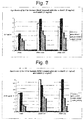
- Figure 9 confirms the evident stimulus for the production of IL-10 also for cells belonging to the Immune System. It is consequently again confirmed that HAS is capable of modulating the synthesis of cytokines, stimulating those which are anti-inflammatory and inhibiting the synthesis of pro-inflammatory cytokines.
- Herpes Simplex virus-1 Herpes Simplex virus-2, Vesicular stomatitis virus
- the activity of the samples tested was determined by evaluating the inhibition of the cytopathogenicity caused by the virus of Herpes Simplex Virus-1, (HSV-1: KOS, F and McIntyre strain ) and by the virus of Herpes Simplex Virus-2, (HSV-2: G, 196 and Lyons strain ) in E 6 SM fibroblast cells which derive from muscular/cutaneous embryonic tissue. Furthermore, the anti-viral activity was tested again vs E 6 SM cells infected by the virus of vesicular stomatitis (Vesicular stomatitis virus: VSV). HSV-1 is the virus which preferentially infects the oral mucous, whereas HSV-2 attacks the genital mucous. The experimental procedure was effected as described in Baba M. et al., ANTIMICROB. AGENTS CHEMOTHER., 1988, 32:1742-1745 .
- confluent cell cultures were exposed to infective doses of the viruses listed above in the presence of the samples HS-NS1 ( EP0971961 ), HAS1 and HAS3 prepared as described in Example 1-3. After an incubation period of 1h at 37°C, the culture medium was substituted with fresh medium only containing the samples to be tested. The cytopathogenicity of the virus was tested on the 2 nd day of incubation.
- the measurement of the inhibition of the viral cytopathogenicity was evaluated by determining the inhibition of the synthesis of DNA and RNA in the "infected" cells and subjected to treatment as indicated above: the cells were seeded in micro-wells in a culture medium containing different concentrations of the samples to be tested with 2.5 ⁇ Ci of 3H-thymidine and 3H-uridine per ml. After 16 h at 37°C, the cells were treated with Trichloroacetic acid, washed in ethanol, left to dry and counted in 7.5 ml of liquid for scintillation. The antiviral activity of the samples tested is expressed as the minimum concentration required for inhibiting the cytopathogenicity of the virus by 50%: IC50.
- the activity of the samples tested was determined by evaluating the inhibition of the cytopathogenicity determined by Cytomegalovirus (CMV: AD-169 and Davis strain ) using the previous protocol.
- CMV Cytomegalovirus
- the antiviral activity was tested vs HEL cells (pulmonary embryonic cells) and was expressed as the concentration required for inhibiting the number of plaques formed by the above virus by 50%.
- the evaluation of the fibrinolytic properties of the products subjected to the test was compared with the acknowledged fibrinolytic activity of the plasmin .
- the dissolution rate of the fibrin network and formation of soluble products of the fibrin degradation (FDP) was evaluated.
- the plasma samples used come from whole blood of healthy subjects, without any pharmacological treatment underway.
- the blood samples were distributed in various test-tubes in which the clot formation was induced.
- the freshly removed blood samples were distributed in various test-tubes containing sodium citrate in a ratio of 9:1.
- the test-tubes were immediately centrifuged at 3,000 rpm for 5 minutes.
- the plasma obtained was transferred to a new test-tube and immediately used for effecting the FDP evaluation.
- Thrombin 300 mU/ml
- 37°C 37°C
- the absorbance variation at 405 nm for 60 sec. was evaluated spectrophotometrically for each cuvette. The reaction was left to proceed until the complete dissolution of the clot.
- Coagulated plasma, plasmin solution and a solution of HAS3 200KD and HAS3 20KD were mixed in a ratio of 1:1 v/v and maintained at an operating temperature of 37°C
- the table indicates the average mAbs/min values registered in the cuvettes containing coagulated plasma to which plasmin has been added at different concentrations.
- the values specified indicate the rate at which the fibrin clot is dissolved and consequently the rate at which the FDPs are produced.
- the fibrinolytic activity of the plasmin is proportional to its concentration.
- PLASMIN fibrinolytic activity ( mAbs / min ) 1 U 500mU 50mU 5mU 0.5mU 190 178 126 68 1
- HAS3 (200KD) fibrinolytic activity (expressed in mU equivalents of Plasmin) 200 mg/ml 150 mg/ml 100 mg/ml 50 mg/ml 25 mg/ml 1,1 U 50mU 10mU 3mU 0.5mU HAS3 ( 10KD ) fibrinolytic activity (expressed in mU equivalents of Plasmin ) 200 mg/ml 150 mg/ml 100 mg/ml 50 mg/ml 25 mg/ml 400mU 25mU 2mU 0.3mU 0.25mU
- HAS is a powerful fibrinolytic agent, with an effectiveness equal to Plasmin.
- Plasmin is an important enzyme, belonging to the group of hydrolases, which degrades many proteins of blood plasma and, in particular, the fibrin of the thrombi and of clots. The degradation of the fibrin is called fibrinolysis.
- a plasmin deficiency can lead to thrombosis, as the thrombi are not adequately degraded.
- HAS is not an enzyme, it has proved to be equivalently active to enzymatic control, thus allowing the use of the sulfated product as a new fibrinolytic agent, having all the advantages of a non-enzymatic molecule such as, for example, stability at room temperature with much longer preservation times and formulation facility.
- the skin used for effecting the experiments is obtained from the abdomen of patients between 30 and 50 years old, subjected to surgical abdominal reductions.
- the sections of skin with a complete thickness are frozen after the surgical intervention and preserved at -20°C until the moment of the experiment, in which the samples are defrozen at room temperature and accurately separated from the adipose tissue.
- the skin is divided into square sections of 2.5cm 2 , immersed for a minute in water at a temperature of 60°C and with the help of specific tweezers, the corneal layer and epidermis (SCE) are accurately separated from the underlying tissues.
- the samples obtained are analyzed with an optical microscope and discarded if punctures are found.
- the SCE is assembled in the lower part of a Franz cell with the epidermis facing downwards and the corneal layer in contact with the donor solution which is situated above.
- the permeation area is a circular surface of 0.636 cm 2 .
- the lower and upper part of the Franz cell are accurately fixed to the SCE to separate the donor compartment (volume donor solution: 0.50 ml) and acceptor compartment (volume receiver solution 5.00 ml), whose volumes are calibrated exactly.
- the solvents to be used are degassed in order to eliminate the formation of bubbles, which must be avoided especially for the receiver solution, which is thermostat-regulated at 37°C by means of a circulating thermostatic bath; under these conditions the SCE is at a temperature of 31-33°C.
- Each experiment is effected triply and the result is intended as the average of the 3, expressed as quantity of analyte which has crossed the surface unit of skin after 24 hours.
- the permeation of sodium diclofenac salt was effected on the salt as such in aqueous solution, on the salt in the presence of HA 200 KD at 3% (weight/volume) and on the salt in the presence of HAS3 prepared according to Example 1-2, at 3% (weight/volume). In all three cases, the concentration of sodium diclofenac salt in the permeating solution is equal to 1% (weight/volume).
- the concentration of diclofenac was determined through reverse-phase HPLC analysis on an apparatus Agilent 1200 Series and UV detection (254 nm), C18 column, eluent acetonitrile/water/acetic acid 50/46/4 with a flow of 1.2 ml/min.
- the experimental products were:
- the difference in the hydration values obtained was evaluated by means of a corneometer CM825 by an average of 3 points and a profilometric analysis of the skin surface was also effected using a Visioscan VC98 videocamera at time T0 (basal value) and T7, after 7 days of use of the products.
- 40 mg (or 20 mg if the HAS has a MW of 500-730KD) of sulfated hyaluronic acid degree 1, having a low or medium MW, are introduced into a 50 ml glass flask, after which 15 ml of PBS 0.2M at sterile pH 7.4, are added. The mixture is subjected to stirring for about 30 minutes, until the complete dissolution of the powder. When the complete dissolution has been obtained, 2 ml of glycol propylene and further PBS 0.2M at sterile pH 7.4 are added until the total volume of 20 ml is reached. The solution is maintained under stirring for a few minutes.
- HAS3 sulfated hyaluronic acid degree 3
- Methyl- and propyl-parabene are dissolved in purified water at 80°C. After cooling the solution to room temperature, sodium hyaluronate is added under stirring until dissolution followed by HAS1 (or HAS3), maintaining the stirring until complete dissolution. Glycerol and propylene glycol are then added under stirring until complete dissolution. Sodium carboxymethylcellulose (CMC) is finally added and the mixture is mixed until a gelified solution is obtained.
- HAS1 or HAS3
- HAS1 Sodium hyaluronate is dissolved under stirring, and then HAS1 (or HAS3) in a quantity of water of about 90% of that envisaged in the formula.
- Propylene glycol, Symdiol 68 are added followed by MP Diol Glycol, mixing until the complete dissolution of the various components.
- Carbomer 974P is subsequently added and the stirring is maintained until the homogeneous dispersion of the latter.
- Beads of sodium hydroxide are dissolved in the remaining 10% of water and this solution is added slowly to the that previously obtained, the mixture is mixed to obtain the gelification of the aqueous phase.
- Methyl- and propyl-parabene are dissolved in purified water at 80°C. After cooling the solution to room temperature, the enzyme Hyaluronidase is added under stirring, followed by HAS3, maintaining the stirring until complete dissolution of the two components. Carbomer 974P is subsequently added and the stirring is maintained until the homogeneous dispersion of the latter. TEA is then added to obtain the gelification of the aqueous phase. Glycerol and propylene glycol are finally added under stirring.
- the oil phase is prepared by melting liquid paraffin, stearic acid and Tefose 1500 under stirring at 50°C.
- the aqueous phase is prepared separately by the initial dissolution at 80°C of methyl-parabene and subsequent cooling to room temperature and the final incorporation of glycerol, Hyaluronidase and subsequently HAS3 under stirring until the complete dissolution of the various components.
- the aqueous phase is joined to the oil phase and emulsification is effected, the emulsion O/A obtained is cooled under stirring to room temperature.
- Methyl- and propyl-parabene are dissolved in purified water at 80°C. After cooling the solution to room temperature, the enzyme Hyaluronidase is added under stirring, followed by HAS3, maintaining the stirring until complete dissolution. Propylene glycol is then added and the mixture is mixed until complete dissolution; polyvinylpyrrolidone is subsequently incorporated, mixing until complete dissolution and finally polysorbate 80 maintaining the stirring until dissolution.
- the distribution phase of the solution obtained is then effected in a cylinder, proceeding with pressurization with a propellant of isobutane, n-butane, propane.
- the base ointment is prepared by melting light liquid paraffin and white Vaseline under stirring at 70°C. After cooling to room temperature, Hyaluronidase is incorporated under stirring, followed by HAS3 and the mixture is mixed until a homogeneous suspension is obtained.
- liquid paraffin indicated in the manufacturing formula is charged into a suitable container. It is heated to 88-92°C and white soft paraffin, hard paraffin, white beeswax, ceresin, arlacel are then added under stirring, the stirring is maintained until the complete melting of the various components. All-rac-a-tocopheryl acetate, allantoine, butylhydroxytoluene, propyl p-hydroxybenzoate are then incorporated and the mixture is mixed until complete dissolution, maintaining the mass at 88-92°C.
- the quantity of purified water envisaged in the formula is charged separately into a suitable container, sodium hyaluronate, HAS 1 (or HAS3) are then added under stirring until complete dissolution, followed by Disodium Edetate maintaining the stirring until dissolution.
- the aqueous phase is transferred under stirring to the container containing the molten mass, maintaining the system at 88-92°C and the stirring until a limpid solution is obtained.
- the two aromatizing agents are then added under stirring and the mixture is mixed for 10'.
- the molten mass is poured into moulds and is immediately cooled to T ⁇ 0°C until solid sticks are obtained.
- the gelatine is allowed to swell in 70% of purified water at 85°C; sodium hyaluronate and HAS1 (or HAS3) are dissolved in the remaining quantity of water and this solution is mixed with the glycerine brought to the same temperature.
- the glycerine solution is added to the swollen gelatine solution and the stirring is maintained until the complete dissolution of the gelatine.
- the mass is poured into moulds and cooled to T ⁇ 0°C until solid ovules are obtained.
- the oil phase is prepared by melting liquid paraffin, stearic acid and Tefose 1500 under stirring at 50°C.
- the aqueous phase is prepared separately by the initial dissolution at 80°C of methyl-parabene and subsequent cooling to room temperature and the incorporation of glycerol, sodium hyaluronate and subsequently HAS1 (or HAS3) under stirring until the complete dissolution of the various components.
- the aqueous phase is joined to the oil phase and emulsification is effected, the emulsion O/A obtained is cooled under stirring to room temperature.
- the base ointment is prepared by melting light liquid paraffin and white Vaseline under stirring at 70°C. After cooling to room temperature, HAS1 (or HAS3) is incorporated under stirring, and the mixture is mixed until a homogeneous suspension is obtained.
- Methyl- and propyl-parabene are dissolved in purified water at 80°C. After cooling the solution to room temperature, sodium diclofenac, sodium hyaluronate and then HAS3 are added under stirring, maintaining the stirring until complete dissolution of the two components. Carbomer 974P is subsequently added and the stirring is maintained until the homogeneous dispersion of the latter. TEA is then added to obtain the gelification of the aqueous phase. Glycerol and propylene glycol are finally incorporated under stirring.
- the oil phase is prepared by melting liquid paraffin, stearic acid and Tefose 1500 under stirring at 50°C.
- the aqueous phase is prepared separately by the initial dissolution at 80°C of methyl-parabene and subsequent cooling to room temperature and the final incorporation of glycerol, sodium diclofenac and subsequently HAS3 under stirring until the complete dissolution of the various components.
- the aqueous phase is joined to the oil phase and emulsification is effected, the emulsion O/A obtained is cooled under stirring to room temperature.
- Methyl- and propyl-parabene are dissolved in purified water at 80°C. After cooling the solution to room temperature, sodium diclofenac is added under stirring, followed by HAS3, maintaining the stirring until complete dissolution. Propylene glycol is then added and the mixture is mixed until complete dissolution; polyvinylpyrrolidone is subsequently incorporated, mixing until complete dissolution and finally polysorbate 80 maintaining the stirring until dissolution.
- the distribution phase of the solution obtained is then effected in a cylinder, proceeding with pressurization with a propellant of isobutane, n-butane, propane.
- the matrix in question preferably comprises copolymers of acrylic acid and its acrylic and/or methacrylic esters with a glass transition temperature (Tg) lower than room temperature, preferably lower than 0°C, whose free carboxyl groups present along the polymer chain are salified with organic bases (for example, ammonia, ethylene diamine, copolymers of acrylic and/or methacrylic acid ester having a cationic ammonium function in the alkyl group (EUDRAGIT® E100 is preferred) or inorganic bases (for example, hydroxides or carbonate or bicarbonate of alkaline, alkaline-earth and transition metals) as is known to experts in the field.
- the copolymers normally used in accordance with the present invention consist of 2 or more monomers in variable percentages; examples of these monomers are:
- copolymers are available on the market (such as Duro-tak® 280-2416, 280-2516, 87-2620, 87-2852, 380-1054, 87-2051, National and Starch) dissolved in organic solvents, with a percentage of free carboxyl groups ranging from 0.1 to 15%, which can be salified with organic or inorganic bases, as described above. These copolymers are preferably contained in the skin patch matrix in an amount of 30-90% by weight.
- polymeric matrices containing HAS comprising the following two main components:
- the above polymeric matrix within the final formulation is within the range of 10-90% with respect to the dry weight, preferably from 50 to 90% based on dry weight of the final composition.
- the quantity of active principle incorporated varies in relation to its nature and the desired dermal or transdermal therapeutic effect. It is normally present in a quantity ranging from 0.1 to 30% by weight with respect to the dry weight of the final composition.
- the formulation can also contain excipients, lenitives, emollients, emulsifying agents, adhesion modulators, preservatives, plasticizers, acidifiers/buffers.
- excipients may vary in great ranges, between 0.01 and 30% depending on their function.
- a skin absorption promoter with lenitive, anti-pruritic and anti-reddening properties is HAS degree 1 or degree 3, preferably degree 3, present in concentrations ranging from 0.1 to 30% of the dry weight of the final composition.
- the above matrix ensures: a controlled, constant permeation of the active principle without irritation, and adhesiveness to the skin.
- 1 kg of the methacrylate copolymer selected (for example, Duro-tak® 280-2416, 280-2516 or 87-2852) having a content solid of 30-40% w/w, is added under mechanical stirring with 300g of a 30% w/w EUDRAGIT® E100 water/solvent based solution; the mixture is left under moderate stirring for 30 min. Thereafter, the active principle (100 g of sodium diclofenac salt) and HAS3 previously dissolved in an aqueous solution, are then added. The mixture is left under stirring until the complete dissolution. For the preparation of the matrix layer, this mixture is then laid on top of a film of silicon polyester/paper and drying is effected by evaporation of the residual solvents. The spread matrix has a dry weight of about 60 g/m 2 . The matrix thus obtained is then coupled with a non-woven polyester fabric or polyethylene film for the final formation of the patch.
- the active principle 100 g of sodium diclofenac salt
- HAS3 previously
- each single patch contains 140 mg of diclofenac and 40 mg of HAS3.
- Table 3 HYDROPHILIC GEL (Example 19) Components Quantity ( mg/1g of hydrogel) HAS (HAS3) 40 mg (10 mg) CMC 20 mg Glycerol 100 mg Propylene Glycol 66.75 mg Sodium Hyaluronate 2 mg Methyl p-hydroxybenzoate 2 mg Propyl p-hydroxybenzoate 0.2 mg Purified Water up to 1g HYDROPHILIC GEL for mucosal use (Example 20) Components Quantity ( mg/1g of hydrogel) HAS1 (HAS3) 10 mg Carbomer 974P 15 mg Propylene Glycol 100 mg Sodium Hydroxyde 0.33 mg Sodium Hyaluronate 2 mg MP-Diol Glycol 37.5 mg SymDiol 68 90 mg Purified Water up to 1g HYDROPHILIC GEL (Example 21) Components Quantity (U.I or
- HAS3 20 mg Hyaluronidase 200 U.I Hydrogenated Castor Oil 10 mg Cetostearyl Alcohol 50 mg White Petrolatum 365mg Light Liquid Paraffin up to 1g LIPSTICK (Example 26) Components Quantity (mg/1g lipstick) HAS1 (HAS3) 30 mg (10 mg) Liquid Paraffin 253.2 mg White Soft Paraffin 326.2 mg Hard Paraffin 144.3 mg Beeswax white 96 mg Ceresin 28.2 mg Arlacel 582 95.8 mg Sodium Hyaluronate 2 mg Allantoin 1.1 mg all-rac-a Tocopheryl Acetate 1.1 mg Propyl p-hydroxybenzoate 0.4 mg Butylhydroxytoluene 0.4 mg Purified Water 19.2 mg Disodium Edetate 1.1 mg Vanilla Flavour 0.5 mg Sweet Flavour 0.5 mg VAGINAL OVULES (Example 27) Components Quantity (mg/1g of ovule) HAS 1
Landscapes
- Health & Medical Sciences (AREA)
- Life Sciences & Earth Sciences (AREA)
- General Health & Medical Sciences (AREA)
- Chemical & Material Sciences (AREA)
- Public Health (AREA)
- Veterinary Medicine (AREA)
- Animal Behavior & Ethology (AREA)
- Medicinal Chemistry (AREA)
- Pharmacology & Pharmacy (AREA)
- Epidemiology (AREA)
- Organic Chemistry (AREA)
- Engineering & Computer Science (AREA)
- Chemical Kinetics & Catalysis (AREA)
- Bioinformatics & Cheminformatics (AREA)
- Nuclear Medicine, Radiotherapy & Molecular Imaging (AREA)
- General Chemical & Material Sciences (AREA)
- Dermatology (AREA)
- Virology (AREA)
- Molecular Biology (AREA)
- Immunology (AREA)
- Pulmonology (AREA)
- Communicable Diseases (AREA)
- Oncology (AREA)
- Biochemistry (AREA)
- Birds (AREA)
- Oral & Maxillofacial Surgery (AREA)
- Proteomics, Peptides & Aminoacids (AREA)
- Gastroenterology & Hepatology (AREA)
- Zoology (AREA)
- Wood Science & Technology (AREA)
- Genetics & Genomics (AREA)
- General Engineering & Computer Science (AREA)
- Biotechnology (AREA)
- Polymers & Plastics (AREA)
- Materials Engineering (AREA)
- Transplantation (AREA)
- Diabetes (AREA)
- Hematology (AREA)
- Rheumatology (AREA)
- Pain & Pain Management (AREA)
Priority Applications (2)
| Application Number | Priority Date | Filing Date | Title |
|---|---|---|---|
| SM20190015T SMT201900015T1 (it) | 2009-05-14 | 2010-05-14 | Medicamento per uso topico a base di acido ialuronico solfatato per il trattamento dei coaguli di fibrina e dei trombi |
| EP18185228.6A EP3417855B1 (de) | 2009-05-14 | 2010-05-14 | Pharmazeutische zusammensetzungen zur topischen verwendung auf grundlage von sulfatierter hyaluronsäure als hautabsorption-promoter |
Applications Claiming Priority (3)
| Application Number | Priority Date | Filing Date | Title |
|---|---|---|---|
| ITPD2009A000134A IT1397246B1 (it) | 2009-05-14 | 2009-05-14 | Nuovi medicamenti ad uso topico a base di acido ialuronico solfatato come agente attivante o inibente l'attivita' citochinica |
| EP10721126.0A EP2429515B1 (de) | 2009-05-14 | 2010-05-14 | Neue medikamente zur topischen anwendung auf basis von sulfatierter hyaluronsäure als mittel zur aktivierung oder unterdrückung der zytokin-aktivität |
| PCT/EP2010/003050 WO2010130468A1 (en) | 2009-05-14 | 2010-05-14 | New medicines for topic use based on sulfated hyaluronic acid as activating or inhibiting agent of the cytokine activity |
Related Parent Applications (2)
| Application Number | Title | Priority Date | Filing Date |
|---|---|---|---|
| EP10721126.0A Division EP2429515B1 (de) | 2009-05-14 | 2010-05-14 | Neue medikamente zur topischen anwendung auf basis von sulfatierter hyaluronsäure als mittel zur aktivierung oder unterdrückung der zytokin-aktivität |
| EP10721126.0A Division-Into EP2429515B1 (de) | 2009-05-14 | 2010-05-14 | Neue medikamente zur topischen anwendung auf basis von sulfatierter hyaluronsäure als mittel zur aktivierung oder unterdrückung der zytokin-aktivität |
Related Child Applications (2)
| Application Number | Title | Priority Date | Filing Date |
|---|---|---|---|
| EP18185228.6A Division EP3417855B1 (de) | 2009-05-14 | 2010-05-14 | Pharmazeutische zusammensetzungen zur topischen verwendung auf grundlage von sulfatierter hyaluronsäure als hautabsorption-promoter |
| EP18185228.6A Division-Into EP3417855B1 (de) | 2009-05-14 | 2010-05-14 | Pharmazeutische zusammensetzungen zur topischen verwendung auf grundlage von sulfatierter hyaluronsäure als hautabsorption-promoter |
Publications (3)
| Publication Number | Publication Date |
|---|---|
| EP3103449A2 true EP3103449A2 (de) | 2016-12-14 |
| EP3103449A3 EP3103449A3 (de) | 2017-02-15 |
| EP3103449B1 EP3103449B1 (de) | 2018-10-17 |
Family
ID=41226841
Family Applications (3)
| Application Number | Title | Priority Date | Filing Date |
|---|---|---|---|
| EP10721126.0A Active EP2429515B1 (de) | 2009-05-14 | 2010-05-14 | Neue medikamente zur topischen anwendung auf basis von sulfatierter hyaluronsäure als mittel zur aktivierung oder unterdrückung der zytokin-aktivität |
| EP16178620.7A Active EP3103449B1 (de) | 2009-05-14 | 2010-05-14 | Arzneimittel zur topischen verwendung auf grundlage von sulfatierter hyaluronsäure zur behandlung von fibringerinnseln und thromben |
| EP18185228.6A Active EP3417855B1 (de) | 2009-05-14 | 2010-05-14 | Pharmazeutische zusammensetzungen zur topischen verwendung auf grundlage von sulfatierter hyaluronsäure als hautabsorption-promoter |
Family Applications Before (1)
| Application Number | Title | Priority Date | Filing Date |
|---|---|---|---|
| EP10721126.0A Active EP2429515B1 (de) | 2009-05-14 | 2010-05-14 | Neue medikamente zur topischen anwendung auf basis von sulfatierter hyaluronsäure als mittel zur aktivierung oder unterdrückung der zytokin-aktivität |
Family Applications After (1)
| Application Number | Title | Priority Date | Filing Date |
|---|---|---|---|
| EP18185228.6A Active EP3417855B1 (de) | 2009-05-14 | 2010-05-14 | Pharmazeutische zusammensetzungen zur topischen verwendung auf grundlage von sulfatierter hyaluronsäure als hautabsorption-promoter |
Country Status (15)
| Country | Link |
|---|---|
| US (4) | US20120121572A1 (de) |
| EP (3) | EP2429515B1 (de) |
| CN (1) | CN102427808B (de) |
| CA (2) | CA2995610C (de) |
| ES (3) | ES2808575T3 (de) |
| HR (1) | HRP20161574T1 (de) |
| HU (1) | HUE030673T2 (de) |
| IT (1) | IT1397246B1 (de) |
| LT (1) | LT2429515T (de) |
| PL (1) | PL2429515T3 (de) |
| PT (1) | PT2429515T (de) |
| RU (3) | RU2543354C2 (de) |
| SI (1) | SI2429515T1 (de) |
| SM (3) | SMT202000522T1 (de) |
| WO (1) | WO2010130468A1 (de) |
Families Citing this family (16)
| Publication number | Priority date | Publication date | Assignee | Title |
|---|---|---|---|---|
| JP5758797B2 (ja) | 2008-04-04 | 2015-08-05 | ユニバーシティ・オブ・ユタ・リサーチ・ファウンデイション | アルキル化半合成グリコサミノグリカンエーテルならびにその製造および使用方法 |
| US8343942B2 (en) * | 2008-04-04 | 2013-01-01 | University Of Utah Research Foundation | Methods for treating interstitial cystitis |
| IT1397247B1 (it) * | 2009-05-14 | 2013-01-04 | Fidia Farmaceutici | Nuovi agenti regolatori dell'attivita' citochinica |
| US20130209531A1 (en) | 2010-06-08 | 2013-08-15 | University Of Utah Research Foundation | Applications of partially and fully sulfated hyaluronan |
| JP6062917B2 (ja) | 2011-03-23 | 2017-01-18 | ザ ユニバーシティ オブ ユタ リサーチ ファウンデイション | 泌尿器科の炎症の治療及び予防の方法 |
| EA034204B1 (ru) * | 2014-10-17 | 2020-01-16 | Фидия Фармачеутичи С.П.А. | Дермальная терапевтическая система с высокой адгезивной способностью |
| ITUB20155623A1 (it) * | 2015-11-16 | 2017-05-16 | Fidia Farm Spa | Processo migliorato per la produzione di HA solfatato di elevata purezza |
| WO2017186088A1 (zh) * | 2016-04-25 | 2017-11-02 | 惠觅宙 | 小分子透明质酸片段的应用 |
| WO2018053111A1 (en) | 2016-09-15 | 2018-03-22 | University Of Utah Research Foundation | In situ gelling compositions for the treatment or prevention of inflammation and tissue damage |
| IT201600117042A1 (it) * | 2016-11-18 | 2018-05-18 | Fidia Farm Spa | Acidi ialuronici solfatati funzionalizzati con dopamina |
| CN111228653A (zh) | 2018-11-13 | 2020-06-05 | 格莱科米拉治疗公司 | 用电离辐射加强癌症治疗的方法 |
| IT201900003887A1 (it) | 2019-03-18 | 2020-09-18 | Fidia Farm Spa | Sistemi di stabilizzazione e di rilascio controllato di farmaci instabili alla sterilizzazione |
| WO2021133000A1 (ko) * | 2019-12-23 | 2021-07-01 | 주식회사 엘지화학 | 항염 또는 항혈관신생용 약제학적 조성물 |
| US12508252B2 (en) * | 2020-09-29 | 2025-12-30 | Relieve Therapeutics Pte. Ltd. | Compositions and methods for pain relief and numbing |
| CN113754795B (zh) * | 2021-10-19 | 2023-03-10 | 澳门大学 | 磺酸化透明质酸类化合物、其制备方法及其应用 |
| JP2026505416A (ja) * | 2023-02-09 | 2026-02-13 | シェ、ヤンホイ | ポリエチレングリコール修飾インターロイキン2、グルココルチコイドおよびヒアルロン酸によるアトピー性皮膚炎の治療 |
Citations (4)
| Publication number | Priority date | Publication date | Assignee | Title |
|---|---|---|---|---|
| EP0971961A1 (de) | 1997-04-04 | 2000-01-19 | Fidia Advanced Biopolymers S.R.L. | N-sulfatierte hyaluronsäureverbindungen, ihre derivate und verfahren zu ihrer herstellung |
| EP0702699B1 (de) | 1994-03-23 | 2000-05-17 | Fidia Advanced Biopolymers S.R.L. | Sulfatierte hyaluronsäure mit 0.5 bis weniger als 2 sulfate gruppen pro einheit |
| EP0754460B1 (de) | 1995-02-07 | 2002-06-05 | Shiseido Company Limited | Anti-inflamatorische agenzien |
| EP1385492B1 (de) | 2000-10-19 | 2007-03-21 | WPMO GmbH | Verwendung von hyaluronsäure-derivaten zur hemmung von entzündlichen arthritiden |
Family Cites Families (24)
| Publication number | Priority date | Publication date | Assignee | Title |
|---|---|---|---|---|
| US4303676A (en) * | 1980-03-21 | 1981-12-01 | Balazs Endre A | Hyaluronate based compositions and cosmetic formulations containing same |
| US5639738A (en) * | 1992-02-20 | 1997-06-17 | Hyal Pharmaceutical Corporation | Treatment of basal cell carcinoma and actinic keratosis employing hyaluronic acid and NSAIDs |
| GB2317182B (en) * | 1996-09-11 | 2000-11-01 | Johnson & Johnson Medical | Sulfated polysaccharides and uses thereof in medical treatment |
| JPH10195107A (ja) * | 1997-01-10 | 1998-07-28 | Shiseido Co Ltd | オリゴ硫酸化ヒアルロン酸 |
| DE19813234A1 (de) * | 1998-03-26 | 1999-09-30 | Knoell Hans Forschung Ev | Verfahren zur Herstellung hochsulfatierter Hyaluronsäuren |
| JPH11279042A (ja) | 1998-03-30 | 1999-10-12 | Shiseido Co Ltd | 皮膚外用剤 |
| CN1116044C (zh) * | 1998-06-24 | 2003-07-30 | 凌沛学 | 含有透明质酸钠的防粘连颗粒剂和粉雾剂及其制作方法 |
| JP2000178196A (ja) * | 1998-12-11 | 2000-06-27 | Seikagaku Kogyo Co Ltd | 新規ヒアルロニダーゼ阻害剤及び外用剤 |
| WO2000038732A1 (de) * | 1998-12-23 | 2000-07-06 | Esparma Gmbh | Hyaluronatlyase als penetrationsforderer in topischen mitteln |
| WO2000069917A1 (fr) * | 1999-05-18 | 2000-11-23 | Maruho Kabushikikaisha | Compositions medicinales destinees a inhiber le systeme kallikreine-kinine ou la phospholipase a¿2? |
| JP2001163789A (ja) * | 1999-12-13 | 2001-06-19 | Maruho Co Ltd | マトリックスメタロプロテアーゼ阻害用医薬組成物 |
| AU2001242315A1 (en) * | 2000-03-21 | 2001-10-15 | Astion Development Aps | Chemical complex comprising a substituted pyridine carboxy derivative and a glucosaminoglycan |
| IL137559A (en) * | 2000-07-27 | 2006-12-31 | Amnon Sintov | A system for administering drugs through the skin |
| US20030162732A1 (en) * | 2001-07-05 | 2003-08-28 | Astion Development A/S | Combination of aminosugars and cysteine or cysteine derivatives |
| ITMI20020756A1 (it) * | 2002-04-09 | 2003-10-09 | Sinclair Pharma S R L | Composizioni farmaceutiche topiche per il trattamento delle dermatiti |
| RU2005102604A (ru) * | 2002-07-03 | 2005-09-10 | Перикор Сайенс, Инк. (Us) | Композиция гиалуроновой кислоты и способы применения |
| RU2329037C2 (ru) * | 2003-02-14 | 2008-07-20 | Комбинаторкс, Инкорпорейтед | Комбинированная терапия для лечения иммуновоспалительных заболеваний |
| DE102004002001A1 (de) * | 2004-01-14 | 2005-08-11 | Reinmüller, Johannes, Dr.med. | Mittel zur Behandlung von entzündlichen Erkrankungen |
| GB0411165D0 (en) * | 2004-05-19 | 2004-06-23 | Bionovate Ltd | Hyaluronic acid containing pharmaceutical or veterinary compounds |
| ITPD20050168A1 (it) * | 2005-06-01 | 2006-12-02 | Fidia Advanced Biopolymers Srl | Formulazioni di acido lipoico ed acido ialuronico e o suoi derivati e loro impiego in campo farmaceutico e cosmetico |
| RU2302231C1 (ru) * | 2006-02-08 | 2007-07-10 | Александр Егорович Петренко | Глазные капли для лечения синдрома сухого глаза |
| ITPD20060219A1 (it) * | 2006-05-31 | 2007-12-01 | Fidia Farmaceutici | Composizioni farmaceutiche contenenti acido ialuronico solfatato nel trattamento dell'osteoartrosi |
| ITMI20071724A1 (it) * | 2007-09-05 | 2009-03-06 | Fidia Farmaceutici | Formulazioni topiche antivirali in forma di gel bioadesivo |
| IT1397247B1 (it) * | 2009-05-14 | 2013-01-04 | Fidia Farmaceutici | Nuovi agenti regolatori dell'attivita' citochinica |
-
2009
- 2009-05-14 IT ITPD2009A000134A patent/IT1397246B1/it active
-
2010
- 2010-05-14 HR HRP20161574TT patent/HRP20161574T1/hr unknown
- 2010-05-14 CA CA2995610A patent/CA2995610C/en active Active
- 2010-05-14 ES ES18185228T patent/ES2808575T3/es active Active
- 2010-05-14 CN CN201080020708.3A patent/CN102427808B/zh active Active
- 2010-05-14 EP EP10721126.0A patent/EP2429515B1/de active Active
- 2010-05-14 WO PCT/EP2010/003050 patent/WO2010130468A1/en not_active Ceased
- 2010-05-14 EP EP16178620.7A patent/EP3103449B1/de active Active
- 2010-05-14 SI SI201031318A patent/SI2429515T1/sl unknown
- 2010-05-14 CA CA2761628A patent/CA2761628C/en active Active
- 2010-05-14 HU HUE10721126A patent/HUE030673T2/hu unknown
- 2010-05-14 US US13/320,000 patent/US20120121572A1/en active Granted
- 2010-05-14 ES ES16178620T patent/ES2704921T3/es active Active
- 2010-05-14 ES ES10721126.0T patent/ES2601681T3/es active Active
- 2010-05-14 RU RU2011145992/15A patent/RU2543354C2/ru active
- 2010-05-14 LT LTEP10721126.0T patent/LT2429515T/lt unknown
- 2010-05-14 SM SM20200522T patent/SMT202000522T1/it unknown
- 2010-05-14 SM SM20190015T patent/SMT201900015T1/it unknown
- 2010-05-14 PL PL10721126T patent/PL2429515T3/pl unknown
- 2010-05-14 US US13/320,000 patent/US9504708B2/en active Active
- 2010-05-14 PT PT107211260T patent/PT2429515T/pt unknown
- 2010-05-14 EP EP18185228.6A patent/EP3417855B1/de active Active
-
2014
- 2014-11-21 RU RU2014146977A patent/RU2673661C2/ru active
- 2014-11-21 RU RU2014146985A patent/RU2673066C2/ru active
-
2016
- 2016-10-27 US US15/336,498 patent/US10435483B2/en active Active
- 2016-12-14 SM SM201600455T patent/SMT201600455B/it unknown
-
2019
- 2019-08-26 US US16/550,810 patent/US11198741B2/en active Active
Patent Citations (6)
| Publication number | Priority date | Publication date | Assignee | Title |
|---|---|---|---|---|
| EP0702699B1 (de) | 1994-03-23 | 2000-05-17 | Fidia Advanced Biopolymers S.R.L. | Sulfatierte hyaluronsäure mit 0.5 bis weniger als 2 sulfate gruppen pro einheit |
| EP0940410B1 (de) | 1994-03-23 | 2004-08-11 | Fidia Advanced Biopolymers S.R.L. | Heparinähnliche sulfatierte Polysaccharide |
| EP0754460B1 (de) | 1995-02-07 | 2002-06-05 | Shiseido Company Limited | Anti-inflamatorische agenzien |
| EP0971961A1 (de) | 1997-04-04 | 2000-01-19 | Fidia Advanced Biopolymers S.R.L. | N-sulfatierte hyaluronsäureverbindungen, ihre derivate und verfahren zu ihrer herstellung |
| EP0971961B1 (de) | 1997-04-04 | 2002-12-04 | Fidia Advanced Biopolymers S.R.L. | N-sulfatierte hyaluronsäureverbindungen, ihre derivate und verfahren zu ihrer herstellung |
| EP1385492B1 (de) | 2000-10-19 | 2007-03-21 | WPMO GmbH | Verwendung von hyaluronsäure-derivaten zur hemmung von entzündlichen arthritiden |
Non-Patent Citations (10)
| Title |
|---|
| ALAAEDDINE N. ET AL., ARTHRITIS & RHEUMATISM, vol. 42, 1999, pages 710 - 718 |
| BABA M. ET AL., ANTIMICROB. AGENTS CHEMOTHER, vol. 32, 1988, pages 1742 - 1745 |
| BAGLIONI C. ET AL., J BIOL CHEM, vol. 260, 1985, pages 13395 - 13397 |
| BOYUM A., SCAND J CLIN LAB INVEST, vol. 21, no. 97, 1968, pages 77 - 89 |
| BRAHMACHARI S. ET AL., MINERVA MED, vol. 99, no. 2, 2008, pages 105 - 118 |
| CARUSO C. ET AL., ANN N.Y. ACAD. SCI., vol. 1028, 2004, pages 1 - 13 |
| CHIN J ET AL., J EXP MED, vol. 165, 1987, pages 70 - 86 |
| STANKIEWICZ W. ET AL., MEDIATORS OF INFLAMMATION, vol. 11, 2002, pages 307 - 312 |
| TAGA T. ET AL., J EXP MED, vol. 166, 1987, pages 967 - 981 |
| ZHOU X. ET AL.: "Current Drug Targets-Immune", ENDOCRINE & METABOLIC DISORDERS, vol. 5, 2005, pages 465475 |
Also Published As
Similar Documents
| Publication | Publication Date | Title |
|---|---|---|
| US11198741B2 (en) | Medicines for topic use based on sulfated hyaluronic acid as activating or inhibiting agent of the cytokine activity | |
| US10548918B2 (en) | Sulphated hyaluronic acids as regulator agents of the cytokine activity | |
| HK1167083A (en) | New medicines for topic use based on sulfated hyaluronic acid as activating or inhibiting agent of the cytokine activity | |
| HK1167083B (zh) | 基於作为细胞因子活性的活化剂或抑制剂的硫酸化透明质酸的新的用於局部应用的药剂 | |
| HK1167084A (en) | Sulphated hyaluronic acids as regulator agents of the cytokine activity | |
| HK1167084B (en) | Sulphated hyaluronic acids as regulator agents of the cytokine activity |
Legal Events
| Date | Code | Title | Description |
|---|---|---|---|
| PUAI | Public reference made under article 153(3) epc to a published international application that has entered the european phase |
Free format text: ORIGINAL CODE: 0009012 |
|
| STAA | Information on the status of an ep patent application or granted ep patent |
Free format text: STATUS: THE APPLICATION HAS BEEN PUBLISHED |
|
| AC | Divisional application: reference to earlier application |
Ref document number: 2429515 Country of ref document: EP Kind code of ref document: P |
|
| AK | Designated contracting states |
Kind code of ref document: A2 Designated state(s): AL AT BE BG CH CY CZ DE DK EE ES FI FR GB GR HR HU IE IS IT LI LT LU LV MC MK MT NL NO PL PT RO SE SI SK SM TR |
|
| AX | Request for extension of the european patent |
Extension state: BA ME RS |
|
| PUAL | Search report despatched |
Free format text: ORIGINAL CODE: 0009013 |
|
| AK | Designated contracting states |
Kind code of ref document: A3 Designated state(s): AL AT BE BG CH CY CZ DE DK EE ES FI FR GB GR HR HU IE IS IT LI LT LU LV MC MK MT NL NO PL PT RO SE SI SK SM TR |
|
| AX | Request for extension of the european patent |
Extension state: BA ME RS |
|
| RIC1 | Information provided on ipc code assigned before grant |
Ipc: A61P 17/00 20060101ALI20170110BHEP Ipc: A61P 17/06 20060101ALI20170110BHEP Ipc: A61P 31/22 20060101ALI20170110BHEP Ipc: A61P 31/00 20060101ALI20170110BHEP Ipc: A61K 31/737 20060101ALI20170110BHEP Ipc: A61K 31/136 20060101AFI20170110BHEP Ipc: A61P 17/02 20060101ALI20170110BHEP Ipc: A61K 45/06 20060101ALI20170110BHEP Ipc: A61P 11/06 20060101ALI20170110BHEP |
|
| STAA | Information on the status of an ep patent application or granted ep patent |
Free format text: STATUS: REQUEST FOR EXAMINATION WAS MADE |
|
| 17P | Request for examination filed |
Effective date: 20170714 |
|
| RBV | Designated contracting states (corrected) |
Designated state(s): AL AT BE BG CH CY CZ DE DK EE ES FI FR GB GR HR HU IE IS IT LI LT LU LV MC MK MT NL NO PL PT RO SE SI SK SM TR |
|
| STAA | Information on the status of an ep patent application or granted ep patent |
Free format text: STATUS: EXAMINATION IS IN PROGRESS |
|
| 17Q | First examination report despatched |
Effective date: 20171222 |
|
| GRAP | Despatch of communication of intention to grant a patent |
Free format text: ORIGINAL CODE: EPIDOSNIGR1 |
|
| STAA | Information on the status of an ep patent application or granted ep patent |
Free format text: STATUS: GRANT OF PATENT IS INTENDED |
|
| RIC1 | Information provided on ipc code assigned before grant |
Ipc: A61P 31/00 20060101ALI20180406BHEP Ipc: A61K 38/47 20060101ALI20180406BHEP Ipc: A61K 45/06 20060101ALI20180406BHEP Ipc: A61K 31/737 20060101ALI20180406BHEP Ipc: A61K 31/136 20060101AFI20180406BHEP Ipc: A61P 11/06 20060101ALI20180406BHEP Ipc: A61P 17/06 20060101ALI20180406BHEP Ipc: A61P 17/02 20060101ALI20180406BHEP Ipc: A61P 17/00 20060101ALI20180406BHEP Ipc: A61P 31/22 20060101ALI20180406BHEP |
|
| INTG | Intention to grant announced |
Effective date: 20180430 |
|
| GRAS | Grant fee paid |
Free format text: ORIGINAL CODE: EPIDOSNIGR3 |
|
| GRAA | (expected) grant |
Free format text: ORIGINAL CODE: 0009210 |
|
| STAA | Information on the status of an ep patent application or granted ep patent |
Free format text: STATUS: THE PATENT HAS BEEN GRANTED |
|
| AC | Divisional application: reference to earlier application |
Ref document number: 2429515 Country of ref document: EP Kind code of ref document: P |
|
| AK | Designated contracting states |
Kind code of ref document: B1 Designated state(s): AL AT BE BG CH CY CZ DE DK EE ES FI FR GB GR HR HU IE IS IT LI LT LU LV MC MK MT NL NO PL PT RO SE SI SK SM TR |
|
| REG | Reference to a national code |
Ref country code: GB Ref legal event code: FG4D |
|
| REG | Reference to a national code |
Ref country code: CH Ref legal event code: EP |
|
| REG | Reference to a national code |
Ref country code: IE Ref legal event code: FG4D |
|
| REG | Reference to a national code |
Ref country code: DE Ref legal event code: R096 Ref document number: 602010054516 Country of ref document: DE Ref country code: AT Ref legal event code: REF Ref document number: 1053162 Country of ref document: AT Kind code of ref document: T Effective date: 20181115 |
|
| REG | Reference to a national code |
Ref country code: CH Ref legal event code: NV Representative=s name: ISLER AND PEDRAZZINI AG, CH |
|
| REG | Reference to a national code |
Ref country code: NL Ref legal event code: MP Effective date: 20181017 |
|
| REG | Reference to a national code |
Ref country code: LT Ref legal event code: MG4D |
|
| REG | Reference to a national code |
Ref country code: AT Ref legal event code: MK05 Ref document number: 1053162 Country of ref document: AT Kind code of ref document: T Effective date: 20181017 |
|
| REG | Reference to a national code |
Ref country code: ES Ref legal event code: FG2A Ref document number: 2704921 Country of ref document: ES Kind code of ref document: T3 Effective date: 20190320 |
|
| PG25 | Lapsed in a contracting state [announced via postgrant information from national office to epo] |
Ref country code: NL Free format text: LAPSE BECAUSE OF FAILURE TO SUBMIT A TRANSLATION OF THE DESCRIPTION OR TO PAY THE FEE WITHIN THE PRESCRIBED TIME-LIMIT Effective date: 20181017 |
|
| PG25 | Lapsed in a contracting state [announced via postgrant information from national office to epo] |
Ref country code: LV Free format text: LAPSE BECAUSE OF FAILURE TO SUBMIT A TRANSLATION OF THE DESCRIPTION OR TO PAY THE FEE WITHIN THE PRESCRIBED TIME-LIMIT Effective date: 20181017 Ref country code: HR Free format text: LAPSE BECAUSE OF FAILURE TO SUBMIT A TRANSLATION OF THE DESCRIPTION OR TO PAY THE FEE WITHIN THE PRESCRIBED TIME-LIMIT Effective date: 20181017 Ref country code: LT Free format text: LAPSE BECAUSE OF FAILURE TO SUBMIT A TRANSLATION OF THE DESCRIPTION OR TO PAY THE FEE WITHIN THE PRESCRIBED TIME-LIMIT Effective date: 20181017 Ref country code: PL Free format text: LAPSE BECAUSE OF FAILURE TO SUBMIT A TRANSLATION OF THE DESCRIPTION OR TO PAY THE FEE WITHIN THE PRESCRIBED TIME-LIMIT Effective date: 20181017 Ref country code: NO Free format text: LAPSE BECAUSE OF FAILURE TO SUBMIT A TRANSLATION OF THE DESCRIPTION OR TO PAY THE FEE WITHIN THE PRESCRIBED TIME-LIMIT Effective date: 20190117 Ref country code: BG Free format text: LAPSE BECAUSE OF FAILURE TO SUBMIT A TRANSLATION OF THE DESCRIPTION OR TO PAY THE FEE WITHIN THE PRESCRIBED TIME-LIMIT Effective date: 20190117 Ref country code: FI Free format text: LAPSE BECAUSE OF FAILURE TO SUBMIT A TRANSLATION OF THE DESCRIPTION OR TO PAY THE FEE WITHIN THE PRESCRIBED TIME-LIMIT Effective date: 20181017 Ref country code: IS Free format text: LAPSE BECAUSE OF FAILURE TO SUBMIT A TRANSLATION OF THE DESCRIPTION OR TO PAY THE FEE WITHIN THE PRESCRIBED TIME-LIMIT Effective date: 20190217 Ref country code: AT Free format text: LAPSE BECAUSE OF FAILURE TO SUBMIT A TRANSLATION OF THE DESCRIPTION OR TO PAY THE FEE WITHIN THE PRESCRIBED TIME-LIMIT Effective date: 20181017 |
|
| PG25 | Lapsed in a contracting state [announced via postgrant information from national office to epo] |
Ref country code: SE Free format text: LAPSE BECAUSE OF FAILURE TO SUBMIT A TRANSLATION OF THE DESCRIPTION OR TO PAY THE FEE WITHIN THE PRESCRIBED TIME-LIMIT Effective date: 20181017 Ref country code: AL Free format text: LAPSE BECAUSE OF FAILURE TO SUBMIT A TRANSLATION OF THE DESCRIPTION OR TO PAY THE FEE WITHIN THE PRESCRIBED TIME-LIMIT Effective date: 20181017 Ref country code: GR Free format text: LAPSE BECAUSE OF FAILURE TO SUBMIT A TRANSLATION OF THE DESCRIPTION OR TO PAY THE FEE WITHIN THE PRESCRIBED TIME-LIMIT Effective date: 20190118 Ref country code: PT Free format text: LAPSE BECAUSE OF FAILURE TO SUBMIT A TRANSLATION OF THE DESCRIPTION OR TO PAY THE FEE WITHIN THE PRESCRIBED TIME-LIMIT Effective date: 20190217 |
|
| REG | Reference to a national code |
Ref country code: DE Ref legal event code: R097 Ref document number: 602010054516 Country of ref document: DE |
|
| PG25 | Lapsed in a contracting state [announced via postgrant information from national office to epo] |
Ref country code: DK Free format text: LAPSE BECAUSE OF FAILURE TO SUBMIT A TRANSLATION OF THE DESCRIPTION OR TO PAY THE FEE WITHIN THE PRESCRIBED TIME-LIMIT Effective date: 20181017 |
|
| PLBE | No opposition filed within time limit |
Free format text: ORIGINAL CODE: 0009261 |
|
| STAA | Information on the status of an ep patent application or granted ep patent |
Free format text: STATUS: NO OPPOSITION FILED WITHIN TIME LIMIT |
|
| PG25 | Lapsed in a contracting state [announced via postgrant information from national office to epo] |
Ref country code: RO Free format text: LAPSE BECAUSE OF FAILURE TO SUBMIT A TRANSLATION OF THE DESCRIPTION OR TO PAY THE FEE WITHIN THE PRESCRIBED TIME-LIMIT Effective date: 20181017 Ref country code: EE Free format text: LAPSE BECAUSE OF FAILURE TO SUBMIT A TRANSLATION OF THE DESCRIPTION OR TO PAY THE FEE WITHIN THE PRESCRIBED TIME-LIMIT Effective date: 20181017 |
|
| 26N | No opposition filed |
Effective date: 20190718 |
|
| PG25 | Lapsed in a contracting state [announced via postgrant information from national office to epo] |
Ref country code: SI Free format text: LAPSE BECAUSE OF FAILURE TO SUBMIT A TRANSLATION OF THE DESCRIPTION OR TO PAY THE FEE WITHIN THE PRESCRIBED TIME-LIMIT Effective date: 20181017 |
|
| PG25 | Lapsed in a contracting state [announced via postgrant information from national office to epo] |
Ref country code: MC Free format text: LAPSE BECAUSE OF FAILURE TO SUBMIT A TRANSLATION OF THE DESCRIPTION OR TO PAY THE FEE WITHIN THE PRESCRIBED TIME-LIMIT Effective date: 20181017 |
|
| REG | Reference to a national code |
Ref country code: BE Ref legal event code: MM Effective date: 20190531 |
|
| PG25 | Lapsed in a contracting state [announced via postgrant information from national office to epo] |
Ref country code: LU Free format text: LAPSE BECAUSE OF NON-PAYMENT OF DUE FEES Effective date: 20190514 |
|
| PG25 | Lapsed in a contracting state [announced via postgrant information from national office to epo] |
Ref country code: TR Free format text: LAPSE BECAUSE OF FAILURE TO SUBMIT A TRANSLATION OF THE DESCRIPTION OR TO PAY THE FEE WITHIN THE PRESCRIBED TIME-LIMIT Effective date: 20181017 |
|
| PG25 | Lapsed in a contracting state [announced via postgrant information from national office to epo] |
Ref country code: IE Free format text: LAPSE BECAUSE OF NON-PAYMENT OF DUE FEES Effective date: 20190514 |
|
| PG25 | Lapsed in a contracting state [announced via postgrant information from national office to epo] |
Ref country code: BE Free format text: LAPSE BECAUSE OF NON-PAYMENT OF DUE FEES Effective date: 20190531 |
|
| PG25 | Lapsed in a contracting state [announced via postgrant information from national office to epo] |
Ref country code: CY Free format text: LAPSE BECAUSE OF FAILURE TO SUBMIT A TRANSLATION OF THE DESCRIPTION OR TO PAY THE FEE WITHIN THE PRESCRIBED TIME-LIMIT Effective date: 20181017 |
|
| PG25 | Lapsed in a contracting state [announced via postgrant information from national office to epo] |
Ref country code: MT Free format text: LAPSE BECAUSE OF FAILURE TO SUBMIT A TRANSLATION OF THE DESCRIPTION OR TO PAY THE FEE WITHIN THE PRESCRIBED TIME-LIMIT Effective date: 20181017 Ref country code: HU Free format text: LAPSE BECAUSE OF FAILURE TO SUBMIT A TRANSLATION OF THE DESCRIPTION OR TO PAY THE FEE WITHIN THE PRESCRIBED TIME-LIMIT; INVALID AB INITIO Effective date: 20100514 |
|
| PG25 | Lapsed in a contracting state [announced via postgrant information from national office to epo] |
Ref country code: MK Free format text: LAPSE BECAUSE OF FAILURE TO SUBMIT A TRANSLATION OF THE DESCRIPTION OR TO PAY THE FEE WITHIN THE PRESCRIBED TIME-LIMIT Effective date: 20181017 |
|
| P01 | Opt-out of the competence of the unified patent court (upc) registered |
Effective date: 20230418 |
|
| PGFP | Annual fee paid to national office [announced via postgrant information from national office to epo] |
Ref country code: SM Payment date: 20250424 Year of fee payment: 16 |
|
| PGFP | Annual fee paid to national office [announced via postgrant information from national office to epo] |
Ref country code: DE Payment date: 20250529 Year of fee payment: 16 |
|
| PGFP | Annual fee paid to national office [announced via postgrant information from national office to epo] |
Ref country code: ES Payment date: 20250602 Year of fee payment: 16 Ref country code: GB Payment date: 20250527 Year of fee payment: 16 |
|
| PGFP | Annual fee paid to national office [announced via postgrant information from national office to epo] |
Ref country code: IT Payment date: 20250521 Year of fee payment: 16 |
|
| PGFP | Annual fee paid to national office [announced via postgrant information from national office to epo] |
Ref country code: FR Payment date: 20250526 Year of fee payment: 16 |
|
| PGFP | Annual fee paid to national office [announced via postgrant information from national office to epo] |
Ref country code: CH Payment date: 20250601 Year of fee payment: 16 |
|
| PGFP | Annual fee paid to national office [announced via postgrant information from national office to epo] |
Ref country code: SK Payment date: 20250422 Year of fee payment: 16 |
|
| PGFP | Annual fee paid to national office [announced via postgrant information from national office to epo] |
Ref country code: CZ Payment date: 20250425 Year of fee payment: 16 |