EP3307281B1 - Use of a block polymer comprising a block of poly(3-(methacryloylamino)propyltrimethylammonium chloride) (pmaptac) for the neutralization of heparin - Google Patents
Use of a block polymer comprising a block of poly(3-(methacryloylamino)propyltrimethylammonium chloride) (pmaptac) for the neutralization of heparin Download PDFInfo
- Publication number
- EP3307281B1 EP3307281B1 EP16738890.9A EP16738890A EP3307281B1 EP 3307281 B1 EP3307281 B1 EP 3307281B1 EP 16738890 A EP16738890 A EP 16738890A EP 3307281 B1 EP3307281 B1 EP 3307281B1
- Authority
- EP
- European Patent Office
- Prior art keywords
- heparin
- pmaptac
- peg41
- block
- ufh
- Prior art date
- Legal status (The legal status is an assumption and is not a legal conclusion. Google has not performed a legal analysis and makes no representation as to the accuracy of the status listed.)
- Active
Links
Images









Classifications
-
- A—HUMAN NECESSITIES
- A61—MEDICAL OR VETERINARY SCIENCE; HYGIENE
- A61K—PREPARATIONS FOR MEDICAL, DENTAL OR TOILETRY PURPOSES
- A61K31/00—Medicinal preparations containing organic active ingredients
- A61K31/74—Synthetic polymeric materials
- A61K31/785—Polymers containing nitrogen
-
- A—HUMAN NECESSITIES
- A61—MEDICAL OR VETERINARY SCIENCE; HYGIENE
- A61P—SPECIFIC THERAPEUTIC ACTIVITY OF CHEMICAL COMPOUNDS OR MEDICINAL PREPARATIONS
- A61P11/00—Drugs for disorders of the respiratory system
-
- A—HUMAN NECESSITIES
- A61—MEDICAL OR VETERINARY SCIENCE; HYGIENE
- A61P—SPECIFIC THERAPEUTIC ACTIVITY OF CHEMICAL COMPOUNDS OR MEDICINAL PREPARATIONS
- A61P31/00—Antiinfectives, i.e. antibiotics, antiseptics, chemotherapeutics
- A61P31/10—Antimycotics
-
- A—HUMAN NECESSITIES
- A61—MEDICAL OR VETERINARY SCIENCE; HYGIENE
- A61P—SPECIFIC THERAPEUTIC ACTIVITY OF CHEMICAL COMPOUNDS OR MEDICINAL PREPARATIONS
- A61P7/00—Drugs for disorders of the blood or the extracellular fluid
-
- C—CHEMISTRY; METALLURGY
- C08—ORGANIC MACROMOLECULAR COMPOUNDS; THEIR PREPARATION OR CHEMICAL WORKING-UP; COMPOSITIONS BASED THEREON
- C08L—COMPOSITIONS OF MACROMOLECULAR COMPOUNDS
- C08L33/00—Compositions of homopolymers or copolymers of compounds having one or more unsaturated aliphatic radicals, each having only one carbon-to-carbon double bond, and only one being terminated by only one carboxyl radical, or of salts, anhydrides, esters, amides, imides or nitriles thereof; Compositions of derivatives of such polymers
- C08L33/24—Homopolymers or copolymers of amides or imides
-
- C—CHEMISTRY; METALLURGY
- C07—ORGANIC CHEMISTRY
- C07H—SUGARS; DERIVATIVES THEREOF; NUCLEOSIDES; NUCLEOTIDES; NUCLEIC ACIDS
- C07H5/00—Compounds containing saccharide radicals in which the hetero bonds to oxygen have been replaced by the same number of hetero bonds to halogen, nitrogen, sulfur, selenium, or tellurium
- C07H5/04—Compounds containing saccharide radicals in which the hetero bonds to oxygen have been replaced by the same number of hetero bonds to halogen, nitrogen, sulfur, selenium, or tellurium to nitrogen
- C07H5/06—Aminosugars
-
- C—CHEMISTRY; METALLURGY
- C08—ORGANIC MACROMOLECULAR COMPOUNDS; THEIR PREPARATION OR CHEMICAL WORKING-UP; COMPOSITIONS BASED THEREON
- C08F—MACROMOLECULAR COMPOUNDS OBTAINED BY REACTIONS ONLY INVOLVING CARBON-TO-CARBON UNSATURATED BONDS
- C08F2438/00—Living radical polymerisation
- C08F2438/02—Stable Free Radical Polymerisation [SFRP]; Nitroxide Mediated Polymerisation [NMP] for, e.g. using 2,2,6,6-tetramethylpiperidine-1-oxyl [TEMPO]
-
- C—CHEMISTRY; METALLURGY
- C08—ORGANIC MACROMOLECULAR COMPOUNDS; THEIR PREPARATION OR CHEMICAL WORKING-UP; COMPOSITIONS BASED THEREON
- C08F—MACROMOLECULAR COMPOUNDS OBTAINED BY REACTIONS ONLY INVOLVING CARBON-TO-CARBON UNSATURATED BONDS
- C08F2438/00—Living radical polymerisation
- C08F2438/03—Use of a di- or tri-thiocarbonylthio compound, e.g. di- or tri-thioester, di- or tri-thiocarbamate, or a xanthate as chain transfer agent, e.g . Reversible Addition Fragmentation chain Transfer [RAFT] or Macromolecular Design via Interchange of Xanthates [MADIX]
Definitions
- the subject of the invention is the provision of block polymers for heparin neutralization.
- Heparin a substance discovered by McLean at the beginning of the XX century, is applied in clinics since 1937 and is the first polysaccharide-based drug included in the WHO list of essential medicines.
- Heparin is a glycosaminoglycan (GAG) with a large molecular weight dispersity and high degree of substitution with sulfate groups (it has the largest density of a negative charge among biomolecules reaching 2.7 charges per a repeat unit consisting of a glucosamine group and an L-iduronic acid group).
- GAG glycosaminoglycan
- Heparin is produced and stored in mast cells, macrophages and in the vascular endothelium. It is obtained from the animal tissues, particularly from porcine intestines and bovine lungs.
- Heparin shows very strong inhibition of blood coagulation, although only one third of heparin molecules show anticoagulative properties. Its action is based on enhancing the ability of antithrombin (AT) to deactivate thrombin and Xa factor, the enzymes responsible for the production of fibrin during clot formation.
- AT antithrombin
- Heparin is a drug of choice in the situations when fast inhibition of coagulation is necessary, e.g. during surgical operations, in particular to prevent formation of clots in the apparatus used in extracorporeal circulation, such as dialyzers or oxygenators. It also has many other therapeutic applications, e.g., in the treatment of unstable angina pectoris or acute heart infarction. It may also lower cholesterol and lipids.
- heparin i.e., activated partial thromboplastin time (aPTT) and activated clotting time (ACT).
- aPTT activated partial thromboplastin time
- ACT activated clotting time
- heparin induced thrombocytopenia HIT
- hypercalcemia which results in osteoporosis on prolonged administration of heparin and increased aminotransferase level in blood.
- HIT heparin induced thrombocytopenia
- hypercalcemia which results in osteoporosis on prolonged administration of heparin and increased aminotransferase level in blood.
- LMWH low molecular weight heparins
- heparin neutralization problem is its enzymatic degradation using immobilized heparinase ( Kolde, H.-J., Pelzer, H., Borzhenskaya, L., Russo, A., Rose, M., Tejidor, L. Hamostaseologie 1994, 14(1), 37-43 ).
- heparin neutralization may have adverse effects.
- Protamine if not neutralized or removed from blood, may result in adverse reactions in about 10% of patients. They may be very serious and even lethal including pulmonary hypertension, arterial hypotension, anaphylactic shock, thrombocytopenia and granulocytopenia.
- Heparin neutralization with protamine is incomplete and is accompanied with allergic reactions.
- Anticoagulative activity of low-molecular-weight heparins may be only partially neutralized (up to 60% maximum) by intravenous injection of protamine sulfate (http://products.sanofi.us/lovenox/lovenox.html). However, except for protamine there are no other compounds neutralizing these anticoagulants on the market. The introduction of a safe and efficient antidote for low-molecular-weight heparins could extend their applications with those currently typical of unfractionated heparin.
- the heparin removal device (HRD) described in the above papers was included into the blood circulation system of a patient by extracorporeal venous-venous shunt. It allowed separation of serum, which upon heparin removal through the contact with poly-L-lysine, was returned into the patient's blood. In spite of promising results the experiments with the application of the devices of this type are limited and so far none of them has been introduced into clinical practice.
- the method frequently used in order to avoid complications resulting from unbound heparin antagonists is their immobilization on polymeric supports in the heparin removal device.
- protamine was supported on a matrix obtained by grafting an acrylic polymer onto cellulose ( Hou, K.C., Roy, S., Zaniewski, R., Shumway, E. Artificial Organs 1990, 14((6), 436-442 ) or inside cellulose fibres ( Wang, T., Byun, Y., Kim, J.-S., Liang, J., Yang, V.C. International Journal of Bio-Chromatography 2001, 6(2), 133-149 ).
- bioreactor removed more than 50% of administered heparin during 10 at the blood flow of 100 mL/min.
- the application of a bioreactor containing immobilized protamine did not result in any statistically significant changes in the monitored hemodynamic parameters.
- Inventors of the present invention have previously developed heparin neutralization methods based on the application of polysaccharides in the soluble form to neutralize heparin without its physical removal from blood (patent application P 387249) or based on crosslinked polysaccharides in the form of microspheres for the neutralization of heparin in blood by its physical removal.
- the studies on antiheparin activity of polymers described in the present application are a continuation of the studies described in the previous applications.
- the aim of the invention was to provide a novel, efficient method of the neutralization of both unfractionated and low-molecular-weight heparin without adverse effects and patients discomfort.
- the subject matter of the invention is the provision of a block polymer containing a block of poly(3-(methacryloylamino)propyltrimethylammonium chloride) (PMAPTAC) for use in a therapeutic method to directly neutralize heparins in blood and physiological fluids, particularly unfractionated heparin and low-molecular-weight heparin.
- PMAPTAC poly(3-(methacryloylamino)propyltrimethylammonium chloride)
- the subject matter of the invention is also the non-therapeutic use of block polymer comprising poly(3-methacryloylpropyltrimethylammonium chloride) (PMAPTAC) to direct neutralization of heparins in blood and body fluids, especially unfractionated heparin and low-molecular-weight heparin.
- PMAPTAC poly(3-methacryloylpropyltrimethylammonium chloride)
- the block polymers are a type of polymers, whose chains are composed of two or more blocks, which are built of different units called mers.
- Methacrylic acid and its derivatives are widely used to produce polymers since 30s of XX century and the polymerization reaction of methacrylic acid is known since 1877.
- the scope of applications of the polymers based on methacrylates is wide ranging from organic glass (commonly known as "Plexiglass”) to contact lenses and the elements of endoprostheses.
- the advantage of these polymers is the possibility to obtain them using different polymerization methods, including controlled radical polymerization (CRP), e.g., reversible addition-fragmentation chain transfer polymerization (RAFT) used to obtain the polymers which are the subject of the present application.
- CRP techniques allow preparation of polymers with a very well defined structure and molecular weight. They are particularly well suited to obtain polymers with advanced architectures such as block polymers.
- 2-(Methacryloyloxy)ethyl phosphorylcholine is a zwitterionic derivative of methacrylic acid containing a group present also in lecithin, a phospholipid which is the main component of a cell membrane ( Iwasaki, Y., Ishihara, K. Cell membrane-inspired phospholipid polymers for developing medical devices with excellent bio-interfaces, Science and Technology of Advanced Materials, 2012, 13(6), 064101 ; Ishihara, Kazuhiko, Ueda, Tomoko, Nakabayashi, Nobuo Preparation of phospholipid polymers and their properties as polymer hydrogel membranes, Polymer Journal, 1990, 22(5), 355-360 ).
- the polymers based on 2-(methacryloyloxy)ethyl phosphorylcholine (MPC) are biocompatible. They are particularly often used to modify the surfaces to prevent the formation of biofilms, e.g., bacterial ( Hirota K, Yumoto H, Miyamoto K, Yamamoto N, Murakami K, Hoshino Y, Matsuo T, Miyake Y. J Dent Res. 2011, 90(7), 900-5 ) and thrombi ( O. Katakura, N. Morimoto, Y. Iwasaki, K. Akiyoshi, S. Kasugai Med Dent Sci 2005, 52, 115 ).
- MPC 2-(methacryloyloxy)ethyl phosphorylcholine
- Poly(ethylene glycol) (PEG) is a polymer commonly applied as a component of cleaning agents (e.g., liquid soap) and cosmetics. It is also used in medicine to prepare molecular masking systems decreasing the interaction of micro- and nanoobjects in living organisms. For example, proteins with attached PEG chain do not activate the immunological system. Thanks to its biocompatibility PEG also improves biological parameters of macromolecules to which it is attached ( Kreppel, Florian; Kochanek, Stefan, Molecular Therapy 2007, 16(1), 16-29 ).
- the solution according to the invention is preferably based on the use for the direct neutralization of heparins in blood and physiological fluids, particularly unfractionated heparin or low-molecular-weight heparin, of PEG-PMAPTAC copolymer (a block polymer containing poly(ethylene glycol) (PEG) block and a block of poly(3-(methacryloylamino)propyltrimethylammonium chloride)), most preferably PEG41-PMAPTAC53 or PEG41-PMAPTAC21, as a PMAPTAC-containing block copolymer
- the solution according to the invention involves the application of a PMPC-PMAPTAC copolymer (block copolymer containing a block of 2-(methacryloyloxy)ethyl phosphorylcholine (PMPC) and a block of poly(3-(methacryloylamino)propyltrimethylammonium chloride)), most preferably PMPC20-PMAPTAC94 or PMPC100-PMAPTAC93 as a block polymer containing PMAPTAC block.
- a PMPC-PMAPTAC copolymer block copolymer containing a block of 2-(methacryloyloxy)ethyl phosphorylcholine (PMPC) and a block of poly(3-(methacryloylamino)propyltrimethylammonium chloride)
- PMPC20-PMAPTAC94 or PMPC100-PMAPTAC93 as a block polymer containing PMAPTAC block.
- the solution according to the invention involves the application of block polymers containing PMAPTAC obtained using the controlled radical polymerization method (CRP) for the direct neutralization in blood and physiological fluids of heparins, particularly unfractionated heparin and low-molecular-weight heparin.
- CRP controlled radical polymerization method
- the synthetic block polymers obtained using the controlled radical polymerization method (CRP) according to the invention are much better defined than the previous materials based on the natural polymers (chitosan, hydroxypropylcellulose, dextran) and their synthesis is more reproducible and independent on the natural factors.
- the use of the polymers according to the invention for the neutralization of heparin is also independent on the natural factors such as the fishing areas of salmon, whose sperm is used to obtain protamine, thereby significantly increasing the availability of the therapy for the patients, who require the administration of the antiheparin drugs.
- the copolymer containing 41 repeating units in the PEG block and 53 repeating units in the PMAPTAC block (PEG41-PMAPTAC53) or the copolymer containing 41 repeating units in the PEG block and 21 repeating units in the PMAPTAC block (PEG41-PMAPTAC21) are used as the PEG-PMAPTAC copolymers for direct neutralization of heparins in blood and physiological fluids.
- Synthetic polymers used for the neutralization of heparin have very well defined parameters and characteristics which can be controlled during polymerization and therefore allow repeatability of the neutralization process.
- the use of the invention eliminates the problem related to the neutralization of heparin with natural polymers.
- the polymer was also characterized using 1 H NMR spectroscopy and it was found that the number average molecular weight, M n , was 2.98 ⁇ 10 4 , while the degree of polymerization, DP, was 100.
- the polymer obtained was used to synthesize a diblock copolymer PMPC100-PMAPTAC93.
- Example 5 The DLS measurements of the size of the complexes of synthesized polymers with UFH
- DLS dynamic light scattering technique
- Table 4 shows measurement of the zeta potential of tested polymers and their complexes with heparin.
- Table 4 shows measurement of the zeta potential of tested polymers and their complexes with heparin.
- Table 4. Zeta potential of polymers and their complexes with heparin in PBS solutions.
- Polymer Zeta potential [mV] Zeta potential of polymer complexes with UFH [mV]
- PEG41-PMAPTAC53 +7.27 -7.94 PEG41-PMAPTAC21 +9.82 +1.28 PMPC20-PMAPTAC94 +9.11 -13.13 PMPC100-PMAPTAC93 +10.95 -2.08
- the size of protamine and examined polymer's complexes with bovine serum albumin was measured using dynamic light scattering (DLS) technique. The measurement showed that the maximal size of polymers complexes is significantly smaller than the size of protamine's complexes.
- Figure 3 shows the results of DLS measurements of protamine and examined polymer's complexes with bovine serum albumin.
- Examined compounds were administered 3 minutes after administration of heparin.
- Ten minutes after administration of heparin the electrical stimulation of prepared common carotid artery of rat started (1 mA), and was continued for next 10 minutes.
- 45 min after electrical stimulation the blood and 1 cm of the damaged carotid artery was collected, the formed thrombus removed, dried at room temperature and weighed 24 h after the end of the experiment.
- the thrombus weight in the control group (animals receiving PBS) was around 0.9 mg.
- Unfractionated heparin administered at a dose of 300 IU/kg decreased thrombus weight by 41%.
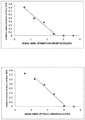
- UFH prolonged activated partial thromboplastin time (aPTT) to 300 seconds, and anti-factor Xa activity increased seven times. These both parameters were restored to control values after injection of polymers ( fig. 6 and fig. 7 , respectively), and the activity of most polymers neutralizing effect of heparin on anti-factor Xa activity was stronger in comparison to protamine and DEX40-GTMAC3.
- the experiment evaluating the effect of polymers according to discovery and protamine on the arterial blood pressure was performed.
- the study was carried in Wistar rats under general anesthesia (pentobarbital, 50 mg/kg i.p.), in which the blood pressure was measured directly in the carotid artery with Hugo Sachs (Plugsys, Transonics System, USA) equipment.
- Examined compounds were administered into rats 3 minutes after heparin and the blood pressure was monitored for 60 minutes ( fig. 9 ).
- Example 11 Complexing of enoxaparin (Clexane) a low-molecular-weight heparin (LMWH) by PEG41-PMAPTAC53.
- Example 12 Neutralization of enoxaparin (Clexane) a low-molecular-weight heparin (LMWH) by PEG41-PMAPTAC53 in vitro.
- LMWH low-molecular-weight heparin
- This example shows neutralization of the effect of enoxaparin on anti-fXa activity by PEG41-PMAPTAC53 at in vitro conditions.
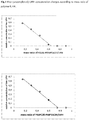
- the results of the activity of anti-fXa increased by enoxaparin incubated with different concentrations of PEG41-PMAPTAC53 in 96-wells polystyrene plate are presented in fig. 11 .
- the experiment showed that PEG41-PMAPTAC53 diminished the effect of enoxaparin (the enhancement of anti-fXa activity). Additionally, the ratio of polymer to enoxaparin was estimated, which enabled to choose appropriate dose for in vivo study.
- the example also shows the advantage of discovery over the protamine, which in patients (http://www.biomed.com.pl/plik/4bac945be0f1b-ulotka_Siarczanprotaminy.pdf) or similar study in the rat ( Shenoi at al. Sci Transl Med., 2014 ) only partially neutralizes the action of enoxaparin.
- Example 13 Neutralization of enoxaparin (Clexane) a low-molecular-weight heparin (LMWH) by PEG41-PMAPTAC53 in vivo.
- LMWH low-molecular-weight heparin
- the examples 12 and 13 show that PEG41-PMAPTAC53 can neutralize low-molecular-weight heparin in 100%. Thus, it may be a safe and efficient antidote for anticoagulant effect of LMWH. In that way, the indications for the use of LMWH may expand to the procedures in which the unfractionated heparin is used.
- polymers according to discovery exert high efficacy of heparin neutralization with full biocompatibility and may become an excellent alternative to other methods of heparin neutralization, especially currently used protamine.
- Next examples confirm author's observations.
- Example 14 Evaluation of tissue distribution of PEG41-PMAPTAC53 in mice.
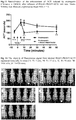
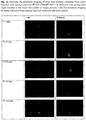
- the perfect antidote should exert its effect rapidly (enabling fast help), it should distribute only in the blood compartment, where it should bind heparin (no organ accumulation limits the risk of damage), and next, the complexes of polymer with heparin or free polymer should be rapidly eliminated with urine (in contrast to long action, which makes impossible to react in case of potential adverse effects, fast and short action enables controlled use of antidote with repeated administration of lower doses if needed).
- ionic and high molecular weight compound would distribute mainly in the blood. The important issue is also the size of formed complex of heparin with the antidote.
- Example 15 The evaluation of acute cardio-respiratory toxicity of PEG41-PMAPTAC53 in rats.
- PEG41-PMAPTAC53 The effect of PEG41-PMAPTAC53 on main vital parameters was measured 1 hour after concomitant intravenous administration with UFH. Arterial blood pressure, heart rate, tissue perfusion of rat's paw, respiratory rate, blood oxygen saturation, peak exhaled CO 2 , and body temperature were monitored for 1 hour. PEG41-PMAPTAC53 administered in 3 times higher than therapeutic dose (5.85 mg/kg) decreased blood pressure by 20% and simultaneously increased tissue perfusion (the increase lasted 15 minutes, and then returned to the starting point ( fig. 19 ). The similar effect was observed after administration of protamine in 3 times higher than the therapeutic dose. Other parameters did not change during the experiment. None of the measured parameters changed when the injection of PEG41-PMAPTAC53 was replaced by 5-minute infusion. Both, blood pressure and tissue perfusion returned to normal level.
- protamine primarily include cardiovascular complications (http://www.biomed.com.pl/plik/4bac945be0f1b-ulotka Siarczanprotaminy.pdf ).
- cardiovascular complications http://www.biomed.com.pl/plik/4bac945be0f1b-ulotka Siarczanprotaminy.pdf ).
- the most frequent are hypotension and bradycardia.
- the mechanism of these reactions may depend on the L-arginine released from the molecule of protamine, which is endogenous precursor and substrate of NO synthesis, one of the strongest vasodilators.
- respiratory dysfunction, bronchospasm, and difficulties with breathing may occur after protamine administration.
- PEG41-PMAPTAC53 was evaluated the effect of PEG41-PMAPTAC53 as a representative of polymer's group without L-arginine in its structure on main vital cardio-respiratory parameters.
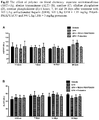
- hematologic parameters were measured at in vivo conditions after administration of PEG41-PMAPTAC53 as a representative of polymer's group with unfractionated heparin ( fig. 21 ). Blood count was performed in rat blood collected after 7, 14 and 28 days from polymer injection.
- Example 18 The evaluation of acute and chronic organ toxicity of PEG41-PMAPTAC53 in rats: serum concentration of biochemical parameters.
- PEG41-PMAPTAC53 as a representative of polymer's group and protamine on main organ function of rats up to 28 days from single injection were studied to estimate the safety of polymer use according to discovery.
- the concentration of examined biochemical parameters in rat's serum, such as AST, ALT, creatinine, amylase, alkaline phosphatase, and creatine phosphokinase did not change for one month from a single injection of polymer and protamine ( fig. 22 ).
- the results indicate the neutral effect of polymers according to discovery on functions of internal organs, such as liver, kidneys, pancreas, bones and muscles.
- Example 19 The evaluation of acute and chronic organ toxicity of PEG41-PMAPTAC53 in rats: histopathological analysis.
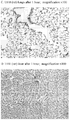
- Lungs and liver were collected from Wistar rats 1 hour or 28 days after unfractionated heparin followed by PEG41-PMAPTAC53 or protamine administration.
- animals treated with protamine and heparin strong pulmonary hemorrhage and necrotic changes in the liver were observed 1 hour after administration ( fig. 23 ). The pulmonary hemorrhage was less pronounced, but liver necrosis was still present after 28 days.
- rats injected with unfractionated heparin and PEG41-PMAPTAC53 slight lung congestion, an increase of eosinophilic cytoplasm, slight vacuolization, and multinuclear cells were present. These changes disappeared after 28 days.
Landscapes
- Health & Medical Sciences (AREA)
- Chemical & Material Sciences (AREA)
- Medicinal Chemistry (AREA)
- Pharmacology & Pharmacy (AREA)
- Veterinary Medicine (AREA)
- Public Health (AREA)
- General Health & Medical Sciences (AREA)
- Animal Behavior & Ethology (AREA)
- Life Sciences & Earth Sciences (AREA)
- Chemical Kinetics & Catalysis (AREA)
- Organic Chemistry (AREA)
- Nuclear Medicine, Radiotherapy & Molecular Imaging (AREA)
- General Chemical & Material Sciences (AREA)
- Epidemiology (AREA)
- Bioinformatics & Cheminformatics (AREA)
- Engineering & Computer Science (AREA)
- Polymers & Plastics (AREA)
- Diabetes (AREA)
- Pulmonology (AREA)
- Hematology (AREA)
- Communicable Diseases (AREA)
- Oncology (AREA)
- Medicinal Preparation (AREA)
- Pharmaceuticals Containing Other Organic And Inorganic Compounds (AREA)
- Other Resins Obtained By Reactions Not Involving Carbon-To-Carbon Unsaturated Bonds (AREA)
- Materials For Medical Uses (AREA)
- Polysaccharides And Polysaccharide Derivatives (AREA)
Applications Claiming Priority (2)
| Application Number | Priority Date | Filing Date | Title |
|---|---|---|---|
| PL412654A PL229768B1 (pl) | 2015-06-10 | 2015-06-10 | Zastosowanie polimeru blokowego zawierającego blok poli- (chlorku 3-metakryloilaminopropylotrimetyloamoniowego) (PMAPTAC) do neutralizacji heparyny |
| PCT/PL2016/050028 WO2016200284A1 (en) | 2015-06-10 | 2016-06-09 | Use of a block polymer comprising a block of poly(3-(methacryloylamino)propyltrimethylammonium chloride) (pmaptac) for the neutralization of heparin |
Publications (2)
| Publication Number | Publication Date |
|---|---|
| EP3307281A1 EP3307281A1 (en) | 2018-04-18 |
| EP3307281B1 true EP3307281B1 (en) | 2019-10-16 |
Family
ID=56411860
Family Applications (1)
| Application Number | Title | Priority Date | Filing Date |
|---|---|---|---|
| EP16738890.9A Active EP3307281B1 (en) | 2015-06-10 | 2016-06-09 | Use of a block polymer comprising a block of poly(3-(methacryloylamino)propyltrimethylammonium chloride) (pmaptac) for the neutralization of heparin |
Country Status (6)
| Country | Link |
|---|---|
| US (1) | US10052347B2 (pl) |
| EP (1) | EP3307281B1 (pl) |
| AU (1) | AU2016277192A1 (pl) |
| CA (1) | CA2987709A1 (pl) |
| PL (1) | PL229768B1 (pl) |
| WO (1) | WO2016200284A1 (pl) |
Families Citing this family (2)
| Publication number | Priority date | Publication date | Assignee | Title |
|---|---|---|---|---|
| CN107474160B (zh) * | 2017-08-10 | 2019-05-28 | 山东师范大学 | 一种磷酰胆碱基聚乙二醇改性壳聚糖及其制备方法 |
| PL235423B1 (pl) * | 2018-03-13 | 2020-07-27 | Univ Jagiellonski | Zastosowanie kopolimerów do wytwarzania preparatu do leczenia i profilaktyki chorób wywoływanych przez wirusa HS V-1 |
Family Cites Families (6)
| Publication number | Priority date | Publication date | Assignee | Title |
|---|---|---|---|---|
| US5624963A (en) | 1993-06-02 | 1997-04-29 | Geltex Pharmaceuticals, Inc. | Process for removing bile salts from a patient and compositions therefor |
| US20110020327A1 (en) | 2008-12-16 | 2011-01-27 | Millipore Corporation | Purification of proteins |
| EP2376689B1 (en) | 2008-12-23 | 2023-09-13 | 3M Innovative Properties Co. | Functionalized nonwoven article |
| PL387249A1 (pl) | 2009-02-10 | 2010-08-16 | Uniwersytet Jagielloński | Zastosowanie polimeru chitozanowego do neutralizacji heparyny |
| PL224855B1 (pl) | 2010-04-22 | 2017-02-28 | Univ Jagiellonski | Zastosowanie modyfikowanych polisacharydów do neutralizacji heparyny |
| EP2842548A1 (en) | 2013-08-29 | 2015-03-04 | Universite De Liege | Polymeric synthetic antidote |
-
2015
- 2015-06-10 PL PL412654A patent/PL229768B1/pl unknown
-
2016
- 2016-06-09 AU AU2016277192A patent/AU2016277192A1/en not_active Abandoned
- 2016-06-09 US US15/579,277 patent/US10052347B2/en not_active Expired - Fee Related
- 2016-06-09 CA CA2987709A patent/CA2987709A1/en not_active Abandoned
- 2016-06-09 EP EP16738890.9A patent/EP3307281B1/en active Active
- 2016-06-09 WO PCT/PL2016/050028 patent/WO2016200284A1/en not_active Ceased
Non-Patent Citations (1)
| Title |
|---|
| None * |
Also Published As
| Publication number | Publication date |
|---|---|
| PL412654A1 (pl) | 2016-12-19 |
| AU2016277192A1 (en) | 2017-12-21 |
| WO2016200284A1 (en) | 2016-12-15 |
| US10052347B2 (en) | 2018-08-21 |
| EP3307281A1 (en) | 2018-04-18 |
| US20180161361A1 (en) | 2018-06-14 |
| PL229768B1 (pl) | 2018-08-31 |
| CA2987709A1 (en) | 2016-12-15 |
Similar Documents
| Publication | Publication Date | Title |
|---|---|---|
| JP2972861B2 (ja) | 超分子構造の血液適合性材料 | |
| Huang et al. | Heparin reversal by an oligoethylene glycol functionalized guanidinocalixarene | |
| ES2230624T5 (es) | Composicion farmaceutica que comprende un compuesto que tiene actividad anti-xa y un compuesto antagonista de la agregacion plaquetaria. | |
| Kaminski et al. | pH-sensitive genipin-cross-linked chitosan microspheres for heparin removal | |
| EP3038603B1 (en) | Polymeric synthetic antidote | |
| Kaminski et al. | Cationic derivatives of dextran and hydroxypropylcellulose as novel potential heparin antagonists | |
| CN103608047A (zh) | 具有抗凝血作用的疎水性高分子化合物 | |
| Shen et al. | A ROS and shear stress dual-sensitive bionic system with cross-linked dendrimers for atherosclerosis therapy | |
| Kalaska et al. | Anticoagulant properties of poly (sodium 2-(acrylamido)-2-methylpropanesulfonate)-based di-and triblock polymers | |
| US20220354801A1 (en) | Multifunctional Nanoparticles For Prevention And Treatment Of Atherosclerosis | |
| EP3307281B1 (en) | Use of a block polymer comprising a block of poly(3-(methacryloylamino)propyltrimethylammonium chloride) (pmaptac) for the neutralization of heparin | |
| EP3103486A1 (en) | Preparation for adhesion prevention comprising composition of polycationic triblock copolymer and polyanionic polymer | |
| Cheng et al. | Clickable liposomes for on-demand reversal of antiplatelet drugs: Towards a safe management of bleeding risks associated with antithrombotic therapy | |
| US9504707B2 (en) | Use of the modified polysaccharides for heparin neutralization | |
| AU2020423624B2 (en) | PEG-lipid | |
| US20110301120A1 (en) | Use of a chitosan polymer for heparin neutralization | |
| Ke et al. | Inhibition of cancer-associated thrombosis with redox-sensitive paclitaxel/heparin-deoxycholic acid nanoparticles | |
| WO2015008195A1 (en) | Pamam dendrimer derivatives for antithrombotic therapy | |
| Sun et al. | Direct thrombin inhibiting coating for active coagulant management in extracorporeal circulation | |
| JP2018524067A (ja) | アンチトロンビン−ヘパリン組成物を利用する医療機器、システムおよび方法 | |
| RU2799028C2 (ru) | Средство, обладающее антикоагулирующим действием, и способ его применения | |
| EP2300062B1 (en) | Use of crosslinked chitosan polymer for heparin removal | |
| Liao et al. | Tranexamic acid-grafted hyaluronic acid hemostatic powder for rapid hemostasis and wound healing | |
| JPH08301771A (ja) | 腎疾患の予防または治療用製剤 | |
| JP5367202B2 (ja) | 血液体外処理における抗凝固剤の使用 |
Legal Events
| Date | Code | Title | Description |
|---|---|---|---|
| STAA | Information on the status of an ep patent application or granted ep patent |
Free format text: STATUS: THE INTERNATIONAL PUBLICATION HAS BEEN MADE |
|
| PUAI | Public reference made under article 153(3) epc to a published international application that has entered the european phase |
Free format text: ORIGINAL CODE: 0009012 |
|
| STAA | Information on the status of an ep patent application or granted ep patent |
Free format text: STATUS: REQUEST FOR EXAMINATION WAS MADE |
|
| 17P | Request for examination filed |
Effective date: 20171227 |
|
| AK | Designated contracting states |
Kind code of ref document: A1 Designated state(s): AL AT BE BG CH CY CZ DE DK EE ES FI FR GB GR HR HU IE IS IT LI LT LU LV MC MK MT NL NO PL PT RO RS SE SI SK SM TR |
|
| AX | Request for extension of the european patent |
Extension state: BA ME |
|
| DAV | Request for validation of the european patent (deleted) | ||
| DAX | Request for extension of the european patent (deleted) | ||
| GRAP | Despatch of communication of intention to grant a patent |
Free format text: ORIGINAL CODE: EPIDOSNIGR1 |
|
| STAA | Information on the status of an ep patent application or granted ep patent |
Free format text: STATUS: GRANT OF PATENT IS INTENDED |
|
| RIC1 | Information provided on ipc code assigned before grant |
Ipc: A61K 31/785 20060101AFI20190125BHEP Ipc: A61P 11/00 20060101ALI20190125BHEP |
|
| INTG | Intention to grant announced |
Effective date: 20190227 |
|
| GRAJ | Information related to disapproval of communication of intention to grant by the applicant or resumption of examination proceedings by the epo deleted |
Free format text: ORIGINAL CODE: EPIDOSDIGR1 |
|
| STAA | Information on the status of an ep patent application or granted ep patent |
Free format text: STATUS: REQUEST FOR EXAMINATION WAS MADE |
|
| INTC | Intention to grant announced (deleted) | ||
| GRAR | Information related to intention to grant a patent recorded |
Free format text: ORIGINAL CODE: EPIDOSNIGR71 |
|
| GRAS | Grant fee paid |
Free format text: ORIGINAL CODE: EPIDOSNIGR3 |
|
| STAA | Information on the status of an ep patent application or granted ep patent |
Free format text: STATUS: GRANT OF PATENT IS INTENDED |
|
| GRAA | (expected) grant |
Free format text: ORIGINAL CODE: 0009210 |
|
| STAA | Information on the status of an ep patent application or granted ep patent |
Free format text: STATUS: THE PATENT HAS BEEN GRANTED |
|
| RIN1 | Information on inventor provided before grant (corrected) |
Inventor name: SZCZUBIALKA, KRZYSZTOF Inventor name: KAMINSKL, KAMIL Inventor name: PAWLAK, DARIUSZ Inventor name: NOWAKOWSKA, MARIA Inventor name: KALASKA, BARTLOMIEJ Inventor name: MOGIELNICKI, ANDRZEJ Inventor name: SOKOLOWSKA, EMILIA |
|
| AK | Designated contracting states |
Kind code of ref document: B1 Designated state(s): AL AT BE BG CH CY CZ DE DK EE ES FI FR GB GR HR HU IE IS IT LI LT LU LV MC MK MT NL NO PL PT RO RS SE SI SK SM TR |
|
| INTG | Intention to grant announced |
Effective date: 20190906 |
|
| REG | Reference to a national code |
Ref country code: GB Ref legal event code: FG4D |
|
| RIN2 | Information on inventor provided after grant (corrected) |
Inventor name: SOKOLOWSKA, EMILIA Inventor name: MOGIELNICKI, ANDRZEJ Inventor name: PAWLAK, DARIUSZ Inventor name: SZCZUBIALKA, KRZYSZTOF Inventor name: NOWAKOWSKA, MARIA Inventor name: KALASKA, BARTLOMIEJ Inventor name: KAMINSKL, KAMIL |
|
| REG | Reference to a national code |
Ref country code: CH Ref legal event code: EP |
|
| REG | Reference to a national code |
Ref country code: DE Ref legal event code: R096 Ref document number: 602016022575 Country of ref document: DE |
|
| REG | Reference to a national code |
Ref country code: IE Ref legal event code: FG4D |
|
| REG | Reference to a national code |
Ref country code: AT Ref legal event code: REF Ref document number: 1190632 Country of ref document: AT Kind code of ref document: T Effective date: 20191115 |
|
| REG | Reference to a national code |
Ref country code: NL Ref legal event code: FP |
|
| REG | Reference to a national code |
Ref country code: LT Ref legal event code: MG4D |
|
| REG | Reference to a national code |
Ref country code: AT Ref legal event code: MK05 Ref document number: 1190632 Country of ref document: AT Kind code of ref document: T Effective date: 20191016 |
|
| PG25 | Lapsed in a contracting state [announced via postgrant information from national office to epo] |
Ref country code: SE Free format text: LAPSE BECAUSE OF FAILURE TO SUBMIT A TRANSLATION OF THE DESCRIPTION OR TO PAY THE FEE WITHIN THE PRESCRIBED TIME-LIMIT Effective date: 20191016 Ref country code: LV Free format text: LAPSE BECAUSE OF FAILURE TO SUBMIT A TRANSLATION OF THE DESCRIPTION OR TO PAY THE FEE WITHIN THE PRESCRIBED TIME-LIMIT Effective date: 20191016 Ref country code: LT Free format text: LAPSE BECAUSE OF FAILURE TO SUBMIT A TRANSLATION OF THE DESCRIPTION OR TO PAY THE FEE WITHIN THE PRESCRIBED TIME-LIMIT Effective date: 20191016 Ref country code: AT Free format text: LAPSE BECAUSE OF FAILURE TO SUBMIT A TRANSLATION OF THE DESCRIPTION OR TO PAY THE FEE WITHIN THE PRESCRIBED TIME-LIMIT Effective date: 20191016 Ref country code: PT Free format text: LAPSE BECAUSE OF FAILURE TO SUBMIT A TRANSLATION OF THE DESCRIPTION OR TO PAY THE FEE WITHIN THE PRESCRIBED TIME-LIMIT Effective date: 20200217 Ref country code: FI Free format text: LAPSE BECAUSE OF FAILURE TO SUBMIT A TRANSLATION OF THE DESCRIPTION OR TO PAY THE FEE WITHIN THE PRESCRIBED TIME-LIMIT Effective date: 20191016 Ref country code: BG Free format text: LAPSE BECAUSE OF FAILURE TO SUBMIT A TRANSLATION OF THE DESCRIPTION OR TO PAY THE FEE WITHIN THE PRESCRIBED TIME-LIMIT Effective date: 20200116 Ref country code: GR Free format text: LAPSE BECAUSE OF FAILURE TO SUBMIT A TRANSLATION OF THE DESCRIPTION OR TO PAY THE FEE WITHIN THE PRESCRIBED TIME-LIMIT Effective date: 20200117 Ref country code: PL Free format text: LAPSE BECAUSE OF FAILURE TO SUBMIT A TRANSLATION OF THE DESCRIPTION OR TO PAY THE FEE WITHIN THE PRESCRIBED TIME-LIMIT Effective date: 20191016 Ref country code: NO Free format text: LAPSE BECAUSE OF FAILURE TO SUBMIT A TRANSLATION OF THE DESCRIPTION OR TO PAY THE FEE WITHIN THE PRESCRIBED TIME-LIMIT Effective date: 20200116 |
|
| PG25 | Lapsed in a contracting state [announced via postgrant information from national office to epo] |
Ref country code: HR Free format text: LAPSE BECAUSE OF FAILURE TO SUBMIT A TRANSLATION OF THE DESCRIPTION OR TO PAY THE FEE WITHIN THE PRESCRIBED TIME-LIMIT Effective date: 20191016 Ref country code: RS Free format text: LAPSE BECAUSE OF FAILURE TO SUBMIT A TRANSLATION OF THE DESCRIPTION OR TO PAY THE FEE WITHIN THE PRESCRIBED TIME-LIMIT Effective date: 20191016 Ref country code: IS Free format text: LAPSE BECAUSE OF FAILURE TO SUBMIT A TRANSLATION OF THE DESCRIPTION OR TO PAY THE FEE WITHIN THE PRESCRIBED TIME-LIMIT Effective date: 20200224 |
|
| PG25 | Lapsed in a contracting state [announced via postgrant information from national office to epo] |
Ref country code: AL Free format text: LAPSE BECAUSE OF FAILURE TO SUBMIT A TRANSLATION OF THE DESCRIPTION OR TO PAY THE FEE WITHIN THE PRESCRIBED TIME-LIMIT Effective date: 20191016 |
|
| REG | Reference to a national code |
Ref country code: DE Ref legal event code: R097 Ref document number: 602016022575 Country of ref document: DE |
|
| PG2D | Information on lapse in contracting state deleted |
Ref country code: IS |
|
| PG25 | Lapsed in a contracting state [announced via postgrant information from national office to epo] |
Ref country code: CZ Free format text: LAPSE BECAUSE OF FAILURE TO SUBMIT A TRANSLATION OF THE DESCRIPTION OR TO PAY THE FEE WITHIN THE PRESCRIBED TIME-LIMIT Effective date: 20191016 Ref country code: RO Free format text: LAPSE BECAUSE OF FAILURE TO SUBMIT A TRANSLATION OF THE DESCRIPTION OR TO PAY THE FEE WITHIN THE PRESCRIBED TIME-LIMIT Effective date: 20191016 Ref country code: ES Free format text: LAPSE BECAUSE OF FAILURE TO SUBMIT A TRANSLATION OF THE DESCRIPTION OR TO PAY THE FEE WITHIN THE PRESCRIBED TIME-LIMIT Effective date: 20191016 Ref country code: EE Free format text: LAPSE BECAUSE OF FAILURE TO SUBMIT A TRANSLATION OF THE DESCRIPTION OR TO PAY THE FEE WITHIN THE PRESCRIBED TIME-LIMIT Effective date: 20191016 Ref country code: DK Free format text: LAPSE BECAUSE OF FAILURE TO SUBMIT A TRANSLATION OF THE DESCRIPTION OR TO PAY THE FEE WITHIN THE PRESCRIBED TIME-LIMIT Effective date: 20191016 Ref country code: IS Free format text: LAPSE BECAUSE OF FAILURE TO SUBMIT A TRANSLATION OF THE DESCRIPTION OR TO PAY THE FEE WITHIN THE PRESCRIBED TIME-LIMIT Effective date: 20200216 |
|
| PGFP | Annual fee paid to national office [announced via postgrant information from national office to epo] |
Ref country code: DE Payment date: 20200608 Year of fee payment: 5 Ref country code: CH Payment date: 20200609 Year of fee payment: 5 Ref country code: FR Payment date: 20200526 Year of fee payment: 5 |
|
| PLBE | No opposition filed within time limit |
Free format text: ORIGINAL CODE: 0009261 |
|
| STAA | Information on the status of an ep patent application or granted ep patent |
Free format text: STATUS: NO OPPOSITION FILED WITHIN TIME LIMIT |
|
| PG25 | Lapsed in a contracting state [announced via postgrant information from national office to epo] |
Ref country code: IT Free format text: LAPSE BECAUSE OF FAILURE TO SUBMIT A TRANSLATION OF THE DESCRIPTION OR TO PAY THE FEE WITHIN THE PRESCRIBED TIME-LIMIT Effective date: 20191016 Ref country code: SK Free format text: LAPSE BECAUSE OF FAILURE TO SUBMIT A TRANSLATION OF THE DESCRIPTION OR TO PAY THE FEE WITHIN THE PRESCRIBED TIME-LIMIT Effective date: 20191016 Ref country code: SM Free format text: LAPSE BECAUSE OF FAILURE TO SUBMIT A TRANSLATION OF THE DESCRIPTION OR TO PAY THE FEE WITHIN THE PRESCRIBED TIME-LIMIT Effective date: 20191016 |
|
| PGFP | Annual fee paid to national office [announced via postgrant information from national office to epo] |
Ref country code: GB Payment date: 20200527 Year of fee payment: 5 Ref country code: NL Payment date: 20200608 Year of fee payment: 5 |
|
| 26N | No opposition filed |
Effective date: 20200717 |
|
| PG25 | Lapsed in a contracting state [announced via postgrant information from national office to epo] |
Ref country code: SI Free format text: LAPSE BECAUSE OF FAILURE TO SUBMIT A TRANSLATION OF THE DESCRIPTION OR TO PAY THE FEE WITHIN THE PRESCRIBED TIME-LIMIT Effective date: 20191016 |
|
| PG25 | Lapsed in a contracting state [announced via postgrant information from national office to epo] |
Ref country code: MC Free format text: LAPSE BECAUSE OF FAILURE TO SUBMIT A TRANSLATION OF THE DESCRIPTION OR TO PAY THE FEE WITHIN THE PRESCRIBED TIME-LIMIT Effective date: 20191016 |
|
| PG25 | Lapsed in a contracting state [announced via postgrant information from national office to epo] |
Ref country code: LU Free format text: LAPSE BECAUSE OF NON-PAYMENT OF DUE FEES Effective date: 20200609 |
|
| REG | Reference to a national code |
Ref country code: BE Ref legal event code: MM Effective date: 20200630 |
|
| PG25 | Lapsed in a contracting state [announced via postgrant information from national office to epo] |
Ref country code: IE Free format text: LAPSE BECAUSE OF NON-PAYMENT OF DUE FEES Effective date: 20200609 |
|
| PG25 | Lapsed in a contracting state [announced via postgrant information from national office to epo] |
Ref country code: BE Free format text: LAPSE BECAUSE OF NON-PAYMENT OF DUE FEES Effective date: 20200630 |
|
| REG | Reference to a national code |
Ref country code: DE Ref legal event code: R119 Ref document number: 602016022575 Country of ref document: DE |
|
| REG | Reference to a national code |
Ref country code: CH Ref legal event code: PL |
|
| REG | Reference to a national code |
Ref country code: NL Ref legal event code: MM Effective date: 20210701 |
|
| GBPC | Gb: european patent ceased through non-payment of renewal fee |
Effective date: 20210609 |
|
| PG25 | Lapsed in a contracting state [announced via postgrant information from national office to epo] |
Ref country code: LI Free format text: LAPSE BECAUSE OF NON-PAYMENT OF DUE FEES Effective date: 20210630 Ref country code: GB Free format text: LAPSE BECAUSE OF NON-PAYMENT OF DUE FEES Effective date: 20210609 Ref country code: DE Free format text: LAPSE BECAUSE OF NON-PAYMENT OF DUE FEES Effective date: 20220101 Ref country code: CH Free format text: LAPSE BECAUSE OF NON-PAYMENT OF DUE FEES Effective date: 20210630 |
|
| PG25 | Lapsed in a contracting state [announced via postgrant information from national office to epo] |
Ref country code: TR Free format text: LAPSE BECAUSE OF FAILURE TO SUBMIT A TRANSLATION OF THE DESCRIPTION OR TO PAY THE FEE WITHIN THE PRESCRIBED TIME-LIMIT Effective date: 20191016 Ref country code: NL Free format text: LAPSE BECAUSE OF NON-PAYMENT OF DUE FEES Effective date: 20210701 Ref country code: MT Free format text: LAPSE BECAUSE OF FAILURE TO SUBMIT A TRANSLATION OF THE DESCRIPTION OR TO PAY THE FEE WITHIN THE PRESCRIBED TIME-LIMIT Effective date: 20191016 Ref country code: FR Free format text: LAPSE BECAUSE OF NON-PAYMENT OF DUE FEES Effective date: 20210630 Ref country code: CY Free format text: LAPSE BECAUSE OF FAILURE TO SUBMIT A TRANSLATION OF THE DESCRIPTION OR TO PAY THE FEE WITHIN THE PRESCRIBED TIME-LIMIT Effective date: 20191016 |
|
| PG25 | Lapsed in a contracting state [announced via postgrant information from national office to epo] |
Ref country code: MK Free format text: LAPSE BECAUSE OF FAILURE TO SUBMIT A TRANSLATION OF THE DESCRIPTION OR TO PAY THE FEE WITHIN THE PRESCRIBED TIME-LIMIT Effective date: 20191016 |