EP4105236A1 - Anti-tl1a (tnfsf15) antikörper zur behandlung von entzündlichen darmerkrankungen - Google Patents
Anti-tl1a (tnfsf15) antikörper zur behandlung von entzündlichen darmerkrankungen Download PDFInfo
- Publication number
- EP4105236A1 EP4105236A1 EP22175956.6A EP22175956A EP4105236A1 EP 4105236 A1 EP4105236 A1 EP 4105236A1 EP 22175956 A EP22175956 A EP 22175956A EP 4105236 A1 EP4105236 A1 EP 4105236A1
- Authority
- EP
- European Patent Office
- Prior art keywords
- tl1a
- cells
- expression
- subject
- disease
- Prior art date
- Legal status (The legal status is an assumption and is not a legal conclusion. Google has not performed a legal analysis and makes no representation as to the accuracy of the status listed.)
- Pending
Links
Images









Classifications
-
- C—CHEMISTRY; METALLURGY
- C07—ORGANIC CHEMISTRY
- C07K—PEPTIDES
- C07K16/00—Immunoglobulins [IG], e.g. monoclonal or polyclonal antibodies
- C07K16/18—Immunoglobulins [IG], e.g. monoclonal or polyclonal antibodies against material from animals or humans
- C07K16/24—Immunoglobulins [IG], e.g. monoclonal or polyclonal antibodies against material from animals or humans against cytokines, lymphokines or interferons
- C07K16/244—Interleukins [IL]
-
- C—CHEMISTRY; METALLURGY
- C07—ORGANIC CHEMISTRY
- C07K—PEPTIDES
- C07K16/00—Immunoglobulins [IG], e.g. monoclonal or polyclonal antibodies
- C07K16/18—Immunoglobulins [IG], e.g. monoclonal or polyclonal antibodies against material from animals or humans
- C07K16/24—Immunoglobulins [IG], e.g. monoclonal or polyclonal antibodies against material from animals or humans against cytokines, lymphokines or interferons
- C07K16/241—Tumor Necrosis Factors
-
- A—HUMAN NECESSITIES
- A61—MEDICAL OR VETERINARY SCIENCE; HYGIENE
- A61K—PREPARATIONS FOR MEDICAL, DENTAL OR TOILETRY PURPOSES
- A61K39/00—Medicinal preparations containing antigens or antibodies
- A61K39/395—Antibodies; Immunoglobulins; Immune serum, e.g. antilymphocytic serum
- A61K39/39533—Antibodies; Immunoglobulins; Immune serum, e.g. antilymphocytic serum against materials from animals
- A61K39/3955—Antibodies; Immunoglobulins; Immune serum, e.g. antilymphocytic serum against materials from animals against proteinaceous materials, e.g. enzymes, hormones, lymphokines
-
- A—HUMAN NECESSITIES
- A61—MEDICAL OR VETERINARY SCIENCE; HYGIENE
- A61K—PREPARATIONS FOR MEDICAL, DENTAL OR TOILETRY PURPOSES
- A61K45/00—Medicinal preparations containing active ingredients not provided for in groups A61K31/00 - A61K41/00
- A61K45/06—Mixtures of active ingredients without chemical characterisation, e.g. antiphlogistics and cardiaca
-
- A—HUMAN NECESSITIES
- A61—MEDICAL OR VETERINARY SCIENCE; HYGIENE
- A61P—SPECIFIC THERAPEUTIC ACTIVITY OF CHEMICAL COMPOUNDS OR MEDICINAL PREPARATIONS
- A61P29/00—Non-central analgesic, antipyretic or antiinflammatory agents, e.g. antirheumatic agents; Non-steroidal antiinflammatory drugs [NSAID]
-
- C—CHEMISTRY; METALLURGY
- C12—BIOCHEMISTRY; BEER; SPIRITS; WINE; VINEGAR; MICROBIOLOGY; ENZYMOLOGY; MUTATION OR GENETIC ENGINEERING
- C12Q—MEASURING OR TESTING PROCESSES INVOLVING ENZYMES, NUCLEIC ACIDS OR MICROORGANISMS; COMPOSITIONS OR TEST PAPERS THEREFOR; PROCESSES OF PREPARING SUCH COMPOSITIONS; CONDITION-RESPONSIVE CONTROL IN MICROBIOLOGICAL OR ENZYMOLOGICAL PROCESSES
- C12Q1/00—Measuring or testing processes involving enzymes, nucleic acids or microorganisms; Compositions therefor; Processes of preparing such compositions
- C12Q1/68—Measuring or testing processes involving enzymes, nucleic acids or microorganisms; Compositions therefor; Processes of preparing such compositions involving nucleic acids
-
- C—CHEMISTRY; METALLURGY
- C12—BIOCHEMISTRY; BEER; SPIRITS; WINE; VINEGAR; MICROBIOLOGY; ENZYMOLOGY; MUTATION OR GENETIC ENGINEERING
- C12Q—MEASURING OR TESTING PROCESSES INVOLVING ENZYMES, NUCLEIC ACIDS OR MICROORGANISMS; COMPOSITIONS OR TEST PAPERS THEREFOR; PROCESSES OF PREPARING SUCH COMPOSITIONS; CONDITION-RESPONSIVE CONTROL IN MICROBIOLOGICAL OR ENZYMOLOGICAL PROCESSES
- C12Q1/00—Measuring or testing processes involving enzymes, nucleic acids or microorganisms; Compositions therefor; Processes of preparing such compositions
- C12Q1/68—Measuring or testing processes involving enzymes, nucleic acids or microorganisms; Compositions therefor; Processes of preparing such compositions involving nucleic acids
- C12Q1/6876—Nucleic acid products used in the analysis of nucleic acids, e.g. primers or probes
- C12Q1/6883—Nucleic acid products used in the analysis of nucleic acids, e.g. primers or probes for diseases caused by alterations of genetic material
-
- G—PHYSICS
- G01—MEASURING; TESTING
- G01N—INVESTIGATING OR ANALYSING MATERIALS BY DETERMINING THEIR CHEMICAL OR PHYSICAL PROPERTIES
- G01N33/00—Investigating or analysing materials by specific methods not covered by groups G01N1/00 - G01N31/00
- G01N33/48—Biological material, e.g. blood, urine; Haemocytometers
- G01N33/483—Physical analysis of biological material
-
- G—PHYSICS
- G01—MEASURING; TESTING
- G01N—INVESTIGATING OR ANALYSING MATERIALS BY DETERMINING THEIR CHEMICAL OR PHYSICAL PROPERTIES
- G01N33/00—Investigating or analysing materials by specific methods not covered by groups G01N1/00 - G01N31/00
- G01N33/48—Biological material, e.g. blood, urine; Haemocytometers
- G01N33/50—Chemical analysis of biological material, e.g. blood, urine; Testing involving biospecific ligand binding methods; Immunological testing
-
- G—PHYSICS
- G01—MEASURING; TESTING
- G01N—INVESTIGATING OR ANALYSING MATERIALS BY DETERMINING THEIR CHEMICAL OR PHYSICAL PROPERTIES
- G01N33/00—Investigating or analysing materials by specific methods not covered by groups G01N1/00 - G01N31/00
- G01N33/48—Biological material, e.g. blood, urine; Haemocytometers
- G01N33/50—Chemical analysis of biological material, e.g. blood, urine; Testing involving biospecific ligand binding methods; Immunological testing
- G01N33/53—Immunoassay; Biospecific binding assay; Materials therefor
-
- G—PHYSICS
- G01—MEASURING; TESTING
- G01N—INVESTIGATING OR ANALYSING MATERIALS BY DETERMINING THEIR CHEMICAL OR PHYSICAL PROPERTIES
- G01N33/00—Investigating or analysing materials by specific methods not covered by groups G01N1/00 - G01N31/00
- G01N33/48—Biological material, e.g. blood, urine; Haemocytometers
- G01N33/50—Chemical analysis of biological material, e.g. blood, urine; Testing involving biospecific ligand binding methods; Immunological testing
- G01N33/68—Chemical analysis of biological material, e.g. blood, urine; Testing involving biospecific ligand binding methods; Immunological testing involving proteins, peptides or amino acids
-
- G—PHYSICS
- G01—MEASURING; TESTING
- G01N—INVESTIGATING OR ANALYSING MATERIALS BY DETERMINING THEIR CHEMICAL OR PHYSICAL PROPERTIES
- G01N33/00—Investigating or analysing materials by specific methods not covered by groups G01N1/00 - G01N31/00
- G01N33/48—Biological material, e.g. blood, urine; Haemocytometers
- G01N33/50—Chemical analysis of biological material, e.g. blood, urine; Testing involving biospecific ligand binding methods; Immunological testing
- G01N33/68—Chemical analysis of biological material, e.g. blood, urine; Testing involving biospecific ligand binding methods; Immunological testing involving proteins, peptides or amino acids
- G01N33/6863—Cytokines, i.e. immune system proteins modifying a biological response such as cell growth proliferation or differentiation, e.g. TNF, CNF, GM-CSF, lymphotoxin, MIF or their receptors
-
- A—HUMAN NECESSITIES
- A61—MEDICAL OR VETERINARY SCIENCE; HYGIENE
- A61K—PREPARATIONS FOR MEDICAL, DENTAL OR TOILETRY PURPOSES
- A61K39/00—Medicinal preparations containing antigens or antibodies
- A61K2039/505—Medicinal preparations containing antigens or antibodies comprising antibodies
-
- C—CHEMISTRY; METALLURGY
- C07—ORGANIC CHEMISTRY
- C07K—PEPTIDES
- C07K2317/00—Immunoglobulins specific features
- C07K2317/70—Immunoglobulins specific features characterized by effect upon binding to a cell or to an antigen
- C07K2317/76—Antagonist effect on antigen, e.g. neutralization or inhibition of binding
-
- C—CHEMISTRY; METALLURGY
- C12—BIOCHEMISTRY; BEER; SPIRITS; WINE; VINEGAR; MICROBIOLOGY; ENZYMOLOGY; MUTATION OR GENETIC ENGINEERING
- C12Q—MEASURING OR TESTING PROCESSES INVOLVING ENZYMES, NUCLEIC ACIDS OR MICROORGANISMS; COMPOSITIONS OR TEST PAPERS THEREFOR; PROCESSES OF PREPARING SUCH COMPOSITIONS; CONDITION-RESPONSIVE CONTROL IN MICROBIOLOGICAL OR ENZYMOLOGICAL PROCESSES
- C12Q2600/00—Oligonucleotides characterized by their use
- C12Q2600/106—Pharmacogenomics, i.e. genetic variability in individual responses to drugs and drug metabolism
-
- C—CHEMISTRY; METALLURGY
- C12—BIOCHEMISTRY; BEER; SPIRITS; WINE; VINEGAR; MICROBIOLOGY; ENZYMOLOGY; MUTATION OR GENETIC ENGINEERING
- C12Q—MEASURING OR TESTING PROCESSES INVOLVING ENZYMES, NUCLEIC ACIDS OR MICROORGANISMS; COMPOSITIONS OR TEST PAPERS THEREFOR; PROCESSES OF PREPARING SUCH COMPOSITIONS; CONDITION-RESPONSIVE CONTROL IN MICROBIOLOGICAL OR ENZYMOLOGICAL PROCESSES
- C12Q2600/00—Oligonucleotides characterized by their use
- C12Q2600/156—Polymorphic or mutational markers
-
- C—CHEMISTRY; METALLURGY
- C12—BIOCHEMISTRY; BEER; SPIRITS; WINE; VINEGAR; MICROBIOLOGY; ENZYMOLOGY; MUTATION OR GENETIC ENGINEERING
- C12Q—MEASURING OR TESTING PROCESSES INVOLVING ENZYMES, NUCLEIC ACIDS OR MICROORGANISMS; COMPOSITIONS OR TEST PAPERS THEREFOR; PROCESSES OF PREPARING SUCH COMPOSITIONS; CONDITION-RESPONSIVE CONTROL IN MICROBIOLOGICAL OR ENZYMOLOGICAL PROCESSES
- C12Q2600/00—Oligonucleotides characterized by their use
- C12Q2600/158—Expression markers
-
- G—PHYSICS
- G01—MEASURING; TESTING
- G01N—INVESTIGATING OR ANALYSING MATERIALS BY DETERMINING THEIR CHEMICAL OR PHYSICAL PROPERTIES
- G01N15/00—Investigating characteristics of particles; Investigating permeability, pore-volume or surface-area of porous materials
- G01N15/10—Investigating individual particles
- G01N15/14—Optical investigation techniques, e.g. flow cytometry
- G01N15/149—Optical investigation techniques, e.g. flow cytometry specially adapted for sorting particles, e.g. by their size or optical properties
-
- G—PHYSICS
- G01—MEASURING; TESTING
- G01N—INVESTIGATING OR ANALYSING MATERIALS BY DETERMINING THEIR CHEMICAL OR PHYSICAL PROPERTIES
- G01N2333/00—Assays involving biological materials from specific organisms or of a specific nature
- G01N2333/435—Assays involving biological materials from specific organisms or of a specific nature from animals; from humans
- G01N2333/52—Assays involving cytokines
- G01N2333/54—Interleukins [IL]
- G01N2333/5425—IL-9
-
- G—PHYSICS
- G01—MEASURING; TESTING
- G01N—INVESTIGATING OR ANALYSING MATERIALS BY DETERMINING THEIR CHEMICAL OR PHYSICAL PROPERTIES
- G01N2333/00—Assays involving biological materials from specific organisms or of a specific nature
- G01N2333/435—Assays involving biological materials from specific organisms or of a specific nature from animals; from humans
- G01N2333/705—Assays involving receptors, cell surface antigens or cell surface determinants
- G01N2333/70575—NGF/TNF-superfamily, e.g. CD70, CD95L, CD153 or CD154
-
- G—PHYSICS
- G01—MEASURING; TESTING
- G01N—INVESTIGATING OR ANALYSING MATERIALS BY DETERMINING THEIR CHEMICAL OR PHYSICAL PROPERTIES
- G01N2800/00—Detection or diagnosis of diseases
- G01N2800/06—Gastro-intestinal diseases
- G01N2800/065—Bowel diseases, e.g. Crohn, ulcerative colitis, IBS
-
- G—PHYSICS
- G01—MEASURING; TESTING
- G01N—INVESTIGATING OR ANALYSING MATERIALS BY DETERMINING THEIR CHEMICAL OR PHYSICAL PROPERTIES
- G01N2800/00—Detection or diagnosis of diseases
- G01N2800/12—Pulmonary diseases
-
- G—PHYSICS
- G01—MEASURING; TESTING
- G01N—INVESTIGATING OR ANALYSING MATERIALS BY DETERMINING THEIR CHEMICAL OR PHYSICAL PROPERTIES
- G01N2800/00—Detection or diagnosis of diseases
- G01N2800/24—Immunology or allergic disorders
-
- G—PHYSICS
- G01—MEASURING; TESTING
- G01N—INVESTIGATING OR ANALYSING MATERIALS BY DETERMINING THEIR CHEMICAL OR PHYSICAL PROPERTIES
- G01N2800/00—Detection or diagnosis of diseases
- G01N2800/70—Mechanisms involved in disease identification
- G01N2800/7095—Inflammation
-
- G—PHYSICS
- G01—MEASURING; TESTING
- G01N—INVESTIGATING OR ANALYSING MATERIALS BY DETERMINING THEIR CHEMICAL OR PHYSICAL PROPERTIES
- G01N33/00—Investigating or analysing materials by specific methods not covered by groups G01N1/00 - G01N31/00
- G01N33/48—Biological material, e.g. blood, urine; Haemocytometers
- G01N33/50—Chemical analysis of biological material, e.g. blood, urine; Testing involving biospecific ligand binding methods; Immunological testing
- G01N33/53—Immunoassay; Biospecific binding assay; Materials therefor
- G01N33/569—Immunoassay; Biospecific binding assay; Materials therefor for microorganisms, e.g. protozoa, bacteria, viruses
- G01N33/56966—Animal cells
Definitions
- TL1A is a member of the TNF superfamily, with expression of TL1A mainly confined to inflamed tissues of colon and small bowel, and is particularly expressed on gut-homing CD4+CCR9+ mucosal T cells.
- TL1A has been demonstrated to synergize with IL-12 and IL-18 in the stimulation of IFN- ⁇ by peripheral CD4+ T cells and to increase IL-2 driven proliferation and IFN- ⁇ production by peripheral T cells.
- TL1A mediates a strong co-stimulation of TH1 cells by enhancing IFN-gamma production by peripheral CD4+ and mucosal CCR9+ T cells.
- TL1A plays an important role in the development of chronic colitis, experimental autoimmune encephalymyelitis, and allergic lung inflammation by modulating TH1, TH17, and TH2 responses suggesting an important role in chronic inflammatory processes.
- TH1 and TH17 responses remain to be elucidated.
- Various embodiments include a method of treating a disease, comprising obtaining a sample from a subject, assaying the sample to diagnose a disease based on the presence of TH17 cell differentiation, treating the subject by administering a therapeutically effective dosage of a composition comprising one or more inhibitors of TL1A.
- the TH17 cell differentiation is from human naive CD4+ T cells.
- the disease is psoriasis, arthritis, experimental autoimmune encephalomyelitis, or colitis.
- diagnosing the disease comprises determining the presence of a TL1A signaling profile.
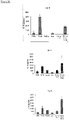
- the TL1A signaling profile comprises the presence of a downregulation of one or more genes listed in Figure 26(A) herein.
- the TL1A signaling profile comprises the presence of an upregulation of one or more genes listed in Figure 26(B) herein.
- the one or more inhibitors of TL1A is an inhibitor of the DR3 receptor.
- the disease is intestinal inflammation.
- a method of treating an inflammatory disease in a subject comprising determining the presence of a TL1A signaling profile in a subject, and treating the inflammatory disease by inhibiting TH17 differentiation from CD4+ T cells.
- the TL1A signaling profile comprises the presence of a downregulation of one or more genes listed in Figure 26(A) herein.
- the TL1A signaling profile comprises the presence of an upregulation of one or more genes listed in Figure 26(B) herein.
- inhibiting TH17 differentiation comprises administering one or more inhibitors of TL1A.
- inhibiting TH17 differentiation further comprises inhibiting IL17 secretion from TH17 cells.
- Other embodiments include a method of diagnosing a disease in a subject, comprising: obtaining a sample from the subject, subjecting the sample to an assay adapted to determine the presence or absence of elevated TL1A expression and/or one or more TL1A genetic risk variants, and diagnosing the disease based on the presence of elevated TL1A expression and/or one or more TL1A genetic risk variants in the subject.
- the subject is human.
- the subject is Asian.
- the subject has one or more Th17 signature cytokines elevated.
- the sample is taken from the peripheral blood and/or intestinal biopsy of the subject.
- the Th17 signature cytokines include IL-17, IL-22 and/or IL-9.
- the disease is an inflammatory disease.
- the disease is inflammatory bowel disease (IBD).
- the disease is rheumatoid arthritis.
- the TL1A signaling profile comprises TL1A stimulation resulting in a downregulation of one or more genes listed in Figure 26(A) herein, and/or an upregulation of one or more genes listed in Figure 26(B) herein.
- Various embodiments include a method of treating an inflammatory condition in a subject, comprising determining the presence of elevated TL1A expression, Th17 signature cytokines, and/or one or more TL1A genetic risk variants in the subject, and treating the inflammatory condition in the subject.
- the subject is human.
- the subject is Asian.
- the inflammatory condition is inflammatory bowel disease.
- the inflammatory condition is treated by administering a therapeutically effective dosage of inhibitor of TL1A and/or inhibitor of one or more Th17 signature cytokines.
- the one or more Th17 signature cytokines include IL-17, IL-22 and/or IL-9.
- the treatment is administered in conjunction with an anti-inflammatory therapeutic.
- the treatment is administered by direct injection to the subject.
- compositions comprising a therapeutically effective dosage of inhibitor of TL1A and/or inhibitor of Th17 signature cytokines, and an acceptable carrier.
- the inhibitor of TL1A is a TL1A antibody.
- Various embodiments include a method of treating a disease in a subject, comprising providing a composition comprising a therapeutically effective dosage of inhibitor of TL1A and/or inhibitor of Th17 signature cytokines, and administering the composition to the subject.
- the subject is human.
- the disease is Inflammatory Bowel Disease (IBD).
- the disease is arthritis.
- the composition is administered in conjunction with treatment for inflammation.
- TL1A enhances the differentiation and/or activation of TH17 cells in humans.
- TL1A is induced in Antigen-presenting cells in response to enteric bacteria and Fe gamma receptor signaling. Variation in TNFSF15, the TL1A gene, may contribute to Crohn's Disease and ulcerative colitis. Haplotypes composed of 5 TNFSF15 SNPs were observed to confer significant Crohn's Disease risk (haplotype A) and protection (haplotype B), using both case/control and family-based study designs.
- haplotype A Crohn's Disease risk
- haplotype B protection
- TL1A-induced IL-9 as a cytokine that induces IL ⁇ 22 secretion from TH17 cells. Furthermore, the inventors demonstrate that blockage of IL-9 using neutralizing antibodies prevents TL1A-induced IL-22 secretion in TH17, suggesting a pathway for therapeutic intervention.
- the present invention provides a method of diagnosing a disease in a subject by obtaining a sample from the subject, subjecting the sample to an assay adapted to determine the presence or absence of TL1A expression and/or TL1A risk haplotype, and diagnosing the disease based on the presence of elevated TL1A expression and/or TL1A risk haplotype in the subject.
- the subject is human.
- the subject is Asian.
- the subject has elevated Th17 signature cytokines.
- the sample is taken from the peripheral blood and/or intestinal biopsy of the subject.
- the subject is treated by administration of inhibitor of TL1A and/or administration of inhibitor of one or more Th17 signature cytokines.
- the Th17 signature cytokines include IL-17, IL-22 and/or IL-9.
- the disease is an inflammatory disease.
- the disease is inflammatory bowel disease (IBD).
- the disease is rheumatoid arthritis.
- the present invention provides a method of treating an inflammatory condition in a subject, comprising determining the presence of elevated TL1A expression, Th17 signature cytokines, and/or one or more TL1A genetic risk variants, and treating the inflammatory condition in the subject.
- the subject is human.
- the subject is Asian.
- the inflammatory condition is inflammatory bowel disease.
- the inflammatory condition is treated by administering a therapeutically effective dosage of inhibitor of TL1A and/or inhibitor of one or more Th17 signature cytokines.
- the one or more Th17 signature cytokines include IL-17, IL-22 and/or IL-9.
- the treatment is administered in conjunction with an anti-inflammatory therapeutic.
- the treatment is administered by direct injection to the subject.
- the present invention provides a composition comprising a therapeutically effective dosage of inhibitor of TL1A and/or inhibitor of Th17 signature cytokines, and an acceptable carrier.
- the inhibitor of TL1A is a TL1A antibody.
- the present invention provides a method of treating a disease in a subject by providing a composition comprising a therapeutically effective dosage of inhibitor of TL1A and/or inhibitor of Th17 signature cytokines, and administering the composition to the subject.
- the disease is Inflammatory Bowel Disease (IBD).
- the disease is arthritis.
- a variety of methods can be used to determine the presence or absence of a risk variant allele or haplotype, such as a TL1A (TNFSF15) genetic risk variant, and/or TL1A (TNFSF15) genetic risk haplotype.
- a risk variant allele or haplotype such as a TL1A (TNFSF15) genetic risk variant, and/or TL1A (TNFSF15) genetic risk haplotype.
- enzymatic amplification of nucleic acid from an individual may be used to obtain nucleic acid for subsequent analysis.
- the presence or absence of a variant allele or haplotype may also be determined directly from the individual's nucleic acid without enzymatic amplification.
- TL1A in combination with TGF- ⁇ and IL-6, promoted differentiation of human TH17 cells from naive CD4+ T cells. Additionally, TL1A in combination with TGF- ⁇ and IL-6 enhanced IL-17 production from CD4+ CD45RO+ memory T cells and induced IL-17/IFN- ⁇ producing TH17 cells. In contrast, TL1A alone induced high levels of IL-22 in naive and memory CD4+ T cells.
- TL1A also enhanced IL-17 and IL-22 production by committed CD45RO+CCR6+ TH17 cells suggesting that TL1A is able to induce TH17 differentiation and enhances IL-17 secretion from committed TH17 cells.
- TL1A provides a target for therapeutic intervention in chronic inflammatory diseases.
- the present invention provides a method of treating a disease, comprising obtaining a sample from a subject, assaying the sample to diagnose a disease based on the presence of TH17 cell differentiation, treating the subject by administering a therapeutically effective dosage of a composition comprising one or more inhibitors of TL1A.
- the TH17 cell differentiation is from human naive CD4+ T cells.
- the disease may also be in inflammatory related disease.
- the disease is psoriasis, arthritis, experimental autoimmune encephalomyelitis, or colitis.
- diagnosing the disease comprises determining the presence of a TL1A signaling profile.
- the TL1A signaling profile comprises the presence of a downregulation of one or more genes listed in Figure 26(A) herein. In another embodiment, the TL1A signaling profile comprises the presence of an upregulation of one or more genes listed in Figure 26(B) herein. In another embodiment, the one or more inhibitors of TL1A is an inhibitor of the DR3 receptor. In another embodiment, the disease is intestinal inflammation.
- the present invention provides a method of treating an inflammatory disease in a subject, comprising determining the presence of a TL1A signaling profile in a subject, and treating the inflammatory disease by inhibiting TH17 differentiation from CD4+ T cells.
- the TL1A signaling profile comprises the presence of a downregulation of one or more genes listed in Figure 26(A) herein.
- the TL1A signaling profile comprises the presence of an upregulation of one or more genes listed in Figure 26(B) herein.
- inhibiting TH17 differentiation comprises administering one or more inhibitors of TL1A.
- inhibiting TH17 differentiation further comprises inhibiting IL17 secretion from TH17 cells.
- nucleic acid means a polynucleotide such as a single or double-stranded DNA or RNA molecule including, for example, genomic DNA, cDNA and mRNA.
- nucleic acid encompasses nucleic acid molecules of both natural and synthetic origin as well as molecules of linear, circular or branched configuration representing either the sense or antisense strand, or both, of a native nucleic acid molecule.
- the presence or absence of a variant allele or haplotype may involve amplification of an individual's nucleic acid by the polymerase chain reaction.
- Use of the polymerase chain reaction for the amplification of nucleic acids is well known in the art (see, for example, Mullis et al. (Eds.), The Polymerase Chain Reaction, Birkhauser, Boston, (1994)).
- a TaqmanB allelic discrimination assay available from Applied Biosystems may be useful for determining the presence or absence of a variant allele.
- a TaqmanB allelic discrimination assay a specific, fluorescent, dye-labeled probe for each allele is constructed.
- the probes contain different fluorescent reporter dyes such as FAM and VICTM to differentiate the amplification of each allele.
- each probe has a quencher dye at one end which quenches fluorescence by fluorescence resonant energy transfer (FRET).
- FRET fluorescence resonant energy transfer
- each probe anneals specifically to complementary sequences in the nucleic acid from the individual.
- the 5' nuclease activity of Taq polymerase is used to cleave only probe that hybridize to the allele.
- Cleavage separates the reporter dye from the quencher dye, resulting in increased fluorescence by the reporter dye.
- the fluorescence signal generated by PCR amplification indicates which alleles are present in the sample.
- Mismatches between a probe and allele reduce the efficiency of both probe hybridization and cleavage by Taq polymerase, resulting in little to no fluorescent signal.
- Improved specificity in allelic discrimination assays can be achieved by conjugating a DNA minor grove binder (MGB) group to a DNA probe as described, for example, in Kutyavin et al., "3'-minor groove binder-DNA probes increase sequence specificity at PCR extension temperature, "Nucleic Acids Research 28:655-661 (2000 )).
- Minor grove binders include, but are not limited to, compounds such as dihydrocyclopyrroloindole tripeptide (DPI,). Sequence analysis also may also be useful for determining the presence or absence of a variant allele or ha
- Restriction fragment length polymorphism (RFLP) analysis may also be useful for determining the presence or absence of a particular allele ( Jarcho et al. in Dracopoli et al., Current Protocols in Human Genetics pages 2.7.1-2.7.5, John Wiley & Sons, New York ; Innis et al.,(Ed.), PCR Protocols, San Diego: Academic Press, Inc. (1990 )).
- restriction fragment length polymorphism analysis is any method for distinguishing genetic polymorphisms using a restriction enzyme, which is an endonuclease that catalyzes the degradation of nucleic acid and recognizes a specific base sequence, generally a palindrome or inverted repeat.
- a restriction enzyme which is an endonuclease that catalyzes the degradation of nucleic acid and recognizes a specific base sequence, generally a palindrome or inverted repeat.
- RFLP analysis depends upon an enzyme that can differentiate two alleles at a polymorphic site.
- Allele-specific oligonucleotide hybridization may also be used to detect a disease-predisposing allele. Allele-specific oligonucleotide hybridization is based on the use of a labeled oligonucleotide probe having a sequence perfectly complementary, for example, to the sequence encompassing a disease-predisposing allele. Under appropriate conditions, the allele-specific probe hybridizes to a nucleic acid containing the disease-predisposing allele but does not hybridize to the one or more other alleles, which have one or more nucleotide mismatches as compared to the probe. If desired, a second allele-specific oligonucleotide probe that matches an alternate allele also can be used.
- the technique of allele-specific oligonucleotide amplification can be used to selectively amplify, for example, a disease-predisposing allele by using an allele-specific oligonucleotide primer that is perfectly complementary to the nucleotide sequence of the disease-predisposing allele but which has one or more mismatches as compared to other alleles (Mullis et al., supra, (1994)).
- the one or more nucleotide mismatches that distinguish between the disease-predisposing allele and one or more other alleles are preferably located in the center of an allele-specific oligonucleotide primer to be used in allele-specific oligonucleotide hybridization.
- an allele-specific oligonucleotide primer to be used in PCR amplification preferably contains the one or more nucleotide mismatches that distinguish between the disease-associated and other alleles at the 3' end of the primer.
- a heteroduplex mobility assay is another well known assay that may be used to detect a SNP or a haplotype. HMA is useful for detecting the presence of a polymorphic sequence since a DNA duplex carrying a mismatch has reduced mobility in a polyacrylamide gel compared to the mobility of a perfectly base-paired duplex ( Delwart et al., Science 262:1257-1261 (1993 ); White et al., Genomics 12:301-306 (1992 )).
- SSCP single strand conformational, polymorphism
- This technique can be used to detect mutations based on differences in the secondary structure of single-strand DNA that produce an altered electrophoretic mobility upon non-denaturing gel electrophoresis. Polymorphic fragments are detected by comparison of the electrophoretic pattern of the test fragment to corresponding standard fragments containing known alleles.
- Denaturing gradient gel electrophoresis also may be used to detect a SNP and/or a haplotype.
- DGGE Denaturing gradient gel electrophoresis
- double-stranded DNA is electrophoresed in a gel containing an increasing concentration of denaturant; double-stranded fragments made up of mismatched alleles have segments that melt more rapidly, causing such fragments to migrate differently as compared to perfectly complementary sequences ( Sheffield et al., "Identifying DNA Polymorphisms by Denaturing Gradient Gel Electrophoresis " in Innis et al., supra, 1990).
- Other molecular methods useful for determining the presence or absence of a SNP and/or a haplotype are known in the art and useful in the methods of the invention.
- TL1A and/or one or more Th17 signature cytokines there are also many techniques readily available in the field for detecting the presence or absence of polypeptides or other biomarkers, such as determining the presence or absence of TL1A and/or one or more Th17 signature cytokines.
- some of the detection paradigms that can be employed to this end include optical methods, electrochemical methods (voltametry and amperometry techniques), atomic force microscopy, and radio frequency methods, e.g., multipolar resonance spectroscopy.
- Illustrative of optical methods in addition to microscopy, both confocal and non-confocal, are detection of fluorescence, luminescence, chemiluminescence, absorbance, reflectance, transmittance, and birefringence or refractive index (e.g., surface plasmon resonance, ellipsometry, a resonant mirror method, a grating coupler waveguide method or interferometry).
- detection of fluorescence, luminescence, chemiluminescence, absorbance, reflectance, transmittance, and birefringence or refractive index e.g., surface plasmon resonance, ellipsometry, a resonant mirror method, a grating coupler waveguide method or interferometry.
- a biomarker may be captured using biospecific capture reagents, such as antibodies, aptamers or antibodies that recognize the biomarker and modified forms of it. This method could also result in the capture of protein interactors that are bound to the proteins or that are otherwise recognized by antibodies and that, themselves, can be biomarkers.
- the biospecific capture reagents may also be bound to a solid phase. Then, the captured proteins can be detected by SELDI mass spectrometry or by eluting the proteins from the capture reagent and detecting the eluted proteins by traditional MALDI or by SELDI.
- SELDI affinity capture mass spectrometry
- SEAC Surface-Enhanced Affinity Capture
- mass spectrometers are time-of-flight, magnetic sector, quadrupole filter, ion trap, ion cyclotron resonance, electrostatic sector analyzer and hybrids of these.
- the presence of biomarkers such as polypeptides maybe detected using traditional immunoassay techniques.
- Immunoassay requires biospecific capture reagents, such as antibodies, to capture the analytes.
- the assay may also be designed to specifically distinguish protein and modified forms of protein, which can be done by employing a sandwich assay in which one antibody captures more than one form and second, distinctly labeled antibodies, specifically bind, and provide distinct detection of, the various forms.
- Antibodies can be produced by immunizing animals with the biomolecules.
- Traditional immunoassays may also include sandwich immunoassays including ELISA or fluorescence-based immunoassays, as well as other enzyme immunoassays.
- biomarkers Prior to detection, biomarkers may also be fractionated to isolate them from other components in a solution or of blood that may interfere with detection. Fractionation may include platelet isolation from other blood components, sub-cellular fractionation of platelet components and/or fractionation of the desired biomarkers from other biomolecules found in platelets using techniques such as chromatography, affinity purification, 1D and 2D mapping, and other methodologies for purification known to those of skill in the art.
- a sample is analyzed by means of a biochip.
- Biochips generally comprise solid substrates and have a generally planar surface, to which a capture reagent (also called an adsorbent or affinity reagent) is attached. Frequently, the surface of a biochip comprises a plurality of addressable locations, each of which has the capture reagent bound there.
- Anti-TL1A therapy refers to therapeutic agents and methods that suppress TL1A gene expression, DR3 gene expression, or block the signaling of TL1A and DR3 (the receptor for TL1A) proteins.
- TL1A signaling inhibitor also interchangeably called as TL1A blocker or inhibitor, anti-TL1A reagent, agent, drug or therapeutic, ) refers to any reagent that suppress responses to TL1A and/or inhibits the TL1A signaling, including inhibition of any molecular signaling step from the TL1A ligand through its receptor to various downstream target molecules.
- a TL1A signaling inhibitor can be a small molecule; a nucleic acid such as siRNA, shRNA, and miRNA; a nucleic acid analogue such as PNA, pc-PNA, and LNA; an aptamer; a ribosome; a peptide; a protein; an avimer; an antibody, or variants and fragments thereof.
- the TL1A signaling inhibitor include but are not limited to an anti-TL1A antibody blocking TL1A-DR3 signaling, an anti-DR3 antibody blocking TL1A-DR3 signaling, a soluble decoy DR3 polypeptide (e.
- the TL1A signaling inhibitor comprises an anti-TL1A antibody or a fragment thereof, an anti-DR3 antibody or a fragment thereof, a soluble decoy DR3 polypeptide, a nucleic acid antagonist of TL1A, or a nucleic acid antagonist of DR3, or a combination thereof.
- Typical dosages of an effective amount of treatment or therapy can be in the ranges recommended by the manufacturer where known therapeutic molecules or compounds are used, and also as indicated to the skilled artisan by the in vitro responses in cells or in vivo responses in animal models. Such dosages typically can be reduced by up to about an order of magnitude in concentration or amount without losing relevant biological activity.
- the actual dosage can depend upon the judgment of the physician, the condition of the patient, and the effectiveness of the therapeutic method based, for example, on the in vitro responsiveness of relevant cultured cells or histocultured tissue sample, or the responses observed in the appropriate animal models.
- the therapy may be administered once a day (SID/QD), twice a day (BID), three times a day (TID), four times a day (QID), or more, so as to administer an effective amount of the therapy to the individual, where the effective amount is any one or more of the doses described herein.
- composition for treatment is administered at about 0.001-0.01, 0.01-0.1, 0.1-0.5, 0.5-5, 5-10, 10-20, 20-50, 50-100, 100-200, 200-300, 300-400, 400-500, 500-600, 600-700, 700-800, 800-900, or 900-1000 mg/kg, or a combination thereof.
- the treatment or therapy is administered once, twice, three or more times.
- the therapy is administered about 1-3 times per day, 1-7 times per week, or 1-9 times per month.
- the treatment, or therapy is administered for about 1-10 days, 10-20 days, 20-30 days, 30-40 days, 40-50 days, 50-60 days, 60-70 days, 70-80 days, 80-90 days, 90-100 days, 1-6 months, 6-12 months, or 1-5 years.
- “mg/kg” refers to mg per kg body weight of the individual.
- the therapy is administered to a human.
- the therapy may be administered using the appropriate modes of administration, for instance, the modes of administration recommended by the manufacturer.
- various routes may be utilized to administer the IBD therapy of the claimed methods, including but not limited to aerosol, nasal, oral, transmucosal, transdermal, parenteral, enteral, topical, local, implantable pump, continuous infusion, capsules and/or injections.
- the IBD therapy is administered topically, intravascularly, intravenously, intraarterially, intramuscularly, subcutaneously, intraperitoneally, intranasally, or orally.
- the numbers expressing quantities of ingredients, properties such as concentration, reaction conditions, and so forth, used to describe and claim certain embodiments of the invention are to be understood as being modified in some instances by the term "about.” Accordingly, in some embodiments, the numerical parameters set forth in the written description and attached claims are approximations that can vary depending upon the desired properties sought to be obtained by a particular embodiment. In some embodiments, the numerical parameters should be construed in light of the number of reported significant digits and by applying ordinary rounding techniques. Notwithstanding that the numerical ranges and parameters setting forth the broad scope of some embodiments of the invention are approximations, the numerical values set forth in the specific examples are reported as precisely as practicable. The numerical values presented in some embodiments of the invention may contain certain errors necessarily resulting from the standard deviation found in their respective testing measurements.
- TL1A plays an important role in the induction of Th17 signature cytokines including IL-17, IL-22, and IL-9.
- Patients carrying a risk haplotype for the TL1A gene have elevated expression of TL 1A.
- the present invention provides a diagnostic where these patients will also have elevated TL1A-induced TH17 signature cytokines that could be measured as a diagnostic test. That diagnostic test would help to identify specific patient population that would benefit the most from inhibition of either TL1A or the TH17 signature cytokines.
- the present invention provides a companion diagnostic test for patients with IBD or rheumatoid arthritis with ongoing inflammation to determine the degree of inflammation and/or identify potential treatment options.
- TL1A patients with risk polymorphisms for TL1A would be identified as a subgroup that would benefit from treatment. Further, TL1A single nucleotide polymorphisms may be strongly associated with the development and severity of IBD particularly in the Asian population.
- TL1A a member of the TNF superfamily, mediates a strong co-stimulation of TH1 cells by enhancing IFN- ⁇ production by peripheral CD4+ and mucosal CCR9+ T cells.
- TL1A plays an important role in the development of chronic colitis, experimental autoimmune encephalomyelitis, and allergic lung inflammation by modulating TH1, TH17, and TH2 responses suggesting an important role in chronic inflammatory processes.
- TL1A is induced in antigen-presenting cells in response to Fc ⁇ R signaling.
- TL1A in combination with TGF- ⁇ and IL-6, promoted differentiation of human TH17 cells from naive CD4+ T cells. Additionally, TL1A in combination with TGF- ⁇ and IL-6 enhanced IL-17 production from CD4+ CD45RO+ memory T cells and induced IL-17/IFN- ⁇ producing TH17 cells. In contrast, TL1A alone induced high levels of IL-22 in naive and memory CD4+ T cells.
- TL1A also enhanced IL-17 and IL-22 production by committed CD45RO+CCR6+ TH17 cells suggesting that TL1A is able to induce TH17 differentiation and enhances IL-17 secretion from committed TH17 cells.
- TL1A provides a target for therapeutic intervention in chronic inflammatory diseases.
- IC crosslinked human IgG
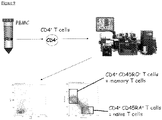
- CD4+ T cells were isolated from PBMC by negative selection using the human T lymphocyte Enrichment Set (BD Bioscience). CD4+ T cells were stained with PE-conjugated anti-CD45RO Ab and FITC-conjugated anti-CD45RA Ab (Caltag Laboratories). CD45RA+ or CD45RO+ cells were collected using the MoFloTM High Performance Cell Sorter (Dako Cytomation). In some experiments the CD4+ T cells were stained for CD45RO (FITC-conjugated) and CCR6 (PE-conjugated) and CD45RO+/CCR6+ cells were collected.
- CD45RO FITC-conjugated
- CCR6 PE-conjugated
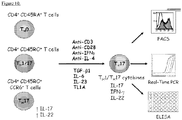
- T cells were stimulated with immobilized anti-CD3 (5 ug/ml, BD Bioscience) and anti-CD28 (2 ug/ml, Bristol-Myers Squibb) in the presence of TGF- ⁇ 1 (3 ng/ml, PeproTech), IL-6 (50 ng/ml PeproTech), IL-23 (20 ng/ml, R & D Systems), TL1A (100 ng/ml, Fitzgerald Industries International, Acton, MA), and neutralizing antibodies to IL-4 (2 ug/ml) and IFN- ⁇ (3 ug/ml, Biolegend) for three days or as indicated. In selected experiments neutralizing antibodies to IL-9, IL-9 receptor (BioLegend), or isotype controls were added at the time of stimulation.
- TGF- ⁇ 1 3 ng/ml, PeproTech
- IL-6 50 ng/ml PeproTech
- IL-23 (20 ng/ml, R & D Systems
- TL1A 100 ng/m
- TL1A, TGF ⁇ , IL-1 ⁇ , IL-6, IL-23p19, IL-12p40, RORA, IL-17A (all Integrated DNA Technologies), and RORC (Applied Biosystems) transcripts were amplified by quantitative real-time RT-PCR.
- TL1A was quantified by ELISA.
- Human IL-17A, IFN- ⁇ , TGF- ⁇ , IL-6, IL-1 ⁇ , IL-9 (all eBioscience), IL-22 (R&D Systems) were quantified using ELISA kits.
- Cultured cells were stimulated with 50 nM of phorbol-12,13-dibutyrate and 1 ug/ml ionomycin for 2 h followed by Brefeldin A (Sigma-Aldrich, 10 ng/ml) stimulation for 4 h at 37 degrees C.
- Cells were harvested and stained for intracellular IL-17 (Alexa Fluor 647-IL-17), IFN- ⁇ (PE-Cy 7-IFN- ⁇ ), IL-22 (PE-IL-22), IL-9 (eFluor 660-IL-9) or isotype controls utilizing the Fixation and Permeabilization kit (eBioscience).
- Cells were acquired on a CyAnTM ADP flow cytometer (Dako) and analyzed using FlowJo software (TreeStar Inc., Ashland, OR).
- RNA expression was analyzed using a two-way analysis of variance (ANOVA) for this two-by-two factorial design across the four groups, as implemented in MultiExperiment Viewer (TM4 microarray software suite).
- TL1A is a strong costimulator of TH1 responses. Furthermore, Fc ⁇ Receptor signaling induces the expression of TL1A mRNA and subsequent secretion of TL1A protein in monocytes and dendritic cells (DC). However, to address whether TL1A also has an effect on the differentiation of the pro-inflammatory TH17 subset, the inventors first evaluated the expression pattern of cytokines that have been implicated in the differentiation of human TH17 cells in monocytes stimulated with immune complexes (IC), a strong inducer of TL1A in these cells.
- IC immune complexes
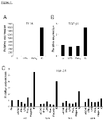
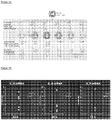
- IC is a strong inducer of TL1A mRNA while TLR ligands (LPS as TLR4 ligand, Pam3 as TLR2 ligand) do not induce TL1A ( Fig. 1A ).
- TLR ligands LPS as TLR4 ligand, Pam3 as TLR2 ligand
- IC induced significant increases in TGF- ⁇ 1 mRNA in monocytes while TLR ligands did not induce TGF- ⁇ 1 ( Fig. 1B ).
- the inventors performed extensive time-course experiments in monocytes using the TLR ligands LPS, Pam3, Flagellin, as well as IFN- ⁇ , and anti-CD40 ( Fig.
- TGF- ⁇ 1 mRNA was only induced in IC stimulated monocytes while TLR ligands, IFN- ⁇ , or anti-CD40 failed to induce TGF- ⁇ 1 mRNA ( Fig. 1C ). Similar results were obtained from human monocyte-derived DC.
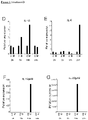
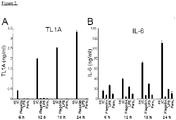
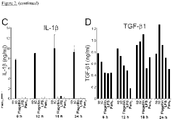
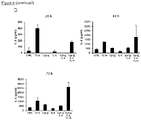
- the inventors evaluated the expression of cytokines that have been linked with the differentiation of human TH17 cells. IC induced IL-1 ⁇ , IL-6, IL-12p40, and IL-23p19 mRNA ( Fig. 1D-G ). These real-time PCR data were confirmed by ELISAs. IC stimulation of monocytes resulted in significant secretion of IL-6, IL-1 ⁇ , and TGF- ⁇ ( Fig. 2 ).
- IC was the strongest inducer of IL-6 and IL-1 ⁇ compared to several TLR ligands. Taken together, IC stimulation results in the concomitant secretion of TL1A and cytokines that have been implicated in the differentiation of TH17 cells (IL-6, IL-1 ⁇ , IL-23, TGF- ⁇ ).
- TL1A enhances TH17 differentiation of CD45RA+ naive T cells:
- TL1A To establish a role of TL1A in the differentiation of human TH17 cells from naive CD45RA+ T cells, the inventors used high-speed flow cytometry for sorting CD45RA+ naive T cells from enriched CD4+ T cells isolated from PBMCs from healthy volunteers.
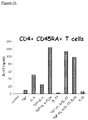
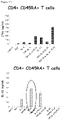
- the highly enriched naive CD4+CD45RA+ T cells were first differentiated with anti-CD3/CD28 in the presence of TGF- ⁇ +IL-6 in the presence or absence of TL1A.
- TGF- +IL-6 In comparison to cells treated with TGF- +IL-6, cells treated with TGF- ⁇ +IL-6+TL1A secreted significantly more IL-17 ( Fig. 3A ).
- addition of IL-23 does not further enhance the secretion of IL-17.
- TL1A has been shown to strongly enhance IFN- ⁇ production of CD4+ T cells (4).
- the inventors analyzed the IFN- ⁇ production of naive CD45RA+ T cells that have been stimulated under TH17 polarizing conditions.
- TL1A enhances the production of IFN- ⁇ from cells stimulated with TGF- ⁇ +IL-6 ( Fig. 3B ).
- TL1A and IL-23 have additive effects on the IFN- ⁇ secretion when added to TGF- ⁇ + IL-6 ( Fig. 3B ).
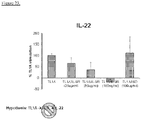
- TL1A stimulation alone leads to the induction of IL-22 in naive CD45RA+ T cells ( Fig. 3 C) .
- TL1A enhances RORA and T-bet expression during early TH17 polarization:
- TL1A enhances TH17 polarization
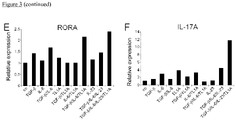
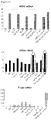
- the inventors stimulated naive human CD4+ CD45RA+ T cells under TH17 polarizing conditions in the absence or presence of TL1A and analyzed the expression of RORA and RORC mRNA ( Fig. 3D , E ). Consistent with previous findings TGF- ⁇ alone is sufficient to induce RORC mRNA and neither the addition of IL-6 nor TL1A enhances RORC expression ( Fig. 3D ). In contrast, TL1A enhances the expression of the transcription factor RORA in combination with TGF- ⁇ +IL-6+IL-23 ( Fig. 3E ).
- TH17 differentiation is regulated by both transcription factors, RORA and RORC to achieve maximal expression/differentiation of IL-17/TH17 cells. Enhancement of RORA expression was sufficient to lead to enhanced IL-17A mRNA expression by TL1A ( Fig. 3F ).
- stimulation with TL1A in combination with TGF- ⁇ +IL-6+IL-23 also led to a maximal induction of T-bet mRNA ( Fig. 3G ) confirming data of maximal induction of IFN- ⁇ in TH17 cells polarized in the presence of TL1A.
- TL1A enhances IL-17 production by CD45RO+ memory T cells:
- TL1A also has an effect on the IL-17 production by CD4+ CD45RO+ memory T cells.
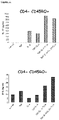
- TL1A enhances the production of IL-17 in combination with TGF- ⁇ +IL-6 ( Fig. 4A ).
- addition of IL-23 does not further enhance the secretion of IL-17 from CD4+ CD45RO+ memory T cells.
- IL-23 and TL1A have additive effects on the IFN- ⁇ secretion when added to TGF- ⁇ + IL-6 ( Fig. 4B ).
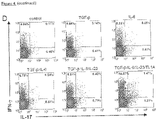
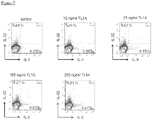
- TL1A When analyzed the secretion of IL-22, it was observed that TL1A alone leads to maximal secretion of IL-22 in CD4+ CD45RO+ memory T cells ( FIG. 4C ). In contrast, TGF- ⁇ inhibits IL-22 secretion by TH17 cells and TL1A was not able to overcome the suppression by TGF- ⁇ . Furthermore, intracellular cytokine staining showed that TL1A in combination with TGF- ⁇ +IL-6+IL-23 enhances the percentage of IL-17+ cells ( Fig. 4D ). TL1A also enhances the IFN- ⁇ + cell population and induces a cell population of IL-17/IFN- ⁇ double positive cells ( Fig. 4D ). These data confirm data demonstrating concomitant secretion of IL-17 and IFN- ⁇ under TH17 polarizing conditions and simultaneous induction of RORA and t-bet by TL1A.
- TL1A increases IL-17 and IL-22 production in committed TH17 cells:
- TL1A could enhance the production of IL-17 from committed TH17 cells
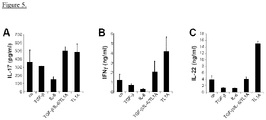
- the inventors isolated human CD45RO+CCR6+ cells from peripheral blood and stimulated these cells with TL1A for three days. Stimulation of TH17 cells with TL1A enhances the secretion of IL-17 compared to unstimulated cells by approximately 30 % ( Fig. 5A ). In contrast, treatment with TGF- ⁇ or IL-6 decreases the production of IL-17 in committed TH17 cells ( Fig. 5A ).
- the inventors also observed an enhancement of IFN- ⁇ and IL-22 production by TL1A alone in committed TH17 cells ( Fig. 5B, C ).
- IL-9 has been described to be an inducer of IL-22 the inventors believed that the induction of IL-9 by TL1A could lead to the up-regulation of IL-22.
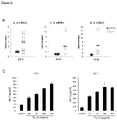
- IL-9 mRNA expression was induced early on in TL1A-stimulated TH17 cells and remained up-regulated for up to 72 h ( Figure 6B ).
- TL1A induced IL-9 secretion in TH17 cells They observed a dose-dependent increase of IL-9 secretion after stimulation with TL1A at 24 and 48 h ( Figure 6C ).
Landscapes
- Health & Medical Sciences (AREA)
- Life Sciences & Earth Sciences (AREA)
- Chemical & Material Sciences (AREA)
- Engineering & Computer Science (AREA)
- Immunology (AREA)
- Molecular Biology (AREA)
- Organic Chemistry (AREA)
- General Health & Medical Sciences (AREA)
- Medicinal Chemistry (AREA)
- Proteomics, Peptides & Aminoacids (AREA)
- Biochemistry (AREA)
- Biomedical Technology (AREA)
- Analytical Chemistry (AREA)
- Hematology (AREA)
- Urology & Nephrology (AREA)
- Physics & Mathematics (AREA)
- Microbiology (AREA)
- Genetics & Genomics (AREA)
- Biotechnology (AREA)
- Pathology (AREA)
- Biophysics (AREA)
- Zoology (AREA)
- Wood Science & Technology (AREA)
- Cell Biology (AREA)
- General Physics & Mathematics (AREA)
- Food Science & Technology (AREA)
- Bioinformatics & Cheminformatics (AREA)
- Veterinary Medicine (AREA)
- Pharmacology & Pharmacy (AREA)
- Animal Behavior & Ethology (AREA)
- Public Health (AREA)
- Epidemiology (AREA)
- General Engineering & Computer Science (AREA)
- Mycology (AREA)
- Endocrinology (AREA)
- Pain & Pain Management (AREA)
- Rheumatology (AREA)
- Chemical Kinetics & Catalysis (AREA)
- General Chemical & Material Sciences (AREA)
- Nuclear Medicine, Radiotherapy & Molecular Imaging (AREA)
Applications Claiming Priority (3)
| Application Number | Priority Date | Filing Date | Title |
|---|---|---|---|
| US201361856491P | 2013-07-19 | 2013-07-19 | |
| EP14826746.1A EP3022295A4 (de) | 2013-07-19 | 2014-07-18 | Signatur des tl1a (tnfsf15)-signalweges |
| PCT/US2014/047326 WO2015010108A1 (en) | 2013-07-19 | 2014-07-18 | Signature of tl1a (tnfsf15) signaling pathway |
Related Parent Applications (1)
| Application Number | Title | Priority Date | Filing Date |
|---|---|---|---|
| EP14826746.1A Division EP3022295A4 (de) | 2013-07-19 | 2014-07-18 | Signatur des tl1a (tnfsf15)-signalweges |
Publications (1)
| Publication Number | Publication Date |
|---|---|
| EP4105236A1 true EP4105236A1 (de) | 2022-12-21 |
Family
ID=52346774
Family Applications (2)
| Application Number | Title | Priority Date | Filing Date |
|---|---|---|---|
| EP22175956.6A Pending EP4105236A1 (de) | 2013-07-19 | 2014-07-18 | Anti-tl1a (tnfsf15) antikörper zur behandlung von entzündlichen darmerkrankungen |
| EP14826746.1A Withdrawn EP3022295A4 (de) | 2013-07-19 | 2014-07-18 | Signatur des tl1a (tnfsf15)-signalweges |
Family Applications After (1)
| Application Number | Title | Priority Date | Filing Date |
|---|---|---|---|
| EP14826746.1A Withdrawn EP3022295A4 (de) | 2013-07-19 | 2014-07-18 | Signatur des tl1a (tnfsf15)-signalweges |
Country Status (3)
| Country | Link |
|---|---|
| US (4) | US10316083B2 (de) |
| EP (2) | EP4105236A1 (de) |
| WO (1) | WO2015010108A1 (de) |
Families Citing this family (11)
| Publication number | Priority date | Publication date | Assignee | Title |
|---|---|---|---|---|
| WO2010062960A2 (en) | 2008-11-26 | 2010-06-03 | Cedars-Sinai Medical Center | METHODS OF DETERMINING RESPONSIVENESS TO ANTI-TNFα THERAPY IN INFLAMMATORY BOWEL DISEASE |
| MX2014003689A (es) | 2011-09-30 | 2014-12-05 | Teva Pharmaceuticals Australia Pty Ltd | Anticuerpos contra tl1a y sus usos. |
| KR20230109779A (ko) | 2013-03-27 | 2023-07-20 | 세다르스-신나이 메디칼 센터 | Tl1a 기능 및 관련된 신호전달 경로의 저해에 의한섬유증 및 염증의 완화 및 반전 |
| EP4105236A1 (de) | 2013-07-19 | 2022-12-21 | Cedars-Sinai Medical Center | Anti-tl1a (tnfsf15) antikörper zur behandlung von entzündlichen darmerkrankungen |
| TWI703158B (zh) | 2015-09-18 | 2020-09-01 | 美商希佛隆公司 | 特異性結合tl1a之抗體 |
| KR20180127416A (ko) | 2016-03-17 | 2018-11-28 | 세다르스-신나이 메디칼 센터 | Rnaset2를 통한 염증성 장 질환의 진단 방법 |
| CN112585165B8 (zh) | 2018-04-25 | 2025-02-14 | 普罗米修斯生物科学公司 | 优化的抗tl1a抗体 |
| CN114375339A (zh) | 2019-05-14 | 2022-04-19 | 普罗米修斯生物科学公司 | Tl1a患者选择方法、系统和装置 |
| CN114901311A (zh) | 2019-10-24 | 2022-08-12 | 普罗米修斯生物科学公司 | Tnf样配体1a(tl1a)的人源化抗体及其用途 |
| IL325993A (en) | 2023-08-11 | 2026-03-01 | Paragon Therapeutics Inc | TL1A binding proteins and methods of use |
| US12473370B2 (en) | 2023-10-03 | 2025-11-18 | Absci Corporation | TL1A associated antibody compositions and methods of use |
Citations (1)
| Publication number | Priority date | Publication date | Assignee | Title |
|---|---|---|---|---|
| WO2012064682A1 (en) * | 2010-11-08 | 2012-05-18 | Regeneron Pharmaceuticals, Inc. | Human antibodies to human tnf-like ligand 1a (tl1a) |
Family Cites Families (340)
| Publication number | Priority date | Publication date | Assignee | Title |
|---|---|---|---|---|
| US3654090A (en) | 1968-09-24 | 1972-04-04 | Organon | Method for the determination of antigens and antibodies |
| NL154598B (nl) | 1970-11-10 | 1977-09-15 | Organon Nv | Werkwijze voor het aantonen en bepalen van laagmoleculire verbindingen en van eiwitten die deze verbindingen specifiek kunnen binden, alsmede testverpakking. |
| US4016043A (en) | 1975-09-04 | 1977-04-05 | Akzona Incorporated | Enzymatic immunological method for the determination of antigens and antibodies |
| US4265823A (en) | 1979-01-04 | 1981-05-05 | Robert E. Kosinski | Aurothiosteroids |
| US4737462A (en) | 1982-10-19 | 1988-04-12 | Cetus Corporation | Structural genes, plasmids and transformed cells for producing cysteine depleted muteins of interferon-β |
| US4518584A (en) | 1983-04-15 | 1985-05-21 | Cetus Corporation | Human recombinant interleukin-2 muteins |
| JPS60174629A (ja) | 1984-02-20 | 1985-09-07 | Mitsubishi Monsanto Chem Co | 二軸延伸されたポリアミドフイルムの製造方法 |
| US4699880A (en) | 1984-09-25 | 1987-10-13 | Immunomedics, Inc. | Method of producing monoclonal anti-idiotype antibody |
| US4800159A (en) | 1986-02-07 | 1989-01-24 | Cetus Corporation | Process for amplifying, detecting, and/or cloning nucleic acid sequences |
| US5225539A (en) | 1986-03-27 | 1993-07-06 | Medical Research Council | Recombinant altered antibodies and methods of making altered antibodies |
| US4946778A (en) | 1987-09-21 | 1990-08-07 | Genex Corporation | Single polypeptide chain binding molecules |
| US4704692A (en) | 1986-09-02 | 1987-11-03 | Ladner Robert C | Computer based system and method for determining and displaying possible chemical structures for converting double- or multiple-chain polypeptides to single-chain polypeptides |
| EP0307434B2 (de) | 1987-03-18 | 1998-07-29 | Scotgen Biopharmaceuticals, Inc. | Geänderte antikörper |
| US5284931A (en) | 1987-05-04 | 1994-02-08 | Dana Farber Cancer Institute | Intercellular adhesion molecules, and their binding ligands |
| US4935234A (en) | 1987-06-11 | 1990-06-19 | Dana-Farber Cancer Institute | Method of reducing tissue damage at an inflammatory site using a monoclonal antibody |
| US5219997A (en) | 1987-07-06 | 1993-06-15 | Dana-Farber Cancer Institute | Monoclonal antibody which inhibits the adhesion functions of the β integrin, CR3 |
| US5114842A (en) | 1987-07-08 | 1992-05-19 | The Scripps Research Institute | Peptides and antibodies that inhibit platelet adhesion |
| US4925572A (en) | 1987-10-20 | 1990-05-15 | Pall Corporation | Device and method for depletion of the leukocyte content of blood and blood components |
| US4880548A (en) | 1988-02-17 | 1989-11-14 | Pall Corporation | Device and method for separating leucocytes from platelet concentrate |
| US5147637A (en) | 1988-06-07 | 1992-09-15 | The Rockefeller University | Method of inhibiting the influx of leukocytes into organs during sepsis or other trauma |
| GB8823869D0 (en) | 1988-10-12 | 1988-11-16 | Medical Res Council | Production of antibodies |
| US5530101A (en) | 1988-12-28 | 1996-06-25 | Protein Design Labs, Inc. | Humanized immunoglobulins |
| US5235049A (en) | 1989-01-24 | 1993-08-10 | Molecular Therapeutics, Inc. | Nucleic acid sequences encoding a soluble molecule (SICAM-1) related to but distinct from ICAM-1 |
| US5002873A (en) | 1989-03-17 | 1991-03-26 | Fred Hutchinson Cancer Research Center | DNA sequence encoding a lymphocyte adhesion receptor for high endothelium |
| US5091302A (en) | 1989-04-27 | 1992-02-25 | The Blood Center Of Southeastern Wisconsin, Inc. | Polymorphism of human platelet membrane glycoprotein iiia and diagnostic and therapeutic applications thereof |
| US5272263A (en) | 1989-04-28 | 1993-12-21 | Biogen, Inc. | DNA sequences encoding vascular cell adhesion molecules (VCAMS) |
| US5137806A (en) | 1989-12-11 | 1992-08-11 | Board Of Regents, The University Of Texas System | Methods and compositions for the detection of sequences in selected DNA molecules |
| US5264554A (en) | 1990-01-19 | 1993-11-23 | The Blood Center Of Southeastern Wisconsin, Inc. | Platelet cell adhesion molecule and variants thereof |
| GB9009548D0 (en) | 1990-04-27 | 1990-06-20 | Celltech Ltd | Chimeric antibody and method |
| US6172197B1 (en) | 1991-07-10 | 2001-01-09 | Medical Research Council | Methods for producing members of specific binding pairs |
| GB9015198D0 (en) | 1990-07-10 | 1990-08-29 | Brien Caroline J O | Binding substance |
| US5210015A (en) | 1990-08-06 | 1993-05-11 | Hoffman-La Roche Inc. | Homogeneous assay system using the nuclease activity of a nucleic acid polymerase |
| WO1992002819A2 (en) | 1990-08-10 | 1992-02-20 | The Regents Of The University Of California | Assay for ulcerative colitis and primary sclerosing cholangitis |
| AU8507191A (en) | 1990-08-29 | 1992-03-30 | Genpharm International, Inc. | Transgenic non-human animals capable of producing heterologous antibodies |
| US5625126A (en) | 1990-08-29 | 1997-04-29 | Genpharm International, Inc. | Transgenic non-human animals for producing heterologous antibodies |
| US5545806A (en) | 1990-08-29 | 1996-08-13 | Genpharm International, Inc. | Ransgenic non-human animals for producing heterologous antibodies |
| US5661016A (en) | 1990-08-29 | 1997-08-26 | Genpharm International Inc. | Transgenic non-human animals capable of producing heterologous antibodies of various isotypes |
| US5633425A (en) | 1990-08-29 | 1997-05-27 | Genpharm International, Inc. | Transgenic non-human animals capable of producing heterologous antibodies |
| US5085318A (en) | 1990-11-19 | 1992-02-04 | Leverick Kathy L | Secured disc folder |
| US6277969B1 (en) | 1991-03-18 | 2001-08-21 | New York University | Anti-TNF antibodies and peptides of human tumor necrosis factor |
| RU2130782C1 (ru) | 1991-06-11 | 1999-05-27 | Сентер Фор Блад Рисерч, Инк. | Рекомбинантная молекула днк, кодирующая молекулу iсам-3, молекула адгезии iсам-3, антитело, способное связываться с такой молекулой, фармацевтическая композиция |
| ATE255131T1 (de) | 1991-06-14 | 2003-12-15 | Genentech Inc | Humanisierter heregulin antikörper |
| US5227369A (en) | 1991-07-11 | 1993-07-13 | The Regents Of The University Of California | Compositions and methods for inhibiting leukocyte adhesion to cns myelin |
| US5234810A (en) | 1991-09-20 | 1993-08-10 | The United States Of America As Represented By The Secretary Of Agriculture | Diagnostic assays for genetic mutations associated with bovine leukocyte adhesion deficiency |
| WO1993007485A1 (en) | 1991-10-10 | 1993-04-15 | The Regents Of The University Of California | Rare immunoglobulin framework regions associated with human disease |
| PT1696031E (pt) | 1991-12-02 | 2010-06-25 | Medical Res Council | Produção de auto-anticorpos a partir de reportórios de segmentos de anticorpo e exibidos em fagos |
| GB9126918D0 (en) | 1991-12-19 | 1992-02-19 | Univ London | Members of specific binding pairs;methods of their making and using |
| US5236081A (en) | 1992-01-31 | 1993-08-17 | Shape Inc. | Compact disc package |
| AU687755B2 (en) | 1992-08-21 | 1998-03-05 | Genentech Inc. | Method for treating an LFA-1-mediated disorder |
| US5263743A (en) | 1992-09-25 | 1993-11-23 | Pharmagraphics, Inc. | Package label |
| DE69322289T2 (de) | 1992-12-29 | 1999-05-20 | Genentech, Inc., South San Francisco, Calif. | Behandlung von entzündlichen darmerkrankungen mit interferon-gamma-inhibitoren |
| ATE193601T1 (de) | 1993-03-10 | 2000-06-15 | Cedars Sinai Medical Center | Verfahren zum selektiven nachweis von perinuklearen anti-neutrophilen cytoplasmischen antikörpern bei ulzerativen kolitis oder primärer sclerotischer cholangitis |
| US5830675A (en) | 1993-03-10 | 1998-11-03 | Cedars-Sinai Medical Center | Methods for selectively detecting perinuclear anti-neutrophil cytoplasmic antibody of ulcerative colitis, primary sclerosing cholangitis, or type 1 autoimmune hepatitis |
| GB9307503D0 (en) | 1993-04-13 | 1993-06-02 | Kodak Ltd | Method of making a photographic developer solution |
| GB9325182D0 (en) | 1993-12-08 | 1994-02-09 | T Cell Sciences Inc | Humanized antibodies or binding proteins thereof specific for t cell subpopulations exhibiting select beta chain variable regions |
| US5681699A (en) | 1994-02-11 | 1997-10-28 | Cedars-Sinai Medical Center | Methods of diagnosing ulcerative colitis and Crohn's disease |
| ATE207967T1 (de) | 1994-05-17 | 2001-11-15 | Cedars Sinai Medical Center | Verfahren zum screening für die erkrankung crohn durch die verwendung von tnf-mikrosatelliten allelen |
| US5494920A (en) | 1994-08-22 | 1996-02-27 | Eli Lilly And Company | Methods of inhibiting viral replication |
| US5491063A (en) | 1994-09-01 | 1996-02-13 | Hoffmann-La Roche Inc. | Methods for in-solution quenching of fluorescently labeled oligonucleotide probes |
| US5691151A (en) | 1994-10-07 | 1997-11-25 | Regents Of University Of California | Methods of screening for ulcerative colitis and crohn's disease by detecting VH3-15 autoantibody and panca |
| US6824767B2 (en) | 1994-11-07 | 2004-11-30 | Human Genome Sciences, Inc. | Tumor necrosis factor-gamma |
| WO1996014328A1 (en) | 1994-11-07 | 1996-05-17 | Human Genome Sciences, Inc. | Tumor necrosis factor-gamma |
| WO2000066608A1 (en) | 1999-04-30 | 2000-11-09 | Human Genome Sciences, Inc. | Tumor necrosis factor-gamma |
| US20030129189A1 (en) | 1994-11-07 | 2003-07-10 | Guo-Liang Yu | Tumor necrosis factor-gamma |
| US7597886B2 (en) | 1994-11-07 | 2009-10-06 | Human Genome Sciences, Inc. | Tumor necrosis factor-gamma |
| US20030198640A1 (en) | 1994-11-07 | 2003-10-23 | Human Genome Sciences, Inc. | Methods and compositions for treating inflammatory bowel diseases relating to human tumor necrosis factor-gamma-beta |
| US7820798B2 (en) | 1994-11-07 | 2010-10-26 | Human Genome Sciences, Inc. | Tumor necrosis factor-gamma |
| US6599719B2 (en) | 1994-11-07 | 2003-07-29 | Human Genome Sciences, Inc. | Nucleic acid molecules encoding tumor necrosis factor-gamma-alpha |
| JPH08248832A (ja) | 1995-03-06 | 1996-09-27 | Mita Ind Co Ltd | 画像形成装置 |
| US5518488A (en) | 1995-03-20 | 1996-05-21 | Schluger; Allen | CD holder of cardboard and method of construction |
| US5607879A (en) | 1995-06-28 | 1997-03-04 | Taiwan Semiconductor Manufacturing Company Ltd. | Method for forming buried plug contacts on semiconductor integrated circuits |
| ATE219517T1 (de) | 1995-08-18 | 2002-07-15 | Morphosys Ag | Protein-/(poly)peptidbibliotheken |
| US6696248B1 (en) | 1995-08-18 | 2004-02-24 | Morphosys Ag | Protein/(poly)peptide libraries |
| US6632976B1 (en) | 1995-08-29 | 2003-10-14 | Kirin Beer Kabushiki Kaisha | Chimeric mice that are produced by microcell mediated chromosome transfer and that retain a human antibody gene |
| US5840300A (en) | 1995-09-11 | 1998-11-24 | Trustees Of The University Of Pennsylvania | Methods and compositions comprising single chain recombinant antibodies |
| US5942390A (en) | 1996-01-12 | 1999-08-24 | Cedars-Sinai Medical Center | Method of diagnosing predisposition for ulcerative colitis in Jewish population by detection of interleukin-1 receptor antagonist polymorphism |
| US6713061B1 (en) | 1996-03-12 | 2004-03-30 | Human Genome Sciences, Inc. | Death domain containing receptors |
| US7357927B2 (en) | 1996-03-12 | 2008-04-15 | Human Genome Sciences, Inc. | Death domain containing receptors |
| US5590769A (en) | 1996-03-20 | 1997-01-07 | Lin; Shi-Ping | Individual CD case |
| ES2347854T5 (es) | 1996-03-26 | 2014-07-24 | Michael S. Kopreski | Método que permite el uso de RNA extracelular extraído de plasma o suero para detectar, monitorizar o evaluar un cáncer |
| US6025539A (en) | 1996-04-09 | 2000-02-15 | Mayo Foundation For Medical Education And Research | IL-5 transgenic mouse |
| US5874233A (en) | 1996-04-12 | 1999-02-23 | Cedars-Sinai Medical Center | Methods of diagnosing a clinical subtype of Crohn's disease with features of ulcerative colitis |
| US5916748A (en) | 1996-04-12 | 1999-06-29 | Cedars-Sinai Medical Center | Method of diagnosing a clinical subtype of crohn's disease with features of ulcerative colitis |
| AU2438397A (en) | 1996-04-12 | 1997-11-07 | Cedars-Sinai Medical Center | Methods of determining the risk of pouchitis development |
| US6074835A (en) | 1996-04-12 | 2000-06-13 | Regents Of The Univ. Of California | Diagnosis, prevention and treatment of ulcerative colitis, and clinical subtypes thereof, using histone H1 |
| US5683698A (en) | 1996-08-02 | 1997-11-04 | New England Deaconess Hospital | Formulation for alleviating symptoms associated with arthritis |
| JPH1078528A (ja) | 1996-09-03 | 1998-03-24 | Fujitsu Ltd | 光合分波器及び波長分割多重モジュール |
| US6034102A (en) | 1996-11-15 | 2000-03-07 | Pfizer Inc | Atherosclerosis treatment |
| US6114395A (en) | 1996-11-15 | 2000-09-05 | Pfizer Inc. | Method of treating atherosclerosis |
| US7514232B2 (en) | 1996-12-06 | 2009-04-07 | Becton, Dickinson And Company | Method for detecting T cell response to specific antigens in whole blood |
| DE69837996T2 (de) | 1997-01-14 | 2008-02-28 | Human Genome Sciences, Inc. | Tumornekrosefaktor-rezeptoren 6 alpha& 6 beta |
| US7285267B2 (en) | 1997-01-14 | 2007-10-23 | Human Genome Sciences, Inc. | Tumor necrosis factor receptors 6α & 6β |
| US20040013664A1 (en) | 1997-01-14 | 2004-01-22 | Gentz Reiner L. | Tumor necrosis factor receptors 6 alpha & 6 beta |
| US6197928B1 (en) | 1997-03-14 | 2001-03-06 | The Regents Of The University Of California | Fluorescent protein sensors for detection of analytes |
| US6183951B1 (en) | 1997-04-11 | 2001-02-06 | Prometheus Laboratories, Inc. | Methods of diagnosing clinical subtypes of crohn's disease with characteristic responsiveness to anti-Th1 cytokine therapy |
| US5968741A (en) | 1997-04-11 | 1999-10-19 | Cedars-Sinai Medical Center | Methods of diagnosing a medically resistant clinical subtype of ulcerative colitis |
| US20030129215A1 (en) | 1998-09-24 | 2003-07-10 | T-Ram, Inc. | Medical devices containing rapamycin analogs |
| ES2375931T3 (es) | 1997-12-05 | 2012-03-07 | The Scripps Research Institute | Humanización de anticuerpo murino. |
| US6297367B1 (en) | 1997-12-30 | 2001-10-02 | Chiron Corporation | Polynucleotide encoding TNFL1 |
| US20020006613A1 (en) | 1998-01-20 | 2002-01-17 | Shyjan Andrew W. | Methods and compositions for the identification and assessment of cancer therapies |
| US6607879B1 (en) | 1998-02-09 | 2003-08-19 | Incyte Corporation | Compositions for the detection of blood cell and immunological response gene expression |
| CA2323787A1 (en) | 1998-03-13 | 1999-09-16 | Wayne Marasco | Humanized antibody and uses thereof |
| US5947281A (en) | 1998-07-06 | 1999-09-07 | Kaneff; Mitchell S. | Unfolding disc holder |
| US20050123938A1 (en) | 1999-01-06 | 2005-06-09 | Chondrogene Limited | Method for the detection of osteoarthritis related gene transcripts in blood |
| US6737056B1 (en) | 1999-01-15 | 2004-05-18 | Genentech, Inc. | Polypeptide variants with altered effector function |
| US7368527B2 (en) | 1999-03-12 | 2008-05-06 | Human Genome Sciences, Inc. | HADDE71 polypeptides |
| CA2267481A1 (en) | 1999-03-30 | 2000-09-30 | Gabriel Pulido-Cejudo | Critical interdependency: from the role of estrogen on breast cancer to the susceptibility of women towards hiv infection |
| US6539374B2 (en) | 1999-06-03 | 2003-03-25 | Microsoft Corporation | Methods, apparatus and data structures for providing a uniform representation of various types of information |
| CA2377414A1 (en) | 1999-06-15 | 2000-12-21 | John D. Potter | Nutrient formulations for disease reduction, and related treatment and component screening methods |
| US6692916B2 (en) | 1999-06-28 | 2004-02-17 | Source Precision Medicine, Inc. | Systems and methods for characterizing a biological condition or agent using precision gene expression profiles |
| ATE482275T1 (de) | 1999-07-02 | 2010-10-15 | Morphosys Ag | Erzeugung spezifischer bindungspartner die an von genomischen dns-fragmenten oder ests kodierten (poly)peptiden binden |
| US20030204075A9 (en) | 1999-08-09 | 2003-10-30 | The Snp Consortium | Identification and mapping of single nucleotide polymorphisms in the human genome |
| US6376176B1 (en) | 1999-09-13 | 2002-04-23 | Cedars-Sinai Medical Center | Methods of using a major histocompatibility complex class III haplotype to diagnose Crohn's disease |
| US6762042B2 (en) | 1999-12-09 | 2004-07-13 | Merck & Co., Inc. | DNA molecules encoding human NHL a DNA helicase |
| US6869762B1 (en) | 1999-12-10 | 2005-03-22 | Whitehead Institute For Biomedical Research | Crohn's disease-related polymorphisms |
| AU2258601A (en) | 1999-12-10 | 2001-06-18 | Ellipsis Biotherapeutics Corporation | Ibd-related polymorphisms |
| US20020165137A1 (en) | 2000-01-31 | 2002-11-07 | Human Genome Sciences, Inc. | Nucleic acids, proteins, and antibodies |
| WO2001055321A2 (en) | 2000-01-31 | 2001-08-02 | Human Genome Sciences, Inc. | Nucleic acids, proteins, and antibodies |
| WO2001064856A2 (en) | 2000-02-28 | 2001-09-07 | The Government Of The United States Of America, A S Represented By The Secretary, Department Of Hea Lth And Human Services | Regulators of type-1 tumor necrosis factor receptor and other cytokine receptor shedding |
| US6348316B1 (en) | 2000-04-12 | 2002-02-19 | Cedars-Sinai Medical Center | Genetic testing for determining the risk of pouchitis development |
| US20110131679A2 (en) | 2000-04-19 | 2011-06-02 | Thomas La Rosa | Rice Nucleic Acid Molecules and Other Molecules Associated with Plants and Uses Thereof for Plant Improvement |
| US7371385B2 (en) | 2000-05-12 | 2008-05-13 | Oregon Health & Science University | Method of treating immune pathologies with low dose estrogen |
| US6972187B2 (en) | 2000-05-12 | 2005-12-06 | Millennium Pharmaceuticals, Inc. | OAT5 molecules and uses therefor |
| US7138237B1 (en) | 2000-05-19 | 2006-11-21 | Cedars-Sinai Medical Center | Diagnosis, prevention and treatment of Crohn's disease using the OmpC antigen |
| US6571638B2 (en) | 2000-06-30 | 2003-06-03 | Sawtek, Inc. | Surface-acoustic-wave pressure sensor and associated methods |
| WO2002004643A1 (en) | 2000-07-07 | 2002-01-17 | Human Genome Sciences, Inc. | Tumor necrosis factor-gamma |
| DK1313762T3 (da) | 2000-08-04 | 2006-10-30 | Ludwig Inst Cancer Res | Suppressor-gen |
| US20020019837A1 (en) | 2000-08-11 | 2002-02-14 | Balnaves James A. | Method for annotating statistics onto hypertext documents |
| US6824989B1 (en) | 2000-09-01 | 2004-11-30 | Upstate Biotechnology, Inc. | Recombinant monoclonal antibody to phosphotyrosine-containing proteins |
| US6812339B1 (en) | 2000-09-08 | 2004-11-02 | Applera Corporation | Polymorphisms in known genes associated with human disease, methods of detection and uses thereof |
| US20070037165A1 (en) | 2000-09-08 | 2007-02-15 | Applera Corporation | Polymorphisms in known genes associated with human disease, methods of detection and uses thereof |
| US20020048566A1 (en) | 2000-09-14 | 2002-04-25 | El-Deiry Wafik S. | Modulation of cellular apoptosis and methods for treating cancer |
| WO2002028999A2 (en) | 2000-10-03 | 2002-04-11 | Gene Logic, Inc. | Gene expression profiles in granulocytic cells |
| KR100944022B1 (ko) | 2000-10-24 | 2010-02-24 | 순이찌 시오자와 | 만성 관절 류머티즘에 관여하는 게놈, 그 진단방법, 그발증 가능성의 판정방법, 이들의 검출용 진단키트 및 만성관절 류머티즘의 치료방법 및 치료약제 |
| USH2191H1 (en) | 2000-10-24 | 2007-06-05 | Snp Consortium | Identification and mapping of single nucleotide polymorphisms in the human genome |
| EP1404712B1 (de) | 2000-10-30 | 2014-06-18 | The Regents Of The University Of Michigan | Nod2 nukleinsäuren und proteine |
| US7820447B2 (en) | 2000-12-22 | 2010-10-26 | Sagres Discovery Inc. | Compositions and methods for cancer |
| US20040072154A1 (en) | 2000-12-22 | 2004-04-15 | Morris David W. | Novel compositions and methods for cancer |
| US7892730B2 (en) | 2000-12-22 | 2011-02-22 | Sagres Discovery, Inc. | Compositions and methods for cancer |
| US20030092019A1 (en) | 2001-01-09 | 2003-05-15 | Millennium Pharmaceuticals, Inc. | Methods and compositions for diagnosing and treating neuropsychiatric disorders such as schizophrenia |
| US7638604B2 (en) * | 2001-02-23 | 2009-12-29 | Genetics Institute, Llc | Monoclonal antibodies against interleukin-22 |
| WO2003008583A2 (en) | 2001-03-02 | 2003-01-30 | Sagres Discovery | Novel compositions and methods for cancer |
| US20020182274A1 (en) | 2001-03-21 | 2002-12-05 | Kung-Ming Lu | Methods for inhibiting cancer growth, reducing infection and promoting general health with a fermented soy extract |
| US20050261219A1 (en) | 2001-05-18 | 2005-11-24 | Sirna Therapeutics, Inc. | RNA interference mediated inhibition of interleukin and interleukin receptor gene expression using short interfering nucleic acid (siNA) |
| US20050182007A1 (en) | 2001-05-18 | 2005-08-18 | Sirna Therapeutics, Inc. | RNA interference mediated inhibition of interleukin and interleukin receptor gene expression using short interfering nucleic acid (SINA) |
| US20050143333A1 (en) | 2001-05-18 | 2005-06-30 | Sirna Therapeutics, Inc. | RNA interference mediated inhibition of interleukin and interleukin receptor gene expression using short interfering nucleic acid (SINA) |
| US6905827B2 (en) | 2001-06-08 | 2005-06-14 | Expression Diagnostics, Inc. | Methods and compositions for diagnosing or monitoring auto immune and chronic inflammatory diseases |
| US20030017518A1 (en) | 2001-06-26 | 2003-01-23 | Joseph Lam | Non-radio-active assay of LPS kinases |
| US20040142325A1 (en) | 2001-09-14 | 2004-07-22 | Liat Mintz | Methods and systems for annotating biomolecular sequences |
| WO2003025148A2 (en) | 2001-09-19 | 2003-03-27 | Nuvelo, Inc. | Novel nucleic acids and polypeptides |
| GB0124315D0 (en) | 2001-10-10 | 2001-11-28 | Oxagen Ltd | Inflammatory bowel disease |
| CN102402650A (zh) | 2001-11-09 | 2012-04-04 | 生命技术公司 | 利用基因表达分布图识别、监控和治疗疾病以及鉴定生物学状态 |
| AU2002352799A1 (en) | 2001-11-20 | 2003-06-10 | Oncomedx, Inc. | Methods for evaluating drug-resistance gene expression in the cancer patient |
| US7871619B2 (en) | 2001-11-30 | 2011-01-18 | Chemocentryx, Inc. | Compositions and methods for detecting and treating diseases and conditions related to chemokine receptors |
| US20070237770A1 (en) | 2001-11-30 | 2007-10-11 | Albert Lai | Novel compositions and methods in cancer |
| EP1581119B1 (de) | 2001-12-17 | 2013-01-30 | Corixa Corporation | Zusammensetzungen und verfahren zur behandlung und diagnose von entzündlicher darmerkrankung |
| FI20020078A7 (fi) | 2002-01-15 | 2003-07-16 | Danisco | Immuunijärjestelmän stimulointi polydextroosilla |
| US6878518B2 (en) | 2002-01-22 | 2005-04-12 | The Trustees Of The University Of Pennsylvania | Methods for determining steroid responsiveness |
| US20070015271A1 (en) | 2002-04-04 | 2007-01-18 | Rosen Craig A | Human secreted proteins |
| US7745180B2 (en) | 2002-04-24 | 2010-06-29 | Hitachi Chemical Co., Ltd. | Device and method for high-throughput quantification of mRNA from whole blood |
| EP2399903A1 (de) | 2002-05-24 | 2011-12-28 | Millennium Pharmaceuticals, Inc. | CCR9-Hemmer und Verwendungsverfahren dafür |
| WO2003099312A1 (en) | 2002-05-27 | 2003-12-04 | Östergötlands Läns Landsting | Method for determining immune system affecting compounds |
| US20040053263A1 (en) | 2002-08-30 | 2004-03-18 | Abreu Maria T. | Mutations in NOD2 are associated with fibrostenosing disease in patients with Crohn's disease |
| TW200409759A (en) | 2002-09-25 | 2004-06-16 | Wyeth Corp | Substituted 4-(indazol-3-yl)phenols |
| SI1551876T1 (sl) | 2002-10-16 | 2011-07-29 | Purdue Pharma Lp | Protitelesa, ki se vežejo na celično povezan CA 125/0722P, in postopki za njihovo uporabo |
| AU2003304386A1 (en) | 2002-10-30 | 2005-02-25 | The Center For Blood Research, Inc. | Methods for treating and preventing apoptosis-related diseases using rna interfering agents |
| AU2003298703A1 (en) | 2002-11-22 | 2004-06-18 | Emory University | Diagnostic tests and methods for diagnosing inflammatory bowel disease |
| CA2507080C (en) | 2002-11-27 | 2015-01-06 | Biogen Idec Ma Inc. | Humanized antibodies against monocyte chemotactic proteins |
| JP4902961B2 (ja) | 2002-12-23 | 2012-03-21 | シェーリング コーポレイション | 哺乳動物サイトカインの用途;関連試薬 |
| AU2002953533A0 (en) | 2002-12-24 | 2003-01-16 | Arthron Limited | Fc receptor modulating compounds and compositions |
| US20070020637A1 (en) | 2003-01-21 | 2007-01-25 | Research Association For Biotechnology | Full-length cDNA |
| US8071304B2 (en) | 2003-04-05 | 2011-12-06 | The Johns Hopkins University | Methods for detecting a polymorphism in the NFKB1 gene promoter |
| US7662569B2 (en) | 2003-04-11 | 2010-02-16 | Cedars-Sinai Medical Center | Methods of assessing Crohn's disease patient phenotype by I2 serologic response |
| EP1642135A1 (de) | 2003-06-06 | 2006-04-05 | AstraZeneca AB | Verfahren zur diagnose von entzündlicher darmerkrankung |
| CA2536086C (en) | 2003-08-20 | 2013-03-19 | University Of Miami | Inhibition of dr3 in the treatment of allergic lung inflammation |
| WO2005018436A2 (en) | 2003-08-26 | 2005-03-03 | The Trustees Of Boston University | Methods for the diagnosis, prognosis and treatment of metabolic syndrome |
| US20050163764A1 (en) | 2003-09-22 | 2005-07-28 | Yale University | Treatment with agonists of toll-like receptors |
| US20070161003A1 (en) | 2003-09-29 | 2007-07-12 | Morris David W | Novel therapeutic targets in cancer |
| US20050101889A1 (en) | 2003-11-06 | 2005-05-12 | Freeman Gary A. | Using chest velocity to process physiological signals to remove chest compression artifacts |
| US20070054278A1 (en) | 2003-11-18 | 2007-03-08 | Applera Corporation | Polymorphisms in nucleic acid molecules encoding human enzyme proteins, methods of detection and uses thereof |
| AU2004294526A1 (en) | 2003-12-03 | 2005-06-16 | Glycominds, Ltd | Method for diagnosing diseases based on levels of anti-glycan antibodies |
| JP2008504803A (ja) | 2004-01-09 | 2008-02-21 | ザ リージェンツ オブ ザ ユニバーシティ オブ カリフォルニア | 遺伝子発現の細胞型特異的パターン |
| WO2005071059A2 (en) | 2004-01-27 | 2005-08-04 | Compugen Ltd. | Methods of identifying putative gene products by interspecies sequence comparison and biomolecular sequences uncovered thereby |
| EP1755673B1 (de) * | 2004-04-12 | 2014-07-23 | MedImmune, LLC | Anti-il-9-antikörperformulierungen und deren verwendung |
| EP1763790A1 (de) | 2004-04-19 | 2007-03-21 | Kartoo SA | Verfahren und einrichtung zum suchen nach und anpassbaren speichern von ergebnissen |
| US7759079B2 (en) | 2004-05-13 | 2010-07-20 | Prometheus Laboratories Inc. | Methods of diagnosing inflammatory bowel disease |
| US20060154276A1 (en) | 2004-05-13 | 2006-07-13 | Prometheus Laboratories Inc. | Methods of diagnosing inflammatory bowel disease |
| US7407753B2 (en) | 2004-05-24 | 2008-08-05 | Yissum Research Development Company Of The Hebrewuniversityofjerusalem | Methods, kits and pharmaceutical compositions for diagnosing, delaying onset of, preventing and/or treating osteoporosis |
| EP1776471B9 (de) | 2004-05-25 | 2013-12-18 | Hitachi Chemical Company, Ltd. | Verfahren zur messung der anfälligkeit für krebs |
| US20080287309A1 (en) | 2004-07-10 | 2008-11-20 | Alexion Pharmaceuticals, Inc. | Methods for Discovering Antibodies Specific to Cancer Cells and Antibodies Discovered Thereby |
| WO2006020430A2 (en) | 2004-08-12 | 2006-02-23 | Genentech, Inc. | Novel composition and methods for the treatment of immune related disease |
| TWI309240B (en) | 2004-09-17 | 2009-05-01 | Hoffmann La Roche | Anti-ox40l antibodies |
| AR051444A1 (es) | 2004-09-24 | 2007-01-17 | Centocor Inc | Proteinas derivadas de inmunoglobulina especifica de il-23p40, composiciones, epitopos, metodos y usos |
| US20090297563A1 (en) | 2004-10-27 | 2009-12-03 | Anders Borglum | Diagnosis And Treatment of Immune-Related Diseases |
| US20060134663A1 (en) | 2004-11-03 | 2006-06-22 | Paul Harkin | Transcriptome microarray technology and methods of using the same |
| WO2010048415A1 (en) | 2008-10-22 | 2010-04-29 | Cedars-Sinai Medical Center | Methods of using jak3 genetic variants to diagnose and predict crohn's disease |
| AU2005314089B2 (en) | 2004-12-08 | 2011-03-03 | Cedars-Sinai Medical Center | Methods for diagnosis and treatment of Crohn's disease |
| CA2594730A1 (en) | 2005-01-13 | 2006-07-20 | Progenika Biopharma, S.A. | Methods and products for in vitro genotyping |
| WO2006110091A1 (en) | 2005-04-15 | 2006-10-19 | Therim Diagnostica Ab | Diagnostic method for detecting cancer by measuring amount of a cytokine like il-6 |
| KR100983450B1 (ko) | 2005-04-28 | 2010-09-20 | 히다치 가세고교 가부시끼가이샤 | 식품보충제에 대한 개별적 다양성 평가의 모델로서 전혈내의 생체 외 유전자 발현 |
| BRPI0611069A2 (pt) | 2005-05-06 | 2010-11-09 | Zymogenetics Inc | anticorpo monoclonal, anticorpo humanizado, fragmento de anticorpo, uso de um antagonista, e, hibridoma |
| WO2006122187A2 (en) | 2005-05-10 | 2006-11-16 | Biogen Idec Ma Inc. | Treating and evaluating inflammatory disorders |
| ES2301280A1 (es) | 2005-05-16 | 2008-06-16 | Fina Biotech S.L.U. | Metodo para diagnosticar la enfermedad de alzheimer. |
| WO2006127900A2 (en) | 2005-05-25 | 2006-11-30 | Biogen Idec Ma Inc. | Tl1a in the treatment of disease |
| CN103146708A (zh) | 2005-06-30 | 2013-06-12 | Abbvie公司 | Il-12/p40结合蛋白 |
| US7612181B2 (en) | 2005-08-19 | 2009-11-03 | Abbott Laboratories | Dual variable domain immunoglobulin and uses thereof |
| BRPI0617057A2 (pt) | 2005-08-30 | 2011-07-12 | Univ Miami | anticorpo isolado, toxina especìfica para receptor de fator de necrose tumoral 25 (tnfr25), método para ativar o receptor de fator de necrose tumoral 25 (tnfr25), método para inibir a sinalização do receptor de fator de necrose tumoral 25 (tnfr25) numa célula, vacina antitumoral, método para imunizar um paciente contra tumor, método para tratar cáncer num paciente, método para tratar e/ou prevenir inflamação intestinal, composição terapêutica para a facilitação de um transplante de órgão, método para transplantar um tecido de um doador para um hospedeiro, método para inibir a expressão clonal de uma população de células t cd8 cognatas, método para tratar e/ou prevenir inflamação pulmonar, antagonista de tnfr25 isolado, composição e vetor de expressão |
| WO2007025989A2 (en) | 2005-09-02 | 2007-03-08 | Innogenetics N.V. | Nucleic acid variants in the toll like receptor genes associated with altered innate immunity |
| AU2006294477A1 (en) | 2005-09-27 | 2007-04-05 | Source Mdx | Gene expression profiling for identification monitoring and treatment of rheumatoid arthritis |
| US8234129B2 (en) | 2005-10-18 | 2012-07-31 | Wellstat Vaccines, Llc | Systems and methods for obtaining, storing, processing and utilizing immunologic and other information of individuals and populations |
| US20090258848A1 (en) | 2005-12-06 | 2009-10-15 | The Johns Hopkins University | Biomarkers for inflammatory bowel disease |
| US20070161031A1 (en) | 2005-12-16 | 2007-07-12 | The Board Of Trustees Of The Leland Stanford Junior University | Functional arrays for high throughput characterization of gene expression regulatory elements |
| AU2007249713A1 (en) | 2006-01-10 | 2007-11-22 | Zymogenetics, Inc. | Methods of treating pain and inflammation in neuronal tissue using IL-31Ra and OSMRb antagonists |
| WO2007112059A2 (en) | 2006-03-23 | 2007-10-04 | Edrich Health Technologies , Inc. | Vascular anastomotic staplers |
| US7838239B2 (en) | 2006-04-07 | 2010-11-23 | Hitachi Chemical Co., Ltd. | Methods regarding enhanced T-cell receptor-mediated tumor necrosis factor superfamily mRNA expression in peripheral blood leukocytes in patients with crohn's disease |
| EP2041338A4 (de) | 2006-06-09 | 2009-09-30 | Univ British Columbia | Interferon-gamma-polymorphismen als indikatoren des patientenergebnisses bei schwerkranken patienten |
| CN105837690A (zh) | 2006-06-12 | 2016-08-10 | 新兴产品开发西雅图有限公司 | 具有效应功能的单链多价结合蛋白 |
| WO2007147019A2 (en) | 2006-06-13 | 2007-12-21 | Zymogenetics, Inc. | Il-17 and il-23 antagonists and methods of using the same |
| CA2658563A1 (en) | 2006-07-26 | 2008-01-31 | Genizon Biosciences Inc. | Crohn disease susceptibility gene |
| WO2008021431A2 (en) | 2006-08-14 | 2008-02-21 | Xdx, Inc. | Methods and compositions for diagnosing and monitoring the status of transplant rejection and immune disorders |
| US20080293582A1 (en) | 2006-08-30 | 2008-11-27 | Xilin Li | Markers and Methods for Assessing and Treating Ulcerative Colitis and Related Disorders Using a 43 Gene Panel |
| EP2639318B1 (de) | 2006-09-11 | 2015-04-08 | Celera Corporation | Psoriaseassoziierte genetische Polymorphismen, Nachweisverfahren dafür und ihre Verwendung |
| JP5030114B2 (ja) | 2006-09-25 | 2012-09-19 | ベーリンガー インゲルハイム インターナショナル ゲゼルシャフト ミット ベシュレンクテル ハフツング | Cb2受容体をモジュレートする化合物 |
| WO2008048902A2 (en) | 2006-10-13 | 2008-04-24 | Cedars-Sinai Medical Center | Methods of using single nucleotide polymorphisms in the il23r gene to predict or diagnose inflammatory bowel disease |
| US20100267575A1 (en) | 2006-10-17 | 2010-10-21 | Childrens Hospital Medical Center | Gene array technique for predicting response in inflammatory bowel diseases |
| WO2008048984A2 (en) | 2006-10-18 | 2008-04-24 | St. Jude Children's Research Hospital | Methods and compositions for preparing a universal influenza vaccine |
| US20100291551A1 (en) | 2006-11-17 | 2010-11-18 | Genizon Biosciences Inc. | Genemap of the human associated with crohn's disease |
| US20080131887A1 (en) | 2006-11-30 | 2008-06-05 | Stephan Dietrich A | Genetic Analysis Systems and Methods |
| US20090018031A1 (en) | 2006-12-07 | 2009-01-15 | Switchgear Genomics | Transcriptional regulatory elements of biological pathways tools, and methods |
| US20090186034A1 (en) | 2006-12-19 | 2009-07-23 | Genetech, Inc. | Gene expression markers for inflammatory bowel disease |
| US7691980B2 (en) | 2007-01-09 | 2010-04-06 | Bio-Rad Laboratories, Inc. | Enhanced capacity and purification of antibodies by mixed mode chromatography in the presence of aqueous-soluble nonionic organic polymers |
| US9896511B2 (en) | 2007-01-10 | 2018-02-20 | The United States Of America, As Represented By The Secretary, Dept. Of Health And Human Services | Antibodies that bind to TL1A and methods of treating inflammatory or autoimmune disease comprising administering such antibodies |
| US20110217310A1 (en) | 2007-01-10 | 2011-09-08 | Siegel Richard M | Blockade of tl1a-dr3 interactions to ameliorate t cell mediated disease pathology |
| US20100021917A1 (en) | 2007-02-14 | 2010-01-28 | Cedars-Sinai Medical Center | Methods of using genes and genetic variants to predict or diagnose inflammatory bowel disease |
| US20100190162A1 (en) * | 2007-02-26 | 2010-07-29 | Cedars-Sinai Medical Center | Methods of using single nucleotide polymorphisms in the tl1a gene to predict or diagnose inflammatory bowel disease |
| US20100055700A1 (en) | 2007-02-28 | 2010-03-04 | Cedars-Sinai Medical Center | Role of il-12, il-23 and il-17 receptors in inflammatory bowel disease |
| WO2008137762A2 (en) | 2007-05-04 | 2008-11-13 | Cedars-Sinai Medical Center | Methods of diagnosis and treatment of crohn's disease |
| US20150337378A1 (en) | 2007-02-28 | 2015-11-26 | Cedars-Sinai Medical Center | Methods of diagnosis and treatment of inflammatory bowel disease |
| WO2010039931A2 (en) | 2008-10-01 | 2010-04-08 | Cedars-Sinai Medical Center | Methods of using il17rd and il23-il17 pathway genes to diagnose crohn's disease |
| JP2010519895A (ja) | 2007-03-02 | 2010-06-10 | ユニヴェルシト ド リエージュ | クローン病座位における遺伝子型を決定する方法 |
| US20100015156A1 (en) | 2007-03-06 | 2010-01-21 | Cedars-Sinai Medical Center | Diagnosis of inflammatory bowel disease in children |
| WO2008106987A1 (en) | 2007-03-06 | 2008-09-12 | Eesti Biokeskus | A method to determine single nucleotide polymorphisms and mutations in nucleic acid sequence |
| WO2008112990A2 (en) | 2007-03-15 | 2008-09-18 | Cedars-Sinai Medical Center | Methods of diagnosis and treatment of crohn's disease |
| US8486640B2 (en) | 2007-03-21 | 2013-07-16 | Cedars-Sinai Medical Center | Ileal pouch-anal anastomosis (IPAA) factors in the treatment of inflammatory bowel disease |
| WO2008134569A2 (en) | 2007-04-26 | 2008-11-06 | Cedars-Sinai Medical Center | Diagnosis and treatment of inflammatory bowel disease in the puerto rican population |
| US8153443B2 (en) | 2007-05-10 | 2012-04-10 | Cedars-Sinai Medical Center | Characterization of the CBir1 antigenic response for diagnosis and treatment of Crohn's disease |
| WO2011088237A1 (en) | 2010-01-13 | 2011-07-21 | Cedars-Sinai Medical Center | Methods of using znf365 genetic variants to diagnose crohn's disease |
| WO2011088380A1 (en) | 2010-01-15 | 2011-07-21 | Cedars-Sinai Medical Center | Methods of using fut2 genetic variants to diagnose crohn's disease |
| US20150086567A1 (en) | 2011-03-25 | 2015-03-26 | Cedars-Sinai Medical Center | Role of ifng methylation in inflammatory bowel disease |
| US20120190698A1 (en) | 2011-01-25 | 2012-07-26 | Cedars-Sinai Medical Center | Methods of predicting thiopurine response |
| US20150376707A1 (en) | 2007-05-18 | 2015-12-31 | Cedars-Sinai Medical Center | Methods of diagnosing and treating inflammatory bowel disease |
| US9305137B1 (en) | 2007-05-18 | 2016-04-05 | Cedars-Sinai Medical Center | Methods of identifying the genetic basis of a disease by a combinatorial genomics approach, biological pathway approach, and sequential approach |
| WO2010083234A1 (en) | 2009-01-13 | 2010-07-22 | Cedars-Sinai Medical Center | Methods of using smad3 and jak2 genetic variants to diagnose and predict inflammatory bowel disease |
| US20100266594A1 (en) * | 2007-05-18 | 2010-10-21 | Medimmune, Llc | Il-9 in fibrotic and inflammatory disease |
| EP2185729A4 (de) | 2007-08-09 | 2011-06-15 | Univ Otago | Verfahren zur identifizierung von personen mit risiko einer thiopurinresistenz und -unverträglichkeit |
| CN105861664A (zh) | 2007-09-26 | 2016-08-17 | 生命科技临床服务实验室公司 | 使用祖先数据进行基因组分析的方法和系统 |
| WO2009052512A2 (en) | 2007-10-19 | 2009-04-23 | Cedars-Sinai Medical Center | Methods of using genetic variants to diagnose and predict inflammatory bowel disease |
| MX2010005282A (es) | 2007-11-13 | 2010-08-31 | Teva Pharma | Anticuerpos humanizados contra tl1a. |
| US7947451B2 (en) | 2007-11-30 | 2011-05-24 | Celera Corporation | Genetic polymorphisms associated with psoriasis, methods of detection and uses thereof |
| CN101469270B (zh) | 2007-12-27 | 2012-08-22 | 牛斌 | 工业连续化塑料裂解器 |
| US7773519B2 (en) | 2008-01-10 | 2010-08-10 | Nuova Systems, Inc. | Method and system to manage network traffic congestion |
| US8093364B2 (en) | 2008-01-18 | 2012-01-10 | Bio-Rad Laboratories, Inc. | Enhanced purification of antibodies and antibody fragments by apatite chromatography |
| HRP20150684T1 (hr) | 2008-02-19 | 2015-09-11 | The Children's Hospital Of Philadelphia, Abramson Pediatric Research Center, Office of Technology Transfer | Identifikacija specifiäśnih mjesta nastanka - genetski loci - upalne bolesti crijeva kod djece i postupci njihove uporabe u takvoj dijagnozi te njihovo lijeäśenje |
| EP2227780A4 (de) | 2008-03-19 | 2011-08-03 | Existence Genetics Llc | Genetische analyse |
| US20110124644A1 (en) | 2008-05-20 | 2011-05-26 | Cedars-Sinai Medical Center | Methods of diagnosing and characterizing cannabinoid signaling in crohn's disease |
| WO2010008858A1 (en) | 2008-06-23 | 2010-01-21 | Cedars-Sinai Medical Center | Use of iron-related pathways and genes for treatment and diagnosis of parkinson's disease |
| WO2010002891A1 (en) | 2008-07-02 | 2010-01-07 | Celera Corporation | Genetic polymorphisms associated with autoinflammatory diseases, methods of detection and uses thereof |
| JP2012500993A (ja) | 2008-08-25 | 2012-01-12 | ヤンセン バイオテツク,インコーポレーテツド | 潰瘍性大腸炎及び関連した疾患における抗tnf処置のためのバイオマーカー |
| US20110136113A1 (en) | 2008-08-27 | 2011-06-09 | Sysmex Corporation | Marker for detecting il-17-producing helper t cell, and method for detecting il-17-producing helper t cell |
| KR20110048536A (ko) | 2008-08-28 | 2011-05-11 | 와이어쓰 엘엘씨 | 자가면역 질병에서 il-22, il-17 및 il-1 패밀리 시토킨의 용도 |
| JP2010088432A (ja) | 2008-09-09 | 2010-04-22 | Kansetsu Saisei Kenkyusho:Kk | Tnf阻害薬治療による有効性・副作用発現に関する多型、およびその利用 |
| KR101318549B1 (ko) | 2008-09-29 | 2013-10-16 | 로슈 글리카트 아게 | 인간 il17 에 대한 항체 및 이의 용도 |
| CN102203285B (zh) | 2008-10-21 | 2014-12-31 | 宋清 | 利用单倍切割确定单倍型的方法 |
| WO2010056682A2 (en) | 2008-11-11 | 2010-05-20 | Prometheus Laboratories Inc. | Methods for prediction of inflammatory bowel disease (ibd) using serologic markers |
| WO2010062960A2 (en) | 2008-11-26 | 2010-06-03 | Cedars-Sinai Medical Center | METHODS OF DETERMINING RESPONSIVENESS TO ANTI-TNFα THERAPY IN INFLAMMATORY BOWEL DISEASE |
| US20170044615A1 (en) | 2008-12-24 | 2017-02-16 | Cedars-Sinai Medical Center | METHODS OF PREDICTING MEDICALLY REFRACTIVE ULCERATIVE COLITIS (mrUC) REQUIRING COLECTOMY |
| WO2010075579A2 (en) | 2008-12-24 | 2010-07-01 | Cedars-Sinai Medical Center | Methods of predicting medically refractive ulcerative colitis (mr-uc) requiring colectomy |
| WO2010075584A1 (en) | 2008-12-24 | 2010-07-01 | Cedars-Sinai Medical Center | Methods of diagnosing and predicting crohns disease from childhood hygiene and serological profiles |
| WO2010111180A1 (en) | 2009-03-24 | 2010-09-30 | Teva Biopharmaceuticals Usa, Inc. | Humanized antibodies against light and uses thereof |
| WO2010118210A1 (en) | 2009-04-08 | 2010-10-14 | Cedars-Sinai Medical Center | Methods of predicting complication and surgery in crohn's disease |
| NZ595471A (en) | 2009-04-14 | 2014-01-31 | Nestec Sa | Inflammatory bowel disease prognostics |
| US8362218B2 (en) | 2009-04-17 | 2013-01-29 | New York University School Of Medicine | Peptides targeting TNF family receptors and antagonizing TNF action, compositions, methods and uses thereof |
| JP2011004390A (ja) | 2009-05-18 | 2011-01-06 | Canon Inc | 撮像装置、撮像システム、及び撮像装置の駆動方法 |
| AU2010259022B2 (en) | 2009-06-08 | 2016-05-12 | Singulex, Inc. | Highly sensitive biomarker panels |
| US8859515B2 (en) | 2009-06-24 | 2014-10-14 | Curna, Inc. | Treatment of tumor necrosis factor receptor 2 (TNFR2) related diseases by inhibition of natural antisense transcript to TNFR2 |
| WO2011011339A1 (en) | 2009-07-20 | 2011-01-27 | Genentech, Inc. | Gene expression markers for crohn's disease |
| WO2011017120A1 (en) | 2009-07-27 | 2011-02-10 | Cedars-Sinai Medical Center | Use of ccr9, ccl25, batf and il17/il23 pathway variants to diagnose and treat inflammatory bowel disease |
| DK2462165T3 (en) | 2009-08-03 | 2016-08-29 | Univ Miami | Method for in vivo proliferation of regulatory T cells |
| WO2011088306A1 (en) | 2010-01-15 | 2011-07-21 | Cedars-Sinai Medical Center | Methods of using genetic variants to diagnose crohn's disease |
| WO2011106707A2 (en) | 2010-02-26 | 2011-09-01 | Human Genome Sciences, Inc. | Antibodies that specifically bind to dr3 |
| WO2011116111A1 (en) | 2010-03-16 | 2011-09-22 | Cedars-Sinai Medical Center | Methods of using prdm1 genetic variants to prognose, diagnose and treat inflammatory bowel disease |
| AR082518A1 (es) | 2010-08-25 | 2012-12-12 | Hoffmann La Roche | Anticuerpos contra il-18r1 y usos de los mismos |
| CN103249742B (zh) | 2010-09-16 | 2017-04-12 | 巴利奥医药股份公司 | 抗人肿瘤坏死因子1型受体抗体 |
| US8766034B2 (en) | 2010-09-22 | 2014-07-01 | Cedars-Sinai Medical Center | TL1A model of inflammation fibrosis and autoimmunity |
| JP5960707B2 (ja) | 2010-10-18 | 2016-08-02 | ネステク ソシエテ アノニム | 抗薬物抗体アイソタイプを決定するための方法 |
| WO2012071436A1 (en) | 2010-11-24 | 2012-05-31 | Genentech, Inc. | Method of treating autoimmune inflammatory disorders using il-23r loss-of-function mutants |
| US9902996B2 (en) | 2011-02-11 | 2018-02-27 | Cedars-Sinai Medical Center | Methods of predicting the need for surgery in crohn's disease |
| ES2530175T3 (es) | 2011-02-17 | 2015-02-26 | Nestec S.A. | Ensayos para la detección de autoanticuerpos contra fármacos anti-TNF |
| CA2830351A1 (en) | 2011-03-25 | 2012-10-04 | Cedars-Sinai Medical Center | Methods of diagnosing ulcerative colitis and crohn's disease |
| EP2689036B1 (de) | 2011-03-25 | 2017-12-20 | Cedars-Sinai Medical Center | Verfahren zur diagnose und behandlung intestinaler granulome und niedriger knochendichte bei entzündlichen darmerkrankungen |
| EP2689034B1 (de) | 2011-03-25 | 2016-03-23 | Cedars-Sinai Medical Center | Rolle der ifng-methylierung bei entzündlichen darmerkrankungen |
| WO2012154987A1 (en) | 2011-05-10 | 2012-11-15 | Nestec Sa | Methods of disease activity profiling for personalized therapy management |
| AU2012259312A1 (en) * | 2011-05-20 | 2013-12-12 | Government Of The United States, As Represented By The Secretary Department Of Health And Human Services | Blockade of tl1a-dr3 interactions to ameliorate t cell mediated disease pathology and antibodies thereof |
| PH12013502489B1 (en) | 2011-06-03 | 2019-04-24 | Xoma Technology Ltd | Antibodies specific for tgf-beta |
| WO2012174338A2 (en) | 2011-06-15 | 2012-12-20 | Glaxosmithkline Llc | Method of selecting therapeutic indications |
| CN202109170U (zh) | 2011-06-21 | 2012-01-11 | 徐毓艺 | 多座旋转连接装置 |
| EP3130921B1 (de) | 2011-07-06 | 2018-09-12 | Nestec S.A. | Tests für den nachweis neutralisierender autoantikörper gegen biologische therapie mit tnf-alpha |
| US8478890B2 (en) | 2011-07-15 | 2013-07-02 | Damaka, Inc. | System and method for reliable virtual bi-directional data stream communications with single socket point-to-multipoint capability |
| WO2013033627A2 (en) | 2011-09-01 | 2013-03-07 | The Regents Of The University Of California | Diagnosis and treatment of arthritis using epigenetics |
| EP2565277A1 (de) | 2011-09-05 | 2013-03-06 | Progenika Biopharma, S.A. | Verfahren zur Vorhersage der radiographischen Stärke bei Spondylitis ankylosans |
| MX2014003689A (es) | 2011-09-30 | 2014-12-05 | Teva Pharmaceuticals Australia Pty Ltd | Anticuerpos contra tl1a y sus usos. |
| EP2769321B1 (de) | 2011-10-21 | 2016-06-01 | Nestec S.A. | Verfahren zur verbesserung der diagnose einer entzündlichen darmerkrankung |
| US20130123117A1 (en) | 2011-11-16 | 2013-05-16 | The Board Of Trustees Of The Leland Stanford Junior University | Capture probe and assay for analysis of fragmented nucleic acids |
| EP2791168A1 (de) | 2011-11-23 | 2014-10-22 | Amgen Inc. | Behandlungsverfahren unter verwendung eines antikörpers gegen interferon-gamma |
| WO2014052855A1 (en) | 2012-09-27 | 2014-04-03 | Population Diagnostics, Inc. | Methods and compositions for screening and treating developmental disorders |
| EA201591153A1 (ru) | 2013-01-02 | 2016-01-29 | Гленмарк Фармасьютикалс С.А. | Антитела, связывающиеся с tl1a, и их применение |
| CN103149371B (zh) | 2013-02-26 | 2015-12-23 | 哈药慈航制药股份有限公司 | 生物标记物在制备预测5-氨基水杨酸治疗溃疡性结肠炎的反馈响应药物中的应用 |
| PT2970398T (pt) | 2013-03-13 | 2024-06-07 | The Us Secretary Department Ofhealth And Human Servic | Proteínas f de pré-fusão do vsr e sua utilização |
| KR20230109779A (ko) | 2013-03-27 | 2023-07-20 | 세다르스-신나이 메디칼 센터 | Tl1a 기능 및 관련된 신호전달 경로의 저해에 의한섬유증 및 염증의 완화 및 반전 |
| EP2996717A4 (de) | 2013-05-17 | 2016-11-23 | Cedars Sinai Medical Center | Unterschiedliche wirkungen von ifn-gamma und il-17 auf tl1a-modulierte entzündungen und fibrose |
| CN105358713B (zh) | 2013-05-17 | 2020-02-28 | 雪松-西奈医学中心 | 与克罗恩病相关的tnfsf15和dcr3的变体 |
| EP4105236A1 (de) | 2013-07-19 | 2022-12-21 | Cedars-Sinai Medical Center | Anti-tl1a (tnfsf15) antikörper zur behandlung von entzündlichen darmerkrankungen |
| WO2015035261A1 (en) | 2013-09-06 | 2015-03-12 | Cedars-Sinai Medical Center | Systems, devices and methods for anti-tl1a therapy |
| LT3702373T (lt) | 2013-09-13 | 2022-11-10 | Beigene Switzerland Gmbh | Anti-pd1 antikūnai ir jų naudojimas terapijai ir diagnostikai |
| EP3068801A1 (de) | 2013-11-13 | 2016-09-21 | Pfizer Inc. | Tumornekrosefaktorähnliche ligand-1a-spezifische antikörper sowie zusammensetzungen damit und verwendungen davon |
| US20150313904A1 (en) | 2014-05-02 | 2015-11-05 | Teva Pharmaceuticals Ltd. | Treatment of crohn's disease with delayed-release 6-mercaptopurine |
| CA2946317A1 (en) | 2014-05-02 | 2015-11-05 | Cedars-Sinai Medical Center | Methods of predicting medically refractive ulcerative colitis (mruc) requiring colectomy |
| US20150376612A1 (en) | 2014-06-10 | 2015-12-31 | The General Hospital Corporation | CCCTC-Binding Factor (CTCF) RNA Interactome |
| MX391388B (es) | 2014-11-14 | 2025-03-21 | Hoffmann La Roche | Moléculas de unión a antígeno que comprenden un trímero de ligando de la familia de tnf. |
| CA2978616A1 (en) | 2015-03-16 | 2016-09-22 | Cedars-Sinai Medical Center | Methods of treating inflammatory bowel disease with ifn-gamma therapy |
| US20180305689A1 (en) | 2015-04-22 | 2018-10-25 | Mina Therapeutics Limited | Sarna compositions and methods of use |
| US20180156781A1 (en) | 2015-05-15 | 2018-06-07 | Cedars-Sinai Medical Center | Models, methods and compositions for treating inflammatory bowel disease |
| TWI703158B (zh) | 2015-09-18 | 2020-09-01 | 美商希佛隆公司 | 特異性結合tl1a之抗體 |
| US20180319889A1 (en) | 2015-11-02 | 2018-11-08 | La Jolla Institute For Allergy & Immunology | Method and medicament for treating airway and/or lung diseases |
| CR20180365A (es) | 2015-12-16 | 2018-09-28 | Amgen Inc | PROTEÍNAS DE UNIÓN AL ANTÍGENO BISPECÍFICO DE ANTI-TL1A/ANTI-TNF-a Y SUS USOS |
| KR20180127416A (ko) | 2016-03-17 | 2018-11-28 | 세다르스-신나이 메디칼 센터 | Rnaset2를 통한 염증성 장 질환의 진단 방법 |
| US10968279B2 (en) | 2016-05-09 | 2021-04-06 | Bristol-Myers Squibb Company | TL1A antibodies and uses thereof |
| US10688412B2 (en) | 2016-07-25 | 2020-06-23 | Cehpalon, Inc. | Affinity chromatography wash buffer |
| CN118240830A (zh) | 2016-10-26 | 2024-06-25 | 西达-赛奈医疗中心 | 中和抗tl1a单克隆抗体 |
| US10626180B2 (en) | 2017-04-20 | 2020-04-21 | Cedars-Sinai Medical Center | Methods of treating and predicting non-response to anti-TNF treatment in subjects with inflammatory bowel disease |
-
2014
- 2014-07-18 EP EP22175956.6A patent/EP4105236A1/de active Pending
- 2014-07-18 US US14/900,024 patent/US10316083B2/en active Active
- 2014-07-18 WO PCT/US2014/047326 patent/WO2015010108A1/en not_active Ceased
- 2014-07-18 EP EP14826746.1A patent/EP3022295A4/de not_active Withdrawn
-
2019
- 2019-04-18 US US16/388,101 patent/US11312768B2/en active Active
-
2022
- 2022-03-22 US US17/701,372 patent/US12269873B2/en active Active
-
2025
- 2025-02-28 US US19/067,260 patent/US20250376514A1/en active Pending
Patent Citations (1)
| Publication number | Priority date | Publication date | Assignee | Title |
|---|---|---|---|---|
| WO2012064682A1 (en) * | 2010-11-08 | 2012-05-18 | Regeneron Pharmaceuticals, Inc. | Human antibodies to human tnf-like ligand 1a (tl1a) |
Non-Patent Citations (24)
| Title |
|---|
| "Analysis: A Laboratory Manual", vol. 1, 1997, COLD SPRING HARBOR LABORATORY PRESS, article "Analyzing DNA" |
| "The Polymerase Chain Reaction", 1994 |
| B. P. PAPPU ET AL: "TL1A-DR3 interaction regulates Th17 cell function and Th17-mediated autoimmune disease", JOURNAL OF EXPERIMENTAL MEDICINE, vol. 205, no. 5, 12 May 2008 (2008-05-12), pages 1049 - 1062, XP055027316, ISSN: 0022-1007, DOI: 10.1084/jem.20071364 * |
| BRAND S: "Crohn's disease: Th1, Th17 or both? The change of a paradigm: new immunological and genetic insights implicate Th17 cells in the pathogenesis of Crohn's disease", GUT, BMJ PUBLISHING GROUP, UK, vol. 58, no. 8, 1 August 2009 (2009-08-01), pages 1152 - 1167, XP008176875, ISSN: 1468-3288, DOI: 10.1136/GUT.2008.163667 * |
| DAVID Q. SHIH ET AL: "Constitutive TL1A (TNFSF15) Expression on Lymphoid or Myeloid Cells Leads to Mild Intestinal Inflammation and Fibrosis", PLOS ONE, vol. 6, no. 1, 11 January 2011 (2011-01-11), pages e16090, XP055327718, DOI: 10.1371/journal.pone.0016090 * |
| DELWART ET AL., SCIENCE, vol. 262, 1993, pages 1257 - 1261 |
| GUSTAVO J. MARTINEZ ET AL: "Regulation and Function of Proinflammatory TH17 Cells", ANNALS OF THE NEW YORK ACADEMY OF SCIENCES, vol. 1143, no. 1, 1 November 2008 (2008-11-01), pages 188 - 211, XP055034259, ISSN: 0077-8923, DOI: 10.1196/annals.1443.021 * |
| HAYASHI, K., METHODS APPLIC, vol. 1, 1991, pages 34 - 38 |
| HORNYAK ET AL.: "Introduction to Nanoscience and Nanotechnology", 2008, CRC PRESS |
| KAPLAN MARK H: "Th9 cells: differentiation and disease", IMMUNOLOGICAL REVIEW, vol. 252, 13 February 2013 (2013-02-13), pages 104 - 115, XP071455738, DOI: 10.1111/imr.12028 * |
| KUTYAVIN ET AL.: "3'-minor groove binder-DNA probes increase sequence specificity at PCR extension temperature", NUCLEIC ACIDS RESEARCH, vol. 28, 2000, pages 655 - 661, XP002535276, DOI: 10.1093/nar/28.2.655 |
| MARCH: "Advanced Organic Chemistry Reactions, Mechanisms and Structure", 2013, J. WILEY & SONS |
| NOWAK ELIZABETH C. ET AL: "IL-9 as a mediator of Th17-driven inflammatory disease", JOURNAL OF EXPERIMENTAL MEDICINE, vol. 206, no. 8, 3 August 2009 (2009-08-03), US, pages 1653 - 1660, XP055972185, ISSN: 0022-1007, Retrieved from the Internet <URL:https://rupress.org/jem/article-pdf/206/8/1653/1200416/jem_20090246.pdf> DOI: 10.1084/jem.20090246 * |
| RUKHSANA JABEEN ET AL: "The symphony of the ninth: the development and function of Th9 cells", CURRENT OPINION IN IMMUNOLOGY, vol. 24, no. 3, 22 February 2012 (2012-02-22), pages 303 - 307, XP028495546, ISSN: 0952-7915, [retrieved on 20120207], DOI: 10.1016/J.COI.2012.02.001 * |
| SAMBROOKRUSSEL: "Molecular Cloning: A Laboratory Manual", 2012, COLD SPRING HARBOR LABORATORY PRESS |
| SHEFFIELD ET AL., IDENTIFYING DNA POLYMORPHISMS BY DENATURING GRADIENT GEL ELECTROPHORESIS, 1990, pages 1 - 5 |
| SINGH SATYA P. ET AL: "Human T Cells That Are Able to Produce IL-17 Express the Chemokine Receptor CCR6", THE JOURNAL OF IMMUNOLOGY, vol. 180, no. 1, 20 December 2007 (2007-12-20), US, pages 214 - 221, XP055972204, ISSN: 0022-1767, Retrieved from the Internet <URL:https://www.jimmunol.org/content/jimmunol/180/1/214.full.pdf> DOI: 10.4049/jimmunol.180.1.214 * |
| SINGLETON ET AL.: "Dictionary of Microbiology and Molecular Biology", 2001, J. WILEY & SONS |
| TAKEDATSU H ET AL: "TL1A (TNFSF15) Regulates the Development of Chronic Colitis by Modulating Both T-Helper 1 and T-Helper 17 Activation", GASTROENTEROLOGY, ELSEVIER, AMSTERDAM, NL, vol. 135, no. 2, 1 August 2008 (2008-08-01), pages 552 - 567.e2, XP023901361, ISSN: 0016-5085, [retrieved on 20080507], DOI: 10.1053/J.GASTRO.2008.04.037 * |
| TAN CUIYAN ET AL: "TL1A is a potent enhancer of IL-9 production and ocular immunopathogenicity by Th9 cells", INVESTIGATIVE OPHTHALMOLOGY & VISUAL SCIENCE; ANNUAL MEETING OF THE ASSOCIATION-FOR-RESEARCH-IN-VISION-AND-OPHTHALMOLOGY (ARVO); SEATTLE, WA, USA; MAY 05 -09, 2013, ASSOCIATION FOR RESEARCH IN VISION AND OPHTHALMOLOGY, US, vol. 54, no. 15, 31 May 2013 (2013-05-31), pages 354, XP009531446, ISSN: 0146-0404, Retrieved from the Internet <URL:https://iovs.arvojournals.org/article.aspx?articleid=2148333> * |
| TARGAN STEPHAN R: "TL1A (TNFSF15): A MASTER REGULATOR OF MUCOSAL INFLAMMATION", ADVANCES IN EXPERIMENTAL MEDICINE AND BIOLOGY, SPRINGER, US, vol. 691, 1 January 2011 (2011-01-01), pages 681 - 683, XP009193037, ISSN: 0065-2598 * |
| THOMAS LISA S ET AL: "The TNF family member TL1A induces IL-22 secretion in committed human Th17 cells via IL-9 induction.", JOURNAL OF LEUKOCYTE BIOLOGY 12 OCT 2016, 12 October 2016 (2016-10-12), XP009193024, ISSN: 1938-3673 * |
| WHITE ET AL., GENOMICS, vol. 12, 1992, pages 301 - 306 |
| WINTER ET AL., PROC. NATL. ACAD. SCI., vol. 82, 1985, pages 7575 - 7579 |
Also Published As
| Publication number | Publication date |
|---|---|
| US20200216526A1 (en) | 2020-07-09 |
| US20250376514A1 (en) | 2025-12-11 |
| US20160215046A1 (en) | 2016-07-28 |
| US20220363745A1 (en) | 2022-11-17 |
| US11312768B2 (en) | 2022-04-26 |
| US10316083B2 (en) | 2019-06-11 |
| EP3022295A4 (de) | 2017-03-01 |
| WO2015010108A1 (en) | 2015-01-22 |
| US12269873B2 (en) | 2025-04-08 |
| EP3022295A1 (de) | 2016-05-25 |
Similar Documents
| Publication | Publication Date | Title |
|---|---|---|
| US12269873B2 (en) | Signature of TL1A (TNFSF15) signaling pathway | |
| US20190203295A1 (en) | Methods of predicting complication and surgery in crohn's disease | |
| US20110189685A1 (en) | Methods of using jak3 genetic variants to diagnose and predict crohn's disease | |
| KR20140089384A (ko) | 알츠하이머병의 치료, 진단 및 모니터링 방법 | |
| AU2014317991A1 (en) | Systems, devices and methods for anti-TL1A therapy | |
| RU2014146594A (ru) | Способы лечения анкилозирующего спондилита с использованием антагонистов il-17 | |
| US12529109B2 (en) | Methods of detecting prostate cancer | |
| US20180275149A1 (en) | Method for predicting a subject's response to valproic acid therapy | |
| CN114568028A (zh) | 用于诊断阿尔茨海默病的遗传变体 | |
| Wang et al. | Expression of several long noncoding RNAs in peripheral blood mononuclear cells of patients with systemic lupus erythematosus | |
| WO2011017120A1 (en) | Use of ccr9, ccl25, batf and il17/il23 pathway variants to diagnose and treat inflammatory bowel disease | |
| US20150337378A1 (en) | Methods of diagnosis and treatment of inflammatory bowel disease | |
| US20220364174A1 (en) | Methods for determining responsiveness to anti-tumor necrosis factor therapy in the treatment of psoriasis | |
| HK40084616A (en) | Anti-tl1a (tnfsf15) antibody for treatment of inflammatory bowel disease | |
| US20140206563A1 (en) | Biomarkers for psoriasis | |
| CN202401070U (zh) | 老年性痴呆相关基因位点检测试剂盒 | |
| US9873920B2 (en) | Method for evaluating side-effect onset risk in anticancer drug treatment, including detecting MUC4 gene polymorphism | |
| Onadeko et al. | Polymorphism rs3737787 of Upstream Stimulatory Factor 1 gene is associated with serum lipid phenotype in Nigerian population | |
| WO2018094325A1 (en) | Therapeutic modulation of oncogenes by pharmacologic top2 targeting for cancer | |
| HK40115231A (en) | Methods of detecting prostate cancer | |
| HK40035855A (en) | Methods of detecting prostate cancer | |
| HK40035855B (en) | Methods of detecting prostate cancer | |
| WO2014164365A1 (en) | Methods of detecting head and neck cancer | |
| CN102803514A (zh) | 涉及鉴定参与疼痛的化合物的方法和用途以及诊断痛觉的方法 |
Legal Events
| Date | Code | Title | Description |
|---|---|---|---|
| PUAI | Public reference made under article 153(3) epc to a published international application that has entered the european phase |
Free format text: ORIGINAL CODE: 0009012 |
|
| STAA | Information on the status of an ep patent application or granted ep patent |
Free format text: STATUS: THE APPLICATION HAS BEEN PUBLISHED |
|
| AC | Divisional application: reference to earlier application |
Ref document number: 3022295 Country of ref document: EP Kind code of ref document: P |
|
| AK | Designated contracting states |
Kind code of ref document: A1 Designated state(s): AL AT BE BG CH CY CZ DE DK EE ES FI FR GB GR HR HU IE IS IT LI LT LU LV MC MK MT NL NO PL PT RO RS SE SI SK SM TR |
|
| STAA | Information on the status of an ep patent application or granted ep patent |
Free format text: STATUS: REQUEST FOR EXAMINATION WAS MADE |
|
| 17P | Request for examination filed |
Effective date: 20230607 |
|
| RBV | Designated contracting states (corrected) |
Designated state(s): AL AT BE BG CH CY CZ DE DK EE ES FI FR GB GR HR HU IE IS IT LI LT LU LV MC MK MT NL NO PL PT RO RS SE SI SK SM TR |
|
| REG | Reference to a national code |
Ref country code: HK Ref legal event code: DE Ref document number: 40084616 Country of ref document: HK |