EP4268852A2 - Virus adéno-associés variants et procédés d'utilisation - Google Patents
Virus adéno-associés variants et procédés d'utilisation Download PDFInfo
- Publication number
- EP4268852A2 EP4268852A2 EP23190144.8A EP23190144A EP4268852A2 EP 4268852 A2 EP4268852 A2 EP 4268852A2 EP 23190144 A EP23190144 A EP 23190144A EP 4268852 A2 EP4268852 A2 EP 4268852A2
- Authority
- EP
- European Patent Office
- Prior art keywords
- viral particle
- payload
- neurons
- nucleic acid
- protein
- Prior art date
- Legal status (The legal status is an assumption and is not a legal conclusion. Google has not performed a legal analysis and makes no representation as to the accuracy of the status listed.)
- Pending
Links
Images






Classifications
-
- C—CHEMISTRY; METALLURGY
- C07—ORGANIC CHEMISTRY
- C07K—PEPTIDES
- C07K14/00—Peptides having more than 20 amino acids; Gastrins; Somatostatins; Melanotropins; Derivatives thereof
- C07K14/005—Peptides having more than 20 amino acids; Gastrins; Somatostatins; Melanotropins; Derivatives thereof from viruses
-
- C—CHEMISTRY; METALLURGY
- C07—ORGANIC CHEMISTRY
- C07K—PEPTIDES
- C07K14/00—Peptides having more than 20 amino acids; Gastrins; Somatostatins; Melanotropins; Derivatives thereof
- C07K14/005—Peptides having more than 20 amino acids; Gastrins; Somatostatins; Melanotropins; Derivatives thereof from viruses
- C07K14/01—DNA viruses
- C07K14/015—Parvoviridae, e.g. feline panleukopenia virus, human parvovirus
-
- A—HUMAN NECESSITIES
- A61—MEDICAL OR VETERINARY SCIENCE; HYGIENE
- A61P—SPECIFIC THERAPEUTIC ACTIVITY OF CHEMICAL COMPOUNDS OR MEDICINAL PREPARATIONS
- A61P21/00—Drugs for disorders of the muscular or neuromuscular system
-
- A—HUMAN NECESSITIES
- A61—MEDICAL OR VETERINARY SCIENCE; HYGIENE
- A61P—SPECIFIC THERAPEUTIC ACTIVITY OF CHEMICAL COMPOUNDS OR MEDICINAL PREPARATIONS
- A61P21/00—Drugs for disorders of the muscular or neuromuscular system
- A61P21/02—Muscle relaxants, e.g. for tetanus or cramps
-
- A—HUMAN NECESSITIES
- A61—MEDICAL OR VETERINARY SCIENCE; HYGIENE
- A61P—SPECIFIC THERAPEUTIC ACTIVITY OF CHEMICAL COMPOUNDS OR MEDICINAL PREPARATIONS
- A61P25/00—Drugs for disorders of the nervous system
-
- A—HUMAN NECESSITIES
- A61—MEDICAL OR VETERINARY SCIENCE; HYGIENE
- A61P—SPECIFIC THERAPEUTIC ACTIVITY OF CHEMICAL COMPOUNDS OR MEDICINAL PREPARATIONS
- A61P25/00—Drugs for disorders of the nervous system
- A61P25/02—Drugs for disorders of the nervous system for peripheral neuropathies
-
- A—HUMAN NECESSITIES
- A61—MEDICAL OR VETERINARY SCIENCE; HYGIENE
- A61P—SPECIFIC THERAPEUTIC ACTIVITY OF CHEMICAL COMPOUNDS OR MEDICINAL PREPARATIONS
- A61P25/00—Drugs for disorders of the nervous system
- A61P25/14—Drugs for disorders of the nervous system for treating abnormal movements, e.g. chorea, dyskinesia
-
- A—HUMAN NECESSITIES
- A61—MEDICAL OR VETERINARY SCIENCE; HYGIENE
- A61P—SPECIFIC THERAPEUTIC ACTIVITY OF CHEMICAL COMPOUNDS OR MEDICINAL PREPARATIONS
- A61P25/00—Drugs for disorders of the nervous system
- A61P25/14—Drugs for disorders of the nervous system for treating abnormal movements, e.g. chorea, dyskinesia
- A61P25/16—Anti-Parkinson drugs
-
- A—HUMAN NECESSITIES
- A61—MEDICAL OR VETERINARY SCIENCE; HYGIENE
- A61P—SPECIFIC THERAPEUTIC ACTIVITY OF CHEMICAL COMPOUNDS OR MEDICINAL PREPARATIONS
- A61P25/00—Drugs for disorders of the nervous system
- A61P25/18—Antipsychotics, i.e. neuroleptics; Drugs for mania or schizophrenia
-
- A—HUMAN NECESSITIES
- A61—MEDICAL OR VETERINARY SCIENCE; HYGIENE
- A61P—SPECIFIC THERAPEUTIC ACTIVITY OF CHEMICAL COMPOUNDS OR MEDICINAL PREPARATIONS
- A61P25/00—Drugs for disorders of the nervous system
- A61P25/28—Drugs for disorders of the nervous system for treating neurodegenerative disorders of the central nervous system, e.g. nootropic agents, cognition enhancers, drugs for treating Alzheimer's disease or other forms of dementia
-
- A—HUMAN NECESSITIES
- A61—MEDICAL OR VETERINARY SCIENCE; HYGIENE
- A61P—SPECIFIC THERAPEUTIC ACTIVITY OF CHEMICAL COMPOUNDS OR MEDICINAL PREPARATIONS
- A61P27/00—Drugs for disorders of the senses
- A61P27/02—Ophthalmic agents
-
- C—CHEMISTRY; METALLURGY
- C12—BIOCHEMISTRY; BEER; SPIRITS; WINE; VINEGAR; MICROBIOLOGY; ENZYMOLOGY; MUTATION OR GENETIC ENGINEERING
- C12N—MICROORGANISMS OR ENZYMES; COMPOSITIONS THEREOF; PROPAGATING, PRESERVING, OR MAINTAINING MICROORGANISMS; MUTATION OR GENETIC ENGINEERING; CULTURE MEDIA
- C12N15/00—Mutation or genetic engineering; DNA or RNA concerning genetic engineering, vectors, e.g. plasmids, or their isolation, preparation or purification; Use of hosts therefor
- C12N15/09—Recombinant DNA-technology
- C12N15/63—Introduction of foreign genetic material using vectors; Vectors; Use of hosts therefor; Regulation of expression
- C12N15/79—Vectors or expression systems specially adapted for eukaryotic hosts
- C12N15/85—Vectors or expression systems specially adapted for eukaryotic hosts for animal cells
- C12N15/86—Viral vectors
-
- C—CHEMISTRY; METALLURGY
- C40—COMBINATORIAL TECHNOLOGY
- C40B—COMBINATORIAL CHEMISTRY; LIBRARIES, e.g. CHEMICAL LIBRARIES
- C40B30/00—Methods of screening libraries
- C40B30/06—Methods of screening libraries by measuring effects on living organisms, tissues or cells
-
- C—CHEMISTRY; METALLURGY
- C40—COMBINATORIAL TECHNOLOGY
- C40B—COMBINATORIAL CHEMISTRY; LIBRARIES, e.g. CHEMICAL LIBRARIES
- C40B40/00—Libraries per se, e.g. arrays, mixtures
- C40B40/04—Libraries containing only organic compounds
- C40B40/06—Libraries containing nucleotides or polynucleotides, or derivatives thereof
- C40B40/08—Libraries containing RNA or DNA which encodes proteins, e.g. gene libraries
-
- A—HUMAN NECESSITIES
- A61—MEDICAL OR VETERINARY SCIENCE; HYGIENE
- A61K—PREPARATIONS FOR MEDICAL, DENTAL OR TOILETRY PURPOSES
- A61K48/00—Medicinal preparations containing genetic material which is inserted into cells of the living body to treat genetic diseases; Gene therapy
-
- C—CHEMISTRY; METALLURGY
- C12—BIOCHEMISTRY; BEER; SPIRITS; WINE; VINEGAR; MICROBIOLOGY; ENZYMOLOGY; MUTATION OR GENETIC ENGINEERING
- C12N—MICROORGANISMS OR ENZYMES; COMPOSITIONS THEREOF; PROPAGATING, PRESERVING, OR MAINTAINING MICROORGANISMS; MUTATION OR GENETIC ENGINEERING; CULTURE MEDIA
- C12N2750/00—MICROORGANISMS OR ENZYMES; COMPOSITIONS THEREOF; PROPAGATING, PRESERVING, OR MAINTAINING MICROORGANISMS; MUTATION OR GENETIC ENGINEERING; CULTURE MEDIA ssDNA viruses
- C12N2750/00011—Details
- C12N2750/14011—Parvoviridae
- C12N2750/14111—Dependovirus, e.g. adenoassociated viruses
- C12N2750/14122—New viral proteins or individual genes, new structural or functional aspects of known viral proteins or genes
-
- C—CHEMISTRY; METALLURGY
- C12—BIOCHEMISTRY; BEER; SPIRITS; WINE; VINEGAR; MICROBIOLOGY; ENZYMOLOGY; MUTATION OR GENETIC ENGINEERING
- C12N—MICROORGANISMS OR ENZYMES; COMPOSITIONS THEREOF; PROPAGATING, PRESERVING, OR MAINTAINING MICROORGANISMS; MUTATION OR GENETIC ENGINEERING; CULTURE MEDIA
- C12N2750/00—MICROORGANISMS OR ENZYMES; COMPOSITIONS THEREOF; PROPAGATING, PRESERVING, OR MAINTAINING MICROORGANISMS; MUTATION OR GENETIC ENGINEERING; CULTURE MEDIA ssDNA viruses
- C12N2750/00011—Details
- C12N2750/14011—Parvoviridae
- C12N2750/14111—Dependovirus, e.g. adenoassociated viruses
- C12N2750/14141—Use of virus, viral particle or viral elements as a vector
- C12N2750/14143—Use of virus, viral particle or viral elements as a vector viral genome or elements thereof as genetic vector
-
- C—CHEMISTRY; METALLURGY
- C12—BIOCHEMISTRY; BEER; SPIRITS; WINE; VINEGAR; MICROBIOLOGY; ENZYMOLOGY; MUTATION OR GENETIC ENGINEERING
- C12N—MICROORGANISMS OR ENZYMES; COMPOSITIONS THEREOF; PROPAGATING, PRESERVING, OR MAINTAINING MICROORGANISMS; MUTATION OR GENETIC ENGINEERING; CULTURE MEDIA
- C12N2750/00—MICROORGANISMS OR ENZYMES; COMPOSITIONS THEREOF; PROPAGATING, PRESERVING, OR MAINTAINING MICROORGANISMS; MUTATION OR GENETIC ENGINEERING; CULTURE MEDIA ssDNA viruses
- C12N2750/00011—Details
- C12N2750/14011—Parvoviridae
- C12N2750/14111—Dependovirus, e.g. adenoassociated viruses
- C12N2750/14141—Use of virus, viral particle or viral elements as a vector
- C12N2750/14145—Special targeting system for viral vectors
-
- C—CHEMISTRY; METALLURGY
- C12—BIOCHEMISTRY; BEER; SPIRITS; WINE; VINEGAR; MICROBIOLOGY; ENZYMOLOGY; MUTATION OR GENETIC ENGINEERING
- C12N—MICROORGANISMS OR ENZYMES; COMPOSITIONS THEREOF; PROPAGATING, PRESERVING, OR MAINTAINING MICROORGANISMS; MUTATION OR GENETIC ENGINEERING; CULTURE MEDIA
- C12N2810/00—Vectors comprising a targeting moiety
- C12N2810/50—Vectors comprising as targeting moiety peptide derived from defined protein
- C12N2810/60—Vectors comprising as targeting moiety peptide derived from defined protein from viruses
- C12N2810/6027—Vectors comprising as targeting moiety peptide derived from defined protein from viruses ssDNA viruses
-
- C—CHEMISTRY; METALLURGY
- C12—BIOCHEMISTRY; BEER; SPIRITS; WINE; VINEGAR; MICROBIOLOGY; ENZYMOLOGY; MUTATION OR GENETIC ENGINEERING
- C12N—MICROORGANISMS OR ENZYMES; COMPOSITIONS THEREOF; PROPAGATING, PRESERVING, OR MAINTAINING MICROORGANISMS; MUTATION OR GENETIC ENGINEERING; CULTURE MEDIA
- C12N2830/00—Vector systems having a special element relevant for transcription
- C12N2830/008—Vector systems having a special element relevant for transcription cell type or tissue specific enhancer/promoter combination
-
- Y—GENERAL TAGGING OF NEW TECHNOLOGICAL DEVELOPMENTS; GENERAL TAGGING OF CROSS-SECTIONAL TECHNOLOGIES SPANNING OVER SEVERAL SECTIONS OF THE IPC; TECHNICAL SUBJECTS COVERED BY FORMER USPC CROSS-REFERENCE ART COLLECTIONS [XRACs] AND DIGESTS
- Y02—TECHNOLOGIES OR APPLICATIONS FOR MITIGATION OR ADAPTATION AGAINST CLIMATE CHANGE
- Y02A—TECHNOLOGIES FOR ADAPTATION TO CLIMATE CHANGE
- Y02A50/00—TECHNOLOGIES FOR ADAPTATION TO CLIMATE CHANGE in human health protection, e.g. against extreme weather
- Y02A50/30—Against vector-borne diseases, e.g. mosquito-borne, fly-borne, tick-borne or waterborne diseases whose impact is exacerbated by climate change
Definitions
- This disclosure generally relates to variant adeno-associated viruses and methods of making and using.
- Brain functions such as perception, cognition, and the control of movement depend on the coordinated action of large-scale neuronal networks, which are composed of local circuit modules that perform specific computations and are linked together by long-range connections that distribute the results of these computations. Such long range connections are formed by specialized projection neurons that often include several intermingled classes, each projecting to a different downstream target within the network. Projection neurons have also been implicated in the spread of several neurodegenerative diseases from spatially localized sites of onset. Thus, the ability to selectively target specific classes of projection neurons for transgene delivery (e.g. for activity monitoring/manipulation or genome editing for targeted gene knock-outs or repair of pathological mutations) will be important both for gaining insights into how large-scale networks contribute to brain function and, in the long-run, for therapeutic intervention in neurodegenerative diseases.
- transgene delivery e.g. for activity monitoring/manipulation or genome editing for targeted gene knock-outs or repair of pathological mutations
- Viral vectors constitute an important class of tools for introducing transgenes into specific neuronal populations, and are by far the best option for genetic access to target projection neurons through entry at axonal terminals and retrograde transport of their payload to the cell nuclei.
- a number of naturally evolved neurotropic viruses exhibit retrograde spread as part of their lifecycle, including rabies, poliovirus and herpes simplex virus (HSV), among others.
- HSV herpes simplex virus
- rabies virus is particularly neuro-invasive and quickly propagates through the nervous system through transcellular transfer.
- its potential for both biological investigation and gene therapy is hampered by excessive virulence, though progress is being made towards reducing its toxicity.
- CAV-2 Canine adenovirus-2
- CAV-2 mediates only modest levels of transgene expression, displays potential for toxicity and is currently not easily compatible with scalable, robust production for the generation of clinical-grade or even large animal studies.
- Efficient retrograde access to projection neurons for the delivery of sensors and effectors constitutes an important and enabling capability for circuit dissection.
- Such approach also would be useful for gene therapy, including the treatment of neurodegenerative disorders characterized by pathological spread through functionally connected and highly distributed networks.
- Viral vectors in particular, are powerful gene delivery vehicles for the nervous system, but all available tools suffer from inefficient retrograde transport or limited clinical potential.
- in vivo directed evolution was applied to engineer potent retrograde functionality into the capsid of adeno-associated virus (AAV) - a vector that has shown promise in neuroscience research and the clinic.
- AAV adeno-associated virus
- rAAV2-retro permits robust retrograde access to projection neurons with efficiency comparable to classical synthetic retrograde labeling reagents, and enables high expression level that is sufficient for functional circuit interrogation and in vivo genome editing using CRISPR/Cas9 in targeted neuronal populations.
- a viral capsid protein in one aspect, includes a sequence selected from the group consisting of xxDxTKx (SEQ ID NO: 1) and xDxTKxx (SEQ ID NO:2).
- the viral capsid protein has at least 95% sequence identity to SEQ ID NO: 4, 6, 8, 10, 12, 14, 16, 18, 20, 22, 24, 26, 28, 30, 32, 34, 36, 38, 40, 42, 44, 46, 48, 50, 52, 54, 56, 58, 60, 62, 64, 66, 68, 70, 72, 74, 76, or 78.
- the viral capsid protein has the sequence shown in SEQ ID NO: 4, 6, 8, 10, 12, 14, 16, 18, 20, 22, 24, 26, 28, 30, 32, 34, 36, 38, 40, 42, 44, 46, 48, 50, 52, 54, 56, 58, 60, 62, 64, 66, 68, 70, 72, 74, 76, or 78.
- the viral capsid protein is encoded by a nucleic acid having at least 95% sequence identity to SEQ ID NO: SEQ ID NO: 3, 5, 7, 9, 11, 13, 15, 17, 19, 21, 23, 25, 27, 29, 31, 33, 35, 37, 39, 41, 43, 45, 47, 49, 51, 53, 55, 57, 59, 61, 63, 65, 67, 69, 71, 73, 75, or 77.
- the viral capsid protein is encoded by a nucleic acid having the sequence shown in SEQ ID NO: SEQ ID NO: 3, 5, 7, 9, 11, 13, 15, 17, 19, 21, 23, 25, 27, 29, 31, 33, 35, 37, 39, 41, 43, 45, 47, 49, 51, 53, 55, 57, 59, 61, 63, 65, 67, 69, 71, 73, 75, and 77.
- a viral particle in still another aspect, includes a viral capsid protein as described herein.
- the viral particle exhibits a preference for retrograde movement.
- the viral particle possesses retrograde transport capability.
- a viral particle as described herein further includes a nucleic acid encoding a payload.
- the nucleic acid encoding a payload includes a promoter sequence operably linked to a coding sequence that encodes the payload.
- Representative promoter sequences include, without limitation, synapsin-1, CMV, GFAP, CAG, CaMKII, MBP, EF1alpha, TRE and mDlx.
- the coding sequence encoding the payload is selected from the group consisting of a protein-coding gene and an inhibitory RNA nucleic acid.
- the inhibitory RNA nucleic acid is an antisense oligonucleotide, an siRNA, or an RNAi.
- the payload is an effector protein.
- effector proteins include, without limitation, a recombinase (e.g., Cre or Flp), a gene editing system (e.g., CRISPR/Cas9, TALEN, zinc finger nuclease), optogenetic reagents (activators (e.g., channelrhodopsin or variants thereof) or inhibitors (e.g., halorhodopsin or Arch)), chemogenetic reagents (e.g., activator/inhibitor versions of the DREADD or PSAM/PSEM systems), activators and/or inhibitors of cell system pathways, and enzymes for control of epigenetics.
- a recombinase e.g., Cre or Flp
- a gene editing system e.g., CRISPR/Cas9, TALEN, zinc finger nuclease
- optogenetic reagents activators (e.g., channelrhodops
- the payload is an optical reporter construct.
- Representative optical reporter constructs include, without limitation, GCaMP6 (s, m, or f), a fluorophore (e.g., green fluorescent protein (GFP), enhanced GFP (EGFP), red fluorescent protein (RFP), yellow fluorescent protein (YFP), tdTomato), a color-flipping construct (e.g., a payload that expresses one reporter in one cell population and a different reporter in another population), Glucose Sensors, jRCaMP, jRGECO, and CaMPARI, voltage indicators, secondary messengers, receptor signalers, transcription reporters, epigenetic reporters, and neuromodulator reporters.
- GFP green fluorescent protein
- EGFP enhanced GFP
- RFP red fluorescent protein
- YFP yellow fluorescent protein
- tdTomato tdTomato
- a color-flipping construct e.g., a payload that expresses one reporter in one cell population and a different reporter in another population
- the payload is a viral protein.
- a representative viral protein is the rabies G protein.
- the viral protein is a protein that complements the function of a virus other than the AAV or a protein that relates to cellular and transcellular transport.
- the coding sequence encoding the payload is a therapeutic gene.
- the therapeutic gene is for treatment of a neurodegenerative disorder.
- the therapeutic gene is HSP104 for treatment of Alzheimer's disease or other diseases with toxic protein aggregates.
- the therapeutic gene is frataxin for treatment of Friedreich's ataxia.
- the therapeutic gene is lysosomal glucocerebrosidase (GBA) for treatment of Parkinson's disease.
- the therapeutic gene is polyQ-binding protein for treatment of Huntington's disease.
- the therapeutic gene is survival motor neuron 1 for treatment of Spinal muscular atrophy, amyotrophic lateral sclerosis (ALS), autism, dementia, peripheral neuropathy, schizophrenia, or retinal degeneration.
- the payload is a therapeutic moiety.
- a representative therapeutic moiety is an antibody or fragment thereof.
- a representative therapeutic moiety is an immunomodulatory protein.
- a representative therapeutic moiety is a RNA interference molecule.
- the viral particles described herein exhibit up to two orders of magnitude greater retrograde access to cortico-pontine projection neurons than canine adenovirus-2 (CAV-2).
- CAV-2 canine adenovirus-2
- the retrograde access to cortico-pontine projection neurons or afferents to the dorsomedial striatum (DMS) is comparable to the synthetic tracer, Fluoro-Gold fluorescent beads.
- a method of delivering a payload to one or more neurons typically includes contacting one or more neurons with a variant adeno-associated virus (AAV) that includes a payload packaged therein, wherein the variant AAV includes a capsid protein comprising a sequence selected from the group consisting of xxDxTKx (SEQ ID NO: 1) and xDxTKxx (SEQ ID NO:2).
- the variant AAV exhibits retrograde movement in the neurons.
- the neurons are projection neurons.
- the neurons are in a subject (e.g., in the central nervous system (CNS) in a subject).
- the subject is a human.
- the subject is a non-human (e.g., a primate, a rodent, a reptile, or a bird).
- the contacting step is in cell culture. In some embodiments, the contacting step is in vivo via intracranial, intraspinal or intramuscular injection.
- rAAVs Recombinant adeno-associated viruses
- rAAVs have afforded some degree of retrograde access to projection neurons in select circuits, but their natural propensity for retrograde transport is low, hampering efforts to address the role of projection neurons in circuit computations or disease progression.
- This disclosure describes a new rAAV variant (rAAV2-retro) that, in addition to its regular ability to infect neuronal cell bodies at the site of exposure, is robustly internalized by axons and mediates retrograde access to projection neurons with efficiency comparable to classical retrograde labeling reagents such as synthetic dyes.
- the rAAV2-retro gene delivery system described herein can be used on its own or in conjunction with Cre recombinase driver lines to achieve long-term, high-level transgene expression that is sufficient for effective functional interrogation of neural circuit function, as well as for genome editing in targeted neuronal populations.
- Retrograde transport shuttles molecules and/or organelles away from axon termini toward the cell body.
- Retrograde axonal transport is mediated by cytoplasmic dynein, and is used, for example, to send chemical messages and endocytosis products headed to endolysosomes from the axon back to the cell.
- fast retrograde transport can cover 10-20 centimeters per day.
- Fast retrograde transport returns used synaptic vesicles and other materials to the soma and informs the soma of conditions at the axon terminals.
- "retrograde" transport refers to movement in an axon toward its cell body.
- AAV Adeno-Associated Virus
- consensus sequences were identified that, when present in an AAV capsid protein, result in a profound enhancement in the efficacy of retrograde transport. Those consensus sequences are xxDxTKx (SEQ ID NO:1) or xDxTKxx (SEQ ID NO:2). To demonstrate the effectiveness of the consensus sequences described herein for imparting retrograde transport capability, seventeen different capsid sequences, each containing a consensus sequences as described herein, were generated and shown to exhibit a preference for retrograde movement in neurons.
- nucleic acid sequence of those 40 capsid sequences are shown in SEQ ID NO: 3, 5, 7, 9, 11, 13, 15, 17, 19, 21, 23, 25, 27, 29, 31, 33, 35, 37, 39, 41, 43, 45, 47, 49, 51, 53, 55, 57, 59, 61, 63, 65, 67, 69, 71, 73, 75, and 77, and the encoded capsid polypeptides, each containing one of the consensus sequences described herein, are shown in SEQ ID NO: 4, 6, 8, 10, 12, 14, 16, 18, 20, 22, 24, 26, 28, 30, 32, 34, 36, 38, 40, 42, 44, 46, 48, 50, 52, 54, 56, 58, 60, 62, 64, 66, 68, 70, 72, 74, 76, and 78, respectively.
- polypeptides having the sequences shown in SEQ ID NOs: SEQ ID NO: 4, 6, 8, 10, 12, 14, 16, 18, 20, 22, 24, 26, 28, 30, 32, 34, 36, 38, 40, 42, 44, 46, 48, 50, 52, 54, 56, 58, 60, 62, 64, 66, 68, 70, 72, 74, 76, and 78
- polypeptides are provided that have at least 95% sequence identity (e.g., at least 96%, at least 97%, at least 98%, at least 99% or 100% sequence identity) to the capsid polypeptides having the sequences shown in SEQ ID NOs: SEQ ID NO: 4, 6, 8, 10, 12, 14, 16, 18, 20, 22, 24, 26, 28, 30, 32, 34, 36, 38, 40, 42, 44, 46, 48, 50, 52, 54, 56, 58, 60, 62, 64, 66, 68, 70, 72, 74, 76, and 78.
- nucleic acid molecules having the sequences shown in SEQ ID NOs: SEQ ID NO: 3, 5, 7, 9, 11, 13, 15, 17, 19, 21, 23, 25, 27, 29, 31, 33, 35, 37, 39, 41, 43, 45, 47, 49, 51, 53, 55, 57, 59, 61, 63, 65, 67, 69, 71, 73, 75, and 77
- nucleic acid molecules are provided that have at least 95% sequence identity (e.g., at least 96%, at least 97%, at least 98%, at least 99% or 100% sequence identity) to the nucleic acid molecules having the sequences shown in SEQ ID NOs: SEQ ID NO: 3, 5, 7, 9, 11, 13, 15, 17, 19, 21, 23, 25, 27, 29, 31, 33, 35, 37, 39, 41, 43, 45, 47, 49, 51, 53, 55, 57, 59, 61, 63, 65, 67, 69, 71, 73, 75, and 77.
- two sequences are aligned and the number of identical matches of nucleotides or amino acid residues between the two sequences is determined.
- the number of identical matches is divided by the length of the aligned region (i.e., the number of aligned nucleotides or amino acid residues) and multiplied by 100 to arrive at a percent sequence identity value.
- the length of the aligned region can be a portion of one or both sequences up to the full-length size of the shortest sequence.
- a single sequence can align with more than one other sequence and hence, can have different percent sequence identity values over each aligned region.
- the alignment of two or more sequences to determine percent sequence identity can be performed using the algorithm described by Altschul et al. (1997, Nucleic Acids Res., 25:3389 3402 ) as incorporated into BLAST (basic local alignment search tool) programs, available at ncbi.nlm.nih.gov on the World Wide Web.
- BLAST searches can be performed to determine percent sequence identity between a sequence (nucleic acid or amino acid) and any other sequence or portion thereof aligned using the Altschul et al. algorithm.
- BLASTN is the program used to align and compare the identity between nucleic acid sequences
- BLASTP is the program used to align and compare the identity between amino acid sequences.
- Vectors containing nucleic acid molecules that encode polypeptides also are provided.
- Vectors, including expression vectors are commercially available or can be produced by recombinant technology.
- a vector containing a nucleic acid molecule can have one or more elements for expression operably linked to such a nucleic acid molecule, and further can include sequences such as those encoding a selectable marker (e.g., an antibiotic resistance gene), and/or those that can be used in purification of a polypeptide (e.g., 6xHis tag).
- Elements for expression include nucleic acid sequences that direct and regulate expression of nucleic acid coding sequences.
- an expression element is a promoter sequence.
- Expression elements also can include one or more of introns, enhancer sequences, response elements, or inducible elements that modulate expression of a nucleic acid molecule.
- Expression elements can be of bacterial, yeast, insect, mammalian, or viral origin and vectors can contain a combination of expression elements from different origins.
- operably linked means that elements for expression are positioned in a vector relative to a coding sequence in such a way as to direct or regulate expression of the coding sequence.
- a nucleic acid molecule e.g., a nucleic acid molecule in a vector (e.g., an expression vector, a viral vector) can be introduced into a host cell.
- the term "host cell” refers not only to the particular cell(s) into which the nucleic acid molecule has been introduced, but also to the progeny or potential progeny of such a cell.
- host cells can be prokaryotic cells (e.g., E. coli) or eukaryotic cells (e.g., yeast cells, insect cells, plant cells, mammalian cells).
- Representative host cells can include, without limitation, A549, WEHI, 3T3, 10T1/2, BHK, MDCK, COS 1, COS 7, BSC 1, BSC 40, BMT 10, VERO, WI38, HeLa, 293 cells, Saos, C2C12, L cells, HT1080, HepG2 and primary fibroblast, hepatocyte and myoblast cells derived from mammals including human, monkey, mouse, rat, rabbit, and hamster.
- Methods for introducing nucleic acid molecules into host cells are well known in the art and include, without limitation, calcium phosphate precipitation, electroporation, heat shock, lipofection, microinjection, and viral-mediated nucleic acid transfer (e.g., transduction).
- purified refers to a polypeptide (i.e., a peptide or a polypeptide) that has been separated or purified from cellular components that naturally accompany it.
- the polypeptide is considered “purified” when it is at least 70% (e.g., at least 75%, 80%, 85%, 90%, 95%, or 99%) by dry weight, free from the polypeptides and naturally occurring molecules with which it is naturally associated.
- a polypeptide that is chemically synthesized is, by nature, separated from the components that naturally accompany it, a synthetic polypeptide is considered “purified,” but further can be removed from the components used to synthesize the polypeptide (e.g., amino acid residues).
- isolated refers to a nucleic acid molecule that is separated from other nucleic acid molecules that are usually associated with it in the genome.
- an isolated nucleic acid molecule can include an engineered nucleic acid molecule such as a recombinant or a synthetic nucleic acid molecule.
- Polypeptides can be obtained (e.g., purified) from natural sources (e.g., a biological sample) by known methods such as DEAE ion exchange, gel filtration, and/or hydroxyapatite chromatography.
- a purified polypeptide also can be obtained, for example, by expressing a nucleic acid molecule in an expression vector or by chemical synthesis.
- the extent of purity of a polypeptide can be measured using any appropriate method, e.g., column chromatography, polyacrylamide gel electrophoresis, or HPLC analysis.
- nucleic acid molecules can be obtained (e.g., isolated) using routine methods such as, without limitation, recombinant nucleic acid technology (e.g., restriction enzyme digestion and ligation) or the polymerase chain reaction (PCR; see, for example, PCR Primer: A Laboratory Manual, Dieffenbach & Dveksler, Eds., Cold Spring Harbor Laboratory Press, 1995 ).
- isolated nucleic acid molecules can be chemically synthesized.
- the polypeptide can be assembled into a virus particle using, for example, a packaging host cell.
- the components of a virus particle e.g., rep sequences, cap sequences, inverted terminal repeat (ITR) sequences
- ITR inverted terminal repeat
- the capsid polypeptide of a virus particle can contain a consensus sequence as described herein, the remaining components can be from one or more known AAV serotypes (e.g., AAV2, AAV8, etc.).
- purified virus particles refer to virus particles that are removed from components in the mixture in which they were made such as, but not limited to, viral components (e.g., rep sequences, cap sequences), packaging host cells, and partially- or incompletely-assembled virus particles.
- viral components e.g., rep sequences, cap sequences
- packaging host cells e.g., packaging host cells, and partially- or incompletely-assembled virus particles.
- the virus particles can be screened for, e.g., the ability to replicate; gene transfer properties; receptor binding ability; and/or seroprevalence in a population (e.g., a human population). Determining whether a virus particle can replicate is routine in the art and typically includes infecting a host cell with an amount of virus particles and determining if the virus particles increase in number over time. Determining whether a virus particle is capable of performing gene transfer also is routine in the art and typically includes infecting host cells with virus particles containing a transgene (e.g., a detectable transgene such as a reporter gene). Following infection and clearance of the virus, the host cells can be evaluated for the presence or absence of the transgene. Determining whether a virus particle binds to its receptor is routine in the art, and such methods can be performed in vitro or in vivo.
- a transgene e.g., a detectable transgene such as a reporter gene
- Determining the seroprevalence of a virus particle is routinely performed in the art and typically includes using an immunoassay to determine the prevalence of one or more antibodies in samples (e.g., blood samples) from a particular population of individuals.
- Seroprevalence is understood in the art to refer to the proportion of subjects in a population that is seropositive (i.e., has been exposed to a particular pathogen or immunogen), and is calculated as the number of subjects in a population who produce an antibody against a particular pathogen or immunogen divided by the total number of individuals in the population examined.
- Immunoassays are well known in the art and include, without limitation, an immunodot, Western blot, enzyme immunoassays (EIA), enzyme-linked immunosorbent assay (ELISA), or radioimmunoassay (RIA).
- EIA enzyme immunoassays
- ELISA enzyme-linked immunosorbent assay
- RIA radioimmunoassay
- a neutralizing antibody assay measures the titer at which an experimental sample contains an antibody concentration that neutralizes infection by 50% or more as compared to a control sample without antibody. See, also, Fisher et al. (1997, Nature Med., 3:306-12 ); and Manning et al. (1998, Human Gene Ther., 9:477-85 ).
- a virus or portion thereof as described herein can be used in a number of research and/or therapeutic applications.
- a virus or portion thereof as described herein can be used in human or animal medicine for gene therapy (e.g., in a vector or vector system for gene transfer) or for vaccination (e.g., for antigen presentation).
- a virus or portion thereof as described herein can be used for gene addition, gene augmentation, genetic delivery of a polypeptide therapeutic, genetic vaccination, gene silencing, genome editing, gene therapy, RNAi delivery, cDNA delivery, mRNA delivery, miRNA delivery, miRNA sponging, genetic immunization, optogenetic gene therapy, transgenesis, DNA vaccination, or DNA immunization.
- a host cell can be transduced or infected with a virus or portion thereof in vitro (e.g., growing in culture) or in vivo (e.g., in a subject, e.g., a human or a non-human).
- Host cells that can be transduced or infected with a virus or portion thereof in vitro are described herein; host cells that can be transduced or infected with a virus or portion thereof in vivo include, without limitation, projection neurons (e.g., cortico-pontine projection neurons, sympathetic projection neurons, central nervous system projection neurons), afferents to the dorsomedial striatum (DMS), spinal cortical/fungal neurons, pre-cerebellar neurons, inputs to basal ganglia, pre-thalamic neurons, motor neurons, sensory neurons, or other neurons or cells of the central nervous system.
- projection neurons e.g., cortico-pontine projection neurons, sympathetic projection neurons, central nervous system projection neurons
- DMS dorsomedial striatum
- spinal cortical/fungal neurons e.g., spinal cortical/fungal neurons
- pre-cerebellar neurons inputs to basal ganglia, pre-thalamic neurons, motor neurons, sensory neurons, or other neurons or
- a virus or portion thereof as described herein can be modified to include a payload.
- a payload typically includes at least one nucleic acid (e.g., a promoter sequence operably linked to a coding sequence that encodes the payload).
- a payload can be an inhibitory nucleic acid.
- Inhibitory nucleic acids are known in the art and include, for example, antisense oligonucleotides, short interfering RNAs (siRNAs), and RNA interference (RNAi) molecules.
- a payload can be one or more protein-coding genes.
- protein-coding genes include an optical reporter construct, a therapeutic gene, or an effector protein.
- optical reporter constructs include, without limitation, GCaMP6 (GCaMP6s, GCaMP6m, or GCaMP6f; see WO 2014/059154 ), a fluorophore (e.g., green fluorescent protein (GFP), enhanced GFP (EGFP), red fluorescent protein (RFP), yellow fluorescent protein (YFP), tdTomato), a color-flipping construct (e.g., a payload that expresses one reporter in one cell population and a different reporter in another population), Glucose Sensors (e.g., US 2015/0111222 ), iRCaMP ( U.S.
- GFP green fluorescent protein
- EGFP enhanced GFP
- RFP red fluorescent protein
- YFP yellow fluorescent protein
- tdTomato tdTomato
- color-flipping construct e.g., a payload that expresses one reporter in one cell population and a different reporter in another population
- Glucose Sensors e.g.,
- Patent No. 9,644,007 iRGECO (e.g., U.S. Patent No. 9,644,007 ), CaMPARI (e.g., U.S. Patent No. 9,518,996 ), voltage indicators, secondary messengers, receptor signalers, transcription reporters, epigenetic reporters, and neuromodulator reporters.
- iRGECO e.g., U.S. Patent No. 9,644,007
- CaMPARI e.g., U.S. Patent No. 9,518,996
- voltage indicators e.g., secondary messengers, receptor signalers, transcription reporters, epigenetic reporters, and neuromodulator reporters.
- Therapeutic genes also are known in the art and will be dependent upon the particular disease or disorder being treated.
- a therapeutic gene can be for the treatment of a neurodegenerative disorder.
- Representative therapeutic genes (or the encoded polypeptide) and their associated neurodegenerative disorders include, without limitation, HSP104 for the treatment of Alzheimer's disease, Ataxis (e.g., frataxin) for the treatment of Friedreich's ataxia, lysosomal glucocerebrosidase (GBA) for the treatment of Parkinson's disease, polyQ-binding protein for the treatment of Huntington's disease, survival motor neuron 1 for the treatment of spinal muscular atrophy, and Amyotrophic lateral sclerosis (ALS), Autism, Dementia, peripheral neuropathy, schizophrenia, and retinal degeneration.
- the payload may be a therapeutic moiety (as opposed to a gene).
- Therapeutic moieties include, for example, an antibody or fragment thereof, an immunomodulatory protein, or a RNA interference (RNAi) molecule.
- effector protein refers to any type of protein that imparts an effect on a cell or the contents thereof (e.g., nucleic acids, proteins, organelles or processes involving any of the above).
- effector proteins include, without limitation, recombinases (e.g., Cre or Flp), gene editing systems (e.g., CRISPR/Cas9, TALEN, zinc finger nuclease), optogenetic reagents (activators (e.g., channelrhodopsin or variants thereof) or inhibitors (e.g., halorhodopsin or Arch)), chemogenetic reagents (e.g., activator/inhibitor versions of the DREADD or PSAM/PSEM systems), activators and/or inhibitors of cell system pathways, and enzymes for control of epigenetics.
- recombinases e.g., Cre or Flp
- gene editing systems e.g., CRISPR/Cas9, TALEN, zinc finger
- a viral protein that complements or inhibits the function of a virus e.g., a virus other than AAV.
- a viral protein that is an entry receptor e.g., the rabies G protein, a protein that relates to cellular and/or transcellular transport.
- promoters can be used to drive the sequence encoding the payload.
- Constitutive promoters are known in the art, as are tissue-specific promoters (e.g., neuron-specific promoters).
- the promoter can be a synapsin-1, CMV, GFAP, CAG, CaMKII, MBP, EF1alpha, mDlx, or TRE promoter.
- a virus or portion thereof, usually suspended in a physiologically compatible carrier can be administered to a subject (e.g., a human or a non-human subject (e.g., a primate, a rodent, a reptile, or a bird)).
- a subject e.g., a human or a non-human subject (e.g., a primate, a rodent, a reptile, or a bird)
- Suitable carriers include saline, which may be formulated with a variety of buffering solutions (e.g., phosphate buffered saline), lactose, sucrose, calcium phosphate, gelatin, dextran, agar, pectin, and water.
- the virus or portion thereof is administered in sufficient amounts to transduce or infect the cells and to provide sufficient levels of gene transfer and expression to provide a therapeutic benefit without undue adverse effects.
- routes of administration include, but are not limited to, intracranial, intraspinal or intramuscular injection. Additional routes of administration include, for example, orally, intranasally, intratracheally, by inhalation, intravenously, intraocularly, subcutaneously, intradermally, transmucosally, or by other routes of administration. Routes of administration can be combined, if desired.
- a therapeutically effective dosage of a virus or portion thereof to be administered to a human subject generally is in the range of from about 0.1 ml to about 10 ml of a solution containing concentrations of from about 1 ⁇ 10 1 to 1 ⁇ 10 12 genome copies (GCs) of viruses (e.g., about 1 ⁇ 10 3 to 1 ⁇ 10 9 GCs).
- GCs genome copies
- Transduction and/or expression of a transgene can be monitored at various time points following administration by DNA, RNA, or protein assays. In some instances, the levels of expression of the transgene can be monitored to determine the frequency and/or amount of dosage.
- the AAV-retro particles described herein exhibit up to two orders of magnitude greater retrograde access to cortico-pontine projection neurons than, for example, canine adenovirus-2 (CAV-2), and the retrograde access to certain neurons (e.g., cortico-pontine projection neurons or afferents to the dorsomedial striatum (DMS)) is comparable to that observed with a synthetic tracer such as Fluoro-Gold ® fluorescent beads.
- CAV-2 canine adenovirus-2
- DMS dorsomedial striatum
- AAV2 cap gene encoding viral proteins VP1-3 and assembly-activating protein (AAP)
- AAP assembly-activating protein
- the four replication-competent AAV libraries were packaged by calcium phosphate transient transfection of HEK293-T cells followed by viral harvest, iodixanol gradient centrifugation, and Amicon filtration ( Maheshri et al., 2006, Nat. Biotechnol., 24:198-204 ).
- mice or rats were anaesthetized with isoflurane ( ⁇ 2% by volume in O 2 ; SurgiVet, Smiths Medical) and a small hole was drilled in the skull above the requisite injection site (see Table 1). For some injection sites, several injections were made at different depths (see Table 1). For viral injections, ⁇ 50-100 nl (mice) or 250-500 nl (rats) of virus-containing solution was slowly injected at each depth into the tissue.
- the four mutant viral libraries were pooled and injected either into the SNr or into the cerebellum of adult (6-8 week old) wild-type C57/Bl6J mice (either sex; Charles River). Three weeks following injections, striatal or hindbrain tissue was accordingly removed, DNA was extracted, and virions that had successfully reached the remote retrograde target tissue were PCR-amplified and re-cloned into rcAAV packaging plasmid to create a new replication competent AAV library for the next round of selection.
- the rescued cap genes were randomly mutated by error prone PCR using 5'-ACG CGG AAG CTT CGA TCA ACT ACG CAG-3' (SEQ ID NO:79) and 5'-AGA CCA AAG TTC AAC TGA AAC GAA TTA AAC GG-3' (SEQ ID NO:80) as forward and reverse primers, respectively.
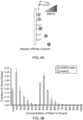
- heparin affinity of AAV2-retro and wild-type AAV2 were analyzed as previously described ( Jang et al., 2011, Mol. Ther., 19:667-75 ). Briefly, approximately 10 11 purified genomic particles were loaded onto a 1 mL HiTrap heparin column (GE Healthcare Sciences, Piscataway, NJ) previously equilibrated with 150 mM NaCl and 50 mM Tris at pH 7.5. Elution was then performed by increasing the concentration of NaCl in steps of 50 mM up to a final concentration of 950 mM, followed by a wash with 1M NaCl.
- CMV promoter was replaced with a promoter known to be more robust in adult neurons.
- Cre recombinase and the GCaMP6f calcium sensor were driven by the human Synapsin-1 (hSyn1) promoter. All of the fluorophores were driven by the CAG promoter, and the color-flipping construct was driven by the EF1-alpha promoter.
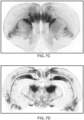
- hSyn-Cre payload was packaged using AAV1, AAV2, AAV5, AAV8, AAV9, DJ and AAV2-retro capsids at the Janelia Viral Shared Resource. All seven virus preparations were processed in parallel, and were titer matched before in vivo injections. All lots were diluted to the lowest measured titer (1.3E12 GC/ml), and each virus was injected into the right pontine nucleus of three adult Rosa26Lox-STOP-LoxH2B-GFP mice ( He et al., 2012, Neuron, 73:35-48 ).
- Rosa26-LSL-H2B-GFP mice were injected with 25 nl of rAAV2-retro hSyn1-Cre in the dorsal striatum.
- coronally-sectioned brains were imaged using a Pannoramic Scanner to visualize DAPI stained nuclei and green fluorescence from H2B-GFP expressing nuclei.
- the green channel was convolved with a difference of two Gaussians, and peaks were then detected as local maxima on these threshold images using custom functions written in Matlab.
- the blue channel of each section was aligned to the Nissl images from the Allen Brain Institute's standardized mouse brain atlas using custom analysis routines written with the help of the Matlab Image Processing Toolbox.
- the annotated regions from the ABI's mouse brain atlas were then used to assign detected neurons in aligned sections to specific brain regions.
- mice Seven adult mice were anesthetized with isoflurane (2%) and placed in a stereotactic frame (Kopf Instruments; Tujunga, CA) on a 37°C heating pad. The scalp and periosteum over the skull were removed, a layer of UV-curing OptiBond adhesive (Kerr; Orange, CA) was applied, and a custom-made headpost ( Osborne and Dudman, 2014, PLoS One, 9(2):e89007 ) was affixed with dental cement.
- OptiBond adhesive Kerr; Orange, CA
- AAV2-retro carrying a hSynGCaMP6f payload was injected into the BPN (3.9 mm posterior and 0.4 mm lateral to Bregma, depths 5.8, 5.6 and 5.4 mm, 100 nl at each depth) using a Nanoliter 2010 injector (WPI).
- WPI Nanoliter 2010 injector
- a cranial window one 170 ⁇ m-thick pane of laser-cut glass, 2 mm diameter
- was placed over the primary motor cortex centered on 0.7 mm anterior and 1.6 mm lateral to Bregma).
- ketoprofen 5 mg/kg
- buprenorphine 0.1 mg/kg; Henry Schein Animal Health; Melville, NY
- mice were allowed to recover for 1 week following surgery and then were imaged briefly under a 2-photon microscope to assess virus expression. All animals had visually identified GCaMP6f expressing cells in layer V of M1 one-week post injection. Then the animals were habituated to head fixation in a custom-built apparatus and trained to retrieve a food pellet as previously described ( Guo et al., 2014, Nat. Med., 20: 130-8 ).
- GCaMP6f was excited at 920 nm (typically 20-40 mW at the back aperture) with a Ti:Sapphire laser (Chameleon, Coherent) and imaged through a Nikon 16x, 0.8-N.A. objective.
- Emission light passed through a 565 DCXR dichroic filter (Chroma Technology) and an ET525/70m-2p filter (Chroma Technology) and was detected by a GaAsP photomultiplier tube (10770PB-40, Hamamatsu). Images (512 ⁇ 512 pixels) were acquired at ⁇ 30 Hz with resonating scanners using ScanImage software.
- Neuro2A cells were transfected with 800 ng of pAAV-hSyn1-SaCas9-tdTomato-1 to -10, 100 ng of pAAV-FLEX-CAGtdTomato and 100 ng of pAAV-CAG-EGFP using polyethylenimine. At 72 hrs after transfection, cells were harvested and ⁇ 70,000 EGFP positive Neuro2A cells were isolated by fluorescence activated cell sorting (FACS) using a BD Influx Sorter (BD Biosciences).
- FACS fluorescence activated cell sorting
- Genomic DNA was then extracted, and the frequency of tdTomato gene modification was evaluated by the Surveyor nuclease assay (Integrated DNA Technologies) as previously described (Cong et al., 2013, Science, 339:819-23).
- sgRNA 7 - one of two that appeared to direct two cleavage events within the tdTomato sequence - was packaged into retro-AAV2 and used for in vivo genome editing.
- brains were harvested and 40 ⁇ m-thick coronal sections were cut and stained against the HA-tagged Cas9 (anti-HA antibody C29F4 from Cell Signaling, diluted 1:1600; secondary antibody: donkey anti-mouse Alexa Fluor 488 (1:250; Jackson ImmunoResearch) and against the NeuN neuronal marker (anti-NeuN antibody A60 from Millipore, diluted 1:250; secondary antibody: donkey anti-rabbit Alexa Fluor 647 (1:500; ThermoFisher, A-31573)).
- HA-tagged Cas9 anti-HA antibody C29F4 from Cell Signaling, diluted 1:1600; secondary antibody: donkey anti-mouse Alexa Fluor 488 (1:250; Jackson ImmunoResearch
- NeuN neuronal marker anti-NeuN antibody A60 from Millipore, diluted 1:250; secondary antibody: donkey anti-rabbit Alexa Fluor 647 (1:500; ThermoFisher, A-31573)
- Viral particles were packaged in a way that linked each variant capsid to the AAV genome containing the corresponding cap gene, and the final pool of capsid variants included point mutants, variants with a random 7-mer peptide insertion into the region AAV2 utilizes to bind its co-receptor, heparan sulfate, and random chimeras of capsid gene sequences from seven parental serotypes ( Figure 1A ).
- SNr substantia nigra pars reticulata
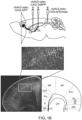
- glutamatergic hindbrain neurons projecting to the cerebellar cortex Three weeks following injection of the entire pool of rAAV variants into the SNr or cerebellum (one injection per animal), striatal or hindbrain tissue, respectively, was removed, the cap sequences were recovered by PCR, and virus was repackaged ( Figure 1B ). After two more selection steps, error-prone PCR was performed to further diversify the library, followed by two final in vivo selection steps.
- a secondary screen on seventeen isolated variants possessing different combinations of peptide insertions and point mutations in the capsid sequence was examined next.
- the chosen variants were packaged with enhanced green fluorescent protein (EGFP) transgene driven by the CMV promoter, which is typically weak in neurons.
- EGFP enhanced green fluorescent protein
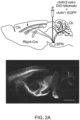
- the cortico-pontine tract is remarkably convergent, and is known to contribute over 95% of the afferents to the basal pontine nuclei (BPN).
- BPN basal pontine nuclei
- rAAV2-retro exhibits up to two orders of magnitude enhancement over existing serotypes in retrograde access to cortico-pontine projection neurons, and rivals the efficacy of synthetic retrograde tracers.
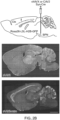
- a Cre-dependent color-flipping payload was chosen, which expresses tdtomato in the absence of Cre, but inverts to drive the expression of EGFP in Cre-positive cells ( Saunders et al., 2012, Front Neural Circuits, 6:47 ).
- rAAV2-retro carrying this payload was injected into the dorso-medial striatum of a layer V-specific Cre driver line, Rbp4_KL100 Cre ( Gerfen et al., 2013, Neuron, 80:1368-83 ), only those layer V neurons projecting to the striatum expressed EGFP.
- rAAV2-retro for circuit interrogation will depend on its ability to mediate high levels of expression of genetically encoded indicators and effectors.
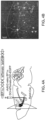
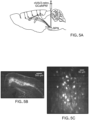
- the ability to monitor neural activity in defined classes of projection neurons was first assessed through rAAV2-retro-mediated expression of GCaMP6f ( Chen et al., 2013, Nature, 499:295-300 ) ( Figure 5A-C ).
- GCaMP6f Chen et al., 2013, Nature, 499:295-300
- rAAV2-retro was evaluated for delivery of effectors, such as the CRISPR/Cas9 gene editing system, to projection neurons ( Figure 6 ).
- effectors such as the CRISPR/Cas9 gene editing system
- FIG. 6 the Staphylococcus aureus Cas9 (SaCas9 ( Slaymaker et al., 2016, Science, 351:84-8 )) and a single guide RNA designed to ablate the expression of tdtomato were packaged into rAAv2-retro.
- Recombinant adeno-associated viruses can greatly facilitate the functional dissection of mammalian neural circuits, and hold promise for therapeutic intervention in disorders of the nervous system.
- Directed evolution has been used to endow the AAV capsid with the additional capacity for efficient retrograde access to projection neurons in many circuits.
- the newly engineered rAAV2-retro offers up to two orders of magnitude enhancement in retrograde transport compared to commonly used AAV serotypes, matching the efficacy of synthetic retrograde tracers in many circuits.
- the level of transgene expression achieved with rAAV2-retro via retrograde access is ample for interrogating neural circuit function, as well as for targeted manipulations of the neuronal genome.
- rAAV2-retro-based tools are poised to provide insights into how large-scale networks enable brain function, and hold promise for therapeutic intervention in diseases characterized by progressive large-scale network dysfunction.
- the markedly increased efficacy of retrograde access afforded by rAAV2-retro compared to its parental serotype AAV2 may have been enabled through an insertion-mediated disruption of the native binding site for heparan sulfate and/or through the creation of a new binding surface that incorporates the inserted peptide.
- This variant does have reduced heparin affinity ( Figure 9 ), which could decrease virus sequestration in the extracellular matrix of the synaptic cleft and enhance local vector spread, as has been observed with AAV1 and AAV6.
- the resulting increase in vector spread alone cannot explain the efficacy of retrograde transport, as other inserted 7-mer sequences disrupt heparin binding similarly but do not affect retrograde transport.
- AAV5 and AAV9 do not bind heparin, yet their retrograde transport efficiency is similar to that of AAV2.
- the peptide insertions selected in the original selection ( LA xxDxTKx A (SEQ ID NO: 106) / LA xDxTKxx A (SEQ ID NO: 107)) share the same overall composition, differing simply in the register of the conserved motif.
- the engineered peptide insertion might support enhanced binding to an existing cellular co-factor in the AAV pathway (e.g., the recently identified common AAV receptor), or it might create a novel interaction with the cellular machinery - a cell-surface receptor and/or a component of the vesicular trafficking or nuclear entry pathway.
- the rAAV2-retro vector system provides an important addition to the genetic toolkit for dissecting neural circuit function, since gaining access to individual classes of projection neurons will be a critical enabling step in elucidating how local circuit dynamics and large-scale network function are coordinated. Local circuit computations are increasingly thought to depend on the dynamics of the entire neuronal population within a particular local circuit module. How these dynamics map onto the different classes of projection neurons - and thus what information is passed on to the different downstream targets - remains unresolved for most circuits. rAAV2-retro based vectors, alone or in combination with specific Cre transgenic lines, permit genetic access to specific populations of projections neurons.
- rAAV2-retro carrying rabies G glycoprotein can be used to trans-complement the newly developed non-toxic conditional rabies vector for access to presynaptic micro-circuits impinging on particular classes of projection neurons.
- the resulting ability to selectively monitor and manipulate activity of individual projection neuron classes and their local microcircuits should provide insight into how projection neurons translate the local circuit dynamics for their respective large-scale networks.
- rAAV2-retro also holds promise for therapeutic intervention, with several possible applications.
- pathology impacts large volumes of neural tissue - such as Alzheimer's or lysosomal storage diseases - multiple injections pose a safety risk and may be insufficient to achieve the needed levels of transduction.
- a small number of injections in strategic locations can enable vector dispersal over large volumes (e.g., cortico-pontine tract from the point of convergence in the BPN), or difficult-to-access tissue (e.g., spinal motor neurons from the muscle).
- large-scale functional networks have been implicated in the spread of many neurodegenerative disorders from their spatially localized onset.
- a prominent emerging view posits that deposition of abnormal protein assemblies in vulnerable neuronal populations triggers a pathological cascade of aberrant neuronal activity within, and disintegration of, large-scale functional networks, ultimately leading to failure of neurological functions.
- the affected neural networks appear capable of transiently overcoming the aberrant dynamics early in the disease, as patients with many neurodegenerative diseases often display periods of dramatic improvement.
- early intervention aimed at slowing down the spread of aggregates from the cortical origin of pathology may be sufficient to stabilize, or even restore, cognitive function.
- rAAV2retro-based tools designed, for instance, to introduce a mutation that is capable of arresting further aggregation in cis or to deliver chaperones capable of dissembling the aggregates has the potential to slow down the progression of the most debilitating, cognitive, symptoms. Evaluating the efficiency and long-term safety of rAAV2-retro reagents in non-human primates will pave the path to their eventual consideration for these, and other, gene therapy approaches.
Landscapes
- Health & Medical Sciences (AREA)
- Life Sciences & Earth Sciences (AREA)
- Chemical & Material Sciences (AREA)
- Organic Chemistry (AREA)
- Engineering & Computer Science (AREA)
- General Health & Medical Sciences (AREA)
- Medicinal Chemistry (AREA)
- Bioinformatics & Cheminformatics (AREA)
- Genetics & Genomics (AREA)
- Biomedical Technology (AREA)
- General Chemical & Material Sciences (AREA)
- Chemical Kinetics & Catalysis (AREA)
- Veterinary Medicine (AREA)
- Public Health (AREA)
- Animal Behavior & Ethology (AREA)
- Pharmacology & Pharmacy (AREA)
- Neurology (AREA)
- Molecular Biology (AREA)
- Nuclear Medicine, Radiotherapy & Molecular Imaging (AREA)
- Neurosurgery (AREA)
- Biochemistry (AREA)
- Virology (AREA)
- Biophysics (AREA)
- Biotechnology (AREA)
- Gastroenterology & Hepatology (AREA)
- Proteomics, Peptides & Aminoacids (AREA)
- Zoology (AREA)
- Wood Science & Technology (AREA)
- General Engineering & Computer Science (AREA)
- Psychiatry (AREA)
- Psychology (AREA)
- Physical Education & Sports Medicine (AREA)
- Orthopedic Medicine & Surgery (AREA)
- Plant Pathology (AREA)
- Microbiology (AREA)
- Physics & Mathematics (AREA)
- Epidemiology (AREA)
- Ophthalmology & Optometry (AREA)
- Hospice & Palliative Care (AREA)
- Pain & Pain Management (AREA)
Applications Claiming Priority (4)
| Application Number | Priority Date | Filing Date | Title |
|---|---|---|---|
| US201662350361P | 2016-06-15 | 2016-06-15 | |
| US201662404585P | 2016-10-05 | 2016-10-05 | |
| PCT/US2017/037781 WO2017218842A1 (fr) | 2016-06-15 | 2017-06-15 | Virus adéno-associés variants et procédés d'utilisation |
| EP17734575.8A EP3472183B1 (fr) | 2016-06-15 | 2017-06-15 | Virus adéno-associés variants et procédés d'utilisation |
Related Parent Applications (1)
| Application Number | Title | Priority Date | Filing Date |
|---|---|---|---|
| EP17734575.8A Division EP3472183B1 (fr) | 2016-06-15 | 2017-06-15 | Virus adéno-associés variants et procédés d'utilisation |
Publications (2)
| Publication Number | Publication Date |
|---|---|
| EP4268852A2 true EP4268852A2 (fr) | 2023-11-01 |
| EP4268852A3 EP4268852A3 (fr) | 2024-02-07 |
Family
ID=59258370
Family Applications (2)
| Application Number | Title | Priority Date | Filing Date |
|---|---|---|---|
| EP17734575.8A Active EP3472183B1 (fr) | 2016-06-15 | 2017-06-15 | Virus adéno-associés variants et procédés d'utilisation |
| EP23190144.8A Pending EP4268852A3 (fr) | 2016-06-15 | 2017-06-15 | Virus adéno-associés variants et procédés d'utilisation |
Family Applications Before (1)
| Application Number | Title | Priority Date | Filing Date |
|---|---|---|---|
| EP17734575.8A Active EP3472183B1 (fr) | 2016-06-15 | 2017-06-15 | Virus adéno-associés variants et procédés d'utilisation |
Country Status (28)
| Country | Link |
|---|---|
| US (2) | US10961282B2 (fr) |
| EP (2) | EP3472183B1 (fr) |
| JP (2) | JP7094277B2 (fr) |
| KR (2) | KR102522661B1 (fr) |
| CN (2) | CN116003532A (fr) |
| AU (2) | AU2017286652B2 (fr) |
| BR (1) | BR112018076090A2 (fr) |
| CA (1) | CA3028113A1 (fr) |
| DK (1) | DK3472183T5 (fr) |
| EA (1) | EA201990033A1 (fr) |
| ES (1) | ES2962611T3 (fr) |
| FI (1) | FI3472183T3 (fr) |
| HR (1) | HRP20231403T1 (fr) |
| HU (1) | HUE063755T2 (fr) |
| IL (2) | IL263719B2 (fr) |
| LT (1) | LT3472183T (fr) |
| MA (1) | MA44546B1 (fr) |
| MX (2) | MX2018015770A (fr) |
| MY (1) | MY190221A (fr) |
| PH (1) | PH12018502664A1 (fr) |
| PL (1) | PL3472183T3 (fr) |
| PT (1) | PT3472183T (fr) |
| RS (1) | RS64769B1 (fr) |
| SG (1) | SG11201811189RA (fr) |
| SI (1) | SI3472183T1 (fr) |
| SM (1) | SMT202300372T1 (fr) |
| WO (1) | WO2017218842A1 (fr) |
| ZA (1) | ZA201900278B (fr) |
Families Citing this family (41)
| Publication number | Priority date | Publication date | Assignee | Title |
|---|---|---|---|---|
| DK3693025T3 (da) * | 2011-04-22 | 2022-01-10 | Univ California | Adenoassocierede virus-virioner med variant capsid og fremgangsmåder til anvendelse heraf |
| US11136557B2 (en) | 2013-05-31 | 2021-10-05 | The Regents Of The University Of California | Adeno-associated virus variants and methods of use thereof |
| WO2017197355A2 (fr) | 2016-05-13 | 2017-11-16 | 4D Molecular Therapeutics Inc. | Variantes de capsides de virus adéno-associé et leurs procédés d'utilisation |
| MA44546B1 (fr) * | 2016-06-15 | 2021-03-31 | Univ California | Virus adéno-associés variants et procédés d'utilisation |
| CN109640949B (zh) | 2016-07-29 | 2022-11-25 | 加利福尼亚大学董事会 | 具有变异衣壳的腺相关病毒病毒体和其使用方法 |
| KR20250023600A (ko) | 2017-06-30 | 2025-02-18 | 더 리젠츠 오브 더 유니버시티 오브 캘리포니아 | 변이체 캡시드를 보유한 아데노-부속 바이러스 비리온 및 이의 사용 방법 |
| MX2020001997A (es) | 2017-08-28 | 2020-07-20 | Univ California | Variantes de capside de virus adenoasociado y metodos de uso de estas. |
| AU2018350700B2 (en) | 2017-10-16 | 2025-04-24 | VeonGen Therapeutics GmbH | AAV vectors |
| BR112021001878A2 (pt) * | 2018-07-31 | 2021-04-27 | Cornell University | métodos de terapia genética para o controle da função do órgão |
| US11149256B2 (en) | 2018-09-26 | 2021-10-19 | California Institute Of Technology | Adeno-associated virus compositions for targeted gene therapy |
| EP4007609A1 (fr) * | 2019-08-01 | 2022-06-08 | Cornell University | Thérapie génique ciblée pour traiter des maladies neurologiques |
| US20230265453A1 (en) * | 2020-07-08 | 2023-08-24 | Baylor College Of Medicine | Gene therapy for stxbp1 encephalopathy |
| CN111825772B (zh) * | 2020-07-30 | 2023-10-20 | 中国科学院精密测量科学与技术创新研究院 | 具有变异衣壳蛋白的腺相关病毒及其应用 |
| CA3181024A1 (fr) | 2020-08-06 | 2022-02-10 | Fundacion Para La Investigacion Medica Aplicada | Particules virales a utiliser dans le traitement de tauopathies de type maladie d'alzheimer par therapie genique |
| WO2022098893A2 (fr) * | 2020-11-06 | 2022-05-12 | The Children's Medical Center Corporation | Vecteurs de virus adéno-associés |
| US20240067678A1 (en) * | 2020-12-16 | 2024-02-29 | Children's Medical Research Institute | Adeno-associated virus capsids and vectors |
| US20240059743A1 (en) * | 2020-12-16 | 2024-02-22 | Chidren's Medical Research Institute | Aav capsids and vectors |
| BR112023026523A2 (pt) | 2021-06-17 | 2024-03-05 | Meiragtx Uk Ii Ltd | Métodos para fabricar aav |
| CA3225080A1 (fr) | 2021-07-14 | 2023-01-19 | Anastasios GEORGIADIS | Therapie genique kcnv2 |
| EP4370695A1 (fr) | 2021-07-14 | 2024-05-22 | Meiragtx UK II Limited | Thérapie génique de retgc |
| US20250281639A1 (en) * | 2021-07-14 | 2025-09-11 | The Board Of Trustees Of The Leland Stanford Junior University | Compositions and methods for treating chronic pain and for retrograde transduction of neurons |
| CA3239128A1 (fr) | 2021-12-15 | 2023-07-13 | Xuecui GUO | Expression polycistronique de peptides intestinaux |
| TW202346600A (zh) * | 2022-03-30 | 2023-12-01 | 高等教育聯邦系統 匹茲堡大學 | 用於將核酸遞送至視網膜神經節細胞和/或視網膜色素上皮細胞的腺相關病毒載體 |
| EP4499669A4 (fr) * | 2022-03-30 | 2026-06-24 | Univ Pittsburgh Commonwealth Sys Higher Education | Vecteurs viraux adéno-associés |
| EP4598941A2 (fr) * | 2022-09-13 | 2025-08-13 | Dyno Therapeutics, Inc. | Variants de capside et leurs méthodes d'utilisation |
| WO2024056902A2 (fr) | 2022-09-16 | 2024-03-21 | Christopher Shaw | Compositions et méthodes de traitement de maladies neurologiques |
| EP4601679A1 (fr) | 2022-10-11 | 2025-08-20 | MeiraGTx UK II Limited | Formulations pour thérapie génique de virus adéno-associé |
| JP2025535118A (ja) | 2022-10-11 | 2025-10-22 | メイラグティーエックス ユーケー アイアイ リミティド | Aavカプシドの精製のためのクロマトグラフィー方法 |
| WO2024079662A1 (fr) | 2022-10-11 | 2024-04-18 | Meiragtx Uk Ii Limited | Constructions d'expression d'upf1 |
| EP4602173A1 (fr) | 2022-10-11 | 2025-08-20 | MeiraGTx UK II Limited | Éléments régulateurs d'acide nucléique pour l'expression génique dans le système nerveux central et méthodes d'utilisation |
| JP2025533994A (ja) | 2022-10-11 | 2025-10-09 | メイラグティーエックス ユーケー アイアイ リミティド | Atp7b遺伝子療法 |
| AU2023392154A1 (en) | 2022-12-14 | 2025-06-26 | King's College London | Compositions and methods for treating neurological diseases |
| CN120752255A (zh) * | 2023-01-05 | 2025-10-03 | 恩沐辑医药有限责任公司 | 神经元启动子及其用途 |
| EP4646429A2 (fr) * | 2023-01-05 | 2025-11-12 | Emugen Therapeutics LLC | Rétro-aav et utilisation dans le traitement de maladies neurodégénératives |
| WO2024161022A2 (fr) | 2023-02-03 | 2024-08-08 | King's College London | Compositions et méthodes de traitement de maladies neurologiques |
| EP4694906A1 (fr) | 2023-04-13 | 2026-02-18 | MeiraGTx Gene Regulation Limited | Promoteurs inductibles par inflammation |
| WO2024220316A1 (fr) * | 2023-04-18 | 2024-10-24 | University Of Massachusetts | Variants de capside et utilisations associées |
| WO2024252182A1 (fr) | 2023-06-08 | 2024-12-12 | Meiragtx Uk Ii Limited | Chromatographie par échange de cations pour capture de vaa |
| WO2025126153A2 (fr) | 2023-12-14 | 2025-06-19 | Aviadobio Ltd. | Compositions et méthodes de traitement de maladies neurologiques à médiation par sod1 |
| WO2026087373A1 (fr) | 2024-10-21 | 2026-04-30 | MeiraGTx Ocular UK Limited | Promoteurs pour guider l'expression génique dans des photorécepteurs à bâtonnets et utilisations associées |
| WO2026154123A1 (fr) | 2025-01-17 | 2026-07-23 | Aviadobio Limited | Compositions et méthodes de traitement de maladies neurologiques |
Citations (4)
| Publication number | Priority date | Publication date | Assignee | Title |
|---|---|---|---|---|
| WO2014059154A1 (fr) | 2012-10-10 | 2014-04-17 | Howard Hughes Medical Institute | Indicateurs de calcium génétiquement codés et leurs procédés d'utilisation |
| US20150111222A1 (en) | 2011-10-07 | 2015-04-23 | Howard Hughes Medical Institute | Genetically encoded biosensors |
| US9518996B2 (en) | 2013-08-05 | 2016-12-13 | Howard Hughes Medical Institute | Fluorescent protein-based calcium integrators |
| US9644007B2 (en) | 2014-12-23 | 2017-05-09 | Howard Hughes Medical Institute | Red genetically encoded calcium indicators and methods of use |
Family Cites Families (16)
| Publication number | Priority date | Publication date | Assignee | Title |
|---|---|---|---|---|
| US6156303A (en) | 1997-06-11 | 2000-12-05 | University Of Washington | Adeno-associated virus (AAV) isolates and AAV vectors derived therefrom |
| US9233131B2 (en) * | 2003-06-30 | 2016-01-12 | The Regents Of The University Of California | Mutant adeno-associated virus virions and methods of use thereof |
| US20090215870A1 (en) * | 2005-04-29 | 2009-08-27 | Terwilliger Ernest F | Compositions and methods for targeting of viral vectors |
| WO2009108274A2 (fr) | 2008-02-26 | 2009-09-03 | The University Of North Carolina At Chapel Hill | Procédés et compositions pour virus adéno-associés (aav) présentant des mutations de la boucle hi |
| EP2396343B1 (fr) | 2009-02-11 | 2017-05-17 | The University of North Carolina At Chapel Hill | Vecteurs viraux modifiés et procédés de fabrication et d'utilisation de ceux-ci |
| DK3693025T3 (da) * | 2011-04-22 | 2022-01-10 | Univ California | Adenoassocierede virus-virioner med variant capsid og fremgangsmåder til anvendelse heraf |
| WO2013174760A1 (fr) | 2012-05-25 | 2013-11-28 | Deutsches Krebsforschungszentrum | Vecteurs aav optimisés pour des taux de transduction élevés dans des cellules dendritiques |
| EP3564379A1 (fr) * | 2013-09-13 | 2019-11-06 | California Institute of Technology | Récupération sélective |
| CN104592364B (zh) * | 2013-10-30 | 2018-05-01 | 北京大学 | 定点突变和定点修饰的腺相关病毒、其制备方法及应用 |
| GB201403684D0 (en) * | 2014-03-03 | 2014-04-16 | King S College London | Vector |
| US10746742B2 (en) * | 2014-04-25 | 2020-08-18 | Oregon Health & Science University | Methods of viral neutralizing antibody epitope mapping |
| US10370432B2 (en) * | 2014-10-03 | 2019-08-06 | University Of Massachusetts | Heterologous targeting peptide grafted AAVS |
| AU2015349759B2 (en) * | 2014-11-21 | 2022-01-06 | The University Of North Carolina At Chapel Hill | Aav vectors targeted to the central nervous system |
| WO2017197355A2 (fr) * | 2016-05-13 | 2017-11-16 | 4D Molecular Therapeutics Inc. | Variantes de capsides de virus adéno-associé et leurs procédés d'utilisation |
| MA44546B1 (fr) * | 2016-06-15 | 2021-03-31 | Univ California | Virus adéno-associés variants et procédés d'utilisation |
| CN109640949B (zh) * | 2016-07-29 | 2022-11-25 | 加利福尼亚大学董事会 | 具有变异衣壳的腺相关病毒病毒体和其使用方法 |
-
2017
- 2017-06-14 MA MA44546A patent/MA44546B1/fr unknown
- 2017-06-15 MX MX2018015770A patent/MX2018015770A/es unknown
- 2017-06-15 US US16/310,332 patent/US10961282B2/en active Active
- 2017-06-15 CN CN202211294452.6A patent/CN116003532A/zh active Pending
- 2017-06-15 SI SI201731418T patent/SI3472183T1/sl unknown
- 2017-06-15 LT LTEPPCT/US2017/037781T patent/LT3472183T/lt unknown
- 2017-06-15 HR HRP20231403TT patent/HRP20231403T1/hr unknown
- 2017-06-15 PT PT177345758T patent/PT3472183T/pt unknown
- 2017-06-15 HU HUE17734575A patent/HUE063755T2/hu unknown
- 2017-06-15 PL PL17734575.8T patent/PL3472183T3/pl unknown
- 2017-06-15 MY MYPI2018002591A patent/MY190221A/en unknown
- 2017-06-15 WO PCT/US2017/037781 patent/WO2017218842A1/fr not_active Ceased
- 2017-06-15 IL IL263719A patent/IL263719B2/en unknown
- 2017-06-15 EP EP17734575.8A patent/EP3472183B1/fr active Active
- 2017-06-15 CA CA3028113A patent/CA3028113A1/fr active Pending
- 2017-06-15 ES ES17734575T patent/ES2962611T3/es active Active
- 2017-06-15 AU AU2017286652A patent/AU2017286652B2/en active Active
- 2017-06-15 EP EP23190144.8A patent/EP4268852A3/fr active Pending
- 2017-06-15 SG SG11201811189RA patent/SG11201811189RA/en unknown
- 2017-06-15 KR KR1020197001327A patent/KR102522661B1/ko active Active
- 2017-06-15 JP JP2019518172A patent/JP7094277B2/ja active Active
- 2017-06-15 FI FIEP17734575.8T patent/FI3472183T3/fi active
- 2017-06-15 IL IL300981A patent/IL300981A/en unknown
- 2017-06-15 EA EA201990033A patent/EA201990033A1/ru unknown
- 2017-06-15 SM SM20230372T patent/SMT202300372T1/it unknown
- 2017-06-15 BR BR112018076090-0A patent/BR112018076090A2/pt active Search and Examination
- 2017-06-15 RS RS20231029A patent/RS64769B1/sr unknown
- 2017-06-15 KR KR1020237012530A patent/KR102800951B1/ko active Active
- 2017-06-15 CN CN201780044853.7A patent/CN109641939B/zh active Active
- 2017-06-15 DK DK17734575.8T patent/DK3472183T5/da active
-
2018
- 2018-12-14 MX MX2024000505A patent/MX2024000505A/es unknown
- 2018-12-17 PH PH12018502664A patent/PH12018502664A1/en unknown
-
2019
- 2019-01-15 ZA ZA2019/00278A patent/ZA201900278B/en unknown
-
2021
- 2021-03-23 US US17/209,336 patent/US11939355B2/en active Active
- 2021-09-03 AU AU2021225247A patent/AU2021225247B2/en active Active
-
2022
- 2022-06-21 JP JP2022099286A patent/JP7579301B2/ja active Active
Patent Citations (4)
| Publication number | Priority date | Publication date | Assignee | Title |
|---|---|---|---|---|
| US20150111222A1 (en) | 2011-10-07 | 2015-04-23 | Howard Hughes Medical Institute | Genetically encoded biosensors |
| WO2014059154A1 (fr) | 2012-10-10 | 2014-04-17 | Howard Hughes Medical Institute | Indicateurs de calcium génétiquement codés et leurs procédés d'utilisation |
| US9518996B2 (en) | 2013-08-05 | 2016-12-13 | Howard Hughes Medical Institute | Fluorescent protein-based calcium integrators |
| US9644007B2 (en) | 2014-12-23 | 2017-05-09 | Howard Hughes Medical Institute | Red genetically encoded calcium indicators and methods of use |
Non-Patent Citations (25)
| Title |
|---|
| "PCR Primer: A Laboratory Manual", 1995, COLD SPRING HARBOR LABORATORY PRESS |
| ALTSCHUL ET AL., NUCLEIC ACIDS RES, vol. 25, 1997, pages 3389 3402 |
| CHEN ET AL., NATURE, vol. 499, 2013, pages 295 - 300 |
| CONG ET AL., SCIENCE, vol. 339, 2013, pages 819 - 23 |
| FISHER ET AL., NATURE MED, vol. 3, 1997, pages 306 - 12 |
| GERFEN ET AL., NEURON, vol. 80, 2013, pages 1368 - 83 |
| GUO ET AL., NAT. MED, vol. 20, 2014, pages 130 - 8 |
| HE ET AL., NEURON, vol. 73:35-48, 2012, pages 35 - 48 |
| JANG ET AL., MOL. THER, vol. 19, 2011, pages 667 - 75 |
| KASPAR ET AL., MOL. THER, vol. 5, 2002, pages 50 - 56 |
| KOERBER ET AL., MOL. THE, vol. 16, 2008, pages 1703 - 9 |
| KOERBER ET AL., MOL. THER, vol. 16, 2008, pages 1703 - 9 |
| KOERBER ET AL., MOL. THER, vol. 17, 2009, pages 2088 - 95 |
| KOERBER ET AL., NAT. PROTOCOLS, vol. 1, 2006, pages 701 - 6 |
| LEGG ET AL., J. COMP. NEUROL, vol. 286, no. 4, 1989, pages 427 - 41 |
| LI ET AL., NATURE, vol. 519, 2015, pages 51 - 6 |
| MAHESHRI ET AL., NAT. BIOTECHNOL, vol. 24, 2006, pages 198 - 204 |
| MAHESHRI ET AL., NAT. BIOTECHNOL, vol. 24, pages 198 - 204 |
| MANNING ET AL., HUMAN GENE THE, vol. 9, 1998, pages 477 - 85 |
| MULLER ET AL., NAT. BIOTECHNOL, vol. 21, 2003, pages 1040 - 6 |
| MULLER ET AL., NAT. BIOTECHNOL., vol. 21, 2003, pages 1040 - 6 |
| PAN ET AL., FRONT NEUROANAT, vol. 4, 2010, pages 147 |
| SAUNDERS ET AL., FRONT NEURAL CIRCUITS, vol. 6, 2012, pages 47 |
| SCHMUEDFALLON, BRAIN RES, vol. 377, 1986, pages 147 - 54 |
| SLAYMAKER ET AL., SCIENCE, vol. 351, 2016, pages 84 - 8 |
Also Published As
Similar Documents
| Publication | Publication Date | Title |
|---|---|---|
| US11939355B2 (en) | Variant adeno-associated viruses and methods of using | |
| JP7774695B2 (ja) | 皮質興奮性ニューロンにおける遺伝子発現を選択的に調節するための人工発現構築物 | |
| Tervo et al. | A designer AAV variant permits efficient retrograde access to projection neurons | |
| Berges et al. | Transduction of brain by herpes simplex virus vectors | |
| WO2019046069A1 (fr) | Variants de capside de virus adéno-associé et leurs procédés d'utilisation | |
| CA3128525A1 (fr) | Agents therapeutiques interneurones specifiques permettant de normaliser l'excitabilite des cellules neuronales et de traiter le syndrome de dravet | |
| CN121241061A (zh) | 衣壳多肽及其使用方法 | |
| JP2022543722A (ja) | 機能的ニューロン死に関連する神経系疾患の予防および/または治療におけるPtbp1阻害剤の使用 | |
| WO2025113676A1 (fr) | Compositions et procédés de traitement d'un accident vasculaire cérébral chez des primates | |
| US20090041665A1 (en) | Method for gene delivery to neuronal cells | |
| HK40007187B (en) | Variant adeno-associated viruses and methods of using | |
| HK40007187A (en) | Variant adeno-associated viruses and methods of using | |
| HK40091867A (en) | Variant adeno-associated viruses and methods of using | |
| NZ789365A (en) | Variant adeno-associated viruses and methods of using | |
| EA044679B1 (ru) | Вариантные аденоассоциированные вирусы и способы их применения | |
| US20250032646A1 (en) | Enhancers for directed expression of genes in neuronal cell populations, compositions and methods thereof | |
| Günther | On the Rational Design of Adeno-Associated Viral Vectors as Precision Tools in Neuroscience | |
| WO2025227157A1 (fr) | Cellules modifiées et utilisations associées | |
| TW202548010A (zh) | 用於靶向人類運鐵蛋白受體之aav衣殼 | |
| Zhang et al. | 95. Incorporation of AAV Serotype 2 Viral Protein 2 into Other AAV Serotype Capsids |
Legal Events
| Date | Code | Title | Description |
|---|---|---|---|
| PUAI | Public reference made under article 153(3) epc to a published international application that has entered the european phase |
Free format text: ORIGINAL CODE: 0009012 |
|
| STAA | Information on the status of an ep patent application or granted ep patent |
Free format text: STATUS: THE APPLICATION HAS BEEN PUBLISHED |
|
| AC | Divisional application: reference to earlier application |
Ref document number: 3472183 Country of ref document: EP Kind code of ref document: P |
|
| AK | Designated contracting states |
Kind code of ref document: A2 Designated state(s): AL AT BE BG CH CY CZ DE DK EE ES FI FR GB GR HR HU IE IS IT LI LT LU LV MC MK MT NL NO PL PT RO RS SE SI SK SM TR |
|
| REG | Reference to a national code |
Ref country code: DE Ref legal event code: R079 Free format text: PREVIOUS MAIN CLASS: A61K0048000000 Ipc: C07K0014015000 |
|
| PUAL | Search report despatched |
Free format text: ORIGINAL CODE: 0009013 |
|
| AK | Designated contracting states |
Kind code of ref document: A3 Designated state(s): AL AT BE BG CH CY CZ DE DK EE ES FI FR GB GR HR HU IE IS IT LI LT LU LV MC MK MT NL NO PL PT RO RS SE SI SK SM TR |
|
| RIC1 | Information provided on ipc code assigned before grant |
Ipc: A61K 48/00 20060101ALI20240104BHEP Ipc: C12N 7/01 20060101ALI20240104BHEP Ipc: C07K 14/015 20060101AFI20240104BHEP |
|
| STAA | Information on the status of an ep patent application or granted ep patent |
Free format text: STATUS: REQUEST FOR EXAMINATION WAS MADE |
|
| 17P | Request for examination filed |
Effective date: 20240805 |
|
| RBV | Designated contracting states (corrected) |
Designated state(s): AL AT BE BG CH CY CZ DE DK EE ES FI FR GB GR HR HU IE IS IT LI LT LU LV MC MK MT NL NO PL PT RO RS SE SI SK SM TR |
|
| STAA | Information on the status of an ep patent application or granted ep patent |
Free format text: STATUS: EXAMINATION IS IN PROGRESS |
|
| 17Q | First examination report despatched |
Effective date: 20260619 |