EP4537831A2 - Compositions pharmaceutiques contenant des anticorps anti-rankl, du calcium et de la vitamine d, adaptées au traitement et/ou à la prophylaxie de maladies du métabolisme osseux et d'effets secondaires liés à la thérapie, tels que l'hypocalcémie - Google Patents
Compositions pharmaceutiques contenant des anticorps anti-rankl, du calcium et de la vitamine d, adaptées au traitement et/ou à la prophylaxie de maladies du métabolisme osseux et d'effets secondaires liés à la thérapie, tels que l'hypocalcémie Download PDFInfo
- Publication number
- EP4537831A2 EP4537831A2 EP24220082.2A EP24220082A EP4537831A2 EP 4537831 A2 EP4537831 A2 EP 4537831A2 EP 24220082 A EP24220082 A EP 24220082A EP 4537831 A2 EP4537831 A2 EP 4537831A2
- Authority
- EP
- European Patent Office
- Prior art keywords
- calcium
- vitamin
- rankl
- bone
- antibody
- Prior art date
- Legal status (The legal status is an assumption and is not a legal conclusion. Google has not performed a legal analysis and makes no representation as to the accuracy of the status listed.)
- Pending
Links
Images




Classifications
-
- A—HUMAN NECESSITIES
- A61—MEDICAL OR VETERINARY SCIENCE; HYGIENE
- A61K—PREPARATIONS FOR MEDICAL, DENTAL OR TOILETRY PURPOSES
- A61K39/00—Medicinal preparations containing antigens or antibodies
- A61K39/395—Antibodies; Immunoglobulins; Immune serum, e.g. antilymphocytic serum
- A61K39/39533—Antibodies; Immunoglobulins; Immune serum, e.g. antilymphocytic serum against materials from animals
- A61K39/3955—Antibodies; Immunoglobulins; Immune serum, e.g. antilymphocytic serum against materials from animals against proteinaceous materials, e.g. enzymes, hormones, lymphokines
-
- A—HUMAN NECESSITIES
- A61—MEDICAL OR VETERINARY SCIENCE; HYGIENE
- A61K—PREPARATIONS FOR MEDICAL, DENTAL OR TOILETRY PURPOSES
- A61K31/00—Medicinal preparations containing organic active ingredients
- A61K31/59—Compounds containing 9, 10- seco- cyclopenta[a]hydrophenanthrene ring systems
- A61K31/592—9,10-Secoergostane derivatives, e.g. ergocalciferol, i.e. vitamin D2
-
- A—HUMAN NECESSITIES
- A61—MEDICAL OR VETERINARY SCIENCE; HYGIENE
- A61K—PREPARATIONS FOR MEDICAL, DENTAL OR TOILETRY PURPOSES
- A61K31/00—Medicinal preparations containing organic active ingredients
- A61K31/59—Compounds containing 9, 10- seco- cyclopenta[a]hydrophenanthrene ring systems
- A61K31/593—9,10-Secocholestane derivatives, e.g. cholecalciferol, i.e. vitamin D3
-
- A—HUMAN NECESSITIES
- A61—MEDICAL OR VETERINARY SCIENCE; HYGIENE
- A61K—PREPARATIONS FOR MEDICAL, DENTAL OR TOILETRY PURPOSES
- A61K33/00—Medicinal preparations containing inorganic active ingredients
- A61K33/06—Aluminium, calcium or magnesium; Compounds thereof, e.g. clay
-
- A—HUMAN NECESSITIES
- A61—MEDICAL OR VETERINARY SCIENCE; HYGIENE
- A61K—PREPARATIONS FOR MEDICAL, DENTAL OR TOILETRY PURPOSES
- A61K39/00—Medicinal preparations containing antigens or antibodies
- A61K39/395—Antibodies; Immunoglobulins; Immune serum, e.g. antilymphocytic serum
-
- A—HUMAN NECESSITIES
- A61—MEDICAL OR VETERINARY SCIENCE; HYGIENE
- A61P—SPECIFIC THERAPEUTIC ACTIVITY OF CHEMICAL COMPOUNDS OR MEDICINAL PREPARATIONS
- A61P19/00—Drugs for skeletal disorders
-
- A—HUMAN NECESSITIES
- A61—MEDICAL OR VETERINARY SCIENCE; HYGIENE
- A61P—SPECIFIC THERAPEUTIC ACTIVITY OF CHEMICAL COMPOUNDS OR MEDICINAL PREPARATIONS
- A61P19/00—Drugs for skeletal disorders
- A61P19/08—Drugs for skeletal disorders for bone diseases, e.g. rachitism, Paget's disease
-
- A—HUMAN NECESSITIES
- A61—MEDICAL OR VETERINARY SCIENCE; HYGIENE
- A61P—SPECIFIC THERAPEUTIC ACTIVITY OF CHEMICAL COMPOUNDS OR MEDICINAL PREPARATIONS
- A61P19/00—Drugs for skeletal disorders
- A61P19/08—Drugs for skeletal disorders for bone diseases, e.g. rachitism, Paget's disease
- A61P19/10—Drugs for skeletal disorders for bone diseases, e.g. rachitism, Paget's disease for osteoporosis
-
- A—HUMAN NECESSITIES
- A61—MEDICAL OR VETERINARY SCIENCE; HYGIENE
- A61P—SPECIFIC THERAPEUTIC ACTIVITY OF CHEMICAL COMPOUNDS OR MEDICINAL PREPARATIONS
- A61P3/00—Drugs for disorders of the metabolism
- A61P3/12—Drugs for disorders of the metabolism for electrolyte homeostasis
- A61P3/14—Drugs for disorders of the metabolism for electrolyte homeostasis for calcium homeostasis
-
- A—HUMAN NECESSITIES
- A61—MEDICAL OR VETERINARY SCIENCE; HYGIENE
- A61P—SPECIFIC THERAPEUTIC ACTIVITY OF CHEMICAL COMPOUNDS OR MEDICINAL PREPARATIONS
- A61P35/00—Antineoplastic agents
-
- C—CHEMISTRY; METALLURGY
- C07—ORGANIC CHEMISTRY
- C07K—PEPTIDES
- C07K16/00—Immunoglobulins [IG], e.g. monoclonal or polyclonal antibodies
- C07K16/18—Immunoglobulins [IG], e.g. monoclonal or polyclonal antibodies against material from animals or humans
- C07K16/28—Immunoglobulins [IG], e.g. monoclonal or polyclonal antibodies against material from animals or humans against receptors, cell surface antigens or cell surface determinants
- C07K16/2875—Immunoglobulins [IG], e.g. monoclonal or polyclonal antibodies against material from animals or humans against receptors, cell surface antigens or cell surface determinants against the NGF/TNF superfamily, e.g. CD70, CD95L, CD153, CD154
-
- A—HUMAN NECESSITIES
- A61—MEDICAL OR VETERINARY SCIENCE; HYGIENE
- A61K—PREPARATIONS FOR MEDICAL, DENTAL OR TOILETRY PURPOSES
- A61K39/00—Medicinal preparations containing antigens or antibodies
- A61K2039/505—Medicinal preparations containing antigens or antibodies comprising antibodies
-
- A—HUMAN NECESSITIES
- A61—MEDICAL OR VETERINARY SCIENCE; HYGIENE
- A61K—PREPARATIONS FOR MEDICAL, DENTAL OR TOILETRY PURPOSES
- A61K39/00—Medicinal preparations containing antigens or antibodies
- A61K2039/54—Medicinal preparations containing antigens or antibodies characterised by the route of administration
-
- A—HUMAN NECESSITIES
- A61—MEDICAL OR VETERINARY SCIENCE; HYGIENE
- A61K—PREPARATIONS FOR MEDICAL, DENTAL OR TOILETRY PURPOSES
- A61K39/00—Medicinal preparations containing antigens or antibodies
- A61K2039/545—Medicinal preparations containing antigens or antibodies characterised by the dose, timing or administration schedule
-
- C—CHEMISTRY; METALLURGY
- C07—ORGANIC CHEMISTRY
- C07K—PEPTIDES
- C07K2317/00—Immunoglobulins specific features
- C07K2317/50—Immunoglobulins specific features characterized by immunoglobulin fragments
- C07K2317/56—Immunoglobulins specific features characterized by immunoglobulin fragments variable (Fv) region, i.e. VH and/or VL
-
- C—CHEMISTRY; METALLURGY
- C07—ORGANIC CHEMISTRY
- C07K—PEPTIDES
- C07K2317/00—Immunoglobulins specific features
- C07K2317/60—Immunoglobulins specific features characterized by non-natural combinations of immunoglobulin fragments
- C07K2317/62—Immunoglobulins specific features characterized by non-natural combinations of immunoglobulin fragments comprising only variable region components
- C07K2317/622—Single chain antibody (scFv)
-
- C—CHEMISTRY; METALLURGY
- C07—ORGANIC CHEMISTRY
- C07K—PEPTIDES
- C07K2317/00—Immunoglobulins specific features
- C07K2317/70—Immunoglobulins specific features characterized by effect upon binding to a cell or to an antigen
- C07K2317/76—Antagonist effect on antigen, e.g. neutralization or inhibition of binding
Definitions
- the present invention includes pharmaceutical compositions comprising anti-RANKL antibodies, calcium and vitamin D, which are suitable for the treatment and/or prophylaxis of bone metabolism disorders and therapy-related side effects such as hypocalcaemia caused by the action of anti-RANKL antibodies.
- Human bone consists of an organic matrix combined with inorganic salts - primarily calcium and phosphate in the form of hydroxyapatite (Ca 3 (PO 4 ) 2 • Ca(OH) 2 ).
- Ca 3 (PO 4 ) 2 • Ca(OH) 2 The basic principle of bone physiology in humans is the constant buildup and breakdown (bone turnover) of bone substance.
- Bone buildup and breakdown as part of the ongoing remodeling is regulated hormonally (primarily by estrogen, parathyroid hormone (PTH)) and by signal transduction pathways (primarily RANKL ("receptor activator of nuclear factor-kB ligand”)/OPG (osteoprotegerin) and Ca/PTH/vitamin D3). While in childhood and especially during puberty more bone is built up than broken down, with age, and in women especially during and after menopause, there is an increasing 'net' bone loss.
- PTH parathyroid hormone
- RANKL receptor activator of nuclear factor-kB ligand
- OPG osteoprotegerin
- micro-cracks In addition to regular remodeling processes, the application of force to bone can result in micro-damage or interrupted continuity (fractures), with or without defect formation, which can heal without scarring.
- repetitive loading below the fracture limit leads to material fatigue/fatigue fracture, as small cracks develop and grow until they reach a critical size and the material breaks.
- micro-cracks As a quasi-brittle material that absorbs energy by forming small cracks (so-called "micro-cracks”), it can prevent bone fractures.
- "Micro-cracks” were first described by Harold Frost in 1960 and are clearly defined cracks 50–100 ⁇ m long that occur primarily in interstitial bone. They are usually longer in the longitudinal axis than in the transverse axis, depending on the biomechanical load, arise in the trabecular and cortical bone during physiological, repetitive loads such as walking and running, and occur significantly more frequently with age.
- microcracks In bone, microcracks usually remain clinically inapparent because they are continually repaired and healed as part of the remodeling process.
- the crack triggers apoptosis of osteocytes, which release factors, including RANKL. These trigger osteoclastic resorption, with subsequent osteoblastic bone formation.
- Osteoblasts, osteoclasts, and osteocytes are primarily involved in the ongoing bone remodeling processes. While osteoclasts break down bone, osteoblasts can build bone.
- osteoblasts The role of osteocytes has not yet been fully understood. They are terminally differentiated cells of osteoblastic origin embedded in the bone, which are interconnected and communicate with each other. If the osteocyte processes are injured, e.g., in the context of the microcracks described above, osteoclastic resorption is initiated, which is then followed by Osteoblastic bone formation follows.
- Bone formation primarily involves the WNT pathway for osteoblast differentiation and the PTH signaling pathway.
- the differentiation of hematopoietic stem cells into osteoclasts is controlled by the RANKL/OPG signaling pathway.
- Bone serves as a calcium reservoir for the human body and thus plays a crucial role in calcium-phosphate homeostasis. Through bone formation and resorption, excess calcium reserves from the blood can be stored or made available again when needed.
- SREs skeletal-related events
- SREs skeletal-related complications
- SREs includes acute events such as pathological bone fractures, spinal cord compression, bone pain, or tumor-induced hypercalcemia, as well as therapeutic interventions such as bone irradiation or bone surgery, which can occur, for example, in patients with bone metastases or primary bone tumors.
- Osteoporosis causes a decrease in bone density, which, together with the reduced bone quality, leads to an increased risk of bone fractures.
- Osteoporosis is currently defined by the WHO as a measurable reduction in bone density of less than -2.5 standard deviations (so-called T-score) in a healthy collective (women, 30 years of age), measured using DXA (dual-energy X-ray absorptiometry).
- a bone fracture is referred to as manifest osteoporosis.
- Osteoporosis is therefore a systemic bone disease that often manifests as a fracture due to inappropriate trauma.
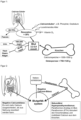
- the Figure 1 shows that only about one-third of the calcium present in the digestive tract is absorbed. 65-70% of dietary calcium is excreted in the stool.
- the absorption process itself can also be positively or negatively influenced by various factors. For example, foods that are highly enriched with phosphates can severely impede calcium absorption.
- the hormones that regulate calcium homeostasis include, in addition to the sex hormones (estrogen, testosterone), calcitonin, parathyroid hormone (parathyrin), and calcitriol (the active form of vitamin D3). Calcitriol is essential for the absorption of calcium and phosphate in the small intestine. Calcitriol also increases the reabsorption of calcium in the kidneys and stimulates bone mineralization (incorporation of calcium into the bone matrix).
- a negative calcium balance occurs when the body excretes more calcium than it can absorb through the intestines. If this condition persists over a long period, it leads to increased bone loss and secondary hyperparathyroidism.
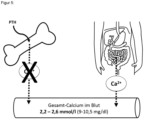
- Parathyroid hormone is produced in the parathyroid gland. As in Figure 2 As shown, parathyroid hormone stimulates bone resorption and thus leads to an increase in the calcium concentration in the blood. The calcium concentration in the blood thus remains relatively constant at the expense of the bone, which, in the case of calcium deficiency, donates its calcium to increase the calcium concentration in the blood.
- the disease "osteoporosis” is often diagnosed too late – usually only after an osteoporotic fracture (i.e., without a traumatic event) has already occurred, for example, in the vertebral body, hip, or wrist.
- a vitamin D deficiency leads to less calcium from food entering the blood due to reduced absorption from the intestine.
- Calcium and/or vitamin D deficiency is treated by supplementing with calcium and vitamin D-containing preparations.
- calcium and vitamin D is not without controversy.
- calcium deficiency means an aggravation of the disease and an increased risk of fractures.
- T-score ⁇ -2.5
- fractures have occurred, for example 1 to 3 vertebral fractures.
- glucocorticoid therapy can lead to severe glucocorticoid- or corticoid-induced osteoporosis with fractures. If >5 mg prednisone equivalent per day is administered for >3 months, preventive or therapeutic measures are recommended. A significant decrease in bone density can be expected, especially in the first six months after initiating therapy, with significant dose increases over time, and with high-dose long-term therapy, and this must be taken into account in treatment.
- Glucocorticoid-induced bone loss has several causes. At the beginning of therapy, glucocorticoids lead to an increase in bone resorption. Steroids inhibit the proliferation and function of osteoblasts and increase their apoptosis, thereby reducing bone formation. At the same time, they lead to a negative calcium balance by inhibiting intestinal calcium absorption and increasing urinary calcium excretion.
- Paget's disease Another disorder of bone metabolism is Paget's disease, also known as osteodystrophia deformans, osteitis deformans, Paget's syndrome, or Paget's disease.
- the cause is currently unknown, although genetic, viral, and environmental factors are being discussed as possible causes.
- Paget's disease is a chronic disorder of bone metabolism characterized by locally increased bone remodeling processes with the risk of deformities, chronic pain, and fractures, as well as articular, neurological, and cardiac complications.
- Solid primary tumors such as breast, prostate, lung, colon, or bone cancer (e.g., osteosarcoma) can manifest in the bone and thus cause bone metastases or bone diseases.
- Bone metastases are the spread of other tumors into the bone and can cause pain and fractures. Increased bone loss or excessive production of inferior bone substance is responsible. This reduces bone stability.
- Tumor-related bone complications are associated with high morbidity, an increased rate of bone fractures, nerve compression, and sometimes unbearable pain.
- tumor-induced hypercalcemia can develop.
- the proportion of patients with moderate or severe bone pain ⁇ 4 points in the BPI-SF [brief pain inventory, short form]
- metastatic breast, prostate, lung, colon or bone carcinoma e.g. osteosarcoma
- neuralgic pain is by approximately 10% ( Cleeland, CS et al., Ann. Onc. 2005, 16: 972-980 ).
- multiple myeloma refers to a cancer of the bone marrow in which antibody-producing cells (plasma cells) proliferate rapidly. These malignant plasma cells proliferate uncontrollably and produce nonfunctional antibodies or fragments thereof.
- the course of the disease can vary greatly, ranging from moderate to highly malignant, which, without treatment, quickly leads to the patient's death. Symptoms are caused by the growth of the cells or by the antibodies produced, or their fragments, which can manifest as bone pain, reduced bone mass, and fractures, accompanied by an increased release of calcium into the blood, which can lead to tumor-induced hypercalcemia.
- the number of leukocytes decreases, while the large number of antibodies accumulates in the tissue, leading to dysfunction of many organs, kidney failure, and impaired blood circulation.
- Drugs for the treatment of disorders of bone metabolism are known.
- Drug therapy for osteoporosis primarily aims to halt pathological bone loss.
- the negative balance (imbalance between bone formation and degradation) can be corrected either by antiresorptive measures, by inhibiting osteoclasts (bone resorption), or anabolic measures, by stimulating osteoblasts (bone formation). Only when the formation and degradation processes are restored to balance and an adequate supply of calcium and vitamin D is ensured can new bone mass be formed and the risk of osteoporotic fractures reduced.
- osteoclastic bone resorption can be inhibited with anti-RANKL antibodies, while bone formation can be stimulated with anabolic drugs.
- the recombinant 1-34 fragment of parathyroid hormone is approved for the treatment of osteoporosis.
- Antiresorptives such as anti-RANKL antibodies are currently standard treatments for metabolic bone diseases that require effective inhibition of bone loss. This includes the use of these drug classes for the treatment of osteoporosis as well as—with significantly higher doses and shorter treatment intervals—for the treatment and/or prevention of tumor-related skeletal complications.
- Anti-RANKl antibodies or their derivatives are commonly used to treat the above-mentioned diseases such as osteoporosis or tumor-related bone diseases.
- the risk of hypocalcemia is significantly increased in cases of secondary hyperparathyroidism due to vitamin D deficiency.
- vitamin D deficiency increased parathyroid hormone is produced to balance serum calcium levels.
- Parathyroid hormone indirectly increases the calcium concentration in the blood plasma by activating osteoclasts.
- Antiresorptive therapy increases hypocalcemia because osteoclasts are inhibited.
- hypocalcemia caused in this way can lead to cardiac arrhythmias and, in particularly severe cases, even death if not detected and treated promptly. Furthermore, hypocalcemia often goes undetected because calcium levels are not measured as a laboratory parameter at frequent intervals in outpatient clinical treatment. To prevent the treatment-related side effect of hypocalcemia, calcium and vitamin D supplementation is provided when anti-RANKL antibodies are used, which can prevent hypocalcemia.
- An unnoticed undersupply of calcium and vitamin D can also negatively influence the overall success of antiresorptive therapy, e.g. with anti-RANKL antibodies, and thus reduce the desired protection against new fractures or even increase the number of fractures if calcium and vitamin D supplementation is omitted during antiresorptive therapy.
- Osteonecrosis of the jaw is listed as a side effect of anti-RANKL antibodies. Osteonecrosis of the jaw can occur after treatment with anti-RANKL antibodies and can lead to pain in the mouth, non-healing wounds, and even dissolution of the jaw.
- cardiovascular side effects such as cardiac arrhythmias, seizures and secondary hyperparathyroidism.
- the present invention solves these problems and provides new pharmaceutical compositions of anti-RANKL antibodies and calcium and vitamin D and/or their derivatives to better treat bone metabolism disorders. to treat or prevent these diseases and thus ensure optimal efficacy, as well as to prevent or prevent therapy-related side effects such as hypocalcaemia and/or improper use.
- the invention relates to the use of pharmaceutical compositions comprising anti-RANKL antibodies and/or their antigen-binding fragments and calcium and vitamin D for the treatment of osteoporosis, postmenopausal osteoporosis, manifest osteoporosis, corticosteroid-induced osteoporosis, male or female osteoporosis, Paget's disease, osteogenesis imperfecta for the prophylaxis of fractures of the aforementioned diseases, as well as for use in the treatment and/or prophylaxis of hypocalcemia caused by anti-RANKL antibodies, characterized in that the pharmaceutical composition comprising anti-RANKL antibodies and/or their antigen-binding fragments is administered, more preferably in a dosage of 30 to 90 mg in 1-2 ml of solution (20-60 mg/ml), more preferably 50-70 mg, even more preferably 60 mg, preferably in 1 ml of solution (60 mg/ml) subcutaneously annually or half-yearly and the pharmaceutical composition(s) comprising calcium is administered
- the invention relates to the use of pharmaceutical compositions comprising anti-RANKL antibodies and/or their antigen-binding fragments and calcium and vitamin D for the prevention of skeletal-related complications, in particular pathological fractures, irradiation of the bone, spinal cord compression, surgical interventions on the bone, bone metastases, pain in bone metastases, nerve entrapment or deformities due to one or more solid tumors such as breast cancer, prostate cancer, lung cancer or multiple myeloma, as well as the prophylaxis of fractures in the aforementioned diseases and for use in the treatment and/or prophylaxis of hypocalcemia induced by anti-RANKL antibodies, characterized in that anti-RANKL antibodies and/or their antigen-binding fragments are administered, preferably in a dosage of 60-180 mg in 1-3 ml of solution, more preferably 80-150 mg, even more preferably 120 mg, especially in 1.7 ml solution (70 mg/ml) anti-RANKL antibody administered subcutaneously
- the invention relates to the use of various calcium compounds and vitamin D for use in the treatment and/or prophylaxis of therapy-related side effects, in the aforementioned embodiments, as well as pharmaceutically suitable excipients and solvents.
- Anti-RANKL antibodies are highly effective antiresorptives and are used to treat disorders of bone metabolism. Despite their effectiveness, treatment with anti-RANKL antibodies is associated with significant, sometimes severe, side effects.
- the present invention provides pharmaceutical compositions that significantly improve treatment with anti-RANKL antibodies in terms of efficacy and safety.
- the pharmaceutical compositions comprise calcium and vitamin D.
- RANKL is a transmembrane protein, but can also occur as a soluble protein. RANKL plays a crucial role in the formation, function, and survival of osteoclasts. In multiple myeloma and bone metastases, increased osteoclast activity, stimulated by RANKL, occurs. This leads to increased bone resorption.
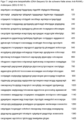
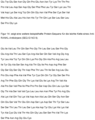
- the sequence of the human RANKL protein is shown in Figure 6
- Isoform 2 lacks amino acids 1-73
- isoform 3 lacks amino acids 1-47.
- Anti-RANKL antibodies prevent the RANK-RANKL interaction, thereby reducing the number and function of osteoclasts and slowing bone resorption.
- anti-RANKL antibody encompasses all RANKL-binding molecules that bind to at least one epitope of RANKL and thus affect the activity of RANKL, i.e., block or reduce the binding of RANKL to RANKL, thus reducing or preventing osteoclast activation.
- a selected human amino acid sequence of RANKL is shown in Figure 6 (SEQ ID NO 7).
- epitope refers to a binding site on an antigen, in this case RANKL, to which the anti-RANKL antibody specifically binds.
- the epitope can bind to a primary amino acid sequence of RANKL, typically comprising at least 3 amino acids, usually at least 5, or, for example, 8-10 amino acids.
- the epitope can also bind amino acids that are not consecutive in the sequence but are located nearby due to the 3-dimensional structure.
- the term “specifically binds” means that the antibody is able to interact with at least 2, preferably 3, more preferably 4 amino acids of an epitope, for example according to the "lock-and-key principle".
- binding means that the antibody binds to a RANKL molecule and essentially not to other proteins or molecules.
- the antibody may cross-react with RANKL molecules from other species. However, the antibody should not bind to other molecules, such as RANK. Binding is generally considered specific if the binding affinity is greater than 10 -5 M.
- the preferred specific binding affinity is approximately 10 -11 to 10 -8 M (KD), more preferably approximately 10 -11 to 10 -9 M.
- substantially does not bind means that the anti-RANKL antibody of this invention does not bind any other protein, in particular has a cross-reactivity of less than 30%, preferably 20%, more preferably 10%, in particular less than 9, 8, 7, 6, or 5% binds any other protein or molecule.
- polypeptide is synonymous with the term “protein.” Proteins contain one or more amino acids linked together by covalent bonds. They can be subject to post-translational modifications such as glycosylation. This is well known.
- antibody encompasses a protein that has one or more antigen-binding domains, encoded at least in part by immunoglobulin genes or portions thereof.
- An "immunoglobulin” is an “antibody.”
- the antibody typically comprises a glycosylated tetramer (protein) consisting of two light chains of approximately 25 kDa each and two heavy chains of approximately 50 kDa.
- immunoglobulins are divided into five classes: A, D, E, G, and M, and some are further subdivided into subgroups. For example, IgG1, IgG2, IgG3, IgG4, IgA1, and IgA2.
- the heavy chains each have one variable domain and three domains for IgG and IgA, and four constant domains for IgM and IgE. These are designated analogously as VH and CH1, CH2, and CH3.
- IgM antibodies contain 10 antigen-binding sites. The basic unit consists of two heavy H chains and two light L chains. IgM is the first immunoglobulin produced during an immune response and activates the complement system. Endogenous, naturally produced IgM antibodies are secreted by B1 cells (CD20 + , CD20 + , CD27 + , CD43 + , and CD70 + cells). In addition to defending against invading microorganisms, they are involved in tissue homeostasis by clearing apoptotic and altered cells through complement-dependent mechanisms. They inhibit inflammatory processes and remove altered cells.
- IgA antibodies contain 2-5 of the 4-chain units, which can form units together with the J chain.
- IgA can exist as a monomer (i.e., only one molecule) or as a dimer (two molecules joined at the long ends of the antibody Y). Dimers are known as secretory IgA (sIgA).
- Each light chain contains an N-terminal variable (V) domain (VL) and a constant domain (CL).
- Each heavy chain contains an N-terminal V domain (VH), three or four C domains (CHs), and a hinge region.
- the constant domains of the antibody are not directly involved in antigen binding, but can have various effector functions, for example, in antibody-dependent cellular toxicity. If an antibody exerts cellular toxicity, it is preferentially the IgG1 subtype, whereas the IgG4 subtype lacks this ability.
- VH and VL forms an antigen-binding site.
- Each L chain is linked to the H chain via a covalent disulphide bridge, while the two H chains are linked by one or more disulphide bridges, depending on the H chain isotype.
- the VH and VL domains consist of four regions with relatively highly conserved sequences (FR1, FR2, FR3, and FR4), which form the framework for the three regions with hypervariable sequences, the complementary determining regions (CDRs).
- the CDRs are essentially responsible for the interaction between antigen and antibody.
- CDRs are further designated CDR1, CDR2, and CDR3. Accordingly, CDR regions of the heavy chain are designated H1, H2, and H3, while the CDR regions of the light chain are designated L1, L2, and L3.
- variable refers to the part of the immunoglobulin domain that contains sequence variability and defines the specificity and binding affinity of a particular antibody, such as variable domains. This variability is not evenly distributed within the antibody; it is concentrated in the subdomains of the respective light and heavy chains, which are called hypervariable regions or CDRs.
- variable domains The less conserved regions, or non-hypervariable regions, of the variable domains are the so-called framework regions (FR), which often have a beta-sheet structure.
- FR regions and the CDRs form the structure that recognizes and binds the antigen ( Kabat EA, Wu TT, Perry H, Gottesman K. and Foeller, C. (1991) Sequences of Proteins of Immunological Interest, Fifth Edition. NIH Publication No. 91-3242
- the constant domains are not directly involved in antigen-antibody binding, but mediate other reactions such as antibody-dependent and cell-mediated cytotoxicity and complement activation.
- CDR refers to the complementary determining region (CDR).
- the CDRs are designated, as shown above, as CDRs 1-3, those of the light chain as CDRL1, CDRL2, and CDRL3, and the variable regions of the heavy chain as CDRH1, CDRH2, and CDRH3.
- CDRs contribute significantly to antibody activity.
- the exact length of the CDRs is sometimes classified and numbered differently in different systems.
- CDRs are subsequently designated according to Kabat and Chothia. All systems overlap with regard to the designation of the hypervariable region within the variable sequence (Kabat et al., Chothia et al., J. Mol. Biol., 1987, 196; 901 and Mac Callum et al., J. Mol. Biol., 1996, 262:732 ) In the present case, reference is essentially made to Kabat’s numbering.
- amino acid or “amino acid residue” refers to amino acids as known in the art, selected from the group alanine (ala or A); arginine (Arg or R); asparagine (Asn or N); aspartate (Asp or D); cysteine (Cys or C); glutamine (Gln or Q); glutamic acid (Glu or E); glycine (Gly or G); histidine (His or H); isoleucine (Ile or I); leucine (Leu or L); lysine (Lys or K); methionine (Met or M); phenylalanine (Phe or F); proline (Pro or P); serine (Ser or S); threonine (Thr or T); tryptophan (Trp or W); tyrosine (Tyr or Y); valine (Val or V), whereby modified, synthetic or rare amino acids can also be used.
- alanine ala or A
- arginine Arg or R
- CDR hypervariable region
- L-chains light chains
- H-chains heavy chains of immunoglobulins that exhibit large differences in amino acid sequence.
- the CDRs are the most variable parts of the receptors and are responsible for their diversity.
- the three complementarity-determining regions CDR1, CDR2, and CDR3 are loops at the end of a V domain of antibodies. They come into direct contact with an antigen.
- CDRs At least two methods are known in the field to identify CDRs: one approach is based on cross-species sequence variability (Kabat et al.) and another approach is based on crystallographic studies of the antigen-antibody complex ( Chothia, C. et al., J. Mol. Biol., 196:901-917 (1987 )). In general, it is preferred to identify CDRs in accordance with the so-called Kabat numbering system.
- framework region is familiar to those skilled in the art and refers to the portion of the antibody's variable region that exists between the hypervariable regions, the CDRs.
- Such framework regions are typically referred to as framework regions 1-4 (FR1, FR2, FR3, and FR4) and form the scaffold for the six CDRs (three of the light chain and three of the heavy chain) in three-dimensional space to provide an antigen-binding surface.
- the invention encompasses all anti-RANKL antibodies that are considered interchangeable according to the Kabat numbering system and have antigen-binding function, i.e., can bind to a RANKL epitope.
- Antibody means a monoclonal, polyclonal, monospecific, bispecific, bifunctional, single-chain, synthetic, recombinant, mutated, human, humanized, chimeric antibody ( Harlow and Lane, “Antibodies, A Laboratory Manual", CSH Press, Cold Spring Harbor, USA ) that binds to a RANKL molecule or a derivative that retains or substantially retains the binding capacity. Domain antibodies (dAbs) and nanobodies are also encompassed by the term "antibody.”
- a bispecific or bifunctional antibody is an artificial hybrid antibody with two different heavy/light chains and two different binding sites.
- the term and the methods of production are known to the expert (e.g. Songsivilai & Lachmann, Clion. Exp. Immunol. 79:315-321 (1990 ); Kostelny et al., J. Immunol. 148, 1547-1553 (1992 ).
- antibodies are chimeric antibodies, which, for example, comprise a mouse or rat variable region and a human constant region.
- antibody also encompasses bifunctional or bispecific antibodies and antibody constructs such as single-chain Fvs (scFv) or antibody fusion proteins.
- scFv single-chain Fv fragment
- scFv single-chain Fv fragment
- the antibody can be human or humanized.
- humanized antibody means that at least one antibody binding site (complementary determining region (CDR)), such as CDR3, and preferably all 6 CDRs, have been replaced by CDRs from a human antibody with the desired specificity.
- CDR complementary determining region
- the non-human constant region(s) of the antibody have been replaced by the constant region(s) of a human antibody.
- a human antibody is provided.
- Transgenic animals such as mice are capable of producing human antibodies after immunization without typical mouse antibody sequences. They can produce fully human antibodies (e.g., Jakobovits et al., Proc. Natl. Acad. Sci. USA, 90:2551 (1993 )).
- the so-called phage display technology can be used to produce human antibodies or antigen-binding fragments. The techniques are known ( Mc Cafferty et al., Nature 348:552-553 (1990 ); Johnson, Kevin S. and Chiswell, David J., Curr. Opin. Struct. Biol. 3:564-571 (1993 )).
- antigen-binding fragment refers to a fragment of the above-defined term "antibody,” such as separate light and heavy chains, Fab, Fab/c, Fv, scFv, Fd, dAb, Fab', F(ab')2.
- An antigen-binding fragment may comprise a variable region of the light chain and a variable region of the heavy chain, but not necessarily both.
- the invention also encompasses hybrid antibodies in which one pair of H and L chains is obtained from a first antibody, while the other pair of H and L chains is obtained from a different second antibody.
- one pair of L and H chains is derived from anti-RANKL antibodies.
- each L-H chain pair binds different epitopes of a RANKL-specific antigen.
- Such hybrids can also be formed using humanized H or L chains.
- the invention also encompasses other bispecific antibodies, such as those containing two separate antibodies covalently linked through their constant regions.
- the size of the antigen-binding fragment may be only the minimum size required to provide a desired function. It may optionally comprise another amino acid sequence, either native to the antigen-binding fragment or from a heterologous source, as desired.
- Anti-RANKL antigen-binding fragments may comprise 5 consecutive amino acid residues from an antibody V region sequence. Also included are polypeptides comprising 7 amino acid residues, more preferably about 10 amino acid residues, more preferably about 15 amino acid residues, more preferably about 25 amino acid residues, more preferably about 50 amino acid residues, more preferably about 75 amino acid residues from the antibody L or H chain V region. Even more preferred are polypeptides comprising the entire antibody L or H chain V region.
- Substitutions can range from the alteration or modification of one or more amino acid residues to the complete redesign of a region such as the V region.
- Amino acid residue substitutions when present, are preferably conservative substitutions that do not adversely affect the folding or functional properties of the peptide.
- Groups of functionally related amino acid residues within which conservative substitutions can be made are glycine/alanine, valine/isoleucine/leucine; asparagine/glutamine, aspartic acid/glutamic acid; serine/threonine/methionine; lysine/arginine, and phenylalanine/tyrosine/tryptophan.
- Antibodies can be glycosylated or unglycosylated, modified after translation (e.g., acetylation and phosphorylation), or synthetically modified (e.g., the attachment of a labeling group).
- Anti-RANKL antibodies containing amino acid sequence alterations are also available. These alterations may include deletions, insertions, or substitutions of single or multiple amino acids. This may also result in changes to post-translational modifications.
- Changes in the CDRs of the light and heavy chain make the most sense, especially in the hypervariable regions, although FR changes in the light and/or heavy chain can also be considered. If a CDR sequence contains 6 amino acids, 1-3 amino acids can be changed. If it contains 15 amino acids, 1-6 amino acids can be changed. If CDRs in the light and/or heavy chain are changed, the changed amino acid sequence should be at least 60%, more preferably 65%, even more preferably 70%, particularly preferably 75%, and most preferably 80% identical to the original CDR sequence. Therefore, the length of the respective CDR determines the degree of identity to the original CDR.
- CDRs can therefore have different degrees of identity to the original CDR, e.g. CDRH1 can be 90% identical, while CDRL2 is 83% identical.
- Preferred modifications of the anti-RANKL antibody can be found in Table 1.
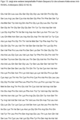
- FIG. 8 An example protein sequence for the heavy chain of an anti-RANKL antibody is shown in Figure 8 (SEQ ID NO 2).
- FIG. 14 Another exemplary protein sequence for the heavy chain of an anti-RANKL antibody is shown in Figure 14 (SEQ ID NO 8).
- the antigen-binding fragments of the anti-RANKL antibody are also included.
- Prolia (contains denosumab, anti-RANKL antibodies, and is approved as a medicinal product) is marketed by Amgen GmbH. It contains 60 mg denosumab solution for injection. Each pre-filled syringe contains 60 mg denosumab in 1 ml solution (60 mg/ml). The recommended dose of Prolia is 60 mg, administered as a single subcutaneous injection once every 6 months (thigh, abdomen, or upper arm).
- Prolia is used to treat osteoporosis in postmenopausal women, to prevent vertebral and non-vertebral fractures, and to increase bone mineral density in Men with osteoporosis and an increased risk of fractures, as well as as adjunctive treatment in women with breast cancer receiving adjuvant treatment with aromatase inhibitors and in men with prostate cancer undergoing hormone ablation therapy when there is an increased risk of fractures.
- Xgeva a medicinal product, also contains anti-RANKL antibodies (denosumab, Amgen; each vial contains 120 mg denosumab in 1.7 ml solution (70 mg/ml)).
- Xgeva is used to prevent skeletal-related complications (pathological fracture, radiation to bone, spinal cord compression, or bone surgery) in adults with bone metastases from solid tumors and to treat adults and skeletally mature adolescents with giant cell tumors of bone that are unresectable or for whom surgical resection is likely to result in severe morbidity.
- the product information only recommends adequate intake of calcium and vitamin D; the exact dosage is not specified.
- the adequate total daily intake of calcium is 1000 mg. Calcium is absorbed through food, so the required daily dose can be achieved with a calcium-rich diet. Calcium intake of more than 2500 mg per day is considered problematic because, among other things, it can increase the risk of kidney stones. Due to various publications on cardiovascular side effects from excessive calcium intake, many patients have refrained from consuming sufficient amounts of calcium, even while being treated with anti-RANKL antibodies.
- the preferred amount of calcium in pharmaceutical formulations is 400-600 mg of calcium per day, particularly 500 mg of calcium per day, to maintain a basic calcium level even with a calcium-deficient diet, while also avoiding oversupply, which is associated with the aforementioned risks and therefore unacceptable for patients.
- the results of the "National Consumption Study II" conducted in Germany 46% of men and 55% of women do not reach the recommended daily intake of calcium.
- the average total intake is in the range of 490-1790 mg of calcium per day.
- Vitamin D levels are easily measurable.
- the combination according to the invention is provided for a serum vitamin D concentration not lower than 20 ng/ml (50 nmol/l serum).
- Supplementation with 400 IU of vitamin D is not sufficient to maintain vitamin D levels within the normal range of 31-60 ng/ml serum when administering the pharmaceutical composition of anti-RANKL antibodies and calcium according to the invention.
- the pharmaceutical composition according to the invention comprising anti-RANKL antibodies, calcium and vitamin D prevents hypocalcaemia.
- the pharmaceutical composition comprising anti-RANKL antibodies is administered for the treatment of osteoporosis, postmenopausal osteoporosis, manifest osteoporosis, cortico-induced osteoporosis, osteoporosis of men or women, Paget's disease, osteogenesis imperfecta, for the prophylaxis of fractures of the aforementioned diseases, and for use in the treatment and/or prophylaxis of hypocalcemia therapy-induced by anti-RANKL antibodies, preferably in a dosage of 30 to 90 mg in 1-2 ml of solution (20-60 mg/ml), more preferably 50-70 mg, even more preferably 60 mg, preferably in 1 ml of solution (60 mg/ml) subcutaneously annually or every six months.
- the pharmaceutical composition comprising anti-RANKL antibodies is administered in the field of oncology for the treatment and/or prophylaxis of skeletal-related complications, in particular due to solid tumors, preferably breast, prostate, lung, colon or bone carcinoma (osteosarcoma), pathological fractures, irradiation of the bone, spinal cord compression or surgical interventions on the bone, bone metastases, pain in bone metastases, nerve entrapment, deformities due to one or more solid tumors such as breast cancer, prostate cancer, lung cancer or multiple myeloma, as well as the prophylaxis of fractures in the aforementioned diseases and for use in the treatment and/or prophylaxis of hypocalcemia therapy-induced by anti-RANKL antibodies, preferably in a dosage of 60-180 mg in 1-3 ml of solution, more preferably 80-150 mg, even more preferably 120 mg, in particular in 1.7 ml solution (70 mg/ml) of anti-RANKL antibody administered subcutaneously for at
- the pharmaceutical compositions listed above are used, wherein the anti-RANKL antibody comprises a monoclonal, polyclonal, monospecific, bispecific, bifunctional, single-chain, synthetic, recombinant, mutated, human, humanized, chimeric, IgG, IgA, IgM or IgE antibody, an antigen-binding fragment or an antibody construct such as Fvs (scFv) of single chains or antibody fusion proteins or a fragment thereof, in particular separate light and heavy chains, Fab, Fab/c, Fv, scFv, Fd, dAb, Fab' or F(ab')2, wherein a fragment comprises a variable region of the light chain and/or a variable region of the heavy chain.
- Fvs scFv
- calcium citrate includes all known pharmaceutically acceptable calcium compounds, in particular but not limited to calcium citrate, other names: tricalcium citrate, TCC, tricalcium dicitrate, tricalcium di-[2-hydroxy-1,2,3-propanetricarboxylate] tetrahydrate, E 333, C 12 H 10 Ca 3 O 14 , CAS numbers: 813-94-5 (anhydrous), 5785-44-4 (tetrahydrate); Calcium gluconate monohydrate (C 12 H 22 CaO 14 • H 2 O, CAS numbers: 299-28-5 (anhydrous) and 66905-23-5 (monohydrate)); calcium lactate gluconate, a double salt of lactic and gluconic acid, which is present as a mixture, other names: CLG, calcium lactate gluconate, calcium lactogluconate, E 327, E 578, CAS numbers: 11116-97-5 , 814-80-2 (calcium lactate pentahydrate), 18016-24-5 (calcium
- vitamin D includes vitamin D or its derivatives, in particular, but not limited to, vitamin D3 (cholecalciferol, C 27 H 44 O, CAS number: 67-97-0 ), calcitriol (1,25-dihydroxyvitamin D3, 1 ⁇ ,25-dihydroxycholecalciferol, 1,25(OH) 2 vitamin D3, 1,25(OH) 2 D3, (5Z,7E)-(1S,3R)-9,10-Seco cholesta-5,7,10(19)-triene-1,3,25-triol, CAS number: 32222-06-3 ) or 1 ⁇ ,25-dihydroxycholecalciferol (biologically active form of vitamin D3), alphacalcidol (1 ⁇ -hydroxyvitamin D3), 24,25-dihydroxyvitamin D3 or calcifediol (25-hydroxyvitamin D3 25-hydroxycholecalciferol, CAS number: 19356-17-3 , IUPAC name: (6R)-6-[(1
- compositions are suitable for use in the treatment and/or prophylaxis of side effects of anti-RANKL antibodies, in particular jaw osteonecrosis accompanied by pain in the mouth, non-healing wounds up to dissolution of the jaw, hypocalcemia, cardiovascular side effects such as cardiac arrhythmias, cramps, and secondary hyperparathyroidism.
- the above-specified amounts of anti-RANKL antibodies are provided in an infusion solution of 1-3 ml in a pharmaceutically acceptable solution such as isotonic saline or isotonic sorbitol sodium acetate polysorbate solution, isotonic sorbitol sodium acetate solution, isotonic glucose solution or other pharmaceutically acceptable isotonic solutions of suitable pH.
- a pharmaceutically acceptable solution such as isotonic saline or isotonic sorbitol sodium acetate polysorbate solution, isotonic sorbitol sodium acetate solution, isotonic glucose solution or other pharmaceutically acceptable isotonic solutions of suitable pH.
- calcium and vitamin D are provided with pharmaceutically suitable excipients, in particular lactose, starch, acidulants, in particular citric acid and malic acid, acidity regulators, in particular sodium bicarbonate and sodium carbonate, humectants, in particular sorbitol, xylitol and inulin, anti-caking agents, in particular tricalcium phosphate, fatty acids, in particular magnesium salts, in particular magnesium stearate, natural and nature-identical and other flavors and flavorings, sweeteners, in particular sodium cyclamate, aspartame and saccharin sodium, maltodextrin, colorants, in particular beetroot juice powder and riboflavin-5'-phosphate, silicon dioxide, in particular highly dispersed, silicon dioxide hydrate, phenylalanine, gum arabic, sucrose, gelatin, corn starch, soybean oil, glycerol, DL-alpha-tocopherol, isomalt, sodium bicarbonate, sodium dihydr
- anti-RANKL antibodies calcium and vitamin D, optionally with pharmaceutically suitable excipients and/or liquids, in particular as effervescent tablets, swallowable tablets or capsules, chewable tablets, effervescent granules, direct granules, drinking solutions, drops, Sublingual sprays, as concentrates for infusion solutions, ready-to-use infusions, concentrates for injection solutions, injection solutions or pre-filled syringes, provided individually or together.
- Table 1 shows that a maintenance dose of 1000 IU of vitamin D is suitable for maintaining vitamin D levels within the normal range: Table 1: patient 25(OH) Vitamin D3 serum level initial value 25(OH) vitamin D3 serum levels at maintenance dose 1000 IU vitamin D daily 85 years old, female 9.4 ng/ml 25.5 ng/ml 65 years, female 8.8 ng/ml 23.4 ng/ml 77 years old, female 12.4 ng/ml 29.2 ng/ml 81 years old, female 10.4 ng/ml 30.4 ng/ml 75 years old, female 14.6 ng/ml 28.8 ng/ml 86 years old, female 10.9 ng/ml 23.7 ng/ml 81 years old, female 8.6 ng/ml 23.2 ng/ml 71 years old, female 17.1 ng/ml 30.5 ng/ml
- Table 2 shows the daily dietary calcium intake in mg in the left column. A daily intake of less than 1000 mg through food leads to a negative calcium balance. This develops into secondary hyperparathyroidism and bone loss. A daily supply of less than 500mg calcium is associated with an increased risk of non-vertebral fractures.
- Table 4 The following data from an oncology patient (prostate cancer) in Table 4 show the serum levels of calcium and vitamin D3 when administered 120 mg denosumab (anti-RANKL antibody, Xgeva) every 4 weeks, as well as the oral intake of 500 mg calcium daily and 1000 IU vitamin D3 daily.
- the osteoporosis patients received 60 mg denosumab every six months, 500 mg calcium daily and 1000 IU vitamin D3 daily: Patient Calcium mmol/l 25(OH) vitamin D3 serum level; ⁇ g/l after weeks Calcium mmol/l 25(OH) vitamin D3 serum level; ⁇ g/l Calcium in diet mg/day 2 2.32 40.8 13/26 2.37/2.45 50.8/44.1 904 3 2.21 41.9 26 2.32 31.5 1300 4 2.33 50 13/26 2.34/2.32 58.1/31.5 1136 5 2.31 29.2 13 2.32 24.8 1372 6 2.39 36 13 2.3 29.6 819
- solid tumors preferably breast, prostate, lung, colon or bone carcinoma (osteosarcoma)
- no (pathological) fractures are no (pathological) fractures, radiation therapy of the bone, spinal cord compression or surgical interventions on the bone, bone metastases, pain in bone metastases, nerve entrapment, deformities due to one or more solid tumors such as breast cancer, prostate cancer, lung cancer or multiple myeloma.
Landscapes
- Health & Medical Sciences (AREA)
- Chemical & Material Sciences (AREA)
- Life Sciences & Earth Sciences (AREA)
- Medicinal Chemistry (AREA)
- General Health & Medical Sciences (AREA)
- Veterinary Medicine (AREA)
- Public Health (AREA)
- Animal Behavior & Ethology (AREA)
- Pharmacology & Pharmacy (AREA)
- Organic Chemistry (AREA)
- Epidemiology (AREA)
- Physical Education & Sports Medicine (AREA)
- Bioinformatics & Cheminformatics (AREA)
- Engineering & Computer Science (AREA)
- Immunology (AREA)
- Chemical Kinetics & Catalysis (AREA)
- General Chemical & Material Sciences (AREA)
- Nuclear Medicine, Radiotherapy & Molecular Imaging (AREA)
- Rheumatology (AREA)
- Orthopedic Medicine & Surgery (AREA)
- Mycology (AREA)
- Microbiology (AREA)
- Genetics & Genomics (AREA)
- Molecular Biology (AREA)
- Endocrinology (AREA)
- Inorganic Chemistry (AREA)
- Proteomics, Peptides & Aminoacids (AREA)
- Biochemistry (AREA)
- Biophysics (AREA)
- Medicines Containing Antibodies Or Antigens For Use As Internal Diagnostic Agents (AREA)
- Hematology (AREA)
- Obesity (AREA)
- Diabetes (AREA)
- Peptides Or Proteins (AREA)
- Pharmaceuticals Containing Other Organic And Inorganic Compounds (AREA)
- Medicines That Contain Protein Lipid Enzymes And Other Medicines (AREA)
- Medicinal Preparation (AREA)
Applications Claiming Priority (4)
| Application Number | Priority Date | Filing Date | Title |
|---|---|---|---|
| DE102016006557 | 2016-05-20 | ||
| EP24208093.5A EP4501330A3 (fr) | 2016-05-20 | 2017-05-19 | Compositions pharmaceutiques contenant des anticorps anti-rankl, du calcium et de la vitamine d, adaptées au traitement et/ou à la prophylaxie de maladies du métabolisme osseux et d'effets secondaires liés à la thérapie, tels que l'hypocalcémie |
| EP17728455.1A EP3458093A1 (fr) | 2016-05-20 | 2017-05-19 | Compositions pharmaceutiques contenant des anticorps anti-rankl, du calcium et de la vitamine d, adaptées au traitement et/ou à la prophylaxie de maladies du métabolisme osseux et d'effets secondaires liés à la thérapie, tels que l'hypocalcémie |
| PCT/EP2017/062087 WO2017198811A1 (fr) | 2016-05-20 | 2017-05-19 | Compositions pharmaceutiques contenant des anticorps anti-rankl, du calcium et de la vitamine d, adaptées au traitement et/ou à la prophylaxie de maladies du métabolisme osseux et d'effets secondaires liés à la thérapie, tels que l'hypocalcémie |
Related Parent Applications (3)
| Application Number | Title | Priority Date | Filing Date |
|---|---|---|---|
| EP24208093.5A Division-Into EP4501330A3 (fr) | 2016-05-20 | 2017-05-19 | Compositions pharmaceutiques contenant des anticorps anti-rankl, du calcium et de la vitamine d, adaptées au traitement et/ou à la prophylaxie de maladies du métabolisme osseux et d'effets secondaires liés à la thérapie, tels que l'hypocalcémie |
| EP24208093.5A Division EP4501330A3 (fr) | 2016-05-20 | 2017-05-19 | Compositions pharmaceutiques contenant des anticorps anti-rankl, du calcium et de la vitamine d, adaptées au traitement et/ou à la prophylaxie de maladies du métabolisme osseux et d'effets secondaires liés à la thérapie, tels que l'hypocalcémie |
| EP17728455.1A Division EP3458093A1 (fr) | 2016-05-20 | 2017-05-19 | Compositions pharmaceutiques contenant des anticorps anti-rankl, du calcium et de la vitamine d, adaptées au traitement et/ou à la prophylaxie de maladies du métabolisme osseux et d'effets secondaires liés à la thérapie, tels que l'hypocalcémie |
Publications (2)
| Publication Number | Publication Date |
|---|---|
| EP4537831A2 true EP4537831A2 (fr) | 2025-04-16 |
| EP4537831A3 EP4537831A3 (fr) | 2025-06-04 |
Family
ID=59021456
Family Applications (3)
| Application Number | Title | Priority Date | Filing Date |
|---|---|---|---|
| EP24208093.5A Pending EP4501330A3 (fr) | 2016-05-20 | 2017-05-19 | Compositions pharmaceutiques contenant des anticorps anti-rankl, du calcium et de la vitamine d, adaptées au traitement et/ou à la prophylaxie de maladies du métabolisme osseux et d'effets secondaires liés à la thérapie, tels que l'hypocalcémie |
| EP17728455.1A Ceased EP3458093A1 (fr) | 2016-05-20 | 2017-05-19 | Compositions pharmaceutiques contenant des anticorps anti-rankl, du calcium et de la vitamine d, adaptées au traitement et/ou à la prophylaxie de maladies du métabolisme osseux et d'effets secondaires liés à la thérapie, tels que l'hypocalcémie |
| EP24220082.2A Pending EP4537831A3 (fr) | 2016-05-20 | 2017-05-19 | Compositions pharmaceutiques contenant des anticorps anti-rankl, du calcium et de la vitamine d, adaptées au traitement et/ou à la prophylaxie de maladies du métabolisme osseux et d'effets secondaires liés à la thérapie, tels que l'hypocalcémie |
Family Applications Before (2)
| Application Number | Title | Priority Date | Filing Date |
|---|---|---|---|
| EP24208093.5A Pending EP4501330A3 (fr) | 2016-05-20 | 2017-05-19 | Compositions pharmaceutiques contenant des anticorps anti-rankl, du calcium et de la vitamine d, adaptées au traitement et/ou à la prophylaxie de maladies du métabolisme osseux et d'effets secondaires liés à la thérapie, tels que l'hypocalcémie |
| EP17728455.1A Ceased EP3458093A1 (fr) | 2016-05-20 | 2017-05-19 | Compositions pharmaceutiques contenant des anticorps anti-rankl, du calcium et de la vitamine d, adaptées au traitement et/ou à la prophylaxie de maladies du métabolisme osseux et d'effets secondaires liés à la thérapie, tels que l'hypocalcémie |
Country Status (5)
| Country | Link |
|---|---|
| US (2) | US20190290756A1 (fr) |
| EP (3) | EP4501330A3 (fr) |
| JP (3) | JP2019516799A (fr) |
| DE (3) | DE202017007720U1 (fr) |
| WO (1) | WO2017198811A1 (fr) |
Families Citing this family (1)
| Publication number | Priority date | Publication date | Assignee | Title |
|---|---|---|---|---|
| JP2020522529A (ja) * | 2017-06-05 | 2020-07-30 | ザ カウンシル オブ ザ クイーンズランド インスティテュート オブ メディカル リサーチ | 癌の治療または予防のための薬剤およびその使用 |
Citations (4)
| Publication number | Priority date | Publication date | Assignee | Title |
|---|---|---|---|---|
| EP0239400A2 (fr) | 1986-03-27 | 1987-09-30 | Medical Research Council | Anticorps recombinants et leurs procédés de production |
| WO1990007861A1 (fr) | 1988-12-28 | 1990-07-26 | Protein Design Labs, Inc. | IMMUNOGLOBULINES CHIMERIQUES SPECIFIQUES CONTRE LA PROTEINE TAC p55 DU RECEPTEUR D'IL-2 |
| US5223409A (en) | 1988-09-02 | 1993-06-29 | Protein Engineering Corp. | Directed evolution of novel binding proteins |
| US5530101A (en) | 1988-12-28 | 1996-06-25 | Protein Design Labs, Inc. | Humanized immunoglobulins |
Family Cites Families (2)
| Publication number | Priority date | Publication date | Assignee | Title |
|---|---|---|---|---|
| US7067279B1 (en) * | 2002-08-23 | 2006-06-27 | Immunex Corporation | Cell culture performance with betaine |
| SG10201911274TA (en) * | 2014-08-07 | 2020-02-27 | Opko Ireland Global Holdings Ltd | Adjunctive therapy with 25-hydroxyvitamin d |
-
2017
- 2017-05-19 DE DE202017007720.5U patent/DE202017007720U1/de active Active
- 2017-05-19 JP JP2019513486A patent/JP2019516799A/ja active Pending
- 2017-05-19 DE DE102017110958.7A patent/DE102017110958A1/de active Pending
- 2017-05-19 EP EP24208093.5A patent/EP4501330A3/fr active Pending
- 2017-05-19 US US16/301,737 patent/US20190290756A1/en not_active Abandoned
- 2017-05-19 WO PCT/EP2017/062087 patent/WO2017198811A1/fr not_active Ceased
- 2017-05-19 DE DE202017007721.3U patent/DE202017007721U1/de active Active
- 2017-05-19 EP EP17728455.1A patent/EP3458093A1/fr not_active Ceased
- 2017-05-19 EP EP24220082.2A patent/EP4537831A3/fr active Pending
-
2023
- 2023-02-06 JP JP2023016335A patent/JP2023055905A/ja active Pending
- 2023-02-10 US US18/167,097 patent/US20230218754A1/en active Pending
-
2025
- 2025-02-14 JP JP2025022182A patent/JP2025081442A/ja active Pending
Patent Citations (8)
| Publication number | Priority date | Publication date | Assignee | Title |
|---|---|---|---|---|
| EP0239400A2 (fr) | 1986-03-27 | 1987-09-30 | Medical Research Council | Anticorps recombinants et leurs procédés de production |
| US5223409A (en) | 1988-09-02 | 1993-06-29 | Protein Engineering Corp. | Directed evolution of novel binding proteins |
| WO1990007861A1 (fr) | 1988-12-28 | 1990-07-26 | Protein Design Labs, Inc. | IMMUNOGLOBULINES CHIMERIQUES SPECIFIQUES CONTRE LA PROTEINE TAC p55 DU RECEPTEUR D'IL-2 |
| US5530101A (en) | 1988-12-28 | 1996-06-25 | Protein Design Labs, Inc. | Humanized immunoglobulins |
| US5585089A (en) | 1988-12-28 | 1996-12-17 | Protein Design Labs, Inc. | Humanized immunoglobulins |
| US5693761A (en) | 1988-12-28 | 1997-12-02 | Protein Design Labs, Inc. | Polynucleotides encoding improved humanized immunoglobulins |
| US5693762A (en) | 1988-12-28 | 1997-12-02 | Protein Design Labs, Inc. | Humanized immunoglobulins |
| US6180370B1 (en) | 1988-12-28 | 2001-01-30 | Protein Design Labs, Inc. | Humanized immunoglobulins and methods of making the same |
Non-Patent Citations (12)
| Title |
|---|
| CHOTHIA, C. ET AL., J. MOL. BIOL., vol. 196, 1987, pages 901 - 917 |
| CLEELAND, C.S. ET AL., ANN. ONC., vol. 16, 2005, pages 972 - 980 |
| HARLOWLANE: "Antibodies: A Laboratory Manual", 1988, COLD SPRING HARBOR LABORATORY |
| JAKOBOVITS ET AL., PROC. NATL. ACAD. SCI. USA, vol. 90, 1993, pages 2551 |
| JOHNSON, KEVIN S.CHISWELL, DAVID J., CURR. OPIN. STRUCT. BIOL., vol. 3, 1993, pages 564 - 571 |
| KABAT E.A., WU,T.T., PERRY,H., GOTTESMAN,K., FOELLER,C.: "Sequences of Proteins of Immunological Interest", 1991, NIH PUBLICATION, pages: 91 - 3242 |
| KOHLERMILSTEIN, NATURE, vol. 256, 1975, pages 495 - 499 |
| KOSTELNY ET AL., J. IMMUNOL., vol. 148, 1992, pages 1547 - 1553 |
| MAC CALLUM ET AL., J. MOL. BIOL., vol. 262, 1996, pages 732 |
| MC CAFFERTY ET AL., NATURE, vol. 348, 1990, pages 552 - 553 |
| no. 19356-17-3 |
| SONGSIVILAILACHMANN, CLION. EXP. IMMUNOL., vol. 79, 1990, pages 315 - 321 |
Also Published As
| Publication number | Publication date |
|---|---|
| US20190290756A1 (en) | 2019-09-26 |
| DE202017007721U1 (de) | 2025-02-11 |
| DE202017007720U1 (de) | 2025-02-11 |
| EP4501330A3 (fr) | 2025-05-07 |
| JP2023055905A (ja) | 2023-04-18 |
| EP4501330A2 (fr) | 2025-02-05 |
| EP3458093A1 (fr) | 2019-03-27 |
| JP2025081442A (ja) | 2025-05-27 |
| WO2017198811A1 (fr) | 2017-11-23 |
| DE102017110958A1 (de) | 2017-11-23 |
| US20230218754A1 (en) | 2023-07-13 |
| JP2019516799A (ja) | 2019-06-20 |
| EP4537831A3 (fr) | 2025-06-04 |
Similar Documents
| Publication | Publication Date | Title |
|---|---|---|
| US20100087404A1 (en) | Method of treating and preventing hyperparathyroidism with active vitamin d analogs | |
| DE3686343T2 (de) | Pharmazeutische zubereitung zur anwendung fuer die anreicherung von knochenmasse. | |
| AU719773B2 (en) | Use of vitamin D2 or vitamin D4-derivatives for the manufacture of a medicament for the treatment of secondary hyperparathyroidism | |
| Slatopolsky et al. | Efficacy of 19-Nor-1, 25-(OH) 2D2 in the prevention and treatment of hyperparathyroid bone disease in experimental uremia | |
| EP2437747A1 (fr) | Préparations combinées contenant des exosomes et un corticostéroïde | |
| KR20040101530A (ko) | 부갑상선기능항진증의 치료 및 예방 방법 | |
| JP3688439B2 (ja) | 薬剤または食餌療法用組成物 | |
| DE3348163C2 (fr) | ||
| AU2012377476B2 (en) | Preparation and method for the prophylaxis and treatment of atypical osteoporosis | |
| JP2025081442A (ja) | 骨代謝の障害および低カルシウム血症などの治療誘発性副作用の処置および/または予防に適した、抗rankl抗体、カルシウムおよびビタミンdを含む薬学的組成物 | |
| US20110015276A1 (en) | Therapeutical uses of inecalcitol | |
| DE102011006809A1 (de) | Verwendung eines Mittels aus Antikörpern und/oder Insulin-like growth factor-Antagonisten | |
| CA2555328C (fr) | Composition a base de l-serine, de l-isoleucine, d'acide folique et d'oligo-elements, utilisee dans le traitement du psoriasis | |
| EP3246032B1 (fr) | Compositions pharmaceutiques comprenant de l'acide zélodronique, du calcium et de la vitamine d, convenant au traitement et/ou à la prophylaxie de maladies liées au métabolisme osseux et des effets secondaires des thérapies comme l'hypocalcémie | |
| Vardhan et al. | Calcium, Phosphate, and Renal Osteodystrophy: CKD: Mineral and Bone Disorder | |
| Ebeling | New drugs for osteoporosis | |
| Vardhan et al. | Calcium, Phosphate, and Renal Osteodystrophy | |
| DE69413325T2 (de) | 24-Epi-1alpha-Hydroxyvitamin D2 zur Behandlung von Osteoporosis | |
| Chakuleska et al. | Review on the pharmacology of osteoporosis | |
| JP2006143603A (ja) | 骨疾患治療用医薬複合剤 | |
| US20050239756A1 (en) | Methods of treating various vitamin D metabolism conditions with 1alpha-hydroxyvitamin D2 | |
| WO2021073762A1 (fr) | Association médicamenteuse à usage médical pour le traitement d'une maladie due à une lésion des fonctions tubulaires rénales | |
| KR20000075514A (ko) | 9,10-세코콜레스타-5,7,10(19)-트리엔-1,3-디올 또는 알파칼시돌 | |
| HK1240846A1 (en) | Combination preparations comprising a cytokine antagonist and corticosteroid | |
| HK1240846A (en) | Combination preparations comprising a cytokine antagonist and corticosteroid |
Legal Events
| Date | Code | Title | Description |
|---|---|---|---|
| PUAI | Public reference made under article 153(3) epc to a published international application that has entered the european phase |
Free format text: ORIGINAL CODE: 0009012 |
|
| STAA | Information on the status of an ep patent application or granted ep patent |
Free format text: STATUS: REQUEST FOR EXAMINATION WAS MADE |
|
| 17P | Request for examination filed |
Effective date: 20241216 |
|
| AC | Divisional application: reference to earlier application |
Ref document number: 3458093 Country of ref document: EP Kind code of ref document: P Ref document number: 4501330 Country of ref document: EP Kind code of ref document: P |
|
| AK | Designated contracting states |
Kind code of ref document: A2 Designated state(s): AL AT BE BG CH CY CZ DE DK EE ES FI FR GB GR HR HU IE IS IT LI LT LU LV MC MK MT NL NO PL PT RO RS SE SI SK SM TR |
|
| REG | Reference to a national code |
Ref country code: DE Ref legal event code: R079 Free format text: PREVIOUS MAIN CLASS: A61K0031590000 Ipc: A61K0039395000 |
|
| PUAL | Search report despatched |
Free format text: ORIGINAL CODE: 0009013 |
|
| AK | Designated contracting states |
Kind code of ref document: A3 Designated state(s): AL AT BE BG CH CY CZ DE DK EE ES FI FR GB GR HR HU IE IS IT LI LT LU LV MC MK MT NL NO PL PT RO RS SE SI SK SM TR |
|
| RIC1 | Information provided on ipc code assigned before grant |
Ipc: A61K 31/59 20060101ALI20250429BHEP Ipc: A61K 9/16 20060101ALI20250429BHEP Ipc: C07K 16/28 20060101ALI20250429BHEP Ipc: A61K 39/395 20060101AFI20250429BHEP |