US4956372A - Cyclic anthranilic acid derivatives and process for their preparation - Google Patents
Cyclic anthranilic acid derivatives and process for their preparation Download PDFInfo
- Publication number
- US4956372A US4956372A US07/249,996 US24999688A US4956372A US 4956372 A US4956372 A US 4956372A US 24999688 A US24999688 A US 24999688A US 4956372 A US4956372 A US 4956372A
- Authority
- US
- United States
- Prior art keywords
- group
- substituted
- carbon atoms
- defined above
- hydrogen atom
- Prior art date
- Legal status (The legal status is an assumption and is not a legal conclusion. Google has not performed a legal analysis and makes no representation as to the accuracy of the status listed.)
- Expired - Fee Related
Links
Images


Classifications
-
- C—CHEMISTRY; METALLURGY
- C07—ORGANIC CHEMISTRY
- C07D—HETEROCYCLIC COMPOUNDS
- C07D215/00—Heterocyclic compounds containing quinoline or hydrogenated quinoline ring systems
- C07D215/02—Heterocyclic compounds containing quinoline or hydrogenated quinoline ring systems having no bond between the ring nitrogen atom and a non-ring member or having only hydrogen atoms or carbon atoms directly attached to the ring nitrogen atom
- C07D215/16—Heterocyclic compounds containing quinoline or hydrogenated quinoline ring systems having no bond between the ring nitrogen atom and a non-ring member or having only hydrogen atoms or carbon atoms directly attached to the ring nitrogen atom with hetero atoms or with carbon atoms having three bonds to hetero atoms with at the most one bond to halogen, e.g. ester or nitrile radicals, directly attached to ring carbon atoms
- C07D215/48—Carbon atoms having three bonds to hetero atoms with at the most one bond to halogen
-
- A—HUMAN NECESSITIES
- A61—MEDICAL OR VETERINARY SCIENCE; HYGIENE
- A61P—SPECIFIC THERAPEUTIC ACTIVITY OF CHEMICAL COMPOUNDS OR MEDICINAL PREPARATIONS
- A61P29/00—Non-central analgesic, antipyretic or antiinflammatory agents, e.g. antirheumatic agents; Non-steroidal antiinflammatory drugs [NSAID]
-
- A—HUMAN NECESSITIES
- A61—MEDICAL OR VETERINARY SCIENCE; HYGIENE
- A61P—SPECIFIC THERAPEUTIC ACTIVITY OF CHEMICAL COMPOUNDS OR MEDICINAL PREPARATIONS
- A61P37/00—Drugs for immunological or allergic disorders
-
- C—CHEMISTRY; METALLURGY
- C07—ORGANIC CHEMISTRY
- C07D—HETEROCYCLIC COMPOUNDS
- C07D265/00—Heterocyclic compounds containing six-membered rings having one nitrogen atom and one oxygen atom as the only ring hetero atoms
- C07D265/28—1,4-Oxazines; Hydrogenated 1,4-oxazines
- C07D265/34—1,4-Oxazines; Hydrogenated 1,4-oxazines condensed with carbocyclic rings
- C07D265/36—1,4-Oxazines; Hydrogenated 1,4-oxazines condensed with carbocyclic rings condensed with one six-membered ring
-
- C—CHEMISTRY; METALLURGY
- C07—ORGANIC CHEMISTRY
- C07D—HETEROCYCLIC COMPOUNDS
- C07D279/00—Heterocyclic compounds containing six-membered rings having one nitrogen atom and one sulfur atom as the only ring hetero atoms
- C07D279/10—1,4-Thiazines; Hydrogenated 1,4-thiazines
- C07D279/14—1,4-Thiazines; Hydrogenated 1,4-thiazines condensed with carbocyclic rings or ring systems
- C07D279/16—1,4-Thiazines; Hydrogenated 1,4-thiazines condensed with carbocyclic rings or ring systems condensed with one six-membered ring
Definitions
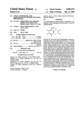
- This invention is concerned with certain novel cyclic anthranilic acid derivatives, their acid and alkali salts thereof and process for their preparation thereof. More particularly, this invention is concerned with the use of these compounds as antirheumatic drugs having immunomodulatory properties.
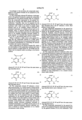
- R 1 , R 2 and R 3 each independently indicate a hydrogen atom, lower alkyl group having 1 to 3 carbon atoms, lower alkoxy group having 1 to 3 carbon atoms, amino group, nitro group, hydroxy group, sulfonamide group, trifluoromethyl group, cyano group, carboxyl group, carbamoyl group, acetyl group, benzoylmethyl group which may be substituted, methylthio group, phenylethynyl group which may be substituted, ethynyl group which may be substituted, alkanoylamino group having 1 to 3 carbon atoms, benzoylamino group which may be substituted, alkylsulfonylamino group having 1 to 3 carbon atoms or phenylsulfonylamino group which may be substituted; R 4 and R 5 each independently indicate a hydrogen atom, lower alkyl group having 1 to 3 carbon atoms, lower alkoxy group having 1 to 3 carbon atom
- Cyclic anthranilic acids that amino groups looped benzene rings have been synthesized by the method oxidizing 1,7-trimethyleneisatins with hydrogen peroxide in aqueous alkali medium (E. Ziegler et al., Monatsh. Chem., 94, 698 (1963), ibid 95, 59 (1964)), and reducing or cyclizing quinoline-8-carboxylic acid (C. Satyendranath et al., J. Annamelai Univ., 2, 227 (1933), L.S. Povarov et al., Izv. Akad. Nauk SSSR. Serkhim, 144 (1966), C.G. Wad et al., J. Heterocycl. Chem., 2, 414 (1965)).
- the immune-based chronic inflammation triggered by bacteria, viruses or autoantigenes or by an aberration in cytokine regulation of T cells includes rheumatoid arthritis (RA) and other autoimmune diseases such as systemic lupus erythematosus, psoriatic arthritis, atopic dermatitis and ankylosing spondylitis.
- RA rheumatoid arthritis
- other autoimmune diseases such as systemic lupus erythematosus, psoriatic arthritis, atopic dermatitis and ankylosing spondylitis.
- patients with RA demonstrate a variety of immunologic abnormalities including reduced functions of suppressor T cells and/or hyperactivity of B cells.
- Non-steroidal antiinflammatory drugs are currently the most frequently used ⁇ first-line ⁇ therapeutic drugs in the treatment of RA and other diseases due to immunological disorders. While these drugs offer symptomatic relief to patients with these diseases they fail to alter the underlying immunological dysfunction nor overall course of the disease process. Furthermore, serious side effects from prolonged use of these drugs have also been well documented.
- disease-modifying antirheumatic drugs such as gold containing compounds and D-penicillamine have little acute antiinflammatory effects but they appear to slow or halt the tissue destruction and more specially the progression of articular damage. They also have the immunomodulatory effects in vivo. So an attempt to modify the immune responses of the host seems a logical therapeutic approach to immune-based chronic inflammation.
- novel cyclic anthranilic acid derivatives represented by a general formula (I), their acid or alkali salts thereof, have immunomodulatory activity and high potency for induction of suppressor T cells and have therapeutic effect on RA.
- R 1 R 2 and R 3 each independently indicate a hydrogen atom, lower alkyl group having 1 to 3 carbon atoms, lower alkoxy group having 1 to 3 carbon atoms, amino group, nitro group, hydroxy group, sulfonamide group, trifluoromethyl group, cyano group, carboxyl group, carbamoyl group, acetyl group, benzoylmethyl group which may be substituted, methylthio group, phenylethynyl group which may be substituted, ethynyl group which may be substituted, alkanoylamino group having 1 to 3 carbon atoms, benzoylamino group which may be substituted, alkylsulfonylamino group having 1 to 3 carbon atoms or phenylsulfonylamino group which may be substituted; R 4 and R 5 each independently indicate a hydrogen atom, lower alkyl group having 1 to 3 carbon atoms, cyano group, carboxyl
- lower alkyl as used in the lower alkyl group, lower alkoxy group, lower alkanoylamino group, lower alkylsulfonylamino group and so on, means straight or branched hydrocarbons having 1 to 3 carbon atoms, such as methyl, ethyl, n-propyl or isopropyl group.
- halogen atom means fluorine, chlorine, bromine or iodine atom.
- substituted phenyl as used in the benzoylmethyl group which may be substituted, phenylsulfonylamino group which may be substituted, benzoylamino group which may be substituted, phenylethynyl group which may be substituted and so on, means phenyl group substituted by 1 to 3 substituents such as, halogen atom, lower alkyl group, lower alkoxy group and hydroxy group.
- the compounds represented by the general formula (I) are prepared by the following routes.
- the compounds wherein R 6 indicates a hydrogen atom in the general formula (I), namely the compounds represented by the general formula (III) are prepared from the compounds represented by the general formula (II) by treating with alkali solution and then by oxidization. Typically, they can be prepared by the compounds represented by the general formula (II) to hydrolyse with a little excess mole of suitable alkali solution such as, for example, sodium hydroxide or potassium hydroxide, in a suitable solvent such as, for example, water or aqueous alcohol and followed by oxidization with more than equal mole of a mild oxidant such as, for example, hydrogen peroxide solution or acetic peracid. It is desirable that reaction temperature is 0° to 50° C. and reaction time is 0.5 to 3 hours.
- the compounds wherein X is sulfur atom, sulfinyl or sulfonyl group in the general formula (I) can be prepared predominantly by controlling the amount of oxidant and reaction temperature.
- Suitable lower alkyl halide or benzyl halide such as for example, methyl iodide, ethyl iodide or benzyl bromide
- a suitable base such as, for example, sodium carbonate, potassium carbonate or potassium bicarbonate
- a suitable solvent such as, for example, dimethylformamide, dimethyl sulfoxide, acetone or dioxane at room temperature or in a heated circumstance under stirring.
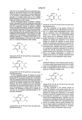
- the compounds represented by the general formula (III) are also prepared from the compounds represented by the general formula (IV) by hydrolysis or reduction.
- R 7 indicates a lower alkyl group
- they can be prepared from the compounds represented by the general formula (IV) by hydrolysis with a suitable alkali solution such as, for example, sodium hydroxide or potassium hydroxide, in a suitable solvent such as, for example, methanol or ethanol at room temperature or in a heated circumstance under stirring.
- R 7 indicates a benzyl group
- they can be prepared from the compounds represented by the general formula (IV) by the reduction in the presence of a suitable catalyst such as, for example, 10% palladium on charcoal, in a suitable solvent such as, for example dimethylformamide in the hydrogen atmosphere.
- the compounds wherein X indicates sulfur atom in the general formula (I), namely the compounds represented by the general formula (VI) are prepared from the compounds wherein X indicates a sulfinyl or sulfonyl group in the general formula (I), namely the compounds represented by the general formula (V) by the reduction.
- they can be prepared from the compounds represented by the general formula (VI) by reduction with a suitable reductant such as, for example, stannous chloride, titanium trichloride or diphosphorus tetraiodide, according to circumstances, sodium borohydride or lithium aluminum hydride in a suitable solvent such as, for example, methanol, water or dichloromethane at room temperature or in a heated circumstance under stirring.
- the compounds represented by the general formula (V) are prepared from the compounds represented by the general formula (VI) by the oxidization. Typically, they can be prepared from the compounds represented by the general formula (V) by the oxidization with equivalent or excess amount of a mild oxidant such as, for example, m-chloroperbenzoic acid, hydrogen peroxide, in a suitable solvent such as, for example, dichloromethane or alcohol at room temperature or in a heated circumstance under stirring.
- a mild oxidant such as, for example, m-chloroperbenzoic acid, hydrogen peroxide
- the compounds wherein X indicates a sulfonyl group in the general formula (I), namely the compounds represented by the general formula (VIII) are prepared from the compounds wherein X indicates a sulfinyl group in the general formula (I), namely the compounds represented by the general formula (VII) by the oxidization.
- they can be prepared from the compounds represented by the general formula (VII) by the oxidization with equivalent or excess amount of a mild oxidant such as, for example, m-chloroperbenzoic acid, hydrogen peroxide, in a suitable solvent such as, for example, dichloromethane or alcohol at room temperature or in a heated circumstance under stirring.
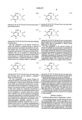
- R 2 indicates an amino group in the general formula (I), namely the compounds represented by the general formula (IX) are prepared from the compounds wherein R 2 indicates a nitro group in the general formula (I), namely the compounds represented by the general formula (X) by the reduction.
- they can be prepared from the compounds represented by the general formula (IX) by the reduction in the presence of a suitable catalyst such as, for example, 10% palladium on charcoal, in a suitable solvent such as, for example dimethylformamide in the hydrogen atmosphere.
- a suitable catalyst such as, for example, 10% palladium on charcoal
- a suitable solvent such as, for example dimethylformamide in the hydrogen atmosphere.
- they can be prepared by by reacting the compounds represented by the general formula (X) with the compounds represented by the general formula (XI) in the presence of a suitable base such as, for example, triethylamine or pyridine in a suitable solvent such as, for example, dimethylformamide or dioxane at room temperature under stirring.
- a suitable base such as, for example, triethylamine or pyridine
- a suitable solvent such as, for example, dimethylformamide or dioxane at room temperature under stirring.
- R 8 indicates a lower alkanoyl group having 1 to 3 carbon atoms, benzoyl group which may be substituted, lower alkylsulfonyl group having 1 to 3 carbon atoms or phenylsulfonyl group which may be substituted and Y indicates a halogen atom.
- the compounds of the general formula (I) wherein R 2 indicates a cyano group are prepared by reacting the compounds of the general formula (I) wherein R 2 indicates bromine atom, namely the compounds represented by the general formula (XIII) with cyanogenating agents.
- cyanogenating agents such as, for example, cuprous cyanide, potassium cyanide or sodium cyanide in a suitable solvent such as, for example, dimethylformamide, pyridine or N-methylpyrrolidone in heated circumstance under stirring.
- the compounds of the general formula (I) wherein R 2 indicates a carbamoyl group or carboxyl group, namely the compounds represented by the general formula (XV) are prepared by hydrolyzing the compounds represented by the general formula (XIV). Typically, they can be prepared by hydrolyzing the compounds represented by the general formula (XIV) in the presence of a suitable base such as, for example, sodium hydroxide or potassium hydroxide in a suitable solvent such as, for example, ethanol or methanol.
- a suitable base such as, for example, sodium hydroxide or potassium hydroxide
- a suitable solvent such as, for example, ethanol or methanol.
- R 1 , R 3 , R 4 , R 5 , R 6 and X have the same meanings described above and R 10 indicates a phenylethynyl group which may be substituted or ethynyl group which may be substituted.
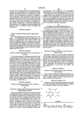
- the compounds of the general formula (I) wherein R 2 indicates an acetyl group or benzoylmethyl group, namely the compounds represented by the general formula (XVIII) are prepared by hydrolyzing the compounds represented by the general formula (XVII). Typically, they can be prepared by hydrolyzing the compounds represented by the general formula (XVII) in the presence of a suitable agent such as, for example, concentrated sulfuric acid or mercurous sulfate, in a suitable solvent such as, for example, diluted acetone.
- a suitable agent such as, for example, concentrated sulfuric acid or mercurous sulfate
- a suitable solvent such as, for example, diluted acetone.
- the compounds represented by the general formula (I) can be converted to the corresponding salts by the treatment with acid or alkali.
- the acid may be an inorganic acid such as, for example, hydrochloric acid, sulfuric acid or phosphoric acid, or an organic acid such as, for example, methanesulfonic acid, lactic acid, acetic acid, citric acid or tartaric acid.
- the alkali may be an alkali metal such as, for example, sodium or potassium.
- This compound (6.47 g) was refluxed in ethanol (200 ml) and 1 N sodium hydroxide solution (54 ml) for 3 hours. After cooling, water (300 ml) was added and then concentrated hydrochloric acid was added to acidify. The resulting crystals were collected by filtration, washed with water and dried to give 5.79 g (93.0%) of the title compound which was recrystallized from ethanol to give white crystals, mp 251° C.
- the title compound was prepared (79.9% yield) from methyl 6-amino-1,2,3,4-tetrahydroquinoline-8-carboxylate by the same procedure as in Example 32 by using methanesulfonyl chloride instead of p-toluenesulfonyl chloride. This compound was recrystallized form ethanol to give yellow crystals, mp 244° C.
- Benzyl 7-cyano-3,4-dihydro-2H-1,4-benzothiazine-5-carboxylate-1-oxide was prepared (88.9% yield) from benzyl 7-cyano-3,4-dihydro-2H-1,4-benzothiazine-5-carboxylate by the same procedure as in Example 4.
- the title compound was prepared (81.7% yield) from above ester by the same procedure as in Example 41. This compound was recrystallized form DMF-ethanol to give colorless needles, mp >300° C.
- Methyl 6-iodo-1,2,3,4-tetrahydroquinoline-8-carboxylate was prepared (quant.) in a similar manner to Example 32 (a) from 6- iodo-1,2,3,4-tetrahydroquinoline-8-carboxylic acid.
- Methyl 6-(2-trimethylsilylethynyl-1,2,3,4-tetrahydroquinoline-8-carboxylate was prepared (84.6%) in a similar manner to Example 43 from 6-iodo-1,2,3,4-tetrahydroquinoline-8-carboxylic acid.
- THF 100 ml
- tetra- (n-butyl)ammonium fluoride 8.59 g
- Water 200 ml was added, and the mixture was extracted with ethyl acetate.
- mice (BALB/c strain, male) were immunized intravenously with 1 ⁇ 10 7 SRBC. Two days later, anti SRBC-antibody-producing cells in the spleen were assayed as plague forming cells (PFC) by hemolytic plague assay (A.J. Cunningham and A. Szenberg, Immunology 14, 599, 1968).
- the compounds of this invention were suspended in 0.3% carboxymethyl cellulose (CMC) and orally administered immediately after antigen injection.
- CMC carboxymethyl cellulose
- mice (BALB/c strain, male) were immunized intraperitoneally with 2 ⁇ 10 8 SRBC. Five days later, the spleen was removed and the number of hemolytic PFC was counted. The compounds of this invention were suspended in 0.3% CMC and orally administered to the mice 24 hours prior to the antigen injection. Concanavalin A (Con A, 50 ⁇ g/mouse) was intravenously administered immediately after the oral administration of the compounds.
- the compounds of this invention suspended in 0.3% CMC solution were orally administered once a day for 7 days during days 10 to 16 after adjuvant injection.
- Hind paw volume of left foot pad was measured by the water immersion method.
Landscapes
- Chemical & Material Sciences (AREA)
- Organic Chemistry (AREA)
- Health & Medical Sciences (AREA)
- Pharmacology & Pharmacy (AREA)
- Animal Behavior & Ethology (AREA)
- Chemical Kinetics & Catalysis (AREA)
- General Chemical & Material Sciences (AREA)
- Medicinal Chemistry (AREA)
- Nuclear Medicine, Radiotherapy & Molecular Imaging (AREA)
- Veterinary Medicine (AREA)
- Public Health (AREA)
- Life Sciences & Earth Sciences (AREA)
- General Health & Medical Sciences (AREA)
- Immunology (AREA)
- Engineering & Computer Science (AREA)
- Bioinformatics & Cheminformatics (AREA)
- Pain & Pain Management (AREA)
- Rheumatology (AREA)
- Pharmaceuticals Containing Other Organic And Inorganic Compounds (AREA)
- Plural Heterocyclic Compounds (AREA)
- Organic Low-Molecular-Weight Compounds And Preparation Thereof (AREA)
- Nitrogen Condensed Heterocyclic Rings (AREA)
Priority Applications (1)
| Application Number | Priority Date | Filing Date | Title |
|---|---|---|---|
| US07/929,526 US5281600A (en) | 1987-10-02 | 1992-08-14 | Cyclic anthranilic acid derivatives |
Applications Claiming Priority (5)
| Application Number | Priority Date | Filing Date | Title |
|---|---|---|---|
| JP62-249608 | 1987-10-02 | ||
| JP24960887 | 1987-10-02 | ||
| JP879388 | 1988-01-19 | ||
| JP63-8793 | 1988-01-19 | ||
| JP63236295A JPH01279867A (ja) | 1987-10-02 | 1988-09-22 | 新規環状アントラニル酸誘導体及びその製造法 |
Related Child Applications (1)
| Application Number | Title | Priority Date | Filing Date |
|---|---|---|---|
| US07/560,775 Division US5147874A (en) | 1987-10-02 | 1990-07-31 | Cyclic anthranilic acid derivatives and process for their preparation |
Publications (1)
| Publication Number | Publication Date |
|---|---|
| US4956372A true US4956372A (en) | 1990-09-11 |
Family
ID=27278180
Family Applications (3)
| Application Number | Title | Priority Date | Filing Date |
|---|---|---|---|
| US07/249,996 Expired - Fee Related US4956372A (en) | 1987-10-02 | 1988-09-27 | Cyclic anthranilic acid derivatives and process for their preparation |
| US07/560,775 Expired - Fee Related US5147874A (en) | 1987-10-02 | 1990-07-31 | Cyclic anthranilic acid derivatives and process for their preparation |
| US07/929,526 Expired - Fee Related US5281600A (en) | 1987-10-02 | 1992-08-14 | Cyclic anthranilic acid derivatives |
Family Applications After (2)
| Application Number | Title | Priority Date | Filing Date |
|---|---|---|---|
| US07/560,775 Expired - Fee Related US5147874A (en) | 1987-10-02 | 1990-07-31 | Cyclic anthranilic acid derivatives and process for their preparation |
| US07/929,526 Expired - Fee Related US5281600A (en) | 1987-10-02 | 1992-08-14 | Cyclic anthranilic acid derivatives |
Country Status (8)
| Country | Link |
|---|---|
| US (3) | US4956372A (de) |
| EP (1) | EP0310096B1 (de) |
| KR (1) | KR960010350B1 (de) |
| CN (1) | CN1032788A (de) |
| CA (1) | CA1317294C (de) |
| DE (1) | DE3853608T2 (de) |
| ES (1) | ES2073396T3 (de) |
| HU (1) | HU204802B (de) |
Cited By (9)
| Publication number | Priority date | Publication date | Assignee | Title |
|---|---|---|---|---|
| US5120743A (en) * | 1989-06-13 | 1992-06-09 | Kyorin Pharmaceutical Co., Ltd. | Cyclic anthranilic acid acetic acid derivatives and process for the preparation |
| US5124325A (en) * | 1989-06-13 | 1992-06-23 | Kyorin Pharmaceutical Co., Ltd. | Therapeutic agents of metabolic bone disease |
| US5248777A (en) * | 1989-09-19 | 1993-09-28 | Allergan, Inc. | Process and intermediates for preparing compounds having a disubstituted acetylene moiety and retinoic acid-like biological activity |
| US5696133A (en) * | 1994-12-22 | 1997-12-09 | Ligand Pharmaceuticals Incorporated | Steroid receptor modulator compounds and methods |
| US5804580A (en) * | 1993-12-29 | 1998-09-08 | Laboratories Pharmascience | Benzoxazine derivatives, methods for obtaining same, and their use as drugs |
| US6200988B1 (en) * | 1995-10-05 | 2001-03-13 | Kyoto Pharmaceutical Industries, Ltd. | Heterocyclic derivatives and pharmaceutical use thereof |
| EP0538477B1 (de) * | 1991-04-16 | 2002-10-16 | Kyorin Pharmaceutical Co., Ltd. | Neue cyclische aminophenylessigsäurederivate, ihre herstellung und immunomodulatoren , welche diese als aktiven bestandteil enthalten |
| US6696459B1 (en) | 1994-12-22 | 2004-02-24 | Ligand Pharmaceuticals Inc. | Steroid receptor modulator compounds and methods |
| US20060128787A1 (en) * | 2002-07-17 | 2006-06-15 | Shouji Kamiya | Novel indoline compound and medicinal use thereof |
Families Citing this family (8)
| Publication number | Priority date | Publication date | Assignee | Title |
|---|---|---|---|---|
| EP0403980A1 (de) * | 1989-06-19 | 1990-12-27 | Kyorin Pharmaceutical Co., Ltd. | Cyclische Anthranilcarbonsäurederivate |
| JPH0327357A (ja) * | 1989-06-26 | 1991-02-05 | Kyorin Pharmaceut Co Ltd | 新規環状アントラニル酸誘導体及びその製造法 |
| US5776482A (en) * | 1996-03-29 | 1998-07-07 | University Of Iowa Research Foundation | Tetrahydroquinoline analogues for use in glaucoma treatment |
| GB9724586D0 (en) * | 1997-11-20 | 1998-01-21 | Rhone Poulenc Agriculture | New herbicides |
| FR2779144B1 (fr) * | 1998-05-29 | 2000-06-30 | Adir | Nouveaux composes 8-amino-1,4-benzoxaziniques, leur procede de preparation et les compositions pharmaceutiques qui les contiennent |
| US6180640B1 (en) | 1998-06-25 | 2001-01-30 | Sepracor, Inc. | Di- and tetra-hydroquinoline-indole antimicrobial agents, uses and compositions related thereto |
| JP2010500401A (ja) | 2006-08-15 | 2010-01-07 | アクテリオン ファーマシューティカルズ リミテッド | アゼチジン化合物 |
| WO2013076590A1 (en) * | 2011-11-23 | 2013-05-30 | Oxygen Healthcare Research Pvt. Ltd | Benzothiazine compounds as h3 receptor ligands |
Citations (1)
| Publication number | Priority date | Publication date | Assignee | Title |
|---|---|---|---|---|
| US4843082A (en) * | 1986-05-05 | 1989-06-27 | E. R. Squibb & Sons, Inc. | 1,2,3,4-tetrahydro-8-quinolinol derivatives and anti-allergic use thereof |
Family Cites Families (1)
| Publication number | Priority date | Publication date | Assignee | Title |
|---|---|---|---|---|
| AU2733371A (en) * | 1970-04-14 | 1972-10-12 | A. H. Robins Company, Incorporated | 5, 7-DISUBSTITUTED-l, 9-ALKYLENE-l, 4-BENZODIAZEPIN-2 ONES |
-
1988
- 1988-09-27 US US07/249,996 patent/US4956372A/en not_active Expired - Fee Related
- 1988-09-29 ES ES88116141T patent/ES2073396T3/es not_active Expired - Lifetime
- 1988-09-29 EP EP88116141A patent/EP0310096B1/de not_active Expired - Lifetime
- 1988-09-29 DE DE3853608T patent/DE3853608T2/de not_active Expired - Fee Related
- 1988-09-30 KR KR1019880012730A patent/KR960010350B1/ko not_active Expired - Fee Related
- 1988-09-30 HU HU885098A patent/HU204802B/hu not_active IP Right Cessation
- 1988-09-30 CA CA000578918A patent/CA1317294C/en not_active Expired - Fee Related
- 1988-09-30 CN CN88109044A patent/CN1032788A/zh active Pending
-
1990
- 1990-07-31 US US07/560,775 patent/US5147874A/en not_active Expired - Fee Related
-
1992
- 1992-08-14 US US07/929,526 patent/US5281600A/en not_active Expired - Fee Related
Patent Citations (1)
| Publication number | Priority date | Publication date | Assignee | Title |
|---|---|---|---|---|
| US4843082A (en) * | 1986-05-05 | 1989-06-27 | E. R. Squibb & Sons, Inc. | 1,2,3,4-tetrahydro-8-quinolinol derivatives and anti-allergic use thereof |
Non-Patent Citations (4)
| Title |
|---|
| Coppola, G. Chem. Abstracts vol. 90, No. 3; 22931q (1979). * |
| Gracheva et al. Chem Abstracts vol. 108, No. 23; 20451b (1988), and vol. 110, No. 3; 23698n (1988). * |
| Gridneva et al. Chem Abstracts vol. 110, No. 19; 165944p (1989). * |
| Ziegler et al. Chem Abstracts vol. 60; 15827h (1964). * |
Cited By (15)
| Publication number | Priority date | Publication date | Assignee | Title |
|---|---|---|---|---|
| US5120743A (en) * | 1989-06-13 | 1992-06-09 | Kyorin Pharmaceutical Co., Ltd. | Cyclic anthranilic acid acetic acid derivatives and process for the preparation |
| US5124325A (en) * | 1989-06-13 | 1992-06-23 | Kyorin Pharmaceutical Co., Ltd. | Therapeutic agents of metabolic bone disease |
| US5248777A (en) * | 1989-09-19 | 1993-09-28 | Allergan, Inc. | Process and intermediates for preparing compounds having a disubstituted acetylene moiety and retinoic acid-like biological activity |
| EP0538477B1 (de) * | 1991-04-16 | 2002-10-16 | Kyorin Pharmaceutical Co., Ltd. | Neue cyclische aminophenylessigsäurederivate, ihre herstellung und immunomodulatoren , welche diese als aktiven bestandteil enthalten |
| US5804580A (en) * | 1993-12-29 | 1998-09-08 | Laboratories Pharmascience | Benzoxazine derivatives, methods for obtaining same, and their use as drugs |
| US6093821A (en) * | 1994-12-22 | 2000-07-25 | Ligand Pharmaceuticals Incorporated | Process for preparing steroid receptor modulator compounds |
| US5994544A (en) * | 1994-12-22 | 1999-11-30 | Ligand Pharmaceuticals Incorporated | Steroid receptor modulator compounds and methods |
| US6121450A (en) * | 1994-12-22 | 2000-09-19 | Ligand Pharmaceuticals Incorporated | Intermediates for preparation of steroid receptor modulator compounds |
| US6448405B1 (en) | 1994-12-22 | 2002-09-10 | Ligand Pharmaceuticals Incorporated | Steroid receptor modulator compounds and methods |
| US5696133A (en) * | 1994-12-22 | 1997-12-09 | Ligand Pharmaceuticals Incorporated | Steroid receptor modulator compounds and methods |
| US6696459B1 (en) | 1994-12-22 | 2004-02-24 | Ligand Pharmaceuticals Inc. | Steroid receptor modulator compounds and methods |
| US20040186132A1 (en) * | 1994-12-22 | 2004-09-23 | Jones Todd K. | Steroid receptor modulator compounds and methods |
| US6200988B1 (en) * | 1995-10-05 | 2001-03-13 | Kyoto Pharmaceutical Industries, Ltd. | Heterocyclic derivatives and pharmaceutical use thereof |
| US20060128787A1 (en) * | 2002-07-17 | 2006-06-15 | Shouji Kamiya | Novel indoline compound and medicinal use thereof |
| US7429612B2 (en) | 2002-07-17 | 2008-09-30 | Kyoto Pharmaceutical Industries, Ltd. | Indoline compound and medicinal use thereof |
Also Published As
| Publication number | Publication date |
|---|---|
| HUT50459A (en) | 1990-02-28 |
| ES2073396T3 (es) | 1995-08-16 |
| EP0310096A2 (de) | 1989-04-05 |
| EP0310096A3 (en) | 1990-10-31 |
| DE3853608T2 (de) | 1996-01-04 |
| US5281600A (en) | 1994-01-25 |
| KR890006604A (ko) | 1989-06-14 |
| US5147874A (en) | 1992-09-15 |
| HU204802B (en) | 1992-02-28 |
| CA1317294C (en) | 1993-05-04 |
| CN1032788A (zh) | 1989-05-10 |
| EP0310096B1 (de) | 1995-04-19 |
| DE3853608D1 (de) | 1995-05-24 |
| KR960010350B1 (ko) | 1996-07-30 |
Similar Documents
| Publication | Publication Date | Title |
|---|---|---|
| US4956372A (en) | Cyclic anthranilic acid derivatives and process for their preparation | |
| FI84719B (fi) | Foerfarande foer framstaellning av sura indolderivat med antiallergiskt aktivitet. | |
| US5428040A (en) | Carbocyclic fused-ring quinolinecarboxylic acids useful as immunosuppressive agents | |
| US4399136A (en) | Pyrazolopyridazine antihypertensives | |
| CA1287629C (en) | Thiolactam-n-acetic acid derivatives, their production and use | |
| KR19990028757A (ko) | 벤조[g]퀴놀린 유도체 | |
| JPH0717633B2 (ja) | ヘテロアリールピペラジン抗精神病薬 | |
| US5578609A (en) | 2-carbocyclic and 2-heterocyclic quinoline-4-carboxylic acids and salts thereof useful as immunosuppressive agents | |
| IE912255A1 (en) | Leukotriene b4 antagonists | |
| US5523408A (en) | 2-carbocyclic and 2-heterocyclic quinoline-4-carboxylic acids and salts thereof useful as immunosuppressive agents | |
| US5364859A (en) | Imidazonaphthyridine derivatives | |
| WO1998022442A2 (en) | Pharmaceutical compositions comprising diaryl-cyclomethylenpyrazole compounds and their use as cyclooxygenase i (cox 1) inhibitors | |
| EP0601191B1 (de) | Neue tetracyclische verbindungen | |
| US4904672A (en) | Derivatives of 3-hydroxyazabenzo[b]thiophene useful as 5-lipoxygenase inhibitors | |
| AU612181B2 (en) | Novel cyclic anthranilic acid derivatives and process for their preparation | |
| US3647802A (en) | 2-amino-4-aryl-3 4-dihydroquinolines | |
| CA2126076A1 (en) | Nitroquinolone derivatives as nmda antagonists | |
| EP0039919B1 (de) | Benzoxazol und Benzothiazol-Derivate mit antiallergischer Wirkung | |
| JPH05506440A (ja) | アルコキシ置換ジヒドロベンゾピラン―2―カルボン酸およびその誘導体 | |
| US4530843A (en) | Isoindole amidoxime derivatives | |
| US5112836A (en) | Cyclic anthranililc acid carboxylic acid derivatives and medical therapeutic use thereof | |
| FR2647451A1 (fr) | Derives d'imidazo(1,2-a)pyridine, procede de preparation, compositions pharmaceutiques les contenant | |
| IL95085A (en) | Benzoxazolones 4,5,6,7-Tetraforms are converted into anti-allergy and anti-allergy pharmaceuticals | |
| GB2031404A (en) | Pyridazinone compounds | |
| US4399279A (en) | 4H-1,4-Benzothiazine derivatives and intermediates thereto |
Legal Events
| Date | Code | Title | Description |
|---|---|---|---|
| AS | Assignment |
Owner name: KYORIN PHARMACEUTICAL CO., LTD., JAPAN Free format text: ASSIGNMENT OF ASSIGNORS INTEREST.;ASSIGNORS:KOJIMA, EISUKE;FUJIMORI, SHIZUYOSHI;AWANO, KATSUYA;REEL/FRAME:005346/0889 Effective date: 19880920 |
|
| CC | Certificate of correction | ||
| FEPP | Fee payment procedure |
Free format text: PAYOR NUMBER ASSIGNED (ORIGINAL EVENT CODE: ASPN); ENTITY STATUS OF PATENT OWNER: LARGE ENTITY |
|
| FPAY | Fee payment |
Year of fee payment: 4 |
|
| REMI | Maintenance fee reminder mailed | ||
| LAPS | Lapse for failure to pay maintenance fees | ||
| FP | Lapsed due to failure to pay maintenance fee |
Effective date: 19980911 |
|
| STCH | Information on status: patent discontinuation |
Free format text: PATENT EXPIRED DUE TO NONPAYMENT OF MAINTENANCE FEES UNDER 37 CFR 1.362 |