US6432934B1 - Methods and compositions for topical treatment of eye surface inflammation and related dry eye disease - Google Patents
Methods and compositions for topical treatment of eye surface inflammation and related dry eye disease Download PDFInfo
- Publication number
- US6432934B1 US6432934B1 US09/130,638 US13063898A US6432934B1 US 6432934 B1 US6432934 B1 US 6432934B1 US 13063898 A US13063898 A US 13063898A US 6432934 B1 US6432934 B1 US 6432934B1
- Authority
- US
- United States
- Prior art keywords
- concentration
- solution
- tetracycline
- present
- ophthalmic
- Prior art date
- Legal status (The legal status is an assumption and is not a legal conclusion. Google has not performed a legal analysis and makes no representation as to the accuracy of the status listed.)
- Expired - Fee Related
Links
Images



Classifications
-
- A—HUMAN NECESSITIES
- A61—MEDICAL OR VETERINARY SCIENCE; HYGIENE
- A61K—PREPARATIONS FOR MEDICAL, DENTAL OR TOILETRY PURPOSES
- A61K31/00—Medicinal preparations containing organic active ingredients
- A61K31/65—Tetracyclines
-
- A—HUMAN NECESSITIES
- A61—MEDICAL OR VETERINARY SCIENCE; HYGIENE
- A61K—PREPARATIONS FOR MEDICAL, DENTAL OR TOILETRY PURPOSES
- A61K33/00—Medicinal preparations containing inorganic active ingredients
- A61K33/14—Alkali metal chlorides; Alkaline earth metal chlorides
-
- A—HUMAN NECESSITIES
- A61—MEDICAL OR VETERINARY SCIENCE; HYGIENE
- A61P—SPECIFIC THERAPEUTIC ACTIVITY OF CHEMICAL COMPOUNDS OR MEDICINAL PREPARATIONS
- A61P27/00—Drugs for disorders of the senses
- A61P27/02—Ophthalmic agents
-
- A—HUMAN NECESSITIES
- A61—MEDICAL OR VETERINARY SCIENCE; HYGIENE
- A61P—SPECIFIC THERAPEUTIC ACTIVITY OF CHEMICAL COMPOUNDS OR MEDICINAL PREPARATIONS
- A61P27/00—Drugs for disorders of the senses
- A61P27/02—Ophthalmic agents
- A61P27/04—Artificial tears; Irrigation solutions
-
- A—HUMAN NECESSITIES
- A61—MEDICAL OR VETERINARY SCIENCE; HYGIENE
- A61P—SPECIFIC THERAPEUTIC ACTIVITY OF CHEMICAL COMPOUNDS OR MEDICINAL PREPARATIONS
- A61P29/00—Non-central analgesic, antipyretic or antiinflammatory agents, e.g. antirheumatic agents; Non-steroidal antiinflammatory drugs [NSAID]
Definitions
- This invention relates to therapeutic ophthalmic preparations and methods of using the preparations locally to treat eye surface inflammation including meibomianitis and related dry eye disease. More particularly, it relates to topical ophthalmic solutions containing tetracycline compounds to suppress eye surface inflammation, including meibomianitis, while maintaining or restoring conjunctival mucus-containing goblet cells.
- Systemic tetracyclines are currently used to treat ocular rosacea, a condition characterized by eye surface inflammation, and a variety of related eye disorders such as blepharitis, meibomianitis, keratitits, conjunctival hyperemia, and eyelid hyperemia.
- Open-label prospective studies have been published describing a decrease in blepharitis and conjunctival hyperemia associated with ocular rosacea following systemic administration of tetracycline (1, 2).
- Systemic oxytetracycline treatment of ocular rosacea has also been tested in a double-masked trial and found to be more effective than placebo in inducing remissions (3). In the trial, it was reported that eyelid and conjunctival hyperemia responded well, as did the associated blepharitis.
- Meibomianitis is a disorder characterized by inflammation centered about the meibomian glands. When inflammation includes most of the eye lid, the general term “blepharitis” may be applied. When inflammation includes the conjunctiva, the term “conjunctivitis” applies. When inflammation involves the cornea, the term “keratitis” applies. The eye surface includes the eye lids, cornea and conjunctiva. Recently, it was observed that meibomianitis and eye surface inflammation develops in a rabbit model for meibomian gland dysfunction (7).
- meibomian gland orifice closure increases tear film osmolarity and decreases corneal epithelial glycogen and conjunctival goblet-cell density. These decreases are analogous to those seen with keratoconjunctivitis sicca (commonly known as “dry eye”) from lacrimal gland disease (10, 11).
- dry eye keratoconjunctivitis sicca
- the clinical relevance of these data has been further supported by studies demonstrating that patients with meibomian gland drop out have significantly elevated tear film evaporative rates and tear film osmolarity (12).
- tetracyclines work in the treatment of ocular surface inflammatory disorders, such as ocular rosacea, meibomianitis, blepharitis, conjunctivitis and keratitis has previously been unknown.
- tetracyclines have potent antibacterial properties, inhibit collagenase activity (15, 16, 17), and decrease leukocyte chemotaxis (18, 19, 20, 21) and phagocytosis (22).
- tetracycline enters into the tears (13) and concentrates in goblet cells, around blood vessels, and on the external surface of the conjunctival epithelium (14).
- Systemic administration of tetracycline has several drawbacks. For example, it often results in adverse side effects, including gastrointestinal irritation, vaginal yeast infection, sunlight sensitivity and systemic allergic reactions.
- an object of this invention to provide an improved ophthalmic preparation for locally delivering a tetracycline compound to ocular surfaces. It is another object of this invention to provide an ophthalmic solution for locally delivering a tetracycline compound to ocular surfaces, while maintaining or restoring essentially normal levels of conjunctival mucus-containing goblet cells. It is a further object of this invention to provide an electrolyte-based tetracycline formulation for simultaneously treating inflammatory eye diseases, such as meibomianitis, and associated blepharitis and dry eye disorders.
- a therapeutic preparation for ophthalmic use has been developed that provides the advantage of drug delivery and treatment or prevention of dry eye disease.
- the preparation contains an anti-inflammatory agent, such as a tetracycline compound, in an electrolyte-based solution which can be applied topically to the eye, permitting the maintenance or restoration of essentially normal levels of conjunctival mucus-containing goblet cells and corneal glycogen.
- the ophthalmic preparation thus provides the advantages of local tetracycline delivery to ocular surfaces without a substantial decrease in mucus-containing goblet cells or corneal glycogen typically associated with the use of standard ophthalmic preparations.
- the ophthalmic preparation provides the further advantage of increasing low goblet cell density and corneal glycogen levels associated with the dry eye surface disease resulting from meibomian gland dysfunction.
- standard ophthalmic preparations have been shown in studies described herein to exacerbate the loss of goblet cells and corneal glycogen.
- the ophthalmic preparation contains an aqueous solution of a tetracycline compound in an amount sufficient to treat an ocular disease characterized by eye surface inflammation with our without dryness.
- the preparation preferably also includes a balance of electrolytes found in natural tear fluid required for ocular surface maintenance, function and repair. In preferred embodiments, these electrolytes are present in amounts sufficient to maintain or restore essentially normal levels of conjunctival goblet cells and corneal glycogen, thereby maintaining mucus-mediated lubrication and the potential for normal healing.
- the tetracycline compound is contained in Solution 15, described in U.S. Pat. No. 4,911,933, the contents of which are hereby incorporated by reference.
- Principal electrolytes employed in the invention include, but are not limited to, sodium and chloride, in combination with lesser amounts of potassium and bicarbonate. Typically, these electrolytes are present in the following concentration ranges:
- Potassium between about 22.0 to 43.0 millimoles per liter (mM/l), preferably between about 23.0 to 42.0 mM/l;
- Bicarbonate between about 29.0 to 50.0 mM/l, preferably between about 31.0 to 48.0 mM/l;
- Chloride between about 118.0 to 136.5 mM/l, preferably between about 124.0 to 136.0 mM/l.
- electrolytes which can be employed in the ophthalmic preparation, in combination with the above-listed electrolytes include, but are not limited to, calcium, magnesium and phosphate. Typically, these electrolytes are typically present in the following concentration ranges:
- Magnesium between about 0.3 to 1.1 mM/l, preferably between about 0.5 to 0.6 mM/l,
- Phosphate between about 0.8 to 2.2 mM/l, preferably between about 1.8 to 2.0 mM/l.
- the concentration of the tetracycline compound will vary depending on the nature and severity of the eye surface inflammation being treated and the specific tetracycline compound used. Generally, for tetracycline, the concentration in solution will range from about 0.125% to 2% when the solution is isotonic or attains isotonicity. Any suitable tetracycline compound (including tetracycline derivatives, analogs and salts thereof) known in the art can be used, such as those described in further detail below.
- Ophthalmic preparations of the present invention can be used in methods of treating ocular disorders characterized by eye surface inflammation, such as meibomianitis or eye surface redness. Typically, the preparation is applied topically to the surface of the eye in an amount sufficient to treat the disorder.
- the ophthalmic preparation can also be used to simultaneously reduce eye surface inflammation and dryness, based on the presence of an active tetracycline compound in an aqueous solution containing the necessary balance of electrolytes for ocular surface maintenance, function and repair.
- the ophthalmic preparation can further maintain or restore conjunctival goblet cells and corneal glycogen which are typically depleted in dry eye disorders.
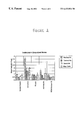
- FIG. 1 is a graph showing leukocyte densities in tarsal conjunctival epithelium of (left to right) (a) normal control rabbits, (b) untreated control rabbits with meibomianitis/meibomian gland dysfunction, (c) rabbits treated with tetracycline in saline (administered intramuscularly (IM)), (d) rabbits treated with tetracycline in AchromycinTM light mineral oil eyedrops (administered topically), and (e) rabbits treated with tetracycline in Solution 15 (administered topically).
- IM intramuscularly
- FIG. 2 is a graph showing leukocyte densities in conjunctival stroma of (a) normal control rabbits, (b) untreated control rabbits with meibomianitis/meibomian gland dysfunction, (c) rabbits treated with tetracycline in saline (administered intramuscularly (IM)), (d) rabbits treated with tetracycline in AchromycinTM light mineral oil eyedrops (administered topically), and (e) rabbits treated with tetracycline in Solution 15 (administered topically).
- IM intramuscularly
- FIG. 3 is a graph showing leukocyte densities in meibomian glands and tarsal plate of (a) normal control rabbits, (b) untreated control rabbits with meibomianitis/meibomian gland dysfunction, (c) rabbits treated with tetracycline in saline (administered intramuscularly (IM)), (d) rabbits treated with tetracycline in AchromycinTM light mineral oil eyedrops (administered topically), and (e) rabbits treated with tetracycline in Solution 15 (administered topically).
- IM intramuscularly
- FIG. 4 is a graph showing the effect of the following tetracycline formulations on conjunctival goblet-cell density in a rabbit model for meibomianitis/meibomian gland dysfunction: (a) tetracycline in saline (administered intramuscularly (IM)), (b) tetracycline in AchromycinTM light mineral oil eyedrops (administered topically), and (c) tetracycline in Solution 15 (administered topically).
- IM intramuscularly
- AchromycinTM light mineral oil eyedrops administered topically
- tetracycline in Solution 15 (administered topically).
- FIG. 5 is a graph showing the effect of the following tetracycline formulations on corneal glycogen in a rabbit model for meibomianitis/meibomian gland dysfunction: (a) tetracycline in saline (administered intramuscularly (IM)), (b) tetracycline in AchromycinTM light mineral oil eyedrops (administered topically), and (c) tetracycline in Solution 15 (administered topically).
- IM intramuscularly
- AchromycinTM light mineral oil eyedrops administered topically
- tetracycline in Solution 15 (administered topically).
- a therapeutic ophthalmic preparation combines at least one tetracycline compound in an electrolyte-based aqueous solution to locally treat both eye surface inflammation and related dry eye disorders.
- a tetracycline compound refers to all known tetracyclines, tetracycline analogs, breakdown products, and derivatives thereof (e.g., HCL derivatives thereof). Such compounds are well known in the art, primarily for their potent anti-bacterial properties, and include, but are not limited to, methacycline, oxytetracycline, minocycline, demeclocycline, doxycycline, tetracycline, chlortetracycline, and salts thereof. These tetracycline compounds are described throughout the literature, for example, in the Merck Manual (e.g., Fifteenth Ed. (1987), p.38-39), the contents of which are incorporated by reference herein.
- the tetracycline is not highly photosensitive.
- tetracycline and minocycline are preferred (Li et al. (1987) Biochem. Biophys. Res. Commun. 146:1191).
- preferred tetracycline compounds for use in the invention are capable of inhibiting leukocyte chemotaxis.
- the aforementioned tetracycline compounds are commercially available, for example, from Sigma Chemical Corp., St. Louis, Mo.
- the tetracycline compound of the present invention is formulated in an aqueous solution, preferably containing electrolytes.
- Suitable concentrations of the tetracycline compound in solution include those equivalent in anti-inflammatory potency to tetracycline at a concentration range of between about 0.125% and 2% when the solution is isotonic or attains isotonicity.
- the preparation preferably also includes a balance of electrolytes found in natural tear fluid required for ocular surface maintenance, function and repair.
- these electrolytes are present in amounts sufficient to maintain or restore conjunctival goblet cells and corneal glycogen, thereby maintaining mucus-mediated lubrication and the potential for normal healing.
- This enables topical application of the preparation to ocular surfaces preferably without substantially reducing the density of conjunctival mucus-containing goblet cells or levels of corneal glycogen.
- Goblet cells form a critical layer of the tear film, providing the eye surface with lubrication, and playing an important role in the system that traps foreign matter that may enter the eye, and promptly removes it.
- Corneal glycogen is the energy source for the sliding step in corneal wound healing. Their preservation is therefore important in maintaining the health of ocular surfaces.
- eye surface inflammation includes any inflammatory disorder involving the ocular surface.
- the eye surface includes the eye lids, conjunctiva and cornea.
- Inflammation refers to white blood cell or leukocytic infiltration associated with cellular injury.
- Eye surface inflammatory disorders treatable by the ophthalmic preparation of the invention are typically manifested by signs and symptoms such as eye redness, or irritation. These diseases include, for example, meibomianitis, blepharitis conjunctival hyperemia, eyelid hyperemia, keratitis and ocular rosacea.
- eye surface dryness includes any ocular disorder resulting in loss of water from the tear film. Such disorders generally can be characterized by increased tear film osmolarity and decreased levels of corneal glycogen and conjunctival mucus-containing goblet cells. Eye surface dryness can result from a number of different diseases including, for example, meibomian gland dysfunction and meibomian gland orifice stenosis or closure.
- eye surface inflammatory disorders are often associated with eye surface dryness and irritation.
- Animal models for such combined ocular disorders have been produced, and can be used to test the efficacy of the ophthalmic preparations provided herein.
- a rabbit model for meibomianitis and meibomian gland dysfunction has been developed (7).
- meibomian gland orifice closure results in the development of inflammation around the meibomian glands (i.e., meibomianitis), inflammation in the eyelids (blepharitis), inflammation in the conjunctiva (conjunctivitis) and in an increase in tear film osmolarity and a decrease in the levels of corneal glycogen and conjunctival mucus-containing goblet cells.
- ophthalmic preparations of the invention effectively treat both the eye surface inflammation (i.e., meibomianitis) and associated eye surface dryness (elevated tear film osmolarity, decreased goblet cell density and reduced corneal glycogen) exhibited by this animal model. It is recognized that results of tests using rabbits has close correlation with humans and, therefore, that the results carry over to humans.
- Ophthalmic preparations of the invention include aqueous solutions containing one or more tetracycline compounds which are, collectively, present in an amount sufficient to treat eye surface inflammation, such as meibomianitis or eye surface redness.
- ophthalmic preparations of the invention include, in addition to one or more tetracyclines, a balance of electrolytes naturally found in tear fluid. These electrolytes principally include major amounts of sodium and chloride, and lesser amounts of potassium and bicarbonate.
- the preparation may also contain other naturally-occurring elements of the tear fluid, such as proteins, enzymes, lipids and metabolites as described in U.S. Pat. No. 4,911,933.
- the potassium is present at a concentration of about 22.0 to 43.0 mM/l
- the bicarbonate is present at a concentration of about 29.0 to 50.0 mM/l
- the sodium is present at a concentration of about 130.0 to 140.0 mM/l
- the chloride is present at a concentration of about 118.0 to 136.5 mM/l.
- the osmolarity of the resulting solution is preferably in the range of about 296 to 325 mOsm/Kg, but water may be added or removed from the preparation to create appropriate therapeutic dilutions or concentrations.
- the ophthalmic preparation can further optionally include calcium, magnesium and phosphate.
- the calcium is preferably present at a concentration of about 0.5 to 2.0 mM/l
- the magnesium is preferably present at a concentration of about 0.3 to 1.1 mM/l
- the phosphate is preferably present at a concentration of about 0.8 to 2.2 mM/l.
- the invention provides an ophthalmic solution having an osmolarity of about 296-325 mOsm/Kg, which includes at least the following components: (a) tetracycline at a concentration of about 0.125% to 2%; (b) potassium at a concentration of about 22.0 to 43.0 mM/l; (c) bicarbonate at a concentration of about 29.0 to 50.0 mM/l; (d) sodium at a concentration of about 130.0 to 140.0 mM/l, (e) chloride at a concentration of about 118.0 to 136.5 mM/l, (f) calcium at a concentration of about 0.5 to 2.0 mM/l, (g) magnesium at a concentration of about 0.3 to 1.1 mM/l, and (e) phosphate at a concentration of about 0.8 to 2.2 mM/l.
- Preferred concentrations of these components range from 0.25% to 1.50% for tetracycline, 23.0 to 42.0 mM/l potassium, 31.0 to 48.0 mM/l bicarbonate, 131.0 to 139.0 mM/l sodium, 124.0 to 136.0 mM/l chloride, 0.6 to 0.8 mM/l calcium, 0.5 to 0.6 mM/l magnesium, and 1.0 to 2.0 mM/l phosphate.
- the ophthalmic solution is made up of a tetracycline compound present in Solution 15 containing the following components: 99.0 mmol/l NaCl; 24.0 mmol/l KCI; 0.8 mmol/l CaCl2; 0.6 mmol/l MgCl 2 ; 32 mmol/l NaHCO 3 ; 1.0 mmol/l NaH 2 PO 4 at an osmolality (mOsm/kg) 302.
- the pH of the ophthalmic preparation generally ranges from about 7.0 to 8.0, as measured by, for example, a Fisher pH Accumet Model 600. However, this pH range need not be rigidly adhered to, and it may be desirable to alter pH outside of this range, for instance, to improve ophthalmic drug penetration through the ocular surface. In view of the teachings provided herein, those skilled in the art may employ other pH ranges.
- the ophthalmic preparation is isotonic.
- the final osmolarity may be adjusted according to conditions present in the tear film or on the ocular surface (e.g., tear film osmolarity).
- tear film osmolarity e.g., tear film osmolarity
- treatment of hypertonic tear films may make diluted preparations preferable.
- preparations may be concentrated to hypertonic concentrations if therapeutically desirable. It is known that hypotonic and hypertonic eyedrops are brought rapidly to isotonicity by movement of water across the eye surface (Maurice et al. (1971) Exp. Eye Res. 11:30).
- the ophthalmic preparation when treating elevated tear film osmolarity (as associated, for example, with dry eye disorders), it may be preferable to dilute the ophthalmic preparation to hypotonicity while maintaining the proportions or balance of the electrolytes disclosed herein, and adjusting the concentration of the tetracycline compound such that the appropriate concentration is attained after entrance of water from the solution into the eye surface.
- Ophthalmic preparations of the invention can be applied to the ocular surface by various methods known in the art.
- the preparation can be topically to the ocular surface as eye drops.
- the preparation can also be applied using an eye cup so that the eye is bathed.
- the preparation can also be applied using a continuous or near continuous infusion device for ocular surface irrigation and/or wetting and/or drug delivery.
- the preparation may also be applied by devices that spray solutions as required onto the surface of the eye.
- group I received no treatment
- group II received tetracycline hydrochloride (Sigma Chemical, St. Louis, Mo.) intramuscularly at a dosage of 50 mg/kg/d (given as a solution of 500 mg/ml in sterile saline for injection USP) for five days each week
- group III received tetracycline hydrochloride 1% in plastibase 50W and light mineral oil eyedrops (Achromycin, Lederle, Pearl River, N.Y.) four times a day for five days each week
- group IV received tetracycline hydrochloride 1% (Sigma Chemical, St.
- Solution 15 contains 99.0 mmol/l NaCl; 24.0 mmol/l KCI; 0.8 mmol/l CaCl2; 0.6 mmol/l MgCl 2 ; 32 mmol/l NaHCO 3 ; 1.0 mmol/l NaH 2 PO 4 at an osmolality (mOsm/kg) of 302. Treatments began at 8 weeks post-op and continued until 20 weeks.
- corneal epithelium was removed for measurement of corneal epithelial glycogen level as previously described (25). Conjunctival biopsies were then taken for counting of goblet cell density as previously described (10). Lower eyelids were then removed by sharp dissection and placed in one-half strength Karnovsky's fixative. The tissue was then dehydrated through graded alcohols and embedded in methacrylate. Three ⁇ M sections were cut through the eyelids horizontally for light microscopy, and stained with alkaline giemsa.
- Leukocytes were quantified in tissue sections using a method similar to that described by Sherwood et al. (26). For descriptive purposes, eyelid tissue was divided into three zones: 1) tarsal conjuntival epithelium, 2) underlying stroma, and 3) meibomian glands and adjacent tissue, including tarsal plate. Two separate sections, separated by a distance sufficient to provide two separate inflammatory cell populations, were examined for each eyelid. At a magnification of 40X, nine consecutive fields were counted for each zone in each section yielding a total of 18 fields per zone per eyelid. Leukocytes were identified as either neutrophils, eosinophils, basophils, or mastcells.
- corneal glycogen, conjunctival goblet-cell density, and leukocytes were performed in a masked fashion. Corneal glycogen and conjunctival-goblet cell density was calculated as a percent of contralateral unoperated/untreated control eyes. Leukocytes were calculated as a mean per 40X field. Groups were compared using a pooled estimate of variance (Microstat, Microsoft Corporation).
- systemic and topically administered tetracycline decreases the concentration of inflammatory cells in the eyelid and eye surface tissue of a rabbit model for meibomianitis and meibomian gland dysfunction.
- relatively low-dose topically applied tetracycline in the Solution 15 vehicle was more effective than relatively high-dose systemic tetracycline or topically applied Achromycin, and was the only treatment effective in restoring conjunctival goblet cells and corneal glycogen.
- a prominent feature of acne rosacea is the presence of inflammatory cells in the upper and middermis (30).
- the studies described herein suggest that the effectiveness of tetracycline in the treatment of acne rosacea dermatitis is due its ability to decrease tissue leukocytes.
- Topical steroids also decrease inflammation and have been used to treat meibomianitis. Unlike steroids, however, tetracyclines do not have the potential to increase intraocular pressure or to promote cataract formation.
- tetracycline is generally administered systemically to patients to treat meibomianitis (5), or topically in oil-based preparations. While systemic tetracycline decreased tissue leukocytes in the current study, it did not improve conjunctival goblet-cell density or corneal glycogen. The topically administered commercial tetracycline tested in the current study significantly exacerbated the loss of goblet-cells and corneal glycogen seen with the dry-eye surface disease resulting from meibomian gland dysfunction.
- ophthalmic preparation containing tetracycline in Solution 15 was able to decrease tissue leukocytes while simultaneously restoring conjunctival goblet-cell density and corneal glycogen in the currently disclosed rabbit model for meibomianitis and meibomian gland dysfunction.
- this ophthalmic preparation has the advantage of being a local rather than systemic therapy.
- topically applied ophthalmic preparations containing tetracycline in aqueous solution can be used clinically to treat meibomianitis and the dry eye surface disease resulting from meibomian gland dysfunction more effectively than either systemic tetracycline or commercial oil-based topical tetracycline.
- These ophthalmic preparations also may serve to treat other inflammatory ocular surface diseases and their complications.
Landscapes
- Health & Medical Sciences (AREA)
- Public Health (AREA)
- Chemical & Material Sciences (AREA)
- Veterinary Medicine (AREA)
- Medicinal Chemistry (AREA)
- Pharmacology & Pharmacy (AREA)
- Life Sciences & Earth Sciences (AREA)
- Animal Behavior & Ethology (AREA)
- General Health & Medical Sciences (AREA)
- Epidemiology (AREA)
- Chemical Kinetics & Catalysis (AREA)
- General Chemical & Material Sciences (AREA)
- Nuclear Medicine, Radiotherapy & Molecular Imaging (AREA)
- Organic Chemistry (AREA)
- Inorganic Chemistry (AREA)
- Ophthalmology & Optometry (AREA)
- Engineering & Computer Science (AREA)
- Bioinformatics & Cheminformatics (AREA)
- Pain & Pain Management (AREA)
- Rheumatology (AREA)
- Medicinal Preparation (AREA)
- Pharmaceuticals Containing Other Organic And Inorganic Compounds (AREA)
Priority Applications (9)
| Application Number | Priority Date | Filing Date | Title |
|---|---|---|---|
| US09/130,638 US6432934B1 (en) | 1998-08-06 | 1998-08-06 | Methods and compositions for topical treatment of eye surface inflammation and related dry eye disease |
| EP99937618A EP1105139B1 (fr) | 1998-08-06 | 1999-07-29 | Solution ophtalmique a base de tetracycline utilisee dans le traitement local du syndrome de l'oeil sec |
| DE69917040T DE69917040T2 (de) | 1998-08-06 | 1999-07-29 | Augenlösung mit tetracyclin für behandlung von trockenen augen |
| ES99937618T ES2224686T3 (es) | 1998-08-06 | 1999-07-29 | Solucion oftalmica con tetraciclina para el tratamiento topico del sindrome de ojo seco. |
| CA002339792A CA2339792C (fr) | 1998-08-06 | 1999-07-29 | Solution ophtalmique a base de tetracycline utilisee dans le traitement local du syndrome de l'oeil sec |
| AU52412/99A AU777744B2 (en) | 1998-08-06 | 1999-07-29 | Method and compositions for treating blepharitis and related dry eye disease |
| AT99937618T ATE265856T1 (de) | 1998-08-06 | 1999-07-29 | Augenlösung mit tetracyclin für behandlung von trockenen augen |
| PCT/US1999/017185 WO2000007601A1 (fr) | 1998-08-06 | 1999-07-29 | Solution ophtalmique a base de tetracycline utilisee dans le traitement local du syndrome de l'oeil sec |
| JP2000563286A JP2003523925A (ja) | 1998-08-06 | 1999-07-29 | 乾燥性眼病の局所治療のためのテトラサイクリンを含む眼科用溶液 |
Applications Claiming Priority (1)
| Application Number | Priority Date | Filing Date | Title |
|---|---|---|---|
| US09/130,638 US6432934B1 (en) | 1998-08-06 | 1998-08-06 | Methods and compositions for topical treatment of eye surface inflammation and related dry eye disease |
Publications (1)
| Publication Number | Publication Date |
|---|---|
| US6432934B1 true US6432934B1 (en) | 2002-08-13 |
Family
ID=22445630
Family Applications (1)
| Application Number | Title | Priority Date | Filing Date |
|---|---|---|---|
| US09/130,638 Expired - Fee Related US6432934B1 (en) | 1998-08-06 | 1998-08-06 | Methods and compositions for topical treatment of eye surface inflammation and related dry eye disease |
Country Status (9)
| Country | Link |
|---|---|
| US (1) | US6432934B1 (fr) |
| EP (1) | EP1105139B1 (fr) |
| JP (1) | JP2003523925A (fr) |
| AT (1) | ATE265856T1 (fr) |
| AU (1) | AU777744B2 (fr) |
| CA (1) | CA2339792C (fr) |
| DE (1) | DE69917040T2 (fr) |
| ES (1) | ES2224686T3 (fr) |
| WO (1) | WO2000007601A1 (fr) |
Cited By (21)
| Publication number | Priority date | Publication date | Assignee | Title |
|---|---|---|---|---|
| US20030114426A1 (en) * | 1998-05-08 | 2003-06-19 | Pflugfelder Stephen C. | Method for treating meibomian gland disease |
| US20040052823A1 (en) * | 2002-09-17 | 2004-03-18 | Zhang Jin Jun | Treatment solution and method for preventing posterior capsular opacification by selectively inducing detachment and/or death of lens epithelial cells |
| US20040242588A1 (en) * | 2003-05-27 | 2004-12-02 | Jack Dejovin | Compounds, formulations, and methods for treating or preventing rosacea |
| US20050014691A1 (en) * | 2003-07-15 | 2005-01-20 | Allergan, Inc. | Ophthalmic compositions comprising trefoil factor family peptides |
| US20070036726A1 (en) * | 2001-09-28 | 2007-02-15 | Korb Donald R | Eye treatment |
| US20070207116A1 (en) * | 2006-03-01 | 2007-09-06 | Brown David C | Antioxidant compositions for the eye |
| US20080188446A1 (en) * | 2007-02-02 | 2008-08-07 | Warner Chilcott Company Inc. | Tetracycline compositions for topical administration |
| US20080188445A1 (en) * | 2007-02-02 | 2008-08-07 | Warner Chilcott Company Inc. | Tetracycline compositions for topical administration |
| US20080312194A1 (en) * | 2007-02-28 | 2008-12-18 | Ousler Iii George W | Methods and compositions for normalizing meibomian gland secretions |
| US7875270B2 (en) | 2002-09-17 | 2011-01-25 | Abbott Medical Optics Inc. | Treatment solution and method for preventing posterior capsular opacification by selectively inducing detachment and/or death of lens epithelial cells |
| US20110118267A1 (en) * | 2009-11-19 | 2011-05-19 | Galderma Laboratories, L.P. | Method and Kit for Treating or Preventing Psoriasis |
| US8053427B1 (en) | 2010-10-21 | 2011-11-08 | Galderma R&D SNC | Brimonidine gel composition |
| WO2012100109A3 (fr) * | 2011-01-20 | 2012-11-15 | Advanced Vision Research, Inc. | Goutte ophtalmique thérapeutique comprenant de la doxycycline et un agent stabilisant |
| US8372814B2 (en) | 2004-06-07 | 2013-02-12 | Ista Pharmaceuticals, Inc. | Ophthalmic formulations and uses thereof |
| US8410102B2 (en) | 2003-05-27 | 2013-04-02 | Galderma Laboratories Inc. | Methods and compositions for treating or preventing erythema |
| US8513247B2 (en) | 2010-03-26 | 2013-08-20 | Galderma Laboratories, L.P. | Methods and compositions for safe and effective treatment of erythema |
| US8748402B2 (en) | 2004-06-07 | 2014-06-10 | Bausch & Lomb Pharma Holdings Corp. | Ophthalmic formulations and uses thereof |
| US8916562B2 (en) | 2010-03-26 | 2014-12-23 | Galderma Research & Development Snc | Methods and compositions for safe and effective treatment of telangiectasia |
| US9186358B2 (en) | 2009-11-18 | 2015-11-17 | Galderma Laboratories, L.P. | Combination therapy for treating or preventing an inflammatory skin disorder |
| US10201517B2 (en) | 2010-10-21 | 2019-02-12 | Galderma Laboratories, L.P. | Brimonidine gel compositions and methods of use |
| US12510536B2 (en) | 2012-06-19 | 2025-12-30 | Santen Pharmaceutical Co., Ltd. | Method for changing condition of eyelid of hairless animal |
Families Citing this family (15)
| Publication number | Priority date | Publication date | Assignee | Title |
|---|---|---|---|---|
| DK1212050T3 (da) * | 1999-09-14 | 2007-02-26 | Mucosal Therapeutics Llc | Formuleringer indeholdende tetracycliner til behandling eller forebyggelse af mucositis |
| EP1829546A1 (fr) * | 1999-09-14 | 2007-09-05 | Mucosal Therapeutics LLC | Formulations pour traiter ou prévenir la mucosite |
| US6946118B1 (en) | 1999-09-14 | 2005-09-20 | Orapharma, Inc. | Formulations for treating or preventing mucositis |
| DE60212613T2 (de) * | 2001-04-05 | 2007-05-24 | Collagenex Pharmaceuticals, Inc. | Doxycyclin zur behandlung von akne |
| US7211267B2 (en) | 2001-04-05 | 2007-05-01 | Collagenex Pharmaceuticals, Inc. | Methods of treating acne |
| US8192749B2 (en) | 2003-04-16 | 2012-06-05 | Galderma Laboratories Inc. | Methods of simultaneously treating ocular rosacea and acne rosacea |
| CA2476792A1 (fr) | 2002-04-16 | 2003-10-30 | Collagenex Pharmaceuticals, Inc. | Procedes pour traiter simultanement de la keratite rosacee et de l'acne rosacee |
| WO2008085913A1 (fr) * | 2007-01-04 | 2008-07-17 | Rib-X Pharmaceuticals, Inc. | Procédés pour traiter, prévenir, ou réduire le risque d'infections ophtalmiques, otiques, et nasales |
| AU2008289552B2 (en) * | 2007-08-16 | 2014-10-09 | The Schepens Eye Research Institute, Inc. | Therapeutic compositions for treatment of inflammation of ocular and adnexal tissues |
| WO2011106697A1 (fr) | 2010-02-25 | 2011-09-01 | Schepens Eye Research Institute | Compositions thérapeutiques pour le traitement de la maladie de l'œil sec |
| JP6025712B2 (ja) | 2010-05-12 | 2016-11-16 | レンペックス・ファーマシューティカルズ・インコーポレイテッド | テトラサイクリン組成物 |
| PT106679B (pt) * | 2012-11-27 | 2015-03-25 | Hovione Farmaciencia Sa | Formulações tópicas de tetraciclinas, sua preparação e usos |
| PT108978B (pt) * | 2015-11-24 | 2020-03-09 | Hovione Farm S A | Sais de tetraciclinas |
| GB201705255D0 (en) * | 2017-03-31 | 2017-05-17 | Univ I Tromsø - Norges Arktiske Univ | Bioactive cyclic compounds |
| EP3743113B1 (fr) * | 2018-01-23 | 2026-04-08 | Mount Spec Investments Pty Ltd | Vecteur d'expression et méthode |
Citations (6)
| Publication number | Priority date | Publication date | Assignee | Title |
|---|---|---|---|---|
| EP0205279A1 (fr) | 1985-05-29 | 1986-12-17 | Eye Research Institute Of Retina Foundation | Préparations ophtalmiques non-toxiques et leurs procédés de préparation |
| JPS62240629A (ja) | 1986-04-02 | 1987-10-21 | Kao Corp | 眼科用薬剤組成物 |
| US4772460A (en) * | 1985-10-01 | 1988-09-20 | Bimeda Research And Development, Ltd. | Method of reducing the swelling or pain associated with antibiotics compositions |
| US5308624A (en) * | 1990-04-03 | 1994-05-03 | Laboratorios Cusi, S.A. | Ophthalmic product |
| US5789395A (en) * | 1996-08-30 | 1998-08-04 | The Research Foundation Of State University Of New York | Method of using tetracycline compounds for inhibition of endogenous nitric oxide production |
| WO1999058131A1 (fr) | 1998-05-08 | 1999-11-18 | University Of Miami | Utilisation de tetracyclines pour le traitement de la maladie de la glande de meibomius |
-
1998
- 1998-08-06 US US09/130,638 patent/US6432934B1/en not_active Expired - Fee Related
-
1999
- 1999-07-29 EP EP99937618A patent/EP1105139B1/fr not_active Expired - Lifetime
- 1999-07-29 ES ES99937618T patent/ES2224686T3/es not_active Expired - Lifetime
- 1999-07-29 AT AT99937618T patent/ATE265856T1/de active
- 1999-07-29 WO PCT/US1999/017185 patent/WO2000007601A1/fr not_active Ceased
- 1999-07-29 CA CA002339792A patent/CA2339792C/fr not_active Expired - Fee Related
- 1999-07-29 DE DE69917040T patent/DE69917040T2/de not_active Expired - Lifetime
- 1999-07-29 JP JP2000563286A patent/JP2003523925A/ja active Pending
- 1999-07-29 AU AU52412/99A patent/AU777744B2/en not_active Ceased
Patent Citations (7)
| Publication number | Priority date | Publication date | Assignee | Title |
|---|---|---|---|---|
| EP0205279A1 (fr) | 1985-05-29 | 1986-12-17 | Eye Research Institute Of Retina Foundation | Préparations ophtalmiques non-toxiques et leurs procédés de préparation |
| US4911933A (en) | 1985-05-29 | 1990-03-27 | Eye Research Institute Of Retina Foundation | Non-toxic opthalmic preparations |
| US4772460A (en) * | 1985-10-01 | 1988-09-20 | Bimeda Research And Development, Ltd. | Method of reducing the swelling or pain associated with antibiotics compositions |
| JPS62240629A (ja) | 1986-04-02 | 1987-10-21 | Kao Corp | 眼科用薬剤組成物 |
| US5308624A (en) * | 1990-04-03 | 1994-05-03 | Laboratorios Cusi, S.A. | Ophthalmic product |
| US5789395A (en) * | 1996-08-30 | 1998-08-04 | The Research Foundation Of State University Of New York | Method of using tetracycline compounds for inhibition of endogenous nitric oxide production |
| WO1999058131A1 (fr) | 1998-05-08 | 1999-11-18 | University Of Miami | Utilisation de tetracyclines pour le traitement de la maladie de la glande de meibomius |
Non-Patent Citations (35)
| Title |
|---|
| Bartholomew, R.S. et al. "Oxytetracycline in the Treatment of Ocular Rosacea: a Double-blind Trial" British Journal of Ophthalmology 66:386-388 (1982). |
| Belsheim, J. et al. "Tetracyclines and Host Defense Mechanisms: Interference with Leukocyte Chemotaxis" Scand. J. Infect. Dis. 11:141-145 (1979). |
| Bowman, R.W. et al. "Diagnosis and Treatment of Chronic Blepharitis" vol. VII Module 10, Focal Points 1989: Clinical Modules for Ophthalmologists American Academy of Ophthalmology, San Francisco (1989). |
| Brown, S.I. and Shahinian, L. Jr. "Biagnosis and Treatment of Ocular Rosacea" Ophthalmol. 85:779-786 (1978). |
| Dilly, P.N. and Mackie, I.A. "Distribution of Tetracycline in the Conjunctiva of Patients on Long Term Systemic Doses" British Journal of Ophthalmology 69:25-28 (1985). |
| Elewski, B.E. et al. "In Vivo Suppression of Neutrophil Chemotaxis by Ststemically and Topically Administered Tetracycline" Journal of the American Academy of Dermatology 8(6):807-812 (1983). |
| Esterly, N.B. et al. "Neutrophil Chemotaxis in patients With Acne Receiving Oral Tetracycline Therapy" Arch. Dermatol. 120:1308-1313 (1984). |
| Forsgren, A. et al. "Effect of Tetracycline on the Phagocytic Function of Human Leukocytes" The Journal of Infectious Diseases 130(4):412-415 (1974). |
| Friend, J. et al. "Glycogen and DNA Content of Corneal Epithelium: Comparison of Preparation Methods" Invest. Ophthalmol. Vis. Sci. 24:203-207 (1983). |
| Gilbard, J.P. and Rossi, S.R. "An Electrolyte-based Solution that Increases Corneal Glycogen and Conjunctival Goblet-cell Density in a Rabbit Model for Keratoconjunctivitis sicca" Ophthalmology 99:600-604 (1992). |
| Gilbard, J.P. et al. "A New Rabbit Model For Keratoconjunctivitis sicca" Invest. Ophthalmol. Vis. Sci. 28:225-228 (1987). |
| Gilbard, J.P. et al. "Ophthalmic Solutions, the Ocular Surface, and a Unique Therapeutic Artificial Tear Formation" American Journal of Ophthalmology 107:348-355 (1989). |
| Gilbard, J.P. et al. "Tear Film and Ocular Surface Changes after Closure of the Meibomian Gland Orifices in the Rabbit" Ophthalmology 96:1180-1186 (1989). |
| Gilbard, J.P. et al. "Tear Film Osmolarity and Ocular Surface Disease in Two Rabbit Models For Keratoconjunctivitis sicca" Invest. Ophthalmol. Vis. Sci. 29:374-378 (1988). |
| Golub, L.M. et al. "Further Evidence that Tetracyclines Inhibit Collagenase Activity in Human Crevicular Fluid and From Outer Mammalian Sources" Journal of Periodontal Research 20:12-23 (1985). |
| Golub, L.M. et al. "Minocyline Reduces Gingival Collagenolytic Activity During Diabetes" Journal of Periodonatal Research 18:516-526 (1983). |
| Golub, L.M. et al. "Tetracyclines Inhibit Tissue Collagenase Activity" Journal of Periodontal Research 19:651-655 (1984). |
| Gutgesell, V.J. et al. "Histopathology of Meibomian gland Dysfunction" American Journal of Ophthalmology 94:383-387 (1982). |
| Hoeprich, P.D. and Warshauer, D.M. "Entry of Four Tetracyclines into Saliva and Tears" Antimicrobial Agents and Chemotherapy 5(3):330-356 (1974). |
| Huber-Spitzy, V. et al., "Treatment of ocular chlamydial infection: Comparison of tetracyclines and norfloxacin," Ophthalmologica, 205(2):64-68 (1992). |
| Jenkins, M.S. et al. "Ocular Rosacea" American Journal of Ophthalmology 88:618-622 (1979). |
| Marks, R. and Harcourt-Webster, J.N. "Histopathology of Rosacea" Arch. Derm. 100:683-691 (1969). |
| Martin, R.R. et al. "Effects of Tetracycline on Leukotaxis" The Journal of Infectious Diseases 129(2):110-116 (1974). |
| Mathers, W.D. "Ocular Evaporation in Meibomian Gland Dysfunction and Dry Eye" Ophthalmology 100:347-351 (1993). |
| McCulley, J.P. "Blepharoconjunctivitis" Int. Ophthalmol Clin. 24(2):65-77 (1984). |
| McCulley, J.P. and Dougherty, J.M. "Blepharitis Associated with Acne Rosacea and Seborrheic Dermatitis" Int. Ophthalmol. Clin. 25(1):159-172 (1985). |
| Medline Abstract 76133934-Massey et al., 1976.* * |
| Nicolaides, N. et al. "Meibum Lipids in Rosacea Blepharitis, and Chalazia" Invest. Ophthalmol. Vis. Sci. 24 (Suppl.):78 (1983). |
| Robin, J.B. et al. "In Vivo Transillumination Biomicroscopy and Photography of Meibomian Gland Dysfunction" Ophthalmology 92:1423-1426 (1985). |
| Salamon, S.M. "Tetracyclines in Ophthalmology" Survey of Ophthalmology 29(4):265-275 (1985). |
| Salamon, S.M. "Tetracyclines in ophthalmology," Survey of Ophthalmology 29(4):265-75 (1985). |
| Scott, C.A. et al., "Optometric clinical practice guideline care of the patient with ocular surface disease," Ocular Surface Disease, pp. 1-33 (1999), http://www.aoanet.org/cpg-10-cposd.html. |
| Seedor, J.A. et al. "Systemic Tetracycline Treatment of Alkali-Induced Corneal Ulceration in Rabbits" Arch. Ophthalmol. 105:268-271 (1987). |
| Sherwood, M.B. et al. "Long-term Morphologic Effects of Antiglaucoma Drugs on the Conjunctiva and Tenon's Capsule in Glaucomatous Patients" Ophthalmology 96:327-335 (1989). |
| Van Gogh, E.R. et al., "Topical antibiotics in ophthalmology," Pharmaceutisch Weekblad, 129:156-163 (1994). |
Cited By (41)
| Publication number | Priority date | Publication date | Assignee | Title |
|---|---|---|---|---|
| US20060154901A1 (en) * | 1998-05-08 | 2006-07-13 | Pflugfelder Stephen C | Methods for treating ocular rosacea |
| US20030114426A1 (en) * | 1998-05-08 | 2003-06-19 | Pflugfelder Stephen C. | Method for treating meibomian gland disease |
| US20110039805A1 (en) * | 1998-05-08 | 2011-02-17 | The University Of Miami | Method for treating meibomian gland disease |
| US20080214510A1 (en) * | 1998-05-08 | 2008-09-04 | Pflugfelder Stephen C | Methods and compositions for treating meibomian gland disease |
| US20070036726A1 (en) * | 2001-09-28 | 2007-02-15 | Korb Donald R | Eye treatment |
| AU2003250495B2 (en) * | 2002-09-17 | 2009-06-04 | Jin Jun Zhang | A treatment solution and method for preventing posterior capsular opacification by selectively inducing detachment and/or death of lens epithelial cells |
| US8114432B2 (en) | 2002-09-17 | 2012-02-14 | Jin Jun Zhang | Treatment solution and method for preventing posterior capsular opacification by selectively inducing detachment and/or death of lens epithelial cells |
| US20070129286A1 (en) * | 2002-09-17 | 2007-06-07 | Jin Jun Zhang | Treatment Solution and Method for Preventing Posterior Capsular Opacification by Selectively Inducing Detachment And/Or Death of Lens Epithelial Cells |
| US7875270B2 (en) | 2002-09-17 | 2011-01-25 | Abbott Medical Optics Inc. | Treatment solution and method for preventing posterior capsular opacification by selectively inducing detachment and/or death of lens epithelial cells |
| US20040052823A1 (en) * | 2002-09-17 | 2004-03-18 | Zhang Jin Jun | Treatment solution and method for preventing posterior capsular opacification by selectively inducing detachment and/or death of lens epithelial cells |
| US20110118174A1 (en) * | 2002-09-17 | 2011-05-19 | Jinjun Zhang | Treatment solution and method for preventing posterior capsular opacification by selectively inducing detachment and/or death of lens epithelial cells |
| US7439241B2 (en) * | 2003-05-27 | 2008-10-21 | Galderma Laboratories, Inc. | Compounds, formulations, and methods for treating or preventing rosacea |
| US8993571B2 (en) | 2003-05-27 | 2015-03-31 | Galderma Laboratories, L.P. | Compounds, formulations, and methods for treating or preventing inflammatory skin disorders |
| US8586586B2 (en) | 2003-05-27 | 2013-11-19 | Galderma Laboratories Inc. | Methods and compositions for treating or preventing erythema |
| US8426410B2 (en) | 2003-05-27 | 2013-04-23 | Galderma Laboratories, Inc. | Compounds, formulations, and methods for treating or preventing inflammatory skin disorders |
| US20100130502A1 (en) * | 2003-05-27 | 2010-05-27 | Galderma Laboratories, Inc. | Compounds, Formulations, and Methods for Treating or Preventing Inflammatory Skin Disorders |
| US20100227867A1 (en) * | 2003-05-27 | 2010-09-09 | Galderma Laboratories Inc. | Compounds, Formulations, and Methods for Treating or Preventing Inflammatory Skin Disorders |
| US8410102B2 (en) | 2003-05-27 | 2013-04-02 | Galderma Laboratories Inc. | Methods and compositions for treating or preventing erythema |
| US20040242588A1 (en) * | 2003-05-27 | 2004-12-02 | Jack Dejovin | Compounds, formulations, and methods for treating or preventing rosacea |
| US20050014691A1 (en) * | 2003-07-15 | 2005-01-20 | Allergan, Inc. | Ophthalmic compositions comprising trefoil factor family peptides |
| US6984628B2 (en) * | 2003-07-15 | 2006-01-10 | Allergan, Inc. | Ophthalmic compositions comprising trefoil factor family peptides |
| US8748402B2 (en) | 2004-06-07 | 2014-06-10 | Bausch & Lomb Pharma Holdings Corp. | Ophthalmic formulations and uses thereof |
| US8372814B2 (en) | 2004-06-07 | 2013-02-12 | Ista Pharmaceuticals, Inc. | Ophthalmic formulations and uses thereof |
| US20070207116A1 (en) * | 2006-03-01 | 2007-09-06 | Brown David C | Antioxidant compositions for the eye |
| US20080188445A1 (en) * | 2007-02-02 | 2008-08-07 | Warner Chilcott Company Inc. | Tetracycline compositions for topical administration |
| US20080188446A1 (en) * | 2007-02-02 | 2008-08-07 | Warner Chilcott Company Inc. | Tetracycline compositions for topical administration |
| US20080312194A1 (en) * | 2007-02-28 | 2008-12-18 | Ousler Iii George W | Methods and compositions for normalizing meibomian gland secretions |
| US9186358B2 (en) | 2009-11-18 | 2015-11-17 | Galderma Laboratories, L.P. | Combination therapy for treating or preventing an inflammatory skin disorder |
| US20110118267A1 (en) * | 2009-11-19 | 2011-05-19 | Galderma Laboratories, L.P. | Method and Kit for Treating or Preventing Psoriasis |
| US8394800B2 (en) | 2009-11-19 | 2013-03-12 | Galderma Laboratories, L.P. | Method for treating psoriasis |
| US9072739B2 (en) | 2009-11-19 | 2015-07-07 | Galderma Laboratories, L.P. | Method for treating psoriasis |
| US8513247B2 (en) | 2010-03-26 | 2013-08-20 | Galderma Laboratories, L.P. | Methods and compositions for safe and effective treatment of erythema |
| US8513249B2 (en) | 2010-03-26 | 2013-08-20 | Galderma Laboratories, L.P. | Methods and compositions for safe and effective treatment of erythema |
| US8916562B2 (en) | 2010-03-26 | 2014-12-23 | Galderma Research & Development Snc | Methods and compositions for safe and effective treatment of telangiectasia |
| US9861632B2 (en) | 2010-03-26 | 2018-01-09 | Galderma Laboratories, L.P. | Methods and compositions for safe and effective treatment of erythema |
| US9861631B2 (en) | 2010-03-26 | 2018-01-09 | Galderma Laboratories, L.P. | Methods and compositions for safe and effective treatment of erythema |
| US8163725B1 (en) | 2010-10-21 | 2012-04-24 | Galderma R&D SNC | Gel compositions and methods of use |
| US8053427B1 (en) | 2010-10-21 | 2011-11-08 | Galderma R&D SNC | Brimonidine gel composition |
| US10201517B2 (en) | 2010-10-21 | 2019-02-12 | Galderma Laboratories, L.P. | Brimonidine gel compositions and methods of use |
| WO2012100109A3 (fr) * | 2011-01-20 | 2012-11-15 | Advanced Vision Research, Inc. | Goutte ophtalmique thérapeutique comprenant de la doxycycline et un agent stabilisant |
| US12510536B2 (en) | 2012-06-19 | 2025-12-30 | Santen Pharmaceutical Co., Ltd. | Method for changing condition of eyelid of hairless animal |
Also Published As
| Publication number | Publication date |
|---|---|
| DE69917040D1 (de) | 2004-06-09 |
| DE69917040T2 (de) | 2005-04-28 |
| WO2000007601A1 (fr) | 2000-02-17 |
| JP2003523925A (ja) | 2003-08-12 |
| CA2339792C (fr) | 2009-03-31 |
| ES2224686T3 (es) | 2005-03-01 |
| AU5241299A (en) | 2000-02-28 |
| ATE265856T1 (de) | 2004-05-15 |
| AU777744B2 (en) | 2004-10-28 |
| EP1105139B1 (fr) | 2004-05-06 |
| CA2339792A1 (fr) | 2000-02-17 |
| EP1105139A1 (fr) | 2001-06-13 |
Similar Documents
| Publication | Publication Date | Title |
|---|---|---|
| EP1105139B1 (fr) | Solution ophtalmique a base de tetracycline utilisee dans le traitement local du syndrome de l'oeil sec | |
| KR920003601B1 (ko) | 점안 싸이클로스포린(cyclosporin)의 조성물 | |
| US4775531A (en) | Non-toxic opthalmic preparations | |
| US5629344A (en) | Urea opthalmic ointment and solution | |
| EP2907516A1 (fr) | Utilisation de prostaglandines F2alpha et analogues pour la cicatrisation des lésions de la cornée et du conjonctif | |
| US8207215B2 (en) | Ketorolac tromethamine compositions for treating or preventing ocular pain | |
| Koay | The emerging roles of topical non-steroidal anti-inflammatory agents in ophthalmology | |
| CA2201134A1 (fr) | Compositions ophtalmiques et auriculaires contenant du diclofenac sel de potassium | |
| EP0630254A1 (fr) | Procede d'administration de medicaments ophthalmiques | |
| KR101690816B1 (ko) | 안과용 조성물 및 백탁·침전 억제 방법 | |
| JP5640492B2 (ja) | 眼科用組成物及び白濁・沈殿抑制方法 | |
| US20130281390A1 (en) | Method for treating dry eye | |
| US20220080048A1 (en) | Opthalmological compositions and methods of use thereof | |
| EP1060748A1 (fr) | Medicaments destines aux troubles de l'epithelium corneen | |
| WO2012100109A2 (fr) | Goutte ophtalmique thérapeutique comprenant de la doxycycline et un agent stabilisant | |
| US20210213103A1 (en) | Methods of treating dry eye syndrome | |
| JP2001521500A (ja) | 緑内障に関連する視神経変性を防止する薬剤の製造におけるナトリウムチャンネル遮断剤の使用 | |
| US20130274214A1 (en) | Method for treating blepharitis | |
| JP2022529823A (ja) | ドライアイの治療に使用可能な組成物および方法 | |
| Malhotra et al. | Aqueous, oil, and ointment formulations of ketorolac: efficacy against prostaglandin E2-induced ocular inflammation and safety: a technical note | |
| US20210228622A1 (en) | Compositions of oxyhydrogen and the thereapeutic use thereof for ocular conditions | |
| CN101198345A (zh) | 用于治疗或阻止组织衰退、损伤或损害的lkktet和/或lkktnt组合物及方法 | |
| EP4652992A1 (fr) | Composition ophtalmique pour prévenir et traiter les lésions de l'épithélium conjonctivite et l'inconfort associé provoqué par des formulations hypotonantes | |
| Sharir | Topical minoxidil for glaucoma filtration surgery in the rabbit |
Legal Events
| Date | Code | Title | Description |
|---|---|---|---|
| AS | Assignment |
Owner name: ADVANCED VISION RESEARCH, MASSACHUSETTS Free format text: ASSIGNMENT OF ASSIGNORS INTEREST;ASSIGNOR:GILBARD, JEFFREY P.;REEL/FRAME:009545/0682 Effective date: 19981014 |
|
| FPAY | Fee payment |
Year of fee payment: 4 |
|
| FPAY | Fee payment |
Year of fee payment: 8 |
|
| AS | Assignment |
Owner name: BANK OF AMERICA, N.A., AS AGENT, ILLINOIS Free format text: SECURITY AGREEMENT;ASSIGNORS:AKORN, INC.;ADVANCED VISION RESEARCH, INC.;REEL/FRAME:027059/0798 Effective date: 20111007 |
|
| REMI | Maintenance fee reminder mailed | ||
| AS | Assignment |
Owner name: JPMORGAN CHASE BANK, N.A., AS ADMINISTRATIVE AGENT Free format text: SECURITY INTEREST (TERM LOAN);ASSIGNOR:ADVANCED VISION RESEARCH, INC.;REEL/FRAME:032714/0440 Effective date: 20140417 Owner name: JPMORGAN CHASE BANK, N.A., AS ADMINISTRATIVE AGENT Free format text: SECURITY INTEREST (ABL);ASSIGNOR:ADVANCED VISION RESEARCH, INC.;REEL/FRAME:032714/0411 Effective date: 20140417 Owner name: AKORN, INC., ILLINOIS Free format text: RELEASE BY SECURED PARTY;ASSIGNOR:BANK OF AMERICA N.A., AS AGENT;REEL/FRAME:032710/0037 Effective date: 20140417 Owner name: ADVANCED VISION RESEARCH, INC., MICHIGAN Free format text: RELEASE BY SECURED PARTY;ASSIGNOR:BANK OF AMERICA N.A., AS AGENT;REEL/FRAME:032710/0037 Effective date: 20140417 |
|
| LAPS | Lapse for failure to pay maintenance fees | ||
| STCH | Information on status: patent discontinuation |
Free format text: PATENT EXPIRED DUE TO NONPAYMENT OF MAINTENANCE FEES UNDER 37 CFR 1.362 |
|
| FP | Lapsed due to failure to pay maintenance fee |
Effective date: 20140813 |
|
| AS | Assignment |
Owner name: WILMINGTON SAVINGS FUND SOCIETY, FSB, AS SUCCESSOR ADMINISTRATIVE AGENT, DELAWARE Free format text: SECURITY INTEREST;ASSIGNOR:JPMORGAN CHASE BANK, N.A., AS RESIGNING ADMINISTRATIVE AGENT;REEL/FRAME:052284/0618 Effective date: 20200401 |
|
| AS | Assignment |
Owner name: ADVANCED VISION RESEARCH, INC., MICHIGAN Free format text: RELEASE OF SECURITY INTEREST RECORDED AT REEL/FRAME 032714/0411;ASSIGNOR:JPMORGAN CHASE BANK, N.A.;REEL/FRAME:055759/0646 Effective date: 20201229 |
|
| AS | Assignment |
Owner name: ADVANCED VISION RESEARCH, INC., MICHIGAN Free format text: RELEASE OF SECURITY INTEREST RECORDED AT 032714/0440;ASSIGNOR:WILMINGTON SAVINGS FUND SOCIETY, FSB;REEL/FRAME:056194/0806 Effective date: 20210510 |