WO2020262691A1 - 機上現像型平版印刷版原版、平版印刷版の作製方法、及び、平版印刷方法 - Google Patents
機上現像型平版印刷版原版、平版印刷版の作製方法、及び、平版印刷方法 Download PDFInfo
- Publication number
- WO2020262691A1 WO2020262691A1 PCT/JP2020/025413 JP2020025413W WO2020262691A1 WO 2020262691 A1 WO2020262691 A1 WO 2020262691A1 JP 2020025413 W JP2020025413 W JP 2020025413W WO 2020262691 A1 WO2020262691 A1 WO 2020262691A1
- Authority
- WO
- WIPO (PCT)
- Prior art keywords
- group
- compound
- lithographic printing
- printing plate
- machine
- Prior art date
- Legal status (The legal status is an assumption and is not a legal conclusion. Google has not performed a legal analysis and makes no representation as to the accuracy of the status listed.)
- Ceased
Links
Images


Classifications
-
- B—PERFORMING OPERATIONS; TRANSPORTING
- B41—PRINTING; LINING MACHINES; TYPEWRITERS; STAMPS
- B41C—PROCESSES FOR THE MANUFACTURE OR REPRODUCTION OF PRINTING SURFACES
- B41C1/00—Forme preparation
- B41C1/10—Forme preparation for lithographic printing; Master sheets for transferring a lithographic image to the forme
- B41C1/1008—Forme preparation for lithographic printing; Master sheets for transferring a lithographic image to the forme by removal or destruction of lithographic material on the lithographic support, e.g. by laser or spark ablation; by the use of materials rendered soluble or insoluble by heat exposure, e.g. by heat produced from a light to heat transforming system; by on-the-press exposure or on-the-press development, e.g. by the fountain of photolithographic materials
-
- G—PHYSICS
- G03—PHOTOGRAPHY; CINEMATOGRAPHY; ANALOGOUS TECHNIQUES USING WAVES OTHER THAN OPTICAL WAVES; ELECTROGRAPHY; HOLOGRAPHY
- G03F—PHOTOMECHANICAL PRODUCTION OF TEXTURED OR PATTERNED SURFACES, e.g. FOR PRINTING, FOR PROCESSING OF SEMICONDUCTOR DEVICES; MATERIALS THEREFOR; ORIGINALS THEREFOR; APPARATUS SPECIALLY ADAPTED THEREFOR
- G03F7/00—Photomechanical, e.g. photolithographic, production of textured or patterned surfaces, e.g. printing surfaces; Materials therefor, e.g. comprising photoresists; Apparatus specially adapted therefor
-
- B—PERFORMING OPERATIONS; TRANSPORTING
- B41—PRINTING; LINING MACHINES; TYPEWRITERS; STAMPS
- B41N—PRINTING PLATES OR FOILS; MATERIALS FOR SURFACES USED IN PRINTING MACHINES FOR PRINTING, INKING, DAMPING, OR THE LIKE; PREPARING SUCH SURFACES FOR USE AND CONSERVING THEM
- B41N1/00—Printing plates or foils; Materials therefor
- B41N1/04—Printing plates or foils; Materials therefor metallic
- B41N1/08—Printing plates or foils; Materials therefor metallic for lithographic printing
- B41N1/083—Printing plates or foils; Materials therefor metallic for lithographic printing made of aluminium or aluminium alloys or having such surface layers
-
- G—PHYSICS
- G03—PHOTOGRAPHY; CINEMATOGRAPHY; ANALOGOUS TECHNIQUES USING WAVES OTHER THAN OPTICAL WAVES; ELECTROGRAPHY; HOLOGRAPHY
- G03F—PHOTOMECHANICAL PRODUCTION OF TEXTURED OR PATTERNED SURFACES, e.g. FOR PRINTING, FOR PROCESSING OF SEMICONDUCTOR DEVICES; MATERIALS THEREFOR; ORIGINALS THEREFOR; APPARATUS SPECIALLY ADAPTED THEREFOR
- G03F7/00—Photomechanical, e.g. photolithographic, production of textured or patterned surfaces, e.g. printing surfaces; Materials therefor, e.g. comprising photoresists; Apparatus specially adapted therefor
- G03F7/004—Photosensitive materials
-
- G—PHYSICS
- G03—PHOTOGRAPHY; CINEMATOGRAPHY; ANALOGOUS TECHNIQUES USING WAVES OTHER THAN OPTICAL WAVES; ELECTROGRAPHY; HOLOGRAPHY
- G03F—PHOTOMECHANICAL PRODUCTION OF TEXTURED OR PATTERNED SURFACES, e.g. FOR PRINTING, FOR PROCESSING OF SEMICONDUCTOR DEVICES; MATERIALS THEREFOR; ORIGINALS THEREFOR; APPARATUS SPECIALLY ADAPTED THEREFOR
- G03F7/00—Photomechanical, e.g. photolithographic, production of textured or patterned surfaces, e.g. printing surfaces; Materials therefor, e.g. comprising photoresists; Apparatus specially adapted therefor
- G03F7/004—Photosensitive materials
- G03F7/027—Non-macromolecular photopolymerisable compounds having carbon-to-carbon double bonds, e.g. ethylenic compounds
-
- G—PHYSICS
- G03—PHOTOGRAPHY; CINEMATOGRAPHY; ANALOGOUS TECHNIQUES USING WAVES OTHER THAN OPTICAL WAVES; ELECTROGRAPHY; HOLOGRAPHY
- G03F—PHOTOMECHANICAL PRODUCTION OF TEXTURED OR PATTERNED SURFACES, e.g. FOR PRINTING, FOR PROCESSING OF SEMICONDUCTOR DEVICES; MATERIALS THEREFOR; ORIGINALS THEREFOR; APPARATUS SPECIALLY ADAPTED THEREFOR
- G03F7/00—Photomechanical, e.g. photolithographic, production of textured or patterned surfaces, e.g. printing surfaces; Materials therefor, e.g. comprising photoresists; Apparatus specially adapted therefor
- G03F7/004—Photosensitive materials
- G03F7/027—Non-macromolecular photopolymerisable compounds having carbon-to-carbon double bonds, e.g. ethylenic compounds
- G03F7/028—Non-macromolecular photopolymerisable compounds having carbon-to-carbon double bonds, e.g. ethylenic compounds with photosensitivity-increasing substances, e.g. photoinitiators
- G03F7/029—Inorganic compounds; Onium compounds; Organic compounds having hetero atoms other than oxygen, nitrogen or sulfur
-
- G—PHYSICS
- G03—PHOTOGRAPHY; CINEMATOGRAPHY; ANALOGOUS TECHNIQUES USING WAVES OTHER THAN OPTICAL WAVES; ELECTROGRAPHY; HOLOGRAPHY
- G03F—PHOTOMECHANICAL PRODUCTION OF TEXTURED OR PATTERNED SURFACES, e.g. FOR PRINTING, FOR PROCESSING OF SEMICONDUCTOR DEVICES; MATERIALS THEREFOR; ORIGINALS THEREFOR; APPARATUS SPECIALLY ADAPTED THEREFOR
- G03F7/00—Photomechanical, e.g. photolithographic, production of textured or patterned surfaces, e.g. printing surfaces; Materials therefor, e.g. comprising photoresists; Apparatus specially adapted therefor
- G03F7/004—Photosensitive materials
- G03F7/027—Non-macromolecular photopolymerisable compounds having carbon-to-carbon double bonds, e.g. ethylenic compounds
- G03F7/032—Non-macromolecular photopolymerisable compounds having carbon-to-carbon double bonds, e.g. ethylenic compounds with binders
- G03F7/033—Non-macromolecular photopolymerisable compounds having carbon-to-carbon double bonds, e.g. ethylenic compounds with binders the binders being polymers obtained by reactions only involving carbon-to-carbon unsaturated bonds, e.g. vinyl polymers
-
- G—PHYSICS
- G03—PHOTOGRAPHY; CINEMATOGRAPHY; ANALOGOUS TECHNIQUES USING WAVES OTHER THAN OPTICAL WAVES; ELECTROGRAPHY; HOLOGRAPHY
- G03F—PHOTOMECHANICAL PRODUCTION OF TEXTURED OR PATTERNED SURFACES, e.g. FOR PRINTING, FOR PROCESSING OF SEMICONDUCTOR DEVICES; MATERIALS THEREFOR; ORIGINALS THEREFOR; APPARATUS SPECIALLY ADAPTED THEREFOR
- G03F7/00—Photomechanical, e.g. photolithographic, production of textured or patterned surfaces, e.g. printing surfaces; Materials therefor, e.g. comprising photoresists; Apparatus specially adapted therefor
- G03F7/004—Photosensitive materials
- G03F7/09—Photosensitive materials characterised by structural details, e.g. supports, auxiliary layers
- G03F7/11—Photosensitive materials characterised by structural details, e.g. supports, auxiliary layers having cover layers or intermediate layers, e.g. subbing layers
-
- B—PERFORMING OPERATIONS; TRANSPORTING
- B41—PRINTING; LINING MACHINES; TYPEWRITERS; STAMPS
- B41C—PROCESSES FOR THE MANUFACTURE OR REPRODUCTION OF PRINTING SURFACES
- B41C2210/00—Preparation or type or constituents of the imaging layers, in relation to lithographic printing forme preparation
- B41C2210/04—Negative working, i.e. the non-exposed (non-imaged) areas are removed
-
- B—PERFORMING OPERATIONS; TRANSPORTING
- B41—PRINTING; LINING MACHINES; TYPEWRITERS; STAMPS
- B41C—PROCESSES FOR THE MANUFACTURE OR REPRODUCTION OF PRINTING SURFACES
- B41C2210/00—Preparation or type or constituents of the imaging layers, in relation to lithographic printing forme preparation
- B41C2210/08—Developable by water or the fountain solution
-
- B—PERFORMING OPERATIONS; TRANSPORTING
- B41—PRINTING; LINING MACHINES; TYPEWRITERS; STAMPS
- B41C—PROCESSES FOR THE MANUFACTURE OR REPRODUCTION OF PRINTING SURFACES
- B41C2210/00—Preparation or type or constituents of the imaging layers, in relation to lithographic printing forme preparation
- B41C2210/22—Preparation or type or constituents of the imaging layers, in relation to lithographic printing forme preparation characterised by organic non-macromolecular additives, e.g. dyes, UV-absorbers, plasticisers
Definitions
- This disclosure relates to an on-machine development type lithographic printing plate original plate, a method for producing a lithographic printing plate, and a lithographic printing method.
- a lithographic printing plate comprises a lipophilic image portion that receives ink in the printing process and a hydrophilic non-image portion that receives dampening water.
- the oil-based image part of the flat plate printing plate is the ink receiving part
- the hydrophilic non-image part is the dampening water receiving part (ink non-receptive part).
- a lithographic printing plate original plate in which a lipophilic photosensitive resin layer (image recording layer) is provided on a hydrophilic support has been widely used.
- PS plate lithographic printing plate original plate
- image recording layer image recording layer
- a flat plate printing plate is obtained by performing plate making by a method of dissolving and removing with a solvent to expose the surface of a hydrophilic support to form a non-image portion.
- lithographic printing plate original plate that can be used for such on-machine development is referred to as a "machine-developing lithographic printing plate original plate".
- machine-developing lithographic printing plate original plate Examples of the conventional planographic printing plate original plate include those described in Patent Document 1 or 2.
- Patent Document 1 describes a lithographic printing plate original plate having an image recording layer on a hydrophilic support, and the image recording layer is an infrared absorbing dye decomposed by infrared exposure and a coloring agent that develops color due to infrared exposure.
- the lithographic printing plate original plate containing the above is described.
- Patent Document 2 the following: free radical polymerizable components, when exposed to image-forming radiation, generate sufficient radicals to initiate polymerization of the free radical polymerizable components.
- Negative motion image-forming elements are described that include a substrate having an image-forming layer containing at least 5% by weight of core-shell particles, including a shell.
- Patent Document 1 International Publication No. 2019/004471
- Patent Document 2 Japanese Patent Application Laid-Open No. 2012-528669
- a lithographic printing plate having an excellent printable number of plates (hereinafter, also referred to as “printing resistance”) is required.
- an ink for printing an ink that is cured by irradiation with ultraviolet rays (UV) (also referred to as “ultraviolet curable ink or UV ink”) may be used.
- UV inks are highly productive because they can be instantly dried, generally have a low solvent content, or are solvent-free, so environmental pollution is likely to be reduced. Do not dry with heat, or dry with heat. Since the image can be formed in a short time, it has an advantage that the range of application such as a print target is widened.
- a lithographic printing plate original plate capable of providing a lithographic printing plate having excellent printing resistance even when UV ink is used is considered to be very useful industrially.
- the present inventor has insufficient printing durability of the lithographic printing plate original plate described in Patent Document 1 or Patent Document 2, especially when UV ink is used as the ink. I found that there is.
- An object to be solved by one embodiment of the present disclosure is to provide an on-board development type lithographic printing plate original plate capable of obtaining a lithographic printing plate having excellent printing resistance even when UV ink is used.
- An object to be solved by another embodiment of the present disclosure is to provide a method for producing a lithographic printing plate using the above-mentioned machine-developed lithographic printing plate original plate, or a lithographic printing method.
- the means for solving the above problems include the following aspects. ⁇ 1> A support and an image recording layer on the support, and the image recording layer contains an infrared absorber, a polymerization initiator, a polymerizable compound, and a color-developing precursor, and has a wavelength of 830 nm.
- the image recording layer is exposed at an energy density of 110 mJ / cm 2 for infrared laser exposure, the ethylenically unsaturated bond disappearance rate of the exposed region with respect to the unexposed region in the image recording layer is 10% to 40%.
- the image recording layer is exposed with an infrared laser exposure energy density of 110 mJ / cm 2 , on-board development in which the polymerizable compound consumption rate of the exposed region with respect to the unexposed region of the image recording layer is 40% to 95%.
- the support and the image recording layer on the support, the image recording layer contains an infrared absorber, a polymerization initiator, a polymerizable compound, and a color-developing precursor, and the image recording
- An on-board development type lithographic printing plate precursor whose layer satisfies the following formula N. 0.6 ⁇ NC / NC 0 ⁇ 1.0 Equation N
- NC represents the number of UV print resistance of the image recording layer
- NC0 represents the number of UV print resistance of the layer that is the same as the image recording layer except that the color former precursor is excluded.
- ⁇ 4> The machine according to any one of ⁇ 1> to ⁇ 3>, wherein the hydrogen abstraction enthalpy of all hydrogen atoms present in the molecule of the color-developing precursor is -6.5 kcal / mol or more.
- ⁇ 5> The machine-developed lithographic printing plate original plate according to any one of ⁇ 1> to ⁇ 4>, wherein the color-developing precursor does not have a structure in which a hydrogen atom is directly bonded to a nitrogen atom.
- ⁇ 6> The machine-developed lithographic printing plate original plate according to any one of ⁇ 1> to ⁇ 5>, wherein the color former is an acid color former.
- ⁇ 7> The machine-developed lithographic printing plate original plate according to any one of ⁇ 1> to ⁇ 6>, wherein the polymerization initiator contains an electron donating type polymerization initiator and an electron accepting type polymerization initiator.
- ⁇ 8> The machine-developed lithographic printing plate original plate according to ⁇ 7>, wherein the HOMO value of the infrared absorber and the HOMO value of the electron donating polymerization initiator is 0.70 eV or less.
- ⁇ 9> The machine-developed lithographic printing plate original plate according to any one of ⁇ 1> to ⁇ 8>, wherein the polymerizable compound contains a polymerizable compound having 7 or more functionalities.
- ⁇ 10> The machine-developed lithographic printing plate original plate according to any one of ⁇ 1> to ⁇ 9>, wherein the polymerizable compound contains a polymerizable compound having 10 or more functionalities.
- ⁇ 11> The machine-developed lithographic printing plate original plate according to any one of ⁇ 1> to ⁇ 10>, wherein the polymerizable compound contains a compound having an ethylenically unsaturated bond value of 5.0 mmol / g or more.
- ⁇ 12> The machine-developed planographic printing plate original plate according to ⁇ 11>, wherein the compound having an ethylenically unsaturated bond value of 5.0 mmol / g or more is a compound represented by the following formula (I).
- X represents an n-valent organic group having a hydrogen-bonding group
- Y represents a monovalent group having two or more ethylenically unsaturated groups
- n represents an integer of two or more.
- the molecular weight of X / (molecular weight of Y ⁇ n) is 1 or less.
- the compound having an ethylenically unsaturated bond value of 5.0 mmol / g or more has at least one structure selected from the group consisting of an adduct structure, a biuret structure, and an isocyanurate structure ⁇ 11> or ⁇ 12>
- the image recording layer further contains addition polymerization type resin particles having a dispersible group.
- Q represents a divalent linking group
- W represents a divalent group having a hydrophilic structure or a divalent group having a hydrophobic structure
- Y represents a monovalent group having a hydrophilic structure or It represents a monovalent group having a hydrophobic structure, either W or Y has a hydrophilic structure
- * represents a binding site with another structure.
- the image recording layer further contains a polymer having a structural unit formed of an aromatic vinyl compound.
- each ERG independently represents an electron donating group
- each X 1 ⁇ X 4 independently represent a hydrogen atom, a halogen atom or a dialkyl anilino group
- X 5 to X 10 independently represent a hydrogen atom, a halogen atom or a monovalent organic group
- Y 1 and Y 2 independently represent C or N, and when Y 1 is N, If X 1 is absent and Y 2 is N, then X 4 is absent, Ra 1 represents a hydrogen atom, an alkyl group or an alkoxy group, and Rb 1 to Rb 4 are independent alkyl groups. Or represents an aryl group.
- each ERG independently represents an electron donating group
- each X 1 ⁇ X 4 independently represent a hydrogen atom, a halogen atom or a dialkyl anilino group
- Y 1 and Y 2 independently represent C or N, and if Y 1 is N, then X 1 does not exist, and if Y 2 is N, then X 4 does not exist and Ra.
- 1 represents a hydrogen atom, an alkyl group or an alkoxy group
- Rb 1 to Rb 4 independently represent an alkyl group or an aryl group, respectively.
- each X 1 ⁇ X 4 is independently a hydrogen atom, a halogen atom or a dialkyl anilino group
- Y 1 and Y 2 are each independently, C or Representing N, when Y 1 is N, X 1 does not exist, when Y 2 is N, X 4 does not exist
- Ra 1 to Ra 4 are independent hydrogen atoms and alkyl, respectively.
- Rb 1 to Rb 4 independently represent an alkyl group or an aryl group
- Rc 1 and Rc 2 each independently represent an aryl group.
- ⁇ 22> The on-board development type according to any one of ⁇ 1> to ⁇ 21>, wherein the color-developing precursor contains a compound represented by the following formula (Le-A) or formula (Le-B). Planographic printing plate original plate.
- X 1 ⁇ X 4 is independently a hydrogen atom, a halogen atom or a dialkyl anilino group
- Y 1 and Y 2 are each independently, C or Represents N, where X 1 is absent when Y 1 is N, X 4 is absent when Y 2 is N, and Ra 1 represents a hydrogen atom, an alkyl group or an alkoxy group.
- Rb 1 to Rb 4 independently represent an alkyl group or an aryl group
- Rc 1 and Rc 2 each independently represent an alkyl group
- Rc 3 and Rc 4 independently represent an alkyl group or an aryl group, respectively.
- ⁇ 27> Any one of ⁇ 1> to ⁇ 26>, wherein the polymerization initiator contains an electron-accepting polymerization initiator and the electron-accepting polymerization initiator contains a compound represented by the following formula (II).
- X represents a halogen atom and R 3 represents an aryl group.
- ⁇ 28> The machine-developed lithographic printing plate original plate according to any one of ⁇ 1> to ⁇ 27>, wherein the image recording layer further contains polyvinyl acetal as a binder polymer.
- ⁇ 29> The machine-developed lithographic printing plate original plate according to any one of ⁇ 1> to ⁇ 28>, wherein the image recording layer further contains a fluoroaliphatic group-containing copolymer.
- the fluoroaliphatic group-containing copolymer has a structural unit formed of a compound represented by any of the following formulas (F1) and (F2). Planographic printing plate original plate.
- R F1 independently represents a hydrogen atom or a methyl group
- X independently represents an oxygen atom, a sulfur atom, or -N ( RF2 )-.
- m represents an integer of 1 ⁇ 6
- n represents an integer of 1 ⁇ 10
- l represents an integer of 0 ⁇ 10
- R F2 represents a hydrogen atom or an alkyl group having 1 to 4 carbon atoms.
- the fluoroaliphatic group-containing copolymer further has a structural unit formed by at least one compound selected from the group consisting of poly (oxyalkylene) acrylate and poly (oxyalkylene) methacrylate.
- the on-board development type lithographic printing plate original plate described in. ⁇ 32> The machine-developed lithographic printing plate original plate according to any one of ⁇ 1> to ⁇ 31>, which further has an overcoat layer on the image recording layer.
- ⁇ 33> The machine-developed lithographic printing plate original plate according to ⁇ 32>, wherein the overcoat layer contains a hydrophobic polymer.
- ⁇ 34> The machine-developed lithographic printing plate original plate according to ⁇ 32> or ⁇ 33>, wherein the overcoat layer contains a color-developing precursor.
- ⁇ 35> The machine-developed lithographic printing plate original plate according to ⁇ 34>, wherein the color-developing precursor in the overcoat layer is an infrared absorber.
- ⁇ 36> The machine-developed lithographic printing plate original plate according to ⁇ 34> or ⁇ 35>, wherein the color-developing precursor in the overcoat layer contains a degradable compound that decomposes due to infrared exposure.
- the support has an aluminum plate and an anodized film of aluminum arranged on the aluminum plate, and the anodized film is located closer to the image recording layer than the aluminum plate.
- the anodic oxide film has micropores extending in the depth direction from the surface on the image recording layer side, and the average diameter of the micropores on the surface of the anodic oxide film is more than 10 nm and 100 nm or less, and the anodic oxidation.
- the micropore communicates with a large-diameter hole extending from the surface of the anodized film to a depth of 10 nm to 1,000 nm and the bottom of the large-diameter hole, and has a depth of 20 nm to 2 from the communicating position. It is composed of a small-diameter hole extending to a position of 000 nm, the average diameter of the large-diameter hole on the surface of the anodized film is 15 nm to 100 nm, and the average diameter of the small-diameter hole at the communication position is 13 nm.
- ⁇ 39> The on-machine development type lithographic printing according to any one of ⁇ 1> to ⁇ 38>, wherein the molar extinction coefficient ⁇ of the color developer generated from the color developer precursor is 35,000 to 200,000. Original version.
- ⁇ 40> The machine-developed lithographic printing plate according to any one of ⁇ 1> to ⁇ 39>, wherein the ring-opening rate obtained by the following formula for the color former is 40 mol% to 99 mol%. Original version.
- Ring opening rate Molar extinction coefficient when 1 molar equivalent of acid is added to the chromogen precursor / Molar extinction coefficient of the chromogen precursor ⁇ ⁇ 100 ⁇ 41>
- Original version. ⁇ 42> Select from the process of exposing the machine-developed lithographic printing plate original plate according to any one of ⁇ 1> to ⁇ 41> to an image, and the group consisting of printing ink and dampening water on the printing machine.
- a method for producing a lithographic printing plate which comprises a step of supplying at least one of the above and removing an image recording layer of a non-image portion.
- a lithographic printing method including a step of producing a lithographic printing plate by removing an image recording layer of a non-image portion on a printing machine, and a step of printing with the obtained lithographic printing plate.
- an on-machine development type lithographic printing plate original plate capable of obtaining a lithographic printing plate having excellent printing resistance even when UV ink is used. Further, according to another embodiment of the present disclosure, it is possible to provide a method for producing a lithographic printing plate or a method for printing a lithographic printing plate using the above-mentioned machine-developed lithographic printing plate original plate.
- FIG. 5 is a schematic cross-sectional view of another embodiment of an aluminum support having an anodized film.
- FIG. 5 is a schematic cross-sectional view of another embodiment of an aluminum support having an anodized film.
- FIG. 5 is a schematic cross-sectional view of another embodiment of an aluminum support having an anodized film.
- FIG. 5 is a schematic cross-sectional view of another embodiment of an aluminum support having an anodized film.
- FIG. 5 is a schematic cross-sectional view of another embodiment of an aluminum support having an anodized film.
- the "alkyl group” includes not only an alkyl group having no substituent (unsubstituted alkyl group) but also an alkyl group having a substituent (substituted alkyl group).
- (meth) acrylic is a term used in a concept that includes both acrylic and methacrylic
- (meth) acryloyl is a term that is used as a concept that includes both acryloyl and methacryloyl.
- the term “process” in the present specification is not limited to an independent process, and even if it cannot be clearly distinguished from other processes, the term “process” will be used as long as the intended purpose of the process is achieved. included.
- each component in the composition or each structural unit in the polymer may be contained alone or in combination of two or more. ..
- the amount of each component in the composition or each structural unit in the polymer includes a plurality of substances or structural units corresponding to each component or each structural unit in the polymer in the composition. In the case, unless otherwise specified, it means the total amount of the plurality of applicable substances present in the composition or the plurality of applicable constituent units present in the polymer. Further, in the present disclosure, a combination of two or more preferred embodiments is a more preferred embodiment.
- the weight average molecular weight (Mw) and the number average molecular weight (Mn) in the present disclosure use columns of TSKgel GMHxL, TSKgel G4000HxL, and TSKgel G2000HxL (all trade names manufactured by THF Co., Ltd.). It is a molecular weight converted by detecting with a solvent THF (tetrahydrofuran) and a differential refractometer by a gel permeation chromatography (GPC) analyzer and using polystyrene as a standard substance.
- the term "lithographic printing plate original” includes not only a lithographic printing plate original but also a discarded plate original.
- lithographic printing plate includes not only a lithographic printing plate produced by subjecting a lithographic printing plate original plate through operations such as exposure and development as necessary, but also a discarded plate. In the case of a discarded original plate, exposure and development operations are not always necessary.
- the discard plate is a planographic printing plate original plate for attaching to an unused plate cylinder when printing a part of the paper surface in a single color or two colors in, for example, color newspaper printing.
- "*" in the chemical structural formula represents a bonding position with another structure.
- the first embodiment of the on-machine development type lithographic printing plate original plate (also simply referred to as "lithographic printing plate original plate") according to the present disclosure comprises a support and an image recording layer on the support.
- the image recording layer contains an infrared absorber, a polymerization initiator, a polymerizable compound, and a color-developing precursor, and the image recording layer is exposed at an energy density of 110 mJ / cm 2 for infrared laser exposure at a wavelength of 830 nm.
- the ethylenically unsaturated bond disappearance rate of the exposed region with respect to the unexposed region of the image recording layer is 10% to 40%.
- a second embodiment of the on-machine development type flat plate printing plate original plate according to the present disclosure has a support and an image recording layer on the support, and the image recording layer is an infrared absorber and a polymerization initiator.
- the image recording layer is exposed at an energy density of 110 mJ / cm 2 for infrared laser exposure at a wavelength of 830 nm, which contains a polymerizable compound and a color-developing agent precursor, the exposed region with respect to the unexposed region in the image recording layer
- the polymerizable compound consumption rate is 40% to 95%.
- a third embodiment of the on-machine development type lithographic printing plate precursor according to the present disclosure has a support and an image recording layer on the support, and the image recording layer is an infrared absorber and a polymerization initiator.
- the polymerizable compound, and the color-developing precursor, and the image recording layer satisfies the following formula N. 0.6 ⁇ NC / NC 0 ⁇ 1.0 Equation N
- NC represents the UV print resistance of the image recording layer
- NC0 represents the UV print resistance of the layer which is the same as the image recording layer except for the color former precursor.
- the term "machine-developed lithographic printing plate original plate according to the present disclosure” or “lithographic printing plate original plate according to the present disclosure” is referred to as the first embodiment, the above-mentioned first embodiment. All of the second embodiment and the third embodiment described above shall be described. Further, unless otherwise specified, the term “image recording layer” or the like shall describe all the image recording layers and the like of the first embodiment, the second embodiment and the third embodiment. Further, the on-machine development type lithographic printing plate original plate according to the present disclosure is preferably a negative type lithographic printing plate original plate.
- all compounds that do not have an ethylenically unsaturated group can cause a decrease in printing resistance, but among them, there are compounds that easily reduce printing resistance and compounds that do not. This depends on whether or not the radical polymerization reaction in the image recording layer of the lithographic printing plate original plate is likely to be inhibited.
- low-molecular-weight compounds, especially dyes and color-developing precursors tend to inhibit radical polymerization reactions and reduce printing resistance.
- the chromogen precursor it is possible to suppress radical termination and obtain high printing resistance.
- the image recording layer has the ethylenically unsaturated bond disappearance rate of 10% to 40%, the polymerizable compound consumption rate is 40% to 95%, or the image recording layer has the above formula N.
- the printing resistance is more excellent, especially when UV ink is used.
- excellent in printing durability a large number of plates that can be printed.
- the printing resistance when UV ink is used is also hereinafter referred to as "UV printing resistance”.
- the lithographic printing plate original plate according to the present disclosure has an image recording layer formed on a support.
- the image recording layer in the present disclosure includes an infrared absorber, a polymerization initiator, a polymerizable compound, and a color former.
- the image recording layer used in the present disclosure is preferably a negative type image recording layer, and more preferably a water-soluble or water-dispersible negative type image recording layer. From the viewpoint of on-machine developability, it is preferable that the unexposed portion of the image recording layer can be removed by at least one of dampening water and printing ink in the planographic printing plate original plate according to the present disclosure.
- the first embodiment of the on-board development type flat plate printing plate original plate according to the present disclosure is that when the image recording layer is exposed at an energy density of 110 mJ / cm 2 for infrared laser exposure at a wavelength of 830 nm, the image recording layer is not yet exposed.
- the ethylenically unsaturated bond disappearance rate of the exposed region with respect to the exposed region is 10% to 40%.
- the UV printing resistance, visibility, and the surface shape of the lithographic printing plate original plate are excellent.
- a second or third embodiment of the on-machine development type lithographic printing plate original plate according to the present disclosure is the image recording when the image recording layer is exposed at an energy density of 110 mJ / cm 2 for infrared laser exposure at a wavelength of 830 nm.
- the ethylenically unsaturated bond disappearance rate of the exposed region with respect to the unexposed region of the layer is preferably 10% to 40% from the viewpoint of UV printing resistance, visibility, and the surface shape of the lithographic printing plate original plate.
- the ethylenically unsaturated bond disappearance rate is determined from the viewpoint of UV printing resistance, visibility, and the surface shape of the lithographic printing plate original plate. , 13% to 40%, more preferably 15% to 30%.
- the absolute value of the difference in the ethylenically unsaturated bond disappearance rate is UV printing resistance, visibility, and lithographic printing. From the viewpoint of the surface shape of the plate original, it is more preferably 13% to 40%, and particularly preferably 15% to 30%.
- FT-IR Fourier transform infrared spectrophotometer
- the above-mentioned peak area was obtained for the solid exposed portion and the unexposed portion formed when exposed under the same conditions as the NC / NC0 measurement method described later, and the area obtained by subtracting the exposed portion area from the unexposed portion area was obtained as ethylenically unsaturated. Let it be the bond loss rate.
- a second embodiment of the on-board development type flat plate printing plate original plate according to the present disclosure is that when the image recording layer is exposed at an energy density of 110 mJ / cm 2 for infrared laser exposure at a wavelength of 830 nm, the image recording layer is not exposed.
- the consumption rate of the polymerizable compound in the exposed region with respect to the exposed region is 40% to 95%. Within the above range, the UV printing resistance, visibility, and the surface shape of the lithographic printing plate original plate are excellent.
- the first or third embodiment of the on-board development type lithographic printing plate original plate according to the present disclosure is the image recording when the image recording layer is exposed at an energy density of 110 mJ / cm 2 for infrared laser exposure at a wavelength of 830 nm.
- the consumption rate of the polymerizable compound in the exposed region with respect to the unexposed region in the layer is preferably 40% to 95% from the viewpoint of UV printing resistance, visibility, and the surface shape of the lithographic printing plate original plate.
- the ratio of the ethylenically unsaturated bond equivalents is the viewpoint of UV printing resistance, visibility, and the surface shape of the lithographic printing plate original plate. Therefore, it is preferably 40% to 70%, and more preferably 45% to 65%.
- the ratio of the ethylenically unsaturated bond equivalents is UV printing resistance, visibility, and the surface of the lithographic printing plate original plate. From the viewpoint of the state, it is more preferably 40% to 70%, and particularly preferably 45% to 65%.
- the consumption rate of the polymerizable compound in the exposed region with respect to the unexposed region in the image recording layer is measured by the following method. .. Exposure is performed under the same conditions as the NC / NC0 measurement method described later to obtain a solid exposed portion and an unexposed portion. Was cut with unexposed and exposed portions, the coating film of 50 cm 2 minutes by immersion in tetrahydrofuran (THF) in 1mL eluted polymerizable compound by an ultrasonic, measuring the area by high performance liquid chromatography (HPLC). The ratio of the area of the polymerizable compound detected from the unexposed area divided by the area of the polymerizable compound detected from the exposed area is defined as the polymerizable compound consumption rate.
- THF tetrahydrofuran
- the image recording layer in the third embodiment of the on-board development type lithographic printing plate original plate according to the present disclosure satisfies the following formula N.
- the UV printing resistance, visibility, and the surface shape of the lithographic printing plate original plate are excellent.
- the image recording layer in the first or second embodiment of the on-machine development type lithographic printing plate original plate according to the present disclosure has the following formula from the viewpoint of UV printing resistance, visibility, and the surface shape of the lithographic printing plate original plate. It is preferable to satisfy N.
- NC represents the number of UV print resistance of the image recording layer
- NC0 represents the number of UV print resistance of the layer that is the same as the image recording layer except that the color former precursor is excluded.
- NC and NC0 shall be measured by the following methods.
- the lithographic printing plate original plate is exposed with a Luxel PLATESETTER T-6000III manufactured by FUJIFILM Corporation equipped with an infrared semiconductor laser so as to have an exposure amount of 110 mJ / cm 2 .
- the exposed image should include a solid image, a 50% halftone dot chart of a 20 ⁇ m dot FM screen, and a non-image area.
- the obtained exposed lithographic printing original plate is attached to the plate cylinder of the printing machine LITHRONE26 manufactured by Komori Corporation without developing.
- the image recording layer gradually wears and the ink receptivity decreases, so that the ink density on the printing paper decreases.
- the number of printed copies when the value measured by X-Rite (manufactured by X-Rite) for the halftone dot area ratio of FM screen 3% halftone dots in printed matter is 5% lower than the measured value of the 100th printed sheet.
- UV print resistance (NC) is evaluated as.
- a plate containing no color-developing precursor is prepared, and the number is calculated as the number of sheets (NC) when the color-developing precursor is included / the number of sheets (NC0) when the color-developing precursor is not included.
- the image recording layer in the third embodiment of the on-board development type lithographic printing plate original plate according to the present disclosure satisfies the following formula N1 from the viewpoint of UV printing resistance, visibility, and the surface shape of the lithographic printing plate original plate. It is preferable, it is more preferable to satisfy the following formula N2, and it is particularly preferable to satisfy the following formula N3.
- the image recording layer in the first or second embodiment of the on-machine development type lithographic printing plate original plate according to the present disclosure has the following formula from the viewpoint of UV printing resistance, visibility, and the surface shape of the lithographic printing plate original plate. It is more preferable to satisfy N1, further preferably to satisfy the following formula N2, and particularly preferably to satisfy the following formula N3. 0.75 ⁇ NC / NC 0 ⁇ 1.0 Equation N1 0.85 ⁇ NC / NC 0 ⁇ 1.0 Equation N2 0.90 ⁇ NC / NC 0 ⁇ 1.0 Equation N3
- the NC value in the image recording layer of the on-board development type lithographic printing plate original plate according to the present disclosure shall be 25,000 or more from the viewpoint of UV printing resistance, visibility, and the surface shape of the lithographic printing plate original plate. Is preferable, 40,000 or more is more preferable, and 47,000 or more is particularly preferable.
- the image recording layer contains a color-developing precursor.
- the color former precursor preferably contains an acid color former.
- the chromogen precursor preferably contains a leuco compound from the viewpoint of chromogenicity.
- the "color-developing precursor" used in the present disclosure means a compound having the property of changing the color of the image recording layer by developing or decolorizing by a stimulus such as light or acid, and is also referred to as an "acid color-developing agent".
- the acid color former has a partial skeleton such as lactone, lactam, salton, spiropyrane, ester, and amide, and when it comes into contact with an electron-accepting compound, these partial skeletons are rapidly ring-opened or cleaved. Compounds are preferred.
- the hydrogen abstraction enthalpy of all hydrogen atoms present in the molecule of the chromogen precursor is preferably ⁇ 6.5 kcal / mol or more, and preferably ⁇ 4.0 kcal / mol or more. More preferably, it is more preferably ⁇ 2.0 kcal / mol or more, and particularly preferably ⁇ 2.0 kcal / mol to 50 kcal / mol.
- the hydrogen abstraction enthalpy of all hydrogen atoms present in the molecule of the chromogen precursor in the present disclosure shall be calculated by the following method. Gaussian16 is used as the calculation program, the calculation level is the density general function method (B3LYP / 6-31 + G **), and the solvent effect is the SCRF method (solvent: MeOH).
- the reaction enthalpy is calculated by calculating the enthalpy of each object and taking the difference between the two.
- each of the growth radical, LeucoDye-H, hydrogenated growth radical, and LeucoDye-radical is modeled using Gaussian pre-post software GaussView6.
- # P is the specification of the detailed log output and may be omitted.
- the enthalpy of formation of the reactant (sum of the energy of the growth radical and LeucoDye-H), and the enthalpy of formation of the product (hydrogenated growth radical). And LeucoDye-radical energy sum), and the value obtained by subtracting the product enthalpy from the product enthalpy is defined as the hydrogen abstraction enthalpy.
- the chromogen precursor preferably does not have a structure in which a hydrogen atom is directly bonded to a nitrogen atom.
- the structure in which a hydrogen atom is directly bonded to a nitrogen atom is a structure in which a hydrogen abstraction reaction by a radical or the like is likely to occur, and if the compound does not have this structure, the hydrogen atom from the chromogen precursor is described. Since the extraction of radicals is suppressed and the polymerization reaction occurs for a long time, the curability is excellent, and the printing resistance, particularly the UV printing resistance, is excellent.
- the color former used in the present disclosure is preferably at least one compound selected from the group consisting of a spiropyran compound, a spirooxazine compound, a spirolactone compound, and a spirolactam compound from the viewpoint of color development. .. From the viewpoint of visibility, the hue of the dye after color development is preferably green, blue or black.
- the acid color former is preferably a leuco dye from the viewpoint of color development, visibility of the exposed portion and UV printing resistance.
- the leuco dye is not particularly limited as long as it has a leuco structure, but preferably has a spiro structure, and more preferably has a spirolactone ring structure.
- the leuco dye is preferably a leuco dye having a phthalide structure or a fluorene structure from the viewpoints of color development, visibility of exposed areas and UV printing resistance.
- the leuco dye having the phthalide structure or the fluorine structure is any one of the following formulas (Le-1) to (Le-3) from the viewpoint of color development, visibility of the exposed portion and UV printing resistance.
- the compound represented by is preferable, and the compound represented by the following formula (Le-2) is more preferable.
- each ERG independently represents an electron donating group
- each X 1 ⁇ X 4 independently represent a hydrogen atom, a halogen atom or a dialkyl anilino group
- X 5 to X 10 independently represent a hydrogen atom, a halogen atom or a monovalent organic group
- Y 1 and Y 2 independently represent C or N, and when Y 1 is N, If X 1 is absent and Y 2 is N, then X 4 is absent, Ra 1 represents a hydrogen atom, an alkyl group or an alkoxy group, and Rb 1 to Rb 4 are independent alkyl groups. Or represents an aryl group.
- the electron-donating groups in the ERGs of the formulas (Le-1) to (Le-3) include amino groups, alkylamino groups, and aryls from the viewpoints of color development, visibility of exposed parts, and UV printing resistance.
- Amino group, dialkylamino group, monoalkyl monoarylamino group, diarylamino group, alkoxy group, aryloxy group, or alkyl group is preferable, and amino group, alkylamino group, arylamino group, dialkylamino group, mono An alkyl monoarylamino group, a diarylamino group, an alkoxy group, or an aryloxy group is more preferable, and a monoalkyl monoarylamino group or a diallylamino group is further preferable, and a monoalkyl monoarylamino group is used.
- Formula (Le-1) ⁇ formula each independently X 1 ⁇ X 4 in (Le-3), chromogenic, in terms of visibility and UV printing durability of the exposed portion, hydrogen atom, or is a chlorine atom It is preferable, and it is more preferable that it is a hydrogen atom.
- X 5 to X 10 in the formula (Le-2) or the formula (Le-3) are independently represented by hydrogen atom, halogen atom, alkyl group, from the viewpoint of color development, visibility of exposed part and UV printing resistance.
- Aryl group amino group, alkylamino group, arylamino group, dialkylamino group, monoalkyl monoarylamino group, diarylamino group, hydroxy group, alkoxy group, aryloxy group, acyl group, alkoxycarbonyl group, aryloxycarbonyl group or It is preferably a cyano group, more preferably a hydrogen atom, a halogen atom, an alkyl group, an aryl group, an alkoxy group, or an aryloxy group, and more preferably a hydrogen atom, a halogen atom, an alkyl group, or an aryl group. Is more preferable, and hydrogen atom is particularly preferable.
- At least one of Y 1 and Y 2 in the formulas (Le-1) to (Le-3) is C from the viewpoint of color development, visibility of the exposed portion and UV print resistance. It is more preferable that both 1 and Y 2 are C.
- Ra 1 in the formulas (Le-1) to (Le-3) is preferably an alkyl group or an alkoxy group, and is an alkoxy group, from the viewpoint of color development, visibility of the exposed portion, and UV printing resistance. It is more preferable, and it is particularly preferable that it is a methoxy group.
- Rb 1 to Rb 4 in the formulas (Le-1) to (Le-3) are preferably hydrogen atoms or alkyl groups independently from the viewpoint of color development and visibility of the exposed part, and are alkyl. It is more preferably a group, and particularly preferably a methyl group.
- the leuco dye having the phthalide structure or the fluorine structure is described by the following formula (Le-) from the viewpoint of color development, visibility of the exposed portion and UV printing resistance. 4) It is more preferable that the compound is represented by any of the formulas (Le-6), and it is further preferable that the compound is represented by the following formula (Le-5).
- each ERG independently represents an electron donating group
- each X 1 ⁇ X 4 independently represent a hydrogen atom, a halogen atom or a dialkyl anilino group
- Y 1 and Y 2 independently represent C or N, and if Y 1 is N, then X 1 does not exist, and if Y 2 is N, then X 4 does not exist and Ra.
- 1 represents a hydrogen atom, an alkyl group or an alkoxy group
- Rb 1 to Rb 4 independently represent an alkyl group or an aryl group, respectively.
- ERG, X 1 to X 4 , Y 1 , Y 2 , Ra 1 and Rb 1 to Rb 4 in the formulas (Le-4) to (Le-6) are the formulas (Le-1) to the formulas (Le-1) to Rb 4 , respectively.
- the leuco dye having the phthalide structure or the fluorane structure has the following formula (Le-7) from the viewpoint of color development, visibility of the exposed portion and UV printing resistance. It is more preferable that the compound is represented by any of the formulas (Le-9), and it is particularly preferable that the compound is represented by the following formula (Le-8).
- each X 1 ⁇ X 4 is independently a hydrogen atom, a halogen atom or a dialkyl anilino group
- Y 1 and Y 2 are each independently, C or Representing N, when Y 1 is N, X 1 does not exist, when Y 2 is N, X 4 does not exist
- Ra 1 to Ra 4 are independent hydrogen atoms and alkyl, respectively.
- Rb 1 to Rb 4 independently represent an alkyl group or an aryl group
- Rc 1 and Rc 2 each independently represent an aryl group.
- Ra 1 to Ra 4 in the formulas (Le-7) to (Le-9) are independently alkyl groups or alkoxy groups from the viewpoints of color development, visibility of exposed parts, and UV printing resistance. It is preferably an alkoxy group, more preferably a methoxy group, and particularly preferably a methoxy group.
- Rb 1 to Rb 4 in the formulas (Le-7) to (Le-9) are independently substituted aryls having an alkyl group or an alkoxy group from the viewpoints of color development, visibility of exposed parts, and UV printing resistance. It is preferably a group, more preferably an alkyl group, and particularly preferably a methyl group.
- Rc 1 and Rc 2 in the formula (Le-8) are each independently preferably a phenyl group or an alkylphenyl group from the viewpoint of color development, visibility of the exposed portion and UV printing resistance, and are preferably phenyl groups. Is more preferable.
- X 1 to X 4 are hydrogen atoms and Y 1 and Y 2 are C from the viewpoint of color development, visibility of the exposed portion and UV printing resistance. ..
- Rb 1 and Rb 2 are independently alkyl groups or aryl groups substituted with an alkoxy group from the viewpoints of color development, visibility of the exposed portion and UV printing resistance. Is preferable.
- the alkyl group in the formulas (Le-1) to (Le-9) may be linear, have a branch, or have a ring structure. Further, the number of carbon atoms of the alkyl group in the formulas (Le-1) to (Le-9) is preferably 1 to 20, more preferably 1 to 8, and further preferably 1 to 4. It is preferably 1 or 2, and particularly preferably 1. The number of carbon atoms of the aryl group in the formulas (Le-1) to (Le-9) is preferably 6 to 20, more preferably 6 to 10, and particularly preferably 6 to 8.
- each group such as a monovalent organic group, an alkyl group, an aryl group, a dialkylanilino group, an alkylamino group and an alkoxy group in the formulas (Le-1) to (Le-6) has a substituent. May be.
- Substituents include alkyl groups, aryl groups, halogen atoms, amino groups, alkylamino groups, arylamino groups, dialkylamino groups, monoalkyl monoarylamino groups, diarylamino groups, hydroxy groups, alkoxy groups, allyloxy groups and acyl groups. Examples thereof include a group, an alkoxycarbonyl group, an aryloxycarbonyl group and a cyano group.
- each group such as an alkyl group, an aryl group, a dialkylanilino group and an alkoxy group in the formulas (Le-7) to (Le-9) may have a substituent.
- the substituent include an alkyl group, an aryl group, a halogen atom, a dialkylamino group, a monoalkyl monoarylamino group, a diarylamino group, a hydroxy group, an alkoxy group, an aryloxy group, an acyl group, an alkoxycarbonyl group and an aryloxycarbonyl group.
- Examples include a cyano group. Further, these substituents may be further substituted with these substituents.
- the color-developing precursor preferably has a xanthene structure from the viewpoints of UV printing resistance, visibility, and the planar shape of the lithographic printing plate precursor. Further, the color-developing precursor is a compound represented by the following formula (Le-A) or formula (Le-B) from the viewpoint of UV printing resistance, visibility, and surface shape of the lithographic printing plate original plate. Is preferable, and it is more preferable to contain a compound represented by the following formula (Le-A).
- X 1 ⁇ X 4 is independently a hydrogen atom, a halogen atom or a dialkyl anilino group
- Y 1 and Y 2 are each independently, C or Represents N, where X 1 is absent when Y 1 is N, X 4 is absent when Y 2 is N, and Ra 1 represents a hydrogen atom, an alkyl group or an alkoxy group.
- Rb 1 to Rb 4 independently represent an alkyl group or an aryl group
- Rc 1 and Rc 2 each independently represent an alkyl group
- Rc 3 and Rc 4 independently represent an alkyl group or an aryl group, respectively.
- Rb 1 to Rb 4 in the formula (Le-A) and the formula (Le-B) are independently represented by an aryl group from the viewpoint of UV print resistance, visibility, and the planar surface of the lithographic printing plate original plate. It is preferable to have.
- Rc 1 to Rc 4 in the formulas (Le-A) and (Le-B) are independently phenyl groups or alkylphenyl groups from the viewpoint of color development, visibility of exposed parts and UV printing resistance. It is preferably present, and more preferably it is a phenyl group.
- X 1 to X 4 are hydrogen atoms, and Y 1 and Y 2 are obtained. Is preferably C.
- the alkyl groups in the formulas (Le-A) and (Le-B) may be linear, have a branch, or have a ring structure. Further, the number of carbon atoms of the alkyl group in the formulas (LeA) and (LeB) is preferably 1 to 20, more preferably 1 to 8, and further preferably 1 to 4. It is preferably 1 or 2, and particularly preferably 1. The number of carbon atoms of the aryl group in the formulas (LeA) and (LeB) is preferably 6 to 20, more preferably 6 to 10, and particularly preferably 6 to 8.
- each group such as an alkyl group, an aryl group, a dialkylanilino group, and an alkoxy group in the formula (Le-A) and the formula (Le-B) may have a substituent.
- Substituents include alkyl groups, aryl groups, halogen atoms, dialkylamino groups, monoalkyl monoarylamino groups, diarylamino groups, hydroxy groups, alkoxy groups, allyloxy groups, acyl groups, alkoxycarbonyl groups, allyloxycarbonyl groups, Examples include a cyano group. Further, these substituents may be further substituted with these substituents.
- the molar extinction coefficient ⁇ of the color-developing substance generated from the color-developing precursor is preferably 35,000 or more, more preferably 35,000 or more and 200,000 or less, and 50,000. It is particularly preferable that the amount is 150,000 or more.
- the molar extinction coefficient ⁇ of the chromogen produced from the chromogen precursor in the present disclosure shall be measured by the following method. Weigh 0.04 mmol of the chromogen precursor to be measured into a 100 mL volumetric flask. After adding about 90 mL of acetic acid and visually confirming that the measurement sample is completely dissolved, Make up to 100 mL with acetic acid to prepare dye solution A. After adding about 80 mL of acetic acid to another 100 mL volumetric flask, add 5 mL of ion-exchanged water and 5 mL of the above dye solution A using a 5 mL volumetric pipette, and shake gently.
- the dye solution B is prepared by measuring up to 100 mL with acetic acid.
- the dye solution B has a chromogen precursor concentration of 0.02 mmol / L.
- the dye solution B is filled in a measurement cell (quartz glass, optical path width 10 mm), and measurement is carried out using an ultraviolet-visible spectrophotometer (UV-1800, manufactured by Shimadzu Corporation).
- the absorption maximum wavelength in the visible light region (380 nm to 750 nm) is read from the obtained spectrum, and the molar extinction coefficient ⁇ is calculated from the absorbance at that wavelength.
- the ring-opening rate of the chromogen precursor is preferably 15% or more and 100% or less, more preferably 40% or more and 99% or less, and 60%. It is more preferably 99% or more, more preferably 75% or more and 99% or less, and most preferably 85% or more and 99% or less.
- Ring opening rate Molar extinction coefficient when 1 molar equivalent of acid is added to the chromogen precursor / Molar extinction coefficient of chromogen precursor ⁇ ⁇ 100
- the maximum absorption wavelength ⁇ max of the color-developing body generated from the color-developing precursor in the visible light region is preferably 500 nm to 650 nm, more preferably 520 nm to 600 nm. It is more preferably 530 nm to 580 nm, and particularly preferably 540 nm to 570 nm.
- the ring-opening rate and ⁇ max in the present disclosure shall be measured by the following methods.
- -Preparation of dye solution C Weigh 0.1 mmol of chromogen precursor into a 50 mL volumetric flask. About 40 mL of acetonitrile is added, and after visually confirming that the measurement sample is completely dissolved, the solution is made up to 50 mL with acetonitrile to prepare a dye solution C.
- -Preparation of acid solution D- 0.2 mmol of CSA (10-camphorsulphonic acid) is added to a 100 mL volumetric flask, and about 80 mL of acetonitrile is added.
- the volumetric flask is adjusted to 100 mL with acetonitrile to prepare an acid solution D.
- -Preparation of measuring solution E Add 5 mL of ion-exchanged water to a 100 mL volumetric flask with a whole pipette, and add 80 mL of acetonitrile. Add 1 mL of the dye solution C and 1 mL of the acid solution D, and make up to 100 mL to prepare the measuring solution E.
- the concentration of the chromogen precursor including the chromogen produced in the measurement E is 0.02 mmol / L.
- the dye solution E is filled in a measurement cell (quartz glass, optical path width 10 mm), and measurement is carried out using an ultraviolet-visible spectrophotometer (UV-1800, manufactured by Shimadzu Corporation).
- the absorption maximum wavelength ⁇ max in the visible light region (380 nm to 750 nm) is read from the obtained spectrum, and the molar extinction coefficient ⁇ is calculated from the absorbance at that wavelength.
- Examples of the color-developing precursor preferably used include the following compounds.
- color former precursors may be used alone or in combination of two or more kinds of components.
- the content of the color-developing precursor is preferably 0.5% by mass to 10% by mass, and more preferably 1% by mass to 5% by mass, based on the total mass of the image recording layer.
- the image recording layer contains an infrared absorber.
- the infrared absorber is not particularly limited, and examples thereof include pigments and dyes.
- the dye used as the infrared absorber commercially available dyes and known dyes described in documents such as "Dye Handbook” (edited by the Society of Synthetic Organic Chemistry, published in 1970) can be used.
- dyes such as azo dyes, metal complex salt azo dyes, pyrazolone azo dyes, naphthoquinone dyes, anthraquinone dyes, phthalocyanine dyes, carbonium dyes, quinoneimine dyes, methine dyes, cyanine dyes, squarylium dyes, pyrylium salts, and metal thiolate complexes.
- azo dyes such as azo dyes, metal complex salt azo dyes, pyrazolone azo dyes, naphthoquinone dyes, anthraquinone dyes, phthalocyanine dyes, carbonium dyes, quinoneimine dyes, methine dyes, cyanine dyes, squarylium dyes, pyrylium salts, and metal thiolate complexes.
- dyes particularly preferable ones include cyanine pigments, squarylium pigments, pyrylium salts, nickel thiolate complexes, and indolenin cyanine pigments. Further, cyanine pigments and indorenin cyanine pigments can be mentioned. Of these, the cyanine pigment is particularly preferable.
- the infrared absorber is preferably a cationic polymethine dye having an oxygen or nitrogen atom at the meso position.
- Preferred examples of the cationic polymethine dye include cyanine dye, pyrylium dye, thiopyrylium dye, and azurenium dye, and cyanine dye is preferable from the viewpoint of easy availability and solvent solubility during the introduction reaction.
- the cyanine dye include the compounds described in paragraphs 0017 to 0019 of JP-A-2001-133769, paragraphs 0016 to 0021 of JP-A-2002-0233360, and paragraphs 0012 to 0037 of JP-A-2002-040638.
- the compounds described in paragraphs 0034 to 0041 of JP-A-2002-278057, paragraphs 0080-0086 of JP-A-2008-195018, and particularly preferably paragraphs 0035 of JP-A-2007-90850 examples thereof include the compounds described in 0043 and the compounds described in paragraphs 0105 to 0113 of JP2012-206495A.
- the compounds described in paragraphs 0008 to 0009 of JP-A-5-5005 and paragraphs 0022 to 0025 of JP-A-2001-222101 can also be preferably used.
- the compounds described in paragraphs 0072 to 0076 of JP-A-2008-195018 are preferable.
- the infrared absorber is preferably a decomposable infrared absorber, and more preferably an infrared absorber that decomposes by infrared exposure.
- the degradable infrared absorber dye as the infrared absorber, the infrared absorber or its decomposition product promotes polymerization, and by using the thermoplastic resin, a highly polar film can be obtained.
- the UV print resistance is excellent due to the interaction between the decomposition product of the infrared absorber and the polymerizable compound.
- the degradable infrared absorber is preferably an infrared absorber having a function of absorbing, decomposing, and developing color of infrared rays by infrared exposure.
- color development means that there is almost no absorption in the visible light region (wavelength region of 400 nm or more and less than 750 nm) before infrared exposure, but absorption occurs in the visible light region by infrared exposure, and the visible light region. It also includes the fact that the absorption in the lower wavelength region is extended to the visible light region.
- a compound in which a degradable infrared absorber absorbs infrared rays by infrared exposure and is formed by decomposition is also referred to as a "color former of the degradable infrared absorber".
- the decomposable infrared absorber preferably has a function of absorbing infrared rays by infrared exposure and converting the absorbed infrared rays into heat.
- the degradable infrared absorber may be any as long as it absorbs and decomposes at least one part of light in the infrared wavelength range (wavelength 750 nm to 1 mm), but infrared rays having maximum absorption in the wavelength range of 750 nm to 1,400 nm. It is preferably an absorbent.
- the degradable infrared absorber is preferably an infrared absorber that decomposes due to heat, electron transfer, or both caused by infrared exposure, and more preferably an infrared absorber that decomposes due to electron transfer caused by infrared exposure.
- “decomposed by electron transfer” means that electrons excited from HOMO (highest occupied orbital) of degradable infrared absorber to LUMO (lowest empty orbital) by infrared exposure are electron accepting groups (LUMO) in the molecule. It means that the electron transfers in the molecule to a group whose potential is close to that of the molecule, and the decomposition occurs accordingly.
- the degradable infrared absorber a cyanine dye that decomposes by infrared exposure is preferable from the viewpoint of color development and UV printing resistance of the obtained lithographic printing plate.
- the infrared absorber is more preferably a compound represented by the following formula 1-1 from the viewpoint of color development and UV printing resistance of the obtained lithographic printing plate.
- R 1 represents a group in which the R 1- L bond is cleaved by infrared exposure
- R 11 to R 18 are independently hydrogen atoms, halogen atoms, -Ra, -ORb, -SRc or-.
- Representing NRdRe, Ra to Re each independently represent a hydrocarbon group
- a 1 , A 2 and a plurality of R 11 to R 18 may be linked to form a single ring or a poly ring
- a 1 and A 2 independently represents an oxygen atom, a sulfur atom or a nitrogen atom
- n 11 and n 12 each independently represent an integer of 0 to 5, except that the sum of n 11 and n 12 is 2 or more.
- N 13 and n 14 independently represent 0 or 1
- L represents an oxygen atom, a sulfur atom or -NR 10-
- R 10 represents a hydrogen atom, an alkyl group or an aryl group
- Za represents a charge. Represents a counterion to neutralize.
- R 11 to R 18 are preferably hydrogen atoms, -Ra, -ORb, -SRc or -NRdRe, respectively.
- the hydrocarbon group in Ra to Re is preferably a hydrocarbon group having 1 to 30 carbon atoms, more preferably a hydrocarbon group having 1 to 15 carbon atoms, and further preferably a hydrocarbon group having 1 to 10 carbon atoms.
- the hydrocarbon group may be linear, have a branch, or have a ring structure.
- R 11 to R 14 in the formula 1-1 are preferably a hydrogen atom or a hydrocarbon group, more preferably a hydrogen atom or an alkyl group, and even more preferably a hydrogen atom.
- R 11 and R 13 bonded to the carbon atom to which L is bonded are preferably an alkyl group, and it is more preferable that both are linked to form a ring.
- the formed ring is preferably a 5-membered ring or a 6-membered ring, and more preferably a 5-membered ring. It is preferable that R 12 bonded to the carbon atom to which A 1 + is bonded and R 14 bonded to the carbon atom to which A 2 is bonded are connected to R 15 and R 17 , respectively, to form a ring.
- R 15 in formula 1-1 is a hydrocarbon group is preferable. Further, a R 15, it is preferable that A 1 + is coupled is and R 12 bonded to the carbon atom bonded to form a ring. As the ring to be formed, an indolium ring, a pyrylium ring, a thiopyrylium ring, a benzoxazoline ring or a benzoimidazoline ring is preferable, and an indolium ring is more preferable from the viewpoint of color development.
- R 17 in the formula 1-1 is preferably a hydrocarbon group. Further, it is preferable that R 17 and R 14 bonded to the carbon atom to which A 2 is bonded are connected to form a ring.
- an indole ring As the ring to be formed, an indole ring, a pyran ring, a thiopyran ring, a benzoxazole ring, or a benzimidazole ring is preferable, and an indole ring is more preferable from the viewpoint of color development.
- R 15 and R 17 in the formula 1-1 are preferably the same group, and when they form a ring, it is preferable to form the same ring.
- R 16 and R 18 in the formula 1-1 are the same group. Further, from the viewpoint of improving the water solubility of the compound represented by the formula 1-1, each of R 16 and R 18 is preferably an alkyl group having a (poly) oxyalkylene group or an alkyl group having an anionic structure. An alkyl group having an alkoxyalkyl group, a carboxylate group or a sulfonate group is more preferable, and an alkyl group having a sulfonate group at the terminal is further preferable. As the alkyl group, an alkyl group having 1 to 10 carbon atoms is preferable, and an alkyl group having 1 to 4 carbon atoms is more preferable.
- the counter cation of the anion structure may be a cation or A 1 + may be contained in R 1 -L in Formula 1-1 may be an alkali metal cation or an alkaline earth metal cation.
- Counter cation of the sulfonate group may be a cation or A 1 + may be contained in R 1 -L in Formula 1-1 may be an alkali metal cation or an alkaline earth metal cation.
- the maximum absorption wavelength of the compound represented by the formula 1-1 is lengthened, and from the viewpoint of color development and printing resistance in the lithographic printing plate, R 16 and R 18 are independently alkyl groups or aromatics, respectively. An alkyl group having a ring is preferable.
- an alkyl group having 1 to 10 carbon atoms is preferable, an alkyl group having 1 to 4 carbon atoms is more preferable, and a methyl group or an ethyl group is further preferable.
- an alkyl group having an aromatic ring an alkyl group having an aromatic ring at the terminal is preferable, and a 2-phenylethyl group, a 2-naphthalenyl ethyl group or a 2- (9-anthrasenyl) ethyl group is more preferable.
- n 11 and n 12 in the formula 1-1 the same integers 0 to 5 are preferable, integers 1 to 3 are more preferable, 1 or 2 is further preferable, and 2 is particularly preferable.
- a 1 and A 2 in the formula 1-1 independently represent an oxygen atom, a sulfur atom or a nitrogen atom, and a nitrogen atom is preferable. It is preferable that A 1 and A 2 in the formula 1-1 are the same atom.
- Za in Equation 1-1 represents a counterion that neutralizes the charge.
- anion species include sulfonate ion, carboxylate ion, tetrafluoroborate ion, hexafluorophosphate ion, p-toluenesulfonate ion, perchlorate ion and the like, and hexafluorophosphate ion is preferable.
- alkali metal ion, alkaline earth metal ion, ammonium ion, pyridinium ion, sulfonium ion and the like can be mentioned, and sodium ion, potassium ion, ammonium ion, pyridinium ion or sulfonium ion is preferable, and sodium ion, Potassium or ammonium ions are more preferred.
- R 11 to R 18 and R 1 to L may have an anionic structure or a cation structure, and if all of R 11 to R 18 and R 1 to L are charge-neutral groups, Za Is a monovalent counter anion, but Za can also be a counter cation if, for example, R 11 to R 18 and R 1 to L have two or more anion structures. Further, if the cyanine dye represented by the formula 1-1 has a charge-neutral structure in the whole compound, Za does not exist.
- the cyanine dye represented by the following formula 1-A is more preferable from the viewpoint of color development and UV printing resistance of the obtained lithographic printing plate.
- R 1 represents a group whose R- 1- L bond is cleaved by infrared exposure
- R 2 and R 3 each independently represent a hydrogen atom or an alkyl group
- R 2 and R 3 are linked to each other.
- Ar 1 and Ar 2 each independently represent a group forming a benzene ring or a naphthalene ring
- Y 1 and Y 2 independently represent an oxygen atom, a sulfur atom, and -NR, respectively.
- R 0 represents a hydrogen atom, an alkyl group or an aryl group
- R 4 and R 5 independently represent an alkyl group, a -CO 2 M group or a -PO 3 M 2 group, respectively.
- M represent a hydrogen atom, a Na atom, a K atom or an onium group
- R 6 to R 9 independently represent a hydrogen atom or an alkyl group
- L represents an oxygen atom, a sulfur atom or -NR 10-
- R 10 represents a hydrogen atom, an alkyl group or an aryl group
- Za represents a counterion that neutralizes the charge.
- the alkyl group in R 2 ⁇ R 9 and R 0 is preferably an alkyl group having 1 to 30 carbon atoms, more preferably an alkyl group having 1 to 15 carbon atoms, an alkyl group having 1 to 10 carbon atoms Is more preferable.
- the alkyl group may be linear, have a branch, or have a ring structure.
- the above alkyl group may have a substituent.
- substituents include alkoxy group, aryloxy group, amino group, alkylthio group, arylthio group, halogen atom, carboxy group, carboxylate group, sulfo group, sulfonate group, alkyloxycarbonyl group, aryloxycarbonyl group, and Examples thereof include a group combining these.
- the aryl group at R0 is preferably an aryl group having 6 to 30 carbon atoms, more preferably an aryl group having 6 to 20 carbon atoms, and even more preferably an aryl group having 6 to 12 carbon atoms.
- the aryl group may have a substituent. Examples of substituents are alkyl groups, alkoxy groups, allyloxy groups, amino groups, alkylthio groups, arylthio groups, halogen atoms, carboxy groups, carboxylate groups, sulfo groups, sulfonate groups, alkyloxycarbonyl groups and aryloxycarbonyl groups. , And a group combining these.
- phenyl group, naphthyl group, p-tolyl group, p-chlorophenyl group, p-fluorophenyl group, p-methoxyphenyl group, p-dimethylaminophenyl group, p-methylthiophenyl group, p- Phenylthiophenyl group and the like can be mentioned.
- aryl groups a phenyl group, a p-methoxyphenyl group, a p-dimethylaminophenyl group or a naphthyl group is preferable.
- R 2 and R 3 are connected to form a ring.
- a 5-membered ring or a 6-membered ring is preferable, and a 5-membered ring is particularly preferable.
- Y 1 and Y 2 independently represent an oxygen atom, a sulfur atom, -NR 0- or a dialkylmethylene group, preferably -NR 0- or a dialkylmethylene group, and more preferably a dialkylmethylene group.
- R 0 represents a hydrogen atom, an alkyl group or an aryl group, and an alkyl group is preferable.
- the alkyl group represented by R 4 or R 5 may be a substituted alkyl.
- Examples of the substituted alkyl group represented by R 4 or R 5 include a group represented by any of the following formulas (a1) to (a4).
- R W0 represents an alkylene group having 2 to 6 carbon atoms
- W is a single bond or an oxygen atom
- n W1 represents an integer of 1 ⁇ 45
- R W5 represents an alkyl group having 1 to 12 carbon atoms
- R W2 ⁇ R W4 are each independently a single bond or 1 carbon atoms It represents an alkylene group of 12 to 12
- M represents a hydrogen atom, a Na atom, a K atom or an onium group.
- alkylene group represented by RW0 in the formula (a1) examples include an ethylene group, an n-propylene group, an isopropylene group, an n-butylene group, an isobutylene group, an n-pentylene group, an isopentylene group, and n-.
- examples thereof include a hexyl group and an isohexyl group, with ethylene group, n-propylene group, isopropylene group and n-butylene group being preferable, and n-propylene group being particularly preferable.
- n W1 is preferably 1 to 10, more preferably 1 to 5, and particularly preferably 1 to 3.
- alkyl group represented by RW1 examples include methyl group, ethyl group, n-propyl group, isopropyl group, n-butyl group, isobutyl group, tert-butyl group, n-pentyl group, isopentyl group and neopentyl.
- Groups, n-hexyl groups, n-octyl groups, n-dodecyl groups and the like are mentioned, and methyl groups, ethyl groups, n-propyl groups, isopropyl groups, n-butyl groups and tert-butyl groups are preferable, and methyl groups and tert-butyl groups are preferable.
- Alkyl group represented by R W5 is the same as defined for the alkyl group represented by R W1, preferred embodiments are also the same as the preferred embodiment of the alkyl group represented by R W1.
- Me represents a methyl group
- Et represents an ethyl group
- * represents a binding site
- alkylene groups represented by RW2 to RW4 in the formulas (a2) to (a4) include a methylene group, an ethylene group, an n-propylene group, an isopropylene group, an n-butylene group, and an isobutylene group.
- N-Pentylene group, Isopentylene group, n-Hexyl group, Isohexyl group, n-octylene group, n-dodecylene group and the like, and ethylene group, n-propylene group, isopropylene group and n-butylene group are preferable.
- Ethylene groups and n-propylene groups are particularly preferable.
- the two existing Ms may be the same or different.
- examples of the onium group represented by M include an ammonium group, an iodonium group, a phosphonium group, a sulfonium group, and the like.
- the group represented by the formula (a1) or the formula (a4) is preferable.
- R 4 and R 5 are preferably unsubstituted alkyl groups, respectively. R 4 and R 5 are preferably the same group.
- R 6 to R 9 independently represent a hydrogen atom or an alkyl group, and a hydrogen atom is preferable.
- Ar 1 and Ar 2 each independently represent a group forming a benzene ring or a naphthalene ring.
- the benzene ring and the naphthalene ring may have a substituent.
- Substituents include alkyl group, alkoxy group, aryloxy group, amino group, alkylthio group, arylthio group, halogen atom, carboxy group, carboxylate group, sulfo group, sulfonate group, alkyloxycarbonyl group, aryloxycarbonyl group and acyloxy.
- Ar 1 and Ar 2 are independently naphthalene rings.
- a group forming a benzene ring having an alkyl group or an alkoxy group as a substituent is preferable, and a naphthalene ring or a group forming a benzene ring having an alkoxy group as a substituent is more preferable, a naphthalene ring or a methoxy.
- a group forming a benzene ring having a group as a substituent is particularly preferable.
- Ar 1 or Ar 2 is a group forming a group represented by the following formula (b1).
- R 19 represents an alkyl group having 1 to 12 carbon atoms.
- n3 represents an integer of 1 to 4. * Represents the binding site.
- Za represents a counterion for neutralizing the charge. However, if the compound represented by the formula 1-A has a corresponding ionic substituent in its structure and charge neutralization is not required, Za is not required.
- Za represents an anionic species, sulfonate ion, carboxylate ion, tetrafluoroborate ion, hexafluorophosphate ion, p-toluenesulfonate ion, perchlorate ion and the like can be mentioned, and hexafluorophosphate ion is preferable.
- Za represents a cation species
- alkali metal ion, alkaline earth metal ion, ammonium ion, pyridinium ion, sulfonium ion and the like can be mentioned, and sodium ion, potassium ion, ammonium ion, pyridinium ion or sulfonium ion are preferable, and sodium. Ions, potassium ions or ammonium ions are more preferred.
- R 1 to R 9 , R 0 , Ar 1 , Ar 2 , Y 1 and Y 2 may have an anionic structure or a cation structure, and R 1 to R 9 , R 0 , Ar 1 , Ar 2 , If all of Y 1 and Y 2 are charge-neutral groups, Za is a monovalent counter anion, for example, R 1 to R 9 , R 0 , Ar 1 , Ar 2 , Y 1 and. If Y 2 has more than one anion structure, Za can also be a counter cation.
- R 1 -L bond is described below based on the cleaved by infrared exposure represented by R 1.
- R 1 is a group represented by any of the following formulas (1-1) to (1-7) from the viewpoint of color development. Is preferable, and a group represented by any of the following formulas (1-1) to (1-3) is more preferable.
- ⁇ represents a bonding site with an oxygen atom represented by L in formula 1-1 or formula 1-A
- R 20 is independently hydrogen.
- R 21 independently represents a hydrogen atom, alkyl group or aryl group
- R 22 is an aryl group.
- R 23 is an aryl group, an alkenyl group, an alkoxy group or Represents an onium group
- R 24 to R 27 independently represent a hydrogen atom, an alkyl group or an aryl group
- R 28 represents an alkyl group, an aryl group, -OR 24 , -NR 25 R 26 or -SR 27 .
- Z 1 represents a counter ion for neutralizing the charge.
- R 20 , R 21 and R 24 to R 28 are alkyl groups is the same as the preferred embodiment of the alkyl group in R 2 to R 9 and R 0 .
- the carbon number of the alkenyl group in R 20 and R 23 is preferably 1 to 30, more preferably 1 to 15, and even more preferably 1 to 10.
- the preferred embodiment when R 20 to R 28 are an aryl group is the same as the preferred embodiment of the aryl group in R 0 .
- the R 20 in the formula (1-1) is preferably an alkyl group, an alkenyl group, an aryl group, -OR 24 , -NR 25 R 26 or -SR 27 , and an alkyl group, -OR 24 ,-.
- NR 25 R 26 or -SR 27, more preferably, more preferably an alkyl group or -OR 24, -OR 24 are particularly preferred.
- the alkyl group may be an alkyl group having an arylthio group, an alkyloxycarbonyl group, or an arylsulfonyl group at the ⁇ -position, and the ⁇ -position may be used.
- R 20 in the formula (1-1) is ⁇ OR 24
- R 24 is preferably an alkyl group, more preferably an alkyl group having 1 to 8 carbon atoms, further preferably an isopropyl group or a tert-butyl group, t. -Butyl groups are particularly preferred.
- R 20 in the formula (1-1) is an alkenyl group
- the alkenyl group may be an alkenyl group having an aryl group, or a hydroxy aryl group.
- R 24 is preferably an alkyl group.
- R 21 in the formula (1-3) is preferably a hydrogen atom or an alkyl group independently, and at least one R 21 in the formula (1-3) is more preferably an alkyl group.
- the alkyl group in R 21 is preferably an alkyl group having 1 to 10 carbon atoms, and more preferably an alkyl group having 3 to 10 carbon atoms.
- the alkyl group in R 21 is preferably an alkyl group having a branched or ring structure, and more preferably an isopropyl group, a cyclopentyl group, a cyclohexyl group, or a tert-butyl group.
- the alkyl group in R 21 is preferably a secondary or tertiary alkyl group.
- R 23 in the formula (1-3) is preferably an aryl group, an alkoxy group or an onium group, more preferably a p-dimethylaminophenyl group or a pyridinium group, and even more preferably a pyridinium group.
- Examples of the onium group in R 23 include a pyridinium group, an ammonium group, a sulfonium group and the like.
- the onium group may have a substituent.
- Substituents include alkyl groups, aryl groups, alkoxy groups, allyloxy groups, amino groups, alkylthio groups, arylthio groups, halogen atoms, carboxy groups, sulfo groups, alkyloxycarbonyl groups, aryloxycarbonyl groups, and combinations thereof. Examples thereof include an alkyl group, an aryl group and a group in which these are combined.
- a pyridinium group is preferable, and an N-alkyl-3-pyridinium group, an N-benzyl-3-pyridinium group, an N- (alkoxypolyalkyleneoxyalkyl) -3-pyridinium group, and an N-alkoxycarbonylmethyl-3-pyridinium group.
- N-alkyl-4-pyridinium group, N-benzyl-4-pyridinium group, N- (alkoxypolyalkyleneoxyalkyl) -4-pyridinium group, N-alkoxycarbonylmethyl-4-pyridinium group, or N-alkyl -3,5-dimethyl-4-pyridinium group is more preferable, N-alkyl-3-pyridinium group or N-alkyl-4-pyridinium group is more preferable, N-methyl-3-pyridinium group, N-octyl.
- a -3-pyridinium group, an N-methyl-4-pyridinium group, or an N-octyl-4-pyridinium group is particularly preferable, and an N-octyl-3-pyridinium group or an N-octyl-4-pyridinium group is the most preferable.
- R 23 is a pyridinium group
- examples of the counter anion include sulfonate ion, carboxylate ion, tetrafluoroborate ion, hexafluorophosphate ion, p-toluene sulfonate ion, perchlorate ion and the like.
- -Toluene sulfonate ion or hexafluorophosphate ion is preferable.
- the R 20 in the formula (1-4) is preferably an alkyl group or an aryl group, and of the two R 20 , one is more preferably an alkyl group and the other is more preferably an aryl group.
- the two R 20 are linked to may form a ring.
- R 20 in the formula (1-5) is preferably an alkyl group or an aryl group, more preferably an aryl group, p- methylphenyl group are more preferable.
- R 20 in the formula (1-6) is preferably an alkyl group or an aryl group, and more preferably a methyl group or a phenyl group.
- Z 1 in the formula (1-7) may be a counter ion for neutralizing the charge, and the compound as a whole may be contained in Za.
- Z 1 is preferably a sulfonate ion, a carboxylate ion, a tetrafluoroborate ion, a hexafluorophosphate ion, a p-toluene sulfonate ion or a perchlorate ion, and a p-toluene sulfonate ion or a hexafluorophosphate ion is used. More preferred.
- R 1 is more preferably a group represented by the following formula (5) from the viewpoint of color development.
- R 15 and R 16 independently represent a hydrogen atom, an alkyl group or an aryl group
- E represents an onium group
- * is represented by L in formula 1-1 or formula 1-A. Represents the binding site with the oxygen atom to be formed.
- the alkyl group represented by R 15 or R 16 is the same as the alkyl group in R 2 to R 9 and R 0 , and the preferred embodiment is also the same as the preferred embodiment of the alkyl group in R 2 to R 9 and R 0 . ..
- the aryl group represented by R 15 or R 16 is the same as the aryl group in R 0 , and the preferred embodiment is also the same as the preferred embodiment of the aryl group in R 0 .
- the onium group represented by E is the same as the onium group in R 23 , and the preferred embodiment is also the same as the preferred embodiment of the onium group in R 23 .
- the onium group represented by E is preferably the pyridinium group represented by the following formula (6).
- R 17 represents a halogen atom, an alkyl group, an aryl group, hydroxy group or alkoxy group, if R 17 there are a plurality, the plurality of R 17 may be the same or different, or a plurality of R 17 may be connected to form a ring.
- n2 represents an integer from 0 to 4.
- R 18 represents an alkyl group or an aryl group.
- Z b represents a counterion for neutralizing the charge.
- the alkyl group or aryl group represented by R 17 or R 18 is the same as the alkyl group in R 2 to R 9 and R 0 or the aryl group in R 0 , and the preferred embodiment is also in R 2 to R 9 and R 0 . This is similar to the preferred embodiment of the alkyl group or the aryl group at R0 .
- the alkoxy group represented by R 17 is preferably an alkoxy group having 1 to 10 carbon atoms, and a methoxy group, an ethoxy group, an n-propoxy group, an isopropoxy group, an n-butoxy group, an isobutoxy group, a tert-butoxy group and the like. Can be mentioned.
- n2 is preferably 0.
- the counterion for neutralizing the charge represented by Z b is the same as that of Z 1 in the formula (1-7), and the preferred embodiment is also the same as that of Z 1 in the formula (1-7). ..
- TsO ⁇ represents a tosylate anion
- ⁇ represents a binding site with an oxygen atom represented by L in Formula 1-1 or Formula 1-A.
- R 1 is an alkyl group having an aryl group or a straight-chain, it does not occur cleavage of R 1 -O bond by infrared exposure.
- R 1 is preferably a group represented by the following formula (2-1).
- ⁇ represents a bond site with a sulfur atom represented by L in formula 1-1 or formula 1-A
- R 21 is an independent hydrogen atom, alkyl group or aryl, respectively.
- R 22 represents an aryl group, an alkenyl group, an alkoxy group or an onium group.
- the R 1 bonded to N is preferably a group represented by the following formula (3-1).
- ⁇ represents a binding site with a nitrogen atom contained in L in formula 1-1 or formula 1-A, and X 1 and X 2 are independently oxygen atoms or sulfur atoms, respectively.
- Y represents a group represented by the above formula (2-1).
- the alkyl group, aryl group, alkenyl group, alkoxy group and onium group represented by R 21 and R 22 are in the above formulas (1-1) to (1-7).
- the description regarding the alkyl group, aryl group, alkenyl group, alkoxy group and onium group described can be incorporated.
- L represents a sulfur atom or ⁇ NR 10 ⁇ and R 10 represents a hydrogen atom, an alkyl group or an aryl group from the viewpoint of improving printing durability.
- R 1 in the above formulas 1-1 and 1-A is preferably a group represented by the following formula 2. Further, the group represented by the above formula 2, by infrared exposure, it is preferable that R Z -O bond cleaves group in the formula 2.
- R Z represents an alkyl group
- the wavy line portion represents a binding site with a group represented by L in Formula 1-1 or Formula 1-A.
- the alkyl group represented by R Z are the same as the preferred embodiment of the alkyl group in R 2 ⁇ R 9 and R 0 above.
- the alkyl group is preferably a secondary alkyl group or a tertiary alkyl group, and is a tertiary alkyl group. Is preferable.
- the alkyl group is preferably an alkyl group having 1 to 8 carbon atoms, and is branched with 3 to 10 carbon atoms. It is more preferably an alkyl group, further preferably a branched alkyl group having 3 to 6 carbon atoms, particularly preferably an isopropyl group or a tert-butyl group, and most preferably a t-butyl group.
- ⁇ represents the binding site of formula 1-1 or formula 1-A with L.
- infrared absorbers that decompose by infrared exposure are given below, but the present disclosure is not limited to these.
- infrared absorber that decomposes by infrared exposure
- those described in Japanese Patent Publication No. 2008-544322 or International Publication No. 2016/027886 can be preferably used.
- infrared absorber Only one type of infrared absorber may be used, or two or more types may be used in combination. Further, a pigment and a dye may be used in combination as an infrared absorber.
- the content of the infrared absorber in the image recording layer is preferably 0.1% by mass to 10.0% by mass, more preferably 0.5% by mass to 5.0% by mass, based on the total mass of the image recording layer. preferable.
- the image recording layer in the present disclosure contains a polymerizable compound.
- the polymerizable compound means a compound having a polymerizable group.
- the thermoplastic resin contained in the above-mentioned thermoplastic resin particles, the polymer particles described later, and the compound corresponding to the binder polymer other than the thermoplastic resin described later are polymerized. It shall not correspond to a sex compound.
- the polymerizable group is not particularly limited and may be a known polymerizable group, but an ethylenically unsaturated group is preferable.
- the polymerizable group may be a radically polymerizable group or a cationically polymerizable group, but is preferably a radically polymerizable group.
- the radically polymerizable group include a (meth) acryloyl group, an allyl group, a vinylphenyl group, a vinyl group and the like, and a (meth) acryloyl group is preferable from the viewpoint of reactivity.
- the molecular weight (weight average molecular weight when having a molecular weight distribution) of the polymerizable compound is preferably 50 or more and less than 2,500, and more preferably 50 or more and 2,000 or less. Further, the molecular weight of the polymerizable compound is preferably 1,500 or less from the viewpoints of UV printing resistance, ink penetration resistance, chemical resistance, and non-image processing on-machine development over time.
- the mass per 1 mol of ethylenically unsaturated bond (also referred to as "ethylenically unsaturated bond equivalent") in the above polymerizable compound shall be 200 g / mol or less from the viewpoint of UV printing resistance in the obtained flat plate printing plate. Is more preferable, 50 g / mol or more and 200 g / mol or less is more preferable, 80 g / mol or more and 180 g / mol or less is further preferable, and 100 g / mol or more and 150 g / mol or less is particularly preferable.
- the ethylenically unsaturated bond equivalent of the polymerizable compound can be specifically determined as follows, for example.
- Ethylene unsaturated bond equivalent of "mixture of 10 g of DPHA and 20 g of styrene": (10 + 20) / ⁇ 10 / 96.3 + 20/104 ⁇ 101 (g / mol)
- the ethylenically unsaturated bond equivalent in the present disclosure specifies the molecular weight of the polymerizable compound, the number of ethylenically unsaturated bonds, and the composition of the polymerizable compound in the image recording layer by a known method, and the above calculation method. Can
- the polymerizable compound used in the present disclosure may be, for example, a radical-polymerizable compound or a cationically polymerizable compound, but is an addition-polymerizable compound having at least one ethylenically unsaturated bond (ethyleney). It is preferably an unsaturated compound).
- the ethylenically unsaturated compound is preferably a compound having at least one terminal ethylenically unsaturated bond, and more preferably a compound having two or more terminal ethylenically unsaturated bonds.
- Polymerizable compounds have chemical forms such as, for example, monomers, prepolymers, ie dimers, trimers or oligomers, or mixtures thereof.
- the above-mentioned polymerizable compound preferably contains a trifunctional or higher-functional polymerizable compound, more preferably contains a 7-functional or higher-functional polymerizable compound, and has a 10-functionality or higher-functionality, from the viewpoint of UV printing resistance. It is more preferable to contain a compound. Further, the polymerizable compound preferably contains a trifunctional or higher (preferably 7 or higher, more preferably 10 or higher) ethylenically unsaturated compound from the viewpoint of UV printing resistance in the obtained lithographic printing plate. It is more preferable to contain a trifunctional or higher (preferably 7 or higher functional, more preferably 10 or higher functional) (meth) acrylate compound.
- the polymerizable compound contained in the image recording layer preferably contains an oligomer.
- the oligomer represents a polymerizable compound having a molecular weight (weight average molecular weight when having a molecular weight distribution) of 600 or more and 10,000 or less and containing at least one polymerizable group.
- the molecular weight of the oligomer is preferably 1,000 or more and 5,000 or less from the viewpoint of excellent chemical resistance, UV printing resistance, and ability to suppress on-machine developing residue.
- the number of polymerizable groups in one molecule of the oligomer is preferably 2 or more, more preferably 3 or more, and further preferably 6 or more. It is preferably 10 or more, and particularly preferably 10 or more.
- the upper limit of the polymerizable group in the oligomer is not particularly limited, but the number of polymerizable groups is preferably 20 or less.
- the oligomer has 7 or more polymerizable groups and a molecular weight of 1,000 or more and 10,000 or less. It is preferable that the number of polymerizable groups is 7 or more and 20 or less, and the molecular weight is 1,000 or more and 5,000 or less.
- the oligomer preferably has at least one selected from the group consisting of a compound having a urethane bond, a compound having an ester bond, and a compound having an epoxy residue. It is preferable to have a compound having a bond.
- the epoxy residue refers to a structure formed by an epoxy group, and means, for example, a structure similar to the structure obtained by the reaction of an acid group (carboxylic acid group or the like) with an epoxy group.
- the compound having a urethane bond is not particularly limited, and examples thereof include a compound obtained by reacting a polyisocyanate compound with a compound having a hydroxy group and a polymerizable group.
- polyisocyanate compound examples include bifunctional to pentafunctional polyisocyanate compounds, and bifunctional or trifunctional polyisocyanate compounds are preferable.
- polyisocyanate compound examples include 1,3-bis (isocyanatomethyl) cyclohexane, isophorone diisocyanate, trimethylene diisocyanate, tetramethylene diisocyanate, pentamethylene diisocyanate, hexamethylene diisocyanate, 1,3-cyclopentanediisocyanate, and 9H-fluorene-.
- the compound having a hydroxy group and a polymerizable group a compound having one hydroxy group and one or more polymerizable groups is preferable, and a compound having one hydroxy group and two or more polymerizable groups is more preferable. ..
- the compound having a hydroxy group and a polymerizable group include hydroxyethyl (meth) acrylate, glycerin di (meth) acrylate, trimethylolpropane di (meth) acrylate, pentaerythritol tri (meth) acrylate, and dipentaerythritol penta (meth). Examples include acrylate.
- the compound having a urethane bond is preferably, for example, a compound having at least a group represented by the following formula (Ac-1) or formula (Ac-2), and is represented by the following formula (Ac-1). More preferably, it is a compound having at least a group.
- L 1 ⁇ L 4 each independently represents a divalent hydrocarbon group having 2 to 20 carbon atoms, the wavy line part positions bonded with other structures Represents.
- L 1 to L 4 are each independently preferably an alkylene group having 2 to 20 carbon atoms, more preferably an alkylene group having 2 to 10 carbon atoms, and an alkylene group having 4 to 8 carbon atoms. It is more preferable to have.
- the alkylene group may have a branched or ring structure, but is preferably a linear alkylene group.
- the wavy line portion in the formula (Ac-1) or the formula (Ac-2) is independently bonded to the wavy line portion in the group represented by the following formula (Ae-1) or the formula (Ae-2). ..
- R independently represents an acryloyloxy group or a methacryloyloxy group
- the wavy line portion is the wavy line portion in the formulas (Ac-1) and the formula (Ac-2). Represents the connection position with.
- a compound having a urethane bond a compound in which a polymerizable group is introduced by a polymer reaction into polyurethane obtained by a reaction of a polyisocyanate compound and a polyol compound may be used.
- a compound having a urethane bond may be obtained by reacting a polyurethane oligomer obtained by reacting a polyol compound having an acid group with a polyisocyanate compound with a compound having an epoxy group and a polymerizable group.
- the number of polymerizable groups in the compound having an ester bond is preferably 3 or more, and more preferably 6 or more.
- ⁇ Compound with epoxy residue a compound containing a hydroxy group in the compound is preferable.
- the number of polymerizable groups in the compound having an epoxy residue is preferably 2 to 6, and more preferably 2 to 3.
- the compound having the epoxy residue can be obtained, for example, by reacting a compound having an epoxy group with acrylic acid.
- the content of the oligomer in the image recording layer with respect to the total mass of the polymerizable compound is 30% by mass to 100% by mass. It is preferably 50% by mass to 100% by mass, and even more preferably 80% by mass to 100% by mass.
- the polymerizable compound may further contain a polymerizable compound other than the above-mentioned oligomer.
- the polymerizable compound other than the oligomer may be, for example, a radical-polymerizable compound or a cationically polymerizable compound, but is an addition-polymerizable compound having at least one ethylenically unsaturated group (ethylenically unsaturated compound). ) Is preferable.
- the ethylenically unsaturated compound is preferably a compound having at least one ethylenically unsaturated group at the terminal, and more preferably a compound having two or more ethylenically unsaturated groups at the end.
- a low molecular weight polymerizable compound is preferable from the viewpoint of chemical resistance.
- the low molecular weight polymerizable compound may be in a chemical form such as a monomer, a dimer, a trimer, or a mixture thereof.
- the low molecular weight polymerizable compound means a polymerizable compound having a molecular weight (in the case of having a molecular weight distribution, a weight average molecular weight) of 50 or more and less than 600.
- the molecular weight of the low molecular weight polymerizable compound is preferably 100 or more and less than 600, and more preferably 300 or more and less than 600, from the viewpoints of excellent chemical resistance, UV printing resistance, and ability to suppress on-machine developing residue. It is preferably 400 or more and less than 600, more preferably.
- the polymerizable compound contains a low molecular weight polymerizable compound as a polymerizable compound other than the oligomer (the total amount when two or more kinds of low molecular weight polymerizable compounds are contained), chemical resistance, UV printing resistance and on-machine resistance.
- the ratio of the oligomer to the low molecular weight polymerizable compound is preferably 10/1 to 1/10 on a mass basis, and is 10/10. It is more preferably 1 to 3/7, and even more preferably 10/1 to 7/3.
- Examples of the polymerizable compound include unsaturated carboxylic acids (for example, acrylic acid, methacrylic acid, itaconic acid, crotonic acid, isocrotonic acid, maleic acid, etc.) and their esters and amides, which are preferably non-polymeric compounds. Esters of saturated carboxylic acid and polyhydric alcohol compound, and amides of unsaturated carboxylic acid and polyhydric amine compound are used.
- unsaturated carboxylic acids for example, acrylic acid, methacrylic acid, itaconic acid, crotonic acid, isocrotonic acid, maleic acid, etc.
- esters of saturated carboxylic acid and polyhydric alcohol compound, and amides of unsaturated carboxylic acid and polyhydric amine compound are used.
- an addition reaction product of an unsaturated carboxylic acid ester or amide having a polyelectron substituent such as an isocyanate group or an epoxy group with a monofunctional or polyfunctional alcohol, an amine or a thiol, and a halogen atom an unsaturated carboxylic acid ester or amide having a polyelectron substituent such as an isocyanate group or an epoxy group with a monofunctional or polyfunctional alcohol, an amine or a thiol, and a halogen atom
- Substituents of unsaturated carboxylic acid esters or amides having a releasable substituent such as a tosyloxy group with monofunctional or polyfunctional alcohols, amines and thiols are also suitable.
- JP-A-2006-508380 JP-A-2002-287344, JP-A-2008-256850, JP-A-2001-342222, JP-A-9-179296, JP-A-9-179297.
- JP-A-9-179298 JP-A-2004-294935, JP-A-2006-243493, JP-A-2002-275129, JP-A-2003-64130, JP-A-2003-280187, It is described in Kaihei 10-333321.
- the monomer of the ester of the polyhydric alcohol compound and the unsaturated carboxylic acid include ethylene glycol diacrylate, 1,3-butanediol diacrylate, tetramethylene glycol diacrylate, and propylene glycol diacrylate as acrylic acid esters.
- EO ethylene oxide
- methacrylic acid ester As methacrylic acid ester, tetramethylene glycol dimethacrylate, neopentyl glycol dimethacrylate, trimethylolpropantrimethacrylate, ethylene glycol dimethacrylate, pentaerythritol trimethacrylate, bis [p- (3-methacryloxy-2-hydroxypropoxy) phenyl] There are dimethylmethane, bis [p- (methacrylicoxyethoxy) phenyl] dimethylmethane and the like.
- amide monomer of the polyvalent amine compound and the unsaturated carboxylic acid examples include methylenebisacrylamide, methylenebismethacrylamide, 1,6-hexamethylenebisacrylamide, and 1,6-hexamethylenebismethacrylamide.
- a urethane-based addition-polymerizable compound produced by using an addition reaction of isocyanate and a hydroxy group is also suitable, and specific examples thereof include, for example, 2 per molecule described in JP-A-48-41708.
- a vinyl urethane compound containing two or more polymerizable vinyl groups in one molecule obtained by adding a vinyl monomer containing a hydroxy group represented by the following formula (M) to a polyisocyanate compound having two or more isocyanate groups. And so on.
- CH 2 C (R M4) COOCH 2 CH (R M5) OH (M)
- RM4 and RM5 each independently represent a hydrogen atom or a methyl group.
- urethane acrylates described in JP-A-51-37193, JP-A-2-32293, JP-A-2-16765, JP-A-2003-344997, and JP-A-2006-65210 Ethylene described in Japanese Patent Application Laid-Open No. 58-49860, Japanese Patent Publication No. 56-17654, Japanese Patent Publication No. 62-39417, Japanese Patent Application Laid-Open No. 62-39418, Japanese Patent Application Laid-Open No. 2000-250211, and Japanese Patent Application Laid-Open No. 2007-94138.
- Kind is also suitable.
- oligomers are shown in the table below, but the oligomers used in the present disclosure are not limited to this.
- oligomer Commercially available products may be used as the oligomer, and UA510H, UA-306H, UA-306I, UA-306T (all manufactured by Kyoeisha Chemical Co., Ltd.), UV-1700B, UV-6300B, UV7620EA (all synthesized by Nippon Synthetic Chemistry Co., Ltd.). Chemical Industry Co., Ltd.), U-15HA (Shin Nakamura Chemical Industry Co., Ltd.), EBECRYL450, EBECRYL657, EBECRYL885, EBECRYL800, EBECRYL3416, EBECRYL860 (all manufactured by Daicel Ornex Co., Ltd.), etc. It is not limited to this.
- the polymerizable compound preferably contains a compound having an ethylenically unsaturated bond value of 5.0 mmol / g or more (hereinafter, also referred to as specific compound B1).
- the ethylenically unsaturated bond value of the specific compound B1 is preferably 5.5 mmol / g or more, and more preferably 6.0 mmol / g or more.
- the upper limit of the ethylenically unsaturated bond value of the specific compound B1 is, for example, 10.0 mmol / g or less, and more preferably 8.5 mmol / g or less.
- the ethylenically unsaturated bond value of the compound in the present disclosure is determined by the following method. First, for a compound having a predetermined sample amount (for example, 0.2 g), the structure of the compound is specified by using, for example, thermal decomposition GC / MS, FT-IR, NMR, TOF-SIMS, etc., and ethylenically unsaturated. Find the total amount (mmol) of the groups. The ethylenically unsaturated bond value of a compound is calculated by dividing the total amount (mmol) of the determined ethylenically unsaturated groups by the sample amount (g) of the compound.
- a predetermined sample amount for example, 0.2 g
- the structure of the compound is specified by using, for example, thermal decomposition GC / MS, FT-IR, NMR, TOF-SIMS, etc.
- X represents an n-valent organic group having a hydrogen-bonding group
- Y represents a monovalent group having two or more ethylenically unsaturated groups
- n represents an integer of two or more.
- the molecular weight of X / (molecular weight of Y ⁇ n) is 1 or less.
- the hydrogen-bonding group in X of the formula (I) is not particularly limited as long as it is a hydrogen-bondable group, and whether it is a hydrogen-bond-donating group or a hydrogen-bond-accepting group, both of them. It may be.
- the hydrogen-bonding group include a hydroxy group, a carboxy group, an amino group, a carbonyl group, a sulfonyl group, a urethane group, a urea group, an imide group, an amide group, a sulfonamide group and the like.
- the hydrogen-bonding group is at least one group selected from the group consisting of a urethane group, a urea group, an imide group, an amide group, and a sulfonamide group from the viewpoint of on-machine developability and print resistance. It is more preferable to contain at least one group selected from the group consisting of a urethane group, a urea group, an imide group, and an amide group, and more preferably than the group consisting of a urethane group, a urea group, and an imide group. It is more preferably at least one selected group, and particularly preferably containing at least one group selected from the group consisting of urethane groups and urea groups.
- X in the formula (I) is preferably an organic group having no ethylenically unsaturated bond. Further, X in the formula (I) is a monovalent to n-valent aliphatic hydrocarbon group, a monovalent to n-valent aromatic hydrocarbon group, a urethane bond, or a urea from the viewpoint of on-machine developability and printing resistance. It is preferably a group that combines two or more structures selected from the group consisting of a bond, a biuret bond, and an allophanate bond, and is preferably a monovalent to n-valent aliphatic hydrocarbon group and a monovalent to n-valent aromatic group. It is more preferable that the group is a combination of two or more structures selected from the group consisting of a hydrocarbon group, a urethane bond, a urea bond, and a biuret bond.
- X in the formula (I) is a quantified product in which a polyfunctional isocyanate compound is increased in a large amount (including an adducted body of a polyfunctional alcohol compound such as a trimethylolpropane adduct) from the viewpoint of on-machine developability and print resistance.
- the group is a group obtained by removing the terminal isocyanate group from the group, and is a group obtained by removing the terminal isocyanate group from a quantifier (including an adduct of a polyfunctional alcohol compound) in which a bifunctional isocyanate compound is abundant. Is more preferable, and a group in which the terminal isocyanate group is removed from a quantifier (including an adduct of a polyfunctional alcohol compound) in which hexamethylene diisocyanate is increased is particularly preferable.
- the molecular weight of X in the formula (I) is preferably 100 to 1,000, more preferably 150 to 800, and particularly preferably 150 to 500, from the viewpoint of on-machine developability and print resistance.
- the ethylenically unsaturated group in Y of the formula (I) is not particularly limited, and from the viewpoint of reactivity, on-machine developability, and print resistance, a vinylphenyl group, a vinyl ester group, a vinyl ether group, an allyl group, ( It is preferably at least one group selected from the group consisting of a meta) acryloxy group and a (meth) acrylamide group. From the same viewpoint as above, the ethylenically unsaturated group in Y of the formula (I) is at least one group selected from the group consisting of a vinylphenyl group, a (meth) acryloxy group, and a (meth) acrylamide group.
- the ethylenically unsaturated group in Y of the formula (I) preferably contains a (meth) acryloxy group from the viewpoint of on-machine developability and print resistance.
- Y in the formula (I) is preferably a group having three or more (meth) acryloxy groups, more preferably a group having five or more (meth) acryloxy groups, and five or more twelve. It is more preferable that the group has the following (meth) acryloxy group.
- Y in the formula (I) may have a structure represented by the following formula (Y-1) or the formula (Y-2) from the viewpoint of on-machine developability and print resistance.
- R independently represents an acrylic group or a methacrylic group, and the wavy line portion represents the bonding position with another structure.
- R is preferably an acrylic group.
- n Ys in the formula (I) are all the same group.
- the molecular weight of Y in the formula (I) is preferably 200 or more and 1,000 or less, and more preferably 250 or more and 800 or less, from the viewpoint of on-machine developability and print resistance.
- N in the formula (I) is an integer of 2 or more, and is more preferably 2 to 3 from the viewpoint of on-machine developability and print resistance.
- the molecular weight of X / (molecular weight of Y ⁇ n) is 1 or less, preferably 0.01 to 0.8, preferably 0.1 to 0.5, from the viewpoint of on-machine developability and print resistance. More preferably.
- the structure of the specific compound B1 preferably includes a structure in which the terminal isocyanate group of the quantifier (including the adduct) of the polyfunctional isocyanate compound is sealed with a compound having an ethylenically unsaturated group. .. Among them, as the quantifier of the polyfunctional isocyanate compound, the quantifier of the bifunctional isocyanate compound is preferable.
- the specific compound B1 is a polyfunctional ethylene having a hydroxy group (also referred to as a hydroxyl group) at the end of the terminal isocyanate group of the multimerized product in which the polyfunctional isocyanate compound is increased in quantity. It is preferably a compound obtained by reacting a sex unsaturated compound.
- the specific compound B1 is a polyfunctional ethylenic compound having a hydroxy group at the terminal isocyanate group of a multimeric compound (including an adduct compound of a polyfunctional alcohol compound) in which a difunctional isocyanate compound is increased in quantity.
- the compound is obtained by reacting an unsaturated compound.
- the specific compound B1 is a polyfunctional ethylenically non-polyfunctional compound having a hydroxy group at the terminal isocyanate group of the multimer (including the adduct of the polyfunctional alcohol compound) in which hexamethylene diisocyanate is increased. It is particularly preferable that the compound is obtained by reacting a saturated compound.
- the polyfunctional isocyanate compound is not particularly limited, and known compounds can be used, and may be an aliphatic polyfunctional isocyanate compound or an aromatic polyfunctional isocyanate compound.
- Specific examples of the polyfunctional isocyanate compound include 1,3-bis (isocyanatomethyl) cyclohexane, isophorone diisocyanate, trimethylene diisocyanate, tetramethylene diisocyanate, pentamethylene diisocyanate, hexamethylene diisocyanate, and 1,3-.
- Cyclopentane diisocyanate, 9H-fluorene-2,7-diisocyanate, 9H-fluoren-9-on-2,7-diisocyanate, 4,4'-diphenylmethane diisocyanate, 1,3-phenylenediisocyanate, trilen-2 , 4-Diisocyanate, Trilen-2,6-Diisocyanate, 1,3-bis (isocyanatomethyl) cyclohexane, 2,2-bis (4-isocyanatophenyl) hexafluoropropane, 1,5-di Isocyanatonaphthalene, dimers of these polyisocyanates, trimmers (isocyanurate bonds) and the like are preferably mentioned.
- a biuret compound obtained by reacting the above polyisocyanate compound with a known amine compound may be used.
- the polyfunctional ethylenically unsaturated compound having a hydroxy group is preferably a trifunctional or higher functional ethylenically unsaturated compound having a hydroxy group, and is a pentafunctional or higher functional ethylenically unsaturated compound having a hydroxy group. Is more preferable.
- the polyfunctional ethylenically unsaturated compound having a hydroxy group is preferably a polyfunctional (meth) acrylate compound having a hydroxy group.
- the specific compound B1 preferably has at least one structure selected from the group consisting of an adduct structure, a biuret structure, and an isocyanurate structure from the viewpoint of on-machine developability and print resistance. From the same viewpoint as above, it is more preferable that the specific compound B1 has at least one structure selected from the group consisting of a trimethylolpropane adduct structure, a biuret structure, and an isocyanurate structure, and the trimethylolpropane adduct structure is formed. It is particularly preferable to have.
- the specific compound B1 preferably has a structure represented by any of the following formulas (A-1) to (A-3), and the following formula (A-). It is more preferable to have the structure represented by 1).
- RA1 represents a hydrogen atom or an alkyl group having 1 to 8 carbon atoms, and the wavy line portion represents a bond position with another structure.
- R A1 in the formula (A1) from the viewpoint of on-press development property and printing durability, a hydrogen atom, or preferably an alkyl group having 1 to 4 carbon atoms, an alkyl group having 1 to 3 carbon atoms It is more preferably present, more preferably a methyl group or an ethyl group, and particularly preferably an ethyl group.
- the specific compound B1 is preferably a (meth) acrylate compound having a urethane group, that is, a urethane (meth) acrylate oligomer from the viewpoint of on-machine developability and print resistance.
- the specific compound B1 may be an oligomer having a polyester bond (hereinafter, also referred to as a polyester (meth) acrylate oligomer) as long as the ethylenically unsaturated bond value is 5.0 mmol / g or more, or an epoxy residue may be used. It may be an oligomer having an oligomer (hereinafter, also referred to as an epoxy (meth) acrylate oligomer). Here, the epoxy residues in the epoxy (meth) acrylate oligomer are as described above.
- the number of ethylenically unsaturated groups in the polyester (meth) acrylate oligomer which is the specific compound B1 is preferably 3 or more, and more preferably 6 or more.
- the epoxy (meth) acrylate oligomer which is the specific compound B1 a compound containing a hydroxy group in the compound is preferable.
- the number of ethylenically unsaturated groups in the epoxy (meth) acrylate oligomer is preferably 2 to 6, and more preferably 2 to 3.
- the epoxy (meth) acrylate oligomer can be obtained, for example, by reacting a compound having an epoxy group with acrylic acid.
- the molecular weight of the specific compound B1 (weight average molecular weight when having a molecular weight distribution) is preferably more than 1,000, more preferably 1,100 to 10,000, and even more preferably 1,100 to 5,000.
- Specific compound B1 a synthetic product or a commercially available product may be used.
- Specific examples of the specific compound B1 include, for example, the following commercially available products, but the specific compound B1 used in the present disclosure is not limited thereto.
- the content of the specific compound B1 in the image recording layer with respect to the total mass of the polymerizable compound is preferably 10% by mass to 100% by mass, preferably 50% by mass to 100% by mass. Is more preferable, and 80% by mass to 100% by mass is further preferable.
- the polymerizable compound may contain, as a low molecular weight compound, a compound having one or two ethylenically unsaturated bonding groups (hereinafter, also referred to as a specific compound B2).
- a preferred embodiment of the ethylenically unsaturated group contained in the specific compound B2 is the same as that of the ethylenically unsaturated group in the specific compound B1.
- the specific compound B2 is preferably a compound having two ethylenically unsaturated bonding groups (that is, a bifunctional polymerizable compound) from the viewpoint of suppressing a decrease in on-machine developability.
- the specific compound B2 is preferably a methacrylate compound, that is, a compound having a methacryloxy group, from the viewpoint of on-machine developability and print resistance.
- the specific compound B2 preferably contains an alkyleneoxy structure or a urethane bond from the viewpoint of on-machine developability.
- the molecular weight (weight average molecular weight when having a molecular weight distribution) of the specific compound B2 is preferably 50 or more and less than 1,000, more preferably 200 to 900, and more preferably 250 to 800. More preferred.
- specific compound B2 commercially available products shown below may be used, but the specific compound B2 used in the present disclosure is not limited thereto.
- Specific examples of the specific compound B2 include BPE-80N (compound of (1) above) manufactured by Shin Nakamura Chemical Industry Co., Ltd., BPE-100, BPE-200, BPE-500, and CN104 manufactured by Sartmer Co., Ltd. Examples thereof include ethoxylated bisphenol A dimethacrylate such as the compound of 1).
- Specific examples of the specific compound B2 include ethoxylated bisphenol A diacrylates such as A-BPE-10 (compound of (2) above) manufactured by Shin Nakamura Chemical Industry Co., Ltd. and A-BPE-4. ..
- specific examples of the specific compound B2 include bifunctional methacrylate such as FST 510 manufactured by AZ Electronics.
- FST 510 is a reaction product of 1 mol of 2,2,4-trimethylhexamethylene diisocyanate and 2 mol of hydroxyethyl methacrylate, and is a solution of the compound of the above (3) in an 82% by mass of methyl ethyl ketone. is there.
- the content of the specific compound B2 is preferably 1% by mass to 60% by mass, and 5% by mass to 55% by mass, based on the total mass of the image recording layer, from the viewpoint of on-machine developability and print resistance. Is more preferable, and 5% by mass to 50% by mass is further preferable.
- the content of the specific compound B2 with respect to the total mass of the polymerizable compound in the image recording layer is preferably 10% by mass to 100% by mass, preferably 50% by mass to 100% by mass. Is more preferable, and 80% by mass to 100% by mass is further preferable.
- the image recording layer preferably contains two or more kinds of polymerizable compounds from the viewpoint of UV printing resistance.
- the content of the polymerizable compound (when two or more kinds of the polymerizable compound are contained, the total content of the polymerizable compound) is preferably 5% by mass to 75% by mass with respect to the total mass of the image recording layer. It is more preferably 10% by mass to 70% by mass, and further preferably 15% by mass to 60% by mass.
- the content of the thermoplastic resin contained in the thermoplastic resin particles with respect to the total mass of the polymerizable compound in the image recording layer is preferably more than 0% by mass and 400% by mass or less, preferably 25% by mass to 300%. It is more preferably mass%, and even more preferably 50% by mass to 200% by mass.
- the thermoplastic resin contained in the thermoplastic resin particles and the above-mentioned polymerizable compound have a sea-island structure.
- a structure in which the above-mentioned polymerizable compound is dispersed in an island shape (discontinuous layer) in a sea (continuous phase) of a thermoplastic resin can be adopted. It is considered that the sea-island structure is easily formed by setting the content of the thermoplastic resin contained in the thermoplastic resin particles to the total mass of the polymerizable compound within the above range.
- the image recording layer used in the present disclosure contains a polymerization initiator.
- the polymerizable initiator is not particularly limited, and examples thereof include an electron-accepting polymerization initiator and an electron-donating polymerization initiator.
- the image recording layer preferably contains an electron-accepting polymerization initiator.
- the electron-accepting polymerization initiator used in the present disclosure is a compound that generates a polymerization initiator such as a radical or a cation by the energy of light, heat, or both, and is a known thermal polymerization initiator and has a small bond dissociation energy. A compound having a bond, a photopolymerization initiator and the like can be appropriately selected and used.
- a radical polymerization initiator is preferable, and an onium salt compound is more preferable.
- the electron-accepting polymerization initiator is preferably an infrared photosensitive polymerization initiator.
- the electron-accepting polymerization initiator may be used alone or in combination of two or more.
- examples of the radical polymerization initiator include (a) organic halides, (b) carbonyl compounds, (c) azo compounds, (d) organic peroxides, (e) metallocene compounds, (f) azide compounds, and (g). ) Hexaaryl biimidazole compound, (i) disulfone compound, (j) oxime ester compound, (k) onium salt compound.
- the compounds described in paragraphs 0022 to 0023 of JP-A-2008-195018 are preferable.
- B) As the carbonyl compound for example, the compound described in paragraph 0024 of JP-A-2008-195018 is preferable.
- C) As the azo compound for example, the azo compound described in JP-A-8-108621 can be used.
- D) As the organic peroxide for example, the compound described in paragraph 0025 of JP-A-2008-195018 is preferable.
- the metallocene compound for example, the compound described in paragraph 0026 of JP-A-2008-195018 is preferable.
- Examples of the (f) azide compound include compounds such as 2,6-bis (4-azidobenzylidene) -4-methylcyclohexanone.
- Examples of the hexaarylbiimidazole compound for example, the compound described in paragraph 0027 of JP-A-2008-195018 is preferable.
- Examples of the disulfon compound include the compounds described in JP-A-61-166544 and JP-A-2002-328465.
- As the (j) oxime ester compound for example, the compounds described in paragraphs 0028 to 0030 of JP-A-2008-195018 are preferable.
- oxime ester compounds and onium salt compounds are preferable from the viewpoint of curability.
- an iodonium salt compound, a sulfonium salt compound or an azinium salt compound is preferable, an iodonium salt compound or a sulfonium salt compound is more preferable, and an iodonium salt compound is further preferable.
- Specific examples of these compounds are shown below, but the present disclosure is not limited thereto.
- a diaryl iodonium salt compound is preferable, a diphenyl iodonium salt compound substituted with an electron donating group such as an alkyl group or an alkoxyl group is more preferable, and an asymmetric diphenyl iodonium salt compound is preferable.
- a triarylsulfonium salt compound is preferable, and in particular, an electron-attracting group, for example, a triarylsulfonium salt compound in which at least a part of a group on the aromatic ring is substituted with a halogen atom is preferable, and aromatic.
- a triarylsulfonium salt compound having a total number of halogen atoms substituted on the ring of 4 or more is more preferable.
- triphenylsulfonium hexafluorophosphate
- triphenylsulfonium benzoylformate
- bis (4-chlorophenyl) phenylsulfonium benzoylformate
- bis (4-chlorophenyl) -4-methylphenylsulfonium tetrafluoro.
- Tris (4-chlorophenyl) Sulfonium 3,5-bis (methoxycarbonyl) Benzene Sulfonium
- Tris (4-chlorophenyl) Sulfonium Hexafluorophosphate
- a sulfonamide anion or a sulfonimide anion is preferable, and a sulfonimide anion is more preferable.
- a sulfonamide anion an aryl sulfonamide anion is preferable.
- a bisaryl sulfonimide anion is preferable. Specific examples of the sulfonamide anion or the sulfonamide anion are shown below, but the present disclosure is not limited thereto. In the specific examples below, Ph represents a phenyl group, Me represents a methyl group, and Et represents an ethyl group.
- the electron-accepting polymerization initiator is a compound represented by the following formula (I) from the viewpoints of color development, color development after exposure, developability, and UV print resistance in the obtained planographic printing plate original plate. Can be preferably used.
- X represents a halogen atom, and specific examples thereof include a fluorine atom, a chlorine atom, a bromine atom and an iodine atom. Of these, a chlorine atom or a bromine atom is preferable because it has excellent sensitivity, and a bromine atom is particularly preferable.
- A represents a divalent linking group selected from the group consisting of -CO-, -SO-, -SO 2- , -PO- and -PO 2- . Of these, -CO-, -SO- and -SO 2- are more preferable, and -CO- and -SO 2- are particularly preferable.
- RX1 and RX2 each independently represent a hydrogen atom or a monovalent hydrocarbon group having 1 to 20 carbon atoms.
- Examples of the hydrocarbon constituting the hydrocarbon group include the hydrocarbons described in paragraphs 0013 to 0014 of JP-A-2002-162741. Specifically, the hydrocarbons include methane and ethane.
- Hydrocarbons from 1 to 30 aromatic hydrocarbons such as benzene, naphthalene, anthracene, inden, fluorene and the like.
- One or more carbon atoms constituting such a hydrocarbon group may be substituted with a hetero atom selected from an oxygen atom, a nitrogen atom and a sulfur atom.
- substituents examples include a monovalent non-metal atomic group excluding hydrogen, which includes halogen atoms (-F, -Br, -Cl, -I), hydroxyl groups, alkoxy groups, allyloxy groups, mercapto groups, and alkylthios.
- arylthio group alkyldithio group, aryldithio group, amino group, N-alkylamino group, N, N-dialkylamino group, N-arylamino group, N, N-diarylamino group, N-alkyl-N- Arylamino group, acyloxy group, carbamoyloxy group, N-alkylcarbamoyloxy group, N-arylcarbamoyloxy group, N, N-dialkylcarbamoyloxy group, N, N-diarylcarbamoyloxy group, N-alkyl-N-ally Lucarbamoyloxy group, alkyl sulfoxy group, aryl sulfoxy group, acylthio group, acylamino group, N-alkylacylamino group, N-arylacylamino group, ureido group, N'-alkylureido group, N',
- substituents may be bonded to each other or to a hydrocarbon group to be substituted to form a ring, and the substituents may be further substituted.
- Preferred substituents include halogen atoms, alkoxy groups, allyloxy groups, alkyl groups, alkenyl groups, alkynyl groups and aryl groups.
- the compound represented by the following formula (II) or formula (III) is preferable because it has excellent visibility.
- X is as defined for the formula (I), independently R 3, R 4 and R 5 each, monovalent hydrocarbon having from 1 to 20 carbon atoms Represents a hydrogen group.
- R 3 , R 4 and R 5 are preferably aryl groups, and those in which the aryl group is substituted with an amide group are more preferable because they have an excellent balance between sensitivity and storage stability.
- the compound represented by the formula (IV) is particularly preferable.
- R 4 and R 5 independently represent a hydrogen atom or a monovalent hydrocarbon group having 1 to 20 carbon atoms.
- p and q represent integers from 1 to 5.
- p + q 2 to 6.
- Specific examples of the electron-accepting polymerization initiator represented by the above formula (I) include compounds represented by the following formulas, but the present disclosure is not limited thereto.
- the minimum empty orbital (LUMO) of the electron-accepting polymerization initiator is preferably ⁇ 3.00 eV or less, and more preferably ⁇ 3.02 eV or less, from the viewpoint of chemical resistance and UV printing resistance. Further, as the lower limit, it is preferably -3.80 eV or more, and more preferably -3.60 eV or more.
- the content of the electron-accepting polymerization initiator is preferably 0.1% by mass to 50% by mass, more preferably 0.5% by mass to 30% by mass, based on the total mass of the image recording layer. It is preferably 0.8% by mass to 20% by mass, and particularly preferably 0.8% by mass.
- the polymerization initiator preferably further contains an electron-donating polymerization initiator from the viewpoint of contributing to the improvement of chemical resistance and UV printing resistance of the lithographic printing plate, and the electron-donating polymerization initiator and the electron-donating agent. More preferably, it contains both type polymerization initiators.
- the electron donating type polymerization initiator include the following five types.
- Alkyl or arylate complex It is considered that the carbon-heterobond is oxidatively cleaved to generate an active radical. Specific examples thereof include borate compounds.
- (Ii) Amino acetic acid compound It is considered that the CX bond on the carbon adjacent to nitrogen is cleaved by oxidation to generate an active radical.
- X a hydrogen atom, a carboxy group, a trimethylsilyl group or a benzyl group is preferable. Specific examples thereof include N-phenylglycines (which may have a substituent on a phenyl group) and N-phenyliminodiacetic acid (which may have a substituent on a phenyl group). Be done.
- Sulfur-containing compound The above-mentioned aminoacetic acid compound in which the nitrogen atom is replaced with a sulfur atom can generate an active radical by the same action.
- Tin-containing compound The above-mentioned aminoacetic acid compound in which the nitrogen atom is replaced with a tin atom can generate an active radical by the same action.
- Sulfinates Active radicals can be generated by oxidation. Specific examples thereof include sodium arylsulfinate and the like.
- the image recording layer preferably contains a borate compound.
- a borate compound a tetraaryl borate compound or a monoalkyl triaryl borate compound is preferable, a tetraaryl borate compound is more preferable, and a tetraphenyl borate compound is particularly preferable from the viewpoint of compound stability.
- the counter cation contained in the borate compound is not particularly limited, but is preferably an alkali metal ion or a tetraalkylammonium ion, and more preferably a sodium ion, a potassium ion, or a tetrabutylammonium ion.
- sodium tetraphenylborate is preferably mentioned as the borate compound.
- the maximum occupied orbital (HOMO) of the electron donating type polymerization initiator used in the present disclosure is preferably ⁇ 6.00 eV or more, preferably ⁇ 5.95 eV, from the viewpoint of chemical resistance and UV printing resistance. More preferably, it is more preferably ⁇ 5.93 eV or more.
- the upper limit is preferably ⁇ 5.00 eV or less, and more preferably ⁇ 5.40 eV or less.
- the highest occupied orbital (HOMO) and the lowest empty orbital (LUMO) are calculated by the following methods.
- free counterions in the compound to be calculated are excluded from the calculation.
- the cationic one-electron accepting polymerization initiator and the cationic infrared absorber exclude the counter anion
- the anionic one-electron donating polymerization initiator excludes the counter cation from the calculation target.
- free as used herein means that the target compound and its counterion are not covalently linked.
- the structure optimization is DFT (B3L). YP / 6-31G (d)).
- the MO energy Ebare (unit: hartree) obtained by the above MO energy calculation is converted into Escaled (unit: eV) used as the values of HOMO and LUMO in the present disclosure by the following formula.
- Escaled 0.823168 x 27.2114 x Ebare-1.07634 Note that 27.2114 is simply a coefficient for converting heartree to eV, 0.823168 and ⁇ 1.07634 are adjustment coefficients, and HOMO and LUMO of the compound to be calculated are calculated values. Determine to suit.
- Bu represents an n-butyl group and Z represents a counter cation.
- Examples of the counter cation represented by Z + include Na + , K + , N + (Bu) 4, and the like.
- the above Bu represents an n-butyl group.
- onium ion in the above-mentioned electron-accepting polymerization initiator is also preferably mentioned.
- the electron donating type polymerization initiator only one kind may be added, or two or more kinds may be used in combination.
- the content of the electron donating type polymerization initiator is preferably 0.01% by mass to 30% by mass, more preferably 0.05% by mass to 25% by mass, and 0.1% by mass, based on the total mass of the image recording layer. It is more preferably to 20% by mass.
- one of the preferred embodiments in the present disclosure is an embodiment in which the electron-accepting polymerization initiator and the electron-donating polymerization initiator form a salt.
- the onium salt compound is a salt of an onium ion and an anion (for example, tetraphenylborate anion) in the electron donating type polymerization initiator can be mentioned.
- an iodonium borate compound in which an iodonium cation (for example, dip-tolyl iodonium cation) in the iodonium salt compound and a borate anion in the electron donating type polymerization initiator form a salt can be mentioned.
- Specific examples of the embodiment in which the electron-accepting polymerization initiator and the electron-donating polymerization initiator form a salt are shown below, but the present disclosure is not limited thereto.
- the image recording layer contains an onium ion and an anion in the above-mentioned electron donating type polymerization initiator
- the image recording layer is assumed to contain an electron accepting type polymerization initiator and the above-mentioned electron donating type polymerization initiator. ..
- the image recording layer in the present disclosure includes the electron-donating polymerization initiator, the electron-accepting polymerization initiator, and the infrared absorber, and the HOMO of the electron-donating polymerization initiator is -6.0 eV or more. It is preferable that the LUMO of the electron-accepting polymerization initiator is ⁇ 3.0 eV or less. More preferable embodiments of the electron-donating polymerization initiator HOMO and the electron-accepting polymerization initiator LUMO are as described above.
- the electron donating type polymerization initiator, the infrared ray absorbing agent, and the electron accepting type polymerization initiator transfer energy as described in the following chemical formula, for example. Guessed. Therefore, if the HOMO of the electron-donating polymerization initiator is ⁇ 6.0 eV or more and the LUMO of the electron-accepting polymerization initiator is ⁇ 3.0 eV or less, the radical generation efficiency is improved. It is considered that it is easy to be excellent in chemical resistance and UV printing resistance.
- the value of HOMO of the infrared absorber-HOMO of the electron-donating polymerization initiator is preferably 1.00 eV or less, and preferably 0.700 eV or less. More preferred. From the same viewpoint, the value of HOMO of the infrared absorber and HOMO of the electron donating type polymerization initiator is preferably ⁇ 0.200 eV or more, and more preferably ⁇ 0.100 eV or more. From the same viewpoint, the value of HOMO of the infrared absorber-HOMO of the electron-donating polymerization initiator is preferably 1.00 eV to -0.200 eV, and is 0.700 eV to -0.100 eV.
- a negative value means that the HOMO of the electron-donating polymerization initiator is higher than that of the infrared absorber.
- the LUMO value of the electron-accepting polymerization initiator-LUMO of the infrared absorber is preferably 1.00 eV or less, preferably 0.700 eV or less. Is more preferable.
- the LUMO value of the electron-accepting polymerization initiator-LUMO of the infrared absorber is preferably ⁇ 0.200 eV or higher, and more preferably ⁇ 0.100 eV or higher.
- the values of LUMO of the infrared absorber and LUMO of the electron-accepting polymerization initiator-LUMO of the infrared absorber are preferably 1.00 eV to -0.200 eV, and are 0. It is more preferably .700 eV to ⁇ 0.100 eV.
- a negative value means that the LUMO of the infrared absorber is higher than that of the electron-accepting polymerization initiator.
- the image recording layer preferably contains particles from the viewpoint of UV printing resistance.
- the particles may be organic particles or inorganic particles, but from the viewpoint of UV printing resistance, they preferably contain organic particles, and more preferably polymer particles.
- the inorganic particles known inorganic particles can be used, and metal oxide particles such as silica particles and titania particles can be preferably used.
- the polymer particles may be selected from the group consisting of thermoplastic resin particles, heat-reactive resin particles, polymer particles having a polymerizable group, microcapsules containing a hydrophobic compound, and microgels (crosslinked polymer particles). preferable. Of these, polymer particles or microgels having a polymerizable group are preferable. In a particularly preferred embodiment, the polymer particles contain at least one ethylenically unsaturated polymerizable group. The presence of such polymer particles has the effect of enhancing the print resistance of the exposed portion and the on-machine developability of the unexposed portion. Further, the polymer particles are preferably thermoplastic resin particles from the viewpoint of UV printing resistance and on-machine developability.
- thermoplastic resin particles Research Disclosure No. 1 of January 1992.
- the thermoplastic polymer particles described in 33303, JP-A-9-123387, JP-A-9-131850, JP-A-9-171249, JP-A-9-171250, and European Patent No. 931647 are preferable.
- Specific examples of the polymer constituting the thermoplastic resin particles include ethylene, styrene, vinyl chloride, methyl acrylate, ethyl acrylate, methyl methacrylate, ethyl methacrylate, vinylidene chloride, acrylonitrile, vinylcarbazole, and a polyalkylene structure. Examples include homopolymers or copolymers of monomers such as acrylates or methacrylates or mixtures thereof.
- thermoplastic resin particles Preferably, a copolymer containing polystyrene, styrene and acrylonitrile, or polymethylmethacrylate can be mentioned.
- the average particle size of the thermoplastic resin particles is preferably 0.01 ⁇ m to 3.0 ⁇ m.
- thermosetting resin particles examples include polymer particles having a thermoreactive group.
- the heat-reactive polymer particles form a hydrophobic region by cross-linking due to a heat reaction and the change of functional groups at that time.
- the thermally reactive group in the polymer particles having a thermally reactive group may be a functional group that undergoes any reaction as long as a chemical bond is formed, but a polymerizable group is preferable, and as an example, it is preferable.
- Eethylene unsaturated groups eg, acryloyl group, methacryloyl group, vinyl group, allyl group, etc.
- cationically polymerizable groups eg, vinyl group, vinyloxy group, epoxy group, oxetanyl group, etc.
- Preferred examples thereof include a hydroxy group or an amino group as a partner, an acid anhydride for carrying out a ring-opening addition
- the microcapsules for example, as described in JP-A-2001-277740 and JP-A-2001-277742, at least a part of the constituent components of the image recording layer is encapsulated in the microcapsules.
- the constituent components of the image recording layer can also be contained outside the microcapsules.
- the image recording layer containing the microcapsules is preferably configured such that the hydrophobic constituents are encapsulated in the microcapsules and the hydrophilic constituents are contained outside the microcapsules.
- the microgel (crosslinked polymer particles) can contain a part of the constituent components of the image recording layer on at least one of the surface or the inside thereof.
- a reactive microgel having a radically polymerizable group on its surface is preferable from the viewpoint of the sensitivity of the obtained lithographic printing plate original plate and the printing durability of the obtained lithographic printing plate.
- a known method can be applied to microencapsulate or microgelify the constituents of the image recording layer.
- an adduct of a polyhydric phenol compound having two or more hydroxy groups in the molecule and isophorone diisocyanate from the viewpoint of printing resistance, stain resistance and storage stability of the obtained flat plate printing plate.
- the one obtained by the reaction of the polyhydric isocyanate compound and the compound having active hydrogen is preferable.
- the multivalent phenol compound a compound having a plurality of benzene rings having a phenolic hydroxy group is preferable.
- a polyol compound or a polyamine compound is preferable, a polyol compound is more preferable, and at least one compound selected from the group consisting of propylene glycol, glycerin and trimethylolpropane is further preferable.
- the resin particles obtained by the reaction of the polyhydric phenol compound having two or more hydroxy groups in the molecule, the polyhydric isocyanate compound which is an adduct of isophorone diisocyanate, and the compound having active hydrogen include The polymer particles described in paragraphs 0032 to 0905 of JP-206495 are preferably mentioned.
- the polymer particles have a hydrophobic main chain from the viewpoint of printing resistance and solvent resistance of the obtained lithographic printing plate, and i) a pendant cyano group directly bonded to the hydrophobic main chain. It is preferable to include both a constituent unit having and ii) a constituent unit having a pendant group containing a hydrophilic polyalkylene oxide segment.
- Acrylic resin chains are preferably mentioned as the hydrophobic main chain.
- the pendant cyano group -[CH 2 CH (C ⁇ N)]-or-[CH 2 C (CH 3 ) (C ⁇ N)]-is preferably mentioned.
- the constituent unit having the pendant cyano group can be easily derived from an ethylene-based unsaturated monomer such as acrylonitrile or methacrylonitrile, or from a combination thereof.
- an ethylene-based unsaturated monomer such as acrylonitrile or methacrylonitrile, or from a combination thereof.
- the alkylene oxide in the hydrophilic polyalkylene oxide segment ethylene oxide or propylene oxide is preferable, and ethylene oxide is more preferable.
- the number of repetitions of the alkylene oxide structure in the hydrophilic polyalkylene oxide segment is preferably 10 to 100, more preferably 25 to 75, and even more preferably 40 to 50.
- Both a constituent unit having a hydrophobic backbone and i) having a pendant cyano group directly attached to the hydrophobic backbone and ii) a constituent unit having a pendant group containing a hydrophilic polyalkylene oxide segment are preferably mentioned.
- the polymer particles preferably have a hydrophilic group from the viewpoint of UV printing resistance and on-machine developability.
- the hydrophilic group is not particularly limited as long as it has a hydrophilic structure, and examples thereof include an acid group such as a carboxy group, a hydroxy group, an amino group, a cyano group, and a polyalkylene oxide structure.
- a polyalkylene oxide structure is preferable, and a polyethylene oxide structure, a polypropylene oxide structure, or a polyethylene / propylene oxide structure is more preferable from the viewpoint of on-machine developability and UV printing resistance.
- the polyalkylene oxide structure preferably has a polypropylene oxide structure, and may have a polyethylene oxide structure and a polypropylene oxide structure. More preferred.
- the hydrophilic group preferably contains a structural unit having a cyano group or a group represented by the following formula Z from the viewpoint of print resistance, fillability and on-machine developability. It is more preferable to include a structural unit represented by the following formula (AN) or a group represented by the following formula Z, and it is particularly preferable to include a group represented by the following formula Z.
- Q represents a divalent linking group
- W represents a divalent group having a hydrophilic structure or a divalent group having a hydrophobic structure
- Y represents a monovalent group having a hydrophilic structure or It represents a monovalent group having a hydrophobic structure, either W or Y has a hydrophilic structure
- * represents a binding site with another structure.
- RAN represents a hydrogen atom or a methyl group.
- the polymer contained in the polymer particles preferably contains a structural unit formed of a compound having a cyano group.
- the cyano group is usually preferably introduced into a resin as a structural unit containing a cyano group by using a compound (monomer) having a cyano group.
- Examples of the compound having a cyano group include acrylonitrile compounds, and (meth) acrylonitrile is preferable.
- the structural unit having a cyano group is preferably a structural unit formed of an acrylonitrile compound, and more preferably a structural unit formed of (meth) acrylonitrile, that is, a structural unit represented by the above formula (AN). ..
- the content of the structural unit having a cyano group, preferably the structural unit represented by the above formula (AN), in the polymer having a structural unit having a cyano group. Is preferably 5% by mass to 90% by mass, and more preferably 20% by mass to 80% by mass, based on the total mass of the polymer having a structural unit having a cyano group, from the viewpoint of UV printing resistance. It is preferable, and it is particularly preferable that it is 30% by mass to 60% by mass.
- polymer particles preferably contain polymer particles having a group represented by the above formula Z from the viewpoints of print resistance, fillability, and on-machine developability.
- Q in the above formula Z is preferably a divalent linking group having 1 to 20 carbon atoms, and more preferably a divalent linking group having 1 to 10 carbon atoms. Further, Q in the above formula Z is preferably an alkylene group, an arylene group, an ester bond, an amide bond, or a group in which two or more of these are combined, and may be a phenylene group, an ester bond, or an amide bond. More preferred.
- the divalent group having a hydrophilic structure in W of the above formula Z is preferably a polyalkyleneoxy group or a group in which -CH 2 CH 2 NR W- is bonded to one end of a polyalkyleneoxy group. ..
- R W represents a hydrogen atom or an alkyl group.
- the RWAs are independently linear, branched or cyclic alkylene groups having 6 to 120 carbon atoms, haloalkylene groups having 6 to 120 carbon atoms, arylene groups having 6 to 120 carbon atoms, and alcoholylenes having 6 to 120 carbon atoms. It represents a group (a divalent group obtained by removing one hydrogen atom from an alkylaryl group) or an aralkylene group having 6 to 120 carbon atoms.
- the monovalent group having a hydrophobic structure in Y of the above formula Z is a linear, branched or cyclic alkyl group having 6 to 120 carbon atoms, a haloalkyl group having 6 to 120 carbon atoms, an aryl group having 6 to 120 carbon atoms, and the like.
- RWB represents an alkyl group having 6 to 20 carbon atoms.
- the polymer particles having a group represented by the above formula Z are more preferably divalent groups in which W has a hydrophilic structure from the viewpoints of print resistance, carving property and on-machine developability. It is more preferable that Q is a phenylene group, an ester bond, or an amide bond, W is a polyalkyleneoxy group, and Y is a polyalkyleneoxy group having a hydrogen atom or an alkyl group at the end.
- the polymer particles preferably contain polymer particles having a polymerizable group from the viewpoint of print resistance and on-machine developability, and more preferably contain polymer particles having a polymerizable group on the particle surface. .. Further, from the viewpoint of printing resistance, the polymer particles preferably contain polymer particles having a hydrophilic group and a polymerizable group. Even if the polymerizable group is a cationically polymerizable group, it is a radically polymerizable group. However, from the viewpoint of reactivity, a radically polymerizable group is preferable.
- the polymerizable group is not particularly limited as long as it is a polymerizable group, but from the viewpoint of reactivity, an ethylenically unsaturated group is preferable, and a vinylphenyl group (styryl group), a (meth) acryloxy group, or a (meth) acryloxy group, or A (meth) acrylamide group is more preferred, and a (meth) acryloxy group is particularly preferred.
- the polymer in the polymer particles having a polymerizable group preferably has a structural unit having a polymerizable group.
- a polymerizable group may be introduced on the surface of the polymer particles by a polymer reaction.
- the image recording layer preferably contains addition polymerization type resin particles having a dispersible group as the polymer particles, and the dispersible group is used. It is more preferable to include a group represented by the above formula Z.
- the polymer particles preferably contain a resin having a urea bond from the viewpoints of printing resistance, inking property, on-machine developability, and ability to suppress development residue during on-machine development, and the following formula (Iso) is preferable. It is more preferable to contain a resin having a structure obtained by at least reacting the isocyanate compound represented by) with water, and a structure obtained by at least reacting the isocyanate compound represented by the following formula (Iso) with water. It is particularly preferable to contain a resin having a polyethylene oxide structure and a polypropylene oxide structure as the polyoxyalkylene structure. Further, the particles containing the resin having a urea bond are preferably microgels.
- n represents an integer from 0 to 10.
- a compound having active hydrogen reactive with an isocyanate group such as an alcohol compound or an amine compound
- an isocyanate group such as an alcohol compound or an amine compound
- the structure of the alcohol compound or the amine compound is introduced into the resin having a urea bond. You can also do it.
- the compound having active hydrogen those described in the above-mentioned microgel are preferably mentioned.
- the resin having a urea bond preferably has an ethylenically unsaturated group, and more preferably has a group represented by the following formula (PETA).
- the image recording layer preferably contains thermoplastic resin particles from the viewpoint of UV printing resistance and on-machine developability.
- the thermoplastic resin contained in the thermoplastic resin particles is not particularly limited, and is, for example, polyethylene, polystyrene, polyvinyl chloride, polyvinylidene chloride, methyl poly (meth) acrylate, ethyl poly (meth) acrylate, and poly (meth).
- Butylate acrylate, polyacrylonitrile, polyvinyl acetate, copolymers thereof and the like can be mentioned.
- the thermoplastic resin may be in a latex state.
- the thermoplastic resin according to the present disclosure is a resin that forms a part or all of the hydrophobic film forming the recording layer by melting or softening the thermoplastic resin by the heat generated in the exposure process described later. It is preferable to have.
- the thermoplastic resin preferably contains a structural unit formed of an aromatic vinyl compound and a resin A having a structural unit having a cyano group from the viewpoint of ink inking property and UV printing resistance.
- the resin A contained in the thermoplastic resin preferably has a structural unit formed of an aromatic vinyl compound.
- the aromatic vinyl compound may be a compound having a structure in which a vinyl group is bonded to an aromatic ring, and examples thereof include a styrene compound and a vinylnaphthalene compound, and a styrene compound is preferable, and styrene is more preferable.
- styrene compound examples include styrene, p-methylstyrene, p-methoxystyrene, ⁇ -methylstyrene, p-methyl- ⁇ -methylstyrene, ⁇ -methylstyrene, p-methoxy- ⁇ -methylstyrene and the like. Styrene is preferred.
- vinylnaphthalene compound examples include 1-vinylnaphthalene, methyl-1-vinylnaphthalene, ⁇ -methyl-1-vinylnaphthalene, 4-methyl-1-vinylnaphthalene, 4-methoxy-1-vinylnaphthalene and the like.
- -Vinylnaphthalene is preferably mentioned.
- the structural unit formed of the aromatic vinyl compound the structural unit represented by the following formula A1 is preferably mentioned.
- R A1 and R A2 each independently represent a hydrogen atom or an alkyl group
- Ar represents an aromatic ring group
- R A3 represents a substituent
- n represents 0 or Ar maximum number of substituents below integer Represents.
- RA1 and RA2 are each independently preferably a hydrogen atom or an alkyl group having 1 to 4 carbon atoms, more preferably a hydrogen atom or a methyl group, and both are hydrogen atoms. Is more preferable.
- Ar is preferably a benzene ring or a naphthalene ring, and more preferably a benzene ring.
- RA3 is preferably an alkyl group or an alkoxy group, more preferably an alkyl group having 1 to 4 carbon atoms or an alkoxy group having 1 to 4 carbon atoms, and it is a methyl group or a methoxy group. Is more preferable.
- n is preferably an integer of 0 to 2, more preferably 0 or 1, and even more preferably 0.
- the content of the structural unit formed by the aromatic vinyl compound is preferably larger than the content of the structural unit having a cyano group, which will be described later, from the viewpoint of ink inlayability. It is more preferably 15% by mass to 85% by mass, and further preferably 30% by mass to 70% by mass, based on the total mass of the thermoplastic resin.
- the resin A contained in the thermoplastic resin particles preferably contains a structural unit having a cyano group.
- the cyano group is usually preferably introduced into the resin A as a structural unit containing a cyano group by using a compound (monomer) having a cyano group.
- Examples of the compound having a cyano group include acrylonitrile compounds, and (meth) acrylonitrile is preferable.
- the structural unit having a cyano group is preferably a structural unit formed of an acrylonitrile compound, and more preferably a structural unit formed of (meth) acrylonitrile.
- the structural unit formed by the compound having a cyano group the structural unit represented by the following formula B1 is preferably mentioned.
- RB1 represents a hydrogen atom or an alkyl group.
- RB1 is preferably a hydrogen atom or an alkyl group having 1 to 4 carbon atoms, more preferably a hydrogen atom or a methyl group, and even more preferably a hydrogen atom.
- the content of the structural unit having a cyano group in the resin A is preferably smaller than the content of the structural unit formed by the aromatic vinyl compound from the viewpoint of ink inlayability, and is based on the total mass of the resin A. , 55% by mass to 90% by mass, more preferably 60% by mass to 85% by mass.
- the resin A contained in the thermoplastic resin contains a structural unit formed of an aromatic vinyl compound and a structural unit having a cyano group
- the structural unit formed of the aromatic vinyl compound and the structural unit having a cyano group is preferably 5: 5 to 9: 1 on a mass basis, and more preferably 6: 4 to 8 : 2.
- the resin A contained in the thermoplastic resin particles preferably further has a structural unit formed of the N-vinyl heterocyclic compound from the viewpoint of UV printing resistance and chemical resistance.
- the N-vinyl heterocyclic compound include N-vinylpyrrolidone, N-vinylcarbazole, N-vinylpyrrole, N-vinylphenothiazine, N-vinylsuccinimide, N-vinylphthalimide, N-vinylcaprolactam, and N-vinylcaprolactam.
- Vinyl imidazole is mentioned, and N-vinylpyrrolidone is preferable.
- the structural unit formed by the N-vinyl heterocyclic compound the structural unit represented by the following formula C1 is preferably mentioned.
- Ar N represents a heterocyclic structure containing a nitrogen atom, a nitrogen atom in Ar N is bonded to the carbon atoms indicated by *.
- the heterocyclic structure represented by Ar N is preferably a pyrrolidone ring, a carbazole ring, a pyrrole ring, a phenothiazine ring, a succinimide ring, a phthalimide ring, a caprolactam ring, and an imidazolid ring, and is preferably a pyrrolidone ring. Is more preferable.
- the heterocyclic structure represented by Ar N may have a known substituent.
- the content of the structural unit formed by the N-vinyl heterocyclic compound in the resin A is preferably 5% by mass to 50% by mass, preferably 10% by mass to 40% by mass, based on the total mass of the resin A. More preferably.
- the resin A contained in the thermoplastic resin particles may contain a structural unit having an acidic group, but from the viewpoint of on-machine developability and ink penetration property, the resin A may not contain a structural unit having an acidic group.
- the content of the structural unit having an acidic group in the thermoplastic resin is preferably 20% by mass or less, more preferably 10% by mass or less, and further preferably 5% by mass or less. preferable.
- the lower limit of the content is not particularly limited and may be 0% by mass.
- the acid value of the thermoplastic resin is preferably 160 mgKOH / g or less, more preferably 80 mgKOH / g or less, and even more preferably 40 mgKOH / g or less.
- the lower limit of the acid value is not particularly limited, and may be 0 mgKOH / g.
- the acid value is determined by a measuring method based on JIS K0070: 1992.
- the resin A contained in the thermoplastic resin particles may contain a structural unit containing a hydrophobic group from the viewpoint of ink inking property.
- the hydrophobic group include an alkyl group, an aryl group, an aralkyl group and the like.
- the structural unit containing a hydrophobic group a structural unit formed of an alkyl (meth) acrylate compound, an aryl (meth) acrylate compound, or an aralkyl (meth) acrylate compound is preferable, and the structural unit is formed of an alkyl (meth) acrylate compound.
- the structural unit is more preferable.
- the alkyl group in the alkyl (meth) acrylate compound preferably has 1 to 10 carbon atoms.
- the alkyl group may be linear or branched, and may have a cyclic structure.
- Examples of the alkyl (meth) acrylate compound include methyl (meth) acrylate, ethyl (meth) acrylate, propyl (meth) acrylate, cyclohexyl (meth) acrylate, 2-ethylhexyl (meth) acrylate, and dicyclopentanyl (meth) acrylate.
- the aryl group in the aryl (meth) acrylate compound preferably has 6 to 20 carbon atoms, and more preferably a phenyl group.
- the above-mentioned aryl group may have a known substituent.
- aryl (meth) acrylate compound phenyl (meth) acrylate is preferably mentioned.
- the alkyl group in the aralkyl (meth) acrylate compound preferably has 1 to 10 carbon atoms.
- the alkyl group may be linear or branched, and may have a cyclic structure.
- the aryl group in the aralkyl (meth) acrylate compound preferably has 6 to 20 carbon atoms, and more preferably a phenyl group.
- Benzyl (meth) acrylate is preferably mentioned as the aralkyl (meth) acrylate compound.
- the content of the structural unit having a hydrophobic group in the resin A contained in the thermoplastic resin particles is preferably 5% by mass to 50% by mass, and 10% by mass to 30% by mass, based on the total mass of the resin A. More preferably.
- the thermoplastic resin contained in the thermoplastic resin particles preferably has a hydrophilic group from the viewpoint of UV printing resistance and on-machine developability.
- the hydrophilic group is not particularly limited as long as it has a hydrophilic structure, and examples thereof include an acid group such as a carboxy group, a hydroxy group, an amino group, a cyano group, and a polyalkylene oxide structure.
- the hydrophilic group is preferably a group having a polyalkylene oxide structure, a group having a polyester structure, or a sulfonic acid group from the viewpoint of UV printing resistance and on-machine developability, and the polyalkylene oxide structure is preferably used. It is more preferably a group having a group or a sulfonic acid group, and further preferably a group having a polyalkylene oxide structure.
- the polyalkylene oxide structure is preferably a polyethylene oxide structure, a polypropylene oxide structure, or a poly (ethylene oxide / propylene oxide) structure from the viewpoint of on-machine developability. Further, from the viewpoint of on-machine developability, among the above hydrophilic groups, it is preferable to have a polypropylene oxide structure as the polyalkylene oxide structure, and more preferably to have a polyethylene oxide structure and a polypropylene oxide structure. From the viewpoint of on-machine developability, the number of alkylene oxide structures in the polyalkylene oxide structure is preferably 2 or more, more preferably 5 or more, still more preferably 5 to 200, and 8 to 200. It is particularly preferably 150.
- the group represented by the above formula Z is preferable as the above hydrophilic group.
- the resin A contained in the thermoplastic resin particles preferably contains a structural unit having a hydrophilic group from the viewpoint of improving UV printing resistance, chemical resistance and on-machine developability.
- the hydrophilic groups include -OH, -CN, -CONR 1 R 2 , and -NR 2 COR 1 (R 1 and R 2 independently represent a hydrogen atom, an alkyl group, an alkenyl group, or an aryl group, respectively. .R 1 and may be combined to form a ring with R 2) -.
- NR 3 R 4, -N + R 3 R 4 R 5 X - (R 3 ⁇ R 5 are each independently carbon represents an alkyl group having 1 ⁇ 8, X - represents a counter anion), a group represented by the following formula PO, hydrophilic group such as a thermoplastic resin contained in the thermoplastic resin particles have preferably the like ..
- hydrophilic groups the group represented by -CONR 1 R 2 or the formula PO is preferable, and the group represented by the formula PO is more preferable.
- PO, L P each independently represent an alkylene group, R P represents a hydrogen atom or an alkyl group, n represents an integer of 1 to 100.
- PO, L P is each independently represents preferably an ethylene group, a 1-methylethylene or 2-methylethylene group, more preferably an ethylene group.
- R P is preferably a hydrogen atom or an alkyl group having 1 to 18 carbon atoms, more preferably a hydrogen atom or an alkyl group having 1 to 10 carbon atoms, a hydrogen atom or a C 1-4 It is more preferably an alkyl group, and particularly preferably a hydrogen atom or a methyl group.
- n is preferably an integer of 1 to 10, and more preferably an integer of 1 to 4.
- the content of the structural unit having a hydrophilic group in the resin A is preferably 5% by mass to 60% by mass, more preferably 10% by mass to 30% by mass, based on the total mass of the resin A. ..
- the resin A contained in the thermoplastic resin particles may further contain other structural units.
- structural units other than the above-mentioned structural units can be contained without particular limitation, and examples thereof include structural units formed of an acrylamide compound, a vinyl ether compound, and the like.
- acrylamide compounds include (meth) acrylamide, N-methyl (meth) acrylamide, N-ethyl (meth) acrylamide, N-propyl (meth) acrylamide, N-butyl (meth) acrylamide, and N, N'-dimethyl.
- Examples thereof include (meth) acrylamide, N, N'-diethyl (meth) acrylamide, N-hydroxyethyl (meth) acrylamide, N-hydroxypropyl (meth) acrylamide, N-hydroxybutyl (meth) acrylamide and the like.
- the vinyl ether compound include methyl vinyl ether, ethyl vinyl ether, propyl vinyl ether, n-butyl vinyl ether, tert-butyl vinyl ether, 2-ethylhexyl vinyl ether, n-nonyl vinyl ether, lauryl vinyl ether, cyclohexyl vinyl ether, cyclohexyl methyl vinyl ether and 4-methylcyclohexyl.
- the content of the other structural units in the thermoplastic resin is preferably 5% by mass to 50% by mass, more preferably 10% by mass to 30% by mass, based on the total mass of the thermoplastic resin.
- the glass transition temperature (Tg) of the thermoplastic resin is preferably 60 ° C. to 150 ° C., more preferably 80 ° C. to 140 ° C., and 90 ° C. from the viewpoint of UV printing resistance and ink inking property. It is more preferably about 130 ° C.
- Tg glass transition temperature
- the glass transition temperature of the resin can be measured using differential scanning calorimetry (DSC).
- DSC differential scanning calorimetry
- the specific measurement method is carried out according to the method described in JIS K 7121 (1987) or JIS K 6240 (2011).
- the extrapolation glass transition start temperature (hereinafter, may be referred to as Tig) is used.
- Tig the extrapolation glass transition start temperature
- the method for measuring the glass transition temperature will be described more specifically.
- the heating rate is 20 ° C./min, which is about 30 ° C. than the temperature at which the glass transition is completed.
- the extra glass transition start temperature (Tig) that is, the glass transition temperature Tg in the present specification is a straight line extending the baseline on the low temperature side of the DTA curve or DSC curve to the high temperature side, and the stepwise change portion of the glass transition. It is calculated as the temperature at the intersection with the tangent line drawn at the point where the slope of the curve is maximized.
- the Tg of the thermoplastic resin contained in the thermoplastic resin particles is determined as follows.
- the Tg of the first thermoplastic resin is Tg1 (K)
- the mass ratio of the first thermoplastic resin to the total mass of the thermoplastic resin components in the thermoplastic resin particles is W1
- the second Tg is Tg2.
- (K) is set and the mass ratio of the second resin to the total mass of the thermoplastic resin components in the thermoplastic resin particles is W2
- the Tg0 (K) of the thermoplastic resin particles is expressed by the following FOX equation. Therefore, it can be estimated.
- FOX formula: 1 / Tg0 (W1 / Tg1) + (W2 / Tg2)
- the Tg of the thermoplastic resin particles is n.
- Tgn K
- Wn the mass ratio of the nth resin to the total mass of the resin components in the thermoplastic resin particles
- Tg is a value measured by a differential scanning calorimetry (DSC).
- DSC differential scanning calorimetry
- EXSTAR 6220 manufactured by SII Nanotechnology Co., Ltd. can be used.
- the arithmetic mean particle size of the thermoplastic resin particles is preferably 1 nm or more and 200 nm or less, more preferably 3 nm or more and less than 80 nm, and further preferably 10 nm or more and 49 nm or less. ..
- the arithmetic mean particle diameter of the thermoplastic resin particles in the present disclosure refers to a value measured by a dynamic light scattering method (DLS).
- the arithmetic mean particle size of the thermoplastic resin particles by DLS is measured by using Brookhaven BI-90 (manufactured by Brookhaven Instrument Company) according to the manual of the above-mentioned equipment.
- the weight average molecular weight of the thermoplastic resin contained in the thermoplastic resin particles is preferably 3,000 to 300,000, more preferably 5,000 to 100,000.
- the method for producing the thermoplastic resin contained in the thermoplastic resin particles is not particularly limited, and the thermoplastic resin can be produced by a known method. For example, it is used for forming a styrene compound, an acrylonitrile compound, an N-vinyl heterocyclic compound, a compound used for forming a structural unit having an ethylenically unsaturated group, and a structural unit having an acidic group, if necessary. , The compound used for forming the structural unit having the hydrophobic group, and at least one compound selected from the group consisting of the compound used for forming the other structural unit. It is obtained by polymerizing with.
- thermoplastic resin contained in the thermoplastic resin particles are shown in the table below, but the thermoplastic resin used in the present disclosure is not limited to this.
- the content ratio of each structural unit can be appropriately changed according to the preferable range of the content of each structural unit described above.
- the weight average molecular weight of each compound shown in the above specific example can be appropriately changed according to a preferable range of the weight average molecular weight of the above-mentioned thermoplastic resin.
- the average particle size of the particles is preferably 0.01 ⁇ m to 3.0 ⁇ m, more preferably 0.03 ⁇ m to 2.0 ⁇ m, and even more preferably 0.10 ⁇ m to 1.0 ⁇ m. Good resolution and stability over time can be obtained in this range.
- the average primary particle size of the particles in the present disclosure is measured by a light scattering method, or an electron micrograph of the particles is taken, and a total of 5,000 particle sizes are measured on the photograph, and the average value is obtained. Shall be calculated. For non-spherical particles, the particle size value of spherical particles having the same particle area as the particle area on the photograph is used as the particle size. Further, the average particle size in the present disclosure shall be the volume average particle size unless otherwise specified.
- the image recording layer may contain particles, particularly polymer particles, alone or in combination of two or more.
- the content of the particles in the image recording layer, particularly the polymer particles is 5% by mass to 90% by mass with respect to the total mass of the image recording layer from the viewpoint of on-machine developability and UV printing resistance. It is preferably 10% by mass to 90% by mass, more preferably 20% by mass to 90% by mass, and particularly preferably 50% by mass to 90% by mass.
- the content of the polymer particles in the image recording layer is 20% by mass with respect to the total mass of the components having a molecular weight of 3,000 or more in the image recording layer from the viewpoint of on-machine developability and UV printing resistance. It is preferably ⁇ 100% by mass, more preferably 35% by mass to 100% by mass, further preferably 50% by mass to 100% by mass, and particularly preferably 80% by mass to 100% by mass. preferable.
- the image recording layer may contain a binder polymer.
- the thermoplastic resin particles and the polymer particles do not correspond to the other binder polymers. That is, the other binder polymer is a polymer that is not in the form of particles.
- the other binder polymer a (meth) acrylic resin, a polyvinyl acetal resin, or a polyurethane resin is preferable.
- a known binder polymer used for the image recording layer of the lithographic printing plate original plate can be preferably used.
- a binder polymer (hereinafter, also referred to as a binder polymer for on-machine development) used in a machine-developed planographic printing plate original plate will be described in detail.
- a binder polymer for on-machine development a binder polymer having an alkylene oxide chain is preferable.
- the binder polymer having an alkylene oxide chain may have a poly (alkylene oxide) moiety in the main chain or the side chain.
- graft polymer having a poly (alkylene oxide) in a side chain, or a block copolymer of a block composed of a poly (alkylene oxide) -containing repeating unit and a block composed of a (alkylene oxide) -free repeating unit.
- a polyurethane resin is preferable.
- the polymer of the main chain is (meth) acrylic resin, polyvinyl acetal resin, polyurethane resin, polyurea resin, polyimide resin, polyamide resin, epoxy resin, polystyrene resin, novolak type. Examples thereof include phenol resin, polyester resin, synthetic rubber and natural rubber, and (meth) acrylic resin is particularly preferable.
- a polyfunctional thiol having 6 or more functionalities or 10 or less functional as a nucleus is used as a nucleus, and the polymer chain is bonded to the nucleus by a sulfide bond, and the polymer chain has a polymerizable group.
- examples thereof include molecular compounds (hereinafter, also referred to as star-shaped polymer compounds).
- star-shaped polymer compounds for example, the compound described in JP2012-148555 can be preferably used.
- the star-shaped polymer compound contains a polymerizable group such as an ethylenically unsaturated bond for improving the film strength of the image portion as described in JP-A-2008-195018, with a main chain or a side chain, preferably a side chain. Examples include those held in the chain.
- the polymerizable group forms crosslinks between the polymer molecules to promote curing.
- an ethylenically unsaturated group such as a (meth) acrylic group, a vinyl group, an allyl group or a vinylphenyl group (styryl group) or an epoxy group is preferable, and a (meth) acrylic group, a vinyl group or a vinylphenyl group is preferable.
- a group (styryl group) is more preferable from the viewpoint of polymerization reactivity, and a (meth) acrylic group is particularly preferable.
- These groups can be introduced into the polymer by polymer reaction or copolymerization. For example, a reaction between a polymer having a carboxy group in the side chain and glycidyl methacrylate, or a reaction between a polymer having an epoxy group and an ethylenically unsaturated group-containing carboxylic acid such as methacrylic acid can be used. These groups may be used together.
- the molecular weight of the binder polymer preferably has a weight average molecular weight (Mw) of 2,000 or more, more preferably 5,000 or more, and is 10,000 to 300,000 as a polystyrene-equivalent value by the GPC method. It is more preferable to have.
- Mw weight average molecular weight
- hydrophilic polymers such as polyacrylic acid and polyvinyl alcohol described in JP-A-2008-195018 can be used in combination.
- a lipophilic polymer and a hydrophilic polymer can be used in combination.
- the image recording layer preferably contains a polymer having a structural unit formed of an aromatic vinyl compound, and is formed of the aromatic vinyl compound. More preferably, it contains a polymer having a structural unit and contains an infrared absorber that decomposes by infrared exposure.
- the binder polymer used in the present disclosure preferably has a glass transition temperature (Tg) of 50 ° C. or higher, preferably 70 ° C. or higher, from the viewpoint of suppressing a decrease in on-machine developability over time. More preferably, it is more preferably 80 ° C. or higher, and particularly preferably 90 ° C. or higher.
- the upper limit of the glass transition temperature of the binder polymer is preferably 200 ° C., more preferably 120 ° C. or lower, from the viewpoint of easy water penetration into the image recording layer.
- polyvinyl acetal is preferable from the viewpoint of further suppressing the decrease in on-machine developability with time.
- Polyvinyl acetal is a resin obtained by acetalizing the hydroxy group of polyvinyl alcohol with an aldehyde.
- polyvinyl butyral in which the hydroxy group of polyvinyl alcohol is acetalized (that is, butyralized) with butyraldehyde is preferable.
- the polyvinyl acetal preferably contains a structural unit represented by the following (a) by acetalizing the hydroxy group of polyvinyl alcohol with an aldehyde.
- R represents a residue of the aldehyde used for acetalization.
- R include a hydrogen atom, an alkyl group and the like, as well as an ethylenically unsaturated group described later.
- the content of the structural unit represented by (a) above (also referred to as the amount of ethylene groups in the main chain contained in the structural unit represented by (a) above, and also referred to as the degree of acetalization) is polyvinyl acetal. 50 mol% to 90 mol% is preferable, 55 mol% to 85 mol% is more preferable, and 55 mol% to 80 mol% is further more preferable with respect to the total structural unit (total ethylene group amount of the main chain).
- the degree of acetalization is the amount of ethylene groups to which acetal groups are bonded (the amount of ethylene groups in the main chain included in the structural unit represented by (a) above) divided by the total amount of ethylene groups in the main chain. It is a value showing the molar fraction obtained by the above as a percentage. The same applies to the content of each structural unit of polyvinyl acetal, which will be described later.
- the polyvinyl acetal preferably has an ethylenically unsaturated group from the viewpoint of improving printing resistance.
- the ethylenically unsaturated group contained in the polyvinyl acetal is not particularly limited, and from the viewpoint of reactivity, on-machine developability, and print resistance, a vinylphenyl group (styryl group), a vinyl ester group, a vinyl ether group, It is more preferable that it is at least one group selected from the group consisting of an allyl group, a (meth) acryloxy group, and a (meth) acrylamide group, and a vinyl group, an allyl group, a (meth) acryloxy group and the like are preferable.
- the polyvinyl acetal preferably contains a structural unit having an ethylenically unsaturated group.
- the structural unit having an ethylenically unsaturated group may be a structural unit having an acetal ring described above, or a structural unit other than the structural unit having an acetal ring.
- polyvinyl acetal is preferably a compound in which an ethylenically unsaturated group is introduced into the acetal ring. That is, it is preferable that R has an ethylenically unsaturated group in the structural unit represented by (a) above.
- the structural unit having an ethylenically unsaturated group is a structural unit other than the structural unit having an acetal ring, for example, the structural unit having an acrylate group, specifically, the structural unit represented by the following (d). There may be.
- the content of this structural unit is the same as that of all the structural units of polyvinyl acetal. It is preferably 1 mol% to 15 mol%, more preferably 1 mol% to 10 mol%.
- the polyvinyl acetal preferably further contains a structural unit having a hydroxy group from the viewpoint of on-machine developability and the like. That is, the polyvinyl acetal preferably contains a structural unit derived from vinyl alcohol. Examples of the structural unit having a hydroxy group include the structural unit represented by the following (b).
- the content (also referred to as the amount of hydroxyl groups) of the structural unit represented by (b) above is preferably 5 mol% to 50 mol%, preferably 10 mol%, based on all the structural units of polyvinyl acetal from the viewpoint of on-machine developability. It is more preferably from 40 mol%, still more preferably from 20 mol% to 40 mol%.
- the polyvinyl acetal may further contain other structural units.
- the other structural unit include a structural unit having an acetyl group, specifically, a structural unit represented by the following (c).
- the content (also referred to as the amount of acetyl group) of the structural unit represented by the above (c) is preferably 0.5 mol% to 10 mol%, preferably 0.5 mol% to 8 mol%, based on all the structural units of polyvinyl acetal. Is more preferable, and 1 mol% to 3 mol% is further preferable.
- the degree of acetalization, the amount of acrylate groups, the amount of hydroxyl groups, and the amount of acetyl groups can be determined as follows. That is, the mol content is calculated from the proton peak area ratios of the methyl or methylene moiety of acetal, the methyl moiety of the acrylate group, and the methyl moiety of the hydroxyl group and the acetyl group by 1 H NMR measurement.
- the weight average molecular weight of the polyvinyl acetal is preferably 18,000 to 150,000.
- Solubility parameter of the polyvinyl acetal (also referred to as SP value) is preferably from 17.5MPa 1/2 ⁇ 20.0MPa 1/2, to be 18.0MPa 1/2 ⁇ 19.5MPa 1/2 More preferable.
- the “solubility parameter (unit: (MPa) 1/2 )” in the present disclosure uses the Hansen solubility parameter.
- the Hansen solubility parameter is a three-dimensional space obtained by dividing the solubility parameter introduced by Hildebrand into three components, a dispersion term ⁇ d, a polarity term ⁇ p, and a hydrogen bond term ⁇ h.
- the solubility parameter (hereinafter, also referred to as SP value) is represented by ⁇ (unit: (MPa) 1/2 ), and a value calculated using the following formula is used.
- ⁇ (MPa) 1/2 ( ⁇ d 2 + ⁇ p 2 + ⁇ h 2 ) 1/2
- the dispersion term ⁇ d, the polarity term ⁇ p, and the hydrogen bond term ⁇ h are more sought after by Hansen and his successors, and are described in detail in the Polymer Handbook (fourth edition), VII-698-711. ..
- the details of the value of the solubility parameter of Hansen are described in the document "Hansen Solubility Parameters; A Users Handbook (CRC Press, 2007)" by Charles M. Hansen.
- the Hansen solubility parameter in the partial structure of the compound can be a value estimated from the chemical structure by using the computer software "Hansen Solubility Parameters in Practice (HSPiP ver.4.1.07)".
- Hansen Solubility Parameters in Practice HSPiP ver.4.1.07
- the SP value for each monomer unit is shown as the total amount multiplied by the molar fraction, and the compound has no monomer unit. If it is a molecular compound, it is the SP value of the entire compound.
- the SP value of the polymer may be calculated from the molecular structure of the polymer by the Hoy method described in the Polymer Handbook (fourth edition).
- polyvinyl acetals [P-1 to P-3] are listed below, but the polyvinyl acetals used in the present disclosure are not limited thereto.
- “l” is 50 mol% to 90 mol%
- “m” is 0.5 mol% to 10 mass%
- "n” is 5 mol% to 50 mol%
- “o” is 1 mol% to 1 mol%. It is 15 mol%.
- polyvinyl acetal a commercially available product can be used.
- Eslek series specifically, Eslek BX-L, BX-1, BX-5, BL-7Z, BM-1, BM-5, BH -6, BH-3, etc.
- the image recording layer in the present disclosure preferably contains a resin having a fluorine atom, and more preferably contains a fluoroaliphatic group-containing copolymer.
- a resin having a fluorine atom, particularly a fluoroaliphatic group-containing copolymer it is possible to suppress surface quality abnormalities due to foaming during formation of the image recording layer, improve the coating surface shape, and further form the image recording layer.
- the inking property of the ink in the image recording layer can be improved.
- the image recording layer containing the fluoroaliphatic group-containing copolymer has high gradation, for example, high sensitivity to laser light, good fog resistance due to scattered light, reflected light, etc., and excellent printing resistance. An excellent lithographic printing plate can be obtained.
- the fluoroaliphatic group-containing copolymer preferably has a structural unit formed of a compound represented by either the following formula (F1) or the following formula (F2).
- R F1 independently represents a hydrogen atom or a methyl group
- X independently represents an oxygen atom, a sulfur atom, or -N ( RF2 )-.
- m represents an integer of 1 ⁇ 6
- n represents an integer of 1 ⁇ 10
- l represents an integer of 0 ⁇ 10
- R F2 represents a hydrogen atom or an alkyl group having 1 to 4 carbon atoms.
- the alkyl group having 1 to 4 carbon atoms represented by RF2 in the formulas (F1) and (F2) is preferably a methyl group, an ethyl group, an n-propyl group, or an n-butyl group, preferably a hydrogen atom or a methyl group. Is more preferable. It is preferable that X in the formulas (F1) and (F2) is an oxygen atom.
- the m in the formula (F1) is preferably 1 or 2, and more preferably 2.
- N in the formula (F1) is preferably 2, 4, 6, 8, or 10, and more preferably 4 or 6.
- the l in the formula (F1) is preferably 0.
- the fluoroaliphatic group-containing copolymer is composed of poly (oxyalkylene) acrylate and poly (oxyalkylene) in addition to the structural unit formed from the compound represented by any of the above formulas (F1) and (F2). It is preferable to further have a structural unit formed by at least one compound selected from the group consisting of methacrylates.
- the polyoxyalkylene group in the poly (oxyalkylene) acrylate and the poly (oxyalkylene) methacrylate can be represented by- (OR F3 ) x- , RF3 represents an alkyl group, and x is an integer of 2 or more. Represent.
- the RF3 is preferably a linear or branched alkylene group having 2 to 4 carbon atoms. Examples of the linear or branched alkylene group having a carbon number of 2 ⁇ 4, -CH 2 CH 2 -, - CH 2 CH 2 CH 2 -, - CH (CH 3) CH 2 -, or -CH (CH 3 ) CH (CH 3 )-preferably.
- x is preferably an integer of 2 to 100.
- x "OR F3 " may be the same or different. That is, the polyoxyalkylene group may be one in which two or more kinds of "OR F3 " are regularly or irregularly bonded.
- the polyoxyalkylene group may be one in which linear or branched oxypropylene units and oxyethylene units are regularly or irregularly bonded. More specifically, the polyoxyalkylene group may be a combination of a linear or branched block of oxypropylene units and a block of oxyethylene units.
- the polyoxyalkylene group may contain one or more linking groups (for example, -CONH-Ph-NHCO-, -S-, etc., where Ph represents a phenylene group). ..
- the molecular weight of the polyoxyalkylene group is preferably 250 to 3,000.
- poly (oxyalkylene) acrylate and the poly (oxyalkylene) methacrylate a commercially available product or a synthetic product may be used.
- the poly (oxyalkylene) acrylate and the poly (oxyalkylene) methacrylate react, for example, with a hydroxypoly (oxyalkylene) compound with acrylic acid, methacrylic acid, acrylic chloride, methacrylic chloride, anhydrous acrylic acid, or the like by a known method. It can be synthesized by letting it.
- hydroxypoly (oxyalkylene) compound a commercially available product may be used, for example, ADEKA (registered trademark) Pluronic manufactured by ADEKA Corporation, ADEKA polyether manufactured by ADEKA Corporation, and Union Carbide Corporation. Examples thereof include Carbowax (registered trademark), Triton manufactured by Dow Chemical Corporation, and PEG manufactured by Daiichi Kogyo Seiyaku Co., Ltd.
- ADEKA registered trademark
- ADEKA polyether manufactured by ADEKA Corporation ADEKA Corporation
- Union Carbide Corporation examples thereof include Carbowax (registered trademark), Triton manufactured by Dow Chemical Corporation, and PEG manufactured by Daiichi Kogyo Seiyaku Co., Ltd.
- poly (oxyalkylene) acrylate and the poly (oxyalkylene) methacrylate poly (oxyalkylene) diacrylate or the like synthesized by a known method may be used.
- one type of binder polymer may be used alone, or two or more types may be used in combination.
- the binder polymer can be contained in the image recording layer in an arbitrary amount, but the content of the binder polymer is preferably 1% by mass to 90% by mass with respect to the total mass of the image recording layer. More preferably, it is 5% by mass to 80% by mass.
- the content of the other binder polymer with respect to the total mass of the thermoplastic resin particles and the other binder polymer is more than 0% by mass and 99% by mass or less. Is more preferable, 20% by mass to 95% by mass is more preferable, and 40% by mass to 90% by mass is further preferable.
- the image recording layer used in the present disclosure may contain a chain transfer agent.
- the chain transfer agent contributes to the improvement of UV durability in the lithographic printing plate.
- a thiol compound is preferable, a thiol compound having 7 or more carbon atoms is more preferable from the viewpoint of boiling point (difficulty in volatilization), and a compound having a mercapto group on the aromatic ring (aromatic thiol compound) is further preferable. ..
- the thiol compound is preferably a monofunctional thiol compound.
- chain transfer agent examples include the following compounds.
- the content of the chain transfer agent is preferably 0.01% by mass to 50% by mass, more preferably 0.05% by mass to 40% by mass, and 0.1% by mass to 30% by mass with respect to the total mass of the image recording layer. % Is more preferable.
- the image recording layer preferably further contains a greasing agent in order to improve the ink inking property.
- the oil-sensitive agent preferably has an SP value of less than 18.0, more preferably less than 14 to 18, further preferably 15 to 17, and particularly preferably 16 to 16.9. preferable.
- the fat sensitive agent may be a compound having a molecular weight (weight average molecular weight when there is a molecular weight distribution) of 2,000 or more, or a compound having a molecular weight of less than 2,000.
- the Hansen solubility parameter shall be used.
- the Hansen solubility parameter is a three-dimensional space obtained by dividing the solubility parameter introduced by Hildebrand into three components, the dispersion term ⁇ d, the polar term ⁇ p, and the hydrogen bond term ⁇ h.
- the SP value is represented by ⁇ (unit: (MPa) 1/2 ), and the value calculated using the following formula is used.
- ⁇ (MPa) 1/2 ( ⁇ d 2 + ⁇ p 2 + ⁇ h 2 ) 1/2
- the dispersion term ⁇ d, the polarity term ⁇ p, and the hydrogen bond term ⁇ h have been sought after by Hansen and his successors, and are described in detail in the Polymer Handbook (fourth edition), VII-698-711. There is. Further, in the present disclosure, the SP value of the polymer is calculated from the molecular structure of the polymer by the Hoy method described in Polymer Handbook future edition.
- the fat sensitive agent examples include onium salt compounds, nitrogen-containing low molecular weight compounds, ammonium compounds such as ammonium group-containing polymers, and the like.
- these compounds function as a surface coating agent for the inorganic layered compound, and it is possible to suppress deterioration of the inking property during printing due to the inorganic layered compound.
- the fat-sensitive agent is preferably an onium salt compound from the viewpoint of meat-forming property.
- the onium salt compound include a phosphonium compound, an ammonium compound, and a sulfonium compound. From the above viewpoint, the onium salt compound is preferably at least one selected from the group consisting of the phosphonium compound and the ammonium compound.
- the onium salt compound in the development accelerator or the electron-accepting polymerization initiator described later is a compound having an SP value of more than 18, and is not included in the fat-sensitive agent.
- Examples of the phosphonium compound include the phosphonium compounds described in JP-A-2006-297907 and JP-A-2007-50660. Specific examples include 1,4-bis (triphenylphosphonio) butane-di (hexafluorophosphate), 1,7-bis (triphenylphosphonio) heptane-sulfate, and 1,9-bis (triphenylphospho). Nio) Nonane-naphthalene-2,7-disulfonate and the like can be mentioned.
- ammonium compound a nitrogen-containing low molecular weight compound, an ammonium group-containing polymer and the like can be preferably mentioned.
- nitrogen-containing low molecular weight compounds examples include amine salts and quaternary ammonium salts.
- imidazolinium salts, benzoimidazolinium salts, pyridinium salts, quinolinium salts and the like can also be mentioned. Of these, quaternary ammonium salts and pyridinium salts are preferable.
- tetramethylammonium hexafluorophosphate
- tetrabutylammonium hexafluorophosphate
- dodecyltrimethylammonium p-toluenesulfonate
- benzyltriethylammonium hexafluorophosphate
- benzyldimethyloctylammonium hexafluorophos.
- Examples thereof include fert, benzyldimethyldodecylammonium-hexafluorophosphate, the compounds described in paragraphs 0021 to 0037 of JP-A-2008-284858, and the compounds described in paragraphs 0030 to 0057 of JP-A-2009-90645.
- the ammonium group-containing polymer may have an ammonium group in its structure, and a polymer containing 5 mol% to 80 mol% of a (meth) acrylate having an ammonium group in the side chain as a copolymerization component is preferable.
- Specific examples include the polymers described in paragraphs 0008-0105 of JP2009-208458A.
- the ammonium salt-containing polymer preferably has a reduced specific viscosity (unit: ml / g) value in the range of 5 to 120, which is obtained according to the measurement method described in JP-A-2009-208458, and is in the range of 10 to 110. Is more preferable, and those in the range of 15 to 100 are particularly preferable.
- Mw weight average molecular weight
- the content of the oil-sensitive agent is preferably 1% by mass to 40.0% by mass, more preferably 2% by mass to 25.0% by mass, and 3% by mass to 20% by mass with respect to the total mass of the image recording layer. 0% by mass is more preferable.
- the image recording layer may contain one type of oil-sensitive agent alone, or two or more types may be used in combination.
- One of the preferred embodiments of the image recording layer used in the present disclosure is an embodiment containing two or more compounds as a fat sensitive agent.
- the image recording layer used in the present disclosure contains a phosphonium compound, a nitrogen-containing low molecular weight compound, and an ammonium group as a fat-sensing agent from the viewpoint of achieving both on-machine developability and carving property. It is preferable to use a polymer in combination, and it is more preferable to use a phosphonium compound, a quaternary ammonium salt, and an ammonium group-containing polymer in combination.
- the image recording layer used in the present disclosure preferably further contains a development accelerator.
- the development accelerator preferably has a polar term of SP value of 6.0 to 26.0, more preferably 6.2 to 24.0, and 6.3 to 23.5. Is more preferable, and 6.4 to 22.0 is particularly preferable.
- the value of the polarity term of the SP value (solubility parameter, unit: (cal / cm 3 ) 1/2 ) in the present disclosure
- the value of the polarity term ⁇ p in the Hansen solubility parameter shall be used.
- the Hansen solubility parameter is a three-dimensional space obtained by dividing the solubility parameter introduced by Hildebrand into three components, the dispersion term ⁇ d, the polar term ⁇ p, and the hydrogen bond term ⁇ h.
- the above polar term ⁇ p is used in the present disclosure.
- ⁇ p [cal / cm 3 ] is the Hansen solubility parameter dipole force term
- V [cal / cm 3 ] is the molar volume
- ⁇ [D] is the dipole moment.
- ⁇ p the following formula simplified by Hansen and Beerbower is generally used.
- the development accelerator is preferably a hydrophilic high molecular compound or a hydrophilic low molecular compound.
- hydrophilic means that the value of the polar term of the SP value is 6.0 to 26.0, and the hydrophilic polymer compound has a molecular weight (weight average molecular weight when having a molecular weight distribution).
- a compound having a molecular weight of 3,000 or more, and a hydrophilic low molecular weight compound means a compound having a molecular weight (weight average molecular weight when having a molecular weight distribution) of less than 3,000.
- Examples of the hydrophilic polymer compound include cellulose compounds, and cellulose compounds are preferable.
- Examples of the cellulose compound include cellulose or a compound in which at least a part of cellulose is modified (modified cellulose compound), and a modified cellulose compound is preferable.
- modified cellulose compound a compound in which at least a part of the hydroxy group of cellulose is substituted with at least one group selected from the group consisting of an alkyl group and a hydroxyalkyl group is preferably mentioned.
- the degree of substitution of the compound in which at least a part of the hydroxy groups of the cellulose is substituted with at least one group selected from the group consisting of an alkyl group and a hydroxyalkyl group is preferably 0.1 to 6.0.
- modified cellulose compound an alkyl cellulose compound or a hydroxyalkyl cellulose compound is preferable, and a hydroxyalkyl cellulose compound is more preferable.
- Methyl cellulose is preferably used as the alkyl cellulose compound.
- Hydroxypropyl cellulose is preferably mentioned as the hydroxyalkyl cellulose compound.
- the molecular weight of the hydrophilic polymer compound (weight average molecular weight when having a molecular weight distribution) is preferably 3,000 to 5,000,000, more preferably 5,000 to 200,000.
- hydrophilic low molecular weight compound examples include glycol compounds, polyol compounds, organic amine compounds, organic sulfonic acid compounds, organic sulfamine compounds, organic sulfuric acid compounds, organic phosphonic acid compounds, organic carboxylic acid compounds, betaine compounds and the like, and polyol compounds.
- Organic sulfonic acid compound or betaine compound is preferable.
- glycol compound examples include glycols such as ethylene glycol, diethylene glycol, triethylene glycol, propylene glycol, dipropylene glycol and tripropylene glycol, and ether or ester derivatives of these compounds.
- examples of the polyol compound include glycerin, pentaerythritol, tris (2-hydroxyethyl) isocyanurate and the like.
- examples of the organic amine compound include triethanolamine, diethanolamine, monoethanolamine and the like, and salts thereof.
- Examples of the organic sulfonic acid compound include alkyl sulfonic acid, toluene sulfonic acid, benzene sulfonic acid and the like and salts thereof, and alkyl sulfonic acid having an alkyl group having 1 to 10 carbon atoms is preferably mentioned.
- Examples of the organic sulfamine compound include alkylsulfamic acid and the like and salts thereof.
- Examples of the organic sulfuric acid compound include alkyl sulfuric acid, alkyl ether sulfuric acid and the like, and salts thereof.
- Examples of the organic phosphonic acid compound include phenylphosphonic acid and the like and salts thereof.
- organic carboxylic acid compound examples include tartaric acid, oxalic acid, citric acid, malic acid, lactic acid, gluconic acid and the like, and salts thereof.
- betaine compound examples include a phosphobetaine compound, a sulfobetaine compound, a carboxybetaine compound and the like, and trimethylglycine is preferably mentioned.
- the molecular weight of the hydrophilic low molecular weight compound (weight average molecular weight when having a molecular weight distribution) is preferably 100 or more and less than 3,000, and more preferably 300 to 2,500.
- the development accelerator is preferably a compound having a cyclic structure.
- the cyclic structure is not particularly limited, but may have a glucose ring, an isocyanul ring, an aromatic ring which may have a hetero atom, or a hetero atom in which at least a part of the hydroxy group may be substituted.
- An aliphatic ring and the like can be mentioned, and a glucose ring or an isocyanul ring is preferably mentioned.
- Examples of the compound having a glucose ring include the above-mentioned cellulose compounds.
- Examples of the compound having an isocyanul ring include the above-mentioned tris (2-hydroxyethyl) isocyanurate.
- Examples of the compound having an aromatic ring include the above-mentioned toluene sulfonic acid and benzene sulfonic acid.
- Examples of the compound having an aliphatic ring include the above-mentioned alkyl sulfuric acid, a compound having an alkyl group having a ring structure, and the like.
- the compound having a cyclic structure preferably has a hydroxy group.
- Preferred examples of the compound having a hydroxy group and having a cyclic structure include the above-mentioned cellulose compound and the above-mentioned tris (2-hydroxyethyl) isocyanurate.
- the development accelerator is preferably an onium salt compound.
- the onium salt compound include an ammonium compound and a sulfonium compound, and an ammonium compound is preferable.
- the development accelerator which is an onium salt compound include trimethylglycine.
- the onium salt compound in the electron-accepting polymerization initiator is a compound in which the polar term of the SP value is not 6.0 to 26.0, and is not included in the development accelerator.
- the image recording layer may contain one type of development accelerator alone, or two or more types may be used in combination.
- One of the preferred embodiments of the image recording layer used in the present disclosure is an embodiment containing two or more compounds as a development accelerator.
- the image recording layer used in the present disclosure contains the above-mentioned polyol compound and the above-mentioned betaine compound, the above-mentioned betaine compound and the above-mentioned organic sulfonic acid compound as development accelerators from the viewpoint of on-machine developability and carving property.
- it preferably contains the above polyol compound and the above organic sulfonic acid compound.
- the content of the development accelerator with respect to the total mass of the image recording layer is preferably 0.1% by mass or more and 20% by mass or less, more preferably 0.5% by mass or more and 15% by mass or less, and 1% by mass or more and 10%. More preferably, it is mass% or less.
- the image recording layer may contain, as other components, a surfactant, a polymerization inhibitor, a higher fatty acid derivative, a plasticizer, inorganic particles, an inorganic layered compound and the like. Specifically, the description in paragraphs 0114 to 0159 of JP-A-2008-284817 can be referred to.
- the necessary components are dispersed or dissolved in a known solvent. It can be formed by preparing a coating liquid, applying the coating liquid on a support by a known method such as bar coater coating, and drying.
- the coating amount (solid content) of the image recording layer after coating and drying varies depending on the application, but is preferably 0.3 g / m 2 to 3.0 g / m 2 . In this range, good sensitivity and good film characteristics of the image recording layer can be obtained.
- the solvent a known solvent can be used.
- the solvent may be used alone or in combination of two or more.
- the solid content concentration in the coating liquid is preferably 1% by mass to 50% by mass.
- the coating amount (solid content) of the image recording layer after coating and drying varies depending on the application, but from the viewpoint of obtaining good sensitivity and good film characteristics of the image recording layer, 0.3 g / m 2 to 3.0 g / m 2 is preferred.
- the film thickness of the image recording layer in the planographic printing plate original plate according to the present disclosure is preferably 0.1 ⁇ m to 3.0 ⁇ m, and more preferably 0.3 ⁇ m to 2.0 ⁇ m.
- the film thickness of each layer in the lithographic printing plate original plate is determined by preparing a section cut in a direction perpendicular to the surface of the lithographic printing plate original plate and observing the cross section of the section with a scanning electron microscope (SEM). Confirmed by.
- the lithographic printing plate original plate according to the present disclosure has a support.
- a support having a hydrophilic surface also referred to as a "hydrophilic support”
- the hydrophilic surface preferably has a contact angle with water smaller than 10 °, and more preferably less than 5 °.
- the water contact angle in the present disclosure is measured by DM-501 manufactured by Kyowa Surface Chemistry Co., Ltd. as the contact angle (after 0.2 seconds) of water droplets on the surface at 25 ° C.
- the support for the lithographic printing plate original plate according to the present disclosure can be appropriately selected from known lithographic printing plate original support.
- As the support an aluminum plate that has been roughened and anodized by a known method is preferable.
- the support used in the planographic printing plate original plate according to the present disclosure will be described with reference to the drawings, but the reference numerals may be omitted in the description of the drawings.
- FIG. 2A shows a schematic cross-sectional view of an embodiment of an aluminum support having an anodized film.
- the aluminum support 12 having an anodized film has an aluminum plate 18 and an aluminum anodized film 20 (hereinafter, also simply referred to as “anodized film 20”) in this order.
- the anodized film 20 in the aluminum support 12 is located on the image recording layer 16 side of the planographic printing plate original plate 10 in FIG. That is, the lithographic printing plate original plate 10 has an aluminum plate 18, an anodized film 20, an undercoat layer 14, and an image recording layer 16.
- the aluminum plate (aluminum support) is made of a metal whose main component is aluminum, which is dimensionally stable, that is, aluminum or an aluminum alloy.
- the aluminum plate is composed of a pure aluminum plate or an alloy plate containing aluminum as a main component and a trace amount of foreign elements.
- Foreign elements contained in aluminum alloys include silicon, iron, manganese, copper, magnesium, chromium, zinc, bismuth, nickel, and titanium.
- the content of foreign elements in the alloy is 10% by mass or less.
- As the aluminum plate a pure aluminum plate is preferable, but completely pure aluminum may contain a slight amount of different elements because it is difficult to manufacture completely pure aluminum due to smelting technology.
- the composition of the aluminum plate 18 is not limited, and publicly known materials (for example, JIS A 1050, JIS A 1100, JIS A 3103, and JIS A 3005) can be appropriately used.
- the width of the aluminum plate is preferably about 400 mm to 2,000 mm, and the thickness is preferably about 0.1 mm to 0.6 mm. This width or thickness can be appropriately changed according to the size of the printing machine, the size of the printing plate, and the user's wishes.
- the support used in the lithographic printing plate original plate according to the present disclosure preferably has micropores on the surface on the image recording layer side, has an anodic oxide film on the surface on the image recording layer side, and has an anodic oxide film on the surface. It is preferable to have a micropore.
- the thermoplastic resin particles can be thermally fused to each other.
- the polymerizable compound is polymerized while being mixed with the heat-fused product of the thermoplastic resin particles to form a stronger film, and by having micropores on the surface of the anodic oxide film, even in the micropores.
- the UV printing resistance is excellent because the adhesion between the support and the image recording layer is improved by the same polymerization of the polymerizable compound as described above.
- the average diameter of the micropores on the surface is preferably more than 13 nm and 100 nm or less, more preferably 15 nm to 80 nm, and even more preferably 20 nm to 60 nm.
- micropore is a commonly used term for a pore formed on the surface of a support on the image recording layer side, specifically, a pore in an anodized film, and the size of the pore. Does not specify.
- the value of L * a * b * lightness L * in the color system of the surface of the aluminum support on the image recording layer side (the surface of the anodized film on the image recording layer side) is preferably 70 to 100. Among them, 75 to 100 is preferable, and 75 to 90 is more preferable, in that the balance between printing resistance and image visibility is more excellent.
- the brightness L * is measured using a color difference meter Specro Eye manufactured by X-Light Co., Ltd.
- the support (1) has an aluminum plate and an anodized film of aluminum arranged on the aluminum plate, and the anodized film is located closer to the image recording layer than the aluminum plate.
- the anodic oxide film has micropores extending in the depth direction from the surface on the image recording layer side, and the average diameter of the micropores on the surface of the anodic oxide film is more than 10 nm and 100 nm or less, and the anodic oxidation.
- the value of the brightness L * in the L * a * b * color system of the surface of the film on the image recording layer side is 70 to 100.
- the micropore communicates with the large-diameter hole extending from the surface of the anodic oxide film to a depth of 10 nm to 1,000 nm and the bottom of the large-diameter hole, and is deep from the communication position. It is composed of a small-diameter hole extending from 20 nm to 2,000 nm, and the average diameter of the large-diameter hole on the surface of the anodic oxide film is 15 nm to 150 nm, and the average diameter of the small-diameter hole at the communication position.
- a mode in which the diameter is 13 nm or less hereinafter, the support according to the above mode is also referred to as “support (2)”) is also preferably mentioned.
- the support used in the lithographic printing plate original plate according to the present disclosure preferably has an anodized film on the surface on the image recording layer side.
- the anodized film 20 is an anode generally formed on the surface of the aluminum plate 18 by anodizing treatment, which is substantially perpendicular to the film surface and has ultrafine micropores 22 in which each is uniformly distributed. Refers to the aluminum oxide film.
- the micropore 22 extends from the surface of the anodized film along the thickness direction (aluminum plate 18 side).
- the thickness X1 of the anodized film is preferably 200 nm to 2,000 nm, more preferably 500 nm to 1800 nm, and further preferably 750 nm to 1,500 nm.
- the aluminum support used in the planographic printing plate original plate according to the present disclosure is preferably any of the following aspects 1 to 3.
- the micropores extend from the surface of the anodic oxide film to a position exceeding 10 nm, and the ratio of the average diameter of the bottom of the micropores to the average diameter of the micropores on the surface of the anodic oxide film is 0.8 times or more. It is less than twice.
- the micropore communicates with the large-diameter hole extending from the surface of the anodized film to a depth of 10 nm to 1,000 nm and the bottom of the large-diameter hole, and 20 nm to 2 in the depth direction from the communication position.
- the average diameter of the large-diameter hole is more than 13 nm and 100 nm or less, and the average diameter of the small-diameter hole is the average diameter of the large-diameter hole. It is 5% to 80%.
- the average diameter of the micropores on the surface of the anodic oxide film is 10 nm to 30 nm or less, the average value of the maximum internal diameter is 20 nm to 300 nm, and the average value of the maximum internal diameter is the above anodic oxide film surface. It is larger than the average diameter of micropores.
- FIG. 2A is a schematic cross-sectional view showing an embodiment of the first embodiment.
- the micropores 22 extend from the surface of the anodic oxide film 20 to a position exceeding 10 nm in depth, and the ratio of the average diameter of the bottom of the micropores to the average diameter of the micropores on the surface of the anodic oxide film is 0.8. It is more than double and 1.2 times or less.
- the depth X2 of the micropore 22 is more than 10 nm, preferably 50 nm or more, and more preferably 75 nm or more.
- the cross section of the anodized film 20 was observed by FE-SEM (150,000 times), and the depths of 25 micropores were measured in the obtained image, and the arithmetic mean value was obtained. Is required as.
- the average diameter Y1 of the micropores 22 on the surface of the anodized film is preferably more than 13 nm and 100 nm or less, more preferably 15 nm or more and 75 nm or less, and further preferably 20 nm or more and 50 nm or less.
- the ratio (X2 / Y1) of the average diameter Y1 of the micropores 22 on the surface of the anodized film to the depth X2 is preferably 2 times or more and 10 times or less, more preferably 2.5 times or more and 7 times or less, and 3 times. More preferably 6 times or more.
- the average diameter Y2 of the bottom of the micropore 22 is preferably 10 nm or more and 100 nm or less, more preferably 15 nm or more and 75 nm or less, and further preferably 20 nm or more and 50 nm or less.
- the ratio of the average diameter Y2 at the bottom of the micropore 22 to the average diameter Y1 of the micropore 22 on the surface of the anodic oxide film is preferably 0.8 times or more and 1.2 times or less, and 0.85 times or more and 1.15 times. It is more preferably fold or less, and further preferably 0.9 times or more and 1.1 times or less.
- the ratio of the average diameter Y2 of the bottom of the micropore 22 to the average diameter Y1 of the micropore 22 on the surface of the anodized film is a value obtained by the following formula 1A.
- Formula 1A (Average diameter Y1 of micropores 22 on the surface of the anodized film) / (Average diameter Y2 of the bottom of micropores 22)
- FE-SEM field emission scanning electron microscope
- the diameter (diameter) of the bottom of the micropore 22 is measured and obtained as an arithmetic mean value. If the micropore 22 is deep, the upper part of the anodic oxide film 20 is cut horizontally with the anodic oxide film (for example, cut with argon gas), and then the surface of the anodic oxide film 20 is cut on the surface of the anodic oxide film 20 as described above.
- the average diameter Y2 of the bottom of the micropore 22 may be obtained by observing with SEM. If the shape of the bottom of the micropore is not circular, the diameter equivalent to the circle is used. When the shape of the bottom is not flat, for example, Y2-1 shown in FIG. 2B is measured as the average diameter of the bottom.
- FIG. 2B is an enlarged schematic cross-sectional view of one of the micropores in FIG. 2A.
- the shape of the micropore 22 in the first aspect is not particularly limited, and is, for example, a substantially straight tubular shape (substantially cylindrical), a conical shape whose diameter decreases in the depth direction (thickness direction), and a depth direction (thickness direction). Examples thereof include an inverted conical shape in which the diameter increases toward the end, a columnar shape having a large diameter in the central portion, a columnar shape having a small diameter in the central portion, and the like, and a substantially straight tubular shape is preferable.
- the shape of the bottom of the micropore 22 is not particularly limited, and may be curved (concave) or flat.
- the ratio of the diameter Y1A in the central portion to the average diameter Y1 of the micropores 22 on the surface of the anodized film (Y1A / Y1) is preferably 0.8 times or more and 1.2 times or less.
- the diameter (diameter) of the central portion of the micropore 22 is measured and obtained as an arithmetic mean value.
- the upper part of the anodic oxide film 20 is cut horizontally with the anodic oxide film (for example, cut with argon gas), and then the surface of the anodic oxide film 20 is cut on the surface of the anodic oxide film 20 as described above.
- the diameter Y1A of the central portion of the bottom of the micropore 22 may be determined by observing with SEM.
- the density of the micropores 22 on the surface of the anodic oxide film 20 is not particularly limited, but is preferably 200 pieces / ⁇ m 2 to 2,000 pieces / ⁇ m 2 with respect to the unit area of the anodic oxide film, and is preferably 200 pieces / ⁇ m. More preferably, it is ⁇ m 2 to 1,000 pieces / ⁇ m 2 .
- the micropores 22 may be distributed over the entire surface of the anodized film, or may be distributed at least partially, but it is preferable that the micropores 22 are distributed over the entire surface.
- the micropores 22 are preferably substantially perpendicular to the anodized film surface 22. Further, it is preferable that the micropores 22 are individually distributed in a nearly uniform state.
- FIG. 3A is a schematic cross-sectional view showing an embodiment of the second embodiment.
- the micropores 22 in the anodized film 20 have a large-diameter hole portion 24 having a depth (depth A: see FIG. 3A) extending from the surface of the anodized film 20 to a position of 10 nm to 1,000 nm, and a bottom portion of the large-diameter hole portion 24. It is composed of a small-diameter hole portion 26 extending in the depth direction from the communication position.
- the large-diameter hole portion 24 and the small-diameter hole portion 26 will be described in detail below.
- the average diameter (average opening diameter) of the micropores on the surface of the anodized film of the large-diameter pore portion 24 is preferably 10 nm to 100 nm or less.
- the average diameter of the micropores is more preferably more than 13 nm and 100 nm or less, further preferably 15 nm to 60 nm, and particularly preferably 18 nm to 40 nm.
- the average diameter of the micropores is larger than 13 nm, a lithographic printing plate having excellent UV printing resistance can be easily obtained.
- the average diameter of the micropores is 100 nm or less, it is easy to obtain a lithographic printing plate having excellent neglectability.
- excellent neglected payability means that stains are recognized when printing is interrupted (for example, interruption for several hours) after printing is performed using a lithographic printing plate and printing is resumed.
- the average diameter of the large-diameter hole portion 24 is 400 nm in the four images obtained by observing the surface of the anodized film 20 with a field emission scanning electron microscope (FE-SEM) at a magnification of 150,000.
- the diameter (diameter) of the micropore (large-diameter hole) existing in the range of ⁇ 600 nm is measured and obtained as an arithmetic average value. If the shape of the large-diameter hole portion 24 is not circular, the diameter equivalent to a circle is used.
- the bottom of the large-diameter hole portion 24 is preferably located at a depth (hereinafter, also referred to as “depth A”) of 10 nm to 1,000 nm from the surface of the anodized film. That is, it is preferable that the large-diameter hole portion 24 is a hole portion extending from the surface of the anodized film in the depth direction (thickness direction) by 10 nm or more.
- the depth A is preferably more than 10 nm and 1000 nm or less, more preferably 25 nm to 200 nm, and further preferably 70 nm to 100 nm in that the effect of the present disclosure is more excellent.
- the "small dot printing resistance” means the printing resistance of small dots (for example, an image portion having a diameter (corresponding to a circle) of several ⁇ m to several tens of ⁇ m).
- the depth from the surface of the anodic oxide film was determined by observing the cross section of the anodic oxide film 20 with an FE-SEM (150,000 times) and measuring the depths of 25 large-diameter holes in the obtained image. It is calculated as the arithmetic mean value.
- the shape of the large-diameter hole portion 24 is not particularly limited, and is, for example, a substantially straight tubular (substantially cylindrical) shape, a conical shape whose diameter decreases in the depth direction (thickness direction), and a depth direction (thickness direction).
- An inverted conical shape having a large diameter is mentioned, and a substantially straight tubular shape is preferable.
- the diameter at the bottom of the large-diameter hole may usually differ from the diameter of the opening by about 1 nm to 10 nm.
- the shape of the bottom portion of the large-diameter hole portion 24 is not particularly limited, and may be curved (concave) or flat.
- the micropore further has a small-diameter hole portion 26 which is a hole portion which communicates with the bottom portion of the large-diameter hole portion 24 and extends further in the depth direction (thickness direction) from the communication position. Is preferable.
- One small-diameter hole portion 26 normally communicates with one large-diameter hole portion 24, but two or more small-diameter hole portions 26 may communicate with the bottom portion of one large-diameter hole portion 24.
- the average diameter of the small-diameter hole portion 26 at the communication position is not particularly limited, but the average diameter of the small-diameter hole portion 26 in communication with the bottom of the large-diameter hole portion 24 is smaller than the average diameter of the large-diameter hole portion 24 and is less than 20 nm. It is preferably 15 nm or less, more preferably 13 nm or less, and particularly preferably 10 nm or less. The average diameter is preferably 5 nm or more. When the average diameter is less than 20 nm, it is easy to obtain a lithographic printing plate having excellent neglectability.
- the diameter (diameter) of the (small diameter hole) is measured and obtained as an arithmetic mean value. If the large-diameter hole is deep, the upper part of the anodic oxide film 20 (the region with the large-diameter hole) is cut with, for example, argon gas, and then the surface of the anodic oxide film 20 is formed. May be observed with the above FE-SEM to obtain the average diameter of the small-diameter hole portion. When the shape of the small diameter hole portion 26 is not circular, the diameter equivalent to a circle is used.
- the bottom of the small-diameter hole portion 26 is 20 nm to 2,000 nm (more preferably 100 nm to less than 1,940 nm) in the depth direction from the communication position with the large-diameter hole portion 24 (corresponding to the depth A described above). ) Is preferably located.
- the depth of the small diameter hole portion 26 is preferably 20 nm to 2,000 nm (more preferably 100 nm to less than 1,940 nm).
- the small-diameter hole portion 26 preferably extends from the communication position to a depth of 300 nm to 1,600 nm, and the small-diameter hole portion 26 has a depth of 900 nm to 1,300 nm from the communication position. It is more preferable to extend to the position of.
- the depth from the communication position is 20 nm or more, it is easy to obtain a lithographic printing plate original plate having excellent scratch resistance.
- the depth from the communication position is 2,000 nm or less, the processing time is shortened, and productivity and economy are likely to be excellent.
- the depth of the small-diameter holes was determined by observing the cross section of the anodized film 20 with an FE-SEM (50,000 times) and measuring the depths of 25 small-diameter holes in the obtained image, and calculating the arithmetic mean value. Is required as.
- the shape of the small-diameter hole portion 26 is not particularly limited, and examples thereof include a substantially straight tubular shape (substantially columnar shape), a conical shape whose diameter decreases in the depth direction, and a dendritic shape that branches in the depth direction. Therefore, a substantially straight tubular shape is preferable.
- the diameter at the bottom of the small-diameter hole portion 26 may usually differ from the diameter at the communication position by about 1 to 5 nm.
- the shape of the bottom of the small-diameter hole portion 26 is not particularly limited, and may be curved (concave) or flat.
- the average diameter of the small-diameter holes at the communication position is smaller than the average diameter of the large-diameter holes on the surface of the anodized film. Since the average diameter of the small-diameter hole portion is smaller than the average diameter of the large-diameter hole portion, it is easy to obtain a lithographic printing plate having excellent stain resistance (leaving property).
- the ratio that is, the average diameter of the large-diameter hole / the average diameter of the small-diameter hole is preferably 1.1 to 12.5. 5 to 10 are more preferable.
- the average diameter of the small-diameter holes is preferably smaller than the average diameter of the large-diameter holes on the surface of the anodic oxide film, and is 5% of the average diameter of the large-diameter holes. It is more preferably to 80%, still more preferably 10% to 60%.
- the micropore may have a shape in which the average diameter at the bottom of the large-diameter hole portion is larger than the average diameter at the surface of the anodic oxide coating, and further, the small-diameter hole communicating with the bottom portion of the large-diameter hole portion. It may be a micropore having a portion.
- the average diameter at the bottom of the large-diameter hole is larger than the average diameter on the surface of the anodic oxide film
- the average diameter on the surface of the anodic oxide film is preferably 10 nm to 100 nm, more preferably more than 13 nm and 100 nm or less.
- the average diameter of the bottom is preferably 20 nm to 300 nm.
- the average diameter of the micropores on the surface of the anodic oxide film is preferably 10 nm to 100 nm, and is stain resistant. From the viewpoint of property (leaving property), it is more preferably more than 13 nm and 30 nm.
- the average diameter of the bottom portion may be 20 nm to 300 nm, but is preferably 40 nm to 200 nm.
- the thickness of the portion from the surface of the anodized film to the depth direction of 10 nm to 100 nm is preferably 10 nm to 500 nm, but more preferably 50 nm to 300 nm from the viewpoint of scratch resistance.
- the density of the micropores 22 on the surface of the anodic oxide film 20 is not particularly limited, but is preferably 200 pieces / ⁇ m 2 to 2,000 pieces / ⁇ m 2 with respect to the unit area of the anodic oxide film, and is preferably 200 pieces / ⁇ m. More preferably, it is ⁇ m 2 to 1,000 pieces / ⁇ m 2 .
- the micropores 22 may be distributed over the entire surface of the anodized film, or may be distributed at least partially, but it is preferable that the micropores 22 are distributed over the entire surface.
- the micropores 22 are preferably substantially perpendicular to the anodized film surface 22. Further, it is preferable that the micropores 22 are individually distributed in a nearly uniform state.
- FIG. 4A is a schematic cross-sectional view showing an embodiment of the third aspect.
- the average diameter Y3 of the micropores 22 on the surface of the anodized film is 10 nm to 30 nm
- the average value Y4 of the maximum internal diameter is 20 nm to 300 nm
- the average value Y4 of the maximum internal diameter is The surface pore diameter is larger than the average diameter Y3 of the micropores on the surface of the anodized film.
- the depth X4 of the micropore 22 is more than 10 nm, preferably 30 nm or more, and more preferably 75 nm or more.
- the depth X4 of the micropores 22 is determined by observing the cross section of the anodized film 20 with an FE-SEM (150,000 times) and measuring the depths of 25 micropores in the obtained image, and calculating the arithmetic mean value. Is required as.
- the average diameter Y3 of the micropores 22 on the surface of the anodized film is preferably 10 nm or more and 30 nm or less, more preferably 11 nm or more and 25 nm or less, and further preferably 12 nm or more and 20 nm or less.
- the average value Y4 of the maximum diameter inside the micropore is preferably 10 nm or more and 300 nm or less, more preferably 15 nm or more and 200 nm or less, and further preferably 20 nm or more and 100 nm or less.
- the ratio of the average value Y4 of the maximum diameter inside the micropore 22 to the average diameter Y3 of the micropores on the surface of the anodic oxide film is preferably 1.2 times or more and 10 times or less, and 1.5 times or more and 8 times. It is more preferably 2 times or more and 5 times or less.
- the ratio of the average value Y4 of the maximum diameter inside the micropore 22 to the average diameter Y3 of the micropore 22 is a value obtained by the following formula 1B.
- Formula 1B (Mean value Y4 of the maximum diameter inside the micropore 22) / (Mean diameter Y3 of the micropore 22 on the surface of the anodic oxide film)
- the average diameter Y3 of the micropores on the surface of the anodic oxide film is obtained by the same method as Y1 in the above-mentioned aspect 1.
- the average value Y4 of the maximum diameter inside the micropores 22 is a magnification of 150,000 times the surface of the anodic oxide film 20.
- N 4 images are observed by FE-SEM, and the maximum value (diameter) of the diameter of the micropore 22 existing in the range of 400 nm ⁇ 600 nm is measured in the obtained 4 images, and is obtained as an arithmetic mean value.
- the micropore 22 is deep, the upper part of the anodic oxide film 20 is cut horizontally with the anodic oxide film (for example, cut with argon gas), and then the surface of the anodic oxide film 20 is cut on the surface of the anodic oxide film 20 as described above.
- the average diameter Y4 of the bottom of the micropore 22 may be obtained by observing with SEM. If the shape of the micropore 22 is not circular, the diameter equivalent to the circle is used.
- the shape of the micropore 22 in the third aspect is not particularly limited, and is, for example, a substantially straight tubular shape (substantially cylindrical), a conical shape whose diameter decreases in the depth direction (thickness direction), and a depth direction (thickness direction). Examples thereof include an inverted conical shape in which the diameter increases toward the end, a columnar shape having a large diameter in the central portion, and a columnar shape having a small diameter in the central portion, and a substantially straight tubular shape is preferable.
- the shape of the bottom of the micropore 22 is not particularly limited, and may be curved (concave) or flat. Further, as shown in FIG. 4B, a cylinder having a small diameter and a cylinder having a large diameter may be combined.
- These cylinders may also be substantially straight tubular, conical, inverted conical, cylindrical with a large diameter at the center, or cylindrical with a small diameter at the center, and are preferably substantially straight. Also in the shape shown in FIG. 4, the shape of the bottom portion of the micropore 22 is not particularly limited, and may be curved (concave) or flat.
- the density of the micropores 22 on the surface of the anodic oxide film 20 is not particularly limited, but is preferably 200 pieces / ⁇ m 2 to 2,000 pieces / ⁇ m 2 with respect to the unit area of the anodic oxide film, and is preferably 200 pieces / ⁇ m. More preferably, it is ⁇ m 2 to 1,000 pieces / ⁇ m 2 .
- the micropores 22 may be distributed over the entire surface of the anodized film, or may be distributed at least partially, but it is preferable that the micropores 22 are distributed over the entire surface.
- the micropores 22 are preferably substantially perpendicular to the anodized film surface 22. Further, it is preferable that the micropores 22 are individually distributed in a nearly uniform state.
- the method for producing the aluminum support having an anodized film is not particularly limited, but a production method in which the following steps are sequentially performed is preferable.
- (Roughening treatment step) A step of roughening an aluminum plate (first anodization treatment step) A step of anodizing an aluminum plate that has been roughened (a pore wide treatment step)
- first anodization treatment step A step of contacting the obtained aluminum plate having an anodic oxide film with an acid aqueous solution or an alkaline aqueous solution to increase the diameter of micropores in the anodic oxide film
- second anodic oxidation treatment step Aluminum obtained in the pore wide treatment step Step of anodizing the plate (hydrophilication treatment step) Step of subjecting the aluminum plate obtained in the second anodization treatment step to hydrophilization treatment
- FIG. 5 shows a schematic cross-sectional view of an aluminum support having an anodizing film showing the steps from the first anodizing treatment step to the second anodizing treatment step in the order of steps.
- the roughening treatment step is a step of applying a roughening treatment including an electrochemical roughening treatment to the surface of the aluminum plate.
- the roughening treatment step is preferably carried out before the first anodizing treatment step described later, but it may not be carried out in particular if the surface of the aluminum plate already has a preferable surface shape.
- the roughening treatment may be performed only by the electrochemical roughening treatment, but the roughening treatment may be performed by combining the electrochemical roughening treatment with the mechanical roughening treatment and / or the chemical roughening treatment. May be good.
- the mechanical roughening treatment and the electrochemical roughening treatment are combined, it is preferable to perform the electrochemical roughening treatment after the mechanical roughening treatment.
- the mechanical roughening process is performed using, for example, the apparatus shown in FIG. Specifically, for example, while supplying a suspension of pumice (specific gravity 1.1 g / cm 3 ) to the surface of an aluminum plate as a polishing slurry liquid, a mechanical roughening treatment is performed by a rotating bundled brush. ..
- 1 is an aluminum plate
- 2 and 4 are roller-shaped brushes (bundle brushes and the like)
- 3 is a polishing slurry liquid
- 5, 6, 7 and 8 are support rollers.
- the electrochemical roughening treatment is preferably performed in an aqueous solution of nitric acid or hydrochloric acid.
- the mechanical roughening treatment is generally performed for the purpose of setting the surface roughness Ra of the aluminum plate to 0.35 ⁇ m to 1.0 ⁇ m.
- the conditions of the mechanical roughening treatment are not particularly limited, but can be applied, for example, according to the method described in Japanese Patent Publication No. 50-40047.
- the mechanical roughening treatment can be carried out by a brush grain treatment using a Pamiston suspension or by a transfer method.
- the chemical roughening treatment is also not particularly limited, and can be performed according to a known method.
- the chemical etching treatment applied after the mechanical roughening treatment smoothes the uneven edges on the surface of the aluminum plate, prevents ink from getting caught during printing, and stain resistance (leaving) of the lithographic printing plate. This is done to improve the properties) and remove unnecessary substances such as abrasive particles remaining on the surface.
- etching with an acid or etching with an alkali is known, but as a method particularly excellent in terms of etching efficiency, a chemical etching treatment using an alkaline solution (hereinafter, also referred to as "alkali etching treatment"). ).
- the alkaline agent used in the alkaline solution is not particularly limited, and examples thereof include caustic soda (sodium hydroxide), caustic acid, sodium metasilicate, sodium carbonate, sodium aluminate, and sodium gluconate.
- the alkaline agent may contain aluminum ions.
- the concentration of the alkaline solution is preferably 0.01% by mass or more, more preferably 3% by mass or more, preferably 30% by mass or less, and more preferably 25% by mass or less.
- the temperature of the alkaline solution is preferably room temperature or higher, more preferably 30 ° C. or higher, more preferably 80 ° C. or lower, and even more preferably 75 ° C. or lower.
- the etching amount is preferably 0.1 g / m 2 or more, more preferably 1 g / m 2 or more, preferably 20 g / m 2 or less, and more preferably 10 g / m 2 or less.
- the treatment time is preferably 2 seconds to 5 minutes depending on the etching amount, and more preferably 2 seconds to 10 seconds from the viewpoint of improving productivity.
- alkaline etching treatment is performed after mechanical roughening treatment
- chemical etching treatment (hereinafter, also referred to as “desmat treatment”) is performed using a low-temperature acidic solution in order to remove products generated by the alkaline etching treatment. It is preferable to apply.
- the acid used in the acidic solution is not particularly limited, and examples thereof include sulfuric acid, nitric acid, and hydrochloric acid.
- the concentration of the acidic solution is preferably 1% by mass to 50% by mass.
- the temperature of the acidic solution is preferably 20 ° C to 80 ° C. When the concentration and temperature of the acidic solution are in this range, the stain resistance (leaving property) of the lithographic printing plate is further improved.
- the roughening treatment is a treatment in which a mechanical roughening treatment and a chemical etching treatment are performed as desired, followed by an electrochemical roughening treatment, but the electrochemical roughening treatment is performed without the mechanical roughening treatment.
- the chemical etching treatment can be performed using an alkaline aqueous solution such as Kasei soda before the electrochemical roughening treatment. As a result, impurities and the like existing near the surface of the aluminum plate can be removed.
- the electrochemical roughening treatment is performed using direct current or alternating current in an aqueous solution mainly containing nitric acid or hydrochloric acid.
- the electrochemical roughening treatment After the electrochemical roughening treatment, it is preferable to perform the following chemical etching treatment. Smuts and intermetallic compounds are present on the surface of the aluminum plate after the electrochemical roughening treatment.
- the chemical etching treatment performed after the electrochemical roughening treatment it is preferable to first perform the chemical etching treatment (alkali etching treatment) using an alkaline solution in order to remove the smut particularly efficiently.
- the treatment temperature is preferably 20 ° C. to 80 ° C.
- the treatment time is preferably 1 second to 60 seconds. It is preferable to contain aluminum ions in the alkaline solution.
- the chemical etching treatment using an alkaline solution after the electrochemical roughening treatment
- the above-mentioned chemical etching treatment can be performed by a dipping method, a shower method, a coating method, etc., and is not particularly limited.
- first anodizing process In the first anodizing treatment step, an aluminum oxide film having micropores extending in the depth direction (thickness direction) on the surface of the aluminum plate is formed by performing the anodizing treatment on the above-mentioned roughened aluminum plate. Is the process of forming.
- first anodizing treatment As shown in FIG. 5A, an aluminum anodized film 32a having micropores 33a is formed on the surface of the aluminum plate 31.
- the first anodizing treatment can be carried out by a method conventionally performed in this field, but manufacturing conditions are appropriately set so that the above-mentioned micropores can be finally formed.
- the average diameter (average opening diameter) of the micropores 33a formed in the first anodizing treatment step is preferably about 4 nm to 14 nm, and more preferably 5 nm to 10 nm.
- micropores having the above-mentioned predetermined shape can be easily formed, and the performance of the obtained planographic printing plate original plate is more excellent.
- the depth of the micropore 33a is preferably about 60 nm to less than 200 nm, and more preferably 70 nm to 100 nm.
- micropores having the above-mentioned predetermined shape can be easily formed, and the performance of the obtained planographic printing plate original plate is more excellent.
- the pore density of the micropore 33a is not particularly limited, but the pore density is preferably 50 pieces / ⁇ m 2 to 4000 pieces / ⁇ m 2 , and more preferably 100 pieces / ⁇ m 2 to 3000 pieces / ⁇ m 2 . Within the above range, the obtained lithographic printing plate has excellent UV resistance and neglectability, and the lithographic printing plate original plate has excellent developability.
- the film thickness of the anodized film obtained by the first anodizing treatment step is preferably 70 nm to 300 nm, more preferably 80 nm to 150 nm.
- the obtained lithographic printing plate is excellent in UV printing resistance, neglecting property, stain resistance (leaving property), and developability of the lithographic printing plate original plate.
- the amount of the anodic oxide film obtained by the first anodic oxidation treatment step is preferably 0.1 g / m 2 to 0.3 g / m 2 , more preferably 0.12 g / m 2 to 0.25 g / m 2 . is there.
- the obtained lithographic printing plate is excellent in UV printing resistance, neglecting property, stain resistance (leaving property), and developability of the lithographic printing plate original plate.
- an aqueous solution of sulfuric acid, oxalic acid, phosphoric acid or the like can be mainly used as an electrolytic bath.
- an aqueous solution or a non-aqueous solution obtained by chromic acid, sulfamic acid, benzenesulfonic acid or the like or a combination of two or more of these may be used.
- a direct current or an alternating current is passed through the aluminum plate in the above-mentioned electrolytic bath, an anodized film can be formed on the surface of the aluminum plate. It is known that the pore diameter changes significantly when the type of electrolytic solution is changed.
- the pore diameter in the sulfuric acid electrolytic solution ⁇ the pore diameter in the oxalic acid electrolytic solution ⁇ the pore diameter in the phosphoric acid electrolytic solution.
- the electrolytic solution should be exchanged for treatment twice, or the treatment equipment should be connected in two or three stages to continuously perform treatment in two or three stages to form an anodic oxide film structure. Is possible.
- the electrolytic bath may contain aluminum ions.
- the content of aluminum ions is not particularly limited, but is preferably 1 g / L to 10 g / L.
- the conditions for the anodic oxidation treatment are appropriately set depending on the electrolytic solution used, but in general, the concentration of the electrolytic solution is 1% by mass to 80% by mass (preferably 5% by mass to 20% by mass), and the liquid temperature is 5. ° C to 70 ° C (preferably 10 ° C to 60 ° C), current density 0.5A / dm 2 to 60A / dm 2 (preferably 5A / dm 2 to 50A / dm 2 ), voltage 1V to 100V (preferably 5V to 5V to 50V) and an electrolysis time in the range of 1 second to 100 seconds (preferably 5 seconds to 60 seconds) are suitable.
- the pore-wide treatment step is a treatment (pore diameter enlargement treatment) for enlarging the diameter (pore diameter) of the micropores existing in the anodizing film formed by the first anodizing treatment step described above.
- the diameter of the micropores 33a is expanded to form an anodized film 32b having the micropores 33b having a larger average diameter.
- the average diameter of the micropores 33b is expanded to the range of 10 nm to 100 nm (preferably 15 nm to 60 nm, more preferably 18 nm to 40 nm).
- the micropore 33b is a portion corresponding to the above-mentioned large-diameter hole portion 24 (FIG. 5 (A)). It is preferable to adjust the depth of the micropore 33b from the surface by the pore wide treatment so as to be about the same as the depth A (FIG. 3A) described above.
- the pore-wide treatment is performed by bringing the aluminum plate obtained by the above-mentioned first anodizing treatment step into contact with an acid aqueous solution or an alkaline aqueous solution.
- the method of contact is not particularly limited, and examples thereof include a dipping method and a spraying method. Above all, the dipping method is preferable.
- an alkaline aqueous solution When an alkaline aqueous solution is used in the pore-wide treatment step, it is preferable to use at least one alkaline aqueous solution selected from sodium hydroxide, potassium hydroxide, and lithium hydroxide.
- the concentration of the alkaline aqueous solution is preferably 0.1% by mass to 5% by mass.
- the aluminum plate After adjusting the pH of the alkaline aqueous solution to 11 to 13, under the condition of 10 ° C. to 70 ° C. (preferably 20 ° C. to 50 ° C.), the aluminum plate is immersed in the alkaline aqueous solution for 1 second to 300 seconds (preferably 1 second to 50 seconds). Seconds) It is appropriate to make contact.
- a metal salt of a polyvalent weak acid such as carbonate, borate, or phosphate may be contained in the alkaline treatment liquid.
- an aqueous acid solution When an aqueous acid solution is used in the pore-wide treatment step, it is preferable to use an aqueous solution of an inorganic acid such as sulfuric acid, phosphoric acid, nitric acid, or hydrochloric acid, or a mixture thereof.
- the concentration of the aqueous acid solution is preferably 1% by mass to 80% by mass, more preferably 5% by mass to 50% by mass. It is appropriate to bring the aluminum plate into contact with the acid aqueous solution for 1 second to 300 seconds (preferably 1 second to 150 seconds) under the condition that the solution temperature of the acid aqueous solution is 5 ° C to 70 ° C (preferably 10 ° C to 60 ° C). is there.
- Aluminum ions may be contained in the alkaline aqueous solution or the acid aqueous solution. The content of aluminum ions is not particularly limited, but is preferably 1 g / L to 10 g / L.
- the second anodizing treatment step is a step of forming micropores extending in the depth direction (thickness direction) by performing anodizing treatment on the aluminum plate subjected to the above-mentioned pore-wide treatment.
- an anodized film 32c having micropores 33c extending in the depth direction is formed.
- the second anodization treatment step it communicates with the bottom of the micropore 33b whose average diameter has been expanded, and the average diameter is smaller than the average diameter of the micropore 33b (corresponding to the large diameter hole 24), and is in the depth direction from the communication position.
- a new hole is formed.
- the hole portion corresponds to the small diameter hole portion 26 described above.
- the average diameter of the newly formed pores is larger than 0 and less than 20 nm, and the depth from the communication position with the large diameter pores 20 is within the above-mentioned predetermined range.
- the electrolytic bath used for the treatment is the same as the above-mentioned first anodizing treatment step, and the treatment conditions are appropriately set according to the material used.
- the conditions for the anodic oxidation treatment are appropriately set depending on the electrolytic solution used, but in general, the concentration of the electrolytic solution is 1% by mass to 80% by mass (preferably 5% by mass to 20% by mass), and the liquid temperature is 5.
- ° C to 70 ° C (preferably 10 ° C to 60 ° C), current density 0.5A / dm 2 to 60A / dm 2 (preferably 1A / dm 2 to 30A / dm 2 ), voltage 1V to 100V (preferably 5V to 5V to 50V) and an electrolysis time in the range of 1 second to 100 seconds (preferably 5 seconds to 60 seconds) are suitable.
- the film thickness of the anodized film obtained by the second anodizing treatment step is preferably 200 nm to 2,000 nm, more preferably 750 nm to 1,500 nm. Within the above range, the obtained lithographic printing plate is excellent in UV printing resistance and neglecting property.
- the amount of the anodic oxide film obtained by the second anodic oxidation treatment step is preferably 2.2 g / m 2 to 5.4 g / m 2 , and more preferably 2.2 g / m 2 to 4.0 g / m. It is m 2 . Within the above range, the obtained lithographic printing plate is excellent in UV printing resistance and neglecting property, as well as the developability and scratch resistance of the lithographic printing plate original plate.
- the ratio of the thickness of the anodized film obtained by the first anodizing treatment step (film thickness 1) to the thickness of the anodized film obtained by the second anodizing treatment step (film thickness 2) is preferably 0.01 to 0.15, more preferably 0.02 to 0.10. Within the above range, the support for lithographic printing plates has excellent scratch resistance.
- the applied voltage may be increased stepwise or continuously during the process of the second anodization treatment step. As the applied voltage increases, the diameter of the formed hole portion increases, and as a result, a shape like the small diameter hole portion 26 described above can be obtained.
- a third anodizing treatment step may be performed following the second anodizing treatment step.
- the anodizing treatment in the third anodizing treatment step is performed by appropriately setting the liquid component, the current density, the time, etc. according to the required surface shape of the support surface by the same method as in the second anodizing treatment step. Just do it.
- the method for producing an aluminum support having an anodized film may include a hydrophilic treatment step of performing a hydrophilic treatment after the above-mentioned polar oxidation treatment step.
- a hydrophilic treatment a known method disclosed in paragraphs 0109 to 0114 of JP-A-2005-254638 can be used.
- hydrophilic treatment it is preferable to carry out the hydrophilic treatment by immersing in an aqueous solution of an alkali metal silicate such as sodium silicate or potassium silicate.
- an alkali metal silicate such as sodium silicate or potassium silicate.
- the aluminum support having the anodized film of the present disclosure a support obtained by subjecting the aluminum plate to each of the treatments shown in the following aspects A to D in the order shown below is preferable, and the print resistance From this point of view, the A aspect is particularly preferable. It is desirable to wash with water between each of the following treatments. However, when two steps (treatments) performed consecutively use a liquid having the same composition, washing with water may be omitted.
- (1) mechanical roughening treatment may be carried out before the treatment of (2) of the above-mentioned aspects A to D. From the viewpoint of printing durability and the like, it is preferable that the treatment of (1) is not included in each aspect.
- the mechanical roughening treatment, the electrochemical roughening treatment, the chemical etching treatment, the anodizing treatment and the hydrophilic treatment in the above (1) to (12) are the same methods as the above-mentioned treatment methods and conditions. However, it is preferable to carry out the treatment under the treatment methods and conditions described below.
- a rotating nylon brush roll having a hair diameter of 0.2 mm to 1.61 mm and a slurry liquid supplied to the surface of the aluminum plate.
- abrasives can be used, but silica sand, quartz, aluminum hydroxide or a mixture thereof is preferable.
- the specific gravity of the slurry liquid is preferably 1.05 to 1.3.
- a method of spraying a slurry liquid, a method of using a wire brush, a method of transferring the surface shape of a rolling roll having irregularities to an aluminum plate, or the like may be used.
- the concentration of the alkaline aqueous solution used for the chemical etching treatment (first to third alkaline etching treatment) in the alkaline aqueous solution is preferably 1% by mass to 30% by mass, and the alloy component contained in the aluminum and the aluminum alloy is 0% by mass to 0% by mass. It may contain 10% by mass.
- an aqueous solution mainly composed of caustic soda is particularly preferable.
- the liquid temperature is room temperature (25 ° C.) to 95 ° C., and the treatment is preferably performed for 1 second to 120 seconds. After the etching treatment is completed, it is preferable to drain the liquid with a nip roller and wash with water by spraying so that the treatment liquid is not brought into the next step.
- the amount of the aluminum plate dissolved in the first alkaline etching treatment is preferably 0.5 g / m 2 to 30 g / m 2, more preferably 1.0 g / m 2 to 20 g / m 2 , and 3.0 g / m 2 to 15 g. / M 2 is more preferred.
- Dissolution amount of the aluminum plate in the second alkali etching treatment is preferably 0.001g / m 2 ⁇ 30g / m 2, more preferably 0.1g / m 2 ⁇ 4g / m 2, 0.2g / m 2 ⁇ 1 .5 g / m 2 is more preferred.
- the amount of the aluminum plate dissolved in the third alkaline etching treatment is preferably 0.001 g / m 2 to 30 g / m 2, more preferably 0.01 g / m 2 to 0.8 g / m 2 , and 0.02 g / m 2. -0.3 g / m 2 is more preferable.
- the chemical etching treatment in an acidic aqueous solution, phosphoric acid, nitric acid, sulfuric acid, chromium acid, hydrochloric acid, or a mixed acid containing two or more of these acids is preferably used.
- the concentration of the acidic aqueous solution is preferably 0.5% by mass to 60% by mass.
- the alloy component contained in aluminum and the aluminum alloy may be dissolved in 0% by mass to 5% by mass in the acidic aqueous solution.
- the liquid temperature is carried out from room temperature to 95 ° C., and the treatment time is preferably 1 second to 120 seconds. After the desmat treatment is completed, it is preferable to drain the liquid with a nip roller and wash with water by spraying so that the treatment liquid is not brought into the next step.
- the aqueous solution used for the electrochemical roughening treatment will be described.
- the nitric acid-based aqueous solution used in the first electrochemical roughening treatment the aqueous solution used for the electrochemical roughening treatment using ordinary DC or AC can be used, and the amount is 1 g / L to 100 g / L.
- an aqueous nitric acid solution one or more of hydrochloric acid or nitric acid compound having nitric acid ions such as aluminum nitrate, sodium nitrate and ammonium nitrate; hydrochloric acid ions such as aluminum chloride, sodium chloride and ammonium chloride; etc. is added to a concentration of 1 g / L to saturation. Can be used.
- the metal contained in the aluminum alloy such as iron, copper, manganese, nickel, titanium, magnesium and silica may be dissolved in the aqueous solution mainly containing nitric acid.
- a solution in which aluminum chloride and aluminum nitrate are added so that the amount of aluminum ions is 3 g / L to 50 g / L in a 0.5% by mass to 2% by mass aqueous solution of nitric acid.
- the liquid temperature is preferably 10 ° C to 90 ° C, more preferably 40 ° C to 80 ° C.
- the hydrochloric acid-based aqueous solution used in the second electrochemical roughening treatment the aqueous solution used for the electrochemical roughening treatment using ordinary DC or AC can be used, and the aqueous solution is 1 g / L to 100 g / L.
- an aqueous hydrochloric acid solution one or more hydrochloric acid or a nitrate compound having nitrate ions such as aluminum nitrate, sodium nitrate and ammonium nitrate; hydrochloric acid ions such as aluminum chloride, sodium chloride and ammonium chloride; etc. is added from 1 g / L to saturation. Can be used.
- the metal contained in the aluminum alloy such as iron, copper, manganese, nickel, titanium, magnesium and silica may be dissolved in the aqueous solution mainly containing hydrochloric acid.
- aqueous solution mainly containing hydrochloric acid.
- aluminum chloride and aluminum nitrate are added so that the aluminum ions are 3 g / L to 50 g / L in a 0.5% by mass to 2% by mass aqueous solution of hydrochloric acid.
- the liquid temperature is preferably 10 ° C to 60 ° C, more preferably 20 ° C to 50 ° C.
- hypochlorous acid may be added.
- the aqueous solution used for the electrochemical roughening treatment using ordinary DC or AC can be used as the aqueous solution used for the electrochemical roughening treatment using ordinary DC or AC.
- 0 g / L to 30 g / L of sulfuric acid can be added to a 1 g / L to 100 g / L hydrochloric acid aqueous solution for use.
- hydrochloric acid or nitrate compounds having nitrate ions such as aluminum nitrate, sodium nitrate and ammonium nitrate; hydrochloric acid ions such as aluminum chloride, sodium chloride and ammonium chloride; etc. from 1 g / L to saturation.
- nitrate ions such as aluminum nitrate, sodium nitrate and ammonium nitrate
- hydrochloric acid ions such as aluminum chloride, sodium chloride and ammonium chloride
- the metal contained in the aluminum alloy such as iron, copper, manganese, nickel, titanium, magnesium and silica may be dissolved in the aqueous solution mainly containing hydrochloric acid.
- the liquid temperature is preferably 10 ° C to 60 ° C, more preferably 20 ° C to 50 ° C.
- hypochlorous acid may be added.
- a sine wave, a square wave, a trapezoidal wave, a triangular wave, etc. can be used as the AC power waveform of the electrochemical roughening process.
- the frequency is preferably 0.1 Hz to 250 Hz.
- FIG. 6 shows a graph showing an example of an alternating waveform current waveform diagram used for an electrochemical roughening treatment in a method for manufacturing an aluminum support having an anodic oxide film.
- ta is the anode reaction time
- ct is the cathode reaction time
- tp is the time from 0 to the peak of the current
- Ia is the peak current on the anode cycle side
- Ic is the peak current on the cathode cycle side.
- the time tp from 0 to the peak of the current is preferably 1 ms to 10 ms.
- the power supply voltage required at the rising edge of the current waveform becomes small, which is preferable from the viewpoint of the equipment cost of the power supply. If it is 10 ms or less, it is less likely to be affected by trace components in the electrolytic solution, and uniform roughening is likely to be performed.
- the conditions for one cycle of AC used for electrochemical roughening are that the ratio ct / ta of the anode reaction time ta and the cathode reaction time ct of the aluminum plate is 1 to 20, and the amount of electricity Qc and the anode when the aluminum plate is the anode.
- the ratio Qc / Qa of the amount of electricity Qa at the time is in the range of 0.3 to 20 and the anode reaction time ta is in the range of 5 ms to 1000 ms.
- the tk / ta is more preferably 2.5 to 15.
- Qc / Qa is more preferably 2.5 to 15.
- the current density is the peak value of the trapezoidal wave, and is preferably 10 A / dm 2 to 200 A / dm 2 for both the anode cycle side Ia and the cathode cycle side Ic of the current.
- Ic / Ia is preferably in the range of 0.3 to 20.
- the total amount of electricity furnished to anode reaction of the aluminum plate at the time the electrochemical graining is finished 25C / dm 2 ⁇ 1,000C / dm 2 is preferred.
- an electrolytic cell used for electrochemical roughening using alternating current an electrolytic cell used for known surface treatment such as vertical type, flat type, and radial type can be used, which is described in JP-A-5-195300.
- a radial type electrolytic cell as described above is particularly preferable.
- FIG. 7 is a side view showing an example of a radial cell in an electrochemical roughening treatment using alternating current in a method for manufacturing an aluminum support having an anodized film.
- 50 is a main electrolytic cell
- 51 is an AC power supply
- 52 is a radial drum roller
- 53a and 53b are main poles
- 54 is an electrolytic solution supply port
- 55 is an electrolytic solution
- 56 is a slit
- 57 is an electrolytic solution passage.
- 58 is an auxiliary anode
- 60 is an auxiliary anode tank
- W is an aluminum plate.
- the electrolysis conditions may be the same or different.
- the aluminum plate W is wound around a radial drum roller 52 immersed and arranged in the main electrolytic cell 50, and is electrolyzed by main poles 53a and 53b connected to the AC power supply 51 during the transfer process.
- the electrolytic solution 55 is supplied from the electrolytic solution supply port 54 to the electrolytic solution passage 57 between the radial drum roller 52 and the main poles 53a and 53b through the slit 56.
- the aluminum plate W treated in the main electrolytic cell 50 is then electrolyzed in the auxiliary anode tank 60.
- the auxiliary anode 58 is arranged in the auxiliary anode tank 60 so as to face the aluminum plate W, and the electrolytic solution 55 is supplied so as to flow in the space between the auxiliary anode 58 and the aluminum plate W.
- the support may be an organic polymer compound described in JP-A-5-45885 or a silicon alkoxy compound described in JP-A-6-35174 on the surface opposite to the image recording layer. It may have a backcoat layer containing.
- the planographic printing plate original plate according to the present disclosure preferably has an undercoat layer (sometimes referred to as an intermediate layer) between the image recording layer and the support.
- the undercoat layer strengthens the adhesion between the support and the image recording layer in the exposed area, and makes it easier for the image recording layer to peel off from the support in the unexposed area, so that the deterioration of printing resistance is suppressed. Contributes to improving developability.
- the undercoat layer functions as a heat insulating layer, so that the heat generated by the exposure is diffused to the support to prevent the sensitivity from being lowered.
- Examples of the compound used for the undercoat layer include polymers having an adsorptive group and a hydrophilic group that can be adsorbed on the surface of the support.
- a polymer having an adsorptive group and a hydrophilic group and further having a crosslinkable group is preferable in order to improve the adhesion to the image recording layer.
- the compound used for the undercoat layer may be a low molecular weight compound or a polymer.
- two or more kinds may be mixed and used as needed.
- the compound used for the undercoat layer is a polymer
- a copolymer of a monomer having an adsorptive group, a monomer having a hydrophilic group and a monomer having a crosslinkable group is preferable.
- Adsorbent groups that can be adsorbed on the surface of the support include phenolic hydroxy groups, carboxy groups, -PO 3 H 2 , -OPO 3 H 2 , -CONHSO 2- , -SO 2 NHSO 2- , -COCH 2 COCH 3 Is preferable.
- As the hydrophilic group a sulfo group or a salt thereof, or a salt of a carboxy group is preferable.
- the polymer may have a crosslinkable group introduced by salt formation of the polar substituent of the polymer, a substituent having a pair charge with the polar substituent and a compound having an ethylenically unsaturated bond, and the above.
- a monomer other than the above, preferably a hydrophilic monomer, may be further copolymerized.
- a phosphorus compound having a double bond reactive group is preferably used.
- Crosslinkable groups preferably ethylenically unsaturated bonding groups
- supports described in JP-A-2005-238816, JP-A-2005-125479, JP-A-2006-239867, and JP-A-2006-215263 Low molecular weight or high molecular weight compounds having functional and hydrophilic groups that interact with the surface are also preferably used.
- More preferable examples thereof include polymer polymers having an adsorptive group, a hydrophilic group and a crosslinkable group that can be adsorbed on the surface of the support described in JP-A-2005-125794 and JP-A-2006-188038.
- the content of the ethylenically unsaturated bond group in the polymer used for the undercoat layer is preferably 0.1 mmol to 10.0 mmol, more preferably 0.2 mmol to 5.5 mmol per 1 g of the polymer.
- the weight average molecular weight (Mw) of the polymer used in the undercoat layer is preferably 5,000 or more, and more preferably 10,000 to 300,000.
- the undercoat layer includes a chelating agent, a secondary or tertiary amine, a polymerization inhibitor, an amino group, or a functional group having a polymerization inhibitory ability and a support surface to prevent stains over time.
- the undercoat layer is applied by a known method.
- the coating amount (solid content) of the undercoat layer is preferably 0.1 mg / m 2 to 100 mg / m 2, and more preferably 1 mg / m 2 to 30 mg / m 2 .
- the lithographic printing plate original plate according to the present disclosure may have an overcoat layer (sometimes referred to as a "protective layer") on the surface of the image recording layer on the side opposite to the support side.
- the film thickness of the overcoat layer is preferably thicker than the film thickness of the image recording layer.
- the overcoat layer preferably has a function of suppressing an image formation inhibitory reaction by blocking oxygen, a function of preventing scratches in the image recording layer, and a function of preventing ablation during high-intensity laser exposure.
- an overcoat layer having such characteristics is described, for example, in US Pat. Nos. 3,458,311 and JP-A-55-49729.
- the oxygen low-permeability polymer used for the overcoat layer either a water-soluble polymer or a water-insoluble polymer can be appropriately selected and used, and if necessary, two or more kinds may be mixed and used.
- the water-soluble polymer is a solution in which 1 g or more is dissolved in 100 g of pure water at 70 ° C.
- the polymer is dissolved in 100 g of pure water at 70 ° C., and the solution is cooled to 25 ° C.
- the water-soluble polymer used in the overcoat layer include polyvinyl alcohol, modified polyvinyl alcohol, polyvinylpyrrolidone, water-soluble cellulose derivative, polyethylene glycol, poly (meth) acrylonitrile and the like.
- the modified polyvinyl alcohol an acid-modified polyvinyl alcohol having a carboxy group or a sulfo group is preferably used. Specific examples thereof include the modified polyvinyl alcohols described in JP-A-2005-250216 and JP-A-2006-259137.
- polyvinyl alcohol it is preferable to contain polyvinyl alcohol, and it is more preferable to contain polyvinyl alcohol having a saponification degree of 50% or more.
- the saponification degree is preferably 60% or more, more preferably 70% or more, still more preferably 85% or more.
- the upper limit of the saponification degree is not particularly limited, and may be 100% or less.
- the degree of saponification is measured according to the method described in JIS K 6726: 1994.
- an aspect containing polyvinyl alcohol and polyethylene glycol is also preferably mentioned.
- the content of the water-soluble polymer with respect to the total mass of the overcoat layer is preferably 1% by mass to 99% by mass, preferably 3% by mass to 97% by mass. It is more preferable that the content is 5% by mass to 95% by mass.
- the overcoat layer preferably contains a hydrophobic polymer.
- the hydrophobic polymer means a polymer that dissolves in less than 5 g or does not dissolve in 100 g of pure water at 125 ° C.
- Examples of the hydrophobic polymer include polyethylene, polystyrene, polyvinyl chloride, polyvinylidene chloride, poly (meth) acrylate alkyl ester (for example, methyl poly (meth) acrylate, ethyl poly (meth) acrylate, and poly (meth). ) Butyl acrylate, etc.), copolymers combining raw material monomers of these resins, and the like.
- the hydrophobic polymer preferably contains a polyvinylidene chloride resin.
- the hydrophobic polymer preferably contains a styrene-acrylic copolymer (also referred to as a styrene acrylic resin). Furthermore, the hydrophobic polymer is preferably hydrophobic polymer particles from the viewpoint of on-machine developability.
- the hydrophobic polymer may be used alone or in combination of two or more.
- the content of the hydrophobic polymer is preferably 1% by mass to 70% by mass and 5% by mass to 50% by mass with respect to the total mass of the overcoat layer. More preferably, it is more preferably 10% by mass to 40% by mass.
- the occupied area ratio of the hydrophobic polymer on the surface of the overcoat layer is preferably 30 area% or more, more preferably 40 area% or more, and further preferably 50 area% or more.
- the upper limit of the occupied area ratio on the surface of the overcoat layer of the hydrophobic polymer is, for example, 90 area%.
- the occupied area ratio of the hydrophobic polymer on the surface of the overcoat layer can be measured as follows.
- the surface of the overcoat layer is irradiated with a Bi ion beam (primary ion) at an acceleration voltage of 30 kV and emitted from the surface.
- a Bi ion beam primary ion
- the hydrophobic part is mapped, and the area of the hydrophobic part occupying 1 ⁇ m 2 is measured and hydrophobic.
- the occupied area ratio of the portion is obtained, and this is referred to as the "occupied area ratio on the surface of the overcoat layer of the hydrophobic polymer".
- the hydrophobic polymer is an acrylic resin
- the measurement is carried out by the peak of C 6 H 13 O ⁇ .
- the hydrophobic polymer is polyvinylidene chloride
- the measurement is performed by the peak of C 2 H 2 Cl + .
- the occupied area ratio can be adjusted by the amount of the hydrophobic polymer added or the like.
- the overcoat layer preferably contains a color-developing precursor from the viewpoint of enhancing the visibility of the exposed portion.
- a color-developing precursor those described above in the image recording layer are preferably mentioned.
- the brightness change ⁇ L is more preferably 3.0 or more, further preferably 5.0 or more, particularly preferably 8.0 or more, and most preferably 10.0 or more.
- An upper limit of the brightness change ⁇ L is, for example, 20.0.
- the brightness change ⁇ L is measured by the following method.
- the color-developing precursor may be used alone or in combination of two or more kinds of components.
- the content of the color-developing precursor in the overcoat layer is preferably 0.10% by mass to 50% by mass, preferably 0.50% by mass to 30% by mass, based on the total mass of the overcoat layer from the viewpoint of color development. Is more preferable, and 1.0% by mass to 20% by mass is further preferable.
- the overcoat layer may contain an inorganic layered compound in order to enhance oxygen blocking property.
- Inorganic laminar compound is a particle having a thin tabular shape, for example, natural mica, micas such as synthetic mica, wherein: talc represented by 3MgO ⁇ 4SiO ⁇ H 2 O, teniolite, montmorillonite, saponite, hectorite Examples include light, zirconium phosphate and the like.
- the inorganic layered compound preferably used is a mica compound.
- Examples of the mica compound include formula: A (B, C) 2-5 D 4 O 10 (OH, F, O) 2 [However, A is any of K, Na, Ca, and B and C are It is any of Fe (II), Fe (III), Mn, Al, Mg, and V, and D is Si or Al. ] Can be mentioned as a group of mica such as natural mica and synthetic mica.
- natural mica includes muscovite, paragonite, phlogopite, biotite and lepidolite.
- synthetic mica non-swelling mica such as fluorine gold mica KMg 3 (AlSi 3 O 10 ) F 2 , potassium tetrasilicon mica KMg 2.5 Si 4 O 10 ) F 2 , and Na tetrasilic mica Namg 2.
- the lattice layer causes a positive charge shortage, and in order to compensate for this, cations such as Li + , Na + , Ca 2+ , and Mg 2+ are adsorbed between the layers.
- the cations intervening between these layers are called exchangeable cations and can be exchanged with various cations.
- the bond between the layered crystal lattices is weak because the ionic radius is small, and the cations swell greatly with water.
- Swellable synthetic mica has this tendency and is particularly preferably used.
- the aspect ratio is preferably 20 or more, more preferably 100 or more, and particularly preferably 200 or more.
- the aspect ratio is the ratio of the major axis to the thickness of the particles, which can be measured, for example, from a micrograph projection of the particles. The larger the aspect ratio, the greater the effect obtained.
- the average major axis of the mica compound is preferably 0.3 ⁇ m to 20 ⁇ m, more preferably 0.5 ⁇ m to 10 ⁇ m, and particularly preferably 1 ⁇ m to 5 ⁇ m.
- the average thickness of the particles is preferably 0.1 ⁇ m or less, more preferably 0.05 ⁇ m or less, and particularly preferably 0.01 ⁇ m or less.
- the preferred embodiment is such that the thickness is about 1 nm to 50 nm and the surface size (major axis) is about 1 ⁇ m to 20 ⁇ m.
- the content of the inorganic layered compound is preferably 1% by mass to 60% by mass, more preferably 3% by mass to 50% by mass, based on the total mass of the overcoat layer. Even when a plurality of types of inorganic layered compounds are used in combination, the total amount of the inorganic layered compounds is preferably the above content. Oxygen blocking property is improved in the above range, and good sensitivity can be obtained. In addition, it is possible to prevent deterioration of meat-forming property.
- the overcoat layer may contain known additives such as a plasticizer for imparting flexibility, a surfactant for improving coatability, and inorganic particles for controlling the slipperiness of the surface. Further, the oil-sensitive agent described in the image recording layer may be contained in the overcoat layer.
- the overcoat layer is applied by a known method.
- the coating amount of the overcoat layer (solid content) is preferably from 0.01g / m 2 ⁇ 10g / m 2, more preferably 0.02g / m 2 ⁇ 3g / m 2, 0.02g / m 2 ⁇ 1g / m 2 is particularly preferred.
- the film thickness of the overcoat layer in the lithographic printing plate original plate according to the present disclosure is preferably 0.1 ⁇ m to 5.0 ⁇ m, and more preferably 0.3 ⁇ m to 4.0 ⁇ m.
- the film thickness of the overcoat layer in the lithographic printing plate original plate according to the present disclosure is preferably 1.1 times to 5.0 times, and 1.5 times to 3.0 times, the film thickness of the image recording layer. It is more preferable that it is doubled.
- the lithographic printing plate original plate according to the present disclosure may have other layers other than those described above.
- the other layer is not particularly limited and may have a known layer.
- a back coat layer may be provided on the side of the support opposite to the image recording layer side, if necessary.
- a lithographic printing plate can be produced by subjecting the original plate of the lithographic printing plate according to the present disclosure to an image and developing the plate.
- the method for producing a lithographic printing plate according to the present disclosure includes a step of exposing the machine-developed lithographic printing plate original plate according to the present disclosure to an image (hereinafter, also referred to as an “exposure step”) and printing on a printing machine. It is preferable to include a step of supplying at least one selected from the group consisting of ink and dampening water to remove the image recording layer in the non-image area (hereinafter, also referred to as “on-machine development step”).
- the lithographic printing method includes a step of exposing the machine-developed lithographic printing plate original plate according to the present disclosure to an image (exposure step) and at least one selected from the group consisting of printing ink and dampening water. It includes a step of producing a lithographic printing plate by supplying and removing the image recording layer of the non-image portion on the printing machine (on-machine development step), and a step of printing with the obtained lithographic printing plate (printing step). Is preferable.
- preferred embodiments of each step will be described in order with respect to the method for producing a lithographic printing plate according to the present disclosure and the lithographic printing method according to the present disclosure.
- the lithographic printing plate original plate according to the present disclosure can also be developed with a developing solution.
- the exposure step and the on-machine development step in the lithographic printing plate manufacturing method will be described, but the exposure step in the lithographic printing plate manufacturing method according to the present disclosure and the exposure step in the lithographic printing method according to the present disclosure are the same. It is a step, and the on-machine development step in the lithographic printing plate manufacturing method according to the present disclosure and the on-machine development step in the lithographic printing method according to the present disclosure are the same steps.
- the method for producing a lithographic printing plate according to the present disclosure preferably includes an exposure step of exposing the lithographic printing plate original plate according to the present disclosure to an image to form an exposed portion and an unexposed portion.
- the planographic printing plate original plate according to the present disclosure is preferably exposed by laser exposure through a transparent original image having a line image, a halftone dot image, or the like, or by laser light scanning with digital data or the like.
- the wavelength of the light source is preferably 750 nm to 1,400 nm.
- a solid-state laser and a semiconductor laser that emit infrared rays are suitable.
- the output is preferably 100 mW or more, the exposure time per pixel is preferably within 20 microseconds, and the irradiation energy amount is 10 mJ / cm 2 to 300 mJ / cm 2. preferable. Further, it is preferable to use a multi-beam laser device in order to shorten the exposure time.
- the exposure mechanism may be any of an inner drum method, an outer drum method, a flatbed method and the like. Image exposure can be performed by a conventional method using a platesetter or the like. In the case of on-machine development, the lithographic printing plate original plate may be mounted on the printing machine and then the image may be exposed on the printing machine.
- the method for producing a lithographic printing plate according to the present disclosure involves an on-machine development step of supplying at least one selected from the group consisting of printing ink and dampening water on a printing machine to remove an image recording layer in a non-image area. It is preferable to include it.
- the on-machine development method will be described below.
- the image-exposed lithographic printing plate original plate supplies oil-based ink and water-based components on the printing machine, and the image recording layer in the non-image area is removed to produce a lithographic printing plate.
- the flat plate printing plate original plate is mounted on the printing machine as it is without any development processing after the image exposure, or the flat plate printing plate original plate is mounted on the printing machine and then the image is exposed on the printing machine, and then When printing is performed by supplying an oil-based ink and a water-based component, in the non-image area, an uncured image recording layer is formed by either or both of the supplied oil-based ink and the water-based component in the initial stage of printing.
- the image recording layer cured by exposure forms an oil-based ink receiving portion having a lipophilic surface.
- the first supply to the printing plate may be an oil-based ink or a water-based component, but the oil-based ink is first supplied in terms of preventing contamination by the components of the image recording layer from which the water-based components have been removed. Is preferable.
- the lithographic printing plate original plate is developed on the printing machine and used as it is for printing a large number of sheets.
- the oil-based ink and the water-based component ordinary printing ink for lithographic printing and dampening water are preferably used.
- the wavelength of the light source is preferably 300 nm to 450 nm or 750 nm to 1,400 nm as the laser for image-exposing the lithographic printing plate original plate according to the present disclosure.
- a light source of 300 nm to 450 nm a lithographic printing plate original plate containing a sensitizing dye having an absorption maximum in this wavelength region in the image recording layer is preferably used, and the light source of 750 nm to 1,400 nm is preferably used as described above. Be done.
- a semiconductor laser is suitable as a light source of 300 nm to 450 nm.
- the lithographic printing method includes a printing step of supplying printing ink to a lithographic printing plate to print a recording medium.
- the printing ink is not particularly limited, and various known inks can be used as desired. Further, as the printing ink, oil-based ink or ultraviolet curable ink (UV ink) is preferably mentioned. Further, in the printing process, dampening water may be supplied as needed. Further, the printing process may be continuously performed in the on-machine development process without stopping the printing machine.
- the recording medium is not particularly limited, and a known recording medium can be used as desired.
- lithographic printing is performed before, during, and between exposure and development as necessary.
- the entire surface of the plate original may be heated.
- Heating before development is preferably performed under mild conditions of 150 ° C. or lower.
- very strong conditions for heating after development preferably in the range of 100 ° C. to 500 ° C. Within the above range, a sufficient image enhancement effect can be obtained, and problems such as deterioration of the support and thermal decomposition of the image portion can be suppressed.
- the molecular weight is the weight average molecular weight (Mw), and the ratio of the constituent repeating units is a molar percentage, except for those specified specifically.
- Mw weight average molecular weight
- the weight average molecular weight (Mw) is a value measured as a polystyrene-equivalent value by a gel permeation chromatography (GPC) method.
- the median diameter ( ⁇ m) of the abrasive was 30 ⁇ m
- the number of brushes was 4, and the rotation speed (rpm) of the brushes was 250 rpm.
- the material of the bundled brush was 6.10 nylon
- the diameter of the brush bristles was 0.3 mm and the bristles length was 50 mm.
- the brush was made by making a hole in a stainless steel cylinder having a diameter of 300 mm and flocking the brush so as to be dense.
- the distance between the two support rollers ( ⁇ 200 mm) at the bottom of the bundled brush was 300 mm.
- the bundled brush was pressed until the load of the drive motor for rotating the brush became 10 kW plus the load before pressing the bundled brush against the aluminum plate.
- the direction of rotation of the brush was the same as the direction of movement of the aluminum plate.
- Electrochemical roughening treatment An electrochemical roughening treatment was continuously performed using an AC voltage of nitric acid electrolysis of 60 Hz. As the electrolytic solution at this time, an electrolytic solution having an aluminum ion concentration adjusted to 4.5 g / L by adding aluminum nitrate to an aqueous solution having a temperature of 35 ° C. and nitric acid of 10.4 g / L was used.
- the AC power supply waveform is the waveform shown in FIG. 6, in which the time tp from zero to the peak of the current value is 0.8 msec, the duty ratio is 1: 1, and the trapezoidal square wave AC is used, with the carbon electrode as the counter electrode.
- An electrochemical roughening treatment was performed.
- Ferrite was used as the auxiliary anode.
- the electrolytic cell shown in FIG. 7 was used.
- the current density was 30 A / dm 2 at the peak value of the current, and 5% of the current flowing from the power supply was diverted to the auxiliary anode.
- Amount of electricity (C / dm 2) the aluminum plate was 185C / dm 2 as the total quantity of electricity when the anode. Then, it was washed with water by spraying.
- (A-e) Alkaline etching treatment An aqueous solution of caustic soda having a caustic soda concentration of 5% by mass and an aluminum ion concentration of 0.5% by mass was sprayed on the aluminum plate obtained above with a spray tube at a temperature of 50 ° C. to perform an etching treatment. .. Then, it was washed with water by spraying. The amount of aluminum dissolved was 0.5 g / m 2 .
- Electrochemical roughening treatment was continuously performed using an AC voltage of hydrochloric acid electrolysis 60 Hz.
- an electrolytic solution having an aluminum ion concentration adjusted to 4.5 g / L by adding aluminum chloride to an aqueous solution having a liquid temperature of 35 ° C. and 6.2 g / L of hydrochloric acid was used as the electrolytic solution.
- the AC power supply waveform is the waveform shown in FIG. 6, in which the time tp from zero to the peak of the current value is 0.8 msec, the duty ratio is 1: 1, and a trapezoidal square wave AC is used, with the carbon electrode as the counter electrode.
- An electrochemical roughening treatment was performed. Ferrite was used as the auxiliary anode.
- the electrolytic cell shown in FIG. 7 was used.
- the current density was 25A / dm 2 at the peak of electric current amount of hydrochloric acid electrolysis (C / dm 2) the aluminum plate was 63C / dm 2 as the total quantity of electricity when the anode. Then, it was washed with water by spraying.
- (Aj) First-stage anodizing treatment The first-stage anodizing treatment was performed using an anodizing apparatus by direct current electrolysis having the structure shown in FIG. Anodizing was performed under the conditions shown in Table 1 to form an anodized film having a predetermined film thickness.
- the aluminum plate 616 is conveyed as shown by an arrow in FIG. The aluminum plate 616 is charged to (+) by the feeding electrode 620 in the feeding tank 612 in which the electrolytic solution 618 is stored.
- the aluminum plate 616 is conveyed upward by the roller 622 in the power supply tank 612, is changed in the downward direction by the nip roller 624, and then is conveyed toward the electrolytic treatment tank 614 in which the electrolytic solution 626 is stored, and is conveyed by the roller 628. Turns horizontally. Then, the aluminum plate 616 is charged to (-) by the electrolytic electrode 630 to form an anodized film on the surface thereof, and the aluminum plate 616 leaving the electrolytic treatment tank 614 is conveyed to a subsequent process.
- the roller 622, the nip roller 624, and the roller 628 constitute a direction changing means, and the aluminum plate 616 is formed in the inter-tank portion between the power supply tank 612 and the electrolytic treatment tank 614, and the rollers 622, 624, and 628 are Is transported in a chevron shape and an inverted U shape.
- the feeding electrode 620 and the electrolytic electrode 630 are connected to the DC power supply 634.
- the anodized aluminum plate is immersed in a caustic soda aqueous solution having a temperature of 35 ° C., a caustic soda concentration of 5% by mass, and an aluminum ion concentration of 0.5% by mass under the conditions shown in Table 1 for pore wide treatment. Was done. Then, it was washed with water by spraying.
- (Al) Second-stage anodizing treatment The second-stage anodizing treatment was performed using an anodizing apparatus by direct current electrolysis having the structure shown in FIG. Anodizing was performed under the conditions shown in Table 1 to form an anodized film having a predetermined film thickness.
- the total amount of electricity stored in the anodic reaction of the aluminum plate was 450 C / dm 2 , and the electrolysis treatment was carried out in 4 steps with an energization interval of 125 C / dm 2 for 4 seconds.
- a carbon electrode was used as the counter electrode of the aluminum plate. Then, it was washed with water.
- (Bd) Alkaline etching treatment The aluminum plate after the electrochemical roughening treatment is etched by spraying an aqueous solution of caustic soda having a caustic soda concentration of 5% by mass and an aluminum ion concentration of 0.5% by mass with a spray tube at a temperature of 45 ° C. Processing was performed. The dissolved amount of aluminum on the surface subjected to the electrochemical roughening treatment was 0.2 g / m 2 . Then, it was washed with water.
- the first-stage anodizing treatment was performed using an anodizing apparatus by direct current electrolysis having the structure shown in FIG. Anodizing was performed under the conditions shown in Table 1 to form an anodized film having a predetermined film thickness.
- Second-stage anodizing treatment was performed using an anodizing apparatus by direct current electrolysis having the structure shown in FIG. Anodizing was performed under the conditions shown in Table 1 to form an anodized film having a predetermined film thickness.
- the diameters of the micropores (large-diameter hole portion and small-diameter hole portion) existing in the range of 400 nm ⁇ 600 nm were measured and averaged in the four images obtained.
- the upper part of the anodic oxide film is cut, and then Various diameters were calculated.
- depth of the micropores depth of the large-diameter hole and the small-diameter hole
- FE-SEM observation of the depth of the large-diameter hole: 150,000 times, small diameter
- the depths of 25 arbitrary micropores were measured and averaged.
- the amount of film (AD) in the first anodizing treatment column and the amount of film (AD) in the second anodizing treatment column represent the amount of film obtained in each treatment.
- the electrolytic solution used is an aqueous solution containing the components in Table 1.
- the protective layer coating liquid having the following composition shown in Table 3 or Table 4 is bar-coated on the image recording layer, dried in an oven at 120 ° C. for 60 seconds, and the dry coating amount is each protective layer coating liquid described later.
- a protective layer was formed so as to have the amount described in the above, and an on-machine development type lithographic printing plate original plate was prepared.
- Fat sensitizer Amount shown in Table 3 or Table 4 ⁇ Anionic surfactant (A-1, the following compound): Amount shown in Table 3 or Table 4 ⁇ Fluorine-based surfactant (W-1, below) Compound): 4.16 parts, 2-butanone: 4,920 parts, 1-methoxy-2-propanol: 3,100 parts, methanol: 2,790 parts, polymer particles shown in Table 3 or Table 4: Table 3 Or the amount shown in Table 4.
- Anionic surfactant A-1, the following compound
- W-1 Fluorine-based surfactant
- IR-1 Compound with the following structure
- HOMO -5.35eV
- IR-2 Compound with the following structure
- HOMO -5.35eV
- IR-3 Compound with the following structure
- HOMO -5.35eV
- IR-4 Compound with the following structure
- HOMO -5.20 eV
- IR-5 Compound with the following structure
- HOMO -5.43eV
- IR-6 Compound with the following structure
- HOMO -5.34eV
- IA-1 Compound with the following structure
- IA-2 Compound with the following structure
- IA-3 Compound with the following structure
- IA-4 Compound with the following structure
- Binder polymer ⁇ Synthesis of binder polymer (6) (binder polymer P-1)> 78.0 parts of 1-methoxy-2-propanol: 78.0 parts were weighed in a three-necked flask and heated to 70 ° C. under a nitrogen stream.
- Blemmer PME-100 methoxydiethylene glycol monomethacrylate, manufactured by Nippon Oil & Fats Co., Ltd.
- methyl methacrylate 21.8 parts
- methacrylic acid 14.2 parts
- hexax (3-mercaptopropion hexax (3-mercaptopropion
- binder polymer (7) (binder polymer P-2)> 78.00 parts of 1-methoxy-2-propanol was weighed into a three-necked flask and heated to 70 ° C. under a nitrogen stream.
- Blemmer PME-100 methoxydiethylene glycol monomethacrylate, manufactured by Nippon Oil & Fats Co., Ltd.
- methyl methacrylate 2.8 parts
- methacrylic acid 25.0 parts
- Dipentaerythritol 6.4 parts
- V-601 (2,2'-azobis (isobutyric acid) dimethyl, manufactured by Wako Pure Chemical Industries, Ltd.): 1.1 parts
- 1-methoxy-2-propanol A mixed solution consisting of 55 parts was added dropwise over 2 hours and 30 minutes.
- the binder polymer (7) (binder polymer P-2) thus obtained had a solid content concentration of 23% by mass and a polystyrene-equivalent weight average molecular weight measured by GPC of 15,000.
- Anionic surfactant (A-1) The following compound Fluorosurfactant (W-1): The following compound
- microgel-Preparation of microgel- The following oil phase components and aqueous phase components were mixed and emulsified at 12,000 rpm for 10 minutes using a homogenizer. After stirring the obtained emulsion at 45 ° C. for 4 hours, 10 mass of 1,8-diazabicyclo [5.4.0] undec-7-ene-octylate (U-CAT SA102, manufactured by San-Apro Co., Ltd.) 5.20 g of% aqueous solution was added, the mixture was stirred at room temperature for 30 minutes, and allowed to stand at 45 ° C. for 24 hours. The solid content concentration was adjusted to 20% by mass with distilled water to obtain an aqueous dispersion of microgel (1). When the average particle size was measured by the light scattering method, it was 0.28 ⁇ m.
- Oil phase component ⁇ (Component 1) Ethyl acetate: 12.0 parts (Component 2) Trimethylol propane (6 molar equivalents) and xylene diisocyanate (18 molar equivalents) are added, and one-terminal methylated polyoxyethylene (1 molar equivalent, oxy) is added thereto.
- Additive 50 mass% ethyl acetate solution, manufactured by Mitsui Kagaku Co., Ltd.: 3.76 parts (component 3) polyhydric isocyanate compound (1) (50 mass% acetate) As an ethyl solution): 15.0 parts (component 4) 65% by mass ethyl acetate solution of dipentaerythritol pentaacrylate (SR-399, manufactured by Sartmer) 11.54 parts (component 5) sulfonate type surfactant 10% ethyl acetate solution (Pionin A-41-C, manufactured by Takemoto Oil & Fat Co., Ltd.): 4.42 parts
- Pure water as an aqueous phase component 46.89 parts was added to the obtained oil phase component and mixed, and the obtained mixture was emulsified at 12,000 rpm for 12 minutes using a homogenizer to obtain an emulsion. It was. The obtained emulsion was added to 16.66 parts of distilled water, and then the liquid after stirring was heated to 45 ° C., and the mixture was stirred for 4 hours while maintaining the liquid temperature at 45 ° C. to obtain acetate from the above liquid. Ethyl was distilled off.
- the liquid from which ethyl acetate was distilled off was heated to 45 ° C., and the liquid was stirred for 48 hours while maintaining the liquid temperature at 45 ° C., whereby microcapsule-type encapsulating polymer particles made of a heavy addition resin were contained in the liquid. Obtained P-2.
- the liquid containing the encapsulated polymer particles P-2 was diluted with distilled water so that the solid content concentration was 20% by mass to obtain an aqueous dispersion of the encapsulated polymer particles P-1.
- the volume average particle size of the encapsulated polymer particles P-2 was measured by a laser diffraction / scattering type particle size distribution measuring device LA-920 (manufactured by Horiba Seisakusho Co., Ltd.) and found to be 200 nm.
- the content of the polymerizable compound M-2 in the total mass of the encapsulated polymer particles P-2 was 42% by mass.
- ⁇ Polymer particle R-3> Dispersion unit: Compound B-1 (n 45): 10.0 parts, distilled water 85.0 parts, and n-propanol 240.0 parts were added to a four-necked flask at 70 ° C. under a nitrogen atmosphere. It was heated and stirred. Next, in a four-necked flask, the following compound A-1: 20.0 parts, the following compound A-2: 70.0 parts and 2,2'-azobisisobutyronitrile 0.7 parts were mixed in advance. The mixture was added dropwise over 2 hours. After the reaction was continued for 5 hours after the completion of the dropping, 0.5 part of 2,2'-azobisisobutyronitrile was added and the temperature was raised to 80 ° C.
- the median diameter of the resin particles R-3 was 150 nm, and the coefficient of variation was 23%. Further, when the dispersibility of the resin particles R-3 was confirmed by the method described above, the resin particles R-3 were water-dispersible particles and organic solvent-dispersible particles.
- Polymer particles R-4 and R-5 were produced in the same manner as in the preparation of polymer particles R-3, except that the type and amount of the monomers used were changed.
- M-1 Dipentaerythritol Pentaacrylate Hexamethylene diisocyanate Urethane prepolymer, UA-510H Kyoeisha Chemical Co., Ltd., Number of functional groups: 10
- M-2 U-15HA (urethane acrylate, manufactured by Shin Nakamura Chemical Industry Co., Ltd., number of functional groups: 15)
- M-3 The following polymerizable compound (number of functional groups: 15)
- M-4 CN8885NS (manufactured by Sartmer, 9 functional groups)
- M-5 Dipentaerythritol hexaacrylate (manufactured by Toagosei Co., Ltd., Aronix M-403, number of functional groups: 6)
- M-6 Urethane dimethacrylate (manufactured by Sigma-Aldrich, number of functional groups: 2)
- M-7 CN 104 (manufactured by Arkema, number of functional groups: 2)
- Neostan U-600 bismuth-based polycondensation catalyst, manufactured by Nitto Kasei Co., Ltd.
- the reaction solution was cooled to room temperature (25 ° C.), and methyl ethyl ketone was added to synthesize a urethane acrylate solution having a solid content of 50% by mass.
- C-1 Compound with the following structure
- C-2 Benzyldimethyloctylammonium / PF 6 salt
- C-3 Compound with the following structure
- ⁇ Composition of protective layer coating liquid 1 dry coating amount 0.15 g / m 2 > -Poval PVA105 (manufactured by Kuraray Co., Ltd., saponification degree 80% or more): 0.6 parts by mass-PEG4000 (manufactured by Tokyo Chemical Industry Co., Ltd.): 0.39 parts by mass-Surfactant (Lapisol A-80, Japan) Made by Oil Co., Ltd.): 0.01 parts by mass ⁇ Water: 10 parts by mass in total
- ⁇ Composition of protective layer coating liquid 2 Dry coating amount is 0.1 g / m 2 > -Gosenol L-3266 ((manufactured by Mitsubishi Chemical Co., Ltd., saponification degree 86-89% or more): 0.1 parts by mass-Surfactant (Lapisol A-80, manufactured by Nichiyu Co., Ltd.): 0.01 mass Parts / water: 0.9 parts by mass
- ⁇ Composition of protective layer coating liquid 3 Dry coating amount is 0.8 g / m 2 > -Polyvinyl alcohol (CKS50, manufactured by Nippon Synthetic Chemical Industry Co., Ltd., sulfonic acid modification, saponification degree 99 mol% or more, degree of polymerization 300) 6% by mass aqueous solution: 10 parts-Surfactant (Lapisol A-80, Nikki) Made by Co., Ltd .: 0.001 parts, ion-exchanged water: 6.0 parts
- ⁇ Composition of protective layer coating liquid 4 Dry coating amount is 0.15 g / m 2 > -Inorganic layered compound dispersion (1) [below]: 1.5 parts-Polyvinyl alcohol (CKS50, manufactured by Nippon Synthetic Chemical Industry Co., Ltd., sulfonic acid modification, saponification degree 99 mol% or more, degree of polymerization 300) 6% by mass Aqueous solution: 0.55 parts ⁇ Polyvinyl alcohol (PVA-405, manufactured by Kuraray Co., Ltd., saponification degree 81.5 mol%, degree of polymerization 500) 6% by mass Aqueous solution: 0.03 parts ⁇ Surfactant (polyoxyethylene lauryl) Ether, Emarex 710, manufactured by Nippon Emulsion Co., Ltd.) 1% by mass aqueous solution: 0.86 parts, ion-exchanged water: 6.0 parts
- the method for preparing the inorganic layered compound dispersion (1) is described below.
- ⁇ Preparation of Inorganic Layered Compound Dispersion Solution (1) >> 6.4 g of synthetic mica (Somasif ME-100, manufactured by CO-OP CHEMICAL CO., LTD.) was added to 193.6 g of ion-exchanged water, and the mixture was dispersed using a homogenizer until the average particle size (laser scattering method) became 3 ⁇ m. The aspect ratio of the obtained dispersed particles was 100 or more.
- ⁇ Composition of protective layer coating liquid 5 dry coating amount is 0.5 g / m 2 > -Mowiol 4-88 (partially hydrolyzed polyvinyl alcohol, manufactured by Kuraray Europe): 0.5 parts by mass-Diofan A050 (polyvinylidene chloride, manufactured by Solvay): 0.5 parts by mass-IR-4: 0.07 parts by weight -Lutenzal A8 (nonionic surfactant, manufactured by BASF): 0.02 parts by weight-Water: 10 parts by mass in total
- Example 24 ⁇ Preparation of support 1> The following treatments (Ja) to (Jm) were applied to an aluminum plate (aluminum alloy plate) of a material 1S having a thickness of 0.3 mm to manufacture a support 1. A water washing treatment was performed during all the treatment steps, and after the water washing treatment, liquid was drained with a nip roller.
- the brush was made by making a hole in a stainless steel cylinder having a diameter of 300 mm and flocking the brush so as to be dense.
- the distance between the two support rollers ( ⁇ 200 mm) at the bottom of the bundled brush was 300 mm.
- the bundled brush was pressed until the load of the drive motor for rotating the brush became 10 kW plus the load before pressing the bundled brush against the aluminum plate.
- the direction of rotation of the brush was the same as the direction of movement of the aluminum plate.
- Electrochemical roughening treatment using an aqueous nitric acid solution The electrochemical roughening treatment was continuously performed using an AC voltage of 60 Hz.
- As the electrolytic solution an electrolytic solution having a liquid temperature of 35 ° C. was used, in which aluminum nitrate was added to an aqueous solution of 10.4 g / L of nitric acid to adjust the aluminum ion concentration to 4.5 g / L.
- the AC power supply waveform is the waveform shown in FIG. 6, in which the time tp from zero to the peak of the current value is 0.8 msec, the duty ratio is 1: 1, and a trapezoidal square wave AC is used, with the carbon electrode as the counter electrode.
- An electrochemical roughening treatment was performed.
- Ferrite was used as the auxiliary anode.
- the electrolytic cell shown in FIG. 7 was used.
- the current density was 30 A / dm 2 at the peak value of the current, and 5% of the current flowing from the power supply was diverted to the auxiliary anode.
- Amount of electricity (C / dm 2) the aluminum plate was 185C / dm 2 as the total quantity of electricity when the anode.
- Electrochemical roughening treatment using an aqueous hydrochloric acid solution The electrochemical roughening treatment was continuously performed using an AC voltage of 60 Hz.
- As the electrolytic solution an electrolytic solution having a liquid temperature of 35 ° C. was used, in which aluminum chloride was added to an aqueous solution of 6.2 g / L of hydrochloric acid to adjust the aluminum ion concentration to 4.5 g / L.
- the AC power supply waveform is the waveform shown in FIG. 6, in which the time tp from zero to the peak of the current value is 0.8 msec, the duty ratio is 1: 1, and the trapezoidal square wave AC is used, with the carbon electrode as the counter electrode.
- An electrochemical roughening treatment was performed.
- Ferrite was used as the auxiliary anode.
- the electrolytic cell shown in FIG. 7 was used.
- the current density was 25A / dm 2 at the peak of electric current amount of hydrochloric acid electrolysis (C / dm 2) the aluminum plate was 63C / dm 2 as the total quantity of electricity when the anode.
- Desmat treatment using an acidic aqueous solution As an acidic aqueous solution, an aqueous solution of waste liquid (sulfuric acid concentration 170 g / L and aluminum ion concentration 5 g / L) generated in the anodic oxidation treatment step at a liquid temperature of 35 ° C. is sprayed on an aluminum plate. Was sprayed for 4 seconds to perform desmat treatment.
- waste liquid sulfuric acid concentration 170 g / L and aluminum ion concentration 5 g / L
- (Jj) First-stage anodizing treatment The first-stage anodizing treatment was performed using an anodizing apparatus by direct current electrolysis having the structure shown in FIG.
- An anodic oxide film having a film amount of 0.3 g / m 2 was formed by performing an anodic oxidation treatment under the conditions of a liquid temperature of 50 ° C. and a current density of 30 A / dm 2 using a 170 g / L sulfuric acid aqueous solution as an electrolytic solution.
- (Jl) Second-stage anodizing treatment The second-stage anodizing treatment was performed using an anodizing apparatus by direct current electrolysis having the structure shown in FIG. Anodizing treatment was performed using a 170 g / L sulfuric acid aqueous solution as an electrolytic solution under the conditions of a liquid temperature of 50 ° C. and a current density of 13 A / dm 2 to form an anodized film having a film amount of 2.1 g / m 2 .
- undercoat layer coating liquid (1) having the following composition was applied onto the support 1 so that the dry coating amount was 26 mg / m 2 , to form the undercoat layer 1.
- Undercoat layer coating liquid (1) >> -Compound for undercoat layer (2) (structure below): 0.13 parts-Hydroxyethyliminodiacetic acid: 0.05 parts-Ethylenediaminetetraacetic acid tetrasodium: 0.05 parts-Polyoxyethylene lauryl ether: 0.03 parts ⁇ Water: 61.39 copies
- the numerical value in the lower right of the parentheses of each structural unit in the compound (2) for the undercoat layer represents the mass ratio
- the numerical value in the lower right of the parentheses of the ethyleneoxy unit represents the number of repetitions.
- An image recording layer coating solution (1) having the following composition was bar-coated on the undercoat layer and dried in an oven at 100 ° C. for 60 seconds to form an image recording layer 1 having a thickness of 1.2 ⁇ m.
- the image recording layer coating liquid (1) was obtained by mixing and stirring the following photosensitive liquid (1) and microgel liquid (1) immediately before coating.
- Microgel solution (1) >> -Microgel (polymer particles) (solid content concentration 21.8% by mass): 2.243 parts-1-methoxy-2-propanol: 0.600 parts
- the protective layer coating liquid (1) having the following composition was bar-coated and dried in an oven at 120 ° C. for 60 seconds to form a protective layer 1 having a thickness of 0.18 ⁇ m.
- ⁇ Composition of protective layer coating liquid (1) >> -Inorganic layered compound dispersion (2) (below): 2.212 parts-Polyvinyl alcohol (Goselan L-3266, manufactured by Nippon Synthetic Chemical Industry Co., Ltd., sulfonic acid modification, saponification degree 85 mol%) 6 mass% aqueous solution: 1.440 parts-surfactant (Pionin A-32-B (below), 40% by mass aqueous solution manufactured by Takemoto Oil & Fat Co., Ltd.): 0.014 parts-surfactant (Surfinol 465 (below), Nissin Chemical Co., Ltd.): 0.006 parts, pure water: 3.955 parts
- the obtained planographic printing plate original plate was exposed to a Luxel PLATESETTER T-6000III manufactured by FUJIFILM Corporation equipped with an infrared semiconductor laser having a wavelength of 830 nm so as to have an exposure amount of 110 mJ / cm 2 .
- the exposed image includes a solid image, a 50% halftone dot chart of a 20 ⁇ m dot FM screen, and a non-image portion.
- the obtained exposed lithographic printing original plate was attached to the plate cylinder of the printing machine LITHRONE26 manufactured by Komori Corporation without developing.
- the image recording layer was gradually worn and the ink receptivity decreased, so that the ink density on the printing paper decreased.
- the number of printed copies when the value measured by X-Rite (manufactured by X-Rite) for the halftone dot area ratio of FM screen 3% halftone dots in printed matter is 5% lower than the measured value of the 100th printed sheet. UV printing resistance was evaluated as.
- a plate containing no color-developing precursor was prepared, and the number was calculated as the number of sheets when the color-developing precursor was included / the number of sheets when the color-developing precursor was not included.
- Exposure was performed under the same conditions as the NC / NC0 measurement method described later to obtain a solid exposed portion and an unexposed portion.
- the coating film of 50 cm 2 minutes by immersion in THF of 1mL eluted polymerizable compound by an ultrasonic was measured area by HPLC.
- the ratio of the area of the polymerizable compound detected from the unexposed area divided by the area of the polymerizable compound detected from the exposed area was defined as the polymerizable compound consumption rate.
- the obtained planographic printing plate original plate was used with a Luxel PLATESETTER T-6000III manufactured by FUJIFILM Corporation equipped with an infrared semiconductor laser, and the outer surface drum rotation speed was 1,000 rpm, the laser output was 70%, and the resolution was 2,400 dpi (dot per inch, 1).
- the exposed image includes a solid image, a 50% halftone dot chart of a 20 ⁇ m dot FM screen, and a non-image portion.
- the obtained exposed lithographic printing original plate was attached to the plate cylinder of the printing machine LITHRONE26 manufactured by Komori Corporation without developing.
- the lithographic printing plate original plate according to the examples can obtain a lithographic printing plate having excellent UV printing resistance as compared with the lithographic printing plate original plate according to the comparative example. Further, it can be seen that the lithographic printing plate original plate according to the present disclosure can be obtained as a lithographic printing plate having excellent visibility and surface shape.
- the protective layer coating solution (2) having the following composition shown in Table 9 is bar-coated on the image recording layer and dried in an oven at 120 ° C. for 60 seconds to obtain the dry coating amount shown in Table 9.
- a protective layer (overcoat layer) was formed on the surface to prepare an on-machine development type lithographic printing plate original plate.
- the obtained planographic printing plate original plate was evaluated in the same manner as in Example 1. The evaluation results are shown in Table 9.
- Desmat treatment in an acidic aqueous solution (first desmat treatment)
- a desmat treatment was performed in an acidic aqueous solution.
- an aqueous solution of sulfuric acid of 150 g / L was used as the acidic aqueous solution used for the desmat treatment.
- the liquid temperature was 30 ° C.
- the desmat solution was sprayed and treated with desmat for 3 seconds. Then, it was washed with water.
- the total amount of electricity stored in the anodic reaction of the aluminum plate was 450 C / dm 2 , and the electrolysis treatment was carried out in 4 steps with an energization interval of 125 C / dm 2 for 4 seconds.
- a carbon electrode was used as the counter electrode of the aluminum plate. Then, it was washed with water.
- (Dd) Alkaline etching treatment The aluminum plate after the electrochemical roughening treatment is etched by spraying an aqueous solution of caustic soda having a caustic soda concentration of 5% by mass and an aluminum ion concentration of 0.5% by mass with a spray tube at a temperature of 45 ° C. Processing was performed. The dissolved amount of aluminum on the surface subjected to the electrochemical roughening treatment was 0.2 g / m 2 . Then, it was washed with water.
- Second-stage anodizing treatment was performed using an anodizing apparatus by direct current electrolysis having the structure shown in FIG. Anodizing was performed under the conditions shown in Table 6 to form an anodized film having a predetermined film thickness.
- Depth (nm) of large and small holes, pit density (micropore density, unit; piece / ⁇ m 2 ), and thickness of anodic oxide film from the bottom of the small holes to the surface of the aluminum plate. (Nm) are summarized in Table 7.
- the diameters of the micropores (large-diameter hole portion and small-diameter hole portion) existing in the range of 400 nm ⁇ 600 nm were measured and averaged in the four images obtained.
- the upper part of the anodic oxide film is cut, and then Various diameters were calculated.
- depth of the micropores depth of the large-diameter hole and the small-diameter hole
- FE-SEM observation of the depth of the large-diameter hole: 150,000 times, small diameter
- the depths of 25 arbitrary micropores were measured and averaged.
- the amount of film (AD) in the first anodizing treatment column and the amount of film (AD) in the second anodizing treatment column represent the amount of film obtained in each treatment.
- the electrolytic solution used is an aqueous solution containing the components in Table 6.
- the electric amount was 450C / dm 2 in terms of the total electric quantity aluminum plate participating in the anode reaction, electrolytic treatment was carried out four times to open the energization interval 112.5C / dm 2 by 4 seconds. A carbon electrode was used as the counter electrode of the aluminum plate. Then, it was washed with water.
- a desmat treatment was performed using an acidic aqueous solution. Specifically, an acidic aqueous solution was sprayed onto an aluminum plate to perform a desmat treatment for 3 seconds.
- an acidic aqueous solution used for the desmat treatment an aqueous solution having a sulfuric acid concentration of 170 g / L and an aluminum ion concentration of 5 g / L was used.
- the liquid temperature was 30 ° C.
- the anodized aluminum plate is immersed in a caustic soda aqueous solution having a temperature of 40 ° C., a caustic soda concentration of 5% by mass and an aluminum ion concentration of 0.5% by mass under the time conditions shown in Table 8, and then pore wide treatment. Processing was performed. Then, it was washed with water by spraying.
- Second-stage anodizing treatment was performed using an anodizing apparatus by direct current electrolysis having the structure shown in FIG.
- the anodizing treatment was carried out under the conditions of the "second anodizing treatment" column shown in Table 8 to form an anodized film having a predetermined amount of film.
- TsO ⁇ represents a tosylate anion.
- D'-1 to D'-3 The following compounds
- Neostan U-600 bismuth-based polycondensation catalyst, manufactured by Nitto Kasei Co., Ltd.
- the reaction solution was cooled to room temperature (25 ° C.), and methyl ethyl ketone was added to synthesize a urethane acrylate solution having a solid content of 50% by mass.
- a recycle type GPC (equipment: LC908-C60, column: JAIGEL-1H-40 and 2H-40 (manufactured by Nippon Analytical Industry Co., Ltd.)) was used in a tetrahydrofuran (THF) eluent, and the molecular weight of the urethane acrylate solution was increased. Fractionation was carried out to obtain urethane acrylate M'-1.
- Oil phase component ⁇ (Component 1) Ethyl acetate: 12.0 parts (Component 2) Trimethylol propane (6 molar equivalents) and xylene diisocyanate (18 molar equivalents) are added, and one-terminal methylated polyoxyethylene (1 molar equivalent, oxy) is added thereto.
- Additive 50 mass% ethyl acetate solution, manufactured by Mitsui Kagaku Co., Ltd.: 3.76 parts (component 3) polyhydric isocyanate compound (1) (50 mass% acetate) As an ethyl solution): 15.0 parts (component 4) 65% by mass ethyl acetate solution of dipentaerythritol pentaacrylate (SR-399, manufactured by Sartmer) 11.54 parts (component 5) sulfonate type surfactant 10% ethyl acetate solution (Pionin A-41-C, manufactured by Takemoto Oil & Fat Co., Ltd.): 4.42 parts
- aqueous phase component was added to the oil phase component and mixed, and the obtained mixture was emulsified with a homogenizer at 12,000 rpm for 16 minutes to obtain an emulsion.
- 16.8 g of distilled water was added to the obtained emulsion, and the obtained liquid was stirred at room temperature for 180 minutes.
- the stirred liquid was heated to 45 ° C., and the mixture was stirred for 5 hours while maintaining the liquid temperature at 45 ° C. to distill off ethyl acetate from the above liquid.
- the solid content concentration was adjusted to 20% by mass with distilled water to obtain an aqueous dispersion of polymer particles R'-2.
- the volume average particle diameter of R'-2 was 165 nm as measured by a laser diffraction / scattering type particle size distribution measuring device LA-920 (manufactured by Horiba Seisakusho Co., Ltd.).
- WP'-1 Polyvinyl alcohol, Gosenol L-3266 manufactured by Mitsubishi Chemical Corporation, Saponification degree 86-89% or more
- WP'-2 Mowiol 4-88 (Polyvinyl alcohol (PVA), manufactured by Sigma-Aldrich)
- WP'-3 Mowiool 8-88 (Polyvinyl alcohol (PVA), manufactured by Sigma-Aldrich)
- WR'-2 Polyvinylidene chloride aqueous dispersion, Diofan (registered trademark) A50 manufactured by Solvin ⁇ Surfactant>
- V'-1 Surfactant, Emarex 710, manufactured by Nippon Emulsion Co., Ltd.
- wIR'-1 The following compounds
- the lithographic printing plate original plate according to the examples can obtain a lithographic printing plate excellent in UV printing resistance as compared with the lithographic printing plate original plate according to the comparative example. Further, it can be seen that the lithographic printing plate original plate according to the present disclosure can be obtained as a lithographic printing plate having excellent visibility and surface shape.
Landscapes
- Physics & Mathematics (AREA)
- General Physics & Mathematics (AREA)
- Spectroscopy & Molecular Physics (AREA)
- Chemical & Material Sciences (AREA)
- Engineering & Computer Science (AREA)
- Chemical Kinetics & Catalysis (AREA)
- Optics & Photonics (AREA)
- Thermal Sciences (AREA)
- Inorganic Chemistry (AREA)
- Manufacturing & Machinery (AREA)
- Architecture (AREA)
- Structural Engineering (AREA)
- Materials For Photolithography (AREA)
- Manufacture Or Reproduction Of Printing Formes (AREA)
- Printing Methods (AREA)
- Printing Plates And Materials Therefor (AREA)
- Photosensitive Polymer And Photoresist Processing (AREA)
Abstract
Description
この平版印刷版を作製するため、従来、親水性の支持体上に親油性の感光性樹脂層(画像記録層)を設けてなる平版印刷版原版(PS版)が広く用いられている。通常は、平版印刷版原版を、リスフィルムなどの原画を通した露光を行った後、画像記録層の画像部となる部分を残存させ、それ以外の不要な画像記録層をアルカリ性現像液又は有機溶剤によって溶解除去し、親水性の支持体表面を露出させて非画像部を形成する方法により製版を行って、平版印刷版を得ている。
上記の環境課題に対して、現像あるいは製版の簡易化、無処理化が指向されている。簡易な作製方法の一つとしては、「機上現像」と呼ばれる方法が行われている。すなわち、平版印刷版原版を露光後、従来の現像は行わず、そのまま印刷機に装着して、画像記録層の不要部分の除去を通常の印刷工程の初期段階で行う方法である。
本開示において、このような機上現像に用いることができる平版印刷版原版を、「機上現像型平版印刷版原版」という。
従来の平版印刷版原版としては、例えば、特許文献1又は2に記載されたものが挙げられる。
特許文献2:特表2012-529669号公報
特に、近年においては、印刷におけるインキとして、紫外線(UV)の照射により硬化するインキ(「紫外線硬化型インキ、又は、UVインキ」ともいう。)が用いられる場合がある。
UVインキは、瞬間乾燥可能なため生産性が高い、一般に溶剤の含有量が少ない、又は、無溶剤であるため環境汚染が低減されやすい、熱による乾燥を行わないか、又は、熱による乾燥を短時間として画像を形成できるため、印刷対象などの応用範囲が広がる等の利点を有している。
そのため、UVインキを用いた場合であっても耐刷性に優れる平版印刷版を提供することができる平版印刷版原版は、産業上非常に有用であると考えられる。
本発明者は、鋭意検討した結果、特許文献1又は特許文献2に記載の平版印刷版原版では、特にインキとしてUVインキを用いた場合に、得られる平版印刷版の耐刷性が不十分であることを見出した。
本開示の他の実施形態が解決しようとする課題は、上記機上現像型平版印刷版原版を用いた平版印刷版の作製方法、又は、平版印刷方法を提供することである。
<1> 支持体、及び、上記支持体上に画像記録層を有し、上記画像記録層が、赤外線吸収剤、重合開始剤、重合性化合物、及び、発色体前駆体を含み、波長830nmの赤外線レーザー露光のエネルギー密度110mJ/cm2で上記画像記録層を露光した場合において、上記画像記録層における未露光領域に対する露光領域のエチレン性不飽和結合消失率が、10%~40%である機上現像型平版印刷版原版。
<2> 支持体、及び、上記支持体上に画像記録層を有し、上記画像記録層が、赤外線吸収剤、重合開始剤、重合性化合物、及び、発色体前駆体を含み、波長830nmの赤外線レーザー露光のエネルギー密度110mJ/cm2で上記画像記録層を露光した場合において、上記画像記録層における未露光領域に対する露光領域の重合性化合物消費率が、40%~95%である機上現像型平版印刷版原版。
<3> 支持体、及び、上記支持体上に画像記録層を有し、上記画像記録層が、赤外線吸収剤、重合開始剤、重合性化合物、及び、発色体前駆体を含み、上記画像記録層が、下記式Nを満たす機上現像型平版印刷版原版。
0.6≦NC/NC0≦1.0 式N
式N中、NCは、上記画像記録層のUV耐刷枚数を表し、NC0は、上記発色体前駆体を除いた以外は上記画像記録層と同一である層のUV耐刷枚数を表す。
<4> 上記発色体前駆体の分子中に存在する全ての水素原子の水素引き抜きエンタルピーが、-6.5kcal/mol以上である<1>~<3>のいずれか1つに記載の機上現像型平版印刷版原版。
<5> 上記発色体前駆体が、窒素原子に水素原子が直接結合した構造を有しない<1>~<4>のいずれか1つに記載の機上現像型平版印刷版原版。
<6> 上記発色体前駆体が、酸発色剤である<1>~<5>のいずれか1つに記載の機上現像型平版印刷版原版。
<7> 上記重合開始剤が、電子供与型重合開始剤、及び、電子受容型重合開始剤を含む<1>~<6>のいずれか1つに記載の機上現像型平版印刷版原版。
<8> 上記赤外線吸収剤のHOMO-上記電子供与型重合開始剤のHOMOの値が、0.70eV以下である<7>に記載の機上現像型平版印刷版原版。
<9> 上記重合性化合物が、7官能以上の重合性化合物を含む<1>~<8>のいずれか1つに記載の機上現像型平版印刷版原版。
<10> 上記重合性化合物が、10官能以上の重合性化合物を含む<1>~<9>のいずれか1つに記載の機上現像型平版印刷版原版。
<11> 上記重合性化合物が、エチレン性不飽和結合価が5.0mmol/g以上の化合物を含む<1>~<10>のいずれか1つに記載の機上現像型平版印刷版原版。
<12> 上記エチレン性不飽和結合価が5.0mmol/g以上の化合物が、下記式(I)で表される化合物である<11>に記載の機上現像型平版印刷版原版。
式(I) : X-(Y)n
式(I)中、Xは水素結合性基を有するn価の有機基を表し、Yは2以上のエチレン性不飽和基を有する1価の基を表し、nは2以上の整数を表し、Xの分子量/(Yの分子量×n)が1以下である。
<13> 上記エチレン性不飽和結合価が5.0mmol/g以上の化合物が、アダクト構造、ビウレット構造、及びイソシアヌレート構造からなる群より選ばれた少なくとも1種の構造を有する<11>又は<12>に記載の機上現像型平版印刷版原版。
<14> 上記重合性化合物が、エチレン性不飽和基を1つ又は2つ有する化合物を含む<1>~<13>のいずれか1つに記載の機上現像型平版印刷版原版。
<15> 上記画像記録層が、分散性基を有する付加重合型樹脂粒子を更に含み、
上記分散性基が、下記式Zで表される基を含む<1>~<14>のいずれか1つに記載の機上現像型平版印刷版原版。
*-Q-W-Y 式Z
式Z中、Qは二価の連結基を表し、Wは親水性構造を有する二価の基又は疎水性構造を有する二価の基を表し、Yは親水性構造を有する一価の基又は疎水性構造を有する一価の基を表し、W及びYのいずれかは親水性構造を有し、*は他の構造との結合部位を表す。
<16> 上記画像記録層が、芳香族ビニル化合物により形成される構成単位を有するポリマーを更に含み、
上記赤外線吸収剤が、赤外線露光により分解する赤外線吸収剤を含む<1>~<15>のいずれか1つに記載の機上現像型平版印刷版原版。
<17> 上記画像記録層が、熱可塑性樹脂粒子を更に含む<1>~<16>のいずれか1つに記載の機上現像型平版印刷版原版。
<18> 上記発色体前駆体が、キサンテン構造を有する<1>~<15>のいずれか1つに記載の機上現像型平版印刷版原版。
<19> 上記発色体前駆体が、下記式(Le-1)~式(Le-3)のいずれかで表される化合物である<1>~<18>のいずれか1つに記載の平版印刷版原版。


<24> 上記発色体前駆体が、上記式(Le-5)で表される化合物を含む<20>に記載の機上現像型平版印刷版原版。
<25> 上記発色体前駆体が、上記式(Le-8)で表される化合物を含む<21>に記載の機上現像型平版印刷版原版。
<26> 上記発色体前駆体が、上記式(Le-A)で表される化合物を含む<22>に記載の機上現像型平版印刷版原版。
<27> 上記重合開始剤が電子受容型重合開始剤を含み、上記電子受容型重合開始剤が、下記式(II)で表される化合物を含む<1>~<26>のいずれか1つに記載の機上現像型平版印刷版原版。

<29> 上記画像記録層が、フルオロ脂肪族基含有共重合体を更に含有する<1>~<28>のいずれか1つに記載の機上現像型平版印刷版原版。
<30> 上記フルオロ脂肪族基含有共重合体が、下記式(F1)及び下記式(F2)のいずれかで表される化合物により形成される構成単位を有する<29>に記載の機上現像型平版印刷版原版。
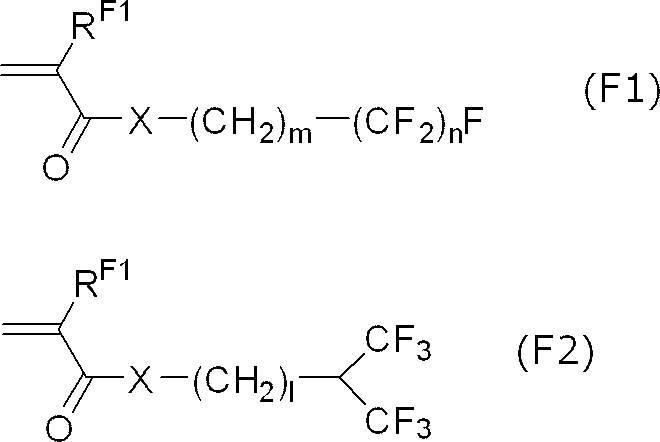
<32> 上記画像記録層上に、オーバーコート層を更に有する<1>~<31>のいずれか1つに記載の機上現像型平版印刷版原版。
<33> 上記オーバーコート層が、疎水性ポリマーを含む<32>に記載の機上現像型平版印刷版原版。
<34> 上記オーバーコート層が、発色体前駆体を含む<32>又は<33>に記載の機上現像型平版印刷版原版。
<35> 上記オーバーコート層における上記発色体前駆体が、赤外線吸収剤である<34>に記載の機上現像型平版印刷版原版。
<36> 上記オーバーコート層における上記発色体前駆体が、赤外線露光に起因して分解する分解性化合物を含む<34>又は<35>に記載の機上現像型平版印刷版原版。
<37> 上記支持体が、アルミニウム板と、上記アルミニウム板上に配置されたアルミニウムの陽極酸化皮膜とを有し、上記陽極酸化皮膜が、上記アルミニウム板よりも上記画像記録層側に位置し、上記陽極酸化皮膜が、上記画像記録層側の表面から深さ方向にのびるマイクロポアを有し、上記マイクロポアの上記陽極酸化皮膜表面における平均径が、10nmを超え100nm以下であり、上記陽極酸化皮膜の上記画像記録層側の表面のL*a*b*表色系における明度L*の値が、70~100である<1>~<36>のいずれか1つに記載の機上現像型平版印刷版原版。
<38> 上記マイクロポアが、上記陽極酸化皮膜表面から深さ10nm~1,000nmの位置までのびる大径孔部と、上記大径孔部の底部と連通し、連通位置から深さ20nm~2,000nmの位置までのびる小径孔部とから構成され、上記大径孔部の上記陽極酸化皮膜表面における平均径が、15nm~100nmであり、上記小径孔部の上記連通位置における平均径が、13nm以下である<37>に記載の機上現像型平版印刷版原版。
<39> 上記発色体前駆体から生成した発色体のモル吸光係数εが、35,000~200,000である<1>~<38>のいずれか1つに記載の機上現像型平版印刷版原版。
<40> 上記発色体前駆体の下記式で求められる開環率が、40モル%~99モル%である<1>~<39>のいずれか1つに記載の機上現像型平版印刷版原版。
開環率=上記発色体前駆体に酸を1モル当量添加した際のモル吸光係数/上記発色体前駆体のモル吸光係数ε×100
<41> 上記発色体前駆体から生成した発色体の波長380nm~750nmの範囲における最大吸収波長が、500nm~650nmである<1>~<40>のいずれか1つに機上現像型平版印刷版原版。
<42> <1>~<41>のいずれか1つに記載の機上現像型平版印刷版原版を画像様に露光する工程と、印刷機上で印刷インキ及び湿し水よりなる群から選ばれた少なくとも一方を供給して非画像部の画像記録層を除去する工程と、を含む平版印刷版の作製方法。
<43> <1>~<41>のいずれか1つに記載の機上現像型平版印刷版原版を画像様に露光する工程と、印刷インキ及び湿し水よりなる群から選ばれた少なくとも一方を供給して印刷機上で非画像部の画像記録層を除去し平版印刷版を作製する工程と、得られた平版印刷版により印刷する工程と、を含む平版印刷方法。
また、本開示の他の実施形態によれば、上記機上現像型平版印刷版原版を用いた平版印刷版の作製方法又は平版印刷版の印刷方法を提供することができる。
なお、本明細書において、数値範囲を示す「~」とはその前後に記載される数値を下限値及び上限値として含む意味で使用される。
また、本明細書における基(原子団)の表記において、置換及び無置換を記していない表記は、置換基を有さないものと共に置換基を有するものをも包含するものである。例えば「アルキル基」とは、置換基を有さないアルキル基(無置換アルキル基)のみならず、置換基を有するアルキル基(置換アルキル基)をも包含するものである。
本明細書において、「(メタ)アクリル」は、アクリル及びメタクリルの両方を包含する概念で用いられる語であり、「(メタ)アクリロイル」は、アクリロイル及びメタクリロイルの両方を包含する概念として用いられる語である。
また、本明細書中の「工程」の用語は、独立した工程だけではなく、他の工程と明確に区別できない場合であっても、その工程の所期の目的が達成されれば本用語に含まれる。 また、本開示において、「質量%」と「重量%」とは同義であり、「質量部」と「重量部」とは同義である。
特に限定しない限りにおいて、本開示において組成物中の各成分、又は、ポリマー中の各構成単位は、1種単独で含まれていてもよいし、2種以上を併用してもよいものとする。
更に、本開示において組成物中の各成分、又は、ポリマー中の各構成単位の量は、組成物中に各成分、又は、ポリマー中の各構成単位に該当する物質又は構成単位が複数存在する場合、特に断らない限り、組成物中に存在する該当する複数の物質、又は、ポリマー中に存在する該当する複数の各構成単位の合計量を意味する。
更に、本開示において、2以上の好ましい態様の組み合わせは、より好ましい態様である。
また、本開示における重量平均分子量(Mw)及び数平均分子量(Mn)は、特に断りのない限り、TSKgel GMHxL、TSKgel G4000HxL、TSKgel G2000HxL(何れも東ソー(株)製の商品名)のカラムを使用したゲルパーミエーションクロマトグラフィ(GPC)分析装置により、溶媒THF(テトラヒドロフラン)、示差屈折計により検出し、標準物質としてポリスチレンを用いて換算した分子量である。
本開示において、「平版印刷版原版」の用語は、平版印刷版原版だけでなく、捨て版原版を包含する。また、「平版印刷版」の用語は、平版印刷版原版を、必要により、露光、現像などの操作を経て作製された平版印刷版だけでなく、捨て版を包含する。捨て版原版の場合には、必ずしも、露光、現像の操作は必要ない。なお、捨て版とは、例えばカラーの新聞印刷において一部の紙面を単色又は2色で印刷を行う場合に、使用しない版胴に取り付けるための平版印刷版原版である。
また、本開示において、化学構造式における「*」は、他の構造との結合位置を表す。
以下、本開示を詳細に説明する。
本開示に係る機上現像型平版印刷版原版(単に「平版印刷版原版」ともいう。)の第一の実施態様は、支持体、及び、上記支持体上に画像記録層を有し、上記画像記録層が、赤外線吸収剤、重合開始剤、重合性化合物、及び、発色体前駆体を含み、波長830nmの赤外線レーザー露光のエネルギー密度110mJ/cm2で上記画像記録層を露光した場合において、上記画像記録層における未露光領域に対する露光領域のエチレン性不飽和結合消失率が、10%~40%である。
本開示に係る機上現像型平版印刷版原版の第二の実施態様は、支持体、及び、上記支持体上に画像記録層を有し、上記画像記録層が、赤外線吸収剤、重合開始剤、重合性化合物、及び、発色体前駆体を含み、波長830nmの赤外線レーザー露光のエネルギー密度110mJ/cm2で上記画像記録層を露光した場合において、上記画像記録層における未露光領域に対する露光領域の重合性化合物消費率が、40%~95%である。
本開示に係る機上現像型平版印刷版原版の第三の実施態様は、支持体、及び、上記支持体上に画像記録層を有し、上記画像記録層が、赤外線吸収剤、重合開始剤、重合性化合物、及び、発色体前駆体を含み、上記画像記録層が、下記式Nを満たす。
0.6≦NC/NC0≦1.0 式N
式N中、NCは、上記画像記録層のUV耐刷性を表し、NC0は、上記発色体前駆体を除いた以外は上記画像記録層と同一である層のUV耐刷性を表す。
また、本開示に係る機上現像型平版印刷版原版は、ネガ型平版印刷版原版であることが好ましい。
本発明者が鋭意検討した結果、得られる平版印刷版において、UVインキを用いた場合であっても耐刷性に優れる平版印刷版原版を提供することができることを見出した。
上記効果が得られる詳細なメカニズムは不明であるが、以下のように推測される。
ネガ型平版印刷版において、耐刷性を決める要因は露光部の膜の架橋度である。露光部の架橋度を示すのが消失率である。消失率が大きいと耐刷性が高い。
加えて、そもそもエチレン性不飽和基を有さない化合物は全て耐刷性を下げる原因となりうるが、中でも耐刷性を下げやすい化合物と下げにくい化合物が存在する。これは平版印刷版原版の画像記録層中でのラジカル重合反応を阻害しやすいか否かによる。特に低分子化合物、中でも色素や発色体前駆体は、ラジカル重合反応を阻害しやすく、耐刷性を低下させる。上記発色体前駆体を用いると、ラジカルが停止されることを抑制し、高い耐刷性を得ることができる。
更に、画像記録層が、上記エチレン性不飽和結合消失率が10%~40%であるか、上記重合性化合物消費率が40%~95%であるか、又は、画像記録層が上記式Nを満たすことにより、耐刷性、特に、UVインキを用いた場合の耐刷性により優れる。
平版印刷版において、版の印刷可能な枚数が多いことを、「耐刷性に優れる」という。UVインキを用いた場合の耐刷性を、以下、「UV耐刷性」ともいう。
以下、本開示に係る平版印刷版原版における各構成要件の詳細について説明する。
本開示に係る平版印刷版原版は、支持体上に形成された画像記録層を有する。
本開示における画像記録層は、赤外線吸収剤、重合開始剤、重合性化合物、及び、発色体前駆体を含む。
本開示に用いられる画像記録層は、ネガ型画像記録層であることが好ましく、水溶性又は水分散性のネガ型画像記録層であることがより好ましい。
本開示に係る平版印刷版原版は、機上現像性の観点から、画像記録層の未露光部が湿し水及び印刷インキの少なくともいずれかにより除去可能であることが好ましい。
本開示に係る機上現像型平版印刷版原版の第二又は第三の実施態様は、波長830nmの赤外線レーザー露光のエネルギー密度110mJ/cm2で上記画像記録層を露光した場合において、上記画像記録層における未露光領域に対する露光領域のエチレン性不飽和結合消失率が、UV耐刷性、視認性、及び、平版印刷版原版の面状の観点から、10%~40%であることが好ましい。
本開示に係る機上現像型平版印刷版原版の第二又は第三の実施態様は、上記エチレン性不飽和結合消失率の差の絶対値が、UV耐刷性、視認性、及び、平版印刷版原版の面状の観点から、13%~40%であることがより好ましく、15%~30%であることが特に好ましい。
フーリエ変換赤外分光光度計(FT-IR)を用い、基準ピーク(版素材によるが適宜、露光前後で変化しないピーク)に対する700cm-1付近のC=C基由来伸縮のピーク面積(相対値)を求める。
後述するNC/NC0の測定方法と同一の条件で露光した際にできるベタ露光部と未露光部において上述のピーク面積を求め、未露光部面積から露光部面積を引いたものをエチレン性不飽和結合消失率とする。
本開示に係る機上現像型平版印刷版原版の第一又は第三の実施態様は、波長830nmの赤外線レーザー露光のエネルギー密度110mJ/cm2で上記画像記録層を露光した場合において、上記画像記録層における未露光領域に対する露光領域の重合性化合物消費率が、UV耐刷性、視認性、及び、平版印刷版原版の面状の観点から、40%~95%であることが好ましい。
本開示に係る機上現像型平版印刷版原版の第一又は第三の実施態様は、上記エチレン性不飽和結合当量の比率が、UV耐刷性、視認性、及び、平版印刷版原版の面状の観点から、40%~70%であることがより好ましく、45%~65%であることが特に好ましい。
後述するNC/NC0の測定方法と同一の条件で露光し、ベタ露光部と未露光部を得る。未露光部と露光部を裁断し、50cm2分の塗布膜を1mLのテトラヒドロフラン(THF)に浸して超音波にて重合性化合物を溶出させ、高速液体クロマトグラフィ(HPLC)にて面積を測定する。未露光部から検出された重合性化合物面積で露光部から検出された重合性化合物面積を割った割合を重合性化合物消費率とする。
本開示に係る機上現像型平版印刷版原版の第三の実施態様における画像記録層は、下記式Nを満たす。上記態様であると、UV耐刷性、視認性、及び、平版印刷版原版の面状に優れる。
本開示に係る機上現像型平版印刷版原版の第一又は第二の実施態様における画像記録層は、UV耐刷性、視認性、及び、平版印刷版原版の面状の観点から、下記式Nを満たすことが好ましい。
0.6≦NC/NC0≦1.0 式N
式N中、NCは、上記画像記録層のUV耐刷枚数を表し、NC0は、上記発色体前駆体を除いた以外は上記画像記録層と同一である層のUV耐刷枚数を表す。
平版印刷版原版を赤外線半導体レーザー搭載の富士フイルム(株)製Luxel PLATESETTER T-6000IIIにて、110mJ/cm2の露光量になるように露光する。露光画像にはベタ画像、20μmドットFMスクリーンの50%網点チャート及び非画像部を含むようにする。
得られた露光済み平版印刷原版を現像処理することなく、(株)小森コーポレーション製印刷機LITHRONE26の版胴に取り付ける。版胴に対して給水ローラを5%減速させた上で、Ecolity-2(富士フイルム(株)製)/水道水=2/98(容量比)の湿し水とUVインキ(T&K UV OFS K-HS墨GE-M((株)T&K TOKA製))とを用い、LITHRONE26の標準自動印刷スタート方法で湿し水とインキとを供給して機上現像した後、毎時10,000枚の印刷速度で、特菱アート(三菱製紙(株)製、連量:76.5kg)紙に印刷を50,000枚行う。
印刷枚数の増加にともない、徐々に画像記録層が磨耗しインキ受容性が低下するため、印刷用紙におけるインキ濃度が低下する。印刷物におけるFMスクリーン3%網点の網点面積率をX-Rite(X-Rite社製)で計測した値が印刷100枚目の計測値よりも5%低下したときの印刷部数を刷了枚数としてUV耐刷性(NC)を評価する。
同様に発色体前駆体を含まない版を用意し、発色体前駆体を含む場合の枚数(NC)/発色体前駆体を含まない場合の枚数(NC0)として計算する。
本開示に係る機上現像型平版印刷版原版の第一又は第二の実施態様における画像記録層は、UV耐刷性、視認性、及び、平版印刷版原版の面状の観点から、下記式N1を満たすことがより好ましく、下記式N2を満たすことが更に好ましく、下記式N3を満たすことが特に好ましい。
0.75≦NC/NC0≦1.0 式N1
0.85≦NC/NC0≦1.0 式N2
0.90≦NC/NC0≦1.0 式N3
上記画像記録層は、発色体前駆体を含む。
上記発色体前駆体としては、発色性の観点から、酸発色剤を含むことが好ましい。また、発色体前駆体としては、発色性の観点から、ロイコ化合物を含むことが好ましい。
本開示で用いられる「発色体前駆体」とは、光や酸等の刺激により発色又は消色し画像記録層の色を変化させる性質を有する化合物を意味し、また、「酸発色剤」とは、電子受容性化合物(例えば酸等のプロトン)を受容した状態で加熱することにより、発色又は消色し画像記録層の色を変化させる性質を有する化合物を意味する。酸発色剤としては、特に、ラクトン、ラクタム、サルトン、スピロピラン、エステル、アミド等の部分骨格を有し、電子受容性化合物と接触した時に、速やかにこれらの部分骨格が開環若しくは開裂する無色の化合物が好ましい。
上記水素引き抜きエンタルピーが大きい値であるほど、ラジカル等の重合開始種による上記発色体前駆体からの水素原子の引き抜きが抑制され、重合反応が長く生じるため、硬化性に優れ、耐刷性、特にUV耐刷性により優れる。
計算プログラムはGaussian16を用い、計算レベルは密度汎関数法(B3LYP/6-31+G**)、溶媒効果はSCRF法(溶媒:Methanol)として、水素引き抜きによる成長ラジカルとの反応について、反応物と生成物のエンタルピーを各々計算し、両者の差をとることにより、反応エンタルピー計算を実施する。
計算を実行して最適化された構造のエネルギー(単位:hartree)から、反応物の生成エンタルピー(成長ラジカルとLeucoDye-Hのエネルギーの和)、および生成物の生成エンタルピー(水素付加された成長ラジカルとLeucoDye-radicalのエネルギーの和)を求め、生成物の生成エンタルピーから反応物の生成エンタルピーを差し引いた値を水素引抜きエンタルピーとする。単位は、1hartree=627.51kcal/molとして換算する。

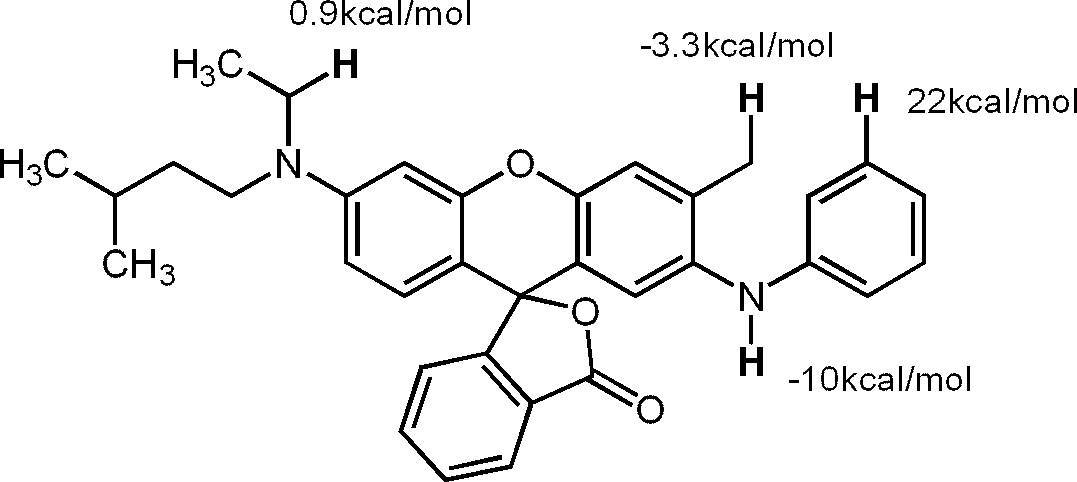
窒素原子に水素原子が直接結合した構造(N-H構造)は、ラジカル等による水素引き抜き反応が生じやすい構造であり、この構造を有しない化合物であると、上記発色体前駆体からの水素原子の引き抜きが抑制され、重合反応が長く生じるため、硬化性に優れ、耐刷性、特にUV耐刷性により優れる。
発色後の色素の色相としては、可視性の観点から、緑、青又は黒であることが好ましい。
上記ロイコ色素としては、ロイコ構造を有する色素であれば、特に制限はないが、スピロ構造を有することが好ましく、スピロラクトン環構造を有することがより好ましい。
また、上記ロイコ色素としては、発色性、露光部の視認性及びUV耐刷性の観点の観点から、フタリド構造又はフルオラン構造を有するロイコ色素であることが好ましい。
更に、上記フタリド構造又はフルオラン構造を有するロイコ色素は、発色性、露光部の視認性及びUV耐刷性の観点の観点から、下記式(Le-1)~式(Le-3)のいずれかで表される化合物であることが好ましく、下記式(Le-2)で表される化合物であることがより好ましい。

式(Le-1)~式(Le-3)におけるX1~X4はそれぞれ独立に、発色性、露光部の視認性及びUV耐刷性の観点から、水素原子、又は、塩素原子であることが好ましく、水素原子であることがより好ましい。
式(Le-2)又は式(Le-3)におけるX5~X10はそれぞれ独立に、発色性、露光部の視認性及びUV耐刷性の観点から、水素原子、ハロゲン原子、アルキル基、アリール基、アミノ基、アルキルアミノ基、アリールアミノ基、ジアルキルアミノ基、モノアルキルモノアリールアミノ基、ジアリールアミノ基、ヒドロキシ基、アルコキシ基、アリーロキシ基、アシル基、アルコキシカルボニル基、アリーロキシカルボニル基又はシアノ基であることが好ましく、水素原子、ハロゲン原子、アルキル基、アリール基、アルコキシ基、又は、アリーロキシ基であることがより好ましく、水素原子、ハロゲン原子、アルキル基、又は、アリール基であることが更に好ましく、水素原子であることが特に好ましい。
式(Le-1)~式(Le-3)におけるY1及びY2は、発色性、露光部の視認性及びUV耐刷性の観点から、少なくとも1方がCであることが好ましく、Y1及びY2の両方がCであることがより好ましい。
式(Le-1)~式(Le-3)におけるRa1は、発色性、露光部の視認性及びUV耐刷性の観点から、アルキル基又はアルコキシ基であることが好ましく、アルコキシ基であることがより好ましく、メトキシ基であることが特に好ましい。
式(Le-1)~式(Le-3)におけるRb1~Rb4はそれぞれ独立に、発色性、及び、露光部の視認性の観点から、水素原子又はアルキル基であることが好ましく、アルキル基であることがより好ましく、メチル基であることが特に好ましい。


式(Le-7)~式(Le-9)におけるRa1~Ra4はそれぞれ独立に、発色性、露光部の視認性及びUV耐刷性の観点から、アルキル基又はアルコキシ基であることが好ましく、アルコキシ基であることがより好ましく、メトキシ基であることが特に好ましい。
式(Le-7)~式(Le-9)におけるRb1~Rb4はそれぞれ独立に、発色性、露光部の視認性及びUV耐刷性の観点から、アルキル基又はアルコキシ基が置換したアリール基であることが好ましく、アルキル基であることがより好ましく、メチル基であることが特に好ましい。
式(Le-8)におけるRc1及びRc2はそれぞれ独立に、発色性、露光部の視認性の観点及びUV耐刷性から、フェニル基、又は、アルキルフェニル基であることが好ましく、フェニル基であることがより好ましい。
また、式(Le-8)において、発色性、露光部の視認性及びUV耐刷性の観点から、X1~X4が水素原子であり、Y1及びY2がCであることが好ましい。
更に、式(Le-8)において、発色性、露光部の視認性及びUV耐刷性の観点から、Rb1及びRb2がそれぞれ独立に、アルキル基又はアルコキシ基が置換したアリール基であることが好ましい。
また、式(Le-1)~式(Le-9)におけるアルキル基の炭素数は、1~20であることが好ましく、1~8であることがより好ましく、1~4であることが更に好ましく、1又は2であることが特に好ましい。
式(Le-1)~式(Le-9)におけるアリール基の炭素数は、6~20であることが好ましく、6~10であることがより好ましく、6~8であることが特に好ましい。
また、式(Le-7)~式(Le-9)におけるアルキル基、アリール基、ジアルキルアニリノ基、アルコキシ基等の各基は、置換基を有していてもよい。置換基としては、アルキル基、アリール基、ハロゲン原子、ジアルキルアミノ基、モノアルキルモノアリールアミノ基、ジアリールアミノ基、ヒドロキシ基、アルコキシ基、アリーロキシ基、アシル基、アルコキシカルボニル基、アリーロキシカルボニル基、シアノ基等が挙げられる。また、これら置換基は、更にこれら置換基により置換されていてもよい。
更に、上記発色体前駆体としては、UV耐刷性、視認性、及び、平版印刷版原版の面状の観点から、下記式(Le-A)又は式(Le-B)で表される化合物を含むことが好ましく、下記式(Le-A)で表される化合物を含むことがより好ましい。
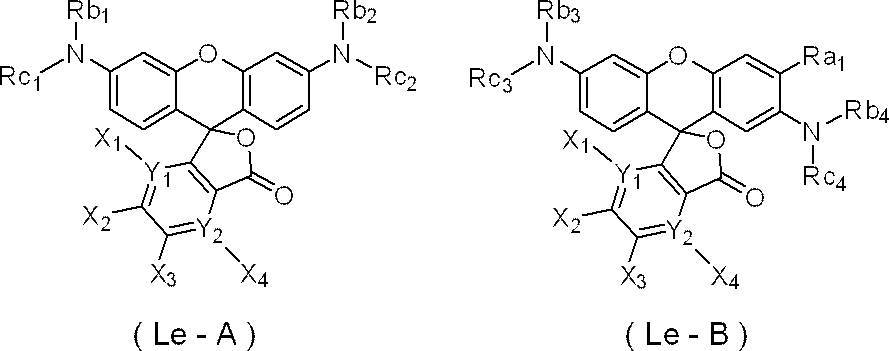
式(Le-A)及び式(Le-B)におけるRc1~Rc4はそれぞれ独立に、発色性、露光部の視認性及びUV耐刷性の観点から、フェニル基、又は、アルキルフェニル基であることが好ましく、フェニル基であることがより好ましい。
また、式(Le-A)及び式(Le-B)において、発色性、露光部の視認性及びUV耐刷性の観点から、X1~X4が水素原子であり、Y1及びY2がCであることが好ましい。
また、式(Le-A)及び式(Le-B)におけるアルキル基の炭素数は、1~20であることが好ましく、1~8であることがより好ましく、1~4であることが更に好ましく、1又は2であることが特に好ましい。
式(Le-A)及び式(Le-B)におけるアリール基の炭素数は、6~20であることが好ましく、6~10であることがより好ましく、6~8であることが特に好ましい。
測定する発色体前駆体0.04mmolを100mLメスフラスコに精秤する。
酢酸を90mL程度添加し、測定サンプルが完溶していることを目視で確認した後、
酢酸で100mLにメスアップし、色素溶液Aを作製する。
別の100mLメスフラスコに酢酸を80mL程度添加した後、イオン交換水5mL、上記色素液A 5mLをそれぞれ5mLホールピペットを用いて添加し、軽く振り混ぜる。
発色体前駆体の析出がないことを目視で確認した後、酢酸で100mLにメスアップし、色素溶液Bを作製する。色素溶液Bは、発色体前駆体の濃度が0.02mmol/Lである。
色素溶液Bを測定セル(石英ガラス、光路幅10mm)に充填し、紫外可視分光光度計((株)島津製作所製、UV-1800)を用いて測定を実施する。
ブランクは水:酢酸=5:95液とする。
得られたスペクトルから可視光領域(380nm~750nm)における吸収極大波長を読み取り、その波長における吸光度からモル吸光係数εを算出する。
開環率=発色体前駆体に酸を1モル当量添加した際のモル吸光係数/発色体前駆体のモル吸光係数ε×100
-色素溶液Cの調製-
発色体前駆体0.1mmolを50mLメスフラスコに精秤する。
アセトニトリルを40mL程度添加し、測定サンプルが完溶していることを目視で確認した後、アセトニトリルで50mLにメスアップし、色素溶液Cを作製する。
-酸溶液Dの調製-
100mLのメスフラスコにCSA(10-camphorsulfonic acid)0.2mmol添加し、アセトニトリル80mL程度添加し、CSAが完溶したことを確認した後に、アセトニトリルで100mLにメスアップし、酸溶液Dを作製する。
-測定液Eの調製-
100mLのメスフラスコに5mLのイオン交換水をホールピペットで添加し、アセトニトリル80mLを添加する。色素溶液Cを1mL、酸溶液Dを1mL添加し、100mLにメスアップし、測定液Eを調製する。
測定Eにおける生じた発色体を含む発色体前駆体の濃度は0.02mmol/Lである。
色素溶液Eを測定セル(石英ガラス、光路幅10mm)に充填し、紫外可視分光光度計((株)島津製作所製、UV-1800)を用いて測定を実施する。
ブランクは水:アセトニトリル=5:95液とする。
得られたスペクトルから可視光領域(380nm~750nm)における吸収極大波長λmaxを読み取り、その波長における吸光度からモル吸光係数εを算出する。
以下の計算式に従って、開環率を算出する。
開環率=発色体前駆体に酸を1モル当量添加した際のモル吸光係数/発色体前駆体のモル吸光係数ε×100
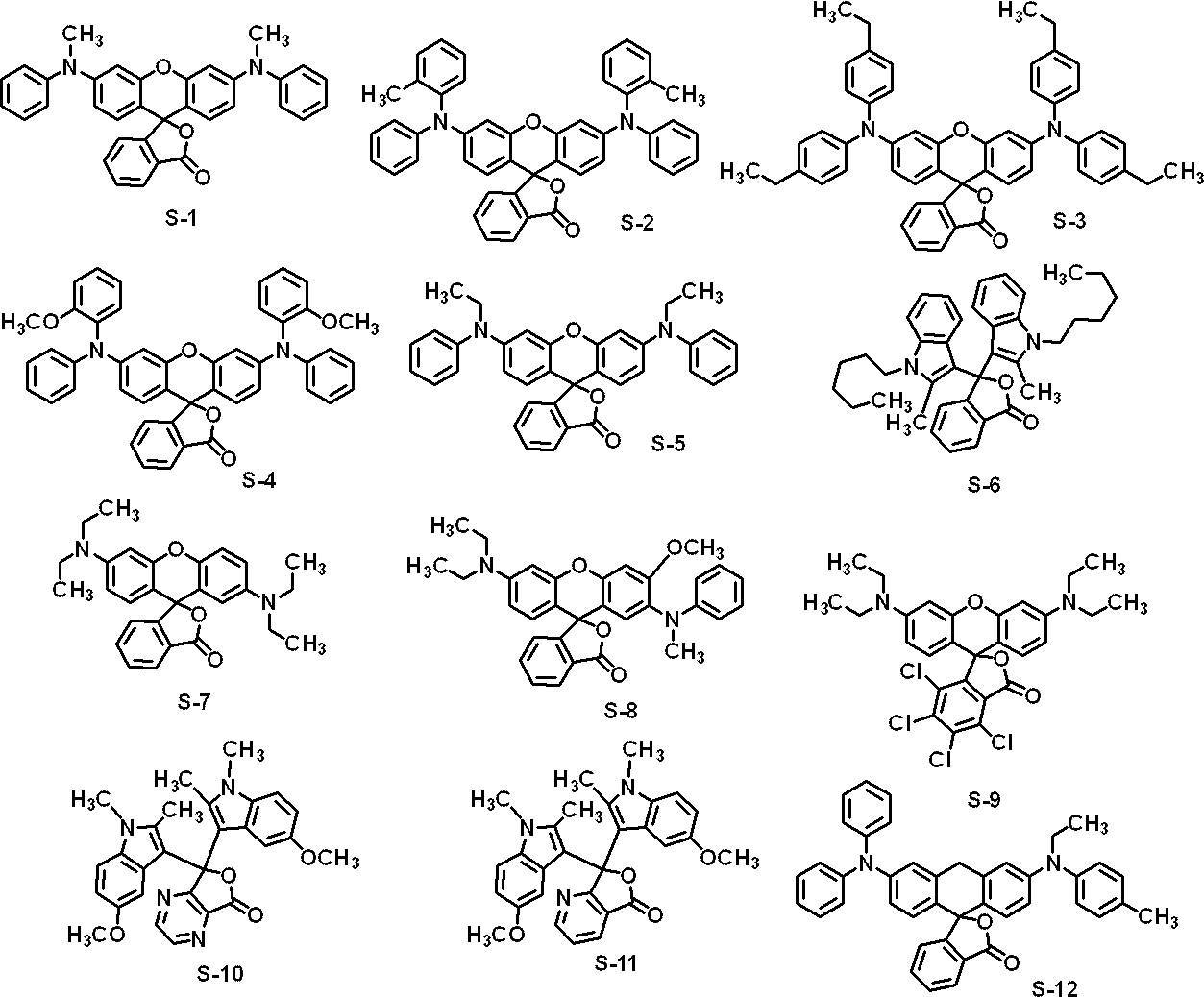
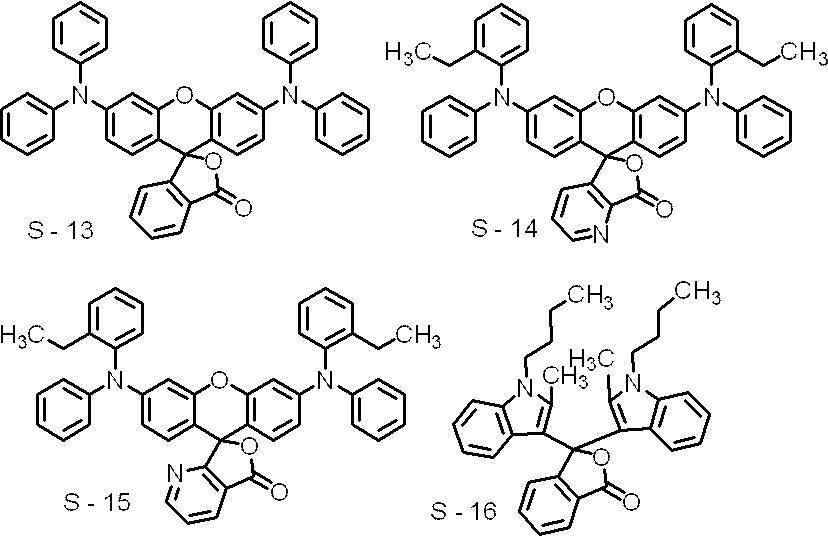
発色体前駆体の含有量は、画像記録層の全質量に対し、0.5質量%~10質量%であることが好ましく、1質量%~5質量%であることがより好ましい。
上記画像記録層は、赤外線吸収剤を含む。
赤外線吸収剤としては、特に制限はなく、例えば、顔料及び染料が挙げられる。
赤外線吸収剤として用いられる染料としては、市販の染料及び例えば、「染料便覧」(有機合成化学協会編集、昭和45年刊)等の文献に記載されている公知のものが利用できる。具体的には、アゾ染料、金属錯塩アゾ染料、ピラゾロンアゾ染料、ナフトキノン染料、アントラキノン染料、フタロシアニン染料、カルボニウム染料、キノンイミン染料、メチン染料、シアニン染料、スクアリリウム色素、ピリリウム塩、金属チオレート錯体等の染料が挙げられる。
また、特開平5-5005号公報の段落0008~0009、特開2001-222101号公報の段落0022~0025に記載の化合物も好ましく使用することができる。
顔料としては、特開2008-195018号公報の段落0072~0076に記載の化合物が好ましい。
上記赤外線吸収剤として、分解性赤外線吸収剤色素を用いることにより、上記赤外線吸収剤又はその分解物が重合を促進し、また、上記熱可塑性樹脂を用いることにより極性の高い膜を得ることができ、更に、上記赤外線吸収剤の分解物と上記重合性化合物とが相互作用することにより、UV耐刷性に優れると推定している。
上記分解性赤外線吸収剤は、赤外線露光により、赤外線を吸収し、分解して、発色する機能を有する赤外線吸収剤であることが好ましい。ここで、「発色」とは、赤外線露光前は可視光領域(400nm以上750nm未満の波長域)にほとんど吸収がないが、赤外線露光により可視光領域に吸収を生じることを意味し、可視光領域よりも低波長領域の吸収が可視光領域に長波長化することも包含する。
以降、分解性赤外線吸収剤が、赤外線露光により、赤外線を吸収し、分解して形成される発色した化合物を、「分解性赤外線吸収剤の発色体」ともいう。
また、分解性赤外線吸収剤は、赤外線露光により、赤外線を吸収し、吸収した赤外線を熱に変換する機能を有することが好ましい。
上記分解性赤外線吸収剤は、赤外線波長域(波長750nm~1mm)の少なくとも1部の光を吸収し、分解するものであればよいが、750nm~1,400nmの波長域に極大吸収を有する赤外線吸収剤であることが好ましい。
上記赤外線吸収剤としては、発色性、及び、得られる平版印刷版のUV耐刷性の観点から、下記式1-1で表される化合物であることがより好ましい。

Ra~Reにおける炭化水素基は、炭素数1~30の炭化水素基が好ましく、炭素数1~15の炭化水素基がより好ましく、炭素数1~10の炭化水素基が更に好ましい。上記炭化水素基は、直鎖状であっても、分岐を有していても、環構造を有していてもよい。
また、Lが結合する炭素原子と結合する炭素原子に結合するR11及びR13は、アルキル基が好ましく、両者が連結して環を形成することがより好ましい。上記形成される環は5員環又は6員環が好ましく、5員環がより好ましい。
A1 +が結合する炭素原子に結合するR12及びA2が結合する炭素原子に結合するR14は、それぞれ、R15及びR17と連結して環を形成することが好ましい。
式1-1におけるR17は、炭化水素基が好ましい。また、R17と、A2が結合する炭素原子に結合するR14とが連結して環を形成することが好ましい。形成される環としては、インドール環、ピラン環、チオピラン環、ベンゾオキサゾール環、又は、ベンゾイミダゾール環が好ましく、発色性の観点から、インドール環がより好ましい。
式1-1におけるR15及びR17は同一の基であることが好ましく、それぞれが環を形成する場合、同一の環を形成することが好ましい。
更に、式1-1により表される化合物の水溶性を向上させる観点から、R16及びR18はそれぞれ独立に、(ポリ)オキシアルキレン基を有するアルキル基又はアニオン構造を有するアルキル基が好ましく、アルコキシアルキル基、カルボキシレート基又はスルホネート基を有するアルキル基がより好ましく、末端にスルホネート基を有するアルキル基が更に好ましい。上記アルキル基としては、炭素数1~10のアルキル基が好ましく、炭素数1~4のアルキル基がより好ましい。
上記アニオン構造の対カチオンは、式1-1中のR1-Lに含まれうるカチオン又はA1 +であってもよいし、アルカリ金属カチオンやアルカリ土類金属カチオンであってもよい。
上記スルホネート基の対カチオンは、式1-1中のR1-Lに含まれうるカチオン又はA1 +であってもよいし、アルカリ金属カチオンやアルカリ土類金属カチオンであってもよい。
また、式1-1により表される化合物の極大吸収波長を長波長化し、また、発色性及び平版印刷版における耐刷性の観点から、R16及びR18はそれぞれ独立に、アルキル基又は芳香環を有するアルキル基が好ましい。上記アルキル基としては、炭素数1~10のアルキル基が好ましく、炭素数1~4のアルキル基がより好ましく、メチル基又はエチル基が更に好ましい。芳香環を有するアルキル基としては、末端に芳香環を有するアルキル基が好ましく、2-フェニルエチル基、2-ナフタレニルエチル基又は2-(9-アントラセニル)エチル基がより好ましい。
式1-1におけるA1及びA2は同一の原子であることが好ましい。
R11~R18及びR1-Lは、アニオン構造やカチオン構造を有していてもよく、R11~R18及びR1-Lの全てが電荷的に中性の基であれば、Zaは一価の対アニオンであるが、例えば、R11~R18及びR1-Lに2以上のアニオン構造を有する場合、Zaは対カチオンにもなり得る。
また、式1-1で表されるシアニン色素が、化合物の全体において電荷的に中性な構造であれば、Zaは存在しない。
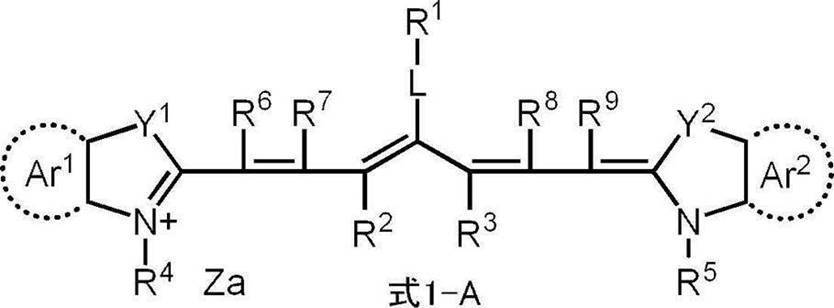
具体的には、例えば、メチル基、エチル基、プロピル基、ブチル基、ペンチル基、ヘキシル基、ヘプチル基、オクチル基、ノニル基、デシル基、ウンデシル基、ドデシル基、トリデシル基、ヘキサデシル基、オクタデシル基、エイコシル基、イソプロピル基、イソブチル基、s-ブチル基、tert-ブチル基、イソペンチル基、ネオペンチル基、1-メチルブチル基、イソヘキシル基、2-エチルヘキシル基、2-メチルヘキシル基、シクロヘキシル基、シクロペンチル基、及び、2-ノルボルニル基が挙げられる。
アルキル基の中で、メチル基、エチル基、プロピル基又はブチル基が好ましい。
上記アリール基は、置換基を有していてもよい。置換基の例としては、アルキル基、アルコキシ基、アリーロキシ基、アミノ基、アルキルチオ基、アリールチオ基、ハロゲン原子、カルボキシ基、カルボキシレート基、スルホ基、スルホネート基、アルキルオキシカルボニル基、アリールオキシカルボニル基、及び、これらを組み合わせた基等が挙げられる。
具体的には、例えば、フェニル基、ナフチル基、p-トリル基、p-クロロフェニル基、p-フルオロフェニル基、p-メトキシフェニル基、p-ジメチルアミノフェニル基、p-メチルチオフェニル基、p-フェニルチオフェニル基等が挙げられる。
アリール基の中で、フェニル基、p-メトキシフェニル基、p-ジメチルアミノフェニル基又はナフチル基が好ましい。
R2及びR3が連結して環を形成する場合、5員環又は6員環が好ましく、5員環が特に好ましい。
R0は水素原子、アルキル基又はアリール基を表し、アルキル基が好ましい。

nW1は1~10が好ましく、1~5がより好ましく、1~3が特に好ましい。
RW1で表されるアルキル基の具体例としては、メチル基、エチル基、n-プロピル基、イソプロピル基、n-ブチル基、イソブチル基、tert-ブチル基、n-ペンチル基、イソペンチル基、ネオペンチル基、n-ヘキシル基、n-オクチル基、n-ドデシル基等が挙げられ、メチル基、エチル基、n-プロピル基、イソプロピル基、n-ブチル基、tert-ブチル基が好ましく、メチル基、エチル基が更に好ましく、メチル基が特に好ましい。
RW5で表されるアルキル基は、RW1で表されるアルキル基と同様であり、好ましい態様もRW1で表されるアルキル基の好ましい態様と同様である。

式(a3)において、2つ存在するMは同じでも異なってもよい。
Ar1及びAr2はそれぞれ独立に、ベンゼン環又はナフタレン環を形成する基を表す。上記ベンゼン環及びナフタレン環は、置換基を有していてもよい。置換基としては、アルキル基、アルコキシ基、アリーロキシ基、アミノ基、アルキルチオ基、アリールチオ基、ハロゲン原子、カルボキシ基、カルボキシレート基、スルホ基、スルホネート基、アルキルオキシカルボニル基、アリールオキシカルボニル基、アシルオキシ基、ホスホン酸基、及び、これらを組み合わせた基等が挙げられる。置換基としては、アルキル基が好ましい。
また、式1-Aで表される化合物の極大吸収波長を長波長化し、また、発色性及び平版印刷版の耐刷性を向上させる観点から、Ar1及びAr2はそれぞれ独立に、ナフタレン環、又は、アルキル基もしくはアルコキシ基を置換基として有するベンゼン環を形成する基が好ましく、ナフタレン環、又は、アルコキシ基を置換基として有するベンゼン環を形成する基がより好ましく、ナフタレン環、又は、メトキシ基を置換基として有するベンゼン環を形成する基が特に好ましい。

R1~R9、R0、Ar1、Ar2、Y1及びY2は、アニオン構造やカチオン構造を有していてもよく、R1~R9、R0、Ar1、Ar2、Y1及びY2の全てが電荷的に中性の基であれば、Zaは一価の対アニオンであるが、例えば、R1~R9、R0、Ar1、Ar2、Y1及びY2に2以上のアニオン構造を有する場合、Zaは対カチオンにもなり得る。
式1-1又は式1-AにおいてLが酸素原子である場合、R1は、発色性の観点から、下記式(1-1)~式(1-7)のいずれかで表される基が好ましく、下記式(1-1)~式(1-3)のいずれかで表される基がより好ましい。

R20及びR23におけるアルケニル基の炭素数は、1~30が好ましく、1~15がより好ましく、1~10が更に好ましい。
R20~R28がアリール基である場合の好ましい態様は、R0におけるアリール基の好ましい態様と同様である。
また、式(1-1)におけるR20がアルキル基である場合、上記アルキル基は、α位にアリールチオ基、アルキルオキシカルボニル基、又はアリールスルホニル基を有するアルキル基であってもよく、α位にアリールチオ基又はアルキルオキシカルボニル基を有するアルキル基が好ましい。
式(1-1)におけるR20が-OR24である場合、R24は、アルキル基が好ましく、炭素数1~8のアルキル基がより好ましく、イソプロピル基又はtert-ブチル基が更に好ましく、t-ブチル基が特に好ましい。
式(1-1)におけるR20がアルケニル基である場合、上記アルケニル基は、アリール基、又はヒドロキシアリール基を有するアルケニル基であってもよい。
また、発色性の観点から、式(1-2)におけるR22は、-C(=O)OR24、-OC(=O)OR24又はハロゲン原子が好ましく、-C(=O)OR24又は-OC(=O)OR24がより好ましい。式(1-2)におけるR22が-C(=O)OR24又は-OC(=O)OR24である場合、R24は、アルキル基が好ましい。
また、R21におけるアルキル基は、炭素数1~10のアルキル基が好ましく、炭素数3~10のアルキル基がより好ましい。
更に、R21におけるアルキル基は、分岐又は環構造を有するアルキル基が好ましく、イソプロピル基、シクロペンチル基、シクロヘキシル基、又は、tert-ブチル基がより好ましい。また、R21におけるアルキル基は、第二級又は第三級アルキル基であることが好ましい。
また、発色性の観点から、式(1-3)におけるR23は、アリール基、アルコキシ基又はオニウム基が好ましく、p-ジメチルアミノフェニル基又はピリジニウム基がより好ましく、ピリジニウム基が更に好ましい。
R23におけるオニウム基としては、ピリジニウム基、アンモニウム基、スルホニウム基等が挙げられる。オニウム基は、置換基を有していてもよい。置換基としては、アルキル基、アリール基、アルコキシ基、アリーロキシ基、アミノ基、アルキルチオ基、アリールチオ基、ハロゲン原子、カルボキシ基、スルホ基、アルキルオキシカルボニル基、アリールオキシカルボニル基、及び、これらを組み合わせた基等が挙げられるが、アルキル基、アリール基及びこれらを組み合わせた基が好ましい。
中でも、ピリジニウム基が好ましく、N-アルキル-3-ピリジニウム基、N-ベンジル-3-ピリジニウム基、N-(アルコキシポリアルキレンオキシアルキル)-3-ピリジニウム基、N-アルコキシカルボニルメチル-3-ピリジニウム基、N-アルキル-4-ピリジニウム基、N-ベンジル-4-ピリジニウム基、N-(アルコキシポリアルキレンオキシアルキル)-4-ピリジニウム基、N-アルコキシカルボニルメチル-4-ピリジニウム基、又は、N-アルキル-3,5-ジメチル-4-ピリジニウム基がより好ましく、N-アルキル-3-ピリジニウム基、又は、N-アルキル-4-ピリジニウム基が更に好ましく、N-メチル-3-ピリジニウム基、N-オクチル-3-ピリジニウム基、N-メチル-4-ピリジニウム基、又は、N-オクチル-4-ピリジニウム基が特に好ましく、N-オクチル-3-ピリジニウム基、又は、N-オクチル-4-ピリジニウム基が最も好ましい。
また、R23がピリジニウム基である場合、対アニオンとしては、スルホネートイオン、カルボキシレートイオン、テトラフルオロボレートイオン、ヘキサフルオロホスフェートイオン、p-トルエンスルホネートイオン、過塩素酸塩イオン等が挙げられ、p-トルエンスルホネートイオン、又は、ヘキサフルオロホスフェートイオンが好ましい。
発色性の観点から、式(1-5)におけるR20は、アルキル基又はアリール基が好ましく、アリール基がより好ましく、p-メチルフェニル基が更に好ましい。
発色性の観点から、式(1-6)におけるR20はそれぞれ独立に、アルキル基又はアリール基が好ましく、メチル基又はフェニル基がより好ましい。
発色性の観点から、式(1-7)におけるZ1は、電荷を中和するための対イオンであればよく、化合物全体として、上記Zaに含まれてもよい。
Z1は、スルホネートイオン、カルボキシレートイオン、テトラフルオロボレートイオン、ヘキサフルオロホスフェートイオン、p-トルエンスルホネートイオン、又は、過塩素酸塩イオンが好ましく、p-トルエンスルホネートイオン、又は、ヘキサフルオロホスフェートイオンがより好ましい。

R15又はR16で表されるアリール基は、R0におけるアリール基と同様であり、好ましい態様も、R0におけるアリール基の好ましい態様と同様である。
Eで表されるオニウム基は、R23におけるオニウム基と同様であり、好ましい態様もR23におけるオニウム基の好ましい態様と同様である。

R17で表されるアルコキシ基は、炭素数1~10のアルコキシ基が好ましく、メトキシ基、エトキシ基、n-プロポキシ基、イソプロポキシ基、n-ブトキシ基、イソブトキシ基、tert-ブトキシ基等が挙げられる。
n2は、好ましくは、0である。
Zbで表される電荷を中和するための対イオンは、式(1-7)におけるZ1と同様であり、好ましい態様も式(1-7)におけるZ1の好ましい態様と同様である。


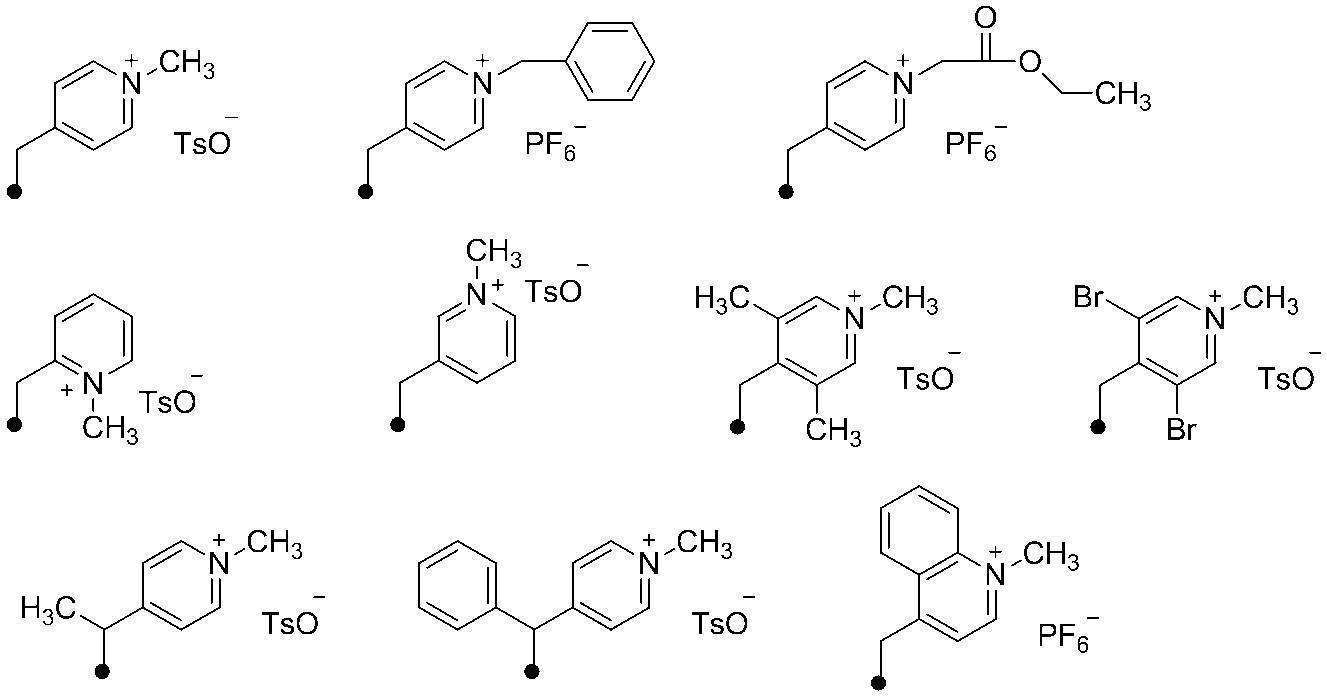


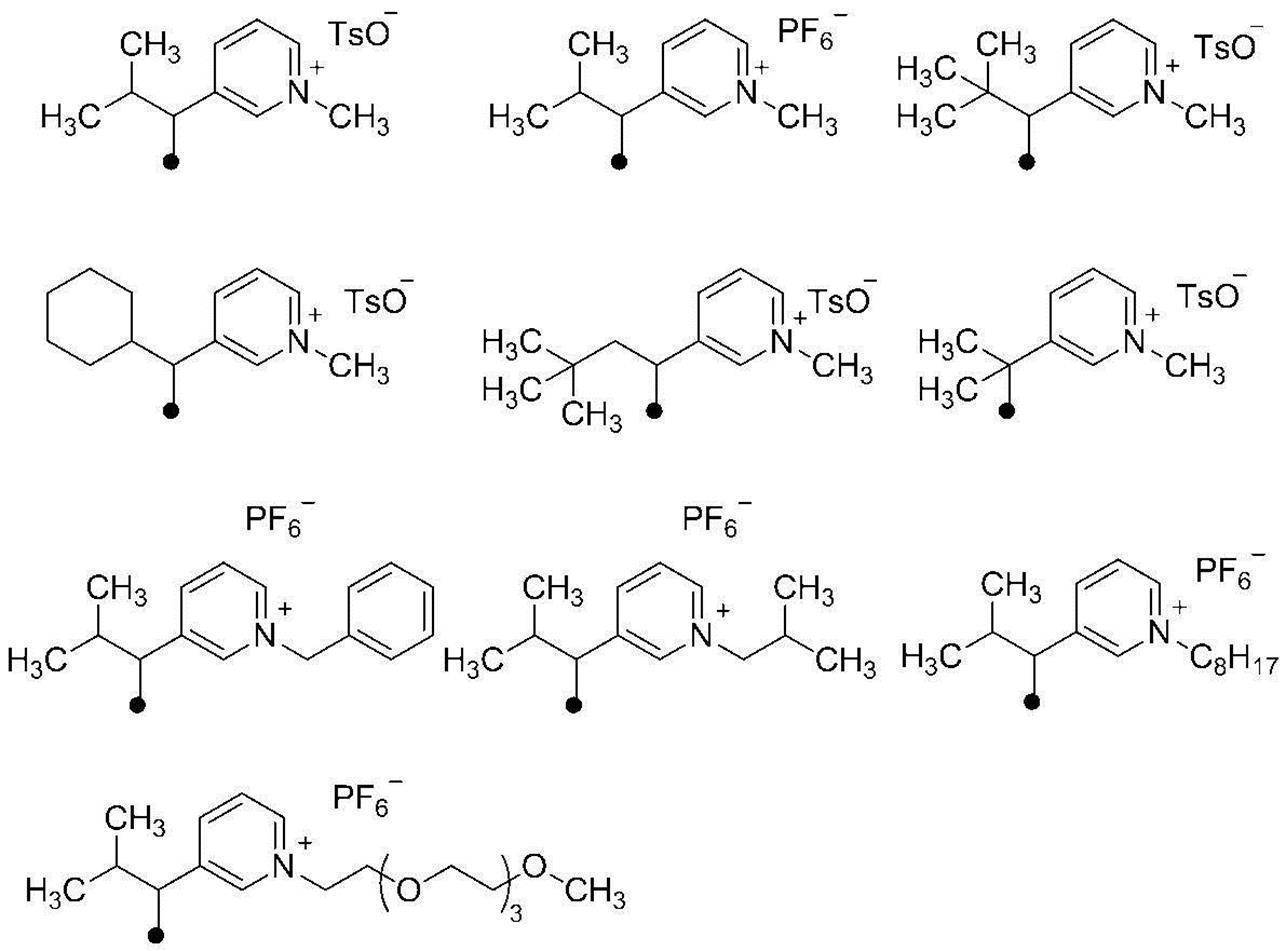


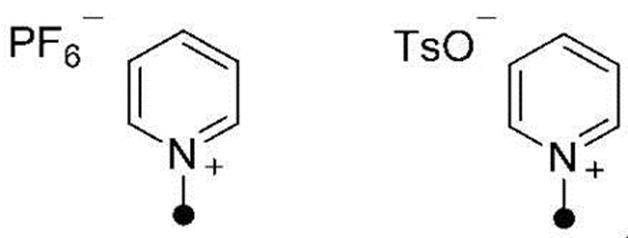
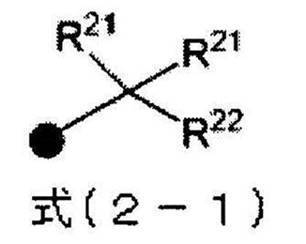
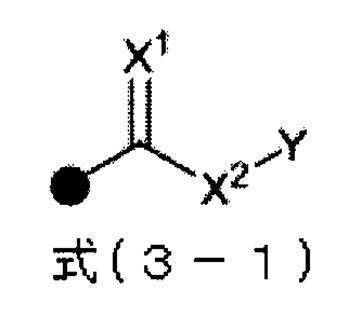
また、上記式2で表される基は、赤外線露光により、式2中のRZ-O結合が開裂する基であることが好ましい。

RZで表されるアルキル基としては、上述のR2~R9及びR0におけるアルキル基の好ましい態様と同様である。
発色性、及び、得られる平版印刷版のUV耐刷性の観点から、上記アルキル基としては、第二級アルキル基又は第三級アルキル基であることが好ましく、第三級アルキル基であることが好ましい。
また、発色性、及び、得られる平版印刷版のUV耐刷性の観点から、上記アルキル基としては、炭素数1~8のアルキル基であることが好ましく、炭素数3~10の分岐状のアルキル基であることがより好ましく、炭素数3~6の分岐鎖状のアルキル基であることが更に好ましく、イソプロピル基又はtert-ブチル基が特に好ましく、t-ブチル基が最も好ましい。


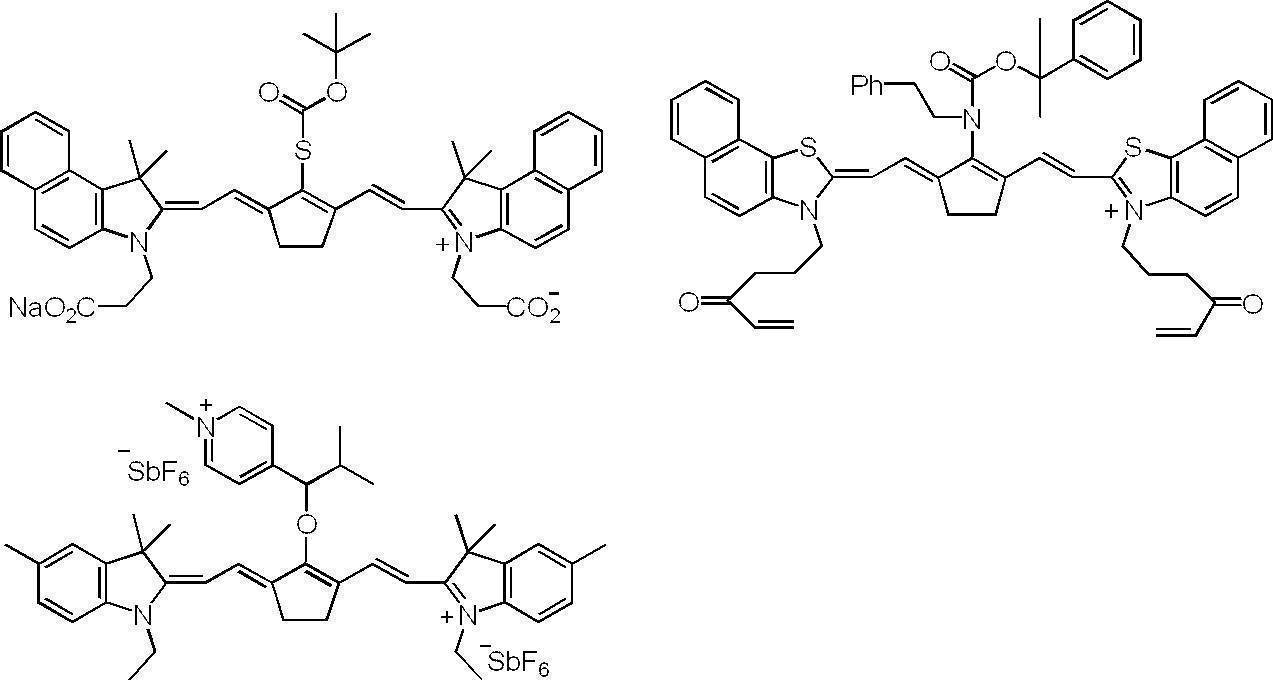
上記画像記録層中の赤外線吸収剤の含有量は、画像記録層の全質量に対し、0.1質量%~10.0質量%が好ましく、0.5質量%~5.0質量%がより好ましい。
本開示における画像記録層は、重合性化合物を含む。本開示において、重合性化合物とは、重合性基を有する化合物をいう。
本開示において、重合性を有する化合物であっても、上述の熱可塑性樹脂粒子に含まれる熱可塑性樹脂、後述するポリマー粒子、及び、後述する熱可塑性樹脂以外のバインダーポリマーに該当する化合物は、重合性化合物には該当しないものとする。
重合性基としては、特に限定されず公知の重合性基であればよいが、エチレン性不飽和基であることが好ましい。
また重合性基としては、ラジカル重合性基であってもカチオン重合性基であってもよいが、ラジカル重合性基であることが好ましい。
ラジカル重合性基としては、(メタ)アクリロイル基、アリル基、ビニルフェニル基、ビニル基等が挙げられ、反応性の観点から(メタ)アクリロイル基が好ましい。
重合性化合物の分子量(分子量分布を有する場合には、重量平均分子量)は、50以上2,500未満であることが好ましく、50以上2,000以下であることがより好ましい。また、UV耐刷性、インキ着肉性、耐薬品性、及び、経時での非画像部機上現像性の観点から、重合性化合物の分子量が、1,500以下であることが好ましい。
本開示において、重合性化合物のエチレン性不飽和結合当量を、具体的には例えば、以下のように求めることができる。
・ジペンタエリスリトールヘキサアクリレート(DPHA、分子量578、エチレン性不飽和結合6個)のエチレン性不飽和結合当量:578÷6=96.3(g/mol)
・スチレン(分子量104、エチレン性不飽和結合1個)のエチレン性不飽和結合当量:104÷1=104(g/mol)
・「DPHA10gとスチレン20gとの混合物」のエチレン性不飽和結合当量:(10+20)/{10/96.3+20/104}=101(g/mol)
本開示におけるエチレン性不飽和結合当量は、重合性化合物の分子量及びエチレン性不飽和結合の数、並びに、上記画像記録層中における重合性化合物の組成を、公知の方法により特定し、上記計算方法により求めることができる。
中でも、上記重合性化合物としては、UV耐刷性の観点から、3官能以上の重合性化合物を含むことが好ましく、7官能以上の重合性化合物を含むことがより好ましく、10官能以上の重合性化合物を含むことが更に好ましい。また、上記重合性化合物は、得られる平版印刷版におけるUV耐刷性の観点から、3官能以上(好ましくは7官能以上、より好ましくは10官能以上)のエチレン性不飽和化合物を含むことが好ましく、3官能以上(好ましくは7官能以上、より好ましくは10官能以上)の(メタ)アクリレート化合物を含むことが更に好ましい。
画像記録層に含まれる重合性化合物は、オリゴマーを含有することが好ましい。
本開示においてオリゴマーとは、分子量(分子量分布を有する場合には、重量平均分子量)が600以上10,000以下であり、かつ、重合性基を少なくとも1つ含む重合性化合物を表す。
耐薬品性、UV耐刷性及び機上現像カスの抑制性に優れる観点から、オリゴマーの分子量としては、1,000以上5,000以下であることが好ましい。
また、オリゴマーにおける重合性基の上限値は、特に制限はないが、重合性基の数は20以下であることが好ましい。
本明細書においてエポキシ残基とは、エポキシ基により形成される構造を指し、例えば酸基(カルボン酸基等)とエポキシ基との反応により得られる構造と同様の構造を意味する。
ウレタン結合を有する化合物としては、特に限定されないが、例えば、ポリイソシアネート化合物と、ヒドロキシ基及び重合性基を有する化合物との反応により得られる化合物が挙げられる。
ポリイソシアネート化合物としては、1,3-ビス(イソシアナトメチル)シクロヘキサン、ジイソシアン酸イソホロン、トリメチレンジイソシアネート、テトラメチレンジイソシアネート、ペンタメチレンジイソシアネート、ヘキサメチレンジイソシアネート、1,3-シクロペンタンジイソシアネート、9H-フルオレン-2,7-ジイソシアネート、9H-フルオレン-9-オン-2,7-ジイソシアネート、4,4’-ジフェニルメタンジイソシアナート、1,3-フェニレンジイソシアナート、トリレン-2,4-ジイソシアナート、トリレン-2,6-ジイソシアナート、1,3-ビス(イソシアナトメチル)シクロヘキサン、2,2-ビス(4-イソシアナトフェニル)ヘキサフルオロプロパン、1,5-ジイソシアナトナフタレン、これらのポリイソシアネートのダイマー、トリマー(イソシアヌレート結合)等が好ましく挙げられる。また、上記のポリイソシアネート化合物と公知のアミン化合物とを反応させたビウレット体を用いてもよい。
ヒドロキシ基及び重合性基を有する化合物としては、ヒドロキシエチル(メタ)アクリレート、グリセリンジ(メタ)アクリレート、トリメチロールプロパンジ(メタ)アクリレート、ペンタエリスリトールトリ(メタ)アクリレート、ジペンタエリスリトールペンタ(メタ)アクリレート等が挙げられる。

L1~L4としては、それぞれ独立に、炭素数2~20のアルキレン基であることが好ましく、炭素数2~10のアルキレン基であることがより好ましく、炭素数4~8のアルキレン基であることが更に好ましい。また、上記アルキレン基は、分岐又は環構造を有していてもよいが、直鎖アルキレン基であることが好ましい。
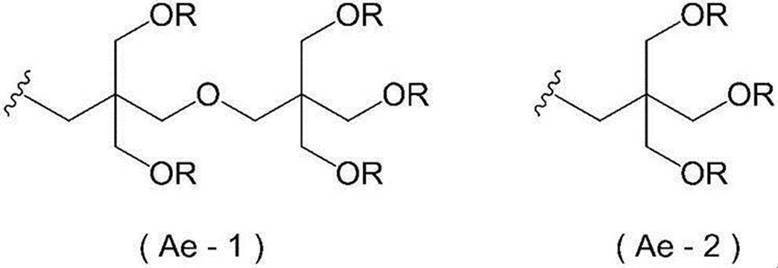
また、エステル結合を有する化合物における重合性基の数は、3以上であることが好ましく、6以上であることが更に好ましい。
エポキシ残基を有する化合物としては、化合物内にヒドロキシ基を含む化合物が好ましい。
また、エポキシ残基を有する化合物における重合性基の数は、2~6であることが好ましく、2~3であることがより好ましい。
上記エポキシ残基を有する化合物としては、例えば、エポキシ基を有する化合物にアクリル酸を反応することにより得ることができる。
オリゴマー以外の重合性化合物は、例えば、ラジカル重合性化合物であっても、カチオン重合性化合物であってもよいが、少なくとも1つのエチレン性不飽和基を有する付加重合性化合物(エチレン性不飽和化合物)であることが好ましい。エチレン性不飽和化合物としては、末端にエチレン性不飽和基を少なくとも1つ有する化合物であることが好ましく、末端にエチレン性不飽和基を2つ以上有する化合物であることがより好ましい。
オリゴマー以外の重合性化合物としては、耐薬品性の観点から、低分子重合性化合物であることが好ましい。低分子重合性化合物としては、単量体、2量体、3量体又は、それらの混合物などの化学的形態であってもよい。
また、低分子重合性化合物としては、耐薬品性の観点から、エチレン性不飽和基を3つ以上有する重合性化合物及びイソシアヌル環構造を有する重合性化合物からなる群より選ばれる少なくとも一方の重合性化合物であることが好ましい。
低分子重合性化合物の分子量としては、耐薬品性、UV耐刷性及び機上現像カスの抑制性に優れる観点から、100以上600未満であることが好ましく、300以上600未満であることがより好ましく、400以上600未満であることが更に好ましい。
重合性化合物が、オリゴマー以外の重合性化合物として低分子重合性化合物を含む場合(2種以上の低分子重合性化合物を含む場合はその合計量)、耐薬品性、UV耐刷性及び機上現像カスの抑制性の観点から、上記オリゴマーと低分子重合性化合物との比(オリゴマー/低分子重合性化合物)は、質量基準で、10/1~1/10であることが好ましく、10/1~3/7であることがより好ましく、10/1~7/3であることが更に好ましい。
CH2=C(RM4)COOCH2CH(RM5)OH (M)
式(M)中、RM4及びRM5はそれぞれ独立に、水素原子又はメチル基を表す。
重合性化合物は、耐刷性を高める観点から、エチレン性不飽和結合価が5.0mmol/g以上の化合物(以下、特定化合物B1ともいう。)を含むことが好ましい。
特定化合物B1のエチレン性不飽和結合価は、5.5mmol/g以上であることが好ましく、6.0mmol/g以上であることがより好ましい。特定化合物B1のエチレン性不飽和結合価の上限は、例えば、10.0mmol/g以下が挙げられ、8.5mmol/g以下であることがより好ましい。
式(I) : X-(Y)n
式(I)中、Xは水素結合性基を有するn価の有機基を表し、Yは2以上のエチレン性不飽和基を有する1価の基を表し、nは2以上の整数を表し、Xの分子量/(Yの分子量×n)が1以下である。
また、式(I)におけるXは、機上現像性及び耐刷性の観点から、1価~n価の脂肪族炭化水素基、1価~n価の芳香族炭化水素基、ウレタン結合、ウレア結合、ビウレット結合、及びアロファネート結合からなる群より選ばれた2種以上の構造を組み合わせた基であることが好ましく、1価~n価の脂肪族炭化水素基、1価~n価の芳香族炭化水素基、ウレタン結合、ウレア結合、及びビウレット結合からなる群より選ばれた2種以上の構造を組み合わせた基であることがより好ましい。
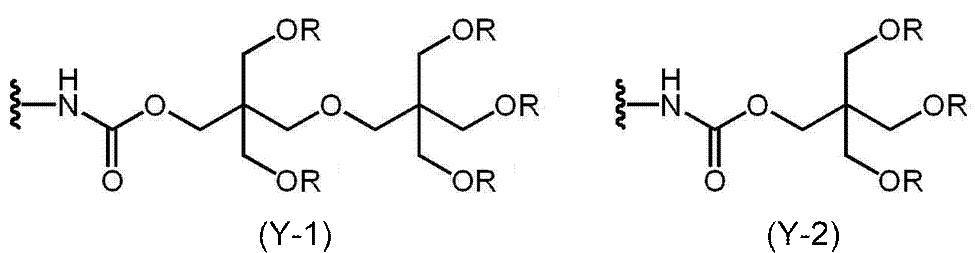
また、上記ヒドロキシ基を有する多官能エチレン性不飽和化合物は、ヒドロキシ基を有する3官能以上のエチレン性不飽和化合物であることが好ましく、ヒドロキシ基を有する5官能以上のエチレン性不飽和化合物であることがより好ましい。上記ヒドロキシ基を有する多官能エチレン性不飽和化合物は、ヒドロキシ基を有する多官能(メタ)アクリレート化合物であることが好ましい。
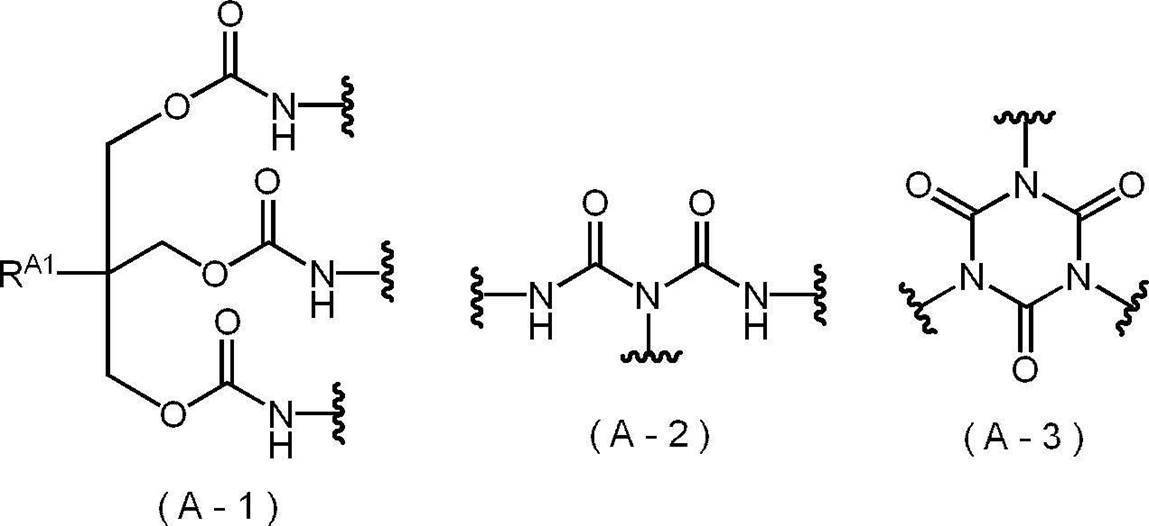
ここで、エポキシ(メタ)アクリレートオリゴマー中のエポキシ残基は、既述の通りである。
特定化合物B1の具体例としては、例えば、以下に挙げる市販品が挙げられるが、本開示にて用いられる特定化合物B1はこれらに限定されるものではない。なお、カッコ内には、エチレン性不飽和基の官能基数(又は平均官能基数)及びC=C価を示した。
特定化合物B1の具体例としては、新中村化学工業(株)製のU-10HA(官能基数:10、C=C価:8mmol/g)、U-15HA(官能基数:15、C=C価:6mmol/g)、共栄社化学(株)製のUA-510H(官能基数:10、C=C価:8mmol/g)、ダイセル・オルネクス(株)製のKRM8452(官能基数:10、C=C価:7mmol/g)、サートマー社製のCN8885NS(官能基数:9、C=C価:6mmol/g)、CN9013NS(官能基数:9、C=C価:6mmol/g)等のウレタン(メタ)アクリレートオリゴマーが挙げられる。
また、特定化合物B1の具体例としては、新中村化学工業(株)製のNKオリゴ EA-7420/PGMAc(官能基数:10~15、C=C価:5mmol/g)、サートマー社製のCN153(C=C価:5mmol/g)等のエポキシ(メタ)アクリレートオリゴマーが挙げられる。
更に、特定化合物B1の具体例としては、サートマー社製のCN2267(C=C価:5mmol/g)等のポリエステル(メタ)アクリレートオリゴマーが挙げられる。
重合性化合物としては、低分子化合物として、エチレン性不飽和結合基を1つ又は2つ有する化合物(以下、特定化合物B2ともいう。)を含んでいてもよい。
特定化合物B2が有するエチレン性不飽和基の好ましい態様は、特定化合物B1におけるエチレン性不飽和基と同様である。
また、特定化合物B2は、機上現像性の低下を抑制する観点から、エチレン性不飽和結合基を2つ有する化合物(即ち、2官能の重合性化合物)であることが好ましい。

特定化合物B2の具体例としては、新中村化学工業(株)製のBPE-80N(上記(1)の化合物)、BPE-100、BPE-200、BPE-500、サートマー社製のCN104(上記(1)の化合物)等のエトキシ化ビスフェノールAジメタクリレートが挙げられる。
また、特定化合物B2の具体例としては、新中村化学工業(株)製のA-BPE-10(上記(2)の化合物)、A-BPE-4等のエトキシ化ビスフェノールAジアクリレートが挙げられる。
更に、特定化合物B2の具体例としては、AZ Electronics社製のFST 510等の2官能メタクリレートが挙げられる。
特定化合物B2を用いる場合、画像記録層における重合性化合物の全質量に対する上記特定化合物B2の含有量は、10質量%~100質量%であることが好ましく、50質量%~100質量%であることがより好ましく、80質量%~100質量%であることが更に好ましい。
中でも、上記画像記録層は、UV耐刷性の観点から、2種以上の重合性化合物を含むことが好ましい。
重合性化合物の含有量(重合性化合物を2種以上含む場合は、重合性化合物の総含有量)は、画像記録層の全質量に対して、5質量%~75質量%であることが好ましく、10質量%~70質量%であることがより好ましく、15質量%~60質量%であることが更に好ましい。
また、上記画像記録層における上記重合性化合物の全質量に対する熱可塑性樹脂粒子に含まれる熱可塑性樹脂の含有量は、0質量%を超え400質量%以下であることが好ましく、25質量%~300質量%であることがより好ましく、50質量%~200質量%であることが更に好ましい。
画像記録層において、熱可塑性樹脂粒子に含まれる熱可塑性樹脂と上記重合性化合物とは、海島構造をとることが好ましい。例えば、熱可塑性樹脂の海(連続相)の中に、上記重合性化合物が島状に分散(不連続層)した構造を採用することができる。上記重合性化合物の全質量に対する上記熱可塑性樹脂粒子に含まれる熱可塑性樹脂の含有量を上記範囲内の値とすることにより、海島構造を形成しやすいと考えられる。
本開示において用いられる画像記録層は、重合開始剤を含有する。
重合性開始剤としては、特に制限はなく、電子受容型重合開始剤、電子供与型重合開始剤等が挙げられる。
上記画像記録層は、電子受容型重合開始剤を含むことが好ましい。
本開示に用いられる電子受容型重合開始剤は、光、熱又はその両方のエネルギーによりラジカルやカチオン等の重合開始種を発生する化合物であって、公知の熱重合開始剤、結合解離エネルギーの小さな結合を有する化合物、光重合開始剤などを適宜選択して用いることができる。
電子受容型重合開始剤としては、ラジカル重合開始剤が好ましく、オニウム塩化合物がより好ましい。
また、電子受容型重合開始剤としては、赤外線感光性重合開始剤であることが好ましい。
電子受容型重合開始剤は、1種単独で用いてもよく、2種以上を併用してもよい。
ラジカル重合開始剤としては、例えば、(a)有機ハロゲン化物、(b)カルボニル化合物、(c)アゾ化合物、(d)有機過酸化物、(e)メタロセン化合物、(f)アジド化合物、(g)ヘキサアリールビイミダゾール化合物、(i)ジスルホン化合物、(j)オキシムエステル化合物、(k)オニウム塩化合物が挙げられる。
(b)カルボニル化合物としては、例えば、特開2008-195018号公報の段落0024に記載の化合物が好ましい。
(c)アゾ化合物としては、例えば、特開平8-108621号公報に記載のアゾ化合物等を使用することができる。
(d)有機過酸化物としては、例えば、特開2008-195018号公報の段落0025に記載の化合物が好ましい。
(e)メタロセン化合物としては、例えば、特開2008-195018号公報の段落0026に記載の化合物が好ましい。
(f)アジド化合物としては、例えば、2,6-ビス(4-アジドベンジリデン)-4-メチルシクロヘキサノン等の化合物を挙げることができる。
(g)ヘキサアリールビイミダゾール化合物としては、例えば、特開2008-195018号公報の段落0027に記載の化合物が好ましい。
(i)ジスルホン化合物としては、例えば、特開昭61-166544号、特開2002-328465号の各公報に記載の化合物が挙げられる。
(j)オキシムエステル化合物としては、例えば、特開2008-195018号公報の段落0028~0030に記載の化合物が好ましい。
これら化合物の具体例を以下に示すが、本開示はこれに限定されるものではない。
スルホンアミドアニオンとしては、アリールスルホンアミドアニオンが好ましい。
また、スルホンイミドアニオンとしては、ビスアリールスルホンイミドアニオンが好ましい。
スルホンアミドアニオン又はスルホンイミドアニオンの具体例を以下に示すが、本開示はこれらに限定されるものではない。下記具体例中、Phはフェニル基を、Meはメチル基を、Etはエチル基を、それぞれ表す。


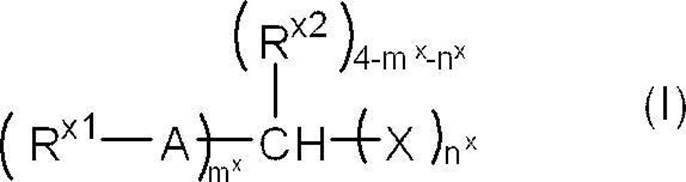
Aは-CO-、-SO-、-SO2-、-PO-及び-PO2-よりなる群から選ばれる2価の連結基を表す。これらのうち、-CO-、-SO-及び-SO2-がより好ましく、-CO-及び-SO2-が特に好ましい。RX1及びRX2はそれぞれ独立して、水素原子又は炭素原子数1~20までの1価の炭化水素基を表す。
炭化水素基を構成する炭化水素としては、特開2002-162741号公報の段落0013~段落0014に記載の炭化水素等を挙げることができるが、具体的には、炭化水素としては、メタン、エタン、プロパン、ブタン、ヘキサン、ノナン、デカン、オクタデカン、シクロペンタン、シクロヘキサン、アダマンタン、ノルボルナン、デカヒドロナフタレン、トリシクロ[5.2.1.02,6]デカン、エチレン、プロピレン、1-ブテン、1-ヘキセン、1-ヘプタデセン、2-ブテン、2-ヘキセン、4-ノネン、7-テトラデセン、ブタジエン、ピペリレン、1,9-デカジエン、シクロペンテン、シクロヘキセン、シクロオクテン、1,4-シクロヘキサジエン、1,5-シクロオクタジエン、1,5,9-シクロドデカトリエン、ノルボルニレン、オクタヒドロナフタレン、ピシクロ[2.2.1]ヘプタ-2,5-ジエン、アセチレン、1-プロピン、2-ヘキシン等の炭素数1から30までの脂肪族炭化水素;ベンゼン、ナフタレン、アントラセン、インデン、フルオレン等の芳香族炭化水素が挙げられる。
このような炭化水素基を構成する炭素原子は、酸素原子、窒素原子及び硫黄原子から選ばれるヘテロ原子で1個以上置換されてもよい。
これら置換基は可能であるならば置換基同士、又は置換している炭化水素基と結合して環を形成してもよく、置換基はさらに置換されていてもよい。
好ましい置換基としては、ハロゲン原子、アルコキシ基、アリーロキシ基、アルキル基、アルケニル基、アルキニル基、アリール基が挙げられる。
上記式(I)で表される化合物の中でも、下記式(II)又は式(III)で表される化合物は、視認性に優れるため好ましい。

ここで、R3、R4及びR5は、アリール基であることが好ましく、アリール基がアミド基で置換されているものは、感度と保存性のバランスに優れるため更に好ましい。
上記式(I)で表される化合物の中でも、式(IV)で表される化合物が特に好ましい。

上記式(I)で表される電子受容型重合開始剤の具体例としては、下記式に示す化合物などが挙げられるが、本開示はこれらに限定されるものではない。
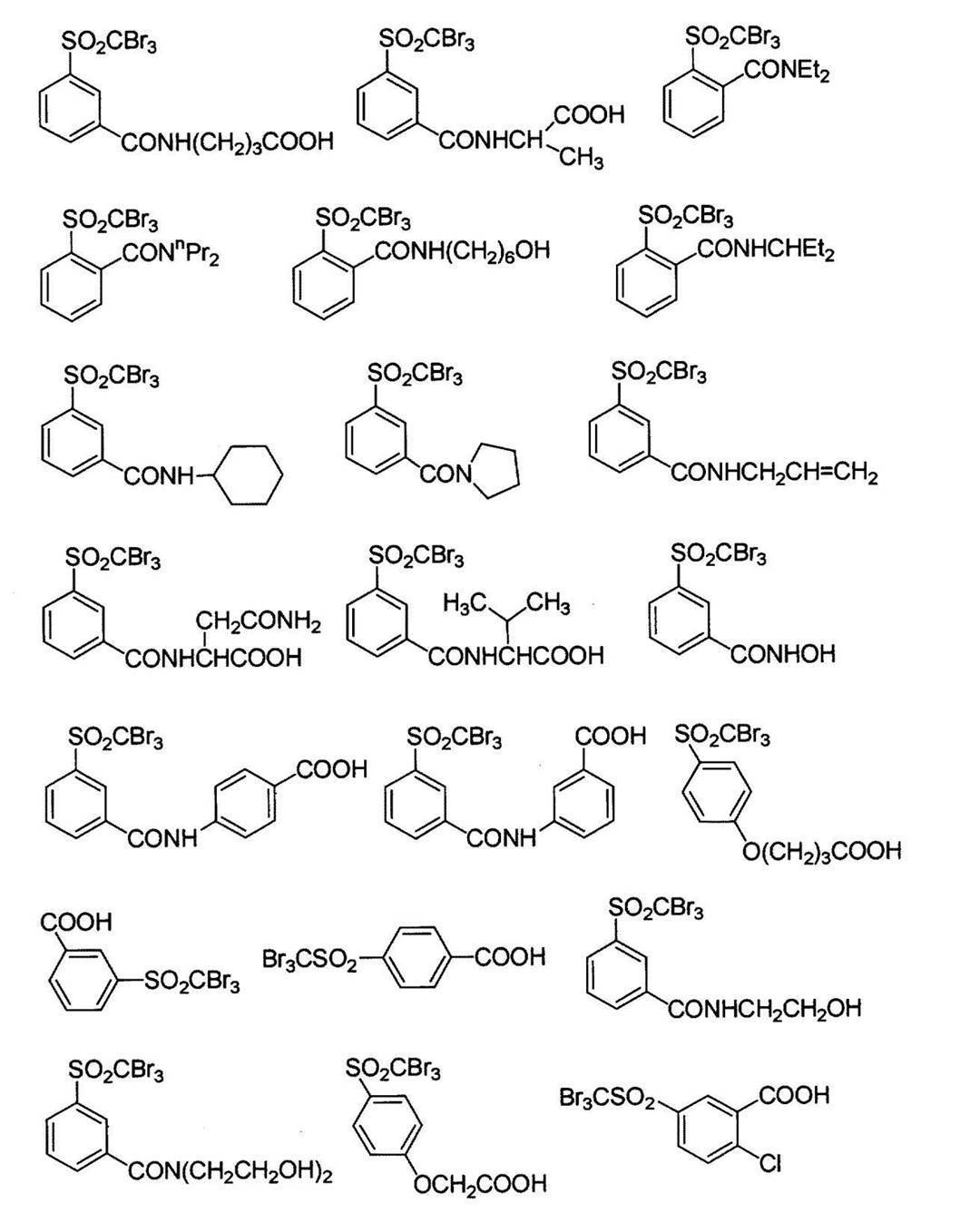
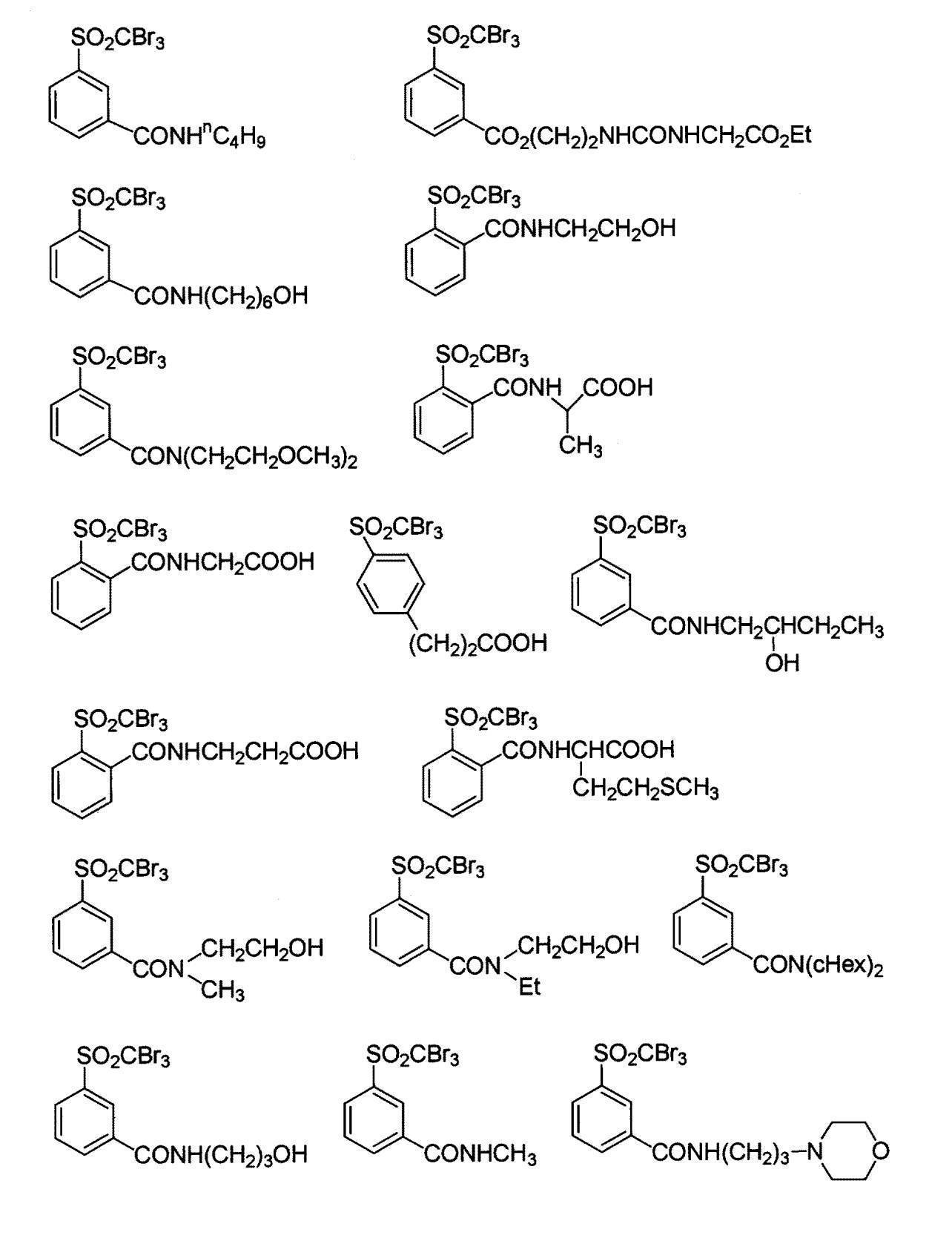

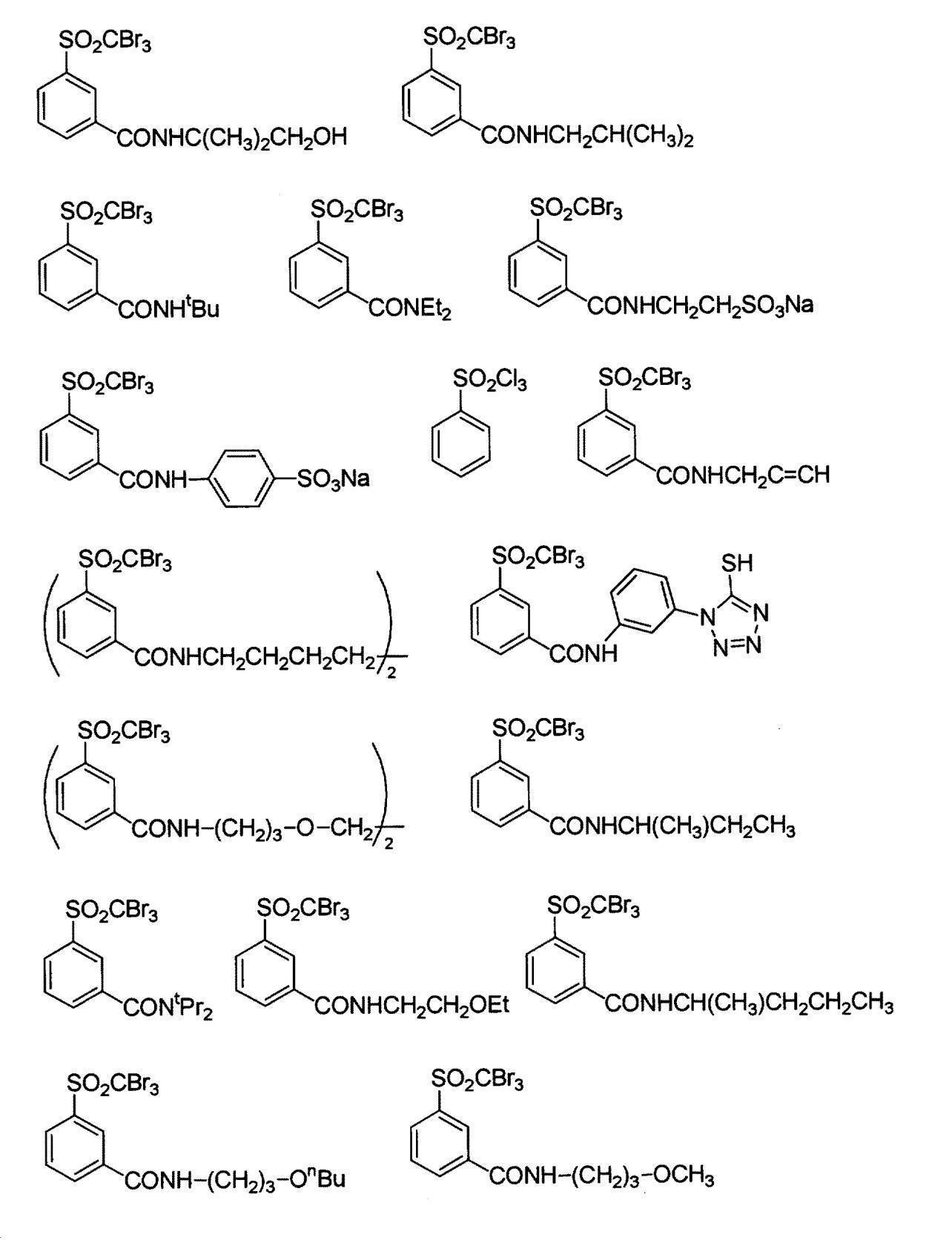


また、下限としては、-3.80eV以上であることが好ましく、-3.60eV以上であることがより好ましい。
重合開始剤は、平版印刷版における耐薬品性、及び、UV耐刷性の向上に寄与する観点から、電子供与型重合開始剤を更に含むことが好ましく、電子供与型重合開始剤及び上記電子供与型重合開始剤の両方を含むことがより好ましい。
電子供与型重合開始剤としては、例えば、以下の5種類が挙げられる。
(i)アルキル又はアリールアート錯体:酸化的に炭素-ヘテロ結合が解裂し、活性ラジカルを生成すると考えられる。具体的には、ボレート化合物等が挙げられる。
(ii)アミノ酢酸化合物:酸化により窒素に隣接した炭素上のC-X結合が解裂し、活性ラジカルを生成するものと考えられる。Xとしては、水素原子、カルボキシ基、トリメチルシリル基又はベンジル基が好ましい。具体的には、N-フェニルグリシン類(フェニル基に置換基を有していてもよい。)、N-フェニルイミノジ酢酸(フェニル基に置換基を有していてもよい。)等が挙げられる。
(iii)含硫黄化合物:上述のアミノ酢酸化合物の窒素原子を硫黄原子に置き換えたものが、同様の作用により活性ラジカルを生成し得る。具体的には、フェニルチオ酢酸(フェニル基に置換基を有していてもよい。)等が挙げられる。
(iv)含錫化合物:上述のアミノ酢酸化合物の窒素原子を錫原子に置き換えたものが、同様の作用により活性ラジカルを生成し得る。
(v)スルフィン酸塩類:酸化により活性ラジカルを生成し得る。具体的は、アリールスルフィン酸ナトリウム等が挙げられる。
ボレート化合物が有する対カチオンとしては、特に制限はないが、アルカリ金属イオン、又は、テトラアルキルアンモニウムイオンであることが好ましく、ナトリウムイオン、カリウムイオン、又は、テトラブチルアンモニウムイオンであることがより好ましい。
また、上限としては、-5.00eV以下であることが好ましく、-5.40eV以下であることがより好ましい。
まず、計算対象となる化合物における遊離の対イオンは計算対象から除外する。例えば、カチオン性の一電子受容型重合開始剤、カチオン性の赤外線吸収剤では対アニオンを、アニオン性の一電子供与型重合開始剤では対カチオンをそれぞれ計算対象から除外する。ここでいう遊離とは、対象とする化合物とその対イオンが共有結合で連結されていないことを意味する。
量子化学計算ソフトウェアGaussian09を用い、構造最適化はDFT(B3L
YP/6-31G(d))で行う。
MO(分子軌道)エネルギー計算は、上記構造最適化で得た構造でDFT(B3LYP/6-31+G(d,p)/CPCM(solvent=methanol))で行う。
上記MOエネルギー計算で得られたMOエネルギーEbare(単位:hartree)を以下の公式により、本開示においてHOMO及びLUMOの値として用いるEscaled(単位:eV)へ変換する。
Escaled=0.823168×27.2114×Ebare-1.07634
なお、27.2114は単にhartreeをeVに変換するための係数であり、0.823168と-1.07634とは調節係数であり、計算対象となる化合物のHOMOとLUMOとを計算が実測の値に合うように定める。
Z+で表される対カチオンとしては、Na+、K+、N+(Bu)4等が挙げられる。上記Buはn-ブチル基を表す。
また、Z+で表される対カチオンとしては、上記電子受容型重合開始剤におけるオニウムイオンも好適にあげられる。
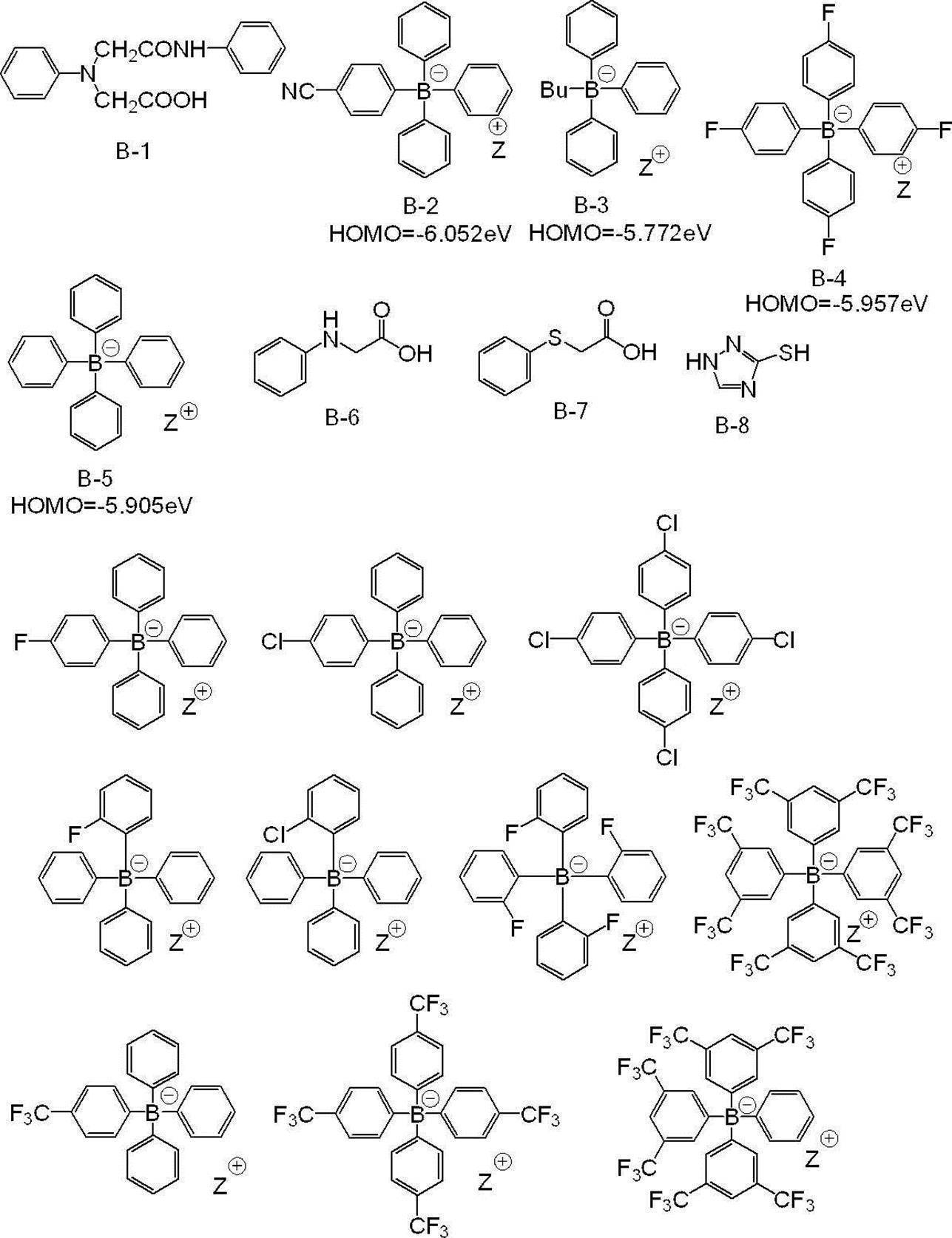

電子供与型重合開始剤の含有量は、画像記録層の全質量に対し、0.01質量%~30質量%が好ましく、0.05質量%~25質量%がより好ましく、0.1質量%~20質量%が更に好ましい。
具体的には、例えば、上記オニウム塩化合物が、オニウムイオンと、上記電子供与型重合開始剤におけるアニオン(例えば、テトラフェニルボレートアニオン)との塩である態様が挙げられる。また、より好ましくは、上記ヨードニウム塩化合物におけるヨードニウムカチオン(例えば、ジ-p-トリルヨードニウムカチオン)と、上記電子供与型重合開始剤におけるボレートアニオンとが塩を形成した、ヨードニウムボレート化合物が挙げられる。
上記電子受容型重合開始剤と上記電子供与型重合開始剤とが塩を形成している態様の具体例を以下に示すが、本開示はこれらに限定されるものではない。
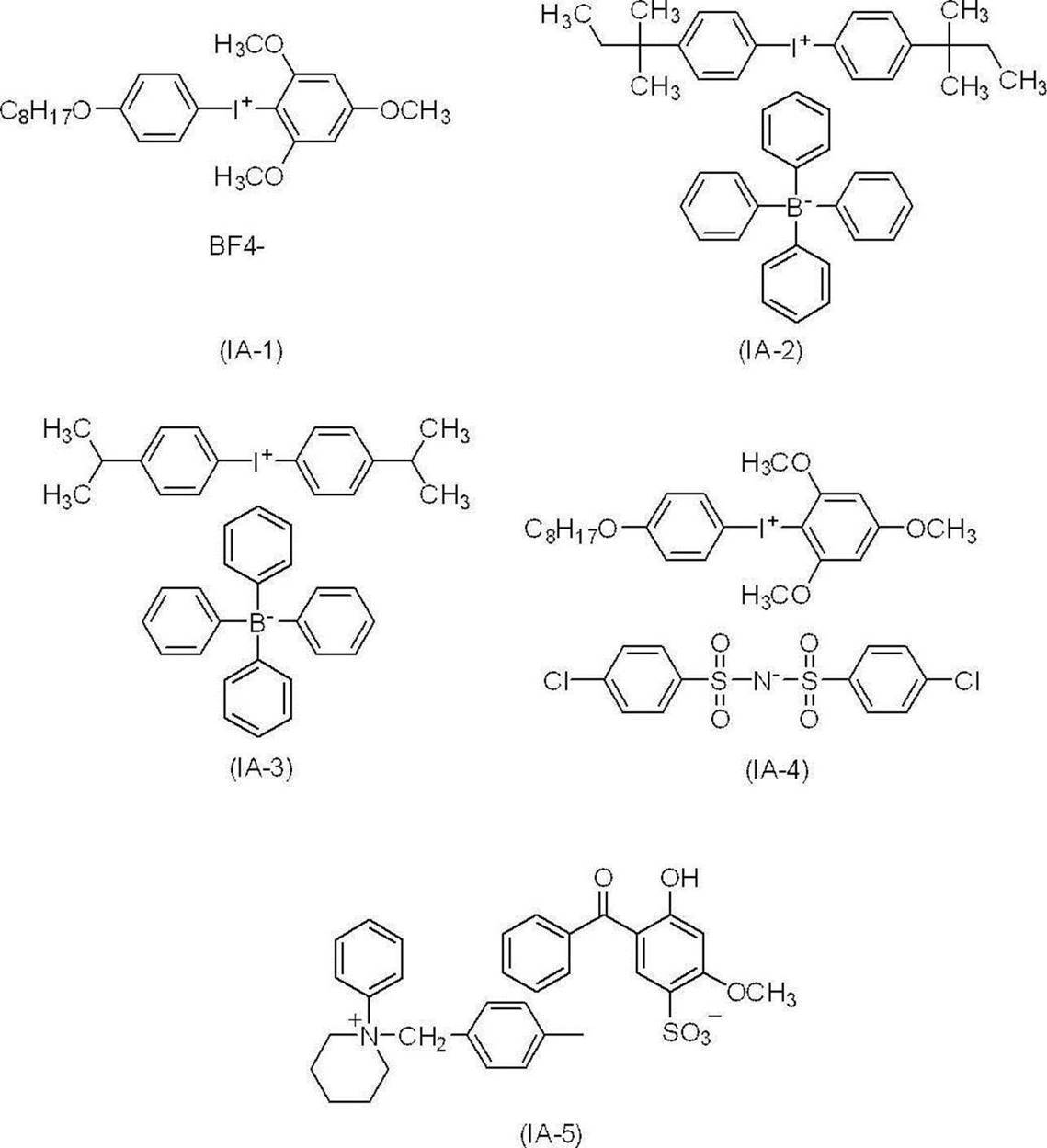
本開示における画像記録層は、上記電子供与型重合開始剤と、上記電子受容型重合開始剤と、上記赤外線吸収剤と、を含み、上記電子供与型重合開始剤のHOMOが-6.0eV以上であり、かつ、上記電子受容型重合開始剤のLUMOが-3.0eV以下であることが好ましい。
上記電子供与型重合開始剤のHOMO、及び、上記電子受容型重合開始剤のLUMOのより好ましい態様は、それぞれ上述の通りである。
本開示における画像記録層において、上記電子供与型重合開始剤と、上記赤外線吸収剤と、上記電子受容型重合開始剤とは、例えば、下記化学式に記載のようにエネルギーの受け渡しを行っていると推測される。
そのため、上記電子供与型重合開始剤のHOMOが-6.0eV以上であり、かつ、上記電子受容型重合開始剤のLUMOが-3.0eV以下であれば、ラジカルの発生効率が向上するため、耐薬品性及びUV耐刷性により優れやすいと考えられる。
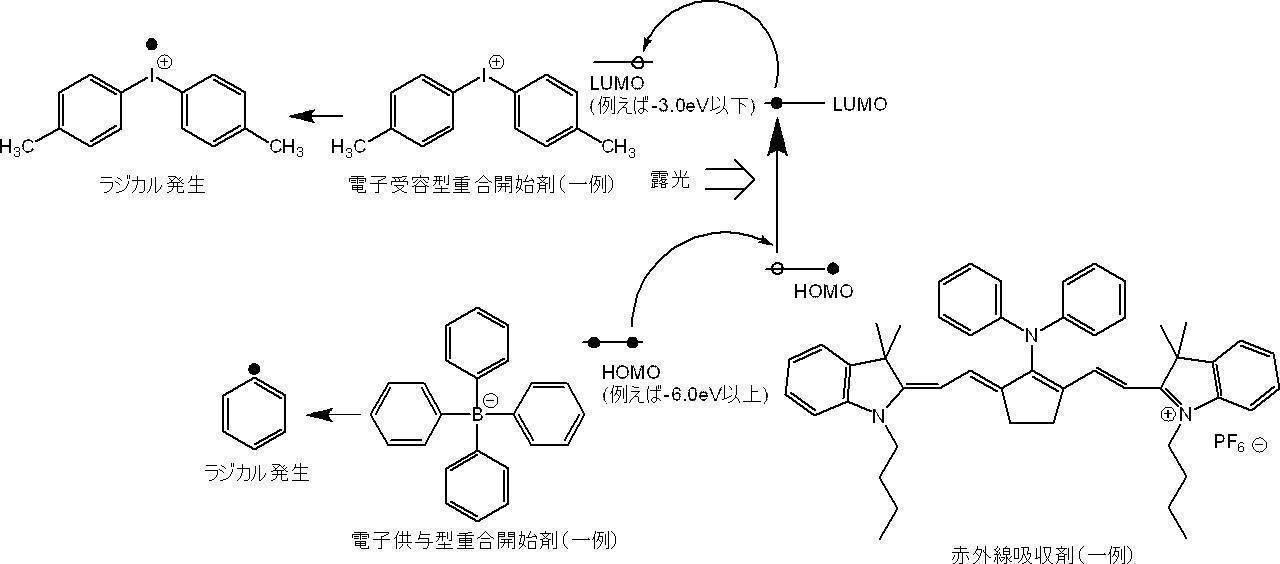
また、同様の観点から、上記赤外線吸収剤のHOMO-上記電子供与型重合開始剤のHOMOの値は、1.00eV~-0.200eVであることが好ましく、0.700eV~-0.100eVであることがより好ましい。なお、マイナスの値は、上記電子供与型重合開始剤のHOMOが、上記赤外線吸収剤のHOMOよりも高くなることを意味する。
また、UV耐刷性及び耐薬品性の観点から、上記電子受容型重合開始剤のLUMO-上記赤外線吸収剤のLUMOの値は、1.00eV以下であることが好ましく、0.700eV以下であることがより好ましい。また、同様の観点から、上記電子受容型重合開始剤のLUMO-上記赤外線吸収剤のLUMOの値は、-0.200eV以上であることが好ましく、-0.100eV以上であることがより好ましい。
また、同様の観点から、上記赤外線吸収剤のLUMOと、上記電子受容型重合開始剤のLUMO-上記赤外線吸収剤のLUMOの値は、1.00eV~-0.200eVであることが好ましく、0.700eV~-0.100eVであることがより好ましい。なお、マイナスの値は、上記赤外線吸収剤のLUMOが、上記電子受容型重合開始剤のLUMOよりも高くなることを意味する。
上記画像記録層は、UV耐刷性の観点から、粒子を含むことが好ましい。
粒子としては、有機粒子であっても、無機粒子であってもよいが、UV耐刷性の観点から、有機粒子を含むことが好ましく、ポリマー粒子を含むことがより好ましい。
無機粒子としては、公知の無機粒子を用いることができ、シリカ粒子、チタニア粒子等の金属酸化物粒子を好適に用いることができる。
また、ポリマー粒子は、UV耐刷性、及び、機上現像性の観点から、熱可塑性樹脂粒子であることが好ましい。
熱可塑性樹脂粒子を構成するポリマーの具体例としては、エチレン、スチレン、塩化ビニル、アクリル酸メチル、アクリル酸エチル、メタクリル酸メチル、メタクリル酸エチル、塩化ビニリデン、アクリロニトリル、ビニルカルバゾール、ポリアルキレン構造を有するアクリレート又はメタクリレートなどのモノマーのホモポリマー若しくはコポリマー又はそれらの混合物を挙げることができる。好ましくは、ポリスチレン、スチレン及びアクリロニトリルを含む共重合体、又は、ポリメタクリル酸メチルを挙げることができる。熱可塑性樹脂粒子の平均粒径は0.01μm~3.0μmが好ましい。
上記多価フェノール化合物としては、フェノール性ヒドロキシ基を有するベンゼン環を複数有している化合物が好ましい。
上記活性水素を有する化合物としては、ポリオール化合物、又は、ポリアミン化合物が好ましく、ポリオール化合物がより好ましく、プロピレングリコール、グリセリン及びトリメチロールプロパンよりなる群から選ばれた少なくとも1種の化合物が更に好ましい。
分子中に2個以上のヒドロキシ基を有する多価フェノール化合物とイソホロンジイソシアネートとの付加物である多価イソシアネート化合物、及び、活性水素を有する化合物の反応により得られる樹脂の粒子としては、特開2012-206495号公報の段落0032~0095に記載のポリマー粒子が好ましく挙げられる。
上記疎水性主鎖としては、アクリル樹脂鎖が好ましく挙げられる。
上記ペンダントシアノ基の例としては、-[CH2CH(C≡N)]-又は-[CH2C(CH3)(C≡N)]-が好ましく挙げられる。
また、上記ペンダントシアノ基を有する構成ユニットは、エチレン系不飽和型モノマー、例えば、アクリロニトリル又はメタクリロニトリルから、又は、これらの組み合わせから容易に誘導することができる。
また、上記親水性ポリアルキレンオキシドセグメントにおけるアルキレンオキシドとしては、エチレンオキシド又はプロピレンオキシドが好ましく、エチレンオキシドがより好ましい。
上記親水性ポリアルキレンオキシドセグメントにおけるアルキレンオキシド構造の繰り返し数は、10~100であることが好ましく、25~75であることがより好ましく、40~50であることが更に好ましい。
疎水性主鎖を有し、i)上記疎水性主鎖に直接的に結合されたペンダントシアノ基を有する構成ユニット、及び、ii)親水性ポリアルキレンオキシドセグメントを含むペンダント基を有する構成ユニットの両方を含む樹脂の粒子としては、特表2008-503365号公報の段落0039~0068に記載のものが好ましく挙げられる。
上記親水性基としては、親水性を有する構造であれば、特に制限はないが、カルボキシ基等の酸基、ヒドロキシ基、アミノ基、シアノ基、ポリアルキレンオキシド構造等が挙げられる。
中でも、機上現像性、及び、UV耐刷性の観点から、ポリアルキレンオキシド構造が好ましく、ポリエチレンオキシド構造、ポリプロピレンオキシド構造、又は、ポリエチレン/プロピレンオキシド構造がより好ましい。
また、機上現像性、及び、機上現像時の現像カス抑制性の観点からは、上記ポリアルキレンオキシド構造として、ポリプロピレンオキシド構造を有することが好ましく、ポリエチレンオキシド構造及びポリプロピレンオキシド構造を有することがより好ましい。
また、上記親水性基としては、耐刷性、着肉性、及び、機上現像性の観点から、シアノ基を有する構成単位、又は、下記式Zで表される基を含むことが好ましく、下記式(AN)で表される構成単位、又は、下記式Zで表される基を含むことがより好ましく、下記式Zで表される基を含むことが特に好ましい。
*-Q-W-Y 式Z
式Z中、Qは二価の連結基を表し、Wは親水性構造を有する二価の基又は疎水性構造を有する二価の基を表し、Yは親水性構造を有する一価の基又は疎水性構造を有する一価の基を表し、W及びYのいずれかは親水性構造を有し、*は他の構造との結合部位を表す。

シアノ基は、通常、シアノ基を有する化合物(モノマー)を用いて、シアノ基を含む構成単位として樹脂に導入されることが好ましい。シアノ基を有する化合物としては、アクリロニトリル化合物が挙げられ、(メタ)アクリロニトリルが好適に挙げられる。
シアノ基を有する構成単位としては、アクリロニトリル化合物により形成される構成単位であることが好ましく、(メタ)アクリロニトリルにより形成される構成単位、すなわち、上記式(AN)で表される構成単位がより好ましい。
上記ポリマーが、シアノ基を有する構成単位を有するポリマーを含む場合、シアノ基を有する構成単位を有するポリマーにおけるシアノ基を有する構成単位、好ましくは上記式(AN)で表される構成単位の含有量は、UV耐刷性の観点から、シアノ基を有する構成単位を有するポリマーの全質量に対し、5質量%~90質量%であることが好ましく、20質量%~80質量%であることがより好ましく、30質量%~60質量%であることが特に好ましい。
また、上記式ZにおけるQは、アルキレン基、アリーレン基、エステル結合、アミド結合、又は、これらを2以上組み合わせた基であることが好ましく、フェニレン基、エステル結合、又は、アミド結合であることがより好ましい。
上記式ZのWにおける疎水性構造を有する二価の基は、-RWA-、-O-RWA-O-、-RWN-RWA-NRW-、-OC(=O)-RWA-O-、又は、-OC(=O)-RWA-O-であることが好ましい。なお、RWAはそれぞれ独立に、炭素数6~120の直鎖、分岐若しくは環状アルキレン基、炭素数6~120のハロアルキレン基、炭素数6~120のアリーレン基、炭素数6~120のアルカーリレン基(アルキルアリール基から水素原子を1つ除いた二価の基)、又は、炭素数6~120のアラルキレン基を表す。
上記式ZのYにおける疎水性構造を有する一価の基は、炭素数6~120の直鎖、分岐若しくは環状アルキル基、炭素数6~120のハロアルキル基、炭素数6~120のアリール基、炭素数6~120のアルカーリル基(アルキルアリール基)、炭素数6~120のアラルキル基、-ORWB、-C(=O)ORWB、又は、-OC(=O)RWBであることが好ましい。RWBは、炭素数6~20を有するアルキル基を表す。
更に、上記ポリマー粒子は、耐刷性の観点から、親水性基及び重合性基を有するポリマー粒子を含むことが好まし
上記重合性基は、カチオン重合性基であっても、ラジカル重合性基であってもよいが、反応性の観点からは、ラジカル重合性基であることが好ましい。
上記重合性基としては、重合可能な基であれば特に制限はないが、反応性の観点から、エチレン性不飽和基が好ましく、ビニルフェニル基(スチリル基)、(メタ)アクリロキシ基、又は、(メタ)アクリルアミド基がより好ましく、(メタ)アクリロキシ基が特に好ましい。
また、重合性基を有するポリマー粒子におけるポリマーは、重合性基を有する構成単位を有することが好ましい。
更に、高分子反応によりポリマー粒子表面に重合性基を導入してもよい。

下記に示すように、上記式(Iso)で表されるイソシアネート化合物と水とを反応させると、水によりイソシアネート基の一部が加水分解し、アミノ基が生じ、生じたアミノ基とイソシアネート基とが反応し、ウレア結合が生成し、二量体が形成される。また、下記反応が繰り返され、ウレア結合を有する樹脂が形成される。
また、下記反応において、アルコール化合物、アミン化合物等のイソシアネート基と反応性を有する化合物(活性水素を有する化合物)を添加することにより、アルコール化合物、アミン化合物等の構造をウレア結合を有する樹脂に導入することもできる。
上記活性水素を有する化合物としては、上述したミクロゲルにおいて記載したものが好ましく挙げられる。
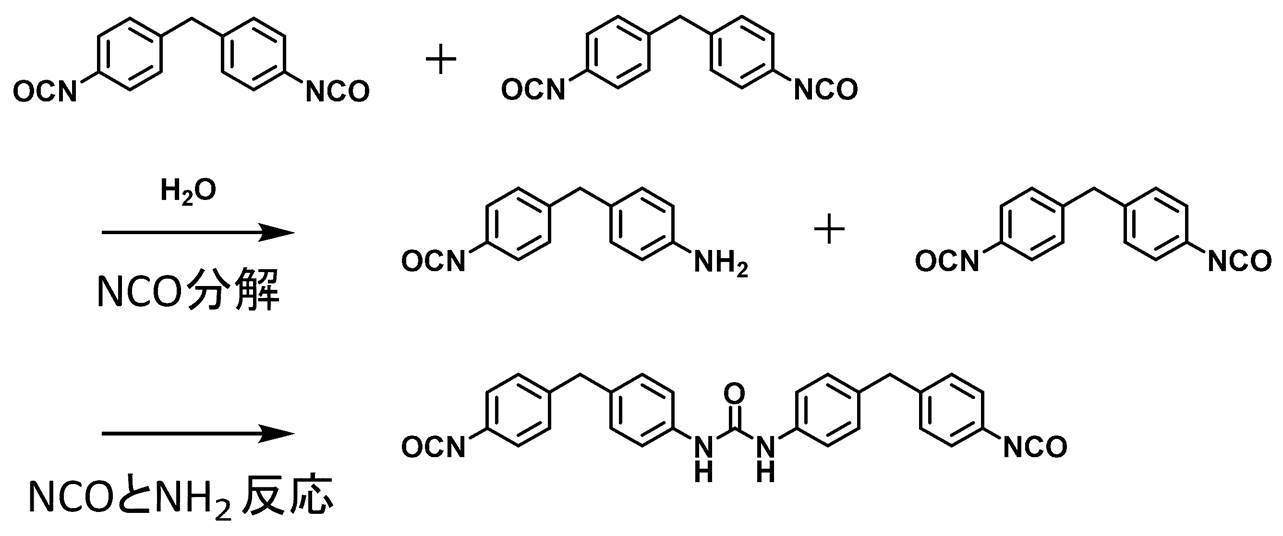
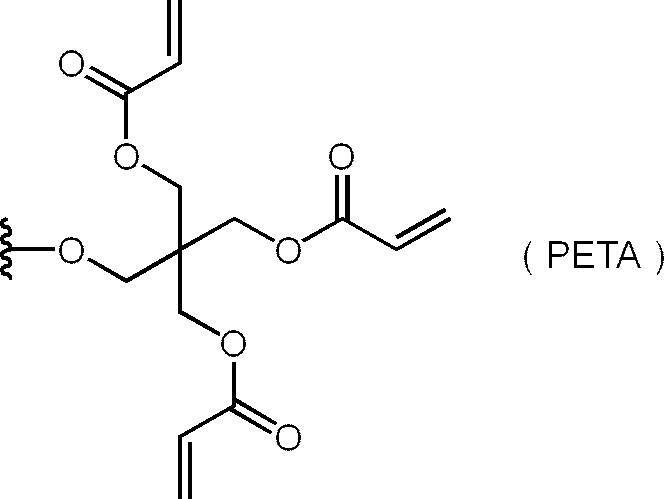
熱可塑性樹脂粒子に含まれる熱可塑性樹脂は、特に制限はなく、例えば、ポリエチレン、ポリスチレン、ポリ塩化ビニル、ポリ塩化ビニリデン、ポリ(メタ)アクリル酸メチル、ポリ(メタ)アクリル酸エチル、ポリ(メタ)アクリル酸ブチル、ポリアクリロニトリル、ポリ酢酸ビニル、それらの共重合体等が挙げられる。熱可塑性樹脂はラテックス状態であってもよい。
本開示に係る熱可塑性樹脂は、後述する露光工程において生成された熱により、熱可塑性樹脂が溶融又は軟化することで、記録層を形成する疎水性の膜の一部又は全部を形成する樹脂であることが好ましい。
芳香族ビニル化合物としては、芳香環にビニル基が結合した構造を有する化合物であればよいが、スチレン化合物、ビニルナフタレン化合物等が挙げられ、スチレン化合物が好ましく、スチレンがより好ましい。
スチレン化合物としては、スチレン、p-メチルスチレン、p-メトキシスチレン、β-メチルスチレン、p-メチル-β-メチルスチレン、α-メチルスチレン、及びp-メトキシ-β-メチルスチレン等が挙げられ、スチレンが好ましく挙げられる。
ビニルナフタレン化合物としては、1-ビニルナフタレン、メチル-1-ビニルナフタレン、β-メチル-1-ビニルナフタレン、4-メチル-1-ビニルナフタレン、4-メトキシ-1-ビニルナフタレン等が挙げられ、1-ビニルナフタレンが好ましく挙げられる。

式A1中、RA1及びRA2はそれぞれ独立に、水素原子又は炭素数1~4のアルキル基であることが好ましく、水素原子又はメチル基であることがより好ましく、いずれも水素原子であることが更に好ましい。
式A1中、Arはベンゼン環又はナフタレン環であることが好ましく、ベンゼン環であることがより好ましい。
式A1中、RA3はアルキル基又はアルコキシ基であることが好ましく、炭素数1~4のアルキル基又は炭素数1~4のアルコキシ基であることがより好ましく、メチル基又はメトキシ基であることが更に好ましい。
式A1中、RA3が複数存在する場合、複数のRA3は同一であってもよいし、それぞれ異なっていてもよい。
式A1中、nは0~2の整数であることが好ましく、0又は1であることがより好ましく、0であることが更に好ましい。
シアノ基は、通常、シアノ基を有する化合物(モノマー)を用いて、シアノ基を含む構成単位として樹脂Aに導入されることが好ましい。シアノ基を有する化合物としては、アクリロニトリル化合物が挙げられ、(メタ)アクリロニトリルが好適に挙げられる。
シアノ基を有する構成単位としては、アクリロニトリル化合物により形成される構成単位であることが好ましく、(メタ)アクリロニトリルにより形成される構成単位がより好ましい。
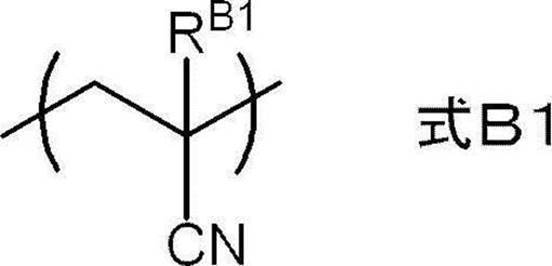
式B1中、RB1は水素原子又は炭素数1~4のアルキル基であることが好ましく、水素原子又はメチル基であることがより好ましく、水素原子であることが更に好ましい。
N-ビニル複素環化合物としては、例えば、N-ビニルピロリドン、N-ビニルカルバゾール、N-ビニルピロール、N-ビニルフェノチアジン、N-ビニルコハク酸イミド、N-ビニルフタルイミド、N-ビニルカプロラクタム、及びN-ビニルイミダゾールが挙げられ、N-ビニルピロリドンが好ましい。
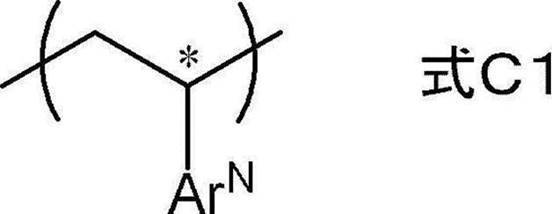
式C1中、ArNにより表される複素環構造は、ピロリドン環、カルバゾール環、ピロール環、フェノチアジン環、スクシンイミド環、フタルイミド環、カプロラクタム環、及びイミダゾール環であることが好ましく、ピロリドン環であることがより好ましい。
また、ArNにより表される複素環構造は公知の置換基を有していてもよい。
具体的には、熱可塑性樹脂における酸性基を有する構成単位の含有量は、20質量%以下であることが好ましく、10質量%以下であることがより好ましく、5質量%以下であることが更に好ましい。上記含有量の下限は特に限定されず、0質量%であってもよい。
また、熱可塑性樹脂の酸価は、160mgKOH/g以下であることが好ましく、80mgKOH/g以下であることがより好ましく、40mgKOH/g以下であることが更に好ましい。上記酸価の下限は特に限定されず、0mgKOH/gであってもよい。
本開示において、酸価はJIS K0070:1992に準拠した測定法により求められる。
上記疎水性基としては、アルキル基、アリール基、アラルキル基等が挙げられる。
疎水性基を含む構成単位としては、アルキル(メタ)アクリレート化合物、アリール(メタ)アクリレート化合物、又は、アラルキル(メタ)アクリレート化合物により形成される構成単位が好ましく、アルキル(メタ)アクリレート化合物により形成される構成単位がより好ましい。
上記アルキル(メタ)アクリレート化合物におけるアルキル基の炭素数は、1~10であることが好ましい。上記アルキル基は直鎖状であっても分岐鎖状であってもよく、環状構造を有していてもよい。アルキル(メタ)アクリレート化合物としては、メチル(メタ)アクリレート、エチル(メタ)アクリレート、プロピル(メタ)アクリレート、シクロヘキシル(メタ)アクリレート、2-エチルヘキシル(メタ)アクリレート、ジシクロペンタニル(メタ)アクリレート等が挙げられる。
上記アリール(メタ)アクリレート化合物におけるアリール基の炭素数は、6~20であることが好ましく、フェニル基であることがより好ましい。また、上記アリール基は公知の置換基を有していてもよい。アリール(メタ)アクリレート化合物としては、フェニル(メタ)アクリレートが好ましく挙げられる。
上記アラルキル(メタ)アクリレート化合物におけるアルキル基の炭素数は、1~10であることが好ましい。上記アルキル基は直鎖状であっても分岐鎖状であってもよく、環状構造を有していてもよい。また、上記アラルキル(メタ)アクリレート化合物におけるアリール基の炭素数は、6~20であることが好ましく、フェニル基であることがより好ましい。アラルキル(メタ)アクリレート化合物としては、ベンジル(メタ)アクリレートが好ましく挙げられる。
親水性基としては、親水性を有する構造であれば、特に制限はないが、カルボキシ基等の酸基、ヒドロキシ基、アミノ基、シアノ基、ポリアルキレンオキシド構造等が挙げられる。
上記親水性基としては、UV耐刷性及び機上現像性の観点から、ポリアルキレンオキシド構造を有する基、ポリエステル構造を有する基、又は、スルホン酸基であることが好ましく、ポリアルキレンオキシド構造を有する基、又は、スルホン酸基であることがより好ましく、ポリアルキレンオキシド構造を有する基であることが更に好ましい。
また、機上現像性の観点からは、上記親水性基の中でもポリアルキレンオキシド構造として、ポリプロピレンオキシド構造を有することが好ましく、ポリエチレンオキシド構造及びポリプロピレンオキシド構造を有することがより好ましい。
上記ポリアルキレンオキシド構造におけるアルキレンオキシド構造の数は、機上現像性の観点から、2以上であることが好ましく、5以上であることがより好ましく、5~200であることが更に好ましく、8~150であることが特に好ましい。
上記親水性基としては、-OH、-CN、-CONR1R2、-NR2COR1(R1及びR2はそれぞれ独立して水素原子、アルキル基、アルケニル基、又は、アリール基を表す。R1とR2とは結合して環を形成してもよい。)-NR3R4、-N+R3R4R5X-(R3~R5は、それぞれ独立して炭素数1~8のアルキル基を表し、X-はカウンターアニオンを表す)、下記式POにより表される基、上記の熱可塑性樹脂粒子に含まれる熱可塑性樹脂が好ましく有する親水性基等が挙げられる。
これら親水性基の中でも、-CONR1R2又は式POにより表される基が好ましく、式POにより表される基がより好ましい。
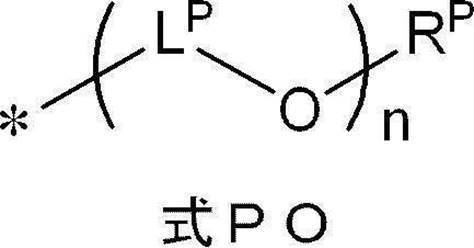
式PO中、LPはそれぞれ独立に、エチレン基、1-メチルエチレン基又は2-メチルエチレン基であることが好ましく、エチレン基であることがより好ましい。
式PO中、RPは水素原子又は炭素数1~18のアルキル基であることが好ましく、水素原子又は炭素数1~10のアルキル基であることがより好ましく、水素原子又は炭素数1~4のアルキル基であることが更に好ましく、水素原子又はメチル基であることが特に好ましい。
式PO中、nは1~10の整数が好ましく、1~4の整数がより好ましい。
アクリルアミド化合物としては、例えば、(メタ)アクリルアミド、N-メチル(メタ)アクリルアミド、N-エチル(メタ)アクリルアミド、N-プロピル(メタ)アクリルアミド、N-ブチル(メタ)アクリルアミド、N,N’-ジメチル(メタ)アクリルアミド、N,N’-ジエチル(メタ)アクリルアミド、N-ヒドロキシエチル(メタ)アクリルアミド、N-ヒドロキシプロピル(メタ)アクリルアミド、N-ヒドロキシブチル(メタ)アクリルアミド等が挙げられる。
ビニルエーテル化合物としては、例えば、メチルビニルエーテル、エチルビニルエーテル、プロピルビニルエーテル、n-ブチルビニルエーテル、tert-ブチルビニルエーテル、2-エチルヘキシルビニルエーテル、n-ノニルビニルエーテル、ラウリルビニルエーテル、シクロヘキシルビニルエーテル、シクロヘキシルメチルビニルエーテル、4-メチルシクロヘキシルメチルビニルエーテル、ベンジルビニルエーテル、ジシクロペンテニルビニルエーテル、2-ジシクロペンテノキシエチルビニルエーテル、メトキシエチルビニルエーテル、エトキシエチルビニルエーテル、ブトキシエチルビニルエーテル、メトキシエトキシエチルビニルエーテル、エトキシエトキシエチルビニルエーテル、メトキシポリエチレングリコールビニルエーテル、テトラヒドロフルフリルビニルエーテル、2-ヒドロキシエチルビニルエーテル、2-ヒドロキシプロピルビニルエーテル、4-ヒドロキシブチルビニルエーテル、4-ヒドロキシメチルシクロヘキシルメチルビニルエーテル、ジエチレングリコールモノビニルエーテル、ポリエチレングリコールビニルエーテル、クロロエチルビニルエーテル、クロロブチルビニルエーテル、クロロエトキシエチルビニルエーテル、フェニルエチルビニルエーテル、フェノキシポリエチレングリコールビニルエーテル、などが挙げられる。
熱可塑性樹脂粒子が2種以上の熱可塑性樹脂を含む場合には、後述するFOX式により求められた値を、熱可塑性樹脂のガラス転移温度という。
具体的な測定方法は、JIS K 7121(1987年)又はJIS K 6240(2011年)に記載の方法に順じて行なう。本明細書におけるガラス転移温度は、補外ガラス転移開始温度(以下、Tigと称することがある)を用いている。
ガラス転移温度の測定方法をより具体的に説明する。
ガラス転移温度を求める場合、予想される樹脂のTgより約50℃低い温度にて装置が安定するまで保持した後、加熱速度:20℃/分で、ガラス転移が終了した温度よりも約30℃高い温度まで加熱し,示差熱分析(DTA)曲線又はDSC曲線を作成する。
補外ガラス転移開始温度(Tig)、すなわち、本明細書におけるガラス転移温度Tgは、DTA曲線又はDSC曲線における低温側のベースラインを高温側に延長した直線と、ガラス転移の階段状変化部分の曲線の勾配が最大になる点で引いた接線との交点の温度として求める。
1つ目の熱可塑性樹脂のTgをTg1(K)、熱可塑性樹脂粒子における熱可塑性樹脂成分の合計質量に対する1つ目の熱可塑性樹脂の質量分率をW1とし、2つ目のTgをTg2(K)とし、熱可塑性樹脂粒子における熱可塑性樹脂成分の合計質量に対する2つ目の樹脂の質量分率をW2としたときに、熱可塑性樹脂粒子のTg0(K)は、以下のFOX式にしたがって推定することが可能である。
FOX式:1/Tg0=(W1/Tg1)+(W2/Tg2)
また、熱可塑性樹脂粒子が3種の樹脂を含むか、含まれる熱可塑性樹脂種の異なる3種の熱可塑性樹脂粒子が前処理液に含有される場合、熱可塑性樹脂粒子のTgは、n個目の樹脂のTgをTgn(K)、熱可塑性樹脂粒子における樹脂成分の合計質量に対するn個目の樹脂の質量分率をWnとしたときに、上記と同様、以下の式にしたがって推定することが可能である。
FOX式:1/Tg0=(W1/Tg1)+(W2/Tg2)+(W3/Tg3)・・・+(Wn/Tgn)
例えば、スチレン化合物と、アクリロニトリル化合物と、必要に応じて上記N-ビニル複素環化合物、上記エチレン性不飽和基を有する構成単位の形成に用いられる化合物、上記酸性基を有する構成単位の形成に用いられる化合物、上記疎水性基を有する構成単位の形成に用いられる化合物、及び、上記その他の構成単位の形成に用いられる化合物よりなる群から選ばれた少なくとも1種の化合物、とを、公知の方法により重合することにより得られる。

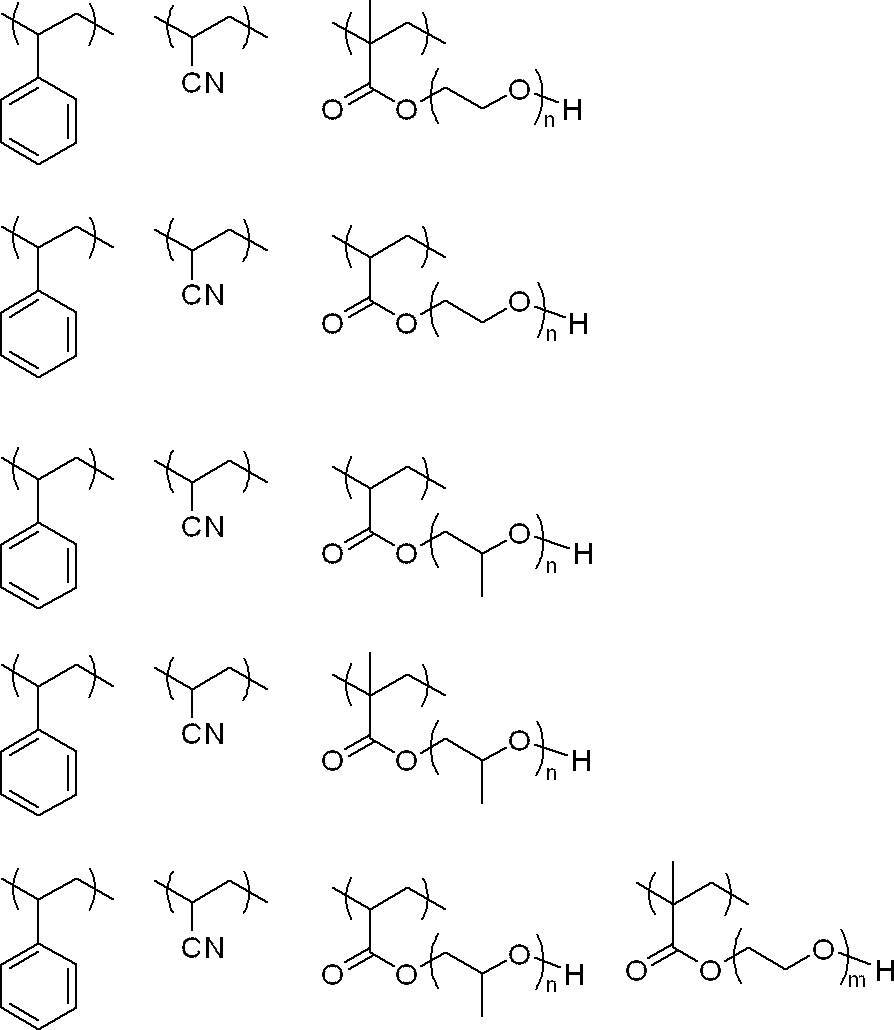
また、上記具体例に示す各化合物の重量平均分子量は、上述の熱可塑性樹脂の重量平均分子量の好ましい範囲に従って、適宜変更可能である。
本開示における上記粒子の平均一次粒径は、光散乱法により測定するか、又は、粒子の電子顕微鏡写真を撮影し、写真上で粒子の粒径を総計で5,000個測定し、平均値を算出するものとする。なお、非球形粒子については写真上の粒子面積と同一の粒子面積を有する球形粒子の粒径値を粒径とする。
また、本開示における平均粒径は、特に断りのない限り、体積平均粒径であるものとする。
また、上記画像記録層における粒子、特にポリマー粒子の含有量は、機上現像性、及び、UV耐刷性の観点から、上記画像記録層の全質量に対し、5質量%~90質量%であることが好ましく、10質量%~90質量%であることがより好ましく、20質量%~90質量%であることが更に好ましく、50質量%~90質量%であることが特に好ましい。
また、上記画像記録層におけるポリマー粒子の含有量は、機上現像性、及び、UV耐刷性の観点から、上記画像記録層の分子量3,000以上の成分の全質量に対し、20質量%~100質量%であることが好ましく、35質量%~100質量%であることがより好ましく、50質量%~100質量%であることが更に好ましく、80質量%~100質量%であることが特に好ましい。
画像記録層は、バインダーポリマーを含んでいてもよい。
上記熱可塑性樹脂粒子、及び、上記ポリマー粒子は、上記他のバインダーポリマーに該当しない。すなわち、他のバインダーポリマーは、粒子形状ではない重合体である。
他のバインダーポリマーとしては、(メタ)アクリル樹脂、ポリビニルアセタール樹脂、又は、ポリウレタン樹脂が好ましい。
機上現像用バインダーポリマーとしては、アルキレンオキシド鎖を有するバインダーポリマーが好ましい。アルキレンオキシド鎖を有するバインダーポリマーは、ポリ(アルキレンオキシド)部位を主鎖に有していても側鎖に有していてもよい。また、ポリ(アルキレンオキシド)を側鎖に有するグラフトポリマーでも、ポリ(アルキレンオキシド)含有繰返し単位で構成されるブロックと(アルキレンオキシド)非含有繰返し単位で構成されるブロックとのブロックコポリマーでもよい。
ポリ(アルキレンオキシド)部位を主鎖に有する場合は、ポリウレタン樹脂が好ましい。ポリ(アルキレンオキシド)部位を側鎖に有する場合の主鎖のポリマーとしては、(メタ)アクリル樹脂、ポリビニルアセタール樹脂、ポリウレタン樹脂、ポリウレア樹脂、ポリイミド樹脂、ポリアミド樹脂、エポキシ樹脂、ポリスチレン樹脂、ノボラック型フェノール樹脂、ポリエステル樹脂、合成ゴム、天然ゴムが挙げられ、特に(メタ)アクリル樹脂が好ましい。
重合性基としては、(メタ)アクリル基、ビニル基、アリル基、ビニルフェニル基(スチリル基)などのエチレン性不飽和基やエポキシ基等が好ましく、(メタ)アクリル基、ビニル基、ビニルフェニル基(スチリル基)が重合反応性の観点でより好ましく、(メタ)アクリル基が特に好ましい。これらの基は高分子反応や共重合によってポリマーに導入することができる。例えば、カルボキシ基を側鎖に有するポリマーとグリシジルメタクリレートとの反応、あるいはエポキシ基を有するポリマーとメタクリル酸などのエチレン性不飽和基含有カルボン酸との反応を利用できる。これらの基は併用してもよい。
また、バインダーポリマーのガラス転移温度の上限としては、画像記録層への水の浸み込みやすさの観点から、200℃が好ましく、120℃以下がより好ましい。
特に、ポリビニルアルコールのヒドロキシ基を、ブチルアルデヒドでアセタール化(即ち、ブチラール化)したポリビニルブチラールが好ましい。
ポリビニルアセタールは、ポリビニルアルコールのヒドロキシ基をアルデヒドにてアセタール化することで、下記(a)で表される構成単位を含むことが好ましい。
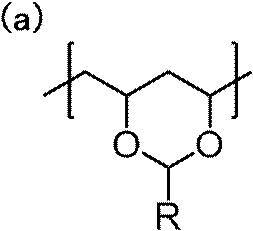
Rとしては、水素原子、アルキル基等の他、後述するエチレン性不飽和基が挙げられる。
なお、アセタール化度とは、アセタール基が結合しているエチレン基量(上記(a)で表される構成単位に含まれる主鎖のエチレン基量)を、主鎖の全エチレン基量で除して求めたモル分率を百分率で示した値である。
また、後述のポリビニルアセタールの各構成単位の含有量においても、同様である。
ここで、ポリビニルアセタールが有するエチレン性不飽和基としては特に制限はなく、反応性、機上現像性、及び耐刷性の観点から、ビニルフェニル基(スチリル基)、ビニルエステル基、ビニルエーテル基、アリル基、(メタ)アクリロキシ基、及び(メタ)アクリルアミド基からなる群より選ばれた少なくとも1種の基であることがより好ましく、ビニル基、アリル基、(メタ)アクリロキシ基等が好ましい。
エチレン性不飽和基を有する構成単位としては、上述のアセタール環を有する構成単位であってもよいし、アセタール環を有する構成単位以外の構成単位であってもよい。
中でも、露光時の架橋密度増加の観点から、ポリビニルアセタールは、アセタール環にエチレン性不飽和基が導入された化合物であることが好ましい。即ち、上述の(a)で表される構成単位において、Rにエチレン性不飽和基を有することが好ましい。
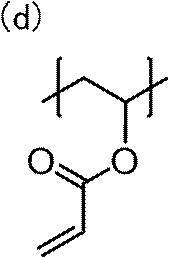
ヒドロキシ基を有する構成単位としては、下記(b)で表される構成単位が挙げられる。
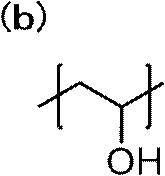
その他の構成単位としては、例えば、アセチル基を有する構成単位、具体的には、以下(c)で表される構成単位が挙げられる。

即ち、1H NMR測定によって、アセタールのメチル又はメチレン部位、アクリレート基のメチル部位、水酸基及びアセチル基のメチル部位のプロトンピーク面積比からmol含有率を算出する。
ここで、本開示における「溶解度パラメータ(単位:(MPa)1/2)」は、ハンセン(Hansen)溶解度パラメータを用いるものとする。
ハンセン(Hansen)溶解度パラメータは、ヒルデブランド(Hildebrand)によって導入された溶解度パラメータを、分散項δd、極性項δp、水素結合項δhの3成分に分割し、3次元空間に表したものであるが、本開示においては溶解度パラメータ(以降、SP値ともいう)をδ(単位:(MPa)1/2)で表し、下記式を用いて算出される値を用いる。
δ(MPa)1/2=(δd2+δp2+δh2)1/2
なお、この分散項δd、極性項δp、及び水素結合項δhは、ハンセンやその研究後継者らにより多く求められており、Polymer Handbook (fourth edition)、VII-698~711に詳しく掲載されている。また、ハンセンの溶解度パラメータの値の詳細については、Charles M.Hansen著の文献「Hansen Solubility Parameters; A Users Handbook (CRC Press,2007)」に記載されている。
本開示において、化合物の部分構造におけるハンセン溶解度パラメータは、コンピュータソフトウェア「Hansen Solubility Parameters in Practice(HSPiP ver.4.1.07)」を用いることにより、その化学構造から推算した値を用いることもできる。
また、本開示においては、化合物が付加重合型、重縮合型等のポリマーである場合は、モノマー単位ごとのSP値をモル分率で掛け合わせた総量で示し、化合物がモノマー単位を有しない低分子化合物である場合は、化合物全体のSP値とする。
なお、本開示において、ポリマーのSP値は、ポリマーの分子構造からPolymer Handbook (fourth edition)に記載のHoy法により計算してもよい。
下記構造中、「l」は50mol%~90mol%であり、「m」は0.5mol%~10質量%であり、「n」は5mol%~50mol%であり、「o」は1mol%~15mol%である。

ポリビニルアセタールの市販品としては、積水化学工業(株)のエスレックシリーズ(具体的には、エスレック BX-L,BX-1,BX-5,BL-7Z,BM-1,BM-5,BH-6,BH-3等)が挙げられる。
フッ素原子を有する樹脂、特にフルオロ脂肪族基含有共重合体を用いることで、画像記録層の形成時の発泡による面質異常を抑制し、塗布面状を高めることができ、更に、形成された画像記録層のインキの着肉性を高められる。
また、フルオロ脂肪族基含有共重合体を含む画像記録層は、階調が高くなり、例えば、レーザー光に対して高感度となり、散乱光、反射光等によるかぶり性が良好で耐刷性に優れる平版印刷版が得られる。

式(F1)及び(F2)におけるXは、酸素原子であることが好ましい。
式(F1)におけるmは1又は2が好ましく、2がより好ましい。
式(F1)におけるnは、2、4、6、8、又は10が好ましく、4又は6がより好ましい。
式(F1)におけるlは、0が好ましい。
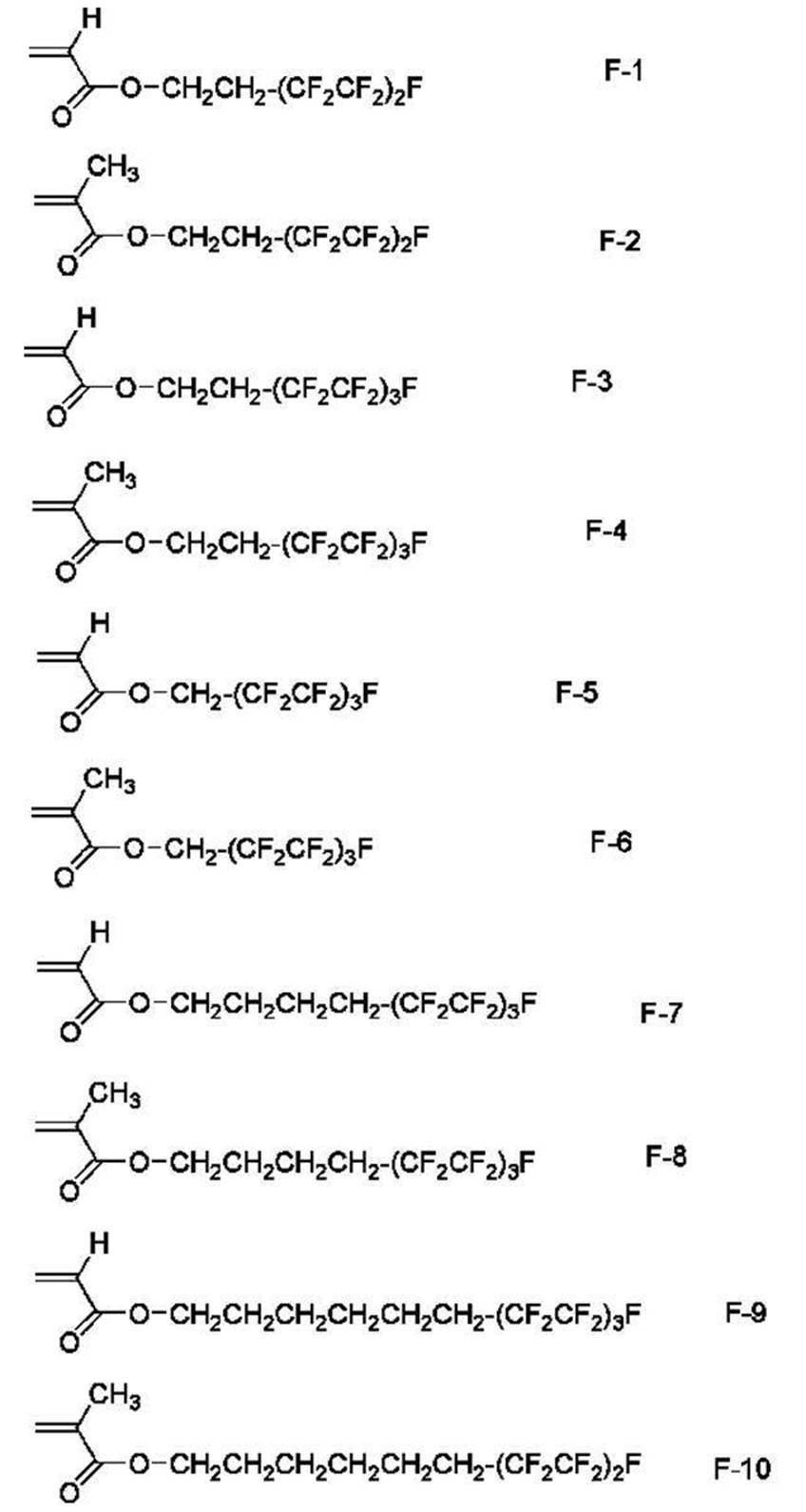


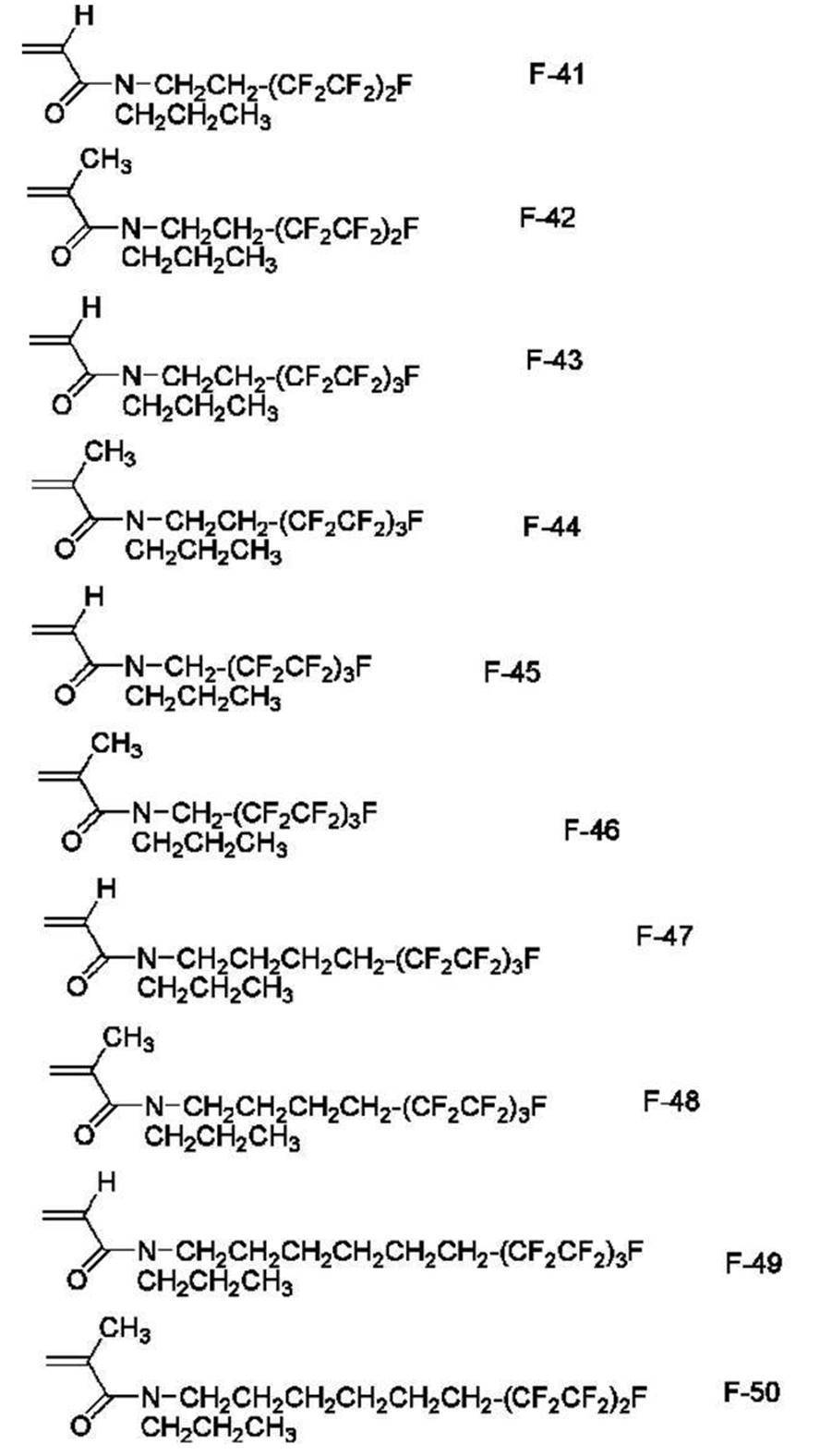

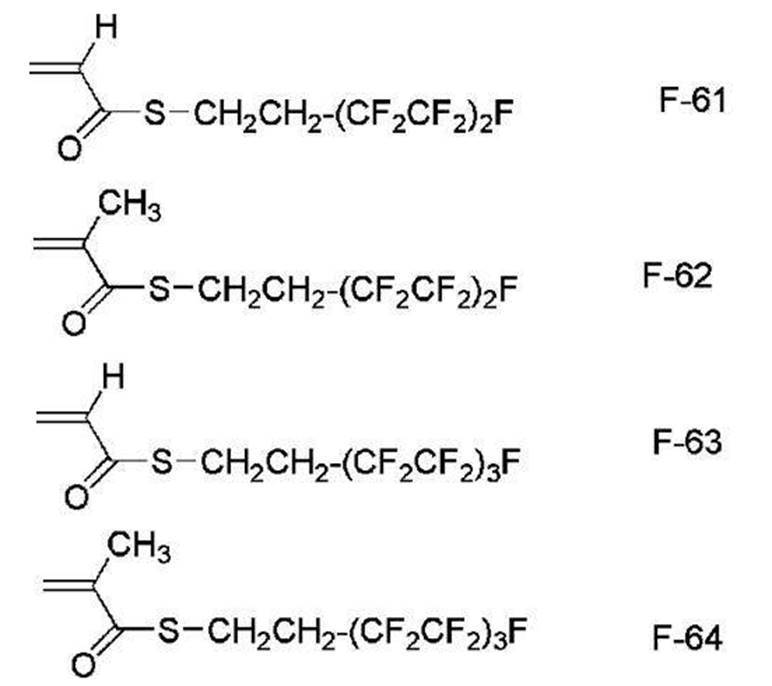
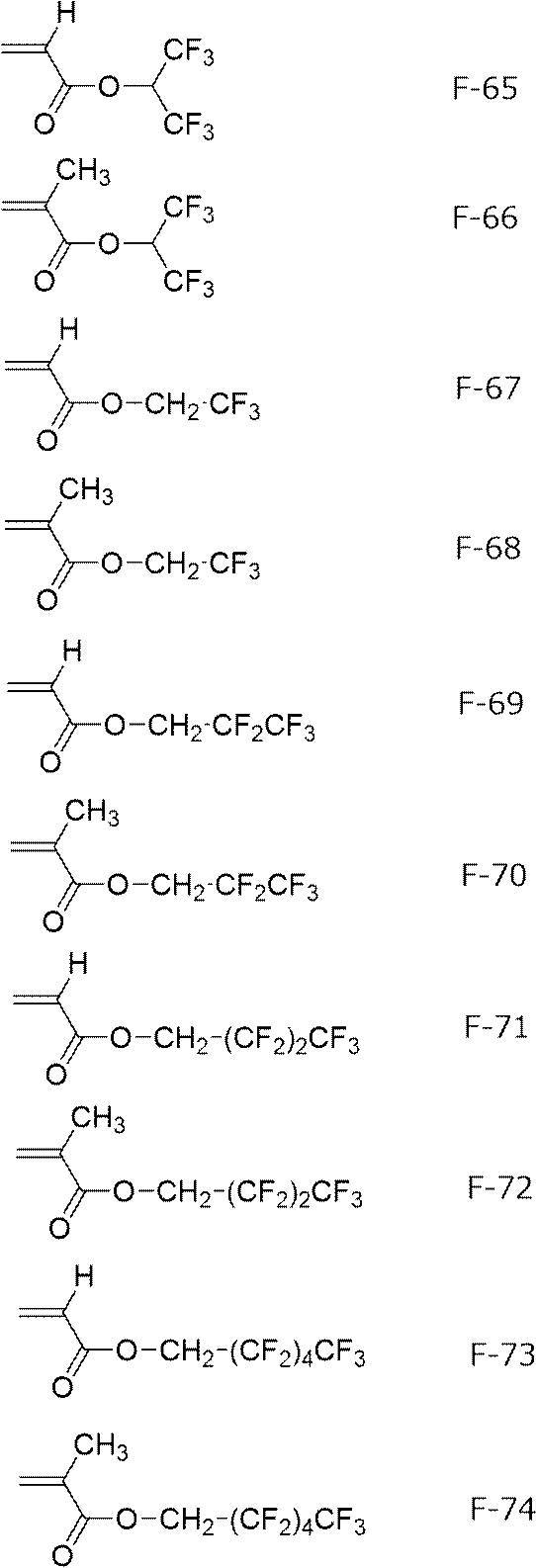


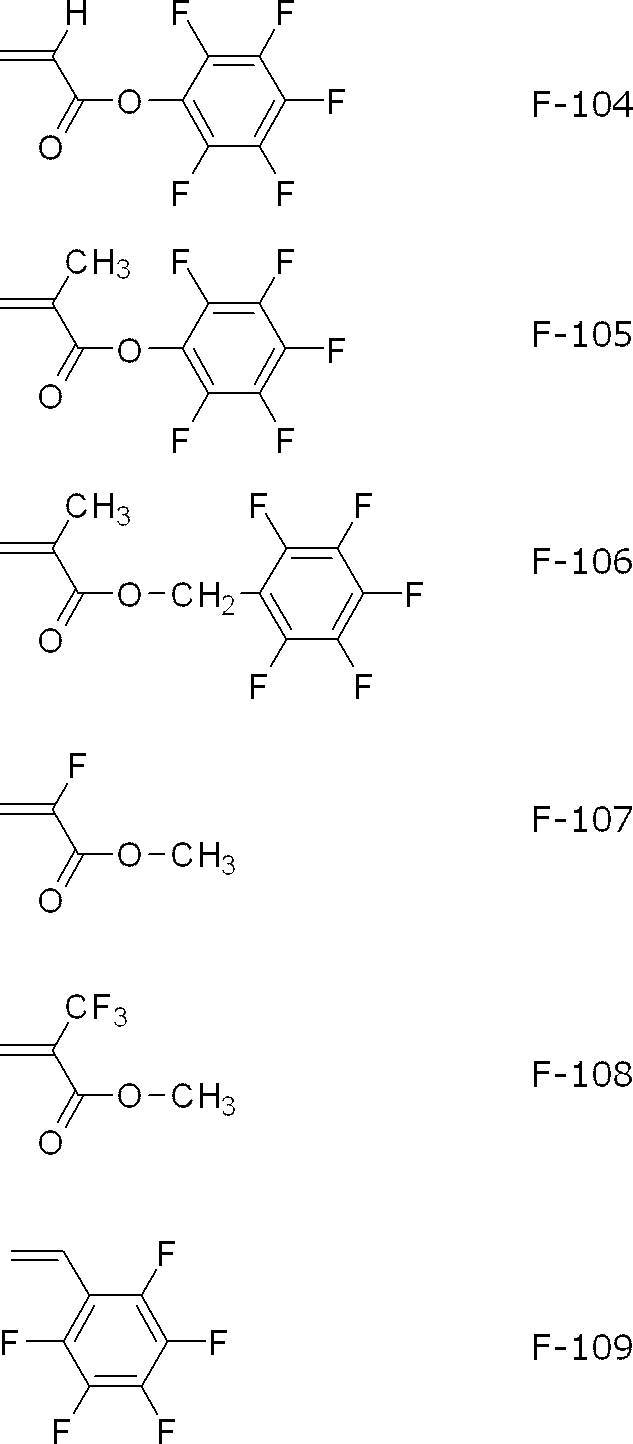
上記ポリオキシアルキレン基中、x個の「ORF3」は、それぞれ同一であってもよく、異なっていてもよい。つまり、上記ポリオキシアルキレン基は、2種以上の「ORF3」が規則的に又は不規則に結合したものであってもよい。例えば、上記ポリオキシアルキレン基は、直鎖状又は分岐状のオキシプロピレン単位とオキシエチレン単位とが規則的に又は不規則に結合したものであってもよい。より具体的には、上記ポリオキシアルキレン基は、直鎖又は分岐状のオキシプロピレン単位のブロックとオキシエチレン単位のブロックとが結合したものであってもよい。
なお、ポリオキシアルキレン基中には、1つ又は複数の連結基(例えば、-CONH-Ph-NHCO-、-S-等、ここで、Phはフェニレン基を表す。)を含んでいてもよい。
上記ポリオキシアルキレン基の分子量は、250~3,000が好ましい。
上記ポリ(オキシアルキレン)アクリレート及びポリ(オキシアルキレン)メタクリレートは、例えば、ヒドロキシポリ(オキシアルキレン)化合物と、アクリル酸、メタクリル酸、アクリルクロリド、メタクリルクロリド、無水アクリル酸等とを公知の方法で反応させることによって合成することができる。
上記ヒドロキシポリ(オキシアルキレン)化合物としては、市販品を用いてもよく、例えば、(株)ADEKA製のアデカ(登録商標) プルロニック、(株)ADEKA製のアデカポリエーテル、ユニオン・カーバイド社製のCarbowax(登録商標)、ダウ・ケミカル社製のTriton)、第一工業製薬(株)製のPEG等が挙げられる。
なお、ポリ(オキシアルキレン)アクリレート及びポリ(オキシアルキレン)メタクリレートとしては、公知の方法で合成した、ポリ(オキシアルキレン)ジアクリレート等を用いてもよい。
バインダーポリマーは、画像記録層中に任意な量で含有させることができるが、バインダーポリマーの含有量は、画像記録層の全質量に対して、1質量%~90質量%であることが好ましく、5質量%~80質量%であることがより好ましい。
また、本開示における画像記録層が他のバインダーポリマーを含む場合、上記熱可塑性樹脂粒子と他のバインダーポリマーとの合計質量に対する他のバインダーポリマーの含有量は、0質量%を超え99質量%以下であることが好ましく、20質量%~95質量%であることがより好ましく、40質量%~90質量%であることが更に好ましい。
本開示において用いられる画像記録層は、連鎖移動剤を含有してもよい。連鎖移動剤は、平版印刷版におけるUV耐刷性の向上に寄与する。
連鎖移動剤としては、チオール化合物が好ましく、沸点(揮発し難さ)の観点で炭素数7以上のチオール化合物がより好ましく、芳香環上にメルカプト基を有する化合物(芳香族チオール化合物)が更に好ましい。上記チオール化合物は単官能チオール化合物であることが好ましい。


連鎖移動剤の含有量は、画像記録層の全質量に対し、0.01質量%~50質量%が好ましく、0.05質量%~40質量%がより好ましく、0.1質量%~30質量%が更に好ましい。
画像記録層は、インキ着肉性を向上させるために、感脂化剤を更に含有することが好ましい。
感脂化剤は、SP値が18.0未満であることが好ましく、14~18未満であることがより好ましく、15~17であることが更に好ましく、16~16.9であることが特に好ましい。
また、感脂化剤は、分子量(分子量分布があるときは、重量平均分子量)が2,000以上の化合物であってもよく、分子量が2,000未満の化合物であってもよい。
ハンセン(Hansen)溶解度パラメーターは、ヒルデブランド(Hildebrand)によって導入された溶解度パラメーターを、分散項δd、極性項δp、水素結合項δhの3成分に分割し、3次元空間に表したものであるが、本開示においてはSP値をδ(単位:(MPa)1/2)で表し、下記式を用いて算出される値を用いる。
δ(MPa)1/2=(δd2+δp2+δh2)1/2
なお、この分散項δd、極性項δp、及び、水素結合項δhは、ハンセンやその研究後継者らにより多く求められており、Polymer Handbook (fourth edition)、VII-698~711に詳しく掲載されている。
また本開示において、ポリマーのSP値は、ポリマーの分子構造からPolymer Handbook fourth editionに記載のHoy法により計算する。
特に、オーバーコート層に無機層状化合物を含有させる場合、これら化合物は、無機層状化合物の表面被覆剤として機能し、無機層状化合物による印刷途中の着肉性低下を抑制することができる。
オニウム塩化合物としては、ホスホニウム化合物、アンモニウム化合物、スルホニウム化合物等が挙げられ、オニウム塩化合物としては、上記観点から、ホスホニウム化合物及びアンモニウム化合物からなる群より選択される少なくとも1つが好ましい。
また、後述する、現像促進剤又は電子受容型重合開始剤におけるオニウム塩化合物はSP値が18を超える化合物であり、感脂化剤には含まれない。
中でも、第四級アンモニウム塩類及びピリジニウム塩類が好ましい。
具体例としては、テトラメチルアンモニウム=ヘキサフルオロホスファート、テトラブチルアンモニウム=ヘキサフルオロホスファート、ドデシルトリメチルアンモニウム=p-トルエンスルホナート、ベンジルトリエチルアンモニウム=ヘキサフルオロホスファート、ベンジルジメチルオクチルアンモニウム=ヘキサフルオロホスファート、ベンジルジメチルドデシルアンモニウム=ヘキサフルオロホスファート、特開2008-284858号公報の段落0021~0037に記載の化合物、特開2009-90645号公報の段落0030~0057に記載の化合物等が挙げられる。
(1)2-(トリメチルアンモニオ)エチルメタクリレート=p-トルエンスルホナート/3,6-ジオキサヘプチルメタクリレート共重合体(モル比10/90、Mw4.5万)
(2)2-(トリメチルアンモニオ)エチルメタクリレート=ヘキサフルオロホスファート/3,6-ジオキサヘプチルメタクリレート共重合体(モル比20/80、Mw6.0万)
(3)2-(エチルジメチルアンモニオ)エチルメタクリレート=p-トルエンスルホナート/ヘキシルメタクリレート共重合体(モル比30/70、Mw4.5万)
(4)2-(トリメチルアンモニオ)エチルメタクリレート=ヘキサフルオロホスファート/2-エチルヘキシルメタクリレート共重合体(モル比20/80、Mw6.0万)
(5)2-(トリメチルアンモニオ)エチルメタクリレート=メチルスルファート/ヘキシルメタクリレート共重合体(モル比40/60、Mw7.0万)
(6)2-(ブチルジメチルアンモニオ)エチルメタクリレート=ヘキサフルオロホスファート/3,6-ジオキサヘプチルメタクリレート共重合体(モル比25/75、Mw6.5万)
(7)2-(ブチルジメチルアンモニオ)エチルアクリレート=ヘキサフルオロホスファート/3,6-ジオキサヘプチルメタクリレート共重合体(モル比20/80、Mw6.5万)
(8)2-(ブチルジメチルアンモニオ)エチルメタクリレート=13-エチル-5,8,11-トリオキサ-1-ヘプタデカンスルホナート/3,6-ジオキサヘプチルメタクリレート共重合体(モル比20/80、Mw7.5万)
本開示において用いられる画像記録層の好ましい態様の一つは、感脂化剤として、2種以上の化合物を含有する態様である。
具体的には、本開示において用いられる画像記録層は、機上現像性及び着肉性を両立させる観点から、感脂化剤としては、ホスホニウム化合物と、含窒素低分子化合物と、アンモニウム基含有ポリマーと、を併用することが好ましく、ホスホニウム化合物と、第四級アンモニウム塩類と、アンモニウム基含有ポリマーと、を併用することがより好ましい。
本開示において用いられる画像記録層は、現像促進剤を更に含むことが好ましい。
現像促進剤は、SP値の極性項の値が6.0~26.0であることが好ましく、6.2~24.0であることがより好ましく、6.3~23.5であることが更に好ましく、6.4~22.0であることが特に好ましい。
δp[cal/cm3]はHansen 溶解度パラメーター双極子間力項、V[cal/cm3]はモル体積、μ[D]は双極子モーメントである。δpとしては、一般的にはHansenとBeerbowerによって簡素化された下記式が用いられている

本開示において、親水性とは、SP値の極性項の値が6.0~26.0であることをいい、親水性高分子化合物とは分子量(分子量分布を有する場合は重量平均分子量)が3,000以上の化合物をいい、親水性低分子化合物とは分子量(分子量分布を有する場合は重量平均分子量)が3,000未満の化合物をいう。
セルロース化合物としては、セルロース、又は、セルロースの少なくとも一部が変性された化合物(変性セルロース化合物)が挙げられ、変性セルロース化合物が好ましい。
変性セルロース化合物としては、セルロースのヒドロキシ基の少なくとも一部が、アルキル基及びヒドロキシアルキル基よりなる群から選ばれた少なくとも一種の基により置換された化合物が好ましく挙げられる。
上記セルロースのヒドロキシ基の少なくとも一部が、アルキル基及びヒドロキシアルキル基よりなる群から選ばれた少なくとも一種の基により置換された化合物の置換度は、0.1~6.0であることが好ましく、1~4であることがより好ましい。
変性セルロース化合物としては、アルキルセルロース化合物又はヒドロキシアルキルセルロース化合物が好ましく、ヒドロキシアルキルセルロース化合物がより好ましい。
アルキルセルロース化合物としては、メチルセルロースが好ましく挙げられる。
ヒドロキシアルキルセルロース化合物としては、ヒドロキシプロピルセルロースが好ましく挙げられる。
ポリオール化合物としては、グリセリン、ペンタエリスリトール、トリス(2-ヒドロキシエチル)イソシアヌレート等が挙げられる。
有機アミン化合物としては、トリエタノールアミン、ジエタノールアミン、モノエタノールアミン等及びその塩が挙げられる。
有機スルホン酸化合物としては、アルキルスルホン酸、トルエンスルホン酸、ベンゼンスルホン酸等及びその塩が挙げられ、アルキル基の炭素数が1~10のアルキルスルホン酸が好ましく挙げられる。
有機スルファミン化合物としては、アルキルスルファミン酸等及びその塩が挙げられる。
有機硫酸化合物としては、アルキル硫酸、アルキルエーテル硫酸等及びその塩が挙げられる。
有機ホスホン酸化合物としては、フェニルホスホン酸等及びその塩、が挙げられる。
有機カルボン酸化合物としては、酒石酸、シュウ酸、クエン酸、リンゴ酸、乳酸、グルコン酸等及びその塩が挙げられる。
ベタイン化合物としては、ホスホベタイン化合物、スルホベタイン化合物、カルボキシベタイン化合物等が挙げられ、トリメチルグリシンが好ましく挙げられる。
環状構造としては、特に限定されないが、ヒドロキシ基の少なくとも一部が置換されていてもよいグルコース環、イソシアヌル環、ヘテロ原子を有していてもよい芳香環、ヘテロ原子を有していてもよい脂肪族環等が挙げられ、グルコース環又はイソシアヌル環が好ましく挙げられる。
グルコース環を有する化合物としては、上述のセルロース化合物が挙げられる。
イソシアヌル環を有する化合物としては、上述のトリス(2-ヒドロキシエチル)イソシアヌレート等が挙げられる。
芳香環を有する化合物としては、上述のトルエンスルホン酸、ベンゼンスルホン酸等が挙げられる。
脂肪族環を有する化合物としては、上述のアルキル硫酸であって、アルキル基が環構造を有する化合物等が挙げられる。
ヒドロキシ基を有し、かつ、環状構造を有する化合物としては、上述のセルロース化合物、及び、上述のトリス(2-ヒドロキシエチル)イソシアヌレートが好ましく挙げられる。
オニウム塩化合物としては、アンモニウム化合物、スルホニウム化合物等が挙げられ、アンモニウム化合物が好ましい。
オニウム塩化合物である現像促進剤としては、トリメチルグリシン等が挙げられる。
また、上記電子受容型重合開始剤におけるオニウム塩化合物はSP値の極性項の値が6.0~26.0ではない化合物であり、現像促進剤には含まれない。
本開示において用いられる画像記録層の好ましい態様の一つは、現像促進剤として、2種以上の化合物を含有する態様である。
具体的には、本開示において用いられる画像記録層は、機上現像性及び着肉性の観点から、現像促進剤として、上記ポリオール化合物及び上記ベタイン化合物、上記ベタイン化合物及び上記有機スルホン酸化合物、又は、上記ポリオール化合物及び上記有機スルホン酸化合物を含むことが好ましい。
画像記録層には、その他の成分として、界面活性剤、重合禁止剤、高級脂肪酸誘導体、可塑剤、無機粒子、無機層状化合物等を含有することができる。具体的には、特開2008-284817号公報の段落0114~段落0159の記載を参照することができる。
本開示に係る平版印刷版原版における画像記録層は、例えば、特開2008-195018号公報の段落0142~段落0143に記載のように、必要な上記各成分を公知の溶剤に分散又は溶解して塗布液を調製し、塗布液を支持体上にバーコーター塗布など公知の方法で塗布し、乾燥することにより形成することができる。塗布、乾燥後における画像記録層の塗布量(固形分)は、用途によって異なるが、0.3g/m2~3.0g/m2が好ましい。この範囲で、良好な感度と画像記録層の良好な皮膜特性が得られる。
溶剤としては、公知の溶剤を用いることができる。具体的には、例えば、水、アセトン、メチルエチルケトン(2-ブタノン)、シクロヘキサン、酢酸エチル、エチレンジクロライド、テトラヒドロフラン、トルエン、エチレングリコールモノメチルエーテル、エチレングリコールモノエチルエーテル、エチレングリコールジメチルエーテル、プロピレングリコールモノメチルエーテル、プロピレングリコールモノエチルエーテル、アセチルアセトン、シクロヘキサノン、ジアセトンアルコール、エチレングリコールモノメーチルエーテルアセテート、エチレングリコールエチルエーテルアセテート、エチレングリコールモノイソプロピルエーテル、エチレングリコールモノブチルエーテルアセテート、1-メトキシ-2-プロパノール、3-メトキシ-1-プロパノール、メトキシメトキシエタノール、ジエチレングリコールモノメチルエーテル、ジエチレングリコールモノエチルエーテル、ジエチレングリコールジメチルエーテル、ジエチレングリコールジエチルエーテル、プロピレングリコールモノメチルエーテルアセテート、プロピレングリコールモノエチルエーテルアセテート、3-メトキシプロピルアセテート、N,N-ジメチルホルムアミド、ジメチルスルホキシド、γ-ブチロラクトン、乳酸メチル、乳酸エチル等が挙げられる。溶剤は、1種単独で使用してもよいし、2種以上を併用してもよい。塗布液中の固形分濃度は1質量%~50質量%であることが好ましい。
塗布、乾燥後における画像記録層の塗布量(固形分)は、用途によって異なるが、良好な感度と画像記録層の良好な皮膜特性を得る観点から、0.3g/m2~3.0g/m2が好ましい。
また、本開示に係る平版印刷版原版における画像記録層の膜厚は、0.1μm~3.0μmであることが好ましく、0.3μm~2.0μmであることがより好ましい。
本開示において、平版印刷版原版における各層の膜厚は、平版印刷版原版の表面に対して垂直な方向に切断した切片を作製し、上記切片の断面を走査型顕微鏡(SEM)により観察することにより確認される。
本開示に係る平版印刷版原版は、支持体を有する。
支持体としては、親水性表面を有する支持体(「親水性支持体」ともいう。)が好ましい。親水性表面としては、水との接触角が10°より小さいものが好ましく、5°より小さいものがより好ましい。
本開示における水接触角は、協和界面化学(株)製DM-501によって、25℃における表面上の水滴の接触角(0.2秒後)として測定される。
本開示に係る平版印刷版原版の支持体は、公知の平版印刷版原版用支持体から適宜選択して用いることができる。支持体としては、公知の方法で粗面化処理され、陽極酸化処理されたアルミニウム板が好ましい。
以下、本開示に係る平版印刷版原版に用いられる支持体について図面を用いて説明するが、図面の説明中、符号が省略される場合がある。
陽極酸化皮膜を有するアルミニウム支持体の一実施形態の模式的断面図を図2Aに示す。図2Aにおいて、陽極酸化皮膜を有するアルミニウム支持体12は、アルミニウム板18とアルミニウムの陽極酸化皮膜20(以後、単に「陽極酸化皮膜20」とも称する)とをこの順に有する。アルミニウム支持体12中の陽極酸化皮膜20は、図1における平版印刷版原版10の画像記録層16側に位置する。即ち、平版印刷版原版10は、アルミニウム板18、陽極酸化皮膜20、下塗り層14、及び、画像記録層16を有する。
アルミニウム板(アルミニウム支持体)は、寸度的に安定なアルミニウムを主成分とする金属、即ち、アルミニウム又はアルミニウム合金からなる。アルミニウム板は、純アルミニウム板又はアルミニウムを主成分とし微量の異元素を含む合金板からなる。
平版印刷版原版の画像記録層において、上記赤外線吸収剤と、上記重合開始剤と、上記重合性化合物と、上記熱可塑性樹脂粒子とを併用することによって、熱可塑性樹脂粒子同士の熱融着に加えて、熱可塑性樹脂粒子の熱融着物と混ざり合いながら重合性化合物が重合することにより、より強固な膜が形成されるとともに、陽極酸化被膜表面にマイクロポアを有することで、マイクロポア内でも重合性化合物の上記と同様の重合によって支持体と画像記録層との密着性が向上されることにより、UV耐刷性に優れると推定している。
上記表面におけるマイクロポアの平均径は、UV耐刷性の観点から、13nmを超え100nm以下であることが好ましく、15nm~80nmであることがより好ましく、20nm~60nmであることがより好ましい。
本開示において、マイクロポアという用語は、支持体の画像記録層側の表面に形成されたポア、具体的には、陽極酸化皮膜中のポアを表す一般的に使われる用語であり、ポアのサイズを規定するものではない。
アルミニウム支持体の画像記録層側の表面(陽極酸化皮膜の画像記録層側の表面)のL*a*b*表色系における明度L*の値は、70~100であることが好ましい。中でも、耐刷性及び画像視認性のバランスがより優れる点で、75~100が好ましく、75~90がより好ましい。
上記明度L*の測定は、エックスライト(株)製、色彩色差計Spectro Eyeを用いて測定する。
本開示において用いられるアルミニウム支持体の好ましい態様の一例(本一例に係るアルミニウム支持体を、「支持体(1)」ともいう。)を以下に示す。
即ち、支持体(1)は、アルミニウム板と、上記アルミニウム板上に配置されたアルミニウムの陽極酸化皮膜とを有し、上記陽極酸化皮膜が、上記アルミニウム板よりも上記画像記録層側に位置し、上記陽極酸化皮膜が、上記画像記録層側の表面から深さ方向にのびるマイクロポアを有し、上記マイクロポアの上記陽極酸化皮膜表面における平均径が10nmを超え100nm以下であり、上記陽極酸化皮膜の上記画像記録層側の表面のL*a*b*表色系における明度L*の値が、70~100である。
支持体(1)において、上記マイクロポアが、上記陽極酸化皮膜表面から深さ10nm~1,000nmの位置までのびる大径孔部と、上記大径孔部の底部と連通し、連通位置から深さ20nm~2,000nmの位置までのびる小径孔部とから構成され、上記大径孔部の上記陽極酸化皮膜表面における平均径が15nm~150nmであり、上記小径孔部の上記連通位置における平均径が13nm以下である態様(以下、上記態様に係る支持体を、「支持体(2)」ともいう。)も好ましく挙げられる。
本開示に係る平版印刷版原版に用いられる支持体は、画像記録層側の表面に陽極酸化被膜を有することが好ましい。
図2Aにおいて、陽極酸化皮膜20は、陽極酸化処理によってアルミニウム板18の表面に一般的に作製される、皮膜表面に略垂直であり、個々が均一に分布した極微細なマイクロポア22を有する陽極酸化アルミニウム皮膜を指す。マイクロポア22は、陽極酸化皮膜表面から厚み方向(アルミニウム板18側)に沿ってのびている。
陽極酸化皮膜の厚さX1は、200nm~2,000nmであることが好ましく、より好ましくは500nm~1,800nm、更に好ましくは750nm~1,500nmである。
上記マイクロポアが、上記陽極酸化皮膜表面から深さ10nmを超える位置までのびており、上記陽極酸化皮膜表面におけるマイクロポアの平均径に対する、マイクロポア底部の平均径の割合が0.8倍以上1.2倍以下である。
(態様2)
上記マイクロポアが、上記陽極酸化皮膜表面から深さ10nm~1,000nmの位置までのびる大径孔部と、上記大径孔部の底部と連通し、連通位置から深さ方向に20nm~2,000nmの位置までのびる小径孔部と、から構成され、上記大径孔部の平均径が、13nmを超え100nm以下であり、上記小径孔部の平均径が、上記大径孔部の平均径の5%~80%である。
(態様3)
上記陽極酸化皮膜表面における上記マイクロポアの平均径が10nm~30nm以下であり、内部の最大径の平均値が20nm~300nmであり、上記内部の最大径の平均値が上記陽極酸化皮膜表面における上記マイクロポアの平均径よりも大きい。
以下、それぞれの態様について図面を用いて説明する。
図2Aは、上記態様1の一実施形態を示す断面概略図である。
図2Aにおいて、マイクロポア22が、陽極酸化皮膜20表面から深さ10nmを超える位置までのびており、上記陽極酸化皮膜表面におけるマイクロポアの平均径に対する、マイクロポア底部の平均径の割合が0.8倍以上1.2倍以下である。
マイクロポア22の深さX2は10nmを超え、50nm以上であることが好ましく、75nm以上であることがより好ましい。
上記マイクロポア22の深さX2は、陽極酸化皮膜20の断面をFE-SEMで観察し(15万倍)、得られた画像において、25個のマイクロポアの深さを測定し、算術平均値として求められる。
上記陽極酸化皮膜表面におけるマイクロポア22の、深さX2に対する平均径Y1の割合(X2/Y1)は、2倍以上10倍以下が好ましく、2.5倍以上7倍以下がより好ましく、3倍以上6倍以下が更に好ましい。
また、マイクロポア22の底部の平均径Y2は、10nm以上100nm以下であることが好ましく、15nm以上75nm以下であることがより好ましく、20nm以上50nm以下であることが更に好ましい。
陽極酸化皮膜表面におけるマイクロポア22の平均径Y1に対する、マイクロポア22底部の平均径Y2の割合は、0.8倍以上1.2倍以下であることが好ましく、0.85倍以上1.15倍以下であることがより好ましく、0.9倍以上1.1倍以下であることが更に好ましい。
陽極酸化皮膜表面におけるマイクロポア22の平均径Y1に対する、マイクロポア22の底部の平均径Y2の割合は、下記式1Aにより求められる値である。
式1A:(陽極酸化皮膜表面におけるマイクロポア22の平均径Y1)/(マイクロポア22の底部の平均径Y2)
陽極酸化皮膜表面におけるマイクロポアの形状(開口部の形状)が円状でない場合は、円相当径を用いる。
マイクロポア22の底部の平均径Y2は、陽極酸化皮膜20表面を倍率15万倍のFE-SEMでN=4枚観察し、得られた4枚の画像において、400nm×600nmの範囲に存在するマイクロポア22の底部の径(直径)を測定し、算術平均値として求められる。なお、マイクロポア22の深さが深い場合は、必要に応じて、陽極酸化皮膜20上部を陽極酸化被膜と水平に切削し(例えば、アルゴンガスによって切削)、その後陽極酸化皮膜20表面を上記FE-SEMで観察して、マイクロポア22の底部の平均径Y2を求めてもよい。
なお、マイクロポア底部の形状が円状でない場合は、円相当径を用いる。
また、底部の形状が平面状ではない場合、例えば図2Bに記載のY2-1を底部の平均径として測定する。
図2Bは図2A中のマイクロポアの1つを拡大した概略断面図である。
陽極酸化皮膜表面におけるマイクロポア22の平均径Y1に対する、中央部の径Y1Aの割合は(Y1A/Y1)は、0.8倍以上1.2倍以下であることが好ましい。
マイクロポア22の中央部の平均径Y1Aは、陽極酸化皮膜20表面を倍率15万倍のFE-SEMでN=4枚観察し、得られた4枚の画像において、400nm×600nmの範囲に存在するマイクロポア22の中央部の径(直径)を測定し、算術平均値として求められる。なお、マイクロポア22の深さが深い場合は、必要に応じて、陽極酸化皮膜20上部を陽極酸化被膜と水平に切削し(例えば、アルゴンガスによって切削)、その後陽極酸化皮膜20表面を上記FE-SEMで観察して、マイクロポア22の底部の中央部の径Y1Aを求めてもよい。
陽極酸化被膜20の表面におけるマイクロポア22の密度は、特に限定されないが、陽極酸化被膜の単位面積に対し、200個/μm2~2,000個/μm2であることが好ましく、200個/μm2~1,000個/μm2であることがより好ましい。
上記密度は、陽極酸化皮膜20の表面を倍率15万倍の電界放出型走査電子顕微鏡(FE-SEM)でN=4枚観察し、得られた4枚の画像において、400nm×600nmの範囲に存在するマイクロポアの数を計測し、計測値の算術平均値として算出される。
マイクロポア22は、陽極酸化皮膜表面22に略垂直であることが好ましい。
また、マイクロポア22は、個々が均一に近い状態で分布していることが好ましい。
図3Aは、上記態様2の一実施形態を示す断面概略図である。
陽極酸化皮膜20中のマイクロポア22は、陽極酸化皮膜表面から深さ(深さA:図3A参照)が10nm~1,000nm位置までのびる大径孔部24と、大径孔部24の底部と連通し、連通位置から更に深さ方向にのびる小径孔部26とから構成される。
以下に、大径孔部24と小径孔部26について詳述する。
陽極酸化皮膜表面の大径孔部に、支持体と接している本開示における画像記録層が一部入り込むことによって、アンカー効果を発揮して画像部と支持体との密着性が高まり、印刷時における画像部の耐刷性が向上すると推察される。
大径孔部24の陽極酸化皮膜表面におけるマイクロポアの平均径(平均開口径)は、10nm~100nm以下であることが好ましい。UV耐刷性がより優れる点で、マイクロポアの平均径は、13nmを超え100nm以下であることがより好ましく、15nm~60nmが更に好ましく、18nm~40nmが特に好ましい。
上記マイクロポアの平均径が13nmより大きい場合、UV耐刷性に優れた平版印刷版が得られやすい。また、上記マイクロポアの平均径が100nm以下であれば、放置払い性に優れた平版位刷版が得られやすい。
本明細書において、放置払い性に優れるとは、平版印刷版を用いて印刷を行った後に、印刷を中断(例えば、数時間の中断など)して、印刷を再開したときに、汚れが認められない印刷物が得られるまでに要する印刷枚数が少ないことをいう。
大径孔部24の平均径は、陽極酸化皮膜20表面を倍率15万倍の電界放出型走査電子顕微鏡(FE-SEM)でN=4枚観察し、得られた4枚の画像において、400nm×600nmの範囲に存在するマイクロポア(大径孔部)の径(直径)を測定し、算術平均値として求められる。
なお、大径孔部24の形状が円状でない場合は、円相当径を用いる。
上記深さAが10nm以上であれば、小点耐刷性、小点の現像ラチチュード、及び、ベタ画像部の耐刷性に優れた平版印刷版がより得られやすい。また、上記深さAが1,000n以下であれば、特に放置払い性により優れた平版位刷版が得られやすい。
本明細書において「小点耐刷性」とは、特に小点(例えば、直径(円相当径)が数μm~数十μm等の画像部)の耐刷性を意味する。
上記陽極酸化皮膜表面からの深さは、陽極酸化皮膜20の断面をFE-SEMで観察し(15万倍)、得られた画像において、25個の大径孔部の深さを測定し、算術平均値として求められる。
図3Aに示すように、上記マイクロポアは、大径孔部24の底部と連通して、連通位置よりさらに深さ方向(厚み方向)に延びる孔部である、小径孔部26を更に有することが好ましい。
ひとつの小径孔部26は、通常ひとつの大径孔部24と連通するが、2つ以上の小径孔部26がひとつの大径孔部24の底部と連通していてもよい。
小径孔部26の連通位置における平均径は特に限定されないが、大径孔部24の底部と連通における小径孔部26の平均径は、大径孔部24の平均径よりも小さく、20nm未満であることが好ましく、15nm以下がより好ましく、13nm以下が更に好ましく、10nm以下が特に好ましい。平均径は、5nm以上であることが好ましい。平均径が20nm未満の場合、放置払い性に優れた平版印刷版が得られやすい。
なお、大径孔部の深さが深い場合は、必要に応じて、陽極酸化皮膜20上部(大径孔部のある領域)を、例えば、アルゴンガス等で切削し、その後陽極酸化皮膜20表面を上記FE-SEMで観察して、小径孔部の平均径を求めてもよい。
なお、小径孔部26の形状が円状でない場合は、円相当径を用いる。
連通位置からの深さが20nm以上の場合、耐傷性に優れた平版印刷版原版が得られやすい。連通位置からの深さが2,000nm以下の場合、処理時間が短期化し、生産性及び経済性に優れやすい。
上記小径孔部の深さは、陽極酸化皮膜20の断面をFE-SEMで観察し(5万倍)、得られた画像において、25個の小径孔部の深さを測定し、算術平均値として求められる。
大径孔部の平均径と小径孔部の平均径に関しては、その比率、即ち、大径孔部の平均径/小径孔部の平均径が、1.1~12.5が好ましく、1.5~10がより好ましい。
また、UV耐刷性に優れる観点から、小径孔部の平均径が、陽極酸化皮膜表面における上記大径孔部の平均径よりも小さいことが好ましく、上記大径孔部の平均径の5%~80%であることがより好ましく、更に好ましくは10%~60%である。
大径孔部の底部における平均径が、陽極酸化被膜表面における平均径よりも大きい形状である場合、陽極酸化被膜の表面におけるマイクロポアの平均径は、10nm~100nmであることが好ましく、耐汚れ性(放置払い性)の観点から、より好ましくは13nmを超え30nmである。底部の平均径は、20nm~300nmであれば構わないが、好ましくは40nm~200nmである。
また、陽極酸化被膜表面から深さ方向10nm~100nmの部分の厚さは10nm~500nmであれば好ましいが、耐傷性の観点から50nm~300nmがより好ましい。
陽極酸化被膜20の表面におけるマイクロポア22の密度は、特に限定されないが、陽極酸化被膜の単位面積に対し、200個/μm2~2,000個/μm2であることが好ましく、200個/μm2~1,000個/μm2であることがより好ましい。
上記密度は、陽極酸化皮膜20表面を倍率15万倍の電界放出型走査電子顕微鏡(FE-SEM)でN=4枚観察し、得られた4枚の画像において、400nm×600nmの範囲に存在するマイクロポアの数を計測し、計測値の算術平均値として算出される。
マイクロポア22は、陽極酸化皮膜表面22に略垂直であることが好ましい。
また、マイクロポア22は、個々が均一に近い状態で分布していることが好ましい。
図4Aは、上記態様3の一実施形態を示す断面概略図である。
図4Aにおいて、上記陽極酸化皮膜表面における上記マイクロポア22の平均径Y3が10nm~30nmであり、内部の最大径の平均値Y4が20nm~300nmであり、上記内部の最大径の平均値Y4が上記表面孔径上記陽極酸化皮膜表面における上記マイクロポアの平均径Y3よりも大きい。
マイクロポア22の深さX4は10nmを超え、30nm以上であることが好ましく、75nm以上であることがより好ましい。
上記マイクロポア22の深さX4は、陽極酸化皮膜20の断面をFE-SEMで観察し(15万倍)、得られた画像において、25個のマイクロポアの深さを測定し、算術平均値として求められる。
また、マイクロポア内部の最大径の平均値Y4は、10nm以上300nm以下であることが好ましく、15nm以上200nm以下であることがより好ましく、20nm以上100nm以下であることが更に好ましい。
陽極酸化皮膜表面におけるマイクロポアの平均径Y3に対する、マイクロポア22の内部の最大径の平均値Y4の割合は、1.2倍以上10倍以下であることが好ましく、1.5倍以上8倍以下であることがより好ましく、2倍以上5倍以下であることが更に好ましい。
マイクロポア22の平均径Y3に対する、マイクロポア22の内部の最大径の平均値Y4の割合は、下記式1Bにより求められる値である。
式1B:(マイクロポア22の内部の最大径の平均値Y4)/(陽極酸化皮膜表面におけるマイクロポア22の平均径Y3)
マイクロポア22内部の最大径の平均値Y4は、陽極酸化皮膜20表面を倍率15万倍のFE-SEMでN=4枚観察し、得られた4枚の画像において、400nm×600nmの範囲に存在するマイクロポア22の径の最大値(直径)を測定し、算術平均値として求められる。なお、マイクロポア22の深さが深い場合は、必要に応じて、陽極酸化皮膜20上部を陽極酸化被膜と水平に切削し(例えば、アルゴンガスによって切削)、その後陽極酸化皮膜20表面を上記FE-SEMで観察して、マイクロポア22の底部の平均径Y4を求めてもよい。
なお、マイクロポア22の形状が円状でない場合は、円相当径を用いる。
また、図4Bに示すように、直径が小さい円柱と、直径が大きい円柱とを組み合わせた形であってもよい。これらの円柱についても、略直管状、円錐状、逆円錐状、中央部の径が大きい円柱状、中央部の径が小さい円柱状であってもよく、略直管状が好ましい。図4に示す形状においても、マイクロポア22の底部の形状は特に限定されず、曲面状(凹状)であっても、平面状であってもよい。
陽極酸化被膜20の表面におけるマイクロポア22の密度は、特に限定されないが、陽極酸化被膜の単位面積に対し、200個/μm2~2,000個/μm2であることが好ましく、200個/μm2~1,000個/μm2であることがより好ましい。
上記密度は、陽極酸化皮膜20表面を倍率15万倍の電界放出型走査電子顕微鏡(FE-SEM)でN=4枚観察し、得られた4枚の画像において、400nm×600nmの範囲に存在するマイクロポアの数を計測し、計測値の算術平均値として算出される。
マイクロポア22は、陽極酸化皮膜表面22に略垂直であることが好ましい。
また、マイクロポア22は、個々が均一に近い状態で分布していることが好ましい。
以下に、本開示に係る平版印刷版原版における陽極酸化皮膜を有するアルミニウム支持体の製造方法について説明する。
陽極酸化皮膜を有するアルミニウム支持体の製造方法は特に限定されないが、以下の工程を順番に実施する製造方法が好ましい。
(粗面化処理工程)アルミニウム板に粗面化処理を施す工程
(第1陽極酸化処理工程)粗面化処理されたアルミニウム板を陽極酸化する工程
(ポアワイド処理工程)第1陽極酸化処理工程で得られた陽極酸化皮膜を有するアルミニウム板を、酸水溶液又はアルカリ水溶液に接触させ、陽極酸化皮膜中のマイクロポアの径を拡大させる工程
(第2陽極酸化処理工程)ポアワイド処理工程で得られたアルミニウム板を陽極酸化する工程
(親水化処理工程)第2陽極酸化処理工程で得られたアルミニウム板に親水化処理を施す工程
以下に上記各工程について詳述する。なお、粗面化処理工程、親水化処理工程は、必要がなければ実施しなくてもよい。
上記製造方法によれば、上述の態様2に係るアルミニウム支持体が得られる。
第1陽極酸化処理工程から第2陽極酸化処理工程までを工程順に示す陽極酸化皮膜を有するアルミニウム支持体の模式的断面図を、図5に示す。
粗面化処理工程は、アルミニウム板の表面に、電気化学的粗面化処理を含む粗面化処理を施す工程である。粗面化処理工程は、後述する第1陽極酸化処理工程の前に実施されることが好ましいが、アルミニウム板の表面がすでに好ましい表面形状を有していれば、特に実施しなくてもよい。
機械的粗面化処理と電気化学的粗面化処理とを組み合わせる場合には、機械的粗面化処理の後に、電気化学的粗面化処理を施すのが好ましい。
機械的粗面化処理は、例えば図8に示した装置を使って行われる。具体的には、例えば、パミスの懸濁液(比重1.1g/cm3)を研磨スラリー液としてアルミニウム板の表面に供給しながら、回転する束植ブラシにより機械的粗面化処理を行われる。図8において、1はアルミニウム板、2及び4はローラ状ブラシ(束植ブラシ等)、3は研磨スラリー液、5、6、7及び8は支持ローラである。
機械的粗面化処理の諸条件は特に限定されないが、例えば、特公昭50-40047号公報に記載されている方法に従って施すことができる。機械的粗面化処理は、パミストン懸濁液を使用したブラシグレイン処理により施したり、転写方式で施したりすることができる。
化学的粗面化処理も特に限定されず、公知の方法に従って施すことができる。
機械的粗面化処理の後に施される化学エッチング処理は、アルミニウム板の表面の凹凸形状のエッジ部分をなだらかにし、印刷時のインキの引っかかりを防止し、平版印刷版の耐汚れ性(放置払い性)を向上させるとともに、表面に残った研磨材粒子等の不要物を除去するために行われる。
化学エッチング処理としては、酸によるエッチングやアルカリによるエッチングが知られているが、エッチング効率の点で特に優れている方法として、アルカリ溶液を用いる化学エッチング処理(以下、「アルカリエッチング処理」ともいう。)が挙げられる。
アルカリ剤は、アルミニウムイオンを含有してもよい。アルカリ溶液の濃度は、0.01質量%以上が好ましく、3質量%以上がより好ましく、また、30質量%以下が好ましく、25質量%以下がより好ましい。
アルカリ溶液の温度は室温以上が好ましく、30℃以上がより好ましく、また、80℃以下が好ましく、75℃以下がより好ましい。
処理時間は、エッチング量に対応して2秒~5分が好ましく、生産性向上の点から2秒~10秒がより好ましい。
酸性溶液に用いられる酸は、特に限定されないが、例えば、硫酸、硝酸、塩酸が挙げられる。酸性溶液の濃度は、1質量%~50質量%が好ましい。また、酸性溶液の温度、20℃~80℃が好ましい。酸性溶液の濃度及び温度がこの範囲であると、平版印刷版の耐汚れ性(放置払い性)がより向上する。
電気化学的粗面化処理は、硝酸又は塩酸を主体とする水溶液中で、直流又は交流を用いて行われる。
電気化学的粗面化処理後にアルカリエッチング処理を行わない場合においても、スマットを効率よく除去するため、デスマット処理を行うことが好ましい。
第1陽極酸化処理工程は、上述した粗面化処理が施されたアルミニウム板に陽極酸化処理を施すことにより、アルミニウム板表面に深さ方向(厚み方向)にのびるマイクロポアを有するアルミニウムの酸化皮膜を形成する工程である。この第1陽極酸化処理により、図5(A)に示されるように、アルミニウム板31の表面に、マイクロポア33aを有するアルミニウムの陽極酸化皮膜32aが形成される。
具体的には、第1陽極酸化処理工程において形成されるマイクロポア33aの平均径(平均開口径)は、4nm~14nm程度であることが好ましく、より好ましくは5nm~10nmである。上記範囲内であれば、上述した所定の形状を有するマイクロポアが形成しやすく、得られる平版印刷版原版の性能もより優れる。
また、マイクロポア33aの深さは、60nm~200nm未満程度であることが好ましく、より好ましくは70nm~100nmである。上記範囲内であれば、上述した所定の形状を有するマイクロポアが形成しやすく、得られる平版印刷版原版の性能もより優れる。
第1陽極酸化処理工程により得られる陽極酸化皮膜の皮膜量は、0.1g/m2~0.3g/m2が好ましく、より好ましくは0.12g/m2~0.25g/m2である。上記範囲内であれば、得られる平版印刷版のUV耐刷性、放置払い性、耐汚れ性(放置払い性)、並びに、平版印刷版原版の現像性に優れる。
従って、電解液を交換して、2回処理したり、また、処理装置を2連、3連に繋げて、2段、3段に連続して処理を行って、陽極酸化皮膜構造にする事が可能である。
特開2002-365791号公報に記載されているような方法で、リン酸電解液を使用して、陽極酸化皮膜の表面口部のポア径を維持したまま、底部のポアが大きい皮膜を得ることができる。
ポアワイド処理工程は、上述した第1陽極酸化処理工程により形成された陽極酸化皮膜に存在するマイクロポアの径(ポア径)を拡大させる処理(孔径拡大処理)である。このポアワイド処理により、図5(B)に示されるように、マイクロポア33aの径が拡大され、より大きな平均径を有するマイクロポア33bを有する陽極酸化皮膜32bが形成される。
ポアワイド処理により、マイクロポア33bの平均径は、10nm~100nm(好ましくは、15nm~60nm、より好ましくは、18nm~40nm)の範囲まで拡大される。マイクロポア33bは、上述した大径孔部24(図5(A))に該当する部分となる。
ポアワイド処理により、マイクロポア33bの表面からの深さは、上述した深さA(図3A)と同程度となるように調整することが好ましい。
アルカリ水溶液のpHを11~13に調整した後、10℃~70℃(好ましくは20℃~50℃)の条件下で、アルミニウム板をアルカリ水溶液に1秒~300秒(好ましくは1秒~50秒)接触させることが適当である。
アルカリ処理液中に炭酸塩、硼酸塩、燐酸塩等の多価弱酸の金属塩を含んでもよい。
酸水溶液の液温5℃~70℃(好ましくは10℃~60℃)の条件下で、アルミニウム板を酸水溶液に1秒~300秒(好ましくは1秒~150秒)接触させることが適当である。
アルカリ水溶液又は酸水溶液中にはアルミニウムイオンが含まれていてもよい。アルミニウムイオンの含有量は特に限定されないが、1g/L~10g/Lが好ましい。
第2陽極酸化処理工程は、上述したポアワイド処理が施されたアルミニウム板に陽極酸化処理を施すことにより、深さ方向(厚み方向)にのびたマイクロポアを形成する工程である。この第2陽極酸化処理工程により、図5(C)に示されるように、深さ方向にのびたマイクロポア33cを有する陽極酸化皮膜32cが形成される。
第2陽極酸化処理工程によって、平均径が拡大されたマイクロポア33bの底部に連通し、平均径がマイクロポア33b(大径孔部24に該当)の平均径より小さく、連通位置から深さ方向にのびる新たな孔部が形成される。上記孔部が、上述した小径孔部26に該当する。
陽極酸化処理の条件は使用される電解液によって適宜設定されるが、一般的には、電解液の濃度が1質量%~80質量%(好ましくは5質量%~20質量%)、液温5℃~70℃(好ましくは10℃~60℃)、電流密度0.5A/dm2~60A/dm2(好ましくは1A/dm2~30A/dm2)、電圧1V~100V(好ましくは5V~50V)、電解時間1秒~100秒(好ましくは5秒~60秒)の範囲が適当である。
第2陽極酸化処理工程により得られる陽極酸化皮膜の皮膜量は、2.2g/m2~5.4g/m2であることが好ましく、より好ましくは2.2g/m2~4.0g/m2である。上記範囲内であれば、得られる平版印刷版のUV耐刷性及び放置払い性、並びに、平版印刷版原版の現像性、耐傷性に優れる。
第2陽極酸化処理工程に続いて、第3陽極酸化処理工程を行ってもよい。
第3陽極酸化処理工程における陽極酸化処理は、第2陽極酸化処理工程と同様の方法により、液成分、電流密度、時間等を、求められる支持体表面の面状に応じて適宜設定することにより行えばよい。
陽極酸化皮膜を有するアルミニウム支持体の製造方法は、上述した極酸化処理工程の後、親水化処理を施す親水化処理工程を有していてもよい。親水化処理としては、特開2005-254638号公報の段落0109~段落0114に開示される公知の方法が使用できる。
(2)アルカリ水溶液中で化学エッチング処理(第1アルカリエッチング処理)
(3)酸性水溶液中で化学エッチング処理(第1デスマット処理)
(4)塩酸又は硝酸を主体とする水溶液中で電気化学的粗面化処理(第1電気化学的粗面化処理)
(5)アルカリ水溶液中で化学エッチング処理(第2アルカリエッチング処理)
(6)酸性水溶液中で化学エッチング処理(第2デスマット処理)
(7)塩酸を主体とする水溶液中で電気化学的粗面化処理(第2電気化学的粗面化処理)
(8)アルカリ水溶液中で化学エッチング処理(第3アルカリエッチング処理)
(9)酸性水溶液中で化学エッチング処理(第3デスマット処理)
(10)陽極酸化処理(第1陽極酸化処理(硫酸)、ポアワイド処理、第2陽極酸化処理(硫酸))
(11)親水化処理
上記A態様によれば、上述の態様2に係るアルミニウム支持体が得られる。
(2)アルカリ水溶液中で化学エッチング処理(第1アルカリエッチング処理)
(3)酸性水溶液中で化学エッチング処理(第1デスマット処理)
(12)塩酸又は硝酸を主体とする水溶液中で電気化学的粗面化処理
(5)アルカリ水溶液中で化学エッチング処理(第2アルカリエッチング処理)
(6)酸性水溶液中で化学エッチング処理(第2デスマット処理)
(10)陽極酸化処理(第1陽極酸化処理(硫酸)、ポアワイド処理)
(11)親水化処理
上記B態様によれば、上述の態様1に係るアルミニウム支持体が得られる。
(2)アルカリ水溶液中で化学エッチング処理(第1アルカリエッチング処理)
(3)酸性水溶液中で化学エッチング処理(第1デスマット処理)
(12)塩酸又は硝酸を主体とする水溶液中で電気化学的粗面化処理
(5)アルカリ水溶液中で化学エッチング処理(第2アルカリエッチング処理)
(6)酸性水溶液中で化学エッチング処理(第2デスマット処理)
(10)陽極酸化処理(第1陽極酸化処理(リン酸)、第2陽極酸化処理(硫酸))
(11)親水化処理
上記C態様によれば、上述の態様2に係るアルミニウム支持体が得られる。
(2)アルカリ水溶液中で化学エッチング処理(第1アルカリエッチング処理)
(3)酸性水溶液中で化学エッチング処理(第1デスマット処理)
(12)塩酸又は硝酸を主体とする水溶液中で電気化学的粗面化処理
(5)アルカリ水溶液中で化学エッチング処理(第2アルカリエッチング処理)
(6)酸性水溶液中で化学エッチング処理(第2デスマット処理)
(10)陽極酸化処理(第1陽極酸化処理(リン酸))
(11)親水化処理
上記D態様によれば、上述の態様3に係るアルミニウム支持体が得られる。
ここで、上記(1)~(12)における機械的粗面化処理、電気化学的粗面化処理、化学エッチング処理、陽極酸化処理及び親水化処理は、上述した処理方法、条件と同様の方法で行うことができるが、以下に説明する処理方法、条件で施すことが好ましい。
アルカリ水溶液としては、特に苛性ソーダを主体とする水溶液が好ましい。液温は常温(25℃)~95℃で、1秒~120秒間処理することが好ましい。
エッチング処理が終了した後には、処理液を次工程に持ち込まないためにニップローラによる液切りとスプレーによる水洗を行うことが好ましい。
第2アルカリエッチング処理におけるアルミニウム板の溶解量は、0.001g/m2~30g/m2が好ましく、0.1g/m2~4g/m2がより好ましく、0.2g/m2~1.5g/m2が更に好ましい。
第3アルカリエッチング処理におけるアルミニウム板の溶解量は、0.001g/m2~30g/m2が好ましく、0.01g/m2~0.8g/m2がより好ましく、0.02g/m2~0.3g/m2が更に好ましい。
液温は常温から95℃で実施され、処理時間は1秒~120秒が好ましい。デスマット処理が終了した後には、処理液を次工程に持ち込まないためにニップローラによる液切りとスプレーによる水洗を行うのが好ましい。
第1電気化学的粗面化処理で用いる硝酸を主体とする水溶液は、通常の直流又は交流を用いた電気化学的な粗面化処理に用いる水溶液を使用でき、1g/L~100g/Lの硝酸水溶液に、硝酸アルミニウム、硝酸ナトリウム、硝酸アンモニウムなどの硝酸イオン;塩化アルミニウム、塩化ナトリウム、塩化アンモニウムなどの塩酸イオン;等を有する塩酸又は硝酸化合物の1つ以上を1g/L~飽和濃度まで添加して使用することができる。
硝酸を主体とする水溶液中には、鉄、銅、マンガン、ニッケル、チタン、マグネシウム、シリカ等のアルミニウム合金中に含まれる金属が溶解していてもよい。
具体的には、硝酸0.5質量%~2質量%水溶液中にアルミニウムイオンが3g/L~50g/Lとなるように塩化アルミニウム、硝酸アルミニウムを添加した液を用いるのが好ましい。
液温は10℃~90℃が好ましく、40℃~80℃がより好ましい。
塩酸を主体とする水溶液中には、鉄、銅、マンガン、ニッケル、チタン、マグネシウム、シリカ等のアルミニウム合金中に含まれる金属が溶解していてもよい。
具体的には、塩酸0.5質量%~2質量%水溶液中にアルミニウムイオンが3g/L~50g/Lとなるように塩化アルミニウム、硝酸アルミニウムを添加した液を用いるのが好ましい。
液温は10℃~60℃が好ましく、20℃~50℃がより好ましい。なお、次亜塩素酸を添加してもよい。
塩酸を主体とする水溶液中には、鉄、銅、マンガン、ニッケル、チタン、マグネシウム、シリカ等のアルミニウム合金中に含まれる金属が溶解していてもよい。
具体的には、硝酸0.5質量%~2質量%水溶液中に、アルミニウムイオンが3~50g/Lとなるように塩化アルミニウム、硝酸アルミニウム等を添加した液を用いるのが好ましい。
液温は10℃~60℃が好ましく、20℃~50℃がより好ましい。なお、次亜塩素酸を添加してもよい。
図6において、taはアノード反応時間、tcはカソード反応時間、tpは電流が0からピークに達するまでの時間、Iaはアノードサイクル側のピーク時の電流、Icはカソードサイクル側のピーク時の電流である。台形波において、電流が0からピークに達するまでの時間tpは1ms~10msが好ましい。
電源回路のインピーダンスの影響のため、tpが1以上であると電流波形の立ち上がり時必要な電源電圧が小さくなり、電源の設備コストの点から好ましい。10ms以下であれば、電解液中の微量成分の影響を受けにくくなり均一な粗面化が行われやすくなる。
電気化学的な粗面化に用いる交流の1サイクルの条件は、アルミニウム板のアノード反応時間taとカソード反応時間tcの比tc/taが1~20、アルミニウム板がアノード時の電気量Qcとアノード時の電気量Qaの比Qc/Qaが0.3~20、アノード反応時間taが5ms~1000ms、の範囲にあるのが好ましい。tc/taは2.5~15がより好ましい。Qc/Qaは2.5~15がより好ましい。電流密度は台形波のピーク値で電流のアノードサイクル側Ia、カソードサイクル側Icともに10A/dm2~200A/dm2が好ましい。Ic/Iaは0.3~20の範囲にあることが好ましい。電気化学的な粗面化が終了した時点でのアルミニウム板のアノード反応にあずかる電気量の総和は25C/dm2~1,000C/dm2が好ましい。
図7において、50は主電解槽、51は交流電源、52はラジアルドラムローラ、53a,53bは主極、54は電解液供給口、55は電解液、56はスリット、57は電解液通路、58は補助陽極、60は補助陽極槽、Wはアルミニウム板である。電解槽を2つ以上用いるときには、電解条件は同じでもよいし、異なっていてもよい。
アルミニウム板Wは主電解槽50中に浸漬して配置されたラジアルドラムローラ52に巻装され、搬送過程で交流電源51に接続する主極53a、53bにより電解処理される。電解液55は電解液供給口54からスリット56を通じてラジアルドラムローラ52と主極53a、53bとの間の電解液通路57に供給される。主電解槽50で処理されたアルミニウム板Wは次いで補助陽極槽60で電解処理される。補助陽極槽60には補助陽極58がアルミニウム板Wと対向配置されており、電解液55が補助陽極58とアルミニウム板Wとの間の空間を流れるように供給される。
本開示に係る平版印刷版原版は、画像記録層と支持体との間に下塗り層(中間層と呼ばれることもある。)を有することが好ましい。下塗り層は、露光部においては支持体と画像記録層との密着を強化し、未露光部においては画像記録層の支持体からのはく離を生じやすくさせるため、耐刷性の低下を抑制しながら現像性を向上させることに寄与する。また、赤外線レーザー露光の場合に、下塗り層が断熱層として機能することにより、露光により発生した熱が支持体に拡散して感度が低下するのを防ぐ効果も有する。
支持体表面に吸着可能な吸着性基としては、フェノール性ヒドロキシ基、カルボキシ基、-PO3H2、-OPO3H2、-CONHSO2-、-SO2NHSO2-、-COCH2COCH3が好ましい。親水性基としては、スルホ基又はその塩、カルボキシ基の塩が好ましい。架橋性基としては、アクリル基、メタクリル基、アクリルアミド基、メタクリルアミド基、アリル基などが好ましい。
ポリマーは、ポリマーの極性置換基と、上記極性置換基と対荷電を有する置換基及びエチレン性不飽和結合を有する化合物との塩形成で導入された架橋性基を有してもよいし、上記以外のモノマー、好ましくは親水性モノマーが更に共重合されていてもよい。
より好ましいものとして、特開2005-125749号公報及び特開2006-188038号公報に記載の支持体表面に吸着可能な吸着性基、親水性基及び架橋性基を有する高分子ポリマーが挙げられる。
下塗り層に用いられるポリマーの重量平均分子量(Mw)は、5,000以上が好ましく、1万~30万がより好ましい。
本開示に係る平版印刷版原版は、画像記録層の、支持体側とは反対の側の面上にオーバーコート層(「保護層」と呼ばれることもある。)を有していてもよい。
上記オーバーコート層の膜厚は、上記画像記録層の膜厚よりも厚いことが好ましい。
オーバーコート層は酸素遮断により画像形成阻害反応を抑制する機能の他、画像記録層における傷の発生防止及び高照度レーザー露光時のアブレーション防止の機能を有することが好ましい。
本開示において、水溶性ポリマーとは、70℃、100gの純水に対して1g以上溶解し、かつ、70℃、100gの純水に対して1gのポリマーが溶解した溶液を25℃に冷却しても析出しないポリマーをいう。
オーバーコート層において用いられる水溶性ポリマーとしては、例えば、ポリビニルアルコール、変性ポリビニルアルコール、ポリビニルピロリドン、水溶性セルロース誘導体、ポリエチレングリコール、ポリ(メタ)アクリロニトリル等が挙げられる。
変性ポリビニルアルコールとしてはカルボキシ基又はスルホ基を有する酸変性ポリビニルアルコールが好ましく用いられる。具体的には、特開2005-250216号公報及び特開2006-259137号公報に記載の変性ポリビニルアルコールが挙げられる。
上記けん化度は、60%以上が好ましく、70%以上がより好ましく、85%以上が更に好ましい。けん化度の上限は特に限定されず、100%以下であればよい。
上記けん化度は、JIS K 6726:1994に記載の方法に従い測定される。
また、オーバーコート層の一態様として、ポリビニルアルコールと、ポリエチレングリコールとを含む態様も好ましく挙げられる。
疎水性ポリマーとは、125℃、100gの純水に対し5g未満で溶解するか、又は、溶解しないポリマーをいう。
疎水性ポリマーとしては、例えば、ポリエチレン、ポリスチレン、ポリ塩化ビニル、ポリ塩化ビニリデン、ポリ(メタ)アクリル酸アルキルエステル(例えば、ポリ(メタ)アクリル酸メチル、ポリ(メタ)アクリル酸エチル、ポリ(メタ)アクリル酸ブチル等)、これらの樹脂の原料モノマーを組み合わせた共重合体等が挙げられる。
また、疎水性ポリマーとしては、ポリビニリデンクロライド樹脂を含むことが好ましい。
更に、疎水性ポリマーとしては、スチレン-アクリル共重合体(スチレンアクリル樹脂ともいう。)を含むことが好ましい。
更にまた、疎水性ポリマーは、機上現像性の観点から、疎水性ポリマー粒子であることが好ましい。
疎水性ポリマーのオーバーコート層表面における占有面積率の上限としては、例えば、90面積%が挙げられる。
疎水性ポリマーのオーバーコート層表面における占有面積率は、以下のようにして測定することができる。
アルバック・ファイ社製PHI nano TOFII型飛行時間型二次イオン質量分析装置(TOF-SIMS)を用い、オーバーコート層表面に加速電圧30kVでBiイオンビーム(一次イオン)を照射し、表面から放出される疎水部(即ち、疎水性ポリマーによる領域)に相当するイオン(二次イオン)のピークを測定することで、疎水部のマッピングを行い、1μm2あたりに占める疎水部の面積を測定し、疎水部の占有面積率を求め、これを「疎水性ポリマーのオーバーコート層表面における占有面積率」とする。
例えば、疎水性ポリマーがアクリル樹脂である場合は、C6H13O-のピークにより測定を行う。また、疎水性ポリマーがポリ塩化ビニリデンである場合は、C2H2Cl+のピークにより測定を行う。
上記占有面積率は、疎水性ポリマーの添加量等によって、調整しうる。
発色体前駆体としては、画像記録層において上述したものが好適に挙げられる。
オーバーコート層が発色体前駆体を含むことで、後述する、平版印刷版原版における明度変化ΔLを2.0以上とすることが容易になる。
上記明度変化ΔLは、3.0以上であることがより好ましく、5.0以上であることが更に好ましく、8.0以上であることが特に好ましく、10.0以上であることが最も好ましい。
明度変化ΔLの上限としては、例えば、20.0が挙げられる。
平版印刷版原版を、波長830nmの赤外線半導体レーザー搭載の富士フイルム グラフィックシステムズ(株)製Luxel PLATESETTER T-9800により、出力99.5%、外面ドラム回転数220rpm、解像度2,400dpi(dots per inch、1inch=25.4mm)の条件(エネルギー密度110mJ/cm2)で露光する。露光は25℃、50%RHの環境下で行う。
露光前後の平版印刷版原版の明度変化を測定する。
測定には、X-Rite社製分光測色計eXactを用いる。L*a*b*表色系のL*値(明度)を用い、露光後の画像記録層のL*値と露光前の画像記録層のL*値との差の絶対値を明度変化ΔLとする。
オーバーコート層中の発色体前駆体の含有量は、発色性の観点から、オーバーコート層の全質量に対し、0.10質量%~50質量%が好ましく、0.50質量%~30質量%がより好ましく、1.0質量%~20質量%が更に好ましい。
好ましく用いられる無機層状化合物は雲母化合物である。雲母化合物としては、例えば、式:A(B,C)2-5D4O10(OH,F,O)2〔ただし、Aは、K、Na、Caのいずれか、B及びCは、Fe(II)、Fe(III)、Mn、Al、Mg、Vのいずれかであり、Dは、Si又はAlである。〕で表される天然雲母、合成雲母等の雲母群が挙げられる。
本開示に係る平版印刷版原版におけるオーバーコート層の膜厚は、0.1μm~5.0μmであることが好ましく、0.3μm~4.0μmであることがより好ましい。
本開示に係る平版印刷版原版におけるオーバーコート層の膜厚は、上記画像記録層の膜厚に対し、1.1倍~5.0倍であることが好ましく、1.5倍~3.0倍であることがより好ましい。
その他の層としては、特に制限はなく、公知の層を有することができる。例えば、支持体の画像記録層側とは反対側には、必要に応じてバックコート層が設けられていてもよい。
本開示に係る平版印刷版原版を画像露光して現像処理を行うことで平版印刷版を作製することができる。
本開示に係る平版印刷版の作製方法は、本開示に係る機上現像型平版印刷版原版を、画像様に露光する工程(以下、「露光工程」ともいう。)と、印刷機上で印刷インキ及び湿し水よりなる群から選ばれた少なくとも一方を供給して非画像部の画像記録層を除去する工程(以下、「機上現像工程」ともいう。)と、を含むことが好ましい。
本開示に係る平版印刷方法は、本開示に係る機上現像型平版印刷版原版を画像様に露光する工程(露光工程)と、印刷インキ及び湿し水よりなる群から選ばれた少なくとも一方を供給して印刷機上で非画像部の画像記録層を除去し平版印刷版を作製する工程(機上現像工程)と、得られた平版印刷版により印刷する工程(印刷工程)と、を含むことが好ましい。
以下、本開示に係る平版印刷版の作製方法、及び、本開示に係る平版印刷方法について、各工程の好ましい態様を順に説明する。なお、本開示に係る平版印刷版原版は、現像液によっても現像可能である。
以下、平版印刷版の作製方法における露光工程及び機上現像工程について説明するが、本開示に係る平版印刷版の作製方法における露光工程と、本開示に係る平版印刷方法における露光工程とは同様の工程であり、本開示に係る平版印刷版の作製方法における機上現像工程と、本開示に係る平版印刷方法における機上現像工程とは同様の工程である。
本開示に係る平版印刷版の作製方法は、本開示に係る平版印刷版原版を画像様に露光し、露光部と未露光部とを形成する露光工程を含むことが好ましい。本開示に係る平版印刷版原版は、線画像、網点画像等を有する透明原画を通してレーザー露光するかデジタルデータによるレーザー光走査等で画像様に露光されることが好ましい。
光源の波長は750nm~1,400nmが好ましく用いられる。750nm~1,400nmの光源としては、赤外線を放射する固体レーザー及び半導体レーザーが好適である。赤外線レーザーに関しては、出力は100mW以上であることが好ましく、1画素当たりの露光時間は20マイクロ秒以内であるのが好ましく、また照射エネルギー量は10mJ/cm2~300mJ/cm2であるのが好ましい。また、露光時間を短縮するためマルチビームレーザーデバイスを用いることが好ましい。露光機構は、内面ドラム方式、外面ドラム方式、及びフラットベッド方式等のいずれでもよい。
画像露光は、プレートセッターなどを用いて常法により行うことができる。機上現像の場合には、平版印刷版原版を印刷機に装着した後、印刷機上で画像露光を行ってもよい。
本開示に係る平版印刷版の作製方法は、印刷機上で印刷インキ及び湿し水よりなる群から選ばれた少なくとも一方を供給して非画像部の画像記録層を除去する機上現像工程を含むことが好ましい。
以下に、機上現像方式について説明する。
機上現像方式においては、画像露光された平版印刷版原版は、印刷機上で油性インキと水性成分とを供給し、非画像部の画像記録層が除去されて平版印刷版が作製されることが好ましい。
すなわち、平版印刷版原版を画像露光後、何らの現像処理を施すことなくそのまま印刷機に装着するか、あるいは、平版印刷版原版を印刷機に装着した後、印刷機上で画像露光し、ついで、油性インキと水性成分とを供給して印刷すると、印刷途上の初期の段階で、非画像部においては、供給された油性インキ及び水性成分のいずれか又は両方によって、未硬化の画像記録層が溶解又は分散して除去され、その部分に親水性の表面が露出する。一方、露光部においては、露光により硬化した画像記録層が、親油性表面を有する油性インキ受容部を形成する。最初に版面に供給されるのは、油性インキでもよく、水性成分でもよいが、水性成分が除去された画像記録層の成分によって汚染されることを防止する点で、最初に油性インキを供給することが好ましい。このようにして、平版印刷版原版は印刷機上で機上現像され、そのまま多数枚の印刷に用いられる。油性インキ及び水性成分としては、通常の平版印刷用の印刷インキ及び湿し水が好適に用いられる。
本開示に係る平版印刷方法は、平版印刷版に印刷インキを供給して記録媒体を印刷する印刷工程を含む。
印刷インキとしては、特に制限はなく、所望に応じ、種々の公知のインキを用いることができる。また、印刷インキとしては、油性インキ又は紫外線硬化型インキ(UVインキ)が好ましく挙げられる。
また、上記印刷工程においては、必要に応じ、湿し水を供給してもよい。
また、上記印刷工程は、印刷機を停止することなく、上記機上現像工程に連続して行われてもよい。
記録媒体としては、特に制限はなく、所望に応じ、公知の記録媒体を用いることができる。
<<表面処理A>>
(A-a)機械的粗面化処理(ブラシグレイン法)
図8に示したような装置を使って、パミスの懸濁液(比重1.1g/cm3)を研磨スラリー液としてアルミニウム板の表面に供給しながら、回転する束植ブラシにより機械的粗面化処理を行った。図8において、1はアルミニウム板、2及び4はローラ状ブラシ(本実施例において、束植ブラシ)、3は研磨スラリー液、5、6、7及び8は支持ローラである。
機械的粗面化処理は、研磨材のメジアン径(μm)を30μm、ブラシ本数を4本、ブラシの回転数(rpm)を250rpmとした。束植ブラシの材質は6・10ナイロンで、ブラシ毛の直径0.3mm、毛長50mmであった。ブラシは、φ300mmのステンレス製の筒に穴をあけて密になるように植毛した。束植ブラシ下部の2本の支持ローラ(φ200mm)の距離は300mmであった。束植ブラシはブラシを回転させる駆動モータの負荷が、束植ブラシをアルミニウム板に押さえつける前の負荷に対して10kWプラスになるまで押さえつけた。ブラシの回転方向はアルミニウム板の移動方向と同じであった。
上記で得られたアルミニウム板に、カセイソーダ濃度26質量%、アルミニウムイオン濃度6.5質量%のカセイソーダ水溶液を、温度70℃でスプレー管により吹き付けてエッチング処理を行った。その後、スプレーによる水洗を行った。アルミニウム溶解量は、10g/m2であった。
次に、硝酸水溶液中でデスマット処理を行った。デスマット処理に用いる硝酸水溶液は、次工程の電気化学的な粗面化に用いた硝酸の廃液を用いた。その液温は35℃であった。デスマット液はスプレーにて吹き付けて3秒間デスマット処理を行った。
硝酸電解60Hzの交流電圧を用いて連続的に電気化学的な粗面化処理を行った。このときの電解液は、温度35℃、硝酸10.4g/Lの水溶液に硝酸アルミニウムを添加してアルミニウムイオン濃度を4.5g/Lに調整した電解液を用いた。交流電源波形は図6に示した波形であり、電流値がゼロからピークに達するまでの時間tpが0.8msec、duty比1:1、台形の矩形波交流を用いて、カーボン電極を対極として電気化学的な粗面化処理を行った。補助アノードにはフェライトを用いた。電解槽は図7に示すものを使用した。電流密度は電流のピーク値で30A/dm2、補助陽極には電源から流れる電流の5%を分流させた。電気量(C/dm2)はアルミニウム板が陽極時の電気量の総和で185C/dm2であった。その後、スプレーによる水洗を行った。
上記で得られたアルミニウム板に、カセイソーダ濃度5質量%、アルミニウムイオン濃度0.5質量%のカセイソーダ水溶液を、温度50℃でスプレー管により吹き付けてエッチング処理を行った。その後、スプレーによる水洗を行った。アルミニウム溶解量は、0.5g/m2であった。
次に、硫酸水溶液中でデスマット処理を行った。デスマット処理に用いる硫酸水溶液は、硫酸濃度170g/L、アルミニウムイオン濃度5g/Lの液を用いた。その液温は、30℃であった。デスマット液はスプレーにて吹き付けて3秒間デスマット処理を行った。
塩酸電解60Hzの交流電圧を用いて連続的に電気化学的な粗面化処理を行った。電解液は、液温35℃、塩酸6.2g/Lの水溶液に塩化アルミニウムを添加してアルミニウムイオン濃度を4.5g/Lに調整した電解液を用いた。交流電源波形は図6に示した波形であり、電流値がゼロからピークに達するまでの時間tpが0.8msec、duty比1:1、台形の矩形波交流を用いて、カーボン電極を対極として電気化学的な粗面化処理を行った。補助アノードにはフェライトを用いた。電解槽は図7に示すものを使用した。
電流密度は電流のピーク値で25A/dm2であり、塩酸電解における電気量(C/dm2)はアルミニウム板が陽極時の電気量の総和で63C/dm2であった。その後、スプレーによる水洗を行った。
上記で得られたアルミニウム板に、カセイソーダ濃度5質量%、アルミニウムイオン濃度0.5質量%のカセイソーダ水溶液を、温度50℃でスプレー管により吹き付けてエッチング処理を行った。その後、スプレーによる水洗を行った。アルミニウム溶解量は、0.1g/m2であった。
次に、硫酸水溶液中でデスマット処理を行った。具体的には、陽極酸化処理工程で発生した廃液(硫酸170g/L水溶液中にアルミニウムイオン5g/Lを溶解)を用い、液温35℃で4秒間デスマット処理を行った。デスマット液はスプレーにて吹き付けて3秒間デスマット処理を行った。
図9に示す構造の直流電解による陽極酸化装置を用いて第1段階の陽極酸化処理を行った。表1に示す条件にて陽極酸化処理を行い、所定の皮膜厚の陽極酸化皮膜を形成した。 なお、陽極酸化処理装置610において、アルミニウム板616は、図9中矢印で示すように搬送される。電解液618が貯溜された給電槽612にてアルミニウム板616は給電電極620によって(+)に荷電される。そして、アルミニウム板616は、給電槽612においてローラ622によって上方に搬送され、ニップローラ624によって下方に方向変換された後、電解液626が貯溜された電解処理槽614に向けて搬送され、ローラ628によって水平方向に方向転換される。ついで、アルミニウム板616は、電解電極630によって(-)に荷電されることにより、その表面に陽極酸化皮膜が形成され、電解処理槽614を出たアルミニウム板616は後工程に搬送される。陽極酸化処理装置610において、ローラ622、ニップローラ624及びローラ628によって方向転換手段が構成され、アルミニウム板616は、給電槽612と電解処理槽614との槽間部において、上記ローラ622、624及び628により、山型及び逆U字型に搬送される。給電電極620と電解電極630とは、直流電源634に接続されている。
上記陽極酸化処理したアルミニウム板を、温度35℃、カセイソーダ濃度5質量%、アルミニウムイオン濃度0.5質量%のカセイソーダ水溶液に表1に示す条件にて浸漬し、ポアワイド処理を行った。その後、スプレーによる水洗を行った。
図9に示す構造の直流電解による陽極酸化装置を用いて第2段階の陽極酸化処理を行った。表1に示す条件にて陽極酸化処理を行い、所定の皮膜厚の陽極酸化皮膜を形成した。
図9に示す構造の直流電解による陽極酸化装置を用いて第3段階の陽極酸化処理を行った。表1に示す条件にて陽極酸化処理を行い、所定の皮膜厚の陽極酸化皮膜を形成した。
〔大径孔部及び小径孔部を有する支持体〕
(B-a)アルカリエッチング処理
アルミニウム板に、カセイソーダ(水酸化ナトリウム)濃度26質量%、アルミニウムイオン濃度6.5質量%のカセイソーダ水溶液を、温度70℃でスプレー管により吹き付けてエッチング処理を行った。その後、スプレーによる水洗を行った。後に電気化学的粗面化処理を施す面のアルミニウム溶解量は、1.0g/m2であった。
次に、酸性水溶液中でデスマット処理を行った。デスマット処理に用いる酸性水溶液は、硫酸150g/Lの水溶液を用いた。その液温は30℃であった。デスマット液はスプレーにより吹き付けて、3秒間デスマット処理した。その後、水洗処理を行った。
次に、塩酸濃度14g/L、アルミニウムイオン濃度13g/L、硫酸濃度3g/Lの電解液を用い、交流電流を用いて電解粗面化処理を行った。電解液の液温は30℃であった。アルミニウムイオン濃度は塩化アルミニウムを添加して調整した。交流電流の波形は正と負の波形が対称な正弦波であり、周波数は50Hz、交流電流1周期におけるアノード反応時間とカソード反応時間は1:1、電流密度は交流電流波形のピーク電流値で75A/dm2であった。また、電気量はアルミニウム板がアノード反応に預かる電気量の総和で450C/dm2であり、電解処理は125C/dm2ずつ4秒間の通電間隔を開けて4回に分けて行った。アルミニウム板の対極にはカーボン電極を用いた。その後、水洗処理を行った。
電気化学的粗面化処理後のアルミニウム板を、カセイソーダ濃度5質量%、アルミニウムイオン濃度0.5質量%のカセイソーダ水溶液を、温度45℃でスプレー管により吹き付けてエッチング処理を行った。電気化学的粗面化処理が施された面のアルミニウムの溶解量は0.2g/m2であった。その後、水洗処理を行った。
次に、酸性水溶液中でのデスマット処理を行った。デスマット処理に用いる酸性水溶液は、陽極酸化処理工程で発生した廃液(硫酸170g/L水溶液中にアルミニウムイオン5.0g/L溶解)を用いた。液温は30℃であった。デスマット液はスプレーに吹き付けて3秒間デスマット処理を行った。
図9に示す構造の直流電解による陽極酸化装置を用いて第1段階の陽極酸化処理を行った。表1に示す条件にて陽極酸化処理を行い、所定の皮膜厚の陽極酸化皮膜を形成した。
上記陽極酸化処理したアルミニウム板を、温度35℃、カセイソーダ濃度5質量%、アルミニウムイオン濃度0.5質量%のカセイソーダ水溶液に表1に示す条件にて浸漬し、ポアワイド処理を行った。その後、スプレーによる水洗を行った。
図9に示す構造の直流電解による陽極酸化装置を用いて第2段階の陽極酸化処理を行った。表1に示す条件にて陽極酸化処理を行い、所定の皮膜厚の陽極酸化皮膜を形成した。
上記で得られた第2陽極酸化処理工程後のマイクロポアを有する陽極酸化皮膜中の大径孔部の陽極酸化皮膜表面における平均径(nm)、小径孔部の連通位置における平均径(nm)、大径孔部及び小径孔部の深さ(nm)、ピット密度(マイクロポアの密度、単位;個/μm2)、並びに、小径孔部の底部からアルミニウム板表面までの陽極酸化皮膜の厚み(nm)を、表2にまとめて示す。
なお、マイクロポアの平均径(大径孔部及び小径孔部の平均径)は、大径孔部表面及び小径孔部表面を倍率15万倍のFE-SEMでN=4枚観察し、得られた4枚の画像において、400nm×600nmの範囲に存在するマイクロポア(大径孔部及び小径孔部)の径を測定し、平均した値である。なお、大径孔部の深さが深く、小径孔部の径が測定しづらい場合、及び、小径孔部中の拡径孔部の測定を行う場合は、陽極酸化皮膜上部を切削し、その後各種径を求めた。
マイクロポアの深さ(大径孔部及び小径孔部の深さ)は、支持体(陽極酸化皮膜)の断面をFE-SEMで観察し(大径孔部深さ観察:15万倍、小径孔部深さ観察:5万倍)、得られた画像において、任意のマイクロポア25個の深さを測定し、平均した値である。
なお、表1中、第1陽極酸化処理欄の皮膜量(AD)量と第2陽極酸化処理欄の皮膜量(AD)とは、各処理で得られた皮膜量を表す。なお、使用される電解液は、表1中の成分を含む水溶液である。


<平版印刷版原版の形成>
表3に記載の支持体上に、下記組成の下塗り液1又は2を乾燥塗布量が92mg/m2になるよう塗布し、100℃30秒間オーブンで乾燥し、下塗り層を有する支持体を作製した。
下塗り層上に、下記画像記録層塗布液(1)をバー塗布し、100℃で60秒間オーブン乾燥して乾燥塗布量0.90g/m2(膜厚=約0.9μm)の画像記録層を形成し、平版印刷版原版を得た。
更にその後、画像記録層上に、表3又は表4に記載の下記組成の保護層塗布液をバー塗布し、120℃で60秒間オーブン乾燥して、乾燥塗布量が後述の各保護層塗布液に記載の量になるように保護層を形成し、機上現像型平版印刷版原版を作製した。
・下塗り層用化合物(P-1):0.105部
・グルコン酸ナトリウム:0.0700部
・界面活性剤(エマレックス710、日本エマルジョン(株)製):0.00159部
・防腐剤(バイオホープL、ケイ・アイ化成(株)製):0.00149部
・水:2.8519部
・下塗り層用化合物(P-1):0.105部
・キレスト400(キレスト(株)製):0.0700部
・界面活性剤(エマレックス710、日本エマルジョン(株)製):0.00159部
・防腐剤(バイオホープL、ケイ・アイ化成(株)製):0.00149部
・水:2.8519部
<<モノマーM-1の精製>>
ライトエステル P-1M(2-メタクリロイルオキシエチルアシッドホスフェート、共栄社化学(株)製)420部、ジエチレングリコールジブチルエーテル1,050部及び蒸留水1,050部を分液ロートに加え、激しく撹拌した後静置した。上層を廃棄した後、ジエチレングリコールジブチルエーテル1,050部を加え、激しく撹拌した後静置した。上層を廃棄してモノマーM-1の水溶液(固形分換算10.5質量%)を1,300部得た。

・表3又は表4に記載の赤外線吸収剤:表3又は表4に記載の量
・表3又は表4に記載の発色体前駆体:表3又は表4に記載の量
・表3又は表4に記載の電子受容型重合開始剤:表3又は表4に記載の量
・表3又は表4に記載のボレート化合物(電子供与性重合開始剤):表3又は表4に記載の量
・表3又は表4に記載のバインダーポリマー:表3又は表4に記載の量
・表3又は表4に記載の重合性化合物:表3又は表4に記載の量
・表3又は表4に記載の感脂化剤:表3又は表4に記載の量
・アニオン界面活性剤(A-1、下記化合物):表3又は表4に記載の量
・フッ素系界面活性剤(W-1、下記化合物):4.16部
・2-ブタノン:4,920部
・1-メトキシ-2-プロパノール:3,100部
・メタノール:2,790部
・表3又は表4に記載のポリマー粒子:表3又は表4に記載の量
IR-1:下記構造の化合物、HOMO=-5.35eV
IR-2:下記構造の化合物、HOMO=-5.35eV
IR-3:下記構造の化合物、HOMO=-5.35eV
IR-4:下記構造の化合物、HOMO=-5.20eV
IR-5:下記構造の化合物、HOMO=-5.43eV
IR-6:下記構造の化合物、HOMO=-5.34eV
IR-7:下記構造の化合物、HOMO=-5.34eV

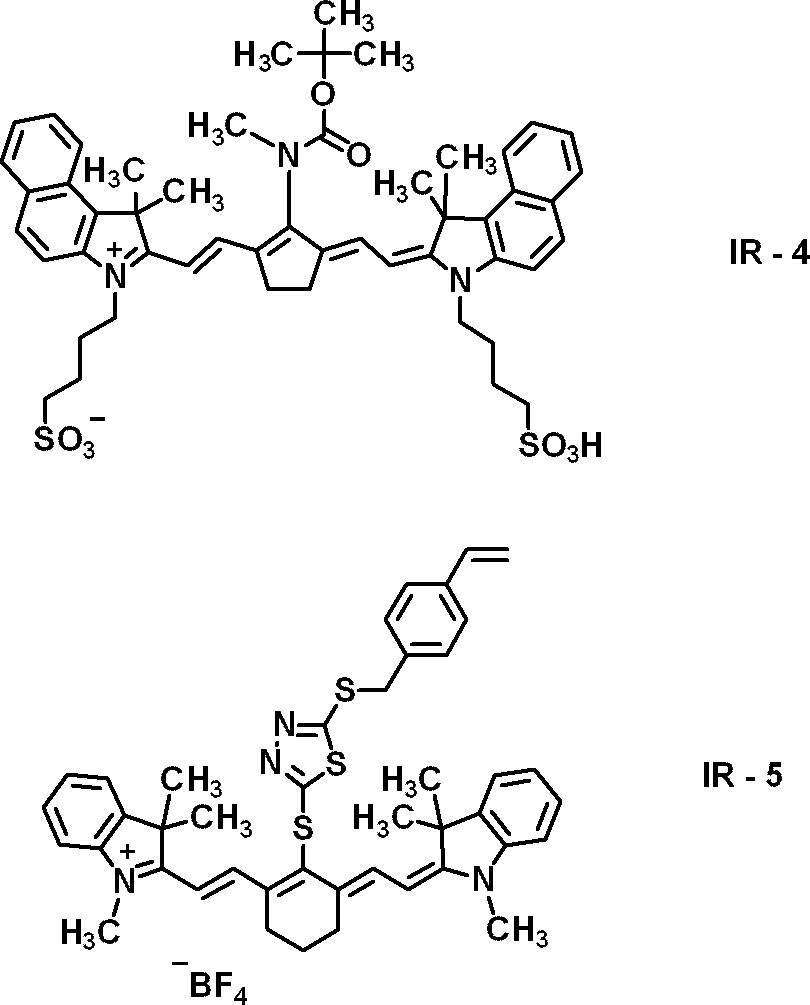
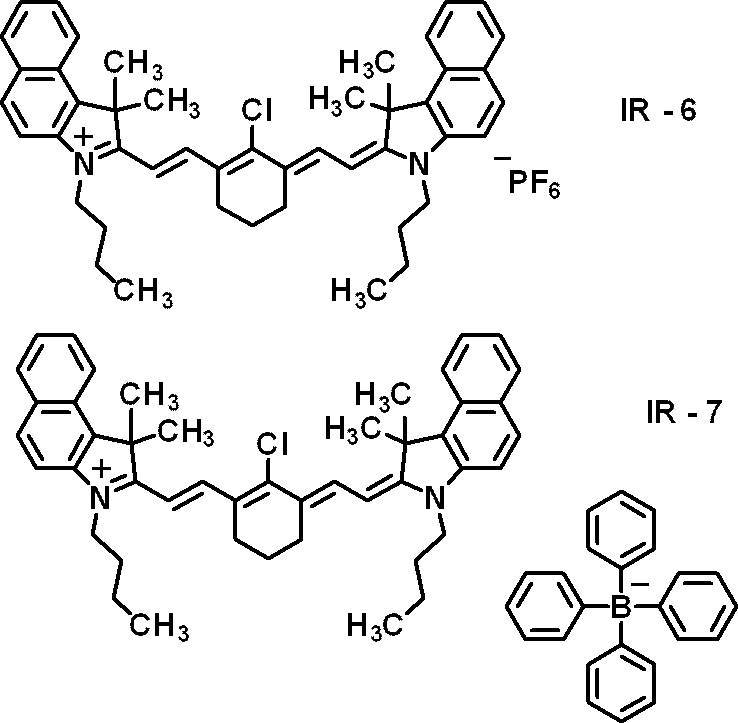
S-1~S-12:下記化合物
C-1:下記化合物

IA-1:下記構造の化合物
IA-2:下記構造の化合物
IA-3:下記構造の化合物
IA-4:下記構造の化合物

<バインダーポリマー(6)(バインダーポリマーP-1)の合成>
三口フラスコに、1-メトキシ-2-プロパノール:78.0部を秤取り、窒素気流下、70℃に加熱した。この反応容器に、ブレンマーPME-100(メトキシジエチレングリコールモノメタクリレート、日本油脂(株)製):52.1部、メチルメタクリレート:21.8部、メタクリル酸:14.2部、ヘキサキス(3-メルカプトプロピオン酸)ジペンタエリスリトール:2.15部、V-601(2,2’-アゾビス(イソ酪酸)ジメチル、和光純薬工業(株)製):0.38部、1-メトキシ-2-プロパノール:54部からなる混合溶液を2時間30分かけて滴下した。滴下終了後、80℃に昇温し、更に2時間反応を続けた。V-601:0.04部、1-メトキシ-2-プロパノール:4部からなる混合溶液を加え、90℃に昇温して2.5時間反応を続けた。反応終了後、室温まで反応液を冷却した。
上記の反応溶液に1-メトキシ-2-プロパノール:137.2部、4-ヒドロキシテトラメチルピペリジン-N-オキシド:0.24部、グリシジルメタクリレート:26.0部、テトラエチルアンモニウムブロミド:3.0部を加えてよく撹拌した後、90℃にて加熱した。
18時間後、室温(25℃)まで反応溶液を冷却した後、1-メトキシ-2-プロパノール:99.4部を加えて希釈した。
こうして得られたバインダーポリマー(6)(バインダーポリマーP-1)は、固形分濃度:23質量%、GPCで測定したポリスチレン換算重量平均分子量は3.5万であった。

三口フラスコに、1-メトキシ-2-プロパノール:78.00部を秤取り、窒素気流下、70℃に加熱した。この反応容器に、ブレンマーPME-100(メトキシジエチレングリコールモノメタクリレート、日本油脂(株)製):52.8部、メチルメタクリレート:2.8部、メタクリル酸:25.0部、ヘキサキス(3-メルカプトプロピオン酸)ジペンタエリスリトール:6.4部、V-601(2,2’-アゾビス(イソ酪酸)ジメチル、和光純薬工業(株)製):1.1部、1-メトキシ-2-プロパノール:55部からなる混合溶液を2時間30分かけて滴下した。滴下終了後、80℃に昇温し、更に2時間反応を続けた。2時間後、V-601:0.11部、1-メトキシ-2-プロパノール:1部から成る混合溶液を加え、90℃に昇温して2.5時間反応を続けた。反応終了後、室温まで反応液を冷却した。
上記の反応溶液に1-メトキシ-2-プロパノール:177.2部、4-ヒドロキシテトラメチルピペリジン-N-オキシド:0.28部、グリシジルメタクリレート:46.0部、テトラブチルアンモニウムブロミド:3.4部を加えてよく撹拌した後、90℃にて加熱した。
18時間後、室温(25℃)まで反応溶液を冷却した後、4-メトキシフェノールを0.06部、1-メトキシ-2-プロパノール:114.5部を加えて希釈した。
こうして得られたバインダーポリマー(7)(バインダーポリマーP-2)は、固形分濃度:23質量%、GPCで測定したポリスチレン換算重量平均分子量は1.5万であった。
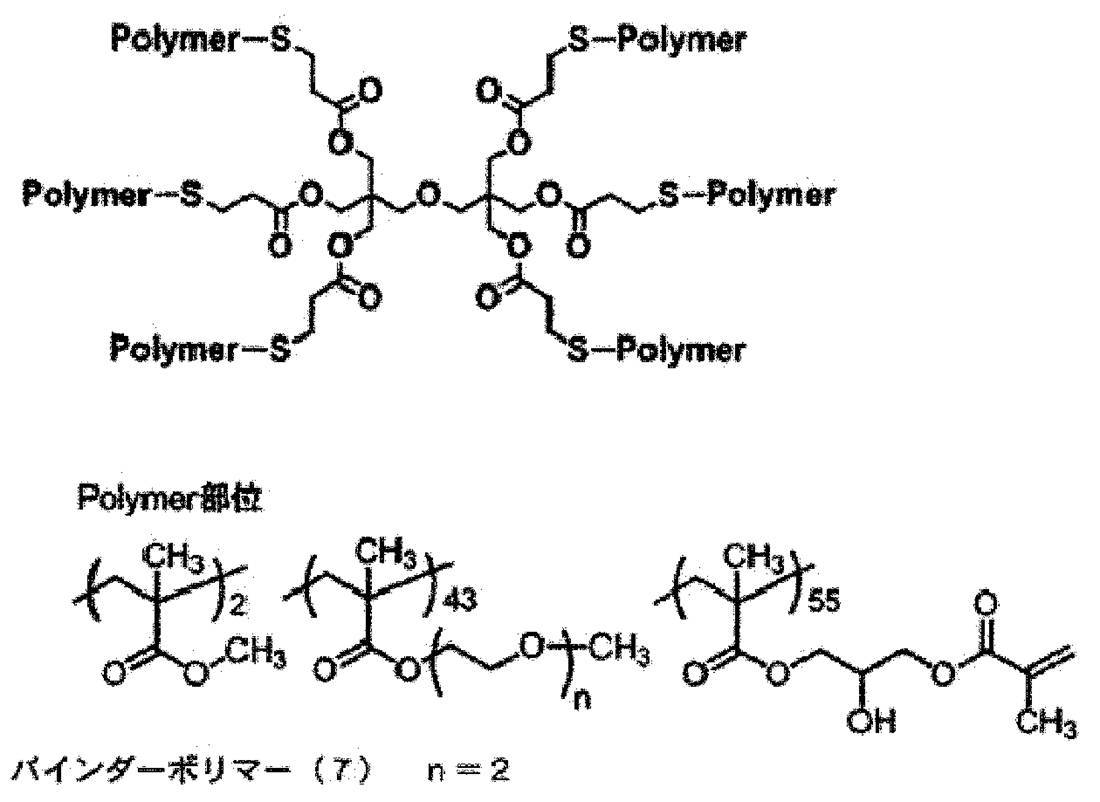
アニオン界面活性剤(A-1):下記化合物
フッ素系界面活性剤(W-1):下記化合物


・ミクロゲル(ポリマー粒子):2.640部
・蒸留水:2.425部
上記ミクロゲル液に用いたミクロゲルの調製法を以下に示す。
イソホロンジイソシアネート17.78部(80モル当量)と下記多価フェノール化合物(1)7.35部(20モル当量)との酢酸エチル(25.31部)懸濁溶液に、ビスマストリス(2-エチルヘキサノエート)(ネオスタン U-600、日東化成(株)製)0.043部を加えて撹拌した。発熱が収まった時点で反応温度を50℃に設定し、3時間撹拌して多価イソシアネート化合物(1)の酢酸エチル溶液(50質量%)を得た。

下記油相成分及び水相成分を混合し、ホモジナイザーを用いて12,000rpmで10分間乳化した。得られた乳化物を45℃で4時間撹拌後、1,8-ジアザビシクロ[5.4.0]ウンデカ-7-エン-オクチル酸塩(U-CAT SA102、サンアプロ(株)製)の10質量%水溶液5.20gを加え、室温で30分撹拌し、45℃で24時間静置した。蒸留水で、固形分濃度を20質量%になるように調整し、ミクロゲル(1)の水分散液が得られた。光散乱法により平均粒径を測定したところ、0.28μmであった。
(成分1)酢酸エチル:12.0部
(成分2)トリメチロールプロパン(6モル当量)とキシレンジイソシアネート(18モル当量)を付加させ、これに片末端メチル化ポリオキシエチレン(1モル当量、オキシエチレン単位の繰返し数:90)を付加させた付加体(50質量%酢酸エチル溶液、三井化学(株)製):3.76部
(成分3)多価イソシアネート化合物(1)(50質量%酢酸エチル溶液として):15.0部
(成分4)ジペンタエリスリトールペンタアクリレート(SR-399、サートマー社製)の65質量%酢酸エチル溶液:11.54部
(成分5)スルホン酸塩型界面活性剤(パイオニンA-41-C、竹本油脂(株)製)の10%酢酸エチル溶液:4.42部
蒸留水:46.87部
多官能イソシアネート化合物(PM-200:万華化学社製):6.66部と、三井化学(株)製の「タケネート(登録商標)D-116N(トリメチロールプロパン(TMP)とm-キシリレンジイソシアネート(XDI)とポリエチレングリコールモノメチルエーテル(EO90)との付加物(下記構造)」の50質量%酢酸エチル溶液:5.46部と、ジペンタエリスリトールペンタアクリレート(SR-399、サートマー社製、下記M-2)の65質量%酢酸エチル溶液:11.53部と、酢酸エチル:18.66部と、竹本油脂(株)製のパイオニン(登録商標)A-41-C:0.45部を混合し、室温(25℃)で15分撹拌して油相成分を得た。
得られた油相成分に、水相成分としての純水:46.89部を添加して混合し、得られた混合物を、ホモジナイザーを用いて12,000rpmで12分間乳化させて乳化物を得た。
得られた乳化物を蒸留水16.66部に添加し、次いで、撹拌後の液体を45℃に加熱し、液温を45℃に保持した状態で4時間攪拌することにより、上記液体から酢酸エチルを留去した。次いで、酢酸エチルを留去した液体を45℃に加熱し、液温を45℃に保持した状態で48時間撹拌することにより、液体中に、重付加型樹脂によるマイクロカプセル型の内包型ポリマー粒子P-2を得た。次いで、内包型ポリマー粒子P-2を含む液体を、固形分濃度が20質量%となるように蒸留水で希釈することにより、内包型ポリマー粒子P-1の水分散物を得た。
内包型ポリマー粒子P-2の体積平均粒径を、レーザー回折/散乱式粒子径分布測定装置LA-920((株)堀場製作所製)により測定したところ、200nmであった。
また、内包型ポリマー粒子P-2の全質量に占める重合性化合物M-2の含有量は、42質量%であった。

4つ口フラスコに、分散ユニット:下記化合物B-1(n=45):10.0部、蒸留水85.0部、及びn-プロパノール240.0部を加えて、窒素雰囲気下70℃で加熱撹拌した。
次に、4つ口フラスコに、予め混合された下記化合物A-1:20.0部、下記化合物A-2:70.0部及び2,2’-アゾビスイソブチロニトリル0.7部の混合物を2時間かけて滴下した。
滴下終了後5時間そのまま反応を続けた後、2,2’-アゾビスイソブチロニトリル0.5部を添加し、80℃に昇温した。6時間おきに2,2’-アゾビスイソブチロニトリルを0.4部ずつ添加し、計19時間反応させた。
反応液を室温(25℃)に放冷し、粒子R-3の分散液(固形分23%)を得た。

また、樹脂粒子R-3の分散性について、既述の方法で確認したところ、樹脂粒子R-3は、水分散性を有する粒子であって、有機溶媒分散性を有する粒子であった。
使用するモノマーの種類及び量を変更する以外は、ポリマー粒子R-3の調製と同様にして、ポリマー粒子R-4及びR-5をそれぞれ作製した。
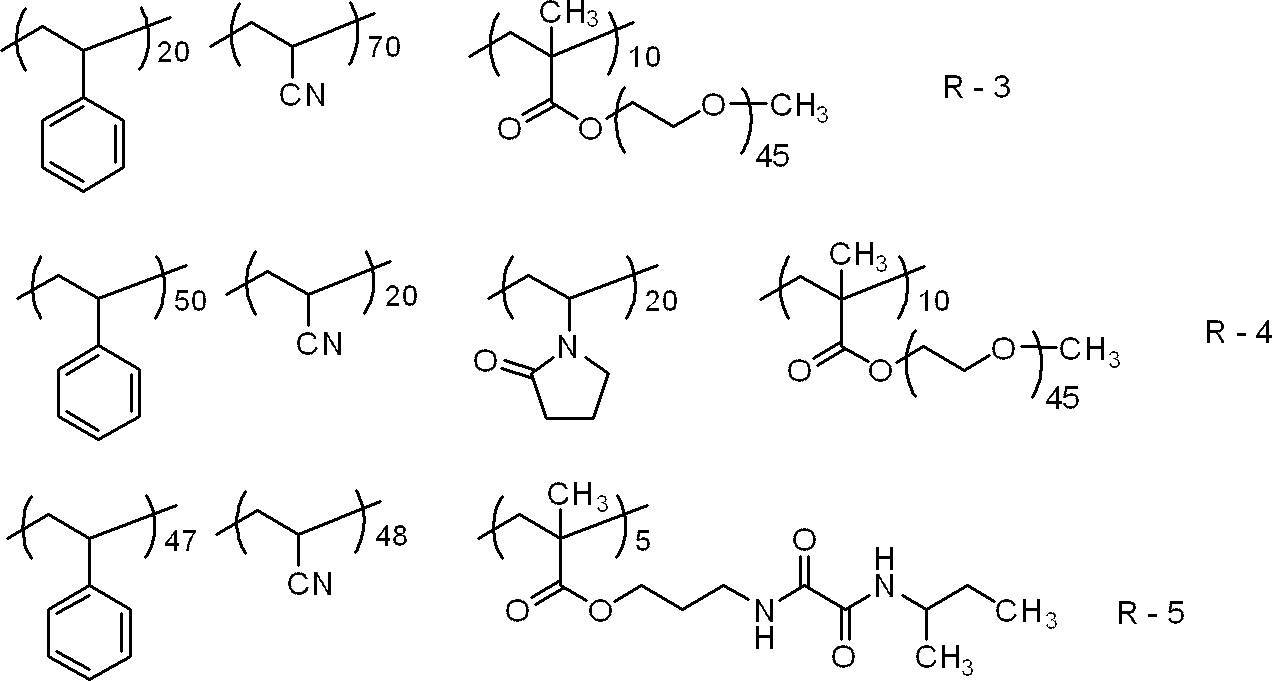
M-1:ジペンタエリスリトールペンタアクリレートヘキサメチレンジイソシアネート ウレタンプレポリマー、UA-510H 共栄社化学(株)製、官能基数:10
M-2:U-15HA(ウレタンアクリレート、新中村化学工業(株)製、官能基数:15)
M-3:下記重合性化合物(官能基数:15)
M-4:CN8885NS(サートマー社製、官能基数9)
M-5:ジペンタエリスリトールヘキサアクリレート(東亞合成(株)製、アロニックスM-403、官能基数:6)
M-6:ウレタンジメタクリレート(シグマアルドリッチ社製、官能基数:2)
M-7:CN 104(アルケマ社製、官能基数:2)
タケネートD-160N(三井化学(株)製)4.7質量部)アロニックスM-405(東亞合成(株)製)ポリイソシアネートのNCO価と水酸基含有多官能アクリレートの水酸基価が1:1となる量、t-ブチルベンゾキノン0.02質量部、メチルエチルケトン11.5質量部の混合溶液を65℃に加熱した。反応溶液に、ネオスタンU-600(ビスマス系重縮合触媒、日東化成(株)製)0.11質量部を加え、同温度で4時間加熱した。反応溶液を室温(25℃)まで冷却し、メチルエチルケトンを加えることで、固形分が50質量%のウレタンアクリレート溶液を合成した。
C-1:下記構造の化合物
C-2:ベンジルジメチルオクチルアンモニウム・PF6塩
C-3:下記構造の化合物

B-1~B-5:下記化合物

・ポバールPVA105((株)クラレ製、けん化度80%以上):0.6質量部
・PEG4000(東京化成工業(株)製):0.39質量部
・界面活性剤(ラピゾールA-80、日油(株)製):0.01質量部
・水:全体が10質量部となる量
・ゴーセノールL-3266((三菱ケミカル(株)製、けん化度86~89%以上):0.1質量部
・界面活性剤(ラピゾールA-80、日油(株)製):0.01質量部
・水:0.9質量部
・ポリビニルアルコール(CKS50、日本合成化学工業(株)製、スルホン酸変性、けん化度99モル%以上、重合度300)6質量%水溶液:10部
・界面活性剤(ラピゾールA-80、日油(株)製:0.001部
・イオン交換水:6.0部
・無機層状化合物分散液(1)〔下記〕:1.5部
・ポリビニルアルコール(CKS50、日本合成化学工業(株)製、スルホン酸変性、けん化度99モル%以上、重合度300)6質量%水溶液:0.55部
・ポリビニルアルコール(PVA-405、(株)クラレ製、けん化度81.5モル%、重合度500)6質量%水溶液:0.03部
・界面活性剤(ポリオキシエチレンラウリルエーテル、エマレックス710、日本エマルジョン(株)製)1質量%水溶液:0.86部
・イオン交換水:6.0部
<<無機層状化合物分散液(1)の調製>>
イオン交換水193.6gに合成雲母(ソマシフME-100、コープケミカル(株)製)6.4gを添加し、ホモジナイザーを用いて平均粒径(レーザー散乱法)が3μmになるまで分散した。得られた分散粒子のアスペクト比は100以上であった。
・Mowiol4-88(部分加水分解ポリビニルアルコール、Kuraray Europe社製):0.5質量部
・Diofan A050(ポリ塩化ビニリデン、ソルベイ社製):0.5質量部
・IR-4:0.07重量部
・lutenzolA8(ノニオン界面活性剤、BASF社製):0.02重量部
・水:全体が10質量部となる量
<支持体1の作製>
厚さ0.3mmの材質1Sのアルミニウム板(アルミニウム合金板)に対し、下記(J-a)~(J-m)の処理を施し、支持体1を製造した。なお、全ての処理工程の間には水洗処理を施し、水洗処理の後にはニップローラで液切りを行った。
図8に示したような装置を使って、パミスの懸濁液(比重1.1g/cm3)を研磨スラリー液としてアルミニウム板の表面に供給しながら、回転する束植ブラシにより機械的粗面化処理を行った。
機械的粗面化処理では、研磨材のメジアン径(μm)を30μm、ブラシ本数を4本、ブラシの回転数(rpm)を250rpmとした。束植ブラシの材質は6・10ナイロンで、ブラシ毛の直径0.3mm、毛長50mmであった。ブラシは、φ300mmのステンレス製の筒に穴をあけて密になるように植毛した。束植ブラシ下部の2本の支持ローラ(φ200mm)の距離は、300mmであった。束植ブラシはブラシを回転させる駆動モータの負荷が、束植ブラシをアルミニウム板に押さえつける前の負荷に対して10kWプラスになるまで押さえつけた。ブラシの回転方向はアルミニウム板の移動方向と同じであった。
アルミニウム板に、カセイソーダ濃度26質量%及びアルミニウムイオン濃度6.5質量%のカセイソーダ水溶液を、温度70℃でスプレーにより吹き付けてエッチング処理を行った。後に電気化学的粗面化処理を施す面のアルミニウム溶解量は、10g/m2であった。
酸性水溶液として、液温35℃の次工程の電気化学的粗面化処理に用いた硝酸の廃液をアルミニウム板にスプレーにて3秒間吹き付けて、デスマット処理を行った。
60Hzの交流電圧を用いて、連続的に電気化学的粗面化処理を行った。電解液は、硝酸10.4g/Lの水溶液に硝酸アルミニウムを添加してアルミニウムイオン濃度を4.5g/Lに調整した、液温35℃の電解液を用いた。交流電源波形は図6に示した波形であり、電流値がゼロからピークに達するまでの時間tpが0.8msec、duty比1:1、台形の矩形波交流を用いて、カーボン電極を対極として電気化学的な粗面化処理を行った。補助アノードにはフェライトを用いた。電解槽は図7に示すものを使用した。電流密度は電流のピーク値で30A/dm2、補助陽極には電源から流れる電流の5%を分流させた。電気量(C/dm2)はアルミニウム板が陽極時の電気量の総和で185C/dm2であった。
アルミニウム板に、カセイソーダ濃度27質量%及びアルミニウムイオン濃度2.5質量%のカセイソーダ水溶液を、温度50℃でスプレーにより吹き付けてエッチング処理を行った。アルミニウム溶解量は、3.5g/m2であった。
酸性水溶液として、液温30℃の硫酸濃度170g/L及びアルミニウムイオン濃度5g/Lの水溶液をアルミニウム板にスプレーにて3秒間吹き付けて、デスマット処理を行った。
60Hzの交流電圧を用いて、連続的に電気化学的粗面化処理を行った。電解液は、塩酸6.2g/Lの水溶液に塩化アルミニウムを添加してアルミニウムイオン濃度を4.5g/Lに調整した、液温35℃の電解液を用いた。交流電源波形は図6に示した波形であり、電流値がゼロからピークに達するまでの時間tpが0.8msec、duty比1:1、台形の矩形波交流を用いて、カーボン電極を対極として電気化学的な粗面化処理を行った。補助アノードにはフェライトを用いた。電解槽は図7に示すものを使用した。電流密度は電流のピーク値で25A/dm2であり、塩酸電解における電気量(C/dm2)はアルミニウム板が陽極時の電気量の総和で63C/dm2であった。
アルミニウム板に、カセイソーダ濃度5質量%及びアルミニウムイオン濃度0.5質量%のカセイソーダ水溶液を、温度60℃でスプレーにより吹き付けてエッチング処理を行った。アルミニウム溶解量は、0.2g/m2であった。
酸性水溶液として、液温35℃の陽極酸化処理工程で発生した廃液(硫酸濃度170g/L及びアルミニウムイオン濃度5g/L)の水溶液をアルミニウム板にスプレーにて4秒間吹き付けて、デスマット処理を行った。
図9に示す構造の直流電解による陽極酸化装置を用いて第1段階の陽極酸化処理を行った。電解液として170g/L硫酸水溶液を用い、液温50℃、電流密度30A/dm2の条件にて陽極酸化処理を行い、皮膜量0.3g/m2の陽極酸化皮膜を形成した。
陽極酸化処理したアルミニウム板を、カセイソーダ濃度5質量%及びアルミニウムイオン濃度0.5質量%のカセイソーダ水溶液に、40℃で3秒間浸漬し、ポアワイド処理を行った。
図9に示す構造の直流電解による陽極酸化装置を用いて第2段階の陽極酸化処理を行った。電解液として170g/L硫酸水溶液を用い、液温50℃、電流密度13A/dm2の条件にて陽極酸化処理を行い、皮膜量2.1g/m2の陽極酸化皮膜を形成した。
非画像部の親水性を確保するため、アルミニウム板を、2.5質量%3号ケイ酸ソーダ水溶液に50℃で7秒間浸漬してシリケート処理を施した。Siの付着量は8.5mg/m2であった。マイクロポアの平均径は30nmであった。
支持体1の陽極酸化皮膜表面のL*a*b*表色系における明度L*の値は72.3であった。
支持体1上に、下記組成の下塗り層塗布液(1)を乾燥塗布量が26mg/m2になるよう塗布して、下塗り層1を形成した。
・下塗り層用化合物(2)(下記構造):0.13部
・ヒドロキシエチルイミノ二酢酸:0.05部
・エチレンジアミン四酢酸四ナトリウム:0.05部
・ポリオキシエチレンラウリルエーテル:0.03部
・水:61.39部
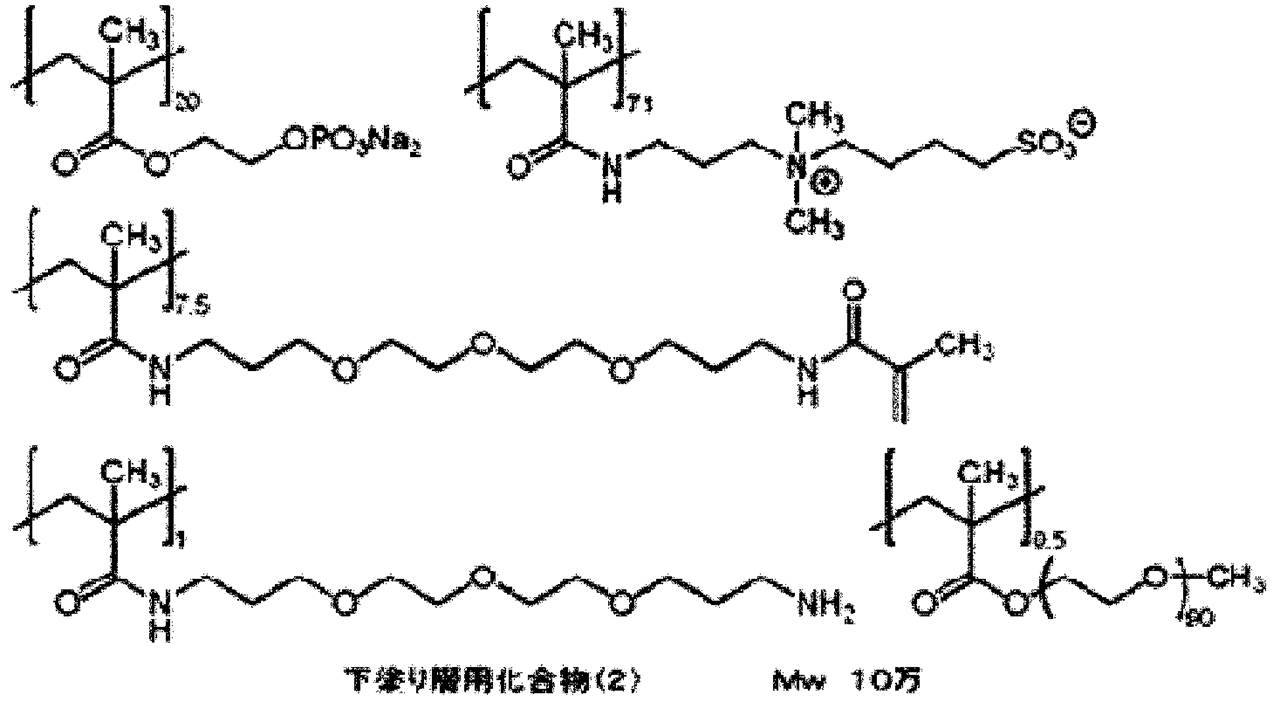
下塗り層上に、下記組成の画像記録層塗布液(1)をバー塗布し、100℃で60秒間オーブン乾燥し、厚さ1.2μmの画像記録層1を形成した。
画像記録層塗布液(1)は、下記感光液(1)及びミクロゲル液(1)を塗布直前に混合し撹拌することにより得た。
・バインダーポリマー(6)(P-1)23質量%1-メトキシ-2-プロパノール溶液(下記構造):0.2891部
・バインダーポリマー(7)(P-1)23質量%1-メトキシ-2-プロパノール溶液(下記構造):0.4574部
・赤外線吸収剤(1)(下記構造):0.0278部
・ボレート化合物(1)(テトラフェニルホウ酸ナトリウム):0.015部
・重合開始剤(1)(下記構造):0.2348部
・重合性化合物(1)(トリス(アクリロイルオキシエチル)イソシアヌレート、NKエステルA-9300 40%2-ブタノン溶液、新中村化学工業(株)製):0.2875部
・発色体前駆体S-1(上記化合物):0.020部
・低分子親水性化合物(1)(トリス(2-ヒドロキシエチル)イソシアヌレート:0.0287部
・低分子親水性化合物(2)(トリメチルグリシン):0.0147部
・アニオン性界面活性剤1 30質量%水溶液(下記構造):0.25部
・紫外線吸収剤(1)(TINUVIN405、BASF(株)社製)(下記構造):0.04部
・フッ素系界面活性剤(1)(下記構造):0.004部
・ホスホニウム化合物(1)(下記構造):0.020部
・2-ブタノン:5.346部
・1-メトキシ-2-プロパノール:3.128部
・メタノール:0.964部
・純水:0.036部

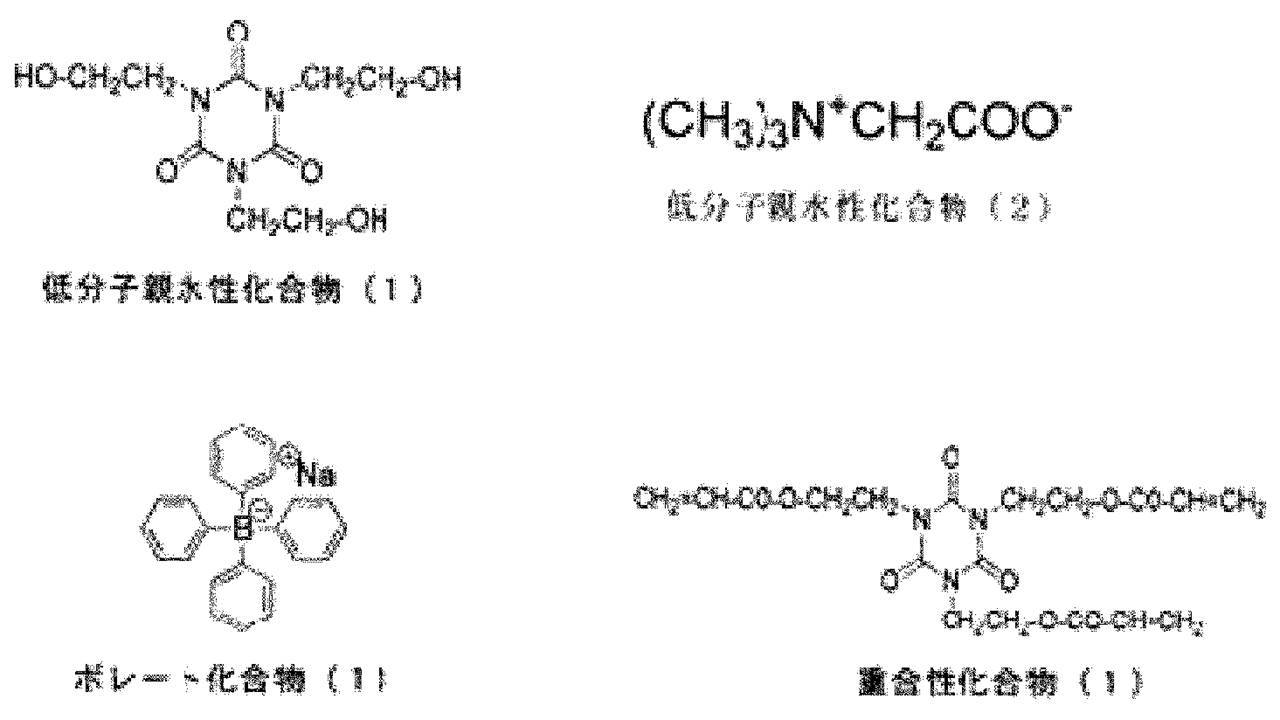
・ミクロゲル(ポリマー粒子)(固形分濃度21.8質量%):2.243部
・1-メトキシ-2-プロパノール:0.600部
下記組成の保護層塗布液(1)をバー塗布し、120℃で60秒間オーブン乾燥して厚さ0.18μmの保護層1を形成した。
・無機層状化合物分散液(2)(下記):2.212部
・ポリビニルアルコール(ゴーセランL-3266、日本合成化学工業(株)製、スルホン酸変性、けん化度85モル%)6質量%水溶液:1.440部
・界面活性剤(パイオニンA-32-B(下記)、竹本油脂(株)製)40質量%水溶液):0.014部
・界面活性剤(サーフィノール465(下記)、日信化学(株)製):0.006部
・純水:3.955部

イオン交換水193.6部に合成雲母ソマシフME-100(コープケミカル(株)製)6.4部を添加し、ホモジナイザーを用いて体積平均粒子径(レーザー散乱法)が3μmになるまで分散して無機層状化合物分散液(2)を調製した。分散粒子のアスペクト比は100以上であった。
得られた平版印刷版原版を波長830nmの赤外線半導体レーザー搭載の富士フイルム(株)製Luxel PLATESETTER T-6000IIIにて、110mJ/cm2の露光量になるように露光した。露光画像にはベタ画像、20μmドットFMスクリーンの50%網点チャート及び非画像部を含むようにした。
得られた露光済み平版印刷原版を現像処理することなく、(株)小森コーポレーション製印刷機LITHRONE26の版胴に取り付けた。版胴に対して給水ローラを5%減速させた上で、Ecolity-2(富士フイルム(株)製)/水道水=2/98(容量比)の湿し水とUVインキ(T&K UV OFS K-HS墨GE-M((株)T&K TOKA製))とを用い、LITHRONE26の標準自動印刷スタート方法で湿し水とインキとを供給して機上現像した後、毎時10,000枚の印刷速度で、特菱アート(三菱製紙(株)製、連量:76.5kg)紙に印刷を50,000枚行った。
印刷枚数の増加にともない、徐々に画像記録層が磨耗しインキ受容性が低下するため、印刷用紙におけるインキ濃度が低下した。印刷物におけるFMスクリーン3%網点の網点面積率をX-Rite(X-Rite社製)で計測した値が印刷100枚目の計測値よりも5%低下したときの印刷部数を刷了枚数としてUV耐刷性を評価した。
同様に発色体前駆体を含まない版を用意し、発色体前駆体を含む場合の枚数/発色体前駆体を含まない場合の枚数として計算した。
フーリエ変換赤外分光光度計(FT-IR)を用い、基準ピーク(版素材によるが適宜、露光前後で変化しないピーク)に対する700cm-1付近のC=C基由来伸縮のピーク面積(相対値)を求めた。
上記NC/NC0の測定方法と同一の条件で露光した際にできるベタ露光部と未露光部において上述のピーク面積を求め、未露光部面積から露光部面積を引いたものをエチレン性不飽和結合消失率とした。
後述するNC/NC0の測定方法と同一の条件で露光し、ベタ露光部と未露光部を得た。未露光部と露光部を裁断し、50cm2分の塗布膜を1mLのTHFに浸して超音波にて重合性化合物を溶出させ、HPLCにて面積を測定した。未露光部から検出された重合性化合物面積で露光部から検出された重合性化合物面積を割った割合を重合性化合物消費率とした。
得られた平版印刷版原版を赤外線半導体レーザー搭載の富士フイルム(株)製Luxel PLATESETTER T-6000IIIにて、外面ドラム回転数1,000rpm、レーザー出力70%、解像度2,400dpi(dot per inch、1 inch=2.54cm)の条件で露光した。露光画像にはベタ画像、20μmドットFMスクリーンの50%網点チャート及び非画像部を含むようにした。
得られた露光済み平版印刷原版を現像処理することなく、(株)小森コーポレーション製印刷機LITHRONE26の版胴に取り付けた。版胴に対して給水ローラを5%減速させた上で、Ecolity-2(富士フイルム(株)製)/水道水=2/98(容量比)の湿し水とUVインキ(T&K UV OFS K-HS墨GE-M((株)T&K TOKA製))とを用い、LITHRONE26の標準自動印刷スタート方法で湿し水とインキとを供給して機上現像した後、毎時10,000枚の印刷速度で、特菱アート(三菱製紙(株)製、連量:76.5kg)紙に印刷を150,000枚行った。
印刷枚数の増加にともない、徐々に画像記録層が磨耗しインキ受容性が低下するため、印刷用紙におけるインキ濃度が低下した。その様子を目視確認した。
3:10,000枚時とほぼ変化がないもの
2:10,000枚時と比べ5割ほど画像が残っているもの
1:10,000枚時と比べ2割ほど画像が残っているもの
0:ほぼインクが残っていないもの
得られた平版印刷版原版を、水冷式40W赤外線半導体レーザー搭載のCreo社製Trendsetter3244VXにより、出力11.5W、外面ドラム回転数220rpm、解像度2,400dpi(dot per inch、1inch=25.4mm)の条件で露光した。露光は25℃、50%RHの環境下で行った。
露光直後の平版印刷版原版の発色を測定した。測定は、コニカミノルタ(株)製分光測色計CM2600dとオペレーションソフトCM-S100Wとを用い、SCE(正反射光除去)方式で行った。発色性は、L*a*b*表色系のL*値(明度)を用い、露光部のL*値と未露光部のL*値との差ΔLにより評価した。ΔLの値が大きい程、発色性が優れるといえる。
作製した平版印刷版原版の面状、及び、画像記録層を形成した塗布液の状態を目視で確認した。
3:平版印刷版原版の表面に結晶状の欠陥がない
2:平版印刷版原版の表面に結晶状の欠陥が微量存在する
1:平版印刷版原版の表面に結晶状の欠陥が頻繁に存在する
0:塗布液状態で沈殿物がある

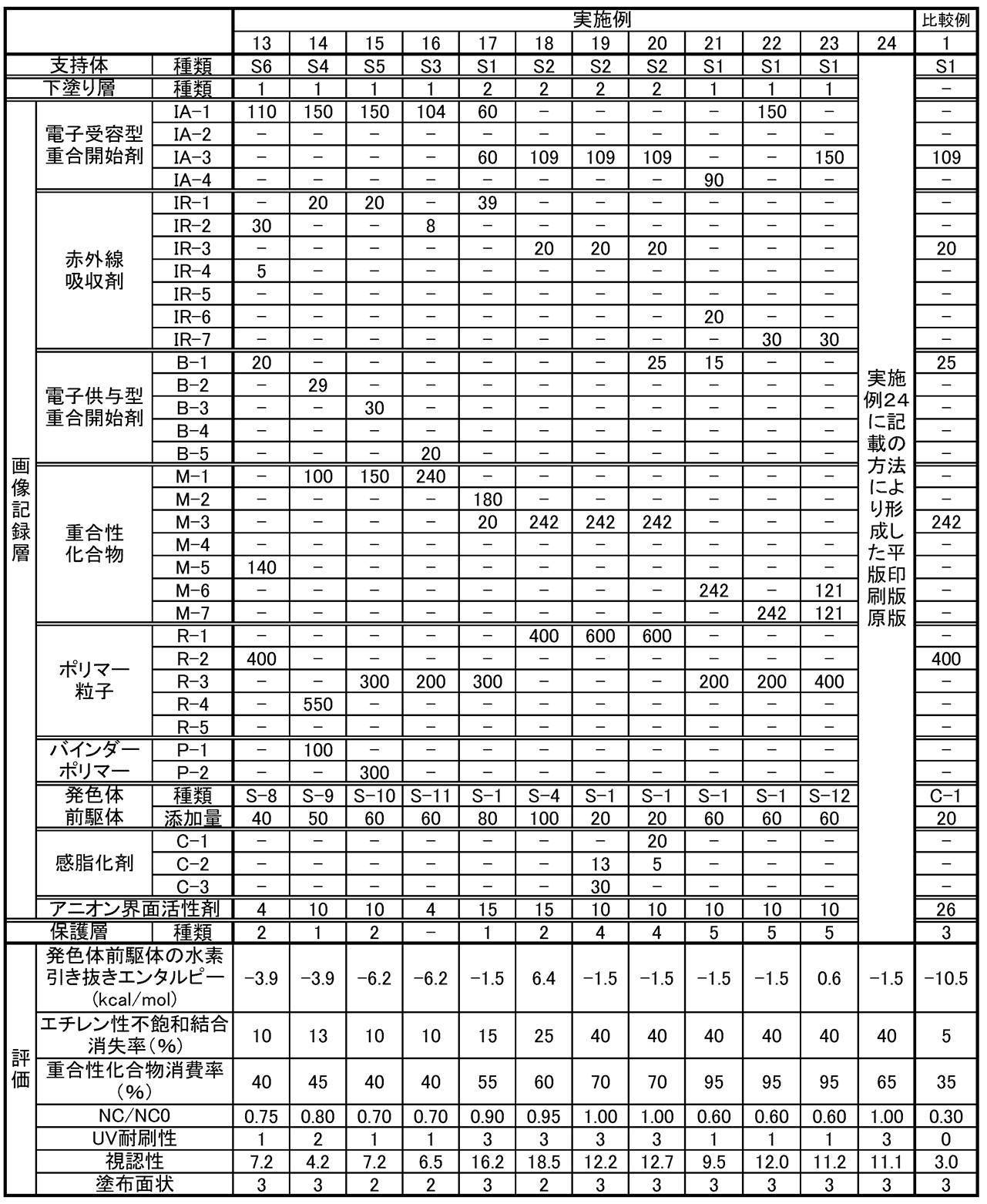

<平版印刷版原版の形成>
表9に記載の支持体上に、表9に記載の下記組成の下塗り液B又はCを乾燥塗布量が20mg/m2になるよう塗布し、100℃30秒間オーブンで乾燥し、下塗り層を有する支持体を作製した。
下塗り層上に、下記画像記録層塗布液(2)をバー塗布し、100℃で60秒間オーブン乾燥して表9に記載の乾燥塗布量となるように画像記録層を形成し、平版印刷版原版を得た。
更にその後、画像記録層上に、表9に記載の下記組成の保護層塗布液(2)をバー塗布し、120℃で60秒間オーブン乾燥して、表9に記載の乾燥塗布量となるように保護層(オーバーコート層)を形成し、機上現像型平版印刷版原版を作製した。
得られた平版印刷版原版を、実施例1と同様にして、評価を行った。評価結果を表9に示す。
<<表面処理D>>:
〔大径孔部及び小径孔部を有する支持体〕
(D-a)アルカリエッチング処理
アルミニウム板に、カセイソーダ(水酸化ナトリウム)濃度26質量%、アルミニウムイオン濃度6.5質量%のカセイソーダ水溶液を、温度70℃でスプレー管により吹き付けてエッチング処理を行った。その後、スプレーによる水洗を行った。後に電気化学的粗面化処理を施す面のアルミニウム溶解量は、1.0g/m2であった。
次に、酸性水溶液中でデスマット処理を行った。デスマット処理に用いる酸性水溶液は、硫酸150g/Lの水溶液を用いた。その液温は30℃であった。デスマット液はスプレーにより吹き付けて、3秒間デスマット処理した。その後、水洗処理を行った。
次に、塩酸濃度14g/L、アルミニウムイオン濃度13g/L、硫酸濃度3g/Lの電解液を用い、交流電流を用いて電解粗面化処理を行った。電解液の液温は30℃であった。アルミニウムイオン濃度は塩化アルミニウムを添加して調整した。交流電流の波形は正と負の波形が対称な正弦波であり、周波数は50Hz、交流電流1周期におけるアノード反応時間とカソード反応時間は1:1、電流密度は交流電流波形のピーク電流値で75A/dm2であった。また、電気量はアルミニウム板がアノード反応に預かる電気量の総和で450C/dm2であり、電解処理は125C/dm2ずつ4秒間の通電間隔を開けて4回に分けて行った。アルミニウム板の対極にはカーボン電極を用いた。その後、水洗処理を行った。
電気化学的粗面化処理後のアルミニウム板を、カセイソーダ濃度5質量%、アルミニウムイオン濃度0.5質量%のカセイソーダ水溶液を、温度45℃でスプレー管により吹き付けてエッチング処理を行った。電気化学的粗面化処理が施された面のアルミニウムの溶解量は0.2g/m2であった。その後、水洗処理を行った。
次に、酸性水溶液中でのデスマット処理を行った。デスマット処理に用いる酸性水溶液は、陽極酸化処理工程で発生した廃液(硫酸170g/L水溶液中にアルミニウムイオン5.0g/L溶解)を用いた。液温は30℃であった。デスマット液はスプレーに吹き付けて3秒間デスマット処理を行った。
図9に示す構造の直流電解による陽極酸化装置を用いて第1段階の陽極酸化処理を行った。表6に示す条件にて陽極酸化処理を行い、所定の皮膜厚の陽極酸化皮膜を形成した。
上記陽極酸化処理したアルミニウム板を、温度35℃、カセイソーダ濃度5質量%、アルミニウムイオン濃度0.5質量%のカセイソーダ水溶液に表6に示す条件にて浸漬し、ポアワイド処理を行った。その後、スプレーによる水洗を行った。
図9に示す構造の直流電解による陽極酸化装置を用いて第2段階の陽極酸化処理を行った。表6に示す条件にて陽極酸化処理を行い、所定の皮膜厚の陽極酸化皮膜を形成した。
なお、マイクロポアの平均径(大径孔部及び小径孔部の平均径)は、大径孔部表面及び小径孔部表面を倍率15万倍のFE-SEMでN=4枚観察し、得られた4枚の画像において、400nm×600nmの範囲に存在するマイクロポア(大径孔部及び小径孔部)の径を測定し、平均した値である。なお、大径孔部の深さが深く、小径孔部の径が測定しづらい場合、及び、小径孔部中の拡径孔部の測定を行う場合は、陽極酸化皮膜上部を切削し、その後各種径を求めた。
マイクロポアの深さ(大径孔部及び小径孔部の深さ)は、支持体(陽極酸化皮膜)の断面をFE-SEMで観察し(大径孔部深さ観察:15万倍、小径孔部深さ観察:5万倍)、得られた画像において、任意のマイクロポア25個の深さを測定し、平均した値である。
なお、表6中、第1陽極酸化処理欄の皮膜量(AD)量と第2陽極酸化処理欄の皮膜量(AD)とは、各処理で得られた皮膜量を表す。なお、使用される電解液は、表6中の成分を含む水溶液である。

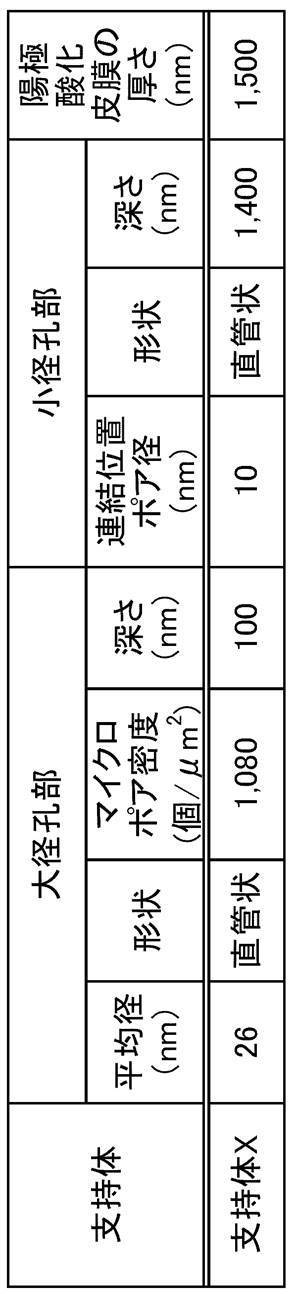
<<処理A>>
(A-a)アルカリエッチング処理
アルミニウム板に、カセイソーダ濃度26質量%及びアルミニウムイオン濃度6.5質量%のカセイソーダ水溶液を、温度70℃でスプレーにより吹き付けてエッチング処理を行った。その後、スプレーによる水洗を行った。後に電気化学的粗面化処理を施す面の アルミニウム溶解量は、5g/m2であった。
次に、酸性水溶液を用いてデスマット処理を行った。デスマット処理に用いる酸性水溶液は、硫酸150g/Lの水溶液を用いた。その液温は30℃であった。酸性水溶液をアルミニウム板にスプレーにて吹き付けて、3秒間デスマット処理を行った。その後、水洗処理を行った。
次に、塩酸濃度14g/L、アルミニウムイオン濃度13g/L、及び、硫酸濃度3 g/Lの電解液を用い、交流電流を用いて電気化学的粗面化処理を行った。電解液の液温は30℃であった。アルミニウムイオン濃度は塩化アルミニウムを添加して調整した。
交流電流の波形は正と負の波形が対称な正弦波であり、周波数は50Hz、交流電流1周期におけるアノード反応時間とカソード反応時間は1:1、電流密度は交流電流波形のピーク電流値で75A/dm2であった。また、電気量はアルミニウム板がアノード反応に預かる電気量の総和で450C/dm2であり、電解処理は112.5C/dm2ずつ4秒間の通電間隔を開けて4回に分けて行った。アルミニウム板の対極にはカーボン電極を用いた。その後、水洗処理を行った。
電気化学的粗面化処理後のアルミニウム板に、カセイソーダ濃度5質量%及びアルミニウムイオン濃度0.5質量%のカセイソーダ水溶液を、温度45℃でスプレーにより吹き付けてエッチング処理を行った。電気化学的粗面化処理が施された面のアルミニウムの 溶解量は0.2g/m2であった。その後、水洗処理を行った。
次に、酸性水溶液を用いてデスマット処理を行った。具体的には、酸性水溶液をアルミニウム板にスプレーにて吹き付けて、3秒間デスマット処理を行った。デスマット処理に用いる酸性水溶液は、硫酸濃度170g/L及びアルミニウムイオン濃度5g/Lの水溶液を用いた。その液温は30℃であった。
図9に示す構造の直流電解による陽極酸化装置を用いて第1段階の陽極酸化処理を行った。表8に示す「第1陽極酸化処理」欄の条件にて陽極酸化処理を行い、所定の皮膜量の 陽極酸化皮膜を形成した。
上記陽極酸化処理したアルミニウム板を、温度40℃、カセイソーダ濃度5質量%及びアルミニウムイオン濃度0.5質量%のカセイソーダ水溶液に表8に示す時間条件にて浸漬し、ポアワイド処理を行った。その後、スプレーによる水洗を行った。
図9に示す構造の直流電解による陽極酸化装置を用いて第2段階の陽極酸化処理を行った。表8に示す「第2陽極酸化処理」欄の条件にて陽極酸化処理を行い、所定の皮膜量の陽極酸化皮膜を形成した。

・ポリマー(U-1):0.18部
・ヒドロキシエチルイミノ二酢酸:0.10部
・水:61.4部
・ポリマー(U-1):0.14部
・キレスト400:0.035部
・キレスト3EAF:0.035部
・界面活性剤(エマレックス710、日本エマルジョン(株)製):0.0016部
・防腐剤(バイオホープL、ケイ・アイ化成(株)製):0.0015部
・水:3.29部

<<モノマーM-1の精製>>
ライトエステル P-1M(2-メタクリロイルオキシエチルアシッドホスフェート、共栄社化学(株)製)420部、ジエチレングリコールジブチルエーテル1,050部及び蒸留水1,050部を分液ロートに加え、激しく撹拌した後静置した。上層を廃棄した後、ジエチレングリコールジブチルエーテル1,050部を加え、激しく撹拌した後静置した。上層を廃棄してモノマーM-1の水溶液(固形分換算10.5質量%)を1,300部得た。
三口フラスコに、蒸留水を53.73部、以下に示すモノマーM-2を3.66部加え、窒素雰囲気下で55℃に昇温した。次に、以下に示す滴下液1を2時間掛けて滴下し、30分撹拌した後、VA-046B(富士フイルム和光純薬(株)製)0.386部を加え、80℃に昇温し、1.5時間撹拌した。反応液を室温(25℃)に戻した後、30質量%水酸化ナトリウム水溶液を加え、pHを8.0に調整したのち、4-ヒドロキシ-2,2,6,6-テトラメチルピペリジン-1-オキシル(4-OH-TEMPO)を0.005部加えた。以上の操作により、ポリマー(U-1)の水溶液を180部得た。ゲル浸透クロマトグラフィー(GPC)法によるポリエチレングリコール換算値とした重量平均分子量(Mw)は20万であった。

・上記モノマーM-1水溶液:87.59部
・上記モノマーM-2:14.63部
・VA-046B(2,2’-アゾビス[2-(2-イミダゾリン-2-イル)プロパン]ジスルフェートジハイドレート、富士フイルム和光純薬(株)製):0.386部
・蒸留水:20.95部
・表9に記載の赤外線吸収剤:表9に記載の量
・表9に記載の発色体前駆体:表9に記載の量
・表9に記載の電子受容型重合開始剤:表9に記載の量
・表9に記載のボレート化合物(電子供与性重合開始剤):表9に記載の量
・表9に記載のバインダーポリマー:表9に記載の量
・表9に記載の重合性化合物:表9に記載の量
・表9に記載の感脂化剤:表9に記載の量
・アニオン界面活性剤(A-1、下記化合物):表9に記載の量
・フッ素系界面活性剤(W-1、下記化合物):4.16部
・2-ブタノン:4,920部
・1-メトキシ-2-プロパノール:3,100部
・メタノール:2,790部
・表9に記載のポリマー粒子:表9に記載の量
・表9に記載の水溶性ポリマー:表9に記載の量
・表9に記載の疎水性ポリマー粒子:表9に記載の量
・表9に記載の界面活性剤:表9に記載の量
・表9に記載の発色体前駆体:表9に記載の量
・水:6.0部
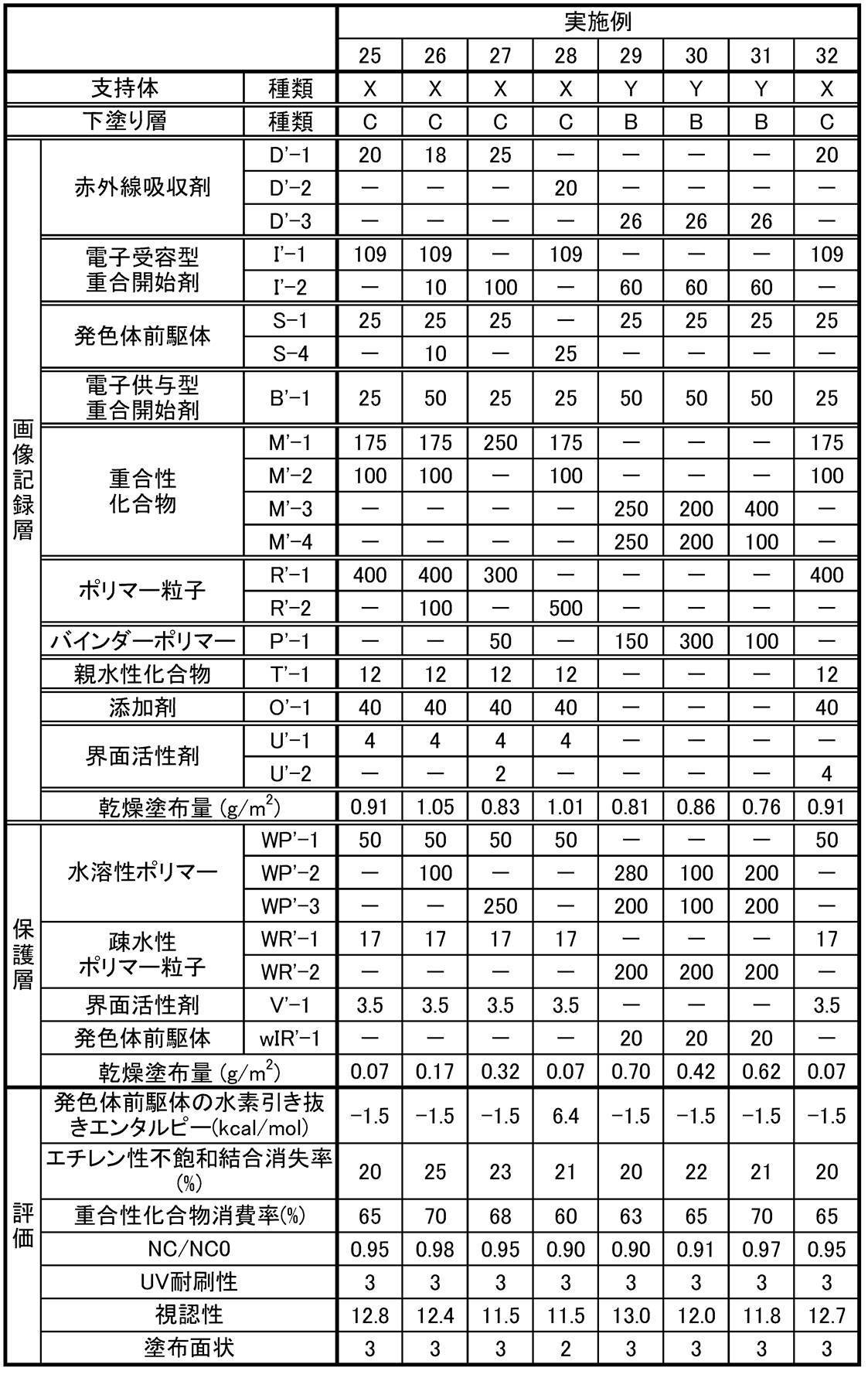
なお、下記において、TsO-は、トシレートアニオンを表す。
<赤外線吸収剤>
D’-1~D’-3:下記化合物

I’-1及びI’-2:下記化合物

B’-1:ナトリウムテトラフェニルボレート
<重合性化合物>
M’-1:下記合成例により合成したウレタンアクリレート
M’-2:エトキシ化イソシアヌル酸トリアクリレート、新中村化学工業(株)製A-9300
M’-3:下記化合物
M’-4:下記化合物

タケネートD-160N(ポリイソシアネート、三井化学(株)製)4.7質量部、アロニックスM-403(水酸基含多官能アクリレート、東亞合成(株)製)タケネートD-160NのNCO価とアロニックスM-403の水酸基価が1:1となる量、t-ブチルベンゾキノン0.02質量部、メチルエチルケトン11.5質量部の混合溶液を65℃に加熱した。反応溶液に、ネオスタンU-600(ビスマス系重縮合触媒、日東化成(株)製)0.11質量部を加え、同温度で4時間加熱した。反応溶液を室温(25℃)まで冷却し、メチルエチルケトンを加えることで、固形分が50質量%のウレタンアクリレート溶液を合成した。
続いて、リサイクル型GPC(機器:LC908-C60、カラム:JAIGEL-1H-40及び2H-40(日本分析工業(株)製))で、テトラヒドロフラン(THF)溶離液にて、ウレタンアクリレート溶液の分子量分画を実施し、ウレタンアクリレートM’-1を得た。
R’-1及びR’-2:下記により作製したポリマー粒子
・ミクロゲル(ポリマー粒子R’-1):2.640部
・蒸留水:2.425部
上記ミクロゲルの調製法を以下に示す。
イソホロンジイソシアネート17.78部(80モル当量)と下記多価フェノール化合物(1)7.35部(20モル当量)との酢酸エチル(25.31部)懸濁溶液に、ビスマストリス(2-エチルヘキサノエート)(ネオスタン U-600、日東化成(株)製)0.043部を加えて撹拌した。発熱が収まった時点で反応温度を50℃に設定し、3時間撹拌して多価イソシアネート化合物(1)の酢酸エチル溶液(50質量%)を得た。
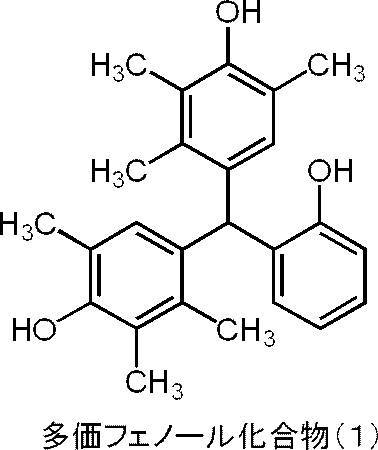
下記油相成分及び水相成分を混合し、ホモジナイザーを用いて12,000rpmで10分間乳化した。得られた乳化物を45℃で4時間撹拌後、1,8-ジアザビシクロ[5.4.0]ウンデカ-7-エン-オクチル酸塩(U-CAT SA102、サンアプロ(株)製)の10質量%水溶液5.20gを加え、室温で30分撹拌し、45℃で24時間静置した。蒸留水で、固形分濃度を20質量%になるように調整し、ミクロゲルの水分散液が得られた。光散乱法により平均粒径を測定したところ、0.20μmであった。
(成分1)酢酸エチル:12.0部
(成分2)トリメチロールプロパン(6モル当量)とキシレンジイソシアネート(18モル当量)を付加させ、これに片末端メチル化ポリオキシエチレン(1モル当量、オキシエチレン単位の繰返し数:90)を付加させた付加体(50質量%酢酸エチル溶液、三井化学(株)製):3.76部
(成分3)多価イソシアネート化合物(1)(50質量%酢酸エチル溶液として):15.0部
(成分4)ジペンタエリスリトールペンタアクリレート(SR-399、サートマー社製)の65質量%酢酸エチル溶液:11.54部
(成分5)スルホン酸塩型界面活性剤(パイオニンA-41-C、竹本油脂(株)製)の10%酢酸エチル溶液:4.42部
蒸留水:46.87部
-油相成分の調製-
WANNATE(登録商標)PM-200(多官能イソシアネート化合物:万華化学社製):6.66gと、タケネート(登録商標)D-116N(トリメチロールプロパン(TMP)とm-キシリレンジイソシアネート(XDI)とポリエチレングリコールモノメチルエーテル(EO90)との付加物(下記構造)の50質量%酢酸エチル溶液:三井化学(株)製):5.46gと、SR399(ジペンタエリスリトールペンタアクリレート:サートマー社製)の65質量%酢酸エチル溶液:11.24gと、酢酸エチル:14.47gと、パイオニン(登録商標)A-41-C(竹本油脂(株)製):0.45gを混合し、室温(25℃)で15分撹拌して油相成分を得た。

水相成分として、蒸留水47.2gを準備した。
油相成分に水相成分を添加して混合し、得られた混合物を、ホモジナイザーを用いて12,000rpmで16分間乳化させて乳化物を得た。
得られた乳化物に蒸留水16.8gを添加し、得られた液体を室温で180分撹拌した。
次いで、撹拌後の液体を45℃に加熱し、液温を45℃に保持した状態で5時間撹拌することにより、上記液体から酢酸エチルを留去した。蒸留水で、固形分濃度を20質量%になるように調整し、ポリマー粒子R’-2の水分散液が得られた。R’-2の体積平均粒径はレーザー回折/散乱式粒子径分布測定装置LA-920((株)堀場製作所製)により測定したところ、165nmであった。
P’-1:一部アセチル化されたポリビニルブチラール、積水化学工業(株)製エスレックBL10
<親水性化合物>
T’-1:下記化合物
<添加剤>
O’-1:下記化合物

U’-1及びU’-2:下記化合物

WP’-1:ポリビニルアルコール、三菱ケミカル(株)製ゴーセノールL-3266、けん化度86~89%以上
WP’-2:Mowiol 4-88(ポリビニルアルコール(PVA)、シグマアルドリッチ社製)
WP’-3:Mowiol 8-88(ポリビニルアルコール(PVA)、シグマアルドリッチ社製)
<疎水性ポリマー粒子>
WR’-1:FS-102、スチレン-アクリル樹脂、日本ペイント・インダストリアルコーティングス(株)製、Tg=103℃
WR’-2:ポリ塩化ビニリデン水性ディスパージョン、Solvin社製Diofan(登録商標) A50
<界面活性剤>
V’-1:界面活性剤、エマレックス710、日本エマルジョン(株)製
<発色体前駆体>
wIR’-1:下記化合物
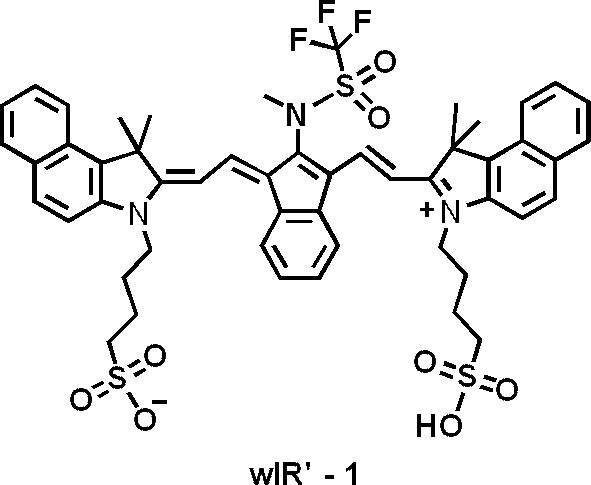
本明細書に記載された全ての文献、特許出願、及び、技術規格は、個々の文献、特許出願、及び、技術規格が参照により取り込まれることが具体的かつ個々に記された場合と同程度に、本明細書中に参照により取り込まれる。
Claims (43)
- 支持体、及び、前記支持体上に画像記録層を有し、
前記画像記録層が、赤外線吸収剤、重合開始剤、重合性化合物、及び、発色体前駆体を含み、
波長830nmの赤外線レーザー露光のエネルギー密度110mJ/cm2で前記画像記録層を露光した場合において、前記画像記録層における未露光領域に対する露光領域のエチレン性不飽和結合消失率が、10%~40%である
機上現像型平版印刷版原版。 - 支持体、及び、前記支持体上に画像記録層を有し、
前記画像記録層が、赤外線吸収剤、重合開始剤、重合性化合物、及び、発色体前駆体を含み、
波長830nmの赤外線レーザー露光のエネルギー密度110mJ/cm2で前記画像記録層を露光した場合において、前記画像記録層における未露光領域に対する露光領域の重合性化合物消費率が、40%~95%である
機上現像型平版印刷版原版。 - 支持体、及び、前記支持体上に画像記録層を有し、
前記画像記録層が、赤外線吸収剤、重合開始剤、重合性化合物、及び、発色体前駆体を含み、
前記画像記録層が、下記式Nを満たす
機上現像型平版印刷版原版。
0.6≦NC/NC0≦1.0 式N
式N中、NCは、前記画像記録層のUV耐刷枚数を表し、NC0は、前記発色体前駆体を除いた以外は前記画像記録層と同一である層のUV耐刷枚数を表す。 - 前記発色体前駆体の分子中に存在する全ての水素原子の水素引き抜きエンタルピーが、-6.5kcal/mol以上である請求項1~請求項3のいずれか1項に記載の機上現像型平版印刷版原版。
- 前記発色体前駆体が、窒素原子に水素原子が直接結合した構造を有しない請求項1~請求項4のいずれか1項に記載の機上現像型平版印刷版原版。
- 前記発色体前駆体が、酸発色剤である請求項1~請求項5のいずれか1項に記載の機上現像型平版印刷版原版。
- 前記重合開始剤が、電子供与型重合開始剤、及び、電子受容型重合開始剤を含む請求項1~請求項6のいずれか1項に記載の機上現像型平版印刷版原版。
- 前記赤外線吸収剤のHOMO-前記電子供与型重合開始剤のHOMOの値が、0.70eV以下である請求項7に記載の機上現像型平版印刷版原版。
- 前記重合性化合物が、7官能以上の重合性化合物を含む請求項1~請求項8のいずれか1項に記載の機上現像型平版印刷版原版。
- 前記重合性化合物が、10官能以上の重合性化合物を含む請求項1~請求項9のいずれか1項に記載の機上現像型平版印刷版原版。
- 前記重合性化合物が、エチレン性不飽和結合価が5.0mmol/g以上の化合物を含む請求項1~請求項10のいずれか1項に記載の機上現像型平版印刷版原版。
- 前記エチレン性不飽和結合価が5.0mmol/g以上の化合物が、下記式(I)で表される化合物である請求項11に記載の機上現像型平版印刷版原版。
式(I) : X-(Y)n
式(I)中、Xは水素結合性基を有するn価の有機基を表し、Yは2以上のエチレン性不飽和基を有する1価の基を表し、nは2以上の整数を表し、Xの分子量/(Yの分子量×n)が1以下である。 - 前記エチレン性不飽和結合価が5.0mmol/g以上の化合物が、アダクト構造、ビウレット構造、及びイソシアヌレート構造からなる群より選ばれた少なくとも1種の構造を有する請求項11又は請求項12に記載の機上現像型平版印刷版原版。
- 前記重合性化合物が、エチレン性不飽和基を1つ又は2つ有する化合物を含む請求項1~請求項13のいずれか1項に記載の機上現像型平版印刷版原版。
- 前記画像記録層が、分散性基を有する付加重合型樹脂粒子を更に含み、
前記分散性基が、下記式Zで表される基を含む請求項1~請求項14のいずれか1項に記載の機上現像型平版印刷版原版。
*-Q-W-Y 式Z
式Z中、Qは二価の連結基を表し、Wは親水性構造を有する二価の基又は疎水性構造を有する二価の基を表し、Yは親水性構造を有する一価の基又は疎水性構造を有する一価の基を表し、W及びYのいずれかは親水性構造を有し、*は他の構造との結合部位を表す。 - 前記画像記録層が、芳香族ビニル化合物により形成される構成単位を有するポリマーを更に含み、
前記赤外線吸収剤が、赤外線露光により分解する赤外線吸収剤を含む請求項1~請求項15のいずれか1項に記載の機上現像型平版印刷版原版。 - 前記画像記録層が、熱可塑性樹脂粒子を更に含む請求項1~請求項16のいずれか1項に記載の機上現像型平版印刷版原版。
- 前記発色体前駆体が、キサンテン構造を有する請求項1~請求項15のいずれか1項に記載の機上現像型平版印刷版原版。
- 前記発色体前駆体が、下記式(Le-1)~式(Le-3)のいずれかで表される化合物である請求項1~請求項18のいずれか1項に記載の平版印刷版原版。

式(Le-1)~式(Le-3)中、ERGはそれぞれ独立に、電子供与性基を表し、X1~X4はそれぞれ独立に、水素原子、ハロゲン原子又はジアルキルアニリノ基を表し、X5~X10はそれぞれ独立に、水素原子、ハロゲン原子又は一価の有機基を表し、Y1及びY2はそれぞれ独立に、C又はNを表し、Y1がNである場合は、X1は存在せず、Y2がNである場合は、X4は存在せず、Ra1は、水素原子、アルキル基又はアルコキシ基を表し、Rb1~Rb4はそれぞれ独立に、アルキル基又はアリール基を表す。 - 前記発色体前駆体が、下記式(Le-4)~式(Le-6)のいずれかで表される化合物である請求項1~請求項19のいずれか1項に記載の平版印刷版原版。

式(Le-4)~式(Le-6)中、ERGはそれぞれ独立に、電子供与性基を表し、X1~X4はそれぞれ独立に、水素原子、ハロゲン原子又はジアルキルアニリノ基を表し、Y1及びY2はそれぞれ独立に、C又はNを表し、Y1がNである場合は、X1は存在せず、Y2がNである場合は、X4は存在せず、Ra1は、水素原子、アルキル基又はアルコキシ基を表し、Rb1~Rb4はそれぞれ独立に、アルキル基又はアリール基を表す。 - 前記発色体前駆体が、下記式(Le-7)~式(Le-9)のいずれかで表される化合物である請求項1~請求項20のいずれか1項に記載の平版印刷版原版。

式(Le-7)~式(Le-9)中、X1~X4はそれぞれ独立に、水素原子、ハロゲン原子又はジアルキルアニリノ基を表し、Y1及びY2はそれぞれ独立に、C又はNを表し、Y1がNである場合は、X1は存在せず、Y2がNである場合は、X4は存在せず、Ra1~Ra4はそれぞれ独立に、水素原子、アルキル基又はアルコキシ基を表し、Rb1~Rb4はそれぞれ独立に、アルキル基又はアリール基を表し、Rc1及びRc2はそれぞれ独立に、アリール基を表す。 - 前記発色体前駆体が、下記式(Le-A)又は式(Le-B)で表される化合物を含む請求項1~請求項21のいずれか1項に記載の機上現像型平版印刷版原版。

式(Le-A)及び式(Le-B)中、X1~X4はそれぞれ独立に、水素原子、ハロゲン原子又はジアルキルアニリノ基を表し、Y1及びY2はそれぞれ独立に、C又はNを表し、Y1がNである場合は、X1は存在せず、Y2がNである場合は、X4は存在せず、Ra1は、水素原子、アルキル基又はアルコキシ基を表し、Rb1~Rb4はそれぞれ独立に、アルキル基又はアリール基を表し、Rc1及びRc2はそれぞれ独立に、アルキル基を表し、Rc3及びRc4はそれぞれ独立に、アルキル基又はアリール基を表す。 - 前記発色体前駆体が、前記式(Le-2)で表される化合物を含む請求項19に記載の機上現像型平版印刷版原版。
- 前記発色体前駆体が、前記式(Le-5)で表される化合物を含む請求項20に記載の機上現像型平版印刷版原版。
- 前記発色体前駆体が、前記式(Le-8)で表される化合物を含む請求項21に記載の機上現像型平版印刷版原版。
- 前記発色体前駆体が、前記式(Le-A)で表される化合物を含む請求項22に記載の機上現像型平版印刷版原版。
- 前記重合開始剤が電子受容型重合開始剤を含み、
前記電子受容型重合開始剤が、下記式(II)で表される化合物を含む請求項1~請求項26のいずれか1項に記載の機上現像型平版印刷版原版。
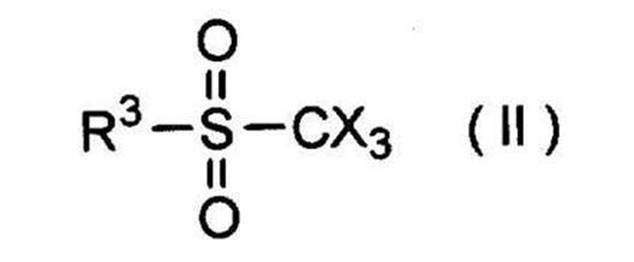
式(II)中、Xはハロゲン原子を表し、R3はアリール基を表す。 - 前記画像記録層が、バインダーポリマーとしてポリビニルアセタールを更に含有する請求項1~請求項27のいずれか1項に記載の機上現像型平版印刷版原版。
- 前記画像記録層が、フルオロ脂肪族基含有共重合体を更に含有する請求項1~請求項28のいずれか1項に記載の機上現像型平版印刷版原版。
- 前記フルオロ脂肪族基含有共重合体が、下記式(F1)及び下記式(F2)のいずれかで表される化合物により形成される構成単位を有する請求項29に記載の機上現像型平版印刷版原版。
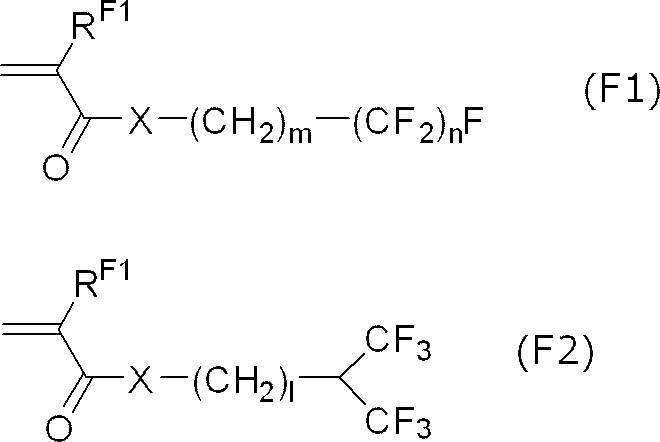
式(F1)及び(F2)中、RF1は、それぞれ独立に、水素原子又はメチル基を表し、Xは、それぞれ独立に、酸素原子、硫黄原子、又は-N(RF2)-を表し、mは1~6の整数を表し、nは1~10の整数を表し、lは0~10の整数を表し、RF2は水素原子又は炭素数1~4のアルキル基を表す。 - 前記フルオロ脂肪族基含有共重合体が、ポリ(オキシアルキレン)アクリレート及びポリ(オキシアルキレン)メタクリレートよりなる群から選択される少なくとも1種の化合物により形成される構成単位を更に有する請求項30に記載の機上現像型平版印刷版原版。
- 前記画像記録層上に、オーバーコート層を更に有する請求項1~請求項31のいずれか1項に記載の機上現像型平版印刷版原版。
- 前記オーバーコート層が、疎水性ポリマーを含む請求項32に記載の機上現像型平版印刷版原版。
- 前記オーバーコート層が、発色体前駆体を含む請求項32又は請求項33に記載の機上現像型平版印刷版原版。
- 前記オーバーコート層における前記発色体前駆体が、赤外線吸収剤である請求項34に記載の機上現像型平版印刷版原版。
- 前記オーバーコート層における前記発色体前駆体が、赤外線露光に起因して分解する分解性化合物を含む請求項34又は請求項35に記載の機上現像型平版印刷版原版。
- 前記支持体が、アルミニウム板と、前記アルミニウム板上に配置されたアルミニウムの陽極酸化皮膜とを有し、
前記陽極酸化皮膜が、前記アルミニウム板よりも前記画像記録層側に位置し、
前記陽極酸化皮膜が、前記画像記録層側の表面から深さ方向にのびるマイクロポアを有し、
前記マイクロポアの前記陽極酸化皮膜表面における平均径が、10nmを超え100nm以下であり、
前記陽極酸化皮膜の前記画像記録層側の表面のL*a*b*表色系における明度L*の値が、70~100である請求項1~請求項36のいずれか1項に記載の機上現像型平版印刷版原版。 - 前記マイクロポアが、前記陽極酸化皮膜表面から深さ10nm~1,000nmの位置までのびる大径孔部と、前記大径孔部の底部と連通し、連通位置から深さ20nm~2,000nmの位置までのびる小径孔部とから構成され、
前記大径孔部の前記陽極酸化皮膜表面における平均径が、15nm~100nmであり、
前記小径孔部の前記連通位置における平均径が、13nm以下である請求項37に記載の機上現像型平版印刷版原版。 - 前記発色体前駆体から生成した発色体のモル吸光係数εが、35,000~200,000である請求項1~請求項38のいずれか1項に記載の機上現像型平版印刷版原版。
- 前記発色体前駆体の下記式で求められる開環率が、40モル%~99モル%である請求項1~請求項39のいずれか1項に記載の機上現像型平版印刷版原版。
開環率=上記発色体前駆体に酸を1モル当量添加した際のモル吸光係数/上記発色体前駆体のモル吸光係数ε×100 - 前記発色体前駆体から生成した発色体の波長380nm~750nmの範囲における最大吸収波長が、500nm~650nmである請求項1~請求項40のいずれか1項に機上現像型平版印刷版原版。
- 請求項1~請求項41のいずれか1項に記載の機上現像型平版印刷版原版を画像様に露光する工程と、
印刷機上で印刷インキ及び湿し水よりなる群から選ばれた少なくとも一方を供給して非画像部の画像記録層を除去する工程と、を含む
平版印刷版の作製方法。 - 請求項1~請求項41のいずれか1項に記載の機上現像型平版印刷版原版を画像様に露光する工程と、
印刷インキ及び湿し水よりなる群から選ばれた少なくとも一方を供給して印刷機上で非画像部の画像記録層を除去し平版印刷版を作製する工程と、
得られた平版印刷版により印刷する工程と、を含む
平版印刷方法。
Priority Applications (4)
| Application Number | Priority Date | Filing Date | Title |
|---|---|---|---|
| JP2021528298A JP7282886B2 (ja) | 2019-06-28 | 2020-06-26 | 機上現像型平版印刷版原版、平版印刷版の作製方法、及び、平版印刷方法 |
| EP20832188.5A EP3991989B1 (en) | 2019-06-28 | 2020-06-26 | On-press development type lithographic printing plate precursor, method for preparing lithographic printing plate, and lithographic printing method |
| CN202080047471.1A CN114096914A (zh) | 2019-06-28 | 2020-06-26 | 机上显影型平版印刷版原版、平版印刷版的制作方法及平版印刷方法 |
| US17/646,071 US12157296B2 (en) | 2019-06-28 | 2021-12-27 | On-press development type lithographic printing plate precursor, method for preparing lithographic printing plate, and lithographic printing method |
Applications Claiming Priority (10)
| Application Number | Priority Date | Filing Date | Title |
|---|---|---|---|
| JP2019122479 | 2019-06-28 | ||
| JP2019-122479 | 2019-06-28 | ||
| JP2019158812 | 2019-08-30 | ||
| JP2019-158812 | 2019-08-30 | ||
| JP2019169808 | 2019-09-18 | ||
| JP2019-169808 | 2019-09-18 | ||
| JP2019180573 | 2019-09-30 | ||
| JP2019-180573 | 2019-09-30 | ||
| JP2020-015681 | 2020-01-31 | ||
| JP2020015681 | 2020-01-31 |
Related Child Applications (1)
| Application Number | Title | Priority Date | Filing Date |
|---|---|---|---|
| US17/646,071 Continuation US12157296B2 (en) | 2019-06-28 | 2021-12-27 | On-press development type lithographic printing plate precursor, method for preparing lithographic printing plate, and lithographic printing method |
Publications (1)
| Publication Number | Publication Date |
|---|---|
| WO2020262691A1 true WO2020262691A1 (ja) | 2020-12-30 |
Family
ID=74060401
Family Applications (1)
| Application Number | Title | Priority Date | Filing Date |
|---|---|---|---|
| PCT/JP2020/025413 Ceased WO2020262691A1 (ja) | 2019-06-28 | 2020-06-26 | 機上現像型平版印刷版原版、平版印刷版の作製方法、及び、平版印刷方法 |
Country Status (5)
| Country | Link |
|---|---|
| US (1) | US12157296B2 (ja) |
| EP (1) | EP3991989B1 (ja) |
| JP (1) | JP7282886B2 (ja) |
| CN (1) | CN114096914A (ja) |
| WO (1) | WO2020262691A1 (ja) |
Cited By (6)
| Publication number | Priority date | Publication date | Assignee | Title |
|---|---|---|---|---|
| WO2023032868A1 (ja) | 2021-08-31 | 2023-03-09 | 富士フイルム株式会社 | 機上現像型平版印刷版原版、及び印刷版の作製方法 |
| EP4245542A1 (en) * | 2022-03-18 | 2023-09-20 | FUJIFILM Corporation | Lithographic printing plate precursor, method of preparing lithographic printing plate, and lithographic printing method |
| JP2023138231A (ja) * | 2022-03-18 | 2023-10-02 | 富士フイルム株式会社 | 平版印刷版原版、平版印刷版の作製方法、及び、平版印刷方法 |
| EP4397501A4 (en) * | 2021-08-31 | 2024-11-20 | FUJIFILM Corporation | ORIGINAL ON-PRESS DEVELOPMENT LITHOGRAPHIC PRINTING PLATE, METHOD FOR PRODUCING LITHOGRAPHIC PRINTING PLATE, AND LITHOGRAPHIC PRINTING METHOD |
| WO2025013922A1 (ja) | 2023-07-11 | 2025-01-16 | 富士フイルム株式会社 | 機上現像型平版印刷版原版、平版印刷版の作製方法、及び平版印刷方法 |
| WO2025047939A1 (ja) * | 2023-08-31 | 2025-03-06 | 富士フイルム株式会社 | 機上現像型平版印刷版原版、及び印刷版の作製方法 |
Families Citing this family (3)
| Publication number | Priority date | Publication date | Assignee | Title |
|---|---|---|---|---|
| CN119821020A (zh) | 2019-12-27 | 2025-04-15 | 富士胶片株式会社 | 平版印刷版原版、平版印刷版的制造方法及印刷方法 |
| EP4082791B1 (en) * | 2019-12-27 | 2024-10-16 | FUJIFILM Corporation | Lithographic printing method |
| JP7528223B2 (ja) * | 2020-07-21 | 2024-08-05 | 富士フイルム株式会社 | 機上現像型平版印刷版原版、平版印刷版の作製方法、及び、平版印刷方法 |
Citations (97)
| Publication number | Priority date | Publication date | Assignee | Title |
|---|---|---|---|---|
| US2714066A (en) | 1950-12-06 | 1955-07-26 | Minnesota Mining & Mfg | Planographic printing plate |
| US3181461A (en) | 1963-05-23 | 1965-05-04 | Howard A Fromson | Photographic plate |
| US3458311A (en) | 1966-06-27 | 1969-07-29 | Du Pont | Photopolymerizable elements with solvent removable protective layers |
| JPS4841708B1 (ja) | 1970-01-13 | 1973-12-07 | ||
| GB1412768A (en) | 1971-10-07 | 1975-11-05 | Fuji Photo Film Co Ltd | Process for producing a base plate for a photosensitive printing plate |
| JPS5040047B2 (ja) | 1971-09-06 | 1975-12-22 | ||
| JPS5137193A (ja) | 1974-09-25 | 1976-03-29 | Toyo Boseki | |
| JPS5549729B2 (ja) | 1973-02-07 | 1980-12-13 | ||
| JPS5617654B2 (ja) | 1970-12-28 | 1981-04-23 | ||
| JPS5849860B2 (ja) | 1973-12-07 | 1983-11-07 | ヘキスト アクチェンゲゼルシャフト | コウジユウゴウセイフクシヤザイリヨウ |
| JPS61166544A (ja) | 1985-01-18 | 1986-07-28 | Fuji Photo Film Co Ltd | 光可溶化組成物 |
| JPS6239418B2 (ja) | 1978-05-20 | 1987-08-22 | Hoechst Ag | |
| JPS6239417B2 (ja) | 1978-05-20 | 1987-08-22 | Hoechst Ag | |
| JPS63137226A (ja) * | 1986-11-29 | 1988-06-09 | Fuji Photo Film Co Ltd | 光重合性組成物 |
| JPH0216765B2 (ja) | 1980-09-29 | 1990-04-18 | Hoechst Ag | |
| JPH0232293B2 (ja) | 1980-12-22 | 1990-07-19 | Hoechst Ag | |
| JPH02304441A (ja) | 1989-05-18 | 1990-12-18 | Fuji Photo Film Co Ltd | 感光性平版印刷版 |
| JPH035174A (ja) | 1989-06-02 | 1991-01-10 | Fujitsu Ltd | 水平プリンタ |
| JPH055005A (ja) | 1991-04-26 | 1993-01-14 | Kyowa Hakko Kogyo Co Ltd | 光重合開始剤およびこれを含有する光重合性組成物 |
| JPH0545885A (ja) | 1991-08-19 | 1993-02-26 | Fuji Photo Film Co Ltd | 感光性平版印刷版 |
| JPH05195300A (ja) | 1992-01-23 | 1993-08-03 | Fuji Photo Film Co Ltd | 電解処理装置 |
| JPH0635174A (ja) | 1992-07-16 | 1994-02-10 | Fuji Photo Film Co Ltd | 感光性平版印刷版およびその処理方法 |
| JPH08108621A (ja) | 1994-10-06 | 1996-04-30 | Konica Corp | 画像記録媒体及びそれを用いる画像形成方法 |
| JPH08505958A (ja) | 1993-01-20 | 1996-06-25 | アグファ−ゲヴェルト ナームロゼ ベンノートチャップ | 高感度の光重合性組成物及びそれで像を得るための方法 |
| JPH08240908A (ja) * | 1994-12-29 | 1996-09-17 | Tokyo Ohka Kogyo Co Ltd | 感光性樹脂組成物、それを用いた感光性平版印刷版、および平版印刷用版材の製造方法 |
| JPH09123387A (ja) | 1995-10-24 | 1997-05-13 | Agfa Gevaert Nv | 印刷機上現像を含む平版印刷版の製造方法 |
| JPH09131850A (ja) | 1995-10-24 | 1997-05-20 | Agfa Gevaert Nv | 印刷機上現像を含む平版印刷版の製造方法 |
| JPH09171249A (ja) | 1995-11-09 | 1997-06-30 | Agfa Gevaert Nv | 感熱性像形成要素およびそれを用いて印刷版を製造する方法 |
| JPH09171250A (ja) | 1995-11-09 | 1997-06-30 | Agfa Gevaert Nv | 感熱性像形成要素およびそれらを用いて印刷版を製造する方法 |
| JPH09179298A (ja) | 1995-12-22 | 1997-07-11 | Mitsubishi Chem Corp | 光重合性組成物 |
| JPH09179296A (ja) | 1995-12-22 | 1997-07-11 | Mitsubishi Chem Corp | 光重合性組成物 |
| JPH09179297A (ja) | 1995-12-22 | 1997-07-11 | Mitsubishi Chem Corp | 光重合性組成物 |
| JPH10282679A (ja) | 1997-04-08 | 1998-10-23 | Fuji Photo Film Co Ltd | ネガ型感光性平版印刷版 |
| JPH10333321A (ja) | 1997-06-03 | 1998-12-18 | Mitsubishi Chem Corp | 印刷現像感光性平版印刷版及びその製版方法 |
| JP2000250211A (ja) | 1999-03-01 | 2000-09-14 | Fuji Photo Film Co Ltd | 光重合性組成物 |
| JP2001133969A (ja) | 1999-11-01 | 2001-05-18 | Fuji Photo Film Co Ltd | ネガ型平版印刷版原版 |
| JP2001222101A (ja) | 2000-02-09 | 2001-08-17 | Mitsubishi Paper Mills Ltd | 感光性組成物および感光性平版印刷版材料 |
| JP2001277740A (ja) | 2000-01-27 | 2001-10-10 | Fuji Photo Film Co Ltd | 平版印刷版用原版 |
| JP2001277742A (ja) | 2000-01-27 | 2001-10-10 | Fuji Photo Film Co Ltd | 平版印刷版用原版 |
| JP2001342222A (ja) | 2000-03-30 | 2001-12-11 | Mitsubishi Chemicals Corp | 光硬化性組成物、低複屈折光学部材及びその製造方法 |
| JP2002023360A (ja) | 2000-07-12 | 2002-01-23 | Fuji Photo Film Co Ltd | ネガ型画像記録材料 |
| JP2002040638A (ja) | 2000-07-25 | 2002-02-06 | Fuji Photo Film Co Ltd | ネガ型画像記録材料及び画像形成方法 |
| JP2002162741A (ja) | 2000-11-22 | 2002-06-07 | Fuji Photo Film Co Ltd | ネガ型感光性平版印刷版 |
| JP2002275129A (ja) | 2001-03-14 | 2002-09-25 | Fuji Photo Film Co Ltd | ラジカル重合性化合物 |
| JP2002278057A (ja) | 2001-01-15 | 2002-09-27 | Fuji Photo Film Co Ltd | ネガ型画像記録材料及びシアニン色素 |
| JP2002287344A (ja) | 2001-03-27 | 2002-10-03 | Fuji Photo Film Co Ltd | 光重合性平版印刷版 |
| JP2002328465A (ja) | 2001-04-27 | 2002-11-15 | Fuji Photo Film Co Ltd | 平版印刷版原版 |
| JP2002365791A (ja) | 2000-12-20 | 2002-12-18 | Fuji Photo Film Co Ltd | 平版印刷版用原版 |
| JP2003064130A (ja) | 2001-08-29 | 2003-03-05 | Fuji Photo Film Co Ltd | 光重合性組成物 |
| EP0931647B1 (en) | 1998-01-23 | 2003-04-02 | Agfa-Gevaert | A heat sensitive element and a method for producing lithographic plates therewith |
| JP2003280187A (ja) | 2002-03-25 | 2003-10-02 | Fuji Photo Film Co Ltd | 光重合性組成物 |
| JP2003344997A (ja) | 2002-04-29 | 2003-12-03 | Agfa Gevaert Nv | 放射線感受性混合物およびそれを用いて製造される記録材料 |
| JP2004294935A (ja) | 2003-03-28 | 2004-10-21 | Mitsubishi Paper Mills Ltd | 感光性組成物および感光性平版印刷版材料 |
| JP2005125749A (ja) | 2003-09-30 | 2005-05-19 | Fuji Photo Film Co Ltd | 平版印刷版原版および平版印刷方法 |
| JP2005238816A (ja) | 2003-07-22 | 2005-09-08 | Fuji Photo Film Co Ltd | 平版印刷版原版および平版印刷方法 |
| JP2005250216A (ja) | 2004-03-05 | 2005-09-15 | Fuji Photo Film Co Ltd | ネガ型平版印刷版原版およびこれを用いた平版印刷版の製版方法 |
| JP2005254638A (ja) | 2004-03-12 | 2005-09-22 | Fuji Photo Film Co Ltd | 平版印刷版用支持体の製造方法 |
| JP2006508380A (ja) | 2002-11-28 | 2006-03-09 | コダック ポリクロウム グラフィクス ゲゼルシャフト ミット ベシュレンクテル ハフツング | 放射感応性エレメント |
| JP2006065210A (ja) | 2004-08-30 | 2006-03-09 | Fuji Photo Film Co Ltd | 感光性平版印刷版 |
| JP2006188038A (ja) | 2004-12-10 | 2006-07-20 | Fuji Photo Film Co Ltd | 平版印刷版原版および製版方法 |
| JP2006215263A (ja) | 2005-02-03 | 2006-08-17 | Fuji Photo Film Co Ltd | 平版印刷版原版 |
| JP2006239867A (ja) | 2005-02-28 | 2006-09-14 | Fuji Photo Film Co Ltd | 平版印刷版原版および平版印刷方法 |
| JP2006243493A (ja) | 2005-03-04 | 2006-09-14 | Fuji Photo Film Co Ltd | 感光性平版印刷版 |
| JP2006259137A (ja) | 2005-03-16 | 2006-09-28 | Fuji Photo Film Co Ltd | ネガ型平版印刷版原版 |
| JP2006297907A (ja) | 2005-02-28 | 2006-11-02 | Fuji Photo Film Co Ltd | 平版印刷版原版、平版印刷版原版の製造方法および平版印刷方法 |
| US7153632B1 (en) | 2005-08-03 | 2006-12-26 | Eastman Kodak Company | Radiation-sensitive compositions and imageable materials |
| JP2007050660A (ja) | 2005-08-19 | 2007-03-01 | Fujifilm Corp | 平版印刷版原版および平版印刷方法 |
| JP2007090850A (ja) | 2005-08-29 | 2007-04-12 | Fujifilm Corp | 平版印刷版原版、平版印刷方法、及び新規シアニン色素 |
| JP2007094138A (ja) | 2005-09-29 | 2007-04-12 | Fujifilm Corp | 平版印刷版原版及びその製版方法 |
| JP2007293223A (ja) | 2006-03-31 | 2007-11-08 | Fujifilm Corp | 感光性組成物、平版印刷版原版及び平版印刷方法 |
| JP2007293221A (ja) | 2006-03-31 | 2007-11-08 | Fujifilm Corp | 平版印刷版の作製方法及び平版印刷版原版 |
| JP2008503365A (ja) | 2004-06-17 | 2008-02-07 | イーストマン コダック カンパニー | 耐溶剤性高分子バインダーを有する画像形成可能要素 |
| JP2008195018A (ja) | 2007-02-15 | 2008-08-28 | Fujifilm Corp | 平版印刷版原版および平版印刷方法 |
| JP2008256850A (ja) | 2007-04-03 | 2008-10-23 | Mitsubishi Chemicals Corp | 光重合性組成物 |
| JP2008284858A (ja) | 2007-05-21 | 2008-11-27 | Fujifilm Corp | 平版印刷版原版、及びそれを用いた印刷方法 |
| JP2008284817A (ja) | 2007-05-18 | 2008-11-27 | Fujifilm Corp | 平版印刷版原版、及びそれを用いた印刷方法 |
| JP2008544322A (ja) | 2005-06-21 | 2008-12-04 | アグフア・グラフイクス・ナームローゼ・フエンノートシヤツプ | 感熱性像形成要素 |
| JP2009090645A (ja) | 2007-09-20 | 2009-04-30 | Fujifilm Corp | 平版印刷版原版、及びそれを用いた印刷方法 |
| JP2009208458A (ja) | 2007-06-21 | 2009-09-17 | Fujifilm Corp | 平版印刷版原版および平版印刷方法 |
| US20090269699A1 (en) * | 2008-04-29 | 2009-10-29 | Munnelly Heidi M | On-press developable elements and methods of use |
| JP2011095365A (ja) * | 2009-10-28 | 2011-05-12 | Mitsubishi Paper Mills Ltd | 感光性平版印刷版材料および現像処理方法 |
| JP2012501878A (ja) * | 2008-09-04 | 2012-01-26 | イーストマン コダック カンパニー | ネガ型画像形成性要素及び使用方法 |
| JP2012148555A (ja) | 2010-12-28 | 2012-08-09 | Fujifilm Corp | 平版印刷版原版及びその平版印刷方法 |
| JP2012206495A (ja) | 2010-04-30 | 2012-10-25 | Fujifilm Corp | 平版印刷版原版、その製版方法、及び、多価イソシアネート化合物 |
| JP2012529669A (ja) | 2009-06-12 | 2012-11-22 | イーストマン コダック カンパニー | ネガ型動作用画像形成性要素 |
| WO2016027886A1 (ja) | 2014-08-22 | 2016-02-25 | 富士フイルム株式会社 | 発色組成物、平版印刷版原版、平版印刷版の製版方法、及び、発色剤 |
| WO2017141882A1 (ja) * | 2016-02-19 | 2017-08-24 | 富士フイルム株式会社 | 発色組成物、平版印刷版原版、平版印刷版の作製方法、及び発色性化合物 |
| WO2018043125A1 (ja) * | 2016-08-31 | 2018-03-08 | 富士フイルム株式会社 | 平版印刷版原版及びそれを用いる製版方法 |
| WO2019004471A1 (ja) | 2017-06-30 | 2019-01-03 | 富士フイルム株式会社 | 平版印刷版原版、及び平版印刷版の作製方法 |
| WO2019013268A1 (ja) * | 2017-07-13 | 2019-01-17 | 富士フイルム株式会社 | 平版印刷版原版、及び、平版印刷版の作製方法 |
| JP6461447B1 (ja) * | 2017-09-29 | 2019-01-30 | 富士フイルム株式会社 | 平版印刷版原版、平版印刷版の作製方法及び平版印刷方法 |
| JP2019122479A (ja) | 2018-01-12 | 2019-07-25 | 豊丸産業株式会社 | 遊技機 |
| WO2019150788A1 (ja) * | 2018-01-31 | 2019-08-08 | 富士フイルム株式会社 | 平版印刷版原版、及び、平版印刷版の作製方法 |
| JP2019158812A (ja) | 2018-03-16 | 2019-09-19 | 株式会社熊谷組 | コンクリートの流動性測定装置 |
| JP2019169808A (ja) | 2018-03-22 | 2019-10-03 | キヤノン株式会社 | 監視装置、監視システム、制御方法、及びプログラム |
| JP2019180573A (ja) | 2018-04-04 | 2019-10-24 | 株式会社ユニバーサルエンターテインメント | 遊技機 |
| JP2020015681A (ja) | 2018-07-25 | 2020-01-30 | 三栄源エフ・エフ・アイ株式会社 | 骨代謝改善用組成物 |
Family Cites Families (8)
| Publication number | Priority date | Publication date | Assignee | Title |
|---|---|---|---|---|
| US5885746A (en) | 1994-12-29 | 1999-03-23 | Tokyo Ohka Kogyo Co., Ltd. | Photosensitive resin composition, photosensitive printing plate using the same and method of manufacturing printing master plate |
| JP4829016B2 (ja) * | 2006-06-26 | 2011-11-30 | 富士フイルム株式会社 | 平版印刷版の版面処理方法 |
| JP5183268B2 (ja) * | 2008-03-27 | 2013-04-17 | 富士フイルム株式会社 | 平版印刷版原版 |
| JP2013130726A (ja) * | 2011-12-21 | 2013-07-04 | Eastman Kodak Co | ポジ型平版印刷版原版及び平版印刷版の製造方法 |
| CN110998439B (zh) * | 2017-07-25 | 2023-09-19 | 富士胶片株式会社 | 平版印刷版原版、平版印刷版的制作方法及显色组合物 |
| CN109863034B (zh) | 2017-09-29 | 2020-11-27 | 富士胶片株式会社 | 平版印刷版原版、平版印刷版的制作方法及平版印刷方法 |
| WO2020262685A1 (ja) * | 2019-06-28 | 2020-12-30 | 富士フイルム株式会社 | 平版印刷版原版、平版印刷版の作製方法、及び、平版印刷方法 |
| WO2020262693A1 (ja) * | 2019-06-28 | 2020-12-30 | 富士フイルム株式会社 | 平版印刷版原版、平版印刷版の作製方法、及び、平版印刷方法 |
-
2020
- 2020-06-26 CN CN202080047471.1A patent/CN114096914A/zh active Pending
- 2020-06-26 JP JP2021528298A patent/JP7282886B2/ja active Active
- 2020-06-26 WO PCT/JP2020/025413 patent/WO2020262691A1/ja not_active Ceased
- 2020-06-26 EP EP20832188.5A patent/EP3991989B1/en active Active
-
2021
- 2021-12-27 US US17/646,071 patent/US12157296B2/en active Active
Patent Citations (97)
| Publication number | Priority date | Publication date | Assignee | Title |
|---|---|---|---|---|
| US2714066A (en) | 1950-12-06 | 1955-07-26 | Minnesota Mining & Mfg | Planographic printing plate |
| US3181461A (en) | 1963-05-23 | 1965-05-04 | Howard A Fromson | Photographic plate |
| US3458311A (en) | 1966-06-27 | 1969-07-29 | Du Pont | Photopolymerizable elements with solvent removable protective layers |
| JPS4841708B1 (ja) | 1970-01-13 | 1973-12-07 | ||
| JPS5617654B2 (ja) | 1970-12-28 | 1981-04-23 | ||
| JPS5040047B2 (ja) | 1971-09-06 | 1975-12-22 | ||
| GB1412768A (en) | 1971-10-07 | 1975-11-05 | Fuji Photo Film Co Ltd | Process for producing a base plate for a photosensitive printing plate |
| JPS5549729B2 (ja) | 1973-02-07 | 1980-12-13 | ||
| JPS5849860B2 (ja) | 1973-12-07 | 1983-11-07 | ヘキスト アクチェンゲゼルシャフト | コウジユウゴウセイフクシヤザイリヨウ |
| JPS5137193A (ja) | 1974-09-25 | 1976-03-29 | Toyo Boseki | |
| JPS6239418B2 (ja) | 1978-05-20 | 1987-08-22 | Hoechst Ag | |
| JPS6239417B2 (ja) | 1978-05-20 | 1987-08-22 | Hoechst Ag | |
| JPH0216765B2 (ja) | 1980-09-29 | 1990-04-18 | Hoechst Ag | |
| JPH0232293B2 (ja) | 1980-12-22 | 1990-07-19 | Hoechst Ag | |
| JPS61166544A (ja) | 1985-01-18 | 1986-07-28 | Fuji Photo Film Co Ltd | 光可溶化組成物 |
| JPS63137226A (ja) * | 1986-11-29 | 1988-06-09 | Fuji Photo Film Co Ltd | 光重合性組成物 |
| JPH02304441A (ja) | 1989-05-18 | 1990-12-18 | Fuji Photo Film Co Ltd | 感光性平版印刷版 |
| JPH035174A (ja) | 1989-06-02 | 1991-01-10 | Fujitsu Ltd | 水平プリンタ |
| JPH055005A (ja) | 1991-04-26 | 1993-01-14 | Kyowa Hakko Kogyo Co Ltd | 光重合開始剤およびこれを含有する光重合性組成物 |
| JPH0545885A (ja) | 1991-08-19 | 1993-02-26 | Fuji Photo Film Co Ltd | 感光性平版印刷版 |
| JPH05195300A (ja) | 1992-01-23 | 1993-08-03 | Fuji Photo Film Co Ltd | 電解処理装置 |
| JPH0635174A (ja) | 1992-07-16 | 1994-02-10 | Fuji Photo Film Co Ltd | 感光性平版印刷版およびその処理方法 |
| JPH08505958A (ja) | 1993-01-20 | 1996-06-25 | アグファ−ゲヴェルト ナームロゼ ベンノートチャップ | 高感度の光重合性組成物及びそれで像を得るための方法 |
| JPH08108621A (ja) | 1994-10-06 | 1996-04-30 | Konica Corp | 画像記録媒体及びそれを用いる画像形成方法 |
| JPH08240908A (ja) * | 1994-12-29 | 1996-09-17 | Tokyo Ohka Kogyo Co Ltd | 感光性樹脂組成物、それを用いた感光性平版印刷版、および平版印刷用版材の製造方法 |
| JPH09123387A (ja) | 1995-10-24 | 1997-05-13 | Agfa Gevaert Nv | 印刷機上現像を含む平版印刷版の製造方法 |
| JPH09131850A (ja) | 1995-10-24 | 1997-05-20 | Agfa Gevaert Nv | 印刷機上現像を含む平版印刷版の製造方法 |
| JPH09171249A (ja) | 1995-11-09 | 1997-06-30 | Agfa Gevaert Nv | 感熱性像形成要素およびそれを用いて印刷版を製造する方法 |
| JPH09171250A (ja) | 1995-11-09 | 1997-06-30 | Agfa Gevaert Nv | 感熱性像形成要素およびそれらを用いて印刷版を製造する方法 |
| JPH09179298A (ja) | 1995-12-22 | 1997-07-11 | Mitsubishi Chem Corp | 光重合性組成物 |
| JPH09179296A (ja) | 1995-12-22 | 1997-07-11 | Mitsubishi Chem Corp | 光重合性組成物 |
| JPH09179297A (ja) | 1995-12-22 | 1997-07-11 | Mitsubishi Chem Corp | 光重合性組成物 |
| JPH10282679A (ja) | 1997-04-08 | 1998-10-23 | Fuji Photo Film Co Ltd | ネガ型感光性平版印刷版 |
| JPH10333321A (ja) | 1997-06-03 | 1998-12-18 | Mitsubishi Chem Corp | 印刷現像感光性平版印刷版及びその製版方法 |
| EP0931647B1 (en) | 1998-01-23 | 2003-04-02 | Agfa-Gevaert | A heat sensitive element and a method for producing lithographic plates therewith |
| JP2000250211A (ja) | 1999-03-01 | 2000-09-14 | Fuji Photo Film Co Ltd | 光重合性組成物 |
| JP2001133969A (ja) | 1999-11-01 | 2001-05-18 | Fuji Photo Film Co Ltd | ネガ型平版印刷版原版 |
| JP2001277740A (ja) | 2000-01-27 | 2001-10-10 | Fuji Photo Film Co Ltd | 平版印刷版用原版 |
| JP2001277742A (ja) | 2000-01-27 | 2001-10-10 | Fuji Photo Film Co Ltd | 平版印刷版用原版 |
| JP2001222101A (ja) | 2000-02-09 | 2001-08-17 | Mitsubishi Paper Mills Ltd | 感光性組成物および感光性平版印刷版材料 |
| JP2001342222A (ja) | 2000-03-30 | 2001-12-11 | Mitsubishi Chemicals Corp | 光硬化性組成物、低複屈折光学部材及びその製造方法 |
| JP2002023360A (ja) | 2000-07-12 | 2002-01-23 | Fuji Photo Film Co Ltd | ネガ型画像記録材料 |
| JP2002040638A (ja) | 2000-07-25 | 2002-02-06 | Fuji Photo Film Co Ltd | ネガ型画像記録材料及び画像形成方法 |
| JP2002162741A (ja) | 2000-11-22 | 2002-06-07 | Fuji Photo Film Co Ltd | ネガ型感光性平版印刷版 |
| JP2002365791A (ja) | 2000-12-20 | 2002-12-18 | Fuji Photo Film Co Ltd | 平版印刷版用原版 |
| JP2002278057A (ja) | 2001-01-15 | 2002-09-27 | Fuji Photo Film Co Ltd | ネガ型画像記録材料及びシアニン色素 |
| JP2002275129A (ja) | 2001-03-14 | 2002-09-25 | Fuji Photo Film Co Ltd | ラジカル重合性化合物 |
| JP2002287344A (ja) | 2001-03-27 | 2002-10-03 | Fuji Photo Film Co Ltd | 光重合性平版印刷版 |
| JP2002328465A (ja) | 2001-04-27 | 2002-11-15 | Fuji Photo Film Co Ltd | 平版印刷版原版 |
| JP2003064130A (ja) | 2001-08-29 | 2003-03-05 | Fuji Photo Film Co Ltd | 光重合性組成物 |
| JP2003280187A (ja) | 2002-03-25 | 2003-10-02 | Fuji Photo Film Co Ltd | 光重合性組成物 |
| JP2003344997A (ja) | 2002-04-29 | 2003-12-03 | Agfa Gevaert Nv | 放射線感受性混合物およびそれを用いて製造される記録材料 |
| JP2006508380A (ja) | 2002-11-28 | 2006-03-09 | コダック ポリクロウム グラフィクス ゲゼルシャフト ミット ベシュレンクテル ハフツング | 放射感応性エレメント |
| JP2004294935A (ja) | 2003-03-28 | 2004-10-21 | Mitsubishi Paper Mills Ltd | 感光性組成物および感光性平版印刷版材料 |
| JP2005238816A (ja) | 2003-07-22 | 2005-09-08 | Fuji Photo Film Co Ltd | 平版印刷版原版および平版印刷方法 |
| JP2005125749A (ja) | 2003-09-30 | 2005-05-19 | Fuji Photo Film Co Ltd | 平版印刷版原版および平版印刷方法 |
| JP2005250216A (ja) | 2004-03-05 | 2005-09-15 | Fuji Photo Film Co Ltd | ネガ型平版印刷版原版およびこれを用いた平版印刷版の製版方法 |
| JP2005254638A (ja) | 2004-03-12 | 2005-09-22 | Fuji Photo Film Co Ltd | 平版印刷版用支持体の製造方法 |
| JP2008503365A (ja) | 2004-06-17 | 2008-02-07 | イーストマン コダック カンパニー | 耐溶剤性高分子バインダーを有する画像形成可能要素 |
| JP2006065210A (ja) | 2004-08-30 | 2006-03-09 | Fuji Photo Film Co Ltd | 感光性平版印刷版 |
| JP2006188038A (ja) | 2004-12-10 | 2006-07-20 | Fuji Photo Film Co Ltd | 平版印刷版原版および製版方法 |
| JP2006215263A (ja) | 2005-02-03 | 2006-08-17 | Fuji Photo Film Co Ltd | 平版印刷版原版 |
| JP2006239867A (ja) | 2005-02-28 | 2006-09-14 | Fuji Photo Film Co Ltd | 平版印刷版原版および平版印刷方法 |
| JP2006297907A (ja) | 2005-02-28 | 2006-11-02 | Fuji Photo Film Co Ltd | 平版印刷版原版、平版印刷版原版の製造方法および平版印刷方法 |
| JP2006243493A (ja) | 2005-03-04 | 2006-09-14 | Fuji Photo Film Co Ltd | 感光性平版印刷版 |
| JP2006259137A (ja) | 2005-03-16 | 2006-09-28 | Fuji Photo Film Co Ltd | ネガ型平版印刷版原版 |
| JP2008544322A (ja) | 2005-06-21 | 2008-12-04 | アグフア・グラフイクス・ナームローゼ・フエンノートシヤツプ | 感熱性像形成要素 |
| US7153632B1 (en) | 2005-08-03 | 2006-12-26 | Eastman Kodak Company | Radiation-sensitive compositions and imageable materials |
| JP2007050660A (ja) | 2005-08-19 | 2007-03-01 | Fujifilm Corp | 平版印刷版原版および平版印刷方法 |
| JP2007090850A (ja) | 2005-08-29 | 2007-04-12 | Fujifilm Corp | 平版印刷版原版、平版印刷方法、及び新規シアニン色素 |
| JP2007094138A (ja) | 2005-09-29 | 2007-04-12 | Fujifilm Corp | 平版印刷版原版及びその製版方法 |
| JP2007293221A (ja) | 2006-03-31 | 2007-11-08 | Fujifilm Corp | 平版印刷版の作製方法及び平版印刷版原版 |
| JP2007293223A (ja) | 2006-03-31 | 2007-11-08 | Fujifilm Corp | 感光性組成物、平版印刷版原版及び平版印刷方法 |
| JP2008195018A (ja) | 2007-02-15 | 2008-08-28 | Fujifilm Corp | 平版印刷版原版および平版印刷方法 |
| JP2008256850A (ja) | 2007-04-03 | 2008-10-23 | Mitsubishi Chemicals Corp | 光重合性組成物 |
| JP2008284817A (ja) | 2007-05-18 | 2008-11-27 | Fujifilm Corp | 平版印刷版原版、及びそれを用いた印刷方法 |
| JP2008284858A (ja) | 2007-05-21 | 2008-11-27 | Fujifilm Corp | 平版印刷版原版、及びそれを用いた印刷方法 |
| JP2009208458A (ja) | 2007-06-21 | 2009-09-17 | Fujifilm Corp | 平版印刷版原版および平版印刷方法 |
| JP2009090645A (ja) | 2007-09-20 | 2009-04-30 | Fujifilm Corp | 平版印刷版原版、及びそれを用いた印刷方法 |
| US20090269699A1 (en) * | 2008-04-29 | 2009-10-29 | Munnelly Heidi M | On-press developable elements and methods of use |
| JP2012501878A (ja) * | 2008-09-04 | 2012-01-26 | イーストマン コダック カンパニー | ネガ型画像形成性要素及び使用方法 |
| JP2012529669A (ja) | 2009-06-12 | 2012-11-22 | イーストマン コダック カンパニー | ネガ型動作用画像形成性要素 |
| JP2011095365A (ja) * | 2009-10-28 | 2011-05-12 | Mitsubishi Paper Mills Ltd | 感光性平版印刷版材料および現像処理方法 |
| JP2012206495A (ja) | 2010-04-30 | 2012-10-25 | Fujifilm Corp | 平版印刷版原版、その製版方法、及び、多価イソシアネート化合物 |
| JP2012148555A (ja) | 2010-12-28 | 2012-08-09 | Fujifilm Corp | 平版印刷版原版及びその平版印刷方法 |
| WO2016027886A1 (ja) | 2014-08-22 | 2016-02-25 | 富士フイルム株式会社 | 発色組成物、平版印刷版原版、平版印刷版の製版方法、及び、発色剤 |
| WO2017141882A1 (ja) * | 2016-02-19 | 2017-08-24 | 富士フイルム株式会社 | 発色組成物、平版印刷版原版、平版印刷版の作製方法、及び発色性化合物 |
| WO2018043125A1 (ja) * | 2016-08-31 | 2018-03-08 | 富士フイルム株式会社 | 平版印刷版原版及びそれを用いる製版方法 |
| WO2019004471A1 (ja) | 2017-06-30 | 2019-01-03 | 富士フイルム株式会社 | 平版印刷版原版、及び平版印刷版の作製方法 |
| WO2019013268A1 (ja) * | 2017-07-13 | 2019-01-17 | 富士フイルム株式会社 | 平版印刷版原版、及び、平版印刷版の作製方法 |
| JP6461447B1 (ja) * | 2017-09-29 | 2019-01-30 | 富士フイルム株式会社 | 平版印刷版原版、平版印刷版の作製方法及び平版印刷方法 |
| JP2019122479A (ja) | 2018-01-12 | 2019-07-25 | 豊丸産業株式会社 | 遊技機 |
| WO2019150788A1 (ja) * | 2018-01-31 | 2019-08-08 | 富士フイルム株式会社 | 平版印刷版原版、及び、平版印刷版の作製方法 |
| JP2019158812A (ja) | 2018-03-16 | 2019-09-19 | 株式会社熊谷組 | コンクリートの流動性測定装置 |
| JP2019169808A (ja) | 2018-03-22 | 2019-10-03 | キヤノン株式会社 | 監視装置、監視システム、制御方法、及びプログラム |
| JP2019180573A (ja) | 2018-04-04 | 2019-10-24 | 株式会社ユニバーサルエンターテインメント | 遊技機 |
| JP2020015681A (ja) | 2018-07-25 | 2020-01-30 | 三栄源エフ・エフ・アイ株式会社 | 骨代謝改善用組成物 |
Non-Patent Citations (3)
| Title |
|---|
| "Dye Handbooks", 1970 |
| CHARLES M. HANSEN: "Hansen Solubility Parameters; A Users Handbook", 2007, CRC PRESS, pages: 698 - 711 |
| RESEARCH DISCLOSURE NO. 33303, January 1992 (1992-01-01) |
Cited By (8)
| Publication number | Priority date | Publication date | Assignee | Title |
|---|---|---|---|---|
| WO2023032868A1 (ja) | 2021-08-31 | 2023-03-09 | 富士フイルム株式会社 | 機上現像型平版印刷版原版、及び印刷版の作製方法 |
| CN117881547A (zh) * | 2021-08-31 | 2024-04-12 | 富士胶片株式会社 | 机上显影型平版印刷版原版及印刷版的制作方法 |
| EP4397501A4 (en) * | 2021-08-31 | 2024-11-20 | FUJIFILM Corporation | ORIGINAL ON-PRESS DEVELOPMENT LITHOGRAPHIC PRINTING PLATE, METHOD FOR PRODUCING LITHOGRAPHIC PRINTING PLATE, AND LITHOGRAPHIC PRINTING METHOD |
| EP4397502A4 (en) * | 2021-08-31 | 2024-11-27 | FUJIFILM Corporation | LITHOGRAPHIC PRINTING PLATE PRECURSOR WITH DEVELOPMENT ON A MACHINE AND METHOD FOR PRODUCING A PRINTING PLATE |
| EP4245542A1 (en) * | 2022-03-18 | 2023-09-20 | FUJIFILM Corporation | Lithographic printing plate precursor, method of preparing lithographic printing plate, and lithographic printing method |
| JP2023138231A (ja) * | 2022-03-18 | 2023-10-02 | 富士フイルム株式会社 | 平版印刷版原版、平版印刷版の作製方法、及び、平版印刷方法 |
| WO2025013922A1 (ja) | 2023-07-11 | 2025-01-16 | 富士フイルム株式会社 | 機上現像型平版印刷版原版、平版印刷版の作製方法、及び平版印刷方法 |
| WO2025047939A1 (ja) * | 2023-08-31 | 2025-03-06 | 富士フイルム株式会社 | 機上現像型平版印刷版原版、及び印刷版の作製方法 |
Also Published As
| Publication number | Publication date |
|---|---|
| EP3991989A4 (en) | 2022-09-28 |
| EP3991989A1 (en) | 2022-05-04 |
| JP7282886B2 (ja) | 2023-05-29 |
| EP3991989B1 (en) | 2025-11-05 |
| CN114096914A (zh) | 2022-02-25 |
| US20220118753A1 (en) | 2022-04-21 |
| US12157296B2 (en) | 2024-12-03 |
| JPWO2020262691A1 (ja) | 2020-12-30 |
Similar Documents
| Publication | Publication Date | Title |
|---|---|---|
| JP7096435B2 (ja) | 機上現像型平版印刷版原版、平版印刷版の作製方法、及び、平版印刷方法 | |
| JP7282886B2 (ja) | 機上現像型平版印刷版原版、平版印刷版の作製方法、及び、平版印刷方法 | |
| EP3647069B1 (en) | Lithographic printing plate precursor and method for producing lithographic printing plate | |
| EP3875282B1 (en) | Planographic printing plate precursor, method of preparing a planographic printing plate and planographic printing method | |
| JP7372324B2 (ja) | 機上現像型平版印刷版原版、平版印刷版の作製方法、及び、平版印刷方法 | |
| EP3875281B1 (en) | Planographic printing plate precursor, method of preparing a planographic printing plate and planographic printing method | |
| JP7397164B2 (ja) | 平版印刷版原版、平版印刷版の作製方法、及び、平版印刷方法 | |
| WO2020262686A1 (ja) | 機上現像型平版印刷版原版、平版印刷版の作製方法、及び、平版印刷方法 | |
| WO2020262685A1 (ja) | 平版印刷版原版、平版印刷版の作製方法、及び、平版印刷方法 | |
| WO2022019217A1 (ja) | 機上現像型平版印刷版原版、平版印刷版の作製方法、及び、平版印刷方法 | |
| WO2020262689A1 (ja) | 機上現像型平版印刷版原版、平版印刷版の作製方法、及び、平版印刷方法 | |
| WO2021241457A1 (ja) | 機上現像型平版印刷版原版、平版印刷版の作製方法、及び、平版印刷方法 | |
| WO2020090996A1 (ja) | 平版印刷版原版、平版印刷版の作製方法、及び、平版印刷方法 | |
| JP2020093518A (ja) | 平版印刷版原版、平版印刷版の作製方法、及び、平版印刷方法 | |
| CN113382869B (zh) | 平版印刷版原版、平版印刷版的制作方法及平版印刷方法 | |
| WO2020111259A1 (ja) | 平版印刷版原版、平版印刷版の作製方法、及び、平版印刷方法 | |
| WO2021241519A1 (ja) | 機上現像型平版印刷版原版、平版印刷版の作製方法、及び平版印刷方法 | |
| WO2025182736A1 (ja) | 機上現像型平版印刷版原版、平版印刷版の作製方法、平版印刷方法、及び、積層体 | |
| WO2020262688A1 (ja) | 平版印刷版原版、平版印刷版の作製方法、及び、平版印刷方法 | |
| WO2023145972A1 (ja) | 機上現像型平版印刷版原版、平版印刷版の作製方法、平版印刷方法、及び、積層体 | |
| WO2020262687A1 (ja) | 平版印刷版原版、平版印刷版の作製方法、及び平版印刷方法 | |
| WO2020262695A1 (ja) | 機上現像型平版印刷版原版、平版印刷版の作製方法、及び、平版印刷方法 | |
| WO2020262690A1 (ja) | 機上現像型平版印刷版原版、平版印刷版の作製方法、及び、平版印刷方法 | |
| JPWO2020027070A1 (ja) | 機上現像型平版印刷版原版、平版印刷版の作製方法、及び、平版印刷方法 |
Legal Events
| Date | Code | Title | Description |
|---|---|---|---|
| 121 | Ep: the epo has been informed by wipo that ep was designated in this application |
Ref document number: 20832188 Country of ref document: EP Kind code of ref document: A1 |
|
| ENP | Entry into the national phase |
Ref document number: 2021528298 Country of ref document: JP Kind code of ref document: A |
|
| NENP | Non-entry into the national phase |
Ref country code: DE |
|
| WWE | Wipo information: entry into national phase |
Ref document number: 2020832188 Country of ref document: EP |
|
| WWG | Wipo information: grant in national office |
Ref document number: 2020832188 Country of ref document: EP |