EP0096356A2 - Mikroorganismusstamm Chromobacterium Violaceum, aus diesem hergestellte pharmazeutisch aktive Verbindungen, ein Verfahren zu deren Herstellung und deren Verwendung als Medikamente - Google Patents
Mikroorganismusstamm Chromobacterium Violaceum, aus diesem hergestellte pharmazeutisch aktive Verbindungen, ein Verfahren zu deren Herstellung und deren Verwendung als Medikamente Download PDFInfo
- Publication number
- EP0096356A2 EP0096356A2 EP83105416A EP83105416A EP0096356A2 EP 0096356 A2 EP0096356 A2 EP 0096356A2 EP 83105416 A EP83105416 A EP 83105416A EP 83105416 A EP83105416 A EP 83105416A EP 0096356 A2 EP0096356 A2 EP 0096356A2
- Authority
- EP
- European Patent Office
- Prior art keywords
- arphamenine
- formula
- compounds
- compound
- strain
- Prior art date
- Legal status (The legal status is an assumption and is not a legal conclusion. Google has not performed a legal analysis and makes no representation as to the accuracy of the status listed.)
- Granted
Links
Images

Classifications
-
- C—CHEMISTRY; METALLURGY
- C12—BIOCHEMISTRY; BEER; SPIRITS; WINE; VINEGAR; MICROBIOLOGY; ENZYMOLOGY; MUTATION OR GENETIC ENGINEERING
- C12P—FERMENTATION OR ENZYME-USING PROCESSES TO SYNTHESISE A DESIRED CHEMICAL COMPOUND OR COMPOSITION OR TO SEPARATE OPTICAL ISOMERS FROM A RACEMIC MIXTURE
- C12P13/00—Preparation of nitrogen-containing organic compounds
-
- C—CHEMISTRY; METALLURGY
- C12—BIOCHEMISTRY; BEER; SPIRITS; WINE; VINEGAR; MICROBIOLOGY; ENZYMOLOGY; MUTATION OR GENETIC ENGINEERING
- C12P—FERMENTATION OR ENZYME-USING PROCESSES TO SYNTHESISE A DESIRED CHEMICAL COMPOUND OR COMPOSITION OR TO SEPARATE OPTICAL ISOMERS FROM A RACEMIC MIXTURE
- C12P13/00—Preparation of nitrogen-containing organic compounds
- C12P13/005—Amino acids other than alpha- or beta amino acids, e.g. gamma amino acids
-
- A—HUMAN NECESSITIES
- A61—MEDICAL OR VETERINARY SCIENCE; HYGIENE
- A61K—PREPARATIONS FOR MEDICAL, DENTAL OR TOILETRY PURPOSES
- A61K31/00—Medicinal preparations containing organic active ingredients
- A61K31/185—Acids; Anhydrides, halides or salts thereof, e.g. sulfur acids, imidic, hydrazonic or hydroximic acids
- A61K31/19—Carboxylic acids, e.g. valproic acid
- A61K31/195—Carboxylic acids, e.g. valproic acid having an amino group
-
- A—HUMAN NECESSITIES
- A61—MEDICAL OR VETERINARY SCIENCE; HYGIENE
- A61P—SPECIFIC THERAPEUTIC ACTIVITY OF CHEMICAL COMPOUNDS OR MEDICINAL PREPARATIONS
- A61P37/00—Drugs for immunological or allergic disorders
- A61P37/02—Immunomodulators
- A61P37/04—Immunostimulants
-
- C—CHEMISTRY; METALLURGY
- C07—ORGANIC CHEMISTRY
- C07C—ACYCLIC OR CARBOCYCLIC COMPOUNDS
- C07C279/00—Derivatives of guanidine, i.e. compounds containing the group, the singly-bound nitrogen atoms not being part of nitro or nitroso groups
- C07C279/04—Derivatives of guanidine, i.e. compounds containing the group, the singly-bound nitrogen atoms not being part of nitro or nitroso groups having nitrogen atoms of guanidine groups bound to acyclic carbon atoms of a carbon skeleton
- C07C279/12—Derivatives of guanidine, i.e. compounds containing the group, the singly-bound nitrogen atoms not being part of nitro or nitroso groups having nitrogen atoms of guanidine groups bound to acyclic carbon atoms of a carbon skeleton being further substituted by nitrogen atoms not being part of nitro or nitroso groups
-
- C—CHEMISTRY; METALLURGY
- C12—BIOCHEMISTRY; BEER; SPIRITS; WINE; VINEGAR; MICROBIOLOGY; ENZYMOLOGY; MUTATION OR GENETIC ENGINEERING
- C12N—MICROORGANISMS OR ENZYMES; COMPOSITIONS THEREOF; PROPAGATING, PRESERVING, OR MAINTAINING MICROORGANISMS; MUTATION OR GENETIC ENGINEERING; CULTURE MEDIA
- C12N1/00—Microorganisms; Compositions thereof; Processes of propagating, maintaining or preserving microorganisms or compositions thereof; Processes of preparing or isolating a composition containing a microorganism; Culture media therefor
- C12N1/20—Bacteria; Culture media therefor
- C12N1/205—Bacterial isolates
-
- C—CHEMISTRY; METALLURGY
- C12—BIOCHEMISTRY; BEER; SPIRITS; WINE; VINEGAR; MICROBIOLOGY; ENZYMOLOGY; MUTATION OR GENETIC ENGINEERING
- C12R—INDEXING SCHEME ASSOCIATED WITH SUBCLASSES C12C - C12Q, RELATING TO MICROORGANISMS
- C12R2001/00—Microorganisms ; Processes using microorganisms
- C12R2001/01—Bacteria or Actinomycetales ; using bacteria or Actinomycetales
-
- Y—GENERAL TAGGING OF NEW TECHNOLOGICAL DEVELOPMENTS; GENERAL TAGGING OF CROSS-SECTIONAL TECHNOLOGIES SPANNING OVER SEVERAL SECTIONS OF THE IPC; TECHNICAL SUBJECTS COVERED BY FORMER USPC CROSS-REFERENCE ART COLLECTIONS [XRACs] AND DIGESTS
- Y10—TECHNICAL SUBJECTS COVERED BY FORMER USPC
- Y10S—TECHNICAL SUBJECTS COVERED BY FORMER USPC CROSS-REFERENCE ART COLLECTIONS [XRACs] AND DIGESTS
- Y10S435/00—Chemistry: molecular biology and microbiology
- Y10S435/8215—Microorganisms
- Y10S435/822—Microorganisms using bacteria or actinomycetales
Definitions
- the present invention relates to the novel microorganism strain Chromobacterium violaceum BMG 361-CF4, the novel pharmaceutically active substance Arphamenine a process for producing the same by cultivating the aforementioned strain and further to its use as a medicament, particularly as immunopotentiator and anti-cancer drug.
- the substance Arphamenine which refers to Arphamenine A or Arphamenine B (as explained below) or both of these Arphamenines in general or a mixture comprising both Arphamenines has been found to exhibit activity of augmenting cell-mediated immunity and anti-cancer activity. Particularly, it has been found that the substance according to the present invention is effective in inhibiting the decomposition of arginine-B-naphthylamide by aminopeptidase B.
- Arphamenine has the following formula wherein R represents a hydrogen atom in the case of Arphamenine A or a hydroxyl group in the case of Arphamenine B, or their salts.
- Arphamenines A and B can be each obtained as colorless powder by fractionating the filtrate of a culture medium after cultivation of an Arphamenine-producing bacterium.
- the fractionation may be carried out by chromatography on CM-Sephadex, etc.
- the properties of the resulting fractions will be mentioned below.
- Arphamenine A has a melting point of 117° to 119°C and a molecular weight, determined by mass spectrometry, of 320.
- the elemental analysis values are C: 53.45 %, H: 7.11 %, N: 14.91 %, 0: 14.20 %, Cl: 10.49 %, indicating the molecular formula C 16 H 24 N 4 O 3 . HCl.
- the ultraviolet absorption spectrum for an aqueous solution containing 100 ⁇ /ml of Arphamenine A is illustrated in Fig. 1, which shows an absorption with ⁇ max of 257 nm ( ⁇ 180).
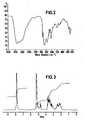
- the infrared absorption spectrum of Arphamenine A by the KBr method is shown in Fig.
- Arphamenine B has a melting point of 118-120°C. and a molecular weight, determined by mass spectrometry, of 336.
- the elemental analysis values are C: 49.30 %, H: 6.88 %, N: 13.77 %, O: 20.82 % and Cl: 8.73 %, indicating the molecular formula C 16 H 24 N 4 O 4 ⁇ HCl ⁇ H 2 O.
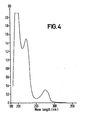
- the ultraviolet absorption spectrum for an aqueous solution containing 100 f/ml of Arphamenine B is given in Fig. 4, which shows absorptions with ⁇ max of 275 nm ( £ 1040) and ⁇ max of 222 nm ( ⁇ 5500).
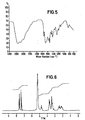
- Fig. 5 The infrared absorption spectrum of Arphamenine B by the KBr method is indicated in Fig. 5 which shows characteristic absorption bands at 3370, 3180, 2960, 1730, 1670, 1560, 1520, 1460, 1420, 1330, 1250, 1180, 1110 and 840 cm 1.
- the nuclear magnetic resonance absorption spectrum (solution in heavy water, b , 100 MHz) is revealed in Fig. 6 showing absorptions at 1.87-2.30 (CH2), 2.30-2.62 (CH2), 3.14-3.54 (CH 2 x 2), 3.54-3.78 (CH, CH 2 ) , 4.75 (CH), 7.30-7.67 (C 6 H 4 ) ⁇
- the present invention relates further to a process for producing the novel physiologically active substance Arphamenine A and/or the novel physiologically active substance Arphamenine B, which comprises cultivating an Arphamenine-producing microorganism belonging to the genus Chromobacterium to cause said substance(s) to be produced and accumulated in the culture medium, and then recovering said substance(s) from the culture medium after cultivation.
- the Arphamenine-producing microorganism means a microorganism capable of producing Arphamenine A or Arphamenine B or both of these Arphamenines.
- An example of the microorganism is Chromobacterium violaceum BMG361-CF4, a strain that was isolated from soil collected at Poropinai on the shore of Lake Shikotsu, Hokkaido, Japan. This strain was deposited on May 4, 1982 at the Fermentation Research Institute, Agency of Industrial Science and Technology, Ministry of International Trade and Industry of Japan under Deposit No. 6521 (FERM P-6521).
- BMG361-CF4 to be a gram-negative facultative anaerobic bacillus having polar and lateral flagella. Its colonies contained a purple pigment, which was demonstrated to be violacein on measurement of its visible spectrum. Research on these properties was conducted by reference to Bergey's Manual of Determinative Bacteriology 8th edition, and the results presumed BMG361-CF4 Strain to belong to the genus Chromobacterium. Chromobacterium includes the two species, i.e., C. Violaceum and C. lividum. BMG 361-CF4 strains possessed properties very similar of those of the former species.
- BMG 361-CF4 Strain was clearly distinguished from C. lividum in terms of growth at 37°C, patterns of acid formation from saccharides (acid production from trehalose; no acid production from arabinose or xylose), hydrolysis of casein, etc. Accordingly, BMG361-CF4 Strain was indentified as as Chromobacterium violaceum BMG361-CF4.
- Known nutrients for bacteria can be used, if desired, to cultivate the Arphamenine-producing microorganism in carrying out the process of the present invention.
- carbon sources are commercially available fats and carbohydrates, such as glycerin, glucose, lactose, sucrose, starch, maltose and molasses.
- nitrogen sources include marketed goods, such as peptone, meat extract, corn steep liquor, cottonseed meal, peanut meal, soybean meal, corn gluten meal, fish meal, yeast extract, N-Z amine, casein, sodium nitrate, ammonium nitrate and ammonium sulfate.
- inorganic nutrients are sodium chloride phosphates, calcium carbonate and magnesium sulfate. Trace amounts of other metal salts may be added if desired.
- culture media are carbon sources including glycerin and soluble starch, and nitrogen sources including soybean meal, fish meal and corn gluten meal.
- preferred culture media are a medium containing 1.5 % glycerin, 1.5 % soluble starch, 0.5 % Prorich, 1.5 % fish meal and 0.2 % calcium carbonate, and a medium containing 3 % soluble starch, 0.5 % Prorich, 1.2 % corn gluten meal and 0.2 % calcium carbonate.
- Liquid culture is preferred for the mass-production of Arphamenine.
- the cultivation temperature can be selected within a range which permits the Arphamenine-producing microorganism to grow and produce Arphamenine.
- the particularly preferred temperature is 25 to 35°C.
- the cultivation is usually performed until a sufficient amount of the present substance is accumulated in the culture medium.
- a culture medium containing 3 % soluble starch, 0.5 % Prorich, 1.2 % corn gluten meal and 0.2 % calcium carbonate was sterilized, and then inoculated with a loopful of a slant culture of the Arphamenin- producing microorganism.
- the inoculum was aerobically shake-cultured at 27°C.
- Arphamenine was seen to be accumulated.
- Arphamenine was produced satisfactorily by cultivation in a tank as well as shake culture. For instance, 300 liters of the medium placed in a 570-liter fermentation vessel was sterilized, and the cultivation was conducted with stirring at 190 rpm under aeration with 300 liters/minute of sterilized air. Under these conditions, the production of the present substance reached its maximum level in 23 hours.
- a blank absorbance (b) was obtained using an Arphamenine-free buffer solution only.
- Percent inhibition of aminopeptidase B was calculated from the equation [(b - a)/b7 x 100. According to this technique, 0.005 ug/ml of Arphamenine A and 0.002 ⁇ g/ml of Arphamenine B each inhibited 50 % of aminopeptidase B activity (IC 50 ).
- Arphamenine exists in culture media and cells of the Arphamenine-producing microorganism after cultivation. Arphamenine can be recovered in good yields by adsorbing a filtrate of the culture medium to an adsorbent and isolating the substance from the adsorbate.
- the adsorbent include organic adsorbents such as activated carbon, Amberlite XAD-4 and Diaion HP-20, ion exchange resins, alumina and silica gel.
- Arphamenine is adsorbed to Amberlite XAD-4 and eluted with an aqueous solution of acetone.
- a suitable column is packed with Amberlite XAD-4 in an amount of 1/10 the amount of a filtrate of the culture medium after cultivation.
- the filtrate containing Arphamenine is passed through the column and adsorbed thereto.
- the Amberlite XAD-4 column is washed with water, and eluted with a 50 % aqueous solution of acetone whose amount is 2 to 4 times that of Amberlite XAD-4.
- the eluate contains more than 70 % of Arphamenine contained in the culture filtrate.
- the eluate so obtained is concentrated to dryness at reduced pressure to obtain a crude powder of Arphamenine.
- Chromatography on an ion-exchange resin can also be used in the purification. Particularly, chromatography on CM-Sephadex is efficient, making it possible to separate Arphamenines A and B from each other by a gradient elution using aqueous solution of sodium chloride.
- CM-Sephadex aqueous solution of sodium chloride.
- the crude powder that has been obtained by adsorption to Amberlite XAD-4 and elution with an aqueous solution of acetone is subjected to chromatography on CM-Sephadex.
- the column is eluted with an aqueous solution of salt such as sodium chloride to collect a fraction containing Arphamenine A and a fraction containing Arphamenine B separately. Then, Arphamenine A and B are isolated from each of them.
- the final purification of the present substance can be performed by desalting with Sephadex LH-20.
- Arphamenine of the present invention was examined for pharmacological effects.
- the present substance was found to potentiate cell-mediated immunity and posses an action of anti-cancer.
- a suspension of 10 8 SRBCs in 0.05 ml of physiological saline solution was inoculated subcutaneously into one of the foot pads of CDF 1 mice (female, 8 weeks old). Simultaneously, an aqueous solution containing 5, 0.5, 0.05 or 0.005 mg/kg of Arphamenine A or B was administered orally at a single dose.
- a suspension of 10 8 SRBCs in 0.05 ml of physiolocigal saline solution was administered subcutaneously to the other foot pad to cause a secondary sensitization. Twenty-four hours later, swelling on the foot pad (increased thickness of the foot pad) was measured with a calipers.
- mice Swelling on the foot pad in mice was investigated in the same way as in Experimental Example 1, except that CDF 1 mice were intraperitoneally inoculated with 10 6 cells of Ascites Sarcoma 180 and that Arphamenine A was administered intraperitoneally once daily for 4 consecutive days, beginning on the day of sensitization SRBCs, and two days later, SRBCs were given to cause a secondary sensitization.
- Table 3 The results are shown in Table 3.
- mice with Ascites Sarcoma 180 the effect of Arphamenine A on cell-mediated immunity was investigated in the following manner observing D.T.H. reaction produced with the use of picryl chloride as antigen.
- 10 6 cells of Ascites Sarcoma 180 were transplanted intraperitoneally into 12-week-old female CDF 1 mice (6 mice/group). The day of transplantation was designated as Day O.
- Day 1 On Day 1, a shaved area (25 mm x 15 mm) of the abdomen was sensitized with 0.6 ml of a 6 % ethanol solution of picryl chloride absorbed to a cut absorbent cotton (20 mm x 20 mm x 2 mm).
- the thickness of the auricles of both ears was measured with a dial gauge to obtain a baseline value (a). Then, both auricles were sensitized with a 1 % olive oil solution of picryl chloride absorbed to a cut absorbent cotton of the size 10 mm x 4 mm x 1 mm. On Day 9, swelling on the sensitized auricles was measured with a dial gauge to obtain a value (b). The baseline value (a) was substracted from the value (b) to determine an increase in the thickness of the auricles (b - a) in the control group.
- Arphamenines A and B prove to potentiate cell-mediated immunity in normal animals, modulate cell-mediated immunity depressed by carcinoma, and exhibit a host-mediated antitumor effect.
- Acute toxicity tests in mice have shown that no deaths are caused by Arphamenine A at an iv dose of 250 mg/kg or Arphamenine B at an iv dose of 150 mg/kg. Arphamenine is thus considered to be a safe. substance.
- Arphamenines A and B of the present invention each augment immunity and exhibit a host-mediated carcinostatic effect when administered singly. These compounds are therefore useful as immunopotentiators and antitumor immunomodulators or as adjuvants to various chemotherapeutic agents for use in the treatment of carcinomas.
- Said drugs containing Arphamenine as active ingredients can be prepared by blending Arphamenine A or B or both Arphamenines A and B or their pharmaceutically acceptable salts, with the carriers in customary use, and if desired, further with various chemotherapeutic agents.
- Arphamenine salts include salts formed through the reaction between the carboxyl group of Arphamenine and pharmaceutically acceptable cations, such as ammonium ions, and cations of alkali metals such as sodium and potassium, and cations of alkaline. earth metals such as calcium and magnesium (i.e., carboxylates of Arphamenine).
- Additional examples include acid-addition salts formed through the reaction between the guanidyl or amino group of Arphamenine and pharmaceutically acceptable inorganic acids such as hydrochloric acid, or organic acids such as acetic acid.
- the compounds or drugs of this invention may be administered as oral preparations, injections or rectal suppositories. Lyophilized injections can be prepared by adding p H adjustors, buffers, stabilizers and excipients to said compounds comprising the active ingredients, and then freeze-drying the mixtures in customary manners. Injections for subcutaneous, intramuscular or intravenous administration can be prepared by adding pH adjustors, buffers, stabilizers, isotonizers and local anesthetics to the active ingredient-containing compounds, and then by applying customary procedures.
- binders, disintegrators, lubricants, colorants, taste correctives and odor correctives may be added to the active ingredient-containing compounds, whereafter the mixture are formed into tablets, coated tablets, granules, powders and capsules by customary methods.
- taste correctives for the preparation of oral liquids, taste correctives, buffers, stabilizers and odor correctives may be added to the active ingredient-containing compounds, and then the mixtures are made into syrups and dry syrups by customary methods.
- the dose of Arphamenine may be varied depending on symptoms, but the usual adult dosage is 0.02 to 200 mg of Arphamenine once daily.
- Arphamenine in said dose range may be combined with these other drugs in their usual doses.
- Arphamenine of the present invention will be described in more detail with reference to the following working examples. However, this invention is in no way limited to these examples, since the physicochemical properties of Arphamenine, and techniques for its production and purification clearly described by the present inventors would make it easy for anyone to modify the methods according to those disclosed throughout the present specification.
- a loopful of cells were taken from a slant culture of the Arphamenine-producing microorganism, Chromobacterium violaceum BMG361-CF4 (Deposit No. 6521 at the Fermentation Research Institute, Agency of Industrial Science and Technology, Ministry of International Trade and Industry of Japan).
- the cells were inoculated into a culture medium containing 3 % soluble starch, 0.5 % Prorich, 1.2 % corn gluten meal and 0.2 % calcium carbonate.
- Said culture medium had been sterilized at 120°C for 20 minutes and dispensed in amounts of 110 ml in 500 ml rotary flasks.
- the inoculum was cultivated at 27°C at 180 rpm., and the output of Arphamenine was examined with the lapse of time.
- the Arphamenine output was maximal after 32 hours of cultivation. When 36 hours passed after initiating cultivation, the Arphamenine concentration evaluated by the anti-aminopeptidase B activity gradually decreased.
- the pH of the culture medium during cultivation was 7.4 at the start of cultivation, 7.8 at 8 hours, 7.6 at 16 hours, 7.85 at 24 hours, 8.1 at 32 hours, 8.1 at 36 hours, and 8.45 at 52 hours.
- the strain, Chromobacterium violaceum BMG361-CF4 was cultivated under the same conditions using the same culture medium as in Example 1. 9.5 liters of the culture medium obtained after cultivation was adjusted to a pH of 2 with hydrochloric acid, and suction-filtered with a filter aid (Hyflo Super Cell) to obtain 9 liters of a filtrate. The filtrate had an aminopeptidase B inhibitory activityy (IC 50 ) of 0.05 ⁇ l/ml.
- the adsorbate was washed with 1.5 liter of 0.05 mol aqueous solution of sodium chloride and 1 liter of 0.05 M citrate buffer solution (pH 4.5), and subjected to gradient elution with 2.5 liters of the same buffer solution along with 2.5 liters of the same buffer solution containing 0.55 M sodium chloride. According to this procedure, the eluate was collected as 18 ml fractions.
- Arphamenine A was obtained in Fraction Nos. 39 to 59, while Arphamenine B was obtained in Fraction Nos. 60 to 89.
- Example 3 188 mg of the crude Arphamenine A powder obtained in Example 3 was dissolved in a suitable amount of a 0.05 M aqueous solution of sodium chloride, and adjusted to a pH of 2.3 with 1 N hydrochloric acid. The solution was adsorbed to an 80 ml column of CM-Sephadex C-25, and washed with 100 ml of a 0.07 M aqueous solution of sodium chloride. The adsorbate was then subjected to gradient elution using 300 ml of a 0.07 M aqueous solution of sodium chloride and 300 ml of a 0.5 M
- Example 3 79 mg of the Arphamenine B fraction obtained in Example 3 was dissolved in a suitable amount of a 0.05 mol aqueous solution of sodium chloride. The solution was adjusted to a pH of 2.3 with 1 N hydrochloric acid, and adsorbed to a 100 ml column of CM-Sephadex C-25. The adsorbate was washed with 100 ml of a 0.15 M aqueous solution of sodium chloride, and then subjected to gradient elution using 350 ml of a 0.15 M aqueous solution of sodium chloride and 350 ml of a 0.6 M aqueous solution of sodium chloride.
- the eluate was obtained as 11 ml fractions, and Arphamenine B was yielded in Fraction Nos. 17 to 30. These fractions were concentrated, and eluted with 0.01 N hydrochloric acid on a 500 ml column of Sephadex LH-20 to desalt the concentrate.
- the desalted fraction of Arphamenine B was adjusted to a pH of 5 with Dowex WGR, and freeze-dried to obtain 32 mg of Arphamenine B as a white powder.
- This product had an aminopeptidase B inhibitory acitivity, IC 50 , of 0.0020 ⁇ g/ml.
- a 500 ml Sakaguchi flask was charged with 80 ml of a culture medium comprising 1.5 % glycerin, 1.5 % soluble starch, 0.5' % Prorich, 1.5' % fish meal, 0.2' % calcium carbonate and 0.05 % anti-foaming agent (KM-72).
- the culture medium was sterilized for 15 minutes at 120°C, cooled, and inoculated with a loopful of Chromobacterium violaceum BMG361-CF4 (Deposit No. 6521 at the Fermentation Research Institute, Agency of Industrial Science and Technology, Ministry of International Trade and Industry of Japan) cultivated by slant culture.
- the inoculum was shake-cultured at 28°C for 24 hours at 135 reciprocations per minute to make a primary inoculum.
- a 100 liter tank was charged with 50 liters of a culture medium comprising 1.5 % glycerin, 1.5 % soluble starch, and 0.5 % Prorich, 1.74 % bonito extract, 0.2 % calcium carbonate and 0.05 % anti-foaming agent (KM-72).
- the culture medium was sterilized at 120°C for 30 minutes, cooled, and inoculated with 80 ml of the primary inoculum.
- the inoculated medium was cultivated for 24 hours at 28°C with stirring at 200 rpm while feeding sterilized air at a rate of 50 liters per minute, whereby a secondary inoculum was prepared.
- a culture medium comprising 3.0 % soluble starch, 0.5 % Prorich, 1.2 % corn gluten meal, 0.2 % calcium carbonate and 0.05 % anti-foaming agent (KM-72) was put in a 570-liter tank, the culture medium was sterilized at 120°C for 30 minutes, cooled, and inoculated with 6 liters of the secondary inoculum. The inoculum was cultivated at 28°C for 24 hours with stirring at 190 rpm while feeding 300 liters of air per minute. After cultivation, the culture medium was adjusted to a pH of 2 with sulfuric acid, and suction-filtered using a filter aid (Hyflo Super Cell).
- a filter aid Hyflo Super Cell
- the filtrate was adjusted to a pH of 6 with sodium hydroxide, and suction-filtered again to obtain 185 liters of a filtrate.
- This filtrate had an aminopeptidase B inhibitory activity, IC50, of 0.17 ⁇ l/ml.
- the concentrate was adsorbed to a 1.7-liter column of CM-Sephadex, and washed with 6 liters of a 0.05 M aqueous solution of sodium chloride and 2 liters of 0.05 M citrate buffer solution (pH 4.5).
- the washed adsorbate was gradient-eluted with 6 liters of the same buffer solution and 6 liters of the same buffer solution containing 0.6 M sodium chloride. According to this procedure, the eluate was collected as fractions of 200 ml each.
- Arphamenine A appeared in Fraction Nos. 30 to 39, and Arphamenine B in Fraction Nos. 42 to 52.
Landscapes
- Chemical & Material Sciences (AREA)
- Organic Chemistry (AREA)
- Health & Medical Sciences (AREA)
- Life Sciences & Earth Sciences (AREA)
- Engineering & Computer Science (AREA)
- Wood Science & Technology (AREA)
- Zoology (AREA)
- Bioinformatics & Cheminformatics (AREA)
- Biotechnology (AREA)
- Genetics & Genomics (AREA)
- General Health & Medical Sciences (AREA)
- Biochemistry (AREA)
- Microbiology (AREA)
- General Engineering & Computer Science (AREA)
- General Chemical & Material Sciences (AREA)
- Medicinal Chemistry (AREA)
- Chemical Kinetics & Catalysis (AREA)
- Immunology (AREA)
- Tropical Medicine & Parasitology (AREA)
- Virology (AREA)
- Public Health (AREA)
- Animal Behavior & Ethology (AREA)
- Pharmacology & Pharmacy (AREA)
- Biomedical Technology (AREA)
- Veterinary Medicine (AREA)
- Nuclear Medicine, Radiotherapy & Molecular Imaging (AREA)
- Epidemiology (AREA)
- Preparation Of Compounds By Using Micro-Organisms (AREA)
- Medicines Containing Material From Animals Or Micro-Organisms (AREA)
- Acyclic And Carbocyclic Compounds In Medicinal Compositions (AREA)
- Micro-Organisms Or Cultivation Processes Thereof (AREA)
- Pharmaceuticals Containing Other Organic And Inorganic Compounds (AREA)
- Organic Low-Molecular-Weight Compounds And Preparation Thereof (AREA)
- Steroid Compounds (AREA)
Priority Applications (1)
| Application Number | Priority Date | Filing Date | Title |
|---|---|---|---|
| AT83105416T ATE37393T1 (de) | 1982-06-07 | 1983-06-01 | Mikroorganismusstamm chromobacterium violaceum, aus diesem hergestellte pharmazeutisch aktive verbindungen, ein verfahren zu deren herstellung und deren verwendung als medikamente. |
Applications Claiming Priority (2)
| Application Number | Priority Date | Filing Date | Title |
|---|---|---|---|
| JP57096276A JPS58212791A (ja) | 1982-06-07 | 1982-06-07 | 新生理活性物質アルフアメニン及びその製造法 |
| JP96276/82 | 1982-06-07 |
Publications (3)
| Publication Number | Publication Date |
|---|---|
| EP0096356A2 true EP0096356A2 (de) | 1983-12-21 |
| EP0096356A3 EP0096356A3 (en) | 1985-06-12 |
| EP0096356B1 EP0096356B1 (de) | 1988-09-21 |
Family
ID=14160605
Family Applications (1)
| Application Number | Title | Priority Date | Filing Date |
|---|---|---|---|
| EP83105416A Expired EP0096356B1 (de) | 1982-06-07 | 1983-06-01 | Mikroorganismusstamm Chromobacterium Violaceum, aus diesem hergestellte pharmazeutisch aktive Verbindungen, ein Verfahren zu deren Herstellung und deren Verwendung als Medikamente |
Country Status (12)
| Country | Link |
|---|---|
| US (2) | US4595698A (de) |
| EP (1) | EP0096356B1 (de) |
| JP (1) | JPS58212791A (de) |
| KR (1) | KR900008247B1 (de) |
| AT (1) | ATE37393T1 (de) |
| CA (1) | CA1201992A (de) |
| DE (1) | DE3378058D1 (de) |
| DK (1) | DK257083A (de) |
| ES (1) | ES8503029A1 (de) |
| FI (1) | FI71765C (de) |
| HU (1) | HU191849B (de) |
| NO (1) | NO165200C (de) |
Cited By (3)
| Publication number | Priority date | Publication date | Assignee | Title |
|---|---|---|---|---|
| EP0177728A3 (en) * | 1984-09-03 | 1986-05-28 | Microbial Chem Res Found | Arphamenine derivatives, a process for their preparation and their use as medicament |
| EP0133550A3 (en) * | 1983-08-05 | 1987-04-01 | Microbial Chemistry Research Foundation | Process for producing arphamenine in high yield |
| CN112430633A (zh) * | 2020-11-02 | 2021-03-02 | 新疆阜丰生物科技有限公司 | 一种利用流加培养液发酵生产精氨酸的工艺 |
Families Citing this family (4)
| Publication number | Priority date | Publication date | Assignee | Title |
|---|---|---|---|---|
| JPS606647A (ja) * | 1983-06-17 | 1985-01-14 | Microbial Chem Res Found | アルフアメニン及びその関連化合物と合成法 |
| JPH05279374A (ja) * | 1992-03-31 | 1993-10-26 | Sawao Murao | スイダトレスチン及びその製造方法 |
| JPH06247964A (ja) * | 1993-02-22 | 1994-09-06 | Snow Brand Milk Prod Co Ltd | 新規生理活性物質hs−1及びその製造方法 |
| EP2545181B1 (de) | 2010-03-12 | 2014-11-12 | Council Of Scientific & Industrial Research | Verfahren zur herstellung von violacein und seinem derivat deoxyviolacein welches bioaktives pigment von chromobacterium sp. (mtcc 5522) beinhaltet |
Family Cites Families (6)
| Publication number | Priority date | Publication date | Assignee | Title |
|---|---|---|---|---|
| US3824267A (en) * | 1971-08-19 | 1974-07-16 | Ono Pharmaceutical Co | Thiolesters of guanidino organic acids |
| DE2359544A1 (de) * | 1973-11-29 | 1975-10-30 | Hoechst Ag | Cephemderivate und verfahren zu ihrer herstellung |
| US3994965A (en) * | 1974-08-09 | 1976-11-30 | Pfizer Inc. | D-N-(guanylureidoacetyl)-α-aminophenyl acetic acid and D-N-(guanylureidoacetyl)-α-aminophenyl acetyl chloride |
| US4105789A (en) * | 1976-05-10 | 1978-08-08 | E. R. Squibb & Sons, Inc. | Carboxyalkylacylamino acids |
| JPS6026099B2 (ja) * | 1977-09-21 | 1985-06-21 | 財団法人微生物化学研究会 | ペプチド、その酸附加塩およびその製造法 |
| JPS5832592B2 (ja) * | 1979-01-31 | 1983-07-14 | 財団法人微生物化学研究会 | 新抗生物質バクトロポンおよびその製造法 |
-
1982
- 1982-06-07 JP JP57096276A patent/JPS58212791A/ja active Granted
-
1983
- 1983-06-01 AT AT83105416T patent/ATE37393T1/de active
- 1983-06-01 DE DE8383105416T patent/DE3378058D1/de not_active Expired
- 1983-06-01 EP EP83105416A patent/EP0096356B1/de not_active Expired
- 1983-06-02 CA CA000429549A patent/CA1201992A/en not_active Expired
- 1983-06-02 US US06/500,396 patent/US4595698A/en not_active Expired - Fee Related
- 1983-06-02 KR KR1019830002470A patent/KR900008247B1/ko not_active Expired
- 1983-06-03 FI FI832007A patent/FI71765C/fi not_active IP Right Cessation
- 1983-06-06 DK DK257083A patent/DK257083A/da not_active Application Discontinuation
- 1983-06-06 NO NO832046A patent/NO165200C/no unknown
- 1983-06-06 ES ES523022A patent/ES8503029A1/es not_active Expired
- 1983-06-06 HU HU832020A patent/HU191849B/hu unknown
-
1985
- 1985-12-16 US US06/809,215 patent/US4859593A/en not_active Expired - Fee Related
Cited By (4)
| Publication number | Priority date | Publication date | Assignee | Title |
|---|---|---|---|---|
| EP0133550A3 (en) * | 1983-08-05 | 1987-04-01 | Microbial Chemistry Research Foundation | Process for producing arphamenine in high yield |
| EP0177728A3 (en) * | 1984-09-03 | 1986-05-28 | Microbial Chem Res Found | Arphamenine derivatives, a process for their preparation and their use as medicament |
| US4661495A (en) * | 1984-09-03 | 1987-04-28 | Zaidan Hojin Biseibutsu Kagaku Kenkyu Kai | Arphamenine-related compounds useful for potentiating the immune response in a living animal |
| CN112430633A (zh) * | 2020-11-02 | 2021-03-02 | 新疆阜丰生物科技有限公司 | 一种利用流加培养液发酵生产精氨酸的工艺 |
Also Published As
| Publication number | Publication date |
|---|---|
| DE3378058D1 (en) | 1988-10-27 |
| US4859593A (en) | 1989-08-22 |
| EP0096356B1 (de) | 1988-09-21 |
| JPS58212791A (ja) | 1983-12-10 |
| FI71765C (fi) | 1987-02-09 |
| US4595698A (en) | 1986-06-17 |
| NO832046L (no) | 1983-12-08 |
| EP0096356A3 (en) | 1985-06-12 |
| KR900008247B1 (ko) | 1990-11-06 |
| JPH022593B2 (de) | 1990-01-18 |
| DK257083D0 (da) | 1983-06-06 |
| NO165200B (no) | 1990-10-01 |
| FI832007L (fi) | 1983-12-08 |
| FI832007A0 (fi) | 1983-06-03 |
| NO165200C (no) | 1991-01-16 |
| ES523022A0 (es) | 1985-02-01 |
| KR840005169A (ko) | 1984-11-05 |
| CA1201992A (en) | 1986-03-18 |
| HU191849B (en) | 1987-04-28 |
| FI71765B (fi) | 1986-10-31 |
| ES8503029A1 (es) | 1985-02-01 |
| ATE37393T1 (de) | 1988-10-15 |
| DK257083A (da) | 1983-12-08 |
Similar Documents
| Publication | Publication Date | Title |
|---|---|---|
| CA2310400C (en) | Novel physiologically active substance sulphostin, process for producing the same, and use thereof | |
| EP0063456B1 (de) | Pseudoaminozucker, deren Herstellung und Verwendung | |
| US4990448A (en) | Bu-4061T | |
| PT864584E (pt) | Lopopeptidos de actinoplanes sp. com accao farmacologica processo para a sua preparacao e respectiva utilizacao | |
| CA1153966A (en) | Physiologically active substance, ebelactone and production thereof | |
| KR870001373B1 (ko) | 항생물질 BMG 162-aF2의 제조방법 | |
| EP0096356B1 (de) | Mikroorganismusstamm Chromobacterium Violaceum, aus diesem hergestellte pharmazeutisch aktive Verbindungen, ein Verfahren zu deren Herstellung und deren Verwendung als Medikamente | |
| EP0192828B1 (de) | Immunosuppressive Verbindungen, deren mikrobiologische Verfahren zur Herstellung und deren Verwendung als Arzneimittel | |
| KR840001258B1 (ko) | 신항생물질 mf 266 물질의 제조방법 | |
| US5545542A (en) | WB2663 substances and method for their production | |
| EP0236110A2 (de) | Tierwachstum fördernde Mittel | |
| JPH1045738A (ja) | 抗生物質エポキシキノマイシンcおよびdとその製造法ならびに抗リウマチ剤 | |
| EP0253413A2 (de) | Antibiotika "Mureidomycine A,B,C und D" genannt, deren Verfahren zur Herstellung und deren Verwendung | |
| EP0142121B1 (de) | WS-7739-Verbindungen, deren Herstellung und deren pharmazeutische Zusammensetzung | |
| KR830002817B1 (ko) | 생물학적으로 활성인 fr-900156물질의 제조방법 | |
| EP0127076A2 (de) | Histargin, dessen mikrobiologische Herstellung, dessen Verwendung als Arzneimittel und ein Stamm Streptomyces roseoviridis zu seiner Produktion | |
| EP0333177A2 (de) | Verbindung FR-900493, Verfahren zu deren Herstellung und sie enthaltende pharmazeutische Zusammensetzung | |
| JP3448334B2 (ja) | 新規生理活性物質ピペラスタチンaおよびその製造法 | |
| KR820001221B1 (ko) | 하이드록시아미노 하이드로카르본포스폰산 유도체의 제조방법 | |
| EP0162422A2 (de) | Physiologisch wirksame Foroxymithin-Verbindung, ein Verfahren und Mikroorganismen zu ihrer Herstellung und ihre Verwendung als Arzneimittel | |
| JPS6257198B2 (de) | ||
| JPH0479354B2 (de) | ||
| JPS63101336A (ja) | 新規物質dc―102 | |
| JPH06228185A (ja) | D329物質とその誘導体,その製造法及び用途 | |
| JPH0623165B2 (ja) | 新規抗生物質ジエタシン類およびその製造法 |
Legal Events
| Date | Code | Title | Description |
|---|---|---|---|
| PUAI | Public reference made under article 153(3) epc to a published international application that has entered the european phase |
Free format text: ORIGINAL CODE: 0009012 |
|
| AK | Designated contracting states |
Designated state(s): AT BE CH DE FR GB IT LI NL SE |
|
| PUAL | Search report despatched |
Free format text: ORIGINAL CODE: 0009013 |
|
| AK | Designated contracting states |
Designated state(s): AT BE CH DE FR GB IT LI NL SE |
|
| 17P | Request for examination filed |
Effective date: 19850826 |
|
| 17Q | First examination report despatched |
Effective date: 19861103 |
|
| GRAA | (expected) grant |
Free format text: ORIGINAL CODE: 0009210 |
|
| AK | Designated contracting states |
Kind code of ref document: B1 Designated state(s): AT BE CH DE FR GB IT LI NL SE |
|
| REF | Corresponds to: |
Ref document number: 37393 Country of ref document: AT Date of ref document: 19881015 Kind code of ref document: T |
|
| ITF | It: translation for a ep patent filed | ||
| REF | Corresponds to: |
Ref document number: 3378058 Country of ref document: DE Date of ref document: 19881027 |
|
| ET | Fr: translation filed | ||
| PLBE | No opposition filed within time limit |
Free format text: ORIGINAL CODE: 0009261 |
|
| STAA | Information on the status of an ep patent application or granted ep patent |
Free format text: STATUS: NO OPPOSITION FILED WITHIN TIME LIMIT |
|
| 26N | No opposition filed | ||
| PGFP | Annual fee paid to national office [announced via postgrant information from national office to epo] |
Ref country code: FR Payment date: 19910517 Year of fee payment: 9 |
|
| PGFP | Annual fee paid to national office [announced via postgrant information from national office to epo] |
Ref country code: SE Payment date: 19910527 Year of fee payment: 9 |
|
| PGFP | Annual fee paid to national office [announced via postgrant information from national office to epo] |
Ref country code: GB Payment date: 19910528 Year of fee payment: 9 |
|
| PGFP | Annual fee paid to national office [announced via postgrant information from national office to epo] |
Ref country code: AT Payment date: 19910604 Year of fee payment: 9 |
|
| PGFP | Annual fee paid to national office [announced via postgrant information from national office to epo] |
Ref country code: BE Payment date: 19910607 Year of fee payment: 9 |
|
| PGFP | Annual fee paid to national office [announced via postgrant information from national office to epo] |
Ref country code: CH Payment date: 19910619 Year of fee payment: 9 |
|
| ITTA | It: last paid annual fee | ||
| PGFP | Annual fee paid to national office [announced via postgrant information from national office to epo] |
Ref country code: NL Payment date: 19910630 Year of fee payment: 9 |
|
| PGFP | Annual fee paid to national office [announced via postgrant information from national office to epo] |
Ref country code: DE Payment date: 19910813 Year of fee payment: 9 |
|
| PG25 | Lapsed in a contracting state [announced via postgrant information from national office to epo] |
Ref country code: GB Effective date: 19920601 Ref country code: AT Effective date: 19920601 |
|
| PG25 | Lapsed in a contracting state [announced via postgrant information from national office to epo] |
Ref country code: SE Effective date: 19920602 |
|
| PG25 | Lapsed in a contracting state [announced via postgrant information from national office to epo] |
Ref country code: LI Effective date: 19920630 Ref country code: CH Effective date: 19920630 Ref country code: BE Effective date: 19920630 |
|
| BERE | Be: lapsed |
Owner name: MICROBIAL CHEMISTRY RESEARCH FOUNDATION Effective date: 19920630 |
|
| PG25 | Lapsed in a contracting state [announced via postgrant information from national office to epo] |
Ref country code: NL Effective date: 19930101 |
|
| GBPC | Gb: european patent ceased through non-payment of renewal fee |
Effective date: 19920601 |
|
| NLV4 | Nl: lapsed or anulled due to non-payment of the annual fee | ||
| PG25 | Lapsed in a contracting state [announced via postgrant information from national office to epo] |
Ref country code: FR Effective date: 19930226 |
|
| REG | Reference to a national code |
Ref country code: CH Ref legal event code: PL |
|
| PG25 | Lapsed in a contracting state [announced via postgrant information from national office to epo] |
Ref country code: DE Effective date: 19930302 |
|
| REG | Reference to a national code |
Ref country code: FR Ref legal event code: ST |
|
| EUG | Se: european patent has lapsed |
Ref document number: 83105416.8 Effective date: 19930109 |
|
| APAB | Appeal dossier modified |
Free format text: ORIGINAL CODE: EPIDOS NOAPE |