EP0138111A1 - Klonieren von Superoxid-Dismutase und Expression in Mikroorganismen - Google Patents
Klonieren von Superoxid-Dismutase und Expression in Mikroorganismen Download PDFInfo
- Publication number
- EP0138111A1 EP0138111A1 EP84111416A EP84111416A EP0138111A1 EP 0138111 A1 EP0138111 A1 EP 0138111A1 EP 84111416 A EP84111416 A EP 84111416A EP 84111416 A EP84111416 A EP 84111416A EP 0138111 A1 EP0138111 A1 EP 0138111A1
- Authority
- EP
- European Patent Office
- Prior art keywords
- polypeptide
- amino acid
- sequence
- dna
- hsod
- Prior art date
- Legal status (The legal status is an assumption and is not a legal conclusion. Google has not performed a legal analysis and makes no representation as to the accuracy of the status listed.)
- Granted
Links
- 230000014509 gene expression Effects 0.000 title claims abstract description 26
- 102000019197 Superoxide Dismutase Human genes 0.000 title claims abstract description 15
- 108010012715 Superoxide dismutase Proteins 0.000 title claims abstract description 15
- 244000005700 microbiome Species 0.000 title claims description 8
- 238000010367 cloning Methods 0.000 title claims description 4
- 108090000623 proteins and genes Proteins 0.000 claims abstract description 62
- 238000000034 method Methods 0.000 claims abstract description 30
- 240000004808 Saccharomyces cerevisiae Species 0.000 claims abstract description 28
- 239000000203 mixture Substances 0.000 claims abstract description 20
- 238000004519 manufacturing process Methods 0.000 claims abstract description 7
- 238000013519 translation Methods 0.000 claims abstract description 7
- 230000002708 enhancing effect Effects 0.000 claims abstract description 3
- 108090000765 processed proteins & peptides Proteins 0.000 claims description 46
- 102000004196 processed proteins & peptides Human genes 0.000 claims description 42
- 229920001184 polypeptide Polymers 0.000 claims description 39
- 108020004414 DNA Proteins 0.000 claims description 29
- 150000001413 amino acids Chemical group 0.000 claims description 25
- 229940024606 amino acid Drugs 0.000 claims description 22
- 235000001014 amino acid Nutrition 0.000 claims description 22
- 210000003705 ribosome Anatomy 0.000 claims description 21
- 108091081024 Start codon Proteins 0.000 claims description 19
- 230000021736 acetylation Effects 0.000 claims description 19
- 238000006640 acetylation reaction Methods 0.000 claims description 19
- 108010076504 Protein Sorting Signals Proteins 0.000 claims description 15
- 230000001105 regulatory effect Effects 0.000 claims description 11
- 108020004705 Codon Proteins 0.000 claims description 8
- 108091028043 Nucleic acid sequence Proteins 0.000 claims description 8
- 238000013518 transcription Methods 0.000 claims description 7
- 230000035897 transcription Effects 0.000 claims description 7
- 230000002103 transcriptional effect Effects 0.000 claims description 7
- 238000011144 upstream manufacturing Methods 0.000 claims description 7
- DHMQDGOQFOQNFH-UHFFFAOYSA-N Glycine Chemical compound NCC(O)=O DHMQDGOQFOQNFH-UHFFFAOYSA-N 0.000 claims description 6
- CKLJMWTZIZZHCS-REOHCLBHSA-N L-aspartic acid Chemical compound OC(=O)[C@@H](N)CC(O)=O CKLJMWTZIZZHCS-REOHCLBHSA-N 0.000 claims description 6
- 125000001429 N-terminal alpha-amino-acid group Chemical group 0.000 claims description 6
- 229940009098 aspartate Drugs 0.000 claims description 6
- 125000006850 spacer group Chemical group 0.000 claims description 6
- QNAYBMKLOCPYGJ-REOHCLBHSA-N L-alanine Chemical compound C[C@H](N)C(O)=O QNAYBMKLOCPYGJ-REOHCLBHSA-N 0.000 claims description 5
- AYFVYJQAPQTCCC-GBXIJSLDSA-N L-threonine Chemical compound C[C@@H](O)[C@H](N)C(O)=O AYFVYJQAPQTCCC-GBXIJSLDSA-N 0.000 claims description 5
- MTCFGRXMJLQNBG-UHFFFAOYSA-N Serine Natural products OCC(N)C(O)=O MTCFGRXMJLQNBG-UHFFFAOYSA-N 0.000 claims description 5
- AYFVYJQAPQTCCC-UHFFFAOYSA-N Threonine Natural products CC(O)C(N)C(O)=O AYFVYJQAPQTCCC-UHFFFAOYSA-N 0.000 claims description 5
- 239000004473 Threonine Substances 0.000 claims description 5
- 235000004279 alanine Nutrition 0.000 claims description 5
- MTCFGRXMJLQNBG-REOHCLBHSA-N (2S)-2-Amino-3-hydroxypropansäure Chemical compound OC[C@H](N)C(O)=O MTCFGRXMJLQNBG-REOHCLBHSA-N 0.000 claims description 4
- 238000011049 filling Methods 0.000 claims description 4
- 238000005304 joining Methods 0.000 claims description 4
- 230000014621 translational initiation Effects 0.000 claims description 4
- 241000894006 Bacteria Species 0.000 claims description 3
- 239000004471 Glycine Substances 0.000 claims description 3
- 230000010076 replication Effects 0.000 claims description 3
- 238000012216 screening Methods 0.000 claims description 3
- 238000012423 maintenance Methods 0.000 claims 1
- 108091033319 polynucleotide Proteins 0.000 claims 1
- 102000040430 polynucleotide Human genes 0.000 claims 1
- 239000002157 polynucleotide Substances 0.000 claims 1
- 230000002194 synthesizing effect Effects 0.000 claims 1
- 239000013598 vector Substances 0.000 abstract description 17
- 241000588724 Escherichia coli Species 0.000 abstract description 8
- 239000012634 fragment Substances 0.000 description 61
- 239000013612 plasmid Substances 0.000 description 44
- 125000003729 nucleotide group Chemical group 0.000 description 31
- 239000002773 nucleotide Substances 0.000 description 30
- 101150017120 sod gene Proteins 0.000 description 25
- 102000004169 proteins and genes Human genes 0.000 description 20
- 235000018102 proteins Nutrition 0.000 description 19
- 239000002299 complementary DNA Substances 0.000 description 18
- 239000000047 product Substances 0.000 description 18
- 210000004027 cell Anatomy 0.000 description 12
- 239000000523 sample Substances 0.000 description 12
- 125000003275 alpha amino acid group Chemical group 0.000 description 10
- 239000013604 expression vector Substances 0.000 description 10
- 102000002260 Alkaline Phosphatase Human genes 0.000 description 9
- 108020004774 Alkaline Phosphatase Proteins 0.000 description 9
- 108010017826 DNA Polymerase I Proteins 0.000 description 9
- 102000004594 DNA Polymerase I Human genes 0.000 description 9
- 239000000499 gel Substances 0.000 description 9
- 125000000539 amino acid group Chemical class 0.000 description 8
- 230000000295 complement effect Effects 0.000 description 8
- 230000029087 digestion Effects 0.000 description 8
- 108091026890 Coding region Proteins 0.000 description 7
- 102100031181 Glyceraldehyde-3-phosphate dehydrogenase Human genes 0.000 description 7
- 108020004445 glyceraldehyde-3-phosphate dehydrogenase Proteins 0.000 description 7
- 238000003780 insertion Methods 0.000 description 7
- 230000037431 insertion Effects 0.000 description 7
- 239000000463 material Substances 0.000 description 7
- 101000909256 Caldicellulosiruptor bescii (strain ATCC BAA-1888 / DSM 6725 / Z-1320) DNA polymerase I Proteins 0.000 description 6
- 101000902592 Pyrococcus furiosus (strain ATCC 43587 / DSM 3638 / JCM 8422 / Vc1) DNA polymerase Proteins 0.000 description 6
- 230000004071 biological effect Effects 0.000 description 6
- 230000000694 effects Effects 0.000 description 6
- 238000009396 hybridization Methods 0.000 description 6
- 230000000977 initiatory effect Effects 0.000 description 6
- WQGWDDDVZFFDIG-UHFFFAOYSA-N pyrogallol Chemical compound OC1=CC=CC(O)=C1O WQGWDDDVZFFDIG-UHFFFAOYSA-N 0.000 description 6
- 238000011282 treatment Methods 0.000 description 6
- 239000011701 zinc Substances 0.000 description 6
- 102000008221 Superoxide Dismutase-1 Human genes 0.000 description 5
- 108010021188 Superoxide Dismutase-1 Proteins 0.000 description 5
- 230000015572 biosynthetic process Effects 0.000 description 5
- 238000001962 electrophoresis Methods 0.000 description 5
- 238000002264 polyacrylamide gel electrophoresis Methods 0.000 description 5
- 238000012545 processing Methods 0.000 description 5
- 238000003786 synthesis reaction Methods 0.000 description 5
- VYPSYNLAJGMNEJ-UHFFFAOYSA-N Silicium dioxide Chemical compound O=[Si]=O VYPSYNLAJGMNEJ-UHFFFAOYSA-N 0.000 description 4
- 238000004458 analytical method Methods 0.000 description 4
- 239000012131 assay buffer Substances 0.000 description 4
- 230000001580 bacterial effect Effects 0.000 description 4
- 238000010276 construction Methods 0.000 description 4
- 239000010949 copper Substances 0.000 description 4
- 230000001086 cytosolic effect Effects 0.000 description 4
- 230000002068 genetic effect Effects 0.000 description 4
- 238000001727 in vivo Methods 0.000 description 4
- 210000004185 liver Anatomy 0.000 description 4
- 108020004999 messenger RNA Proteins 0.000 description 4
- 230000004048 modification Effects 0.000 description 4
- 238000012986 modification Methods 0.000 description 4
- 238000010369 molecular cloning Methods 0.000 description 4
- 230000003248 secreting effect Effects 0.000 description 4
- 229920001817 Agar Polymers 0.000 description 3
- 239000003298 DNA probe Substances 0.000 description 3
- 102000004190 Enzymes Human genes 0.000 description 3
- 108090000790 Enzymes Proteins 0.000 description 3
- LFQSCWFLJHTTHZ-UHFFFAOYSA-N Ethanol Chemical compound CCO LFQSCWFLJHTTHZ-UHFFFAOYSA-N 0.000 description 3
- 101150038242 GAL10 gene Proteins 0.000 description 3
- 102100039556 Galectin-4 Human genes 0.000 description 3
- 101150112014 Gapdh gene Proteins 0.000 description 3
- 101000608765 Homo sapiens Galectin-4 Proteins 0.000 description 3
- 101150052131 Pgap2 gene Proteins 0.000 description 3
- 239000004098 Tetracycline Substances 0.000 description 3
- 108091023045 Untranslated Region Proteins 0.000 description 3
- HCHKCACWOHOZIP-UHFFFAOYSA-N Zinc Chemical compound [Zn] HCHKCACWOHOZIP-UHFFFAOYSA-N 0.000 description 3
- 239000008272 agar Substances 0.000 description 3
- 238000003556 assay Methods 0.000 description 3
- 230000015556 catabolic process Effects 0.000 description 3
- 230000001413 cellular effect Effects 0.000 description 3
- TVZPLCNGKSPOJA-UHFFFAOYSA-N copper zinc Chemical compound [Cu].[Zn] TVZPLCNGKSPOJA-UHFFFAOYSA-N 0.000 description 3
- 238000006731 degradation reaction Methods 0.000 description 3
- 238000001514 detection method Methods 0.000 description 3
- 230000002255 enzymatic effect Effects 0.000 description 3
- 238000000605 extraction Methods 0.000 description 3
- 238000001502 gel electrophoresis Methods 0.000 description 3
- 238000000338 in vitro Methods 0.000 description 3
- 239000002609 medium Substances 0.000 description 3
- 238000002360 preparation method Methods 0.000 description 3
- 229940079877 pyrogallol Drugs 0.000 description 3
- 108091008146 restriction endonucleases Proteins 0.000 description 3
- 230000028327 secretion Effects 0.000 description 3
- 238000006467 substitution reaction Methods 0.000 description 3
- -1 superoxide anions Chemical class 0.000 description 3
- 229960002180 tetracycline Drugs 0.000 description 3
- 229930101283 tetracycline Natural products 0.000 description 3
- 235000019364 tetracycline Nutrition 0.000 description 3
- 150000003522 tetracyclines Chemical class 0.000 description 3
- 238000001262 western blot Methods 0.000 description 3
- 108091032973 (ribonucleotides)n+m Proteins 0.000 description 2
- DCXYFEDJOCDNAF-UHFFFAOYSA-N Asparagine Natural products OC(=O)C(N)CC(N)=O DCXYFEDJOCDNAF-UHFFFAOYSA-N 0.000 description 2
- 241000283690 Bos taurus Species 0.000 description 2
- 108091033380 Coding strand Proteins 0.000 description 2
- 229910017518 Cu Zn Inorganic materials 0.000 description 2
- 229910017752 Cu-Zn Inorganic materials 0.000 description 2
- JPVYNHNXODAKFH-UHFFFAOYSA-N Cu2+ Chemical compound [Cu+2] JPVYNHNXODAKFH-UHFFFAOYSA-N 0.000 description 2
- 229910017943 Cu—Zn Inorganic materials 0.000 description 2
- 108020003215 DNA Probes Proteins 0.000 description 2
- 241000701959 Escherichia virus Lambda Species 0.000 description 2
- 102100028501 Galanin peptides Human genes 0.000 description 2
- 108700039691 Genetic Promoter Regions Proteins 0.000 description 2
- 108090000144 Human Proteins Proteins 0.000 description 2
- 102000003839 Human Proteins Human genes 0.000 description 2
- 108091092195 Intron Proteins 0.000 description 2
- XEEYBQQBJWHFJM-UHFFFAOYSA-N Iron Chemical compound [Fe] XEEYBQQBJWHFJM-UHFFFAOYSA-N 0.000 description 2
- DCXYFEDJOCDNAF-REOHCLBHSA-N L-asparagine Chemical compound OC(=O)[C@@H](N)CC(N)=O DCXYFEDJOCDNAF-REOHCLBHSA-N 0.000 description 2
- 241000124008 Mammalia Species 0.000 description 2
- 108091034117 Oligonucleotide Proteins 0.000 description 2
- 108010021757 Polynucleotide 5'-Hydroxyl-Kinase Proteins 0.000 description 2
- 102000008422 Polynucleotide 5'-hydroxyl-kinase Human genes 0.000 description 2
- OUUQCZGPVNCOIJ-UHFFFAOYSA-M Superoxide Chemical compound [O-][O] OUUQCZGPVNCOIJ-UHFFFAOYSA-M 0.000 description 2
- 108020005038 Terminator Codon Proteins 0.000 description 2
- 229940121363 anti-inflammatory agent Drugs 0.000 description 2
- 239000002260 anti-inflammatory agent Substances 0.000 description 2
- 229960001230 asparagine Drugs 0.000 description 2
- 235000009582 asparagine Nutrition 0.000 description 2
- 238000005119 centrifugation Methods 0.000 description 2
- 229910001431 copper ion Inorganic materials 0.000 description 2
- 229910000365 copper sulfate Inorganic materials 0.000 description 2
- ARUVKPQLZAKDPS-UHFFFAOYSA-L copper(II) sulfate Chemical compound [Cu+2].[O-][S+2]([O-])([O-])[O-] ARUVKPQLZAKDPS-UHFFFAOYSA-L 0.000 description 2
- 238000010586 diagram Methods 0.000 description 2
- 238000000502 dialysis Methods 0.000 description 2
- 238000001952 enzyme assay Methods 0.000 description 2
- 238000012869 ethanol precipitation Methods 0.000 description 2
- 239000000284 extract Substances 0.000 description 2
- 230000001900 immune effect Effects 0.000 description 2
- 238000002955 isolation Methods 0.000 description 2
- BPHPUYQFMNQIOC-NXRLNHOXSA-N isopropyl beta-D-thiogalactopyranoside Chemical compound CC(C)S[C@@H]1O[C@H](CO)[C@H](O)[C@H](O)[C@H]1O BPHPUYQFMNQIOC-NXRLNHOXSA-N 0.000 description 2
- KWGKDLIKAYFUFQ-UHFFFAOYSA-M lithium chloride Chemical compound [Li+].[Cl-] KWGKDLIKAYFUFQ-UHFFFAOYSA-M 0.000 description 2
- 229910052751 metal Inorganic materials 0.000 description 2
- 239000002184 metal Substances 0.000 description 2
- 235000015097 nutrients Nutrition 0.000 description 2
- 239000008188 pellet Substances 0.000 description 2
- 238000002205 phenol-chloroform extraction Methods 0.000 description 2
- 125000002924 primary amino group Chemical group [H]N([H])* 0.000 description 2
- 239000000377 silicon dioxide Substances 0.000 description 2
- 238000012546 transfer Methods 0.000 description 2
- 230000009466 transformation Effects 0.000 description 2
- 238000003260 vortexing Methods 0.000 description 2
- 229910052725 zinc Inorganic materials 0.000 description 2
- 229910000368 zinc sulfate Inorganic materials 0.000 description 2
- 229960001763 zinc sulfate Drugs 0.000 description 2
- GOJUJUVQIVIZAV-UHFFFAOYSA-N 2-amino-4,6-dichloropyrimidine-5-carbaldehyde Chemical group NC1=NC(Cl)=C(C=O)C(Cl)=N1 GOJUJUVQIVIZAV-UHFFFAOYSA-N 0.000 description 1
- 241000972773 Aulopiformes Species 0.000 description 1
- 235000014469 Bacillus subtilis Nutrition 0.000 description 1
- 102000008169 Co-Repressor Proteins Human genes 0.000 description 1
- 108010060434 Co-Repressor Proteins Proteins 0.000 description 1
- 108020004635 Complementary DNA Proteins 0.000 description 1
- RYGMFSIKBFXOCR-UHFFFAOYSA-N Copper Chemical compound [Cu] RYGMFSIKBFXOCR-UHFFFAOYSA-N 0.000 description 1
- 241000195493 Cryptophyta Species 0.000 description 1
- 102000053602 DNA Human genes 0.000 description 1
- 206010014561 Emphysema Diseases 0.000 description 1
- 241001524679 Escherichia virus M13 Species 0.000 description 1
- 241000206602 Eukaryota Species 0.000 description 1
- 241000233866 Fungi Species 0.000 description 1
- 101150094690 GAL1 gene Proteins 0.000 description 1
- 101150077230 GAL4 gene Proteins 0.000 description 1
- 102100024637 Galectin-10 Human genes 0.000 description 1
- 108700007698 Genetic Terminator Regions Proteins 0.000 description 1
- 241000282412 Homo Species 0.000 description 1
- 101100121078 Homo sapiens GAL gene Proteins 0.000 description 1
- WHUUTDBJXJRKMK-VKHMYHEASA-N L-glutamic acid Chemical compound OC(=O)[C@@H](N)CCC(O)=O WHUUTDBJXJRKMK-VKHMYHEASA-N 0.000 description 1
- AGPKZVBTJJNPAG-WHFBIAKZSA-N L-isoleucine Chemical compound CC[C@H](C)[C@H](N)C(O)=O AGPKZVBTJJNPAG-WHFBIAKZSA-N 0.000 description 1
- FFEARJCKVFRZRR-BYPYZUCNSA-N L-methionine Chemical compound CSCC[C@H](N)C(O)=O FFEARJCKVFRZRR-BYPYZUCNSA-N 0.000 description 1
- COLNVLDHVKWLRT-QMMMGPOBSA-N L-phenylalanine Chemical compound OC(=O)[C@@H](N)CC1=CC=CC=C1 COLNVLDHVKWLRT-QMMMGPOBSA-N 0.000 description 1
- 102000003960 Ligases Human genes 0.000 description 1
- 108090000364 Ligases Proteins 0.000 description 1
- 239000004472 Lysine Substances 0.000 description 1
- KDXKERNSBIXSRK-UHFFFAOYSA-N Lysine Natural products NCCCCC(N)C(O)=O KDXKERNSBIXSRK-UHFFFAOYSA-N 0.000 description 1
- QPCDCPDFJACHGM-UHFFFAOYSA-N N,N-bis{2-[bis(carboxymethyl)amino]ethyl}glycine Chemical compound OC(=O)CN(CC(O)=O)CCN(CC(=O)O)CCN(CC(O)=O)CC(O)=O QPCDCPDFJACHGM-UHFFFAOYSA-N 0.000 description 1
- 125000003047 N-acetyl group Chemical group 0.000 description 1
- PYUSHNKNPOHWEZ-YFKPBYRVSA-N N-formyl-L-methionine Chemical compound CSCC[C@@H](C(O)=O)NC=O PYUSHNKNPOHWEZ-YFKPBYRVSA-N 0.000 description 1
- 241000221960 Neurospora Species 0.000 description 1
- 239000000020 Nitrocellulose Substances 0.000 description 1
- 101710163270 Nuclease Proteins 0.000 description 1
- 108020005187 Oligonucleotide Probes Proteins 0.000 description 1
- 108700026244 Open Reading Frames Proteins 0.000 description 1
- 241000283973 Oryctolagus cuniculus Species 0.000 description 1
- 102000035195 Peptidases Human genes 0.000 description 1
- 108091005804 Peptidases Proteins 0.000 description 1
- 206010057249 Phagocytosis Diseases 0.000 description 1
- 108091000080 Phosphotransferase Proteins 0.000 description 1
- 239000004365 Protease Substances 0.000 description 1
- 108020004511 Recombinant DNA Proteins 0.000 description 1
- 238000010632 SOD assay Methods 0.000 description 1
- 229920002684 Sepharose Polymers 0.000 description 1
- 238000012300 Sequence Analysis Methods 0.000 description 1
- DBMJMQXJHONAFJ-UHFFFAOYSA-M Sodium laurylsulphate Chemical compound [Na+].CCCCCCCCCCCCOS([O-])(=O)=O DBMJMQXJHONAFJ-UHFFFAOYSA-M 0.000 description 1
- 238000002105 Southern blotting Methods 0.000 description 1
- 241000187747 Streptomyces Species 0.000 description 1
- 108700026226 TATA Box Proteins 0.000 description 1
- 108020005202 Viral DNA Proteins 0.000 description 1
- 241000700605 Viruses Species 0.000 description 1
- 230000000397 acetylating effect Effects 0.000 description 1
- 239000002253 acid Substances 0.000 description 1
- 150000007513 acids Chemical class 0.000 description 1
- 239000012190 activator Substances 0.000 description 1
- 238000001042 affinity chromatography Methods 0.000 description 1
- 239000011543 agarose gel Substances 0.000 description 1
- 238000000246 agarose gel electrophoresis Methods 0.000 description 1
- 229960000723 ampicillin Drugs 0.000 description 1
- AVKUERGKIZMTKX-NJBDSQKTSA-N ampicillin Chemical compound C1([C@@H](N)C(=O)N[C@H]2[C@H]3SC([C@@H](N3C2=O)C(O)=O)(C)C)=CC=CC=C1 AVKUERGKIZMTKX-NJBDSQKTSA-N 0.000 description 1
- 230000003321 amplification Effects 0.000 description 1
- 238000000137 annealing Methods 0.000 description 1
- 238000000376 autoradiography Methods 0.000 description 1
- 239000011324 bead Substances 0.000 description 1
- 238000004166 bioassay Methods 0.000 description 1
- 230000033228 biological regulation Effects 0.000 description 1
- 239000012472 biological sample Substances 0.000 description 1
- 210000000601 blood cell Anatomy 0.000 description 1
- 238000009835 boiling Methods 0.000 description 1
- 239000000872 buffer Substances 0.000 description 1
- 230000003197 catalytic effect Effects 0.000 description 1
- 238000004113 cell culture Methods 0.000 description 1
- 239000013592 cell lysate Substances 0.000 description 1
- 238000006243 chemical reaction Methods 0.000 description 1
- 239000003795 chemical substances by application Substances 0.000 description 1
- 229960005091 chloramphenicol Drugs 0.000 description 1
- WIIZWVCIJKGZOK-RKDXNWHRSA-N chloramphenicol Chemical compound ClC(Cl)C(=O)N[C@H](CO)[C@H](O)C1=CC=C([N+]([O-])=O)C=C1 WIIZWVCIJKGZOK-RKDXNWHRSA-N 0.000 description 1
- YTRQFSDWAXHJCC-UHFFFAOYSA-N chloroform;phenol Chemical compound ClC(Cl)Cl.OC1=CC=CC=C1 YTRQFSDWAXHJCC-UHFFFAOYSA-N 0.000 description 1
- 238000010835 comparative analysis Methods 0.000 description 1
- 150000001875 compounds Chemical class 0.000 description 1
- 238000007796 conventional method Methods 0.000 description 1
- 238000001816 cooling Methods 0.000 description 1
- 229910052802 copper Inorganic materials 0.000 description 1
- 229940127089 cytotoxic agent Drugs 0.000 description 1
- 239000002254 cytotoxic agent Substances 0.000 description 1
- 231100000599 cytotoxic agent Toxicity 0.000 description 1
- 230000000463 effect on translation Effects 0.000 description 1
- 239000003623 enhancer Substances 0.000 description 1
- 210000003743 erythrocyte Anatomy 0.000 description 1
- LRMHFDNWKCSEQU-UHFFFAOYSA-N ethoxyethane;phenol Chemical compound CCOCC.OC1=CC=CC=C1 LRMHFDNWKCSEQU-UHFFFAOYSA-N 0.000 description 1
- 239000012530 fluid Substances 0.000 description 1
- 238000009920 food preservation Methods 0.000 description 1
- 238000007710 freezing Methods 0.000 description 1
- 230000008014 freezing Effects 0.000 description 1
- 229930182830 galactose Natural products 0.000 description 1
- 238000010353 genetic engineering Methods 0.000 description 1
- 239000011521 glass Substances 0.000 description 1
- 229930195712 glutamate Natural products 0.000 description 1
- 239000001963 growth medium Substances 0.000 description 1
- ZJYYHGLJYGJLLN-UHFFFAOYSA-N guanidinium thiocyanate Chemical compound SC#N.NC(N)=N ZJYYHGLJYGJLLN-UHFFFAOYSA-N 0.000 description 1
- 238000003306 harvesting Methods 0.000 description 1
- 230000028993 immune response Effects 0.000 description 1
- 230000036039 immunity Effects 0.000 description 1
- 238000003018 immunoassay Methods 0.000 description 1
- 230000000984 immunochemical effect Effects 0.000 description 1
- 230000005847 immunogenicity Effects 0.000 description 1
- 239000000411 inducer Substances 0.000 description 1
- 230000006698 induction Effects 0.000 description 1
- 230000001939 inductive effect Effects 0.000 description 1
- 239000003999 initiator Substances 0.000 description 1
- 229910052742 iron Inorganic materials 0.000 description 1
- 229960000310 isoleucine Drugs 0.000 description 1
- AGPKZVBTJJNPAG-UHFFFAOYSA-N isoleucine Natural products CCC(C)C(N)C(O)=O AGPKZVBTJJNPAG-UHFFFAOYSA-N 0.000 description 1
- 210000005229 liver cell Anatomy 0.000 description 1
- 239000012160 loading buffer Substances 0.000 description 1
- WPBNNNQJVZRUHP-UHFFFAOYSA-L manganese(2+);methyl n-[[2-(methoxycarbonylcarbamothioylamino)phenyl]carbamothioyl]carbamate;n-[2-(sulfidocarbothioylamino)ethyl]carbamodithioate Chemical compound [Mn+2].[S-]C(=S)NCCNC([S-])=S.COC(=O)NC(=S)NC1=CC=CC=C1NC(=S)NC(=O)OC WPBNNNQJVZRUHP-UHFFFAOYSA-L 0.000 description 1
- 150000002739 metals Chemical class 0.000 description 1
- 229930182817 methionine Natural products 0.000 description 1
- 238000013508 migration Methods 0.000 description 1
- 230000005012 migration Effects 0.000 description 1
- 210000004897 n-terminal region Anatomy 0.000 description 1
- 208000015122 neurodegenerative disease Diseases 0.000 description 1
- 229920001220 nitrocellulos Polymers 0.000 description 1
- 238000003199 nucleic acid amplification method Methods 0.000 description 1
- 108020004707 nucleic acids Proteins 0.000 description 1
- 102000039446 nucleic acids Human genes 0.000 description 1
- 150000007523 nucleic acids Chemical class 0.000 description 1
- 238000006384 oligomerization reaction Methods 0.000 description 1
- 239000002751 oligonucleotide probe Substances 0.000 description 1
- FIKAKWIAUPDISJ-UHFFFAOYSA-L paraquat dichloride Chemical compound [Cl-].[Cl-].C1=C[N+](C)=CC=C1C1=CC=[N+](C)C=C1 FIKAKWIAUPDISJ-UHFFFAOYSA-L 0.000 description 1
- 229960003330 pentetic acid Drugs 0.000 description 1
- 230000008782 phagocytosis Effects 0.000 description 1
- COLNVLDHVKWLRT-UHFFFAOYSA-N phenylalanine Natural products OC(=O)C(N)CC1=CC=CC=C1 COLNVLDHVKWLRT-UHFFFAOYSA-N 0.000 description 1
- 150000008300 phosphoramidites Chemical class 0.000 description 1
- 102000020233 phosphotransferase Human genes 0.000 description 1
- 239000013600 plasmid vector Substances 0.000 description 1
- 230000008488 polyadenylation Effects 0.000 description 1
- 238000011533 pre-incubation Methods 0.000 description 1
- 238000001556 precipitation Methods 0.000 description 1
- 230000002035 prolonged effect Effects 0.000 description 1
- 238000011321 prophylaxis Methods 0.000 description 1
- 238000000734 protein sequencing Methods 0.000 description 1
- 238000000746 purification Methods 0.000 description 1
- 230000005855 radiation Effects 0.000 description 1
- 238000003127 radioimmunoassay Methods 0.000 description 1
- 239000011541 reaction mixture Substances 0.000 description 1
- 230000037425 regulation of transcription Effects 0.000 description 1
- 238000011160 research Methods 0.000 description 1
- 235000019515 salmon Nutrition 0.000 description 1
- 230000002000 scavenging effect Effects 0.000 description 1
- 239000006152 selective media Substances 0.000 description 1
- 230000035945 sensitivity Effects 0.000 description 1
- 238000000926 separation method Methods 0.000 description 1
- 238000002741 site-directed mutagenesis Methods 0.000 description 1
- 238000002415 sodium dodecyl sulfate polyacrylamide gel electrophoresis Methods 0.000 description 1
- 239000001488 sodium phosphate Substances 0.000 description 1
- 229910000162 sodium phosphate Inorganic materials 0.000 description 1
- 238000009987 spinning Methods 0.000 description 1
- 238000010186 staining Methods 0.000 description 1
- 239000006228 supernatant Substances 0.000 description 1
- 238000012360 testing method Methods 0.000 description 1
- 210000001550 testis Anatomy 0.000 description 1
- 230000001225 therapeutic effect Effects 0.000 description 1
- 238000002560 therapeutic procedure Methods 0.000 description 1
- 210000001519 tissue Anatomy 0.000 description 1
- RYFMWSXOAZQYPI-UHFFFAOYSA-K trisodium phosphate Chemical compound [Na+].[Na+].[Na+].[O-]P([O-])([O-])=O RYFMWSXOAZQYPI-UHFFFAOYSA-K 0.000 description 1
- 230000003612 virological effect Effects 0.000 description 1
- 238000012800 visualization Methods 0.000 description 1
- NWONKYPBYAMBJT-UHFFFAOYSA-L zinc sulfate Chemical compound [Zn+2].[O-]S([O-])(=O)=O NWONKYPBYAMBJT-UHFFFAOYSA-L 0.000 description 1
Images


Classifications
-
- C—CHEMISTRY; METALLURGY
- C12—BIOCHEMISTRY; BEER; SPIRITS; WINE; VINEGAR; MICROBIOLOGY; ENZYMOLOGY; MUTATION OR GENETIC ENGINEERING
- C12N—MICROORGANISMS OR ENZYMES; COMPOSITIONS THEREOF; PROPAGATING, PRESERVING, OR MAINTAINING MICROORGANISMS; MUTATION OR GENETIC ENGINEERING; CULTURE MEDIA
- C12N9/00—Enzymes; Proenzymes; Compositions thereof; Processes for preparing, activating, inhibiting, separating or purifying enzymes
- C12N9/0004—Oxidoreductases (1.)
- C12N9/0089—Oxidoreductases (1.) acting on superoxide as acceptor (1.15)
-
- C—CHEMISTRY; METALLURGY
- C12—BIOCHEMISTRY; BEER; SPIRITS; WINE; VINEGAR; MICROBIOLOGY; ENZYMOLOGY; MUTATION OR GENETIC ENGINEERING
- C12N—MICROORGANISMS OR ENZYMES; COMPOSITIONS THEREOF; PROPAGATING, PRESERVING, OR MAINTAINING MICROORGANISMS; MUTATION OR GENETIC ENGINEERING; CULTURE MEDIA
- C12N15/00—Mutation or genetic engineering; DNA or RNA concerning genetic engineering, vectors, e.g. plasmids, or their isolation, preparation or purification; Use of hosts therefor
- C12N15/09—Recombinant DNA-technology
- C12N15/11—DNA or RNA fragments; Modified forms thereof; Non-coding nucleic acids having a biological activity
- C12N15/62—DNA sequences coding for fusion proteins
-
- C—CHEMISTRY; METALLURGY
- C12—BIOCHEMISTRY; BEER; SPIRITS; WINE; VINEGAR; MICROBIOLOGY; ENZYMOLOGY; MUTATION OR GENETIC ENGINEERING
- C12N—MICROORGANISMS OR ENZYMES; COMPOSITIONS THEREOF; PROPAGATING, PRESERVING, OR MAINTAINING MICROORGANISMS; MUTATION OR GENETIC ENGINEERING; CULTURE MEDIA
- C12N15/00—Mutation or genetic engineering; DNA or RNA concerning genetic engineering, vectors, e.g. plasmids, or their isolation, preparation or purification; Use of hosts therefor
- C12N15/09—Recombinant DNA-technology
- C12N15/63—Introduction of foreign genetic material using vectors; Vectors; Use of hosts therefor; Regulation of expression
- C12N15/70—Vectors or expression systems specially adapted for E. coli
-
- C—CHEMISTRY; METALLURGY
- C12—BIOCHEMISTRY; BEER; SPIRITS; WINE; VINEGAR; MICROBIOLOGY; ENZYMOLOGY; MUTATION OR GENETIC ENGINEERING
- C12N—MICROORGANISMS OR ENZYMES; COMPOSITIONS THEREOF; PROPAGATING, PRESERVING, OR MAINTAINING MICROORGANISMS; MUTATION OR GENETIC ENGINEERING; CULTURE MEDIA
- C12N15/00—Mutation or genetic engineering; DNA or RNA concerning genetic engineering, vectors, e.g. plasmids, or their isolation, preparation or purification; Use of hosts therefor
- C12N15/09—Recombinant DNA-technology
- C12N15/63—Introduction of foreign genetic material using vectors; Vectors; Use of hosts therefor; Regulation of expression
- C12N15/79—Vectors or expression systems specially adapted for eukaryotic hosts
- C12N15/80—Vectors or expression systems specially adapted for eukaryotic hosts for fungi
- C12N15/81—Vectors or expression systems specially adapted for eukaryotic hosts for fungi for yeasts
-
- C—CHEMISTRY; METALLURGY
- C07—ORGANIC CHEMISTRY
- C07K—PEPTIDES
- C07K2319/00—Fusion polypeptide
-
- C—CHEMISTRY; METALLURGY
- C07—ORGANIC CHEMISTRY
- C07K—PEPTIDES
- C07K2319/00—Fusion polypeptide
- C07K2319/01—Fusion polypeptide containing a localisation/targetting motif
- C07K2319/02—Fusion polypeptide containing a localisation/targetting motif containing a signal sequence
-
- C—CHEMISTRY; METALLURGY
- C07—ORGANIC CHEMISTRY
- C07K—PEPTIDES
- C07K2319/00—Fusion polypeptide
- C07K2319/70—Fusion polypeptide containing domain for protein-protein interaction
- C07K2319/735—Fusion polypeptide containing domain for protein-protein interaction containing a domain for self-assembly, e.g. a viral coat protein (includes phage display)
-
- C—CHEMISTRY; METALLURGY
- C07—ORGANIC CHEMISTRY
- C07K—PEPTIDES
- C07K2319/00—Fusion polypeptide
- C07K2319/90—Fusion polypeptide containing a motif for post-translational modification
Definitions
- Superoxide dismutase is in fact a variety of different enzymes found in most living organisms. One function in mammals is to destroy superoxide, a material naturally produced during phagocytosis. The superoxide dismutases are characterized in families based on the metal associated with the enzyme, where the metals vary amongst iron, manganese, copper and copper-zinc. Superoxide dismutase, e.g., from bovine liver, has found clinical use, particularly as an anti-inflammatory agent in mammals including humans. Other utilities include scavenging superoxide anions due to exposure of a host to various superoxide-inducing agents, e.g. radiation, paraquat, etc.; prophylaxis or therapy for certain degenerative diseases, e.g., emphysema; food preservation; and the like.
- Efficient production of polypeptides demonstrating the biological activity of human Cu-Zn superoxide dismutase is demonstrated by the preparation of cDNA of the major portion of the structural gene, linking to a mixture of adapters providing for varying sequences extending from the ribosomal binding site to degenerate nucleotides in the coding region, and insertion of the complete gene with its translational signals into an expression vector. Transformation of microorganisms results in efficient production of a competent polypeptide demonstrating biological activity of human Cu-Zn superoxide dismutase.
- the gene may be further used for combining with secretory and processing signals for secretion in an appropriate host.
- Novel protocols are provided for enhancing expression of a polypeptide involving the use of mixtures of adapters having varying sequences flanking the initiation site for translation, i.e., in the region between the ribosomal binding site and translational initiation site and in the initial several 5'-codons of the polypeptide, where permitted by redundancy constraints of the genetic code.
- Polypeptides acetylated at their N-terminus and methods for producing such acetylated polypeptides are also provided.
- the N-terminal amino acid will be acetylated when the gene is expressed in yeast.
- the acetylation signal sequence encodes for at least the first two N-terminal amino acids, where the first amino acid is either alanine or glycine, and the second amino acid is a polar amino acid, usually being threonine, serine or aspartate.
- Acetylation of human superoxide dismutase produced in yeast is demonstrated when the first two amino acids are alanine and threonine, respectively.
- hSOD human Cu-Zn superoxide dismutase
- the methods employ a DNA sequence ("hSOD gene") encoding a substantial portion of the amino acid sequence of hSOD in conjunction with a translational initiation region optimized for expression in the expression host.
- the hSOD gene is inserted into an appropriate vector for expression in a host, conveniently under conditions which allow for secretion, so as to harvest the SOD product from the extracellular medium.
- acetylation refers to addition at the amino terminus of polypeptides and proteins in contrast to modification of amino acid side chains, e.g., lysine, as is also observed naturally.
- Acetylation of polypeptides and proteins is useful for a number of reasons. Where the natural condition of the polypeptide includes acetylation, as is the case for cytoplasmic hSOD, methods of expression which include acetylation provide a product having the desired natural structure and conformation.
- the acetylated material will minimize or eliminate immunogenicity when administered to a host and/or exposed to biological samples. Also, acetylated polypeptides are likely to be more stable and resistant to degradation by proteases and thus enjoy a prolonged existance in the cell, blood or body and tissue fluids.
- the structural gene for hSOD or other polypeptide includes an acetylation signal sequence at the 5'-end thereof, which signal sequence causes a yeast expression host to effect actylation.
- the acetylation signal sequence encodes at least the first two N-terminal amino acids in the polypeptide.
- the first amino acid will be either alanine, glycine or serine, while the second amino acid will be a polar or aromatic amino acid, usually being threonine, serine, aspartate or phenylalanine.
- the amino acids may be the natural N-terminal amino acids normally present in the polypeptide to be expressed. This is the case with hSOD where the first two amino acids are alanine and threonine, respectively.
- Other naturally-acetylated proteins which may be expressed and acetylated in yeast include:
- the present invention is also useful for acetylating polypeptides and proteins which are not naturally acetylated.
- Acetylation may be achieved by joining the acetylation signal sequence to the 5'-end of the structural gene for the polypeptide.
- the acetylation signal sequence will encode for at least two amino acids (as described above), and may encode up to ten or more amino acids, preferably fewer than five amino acids. Fewer added amino acids is usually desirable to limit interference with or loss of a desired activity of the polypeptide.
- the signal sequence may be synthesized and joined to the structural gene using well known techniques.
- the structural gene may be restricted near its 5'-end to remove a known number of nucleotides.
- a synthetic oligonucleotide may-t-hen be joined to the cohesive end remaining after restriction. The oligonucleotide will restore and substitute the base pairs as necessary to provide the desired acetylation signal sequence.
- site-specific mutagenesis employing, e.g., phage M13, can be used to effect an appropriate modification to the 5'-end of the structural gene.
- hSOD DNA sequence which encodes for hSOD.
- One manner of achieving such sequence is to clone cDNA from messenger RNA from cells which produce hSOD. Conveniently, human liver cells may be used for this purpose.
- the cDNA is cloned, where the DNA coding sequence is unknown, but at least a partial amino acid sequence is known, one may then screen the cDNA with mixtures of probes having all of the possible variations of nucleotides encoding for the particular series of amino acid residues.
- the choice of the residues for which the sequence encodes is somewhat arbitrary, although the residues chosen will usually be selected to minimize the number of different sequences which must be synthesized.
- a DNA sequence encoding for at least the amino acid residues 19 to 24 can be used, particularly a probe having at least about 15 bases and not more than about 20 bases, more conveniently about 17 bases.
- restriction enzyme digest the clones which appear to hybridize with the labeled probes, fractionate the DNA fragments and repeat the hybridization, particularly by employing a second series of probes which hybridize to DNA sequences encoding for a different series of amino acid residues in hSOD.
- these amino acid residues may be 109 to 114.
- One or more clones may be found which are positive to both probes and these may be used as a source for cDNA encoding for at least a substantial proportion of hSOD.
- the subject method provides a technique for varying the distance and nucleotides separating the ribosomal binding site from the initiation codon. Usually, there are from about 6 to 15, more usually about 6 to 12 nucleotides in the spacer between the ribosomal binding site and initiation codon. As the base sequence downstream from the initiation site may also affect translation efficiency, the subject method also provides for variation of nucleotide sequence (but not length) within the initial several 5'-codons of the polypeptide as permitted by the redundancy constraints of the genetic code. Such degeneracy may intend up to 4 codons, more usually 2 codons, downstream from the initiation site.
- a plurality of linkers are prepared where at least 2 nucleotides, usually at least 3 nucleotides, and not more than 10 nucleotides, usually not more than about 6 nucleotides, are varied to include members having each of the 4 nucleotides if within the spacer or 2, 3, or 4 nucleotides as permitted by genetic code redundancy if within the structural gene for the polypeptide.
- the linkers are prepared, having differing numbers of nucleotides, so as;-to provide a group of linkers differing not only in the sequence, but also in length.
- the difference in length can be achieved by removal of portions of the support during the linker synthesis and, if appropriate, continuing synthesis at a subsequent stage, so as to provide for linkers having a graduated number of sequence lengths.
- the mixture of linkers will vary in length by at least one nucleotide and not more than over a range of six nucleotides, usually not more than four nucleotides.
- the overhang could be cloned as a single strand with filling in occurring in vivo in the transformed or transfected host.
- Hybridization to a complementary strand can be achieved by having a 5 1- sequence upstream from the variable nucleotide series which is complementary to a sequence present in the terminal sequence to which the linker is to be joined. The missing bases may then be filled in vitro or in vivo.
- the linkers include within their sequence, at least a portion of the region between the ribosomal binding site and the initiation codon, preferably the nucleotides proximal to the initiation codon.
- the linker may also include the initiation codon and portions of the structural gene, the ribosomal binding site, and bases upstream from the ribosomal binding site, which may or may not include transcriptional regulatory sequences.
- the linker will be at least about 5 bases, more usually at least about 20 bases, and usually not exceeding about 200 bases, more usually not exceeding about 100 bases. Where the linker is greater than about 35 bases, it will usually be assembled by employing single stranded sequences of from about 10 to 35 bases, which have homology with only a part of a complementary strand, thus providing for complementary overlapping sequences with overhangs, so that the various single strands can be hybridized, ligated and the degenerate and/or variable length overhang filled in as indicated above to produce the desired linker having cohesive and/or blunt ends.
- a fragment containing the structural gene may be restricted and joined to a complementary cohesive terminus of the linker or may be filled in to provide a blunt-end terminus, which blunt end may be ligated to a blunt end of the linker.
- the linker is devised to ensure that the structural gene is complete and in reading frame with the initiation codon.
- linkers which have a randomized series of nucleotides, that is, each of the four possible nucleotides in the coding strand (subject to the provision of genetic code limitations indicated above) and which are graduated in si-ze, lacking one or more of the nucleotides defining the region intermediate or bridging the ribosomal binding site and initiation codon.
- linkers which are prepared from single strands may be joined to other single or double DNA strands to provide for extended linkers, which may include not only the ribosomal binding site, but bases upstream from the ribosomal binding site.
- the linkers may be relatively small, beginning at a site internal to or adjacent to the ribosomal binding site and extending downstream to a site at the initiation codon or internal to the structural gene.
- the structural gene may be first joined to the linker.
- This DNA construct will include not only the structural gene, but also the ribosomal binding site and any additional nucleotides upstream from the ribosomal binding site. In addition, there will be substantial variety in the nucleotides and numbers of nucleotides between the ribosomal binding site and initiation codon.
- the subject DNA construct is inserted into an appropriate expression vector which has the necessary transcriptional initiation regulatory sequences upstream, as well as transcriptional termination regulatory sequences downstream from the insertion site of the subject DNA construct.
- the linker will be flanked at the 5'-end with transcriptional initiation regulatory signal sequences and at the 3'-end with at least a portion of a coding region and transcriptional and translational termination sequences. (5'- and 3 1 - intend the direction of transcription.)
- the host After preparing the plasmid or viral DNA for introduction into an appropriate host (usually including at an appropriate stage in the manipulations filling in of the variable overhang region), the host is transformed or transfected, respectively, cloned, the clones streaked and individual clones selected for efficient expression by assaying for production of the desired product, e.g., hSOD.
- the number of clones to be screened to determine the various levels of production of the product will depend upon and be proportional to the degreee of length variability and sequence degeneracy introduced into the synthetic linker. As exemplified in the present embodiment, with 4 length variables and 4-fold sequence degeneracy at each of 6 nucleotides in the linker, the number of possible recombinant sequences is 5440.
- clones will be screened. Screening can be efficiently performed using Western blots (antibody detection of product) of host cell colonies or viral plaques transferred to filters of nitrocellulase or other suitable material. Alternatively, using electrophoresis and providing for a plurality of lanes, where each lane is an individual clone, an immediate and direct comparison can be made of which clones are most efficient in expression by visualization of staining intensity, autoradiography or Western blotting of the product band. This screen will usually be sufficient, although more quantitative immunoassays or enzyme assays can be employed, as appropriate.
- the construct can be transferred to a different host which recognizes the regulatory signals of the expression construct or the expression construct modified by introduction at appropriate sites of necessary regulatory signals to provide for efficient expression in an alternative host.
- the hSOD gene may be joined to secretory leader and processing signals to provide for secretion and processing of the hSOD.
- secretory leader and processing signals have been described in the literature. See for example,lU.S. Patent Nos. 4,336,336 and 4,338,397, as well as copending application Serial Nos. 522,909, filed August 12, 1983 and 488,857, filed April 26, 1983, the relevant portions of which are incorporated herein by reference.
- hosts are unicellular microorganism hosts, both prokaryotes and eukaryotes, such as bacteria, algae, fungi, etc.
- prokaryotes such as bacteria, algae, fungi, etc.
- E. coli, B. subtilis, S. cerevisiae, Streptomyces, Neurospora may afford hosts.
- vectors are available for use in unicellular microorganisms, the vectors being derived from plasmids and viruses.
- the vectors may be single copy or low or high multicopy vectors.
- Vectors may serve for cloning and/or expression.
- the vectors normally involve markers allowing for selection, which markers may provide for cytotoxic agent resistance, prototrophy or immunity. Frequently, a plurality of markers are present, which provide for different characteristics.
- vectors will have a replication system and in the case of expression vectors, will usually include both the initiation and termination transcriptional regulatory signals, such as promoters, which may be single or multiple tandem promoters, an mRNA capping sequence, a TATA box, enhancers, terminator, polyadenylation sequence, and one or more stop codons associated with the terminator.
- promoters which may be single or multiple tandem promoters
- mRNA capping sequence such as promoters, which may be single or multiple tandem promoters, an mRNA capping sequence, a TATA box, enhancers, terminator, polyadenylation sequence, and one or more stop codons associated with the terminator.
- the expression vector containing the structural gene may be introduced into an appropriate host and the host cloned providing for efficient expression of hSOD.
- specialized properties may be provided for the vector, such as temperature sensitivity of expression, operators or activators for regulation of transcription, and the like.
- exogenous means such as temperature, inducers, corepressors, etc., where transcription can be induced or repressed by an exogenous compound, usually organic.
- the hSOD is made intracellularly
- the cells when the cell culture has reached a high density, the cells may be isolated, conveniently by centrifugation, lysed and the hSOD isolated by various techniques, such as extraction, affinity chromatography, electrophoresis, dialysis, or combinations thereof.
- similar techniques may be employed with the nutrient medium, but the desired product will be a substantially higher proportion of total protein in the nutrient medium than in the cell lysate.
- the hSOD which is formed has substantially the same amino acid sequence as the naturally occurring human superoxide dismutase, usually differing by fewer than 5 amino acids, more usually differing by fewer than 2 amino acids.
- the recombinant hSOD (“r-hSOD”) displays substantially the same biological properties as naturally occurring hSOD.
- the biological properties include immunological properties, where antibodies raised to authentic hSOD cross-react with r-hSDD.
- the r-hSOD product demonstrates a substantial proportion, usually at least about 10%, preferably at least about 50%, more preferably at least about 80%, of the enzymatic activity of the authentic hSOD, based on weight of protein.
- An illustrative assay technique is described by Marklund and Marklund, Eur. J. Biochem. (1974) 47:469-474.
- RNA was prepared from an adult human liver by the guanidinium thiocyanate/lithium chloride method (Cathala et al., DNA (1983) 2:329-335).
- polyA RNA was used to synthesize double-stranded cDNA (Maniatis et al., Molecular Cloning, 213-242, Cold Spring Harbor, 1982) and this was passed over a Sepharose CL4B column to enrich for cDNAs of greater than 350bp (Fiddes and Goodman, Nature (1979) 281:351-356).
- the cDNA was inserted at the PstI site of plot4, a pBR322 derivative having the following sequence replacing the PstI-EcoRI site.
- the cDNA insertion employed the oligo-dG:dC tailing method (Maniatis et al., supra).
- E. coli strain D1210 was transformed with this mixture and transformants selected on L-agar containing 10pg/ml tetracycline (Kushner, S.R. (1978) In: Genetic Engineering, eds. Boyer, H.B. and Nicosia, S., (Elsevier/North Holland, Amsterdam) p. 17).
- Plasmid DNA constituting a liver cDNA library was prepared (Maniatis et al., Molecular Cloning, pp. 86-94, Cold Spring Harbor 1982) directly from approximately 62,000 recombinant colonies plated at a density of approximately 3,000 colonies per 9cm diameter Petri dish.
- Strain D1210 was retransformed with the liver cDNA library and about 40,000 clones were grown on nine 14cm diameter Petri dishes. After transfer of the colonies to nitrocellulose paper and chloramphenicol amplification of plasmid DNA, the cells were lysed and the filters prepared for hybridization (Ish-Horowicz and Burke, Nucleic Acids Research (1981) 9:2989-2998).
- Oligonucleotide probes were employed for screening by hybridization, with the probes consisting of enzymatically-radiolabeled, chemically-synthesized DNA molecules complementary to the mRNA encoding amino acid residues 19 to 24 of the protein (Jabusch et al., supra.; Barra et al., supra.); the mixture had the following sequences: where all of the indicated possibilities for encoding the peptide sequence were prepared (32-fold degenerate).
- the probes were labeled with 32P to a specific activity of 1-3x10 8 cpm/ ⁇ g and Millipore (0.45 ⁇ m) filtered before use. Filters were prehybridized for 6hrs at 30°C in 4x SSC, 2x Denhardts's solution, 40mM sodium phosphate, pH 7.5, 300ug/ml sonicated salmon testes DNA. Hybridization was for 20hrs at 30°C in the same solution containing 2x10 cpm/ml hSOD DNA probe (residues 19-24). Filters were washed in 4x SSC, once for 15min at r.t. and twice for 15min at 30°C, blotted dry and autoradiographed with an intensifying screen for 24hrs at -70°C.
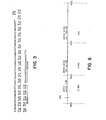
- plasmid DNA was prepared from this clone and sequenced by the method of Maxam and Gilbert (Proc. Natl. Acad. Sci. USA (1977) 74:560-564) with the results shown in Fig. 4.
- the hSOD cDNA clone pSODl constitutes the coding region for amino acids 10-153 of hSOD, a single translational stop codon and a-3' untranslated region. Therefore, in the expression vector construct, the base sequence of the region encoding amino acids 1-9 is derived from the published amino acid sequence of hSOD (Jabusch et al., supra; Barra et al., supra) and synthesized chemically as a part of the variable linker segment (see below). Construction of Plasmid plot5 - (See Figures 2 and 3)
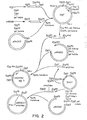
- Plasmid plotl containing a hybrid trp-lac ("tac") promoter (DeBoer et al., Proc. Natl. Acad. Sci. USA (1983) 80:21-25) was constructed by gel isolating the 180bp HgiA-TaqI fragment of ptrpLl (Edman et al., Nature (1981) 291:503-506) and the 58bp HpaII-EcoRI fragment from pKB268 (Backman and Ptashne, Cell (1978) 13:65-71), and ligating these fragments to pBR322 digested with PstI and EcoRI.
- tac hybrid trp-lac
- Plasmid plot3 was constructed by gel isolating the 155bp Fnu4HI-EcoRI fragment of plotl containing the tac promoter, with the Fnu4HI site being made flush-ended using the Klenow fragment of DNA polymerase I ("pol I K" or "pol. Klen.”), and the 18bp EcoRI-PstI polylinker fragment of IIAN7 of the following sequence: These fragments were ligated to gel purified pBR322 digested with EcoRI, flush-ended using pol I K, followed by digestion with PstI and gel purified. This ligation mix was used to transform strain D1210,
- Plasmid plot5 was made by first constructing a plasmid containing the IIAN7 polylinker as an EcoRI-PvuII substitution in pBR322. To do this, plasmid IIAN7 was digested with HindIII, made flush-ended by filling in with pol I K and a synthetic, self-complementary, PvuII linker molecule (d(5'-CCAGCTGG-3')) ligated to the above-modified plasmid IIAN7. After digestion with EcoRI and PvuII, the resultant 44bp polylinker fragment (with 4-base overhangs) was gel isolated and cloned into pBR322 as an EcoRI-PvuII substitution.
- Plasmid plot3 was digested with EcoRI and after phenol-chloroform extraction and ethanol precipitation, the protruding 5'-ends were made flush-ended by treatment with S1 nuclease (Palmiter, Biochemistry (1974) 13:3606-3615; Hallewell and Emtage, Gene (1980) 9:27-47). After phenol-chloroform extraction and ethanol precipitation, the DNA was digested with ClaI, made flush-ended by pol I K, and the 237bp fragment containing the tac promoter isolated by preparative polyacrylamide gel electrophoresis. This flush-ended tac promoter fragment was then inserted at the PvuII site of the pBR322 polylinker plasmid (see Fig. 3) and clones obtained in which the tac promoter directed transcription towards the B-lactamase gene of pBR322.
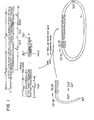
- the synthetic DNA molecules F(26), C(16), B(31), D (11) , E(13) and 4(24) shown in Fig. 1, were synthesized by the phosphoramidite method.
- the single strand 4(24) was prepared by using all four bases, at each site where X is indicated.
- silica was withdrawn from the synthesis of the 24mer, such that single-stranded 2lmers, 22mers, and 23mers are obtained in addition to the 24mers. After removal from the silica support, the four mixtures are combined in appropriate proportions to provide for equimolar amounts of each of the possible single strands. This mixture was treated as a single product in the subsequent steps.
- Molecules F(26), C(16), B(31) and D (11) were mixed together in equimolar amounts and 10 ⁇ g phosphorylated using T4 polynucleotide kinase. After phenol-ether extraction, the additional non- phosphorylated synthetic DNA molecules 4(24) and E(13) were added, such that all fragments were equimolar. The equimolar mixture contained 13 ⁇ g of DNA in 133pl of 0.3x kinase buffer.
- the single strands were ligated together with T4 ligase in 200 ⁇ l ligation mix at 14°C for 4hrs, phenol-chloroform extracted, ethanol precipitated and the 5 1- ends of 4(24) and E(13) phosphorylated using T4 polynucleotide kinase (Maniatis et al., supra).
- Preparative polyacrylamide gel electrophoresis was used to isolate the completely ligated 53bp material having 5'- and 3'-overhangs.
- the above purified fragment mixture was then ligated to the 460bp TaqI-PstI segment of the hSOD cDNA as shown in Fig. 1.
- This segment was itself constructed by isolating the 454bp TaqI-AluI hSOD fragment, making it flush-ended pol I K using and inserting it into plot5 between its EcoRI and SalI sites (see Fig. 3) which had been similarly made flush-ended.
- the 460bp TaqI-PstI hSOD fragment was isolated by preparative polyacrylamide gel electrophoresis.
- the 515bp fragment resulting from the joining of the synthetic fragment to the 460bp TaqI-PstI hSOD fragment was filled in with pol I K (525-528bp) and then digested with SalI and the resulting 519-522bp hSOD fragment isolated by polyacrylamide gel electrophoresis. This fragment was then inserted into plots which had been digested with PvuII and SalI and then treated with alkaline phosphatase. The resulting plasmids were used to transform strain D1210. Recombinants obtained after transformation of strain D1210 were selected on L-agar containing 100 ⁇ g/ml ampicillin to give a set of clones (designated plot5/SOD) with variable SOD expression.
- Soluble cell extracts were prepared by vortexing cell pellets 10x20sec. with an equal volume of 0.45-0.5mm diameter glass beads (Braun AG) and an equal volume of assay buffer (50mM Tris- cacodylate, pH 8.2, 1mM diethylenetriaminepentaacetic acid) in a 1.5ml microfuge tube at 4°C. Cell debris was pelleted by spinning the tube for Imin. in a microfuge (Beckman). The supernatant was dialysed against the assay buffer containing 1mM each of zinc sulfate and copper sulfate for 4hrs at 4°C.
- assay buffer 50mM Tris- cacodylate, pH 8.2, 1mM diethylenetriaminepentaacetic acid
- SOD assays were performed using the pyrogallol method (Marklund and Marklund, supra). The reaction mixtures employed 0.2mM pyrogallol in assay buffer and reaction rates were determined over a 5min. period using a Hewlett-Packard 8450 spectrophotometer at 420nm. Four different assay samples were prepared: soluble E. coli extracts; authentic hSOD; and each of the prior samples pre-incubated with rabbit antibody to authentic hSOD. Each sample was incubated in a cuvette for lmin. at 25°C before adding the pyrogallol and assaying at 25°C. The antibody samples involved a preincubation of 10min. at room temperature in assay buffer with 5 ⁇ l of antibody. These conditions were found to be sufficient to inactivate 100ng of pure hSOD.
- the correct sequence of the cloned gene was determined by the method of Maxam and Gilbert, supra. In addition, the first twelve amino acids at the N-terminus were determined by automated Edman degradation. The detected sequence of amino acids was as follows:
- the (N-formyl-) methionine was removed from the bacterial expression product and the material had the correct amino acid sequences, i.e, identical to that reported for cytoplasmic hSOD residues 1-10, but the N-terminal ALA residue was not acetylated. Furthermore, the polypeptide made in E. coli migrated more slowly than the natural protein in 1% agarose gel (pH 8.6) electrophoresis which detects differences in charge (Corning Universal electrophoresis film, stained according to Clausen, Immunochemical Technique, p. 530-531), also indicating lack of acetylation.
- the plot5/SOD plasmid clones were screened for an NcoI restriction site at the 5 1- end of the coding region.
- the sequence CCATGG provides an NcoI site. Clones were screened, and one was selected and designated phSOD.
- the plasmid phSOD was digested with NcoI and SalI and a 550bp fragment obtained, which included 1 nucleotide untranslated at the 5'-terminus and the entire coding region for hSOD.
- pPGAP a yeast expression vector carrying the GAP promoter, prepared as described below
- Plasmid pCl/1 is a derivative of pJDB219 (Beggs, Nature (1978) 275:104) in which the region corresponding to bacterial plasmid pMB9 in pJDB219 was replaced by pBR322 in pCl/1.
- Plasmid pCl/lGAL4/370 a regulatable yeast expression vector containing the GAL1/GAL10 regulatory region (controlled by the GAL4 gene expression product) is prepared as described below.
- Plasmids pCl/1GAPSOD and pC1/1GALGAPSOD were transformed into yeast strain 2150-2-3 (available from Lee Hartwell, University of Washington) as described previously (Hinnen et al. Proc. Natl. Acad. Sci. USA (1978) 75:1929-1933), with the results of expression set forth in the following Table 3.
- hSOD levels were measured using a standard radioimmunoassay with iodinated authentic hSOD as standard. Constitutive synthesis from the GAP promoter leads to very high levels of hSOD production, of the order of 10-30% of the total cell protein. The induction with galactose works almost as well, yielding about 7% of the cell protein as hSOD.
- hSOD When hSOD is produced at these high levels, it is usually necessary to provide zinc and copper ion to the product protein as a prosthetic group in order to recover full enzymatic, i.e., catalytic, activity, e.g., by dialysis against lmM solutions of both zinc and copper sulfate.
- zinc and/or copper ion may be included in ten growth media; this method also provides a means of selecting for strains producing high levels of hSOD and/or avoiding the loss of plasmid vectors expressing hSOD in otherwise non-selective media.
- pGAPl a plasmid prepared by insertion of a HindIII fragment containing the GAPDH gene GAP49 (Holland and Holland, J. Biol. Chem. (1979) 254:5466-5474) inserted in the HindIII site of pBR322, was digested with HinfI and a 500bp fragment isolated. The fragment was resected with Bal31 to remover about 50 or 90bp, followed by ligation with HindIII linkers and digestion with HindIII. pBR322 was digested with HindIII, followed by treatment with alkaline phosphatase and the about 450 or 410bp fragment inserted to provide pGAP128.
- pGAP128 was digested with HindIII, the fragment made blunt-ended with the Klenow fragment and dNTPs and the resulting 450bp fragment isolated by gel electrophoresis. This fragment was inserted into SmaI digested plot5, which had been treated with alkaline phosphatase, to provide plasmid plot5pGAP128, which contained about -400 to +27bp of the GAPDH promoter and coding region.
- Yeast expression vector pPGAP having a polyrestriction site linker between the GAPDH terminator and short promoter region was prepared as follows. Plasmid plot5pGAP128 was digested with BamHI and TaqI to yield an approximately 390bp BamHI-TaqI fragment having the -400 to -26bp of the GAPDH promoter.
- the BamHI-TaqI fragment was ligated to a synthetic fragment containing -25 to -1 bp of the GAPDH promoter and several restriction sites including NcoI and having the following sequence: to provide a BamHI-SalI fragment, which was digested with BamHI and SalI and used to replace the BamHI-SalI fragment of BamHI-SalI digested pBR322 treated with alkaline phosphatase. After ligation, the plasmid pGAPNRS was obtained which was digested with BamHI and SalI to provide a 400bp BamHI-SalI fragment which was gel isolated.
- This fragment was ligated to an about 900bp SalI-BamHI fragment containing the GAPDH terminator region and a short segment of 3' coding region and the resulting 1.4kb BamHI-BamHI fragment digested with BamHI.
- the SalI-BamHI GAPDH terminator fragment was obtained by SalI and BamHI digestion of pGAP2, a plasmid prepared by insertion of an about 3.3kb BamHI fragment containing the GAPDH gene GAP49 (Holland and Holland, supra) into the BamHI site of pBR322.
- Plasmids pGAP2 and pGAP1 were obtained as follows: A yeast gene library was prepared by inserting fragments obtained after partial digestion of total yeast DNA with restriction endonuclease Sau3A in lambda-phage Charon 28 (Blattner et al., Science (1977) 196:161-169). The phage library was screened with DNA complementary to the yeast GAPDH mRNA and the yeast GAPDH gene from one of these clones was subcloned as either an about 3.3kb BamHI fragment in the BamHI site of pBR322 (pGAP-2) or as an about 2.lkb HindIII fragment in the HindIII site of pBR322 (pGAP-1).
- pBR322 was digested with EcoRI and SalI, the termini blunt-ended and ligated to BamHI linkers, followed by BamHI digestion and the BamHI-BamHI 3.8kb fragment gel isolated, recircularized by self-ligation, cloned and designated pBR!R1-Sal.
- the 1.4kb BamHI-BamHI fragment was inserted into the BamHI-digested, alkaline phosphatase treated pBRARl-Sal vector to provide the plasmid pPGAP of about 5.3kb with the orientation in the opposite direction of the amp r .
- Plasmid pLGSD5 is prepared as described in Guarente et al., (1982) supra.
- the plasmid was manipulated as follows: After restriction with Xhor, the overhangs were filled in with the Klenow fragment of DNA polymerase I ("Klenow fragment"), ligated with EcoRI linkers (GGAATTCC) and then completely digested with EcoRI and Sau3A to provide a 370bp fragment which was isolated by gel electrophoresis and included the intergenic sequence between GALl and GAL10 genes of yeast, and provides for the GAL4 regulation sequence of the GALl and GAL10 genes.
- This fragment was inserted into pBR322 which had been completely digested with EcoRI and BamHI, followed by treatment with alkaline phosphatase to prevent oligomerization resulting in plasmid pBRGAL4.
- Plasmid pBRGAL4 was completely digested with Sau3A, the overhangs filled in with the Klenow fragment, and the resulting blunt-ended fragment ligated with SalI linkers (CGTCGACG), followed by digestion with SalI and XhoI.
- the resulting 370bp fragment was isolated by gel electrophoresis. This fragment has the original 370bp yeast GAL4 regulator sequence with XhoI and SalI termini.
- plot5 was prepared by inserting the 40bp polylinker fragment of the following sequence into pBR322 as an EcoRI-PvuII substitution followed by insertion of the trp-lac promoter (Russell and Bennett, Gene (1982) 20:231-245) into the PvuII site with transcription oriented toward the polylinker sequence.
- plot5 was completely digested with SalI, followed by treatment with alkaline phosphatase and the 370bp fragment inserted into plot5 to provide plasmid plot5GAL4/370. This plasmid was then completely digested with BamHI and Sail to reproduce the individual fragment extended by 6bp of the polylinker fragment.
- This fragment was then ligated into pCl/l, which had been completely digested with BamHI and SalI followed by treatment with alkaline phosphatase to prevent recircularization.
- the resulting plasmid was designated pCl/lGAL4/370.
- the BamHI-SalI fragment is located in the pBR322 portion of the vector pCl/1.
- the phSOD polypeptide made in yeast was shown to be identical to the natural human protein. Migration of hSOD made in yeast was identical to the protein in both polyacrylamide gel electrophoresis (with and without sodium dodecyl sulfate) and in agarose gel electrophoresis (see above). Moreover, when highly purified yeast polypeptide was subjected to twelve cycles of Edman degradation, the sequence was the same as that reported for the human protein (residues 1-10) made in E. coli set forth above. The level of detection, however, was only 5 to 10% of the expected level on a molar basis relative to protein input. This reduced detection level indicated that the N-terminal amino acid was blocked, i.e., probably acetylated.
Landscapes
- Health & Medical Sciences (AREA)
- Genetics & Genomics (AREA)
- Life Sciences & Earth Sciences (AREA)
- Engineering & Computer Science (AREA)
- Chemical & Material Sciences (AREA)
- Bioinformatics & Cheminformatics (AREA)
- Biomedical Technology (AREA)
- Organic Chemistry (AREA)
- Zoology (AREA)
- Wood Science & Technology (AREA)
- Biotechnology (AREA)
- General Engineering & Computer Science (AREA)
- Molecular Biology (AREA)
- General Health & Medical Sciences (AREA)
- Microbiology (AREA)
- Biochemistry (AREA)
- Biophysics (AREA)
- Plant Pathology (AREA)
- Physics & Mathematics (AREA)
- Mycology (AREA)
- Medicinal Chemistry (AREA)
- Enzymes And Modification Thereof (AREA)
- Micro-Organisms Or Cultivation Processes Thereof (AREA)
- Medicines That Contain Protein Lipid Enzymes And Other Medicines (AREA)
- Preparation Of Compounds By Using Micro-Organisms (AREA)
- Medicines Containing Material From Animals Or Micro-Organisms (AREA)
- Saccharide Compounds (AREA)
- Peptides Or Proteins (AREA)
Priority Applications (4)
| Application Number | Priority Date | Filing Date | Title |
|---|---|---|---|
| EP94119071A EP0656418B1 (de) | 1983-10-03 | 1984-09-25 | Klonieren von Superoxiddismutase und Expression in Mikroorganismen |
| AT84111416T ATE69618T1 (de) | 1983-10-03 | 1984-09-25 | Klonieren von superoxid-dismutase und expression in mikroorganismen. |
| EP89110038A EP0340805B1 (de) | 1983-10-03 | 1984-09-25 | Superoxiddismutase und deren Expression in Mikroorganismen |
| AT94119071T ATE229075T1 (de) | 1983-10-03 | 1984-09-25 | Klonieren von superoxiddismutase und expression in mikroorganismen |
Applications Claiming Priority (4)
| Application Number | Priority Date | Filing Date | Title |
|---|---|---|---|
| US53860783A | 1983-10-03 | 1983-10-03 | |
| US60941284A | 1984-05-11 | 1984-05-11 | |
| US609412 | 1984-05-11 | ||
| US538607 | 1984-05-11 |
Related Child Applications (1)
| Application Number | Title | Priority Date | Filing Date |
|---|---|---|---|
| EP89110038.0 Division-Into | 1984-09-25 |
Publications (2)
| Publication Number | Publication Date |
|---|---|
| EP0138111A1 true EP0138111A1 (de) | 1985-04-24 |
| EP0138111B1 EP0138111B1 (de) | 1991-11-21 |
Family
ID=27065872
Family Applications (2)
| Application Number | Title | Priority Date | Filing Date |
|---|---|---|---|
| EP84111416A Expired - Lifetime EP0138111B1 (de) | 1983-10-03 | 1984-09-25 | Klonieren von Superoxid-Dismutase und Expression in Mikroorganismen |
| EP94119071A Expired - Lifetime EP0656418B1 (de) | 1983-10-03 | 1984-09-25 | Klonieren von Superoxiddismutase und Expression in Mikroorganismen |
Family Applications After (1)
| Application Number | Title | Priority Date | Filing Date |
|---|---|---|---|
| EP94119071A Expired - Lifetime EP0656418B1 (de) | 1983-10-03 | 1984-09-25 | Klonieren von Superoxiddismutase und Expression in Mikroorganismen |
Country Status (13)
| Country | Link |
|---|---|
| EP (2) | EP0138111B1 (de) |
| JP (4) | JP2609446B2 (de) |
| AT (1) | ATE155527T1 (de) |
| CA (1) | CA1296272C (de) |
| DE (3) | DE3485284D1 (de) |
| DK (1) | DK243785D0 (de) |
| ES (1) | ES8607388A1 (de) |
| GR (1) | GR80523B (de) |
| HU (1) | HU207533B (de) |
| IE (1) | IE59518B1 (de) |
| IL (1) | IL73156A (de) |
| PT (1) | PT79308B (de) |
| WO (1) | WO1985001503A1 (de) |
Cited By (6)
| Publication number | Priority date | Publication date | Assignee | Title |
|---|---|---|---|---|
| WO1991004315A1 (en) * | 1989-09-15 | 1991-04-04 | Symbicom Aktiebolag | A polypeptide |
| US5362492A (en) * | 1990-12-04 | 1994-11-08 | Gruenenthal Gmbh | Method of inhibiting multiple organ failure in trauma patients by administration of superoxide dismutase |
| EP0416037B1 (de) * | 1988-06-14 | 1995-07-26 | Chiron Corporation | Superoxid-dismutaseanaloge mit neuen bindeeigenschaften |
| AT400443B (de) * | 1985-11-22 | 1995-12-27 | Bio Technology General Corp | Menschliche mangan-superoxiddismutase cdna, ihre expression in bakterien und verfahren zur gewinnung enzymatisch aktiver, menschlicher mangan-superoxiddismutase |
| US6780427B2 (en) | 1995-03-24 | 2004-08-24 | Genzyme Corporation | Reduction of adhesions using controlled delivery of active oxygen inhibitors |
| WO2007105024A1 (en) * | 2006-03-15 | 2007-09-20 | Isocell Pharma S.A. | Pharmaceutical compositions comprising sods and prolamine based peptide fragments |
Families Citing this family (37)
| Publication number | Priority date | Publication date | Assignee | Title |
|---|---|---|---|---|
| AU582536B2 (en) * | 1983-04-29 | 1989-04-06 | Yeda Research And Development Co. Ltd. | Human superoxide dismutase cdna |
| US5714362A (en) * | 1983-04-29 | 1998-02-03 | Yeda Research And Development Co. Ltd. | Human superoxide dismutase cDNA |
| US5196335A (en) * | 1983-04-29 | 1993-03-23 | Yeda Research And Development Co., Ltd. | Human superoxide dismutase cDNA |
| US5691139A (en) * | 1983-10-03 | 1997-11-25 | Chiron Corporation | Genetic modification of superoxide dismutase to increase expression in microorganisms |
| US5710033A (en) * | 1983-10-03 | 1998-01-20 | Chiron Corporation | Superoxide dismutase cloning and expression in microorganisms |
| DE3587759T2 (de) * | 1984-05-11 | 1994-07-07 | Chiron Corp., Emeryville, Calif. | Erhöhte Hefetranskription unter Verwendung einer Hybridkonstruktion der Promotorregion. |
| US5143836A (en) * | 1984-08-27 | 1992-09-01 | Bio-Technology General Corp. | Plasmids for expression of human superoxide dismutase (SOD) analogs containing lambda pl promoter with engineered restriction site for substituting ribosomal binding sites and methods of use thereof |
| CA1340597C (en) * | 1984-08-27 | 1999-06-22 | Haim Aviv | Expression vectors containing pl promoter, and engineered restriction site for convenient replacement of ribosomal binding site, plasmids containing the vectors, hosts containing the plasmids and related methods |
| US5162217A (en) * | 1984-08-27 | 1992-11-10 | Bio-Technology General Corp. | Plasmids for expression of human superoxide dismutase (SOD) analogs containing lambda PL promoter with engineered restriction site for substituting ribosomal binding sites and methods of use thereof |
| US5759816A (en) * | 1984-08-27 | 1998-06-02 | Bio-Technology General Corp. | Expression vectors containing λPL promoter and T1 T2 rRNA termination sequence plasmids containing the vectors hosts containing the plasmids and related methods |
| US5112744A (en) * | 1984-08-27 | 1992-05-12 | Bio-Technology General Corp. | Plasmids for the production of human Cu-Zn superoxide dismutase, bacterial hosts containing the plasmids and methods for production and recovery of such superoxide dismutase |
| JPS61111690A (ja) * | 1984-11-06 | 1986-05-29 | Ube Ind Ltd | 組換えdnaおよびその用途 |
| US5342921A (en) * | 1985-03-28 | 1994-08-30 | Chiron Corporation | Superoxide dismutase fusion polypeptides for expression of mammalian proteins |
| DE3689899T2 (de) * | 1985-04-08 | 1994-09-15 | Amgen | Verfahren und hybridpromotor zur steuerung der exogenen gentranskription. |
| EP0213628A3 (de) * | 1985-09-03 | 1988-09-21 | Yeda Research And Development Company, Ltd. | Expression von Superoxiddismutase in eukaryotischen Zellen |
| US5248603A (en) * | 1985-09-03 | 1993-09-28 | Symbicom Aktiebolag | Superoxide dismutase |
| DK402785D0 (da) * | 1985-09-03 | 1985-09-03 | Syn Tek Ab | Fremgangsmaade til fremstilling af et enzym |
| US5270195A (en) * | 1985-11-22 | 1993-12-14 | Bio-Technology General Corp. | Plasmids for expression and method of producing a human manganese superoxide dimutase analog |
| US6610520B1 (en) | 1985-11-22 | 2003-08-26 | Bio-Technology General Corp. | Gene encoding human manganese superoxide dismutase and recombinant polypeptide encoded thereby |
| JPS62130689A (ja) * | 1985-12-04 | 1987-06-12 | Nippon Kayaku Co Ltd | ランナウエイ型プラスミド及びそれを利用したヒトsodの製造方法 |
| MY101203A (en) * | 1985-12-12 | 1991-08-17 | Ucp Gen Pharma Ag | Production of thrombin iinhibitors. |
| GB8530631D0 (en) | 1985-12-12 | 1986-01-22 | Ciba Geigy Ag | Thrombin inhibitors |
| US5260204A (en) * | 1987-03-14 | 1993-11-09 | Boehringer Ingelheim International Gmbh | Human manganese superoxide dismutase (hMn-SOD) |
| EP0282899B1 (de) * | 1987-03-14 | 1996-01-10 | BOEHRINGER INGELHEIM INTERNATIONAL GmbH | Humane Mangan-Superoxiddismutase (hMn-SOD) |
| DE3868333D1 (de) * | 1987-03-16 | 1992-03-26 | Chiron Corp | Superoxiddismutase-polymere. |
| DE3854678T2 (de) * | 1987-03-27 | 1996-06-13 | Bio Technology General Corp | Menschliches Mangansuperoxiddismutase und Behandlungsverfahren. |
| US5171680A (en) * | 1988-06-14 | 1992-12-15 | Chiron Corporation | Superoxide dismutase analogs having novel binding properties |
| JPH04501662A (ja) * | 1988-09-26 | 1992-03-26 | ザ・サルク・インスティチュート・バイオテクノロジー/インダストリアル・アソシエイツ・インコーポレーテッド | 混合給送組換え酵母発酵 |
| US5656458A (en) * | 1988-11-04 | 1997-08-12 | Chiron Corporation | Expression and processing of amino terminus acetylated FGF's in yeast |
| DD297841A5 (de) * | 1989-02-13 | 1992-01-23 | The Salk Institute Biotechnology/Industrial Associates,Us | Herstellung von superoxiddismutase in pichia pastoris hefezellen |
| US5202317A (en) * | 1990-09-13 | 1993-04-13 | The Regents Of The University Of California | Synthetic drug molecules that mimic metalloenzymes |
| JPH0767393B2 (ja) * | 1991-03-13 | 1995-07-26 | 萩原 義秀 | ポリペプチドの発現方法 |
| CN1055502C (zh) * | 1992-04-10 | 2000-08-16 | 萩原义秀 | 表达多肽的方法 |
| DE4239877C1 (de) * | 1992-11-27 | 1994-03-17 | Boehringer Ingelheim Int | Stabilisierte Superoxid-Dismutase (SOD)-Zusammensetzung |
| BE1009650A5 (fr) * | 1995-10-12 | 1997-06-03 | Genencor Int | Systeme d'expression, vecteur et cellule transformee par ce vecteur. |
| KR20070111556A (ko) * | 2005-10-24 | 2007-11-22 | (주)케어젠 | 섬유아세포 성장인자의 기능을 가지는 펩티드 및 이를이용한 화장품 |
| CN102453725B (zh) * | 2010-11-02 | 2014-06-11 | 杭州纽龙生物科技有限公司 | 一种重组载体、包含该重组载体的重组菌株及制备方法 |
Family Cites Families (7)
| Publication number | Priority date | Publication date | Assignee | Title |
|---|---|---|---|---|
| US4042689A (en) * | 1975-09-09 | 1977-08-16 | Diagnostic Data, Inc. | Alkylated orgotein |
| US4070459A (en) * | 1975-12-09 | 1978-01-24 | Diagnostic Data, Inc. | N-carbamylated orgotein |
| FR2441659A1 (fr) * | 1978-11-14 | 1980-06-13 | Anvar | Nouveaux plasmides hybrides et microorganismes les contenant |
| US4332892A (en) * | 1979-01-15 | 1982-06-01 | President And Fellows Of Harvard College | Protein synthesis |
| JPS5712993A (en) * | 1980-06-23 | 1982-01-22 | Fujirebio Inc | Isolation of superoxide dismutase |
| JPS57155991A (en) * | 1981-03-23 | 1982-09-27 | Green Cross Corp:The | Preparation of superoxide dismutase derived from human placenta |
| JPS6012025B2 (ja) * | 1981-07-06 | 1985-03-29 | わかもと製薬株式会社 | ス−パ−オキサイドジスムタ−ゼの精製法 |
-
1984
- 1984-09-25 DE DE8484111416T patent/DE3485284D1/de not_active Expired - Lifetime
- 1984-09-25 DE DE3486452T patent/DE3486452T2/de not_active Expired - Lifetime
- 1984-09-25 EP EP84111416A patent/EP0138111B1/de not_active Expired - Lifetime
- 1984-09-25 DE DE3486493T patent/DE3486493T2/de not_active Expired - Lifetime
- 1984-09-25 AT AT89110038T patent/ATE155527T1/de not_active IP Right Cessation
- 1984-09-25 EP EP94119071A patent/EP0656418B1/de not_active Expired - Lifetime
- 1984-09-28 HU HU844138A patent/HU207533B/hu unknown
- 1984-09-28 WO PCT/US1984/001575 patent/WO1985001503A1/en not_active Ceased
- 1984-10-02 IE IE250684A patent/IE59518B1/en not_active IP Right Cessation
- 1984-10-02 GR GR80523A patent/GR80523B/el unknown
- 1984-10-02 ES ES536441A patent/ES8607388A1/es not_active Expired
- 1984-10-03 CA CA000464621A patent/CA1296272C/en not_active Expired - Lifetime
- 1984-10-03 JP JP59206434A patent/JP2609446B2/ja not_active Expired - Lifetime
- 1984-10-03 IL IL73156A patent/IL73156A/xx not_active IP Right Cessation
- 1984-10-03 PT PT79308A patent/PT79308B/pt unknown
-
1985
- 1985-05-31 DK DK243785A patent/DK243785D0/da not_active Application Discontinuation
-
1992
- 1992-10-28 JP JP4290552A patent/JP2568794B2/ja not_active Expired - Lifetime
-
1993
- 1993-05-26 JP JP5124526A patent/JP2635500B2/ja not_active Expired - Lifetime
- 1993-05-26 JP JP5124527A patent/JP2664123B2/ja not_active Expired - Lifetime
Non-Patent Citations (4)
| Title |
|---|
| FEBS LETTERS, vol. 120, no. 1, October 1980, Amsterdam D. BARRA et al. "The complete Amino Acid Sequence of Human Cu/Zn Superoxide Dismutase"pages 53 -56 pages 53-55, column 1 * |
| GENE, vol. 17, 1982, Amsterdam D. GHEYSEN et al. "Systematic alteration of the nucledide sequence preceeding the translation initiation coolon and the effects on bacterial expression of the cloned SV 40 small-t antigen gene" pages 55-63 page 55 (summary) * |
| NUCLEIC ACIDS RESEARCH, vol. 11, no. 10, May 25, 1983, Oxford M.D. MATTEUCCI et al. "Targeted random mutagenesis: the use of ambiguously synthesized oligonucleotides to mutagenize sequences immediately 5' of an ATG initiation codon" pages 3113-3121 pages 3117, line 2 from bottom page 3118, line 2 * |
| PROCEEDINGS OF THE NATIONAL ACADEMY OF SCIENCES OF THE UNITED STATES OF AMERICA, vol. 79, no. 9, May 1982, Baltimore J. LIEMAN-HURWITZ et al. "Human cytoplasmic superoxide dismutase cDNA clone: a probe for studying the molecular biology of Down syndrome" pages 2808-2811 page 2808 (abstract) * |
Cited By (6)
| Publication number | Priority date | Publication date | Assignee | Title |
|---|---|---|---|---|
| AT400443B (de) * | 1985-11-22 | 1995-12-27 | Bio Technology General Corp | Menschliche mangan-superoxiddismutase cdna, ihre expression in bakterien und verfahren zur gewinnung enzymatisch aktiver, menschlicher mangan-superoxiddismutase |
| EP0416037B1 (de) * | 1988-06-14 | 1995-07-26 | Chiron Corporation | Superoxid-dismutaseanaloge mit neuen bindeeigenschaften |
| WO1991004315A1 (en) * | 1989-09-15 | 1991-04-04 | Symbicom Aktiebolag | A polypeptide |
| US5362492A (en) * | 1990-12-04 | 1994-11-08 | Gruenenthal Gmbh | Method of inhibiting multiple organ failure in trauma patients by administration of superoxide dismutase |
| US6780427B2 (en) | 1995-03-24 | 2004-08-24 | Genzyme Corporation | Reduction of adhesions using controlled delivery of active oxygen inhibitors |
| WO2007105024A1 (en) * | 2006-03-15 | 2007-09-20 | Isocell Pharma S.A. | Pharmaceutical compositions comprising sods and prolamine based peptide fragments |
Also Published As
| Publication number | Publication date |
|---|---|
| HU207533B (en) | 1993-04-28 |
| JP2568794B2 (ja) | 1997-01-08 |
| EP0656418B1 (de) | 2002-12-04 |
| JP2609446B2 (ja) | 1997-05-14 |
| DE3486493T2 (de) | 2003-05-22 |
| PT79308A (en) | 1984-11-01 |
| EP0656418A1 (de) | 1995-06-07 |
| JP2635500B2 (ja) | 1997-07-30 |
| DK243785A (da) | 1985-05-31 |
| DE3486452D1 (de) | 1997-08-21 |
| JPH05192140A (ja) | 1993-08-03 |
| IE842506L (en) | 1985-04-03 |
| IL73156A (en) | 1991-08-16 |
| ES536441A0 (es) | 1986-05-16 |
| JPH06165674A (ja) | 1994-06-14 |
| IE59518B1 (en) | 1994-03-09 |
| DE3486452T2 (de) | 1997-11-06 |
| PT79308B (en) | 1986-09-08 |
| ES8607388A1 (es) | 1986-05-16 |
| EP0138111B1 (de) | 1991-11-21 |
| HUT37458A (en) | 1985-12-28 |
| ATE155527T1 (de) | 1997-08-15 |
| JPH07298884A (ja) | 1995-11-14 |
| DE3485284D1 (de) | 1992-01-02 |
| JPS60137286A (ja) | 1985-07-20 |
| DE3486493D1 (de) | 2003-01-23 |
| IL73156A0 (en) | 1985-01-31 |
| WO1985001503A1 (en) | 1985-04-11 |
| DK243785D0 (da) | 1985-05-31 |
| JP2664123B2 (ja) | 1997-10-15 |
| CA1296272C (en) | 1992-02-25 |
| GR80523B (en) | 1985-01-30 |
Similar Documents
| Publication | Publication Date | Title |
|---|---|---|
| EP0138111B1 (de) | Klonieren von Superoxid-Dismutase und Expression in Mikroorganismen | |
| CA1281671C (en) | Enhanced yeast transcription employing hybrid promoter region constructs | |
| USRE35749E (en) | Constructs of glyceraldehyde-3-phosphate dehydrogenase promoter and methods for expressing genes using said constructs | |
| US5089398A (en) | Enhanced yeast transcription employing hybrid GAPDH promoter region constructs | |
| JP3730255B2 (ja) | イーストにおいて発現されたn末端に伸長した蛋白質 | |
| KR100227167B1 (ko) | 인체혈청알부민의 n-말단 단편을 함유하는 융합단백질 | |
| AU692196B2 (en) | Translational enhancer DNA | |
| SK279166B6 (sk) | Sekvencia rekombinantnej dna a spôsob výroby humán | |
| US5066591A (en) | Polypeptides of human copper/zinc superoxide dimutase | |
| NO179489B (no) | Ekspresjonskassett, plasmid inneholdende ekspresjonskassetten, transformert gjærcelle og fremgangsmåte til fremstilling av en hirudinvariant | |
| EP0118393A2 (de) | Methoden und Zusammensetzungen für die Expression entsprechender eucaryotischer Gen-Produkte | |
| US5618712A (en) | Human lysozyme | |
| JP2970811B2 (ja) | 原核生物細胞中にポリペプチドを調製するための発現システム | |
| US5710033A (en) | Superoxide dismutase cloning and expression in microorganisms | |
| US5252476A (en) | Superoxide dismutase cloning and expression in microorganisms | |
| US5817794A (en) | Isolated DNA sequence comprising DNA encoding human cytoplasmic Cu-Zn superoxide dismutase | |
| US5691139A (en) | Genetic modification of superoxide dismutase to increase expression in microorganisms | |
| EP0340805B1 (de) | Superoxiddismutase und deren Expression in Mikroorganismen | |
| GB2188933A (en) | Expression vectors for production of polypeptides, method for enhanced expression of polypeptides, hosts containing the expression vectors, products manufactured thereby | |
| YAGI et al. | The UAS of the yeast GAPDH promoter consists of multiple general functional elements including RAP1 and GRF2 binding sites | |
| IE59492B1 (en) | Superoxide dismutase cloning and expression in microorganisms | |
| FI97549B (fi) | Menetelmä vierasproteiinien valmistamiseksi Streptomycessoluissa | |
| PT607080E (pt) | Nova sequencia pro que permite a secrecao de proteinas heterologas a partir de uma celula de levedura | |
| CA2089752A1 (en) | Production of human lysozyme in methylotrophic yeast cells and efficient secretion therefrom |
Legal Events
| Date | Code | Title | Description |
|---|---|---|---|
| PUAI | Public reference made under article 153(3) epc to a published international application that has entered the european phase |
Free format text: ORIGINAL CODE: 0009012 |
|
| AK | Designated contracting states |
Designated state(s): AT BE CH DE FR GB IT LI LU NL SE |
|
| 17P | Request for examination filed |
Effective date: 19850731 |
|
| 17Q | First examination report despatched |
Effective date: 19870330 |
|
| GRAA | (expected) grant |
Free format text: ORIGINAL CODE: 0009210 |
|
| AK | Designated contracting states |
Kind code of ref document: B1 Designated state(s): AT BE CH DE FR GB IT LI LU NL SE |
|
| REF | Corresponds to: |
Ref document number: 69618 Country of ref document: AT Date of ref document: 19911215 Kind code of ref document: T |
|
| XX | Miscellaneous (additional remarks) |
Free format text: TEILANMELDUNG 89110038.0 EINGEREICHT AM 25/09/84. |
|
| REF | Corresponds to: |
Ref document number: 3485284 Country of ref document: DE Date of ref document: 19920102 |
|
| ITF | It: translation for a ep patent filed | ||
| ET | Fr: translation filed | ||
| PLBE | No opposition filed within time limit |
Free format text: ORIGINAL CODE: 0009261 |
|
| STAA | Information on the status of an ep patent application or granted ep patent |
Free format text: STATUS: NO OPPOSITION FILED WITHIN TIME LIMIT |
|
| 26N | No opposition filed | ||
| EPTA | Lu: last paid annual fee | ||
| EAL | Se: european patent in force in sweden |
Ref document number: 84111416.8 |
|
| REG | Reference to a national code |
Ref country code: GB Ref legal event code: IF02 |
|
| PGFP | Annual fee paid to national office [announced via postgrant information from national office to epo] |
Ref country code: AT Payment date: 20030902 Year of fee payment: 20 |
|
| PGFP | Annual fee paid to national office [announced via postgrant information from national office to epo] |
Ref country code: NL Payment date: 20030909 Year of fee payment: 20 |
|
| PGFP | Annual fee paid to national office [announced via postgrant information from national office to epo] |
Ref country code: GB Payment date: 20030917 Year of fee payment: 20 |
|
| PGFP | Annual fee paid to national office [announced via postgrant information from national office to epo] |
Ref country code: FR Payment date: 20030918 Year of fee payment: 20 |
|
| PGFP | Annual fee paid to national office [announced via postgrant information from national office to epo] |
Ref country code: SE Payment date: 20030919 Year of fee payment: 20 |
|
| PGFP | Annual fee paid to national office [announced via postgrant information from national office to epo] |
Ref country code: CH Payment date: 20030923 Year of fee payment: 20 |
|
| PGFP | Annual fee paid to national office [announced via postgrant information from national office to epo] |
Ref country code: LU Payment date: 20030929 Year of fee payment: 20 |
|
| PGFP | Annual fee paid to national office [announced via postgrant information from national office to epo] |
Ref country code: BE Payment date: 20031001 Year of fee payment: 20 |
|
| PGFP | Annual fee paid to national office [announced via postgrant information from national office to epo] |
Ref country code: DE Payment date: 20031031 Year of fee payment: 20 |
|
| PG25 | Lapsed in a contracting state [announced via postgrant information from national office to epo] |
Ref country code: LI Free format text: LAPSE BECAUSE OF EXPIRATION OF PROTECTION Effective date: 20040924 Ref country code: GB Free format text: LAPSE BECAUSE OF EXPIRATION OF PROTECTION Effective date: 20040924 Ref country code: CH Free format text: LAPSE BECAUSE OF EXPIRATION OF PROTECTION Effective date: 20040924 |
|
| PG25 | Lapsed in a contracting state [announced via postgrant information from national office to epo] |
Ref country code: NL Free format text: LAPSE BECAUSE OF EXPIRATION OF PROTECTION Effective date: 20040925 Ref country code: LU Free format text: LAPSE BECAUSE OF EXPIRATION OF PROTECTION Effective date: 20040925 Ref country code: AT Free format text: LAPSE BECAUSE OF EXPIRATION OF PROTECTION Effective date: 20040925 |
|
| BE20 | Be: patent expired |
Owner name: *CHIRON CORP. Effective date: 20040925 |
|
| REG | Reference to a national code |
Ref country code: GB Ref legal event code: PE20 |
|
| REG | Reference to a national code |
Ref country code: CH Ref legal event code: PL |
|
| EUG | Se: european patent has lapsed | ||
| NLV7 | Nl: ceased due to reaching the maximum lifetime of a patent |
Effective date: 20040925 |