EP0637339B1 - Dna-konstruktionen und diese enthaltende pflanzen - Google Patents
Dna-konstruktionen und diese enthaltende pflanzen Download PDFInfo
- Publication number
- EP0637339B1 EP0637339B1 EP93908031A EP93908031A EP0637339B1 EP 0637339 B1 EP0637339 B1 EP 0637339B1 EP 93908031 A EP93908031 A EP 93908031A EP 93908031 A EP93908031 A EP 93908031A EP 0637339 B1 EP0637339 B1 EP 0637339B1
- Authority
- EP
- European Patent Office
- Prior art keywords
- alc
- plant
- promoter
- gene
- cat
- Prior art date
- Legal status (The legal status is an assumption and is not a legal conclusion. Google has not performed a legal analysis and makes no representation as to the accuracy of the status listed.)
- Expired - Lifetime
Links
Images




Classifications
-
- C—CHEMISTRY; METALLURGY
- C12—BIOCHEMISTRY; BEER; SPIRITS; WINE; VINEGAR; MICROBIOLOGY; ENZYMOLOGY; MUTATION OR GENETIC ENGINEERING
- C12N—MICROORGANISMS OR ENZYMES; COMPOSITIONS THEREOF; PROPAGATING, PRESERVING, OR MAINTAINING MICROORGANISMS; MUTATION OR GENETIC ENGINEERING; CULTURE MEDIA
- C12N15/00—Mutation or genetic engineering; DNA or RNA concerning genetic engineering, vectors, e.g. plasmids, or their isolation, preparation or purification; Use of hosts therefor
- C12N15/09—Recombinant DNA-technology
- C12N15/63—Introduction of foreign genetic material using vectors; Vectors; Use of hosts therefor; Regulation of expression
- C12N15/79—Vectors or expression systems specially adapted for eukaryotic hosts
- C12N15/82—Vectors or expression systems specially adapted for eukaryotic hosts for plant cells, e.g. plant artificial chromosomes (PACs)
- C12N15/8216—Methods for controlling, regulating or enhancing expression of transgenes in plant cells
- C12N15/8237—Externally regulated expression systems
-
- C—CHEMISTRY; METALLURGY
- C12—BIOCHEMISTRY; BEER; SPIRITS; WINE; VINEGAR; MICROBIOLOGY; ENZYMOLOGY; MUTATION OR GENETIC ENGINEERING
- C12N—MICROORGANISMS OR ENZYMES; COMPOSITIONS THEREOF; PROPAGATING, PRESERVING, OR MAINTAINING MICROORGANISMS; MUTATION OR GENETIC ENGINEERING; CULTURE MEDIA
- C12N15/00—Mutation or genetic engineering; DNA or RNA concerning genetic engineering, vectors, e.g. plasmids, or their isolation, preparation or purification; Use of hosts therefor
- C12N15/09—Recombinant DNA-technology
- C12N15/63—Introduction of foreign genetic material using vectors; Vectors; Use of hosts therefor; Regulation of expression
- C12N15/79—Vectors or expression systems specially adapted for eukaryotic hosts
- C12N15/82—Vectors or expression systems specially adapted for eukaryotic hosts for plant cells, e.g. plant artificial chromosomes (PACs)
- C12N15/8216—Methods for controlling, regulating or enhancing expression of transgenes in plant cells
- C12N15/8237—Externally regulated expression systems
- C12N15/8238—Externally regulated expression systems chemically inducible, e.g. tetracycline
Definitions
- the present invention relates to DNA constructs and plants incorporating them.
- it relates to expression cassettes and promoter sequences for the expression of genes in plants.
- promoter Gene expression is controlled by regions upstream (5') of the protein encoding region, commonly referred to as the "promoter".
- a promoter may be constitutive, tissue-specific, developmentally-programmed or inducible.
- Manipulation of crop plants to improve characteristics requires the expression of foreign or endogenous genes in plant tissues.
- Such genetic manipulation therefore relies on the availability of means to control gene expression as required; for example, on the availability and use of suitable promoters which are effective in plants. It is advantageous to have the choice of a variety of different promoters so that the most suitable promoter may be selected for a particular gene, construct, cell, tissue, plant or environment. A range of promoters are known to be operative in plants.
- the core promoter region contains the characteristic CAAT and TATA boxes plus surrounding sequences, and represents a transcription initiation sequence which defines the transcription start point for the structural gene.
- the precise length of the core promoter region is indefinite but it is usually well-recognisable. Such a region is normally present, with some variation, in all promoters.
- the base sequences lying between the various well-characterised “boxes” appear not to be of great importance.
- the presence of the core promoter region defines a sequence as being a promoter: if the region is absent, the promoter is non-functional. Furthermore, the core promoter region is insufficient to provide full promoter activity. A series of regulatory sequences upstream of the core constitute the remainder of the promoter. The regulatory sequences determine expression level, the spatial and temporal pattern of expression and, for an important subset of promoters, expression under inductive conditions.
- the alc A/ alc R gene activation system from the fungus Aspergillus nidulans is also well characterised.
- the ethanol utilization pathway in A nidulans is responsible for the degradation of alcohols and aldehydes.
- Three genes have been shown to be involved in the ethanol utilization pathway.
- Genes alc A and alc R have been shown to lie close together on linkage group VII and ald A maps to linkage group VIII (Pateman JH et al, 1984, Proc. Soc. Lond, B217:243-264; Sealy-Lewis HM and Lockington RA, 1984, Curr. Genet, 8:253-259).
- alc A encodes ADHI in A nidulans and ald A encodes AldDH, the second enzyme responsible for ethanol utilization.
- the expression of both alc A and ald A are induced by ethanol and a number of other inducers (Creaser EH et al, 1984, Biochemical J, 255:449-454) via the transcription activator alc R.
- the alc R gene and a co-inducer are responsible for the expression of alc A and ald A since a number of mutations and deletions in alc R result in the pleiotropic loss of ADHI and aldDH (Felenbok B et al, 1988.
- the ALCR protein activates expression from alc A by binding to three specific sites in the alc A promoter (Kulmberg P et al, 1992, J. Biol. Chem, 267:21146-21153).
- the alc R gene was cloned (Lockington RA et al, 1985, Gene, 33:137-149) and sequenced (Felenbok et al, 1988).
- the expression of the alc R gene is inducible, autoregulated and subject to glucose repression mediated by the CREA repressor (Bailey C and Arst HN, 1975, Eur. J. Biochem, 51:573-577; Lockington RA et al, 1987, Mol. Microbiology, 1:275-281; Dowzer CEA and Kelly JM, 1989, Curr. Genet, 15:457-459; Dowzer CEA and Kelly JM, 1991, Mol. Cell. Biol, 11:5701-5709).
- the ALCR regulatory protein contains 6 cysteines near its N terminus coordinated in a zinc binuclear cluster (Kulmberg P et al, 1991, FEBS Letts, 280:11-16). This cluster is related to highly conserved DNA binding domains found in transcription factors of other ascomycetes. Transcription factors GAL4 and LAC9 have been shown to have binuclear complexes which have a cloverleaf type structure containing two Zn(II) atoms (Pan T and Coleman JE, 1990, Biochemistry, 29:3023-3029; Halvorsen YDC et al, 1990, J. Biol. Chem, 265:13283-13289).
- ALCR The structure of ALCR is similar to this type except for the presence of an asymmetrical loop of 16 residues between Cys-3 and Cys-4. ALCR positively activates expression of itself by binding to two specific sites in its promoter region (Kulmberg P et al, 1992, Molec. Cell. Biol, 12:1932-1939).
- ADHII is present in mycelia grown in non-induced media and is repressible by the presence of ethanol.
- ADHII is encoded by alc B and is also under the control of alc R (Sealy-Lewis & Lockington, 1984).
- a third alcohol dehydrogenase has also been cloned by complementation with a adh strain of S cerevisiae .
- This gene alc C maps to linkage group VII but is unlinked to alc A and alc R.
- the gene, alc C encodes ADHIII and utilizes ethanol extremely weakly (McKnight GL et al, 1985, EMBO J, 4:2094-2099).
- ADHIII has been shown to be involved in the survival of A nidulans during periods of anaerobic stress.
- the expression of alc C is not repressed by the presence of glucose, suggesting that it may not be under the control of alc R (Roland LJ and Stromer JN, 1986, Mol. Cell. Biol, 6:3368-3372).
- a nidulans expresses the enzyme alcohol dehydrogenase I (ADH1) encoded by the gene alc A only when it is grown in the presence of various alcohols and ketones.
- ADH1 alcohol dehydrogenase I
- the induction is relayed through a regulator protein encoded by the alc R gene and constitutively expressed.
- inducer alcohol or ketone
- the regulator protein activates the expression of the alc A gene.
- the regulator protein also stimulates expression of itself in the presence of inducer. This means that high levels of the ADH1 enzyme are produced under inducing conditions (ie when alcohol or ketone are present).
- the alc A gene and its product, ADH1 are not expressed in the absence of inducer. Expression of alc A and production of the enzyme is also repressed in the presence of glucose.
- the alc A gene promoter is an inducible promoter, activated by the alc R regulator protein in the presence of inducer (ie by the protein/alcohol or protein/ketone combination).
- inducer ie by the protein/alcohol or protein/ketone combination.
- the alc R and alc A genes have been cloned and sequenced (Lockington RA et al, 1985, Gene, 33:137-149; Felenbok B et al, 1988, Gene, 73:385-396; Gwynne et al, 1987, Gene, 51:205-216).
- Alcohol dehydrogenase ( adh ) genes have been investigated in certain plant species. In maize and other cereals they are switched on by anaerobic conditions. The promoter region of adh genes from maize contains a 300 bp regulatory element necessary for expression under anaerobic conditions. However, no equivalent to the alc R regulator protein has been found in any plant. Hence the alc R/ alc A type of gene regulator system is not known in plants. Constitutive expression of alc R in plant cells does not result in the activation of endogenous adh activity.
- heterologous genes in plant tissues is important for successful genetic manipulation of plants to alter and/or improve phenotypic characteristics.
- Promoters and/or regulatory components from bacteria, viruses, fungi and plants have been used to control gene expression in plant cells.
- two well-characterised bacterial operator-repressor systems have been used to show negative (down) regulation of gene expression in plant cells.
- a modified bacterial tet operator-repressor system has been shown to repress gene expression in electroporated plant cells.
- Gene expression from the CAT gene was reduced by the placing of tet operators in the 35S promoter (Gatz and Quail, 1988, Proc. Natl. Acad. Sci. USA, 85:1394-1397).
- Functional tet repressor expressed from an integrated gene also represses expression from an integrated ⁇ -glucuronidase gene ( gus ) driven by the 35S promoter containing two inserted tet operators (Gatz et al, 1991, Mol. Gen. Genet, 227:229-237).
- the lac operator-repressor system has been used to repress gene expression in tobacco cells.
- CAB chlorophyll a/b binding protein
- Derepression of gus activity occurred when the cells were incubated with the inducer iso-propyl thiogalactoside (IPTG) showing that repression of gene activity is specifically due to the lac I gene product (Wilde RJ et al ; 1992, EMBO J, 11:1251-1259).
- Schena et al (Proc. Natl. Acad. Sci. USA, vol 88, 1991, pp 10421-10425) describes a steroid inducible gene expression system for plant cells wherein mammalian steroid hormones are used as selective inducers of plant gene expression.
- a glucocorticoid receptor expressed in plant cells, is capable of activating a target gene linked to glucocorticoid response elements when transfected cells are treated with glucocorticoid hormone.
- EP-A-O 459 643 teaches a recombinant promoter molecule for enhancing the expression of plant-expressible structural gene in a monocotyledonous plant cell comprising a plurality of enhancer elements selected from ARE and OCS elements, a truncated plant expressible promoter and an intron. There is no teaching or suggestion of the chemically inducible plant gene expression cassette.
- a chemically-inducible plant gene expression cassette comprising a first promoter operatively linked to the alc R regulator sequence obtainable from Apergillus nidulans which encodes the Alc R regulator protein, and an inducible promoter operatively linked to a target gene, the inducible promoter being activated by the regulator protein in the presence of an effective exogenous inducer whereby application of the inducer causes expression of the target gene.
- the first promoter may be constitutive, or tissue-specific, developmentally-programmed or even inducible.
- the inducible promoter is preferably the alc A gene promoter obtainable from Aspergillus nidulans , or a "chimeric" promoter derived from the regulatory sequences of the alc A promoter and the core promoter region from a gene promoter which operates in plant cells (including any plant gene promoter).
- the alc A promoter or a related "chimeric" promoter is activated by the alc R regulator protein when an alcohol or ketone inducer is applied.
- the inducible promoter may also be derived from the ald A gene promoter, the alc B gene promoter or the alc C gene promoter obtainable from Aspergillus nidulans .
- the target gene may be an endogenous plant gene or a foreign gene, and may be a single gene or a series of genes.
- the target gene sequence encodes at least part of, a functional protein or an antisense sequence.
- the inducer may be any effective chemical (such as an alcohol or ketone).
- Suitable chemicals for use with an alc A/ alc R-derived cassette include those listed by Creaser et al. (1984, Biochem J, 225, 449-454) such as butan-2-one (ethyl methyl ketone), cyclohexanone, acetone, butan-2-ol, 3-oxobutyric acid, propan-2-ol, ethanol.
- the gene expression cassette is responsive to an applied exogenous chemical inducer enabling external activation of expression of the target gene regulated by the cassette.
- the expression cassette is highly regulated and suitable for general use in plants.
- the two parts of the expression cassette may be on the same construct or on separate constructs.
- the first part comprises the regulator cDNA or gene sequence subcloned into an expression vector with a plant-operative promoter driving its expression.
- the second part comprises at least part of an inducible promoter which controls expression of a downstream target gene. In the presence of a suitable inducer, the regulator protein produced by the first part of the cassette will activate the expression of the target gene by stimulating the inducible promoter in the second part of the cassette.
- a gene expression cassette was constructed comprising the Aspergillus nidulans alc R gene under control of a constitutive promoter and an alc A:35S inducible "chimeric" promoter linked to the chloramphenicol acetyl transferase (CAT) gene from E coli. Constructs representing the two parts of this expression cassette were tested in Aspergillus nidulans. For example:
- This invention is based on the construction of the above type of expression cassette and on our recognition that the functional elements of the cassette are suitable for application in other organisms, particularly in plants (such as tobacco, tomato, canola, sugarbeet, sunflower, maize, or wheat).
- construct or constructs comprising the expression cassette of the invention will be inserted into a plant by transformation.
- Expression of target genes in the construct, being under control of the chemically switchable promoter of the invention, may then be activated by the application of a chemical inducer to the plant.
- Any transformation method suitable for the target plant or plant cells may be employed, including infection by Agrobacterium tumefaciens containing recombinant Ti plasmids, electroporation, microinjection of cells and protoplasts, microprojectile transformation and. pollen tube transformation.
- the transformed cells may then in suitable cases be regenerated into whole plants in which the new nuclear material is stably incorporated into the genome. Both transformed monocot and dicot plants may be obtained in this way.
- genetically modified plants which may be produced include field crops, cereals, fruit and vegetables such as: canola, sunflower, tobacco, sugarbeet, cotton, soya, maize, wheat, barley, rice, sorghum, tomatoes, mangoes, peaches, apples, pears, strawberries, bananas, melons, potatoes, carrot, lettuce, cabbage, onion.
- the invention further provides a plant cell containing a gene expression cassette according to the invention.
- the gene expression cassette may be stably incorporated in the plant's genome by transformation.
- the invention also provides a plant tissue or a plant comprising such cells, and plants or seeds derived therefrom.
- the invention further provides a method for controlling plant gene expression comprising transforming a plant cell with a chemically-inducible plant gene expression cassette which has a first promoter operatively linked to the alc R regulator sequence obtained from Aspergillus nidulans which encodes the Alc R regulator protein, and an inducible promoter operatively linked to a target gene, the inducible promoter being activated by the regulator protein in the presence of an effective exogenous inducer whereby application of the inducer causes expression of the target gene.
- alc R/ alc A constructs in plant cells, and have shown that the system is useful as an inducible plant gene expression cassette.
- Regulator and reporter constructs were transformed separately and together into maize plant protoplasts for transient gene expression assays. Expression of the CAT gene from the alc A promoter in maize protoplasts incubated in the presence of ethanol (inducer) is dependent on the presence of the alc R gene (expressing the regulator protein). Stably transformed tobacco plants containing the alc R/ alc A-CAT expression cassette were also produced. High levels of reporter (CAT) gene expression were only obtained in the presence of the alc R regulator gene product and following chemical induction by cyclohexanone. High levels of activity from the alc A-CAT reporter gene construct were not obtained under a range of growth conditions such as anaerobis, indicating that reporter gene expression was not induced by conditions that might normally be expected to induce plant alcohol dehydrogenases.
- the inducible promoter forming part of the gene expression cassette according to the invention may be a "chimeric" promoter sequence, created as described above by fusing heterologous upstream and downstream regions. Such a chimeric promoter may have independent utility as an alternative plant promoter for use in genetic manipulation.
- Comai et al have previously described a chimeric plant promoter combining elements of the CaMV35S and the mannopine synthase ( mas ) promoters (1990, Plant Mol Biol, 15:373-381).
- yeast GAL4 protein In electroporated tobacco cells, the yeast GAL4 protein has been shown to stimulate CAT gene expression controlled from a 35S promoter which had GAL4 binding sites upstream from the TATA box (Ma J et al , 1988, Nature, 334:631-633).
- a chimeric promoter comprising an upstream region containing a promoter regulatory sequence obtainable from the alcA gene promoter of Aspergillus nidulans and a downstream region containing a transcription initiation sequence, characterised in that said upstream and downstream regions are heterologous and in that the promoter is chemically inducible.
- the upstream region may contain a constitutive, a tissue-specific, a developmentally-programmed or an inducible promoter regulatory sequence. There may be one or more regulatory sequences in the upstream region.
- the downstream region is a core promoter region.
- the upstream and downstream regions correspond to sequences isolated respectively from different sources. The upstream or downstream regions are fused together. The upstream and/or downstream regions may be synthesised.
- the upstream sequence is preferably derived from the inducible alc A gene promoter obtainable from Aspergillus nidulans.
- the upstream sequence may also be derived from the ald A, alc B or alc C gene promoters obtainable from Aspergillus nidulans .
- the downstream sequence may be derived from the core promoter region of any plant-operative promoter (such as the CaMV35S promoter, MFS14, MFS18, GSTII-27, pMR7, Polygalacturonase promoters), or may be synthesised from consensus sequences.
- the chimeric promoter may be operatively linked to one or more target gene sequences encoding at least part of a functional protein or an antisense RNA.
- the target gene may be any endogenous plant gene or any foreign gene.
- the promoter of the invention will be inserted as a promoter sequence in a recombinant gene construct destined for use in a plant.
- the construct will then be inserted into the plant by transformation. Any plant species may be transformed with the construct, and any suitable transformation method may be employed.
- the invention further provides a plant cell containing a chimeric promoter according to the invention.
- the chimeric promoter may be stably incorporated in the plant's genome by transformation.
- the invention also provides a plant tissue or a plant comprising such cells, and plants or seeds derived therefrom.
- a chimeric gene promoter sequence has been produced by fusing a regulatory region from the Aspergillus nidulans alc A gene promoter to part of the -70 core region of the Cauliflower mosaic virus (CaMV) 35S promoter (see Example 2 and Figure 3).
- the alc A:35S chimeric promoter sequence was linked to the chloramphenicol acetyl transferase (CAT) gene from E coli and transformed into an ( alc R + ) A nidulans strain.
- the CAT gene was used as a reporter gene to monitor gene expression. CAT production indicated that the chimeric promoter was functioning correctly (see Example 3).
- the alc A:35S chimeric promoter is also suitable for use in any plant.
- Transient expression assays in maize protoplasts (Example 4) and expression from stably-incorporated genes in tobacco (Example 5) have shown that the alcA:35S promoter is fully functional in plant cells.
- alc R genomic DNA sequence has been published, enabling isolation of a sample of alc R cDNA.
- the alc R cDNA was cloned into two different expression vectors, pJR1(pUC) and pNOS.
- pJR1 contains the Cauliflower Mosaic Virus 35S promoter and pNOS contains the nos gene promoter from the Ti Plasmid of Agrobacterium tumefaciens. Both of these promoters are constitutive plant promoters and will continually express the regulator protein.
- the nos polyadenylation signal is used in both the expression vectors.
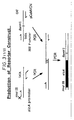
- Figure 1 illustrates the production of the 35S regulator construct by ligation of alc R cDNA into pJR1. Partial restriction of the alc R cDNA clone with BamHI was followed by electrophoresis in an agarose gel and the excision and purification of a 2.6 Kb fragment. The fragment was then ligated into the pJR1 vector which had been restricted with BamHI and phosphatased to prevent recircularisation. The alc R gene was thus placed under control of the CaMV 35S promoter and the nos 3' polyadenylation signal in this "35S- alc R" construct.
- Figure 2 illustrates the production of the pNOS regulator construct by ligation of alc R cDNA into pNOS. Restriction of the alc R cDNA clone with EcoRI and SalI was followed by electrophoresis and the excision and purification of a 2.8 Kb fragment. The pNOS vector was restricted with EcoRI and XhoI, phosphatased and then ligated to the 2.8 Kb alc R fragment. The alc R gene was thus placed under the control of the nos gene promoter and the nos 3' polyadenylation signal in this " nos - alc R" construct.
- the plasmid pCaMVCN contains the bacterial chloramphenicol transferase (CAT) reporter gene between the 35S promoter and the nos transcription terminator (the "35S-CAT” construct).
- CAT chloramphenicol transferase
- the alc A promoter was subcloned into the vector pCaMVCN to produce an " alc A-CAT" construct. Fusion of part of the alc A promoter and part of the 35S promoter created a chimeric promoter which allows expression of genes under its control.
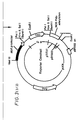
- FIG. 3 illustrates the production of the reporter construct.
- the alc A promoter and the 35S promoter have identical TATA boxes which were used to link the two promoters together using a recombinant PCR technique: a 246 bp region from the alc A promoter and the 5' end of the CAT gene from pCaMVCN (containing part of the -70 core region of the 35S promoter) were separately amplified and then spliced together using PCR.
- the recombinant fragment was then restriction digested with BamHI and HindIII.
- the pCaMVCN vector was partially digested with BamHI and HindIII, then electrophoresed so that the correct fragment could be isolated and ligated to the recombinant fragment.
- the ligation mixtures were transformed into E coli and plated onto rich agar media. Plasmid DNA was isolated by miniprep from the resultant colonies and recombinant clones were recovered by size electrophoresis and restriction mapping. The ligation junctions were sequenced to check that the correct recombinants had been recovered.
- alc R and alc A constructs were transformed into A nidulans to test their functioning. Integration of the constructs into the genome is verified by Southern blotting of DNA fragments, while correct expression is shown by northern blotting to identify RNA transcripts.
- a nidulans was maintained on complete or minimal media containing 1 % agar.
- a nidulans mycelia was grown from conidial suspensions in supplemented minimal media with 1 % glucose as the carbon source, and 10 mM ammonium tartrate as the nitrogen source for 16 hours, at 200 revs/min in an orbital incubator at 37°C.
- the mycelia was harvested by sieving through nylon fabric and washing with chilled distilled water. The mycelia was pressed dry between sheets of absorbent paper and frozen in liquid nitrogen. The mycelia could be stored at -70°C if necessary.
- the A nidulans transformation procedure was developed from the methods of Ballance and Turner (1983) and Cambell EJ et al. (1989, Curr. Genet, 16:53-56). Plasmids were transformed into A nidulans strains by the co-transformation method. A plasmid containing the arg B gene or the N crassa pyr 4 gene was used to complement the arg B2 or pyr G89 mutation in A nidulans. Transformants were obtained by selecting transformed protoplasts on minimal media without the arg B or pyr 4 supplements. By adding a five fold excess of another plasmid with the complementing plasmid, some transformants were obtained which also contained a genomic copy of the other plasmid.
- Cellophane discs 9 cm in diameter were placed onto petri dishes of complete medium.
- a conidial suspension was made up by scraping 1 cm 2 of conidia from a fresh confluent A nidulans plate and resuspending it into 3 ml of distilled water.
- the conidial suspension was spread onto 10 cellophane plates, 200 ⁇ l per plate, and incubated at 37°C for 15 hours until the spores had germinated.
- the cellophane's were then transferred to two petri dishes each containing 15 ml of novozyme 234 solution,(5 mg/ml novozyme 234 in 0.8 M MgSO 4 , 10 mM PO 4 buffer pH 5.8) and incubated at 30°C for 1.5-2 hours.
- the cellophane's were washed in 30 ml of solution A, (0.8 M MgSO 4 in 10 mM PO 4 buffer pH 5.8) and the wash solution and the novozyme solution was sieved through a glass scintillation funnel, size 1.
- the protoplasts were centrifuged at 3000 revs/min for 10 minutes and resuspended in 6 ml of solution B, (1.2 M sorbitol, 50 mM CaCl 2 , 10 mM Tris pH 7.5). The protoplasts were centrifuged at 2500 revs/min for 5 minutes and resuspended in 6 ml of solution B and then centrifuged at 2500 revs/min for 5 minutes.
- the protoplast pellet was then resuspended in 400 ⁇ l of solution B. 50 ⁇ l aliquots of the protoplast suspension were transferred into plastic bijou's and up to 5 mg of plasmid DNA (1 mg/ml) was added. The ratio of the plasmids transformed was 5:1, (i.e., five times as much of the plasmid of interest was used compared to the transforming plasmid). 12.5 ⁇ l of solution C, (50% PEG 4000, 50 mM CaCl 2 , 10 mM Tris pH7.5), was added to each bijou of protoplasts and the suspension was gently mixed. The cells were incubated on ice for 20 minutes and then 0.5 ml of solution C was added and mixed with the cells.
- solution C 50% PEG 4000, 50 mM CaCl 2 , 10 mM Tris pH7.5
- Conidial suspensions of A nidulans were grown in supplemented minimal medium containing 0.1% fructose as the carbon source, for 20 hours at 200 revs/min in an orbital incubator at 37°C. Inducing chemical was added to the mycelia at 20 hours and allowed to grow for a further 4 hours. The mycelia was harvested as before. Uninduced mycelia was allowed to grow for 24 hours in the medium described above.
- RNAse 100 ⁇ l of heat treated RNAse,(5 mg/ml), was added and incubated at 37°C for 30 minutes. Two volumes of ethanol and 0.1 volumes of 3 M sodium acetate was added and mixed and incubated at room temperature for 10 minutes. The DNA was pelleted by centrifugation at 13,000 revs/min for 10 minutes in a microcentrifuge and then washed in 70% ethanol and dried at room temperature for 30-60 minutes. The DNA was redissolved in TE or sterile distilled water at a concentration of 1 mg/ml.
- alc R regulator constructs function in A nidulans .
- the constitutive promoters drive expression of the alc R gene to produce regulator protein.
- the alc R constructs were transformed into A nidulans strain alc R125 ( alc R - A + ) using the above standard techniques.
- Strain alc R125 is a null mutant strain which carries a point mutation in alc R and cannot express the regulator protein.
- Expression of the alc R gene introduced on the regulator construct was tested by assaying alcohol dehydrogenase I (ADH1), since the alc R gene product is known to switch on the alc A gene coding for ADH1.
- ADH1 activity was restored in the presence of inducer, demonstrating that the introduced alc R regulator construct was functional in A nidulans .
- the alc R gene product may also be assayed directly by Western blotting of proteins using antibodies raised against purified alc R gene product expressed in E coli .
- the transformed strain was back-crossed to the parent strain to determine whether the regulator construct had integrated heterologously into the genome. This experiment showed that the restoration of ADH1 activity was due to the presence of the regulator construct and not reversion of the point mutation in alc R125.
- the alc R cDNA was transformed into A nidulans without an associated promoter.
- the alc A-CAT reporter construct was transformed into a wild type A nidulans strain ( alc R + A + ).
- the wild type strain has a normal alc R gene producing the regulator protein necessary for activation of the alc A promoter in the presence of inducer.
- Stably transformed A nidulans was obtained by co-transforming a pyr G89 strain with the pDJB3 and p alc A-CAT/pUC plasmids using the PEG method.
- Plasmid p alc A-CAT/pUC contains the CAT reporter gene between the alc A:35S chimeric promoter and the nos transcription terminator.
- Two independent transformants (GA2-1 and GA2-5) were obtained which contained uninterrupted copies of the alc A-CAT construct. This was shown by probing genomic DNA, restricted with HindIII, with the 0.7 kb SalI fragment of the CAT gene.
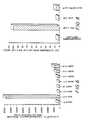
- FIG. 4 is a graph showing CAT expression from the GA2-1 and GA2-5 transformants (wild type with alc A-CAT construct) growing in 0.1% fructose (F) or 1% glucose (G) in the absence or presence of 50 mM ethyl methyl ketone as inducer (I).
- the CAT activity of the alc A-CAT reporter construct in the transformed A nidulans strains was found to be high only when the transformants were grown in 0.1% fructose and in the presence of inducer.
- Transformant GA2-1 was found to be over three times more inducible than transformant GA2-5 when 50 mM ethyl methyl ketone was used as the inducer. Cyclohexanone was found to induce CAT expression in the GA2-1 transformant. A concentration curve showed that cyclohexanone had an optimal inducing ability on the GA2-1 transformant when used at 25 mM.
- Figure 5 is a graph showing the effect of cyclohexanone concentration (mM) on CAT expression in the transformant GA2-1 growing in 0.1% fructose (F) or 1% glucose (G).
- a nidulans was also obtained by co-transforming the pCaMVCN plasmid (35S-CAT construct) with the pDJB3 plasmid into the wild type strain using the PEG method.
- the plasmid pDJB3 contains the pyr 4 gene from N crassa , which compliments the pyr G89 mutation in A nidulans.
- One independent A nidulans transformant (GCMV-11) was obtained which was found to contain the 35S-CAT construct in uninterrupted form when genomic DNA, restricted with Hind III, was probed with the 0.7 kb Sal I fragment of the CAT gene, in a Southern hybridisation.
- FIG. 6 is a graph showing CAT expression from the GA2-5 transformant (wild type with alc A-CAT construct) and the GCMV-11 transformant (wild type with 35S-CAT construct) growing in 0.1% fructose (F) or 1% glucose (G) in the absence or presence of 50 mM ethyl methyl ketone as inducer (I).
- the expression of CAT in the 35S-CAT A nidulans transformant was found to be at a much lower level than that of the alc A-CAT A nidulans transformants.
- the alc A construct was transformed alone into mutant A nidulans strain alc 500 ( alc R - A - ).
- This mutant contains a deletion extending over both the alc R and the alc A genes: hence the reporter protein is not naturally present.
- the alc A construct was not functional in the absence of alc R regulator protein.
- the pCaMVCN plasmid (containing the CAT gene under the control of the constitutive CaMV 35S promoter) was transformed into the A nidulans deletion strain alc 500.
- the regulator alc R construct and the alc A reporter construct were then co-transformed into the alc R - A - deletion strain alc 500.
- Any expression of the CAT reporter gene is induced by the alc R regulator protein produced by the regulator construct, without interference from a wild-type regulator protein.
- Transformants were grown either on fructose or glucose and subjected to inducing conditions (4 hours in the presence of ethyl methyl ketone, EMK) or non-inducing conditions (in the absence of EMK). Results of the CAT assays are shown in Table 1.
- the alc A:35S chimeric promoter is inducible.
- the promoter drives expression of the CAT reporter gene when the regulator protein and inducer are present.
- the gene expression cassette (comprising the alc R and alc A constructs) is functional and chemically-inducible.
- Expression vectors lacking the alc R regulator gene were also transformed into A nidulans with the alc A constructs. There was only a low level of CAT gene expression, showing that it is the regulator gene which controls the expression of the reporter gene, through the action of the regulator protein on the alc A fusion promoter.
- alc A-CAT and 355- alc R constructs were introduced into maize protoplasts to determine CAT expression in transient assays after incubation in the present of ethanol.
- Maize protoplasts were prepared from a suspension culture of Black Mexican Sweet (BMS) cells using the following method.
- the cells were harvested two days after a subculture and digested in E1 enzyme solution, (2.0% cellulase RS, 0.2% pectolase Y23, 0.5M mannitol, 5mM CaCl2.2H2O, 0.5% MES pH5.6). 10 ml of enzyme solution was added to each gramme of tissue and incubated for 2 hours a 25°C in dim light while gently rotating. The digestion mixture was sieved sequentially through 250 ⁇ m and 38 ⁇ m sieves, rinsing with wash buffer (0.358 M KCl, 1.0 mM NH 4 .NO 3 , 5.0 mM CaCl 2 .2H 2 O, 0.5 mM KH 2 PO 4 pH4.8).
- wash buffer 0.58 M KCl, 1.0 mM NH 4 .NO 3 , 5.0 mM CaCl 2 .2H 2 O, 0.5 mM KH 2 PO 4 pH4.8.
- the protoplasts were centrifuged at 700 revs/min for 3.5 minutes and resuspended in 30 ml of wash buffer twice. The protoplasts were counted using a Fuchs-Rosenthal haemocytometer. The protoplasts were then used for transient assays.
- DNA was introduced into the protoplasts by the PEG uptake procedure.
- the protoplasts were resuspended at 2 X 10 6 /ml in MaMg medium and aliquoted out at 0.5 ml per treatment.
- the protoplasts were heat shocked at 45°C for 5 minutes, then allowed to cool to room temperature for 10 minutes.
- a standard quantity of DNA, (at 1 mg/ml) was added to the protoplast aliquots.
- 25 ⁇ g of the control plasmid was added to an aliquot of protoplasts; the amount of other plasmids added varied according to their size.
- 0.5 ml of PEG solution at 45°C was added and mixed gently with the protoplasts.
- the protoplasts were incubated at room temperature for 20 minutes then 5 ml of KCl solution was added, 1 ml at a time. The protoplasts were incubated at room temperature for 10-15 minutes and then were centrifuged at 700 revs/min for 3.5 minutes. The supernatant was removed and each sample was resuspended in 1.5 ml of BMS + 9% mannitol and incubated at 25°C in the dark for 22 hours.
- the maize protoplasts were transformed with the following constructs:
- protoplasts were harvested and proteins extracted as follows.
- the protoplast samples were transferred to eppendorfs and centrifuged at 13,000 revs/min for 3 minutes. 100 ⁇ l of 0.1 M Tris pH7.8 was added and the cells were resuspended using a micro pipette. The eppendorfs were vortexed for 30 seconds and then centrifuged again at 13,000 revs/min for 5 minutes. 50 ⁇ l of the supernatant was used to measure the CAT activity and the rest to estimate the protein concentration using the Bradford's method.
- CAT activity was measured in samples of the protein extract. CAT assays were undertaken according to the Dupont method, where a scintillation counter was used to measure transfer of [ 14 C] acetyl chloramphenicol from the protein extract into an immiscible scintillation fluid over time.
- CAT gene expression is given as a percentage of the CAT activity observed in cells transformed with the 35S-CAT construct (production of CAT under control of a constitutive promoter).
- the CAT activity from the 35S-CAT construct was expressed as 100% in order to compare results from separate batches of protoplasts. The expression from untransformed protoplasts is also shown.
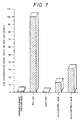
- Cells containing the alc A-CAT and the regulator constructs show levels of CAT expression that are 7-fold and 16-fold higher respectively than cells containing the alc A-CAT gene alone. This establishes that expression of the CAT gene from the alc A:35S promoter in maize protoplasts incubated in media containing 17 mM ethanol (as the inducer) is dependent on the presence of the alc R gene. Also there is an apparent increase in CAT expression in the presence of the 35S-I1- alc R construct, presumably due to a higher level of expression of alc R mediated by the inclusion of maize intron I. The 35S-I1- alc R construct increases CAT expression from the alc A-CAT construct from 13% to 31% of that from the 35S-CAT construct.
- Figure 8 is a graph showing the effect of the 35S- alc R regulator construct on CAT expression from the alc A-CAT construct in the presence of 17 mM ethanol.
- a 35S-I1-CAT construct was used as the positive control in this experiment.
- Binl9 derivatives of the alc A-CAT construct and 35S- alc R/ alc A-CAT construct were produced using standard procedures. Binl9 is a known plant transformation vector (Bevan, 1984, Nucleic Acids Research 12, 8711-8721).
- the plasmid p alc A-CAT/BIN contains the CAT reporter gene between the alc A:35S chimeric promoter and the nos transcription terminator. It was constructed as follows: The 1.4 kbp HindIII fragment from from the alc A-CAT/pUC plasmid (containing the alc A:35S fusion promoter, the CAT gene and the nos transcription terminator) was cloned into the HindII site of the pJR1i/BIN19 vector. Transformed colonies were transferred to nylon membrane and were probed with the alc A-CAT sequence. Positive colonies were shown to be correct when miniprepped plasmid DNA digested with HindIII gave a 1.4 kbp fragment.
- the plasmid p35S alc R- alc A-CAT/BIN contains the alc R cDNA between the 35S promoter and the nos transcription terminator, and the CAT reporter gene between the alc A:35S chimeric promoter and the nos transcription terminator. It was constructed as follows: Plasmid 35S- alc R/pUC was fully digested with HindIII and partially digested with EcoRI. The 3.5 kbp fragment was isolated and cloned into the pJR1i/BIN19 vector which had been restricted with EcoRI and HindIII.
- the 1.4 kbp HindIII fragment containing the alc A-CAT sequence from p alc A-CAT/pUC was then cloned into the HindIII site in the 35S- alc R/JR1i/BIN plasmid.
- the correct plasmid was shown to contain the 1.4 kbp HindIII fragment form the alc A-CAT sequence, and the 3.0 kbp and 0.5 kbp EcoRI fragments from the 35S- alc R sequence.
- a 3.5 kbp partial EcoRI/HindIII fragment could be seen in the same digest.
- the orientation of the alc A-CAT sequence to the 35S- alc R sequence in the final plasmid is estimated to be head to tail.
- the disarmed Agrobacterium tumefaciens strain LBA4404 (pAL4404)(Hoekema et al , 1983, Nature 303, 179-180) was transformed with the above vectors using the freeze-thaw method.
- a single colony was grown up in 40 ml of LB medium at 28°C in an orbital incubator at 200 revs/min overnight until the culture reaches an O.D. 580 of 0.5-1.0.
- the cells were resuspended in 1 ml of ice cold 20 mM CaCl 2 solution, and then dispensed into prechilled eppendorfs, 100 ⁇ l per tube.
- DNA was added to the cells, 0.1 ⁇ g/100 ⁇ l of cells, and then the cells were frozen in liquid nitrogen. The cells were then thawed at 37°C in a water bath for 5 minutes. 1 ml of LB medium was added to each tube and the cells were incubated at 28°C for 2-4 hours with gentle shaking to allow the bacteria to express the antibiotic resistance genes. The cells were centrifuged for 30 seconds at 13,000 revs/min in a microcentrifuge and the supernatant was discarded. The cells were resuspended in 100 ⁇ l of LB medium. The cells were spread onto LA agar plates containing 50 ⁇ g/ml kanamycin, or other antibiotic selection afforded by the introduced plasmid. The plates were incubated at 28°C for 2 days, when colonies were likely to appear.
- Single colonies were grown in 20 ml of LB medium containing antibiotic as the selective agent overnight at 28°C in an orbital incubator.
- the cells were centrifuged at 3000 revs/min for 5 minutes and the pellet was resuspended in 0.5 ml of miniprep solution, (5 mg/ml lysozyme in 50 mM glucose, 10 mM EDTA, 25 mM Tris-HCl pH 8.0).
- the cells were incubated on ice for an hour, and then 1 ml of alkaline SDS (0.2 M NaOH, 1% SDS) was added. After incubation on ice for 10 minutes, 0.75 ml of 3 M sodium acetate was added, and the mixture was left on ice for 30 minutes.
- the lysis mixture was centrifuged at 15,000 revs/min for 10 minutes at 4°C, and the supernatant was transferred to 15 ml corex tubes. 5 ml of cold ethanol was added and the tubes were stored at -70°C for 30 minutes. The tubes were then centrifuged at 15,000 revs/min for 15 minutes at 4°C and the supernatant was removed. The pellet was dissolved in 0.5 ml of T.E. and transferred to eppendorfs. The DNA solution was extracted with an equal volume of phenol/chloroform three times and once with an equal volume of chloroform. The DNA was precipitated by adding 1 ml of ethanol and incubating at -70°C for 30 minutes.
- Transgenic tobacco was generated by the leaf disc method using transformed Agrobacterium tumefaciens. About 20 tissue culture grown plats were required per transformation. The plants were about 3-4 weeks old and were grown on M.S medium without antibiotics. All manipulations were carried out in sterile hoods using sterile implements.
- Leaves were cut from the tissue culture plants, placed on NBM medium in petri dishes, and incubated overnight in a plant growth room.
- the transformed Agrobacterium strain was grown up overnight in 100ml of LB containing kanamycin at 50 ⁇ g/ml. The next day the culture was centrifuged at 3000 revs/min for 10 minutes and resuspended in an equal volume of MS solution. 20 ml of Agrobacterium solution was placed in 9 cm petri dishes.
- Leaf discs were made form the leaves, using a sterile scalpel, and were put into the Agrobacterium solution in the petri dishes for 20 minutes. The leaf pieces were then transferred to the NBM plates and incubated overnight in a plant growth room.
- the leaf discs were transferred to NBM medium containing carbenicillin at 500 ⁇ g/ml and kanamycin at 100 ⁇ g/ml in neoplant pots.
- the pots were incubated in a plant growth room for 4-6 weeks.
- Shoots emerging from callous tissue were transferred to MS medium containing, carbenicillin at 200 ⁇ g/ml and kanamycin at 100 ⁇ g/ml in neoplant pots, (7 to a pot).
- shoots that had rooted were transferred to fresh MS medium and grown on until they were about 5 cm in height. Extra cuttings were taken at this stage.
- the plants were then transferred to compost in 13 cm pots and sealed in polythene bags to prevent dehydration for the first few weeks.
- Cyclohexanone was applied to the plant leaves as a paint.
- the cyclohexanone paint consisted of a 10% solution of 950 g/L cyclohexanone, 35g/L syperonic NDE 1800, 16.5 g/L Tween 85 in thickener. Both surfaces of the leaf were applied with paint at 100 ⁇ l solution per 16-25 cm 2 of leaf surface, on days 0 and 2.
- Leaf tissue was harvested prior to inducer application and at appropriate times after the second application of paint. 1 cm 2 of leaf tissue was removed with a sterile scalpel, put in an eppendorf, and immersed in liquid nitrogen. CAT assays were undertaken within 4 hours of leaf sampling.
- the leaf tissue was allowed to defrost at room temperature for several minutes after storage in liquid nitrogen.
- a sterile micropestle was used to grind the leaf tissue in the eppendorf for 30 seconds and then 100 ⁇ l of 100 mM Tris pH 7.8 was added.
- the plant mixture was then vortexed for 20 seconds and centrifuged at 13,000 revs/min for 5 minutes. The supernatant was transferred to a new eppendorf. 50 ⁇ l of leaf extract was used for a CAT assay and the rest was used to determine the protein concentration wit the Bradford's method.
- the plasmid p alc A-CAT/BIN was used to produce transgenic tobacco plants. Forty-four independent tobacco transformants were obtained, of which twenty-three were shown to contain the alc A-CAT construct when genomic DNA was amplified using PCR with the oligo's C3 and A3. Four plants were shown to contain the construct in uninterrupted form when genomic DNA, restricted with Hind III, was probed with the 0.7 kb Sal I of the CAT gene.
- the plasmid p35S alc R- alc A-CAT/BIN was used to produce transgenic tobacco plants. Twelve independent tobacco transformants were obtained, and analysed for the presence of the alc R regulatory and alc A-CAT reporter constructs using PCR. Ten of these plants were shown to contain the alc R regulatory construct using the oligos, L4 and L6, in PCR. One of those plants, D3, was shown to contain the alc A-CAT reporter construct by PCR using the oligos, A3, and C3.
- Leaf tissue was used to measure the CAT activity of the transgenic plants. All of the alc A-CAT transgenic plants were found to exhibit low CAT activity levels. The CAT expression levels varied between individual plants but none were found to have higher CAT expression levels than those of the control tobacco plants. None of the alc R regulatory/ alc A-CAT reporter transgenic tobacco plants were found to have high CAT expression levels. The CAT activities were low and were not above those of the control tobacco.
- alc A-CAT transgenic plants None of the alc A-CAT transgenic plants were found to have high CAT expression levels after the application of the cyclohexanone paint to the leaves. The CAT expression levels varied between plants, but none were found to have expression levels higher than those of the control tobacco plants. Of the 35S- alc R/ alc A-CAT transgenic tobacco plants, one, D3, was found to exhibit a high CAT expression level after application of cyclohexanone to its leaves. The level was much higher than that found in control tobacco plants.
- the plant known as D3 was shown by PCR to contain both the alc R regulatory and the alc A-CAT reporter gene fusions (ie the entire gene expression cassette).
- This experiment was a time course analysis of plant D3 compared with a plant containing only the alc A-CAT construct (known as S34) and with an untransformed control (known as T1), following treatment with a formulated leaf paint containing the alc R inducer, cyclohexanone.
- S34 a plant containing only the alc A-CAT construct
- T1 untransformed control
- the latter has been shown previously to be a potent inducer of ADHI expressed from the alc A gene in Aspergillus cells.
- Iso-propanol is a weak inducer and a substrate for alc A, whereas cyclohexanone is an inducer but not a substrate (Creaser et al, 1984, Biochem J, 255:449-454). Iso-propanol has no apparent effect on the alc expression cassette.
- the leaves of the plants were painted with a 10% iso-propanol solution at 0 and 60 minutes and the CAT expression of leaf samples was measured at 240 minutes.
- the CAT expression found in the alc A-CAT and alc A-CAT/35S- alc R transgenic plants at 0 minutes was low as it was in the control untransformed tobacco plants. After 240 minutes no significant increase in CAT activity was detected in any of the plant types.
Landscapes
- Health & Medical Sciences (AREA)
- Genetics & Genomics (AREA)
- Life Sciences & Earth Sciences (AREA)
- Engineering & Computer Science (AREA)
- Chemical & Material Sciences (AREA)
- Organic Chemistry (AREA)
- Zoology (AREA)
- Wood Science & Technology (AREA)
- Biomedical Technology (AREA)
- Bioinformatics & Cheminformatics (AREA)
- Biotechnology (AREA)
- General Engineering & Computer Science (AREA)
- Molecular Biology (AREA)
- Plant Pathology (AREA)
- Biophysics (AREA)
- Microbiology (AREA)
- Physics & Mathematics (AREA)
- Cell Biology (AREA)
- Biochemistry (AREA)
- General Health & Medical Sciences (AREA)
- General Chemical & Material Sciences (AREA)
- Micro-Organisms Or Cultivation Processes Thereof (AREA)
- Breeding Of Plants And Reproduction By Means Of Culturing (AREA)
- Agricultural Chemicals And Associated Chemicals (AREA)
- Fertilizers (AREA)
Claims (22)
- Chemisch induzierbare Pflanzengen-Expressionskassette, umfassend einen ersten Promotor, der funktionsfähig mit der aus Aspergillus nidulans erhältlichen alcR-Regulatorsequenz gekoppelt ist, die das AlcR-Regulatorprotein codiert, und einen funktionsfähig an ein Zielgen gekoppelten induzierbaren Promotor, wobei der induzierbare Promotor durch das Regulatorprotein in Gegenwart eines wirksamen exogenen Induktors aktiviert wird, wobei die Anwendung des Induktors eine Expression des Zielgens verursacht.
- Pflanzengen-Expressionskassette gemäss Anspruch 1, worin der induzierbare Promotor aus dem alcA-Genpromotor von Aspergillus nidulans erhältlich ist.
- Pflanzengen-Expressionskassette gemäss Anspruch 1 oder Anspruch 2, worin der induzierbare Promotor ein chimärer Promotor ist.
- Pflanzengen-Expressionskassette gemäss einem der vorhergehenden Ansprüche, worin der exogene Induktor ein Alkohol oder Keton ist.
- Pflanzenzelle, enthaltend eine Genexpressionskassette gemäss einem der Ansprüche 1 bis 4.
- Pflanzenzelle gemäss Anspruch 5, worin die Genexpressionskassette stabil im Pflanzengenom eingebaut ist.
- Pflanzengewebe, umfassend eine Pflanzenzelle gemäss Anspruch 5 oder Anspruch 6.
- Pflanze, umfassend eine Pflanzenzelle gemäss Anspruch 6.
- Pflanze, erhältlich aus einer Pflanze gemäss Anspruch 8.
- Transgener Samen, erhältlich aus einer Pflanze gemäss Anspruch 8 oder Anspruch 9.
- Verfahren zur Kontrolle der Pflanzengenexpression, umfassend das Transformieren einer Pflanzenzelle mit einer chemisch induzierbaren Pflanzengen-Expressionskassette, die einen ersten Promotor, der funktionsfähig an die aus Aspergillus nidulans erhältliche alcR-Regulatorsequenz gekoppelt ist, die das AlcR-Regulatorprotein codiert, und einen funktionsfähig an ein Zielgen gekoppelten induzierbaren Promotor umfasst, wobei der induzierbare Promotor durch das Regulatorprotein in Gegenwart eines wirksamen exogenen Induktors aktiviert wird, wobei die Anwendung des Induktors die Expression des Zielgens verursacht.
- Chimärer Promotor, umfassend eine Upstream-Region, enthaltend eine Promotorregulatorsequenz, erhältlich aus dem alcA-Genpromotor von Aspergillus nidulans, und eine Downstream-Region, enthaltend eine Transkriptionsstartsequenz, dadurch gekennzeichnet, dass Upstream- und Downstream-Regionen heterolog sind, der Promotor chemisch induzierbar ist und die Transkriptionsstartsequenz aus der Kernpromotorregion eines Promotors erhältlich ist, der in Pflanzenzellen aktiv ist.
- Pflanzenzelle, enthaltend einen chimären Promotor gemäss Anspruch 12.
- Pflanzenzelle gemäss Anspruch 13, worin der chimäre Promotor stabil in das Pflanzengenom eingebaut ist.
- Pflanzengewebe, umfassend eine Pflanzenzelle gemäss Anspruch 13 oder Anspruch 14.
- Pflanze, umfassend eine Pflanzenzelle gemäss Anspruch 13 oder Anspruch 14.
- Pflanze, erhältlich aus einer Pflanze gemäss Anspruch 16.
- Transgener Samen, der von einer Pflanze gemäss Anspruch 16 oder Anspruch 17 abstammt.
- Pflanzenzelle gemäss Anspruch 5 oder Anspruch 13, die eine einkeimblättrige Pflanzenzelle ist.
- Pflanzenzelle gemäss Anspruch 19, die eine Maiszelle ist.
- Pflanzenzelle gemäss Anspruch 5 oder Anspruch 13, die eine zweikeimblättrige Zelle ist.
- Pflanzenzelle gemäss Anspruch 21, die eine Tabakzelle ist.
Applications Claiming Priority (5)
| Application Number | Priority Date | Filing Date | Title |
|---|---|---|---|
| GB9208117 | 1992-04-13 | ||
| GB929208117A GB9208117D0 (en) | 1992-04-13 | 1992-04-13 | Dna constructs and plants incorporating them |
| GB929208954A GB9208954D0 (en) | 1992-04-24 | 1992-04-24 | Dna constructs and plants incorporating them |
| GB9208954 | 1992-04-24 | ||
| PCT/GB1993/000764 WO1993021334A1 (en) | 1992-04-13 | 1993-04-13 | Dna constructs and plants incorporating them |
Publications (2)
| Publication Number | Publication Date |
|---|---|
| EP0637339A1 EP0637339A1 (de) | 1995-02-08 |
| EP0637339B1 true EP0637339B1 (de) | 2001-10-31 |
Family
ID=26300706
Family Applications (1)
| Application Number | Title | Priority Date | Filing Date |
|---|---|---|---|
| EP93908031A Expired - Lifetime EP0637339B1 (de) | 1992-04-13 | 1993-04-13 | Dna-konstruktionen und diese enthaltende pflanzen |
Country Status (9)
| Country | Link |
|---|---|
| US (1) | US6605754B1 (de) |
| EP (1) | EP0637339B1 (de) |
| AT (1) | ATE207962T1 (de) |
| AU (1) | AU3901993A (de) |
| DE (1) | DE69331055T2 (de) |
| DK (1) | DK0637339T3 (de) |
| ES (1) | ES2164659T3 (de) |
| PT (1) | PT637339E (de) |
| WO (1) | WO1993021334A1 (de) |
Cited By (2)
| Publication number | Priority date | Publication date | Assignee | Title |
|---|---|---|---|---|
| US9944908B2 (en) | 2011-12-01 | 2018-04-17 | Helsingin Yliopisto | Polypeptide |
| US11441147B2 (en) | 2013-07-10 | 2022-09-13 | Basf Se | RNAi for the control of phytopathogenic fungi and oomycetes by inhibiting the expression of CYP51 genes |
Families Citing this family (197)
| Publication number | Priority date | Publication date | Assignee | Title |
|---|---|---|---|---|
| PT637339E (pt) | 1992-04-13 | 2002-03-28 | Syngenta Ltd | Construcoes de adn e plantas que as incorporam |
| ATE293699T1 (de) * | 1995-03-03 | 2005-05-15 | Syngenta Participations Ag | Kontrolle der pflanzengenexpression durch rezeptor-vermittelte transaktivation in gegenwart von einem chemischen ligand |
| GB9515941D0 (en) | 1995-08-03 | 1995-10-04 | Zeneca Ltd | DNA constructs |
| US5859338A (en) * | 1995-06-06 | 1999-01-12 | California Institute Of Technology | Plant clavata1 nucleic acids, transformed plants, and proteins |
| GB9516241D0 (en) * | 1995-08-08 | 1995-10-11 | Zeneca Ltd | Dna constructs |
| WO1997013864A1 (en) * | 1995-10-10 | 1997-04-17 | Novartis Ag | Juvenile hormone or one of its agonists as a chemical ligand to control gene expression in plants by receptor mediated transactivation |
| EP2325308A3 (de) | 1997-04-04 | 2011-07-27 | The Board of Regents of the University of Nebraska | Verfahren und Materialien zur Herstellung und Verwendung transgener Dicamba-abauender Organismen |
| NZ500741A (en) | 1997-04-09 | 2001-06-29 | Ministry Of Agriculture And Fo | Inducible plant promoters selected from apple beta-galactosidase (ABG1) or 1-aminocyclopropane-1-carboxylate synthase (ACC synthase) |
| BR9811493A (pt) * | 1997-07-30 | 2000-09-19 | Zeneca Ltd | Método genético para o controle de germinação |
| AU758055B2 (en) | 1997-12-11 | 2003-03-13 | Syngenta Limited | Genetic method |
| PT1054985E (pt) | 1998-02-20 | 2012-07-03 | Syngenta Ltd | Produção de semente híbrida |
| CA2336207C (en) | 1998-09-10 | 2004-03-23 | Pioneer Hi-Bred International, Inc. | Ecdysone receptors and methods for their use |
| GB9820970D0 (en) * | 1998-09-25 | 1998-11-18 | Zeneca Ltd | Promoter |
| GB9828660D0 (en) | 1998-12-24 | 1999-02-17 | Cambridge Advanced Tech | Control of gene expression in eukaryotes |
| EP1029923A1 (de) | 1999-01-27 | 2000-08-23 | D.J. Van Der Have B.V. | Verfahren zur Vermittlung von BNYVV-Resistenz gegenüber Zuckerrüben |
| GB9902234D0 (en) * | 1999-02-01 | 1999-03-24 | Zeneca Ltd | Expression system |
| GB9902236D0 (en) * | 1999-02-01 | 1999-03-24 | Zeneca Ltd | Formulation |
| IL146782A0 (en) | 1999-06-07 | 2002-07-25 | Basf Plant Science Gmbh | 6-acetylenase and 6-desaturase from ceratodon purpureus |
| DE19926770A1 (de) | 1999-06-11 | 2000-12-14 | Basf Ag | Nukleinsäurefragment und Vektor, enthaltend eine Halogenase, sowie ein Verfahren zur Halogenierung chemischer Verbindungen |
| DE10030976A1 (de) | 2000-06-30 | 2002-01-10 | Basf Ag | DELTA6-Desaturasegene exprimierende Pflanzen und PUFAS enthaltende Öle aus diesen Pflanzen und ein Verfahren zur Herstellung ungesättigter Fettsäuren |
| GB9918154D0 (en) * | 1999-08-02 | 1999-10-06 | Zeneca Ltd | Expression system |
| GB9921825D0 (en) * | 1999-09-15 | 1999-11-17 | Zeneca Ltd | A gene switch |
| EE200200443A (et) | 2000-02-09 | 2003-12-15 | Basf Aktiengesellschaft | Uus elongaasigeen ning polüküllastumata rasvhapete saamise meetod |
| EP1373530B1 (de) | 2000-04-07 | 2006-12-13 | BASF Plant Science GmbH | Stress-gekoppeltes protein kinase protein sowie dessen verwendung in pflanzen |
| AR028977A1 (es) * | 2000-07-13 | 2003-05-28 | Syngenta Participations Ag | Genes de lipoxigenasa, promotores, peptidos de transito y proteinas de los mismos |
| EP1356066A2 (de) | 2000-10-24 | 2003-10-29 | Syngenta Participations AG | Kontrolle der pflanzengenexpression |
| WO2002064802A2 (en) * | 2001-02-13 | 2002-08-22 | Syngenta Limited | Regulatory genes suitable for use in gene expression |
| CA2441265A1 (en) | 2001-03-16 | 2002-09-26 | Basf Plant Science Gmbh | Sugar and lipid metabolism regulators in plants |
| GB0107510D0 (en) | 2001-03-26 | 2001-05-16 | Univ Bristol | New elongase gene and a process for the production of -9-polyunsaturated fatty acids |
| WO2002099076A2 (en) | 2001-06-04 | 2002-12-12 | Basf Plant Science Gmbh | Sugar and lipid metabolism regulators in plants ii |
| CA2452633A1 (en) | 2001-07-12 | 2003-01-23 | Mcgill University | Nuclear fertility restorer genes and methods of use in plants |
| DE60231717D1 (de) | 2001-08-10 | 2009-05-07 | Basf Plant Science Gmbh | Zucker- und lipidmetabolismusregulatoren bei pflanzen iii |
| US7456335B2 (en) | 2001-09-03 | 2008-11-25 | Basf Plant Science Gmbh | Nucleic acid sequences and their use in methods for achieving pathogen resistance in plants |
| EP1423508B1 (de) | 2001-09-05 | 2012-01-18 | BASF Plant Science GmbH | Mit stress verbundene proteinphosphatase-polypeptide und verfahren zur verwendung in pflanzen |
| GB0125784D0 (en) * | 2001-10-26 | 2001-12-19 | Syngenta Ltd | Novel expression system |
| ES2365912T3 (es) | 2001-11-09 | 2011-10-13 | Basf Plant Science Gmbh | Polipéptidos del factor de transcripción relacionados con el estrés y métodos de uso en plantas. |
| GB2385852A (en) | 2002-02-27 | 2003-09-03 | Rothamsted Ex Station | Delta 6-desaturases from Primulaceae |
| DE10212892A1 (de) | 2002-03-20 | 2003-10-09 | Basf Plant Science Gmbh | Konstrukte und Verfahren zur Regulation der Genexpression |
| AU2003209289A1 (en) | 2002-05-01 | 2003-11-17 | The University Of Georgia Research Foundation, Inc. | Transposable elements in rice and methods of use |
| US7579517B2 (en) | 2002-05-08 | 2009-08-25 | Basf Plant Science Gmbh | Methods for increasing oil content in plants |
| EP1551218B1 (de) | 2002-07-10 | 2017-05-17 | The Department of Agriculture, Western Australia | Weizenpflanzen mit verstärkter resistenz gegen imidazolinonherbizide |
| WO2004013333A2 (de) | 2002-07-26 | 2004-02-12 | Basf Plant Science Gmbh | Revertierung der negativ-selektiven wirkung von negativen markerproteinen als selektionsverfahren |
| CA2492544A1 (en) | 2002-08-02 | 2004-02-12 | Basf Plant Science Gmbh | Modification of seed oil by the expression of a putative cytidyltransferase in transgenic plants |
| EP1529112A2 (de) | 2002-08-07 | 2005-05-11 | BASF Plant Science GmbH | Mit einer abiotischen stressreaktion assoziierte proteine codierende nukleinsäuresequenzen |
| US7683238B2 (en) | 2002-11-12 | 2010-03-23 | iBio, Inc. and Fraunhofer USA, Inc. | Production of pharmaceutically active proteins in sprouted seedlings |
| CN101691577A (zh) | 2002-12-20 | 2010-04-07 | 梅坦诺米克斯有限公司 | 制备氨基酸的方法 |
| ES2531125T3 (es) | 2003-02-03 | 2015-03-10 | Ibio Inc | Sistema para la expresión de genes en plantas |
| EP1597371A2 (de) | 2003-02-17 | 2005-11-23 | Metanomics GmbH | Herstellung von organismen mit schnellerem wachstum und/oder höherem ertrag |
| CA2517253C (en) | 2003-02-27 | 2018-07-03 | Basf Plant Science Gmbh | Method for the production of polyunsaturated fatty acids |
| EP1613746B1 (de) | 2003-03-31 | 2013-03-06 | University Of Bristol | Neue pflanzliche acyltransferasen spezifisch für langkettige, mehrfach ungesättigte fettsäuren |
| EP2194135A3 (de) | 2003-04-15 | 2010-10-06 | BASF Plant Science GmbH | Nukleinsäuresequenzen aus Hefe, die für Proteine in Zusammenhang mit abiotischer Stressreaktion kodieren, sowie transgene Pflanzenzellen und Pflanzen mit erhöhter Umweltstressverträglichkeit |
| PL1633875T3 (pl) | 2003-05-28 | 2012-12-31 | Basf Se | Rośliny pszenicy o zwiększonej tolerancji na herbicydy imidazolinonowe |
| AU2004262656A1 (en) | 2003-08-01 | 2005-02-17 | Basf Plant Science Gmbh | Process for the production of fine chemicals in plants |
| ES2713548T3 (es) | 2003-08-01 | 2019-05-22 | Basf Plant Science Gmbh | Procedimiento para la producción de ácidos grasos poliinsaturados en organismos transgénicos |
| UA90849C2 (ru) | 2003-08-11 | 2010-06-10 | Квеек-Эн Рисерчбедрейф Агрико Б.В. | Стойкие к грибкам растения семьи solanaceae |
| MXPA06002155A (es) | 2003-08-29 | 2007-01-25 | Inst Nac De Technologia Agrope | Plantas de arroz que tienen una tolerancia incrementada a los herbicidas de imidazolinona. |
| US20060183189A1 (en) * | 2003-09-02 | 2006-08-17 | Martin Fussenegger | Regulatable gene expression in mammalian cells and mammals |
| EP1682667B1 (de) | 2003-11-10 | 2010-05-26 | Icon Genetics GmbH | Von rna-virus abgeleitetes pflanzenexpressionssystem |
| ATE440947T1 (de) | 2003-12-02 | 2009-09-15 | Basf Se | 2-methyl-6-solanylbenzochinon-methyltransferase als ziel für herbizide |
| WO2005063995A2 (en) | 2003-12-23 | 2005-07-14 | Basf Plant Science Gmbh | Sugar and lipid metabolism regulators in plants vi |
| WO2005083053A2 (de) | 2004-02-27 | 2005-09-09 | Basf Plant Science Gmbh | Verfahren zur herstellung von ungesättigten omega-3-fettsäuren in transgenen organismen |
| EP2623584B1 (de) | 2004-02-27 | 2019-04-10 | BASF Plant Science GmbH | Verfahren zur Herstellung mehrfach ungesättigter Fettsäuren in transgenen Pflanzen |
| AU2005262493A1 (en) | 2004-06-16 | 2006-01-19 | Basf Plant Science Gmbh | Nucleic acid molecules encoding wrinkled1-like polypeptides and methods of use in plants |
| EP2080769A3 (de) | 2004-07-02 | 2010-12-01 | Metanomics GmbH | Verfahren zur Herstellung von Feinchemikalien |
| EP1616959A1 (de) | 2004-07-07 | 2006-01-18 | Icon Genetics AG | Biologisch sichere transiente Proteinexpression in Pflanzen |
| NZ552259A (en) * | 2004-07-08 | 2008-09-26 | Dlf Trifolium As | Means and methods for controlling flowering in plants |
| CN101001956B (zh) | 2004-07-31 | 2014-09-24 | 梅坦诺米克斯有限公司 | 制备具有更快生长和/或更高产量的生物 |
| WO2006013072A2 (en) | 2004-08-02 | 2006-02-09 | Basf Plant Science Gmbh | Method for isolation of transcription termination sequences |
| WO2006020821A2 (en) | 2004-08-13 | 2006-02-23 | Basf Plant Science Gmbh | Compositions and methods using rna interference for control of nematodes |
| EP2348117A1 (de) | 2004-09-20 | 2011-07-27 | BASF Plant Science GmbH | Am Zucker- und Fettstoffwechsel beteiligte arabidopsisgenkodierende Proteine und Verwendungsverfahren |
| WO2006032708A2 (en) | 2004-09-24 | 2006-03-30 | Basf Plant Science Gmbh | Nucleic acid sequences encoding proteins associated with abiotic stress response and plant cells and plants with increased tolerance to environmental stress |
| CA2585798A1 (en) | 2004-12-17 | 2006-06-17 | Metanomics Gmbh | Process for the control of production of fine chemicals |
| WO2006092449A2 (en) | 2005-03-02 | 2006-09-08 | Metanomics Gmbh | Process for the production of fine chemicals |
| US20140199313A1 (en) | 2005-03-02 | 2014-07-17 | Metanomics Gmbh | Process for the Production of Fine Chemicals |
| EP2166100B1 (de) | 2005-03-08 | 2012-07-18 | BASF Plant Science GmbH | Expressionsverstärkende Intronsequenzen |
| CA2600882C (en) * | 2005-03-16 | 2013-02-26 | Metabolix, Inc. | Chemically inducible expression of biosynthetic pathways |
| DE102005013779A1 (de) | 2005-03-22 | 2006-09-28 | Basf Plant Science Gmbh | Verfahren zur Herstellung von mehrfach ungesättigten C20- und C22-Fettsäuren mit mindestens vier Doppelbindungen in transgenen Pflanzen |
| CN101203611B (zh) | 2005-04-19 | 2013-08-14 | 巴斯福植物科学有限公司 | 控制基因表达的改良方法 |
| WO2006133488A1 (en) * | 2005-06-14 | 2006-12-21 | Australian Centre For Plant Functional Genomics Pty Ltd | Cell specific, inducible or repressible, expression system |
| CA2612016A1 (en) | 2005-06-17 | 2006-12-21 | Basf Plant Science Gmbh | Lecitin-like protein kinase stress-related polypeptides and methods of use in plants |
| AU2006260924B2 (en) | 2005-06-23 | 2011-03-03 | Basf Plant Science Gmbh | Improved methods for the production of stably transformed, fertile zea mays plants |
| EP2431472A1 (de) | 2005-07-06 | 2012-03-21 | CropDesign N.V. | Pflanzenertragsverbesserung duch STE20-artige Genexpression |
| CN101228277B (zh) | 2005-07-18 | 2013-11-27 | 巴斯福植物科学有限公司 | 过表达accdp基因的植物中的产量增加 |
| EP1907555A2 (de) | 2005-07-18 | 2008-04-09 | BASF Plant Science GmbH | Erhöhung des erntevolumens bei pflanzen durch überexpression der shsrp-gene |
| US20080307549A1 (en) | 2005-08-03 | 2008-12-11 | Adelaide Research & Innovation Pty Ltd. | Polysaccharide Synthases |
| WO2007020198A2 (en) | 2005-08-12 | 2007-02-22 | Basf Plant Science Gmbh | Nucleic acid sequences encoding proteins associated with abiotic stress response and plant cells and plants with increased tolerance to environmental stress |
| US8071840B2 (en) | 2005-09-15 | 2011-12-06 | Cropdesign N.V. | Plants having increase yield and method for making the same |
| WO2007039454A1 (en) | 2005-09-20 | 2007-04-12 | Basf Plant Science Gmbh | Methods for controlling gene expression using ta-siran |
| US20100218271A1 (en) | 2005-10-05 | 2010-08-26 | Crop Design N.V. | Plants having improved characteristics and method for making the same |
| GB2431158A (en) | 2005-10-13 | 2007-04-18 | Rothamsted Res Ltd | Process for the production of arachidonic and/or eicosapentaenoic acid |
| DE102005052551A1 (de) | 2005-11-02 | 2007-05-16 | Rothamsted Res Harpenden | Verfahren zur Herstellung von y-Linolensäure und/oder Stearidonsäure in transgenen Brassicaceae und Linaceae |
| EP1948806A2 (de) | 2005-11-08 | 2008-07-30 | BASF Plant Science GmbH | Verwendung von armadillo-repeat (arm1)-polynukleotiden zum erreichen einer pathogenresistenz in pflanzen |
| US7723574B2 (en) | 2005-11-24 | 2010-05-25 | Basf Plant Science Gmbh | Process for the production of Δ5-unsaturated fatty acids in transgenic organisms |
| EP2500422A3 (de) | 2005-12-09 | 2012-12-19 | BASF Plant Science GmbH | An der Regulierung des Zucker- und Fettstoffwechsels beteiligte Peptide codierende Nukleinsäuremoleküle und Verwendungsverfahren VIII dafür |
| US20080313769A9 (en) | 2006-01-12 | 2008-12-18 | Athenix Corporation | EPSP synthase domains conferring glyphosate resistance |
| US8178751B2 (en) | 2006-01-12 | 2012-05-15 | Basf Plant Science Gmbh | Use of stomatin (STM1) polynucleotides for achieving a pathogen resistance in plants |
| GB0603160D0 (en) | 2006-02-16 | 2006-03-29 | Rothamsted Res Ltd | Nucleic acid |
| EP1996009A4 (de) | 2006-03-02 | 2009-09-30 | Athenix Corp | Verfahren und zusammensetzungen für erhöhte enzymaktivität bei transgenen pflanzen |
| EP2343377A3 (de) | 2006-03-24 | 2011-11-16 | BASF Plant Science GmbH | Mit der abiotischen Stressreaktion assoziierte Proteine und Homologe |
| US8642838B2 (en) | 2006-03-31 | 2014-02-04 | Basf Plant Science Gmbh | Plants having enhanced yield-related traits and a method for making the same |
| CA2644273A1 (en) | 2006-04-05 | 2008-03-27 | Metanomics Gmbh | Process for the production of a fine chemical |
| EP2029619B1 (de) | 2006-05-31 | 2013-01-09 | Metanomics GmbH | Manipulation des stickstoffmetabolismus mittels ammoniumtransporter oder glucose 6-phosphat-dehydrogenasen oder farnesyl-phosphat-synthetase (fpp) |
| EP2436761A1 (de) | 2006-06-08 | 2012-04-04 | BASF Plant Science GmbH | Pflanzen mit verbesserten Wachstumseigenschaften und Verfahren zu ihrer Herstellung |
| US9029111B2 (en) | 2006-08-24 | 2015-05-12 | Basf Plant Science Gmbh | Isolation and characterization of a novel pythium omega 3 desaturase with specificity to all omega 6 fatty acids longer than 18 carbon chains |
| CA2669812A1 (en) | 2006-08-30 | 2008-03-06 | Basf Plant Science Gmbh | Method for increasing resistance to pathogens in transgenic plants |
| EP2182056B1 (de) | 2006-10-06 | 2015-12-23 | BASF Plant Science GmbH | Verfahren zur Herstellung mehrfach ungesättigter Fettsäuren in transgenen nicht-humanen Organismen |
| EP2078087A1 (de) | 2006-10-12 | 2009-07-15 | BASF Plant Science GmbH | Verfahren zur erhöhung der pathogenresistenz in transgenen pflanzen |
| US8344205B2 (en) | 2006-10-13 | 2013-01-01 | Basf Plant Science Gmbh | Plants with increased yield |
| US8592652B2 (en) | 2007-01-15 | 2013-11-26 | Basf Plant Science Gmbh | Use of subtilisin-like RNR9 polynucleotide for achieving pathogen resistance in plants |
| ES2382408T3 (es) | 2007-02-06 | 2012-06-08 | Basf Plant Science Gmbh | Uso de genes de la alanina racemasa para conferir a las plantas resistencia a los nemátodos |
| CA2674494A1 (en) | 2007-02-06 | 2008-08-14 | Basf Plant Science Gmbh | Compositions and methods using rna interference for control of nematodes |
| CA2674562A1 (en) | 2007-02-08 | 2008-08-14 | Basf Plant Science Gmbh | Compositions and methods using rna interference of opr3-like gene for control of nematodes |
| CA2677630A1 (en) | 2007-02-09 | 2008-08-14 | Basf Plant Science Gmbh | Compositions and methods using rna interference of cdpk-like for control of nematodes |
| JP5048524B2 (ja) | 2007-03-08 | 2012-10-17 | 住友化学株式会社 | 植物における、化学物質による外来遺伝子の誘導発現方法 |
| BRPI0808389A2 (pt) | 2007-03-15 | 2014-07-08 | Basf Plant Science Gmbh | Planta transgênica, semente, vetor de expressão, e, método para aumentar resistência a nematódeo em uma planta. |
| CA2681515A1 (en) | 2007-03-23 | 2008-10-02 | Basf Plant Science Gmbh | Transgenic plants with increased stress tolerance and yield expressing a lrp-2 protein |
| WO2008135467A2 (en) | 2007-05-04 | 2008-11-13 | Basf Plant Science Gmbh | Enhancement of seed oil / amino acid content by combinations of pyruvate kinase subunits |
| MX2009012556A (es) | 2007-05-22 | 2010-02-18 | Basf Plant Science Gmbh | Plantas con mayor tolerancia y/o resistencia al estres ambiental y mayor produccion de biomasa. |
| EP2074220A2 (de) | 2007-05-22 | 2009-07-01 | BASF Plant Science GmbH | Pflanzenzellen mit erhöhter toleranz und/oder resistenz gegenüber umweltstress und erhöhter biomasseproduktion |
| BRPI0812060A2 (pt) | 2007-05-29 | 2014-10-07 | Basf Plant Science Gmbh | Planta transgênica, polinucleotídeo isolado, polipeptídeo isolado, e, métodos para produzir uma planta transgênica e para aumentar o crescimento e/ou rendimento de planta sob condições normais ou de água limitada e/ou aumentar a tolerância da planta a um estresse ambiental |
| CA2692650A1 (en) | 2007-07-13 | 2009-01-22 | Basf Plant Science Gmbh | Transgenic plants with increased stress tolerance and yield |
| CA2694142A1 (en) | 2007-08-02 | 2009-02-05 | Basf Plant Science Gmbh | Transgenic plants with increased stress tolerance and yield |
| AU2008300579B2 (en) | 2007-09-18 | 2014-11-13 | Basf Plant Science Gmbh | Plants with increased yield |
| EP2193202A2 (de) | 2007-09-21 | 2010-06-09 | BASF Plant Science GmbH | Pflanzen mit gesteigertem ertrag |
| CA2706799A1 (en) | 2007-11-27 | 2009-06-04 | Basf Plant Science Gmbh | Transgenic plants with increased stress tolerance and yield |
| EP2225380A2 (de) * | 2007-12-17 | 2010-09-08 | BASF Plant Science GmbH | Fettstoffwechselprotein und seine verwendung i (bzip-transkriptionsfaktor) |
| BRPI0821231A2 (pt) | 2007-12-17 | 2014-12-23 | Basf Plant Science Gmbh | Polinucleotídeo, vetor , célula hospedeira, método para a fabricação de um polipeptídeo, polipeptídeo, anticorpo, organismo não humano transgênico, e, métodos para a fabricação de um lipídeo ou um ácido graxo e para a fabricação de uma planta. |
| AU2008337398B2 (en) | 2007-12-19 | 2014-04-03 | Basf Plant Science Gmbh | Plants with increased yield and/or increased tolerance to environmental stress (IY-BM) |
| BRPI0821009A2 (pt) | 2007-12-21 | 2019-09-24 | Basf Plant Science Gmbh | métodos para aumentar o rendimento de uma planta e para produzir uma célula de planta transgênica, uma planta ou uma parte e para determinar o teor de nitrogênio de solo de teste, moléculas, moléculas de ácido nucléico isolada e de ácido nucleico viral, oligoiniciador, mutante negativo dominante de polipeptideo, construto de ácido nucleico, vetor, célula de planta transgênica, planta ou uma parte da mesma, polipeptideo, anticorpo, tecido de planta, planta, material de planta colhida ou material de propagação de uma planta, processo para produzir um polipeptideo, composição de alimento ou ração, e, uso |
| DE112009000313T5 (de) | 2008-02-27 | 2011-04-28 | Basf Plant Science Gmbh | Pflanzen mit erhöhtem Ertrag |
| EP2100961A1 (de) | 2008-03-04 | 2009-09-16 | Icon Genetics GmbH | Verfahren zur Proteaseerzeugung in Pflanzen |
| AU2009221899B2 (en) | 2008-03-04 | 2015-09-03 | Washington State University | Compositions and methods for differential regulation of fatty acid unsaturation in membrane lipids and seed oil |
| EP2119786A1 (de) | 2008-05-13 | 2009-11-18 | Expressive Research B.V. | Erhöhte Erzeugung von gesundheitsfördernden Zusammensetzungen in Pflanzen |
| AU2009253939B2 (en) | 2008-06-03 | 2015-08-20 | Basf Plant Science Gmbh | Fatty acid dehydratases and uses thereof |
| US8637316B2 (en) | 2008-07-16 | 2014-01-28 | Sumitomo Chemical Company, Limited | Glycinin signal sequence for producing secreted proteins in plants |
| AU2009284172A1 (en) | 2008-08-19 | 2010-02-25 | Basf Plant Science Gmbh | Plants with increased yield by increasing or generating one or more activities in a plant or a part thereof |
| US9090902B2 (en) | 2008-08-26 | 2015-07-28 | Basf Plant Science Gmbh | Nucleic acids encoding desaturases and modified plant oil |
| US20110145945A1 (en) | 2008-08-27 | 2011-06-16 | Basf Plant Science Gmbh | Nematode-Resistant Transgenic Plants |
| WO2010034672A1 (en) | 2008-09-23 | 2010-04-01 | Basf Plant Science Gmbh | Plants with increased yield (lt) |
| BRPI0924536A2 (pt) | 2008-10-23 | 2015-08-11 | Basf Plant Science Gmbh | Método para produzir uma célula transgênica com teor de ácido gama-aminobutírico (gaba) aumentado, para aumentar o rendimento, molécula de ácido nucleico isolada, construção de ácido nucleico, vetor, célula hospedeira, processo para produzir um polipeptídeo, polipeptídeo, anticorpo, e, núcleo de célula, célula, núcleo de célula vegetal, célula vegetal, tecido vegetal, material de propagação, pólen, progênie, material coletado ou uma planta |
| AU2009306575B2 (en) | 2008-10-23 | 2016-04-14 | Basf Plant Science Gmbh | Plants with increased yield (NUE) |
| DE112009003708T5 (de) | 2008-12-12 | 2012-09-13 | Basf Plant Science Gmbh | Desaturasen und Verfahren zur Herstellung mehrfach ungesättigter Fettsäuren in transgenenOrganismen |
| EP2199399A1 (de) | 2008-12-17 | 2010-06-23 | BASF Plant Science GmbH | Ketokarotinoidproduktion in Pflanzen |
| CN101768213B (zh) | 2008-12-30 | 2012-05-30 | 中国科学院遗传与发育生物学研究所 | 一种与植物分蘖数目相关的蛋白及其编码基因与应用 |
| CN101817879A (zh) | 2009-02-26 | 2010-09-01 | 中国科学院遗传与发育生物学研究所 | 金属硫蛋白及其编码基因与应用 |
| WO2010106163A1 (en) | 2009-03-20 | 2010-09-23 | Basf Plant Science Company Gmbh | Nematode-resistant transgenic plants |
| EP2430166A1 (de) | 2009-05-13 | 2012-03-21 | BASF Plant Science Company GmbH | Acyltransferasen und verwendungen davon bei der fettsäureherstellung |
| EP2440662B1 (de) | 2009-06-08 | 2018-08-01 | BASF Plant Science Company GmbH | Neuartige fettsäurenverlängernde bestandteile und ihre verwendung |
| US9493520B2 (en) | 2009-07-17 | 2016-11-15 | Basf Plant Science Company Gmbh | Fatty acid desaturases and elongases and uses thereof |
| US20120117867A1 (en) | 2009-07-23 | 2012-05-17 | Basf Plant Science Company Gmbh | Plants with Increased Yield |
| BR112012003928A2 (pt) | 2009-08-25 | 2019-09-24 | Basf Plant Science Company Gmbh | planta transgênica transformada com um vetor de expressão, semente, vetor de expressão, método de produzir uma planta transgênica resistente a nematóide e método de aumentar o rendimento de uma planta de safra |
| JP2013502914A (ja) | 2009-08-31 | 2013-01-31 | ビーエーエスエフ プラント サイエンス カンパニー ゲーエムベーハー | 多価不飽和脂肪酸合成の増強を促進する植物の種子特異的遺伝子発現を増強する調節核酸分子 |
| US20120227134A1 (en) | 2009-11-17 | 2012-09-06 | Basf Plant Science Company Gmbh | Plants with Increased Yield |
| US9347049B2 (en) | 2009-11-24 | 2016-05-24 | Basf Plant Science Company Gmbh | Fatty acid elongase and uses thereof |
| WO2011064181A1 (en) | 2009-11-24 | 2011-06-03 | Basf Plant Science Company Gmbh | Novel fatty acid desaturase and uses thereof |
| WO2011074959A1 (en) | 2009-12-15 | 2011-06-23 | Edwin Henricus Antonius Holman | Transgenic ozone-resistant plants |
| CA2788036A1 (en) | 2010-02-23 | 2011-09-01 | Basf Plant Science Company Gmbh | Nematode-resistant transgenic plants |
| NL2004624C2 (en) | 2010-04-28 | 2011-11-01 | Stichting Dienst Landbouwkundi | A new glycosyltransferase protein and its role in the metabolism of phenylpropanoid volatiles in tomato. |
| NO2585603T3 (de) | 2010-06-25 | 2018-05-19 | ||
| US9458477B2 (en) | 2010-10-21 | 2016-10-04 | Basf Plant Science Company Gmbh | Fatty acid desaturases, elongases, elongation components and uses thereof |
| WO2012084756A1 (en) | 2010-12-20 | 2012-06-28 | Basf Plant Science Company Gmbh | Nematode-resistant transgenic plants |
| US9434953B2 (en) | 2011-01-18 | 2016-09-06 | Syngenta Participations Ag | Methods and compositions for modified ethanol inducible promoter systems |
| GB201105418D0 (en) | 2011-03-31 | 2011-05-18 | Univ Durham | Pesticide |
| WO2013024121A2 (en) | 2011-08-18 | 2013-02-21 | Basf Plant Science Company Gmbh | Increase of sucrose transporter activity in the seeds of plants |
| CA2879154A1 (en) | 2012-08-03 | 2014-02-06 | Basf Plant Science Company Gmbh | Novel enzymes, enzyme components and uses thereof |
| WO2014043435A1 (en) | 2012-09-14 | 2014-03-20 | Bayer Cropscience Lp | Hppd variants and methods of use |
| EP2801619A1 (de) | 2013-05-10 | 2014-11-12 | Fondazione Edmund Mach | Verfahren zur Erhöhung der Photosynthese mittels Polypeptid mit Curvature-Thylakoid-1 (CURT1) |
| US10329541B2 (en) | 2013-12-17 | 2019-06-25 | Basf Plant Science Company Gmbh | Methods for conversion of the substrate specificity of desaturases |
| MX2016011745A (es) | 2014-03-11 | 2017-09-01 | Bayer Cropscience Lp | Variantes de hppd y metodos de uso. |
| AR100874A1 (es) | 2014-06-16 | 2016-11-09 | Consejo Nac De Investig Científicas Y Técnicas (Conicet) | Genes quiméricos y proteínas de resistencia oxidativa, y plantas transgénicas que incluyen los mismos |
| WO2016075327A2 (en) | 2014-11-14 | 2016-05-19 | Basf Plant Science Company Gmbh | Production of pufas in plants |
| AR103649A1 (es) | 2015-02-11 | 2017-05-24 | Basf Se | Hidroxifenilpiruvato dioxigenasas resistentes a herbicidas |
| US11624076B2 (en) | 2016-04-21 | 2023-04-11 | BASF Agricultural Solutions Seed US LLC | TAL-effector mediated herbicide tolerance |
| CN110036114B (zh) | 2016-08-26 | 2023-09-29 | 勒萨弗尔公司 | 提高的衣康酸生产 |
| BR112019010476A2 (pt) | 2016-11-23 | 2019-09-10 | BASF Agricultural Solutions Seed US LLC | molécula de ácido nucleico recombinante, vetor, célula hospedeira, planta transgênica, semente transgênica, polipeptídeo recombinante, composição, método para controlar uma população de pragas, para matar pragas, para produzir um polipeptídeo, planta ou célula vegetal, método para proteger uma planta contra uma praga, para aumentar o rendimento em uma planta, uso e produto primário |
| KR20190095411A (ko) | 2016-12-22 | 2019-08-14 | 바스프 아그리컬쳐럴 솔루션즈 시드 유에스 엘엘씨 | 선충 해충의 방제를 위한 cry14의 용도 |
| US11286498B2 (en) | 2017-01-18 | 2022-03-29 | BASF Agricultural Solutions Seed US LLC | Use of BP005 for the control of plant pathogens |
| CN110431234B (zh) | 2017-01-18 | 2024-04-16 | 巴斯夫农业种子解决方案美国有限责任公司 | Bp005毒素基因及其使用方法 |
| EP3354738A1 (de) | 2017-01-30 | 2018-08-01 | Kws Saat Se | Transgene maispflanze mit erhöhtem ertrag und erhöhter dürretoleranz |
| BR112019018056A2 (pt) | 2017-03-07 | 2020-08-11 | BASF Agricultural Solutions Seed US LLC | molécula de ácido nucleico recombinante, cassete de expressão, célula hospedeira, plantas, sementes transgênicas, polipeptídeo recombinante, métodos para conferir tolerância e para controlar ervas daninhas, produto de utilidade e uso da sequência de nucleotídeos |
| US11180770B2 (en) | 2017-03-07 | 2021-11-23 | BASF Agricultural Solutions Seed US LLC | HPPD variants and methods of use |
| US20210032651A1 (en) | 2017-10-24 | 2021-02-04 | Basf Se | Improvement of herbicide tolerance to hppd inhibitors by down-regulation of putative 4-hydroxyphenylpyruvate reductases in soybean |
| WO2019083810A1 (en) | 2017-10-24 | 2019-05-02 | Basf Se | IMPROVING HERBICIDE TOLERANCE FOR 4-HYDROXYPHENYLPYRUVATE DIOXYGENASE (HPPD) INHIBITORS BY NEGATIVE REGULATION OF HPPD EXPRESSION IN SOYBEANS |
| AU2019207409B2 (en) | 2018-01-12 | 2023-02-23 | Basf Se | Gene underlying the number of spikelets per spike qtl in wheat on chromosome 7a |
| EP3533878A1 (de) | 2018-02-28 | 2019-09-04 | Dutch DNA Biotech B.V. | Verfahren zur herstellung von 2-hydroxy-2-methylbutandisäure unter verwendung von aspergillus |
| WO2019224359A1 (en) | 2018-05-25 | 2019-11-28 | Basf Se | Plants comprising wheat g-type cytoplasmic male sterility restorer genes and uses thereof |
| WO2019224355A1 (en) | 2018-05-25 | 2019-11-28 | Basf Se | Plants comprising wheat g-type cytoplasmic male sterility restorer genes and uses thereof |
| CN112166192A (zh) | 2018-05-25 | 2021-01-01 | 巴斯夫欧洲公司 | 包含小麦g型胞质雄性不育恢复基因的植物及其用途 |
| WO2019234231A1 (en) | 2018-06-08 | 2019-12-12 | Basf Se | Plants comprising wheat g-type cytoplasmic male sterility restorer genes and uses thereof |
| CA3129494A1 (en) | 2019-02-14 | 2020-08-20 | Cargill, Incorporated | Brassica plants producing elevated levels of polyunsaturated fatty acids |
| US12241075B2 (en) | 2019-10-14 | 2025-03-04 | Basf Agricultural Solutions Us Llc | Insect resistant genes and methods of use |
| EP4461128A3 (de) | 2019-10-14 | 2025-03-26 | BASF Agricultural Solutions US LLC | Neue insektenresistente gene und verfahren zur verwendung |
| AU2023408197A1 (en) | 2022-12-19 | 2025-06-26 | Basf Agricultural Solutions Us Llc | Insect toxin genes and methods for their use |
| AU2024386241A1 (en) | 2023-07-07 | 2026-01-08 | Basf Agricultural Solutions Us Llc | Use of cry genes for the control of nematode pests |
| WO2025090606A1 (en) | 2023-10-27 | 2025-05-01 | Basf Agricultural Solutions Us Llc | Use of novel genes for the control of nematode pests |
| WO2025132372A1 (en) | 2023-12-21 | 2025-06-26 | Technische Universität München | Plant sensor twa1 as molecular thermogenetic control switch and for improvement of thermotolerance and modifying of senescence |
| WO2026010930A1 (en) | 2024-07-05 | 2026-01-08 | BASF Agricultural Solutions Seed US LLC | Use of axmi277 for the control of rotylenchulus reniformis nematode pests |
Family Cites Families (6)
| Publication number | Priority date | Publication date | Assignee | Title |
|---|---|---|---|---|
| GB8901673D0 (en) | 1989-01-26 | 1989-03-15 | Ici Plc | Gene switch |
| ES2149758T3 (es) | 1990-05-18 | 2000-11-16 | Mycogen Plant Science Inc | Promotor recombinante para la expresion de genes en monocotiledoneas. |
| EP0611395A1 (de) * | 1991-11-05 | 1994-08-24 | Novartis AG | Aussergewoehnlich suesser mais |
| PT637339E (pt) | 1992-04-13 | 2002-03-28 | Syngenta Ltd | Construcoes de adn e plantas que as incorporam |
| GB9216151D0 (en) | 1992-07-29 | 1992-09-09 | Ici Plc | Containment of plant germplasm |
| US5723764A (en) | 1995-06-07 | 1998-03-03 | Pioneer Hi-Bred International, Inc. | Cellulose synthesis in the storage tissue of transgenic plants |
-
1993
- 1993-04-13 PT PT93908031T patent/PT637339E/pt unknown
- 1993-04-13 AT AT93908031T patent/ATE207962T1/de not_active IP Right Cessation
- 1993-04-13 DK DK93908031T patent/DK0637339T3/da active
- 1993-04-13 ES ES93908031T patent/ES2164659T3/es not_active Expired - Lifetime
- 1993-04-13 DE DE69331055T patent/DE69331055T2/de not_active Expired - Lifetime
- 1993-04-13 EP EP93908031A patent/EP0637339B1/de not_active Expired - Lifetime
- 1993-04-13 WO PCT/GB1993/000764 patent/WO1993021334A1/en not_active Ceased
- 1993-04-13 AU AU39019/93A patent/AU3901993A/en not_active Abandoned
-
1998
- 1998-03-17 US US09/045,881 patent/US6605754B1/en not_active Expired - Fee Related
Cited By (2)
| Publication number | Priority date | Publication date | Assignee | Title |
|---|---|---|---|---|
| US9944908B2 (en) | 2011-12-01 | 2018-04-17 | Helsingin Yliopisto | Polypeptide |
| US11441147B2 (en) | 2013-07-10 | 2022-09-13 | Basf Se | RNAi for the control of phytopathogenic fungi and oomycetes by inhibiting the expression of CYP51 genes |
Also Published As
| Publication number | Publication date |
|---|---|
| DE69331055T2 (de) | 2002-06-20 |
| DE69331055D1 (de) | 2001-12-06 |
| AU3901993A (en) | 1993-11-18 |
| ES2164659T3 (es) | 2002-03-01 |
| DK0637339T3 (da) | 2001-12-03 |
| WO1993021334A1 (en) | 1993-10-28 |
| US6605754B1 (en) | 2003-08-12 |
| ATE207962T1 (de) | 2001-11-15 |
| EP0637339A1 (de) | 1995-02-08 |
| PT637339E (pt) | 2002-03-28 |
Similar Documents
| Publication | Publication Date | Title |
|---|---|---|
| EP0637339B1 (de) | Dna-konstruktionen und diese enthaltende pflanzen | |
| US5712112A (en) | Gene expression system comprising the promoter region of the alpha-amylase genes | |
| AU626012B2 (en) | Dna promoter fragments from wheat | |
| EP0455665B1 (de) | Herstellung von hybridem saatgut | |
| US5460952A (en) | Gene expression system comprising the promoter region of the α-amylase genes | |
| US20030226163A1 (en) | HMG2 promoter expression system and post-harvest production of gene products in plants and plant cell cultures | |
| van der Leede-Plegt et al. | Introduction and differential use of various promoters in pollen grains of Nicotiana glutinosa and Lilium longiflorum | |
| HU220358B (hu) | Eljárás hibrid vetőmagok előállítására | |
| EP0494724A2 (de) | Plasmide zur Expressionskontrolle in Pflanzen | |
| CA2146712C (en) | Cold induced promoter from winter brassica napus | |
| US5965387A (en) | Promoter | |
| Özcan et al. | Selectable marker genes engineered for specific expression in target cells for plant transformation | |
| Firek et al. | A wound-induced promoter driving npt-II expression limited to dedifferentiated cells at wound sites is sufficient to allow selection of transgenic shoots | |
| HUP0000064A2 (hu) | Eljárás transzgén-expresszió fokozására egyszikű sejtpopulációban vázkapcsolódási régiók alkalmazásával | |
| US7557264B2 (en) | Gossypium hirsutum tissue-specific promoters and their use | |
| US5139954A (en) | DNA promoter fragments from wheat | |
| JP2004528854A (ja) | 新規構成的植物プロモーター | |
| Ahmadi et al. | The promoter of a metallothionein-like gene from the tropical tree Casuarina glauca is active in both annual dicotyledonous and monocotyledonous plants | |
| US7202355B2 (en) | DNA sequence regulating plant fruit-specific expression | |
| US6951971B1 (en) | Method of making water stress or salt stress tolerant transgenic cereal plants | |
| US7199235B2 (en) | Plant promoters | |
| WO2024184443A1 (en) | Means and methods for increasing the root size of crops | |
| KR20020057944A (ko) | Mite-유사 인자 및 전사 활성화 인자 | |
| US6783978B1 (en) | Isolation and characterization of the genomic DNA clones of ribosomal protein gene L25 in tobacco | |
| Spangenberg | Genetic Engineering of Crop Plants |
Legal Events
| Date | Code | Title | Description |
|---|---|---|---|
| PUAI | Public reference made under article 153(3) epc to a published international application that has entered the european phase |
Free format text: ORIGINAL CODE: 0009012 |
|
| 17P | Request for examination filed |
Effective date: 19941107 |
|
| AK | Designated contracting states |
Kind code of ref document: A1 Designated state(s): AT BE CH DE DK ES FR GB GR IE IT LI LU MC NL PT SE |
|
| 17Q | First examination report despatched |
Effective date: 19981208 |
|
| GRAG | Despatch of communication of intention to grant |
Free format text: ORIGINAL CODE: EPIDOS AGRA |
|
| RAP1 | Party data changed (applicant data changed or rights of an application transferred) |
Owner name: SYNGENTA LIMITED |
|
| GRAG | Despatch of communication of intention to grant |
Free format text: ORIGINAL CODE: EPIDOS AGRA |
|
| GRAG | Despatch of communication of intention to grant |
Free format text: ORIGINAL CODE: EPIDOS AGRA |
|
| GRAH | Despatch of communication of intention to grant a patent |
Free format text: ORIGINAL CODE: EPIDOS IGRA |
|
| GRAH | Despatch of communication of intention to grant a patent |
Free format text: ORIGINAL CODE: EPIDOS IGRA |
|
| ITF | It: translation for a ep patent filed | ||
| GRAA | (expected) grant |
Free format text: ORIGINAL CODE: 0009210 |
|
| AK | Designated contracting states |
Kind code of ref document: B1 Designated state(s): AT BE CH DE DK ES FR GB GR IE IT LI LU MC NL PT SE |
|
| REF | Corresponds to: |
Ref document number: 207962 Country of ref document: AT Date of ref document: 20011115 Kind code of ref document: T |
|
| REG | Reference to a national code |
Ref country code: CH Ref legal event code: EP |
|
| REG | Reference to a national code |
Ref country code: DK Ref legal event code: T3 |
|
| REF | Corresponds to: |
Ref document number: 69331055 Country of ref document: DE Date of ref document: 20011206 |
|
| REG | Reference to a national code |
Ref country code: IE Ref legal event code: FG4D |
|
| REG | Reference to a national code |
Ref country code: GB Ref legal event code: IF02 |
|
| ET | Fr: translation filed | ||
| REG | Reference to a national code |
Ref country code: CH Ref legal event code: NV Representative=s name: BOVARD AG PATENTANWAELTE |
|
| REG | Reference to a national code |
Ref country code: ES Ref legal event code: FG2A Ref document number: 2164659 Country of ref document: ES Kind code of ref document: T3 |
|
| REG | Reference to a national code |
Ref country code: PT Ref legal event code: SC4A Free format text: AVAILABILITY OF NATIONAL TRANSLATION Effective date: 20011228 |
|
| REG | Reference to a national code |
Ref country code: GR Ref legal event code: EP Ref document number: 20010402286 Country of ref document: GR |
|
| PG25 | Lapsed in a contracting state [announced via postgrant information from national office to epo] |
Ref country code: MC Free format text: LAPSE BECAUSE OF NON-PAYMENT OF DUE FEES Effective date: 20020413 |
|
| PLBE | No opposition filed within time limit |
Free format text: ORIGINAL CODE: 0009261 |
|
| STAA | Information on the status of an ep patent application or granted ep patent |
Free format text: STATUS: NO OPPOSITION FILED WITHIN TIME LIMIT |
|
| RAP2 | Party data changed (patent owner data changed or rights of a patent transferred) |
Owner name: SYNGENTA LIMITED |
|
| 26N | No opposition filed | ||
| NLT2 | Nl: modifications (of names), taken from the european patent patent bulletin |
Owner name: SYNGENTA LIMITED |
|
| REG | Reference to a national code |
Ref country code: PT Ref legal event code: TE4A Free format text: SYNGENTA LIMITED GB Effective date: 20030702 |
|
| REG | Reference to a national code |
Ref country code: CH Ref legal event code: PFA Owner name: SYNGENTA LIMITED SYNGENTA EUROPEAN REGIONAL CENTR Free format text: SYNGENTA LIMITED#FERNHURST#HASLEMERE, SURREY GU27 3JE (GB) -TRANSFER TO- SYNGENTA LIMITED SYNGENTA EUROPEAN REGIONAL CENTRE#PRIESTLEY ROAD, SURREY RESEARCH PARK,#GUILDFORD, SURREY GU2 7YH (GB) |
|
| REG | Reference to a national code |
Ref country code: FR Ref legal event code: CA |
|
| PG25 | Lapsed in a contracting state [announced via postgrant information from national office to epo] |
Ref country code: IT Free format text: LAPSE BECAUSE OF NON-PAYMENT OF DUE FEES;WARNING: LAPSES OF ITALIAN PATENTS WITH EFFECTIVE DATE BEFORE 2007 MAY HAVE OCCURRED AT ANY TIME BEFORE 2007. THE CORRECT EFFECTIVE DATE MAY BE DIFFERENT FROM THE ONE RECORDED. Effective date: 20050413 |
|
| PGRI | Patent reinstated in contracting state [announced from national office to epo] |
Ref country code: IT Effective date: 20080301 |
|
| PGFP | Annual fee paid to national office [announced via postgrant information from national office to epo] |
Ref country code: GR Payment date: 20090316 Year of fee payment: 17 |
|
| PGFP | Annual fee paid to national office [announced via postgrant information from national office to epo] |
Ref country code: IE Payment date: 20090420 Year of fee payment: 17 Ref country code: ES Payment date: 20090508 Year of fee payment: 17 Ref country code: DK Payment date: 20090415 Year of fee payment: 17 |
|
| PGFP | Annual fee paid to national office [announced via postgrant information from national office to epo] |
Ref country code: SE Payment date: 20090407 Year of fee payment: 17 Ref country code: PT Payment date: 20090406 Year of fee payment: 17 Ref country code: LU Payment date: 20090424 Year of fee payment: 17 Ref country code: IT Payment date: 20090424 Year of fee payment: 17 Ref country code: AT Payment date: 20090415 Year of fee payment: 17 |
|
| PGFP | Annual fee paid to national office [announced via postgrant information from national office to epo] |
Ref country code: CH Payment date: 20090416 Year of fee payment: 17 |
|
| PGFP | Annual fee paid to national office [announced via postgrant information from national office to epo] |
Ref country code: GB Payment date: 20100325 Year of fee payment: 18 |
|
| PGFP | Annual fee paid to national office [announced via postgrant information from national office to epo] |
Ref country code: FR Payment date: 20100521 Year of fee payment: 18 |
|
| PGFP | Annual fee paid to national office [announced via postgrant information from national office to epo] |
Ref country code: NL Payment date: 20100402 Year of fee payment: 18 Ref country code: DE Payment date: 20100430 Year of fee payment: 18 |
|
| PGFP | Annual fee paid to national office [announced via postgrant information from national office to epo] |
Ref country code: BE Payment date: 20100423 Year of fee payment: 18 |
|
| EUG | Se: european patent has lapsed | ||
| REG | Reference to a national code |
Ref country code: CH Ref legal event code: PL |
|
| REG | Reference to a national code |
Ref country code: DK Ref legal event code: EBP |
|
| REG | Reference to a national code |
Ref country code: IE Ref legal event code: MM4A |
|
| PG25 | Lapsed in a contracting state [announced via postgrant information from national office to epo] |
Ref country code: IE Free format text: LAPSE BECAUSE OF NON-PAYMENT OF DUE FEES Effective date: 20100413 Ref country code: AT Free format text: LAPSE BECAUSE OF NON-PAYMENT OF DUE FEES Effective date: 20100413 |
|
| PG25 | Lapsed in a contracting state [announced via postgrant information from national office to epo] |
Ref country code: PT Free format text: LAPSE BECAUSE OF NON-PAYMENT OF DUE FEES Effective date: 20101013 Ref country code: LI Free format text: LAPSE BECAUSE OF NON-PAYMENT OF DUE FEES Effective date: 20100430 Ref country code: CH Free format text: LAPSE BECAUSE OF NON-PAYMENT OF DUE FEES Effective date: 20100430 |
|
| PG25 | Lapsed in a contracting state [announced via postgrant information from national office to epo] |
Ref country code: GR Free format text: LAPSE BECAUSE OF NON-PAYMENT OF DUE FEES Effective date: 20101103 Ref country code: IT Free format text: LAPSE BECAUSE OF NON-PAYMENT OF DUE FEES Effective date: 20100413 |
|
| PG25 | Lapsed in a contracting state [announced via postgrant information from national office to epo] |
Ref country code: DK Free format text: LAPSE BECAUSE OF NON-PAYMENT OF DUE FEES Effective date: 20100503 |
|
| REG | Reference to a national code |
Ref country code: ES Ref legal event code: FD2A Effective date: 20110715 |
|
| PG25 | Lapsed in a contracting state [announced via postgrant information from national office to epo] |
Ref country code: ES Free format text: LAPSE BECAUSE OF NON-PAYMENT OF DUE FEES Effective date: 20110705 |
|
| PG25 | Lapsed in a contracting state [announced via postgrant information from national office to epo] |
Ref country code: ES Free format text: LAPSE BECAUSE OF NON-PAYMENT OF DUE FEES Effective date: 20100414 |
|
| BERE | Be: lapsed |
Owner name: *SYNGENTA LTD Effective date: 20110430 |
|
| REG | Reference to a national code |
Ref country code: DE Ref legal event code: R119 Ref document number: 69331055 Country of ref document: DE |
|
| REG | Reference to a national code |
Ref country code: DE Ref legal event code: R119 Ref document number: 69331055 Country of ref document: DE |
|
| REG | Reference to a national code |
Ref country code: NL Ref legal event code: V1 Effective date: 20111101 |
|
| GBPC | Gb: european patent ceased through non-payment of renewal fee |
Effective date: 20110413 |
|
| REG | Reference to a national code |
Ref country code: FR Ref legal event code: ST Effective date: 20111230 |
|
| PG25 | Lapsed in a contracting state [announced via postgrant information from national office to epo] |
Ref country code: FR Free format text: LAPSE BECAUSE OF NON-PAYMENT OF DUE FEES Effective date: 20110502 Ref country code: BE Free format text: LAPSE BECAUSE OF NON-PAYMENT OF DUE FEES Effective date: 20110430 Ref country code: NL Free format text: LAPSE BECAUSE OF NON-PAYMENT OF DUE FEES Effective date: 20111101 |
|
| PG25 | Lapsed in a contracting state [announced via postgrant information from national office to epo] |
Ref country code: GB Free format text: LAPSE BECAUSE OF NON-PAYMENT OF DUE FEES Effective date: 20110413 |
|
| PG25 | Lapsed in a contracting state [announced via postgrant information from national office to epo] |
Ref country code: SE Free format text: LAPSE BECAUSE OF NON-PAYMENT OF DUE FEES Effective date: 20100414 Ref country code: LU Free format text: LAPSE BECAUSE OF NON-PAYMENT OF DUE FEES Effective date: 20100413 |
|
| PG25 | Lapsed in a contracting state [announced via postgrant information from national office to epo] |
Ref country code: DE Free format text: LAPSE BECAUSE OF NON-PAYMENT OF DUE FEES Effective date: 20111031 |