EP0637339B1 - Constructions d'adn et plantes les incorporant - Google Patents
Constructions d'adn et plantes les incorporant Download PDFInfo
- Publication number
- EP0637339B1 EP0637339B1 EP93908031A EP93908031A EP0637339B1 EP 0637339 B1 EP0637339 B1 EP 0637339B1 EP 93908031 A EP93908031 A EP 93908031A EP 93908031 A EP93908031 A EP 93908031A EP 0637339 B1 EP0637339 B1 EP 0637339B1
- Authority
- EP
- European Patent Office
- Prior art keywords
- alc
- plant
- promoter
- gene
- cat
- Prior art date
- Legal status (The legal status is an assumption and is not a legal conclusion. Google has not performed a legal analysis and makes no representation as to the accuracy of the status listed.)
- Expired - Lifetime
Links
Images




Classifications
-
- C—CHEMISTRY; METALLURGY
- C12—BIOCHEMISTRY; BEER; SPIRITS; WINE; VINEGAR; MICROBIOLOGY; ENZYMOLOGY; MUTATION OR GENETIC ENGINEERING
- C12N—MICROORGANISMS OR ENZYMES; COMPOSITIONS THEREOF; PROPAGATING, PRESERVING, OR MAINTAINING MICROORGANISMS; MUTATION OR GENETIC ENGINEERING; CULTURE MEDIA
- C12N15/00—Mutation or genetic engineering; DNA or RNA concerning genetic engineering, vectors, e.g. plasmids, or their isolation, preparation or purification; Use of hosts therefor
- C12N15/09—Recombinant DNA-technology
- C12N15/63—Introduction of foreign genetic material using vectors; Vectors; Use of hosts therefor; Regulation of expression
- C12N15/79—Vectors or expression systems specially adapted for eukaryotic hosts
- C12N15/82—Vectors or expression systems specially adapted for eukaryotic hosts for plant cells, e.g. plant artificial chromosomes (PACs)
- C12N15/8216—Methods for controlling, regulating or enhancing expression of transgenes in plant cells
- C12N15/8237—Externally regulated expression systems
-
- C—CHEMISTRY; METALLURGY
- C12—BIOCHEMISTRY; BEER; SPIRITS; WINE; VINEGAR; MICROBIOLOGY; ENZYMOLOGY; MUTATION OR GENETIC ENGINEERING
- C12N—MICROORGANISMS OR ENZYMES; COMPOSITIONS THEREOF; PROPAGATING, PRESERVING, OR MAINTAINING MICROORGANISMS; MUTATION OR GENETIC ENGINEERING; CULTURE MEDIA
- C12N15/00—Mutation or genetic engineering; DNA or RNA concerning genetic engineering, vectors, e.g. plasmids, or their isolation, preparation or purification; Use of hosts therefor
- C12N15/09—Recombinant DNA-technology
- C12N15/63—Introduction of foreign genetic material using vectors; Vectors; Use of hosts therefor; Regulation of expression
- C12N15/79—Vectors or expression systems specially adapted for eukaryotic hosts
- C12N15/82—Vectors or expression systems specially adapted for eukaryotic hosts for plant cells, e.g. plant artificial chromosomes (PACs)
- C12N15/8216—Methods for controlling, regulating or enhancing expression of transgenes in plant cells
- C12N15/8237—Externally regulated expression systems
- C12N15/8238—Externally regulated expression systems chemically inducible, e.g. tetracycline
Definitions
- the present invention relates to DNA constructs and plants incorporating them.
- it relates to expression cassettes and promoter sequences for the expression of genes in plants.
- promoter Gene expression is controlled by regions upstream (5') of the protein encoding region, commonly referred to as the "promoter".
- a promoter may be constitutive, tissue-specific, developmentally-programmed or inducible.
- Manipulation of crop plants to improve characteristics requires the expression of foreign or endogenous genes in plant tissues.
- Such genetic manipulation therefore relies on the availability of means to control gene expression as required; for example, on the availability and use of suitable promoters which are effective in plants. It is advantageous to have the choice of a variety of different promoters so that the most suitable promoter may be selected for a particular gene, construct, cell, tissue, plant or environment. A range of promoters are known to be operative in plants.
- the core promoter region contains the characteristic CAAT and TATA boxes plus surrounding sequences, and represents a transcription initiation sequence which defines the transcription start point for the structural gene.
- the precise length of the core promoter region is indefinite but it is usually well-recognisable. Such a region is normally present, with some variation, in all promoters.
- the base sequences lying between the various well-characterised “boxes” appear not to be of great importance.
- the presence of the core promoter region defines a sequence as being a promoter: if the region is absent, the promoter is non-functional. Furthermore, the core promoter region is insufficient to provide full promoter activity. A series of regulatory sequences upstream of the core constitute the remainder of the promoter. The regulatory sequences determine expression level, the spatial and temporal pattern of expression and, for an important subset of promoters, expression under inductive conditions.
- the alc A/ alc R gene activation system from the fungus Aspergillus nidulans is also well characterised.
- the ethanol utilization pathway in A nidulans is responsible for the degradation of alcohols and aldehydes.
- Three genes have been shown to be involved in the ethanol utilization pathway.
- Genes alc A and alc R have been shown to lie close together on linkage group VII and ald A maps to linkage group VIII (Pateman JH et al, 1984, Proc. Soc. Lond, B217:243-264; Sealy-Lewis HM and Lockington RA, 1984, Curr. Genet, 8:253-259).
- alc A encodes ADHI in A nidulans and ald A encodes AldDH, the second enzyme responsible for ethanol utilization.
- the expression of both alc A and ald A are induced by ethanol and a number of other inducers (Creaser EH et al, 1984, Biochemical J, 255:449-454) via the transcription activator alc R.
- the alc R gene and a co-inducer are responsible for the expression of alc A and ald A since a number of mutations and deletions in alc R result in the pleiotropic loss of ADHI and aldDH (Felenbok B et al, 1988.
- the ALCR protein activates expression from alc A by binding to three specific sites in the alc A promoter (Kulmberg P et al, 1992, J. Biol. Chem, 267:21146-21153).
- the alc R gene was cloned (Lockington RA et al, 1985, Gene, 33:137-149) and sequenced (Felenbok et al, 1988).
- the expression of the alc R gene is inducible, autoregulated and subject to glucose repression mediated by the CREA repressor (Bailey C and Arst HN, 1975, Eur. J. Biochem, 51:573-577; Lockington RA et al, 1987, Mol. Microbiology, 1:275-281; Dowzer CEA and Kelly JM, 1989, Curr. Genet, 15:457-459; Dowzer CEA and Kelly JM, 1991, Mol. Cell. Biol, 11:5701-5709).
- the ALCR regulatory protein contains 6 cysteines near its N terminus coordinated in a zinc binuclear cluster (Kulmberg P et al, 1991, FEBS Letts, 280:11-16). This cluster is related to highly conserved DNA binding domains found in transcription factors of other ascomycetes. Transcription factors GAL4 and LAC9 have been shown to have binuclear complexes which have a cloverleaf type structure containing two Zn(II) atoms (Pan T and Coleman JE, 1990, Biochemistry, 29:3023-3029; Halvorsen YDC et al, 1990, J. Biol. Chem, 265:13283-13289).
- ALCR The structure of ALCR is similar to this type except for the presence of an asymmetrical loop of 16 residues between Cys-3 and Cys-4. ALCR positively activates expression of itself by binding to two specific sites in its promoter region (Kulmberg P et al, 1992, Molec. Cell. Biol, 12:1932-1939).
- ADHII is present in mycelia grown in non-induced media and is repressible by the presence of ethanol.
- ADHII is encoded by alc B and is also under the control of alc R (Sealy-Lewis & Lockington, 1984).
- a third alcohol dehydrogenase has also been cloned by complementation with a adh strain of S cerevisiae .
- This gene alc C maps to linkage group VII but is unlinked to alc A and alc R.
- the gene, alc C encodes ADHIII and utilizes ethanol extremely weakly (McKnight GL et al, 1985, EMBO J, 4:2094-2099).
- ADHIII has been shown to be involved in the survival of A nidulans during periods of anaerobic stress.
- the expression of alc C is not repressed by the presence of glucose, suggesting that it may not be under the control of alc R (Roland LJ and Stromer JN, 1986, Mol. Cell. Biol, 6:3368-3372).
- a nidulans expresses the enzyme alcohol dehydrogenase I (ADH1) encoded by the gene alc A only when it is grown in the presence of various alcohols and ketones.
- ADH1 alcohol dehydrogenase I
- the induction is relayed through a regulator protein encoded by the alc R gene and constitutively expressed.
- inducer alcohol or ketone
- the regulator protein activates the expression of the alc A gene.
- the regulator protein also stimulates expression of itself in the presence of inducer. This means that high levels of the ADH1 enzyme are produced under inducing conditions (ie when alcohol or ketone are present).
- the alc A gene and its product, ADH1 are not expressed in the absence of inducer. Expression of alc A and production of the enzyme is also repressed in the presence of glucose.
- the alc A gene promoter is an inducible promoter, activated by the alc R regulator protein in the presence of inducer (ie by the protein/alcohol or protein/ketone combination).
- inducer ie by the protein/alcohol or protein/ketone combination.
- the alc R and alc A genes have been cloned and sequenced (Lockington RA et al, 1985, Gene, 33:137-149; Felenbok B et al, 1988, Gene, 73:385-396; Gwynne et al, 1987, Gene, 51:205-216).
- Alcohol dehydrogenase ( adh ) genes have been investigated in certain plant species. In maize and other cereals they are switched on by anaerobic conditions. The promoter region of adh genes from maize contains a 300 bp regulatory element necessary for expression under anaerobic conditions. However, no equivalent to the alc R regulator protein has been found in any plant. Hence the alc R/ alc A type of gene regulator system is not known in plants. Constitutive expression of alc R in plant cells does not result in the activation of endogenous adh activity.
- heterologous genes in plant tissues is important for successful genetic manipulation of plants to alter and/or improve phenotypic characteristics.
- Promoters and/or regulatory components from bacteria, viruses, fungi and plants have been used to control gene expression in plant cells.
- two well-characterised bacterial operator-repressor systems have been used to show negative (down) regulation of gene expression in plant cells.
- a modified bacterial tet operator-repressor system has been shown to repress gene expression in electroporated plant cells.
- Gene expression from the CAT gene was reduced by the placing of tet operators in the 35S promoter (Gatz and Quail, 1988, Proc. Natl. Acad. Sci. USA, 85:1394-1397).
- Functional tet repressor expressed from an integrated gene also represses expression from an integrated ⁇ -glucuronidase gene ( gus ) driven by the 35S promoter containing two inserted tet operators (Gatz et al, 1991, Mol. Gen. Genet, 227:229-237).
- the lac operator-repressor system has been used to repress gene expression in tobacco cells.
- CAB chlorophyll a/b binding protein
- Derepression of gus activity occurred when the cells were incubated with the inducer iso-propyl thiogalactoside (IPTG) showing that repression of gene activity is specifically due to the lac I gene product (Wilde RJ et al ; 1992, EMBO J, 11:1251-1259).
- Schena et al (Proc. Natl. Acad. Sci. USA, vol 88, 1991, pp 10421-10425) describes a steroid inducible gene expression system for plant cells wherein mammalian steroid hormones are used as selective inducers of plant gene expression.
- a glucocorticoid receptor expressed in plant cells, is capable of activating a target gene linked to glucocorticoid response elements when transfected cells are treated with glucocorticoid hormone.
- EP-A-O 459 643 teaches a recombinant promoter molecule for enhancing the expression of plant-expressible structural gene in a monocotyledonous plant cell comprising a plurality of enhancer elements selected from ARE and OCS elements, a truncated plant expressible promoter and an intron. There is no teaching or suggestion of the chemically inducible plant gene expression cassette.
- a chemically-inducible plant gene expression cassette comprising a first promoter operatively linked to the alc R regulator sequence obtainable from Apergillus nidulans which encodes the Alc R regulator protein, and an inducible promoter operatively linked to a target gene, the inducible promoter being activated by the regulator protein in the presence of an effective exogenous inducer whereby application of the inducer causes expression of the target gene.
- the first promoter may be constitutive, or tissue-specific, developmentally-programmed or even inducible.
- the inducible promoter is preferably the alc A gene promoter obtainable from Aspergillus nidulans , or a "chimeric" promoter derived from the regulatory sequences of the alc A promoter and the core promoter region from a gene promoter which operates in plant cells (including any plant gene promoter).
- the alc A promoter or a related "chimeric" promoter is activated by the alc R regulator protein when an alcohol or ketone inducer is applied.
- the inducible promoter may also be derived from the ald A gene promoter, the alc B gene promoter or the alc C gene promoter obtainable from Aspergillus nidulans .
- the target gene may be an endogenous plant gene or a foreign gene, and may be a single gene or a series of genes.
- the target gene sequence encodes at least part of, a functional protein or an antisense sequence.
- the inducer may be any effective chemical (such as an alcohol or ketone).
- Suitable chemicals for use with an alc A/ alc R-derived cassette include those listed by Creaser et al. (1984, Biochem J, 225, 449-454) such as butan-2-one (ethyl methyl ketone), cyclohexanone, acetone, butan-2-ol, 3-oxobutyric acid, propan-2-ol, ethanol.
- the gene expression cassette is responsive to an applied exogenous chemical inducer enabling external activation of expression of the target gene regulated by the cassette.
- the expression cassette is highly regulated and suitable for general use in plants.
- the two parts of the expression cassette may be on the same construct or on separate constructs.
- the first part comprises the regulator cDNA or gene sequence subcloned into an expression vector with a plant-operative promoter driving its expression.
- the second part comprises at least part of an inducible promoter which controls expression of a downstream target gene. In the presence of a suitable inducer, the regulator protein produced by the first part of the cassette will activate the expression of the target gene by stimulating the inducible promoter in the second part of the cassette.
- a gene expression cassette was constructed comprising the Aspergillus nidulans alc R gene under control of a constitutive promoter and an alc A:35S inducible "chimeric" promoter linked to the chloramphenicol acetyl transferase (CAT) gene from E coli. Constructs representing the two parts of this expression cassette were tested in Aspergillus nidulans. For example:
- This invention is based on the construction of the above type of expression cassette and on our recognition that the functional elements of the cassette are suitable for application in other organisms, particularly in plants (such as tobacco, tomato, canola, sugarbeet, sunflower, maize, or wheat).
- construct or constructs comprising the expression cassette of the invention will be inserted into a plant by transformation.
- Expression of target genes in the construct, being under control of the chemically switchable promoter of the invention, may then be activated by the application of a chemical inducer to the plant.
- Any transformation method suitable for the target plant or plant cells may be employed, including infection by Agrobacterium tumefaciens containing recombinant Ti plasmids, electroporation, microinjection of cells and protoplasts, microprojectile transformation and. pollen tube transformation.
- the transformed cells may then in suitable cases be regenerated into whole plants in which the new nuclear material is stably incorporated into the genome. Both transformed monocot and dicot plants may be obtained in this way.
- genetically modified plants which may be produced include field crops, cereals, fruit and vegetables such as: canola, sunflower, tobacco, sugarbeet, cotton, soya, maize, wheat, barley, rice, sorghum, tomatoes, mangoes, peaches, apples, pears, strawberries, bananas, melons, potatoes, carrot, lettuce, cabbage, onion.
- the invention further provides a plant cell containing a gene expression cassette according to the invention.
- the gene expression cassette may be stably incorporated in the plant's genome by transformation.
- the invention also provides a plant tissue or a plant comprising such cells, and plants or seeds derived therefrom.
- the invention further provides a method for controlling plant gene expression comprising transforming a plant cell with a chemically-inducible plant gene expression cassette which has a first promoter operatively linked to the alc R regulator sequence obtained from Aspergillus nidulans which encodes the Alc R regulator protein, and an inducible promoter operatively linked to a target gene, the inducible promoter being activated by the regulator protein in the presence of an effective exogenous inducer whereby application of the inducer causes expression of the target gene.
- alc R/ alc A constructs in plant cells, and have shown that the system is useful as an inducible plant gene expression cassette.
- Regulator and reporter constructs were transformed separately and together into maize plant protoplasts for transient gene expression assays. Expression of the CAT gene from the alc A promoter in maize protoplasts incubated in the presence of ethanol (inducer) is dependent on the presence of the alc R gene (expressing the regulator protein). Stably transformed tobacco plants containing the alc R/ alc A-CAT expression cassette were also produced. High levels of reporter (CAT) gene expression were only obtained in the presence of the alc R regulator gene product and following chemical induction by cyclohexanone. High levels of activity from the alc A-CAT reporter gene construct were not obtained under a range of growth conditions such as anaerobis, indicating that reporter gene expression was not induced by conditions that might normally be expected to induce plant alcohol dehydrogenases.
- the inducible promoter forming part of the gene expression cassette according to the invention may be a "chimeric" promoter sequence, created as described above by fusing heterologous upstream and downstream regions. Such a chimeric promoter may have independent utility as an alternative plant promoter for use in genetic manipulation.
- Comai et al have previously described a chimeric plant promoter combining elements of the CaMV35S and the mannopine synthase ( mas ) promoters (1990, Plant Mol Biol, 15:373-381).
- yeast GAL4 protein In electroporated tobacco cells, the yeast GAL4 protein has been shown to stimulate CAT gene expression controlled from a 35S promoter which had GAL4 binding sites upstream from the TATA box (Ma J et al , 1988, Nature, 334:631-633).
- a chimeric promoter comprising an upstream region containing a promoter regulatory sequence obtainable from the alcA gene promoter of Aspergillus nidulans and a downstream region containing a transcription initiation sequence, characterised in that said upstream and downstream regions are heterologous and in that the promoter is chemically inducible.
- the upstream region may contain a constitutive, a tissue-specific, a developmentally-programmed or an inducible promoter regulatory sequence. There may be one or more regulatory sequences in the upstream region.
- the downstream region is a core promoter region.
- the upstream and downstream regions correspond to sequences isolated respectively from different sources. The upstream or downstream regions are fused together. The upstream and/or downstream regions may be synthesised.
- the upstream sequence is preferably derived from the inducible alc A gene promoter obtainable from Aspergillus nidulans.
- the upstream sequence may also be derived from the ald A, alc B or alc C gene promoters obtainable from Aspergillus nidulans .
- the downstream sequence may be derived from the core promoter region of any plant-operative promoter (such as the CaMV35S promoter, MFS14, MFS18, GSTII-27, pMR7, Polygalacturonase promoters), or may be synthesised from consensus sequences.
- the chimeric promoter may be operatively linked to one or more target gene sequences encoding at least part of a functional protein or an antisense RNA.
- the target gene may be any endogenous plant gene or any foreign gene.
- the promoter of the invention will be inserted as a promoter sequence in a recombinant gene construct destined for use in a plant.
- the construct will then be inserted into the plant by transformation. Any plant species may be transformed with the construct, and any suitable transformation method may be employed.
- the invention further provides a plant cell containing a chimeric promoter according to the invention.
- the chimeric promoter may be stably incorporated in the plant's genome by transformation.
- the invention also provides a plant tissue or a plant comprising such cells, and plants or seeds derived therefrom.
- a chimeric gene promoter sequence has been produced by fusing a regulatory region from the Aspergillus nidulans alc A gene promoter to part of the -70 core region of the Cauliflower mosaic virus (CaMV) 35S promoter (see Example 2 and Figure 3).
- the alc A:35S chimeric promoter sequence was linked to the chloramphenicol acetyl transferase (CAT) gene from E coli and transformed into an ( alc R + ) A nidulans strain.
- the CAT gene was used as a reporter gene to monitor gene expression. CAT production indicated that the chimeric promoter was functioning correctly (see Example 3).
- the alc A:35S chimeric promoter is also suitable for use in any plant.
- Transient expression assays in maize protoplasts (Example 4) and expression from stably-incorporated genes in tobacco (Example 5) have shown that the alcA:35S promoter is fully functional in plant cells.
- alc R genomic DNA sequence has been published, enabling isolation of a sample of alc R cDNA.
- the alc R cDNA was cloned into two different expression vectors, pJR1(pUC) and pNOS.
- pJR1 contains the Cauliflower Mosaic Virus 35S promoter and pNOS contains the nos gene promoter from the Ti Plasmid of Agrobacterium tumefaciens. Both of these promoters are constitutive plant promoters and will continually express the regulator protein.
- the nos polyadenylation signal is used in both the expression vectors.
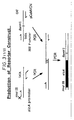
- Figure 1 illustrates the production of the 35S regulator construct by ligation of alc R cDNA into pJR1. Partial restriction of the alc R cDNA clone with BamHI was followed by electrophoresis in an agarose gel and the excision and purification of a 2.6 Kb fragment. The fragment was then ligated into the pJR1 vector which had been restricted with BamHI and phosphatased to prevent recircularisation. The alc R gene was thus placed under control of the CaMV 35S promoter and the nos 3' polyadenylation signal in this "35S- alc R" construct.
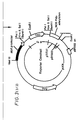
- Figure 2 illustrates the production of the pNOS regulator construct by ligation of alc R cDNA into pNOS. Restriction of the alc R cDNA clone with EcoRI and SalI was followed by electrophoresis and the excision and purification of a 2.8 Kb fragment. The pNOS vector was restricted with EcoRI and XhoI, phosphatased and then ligated to the 2.8 Kb alc R fragment. The alc R gene was thus placed under the control of the nos gene promoter and the nos 3' polyadenylation signal in this " nos - alc R" construct.
- the plasmid pCaMVCN contains the bacterial chloramphenicol transferase (CAT) reporter gene between the 35S promoter and the nos transcription terminator (the "35S-CAT” construct).
- CAT chloramphenicol transferase
- the alc A promoter was subcloned into the vector pCaMVCN to produce an " alc A-CAT" construct. Fusion of part of the alc A promoter and part of the 35S promoter created a chimeric promoter which allows expression of genes under its control.
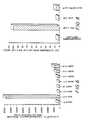
- FIG. 3 illustrates the production of the reporter construct.
- the alc A promoter and the 35S promoter have identical TATA boxes which were used to link the two promoters together using a recombinant PCR technique: a 246 bp region from the alc A promoter and the 5' end of the CAT gene from pCaMVCN (containing part of the -70 core region of the 35S promoter) were separately amplified and then spliced together using PCR.
- the recombinant fragment was then restriction digested with BamHI and HindIII.
- the pCaMVCN vector was partially digested with BamHI and HindIII, then electrophoresed so that the correct fragment could be isolated and ligated to the recombinant fragment.
- the ligation mixtures were transformed into E coli and plated onto rich agar media. Plasmid DNA was isolated by miniprep from the resultant colonies and recombinant clones were recovered by size electrophoresis and restriction mapping. The ligation junctions were sequenced to check that the correct recombinants had been recovered.
- alc R and alc A constructs were transformed into A nidulans to test their functioning. Integration of the constructs into the genome is verified by Southern blotting of DNA fragments, while correct expression is shown by northern blotting to identify RNA transcripts.
- a nidulans was maintained on complete or minimal media containing 1 % agar.
- a nidulans mycelia was grown from conidial suspensions in supplemented minimal media with 1 % glucose as the carbon source, and 10 mM ammonium tartrate as the nitrogen source for 16 hours, at 200 revs/min in an orbital incubator at 37°C.
- the mycelia was harvested by sieving through nylon fabric and washing with chilled distilled water. The mycelia was pressed dry between sheets of absorbent paper and frozen in liquid nitrogen. The mycelia could be stored at -70°C if necessary.
- the A nidulans transformation procedure was developed from the methods of Ballance and Turner (1983) and Cambell EJ et al. (1989, Curr. Genet, 16:53-56). Plasmids were transformed into A nidulans strains by the co-transformation method. A plasmid containing the arg B gene or the N crassa pyr 4 gene was used to complement the arg B2 or pyr G89 mutation in A nidulans. Transformants were obtained by selecting transformed protoplasts on minimal media without the arg B or pyr 4 supplements. By adding a five fold excess of another plasmid with the complementing plasmid, some transformants were obtained which also contained a genomic copy of the other plasmid.
- Cellophane discs 9 cm in diameter were placed onto petri dishes of complete medium.
- a conidial suspension was made up by scraping 1 cm 2 of conidia from a fresh confluent A nidulans plate and resuspending it into 3 ml of distilled water.
- the conidial suspension was spread onto 10 cellophane plates, 200 ⁇ l per plate, and incubated at 37°C for 15 hours until the spores had germinated.
- the cellophane's were then transferred to two petri dishes each containing 15 ml of novozyme 234 solution,(5 mg/ml novozyme 234 in 0.8 M MgSO 4 , 10 mM PO 4 buffer pH 5.8) and incubated at 30°C for 1.5-2 hours.
- the cellophane's were washed in 30 ml of solution A, (0.8 M MgSO 4 in 10 mM PO 4 buffer pH 5.8) and the wash solution and the novozyme solution was sieved through a glass scintillation funnel, size 1.
- the protoplasts were centrifuged at 3000 revs/min for 10 minutes and resuspended in 6 ml of solution B, (1.2 M sorbitol, 50 mM CaCl 2 , 10 mM Tris pH 7.5). The protoplasts were centrifuged at 2500 revs/min for 5 minutes and resuspended in 6 ml of solution B and then centrifuged at 2500 revs/min for 5 minutes.
- the protoplast pellet was then resuspended in 400 ⁇ l of solution B. 50 ⁇ l aliquots of the protoplast suspension were transferred into plastic bijou's and up to 5 mg of plasmid DNA (1 mg/ml) was added. The ratio of the plasmids transformed was 5:1, (i.e., five times as much of the plasmid of interest was used compared to the transforming plasmid). 12.5 ⁇ l of solution C, (50% PEG 4000, 50 mM CaCl 2 , 10 mM Tris pH7.5), was added to each bijou of protoplasts and the suspension was gently mixed. The cells were incubated on ice for 20 minutes and then 0.5 ml of solution C was added and mixed with the cells.
- solution C 50% PEG 4000, 50 mM CaCl 2 , 10 mM Tris pH7.5
- Conidial suspensions of A nidulans were grown in supplemented minimal medium containing 0.1% fructose as the carbon source, for 20 hours at 200 revs/min in an orbital incubator at 37°C. Inducing chemical was added to the mycelia at 20 hours and allowed to grow for a further 4 hours. The mycelia was harvested as before. Uninduced mycelia was allowed to grow for 24 hours in the medium described above.
- RNAse 100 ⁇ l of heat treated RNAse,(5 mg/ml), was added and incubated at 37°C for 30 minutes. Two volumes of ethanol and 0.1 volumes of 3 M sodium acetate was added and mixed and incubated at room temperature for 10 minutes. The DNA was pelleted by centrifugation at 13,000 revs/min for 10 minutes in a microcentrifuge and then washed in 70% ethanol and dried at room temperature for 30-60 minutes. The DNA was redissolved in TE or sterile distilled water at a concentration of 1 mg/ml.
- alc R regulator constructs function in A nidulans .
- the constitutive promoters drive expression of the alc R gene to produce regulator protein.
- the alc R constructs were transformed into A nidulans strain alc R125 ( alc R - A + ) using the above standard techniques.
- Strain alc R125 is a null mutant strain which carries a point mutation in alc R and cannot express the regulator protein.
- Expression of the alc R gene introduced on the regulator construct was tested by assaying alcohol dehydrogenase I (ADH1), since the alc R gene product is known to switch on the alc A gene coding for ADH1.
- ADH1 activity was restored in the presence of inducer, demonstrating that the introduced alc R regulator construct was functional in A nidulans .
- the alc R gene product may also be assayed directly by Western blotting of proteins using antibodies raised against purified alc R gene product expressed in E coli .
- the transformed strain was back-crossed to the parent strain to determine whether the regulator construct had integrated heterologously into the genome. This experiment showed that the restoration of ADH1 activity was due to the presence of the regulator construct and not reversion of the point mutation in alc R125.
- the alc R cDNA was transformed into A nidulans without an associated promoter.
- the alc A-CAT reporter construct was transformed into a wild type A nidulans strain ( alc R + A + ).
- the wild type strain has a normal alc R gene producing the regulator protein necessary for activation of the alc A promoter in the presence of inducer.
- Stably transformed A nidulans was obtained by co-transforming a pyr G89 strain with the pDJB3 and p alc A-CAT/pUC plasmids using the PEG method.
- Plasmid p alc A-CAT/pUC contains the CAT reporter gene between the alc A:35S chimeric promoter and the nos transcription terminator.
- Two independent transformants (GA2-1 and GA2-5) were obtained which contained uninterrupted copies of the alc A-CAT construct. This was shown by probing genomic DNA, restricted with HindIII, with the 0.7 kb SalI fragment of the CAT gene.
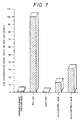
- FIG. 4 is a graph showing CAT expression from the GA2-1 and GA2-5 transformants (wild type with alc A-CAT construct) growing in 0.1% fructose (F) or 1% glucose (G) in the absence or presence of 50 mM ethyl methyl ketone as inducer (I).
- the CAT activity of the alc A-CAT reporter construct in the transformed A nidulans strains was found to be high only when the transformants were grown in 0.1% fructose and in the presence of inducer.
- Transformant GA2-1 was found to be over three times more inducible than transformant GA2-5 when 50 mM ethyl methyl ketone was used as the inducer. Cyclohexanone was found to induce CAT expression in the GA2-1 transformant. A concentration curve showed that cyclohexanone had an optimal inducing ability on the GA2-1 transformant when used at 25 mM.
- Figure 5 is a graph showing the effect of cyclohexanone concentration (mM) on CAT expression in the transformant GA2-1 growing in 0.1% fructose (F) or 1% glucose (G).
- a nidulans was also obtained by co-transforming the pCaMVCN plasmid (35S-CAT construct) with the pDJB3 plasmid into the wild type strain using the PEG method.
- the plasmid pDJB3 contains the pyr 4 gene from N crassa , which compliments the pyr G89 mutation in A nidulans.
- One independent A nidulans transformant (GCMV-11) was obtained which was found to contain the 35S-CAT construct in uninterrupted form when genomic DNA, restricted with Hind III, was probed with the 0.7 kb Sal I fragment of the CAT gene, in a Southern hybridisation.
- FIG. 6 is a graph showing CAT expression from the GA2-5 transformant (wild type with alc A-CAT construct) and the GCMV-11 transformant (wild type with 35S-CAT construct) growing in 0.1% fructose (F) or 1% glucose (G) in the absence or presence of 50 mM ethyl methyl ketone as inducer (I).
- the expression of CAT in the 35S-CAT A nidulans transformant was found to be at a much lower level than that of the alc A-CAT A nidulans transformants.
- the alc A construct was transformed alone into mutant A nidulans strain alc 500 ( alc R - A - ).
- This mutant contains a deletion extending over both the alc R and the alc A genes: hence the reporter protein is not naturally present.
- the alc A construct was not functional in the absence of alc R regulator protein.
- the pCaMVCN plasmid (containing the CAT gene under the control of the constitutive CaMV 35S promoter) was transformed into the A nidulans deletion strain alc 500.
- the regulator alc R construct and the alc A reporter construct were then co-transformed into the alc R - A - deletion strain alc 500.
- Any expression of the CAT reporter gene is induced by the alc R regulator protein produced by the regulator construct, without interference from a wild-type regulator protein.
- Transformants were grown either on fructose or glucose and subjected to inducing conditions (4 hours in the presence of ethyl methyl ketone, EMK) or non-inducing conditions (in the absence of EMK). Results of the CAT assays are shown in Table 1.
- the alc A:35S chimeric promoter is inducible.
- the promoter drives expression of the CAT reporter gene when the regulator protein and inducer are present.
- the gene expression cassette (comprising the alc R and alc A constructs) is functional and chemically-inducible.
- Expression vectors lacking the alc R regulator gene were also transformed into A nidulans with the alc A constructs. There was only a low level of CAT gene expression, showing that it is the regulator gene which controls the expression of the reporter gene, through the action of the regulator protein on the alc A fusion promoter.
- alc A-CAT and 355- alc R constructs were introduced into maize protoplasts to determine CAT expression in transient assays after incubation in the present of ethanol.
- Maize protoplasts were prepared from a suspension culture of Black Mexican Sweet (BMS) cells using the following method.
- the cells were harvested two days after a subculture and digested in E1 enzyme solution, (2.0% cellulase RS, 0.2% pectolase Y23, 0.5M mannitol, 5mM CaCl2.2H2O, 0.5% MES pH5.6). 10 ml of enzyme solution was added to each gramme of tissue and incubated for 2 hours a 25°C in dim light while gently rotating. The digestion mixture was sieved sequentially through 250 ⁇ m and 38 ⁇ m sieves, rinsing with wash buffer (0.358 M KCl, 1.0 mM NH 4 .NO 3 , 5.0 mM CaCl 2 .2H 2 O, 0.5 mM KH 2 PO 4 pH4.8).
- wash buffer 0.58 M KCl, 1.0 mM NH 4 .NO 3 , 5.0 mM CaCl 2 .2H 2 O, 0.5 mM KH 2 PO 4 pH4.8.
- the protoplasts were centrifuged at 700 revs/min for 3.5 minutes and resuspended in 30 ml of wash buffer twice. The protoplasts were counted using a Fuchs-Rosenthal haemocytometer. The protoplasts were then used for transient assays.
- DNA was introduced into the protoplasts by the PEG uptake procedure.
- the protoplasts were resuspended at 2 X 10 6 /ml in MaMg medium and aliquoted out at 0.5 ml per treatment.
- the protoplasts were heat shocked at 45°C for 5 minutes, then allowed to cool to room temperature for 10 minutes.
- a standard quantity of DNA, (at 1 mg/ml) was added to the protoplast aliquots.
- 25 ⁇ g of the control plasmid was added to an aliquot of protoplasts; the amount of other plasmids added varied according to their size.
- 0.5 ml of PEG solution at 45°C was added and mixed gently with the protoplasts.
- the protoplasts were incubated at room temperature for 20 minutes then 5 ml of KCl solution was added, 1 ml at a time. The protoplasts were incubated at room temperature for 10-15 minutes and then were centrifuged at 700 revs/min for 3.5 minutes. The supernatant was removed and each sample was resuspended in 1.5 ml of BMS + 9% mannitol and incubated at 25°C in the dark for 22 hours.
- the maize protoplasts were transformed with the following constructs:
- protoplasts were harvested and proteins extracted as follows.
- the protoplast samples were transferred to eppendorfs and centrifuged at 13,000 revs/min for 3 minutes. 100 ⁇ l of 0.1 M Tris pH7.8 was added and the cells were resuspended using a micro pipette. The eppendorfs were vortexed for 30 seconds and then centrifuged again at 13,000 revs/min for 5 minutes. 50 ⁇ l of the supernatant was used to measure the CAT activity and the rest to estimate the protein concentration using the Bradford's method.
- CAT activity was measured in samples of the protein extract. CAT assays were undertaken according to the Dupont method, where a scintillation counter was used to measure transfer of [ 14 C] acetyl chloramphenicol from the protein extract into an immiscible scintillation fluid over time.
- CAT gene expression is given as a percentage of the CAT activity observed in cells transformed with the 35S-CAT construct (production of CAT under control of a constitutive promoter).
- the CAT activity from the 35S-CAT construct was expressed as 100% in order to compare results from separate batches of protoplasts. The expression from untransformed protoplasts is also shown.
- Cells containing the alc A-CAT and the regulator constructs show levels of CAT expression that are 7-fold and 16-fold higher respectively than cells containing the alc A-CAT gene alone. This establishes that expression of the CAT gene from the alc A:35S promoter in maize protoplasts incubated in media containing 17 mM ethanol (as the inducer) is dependent on the presence of the alc R gene. Also there is an apparent increase in CAT expression in the presence of the 35S-I1- alc R construct, presumably due to a higher level of expression of alc R mediated by the inclusion of maize intron I. The 35S-I1- alc R construct increases CAT expression from the alc A-CAT construct from 13% to 31% of that from the 35S-CAT construct.
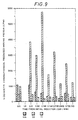
- Figure 8 is a graph showing the effect of the 35S- alc R regulator construct on CAT expression from the alc A-CAT construct in the presence of 17 mM ethanol.
- a 35S-I1-CAT construct was used as the positive control in this experiment.
- Binl9 derivatives of the alc A-CAT construct and 35S- alc R/ alc A-CAT construct were produced using standard procedures. Binl9 is a known plant transformation vector (Bevan, 1984, Nucleic Acids Research 12, 8711-8721).
- the plasmid p alc A-CAT/BIN contains the CAT reporter gene between the alc A:35S chimeric promoter and the nos transcription terminator. It was constructed as follows: The 1.4 kbp HindIII fragment from from the alc A-CAT/pUC plasmid (containing the alc A:35S fusion promoter, the CAT gene and the nos transcription terminator) was cloned into the HindII site of the pJR1i/BIN19 vector. Transformed colonies were transferred to nylon membrane and were probed with the alc A-CAT sequence. Positive colonies were shown to be correct when miniprepped plasmid DNA digested with HindIII gave a 1.4 kbp fragment.
- the plasmid p35S alc R- alc A-CAT/BIN contains the alc R cDNA between the 35S promoter and the nos transcription terminator, and the CAT reporter gene between the alc A:35S chimeric promoter and the nos transcription terminator. It was constructed as follows: Plasmid 35S- alc R/pUC was fully digested with HindIII and partially digested with EcoRI. The 3.5 kbp fragment was isolated and cloned into the pJR1i/BIN19 vector which had been restricted with EcoRI and HindIII.
- the 1.4 kbp HindIII fragment containing the alc A-CAT sequence from p alc A-CAT/pUC was then cloned into the HindIII site in the 35S- alc R/JR1i/BIN plasmid.
- the correct plasmid was shown to contain the 1.4 kbp HindIII fragment form the alc A-CAT sequence, and the 3.0 kbp and 0.5 kbp EcoRI fragments from the 35S- alc R sequence.
- a 3.5 kbp partial EcoRI/HindIII fragment could be seen in the same digest.
- the orientation of the alc A-CAT sequence to the 35S- alc R sequence in the final plasmid is estimated to be head to tail.
- the disarmed Agrobacterium tumefaciens strain LBA4404 (pAL4404)(Hoekema et al , 1983, Nature 303, 179-180) was transformed with the above vectors using the freeze-thaw method.
- a single colony was grown up in 40 ml of LB medium at 28°C in an orbital incubator at 200 revs/min overnight until the culture reaches an O.D. 580 of 0.5-1.0.
- the cells were resuspended in 1 ml of ice cold 20 mM CaCl 2 solution, and then dispensed into prechilled eppendorfs, 100 ⁇ l per tube.
- DNA was added to the cells, 0.1 ⁇ g/100 ⁇ l of cells, and then the cells were frozen in liquid nitrogen. The cells were then thawed at 37°C in a water bath for 5 minutes. 1 ml of LB medium was added to each tube and the cells were incubated at 28°C for 2-4 hours with gentle shaking to allow the bacteria to express the antibiotic resistance genes. The cells were centrifuged for 30 seconds at 13,000 revs/min in a microcentrifuge and the supernatant was discarded. The cells were resuspended in 100 ⁇ l of LB medium. The cells were spread onto LA agar plates containing 50 ⁇ g/ml kanamycin, or other antibiotic selection afforded by the introduced plasmid. The plates were incubated at 28°C for 2 days, when colonies were likely to appear.
- Single colonies were grown in 20 ml of LB medium containing antibiotic as the selective agent overnight at 28°C in an orbital incubator.
- the cells were centrifuged at 3000 revs/min for 5 minutes and the pellet was resuspended in 0.5 ml of miniprep solution, (5 mg/ml lysozyme in 50 mM glucose, 10 mM EDTA, 25 mM Tris-HCl pH 8.0).
- the cells were incubated on ice for an hour, and then 1 ml of alkaline SDS (0.2 M NaOH, 1% SDS) was added. After incubation on ice for 10 minutes, 0.75 ml of 3 M sodium acetate was added, and the mixture was left on ice for 30 minutes.
- the lysis mixture was centrifuged at 15,000 revs/min for 10 minutes at 4°C, and the supernatant was transferred to 15 ml corex tubes. 5 ml of cold ethanol was added and the tubes were stored at -70°C for 30 minutes. The tubes were then centrifuged at 15,000 revs/min for 15 minutes at 4°C and the supernatant was removed. The pellet was dissolved in 0.5 ml of T.E. and transferred to eppendorfs. The DNA solution was extracted with an equal volume of phenol/chloroform three times and once with an equal volume of chloroform. The DNA was precipitated by adding 1 ml of ethanol and incubating at -70°C for 30 minutes.
- Transgenic tobacco was generated by the leaf disc method using transformed Agrobacterium tumefaciens. About 20 tissue culture grown plats were required per transformation. The plants were about 3-4 weeks old and were grown on M.S medium without antibiotics. All manipulations were carried out in sterile hoods using sterile implements.
- Leaves were cut from the tissue culture plants, placed on NBM medium in petri dishes, and incubated overnight in a plant growth room.
- the transformed Agrobacterium strain was grown up overnight in 100ml of LB containing kanamycin at 50 ⁇ g/ml. The next day the culture was centrifuged at 3000 revs/min for 10 minutes and resuspended in an equal volume of MS solution. 20 ml of Agrobacterium solution was placed in 9 cm petri dishes.
- Leaf discs were made form the leaves, using a sterile scalpel, and were put into the Agrobacterium solution in the petri dishes for 20 minutes. The leaf pieces were then transferred to the NBM plates and incubated overnight in a plant growth room.
- the leaf discs were transferred to NBM medium containing carbenicillin at 500 ⁇ g/ml and kanamycin at 100 ⁇ g/ml in neoplant pots.
- the pots were incubated in a plant growth room for 4-6 weeks.
- Shoots emerging from callous tissue were transferred to MS medium containing, carbenicillin at 200 ⁇ g/ml and kanamycin at 100 ⁇ g/ml in neoplant pots, (7 to a pot).
- shoots that had rooted were transferred to fresh MS medium and grown on until they were about 5 cm in height. Extra cuttings were taken at this stage.
- the plants were then transferred to compost in 13 cm pots and sealed in polythene bags to prevent dehydration for the first few weeks.
- Cyclohexanone was applied to the plant leaves as a paint.
- the cyclohexanone paint consisted of a 10% solution of 950 g/L cyclohexanone, 35g/L syperonic NDE 1800, 16.5 g/L Tween 85 in thickener. Both surfaces of the leaf were applied with paint at 100 ⁇ l solution per 16-25 cm 2 of leaf surface, on days 0 and 2.
- Leaf tissue was harvested prior to inducer application and at appropriate times after the second application of paint. 1 cm 2 of leaf tissue was removed with a sterile scalpel, put in an eppendorf, and immersed in liquid nitrogen. CAT assays were undertaken within 4 hours of leaf sampling.
- the leaf tissue was allowed to defrost at room temperature for several minutes after storage in liquid nitrogen.
- a sterile micropestle was used to grind the leaf tissue in the eppendorf for 30 seconds and then 100 ⁇ l of 100 mM Tris pH 7.8 was added.
- the plant mixture was then vortexed for 20 seconds and centrifuged at 13,000 revs/min for 5 minutes. The supernatant was transferred to a new eppendorf. 50 ⁇ l of leaf extract was used for a CAT assay and the rest was used to determine the protein concentration wit the Bradford's method.
- the plasmid p alc A-CAT/BIN was used to produce transgenic tobacco plants. Forty-four independent tobacco transformants were obtained, of which twenty-three were shown to contain the alc A-CAT construct when genomic DNA was amplified using PCR with the oligo's C3 and A3. Four plants were shown to contain the construct in uninterrupted form when genomic DNA, restricted with Hind III, was probed with the 0.7 kb Sal I of the CAT gene.
- the plasmid p35S alc R- alc A-CAT/BIN was used to produce transgenic tobacco plants. Twelve independent tobacco transformants were obtained, and analysed for the presence of the alc R regulatory and alc A-CAT reporter constructs using PCR. Ten of these plants were shown to contain the alc R regulatory construct using the oligos, L4 and L6, in PCR. One of those plants, D3, was shown to contain the alc A-CAT reporter construct by PCR using the oligos, A3, and C3.
- Leaf tissue was used to measure the CAT activity of the transgenic plants. All of the alc A-CAT transgenic plants were found to exhibit low CAT activity levels. The CAT expression levels varied between individual plants but none were found to have higher CAT expression levels than those of the control tobacco plants. None of the alc R regulatory/ alc A-CAT reporter transgenic tobacco plants were found to have high CAT expression levels. The CAT activities were low and were not above those of the control tobacco.
- alc A-CAT transgenic plants None of the alc A-CAT transgenic plants were found to have high CAT expression levels after the application of the cyclohexanone paint to the leaves. The CAT expression levels varied between plants, but none were found to have expression levels higher than those of the control tobacco plants. Of the 35S- alc R/ alc A-CAT transgenic tobacco plants, one, D3, was found to exhibit a high CAT expression level after application of cyclohexanone to its leaves. The level was much higher than that found in control tobacco plants.
- the plant known as D3 was shown by PCR to contain both the alc R regulatory and the alc A-CAT reporter gene fusions (ie the entire gene expression cassette).
- This experiment was a time course analysis of plant D3 compared with a plant containing only the alc A-CAT construct (known as S34) and with an untransformed control (known as T1), following treatment with a formulated leaf paint containing the alc R inducer, cyclohexanone.
- S34 a plant containing only the alc A-CAT construct
- T1 untransformed control
- the latter has been shown previously to be a potent inducer of ADHI expressed from the alc A gene in Aspergillus cells.
- Iso-propanol is a weak inducer and a substrate for alc A, whereas cyclohexanone is an inducer but not a substrate (Creaser et al, 1984, Biochem J, 255:449-454). Iso-propanol has no apparent effect on the alc expression cassette.
- the leaves of the plants were painted with a 10% iso-propanol solution at 0 and 60 minutes and the CAT expression of leaf samples was measured at 240 minutes.
- the CAT expression found in the alc A-CAT and alc A-CAT/35S- alc R transgenic plants at 0 minutes was low as it was in the control untransformed tobacco plants. After 240 minutes no significant increase in CAT activity was detected in any of the plant types.
Landscapes
- Health & Medical Sciences (AREA)
- Genetics & Genomics (AREA)
- Life Sciences & Earth Sciences (AREA)
- Engineering & Computer Science (AREA)
- Chemical & Material Sciences (AREA)
- Organic Chemistry (AREA)
- Zoology (AREA)
- Wood Science & Technology (AREA)
- Biomedical Technology (AREA)
- Bioinformatics & Cheminformatics (AREA)
- Biotechnology (AREA)
- General Engineering & Computer Science (AREA)
- Molecular Biology (AREA)
- Plant Pathology (AREA)
- Biophysics (AREA)
- Microbiology (AREA)
- Physics & Mathematics (AREA)
- Cell Biology (AREA)
- Biochemistry (AREA)
- General Health & Medical Sciences (AREA)
- General Chemical & Material Sciences (AREA)
- Micro-Organisms Or Cultivation Processes Thereof (AREA)
- Breeding Of Plants And Reproduction By Means Of Culturing (AREA)
- Agricultural Chemicals And Associated Chemicals (AREA)
- Fertilizers (AREA)
Claims (22)
- Cassette d'expression de gène végétal inductible chimiquement, comprenant un premier promoteur lié de manière fonctionnelle à la séquence de régulation alcR pouvant être obtenue à partir d'Aspergillus nidulans qui code pour la protéine régulatrice AlcR, et un promoteur inductible lié de manière fonctionnelle à un gène cible, le promoteur inductible étant activé par la protéine régulatrice en présence d'un inducteur exogène efficace, l'application de l'inducteur provoquant alors l'expression du gène cible.
- Cassette d'expression de gène végétal suivant la revendication 1, dans laquelle le promoteur inductible peut être obtenu à partir du promoteur de gène alcA d'Aspergillus nidulans.
- Cassette d'expression de gène végétal suivant la revendication 1 ou la revendication 2, dans laquelle le promoteur inductible est un promoteur chimère.
- Cassette d'expression de gène végétal suivant l'une quelconque des revendications précédentes, dans laquelle l'inducteur exogène est un alcool ou une cétone.
- Cellule végétale contenant une cassette d'expression de gène suivant l'une quelconque des revendications 1 à 4.
- Cellule végétale suivant la revendication 5, dans laquelle la cassette d'expression de gène est incorporée de manière stable au génome de la plante.
- Tissu végétal comprenant une cellule végétale suivant la revendication 5 ou la revendication 6.
- Plante comprenant une cellule végétale suivant la revendication 6.
- Plante pouvant être obtenue à partir d'une plante suivant la revendication 8.
- Semence transgénique pouvant être obtenue à partir d'une plante suivant la revendication 8 ou la revendication 9.
- Procédé pour la régulation de l'expression d'un gène végétal, comprenant la transformation d'une cellule végétale avec une cassette d'expression de gène végétal inductible chimiquement qui comprend un premier promoteur lié de manière fonctionnelle à la séquence régulatrice alcR pouvant être obtenue à partir d'Aspergillus nidulans qui code pour la protéine régulatrice AlcR, et un promoteur inductible, lié de manière fonctionnelle à un gène cible, le promoteur inductible étant activé par la protéine régulatrice en présence d'un inducteur exogène efficace, l'application de l'inducteur provoquant ainsi l'expression du gène cible.
- Promoteur chimère comprenant une région en amont contenant une séquence régulatrice de promoteur pouvant être obtenue à partir du promoteur de gène alcA d'Aspergillus nidulans et une séquence en aval contenant une séquence d'initiation de transcription, caractérisé en ce que lesdites régions en amont et en aval sont hétérologues, le promoteur est inductible chimiquement et la séquence d'initiation de transcription peut être obtenue à partir de la région de promoteur centrale d'un promoteur qui est actif dans des cellules végétales.
- Cellule végétale contenant un promoteur chimère suivant la revendication 12.
- Cellule végétale suivant la revendication 13, dans laquelle le promoteur chimère est incorporé de manière stable au génome de la plante.
- Tissu végétal comprenant une cellule végétale suivant la revendication 13 ou la revendication 14.
- Plante comprenant une cellule végétale suivant la revendication 13 ou la revendication 14.
- Plante pouvant être obtenue à partir d'une plante suivant la revendication 16.
- Semence transgénique dérivée d'une plante suivant la revendication 16 ou la revendication 17.
- Cellule végétale suivant la revendication 5 ou la revendication 13, qui est une cellule de plante monocotylédone.
- Cellule végétale suivant la revendication 19, qui est une cellule de maïs.
- Cellule végétale suivant la revendication 5 ou la revendication 13, qui est une cellule de plante dicotylédone.
- Cellule végétale suivant la revendication 21, qui est une cellule de tabac.
Applications Claiming Priority (5)
| Application Number | Priority Date | Filing Date | Title |
|---|---|---|---|
| GB929208117A GB9208117D0 (en) | 1992-04-13 | 1992-04-13 | Dna constructs and plants incorporating them |
| GB9208117 | 1992-04-13 | ||
| GB9208954 | 1992-04-24 | ||
| GB929208954A GB9208954D0 (en) | 1992-04-24 | 1992-04-24 | Dna constructs and plants incorporating them |
| PCT/GB1993/000764 WO1993021334A1 (fr) | 1992-04-13 | 1993-04-13 | Produits de recombinaison d'adn et plantes les incorporant |
Publications (2)
| Publication Number | Publication Date |
|---|---|
| EP0637339A1 EP0637339A1 (fr) | 1995-02-08 |
| EP0637339B1 true EP0637339B1 (fr) | 2001-10-31 |
Family
ID=26300706
Family Applications (1)
| Application Number | Title | Priority Date | Filing Date |
|---|---|---|---|
| EP93908031A Expired - Lifetime EP0637339B1 (fr) | 1992-04-13 | 1993-04-13 | Constructions d'adn et plantes les incorporant |
Country Status (9)
| Country | Link |
|---|---|
| US (1) | US6605754B1 (fr) |
| EP (1) | EP0637339B1 (fr) |
| AT (1) | ATE207962T1 (fr) |
| AU (1) | AU3901993A (fr) |
| DE (1) | DE69331055T2 (fr) |
| DK (1) | DK0637339T3 (fr) |
| ES (1) | ES2164659T3 (fr) |
| PT (1) | PT637339E (fr) |
| WO (1) | WO1993021334A1 (fr) |
Cited By (2)
| Publication number | Priority date | Publication date | Assignee | Title |
|---|---|---|---|---|
| US9944908B2 (en) | 2011-12-01 | 2018-04-17 | Helsingin Yliopisto | Polypeptide |
| US11441147B2 (en) | 2013-07-10 | 2022-09-13 | Basf Se | RNAi for the control of phytopathogenic fungi and oomycetes by inhibiting the expression of CYP51 genes |
Families Citing this family (197)
| Publication number | Priority date | Publication date | Assignee | Title |
|---|---|---|---|---|
| DE69331055T2 (de) | 1992-04-13 | 2002-06-20 | Syngenta Ltd., Haselmere | Dna-konstruktionen und diese enthaltende pflanzen |
| ATE293699T1 (de) | 1995-03-03 | 2005-05-15 | Syngenta Participations Ag | Kontrolle der pflanzengenexpression durch rezeptor-vermittelte transaktivation in gegenwart von einem chemischen ligand |
| GB9515941D0 (en) | 1995-08-03 | 1995-10-04 | Zeneca Ltd | DNA constructs |
| US5859338A (en) * | 1995-06-06 | 1999-01-12 | California Institute Of Technology | Plant clavata1 nucleic acids, transformed plants, and proteins |
| GB9516241D0 (en) * | 1995-08-08 | 1995-10-11 | Zeneca Ltd | Dna constructs |
| HUP9900029A3 (en) | 1995-10-10 | 2001-02-28 | Novartis Ag | Juvenile hormone or one of its agonists as a chemical ligand to control gene expression in plants by receptor mediated transactivation |
| CA2285676C (fr) | 1997-04-04 | 2011-03-08 | Donald P. Weeks | Methodes et materiels pour produire et utiliser des organismes transgeniques degradant dicamba |
| AU742461B2 (en) | 1997-04-09 | 2002-01-03 | Minister Of Agriculture Fisheries And Food In Her Britannic Majesty's Government Of The United Kingdom Of Great Britain And Northern Ireland, The | Inducible plant promoters |
| BR9811493A (pt) * | 1997-07-30 | 2000-09-19 | Zeneca Ltd | Método genético para o controle de germinação |
| ATE357531T1 (de) | 1997-12-11 | 2007-04-15 | Syngenta Ltd | Genetisches verfahren |
| CN1206360C (zh) | 1998-02-20 | 2005-06-15 | 辛甄塔有限公司 | 杂交种子生产 |
| AU5915999A (en) | 1998-09-10 | 2000-04-03 | Pioneer Hi-Bred International, Inc. | Ecdysone receptors and methods for their use |
| GB9820970D0 (en) * | 1998-09-25 | 1998-11-18 | Zeneca Ltd | Promoter |
| GB9828660D0 (en) | 1998-12-24 | 1999-02-17 | Cambridge Advanced Tech | Control of gene expression in eukaryotes |
| EP1029923A1 (fr) | 1999-01-27 | 2000-08-23 | D.J. Van Der Have B.V. | Procédé conférant aux betteraves sucrières une résistance à une infection par BNYVV |
| GB9902236D0 (en) * | 1999-02-01 | 1999-03-24 | Zeneca Ltd | Formulation |
| GB9902234D0 (en) * | 1999-02-01 | 1999-03-24 | Zeneca Ltd | Expression system |
| BR0011400A (pt) | 1999-06-07 | 2002-03-05 | Basf Plant Science Gmbh | Sequência de ácido nucleico isolada, sequência de aminoácidos, cassete de expressão, vetor, organismo, planta transgênica, processos para preparar ácidos graxos insaturados, e para preparar triglicerìdeos, proteìna, ácido graxo insaturado, triglicerìdeo, e, uso de uma sequência de ácidos nucleicos, de ácidos graxos insaturados ou triglicerìdeos com um conteúdo aumentado de ácidos graxos insaturados, e de proteìnas |
| DE19926770A1 (de) | 1999-06-11 | 2000-12-14 | Basf Ag | Nukleinsäurefragment und Vektor, enthaltend eine Halogenase, sowie ein Verfahren zur Halogenierung chemischer Verbindungen |
| DE10030976A1 (de) | 2000-06-30 | 2002-01-10 | Basf Ag | DELTA6-Desaturasegene exprimierende Pflanzen und PUFAS enthaltende Öle aus diesen Pflanzen und ein Verfahren zur Herstellung ungesättigter Fettsäuren |
| GB9918154D0 (en) * | 1999-08-02 | 1999-10-06 | Zeneca Ltd | Expression system |
| GB9921825D0 (en) * | 1999-09-15 | 1999-11-17 | Zeneca Ltd | A gene switch |
| DE50115107D1 (de) | 2000-02-09 | 2009-10-29 | Basf Se | Neues elongasegen und verfahren zur herstellung mehrfach ungesättigter fettsäuren |
| CA2767270A1 (fr) | 2000-04-07 | 2002-06-13 | Basf Plant Science Gmbh | Proteines phosphatases relatives au stress et procedes d'utilisation dans des plantes |
| AR028977A1 (es) * | 2000-07-13 | 2003-05-28 | Syngenta Participations Ag | Genes de lipoxigenasa, promotores, peptidos de transito y proteinas de los mismos |
| CA2426818A1 (fr) | 2000-10-24 | 2002-08-08 | Syngenta Participations Ag | Controle de l'expression genique dans des plantes |
| EP1362111A2 (fr) * | 2001-02-13 | 2003-11-19 | Syngenta Limited | Elements regulateurs convenant a l'expression genique |
| EP1395108B1 (fr) | 2001-03-16 | 2012-01-11 | BASF Plant Science GmbH | Regulateurs du metabolisme lipidique et du sucre dans les plantes |
| GB0107510D0 (en) | 2001-03-26 | 2001-05-16 | Univ Bristol | New elongase gene and a process for the production of -9-polyunsaturated fatty acids |
| CA2448881A1 (fr) | 2001-06-04 | 2002-12-12 | Basf Plant Science Gmbh | Regulateurs du metabolisme des glucides et du metabolisme lipidique chez des plantes ii |
| AU2002322469B2 (en) | 2001-07-12 | 2008-05-22 | Dna Landmarks, Inc. | Nuclear fertility restorer genes and methods of use in plants |
| ATE426330T1 (de) | 2001-08-10 | 2009-04-15 | Basf Plant Science Gmbh | Zucker- und lipidmetabolismusregulatoren bei pflanzen iii |
| US7456335B2 (en) | 2001-09-03 | 2008-11-25 | Basf Plant Science Gmbh | Nucleic acid sequences and their use in methods for achieving pathogen resistance in plants |
| WO2003020914A2 (fr) | 2001-09-05 | 2003-03-13 | Basf Plant Science Gmbh | Polypeptides associes au stress regule par la proteine phosphatase et leurs procedes d'utilisation dans des plantes |
| GB0125784D0 (en) * | 2001-10-26 | 2001-12-19 | Syngenta Ltd | Novel expression system |
| CA2465951A1 (fr) | 2001-11-09 | 2003-05-15 | Basf Plant Science Gmbh | Polypeptides de facteur de transcription associes au stress et procede d'utilisation dans des plantes |
| GB2385852A (en) | 2002-02-27 | 2003-09-03 | Rothamsted Ex Station | Delta 6-desaturases from Primulaceae |
| DE10212892A1 (de) | 2002-03-20 | 2003-10-09 | Basf Plant Science Gmbh | Konstrukte und Verfahren zur Regulation der Genexpression |
| US7250556B2 (en) | 2002-05-01 | 2007-07-31 | University Of Georgia Research Foundation, Inc. | Transposable elements in rice and methods of use |
| CA2484001A1 (fr) | 2002-05-08 | 2003-11-20 | Basf Plant Science Gmbh | Procede pour augmenter la teneur en huile dans des vegetaux |
| CA2492167C (fr) | 2002-07-10 | 2015-06-16 | The Department Of Agriculture, Western Australia | Plants de ble presentant une resistance accrue a un herbicide a base d'imidazolinone |
| ATE405658T1 (de) | 2002-07-26 | 2008-09-15 | Basf Plant Science Gmbh | Neue selektionsverfahren |
| WO2004013304A2 (fr) | 2002-08-02 | 2004-02-12 | Basf Plant Science Gmbh | Regulateurs du metabolisme des glucides et du metabolisme lipidique chez les plantes iv |
| WO2004018687A2 (fr) | 2002-08-07 | 2004-03-04 | Basf Plant Science Gmbh | Sequences d'acide nucleique codant des proteines associees a une reaction de stress abiotique |
| US7683238B2 (en) | 2002-11-12 | 2010-03-23 | iBio, Inc. and Fraunhofer USA, Inc. | Production of pharmaceutically active proteins in sprouted seedlings |
| EP2471930A1 (fr) | 2002-12-20 | 2012-07-04 | Metanomics GmbH & Co. KGaA | Procédé de production d'aminoacides |
| EP1594956A4 (fr) | 2003-02-03 | 2007-08-01 | Fraunhofer Usa Inc | Systeme d'expression de genes dans des plantes |
| EP1597371A2 (fr) | 2003-02-17 | 2005-11-23 | Metanomics GmbH | Preparation d'organismes a croissance plus rapide et/ou a rendement plus eleve |
| CA2517253C (fr) | 2003-02-27 | 2018-07-03 | Basf Plant Science Gmbh | Procede de production d'acides gras polyinsatures |
| EP1613746B1 (fr) | 2003-03-31 | 2013-03-06 | University Of Bristol | Nouvelles acyltransferases vegetales specifiques pour acides gras a longue chaine polyinsatures |
| EP2194134A3 (fr) | 2003-04-15 | 2010-10-06 | BASF Plant Science GmbH | Séquence d'acides nucléiques de la levure codant pour des protéines associées à la réponse de stress abiotique et cellules végétales et plantes transformée à tolérance accrue au stress environnemental |
| US9382526B2 (en) | 2003-05-28 | 2016-07-05 | Basf Aktiengesellschaft | Wheat plants having increased tolerance to imidazolinone herbicides |
| DK1654344T3 (en) | 2003-08-01 | 2019-02-04 | Basf Plant Science Gmbh | PROCEDURE FOR MANUFACTURING MULTI-Saturated FAT ACIDS IN TRANSGENES |
| AU2004262656A1 (en) | 2003-08-01 | 2005-02-17 | Basf Plant Science Gmbh | Process for the production of fine chemicals in plants |
| MXPA06001622A (es) | 2003-08-11 | 2006-07-03 | Kweek En Researchbed Agrico Bv | Plantas resistentes a hongos y sus usos. |
| BRPI0413917B1 (pt) | 2003-08-29 | 2018-09-25 | Instituto Nacional De Tech Agropecuaria | ácido nucleico ahas de arroz mutagenizado não transgênico, polipeptídeo ahas isolado, e, método de controle de ervas daninhas dentro da vizinhança de uma planta de arroz |
| WO2005021766A1 (fr) * | 2003-09-02 | 2005-03-10 | Martin Fussenegger | Expression genique pouvant etre regulee dans des cellules de mammiferes et chez des mammiferes |
| ATE469231T1 (de) | 2003-11-10 | 2010-06-15 | Icon Genetics Gmbh | Von rna-virus abgeleitetes pflanzenexpressionssystem |
| ATE440947T1 (de) | 2003-12-02 | 2009-09-15 | Basf Se | 2-methyl-6-solanylbenzochinon-methyltransferase als ziel für herbizide |
| AU2004309171B2 (en) | 2003-12-23 | 2010-03-04 | Basf Plant Science Gmbh | Sugar and lipid metabolism regulators in plants VI |
| CA2558726C (fr) | 2004-02-27 | 2017-11-07 | Basf Plant Science Gmbh | Procede pour produire des acides gras omega-3 insatures dans des organismes transgeniques |
| EP2623584B1 (fr) | 2004-02-27 | 2019-04-10 | BASF Plant Science GmbH | Procédé de fabrication de plusieurs acides gras insaturés dans des plantes transgéniques |
| WO2006007432A2 (fr) | 2004-06-16 | 2006-01-19 | Basf Plant Science Gmbh | Molecules d'acides nucleiques codant des polypeptides de type wrinkled1 et procedes d'utilisation de ces molecules dans des plantes |
| WO2007087815A2 (fr) | 2004-12-17 | 2007-08-09 | Metanomics Gmbh | Procédé de contrôle de production de produits chimiques fins |
| AU2005321630A1 (en) | 2004-07-02 | 2006-07-06 | Metanomics Gmbh | Process for the production of fine chemicals |
| EP1616959A1 (fr) | 2004-07-07 | 2006-01-18 | Icon Genetics AG | Procédé d'expression transitoire de protéines dans les plantes biologiquement sur |
| AU2005261871B2 (en) * | 2004-07-08 | 2011-05-26 | Dlf Seeds A/S | Means and methods for controlling flowering in plants |
| JP2008507960A (ja) | 2004-07-31 | 2008-03-21 | メタノミクス ゲーエムベーハー | より成長が早いかつ/又はより収量が高い生物の作製 |
| CN101001951B (zh) | 2004-08-02 | 2011-06-15 | 巴斯福植物科学有限公司 | 分离转录终止序列的方法 |
| EP1778848A2 (fr) | 2004-08-13 | 2007-05-02 | BASF Plant Science GmbH | Compositions et procedes utilisant l'interference arn pour le controle de nematodes |
| AR050881A1 (es) | 2004-09-20 | 2006-11-29 | Basf Plant Science Gmbh | Genes de arabidopsis que codifican proteinas que participan en el metabolismo de azucares y lipidos y metodos de uso |
| CN101495507B (zh) | 2004-09-24 | 2013-07-17 | 巴斯福植物科学有限公司 | 编码与非生物性胁迫反应相关的蛋白质的核酸序列和具有增加的环境胁迫抗性的植物细胞和植物 |
| EP2573188A2 (fr) | 2005-03-02 | 2013-03-27 | Metanomics GmbH | Procédé de production de produits chimiques fins |
| CA2598792A1 (fr) | 2005-03-02 | 2006-09-08 | Metanomics Gmbh | Procede de production de produits chimiques fins |
| CN101137752B (zh) | 2005-03-08 | 2013-04-03 | 巴斯福植物科学有限公司 | 增强表达的内含子序列 |
| CA2600882C (fr) * | 2005-03-16 | 2013-02-26 | Metabolix, Inc. | Expression inductible chimiquement de voies biosynthetiques |
| DE102005013779A1 (de) | 2005-03-22 | 2006-09-28 | Basf Plant Science Gmbh | Verfahren zur Herstellung von mehrfach ungesättigten C20- und C22-Fettsäuren mit mindestens vier Doppelbindungen in transgenen Pflanzen |
| EP1874936B1 (fr) | 2005-04-19 | 2013-10-30 | BASF Plant Science GmbH | Méthodes améliorées controlant une expression génique |
| WO2006133488A1 (fr) * | 2005-06-14 | 2006-12-21 | Australian Centre For Plant Functional Genomics Pty Ltd | Système d'expression inductible ou répressible spécifique à la cellule |
| US7880055B2 (en) | 2005-06-17 | 2011-02-01 | Basf Plant Science Gmbh | Lecitin-like protein kinase stress-related polypeptides and methods of use in plants |
| BRPI0612671A2 (pt) | 2005-06-23 | 2010-11-30 | Basf Plant Science Gmbh | métodos melhorados para a produção de plantas férteis zea mays (milho) estavelmente transformadas |
| WO2007003660A1 (fr) | 2005-07-06 | 2007-01-11 | Cropdesign N.V. | Amelioration du rendement de plantes par expression de gene de la famille ste20 |
| CN101228277B (zh) | 2005-07-18 | 2013-11-27 | 巴斯福植物科学有限公司 | 过表达accdp基因的植物中的产量增加 |
| EP3222729A3 (fr) | 2005-07-18 | 2017-11-08 | BASF Plant Science GmbH | Augmentation de la longueur de racine de plantes arabidopsis surexprimant le gène (at4g13930) arabidopsis shmt4 (shm4) |
| CA2617594C (fr) | 2005-08-03 | 2016-08-02 | Grains Research & Development Corporation | Polysaccharide synthases |
| CN101365794A (zh) | 2005-08-12 | 2009-02-11 | 巴斯福植物科学有限公司 | 编码与非生物性胁迫应答相关的蛋白质的核酸序列和具有增加的环境胁迫耐受性的植物细胞及植物 |
| CN101268193A (zh) | 2005-09-15 | 2008-09-17 | 克罗普迪塞恩股份有限公司 | 通过组3 lea表达的植物产量改良 |
| EP2980220A1 (fr) | 2005-09-20 | 2016-02-03 | BASF Plant Science GmbH | Procédés améliorés de contrôle de l'expression de gènes |
| GB2431158A (en) | 2005-10-13 | 2007-04-18 | Rothamsted Res Ltd | Process for the production of arachidonic and/or eicosapentaenoic acid |
| DE102005052551A1 (de) | 2005-11-02 | 2007-05-16 | Rothamsted Res Harpenden | Verfahren zur Herstellung von y-Linolensäure und/oder Stearidonsäure in transgenen Brassicaceae und Linaceae |
| CA2628505A1 (fr) | 2005-11-08 | 2007-05-18 | Basf Plant Science Gmbh | Utilisation de polynucleotides a repetition armadillo (arm1) pour obtenir une resistance elevees aux agents pathogenes chez des vegetaux |
| US7723574B2 (en) | 2005-11-24 | 2010-05-25 | Basf Plant Science Gmbh | Process for the production of Δ5-unsaturated fatty acids in transgenic organisms |
| EP2314606A1 (fr) | 2005-12-09 | 2011-04-27 | BASF Plant Science GmbH | Molécules d'acide nucléique codant des polypeptides impliquées dans la régulation du métabolisme du sucre et des lipides et procédés d'utilisation VIII |
| US20080313769A9 (en) | 2006-01-12 | 2008-12-18 | Athenix Corporation | EPSP synthase domains conferring glyphosate resistance |
| EP1979484B1 (fr) | 2006-01-12 | 2014-03-19 | BASF Plant Science GmbH | Utilisation de polynucléotides de la stomatine (stm1) pour obtenir une résistance à un pathogène dans des végétaux |
| GB0603160D0 (en) | 2006-02-16 | 2006-03-29 | Rothamsted Res Ltd | Nucleic acid |
| AU2007223364B2 (en) | 2006-03-02 | 2014-02-13 | Athenix Corporation | Methods and compositions for improved enzyme activity in transgenic plant |
| EP2333078A3 (fr) | 2006-03-24 | 2012-01-04 | BASF Plant Science GmbH | Protéines associées à une réponse au stress abiotique et homologues |
| EP2439280A1 (fr) | 2006-03-31 | 2012-04-11 | BASF Plant Science GmbH | Installations dotées de caractéristiques de rendement améliorées et procédé de fabrication de celles-ci |
| EP2090662A3 (fr) | 2006-04-05 | 2012-10-31 | Metanomics GmbH | Procédé de production d'un produit chimique fin |
| US20090300794A1 (en) | 2006-05-31 | 2009-12-03 | Metanomics Gmbh | Manipulation Of The Nitrogen Metabolism |
| EP2035555A2 (fr) | 2006-06-08 | 2009-03-18 | BASF Plant Science GmbH | Vegetaux aux caracteristiques des croissance ameliorees et procede d'obtention |
| MX2009001177A (es) | 2006-08-02 | 2009-02-13 | Cropdesign Nv | Plantas con caracteristicas mejoradas y un metodo para producirlas. |
| AU2007287585B2 (en) | 2006-08-24 | 2013-08-29 | Basf Plant Science Gmbh | Isolation and characterization of a novel Pythium omega 3 desaturase with specificity to all omega 6 fatty acids longer than 18 carbon chains |
| CA2669812A1 (fr) | 2006-08-30 | 2008-03-06 | Basf Plant Science Gmbh | Procede d'augmentation de la resistance aux agents pathogenes des plantes transgeniques |
| CA2665336C (fr) | 2006-10-06 | 2016-01-05 | Basf Plant Science Gmbh | Procede de production d'acides gras polyinsatures dans des organismes transgeniques |
| AU2007306345B2 (en) | 2006-10-12 | 2013-05-23 | Basf Plant Science Gmbh | Method for increasing pathogen resistance in transgenic plants |
| US8344205B2 (en) | 2006-10-13 | 2013-01-01 | Basf Plant Science Gmbh | Plants with increased yield |
| US8592652B2 (en) | 2007-01-15 | 2013-11-26 | Basf Plant Science Gmbh | Use of subtilisin-like RNR9 polynucleotide for achieving pathogen resistance in plants |
| CA2674499A1 (fr) | 2007-02-06 | 2008-08-14 | Basf Plant Science Gmbh | Utilisation de genes de l'alanine racemase en vue de conferer aux plantes une resistance aux nematodes |
| MX2009007608A (es) | 2007-02-06 | 2009-07-27 | Basf Plant Science Gmbh | Composiciones y metodos que utilizan arn de interferencia para el control de nematodos. |
| CA2674562A1 (fr) | 2007-02-08 | 2008-08-14 | Basf Plant Science Gmbh | Compositions et methodes utilisant l'arn interference d'un gene du type opr3 pour la lutte contre les nematodes |
| US20100017910A1 (en) | 2007-02-09 | 2010-01-21 | Basf Plant Science Gmbh | Compositions and Methods Using RNA Interference of CDPK-Like For Control of Nematodes |
| JP5048524B2 (ja) | 2007-03-08 | 2012-10-17 | 住友化学株式会社 | 植物における、化学物質による外来遺伝子の誘導発現方法 |
| WO2008110522A1 (fr) | 2007-03-15 | 2008-09-18 | Basf Plant Science Gmbh | Utilisation de gènes de chitinase de nématode pour lutter contre les nématodes parasites des plantes |
| CN101652480A (zh) | 2007-03-23 | 2010-02-17 | 巴斯福植物科学有限公司 | 具有提高的胁迫耐受性和产量的转基因植物 |
| EP2152888A2 (fr) | 2007-05-04 | 2010-02-17 | BASF Plant Science GmbH | Amélioration de graine par des combinaisons de pyruvate kinase |
| AU2008252998A1 (en) | 2007-05-22 | 2008-11-27 | Basf Plant Science Gmbh | Plant cells and plants with increased tolerance and/or resistance to environmental stress and increased biomass production-KO |
| EP2064330A2 (fr) | 2007-05-22 | 2009-06-03 | BASF Plant Science GmbH | Plantes présentant une tolérance et/ou une résistance accrues au stress environnemental et une production de biomasse accrue |
| CA2687320A1 (fr) | 2007-05-29 | 2008-12-04 | Basf Plant Science Gmbh | Plantes transgeniques presentant une tolerance accrue au stress et un rendement accru |
| EP2520656A3 (fr) | 2007-07-13 | 2013-05-01 | BASF Plant Science GmbH | Plantes transgéniques dotées d'une tolérance au stress et un rendement améliorés |
| CN101809155A (zh) | 2007-08-02 | 2010-08-18 | 巴斯夫植物科学有限公司 | 具有增加的胁迫耐受性和产量的转基因植物 |
| US8664475B2 (en) | 2007-09-18 | 2014-03-04 | Basf Plant Science Gmbh | Plants with increased yield |
| DE112008002456T5 (de) | 2007-09-21 | 2011-01-13 | Basf Plant Science Gmbh | Pflanzen mit erhöhtem Ertrag |
| DE112008003224T5 (de) | 2007-11-27 | 2010-12-23 | Basf Plant Science Gmbh | Transgene Pflanzen mit erhöhter Stresstoleranz und erhöhtem Ertrag |
| EP2225380A2 (fr) * | 2007-12-17 | 2010-09-08 | BASF Plant Science GmbH | Protéine du métabolisme des lipides et utilisations i (facteur de transcription bzip) |
| CA2709640A1 (fr) | 2007-12-17 | 2009-06-25 | Basf Plant Science Gmbh | Proteines du metabolisme lipidique, combinaisons de proteines du metabolisme lipidique et leurs utilisations |
| WO2009077611A2 (fr) | 2007-12-19 | 2009-06-25 | Basf Plant Science Gmbh | Plantes avec rendement accru et/ou tolérance accrue à un stress environnemental (iy-bm) |
| CN101952444A (zh) | 2007-12-21 | 2011-01-19 | 巴斯夫植物科学有限公司 | 产量提高的植物(ko nue) |
| AR070719A1 (es) | 2008-02-27 | 2010-04-28 | Basf Plant Science Gmbh | Plantas con mayor rendimiento, en terminos de crecimiento, desarrollo, acumulacion de biomasas y generacion de semillas en comparacion con una planta silvestre, y un metodo para producirlas. |
| AU2009221899B2 (en) | 2008-03-04 | 2015-09-03 | Washington State University | Compositions and methods for differential regulation of fatty acid unsaturation in membrane lipids and seed oil |
| EP2100961A1 (fr) | 2008-03-04 | 2009-09-16 | Icon Genetics GmbH | Procédé de production de protéase dans les plantes |
| EP2119786A1 (fr) | 2008-05-13 | 2009-11-18 | Expressive Research B.V. | Production améliorée de composés améliorant la santé chez les plantes |
| AU2009253939B2 (en) | 2008-06-03 | 2015-08-20 | Basf Plant Science Gmbh | Fatty acid dehydratases and uses thereof |
| CA2671787C (fr) | 2008-07-16 | 2017-04-04 | Sumitomo Chemical Company, Limited | Methodes de production de proteines secretees |
| EP2352822A2 (fr) | 2008-08-19 | 2011-08-10 | BASF Plant Science GmbH | Plantes à rendement amélioré par augmentation ou génération d'une ou de plusieurs activités dans une plante ou d'une partie de celle-ci |
| CA2734810C (fr) | 2008-08-26 | 2018-06-19 | Basf Plant Science Gmbh | Acides nucleiques codant des desaturases et huile vegetale modifiee |
| BRPI0917371A2 (pt) | 2008-08-27 | 2015-11-17 | Basf Plant Science Gmbh | planta trangênica transformada com um vetor de expressão, semente, vetor de expressão, e, método para produzir uma planta trangênica resistente a nematóides. |
| BRPI0919153A2 (pt) | 2008-09-23 | 2019-05-07 | Basf Plant Science Gmbh | método para produzir uma planta com rendimento aumentado, molécula de ácido nucleico, construto de ácido nucleico, vetor, processo para produzir um polipeptídeo, poliptídeo, anticorpo, núcleo de célula de planta, célula de planta, tecido de planta, material de propagação, pólen, progênie, material coletado, ou uma planta, ou uma parte da planta, planta transgênica, processo para identificar um composto, método para a produção de uma composição agrícola, composição, uso de ácido nucleico, e, método para a identificação de uma planta com um rendimento aumentado, e para aumentar o rendimento de uma população de plantas |
| CA2740257A1 (fr) | 2008-10-23 | 2010-04-29 | Basf Plant Science Gmbh | Plantes ayant un rendement augmente (nue) |
| BRPI0924536A2 (pt) | 2008-10-23 | 2015-08-11 | Basf Plant Science Gmbh | Método para produzir uma célula transgênica com teor de ácido gama-aminobutírico (gaba) aumentado, para aumentar o rendimento, molécula de ácido nucleico isolada, construção de ácido nucleico, vetor, célula hospedeira, processo para produzir um polipeptídeo, polipeptídeo, anticorpo, e, núcleo de célula, célula, núcleo de célula vegetal, célula vegetal, tecido vegetal, material de propagação, pólen, progênie, material coletado ou uma planta |
| AU2009326129B2 (en) | 2008-12-12 | 2016-05-12 | Basf Plant Science Gmbh | Desaturases and process for the production of polyunsaturated fatty acids in transgenic organisms |
| EP2199399A1 (fr) | 2008-12-17 | 2010-06-23 | BASF Plant Science GmbH | Production de cétocaroténoïdes dans les plantes |
| CN101768213B (zh) | 2008-12-30 | 2012-05-30 | 中国科学院遗传与发育生物学研究所 | 一种与植物分蘖数目相关的蛋白及其编码基因与应用 |
| CN101817879A (zh) | 2009-02-26 | 2010-09-01 | 中国科学院遗传与发育生物学研究所 | 金属硫蛋白及其编码基因与应用 |
| CA2754956A1 (fr) | 2009-03-20 | 2010-09-23 | Basf Plant Science Company Gmbh | Plantes transgeniques resistantes aux nematodes |
| EP2430166A1 (fr) | 2009-05-13 | 2012-03-21 | BASF Plant Science Company GmbH | Acyltransférases et leurs utilisations dans la production d'acide gras |
| EP2440662B1 (fr) | 2009-06-08 | 2018-08-01 | BASF Plant Science Company GmbH | Nouveaux composants de l'allongement des acides gras et leur utilisation |
| US9493520B2 (en) | 2009-07-17 | 2016-11-15 | Basf Plant Science Company Gmbh | Fatty acid desaturases and elongases and uses thereof |
| WO2011009801A1 (fr) | 2009-07-23 | 2011-01-27 | Basf Plant Science Company Gmbh | Plantes à rendement amélioré |
| US20120151629A1 (en) | 2009-08-25 | 2012-06-14 | Basf Plant Science Company Gmbh | Nematode-Resistant Transgenic Plants |
| US9428757B2 (en) | 2009-08-31 | 2016-08-30 | Basf Plant Science Company Gmbh | Regulatory nucleic acid molecules for enhancing seed-specific gene expression in plants promoting enhanced polyunsaturated fatty acid synthesis |
| CA2780707A1 (fr) | 2009-11-17 | 2011-05-26 | Basf Plant Science Company Gmbh | Plantes a rendement accru |
| WO2011064183A1 (fr) | 2009-11-24 | 2011-06-03 | Basf Plant Science Company Gmbh | Nouvelle élongase d'acides gras et ses utilisations |
| US9388436B2 (en) | 2009-11-24 | 2016-07-12 | Basf Plant Science Company Gmbh | Fatty acid desaturase and uses thereof |
| WO2011074959A1 (fr) | 2009-12-15 | 2011-06-23 | Edwin Henricus Antonius Holman | Végétaux transgéniques résistants à l'ozone |
| EP2539362A1 (fr) | 2010-02-23 | 2013-01-02 | BASF Plant Science Company GmbH | Plantes transgéniques résistantes aux nématodes |
| NL2004624C2 (en) | 2010-04-28 | 2011-11-01 | Stichting Dienst Landbouwkundi | A new glycosyltransferase protein and its role in the metabolism of phenylpropanoid volatiles in tomato. |
| NO2585603T3 (fr) | 2010-06-25 | 2018-05-19 | ||
| EP2630235B1 (fr) | 2010-10-21 | 2017-04-05 | BASF Plant Science Company GmbH | Nouvelles désaturases d'acides gras, élongases, composants d'allongement leurs utilisations |
| CA2822004A1 (fr) | 2010-12-20 | 2012-06-28 | Basf Plant Science Company Gmbh | Plantes transgeniques resistantes aux nematodes |
| MX2013007621A (es) | 2011-01-18 | 2013-10-03 | Syngenta Participations Ag | Metodos y composiciones para sistemas de promotores inducibles por etanol modificados. |
| GB201105418D0 (en) | 2011-03-31 | 2011-05-18 | Univ Durham | Pesticide |
| WO2013024121A2 (fr) | 2011-08-18 | 2013-02-21 | Basf Plant Science Company Gmbh | Augmentation de l'activité du transporteur de sucrose dans les graines de plantes |
| AU2013298113A1 (en) | 2012-08-03 | 2015-01-29 | Basf Plant Science Company Gmbh | Novel enzymes, enzyme components and uses thereof |
| UA119532C2 (uk) | 2012-09-14 | 2019-07-10 | Байєр Кропсайєнс Лп | Варіант hppd та спосіб його застосування |
| EP2801619A1 (fr) | 2013-05-10 | 2014-11-12 | Fondazione Edmund Mach | Procédé permettant d'améliorer la photosynthèse au moyen de polypeptide de thylako courbure 1 (CURT1) |
| WO2015092709A1 (fr) | 2013-12-17 | 2015-06-25 | Basf Plant Science Company Gmbh | Procédés de conversion de la spécificité de substrat de désaturases |
| BR112016020889B1 (pt) | 2014-03-11 | 2022-10-04 | BASF Agricultural Solutions Seed US LLC | Molécula de ácido nucleico recombinante, célula hospedeira bacteriana, proteína hppd recombinante, uso do ácido nucleico recombinante e produto de base |
| AR100874A1 (es) | 2014-06-16 | 2016-11-09 | Consejo Nac De Investig Científicas Y Técnicas (Conicet) | Genes quiméricos y proteínas de resistencia oxidativa, y plantas transgénicas que incluyen los mismos |
| WO2016075313A1 (fr) | 2014-11-14 | 2016-05-19 | Basf Plant Science Company Gmbh | Matériaux et procédés pour augmenter la teneur en tocophérol dans une huile de graines |
| AR103649A1 (es) | 2015-02-11 | 2017-05-24 | Basf Se | Hidroxifenilpiruvato dioxigenasas resistentes a herbicidas |
| WO2017184727A1 (fr) | 2016-04-21 | 2017-10-26 | Bayer Cropscience Lp | Tolérance aux herbicides médiée par un effecteur tal |
| CN110036114B (zh) | 2016-08-26 | 2023-09-29 | 勒萨弗尔公司 | 提高的衣康酸生产 |
| CA3043493A1 (fr) | 2016-11-23 | 2018-05-31 | BASF Agricultural Solutions Seed US LLC | Genes de toxines axmi669 et axmi991 et procedes d'utilisation de ceux-ci |
| JP2020504609A (ja) | 2016-12-22 | 2020-02-13 | ビーエーエスエフ アグリカルチュラル ソリューションズ シード ユーエス エルエルシー | 有害線虫の防除のためのcry14の使用 |
| UY37571A (es) | 2017-01-18 | 2018-08-31 | Bayer Cropscience Lp | Gen de toxina bp005 y procedimientos para su uso |
| BR112019014720A2 (pt) | 2017-01-18 | 2020-04-07 | BASF Agricultural Solutions Seed US LLC | métodos para conferir resistência a doença em uma planta e para aumentar o rendimento em uma planta |
| EP3354738A1 (fr) | 2017-01-30 | 2018-08-01 | Kws Saat Se | Plantes de maïs transgéniques présentant un rendement accru et une meilleure tolérance à la sécheresse |
| BR112019018056A2 (pt) | 2017-03-07 | 2020-08-11 | BASF Agricultural Solutions Seed US LLC | molécula de ácido nucleico recombinante, cassete de expressão, célula hospedeira, plantas, sementes transgênicas, polipeptídeo recombinante, métodos para conferir tolerância e para controlar ervas daninhas, produto de utilidade e uso da sequência de nucleotídeos |
| CA3055389A1 (fr) | 2017-03-07 | 2018-09-13 | BASF Agricultural Solutions Seed US LLC | Variants de hppd et procedes d'utilisation |
| BR112020008092A2 (pt) | 2017-10-24 | 2020-09-15 | BASF Agricultural Solutions Seed US LLC | método para conferir tolerância a um herbicida e planta de soja transgênica |
| WO2019083808A1 (fr) | 2017-10-24 | 2019-05-02 | Basf Se | Amélioration de la tolérance aux herbicides vis-à-vis d'inhibiteurs de hppd par régulation à la baisse des 4-hydroxyphénylpyruvate réductases putatives dans le soja |
| CA3086620A1 (fr) | 2018-01-12 | 2019-07-18 | Basf Se | Gene sous-jacent au nombre de qtl d'epillets par epi de ble sur le chromosome 7a |
| EP3533878A1 (fr) | 2018-02-28 | 2019-09-04 | Dutch DNA Biotech B.V. | Procédé de production d'acide 2-hydroxy-2-méthylsuccinique en utilisant d'aspergillus |
| AU2019273683A1 (en) | 2018-05-25 | 2020-11-26 | Basf Se | Plants comprising wheat G-type cytoplasmic male sterility restorer genes and uses thereof |
| WO2019224359A1 (fr) | 2018-05-25 | 2019-11-28 | Basf Se | Plantes comprenant des gènes de restauration de la stérilité mâle cytoplasmique de type g du blé, et leurs utilisations |
| CA3099621A1 (fr) | 2018-05-25 | 2019-11-28 | Basf Se | Plantes comprenant des genes de restauration de la sterilite male cytoplasmique de type g du ble, et leurs utilisations |
| WO2019234231A1 (fr) | 2018-06-08 | 2019-12-12 | Basf Se | Plantes comprenant des gènes de restauration de la stérilité mâle cytoplasmique de type g du blé et leurs utilisations |
| US20220127630A1 (en) | 2019-02-14 | 2022-04-28 | Cargill, Incorporated | Brassica Plants Producing Elevated Levels of Polyunsaturated Fatty Acids |
| BR112022007119A2 (pt) | 2019-10-14 | 2022-07-05 | BASF Agricultural Solutions Seed US LLC | Molécula de ácido nucleico, ácido nucleico, polipeptídeos, vetor, célula hospedeira, planta transgênica, semente transgênica, composição, métodos para controlar uma população de pragas, para matar uma praga, para produzir um polipeptídeo, para proteger uma planta e para aumentar o rendimento em uma planta, planta, uso do ácido nucleico e produto básico |
| AU2020367523A1 (en) | 2019-10-14 | 2022-04-28 | BASF Agricultural Solutions Seed US LLC | Novel insect resistant genes and methods of use |
| AU2023408197A1 (en) | 2022-12-19 | 2025-06-26 | Basf Agricultural Solutions Us Llc | Insect toxin genes and methods for their use |
| WO2025111030A2 (fr) | 2023-07-07 | 2025-05-30 | Basf Agricultural Solutions Us Llc | Utilisation de nouveaux gènes pour la lutte contre les nématodes nuisibles |
| WO2025090606A1 (fr) | 2023-10-27 | 2025-05-01 | Basf Agricultural Solutions Us Llc | Utilisation de nouveaux gènes pour la lutte contre les nématodes nuisibles |
| WO2025132372A1 (fr) | 2023-12-21 | 2025-06-26 | Technische Universität München | Capteur de plante twa1 utilisé en tant que commutateur de régulation thermogénétique moléculaire et pour améliorer la thermotolérance et modifier la sénescence |
| WO2026010930A1 (fr) | 2024-07-05 | 2026-01-08 | BASF Agricultural Solutions Seed US LLC | Utilisation d'axmi277 pour la lutte contre les nématodes de rotylenchulus reniformis |
Family Cites Families (6)
| Publication number | Priority date | Publication date | Assignee | Title |
|---|---|---|---|---|
| GB8901673D0 (en) | 1989-01-26 | 1989-03-15 | Ici Plc | Gene switch |
| ES2149758T3 (es) | 1990-05-18 | 2000-11-16 | Mycogen Plant Science Inc | Promotor recombinante para la expresion de genes en monocotiledoneas. |
| EP0611395A1 (fr) * | 1991-11-05 | 1994-08-24 | Novartis AG | Mais tres sucre et ameliore |
| DE69331055T2 (de) | 1992-04-13 | 2002-06-20 | Syngenta Ltd., Haselmere | Dna-konstruktionen und diese enthaltende pflanzen |
| GB9216151D0 (en) | 1992-07-29 | 1992-09-09 | Ici Plc | Containment of plant germplasm |
| US5723764A (en) | 1995-06-07 | 1998-03-03 | Pioneer Hi-Bred International, Inc. | Cellulose synthesis in the storage tissue of transgenic plants |
-
1993
- 1993-04-13 DE DE69331055T patent/DE69331055T2/de not_active Expired - Lifetime
- 1993-04-13 AU AU39019/93A patent/AU3901993A/en not_active Abandoned
- 1993-04-13 WO PCT/GB1993/000764 patent/WO1993021334A1/fr not_active Ceased
- 1993-04-13 EP EP93908031A patent/EP0637339B1/fr not_active Expired - Lifetime
- 1993-04-13 DK DK93908031T patent/DK0637339T3/da active
- 1993-04-13 AT AT93908031T patent/ATE207962T1/de not_active IP Right Cessation
- 1993-04-13 ES ES93908031T patent/ES2164659T3/es not_active Expired - Lifetime
- 1993-04-13 PT PT93908031T patent/PT637339E/pt unknown
-
1998
- 1998-03-17 US US09/045,881 patent/US6605754B1/en not_active Expired - Fee Related
Cited By (2)
| Publication number | Priority date | Publication date | Assignee | Title |
|---|---|---|---|---|
| US9944908B2 (en) | 2011-12-01 | 2018-04-17 | Helsingin Yliopisto | Polypeptide |
| US11441147B2 (en) | 2013-07-10 | 2022-09-13 | Basf Se | RNAi for the control of phytopathogenic fungi and oomycetes by inhibiting the expression of CYP51 genes |
Also Published As
| Publication number | Publication date |
|---|---|
| DE69331055D1 (de) | 2001-12-06 |
| EP0637339A1 (fr) | 1995-02-08 |
| DE69331055T2 (de) | 2002-06-20 |
| US6605754B1 (en) | 2003-08-12 |
| WO1993021334A1 (fr) | 1993-10-28 |
| ATE207962T1 (de) | 2001-11-15 |
| AU3901993A (en) | 1993-11-18 |
| ES2164659T3 (es) | 2002-03-01 |
| PT637339E (pt) | 2002-03-28 |
| DK0637339T3 (da) | 2001-12-03 |
Similar Documents
| Publication | Publication Date | Title |
|---|---|---|
| EP0637339B1 (fr) | Constructions d'adn et plantes les incorporant | |
| US5712112A (en) | Gene expression system comprising the promoter region of the alpha-amylase genes | |
| AU626012B2 (en) | Dna promoter fragments from wheat | |
| EP0455665B1 (fr) | Production de semences hybrides | |
| US5460952A (en) | Gene expression system comprising the promoter region of the α-amylase genes | |
| US20030226163A1 (en) | HMG2 promoter expression system and post-harvest production of gene products in plants and plant cell cultures | |
| van der Leede-Plegt et al. | Introduction and differential use of various promoters in pollen grains of Nicotiana glutinosa and Lilium longiflorum | |
| HU220358B (hu) | Eljárás hibrid vetőmagok előállítására | |
| EP0494724A2 (fr) | Plasmides pour contrôler l'expression dans des plantes | |
| Thomas et al. | Carrot (Daucus carota) hypocotyl transformation using Agrobacterium tumefaciens | |
| CA2146712C (fr) | Promoteur a induction par le froid, provenant de brassicus napus d'hiver | |
| US5965387A (en) | Promoter | |
| Özcan et al. | Selectable marker genes engineered for specific expression in target cells for plant transformation | |
| Firek et al. | A wound-induced promoter driving npt-II expression limited to dedifferentiated cells at wound sites is sufficient to allow selection of transgenic shoots | |
| HUP0000064A2 (hu) | Eljárás transzgén-expresszió fokozására egyszikű sejtpopulációban vázkapcsolódási régiók alkalmazásával | |
| US7557264B2 (en) | Gossypium hirsutum tissue-specific promoters and their use | |
| US5139954A (en) | DNA promoter fragments from wheat | |
| Ahmadi et al. | The promoter of a metallothionein-like gene from the tropical tree Casuarina glauca is active in both annual dicotyledonous and monocotyledonous plants | |
| US7202355B2 (en) | DNA sequence regulating plant fruit-specific expression | |
| JP2004528854A (ja) | 新規構成的植物プロモーター | |
| US6951971B1 (en) | Method of making water stress or salt stress tolerant transgenic cereal plants | |
| US7199235B2 (en) | Plant promoters | |
| WO2024184443A1 (fr) | Moyens et procédés pour augmenter la taille des racines de plantes cultivées | |
| KR20020057944A (ko) | Mite-유사 인자 및 전사 활성화 인자 | |
| US6783978B1 (en) | Isolation and characterization of the genomic DNA clones of ribosomal protein gene L25 in tobacco |
Legal Events
| Date | Code | Title | Description |
|---|---|---|---|
| PUAI | Public reference made under article 153(3) epc to a published international application that has entered the european phase |
Free format text: ORIGINAL CODE: 0009012 |
|
| 17P | Request for examination filed |
Effective date: 19941107 |
|
| AK | Designated contracting states |
Kind code of ref document: A1 Designated state(s): AT BE CH DE DK ES FR GB GR IE IT LI LU MC NL PT SE |
|
| 17Q | First examination report despatched |
Effective date: 19981208 |
|
| GRAG | Despatch of communication of intention to grant |
Free format text: ORIGINAL CODE: EPIDOS AGRA |
|
| RAP1 | Party data changed (applicant data changed or rights of an application transferred) |
Owner name: SYNGENTA LIMITED |
|
| GRAG | Despatch of communication of intention to grant |
Free format text: ORIGINAL CODE: EPIDOS AGRA |
|
| GRAG | Despatch of communication of intention to grant |
Free format text: ORIGINAL CODE: EPIDOS AGRA |
|
| GRAH | Despatch of communication of intention to grant a patent |
Free format text: ORIGINAL CODE: EPIDOS IGRA |
|
| GRAH | Despatch of communication of intention to grant a patent |
Free format text: ORIGINAL CODE: EPIDOS IGRA |
|
| ITF | It: translation for a ep patent filed | ||
| GRAA | (expected) grant |
Free format text: ORIGINAL CODE: 0009210 |
|
| AK | Designated contracting states |
Kind code of ref document: B1 Designated state(s): AT BE CH DE DK ES FR GB GR IE IT LI LU MC NL PT SE |
|
| REF | Corresponds to: |
Ref document number: 207962 Country of ref document: AT Date of ref document: 20011115 Kind code of ref document: T |
|
| REG | Reference to a national code |
Ref country code: CH Ref legal event code: EP |
|
| REG | Reference to a national code |
Ref country code: DK Ref legal event code: T3 |
|
| REF | Corresponds to: |
Ref document number: 69331055 Country of ref document: DE Date of ref document: 20011206 |
|
| REG | Reference to a national code |
Ref country code: IE Ref legal event code: FG4D |
|
| REG | Reference to a national code |
Ref country code: GB Ref legal event code: IF02 |
|
| ET | Fr: translation filed | ||
| REG | Reference to a national code |
Ref country code: CH Ref legal event code: NV Representative=s name: BOVARD AG PATENTANWAELTE |
|
| REG | Reference to a national code |
Ref country code: ES Ref legal event code: FG2A Ref document number: 2164659 Country of ref document: ES Kind code of ref document: T3 |
|
| REG | Reference to a national code |
Ref country code: PT Ref legal event code: SC4A Free format text: AVAILABILITY OF NATIONAL TRANSLATION Effective date: 20011228 |
|
| REG | Reference to a national code |
Ref country code: GR Ref legal event code: EP Ref document number: 20010402286 Country of ref document: GR |
|
| PG25 | Lapsed in a contracting state [announced via postgrant information from national office to epo] |
Ref country code: MC Free format text: LAPSE BECAUSE OF NON-PAYMENT OF DUE FEES Effective date: 20020413 |
|
| PLBE | No opposition filed within time limit |
Free format text: ORIGINAL CODE: 0009261 |
|
| STAA | Information on the status of an ep patent application or granted ep patent |
Free format text: STATUS: NO OPPOSITION FILED WITHIN TIME LIMIT |
|
| RAP2 | Party data changed (patent owner data changed or rights of a patent transferred) |
Owner name: SYNGENTA LIMITED |
|
| 26N | No opposition filed | ||
| NLT2 | Nl: modifications (of names), taken from the european patent patent bulletin |
Owner name: SYNGENTA LIMITED |
|
| REG | Reference to a national code |
Ref country code: PT Ref legal event code: TE4A Free format text: SYNGENTA LIMITED GB Effective date: 20030702 |
|
| REG | Reference to a national code |
Ref country code: CH Ref legal event code: PFA Owner name: SYNGENTA LIMITED SYNGENTA EUROPEAN REGIONAL CENTR Free format text: SYNGENTA LIMITED#FERNHURST#HASLEMERE, SURREY GU27 3JE (GB) -TRANSFER TO- SYNGENTA LIMITED SYNGENTA EUROPEAN REGIONAL CENTRE#PRIESTLEY ROAD, SURREY RESEARCH PARK,#GUILDFORD, SURREY GU2 7YH (GB) |
|
| REG | Reference to a national code |
Ref country code: FR Ref legal event code: CA |
|
| PG25 | Lapsed in a contracting state [announced via postgrant information from national office to epo] |
Ref country code: IT Free format text: LAPSE BECAUSE OF NON-PAYMENT OF DUE FEES;WARNING: LAPSES OF ITALIAN PATENTS WITH EFFECTIVE DATE BEFORE 2007 MAY HAVE OCCURRED AT ANY TIME BEFORE 2007. THE CORRECT EFFECTIVE DATE MAY BE DIFFERENT FROM THE ONE RECORDED. Effective date: 20050413 |
|
| PGRI | Patent reinstated in contracting state [announced from national office to epo] |
Ref country code: IT Effective date: 20080301 |
|
| PGFP | Annual fee paid to national office [announced via postgrant information from national office to epo] |
Ref country code: GR Payment date: 20090316 Year of fee payment: 17 |
|
| PGFP | Annual fee paid to national office [announced via postgrant information from national office to epo] |
Ref country code: IE Payment date: 20090420 Year of fee payment: 17 Ref country code: ES Payment date: 20090508 Year of fee payment: 17 Ref country code: DK Payment date: 20090415 Year of fee payment: 17 |
|
| PGFP | Annual fee paid to national office [announced via postgrant information from national office to epo] |
Ref country code: SE Payment date: 20090407 Year of fee payment: 17 Ref country code: PT Payment date: 20090406 Year of fee payment: 17 Ref country code: LU Payment date: 20090424 Year of fee payment: 17 Ref country code: IT Payment date: 20090424 Year of fee payment: 17 Ref country code: AT Payment date: 20090415 Year of fee payment: 17 |
|
| PGFP | Annual fee paid to national office [announced via postgrant information from national office to epo] |
Ref country code: CH Payment date: 20090416 Year of fee payment: 17 |
|
| PGFP | Annual fee paid to national office [announced via postgrant information from national office to epo] |
Ref country code: GB Payment date: 20100325 Year of fee payment: 18 |
|
| PGFP | Annual fee paid to national office [announced via postgrant information from national office to epo] |
Ref country code: FR Payment date: 20100521 Year of fee payment: 18 |
|
| PGFP | Annual fee paid to national office [announced via postgrant information from national office to epo] |
Ref country code: NL Payment date: 20100402 Year of fee payment: 18 Ref country code: DE Payment date: 20100430 Year of fee payment: 18 |
|
| PGFP | Annual fee paid to national office [announced via postgrant information from national office to epo] |
Ref country code: BE Payment date: 20100423 Year of fee payment: 18 |
|
| EUG | Se: european patent has lapsed | ||
| REG | Reference to a national code |
Ref country code: CH Ref legal event code: PL |
|
| REG | Reference to a national code |
Ref country code: DK Ref legal event code: EBP |
|
| REG | Reference to a national code |
Ref country code: IE Ref legal event code: MM4A |
|
| PG25 | Lapsed in a contracting state [announced via postgrant information from national office to epo] |
Ref country code: IE Free format text: LAPSE BECAUSE OF NON-PAYMENT OF DUE FEES Effective date: 20100413 Ref country code: AT Free format text: LAPSE BECAUSE OF NON-PAYMENT OF DUE FEES Effective date: 20100413 |
|
| PG25 | Lapsed in a contracting state [announced via postgrant information from national office to epo] |
Ref country code: PT Free format text: LAPSE BECAUSE OF NON-PAYMENT OF DUE FEES Effective date: 20101013 Ref country code: LI Free format text: LAPSE BECAUSE OF NON-PAYMENT OF DUE FEES Effective date: 20100430 Ref country code: CH Free format text: LAPSE BECAUSE OF NON-PAYMENT OF DUE FEES Effective date: 20100430 |
|
| PG25 | Lapsed in a contracting state [announced via postgrant information from national office to epo] |
Ref country code: GR Free format text: LAPSE BECAUSE OF NON-PAYMENT OF DUE FEES Effective date: 20101103 Ref country code: IT Free format text: LAPSE BECAUSE OF NON-PAYMENT OF DUE FEES Effective date: 20100413 |
|
| PG25 | Lapsed in a contracting state [announced via postgrant information from national office to epo] |
Ref country code: DK Free format text: LAPSE BECAUSE OF NON-PAYMENT OF DUE FEES Effective date: 20100503 |
|
| REG | Reference to a national code |
Ref country code: ES Ref legal event code: FD2A Effective date: 20110715 |
|
| PG25 | Lapsed in a contracting state [announced via postgrant information from national office to epo] |
Ref country code: ES Free format text: LAPSE BECAUSE OF NON-PAYMENT OF DUE FEES Effective date: 20110705 |
|
| PG25 | Lapsed in a contracting state [announced via postgrant information from national office to epo] |
Ref country code: ES Free format text: LAPSE BECAUSE OF NON-PAYMENT OF DUE FEES Effective date: 20100414 |
|
| BERE | Be: lapsed |
Owner name: *SYNGENTA LTD Effective date: 20110430 |
|
| REG | Reference to a national code |
Ref country code: DE Ref legal event code: R119 Ref document number: 69331055 Country of ref document: DE |
|
| REG | Reference to a national code |
Ref country code: DE Ref legal event code: R119 Ref document number: 69331055 Country of ref document: DE |
|
| REG | Reference to a national code |
Ref country code: NL Ref legal event code: V1 Effective date: 20111101 |
|
| GBPC | Gb: european patent ceased through non-payment of renewal fee |
Effective date: 20110413 |
|
| REG | Reference to a national code |
Ref country code: FR Ref legal event code: ST Effective date: 20111230 |
|
| PG25 | Lapsed in a contracting state [announced via postgrant information from national office to epo] |
Ref country code: FR Free format text: LAPSE BECAUSE OF NON-PAYMENT OF DUE FEES Effective date: 20110502 Ref country code: BE Free format text: LAPSE BECAUSE OF NON-PAYMENT OF DUE FEES Effective date: 20110430 Ref country code: NL Free format text: LAPSE BECAUSE OF NON-PAYMENT OF DUE FEES Effective date: 20111101 |
|
| PG25 | Lapsed in a contracting state [announced via postgrant information from national office to epo] |
Ref country code: GB Free format text: LAPSE BECAUSE OF NON-PAYMENT OF DUE FEES Effective date: 20110413 |
|
| PG25 | Lapsed in a contracting state [announced via postgrant information from national office to epo] |
Ref country code: SE Free format text: LAPSE BECAUSE OF NON-PAYMENT OF DUE FEES Effective date: 20100414 Ref country code: LU Free format text: LAPSE BECAUSE OF NON-PAYMENT OF DUE FEES Effective date: 20100413 |
|
| PG25 | Lapsed in a contracting state [announced via postgrant information from national office to epo] |
Ref country code: DE Free format text: LAPSE BECAUSE OF NON-PAYMENT OF DUE FEES Effective date: 20111031 |