EP1238986B1 - Verwendung von Antagonisten des Zellwachstumsfaktors VEGF - Google Patents
Verwendung von Antagonisten des Zellwachstumsfaktors VEGF Download PDFInfo
- Publication number
- EP1238986B1 EP1238986B1 EP02006351A EP02006351A EP1238986B1 EP 1238986 B1 EP1238986 B1 EP 1238986B1 EP 02006351 A EP02006351 A EP 02006351A EP 02006351 A EP02006351 A EP 02006351A EP 1238986 B1 EP1238986 B1 EP 1238986B1
- Authority
- EP
- European Patent Office
- Prior art keywords
- hvegf
- antibody
- receptor
- antagonist
- cells
- Prior art date
- Legal status (The legal status is an assumption and is not a legal conclusion. Google has not performed a legal analysis and makes no representation as to the accuracy of the status listed.)
- Expired - Lifetime
Links
Images


Classifications
-
- C—CHEMISTRY; METALLURGY
- C07—ORGANIC CHEMISTRY
- C07K—PEPTIDES
- C07K14/00—Peptides having more than 20 amino acids; Gastrins; Somatostatins; Melanotropins; Derivatives thereof
- C07K14/435—Peptides having more than 20 amino acids; Gastrins; Somatostatins; Melanotropins; Derivatives thereof from animals; from humans
- C07K14/475—Growth factors; Growth regulators
-
- C—CHEMISTRY; METALLURGY
- C07—ORGANIC CHEMISTRY
- C07K—PEPTIDES
- C07K14/00—Peptides having more than 20 amino acids; Gastrins; Somatostatins; Melanotropins; Derivatives thereof
- C07K14/435—Peptides having more than 20 amino acids; Gastrins; Somatostatins; Melanotropins; Derivatives thereof from animals; from humans
- C07K14/705—Receptors; Cell surface antigens; Cell surface determinants
- C07K14/715—Receptors; Cell surface antigens; Cell surface determinants for cytokines; for lymphokines; for interferons
-
- A—HUMAN NECESSITIES
- A61—MEDICAL OR VETERINARY SCIENCE; HYGIENE
- A61K—PREPARATIONS FOR MEDICAL, DENTAL OR TOILETRY PURPOSES
- A61K39/00—Medicinal preparations containing antigens or antibodies
- A61K39/395—Antibodies; Immunoglobulins; Immune serum, e.g. antilymphocytic serum
-
- A—HUMAN NECESSITIES
- A61—MEDICAL OR VETERINARY SCIENCE; HYGIENE
- A61P—SPECIFIC THERAPEUTIC ACTIVITY OF CHEMICAL COMPOUNDS OR MEDICINAL PREPARATIONS
- A61P35/00—Antineoplastic agents
-
- C—CHEMISTRY; METALLURGY
- C07—ORGANIC CHEMISTRY
- C07K—PEPTIDES
- C07K14/00—Peptides having more than 20 amino acids; Gastrins; Somatostatins; Melanotropins; Derivatives thereof
- C07K14/435—Peptides having more than 20 amino acids; Gastrins; Somatostatins; Melanotropins; Derivatives thereof from animals; from humans
- C07K14/705—Receptors; Cell surface antigens; Cell surface determinants
- C07K14/71—Receptors; Cell surface antigens; Cell surface determinants for growth factors; for growth regulators
-
- C—CHEMISTRY; METALLURGY
- C07—ORGANIC CHEMISTRY
- C07K—PEPTIDES
- C07K16/00—Immunoglobulins [IG], e.g. monoclonal or polyclonal antibodies
- C07K16/18—Immunoglobulins [IG], e.g. monoclonal or polyclonal antibodies against material from animals or humans
- C07K16/24—Immunoglobulins [IG], e.g. monoclonal or polyclonal antibodies against material from animals or humans against cytokines, lymphokines or interferons
-
- C—CHEMISTRY; METALLURGY
- C07—ORGANIC CHEMISTRY
- C07K—PEPTIDES
- C07K16/00—Immunoglobulins [IG], e.g. monoclonal or polyclonal antibodies
- C07K16/18—Immunoglobulins [IG], e.g. monoclonal or polyclonal antibodies against material from animals or humans
- C07K16/28—Immunoglobulins [IG], e.g. monoclonal or polyclonal antibodies against material from animals or humans against receptors, cell surface antigens or cell surface determinants
- C07K16/2863—Immunoglobulins [IG], e.g. monoclonal or polyclonal antibodies against material from animals or humans against receptors, cell surface antigens or cell surface determinants against receptors for growth factors, growth regulators
-
- C—CHEMISTRY; METALLURGY
- C12—BIOCHEMISTRY; BEER; SPIRITS; WINE; VINEGAR; MICROBIOLOGY; ENZYMOLOGY; MUTATION OR GENETIC ENGINEERING
- C12P—FERMENTATION OR ENZYME-USING PROCESSES TO SYNTHESISE A DESIRED CHEMICAL COMPOUND OR COMPOSITION OR TO SEPARATE OPTICAL ISOMERS FROM A RACEMIC MIXTURE
- C12P21/00—Preparation of peptides or proteins
-
- A—HUMAN NECESSITIES
- A61—MEDICAL OR VETERINARY SCIENCE; HYGIENE
- A61K—PREPARATIONS FOR MEDICAL, DENTAL OR TOILETRY PURPOSES
- A61K39/00—Medicinal preparations containing antigens or antibodies
- A61K2039/505—Medicinal preparations containing antigens or antibodies comprising antibodies
-
- A—HUMAN NECESSITIES
- A61—MEDICAL OR VETERINARY SCIENCE; HYGIENE
- A61K—PREPARATIONS FOR MEDICAL, DENTAL OR TOILETRY PURPOSES
- A61K38/00—Medicinal preparations containing peptides
-
- C—CHEMISTRY; METALLURGY
- C07—ORGANIC CHEMISTRY
- C07K—PEPTIDES
- C07K2317/00—Immunoglobulins specific features
- C07K2317/70—Immunoglobulins specific features characterized by effect upon binding to a cell or to an antigen
- C07K2317/73—Inducing cell death, e.g. apoptosis, necrosis or inhibition of cell proliferation
-
- C—CHEMISTRY; METALLURGY
- C07—ORGANIC CHEMISTRY
- C07K—PEPTIDES
- C07K2319/00—Fusion polypeptide
Definitions
- the present invention relates to vascular endothelial cell growth factor (VEGF) antagonists, to therapeutic compositions comprising the antagonists, and to methods of use of the antagonists for diagnostic and therapeutic purposes.
- VEGF vascular endothelial cell growth factor
- the two major cellular components of the vasculature are the endothelial and smooth muscle cells.
- the endothelial cells form the lining of the inner surface of all blood vessels, and constitute a nonthrombogenic interface between blood and tissue.
- endothelial cells are an important component for the development of new capillaries and blood vessels.
- endothelial cells proliferate during the angiogenesis, or neovascularization, associated with tumor growth and metastasis, and a variety of non-neoplastic diseases or disorders.
- polypeptides reportedly induce the proliferation of endothelial cells.
- FGF basic and acidic fibroblast growth factors
- PD-ECGF platelet-derives endothelial cell growth factor
- VEGF vascular endothelial growth factor
- VEGF was first identified in media conditioned by bovine pituitary follicular or folliculostellate cells. Biochemical analyses indicate that bovine VEGF is a dimeric protein with an apparent molecular mass of approximately 45,000 Daltons, and with an apparent mitogenic specificity for vascular endothelial cells. DNA encoding bovine VEGF was isolated by screening a cDNA library prepared from such cells, using oligonucleotides based on the amino-terminal amino acid sequence of the protein as hybridization probes.
- Human VEGF was obtained by first screening a cDNA library prepared from human cells, using bovine VEGF cDNA as a hybridization probe. One cDNA identified thereby encodes a 165-amino acid protein having greater than 95% homology to bovine VEGF, which protein is referred to as human VEGF (hVEGF). The mitogenic activity of human VEGF was confirmed by expressing the human VEGF cDNA in mammalian host cells. Media conditioned by cells transfected with the human VEGF cDNA promoted the proliferation of capillary endothelial cells, whereas control cells did not. Leung, et al., Science 246:1306 (1989 ).
- hVEGF-related proteins Several additional cDNAs were identified in human cDNA libraries that encode 121-, 189-, and 206-amino acid isoforms of hVEGF (also collectively referred to as hVEGF-related proteins).
- the 121-amino acid protein differs from hVEGF by virtue of the deletion of the 44 amino acids between residues 116 and 159 in hVEGF.
- the 189-amino acid protein differs from hVEGF by virtue of the insertion of 24 amino acids at residue 116 in hVEGF, and apparently is identical to human vascular permeability factor (hVPF).
- the 206-amino acid protein differs from hVEGF by virtue of an insertion of 41 amino acids at residue 116 in hVEGF.
- VEGF not only stimulates vascular endothelial cell proliferation, but also induces vascular permeability and angiogenesis.
- Angiogenesis which involves the formation of new blood vessels from preexisting endothelium, is an important component of a variety of diseases and disorders including tumor growth and metastasis, rheumatoid arthritis, psoriasis, atherosclerosis, diabetic retinopathy, retrolental fibroplasia, neovascular glaucoma, hemangiomas, immune rejection of transplanted corneal tissue and other tissues, and chronic inflammation.
- angiogenesis appears to be crucial for the transition from hyperplasia to neoplasia, and for providing nourishment to the growing solid tumor.
- Angiogenesis also allows tumors to be in contact with the vascular bed of the host, which may provide a route for metastasis of the tumor cells.
- Evidence for the role of angiogenesis in tumor metastasis is provided, for example, by studies showing a correlation between the number and density of microvessels in histologic sections of invasive human breast carcinoma and actual presence of distant metastases. Weidner, et al., New Engl. J. Med. 324:1 (1991 ).
- VEGF vascular endothelial growth and angiogenesis
- a means of reducing or inhibiting one or more of the biological effects of VEGF It is also desirable to have a means of assaying for the presence of VEGF in normal and pathological conditions, and especially cancer.
- the present invention as defined in the claims provides the use of antagonists of VEGF, including (a) antibodies and variants thereof which are capable of specifically binding to hVEGF or hVEGF receptor and (b) hVEGF receptor and variants thereof in the manufacture of a medicament for the treatment of non-neoplastic diseases or disorders characterized by undesirable excessive neovascularization, including by way of example trheumatoid arthritis, psoriasis, atherosclerosis, diabetic and other retinopathies, retrolental fibroplasia, neovascular glaucoma, hemangiomas, thyroid hyperplasias (including Grave's disease), corneal and other tissue transplantation, and chronic inflammation.
- antagonists of VEGF including (a) antibodies and variants thereof which are capable of specifically binding to hVEGF or hVEGF receptor and (b) hVEGF receptor and variants thereof in the manufacture of a medicament for the treatment of non-neoplastic diseases or disorders characterized by undesirable excessive
- the VEGF antagonist may be polyspecific monoclonal antibodies which are capable of binding to (a) a non-hVEGF epitope, for example, an epitope of a protein involved in thrombogenesis or thrombolysis, or a tumor cell surface antigen, and to (b) hVEGF or hVEGF receptor.
- the VEGF antagonists may be conjugated with a cytotoxic moiety.
- the VEGF antagonist may be for coadministration, either simultaneously or sequentially, with one or more other VEGF antagonists or anti-angiogenic substances.
- hVEGF refers to the 165-amino acid human vascular endothelial cell growth factor, and related 121-, 189-, and 206-amino acid vascular endothelial cell growth factors, as described by Leung, et al., Science 246:1306 (1989 ), and Houck, et al., Mol. Endocrin. 5:1806 (1991 ) together with the naturally occurring allelic and processed forms of those growth factors.
- the present invention provides antagonists of hVEGF which are capable of inhibiting one or more of the biological activities of hVEGF, for example, its mitogenic or angiogenic activity.
- Antagonists of hVEGF act by interfering with the binding of hVEGF to a cellular receptor.
- antibodies, and preferably monoclonal antibodies, or fragments thereof, that bind to hVEGF or hVEGF receptor are also included within the scope of the invention.
- hVEGF receptor and fragments and amino acid sequence variants thereof which are capable of binding hVEGF.
- hVEGF receptor refers to a cellular for hVEGF, ordinarily a cell-surface receptor found on vascular endothelial cells, as well as variants thereof which retain the ability to bind hVEGF.
- the hVEGF receptors and variants thereof that are hVEGF antagonists will be in isolated form, rather than being integrated into a cell membrane or fixed to a cell surface as may be the case in nature.
- a hVEGF receptor is the fms -like tyrosine kinase ( flt ), a transmembrane receptor in the tyrosine kinase family.
- the flt receptor comprises an extracellular domain, a transmembrane domain, and an intracellular domain with tyrosine kinase activity.
- the extracellular domain is involved in the binding of hVEGF, whereas the intracellular domain is involved in signal transduction.
- hVEGF receptor is the flk-1 receptor (also referred to as KDR).
- flk-1 receptor also referred to as KDR.
- Binding of hVEGF to the flt receptor results in the formation of at least two high molecular weight complexes, having apparent molecular weight of 205,000 and 300,000 Daltons.
- the 300,000 Dalton complex is believed to be a dimer comprising two receptor molecules bound to a single molecule of hVEGF.
- Variants of hVEGFr also are included within the scope hereof.
- Representative examples include truncated forms of a receptor in which the transmembrane and cytoplasmic domains are deleted from the receptor, and fusions proteins in which non-hVEGFr polymers or polypeptides are conjugated to the hVEGFr or, preferably, truncated forms thereof.
- An example of such a non-hVEGF polypeptide is an immunoglobulin.
- the extracellular domain of the hVEGFr is substituted for the Fv domain of an immunoglobulin light or (preferably) heavy chain, with the C-terminus of the receptor extracellular domain covalently joined to the amino terminus of the CH1, hinge, CH2 or other fragment of the heavy chain.
- the hVEGFr is conjugated to a non-proteinaceous polymer such as polyethylene glycol (PEG) (see e.g.
- the extracellular domain of hVEGF receptor is especially useful as an antagonist of hVEGF, by virtue of its ability to sequester hVEGF that is present in a host but that is not bound to hVEGFr on a cell surface.
- hVEGFr and variants thereof also are useful in screening assays to identify agonists and antagonists of hVEGF.
- host cells transfected with DNA encoding hVEGFr for example, fit or flk1
- hVEGFr and hVEGFr fusion proteins such as an hVEGFr-IgG fusion protein, may be used in a similar fashion.
- the fusion protein is bound to an immobilized support and the ability of a test compound to displace radiolabeled hVEGF from the hVEGFr domain of the fusion protein is determined.
- recombinant used in reference to hVEGF, hVEGF receptor, monoclonal antibodies, or other proteins, refers to proteins that are produced by recombinant DNA expression in a host cell.
- the host cell may be prokaryotic (for example, a bacterial cell such as E . coli ) or eukaryotic (for example, a yeast or a mammalian cell).
- monoclonal antibody refers to an antibody obtained from a population of substantially homogeneous antibodies, i.e., the individual antibodies comprising the population are identical in specificity and affinity except for possible naturally occurring mutations that may be present in minor amounts. It should be appreciated that as a result of such naturally occurring mutations and the like, a monoclonal antibody composition of the invention, which will predominantly contain antibodies capable of specifically binding hVEGF or hVEGFr may also contain minor amounts of other antibodies.
- the modifier "monoclonal” indicates the character of the antibody as being obtained from such a substantially homogeneous population of antibodies, and is not to be construed as requiring production of the antibody by any particular method.
- monoclonal antibodies of the invention may be made using the hybridoma method first described by Kohler & Milstein, Nature 256:495 (1975 ), or may be made by recombinant DNA methods. Cabilly, et al ., U.S. Pat. No. 4,816,567 .
- a mouse or other appropriate host animal is immunized with antigen by subcutaneous, intraperitoneal, or intramuscular routes to elicit lymphocytes that produce or are capable of producing antibodies that will specifically bind to the protein(s) used for immunization.
- Iymphocytes may be immunized in vitro . Lymphocytes then are fused with myeloma cells using a suitable fusing agent, such as polyethylene glycol, to form a hybridoma cell.
- a suitable fusing agent such as polyethylene glycol
- the antigen may be hVEGF or hVEGFr.
- the antigen optionally is a fragment or portion of any one of hVEGF or hVEGFr having one or more amino acid residues that participate in the binding of hVEGF to one of its receptors.
- immunization with the extracellular domain of an hVEGFr that is, a truncated hVEGFr polypeptide lacking transmembrane and intracellular domains
- the hybridoma cells thus prepared are seeded and grown in a suitable culture medium that preferably contains one or more substances that inhibit the growth or survival of the unfused, parental myeloma cells.
- a suitable culture medium that preferably contains one or more substances that inhibit the growth or survival of the unfused, parental myeloma cells.
- the culture medium for the hybridomas typically will include hypoxanthine, aminopterin, and thymidine (HAT medium), which substances prevent the growth of HGPRT-deficient cells.
- Preferred myeloma cells are those that fuse efficiently, support stable high level expression of antibody by the selected antibody-producing cells, and are sensitive to a medium such as HAT medium.
- preferred myeloma cell lines are murine myeloma lines, such as those derived from MOPC-21 and MPC-11 mouse tumors available from the Salk Institute Cell Distribution Center, San Diego, California USA, SP-2 cells available from the American Type Culture Collection, Rockville, Maryland USA, and P3X63Ag8U.1 cells described by Yelton, et al., Curr. Top. Microbiol. Immunol. 81:1 (1978 ).
- the monoclonal antibodies of the invention are those that preferentially immunoprecipitate hVEGF or hVEGFr or that preferentially bind to at least one of those antigens in a binding assay, and that are capable of inhibiting a biological activity of hVEGF.
- the clones may be subcloned by limiting dilution procedures and grown by standard methods. Goding, Monoclonal Antibodies: Principles and Practice, pp.59-104 (Academic Press, 1986 ). Suitable culture media for this purpose include, for example, Dulbecco's Modified Eagle's Medium or RPMI-1640 medium.
- the hybridoma cells may be grown in vivo as ascites tumors in an animal.
- the monoclonal antibodies secreted by the subclones are suitably separated from the culture medium, ascites fluid, or serum by conventional immunoglobulin purification procedures such as, for example, protein A-Sepharose, hydroxylapatite chromatography, gel electrophoresis, dialysis, or affinity chromatography.
- DNA encoding the monoclonal antibodies of the invention is readily isolated and sequenced using conventional procedures (e.g., by using oligonucleotide probes that are capable of binding specifically to genes encoding the heavy and light chains of murine antibodies).
- the hybridoma cells of the invention serve as a preferred source of such DNA.
- the DNA may be placed into expression vectors, which are then transfected into host cells such as simian COS cells, Chinese Hamster ovary (CHO) cells, or myeloma cells that do not otherwise produce immunoglobulin protein, to obtain the synthesis of monoclonal antibodies in the recombinant host cells.
- the DNA optionally may be modified in order to change the character of the immunoglobulin produced by its expression.
- humanized forms of murine antibodies are produced by substituting a complementarity determining region (CDR) of the murine antibody variable domain for the corresponding region of a human antibody.
- CDR complementarity determining region
- FR framework region amino acid residues of the murine antibody also are substituted for the corresponding amino acid residues in the human antibody. Carter, et al., Proc. Nat. Acad. Sci. 89:4285 (1992 ); Carter, et al., BioTechnology 10:163 (1992 ).
- Chimeric forms of murine antibodies also are produced by substituting the coding sequence for selected human heavy and light constant chain domains in place of the homologous murine sequences. Cabilly, et al., U.S. Pat. No. 4,816,567 ; Morrison, et al., Proc. Nat. Acad. Sci. 81:6851 (1984 ).
- the antibodies included within the scope of the invention include variant antibodies, such as chimeric (including “humanized”) antibodies and hybrid antibodies comprising immunoglobulin chains capable of binding hVEGF or hVEGFr, and a non-hVEGF epitope.
- the antibodies herein include all species of origin, and immunoglobulin classes (e.g., IgA, IgD, IgE, IgG, and IgM) and subclasses, as well as antibody fragments (e.g., Fab, F(ab') 2 , and Fv), so long as they are capable of binding hVEGFor hVEGFr. and are capable of antagonizing a biological activity of hVEGF.
- immunoglobulin classes e.g., IgA, IgD, IgE, IgG, and IgM
- antibody fragments e.g., Fab, F(ab') 2 , and Fv
- the monoclonal antibody will have an affinity for the immunizing antigen of at least about 10 9 liters/mole, as determined, for example, by the Scatchard analysis of Munson & Pollard, Anal. Biochem. 107:220 (1980 ). Also, the monoclonal antibody typically will inhibit the mitogenic or angiogenic activity of hVEGF at least about 50%, preferably greater than 80%, and most preferably greater than 90%, as determined, for example, by an in vitro cell survival or proliferation assay, such as described in Example 2.
- the monoclonal antibody be reactive with fewer than all of the different molecular forms of hVEGF.
- Such antibodies are readily identified by comparative ELISA assays or comparative immunoprecipitation of the different hVEGF polypeptides.
- a cytotoxic moiety conjugated to a hVEGF-specific monoclonal antibody or to hVEGFr In these embodiments the cytotoxin serves to incapacitate or kill cells which are expressing or binding hVEGF or its receptor.
- the conjugate is targeted to the cell by the domain which is capable of binding to hVEGF or hVEGFr.
- monoclonal antibodies that are capable of binding hVEGF or hVEGFr are conjugated to cytotoxins.
- hVEGFr is conjugated to a cytotoxin.
- the monoclonal antibodies optimally are capable of neutralizing the activity of hVEGF alone (without the cytotoxin), it is not necessary in this embodiment that the monoclonal antibody or receptor be capable of any more than binding to hVEGF or hVEGFr.
- the cytotoxin is a protein cytotoxin, e.g. diptheria, ricin or Pseudomonas toxin, although in the case of certain classes of immunoglobulins the Fc domain of the monoclonal antibody itself may serve to provide the cytotoxin (e.g., in the case of lgG2 antibodies, which are capable of fixing complement and participating in antibody-dependent cellular cytotoxicity (ADCC)).
- ADCC antibody-dependent cellular cytotoxicity
- the cytotoxin does not need to be proteinaceous and may include chemotherapeutic agents heretofore employed, for example, for the treatment of tumors.
- the cytotoxin typically is linked to a monoclonal antibody or fragment thereof by a backbone amide bond within (or in place of part or all of) the Fc domain of the antibody.
- the targeting function is supplied by hVEGFr
- the cytotoxic moiety is substituted onto any domain of the receptor that does not participate in hVEGF binding; preferably, the moiety is substituted in place of or onto the transmembrane and or cytoplasmic domains of the receptor.
- the optimal site of substitution will be determined by routine experimentation and is well within the ordinary skill.
- Conjugates which are protein fusions are easily made in recombinant cell culture by expressing a gene encoding the conjugate.
- the conjugates are made by covalently crosslinking the cytotoxic moiety to an amino acid residue side chain or C-terminal carboxyl of the antibody or the receptor, using methods known per se such as disulfide exchange or linkage through a thioester bond using for example iminothiolate and methyl-4-mercaptobutyrimadate.
- the monoclonal antibodies and hVEGFr that are antagonists of hVEGF also are conjugated to substances that may not be readily classified as cytotoxins in their own right, but which augment the activity of the compositions herein.
- monoclonal antibodies or hVEGFr capable of binding to hVEGF or hVEGFr are fused with heterologous polypeptides, such as viral sequences, with cellular receptors, with cytokines such as TNF, interferons, or interleukins, with polypeptides having procoagulant activity, and with other biologically or immunologically active polypeptides.
- heterologous polypeptides such as viral sequences, with cellular receptors, with cytokines such as TNF, interferons, or interleukins, with polypeptides having procoagulant activity, and with other biologically or immunologically active polypeptides.
- non-immunoglobulin polypeptides are substituted for the constant domain(s) of an anti-hVEGF antibody, or for the transmembrane and/or intracellular domain of an hVEGFr. Alternatively, they are substituted for a variable domain of one antigen binding site of an anti-hVEGF antibody described herein.
- non-immunoglobulin polypeptides are joined to or substituted for the constant domains of an antibody described herein. Bennett, et al., J. Biol. Chem. 266:23060-23067 (1991) .
- they are substituted for the Fv of an antibody herein to create a chimeric polyvalent antibody comprising at least one remaining antigen binding site having specificity for hVEGF or hVEGFr, and a surrogate antigen binding site having a function or specificity distinct from that of the starting antibody.
- Monoclonal antibodies capable of binding to hVEGF or hVEGFr need only contain a single binding site for the enumerated epitopes, typically a single heavy-light chain complex or fragment thereof. However, such antibodies optionally also bear antigen binding domains that are capable of binding an epitope not found within any one of hVEGF or hVEGFr.
- a native anti-hVEGF or anti-HVEGFr antibody substituted with the complementarity-determing and, if necessary, framework residues of an antibody having specificity for an antigen other than hVEGF or hVEGFr will create a polyspecific antibody comprising one antigen binding site having specificity for hVEGF or hVEGFr and another antigen binding site having specificity for the non-hVEGF or hVEGFr antigen.
- These antibodies are at least bivalent, but may be polyvalent, depending upon the number of antigen binding sites possessed by the antibody class chosen.
- antibodies of the IgM class will be polyvalent.
- such antibodies are capable of binding an hVEGF or hVEGFr epitope and either (a) a polypeptide active in blood coagulation, such as protein C or tissue factor, (b) a cytotoxic protein such as tumor necrosis factor (TNF), or (c) a non-hVEGFr cell surface receptor, such as CD4, or HER-2 receptor ( Maddon, et al., Cell 42:93 (1985 ); Coussens, et al., Science 230:1137 (1985 )).
- a polypeptide active in blood coagulation such as protein C or tissue factor
- a cytotoxic protein such as tumor necrosis factor (TNF)
- TNF tumor necrosis factor
- CD4 tumor necrosis factor
- HER-2 receptor Maddon, et al., Cell 42:93 (1985 ); Coussens, et al., Science 230:1137 (1985 )
- Heterospecific, multivalent antibodies are conveniently made by cotransforming a host cell with DNA encoding the heavy and light chains of both antibodies and thereafter recovering, by immunoaffinity chromatography or the like, the proportion of expressed antibodies having the desired antigen binding properties.
- Such antibodies are made by in vitro recombination of monospecific antibodies.
- Monovalent antibodies capable of binding to hVEGFr are especially useful as antagonists of hVEGF. Without limiting the invention to any particular mechanism of biological activity, it is believed that activation of cellular hVEGF receptors proceeds by a mechanism wherein the binding of hVEGF to cellular hVEGF receptors induces aggregation of the receptors, and in turn activates intracellular receptor kinase activity. Because monovalent anti-hVEGF receptor antibodies cannot induce such aggregation, and therefore cannot activate hVEGF receptor by that mechanism, they are ideal antagonists of hVEGF.
- anti-hVEGFr antibodies that are not capable of interfering with hVEGF binding are useful when conjugated to non-immunoglobulin moieties, for example, cytotoxins.
- Methods for preparing monovalent antibodies are well known in the art. For example, one method involves recombinant expression of immunoglobulin light chain and modified heavy chain. The heavy chain is truncated generally at any point in the Fc region so as to prevent heavy chain crosslinking. Alternatively, the relevant cysteine residues are substituted with another amino acid residue or are deleted so as to prevent crosslinking. In vitro methods are also suitable for preparing monovalent antibodies. For example, Fab fragments are prepared by enzymatic cleavage of intact antibody.
- the antibodies or hVEGFr of the invention typically will be labeled with a detectable moiety.
- the detectable moiety can be any one which is capable of producing, either directly or indirectly, a detectable signal.
- the detectable moiety may be a radioisotope, such as 3 H, 14 C, 32 P, 36 S, or 125 I, a fluorescent or chemiluminescent compound, such as fluorescein isothiocyanate, rhodamine, or luciferin; radioactive isotopic labels, such as, e.g., 126 I, 32 P, 14 C, or 3 H, or an enzyme, such as alkaline phosphatase, beta-galactosidase or horseradish peroxidase.
- any method known in the art for separately conjugating the antibody or hVEGFr to the detectable moiety may be employed, including those methods described by Hunter, et al., Nature 144:945 (1962 ); David, et al., Biochemistry 13:1014 (1974 ); Pain, et al., J. Immunol. Meth. 40:219 (1981 ); and Nygren, J. Histochem. and Cytochem. 30:407 (1982 ).
- the antibodies and receptors of the present invention may be employed in any known assay method, such as competitive binding assays, direct and indirect sandwich assays, and immunoprecipitation assays. Zola, Monoclonal Antibodies: A Manual of Techniques, pp.147-158 (CRC Press, Inc., 1987 ).
- ком ⁇ онентs rely on the ability of a labeled standard (which may be hVEGF or an immunologically reactive portion thereof) to compete with the test sample analyte (hVEGF) for binding with a limited amount of antibody.
- the amount of hVEGF in the test sample is inversely proportional to the amount of standard that becomes bound to the antibodies or receptors.
- the antibodies or receptors generally are insolubilized before or after the competition, so that the standard and analyte that are bound to the antibodies or receptors may conveniently be separated from the standard and analyte which remain unbound.
- Sandwich assays involve the use of two antibodies or receptors, each capable of binding to a different immunogenic portion, or epitope, of the protein to be detected.
- the test sample analyte is bound by a first antibody or receptor which is immobilized on a solid support, and thereafter a second antibody binds to the analyte, thus forming an insoluble three part complex.
- the second antibody or receptor may itself be labeled with a detectable moiety (direct sandwich assays) or may be measured using an anti-immunoglobulin antibody that is labeled with a detectable moiety (indirect sandwich assay).
- sandwich assay is an ELISA assay, in which case the detectable moiety is an enzyme.
- the antibodies or receptor herein also is useful for in vivo imaging, wherein an antibody or hVEGFr labeled with a detectable moiety is administered to a patient, preferably into the bloodstream, and the presence and location of the labeled antibody or receptor in the patient is assayed.
- This imaging technique is useful, for example, in the staging and treatment of neoplasms.
- the antibody or hVEGFr is labeled with any moiety that is detectable in a mammal, whether by nuclear magnetic resonance, radiology, or other detection means known in the art.
- hVEGF hVEGF receptor binds to hVEGF receptor but that do not exhibit the biological activity of native hVEGF.
- antagonists include fragments and amino acid sequence variants that comprise a receptor binding domain of hVEGF, but that lack a domain conferring biological activity, or that otherwise are defective in activating cellular hVEGF receptors, such as in the case of a fragment or an amino acid sequence variant that is deficient in its ability to induce aggregation or activation of cellular hVEGF receptors.
- receptor binding domain refers to the amino acid sequences in hVEGF that are involved in hVEGF receptor binding.
- biological activity domain or domain conferring biological activity refers to an amino acid sequence in hVEGF that confer a particular biological activity of the factor, such as mitogenic or angiogenic activity.
- hVEGF appears to be capable of forming a complex with two or more hVEGFr molecules on the surface of a cell
- hVEGF has at least two discrete sites for binding to hVEGFr and that it binds to such cellular receptors in sequential fashion, first at one site and then at the other before activation occurs, in the fashion of growth hormone, prolactin and the like (see e.g. , Cunningham, et al., Science 254:821 (1991 ); deVos, et al., Science 255:306 (1992 ); Fuh, et al., Science 256:1677 (1992 )).
- antagonist variants of hVEGF are selected in which one receptor binding site of hVEGF (typically the site involved in the initial binding of hVEGF to hVEGFr) remains unmodified (or if modified is varied to enhance binding), while a second receptor binding site of hVEGF typically is modified by nonconservative amino acid residue substitution(s) or deletion(s) in order to render that binding site inoperative.
- Receptor binding domains in hVEGF and hVEGF binding domains in hVEGFr are determined by methods known in the art, including X-ray studies, mutational analyses, and antibody binding studies.
- the mutational approaches include the techniques of random saturation mutagenesis coupled with selection of escape mutants, and insertional mutagenesis.
- Another strategy suitable for identifying receptor-binding domains in ligands is known as alanine (Ala)-scanning mutagenesis. Cunningham, et al., Science 244, 1081-1985 (1989) . This method involves the identification of regions that contain charged amino acid side chains. The charged residues in each region identified (i.e.
- Arg, Asp, His, Lys, and Glu are replaced (one region per mutant molecule) with Ala and the receptor binding of the obtained ligands is tested, to assess the importance of the particular region in receptor binding.
- a further powerful method for the localization of receptor binding domains is through the use of neutralizing anti-hVEGF antibodies. Kim, et al., Growth Factors 7:53 (1992 ). Usually a combination of these and similar methods is used for localizing the domains involved in receptor binding.
- amino acid sequence variant used in reference to hVEGF refers to polypeptides having amino acid sequences that differ to some extent from the amino acid sequences of the native forms of hVEGF.
- antagonist amino acid sequence variants will possess at least about 70% homology with at least one receptor binding domain of a native hVEGF, and preferably, they will be at least about 80%, more preferably at least about 90% homologous with a receptor binding domain of a native hVEGF.
- the amino acid sequence variants possess substitutions, deletions, and/or insertions at certain positions within the amino acid sequence of native hVEGF, such that the variants retain the ability to bind to hVEGF receptor (and thus compete with native hVEGF for binding to hVEGF receptor) but fail to induce one or more of the biological effects of hVEGF, such as endothelial cell proliferation, angiogenesis, or vascular permeability.
- “Homology” is defined as the percentage of residues in the amino acid sequence variant that are identical with the residues in the amino acid sequence of a receptor binding domain of a native hVEGF after aligning the sequences and introducing gaps, if necessary, to achieve the maximum percent homology. Methods and computer programs for the alignment are well known in the art. One such computer program is "Align 2", authorec by Genentech, Inc., which was filed with user documentation in the United States Copyright Office, Washington, DC 20559, on December 10, 1991. Substitutional variants are those that have at least one amino acid residue in a native sequence removed and a different amino acid inserted in its place at the same position. The substitutions may be single, where only one amino acid in the molecule has been substituted, or they may be multiple, where two or more amino acids have been substituted in the same molecule.
- Insertional variants are those with one or more amino acids inserted immediately adjacent to an amino acid at a particular position in a native sequence. Immediately adjacent to an amino acid means connected to either the ⁇ -carboxy or ⁇ -amino functional group of the amino acid.
- Deletional variants are those with one or more amino acid residues in a native sequence removed. Ordinarily, deletional variants will have one or two amino acid residues deleted in a particular region of the molecule.
- Fragments and amino acid sequence variants of hVEGF are readily prepared by methods known in the art, such as by site directed mutagenesis of the DNA encoding the native factor.
- the mutated DNA is inserted into an appropriate expression vector, and host cells are then transfected with the recombinant vector.
- the recombinant host cells and grown in suitable culture medium, and the desired fragment or amino acid sequence variant expressed in the host cells then is recovered from the recombinant cell culture by chromatographic or other purification methods.
- fragments and amino acid variants of hVEGF are prepared in vitro , for example by proteolysis of native hVEGF, or by synthesis using standard solid-phase peptide synthesis procedures as described by Merrifield (J. Am. Chem. Soc. 85:2149 (1963 ]), although other equivalent chemical syntheses known in the art may be used.
- Solid-phase synthesis is initiated from the C-terminus of the peptide by coupling a protected ⁇ -amino acid to a suitable resin.
- the amino acids are coupled to the peptide chain using techniques well known in the art for the formation of peptide bonds.
- the antagonists of the invention are administered to a mammal, preferably a human, in a pharmaceutically acceptable dosage form, including those that may be administered to a human intravenously as a bolus or by continuous infusion over a period of time, by intramuscular, intraperitoneal, intra-cerobrospinal, subcutaneous, intra-articular, intrasynovial, intrathecal, oral, topical, or inhalation routes.
- the antagonists also are suitably administered by intralesional, or perilesional routes, to exert local as well as systemic therapeutic effects.
- Such dosage forms encompass pharmaceutically acceptable carriers that are inherently nontoxic and nontherapeutic.
- pharmaceutically acceptable carriers include ion exchangers, alumina, aluminum stearate, lecithin, serum proteins, such as human serum albumin, buffer substances such as phosphates, glycine, sorbic acid, potassium sorbate, partial glyceride mixtures of saturated vegetable fatty acids, water, salts, or electrolytes such as protamine sulfate, disodium hydrogen phosphate, potassium hydrogen phosphate, sodium chloride, zinc salts, colloidal silica, magnesium trisilicate, polyvinyl pyrrolidone, cellulose-based substances, and polyethylene glycol.
- Carriers for topical or gel-based forms of antagonist include polysaccharides such as sodium carboxymethylcellulose or methylcellulose, polyvinylpyrrolidone, polyacrylates, polyoxyethylene-polyoxypropylene-block polymers, polyethylene glycol, and wood wax alcohols.
- conventional depot forms are suitably used. Such forms include, for example, microcapsules, nano-capsules, liposomes, plasters, inhalation forms, nose sprays, sublingual tablets, and sustained-release preparations.
- the antagonist will typically be formulated in such vehicles at a concentration of about 0.1 mg/ml to 100 mg/ml.
- sustained release preparations include semipermeable matrices of solid hydrophobic polymers containing the antagonist, which matrices are in the form of shaped articles, e.g. films, or microcapsules.
- sustained-release matrices include polyesters, hydrogels (for example, poly(2-hydroxyethyl-methacrylate) as described by Langer et al., J. Biomed. Mater. Res. 15:167 (1981 ) and Langer, Chem. Tech., 12: 98-105 (1982) , or poly(vinylalcohol), polylactides ( U.S. Pat. No.
- stabilization may be achieved by modifying sulfhydryl residues, lyophilizing from acidic solutions, controlling moisture content, using appropriate additives, and developing specific polymer matrix compositions.
- Sustained-release hVEGF antagonist compositions also include liposomally entrapped antagonist antibodies and hVEGFr.
- Liposomes containing the antagonists are prepared by methods known in the art, such as described in Epstein, et al., Proc. Natl. Acad. Sci. USA, 82:3688 (1985 ); Hwang, et al., Proc. Natl. Acad. Sci. USA, 77:4030 (1980 ); U.S. Patent No. 4,485,045 ; U.S. Patent No. 4,544,545 .
- the liposomes are the small (about 200-800 Angstroms) unilamelar type in which the lipid content is greater than about 30 mol.% cholesterol, the selected proportion being adjusted for the optimal HRG therapy.
- Liposomes with enhanced circulation time are disclosed in U.S. Patent No. 5,013,556 .
- Another use of the present invention comprises incorporating an hVEGF antagonist into formed articles.
- Such articles can be used in modulating endothelial cell growth and angiogenesis.
- tumor invasion and metastasis may be modulated with these articles.
- the appropriate dosage of antagonist will depend on the type of disease to be treated, as defined above, the severity and course of the disease, whether the antibodies are administered for preventive or therapeutic purposes, previous therapy, the patient's clinical history and response to the antagonist, and the discretion of the attending physician.
- the antagonist is suitably administered to the patient at one time or over a series of treatments.
- the hVEGF antagonists are useful in the treatment of various non-neoplastic diseases and disorders.
- Non-neoplastic conditions that are amenable to treatment include rheumatoid arthritis, psoriasis, atherosclerosis, diabetic and other retinopathies, retrolental fibroplasia, neovascular glaucoma, thyroid hyperplasias (including Grave's disease), corneal and other tissue transplantation, chronic inflammation, lung inflammation, nephrotic syndrome, preeclampsia, ascites, pericardial effusion (such as that associated with pericarditis), and pleural effusion.
- rheumatoid arthritis rheumatoid arthritis, psoriasis, atherosclerosis, diabetic and other retinopathies, retrolental fibroplasia, neovascular glaucoma, thyroid hyperplasias (including Grave's disease), corneal and other tissue transplantation, chronic inflammation, lung inflammation, nephrotic syndrome, preeclampsia, ascites, pericardi
- ⁇ g/kg to 15 mg/kg of antagonist is an initial candidate dosage for administration to the patient, whether, for example, by one or more separate administrations, or by continuous infusion.
- a typical daily dosage might range from about 1 ⁇ g/kg to 100 mg/kg or more, depending on the factors mentioned above.
- the treatment is repeated until a desired suppression of disease symptoms occurs.
- other dosage regimens may be useful. The progress of this therapy is easily monitored by conventional techniques and assays.
- the effectiveness of the antagonist in preventing or treating disease may be improved by administering the antagonist serially or in combination with another agent that is effective for those purposes, such as tumor necrosis factor (TNF), an antibody capable of inhibiting or neutralizing the angiogenic activity of acidic or basic fibroblast growth factor (FGF) or hepatocyte growth factor (HGF), an antibody capable of inhibiting or neutralizing the coagulant activities of tissue factor, protein C, or protein S (see Esmon, et al., PCT Patent Publication No.
- TNF tumor necrosis factor
- FGF acidic or basic fibroblast growth factor
- HGF hepatocyte growth factor
- WO 91/01753, published 21 February 1991 or one or more conventional therapeutic agents such as, for example, alkylating agents, folic acid antagonists, anti-metabolites of nucleic acid metabolism, antibiotics, pyrimidine analogs, 5-fluorouracil, purine nucleosides, amines, amino acids, triazol nucleosides, or corticosteroids.
- Such other agents may be present in the composition being administered or may be administered separately.
- the antagonist is suitably administered serially or in combination with radiological treatments, whether involving irradiation or administration of radioactive substances.
- Treatment with hVEGF antagonists optimally may be suspended during periods of wound healing or desirable neovascularization.
- hVEGF conjugated to keyhole limpet hemocyanin (KLH) for immunization, recombinant hVEGF (165 amino acids), Leung, et al., Science 246:1306 (1989), was mixed with KLH at a 4:1 ratio in the presence of 0.05% glutaraldehyde and the mixture was incubated at room temperature for 3 hours with gentle stirring. The mixture then was dialyzed against phosphate buffered saline (PBS) at 4° C. overnight.
- PBS phosphate buffered saline
- mice were immunized four times every two weeks by intraperitoneal injections with 5 ⁇ g of hVEGF conjugated to 20 ⁇ g of KLH, and were boosted with the same dose of hVEGF conjugated to KLH four days prior to cell fusion.
- Spleen cells from the immunized mice were fused with P3X63Ag8U.1 myeloma cells, Yelton, et al., Curr. Top. Microbiol. Immunol. 81:1 (1978 ), using 35% polyethylene glycol (PEG) as described. Yarmush, et al., Proc. Nat. Acad. Sci. 77:2899 (1980 ). Hybridomas were selected in HAT medium.
- the binding specificities of the anti-hVEGF monoclonal antibodies produced by the A4.6.1 and B2.6.2 hybridomas were determined by ELISA.
- the monoclonal antibodies were added to the wells of microtiter plates that previously had been coated with hVEGF, FGF, HGF, or epidermal growth factor (EGF). Bound antibody was detected with peroxidase conjugated goat anti-mouse lgG immunoglobulins. The results of those assays confirmed that the monoclonal antibodies produced by the A4.6.1 and B2.6.2 hybridomas bind to hVEGF, but not detectably to those other protein growth factors.
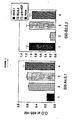
- a competitive binding ELISA was used to determine whether the monoclonal antibodies produced by the A4.6.1 and B2.6.2 hybridomas bind to the same or different epitopes (sites) within hVEGF. Kim, et al., Infect. Immun. 57:944 (1989 ). Individual unlabeled anti-hVEGF monoclonal antibodies (A4.6.1 or B2.6.2) or irrelevant anti-HGF antibody (IgG1 isotype) were added to the wells of microtiter plates that previously had been coated with hVEGF. Biotinylated anti-hVEGF monoclonal antibodies (BIO-A4.6.1 or BIO-B2.6.2) were then added. The ratio of biotinylated antibody to unlabeled antibody was 1:1000.
- Biotinylated antibodies Binding of the biotinylated antibodies was visualized by the addition of avidin-conjugated peroxidase, followed by o-phenylenediamine dihydrochloride and hydrogen peroxide.
- the color reaction indicating the amount of biotinylated antibody bound, was determined by measuring the optical density (O.D) at 495 nm wavelength.
- the isotypes of the anti-hVEGF monoclonal antibodies produced by the A4.6.1 and B2.6.2 hybridomas were determined by ELISA. Samples of culture medium (supernatant) in which each of the hybridomas was growing were added to the wells of microtiter plates that had previously been coated with hVEGF. The captured anti-hVEGF monoclonal antibodies were incubated with different isotype-specific alkaline phosphatase-conjugated goat anti-mouse immunoglobulins, and the binding of the conjugated antibodies to the anti-hVEGF monoclonal antibodies was determined by the addition of p-nitrophenyl phosphate. The color reaction was measured at 405 nm with an ELISA plate reader.
- the isotype of the monoclonal antibodies produced by both the A4.6.1 and B2.6.2 hybridomas was determined to be IgG1.
- the affinities of the anti-hVEGF monoclonal antibodies produced by the A4.6.1 and B2.6.2 hybridomas for hVEGF were determined by a competitive binding assays.
- a predetermined sub-optimal concentration of monoclonal antibody was added to samples containing 20,000 - 40,000 cpm 126 I-hVEGF (1 - 2 ng) and various known amounts of unlabeled hVEGF (1 - 1000 ng).
- 100 ⁇ l of goat anti-mouse Ig antisera (Pel-Freez, Rogers, AR USA) were added, and the mixtures were incubated another hour at room temperature.
- Affinity constants were calculated from the data by Scatchard analysis.
- the affinity of the anti-hVEGF monoclonal antibody produced by the A4.6.1 hybridoma was calculated to be 1.2 x 10 9 liters/mole.
- the affinity of the anti-hVEGF monoclonal antibody produced by the B2.6.2 hybridoma was calculated to be 2.5 x 10 9 liters/mole.
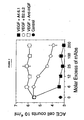
- Bovine adrenal cortex capillary endothelial (ACE) cells Bovine adrenal cortex capillary endothelial (ACE) cells, Ferrara, et al., Proc. Nat. Acad. Sci. 84:5773 (1987 ), were seeded at a density of 10 4 cells/ml in 12 multiwell plates, and 2.5 ng/ml hVEGF was added to each well in the presence or absence of various concentrations of the anti-hVEGF monoclonal antibodies produced by the A4.6.1 or B2.6.2 hybridomas, or an irrelevant anti-HGF monoclonal antibody. After culturing 5 days, the cells in each well were counted in a Coulter counter. As a control, ACE cells were cultured in the absence of added hVEGF.
- both of the anti-hVEGF monoclonal antibodies inhibited the ability of the added hVEGF to support the growth or survival of the bovine ACE cells.
- the monoclonal antibody produced by the A4.6.1 hybridoma completely inhibited the mitogenic activity of hVEGF (greater than about 90% inhibition), whereas the monoclonal antibody produced by the B2.6.2 hybridoma only partially inhibited the mitogenic activity of hVEGF.
- Bovine ACE cells were seeded at a density of 2.5 x 10 4 cells/0.5 ml/well in 24 well microtiter plates in Dulbecco's Modified Eagle's Medium (DMEM) containing 10% calf serum, 2 mM glutamine, and 1 ng/ml basic fibroblast growth factor. After culturing overnight, the cells were washed once in binding buffer (equal volumes of DMEM and F12 medium plus 25 mM HEPES and 1% bovine serum albumin) at 4° C.
- DMEM Dulbecco's Modified Eagle's Medium
- the anti-hVEGF monoclonal antibodies produced by the A4.6.1 and B2.6.2 hybridomas inhibited the binding of hVEGF to the bovine ACE cells.
- the anti-hVEGF monoclonal antibody produced by the A2.6.1 hybridoma had no apparent effect on the binding of hVEGF to the bovine ACE cells.
- the monoclonal antibody produced by the A4.6.1 hybridoma inhibited the binding of hVEGF to a greater extent than the monoclonal antibody produced by the B2.6.2 hybridoma.
- the monoclonal antibody produced by the A4.6.1 hybridoma completely inhibited the binding of hVEGF to the bovine ACE cells at a 1:250 molar ratio of hVEGF to antibody.
- the antibody was assayed for its ability to immunoprecipate those polypeptides.
- Human 293 cells were transfected with vectors comprising the nucleotide coding sequence of the 121- and 189-amino acid hVEGF polypeptides, as described. Leung, et al., Science 246:1306 (1989 ). Two days after transfection, the cells were transferred to medium lacking cysteine and methionine. The cells were incubated 30 minutes in that medium, then 100 ⁇ Ci/ml of each 36 S-methionine and 36 S-cysteine were added to the medium, and the cells were incubated another two hours. The labeling was chased by transferring the cells to serum free medium and incubating three hours.
- the cell culture media were collected, and the cells were lysed by incubating for 30 minutes in lysis buffer (150 mM NaCI, 1% NP40, 0.5% deoxycholate, 0.1% sodium dodecyl sulfate (SDS), 50 mM Tris, pH 8.0). Cell debris was removed from the lysates by centrifugation at 200 x G. for 30 minutes.
- lysis buffer 150 mM NaCI, 1% NP40, 0.5% deoxycholate, 0.1% sodium dodecyl sulfate (SDS), 50 mM Tris, pH 8.0.
- nucleotide and amino acid coding sequences of the fit hVEGF receptor are disclosed in Shibuya, et al., Oncogene 5:519-524 (1990) .
- the coding sequence of the extracellular domain of the flt hVEGF receptor was fused to the coding sequence of human lgG1 heavy chain in a two-step process.
- Site-directed mutagenesis was used to introduce a BstBI restriction into DNA encoding fit at a site 5' to the codon for amino acid 759 of flt , and to convert the unique BstEII restriction site in plasmid pBSSK .
- FC Bennett, et al., J. Biol. Chem. 266:23060-23067 (1991) , to a BstBI site.
- the modified plasmid was digested with EcoRI and BstBI and the resulting large fragment of plasmid DNA was ligated together with an EcoRI-BstBI fragment of the flt DNA encoding the extracellular domain (amino acids 1-758) of the flt hVEGF receptor.
- the resulting construct was digested with Clal and Notl to generate an approximately 3.3 kb fragment, which is then inserted into the multiple cloning site of the mammalian expression vector pHEBO2 (Leung, et al ., Neuron 8 :1045 (1992) by ligation.
- the ends of 3.3. kb fragment are modified, for example by the addition of linkers, to obtain insertion of the fragment into the vector in the correct orientation for expression.
- Mammalian host cells for example, CEN4 cells (Leung, et al . supra ) are transfected with the pHEBO2 plasmid containing the flt insert by electroporation. Transfected cells are cultured in medium containing about 10% fetal bovine serum, 2 mM glutamine, and antibiotics, and at about 75% confluency are transferred to serum free medium. Medium is conditioned for 3-4 days prior to collection, and the flt -IgG fusion protein is purified from the conditioned medium by chromatography on a protein-A affinity matrix essentially as described in Bennett, et al., J. Biol. Chem. 266:23060-23067 (1991) .
- hVEGF human tumor cell lines growing in culture were assayed for production of hVEGF by ELISA. Ovary, lung, colon, gastric, breast, and brain tumor cell lines were found to produce hVEGF. Three cell lines that produced hVEGF, NEG 55 (also referred to as G55) (human glioma cell line obtained from Dr. M.
- A-673 human rhabdomyosarcoma cell line obtained from the American Type Culture Collection (ATCC), Rockville, Maryland USA 20852 as cell line number CRL 1598
- SK-LMS-1 leiomyosarcoma cell line obtained from the ATCC as cell line number HTB 88
- mice Six to ten week old female Beige/nude mice (Charles River Laboratory, Wilmington, Massachusetts USA) were injected subcutaneously with 1 - 5 x 10 8 tumor cells in 100-200 ⁇ l PBS. At various times after tumor growth was established, mice were injected intraperitoneally once or twice per week with various doses of A4.6.1 anti-hVEGF monoclonal antibody, an irrelevant anti-gp 120 monoclonal antibody (5B6), or PBS. Tumor size was measured every week, and at the conclusion of the study the tumors were excised and weighed.
- Figure 4 shows that mice treated with 25 ⁇ g or 100 ⁇ g of A4.6.1 anti-hVEGF monoclonal antibody beginning one week after inoculation of NEG 55 cells had a substantially reduced rate of tumor growth as compared to mice treated with either irrelevant antibody or PBS.
- Figure 5 shows that five weeks after inoculation of the NEG 55 cells, the size of the tumors in mice treated with A4.6.1 anti-hVEGF antibody was about 50% (in the case of mice treated with 25 ⁇ g dosages of the antibody) to 85% (in the case of mice treated with 100 ⁇ g dosages of the antibody) less than the size of tumors in mice treated with irrelevant antibody or PBS.
- FIG. 7 The effect of A4.6.1 anti-hVEGF monoclonal antibody treatment on the growth of A673 tumors in mice is shown in Figure 7 .
- the average size of tumors in mice treated with A4.6.1 anti-hVEGF antibody was about 60% (in the case of mice treated with 10 ⁇ g dosages of the antibody) to greater than 90% (in the case of mice treated with 50-400 ⁇ g dosages of the antibody) less than the size of tumors in mice treated with irrelevant antibody or PBS.
- NEG55 human glioblastoma cells or A673 rhabdomyosarcoma cells were seeded at a density of 7 x 10 3 cells/well in multiwells plates (12 wells/plate) in F12/DMEM medium containing 10% fetal calf serum, 2mM glutamine, and antibiotics.
- A4.6.1 anti-hVEGF antibody then was added to the cell cultures to a final concentration of 0 - 20.0 ⁇ g antibody/ml. After five days, the cells growing in the wells were dissociated by exposure to trypsin and counted in a Coulter counter.
- FIGS 8 and 9 show the results of those studies.
- the A4.6.1 anti-hVEGF antibody did not have any significant effect on the growth of the NEG55 or A673 cells in culture. These results indicate that the A4.6.1 anti-hVEGF antibody is not cytotoxic, and strongly suggest that the observed anti-tumor effects of the antibody are due to its inhibition of VEGF-mediated neovascularization.
- Endothelial cell chemotaxis was assayed using modified Boyden chambers according to established procedures. Thompson, et al., Cancer Res. 51:2670 (1991 ); Phillips, et al., Proc. Exp. Biol. Med. 197:458 (1991 ). About 10 4 human umbilical vein endothelial cells were allowed to adhere to gelatin-coated filters (0.8 micron pore size) in 48-well multiwell microchambers in culture medium containing 0.1% fetal bovine serum.
- the chambers were inverted and test samples (rheumatoid arthritis synovial fluid, osteoarthritis synovial fluid, basic FGF (bFGF) (to a final concentration of 1 ⁇ g/ml), or PBS) and A4.6.1 anti-hVEGF antibody (to a final concentration of 10 ⁇ g/ml) were added to the wells. After two to four hours, cells that had migrated were stained and counted.
- rheumatoid arthritis synovial fluid, osteoarthritis synovial fluid, basic FGF (bFGF) to a final concentration of 1 ⁇ g/ml
- PBS basic FGF
- A4.6.1 anti-hVEGF antibody to a final concentration of 10 ⁇ g/ml
- Figure 10 shows the averaged results of those studies.
- the values shown in the column labeled "Syn. Fluid” and shown at the bottom of the page for the controls are the average number of endothelial cells that migrated in the presence of synovial fluid, bFGF, or PBS alone.
- the values in the column labeled "Syn. Fluid + mAB VEGF” are the average number of endothelial cells that migrated in the presence of synovial fluid plus added A4.6.1 anti-hVEGF antibody.
- the values in the column labeled "% Suppression” indicate the percentage reduction in synovial fluid-induced endothelial cell migration resulting from the addition of anti-hVEGF antibody.
- the anti-hVEGF antibody significantly inhibited the ability of rheumatoid arthritis synovial fluid (53.40 average percentage inhibition), but not osteorthritis synovial fluid (13.64 average percentage inhibition), to induce endothelial cell migration.
Landscapes
- Health & Medical Sciences (AREA)
- Chemical & Material Sciences (AREA)
- Life Sciences & Earth Sciences (AREA)
- Organic Chemistry (AREA)
- Medicinal Chemistry (AREA)
- General Health & Medical Sciences (AREA)
- Molecular Biology (AREA)
- Genetics & Genomics (AREA)
- Biochemistry (AREA)
- Immunology (AREA)
- Zoology (AREA)
- Proteomics, Peptides & Aminoacids (AREA)
- Biophysics (AREA)
- Engineering & Computer Science (AREA)
- Gastroenterology & Hepatology (AREA)
- Toxicology (AREA)
- Animal Behavior & Ethology (AREA)
- Cell Biology (AREA)
- Veterinary Medicine (AREA)
- Public Health (AREA)
- Pharmacology & Pharmacy (AREA)
- Wood Science & Technology (AREA)
- General Chemical & Material Sciences (AREA)
- Chemical Kinetics & Catalysis (AREA)
- Bioinformatics & Cheminformatics (AREA)
- Microbiology (AREA)
- Epidemiology (AREA)
- Mycology (AREA)
- Biotechnology (AREA)
- Nuclear Medicine, Radiotherapy & Molecular Imaging (AREA)
- General Engineering & Computer Science (AREA)
- Medicines Containing Antibodies Or Antigens For Use As Internal Diagnostic Agents (AREA)
- Peptides Or Proteins (AREA)
- Medicines That Contain Protein Lipid Enzymes And Other Medicines (AREA)
- Preparation Of Compounds By Using Micro-Organisms (AREA)
- Micro-Organisms Or Cultivation Processes Thereof (AREA)
- Medicines Containing Material From Animals Or Micro-Organisms (AREA)
Claims (26)
- Verwendung eines hVEGF-Antagonisten zur Herstellung eines Medikaments zur Behandlung einer nicht-neoplastischen Erkrankung oder Störung, die durch unerwünschte übermäßige Gefäßneubildung gekennzeichnet ist, worin der hVEGF-Antagonist:(a) ein Anti-VEGF-Antikörper oder -Antikörper-Fragment;(b) ein Anti-VEGF-Rezeptor-Antikörper oder -Antikörper-Fragment; oder(c) ein isolierter hVEGF-Rezeptor ist.
- Verwendung nach Anspruch 1, worin es sich bei der Erkrankung oder Störung um rheumatoide Arthritis, Psoriasis, Atherosklerose, diabetische oder andere Retinopathien, retrolentale Fibroplasie, neovaskuläres Glaukom, Schilddrüsenhyperplasie (umfassend die Basedow-Krankheit), Hornhaut- oder andere Gewebetransplantationen oder chronische Entzündungen handelt.
- Verwendung nach Anspruch 2, worin es sich bei der Erkrankung oder Störung um rheumatoide Arthritis handelt.
- Verwendung nach einem der vorangegangenen Ansprüche, worin es sich bei dem Anti-VEGF-Antikörper um einen Anti-hVEGF-Antikörper handelt.
- Verwendung nach einem der vorangegangenen Ansprüche, worin es sich bei dem Antikörper um einen monoklonalen Antikörper handelt.
- Verwendung nach einem der vorangegangenen Ansprüche, worin der Antikörper humanisiert ist.
- Verwendung nach einem der Ansprüche 1 bis 3, worin der isolierte hVEGF-Rezeptor aus der extrazellulären Domäne eines hVEGF-Rezeptors besteht.
- Verwendung nach einem der Ansprüche 1 bis 3 und 7, worin es sich bei dem hVEGF-Rezeptor um den flt-Rezeptor handelt.
- Verwendung nach einem der Ansprüche 1 bis 3 und 7, worin es sich bei dem hVEGF-Rezeptor um den KDR-Rezeptor handelt.
- Verwendung nach einem der Ansprüche 1 bis 3 und 7 bis 9, worin der hVEGF-Rezeptor an ein Träger-Polypeptid fusioniert ist.
- Verwendung nach Anspruch 10, worin es sich bei dem Träger-Polypeptid um ein Immunglobulin-Polypeptid handelt.
- Verwendung nach Anspruch 11, worin es sich bei dem Immunglobulin um IgG handelt.
- Verwendung nach Anspruch 12, worin es sich bei dem hVEGF-Antagonisten um ein flt-IgG-Fusionsprotein handelt.
- hVEGF-Antagonist zur Verwendung in der Behandlung einer nicht-neoplastischen Erkrankung oder Störung, die durch unerwünschte übermäßige Gefäßneubildung gekennzeichnet ist, worin der hVEGF-Antagonist:(a) ein Anti-VEGF-Antikörper oder -Antikörper-Fragment;(b) ein Anti-VEGF-Rezeptor-Antikörper oder -Antikörper-Fragment; oder(c) ein isolierter hVEGF-Rezeptor ist.
- hVEGF-Antagonist nach Anspruch 14, worin es sich bei der Erkrankung oder Störung um rheumatoide Arthritis, Psoriasis, Atherosklerose, diabetische oder andere Retinopathien, retrolentale Fibroplasie, neovaskuläres Glaukom, Schilddrüsenhyperplasie (umfassend die Basedow-Krankheit), Hornhaut- oder andere Gewebetransplantationen oder chronische Entzündungen handelt.
- hVEGF-Antagonist nach Anspruch 15, worin es sich bei der Erkrankung oder Störung um rheumatoide Arthritis handelt.
- hVEGF-Antagonist nach einem der Ansprüche 14 bis 16, worin es sich bei dem Anti-VEGF-Antikörper um einen Anti-hVEGF-Antikörper handelt.
- hVEGF-Antagonist nach einem der Ansprüche 14 bis 17, worin es sich bei dem Antikörper um einen monoklonalen Antikörper handelt.
- hVEGF-Antagonist nach einem der Ansprüche 14 bis 18, worin der Antikörper humanisiert ist.
- hVEGF-Antagonist nach einem der Ansprüche 14 bis 16, worin der isolierte hVEGF-Rezeptor aus der extrazellulären Domäne eines hVEGF-Rezeptors besteht.
- hVEGF-Antagonist nach einem der Ansprüche 14 bis 16 und 20, worin es sich bei dem hVEGF-Rezeptor um den fit-Rezeptor handelt.
- hVEGF-Antagonist nach einem der Ansprüche 14 bis 16 und 20, worin es sich bei dem hVEGF-Rezeptor um den KDR-Rezeptor handelt.
- hVEGF-Antagonist nach einem der Ansprüche 14 bis 16 und 20 bis 22, worin der hVEGF-Rezeptor an ein Träger-Polypeptid fusioniert ist.
- hVEGF-Antagonist nach Anspruch 23, worin es sich bei dem Träger-Polypeptid um ein Immunglobulin-Polypeptid handelt.
- hVEGF-Antagonist nach Anspruch 24, worin es sich bei dem Immunglobulin um IgG handelt.
- hVEGF-Antagonist nach Anspruch 25, worin es sich bei dem hVEGF-Antagonisten um ein flt-lgG-Fusionsprotein handelt.
Priority Applications (7)
| Application Number | Priority Date | Filing Date | Title |
|---|---|---|---|
| ES02006351T ES2309119T3 (es) | 1992-10-28 | 1992-10-28 | Utilizacion de antagonistas del factor de crecimiento celular vegf. |
| AT02006351T ATE399181T1 (de) | 1992-10-28 | 1992-10-28 | Verwendung von antagonisten des zellwachstumsfaktors vegf |
| EP08010320A EP1975181B1 (de) | 1992-10-28 | 1992-10-28 | Verwendung von vaskulären Endothelwachstumsfaktor-Antagonisten |
| DK08010320.3T DK1975181T3 (da) | 1992-10-28 | 1992-10-28 | Anvendelse af vaskulære endothelcelle-vækstfaktor-antagonister |
| DK02006351T DK1238986T3 (da) | 1992-10-28 | 1992-10-28 | Anvendelse af antagonister mod vaskulær endotelcellevækstfaktor |
| DE69233739T DE69233739D1 (de) | 1992-10-28 | 1992-10-28 | Verwendung von Antagonisten des Zellwachstumsfaktors VEGF |
| HK08112219.2A HK1117549B (en) | 2008-11-07 | Use of vascular endothelial cell growth factor antagonists |
Applications Claiming Priority (2)
| Application Number | Priority Date | Filing Date | Title |
|---|---|---|---|
| PCT/US1992/009218 WO1994010202A1 (en) | 1992-10-28 | 1992-10-28 | Vascular endothelial cell growth factor antagonists |
| EP92923512A EP0666868B2 (de) | 1992-10-28 | 1992-10-28 | Verwendung von anti-VEGF Antikörpern zur Behandlung von Krebs |
Related Parent Applications (1)
| Application Number | Title | Priority Date | Filing Date |
|---|---|---|---|
| EP92923512A Division EP0666868B2 (de) | 1992-10-28 | 1992-10-28 | Verwendung von anti-VEGF Antikörpern zur Behandlung von Krebs |
Related Child Applications (1)
| Application Number | Title | Priority Date | Filing Date |
|---|---|---|---|
| EP08010320A Division EP1975181B1 (de) | 1992-10-28 | 1992-10-28 | Verwendung von vaskulären Endothelwachstumsfaktor-Antagonisten |
Publications (3)
| Publication Number | Publication Date |
|---|---|
| EP1238986A2 EP1238986A2 (de) | 2002-09-11 |
| EP1238986A3 EP1238986A3 (de) | 2002-10-16 |
| EP1238986B1 true EP1238986B1 (de) | 2008-06-25 |
Family
ID=44652081
Family Applications (4)
| Application Number | Title | Priority Date | Filing Date |
|---|---|---|---|
| EP92923512A Expired - Lifetime EP0666868B2 (de) | 1992-10-28 | 1992-10-28 | Verwendung von anti-VEGF Antikörpern zur Behandlung von Krebs |
| EP01119430A Expired - Lifetime EP1167384B1 (de) | 1992-10-28 | 1992-10-28 | HVEGF Rezeptor als VEGF Antagonist |
| EP02006351A Expired - Lifetime EP1238986B1 (de) | 1992-10-28 | 1992-10-28 | Verwendung von Antagonisten des Zellwachstumsfaktors VEGF |
| EP08010320A Revoked EP1975181B1 (de) | 1992-10-28 | 1992-10-28 | Verwendung von vaskulären Endothelwachstumsfaktor-Antagonisten |
Family Applications Before (2)
| Application Number | Title | Priority Date | Filing Date |
|---|---|---|---|
| EP92923512A Expired - Lifetime EP0666868B2 (de) | 1992-10-28 | 1992-10-28 | Verwendung von anti-VEGF Antikörpern zur Behandlung von Krebs |
| EP01119430A Expired - Lifetime EP1167384B1 (de) | 1992-10-28 | 1992-10-28 | HVEGF Rezeptor als VEGF Antagonist |
Family Applications After (1)
| Application Number | Title | Priority Date | Filing Date |
|---|---|---|---|
| EP08010320A Revoked EP1975181B1 (de) | 1992-10-28 | 1992-10-28 | Verwendung von vaskulären Endothelwachstumsfaktor-Antagonisten |
Country Status (18)
| Country | Link |
|---|---|
| EP (4) | EP0666868B2 (de) |
| JP (1) | JP3398382B2 (de) |
| KR (1) | KR100335584B1 (de) |
| AT (4) | ATE348110T1 (de) |
| AU (1) | AU687727B2 (de) |
| BG (1) | BG99605A (de) |
| BR (1) | BR9207175A (de) |
| CA (1) | CA2145985C (de) |
| CZ (1) | CZ291047B6 (de) |
| DE (3) | DE69232539T3 (de) |
| DK (4) | DK1167384T3 (de) |
| ES (4) | ES2360641T3 (de) |
| FI (1) | FI951987A0 (de) |
| HU (2) | HU225646B1 (de) |
| NO (1) | NO321825B1 (de) |
| RO (1) | RO119721B1 (de) |
| SK (1) | SK285035B6 (de) |
| WO (1) | WO1994010202A1 (de) |
Cited By (8)
| Publication number | Priority date | Publication date | Assignee | Title |
|---|---|---|---|---|
| US7666979B2 (en) | 2002-03-01 | 2010-02-23 | Bracco International B.V. | Methods for preparing multivalent constructs for therapeutic and diagnostic applications and methods of preparing the same |
| US7794693B2 (en) | 2002-03-01 | 2010-09-14 | Bracco International B.V. | Targeting vector-phospholipid conjugates |
| US7854919B2 (en) | 2002-03-01 | 2010-12-21 | Bracco, Suisse SA | Multivalent constructs for therapeutic and diagnostic applications |
| US7910088B2 (en) | 2002-03-01 | 2011-03-22 | Bracco Suisse Sa | Multivalent constructs for therapeutic and diagnostic applications |
| US7985402B2 (en) | 2002-03-01 | 2011-07-26 | Bracco Suisse Sa | Targeting vector-phospholipid conjugates |
| US8349322B2 (en) | 2008-06-25 | 2013-01-08 | ESBATech, an Alcon Biomedical Research Unit, LLC | Stable and soluble antibodies inhibiting VEGF |
| US8623822B2 (en) | 2002-03-01 | 2014-01-07 | Bracco Suisse Sa | KDR and VEGF/KDR binding peptides and their use in diagnosis and therapy |
| US9446155B2 (en) | 2002-03-01 | 2016-09-20 | Bracco Suisse Sa | KDR and VEGF/KDR binding peptides and their use in diagnosis and therapy |
Families Citing this family (407)
| Publication number | Priority date | Publication date | Assignee | Title |
|---|---|---|---|---|
| US5776093A (en) * | 1985-07-05 | 1998-07-07 | Immunomedics, Inc. | Method for imaging and treating organs and tissues |
| US6168778B1 (en) | 1990-06-11 | 2001-01-02 | Nexstar Pharmaceuticals, Inc. | Vascular endothelial growth factor (VEGF) Nucleic Acid Ligand Complexes |
| US6582959B2 (en) | 1991-03-29 | 2003-06-24 | Genentech, Inc. | Antibodies to vascular endothelial cell growth factor |
| US6762290B1 (en) | 1999-07-29 | 2004-07-13 | Gilead Sciences, Inc. | High affinity vascular endothelial growth factor (VEGF) receptor nucleic acid ligands and inhibitors |
| US5877289A (en) * | 1992-03-05 | 1999-03-02 | The Scripps Research Institute | Tissue factor compositions and ligands for the specific coagulation of vasculature |
| US5965132A (en) | 1992-03-05 | 1999-10-12 | Board Of Regents, The University Of Texas System | Methods and compositions for targeting the vasculature of solid tumors |
| US6093399A (en) * | 1992-03-05 | 2000-07-25 | Board Of Regents, The University Of Texas System | Methods and compositions for the specific coagulation of vasculature |
| US6036955A (en) * | 1992-03-05 | 2000-03-14 | The Scripps Research Institute | Kits and methods for the specific coagulation of vasculature |
| US6749853B1 (en) | 1992-03-05 | 2004-06-15 | Board Of Regents, The University Of Texas System | Combined methods and compositions for coagulation and tumor treatment |
| US5776427A (en) * | 1992-03-05 | 1998-07-07 | Board Of Regents, The University Of Texas System | Methods for targeting the vasculature of solid tumors |
| US6004555A (en) * | 1992-03-05 | 1999-12-21 | Board Of Regents, The University Of Texas System | Methods for the specific coagulation of vasculature |
| EP1306095A3 (de) * | 1992-03-05 | 2003-06-25 | Board Of Regents, The University Of Texas System | Methoden und Zusammensetzungen zur Zielrichtung der Gefässe von festen Tumoren |
| US6107046A (en) * | 1992-10-09 | 2000-08-22 | Orion Corporation | Antibodies to Flt4, a receptor tyrosine kinase and uses thereof |
| US6824777B1 (en) | 1992-10-09 | 2004-11-30 | Licentia Ltd. | Flt4 (VEGFR-3) as a target for tumor imaging and anti-tumor therapy |
| US5776755A (en) * | 1992-10-09 | 1998-07-07 | Helsinki University Licensing, Ltd. | FLT4, a receptor tyrosine kinase |
| US5981569A (en) * | 1992-11-13 | 1999-11-09 | Yissum Research Development Company Of The Hebrew University Of Jerusalem | Substituted phenylacrylonitrile compounds and compositions thereof for the treatment of disease |
| US6177401B1 (en) | 1992-11-13 | 2001-01-23 | Max-Planck-Gesellschaft Zur Forderung Der Wissenschaften | Use of organic compounds for the inhibition of Flk-1 mediated vasculogenesis and angiogenesis |
| US5763441A (en) * | 1992-11-13 | 1998-06-09 | Sugen, Inc. | Compounds for the treatment of disorders related to vasculogenesis and/or angiogenesis |
| US5792771A (en) * | 1992-11-13 | 1998-08-11 | Sugen, Inc. | Quinazoline compounds and compositions thereof for the treatment of disease |
| US5712395A (en) * | 1992-11-13 | 1998-01-27 | Yissum Research Development Corp. | Compounds for the treatment of disorders related to vasculogenesis and/or angiogenesis |
| AU684498B2 (en) | 1993-03-25 | 1997-12-18 | Merck & Co., Inc. | Inhibitor of vascular endothelial cell growth factor |
| US5731294A (en) * | 1993-07-27 | 1998-03-24 | Hybridon, Inc. | Inhibition of neovasularization using VEGF-specific oligonucleotides |
| WO1995006131A1 (en) * | 1993-08-23 | 1995-03-02 | Monash University | A method for the assay, prophylaxis and/or treatment of human disease conditions |
| US5861499A (en) * | 1994-02-10 | 1999-01-19 | Imclone Systems Incorporated | Nucleic acid molecules encoding the variable or hypervariable region of a monoclonal antibody that binds to an extracellular domain |
| US6448077B1 (en) * | 1994-02-10 | 2002-09-10 | Imclone Systems, Inc. | Chimeric and humanized monoclonal antibodies specific to VEGF receptors |
| AUPM379394A0 (en) * | 1994-02-10 | 1994-03-03 | Ludwig Institute For Cancer Research | Immunointeractive molecules - i |
| US5840301A (en) * | 1994-02-10 | 1998-11-24 | Imclone Systems Incorporated | Methods of use of chimerized, humanized, and single chain antibodies specific to VEGF receptors |
| US6811779B2 (en) | 1994-02-10 | 2004-11-02 | Imclone Systems Incorporated | Methods for reducing tumor growth with VEGF receptor antibody combined with radiation and chemotherapy |
| GB9410533D0 (en) * | 1994-05-26 | 1994-07-13 | Lynxvale Ltd | In situ hybridisation and immuno-Chemical localisation of a growth factor |
| CA2192235C (en) * | 1994-06-09 | 2011-02-15 | Kari Alitalo | Flt4 receptor tyrosine kinase and its use in diagnosis and therapy |
| AU3374795A (en) * | 1994-08-29 | 1996-03-22 | Prizm Pharmaceuticals, Inc. | Conjugates of vascular endothelial growth factor with targeted agents |
| EP1353952B1 (de) | 1994-11-14 | 2007-04-11 | Ludwig Institute For Cancer Research | Flt4 (vegfr-3) als ein ziel für krebs darstellung und anti-krebs-behandlung |
| NZ328371A (en) * | 1994-12-23 | 1999-05-28 | Ludwig Inst Cancer Res | Method of detecting a ligand capable of binding the receptor protein neuroepithelial tyrosine kinase (nyk) and its use in therapeutic compositions |
| IL117645A (en) * | 1995-03-30 | 2005-08-31 | Genentech Inc | Vascular endothelial cell growth factor antagonists for use as medicaments in the treatment of age-related macular degeneration |
| US6316635B1 (en) | 1995-06-07 | 2001-11-13 | Sugen, Inc. | 2-indolinone derivatives as modulators of protein kinase activity |
| US6906093B2 (en) | 1995-06-07 | 2005-06-14 | Sugen, Inc. | Indolinone combinatorial libraries and related products and methods for the treatment of disease |
| US5880141A (en) * | 1995-06-07 | 1999-03-09 | Sugen, Inc. | Benzylidene-Z-indoline compounds for the treatment of disease |
| US5773459A (en) * | 1995-06-07 | 1998-06-30 | Sugen, Inc. | Urea- and thiourea-type compounds |
| US5650415A (en) * | 1995-06-07 | 1997-07-22 | Sugen, Inc. | Quinoline compounds |
| WO1996040629A1 (en) * | 1995-06-07 | 1996-12-19 | Sugen, Inc. | Tyrphostin-like compounds for the treatment of cell proliferative disorders or cell differentiation disorders |
| US5710173A (en) * | 1995-06-07 | 1998-01-20 | Sugen, Inc. | Thienyl compounds for inhibition of cell proliferative disorders |
| CA2222545A1 (en) * | 1995-06-07 | 1996-12-19 | Sugen, Inc. | Quinazolines and pharmaceutical compositions |
| US6147106A (en) | 1997-08-20 | 2000-11-14 | Sugen, Inc. | Indolinone combinatorial libraries and related products and methods for the treatment of disease |
| US5888765A (en) * | 1995-06-23 | 1999-03-30 | President And Fellows Of Harvard College | Endothelial-cell specific promoter |
| CA2225460A1 (en) * | 1995-06-23 | 1997-01-09 | Winston Campbell Patterson | Transcriptional regulation of genes encoding vascular endothelial growth factor receptors |
| US6685940B2 (en) | 1995-07-27 | 2004-02-03 | Genentech, Inc. | Protein formulation |
| US6267958B1 (en) | 1995-07-27 | 2001-07-31 | Genentech, Inc. | Protein formulation |
| US5730977A (en) * | 1995-08-21 | 1998-03-24 | Mitsui Toatsu Chemicals, Inc. | Anti-VEGF human monoclonal antibody |
| DE69628652T3 (de) | 1995-09-08 | 2012-05-03 | Genentech, Inc. | Vegf-verwandtes protein |
| JPH09154588A (ja) * | 1995-10-07 | 1997-06-17 | Toagosei Co Ltd | Vegf結合性ポリペプチド |
| WO1997020925A1 (en) * | 1995-12-08 | 1997-06-12 | Hybridon, Inc. | Modified vegf antisense oligonucleotides for treatment of skin disorders |
| US6030955A (en) * | 1996-03-21 | 2000-02-29 | The Trustees Of Columbia University In The City Of New York And Imclone Systems, Inc. | Methods of affecting intracellular phosphorylation of tyrosine using phosphorothioate oligonucleotides, and antiangiogenic and antiproliferative uses thereof |
| US5942385A (en) * | 1996-03-21 | 1999-08-24 | Sugen, Inc. | Method for molecular diagnosis of tumor angiogenesis and metastasis |
| US6696448B2 (en) | 1996-06-05 | 2004-02-24 | Sugen, Inc. | 3-(piperazinylbenzylidenyl)-2-indolinone compounds and derivatives as protein tyrosine kinase inhibitors |
| WO1998002543A1 (fr) | 1996-07-15 | 1998-01-22 | Chugai Research Institute For Molecular Medicine, Inc. | Nouveaux facteurs analogues au vegf |
| US7371376B1 (en) | 1996-10-18 | 2008-05-13 | Genentech, Inc. | Anti-ErbB2 antibodies |
| US6051698A (en) * | 1997-06-06 | 2000-04-18 | Janjic; Nebojsa | Vascular endothelial growth factor (VEGF) nucleic acid ligand complexes |
| US6426335B1 (en) | 1997-10-17 | 2002-07-30 | Gilead Sciences, Inc. | Vascular endothelial growth factor (VEGF) nucleic acid ligand complexes |
| CA2275708A1 (en) * | 1996-12-23 | 1998-07-02 | Cambridge University Technical Services Limited | Diagnosis and treatment of pathological pregnancies |
| JP3837748B2 (ja) | 1997-01-17 | 2006-10-25 | 東亞合成株式会社 | Vegf結合性ポリペプチド |
| BR9806793A (pt) | 1997-01-22 | 2000-05-16 | Univ Texas | Processos e composições de fator tissular para coagulação e tratamento de tumores. |
| US6028060A (en) * | 1997-01-29 | 2000-02-22 | Vanderbilt University | Treatment of chronic inflammatory diseases with CM101/GBS toxin |
| US6670337B1 (en) | 1998-01-29 | 2003-12-30 | Yeda Reaearch And Development Co., Ltd. | Facilitation of wound healing with CM101/GBS toxin |
| US5858991A (en) * | 1997-01-29 | 1999-01-12 | Vanderbilt University | Facilitation of wound healing with CM101/GBS toxin |
| US5981508A (en) * | 1997-01-29 | 1999-11-09 | Vanderbilt University | Facilitation of repair of neural injury with CM101/GBS toxin |
| US7122636B1 (en) | 1997-02-21 | 2006-10-17 | Genentech, Inc. | Antibody fragment-polymer conjugates and uses of same |
| EP2338915A3 (de) * | 1997-04-07 | 2011-10-12 | Genentech, Inc. | Anti-VEGF Antikörper |
| JP3957765B2 (ja) | 1997-04-07 | 2007-08-15 | ジェネンテク・インコーポレイテッド | 抗vegf抗体 |
| US20020032315A1 (en) | 1997-08-06 | 2002-03-14 | Manuel Baca | Anti-vegf antibodies |
| US6884879B1 (en) * | 1997-04-07 | 2005-04-26 | Genentech, Inc. | Anti-VEGF antibodies |
| US20070059302A1 (en) | 1997-04-07 | 2007-03-15 | Genentech, Inc. | Anti-vegf antibodies |
| US6486185B1 (en) | 1997-05-07 | 2002-11-26 | Sugen, Inc. | 3-heteroarylidene-2-indolinone protein kinase inhibitors |
| US6316429B1 (en) | 1997-05-07 | 2001-11-13 | Sugen, Inc. | Bicyclic protein kinase inhibitors |
| EP0980258A1 (de) * | 1997-05-12 | 2000-02-23 | The Kennedy Institute Of Rheumatology | Unterdrückung des alpha-tumornekrosefaktors und des wachstumsfaktors der vaskularen endothelzellen in therapeutischen behandlungen |
| US6987113B2 (en) | 1997-06-11 | 2006-01-17 | Sugen, Inc. | Tyrosine kinase inhibitors |
| US6051593A (en) * | 1997-06-20 | 2000-04-18 | Sugen, Inc. | 3-(cycloalkanoheteroarylidenyl)-2- indolinone protein tyrosine kinase inhibitors |
| US6313158B1 (en) | 1997-06-20 | 2001-11-06 | Sugen, Inc. | Bioavailability of 3-heteroarylidenyl-2-indolinones active as protein tyrosine kinase inhibitors |
| US6114371A (en) * | 1997-06-20 | 2000-09-05 | Sugen, Inc. | 3-(cyclohexanoheteroarylidenyl)-2-indolinone protein tyrosine kinase inhibitors |
| US6130238A (en) * | 1997-06-20 | 2000-10-10 | Sugen, Inc. | 3-(cyclohexanoheteroarylidenyl)-2-indolinone protein tyrosine kinase inhibitors |
| US6329375B1 (en) | 1997-08-05 | 2001-12-11 | Sugen, Inc. | Tricyclic quinoxaline derivatives as protein tyrosine kinase inhibitors |
| JPH1180024A (ja) * | 1997-09-12 | 1999-03-23 | Toagosei Co Ltd | 角膜血管新生阻害剤 |
| US6133305A (en) | 1997-09-26 | 2000-10-17 | Sugen, Inc. | 3-(substituted)-2-indolinones compounds and use thereof as inhibitors of protein kinase activity |
| DE19744531A1 (de) * | 1997-10-09 | 1999-05-27 | Klaus Dr Rer Nat Bosslet | Bindemoleküle gegen Rezeptor-Ligand-Komplexe |
| US6225346B1 (en) | 1997-10-24 | 2001-05-01 | Sugen, Inc. | Tyrphostin like compounds |
| US6531502B1 (en) | 1998-01-21 | 2003-03-11 | Sugen, Inc. | 3-Methylidenyl-2-indolinone modulators of protein kinase |
| DE69939374D1 (de) * | 1998-03-17 | 2008-10-02 | Genentech Inc | Zu vegf und bmp1 homologe polypeptide |
| EP1745797A3 (de) | 1998-03-24 | 2007-07-18 | Chugai Seiyaku Kabushiki Kaisha | Inhibitoren der Vaskularisierung |
| US6514981B1 (en) | 1998-04-02 | 2003-02-04 | Sugen, Inc. | Methods of modulating tyrosine protein kinase function with indolinone compounds |
| US6887674B1 (en) | 1998-04-13 | 2005-05-03 | California Institute Of Technology | Artery- and vein-specific proteins and uses therefor |
| US6864227B1 (en) | 1998-04-13 | 2005-03-08 | California Institute Of Technology | Artery-and vein-specific proteins and uses therefor |
| EA005032B1 (ru) | 1998-05-29 | 2004-10-28 | Сьюджен, Инк. | Пирролзамещенные 2-индолиноны (варианты), фармацевтическая композиция (варианты), способ модулирования каталитической активности протеинкиназы, способ лечения или профилактики нарушения в организме, связанного с протеинкиназой |
| JP2002523455A (ja) | 1998-08-31 | 2002-07-30 | スージェン・インコーポレーテッド | 蛋白質キナーゼ活性の調節剤としての幾何学的に制限された2−インドリノン誘導体 |
| US6316603B1 (en) | 1998-09-08 | 2001-11-13 | Agouron Pharmaceuticals, Inc. | Modifications of the VEGF receptor-2 protein and methods of use |
| US6680335B2 (en) | 1998-09-28 | 2004-01-20 | Sugen, Inc. | Methods of modulating protein tyrosine kinase function with substituted indolinone compounds |
| JP3762222B2 (ja) | 1998-10-07 | 2006-04-05 | ストライカー・コーポレーション | 改変型TGF−βスーパーファミリータンパク質 |
| AU774266B2 (en) | 1998-10-09 | 2004-06-24 | Vegenics Limited | Flt4 (VEGFR-3) as a target for tumor imaging and anti-tumor therapy |
| WO2000037502A2 (en) | 1998-12-22 | 2000-06-29 | Genentech, Inc. | Vascular endothelial cell growth factor antagonists and uses thereof |
| US6689806B1 (en) | 1999-03-24 | 2004-02-10 | Sugen, Inc. | Indolinone compounds as kinase inhibitors |
| EP1179541B1 (de) | 1999-04-28 | 2004-06-16 | Board Of Regents, The University Of Texas System | Zusammensetzungen und Verfahren zur Krebsbehandlung durch die selektive Hemmung von VEGF |
| US6703020B1 (en) | 1999-04-28 | 2004-03-09 | Board Of Regents, The University Of Texas System | Antibody conjugate methods for selectively inhibiting VEGF |
| IT1306704B1 (it) * | 1999-05-26 | 2001-10-02 | Sirs Societa Italiana Per La R | Anticorpi monoclonali e suoi derivati sintetici o biotecnologici ingrado di agire come molecole antagoniste per il ngf. |
| WO2000079275A1 (en) * | 1999-06-17 | 2000-12-28 | Kyowa Hakko Kogyo Co., Ltd. | Diagnostics and remedies for diseases with participation of macrocytes/macrophages |
| US6921763B2 (en) | 1999-09-17 | 2005-07-26 | Abbott Laboratories | Pyrazolopyrimidines as therapeutic agents |
| US6878733B1 (en) | 1999-11-24 | 2005-04-12 | Sugen, Inc. | Formulations for pharmaceutical agents ionizable as free acids or free bases |
| EP1255536B1 (de) | 1999-12-22 | 2006-06-28 | Sugen, Inc. | Indolinonderivate zur abänderung der c-kit tyrosinproteinkinase |
| JP2003521543A (ja) | 2000-02-07 | 2003-07-15 | アボット ゲーエムベーハー ウント カンパニー カーゲー | 2−ベンゾチアゾリル尿素誘導体およびそのプロテインキナーゼ阻害剤としての使用 |
| SI1255752T1 (sl) | 2000-02-15 | 2007-12-31 | Pharmacia & Upjohn Co Llc | S pirolom substituirani zaviralci 2-indolinon protein kinaza |
| US8263739B2 (en) | 2000-06-02 | 2012-09-11 | Bracco Suisse Sa | Compounds for targeting endothelial cells, compositions containing the same and methods for their use |
| AU2001266696A1 (en) | 2000-06-02 | 2001-12-11 | Bracco Research Usa | Compounds for targeting endothelial cells |
| US6726918B1 (en) | 2000-07-05 | 2004-04-27 | Oculex Pharmaceuticals, Inc. | Methods for treating inflammation-mediated conditions of the eye |
| EP1311277A4 (de) * | 2000-07-18 | 2004-08-25 | Joslin Diabetes Center Inc | Methoden zur fibrose-modulation |
| AU2002236495B2 (en) | 2000-11-29 | 2006-05-11 | Allergan, Inc. | Intraocular implants for preventing transplant rejection in the eye |
| AR042586A1 (es) | 2001-02-15 | 2005-06-29 | Sugen Inc | 3-(4-amidopirrol-2-ilmetiliden)-2-indolinona como inhibidores de la protein quinasa; sus composiciones farmaceuticas; un metodo para la modulacion de la actividad catalitica de la proteinquinasa; un metodo para tratar o prevenir una afeccion relacionada con la proteinquinasa |
| PL409579A1 (pl) | 2001-02-19 | 2015-03-02 | Novartis Ag | Leczenie raka |
| MXPA03008560A (es) | 2001-03-22 | 2004-06-30 | Abbot Gmbh & Co Kg | Pirazolopirimidinas como agentes terapeuticos. |
| PT1392313E (pt) | 2001-05-16 | 2007-07-17 | Novartis Ag | Combinação que compreende n - ( 5- [ 4- ( metil-piperazinomrtil ) - benxoilamido ] - 2 -metilfenil ) - 4 -( 3 - piridil ) - 2 - pirimidina-amina e um agente quimioterapêutico |
| AU2002329540A1 (en) | 2001-06-20 | 2003-01-02 | Morphosys Ag | Antibodies that block receptor protein tyrosine kinase activation, methods of screening for and uses thereof |
| TWI315982B (en) | 2001-07-19 | 2009-10-21 | Novartis Ag | Combinations comprising epothilones and pharmaceutical uses thereof |
| US7005444B2 (en) | 2001-09-27 | 2006-02-28 | Allergan, Inc. | 3-(heteroarylamino)methylene-1, 3-dihydro-2H-indol-2-ones as kinase inhibitors |
| CA2461812C (en) | 2001-09-27 | 2011-09-20 | Allergan, Inc. | 3-(arylamino)methylene-1,3-dihydro-2h-indol-2-ones as kinase inhibitors |
| US20050123925A1 (en) | 2002-11-15 | 2005-06-09 | Genentech, Inc. | Compositions and methods for the diagnosis and treatment of tumor |
| GB0206215D0 (en) | 2002-03-15 | 2002-05-01 | Novartis Ag | Organic compounds |
| US6541504B1 (en) | 2002-04-03 | 2003-04-01 | Allergan Sales, Llc | (3Z)-3-(2,3-dihydro-1H-inden-1-ylidene)-1,3-dihydro-2H-indol-2-ones as kinase inhibitors |
| PL372103A1 (en) | 2002-05-16 | 2005-07-11 | Novartis Ag | Use of edg receptor binding agents in cancer |
| US7696320B2 (en) | 2004-08-24 | 2010-04-13 | Domantis Limited | Ligands that have binding specificity for VEGF and/or EGFR and methods of use therefor |
| USRE47770E1 (en) | 2002-07-18 | 2019-12-17 | Merus N.V. | Recombinant production of mixtures of antibodies |
| NZ537277A (en) | 2002-07-18 | 2008-04-30 | Crucell Holland Bv | Recombinant production of mixtures of antibodies |
| WO2004045531A2 (en) | 2002-11-14 | 2004-06-03 | Cornell Research Foundation, Inc. | Protection of cardiac myocardium |
| US6699863B1 (en) | 2002-11-27 | 2004-03-02 | Allergan, Inc. | Kinase inhibitors for the treatment of disease |
| US6747025B1 (en) | 2002-11-27 | 2004-06-08 | Allergan, Inc. | Kinase inhibitors for the treatment of disease |
| CU23204A1 (es) * | 2002-12-27 | 2007-05-18 | Ct Ingenieria Genetica Biotech | Combinaciones de factores reguladores del crecimiento y hormonas para el tratamiento de neoplasias |
| US20050048099A1 (en) | 2003-01-09 | 2005-03-03 | Allergan, Inc. | Ocular implant made by a double extrusion process |
| CA2517256C (en) | 2003-02-26 | 2013-04-30 | Sugen, Inc. | Aminoheteroaryl compounds as protein kinase inhibitors |
| PT2949658T (pt) | 2003-03-03 | 2018-10-18 | Bracco Suisse Sa | Péptidos que ligam especificamente o recetor de hgf (cmet) e utilizações dos mesmos |
| US7381410B2 (en) | 2003-03-12 | 2008-06-03 | Vasgene Therapeutics, Inc. | Polypeptide compounds for inhibiting angiogenesis and tumor growth |
| CA2518912A1 (en) | 2003-03-12 | 2004-09-23 | Vasgene Therapeutics, Inc. | Polypeptide compounds for inhibiting angiogenesis and tumor growth |
| HRP20150037T4 (hr) | 2003-04-08 | 2022-09-02 | Progenics Pharmaceuticals, Inc. | Farmaceutske formulacije koje sadrže metilnaltrekson |
| BRPI0410439A (pt) | 2003-05-19 | 2006-06-06 | Irm Llc | compostos e composições imunossupressoras |
| MY150088A (en) | 2003-05-19 | 2013-11-29 | Irm Llc | Immunosuppressant compounds and compositions |
| ES2408582T3 (es) | 2003-05-30 | 2013-06-21 | Merus B.V. | Biblioteca de Fab para la preparación de una mezcla de anticuerpos |
| US20100069614A1 (en) | 2008-06-27 | 2010-03-18 | Merus B.V. | Antibody producing non-human mammals |
| MXPA05012723A (es) | 2003-05-30 | 2006-02-08 | Genentech Inc | Tratamiento con anticuerpos anti-vgf. |
| CN1972712A (zh) | 2003-06-09 | 2007-05-30 | 塞缪尔·瓦克萨尔 | 用胞外拮抗物和胞内拮抗物抑制受体酪氨酸激酶的方法 |
| EP1653946A4 (de) | 2003-08-06 | 2007-04-04 | Sugen Inc | Geometrisch beschränkte 3-cyclopentyliden-1,3-dihydroindol-2-one als wirkungsvolle proteinkinase-hemmer |
| GB0320238D0 (en) * | 2003-08-29 | 2003-10-01 | Medical Res Council | Treatment of disease |
| US7582726B2 (en) | 2003-11-10 | 2009-09-01 | Ghc Research Development Corporation | VEGF receptor antagonists |
| KR20120123619A (ko) | 2004-03-12 | 2012-11-08 | 바스진 테라퓨틱스, 인크. | 혈관형성 및 종양 성장을 억제하기 위한 폴리펩티드 화합물 |
| AU2005224081B2 (en) | 2004-03-12 | 2011-06-30 | Vasgene Therapeutics, Inc. | Polypeptide compounds for inhibiting angiogenesis and tumor growth |
| US8685435B2 (en) | 2004-04-30 | 2014-04-01 | Allergan, Inc. | Extended release biodegradable ocular implants |
| US20050244469A1 (en) | 2004-04-30 | 2005-11-03 | Allergan, Inc. | Extended therapeutic effect ocular implant treatments |
| EA012622B1 (ru) | 2004-06-01 | 2009-10-30 | Домэнтис Лимитед | Биспецифичные гибридные антитела с увеличенным периодом полувыведения из сыворотки |
| GB0512324D0 (en) | 2005-06-16 | 2005-07-27 | Novartis Ag | Organic compounds |
| US8604185B2 (en) | 2004-07-20 | 2013-12-10 | Genentech, Inc. | Inhibitors of angiopoietin-like 4 protein, combinations, and their use |
| WO2006014729A2 (en) | 2004-07-20 | 2006-02-09 | Genentech, Inc. | Inhibitors of angiopoietin-like 4 protein, combinations, and their use |
| DK2229956T3 (da) | 2004-09-13 | 2013-07-29 | Genzyme Corp | Multimere konstruktioner |
| WO2006034455A2 (en) | 2004-09-23 | 2006-03-30 | Vasgene Therapeutics, Inc. | Polipeptide compounds for inhibiting angiogenesis and tumor growth |
| PL1802334T3 (pl) | 2004-10-21 | 2013-01-31 | Genentech Inc | Sposób leczenia wewnątrzgałkowych chorób neowaskularnych |
| US7972596B2 (en) | 2004-11-18 | 2011-07-05 | Imclone Llc | Antibodies against vascular endothelial growth factor receptor-1 |
| JP5475234B2 (ja) | 2005-01-21 | 2014-04-16 | アステックス・セラピューティクス・リミテッド | 医薬化合物 |
| US9662325B2 (en) | 2005-03-07 | 2017-05-30 | The University Of Chicago | Use of opioid antagonists to attenuate endothelial cell proliferation and migration |
| US8518962B2 (en) | 2005-03-07 | 2013-08-27 | The University Of Chicago | Use of opioid antagonists |
| ES2714198T3 (es) | 2005-03-07 | 2019-05-27 | Univ Chicago | Uso de antagonistas opioideos para atenuar la proliferación y la migración de células endoteliales |
| US8524731B2 (en) | 2005-03-07 | 2013-09-03 | The University Of Chicago | Use of opioid antagonists to attenuate endothelial cell proliferation and migration |
| GB0510390D0 (en) | 2005-05-20 | 2005-06-29 | Novartis Ag | Organic compounds |
| AR057325A1 (es) | 2005-05-25 | 2007-11-28 | Progenics Pharm Inc | Sintesis de (s)-n-metilnaltrexona, composiciones farmaceuticas y usos |
| AR057035A1 (es) | 2005-05-25 | 2007-11-14 | Progenics Pharm Inc | SíNTESIS DE (R)-N-METILNALTREXONA, COMPOSICIONES FARMACÉUTICAS Y USOS |
| JP2009510073A (ja) | 2005-09-27 | 2009-03-12 | ノバルティス アクチエンゲゼルシャフト | カルボキシアミン化合物およびその使用方法 |
| RU2487711C2 (ru) | 2005-11-21 | 2013-07-20 | Новартис Аг | Лечение нейроэндокринных опухолей |
| AU2007248444B2 (en) | 2006-01-05 | 2012-10-25 | Genentech, Inc. | Anti-EphB4 antibodies and methods using same |
| JO2660B1 (en) | 2006-01-20 | 2012-06-17 | نوفارتيس ايه جي | Pi-3 inhibitors and methods of use |
| US8338415B2 (en) | 2006-01-24 | 2012-12-25 | Allergan, Inc. | Substituted 3-(5-membered unsaturated heterocyclyl-1, 3-dihydro-indol-2-one's and derivatives thereof as kinase inhibitors |
| TW200812615A (en) | 2006-03-22 | 2008-03-16 | Hoffmann La Roche | Tumor therapy with an antibody for vascular endothelial growth factor and an antibody for human epithelial growth factor receptor type 2 |
| US7977351B2 (en) | 2006-03-22 | 2011-07-12 | Allergan, Inc. | Heteroaryl dihydroindolones as kinase inhibitors |
| CA2645633A1 (en) | 2006-04-05 | 2007-11-01 | Novartis Ag | Combinations of therapeutic agents for treating cancer |
| TW200808739A (en) | 2006-04-06 | 2008-02-16 | Novartis Vaccines & Diagnostic | Quinazolines for PDK1 inhibition |
| AR060635A1 (es) | 2006-04-27 | 2008-07-02 | Banyu Pharma Co Ltd | Derivados de 1,2-dihidro-3h-pirazolo[3,4-d]pirimidin-3-ona, composiciones farmaceuticas que los comprenden y su uso en el tratamiento del cancer |
| MX2008014292A (es) | 2006-05-09 | 2008-11-18 | Novartis Ag | Combinacion que comprende un quelante de hierro y un agente anti-neoplastico, y uso de la misma. |
| KR20090027227A (ko) | 2006-06-06 | 2009-03-16 | 제넨테크, 인크. | 항-dll4 항체 및 이의 사용 방법 |
| GB0612721D0 (en) | 2006-06-27 | 2006-08-09 | Novartis Ag | Organic compounds |
| TWI489984B (zh) | 2006-08-04 | 2015-07-01 | Wyeth Corp | 用於非經腸道傳輸化合物之配方及其用途 |
| DK2056874T3 (da) | 2006-08-21 | 2012-10-15 | Hoffmann La Roche | Tumorterapi med et anti-vegf-antistof |
| JP2008081492A (ja) | 2006-08-31 | 2008-04-10 | Banyu Pharmaceut Co Ltd | オーロラa選択的阻害作用を有する新規アミノピリジン誘導体 |
| WO2008037477A1 (en) | 2006-09-29 | 2008-04-03 | Novartis Ag | Pyrazolopyrimidines as p13k lipid kinase inhibitors |
| WO2008044041A1 (en) | 2006-10-12 | 2008-04-17 | Astex Therapeutics Limited | Pharmaceutical combinations |
| JP5528807B2 (ja) | 2006-10-12 | 2014-06-25 | アステックス、セラピューティックス、リミテッド | 複合薬剤 |
| US8558002B2 (en) | 2006-11-16 | 2013-10-15 | Allergan, Inc. | Sulfoximines as kinase inhibitors |
| CA2669704A1 (en) | 2006-11-16 | 2008-05-22 | Allergan, Inc. | Sulfoximines as kinase inhibitors |
| TWI577695B (zh) | 2006-12-19 | 2017-04-11 | 建南德克公司 | 用於輔助及先導性輔助療法之血管內皮生長因子(vegf)-特異性拮抗劑及早期腫瘤之治療 |
| US7977336B2 (en) | 2006-12-28 | 2011-07-12 | Banyu Pharmaceutical Co. Ltd | Aminopyrimidine derivatives as PLK1 inhibitors |
| BRPI0807812A2 (pt) | 2007-02-15 | 2020-06-23 | Novartis Ag | Combinações de lbh589 com outros agentes terapêuticos para tratar câncer |
| CL2008000905A1 (es) | 2007-03-29 | 2008-08-22 | Progenics Pharm Inc | Compuestos derivados de morfina, antagonistas del receptor opioide periferico; metodo de preparacion; composicion farmaceutica; y uso para reducir los efectos de la actividad opioide endogena. |
| MX2009010550A (es) | 2007-03-29 | 2009-12-14 | Progenics Pharm Inc | Formas de cristal de bromuro de (r)-n-metilnaltrexona y uso de las mismas. |
| SI2565195T1 (sl) | 2007-03-29 | 2015-09-30 | Wyeth Llc | Periferalni opioidni receptorji in antagonisti in njih uporaba |
| CN101743253B (zh) | 2007-05-17 | 2013-05-08 | 健泰科生物技术公司 | 神经毡蛋白片段与神经毡蛋白抗体复合物的晶体结构 |
| US8231892B2 (en) | 2007-05-24 | 2012-07-31 | Allergan, Inc. | Biodegradable drug delivery system |
| PE20090321A1 (es) | 2007-06-04 | 2009-04-20 | Genentech Inc | Anticuerpos anti-notch1 nrr, metodo de preparacion y composicion farmaceutica |
| KR100883430B1 (ko) | 2007-06-13 | 2009-02-12 | 한국생명공학연구원 | 혈관내피성장인자 수용체를 중화하는 인간 단클론항체 및그 용도 |
| AU2008287427B2 (en) | 2007-08-13 | 2014-10-09 | Vasgene Therapeutics, Inc. | Cancer treatment using humanized antibodies that bind to EphB4 |
| EP2213673B1 (de) | 2007-10-23 | 2013-06-05 | Msd K.K. | Pyridonsubstituiertes dihydropyrazolopyrimidinonderivat |
| KR20100090683A (ko) | 2007-11-09 | 2010-08-16 | 제넨테크, 인크. | 액티빈 수용체-유사 키나제-i 길항제 조성물 및 사용 방법 |
| CN103169973A (zh) | 2007-11-12 | 2013-06-26 | 彼帕科学公司 | 使用4-碘-3-硝基苯甲酰胺化合物与抗肿瘤剂组合治疗乳腺癌 |
| TWI580694B (zh) | 2007-11-30 | 2017-05-01 | 建南德克公司 | 抗-vegf抗體 |
| EP2240475B1 (de) | 2007-12-20 | 2013-09-25 | Novartis AG | Als pi-3-kinase-inhibitoren verwendete thiazolderivate |
| US9266967B2 (en) | 2007-12-21 | 2016-02-23 | Hoffmann-La Roche, Inc. | Bivalent, bispecific antibodies |
| US20090162359A1 (en) | 2007-12-21 | 2009-06-25 | Christian Klein | Bivalent, bispecific antibodies |
| EP2240489A1 (de) | 2008-02-06 | 2010-10-20 | Progenics Pharmaceuticals, Inc. | HERSTELLUNG UND VERWENDUNG VON (R), (R)-2,2ýBIS-METHYLNALTREXON |
| EP2278966B1 (de) | 2008-03-21 | 2019-10-09 | The University of Chicago | Behandlung mit opioid-antagonisten und mtor-inhibitoren |
| NZ588069A (en) | 2008-03-26 | 2012-06-29 | Novartis Ag | Hydroxamate-based inhibitors of deacetylases b |
| WO2009120922A2 (en) | 2008-03-27 | 2009-10-01 | Zymogenetics, Inc. | Compositions and methods for inhibiting pdgfrbeta and vegf-a |
| JP5606438B2 (ja) | 2008-07-23 | 2014-10-15 | エフ.ホフマン−ラ ロシュ アーゲー | 抗血管新生療法を受容可能な被験体の同定 |
| CA2676881C (en) | 2008-09-30 | 2017-04-25 | Wyeth | Peripheral opioid receptor antagonists and uses thereof |
| US8268314B2 (en) | 2008-10-08 | 2012-09-18 | Hoffmann-La Roche Inc. | Bispecific anti-VEGF/anti-ANG-2 antibodies |
| EP3524620A1 (de) | 2008-10-14 | 2019-08-14 | Genentech, Inc. | Immunglobulinvarianten und ihre verwendung |
| EP2344161B1 (de) | 2008-10-16 | 2018-12-19 | Celator Pharmaceuticals, Inc. | Kombinationen eines liposomalen wasserlöslichen camptothecins mit cetuximab oder bevacizumab |
| KR101807319B1 (ko) | 2008-11-22 | 2017-12-11 | 제넨테크, 인크. | 유방암의 치료를 위한, 화학요법과 조합된 항-vegf 항체의 용도 |
| CA2747558A1 (en) | 2008-12-18 | 2010-07-15 | Novartis Ag | New salts |
| PT2676953T (pt) | 2008-12-18 | 2017-06-29 | Novartis Ag | Sal hemifumarato de ácido 1-[4-[1-(4-ciclo-hexil-3-trifluorometil-benziloxi-imino)-etil]-2-etil-benzil]-azetidino-3-carboxílico para utilização no tratamento de doenças mediadas por linfócitos |
| CN102256942B (zh) | 2008-12-18 | 2013-07-24 | 诺瓦提斯公司 | 1-(4-{1-[(e)-4-环己基-3-三氟甲基-苄氧基亚氨基]-乙基}-2-乙基-苄基)-氮杂环丁烷-3-甲酸的多晶型物 |
| AU2009329994B2 (en) | 2008-12-23 | 2014-04-03 | Genentech, Inc. | Methods and compositions for diagnostic use in cancer patients |
| PT2391366E (pt) | 2009-01-29 | 2013-02-05 | Novartis Ag | Benzimidazoles substituídos para o tratamento de astrocitomas |
| EP2393513B1 (de) | 2009-02-06 | 2016-10-19 | The General Hospital Corporation | Verfahren zur behandlung von gefässläsionen |
| EP2401281A4 (de) | 2009-02-25 | 2012-08-15 | Msd Kk | Pyrimidinpyrimidoindazolderivat |
| WO2010101734A1 (en) | 2009-03-06 | 2010-09-10 | Merck Sharp & Dohme Corp. | Combination cancer therapy with an akt inhibitor and other anticancer agents |
| PE20120591A1 (es) | 2009-04-02 | 2012-05-23 | Roche Glycart Ag | Anticuerpos multiespecificos que comprenden anticuerpos de longitud completa y fragmentos fab de cadena sencilla |
| JP5616428B2 (ja) | 2009-04-07 | 2014-10-29 | ロシュ グリクアート アクチェンゲゼルシャフト | 三価の二重特異性抗体 |
| US8404811B2 (en) | 2009-05-08 | 2013-03-26 | Genentech, Inc. | Humanized anti-EGFL7 antibodies and methods using same |
| US9676845B2 (en) | 2009-06-16 | 2017-06-13 | Hoffmann-La Roche, Inc. | Bispecific antigen binding proteins |
| UY32730A (es) | 2009-06-26 | 2011-01-31 | Novartis Ag | Inhibidores de cyp17 |
| EP2450055B1 (de) | 2009-06-30 | 2018-01-03 | Obshestvo S OgranichennoyOtvetstvennostiu"OncoMax" | Verfahren zur unterdrückung des nierentumorwachstums mittels blockierung des fibroblastenwachstumsfaktor-rezektors |
| US8293753B2 (en) | 2009-07-02 | 2012-10-23 | Novartis Ag | Substituted 2-carboxamide cycloamino ureas |
| CN102482715A (zh) | 2009-07-13 | 2012-05-30 | 霍夫曼-拉罗奇有限公司 | 用于癌症治疗的诊断方法和组合物 |
| WO2011014457A1 (en) | 2009-07-27 | 2011-02-03 | Genentech, Inc. | Combination treatments |
| RU2567803C2 (ru) | 2009-07-31 | 2015-11-10 | Дженентек, Инк. | ИНГИБИРОВАНИЕ МЕТАСТАЗИРОВАНИЯ ОПУХОЛИ ПРИ ПОМОЩИ АНТАГОНИСТОВ Bv8 ИЛИ G-CSF |
| US8389526B2 (en) | 2009-08-07 | 2013-03-05 | Novartis Ag | 3-heteroarylmethyl-imidazo[1,2-b]pyridazin-6-yl derivatives |
| JP5781510B2 (ja) | 2009-08-12 | 2015-09-24 | ノバルティス アーゲー | ヘテロ環式ヒドラゾン化合物および癌および炎症の処置のためのそれらの使用 |
| BR112012003346A2 (pt) | 2009-08-15 | 2016-11-16 | Genentech Inc | metodo de tratamento de um paciente diagnostico com cancer de mama metastico previamente tratado kit para tratamento de cancer de mama metastatico previamente tratado em um paciente humano metodo para instruir um paciente humano com cancer metodo promocional e metodo comercial |
| PE20121148A1 (es) | 2009-08-17 | 2012-09-07 | Intellikine Llc | Compuestos heterociclicos y usos de los mismos |
| JP5775871B2 (ja) | 2009-08-20 | 2015-09-09 | ノバルティス アーゲー | ヘテロ環式オキシム化合物 |
| WO2011023677A1 (en) | 2009-08-26 | 2011-03-03 | Novartis Ag | Tetra-substituted heteroaryl compounds and their use as mdm2 and/or mdm4 modulators |
| US8642515B2 (en) | 2009-09-04 | 2014-02-04 | University Of Louisville Research Foundation, Inc. | Genetic determinants of prostate cancer risk |
| WO2011029915A1 (en) | 2009-09-10 | 2011-03-17 | Novartis Ag | Ether derivatives of bicyclic heteroaryls |
| SG179070A1 (en) | 2009-09-11 | 2012-04-27 | Genentech Inc | Method to identify a patient with an increased likelihood of responding to an anti-cancer agent |
| KR20120108967A (ko) | 2009-09-16 | 2012-10-05 | 제넨테크, 인크. | 코일드 코일 및/또는 테더 함유 단백질 복합체 및 그의 용도 |
| AU2010297344A1 (en) | 2009-09-17 | 2012-02-23 | F. Hoffmann-La Roche Ag | Methods and compositions for diagnostics use in cancer patients |
| WO2011056497A1 (en) | 2009-10-26 | 2011-05-12 | Genentech, Inc. | Activin receptor type iib compositions and methods of use |
| WO2011056502A1 (en) | 2009-10-26 | 2011-05-12 | Genentech, Inc. | Bone morphogenetic protein receptor type ii compositions and methods of use |
| JP5466767B2 (ja) | 2009-11-04 | 2014-04-09 | ノバルティス アーゲー | Mek阻害剤として有用なヘテロ環式スルホンアミド誘導体 |
| WO2011064211A1 (en) | 2009-11-25 | 2011-06-03 | Novartis Ag | Benzene-fused 6-membered oxygen-containing heterocyclic derivatives of bicyclic heteroaryls |
| CA2781218A1 (en) | 2009-12-08 | 2011-06-16 | Novartis Ag | Heterocyclic sulfonamide derivatives |
| JP5818805B2 (ja) | 2009-12-11 | 2015-11-18 | ジェネンテック, インコーポレイテッド | 抗vegf−c抗体及びその使用方法 |
| JP6214161B2 (ja) | 2009-12-21 | 2017-10-18 | ジェネンテック, インコーポレイテッド | 抗体製剤 |
| US8440693B2 (en) | 2009-12-22 | 2013-05-14 | Novartis Ag | Substituted isoquinolinones and quinazolinones |
| CU24130B1 (es) | 2009-12-22 | 2015-09-29 | Novartis Ag | Isoquinolinonas y quinazolinonas sustituidas |
| RU2559542C2 (ru) | 2009-12-23 | 2015-08-10 | Дженентек, Инк. | Антитела против bv8 и их применение |
| KR102104197B1 (ko) | 2010-02-23 | 2020-04-24 | 제넨테크, 인크. | 난소암의 치료를 위한 항혈관신생 요법 |
| TWI426920B (zh) | 2010-03-26 | 2014-02-21 | Hoffmann La Roche | 雙專一性、雙價抗-vegf/抗-ang-2抗體 |
| TW201138821A (en) | 2010-03-26 | 2011-11-16 | Roche Glycart Ag | Bispecific antibodies |
| WO2011153243A2 (en) | 2010-06-02 | 2011-12-08 | Genentech, Inc. | Anti-angiogenesis therapy for treating gastric cancer |
| WO2011153224A2 (en) | 2010-06-02 | 2011-12-08 | Genentech, Inc. | Diagnostic methods and compositions for treatment of cancer |
| WO2011157793A1 (en) | 2010-06-17 | 2011-12-22 | Novartis Ag | Piperidinyl substituted 1,3-dihydro-benzoimidazol-2-ylideneamine derivatives |
| CN102947274A (zh) | 2010-06-17 | 2013-02-27 | 诺瓦提斯公司 | 联苯基取代的1,3-二氢-苯并咪唑-2-亚基胺衍生物 |
| CA2804246A1 (en) | 2010-07-19 | 2012-01-26 | F. Hoffmann-La Roche Ag | Method to identify a patient with an increased likelihood of responding to an anti-cancer therapy |
| EP2848939A1 (de) | 2010-07-19 | 2015-03-18 | F. Hoffmann-La Roche AG | Verfahren zur Identifizierung eines Patienten mit erhöhter Wahrscheinlichkeit des Ansprechens auf eine Antitumortherapie |
| AR082418A1 (es) | 2010-08-02 | 2012-12-05 | Novartis Ag | Formas cristalinas de 1-(4-metil-5-[2-(2,2,2-trifluoro-1,1-dimetil-etil)-piridin-4-il]-tiazol-2-il)-amida de 2-amida del acido (s)-pirrolidin-1,2-dicarboxilico |
| PL2601214T3 (pl) | 2010-08-06 | 2018-05-30 | Genzyme Corporation | Kompozycje antagonistyczne wobec VEGF oraz ich zastosowania |
| AR082693A1 (es) | 2010-08-17 | 2012-12-26 | Roche Glycart Ag | Terapia de combinacion de un anticuerpo anti-cd20 afucosilado con un anticuerpo anti-vegf |
| WO2012025530A1 (en) | 2010-08-24 | 2012-03-01 | F. Hoffmann-La Roche Ag | Bispecific antibodies comprising a disulfide stabilized - fv fragment |
| US8946260B2 (en) | 2010-09-16 | 2015-02-03 | Novartis Ag | 17α-hydroxylase/C17,20-lyase inhibitors |
| EP2447301A1 (de) | 2010-10-29 | 2012-05-02 | Rhein Chemie Rheinau GmbH | Verfahren zur Herstellung von Gusspolyamiden |
| JP5945277B2 (ja) | 2010-11-15 | 2016-07-05 | ファイブ プライム セラピューティックス インコーポレイテッド | Fgfr1細胞外ドメイン併用療法 |
| JP5766296B2 (ja) | 2010-12-23 | 2015-08-19 | エフ.ホフマン−ラ ロシュ アーゲーF. Hoffmann−La Roche Aktiengesellschaft | ポリペプチド−ポリヌクレオチド複合体、およびエフェクター成分の標的化された送達におけるその使用 |
| WO2012092539A2 (en) | 2010-12-31 | 2012-07-05 | Takeda Pharmaceutical Company Limited | Antibodies to dll4 and uses thereof |
| JP5963777B2 (ja) | 2011-01-31 | 2016-08-03 | ノバルティス アーゲー | 新規ヘテロ環誘導体 |
| WO2012107500A1 (en) | 2011-02-10 | 2012-08-16 | Novartis Ag | [1, 2, 4] triazolo [4, 3 -b] pyridazine compounds as inhibitors of the c-met tyrosine kinase |
| WO2012116237A2 (en) | 2011-02-23 | 2012-08-30 | Intellikine, Llc | Heterocyclic compounds and uses thereof |
| JP5768147B2 (ja) | 2011-02-28 | 2015-08-26 | エフ.ホフマン−ラ ロシュ アーゲーF. Hoffmann−La Roche Aktiengesellschaft | 一価抗原結合タンパク質 |
| WO2012116926A1 (en) | 2011-02-28 | 2012-09-07 | F. Hoffmann-La Roche Ag | Antigen binding proteins |
| JP2014507465A (ja) | 2011-03-08 | 2014-03-27 | ノバルティス アーゲー | フルオロフェニル二環式ヘテロアリール化合物 |
| SG10201602394QA (en) | 2011-03-29 | 2016-05-30 | Roche Glycart Ag | Antibody FC Variants |
| KR102021157B1 (ko) | 2011-04-01 | 2019-09-11 | 제넨테크, 인크. | Akt 억제제 화합물 및 아비라테론의 조합물, 및 사용 방법 |
| DK2699590T3 (en) | 2011-04-20 | 2019-05-06 | Acceleron Pharma Inc | ENDOGLIN POLYPEPTIDES AND APPLICATIONS THEREOF |
| AU2012249421B9 (en) | 2011-04-28 | 2015-10-22 | Novartis Ag | 17alpha-hydroxylase/C17,20-lyase inhibitors |
| US20140178398A1 (en) | 2011-05-03 | 2014-06-26 | Genentech, Inc | Vascular disruption agents and uses thereof |
| BR112013031201A2 (pt) | 2011-06-09 | 2017-01-31 | Novartis Ag | derivados de sulfonamida heterocíclicos, composição farmacêutica os compreendendo, uso, processo para a fabricação de (r)-n-(4,5-difluoro-6-((2-fluoro-4-iodofenil)amino)benzofuran-7-il)-1-(2,3-di-idroxipropil)ciclopropano-5 1-sulfonamida e kit |
| WO2012175520A1 (en) | 2011-06-20 | 2012-12-27 | Novartis Ag | Hydroxy substituted isoquinolinone derivatives |
| EP2721007B1 (de) | 2011-06-20 | 2015-04-29 | Novartis AG | Cyclohexyl-isochinolinon-verbindungen |
| CA2842481A1 (en) | 2011-08-17 | 2013-02-21 | Genentech, Inc. | Inhibition of angiogenesis in refractory tumors |
| EA026655B1 (ru) | 2011-09-15 | 2017-05-31 | Новартис Аг | 6-ЗАМЕЩЕННЫЕ 3-(ХИНОЛИН-6-ИЛТИО)[1,2,4]ТРИАЗОЛО[4,3-a]ПИРИДИНЫ В КАЧЕСТВЕ ИНГИБИТОРОВ c-MET ТИРОЗИНКИНАЗЫ |
| CN104039790B (zh) | 2011-10-28 | 2016-04-13 | 诺华股份有限公司 | 嘌呤衍生物及它们在治疗疾病中的应用 |
| JP5992054B2 (ja) | 2011-11-29 | 2016-09-14 | ノバルティス アーゲー | ピラゾロピロリジン化合物 |
| WO2013082511A1 (en) | 2011-12-02 | 2013-06-06 | Genentech, Inc. | Methods for overcoming tumor resistance to vegf antagonists |
| EP2794592A1 (de) | 2011-12-23 | 2014-10-29 | Novartis AG | Verbindungen zur hemmung der interaktion von bcl2 mit bindungspartnern |
| MX2014007732A (es) | 2011-12-23 | 2015-01-12 | Novartis Ag | Compuestos para inhibir la interaccion de bcl2 con los mismos componentes de enlace. |
| EP2794588A1 (de) | 2011-12-23 | 2014-10-29 | Novartis AG | Verbindungen zur hemmung der interaktion von bcl2 mit bindungspartnern |
| BR112014015442A8 (pt) | 2011-12-23 | 2017-07-04 | Novartis Ag | compostos e composições para inibir a interação de bcl2 com parceiros de ligação |
| JP2015503518A (ja) | 2011-12-23 | 2015-02-02 | ノバルティス アーゲー | Bcl2と結合相手の相互作用を阻害するための化合物 |
| US8815926B2 (en) | 2012-01-26 | 2014-08-26 | Novartis Ag | Substituted pyrrolo[3,4-D]imidazoles for the treatment of MDM2/4 mediated diseases |
| WO2013119966A2 (en) | 2012-02-10 | 2013-08-15 | Genentech, Inc. | Single-chain antibodies and other heteromultimers |
| WO2013135602A2 (en) | 2012-03-13 | 2013-09-19 | F. Hoffmann-La Roche Ag | Combination therapy for the treatment of ovarian cancer |
| JP2015512425A (ja) | 2012-04-03 | 2015-04-27 | ノバルティス アーゲー | チロシンキナーゼ阻害剤との組合せ製品及びそれらの使用 |
| SI2838917T1 (sl) | 2012-04-20 | 2019-11-29 | Merus Nv | Postopki in sredstva za produkcijo heterodimernih IG-podobnih molekul |
| KR20150009540A (ko) | 2012-05-16 | 2015-01-26 | 노파르티스 아게 | Pi-3 키나제 억제제에 대한 투여 요법 |
| EP2855483B1 (de) | 2012-05-24 | 2017-10-25 | Novartis AG | Pyrrolopyrrolidinonverbindungen |
| WO2013181452A1 (en) | 2012-05-31 | 2013-12-05 | Genentech, Inc. | Methods of treating cancer using pd-l1 axis binding antagonists and vegf antagonists |
| WO2014001325A1 (en) | 2012-06-27 | 2014-01-03 | F. Hoffmann-La Roche Ag | Method for making antibody fc-region conjugates comprising at least one binding entity that specifically binds to a target and uses thereof |
| MX354862B (es) | 2012-06-27 | 2018-03-23 | Hoffmann La Roche | Método para la producción de entidades dirigidas altamente selectivas hechas a la medida y biespecíficas que contienen dos entidades de unión diferentes. |
| LT3495387T (lt) | 2012-07-13 | 2021-11-25 | Roche Glycart Ag | Bispecifiniai anti-vegf / anti-ang-2 antikūnai ir jų panaudojimas akių kraujagyslių ligoms gydyti |
| SG11201500903XA (en) | 2012-08-07 | 2015-03-30 | Genentech Inc | Combination therapy for the treatment of glioblastoma |
| WO2014110261A1 (en) | 2013-01-11 | 2014-07-17 | Massachusetts Eye And Ear Infirmary | Cyp450 lipid metabolites reduce inflammation and angiogenesis |
| US9403827B2 (en) | 2013-01-22 | 2016-08-02 | Novartis Ag | Substituted purinone compounds |
| WO2014115080A1 (en) | 2013-01-22 | 2014-07-31 | Novartis Ag | Pyrazolo[3,4-d]pyrimidinone compounds as inhibitors of the p53/mdm2 interaction |
| PT2956476T (pt) | 2013-02-18 | 2020-02-21 | Vegenics Pty Ltd | Moléculas de ligação e usos destas |
| CN110538322A (zh) | 2013-03-13 | 2019-12-06 | 豪夫迈·罗氏有限公司 | 抗体配制剂 |
| EP2968340A4 (de) | 2013-03-15 | 2016-08-10 | Intellikine Llc | Kombination von kinaseinhibitoren und verwendungen davon |
| WO2014155268A2 (en) | 2013-03-25 | 2014-10-02 | Novartis Ag | Fgf-r tyrosine kinase activity inhibitors - use in diseases associated with lack of or reduced snf5 activity |
| WO2014190147A2 (en) | 2013-05-23 | 2014-11-27 | Five Prime Therapeutics, Inc. | Methods of treating cancer |
| CN104341504B (zh) | 2013-08-06 | 2017-10-24 | 百奥泰生物科技(广州)有限公司 | 双特异性抗体 |
| US9227969B2 (en) | 2013-08-14 | 2016-01-05 | Novartis Ag | Compounds and compositions as inhibitors of MEK |
| WO2015022664A1 (en) | 2013-08-14 | 2015-02-19 | Novartis Ag | Compounds and compositions as inhibitors of mek |
| WO2015022663A1 (en) | 2013-08-14 | 2015-02-19 | Novartis Ag | Compounds and compositions as inhibitors of mek |
| US10617755B2 (en) | 2013-08-30 | 2020-04-14 | Genentech, Inc. | Combination therapy for the treatment of glioblastoma |
| US10456470B2 (en) | 2013-08-30 | 2019-10-29 | Genentech, Inc. | Diagnostic methods and compositions for treatment of glioblastoma |
| KR20160044060A (ko) | 2013-10-11 | 2016-04-22 | 에프. 호프만-라 로슈 아게 | 다중특이적 도메인 교환된 통상의 가변 경쇄 항체 |
| EP3851118A1 (de) | 2013-10-25 | 2021-07-21 | Acceleron Pharma Inc. | Endoglinpeptide zur behandlung fibrotischer erkrankungen |
| EP3071181B1 (de) | 2013-11-18 | 2021-03-24 | Formycon AG | Pharmazeutische zusammensetzung einen anti-vegf-antikörper enthaltend |
| WO2015084804A1 (en) | 2013-12-03 | 2015-06-11 | Novartis Ag | Combination of mdm2 inhibitor and braf inhibitor and their use |
| SI3076969T1 (sl) | 2013-12-06 | 2021-12-31 | Novartis Ag | Režim omderjanja izooblike alfa selektivnega zaviralca fosfatidilino- zitol 3-kinaze |
| SG10201900002QA (en) | 2014-01-24 | 2019-02-27 | Dana Farber Cancer Institue Inc | Antibody molecules to pd-1 and uses thereof |
| EP3099717B1 (de) | 2014-01-31 | 2019-03-27 | Novartis AG | Antikörpermoleküle mit tim-3 und verwendungen davon |
| KR20160135190A (ko) | 2014-02-14 | 2016-11-25 | 앤드류 에스. 카이 | 혈관형성 암의 치료를 위한 개선된 방법 |
| US20150259420A1 (en) | 2014-03-14 | 2015-09-17 | Novartis Ag | Antibody molecules to lag-3 and uses thereof |
| EP3122900A1 (de) | 2014-03-24 | 2017-02-01 | F. Hoffmann-La Roche AG | Krebsbehandlung mit c-met-antagonisten und korrelation desselben mit hgf-expression |
| RU2016142476A (ru) | 2014-03-31 | 2018-05-07 | Дженентек, Инк. | Комбинированная терапия, включающая антиангиогенезные агенты и агонисты, связывающие ох40 |
| RU2702748C2 (ru) | 2014-05-12 | 2019-10-11 | Формикон Аг | Предварительно заполненный пластиковый шприц, содержащий антагонист vegf |
| WO2016011052A1 (en) | 2014-07-14 | 2016-01-21 | Genentech, Inc. | Diagnostic methods and compositions for treatment of glioblastoma |
| ES2831416T3 (es) | 2014-07-31 | 2021-06-08 | Novartis Ag | Terapia de combinación de un inhibidor de MET y un inhibidor de EGFR |
| US20170224777A1 (en) | 2014-08-12 | 2017-08-10 | Massachusetts Institute Of Technology | Synergistic tumor treatment with il-2, a therapeutic antibody, and a cancer vaccine |
| JP6800141B2 (ja) | 2014-08-12 | 2020-12-16 | マサチューセッツ インスティテュート オブ テクノロジー | Il−2およびインテグリン結合性fc融合タンパク質による相乗的な腫瘍処置 |
| ES2771926T3 (es) | 2014-09-13 | 2020-07-07 | Novartis Ag | Terapias de combinación |
| JP7072384B2 (ja) | 2014-09-15 | 2022-05-20 | ジェネンテック, インコーポレイテッド | 抗体製剤 |
| AU2015327868A1 (en) | 2014-10-03 | 2017-04-20 | Novartis Ag | Combination therapies |
| MA41044A (fr) | 2014-10-08 | 2017-08-15 | Novartis Ag | Compositions et procédés d'utilisation pour une réponse immunitaire accrue et traitement contre le cancer |
| TWI716362B (zh) | 2014-10-14 | 2021-01-21 | 瑞士商諾華公司 | 針對pd-l1之抗體分子及其用途 |
| TWI705976B (zh) | 2014-11-10 | 2020-10-01 | 美商建南德克公司 | 抗介白素-33抗體及其用途 |
| CN107001482B (zh) | 2014-12-03 | 2021-06-15 | 豪夫迈·罗氏有限公司 | 多特异性抗体 |
| WO2016100882A1 (en) | 2014-12-19 | 2016-06-23 | Novartis Ag | Combination therapies |
| BR112017010788A2 (pt) | 2014-12-23 | 2017-12-26 | Genentech Inc | métodos de identificação de um paciente com câncer e de identificação de um paciente que sofre de câncer que pode beneficiar da administração de um antagonista de vegf, método de tratamento de um paciente com câncer e método para determinar o estágio de câncer de ovário |
| HK1251474A1 (zh) | 2015-06-08 | 2019-02-01 | 豪夫迈‧罗氏有限公司 | 使用抗ox40抗体和pd-1轴结合拮抗剂治疗癌症的方法 |
| EP3878465A1 (de) | 2015-07-29 | 2021-09-15 | Novartis AG | Kombinationstherapien mit antikörpermolekülen gegen tim-3 |
| US20180222982A1 (en) | 2015-07-29 | 2018-08-09 | Novartis Ag | Combination therapies comprising antibody molecules to pd-1 |
| DK3317301T3 (da) | 2015-07-29 | 2021-06-28 | Immutep Sas | Kombinationsterapier omfattende antistofmolekyler mod lag-3 |
| KR102162324B1 (ko) | 2015-10-30 | 2020-10-07 | 제넨테크, 인크. | 항-HtrA1 항체 및 이의 사용 방법 |
| US20180280370A1 (en) | 2015-11-02 | 2018-10-04 | Novartis Ag | Dosage regimen for a phosphatidylinositol 3-kinase inhibitor |
| EP3370768B9 (de) | 2015-11-03 | 2022-03-16 | Janssen Biotech, Inc. | Spezifisch an pd-1 bindende antikörper und deren verwendung |
| CA3005132A1 (en) | 2015-11-18 | 2017-05-26 | Sio2 Medical Products, Inc. | Coated syringe for ophthalmic formulations containing a vegf antagonist |
| WO2018218013A2 (en) | 2017-05-24 | 2018-11-29 | Sio2 Medical Products, Inc. | Sterilizable pharmaceutical package for ophthalmic formulations |
| CN108290004A (zh) | 2015-11-18 | 2018-07-17 | 福尔密孔股份公司 | 含有vegf拮抗剂的预填充塑料注射器 |
| WO2017087798A1 (en) | 2015-11-18 | 2017-05-26 | Formycon Ag | Pre-filled pharmaceutical package comprising a liquid formulation of a vegf-antagonist |
| WO2017106656A1 (en) | 2015-12-17 | 2017-06-22 | Novartis Ag | Antibody molecules to pd-1 and uses thereof |
| AU2017213103B2 (en) | 2016-01-26 | 2022-08-11 | Formycon Ag | Liquid formulation of a VEGF antagonist |
| AU2017248766A1 (en) | 2016-04-15 | 2018-11-01 | Genentech, Inc. | Methods for monitoring and treating cancer |
| CN109154613A (zh) | 2016-04-15 | 2019-01-04 | 豪夫迈·罗氏有限公司 | 用于监测和治疗癌症的方法 |
| WO2017209519A1 (en) | 2016-05-31 | 2017-12-07 | Mogam Institute For Biomedical Research | Ab6 family designer ligands of tgf-beta superfamily |
| WO2018009811A1 (en) | 2016-07-08 | 2018-01-11 | Genentech, Inc. | Use of human epididymis protein 4 (he4) for assessing responsiveness of muc 16-positive cancer treatment |
| JP7050702B2 (ja) | 2016-07-08 | 2022-04-08 | ジェネンテック, インコーポレイテッド | Nrf2及びその遺伝子の下流標的遺伝子の発現状態及び変異状態によるがんの診断及び治療方法 |
| AU2017311585A1 (en) | 2016-08-12 | 2019-02-28 | Genentech, Inc. | Combination therapy with a MEK inhibitor, a PD-1 axis inhibitor, and a VEGF inhibitor |
| WO2018060833A1 (en) | 2016-09-27 | 2018-04-05 | Novartis Ag | Dosage regimen for alpha-isoform selective phosphatidylinositol 3-kinase inhibitor alpelisib |
| WO2018132516A1 (en) | 2017-01-10 | 2018-07-19 | Nodus Therapeutics | Combination tumor treatment with an integrin-binding-fc fusion protein and immune modulator |
| US10350266B2 (en) | 2017-01-10 | 2019-07-16 | Nodus Therapeutics, Inc. | Method of treating cancer with a multiple integrin binding Fc fusion protein |
| CN110546277B (zh) | 2017-03-01 | 2024-06-11 | 豪夫迈·罗氏有限公司 | 用于癌症的诊断和治疗方法 |
| WO2018215580A1 (en) | 2017-05-24 | 2018-11-29 | Formycon Ag | Method for sterilizing prefilled plastic syringes containing a vegf antagonist |
| WO2018217995A1 (en) | 2017-05-24 | 2018-11-29 | Formycon Ag | Sterilizable pre-filled pharmaceutical packages comprising a liquid formulation of a vegf-antagonist |
| CN118307674A (zh) | 2017-06-22 | 2024-07-09 | 诺华股份有限公司 | 针对cd73的抗体分子及其用途 |
| WO2018237173A1 (en) | 2017-06-22 | 2018-12-27 | Novartis Ag | Antibody molecules to cd73 and uses thereof |
| WO2019020777A1 (en) | 2017-07-26 | 2019-01-31 | Formycon Ag | LIQUID FORMULATION OF A VEGF ANTAGONIST |
| JP7021356B2 (ja) | 2017-12-21 | 2022-02-16 | ヘフェイ インスティテューツ オブ フィジカル サイエンス, チャイニーズ アカデミー オブ サイエンシーズ | ピリミジン誘導体系キナーゼ阻害剤類 |
| WO2019129679A1 (en) | 2017-12-29 | 2019-07-04 | F. Hoffmann-La Roche Ag | Method for improving vegf-receptor blocking selectivity of an anti-vegf antibody |
| US12398209B2 (en) | 2018-01-22 | 2025-08-26 | Janssen Biotech, Inc. | Methods of treating cancers with antagonistic anti-PD-1 antibodies |
| CN111989095A (zh) | 2018-04-16 | 2020-11-24 | 上海岸阔医药科技有限公司 | 预防或治疗肿瘤疗法副作用的方法 |
| SG11202011633SA (en) | 2018-05-24 | 2020-12-30 | Janssen Biotech Inc | Psma binding agents and uses thereof |
| AR126019A1 (es) | 2018-05-30 | 2023-09-06 | Novartis Ag | Anticuerpos frente a entpd2, terapias de combinación y métodos de uso de los anticuerpos y las terapias de combinación |
| US20210214459A1 (en) | 2018-05-31 | 2021-07-15 | Novartis Ag | Antibody molecules to cd73 and uses thereof |
| MX2021004348A (es) | 2018-10-18 | 2021-05-28 | Genentech Inc | Procedimientos de diagnóstico y terapéuticos para el cáncer de riñón sarcomatoide. |
| EP3873519A1 (de) | 2018-10-29 | 2021-09-08 | F. Hoffmann-La Roche AG | Antikörperformulierung |
| BR112021020532A2 (pt) | 2019-04-19 | 2022-03-15 | Janssen Biotech Inc | Métodos para tratamento de câncer de próstata com um anticorpo anti-psma/cd3 |
| CN114269376A (zh) | 2019-05-03 | 2022-04-01 | 豪夫迈·罗氏有限公司 | 用抗pd-l1抗体治疗癌症的方法 |
| US20220348651A1 (en) | 2019-09-18 | 2022-11-03 | Novartis Ag | Entpd2 antibodies, combination therapies, and methods of using the antibodies and combination therapies |
| WO2021097256A1 (en) | 2019-11-14 | 2021-05-20 | Cohbar, Inc. | Cxcr4 antagonist peptides |
| AU2021236306A1 (en) | 2020-03-13 | 2022-09-15 | Genentech, Inc. | Anti-interleukin-33 antibodies and uses thereof |
| US12091681B2 (en) | 2020-03-27 | 2024-09-17 | Mendus B.V. | Ex vivo use of modified cells of leukemic origin for enhancing the efficacy of adoptive cell therapy |
| EP4127724A1 (de) | 2020-04-03 | 2023-02-08 | Genentech, Inc. | Therapeutische und diagnostische verfahren für krebs |
| CN116133679A (zh) | 2020-06-30 | 2023-05-16 | 门德斯有限公司 | 白血病衍生细胞在卵巢癌疫苗中的用途 |
| CN116568326A (zh) | 2020-11-13 | 2023-08-08 | 基因泰克公司 | 用于治疗实体瘤的方法及包括krasg12c抑制剂和vegf抑制剂的组合物 |
| AU2022211682A1 (en) | 2021-01-22 | 2023-08-03 | Mendus B.V. | Methods of tumor vaccination |
| US20240059789A1 (en) | 2021-01-28 | 2024-02-22 | Janssen Biotech, Inc. | Psma binding proteins and uses thereof |
| KR20230157388A (ko) | 2021-03-12 | 2023-11-16 | 멘두스 비.브이. | 백신접종의 방법 및 cd47 차단의 용도 |
| BR112023022439A2 (pt) | 2021-04-26 | 2023-12-26 | Celanese Eva Performance Polymers Llc | Dispositivo implantável para liberação sustentada de um composto de fármaco macromolecular |
| EP4330436A1 (de) | 2021-04-30 | 2024-03-06 | Genentech, Inc. | Therapeutische und diagnostische verfahren und zusammensetzungen gegen krebs |
| EP4363449A2 (de) | 2021-07-02 | 2024-05-08 | Genentech, Inc. | Verfahren und zusammensetzungen zur behandlung von krebs |
| AU2022317820A1 (en) | 2021-07-28 | 2023-12-14 | F. Hoffmann-La Roche Ag | Methods and compositions for treating cancer |
| WO2023080900A1 (en) | 2021-11-05 | 2023-05-11 | Genentech, Inc. | Methods and compositions for classifying and treating kidney cancer |
| JPWO2023144973A1 (de) | 2022-01-27 | 2023-08-03 | ||
| WO2023142996A1 (zh) | 2022-01-28 | 2023-08-03 | 上海岸阔医药科技有限公司 | 预防或治疗与抗肿瘤剂相关的疾病或病症的方法 |
| WO2023155905A1 (zh) | 2022-02-21 | 2023-08-24 | 上海岸阔医药科技有限公司 | 化合物及其用途 |
| US20250346653A1 (en) | 2022-04-29 | 2025-11-13 | Broadwing Bio Inc. | Bispecific antibodies and method of treating ocular disease |
| WO2024263904A1 (en) | 2023-06-23 | 2024-12-26 | Genentech, Inc. | Methods for treatment of liver cancer |
| WO2024263195A1 (en) | 2023-06-23 | 2024-12-26 | Genentech, Inc. | Methods for treatment of liver cancer |
Family Cites Families (8)
| Publication number | Priority date | Publication date | Assignee | Title |
|---|---|---|---|---|
| US4456550A (en) * | 1982-11-22 | 1984-06-26 | President And Fellows Of Harvard College | Vascular permeability factor |
| US4816567A (en) | 1983-04-08 | 1989-03-28 | Genentech, Inc. | Recombinant immunoglobin preparations |
| US5036003A (en) * | 1987-08-21 | 1991-07-30 | Monsanto Company | Antibodies to VPF |
| WO1990011084A1 (en) * | 1989-03-24 | 1990-10-04 | The Regents Of The University Of California | Endothelial cell growth factor, isolation and expression |
| US5332671A (en) * | 1989-05-12 | 1994-07-26 | Genetech, Inc. | Production of vascular endothelial cell growth factor and DNA encoding same |
| JP3039802B2 (ja) * | 1989-07-06 | 2000-05-08 | ザ リージェンツ オブザ ユニバーシティ オブ カリフォルニア | 繊維芽細胞成長因子のための受容体 |
| US5194596A (en) * | 1989-07-27 | 1993-03-16 | California Biotechnology Inc. | Production of vascular endothelial cell growth factor |
| DE69232718T2 (de) * | 1991-02-22 | 2003-04-03 | American Cyanamid Co., Madison | Identifizierung eines menschlichen rezeptor-tyrosinkinasegens |
-
1992
- 1992-10-28 BR BR9207175A patent/BR9207175A/pt not_active Application Discontinuation
- 1992-10-28 DK DK01119430T patent/DK1167384T3/da active
- 1992-10-28 ES ES08010320T patent/ES2360641T3/es not_active Expired - Lifetime
- 1992-10-28 KR KR1019950701621A patent/KR100335584B1/ko not_active Expired - Lifetime
- 1992-10-28 ES ES01119430T patent/ES2278663T3/es not_active Expired - Lifetime
- 1992-10-28 EP EP92923512A patent/EP0666868B2/de not_active Expired - Lifetime
- 1992-10-28 EP EP01119430A patent/EP1167384B1/de not_active Expired - Lifetime
- 1992-10-28 RO RO95-00816A patent/RO119721B1/ro unknown
- 1992-10-28 JP JP51099994A patent/JP3398382B2/ja not_active Expired - Lifetime
- 1992-10-28 HU HU0102070A patent/HU225646B1/hu unknown
- 1992-10-28 FI FI951987A patent/FI951987A0/fi not_active Application Discontinuation
- 1992-10-28 DE DE69232539T patent/DE69232539T3/de not_active Expired - Lifetime
- 1992-10-28 EP EP02006351A patent/EP1238986B1/de not_active Expired - Lifetime
- 1992-10-28 AT AT01119430T patent/ATE348110T1/de active
- 1992-10-28 DK DK02006351T patent/DK1238986T3/da active
- 1992-10-28 CA CA002145985A patent/CA2145985C/en not_active Expired - Lifetime
- 1992-10-28 ES ES02006351T patent/ES2309119T3/es not_active Expired - Lifetime
- 1992-10-28 DK DK08010320.3T patent/DK1975181T3/da active
- 1992-10-28 ES ES92923512T patent/ES2173873T5/es not_active Expired - Lifetime
- 1992-10-28 AU AU29289/92A patent/AU687727B2/en not_active Expired
- 1992-10-28 CZ CZ19951057A patent/CZ291047B6/cs not_active IP Right Cessation
- 1992-10-28 SK SK551-95A patent/SK285035B6/sk not_active IP Right Cessation
- 1992-10-28 DE DE69233739T patent/DE69233739D1/de not_active Expired - Lifetime
- 1992-10-28 DE DE69233803T patent/DE69233803D1/de not_active Expired - Lifetime
- 1992-10-28 HU HU9501201A patent/HU221343B1/hu active Protection Beyond IP Right Term
- 1992-10-28 AT AT02006351T patent/ATE399181T1/de active
- 1992-10-28 EP EP08010320A patent/EP1975181B1/de not_active Revoked
- 1992-10-28 DK DK92923512T patent/DK0666868T4/da active
- 1992-10-28 AT AT08010320T patent/ATE498632T1/de active
- 1992-10-28 AT AT92923512T patent/ATE215565T1/de active
- 1992-10-28 WO PCT/US1992/009218 patent/WO1994010202A1/en not_active Ceased
-
1995
- 1995-04-27 NO NO19951609A patent/NO321825B1/no not_active IP Right Cessation
- 1995-04-28 BG BG99605A patent/BG99605A/xx unknown
Cited By (19)
| Publication number | Priority date | Publication date | Assignee | Title |
|---|---|---|---|---|
| US8632753B2 (en) | 2002-03-01 | 2014-01-21 | Bracco Suisse Sa | Multivalent constructs for therapeutic and diagnostic applications |
| US9381258B2 (en) | 2002-03-01 | 2016-07-05 | Bracco Suisse S.A. | Targeting vector-phospholipid conjugates |
| US7854919B2 (en) | 2002-03-01 | 2010-12-21 | Bracco, Suisse SA | Multivalent constructs for therapeutic and diagnostic applications |
| US8663603B2 (en) | 2002-03-01 | 2014-03-04 | Bracco Suisse Sa | Multivalent constructs for therapeutic and diagnostic applications |
| US7985402B2 (en) | 2002-03-01 | 2011-07-26 | Bracco Suisse Sa | Targeting vector-phospholipid conjugates |
| US9446155B2 (en) | 2002-03-01 | 2016-09-20 | Bracco Suisse Sa | KDR and VEGF/KDR binding peptides and their use in diagnosis and therapy |
| US8551450B2 (en) | 2002-03-01 | 2013-10-08 | Philippe Bussat | Targeting vector-phospholipid conjugates |
| US8623822B2 (en) | 2002-03-01 | 2014-01-07 | Bracco Suisse Sa | KDR and VEGF/KDR binding peptides and their use in diagnosis and therapy |
| US7794693B2 (en) | 2002-03-01 | 2010-09-14 | Bracco International B.V. | Targeting vector-phospholipid conjugates |
| US9056138B2 (en) | 2002-03-01 | 2015-06-16 | Bracco Suisse Sa | Multivalent constructs for therapeutic and diagnostic applications |
| US7910088B2 (en) | 2002-03-01 | 2011-03-22 | Bracco Suisse Sa | Multivalent constructs for therapeutic and diagnostic applications |
| US9408926B2 (en) | 2002-03-01 | 2016-08-09 | Bracco Suisse S.A. | KDR and VEGF/KDR binding peptides and their use in diagnosis and therapy |
| US9295737B2 (en) | 2002-03-01 | 2016-03-29 | Bracco Suisse Sa | Targeting vector-phospholipid conjugates |
| US7666979B2 (en) | 2002-03-01 | 2010-02-23 | Bracco International B.V. | Methods for preparing multivalent constructs for therapeutic and diagnostic applications and methods of preparing the same |
| US9090684B2 (en) | 2008-06-25 | 2015-07-28 | Esbatech, An Alcon Biomedical Research Unit Llc | Stable and soluble antibodies inhibiting VEGF |
| US8349322B2 (en) | 2008-06-25 | 2013-01-08 | ESBATech, an Alcon Biomedical Research Unit, LLC | Stable and soluble antibodies inhibiting VEGF |
| US9873737B2 (en) | 2008-06-25 | 2018-01-23 | Esbatech, An Alcon Biomedical Research Unit Llc | Stable and soluble antibodies inhibiting VEGF |
| US10590193B2 (en) | 2008-06-25 | 2020-03-17 | Novartis Ag | Stable and soluble antibodies inhibiting VEGF |
| US12600769B2 (en) | 2008-06-25 | 2026-04-14 | Novartis Ag | Stable and soluble antibodies inhibiting VEGF |
Also Published As
Similar Documents
| Publication | Publication Date | Title |
|---|---|---|
| EP1238986B1 (de) | Verwendung von Antagonisten des Zellwachstumsfaktors VEGF | |
| AU696487B2 (en) | Vascular endothelial cell growth factor antagonists | |
| EP1140173B2 (de) | Antagonisten von vaskular-endothelialen zellwachstumsfaktoren und ihre anwendung | |
| US20100092492A1 (en) | Vascular endothelial cell growth factor antagonists | |
| US20020098187A1 (en) | Vascular endothelial cell growth factor antagonists | |
| US20010021382A1 (en) | Vascular endothelial cell growth factor antagonists | |
| US20030023046A1 (en) | Vascular endothelial cell growth factor antagonists | |
| US20060193862A1 (en) | Vascular endothelial cell growth factor antagonists | |
| HK1089658A (en) | Vascular endothelial cell growth factor antagonists | |
| HK1117549A1 (en) | Use of vascular endothelial cell growth factor antagonists | |
| HK1117549B (en) | Use of vascular endothelial cell growth factor antagonists | |
| HK1126962A (en) | Vascular endothelial cell growth factor antagonists and uses thereof |
Legal Events
| Date | Code | Title | Description |
|---|---|---|---|
| PUAI | Public reference made under article 153(3) epc to a published international application that has entered the european phase |
Free format text: ORIGINAL CODE: 0009012 |
|
| PUAL | Search report despatched |
Free format text: ORIGINAL CODE: 0009013 |
|
| AC | Divisional application: reference to earlier application |
Ref document number: 666868 Country of ref document: EP |
|
| AK | Designated contracting states |
Kind code of ref document: A2 Designated state(s): AT BE CH DE DK ES FR GB GR IE IT LI LU MC NL SE |
|
| AK | Designated contracting states |
Kind code of ref document: A3 Designated state(s): AT BE CH DE DK ES FR GB GR IE IT LI LU MC NL SE |
|
| RIN1 | Information on inventor provided before grant (corrected) |
Inventor name: FERRARA, NAPOLEONE Inventor name: KIM, KYUNG JIN |
|
| 17P | Request for examination filed |
Effective date: 20030414 |
|
| AKX | Designation fees paid |
Designated state(s): AT BE CH DE DK ES FR GB GR IE IT LI LU MC NL SE |
|
| RIN1 | Information on inventor provided before grant (corrected) |
Inventor name: FERRARA, NAPOLEONE Inventor name: KIM, KYUNG JIN |
|
| GRAP | Despatch of communication of intention to grant a patent |
Free format text: ORIGINAL CODE: EPIDOSNIGR1 |
|
| GRAS | Grant fee paid |
Free format text: ORIGINAL CODE: EPIDOSNIGR3 |
|
| GRAA | (expected) grant |
Free format text: ORIGINAL CODE: 0009210 |
|
| AC | Divisional application: reference to earlier application |
Ref document number: 0666868 Country of ref document: EP Kind code of ref document: P |
|
| AK | Designated contracting states |
Kind code of ref document: B1 Designated state(s): AT BE CH DE DK ES FR GB GR IE IT LI LU MC NL SE |
|
| REG | Reference to a national code |
Ref country code: GB Ref legal event code: FG4D |
|
| REG | Reference to a national code |
Ref country code: CH Ref legal event code: EP |
|
| REF | Corresponds to: |
Ref document number: 69233739 Country of ref document: DE Date of ref document: 20080807 Kind code of ref document: P |
|
| REG | Reference to a national code |
Ref country code: IE Ref legal event code: FG4D |
|
| REG | Reference to a national code |
Ref country code: SE Ref legal event code: TRGR |
|
| REG | Reference to a national code |
Ref country code: DK Ref legal event code: T3 |
|
| REG | Reference to a national code |
Ref country code: GR Ref legal event code: EP Ref document number: 20080402439 Country of ref document: GR |
|
| REG | Reference to a national code |
Ref country code: ES Ref legal event code: FG2A Ref document number: 2309119 Country of ref document: ES Kind code of ref document: T3 |
|
| PLBE | No opposition filed within time limit |
Free format text: ORIGINAL CODE: 0009261 |
|
| STAA | Information on the status of an ep patent application or granted ep patent |
Free format text: STATUS: NO OPPOSITION FILED WITHIN TIME LIMIT |
|
| 26N | No opposition filed |
Effective date: 20090326 |
|
| PGFP | Annual fee paid to national office [announced via postgrant information from national office to epo] |
Ref country code: AT Payment date: 20101014 Year of fee payment: 19 |
|
| PGFP | Annual fee paid to national office [announced via postgrant information from national office to epo] |
Ref country code: DE Payment date: 20101020 Year of fee payment: 19 |
|
| PGFP | Annual fee paid to national office [announced via postgrant information from national office to epo] |
Ref country code: IT Payment date: 20101022 Year of fee payment: 19 Ref country code: GB Payment date: 20101027 Year of fee payment: 19 |
|
| PGFP | Annual fee paid to national office [announced via postgrant information from national office to epo] |
Ref country code: MC Payment date: 20110928 Year of fee payment: 20 |
|
| PGFP | Annual fee paid to national office [announced via postgrant information from national office to epo] |
Ref country code: GR Payment date: 20110914 Year of fee payment: 20 |
|
| REG | Reference to a national code |
Ref country code: GB Ref legal event code: S75Z Free format text: APPLICATION OPEN FOR OPPOSITION; PATENT NUMBER: EP1238986 PATENT COURT ACTION NUMBER: HC 11 C00127 & HC 11 C00131 TITLE OF PATENT: USE OF VASCULAR ENDOTHELIAL CELL GROWTH FACTOR ANTAGONISTS INTERNATIONAL CLASSIFICATION: C07K NAME OF PATENT PROPRIETOR: GENENTECH, INC. PROPRIETOR'S ADDRESS FOR SERVICE: MARKS & CLERK SOLICITORS LLP 90 LONG ACRE LONDON WC2E 9RA FOR A COPY OF THESE AMENDMENTS, PHONE LITIGATION SECTION (01633 814376) |
|
| PGFP | Annual fee paid to national office [announced via postgrant information from national office to epo] |
Ref country code: ES Payment date: 20110930 Year of fee payment: 20 Ref country code: CH Payment date: 20111012 Year of fee payment: 20 Ref country code: DK Payment date: 20111011 Year of fee payment: 20 Ref country code: SE Payment date: 20111011 Year of fee payment: 20 Ref country code: FR Payment date: 20111103 Year of fee payment: 20 Ref country code: NL Payment date: 20111021 Year of fee payment: 20 Ref country code: LU Payment date: 20111013 Year of fee payment: 20 Ref country code: IE Payment date: 20111011 Year of fee payment: 20 Ref country code: BE Payment date: 20111012 Year of fee payment: 20 |
|
| REG | Reference to a national code |
Ref country code: DE Ref legal event code: R071 Ref document number: 69233739 Country of ref document: DE |
|
| REG | Reference to a national code |
Ref country code: DE Ref legal event code: R071 Ref document number: 69233739 Country of ref document: DE |
|
| BE20 | Be: patent expired |
Owner name: GENENTECH, INC. Effective date: 20121028 |
|
| REG | Reference to a national code |
Ref country code: CH Ref legal event code: PL |
|
| REG | Reference to a national code |
Ref country code: DK Ref legal event code: EUP |
|
| REG | Reference to a national code |
Ref country code: NL Ref legal event code: V4 Effective date: 20121028 |
|
| REG | Reference to a national code |
Ref country code: GB Ref legal event code: PE20 Expiry date: 20121027 |
|
| REG | Reference to a national code |
Ref country code: SE Ref legal event code: EUG |
|
| REG | Reference to a national code |
Ref country code: AT Ref legal event code: MK07 Ref document number: 399181 Country of ref document: AT Kind code of ref document: T Effective date: 20121028 |
|
| REG | Reference to a national code |
Ref country code: GR Ref legal event code: MA Ref document number: 20080402439 Country of ref document: GR Effective date: 20121029 |
|
| PG25 | Lapsed in a contracting state [announced via postgrant information from national office to epo] |
Ref country code: GB Free format text: LAPSE BECAUSE OF EXPIRATION OF PROTECTION Effective date: 20121027 |
|
| REG | Reference to a national code |
Ref country code: DE Ref legal event code: R097 Ref document number: 69233739 Country of ref document: DE |
|
| REG | Reference to a national code |
Ref country code: ES Ref legal event code: FD2A Effective date: 20130729 |
|
| REG | Reference to a national code |
Ref country code: IE Ref legal event code: MM4A |
|
| REG | Reference to a national code |
Ref country code: DE Ref legal event code: R040 Ref document number: 69233739 Country of ref document: DE Effective date: 20130521 |
|
| REG | Reference to a national code |
Ref country code: GB Ref legal event code: S72Z Free format text: CLAIM FOR REVOCATION LODGED AT THE PATENTS COURT ON 24 JANUARY 2011. IT IS DECLARED THAT EP (UK) EP1238986 IS VALID BY COURT ORDER DATED 4 APRIL 2012 (HC11C00127) & (HC11C00131) Ref country code: GB Ref legal event code: S72Z Free format text: CLAIM LODGED; CLAIM FOR REVOCATION LODGED AT THE PATENTS COURT ON 24 JANUARY 2011 (HC11C00127) & (HC11C00131) Ref country code: GB Ref legal event code: S72Z Free format text: APPEAL LODGED; APPEAL AGAINST COURT ORDER DATED 4 APRIL 2012 LODGED AT THE COURT OF APPEAL ON 24 APRIL 2012 (2012/0931) & (2012/0933). Ref country code: GB Ref legal event code: S75Z Free format text: SPECIFICATION AMENDED; APPLICATION FOR AMENDMENTS UNDER SECTION 75 BEFORE THE COURT FILED ON 18 JANUARY 2012 (HC11C00127) & (HC11C00131) Ref country code: GB Ref legal event code: S72Z Free format text: APPEAL DISMISSED; APPEAL DATED 21 FEBRUARY 2013, THE APPEAL AGAINST THE DECISION OF THE COURT DATED 4 APRIL 2012 WAS DISMISSED. PERMISSION TO APPEAL REFUSED (2012/0931) & (2012/0933). |
|
| PG25 | Lapsed in a contracting state [announced via postgrant information from national office to epo] |
Ref country code: IE Free format text: LAPSE BECAUSE OF EXPIRATION OF PROTECTION Effective date: 20121028 Ref country code: ES Free format text: LAPSE BECAUSE OF EXPIRATION OF PROTECTION Effective date: 20121029 |
|
| REG | Reference to a national code |
Ref country code: GB Ref legal event code: S75Z Free format text: APPLICATION FOR AMENDMENTS UNDER SECTION 75 BEFORE THE COURT FILED ON 18 JANUARY 2012. IT IS DECLARED THAT UNAMENDED CLAIMS WERE VALID BY COURT ORDER DATED 4 APRIL 2012. PERMISSION TO APPEAL GRANTED (HC11C00127) & (HC11C00131). |