EP1417229B1 - Procedes et composes pour le ciblage de proteines vers des exosomes - Google Patents
Procedes et composes pour le ciblage de proteines vers des exosomes Download PDFInfo
- Publication number
- EP1417229B1 EP1417229B1 EP02767380A EP02767380A EP1417229B1 EP 1417229 B1 EP1417229 B1 EP 1417229B1 EP 02767380 A EP02767380 A EP 02767380A EP 02767380 A EP02767380 A EP 02767380A EP 1417229 B1 EP1417229 B1 EP 1417229B1
- Authority
- EP
- European Patent Office
- Prior art keywords
- seq
- amino acid
- acid residues
- lactadherin
- polypeptide
- Prior art date
- Legal status (The legal status is an assumption and is not a legal conclusion. Google has not performed a legal analysis and makes no representation as to the accuracy of the status listed.)
- Expired - Lifetime
Links
- 238000000034 method Methods 0.000 title claims abstract description 124
- 210000001808 exosome Anatomy 0.000 title claims description 364
- 230000008685 targeting Effects 0.000 title claims description 146
- 150000001875 compounds Chemical class 0.000 title claims description 18
- 108090000623 proteins and genes Proteins 0.000 title description 87
- 102000004169 proteins and genes Human genes 0.000 title description 69
- 108090000765 processed proteins & peptides Proteins 0.000 claims abstract description 305
- 102000004196 processed proteins & peptides Human genes 0.000 claims abstract description 304
- 229920001184 polypeptide Polymers 0.000 claims abstract description 301
- 102100039648 Lactadherin Human genes 0.000 claims abstract description 216
- 101710191666 Lactadherin Proteins 0.000 claims abstract description 216
- 230000002068 genetic effect Effects 0.000 claims abstract description 103
- 239000000203 mixture Substances 0.000 claims abstract description 19
- 210000004027 cell Anatomy 0.000 claims description 151
- 108091007433 antigens Proteins 0.000 claims description 146
- 102000036639 antigens Human genes 0.000 claims description 146
- 239000000427 antigen Substances 0.000 claims description 144
- 102000002110 C2 domains Human genes 0.000 claims description 112
- 108050009459 C2 domains Proteins 0.000 claims description 93
- 125000000539 amino acid group Chemical group 0.000 claims description 84
- 150000002632 lipids Chemical class 0.000 claims description 48
- 101001034314 Homo sapiens Lactadherin Proteins 0.000 claims description 38
- 102000051386 human MFGE8 Human genes 0.000 claims description 38
- 241000282414 Homo sapiens Species 0.000 claims description 35
- 239000013612 plasmid Substances 0.000 claims description 32
- 239000012634 fragment Substances 0.000 claims description 26
- 239000002671 adjuvant Substances 0.000 claims description 24
- 108010029697 CD40 Ligand Proteins 0.000 claims description 22
- 102100032937 CD40 ligand Human genes 0.000 claims description 22
- 239000013598 vector Substances 0.000 claims description 21
- 108010002350 Interleukin-2 Proteins 0.000 claims description 20
- 102000000588 Interleukin-2 Human genes 0.000 claims description 20
- 239000003446 ligand Substances 0.000 claims description 16
- 108060003951 Immunoglobulin Proteins 0.000 claims description 15
- 102000018358 immunoglobulin Human genes 0.000 claims description 15
- 239000002502 liposome Substances 0.000 claims description 15
- 102000018071 Immunoglobulin Fc Fragments Human genes 0.000 claims description 14
- 108010091135 Immunoglobulin Fc Fragments Proteins 0.000 claims description 14
- 102000004127 Cytokines Human genes 0.000 claims description 13
- 108090000695 Cytokines Proteins 0.000 claims description 13
- 102000004190 Enzymes Human genes 0.000 claims description 9
- 108090000790 Enzymes Proteins 0.000 claims description 9
- 108010017213 Granulocyte-Macrophage Colony-Stimulating Factor Proteins 0.000 claims description 9
- 102100039620 Granulocyte-macrophage colony-stimulating factor Human genes 0.000 claims description 9
- TZCPCKNHXULUIY-RGULYWFUSA-N 1,2-distearoyl-sn-glycero-3-phosphoserine Chemical compound CCCCCCCCCCCCCCCCCC(=O)OC[C@H](COP(O)(=O)OC[C@H](N)C(O)=O)OC(=O)CCCCCCCCCCCCCCCCC TZCPCKNHXULUIY-RGULYWFUSA-N 0.000 claims description 8
- ZWZWYGMENQVNFU-UHFFFAOYSA-N Glycerophosphorylserin Natural products OC(=O)C(N)COP(O)(=O)OCC(O)CO ZWZWYGMENQVNFU-UHFFFAOYSA-N 0.000 claims description 8
- 239000003814 drug Substances 0.000 claims description 8
- 238000004519 manufacturing process Methods 0.000 claims description 8
- 241000124008 Mammalia Species 0.000 claims description 7
- 239000003550 marker Substances 0.000 claims description 6
- 238000011144 upstream manufacturing Methods 0.000 claims description 6
- 229960005486 vaccine Drugs 0.000 claims description 6
- 239000013603 viral vector Substances 0.000 claims description 6
- 108091061960 Naked DNA Proteins 0.000 claims description 5
- 210000004962 mammalian cell Anatomy 0.000 claims description 5
- 102000004310 Ion Channels Human genes 0.000 claims description 4
- 108090000862 Ion Channels Proteins 0.000 claims description 4
- 210000000628 antibody-producing cell Anatomy 0.000 claims description 4
- 125000003636 chemical group Chemical group 0.000 claims description 4
- 239000003937 drug carrier Substances 0.000 claims description 3
- 239000000546 pharmaceutical excipient Substances 0.000 claims description 3
- 125000001433 C-terminal amino-acid group Chemical group 0.000 claims description 2
- 108010076504 Protein Sorting Signals Proteins 0.000 claims description 2
- 210000002472 endoplasmic reticulum Anatomy 0.000 claims description 2
- 230000028327 secretion Effects 0.000 claims description 2
- 239000012528 membrane Substances 0.000 abstract description 39
- 230000028993 immune response Effects 0.000 abstract description 17
- 238000012216 screening Methods 0.000 abstract description 14
- 230000001225 therapeutic effect Effects 0.000 abstract description 14
- 238000011160 research Methods 0.000 abstract description 8
- 230000000069 prophylactic effect Effects 0.000 abstract description 4
- 230000001105 regulatory effect Effects 0.000 abstract description 3
- 235000018102 proteins Nutrition 0.000 description 68
- 102000037865 fusion proteins Human genes 0.000 description 35
- 108020001507 fusion proteins Proteins 0.000 description 35
- 108020004414 DNA Proteins 0.000 description 32
- 210000004443 dendritic cell Anatomy 0.000 description 30
- 239000013592 cell lysate Substances 0.000 description 28
- 102000005962 receptors Human genes 0.000 description 28
- 108020003175 receptors Proteins 0.000 description 28
- 230000004927 fusion Effects 0.000 description 27
- 101000578784 Homo sapiens Melanoma antigen recognized by T-cells 1 Proteins 0.000 description 23
- 101001094545 Homo sapiens Retrotransposon-like protein 1 Proteins 0.000 description 23
- 108010010995 MART-1 Antigen Proteins 0.000 description 23
- 102000016200 MART-1 Antigen Human genes 0.000 description 23
- 102100028389 Melanoma antigen recognized by T-cells 1 Human genes 0.000 description 23
- 102100036301 C-C chemokine receptor type 7 Human genes 0.000 description 22
- 102100027221 CD81 antigen Human genes 0.000 description 22
- 101000716065 Homo sapiens C-C chemokine receptor type 7 Proteins 0.000 description 22
- 101000914479 Homo sapiens CD81 antigen Proteins 0.000 description 22
- 239000002299 complementary DNA Substances 0.000 description 19
- 206010028980 Neoplasm Diseases 0.000 description 18
- RAXXELZNTBOGNW-UHFFFAOYSA-N imidazole Natural products C1=CNC=N1 RAXXELZNTBOGNW-UHFFFAOYSA-N 0.000 description 18
- 150000001413 amino acids Chemical group 0.000 description 16
- 210000000612 antigen-presenting cell Anatomy 0.000 description 16
- 239000000047 product Substances 0.000 description 14
- 241000699666 Mus <mouse, genus> Species 0.000 description 13
- 238000002360 preparation method Methods 0.000 description 13
- 241000894007 species Species 0.000 description 13
- 102000003688 G-Protein-Coupled Receptors Human genes 0.000 description 12
- 108090000045 G-Protein-Coupled Receptors Proteins 0.000 description 12
- 241001529936 Murinae Species 0.000 description 12
- 108010008281 Recombinant Fusion Proteins Proteins 0.000 description 12
- 102000007056 Recombinant Fusion Proteins Human genes 0.000 description 12
- 230000003053 immunization Effects 0.000 description 12
- 241000699670 Mus sp. Species 0.000 description 10
- FAPWRFPIFSIZLT-UHFFFAOYSA-M Sodium chloride Chemical compound [Na+].[Cl-] FAPWRFPIFSIZLT-UHFFFAOYSA-M 0.000 description 10
- 230000014102 antigen processing and presentation of exogenous peptide antigen via MHC class I Effects 0.000 description 10
- 238000001727 in vivo Methods 0.000 description 10
- 238000002347 injection Methods 0.000 description 10
- 239000007924 injection Substances 0.000 description 10
- 238000000746 purification Methods 0.000 description 10
- 210000004881 tumor cell Anatomy 0.000 description 10
- 235000001014 amino acid Nutrition 0.000 description 9
- 238000002649 immunization Methods 0.000 description 9
- 238000001890 transfection Methods 0.000 description 9
- 241000699800 Cricetinae Species 0.000 description 8
- 210000003719 b-lymphocyte Anatomy 0.000 description 8
- 101001034321 Mus musculus Lactadherin Proteins 0.000 description 7
- 238000011239 genetic vaccination Methods 0.000 description 7
- 229940072221 immunoglobulins Drugs 0.000 description 7
- 239000008188 pellet Substances 0.000 description 7
- 241001465754 Metazoa Species 0.000 description 6
- 238000013459 approach Methods 0.000 description 6
- 230000008901 benefit Effects 0.000 description 6
- 230000004071 biological effect Effects 0.000 description 6
- 238000005119 centrifugation Methods 0.000 description 6
- 238000010790 dilution Methods 0.000 description 6
- 239000012895 dilution Substances 0.000 description 6
- -1 for instance) Proteins 0.000 description 6
- 230000000813 microbial effect Effects 0.000 description 6
- 239000000126 substance Substances 0.000 description 6
- 238000012546 transfer Methods 0.000 description 6
- 230000003612 virological effect Effects 0.000 description 6
- 238000001262 western blot Methods 0.000 description 6
- 108091003079 Bovine Serum Albumin Proteins 0.000 description 5
- 238000011238 DNA vaccination Methods 0.000 description 5
- 229930186217 Glycolipid Natural products 0.000 description 5
- 230000003321 amplification Effects 0.000 description 5
- 239000000872 buffer Substances 0.000 description 5
- 239000012091 fetal bovine serum Substances 0.000 description 5
- 230000001965 increasing effect Effects 0.000 description 5
- 230000001404 mediated effect Effects 0.000 description 5
- 235000013336 milk Nutrition 0.000 description 5
- 239000008267 milk Substances 0.000 description 5
- 210000004080 milk Anatomy 0.000 description 5
- 239000013642 negative control Substances 0.000 description 5
- 238000003199 nucleic acid amplification method Methods 0.000 description 5
- 239000002773 nucleotide Substances 0.000 description 5
- 125000003729 nucleotide group Chemical group 0.000 description 5
- 210000002966 serum Anatomy 0.000 description 5
- 150000003384 small molecules Chemical class 0.000 description 5
- 239000011780 sodium chloride Substances 0.000 description 5
- 238000002415 sodium dodecyl sulfate polyacrylamide gel electrophoresis Methods 0.000 description 5
- 239000006228 supernatant Substances 0.000 description 5
- 210000001519 tissue Anatomy 0.000 description 5
- 102000035160 transmembrane proteins Human genes 0.000 description 5
- 108091005703 transmembrane proteins Proteins 0.000 description 5
- 108010039209 Blood Coagulation Factors Proteins 0.000 description 4
- 102000015081 Blood Coagulation Factors Human genes 0.000 description 4
- 210000001744 T-lymphocyte Anatomy 0.000 description 4
- 241000700605 Viruses Species 0.000 description 4
- 230000005875 antibody response Effects 0.000 description 4
- 239000003114 blood coagulation factor Substances 0.000 description 4
- 238000003776 cleavage reaction Methods 0.000 description 4
- 238000012217 deletion Methods 0.000 description 4
- 230000037430 deletion Effects 0.000 description 4
- 229940079593 drug Drugs 0.000 description 4
- 238000004520 electroporation Methods 0.000 description 4
- 230000006870 function Effects 0.000 description 4
- 239000012139 lysis buffer Substances 0.000 description 4
- 102000039446 nucleic acids Human genes 0.000 description 4
- 108020004707 nucleic acids Proteins 0.000 description 4
- 150000007523 nucleic acids Chemical class 0.000 description 4
- 239000002245 particle Substances 0.000 description 4
- 239000013641 positive control Substances 0.000 description 4
- 230000004850 protein–protein interaction Effects 0.000 description 4
- 230000007017 scission Effects 0.000 description 4
- 125000006850 spacer group Chemical group 0.000 description 4
- UCSJYZPVAKXKNQ-HZYVHMACSA-N streptomycin Chemical compound CN[C@H]1[C@H](O)[C@@H](O)[C@H](CO)O[C@H]1O[C@@H]1[C@](C=O)(O)[C@H](C)O[C@H]1O[C@@H]1[C@@H](NC(N)=N)[C@H](O)[C@@H](NC(N)=N)[C@H](O)[C@H]1O UCSJYZPVAKXKNQ-HZYVHMACSA-N 0.000 description 4
- 238000012360 testing method Methods 0.000 description 4
- HVCOBJNICQPDBP-UHFFFAOYSA-N 3-[3-[3,5-dihydroxy-6-methyl-4-(3,4,5-trihydroxy-6-methyloxan-2-yl)oxyoxan-2-yl]oxydecanoyloxy]decanoic acid;hydrate Chemical compound O.OC1C(OC(CC(=O)OC(CCCCCCC)CC(O)=O)CCCCCCC)OC(C)C(O)C1OC1C(O)C(O)C(O)C(C)O1 HVCOBJNICQPDBP-UHFFFAOYSA-N 0.000 description 3
- 108010041986 DNA Vaccines Proteins 0.000 description 3
- 229940021995 DNA vaccine Drugs 0.000 description 3
- 238000002965 ELISA Methods 0.000 description 3
- 239000011324 bead Substances 0.000 description 3
- 230000000903 blocking effect Effects 0.000 description 3
- 210000004899 c-terminal region Anatomy 0.000 description 3
- 150000001720 carbohydrates Chemical class 0.000 description 3
- 210000000170 cell membrane Anatomy 0.000 description 3
- 239000003795 chemical substances by application Substances 0.000 description 3
- 238000004587 chromatography analysis Methods 0.000 description 3
- 238000010367 cloning Methods 0.000 description 3
- 230000008878 coupling Effects 0.000 description 3
- 238000010168 coupling process Methods 0.000 description 3
- 238000005859 coupling reaction Methods 0.000 description 3
- 230000000694 effects Effects 0.000 description 3
- 238000002474 experimental method Methods 0.000 description 3
- 238000002825 functional assay Methods 0.000 description 3
- 210000003630 histaminocyte Anatomy 0.000 description 3
- 230000002163 immunogen Effects 0.000 description 3
- 230000005847 immunogenicity Effects 0.000 description 3
- 230000016784 immunoglobulin production Effects 0.000 description 3
- 238000000338 in vitro Methods 0.000 description 3
- 238000011534 incubation Methods 0.000 description 3
- 238000003780 insertion Methods 0.000 description 3
- 230000037431 insertion Effects 0.000 description 3
- 230000003993 interaction Effects 0.000 description 3
- 238000007918 intramuscular administration Methods 0.000 description 3
- 238000007912 intraperitoneal administration Methods 0.000 description 3
- 230000037361 pathway Effects 0.000 description 3
- 230000003389 potentiating effect Effects 0.000 description 3
- 238000012545 processing Methods 0.000 description 3
- 230000000717 retained effect Effects 0.000 description 3
- 239000000523 sample Substances 0.000 description 3
- 238000007920 subcutaneous administration Methods 0.000 description 3
- IYMAXBFPHPZYIK-BQBZGAKWSA-N Arg-Gly-Asp Chemical compound NC(N)=NCCC[C@H](N)C(=O)NCC(=O)N[C@@H](CC(O)=O)C(O)=O IYMAXBFPHPZYIK-BQBZGAKWSA-N 0.000 description 2
- 208000035473 Communicable disease Diseases 0.000 description 2
- 241000702421 Dependoparvovirus Species 0.000 description 2
- LFQSCWFLJHTTHZ-UHFFFAOYSA-N Ethanol Chemical compound CCO LFQSCWFLJHTTHZ-UHFFFAOYSA-N 0.000 description 2
- 108010017080 Granulocyte Colony-Stimulating Factor Proteins 0.000 description 2
- 102000004269 Granulocyte Colony-Stimulating Factor Human genes 0.000 description 2
- 102000018713 Histocompatibility Antigens Class II Human genes 0.000 description 2
- 101000959820 Homo sapiens Interferon alpha-1/13 Proteins 0.000 description 2
- 101000611183 Homo sapiens Tumor necrosis factor Proteins 0.000 description 2
- 108010001336 Horseradish Peroxidase Proteins 0.000 description 2
- 102100040019 Interferon alpha-1/13 Human genes 0.000 description 2
- 108090000176 Interleukin-13 Proteins 0.000 description 2
- 108090000978 Interleukin-4 Proteins 0.000 description 2
- ZDXPYRJPNDTMRX-VKHMYHEASA-N L-glutamine Chemical compound OC(=O)[C@@H](N)CCC(N)=O ZDXPYRJPNDTMRX-VKHMYHEASA-N 0.000 description 2
- 229930182816 L-glutamine Natural products 0.000 description 2
- 108090001030 Lipoproteins Proteins 0.000 description 2
- 102000004895 Lipoproteins Human genes 0.000 description 2
- 102000008072 Lymphokines Human genes 0.000 description 2
- 108010074338 Lymphokines Proteins 0.000 description 2
- HRNLUBSXIHFDHP-UHFFFAOYSA-N N-(2-aminophenyl)-4-[[[4-(3-pyridinyl)-2-pyrimidinyl]amino]methyl]benzamide Chemical compound NC1=CC=CC=C1NC(=O)C(C=C1)=CC=C1CNC1=NC=CC(C=2C=NC=CC=2)=N1 HRNLUBSXIHFDHP-UHFFFAOYSA-N 0.000 description 2
- 241000283973 Oryctolagus cuniculus Species 0.000 description 2
- 229930182555 Penicillin Natural products 0.000 description 2
- JGSARLDLIJGVTE-MBNYWOFBSA-N Penicillin G Chemical compound N([C@H]1[C@H]2SC([C@@H](N2C1=O)C(O)=O)(C)C)C(=O)CC1=CC=CC=C1 JGSARLDLIJGVTE-MBNYWOFBSA-N 0.000 description 2
- 229920001213 Polysorbate 20 Polymers 0.000 description 2
- 101000702488 Rattus norvegicus High affinity cationic amino acid transporter 1 Proteins 0.000 description 2
- CZMRCDWAGMRECN-UGDNZRGBSA-N Sucrose Chemical compound O[C@H]1[C@H](O)[C@@H](CO)O[C@@]1(CO)O[C@@H]1[C@H](O)[C@@H](O)[C@H](O)[C@@H](CO)O1 CZMRCDWAGMRECN-UGDNZRGBSA-N 0.000 description 2
- 229930006000 Sucrose Natural products 0.000 description 2
- 230000024932 T cell mediated immunity Effects 0.000 description 2
- 102100040247 Tumor necrosis factor Human genes 0.000 description 2
- 241000700618 Vaccinia virus Species 0.000 description 2
- 230000000890 antigenic effect Effects 0.000 description 2
- 238000003556 assay Methods 0.000 description 2
- 239000012298 atmosphere Substances 0.000 description 2
- 210000004369 blood Anatomy 0.000 description 2
- 239000008280 blood Substances 0.000 description 2
- 201000011510 cancer Diseases 0.000 description 2
- 210000004978 chinese hamster ovary cell Anatomy 0.000 description 2
- HVYWMOMLDIMFJA-DPAQBDIFSA-N cholesterol Chemical compound C1C=C2C[C@@H](O)CC[C@]2(C)[C@@H]2[C@@H]1[C@@H]1CC[C@H]([C@H](C)CCCC(C)C)[C@@]1(C)CC2 HVYWMOMLDIMFJA-DPAQBDIFSA-N 0.000 description 2
- 238000007796 conventional method Methods 0.000 description 2
- 238000004132 cross linking Methods 0.000 description 2
- 239000012228 culture supernatant Substances 0.000 description 2
- 230000001419 dependent effect Effects 0.000 description 2
- 238000001514 detection method Methods 0.000 description 2
- 238000005516 engineering process Methods 0.000 description 2
- 239000013604 expression vector Substances 0.000 description 2
- 102000054766 genetic haplotypes Human genes 0.000 description 2
- 239000005556 hormone Substances 0.000 description 2
- 229940088597 hormone Drugs 0.000 description 2
- 230000008348 humoral response Effects 0.000 description 2
- 230000002209 hydrophobic effect Effects 0.000 description 2
- 230000006698 induction Effects 0.000 description 2
- 208000015181 infectious disease Diseases 0.000 description 2
- 102000006495 integrins Human genes 0.000 description 2
- 108010044426 integrins Proteins 0.000 description 2
- 238000010255 intramuscular injection Methods 0.000 description 2
- 239000007927 intramuscular injection Substances 0.000 description 2
- 230000002601 intratumoral effect Effects 0.000 description 2
- 238000001990 intravenous administration Methods 0.000 description 2
- 210000003292 kidney cell Anatomy 0.000 description 2
- 239000006166 lysate Substances 0.000 description 2
- 201000001441 melanoma Diseases 0.000 description 2
- 235000021243 milk fat Nutrition 0.000 description 2
- 238000001823 molecular biology technique Methods 0.000 description 2
- 210000002487 multivesicular body Anatomy 0.000 description 2
- 229940049954 penicillin Drugs 0.000 description 2
- 239000000256 polyoxyethylene sorbitan monolaurate Substances 0.000 description 2
- 235000010486 polyoxyethylene sorbitan monolaurate Nutrition 0.000 description 2
- 229920000136 polysorbate Polymers 0.000 description 2
- 238000007423 screening assay Methods 0.000 description 2
- DAEPDZWVDSPTHF-UHFFFAOYSA-M sodium pyruvate Chemical compound [Na+].CC(=O)C([O-])=O DAEPDZWVDSPTHF-UHFFFAOYSA-M 0.000 description 2
- 229960005322 streptomycin Drugs 0.000 description 2
- 230000004960 subcellular localization Effects 0.000 description 2
- 239000000758 substrate Substances 0.000 description 2
- 239000005720 sucrose Substances 0.000 description 2
- 150000003573 thiols Chemical class 0.000 description 2
- 102000027257 transmembrane receptors Human genes 0.000 description 2
- 108091008578 transmembrane receptors Proteins 0.000 description 2
- 230000001228 trophic effect Effects 0.000 description 2
- 241000701161 unidentified adenovirus Species 0.000 description 2
- 229920000936 Agarose Polymers 0.000 description 1
- 102100035526 B melanoma antigen 1 Human genes 0.000 description 1
- 241000283690 Bos taurus Species 0.000 description 1
- 101100170173 Caenorhabditis elegans del-1 gene Proteins 0.000 description 1
- 101100506090 Caenorhabditis elegans hil-2 gene Proteins 0.000 description 1
- 108091006146 Channels Proteins 0.000 description 1
- 239000006144 Dulbecco’s modified Eagle's medium Substances 0.000 description 1
- KCXVZYZYPLLWCC-UHFFFAOYSA-N EDTA Chemical compound OC(=O)CN(CC(O)=O)CCN(CC(O)=O)CC(O)=O KCXVZYZYPLLWCC-UHFFFAOYSA-N 0.000 description 1
- 108010013369 Enteropeptidase Proteins 0.000 description 1
- 102100029727 Enteropeptidase Human genes 0.000 description 1
- 241000283086 Equidae Species 0.000 description 1
- 241000283073 Equus caballus Species 0.000 description 1
- 108010014173 Factor X Proteins 0.000 description 1
- 201000008808 Fibrosarcoma Diseases 0.000 description 1
- 238000012413 Fluorescence activated cell sorting analysis Methods 0.000 description 1
- 102100035233 Furin Human genes 0.000 description 1
- 108090001126 Furin Proteins 0.000 description 1
- 108010043121 Green Fluorescent Proteins Proteins 0.000 description 1
- 102000004144 Green Fluorescent Proteins Human genes 0.000 description 1
- 108010027412 Histocompatibility Antigens Class II Proteins 0.000 description 1
- 101000874316 Homo sapiens B melanoma antigen 1 Proteins 0.000 description 1
- 102100034343 Integrase Human genes 0.000 description 1
- 101710173438 Late L2 mu core protein Proteins 0.000 description 1
- 108090001090 Lectins Proteins 0.000 description 1
- 102000004856 Lectins Human genes 0.000 description 1
- 239000000232 Lipid Bilayer Substances 0.000 description 1
- 206010058467 Lung neoplasm malignant Diseases 0.000 description 1
- 108091054438 MHC class II family Proteins 0.000 description 1
- 102000018697 Membrane Proteins Human genes 0.000 description 1
- 108010052285 Membrane Proteins Proteins 0.000 description 1
- 102100028762 Neuropilin-1 Human genes 0.000 description 1
- 108090000772 Neuropilin-1 Proteins 0.000 description 1
- 108091028043 Nucleic acid sequence Proteins 0.000 description 1
- 102000043276 Oncogene Human genes 0.000 description 1
- 108700020796 Oncogene Proteins 0.000 description 1
- 239000002033 PVDF binder Substances 0.000 description 1
- 206010035226 Plasma cell myeloma Diseases 0.000 description 1
- 241000276498 Pollachius virens Species 0.000 description 1
- 241000288906 Primates Species 0.000 description 1
- 101710188315 Protein X Proteins 0.000 description 1
- 108010092799 RNA-directed DNA polymerase Proteins 0.000 description 1
- 239000012980 RPMI-1640 medium Substances 0.000 description 1
- 241000700159 Rattus Species 0.000 description 1
- 108020004511 Recombinant DNA Proteins 0.000 description 1
- 241000283984 Rodentia Species 0.000 description 1
- 239000006146 Roswell Park Memorial Institute medium Substances 0.000 description 1
- 241000282887 Suidae Species 0.000 description 1
- 230000005867 T cell response Effects 0.000 description 1
- IQFYYKKMVGJFEH-XLPZGREQSA-N Thymidine Chemical compound O=C1NC(=O)C(C)=CN1[C@@H]1O[C@H](CO)[C@@H](O)C1 IQFYYKKMVGJFEH-XLPZGREQSA-N 0.000 description 1
- 206010046865 Vaccinia virus infection Diseases 0.000 description 1
- 108020005202 Viral DNA Proteins 0.000 description 1
- 230000004913 activation Effects 0.000 description 1
- 238000001042 affinity chromatography Methods 0.000 description 1
- 238000004458 analytical method Methods 0.000 description 1
- 238000010171 animal model Methods 0.000 description 1
- 125000000129 anionic group Chemical group 0.000 description 1
- 230000006023 anti-tumor response Effects 0.000 description 1
- 230000030741 antigen processing and presentation Effects 0.000 description 1
- 210000004507 artificial chromosome Anatomy 0.000 description 1
- 230000001580 bacterial effect Effects 0.000 description 1
- 238000002306 biochemical method Methods 0.000 description 1
- 230000008827 biological function Effects 0.000 description 1
- 239000012472 biological sample Substances 0.000 description 1
- 230000015572 biosynthetic process Effects 0.000 description 1
- 229930189065 blasticidin Natural products 0.000 description 1
- 210000000481 breast Anatomy 0.000 description 1
- 238000002619 cancer immunotherapy Methods 0.000 description 1
- 125000003178 carboxy group Chemical group [H]OC(*)=O 0.000 description 1
- 230000008568 cell cell communication Effects 0.000 description 1
- 238000004113 cell culture Methods 0.000 description 1
- 230000001413 cellular effect Effects 0.000 description 1
- 238000012512 characterization method Methods 0.000 description 1
- 239000013043 chemical agent Substances 0.000 description 1
- 238000012412 chemical coupling Methods 0.000 description 1
- 238000010382 chemical cross-linking Methods 0.000 description 1
- 235000012000 cholesterol Nutrition 0.000 description 1
- 238000004590 computer program Methods 0.000 description 1
- 239000012141 concentrate Substances 0.000 description 1
- 238000010276 construction Methods 0.000 description 1
- 239000003431 cross linking reagent Substances 0.000 description 1
- 235000018417 cysteine Nutrition 0.000 description 1
- XUJNEKJLAYXESH-UHFFFAOYSA-N cysteine Natural products SCC(N)C(O)=O XUJNEKJLAYXESH-UHFFFAOYSA-N 0.000 description 1
- 125000000151 cysteine group Chemical group N[C@@H](CS)C(=O)* 0.000 description 1
- 230000009089 cytolysis Effects 0.000 description 1
- 230000002950 deficient Effects 0.000 description 1
- 238000013461 design Methods 0.000 description 1
- 239000003599 detergent Substances 0.000 description 1
- 239000003085 diluting agent Substances 0.000 description 1
- 229940042399 direct acting antivirals protease inhibitors Drugs 0.000 description 1
- 239000000839 emulsion Substances 0.000 description 1
- 239000000284 extract Substances 0.000 description 1
- 235000013861 fat-free Nutrition 0.000 description 1
- 239000000835 fiber Substances 0.000 description 1
- 210000002950 fibroblast Anatomy 0.000 description 1
- 210000000285 follicular dendritic cell Anatomy 0.000 description 1
- 238000012268 genome sequencing Methods 0.000 description 1
- 230000013595 glycosylation Effects 0.000 description 1
- 238000006206 glycosylation reaction Methods 0.000 description 1
- 239000005090 green fluorescent protein Substances 0.000 description 1
- 210000003494 hepatocyte Anatomy 0.000 description 1
- 238000013537 high throughput screening Methods 0.000 description 1
- 210000005260 human cell Anatomy 0.000 description 1
- 238000011577 humanized mouse model Methods 0.000 description 1
- 210000004408 hybridoma Anatomy 0.000 description 1
- 230000002519 immonomodulatory effect Effects 0.000 description 1
- 210000002865 immune cell Anatomy 0.000 description 1
- 230000008105 immune reaction Effects 0.000 description 1
- 238000003119 immunoblot Methods 0.000 description 1
- 230000003308 immunostimulating effect Effects 0.000 description 1
- 230000001939 inductive effect Effects 0.000 description 1
- 239000002054 inoculum Substances 0.000 description 1
- 239000002198 insoluble material Substances 0.000 description 1
- 238000001361 intraarterial administration Methods 0.000 description 1
- 230000003834 intracellular effect Effects 0.000 description 1
- 210000004020 intracellular membrane Anatomy 0.000 description 1
- 238000010253 intravenous injection Methods 0.000 description 1
- 238000002955 isolation Methods 0.000 description 1
- 239000000644 isotonic solution Substances 0.000 description 1
- 238000012007 large scale cell culture Methods 0.000 description 1
- 238000011031 large-scale manufacturing process Methods 0.000 description 1
- 239000002523 lectin Substances 0.000 description 1
- 201000005296 lung carcinoma Diseases 0.000 description 1
- 210000001165 lymph node Anatomy 0.000 description 1
- 230000007246 mechanism Effects 0.000 description 1
- 239000002609 medium Substances 0.000 description 1
- 238000012737 microarray-based gene expression Methods 0.000 description 1
- 238000005497 microtitration Methods 0.000 description 1
- 230000004048 modification Effects 0.000 description 1
- 238000012986 modification Methods 0.000 description 1
- 238000012544 monitoring process Methods 0.000 description 1
- 238000012243 multiplex automated genomic engineering Methods 0.000 description 1
- 210000000663 muscle cell Anatomy 0.000 description 1
- 230000035772 mutation Effects 0.000 description 1
- 201000000050 myeloid neoplasm Diseases 0.000 description 1
- 229940042880 natural phospholipid Drugs 0.000 description 1
- 231100000956 nontoxicity Toxicity 0.000 description 1
- 210000003463 organelle Anatomy 0.000 description 1
- 150000002894 organic compounds Chemical class 0.000 description 1
- 230000002611 ovarian Effects 0.000 description 1
- 210000001672 ovary Anatomy 0.000 description 1
- 230000001575 pathological effect Effects 0.000 description 1
- 239000000137 peptide hydrolase inhibitor Substances 0.000 description 1
- 150000008106 phosphatidylserines Chemical class 0.000 description 1
- 229920000642 polymer Polymers 0.000 description 1
- 108091033319 polynucleotide Proteins 0.000 description 1
- 102000040430 polynucleotide Human genes 0.000 description 1
- 239000002157 polynucleotide Substances 0.000 description 1
- 229920002981 polyvinylidene fluoride Polymers 0.000 description 1
- 230000004481 post-translational protein modification Effects 0.000 description 1
- 244000144977 poultry Species 0.000 description 1
- 239000002243 precursor Substances 0.000 description 1
- 125000002924 primary amino group Chemical group [H]N([H])* 0.000 description 1
- 208000023958 prostate neoplasm Diseases 0.000 description 1
- 229940023143 protein vaccine Drugs 0.000 description 1
- 230000017854 proteolysis Effects 0.000 description 1
- 230000006337 proteolytic cleavage Effects 0.000 description 1
- 238000010188 recombinant method Methods 0.000 description 1
- 238000011084 recovery Methods 0.000 description 1
- 230000010076 replication Effects 0.000 description 1
- 108091008146 restriction endonucleases Proteins 0.000 description 1
- 230000002441 reversible effect Effects 0.000 description 1
- 238000012552 review Methods 0.000 description 1
- 150000003839 salts Chemical class 0.000 description 1
- 239000012723 sample buffer Substances 0.000 description 1
- 238000000926 separation method Methods 0.000 description 1
- 239000002002 slurry Substances 0.000 description 1
- 239000001488 sodium phosphate Substances 0.000 description 1
- 229910000162 sodium phosphate Inorganic materials 0.000 description 1
- 229940054269 sodium pyruvate Drugs 0.000 description 1
- 210000000952 spleen Anatomy 0.000 description 1
- 210000004989 spleen cell Anatomy 0.000 description 1
- 238000010186 staining Methods 0.000 description 1
- 238000006467 substitution reaction Methods 0.000 description 1
- 238000003786 synthesis reaction Methods 0.000 description 1
- 230000009885 systemic effect Effects 0.000 description 1
- 239000003053 toxin Substances 0.000 description 1
- 231100000765 toxin Toxicity 0.000 description 1
- 238000003146 transient transfection Methods 0.000 description 1
- 238000011282 treatment Methods 0.000 description 1
- RYFMWSXOAZQYPI-UHFFFAOYSA-K trisodium phosphate Chemical compound [Na+].[Na+].[Na+].[O-]P([O-])([O-])=O RYFMWSXOAZQYPI-UHFFFAOYSA-K 0.000 description 1
- 241000701447 unidentified baculovirus Species 0.000 description 1
- 241001430294 unidentified retrovirus Species 0.000 description 1
- 238000002255 vaccination Methods 0.000 description 1
- 208000007089 vaccinia Diseases 0.000 description 1
- 239000003981 vehicle Substances 0.000 description 1
- 238000005406 washing Methods 0.000 description 1
Images


Classifications
-
- C—CHEMISTRY; METALLURGY
- C12—BIOCHEMISTRY; BEER; SPIRITS; WINE; VINEGAR; MICROBIOLOGY; ENZYMOLOGY; MUTATION OR GENETIC ENGINEERING
- C12N—MICROORGANISMS OR ENZYMES; COMPOSITIONS THEREOF; PROPAGATING, PRESERVING, OR MAINTAINING MICROORGANISMS; MUTATION OR GENETIC ENGINEERING; CULTURE MEDIA
- C12N15/00—Mutation or genetic engineering; DNA or RNA concerning genetic engineering, vectors, e.g. plasmids, or their isolation, preparation or purification; Use of hosts therefor
- C12N15/09—Recombinant DNA-technology
- C12N15/11—DNA or RNA fragments; Modified forms thereof; Non-coding nucleic acids having a biological activity
- C12N15/62—DNA sequences coding for fusion proteins
-
- A—HUMAN NECESSITIES
- A61—MEDICAL OR VETERINARY SCIENCE; HYGIENE
- A61K—PREPARATIONS FOR MEDICAL, DENTAL OR TOILETRY PURPOSES
- A61K47/00—Medicinal preparations characterised by the non-active ingredients used, e.g. carriers or inert additives; Targeting or modifying agents chemically bound to the active ingredient
- A61K47/50—Medicinal preparations characterised by the non-active ingredients used, e.g. carriers or inert additives; Targeting or modifying agents chemically bound to the active ingredient the non-active ingredient being chemically bound to the active ingredient, e.g. polymer-drug conjugates
- A61K47/51—Medicinal preparations characterised by the non-active ingredients used, e.g. carriers or inert additives; Targeting or modifying agents chemically bound to the active ingredient the non-active ingredient being chemically bound to the active ingredient, e.g. polymer-drug conjugates the non-active ingredient being a modifying agent
- A61K47/62—Medicinal preparations characterised by the non-active ingredients used, e.g. carriers or inert additives; Targeting or modifying agents chemically bound to the active ingredient the non-active ingredient being chemically bound to the active ingredient, e.g. polymer-drug conjugates the non-active ingredient being a modifying agent the modifying agent being a protein, peptide or polyamino acid
- A61K47/64—Drug-peptide, drug-protein or drug-polyamino acid conjugates, i.e. the modifying agent being a peptide, protein or polyamino acid which is covalently bonded or complexed to a therapeutically active agent
-
- A—HUMAN NECESSITIES
- A61—MEDICAL OR VETERINARY SCIENCE; HYGIENE
- A61K—PREPARATIONS FOR MEDICAL, DENTAL OR TOILETRY PURPOSES
- A61K47/00—Medicinal preparations characterised by the non-active ingredients used, e.g. carriers or inert additives; Targeting or modifying agents chemically bound to the active ingredient
- A61K47/50—Medicinal preparations characterised by the non-active ingredients used, e.g. carriers or inert additives; Targeting or modifying agents chemically bound to the active ingredient the non-active ingredient being chemically bound to the active ingredient, e.g. polymer-drug conjugates
- A61K47/69—Medicinal preparations characterised by the non-active ingredients used, e.g. carriers or inert additives; Targeting or modifying agents chemically bound to the active ingredient the non-active ingredient being chemically bound to the active ingredient, e.g. polymer-drug conjugates the conjugate being characterised by physical or galenical forms, e.g. emulsion, particle, inclusion complex, stent or kit
- A61K47/6901—Conjugates being cells, cell fragments, viruses, ghosts, red blood cells or viral vectors
-
- A—HUMAN NECESSITIES
- A61—MEDICAL OR VETERINARY SCIENCE; HYGIENE
- A61P—SPECIFIC THERAPEUTIC ACTIVITY OF CHEMICAL COMPOUNDS OR MEDICINAL PREPARATIONS
- A61P35/00—Antineoplastic agents
-
- A—HUMAN NECESSITIES
- A61—MEDICAL OR VETERINARY SCIENCE; HYGIENE
- A61P—SPECIFIC THERAPEUTIC ACTIVITY OF CHEMICAL COMPOUNDS OR MEDICINAL PREPARATIONS
- A61P43/00—Drugs for specific purposes, not provided for in groups A61P1/00-A61P41/00
-
- C—CHEMISTRY; METALLURGY
- C07—ORGANIC CHEMISTRY
- C07K—PEPTIDES
- C07K14/00—Peptides having more than 20 amino acids; Gastrins; Somatostatins; Melanotropins; Derivatives thereof
- C07K14/435—Peptides having more than 20 amino acids; Gastrins; Somatostatins; Melanotropins; Derivatives thereof from animals; from humans
- C07K14/46—Peptides having more than 20 amino acids; Gastrins; Somatostatins; Melanotropins; Derivatives thereof from animals; from humans from vertebrates
- C07K14/47—Peptides having more than 20 amino acids; Gastrins; Somatostatins; Melanotropins; Derivatives thereof from animals; from humans from vertebrates from mammals
-
- C—CHEMISTRY; METALLURGY
- C07—ORGANIC CHEMISTRY
- C07K—PEPTIDES
- C07K14/00—Peptides having more than 20 amino acids; Gastrins; Somatostatins; Melanotropins; Derivatives thereof
- C07K14/435—Peptides having more than 20 amino acids; Gastrins; Somatostatins; Melanotropins; Derivatives thereof from animals; from humans
- C07K14/52—Cytokines; Lymphokines; Interferons
- C07K14/54—Interleukins [IL]
- C07K14/55—IL-2
-
- C—CHEMISTRY; METALLURGY
- C07—ORGANIC CHEMISTRY
- C07K—PEPTIDES
- C07K2319/00—Fusion polypeptide
-
- C—CHEMISTRY; METALLURGY
- C07—ORGANIC CHEMISTRY
- C07K—PEPTIDES
- C07K2319/00—Fusion polypeptide
- C07K2319/01—Fusion polypeptide containing a localisation/targetting motif
-
- C—CHEMISTRY; METALLURGY
- C07—ORGANIC CHEMISTRY
- C07K—PEPTIDES
- C07K2319/00—Fusion polypeptide
- C07K2319/40—Fusion polypeptide containing a tag for immunodetection, or an epitope for immunisation
- C07K2319/41—Fusion polypeptide containing a tag for immunodetection, or an epitope for immunisation containing a Myc-tag
-
- C—CHEMISTRY; METALLURGY
- C07—ORGANIC CHEMISTRY
- C07K—PEPTIDES
- C07K2319/00—Fusion polypeptide
- C07K2319/70—Fusion polypeptide containing domain for protein-protein interaction
- C07K2319/74—Fusion polypeptide containing domain for protein-protein interaction containing a fusion for binding to a cell surface receptor
- C07K2319/75—Fusion polypeptide containing domain for protein-protein interaction containing a fusion for binding to a cell surface receptor containing a fusion for activation of a cell surface receptor, e.g. thrombopoeitin, NPY and other peptide hormones
Definitions
- the present invention relates to compositions and methods for selectively expressing a polypeptide in a membrane vesicle.
- the invention also relates to genetic constructs and recombinant cells suitable to produce such membrane vesicles.
- This invention also relates to such functionalized membrane vesicles as well as to methods of making antibodies, methods of producing or regulating an immune response as well as to methods of screening or identifying binding partners using the same.
- the invention more particularly uses portions of lactadherin to selectively express polypeptides in membrane vesicles, of natural or synthetic origin. This invention can be used in experimental, research, therapeutic, prophylactic or diagnostic areas.
- Exosomes are vesicles of endosomal origin that are secreted in the extracellular milieu following fusion of late endosomal multivesicular bodies with the plasma membrane (4).
- Cells from various tissue types have been shown to secrete exosomes, such as dendritic cells, B lymphocytes, tumor cells and mast cells, for instance.
- Exosomes from different origin exhibit discrete sets of proteins and lipid moieties (5,6). They notably contain proteins involved in antigen presentation and immuno-modulation suggesting that exosomes play a role in cell-cell communications leading to the modulation of immune responses.
- exosomes from dendritic cells (DC) pulsed with peptides derived from tumor antigens elicit anti-tumor responses in animal model using the matching tumor (7,8).
- DC dendritic cells
- Methods of producing, purifying or using exosomes for therapeutic purposes or as research tools have been described for instance in WO99/03499 , WO00/44389 and WO97/05900 , incorporated therein by reference.
- exosomes have been described in the art, which derive from cells transfected with plasmids encoding recombinant proteins. Such recombinant exosomes contain the plasmid-encoded recombinant protein ( WO00/28001 ).
- the present invention now discloses novel methods of producing recombinant exosomes.
- the invention also discloses methods of selectively expressing a polypeptide in exosomes.
- the invention also describes novel chimeric molecules and recombinant cells containing the same, which can be used to produce such recombinant exosomes.
- This invention also relates to such functionalized membrane vesicles as well as to methods of making antibodies, methods of producing or regulating an immune response as well as to methods of screening or identifying binding partners using the same.
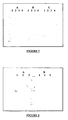
- the present invention is based on the unexpected findings that Lactadherin is expressed in many exosome-producing cells and that in these cells, Lactadherin is almost exclusively found associated with exosomes ( Figure 1 ). This highly specific subcellular localization occurs for endogenous Lactadherin but also for exogenous Lactadherin following transfection of exosome-producing cells with a plasmid encoding Lactadherin ( Figure 2 ). We found that by deleting specific short portions of the C1/C2 domain of Lactadherin, the subcellular localization of Lactadherin is changed ( Figure 2 ).
- chimeric proteins can be used to generate recombinant vesicles tailored to acquire new desirable functions.
- the resulting recombinant exosomes represent a novel tool for numerous applications in research and medical fields.
- the potency of exosomes to induce strong immune responses renders them ideal tools to prepare antibodies against antigens expressed on recombinant exosomes.
- biologically active chimeric proteins can be used to generate recombinant exosomes tailored to acquire new therapeutic properties.
- the unexpected ability of Lactadherin to target polypeptides and to be expressed selectively in exosomes also provides novel approaches to the purification of such polypeptides, including Lactadherin itself.
- An other object herein disclosed is a method of producing a polypeptide comprising Lactadherin or a portion thereof, the method comprising:
- a functionalized exosome prepared by the above methods as well as compositions comprising such functionalized exosomes and a pharmaceutically acceptable excipient or carrier.
- the present invention also relates to chimeric genetic constructs encoding a polypeptide of interest fused to a targeting moiety comprising the C1 and/or C2 domain of lactadherin or an other targeting polypeptide as identified below.
- the polypeptide of interest may be for instance an antigen, a cytokine, a ligand, a receptor, an immunoglobulin, a marker polypeptide, an enzyme, an ionic channel, or a portion thereof.
- Specific examples of such chimeric genes encode a polypeptide selected from SEQ ID NO: 22-27, 32 or 33 or a fragment thereof devoid of the 8 C-terminal amino acid residues.
- This invention further encompasses a vector comprising a chimeric genetic construct as described above, as well as recombinant cells comprising a chimeric genetic construct or a vector as described above.
- the invention also provides methods to identify or screen exosome-targeting polypeptides as well as methods to generate chimeric proteins that are selectively targeted to membrane vesicles (e.g., exosomes).
- the chimeric proteins are typically composed of a polypeptide sequence (e.g., the complete or partial sequence of naturally occurring protein such as antigens, cytokines, ligands, receptors or immunoglobulins) fused to the sequence of a targeting polypeptide, typically a portion of Lactadherin including a functional C1 and/or C2 domain, preferably a functional C1/C2 domain thereof.
- polypeptides which contain specific targeting signals directing expression on exosomes can be identified, selected and/or improved using the above methods.
- These polypeptides require both the ability to be expressed into exosomes and to target other molecules to such vesicles.
- These polypeptides may be derived from transmembrane proteins, and may include all or a portion of such proteins, typically a portion comprising at least the trans-membrane domain.
- These constructs are particularly suited for the delivery of antigens to exosomes, particularly receptors and trans-membrane proteins.
- the method can be used to select specific, individual targeting polypeptides, or to screen libraries of genetic constructs.
- the resulting recombinant exosomes can be used for many research and therapeutic applications including raising antibodies, generating exosomes with improved therapeutic properties, antigen delivery and library screening to identify counterparts of protein-protein interactions.
- the present invention can also be used advantageously to create synthetic lipid vesicles.
- the invention can be used to target molecules to lipid structures other than exosomes such as any naturally occurring vesicle or organelle comprising a plasma membrane bilayer as well as synthetic vesicles comprising lipids such as liposomes or any synthetic particles with hydrophobic properties.
- Such lipid vesicles are preferably engineered to contain (or be enriched in) phosphatidyl-serine and/or other lipids naturally contained in exosomes in order to allow efficient targeting and binding of the chimeric molecule.
- the present teaching can be used to deliver any selected molecule artificially fused to lactadherin or a portion thereof.
- the present teaching is not limited to genetic fusions but also encompasses chemical fusions, i.e., any chemical (covalent) complex of a lactadherin and a molecule.
- the present invention discloses novel methods of producing recombinant exosomes and their uses.
- the invention more particularly uses a targeting polypeptide to selectively express or to target polypeptides in membrane vesicles, of natural or synthetic origin.
- This invention can be used in experimental, research, therapeutic, prophylactic or diagnostic areas.
- the present invention stems from the discovery of novel unexpected properties of lactadherin. More particularly, the invention shows that lactadherin is selectively expressed in exosomes and can be used to selectively express polypeptides in such vesicles.
- chimeric polypeptide comprises a polypeptide of interest fused to functional domains of lactadherin.
- Lactadherin is a protein that was first identified in breast tissue. It is a component of milk where it associates with several other proteins at the surface of milk fat globules. Lactadherin comprises an epidermal-growth factor-like (EGF-like) domain in its N-terminal extremity that contains the sequence motif Arginine-Glycine-Aspartic acid (R-G-D) found in integrin ligands. This motif mediates the binding of Lactadherin to ⁇ v ⁇ 3 and ⁇ v ⁇ 5 integrins. The C-terminal extremity of Lactadherins contains a C1/C2 domain that is involved in the interaction of Lactadherin with milk fat globules.
- Several other proteins that bind to other cell surfaces have related C1/C2 domains.
- the C1/C2 domain of Lactadherin has been shown to preferentially bind to surfaces containing phosphatidyl-serine lipids (Ref. 1 to 3). Lactadherin has been shown to be present at the surface of exosomes produced by murine dendritic cells.
- WO00/30667 relates to the use of lactadherin or variants thereof to deliver antigens to dendritic cells or to mediate an immune response in vivo.
- US5,455,031 discloses the cloning of the long form of human lactadherin.
- the present invention stems from the discovery of novel unexpected properties of lactadherin, i.e., the ability of lactadherin to selectively express or target polypeptides in exosomes.
- the term "selectively" indicates that the lactadherin (or chimeric polypeptide) which is expressed by the cells is present almost exclusively at the surface of exosomes, although residual or minor presence in other cell compartments or membranes may be observed.
- the invention is partly based on the unexpected determination that lactadherin is predominantly expressed at the surface of exosomes and can be used to produce exosomes or lipid vesicles enriched for desired molecules attached to lactadherin.
- exosomes or vesicles that "carry" a molecule at their surface designates vesicles that contain such molecules attached to their membrane.
- the molecule may be exposed outside of the vesicle, or contained within the vesicle (i.e., attached to the inner side of the membrane).
- the invention allows efficient presentation of the molecule at the surface of vesicles, i.e., their exposure outside of the vesicle.
- lactadherin from various sources or origins. Typically, it is preferred to use a portion of a mammalian lactadherin. Mammalian lactadherin includes human, murine, rat, bovine, porcine and equine lactadherin, for instance. Most preferred lactadherin is human or murine, or fragments or functional equivalents thereof. In this regard, the invention preferably uses:
- the amino acid sequence of human lactadherin is depicted SEQ ID NO: 7 (long form) and 8 (short form). Examples of corresponding nucleic acid molecules are represented in SEQ ID NO: 5 and 6, respectively.
- the amino acid sequence of murine lactadherin is depicted SEQ ID NO: 10. See also Stubbs et al. (PNAS 87(21), 1990, 8417 ), as well as Genbank Accession n° M38337.
- the chimeric gene comprises a lactadherin having an amino acid sequence comprising SEQ ID NO: 7, 8, 10 or a fragment thereof comprising a functional C2 domain.
- the chimeric gene comprises a lactadherin having an amino acid sequence comprising SEQ ID NO: 7, 8, 10 or a fragment thereof comprising a functional C 1 domain.
- the chimeric gene comprises a lactadherin having an amino acid sequence comprising a functional C1/C2 domain of SEQ ID NO: 7, 8 or 10.
- the C2 domain of human lactadherin is comprised in amino acid residues 229-387 of SEQ ID NO:7.
- the C1 domain of human lactadherin is comprised in amino acid residues 69-225 of SEQ ID NO:7.
- the chimeric construct encodes at least amino acid residues 229-387 or 69-225 of SEQ ID NO:7.
- the chimeric construct encodes at least amino acids 69-387 of SEQ ID NO: 7.
- the C2 domain of murine lactadherin is comprised in amino acid residues 271-426 of SEQ ID NO:10.
- the C1 domain of murine lactadherin is comprised in amino acid residues 111-266 of SEQ ID NO:10.
- the chimeric construct encodes at least amino acid residues 111-266 or 271-426 of SEQ ID NO:10.
- the chimeric construct encodes at least amino acids 111-426 of SEQ ID NO: 10.
- the chimeric construct encodes at least amino acids 109-426 of SEQ ID NO: 10.
- the herein described targeting moiety may be a polypeptide comprising at least 50% primary structure identity with the human lactadherin or murine lactadherin, or with a fragment of human lactadherin or murine lactadherin comprising a functional C1 and/or C2 domain, more preferably a functional C1/C2 domain. Identity may be determined according to various known techniques, such as by computer programs, preferably by the CLUSTAL method. More preferably, the targeting polypeptide has at least 60% identity, advantageously at least 70% identity with the polypeptides of (i) or (ii). Such lactadherin variant (or functional equivalent) should retain the ability to target polypeptides to exosomes.
- lactadherin variants have at least 85% identity with the polypeptides of (i) or (ii) above. Possible variations include amino acid deletion(s), substitution(s), mutation(s) and/or addition(s).
- variants or functional equivalents include other C1/C2 domain-containing polypeptides or proteins, or fragments thereof.
- functional variants include Del-1, Neuropilin-1, coagulation factor 5 and coagulation factor 8 or fragments thereof comprising a functional C 1 and/or C2 domain thereof.
- the present invention also discloses that additional, efficient targeting polypeptides can be produced, screened and/or isolated.
- this invention shows that polypeptides can be selected for their expression in exosomes and for their capacity to deliver other polypeptides to such vesicles.
- the invention shows that polypeptides which are naturally expressed in exosomes do not necessarily represent efficient targeting polypeptides, while polypeptides which are not naturally expressed in these vesicles can be produced artificially and cause efficient delivery of polypeptides of interest.
- the invention also shows that polypeptides which are not normally expressed into exosomes can be forced into such compartments, by recombinant DNA technologies.
- exosome-specific proteins that are found exclusively on exosomes, such as Lactadherin, are preferred for the targeting of proteins to exosomes
- proteins that are enriched in exosomes or non-exclusive to exosomes are also potential candidates for the targeting of other proteins to exosomes.
- the invention now provides a means to identify and use such candidates. Illustrating this, we have found that recombinant MelanA/MART1, CD40L and CD81 are expressed in exosomes following transfection of cells with plasmids encoding these transmembrane molecules. These results are described in Example 6.
- MelanA/MART1 is a tumor associated intracellular membrane protein that was recently found in exosomes derived from tumor cells.
- a further aspect herein disclosed thus resides in a method of screening, identification or selection of exosome-targeting polypeptides, the method comprising:
- polypeptides which contain specific targeting signals directing expression on exosomes can be identified, selected and/or improved using the above methods.
- These polypeptides require both the ability to be expressed into exosomes and to target other molecules to such vesicles.
- These polypeptides may be derived from transmembrane proteins, and may include all or a portion of such proteins, typically a portion comprising at least the trans-membrane domain. These constructs are particularly suited for the delivery of antigens to exosomes, particularly receptors and trans-membrane proteins.
- the targeting polypeptide is or comprises a trans-membrane domain.
- Candidate targeting polypeptides may be derived from virtually any protein comprising such a trans-membrane domain, such as receptors, channels, etc. Specific examples of such targeting polypeptides include MelanA/MART1, CD40L, CD81, etc., or a portion thereof.
- the targeting polypeptide may comprise an entire trans-membrane protein, or only a portion thereof comprising at least one trans-membrane domain.
- the method is essentially suited for identification of polypeptides adapted for delivering transmembrane polypeptides to exosomes, or for delivering polypeptides inside exosomes.
- Most preferred targeted polypeptides are thus trans-membrane polypeptides, such as receptors, trans-membrane antigens, or portions thereof.
- the invention is particularly advantageous since it allows the screening of targeting polypeptides allowing efficient expression of complex molecules, such as receptors having several trans-membrane domains (e.g., G-Protein Coupled Receptors or "GPCR"), into particular vesicles.
- GPCR G-Protein Coupled Receptors
- Expression of the candidate targeting polypeptide or of the fusion polypeptide into exosomes can be tested according to various techniques, which are disclosed throughout the entire description of this application.
- a genetic construct is introduced into exosome-producing cells, exosomes are prepared from said modified cells, and expression of the polypeptide within said exosomes is measured.
- Expression can be measured by a variety of techniques, including using specific ligands of the targeting or targeted polypeptides.
- expression is measured using antibodies specific for the targeting moiety or for a tag sequence introduced within the fusion polypeptide.
- the targeted moiety may be placed either upstream or downstream from the targeting polypeptide, i.e., either in C-ter or in N-ter.
- the orientation of the fusion determines the type of expression of the targeted polypeptide.
- coupling of the targeted polypeptide to the intracellular portion of the targeting polypeptide will cause expression of the targeted polypeptide inside of the vesicle (for soluble antigens).
- the type of coupling is adjusted by the skilled person depending on the construct, to allow proper folding and insertion into the exosome membrane.
- coupling can be either direct or via a spacer molecule, and the exosome-producing cells may be of various source and origin.
- fusions may be expressed and tested, either in parallel or in the same vesicles.
- the method can be used to select specific, individual targeting polypeptides, or to screen libraries of genetic constructs.
- the method allows the production of improved targeting polypeptides and fusion molecules, which are highly efficient for expression into exosomes.
- a herein disclosed method of producing an exosome expressing a selected trans-membrane polypeptide comprises:
- Another aspect relates to a method of producing an exosome expressing a GPCR or a portion thereof comprising at least one trans-membrane domain, the method comprising:
- exosomes expressing a recombinant GPCR or a portion thereof.
- a fusion polypeptide comprising a targeting polypeptide selected from Melan/MART1, CD40L and CD81 and a targeted polypeptide is also described. More preferably, the targeted polypeptide comprises a trans-membrane domain.
- the disclosure also relates to any polynucleotide sequence encoding such fusion polypeptides. Specific, illustrative examples of such fusions are provided as SEQ ID NO: 32 and 33.
- the present invention can be used to target, selectively express, or produce (e.g., purify) various polypeptides in (from) exosomes or other lipidic structures, such as antigens, cytokines, ligands, receptors, immunoglobulins, a marker polypeptide (e.g., a label protein, such as Green Fluorescent Protein, or an enzyme, for instance), enzymes, ionic channels, etc., or a portion thereof.
- a marker polypeptide e.g., a label protein, such as Green Fluorescent Protein, or an enzyme, for instance
- enzymes, ionic channels, etc. or a portion thereof.
- this invention can be used with any polypeptide of interest, e.g., any polypeptide having biological or immune properties.
- the invention can be used to simultaneously express or target several distinct chimeric genetic constructs encoding distinct polypeptides into exosomes, to further expand the scope of activities or reconstitute complex molecules.
- polypeptides are antigens, such as tumor antigens, viral antigens and microbial antigens, for instance.
- antigens such as tumor antigens, viral antigens and microbial antigens, for instance.
- tumor antigens are MAGE, BAGE, Prostate tumor antigens, oncogenes, etc.
- the amino acid sequence of these antigens are known per se and can be produced by recombinant techniques or by synthesis.
- Particular antigens to be targeted or presented with this invention include soluble antigens and extracellular domains of receptors.
- polypeptides of interest include lymphokines (IL-2, IL-4, IL-13), trophic factors (TNF, IFN, GM-CSF, G-CSF, etc.), enzymes, clotting factors, hormones, lipoproteins, etc.
- lymphokines IL-2, IL-4, IL-13
- trophic factors TNF, IFN, GM-CSF, G-CSF, etc.
- enzymes enzymes
- clotting factors hormones, lipoproteins, etc.
- polypeptides of interest is a receptor having at least one transmembrane domain, more preferably a GPCR or a portion thereof.
- the invention now allows the targeting and expression of trans-membrane polypeptides into particular vesicles using targeting polypeptides.
- the expression of GPCRs within vesicles allows their purification, characterization, the screening for ligands (whether synthetic or natural), the production of antibodies, etc.
- a specific example of a GPCR is, for instance, CCR7, although the invention can be used as well with other receptors.
- immunoglobulins and fragments thereof such as for instance Fc fragments of immunoglobulins.
- Fc fragments when expressed at the surface of exosomes, can act to target the exosomes to cells expressing receptors for such Fc fragments, such as antigen-presenting cells.
- the expression of such Fc fragments either alone or in combination with the expression of antigens, facilitates and enhances exosome recognition by antigen-presenting cells, particularly dendritic cells, and increases cross-priming of such antigens.
- the invention is also adapted for the delivery of therapeutic proteins or polypeptides.
- Such proteins may be delivered to specific cells using functionalized recombinant exosomes or liposomes, optionally with tissue-specific ligands at their surface.
- therapeutic proteins may be expressed at the surface of cell lacking the endogenous protein or expressing a non-functional endogenous protein leading to pathologic conditions.
- a specific object herein disclosed is a method of delivering a therapeutic protein to a subject comprising:
- the present teaching also allows chemical coupling of molecules to Lactadherin or functional equivalents thereof, it also extends to non-polypeptide compounds such as small molecules, nucleic acids, lipids, saccharides, glycolipids, etc.
- the present teaching now makes it possible to express on exosomes a combination of various molecules through their targeting with Lactadherin or functional equivalents thereof, so as to reconstitute artificially particles having increased immunogenicity.
- a typical example, herein described is a combination of antigen(s), Lactadherin, targeting polypeptide (e.g. Fc fragment) and/or adjuvant (e.g., cytokine, including GM-CSF, etc.).
- Chimeric polypeptides or compounds can be prepared by genetic or chemical fusion.
- the region of the chimeric gene coding for the polypeptide of interest may be fused upstream, downstream or at any internal domain junction of Lactadherin or a targeting polypeptide.
- the examples demonstrate that upstream fusions with lactadherin are functional, as well as N-ter and C-ter fusions with targeting polypeptides.
- the domains may be directly fused to each other, or separated by spacer regions that do not alter the properties of the chimeric polypeptide. Such spacer regions include cloning sites, cleavage sites, flexible domains, etc.
- the chimeric genetic construct may further comprise a leader signal sequence to favor secretion of the encoded chimeric polypeptide into the endoplasmic reticulum of exosome-producing cells.
- the chimeric gene comprises the lactadherin leader sequence.
- the chimeric gene may further comprise a tag to facilitate purification or monitoring, such as a myc tag, a poly-histidine tag, etc.
- the partial or full-length lactadherin sequence may be selected or modified to present at its extremity a free reactive group such as thiol, amino, carboxyl group to cross-link a soluble polypeptide, a glycolipid or any small molecule.
- the Lactadherin construct encodes at least amino acids 1-230 of SEQ ID NO: 7 in which the C1 domain (amino acids 60-225) provides the targeting motif to exosomes and Cysteine 230 provides the free thiol-residue for chemical cross-linking to other molecules.
- Crosslinking peptides, chemicals to SH groups can be achieved through well established methods (review G.T Hermanson (1996) Bioconjugate techniques San Diego Academic Press 785 pages ).
- the advantage of this method is that it allows the preparation of antibodies to compounds other than polypeptides, such as glycolipids, drugs and organic chemicals. It also provides a means to target polypeptide and compounds to exosomes without introducing putative neo-antigenic determinants.
- Selected cross-linking reagents have been shown to be immunologicaly silent (G.T. Hermanson (1996) cited above). Neo-antigenic determinants sometimes occur at the junction of chimeric genes and may limit the usage of chimeric gene products for specific prophylactic and therapeutic human applications.
- Modified exosomes or lipid vesicles can thus be prepared by producing exosomes (or liposomes) presenting the relevant lactadherin construct such as SEQ ID NO 7 and then reacting them with the product to be linked.
- the lactadherin fragment cross-linked to a product may be prepared and subsequently added to purified exosomes or liposomes.
- This invention further encompasses a vector comprising a chimeric genetic construct as described above, as well as recombinant cells comprising a chimeric genetic construct or a vector as described above.
- the vector may be a plasmid, a phage, a virus, an artificial chromosome, etc. Typical examples include plasmids, such as those derived from commercially available plasmids, in particular pUC, pcDNA, pBR, etc. Other preferred vectors are derived from viruses, such as replication defective retroviruses, adenoviruses, AAV, baculoviruses or vaccinia viruses.
- vectors that can transfect or infect mammalian cells.
- preferred recombinant host cells are mammalian cells. These can be primary cells or established cell lines. Illustrative examples include fibroblasts, muscle cells, hepatocytes, immune cells, etc., as well as their progenitor or precursor cells. Most preferred mammalian cells are exosome-producing mammalian cells. These include, for instance, tumor cells, dendritic cells, B and T lymphocytes or mastocytes.
- Exosome-producing cells include any cell, preferably of mammalian origin, that produces and secretes membrane vesicles of endosomal origin by fusion of late endosomal multivesicular bodies with the plasma membrane (4).
- Cells from various tissue types have been shown to secrete exosomes, such as dendritic cells, B lymphocytes, tumor cells, T lymphocytes and mast cells, for instance.
- Methods of producing, purifying or using exosomes for therapeutic purposes or as research tools have been described for instance in WO99/03499 , WO00/44389 , WO97/05900 , incorporated therein by reference.
- Preferred exosome-producing cells are mammalian tumor cells, mammalian T lymphocytes and mammalian dendritic cells, typically of murine or human origin.
- the cells are preferably immortalized dendritic cells ( WO94/28113 ), immature dendritic cells or tumor cells ( WO99/03499 ).
- B lymphocytes for the production of antibody, it may be advantageous to use B lymphocytes as exosome-producing cells, since the resulting exosomes comprise accessory functions and molecules such as MHC class II molecules that facilitate antibody-production.
- B cells-derived exosomes are able to bind to follicular dendritic cells, which is another important feature for antibody induction (10).
- the cells may be cultured and maintained in any appropriate medium, such as RPMI, DMEM, etc.
- the cultures may be performed in any suitable device, such as plates, dishes, tubes, flasks, etc.
- the genetic construct can be introduced into the exosome-producing cells by any conventional method, such as by naked DNA technique, cationic lipid-mediated transfection, polymer-mediated transfection, peptide-mediated transfection, virus-mediated infection, physical or chemical agents or treatments, electroporation, etc.
- transient transfection is sufficient to express the relevant chimeric gene so that it is not necessary to create stable cell lines or to optimize the transfection conditions.
- the exosomes produced by such cells may be collected and/or purified according to techniques known in the art, such as by centrifugation, chromatography, etc. Preferred techniques have been described in WO00/44389 and in US09/780,748 , incorporated therein by reference.
- the recombinant, functionalized exosomes of this invention can be used to produce antibodies, to regulate an immune response, to deliver a biological activity and/or as a screening tool, to select ligands of any selected polypeptide.
- the present invention relates to the use of recombinant exosomes as described above to produce antibodies specific for any polypeptide or other antigen.
- a considerable advantage of this invention is that antigens are associated with immuno-stimulatory components on recombinant exosomes, which allows the generation of antibodies against poorly immunogenic antigens and in situation where classical approaches to prepare antibodies failed.
- exosomes produced from B lymphocytes contain MHC II molecules that stimulate antibody production.
- the preparation of antibodies can be achieved without the need to purify large amounts of antigens.
- a single and small scale purification method to isolate exosomes US09/780,748
- the antigen preparation step can be completed very rapidly, i.e., typically within less than 12 hours.
- This method is rapid and can be performed on many samples in parallel allowing the simultaneous preparation of multiple antigens for immunization.
- the expression of antigens in a naturally occurring vesicle combined to a gentle purification procedure helps preserve the native conformation of antigens, which may enable the generation of relevant antibodies with potential therapeutic applications.
- the invention generates lipid vesicles that contain a high density of chimeric molecules (e.g., antigen) at their surface. This high density can be compared to a polymeric state which highly favors antibody production by increasing antigen avidity.
- a further advantage of this invention is that the polypeptides can be expressed by exosome producing cells and thus subjected to natural pathways of processing and post-translational modifications (glycosylations, etc.).
- the present invention thus also relates to methods of producing an antibody that binds a polypeptide, the method comprising immunizing a non-human mammal with functionalized exosomes as described above which express said polypeptide or an epitope thereof, and collecting antibodies or antibody-producing cells from said mammal.
- the method is particularly suited for producing antibodies to antigens fused to lactadherin, or to trans-membrane receptors fused to a targeting polypeptide, as described above.
- the present disclosure also relates to methods of producing an antibody that binds a receptor, such as a GPCR, comprising :
- the antibodies may be polyclonal or monoclonal. Methods of producing polyclonal antibodies from various species, including mice, rodents, primates, horses, pigs, rabbits, poultry, etc. may be found, for instance, in Vaitukaitis et al., 1971. Briefly, the antigen (in the present invention, the recombinant exosome) is injected in the presence or absence of an adjuvant (complete or incomplete adjuvant e.g., Freund's adjuvant) and administered to an animal, typically by sub-cutaneous, intra-peritoneal, intra-venous or intra-muscular injection. Repeated injections may be performed. Blood samples are collected and immunoglobulins or serum are separated.
- an adjuvant complete or incomplete adjuvant e.g., Freund's adjuvant
- the exosome-producing cells are B lymphocytes.
- the exosome-producing cells and/or the lactadherin and/or the targeting polypeptide is (are) from the same species as the mammal used for immunization. Indeed, in such as system, the exosomes and lactadherin are not immunogenic and antibodies are produced essentially only against the selected antigen.
- the exosome-producing cells are murine cells
- the lactadherin is a murine lactadherin or a portion or variant thereof comprising a functional C1 and/or C2 domain
- the non-human mammal is a mouse
- the antigen or epitope is from a different species, for instance of human origin.
- the mouse is a humanized mouse, allowing humanized antibodies to be produced.
- nucleotide sequence of a protein (the antigen or an epitope) can be fused to the C1 and/or C2 domain of mouse Lactadherin and the resulting chimeric sequence is cloned into a eukaryotic expression vector using standard molecular biology techniques. Plasmids encoding the chimeric protein are transfected into an exosome-producing mouse cell line and recombinant exosomes are harvested after several days of culture of the transfected cells. Recombinant exosomes are then purified by centrifugation on a sucrose gradient ( US09/780,748 ).
- chimeric proteins on recombinant exosomes is established by Western blot analysis using a monoclonal anti-C1/C2 domain antibody. Recombinant exosomes bearing chimeric proteins are then injected into syngeneic mice to generate antibodies. In this context, only the antigenic determinants contained in the protein sequences used to generate chimeric proteins represent foreign antigens in the immunized mice. The generation of antibodies is verified in screening assays designed according to the nature of the antigen. If recombinant exosomes are used in the screening assay, a second chimeric protein is prepared where the same protein antigen sequence is fused with an extended C1/C2 domain of Lactadherin sequence.
- recombinant exosomes expressing the protein antigen fused to the C1/C2 domain of Lactadherin from a different species can also be used.
- These new constructions create chimeric proteins with new junction sequences, thereby, avoiding the detection/selection of antibodies directed at the junction of the chimeric protein used for immunization.
- this method[s] is very advantageous and can be used to produce antibodies in various species, against any selected antigen or epitope, including tumor antigens, bacterial antigens or viral antigens.
- the present invention can be used to produce recombinant exosomes that exhibit any selected biological activity. These can be produced by targeting one (or several) polypeptides with particular biological activity to the surface of exosomes, as described above.
- An advantage of this invention is that high local concentration of biologically active components may be reached on recombinant exosomes, which enable exosomes to acquire potent new biological activity with the possibility of cross-linking receptors on target cells. Such high local concentration also allows to increase the avidity of the carried molecule, thus improving the potency of the exosome. Also, this invention allows reconstituting biologically active multicomponent entities on exosomes, thereby broadening the field of applications of recombinant exosome to multi-chain proteins when classical approaches to manipulate such proteins have been difficult.
- IL2 Interleukin-2
- IL2 a cytokine that activates T cells and is used in cancer immunotherapy to stimulate T cell responses against tumor cells.
- the simultaneous presentation of this immunologically defined adjuvant with tumor antigens on exosomes may improve the efficiency of exosome.
- the functional assay to verify that IL2 on recombinant exosome is biologically active will use an IL2-dependent cell line.
- CD40 Ligand CD40 Ligand
- helper signals required for DC to initiate an immune response against captured antigens.
- the simultaneous presentation of helper signal with tumor antigens on exosomes may improve the efficiency of exosome.
- a functional assay to monitor the induction of markers of activation on DC will be used to verify that CD40L on recombinant exosome is biologically active.
- lymphokines IL-4, IL-13
- trophic factors TNF, IFN, GM-CSF, G-CSF, etc.
- enzymes clotting factors, hormones, lipoproteins, etc.
- polypeptides that facilitate targeting or interaction of exosomes to or with particular cells, preferably with dendritic cells.
- targeting polypeptides include for instance Fc fragments of immunoglobulins.
- Fc fragments when expressed at the surface of exosomes, can act to target the exosomes to antigen-presenting cells.
- the expression of such Fc fragments in combination with the expression of antigens (and, optionally, adjuvant molecule as disclosed above) factilitates and enhances exosome recognition by antigen-presenting cells, particularly dendritic cells, and increases cross-priming of such antigens.
- the full-length or partial cDNA sequences of biologically active proteins can be fused either upstream or downstream the sequence coding for a targeting polypeptide and the resulting chimeric sequence is cloned into a eukaryotic expression vector using standard molecular biology techniques.
- the targeting polypeptide may be selected or derived from C1 and/or C2 domain of human Lactadherin sequence or an equivalent thereof, and from targeting polypeptides identified using the above-disclosed screening method, such as MART1/MelanA or a fragment thereof.
- Plasmids encoding the chimeric protein are transfected into an exosome-producing cell line and recombinant exosomes are harvested after several days of culture of the transfected cells. Recombinant exosomes are then purified by centrifugation on a sucrose gradient. The presence of chimeric protein on recombinant exosomes is established by Western blot analysis using antigen-specific antibodies (if available) and/or anti-targeting polypeptide antibodies. Functional assays are then performed to verify that the biological activity of the proteins fused to the targeting polypeptide is preserved.
- the functionalized exosomes may then be administered in vivo to any mammalian subject in need thereof, in particular human subject. Administration can be performed by various routes, such as by systemic injection, e.g., intraveinous, intra-muscular, intra-peritoneal, intra-tumoral, sub-cutaneous, etc.
- cellular immune responses can also be generated against antigen expressed on exosomes.
- Chimeric sequences including full-length cDNA encoding tumor or microbial antigens and the targeting polypeptide are prepared as described above.
- Recombinant exosomes can then be used directly to vaccinate individuals or indirectly to pulse DC in vitro. Delivery of full-length antigens to DC alleviates haplotypes restriction for vaccine usage. Also, delivery through a natural pathway of antigen uptake by and transfer to DC will yield efficient processing of antigen and presentation of both class I and II epitopes.
- recombinant exosomes expressing full-length tumor or microbial antigens may contribute to improved vaccines against cancer and infectious diseases.
- a further object herein disclosed is a method of delivering an antigen to a subject comprising:
- Another object is a method of delivering an antigen to a subject comprising:
- a “portion” of dendritic cells indicates that it is possible to inject all the contacted DC or to inject a fraction thereof and keep the rest for further injection(s) or use(s), if needed. Furthermore, the term “portion” indicates that although whole cells may be administered, preparations derived therefrom may be injected as well, such as membrane extracts or exosomes produced by such dendritic cells.
- the dendritic cells or their portion may be injected by several routes, such as by intra-venous, intra-arterial, intra-peritoneal, intra-tumoral, intra-muscular, etc., as described for instance in WO99/03499 incorporated therein by reference.
- the exosome-producing cells may be contacted with additional chimeric genetic construct(s) encoding additional (accessory) molecules fused to Lactadherin or a portion thereof comprising a functional C1 and/or C2 domain, to generate recombinant exosomes carrying said molecules at their surface, in addition to the antigen.
- the molecules may be adjuvant, targeting polypeptides, Lactadherin, etc. Particular examples include Fc fragment of immunoglobulin, CD40 ligand, cytokines and GM-CSF.
- the various genetic constructs may be comprised in one vector or in several separate constructs, which may be contacted simultaneously or sequentially with the exosome-producing cells.
- the present invention can be used with various membrane vesicles, including natural vesicles (such as exosomes) or synthetic vesicles, such as liposomes.
- Liposomes are versatile tools in research and medicine. They are small artificial vesicles produced from natural phospholipids and cholesterol. Such vesicles are currently being used as drug carriers loaded with a great variety of molecules, including small drug molecules, proteins, nucleotides and plasmids. Hence, liposomes can be used for a large number of applications.
- the liposome should contain phosphatidyl serine or other lipids naturally contained in exosomes, to facilitate targeting of the lactadherin chimeric polypeptide.
- Another aspect of the disclosure is a method of delivering an antigen to a subject comprising:
- Another aspect of the disclosure is a method of delivering an antigen to a subject comprising:
- This disclosure also relates to a composition
- a composition comprising a functionalized lipid vesicles as described above an lactadherin.
- the lipid vesicle is preferably a liposome.
- the liposome may be produced according to conventional techniques, and, preferably, enriched for phosphatidyl serine or other lipids naturally contained in exosomes.
- the antigen can be any organic compound, such as a polypeptide, a nucleic acid, a lipid, a saccharide, a glycolipid, etc.
- the chimeric molecule may comprise the antigen either genetically (when the antigen is a polypeptide) or chemically coupled to Lactadherin, as described above.
- the disclosure relates to a method of producing functionalized lipid vesicles, comprising:
- the activated Lactadherin may be a portion of Lactadherin having a cysteine residue at one of its ends, thus creating reactive SH group.
- Such an activated Lactadherin may comprise, for instance, amino acids 1-230 of SEQ ID NO:7.
- the activated Lactadherin may be prepared by chemically adding to one of Lactadherin ends a reactive group such as a thiol, an amino or a carboxyl group.
- the lipid vesicles carrying said activated Lactadherin can be an exosome or a synthetic vesicle for instance, such as a liposome.
- the disclosure relates to an exosome presenting an activated Lactadherin as described above.
- the invention relates to a liposome carrying an activated Lactadherin as described above.
- Such an exosomes or synthetic lipid vesicles may be produced as described above.
- the compound may be any organic molecule, such as a polypeptide, nucleic acid, lipid, glycolipid, saccharide, small molecule, drug (e.g., medicament), toxin, etc.
- the lipid vesicle may be functionalized with various polypeptides, such as with an antigen, a targeting moiety and/or an adjuvant and/or Lactadherin.
- Typical examples include a lipid vesicle comprising various polypeptides fused to Lactadherin or a functional C1 and/or C2 domain thereof, said polypeptides being selected from an antigen, a targeting polypeptide (e.g. a Fc fragment of an immunoglobulin) and an aduvant (e.g., a CD40 ligand, a cytokine, GM-CSF, etc.).
- a targeting polypeptide e.g. a Fc fragment of an immunoglobulin
- an aduvant e.g., a CD40 ligand, a cytokine, GM-CSF, etc.
- the present invention can also be used for direct DNA or genetic vaccination in vivo, using genetic constructs as disclosed above encoding chimeric antigen molecules.
- Humoral or antibody response and cellular immune responses can also be generated against antigen upon genetic and DNA immunization.
- Chimeric sequences including full-length or partial cDNA encoding tumor or microbial antigens and the targeting polypeptide are prepared as described above. Viral, non viral vectors or DNA encoding these chimeric proteins can then be used directly to vaccinate individuals or animals. Genetic and DNA immunization has been shown to induce potent immune responses that lead to host protection against microbial infections and tumor regression (rev. Hasan et al J. Immunol.. Methods 229, 1-22,1999 ). Recent findings suggest that cross-priming of antigen presenting cell (APC), i.e.
- APC antigen presenting cell
- a further object herein described resides in a method of delivering an antigen to a subject, comprising injecting to said subject a genetic construct encoding said antigen fused to a targeting polypeptide as described above, particularly to Lactadherin or a portion thereof comprising a functional C1 and/or C2 domain of Lactadherin.
- Another object is a method of producing an immune response in a subject against a specific antigen, the method comprising injecting to said subject a genetic construct encoding said antigen fused to a targeting polypeptide as described above, particularly to Lactadherin or a portion thereof comprising a functional C1 and/or C2 domain of Lactadherin.
- Genetic vaccination can be performed using a variety of viral vectors, such as vaccinia, pox virus, adenovirus, adeno associated virus, etc., non-viral vectors, such as DNA associated with various lipidic or peptidic compositions, or using pure (e.g., naked) DNA.
- Vaccination may be performed through various routes of injections, including intra muscular, intra-venous, subcutaneous or intra-dermal.
- Various vector delivery devices or techniques may be used for genetic vaccination, including gene gun or electroporation. Animals and individuals may also be immunized using cell lines transfected in vitro with the vectors. Cell lines selected for release of high number of exosomes would be particularly advantageous.
- the method comprises the direct injection of a naked DNA or RNA encoding the chimeric polypeptide. Naked means that the injected composition is free of any transfection facilitating agent.
- the genetic construct is administered by intramuscular injection in a naked form, more preferably using a gene gun.
- This method allows the cross-presentation of antigens in a non-soluble form via the exosome, whose function is to transfer antigens from cells in periphery to APC (cross-priming) ( Wolfers et al Nature Medicine 7, 297-303, 2001 ).
- a schematic representation of the method is shown in Figure 6 .
- Immunization with a viral, non viral or naked DNA vector encoding chimeric proteins containing the C1/C2 domain of lactadherin leads to the expression of chimeric protein by various cells in vivo, including exosome-producing cells (step 1).
- the recombinant protein is then released in the extracellular milieu associated to exosomes (Step 2).
- Cross-priming of APC occurs when the chimeric protein-bearing exosomes binds to APC (Step 3).
- the cross-presentation of antigens to APC may be further increased by administering, together with the chimeric protein-encoding genetic construct (e.g., DNA), a lactadherin-encoding genetic construct (e.g., DNA), since exosome binding to DC involves lactadherin.
- constructs may be prepared in which an antigen sequence is inserted within the full-length lactadherin sequence between the EGF domain and the C1C2 domain. Thereby, injection of a single construct produces antigens targeted to exosomes via the C1C2 domain of lactadherin and containing the receptor-binding domain of lactadherin that directs the specific delivery of exosome to DC.
- the genetic construct(s) encoding the antigen(s) and, optionally, Lactadherin may be administered together with a genetic construct encoding an adjuvant, such as a factor or molecule that facilitates an immune reaction.
- adjuvants include CD40Ligand, GM-CSF, cytokines, etc.
- the genetic construct(s) encoding the antigen(s), Lactadherin and/or the adjuvant may be administered together with a genetic construct encoding a targeting polypeptide, such as a factor or molecule that directs exosomes to antigen-presenting cells.
- targeting polypeptides include Fc fragments of immunoglobulins.
- the method comprises injecting to the subject a genetic construct encoding the chimeric antigen and a genetic construct encoding Lactadherin or an accessory molecule fused to Lactadherin or a portion thereof comprising a functional C1 and/or C2 domain.
- the construct encoding Lactadherin or the chimeric accessory molecule may be injected simultaneously with the construct encoding the chimeric antigen, or separately. Where separate injections are performed, they may be made at about the same time or not.
- the construct encoding the chimeric antigen may be injected first, and then the construct encoding Lactadherin or the chimeric accessory molecule.
- the various chimeric proteins be present simultaneously in vivo and be expressed by the same exosomes.
- the proteins are expressed from genetic constructs contained in a single vector, such as a viral vector (e.g., a vaccinia virus).
- the disclosure also encompasses a composition
- a composition comprising a genetic construct encoding an antigen fused to a targeting polypeptide, said targeting polypeptide being selected from (i) Lactadherin or a portion thereof comprising a functional C1 and/or C2 domain and (ii) targeting polypeptides identified by a method as described above, and (a) a genetic construct encoding an immune accessory molecule (e.g., an adjuvant or a cell targeting polypeptide) fused to a targeting polypeptide, said targeting polypeptide being selected from (i) Lactadherin or a portion thereof comprising a functional C 1 and/or C2 domain and (ii) targeting polypeptides identified by a method as described above, and/or (b) a genetic construct encoding Lactadherin.
- an immune accessory molecule e.g., an adjuvant or a cell targeting polypeptide
- the invention indeed allows to efficiently combine various functional molecules at the surface of exosomes, upon direct in vivo expression of such molecules in fusion with portions of lactadherin. This combined expression leads to an increased immune response, which mimicks antigenic particles or immune complexes.
- compositions herein described comprise:
- the genetic construct may be any DNA or RNA molecule, typically a plasmid, viral vector, viral particle, naked DNA or any cell comprising the same.
- the various genetic constructs may be comprised within a single vector or in separate vectors or in any combination(s).
- the composition generally further comprises a pharmaceutically acceptable excipient or vehicle, such as a diluent, buffer, isotonic solution, etc.
- the composition may also include transfection facilitating agents, as described above.
- DC Delivery of full-length or partial antigens to DC according to the present invention alleviates haplotypes restriction for vaccine usage. Also, delivery through a natural physiological pathway of antigen uptake by and transfer to DC will yield efficient processing of antigen and presentation of both class I and II epitopes. Hence, genetic and DNA vaccination with vector encoding tumor or microbial antigens targeted to exosomes contributes to improved genetic and DNA vaccines against cancer and infectious diseases.
- DNA vaccine composition against HIV includes genetic constructs encoding an antigen selected from Reverse Transcriptase, gag, env, nef and tat polypeptides or portion thereof, fused to Lactadherin or a portion thereof comprising a functional C1 and/or C2 domain.
- protein vaccines may also be used in a similar way.
- recombinant chimeric antigens may be used in a purified form for administration into the patient. Following such an administration, chimeric antigens with C1 and/or C2 domain of Lactadherin will be loaded in vivo on the patient's own circulating exosomes, thereby producing an immune response.
- Another object herein described includes a method of producing an immune response in a subject against a specific antigen, the method comprising injecting to said subject a chimeric polypeptide comprising said antigen fused to a targeting polypeptide, said targeting polypeptide being selected from (i) Lactadherin or a portion thereof comprising a functional C1 and/or C2 domain and (ii) targeting polypeptides identified by a method as described above.
- Another object herein described is a method of delivering an antigen to a subject, comprising:
- proteins are expressed into two recombinant exosomes species with different protein profiles.
- the interaction of chimeric proteins from each recombinant exosome species with each other can be detected by standard ELISA-based assays using specific markers on the recombinant exosomes. This approach can be used to identify the counterparts of a known ligand or receptor.
- the disclosure provides a method of selecting or identifying a ligand or binding partner of a polypeptide comprising:
- the candidate compound may be an isolated product, a mixture of products or a library of compounds.
- candidate compounds include, without limitation, small molecules (e.g., organic products) as well as libraries thereof, DNA libraries, protein libraries, libraries of antibodies (or fragments thereof), which may be displayed by phages or other presentation systems, etc.
- the candidate compounds may be tested in parallel or as complex mixtures.
- Methods of determining the ability of a candidate compound to bind said polypeptide (or antigen) include, for instance, the isolation of the exosome and the immunization of a non-human mammal therewith. The generation of antibodies in said mammal indicates that a candidate molecule has complexed with the exosome and allows to identify said molecule.
- This technique can be used to produce antibodies against a ligand of a molecule.
- a ligand of a receptor for which antibodies are needed is expressed at the surface of a lipid vesicle.
- a preparation e.g., a biological sample
- the exosomes are washed, purified and injected to a non-human-mammal.
- Antibodies against the receptor can be isolated from said mammal. This strategy is very advantageous to produce antibodies against complex molecules, unstable molecules or even molecules that are not available in isolated form.
- exosomes constitute an important source of Lactadherin or various chimeric polypeptides comprising a fragment of Lactadherin, from which these proteins can be recovered and/or purified.
- a particular advantage of this method is that the preparation of exosomes provides a rapid means to considerably enrich and concentrate proteins to be purified and allows to perform the purification of proteins from large-scale cell cultures with small sample volumes.
- Lactadherin or chimeric polypeptides comprising a functional C1 and/or C2 domain of Lactadherin can be produced, which are directly extracted from exosomes using standard biochemical approaches, including exosome lysis with detergent or salt and specific release of proteins with lipids or peptides, for instance.
- (native) proteins can be released directly from the exosome after proteolytic cleavage of the chimeric polypeptide, when a specific site has been inserted between the protein and the C1-C2 domain.
- sites are well characterized and include for instance a cleavage site for furin, enterokinase, factor X, etc.
- Extracted proteins can then be purified by standard chromatography approaches including anionic or hydrophobic chromatography and/or affinity chromatography on columns covalently linked to lectin, specific antibody, receptor or ligand and tag counterparts. This technique is also suited for purification of polypeptides fused to a targeting polypeptide identified as described above.
- Another object herein described thus resides in a method of producing a polypeptide comprising Lactadherin or a portion thereof, the method comprising:
- the polypeptide may be Lactadherin, such as wild-type Lactadherin or a fragment thereof.
- the disclosure provides an efficient method of producing (and purifying) Lactadherin, comprising introducing a genetic encoding Lactadherin into exosome-producing cells to generate functionalized exosomes presenting said polypeptide at their surface, optionally collecting and/or purifying said functionalized exosomes, and recovering and/or purifying Lactadherin from said functionalized exosomes.
- the polypeptide can be a chimeric polypeptide encoded by a chimeric genetic construct, which chimeric polypeptide comprises a polypeptide fused to a functional C1 and/or C2 domain of Lactadherin.
- the entire chimeric polypeptide may be recovered from the exosomes, or only a portion thereof, for instance the polypeptide released by separation from the C1 and/or C2 domain of Lactadherin.
- a further object herein described is a method of producing a polypeptide, comprising:
- Example 1 Human Lactadherin expressed by tumor cell lines is found almost exclusively in exosomes
- Human-derived tumor cells seeded at ⁇ 80% confluency in a 175 cm 2 -flask were cultured in complete media (RPMI 1640 supplemented with 2 mM L-glutamine, 100 U/ml Penicillin, 0.1 mg/ml Streptomycin, 1 mM Sodium Pyruvate and 10% fetal bovine serum (FBS)) for 4 days at 37°C in a 5% CO 2 atmosphere.
- exosome lysates and cell lysates were prepared from each culture as follows: The culture supernatants were harvested and successively spun at 200g and filtered through a 0.2 ⁇ m filter to remove cell debris. The cleared supernatants were then spun at 4°C for 90 min.
- the pellets were resuspended and lysed into 100 ⁇ l of ice-cold Lysis Buffer (LB) consisting of 50 mM Sodium phosphate pH 8.0, 300 mM sodium chloride, 10 mM imidazole and 0.5% Tween 20 and a cocktail of protease inhibitors (Sigma).
- LB ice-cold Lysis Buffer
- the lysates were incubated for 10 min. on ice, were then cleared of insoluble materials by centrifugation for 10 min. at 4°C under 10,000g. The resulting supernatant were retained as the cell lysates (CL).
- Lactadherin was detected in E (panel B) from 293 (lane 1), FON-T1 (lane 2), M10 (lane 3), NCI-H520 (lane 5) and FM3 (lane 6) whereas no specific band was detected in CL from the same cell lines (panel A). Lactadherin was not detected in E and CL from NCI-H226 (lane 4), Raji (lane 7) and the negative control CHO (lane 9).
- Example 2 Recombinant human Lactadherin is expressed almost exclusively in exosomes produced by transfected cells and this highly specific targeting is encrypted in the C1/C2 domain
- the sequence of the shorter form (Lactsf, SEQ ID No:6) lacks a stretch of 153 nucleotides resulting in a deletion of 51 amino acids in the C2 domain of Lactadherin.
- the 5' end cDNA was digested with Hind III and EcoR I and both Lactlf and Lactsf cDNA were digested with Age I and EcoR I.
- the 5' end and 3' end cDNA were ligated together and into pcDNA6A-His (Invitrogen) that was precut with Hind III and Age 1.
- the resulting plasmids encodes full-length recombinant human lactadherin fused to a (His) 6 tag (SEQ ID Nos: 7 and 8, respectively). They were transfected into 293 cells, a human embryonic kidney cell line (ATCC) using lipofectamine (Invitrogen). At day 4 of culture in complete media (see Example 1 for description of culture conditions and media), EL and CL were prepared from each culture as described in Example 1 (EL was prepared by resuspending exosomes in LB instead of PBS).
- CL, S and EL samples were analysed in panel A, B and panel C of FIGURE 2 , respectively.
- CL, S and EL derived from 293 transfected with pcDNA6hLactsf/His and pcDNA6hLactlf/His are shown in lane 1 and 2 of each panel, respectively.
- Partially purified human Lactadherin from milk was used as positive control (lane 4) and CL, S and EL from 293 cells transfected with an empty pcDNA6 plasmid were used as negative controls (lane 3 of each panel).
- Example 3 The exosome targeting signal in the C2 domain of Lactadherin is conserved across various mammalian species
- the full-length cDNA of mouse lactadherin was amplified from a mouse Lactadherin cDNA template (a gift from Dr. Sebastian Amigorena) using primers LTDNf20 (SEQ ID No: 9) and LTDNr13 (SEQ ID No: 4). These primers were extended at their 5' end to include a Hind III and an Age I restriction site for primer LTDNf20 and LTDNr13, respectively.
- the product of amplification was digested with Hind III and Age I and ligated into pcDNA6A-His (Invitrogen) that was precut with the same enzymes.
- the resulting plasmid encodes recombinant mouse lactadherin fused to a (His) 6 tag (SEQ ID No: 10).
- This plasmid and pcDNA6hLactlf/His (prepared as described in Example 2) were transfected into 293, CHO and WEHI (a mouse fibrosarcoma) cells and EL was prepared from each culture exactly as described in Example 2. Samples were prepared and Lactadherin expression was monitored as described in Example 1.
- EL from human 293 cells expressing mouse Lactadherin is shown in panel A
- EL from mouse WEHI cells expressing human Lactadherin is shown in panel B
- EL from hamster CHO cells expressing human Lactadherin is shown in panel C of Figure 2 .
- EL from cells transfected with Lactadherin-encoding plasmids are shown in lane 2 of each panel.
- EL from cells transfected with an empty pcDNA6 plasmid were used as negative controls (lane 1 of each panel).
- Partially purified human Lactadherin from milk was used as positive control (lane 3, panel C).
- Chimeric proteins are generated by fusing the nucleotide sequences of a protein with that of the full-length or partial sequences of Lactadherin.
- the full-length sequence of Lactadherin is generally fused upstream a protein sequence.
- Partial sequences of Lactadherin comprise the C1 domain only, the C2 domain only or both the C1 and the C2 domains and are generally fused downstream a protein sequence. Proteins that do not contain an intrinsic leader sequence can be inserted between the leader sequence and the C1/C2 domains of Lactadherin.
- Chimeric proteins with different junctions are prepared by fusing the nucleotide sequence of a protein with the nucleotide sequence of a C domain and the matching C domain extended with at least 10 amino acids in its N-terminal extremity.
- chimeric proteins with different junctions are prepared using the C1 and the C2 domain of Lactadherin or using the C domains derived from two species.
- the chimeric proteins comprising the protein X and either human-derived C1, human-derived extended C1, human-derived C2 and mouse-derived C1 as fusion partners have different junctions.
- Lactadherin DNA fragments encoding C1, extended-C1, C2, extended-C2, C1/C2 and extended-C1/C2 domains were amplified using pcDNA6-hLaclf/His as template and the primer pairs LTDNf24 (SEQ ID No:13)/LTDNr26 (SEQ ID No:15), LTDNf22 (SEQ ID No:11)/LTDNr26, LTDNf25 (SEQ ID No:14)/LTDNr13, LTDNf23 (SEQ ID No:12)/LTDNr13, LTDNf24/LTDNr13 and LTDNf22/LTDNr13, respectively.
- the primer pairs LTDNf30 (SEQ ID No:16)/LTDNr26, LTDNf31 (SEQ ID No:17)/LTDNr26, LTDNf33 (SEQ ID No:19)/LTDNr13, LTDNf32 (SEQ ID No:18)/LTDNr13, LTDNf30/LTDNr13 and LTDNf31/LTDNr13, and the template pcDNA6-mLact/His were used to amplify the matching C1/C2 fragments derived from mouse Lactadherin. All forward primers (LTDNf) are phosphorylated at their 5' end and all reverse primers (LTDNr) were extended at their 5' end to include an Age I restriction site. The products of amplification were digested with Age I before ligation with fusion partners (see below).
- IL2f1 SEQ ID No: 20
- IL2r2 SEQ ID No: 21
- IL2f1 was extended at its 5' end to include a Hind III restriction site whereas IL2r2 was phosphorylated at its 5' end.
- the product of amplification was digested with Hind III and ligated with each C1/C2 DNA fragment prepared above into pcDNA6A-His (Invitrogen) that was precut with Hind III and Age I.
- the blunt ligation between the phosphorylated 3' endof IL2 fragment and the phosphorylated 5' end of the C1/C2 fragments yield IL2-C1/C2 chimeric sequences.
- the 5' end Hind III site of IL2 fragment and 3' end Age I site of the C1/C2 fragments allow the insertion of the chimeric sequence into pcDNA6His and the resulting plasmids (pcDNA6-His/IL2-C1, IL2-extended-C1, IL2-C2, IL2-extended C2, IL2-C1/C2 and IL2-extended C1/C2) encode recombinant chimeric proteins fused to a (His) 6 tag (SEQ ID Nos: 22-27 for chimeric proteins containing human derived C1/C2 domains).
- residues 1-153 correspond to the amino acid sequence of the hIL2 portion of the chimeric polypeptide, and the last C-terminal 8 amino acid residues of the chimeric polypeptide (TGHHHHHH) correspond to the His tag. The remaining residues correspond to lactadherin-derived sequence.
- CL, S and EL derived from cells transfected with pcDNA6IL2-extendedC1/His, pcDNA6IL2-extendedC2/His, pcDNA6IL2-extendedC1/C2/His, pcDNA6IL2-C1/His, pcDNA6IL2-C2/His, and pcDNA6IL2-C1/C2/His are shown in lane 1 to 6 of each panel, respectively. Recombinant IL2 was used as positive control (lane 8 of panel C) and CL, S and EL from untransfected cells were used as negative controls (lane 7 of each panel).
- Plasmid pcDNA6hLactlf/His encoding the full-length recombinant human lactadherin fused to a (His) 6 tag was prepared as described in Example 2. This plasmid was transfected into CHO cells, a hamster ovarian cell line (ATCC) using lipofectamine (Invitrogen).
- the clone CHO-3.2 was expanded into 1-liter spinner flask and grown in complete media without FBS for large-scale production of Lactadherin. Seven-day cell culture supernatant was transferred into 250ml centrifuge bottles and spun 5 min at 2000 rpm to pellet cells. The supernatant was then filtered through 0.2 ⁇ m filter flask and concentrated to 100 ml using a fiber cartridge with a 500K size cut-off. Concentrated supernatant was then spun under 100,000xg for 1 hour 15min at 4°C.
- the pellet containing exosome was resuspended in 1ml MLBII (50mM NaPO4 pH 8/ 300mM NaCl/10mM imidazole/ 0.5%Tween) and transferred into a tube containing 2mls Ni-NTA slurry (prespun to remove EtOH). After an incubation of 2-3 hours at 4°C on a shaker, the sample was poured into a BioRad column and allowed to settle at 4°C.
- MLBII 50mM NaPO4 pH 8/ 300mM NaCl/10mM imidazole/ 0.5%Tween
- the column was washed with 10mls MWBI (50mM NaPO4 pH 8/ 300mM NaCl/ 20mM imidazole/ 0.05%Tween then with 20 mls MWBII (50mM NaPO4 pH 8/ 500mM NaCl/ 20mM imidazole). Proteins bound to the column were eluted with 8mls MEBII (50mM NaPO4 pH 8/ 300mM NaCl/ 250mM imidazole). Eluted proteins were concentrated and buffer was exchanged to PBS pH 7.4 using a Millipore Ultrafree-4 10,000 MWCO device. The protein sample was aliquoted and stored at -20°C.
- Figure 5 shows the analysis of two preparations of recombinant Lactadherin (A and B, respectively) pre- and post-concentration (lane 1; 50 ⁇ l and lane 2; 1 ⁇ g, respectively).
- the procedure described herein yields highly purified recombinant Lactadherin.
- Example 6 Screening of exosomal proteins for the targeting of antigens to exosomes
- exosome targeting domains on other proteins and their usage to target antigens to exosomes was evaluated with MelanA/MART1, CD40L and CD81.
- the cDNA encoding MelanA/MART1, CD40L and CD81 were amplified from FM3 cell cDNA (MelanA/MART1) and mouse spleen cell cDNA (Clonetech; CD40L, CD81), using specific primers.
- the primers were extended at their 5' end to include a restriction site, for cloning purposes.
- the products of amplification were digested with the restriction enzymes and ligated separately into pCDNA6A-His (Invitrogen) that was precut with the matching enzymes.
- the resulting plasmids encode recombinant MelanA/MART1 (SEQ ID No: 28), CD40L (SEQ ID No: 29) and CD81 (SEQ ID No: 30).
- Recombinant MelanA/MART1 and CD81 are fused to a Myc tag followed by a His tag that were provided in the vector. More specifically, in SEQ ID NO: 28, residues 1-118 correspond to MelanA/MART1, residues 120-129 correspond to a Myc tag and residues 133-140 correspond to a His tag.
- residues 1-236 correspond to CD81, residues 238-247 correspond to a Myc tag and residues 251-258 correspond to a His tag.
- EL4 and 293F cells were transfected by electroporation (220 V, 950 ⁇ F for EL4 and 400 V, 200 ⁇ F for 293F) with plasmids encoding SEQ ID Nos: 28 to 30, respectively.
- Fractions EL and CL were prepared as in Example 1 except that exosome and cell pellets were directly resuspended in SB 1X for SDS-PAGE. Expression of recombinant protein was assessed by Western blot also as described in Example 1 except that the detecting antibody used here was a mouse anti-Myc tag antibody for MelanA/MART1 and CD81 and an anti-CD40L antibody for CD40L.
- the cDNA encoding the seven-transmembrane receptor CCR7 was amplified from activated dendritic cells using specific primers. Both primers were extended at their 5' end to include an Age I restriction site. The amplified product was digested with Age I and ligated into the plasmid encoding Seq ID No: 29 precut with Age 1. Age I-digested product was also ligated into a plasmid encoding a truncated form of CD81 (pcDNA6-CD81E, SEQ ID No: 31) which was prepared as SEQ ID No: 30 using a particular, primer.
- the selected plasmids encode recombinant chimeric proteins fused to a His tag (SEQ ID Nos: 32 and 33, respectively).
- SEQ ID No: 32 residues 1-118 correspond to MelanA/MART1
- residues 120-129 correspond to a Myc tag
- residues 135-488 correspond to CCR7
- residues 489-496 correspond to a His tag.
- residues 1-200 correspond to CD81E
- residues 202-211 correspond to a Myc tag
- residues 217-570 correspond to CCR7
- residues 571-578 correspond to a His tag.
- EL4 cells were transfected by electroporation with plasmids encoding SEQ ID Nos: 32 and 33 and EL and CL fractions were prepared as described above. Expression of recombinant protein was assessed by Western blot also as described above. EL and CL samples were analysed in panel A and B of FIGURE 8 , respectively. Samples derived from cells transfected with pcDNA6-MART1/CCR7, pcDNA6-CD81E/CCR7and untransfected cells are shown in lane 1 to 3 of each panel, respectively.
- mice Female exosomes derived from WEHI cells transfected with pcDNA6hLactlf/His were prepared as described in Example 3. Purified human recombinant Lactadherin was prepared as described in Example 5.
- Nine Balb/C mice were arranged in three immunization groups of three mice. Each mouse was immunized intraperiteonally with either ⁇ 20 ng recombinant human lactadherin in PBS (Group 1), ⁇ 20 ng recombinant human lactadherin in a 1:1 PBS/Complete Freund's Adjuvant mix (Group 2) or recombinant WEHI exosomes containing ⁇ 20 ng human lactadherin in PBS (Group 3).
- ELISA anti-human lactadherin antibody
- 50 ng human Lactadherin in PBS was coated the wells of a microtitration plate for one hour at 37°C.
- Blocking buffer containing 0.05% Tween-20 and 6% Non-Fat Dry Milk in PBS was added to the wells for one hour at room temperature (RT) to saturate the remaining free binding sites.
- Exosomes bearing antigens act as powerful immunogens in the absence of any adjuvant and can induce an antibody response using very low amounts of antigens, amounts at which a classical and already potent adjuvant such as Freund's Adjuvant is inefficient.
Landscapes
- Health & Medical Sciences (AREA)
- Life Sciences & Earth Sciences (AREA)
- Chemical & Material Sciences (AREA)
- Engineering & Computer Science (AREA)
- Genetics & Genomics (AREA)
- Organic Chemistry (AREA)
- General Health & Medical Sciences (AREA)
- Bioinformatics & Cheminformatics (AREA)
- Medicinal Chemistry (AREA)
- Molecular Biology (AREA)
- Proteomics, Peptides & Aminoacids (AREA)
- Zoology (AREA)
- Pharmacology & Pharmacy (AREA)
- Biophysics (AREA)
- Animal Behavior & Ethology (AREA)
- Public Health (AREA)
- Veterinary Medicine (AREA)
- Biomedical Technology (AREA)
- Biochemistry (AREA)
- Epidemiology (AREA)
- Gastroenterology & Hepatology (AREA)
- Toxicology (AREA)
- Wood Science & Technology (AREA)
- General Engineering & Computer Science (AREA)
- Biotechnology (AREA)
- Physics & Mathematics (AREA)
- General Chemical & Material Sciences (AREA)
- Hematology (AREA)
- Plant Pathology (AREA)
- Microbiology (AREA)
- Virology (AREA)
- Chemical Kinetics & Catalysis (AREA)
- Cell Biology (AREA)
- Nuclear Medicine, Radiotherapy & Molecular Imaging (AREA)
- Peptides Or Proteins (AREA)
- Micro-Organisms Or Cultivation Processes Thereof (AREA)
- Medicines That Contain Protein Lipid Enzymes And Other Medicines (AREA)
- Medicines Containing Antibodies Or Antigens For Use As Internal Diagnostic Agents (AREA)
- Investigating Or Analysing Biological Materials (AREA)
- Measuring Or Testing Involving Enzymes Or Micro-Organisms (AREA)
Claims (31)
- Méthode d'adressage d'un polypeptide vers des exosomes, comprenant :(i) fournir une construction génétique chimère codant ledit polypeptide fusionné à un polypeptide d'adressage consistant en :- un domaine C1 et/ou C2 fonctionnel de la lactadhérine humaine sélectionné parmi les résidus d'acides aminés 69-225 de SEQ ID NO: 7, les résidus d'acides aminés 229-387 de SEQ ID NO : 7 ou les résidus d'acides aminés 69-387 de SEQ ID NO :7, ou- un domaine C1 et/ou C2 fonctionnel de la lactadhérine murine sélectionné parmi les résidus d'acides aminés 111-266 de SEQ ID NO : 10, les résidus d'acides aminés 271-426 de SEQ ID NO : 10, les résidus d'acides aminés 109-426 de SEQ ID NO : 10 ou les résidus d'acides aminés 111-426 de SEQ ID NO :10, ou- un variant de ceux-ci ayant au moins 85% d'identité avec ledit domaine C1 et/ou C2 de la lactadhérine humaine ou murine permettant l'adressage du polypeptide vers des exosomes ; et(ii) introduire ladite construction dans des cellules productrices d'exosomes ex vivo, pour générer des exosomes recombinants.
- Méthode d'expression sélective d'un polypeptide à la surface d'exosomes, comprenant :a) fournir une construction génétique chimère codant ledit polypeptide fusionné à un polypeptide d'adressage consistant en :- un domaine C1 et/ou C2 fonctionnel de la lactadhérine humaine sélectionné parmi les résidus d'acides aminés 69-225 de SEQ ID NO: 7, les résidus d'acides aminés 229-387 de SEQ ID NO : 7 ou les résidus d'acides aminés 69-387 de SEQ ID NO :7, ou- un domaine C1 et/ou C2 fonctionnel de la lactadhérine murine sélectionné parmi les résidus d'acides aminés 111-266 de SEQ ID NO : 10, les résidus d'acides aminés 271-426 de SEQ ID NO : 10, les résidus d'acides aminés 109-426 de SEQ ID NO : 10 ou les résidus d'acides aminés 111-426 de SEQ ID NO :10, ou- un variant de ceux-ci ayant au moins 85% d'identité avec ledit domaine C1 et/ou C2 de la lactadhérine humaine ou murine permettant l'adressage du polypeptide vers des exosomes ; etb) introduire ladite construction dans des cellules productrices d'exosomes ex vivo, pour générer des exosomes recombinants, etc) collecter lesdits exosomes recombinants, dans laquelle lesdits exosomes présentent sur leur surface les polypeptides codés par ladite construction génétique chimère.
- Méthode selon l'une quelconque des revendications précédentes, dans laquelle la construction génétique chimère comprend une séquence signal leader pour favoriser la sécrétion du polypeptide chimère codé dans le réticulum endoplasmique desdites cellules productrices d'exosomes.
- Méthode selon l'une quelconque des revendications précédentes, dans laquelle ledit polypeptide est fusionné en amont, en aval ou au niveau de toute jonction de domaine interne du polypeptide d'adressage.
- Méthode selon l'une quelconque des revendications précédentes, dans laquelle le polypeptide est sélectionné parmi un antigène, une cytokine, un ligand, un récepteur, une immunoglobuline, un polypeptide marqueur, une enzyme et un canal ionique, ou une portion de ceux-ci.
- Méthode selon l'une quelconque des revendications précédentes, dans laquelle plusieurs constructions génétiques chimères codant des polypeptides distincts sont introduites dans lesdites cellules productrices d'exosomes.
- Méthode selon l'une quelconque des revendications précédentes, dans laquelle lesdites cellules productrices d'exosomes sont des cellules de mammifère.
- Méthode de préparation d'exosomes fonctionnalisés, comprenant :a) fournir une construction génétique chimère codant un polypeptide fusionné à un polypeptide d'adressage, ledit polypeptide d'adressage étant une séquence partielle de la lactadhérine consistant en :- un domaine C1 et/ou C2 fonctionnel de la lactadhérine humaine sélectionné parmi les résidus d'acides aminés 69-225 de SEQ ID NO: 7, les résidus d'acides aminés 229-387 de SEQ ID NO : 7 ou les résidus d'acides aminés 69-387 de SEQ ID NO :7, ou- un domaine C1 et/ou C2 fonctionnel de la lactadhérine murine sélectionné parmi les résidus d'acides aminés 111-266 de SEQ ID NO : 10, les résidus d'acides aminés 271-426 de SEQ ID NO : 10, les résidus d'acides aminés 109-426 de SEQ ID NO : 10 ou les résidus d'acides aminés 111-426 de SEQ ID NO :10, ou- un variant de ceux-ci ayant au moins 85% d'identité avec ledit domaine C1 et/ou C2 de la lactadhérine humaine ou murine permettant l'adressage du polypeptide vers des exosomes ; etb) introduire ladite construction dans des cellules productrices d'exosomes ex vivo pour générer des exosomes fonctionnalisés présentant sur leur surface ledit polypeptide, etc) collecter et/ou purifier lesdits exosomes fonctionnalisés.
- Exosome fonctionnalisé préparé par la méthode selon la revendication 8.
- Composition comprenant un exosome fonctionnalisé selon la revendication 9 et un excipient ou support acceptable sur le plan pharmaceutique.
- Méthode de production d'un anticorps liant un polypeptide, comprenant :a) fournir une construction génétique chimère codant ledit polypeptide ou un épitope de celui-ci fusionné à un polypeptide d'adressage, ledit polypeptide d'adressage consistant en :- un domaine C1 et/ou C2 fonctionnel de la lactadhérine humaine sélectionné parmi les résidus d'acides aminés 69-225 de SEQ ID NO: 7, les résidus d'acides aminés 229-387 de SEQ ID NO : 7 ou les résidus d'acides aminés 69-387 de SEQ ID NO :7, ou- un domaine C1 et/ou C2 fonctionnel de la lactadhérine murine sélectionné parmi les résidus d'acides aminés 111-266 de SEQ ID NO : 10, les résidus d'acides aminés 271-426 de SEQ ID NO : 10, les résidus d'acides aminés 109-426 de SEQ ID NO : 10 ou les résidus d'acides aminés 111-426 de SEQ ID NO :10, ou- un variant de ceux-ci ayant au moins 85% d'identité avec ledit domaine C1 et/ou C2 de la lactadhérine humaine ou murine permettant l'adressage du polypeptide ou d'un épitope de celui-ci vers des exosomes ; etb) introduire ladite construction dans des cellules productrices d'exosomes ex vivo pour générer des exosomes recombinants présentant sur leur surface ledit polypeptide ou épitope, etc) collecter lesdits exosomes recombinants et injecter lesdits exosomes ou une portion de ceux-ci à un mammifère non humain pour générer des anticorps liant ledit polypeptide ou épitope et,d) collecter des anticorps ou cellules productrices d'anticorps à partir dudit mammifère.
- Construction génétique chimère, dans laquelle ladite construction code un polypeptide d'intérêt fusionné à un polypeptide d'adressage, ledit polypeptide d'adressage consistant en :- un domaine C1 et/ou C2 fonctionnel de la lactadhérine humaine sélectionné parmi les résidus d'acides aminés 69-225 de SEQ ID NO: 7, les résidus d'acides aminés 229-387 de SEQ ID NO : 7 ou les résidus d'acides aminés 69-387 de SEQ ID NO :7, ou- un domaine C1 et/ou C2 fonctionnel de la lactadhérine murine sélectionné parmi les résidus d'acides aminés 111-266 de SEQ ID NO : 10, les résidus d'acides aminés 271-426 de SEQ ID NO : 10, les résidus d'acides aminés 109-426 de SEQ ID NO : 10 ou les résidus d'acides aminés 111-426 de SEQ ID NO :10, ou- un variant de ceux-ci ayant au moins 85% d'identité avec ledit domaine C1 et/ou C2 de la lactadhérine humaine ou murine permettant l'adressage du polypeptide vers des exosomes.
- Construction génétique chimère selon la revendication 12, dans laquelle le polypeptide d'intérêt est sélectionné parmi un antigène, une cytokine, un ligand, un récepteur, une immunoglobuline, un polypeptide marqueur, une enzyme et un canal ionique, ou une portion de ceux-ci.
- Construction génétique chimère, dans laquelle ladite construction code un polypeptide sélectionné parmi SEQ ID NO : 22-27, 32 et 33 ou un fragment de ceux-ci dépourvu des 8 résidus d'acides aminés en position C-terminale.
- Vecteur comprenant une construction génétique chimère selon la revendication 14.
- Cellule recombinante comprenant une construction génétique chimère selon la revendication 14.
- Méthode de sélection ou d'identification d'un ligand ou partenaire de liaison d'un polypeptide comprenant :a) fournir une construction génétique chimère codant ledit polypeptide fusionné à un polypeptide d'adressage, ledit polypeptide d'adressage consistant en :- un domaine C1 et/ou C2 fonctionnel de la lactadhérine humaine sélectionné parmi les résidus d'acides aminés 69-225 de SEQ ID NO: 7, les résidus d'acides aminés 229-387 de SEQ ID NO : 7 ou les résidus d'acides aminés 69-387 de SEQ ID NO :7, ou- un domaine C1 et/ou C2 fonctionnel de la lactadhérine murine sélectionné parmi les résidus d'acides aminés 111-266 de SEQ ID NO : 10, les résidus d'acides aminés 271-426 de SEQ ID NO : 10, les résidus d'acides aminés 109-426 de SEQ ID NO : 10 ou les résidus d'acides aminés 111-426 de SEQ ID NO :10, ou- un variant de ceux-ci ayant au moins 85% d'identité avec ledit domaine C1 et/ou C2 de la lactadhérine humaine ou murine permettant l'adressage du polypeptide vers des exosomes ;b) introduire ladite construction dans des cellules productrices d'exosomes ex vivo pour générer des exosomes recombinants présentant sur leur surface ledit polypeptide,c) mettre en contact lesdits exosomes recombinants de (b) avec un composé candidat et déterminer la capacité dudit composé candidat à lier ledit polypeptide sur ledit exosome.
- Méthode de production de vésicules lipidiques fonctionnalisées ex vivo, comprenant :- fournir des vésicules lipidiques contenant de la phosphatidyl sérine ou d'autres lipides naturellement présents dans les exosomes, lesdites vésicules transportant une séquence de lactadhérine partielle activée consistant en un domaine C1 et/ou C2 fonctionnel de la lactadhérine humaine sélectionné parmi : (i) les résidus d'acides aminés 69-225 de SEQ ID NO : 7, les résidus d'acides aminés 229-387 de SEQ ID NO : 7 ou les résidus d'acides aminés 69-387 de SEQ ID NO :7, ou (ii) un domaine C1 et/ou C2 fonctionnel de la lactadhérine murine sélectionné parmi les résidus d'acides aminés 111-266 de SEQ ID NO : 10, les résidus d'acides aminés 271-426 de SEQ ID NO : 10, les résidus d'acides aminés 109-426 de SEQ ID NO : 10 ou les résidus d'acides aminés 111-426 de SEQ ID NO :10, ou (iii) un variant de ceux-ci ayant au moins 85% d'identité avec ledit domaine C1 et/ou C2 de la lactadhérine humaine ou murine permettant l'adressage d'un polypeptide vers des exosomes, ledit domaine fonctionnel C1 et/ou C2 étant activé par un groupe chimique réactif ;- mettre en contact lesdites vésicules lipidiques avec un composé qui interagit avec ledit groupe chimique réactif afin de produire des vésicules lipidiques fonctionnalisées, et- éventuellement, purifier lesdites vésicules lipidiques fonctionnalisées.
- Méthode selon la revendication 18, dans laquelle la vésicule lipidique est un exosome ou un liposome.
- Utilisation d'une construction génétique codant un antigène spécifique fusionné à un polypeptide d'adressage, ledit polypeptide d'adressage consistant en :- un domaine C1 et/ou C2 fonctionnel de la lactadhérine humaine sélectionné parmi les résidus d'acides aminés 69-225 de SEQ ID NO: 7, les résidus d'acides aminés 229-387 de SEQ ID NO : 7 ou les résidus d'acides aminés 69-387 de SEQ ID NO :7, ou- un domaine C1 et/ou C2 fonctionnel de la lactadhérine murine sélectionné parmi les résidus d'acides aminés 111-266 de SEQ ID NO : 10, les résidus d'acides aminés 271-426 de SEQ ID NO : 10, les résidus d'acides aminés 109-426 de SEQ ID NO : 10 ou les résidus d'acides aminés 111-426 de SEQ ID NO :10, ou- un variant de ceux-ci ayant au moins 85% d'identité avec ledit domaine C1 et/ou C2 de la lactadhérine humaine ou murine permettant l'adressage de l'antigène spécifique vers des exosomes, pour la préparation d'un médicament destiné à être utilisé comme vaccin dirigé contre l'antigène spécifique.
- Utilisation selon la revendication 20, dans laquelle ladite construction génétique est un ADN ou ARN nu.
- Utilisation selon la revendication 20, dans laquelle la composition comprend en outre une construction génétique codant la lactadhérine ou une molécule accessoire fusionnée à la lactadhérine ou une portion de celle-ci comprenant un domaine C1 et/ou C2 fonctionnel.
- Utilisation selon la revendication 22, dans laquelle ladite molécule accessoire est un adjuvant.
- Utilisation selon la revendication 22, dans laquelle ladite molécule accessoire est un polypeptide d'adressage vers une cellule.
- Utilisation selon la revendication 23, dans laquelle l'adjuvant est une cytokine polypeptide, telle que GM-CSF et IL-2 ou CD40L.
- Utilisation selon la revendication 24, dans laquelle le polypeptide d'adressage est un fragment Fc d'une immunoglobuline.
- Utilisation selon la revendication20, dans laquelle la construction génétique est un vecteur viral.
- Utilisation selon la revendication20, dans laquelle la construction génétique est un plasmide.
- Utilisation d'un polypeptide chimère comprenant un antigène spécifique fusionné à un polypeptide d'adressage, ledit polypeptide d'adressage consistant en :- un domaine C1 et/ou C2 fonctionnel de la lactadhérine humaine sélectionné parmi les résidus d'acides aminés 69-225 de SEQ ID NO: 7, les résidus d'acides aminés 229-387 de SEQ ID NO : 7 ou les résidus d'acides aminés 69-387 de SEQ ID NO :7, ou- un domaine C1 et/ou C2 fonctionnel de la lactadhérine murine sélectionné parmi les résidus d'acides aminés 111-266 de SEQ ID NO : 10, les résidus d'acides aminés 271-426 de SEQ ID NO : 10, les résidus d'acides aminés 109-426 de SEQ ID NO : 10 ou les résidus d'acides aminés 111-426 de SEQ ID NO :10, ou- un variant de ceux-ci ayant au moins 85% d'identité avec ledit domaine C1 et/ou C2 de la lactadhérine humaine ou murine permettant l'adressage de l'antigène spécifique vers des exosomes, pour la préparation d'un médicament destiné à être utilisé comme vaccin dirigé contre l'antigène spécifique.
- Composition comprenant une construction génétique codant un antigène fusionné à un polypeptide d'adressage, ledit polypeptide d'adressage consistant en :- un domaine C1 et/ou C2 fonctionnel de la lactadhérine humaine sélectionné parmi les résidus d'acides aminés 69-225 de SEQ ID NO: 7, les résidus d'acides aminés 229-387 de SEQ ID NO : 7 ou les résidus d'acides aminés 69-387 de SEQ ID NO :7, ou- un domaine C1 et/ou C2 fonctionnel de la lactadhérine murine sélectionné parmi les résidus d'acides aminés 111-266 de SEQ ID NO : 10, les résidus d'acides aminés 271-426 de SEQ ID NO : 10, les résidus d'acides aminés 109-426 de SEQ ID NO : 10 ou les résidus d'acides aminés 111-426 de SEQ ID NO :10, ou- un variant de ceux-ci ayant au moins 85% d'identité avec ledit domaine C1 et/ou C2 de la lactadhérine humaine ou murine permettant l'adressage de l'antigène vers des exosomes, et(a) une construction génétique codant une molécule accessoire immunitaire fusionnée à un polypeptide d'adressage, ledit polypeptide d'adressage étant une séquence partielle de la lactadhérine comprenant un domaine C1 et/ou C2 fonctionnel, ou(b) une construction génétique codant une séquence partielle de la lactadhérine comprenant un domaine C1 et/ou C2 fonctionnel.
- Composition selon la revendication 30, comprenant :(a) une construction génétique codant un antigène fusionné à un polypeptide d'adressage, ledit polypeptide d'adressage consistant en :- un domaine C1 et/ou C2 fonctionnel de la lactadhérine humaine sélectionné parmi les résidus d'acides aminés 69-225 de SEQ ID NO: 7, les résidus d'acides aminés 229-387 de SEQ ID NO : 7 ou les résidus d'acides aminés 69-387 de SEQ ID NO :7, ou- un domaine C1 et/ou C2 fonctionnel de la lactadhérine murine sélectionné parmi les résidus d'acides aminés 111-266 de SEQ ID NO : 10, les résidus d'acides aminés 271-426 de SEQ ID NO : 10, les résidus d'acides aminés 109-426 de SEQ ID NO : 10 ou les résidus d'acides aminés 111-426 de SEQ ID NO :10, ou- un variant de ceux-ci ayant au moins 85% d'identité avec ledit domaine C1 et/ou C2 de la lactadhérine humaine ou murine permettant l'adressage de l'antigène vers des exosomes, et(b) une construction génétique codant un polypeptide adjuvant fusionnée à un polypeptide d'adressage, ledit polypeptide d'adressage étant une séquence partielle de la lactadhérine comprenant un domaine C1 et/ou C2 fonctionnel, ledit polypeptide adjuvant étant une cytokine, telle que GM-CSF ou IL-2, ou CD40L, ou(c) une construction génétique codant un fragment Fc d'une immunoglobuline fusionnée à un polypeptide d'adressage, ledit un polypeptide d'adressage étant une séquence partielle de lactadhérine comprenant un domaine C1 et/ou C2 fonctionnel, ou(d) une construction génétique codant une séquence partielle de la lactadhérine comprenant un domaine C1 et/ou C2 fonctionnel.
Applications Claiming Priority (5)
| Application Number | Priority Date | Filing Date | Title |
|---|---|---|---|
| US31315901P | 2001-08-17 | 2001-08-17 | |
| US313159P | 2001-08-17 | ||
| US34399101P | 2001-12-26 | 2001-12-26 | |
| US343991P | 2001-12-26 | ||
| PCT/EP2002/009108 WO2003016522A2 (fr) | 2001-08-17 | 2002-08-14 | Procedes et composes pour le ciblage de proteines vers des exosomes |
Publications (2)
| Publication Number | Publication Date |
|---|---|
| EP1417229A2 EP1417229A2 (fr) | 2004-05-12 |
| EP1417229B1 true EP1417229B1 (fr) | 2011-06-15 |
Family
ID=26978714
Family Applications (1)
| Application Number | Title | Priority Date | Filing Date |
|---|---|---|---|
| EP02767380A Expired - Lifetime EP1417229B1 (fr) | 2001-08-17 | 2002-08-14 | Procedes et composes pour le ciblage de proteines vers des exosomes |
Country Status (9)
| Country | Link |
|---|---|
| US (1) | US7704964B2 (fr) |
| EP (1) | EP1417229B1 (fr) |
| JP (1) | JP4662708B2 (fr) |
| CN (1) | CN100590131C (fr) |
| AT (1) | ATE512982T1 (fr) |
| AU (1) | AU2002331244B2 (fr) |
| CA (1) | CA2454756C (fr) |
| IL (1) | IL160142A0 (fr) |
| WO (1) | WO2003016522A2 (fr) |
Cited By (3)
| Publication number | Priority date | Publication date | Assignee | Title |
|---|---|---|---|---|
| US9816998B2 (en) | 2011-04-01 | 2017-11-14 | Cornell University | Circulating exosomes as diagnostic/prognostic indicators and therapeutic targets of melanoma and other cancers |
| US10046056B2 (en) | 2014-02-21 | 2018-08-14 | École Polytechnique Fédérale De Lausanne (Epfl) | Glycotargeting therapeutics |
| US10265416B2 (en) | 2010-08-10 | 2019-04-23 | École Polytechnique Fédérale de Lausanna (EPFL) | Compositions for generation of immune tolerance to specific antigens |
Families Citing this family (67)
| Publication number | Priority date | Publication date | Assignee | Title |
|---|---|---|---|---|
| IL160142A0 (en) | 2001-08-17 | 2004-06-20 | Anosys Inc | Methods and compounds for the targeting of protein to exosomes |
| AU2003237870A1 (en) * | 2002-06-07 | 2003-12-22 | The Brigham & Women's Hospital, Inc. | Method and composition for inhibing or slowing blood coagulation |
| JP4939926B2 (ja) * | 2003-02-14 | 2012-05-30 | アノシス・インコーポレーテッド | 抗体を生成し抗体レパートリーをスクリーニングするための方法とコンパウンド |
| US7771956B2 (en) * | 2003-06-30 | 2010-08-10 | Brigham & Women's Hospital, Inc. | Method for detecting the presence of a phospholipid |
| WO2005037229A2 (fr) * | 2003-10-17 | 2005-04-28 | Emory University | Procedes et compositions conçus pour moduler l'adherence des gametes |
| AU2006243905B2 (en) * | 2005-05-13 | 2011-09-01 | The Feinstein Institute For Medical Research | Milk fat globule epidermal growth factor-factor VIII and sepsis |
| CN1322115C (zh) * | 2005-07-06 | 2007-06-20 | 清华大学 | 载有外源配体分子的胞外体及其制备方法与应用 |
| DK3517151T3 (da) * | 2006-03-09 | 2021-07-12 | Aethlon Medical Inc | Ekstrakorporal fjernelse af mikrovesikulære partikler |
| US9085778B2 (en) | 2006-05-03 | 2015-07-21 | VL27, Inc. | Exosome transfer of nucleic acids to cells |
| CN101641010A (zh) * | 2007-01-26 | 2010-02-03 | 路易斯维尔大学研究基金会公司 | 用作疫苗的外来体组分的修饰 |
| JP2010540466A (ja) | 2007-09-24 | 2010-12-24 | ザ ユニバーシティ オブ クイーンズランド | 分子送達ベシクル |
| FR2928926B1 (fr) | 2008-03-18 | 2015-08-21 | Centre Nat Rech Scient | Polynucleotides et polypeptides chimeriques permettant la secretion d'un polypeptide d'interet en association avec des exosomes et leur utilisation pour la production de compositions immunogenes |
| US7888035B2 (en) * | 2008-10-30 | 2011-02-15 | Caris Mpi, Inc. | Methods for assessing RNA patterns |
| WO2010056337A2 (fr) | 2008-11-12 | 2010-05-20 | Caris Mpi, Inc. | Procédés et systèmes d'utilisation d'exosomes pour déterminer des phénotypes |
| US20130053426A1 (en) * | 2009-04-17 | 2013-02-28 | Yiqi Seow | Composition For Delivery Of Genetic Material |
| FR2950350B1 (fr) * | 2009-09-24 | 2013-12-13 | Centre Nat Rech Scient | Nouveaux polynucleotides et polypeptides chimeriques permettant la secretion d'un polypeptide d'interet en association avec des exosomes et leurs utilisations |
| WO2011097480A1 (fr) | 2010-02-05 | 2011-08-11 | University Of Louisville Research Foundation, Inc. | Compositions exosomales et procédés pour le traitement de maladies |
| EP2542696B1 (fr) | 2010-03-01 | 2016-09-28 | Caris Life Sciences Switzerland Holdings GmbH | Biomarqueurs pour théranostique |
| JP2013526852A (ja) | 2010-04-06 | 2013-06-27 | カリス ライフ サイエンシズ ルクセンブルク ホールディングス | 疾患に対する循環バイオマーカー |
| US9850296B2 (en) | 2010-08-10 | 2017-12-26 | Ecole Polytechnique Federale De Lausanne (Epfl) | Erythrocyte-binding therapeutics |
| EP2603520A4 (fr) | 2010-08-10 | 2014-02-19 | Ecole Polytech | Agents thérapeutiques se liant aux érythrocytes |
| ITRM20110403A1 (it) | 2011-07-28 | 2013-01-29 | Ospedale Pediatrico Bambino Gesu | Microvescicole isolate da cellule mesenchimali come agenti immunosoppressori. |
| KR20130032646A (ko) * | 2011-09-23 | 2013-04-02 | 삼성전자주식회사 | 막단백질 및 광발생 단백질이 결합된 융합단백질을 포함하는 재조합 엑소좀을 이용한 엑소좀 수득율을 측정하는 방법 |
| GB201121070D0 (en) | 2011-12-07 | 2012-01-18 | Isis Innovation | composition for delivery of biotherapeutics |
| CA2910802A1 (fr) | 2013-04-12 | 2014-10-16 | Samir El Andaloussi | Vesicules d'administration therapeutiques |
| WO2014168721A2 (fr) | 2013-04-12 | 2014-10-16 | Tufts Medical Center | Procédés et systèmes pour mettre au point et/ou caractériser des agents ligands lipidés solubles |
| GB201313249D0 (en) * | 2013-07-25 | 2013-09-11 | Isis Innovation | Method |
| US10877033B2 (en) | 2013-06-18 | 2020-12-29 | Oxford University Innovation Limited | Method of detecting the presence or absence of autoantibodies |
| EP2862874B1 (fr) * | 2013-10-15 | 2018-12-12 | Fraunhofer-Gesellschaft zur Förderung der angewandten Forschung e.V. | Procédé de production d'anticorps polyclonaux à l'aide d'une composition antigénique comprenant des vésicules de membrane contenant des protéines |
| EP3057662A4 (fr) * | 2013-10-17 | 2017-03-29 | Children's Hospital Los Angeles | Thérapie par exosomes dépendant d'un anticorps |
| SG11201606761RA (en) | 2014-02-21 | 2016-09-29 | Ecole Polytecnique Federale De Lausanne Epfl Epfl Tto | Glycotargeting therapeutics |
| US10953101B2 (en) | 2014-02-21 | 2021-03-23 | École Polytechnique Fédérale De Lausanne (Epfl) | Glycotargeting therapeutics |
| US10946079B2 (en) | 2014-02-21 | 2021-03-16 | Ecole Polytechnique Federale De Lausanne | Glycotargeting therapeutics |
| TW201627318A (zh) * | 2014-10-22 | 2016-08-01 | 臺北醫學大學 | 膽固醇酯轉運蛋白抗原肽及其融合蛋白以及其組合物及應用 |
| US10702581B2 (en) | 2015-05-04 | 2020-07-07 | Ilias Biologics Inc. | Compositions containing protein loaded exosome and methods for preparing and delivering the same |
| KR20160130937A (ko) * | 2015-05-04 | 2016-11-15 | 한국과학기술원 | 목적 단백질을 포함하는 엑소솜의 제조 방법 및 상기 제조 방법에 의해 제조된 엑소솜을 이용하여 목적 단백질을 세포질로 전달시키는 방법 |
| EP3307890A1 (fr) | 2015-06-10 | 2018-04-18 | Board of Regents, The University of Texas System | Utilisation d'exosomes pour le traitement de maladies |
| US9840542B2 (en) | 2015-09-11 | 2017-12-12 | Nomadogen Biotechnologies Inc. | Methods and compositions for the packaging of nucleic acids into microglial exosomes for the targeted expression of polypeptides in neural cells |
| WO2017118764A1 (fr) * | 2016-01-07 | 2017-07-13 | Thomas Brocker | Nouvelles approches pour la visualisation in vivo et in vitro de cellules mourantes |
| EP3405208B1 (fr) | 2016-01-22 | 2020-04-29 | Tufts Medical Center, Inc. | Composés et procédés pour le traitement de l'inflammation |
| AU2017226956A1 (en) | 2016-03-03 | 2018-10-11 | Institut Gustave Roussy | PTPS-based vaccines against cancer |
| WO2017173367A2 (fr) | 2016-03-31 | 2017-10-05 | The United States Of America As Represented By The Secretary Of The Department Of Health And Human Services | Vésicules extracellulaires, leurs procédés de préparation, et méthodes de réduction de l'absorption hépatique des vésicules extracellulaires |
| US20190112351A1 (en) * | 2016-04-04 | 2019-04-18 | National Institutes Of Biomedical Innovation, Health And Nutrition | Exosome-targeted dna vaccine |
| AU2017335084B2 (en) * | 2016-09-30 | 2023-06-29 | Ilias Biologics Inc. | Compositions containing protein loaded exosome and methods for preparing and delivering the same |
| US10487143B2 (en) * | 2016-10-05 | 2019-11-26 | Duke University | Vaccines against HER3 antigens and methods of using the same |
| CN108324735B (zh) * | 2017-01-20 | 2024-02-09 | 李莉 | 用于疾病治疗的胞外体制剂及其应用 |
| CN107185612B (zh) * | 2017-03-17 | 2020-12-01 | 庶安永龄(厦门)健康产业有限公司 | 一种应用于外泌体捕获的微流体芯片及其制备方法 |
| US11672849B2 (en) * | 2017-05-10 | 2023-06-13 | University Of Louisville Research Foundation, Inc. | Method of inhibiting lung or breast cancer growth with engineered embryonic stem-cell derived exosomes compositions |
| WO2018232176A1 (fr) | 2017-06-16 | 2018-12-20 | The University Of Chicago | Compositions et procédés d'induction d'une tolérance immunitaire |
| WO2019027847A1 (fr) * | 2017-07-29 | 2019-02-07 | University Of Southern California | Vésicules extracellulaires synthétiques pour nouvelles thérapies |
| CA3071553A1 (fr) * | 2017-08-04 | 2019-02-07 | Ohio State Innovation Foundation | Procede de production d'exosomes therapeutiques a partir de nanoelectroporation et autre transfection de cellule non endocytique |
| WO2019067464A1 (fr) * | 2017-09-27 | 2019-04-04 | The Board Of Trustees Of The Leland Stanford Junior University | Agents thérapeutiques spécifiquement administrés par des exosomes pour le traitement du cancer |
| CN111655271B (zh) | 2017-12-28 | 2025-09-23 | 隆萨销售股份公司 | 用于免疫肿瘤学和抗炎疗法的外来体 |
| WO2019199941A1 (fr) * | 2018-04-10 | 2019-10-17 | Northwestern University | Vésicules extracellulaires comprenant des protéines membranaires de ciblage à base d'un domaine d'affinité |
| EP3790577A4 (fr) | 2018-05-09 | 2022-04-27 | The University of Chicago | Compositions et procédés d'induction d'une tolérance immunitaire |
| JP7659499B2 (ja) * | 2018-10-25 | 2025-04-09 | ネクセル カンパニー,リミテッド | 線維症を治療又は予防するための組成物及び方法 |
| WO2021045501A1 (fr) * | 2019-09-02 | 2021-03-11 | 경북대학교 산학협력단 | Composition pour la prévention ou le traitement du cancer, contenant, en tant que principe actif, des vésicules extracellulaires exprimant l'il-2 en surface |
| CN112824530A (zh) * | 2019-11-20 | 2021-05-21 | 中国科学院深圳先进技术研究院 | 一种hek293f悬浮细胞高效电转染方法 |
| EP4093408A4 (fr) * | 2020-01-22 | 2024-04-24 | AgeX Therapeutics, Inc. | Exosomes thérapeutiques et leur procédé de production |
| JP2023512562A (ja) | 2020-02-05 | 2023-03-27 | ダイアデム バイオセラピューティクス インコーポレイテッド | 人工シナプス |
| JP7628320B2 (ja) * | 2020-03-30 | 2025-02-10 | 達也 沢村 | 変性hdlの定量方法、及びそれに用いる分析用試薬 |
| MX2024006801A (es) | 2021-12-06 | 2024-08-09 | Ciloa | Polipeptidos quimericos de adiponectina, vesicula extracelular que los comprende y usos de los mismos. |
| CN116082517B (zh) * | 2022-05-26 | 2025-08-22 | 成都地奥制药集团有限公司 | 融合蛋白及其用途 |
| CN116162597B (zh) * | 2022-12-12 | 2025-12-19 | 中国科学技术大学 | 装载有Wnt蛋白的工程化细胞外囊泡及其应用 |
| CN116769717B (zh) * | 2023-04-18 | 2024-06-11 | 河南中医药大学第一附属医院 | 一种靶向外泌体及其制备方法和应用 |
| CN116676265B (zh) * | 2023-04-18 | 2024-05-24 | 河南中医药大学第一附属医院 | 一种酸敏融合肽靶向外泌体及其制备方法和应用 |
| EP4537820A1 (fr) | 2023-10-13 | 2025-04-16 | Institut Gustave-Roussy | Composé et combinaisons comprenant ledit composé pour améliorer une réponse immunitaire |
Family Cites Families (14)
| Publication number | Priority date | Publication date | Assignee | Title |
|---|---|---|---|---|
| US5455031A (en) | 1990-11-01 | 1995-10-03 | Cancer Research Fund Of Contra Costa | Polypeptide with 46 Kdalton HMFG differentiation antigen binding specificity, composition, kit and diagnostic method |
| US5972337A (en) * | 1990-11-01 | 1999-10-26 | Cancer Research Fund Of Contra Costa | 46 kilodalton human milk fat globule (HMFG) antigen, fragments and fusion protein |
| IT1264516B1 (it) | 1993-05-31 | 1996-09-24 | Biotop Sas Di Rita Cassarin | Cellule dendritiche immortalizzate |
| WO1997005900A1 (fr) | 1995-08-03 | 1997-02-20 | Rijksuniversiteit Te Leiden | Vesicules presentant des antigenes obtenues a partir de cellules |
| US5834015A (en) | 1996-09-11 | 1998-11-10 | Albany Medical College | Protein-lipid vesicles and autogenous vaccine comprising the same |
| FR2766205B1 (fr) | 1997-07-16 | 2002-08-30 | Inst Nat Sante Rech Med | Nouveau procede de sensibilisation de cellules presentatrices d'antigene et nouveaux moyens pour la mise en oeuvre du procede |
| FR2785543B1 (fr) | 1998-11-05 | 2003-02-28 | Inst Nat Sante Rech Med | Exosomes modifies et utilisations |
| EP1004664A1 (fr) * | 1998-11-24 | 2000-05-31 | Institut National De La Sante Et De La Recherche Medicale (Inserm) | Compositions et procédés utilisant la lactadhérine ou des dérivés de celle-ci |
| FR2788780B1 (fr) | 1999-01-27 | 2001-03-30 | Ap Cells Inc | Procede de preparation de vesicules membranaires |
| US20040241176A1 (en) | 2000-04-27 | 2004-12-02 | Ap Cells. Inc. | Method of producing membrane vesicles |
| US6410271B1 (en) | 2000-06-23 | 2002-06-25 | Genetastix Corporation | Generation of highly diverse library of expression vectors via homologous recombination in yeast |
| CA2431212A1 (fr) | 2000-12-27 | 2002-07-25 | Richard T. Wyatt | Proteoliposomes immunogenes et applications de ceux-ci |
| IL160142A0 (en) | 2001-08-17 | 2004-06-20 | Anosys Inc | Methods and compounds for the targeting of protein to exosomes |
| EP1483372A2 (fr) | 2002-03-14 | 2004-12-08 | Anosys, Inc. | Vesicules derivees de lymphocytes t, production et utilisations |
-
2002
- 2002-08-14 IL IL16014202A patent/IL160142A0/xx unknown
- 2002-08-14 CA CA2454756A patent/CA2454756C/fr not_active Expired - Fee Related
- 2002-08-14 CN CN02816094A patent/CN100590131C/zh not_active Expired - Fee Related
- 2002-08-14 AU AU2002331244A patent/AU2002331244B2/en not_active Ceased
- 2002-08-14 JP JP2003521831A patent/JP4662708B2/ja not_active Expired - Fee Related
- 2002-08-14 WO PCT/EP2002/009108 patent/WO2003016522A2/fr not_active Ceased
- 2002-08-14 EP EP02767380A patent/EP1417229B1/fr not_active Expired - Lifetime
- 2002-08-14 AT AT02767380T patent/ATE512982T1/de not_active IP Right Cessation
- 2002-08-14 US US10/485,360 patent/US7704964B2/en not_active Expired - Fee Related
Cited By (4)
| Publication number | Priority date | Publication date | Assignee | Title |
|---|---|---|---|---|
| US10265416B2 (en) | 2010-08-10 | 2019-04-23 | École Polytechnique Fédérale de Lausanna (EPFL) | Compositions for generation of immune tolerance to specific antigens |
| US10265415B2 (en) | 2010-08-10 | 2019-04-23 | École Polytechnique Fédérale De Lausanne (Epfl) | Compositions for inducing antigen-specific tolerance |
| US9816998B2 (en) | 2011-04-01 | 2017-11-14 | Cornell University | Circulating exosomes as diagnostic/prognostic indicators and therapeutic targets of melanoma and other cancers |
| US10046056B2 (en) | 2014-02-21 | 2018-08-14 | École Polytechnique Fédérale De Lausanne (Epfl) | Glycotargeting therapeutics |
Also Published As
| Publication number | Publication date |
|---|---|
| WO2003016522A2 (fr) | 2003-02-27 |
| AU2002331244B2 (en) | 2007-02-15 |
| US20040197314A1 (en) | 2004-10-07 |
| WO2003016522A3 (fr) | 2003-08-28 |
| JP4662708B2 (ja) | 2011-03-30 |
| IL160142A0 (en) | 2004-06-20 |
| CA2454756A1 (fr) | 2003-02-27 |
| CA2454756C (fr) | 2014-02-18 |
| US7704964B2 (en) | 2010-04-27 |
| EP1417229A2 (fr) | 2004-05-12 |
| CN100590131C (zh) | 2010-02-17 |
| JP2005503791A (ja) | 2005-02-10 |
| CN1543476A (zh) | 2004-11-03 |
| ATE512982T1 (de) | 2011-07-15 |
| HK1062444A1 (en) | 2004-11-05 |
Similar Documents
| Publication | Publication Date | Title |
|---|---|---|
| EP1417229B1 (fr) | Procedes et composes pour le ciblage de proteines vers des exosomes | |
| AU2002331244A1 (en) | Methods and compounds for the targeting of protein to exosomes | |
| US7914792B2 (en) | Methods and compounds for raising antibodies and for screening antibody repertoires | |
| CA2411470C (fr) | Fusions et conjugues de recepteurs de lymphocytes t et procedes d'utilisation correspondants | |
| EP2966091B1 (fr) | Anticorps agonistes anti-cd40 | |
| US20200172594A1 (en) | T cell receptor fusions and conjugates and methods of use thereof | |
| JP2004527213A5 (fr) | ||
| CN113795272B (zh) | 涉及car工程化的t细胞和细胞因子的治疗 | |
| KR20180057648A (ko) | 항원 수용체 및 그의 용도 | |
| JP2001510030A (ja) | 志賀毒素のbフラグメント及び治療向けペプチドを含むキメラポリペプチド | |
| JP2003530360A (ja) | 薬剤送達のためのペプチド複合体 | |
| US8415306B2 (en) | Insulin-like growth factor 1 receptor binding peptides | |
| Bleifuss et al. | The translocation motif of hepatitis B virus improves protein vaccination | |
| Dakappagari et al. | Intracellular delivery of a novel multiepitope peptide vaccine by an amphipathic peptide carrier enhances cytotoxic T‐cell responses in HLA‐A* 201 mice | |
| CN113874389A (zh) | 用于特异性活化免疫效应细胞的白介素-2受体(il2r)和白介素-2(il2)变体 | |
| HK1062444B (en) | Methods and compounds for the targeting of protein to exosomes | |
| CN121574211A (zh) | 一种新型冠状病毒重组亚单位抗原及其制备方法和在疫苗中的应用 | |
| RU2024113279A (ru) | Иммуногенные конструкции и вакцины для применения в профилактическом и терапевтическом лечении заболеваний, вызванных sars-cov-2 | |
| CN112480262A (zh) | 一种融合蛋白及其制备与应用 | |
| WO2007056304A2 (fr) | Formes mutees de ny-eso-1 produites dans de la levure et leurs utilisations | |
| AU2012202953A1 (en) | HIV vaccine based on targeting maximized Gag and Nef to dendritic cells |
Legal Events
| Date | Code | Title | Description |
|---|---|---|---|
| PUAI | Public reference made under article 153(3) epc to a published international application that has entered the european phase |
Free format text: ORIGINAL CODE: 0009012 |
|
| 17P | Request for examination filed |
Effective date: 20040213 |
|
| AK | Designated contracting states |
Kind code of ref document: A2 Designated state(s): AT BE BG CH CY CZ DE DK EE ES FI FR GB GR IE IT LI LU MC NL PT SE SK TR |
|
| AX | Request for extension of the european patent |
Extension state: AL LT LV MK RO SI |
|
| REG | Reference to a national code |
Ref country code: HK Ref legal event code: DE Ref document number: 1062444 Country of ref document: HK |
|
| RAP1 | Party data changed (applicant data changed or rights of an application transferred) |
Owner name: EXOTHERA L.L.C. |
|
| 17Q | First examination report despatched |
Effective date: 20080229 |
|
| GRAP | Despatch of communication of intention to grant a patent |
Free format text: ORIGINAL CODE: EPIDOSNIGR1 |
|
| GRAS | Grant fee paid |
Free format text: ORIGINAL CODE: EPIDOSNIGR3 |
|
| GRAA | (expected) grant |
Free format text: ORIGINAL CODE: 0009210 |
|
| AK | Designated contracting states |
Kind code of ref document: B1 Designated state(s): AT BE BG CH CY CZ DE DK EE ES FI FR GB GR IE IT LI LU MC NL PT SE SK TR |
|
| REG | Reference to a national code |
Ref country code: GB Ref legal event code: FG4D Ref country code: CH Ref legal event code: EP |
|
| REG | Reference to a national code |
Ref country code: IE Ref legal event code: FG4D |
|
| REG | Reference to a national code |
Ref country code: DE Ref legal event code: R096 Ref document number: 60240292 Country of ref document: DE Effective date: 20110721 |
|
| REG | Reference to a national code |
Ref country code: NL Ref legal event code: VDEP Effective date: 20110615 |
|
| PG25 | Lapsed in a contracting state [announced via postgrant information from national office to epo] |
Ref country code: SE Free format text: LAPSE BECAUSE OF FAILURE TO SUBMIT A TRANSLATION OF THE DESCRIPTION OR TO PAY THE FEE WITHIN THE PRESCRIBED TIME-LIMIT Effective date: 20110615 |
|
| PG25 | Lapsed in a contracting state [announced via postgrant information from national office to epo] |
Ref country code: AT Free format text: LAPSE BECAUSE OF FAILURE TO SUBMIT A TRANSLATION OF THE DESCRIPTION OR TO PAY THE FEE WITHIN THE PRESCRIBED TIME-LIMIT Effective date: 20110615 Ref country code: CY Free format text: LAPSE BECAUSE OF FAILURE TO SUBMIT A TRANSLATION OF THE DESCRIPTION OR TO PAY THE FEE WITHIN THE PRESCRIBED TIME-LIMIT Effective date: 20110615 Ref country code: FI Free format text: LAPSE BECAUSE OF FAILURE TO SUBMIT A TRANSLATION OF THE DESCRIPTION OR TO PAY THE FEE WITHIN THE PRESCRIBED TIME-LIMIT Effective date: 20110615 Ref country code: GR Free format text: LAPSE BECAUSE OF FAILURE TO SUBMIT A TRANSLATION OF THE DESCRIPTION OR TO PAY THE FEE WITHIN THE PRESCRIBED TIME-LIMIT Effective date: 20110916 |
|
| PG25 | Lapsed in a contracting state [announced via postgrant information from national office to epo] |
Ref country code: BE Free format text: LAPSE BECAUSE OF FAILURE TO SUBMIT A TRANSLATION OF THE DESCRIPTION OR TO PAY THE FEE WITHIN THE PRESCRIBED TIME-LIMIT Effective date: 20110615 Ref country code: NL Free format text: LAPSE BECAUSE OF FAILURE TO SUBMIT A TRANSLATION OF THE DESCRIPTION OR TO PAY THE FEE WITHIN THE PRESCRIBED TIME-LIMIT Effective date: 20110615 |
|
| PG25 | Lapsed in a contracting state [announced via postgrant information from national office to epo] |
Ref country code: EE Free format text: LAPSE BECAUSE OF FAILURE TO SUBMIT A TRANSLATION OF THE DESCRIPTION OR TO PAY THE FEE WITHIN THE PRESCRIBED TIME-LIMIT Effective date: 20110615 Ref country code: PT Free format text: LAPSE BECAUSE OF FAILURE TO SUBMIT A TRANSLATION OF THE DESCRIPTION OR TO PAY THE FEE WITHIN THE PRESCRIBED TIME-LIMIT Effective date: 20111017 Ref country code: CZ Free format text: LAPSE BECAUSE OF FAILURE TO SUBMIT A TRANSLATION OF THE DESCRIPTION OR TO PAY THE FEE WITHIN THE PRESCRIBED TIME-LIMIT Effective date: 20110615 |
|
| PG25 | Lapsed in a contracting state [announced via postgrant information from national office to epo] |
Ref country code: SK Free format text: LAPSE BECAUSE OF FAILURE TO SUBMIT A TRANSLATION OF THE DESCRIPTION OR TO PAY THE FEE WITHIN THE PRESCRIBED TIME-LIMIT Effective date: 20110615 |
|
| PG25 | Lapsed in a contracting state [announced via postgrant information from national office to epo] |
Ref country code: MC Free format text: LAPSE BECAUSE OF NON-PAYMENT OF DUE FEES Effective date: 20110831 |
|
| PLBE | No opposition filed within time limit |
Free format text: ORIGINAL CODE: 0009261 |
|
| STAA | Information on the status of an ep patent application or granted ep patent |
Free format text: STATUS: NO OPPOSITION FILED WITHIN TIME LIMIT |
|
| REG | Reference to a national code |
Ref country code: HK Ref legal event code: GR Ref document number: 1062444 Country of ref document: HK |
|
| 26N | No opposition filed |
Effective date: 20120316 |
|
| REG | Reference to a national code |
Ref country code: IE Ref legal event code: MM4A |
|
| PG25 | Lapsed in a contracting state [announced via postgrant information from national office to epo] |
Ref country code: IT Free format text: LAPSE BECAUSE OF FAILURE TO SUBMIT A TRANSLATION OF THE DESCRIPTION OR TO PAY THE FEE WITHIN THE PRESCRIBED TIME-LIMIT Effective date: 20110615 |
|
| PG25 | Lapsed in a contracting state [announced via postgrant information from national office to epo] |
Ref country code: DK Free format text: LAPSE BECAUSE OF FAILURE TO SUBMIT A TRANSLATION OF THE DESCRIPTION OR TO PAY THE FEE WITHIN THE PRESCRIBED TIME-LIMIT Effective date: 20110615 |
|
| REG | Reference to a national code |
Ref country code: DE Ref legal event code: R097 Ref document number: 60240292 Country of ref document: DE Effective date: 20120316 |
|
| PG25 | Lapsed in a contracting state [announced via postgrant information from national office to epo] |
Ref country code: IE Free format text: LAPSE BECAUSE OF NON-PAYMENT OF DUE FEES Effective date: 20110814 |
|
| PG25 | Lapsed in a contracting state [announced via postgrant information from national office to epo] |
Ref country code: ES Free format text: LAPSE BECAUSE OF FAILURE TO SUBMIT A TRANSLATION OF THE DESCRIPTION OR TO PAY THE FEE WITHIN THE PRESCRIBED TIME-LIMIT Effective date: 20110926 |
|
| PG25 | Lapsed in a contracting state [announced via postgrant information from national office to epo] |
Ref country code: LU Free format text: LAPSE BECAUSE OF NON-PAYMENT OF DUE FEES Effective date: 20110814 |
|
| PG25 | Lapsed in a contracting state [announced via postgrant information from national office to epo] |
Ref country code: BG Free format text: LAPSE BECAUSE OF FAILURE TO SUBMIT A TRANSLATION OF THE DESCRIPTION OR TO PAY THE FEE WITHIN THE PRESCRIBED TIME-LIMIT Effective date: 20110915 |
|
| PG25 | Lapsed in a contracting state [announced via postgrant information from national office to epo] |
Ref country code: TR Free format text: LAPSE BECAUSE OF FAILURE TO SUBMIT A TRANSLATION OF THE DESCRIPTION OR TO PAY THE FEE WITHIN THE PRESCRIBED TIME-LIMIT Effective date: 20110615 |
|
| REG | Reference to a national code |
Ref country code: FR Ref legal event code: PLFP Year of fee payment: 15 |
|
| REG | Reference to a national code |
Ref country code: FR Ref legal event code: PLFP Year of fee payment: 16 |
|
| REG | Reference to a national code |
Ref country code: FR Ref legal event code: PLFP Year of fee payment: 17 |
|
| PGFP | Annual fee paid to national office [announced via postgrant information from national office to epo] |
Ref country code: DE Payment date: 20180821 Year of fee payment: 17 |
|
| PGFP | Annual fee paid to national office [announced via postgrant information from national office to epo] |
Ref country code: CH Payment date: 20180823 Year of fee payment: 17 |
|
| REG | Reference to a national code |
Ref country code: DE Ref legal event code: R119 Ref document number: 60240292 Country of ref document: DE |
|
| PG25 | Lapsed in a contracting state [announced via postgrant information from national office to epo] |
Ref country code: LI Free format text: LAPSE BECAUSE OF NON-PAYMENT OF DUE FEES Effective date: 20190831 Ref country code: CH Free format text: LAPSE BECAUSE OF NON-PAYMENT OF DUE FEES Effective date: 20190831 |
|
| PGFP | Annual fee paid to national office [announced via postgrant information from national office to epo] |
Ref country code: FR Payment date: 20200213 Year of fee payment: 19 |
|
| PG25 | Lapsed in a contracting state [announced via postgrant information from national office to epo] |
Ref country code: DE Free format text: LAPSE BECAUSE OF NON-PAYMENT OF DUE FEES Effective date: 20200303 |
|
| PGFP | Annual fee paid to national office [announced via postgrant information from national office to epo] |
Ref country code: GB Payment date: 20210212 Year of fee payment: 19 |
|
| GBPC | Gb: european patent ceased through non-payment of renewal fee |
Effective date: 20210814 |
|
| PG25 | Lapsed in a contracting state [announced via postgrant information from national office to epo] |
Ref country code: GB Free format text: LAPSE BECAUSE OF NON-PAYMENT OF DUE FEES Effective date: 20210814 Ref country code: FR Free format text: LAPSE BECAUSE OF NON-PAYMENT OF DUE FEES Effective date: 20210831 |