EP1549735B1 - Zirkuläres dna-molekül mit einem konditionalen replikationsursprung, verfahren zur herstellung davon und ihre verwendung in der gentherapie - Google Patents
Zirkuläres dna-molekül mit einem konditionalen replikationsursprung, verfahren zur herstellung davon und ihre verwendung in der gentherapie Download PDFInfo
- Publication number
- EP1549735B1 EP1549735B1 EP03777599A EP03777599A EP1549735B1 EP 1549735 B1 EP1549735 B1 EP 1549735B1 EP 03777599 A EP03777599 A EP 03777599A EP 03777599 A EP03777599 A EP 03777599A EP 1549735 B1 EP1549735 B1 EP 1549735B1
- Authority
- EP
- European Patent Office
- Prior art keywords
- gene
- plasmid
- host cell
- dna
- replication
- Prior art date
- Legal status (The legal status is an assumption and is not a legal conclusion. Google has not performed a legal analysis and makes no representation as to the accuracy of the status listed.)
- Expired - Lifetime
Links
- 0 C*C(*1)(CC2)C1C1C2C(C)(C)C1 Chemical compound C*C(*1)(CC2)C1C1C2C(C)(C)C1 0.000 description 3
Images








Classifications
-
- C—CHEMISTRY; METALLURGY
- C07—ORGANIC CHEMISTRY
- C07K—PEPTIDES
- C07K14/00—Peptides having more than 20 amino acids; Gastrins; Somatostatins; Melanotropins; Derivatives thereof
- C07K14/435—Peptides having more than 20 amino acids; Gastrins; Somatostatins; Melanotropins; Derivatives thereof from animals; from humans
- C07K14/475—Growth factors; Growth regulators
- C07K14/50—Fibroblast growth factor [FGF]
- C07K14/501—Fibroblast growth factor [FGF] acidic FGF [aFGF]
-
- C—CHEMISTRY; METALLURGY
- C12—BIOCHEMISTRY; BEER; SPIRITS; WINE; VINEGAR; MICROBIOLOGY; ENZYMOLOGY; MUTATION OR GENETIC ENGINEERING
- C12N—MICROORGANISMS OR ENZYMES; COMPOSITIONS THEREOF; PROPAGATING, PRESERVING, OR MAINTAINING MICROORGANISMS; MUTATION OR GENETIC ENGINEERING; CULTURE MEDIA
- C12N1/00—Microorganisms; Compositions thereof; Processes of propagating, maintaining or preserving microorganisms or compositions thereof; Processes of preparing or isolating a composition containing a microorganism; Culture media therefor
- C12N1/20—Bacteria; Culture media therefor
-
- A—HUMAN NECESSITIES
- A61—MEDICAL OR VETERINARY SCIENCE; HYGIENE
- A61P—SPECIFIC THERAPEUTIC ACTIVITY OF CHEMICAL COMPOUNDS OR MEDICINAL PREPARATIONS
- A61P21/00—Drugs for disorders of the muscular or neuromuscular system
-
- A—HUMAN NECESSITIES
- A61—MEDICAL OR VETERINARY SCIENCE; HYGIENE
- A61P—SPECIFIC THERAPEUTIC ACTIVITY OF CHEMICAL COMPOUNDS OR MEDICINAL PREPARATIONS
- A61P25/00—Drugs for disorders of the nervous system
-
- A—HUMAN NECESSITIES
- A61—MEDICAL OR VETERINARY SCIENCE; HYGIENE
- A61P—SPECIFIC THERAPEUTIC ACTIVITY OF CHEMICAL COMPOUNDS OR MEDICINAL PREPARATIONS
- A61P25/00—Drugs for disorders of the nervous system
- A61P25/14—Drugs for disorders of the nervous system for treating abnormal movements, e.g. chorea, dyskinesia
- A61P25/16—Anti-Parkinson drugs
-
- A—HUMAN NECESSITIES
- A61—MEDICAL OR VETERINARY SCIENCE; HYGIENE
- A61P—SPECIFIC THERAPEUTIC ACTIVITY OF CHEMICAL COMPOUNDS OR MEDICINAL PREPARATIONS
- A61P25/00—Drugs for disorders of the nervous system
- A61P25/28—Drugs for disorders of the nervous system for treating neurodegenerative disorders of the central nervous system, e.g. nootropic agents, cognition enhancers, drugs for treating Alzheimer's disease or other forms of dementia
-
- A—HUMAN NECESSITIES
- A61—MEDICAL OR VETERINARY SCIENCE; HYGIENE
- A61P—SPECIFIC THERAPEUTIC ACTIVITY OF CHEMICAL COMPOUNDS OR MEDICINAL PREPARATIONS
- A61P31/00—Antiinfectives, i.e. antibiotics, antiseptics, chemotherapeutics
- A61P31/12—Antivirals
-
- A—HUMAN NECESSITIES
- A61—MEDICAL OR VETERINARY SCIENCE; HYGIENE
- A61P—SPECIFIC THERAPEUTIC ACTIVITY OF CHEMICAL COMPOUNDS OR MEDICINAL PREPARATIONS
- A61P31/00—Antiinfectives, i.e. antibiotics, antiseptics, chemotherapeutics
- A61P31/12—Antivirals
- A61P31/14—Antivirals for RNA viruses
-
- A—HUMAN NECESSITIES
- A61—MEDICAL OR VETERINARY SCIENCE; HYGIENE
- A61P—SPECIFIC THERAPEUTIC ACTIVITY OF CHEMICAL COMPOUNDS OR MEDICINAL PREPARATIONS
- A61P31/00—Antiinfectives, i.e. antibiotics, antiseptics, chemotherapeutics
- A61P31/12—Antivirals
- A61P31/14—Antivirals for RNA viruses
- A61P31/18—Antivirals for RNA viruses for HIV
-
- A—HUMAN NECESSITIES
- A61—MEDICAL OR VETERINARY SCIENCE; HYGIENE
- A61P—SPECIFIC THERAPEUTIC ACTIVITY OF CHEMICAL COMPOUNDS OR MEDICINAL PREPARATIONS
- A61P35/00—Antineoplastic agents
-
- A—HUMAN NECESSITIES
- A61—MEDICAL OR VETERINARY SCIENCE; HYGIENE
- A61P—SPECIFIC THERAPEUTIC ACTIVITY OF CHEMICAL COMPOUNDS OR MEDICINAL PREPARATIONS
- A61P7/00—Drugs for disorders of the blood or the extracellular fluid
-
- A—HUMAN NECESSITIES
- A61—MEDICAL OR VETERINARY SCIENCE; HYGIENE
- A61P—SPECIFIC THERAPEUTIC ACTIVITY OF CHEMICAL COMPOUNDS OR MEDICINAL PREPARATIONS
- A61P7/00—Drugs for disorders of the blood or the extracellular fluid
- A61P7/04—Antihaemorrhagics; Procoagulants; Haemostatic agents; Antifibrinolytic agents
-
- A—HUMAN NECESSITIES
- A61—MEDICAL OR VETERINARY SCIENCE; HYGIENE
- A61P—SPECIFIC THERAPEUTIC ACTIVITY OF CHEMICAL COMPOUNDS OR MEDICINAL PREPARATIONS
- A61P9/00—Drugs for disorders of the cardiovascular system
-
- A—HUMAN NECESSITIES
- A61—MEDICAL OR VETERINARY SCIENCE; HYGIENE
- A61P—SPECIFIC THERAPEUTIC ACTIVITY OF CHEMICAL COMPOUNDS OR MEDICINAL PREPARATIONS
- A61P9/00—Drugs for disorders of the cardiovascular system
- A61P9/10—Drugs for disorders of the cardiovascular system for treating ischaemic or atherosclerotic diseases, e.g. antianginal drugs, coronary vasodilators, drugs for myocardial infarction, retinopathy, cerebrovascula insufficiency, renal arteriosclerosis
-
- C—CHEMISTRY; METALLURGY
- C07—ORGANIC CHEMISTRY
- C07K—PEPTIDES
- C07K14/00—Peptides having more than 20 amino acids; Gastrins; Somatostatins; Melanotropins; Derivatives thereof
- C07K14/82—Translation products from oncogenes
-
- C—CHEMISTRY; METALLURGY
- C12—BIOCHEMISTRY; BEER; SPIRITS; WINE; VINEGAR; MICROBIOLOGY; ENZYMOLOGY; MUTATION OR GENETIC ENGINEERING
- C12N—MICROORGANISMS OR ENZYMES; COMPOSITIONS THEREOF; PROPAGATING, PRESERVING, OR MAINTAINING MICROORGANISMS; MUTATION OR GENETIC ENGINEERING; CULTURE MEDIA
- C12N15/00—Mutation or genetic engineering; DNA or RNA concerning genetic engineering, vectors, e.g. plasmids, or their isolation, preparation or purification; Use of hosts therefor
- C12N15/09—Recombinant DNA-technology
- C12N15/63—Introduction of foreign genetic material using vectors; Vectors; Use of hosts therefor; Regulation of expression
- C12N15/64—General methods for preparing the vector, for introducing it into the cell or for selecting the vector-containing host
-
- C—CHEMISTRY; METALLURGY
- C12—BIOCHEMISTRY; BEER; SPIRITS; WINE; VINEGAR; MICROBIOLOGY; ENZYMOLOGY; MUTATION OR GENETIC ENGINEERING
- C12N—MICROORGANISMS OR ENZYMES; COMPOSITIONS THEREOF; PROPAGATING, PRESERVING, OR MAINTAINING MICROORGANISMS; MUTATION OR GENETIC ENGINEERING; CULTURE MEDIA
- C12N15/00—Mutation or genetic engineering; DNA or RNA concerning genetic engineering, vectors, e.g. plasmids, or their isolation, preparation or purification; Use of hosts therefor
- C12N15/09—Recombinant DNA-technology
- C12N15/63—Introduction of foreign genetic material using vectors; Vectors; Use of hosts therefor; Regulation of expression
- C12N15/67—General methods for enhancing the expression
- C12N15/69—Increasing the copy number of the vector
-
- C—CHEMISTRY; METALLURGY
- C12—BIOCHEMISTRY; BEER; SPIRITS; WINE; VINEGAR; MICROBIOLOGY; ENZYMOLOGY; MUTATION OR GENETIC ENGINEERING
- C12N—MICROORGANISMS OR ENZYMES; COMPOSITIONS THEREOF; PROPAGATING, PRESERVING, OR MAINTAINING MICROORGANISMS; MUTATION OR GENETIC ENGINEERING; CULTURE MEDIA
- C12N15/00—Mutation or genetic engineering; DNA or RNA concerning genetic engineering, vectors, e.g. plasmids, or their isolation, preparation or purification; Use of hosts therefor
- C12N15/09—Recombinant DNA-technology
- C12N15/63—Introduction of foreign genetic material using vectors; Vectors; Use of hosts therefor; Regulation of expression
- C12N15/70—Vectors or expression systems specially adapted for E. coli
-
- C—CHEMISTRY; METALLURGY
- C12—BIOCHEMISTRY; BEER; SPIRITS; WINE; VINEGAR; MICROBIOLOGY; ENZYMOLOGY; MUTATION OR GENETIC ENGINEERING
- C12N—MICROORGANISMS OR ENZYMES; COMPOSITIONS THEREOF; PROPAGATING, PRESERVING, OR MAINTAINING MICROORGANISMS; MUTATION OR GENETIC ENGINEERING; CULTURE MEDIA
- C12N15/00—Mutation or genetic engineering; DNA or RNA concerning genetic engineering, vectors, e.g. plasmids, or their isolation, preparation or purification; Use of hosts therefor
- C12N15/09—Recombinant DNA-technology
- C12N15/63—Introduction of foreign genetic material using vectors; Vectors; Use of hosts therefor; Regulation of expression
- C12N15/74—Vectors or expression systems specially adapted for prokaryotic hosts other than E. coli, e.g. Lactobacillus, Micromonospora
-
- A—HUMAN NECESSITIES
- A61—MEDICAL OR VETERINARY SCIENCE; HYGIENE
- A61K—PREPARATIONS FOR MEDICAL, DENTAL OR TOILETRY PURPOSES
- A61K48/00—Medicinal preparations containing genetic material which is inserted into cells of the living body to treat genetic diseases; Gene therapy
Definitions
- the present invention relates to a novel conditional replication DNA molecule which can be used in gene therapy or for the production of recombinant proteins.
- the novel DNA molecules according to the present invention are designated pCORTM herein after.
- Gene therapy consists in correcting a deficiency or an anomaly by introducing genetic information into the affected organ or cell. This information may be introduced either in vitro into a cell extracted from the organ and then reinjected into the body, or in vivo, directly into the target tissue. As a molecule of high molecular weight and of negative charge, DNA has difficulty in spontaneously crossing phospholipid cell membranes.
- Various vectors are thus used in order to enable gene transfer to take place: viral vectors, on the one hand, and natural or synthetic chemical and/or biochemical vectors, on the other hand.
- Viral vectors are very effective, in particular for crossing membranes, but present a certain number of risks such as pathogenicity, recombination, replication, and immunogenicity.
- Chemical and/or biochemical vectors allow these risks to be avoided (for reviews, see Behr, 1993, Cotten and Wagner 1993). These are, for example, cations (calcium phosphate, DEAE-dextran, etc.) which act by forming precipitates with DNA, which may be "phagocytosed” by the cells. They may also be liposomes in which the DNA is incorporated and which fuse with the plasma membrane.
- Synthetic gene-transfer vectors are generally lipids or cationic polymers which complex the DNA and form with it a particle bearing positive surface charges.
- the vectors used are plasmids of bacterial origin.
- the plasmids generally used in gene therapy carry (i) an origin of replication, (ii) a marker gene such as a gene for resistance to an antibiotic (kanamycin, ampicillin, etc.) and (iii) one or more transgenes with sequences necessary for their expression (enhancer(s), promoter(s), polyadenylation sequences, etc.).
- an origin of replication e.g., kanamycin, ampicillin, etc.
- a marker gene such as a gene for resistance to an antibiotic (kanamycin, ampicillin, etc.)
- transgenes with sequences necessary for their expression enhancer(s), promoter(s), polyadenylation sequences, etc.
- a bacterium which is present in the body can, at low frequency, receive this plasmid. There is a greater likelihood of this taking place if it involves an in vivo gene therapy treatment in which the DNA may be disseminated in the body of the patient and may come into contact with bacteria which infect this patient or bacteria of the commensal flora. If the bacterium receiving the plasmid is an enterobacterium, such as E. coli, this plasmid can be replicated. Such an event then leads to dissemination of the therapeutic gene.
- the therapeutic genes used in gene therapy treatments can code, for example, for a lymphokine, a growth factor, an anti-oncogene or a protein whose function is defective in the host and which thus makes it possible to correct a genetic defect, the dissemination of some of these genes could have unforeseeable and worrying effects (for example if a pathogenic bacterium acquired a human growth factor gene).
- the plasmids generally used in non-viral gene therapy also possess a marker for resistance to an antibiotic (ampicillin, kanamycin, etc.).
- the bacterium acquiring such a plasmid thus has an undeniable selective advantage since any antibiotic therapy, using an antibiotic from the same family as that which selects the plasmid resistance gene, will lead to selection of the plasmid in question.
- ampicillin belongs to the ⁇ -lactams, which is the family of antibiotics which is most frequently used worldwide.
- the use in bacteria of selection markers which are not antibiotic-resistance genes would thus be particularly advantageous. This would avoid the selection of bacteria which may have received a plasmid carrying such a marker.
- WO9710343 discloses the XAC-1 pir116 strain (ara, ⁇ (lac-proB) x111 , gyrA, argE am , rpoB, thi, uidA( ⁇ Mlul)::pir116 / F'[proB + lacl 373 lacZ u118am ]).
- MIRON ALEXANDER ET AL PROCEEDINGS OF THE NATIONAL ACADEMY OF SCIENCES OF THE UNITED STATES OF AMERICA, vol. 91, no. 14, 1994, 6438-6442 ) discloses the characterisation of a number of pir mutations, including pir 42, but neither discloses nor suggests making double mutants and using them to increase the copy number.
- the invention relates to claim 1
- the DNA molecules have the advantage of removing the risks associated with dissemination of the plasmid, such as (1) replication and dissemination, which can lead to uncontrolled overexpression of the therapeutic gene, (2) dissemination and expression of resistance genes.
- the genetic information contained in the DNA molecules according to the invention effectively comprises the therapeutic gene(s) and the signals for regulating its (their) expression, a functional conditional origin of replication which greatly limits the host cell spectrum of this plasmid, a selection marker of reduced size which is preferably different from a gene which imparts resistance to an antibiotic and, where appropriate, a DNA fragment which allows the resolution of plasmid multimers.
- the probability of these molecules (and thus the genetic information which they contain) being transferred to a microorganism, and maintained stably, is very limited.
- the vectors according to the invention also referred to as miniplasmids on account of their circular structure, their reduced size and their supercoiled form, have the following additional advantages: on account of their size which is reduced in comparison with the ColE1-derived plasmids used conventionally, the DNA molecules according to the invention potentially have better in vivo bioavailability, and the DNA molecules or pCOR stay in a stable extrachromosomal form in the host prokaryotic or eukaryotic cells that do not contain the initiating protein. In particular, they have improved capacities of cell penetration and distribution. Thus, it is acknowledged that the diffusion coefficient in tissues is inversely proportional to the molecular weight (Jain, 1987).
- the present invention relates to a circular DNA molecule, which is useful in gene therapy, this molecule comprising at least one nucleic acid sequence of interest, characterized in that the region which allows its replication comprises an origin of replication whose functionality in a host cell requires the presence of at least one specific protein which is foreign to the said host cell.
- This DNA molecule may be in single- or double-stranded form and advantageously possesses a supercoiled form.
- the host cells used can be of various origins. They can be eukaryotic or prokaryotic cells. According to a preferred embodiment of the invention, they are prokaryotic cells.
- the replication of bacterial plasmids conventionally requires the presence of at least one protein, which is coded for by the host cell, of the RNA polymerase, Rnase, DNA polymerase, etc. type.
- the functionality of the origin of replication of the DNA molecule according to the invention requires the presence of a specific protein which is foreign to the host cell. The significance of this characteristic is to reduce the host spectrum of the claimed plasmid to specific strains that express this initiator protein.
- the DNA molecule developed within the context of the present invention thus advantageously possesses a so-called conditional origin of replication.
- conditional origin of replication used according to the present invention may originate from plasmids or bacteriophages which share the following characteristics: they contain in their origin of replication repeat sequences, or iterons, and they code for at least one replication-initiating protein (Rep) which is specific to them.
- Rep replication-initiating protein
- the origin of replication used in the DNA molecules claimed is derived from a natural E. coli plasmid referred to as R6K.
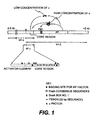
- the replication functions of R6K are grouped together in a 5.5 kbp DNA fragment ( Figure 1 ) comprising 3 origins of replication ⁇ , ⁇ , and ⁇ ( ⁇ and ⁇ providing 90 % of the replication) and an operon coding for the ⁇ replication-initiator protein and the protein Bis.
- Figure 1 The minimum amount of genetic information required to maintain this plasmid at its characteristic number of copies (15 copies per genome) is contained in two elements: the 400 bp of ori ⁇ and the gene pir , whose product is the ⁇ initiator protein.
- Ori ⁇ may be divided into two functional parts: the core part and the activator element ( Figure 1 ).
- the core part which is essential for replication, contains the iterons (7 direct repeats of 22 bp) to which the ⁇ protein represented in SEQ ID No. 1 becomes bound, and flanking segments, which are targets of the host proteins (IHF, DnaA).
- the origin of replication of the vector claimed consists entirely or partially of this ⁇ origin of replication of the plasmid R6K and more preferably, entirely or partially of SEQ ID No. 1 or one of its derivatives.
- the origin of replication described above which has the advantage of being of very limited size, is functional solely in the presence of a specific initiator protein, protein Pi, produced by the gene pir (SEQ ID No. 2). Since this protein can act in trans, it is possible to physically dissociate the ori gamma from the pir gene, which may be introduced into the genome of the cell which is chosen as the specific host for these plasmids. Mutations in ⁇ may alter its inhibitory functions (Inuzuka and Wada, 1985) and lead to an increase in the number of copies of the R6K derivatives, up to more than 10 times the initial number of copies. These substitutions may be within a domain of 40 amino acids, which therefore appears to be responsible for the control by ⁇ of the number of plasmid copies ( Figure 2 ), or in other regions of the ⁇ protein.
- the ⁇ protein, expressed in the host cell results from the expression of the gene represented in SEQ ID No. 2 or one of its derivatives as defined above and more particularly of the gene pir 116 which comprises a mutation when compared with the pir gene.
- This mutation corresponds to the replacement of a proline by a leucine at position 106 from the start codon.
- the number of copies of the R6K derivatives is about 250 copies per genome.
- the term derivative denotes any sequence which differs from the sequence considered, obtained by one or more modifications of genetic and/or chemical nature, as well as any sequence which hybridizes with these sequences or fragments thereof and whose product possesses the activity indicated with regard to the replication-initiator protein ⁇ .
- modification of the genetic and/or chemical nature may be understood to refer to any mutation, substitution, deletion, addition and/or modification of one or more residues.
- derivative also comprises the sequences homologous with the sequence considered, derived from other cellular sources and in particular cells of human origin, or from other organisms, and possessing an activity of the same type. Such homologous sequences may be obtained by hybridization experiments.
- the hybridizations may be performed starting with nucleic acid libraries, using the native sequence or a fragment thereof as probe, under conventional conditions of stringency (Maniatis et al., cf. General techniques of molecular biology), or, preferably, under conditions of high stringency.
- the DNA molecules claimed contain a region comprising one (or more) gene(s) which make it possible to ensure selection of the DNA molecule in the chosen host.
- This may be a conventional marker of gene type which imparts resistance to an antibiotic, such as kanamycin, ampicillin, chloramphenicol, streptomycin, spectinomycin, lividomycin or the like.
- this region is different from a gene which imparts resistance to an antibiotic. It may thus be a gene whose product is essential for the viability of the host envisaged, under defined culturing conditions. It may be, for example:
- this region contains an expression cassette of a gene coding for a suppressor tRNA for specific codons.
- a suppressor tRNA for specific codons This latter may be chosen, in particular, from those coding for phenylalanine, cysteine, proline, alanine and histidine amino acids. It is more particularly a suppressor tRNA for amber codons (TAG).
- the system used to select, in the host cells, the DNA molecules which are the subject of the present invention includes two elements: 1) on the DNA molecule, a gene coding for a suppressor transfer RNA for the amber codon (TAG) which constitutes the selection marker, known as ( sup ) gene and 2) a specific host, one of whose genes, which is essential under certain culture conditions, contains an amber TAG codon.
- TAG suppressor transfer RNA for the amber codon
- This cell may grow, under the culture conditions for which the product of the gene containing the TAG codon is essential, only if the plasmid allowing the expression of sup is present in the cell. The culture conditions thus constitute the pressure for selection of the DNA molecule.
- the sup genes used may be of natural origin (Glass et al., 1982) or may originate from a synthetic construction (Normanly et al. , 1986, Kleina et al ., 1990).
- Such a system offers great flexibility insofar as, depending on the gene containing an amber mutation, it is possible to determine various selective media.
- the amber codon is located in a purine biosynthesis gene. This allows the selection of the plasmid carrying the gene coding for the suppressor tRNA when the bacteria multiply in milk.
- Such a marker has the advantage of being very small and of containing no "foreign" sequences, originating from phages or transposons.
- the DNA molecule also comprises a DNA fragment, the target for site-specific recombinases, which allows the resolution of plasmid multimers.
- such a fragment introduced on to a DNA molecule which is circular and whose origin of replication is, for example, ori gamma, allows the resolution of multimers of such a plasmid.
- Such multimers are observed, in particular, when the DNA molecule is prepared in a strain carrying a mutated allele of pir, such as pir116 , which makes it possible to increase the number of copies of the R6K derivatives.
- This recombination may be achieved by means of various systems which entail site-specific recombination between sequences. More preferably, the site-specific recombination of the invention is obtained by means of specific intramolecular recombination sequences which are capable of recombining with each other in the presence of specific proteins, generally referred to as recombinases. In this specific case, these are the recombinases XerC and XerD. For this reason, the DNA molecules according to the invention generally also comprise a sequence which allows this site-specific recombination.
- the specific recombination system present in the genetic constructions according to the invention may be of different origins.
- the specific sequences and the recombinases used may belong to different structural classes, and in particular to the transposon Tn3 resolvase family or to the bacteriophage lambda integrase family.
- the recombinases belonging to the transposon Tn3 family mention may be made in particular of the resolvase of transposon Tn3 or of transposons Tn 21 and Tn 522 (Stark et al., 1992); the Gin invertase of bacteriophage mu or alternatively plasmid resolvases, such as that of the par fragment of RP4 ( Abert et al., Mol. Microbiol. 12 (1994) 131 ).
- the DNA molecules which form the subject of the present invention contain the fragment cer from the natural E. coli plasmid ColE1.
- the cer fragment used is a 382 bp Hpa II fragment from ColE1 which has been shown to bring about, in cis, the resolution of plasmid multimers (Summers et al. , 1984; Leung et al. , 1985). It is also possible to use a Hpa II- Taq I fragment of smaller size (280 bp) or a smaller fragment (about 220 bp), contained in the Hpa II fragment, which fragments possess the same properties (Summers and Sherratt, 1988).
- the DNA molecules of the invention may also comprise a sequence capable of interacting specifically with a ligand.
- this is a sequence capable of forming, by hybridization, a triple helix with a specific oligonucleotide.
- This sequence thus makes it possible to purify the molecules of the invention by selective hybridization with a complementary oligonucleotide immobilized on a support (see application WO 96/18744 and WO 02/07727 ).
- the sequence may be naturally present in the origin of replication of the plasmid as described in US publication application 2003/186268 of the Applicant, or naturally present in the transgene as described in WO 02/07727 , and alternatively can be positioned at any site in the DNA molecule of the invention, provided that it does not affect the functionality of the gene of interest and of the origin of replication. Formation of a triple helix by hybridization thus occurs between the oligonucleotide and the specific complementary sequence present in the DNA. In this connection, to obtain the best yields and the best selectivity, an oligonucleotide and a specific sequence which are fully complementary are used in the method of the invention.
- CTT oligonucleotide poly
- GAA complementary units
- the sequence in question can, in particular, be a region containing 7, 14 or 17 GAA units, and in the oligonucleotides a corresponding numbers of repeat CTT. In this case, the oligonucleotide binds in an antiparallel orientation to the polypurine strand.
- triple helices are stable only in the presence of Mg 2+ ( Vasquez et al., Biochemistry, 34: 7243-7251 (1995 ); Beal and Dervan, Science, 251: 1360-1363 (1991 )).
- the specific sequence can be a sequence naturally present in the pCOR, or may be a synthetic sequence introduced artificially in the latter. It is especially advantageous to use an oligonucleotide capable of forming a triple helix with a sequence naturally present in the pCOR, for example in the origin of replication of a plasmid or in a marker gene.
- the synthesis of oligonucleotides capable of forming triple helices with these natural homopurine-homopyrimidine regions is particularly advantageous, as it may be applied to unmodified pCOR plasmids.
- Particularly preferred target sequences which can form triplex structures with particular oligonucleotides have been identified in ColE1 and in pCOR origins of replication.
- ColE1-derived plasmids contain a 12-mer homopurine sequence (5'-AGAAAAAAAGGA-3') (SEQ ID NO: 33) mapped upstream of the RNA-II transcript involved in plasmid replication (Lacatena et al., Nature, 294: 623 (1981)). This sequence forms a stable triplex structure with the 12-mer complementary 5'-TCTTTTTTTCCT-3' (SEQ ID NO: 34) oligonucleotide.
- the pCOR backbone contains a homopurine stretch of 14 non repetitive bases (5'-AAGAAAAAAAAGAA-3') (SEQ ID NO: 35) located in the A+T-rich segment of the ⁇ origin replicon of pCOR ( Levchenko et al., Nucleic Acids Res., 24:1936 (1996 )). This sequence forms a stable triplex structure with the 14-mer complementary oligonucleotide 5'-TTCTTTTTTTTCTT-3' (SEQ ID NO: 36).
- oligonucleotides 5'-TCTTTTTTTCCT-3' (SEQ ID NO: 37) and 5'-TTCTTTTTTTTCTT-3' (SEQ ID NO: 38) efficiently and specifically target their respective complementary sequences located within the origin of replication of either ColE1 ori or pCOR (oriy).
- use of an oligonucleotide capable of forming a triple helix with a sequence present in an origin of replication or a marker gene is especially advantageous, since it makes it possible, with the same oligonucleotide, to purify any DNA containing the said origin of replication or said marker gene. Hence it is not necessary to modify the plasmid or the double-stranded DNA in order to incorporate an artificial specific sequence in it.
- the oligonucleotides used may comprise the sequence (CCT) n , the sequence (CT) n or the sequence (CTT) n , in which n is an integer between 1 and 15 inclusive. It is especially advantageous to use sequences of the type (CT) n or (CTT) n . Oligonucleotides may also combine (CCT), (CT) or (CTT) units.
- the oligonucleotides used may be natural (composed of unmodified natural bases) or chemically modified.
- the oligonucleotide may advantageously possess certain chemical modifications enabling its resistance to or its protection against nucleases, or its affinity for the specific sequence, to be increased.
- the plasmid pXL2774 and its derivatives may be claimed most particularly.
- the term derivative is understood to refer to any construction derived from pXL2774 and containing one or more genes of interest other than the luciferase gene. Mention may also be made of the plasmids pXL3029, pXL3030, and plasmid pXL3179 or NV1FGF containing an expression cassette of a therapeutic gene.
- the invention relates to a pCOR comprising the FGFa or FGF-1 gene as described in US patent 4,686,113 of the Applicant, which is designated pXL 3179 or NV1FGF.
- the present invention also relates to the development of a process for the construction of specific host cells, which are particularly effective for the production of these therapeutic DNA molecules.
- Another subject of the present invention relates to a process for the production of a circular DNA molecule, characterized in that a host cell is cultured containing at least one DNA molecule as defined above and a protein, which may or may not be expressed in situ, which conditions the functionality of the origin of replication of the said DNA molecule, which is specific and which is foreign to the said host cell, under conditions which allow the selection of host cells transformed by the said DNA molecules.
- the protein which conditions the functionality of the origin of replication of the DNA molecule is expressed in situ from a corresponding gene.
- the gene coding for the replication-initiating protein may be carried by a subsidiary replicon, which is compatible with the derivatives of the conditional origin of replication used or which may be introduced into the genome of the host cell by recombination, by means of a transposon, a bacteriophage or any other vector.
- the gene expressing the protein is placed on a subsidiary replicon, the latter also contains a promoter region for functional transcription in the cell, as well as a region which is located at the 3' end and which specifies a transcription termination signal.
- this may be a promoter region which is naturally responsible for expressing the gene under consideration when the latter is capable of functioning in the cell. It may also be a case of regions of different origin (responsible for expressing other proteins), or even of synthetic origin. In particular, it may be a case of promoter sequences for prokaryotic or bacteriophage genes. For example, it may be a case of promoter sequences obtained from the cell genome.
- genes coding for the replication-initiating protein use may be made either of wild-type genes or of mutated alleles which make it possible to obtain an increased number of copies of the plasmids (or derivatives) specific for the initiator protein which conditions the functionality of the origin of replication used in the DNA molecule.
- the initiator protein is a derivative of the ⁇ protein of this same plasmid. It is particularly advantageous to express a mutated form of this protein which is capable of increasing the number of initial copies appreciably.
- the gene incorporated into the host cell is preferably represented by all or part of the sequence represented in SEQ ID No. 2 or one of its derivatives and more preferably by the pir116 gene.
- the associated mutation corresponds to the replacement of a proline by a leucine. According to a particular embodiment of the invention, this pir116 gene is directly incorporated into the host cell genome.
- one of the genes of the specific host cell which is essential under the culture conditions chosen, contains a specific codon which is recognizable by the selected suppressor tRNA in the DNA molecule.
- this is an amber TAG codon.
- the cell may grow, under culture conditions for which the product of the gene containing the TAG codon is essential, only if the plasmid allowing the expression of sup is present in the host cell. The culture conditions thus constitute the pressure for selection of the DNA molecule.
- the gene containing the amber codon is a gene involved in the biosynthesis of an amino acid, arginine.
- This gene, argE codes for an N-acetylornithinase (Meinnel et al., 1992) and in this case contains a TAG codon corresponding to a point mutation Gln-53 (CAG)-> TAG; the pressure for selection of the plasmid carrying the sup gene is then provided by culturing in minimal M9 medium (Maniatis et al., 1989).
- the host cell is preferably chosen from E. coli strains and is more preferably represented by the strain E. coli XAC-1.
- the host cell used in the claimed process is a cell of the E. coli strain XAC-1, containing the pir116 gene in its genome and transformed by the plasmid pXL2774 or one of its derivatives.
- the host cell used in the process claimed is a prokaryotic cell in which the endA1 gene or a homologous gene is inactivated.
- the endA gene codes for endonuclease I of E. coli.
- This periplasmic enzyme has a non-specific activity of cleaving double-stranded DNA ( Lehman, I. R., G. G. Roussos and E. A. Pratt (1962) J. Biol. Chem. 237: 819-828 ; Wright M. (1971) J. Bacteriol. 107: 87-94 ).
- the quality of the plasmid DNA preparations is thus affected by any contamination with this endonuclease (relatively long-term degradation of the DNA).
- the deletion or mutation of the endA gene can be envisaged without difficulty insofar as the mutants no longer having this endonuclease activity behave on the whole like wild-type bacteria ( Dürwald, H. and H. Hoffmann-Berling (1968) J. Mol. Biol. 34: 331-346 ).
- the endA1 gene can be inactivated by mutation, total or partial deletion, disruption, etc. Inactivation of the endA gene of the E. coli strain chosen to produce the pCOR plasmids can be achieved more particularly by transferring, by means of the P1 bacteriophage, the ⁇ endA ::Tc R deletion described by Cherepanov and Wackernagel ( Cherepanov, P. P. and W. Wackernagel. 1995. Gene disruption in Escherichia coli: TcR and KmR cassettes with the option of Flp-catalyzed excision of the antibiotic-resistance determinant.
- the invention also relates to any recombinant cell containing a DNA molecule as defined above.
- This may be a cell of various origins, of eukaryotic, prokaryotic, etc. type.
- the E. coli XAC-1 host cell used in the process claimed is designated TEX1, and comprises a traD gene, or a homologous gene thereof, inactivated to abolish F' transfer.
- the traD is at the 5' end of one of the tra operon and encodes a 81.7 kDa membrane protein that is directly involved in DNA transfer and DNA metabolism ( Frost et al., Microbiology Reviews, 1994, 58: 162-210 ).
- traD mutants do not transfer DNA ( Panicker et al., J.Bacteriol., 1985, 162:584-590 ).
- the episomal traD gene may be inactivated by mutation, total or partial deletion, or disruption using methods well known to those of skill in the art (See Example 9).
- One method of inactivating this gene is described in Example 1, and the resulting E. coli XAC-1 pir116 endA - traD - strain so obtained is designated TEX1 ( Soubrier et al., Gene Therapy, 1999, 6: 1482-1488 ).
- the host cell used in the claimed process is a cell of the E. coli strain XAC-1, containing the pir116 mutation combined with the pir42 mutation.
- the pir116 and pir42 mutations affect different domains of the pi protein.
- the pir116 mutation affects the copy number control region, whereas the pir42 mutation affects the putative leucine zipper motif, as displayed in Figure 11 .
- the nucleotide and amino acid sequences of the pir gene containing the pir116 and pir42 mutations are set forth in Figure 12 and SEQ ID NOs: 21 and 22, respectively.
- the pir42 mutation comprises a C to T transition at position 124 from the methionine initiator codon, and thus results in substitution of the proline at position 42 by a leucine.
- the pir42 mutation was described by Miron et al. ( Proc Natl Acad Sci U S A, 1994. 91(14): p. 6438-42 ; EMBO J, 1992. 11(3): p. 1205-16 ), and was reported to increase the copy number of an "ori gamma R6K-Km R - pir42" plasmid by 2.5 fold as compared to the same plasmid harboring the wild-type pir gene.
- E. coli host strains comprising the mutated pir116 and pir42 gene as compared with strains harboring pir116 alone, or in a host cell comprising the pir116 mutation combined with another mutation of the pir gene, such as the mutation cop21 ( Inuzuka et al., FEBS Lett, 1988. 228(1): p. 7-11 ).
- the pir gene comprises at least one mutation, which, for example, may occur in the copy number control region, in the leucine zipper-like motif, in the DNA binding region, or in one or more of these regions or another region of the protein pi coded by the pir gene.
- the prokaryotic host cell according to the present invention also comprises one or more mutations in the same or a different domain of the protein pi, coded by the pir gene copy, such as the DNA binding domain, and/or the copy number control region and/or the leucine-zipper motif.
- the prokaryotic recombinant host cell may comprise the heterologous pir gene is in a plasmid or in the genome of the host cell.
- Such mutations may be screened by using the fluorescence-based screening method according to one aspect of the present invention as described thereafter. As shown in the Example 13, host cells comprising at least one mutation in the pir gene, the mutation pir116 and a mutation in the DNA binding domain were screened using the fluorescence-based screening method according to the present invention.
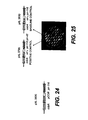
- Host cells comprising mutations present in the DNA binding domain in addition to the pir116, i.e., as for example in the construct 100B, wherein the tyrosine (K) at position 292 is replaced by a methionine (M), in the construct 114C, wherein a glutamic acid (E) at position 130 is replaced by a valine (V), or in the construct 201C, wherein an aspartic acid (D) at position 117 is replaced by a glycine (G) ( Fig. 26 ) are tested for their capacity to produce high copy number of plasmid using the fluorescence-based screening method.
- K tyrosine
- M methionine
- E glutamic acid
- V valine
- D aspartic acid
- G glycine
- the host cell used in the process claimed is a prokaryotic host cell in which the recA gene or a homologous gene has been inactivated.
- the host cell according to the present invention is E. coli strain XAC-1 comprising mutations pir116, pir42, endA - , traD - , recA - .
- Such a strain is designated TEX2pir42.
- recA may be inactivated by methods well known to those in the art.
- recA encodes a major recombination protein and mutations in this gene reduce the frequency of recombination-mediated alteration in plasmids and intramolecular recombination that could lead to the multimerization of plasmids.
- a deleted recA gene containing 3 translation stop codons (one in each frame) at its 5' end may be obtained by PCR. The resulting inactivated gene was then introduced by gene replacement into TEX1 genome (Example 12.1).
- These cells are obtained by any technique known to those skilled in the art which allows the introduction of the said plasmid into a given cell.
- a technique may be, in particular, transformation, electroporation, conjugation, fusion of protoplasts or any other technique known to those skilled in the art.
- the DNA molecules according to the invention may be used in any application of vaccination or of gene and cell therapy for transferring a gene to a given cell, tissue or organism, or for the production of recombinant proteins in vitro.
- they may be used for direct in vivo administration or for the modification of cells in vitro or ex vivo, for the purpose of implanting them into a patient.
- another subject of the present invention relates to any pharmaceutical composition
- a pharmaceutical composition comprising at least one DNA molecule as defined above.
- This molecule may or may not be associated therein with a chemical and/or biochemical transfection vector. This may in particular involve cations (calcium phosphate, DEAE-dextran, etc.) or liposomes.
- the associated synthetic vectors may be cationic polymers or lipids. Examples of such vectors which may be mentioned are DOGS (Transfectam TM ) or DOTMA (lipofectin TM ).
- compositions according to the invention may be formulated for the purpose of topical, oral, parenteral, intranasal, intravenous, intramuscular, subcutaneous, intraocular, or transdermal administrations.
- the claimed plasmid is preferably used in an injectable form or in application. It may be mixed with any vehicle which is pharmaceutically acceptable for an injectable formulation, in particular for a direct injection to the site to be treated. This may involve, in particular, sterile, isotonic solutions or dry compositions, in particular freeze-dried compositions, which, by addition, depending on the case, of sterilized water or of physiological saline, allow injectable solutions to be made up. This may in particular involve Tris or PBS buffers diluted in glucose or in sodium chloride.
- a direct injection into the affected region of the patient is advantageous since it allows the therapeutic effect to be concentrated at the level of the affected tissues.
- the doses used may be adapted as a function of various parameters, and in particular as a function of the gene, the vector, the mode of administration used, the pathology concerned or the desired duration of the treatment.
- the DNA molecules of the invention may contain one or more genes of interest, that is to say one or more nucleic acids (synthetic or semi-synthetic DNA, gDNA, cDNA, etc.) whose transcription and, possibly, whose translation in the target cell generate products of therapeutic, vaccinal, agronomic or veterinary interest.
- nucleic acids synthetic or semi-synthetic DNA, gDNA, cDNA, etc.
- genes of therapeutic interest which may be mentioned more particularly are genes coding for enzymes, blood derivatives, hormones and lymphokines: interleukins, interferons, TNF, etc. ( FR 92/03120 ), growth factors, neurotransmitters or their precursors or synthetic enzymes, and trophic factors (BDNF, CNTF, NGF, IGF, GMF, aFGF, bFGF, NT3, NT5, VEGF-B, VEGF-C etc.; apolipoproteins: ApoAI, ApoAIV, ApoE, etc.
- FR 93/05125 dystrophin or a minidystrophin
- tumour-suppressing genes p53, Rb, Rap1A, DCC, k-rev, etc.
- FR 93/04745 genes coding for factors involved in coagulation: factors VII, VIII, IX, etc.
- suicide genes thymidine kinase, cytosine deaminase, etc.; or alternatively all or part of a natural or artificial immunoglobulin (Fab, ScFv, etc.), an RNA ligand ( WO 91/19813 ), etc.
- the therapeutic gene may also be an antisense sequence or gene, whose expression in the target cell makes it possible to control the expression of genes or the transcription of cellular mRNAs.
- Such sequences may, for example, be transcribed, in the target cell, into RNAs which are complementary to cellular mRNAs and thus block their translation into protein, according to the technique described in patent EP 140,308 .
- a insert of interest that may be carried by the pCOR of the invention is a RNAi, whose is capable of interfering with the translation of a target gene ( Wilson et al., Curr Opin Mol Ther. 2003 Aug;5(4):389-96 ) and thereby regulating the expression of such gene.
- the gene of interest may also be a vaccinating gene, that is to say a gene coding for an antigenic peptide, capable of generating an immune response in man or animals, for the purpose of producing vaccines.
- antigenic peptides may in particular be specific antigenic peptides of Epstein-Barr virus, HIV virus, hepatitis B virus ( EP 185,573 ), or pseudorabies virus, or alternatively specific antigenic peptides of tumours ( EP 259,212 ).
- the gene of therapeutic, vaccinal, agronomic or veterinary interest also contains a promoter region for functional transcription in the target organism or cell, as well as a region located at the 3' end which specifies a transcription termination signal and a polyadenylation site.
- the promoter region it may be a promoter region naturally responsible for expression of the gene under consideration when this region is capable of functioning in the cell or the organism concerned.
- the promoter regions may also be regions of different origin (responsible for the expression of other proteins) or even of synthetic origin.
- they may be promoter sequences from eukaryotic or viral genes.
- they may be promoter sequences obtained from the genome of the target cell.
- eukaryotic promoters which may be used are any promoters or derived sequence which stimulates or suppresses the transcription of a gene in a specific or non-specific, inducible or non-inducible, strong or weak manner.
- the eukaryotic promoters may in particular be ubiquitous promoters (promoters of the genes for HPRT, PGK, ⁇ -actin, tubulin, etc.), intermediate filament promoters (promoters of the genes for GFAP, desmin, vimentin, neurofilaments, keratin, etc.), therapeutic gene promoters (for example the promoters of the genes for MDR, CFTR, factor VIII, ApoAI, etc.) tissue-specific promoters (promoters of the genes for pyruvate kinase, villin, intestinal fatty acid-binding protein, ⁇ -actin of smooth muscle, etc.) or alternatively promoters which respond to a stimulus (steroid hormone receptor, retinoic acid receptor, etc.).
- they may be promoter sequences obtained from the genome of a virus, such as, for example, the promoters of the adenovirus E1A and MLP genes, the CMV early promoter or alternatively the LTR promoter of RSV, etc.
- these promoter regions may be modified by addition of activating or regulatory sequences or sequences which allow tissue-specific expression or expression which is predominantly tissue-specific.
- the gene of interest may also contain a signal sequence which directs the synthesized product into the secretory pathways of the target cell.
- This signal sequence may be the natural signal sequence of the synthesized product, but it may also be any other functional signal sequence or an artificial signal sequence.
- Preferred signal sequence used according to the present invention is the secretion signal peptide of human interferon as described Taniguchi et al. (Gene, 1980,233 (4763):541-5 )
- the DNA molecules of the invention may be used for the treatment or prevention of several pathologies, including genetic diseases (dystrophy, cystic fibrosis, etc.), neurodegenerative diseases (Alzheimer's disease, Parkinson's disease, ALS, etc.), cancers, pathologies associated with coagulation disorders or with dyslipoproteinaemias, pathologies associated with viral infections (hepatitis, AIDS, etc.), or in the agronomic and veterinary fields, etc.
- genetic diseases dysstrophy, cystic fibrosis, etc.
- neurodegenerative diseases Alzheimer's disease, Parkinson's disease, ALS, etc.
- cancers pathologies associated with coagulation disorders or with dyslipoproteinaemias
- pathologies associated with viral infections hepatitis, AIDS, etc.
- pathologies associated with viral infections hepatitis, AIDS, etc.
- viral infections hepatitis, AIDS, etc.
- agronomic and veterinary fields etc.
- the DNA molecules of the present invention are used for treating critical limb ischemia pathologies such as for example peripheral arterial occlusive disease and intermittent claudication.
- the present invention also relates to the use of conditional replication DNA molecules for the production of recombinant proteins.
- Bacteria can be used to produce proteins of various origins, eukaryotic or prokaryotic.
- E. coli constitutes the organism of choice for expressing heterologous genes on account of its ease of manipulation, the large number of expression systems available and the large amounts of proteins which can be obtained.
- the system of the invention can be used in other organisms, the tropism being determined by the nature of the origin of replication, as indicated above.
- the nucleic acid sequence of interest comprises a coding region under the control of expression signals that are appropriate for the host chosen, in particular a prokaryotic host.
- the nucleic acid sequence of interest can be any sequence coding for a protein which is of value in the fields of pharmacy, agri-foods, chemistry or agrochemistry. This may be a structural gene, a complementary DNA sequence, a synthetic or semi-synthetic sequence, etc.
- the expression cassette can be introduced onto the conditional replication vector which is the subject of the invention, thus constituting a conditional replication vector which allows the expression of proteins of interest in E. coli.
- This vector has several advantages: no use of antibiotic to select it in the bacterium (reduced cost, no need for a study regarding the presence of antibiotic or of potentially toxic derived products in the finished product), virtually no probability of dissemination of the plasmid in nature (conditional origin of replication), possible fermentation in entirely defined medium.
- the examples given show the advantageous properties of these conditional vectors for the production of recombinant proteins.
- the DNA molecule according to the present invention comprises an origin of replication ORI ⁇ derived from R6K wherein the pir gene is removed and is introduced into the genome of a specific host cell that is used for the production of the DNA molecules at large scale.
- ORI ⁇ origin of replication derived from R6K
- the pir gene is removed and is introduced into the genome of a specific host cell that is used for the production of the DNA molecules at large scale.
- Production host cells have been engineered to carry the pir gene containing at least one mutation, such as the mutation pir116 and/or pir42.
- Use of such mutated host strain results in an increase of the plasmids copy number and thus significantly raises the yield of production.
- conformation of the plasmids so produced is very satisfying.
- a novel fluorescence-based method of screening for copy-up mutant is provided.
- This fluorescence-based screening method is far superior to the classical method of screening based on the level of resistance to antibiotic in the bacteria, which may not be used when the basal copy number of plasmid is already very high such as the one obtained using the mutant pir116, e.g . , around 400 copies of plasmid per cell.
- the fluorescence-based method of screening according to the present invention preferably uses the cobA gene as red fluorescence reporter gene of copy-up number.
- the cobA gene which is a gene from Pseudomonas denitrificans ( Crouzet et al., J. Bacteriol.
- the Applicant has surprisingly found a close correlation between the copy number of plasmid carrying the cobA gene and the level of fluorescence from pink to red.
- the fluorescence-based method of screening of copy-up mutants according to the present invention is thus useful for screening various mutants which can then be evaluated in the genome of the production host cell, such as E.coli , or mutants of any genes such as in the pir gene, which are inserted in the genome of the production host cell or carried in a plasmid.
- the fluorescence-based method of screening of the present invention is easily and rapidly conducted as it is only requires plating and culturing the transformed host cells overnight and exposing to UV lights, to reveal intensity of the fluorescence produced, thereby deducing directly the number of copy of plasmids in the host cell.
- the present invention provides for a method for detecting a plasmid copy-up mutation comprising:
- the method further comprises comparing the fluorescence detected in (e) with fluorescence produced by a culture of host cells comprising an non-mutated target sequence.
- the uroIII methyltransferase gene is coded by the cobA gene from Pseudomonas denitrificans.
- the mutation may be present in a plasmid comprising a heterologous pir gene comprising at least one mutation.
- the plasmid may comprise at least one mutation in the pir other regions such as in the copy control region and/or in the DNA binding domain, and/or in the leucine-zipper motif and/or in another region of the pir gene.
- the plasmid may comprise at least one mutation in the heterologous pir gene copy number control region and the leucine zipper-like motif.
- the plasmid may further comprise a mutation in the pir gene DNA binding region.
- the plasmid may comprise one or more mutations in the same or a different region of the pir gene coding for the copy control region and/or the DNA binding region, and/or the leucine zipper-like motif, or other region of the protein ⁇ .
- the prokaryotic recombinant host cell comprises the pir116 mutation and a second mutation in the DNA binding region such as pir292, pir130, or pir117 ( Fig. 26 ).
- Such mutated production host strain may be advantageously produced using an universal plasmid tool such as the minicircle.
- the minicircle technology is described inter alia in US patents 6,143,530 and 6,492,164 of the Applicant or in PCT application WO 96/26270 .
- Minicircles are recombinant DNA molecules that do not contain any origin of replication, and thus represent excellent suicide vector for gene replacement of the genome of any microorganisms.
- the gene or genes of interest are flanked by the two sequences permitting site-specific recombination, positioned in the direct orientation in the minicircle.
- the position in the direct orientation indicates that the two sequences follow the same 5'-3' polarity in the recombinant DNA minicircle.
- the minicircle genetic constructions are generally circular double-stranded DNA molecules devoid of origin of replication, but may also be in linear form and contain the gene or genes of interest flanked by the two sequences permitting site-specific recombination, positioned in the direct orientation.
- the minicircle may be used to transform any competent microorganisms for the purpose of the gene replacement within the genome thereof ( Figure 31 ).
- the minicircle for gene replacement is generated from a parent plasmid comprising at least:
- the specific recombination system present in the genetic constructions can be of different origins.
- the specific sequences and the recombinases used can belong to different structural classes, and in particular to the integrase family of bacteriophage ⁇ or to the resolvase family of the transposon Tn3.
- recombinases belonging to the integrase family of bacteriophage ⁇ there may be mentioned, in particular, the integrase of the phages lambda ( Landy et al., Science 197: 1147, 1977 ), P22 and ⁇ 80 ( Leong et al., J. Biol. Chem.
- the DNA molecules according to the invention generally comprise, in addition, a sequence resulting from the recombination between two att attachment sequences of the corresponding bacteriophage or plasmid.
- recombinases belonging to the family of the transposon Tn3 there may be mentioned, in particular, the resolvase of the transposon Tn3 or of the transposons Tn 21 and Tn 522 ( Stark et al., Trends Genet, 8, 432-439, 1992 ); the Gin invertase of bacteriophage mu, or, alternatively, the resolvase of plasmids, such as that of the par fragment of RP4 ( Albert et al., Mol. Microbiol. 12: 131, 1994 ).
- the minicircles When the minicircles are prepared by recombination by means of a site-specific system of the family of the transposon Tn3, they generally comprise, in addition to the gene of interest that is aimed to be inserted in a microorganism genome, a sequence resulting from the recombination between two recognition sequences of the resolvase of the transposon in question. Sequences permitting site-specific recombination may also be derived from the loxP region of phage P1, which is composed essentially of two repeat sequences capable of recombining specifically with one another in the presence of a protein, designated Cre ( Sternberg et al., J. Mol. Biol. 150: 467, 1971 ).
- the plasmid used to produce the minicircle thus comprises (a) a bacterial origin of replication and, a selection marker gene; (b) the repeat sequences of bacteriophage P1 ( loxP region); and (c), placed between said sequences (b), one or more genes of interest that one's wish to insert in a microorganism genome.
- Minicircles may comprise sequences permitting site-specific recombination are derived from a bacteriophage, such as attachment sequences ( attP and attB sequences) of a bacteriophage or sequences derived from such attachment sequences. These sequences are capable of recombining specifically with one another in the presence of a recombinase referred to as an integrase with or without an excisionase.
- sequences derived from such attachment sequences includes the sequences obtained by modification(s) of the attachment sequences of the bacteriophages that retain the capacity to recombine specifically in the presence of the appropriate recombinase.
- sequences can be reduced fragments of these sequences or, alternatively, fragments extended by the addition of other sequences (restriction sites, and the like). They can also be variants obtained by mutation(s), in particular by point mutation(s).
- the terms attP and attB sequences of a bacteriophage or of a plasmid denote, according to the invention, the sequences of the recombination system specific to said bacteriophage or plasmid, that is to say the attP sequence present in said phage or plasmid and the corresponding chromosomal attB sequence.
- Attachment sequences are well known in the art, and include inter alia the attachment sequences of the phages ⁇ , P22, ⁇ 80, P1, and HP1 of Haemophilus influenzae or, alternatively, of plasmid pSAM2 or the 2 ⁇ plasmid.
- the minicircles are easly produced from the parent plasmid described above.
- the method for the production of the minicircle consists in bringing into contact culture of cells that are transformed with the parent plasmid with the integrase with or without the excisionase, so as to induce the site-specific recombination.
- the culture and the integrase with or without the excisionase are brought into contact either by transfection or infection with a plasmid or a phage containing the gene for said integrase and when applicable the gene for the excisionase.
- the expression of genes coding for said integrase and when applicable the excisionase, present in the host cell are induced.
- these genes may be present in the host cell in integrated form in the genome, on a replicative plasmid, or, alternatively, on the plasmid of the invention, in the non-therapeutic portion.
- the integrase with/without the excisionase used are introduced into, or induced in, cells or the culture medium at a particular instant.
- different methods may be used.
- a host cell is used containing, for example, the recombinase gene, i.e. , the integrase gene with or without the excisionase gene, in a form permitting its regulated expression.
- the integrase gene with or without the excisionase gene may, for example, be introduced under the control of a promoter, or of a system of inducible promoters, or, alternatively, in a temperature-sensitive system.
- the integrase gene may be present in a temperature-sensitive phage, latent during the growth phase, and induced at a suitable temperature (for example, lysogenic phage ⁇ Xis - cI 857).
- the gene may be under the control of a regulated promoter, for example, the placUV5 promoter, the host cell is designated E . coli G6191.
- the integrase with or without the excisionase gene may be under the control of a regulated promoter, for example the P BAD promoter of the araBAD (arabinose) operon, which is regulated by arabinose ( Guzman et al., J. Bacteriol, 1995, 4121-4130 ; US5,028,530 ).
- P BAD promoter allows sufficient expression of excisionase and integrase in presence of arabinose, as the inducing agent, and thus more than 90% of recombination of the plasmids which are present in high copies number in the bacteria, whereas in absence of arabinose, the promoter is tightly inhibited.
- the cassette for expression of the integrase with/without excisionase may be carried by a plasmid, a phage, or even by the plasmid of the invention in the non-therapeutic region. It may be integrated in the genome of the host cell or maintained in replicative form. Such host cells are in particular E . coli G6264 and E . coli G6289.
- the cassette for expression of the gene(s) is carried by a plasmid or a phage used to transfect or infect the cell culture after the growth phase. In this case, it is not necessary for the gene to be in a form permitting its regulated expression. In particular, any constitutive promoter may be used.
- the DNA may also be brought into contact with the integrase and when applicable the excisionase in vitro, on a plasmid preparation, by direct incubation with the protein.
- the minicircle so produced thus comprises an expression cassette containing one or more genes of interest to be inserted in the targeted microorganism, lacks an origin of replication and comprises a sequence attR resulting from site-specific recombination between an attB and an attP sequence, or a sequence attL resulting from site-specific recombination between an attB and an attP sequence.
- the minicircle may thus be used as universal suicide vector for gene replacement in any microorganisms.
- the minicircle carrying a gene for replacement flanked by homologous sequences and a antibiotic resistance gene will easily integrate in a targeted site of the genome of any microorganism by homologous recombination as represented in Figure 31 .
- a second event of excision which may be triggered by a second selection pressure may then efficiently select the microorganisms only carrying the new inserted gene within their genome.
- the present invention thus also relates to a method of gene engineering of a microorganism.
- This novel method may be used to engineer any microorganism regardless of their origin.
- the minicircle does not contain any origin of replication, and thus can be used universally for gene replacement in any types of microorganisms.
- This method represents an advantageous alternative to the use of the bacteriophage M13 for gene replacement by double homologous recombination in a micro-organism.
- the minicircle comprises a first selectable marker such as an antibiotic resistance gene, allowing selecting for the first recombination event.
- Preferred second selectable marker is the gene III or the functional deleted gene III'.
- the gene III or its functional variant is capable of conferring sensibility to deoxycholate as described in Boecke et al. (Mol. Gen. Genet., 186, 185-92, 1982 ) and thus allows for counter-selecting the second event of recombination ( Fig. 31 ).
- the method thus consists in introducing the minicircle into the microorganism by any transformation method well known in the art, and preferably by electroporation, selecting the event of integration of the minicircle in a culture supplemented with an antibiotic or under another pression of selection, and selecting a second event of excision by treating with deoxycholate or another appropriate pression of selection.
- Agar media were obtained by addition of 15 g of Difco agar. Furthermore, if necessary, these media were supplemented with antibiotics (ampicillin or kanamycin) at respective concentrations of 100 mg/l and 50 mg/l.
- antibiotics ampicillin or kanamycin
- the chromogenic substrates X-Gal and X-Gluc were used at a concentration of 40 mg/l.
- E. coli strains, plasmids and bacteriophages used are respectively identified in the examples below.
- the DNA size markers used during the electrophoreses are as follows: 1 kb ladder (BRL) for the linear fragments and the supercoiled DNA marker (Stratagene) for the undigested plasmids.
- Sequencing was carried out according to the Sanger technique (Sanger et al. , 1977) adapted to the automated method using fluorescent dideoxynucleotides and Taq DNA polymerase (PRISM Ready Reaction DyeDideoxy Terminator Cycle Sequencing Kit, Applied Biosystems).
- oligodeoxynucleotides used (designated by "seq+no.”, see below) were synthesized on the "Applied Biosystems 394 DNA/RNA Synthesizer" by the phosphoramidite method, using ⁇ -cyanoethyl protecting groups (Sinha et al. , 1984). After synthesis, the protecting groups are removed by treatment with ammonia. Two precipitations with butanol allow the oligonucleotide to be purified and concentrated (Sawadogo et al. , 1991).
- the PCR reactions (Sa ⁇ ki et al., 1985) were performed under the following conditions, in a total volume of 100 ⁇ l.
- the reaction mixture comprises 150 ng of genomic DNA from the strain to be studied, 1 ⁇ g of each of the two oligonucleotide primers (24-mer), 10 ⁇ l of 10XPCR buffer, the composition of which is as follows "500 mM KCl, 0.1 % gelatin, 20 mM MgCl 2 , 100 mM Tris-HCl pH 7.5", and 2.5 units of Taq DNA polymerase (Amplitaq Perkin-Elmer).
- the PCR conditions on the Perkin-Elmer Cetus DNA Thermal Cycler machine are as follows: 2 min at 91°C, 30 successive cycles of denaturation (1 min at 91°C), hybridization (2 min at 42°C) and elongation (3 min at 72°C), and finally 5 min at 72°C.
- the products thus obtained which are or are not digested with a restriction enzyme, are analysed by agarose gel electrophoresis.
- the reaction mixtures (total volume: 40 ⁇ l) have the following composition: 150 ng of plasmid, 300 ng of DNA topoisomerase I or 150 ng of E. coli DNA gyrase, or 160 ng of S. aureus DNA topoisomerase IV and 20 ⁇ l of buffer specific for each enzyme.
- the composition of these buffers is indicated below:
- the cells used are NIH 3T3 mouse fibroblasts seeded the day before into 24-well plates, at a density of 50,000 cells per well.
- the culture medium used is DMEM medium, containing 4.5 g/l of glucose and supplemented with 10 % fetal calf serum and 1 % of solutions of 200 mM glutamine and antibiotics (5.10 3 ⁇ /ml streptomycin, 5.10 3 ⁇ g/ml penicillin) (Gibco).
- the plasmid DNA (1 ⁇ g in 25 ⁇ l of 9 ⁇ NaCl) is mixed, on a volume-for-volume basis, with a suspension of lipofectant.
- Lipofectant charges/DNA charges" ratios are tested: 0, 3, 6 and 9.
- Luciferase catalyses the oxidation of luciferin in the presence of ATP, Mg 2+ and O 2 , with concomitant production of a photon.
- the total amount of light emitted, measured by a luminometer, is proportional to the luciferase activity of the sample.
- the reagents used are supplied by Promega (luciferase assay system) and used according to the recommended procedure. After lysis of the cells, the insoluble fraction from each extract is eliminated by centrifugation. The assay is carried out on 5 ⁇ l of supernatant, which may or may not be diluted in the cell lysis buffer.
- the standard BSA range is prepared in the lysis buffer (cf. III-B-4).
- the samples to be assayed and those of the range are pretreated, on a volume-for-volume basis, with 0.1 M iodoacetamide/0.1 M Tris buffer, pH 8.2, for 1 hour at 37°C.
- This treatment makes it possible to prevent interference, during the assay, of the reducing agent (DTT) present in the lysis buffer.
- the assay result is read at 562 nm.
- EXAMPLE 1 Construction of XAC-1 pir and pir116 host strains by homologous recombination
- the strain used was the E. coli strain XAC-1 (Normanly et al., 1980).
- the argE gene of this strain advantageously includes a mutation of glutamine-53 (CAG) into the amber codon (TAG) (Meinnel et al. , 1992).
- the argE gene belongs to the argECBH divergent operon and codes for an arginine biosynthesis enzyme, N-acetylornithinase. XAC-1 cannot therefore synthesize arginine and, consequently, grow in minimal medium. This auxotrophy will be relieved if the strain harbors a plasmid which allows the expression of a suppressor tRNA.
- This gene may be inactivated without any problem since it is not essential for growth in standard synthetic media, in which ⁇ -glucuronides are not used. Furthermore, the ⁇ -glucuronidase activity can be monitored by means of a chromogenic substrate, X-Gluc, whose hydrolysis releases a blue pigment.
- the phage M13mp10 (Messing et Vieira; 1982) was used as a suicide vector (Blum et al. , 1989).
- An amber mutation in the gene II which is essential for replication, reduces the host spectrum of this M13 to the strains, such as TG1 ( supE ), which produce an amber suppressor tRNA; it will therefore not be able to replicate in E. coli sup+ strains, such as XAC-1.
- the 3.8 kb Bam HI cassettes containing the kanamycin-resistance gene of Tn5 and _uidA::pir or pir116 , were respectively purified from M13wm34 and 33 (Metcalf et al. , 1994). They were cloned into M13mp10 linearized with Bam HI. The recombinant clones were selected by plating on LB agar medium supplemented with kanamycin, after electroporating the ligation mixtures into TG1. The conformity of the clones obtained was shown by analysing the restriction profile and by sequencing the region corresponding to the pir116 mutation.
- the XAC-1 strain was transformed by electroporation with 10, 100 or 2000 ng of each RF ( mp10-_uidA::pir or pir116 ). One-third of each expression mixture was plated out on LB plates containing kanamycin and incubated overnight at 37°C. The mp10-_ uidA::pir or pir116 phages cannot replicate in the strain XAC-1 ( sup +). The kanamycin resistance (“Km R ”) marker can therefore only be maintained by integration into the genome of the bacterium via a homologous recombination with the wild-type copy of the gene uidA. The results of the electroporations of XAC-1 are presented in Table 1.
- the second recombination event will then be selected by the resistance of the strains to deoxycholate ("Doc R ").
- each pair of oligonucleotides consisted of an oligonucleotide corresponding to an internal region of pir and a second oligonucleotide corresponding to a region, close to chromosomal uidA , but not within the fragment which served for the recombination.
- the sequence of the latter oligonucleotide was determined by means of the ECOUIDAA sequence from Genbank (access number: M14641). We were thus able to verify the exact location of the pir gene in the bacterial genome. The nature of the amplified fragments, whose size is in accordance with that which might be expected, was confirmed by digestion with Mlu I.
- EXAMPLE 2 Construction of plasmid vectors derived from R6K carrying the selection marker sup Phe
- Vectors were constructed containing ori ⁇ from R6K and the kanamycin-resistance gene (pXL2666).
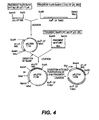
- pXL2666 The observation of pXL2666 multimers in the strain BW19610 ( pir116 ) 5 (Metcalf et al., 1993) led us to study the effect of the cer fragment from ColE1 on this phenomenon.
- This vector, pXL2760 serves as a basis for the construction of vectors which can be used in gene therapy.
- pXL2666 the kanamycin resistance gene originated from pUC4K (Vieira and Messing; 1982) and the origin of replication, contained in a 417 bp Eco RI -Bam HI fragment, originated from the suicide vector pUT-T7pol (Herrero et al., 1990) ( Figure 4 ).
- the transfer of pXL2666 into the strains BW19094 and 19610 (Metcalf et al., 1994) made it possible to show that the amount of plasmid is indeed increased in a pir116 strain, when compared with the same plasmid in a pir strain.
- Electrophoretic analysis of the different plasmids constructed allowed the demonstration of various plasmid species, which are variable according to the strains used.
- the size of the undigested plasmids was evaluated relative to a supercoiled DNA marker.
- the plasmids pXL2666, 2754 and 2730 were almost entirely in monomeric form.
- the bands above each main band correspond to various slightly less supercoiled topoisomers, as confirmed by the profile observed after the action of DNA gyrase on pXL2730.
- the profiles were different: with the plasmids pXL2666 and 2754 different species were observed ranging from the monomer to multimers (2, 3 or 4 units), the major form being the dimer. After digestion with EcoRI, only the linear plasmid DNA was found; these plasmid species correspond either to plasmid multimers or to various topoisomers. However, since the size of the forms determined according to the supercoiled DNA marker was a whole product of that of the monomer plasmid, it is highly probable that they are multimers.
- each plasmid preparation was subjected to the action of DNA topoisomerases.
- the activities of the various enzymes under the experimental conditions were as follows: relaxing of DNA for E. coli DNA topoisomerase I, negative supercoiling of relaxed DNA for E . coli DNA gyrase, and disentanglement of interlaced DNAs and relaxation of supercoiled DNA by S . aureus DNA topoisomerase IV.
- DNA topoisomerase IV made it possible to show that the high-molecular-weight plasmid forms did not result from the entanglement of several plasmid molecules; in this case, they would then have been converted into the monomeric species.
- the functionality of the enzyme was, of course, checked on a preparation of kinetoplast DNA, composed of entangled DNA molecules (not shown). The relaxation activity was also visible since species are obtained which migrate less than in the untreated controls.
- the action of DNA gyrase made it possible to convert the slightly relaxed topoisomers into the more supercoiled species extracted from the bacterium (monomer or dimer mainly). Furthermore, it made it possible to verify that the DNAs prepared were mainly in supercoiled form.
- DNA topoisomerase I did indeed relax DNA, but only partially. This could be due to the fact that the plasmids studied contain only a few single-stranded regions, to which this enzyme preferably binds (Roca, 1995).
- the various subclonings were performed in XAC-1.
- the functionality of the suppressor tRNA expression cassette was thus checked by means of the ⁇ -galactosidase activity of this strain, which only exists if there is suppression of the amber codon of the gene lacZ u118am .
- the final step consists of the introduction of the sup Phe expression cassette into pXL2730.
- the results obtained with the cer fragment (B-1- b ) led us to select this plasmid rather than pXL2666.
- EXAMPLE 3 Validation of the plasmid vector for applications in gene therapy by transfection of mouse fibroblasts
- a reporter gene which can be used in eukaryotic cells, into pXL2760.
- the luc gene was controlled by promoter-enhancer sequences of a human cytomegalovirus early gene (CMV promoter), which allowed a high level of expression.
- CMV promoter human cytomegalovirus early gene
- the medium chosen to plate out the electroporated cells was M9 minimal medium, which makes it possible to select bacteria expressing a suppressor tRNA and thus the presence of our plasmids.
- the addition of X-Gal made it possible, by means of the blue colouration, to visualize the expression of the suppressor tRNA.
- the dishes were analysed after about 20 hours at 37°C. The absence of colonies on the DNA-free control assures us that the selection was correct, even with dense seedings. All the clones examined by restriction (8) do indeed carry a plasmid, corresponding to the expected profile.
- the plasmid thus constructed, pXL2774 was prepared from a clone cultured in one liter of liquid M9 medium (about 18 hours at 37°C), by a technique involving, inter alia, an ion-exchange step (Promega kit, MegaPreps). The amount of DNA collected was 2 mg.
- the capacity of pXL2774 to transfect eukaryotic cells and to allow the expression of luciferase was evaluated by transfection into NIH 3T3 mouse fibroblasts.
- the vector chosen as reference was the plasmid pXL2622 (this is the plasmid pGL2 from Promega whose SV40 promoter has been replaced by the CMV promoter), which carries the same luciferase expression cassette as pXL2774, but on a different replicon. This is a 6.2 kb ColEl derivative which carries the ampicillin-resistance gene. This plasmid serveed as a control.
- the luciferase activities (expressed as RLU, or relative luminescence units) are indicated in Table 3.
- EXAMPLE 4 Verification of the suicide vector nature in E. coli of the pCOR plasmids
- the electrotransformed cells were plated out on LB medium supplemented with kanamycin (50 mg/l) and incubated overnight at 37°C. The results obtained are presented below.
- EXAMPLE 5 Production of plasmid DNA by high-density culturing of the E. coli strain XAC-1pir116 (pXL2774): fermentation process
- XAC-1 pir116 E. coli (Example 1) of a minimal plasmid, pXL2774; this plasmid comprises the following elements: ori R6K-cer-tRNAamsupPhe and an expression cassette of the luc reporter gene under the control of the CMV promoter (Example 3).
- a high-productivity process for the production of plasmids of this type was developed.
- composition of the medium defined used for the inoculum cultures (g/l): Na 2 HPO 4 6, KH 2 PO 4 3, NaCl 0.5, NH 4 Cl 1, NH 4 H 2 PO 4 3, glucose 5, MgSO 4 ⁇ 7H 2 O 0.24, CaCl 2 -2H 2 O 0.015, thiamine HCl 0.010
- composition of the complex medium used for the fed-batch cultures (g/l): KH 2 PO 4 8, K 2 HPO 4 6.3, Na 2 HPO 4 1.7, (NH 4 ) 2 SO 4 0.74, NH 4 Cl 0.12, yeast extract 3, glucose 2, MgSO 4 ⁇ 7H 2 O 2.4 g/l, CaCl 2 ⁇ 2H 2 O 0.015, thiamine 0.010, solution of salts (Fe, Mn, Co, Zn, Mo, Cu, B, Al).
- the pH was controlled and adjusted automatically between 6.9 and 7.0 with 10% (w/v) aqueous ammonia; the temperature was maintained at 37°C; the aeration was set at 751/h ((1.1 vvm) at a pressure of 0.2 bar and the dissolved oxygen was adjusted to (40% of air saturation by retroaction on the stirring rate and, if necessary, by enrichment with pure oxygen.
- the base composition of the supply medium was as follows: 50% carbon source, 0.7% magnesium sulphate, 0.02% thiamine; for the complex medium, yeast extract was added to a concentration preferably of between 5 and 10%.
- inoculum I in an agitated conical flask and inoculum II in a 2-liter fermenter (batch culturing), followed by fed-batch production culturing, in a 7-liter fermenter.
- the maximum oxygen demand at the end of the culturing was set at 2.5-3 mM/min.
- the growth rate of the microorganism was reduced, if necessary, by varying the supply rate of the complementary charge.
- EXAMPLE 6 Transfer of pXL2774 into animal cells, in vitro and in vivo
- the capacity of the minimal plasmid pXL2774 to transfect various cell lines was tested in vitro, on cells of both human origin and murine origin.
- the pXL2784 plasmid was used as control. It contains the same eukaryotic expression cassette (CMV promoter-luciferase-polyA) as pXL2774, but this is a 6.4 kb ColEl derivative which comprises the gene for imparting kanamycin resistance in E. coli.
- the cells tested are the following: Cells Type Atcc ref./ literature ref. 3LL Mouse pulmomary carcinoma NIH 3T3 Mouse embryo fibroblasts CCL92 293 Human embryo renal cells transformed with type-5 adenovirus CRL1573 HeLa Human carcinoma from the neck of the womb CCL2 Caco-2 Human colon adenocarcinoma HTB37 H460 Human lung carcinoma with no small cells HTB177 ECV 304 Human umbilical cord endothelial cells Takahashi et al., 1990
- the transfection conditions were as follows:
- Model 1 Naked DNA in mouse cranial tibial muscle
- Naked plasmid DNA dissolved in "5% glucose, 150 mM NaCl” was injected into the cranial tibial muscle of OF1 mice. The muscles were removed 7 days after injection, chopped up, homogenized in 750 ⁇ l of lysis buffer (Promega Cell Lysis Buffer E153A) and then centrifuged at 20,000 ⁇ g for 10 minutes.
- lysis buffer Promega Cell Lysis Buffer E153A
- Assay of the luciferase activity was carried out on 10 ⁇ l of supernatant after addition of 50 ⁇ l of reagent (Promega Luciferase Assay Substrate). The reading was carried out on a Lumat LB9501 luminometer (Berthold) with a 10-second duration of integration.
- conditional replication plasmid such as pXL2774 was indeed capable of transfecting mouse muscle cells in vivo and of doing so with comparable, or even superior, efficacy to that of a "standard” plasmid derived from ColE1, which carries the same expression cassette of the luciferase gene.
- the model is as follows:
- the DNA was first dissolved in the buffer. After addition of all the products, the mixture contained, besides the DNA, NaCl (150mM) and 5% D-glucose in water or 5 mM HEPES buffer.
- the resulting activity was expressed in RLU (Relative Light Units) estimated in the entire tumour lysis supernatant.
- conditional replication plasmid such as pXL2774
- pXL2774 was indeed capable of transfecting mouse tumour cells in vivo and of doing so with an efficacy at least comparable to that of a "standard” plasmid, derived from ColE1, which carries the same expression cassette of the luciferase gene.
- conditional replication plasmids and more particularly pXL2774, did indeed have animal cell transfection characteristics that are essential for use in gene therapy. More precisely, the following were shown:
- pXL3056 The construction of pXL3056 is presented in Figure 8 .
- the EcoR I- Bgl II fragment of pXL2434 (1.1 kb) containing the aFGF expression cassette was cloned in the pXL2979 conditional replication vector (1.1 kb purified fragment) at the Bgl II and Eco RI sites to generate pXL3056.
- pXL2979 results from the ligation of 3 fragments: i) Acc I -Xba I fragment of pXL2730 (0.8 kb, which provides ori gamma and cer), ii) Nar I -Sal I fragment of pXL2755 (0.18 kb, which provides the sup Phe gene), iii) Sal I -Spe I fragment of pXL2660 (1.5 kb, which provides the kanamycin resistance gene).
- pXL2660 results from the cloning of the 1.2 kb PstI fragment of pUC4K (Vieira and Messing, 1982) in pMTL22 (Chambers et al., 1988) linearized with Pst I.
- Plasmid pXL3056 was introduced by transformation into the XAC-1 pir116 strain. The resulting strain was then transformed by the plasmid PT7pol23 (Mertens et al., 1995), at 30°C.
- the bacterium In order to express the gene of interest under control of the T7 promoter, the bacterium must contain in its genome, on a plasmid, or a bacteriophage, a cassette allowing expression of the RNA polymerase of bacteriophage T7.
- the plasmid pT7pol23 which is compatible with R6K derivatives such as pXL3056, and which allows the temperature-inducible expression of bacteriophage T7 RNA polymerase.
- the XAC-1 pir116 strain (pXL3056+PT7po123) was cultured at 30°C in M9 minimum medium supplemented with 0.2% of casamino acids (DIFCO) and kanamycin (25 ⁇ g/ml), up to an optical density at 600 nm of 0.6-1.0. Half of the culture was then placed at 42°C (induction of the T7 RNA polymerase), while the other half remained at 30°C (negative control). The same experiment was carried out with the XAC-1 pir116 (pXL3056+pUC4K) strain which constitutes a control for the expression of aFGF in the absence of T7 RNA polymerase.
- DIFCO casamino acids
- kanamycin 25 ⁇ g/ml
- EXAMPLE 8 Construction of a pCOR vector which expresses a wild-type or hybrid p53 protein or the FGF1 human protein
- conditional replication vectors containing a nucleic acid coding for a p53 protein. These vectors can be used to restore a p53-type activity in deficient (mutated, deleted) cells such as, in particular, tumour cells.
- the eukaryotic expression cassette contains the following elements:
- pXL2988 is identical to pXL2979 (Example 7.1.) apart from the presence of an additional element, a sequence capable of forming a DNA triple helix composed of 17 copies of the trinucleotide GAA, placed alongside the gamma origin of replication.
- the resulting plasmids were named pXL3029, pXL3030, pXL3179 or NV1FGF ( Figure 10 ).
- EXAMPLE 9 Construction of TEX 1 (XAC1 pir116, endA - , traD - )
- the E. coli XAC-1 pir116 contains an F' episome, a circular DNA molecule of approximately 100kb, that carries proB + lacI 373 lacZ u118m .
- Many male E . c oli laboratory strains carry a traD36 mutation on their episome, but no mutation affecting F' transfer ability has been described for XAC-1.
- the gene traD is at the 5' end of one of the tra (transfer) operons and encodes a membrane protein directly involved in DNA transfer and DNA metabolism ( Frost et al., BBRC, 1994, 58:162-210 ).
- the omega element contains the aadA antibiotic resistance gene flanked by short inverted repeats.
- the gene aadA encodes aminoglycoside-3 adenyltransferase and confers resistance to streptomycin and spectinomycin ("Sp R ").
- the omega fragment was used because it prematurely terminates RNA and protein synthesis leading to the inactivation of the whole traD operon.
- This new pCOR strain XAC-1 pir116 endA- traD ::SpR was designated TEX1. Transfer of any resident plasmids, either pCOR or pUC, was undetectable when the donor was TEX1.
- the new pCOR host strain TEX1 was assessed in fermentation experiments. Complex media containing yeast extract were used for fed-batch fermentation with XAC-1 pir116. pCOR stability (more than 50 generations) makes it possible to use a non-selective media. Under these conditions, XAC-1 pir116 produced more than 40 g/l dry cell weight and 100 mg/l of pCOR pXL2774 were obtained from 2-liter fermenters. pCOR copy number was estimated at 400-500 copies per cell and the rate of plasmid DNA synthesis was constant throughout fermentation. These results were extrapolated to an 800-liter fermenter suitable for manufacturing. The fermentation was also performed in the absence of yeast extract or any raw material from animal origin. Similar results (30g/l dry cell weight and 100 mg/l of plasmid DNA) were obtained using a defined medium in 2-liter cultures with no loss of productivity.
- EXAMPLE 10 Construction of XAC-1 pir116pir42 host strains by homologous recombination
- the Km R -uidA::pir116 cassette from M13wm33 as described in Example 1 was modified by site-directed mutagenesis using PCR (QuickChange site-directed mutagenesis kit, Stratagene, La Jolla, CA) to introduce the pir42 mutation into the pir116 gene.
- PCR QualityChange site-directed mutagenesis kit, Stratagene, La Jolla, CA
- the oligonucleotides used for mutagenesis contained the pir42 mutation along with a silent mutation that created a Cla I site to easily indicate the processing of pir42 by restriction analysis when needed.
- the sense and antisense oligonucleotides used are as follows:
- the technique used to replace pir116 by pir116pir42 in the genome of E . coli pCOR host TEX1 was based on that of Blum et al. (J.Bacteriol. 1989, 171, pp 538-46 ).
- the recombinant bacteriophage pXL3723 shown in Figure 13 is a suicide vector in all non-suppressor E . coli strains, because it has a non-sense mutation in gene II encoding M13 nickase that prevents viral genome replication.
- Double recombination was performed as described for the construction of XAC-1 pir116 (Example 1, point 2). Clones that had undergone double homologous recombination events were screened by PCR to test for the presence of the pir42 mutation in the genome of TEX1. Genomic DNA isolated from double recombination candidates was used as a template for PCR. Secondly, sequencing was done on each unique amplified fragment, all of which were of the expected size. The PCR fragments are shown in Figure 14 .
- PCR primers were the following:
- This analysis showed that one out of the six double recombinants tested had undergone the allele exchange.
- This new strain named TEX1 pir42 , was further evaluated for its ability to replicate pCOR plasmids compared to the parental strain TEX1.
- pCOR plasmids were transformed in parallel into TEX1 and TEX1 pir42 and grown overnight in 2ml of selective M9 medium. Then, the plasmid DNA was extracted with the Wizard SV plus minipreps kit (Promega) to evaluate the relative plasmid copy number and topology of the pCOR plasmids in both strains.
- the resulting agarose gel is displayed in Figure 15 , and clearly shows a higher plasmid copy number when the plasmid pXL3179 was produced in TEX1 pir42, than when produced in TEX1 strain.
- Figure 15 also displays the topology of the plasmid pXL3179, and shows that an increase in plasmid copy number, which were essentially in the form of monomers, with few plasmids in the form of multimers.
- the results obtained with these pCOR plasmids are also summarized in Table 5. Relative copy number was calculated in comparison with the same plasmid in TEX1.
- the TEX1 cop21 strain was constructed similarly as that described in Example 10 for TEX1 pir42.
- the following oligonucleotides used to introduced cop21 into the pir116 gene by directed mutagenesis were as follows:
- the cop21 mutation was introduced as a TCC serine codon instead of the TCA serine codon to eliminate a Hind III restriction site close to the mutation.
- the template used for directed mutagenesis was pXL3395 (see Figure 13 ).
- the resultant plasmid named pXL3432 was used to construct the suicide M13 vector in a similar way as to what is shown for pir42 in Figure 13 .
- the suicide vector pXL3749 is shown in Figure 16 .
- the E . coli clones obtained after homologous recombination with pXL3749 were screened by PCR and subsequent restriction with Hind III and sequencing to monitor the cop21 and pir116 mutations.
- One clone out of the six double recombinants tested had undergone the gene replacement.
- the resulting strain was named TEX1 cop21.
- TEX1 cop21 was transformed by various pCOR plasmids, including pXL2979, a 2.5 kb Km R pCOR vector (See Example 7.1), and assayed for increased copy number by gel electrophoresis.
- pXL2979 is shown in Figure 17 .
- Plasmid DNA from four independent clones for each strain prepared with Promega miniprep kit was linearized with Eco RI , electrophoresed on agarose gel and then stained with ethidium bromide. Each sample represented a similar amount of bacteria, as measured by optical density at 600 nm.
- EXAMPLE 12 Construction of TEX2pir42 (XAC-1 pir116pir42 recA - )
- TEX2 a recA - derivative of TEX1 was constructed.
- the pir42 mutation was then introduced into the resulting strain named TEX2 to generate TEX2 pir42.
- a deleted recA gene containing 3 translation stop codons (one in each frame) at its 5' end was obtained by PCR.
- This deleted recA gene was introduced by gene replacement ( Blum et al., J. Bacteriol., 1989, 171, pp. 538-46 ) into the TEX1 genome.
- the construction of the suicide vector for homologous recombination is shown in Figure 18 .
- PCR primers used for the amplification of recA fragments are shown in the following Table 6: TABLE 6 primers DNA sequences seq 10930 SEQ ID NO: 13 5'CCCT CTAGA TCGATAGCCATTTTTACTCCTG 3' seq 10931 SEQ ID NO: 14 5'CG GGATCC TGATTATGCCGTGTCTATTAG 3' seq 10932 SEQ ID NO: 15 5' CCC AAGCTT CTTCGTTAGTTTCTGCTACGCCTTCGC 3' seq 10933 SEQ ID NO: 16 5'GG TCTAGA ACGTGAAAGTGGTGAAGAACAAAATCG 3'
- the recA function was provided to E. coli TEX1 with a plasmid containing a heterologous recA gene that can complement E. coli recA mutants, such as for example the recA gene of the bacterium Agrobacterium radiobacter, and an antibiotic gene resistance, such as the ampicillin resistance gene.
- the plasmid was eliminated from the recombinant strain by culture-dilution in non-selective medium (LB). The absence of the plasmid was screened for the loss of antibiotic resistance.
- PCR Primers are described in the following Table 7. TABLE 7 Primers 11355-11354 Primers 11355-11354 Wild type recA 1117 bp 1089 bp Deleted recA 404 bp 376 bp
- the first primer was based on the sequence of the recA gene.
- the second one was based on a sequence close to but outside the homology region present in the suicide vector pXL3457 (immediately 5' or 3' of recA) to ensure that amplification can only occur on a genomic fragment.
- the sequence of both oligonucleotides was chosen according to the sequence of E. coli, which comprises the recA locus (Genbank ECAE000354).
- PCR primers for amplication of recA primers 5'->3' sequence seq 11352 - SEQ ID NO: 17 GCGACCCTTGTGTATCAAAC seq 11353 - SEQ ID NO: 18 GGTATTACCCGGCATGACAG seq 11355 - SEQ ID NO: 19 GTGGTGGAAATGGCGATAGG seq 11354 - SEQ ID NO: 20 GCGATTTTGTTCTTCACCAC
- the PCR profile obtained was as expected and demonstrated the presence of a truncated recA gene in the genome of TEX2.
- Phenotypic characteristics of TEX2 were the same as those of TEX1 strain, i.e ., ara- , Rif R , Nal R , Sp R , UidA-, Arg-, Km S Amp S ), as expected.
- a TEX2pir42 strain was constructed by double homologous recombination, according to the strategy described in Example 10, with the exception that recombination in TEX2 was carried out in presence of a plasmid carrying a heterologous recA gene capable of complementing the E . coli recA mutants, in order to maintain a recA + phenotype required for homologous recombination.
- TEX2pir42 was transformed by the pCOR plasmid pXL3179 (2.4 kb). Production of pXL3179 in TEX2pir42 was intensively studied at the lab scale, in terms of reproducibility of the improvement of plasmid copy number, conditions of culture, as well as stability (number of generations). All the studies consistently showed a 2 to 5-fold increase of plasmid copy number as compared to production of pXL3179 in TEX1 under the same conditions. Plasmid copy number was assessed further to the production of pXL3179 in TEX2 pir42, and TEX1 pir42 and TEX1 as comparative experiments.
- plasmids were extracted from identical bacterial biomass, based on the OD at 600 nm, and analyzed by agarose gel electrophoresis. The gel was stained with ethidium bromide after electrophoresis.
- the agarose gel electrophoresis which is displayed in Figure 20 , clearly shows that plasmids are produced in TEX2 pir42 at high copy number, and advantageously shows that plasmid multimers are reduced when produced in TEX2 pir42 instead of TEX1 pir42.
- composition of the medium used for inoculum cultures was: Na 2 HPO 4 6 g/l, KH 2 PO 4 3 g/l, NaCl 0.5 g/l, NH 4 Cl 1 g/l, NH 4 H 2 PO 4 3 g/l, glucose 5 g/l, MgSO 4 ,7H 2 0 0.24 g/l, CaCl 2 ,2H 2 O 0.015 g/l, thiamine HCl 0.010 g/l.
- composition of the medium used for fed-batch culture was as follows: KH 2 PO 4 8 g/l, K 2 HPO 4 6.3 g/l, Na 2 HPO 4 1.7 g/l, NH 4 Cl 2.5 g/l, glucose 10 g/l, MgSO 4 ,7H 2 O 2.6g/l, thiamine 0.011g/l, Biospumex36 antifoam 0.1ml/l, salt mix (see table 9) 2.5 ml/l.
- composition of the supply medium was as follows: 50% glucose, 0.7%, magnesium 0.02% thiamine-HCl, 1% Biospumex36 antifoam.
- a 7-liter fermenter containing 3 liters of the fed-batch medium was inoculated with 1.2% of the inoculum culture.
- Inoculum was prepared as follows: 250ml of the inoculum medium in a 2-liter flask was inoculated with 0.25ml of a frozen cell suspension of the E . coli strain TEX2pir42 (pXL3179).
- Flasks were incubated for 24 hours at 37°C at 220 rpm. After 24 hours, different parameters were measured: residual glucose: 0g/l, OD 600nm was 2.7 and pH 6.24. During fermentation, the pH was controlled and adjusted automatically between 6.9 and 7 with NH 3 . The temperature was maintained at 37°C and the dissolved oxygen adjusted to a 45% pO2 by retroaction on the stirring rate.
- Plasmids pXL3179 produced in a 7-liter fermenter using a E. coli TEX2 pir42 was compared to the production of pXL3179 in a 100-liter fermenter with E . coli TEX1, in optimized conditions. It was demonstrated that as for XAC-1 pir116 (See Example 5.3), there is a stable plasmid production rate in a 7-liter, 100-liter, or 800- liter fermenter in TEX1. Table 10: Characteristics of the fermentation of TEX1 and TEX2pir42 strains containing pXL3179.
- Plasmids corresponding to different fermentation time points were extracted from identical bacterial biomass, based on the OD at 600 nm, and analyzed by agarose gel electrophoresis.
- Figure 21 clearly shows an increase of the plasmid copy number with the duration of the fermentation. Also, Figure 21 shows the topology of the pXL3179 plasmid produced in Op1328S5 TEX2pir42, which was nearly exclusively in a monomeric form.
- the E. coli host strain TEX2pir42 provided an unexpectedly high plasmid copy number improvement of pCOR plasmids, such as pXL3179, of 2 to 5-fold in TEX2pir42 as compared to TEX1, at a lab scale and in fermenters. Furthermore, while the plasmid copy number was greatly improved, plasmids so produced exhibited a monomeric topology, not only at lab-scale but also at a larger scale (7-liter fermenter) compatible with industrial production.
- EXAMPLE 13 New Copy-Up Mutants of pir116 Identified by a Novel Fluorescence-Based Screening Method
- mutated pir116 genes were introduced into a pCOR vector containing the cobA reporter gene, which is described below. After fluorescence based screening, the copy number and topology of the selected mutant plasmid were evaluated. We obtained three different mutants of pir116 gene that increase plasmid copy number. These novel mutations have not been described previously.
- a classical screening method for copy-up mutants is based on antibiotic resistance.
- the level of resistance of a host bacterium to an antibiotic is a function of the copy number of an antibiotic resistance gene located on a plasmid within the cell.
- the level of antibiotic resistance increases.
- This method was not applicable for R6K-derived plasmids in host cells containing the pir116 mutation due to a too high baseline copy number of the plasmid (about 400 copies/cell) in these cells. Accordingly a new screening method based on fluorescence to identify copy-up mutations of the pir116 gene was developed.
- the cobA gene was introduced into a pCOR vector to provide a simple means of monitoring improvement in plasmid copy number.
- the cobA gene was obtained from Pseudomonas denitrificans ( Crouzet et al., J. Bacteriol, 172:5968-79 (1990 )). It encodes uroIII methyltransferase, an enzyme of the vitamin B12 pathway that adds two methyl groups to the urogen III molecule.
- cobA leads to the accumulation of red products that are fluorescent under near UV light. When exposed to UV, bacterial colonies overexpressing this gene appear pink to red. We tested this gene to determine if it could serve as a reporter gene for plasmid copy number in the pCOR system.
- a control plasmid (pXL3767) was constructed comprising cobA deleted of its own promoter ( Fig. 22 ).
- This plasmid was transformed into three different host strains (XAC1 pir, XAC1 pir116 and TEX1 pir42). These strains were selected based on previous experiments showing that the average copy number of a pCOR plasmid in XAC1 pir is 1, it is approximately five to ten fold higher in TEX1, and 15 to 30 fold higher in TEX1 pir42.
- a plasmid into which mutagenized pir116 genes were introduced for screening Four plasmids with different combinations of constitutive modules, as shown in Fig. 23 , were constructed and tested. One of these plasmids demonstrated a significantly different level of fluorescence when transformed into pir116 and pir116pir42 isogenic strains. This plasmid, pXL3830, is shown in pertinent part in Fig. 24 .
- Control plasmids were used during the screening and evaluation experiments.
- a baseline level control plasmid, pXL3830, containing "wild type" pir116 was used to set a baseline fluorescence level.
- pXL3795 that contains the double mutation pir116-pir42 which increases the copy number of the plasmid by 4 to 6 as compared to pXL3830, was used as a positive control.
- Random mutagenesis was performed on pir116 gene using the Diversify PCR random mutagenesis kit (BD Biosciences Clontech, Palo Alto, CA, USA). Condition 1, which introduced an average of 2 mutations per 1000 base pairs, was used. A preliminary experiment run using "condition 1" has shown by sequencing of 12 mutants that the mutation rate was actually about 2 mutations in the pir116 gene.
- the pir116 gene was amplified as an Eco RI- Sst I fragment with oligonucleotides C8832 (5-CTTAACGGCTGACATGGGAATTC-3') (SEQ ID NO: 23) and C8833 (5'-CGATGGGCGAGCTCCACCG-3') (SEQ ID NO: 24). After digestion with Eco RI and Sst I, the mutagenized fragment containing pir116 was cloned into pXL3830 in place of the "wild-type" pir116 gene.
- pir116* Plasmids carrying mutagenized pir116
- E. coli strain XAC-1 the parent of pCOR host XAC1 pir116.
- Transformants were screened for increased fluorescence under UV light and compared to XAC1(pXL3830) and XAC1(pXL3795) controls. A duplicate plate was not exposed to UV to minimize secondary mutations.
- a representative screening plate under UV light is shown in Fig. 25 .
- Fig. 26 The evaluation of the three selected mutants is summarized in Fig. 26 .
- Each mutant showed an increase in copy number as compared to the pir116 plasmid.
- the plasmid was essentially in monomeric form. This could be an advantage as compared to a pir116pir42 plasmid, which has an increased copy number and a high multimer content, like mutant 201C.
- the pir116* gene of each mutant was sequenced. Each clone contains a single non-isocodant mutation in pir116 ORF. All three of the mutations affect the C terminus of the pi protein, which is involved in DNA binding. None of these mutations have been described before.
- plasmid pXL3179 plasmid was transformed into each of the three E. coli strains bearing the mutations identified in Fig. 26 , and assessed for plasmid copy number and topology. The results of these experiments are presented in Fig. 28 . It was observed that plasmid copy number was significantly increased relative to XAC1 pir116 only for 201C mutant.
- EXAMPLE 14 Minicircle with M13 gene III as a tool for integration by homologous recombination in E. coli
- Gene replacement by double homologous recombination in E. coli requires the use of a suicide vector. These vectors are constructed and produced in a host capable of replicating them and used subsequently for recombination into the chromosome of a host unable to replicate them.
- Bacteriophage M13 is a very useful genetic tool that can be used in rep mutants ( Metcalf, W., W. Jiang, et al., Gene 138:1-7 (1994 )) or in non-suppressor strains of E. coli when M13 mp8 through 11 are used ( Blum, P. et al., J Bacteriol., 171:538-46 (1989 )). Certain limitations in terms of construction, insert size, and instability are frequently encountered. Plasmids carrying the R6K gamma DNA replication origin are well known suicide vectors ( Miller, V. and J. Mekalanos, J Bacteriol., 170:2575-83 (1988 )), but they are not useful for modifying E. coli strains that express the pi protein, which permits such plasmids to replicate.
- a universal suicide vector was engineered with a novel counter selectable marker and used to construct E. coli strains wherein mutants of the pir116 gene (pir116*) are inserted into a bacterial genome by homologous recombination.
- the strategy presented here is demonstrated for mutant 114C, but has also been used to produce strains bearing other pir 116* mutants.
- Different markers can be used to select for bacteria having undergone a second recombination event. This event leads to the loss of this marker and in some cases to gene replacement after recombination between the chromosome and a suicide vector.
- SacB gene from Bacillus is lethal when bacteria expressing the gene are plated on a medium containing sucrose ( Ried, J. L. and A. Collmer, Gene 57:239-46 (1987 )).
- the tetracycline resistance gene confers sensitivity to fusaric acid ( Bochner, B. R., et al., J Bacteriol. 143(2):926-3 (1980 )).
- the infection by the bacteriophage M13 confers the sensitivity to the detergent deoxycholate ( Blum, P., et al., J Bacteriol.171:538-46 (1989 )).
- Gene III from bacteriophage M13 was evaluated as a counter-selectable marker. This gene encodes a minor virion component responsible for the infectivity of the particles. When overexpressed from the multicopy plasmid pBR322, gene III confers deoxycholate sensitivity on the cells due to insertion of the gene III protein into the membrane of the bacteria ( Boeke, J. D. et al., Mol Gen Genet 186:185-92 (1982 )). No report indicated if this gene could be used as an efficient counter-selectable marker when present as a single copy in the genome of the E. coli. Therefore, we tested this hypothesis with a minicircle suicide vector.
- gene III gene III'
- gene III' a deleted version of gene III that is still able to confer sensitivity to deoxycholate
- Boeke, J. D., P. Model, et al., Mol Gen Genet 186:185-92 (1982 ) was chosen. It was amplified by PCR along with its own promoter from M13mp18 ( Yanisch-Perron, C., J. Vieira, et al., Gene 33:103-19 (1985 )) as a Bgl II- Xho I fragment (see Figure 29 ).
- oligonucleotides were as follows:
- the amplified fragment was cloned by T-A cloning into pGEMT-easy (Promega Corporation, Madison,WI, USA) to generate pXL4230 ( Fig. 29 ).
- the nucleotide sequence of the insert was found to agree with that described in GenBank under accession no. VB0018.
- pXL4230 confers sensitivity to deoxycholate when transformed in E. coli strain DH10B (Invitrogen), indicating that it functions as expected.
- a minicircle plasmid may be used as a universal suicide vector.
- a selectable marker such as the kanamycin resistance gene must be added to select for a first homologous recombination event.
- the gene III' was added to the minicircle vector. The construction of the plasmid used to produce minicircle for recombination is shown in Fig. 29 .
- the minicircle is generated from a plasmid, such as pXL4235, after induction of the bacteriophage lambda integrase, which recombines between attP and attB on the plasmid ( Darquet, A. M et al., Gene Ther 4(12):1341-9 (1997 )).
- This recombinase is expressed under the control of P BAD in a arabinose-dependent manner in E. coli strain G6264, which is described in U.S. application no. 09/981,803 .
- the resulting minicircle contains attL , a TH (triple-helix) forming sequence for purification, the selectable marker Tn903 kanamycin resistance gene, the counter-selectable marker gene III' and the fragment of interest for homologous recombination, cloned in the multi-cloning site of pXL4235 ( Fig. 29 ).
- the constructs used to generate E. coli strains expressing a copy-up mutation of pir116 are described in Fig. 30 . These strains can be used to produce pCOR plasmids ( Soubrier, F. et al., Gene Ther 6:1482-1488 (1999 )). Since there is no homology between pir and the bacterial genome, the pir116 * sequences were inserted into the E. coli chromosomal uidA gene, which encodes ⁇ -D-glucuronidase. This gene provides sufficient sequence similarity with the E. coli genome for homologous recombination to occur.
- Plasmid pal4256 ( Fig. 30 ) was transformed in E. coli strain G6264 to generate G6656.
- Minicircle production was induced by the addition of 250 ⁇ l of a sterile solution of 10% arabinose to the medium. After 30 minutes at 37°C, 200 rpm, total plasmid DNA was extracted using the Wizard Plus Midipreps DNA Purification system (Promega Corporation, Madison WI, USA).
- E. coli strain XAC1 Normanly, J et al., Proc Natl Acad Sci USA 83:6548-52 (1986 )
- Kanamycin resistant colonies were obtained on LB Agar supplemented with kanamycin (50 mg/l) after overnight incubation at 37°C.
- Fig. 33 -panel A The results presented in Fig. 33 -panel A indicate that allele replacement has occurred in 30% of the double recombinants. This was confirmed by phenotypic analysis because these clones are also UidA- (beta glucuronidase -) and give white colonies on LB agar supplemented with Xgluc.
- the integrity of the bacterial genome in the region close to the site of homologous recombination was checked by PCR on two independent recombinants.
- the first primer (seq6113 or seq6115) was based on the sequence of the pir gene and the second (seq6112 or seq6116) had a sequence based on a sequence close to, but outside of, the homology region (immediately 5' or 3' of uidA ).
- XAC1 DNA was used as a negative control, whereas XAC1 pir116 or TEX1 ( Soubrier, F. et al., Gene Ther 6:1482-1488 (1999 )) were used as positive controls.
- oligonucleotides used as PCR primers were the following: Seq11088 : 5'-GAGATCGCTGATGGTATCGG-3' (SEQ ID NO: 27) Seq11089: 5'-TCTACACCACGCCGAACACC-3' (SEQ ID NO: 28) Seq6112: 5'-GACCAGTATTATTATCTTAATGAG-3' (SEQ ID NO: 29) Seq6113: 5'-GTATTTAATGAAACCGTACCTCCC-3'(SEQ ID NO: 30) Seq6115: 5'-CTCTTTTAATTGTCGATAAGCAAG-3' (SEQ ID NO: 31) Seq6116: 5'-GCGACGTCACCGAGGCTGTAGCCG-3' (SEQ ID NO: 32)
- the expected size for the PCR product is 0.83 kb using primers seq6112 and seq6113, and 0.88 kb when using primers seq6114 and seq6115. Results are presented in Figure 33 -panel B.
- the two double recombinants obtained with the minicircle suicide vector showed the expected PCR profile. This demonstrates that double homologous recombination can be easily achieved in E. coli using minicircle plasmids as suicide vector and the M13 gene III' as a counterselectable marker. This gene replacement technique can be directly universally carried out in any micro-organisms genetic background.
Landscapes
- Health & Medical Sciences (AREA)
- Life Sciences & Earth Sciences (AREA)
- Chemical & Material Sciences (AREA)
- Genetics & Genomics (AREA)
- Engineering & Computer Science (AREA)
- Organic Chemistry (AREA)
- Bioinformatics & Cheminformatics (AREA)
- General Health & Medical Sciences (AREA)
- Biomedical Technology (AREA)
- Zoology (AREA)
- Biotechnology (AREA)
- Wood Science & Technology (AREA)
- Medicinal Chemistry (AREA)
- General Engineering & Computer Science (AREA)
- Molecular Biology (AREA)
- Biochemistry (AREA)
- Pharmacology & Pharmacy (AREA)
- Public Health (AREA)
- Veterinary Medicine (AREA)
- General Chemical & Material Sciences (AREA)
- Biophysics (AREA)
- Animal Behavior & Ethology (AREA)
- Chemical Kinetics & Catalysis (AREA)
- Nuclear Medicine, Radiotherapy & Molecular Imaging (AREA)
- Microbiology (AREA)
- Physics & Mathematics (AREA)
- Plant Pathology (AREA)
- Neurology (AREA)
- Virology (AREA)
- Oncology (AREA)
- Neurosurgery (AREA)
- Gastroenterology & Hepatology (AREA)
- Proteomics, Peptides & Aminoacids (AREA)
- Communicable Diseases (AREA)
- Hematology (AREA)
- Tropical Medicine & Parasitology (AREA)
- Toxicology (AREA)
- Heart & Thoracic Surgery (AREA)
- Cardiology (AREA)
- Diabetes (AREA)
Claims (14)
- Prokaryontische rekombinante Wirtszelle, umfassend ein für ein pi-Protein codierendes heterologes pir-Gen sowie ein extrachromosomales DNA-Molekül, umfassend ein heterologes therapeutisches Gen und einen konditionalen Replikationsursprung, dessen Funktionalität in der prokaryontischen rekombinanten Wirtszelle das pi-Protein benötigt, wobei das heterologe pir-Gen wenigstens eine zusätzliche Mutation zu der pir116-Mutation enthält, wobei die zusätzliche Mutation ausgewählt ist aus der Gruppe bestehend aus Rest 130 des pi-Proteins, bei dem es sich um ein Valin handelt, Rest 292 des pi-Proteins, bei dem es sich um ein Methionin handelt oder Rest 117 des pi-Proteins, bei dem es sich um ein Glycin handelt.
- Prokaryontische rekombinante Wirtszelle nach dem vorhergehenden Anspruch, wobei das heterologe pir-Gen in einem Plasmid vorliegt.
- Prokaryontische rekombinante Wirtszelle nach Anspruch 1, wobei das heterologe pir-Gen im Genom der Wirtszelle vorliegt.
- Prokaryontische rekombinante Wirtszelle nach einem der vorhergehenden Ansprüche, wobei der konditionale Replikationsursprung aus einem bakteriellen Plasmid oder einem Bakteriophagen stammt.
- Prokaryontische rekombinante Wirtszelle nach Anspruch 4, wobei der konditionale Replikationsursprung aus R2K, R6K, R1, pSC101, Rts1, F, RSF1010, P1, P4, lambda, Phi82 oder Phi80 stammt.
- Prokaryontische rekombinante Wirtszelle nach Anspruch 5, wobei der konditionale Replikationsursprung aus dem bakteriellen Plasmid R6K stammt.
- Prokaryontische rekombinante Wirtszelle nach Anspruch 6, wobei der Replikationsursprung SEQ ID NO: 1 umfasst.
- Prokaryontische rekombinante Wirtszelle nach einem der Ansprüche 4-7, wobei das Plasmid ferner ein Selektionsgen umfasst, das keine Antibiotikaresistenz verleiht.
- Prokaryontische rekombinante Wirtszelle nach Anspruch 8, wobei das Selektionsgen eine Suppressor-Transfer-RNA für spezifische Codons codiert.
- Prokaryontische rekombinante Wirtszelle nach Anspruch 8, wobei es sich bei dem Selektionsgen um einen Suppressor einer Amber-Transfer-RNA handelt und die Wirtszelle ferner ein eine Amber-Mutation enthaltendes Gen umfasst.
- Prokaryontische rekombinante Wirtszelle nach einem der vorhergehenden Ansprüche, wobei die Wirtszelle einen Mangel an dem Gen endA aufweist.
- Prokaryontische rekombinante Wirtszelle nach einem der vorhergehenden Ansprüche, wobei die Wirtszelle einen Mangel an dem Gen traD aufweist.
- Prokaryontische rekombinante Wirtszelle nach einem der vorhergehenden Ansprüche, wobei die Wirtszelle ferner ein mutiertes recA-Gen aufweist.
- Verfahren zur Herstellung eines Plasmids, umfassend ein heterologes therapeutisches Gen und einen konditionalen Replikationsursprung, dessen Funktionalität in einer prokaryontischen Wirtszelle ein für die Wirtszelle fremdes Replikationsstarterprotein benötigt, wobei man in dem Verfahren a) die prokaryontische rekombinante Wirtszelle nach einem der vorhergehenden Ansprüche unter Bedingungen, bei denen das Plasmid produziert wird, kultiviert und b) das Plasmid isoliert.
Priority Applications (2)
| Application Number | Priority Date | Filing Date | Title |
|---|---|---|---|
| SI200332068T SI1549735T1 (sl) | 2002-10-11 | 2003-10-14 | KroĹľna DNA molekula, ki ima pogojni izvor podvojevanja, postopek za njeno pripravo in njena uporaba v genski terapiji |
| CY20111101155T CY1112110T1 (el) | 2002-10-11 | 2011-11-24 | Κυκλικο μοριο dna το οποιο διαθετει μια συμβατικη αφετηρια αντιγραφης, η διαδικασια παρασκευης του και η χρηση του στην γονιδιακη θεραπεια |
Applications Claiming Priority (3)
| Application Number | Priority Date | Filing Date | Title |
|---|---|---|---|
| US10/268,948 US7279313B2 (en) | 1995-09-15 | 2002-10-11 | Circular DNA molecule having a conditional origin of replication, process for their preparation and their use in gene therapy |
| US268948 | 2002-10-11 | ||
| PCT/US2003/032512 WO2004033664A2 (en) | 2002-10-11 | 2003-10-14 | Circular dna molecule having a conditional origin of replication, process for their preparation and their use in gene therapy |
Publications (3)
| Publication Number | Publication Date |
|---|---|
| EP1549735A2 EP1549735A2 (de) | 2005-07-06 |
| EP1549735A4 EP1549735A4 (de) | 2006-05-03 |
| EP1549735B1 true EP1549735B1 (de) | 2011-08-24 |
Family
ID=32092417
Family Applications (1)
| Application Number | Title | Priority Date | Filing Date |
|---|---|---|---|
| EP03777599A Expired - Lifetime EP1549735B1 (de) | 2002-10-11 | 2003-10-14 | Zirkuläres dna-molekül mit einem konditionalen replikationsursprung, verfahren zur herstellung davon und ihre verwendung in der gentherapie |
Country Status (22)
| Country | Link |
|---|---|
| US (3) | US7279313B2 (de) |
| EP (1) | EP1549735B1 (de) |
| JP (2) | JP4522861B2 (de) |
| KR (1) | KR101323542B1 (de) |
| CN (2) | CN100491521C (de) |
| AT (1) | ATE521695T1 (de) |
| AU (2) | AU2003287078B2 (de) |
| BR (1) | BR0314512A (de) |
| CA (1) | CA2501851C (de) |
| CY (1) | CY1112110T1 (de) |
| DK (1) | DK1549735T3 (de) |
| ES (1) | ES2372599T3 (de) |
| HK (1) | HK1082761B (de) |
| IL (1) | IL167706A (de) |
| MX (1) | MXPA05003857A (de) |
| NO (1) | NO333932B1 (de) |
| NZ (2) | NZ539311A (de) |
| PT (1) | PT1549735E (de) |
| RU (1) | RU2307870C2 (de) |
| SI (1) | SI1549735T1 (de) |
| WO (1) | WO2004033664A2 (de) |
| ZA (1) | ZA200503039B (de) |
Families Citing this family (26)
| Publication number | Priority date | Publication date | Assignee | Title |
|---|---|---|---|---|
| US7038026B2 (en) * | 2000-05-26 | 2006-05-02 | Centelion | Purification of a triple heli formation with an immobilized oligonucleotide |
| US7279313B2 (en) * | 1995-09-15 | 2007-10-09 | Centelion | Circular DNA molecule having a conditional origin of replication, process for their preparation and their use in gene therapy |
| FR2738842B1 (fr) * | 1995-09-15 | 1997-10-31 | Rhone Poulenc Rorer Sa | Molecule d'adn circulaire a origine de replication conditionnelle, leur procede de preparation et leur utilisation en therapie genique |
| FR2822476B1 (fr) * | 2001-03-23 | 2004-04-02 | Aventis Pharma Sa | Procedes de purification et de detection de sequences cibles d'adn double brin par interaction triple helice |
| PL1737945T3 (pl) | 2004-04-19 | 2011-07-29 | Aventis Pharma Sa | Sposób oczyszczania plazmidowego DNA |
| RU2306338C2 (ru) * | 2004-06-24 | 2007-09-20 | Закрытое акционерное общество "Научно-исследовательский институт Аджиномото-Генетика" (ЗАО АГРИ) | Mob'-ПРОИЗВОДНАЯ ПЛАЗМИДА RSF1010, НЕ СОДЕРЖАЩАЯ ГЕНЫ УСТОЙЧИВОСТИ К АНТИБИОТИКАМ, БАКТЕРИЯ, СОДЕРЖАЩАЯ УКАЗАННУЮ ПЛАЗМИДУ, И СПОСОБ ПОЛУЧЕНИЯ ПОЛЕЗНЫХ МЕТАБОЛИТОВ |
| JP4581851B2 (ja) * | 2004-07-27 | 2010-11-17 | セイコーエプソン株式会社 | 電気光学装置の駆動回路及び駆動方法、電気光学装置並びに電子機器 |
| FR2920158B1 (fr) | 2007-08-24 | 2010-03-12 | Centre Nat Rech Scient | Production de plasmides et expression de proteines recombinantes dans des cellules cultivees sans antibiotiques |
| EP2221066A1 (de) | 2009-02-18 | 2010-08-25 | Sanofi-Aventis | Verwendung des VgII3-Aktivitätsmodulators zur Modulierung von Adipogenese |
| EP2471909A1 (de) * | 2010-12-30 | 2012-07-04 | SIRION BIOTECH GmbH | Nukleinsäuremoleküle zur Herstellung adenoviraler Vektoren |
| JP5863338B2 (ja) | 2011-08-25 | 2016-02-16 | 株式会社東芝 | プラスミド型ベクター、遺伝子プロモーター活性の検出方法、及びアッセイキット |
| AU2013309488A1 (en) | 2012-08-29 | 2015-03-05 | Nature Technology Corporation | DNA plasmids with improved expression |
| WO2014077863A1 (en) | 2012-11-19 | 2014-05-22 | Nature Technology Corporation | Replicative minicircle vectors with improved expression |
| ES2739288T3 (es) | 2013-09-13 | 2020-01-30 | California Inst Of Techn | Recuperación selectiva |
| US10301672B2 (en) * | 2014-11-18 | 2019-05-28 | Japan Science And Technology Agency | Method of amplifying circular DNA |
| US10086089B2 (en) | 2015-09-18 | 2018-10-02 | DNARx | Systems and methods for nucleic acid expression in vivo |
| KR102423442B1 (ko) | 2015-12-11 | 2022-07-20 | 캘리포니아 인스티튜트 오브 테크놀로지 | 아데노-관련 바이러스를 지시하기 위한 타겟팅 펩타이드 |
| CN116392609A (zh) * | 2017-03-23 | 2023-07-07 | Dnarx公司 | 用于体内核酸表达的系统和方法 |
| DK3768846T5 (da) | 2018-03-21 | 2024-08-19 | Aldevron L L C | Virale og ikke-virale nanoplasmidvektorer med forbedret produktion |
| EP3831941A4 (de) * | 2018-07-30 | 2022-05-04 | Oriciro Genomics, Inc. | Verfahren zum editieren von dns in zellfreiem system |
| EP3911749A1 (de) * | 2019-01-18 | 2021-11-24 | Janssen Biotech, Inc. | Alpha-peptid von beta-galactosidase als nicht-antibiotischer selektionsmarker und dessen verwendungen |
| KR20220066384A (ko) * | 2019-09-25 | 2022-05-24 | 카톨리에케 유니버시테이트 루벤 | 대형 벡터 및 고수율 제조를 위한 방법 |
| WO2023069895A1 (en) * | 2021-10-18 | 2023-04-27 | Modernatx, Inc. | Markerless dna production |
| CN118742645B (zh) * | 2022-06-13 | 2025-07-15 | 南京金斯瑞生物科技有限公司 | 一种可提高无筛选标签质粒制备效率的野生型-突变体π蛋白切换表达系统 |
| WO2025160245A1 (en) | 2024-01-25 | 2025-07-31 | Aldevron, L.L.C. | Viral and non-viral nanoplasmid vectors with improved production |
| WO2025208072A1 (en) * | 2024-03-29 | 2025-10-02 | The General Hospital Corporation | Methods and materials for treating disorders related to bacterial infections |
Family Cites Families (30)
| Publication number | Priority date | Publication date | Assignee | Title |
|---|---|---|---|---|
| US4190495A (en) * | 1976-09-27 | 1980-02-26 | Research Corporation | Modified microorganisms and method of preparing and using same |
| US4727028A (en) * | 1981-06-22 | 1988-02-23 | Eli Lilly And Company | Recombinant DNA cloning vectors and the eukaryotic and prokaryotic transformants thereof |
| US4654307A (en) * | 1983-02-17 | 1987-03-31 | The Research Foundation Of State University Of New York | Novel bacteria containing a plasmid having a tRNA code |
| US4761367A (en) * | 1984-11-07 | 1988-08-02 | The University Of North Carolina At Chapel Hill | Vectors suitable for detection of eukaryotic DNA regulatory sequences |
| US5859208A (en) * | 1988-07-06 | 1999-01-12 | Fiddes; John C. | Human basic fibroblast growth factor analog |
| US5198343A (en) * | 1986-08-05 | 1993-03-30 | Transgene, S.A. | Method for expressing a heterologous protein in a dapD- mutant of E. coli and the strain obtained |
| US5510099A (en) * | 1987-05-01 | 1996-04-23 | Stratagene | Mutagenesis testing using transgenic non-human animals carrying test DNA sequences |
| RU2107725C1 (ru) * | 1989-02-24 | 1998-03-27 | Монсанто Компани | Способ модификации фрагмента днк, кодирующего инсектицидный белок bacillus thuringiensis, фрагмент днк, кодирующий инсектицидный белок bacillus thuringiensis (варианты), фрагмент днк, содержащий структурный ген, кодирующий инсектицидный белок (варианты), и фрагмент днк, содержащий структурный ген, кодирующий слитый белок |
| US5693622A (en) * | 1989-03-21 | 1997-12-02 | Vical Incorporated | Expression of exogenous polynucleotide sequences cardiac muscle of a mammal |
| US5512463A (en) * | 1991-04-26 | 1996-04-30 | Eli Lilly And Company | Enzymatic inverse polymerase chain reaction library mutagenesis |
| TW201794B (de) * | 1991-05-03 | 1993-03-11 | American Cyanamid Co | |
| US5714323A (en) * | 1991-08-30 | 1998-02-03 | The University Of Medecine And Dentistry Of New Jersey | Over expression of single-stranded molecules |
| US5444149A (en) * | 1992-05-11 | 1995-08-22 | Duke University | Methods and compositions useful in the recognition, binding and expression of ribonucleic acids involved in cell growth, neoplasia and immunoregulation |
| US5434065A (en) * | 1993-05-06 | 1995-07-18 | President And Fellows Of Harvard College | In vivo selection of microbial virulence genes |
| SG48813A1 (en) * | 1993-08-12 | 1998-05-18 | Cytotherapeutics Inc | Improved composition and methods for the delivery of biologically active molecules using genetically altered cells contained in biocompatible immunoisolatory capsules |
| US5679647A (en) * | 1993-08-26 | 1997-10-21 | The Regents Of The University Of California | Methods and devices for immunizing a host against tumor-associated antigens through administration of naked polynucleotides which encode tumor-associated antigenic peptides |
| US5700657A (en) * | 1993-12-13 | 1997-12-23 | Genzyme Corporation | Vectors and vector systems including genes encoding tumor suppressor proteins and producer cells transformed thereby |
| IL109558A (en) | 1994-05-04 | 2004-08-31 | Yissum Res Dev Co | DNA structures Derived from the SV40 virus that include DNA sequences External |
| AU2946695A (en) | 1994-07-08 | 1996-02-09 | Schering Corporation | Method for identifying nucleic acids encoding c-fos promoter activating proteins |
| DE4428402A1 (de) | 1994-08-11 | 1996-02-15 | Boehringer Mannheim Gmbh | Gentherapeutisches Verfahren unter Verwendung von DNA-Vektoren ohne Selektionsmarker-Gen |
| US5792647A (en) * | 1995-02-13 | 1998-08-11 | The Johns Hopkins University | Bacterial catabolism of chitin |
| US6825012B2 (en) * | 1995-02-23 | 2004-11-30 | Gencell S.A. | DNA molecules, preparation and use in gene therapy |
| US6254874B1 (en) * | 1995-04-13 | 2001-07-03 | President And Fellows Of Harvard College | Attenuated auxotrophic microorganisms having a combination of non-attenuating mutations and method for making same |
| JP3530676B2 (ja) * | 1995-04-26 | 2004-05-24 | キヤノン株式会社 | 光受容部材の製造方法、該光受容部材、該光受容部材を有する電子写真装置及び該光受容部材を用いた電子写真プロセス |
| US7364894B2 (en) | 1995-09-15 | 2008-04-29 | Centelion | Circular DNA molecule having a conditional origin of replication, process for their preparation and their use in gene therapy |
| US7279313B2 (en) | 1995-09-15 | 2007-10-09 | Centelion | Circular DNA molecule having a conditional origin of replication, process for their preparation and their use in gene therapy |
| FR2738842B1 (fr) * | 1995-09-15 | 1997-10-31 | Rhone Poulenc Rorer Sa | Molecule d'adn circulaire a origine de replication conditionnelle, leur procede de preparation et leur utilisation en therapie genique |
| US5851808A (en) | 1997-02-28 | 1998-12-22 | Baylor College Of Medicine | Rapid subcloning using site-specific recombination |
| US5874259A (en) | 1997-11-21 | 1999-02-23 | Wisconsin Alumni Research Foundation | Conditionally amplifiable BAC vector |
| EP1677831A1 (de) | 2003-06-05 | 2006-07-12 | Gencell S.A. | Fibroblastenwachstumsfaktor kodierenden plasmid zur behandlung von hypercholesterolemia oder diabetes erzeugten angiogenischen störungen |
-
2002
- 2002-10-11 US US10/268,948 patent/US7279313B2/en not_active Expired - Fee Related
-
2003
- 2003-10-14 JP JP2004543780A patent/JP4522861B2/ja not_active Expired - Fee Related
- 2003-10-14 NZ NZ539311A patent/NZ539311A/en not_active IP Right Cessation
- 2003-10-14 SI SI200332068T patent/SI1549735T1/sl unknown
- 2003-10-14 HK HK06100304.5A patent/HK1082761B/en not_active IP Right Cessation
- 2003-10-14 AU AU2003287078A patent/AU2003287078B2/en not_active Ceased
- 2003-10-14 AT AT03777599T patent/ATE521695T1/de active
- 2003-10-14 WO PCT/US2003/032512 patent/WO2004033664A2/en not_active Ceased
- 2003-10-14 RU RU2005114367/13A patent/RU2307870C2/ru not_active IP Right Cessation
- 2003-10-14 CN CNB2003801041846A patent/CN100491521C/zh not_active Expired - Fee Related
- 2003-10-14 BR BR0314512-3A patent/BR0314512A/pt active Search and Examination
- 2003-10-14 CN CN2007101620919A patent/CN101182534B/zh not_active Expired - Fee Related
- 2003-10-14 NZ NZ566205A patent/NZ566205A/en not_active IP Right Cessation
- 2003-10-14 KR KR1020057006228A patent/KR101323542B1/ko not_active Expired - Fee Related
- 2003-10-14 ES ES03777599T patent/ES2372599T3/es not_active Expired - Lifetime
- 2003-10-14 PT PT03777599T patent/PT1549735E/pt unknown
- 2003-10-14 DK DK03777599.6T patent/DK1549735T3/da active
- 2003-10-14 EP EP03777599A patent/EP1549735B1/de not_active Expired - Lifetime
- 2003-10-14 MX MXPA05003857A patent/MXPA05003857A/es active IP Right Grant
- 2003-10-14 CA CA2501851A patent/CA2501851C/en not_active Expired - Fee Related
-
2005
- 2005-03-28 IL IL167706A patent/IL167706A/en not_active IP Right Cessation
- 2005-04-14 ZA ZA200503039A patent/ZA200503039B/en unknown
- 2005-05-10 NO NO20052276A patent/NO333932B1/no not_active IP Right Cessation
-
2006
- 2006-09-15 US US11/521,412 patent/US7807444B2/en not_active Expired - Fee Related
-
2007
- 2007-10-30 US US11/978,617 patent/US20090252713A1/en not_active Abandoned
-
2009
- 2009-04-09 AU AU2009201405A patent/AU2009201405A1/en not_active Abandoned
- 2009-10-22 JP JP2009243117A patent/JP4750203B2/ja not_active Expired - Fee Related
-
2011
- 2011-11-24 CY CY20111101155T patent/CY1112110T1/el unknown
Also Published As
Similar Documents
| Publication | Publication Date | Title |
|---|---|---|
| EP1549735B1 (de) | Zirkuläres dna-molekül mit einem konditionalen replikationsursprung, verfahren zur herstellung davon und ihre verwendung in der gentherapie | |
| US20090149406A1 (en) | Plasmid PXL3179 or NV1FGF | |
| US7364894B2 (en) | Circular DNA molecule having a conditional origin of replication, process for their preparation and their use in gene therapy | |
| HK1086297B (en) | Circular dna molecule having a conditional origin of replication and process for preparation | |
| MXPA98002005A (en) | Molecules of circular dna with origin of conditional replication, its process of preparation and its use in therapy gene |
Legal Events
| Date | Code | Title | Description |
|---|---|---|---|
| PUAI | Public reference made under article 153(3) epc to a published international application that has entered the european phase |
Free format text: ORIGINAL CODE: 0009012 |
|
| 17P | Request for examination filed |
Effective date: 20050325 |
|
| AK | Designated contracting states |
Kind code of ref document: A2 Designated state(s): AT BE BG CH CY CZ DE DK EE ES FI FR GB GR HU IE IT LI LU MC NL PT RO SE SI SK TR |
|
| AX | Request for extension of the european patent |
Extension state: AL LT LV MK |
|
| DAX | Request for extension of the european patent (deleted) | ||
| A4 | Supplementary search report drawn up and despatched |
Effective date: 20060321 |
|
| REG | Reference to a national code |
Ref country code: HK Ref legal event code: DE Ref document number: 1082761 Country of ref document: HK |
|
| 17Q | First examination report despatched |
Effective date: 20070309 |
|
| GRAP | Despatch of communication of intention to grant a patent |
Free format text: ORIGINAL CODE: EPIDOSNIGR1 |
|
| GRAS | Grant fee paid |
Free format text: ORIGINAL CODE: EPIDOSNIGR3 |
|
| GRAA | (expected) grant |
Free format text: ORIGINAL CODE: 0009210 |
|
| RAP1 | Party data changed (applicant data changed or rights of an application transferred) |
Owner name: AVENTIS PHARMA S.A. |
|
| AK | Designated contracting states |
Kind code of ref document: B1 Designated state(s): AT BE BG CH CY CZ DE DK EE ES FI FR GB GR HU IE IT LI LU MC NL PT RO SE SI SK TR |
|
| REG | Reference to a national code |
Ref country code: GB Ref legal event code: FG4D |
|
| REG | Reference to a national code |
Ref country code: CH Ref legal event code: EP |
|
| REG | Reference to a national code |
Ref country code: IE Ref legal event code: FG4D |
|
| REG | Reference to a national code |
Ref country code: DE Ref legal event code: R096 Ref document number: 60338200 Country of ref document: DE Effective date: 20111027 |
|
| REG | Reference to a national code |
Ref country code: RO Ref legal event code: EPE |
|
| REG | Reference to a national code |
Ref country code: SE Ref legal event code: TRGR |
|
| REG | Reference to a national code |
Ref country code: PT Ref legal event code: SC4A Free format text: AVAILABILITY OF NATIONAL TRANSLATION Effective date: 20111111 |
|
| REG | Reference to a national code |
Ref country code: NL Ref legal event code: T3 |
|
| REG | Reference to a national code |
Ref country code: DK Ref legal event code: T3 |
|
| REG | Reference to a national code |
Ref country code: ES Ref legal event code: FG2A Ref document number: 2372599 Country of ref document: ES Kind code of ref document: T3 Effective date: 20120124 |
|
| REG | Reference to a national code |
Ref country code: EE Ref legal event code: FG4A Ref document number: E006168 Country of ref document: EE Effective date: 20111121 |
|
| REG | Reference to a national code |
Ref country code: GR Ref legal event code: EP Ref document number: 20110402797 Country of ref document: GR Effective date: 20120117 |
|
| REG | Reference to a national code |
Ref country code: HU Ref legal event code: AG4A Ref document number: E012730 Country of ref document: HU |
|
| REG | Reference to a national code |
Ref country code: SK Ref legal event code: T3 Ref document number: E 11144 Country of ref document: SK |
|
| REG | Reference to a national code |
Ref country code: HK Ref legal event code: GR Ref document number: 1082761 Country of ref document: HK |
|
| PLBE | No opposition filed within time limit |
Free format text: ORIGINAL CODE: 0009261 |
|
| STAA | Information on the status of an ep patent application or granted ep patent |
Free format text: STATUS: NO OPPOSITION FILED WITHIN TIME LIMIT |
|
| 26N | No opposition filed |
Effective date: 20120525 |
|
| REG | Reference to a national code |
Ref country code: DE Ref legal event code: R097 Ref document number: 60338200 Country of ref document: DE Effective date: 20120525 |
|
| PGFP | Annual fee paid to national office [announced via postgrant information from national office to epo] |
Ref country code: TR Payment date: 20120920 Year of fee payment: 10 |
|
| PGFP | Annual fee paid to national office [announced via postgrant information from national office to epo] |
Ref country code: SK Payment date: 20130916 Year of fee payment: 11 Ref country code: BG Payment date: 20130917 Year of fee payment: 11 Ref country code: MC Payment date: 20130910 Year of fee payment: 11 Ref country code: RO Payment date: 20130912 Year of fee payment: 11 Ref country code: EE Payment date: 20130920 Year of fee payment: 11 Ref country code: GR Payment date: 20130916 Year of fee payment: 11 |
|
| PGFP | Annual fee paid to national office [announced via postgrant information from national office to epo] |
Ref country code: DK Payment date: 20131010 Year of fee payment: 11 |
|
| PGFP | Annual fee paid to national office [announced via postgrant information from national office to epo] |
Ref country code: CY Payment date: 20130927 Year of fee payment: 11 Ref country code: BE Payment date: 20131014 Year of fee payment: 11 Ref country code: CH Payment date: 20131014 Year of fee payment: 11 Ref country code: CZ Payment date: 20131007 Year of fee payment: 11 Ref country code: PT Payment date: 20130415 Year of fee payment: 11 Ref country code: IE Payment date: 20131010 Year of fee payment: 11 Ref country code: AT Payment date: 20130926 Year of fee payment: 11 Ref country code: LU Payment date: 20131014 Year of fee payment: 11 Ref country code: SE Payment date: 20131011 Year of fee payment: 11 |
|
| PGFP | Annual fee paid to national office [announced via postgrant information from national office to epo] |
Ref country code: FI Payment date: 20131010 Year of fee payment: 11 Ref country code: HU Payment date: 20131001 Year of fee payment: 11 Ref country code: NL Payment date: 20131010 Year of fee payment: 11 Ref country code: SI Payment date: 20130916 Year of fee payment: 11 |
|
| PGFP | Annual fee paid to national office [announced via postgrant information from national office to epo] |
Ref country code: ES Payment date: 20140911 Year of fee payment: 12 |
|
| PGFP | Annual fee paid to national office [announced via postgrant information from national office to epo] |
Ref country code: GB Payment date: 20141008 Year of fee payment: 12 Ref country code: FR Payment date: 20141008 Year of fee payment: 12 Ref country code: DE Payment date: 20141007 Year of fee payment: 12 |
|
| PGFP | Annual fee paid to national office [announced via postgrant information from national office to epo] |
Ref country code: IT Payment date: 20141013 Year of fee payment: 12 |
|
| REG | Reference to a national code |
Ref country code: PT Ref legal event code: MM4A Free format text: LAPSE DUE TO NON-PAYMENT OF FEES Effective date: 20150414 |
|
| REG | Reference to a national code |
Ref country code: NL Ref legal event code: V1 Effective date: 20150501 |
|
| REG | Reference to a national code |
Ref country code: DK Ref legal event code: EBP Effective date: 20141031 |
|
| PG25 | Lapsed in a contracting state [announced via postgrant information from national office to epo] |
Ref country code: MC Free format text: LAPSE BECAUSE OF NON-PAYMENT OF DUE FEES Effective date: 20141031 Ref country code: LU Free format text: LAPSE BECAUSE OF NON-PAYMENT OF DUE FEES Effective date: 20141014 |
|
| REG | Reference to a national code |
Ref country code: CH Ref legal event code: PL |
|
| REG | Reference to a national code |
Ref country code: SE Ref legal event code: EUG |
|
| REG | Reference to a national code |
Ref country code: AT Ref legal event code: MM01 Ref document number: 521695 Country of ref document: AT Kind code of ref document: T Effective date: 20141014 Ref country code: EE Ref legal event code: MM4A Ref document number: E006168 Country of ref document: EE Effective date: 20141031 |
|
| REG | Reference to a national code |
Ref country code: GR Ref legal event code: ML Ref document number: 20110402797 Country of ref document: GR Effective date: 20150505 |
|
| PG25 | Lapsed in a contracting state [announced via postgrant information from national office to epo] |
Ref country code: BE Free format text: LAPSE BECAUSE OF NON-PAYMENT OF DUE FEES Effective date: 20141031 |
|
| REG | Reference to a national code |
Ref country code: SK Ref legal event code: MM4A Ref document number: E 11144 Country of ref document: SK Effective date: 20141014 |
|
| REG | Reference to a national code |
Ref country code: IE Ref legal event code: MM4A |
|
| PG25 | Lapsed in a contracting state [announced via postgrant information from national office to epo] |
Ref country code: CZ Free format text: LAPSE BECAUSE OF NON-PAYMENT OF DUE FEES Effective date: 20141014 Ref country code: SE Free format text: LAPSE BECAUSE OF NON-PAYMENT OF DUE FEES Effective date: 20141015 Ref country code: CY Free format text: LAPSE BECAUSE OF NON-PAYMENT OF DUE FEES Effective date: 20141014 Ref country code: LI Free format text: LAPSE BECAUSE OF NON-PAYMENT OF DUE FEES Effective date: 20141031 Ref country code: RO Free format text: LAPSE BECAUSE OF NON-PAYMENT OF DUE FEES Effective date: 20141014 Ref country code: FI Free format text: LAPSE BECAUSE OF NON-PAYMENT OF DUE FEES Effective date: 20141014 Ref country code: SK Free format text: LAPSE BECAUSE OF NON-PAYMENT OF DUE FEES Effective date: 20141014 Ref country code: EE Free format text: LAPSE BECAUSE OF NON-PAYMENT OF DUE FEES Effective date: 20141031 Ref country code: SI Free format text: LAPSE BECAUSE OF NON-PAYMENT OF DUE FEES Effective date: 20141015 Ref country code: CH Free format text: LAPSE BECAUSE OF NON-PAYMENT OF DUE FEES Effective date: 20141031 Ref country code: PT Free format text: LAPSE BECAUSE OF NON-PAYMENT OF DUE FEES Effective date: 20150414 Ref country code: BG Free format text: LAPSE BECAUSE OF NON-PAYMENT OF DUE FEES Effective date: 20150630 |
|
| REG | Reference to a national code |
Ref country code: SI Ref legal event code: KO00 Effective date: 20150610 |
|
| PG25 | Lapsed in a contracting state [announced via postgrant information from national office to epo] |
Ref country code: NL Free format text: LAPSE BECAUSE OF NON-PAYMENT OF DUE FEES Effective date: 20150501 Ref country code: HU Free format text: LAPSE BECAUSE OF NON-PAYMENT OF DUE FEES Effective date: 20141015 Ref country code: GR Free format text: LAPSE BECAUSE OF NON-PAYMENT OF DUE FEES Effective date: 20150505 Ref country code: AT Free format text: LAPSE BECAUSE OF NON-PAYMENT OF DUE FEES Effective date: 20141014 |
|
| PG25 | Lapsed in a contracting state [announced via postgrant information from national office to epo] |
Ref country code: IE Free format text: LAPSE BECAUSE OF NON-PAYMENT OF DUE FEES Effective date: 20141014 Ref country code: DK Free format text: LAPSE BECAUSE OF NON-PAYMENT OF DUE FEES Effective date: 20141031 |
|
| REG | Reference to a national code |
Ref country code: DE Ref legal event code: R119 Ref document number: 60338200 Country of ref document: DE |
|
| GBPC | Gb: european patent ceased through non-payment of renewal fee |
Effective date: 20151014 |
|
| PG25 | Lapsed in a contracting state [announced via postgrant information from national office to epo] |
Ref country code: DE Free format text: LAPSE BECAUSE OF NON-PAYMENT OF DUE FEES Effective date: 20160503 Ref country code: GB Free format text: LAPSE BECAUSE OF NON-PAYMENT OF DUE FEES Effective date: 20151014 Ref country code: IT Free format text: LAPSE BECAUSE OF NON-PAYMENT OF DUE FEES Effective date: 20151014 |
|
| REG | Reference to a national code |
Ref country code: FR Ref legal event code: ST Effective date: 20160630 |
|
| PG25 | Lapsed in a contracting state [announced via postgrant information from national office to epo] |
Ref country code: FR Free format text: LAPSE BECAUSE OF NON-PAYMENT OF DUE FEES Effective date: 20151102 |
|
| REG | Reference to a national code |
Ref country code: ES Ref legal event code: FD2A Effective date: 20161125 |
|
| PG25 | Lapsed in a contracting state [announced via postgrant information from national office to epo] |
Ref country code: ES Free format text: LAPSE BECAUSE OF NON-PAYMENT OF DUE FEES Effective date: 20151015 |
|
| PG25 | Lapsed in a contracting state [announced via postgrant information from national office to epo] |
Ref country code: TR Free format text: LAPSE BECAUSE OF NON-PAYMENT OF DUE FEES Effective date: 20141014 |